


Product Monograph - Trikafta
Recent Major Label Changes
| 2024-07 |
|---|---|
| 2025-05 |
| 2025-05 |
| 2025-05 |
Table of Contents
Certain sections or subsections that are not applicable at the time of the preparation of the most recent authorized product monograph are not listed.
Recent Major Label Changes ...................................................................................................2
Table of Contents ........................................................................................................................2
Part 1: Healthcare Professional Information .......................................................................4
- 1.
Indications ........................................................................................................................4
1.1. Pediatrics ............................................................................................................... 4
1.2. Geriatrics ............................................................................................................... 4
- 2. Contraindications............................................................................................................4
- 3. Serious Warnings and Precautions Box ...................................................................4
- 4.
Dosage and Administration..........................................................................................5
4.1. Dosing Considerations .......................................................................................... 5
4.2. Recommended Dose and Dosage Adjustment ..................................................... 5
4.4. Administration ........................................................................................................ 8
4.5. Missed Dose .......................................................................................................... 9
- 5. Overdose ...........................................................................................................................9
- 6. Dosage Forms, Strengths, Composition and Packaging .....................................9
- 7.
Warnings and Precautions .........................................................................................12
Driving and Operating Machinery ............................................................................................. 12
Hepatic/Biliary/Pancreatic .......................................................................................................... 12
Monitoring and Laboratory Tests .............................................................................................. 12
Ophthalmologic ............................................................................................................................ 13
Renal ............................................................................................................................................. 13
Reproductive Health: Female and Male Potential .................................................................. 13
7.1. Special Populations ............................................................................................. 13
7.1.1. Pregnancy .......................................................................................................... 13
7.1.2. Breastfeeding ..................................................................................................... 13
7.1.3. Pediatrics ........................................................................................................... 14
7.1.4. Geriatrics ........................................................................................................... 14
- 8.
Adverse Reactions........................................................................................................14
8.1. Adverse Reaction Overview ................................................................................ 14
8.2. Clinical Trial Adverse Reactions .......................................................................... 14
8.2.1. Clinical Trial Adverse Reactions – Pediatrics .................................................... 16
8.3. Less Common Clinical Trial Adverse Reactions .................................................. 16
8.4. Abnormal Laboratory Findings: Hematologic, Clinical Chemistry and Other Quantitative Data ............................................................................................................ 16
8.5. Post-Market Adverse Reactions .......................................................................... 17
- 9.
Drug Interactions ..........................................................................................................18
9.2. Drug Interactions Overview ................................................................................. 18
9.4. Drug-Drug Interactions ........................................................................................ 18
9.5. Drug-Food Interactions ........................................................................................ 21
9.6. Drug-Herb Interactions ........................................................................................ 22
- 10.
Clinical Pharmacology .................................................................................................22
10.1. Mechanism of Action ....................................................................................... 22
10.2. Pharmacodynamics ......................................................................................... 23
10.3. Pharmacokinetics ............................................................................................ 25
- 11. Storage, Stability and Disposal .................................................................................28
Part 2: Scientific Information .................................................................................................29
- 13. Pharmaceutical Information .......................................................................................29
- 14.
Clinical Trials..................................................................................................................30
14.1. Clinical Trials by Indication .............................................................................. 30
- 16. Non-Clinical Toxicology ..............................................................................................38
Patient Medication Information .............................................................................................41
Part 1: Healthcare Professional Information
1. Indications
TRIKAFTA (elexacaftor/tezacaftor/ivacaftor and ivacaftor) is indicated for the treatment of cystic fibrosis (CF) in patients aged 2 years and older who have at least one F508del mutation in the cystic fibrosis transmembrane conductance regulator (CFTR) gene or a mutation in the CFTR gene that is responsive based on clinical and/or in vitro data (see 10.1 Mechanism of Action and 14 Clinical Trials).
1.1. Pediatrics
Pediatrics (< 2 years of age): No data in patients less than 2 years of age are available to Health Canada; therefore, Health Canada has not authorized an indication for pediatric use in patients less than 2 years of age.
1.2. Geriatrics
Geriatrics (≥ 65 years of age): Clinical trials of TRIKAFTA did not include sufficient number of patients 65 years of age and over to determine whether they respond differently from younger patients.
2. Contraindications
TRIKAFTA is contraindicated in patients who are hypersensitive to this drug or to any ingredient in the formulation, including any non-medicinal ingredient, or component of the container. For a complete listing, (see 6 Dosage Forms, Strengths, Composition and Packaging).
3. Serious Warnings and Precautions Box
TRIKAFTA has been associated with serious and potentially fatal drug-induced liver injury.
Cases of liver failure leading to transplantation and death have been reported in patients with and without a history of liver disease taking TRIKAFTA, in both clinical trials and the post-marketing setting (see 8 Adverse Reactions Adverse Reactions). Liver injury has primarily been reported within the first 6 months following initiation of TRIKAFTA.
Assess liver function tests (ALT, AST, alkaline phosphatase, and bilirubin) in all patients prior to initiating TRIKAFTA. Assess liver function tests every month during the first 6 months of treatment, every 3 months for the next 6 months, then at least annually thereafter. Consider more frequent monitoring for patients with a history of liver disease or liver function test elevations at baseline (see 4 Dosage and Administration, 7 Warnings and Precautions, 8 Adverse Reactions).
Interrupt TRIKAFTA for significant elevations in liver function tests or in the event of signs or symptoms of liver injury. Consider referral to a hepatologist. Follow patients closely with clinical and laboratory monitoring until abnormalities resolve. If abnormalities resolve, resume treatment only if the benefit is expected to outweigh the risk. Closer monitoring is advised after resuming TRIKAFTA (see 7 Warnings and Precautions).
TRIKAFTA should not be used in patients with severe hepatic impairment (Child-Pugh Class C). TRIKAFTA is not recommended in patients with moderate hepatic impairment (Child-Pugh Class B). If used, use with caution at a reduced dosage and monitor patients closely (see 4 Dosage and Administration).
4. Dosage and Administration
4.1. Dosing Considerations
TRIKAFTA should only be administered to patients who have at least one F508del mutation in the CFTR gene, or another mutation that is responsive based on clinical and/or in vitro data (see 10 Clinical Pharmacology and 14 Clinical Trials). Treatment with TRIKAFTA should be initiated and supervised by specialist physicians experienced in the diagnosis and treatment of CF. TRIKAFTA is only indicated for adults and children aged 2 years and older with CF who have an indicated mutation and a diagnosis of CF.
If the patient’s genotype is unknown, an accurate and validated genotyping method should be performed to confirm the presence of at least one F508del mutation or a mutation that is responsive based on clinical and/or in vitro data.
TRIKAFTA dosing may be impacted in the following patient groups:
- Hepatic Impairment: moderate or severe hepatic impairment
- Hepatic Injury
- Elevated Transaminases (ALT/AST) levels
- Rash Events
- Renal Impairment: severe renal impairment or end-stage renal disease
Interactions with Medicinal Products:
- Concomitant use of moderate and strong CYP3A inhibitors
- Concomitant use of strong CYP3A inducers
4.2. Recommended Dose and Dosage Adjustment
Adults and pediatric patients aged 2 years and older should be dosed according to Table 1.
| Table 1: Dosage by Age and Weight in Patients aged 2 Years and Older | ||||
|---|---|---|---|---|
| Age | Body Weight (kg) | Morning Dose | Evening Dose | |
| 2 to < 6 years | < 14 kg | One packet of elexacaftor 80 mg/tezacaftor 40 mg/ivacaftor 60 mg granules | One packet of ivacaftor 59.5 mg granules | |
| ≥ 14 kg | One packet of elexacaftor 100 mg/tezacaftor 50 mg/ivacaftor 75 mg granules | One packet of ivacaftor 75 mg granules | ||
| 6 to < 12 years | < 30 kg | Two tablets, each containing elexacaftor 50 mg/tezacaftor 25 mg/ivacaftor 37.5 mg | One tablet of ivacaftor 75 mg | |
| ≥ 30 kg | Two tablets, each containing elexacaftor 100 mg/tezacaftor 50 mg/ivacaftor 75 mg | One tablet of ivacaftor 150 mg | ||
| ≥ 12 years | - | Two tablets, each containing elexacaftor 100 mg/tezacaftor 50 mg/ivacaftor 75 mg | One tablet of ivacaftor 150 mg |
The morning and evening dose should be taken with fat-containing food, approximately 12 hours apart.
Health Canada has not authorized an indication for use in pediatric patients less than 2 years of age (see 7.1 Special Populations and 10.3 Pharmacokinetics).
Hepatic Impairment
Treatment of patients with moderate hepatic impairment (Child-Pugh Class B) is not recommended. Treatment of patients with moderate hepatic impairment should only be considered when there is a clear medical need, and the benefits are expected to outweigh the risks. If used, TRIKAFTA should be used with caution at a reduced dose (see Table 2).
Studies have not been conducted in patients with severe hepatic impairment (Child-Pugh Class C), but the exposure is expected to be higher than in patients with moderate hepatic impairment. Patients with severe hepatic impairment should not be treated with TRIKAFTA. No dose adjustment is recommended for patients with mild hepatic impairment (Child-Pugh Class A) (see Table 2) (see 7 Warnings and Precautions, 8 Adverse Reactions, and 10.3 Pharmacokinetics).
| Table 2: Recommendation for Use in Patients with Hepatic Impairment | ||||
|---|---|---|---|---|
| Age | Mild (Child-Pugh Class A) | Moderate (Child-Pugh Class B) | Severe (Child-Pugh Class C) | |
| 2 to < 6 years | No dose adjustment | Use not recommended. Treatment of patients with moderate hepatic impairment should only be considered when there is a clear medical need and the benefits are expected to outweigh the risks. If used, TRIKAFTA should be used with caution at a reduced dose, as follows:
Repeat above dosing schedule each week. The evening dose of the ivacaftor granules should not be taken. | Should not be used | |
| 6 years and older | No dose adjustment | Use not recommended. Treatment of patients with moderate hepatic impairment should only be considered when there is a clear medical need and the benefits are expected to outweigh the risks. If used, TRIKAFTA should be used with caution at a reduced dose, as follows:
Continue alternating Day 1 and Day 2 dosing thereafter. The evening dose of the ivacaftor tablet should not be taken. | Should not be used |
Concomitant Use of CYP3A Inhibitors
The dose of TRIKAFTA should be adjusted when co-administered with moderate and strong CYP3A inhibitors (see 7 Warnings and Precautions and 9.4 Drug-Drug Interactions).
Concomitant Use of Moderate CYP3A Inhibitors
When co-administered with moderate inhibitors of CYP3A (e.g., fluconazole, erythromycin), the dose should be reduced as in Table 3.
No dose adjustment is recommended with concomitant use of ciprofloxacin (see 9.4 Drug-Drug Interactions).
| Table 3: Dosing Schedule for Concomitant Use of TRIKAFTA with Moderate CYP3A Inhibitors | ||
|---|---|---|
| Age | Dosing | |
| 2 to < 6 years | Alternate each day:
No evening packet of ivacaftor granules. | |
| 6 years and older | Alternate each day:
No evening ivacaftor tablet dose. |
Concomitant Use of Strong CYP3A Inhibitors
When co-administered with strong CYP3A inhibitors (e.g., ketoconazole, itraconazole, posaconazole, voriconazole, and clarithromycin), the dose should be reduced. See Table 4 for dosing adjustments.
| Table 4: Dosing Schedule for Concomitant Use of TRIKAFTA with Strong CYP3A Inhibitors | ||
|---|---|---|
| Age | Dosing | |
| 2 to < 6 years | One packet of elexacaftor/tezacaftor/ivacaftor granules twice a week, approximately 3 to 4 days apart. No evening packet of ivacaftor granules. | |
| 6 years and older | Two elexacaftor/tezacaftor/ivacaftor tablets twice a week, approximately 3 to 4 days apart. No evening ivacaftor tablet dose. |
Concomitant Use of Strong CYP3A Inducers
Co-administration with strong CYP3A inducers [e.g., rifampin, rifabutin, phenobarbital, carbamazepine, phenytoin, and St. John’s wort (Hypericum perforatum)] is not recommended (see 7 Warnings and Precautions and 9.4 Drug-Drug Interactions).
Hepatic Injury
TRIKAFTA should be used with caution in patients with pre-existing advanced liver disease (e.g., cirrhosis, portal hypertension) and only if the benefits are expected to outweigh the risks. If used in these patients, they should be closely monitored after the initiation of treatment (see 7 Warnings and Precautions and 8.4 Abnormal Laboratory Findings: Hematologic, Clinical Chemistry and Other Quantitative Data).
Elevated Transaminases
Elevated transaminases have been observed in CF patients treated with TRIKAFTA. In some instances, these elevations have been associated with concomitant elevations in total bilirubin. Assessments of transaminases (ALT and AST) and total bilirubin are recommended for all patients prior to initiating TRIKAFTA, every month during the first 6 months of treatment, every 3 months during the next 6 months, and annually thereafter. For patients with a history of liver disease or transaminase elevations, more frequent monitoring should be considered.
Interrupt TRIKAFTA and promptly measure serum transaminases and total bilirubin if a patient develops clinical signs or symptoms suggestive of liver injury (e.g., jaundice and/or dark urine, unexplained nausea or vomiting, right upper quadrant pain, or anorexia). Interrupt dosing in the event of ALT or AST > 5 x the upper limit of normal (ULN), or ALT or AST > 3 x ULN with total bilirubin > 2 x ULN. Follow laboratory tests closely until the abnormalities resolve. Following resolution, consider the benefits and risks of resuming treatment. Patients who resume treatment after interruption should be monitored closely (see 7 Warnings and Precautions and 8.4 Abnormal Laboratory Findings: Hematologic, Clinical Chemistry and Other Quantitative Data).
Rash Events
The incidence of rash events was higher in females than in males, particularly in females taking hormonal contraceptives. A role for hormonal contraceptives in the occurrence of rash cannot be excluded. For patients taking hormonal contraceptives who develop rash, interrupting treatment with TRIKAFTA and hormonal contraceptives should be considered. Following the resolution of rash, it should be considered if resuming TRIKAFTA without hormonal contraceptives is appropriate. If rash does not recur, resumption of hormonal contraceptives can be considered (see 8.2 Clinical Trial Adverse Reactions).
Renal Impairment
No dose adjustment is recommended for patients with mild and moderate renal impairment. Caution is recommended in patients with severe renal impairment (estimated glomerular filtration rate (eGFR) < 30 mL/min/1.73 m2) or end-stage renal disease (see 7 Warnings and Precautions and 10.3 Pharmacokinetics).
4.4. Administration
TRIKAFTA tablets and granules should be taken with fat-containing food such as food recommended in CF guidelines or in standard nutritional guidelines. Examples of meals or snacks that contain adequate amounts of fat are those prepared with butter or oils or those containing eggs, peanut butter, cheeses, nuts, whole milk, or meats (see 9.5 Drug-Food Interactions and 10.3 Pharmacokinetics).
Food or drink containing grapefruit should be avoided during treatment with TRIKAFTA (see 9.5 Drug-Food Interactions).
Granules
- For oral use.
- The entire contents of each packet of granules should be mixed with one teaspoon (5 mL) of age-appropriate soft food or liquid and the mixture completely consumed.
- Food or liquid should be at room temperature or below.
- Each packet is for single use only. Once mixed, the product has been shown to be stable for 1 hour, and therefore should be ingested during this period.
- Some examples of soft food or liquids include puréed fruits or vegetables, yogurt, applesauce, water, milk, or juice (except for grapefruit juice).
- A fat-containing meal or snack should be consumed just before or after dosing.
Tablets
- For oral use.
- Patients should be instructed to swallow the tablets whole (e.g., patients should not chew, break, or dissolve the tablets).
4.5. Missed Dose
- If 6 hours or less have passed since the missed morning or evening dose, the patient should take the missed dose as soon as possible with fat-containing food and continue the original schedule.
- If > 6 hours have passed since the missed morning dose, the patient should take the missed morning dose as soon as possible and should not take the evening dose. The next scheduled morning dose should be taken at the usual time.
- If > 6 hours have passed since the missed evening dose, the patient should not take the missed evening dose. The next scheduled morning dose should be taken at the usual time.
Morning and evening doses should not be taken at the same time.
5. Overdose
No specific antidote is available for overdose with TRIKAFTA. Treatment of overdose consists of general supportive measures including monitoring of vital signs and observation of the clinical status of the patient.
The highest repeated dose for elexacaftor was 400 mg once daily administered to 32 healthy subjects for 7 days in an ECG assessment study, following 7 days of elexacaftor dosed 200 mg once daily. The most common adverse event reported during dosing of elexacaftor 400 mg once daily and which was more common than during the dosing of elexacaftor 200 mg once daily was headache.
The highest repeated dose for tezacaftor was 300 mg once daily administered to 47 healthy subjects for 7 days in an ECG assessment study, following 7 days of tezacaftor dosed 100 mg once daily. The most common adverse events reported during dosing of tezacaftor 300 mg once daily and which were more common than during dosing of tezacaftor 100 mg once daily were headache and nausea.
The highest repeated dose for ivacaftor was 450 mg every 12 hours for 4.5 days (9 doses) in an ECG assessment study with 72 healthy subjects. Adverse events reported at a higher incidence compared to placebo included dizziness and diarrhea.
For the most recent information in the management of a suspected drug overdose, contact your regional poison control centre or Health Canada’s toll-free number, 1-844 POISON-X (1-844-764-7669).
6. Dosage Forms, Strengths, Composition and Packaging
Table 5: Dosage Forms, Strengths, and Composition
Description
Granules
80 mg/40 mg/60 mg granules and 59.5 mg granules
Morning dose
White to off-white, unflavored, sweetened granules in a sealed packet containing 80 mg of elexacaftor, 40 mg of tezacaftor and 60 mg of ivacaftor.
Evening dose
White to off-white, unflavored, sweetened granules in a sealed packet containing 59.5 mg of ivacaftor.
| Route of Administration | Dosage Form/ Strength/Composition | Non-Medicinal Ingredients | |
| Oral | Granules
| Elexacaftor/tezacaftor/ivacaftor Colloidal silicon dioxide, croscarmellose sodium, hypromellose, hypromellose acetate succinate, lactose monohydrate, magnesium stearate, mannitol, sodium lauryl sulfate, sucralose Ivacaftor Colloidal silicon dioxide, croscarmellose sodium, hypromellose acetate succinate, lactose monohydrate, magnesium stearate, mannitol, sodium lauryl sulfate, sucralose | |
| Oral | Film-coated Tablets
| Elexacaftor/tezacaftor/ivacaftor Tablet core Croscarmellose sodium, hypromellose, hypromellose acetate succinate, magnesium stearate, microcrystalline cellulose, sodium lauryl sulfate Tablet film coat Hydroxypropyl cellulose, hypromellose, Iron oxide red, iron oxide yellow, talc, titanium dioxide Ivacaftor Tablet core Colloidal silicon dioxide, croscarmellose sodium, hypromellose acetate succinate, lactose monohydrate, magnesium stearate, microcrystalline cellulose, sodium lauryl sulfate Tablet film coat Carnauba wax, indigo carmine aluminum lake, PEG 3350, polyvinyl alcohol, talc, titanium dioxide Printing ink Ammonium hydroxide, iron oxide black, propylene glycol, shellac |
100 mg/50 mg/75 mg granules and 75 mg granules
Morning dose
White to off-white, unflavored, sweetened granules in a sealed packet containing 100 mg of elexacaftor, 50 mg of tezacaftor and 75 mg of ivacaftor.
Evening dose
White to off-white, unflavored, sweetened granules in a sealed packet containing 75 mg of ivacaftor.
Tablets
50 mg/25 mg/37.5 mg tablets and 75 mg tablets
Morning dose
Light orange, capsule-shaped tablet debossed with “T50” on one side and plain on the other (6.4 mm x 12.2 mm). Contains 50 mg of elexacaftor, 25 mg of tezacaftor and 37.5 mg of ivacaftor as a fixed-dose combination tablet.
Evening dose
Light blue, capsule-shaped tablet printed with “V 75” in black ink on one side and plain on the other (12.7 mm x 6.8 mm). Contains 75 mg of ivacaftor.
100 mg/50 mg/75 mg tablets and 150 mg tablets
Morning dose
Orange, capsule-shaped tablet debossed with “T100” on one side and plain on the other (7.85 mm x 15.47 mm). Contains 100 mg of elexacaftor, 50 mg of tezacaftor and 75 mg of ivacaftor as a fixed-dose combination tablet.
Evening dose
Light blue, capsule-shaped tablet printed with “V 150” in black ink on one side and plain on the other (16.5 mm x 8.4 mm). Contains 150 mg of ivacaftor.
Nature and Contents of Container
Granules
Biaxially-oriented polyethylene terephthalate/polyethylene/foil/polyethylene (BOPET/PE/Foil/PE) printed foil laminate packet.
Tablets
Blister consisting of PCTFE (polychlorotrifluoroethylene)/film laminated to PVC (polyvinyl chloride) and sealed with a blister foil lidding.
Pack Size
TRIKAFTA Granules: 56 unit-dose packets (4 weekly wallets, each with 14 packets)
- Elexacaftor 100 mg/tezacaftor 50 mg/ivacaftor 75 mg granules in packets co-packaged with ivacaftor 75 mg granules in packets.
- Elexacaftor 80 mg/tezacaftor 40 mg/ivacaftor 60 mg granules in packets co-packaged with ivacaftor 59.5 mg granules in packets.
TRIKAFTA Tablets: 84 tablets (4 weekly wallets, each with 21 tablets):
- Elexacaftor 100 mg/tezacaftor 50 mg/ivacaftor 75 mg film-coated tablets co-packaged with ivacaftor 150 mg film-coated tablets.
- Elexacaftor 50 mg/tezacaftor 25 mg/ivacaftor 37.5 mg film-coated tablets co-packaged with ivacaftor 75 mg film-coated tablets.
7. Warnings and Precautions
Driving and Operating Machinery
Dizziness has been reported in patients receiving TRIKAFTA, which could influence the ability to drive or operate machines (see 8.3 Less Common Clinical Trial Adverse Reactions). Due caution should be exercised when driving or operating a vehicle or potentially dangerous machinery. Patients experiencing dizziness should be advised not to drive or operate machines until symptoms abate.
Hepatic/Biliary/Pancreatic
Hepatic Injury
Cases of liver failure leading to transplantation have been reported within the first 6 months of treatment in patients with and without pre-existing advanced liver disease. TRIKAFTA should be used with caution in patients with pre-existing advanced liver disease (e.g., cirrhosis, portal hypertension) and only if the benefits are expected to outweigh the risks. If used in these patients, they should be closely monitored after the initiation of treatment (see 4.2 Recommended Dose and Dosage Adjustment, 7 Monitoring and Laboratory Tests, 8.5 Post-Market Adverse Reactions, and 10.3 Pharmacokinetics).
Hepatic Impairment
Treatment of patients with moderate hepatic impairment is not recommended. Treatment of patients with moderate hepatic impairment should only be considered when there is a clear medical need and the benefits are expected to outweigh the risks. If used, TRIKAFTA should be used with caution at a reduced dose (see Table 2). Patients with severe hepatic impairment should not be treated with TRIKAFTA (see 4.2 Recommended Dose and Dosage Adjustment, 8 Adverse Reactions, and 10.3 Pharmacokinetics).
Concomitant Use with CYP3A inducers
Exposure to ivacaftor is significantly decreased and exposures to elexacaftor and tezacaftor are expected to decrease by the concomitant use of CYP3A inducers, potentially resulting in the reduction of TRIKAFTA efficacy; therefore, co-administration with strong CYP3A inducers is not recommended (see 4.2 Recommended Dose and Dosage Adjustment and 9.4 Drug-Drug Interactions).
Concomitant Use with CYP3A inhibitors
Exposure to elexacaftor, tezacaftor, and ivacaftor are increased when co-administered with moderate or strong CYP3A inhibitors. Therefore, the dose of TRIKAFTA should be reduced when used concomitantly with strong or moderate CYP3A inhibitors (see Tables 3 and 4 in 4.2 Recommended Dose and Dosage Adjustment).
Monitoring and Laboratory Tests
Effect on Liver Function Tests
Elevated transaminases have been observed in CF patients treated with TRIKAFTA. In some instances, these elevations have been associated with concomitant elevations in total bilirubin. Assessments of transaminases (ALT and AST) and total bilirubin are recommended for all patients prior to initiating TRIKAFTA, every month during the first 6 months of treatment, every 3 months during the next 6 months, and annually thereafter. For patients with a history of liver disease or transaminase elevations, more frequent monitoring should be considered.
Interrupt TRIKAFTA and promptly measure serum transaminases and total bilirubin if a patient develops clinical signs or symptoms suggestive of liver injury (e.g., jaundice and/or dark urine, unexplained nausea or vomiting, right upper quadrant pain, or anorexia). Interrupt dosing in the event of ALT or AST > 5 x ULN, or ALT or AST > 3 x ULN with total bilirubin > 2 x ULN. Follow laboratory tests closely until the abnormalities resolve. Following resolution, consider the benefits and risks of resuming treatment. Patients who resume treatment after interruption should be monitored closely (see 4.2 Recommended Dose and Dosage Adjustment, 8.4 Abnormal Laboratory Findings: Hematologic, Clinical Chemistry and Other Quantitative Data, and 8.5 Post-Market Adverse Reactions).
Ophthalmologic
Cataracts
Cases of non-congenital lens opacities without impact on vision have been reported in pediatric patients treated with ivacaftor-containing regimens. Although other risk factors were present in some cases (such as corticosteroid use, exposure to radiation) a possible risk attributable to treatment with ivacaftor cannot be excluded. Baseline and follow-up ophthalmological examinations are recommended in pediatric patients initiating treatment with TRIKAFTA (see 16 Non-Clinical Toxicology).
Renal
Caution is recommended while using TRIKAFTA in patients with severe renal impairment (eGFR < 30 mL/min/1.73 m2) or end-stage renal disease (see 4.2 Recommended Dose and Dosage Adjustment and 10.3 Pharmacokinetics).
Reproductive Health
Fertility
There are no data available on the effect of elexacaftor, tezacaftor, and ivacaftor on fertility in humans. Tezacaftor had no effect on fertility and reproductive performance indices in male and female rats at doses up to 100 mg/kg/day. Elexacaftor and ivacaftor had an effect on fertility in rats (see 16 Non-Clinical Toxicology).
7.1. Special Populations
7.1.1. Pregnancy
No adequate and well-controlled studies of TRIKAFTA in pregnant women have been conducted. Because animal reproduction studies are not always predictive of human response, TRIKAFTA should be used during pregnancy only if the potential benefits outweigh the potential risks.
7.1.2. Breastfeeding
It is unknown if the components of TRIKAFTA (elexacaftor, tezacaftor, ivacaftor), or their metabolites are excreted in human milk. TRIKAFTA should be used during breastfeeding only if the potential benefits outweigh the potential risks to the infant. Precaution should be exercised because many drugs can be excreted in human milk. Elexacaftor, tezacaftor, and ivacaftor are excreted into the milk of lactating female rats. Exposure of 14C-elexacaftor, 14C-tezacaftor and 14C-ivacaftor in milk was approximately 0.4, 3, and 1.5 times, respectively, the value observed in plasma (based on AUC0-72h for elexacaftor and tezacaftor and AUC0-24h for ivacaftor).
7.1.3. Pediatrics
Pediatrics (< 2 years of age): No data in patients less than 2 years of age are available to Health Canada; therefore, Health Canada has not authorized an indication of pediatric use in patients less than 2 years of age.
7.1.4. Geriatrics
Clinical trials of TRIKAFTA did not include sufficient number of patients 65 years of age and over to determine whether they respond differently from younger patients.
8. Adverse Reactions
8.1. Adverse Reaction Overview
The safety profile of TRIKAFTA is based on data from 768 patients in three double-blind, controlled, phase 3 studies of 24 weeks, 4 weeks and 8 weeks treatment duration (Study 445-102, Study 445-103, and Study 445-104), respectively. In the three controlled phase 3 studies, a total of 389 patients aged 12 years and older received at least one dose of TRIKAFTA.
In Study 445-102, the proportion of patients who discontinued study drug prematurely due to adverse events was 1% for TRIKAFTA-treated patients and 0% for placebo-treated patients.
Serious adverse drug reactions that occurred more frequently in TRIKAFTA-treated patients compared to placebo were rash (1.5% vs 0.5%) and influenza (1.5% vs 0%).
The most common (≥ 10%) adverse drug reactions in TRIKAFTA-treated patients were headache, diarrhea and upper respiratory tract infection.
With the exception of sex differences in rash, the safety profile of TRIKAFTA was generally similar across all subgroups of patients, including analysis by age, sex, baseline percent predicted FEV1 (ppFEV1), and geographic regions.
8.2. Clinical Trial Adverse Reactions
Clinical trials are conducted under very specific conditions. Therefore, the frequencies of adverse reactions observed in the clinical trials may not reflect frequencies observed in clinical practice and should not be compared to frequencies reported in clinical trials of another drug. Adverse reaction information from clinical trials may be useful for identifying and approximating rates of adverse drug reactions in real-world use.
Table 6 shows adverse drug reactions occurring in ≥ 5% of TRIKAFTA-treated patients and at a frequency higher than placebo by ≥ 1% in Study 445-102.
| Table 6: Incidence of Adverse Drug Reactions in ≥ 5% of TRIKAFTA-Treated Patients and Higher than Placebo by ≥ 1% | ||||||
|---|---|---|---|---|---|---|
| System Organ Class (SOC) | Adverse Drug Reactions (Preferred Term) | TRIKAFTA N=202 n (%) | Placebo N=201 n (%) | |||
| Infections and Infestations | Upper Respiratory Tract Infection * | 32 (16) | 25 (12) | |||
| Influenza | 14 (7) | 3 (1) | ||||
| Nervous System Disorders | Headache | 35 (17) | 30 (15) | |||
| Respiratory Thoracic and Mediastinal Disorders | Nasal congestion | 19 (9) | 15 (7) | |||
| Rhinorrhoea | 17 (8) | 6 (3) | ||||
| Sinusitis | 11 (5) | 8 (4) | ||||
| Rhinitis | 15 (7) | 11 (5) | ||||
| Gastrointestinal Disorders | Diarrhoea | 26 (13) | 14 (7) | |||
| Abdominal pain † | 29 (14) | 18 (9) | ||||
| Skin and Subcutaneous Tissue Disorders | Rash ‡ | 21 (10) | 10 (5) | |||
| Investigations | Alanine aminotransferase increased | 20 (10) | 7 (3) | |||
| Aspartate aminotransferase increased | 19 (9) | 4 (2) | ||||
| Blood creatine phosphokinase increased | 19 (9) | 9 (4) | ||||
| Blood bilirubin increased | 10 (5) | 2 (1) | ||||
* Includes upper respiratory tract infection and viral upper respiratory tract infection † Includes abdominal pain, abdominal pain upper, abdominal pain lower ‡ Includes: rash, rash generalized, rash erythematous, rash macular, rash pruritic | ||||||
The safety profile of TRIKAFTA from the following studies were consistent with the safety profile observed in Study 445-102:
- a 4-week, randomized, double-blind, active-controlled study in 107 patients aged 12 years and older (Study 445-103)
- an 8-week, randomized, double-blind, active-controlled study in 258 patients aged 12 years and older (Study 445-104)
- a 24-week, open-label study in 66 patients aged 6 to less than 12 years (Study 445-106)
- a 24-week, open-label study in 75 patients aged 2 to less than 6 years (Study 445-111)
- a 24-week, randomized, double-blind, placebo-controlled study in 307 patients aged 6 years and older (Study 445-124)
Rash Events
In Study 445-102, the incidence of rash events (e.g., rash, rash pruritic) was 10.4% in TRIKAFTA- and 5.0% in placebo-treated patients. The rash events were generally mild to moderate in severity. The incidence of rash events by patient sex was 4.8% in males and 16.3% in females in TRIKAFTA-treated patients and 3.8% in males and 6.3% in females in placebo-treated patients.
In patients treated with TRIKAFTA, the incidence of rash events was 20.5% in females taking hormonal contraceptives and 13.6% in females not taking hormonal contraceptives. A role for hormonal contraceptives in the occurrence of rash cannot be excluded. For patients taking hormonal contraceptives who develop rash, consider interrupting TRIKAFTA and hormonal contraceptives. Following the resolution of rash, consider resuming TRIKAFTA without the hormonal contraceptives. If rash does not recur, resumption of hormonal contraceptives can be considered (see 4 Dosage and Administration).
8.2.1. Clinical Trial Adverse Reactions – Pediatrics
The safety profile is generally consistent among pediatrics and adult patients. Pediatric patients under the age of 2 years have not been studied.
8.3. Less Common Clinical Trial Adverse Reactions
Additional adverse reactions that occurred in TRIKAFTA-treated patients at a frequency of 2 to < 5% and higher than placebo by ≥ 1% include the following:
- Gastrointestinal disorders: abdominal distension, flatulence
- Infections and infestations: conjunctivitis, pharyngitis, respiratory tract infection, tonsillitis, urinary tract infection
- Investigations: c-reactive protein increased
- Metabolism and nutrition disorders: hypoglycemia
- Nervous system disorders: dizziness
- Reproductive system and breast disorders: dysmenorrhea
- Skin and subcutaneous tissue disorders: acne, eczema, pruritus
8.4. Abnormal Laboratory Findings: Hematologic, Clinical Chemistry and Other Quantitative Data
Transaminase Elevations
In Study 445-102, the incidence of adverse reactions of transaminase elevations was 10.9% in TRIKAFTA-treated patients and 4.0% in placebo-treated patients. No TRIKAFTA-treated patients discontinued treatment for elevated transaminases.
| Table 7: Threshold Analysis of Liver Function Tests During Overall Treatment-emergent Period: Placebo-controlled Safety Set | ||||
|---|---|---|---|---|
| Threshold Analysis Criteria | Placebo N = 201 n/N1 (%) | TRIKAFTA N = 202 n/N1 (%) | ||
| ALT or AST | ||||
| > 3 × ULN | 11/201 (5.5) | 16/202 (7.9) | ||
| > 5 × ULN | 3/201 (1.5) | 5/202 (2.5) | ||
| > 8 × ULN | 2/201 (1.0) | 3/202 (1.5) | ||
| ALT: alanine aminotransferase; AST: aspartate aminotransferase; ULN: upper limit of normal | ||||
During Study 445-106, in patients aged 6 to less than 12 years, no TRIKAFTA-treated patients had transaminase elevations > 3 x ULN associated with elevated total bilirubin > 2 x ULN, and no patients discontinued treatment due to transaminase elevations.
| Table 8: Threshold Analysis of Liver Function Tests During Overall Treatment-emergent Period: Study 445-106 Safety Set | |||
|---|---|---|---|
| Threshold Analysis Criteria | TRIKAFTA N = 66 n/N1 (%) | ||
| ALT or AST | |||
| > 3 × ULN | 7/66 (10.6) | ||
| > 5 × ULN | 1/66 (1.5) | ||
| > 8 × ULN | 0 | ||
| ALT: alanine aminotransferase; AST: aspartate aminotransferase; ULN: upper limit of normal | |||
During Study 445-111, in patients aged 2 to less than 6 years, no TRIKAFTA-treated patients had transaminase elevations > 3 x ULN associated with elevated total bilirubin > 2 x ULN or discontinued treatment due to transaminase elevations.
| Table 9: Threshold Analysis of Liver Function Tests During Overall Treatment-emergent Period: Study 445-111 Safety Set | ||
|---|---|---|
| Threshold Analysis Criteria | TRIKAFTA N = 75 n/N1 (%) | |
| ALT or AST | ||
| > 3 × ULN | 6/75 (8.0) | |
| > 5 × ULN | 2/75 (2.7) | |
| > 8 × ULN | 1/75 (1.3) | |
| ALT: alanine aminotransferase; AST: aspartate aminotransferase; ULN: upper limit of normal | ||
Increased Creatine Phosphokinase
In Study 445-102, the incidence of maximum creatine phosphokinase > 5 x ULN was 10.4% in TRIKAFTA- and 5.0% in placebo-treated patients. Among the TRIKAFTA-treated patients with creatine phosphokinase elevations > 5 x ULN, 14% (3/21) required treatment interruption and none discontinued treatment.
Increased Blood Pressure
In Study 445-102, the maximum increase from baseline in mean systolic and diastolic blood pressure was 3.5 mmHg and 1.9 mmHg, respectively for TRIKAFTA-treated patients (baseline: 113 mmHg systolic and 69 mmHg diastolic) and 0.9 mmHg and 0.5 mmHg, respectively for placebo-treated patients (baseline: 114 mmHg systolic and 70 mmHg diastolic).
The proportion of patients who had systolic blood pressure > 140 mmHg or diastolic blood pressure > 90 mmHg on at least two occasions was 5.0% and 3.0% in TRIKAFTA-treated patients respectively, compared with 3.5% and 3.5% in placebo-treated patients, respectively.
8.5. Post-Market Adverse Reactions
The following adverse reactions have been identified during post approval use of TRIKAFTA. Because these reactions are reported voluntarily from a population of uncertain size, it is not always possible to reliably estimate their frequency or establish a causal relationship to drug exposure.
Liver failure leading to transplantation in patients with and without pre-existing advanced liver disease (e.g., cirrhosis, portal hypertension). Liver injury characterized by concomitant transaminase (ALT and AST) and total bilirubin elevations (see 4.2 Recommended Dose and Dosage Adjustment and 7 Warnings and Precautions).
9. Drug Interactions
9.2. Drug Interactions Overview
Elexacaftor, tezacaftor and ivacaftor are substrates of CYP3A (ivacaftor is a sensitive substrate of CYP3A). Exposures to elexacaftor, tezacaftor and ivacaftor may be reduced by concomitant use of CYP3A inducers and increased by concomitant use of CYP3A inhibitors.
Clinical studies showed that ivacaftor is not an inhibitor of CYP2C8 or CYP2D6. In vitro, ivacaftor was not an inducer of CYP isozymes. Ivacaftor is not an inhibitor of transporters OATP1B1, OATP1B3, OCT1, OCT2, OAT1, or OAT3. In vitro studies showed that ivacaftor is not a substrate for OATP1B1, OATP1B3, or P-glycoprotein (P-gp).
In vitro studies showed that tezacaftor is a substrate for the uptake transporter OATP1B1 and efflux transporters P-gp and BCRP. Tezacaftor is not a substrate for OATP1B3.
Based on in vitro results, tezacaftor has a low potential to inhibit CYP1A2, CYP2B6, CYP2C8, CYP2C9, CYP2C19, CYP2D6 and CYP3A4. Tezacaftor has a low potential to induce CYP3A, but it is not an inducer of CYP1A2 and CYP2B6. Tezacaftor has a low potential to inhibit transporters P-gp, BCRP, OATP1B1, OATP1B3, OCT2, OAT1, or OAT3.
Elexacaftor is a potential inhibitor of OATP1B1 and OATP1B3, based on in vitro data.
9.4. Drug-Drug Interactions
The drugs listed in Table 10 and Table 11 are based on either drug interaction case reports or studies, or potential interactions due to the expected magnitude and seriousness of the interaction (i.e., those identified as contraindicated).
Effects of Other Drugs on TRIKAFTA
| Table 10: Established or Potential Drug-Drug Interactions - Effect of Other Drugs on Elexacaftor/Tezacaftor/Ivacaftor or Ivacaftor | ||||||||||||
|---|---|---|---|---|---|---|---|---|---|---|---|---|
| Drug | Source of evidence | Effect | Clinical comment | |||||||||
| Strong CYP3A Inducers | ||||||||||||
| Rifampin | CT * T | ↓ AUC of ivacaftor by 89% ↓ AUC of tezacaftor and elexacaftor | Co-administration of strong CYP3A inducers is not recommended. Concomitant use can substantially decrease exposure of ivacaftor and may decrease the exposure of tezacaftor and elexacaftor, which may reduce therapeutic effectiveness. | |||||||||
| Strong CYP3A Inhibitors | ||||||||||||
| Itraconazole | CT † CT †,‡ | ↑ 15.6-fold in ivacaftor AUC ↑ 2.8-fold in elexacaftor AUC ↑ 4.0 - 4.5-fold in tezacaftor AUC | Reduction in dose of ELX/TEZ/IVA is recommended with co-administration of strong CYP3A inhibitors (see Table 4) | |||||||||
| Ketoconazole | CT * T | ↑ 8.5-fold in ivacaftor AUC ↑ AUC of tezacaftor and elexacaftor | ||||||||||
| Moderate CYP3A Inhibitors | ||||||||||||
| Fluconazole | CT * M | ↑ 2.9-fold in ivacaftor AUC ↑ AUC of tezacaftor and elexacaftor | Reduction in dose of ELX/TEZ/IVA is recommended with co-administration of moderate CYP3A inhibitors (see Table 3) | |||||||||
| ↑ = increase, ↓ = decrease | ||||||||||||
Legend: CT = Clinical Trial; T = Theoretical; M = Modeling; AUC = Area Under the Curve * data derived from a trial conducted with ivacaftor alone † data derived from a trial conducted with ivacaftor + tezacaftor ‡ data derived from a trial conducted with deuterated ivacaftor + tezacaftor + elexacaftor | ||||||||||||
CYP3A Inducers
Elexacaftor, tezacaftor, and ivacaftor are substrates of CYP3A (ivacaftor is a sensitive substrate of CYP3A). Concomitant use of CYP3A inducers may result in reduced exposures and thus reduced TRIKAFTA efficacy. Co-administration of ivacaftor with rifampin, a strong CYP3A inducer, substantially decreased ivacaftor AUC by 89%. Elexacaftor and tezacaftor exposures are expected to decrease during co-administration with strong CYP3A inducers; therefore, co-administration of TRIKAFTA with strong CYP3A inducers [e.g., rifampin, rifabutin, phenobarbital, carbamazepine, phenytoin, and St. John’s wort (Hypericum perforatum)] is not recommended (see 4.2 Recommended Dose and Dosage Adjustment and 7 Warnings and Precautions).
CYP3A Inhibitors
Co-administration with itraconazole, a strong CYP3A inhibitor, increased elexacaftor AUC by 2.8-fold and tezacaftor AUC by 4.0- to 4.5-fold. When co-administered with itraconazole and ketoconazole, ivacaftor AUC increased by 15.6-fold and 8.5-fold, respectively. The dose of TRIKAFTA should be reduced when co-administered with strong CYP3A inhibitors (e.g., ketoconazole, itraconazole, posaconazole, voriconazole, and clarithromycin) (see Table 4 in 4.2 Recommended Dose and Dosage Adjustment and 7 Warnings and Precautions).
Simulations indicated that co-administration with moderate CYP3A inhibitors may increase elexacaftor and tezacaftor AUC by approximately 1.9- to 2.3-fold. Co-administration of fluconazole increased ivacaftor AUC by 2.9-fold. The dose of TRIKAFTA should be reduced when co-administered with moderate CYP3A inhibitors (e.g., fluconazole and erythromycin) (see Table 3 in 4.2 Recommended Dose and Dosage Adjustment and 7 Warnings and Precautions).
Ciprofloxacin
Elexacaftor/tezacaftor/ivacaftor was not evaluated for concomitant use with ciprofloxacin. However, ciprofloxacin had no clinically relevant effect on the exposure of tezacaftor or ivacaftor and is not expected to have a clinically relevant effect on the exposure of elexacaftor. Therefore, no dose adjustment is necessary during concomitant administration of TRIKAFTA with ciprofloxacin (see 4.2. Recommended Dose and Dosage Adjustment).
The effects of elexacaftor/tezacaftor/ivacaftor (or ivacaftor alone) on the exposure of co-administered drugs are shown in Table 11.
Effect of TRIKAFTA on Other Drugs
| Table 11: Established or Potential Drug-Drug Interactions - Effect of Elexacaftor/Tezacaftor/Ivacaftor or Ivacaftor on Other Drugs | ||||||||||||||||
|---|---|---|---|---|---|---|---|---|---|---|---|---|---|---|---|---|
| Drug | Source of evidence | Effect | Clinical comment | |||||||||||||
| CYP3A Substrates | ||||||||||||||||
| Midazolam | CT † | ↔ Midazolam | No dose adjustment for midazolam or CYP3A substrates is recommended | |||||||||||||
| CYP2D6 Substrates | ||||||||||||||||
| Desipramine | CT * | ↔ Desipramine | No dose adjustment for desipramine or CYP2D6 substrates is recommended | |||||||||||||
| CYP2C8 Substrates | ||||||||||||||||
| Rosiglitazone | CT * | ↔ Rosiglitazone | No dose adjustment for rosiglitazone or CYP2C8 substrates is recommended | |||||||||||||
| P-glycoprotein Substrates | ||||||||||||||||
| Digoxin | CT † | ↑ 1.3-fold in digoxin AUC | Caution is warranted and therapeutic concentration monitoring of sensitive p-gp substrate is recommended | |||||||||||||
| OATP1B1 Substrates | ||||||||||||||||
| Pitavastatin | CT † | ↑ 1.2-fold in pitavastatin AUC | Caution and appropriate monitoring is recommended | |||||||||||||
| Hormonal Contraceptives | ||||||||||||||||
| Oral Contraceptive Ethinyl estradiol/ Levonorgestrel | CT ‡ | ↑ 1.33-fold in ethinyl estradiol AUC | No dose adjustment of the hormonal contraceptives is recommended | |||||||||||||
| ↑ 1.23-fold in levonorgestrel AUC | ||||||||||||||||
↑ = increase, ↓ = decrease, ↔ = no change Legend: CT = Clinical Trial; AUC = Area Under the Curve * data derived from a trial conducted with ivacaftor alone † data derived from a trial conducted with ivacaftor + tezacaftor ‡ data derived from a trial conducted with ivacaftor + tezacaftor + elexacaftor | ||||||||||||||||
CYP2C9 Substrates
Ivacaftor may inhibit CYP2C9; therefore, monitoring of the international normalized ratio (INR) during co-administration of TRIKAFTA with warfarin is recommended. Other medicinal products for which exposure may be increased by TRIKAFTA include glimepiride and glipizide; these medicinal products should be used with caution.
Potential for Interaction with Transporters
Co-administration of ivacaftor or tezacaftor/ivacaftor with digoxin, a sensitive P-gp substrate, increased digoxin AUC by 1.3-fold, consistent with weak inhibition of P-gp by ivacaftor. Administration of TRIKAFTA may increase systemic exposure of medicinal products that are sensitive substrates of P-gp, which may increase or prolong their therapeutic effect and adverse reactions. When used concomitantly with digoxin or other substrates of P-gp with a narrow therapeutic index such as cyclosporine, everolimus, sirolimus, and tacrolimus, caution and appropriate monitoring should be used.
Elexacaftor and M23-ELX inhibit uptake by OATP1B1 and OATP1B3 in vitro. Tezacaftor/ivacaftor increased the AUC of pitavastatin, an OATP1B1 substrate, by 1.2-fold. Co-administration of TRIKAFTA may increase exposures of medicinal products that are substrates of these transporters, such as statins, glyburide, nateglinide and repaglinide. When used concomitantly with substrates of OATP1B1 or OATP1B3, caution and appropriate monitoring should be used. Bilirubin is an OATP1B1 and OATP1B3 substrate. In Study 445-102, mild increases in mean total bilirubin were observed (up to 4.0 μmol/L change from baseline). This finding is consistent with the in vitro inhibition of bilirubin transporters OATP1B1 and OATP1B3 by elexacaftor and M23-ELX.
Hormonal Contraceptives
TRIKAFTA has been studied with ethinyl estradiol/levonorgestrel and was found to have no clinically relevant effect on the exposures of the oral contraceptive. TRIKAFTA is not expected to have an impact on the efficacy of oral contraceptives.
9.5. Drug-Food Interactions
Co-administration of TRIKAFTA with grapefruit juice, which contains one or more components that moderately inhibit CYP3A, may increase exposure of elexacaftor, tezacaftor, and ivacaftor. Food or drink containing grapefruit should be avoided during treatment with TRIKAFTA (see 4.4 Administration).
Food increases the rate and extent of absorption of elexacaftor and ivacaftor but not tezacaftor when TRIKAFTA is administered with food (see 10.3 Pharmacokinetics).
9.6. Drug-Herb Interactions
Co-administration with St. John’s wort (Hypericum perforatum) is not recommended. As with other strong CYP3A inducers, concomitant use may decrease the exposure of elexacaftor, tezacaftor and substantially decrease exposure of ivacaftor, which may reduce the therapeutic effectiveness of TRIKAFTA (see 4.2 Recommended Dose and Dosage Adjustment and 7 Warnings and Precautions).
10. Clinical Pharmacology
10.1. Mechanism of Action
Elexacaftor and tezacaftor are CFTR correctors that bind to different sites on the CFTR protein and have an additive effect in facilitating the cellular processing and trafficking of F508del-CFTR to increase the amount of CFTR protein delivered to the cell surface compared to either molecule alone. Ivacaftor potentiates the channel open probability (or gating) of the CFTR protein at the cell surface.
The combined effect of elexacaftor, tezacaftor, and ivacaftor is increased quantity and function of F508del-CFTR at the cell surface, resulting in increased CFTR activity as measured by CFTR-mediated chloride transport.
CFTR Chloride Transport Assay in Fischer Rat Thyroid (FRT) Cells Expressing Mutant CFTR
The chloride transport response of mutant CFTR protein to elexacaftor/tezacaftor/ivacaftor was determined in Ussing chamber electrophysiology studies using a panel of FRT cell lines transfected with individual CFTR mutations. Elexacaftor/tezacaftor/ivacaftor increased chloride transport in FRT cells expressing select CFTR mutations.
The in vitro CFTR chloride transport response threshold was designated as a net increase of at least 10% of normal over baseline because it is predictive or reasonably expected to predict clinical benefit. For individual mutations, the magnitude of the net change over baseline in CFTR-mediated chloride transport in vitro is not correlated with the magnitude of clinical response. Not all mutations can be tested in the FRT system, but patients harboring some mutations not amenable to testing in this system may demonstrate clinical benefit.
Clinical outcomes were consistent with in vitro results and indicate that a single elexacaftor/tezacaftor/ivacaftor-responsive mutation is sufficient to result in a significant clinical response.
Table 12 lists responsive CFTR mutations based on clinical response and/or in vitro data in FRT cells indicating that elexacaftor/tezacaftor/ivacaftor increases chloride transport to at least 10% of normal over baseline. The occurrence of CFTR mutations listed in Table 12 in a patient should not be used in lieu of a diagnosis of cystic fibrosis, nor as a sole determinant for prescribing purposes.
| Table 12: List of CFTR Gene Mutations that are Responsive to TRIKAFTA | ||||
|---|---|---|---|---|
| 3141del9 | E588V | H139R | P574H | S341P |
| 546insCTA | E822K† | H199Y | Q98R | S364P |
| 711+3A→G | F191V | H1054D | Q237E† | S492F |
| 2789+5G→A | F311del† | H1085P | Q237H† | S549N† |
| 3272-26A→G | F311L† | H1085R | Q359R† | S549R† |
| 3849+10kbC→T | F508C; S1251N *† | H1375P† | Q1291R† | S737F† |
| A46D | F508del | I336K | R74Q | S912L |
| A120T† | F575Y | I502T | R74W† | S945L† |
| A234D† | F1016S | I601F | R74W;D1270N * | S977F† |
| A349V† | F1052V† | I618T | R74W;V201M * | S1159F† |
| A455E | F1074L† | I980K | R74W;V201M; D1270N * | S1159P† |
| A554E | F1099L | I1269N | R117C† | S1251N† |
| A1006E | G27R | I1366N | R117G† | S1255P† |
| A1067T† | G85E | L15P | R117H† | T338I† |
| D110E† | G126D | L165S | R117L† | T1036N |
| D110H† | G178R† | L206W | R117P† | V201M |
| D192G† | G194R† | L346P | R258G | V232D† |
| D443Y | G194V | L453S | R334L | V456A |
| D443Y;G576A; R668C * | G314E† | L967S† | R334Q | V456F |
| D579G† | G463V | L1077P | R347H† | V1153E |
| D614G | G480C | L1324P | R347L† | V1240G |
| D924N† | G551D† | L1335P | R347P | W361R |
| D979V | G551S† | L1480P† | R352Q† | W1098C |
| D1152H† | G622D | M265R | R352W | W1282R† |
| D1270N† | G628R | M952I† | R933G† | Y109N |
| E56K | G970D† | M952T† | R1066H | Y161D |
| E60K | G1061R | M1101K | R1070Q† | Y161S |
| E92K | G1069R† | N1303K | R1070W† | Y563N |
| E116K | G1244E† | P5L | R1283M† | Y1032C† |
| E193K† | G1249R† | P67L | R1283S | |
| E474K | G1349D† | P205S | S13F | |
CFTR mutations with significant clinical evidence of efficacy for elexacaftor/tezacaftor/ivacaftor, independent of the mutation on the second allele, are underscored. * Complex/compound mutations where a single allele of the CFTR gene has multiple mutations; these exist independent of the presence of mutations on the other allele. † CFTR mutations for which an in vitro response was also demonstrated for ivacaftor alone. | ||||
10.2. Pharmacodynamics
Effects on Sweat Chloride
In Study 445-102 [patients with an F508del mutation on one allele and a mutation on the second allele that results in either no CFTR protein or a CFTR protein that is not responsive to ivacaftor and tezacaftor/ivacaftor (patients heterozygous for the F508del mutation and a minimal function mutation)], the treatment difference between TRIKAFTA compared to placebo for mean absolute change in sweat chloride from baseline through Week 24 was -41.8 mmol/L (95% CI: -44.4, -39.3; P < 0.0001).
In Study 445-103 (patients homozygous for the F508del mutation), the treatment difference between TRIKAFTA compared tezacaftor/ivacaftor and ivacaftor, for mean absolute change in sweat chloride from baseline at Week 4 was -45.1 mmol/L (95% CI: -50.1, -40.1; P < 0.0001).
In Study 445-104 (patients heterozygous for the F508del mutation and a mutation on the second allele with a gating defect or residual CFTR activity), following a 4-week ivacaftor or tezacaftor/ivacaftor run-in period, the mean absolute change in sweat chloride from baseline through Week 8 for the TRIKAFTA group was -22.3 mmol/L (95% CI: -24.5, -20.2; P < 0.0001). The treatment difference of TRIKAFTA compared to the control group (ivacaftor group or tezacaftor/ivacaftor group) was -23.1 mmol/L (95% CI: -26.1, -20.1; P < 0.0001).
In Study 445-106 (patients aged 6 to less than 12 years who are homozygous for the F508del mutation or heterozygous for the F508del mutation and a minimal function mutation), the mean absolute change in sweat chloride from baseline through Week 24 was -60.9 mmol/L (95% CI: -63.7, -58.2).
In Study 445-111 (patients aged 2 to less than 6 years who are homozygous for the F508del mutation or heterozygous for the F508del mutation and a minimal function mutation), the mean absolute change in sweat chloride from baseline through Week 24 was -57.9 mmol/L (95% CI: -61.3, -54.6).
In Study 445-124 (patients aged 6 years and older with a qualifying non-F508del, elexacaftor/tezacaftor/ivacaftor-responsive mutation [see Table 21]), the mean absolute change in sweat chloride from baseline through Week 24 compared to placebo was -28.3 mmol/L (95% CI: -32.1, -24.5 mmol/L; P <0.0001).
Cardiovascular Effects
Cardiac Electrophysiology
Elexacaftor: In a randomized, double-blind, placebo- and positive-controlled, parallel group (nested crossover cohorts for positive control and placebo) ECG assessment study in healthy subjects (N=32/treatment), elexacaftor was administered at the therapeutic dose of 200 mg once daily for 7 days followed by a supratherapeutic dose of 400 mg once daily for an additional 7 days. There was no evidence of any meaningful effect of elexacaftor on the QTcF interval, the QRS duration or the PR interval after 7 days of treatment with the 200 mg or 400 mg once daily doses. No meaningful effect of elexacaftor on heart rate was observed after 7 days of treatment with the 200 mg once daily dose. On the seventh day of treatment with the supratherapeutic 400 mg once daily dose, heart rate was increased, with the difference from placebo in mean change from baseline heart rate ranging from 4 to 7 bpm.
Tezacaftor: In a randomized, double-blind, placebo- and positive-controlled, parallel group (nested crossover cohorts for positive control and placebo) ECG assessment study in healthy subjects (N=48/treatment), tezacaftor was administered at the therapeutic dose of 100 mg once daily from days 1 to 7 and at a supratherapeutic dose of 300 mg once daily from days 8 to 14. On days 7 and 14, there was no evidence of any meaningful effect on the QTcF interval, the QRS duration, the PR interval or heart rate.
Ivacaftor: In a double-blind, randomized, placebo- and positive-controlled, 4-period crossover ECG assessment study in healthy subjects (N=72), the ivacaftor 150 mg twice daily (therapeutic dose) and 450 mg twice daily (3x multiple of therapeutic dose) treatments administered for 5 days were not associated with any meaningful effect on the QTcF interval, the QRS duration, the PR interval, or heart rate.
10.3. Pharmacokinetics
The pharmacokinetics of elexacaftor, tezacaftor and ivacaftor are similar between healthy adult subjects and patients with CF. Following initiation of once-daily dosing of elexacaftor and tezacaftor and twice-daily dosing of ivacaftor, plasma concentrations of elexacaftor, tezacaftor, and ivacaftor reach steady state within approximately seven days for elexacaftor, within eight days for tezacaftor, and within 3-5 days for ivacaftor. Upon dosing elexacaftor/tezacaftor/ivacaftor to steady state, the accumulation ratio is approximately 3.6 for elexacaftor, 2.8 for tezacaftor and 4.7 for ivacaftor. Key pharmacokinetic parameters for elexacaftor, tezacaftor and ivacaftor at steady state are shown in Table 13.
| Table 13: Mean (SD) Pharmacokinetic Parameters of Elexacaftor, Tezacaftor and Ivacaftor at Steady State in Persons Aged 12 Years and Older | ||||||||||||||
|---|---|---|---|---|---|---|---|---|---|---|---|---|---|---|
| Dose | Drug | Cmax (mcg/mL) | Terminal t½ (h) | AUC0-24h or AUC0-12h (mcg∙h/mL) * | Apparent Clearance (L/hr) | Apparent Volume of Distribution (L) | ||||||||
| Elexacaftor 200 mg and tezacaftor 100 mg once daily/ivacaftor 150 mg every 12 hours | Elexacaftor | 9.15 (2.09) | 24.7 (4.87) | 162 (47.5) | 1.18 (0.29) | 53.7 (17.7) | ||||||||
| Tezacaftor | 7.67 (1.68) | 60.3 (15.7) | 89.3 (23.2) | 0.79 (0.10) | 82.0 (22.3) | |||||||||
| Ivacaftor | 1.24 (0.34) | 13.1 (2.98) | 11.7 (4.01) | 10.2 (3.13) | 293 (89.8) | |||||||||
| *AUC0-24h for elexacaftor and tezacaftor and AUC0-12h for ivacaftor | ||||||||||||||
| SD= Standard Deviation, AUC = Area Under the Curve; Cmax = peak maximum concentration | ||||||||||||||
Absorption: The absolute bioavailability of elexacaftor when administered orally in the fed state is approximately 80%. Elexacaftor is absorbed with a median (range) time to maximum concentration (tmax) of approximately 6 hours (4 to 12 hours) while the median (range) tmax of tezacaftor and ivacaftor is approximately 3 hours (2 to 4 hours) and 4 hours (3 to 6 hours), respectively.
Following administration of elexacaftor 100 mg tablets under moderate fat, moderate calorie fed conditions, AUCT and Cmax increased by approximately 149% and 262% when compared to administration under fasting conditions. Based on previous studies conducted for SYMDEKO® and KALYDECO®, AUCT and Cmax for ivacaftor increased by approximately 173% to 228% and 200% to 332%, respectively but were equivalent for tezacaftor under high fat, high calorie fed conditions when compared to administration under fasting conditions.
The effect of food containing varying calories and fat was also determined for a fixed-dose combination tablet containing 100 mg elexacaftor, 50 mg tezacaftor and 75 mg deuterated ivacaftor. Except for the deuteration of ivacaftor, the formulation of the fixed-dose combination tablet containing deuterated ivacaftor was not significantly different than the TRIKAFTA fixed-dose combination core tablet, and the food effect on the pharmacokinetics of ivacaftor and deuterated-ivacaftor are within similar ranges. Following administration of two 100 mg elexacaftor/50 mg tezacaftor/75 mg deuterated ivacaftor fixed-dose combination tablets under light fat, light calorie fed conditions there was an increase in elexacaftor and deuterated-ivacaftor AUCT and Cmax by approximately 55% and 126%, and 120% and 299%, respectively when compared to administration under fasting conditions. When the same dose of the 100 mg elexacaftor/50 mg tezacaftor/75 mg deuterated-ivacaftor fixed-dose combination tablets were administered under moderate fat, moderate calorie fed conditions, there was a greater effect of food on the rate and extent of absorption when compared to administration under fasting conditions such that elexacaftor and deuterated-ivacaftor AUCT and Cmax increase by approximately 108% and 293%, and 226% and 519%, respectively. The rate and extent of absorption for tezacaftor were equivalent when administered under fasting and fed conditions (both meal types) (see 4 Dosage and Administration).
Distribution: Elexacaftor is > 99% bound to plasma proteins and tezacaftor is approximately 99% bound to plasma proteins, in both cases primarily to albumin. Ivacaftor is approximately 99% bound to plasma proteins, primarily to albumin and also to alpha 1-acid glycoprotein and human gamma-globulin. After oral administration of TRIKAFTA, the mean (±SD) apparent volume of distribution of elexacaftor, tezacaftor and ivacaftor was 53.7 L (17.7), 82.0 L (22.3) and 293 L (89.8), respectively. Elexacaftor, tezacaftor and ivacaftor do not partition preferentially into human red blood cells.
Metabolism: Elexacaftor is metabolized extensively in humans, mainly by CYP3A4/5. Following oral administration of a single dose of 200 mg 14C-elexacaftor to healthy male subjects, M23-ELX was the only major circulating metabolite. M23-ELX has similar potency to elexacaftor and is considered pharmacologically active.
Tezacaftor is metabolized extensively in humans, mainly by CYP3A4/5. Following oral administration of a single dose of 100 mg 14C-tezacaftor to healthy male subjects, M1-TEZ, M2-TEZ and M5-TEZ were the 3 major circulating metabolites of tezacaftor in humans. M1-TEZ has similar potency to that of tezacaftor and is considered pharmacologically active. M2-TEZ is much less pharmacologically active than tezacaftor or M1-TEZ and M5-TEZ is not considered pharmacologically active. Another minor circulating metabolite, M3-TEZ, is formed by direct glucuronidation of tezacaftor.
Ivacaftor is also metabolized extensively in humans. In vitro and in vivo data indicate that ivacaftor is metabolized primarily by CYP3A4/5. M1-IVA and M6-IVA are the two major metabolites of ivacaftor in humans. M1-IVA has approximately one-sixth the potency of ivacaftor and is considered pharmacologically active. M6-IVA is not considered pharmacologically active.
Elimination: Following multiple dosing in the fed state, the mean (±SD) apparent clearance values of elexacaftor, tezacaftor and ivacaftor at steady state were 1.18 (0.29) L/h, 0.79 (0.10) L/h and 10.2 (3.13) L/h, respectively. The mean (SD) terminal half-lives of elexacaftor, tezacaftor and ivacaftor following administration of the elexacaftor/tezacaftor/ivacaftor fixed-dose combination tablets are approximately 24.7 (4.87) hours, 60.3 (15.7) hours and 13.1 (2.98) hours, respectively. The mean (SD) effective half-lives of elexacaftor, tezacaftor and ivacaftor following administration of the elexacaftor/tezacaftor/ivacaftor fixed-dose combination tablets are approximately 27.4 (9.31) hours, 25.1 (4.93) hours and 15.0 (3.92) hours, respectively.
Following oral administration of 14C-elexacaftor alone, the majority of elexacaftor (87.3%) was eliminated in the feces, primarily as metabolites.
Following oral administration of 14C-tezacaftor alone, the majority of the dose (72%) was excreted in the feces (unchanged or as the M2-TEZ) and about 14% was recovered in urine (mostly as M2-TEZ), resulting in a mean overall recovery of 86% up to 26 days after the dose.
Following oral administration of 14C-ivacaftor alone, the majority of ivacaftor (87.8%) was eliminated in the feces after metabolic conversion.
For elexacaftor, tezacaftor and ivacaftor there was negligible urinary excretion of unchanged drug.
Special Populations and Conditions
Pediatrics (< 18 years of age): Elexacaftor, tezacaftor and ivacaftor exposures observed in phase 3 studies as determined using population PK analysis are presented by age group and dose administered in Table 14. Exposures of elexacaftor, tezacaftor and ivacaftor in patients aged 2 to less than 18 years are within the range observed in patients aged 18 years and older.
| Table 14: Mean (SD) Elexacaftor, Tezacaftor and Ivacaftor Exposures Observed at Steady State by Age Group and Dose Administered | ||||||||
|---|---|---|---|---|---|---|---|---|
| Age group (N) | Dose | Elexacaftor AUC0-24h, ss (mcg∙h/mL) | Tezacaftor AUC0-24h, ss (mcg∙h/mL) | Ivacaftor AUC0-12h, ss (mcg∙h/mL) | ||||
Patients aged 2 to < 6 years, < 14 kg (N = 16) | elexacaftor 80 mg qd/ tezacaftor 40 mg qd/ ivacaftor 60 mg qAM and ivacaftor 59.5 mg qPM | 128 (24.8) | 87.3 (17.3) | 11.9 (3.86) | ||||
Patients aged 2 to < 6 years, ≥ 14 kg (N = 59) | elexacaftor 100 mg qd/ tezacaftor 50 mg qd/ ivacaftor 75 mg q12h | 138 (47.0) | 90.2 (27.9) | 13.0 (6.11) | ||||
| Patients aged 6 to < 12 years, < 30 kg (N = 36) | elexacaftor 100 mg qd/ tezacaftor 50 mg qd/ ivacaftor 75 mg q12h | 116 (39.4) | 67.0 (22.3) | 9.78 (4.50) | ||||
| Patients aged 6 to < 12 years, ≥ 30 kg (N = 30) | elexacaftor 200 mg qd/ tezacaftor 100 mg qd/ ivacaftor 150 mg q12h | 195 (59.4) | 103 (23.7) | 17.5 (4.97) | ||||
| Adolescent patients (12 to < 18 years) (N = 72) | elexacaftor 200 mg qd/ tezacaftor 100 mg qd/ ivacaftor 150 mg q12h | 147 (36.8) | 88.8 (21.8) | 10.6 (3.35) | ||||
| Adult patients (≥ 18 years) (N =179) | elexacaftor 200 mg qd/ tezacaftor 100 mg qd/ ivacaftor 150 mg q12h | 168 (49.9) | 89.5 (23.7) | 12.1 (4.17) | ||||
| qd = once daily, qAM = once every morning, qPM = once every evening, q12h= every 12 hours, SD = Standard Deviation, AUC = Area Under the Curve | ||||||||
Pediatrics (< 2 years of age): No data in patients less than 2 years of age are available to Health Canada; therefore, Health Canada has not authorized an indication for pediatric use in patients less than 2 years of age (see 7.1 Special Populations).
Geriatrics (≥ 65 years of age): Clinical trials of TRIKAFTA did not include sufficient number of patients 65 years of age and over to determine whether they respond differently from younger patients (see 7.1 Special Populations).
Sex: Based on population PK analysis, the exposures of elexacaftor, tezacaftor and ivacaftor are similar in males and females.
Pregnancy and Breastfeeding: The extent of exposure to TRIKAFTA in pregnant women during clinical trials is very limited. No adequate and well-controlled studies of TRIKAFTA in pregnant women have been conducted. Because animal reproduction studies are not always predictive of human response, TRIKAFTA should be used during pregnancy only if the potential benefits outweigh the potential risks (see 7.1 Special Populations).
Elexacaftor, tezacaftor and ivacaftor are excreted into the milk of lactating female rats. Because it is not known if elexacaftor, tezacaftor, ivacaftor, or their metabolites are excreted in human milk, TRIKAFTA should be used during breastfeeding only if the potential benefits outweigh the potential risks to the infant (see 7.1 Special Populations).
Hepatic Insufficiency: Elexacaftor alone or in combination with tezacaftor and ivacaftor has not been studied in subjects with severe hepatic impairment (Child-Pugh Class C, score 10 to 15). Following multiple doses of elexacaftor, tezacaftor and ivacaftor for 10 days, subjects with moderately impaired hepatic function (Child-Pugh Class B, score 7 to 9) had an approximately 25% higher AUC and 12% higher Cmax for elexacaftor, 20% higher AUC but similar Cmax for tezacaftor, and a 1.5-fold higher AUC and a 10% higher Cmax for ivacaftor compared with healthy subjects matched for demographics (see Table 2 in 4.2 Recommended Dose and Dosage Adjustment, 7 Warnings and Precautions, and 8.5 Post-Market Adverse Reactions).
Tezacaftor and Ivacaftor
Following multiple doses of tezacaftor and ivacaftor for 10 days, subjects with moderately impaired hepatic function had an approximately 36% higher AUC and a 10% higher Cmax for tezacaftor, and a 1.5-fold higher AUC but similar Cmax for ivacaftor compared with healthy subjects matched for demographics.
Ivacaftor
In a study with ivacaftor alone, subjects with moderately impaired hepatic function had similar ivacaftor Cmax, but an approximately 2.0-fold higher ivacaftor AUC0-∞ compared with healthy subjects matched for demographics.
Renal Insufficiency: Elexacaftor alone or in combination with tezacaftor and ivacaftor has not been studied in patients with severe renal impairment (eGFR < 30 mL/min/1.73 m2) or in patients with end-stage renal disease.
In human pharmacokinetic studies of elexacaftor, tezacaftor and ivacaftor, there was minimal elimination of elexacaftor, tezacaftor and ivacaftor in urine [only 0.23%, 13.7% (0.79% as unchanged drug), and 6.6% of total radioactivity, respectively].
Based on population pharmacokinetic (PK) analysis, exposure of elexacaftor was similar in patients with mild renal impairment (N=75, eGFR 60 to < 90 mL/min/1.73 m2) relative to those with normal renal function (N=341, eGFR 90 mL/min/1.73 m2 or greater).
In population PK analysis conducted in 817 patients administered tezacaftor alone or in combination with ivacaftor in phase 2 or phase 3 studies indicated that mild renal impairment (N=172, eGFR 60 to < 90 mL/min/1.73 m2) and moderate renal impairment (N=8, eGFR 30 to < 60 mL/min/1.73 m2) did not affect the clearance of tezacaftor significantly (see 7 Warnings and Precautions).
11. Storage, Stability and Disposal
Store at or below 30⁰C. Keep out of reach and sight of children.
Disposal of Unused/Expired Medicines:
No special requirements for disposal.
Part 2 : Scientific Information
13. Pharmaceutical Information
Drug Substance
Non-proprietary name of the drug substance(s): elexacaftor/tezacaftor/ivacaftor
Chemical name: elexacaftor: N-(1,3-dimethyl-1H-pyrazole-4-sulfonyl)-6-[3-(3,3,3-trifluoro-2,2-dimethylpropoxy)-1H-pyrazol-1-yl]-2-[(4S)-2,2,4-trimethylpyrrolidin-1-yl]pyridine-3-carboxamide
tezacaftor: 1-(2,2-difluoro-2H-1,3-benzodioxol-5-yl)-N-{1-[(2R)-2,3-dihydroxypropyl]-6-fluoro-2-(1-hydroxy-2-methylpropan-2-yl)-1H-indol-5-yl}cyclopropane-1-carboxamide
ivacaftor: N-(2,4-di-tert-butyl-5-hydroxyphenyl)-1,4-dihydro-4-oxoquinoline-3-carboxamide
Molecular formula and molecular mass: elexacaftor: C26H34N7O4SF3; 597.66
tezacaftor: C26H27N2F3O; 520.50
ivacaftor: C24H28N2O3; 392.49
Structural formula:
elexacaftor
tezacaftor
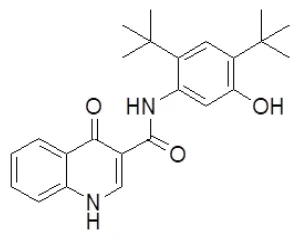
ivacaftor
Physicochemical properties: elexacaftor is a white crystalline solid that is practically insoluble in water (< 1 mg/mL).
tezacaftor is a white to off-white powder that is practically insoluble in water (< 5 µg/mL).
ivacaftor is a white to off-white powder that is practically insoluble in water (< 0.05 µg/mL).
14. Clinical Trials
14.1. Clinical Trials by Indication
The efficacy of TRIKAFTA (elexacaftor/tezacaftor/ivacaftor; ivacaftor) in patients with CF was demonstrated in six phase 3 trials. Studies 445-102 and 445-124 were randomized, double-blind, placebo-controlled trial, Studies 445-103 and 445-104 were randomized, double-blind, active-controlled trials and Studies 445-106 and 445-111 were open-label trials. These studies enrolled CF patients with at least one F508del mutation or a mutation responsive to TRIKAFTA listed in Table 21. Not all F508del heterozygotes have been clinically evaluated with TRIKAFTA.
Patients with CF Aged 12 Years and Older with at Least One F508del Mutation in the CFTR Gene
| Table 15: Summary of Patient Demographics for Clinical Trials in CF Patients with CFTR Mutations | ||||||||||
| Study # | Study design | Dosage, route of administration and duration | Study subjects (n) | Mean age (Range) | Sex | |||||
| Study 445-102 (heterozygous for the F508del mutation and a minimal function mutation [F/MF]) | Randomized, double-blind, placebo-controlled, parallel-group, multicenter | Elexacaftor 200 mg qd / Tezacaftor 100 mg qd / Ivacaftor 150 mg q12h or placebo; Oral 24 weeks | 403 | 26.2 years (12 to 64) | Male: 52% Female: 48% | |||||
| Study 445-103 (homozygous for the F508del mutation [F/F]) | Randomized, active-controlled, parallel-group, multicenter | Run-in with 4 weeks: Tezacaftor 100 mg qd / Ivacaftor 150 mg q12h. Randomized to: Elexacaftor 200 mg qd / Tezacaftor 100 mg qd / Ivacaftor 150 mg q12h or Tezacaftor 100 mg qd / Ivacaftor 150 mg q12h Oral 4 weeks | 107 | 28.4 years (12 to 61) | Male: 45% Female: 55% | |||||
| Study 445-104 (heterozygous for the F508del mutation and a gating or residual function mutation [F/G or F/RF]) | Randomized, active-controlled, parallel-group, multicenter | Run-in for 4 weeks: Tezacaftor / Ivacaftor (Tezacaftor 100 mg qd / Ivacaftor 150 mg q12h) or Ivacaftor (Ivacaftor 150 mg q12h) group based on the genotype. Randomized to: Elexacaftor 200 mg qd / Tezacaftor 100 mg qd / Ivacaftor 150 mg q12h or remained on the CFTR modulator therapy received during the run-in period Oral 8 weeks | 258 | 37.7 years (12 to 73) | Male: 50% Female: 50% | |||||
Study 445-102
Study 445-102 was a 24-week, randomized, double-blind, placebo-controlled trial in patients who had an F508del mutation on one allele and a minimal function mutation on the second allele. CF patients eligible for this study were required to either have Class I mutations that predicted no CFTR protein being produced (including nonsense mutations, canonical splice mutations, and insertion/deletion frameshift mutations both small (≤ 3 nucleotide) and non-small (> 3 nucleotide)), or missense mutations which results in CFTR protein that does not transport chloride and is not responsive to ivacaftor and tezacaftor/ivacaftor in vitro. The most frequent alleles with minimal function assessed in the study were G542X, W1282X, R553X, and R1162X; 621+1G→T, 1717-1G→A, and 1898+1G→A; 3659delC, and 394delTT; CFTRdele2,3; and N1303K, I507del, G85E, R347P, and R560T. A total of 403 patients aged 12 years and older (mean age 26.2 years) were randomized and dosed to receive TRIKAFTA or placebo. Patients had a ppFEV1 at screening between 40 to 90%. The mean ppFEV1 at baseline was 61.4% (range: 32.3%, 97.1%).
In Study 445-102 the primary endpoint was mean absolute change in ppFEV1 from baseline through Week 24. Treatment with TRIKAFTA compared to placebo resulted in statistically significant improvement in ppFEV1 of 14.3 percentage points (95% CI: 12.7, 15.8; P < 0.0001) (see Table 16). Mean improvement in ppFEV1 was observed at the first assessment on Day 15 and sustained through the 24-week treatment period. Improvements in ppFEV1 were observed regardless of age, baseline ppFEV1, sex and geographic region. A total of 18 patients receiving TRIKAFTA had ppFEV1 < 40 at baseline. The safety and efficacy in this subgroup were comparable to those observed in the overall population. See Table 16 for a summary of primary and key secondary outcomes.
| Table 16: Primary and Key Secondary Efficacy Analyses, Full Analysis Set (Study 445-102) | ||||||||||||||
| Analysis | Statistic | Placebo N=203 | TRIKAFTA N=200 | |||||||||||
| Primary | ||||||||||||||
| Absolute change in ppFEV1 from baseline through Week 24 (percentage points) | Treatment difference (95% CI) | NA | 14.3 (12.7, 15.8) | |||||||||||
| P value | NA | P < 0.0001 | ||||||||||||
| Within-group change (SE) | -0.4 (0.5) | 13.9 (0.6) | ||||||||||||
| Key Secondary | ||||||||||||||
| Absolute change in ppFEV1 from baseline at Week 4 (percentage points) | Treatment difference (95% CI) | NA | 13.7 (12.0, 15.3) | |||||||||||
| P value | NA | P < 0.0001 | ||||||||||||
| Within-group change (SE) | -0.2 (0.6) | 13.5 (0.6) | ||||||||||||
| Number of pulmonary exacerbations from baseline through Week 24 * | Number of events (event rate per year †) | 113 (0.98) | 41 (0.37) | |||||||||||
| Rate ratio (95% CI) | NA | 0.37 (0.25, 0.55) | ||||||||||||
| P value | NA | P < 0.0001 | ||||||||||||
| Absolute change in sweat chloride from baseline through Week 24 (mmol/L) | Treatment difference (95% CI) | NA | -41.8 (-44.4, -39.3) | |||||||||||
| P value | NA | P < 0.0001 | ||||||||||||
| Within-group change (SE) | -0.4 (0.9) | -42.2 (0.9) | ||||||||||||
| Absolute change in CFQ-R respiratory domain score from baseline through Week 24 (points) | Treatment difference (95% CI) | NA | 20.2 (17.5, 23.0) | |||||||||||
| P value | NA | P < 0.0001 | ||||||||||||
| Within-group change (SE) | -2.7 (1.0) | 17.5 (1.0) | ||||||||||||
| Absolute change in BMI from baseline at Week 24 (kg/m2) | Treatment difference (95% CI) | NA | 1.04 (0.85, 1.23) | |||||||||||
| P value | NA | P < 0.0001 | ||||||||||||
| Within-group change (SE) | 0.09 (0.07) | 1.13 (0.07) | ||||||||||||
| Absolute change in sweat chloride from baseline at Week 4 (mmol/L) | Treatment difference (95% CI) | NA | -41.2 (-44.0, -38.5) | |||||||||||
| P value | NA | P < 0.0001 | ||||||||||||
| Within-group change (SE) | 0.1 (1.0) | -41.2 (1.0) | ||||||||||||
| Absolute change in CFQ-R respiratory domain score from baseline at Week 4 (points) | Treatment difference (95% CI) | NA | 20.1 (16.9, 23.2) | |||||||||||
| P value | NA | P < 0.0001 | ||||||||||||
| Within-group change (SE) | -1.9 (1.1) | 18.1 (1.1) | ||||||||||||
| ppFEV1: percent predicted forced expiratory volume in 1 second; CI: Confidence Interval; SE: Standard Error; NA: Not Applicable; CFQ-R: Cystic Fibrosis Questionnaire-Revised; BMI: Body Mass Index. | ||||||||||||||
| * A pulmonary exacerbation was defined as a change in antibiotic therapy (IV, inhaled, or oral) as a result of 4 or more of 12 pre-specified sino-pulmonary signs/symptoms. | ||||||||||||||
| † Estimated event rate per year was calculated based on 48 weeks per year. | ||||||||||||||
Study 445-103
Study 445-103 was a 4-week, randomized, double-blind, active-controlled study in patients who are homozygous for the F508del mutation. A total of 107 patients aged 12 years and older (mean age 28.4 years) received tezacaftor/ivacaftor and ivacaftor regimen (tezacaftor/ivacaftor) during a 4-week open-label run-in period and were then randomized and dosed to receive TRIKAFTA or tezacaftor/ivacaftor during a 4-week double-blind treatment period. Patients had a ppFEV1 at screening between 40 to 90%. The mean ppFEV1 at baseline, following the tezacaftor/ivacaftor run-in period was 60.9% (range: 35.0%, 89.0%).
In Study 445-103 the primary endpoint was mean absolute change in ppFEV1 from baseline at Week 4 of the double-blind treatment period. Treatment with TRIKAFTA compared to the regimen of tezacaftor/ivacaftor resulted in a statistically significant improvement in ppFEV1 of 10.0 percentage points (95% CI: 7.4, 12.6; P < 0.0001) (see Table 17). Improvements in ppFEV1 were observed regardless of age, sex, baseline ppFEV1 and geographic region. See Table 17 for a summary of primary and key secondary outcomes.
| Table 17: Primary and Key Secondary Efficacy Analyses, Full Analysis Set (Study 445-103) | |||||||||||
| Analysis † | Statistic | Tezacaftor/ Ivacaftor * N=52 | TRIKAFTA N=55 | ||||||||
| Primary | |||||||||||
| Absolute change in ppFEV1 from baseline at Week 4 (percentage points) | Treatment difference (95% CI) | NA | 10.0 (7.4, 12.6) | ||||||||
| P value | NA | P < 0.0001 | |||||||||
| Within-group change (SE) | 0.4 (0.9) | 10.4 (0.9) | |||||||||
| Key Secondary | |||||||||||
| Absolute change in sweat chloride from baseline at Week 4 (mmol/L) | Treatment difference (95% CI) | NA | -45.1 (-50.1, -40.1) | ||||||||
| P value | NA | P < 0.0001 | |||||||||
| Within-group change (SE) | 1.7 (1.8) | -43.4 (1.7) | |||||||||
| Absolute change in CFQ-R respiratory domain score from baseline at Week 4 (points) | Treatment difference (95% CI) | NA | 17.4 (11.8, 23.0) | ||||||||
| P value | NA | P < 0.0001 | |||||||||
| Within-group change (SE) | -1.4 (2.0) | 16.0 (2.0) | |||||||||
| ppFEV1: percent predicted forced expiratory volume in 1 second; CI: Confidence Interval; SE: Standard Error; NA: Not Applicable; CFQ-R: Cystic Fibrosis Questionnaire-Revised. | |||||||||||
* Regimen of tezacaftor/ivacaftor and ivacaftor. † Baseline for primary and key secondary endpoints is defined as the end of the 4-week tezacaftor/ivacaftor run-in period. | |||||||||||
Study 445-104
Study 445-104 was an 8-week, randomized, double-blind, active-controlled study in patients who were heterozygous for the F508del mutation and a mutation on the second allele with a gating defect (Gating) or residual CFTR activity (RF). The most frequent alleles with gating defect assessed in the study were G551D, R117H and the most frequent alleles with residual CFTR activity were 3849+10kbC>T, 2789+5G>A, A455E, 3272-26A>G, D1152H, P67L, L206W. A total of 258 patients aged 12 years and older received either ivacaftor (F/Gating) or tezacaftor/ivacaftor (F/RF) during a 4-week open-label run-in period and were dosed during the treatment period. Patients with the F/R117H genotype received ivacaftor during the run-in period. The mean age at baseline, following the run-in period, was 37.7 years. Patients were then randomized and dosed to receive TRIKAFTA or remained on the CFTR modulator therapy received during the run-in period. Patients had a ppFEV1 at screening between 40-90%. The mean ppFEV1 at baseline was 67.6% (range: 29.7%, 113.5%).
Following a 4-week tezacaftor/ivacaftor or ivacaftor run-in period, the primary endpoint for Study 445-104 of within group mean absolute change in ppFEV1 from baseline through Week 8 resulted in statistically significant improvement in ppFEV1 from baseline of 3.7 percentage points (95% CI: 2.8, 4.6; P < 0.0001) for the TRIKAFTA-treated group (see Table 18). Overall improvements in ppFEV1 were observed regardless of age, sex, baseline ppFEV1 geographic region and genotype groups (F/Gating or F/RF).
See Table 18 for a summary of primary and secondary outcomes in the overall trial population.
In a subgroup analysis of patients with an F/Gating genotype, the treatment difference of TRIKAFTA (N=50) compared with ivacaftor (N=45) for mean absolute change in ppFEV1 was 5.8 percentage points (95% CI: 3.5, 8.0). In a subgroup analysis of patients with an F/RF genotype, the treatment difference of TRIKAFTA (N=82) compared with tezacaftor/ivacaftor (N=81) for mean absolute change in ppFEV1 was 2.0 percentage points (95% CI: 0.5, 3.4). The results of the F/Gating and the F/RF genotype subgroups for improvement in sweat chloride and CFQ-R respiratory domain score were consistent with the overall results.
| Table 18: Primary and Key Secondary Efficacy Analyses, Full Analysis Set (Study 445-104) | |||||||||||
|---|---|---|---|---|---|---|---|---|---|---|---|
| Analysis * | Statistic | Control Group † N=126 | TRIKAFTA N=132 | ||||||||
| Primary | |||||||||||
| Absolute change in ppFEV1 from baseline through Week 8 (percentage points) | Within-group change (95% CI) | 0.2 (-0.7, 1.1) | 3.7 (2.8, 4.6) | ||||||||
| P value | NA | P < 0.0001 | |||||||||
| Key and other secondary | |||||||||||
| Absolute change in sweat chloride from baseline through Week 8 (mmol/L) | Within-group change (95% CI) | 0.7 (-1.4, 2.8) | -22.3 (-24.5, -20.2) | ||||||||
| P value | NA | P < 0.0001 | |||||||||
| Absolute change in ppFEV1 from baseline through Week 8 compared to the control group (percentage points) | Treatment difference (95% CI) | NA | 3.5 (2.2, 4.7) | ||||||||
| P value | NA | P < 0.0001 | |||||||||
| Absolute change in sweat chloride from baseline through Week 8 compared to the control group (mmol/L) | Treatment difference (95% CI) | NA | -23.1 (-26.1, -20.1) | ||||||||
| P value | NA | P < 0.0001 | |||||||||
| Absolute change in CFQ-R respiratory domain score from baseline through Week 8 (points) | Within-group change (95% CI) | 1.6 (-0.8, 4.1) | 10.3 (8.0, 12.7) | ||||||||
| Absolute change in CFQ-R respiratory domain score from baseline through Week 8 (points) compared to the control group | Treatment difference (95% CI) | NA | 8.7 (5.3, 12.1) | ||||||||
| ppFEV1: percent predicted forced expiratory volume in 1 second; CI: Confidence Interval; SD: Standard Deviation; NA: Not Applicable; CFQ-R: Cystic Fibrosis Questionnaire-Revised. | |||||||||||
* Baseline for primary and secondary endpoints is defined as the end of the 4-week run-in period of ivacaftor or tezacaftor/ivacaftor. † ivacaftor group or tezacaftor/ivacaftor group. | |||||||||||
Patients with CF Aged 6 to Less Than 12 Years Old with at Least One F508del Mutation in The CFTR Gene
| Table 19: Summary of Patient Demographics for Clinical Trials in CF Patients with CFTR Mutations | ||||||||||
| Study # | Study design | Dosage, route of administration and duration | Study subjects (n) | Mean age (Range) | Sex | |||||
| Study 445-106 (homozygous for the F508del mutation or heterozygous for the F508del mutation and a minimal function mutation [F/F or F/MF]) | Open-label, multicenter | Elexacaftor 100 mg qd / Tezacaftor 50 mg qd / Ivacaftor 75 mg q12h or Elexacaftor 200 mg qd / Tezacaftor 100 mg qd / Ivacaftor 150 mg q12h according to weight Oral 24 weeks | 66 | 9.3 years (6.1, 12.1) | Male: 40.9% Female: 59.1% | |||||
Study 445-106
Study 445-106 was a 24-week, open-label study in patients who were homozygous for the F508del mutation or heterozygous for the F508del mutation and a minimal function mutation. A total of 66 patients aged 6 to less than 12 years (mean age at baseline 9.3 years) were dosed according to weight. Patients weighing < 30 kg at baseline were administered elexacaftor 100 mg once daily (qd)/tezacaftor 50 mg qd/ivacaftor 75 mg every 12 hours (q12h), and patients weighing ≥ 30 kg at baseline were administered elexacaftor 200 mg qd/tezacaftor 100 mg qd/ivacaftor 150 mg q12h. Patients had a ppFEV1 ≥ 40% and weighed ≥ 15 kg at screening. The mean ppFEV1 at baseline was 88.8% (range: 39.0%, 127.1%).
The pharmacokinetic profile, safety and efficacy of TRIKAFTA in patients aged 6 to less than 12 years are supported by evidence from studies of TRIKAFTA in patients aged 12 years and older (Studies 445-102, 445-103 and 445-104), with additional data from patients aged 6 to less than 12 years (Study 445-106).
The primary endpoint of safety and tolerability was evaluated through 24 weeks. The safety profile of patients in this trial was similar to that observed in Studies 445-102, 445-103 and 445-104 (see 8 Adverse Reactions). The effectiveness of TRIKAFTA in patients aged 6 to less than 12 years was extrapolated from patients aged 12 years and older with support from population pharmacokinetic analyses showing elexacaftor, tezacaftor and ivacaftor exposure levels in patients aged 6 to less than 12 years within the range of exposures observed in patients aged 12 years and older (see 10 Clinical Pharmacology).
Patients with CF Aged 6 Years and Older with at Least One Qualifying Non-F508del, elexacaftor/tezacaftor/ivacaftor-responsive Mutation
Study 445-124
Study 445-124 was a 24 week, randomized, placebo-controlled, double-blind, parallel group study in patients aged 6 years and older. Patients who had at least one qualifying non-F508del, elexacaftor/tezacaftor/ivacaftor-responsive mutation (see Table 21) and did not have an exclusionary (other elexacaftor/tezacaftor/ivacaftor-responsive) mutation were eligible for the study. A total of 307 patients were enrolled and dosed according to age and weight. Patients 6 to <12 years weighing <30 kg at baseline were administered elexacaftor 100 mg qd/ tezacaftor 50 mg qd/ ivacaftor 75 mg q12h. Patients 6 to <12 years weighing ≥30 kg at baseline were administered elexacaftor 200 mg qd/ tezacaftor 100 mg qd/ ivacaftor 150 mg q12h. Patients ≥12 years at baseline were administered elexacaftor 200 mg qd/ tezacaftor 100 mg qd/ ivacaftor 150 mg q12h. Patients had a ppFEV1 ≥40% and ≤100% and aged 6 years or older at screening. The mean ppFEV1 at baseline was 67.7% (range: 34.0%, 108.7%).
| Table 21: Eligible CFTR Mutations | ||||
|---|---|---|---|---|
| 2789+5G>A | D1152H | L997F | R117C | T338I |
| 3272-26A>G | G85E | M1101K | R347H | V232D |
| 3849+10kbC>T | L1077P | P5L | R347P | |
| A455E | L206W | R1066H | S945L | |
The safety and efficacy of TRIKAFTA in patients with CF aged 6 years and older without an F508del mutation were evaluated (Study 445-124).
In Study 445-124, the primary endpoint of efficacy was ppFEV1. Secondary endpoints were absolute change in sweat chloride, CFQ-R respiratory domain score, growth parameters (BMI, weight), and number of PEx. See Table 22 for a summary of primary and secondary efficacy outcomes.
| Table 20: Summary of Patient Demographics for Clinical Trials in CF Patients with non-F508del, ELX/TEZ/IVA-responsive mutations | ||||||||||
| Study # | Study design | Dosage, route of administration and duration | Study subjects (n) | Mean age (Range) | Sex | |||||
| Study 445-124 (qualifying non-F508del, ELX/TEZ/IVA-responsive mutation and did not have an exclusionary [other ELX/TEZ/IVA-responsive] mutation) | Randomized, double-blind, placebo-controlled, parallel-group | Elexacaftor 100 mg qd / Tezacaftor 50 mg qd / Ivacaftor 75 mg q12h or Elexacaftor 200 mg qd / Tezacaftor 100 mg qd / Ivacaftor 150 mg q12h according to weight and age Oral 24 weeks | 307 | 33.5 years (6.3, 87.3) | Male: 46.3% Female: 53.7% | |||||
| Table 22: Primary and Secondary Efficacy Analyses, Full Analysis Set (Study 445-124) | ||||||||||
|---|---|---|---|---|---|---|---|---|---|---|
| Analysis | Statistic | Placebo N = 102 | TRIKAFTA N = 205 | |||||||
| Primary | ||||||||||
| Absolute change in ppFEV1 from baseline through Week 24 (percentage points) | Treatment difference (95% CI) P value Within-group change (SE) | NA NA -0.4 (0.8) | 9.2 (7.2, 11.3) P < 0.0001 8.9 (0.6) | |||||||
| Secondary | ||||||||||
| Absolute change in sweat chloride from baseline through Week 24 (mmol/L) | Treatment difference (95% CI) P value Within-group change (SE) | NA NA 0.5 (1.6) | -28.3 (-32.1, -24.5) P < 0.0001 -27.8 (1.1) | |||||||
| Absolute change in CFQ-R respiratory domain score from baseline through Week 24 (points) | Treatment difference (95% CI) P value Within-group change (SE) | NA NA -2.0 (1.6) | 19.5 (15.5, 23.5) P < 0.0001 17.5 (1.2) | |||||||
| Absolute change from baseline in BMI at Week 24 (kg/m2) | Treatment difference (95% CI) P value Within-group change (SE) | NA NA 0.35 (0.09) | 0.47 (0.24, 0.69) P < 0.0001 0.81 (0.07) | |||||||
| Absolute change from baseline in weight at Week 24 (kg) | Treatment difference (95% CI) P value Within-group change (SE) | NA NA 1.2 (0.3) | 1.3 (0.6, 1.9) P < 0.0001 2.4 (0.2) | |||||||
| Number of PEx through Week 24 | Rate ratio (95% CI) P value Number of events Estimated event rate per year | NA NA 40 0.63 | 0.28 (0.15, 0.51) P < 0.0001 21 0.17 | |||||||
| BMI: Body Mass Index; CFQ-R RD: Cystic Fibrosis Questionnaire-Revised Respiratory Domain; IV: Intravenous; IVA: ivacaftor; LS: Least Squares; n: size of subsample; N: total sample size; P: Probability; PEx: Pulmonary Exacerbation; ppFEV1: percent predicted forced expiratory volume in 1 second; SwCl: Sweat Chloride; TEZ: tezacaftor | ||||||||||
Patients with CF aged 2 to Less Than 6 Years Old With at Least One F508del Mutation in The CFTR Gene
| Table 23: Summary of Patient Demographics for Clinical Trials in CF Patients with CFTR Mutations | ||||||||||
| Study # | Study design | Dosage, route of administration and duration | Study subjects (n) | Age (Range) | Sex | |||||
Study 445-111 (homozygous for the F508del mutation or heterozygous for the F508del mutation and a minimal function mutation [F/F or F/MF]) | Open-label, multicenter | Elexacaftor 80 mg qd / Tezacaftor 40 mg qd / Ivacaftor 60 mg qAM and Ivacaftor 59.5 mg qPM or Elexacaftor 100 mg qd / Tezacaftor 50 mg qd / Ivacaftor 75 mg q12h according to weight Oral 24 weeks | 75 | 4.1 years (2.1, 6.0) | Male: 45.3% Female: 54.7% | |||||
Study 445-111
Study 445-111 was a 24-week, open-label study in patients aged 2 to less than 6 years (mean age at baseline 4.1 years). Patients who had at least one F508del mutation or a mutation known to be responsive to elexacaftor/tezacaftor/ivacaftor were eligible for the study. A total of 75 patients who were homozygous for the F508del mutation or heterozygous for the F508del mutation and a minimal function mutation were enrolled and dosed according to weight. Patients weighing 10 kg to < 14 kg at baseline were administered elexacaftor 80 mg once daily (qd)/tezacaftor 40 mg qd/ivacaftor 60 mg once every morning and ivacaftor 59.5 mg once every evening. Patients weighing ≥ 14 kg at baseline were administered elexacaftor 100 mg qd/tezacaftor 50 mg qd/ivacaftor 75 mg q12h.
The pharmacokinetic profile, safety, and efficacy of TRIKAFTA in patients with CF aged 2 to less than 6 years are supported by evidence from studies of TRIKAFTA in patients aged 12 years and older (Studies 445-102, 445-103 and 445-104), with additional data from a 24-week, open-label, phase 3 study in 75 patients aged 2 to less than 6 years (Study 445-111).
In Study 445-111, the primary endpoint of safety and tolerability was evaluated through 24 weeks. The safety profile of patients in this study was similar to that observed in Studies 445-102, 445-103, 445-104 and 445-106 (see 8 Adverse Reactions). Secondary endpoints were an evaluation of pharmacokinetics, and efficacy endpoints of absolute change in sweat chloride (see 10.2 Pharmacodynamics) and LCI2.5 from baseline through Week 24. The effectiveness of TRIKAFTA in patients aged 2 to less than 6 years was extrapolated from patients aged 12 years and older with support from population pharmacokinetic analyses showing elexacaftor, tezacaftor and ivacaftor exposure levels in patients aged 2 to less than 6 years within the range of exposures observed in patients aged 12 years and older.
Patients in all trials continued on their CF therapies (e.g., bronchodilators, inhaled antibiotics, dornase alfa, and hypertonic saline), but discontinued any previous CFTR modulator therapies, except for study drugs. Patients had a diagnosis of CF and met study eligibility criteria.
In Studies 445-102, 445-103, 445-104, 445-106, 445-111, and 445-124, patients who had lung infection with organisms associated with a more rapid decline in pulmonary status, including but not limited to Burkholderia cenocepacia, Burkholderia dolosa, or Mycobacterium abscessus, or who had an abnormal liver function test at screening (ALT, AST, ALP, or GGT ≥ 3 x ULN, or total bilirubin ≥ 2 x ULN), were excluded. In Study 445-111, patients who had ALT or AST ≥ 2 x ULN were also excluded. Patients in Studies 445-102, 445-103, 445-104, 445-106, 445-111, and 445-124 were eligible to roll over into separate open-label extension studies.
16. Non-Clinical Toxicology
Elexacaftor
Non-clinical data reveal no special hazard for humans based on conventional studies of safety pharmacology, genotoxicity, carcinogenic potential, and repeated dose toxicity.
Fertility and Pregnancy
Elexacaftor was associated with lower male and female fertility, male copulation, and female conception indices in males at 75 mg/kg/day [6 times the maximum recommended human dose (MRHD) based on summed AUCs of elexacaftor and its metabolite] and in females at 35 mg/kg/day (7 times the MRHD based on summed AUCs of elexacaftor and its metabolite).
The No Observed Adverse Effect Level (NOAEL) for fertility findings was 55 mg/kg/day (2 times the MRHD based on summed AUCs of elexacaftor and its metabolite) in male rats and 25 mg/kg/day (4 times the MRHD based on summed AUCs of elexacaftor and its metabolite) in female rats. In rat, at doses exceeding the maximum tolerated dose (MTD), degeneration and atrophy of seminiferous tubules are correlated to oligo-/aspermia and cellular debris in epididymides. In dog testes, minimal or mild, bilateral degeneration/atrophy of the seminiferous tubules was present in males administered 14 mg/kg/day elexacaftor (14 times the MRHD based on summed AUCs of elexacaftor and its metabolite) that did not resolve during the recovery period, however without further sequelae. The human relevance of these findings is unknown.
Elexacaftor was not teratogenic in rats at 40 mg/kg/day and at 125 mg/kg/day in rabbits [approximately 9 and 4 times, respectively, the MRHD based on summed AUCs of elexacaftor and its metabolites (for rat) and AUC of elexacaftor (for rabbit)] with developmental findings being limited to lower mean fetal body weight at ≥ 25 mg/kg/day. Placental transfer of elexacaftor was observed in pregnant rats.
Tezacaftor
Non-clinical data reveal no special hazard for humans based on conventional studies of safety pharmacology, genotoxicity, carcinogenic potential, toxicity to reproduction and development and repeated dose toxicity. Placental transfer of tezacaftor was observed in pregnant rats.
Juvenile toxicity studies in rats exposed during postnatal day 7 to 35 (PND 7-35) showed mortality and moribundity even at low doses. Findings were dose related and generally more severe when dosing with tezacaftor was initiated earlier in the postnatal period. Exposure in rats from PND 21-49 did not show toxicity at the highest dose which was approximately two times the intended human exposure. Tezacaftor and its metabolite, M1-TEZ, are substrates for P-glycoprotein. Lower brain levels of P-glycoprotein activity in younger rats resulted in higher brain levels of tezacaftor and M1-TEZ. These findings are not relevant for the indicated pediatric population 2 years of age and older, for whom levels of P-glycoprotein activity are equivalent to levels observed in adults.
Ivacaftor
Non-clinical data reveal no special hazard for humans based on conventional studies of safety pharmacology, genotoxicity, carcinogenic potential, and repeated dose toxicity.
Fertility and Pregnancy
Ivacaftor was associated with a reduction in overall fertility index, number of pregnancies, number of corpora lutea and implantation sites, as well as changes in the estrous cycle in females at 200 mg/kg/day dose (approximately 5 times the MRHD based on summed AUCs of ivacaftor and its metabolites). Slight decreases of the seminal vesicle weights were observed in males at 200 mg/kg/day dose (approximately 7 times the MRHD based on summed AUCs of ivacaftor and its metabolites).
In pre- and post-natal development study in pregnant rats at doses above 100 mg/kg/day, ivacaftor resulted in survival and lactation indices that were 92% and 98% of control values, respectively, as well as reductions in pup body weights. Placental transfer of ivacaftor was observed in pregnant rats and rabbits.
Juvenile Animals
Findings of cataracts were observed in juvenile rats dosed from postnatal Day 7 through 35 with ivacaftor dose levels of 10 mg/kg/day and higher (0.21 times the MRHD based on systemic exposure of ivacaftor and its metabolites). This finding has not been observed in fetuses derived from rat dams treated with ivacaftor on gestation days 7 to 17, in rat pups exposed to ivacaftor to a certain extent through milk ingestion up to postnatal Day 20, in 7-week-old rats, or in 3.5- to 5-month-old dogs treated with ivacaftor. The potential relevance of these findings in humans is unknown.
Elexacaftor/Tezacaftor/Ivacaftor
Combination repeat-dose toxicity studies in rats and dogs involving the co-administration of elexacaftor, tezacaftor and ivacaftor to assess the potential for additive and/or synergistic toxicity did not produce any unexpected toxicities or interactions.