


Patient Medication Information: uses, side effects, how to take - Kevzara (Sanofi-Aventis Canada, 150 mg)
What is KEVZARA used for?
KEVZARA is used to treat adult patients with moderately to severely active rheumatoid arthritis (RA) after at least one other medicine called a Disease Modifying Anti-Rheumatic Drug (DMARD) has been used and did not work well or caused side effects that led you to stop taking the medicine.
How does KEVZARA work?
KEVZARA (also known as sarilumab) is an injectable prescription medicine which blocks a protein, Interleukin-6 (IL-6), that is found at high levels in people diagnosed with RA.
IL-6 plays a major role in the signs and symptoms of rheumatoid arthritis (RA).
KEVZARA is a medicine that helps keep the immune system from attacking healthy tissues in the body. A normal immune system leaves healthy body tissues alone. In people with rheumatoid arthritis, the immune system attacks normal body tissues causing damage and inflammation, especially in the tissues of your joints and possibly other organs (such as heart, liver and bones). KEVZARA interferes with an important step in this attack (blocks a cytokine called IL-6 which is found at high levels in the joints affected by rheumatoid arthritis).
What are the ingredients in KEVZARA?
Medicinal ingredients: sarilumab
Non-medicinal ingredients: arginine, histidine, polysorbate 20, sucrose, water for injection.
The components of the prefilled syringe are latex free (including the needle cap).
Serious Warnings and Precautions
Risk of serious Infections
KEVZARA is a medicine that affects your immune system. KEVZARA can lower the ability of your immune system to fight infections. Some people have serious infections while taking KEVZARA, including tuberculosis (TB), and infections caused by bacteria, fungi, or viruses that can spread throughout the body. Some people have died from these infections.
KEVZARA comes in the following dosage forms:
- Pre-filled syringes, each containing 150 mg of KEVZARA for subcutaneous injection
- Pre-filled syringes, each containing 200 mg of KEVZARA for subcutaneous injection
- Pre-filled pen, each containing 150 mg of KEVZARA for subcutaneous injection
- Pre-filled pen, each containing 200 mg of KEVZARA for subcutaneous injection
Do not use KEVZARA if:
- you are allergic to sarilumab or any of the ingredients in KEVZARA (see section titled ‘What are the ingredients in KEVZARA?’).
To help avoid side effects and ensure proper use, talk to your healthcare professional before you use KEVZARA. Talk about any health conditions or problems you may have, including if you:
- have had an allergic reaction to KEVZARA
- think you have an infection or have symptoms of an infection, with or without a fever, such as sweating or chills, muscle aches, cough, shortness of breath, blood in phlegm, weight loss, warm, red, or painful skin or sores on your body, diarrhea or stomach pain, burning when you urinate or urinating more often than normal, feeling very tired
- are being treated for an infection, get a lot of infections or have repeated infections
- have diabetes, HIV, or a weak immune system. People with these conditions have a higher chance of getting infections.
- have tuberculosis (TB), or have been in close contact with someone with TB
- live or have lived, or have traveled to certain parts of the country where there is an increased chance for getting certain kinds of fungal infections (histoplasmosis, coccidiomycosis, or blastomycosis). These infections may happen more often or worsen if you use KEVZARA. Ask your healthcare provider, if you do not know if you have lived in an area where these infections are common.
- have or have had hepatitis B or hepatitis C or other liver problems
- have or have had diverticulitis (inflammation in parts of the large intestine) or ulcers in your stomach or intestines. Some people using KEVZARA get tears (perforations) in their stomach or intestine. This happens most often in people who also take medicines such as nonsteroidal anti-inflammatory drugs (NSAIDs), corticosteroids, or methotrexate.
- have or have had any type of cancer
- have recently received or are scheduled to receive a vaccine
- have a surgery or a medical procedure planned
- have any other medical conditions
plan to become pregnant or are pregnant. It is not known if KEVZARA will harm your unborn baby.
Pregnancy Registry: Sanofi has a registry for pregnant women who use KEVZARA to gather information about the outcomes of pregnancies. If you are pregnant or become pregnant while using KEVZARA, talk to your healthcare provider about how you can join this pregnancy registry or call 1-877-311-8972 to enroll.
plan to breast-feed or are breast-feeding. You and your healthcare provider should decide
- if you will use KEVZARA or breast-feed. You should not do both.
After starting KEVZARA, call your healthcare provider right away if you have any symptoms of an infection. KEVZARA may make you more likely to get an infection or worsen any infection you have.
Tell your healthcare provider right away if you have fever and stomach-area pain that does not go away.
KEVZARA may decrease the activity of your immune system. Medicines that affect the immune system may increase your risk of certain cancers. Tell your healthcare provider if you have ever had any type of cancer.
Other warnings you should know about:
- Changes to laboratory tests:
Your healthcare provider should do blood tests before you start KEVZARA, 4 to 8 weeks after starting KEVZARA, and then approximately every 3 months during treatment to check for the following:
- low neutrophil count. Neutrophils are white blood cells that help the body fight off bacterial infections.
- low platelet count. Platelets are blood cells that help with blood clotting and stop bleeding.
- increase in certain liver function tests.
Your healthcare provider may not prescribe KEVZARA if your neutrophil or platelet counts are too low or your liver function tests are too high.
Your healthcare provider may interrupt your KEVZARA treatment for a period of time and/or decrease your dose of medicine if needed because of changes in these blood test results.
You may also have changes in other laboratory tests, such as your blood cholesterol levels. Your healthcare provider may do blood tests to check your cholesterol levels while you are taking KEVZARA.
- Tears (perforations) of the stomach or intestines:
Tell your healthcare provider if you have had a condition known as diverticulitis (inflammation in parts of the large intestine) or ulcers in your stomach or intestines. Some people taking KEVZARA get tears in their stomach or intestine. This happens most often in people who also take medicines such as nonsteroidal anti-inflammatory drugs (NSAIDs), corticosteroids, or methotrexate.
Call your healthcare provider right away if you have fever and stomach (abdominal) pain that does not go away.
- Cancer
KEVZARA may decrease the activity of your immune system. Medicines that affect the immune system may increase your risk of certain cancers. Tell your healthcare provider if you have ever had any type of cancer.
See “What are the possible side effects from using KEVZARA?” for more information about side effects.
Tell your healthcare professional about all the medicines you take, including any drugs, vitamins, minerals, natural supplements or alternative medicines.
The following may interact with KEVZARA:
- any other medicines to treat your RA. You should not take rituximab (Rituxan®), etanercept (Enbrel®), infliximab (Remicade®), anakinra (Kineret®), adalimumab (Humira®), abatacept (Orencia®), certolizumab (Cimzia® ), golimumab (Simponi®), tocilizumab (Actemra®), or tofacitinib (Xeljanz®) while you are taking KEVZARA. Using KEVZARA with these medicines may increase your risk of infection.
- medicines that affect the way your liver works. Ask your healthcare provider if you are not sure if your medicine is one of these.
How to take KEVZARA:
- See the detailed Instructions for Use that comes with this Patient Medication Information for instructions about the right way to prepare and give your KEVZARA injections.
- KEVZARA is given as an injection under the skin (subcutaneous injection).
- KEVZARA comes as a single-dose (1 time) pre-filled syringe or pen. Your healthcare provider will prescribe the dose that is best for you.
- If your healthcare provider decides that you or a caregiver can give the injections of KEVZARA, you or your caregiver should receive training on the right way to prepare and inject KEVZARA. Do not try to inject KEVZARA until you have been shown the right way to give the injections by your healthcare provider.
Usual dose:
KEVZARA should be injected every two weeks. The usual recommended dose is 200mg. Your healthcare provider may interrupt your KEVZARA treatment for a period of time and/or decrease your dose of KEVZARA to 150mg every two weeks.
Overdose:
| If you think you have used too much KEVZARA, contact your healthcare professional, hospital emergency department or regional Poison Control Centre immediately, even if there are no symptoms. |
Missed Dose:
If you miss a dose of KEVZARA and it has been 3 days of less since the missed dose, take your dose as soon as you can. Then take your next dose at your regularly scheduled time. If it has been 4 days or more, or you are unsure when to take your next dose of KEVZARA, call your healthcare provider for instructions.
What are possible side effects from using KEVZARA?
Like all medicines, KEVZARA, can cause unwanted effects. These are not all the possible side effects you may feel when using KEVZARA. If you experience any side effects not listed here, contact your healthcare professional.
- Injection site redness
- Upper respiratory tract infection
- Nasal congestion, sore throat, and runny nose
- Cold sores
Serious side effects and what to do about them
| Symptom / effect | Talk to your healthcare professional | Stop taking drug and get immediate medical help | |
| Only if severe | In all cases | ||
COMMON Upper respiratory tract infections such as coughs and cold, sore throat, runny nose, nasal congestion, sneezing, coughing | X | ||
| Urinary tract infection: burning when you urinate or urinating more often than normal | Χ | ||
If you have a troublesome symptom or side effect that is not listed here or becomes bad enough to interfere with your daily activities, talk to your healthcare professional.
Reporting Side Effects
You can help improve the safe use of health products for Canadians by reporting serious and unexpected side effects to Health Canada. Your report may help to identify new side effects and change the product safety information. 3 ways to report:
NOTE: Contact your health professional if you need information about how to manage your side effects. The Canada Vigilance Program does not provide medical advice. |
Storage:
Keep out of reach and sight of children.
Do not use this medicine after the expiry date which is stated on the label and carton.
Store in a refrigerator (2°C - 8°C). Do not freeze.
Keep the syringe or pen in the outer carton in order to protect from light.
Do not expose to intense heat.
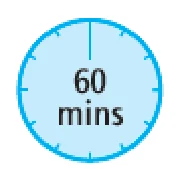
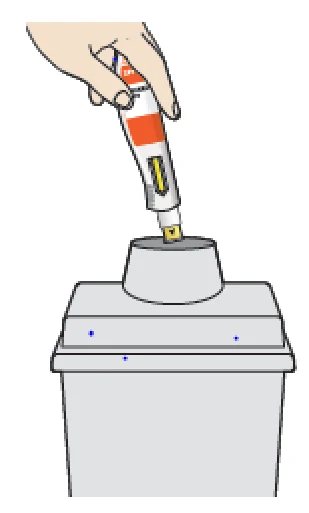
The pre-filled syringe should be left at room temperature for 30 minutes prior to use. The pre-filled pen should be left at room temperature for 60 minutes prior to use. The syringe or pen should be used within 14 days after being taken out of the refrigerator. A puncture-resistant container for disposal of syringes or pens should be used and should be kept out of the reach of children. Instruct patients or caregivers in the technique as well as proper pre-filled syringe or pre-filled pen disposal, and caution against reuse of these items.
If you want more information about KEVZARA:
- Talk to your healthcare professional
- Find the full product monograph that is prepared for healthcare professionals and includes this Patient Medication Information by visiting the Health Canada website; the manufacturer’s website sanofigenzyme.ca, or by calling 1-800-589-6215.
KEVZARA is a registered trademark of Sanofi Biotechnology.
Last Revised: August 8, 2019
INSTRUCTIONS FOR USE
KEVZARA®
(sarilumab)
Injection, for Subcutaneous Injection
Single-Dose Pre-Filled Syringe
Important information
This device is a single-dose pre-filled syringe (called “syringe” in these instructions). It contains KEVZARA for injection under the skin (subcutaneous injection) once every two weeks.
Ask your healthcare provider to show you the right way to use the syringe before you inject for the first time.
| Do | Do not |
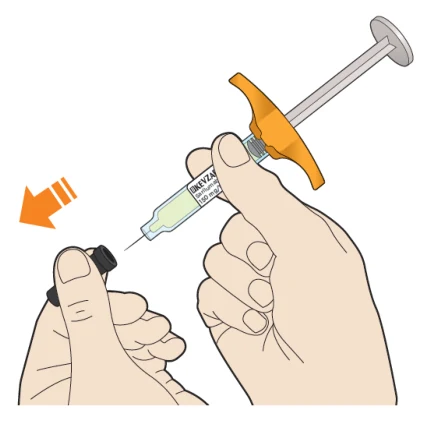
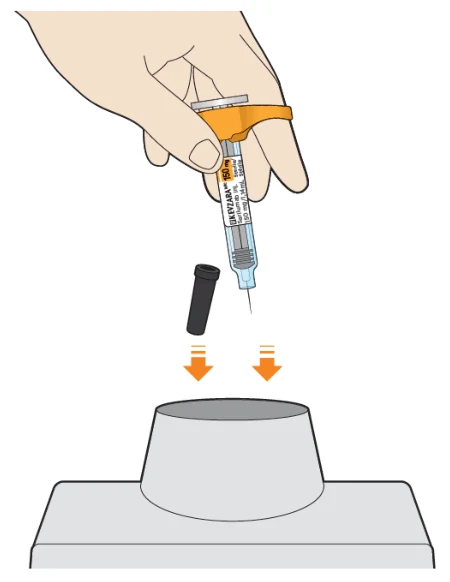
| Do not use the syringe if it has been damaged or the needle cap is missing or not attached. Do not remove the needle cap until just before you are ready to inject.
|
Keep these instructions for future use.
If you have any further questions, ask your healthcare provider or call 1-800-589-6215.
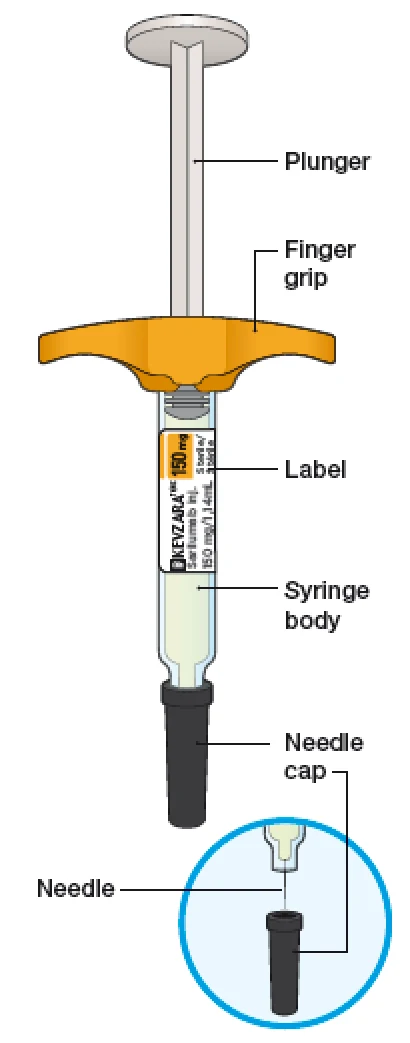
Step A: Get ready for an injection
- 1.
Prepare all the equipment you will need on a clean, flat working surface.
You will need an alcohol wipe, a cotton ball or gauze, and a puncture-resistant container.
- Take one syringe out of the packaging by holding the middle of the syringe body. Keep the remaining syringe in the carton in the refrigerator.
| |
| 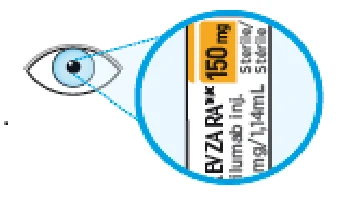 |
| |
| 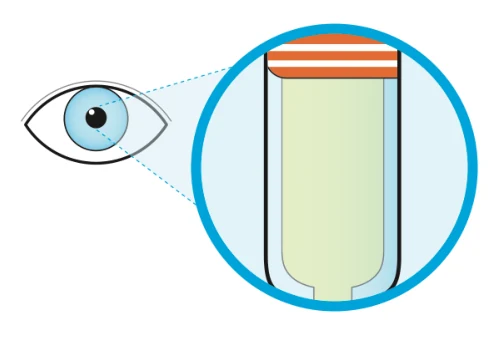 |
| |
| 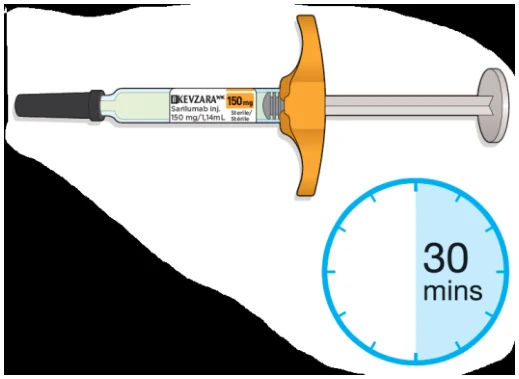 |
| |
|  |
- 6.
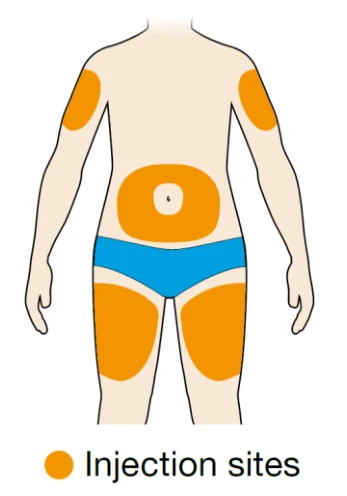
Prepare the injection site.
- Wash your hands.
Clean skin with an alcohol wipe.
- Do not touch the injection site again before the injection.
Step B: Perform the injection – Perform Step B only after completing Step A “Get ready for an injection”
| |
|  |
| |
| 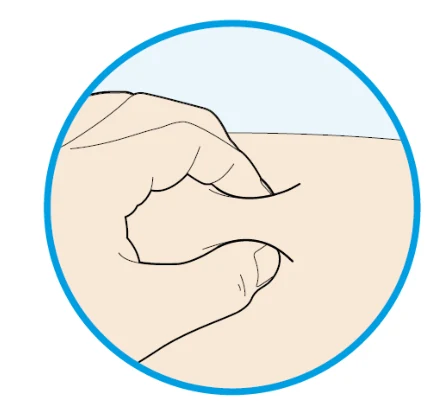 |
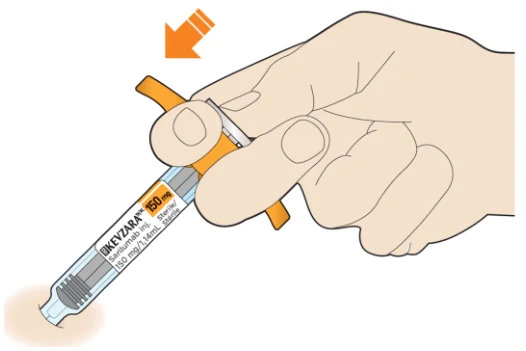
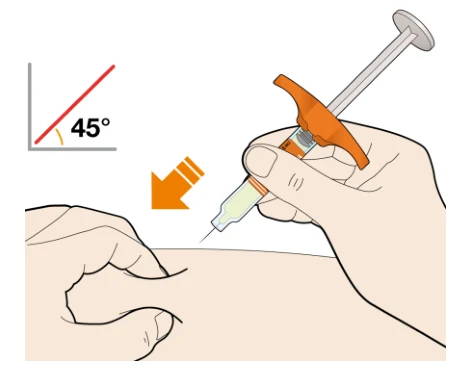
- 3. Insert the needle into the fold of skin at roughly a 45º angle.
| |
|  |
| |
Do not rub your skin after the injection. | 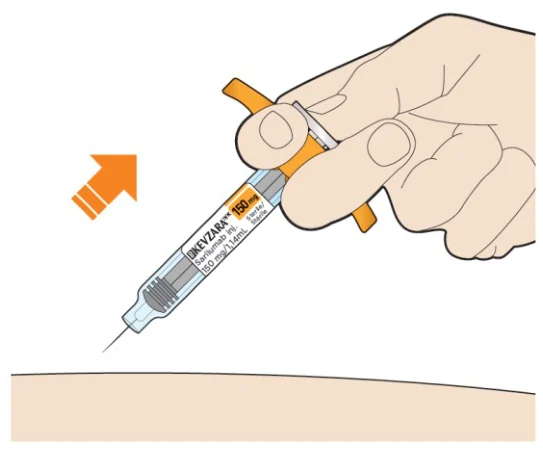 |
| |
|
 |
KEVZARA® is a registered trademark of Sanofi Biotechnology
©2017 sanofi-aventis Canada Inc.
Issue Date: August 8, 2019
INSTRUCTIONS FOR USE
KEVZARA®
(sarilumab)
Injection, for Subcutaneous Injection
Single-Dose Pre-Filled Pen
Important information
This device is a single-dose pre-filled pen (called “pen” in these instructions). It contains KEVZARA for injection under the skin (subcutaneous injection) once every two weeks.
Ask your healthcare provider to show you the right way to use the pen before you inject for the first time.
| Do | Do not |
| Do not use the pen if it has been damaged or the needle cap is missing or not attached. Do not remove the needle cap until just before you are ready to inject.
|
Keep these instructions for future use.
If you have any further questions, ask your healthcare provider or call 1-800-589-6215.
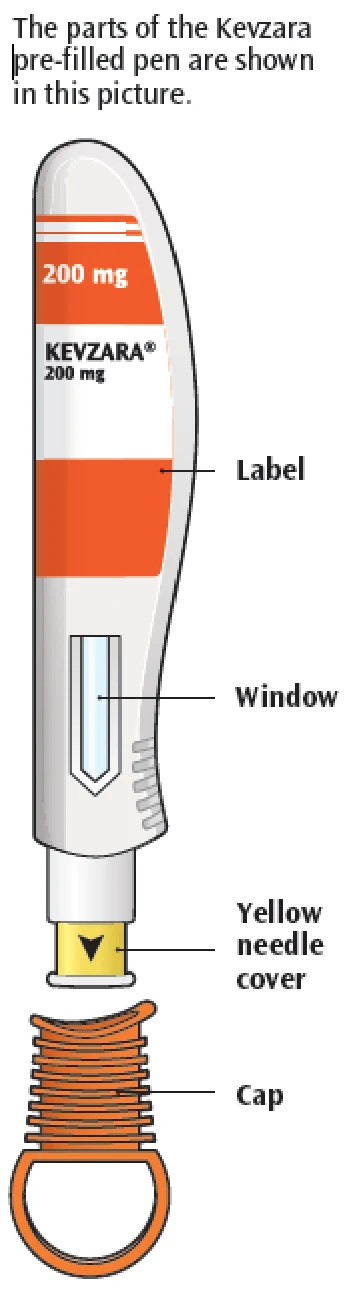
Step A: Get ready for an injection
- 1.
Prepare all the equipment you will need on a clean, flat working surface.
- You will need an alcohol wipe, a cotton ball or gauze, and a puncture-resistant container.
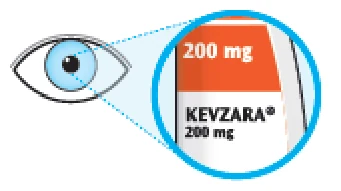
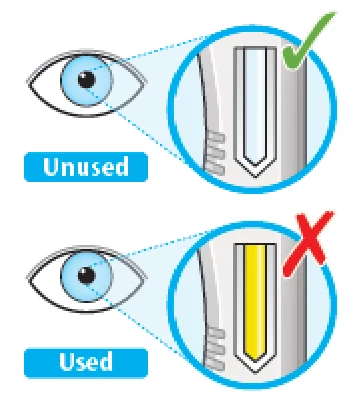
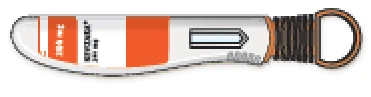
- Take one pen out of the packaging by holding the middle of the pen body. Keep the remaining pen in the carton in the refrigerator.
| |
|  |
| |
|  |
|  |
|  |
| |
| |
- 6.
Prepare the injection site.
- Wash your hands.
Clean skin with an alcohol wipe.
- Do not touch the injection site again before the injection.
Step B: Perform the injection – Perform Step B only after completing Step A “Get ready for an injection”
| |
| 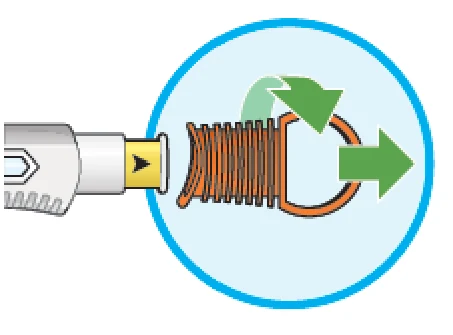 |
| |
| 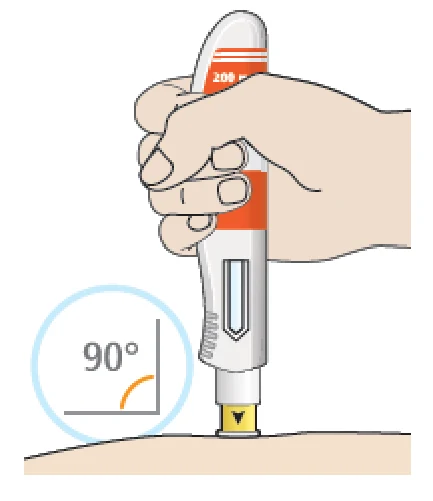 |
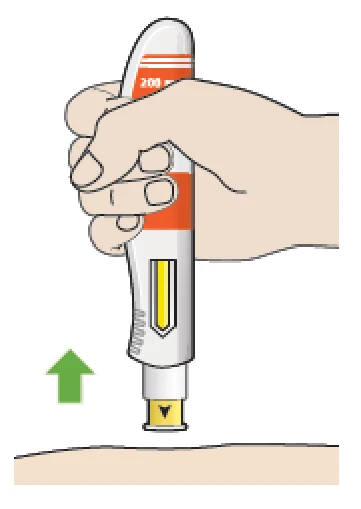
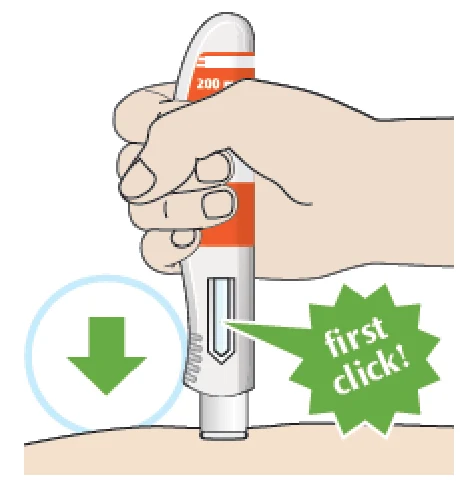
- 3.
Press down and hold the peen firmly against your skin.
- There will be a “click” when the injection starts.
| |
| 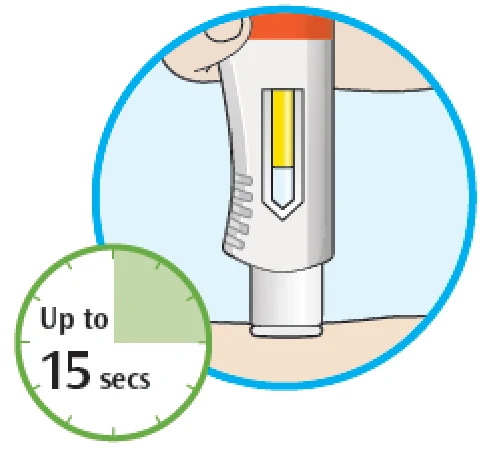 |
| |
If the window does not turn fully yellow, do not give yourself a second dose without speaking to your healthcare | 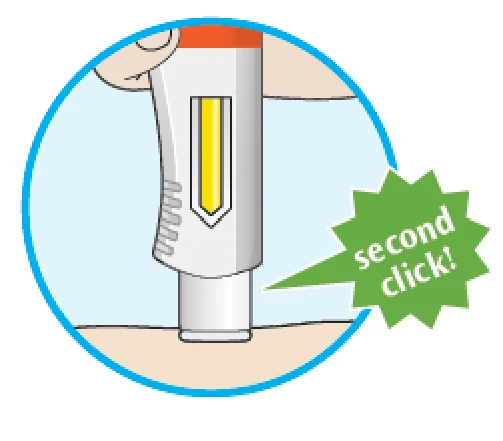 |
| |
|  |
| |
|
 |
KEVZARA® is a registered trademark of Sanofi Biotechnology
©2017 sanofi-aventis Canada Inc.
Issue Date: August 8, 2019