


Product Monograph - Latanoprost-Timolol
RECENT MAJOR LABEL CHANGES
Not Applicable
TABLE OF CONTENTS
Sections or subsections that are not applicable at the time of authorization are not listed.
RECENT MAJOR LABEL CHANGES ............................................................................................. 2
TABLE OF CONTENTS ............................................................................................................... 2
PART I: HEALTH PROFESSIONAL INFORMATION ...................................................................... 4
1 INDICATIONS .............................................................................................................. 4
- 1.1 Pediatrics ............................................................................................................... 4
- 1.2 Geriatrics ............................................................................................................... 4
- 2 CONTRAINDICATIONS ................................................................................................. 4
4 DOSAGE AND ADMINISTRATION ................................................................................. 4
- 4.1 Dosing Considerations............................................................................................ 4
- 4.2 Recommended Dose and Dosage Adjustment ....................................................... 5
- 4.4 Administration ....................................................................................................... 5
- 4.5 Missed Dose .......................................................................................................... 5
- 5 OVERDOSAGE ............................................................................................................. 5
- 6 DOSAGE FORMS, STRENGTHS, COMPOSITION AND PACKAGING ................................. 6
7 WARNINGS AND PRECAUTIONS .................................................................................. 7
- 7.1 Special Populations .............................................................................................. 11
- 7.1.1 Pregnant Women ................................................................................................ 11
- 7.1.2 Breast-feeding ..................................................................................................... 11
- 7.1.3 Pediatrics ............................................................................................................. 11
8 ADVERSE REACTIONS ................................................................................................. 12
- 8.1 Adverse Reaction Overview ................................................................................. 12
- 8.2 Clinical Trial Adverse Reactions ........................................................................... 12
8.5 Post-Market Adverse Reactions ........................................................................... 15
9 DRUG INTERACTIONS ................................................................................................. 16
- 9.2 Drug Interaction Overview ................................................................................... 16
- 9.4 Drug-Drug Interactions ........................................................................................ 17
- 9.5 Drug-Food Interactions ........................................................................................ 18 9.6 Drug-Herb Interactions ........................................................................................
- 9.7 Drug-Laboratory Test Interactions ....................................................................... 18
10 CLINICAL PHARMACOLOGY ........................................................................................ 19
- 10.1 Mechanism of Action ..................................................................................... 19
10.3 Pharmacokinetics ........................................................................................... 19
- 11 STORAGE, STABILITY AND DISPOSAL .......................................................................... 21
- 12 SPECIAL HANDLING INSTRUCTIONS ............................................................................ 21
PART II: SCIENTIFIC INFORMATION ........................................................................................ 22
- 13 PHARMACEUTICAL INFORMATION ............................................................................. 22
14 CLINICAL TRIALS ......................................................................................................... 24
- 14.1 Clinical Trials by Indication ............................................................................. 24
- 15 MICROBIOLOGY ......................................................................................................... 26
- 16 NON-CLINICAL TOXICOLOGY ...................................................................................... 27
- 17 SUPPORTING PRODUCT MONOGRAPH ............................................................................. 31
PATIENT MEDICATION INFORMATION ................................................................................... 32
PART I: HEALTH PROFESSIONAL INFORMATION
1. INDICATIONS
LATANOPROST-TIMOLOL (latanoprost and timolol maleate) is indicated for the reduction of intraocular pressure (IOP) in patients with open-angle glaucoma or ocular hypertension who are insufficiently responsive to beta-adrenergic blocking agents, prostaglandins, or other IOP lowering agents AND when the use of LATANOPROST-TIMOLOL (the combination drug) is considered appropriate.
- 1.1 Pediatrics
Pediatrics (< 18 years of age): No data are available to Health Canada; therefore, Health Canada has not authorized an indication for pediatric use (see 7.1.3 Pediatrics).
- 1.2 Geriatrics
Geriatrics: Based on the data submitted and reviewed by Health Canada, there is no overall difference in the safety and efficacy of LATANOPROST-TIMOLOL use in the geriatric patient population.
2. CONTRAINDICATIONS
Latanoprost and timolol maleate is contraindicated in patients with:
- reactive airway disease including bronchial asthma, a history of bronchial asthma, or severe chronic obstructive pulmonary disease.
- sinus bradycardia, sick sinus syndrome, sino-atrial block, second or third degree atrioventricular block not controlled with pace-maker, overt cardiac failure, or cardiogenic shock.
- known hypersensitivity to this drug or to any ingredient in the formulation, including any non-medicinal ingredient, or component of the container. For a complete listing, see 6 DOSAGE FORMS, STRENGTHS, COMPOSITION AND PACKAGING.
4 DOSAGE AND ADMINISTRATION
- 4.1 Dosing Considerations
The use of LATANOPROST-TIMOLOL may be considered in patients who require both timolol and latanoprost. It has not been fully investigated whether patients who are adequately controlled with timolol twice daily plus latanoprost once daily will be effectively controlled with latanoprost and timolol maleate once daily. The IOP lowering effect of latanoprost and timolol maleate once daily may be less than that seen with the concomitant administration of timolol twice daily and latanoprost once daily based on the results from a short term clinical trial. For details of information obtained from the clinical trial, please refer to the
14 CLINICAL TRIALS section.
- LATANOPROST-TIMOLOL contains benzalkonium chloride which may be absorbed by contact lenses. Several contact lens soaking solutions contain thimerosal which may also form a precipitate with benzalkonium chloride (see 9.4 Drug-Drug Interactions) Therefore, contact lenses should be removed before installation of the eye drops and may be reinserted after 15 minutes.
- LATANOPROST-TIMOLOL should not be used to initiate therapy.
- 4.2 Recommended Dose and Dosage Adjustment
The recommended adult (including the elderly) dosage of LATANOPROST-TIMOLOL (latanoprost and timolol maleate) is one drop in the affected eye(s) once daily.
Health Canada has not authorized an indication for pediatric use (see 7.1.3 Pediatrics).
- 4.4 Administration
When using nasolacrimal occlusion or closing the eyelids for 2 minutes, the systemic absorption is reduced. This may result in a decrease in systemic side effects and an increase in local activity.
- 4.5 Missed Dose
If one dose is missed, treatment should continue with the next dose as normal.
5 OVERDOSAGE
There is no human data available on overdosage with LATANOPROST-TIMOLOL.
Symptoms of systemic timolol overdosage are: bradycardia, hypotension, bronchospasm, and cardiac arrest. If such symptoms occur, treatment should be symptomatic and supportive. Studies have shown that timolol is not readily dialyzable.
Apart from ocular irritation and conjunctival or episcleral hyperemia, the ocular effects of latanoprost administered at high doses are not known. Intravenous infusion of up to 3 mcg/kg in healthy volunteers induced no symptoms, but a dose of 5.5-10 mcg/kg caused nausea, abdominal pain, dizziness, fatigue, hot flashes, and sweating. These events were mild to moderate in severity and resolved without treatment within 4 hours after terminating the infusion.
If overdose with LATANOPROST-TIMOLOL occurs, treatment should be symptomatic.
If LATANOPROST-TIMOLOL is accidentally ingested the following information may be useful: One bottle contains 125 mcg latanoprost and 12.5 mg timolol. Both timolol and latanoprost are extensively metabolized in the liver. In fact, more than 90% of latanoprost is metabolized during the first pass through the liver.
6 DOSAGE FORMS, STRENGTHS, COMPOSITION AND PACKAGING
Table 1 – Dosage Forms, Strengths, Composition and Packaging
LATANOPROST-TIMOLOL is a sterile, isotonic, buffered, clear and colourless aqueous solution. One drop contains approximately 1.5 mcg of latanoprost and 150 mcg of timolol. LATANOPROST-TIMOLOL is intended for topical administration on the eye.
LATANOPROST-TIMOLOL is supplied in a 5 mL plastic ophthalmic dispenser bottle with a dropper tip and screw cap.
Each bottle contains 2.5 mL of LATANOPROST-TIMOLOL corresponding to approximately 80 drops of solution.
LATANOPROST-TIMOLOL is supplied as a sterile, isotonic, buffered, clear and colourless aqueous solution with a pH of approximately 6.0 and an osmolality of approximately 290 mOsmol/kg. Each mL contains 50 micrograms (mcg) of latanoprost and 5 mg of timolol (6.83 mg timolol maleate).
| For the most recent information in the management of a suspected drug overdose, contact your regional poison control centre or Health Canada’s toll-free number, 1-844 POISON-X (1-844-764-7669). |
|---|
Route of Administration | Dosage Form / Strength/Composition | Non-medicinal Ingredients |
|---|---|---|
| ophthalmic | Solution Fixed combination of latanoprost 50 mcg/mL and timolol 5 mg/mL as timolol maleate | Benzalkonium chloride, disodium hydrogen phosphate anhydrous, sodium chloride, sodium dihydrogen phosphate monohydrate, and water for injection. If required, the pH of the solution is adjusted with hydrochloric acid and/or sodium hydroxide. |
Non-medicinal ingredients: sodium chloride, sodium dihydrogen phosphate monohydrate, disodium hydrogen phosphate anhydrous, and water for injection. Benzalkonium chloride 0.02% is added as a preservative. If required, the pH of the solution is adjusted with hydrochloric acid and/or sodium hydroxide.
7 WARNINGS AND PRECAUTIONS
General
There have been reports of bacterial keratitis associated with the use of multiple-dose containers of topical ophthalmic products. These containers had been inadvertently contaminated by patients who, in most cases, had a concurrent corneal disease or a disruption of ocular epithelial surface (see PATIENT MEDICATION INFORMATION).
There is no or limited experience with latanoprost in inflammatory, neovascular, chronic angle closure or congenital glaucoma, open angle glaucoma in pseudophakic patients and pigmentary glaucoma.
Concomitant therapy: LATANOPROST-TIMOLOL may interact with other drugs (see 9.4 Drug-Drug Interactions). The effect on intraocular pressure or the known effects of systemic beta-adrenergic blocking agents may be exaggerated when LATANOPROST-TIMOLOL is given to patients already receiving an oral beta-blocking agent. The use of two local beta-adrenergic blocking agents is not recommended. There have been reports of paradoxical elevations in IOP following the concomitant ophthalmic administration of two prostaglandin analogs. Therefore, the use of two or more prostaglandins, prostaglandin analogs, or prostaglandin derivatives is not recommended.
Systemic Effects: Like other topically applied ophthalmic agents, is absorbed systemically. Due to the beta-adrenergic component timolol, the same types of cardiovascular, pulmonary and other adverse reactions seen with systemic beta-adrenergic blocking agents may occur including aggravation of Prinzmetal’s angina, aggravation of peripheral and central circulatory disorders, bradycardia, and hypotension.
Incidence of systemic adverse drug reactions after topical ophthalmic administration is lower than for systemic administration. The systemic absorption can be reduced by using nasolacrimal occlusion or closing the eyelids for 2 minutes (see 4.4 Administration).
Cardiovascular
Cardiac reactions: Death associated with cardiac failure has been reported. Cardiac failure should be adequately controlled before beginning treatment. Patients with a history of severe cardiac disease should be watched for signs of cardiac failure and have their pulse rates checked. At the first sign of cardiac failure, LATANOPROST-TIMOLOL should be discontinued.
Due to its negative effect on conduction time, beta-adrenergic blocking agents should only be given with caution to patients with first degree heart block.
Vascular Disorders: Patients with severe peripheral circulatory disturbance/disorders (i.e. severe forms of Raynaud’s disease or Raynaud’s syndrome) should be treated with caution.
Driving and Operating Machinery
In common with other eye preparations, installation of eye drops may cause transient blurring of vision.
Endocrine and Metabolism
Diabetes Mellitus: Beta-adrenergic blocking agents should be administered with caution in patients subjected to spontaneous hypoglycemia or to diabetic patients (especially those with labile diabetes) who are receiving insulin or oral hypoglycemic agents. Beta-adrenergic blocking agents may mask the signs and symptoms of acute hypoglycemia.
Thyrotoxicosis: Therapy with beta-adrenergic blocking agents may mask certain symptoms of hyperthyroidism. Abrupt withdrawal of beta-adrenergic blocking agent therapy may precipitate a worsening of symptoms.
Hepatic/Biliary/Pancreatic
Latanoprost and timolol maleate has not been studied in patients with hepatic impairment and therefore should be used with caution in such patients.
Neurologic
Muscle Weakness: Beta-adrenergic blocking agents have been reported to rarely increase muscle weakness in some patients with myasthenia gravis or myasthenic symptoms (e.g. diplopia, ptosis, generalized weakness).
Ophthalmologic
Latanoprost has been reported to cause darkening, thickening and lengthening of eye lashes (see 8.5 Post-Market Adverse Reactions).
Based on spontaneous reports, very rare cases of darkening of the palpebral skin have been reported with the administration of latanoprost ophthalmic solution (see 8.5 Post-Market Adverse Reactions).
Due to the prostaglandin component latanoprost, LATANOPROST-TIMOLOL should be used with caution in patients with a history of herpetic keratitis. LATANOPROST-TIMOLOL should be avoided in cases of active herpes simplex keratitis and in patients with a history of recurrent herpetic keratitis specifically associated with prostaglandin analogues.
This product contains benzalkonium chloride as a preservative, which may be absorbed by soft contact lenses. Remove contact lenses before administration of LATANOPROST-TIMOLOL. Contact lenses may be reinstalled 15 minutes after administering LATANOPROST-TIMOLOL.
Ophthalmic beta-adrenergic blocking agents may induce dryness of eyes. These agents should be used prescribed with caution in patients with corneal diseases.
Macular edema, including cystoid macular edema, has been reported during treatment with latanoprost ophthalmic solution. These reports have mainly occurred in aphakic patients, in pseudophakic patients with a torn posterior lens capsule, or in patients with known risk factors for macular edema. LATANOPROST-TIMOLOL should be used with caution in these patients.
Choroidal detachment after filtration procedures has been reported with the administration of ocular hypotensive agents.
Changes to Pigmented Tissues: Latanoprost, the prostaglandin component contained in LATANOPROST-TIMOLOL, may gradually change the eye color, by increasing the amount of brown pigment in the iris. The color change is due to increased melanin content in stromal melanocytes on the iris rather than to an increase in the number of melanocytes. Typically the brown pigmentation around the pupil spreads concentrically towards the periphery in affected eyes, but the entire iris or parts of it may become more brownish. The change in iris colour occurs slowly and may not be noticeable for several months to years. The long term effects on the melanocytes and the consequences of potential injury to the melanocytes and/or deposition of pigment granules to other areas of the eye is currently unknown. Patients should be examined regularly and, depending on the clinical situation, treatment may be stopped if increased iris pigmentation ensues.
This effect has predominantly been seen in patients with mixed colored irides (i.e. blue/gray- brown, green-brown, or yellow-brown). In patients with homogeneously blue, gray, green or brown eyes, the change has only rarely been seen during two years of treatment in clinical trials. The change in iris color occurs slowly, and may not be noticeable for several months to years. Patients should be informed of the possibility of iris color change. Patients who are expected to receive treatment in only one eye should be informed about the potential for increased brown pigmentation in the treated eye and thus, permanent heterochromia between the eyes. The increased pigmentation is permanent.
There is no evidence of melanin from iris melanocytes in trabecular meshwork in clinical studies which supports the lack of hyperpigmentation of the trabecular meshwork as a result of latanoprost treatment. In addition, no difference in iridial pigment epithelial melanin content has been observed between the latanoprost-treated eyes with increased iris pigmentation and untreated eyes from quantitative morphologic investigation of iridial specimens following colour change. Histopathologically, the increase in pigmentation was limited to a minor increase in the size of the melanin granules in the iris stroma.
Closed Angle Glaucoma: LATANOPROST-TIMOLOL should not be used alone in the treatment of acute closed angle glaucoma. In patients with closed angle glaucoma, the immediate objective of treatment is to reopen the angle. This requires constricting the pupil. Latanoprost and Timolol Maleate have little or no effect on the pupil.
Peri-Operative Considerations
A gradual withdrawal of beta-adrenergic blocking agents prior to major surgery should be considered. Beta-adrenergic blocking agents impair the ability of the heart to respond to beta- adrenergically mediated reflex stimuli, which may augment the risk of general anesthesia in surgical procedures. Protracted severe hypotension during anesthesia and difficulty restarting and maintaining the heartbeat have been reported. During surgery, the effects of beta-adrenergic blocking agents may be reversed by sufficient doses of adrenergic agonists.
Surgical anaesthesia: Beta-blocking ophthalmological preparations may block systemic beta- agonist effects e.g. of adrenaline. The anaesthesiologist should be informed when the patient is receiving timolol.
Renal
Latanoprost and timolol maleate has not been studied in patients with renal impairment and therefore should be used with caution in such patients.
Reproductive Health: Female and Male Potential
- Fertility
Latanoprost has not been found to have any effect on male or female fertility in animal studies. Reproduction and fertility studies of timolol maleate in rats demonstrated no adverse effect on male or female fertility at doses up to 21,000 times the systemic exposure following the maximum recommended human ophthalmic dose.
Respiratory
Respiratory Reactions: Severe respiratory reactions including death due to bronchospasm in patients with asthma and rarely death associated with cardiac failure have been reported following administration of beta-adrenergic blocking agents.
Respiratory Disorders: Due to the beta-adrenergic component timolol maleate, LATANOPROST-TIMOLOL should be used with caution, in patients with mild/moderate chronic obstructive pulmonary disease (COPD) and only if the potential benefit outweighs the potential risk.
Sensitivity / Resistance
Anaphylactic Reactions: While taking beta-adrenergic blocking agents, patients with a history of atopy or severe anaphylactic reaction to a variety of allergens may be more sensitive to repeated challenge. These could include environmental, diagnostic or therapeutic allergens.
Such patients may be unresponsive to the usual doses of adrenaline used to treat anaphylactic reactions.
- 7.1 Special Populations
- 7.1.1 Pregnant Women
No reproduction toxicity studies have been conducted with latanoprost and timolol maleate. Embryofetal development studies with latanoprost have been performed in rats and rabbits. Latanoprost and/or its metabolites cross the placenta of rats. In rabbits, latanoprost caused embryofetal toxicity characterized by increased incidences of late resorption and reduced fetal weight at 5 mcg/kg/day IV and total litter resorption at > 50 mcg/kg/day IV. No embryofetal effects were seen in rabbits at 1 mcg/kg/day IV and in rats at up to 250 mcg/kg/day IV.
Timolol maleate was not teratogenic in mice, rats and rabbits. Embryofetal development studies with timolol maleate in mice and rabbits showed no evidence of embryofetal toxicity at oral doses up to 50 mcg/kg/day. At higher doses, increases in resorptions and fetal variations (14 ribs and hypoplastic sternebrae) were noticed in mice (1000 µg/kg/day) and increased resorption in rabbits (> 90 mcg/kg/day). In rats, delayed ossification was seen > 50 mcg/kg/day and a decreased number of caudal vertebral bodies and arches and an increase in hypoplastic sternebrae were noted at 500 mcg/kg/day.
For additional information, see 16 NON-CLINICAL TOXICOLOGY.
LATANOPROST-TIMOLOL should be used during pregnancy only if the potential benefit justifies the potential risk to the fetus.
- 7.1.2 Breast-feeding
There are limited experimental animal and no human data available on the pharmacokinetics of latanoprost lactation. Latanoprost and its metabolites may pass into breast milk. Timolol maleate has been detected in human milk following oral and ocular administration. Because of the potential for serious adverse reactions from latanoprost and timolol maleate in nursing infants, LATANOPROST-TIMOLOL should be used with caution in nursing women.
- 7.1.3 Pediatrics
Pediatrics (< 18 years of age): The safety and efficacy of the use of LATANOPROST-TIMOLOL in children has not been established; therefore, Health Canada has not authorized an indication for pediatric use.
8 ADVERSE REACTIONS
- 8.1 Adverse Reaction Overview
The most commonly reported ocular adverse reactions in controlled clinical trials, that may be associated with combination therapy of latanoprost and timolol maleate were eye irritation (12.4 %), eye hyperaemia (7.4 %), abnormal vision (6.6 %), conjunctivitis (3.0 %) and corneal disorder (3.0 %) (see 8.2 Clinical Trial Adverse Reactions). The most commonly reported systemic adverse reactions in controlled clinical trials, that may be associated with combination therapy of latanoprost and timolol maleate were upper respiratory track infection (6.1 %), hypertension (3.8 %), influenza-like symptoms (2.5 %) and headache (2.3 %) (see 8.2 Clinical Trial Adverse Reactions).
- 8.2 Clinical Trial Adverse Reactions
Clinical trials are conducted under very specific conditions. The adverse reaction rates observed in the clinical trials; therefore, may not reflect the rates observed in practice and should not be compared to the rates in the clinical trials of another drug. Adverse reaction information from clinical trials may be useful in identifying and approximating rates of adverse drug reactions in real-world use.
Latanoprost and timolol maleate was generally well tolerated. No adverse events specific to latanoprost and timolol maleate have been observed in clinical studies. The adverse events have been limited to those that were reported previously with latanoprost and/or timolol maleate.
Latanoprost and timolol maleate was evaluated for safety in 394 patients with open-angle glaucoma or ocular hypertension in three long-term studies. Two percent (2%) of patients discontinued therapy with latanoprost and timolol maleate due to adverse events.
Adverse events occurring at a frequency of > 1% in three randomized, double blind comparative trials (004, 005 and 053) are presented in Tables 2 and 3.
Table 2. Ocular adverse events (AE) that occurred in ≥ 1% of patients1, in any treatment group, by preferred term3
| Body system / preferred term | Number (%) of patients per treatment group |
|---|---|
Latanoprost and Timolol maleate Latanoprost Timolol n=394 n=414 n=415 | |
Vision Blepharitis Cataract Conjunctival disorder Conjunctivitis Corneal disorder Corneal ulceration Cystoid macular oedema Epiphora Errors of refraction Eye hyperaemia Eye pain Increased intraocular pressure Iris hyperpigmentation Iritis Irritation eye (burning, grittiness, itching, stinging and foreign body sensation Keratitis Oedema eyelid Photophobia Retinal disorder Uveitis Vision abnormal | 10 (2.5) 10 (2.4) 7 (1.7) 11 (2.8) 18 (4.3) 10 (2.4) 4 (1.0) 3 (0.7) 4 (1.0) 12 (3.0) 11 (2.7) 13 (3.1) 12 (3.0) 11 (2.7) 14 (3.4) 1 (0.3)1 1 (0.2)1 - 1 (0.3)2 1 (0.2)1 - 3 (0.8) 5 (1.2) 7 (1.7) 7 (1.8) 13 (3.1) 12 (2.9) 29 (7.4) 40 (9.7) 12 (2.9) 9 (2.3) 6 (1.4) 8 (1.9) 1 (0.3) 5 (1.2) 7 (1.7) 6 (1.5) 13 (3.1) 4 (1.0)
49 (12.4) 54 (13.0) 29 (7.0) 4 (1.0) 3 (0.7) 1 (0.2) 2 (0.5) 4 (1.0) 2 (0.5) 6 (1.5) 1 (0.2) 3 (0.7) 1 (0.3) 3 (0.7) 6 (1.4) 1 (0.3)1 - - 26 (6.6) 29 (7.0) 22 (5.3) |
Skin & Appendages Hypertrichosis4 Pigmentation abnormal Seborrhoea Skin discolouration Skin disorder | 9 (2.3) 6 (1.4) 2 (0.5) 1 (0.3)1 - - 2 (0.5) 4 (1.0) - 1 (0.3)1 - - 8 (2.0) 4 (1.0) - |
Central & Peripheral Nervous System Optic atrophy Visual field defect | 2 (0.5) 3 (0.7) 6 (1.4) 18 (4.6) 19 (4.6) 18 (4.3) |
1 Despite a low frequency of reports, some AEs are included in the listing due to the implication of a potentially sight-threatening condition.
2 A patient is counted only once per preferred term
3 Studies 004 and 005 included a 6 month and 053 a 12 month double-blinded period
4 Includes darkening, lengthening and growing of eye lashes
Table 3. Systemic adverse events (AE) that occurred in ≥1% of patients1, in any of the treatment groups, by body system/preferred term2
| Number (%) of patients per treatment group | |||
|---|---|---|---|
| Body system / preferred term | Latanoprost and Timolol maleate N=394 | Latanoprost N=414 | Timolol N=415 |
| Respiratory | |||
Bronchitis Coughing Dyspnoea Pneumonia Sinusitis Upper respiratory tract infection | 3 (0.8) 1 (0.3)1 2 (0.5)1 1 (0.3) 6 (1.5) 24 (6.1) | 4 (1.0) - 2 (0.5)1 3 (0.7) 11 (2.7) 18 (4.3) | 1 (0.2) 2 (0.5)1 2 (0.5)1 4 (1.0) 3 (0.7) 22 (5.3) |
| General | |||
Back pain Chest pain Influenza-like symptoms | 4 (1.0) 4 (1.0) 10 (2.5) | 6 (1.4) 1 (0.2) 4 (1.0) | 4 (1.0) 2 (0.5) 3 (0.7) |
| Cardiovascular | |||
Hypertension Hypertension aggravated | 15 (3.8) 2 (0.5)1 | 6 (1.4) 1 (0.2)1 | 10 (2.4) 1 (0.2)1 |
| Metabolic & Nutrition | |||
Diabetes mellitus Diabetes mellitus aggravated Glycosuria Hyperglycaemia Hypercholesterolaemia | 5 (1.3) - 2 (0.5) 1 (0.3)1 6 (1.5) | 2 (0.5) 1 (0.2) 1 (0.2) 2 (0.5)1 4 (1.0) | 1 (0.2) - - 2 (0.5)1 1 (0.2) |
| Central & Peripheral Nervous System | |||
Dizziness Headache | 2 (0.5) 9 (2.3) | 4 (1.0) 15 (3.6) | 1 (0.2) 5 (1.2) |
| Musculo-Skeletal | |||
| Arthritis | 8 (2.0) | 5 (1.2) | 4 (1.0) |
| Psychiatric | |||
Depression Insomnia Sleep disorder | 6 (1.5) 1 (0.3)1 1 (0.3) | 7 (1.7) 1 (0.2)1 - | 4 (1.0) 1 (0.2)1 4 (1.0) |
| Skin & Appendages | |||
Bullous eruption Rash | - 5 (1.3) | 1 (0.2) 3 (0.7) | - 2 (0.5) |
| Resistance Mechanisms | |||
| Infection | 4 (1.0) | 6 (1.4) | (1.4) |
| Gastro-Intestinal | |||
| Dyspepsia | 2 (0.5) | 4 (1.0) | 1 (0.2) |
| Urinary | |||
Cystitis Urinary tract infection | 1 (0.3) 1 (0.3) | 5 (1.2) 2 (0.5) | - 4 (1.0) |
1 A patient is counted only once per preferred term. AEs that occurred in <1 % of the patients but were very similar to an event that did occur in > 1% of the patients (such as “hypertension” and “hypertension aggravated”) are listed. Also, groups of mutually related AEs, where each AE may be reported in < 1%, but together they sum up to > 1% (such as “diabetes mellitus aggravated” and “hyperglycaemia” together with “glucosuria”) are summarised.
2 Studies 004 and 005 included a 6 month- and 053 a 12 month double-blinded period
Based on evidence from consecutive photographs, increased iris pigmentation was observed in
16-20% of patients treated with latanoprost and timolol maleate for up to one year. The most frequent findings of increased iris pigmentation were in the known high-risk eye color groups, i.e. those with green- brown, yellow-brown, and blue/gray-brown irises. In patients with homogeneously blue, grey, green or brown eyes, the change was rarely observed. Darkening, thickening and lengthening of eye lashes were observed in 37.4% of patients.
- 8.5 Post-Market Adverse Reactions
The following additional adverse events that have been reported with latanoprost and timolol eye drops:
Latanoprost
| System Organ Class | Adverse Drug Reactions |
|---|---|
| Cardiac disorders | Angina unstable, angina, palpitations |
| Eye disorders | Macular oedema, corneal erosion, punctate keratitis, corneal oedema, pseudopemphigoid of ocular conjunctiva, trichiasis, vision blurred, eyelash and vellus hair changes of the eyelid (increased length, thickness, pigmentation, and number of eyelashes), localised skin reaction on the eyelids, iris cyst, periorbital and lid changes resulting in deepening of the eyelid sulcus, darkening of the palpebral skin of the eyelids |
| Infections and infestations | Herpetic keratitis |
| Gastrointestinal disorders | Vomiting, nausea |
| Respiratory, thoracic and mediastinal disorders | Acute asthma attacks, asthma aggravation, asthma |
| Skin and subcutaneous tissue disorders | Pruritus |
Timolol Maleate (topical formulation)
| System Organ Class | Adverse Drug Reactions |
|---|---|
| Cardiac disorders | Cardiac arrest, cardiac failure, heart block, atrioventricular block, congestive heart failure, worsening of angina pectoris, arrhythmia, bradycardia, palpitation |
| Ear and labyrinth disorders | Tinnitus |
| Eye disorders | Choroidal detachment (following filtration surgery), corneal erosion, diplopia, decreased corneal sensitivity, signs and symptoms of ocular irritation (e.g., tearing, redness), dry eyes, ptosis, visual disturbances including refractive changes (due to withdrawal of miotic therapy in some cases), vision blurred |
| System Organ Class | Adverse Drug Reactions |
| Gastrointestinal disorders | Retroperitoneal fibrosis, abdominal pain, vomiting, diarrhoea, dry mouth, dysgeusia, nausea |
| General disorders and administration site conditions | Oedema, asthenia, fatigue |
| Immune system disorders | Signs and symptoms of systemic allergic reactions including anaphylaxis, angioedema, urticaria, pruritus, localized and generalized rash |
| Metabolism and nutrition disorders | Masked symptoms of hypoglycaemia in diabetic patients, anorexia |
| Musculoskeletal and connective tissue disorders | Myalgia, systemic lupus erythematosus |
| Nervous system disorders | Cerebral vascular accident, cerebral ischemia, increase in signs and symptoms of myasthenia gravis, paraesthesia, somnolence, syncope |
| Psychiatric disorders | Behavioural changes and psychic disturbances including, confusion, hallucinations, anxiety, disorientation, nervousness, nightmares, memory loss |
| Reproductive system and breast disorders | Sexual dysfunction, decreased libido, impotence, Peyronie’s disease |
| Respiratory, thoracic and mediastinal disorders | Respiratory failure, pulmonary oedema, bronchospasm (predominantly in patients with pre-existing bronchospastic disease), nasal congestion |
| Skin and subcutaneous tissue disorders | Psoriasiform rash, pseudopemphigoid, exacerbation of psoriasis, alopecia |
| Vascular disorders | Claudication, cold hands and feet, hypotension, Raynaud’s phenomenon |
Cases of corneal calcification have been reported very rarely in association with the use of phosphate-containing eye drops in some patients with significantly damaged corneas.
9 DRUG INTERACTIONS
- 9.2 Drug Interaction Overview
No specific interaction studies have been performed with latanoprost and timolol maleate.
Patients who are receiving treatment with LATANOPROST-TIMOLOL and an oral beta-adrenergic blocking agent should be observed for potential additive effects of beta-blockade, both systemic and on intraocular pressure. The concomitant use of two topical beta-adrenergic blocking agents is not recommended.
There have been reports of paradoxical elevations in IOP following the concomitant ophthalmic administration of two prostaglandin analogs. Therefore, the use of two or more prostaglandins, prostaglandin analogs, or prostaglandin derivatives is not recommended.
The potential exists for additive effects resulting in hypotension, and/or marked bradycardia when timolol ophthalmic drops are administered with oral calcium channel blockers, catecholamine-depleting drugs or beta-adrenergic blocking agents, antiarrythmics (including amiodarone and quinidine), digitalis glycosides, parasympathomimetics, narcotics, guanethidine and monoamine oxidase (MAO) inhibitors.
Potentiated systemic beta-adrenergic blockade (e.g., decreased heart rate, depression) has been reported during combined treatment with CYP2D6 inhibitors (e.g. quinidine, fluoxetine, paroxetine) and timolol.
Although latanoprost and timolol maleate alone has little or no effect on pupil size, mydriasis has occasionally been reported when timolol is given with epinephrine.
Beta-adrenergic blocking agents may increase the hypoglycemic effect of antidiabetic agents.
In vitro studies have shown that precipitation occurs when eye drops containing thimerosal are mixed with benzalkonium chloride, the preservative used in LATANOPROST-TIMOLOL. If such drugs are used they should be administered with an interval of at least 5 minutes between applications. Similarly, several contact lens soaking solutions contain thimerosal (see 4.4 Administration).
- 9.4 Drug-Drug Interactions
Table 4 - Established or Potential Drug-Drug Interactions
| [Proper/Common name] | Source of Evidence | Effect | Clinical comment |
|---|---|---|---|
| Beta-adrenergic blocking agent | T | Additive effect of beta-blockade, both systemic and on intraocular pressure. | Concomitant use of two topical beta-adrenergic blocking agents is not recommended. |
Calcium channel blockers, catecholamine- depleting drugs or beta- adrenergic blocking agents, antiarrythmics (including amiodarone and quinidine), digitalis glycosides, parasympathomimetics, narcotics, guanethidine, | T | Potential additive | |
| effects resulting in | |||
| hypotension and /or | |||
| marked bradycardia. | |||
| [Proper/Common name] | Source of Evidence | Effect | Clinical comment |
| monoamine oxidase (MAO) inhibitors | |||
| CYP2D6 inhibitors (e.g. | C | Potentiated | |
| quinidine, fluoxetine, | systemic beta- | ||
| paroxetine) | adrenergic blockade | ||
| (e.g., decreased | |||
| heart rate, | |||
| depression). | |||
| Prostaglandin / | C | Elevations in | Use of two or more |
| prostaglandin analog / | Intraocular pressure | prostaglandins, prostaglandin | |
| prostaglandin | following | analogs, or prostaglandin | |
| derivative | concomitant | derivatives is not | |
| ophthalmic | recommended. | ||
| administration. | |||
| Thimerosal | T | Precipitation occurs when mixed. | Thimerosal usage with latanoprost should be administered with an interval of at least 5 minutes between applications. |
Legend: C = Case Study; CT = Clinical Trial; T = Theoretical
- 9.5 Drug-Food Interactions
Interactions with food have not been established.
- 9.6 Drug-Herb Interactions
Interactions with herbal products have not been established.
- 9.7 Drug-Laboratory Test Interactions
Interactions with laboratory tests have not been established.
10 CLINICAL PHARMACOLOGY
- 10.1 Mechanism of Action
LATANOPROST-TIMOLOL consists of two components: latanoprost and timolol maleate. Each mL of LATANOPROST-TIMOLOL contains latanoprost 50 micrograms and timolol maleate 6.8 mg equivalent to 5 mg timolol. These two components decrease elevated intraocular pressure (IOP) by different mechanisms of action.
Latanoprost is a prostanoid selective FP receptor agonist which reduces the IOP by increasing the outflow of aqueous humor. The main mechanism of action is increased uveoscleral outflow. In addition, some increase in outflow facility (decrease in trabecular outflow resistance) has been reported in man. Timolol maleate is a beta1 and beta2 (non-selective) adrenergic receptor blocking agent that does not have significant intrinsic sympathomimetic, direct myocardial depressant, or local anesthetic (membrane-stabilizing) activity. Timolol lowers the IOP by decreasing the formation of aqueous humor in the ciliary epithelium. The precise mechanism of action is not clearly established. The combined effect of these two agents administered as latanoprost and timolol maleate once daily results in additional intraocular pressure reduction compared to either component administered alone separately. For details of information obtained from Clinical Trials with latanoprost and timolol maleate, please refer to 14 CLINICAL TRIALS section.
- 10.3 Pharmacokinetics
Table 5 - Summary of latanoprost Pharmacokinetic Parameters in aqueous humor in adults
| Cmax | Tmax | t½ (h) | AUC0-∞ | CL | Vd | |
|---|---|---|---|---|---|---|
| Single dose mean | 30 ng / mL | 2 hours | 2.3 | 206 ng·hr / mL | N/A | N/A |
Table 6 - Summary of latanoprost Pharmacokinetic Parameters in plasma in adults
| Cmax | Tmax | t½ (h) | AUC0-∞ | CL | Vd | |
|---|---|---|---|---|---|---|
| Single dose mean | 29 pg / mL | 5 minutes | 0.3 | 448 pg·min/ mL | 7 mL / min / kg | 0.16 ± 0.02 L / kg |
Table 7 - Summary of timolol Pharmacokinetic Parameters in aqueous humor in adults
| Cmax | Tmax | t½ (h) | AUC0-∞ | CL | Vd | |
|---|---|---|---|---|---|---|
| Single dose mean | 1167 ng / mL | 1 hour | 3.9 | 3644 ng·hr / mL | N/A | N/A |
Table 8 - Summary of timolol Pharmacokinetic Parameters in plasma in adults
| Cmax | Tmax | t½ (h) | AUC0-∞ | CL | Vd | |
|---|---|---|---|---|---|---|
| Single dose mean | ~ 1 ng / mL | 10 – 20 minutes | ~ 6 hours | 5 ng·hr / mL | N/A | N/A |
Latanoprost
Absorption: Latanoprost is an isopropyl ester prodrug which is inactive but becomes biologically active after hydrolysis to the acid of latanoprost. The prodrug is well absorbed through the cornea and all drug that enters the aqueous humor is hydrolysed by esterases during the passage through the cornea. Studies indicate that the maximum concentration in the aqueous humor, approximately 30 ng/mL, is reached about 2 hours after topical administration of latanoprost alone. After topical ocular administration, the systemic bioavailability of the acid of latanoprost is 45%. The acid of latanoprost has a plasma protein binding of 87%.
Distribution: The acid of latanoprost has a small volume of distribution of 0.16 L/kg.
Metabolism: Latanoprost is an isopropyl ester prodrug which is inactive but becomes biologically active after hydrolysis to the acid of latanoprost. The main metabolism occurs in the liver. There is practically no metabolism of the acid of latanoprost in the eye. The main metabolites, 1,2-dinor and 1,2,3,4- tetranor metabolites, exert no or weak biological activity.
Elimination: The acid of latanoprost has a plasma clearance of 0.40 L/h/kg and a rapid half-life in plasma of 17 minutes. The main metabolites, 1,2-dinor and 1,2,3,4- tetranor metabolites, exert no or weak biological activity in animal studies and are excreted primarily in the urine.
Timolol
Absorption: The maximum concentration of timolol in the aqueous humor is reached about one hour after topical ocular administration. Part of the dose is absorbed systemically and a maximum plasma concentration of 1 ng/mL is reached 10-20 minutes after topical ocular administration of one drop to each eye once daily (300 mcg /day).
Metabolism: Timolol is extensively metabolized in the liver.
Elimination: The half-life of timolol in plasma is about 6 hours. The metabolites, and unchanged timolol, are excreted in the urine.
Latanoprost and timolol maleate
No pharmacokinetic interactions between latanoprost and timolol have been observed although the aqueous humor concentrations of the acid of latanoprost tended to be higher 1 to 4 hours after administration of the combination product compared to monotherapy with either latanoprost or timolol.
Special Populations and Conditions
Pediatrics: Differences in the pharmacokinetics of latanoprost and timolol maleate in this population has not been investigated.
Geriatrics: Differences in the pharmacokinetics of latanoprost and timolol maleate in this population has not been investigated.
Sex: Differences in the pharmacokinetics of latanoprost and timolol maleate in this population has not been investigated.
Ethnic Origin: Differences in the pharmacokinetics of latanoprost and timolol maleate in this population has not been investigated.
Hepatic Insufficiency: No studies have been performed to investigate the influence of demographic characteristics on the pharmacokinetics of latanoprost and timolol maleate due to the inherent difficulties in measuring the drug concentrations after topical administration on the eyes.
Renal Insufficiency: No studies have been performed to investigate the influence of demographic characteristics on the pharmacokinetics of latanoprost and timolol maleate due to the inherent difficulties in measuring the drug concentrations after topical administration on the eyes.
11 STORAGE, STABILITY AND DISPOSAL
Store unopened bottle under refrigeration (2°C to 8°C). Protect from light. Once opened, the
5 mL container may be stored at room temperature up to 25°C for 10 weeks. Protect from light.
- 12 SPECIAL HANDLING INSTRUCTIONS
There are no special handling instructions for this drug product.
PART II: SCIENTIFIC INFORMATION
13 PHARMACEUTICAL INFORMATION
Drug Substance
LATANOPROST-TIMOLOL (latanoprost and timolol maleate) contains latanoprost and timolol maleate.
Latanoprost:
Proper Name: latanoprost
Chemical Names: 1) Isopropyl-(Z)-7[(1R,2R,3R,5S)-3,5-dihydroxy-2-[(3R)-3-hydroxy-5 phenylpentyl]cyclopentyl]-5-heptenoate
- 2) 5-Heptenoic acid, 7-[3,5-dihydroxy-2-(3-hydroxy- 5-phenylpentyl)cyclopentyl]-1-methylethyl ester, [1R- [1α(Z),2β(R*),3α,5α]]-
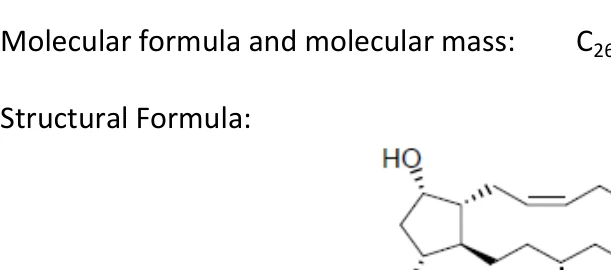
Molecular formula and molecular mass: C26H40O5 and 432.59 g/mol
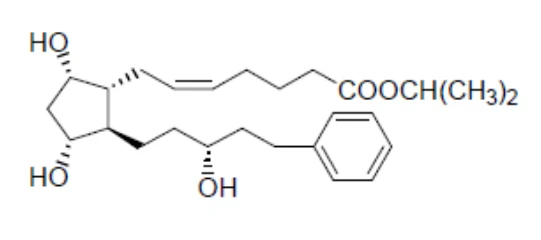
Structural Formula:
Physicochemical Properties:
Physical Form Clear, colourless or yellow, viscous, oily liquid
Solubility Very soluble in acetonitrile, freely soluble in anhydrous ethanol, and practically insoluble in water.
Timolol Maleate:
Proper Name: timolol maleate
Chemical Name:
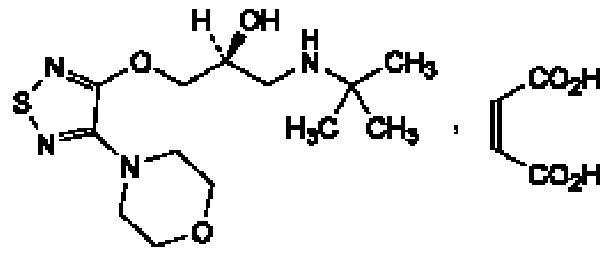
(2S)-1-[(1,1- dimethylethyl)amino]-3-[[4-(morpholin-4-yl)-1,2,5- thiadiazol-3-yl]oxy]propan-2-ol (Z)-butenedioate
Molecular formula and molecular Weight: C17H28N4O7S and 432.5 g/mol
Structural Formula:
Physicochemical Properties:
Physical form White to off-white crystalline powder
Solubility Soluble in water, alcohol and practically insoluble in ether.
pH 3.8 - 4.3 (2% in Water)
pKa 9.2
Melting Point 200 - 202°C with decomposition
14 CLINICAL TRIALS
- 14.1 Clinical Trials by Indication
Reduction of intraocular pressure (IOP) in patients with open-angle glaucoma or ocular hypertension who are insufficiently responsive to beta-adrenergic blocking agents, prostaglandins, or other IOP lowering agents
Two 6-month, randomized, double-masked, multicenter clinical studies were conducted to compare the IOP-lowering effect of latanoprost and timolol maleate dosed once daily to latanoprost 50 mcg/mL dosed once daily and timolol 5 mg/mL dosed twice daily.
The inclusion criteria in both studies consisted of adults with a diagnosis of primary open angle glaucoma (72%), ocular hypertension (20%), pigmentary glaucoma (2%), exfoliative glaucoma (4%) and other (2%). Patients enrolled could have been on previous therapy (88%) or not on medication (12%) and were required to have an IOP of > 25 mmHg if on medication or >30 mmHg if not on therapy at enrollment. There was no restriction on the number or type of glaucoma medications taken prior to study entry. The distribution of patients at enrollment on glaucoma medication and not on glaucoma medication were similar in each of the three treatment groups. Approximately 70% of patients were on timolol therapy prior to enrollment. In the studies the baseline study visit was preceded by a 2-4 weeks run-in period on timolol 5 mg/mL bid.
Tables 10 and 11 show the mean diurnal IOP reductions at the end of the treatment latanoprost and timolol maleate (FC) and the individual monotherapies for all patients. All values are statistically significant.
Table 9. Summary of patient demographics for clinical trials in the reduction of intraocular pressure (IOP) in patients with open-angle glaucoma or ocular hypertension who are insufficiently responsive to beta-adrenergic blocking agents, prostaglandins, or other IOP lowering agents
| Study # | Study design | Dosage, route of administration and duration | Study subjects (n) | Mean age (Range) | Sex |
|---|---|---|---|---|---|
| 004 | Multi-center, randomized, double masked active controlled | Fixed dose (latanoprost and timolol maleate (FC) once daily, latanoprost one daily, timolol twice daily), ophthalmic, 6 months | FC: 140 Latanoprost: 147 Timolol: 149 Total: 436 | 64 (18 – 90) | 196M 240F |
| Study # | Study design | Dosage, route of administration and duration | Study subjects (n) | Mean age (Range) | Sex |
| 005 | Multi-center, randomized, double masked active controlled | Fixed dose (latanoprost and timolol maleate once daily, latanoprost one daily, timolol twice daily), ophthalmic, 6 months | FC: 138 Latanoprost: 140 Timolol: 140 Total: 418 | 62 (24 – 87) | 215M 203F |
Table 10 - Results of study 004 in the reduction of intraocular pressure (IOP) in patients with open-angle glaucoma or ocular hypertension who are insufficiently responsive to beta- adrenergic blocking agents, prostaglandins, or other IOP lowering agents
| Primary Endpoint |
|---|
| Mean Diurnal IOP reduction between treatments | |
|---|---|
| Mean diurnal IOP reduction between treatments | FC vs latanoprost: -1.2 mmHg p<0.001 FC vs timolol: -1.9 mmHg p<0.001 |
Table 11 - Results of study 005 in the reduction of intraocular pressure (IOP) in patients with open-angle glaucoma or ocular hypertension who are insufficiently responsive to beta- adrenergic blocking agents, prostaglandins, or other IOP lowering agents
| Primary Endpoint |
|---|
| Mean Diurnal IOP reduction between treatments | |
|---|---|
| Mean diurnal IOP reduction between treatments | FC vs latanoprost: -1.0 mmHg p=0.02 FC vs timolol: -2.9 mmHg p<0.001 |
Patients enrolled could have been on previous therapy (88%) or not on medication (12%). Analysis on the primary efficacy endpoints for studies 004 and 005 indicate that inclusion or exclusion of patients who are not on medication prior to enrollment (12%) had no influence on statistical outcome of efficacy observed in the studies.
In clinical practice, the appropriate value of a target IOP (an IOP level that would be considered a clinical success) is determined by the physician for each patient. Information from the recent Advanced Glaucoma Intervention Study (AGIS) indicates that an IOP of 18 mmHg or less is correlated with reduced progression of visual field defects associated with glaucoma. A responder analysis was performed for the two studies and supports the value of latanoprost and timolol maleate over the individual monotherapies as shown in Table 12.
Table 12: Responder* rate within each treatment group for each designated threshold value.
| Treatment Groups (%) | |||
|---|---|---|---|
| Threshold value | FC n=278 | Latanoprost n=287 | Timolol n=289 |
| ≤ 18 | 12.9 | 4.9 | 3.8 |
| ≤ 19 | 20.5 | 12.5 | 6.9 |
| ≤ 20 | 30.2 | 20.2 | 11.8 |
| ≤ 21 | 42.4 | 27.9 | 18.0 |
* Responder for the analysis was defined as that all IOP measurements for a patient were equal to or below the stated threshold value. All values are statistically significant.
A short-term double blind, controlled, crossover study (n=190) was performed to evaluate Latanoprost and timolol maleate fixed combination (FC) versus the individual monotherapies (latanoprost once daily and timolol 5 mg/mL twice daily administered separately, uFC) in maintaining the IOP of well-controlled patients on the combination of the individual monotherapies. In this study patients were randomized into one of two treatment sequences, (FC-UFC) or (UFC - FC) with each treatment in the sequence given for 6 weeks. The mean baseline IOP for the groups receiving FC-UFC and UFC -FC treatment sequences was, 17.2 mmHg and 17.1 mmHg respectively. Results from this short-term crossover study indicates that latanoprost and timolol maleate maintained the IOP seen in the population at enrollment while the concomitant use of the individual monotherapies resulted in a decrease in the IOP. Overall, the mean IOP after FC treatment was 17.0 mmHg and was 15.9 mmHg following uFC treatment. The 95% CI for the difference in diurnal IOP between the two treatments after six weeks of dosing was 0.8 to 1.4 mmHg.
Open-label extensions of these studies were conducted for up to an additional 6 months. The IOP-lowering effect of latanoprost and timolol maleate was maintained during this period.
There are no data to show the optimal dose of latanoprost and timolol in combination.
15 MICROBIOLOGY
No microbiological information is required for this drug product.
16 NON-CLINICAL TOXICOLOGY
General Toxicology
Acute Toxicity
Latanoprost and timolol maleate
A single subcutaneous dose of 20 mL/kg, corresponding to 1 mg/kg of latanoprost and
100 mg/kg of timolol, was well tolerated in rats and the only finding was a local reaction at the site of injection (thickening of the skin).
Latanoprost
A single oral dose of 50 mg/kg and an intravenous dose of 2 mg/kg were well tolerated in mice and rats. In male dogs given an intravenous infusion of latanoprost, the minimum lethal dose was greater than 680 mcg/kg.
Timolol
The LD50 values after oral administration was 1190 mg/kg in mice and 900 mg/kg in rats. The corresponding values after parenteral administration were 225 mg/kg (i.v.) and 383 mg/kg (i.p.), respectively. Infant rats were more sensitive than adult animals. In rabbits, the maximum nonlethal oral and intravenous doses were 485 mg/kg and 34 mg/kg, and the LD50 values were 347 mg/kg and 16 mg/kg, respectively.
Repeated Dose Toxicity
Latanoprost and timolol maleate
Local toxicity has been investigated after twice daily topical application in pigmented rabbits for 4 weeks. The daily dose of latanoprost was 3 mcg/eye and that of timolol was 300 mcg/eye. No local ocular irritation or changes at ophthalmological examinations were found and there were no macroscopic and microscopic alterations.
Chronic local and systemic toxicity has also been evaluated in pigmented rabbits. One drop once daily ocular administration, corresponding to 1.5 mcg/eye/day of latanoprost and 150 mcg/eye/day of timolol, produced no evidence of local irritation, and ocular or systemic toxicity, as assessed by ophthalmoscopy, tonometry, pachymetry, clinical chemistry, and complete gross and microscopic examinations. In conclusion, the application of latanoprost and timolol ophthalmic solution to the rabbit eye for 52 weeks was well tolerated.
Latanoprost
Ocular and systemic toxicity of latanoprost has been investigated in several animal species. Repeated intravenous doses of up to 340 mcg/kg/day for 4 weeks were well tolerated in rats, whereas intravenous doses of 100 mcg/kg/day and above induced hypersalivation and miosis during infusion followed by vomiting and sometimes liquid feces post-infusion in dogs.
Latanoprost was well tolerated and produced no evidence of ocular or systemic toxicity when administered to rabbits and cynomolgus monkeys at doses of up to 100 mcg/eye/day for 52 weeks and to rhesus monkeys at doses up to 20 mcg/eye for up to 104 weeks. However, in cynomolgus and rhesus monkeys, latanoprost has been shown to induce increased pigmentation of the iris at doses from 2 mcg/day, with a dose-dependency in onset. An increase in palpebral fissure was also observed at doses from 6 mcg/eye/day in chronic ocular toxicity studies in monkeys. This could be due to a change in the supportive tissue around the eyelids. No changes could be detected histologically in the eyelids affected. This effect is reversible and occurs at doses well above the human clinical dose.
Iris pigmentation
The increased iridial pigmentation observed in monkeys and also in humans during chronic ocular treatment with latanoprost is considered to be a class effect of prostaglandins. It is of particular interest that naturally occurring prostaglandins such as PGF2α and PGE2 also cause increased pigmentation of the iris in cynomolgus monkeys. It should also be noted that both cynomolgus monkey and human iridial melanocytes express FP receptors in their cell membrane, and since latanoprost is a very selective FP receptor agonist, it implies that the effect is mediated by FP receptors in the melanocytes. It has been confirmed that there is no specific uptake of latanoprost in the melanin-containing tissues of the eye.
Studies on monkey and human melanocytes have shown that latanoprost has no proliferative effect on ocular melanocytes. In bilaterally sympathectomized rabbits, which were treated unilaterally with latanoprost and developed slightly increased iridial pigmentation in the treated eye, no difference in the number of melanocytes in iridial sections was found between the eyes exhibiting increased pigmentation and the control eyes. This confirms the results of in vivo and in vitro studies in primates showing a lack of proliferative effect of latanoprost on ocular melanocytes.
In a 104-week ocular toxicity study in rhesus monkeys, the iridial stroma exhibited a more intense pigmentation of the pigmented cells in all treated groups, but remained morphologically normal at the end of the treatment and recovery periods. A quantitative morphometric analysis showed an increase in the number of melanosomes in iridial melanocytes, and an increase in the cell area and ratio of granule area to cell area in the treated eyes when compared to the control eyes. However, in animals treated for 52 weeks following a recovery period of 104 weeks, no significant difference between treated and control eyes were observed at the end of the recovery period. These data suggest a minor modification in melanosome number and size with treatment and an apparent tendency towards reversibility after an extensive recovery period.
Morphological examination of three iridectomy specimens from patients indicated that the eye color change after long-term topical treatment with latanoprost is more likely produced by increased melanin density per melanocyte, or movement and rearrangement of cells in the tissue than by proliferation of melanocytes. Thus, there are no indications of any toxic effects of latanoprost on the pigment containing cells of the iris. In addition, results have shown that the increase of pigmentation is due to increased synthesis or turnover of melanin in the iridial melanocytes, and no proliferative changes occur during pigmentation.
Timolol
In rats, oral administration of timolol for 8 weeks was associated with increased spleen weights and splenic congestion at doses from 400 mg/kg/day, and decreases in body weight gain and mortality at 800 mg/kg/day. No changes were found at these dose levels after 7 weeks of treatment. In subchronic studies in dogs, oral doses from 100 mg/kg/day caused emesis and renal toxicity, and death occurred at 200 mg/kg/day. Timolol was well tolerated in dogs after repeated administration of oral doses up to 25 mg/kg/day for 54 weeks. The only treatment related findings were pharmacologic effects, including decreases in heart rates and slight increases in the PR and QT intervals, at doses from 5 mg/kg/day and above.
Timolol did not cause any adverse ocular effects in rabbits when administered as multiple daily topical doses up to 6 mg/eye/day for 52 weeks or in dogs after three times daily instillation at doses up to 1.5 mg/eye/day, five days a week, for 104 weeks.
Carcinogenicity
Latanoprost
No carcinogenic potential was indicated in rodents after oral doses of up to 200 mcg/kg/day. At this dose, the maximum plasma concentrations of acid of latanoprost in mice and rats were at least 50 and 13 times higher, respectively, than those in humans after a clinical dose of latanoprost in both eyes.
Timolol
No evidence of carcinogenicity was observed at oral doses up to 100 mg/kg/day in rats and 50 mg/kg/day in mice, which resulted in systemic exposures of approximately 7000-14000 times the exposure in humans after a maximum recommended ophthalmic dose of timolol. However, significant increases in adrenal pheochromocytomas were found in male rats administered 300 mg/kg/day. In female mice at 500 mg/kg/day, significant increases were observed in the incidence of benign and malignant pulmonary tumors, benign uterine polyps, and mammary adenocarcinomas. The increased incidence of mammary tumors was considered related to a species-specific elevation in serum prolactin.
Reproduction and Developmental Toxicology
Latanoprost
Latanoprost has no effects on fertility and general reproductive performance in male and female rats, and no teratogenic potential in rats or rabbits. No embryotoxicity was observed in rats after intravenous doses of up to 250 mcg/kg/day. However, latanoprost caused embryofetal toxicity, characterized by an increased incidence of late resorption and abortion, and by reduced fetal weight, in rabbits when administered intravenously at doses of 5 mcg/kg/day and above, whereas a dose of 1 mcg/kg/day had no effects. The effects on the fetal development are probably attributed to a marked luteolytic effect in rabbits, a class effect of prostaglandin F2α and its analogues. However, this effect is minimal in humans.
Timolol
Reproduction and fertility studies in rats showed no adverse effects on male or female fertility at oral doses of 300 and 450 mg/kg/day, respectively. No teratogenic effects or embryofetal toxicity was observed in mice, rats or rabbits after oral doses up to 50 mg/kg/day (about 7000 times the systemic exposure in humans after a maximum therapeutic dose of timolol ophthalmic solution). Timolol did not cause any effects on peri- and postnatal development in mice and rats when administered orally at doses of up to 1000 and 500 mg/kg/day, respectively.
Mutagenicity
Latanoprost
Latanoprost was found negative in reverse mutation tests in bacteria, gene mutation test in mouse lymphoma and mouse micronucleus test. Chromosome aberrations were observed at cytotoxic concentrations in vitro with human lymphocytes. Similar effects have been reported with prostaglandin F2α, a naturally occurring prostaglandin, which indicates that this is a class effect. Additional mutagenicity studies on in vitro/in vivo unscheduled DNA synthesis in rats were negative and the conclusion is that latanoprost has no mutagenic potential.
Timolol
Timolol was not mutagenic in vivo in the mouse micronucleus test and cytogenetic assay, or in vitro in a neoplastic cell transformation assay. In the Ames test, statistically significant increases in revertants were found at the highest concentrations employed (5000 or 10000 mcg per plate) with tester strain TA 100, but not in the remaining three strains. However, the results of the in vitro microbial assay were not considered positive, because a ratio of the test to control revertants of 2 was never attained.
Special Toxicology
Local Tolerance: No local irritation or toxicity was observed after twice daily topical application of latanoprost and timolol ophthalmic solution on the rabbit eye for 4 weeks or once daily application for 52 weeks.
17 SUPPORTING PRODUCT MONOGRAPH
- 1. XALACOM® (ophthalmic solution, latanoprost 50 mcg/mL and timolol 5 mg/mL), submission control 277053, Product Monograph, BGP Pharma ULC. (JUL 21, 2023)