


Product Monograph - Loqtorzi
Recent Major Label Changes
| Not applicable |
|---|
Table of Contents
Certain sections or subsections that are not applicable at the time of the preparation of the most recent authorized product monograph are not listed.
Recent Major Label Changes ................................................................................................. 2
Table of Contents ................................................................................................................. 2
Part 1: Healthcare Professional Information.......................................................................... 4
- 1.
Indications ................................................................................................................ 4
1.1. Pediatrics ................................................................................................................ 4
1.2. Geriatrics ................................................................................................................ 4
- 2. Contraindications ...................................................................................................... 4
- 3. Serious Warnings and Precautions Box ...................................................................... 4
- 4.
Dosage and Administration ....................................................................................... 5
4.1. Dosing Considerations ........................................................................................... 5
4.2. Recommended Dose and Dosage Adjustment ...................................................... 5
4.3. Reconstitution ........................................................................................................ 7
4.4. Administration ....................................................................................................... 7
4.5. Missed Dose ........................................................................................................... 8
- 5. Overdose .................................................................................................................. 8
- 6. Dosage Forms, Strengths, Composition, and Packaging .............................................. 8
- 7.
Warnings and Precautions ......................................................................................... 8
General ............................................................................................................................... 8
Driving and Operating Machinery ...................................................................................... 9
Immune .............................................................................................................................. 9
Infusion Related Reactions .............................................................................................. 12
Monitoring and Laboratory Tests .................................................................................... 13
Reproductive Health ........................................................................................................ 13
7.1. Special Populations .............................................................................................. 13
7.1.1. Pregnancy ......................................................................................................... 13
7.1.2. Breastfeeding ................................................................................................... 13
7.1.3. Pediatrics .......................................................................................................... 13
7.1.4. Geriatrics .......................................................................................................... 13
- 8.
Adverse Reactions ................................................................................................... 14
8.1. Adverse Reaction Overview ................................................................................. 14
8.2. Clinical Trial Adverse Reactions ........................................................................... 14
8.3. Less Common Clinical Trial Adverse Reactions .................................................... 24
8.4. Abnormal Laboratory Findings: Hematologic, Clinical Chemistry and Other Quantitative Data ............................................................................................................. 24
8.5. Post-Market Adverse Reactions ........................................................................... 26
- 9.
Drug Interactions .................................................................................................... 26
9.2. Drug Interactions Overview ................................................................................ 26
9.3. Drug-Behaviour Interactions ................................................................................ 26
9.4. Drug-Drug Interactions ........................................................................................ 26
9.5. Drug-Food Interactions ........................................................................................ 26
9.6. Drug-Herb Interactions ........................................................................................ 26
9.7. Drug-Laboratory Test Interactions....................................................................... 27
- 10.
Clinical Pharmacology ............................................................................................. 27
10.1. Mechanism of Action ....................................................................................... 27
10.2. Pharmacodynamics .......................................................................................... 27
10.3. Pharmacokinetics ............................................................................................. 27
10.4. Immunogenicity ............................................................................................... 28
- 11. Storage, Stability, and Disposal ................................................................................ 28
- 12. Special Handling Instructions ................................................................................... 29
Part 2: Scientific Information .............................................................................................. 30
- 13. Pharmaceutical Information .................................................................................... 30
- 14.
Clinical Trials ........................................................................................................... 30
14.1. Clinical Trials by Indication .............................................................................. 30
- 15. Microbiology ........................................................................................................... 35
- 16. Non-Clinical Toxicology ........................................................................................... 35
Patient Medication Information ......................................................................................... 37
Part 1: Healthcare Professional Information
1. Indications
LOQTORZI (toripalimab for injection) is indicated:
- in combination with cisplatin and gemcitabine, for the first-line treatment of adults with metastatic or with recurrent, locally advanced nasopharyngeal carcinoma (NPC).
- as a single agent, for the treatment of adults with recurrent unresectable or metastatic NPC with disease progression on or after a platinum-containing chemotherapy.
1.1. Pediatrics
Pediatrics (<18 years of age): No data are available to Health Canada; therefore, Health Canada has not authorized an indication for pediatric use.
1.2. Geriatrics
Geriatrics (≥65 years of age): No overall differences in safety were reported between elderly patients (65 years and over) and younger patients (less than 65 years). No dose adjustment is necessary in this population. Clinical studies of LOQTORZI did not include sufficient numbers of patients aged 65 years and over with NPC to determine whether they respond differently from younger patients. (see 7.1.4. Geriatrics).
2. Contraindications
LOQTORZI is contraindicated in patients who are hypersensitive to this drug or to any ingredient in the formulation, including any non-medicinal ingredient, or component of the container. For a complete listing, see 6. Dosage Forms, Strengths, Composition and Packaging.
3. Serious Warnings and Precautions Box
- LOQTORZI can cause severe and fatal immune-mediated adverse reactions, which can occur in any organ system or tissue, including the following: pneumonitis, colitis, hepatitis, myocarditis, pancreatitis, myositis, endocrinopathies, nephritis with renal dysfunction, dermatologic adverse reactions, and solid organ transplant rejection (see Error! Reference source not found.. Error! Reference source not found., Error! Reference source not found.).
- LOQTORZI can cause severe or life-threatening infusion-related reactions including hypersensitivity and anaphylaxis (see 7. Warnings and Precautions).
- Fatal and other serious complications can occur in patients who receive allogeneic hematopoietic stem cell transplantation (HSCT) before or after being treated with a PD-1/PD-L1 blocking antibody (see 7. Warnings and Precautions).
4. Dosage and Administration
4.1. Dosing Considerations
- LOQTORZI is for intravenous infusion after dilution (see 4.3 Reconstitution, and 4.4 Administration).
- LOQTORZI should be administered over 60 minutes for the first infusion. If no infusion-related reactions occur during the first infusion, subsequent infusions may be administered over 30 minutes (see 4.2 Recommended Dose and Dosage Adjustment, and 4.4 Administration).
4.2. Recommended Dose and Dosage Adjustment
First-line metastatic or recurrent, locally advanced nasopharyngeal carcinoma
- LOQTORZI 240 mg intravenously every three weeks in combination with cisplatin and gemcitabine for up to 6 cycles, followed by LOQTORZI 240 mg every 3 weeks until disease progression, unacceptable toxicity, or up to 24 months.
Previously treated unresectable or metastatic nasopharyngeal carcinoma
- LOQTORZI 3 mg/kg body weight intravenously every two weeks. Administer until disease progression or unacceptable toxicity.
Treatment Modifications
No dose reductions of LOQTORZI are recommended. In general, withhold LOQTORZI for severe (Grade 3) immune-mediated adverse reactions. Permanently discontinue LOQTORZI for life-threatening (Grade 4) immune-mediated adverse reactions, recurrent severe (Grade 3) immune-mediated reactions that require systemic immunosuppressive treatment, or an inability to reduce prednisone to 10 mg per day or less (or equivalent) within 12 weeks of initiating steroids.
Treatment modifications for LOQTORZI for adverse reactions that require management different from these general guidelines are summarized in Table 1 below.
Table 1: Recommended Treatment Modifications for Adverse Reactions
| Adverse Reaction | Severity1 | Treatment Modification |
| Adverse Reaction | Severity1 | Treatment Modification |
| Adverse Reaction | Severity1 | Treatment Modification |
| Immune-Related Adverse Reactions | ||
| Pneumonitis | Grade 2 | Withhold2 |
| Grades 3 or 4 | Permanently discontinue | |
| Colitis | Grade 2 or 3 | Withhold2 |
| Grade 4 | Permanently discontinue | |
| Myositis | Grade 2 or 3 | Withhold or permanently discontinue depending on severity2 |
| Grade 4 | Permanently discontinue | |
| Pancreatitis | Grade 2 or 3 | Withhold or permanently discontinue depending on severity2 |
| Grade 4 | Permanently discontinue | |
| Hepatitis with no tumor involvement of the liver | AST/ALT increases to more than 3 and up to 8 times ULN or Total bilirubin increases to more than 1.5 and up to 3 times ULN | Withhold2 |
| AST or ALT increases to more than 8 times ULN or Total bilirubin increases to more than 3 times ULN | Permanently discontinue | |
| Hepatitis with tumor involvement of the liver3 | Baseline AST or ALT is more than 1 and up to 3 times ULN and increases to more than 5 and up to 10 times ULN or Baseline AST or ALT is more than 3 and up to 5 times ULN and increases to more than 8 and up to 10 times ULN | Withhold2 |
Baseline AST or ALT is above the ULN and increases to more than 10 times ULN or Total bilirubin increases to more than 3 times ULN | Permanently discontinue | |
| Adrenal Insufficiency | Grade 2 to 4 | Withhold until clinically stable on hormone replacement therapy2 |
| Hypophysitis | Grade 2 to 4 | Withhold until clinically stable on hormone replacement therapy2 |
| Hyperthyroidism | Grade 3 or 4 | Withhold until clinically stable on appropriate medical management |
| Thyroiditis | Grade 3 or 4 | Withhold until clinically stable on appropriate medical management |
| Type I Diabetes Mellitus | Grade 3 or 4 | Withhold until clinically stable on appropriate medical management |
| Hypothyroidism | Grade 3 or 4 | Withold until clinically stable on hormone replacement therapy2 |
| Nephritis with Renal Dysfunction | Grade 2 or 3 increased blood creatinine | Withhold2 |
| Grade 4 increased blood creatinine | Permanently discontinue | |
| Exfoliative Dermatologic Conditions | Suspected SJS, TEN, or DRESS | Withhold2 |
| Confirmed SJS, TEN, or DRESS | Permanently discontinue | |
| Myocarditis | Grades 2, 3, or 4 | Permanently discontinue |
| Neurological toxicities | Grade 2 | Withhold 2 |
| Grade 3-4 | Permanently discontinue | |
| Other Adverse Reactions | ||
| Infusion-related reactions | Grade 1 or 2 | Interrupt or slow the rate of infusion |
| Grade 3 or 4 | Stop infusion. Permanently discontinue | |
1 Based on National Cancer Institute (NCI) Common Terminology for Adverse Events (CTCAE) version 5.0
2 Resume LOQTORZI in patients with complete or partial resolution to Grade 0-1 after corticosteroid taper. Permanently discontinue if no complete or partial resolution within 12 weeks of initiating steroids or inability to reduce prednisone to 10 mg per day or less (or equivalent) within 12 weeks of initiating steroids or for endocrinopathies that cannot be clinically stabilized on hormone replacement therapy.
3 If AST and ALT are less than or equal to ULN at baseline in patients with liver involvement, withhold or permanently discontinue LOQTORZI based on recommendations for hepatitis with no liver involvement.
ALT=alanine aminotransferase, AST=aspartate aminotransferase, DRESS=drug rash with eosinophilia and systemic symptoms, SJS=Stevens Johnson syndrome, TEN=toxic epidermal necrolysis, ULN=upper limit of normal
4.3. Reconstitution
Preparation for Intravenous Infusion
- Visually inspect the solution for particulate matter and discoloration. The solution is clear to slightly opalescent, colorless to slightly yellow. Discard the vial if visible particles are observed.
- Dilute LOQTORZI prior to intravenous administration.
- Withdraw the required volume of LOQTORZI and inject slowly into a 100 mL or 250 mL infusion bag containing 0.9% Sodium Chloride Injection, USP. Mix diluted solution by gentle inversion. Do not shake. The final concentration of the diluted solution should be between 1 mg/mL to 3 mg/mL.
- Discard any unused portion left in the vial.
Storage of Diluted Solution
LOQTORZI does not contain a preservative. If the diluted solution is not administered immediately, store either:
- At room temperature, 20°C to 25°C, for no more than 8 hours from the time of dilution to the completion of the infusion. Discard diluted solution stored at room temperature after 8 hours.
Or
- Refrigerated at 2°C to 8°C for no more than 24 hours from the time of dilution to the completion of the infusion. If refrigerated, allow the diluted solution to come to room temperature prior to administration. Discard the refrigerated diluted solution after 24 hours. Do not freeze.
4.4. Administration
- Administer diluted solution intravenously via an infusion pump using an in-line aseptic filter (0.2 or 0.22 micron).
- First Infusion: Infuse over at least 60 minutes.
- Subsequent infusions: If no infusion-related reactions occurred during the first infusion, subsequent infusions may be administered over 30 minutes (see 4.2. Recommended Dose and Dosage Adjustment).
- Do not co-administer other drugs through the same intravenous line.
- When administered on the same day as chemotherapy, LOQTORZI should be administered prior to chemotherapy.
- Refer to the product labelling for cisplatin and gemcitabine for recommended dosing information.
4.5. Missed Dose
If a planned dose of LOQTORZI is missed, it should be administered as soon as possible. The schedule of administration should be adjusted to maintain the prescribed dosing interval.
5. Overdose
There is no known antidote for overdosage of LOQTORZI. In case of overdosage, the patient should be closely monitored for adverse reactions and supportive treatment should be administered.
For the most recent information in the management of a suspected drug overdose, contact your regional poison control centre or Health Canada’s toll-free number, 1-844 POISON-X (1-844-764-7669).
- 6. Dosage Forms, Strengths, Composition, and Packaging
To help ensure the traceability of biologic products, healthcare professionals should record both the brand name and the non-proprietary (active ingredient) name as well as other product-specific identifiers such as the Drug Identification Number (DIN) and the batch/lot number of the product supplied.
Table 2: Dosage Forms, Strengths, and Composition
Description
LOQTORZI is provided as a sterile, clear to slightly opalescent, colorless to slightly yellow solution in a single-use vial. Each vial of 6 mL contains 240 mg of toripalimab.
7. Warnings and Precautions
See 3. Serious Warnings and Precautions Box.
General
- healthcare professional experienced in the treatment of cancer. LOQTORZI is administered by intravenous infusion only.
| Route of Administration | Dosage Form / Strength / Composition | Non-Medicinal Ingredients |
| Intravenous infusion | Concentrate for solution, 240 mg toripalimab/6 mL (40 mg/mL) | Citric acid monohydrate, mannitol, polysorbate 80, sodium chloride, sodium citrate, and Water for Injection. |
Driving and Operating Machinery
Exercise caution when driving or operating a vehicle or potentially dangerous machinery.
Immune
LOQTORZI is a monoclonal antibody that belongs to a class of drugs that bind to either the programmed death receptor-1 (PD-1) or PD-ligand 1 (PD-L1), blocking the PD-1/PD-L1 pathway, thereby removing inhibition of the immune response, potentially breaking peripheral tolerance and inducing immune-mediated adverse reactions. Important immune-mediated adverse reactions listed under WARNINGS AND PRECAUTIONS may not include all possible severe and fatal immune-mediated reactions.
Immune-mediated Adverse Reactions
Immune-mediated adverse reactions, which may be severe or fatal, can occur in any organ system or tissue and can affect more than one body system simultaneously. Immune-mediated adverse reactions can occur at any time after starting PD-1/PD-L1 blocking antibody. While immune-mediated adverse reactions usually manifest during treatment with PD-1/PD-L1 blocking antibodies, immune-mediated adverse reactions can also manifest after discontinuation of PD-1/PD-L1 blocking antibodies.
Early identification and management of immune-mediated adverse reactions are essential to ensure safe use of PD-1/PD-L1 blocking antibodies. Monitor closely for symptoms and signs that may be clinical manifestations of underlying immune-mediated adverse reactions. Evaluate liver enzymes, creatinine, and thyroid function at baseline and periodically during treatment. In cases of suspected immune-mediated adverse reactions, initiate appropriate workup to exclude alternative etiologies, including infection. Institute medical management promptly, including specialty consultation as appropriate.
Withhold or permanently discontinue LOQTORZI depending on severity (see 4.2. Recommended Dose and Dosage Adjustment). In general, if LOQTORZI requires interruption or discontinuation, administer systemic corticosteroid therapy (1 to 2 mg/kg/day prednisone or equivalent) until improvement to Grade 1 or less. Upon improvement to Grade 1 or less, initiate corticosteroid taper and continue to taper over at least 1 month. Consider administration of other systemic immunosuppressants in patients whose immune-mediated adverse reactions are not controlled with corticosteroid therapy.
Toxicity management guidelines for adverse reactions that do not necessarily require systemic steroids (e.g., endocrinopathies and dermatologic reactions) are discussed below.
Immune-mediated Pneumonitis
LOQTORZI can cause immune-mediated pneumonitis (see 8 Adverse Reactions). Patients should be monitored for signs and symptoms of pneumonitis. Suspected pneumonitis should be confirmed with radiographic imaging and other causes excluded. Manage patients with LOQTORZI treatment modifications and corticosteroids, and withhold or permanently discontinue treatment depending on severity (see 4.2 Recommended dose and dosage adjustment).
Immune-mediated Colitis
LOQTORZI can cause immune-mediated colitis, which may present with diarrhea (see 8 Adverse Reactions). Manage patients with LOQTORZI treatment modifications and corticosteroids, and withhold or permanently discontinue treatment depending on severity (see 4.2 Recommended Dose and Dosage Adjustment). Cytomegalovirus (CMV) infection/reactivation has been reported in patients with corticosteroid refractory immune-mediated colitis. In cases of corticosteroid-refractory colitis, consider repeating infectious workup to exclude alternative etiologies.
Hepatotoxicity and Immune-mediated Hepatitis
LOQTORZI can cause immune-mediated hepatitis (see 8 Adverse Reactions). Patients should be monitored for changes in liver function prior to and periodically during treatment and as indicated based on clinical evaluation. Manage patients with LOQTORZI treatment modifications and corticosteroids, and withhold or permanently discontinue treatment depending on severity (see 4.2 Recommended Dose and Dosage Adjustment).
Immune-mediated Endocrinopathies
Adrenal Insufficiency
LOQTORZI can cause primary or secondary adrenal insufficiency (see 8 Adverse Reactions). Patients should be monitored for clinical signs and symptoms of adrenal insufficiency. For Grade 2 or higher adrenal insufficiency, initiate symptomatic treatment, including hormone replacement as clinically indicated. Manage patients with LOQTORZI treatment modifications, and withhold or permanently discontinue LOQTORZI depending on severity (see 4.2. Recommended Dose and Dosage Adjustment).
Hypophysitis
LOQTORZI can cause immune-mediated hypophysitis (see 8 Adverse Reactions). Hypophysitis can present with acute symptoms associated with mass effects such as headache, photophobia, or visual field defects.
Hypophysitis can cause hypopituitarism. Initiate hormone replacement as indicated. Patients should be monitored for signs and symptoms of hypophysitis and managed with LOQTORZI treatment modifications. Withhold or permanently discontinue LOQTORZI depending on severity (see 4.2. Recommended Dose and Dosage Adjustment).
Thyroid Disorders
LOQTORZI can cause immune-mediated thyroid disorders (see 8 Adverse Reactions). Patients should be monitored for signs and symptoms of thyroid disorders prior to and periodically during treatment, and as indicated based on clinical evaluation. Thyroiditis can present with or without endocrinopathy. Hypothyroidism can follow hyperthyroidism. Initiate hormone replacement for hypothyroidism or institute medical management of hyperthyroidism as clinically indicated. Manage patients with LOQTORZI treatment modifications, and withhold or permanently discontinue LOQTORZI depending on severity (see 4.2. Recommended Dose and Dosage Adjustment).
Type 1 Diabetes Mellitus, which can present with Diabetic Ketoacidosis
LOQTORZI can cause immune-mediated type I diabetes mellitus (see 8 Adverse Reactions). Monitor patients for hyperglycemia or other signs and symptoms of diabetes. Initiate treatment with insulin as clinically indicated. Withhold or permanently discontinue LOQTORZI depending on severity (see 4.2. Recommended Dose and Dosage Adjustment).
Immune-mediated Nephritis with Renal Dysfunction
LOQTORZI can cause immune-mediated nephritis (see 8 Adverse Reactions). Patients should be monitored for changes in renal function and other causes of renal dysfunction excluded. Manage patients with LOQTORZI treatment modifications and corticosteroids, and withhold or permanently discontinue treatment depending on severity (see 4.2 Recommended Dose and Dosage Adjustment).
Immune-mediated Myocarditis
LOQTORZI can cause immune-mediated myocarditis. Patients should be monitored for signs and symptoms of myocarditis. If myocarditis is suspected, high-dose steroids should be promptly initiated with cardiology consultation and diagnostic workup according to current clinical guidelines. Patients should be managed with LOQTORZI treatment modifications (see section 4.2 Recommended Dose and Dose Adjustment) and corticosteroids, as clinically indicated. Consider the addition of immunosuppressants if the event does not improve within 48 hours after start of corticosteroid therapy. Permanently discontinue LOQTORZI for Grade 2 or higher immune-mediated myocarditis.
Immune-mediated Myositis
LOQTORZI can cause immune-mediated myositis. Patients should be monitored for signs and symptoms of myositis and managed with LOQTORZI treatment modifications (see section 4.2 Recommended Dose and Dose Adjustment) and corticosteroids, as clinically indicated. Withhold or permanently discontinue LOQTORZI depending on severity.
Immune-mediated Pancreatitis
LOQTORZI can cause immune-mediated pancreatitis. Patients should be monitored for signs and symptoms of pancreatitis and managed with LOQTORZI treatment modifications (see section 4.2 Recommended Dose and Dose Adjustment) and corticosteroids, as clinically indicated. Withhold or permanently discontinue LOQTORZI depending on severity.
Immune-mediated Skin Reactions
LOQTORZI can cause immune-mediated skin reactions including rash or dermatitis (see 8 Adverse Reactions). Exfoliative dermatitis, including Stevens-Johnson Syndrome (SJS), drug rash with eosinophilia and systemic symptoms (DRESS), and toxic epidermal necrolysis (TEN), has occurred with PD-1/PD-L1 blocking antibodies. Topical emollients and/or topical corticosteroids may be adequate to treat mild to moderate non-exfoliative rashes. Manage patients with LOQTORZI treatment modifications and corticosteroids, and withhold or permanently discontinue LOQTORZI depending on severity (see 4.2 Recommended Dose and Dosage Adjustment).
Other Immune-mediated Adverse Reactions
The following clinically significant immune-mediated adverse reactions were reported in less than 1% of patients treated with LOQTORZI or were reported with the use of other PD-1/PD-L1 blocking antibodies. Patients should be monitored for signs and symptoms of immune-mediated adverse reactions and managed with LOQTORZI treatment modifications as clinically indicated (see 4.2 Recommended Dose and Dosage Adjustment).
Cardiac/Vascular: Pericarditis, vasculitis, pericardial effusion
Nervous System: Meningitis, encephalitis, myelitis and demyelination, myasthenic syndrome/myasthenia gravis (including exacerbation), Guillain-Barré syndrome, nerve paresis, autoimmune neuropathy
Ocular: Uveitis, iritis and other ocular inflammatory toxicities can occur. Some cases can be associated with retinal detachment. Various grades of visual impairment, including blindness, can occur. If uveitis occurs in combination with other immune-mediated adverse reactions, consider a Vogt-Koyanagi-Harada-like syndrome, as this may require treatment with systemic steroids to reduce the risk of permanent vision loss.
Gastrointestinal: Gastritis, duodenitis
Musculoskeletal and Connective Tissue: Rhabdomyolysis (and associated sequelae, including renal failure), arthritis, polymyalgia rheumatica, dermatomyositis
Endocrine: Hypoparathyroidism
Hematologic/Immune: Hemolytic anemia, aplastic anemia, hemophagocytic lymphohistiocytosis, systemic inflammatory response syndrome, histiocytic necrotizing lymphadenitis (Kikuchi lymphadenitis), sarcoidosis, immune thrombocytopenic purpura
Solid Organ Transplant Rejection
Solid organ or tissue (including corneal graft) transplant rejection has been reported in the post-marketing setting in patients treated with PD-1 inhibitors. Treatment with LOQTORZI may increase the risk of rejection in solid organ transplant recipients. The benefit of treatment with LOQTORZI versus the risk of possible organ rejection should be considered in these patients.
Complications of Allogeneic Hematopoietic Stem Cell Transplantation
Fatal and other serious complications can occur in patients who received an allogeneic haematopoietic stem cell transplantation (HSCT) before or after being treated with a PD-1/PD-L1 blocking antibody. Transplant-related complications include hyperacute graft-versus-host-disease (GVHD), acute GVHD, chronic GVHD, hepatic veno-occlusive disease after reduced intensity conditioning, and steroid-requiring febrile syndrome without an identified infectious cause. These complications may occur despite intervening therapy between PD-1/PD-L1 blockade and the allogeneic HSCT.
Follow patients closely for evidence of transplant-related complications and intervene promptly. The benefits of treatment with LOQTORZI versus the risks listed above should be considered in patients who have received or who may receive an allogeneic HSCT.
Infusion Related Reactions
LOQTORZI can cause severe or life-threatening infusion-related reactions including hypersensitivity and anaphylaxis. Monitor patients for signs and symptoms of infusion-related reactions including rigors, chills, wheezing, pruritus, flushing, rash, hypotension, hypoxemia, and fever. Interrupt or slow the rate of infusion for mild (Grade 1) or moderate (Grade 2) infusion-related reactions. For severe (Grade 3) or life-threatening (Grade 4) infusion-related reactions, stop infusion and permanently discontinue LOQTORZI (see 4.2 Recommended Dose and Dosage Adjustment).
Monitoring and Laboratory Tests
Routine laboratory assessments for organ function (i.e. renal function test, liver function tests, thyroid function tests), ECGs, and immunogenicity testing should be performed at baseline and during treatment. Advise patients of the importance of keeping scheduled appointments for blood work or other laboratory tests
Reproductive Health
Advise females of reproductive potential to use effective contraception during treatment with LOQTORZI and for 4 months after the last dose (see 7.1.1. Pregnancy).
Fertility
There are no data on the effect of LOQTORZI on fertility.
7.1. Special Populations
7.1.1. Pregnancy
Based on its mechanism of action, LOQTORZI can cause fetal harm when administered to a pregnant woman (see 10.1. Mechanism of Action). There are no available data on the use of LOQTORZI in pregnant women. Animal studies have demonstrated that inhibition of the PD-1/PD-L1 pathway can lead to increased risk of immune-mediated rejection of the developing fetus and result in fetal death (see Error! Reference source not found.. Error! Reference source not found.). Human IgG4 immunoglobulins (IgG4) are known to cross the placenta; therefore, LOQTORZI can potentially be transmitted from the mother to the developing fetus. Advise women of the potential risk to a fetus. LOQTORZI is not recommended during pregnancy and in women of childbearing potential not using effective contraception unless the clinical benefit outweighs the potential risks.
Verify the pregnancy status of females of reproductive potential prior to initiating LOQTORZI.
7.1.2. Breastfeeding
There are no data on the presence of toripalimab in human milk or its effects on the breastfed child or on milk production. Maternal IgG is known to be present in human milk. The effects of local gastrointestinal exposure and limited systemic exposure in the breastfed child to toripalimab are unknown. Because of the potential for serious adverse reactions in breastfed children, advise lactating women not to breastfeed during treatment with LOQTORZI and for 4 months after the last dose.
7.1.3. Pediatrics
Pediatrics (<18 years of age): No data are available to Health Canada; therefore, Health Canada has not authorized an indication for pediatric use.
7.1.4. Geriatrics
Geriatrics (≥65 years of age)
Of the 146 patients with NPC who were treated with LOQTORZI in combination with cisplatin and gemcitabine, 7 (4.8%) were 65 years or older; there were no patients 75 years and older. Clinical studies of LOQTORZI in combination with cisplatin and gemcitabine did not include a sufficient number of patients aged 65 years and over with NPC to determine whether they respond differently from younger patients.
Of the 190 patients with NPC treated with LOQTORZI as single agent, 10 (5%) patients were 65 years or older; there were no patients 75 years and older. Clinical studies of LOQTORZI did not include sufficient numbers of patients aged 65 years and over with NPC to determine whether they respond differently from younger patients.
Of the 851 patients with tumor types including nasopharyngeal carcinoma or other types of tumors from the safety pool treated with LOQTORZI as a single agent (see 8.1. Adverse Reaction Overview), 171 (20%) patients were 65 years or older and 13 (1.5%) patients were 75 years and older. No overall differences in safety were observed between elderly patients and younger patients.
8. Adverse Reactions
8.1. Adverse Reaction Overview
The following clinically significant adverse reactions have been observed in patients treated with LOQTORZI and are detailed under WARNINGS AND PRECAUTIONS:
- Severe and fatal immune-mediated adverse reactions (see 7. Warnings and Precautions, Immune and 8.2. Clinical Trial Adverse Reactions, Additional Information on Selected Adverse Reactions)
- Infusion-related reactions (see 7. Warnings and Precautions, Immune and 8.2. Clinical Trial Adverse Reactions, Additional Information on Selected Adverse Reactions )
In clinical trials of LOQTORZI, the most common adverse reactions were:
LOQTORZI in Combination with Cisplatin and Gemcitabine
The most common adverse reactions (≥ 20%) were: nausea (71%), vomiting (68%), decreased appetite (55%), constipation (39%), hypothyroidism (38%), rash (36%), pyrexia (32%), diarrhea (31%), peripheral neuropathy (30%), cough (26%), musculoskeletal pain (25%), upper respiratory infection (23%), insomnia (23%), dizziness (21%), and malaise (21%).
LOQTORZI as a Single Agent
The data described is from 851 patients treated with LOQTORZI at a dose of 3 mg/kg IV every 2 weeks across 12 trials: one randomized, active-controlled trial and 11 open-label, non-randomized trials. The tumor types included nasopharyngeal carcinoma (n=193) or other types of tumors (n=658). In this pooled safety population, the most common (≥20%) adverse reactions were: fatigue (22%), hypothyroidism (20%), and musculoskeletal pain (20%).
8.2. Clinical Trial Adverse Reactions
Clinical trials are conducted under very specific conditions. The adverse reaction rates observed in the clinical trials; therefore, may not reflect the rates observed in practice and should not be compared to the rates in the clinical trials of another drug. Adverse reaction information from clinical trials may be useful in identifying and approximating rates of adverse drug reactions in real-world use.
First-line Treatment of Metastatic or Recurrent, Locally Advanced Nasopharyngeal Carcinoma (NPC)
The safety of LOQTORZI in combination with cisplatin and gemcitabine was evaluated in JUPITER-02 (see 14 Clinical Trials). Key eligibility criteria were recurrent locally advanced or metastatic nasopharyngeal carcinoma (NPC) not previously treated with systemic chemotherapy for recurrent or metastatic disease. Patients with recurrent NPC after treatment with curative intent were required to have an interval of at least 6 months between the last dose of radiotherapy or chemotherapy and recurrence. Patients received LOQTORZI 240 mg (n=146) or placebo (n=143) intravenously (IV) every 3 weeks, in combination with cisplatin 80 mg/m2 IV every 3 weeks and gemcitabine 1000 mg/m2 IV days 1 and 8 for up to 6 cycles followed by LOQTORZI 240 mg or placebo IV every 3 weeks until disease progression, unacceptable toxicity, or completion of 2 years of treatment. Among patients who received LOQTORZI, 73% were exposed for 6 months or longer and 54% were exposed for greater than one year.
The most common adverse reactions (≥ 20%) were: nausea (71%), vomiting (68%), decreased appetite (55%), constipation (39%), hypothyroidism (38%), rash (36%), pyrexia (32%), diarrhea (31%), peripheral neuropathy (30%), cough (26%), musculoskeletal pain (25%), upper respiratory infection (23%), insomnia (23%), dizziness (21%), and malaise (21%).
Serious adverse reactions occurred in 43% of patients receiving LOQTORZI in combination with cisplatin and gemcitabine. Serious adverse drug reactions in ≥ 2% were thrombocytopenia (14%), neutrophil count decreased (10%), pneumonia (10%), anemia (9%), abnormal hepatic function (2.7%), and rash (2.1%). Of the patients who received LOQTORZI in combination with cisplatin and gemcitabine, there were three fatal adverse reactions (2.1%) one due to epistaxis; one due to intracranial hemorrhage associated with immune-related thrombocytopenia and coagulopathy; and one due to pneumonia.
Permanent discontinuation of LOQTORZI, when given in combination with cisplatin and gemcitabine, due to an adverse reaction occurred in 12% of patients. Adverse reactions resulting in permanent discontinuation of LOQTORZI in ≥1% were pneumonia (2.1%), pulmonary tuberculosis (1.4%), rash (1.4%), and vomiting (1.4%).
Dosage interruptions of LOQTORZI due to an adverse reaction occurred in 50% of patients. Adverse reactions which required dosage interruption in ≥2% were anemia (17%), decreased neutrophils (12%), thrombocytopenia (12%), acute kidney injury (4.1%), pneumonia (6%), fatigue (2.7%), upper respiratory infection (2.7%), and hypothyroidism (2.1%).
Table 3: Adverse Reactions (≥ 5%) in Patients with Recurrent, Locally Advanced or Metastatic NPC Who Received LOQTORZI in Combination with Cisplatin and Gemcitabine in JUPITER-02
| Adverse Reaction1 | LOQTORZI Cisplatin/Gemcitabine N = 146 | Placebo Cisplatin/Gemcitabine N = 143 | ||||||||||
|---|---|---|---|---|---|---|---|---|---|---|---|---|
| Adverse Reaction1 | LOQTORZI Cisplatin/Gemcitabine N = 146 | Placebo Cisplatin/Gemcitabine N = 143 | ||||||||||
| Adverse Reaction1 | LOQTORZI Cisplatin/Gemcitabine N = 146 | Placebo Cisplatin/Gemcitabine N = 143 | ||||||||||
All Grades (%) | Grade 3 or 4 (%) | All Grades (%) | Grade 3 or 4 (%) | |||||||||
All Grades (%) | Grade 3 or 4 (%) | All Grades (%) | Grade 3 or 4 (%) | |||||||||
All Grades (%) | Grade 3 or 4 (%) | All Grades (%) | Grade 3 or 4 (%) | |||||||||
| Ear and labyrinth disorders | ||||||||||||
| Tinnitus | 8 (5.5) | 0 | 12 (8.4) | 0 | ||||||||
| Endocrine disorders | ||||||||||||
| Hypothyroidism2 | 56 (38.4) | 1 (0.7) | 25 (17.5) | 0 | ||||||||
| Gastrointestinal disorders | ||||||||||||
| Nausea | 103 (70.5) | 2 (1.4) | 121 (84.6) | 4 (2.8) | ||||||||
| Vomiting | 99 (67.8) | 3 (2.1) | 95 (66.4) | 3 (2.1) | ||||||||
| Constipation | 58 (39.7) | 0 | 66 (46.2) | 0 | ||||||||
| Diarrhoea | 45 (30.8) | 2 (1.4) | 33 (23.1) | 0 | ||||||||
| Abdominal pain | 24 (16.4) | 0 | 15 (10.5) | 0 | ||||||||
| Stomatitis3 | 17 (11.6) | 0 | 12 (8.4) | 1 (0.7) | ||||||||
| Dry mouth | 14 (9.6) | 0 | 11 (7.7) | 0 | ||||||||
| Abdominal distension | 14 (9.6) | 0 | 10 (7.0) | 0 | ||||||||
| Oropharyngeal pain | 13 (8.9) | 0 | 9 (6.3) | 0 | ||||||||
| Toothache | 12 (8.2) | 0 | 3 (2.1) | 0 | ||||||||
| General disorders and administration site conditions | ||||||||||||
| Pyrexia | 47 (32.2) | 2 (1.4) | 35 (24.5) | 1 (0.7) | ||||||||
| Malaise | 31 (21.2) | 1 (0.7) | 28 (19.6) | 0 | ||||||||
| Fatigue4 | 28 (19.2) | 1 (0.7) | 31 (21.7) | 3 (2.1) | ||||||||
| Oedema | 11 (7.5) | 0 | 17 (11.9) | 0 | ||||||||
| Chest discomfort | 10 (6.8) | 0 | 11 (7.7) | 0 | ||||||||
| Hepatobiliary disorders | ||||||||||||
| Hepatic function abnormal | 12 (8.2) | 2 (1.4) | 10 (7.0) | 4 (2.8) | ||||||||
| Infections and infestations | ||||||||||||
| Upper respiratory infection5 | 35 (24.0) | 5 (3.4) | 19 (13.3) | 4 (2.8) | ||||||||
| Pneumonia6 | 26 (17.8) | 17 (11.6) | 10 (7.0) | 5 (3.5) | ||||||||
| Investigations | ||||||||||||
| Weight decreased | 16 (11.0) | 0 | 13 (9.1) | 0 | ||||||||
| Metabolism and nutrition disorders | ||||||||||||
| Decreased appetite | 81 (55.5) | 1 (0.7) | 90 (62.9) | 0 | ||||||||
| Musculoskeletal and connective tissue disorders | ||||||||||||
| Musculoskeletal pain7 | 37 (25.3) | 0 | 36 (25.2) | 1 (0.7) | ||||||||
| Nervous system disorders | ||||||||||||
| Neuropathy peripheral8 | 44 (30.1) | 0 | 45 (31.5) | 1 (0.7) | ||||||||
| Dizziness | 31 (21.2) | 0 | 31 (21.7) | 1 (0.7) | ||||||||
| Headache | 27 (18.5) | 0 | 33 (23.1) | 1 (0.7) | ||||||||
| Psychiatric Disorders | ||||||||||||
| Insomnia | 33 (22.6) | 0 | 24 (16.8) | 0 | ||||||||
| Renal and urinary disorders | ||||||||||||
| Renal injury | 7 (4.8) | 1 (0.7) | 1 (0.7) | 0 | ||||||||
| Respiratory, thoracic and mediastinal disorders | ||||||||||||
| Cough9 | 38 (26.0) | 0 | 38 (26.6) | 0 | ||||||||
| Epistaxis | 14 (9.6) | 3 (2.1) | 19 (13.3) | 4 (2.8) | ||||||||
| Rhinorrhoea | 13 (8.9) | 0 | 10 (7.0) | 0 | ||||||||
| Skin and subcutaneous tissue disorders | ||||||||||||
| Rash10 | 51 (34.9) | 5 (3.4) | 40 (28.0) | 4 (2.8) | ||||||||
| Pruritus | 25 (17.1) | 0 | 11 (7.7) | 0 | ||||||||
| Alopecia | 7 (4.8) | 0 | 11 (7.7) | 0 | ||||||||
| Vascular disorders | ||||||||||||
| Hypertension11 | 15 (10.3) | 9 (6.2) | 8 (5.6) | 6 (4.2) | ||||||||
| Thrombosis | 7 (4.8) | 1 (0.7) | 12 (8.4) |
| ||||||||
1 NCI CTCAE v5.0. See Table below for aggregation rules
2 Includes hypothyroidism, tri-iodothyronine decreased, tri-iodothyronine free decreased, and thyroiditis.
3 Includes mouth ulceration, stomatitis, and radiation stomatitis.
4 Includes asthenia and fatigue.
5 Includes acute sinusitis, bronchitis, laryngitis, nasopharyngitis, pharyngitis, respiratory tract infection, rhinitis, sinusitis, and upper respiratory tract infection.
6 Includes aspiration pneumonia and pneumonia
7 Includes back pain, bone pain, musculoskeletal chest pain, musculoskeletal pain, myalgia, neck pain, pain in extremity, pain in jaw.
8 Includes hypoesthesia, neuralgia, neuropathy peripheral, paresthesia, peripheral sensory neuropathy.
9 Includes cough and productive cough.
10 Includes acneiform dermatitis, allergic dermatitis, catheter-site rash, dermatitis, drug eruption, eczema, erythema, macule, maculopapular rash, palmar-plantar erythrodysesthesia syndrome, papule, pruritic rash, rash, and urticaria.
11 Includes blood pressure increased, blood pressure systolic increased, hypertension, and hypertensive crisis.
Previously Treated, Unresectable or Metastatic Nasopharyngeal Carcinoma (NPC)
The safety of LOQTORZI was evaluated in POLARIS-02. Eligible patients had previously treated unresectable or metastatic NPC. Patients received LOQTORZI 3 mg/kg every 2 weeks as an intravenous infusion until disease progression or unacceptable toxicity. Among patients who received LOQTORZI, 33% were exposed for 6 months or longer and 21% were exposed for greater than one year.
The median age of patients who received LOQTORZI was 46 years (range: 22 to 71), 83% male, 100% Asian, Eastern Cooperative Oncology Group (ECOG) Performance Status (PS) of 0 (35%) or 1 (65%) and median weight 59 kg (range: 32 to 101 kg).
Serious adverse reactions occurred in 24% of patients who received LOQTORZI. Serious adverse drug reactions (≥2%) were pneumonia (4.7%), abnormal hepatic function (2.6%), and hyperbilirubinemia (2.1%). Fatal adverse reactions occurred in 4.7% of patients who received LOQTORZI, including death not otherwise specified (1.6%), tumor hemorrhage (0.5%), ascites (0.5%), lung infection (0.5%), thrombocytopenia (0.5%), hyponatremia (0.5%), and sudden death (0.5%).
Permanent discontinuation of LOQTORZI due to an adverse reaction occurred in 9% of patients. Adverse reactions resulting in permanent discontinuation of LOQTORZI in ≥1% of patients included pneumonia (1.1%), abnormal hepatic function (1.1%), and hyperbilirubinemia (1.1%).
Dosage interruptions due to an adverse reaction occurred in 23% of patients. Adverse reactions which required dosage interruption in ≥1% of patients were pneumonia (2.1%), thrombocytopenia (2.1%), fatigue (1.6%), hyperbilirubinemia (1.6%), anemia (1.1%), decreased appetite (1.1%), abnormal hepatic function (1.1%), hypothyroidism (1.1%), and pneumonitis (1.1%).
Table 4: Adverse Reactions (≥2%) in Patients with Previously Treated, Unresectable or Metastatic NPC Who Received LOQTORZI in POLARIS-02
| Adverse Reaction* | LOQTORZI N=190 | |
|---|---|---|
| Adverse Reaction* | LOQTORZI N=190 | |
| Adverse Reaction* | LOQTORZI N=190 | |
All Grades n (%) | Grade 3 or 4 n (%) | |
All Grades n (%) | Grade 3 or 4 n (%) | |
All Grades n (%) | Grade 3 or 4 n (%) | |
| Cardiac disorders | ||
| Pericardial effusion | 5 (2.6) | 1 (0.5) |
| Endocrine disorders | ||
| Hypothyroidism1 | 52 (27.4) | 0 |
| Hyperthyroidism | 7 (3.7) | 0 |
| Eye disorders | ||
| Vision blurred | 7 (3.7) | 0 |
| Gastrointestinal disorders | ||
| Constipation | 21 (11.1) | 0 |
| Diarrhoea | 12 (6.3) | 0 |
| Nausea | 10 (5.3) | 0 |
| Stomatitis | 10 (5.3) | 1 (0.5) |
| Vomiting | 9 (4.7) | 0 |
| Abdominal pain | 7 (3.7) | 0 |
| Toothache | 7 (3.7) | 0 |
| Abdominal distension | 5 (2.6) | 0 |
| Ascites | 5 (2.6) | 2 (1.1) |
| Dysphagia | 4 (2.1) | 2 (1.1) |
| General disorders and administration site conditions | ||
| Fatigue2 | 42 (22.1) | 6 (3.2) |
| Pyrexia | 31 (16.3) | 0 |
| Oedema peripheral | 10 (5.3) | 0 |
| Face oedema | 6 (3.2) | 0 |
| Facial pain | 5 (2.6) | 0 |
| Non-cardiac chest pain | 5 (2.6) | 0 |
| Chest discomfort | 4 (2.1) | 0 |
| Death | 4 (2.1) | 4 (2.1) |
| Hepatobiliary disorders | ||
| Hepatic function abnormal | 10 (5.3) | 4 (2.1) |
| Infections and infestations | ||
| Lung infection3 | 17 (8.9) | 6 (3.2) |
| Upper respiratory tract infection | 15 (7.9) | 4 (2.1) |
| Otitis media | 9 (4.7) | 1 (0.5) |
| Nasopharyngitis | 7 (3.7) | 0 |
| Urinary tract infection | 7 (3.7) | 0 |
| Gingivitis | 5 (2.6) | 1 (0.5) |
| Sinusitis | 5 (2.6) | 0 |
| Investigations | ||
| Weight decreased | 20 (10.5) | 3 (1.6) |
| Weight increased | 5 (2.6) | 2 (1.1) |
| Metabolism and nutrition disorders | ||
| Decreased appetite | 24 (12.6) | 2 (1.1) |
| Musculoskeletal and connective tissue disorders | ||
| Musculoskeletal pain4 | 35 (18.4) | 2 (1.1) |
| Muscular weakness | 6 (3.2) | 1 (0.5) |
| Arthralgia | 4 (2.1) | 0 |
| Neoplasms benign, malignant and unspecified (incl cysts and polyps) | ||
| Cancer pain | 4 (2.1) | 1 (0.5) |
| Nervous system disorders | ||
| Dizziness | 11 (5.8) | 0 |
| Headache | 8 (4.2) | 2 (1.1) |
| Hypoaesthesia | 5 (2.6) | 0 |
| Psychiatric disorders | ||
| Insomnia | 11 (5.8) | 0 |
| Respiratory, thoracic and mediastinal disorders | ||
| Cough5 | 38 (20.0) | 0 |
| Dyspnoea | 5 (2.6) | 0 |
| Pleural effusion | 4 (2.1) | 1 (0.5) |
| Pneumonitis | 4 (2.1) | 0 |
| Rhinorrhoea | 4 (2.1) | 0 |
| Skin and subcutaneous tissue disorders | ||
| Pruritus | 20 (10.5) | 0 |
| Rash6 | 20 (10.5) | 0 |
| Vascular disorders | ||
| Haemorrhage | 16 (8.4) | 0 |
| Hypotension | 5 (2.6) | 2 (1.1) |
* Toxicity was graded per National Cancer Institute Common Terminology Criteria for Adverse Events (NCI CTCAE) v4.03.
1 Includes hypothyroidism, thyroiditis, tri-iodothyronine decreased, and tri-iodothyronine free decreased
2 Includes fatigue and asthenia
3 Includes lung infection, pneumonia
4 Includes musculoskeletal pain and myalgia.
5 Includes cough and productive cough.
6 Includes dermatitis allergic, eczema, and rash.
Additional Information on Selected Adverse Reactions
The selected adverse reactions described below are based on the safety of LOQTORZI 240 mg Q3W in combination with cisplatin and gemcitabine in 146 patients with metastatic or recurrent, locally advanced nasopharyngeal carcinoma treated in the JUPITER-02 trial, and on the safety of LOQTORZI 3 mg/kg Q2W as a single agent in a pooled population of 851 patients from 12 clinical trials (see 8.1. Adverse Reaction Overview for additional details). For information on management of these adverse reactions, see 4.2 Recommended dose and dosage adjustment and 7 Warnings and Precautions.
Immune-mediated Pneumonitis
LOQTORZI in Combination with Cisplatin and Gemcitabine
Immune-mediated pneumonitis occurred in 2.1% (3/146) of patients receiving LOQTORZI, including Grade 2 (1.4%) adverse reactions. Pneumonitis resolved in 67% (2/3) of these patients.
LOQTORZI as a Single-Agent
Immune-mediated pneumonitis occurred in 2.6% (22/851) of patients receiving LOQTORZI, including fatal (0.2%), Grade 3 (0.7%), and Grade 2 (1.1%) adverse reactions. Systemic corticosteroids were required in 82% (18/22) of patients with pneumonitis. Pneumonitis led to permanent discontinuation of LOQTORZI in 1.2% (10/851) of patients. Pneumonitis resolved in 23% (5/22) of these patients.
Immune-mediated Colitis
LOQTORZI as a Single-Agent
Immune-mediated colitis occurred in 0.4% (3/851) of patients receiving LOQTORZI, including Grade 3 (0.2%) and Grade 2 (0.1%) adverse reactions. Colitis resolved in all 3 patients.
Hepatotoxicity and Immune-mediated Hepatitis
LOQTORZI in Combination with Cisplatin and Gemcitabine
Immune-mediated hepatitis occurred in 0.7% (1/146) of patients receiving LOQTORZI in combination with cisplatin and gemcitabine, which was a Grade 3 (0.7%) adverse reaction. The patient with immune-mediated hepatitis required systemic corticosteroids.
LOQTORZI as a Single-Agent
Immune-mediated hepatitis occurred in 3.3% (28/851) of patients receiving LOQTORZI, including Grade 4 (0.8%), Grade 3 (2.1%), and Grade 2 (0.4%) adverse reactions. Hepatitis led to permanent discontinuation of LOQTORZI in 1.1% of patients and withholding of LOQTORZI in 0.8% of patients. Hepatitis resolved in 54% (15/28) of these patients.
Immune-mediated Endocrinopathies
Adrenal Insufficiency
LOQTORZI as a Single-Agent
Adrenal insufficiency occurred in 0.5% (4/851) of the patients receiving LOQTORZI, including Grade 2 (0.4%) and Grade 1 (0.1%) adverse reactions. Systemic corticosteroids were required in 75% (3/4) of the patients with adrenal insufficiency. Adrenal insufficiency led to withholding of LOQTORZI in 0.1% (1/851) of patients. In the one patient in whom LOQTORZI was withheld, LOQTORZI was reinitiated after symptom improvement.
Hypophysitis
LOQTORZI as a Single-Agent
Hypophysitis occurred in 0.4% (3/851) of patients receiving LOQTORZI, including Grade 3 (0.2%) and Grade 2 (0.1%) adverse reactions. All three patients received systemic corticosteroids.
Hypophysitis led to permanent discontinuation of LOQTORZI in 0.1% (1/851) of patients and withholding of LOQTORZI in 0.1% (1/851) of patients. The one patient in whom LOQTORZI was withheld reinitiated LOQTORZI.
Thyroid Disorders
LOQTORZI in Combination with Cisplatin and Gemcitabine
Thyroiditis occurred in 2.1% (3/146) of patients receiving LOQTORZI in combination with cisplatin and gemcitabine, including Grade 2 (1.4%). Three patients required thyroid hormone replacement therapy. Thyroiditis resolved in one of the 3 patients.
Hyperthyroidism occurred in 1.4% (2/146) of patients receiving LOQTORZI in combination with cisplatin and gemcitabine. Hyperthyroidism resolved in these 2 patients.
Hypothyroidism occurred in 30% (44/146) of patients receiving LOQTORZI in combination with cisplatin and gemcitabine, including Grade 2 (24%) and Grade 1 (6%). Eighty percent of the 44 patients required thyroid hormone replacement therapy. LOQTORZI was withheld in 2.1% (3/146) of the patients. Of the 3 patients in whom LOQTORZI was withheld, 2 patients reinitiated LOQTORZI.
LOQTORZI as a Single-Agent
Thyroiditis occurred in 0.6% (5/851) of patients receiving LOQTORZI, including Grade 2 (0.1%). Two of these 5 patients received systemic corticosteroids and 2 required thyroid hormone replacement therapy. Thyroiditis resolved in 2 of the 5 patients.
Hyperthyroidism occurred in 7% (55/851) of patients receiving LOQTORZI, including Grade 2 (1.9%). Hyperthyroidism resolved in 85% (47/55) of the patients.
Hypothyroidism occurred in 15% (128/851) of patients receiving LOQTORZI, including Grade 2 (8%). Sixty three percent of the 128 patients required thyroid hormone replacement therapy. LOQTORZI was withheld in 0.5% of patients. Of the 4 patients in whom LOQTORZI was withheld, 3 patients reinitiated LOQTORZI.
Type 1 Diabetes Mellitus, which can present with Diabetic Ketoacidosis
LOQTORZI as a Single-Agent
Diabetes mellitus occurred in 0.9% (8/851) of patients receiving LOQTORZI, including Grade 4 (0.1%), Grade 3 (0.7%), and Grade 2 (0.1%). Diabetes mellitus led to permanent discontinuation in 0.4% of patients. Six of the 8 (75%) patients with diabetes mellitus required long-term insulin therapy.
Immune-mediated Nephritis with Renal Dysfunction
LOQTORZI in Combination with Cisplatin and Gemcitabine
Immune-mediated nephritis occurred in 0.7% (1/146) of patients receiving LOQTORZI. The one patient with immune-mediated nephritis (Grade 4) required systemic corticosteroids and nephritis led to discontinuation of LOQTORZI. Nephritis resolved in this patient.
LOQTORZI as a Single-Agent
Immune-mediated nephritis occurred in 0.5% (4/851) of patients receiving LOQTORZI, including Grade 3 (0.5%) adverse reactions. Nephritis resolved in 75% (3/4) of these patients.
Immune-mediated Myocarditis
LOQTORZI in Combination with Cisplatin and Gemcitabine:
Immune-mediated myocarditis occurred in 0.7% (1/146) of patients receiving LOQTORZI, including Grade 4 (0.7%) adverse reactions. Systemic corticosteroids were required in this patient with myocarditis. Myocarditis did not resolve in this patient.
LOQTORZI as a Single-Agent
Immune-mediated myocarditis occurred in 0.4% (3/851) of patients receiving LOQTORZI, including Grade 3 (0.1%), and Grade 2 (0.2%) adverse reactions. Systemic corticosteroids were required in 100% (3/3) of patients with myocarditis. Myocarditis led to permanent discontinuation of LOQTORZI in 0.4% (3/851) of patients. Myocarditis resolved in 66.7% (2/3) of these patients.
Immune-mediated Myositis
LOQTORZI in Combination with Cisplatin and Gemcitabine
Immune-mediated myositis occurred in 0.7% (1/146) of patients receiving LOQTORZI, including Grade 3 (0.7%) adverse reactions. Systemic corticosteroids were required in this patient with myositis. Myositis led to permanent discontinuation of LOQTORZI and did not resolve in this patient.
LOQTORZI as a Single-Agent
Immune-mediated myositis occurred in 0.4% (3/851) of patients receiving LOQTORZI, including Grade 4 (0.1%), and Grade 3 (0.2%) adverse reactions. Systemic corticosteroids were required in 100% (3/3) of patients with myositis. Myositis led to permanent discontinuation of LOQTORZI in all three patients. Myositis resolved in 66.7% (2/3) of these patients.
Immune-mediated Pancreatitis
LOQTORZI as a Single-Agent
Immune-mediated pancreatitis occurred in 0.5% (4/851) of patients receiving LOQTORZI, including Grade 2 (0.4%) and Grade 1 (0.1%) adverse reactions. Systemic corticosteroids were not required in patients with immune-mediated pancreatitis. Immune-mediated pancreatitis led to permanent discontinuation of LOQTORZI in 0.4% (3/851) of patients. Immune-mediated pancreatitis resolved in 75% (3/4) of these patients.
Immune-mediated Skin Reactions
LOQTORZI in Combination with Cisplatin and Gemcitabine
Immune-mediated dermatologic adverse reactions occurred in 8% (12/146) of patients receiving LOQTORZI, including Grade 3 (3.4%) and Grade 2 (1.4%) adverse reactions. Systemic corticosteroids were required in 25% (3/12) of the patients with immune-mediated dermatologic adverse reactions. Immune-mediated dermatologic adverse reactions led to permanent discontinuation of LOQTORZI in 2.1% (3) of patients. Immune-mediated dermatologic adverse reactions resolved in 92% (11/12) of these patients.
LOQTORZI as a Single-Agent
Immune-mediated dermatologic adverse reactions occurred in 4% (34/851) of patients receiving LOQTORZI, including Grade 3 (0.4%) and Grade 2 (1.4%) adverse reactions. Immune-mediated dermatologic adverse reactions led to withholding of LOQTORZI in 0.4% (3) of the patients. Systemic corticosteroids were required in 12% (4/34) of the patients with immune-mediated dermatologic adverse reactions. Immune-mediated dermatologic adverse reactions resolved in 71% (24/34) of these patients.
Infusion Related Reactions
LOQTORZI in Combination with Cisplatin and Gemcitabine
Infusion-related reactions have been reported in 4.1% of patients receiving LOQTORZI in combination with cisplatin and gemcitabine, including Grade 2 (0.7%) reactions.
LOQTORZI as a Single-Agent
Infusion-related reactions occurred in 2% of 851 patients receiving LOQTORZI as single agent, including Grade 3 (0.1%) and Grade 2 (0.6%). LOQTORZI was withheld for one Grade 3 infusion related reaction.
8.3. Less Common Clinical Trial Adverse Reactions
The following clinically important adverse reactions were reported in <5% of patients with metastatic or recurrent, locally advanced nasopharyngeal carcinoma treated with LOQTORZI in JUPITER-02.
Blood and lymphatic system disorders: immune-mediated thrombocytopenia
Cardiac disorders: myocarditis
Endocrine disorders: hyperthyroidism, thyroiditis
Gastrointestinal disorders: gastritis
Hepatobiliary disorders: hepatitis
Injury, poisoning and procedural complications: infusion related reaction
Metabolism and nutrition disorders: diabetes mellitus
Musculoskeletal and connective tissue disorders: myositis
Nervous system disorders: encephalopathy
Renal and urinary disorders: cystitis noninfective, immune-mediated renal disorder
Respiratory, thoracic and mediastinal disorders: dyspnea, pneumonitis
The following clinically important adverse reactions were reported in <2% of patients with previously treated unresectable or metastatic nasopharyngeal carcinoma treated with LOQTORZI in POLARIS-02.
Blood and lymphatic system disorders: anaemia, thrombocytopenia
Cardiac disorders: myocarditis
Ear and labyrinth disorders: deafness, hypoacusis, tinnitus
Infections and infestations: appendicitis, catheter site infection, conjunctivitis, osteomyelitis, otitis externa, pharyngitis, rhinitis
Metabolism and nutrition disorders: diabetes mellitus, hyponatremia
8.4. Abnormal Laboratory Findings: Hematologic, Clinical Chemistry and Other Quantitative Data
Clinical Trial Findings
Table 5: Select Laboratory Abnormalities (≥ 20%) That Worsened from Baseline in Patients with Recurrent, Locally Advanced or Metastatic NPC Who Received LOQTORZI in Combination with Cisplatin and Gemcitabine in JUPITER-02
| Laboratory Abnormalities* | LOQTORZI Cisplatin/Gemcitabine | Placebo Cisplatin/Gemcitabine | ||||||||
All Grades† (%) | Grade 3 or 4 (%) | All Grades (%) | Grades 3 or 4 (%) | |||||||
| Hematology | ||||||||||
| Decreased hemoglobin | 94 | 50 | 97 | 38 | ||||||
| Decreased neutrophils | 91 | 58 | 95 | 63 | ||||||
| Decreased lymphocytes | 88 | 57 | 88 | 49 | ||||||
| Decreased platelets | 71 | 33 | 66 | 31 | ||||||
| Chemistry | ||||||||||
| Decreased magnesium | 78 | 4.2 | 77 | 8 | ||||||
| Decreased sodium | 63 | 9 | 62 | 6 | ||||||
| Increased alanine aminotransferase | 58 | 6 | 50 | 3.5 | ||||||
| Increased aspartate aminotransferase | 58 | 2.7 | 53 | 4.9 | ||||||
| Decreased albumin | 49 | 0 | 48 | 0 | ||||||
| Decreased calcium | 45 | 3.5 | 46 | 4.2 | ||||||
| Increased lactate dehydrogenase | 42 | 0 | 35 | 0 | ||||||
| Increased calcium | 39 | 0 | 35 | 0.7 | ||||||
| Decreased potassium | 40 | 10 | 39 | 8 | ||||||
| Increased creatinine | 39 | 0.7 | 41 | 0 | ||||||
| Increased alkaline phosphatase | 27 | 0 | 27 | 0 | ||||||
| Decreased glucose | 23 | 1.4 | 16 | 0 | ||||||
* Each test incidence is based on the number of patients who had both baseline and at least one on-study laboratory measurement available: LOQTORZI/chemotherapy (range: 139 to 146 patients) and placebo / chemotherapy (range: 136 to 143 patients).
† Graded per NCI CTCAE v5.0
AKP=alkaline phosphatase. ALT=alanine aminotransferase. AST=aspartate aminotransferase.
Table 6: Select Laboratory Abnormalities (≥20%) That Worsened from Baseline in Patients with Previously Treated, Unresectable or Metastatic NPC Who Received LOQTORZI in POLARIS-02
| LOQTORZI | ||||||
|---|---|---|---|---|---|---|
| LOQTORZI | ||||||
All Grades (%)1 | Grades 3 or 4 (%)1 | |||||
All Grades (%)1 | Grades 3 or 4 (%)1 | |||||
| Chemistry | ||||||
| Decreased albumin | 38 | 0.5 | ||||
| Decreased sodium | 35 | 11 | ||||
| Decreased phosphate | 32 | 3.2 | ||||
| Increased aspartate aminotransferase | 30 | 3.8 | ||||
| Decreased calcium | 29 | 0.5 | ||||
| Increased alkaline phosphatase | 28 | 2.2 | ||||
| Increased triglyceride | 26 | 1.1 | ||||
| Increased glucose | 24 | 1.1 | ||||
| Increased alanine aminotransferase | 23 | 1.6 | ||||
| Hematology | ||||||
| Decreased lymphocytes | 52 | 9 | ||||
| Decreased hemoglobin | 43 | 6 | ||||
1 Toxicity graded per NCI CTCAE v4.03. The denominator used to calculate the rate varied from 141 to 186 based on the number of patients with a baseline value and at least one post-treatment value.
8.5. Post-Market Adverse Reactions
Blood and lymphatic system disorders: myelosuppression, white blood cell count decreased
Hepatic disorders: liver function abnormal
Immune system disorders: immune-mediated pneumonitis, solid organ transplant rejection
9. Drug Interactions
9.2. Drug Interactions Overview
No formal drug interaction studies have been conducted with LOQTORZI. Since toripalimab is cleared from the circulation through catabolism, metabolic drug-drug interactions are not expected.
The use of systemic corticosteroids or immunosuppressants before starting LOQTORZI should be avoided because of their potential interference with the pharmacodynamic activity and efficacy of LOQTORZI. However, systemic corticosteroids or other immunosuppressants can be used after starting LOQTORZI to treat immune-mediated adverse reactions (see 7. Warnings and Precautions). Corticosteroids can also be used as premedication, when LOQTORZI is used in combination with chemotherapy, as antiemetic prophylaxis and/or to alleviate chemotherapy-related adverse reactions.
9.3. Drug-Behaviour Interactions
Interactions with individual behavioural risks have not been established.
9.4. Drug-Drug Interactions
Interactions with other drugs have not been established.
9.5. Drug-Food Interactions
Interactions with food have not been established.
9.6. Drug-Herb Interactions
Interactions with herbal products have not been established.
9.7. Drug-Laboratory Test Interactions
Interactions with laboratory tests have not been established.
10. Clinical Pharmacology
10.1. Mechanism of Action
Binding of the PD-1 ligands, PD-L1 and PD-L2, to the PD-1 receptor found on T cells, inhibits T cell proliferation and cytokine production. Upregulation of PD-1 ligands occurs in some tumors and signaling through this pathway can contribute to inhibition of active T-cell immune surveillance of tumors. Toripalimab is a humanized IgG4 monoclonal antibody that binds to the PD-1 receptor and blocks its interaction with PD-L1 and PD-L2, releasing PD-1 pathway mediated inhibition of the immune response, including the anti-tumor immune response. In syngeneic mouse tumor models, blocking PD-1 activity resulted in decreased tumor growth.
10.2. Pharmacodynamics
The toripalimab exposure-response relationships and time course of pharmacodynamic response are not fully characterized.
10.3. Pharmacokinetics
Toripalimab concentrations increased nonlinearly over the dose range of 0.3 to 10 mg/kg every two weeks (0.1 to 3.3 times the approved recommended 3 mg/kg dosage in a 64 kg patient). Steady state was reached by Week 7. The mean accumulation ratio was approximately 1.4 for maximum concentration (Cmax) and 1.9 for area under the serum concentration curve (AUC) following multiple doses at the approved recommended dosages of 240 mg Q3W in combination with cisplatin and gemcitabine and 3 mg/kg Q2W as monotherapy.
Table 7: Summary of Toripalimab Pharmacokinetic Parameters
| Cmax (µg/mL) | Tmax | t½ (days) | AUC0-τ (h*µg/mL) | CL (mL/h) | Vd,ss (L) | |
Single Dose 240 mg Q3W 3 mg/kg Q2W | 67.1 53.9 | NA NA | 10 ± 1.5 | 13386 8894 | 14.9 | 3.7 |
Steady State 240 mg Q3W 3 mg/kg Q2W | 97.6 93.7 | NA NA | 18 ± 9.4 | 25555 19644 | 9.5 | 4.5 |
Absorption: Toripalimab is administered via the intravenous route and therefore is expected to be immediately and completely bioavailable.
Distribution: The mean volume of distribution at steady state (Vss) of toripalimab was 3.7 L (27%).
Metabolism: Toripalimab is expected to be metabolized into small peptides by catabolic pathways.
Elimination: The mean clearance (CL) was 14.9 mL/h (31%) after the first dose and 9.5 mL/h (36%) at steady state. The mean terminal half-life (t1/2) (± standard deviation) was 10 ± 1.5 days after the first dose and 18 ± 9.4 days at steady state.
Special Populations and Conditions
No clinically significant differences in the pharmacokinetics were observed based on age (21 to 85 years), body weight (32 to 164 kg), sex, race (White and Asian), concomitant chemotherapy, mild renal impairment (creatinine clearance [CLcr] 60 to 89 mL/min), mild hepatic impairment (total bilirubin > 1 to 1.5 times ULN with any AST or total bilirubin ≤ ULN with AST > ULN), tumor burden and primary cancer.
The effect of moderate (total bilirubin >1.5 to 3 times ULN and any AST) or severe (total bilirubin > 3 times ULN and any AST) hepatic impairment or of moderate (CLcr 30 to 59 mL/min) or severe (CLcr 15 to 29 mL/min) renal impairment on the pharmacokinetics of toripalimab has not been studied.
10.4. Immunogenicity
As with all therapeutic proteins there is the potential for immunogenicity. The observed incidence of anti-drug antibodies (ADA) is highly dependent on the sensitivity and specificity of the assay. Differences in assay methods preclude meaningful comparisons of the incidence of ADA in the studies described below with the incidence of ADA in other studies, including those of LOQTORZI or of other toripalimab products.
Of the 146 evaluable patients in JUPITER-02 with nasopharyngeal cancer who received LOQTORZI 240 mg every 3 weeks for a median duration of 15.1 months, in combination with gemcitabine and cisplatin, 3.4% tested positive for treatment-emergent ADA. Of the 190 evaluable patients in study POLARIS-02 with nasopharyngeal cancer who received LOQTORZI 3 mg/kg every 2 weeks for a median duration of 3.3 months, 3.7% of patients developed treatment-emergent ADA and 1.6% developed neutralizing antibodies.
Due to the low incidence of ADA and neutralizing antibodies, the effect of these antibodies on the pharmacokinetics, pharmacodynamics, safety, or effectiveness of LOQTORZI is unknown.
- 11. Storage, Stability, and Disposal
Store vials refrigerated at 2°C to 8°C in original carton to protect from light. Do not freeze. Do not shake.
Storage of Diluted Solution
LOQTORZI is preservative free. If the diluted solution is not administered immediately, store either:
- At room temperature, 20°C to 25°C for no more than 8 hours from the time of dilution to the completion of the infusion. Discard diluted solution stored at room temperature after 8 hours.
Or
- Refrigerated at 2°C to 8°C for no more than 24 hours from the time of dilution to the completion of the infusion. Discard the refrigerated diluted solution after 24 hours.
Do not freeze.
12. Special Handling Instructions
None.
Part 2: Scientific Information
13. Pharmaceutical Information
Drug Substance
Non-proprietary name of the drug substance: Toripalimab
Chemical name: Immunoglobulin G4, anti- (human programmed cell death protein 1) (human monoclonal JS001 γ4-chain), disulfide with human monoclonal JS001 κ-chain, dimer
Molecular formula and molecular mass: C6548H10104N1728O2054S44, 147 kDa
Structural formula: Toripalimab is comprised of two identical heavy chains and two identical light chains joined by disulfide bonds. Each light chain contains 219 amino acids, and each heavy chain has 452 amino acids.
Physicochemical properties: Toripalimab has a theoretical extinction coefficient of 1.416 (mL/mg) cm- 1. The isoelectric point (pI) of the main peak is 6.8.
Product Characteristics:
Toripalimab is a humanized IgG4κ (gamma 4, kappa) monoclonal antibody produced in a stably transfected Chinese hamster ovary (CHO) mammalian cell expression system. No animal-sourced materials are used to manufacture the drug substance.
14. Clinical Trials
14.1. Clinical Trials by Indication
First-line Treatment of Metastatic or Recurrent, Locally Advanced Nasopharyngeal Carcinoma (NPC)
Study Demographics and Trial Design
Table 8: Summary of patient demographics for clinical trials of LOQTORZI as first-line treatment of metastatic or recurrent, locally advanced NPC with cisplatin and gemcitabine
| Study # | Study design | Dosage, route of administration and duration | Study subjects (n) | Median age (Range) | Sex | |||||
| Study # | Study design | Dosage, route of administration and duration | Study subjects (n) | Median age (Range) | Sex | |||||
| JUPITER-02 | Randomized, multicenter, single region, double-blind, placebo-controlled | LOQTORZI 240 mg IV every 3 weeks with cisplatin 80 mg/m2 on Day 1 every 3 weeks, gemcitabine 1000 mg/m2 on Days 1 and 8 for up to 6 cycles, followed by LOQTORZI 240 mg once every 3 weeks Or | 146 | 46 years (19-72) | M: 124 (85%) F: 22 (15%) | |||||
| Placebo IV every 3 weeks with cisplatin 80 mg/m2 on Day 1 every 3 weeks, gemcitabine 1000 mg/m2 on Days 1 and 8 for up to 6 cycles, followed by LOQTORZI 240 mg once every 3 weeks | 143 | 51 years (21-72) | M: 116 (81%) F: 27 (19%) | |||||||
The efficacy of LOQTORZI in combination with cisplatin and gemcitabine was investigated in JUPITER-02, a randomized, multicenter, single region, double-blind, placebo-controlled trial in 289 patients with metastatic or recurrent, locally advanced NPC who had not received previous systemic chemotherapy for recurrent or metastatic disease. Patients with recurrent NPC after treatment with curative intent were required to have an interval of at least 6 months between the last dose of radiotherapy or chemotherapy and recurrence. Patients with autoimmune disease, other than stable hypothyroidism or Type I diabetes, and patients who required systemic immunosuppression were ineligible.
Randomization was stratified according to Eastern Cooperative Oncology Group (ECOG) Performance Status (PS) (0 versus 1) and disease stage (recurrent versus metastatic). Patients were randomized (1:1) to receive one of the following treatments:
- LOQTORZI 240 mg intravenously every 3 weeks in combination with cisplatin 80 mg/m2 on Day 1 every 3 weeks and gemcitabine 1000 mg/m2 on Days 1 and 8 for up to 6 cycles, followed by LOQTORZI 240 mg once every 3 weeks, or
- Placebo intravenously every 3 weeks in combination with cisplatin 80 mg/m2 on Day 1 every 3 weeks and gemcitabine 1000 mg/m2 on Days 1 and 8 for up to 6 cycles, followed by placebo once every 3 weeks.
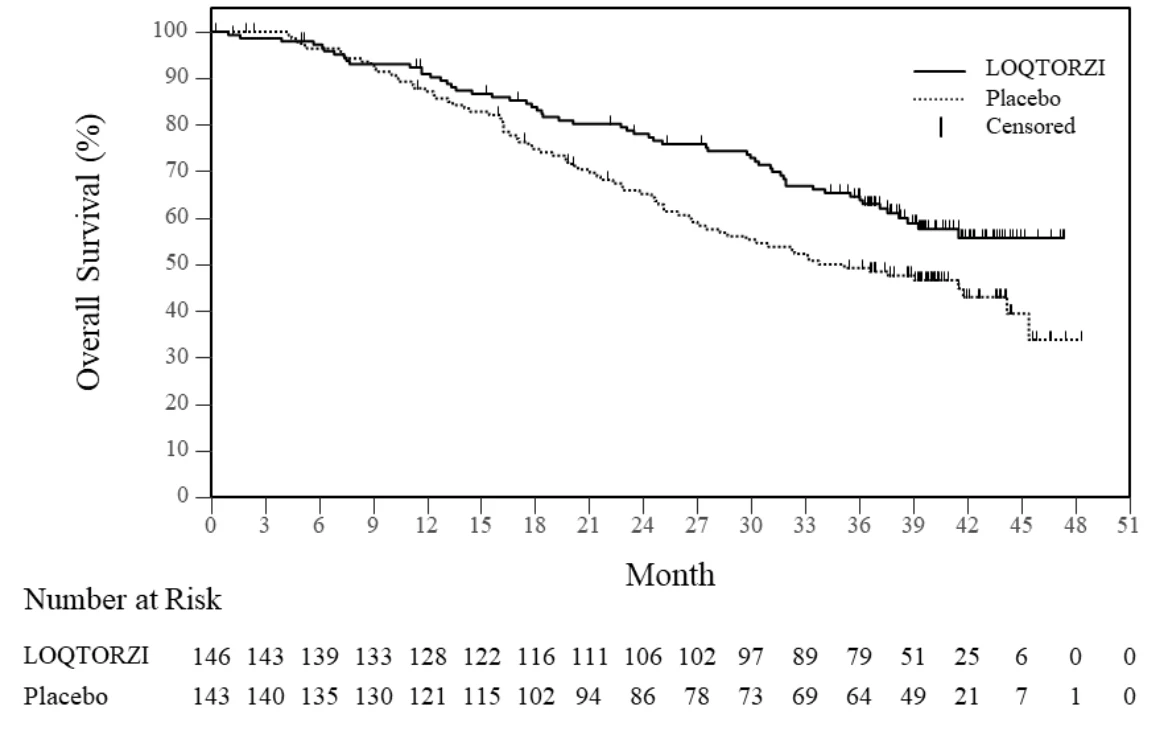
Treatment with LOQTORZI or placebo continued until disease progression per RECIST v1.1, unacceptable toxicity, or a maximum of 2 years. Administration of LOQTORZI was permitted beyond radiographic progression if the patient was deriving benefit as assessed by the investigator. Tumour assessments were performed every 6 weeks for the first 12 months and every 9 weeks thereafter. The main efficacy outcome measure was Blinded Independent Review Committee (BIRC)-assessed progression-free survival (PFS) according to RECIST v1.1. Additional efficacy outcome measures include BIRC-assessed objective response rate (ORR) and overall survival (OS).
The study population characteristics were: median age of 48 years (range: 19 to 72), 4.8% age 65 or older, 83% male, 100% Asian, and ECOG PS of 0 (57%) or 1 (43%). Eighty-six percent of patients had metastatic disease at study entry. Histological subtypes of NPC included 98% non-keratinizing, 1% keratinizing squamous cell carcinoma, and 1% did not have the subtype identified.
Efficacy results for JUPITER-02 are summarized in Table 9, Figure 1 and Figure 2.
Table 9: Efficacy Results for JUPITER-02
| Endpoints | LOQTORZI + cisplatin and gemcitabine N =146 | Placebo + cisplatin and gemcitabine N =143 | |||||||||||
|---|---|---|---|---|---|---|---|---|---|---|---|---|---|
| BIRC-assessed Progression-free Survival (PFS)1 | |||||||||||||
| Number of events, n (%) | 49 (33.6) | 79 (55.2) | |||||||||||
| Median, months (95% CI) | 11.7 (11.0, NE) | 8.0 (7.0, 9.5) | |||||||||||
| Hazard ratio (95% CI)2 | 0.52 (0.36, 0.74) | ||||||||||||
| p-value3 | 0.0003 | ||||||||||||
| BIRC-assessed Objective Response Rate (ORR)1 | |||||||||||||
| Objective response rate, % (95% CI)4 | 77.4 (69.8, 83.9) | 66.4 (58.1, 74.1) | |||||||||||
| Complete response rate (%) | 19.2 | 11.2 | |||||||||||
| Partial response rate (%) | 58.2 | 55.2 | |||||||||||
| p-value5 | 0.0335 | ||||||||||||
| Overall Survival (OS)1 | |||||||||||||
| Number of deaths, n (%) | 57 (39.0) | 76 (53.1) | |||||||||||
| Median, months (95% CI) | NE (38.7, NE) | 33.7 (27.0, 44.2) | |||||||||||
| Hazard ratio (95% CI)2 | 0.63 (0.45, 0.89) | ||||||||||||
| p-value3 | 0.0083 | ||||||||||||
1PFS and ORR were based on the data with median follow-up of 10.7 months (pre-specified interim analysis with data cut-off date of 30 May 2020). OS was based on the data with median follow-up of 36.0 months (final analysis with data cut-off date of 18 Nov 2022). 2The hazard ratio and its confidence interval were computed using a stratified Cox proportional-hazards model. 3 Two-sided p-value, based on the stratified log-rank test. 4 The confidence interval for ORR for each group was computed using the Clopper-Pearson method. 5 Two-sided p-value, based on the Cochran-Mantel-Haenszel test. BIRC=blinded independent review committee; CI= confidence interval; NE=Not estimable | |||||||||||||
Figure 1: Kaplan-Meier Curves of Progression Free Survival for JUPITER-02
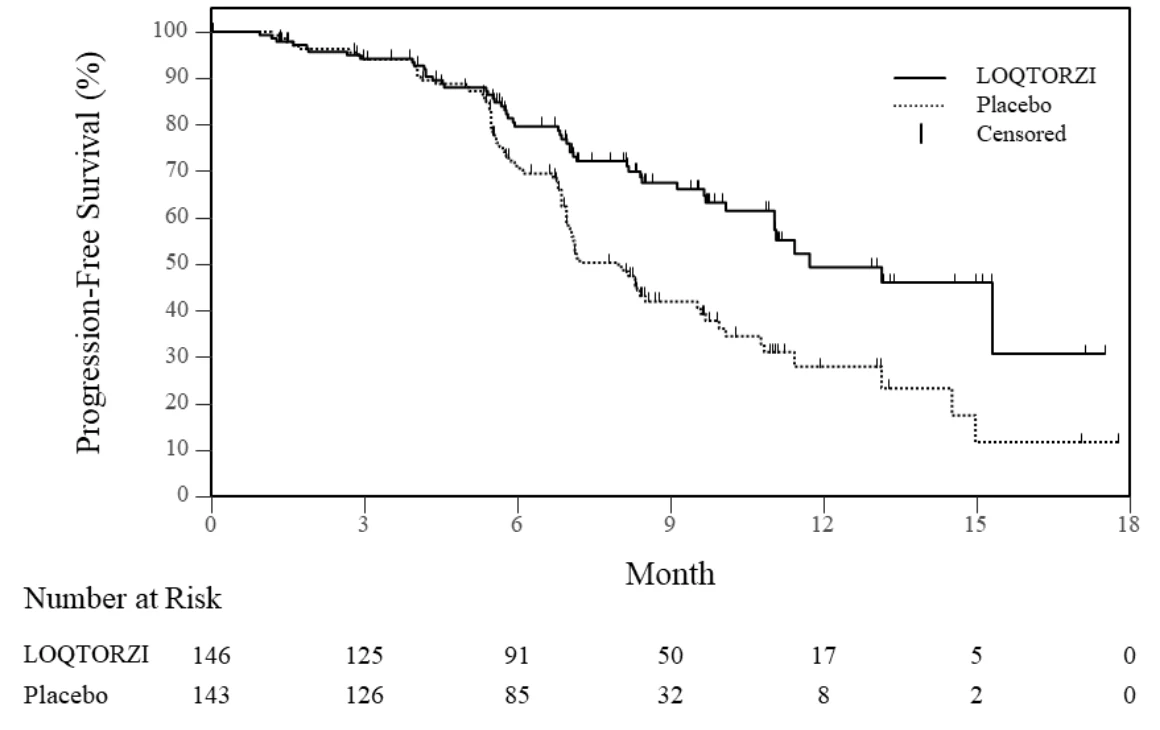
Figure 2: Kaplan-Meier Curves of Overall Survival for JUPITER-02
Previously Treated Unresectable or Metastatic NPC
Study Demographics and Trial Design
Table 10: Summary of patient demographics for clinical trials of LOQTORZI as a single agent in patients with previously treated unresectable or metastatic NPC
| Study # | Study design | Dosage, route of administration and duration | Study subjects (n) | Median age (Range) | Sex |
| POLARIS-02 | Open-label, multicenter, multicohort trial | LOQTORZI 3 mg/kg IV every 2 weeks | 190 (safety set) | 46 years (22 - 71) | M: 158 (83%) F: 32 (17%) |
The efficacy of LOQTORZI was investigated in POLARIS-02, an open-label, multi-centre, multicohort trial conducted in a single country. The trial included a total of 172 patients with unresectable or metastatic NPC who had received prior platinum-based chemotherapy for treatment of recurrent or metastatic NPC or had disease progression within 6 months of completion of platinum-based chemotherapy administered as neoadjuvant, adjuvant, or definitive chemoradiation treatment for locally advanced disease. Key exclusion criteria included active autoimmune disease or other medical conditions requiring immunosuppressive therapy. Patients received LOQTORZI 3 mg/kg intravenously every 2 weeks until disease progression per RECIST v1.1 or unacceptable toxicity. Tumour response assessments were performed every 8 weeks for the first year and every 12 weeks thereafter. The major efficacy outcome measures were confirmed ORR and duration of response (DOR) as assessed by a Blinded Independent Review Committee (BIRC) using RECIST v1.1.
The median age was 45 years (range: 22 to 68), 4.1% age 65 or older, 83% male, 100% Asian, and ECOGPS of 0 (37%). Patients had received a median of 2 prior systemic therapies for recurrent/metastatic disease (range: 1-13). Ninety-nine percent of patients had metastatic disease, 95% had non-keratinizing NPC, 2.9% had keratinizing squamous cell carcinoma and 1.7% did not have the subtype identified.
Efficacy results are summarised in Table 11 below.
Table 11: Efficacy Results for POLARIS-02
| Endpoint | LOQTORZI (N=172) | |||||
|---|---|---|---|---|---|---|
| BIRC-Assessed Objective Response Rate1 | ||||||
| Objective Response Rate, % | 21 | |||||
| (95% CI) | (15, 28) | |||||
| Complete Response Rate, % | 2.3 | |||||
| Partial Response Rate, % | 19 | |||||
| BIRC-Assessed Duration of Response (DOR) | (N = 36) | |||||
| Median, months | 14.9 | |||||
| (95% CI) | (10.3, NE) | |||||
CI=confidence interval. n=number. NE=not estimable. 1 Confirmed objective response rate assessed by BIRC | ||||||
15. Microbiology
No microbiological information is required for this drug product.
16. Non-Clinical Toxicology
General Toxicology:
Single- dose toxicity
The maximal tolerated dose (MTD) was observed at 203 mg/kg for toripalimab, when administered once via 30-minute IV infusion to male and female cynomolgus monkeys in single dose, exploratory dose range finding and TK study.
Repeat- dose toxicity
Repeat-dose intravenous toxicity studies were conducted for toripalimab in cynomolgus monkeys over periods of 4 and 26 weeks to evaluate its safety and potential adverse effects.
In 4- week study, following multiple toripalimab IV infusions over 30 minutes, every two weeks for four weeks (total of three doses) at doses of 1, 10, 100 mg/kg in both male and female cynomolgus monkeys, there were no toripalimab-related adverse effects on in-life parameters, ophthalmic examination findings, safety pharmacology, clinical pathology (clinical chemistry, hematology, coagulation, and urinalysis), immunologic (immune-phenotype and cytokine analysis), macroscopic and microscopic findings. The No-Observed-Adverse-Effect Level (NOAEL) for this study was determined to be 100 mg/kg. Exposure was 42 times greater in males and 38 times greater in females compared to the human exposure observed at the recommended clinical dose.
In 26- week study, following IV infusions once a week over 26 weeks (total of 27 doses) of toripalimab at doses of 10, 30, 100 mg/kg to male and female cynomolgus monkeys, there were no toripalimab- related adverse effects on in-life parameters, ophthalmic examination findings, safety pharmacology, clinical pathology (clinical chemistry, hematology, coagulation, urinalysis and analysis and fecal occult blood test), immune function parameters, hormone analysis, macroscopic and microscopic findings. The No-Observed-Adverse-Effect Level (NOAEL) for this study was considered 100 mg/kg. Exposure was 21 times greater in males and 30 times greater in females compared to the human exposure observed at the recommended clinical dose.
Genotoxicity:
No studies have been performed to evaluate the genotoxic potential of toripalimab.
Carcinogenicity:
No long-term animal studies have been performed to evaluate the carcinogenic potential of toripalimab.
Reproductive and Developmental Toxicology:
Animal fertility studies have not been conducted with toripalimab. In 4-week and 26-week repeat-dose toxicology studies in a limited number of sexually mature cynomolgus monkeys, there were no adverse or notable effects in the male and female reproductive organs.
Animal studies have demonstrated that inhibition of the PD-1/PD-L1 pathway can lead to increased risk of immune mediated rejection of the developing fetus resulting in fetal death. IgG4 is also known to cross the placental barrier; hence, toripalimab has the potential to cross the placenta during pregnancy and cause harm to the fetus.
Special Toxicology:
In animal models, inhibition of PD-L1/PD-1 signaling resulted in an increased severity of some infections and enhanced inflammatory responses. Mycobacterium tuberculosis-infected PD-1 knockout mice exhibit markedly decreased survival compared with wild-type controls, which correlated with increased bacterial proliferation and inflammatory response in these animals. PD-1 blockade using a primate anti-PD-1 antibody was also shown to exacerbate M. tuberculosis infection in rhesus macaques. PD-L1 and PD-1 knockout mice have also shown decreased survival following infection with lymphocytic choriomeningitis virus.