


Product Monograph - Moviprep
Recent Major Label Changes
| 2025-12 |
|---|
Table of Contents
Certain sections or subsections that are not applicable at the time of the preparation of the most recent authorized product monograph are not listed.
Recent Major Label Changes ................................................................................................................ 2
Table of Contents ................................................................................................................................. 2
Part 1: Healthcare Professional Information ......................................................................................... 4
- 1.
Indications ................................................................................................................................... 4
1.1. Pediatrics .................................................................................................................................. 4
1.2. Geriatrics .................................................................................................................................. 4
- 2. Contraindications ......................................................................................................................... 4
- 4.
Dosage and Administration .......................................................................................................... 4
4.1. Dosing Considerations .............................................................................................................. 4
4.2. Recommended Dose and Dosage Adjustment ......................................................................... 5
4.3. Reconstitution .......................................................................................................................... 5
4.4. Administration .......................................................................................................................... 6
4.5. Missed Dose ............................................................................................................................. 6
- 5. Overdose ...................................................................................................................................... 6
- 6. Dosage Forms, Strengths, Composition, and Packaging ................................................................. 6
- 7.
Warnings and Precautions ............................................................................................................ 7
General ................................................................................................................................................. 7
Carcinogenesis and Genotoxicity .......................................................................................................... 8
Cardiovascular ...................................................................................................................................... 8
Gastrointestinal .................................................................................................................................... 8
Immune ................................................................................................................................................. 8
Monitoring and Laboratory Tests ......................................................................................................... 9
Neurologic ............................................................................................................................................. 9
Renal .................................................................................................................................................. 9
7.1. Special Populations .................................................................................................................. 9
7.1.1. Pregnancy ..................................................................................................................... 9
7.1.2. Breastfeeding ............................................................................................................... 9
7.1.3. Pediatrics ...................................................................................................................... 9
7.1.4. Geriatrics ...................................................................................................................... 9
- 8.
Adverse Reactions ...................................................................................................................... 10
8.1. Adverse Reaction Overview ................................................................................................... 10
8.2. Clinical Trial Adverse Reactions .............................................................................................. 10
8.3. Less Common Clinical Trial Adverse Reactions ...................................................................... 12
8.4. Abnormal Laboratory Findings: Hematologic, Clinical Chemistry and Other Quantitative Data ................................................................................................................................................ 12
8.5. Post-Market Adverse Reactions ............................................................................................. 12
- 9.
Drug Interactions ........................................................................................................................ 13
9.2. Drug Interactions Overview ................................................................................................... 13
9.3. Drug-Behaviour Interactions .................................................................................................. 13
9.4. Drug-Drug Interactions ........................................................................................................... 13
9.5. Drug-Food Interactions .......................................................................................................... 13
9.6. Drug-Herb Interactions ........................................................................................................... 14
9.7. Drug-Laboratory Test Interactions ......................................................................................... 14
- 10.
Clinical Pharmacology ................................................................................................................ 14
10.1. Mechanism of Action.............................................................................................................. 14
10.2. Pharmacodynamics ................................................................................................................ 14
10.3. Pharmacokinetics ................................................................................................................... 16
- 11. Storage, Stability and Disposal ................................................................................................... 17
- 12. Special Handling Instructions ...................................................................................................... 17
Part 2: Scientific Information ............................................................................................................. 18
- 13. Pharmaceutical Information ....................................................................................................... 18
- 14.
Clinical Trials .............................................................................................................................. 20
14.1. Clinical Trials by Indication ..................................................................................................... 20
- 16. Non-Clinical Toxicology ............................................................................................................... 22
Patient Medication Information ......................................................................................................... 26
Part 1: Healthcare Professional Information
1. Indications
MOVIPREP (Macrogol 3350, Sodium sulphate anhydrous, Sodium chloride, Potassium chloride, Ascorbic acid, Sodium ascorbate) is indicated for:
- cleansing of the colon as a preparation for colonoscopy in adults 18 years of age or older.
1.1. Pediatrics
Pediatrics (< 18 years of age): No data are available to Health Canada; therefore, Health Canada has not authorized an indication for pediatric use. See 7.1.3. Pediatrics.
1.2. Geriatrics
Geriatrics (>65 years and up to 85 years of age): No overall differences in safety or effectiveness have been observed between geriatric and younger patients. However, greater sensitivity of some older individuals cannot be ruled out. See 7.1.4. Geriatrics.
2. Contraindications
MOVIPREP is contraindicated in:
- patients with known hypersensitivity to this drug or to any ingredient in the formulation, including any non-medicinal ingredient, or component of the container. See 7. Warnings and Precautions, Immune. For a complete listing, see the 6. Dosage Forms, Strengths, Composition and Packaging section of the Product Monograph.
Do not use in patients with known or suspected:
- 1) Gastrointestinal obstruction or perforation
- 2) Disorders of gastric emptying (e.g. gastroparesis)
- 3) Ileus
- 4) Toxic megacolon which complicates severe inflammatory conditions of the intestinal tract including Crohn's disease and ulcerative colitis
- 5) Toxic colitis
- 6) Acute surgical abdominal conditions such as acute appendicitis and diverticulitis
- Do not use in unconscious patients.
4. Dosage and Administration
4.1. Dosing Considerations
- To prevent the development of dehydration it is recommended to drink 1.0 litre of water in addition to the preparation.
- In clinical practice the choice of MOVIPREP treatment intake may be based on the timing of the colonoscopy procedure and patient preference.
4.2. Recommended Dose and Dosage Adjustment
- Adults aged 18 years or older: A course of treatment consists of two litres of MOVIPREP. It is strongly recommended that one litre of clear liquid, which may include water, clear soup, fruit juice without pulp, soft drinks, tea and/or coffee without milk, is also taken during the course of treatment.
- A litre of MOVIPREP consists of one ‘Sachet A’ and one ‘Sachet B’ dissolved together in one litre of water. This reconstituted solution should be drunk over a period of one to two hours. This should be repeated with a second litre of MOVIPREP.
This course of treatment can be taken:
- 1) Split-dose MOVIPREP regimen: The evening before the colonoscopy, take the first litre of MOVIPREP solution over one hour (one 8 ounce glass every 15 minutes) and then drink 0.5 litres (approximately 16 ounces) of clear fluid. Then, on the morning of the colonoscopy, take the second litre of MOVIPREP solution over one hour and then drink 0.5 litres of clear liquid at least one hour prior to the start of the colonoscopy; or
- 2) Full-dose (Evening-only) MOVIPREP regimen: Around 6 PM in the evening before the colonoscopy, take the first litre of MOVIPREP solution over one hour (one 8 ounce glass every 15 minutes) and then about 1.5 hours later take the second litre of MOVIPREP solution over one hour. In addition, take 1 litre (approximately 32 ounces) of additional clear liquid during the evening before the colonoscopy.
- There should be at least one hour between the end of intake of fluid (MOVIPREP or clear liquid) and the start of colonoscopy.
- No solid food should be taken from the start of the course of treatment until after the clinical procedure.
- Pediatrics: Not recommended for use in children below 18 years of age, as MOVIPREP has not been studied in the pediatric population.
4.3. Reconstitution
Oral Solutions:
- MOVIPREP consists of 4 separate pouches (2 of Sachet A and 2 of Sachet B) containing white to yellow powder for reconstitution.
- MOVIPREP pack contains 2 clear bags each containing one pair of sachets: Sachet A and Sachet B. Each pair of sachets (A and B) is to be dissolved in water to make a one litre of solution. This pack is therefore sufficient to make up to 2 litres of MOVIPREP solution.
- MOVIPREP solution is prepared by emptying the contents of 1 Sachet A and 1 Sachet B into a suitable glass container (or the container provided) and adding to the container 1 litre of water. Mix the solution to ensure that the ingredients are completely dissolved. If the patient prefers, the MOVIPREP solution can be refrigerated prior to drinking. The reconstituted solution should be used within 24 hours. Discard unused portion.
- After consumption of the first litre of MOVIPREP solution, the above mixing procedure should be repeated with the second Sachet A and Sachet B to reconstitute the second litre of the MOVIPREP solution.
4.4. Administration
MOVIPREP is in powder dosage form and is reconstituted for oral use, see 4.2. Recommended Dose and Dosage Adjustment.
Visually inspect the solution prior to use. Do not use if discolored or if particles are present.
4.5. Missed Dose
If the MOVIPREP dose is missed by a few hours, MOVIPREP should be taken as soon as possible. If several hours have passed since the time when the dose should have been taken, the dosage schedule should be based on the clinical judgment of the physician. It is important that the preparation be completed at least an hour before the procedure.
5. Overdose
Gross overdosage may cause severe diarrhea, severe electrolyte disturbances, including hyponatremia and/or hypokalemia, as well as dehydration and hypovolemia, with signs and symptoms of these disturbances.
For the most recent information in the management of a suspected drug overdose, contact your regional poison control centre or Health Canada’s toll-free number, 1-844 POISON-X (1-844-764-7669).
- 6. Dosage Forms, Strengths, Composition, and Packaging
Table 1 – Dosage Forms, Strengths, and Composition
Description
Powder for oral solution.
Free flowing white to yellow powder in Sachet A.
Free flowing white to light brown powder in Sachet B.
A paper / low density polyethylene / aluminium / low density polyethylene sachet containing 112 g of
| Route of Administration | Dosage Form/ Strength/Composition | Non-Medicinal Ingredients |
| Oral | Powder for oral solution Sachet A: Macrogol 3350 100g Sodium Sulphate Anhydrous 7.5g Sodium Chloride 2.691g Potassium Chloride 1.015g Sachet B: Ascorbic Acid 4.7g Sodium Ascorbate 5.9g Note: MOVIPREP consists of 4 separate pouches (2 of Sachet A and 2 of Sachet B) | Acesulfame potassium (E950), aspartame (E951), lemon flavouring (containing citral, gum arabic, lemon oil, lime oil, maltodextrin, vitamin E). |
white powder (‘Sachet A’) and a paper / low density polyethylene / aluminium / low density polyethylene sachet containing 11 g of white powder (‘Sachet B’).
Both sachets are contained in a transparent bag.
One pack of MOVIPREP contains a single treatment of two transparent bags.
Pack sizes of 1 pack of a single treatment.
7. Warnings and Precautions
General
Advise all patients to hydrate adequately before, during, and after the use of MOVIPREP.
Caution should be used in the administration of MOVIPREP to frail or debilitated patients.
MOVIPREP should be used with caution in patients with:
- Impaired gag reflex, with the possibility of regurgitation or aspiration
- Impaired consciousness
- Renal impairment whose creatinine clearance is less than 30 mL/minute
- Grade III or IV cardiac failure
- Dehydration
- Severe acute inflammatory bowel disease
The presence of dehydration should be corrected before the use of MOVIPREP.
MOVIPREP contains aspartame (a source of phenylalanine), which may be harmful for people with phenylketonuria.
In debilitated fragile patients, patients with poor health, those with clinically significant renal impairment and those at risk of electrolyte imbalance, the physician should consider performing a baseline and post-treatment electrolyte and renal function test. See 7. Warnings and Precautions, Monitoring and Laboratory Tests.
If patients develop any symptoms indicating shifts of fluid/electrolytes (e.g. oedema, shortness of breath, increasing fatigue, cardiac failure), plasma electrolytes should be measured and any abnormality treated appropriately. See 7. Warnings and Precautions, Monitoring and Laboratory Tests.
No additional ingredients (e.g., flavorings) should be added to the MOVIPREP solution.
MOVIPREP may result in a potential interactive effect when used with starch-based food thickeners. The polyethylene glycol (PEG) ingredient counteracts the thickening effect of starch, effectively liquefying preparations that need to remain thick for people with swallowing problems. This warning applies to all PEG-containing products.
Ascorbic acid: Patients with Glucose-6-phosphate dehydrogenase deficiency may be at risk of acute haemolysis due to the presence of ascorbate.
About 5% of individuals develop hyperoxalutia after large doses of ascorbic acid. Ascorbic acid may cause acidification of the urine, occasionally leading to precipitation of urate, cymbal, or oxalate stones, or drugs in the urinary tract. Large doses of ascorbic acid should be avoided in patients with hyperosaluria.
Uric acid excretion may be increased by ascorbic acid. Theoretically, large doses of ascorbic acid could result in gouty arthritis in susceptible individuals.
Rarely, decreased blood pH leading to sickle-cell crisis has been reported in patients with sickle-cell disease after large doses of ascorbic acid.
Deep-vein thrombosis has reportedly occurred after large doses of ascorbic acid.
Very high doses of ascorbic acid might possibly interfere with glucose determinations.
High doses of ascorbic acid may increase iron absorption. Caution is advised in hemochromatosis, sideroblastic anemia, or thalassemia.
Carcinogenesis and Genotoxicity
Long-term studies in animals to determine the carcinogenic potential of MOVIPREP have not been performed, see 16. Non-Clinical Toxicology.
Cardiovascular
There have been rare reports of serious cardiac arrhythmias associated with the use of ionic osmotic laxative products for bowel preparation. Use caution when prescribing MOVIPREP for patients at increased risk of arrhythmias (e.g., patients with a history of prolonged QT, uncontrolled arrhythmias, recent myocardial infarction, unstable angina, congestive heart failure, or cardiomyopathy). Pre-dose and post-colonoscopy ECGs should be considered in patients at increased risk of serious cardiac arrhythmias.
Gastrointestinal
Use of MOVIPREP is not recommended when abdominal pain, nausea, or vomiting are present.
Semi-conscious patients, patients with impaired gag reflex or patients prone to aspiration or regurgitation should be closely observed during administration of MOVIPREP, especially if this is via a nasogastric route.
If gastrointestinal obstruction or perforation is suspected, appropriate tests should be performed to rule out these conditions before administration of MOVIPREP.
If a patient experiences severe bloating, abdominal distension, abdominal pain or any other reaction which makes it difficult to continue the preparation, administration should be slowed or temporarily discontinued until the symptoms abate.
There is a potential risk of Ischemic colitis with co-exposure to osmotic laxatives (PEG 3550/Macrogol) such as MOVIPREP, and stimulant laxatives (e.g., bisacodyl). If patients develop severe abdominal pain and/or rectal bleeding, immediate evaluation and close medical attention should be provided.
Cases of esophageal rupture (Boerhaave syndrome) associated with excessive vomiting after intake (see 8.5. Post-Market Adverse Reactions, Gastrointestinal disorders) of macrogol 3350 with electrolytes for bowel preparation has been reported post-marketing, mostly in elderly patients. Advise patients to stop administration and seek immediate medical assistance if they experience incoercible vomiting and subsequent chest, neck, and abdominal pain, dysphagia, hematemesis or dyspnoea.
Immune
Anaphylaxis and Hypersensitivity: As with other macrogol (polyethylene glycol, PEG) containing products, allergic reactions including rash, urticaria, pruritus, angioedema and anaphylaxis are a possibility. See 2. Contraindications and 8. Adverse Reactions.
Monitoring and Laboratory Tests
In debilitated fragile patients, patients with poor health, those with clinically significant renal impairment and those at risk of electrolyte imbalance, the physician should consider performing a baseline and post-treatment electrolyte and renal function test. See 7. Warnings and Precautions, General, Neurologic, and Renal.
If patients develop any symptoms indicating shifts of fluid/electrolytes (e.g. oedema, shortness of breath, increasing fatigue, cardiac failure), plasma electrolytes should be measured and any abnormality treated appropriately. See 7. Warnings and Precautions, General.
Neurologic
There have been reports of generalized tonic-clonic seizures associated with use of macrogol (PEG) colon preparation products in patients with no prior history of seizures. The seizure cases were associated with electrolyte abnormalities (e.g., hyponatremia, hypokalemia) as well as severe vomiting and excessive beverage consumption. The neurologic abnormalities resolved with correction of fluid and electrolyte abnormalities. Therefore, MOVIPREP should be used with caution in patients using concomitant medications that increase the risk of electrolyte abnormalities [e.g., diuretics or angiotensin converting enzyme (ACE)-inhibitors] or in patients with known or suspected hyponatremia. Monitor baseline and post-colonoscopy laboratory tests (sodium, potassium, calcium, creatinine, and BUN) in these patients. See 7. Warnings and Precautions, Monitoring and Laboratory Tests and 8.5 Post Market Adverse Reactions, Nervous system disorders.
Renal
Patients with impaired water handling who experience severe vomiting should be closely monitored, including measurement of electrolytes (sodium, potassium, calcium, BUN and creatinine). See 7. Warnings and Precautions, Monitoring and Laboratory Tests.
7.1. Special Populations
7.1.1. Pregnancy
There are no data on the use of MOVIPREP during pregnancy and it should only be used if considered essential by the physician.
Animal reproduction studies have not been performed with MOVIPREP. See 16. Non-Clinical Toxicology, Reproductive and developmental toxicity. Ingestion of large doses of ascorbic acid during pregnancy has resulted in scurvy in neonates.
7.1.2. Breastfeeding
No data is available regarding the excretion of the active ingredients of MOVIPREP in human milk. It is therefore not recommended to use MOVIPREP while breastfeeding.
7.1.3. Pediatrics
Pediatrics (< 18 years of age): No data are available to Health Canada; therefore, Health Canada has not authorized an indication for pediatric use.
7.1.4. Geriatrics
Geriatrics (65 up to 85 years of age): No overall differences in safety or effectiveness were observed between geriatric patients and younger patients. However, greater sensitivity of some older individuals cannot be ruled out. Potentially serious complications may arise if abnormal fluid intake or losses occur simultaneously in this sub-population. Suboptimal oral intake of water and electrolytes could create clinically significant deficiencies in less fit patients, in particular elderly, debilitated and patients at risk of hypokalaemia.
Published literature contains reports of serious adverse events following the administration of PEG-based products in patients over 60 years of age. These adverse events included upper gastrointestinal bleeding from a Mallory-Weiss tear, esophageal perforation, asystole, and acute pulmonary edema after aspirating the PEG-based preparation. See 8.2. Clinical Trial Adverse Reactions.
8. Adverse Reactions
8.1. Adverse Reaction Overview
The majority of adverse events across all studies was related to gastrointestinal disturbances such as among others abdominal pain, nausea, anal discomfort. Other commonly reported adverse events during the clinical studies were malaise and headache. Most adverse events were mild to moderate in severity and transient. In Phase III studies, discontinuation due to a possibly related treatment-emergent adverse event occurred in 2.87% of MOVIPREP treated patients.
8.2. Clinical Trial Adverse Reactions
Clinical trials are conducted under very specific conditions. Therefore, the frequencies of adverse reactions observed in the clinical trials may not reflect frequencies observed in clinical practice and should not be compared to frequencies reported in the clinical trials of another drug.
In the MOVIPREP trials, abdominal distension, anal discomfort, thirst, nausea, and abdominal pain were some of the most common adverse reactions to MOVIPREP administration. Since diarrhea was considered as a part of the efficacy of MOVIPREP, diarrhea was not defined as an adverse reaction in the clinical studies. Tables 2 and 3 display the most common drug-related adverse reactions (≥1%) of MOVIPREP and its comparators in the MOVIPREP trials.
Table 2 – The Most Common Drug-Related Adverse Reactions1 (≥1%) Observed in Adult Patients Treated with MOVIPREP Split-Dose or Comparator Treatment in Clinical Studies – ITT Population2
System organ class / preferred term | MOVIPREP Split-Dose3 N = 180 n (% = n/N) | Comparator4 N = 179 n (%= n/N) |
|---|---|---|
| Total number of drug-related AE(s)1,5 | 114 | 131 |
| Total number (%) of subjects with drug-related AE(s)1,5 | 69 (38.3) | 75 (41.9) |
| Gastrointestinal Disorders | ||
| Nausea | 26 (14.4) | 36 (20.1) |
| Abdominal pain NOS6 | 24 (13.3) | 27 (15.1) |
| Vomiting NOS6 | 14 (7.8) | 23 (12.8) |
| Abdominal pain upper | 10 (5.6) | 11 (6.1) |
| Dyspepsia | 5 (2.8) | 2 (1.1) |
| General Disorders and Administration Site Conditions | ||
| Malaise | 35 (19.4) | 32 (17.9) |
1 Drug-related adverse reactions were adverse events that were possibly, probably, or definitely related to the study drug.
2 ITT: The Intent-to-Treat (ITT) population includes all randomised patients who received at least some of the investigational product.
3 Split-dose: Split into two doses (during the evening before and the morning of the colonoscopy).
4 Comparator was 4 Litre Polyethylene Glycol plus Electrolytes Solution (4L PEG + E).
5 AE(s): Adverse Events.
6 NOS: Not otherwise specified.
Table 3 – The Most Common Drug-Related Adverse Reactions1 (≥1%) Observed in Adult Patients Treated with MOVIPREP Full-Dose (Evening Only) or Comparator Treatment in Clinical Studies – ITT Population2
System organ class / preferred term | MOVIPREP Full-Dose (Evening Only)3 N = 169 n (%= n/N) | Comparator4 N = 171 n (%= n/N) |
|---|---|---|
| Total number of drug-related AE(s)1,5 | 654 | 791 |
| Total number (%) of subjects with drug-related AE(s)1,5 | 160 (94.7) | 160 (93.6) |
| Gastrointestinal Disorders | ||
| Abdominal distension | 101 (59.8) | 70 (40.9) |
| Anal discomfort | 87 (51.5) | 89 (52.0) |
| Nausea | 80 (47.3) | 80 (46.8) |
| Abdominal pain NOS6 | 66 (39.1) | 55 (32.2) |
| Vomiting NOS6 | 12 (7.1) | 14 (8.2) |
| Dysphagia | 2 (1.2) | 0 (0.0) |
| General Disorders and Administration Site Conditions | ||
| Thirst | 80 (47.3) | 112 (65.5) |
| Chills | 57 (33.7) | 51 (29.8) |
| Malaise | 45 (26.6) | 90 (52.6) |
| Metabolism and Nutrition Disorders | ||
| Hunger | 51 (30.2) | 121 (70.8) |
| Hypokalaemia | 0 (0.0) | 10 (5.8) |
| Hyperphosphatemia | 0 (0.0) | 10 (5.8) |
| Nervous System Disorder | ||
| Dizziness | 11 (6.5) | 31 (18.1) |
| Headache | 3 (1.8) | 9 (5.3) |
| Psychiatric Disorders | ||
| Sleep disorder NOS6 | 59 (34.9) | 49 (28.7) |
1 Drug-related adverse reactions were adverse events that were possibly, probably, or definitely related to the study drug. In addition to the recording of spontaneous adverse events, patients were also specifically asked about the occurrence of the following symptoms: shivering, anal irritations, abdominal bloating or fullness, sleep loss, nausea, vomiting, weakness, hunger sensation, abdominal cramps or pain, thirst sensation, and dizziness.
2 ITT: The Intent-to-Treat (ITT) population includes all randomised patients who received at least some of the investigational product.
3 Full-dose: Only in the evening prior to the colonoscopy.
4 Comparator was Oral Sodium Phosphate Solution (OSPS).
5 AE(s): Adverse Events.
6 NOS: Not otherwise specified.
Cases of urticaria, rhinorrhea, dermatitis, and anaphylactic reactions have been reported with macrogol (PEG)-based products which may represent allergic reactions. See 2. Contraindications and 7. Warnings and Precautions, Immune.
Published literature contains reports of serious adverse events following the administration of macrogol (PEG)-based products in patients over 60 years of age. These adverse events included upper gastrointestinal bleeding from a Mallory-Weiss tear, esophageal perforation, asystole, and acute pulmonary edema after aspirating the macrogol (PEG)-based preparation. See 1.2. Geriatrics and 7.1.4. Geriatrics.
8.3. Less Common Clinical Trial Adverse Reactions
Treatment-related adverse events (possibly, probably or definitely related) reported in less than (<) 1.0% of patients treated with MOVIPREP included:
Blood and lymphatic system disorders: leucopenia.
Cardiac disorders: angina pectoris.
Gastrointestinal disorders: dry mouth, flatulence, intestinal spasm, gastrointestinal sounds abnormal, constipation, dysphagia, proctalgia, hypoesthesia oral, irritable bowel syndrome.
General disorders and administration site conditions: discomfort.
Investigations: blood bicarbonate decreased, abnormal liver function tests.
Metabolism and nutrition disorders: hypophosphataemia.
Nervous system disorders: dysgeusia, formication.
Respiratory, thoracic and mediastinal disorders: nasopharyngitis.
Skin and subcutaneous tissue disorders: pruritus, allergic dermatitis.
Vascular disorders: hot flush.
8.4. Abnormal Laboratory Findings: Hematologic, Clinical Chemistry and Other Quantitative Data
Clinical Trial Findings
No significant changes in laboratory parameters were observed in the clinical trials conducted.
8.5. Post-Market Adverse Reactions
The following drug-related adverse reactions were reported by post-marketing experience. Because post-market adverse events are reported voluntarily from a population of unknown size, estimates of frequency cannot be made.
Gastrointestinal disorders: nausea, vomiting, abdominal pain, abdominal distension, anal discomfort, dyspepsia, flatulence, retching, Ischemic Colitis (when used in conjunction with a stimulant laxative), esophageal rupture (Borheaave syndrome).
General disorders and administration site conditions: chills, thirst, malaise, hunger.
Immune system disorders: allergic reactions, anaphylactic reaction, angioedema.
Investigations: blood bicarbonate decreased, changes in the blood chloride levels, transient blood pressure increased.
Metabolism and nutrition disorders: electrolyte disturbance, hypokalaemia, hypercalcaemia and hypocalcaemia, hypophosphataemia, hyponatraemia (occurs more commonly in patients taking concomitant medication affecting the kidneys such as ACE inhibitors and diuretics).
Nervous system disorders: headache, dizziness. Seizures associated with severe hyponatraemia.
Skin and subcutaneous tissue disorders: rash, pruritus, urticaria.
9. Drug Interactions
9.2. Drug Interactions Overview
No drug interaction studies were conducted with MOVIPREP. MOVIPREP should be used with caution in patients using concomitant medications that increase the risk of electrolyte abnormalities. See 9.4. Drug-Drug Interactions.
9.3. Drug-Behaviour Interactions
The interaction of MOVIPREP with individual behavioural risks (e.g. cigarette smoking, cannabis use, and/or alcohol consumption) has not been studied.
9.4. Drug-Drug Interactions
No drug-drug interaction studies were conducted with MOVIPREP.
MOVIPREP should be used with caution in patients using concomitant medications that increase the risk of electrolyte abnormalities [e.g., diuretics or angiotensin converting enzyme (ACE)-inhibitors]. Oral medication should not be taken within one hour of administration of MOVIPREP as it may be flushed from the gastro-intestinal tract and not absorbed.
The literature indicates that large doses of ascorbic acid (1g vitamin C daily) increases the plasma concentration of ethinyloestradiol in women taking oral contraceptives, and this is followed by heavy breakthrough vaginal bleeding when vitamin C is stopped. It is not known whether this has an effect on contraceptive efficacy. See 10.2. Pharmacodynamics.
Acidification of the urine following administration of ascorbic acid may result in altered excretion of other drugs. For instance, large doses of ascorbic acid may lower urinary pH and cause renal tubular reabsorption of acidic medications with concurrent administration; alkaline medications may exhibit decreased reabsorption.
There is a potential risk of Ischemic colitis with co-exposure to osmotic laxatives (PEG 3550/Macrogol) such as MOVIPREP and stimulant laxatives (e.g., bisacodyl). If patients develop severe abdominal pain and/or rectal bleeding, immediate evaluation and close medical attention should be provided.
9.5. Drug-Food Interactions
No solid food should be taken from the start of MOVIPREP treatment until after the clinical procedure.
Patients should adequately hydrate before, during, and after the use of MOVIPREP.
It is strongly recommended that one litre of clear liquid, which may include water, clear soup, fruit juice without pulp, soft drinks, tea and/or coffee without milk, is also taken during the course of treatment.
9.6. Drug-Herb Interactions
Interactions of MOVIPREP with herbal products have not been established.
9.7. Drug-Laboratory Test Interactions
Interactions of MOVIPREP with laboratory tests have not been established.
Because ascorbic acid is a strong reducing agent, it interferes with laboratory tests based on oxidation-reduction reactions. Specialized references should be consulted for specific information on laboratory test interferences caused by ascorbic acid.
10. Clinical Pharmacology
10.1. Mechanism of Action
MOVIPREP is a macrogol (polyethylene glycol, PEG)-based bowel cleansing agent intended for use as a preparation for colonoscopy. Its clinical efficacy derives from the osmotic action of macrogol (PEG) 3350, sodium sulphate, ascorbic acid and sodium ascorbate acting in concert. Due to the sequestration of water by macrogol (PEG), these ingredients exert a synergistic action, increasing the final osmolality to levels greater than would be theoretically calculated from the individual components. As a result, the patient needs only to ingest half the volume (2L instead of 4L) normally required for adequate bowel cleansing with other products. In addition to these ingredients, sodium ascorbate, sodium chloride and potassium chloride maintain electrolyte balance while aspartame, acesulfame potassium and a lemon flavoring agent improve palatability. The product is palatable such that the required osmotic load can be ingested in half the volume, but for safety an extra litre of water or clear fluid must be taken concurrently to balance the water loss.
No in vivo pharmacology studies were conducted with MOVIPREP.
The three principle active ingredients in MOVIPREP (macrogol 3350, sodium sulphate, ascorbic acid/sodium ascorbate) act synergistically to produce a greater increase in osmolality than would be predicted from the sum of their individual molar concentrations. This is due, primarily, to the sequestration of water by macrogol (polyethylene glycol, PEG). The result is that a fraction of the water is prevented from interacting with the products of dissociation, thus increasing their concentration in the volume of water available. Due to the increased concentration of sodium ions, faecal water volume increases beyond that which would be predicted from the volume and osmolality of the ingested MOVIPREP. Increased water consumption may be observed.
10.2. Pharmacodynamics
MOVIPREP produces a watery stool leading to cleansing of the colon.
Macrogol (PEG) 3350, sodium sulphate and high doses of ascorbic acid exert an osmotic action in the gut, which induce a laxative effect. Macrogol (PEG) 3350 increases the stool volume, which stimulates colon motility via neuromuscular pathways. The physiological consequence is a propulsive colonic transportation of the softened stools.
The electrolytes present in the formulation as well as the supplementary clear liquid intake are included to prevent clinically significant variations of sodium, potassium or water, and thus reduce dehydration risk.
The desired clinical effect of expanding faecal volume is produced primarily as a factor of their physical chemistry, the result of which is to increase the osmotic flow of water into the colon.
- Macrogol (Polyethylene Glycol): Macrogol (PEG) acts by sequestering water.
- Sodium Sulphate: Sodium sulphate is present primarily as an osmotic agent.
- Ascorbic Acid/Sodium Ascorbate: The physiological need for ascorbic acid has been well studied. In humans and some animals, an exogenous source of ascorbic acid (Vitamin C) is required for collagen formation and tissue repair. It is also needed in oxidation-reduction reactions, tyrosine metabolism, synthesis of lipids and proteins, and the metabolism of folic acid, iron and carbohydrates. Ascorbic acid is also involved in cellular respiration and assists with resistance to infections. The main action of ascorbic acid in MOVIPREP, however, is to increase osmotic flow of water into the colon.
A series of laboratory investigations demonstrated the synergistic effects of the three osmotic agents.
- Osmolality was determined for each ingredient in MOVIPREP. Results were consistent with the theory that interactions between high concentrations of macrogol (PEG) and water molecules alter their physical properties and, as a result, sequester water from the solution. Less water is available to interact with the sodium and sulphate ions, and ascorbic acid, thereby increasing the osmotic activity of the solute to levels higher than theoretical values.
- Osmolality was determined for macrogol (PEG) 3350 alone or in combination with sodium sulphate, sodium sulphate and sodium chloride, or with sodium sulphate, sodium chloride and potassium chloride in solution at the levels contained in the MOVIPREP formulation. The cumulative effect macrogol (PEG) 3350 had on the osmolality of other dissociable ingredients in Pouch A was again greater than calculated values (Table 4).
Table 4 - Comparison of Measured vs. Calculated Osmolality
Ingredients in Solution (at MOVIPREP levels) | Measured Osmolality (average mOsm/kg) | Calculated Theoretical Osmolality (mOsm/kg) |
|---|---|---|
| Macrogol (PEG) 3350 | 115 | 29.9 |
| PEG 3350 and Na2SO4 | 316 | 188.3 |
| PEG 3350, Na2SO4 and NaCl | 416 | 280.4 |
| PEG 3350, Na2SO4, NaCl and KCl | 446 | 307.6 |
- Osmolality and associated water binding was further investigated by utilising varying concentrations of macrogol (PEG) 3350 combined with anhydrous sodium sulphate independently, sodium ascorbate independently, or sodium ascorbate combined with ascorbic acid. Only macrogol (PEG) 3350 varied in concentration; all other components were maintained at formulation levels. Various parameters were calculated including the volume of water “bound”. The results from this study demonstrated that the volume of water bound increased as the concentration of macrogol (PEG) 3350 increased. These results were consistent with the previous two studies, i.e. that macrogol (PEG) sequesters water from solution, and, therefore, macrogol (PEG) can affect the chemical and osmotic activity of sodium ions in solution.
The volume of deionised water required to provide a measured osmolality of 350 mOsm/kg (taken as the osmolality of faecal water) for MOVIPREP in solution was also investigated. It was
- determined that 0.43 mL of additional water is required to bring a 1.0 mL MOVIPREP solution, (14.0 mL MOVIPREP brought to 20 mL volume), to a measured osmolality of 350 mOsm/kg + 2% mOsm/kg. These results indicate that for the recommended dosage of MOVIPREP (Pouch A+B in 1L of water, taken twice), the 2L volume consumed would expand to 2.86L when diluted to the osmolality of faecal water.
Safety Pharmacology
No safety pharmacology studies were conducted with MOVIPREP.
The main safety issue related to the use of MOVIPREP, particularly in vulnerable patients, is a potential shift of electrolytes between body compartments at extremely high doses of osmotically active agents in the gut. This is addressed by adding a balance of electrolytes and controlling the flow of water across the wall of the colon.
Pharmacodynamic Drug Interactions
No pharmacodynamic drug interaction studies were performed with MOVIPREP.
The literature does indicate that large doses of ascorbic acid (1g vitamin C daily), does increase the plasma concentration of ethinyloestradiol in women taking combined oral contraceptives, and this is followed by heavy breakthrough vaginal bleeding when vitamin C is stopped. It is not known whether this has an effect on contraceptive efficacy, see 9.4. Drug-Drug Interactions.
10.3. Pharmacokinetics
No pharmacokinetic studies were conducted with MOVIPREP.
Absorption
Macrogol (PEG) 3350 is unchanged along the gut. It is virtually unabsorbed from the gastro-intestinal tract. Any macrogol (PEG) 3350 that is absorbed is excreted via the urine.
Absorption of macrogol (PEG) is dependant on its molecular weight. As the molecular weight increases, absorption is decreased so that at a molecular weight of 1300 and above only a very small percentage is absorbed. At the molecular weight of macrogol (PEG) in MOVIPREP (~3350), absorption would be expected to be negligible. The low percentage of macrogol (PEG) that is absorbed is predominantly likely to be excreted unchanged in the urine (with perhaps a small amount in the bile).
Ascorbic acid is absorbed mainly at the small intestine level by a mechanism of active transport, which is sodium dependent and saturable. There is an inverse relationship between the ingested dose and the percentage of the absorbed dose. For oral doses between 30 and 180 mg an amount of about 70 to 85 % of the dose is absorbed. Following oral intake of up to 12 g ascorbic acid, it is known that only 2 g is absorbed.
Some absorption of the other constituents of MOVIPREP may occur, although the process is likely to be self-limiting due to the saturability of their absorption and excretion mechanisms. Gut absorption of sodium sulphate is governed by a saturable absorption mechanism, with absorbed sodium and sulphate ions entering the cell pool and/or excreted in the urine. Similarly, absorption of ascorbic acid appears to be saturable; absorbed material is metabolised with a major metabolite being oxalate, but as the blood concentration increases, the amount of unmetabolised ascorbic acid increases in the urine. Therefore, sodium sulphate and ascorbic acid are both absorbed well, but the majority of the high concentrations in MOVIPREP remain in the gut due to limitations on absorption and excretion saturation mechanisms. Excess sodium chloride and potassium chloride are well absorbed from the gut with use in the cell pool or urinary excretion. At the proposed level of use, systemic exposure to aspartame or its metabolites will likely not occur and any absorbed acesulfame potassium will be likely quickly cleared.
Elimination
After high oral doses of ascorbic acid and when plasma concentrations exceed 14 mg/litre, the absorbed ascorbic acid is mainly eliminated unchanged in the urine.
Special Populations and Conditions
The pharmacokinetics of MOVIPREP has not been studied in special populations (e.g., pediatrics, geriatrics, sex, ethnic origin, genetic polymorphism) or certain conditions (e.g., hepatic insufficiency, renal insufficiency).
11. Storage, Stability and Disposal
Sachets: Store at temperature 5°C - 25°C. Store in the original package.
Reconstituted Solution: Store at temperature 15°C - 25°C. The solution may be refrigerated (2°C - 8°C). Keep the solution covered. Discard unused portion.
Shelf life:
12. Special Handling Instructions
Reconstitution of MOVIPREP in water may take up to 5 minutes and is best performed by adding the powder to the mixing vessel first followed by the water. The patient should wait until all the powder has dissolved before drinking the solution.
After reconstitution in water, MOVIPREP consumption may begin immediately or if preferred it may be cooled before use.
| Sachets | 3 years |
| Reconstituted solution | 24 hours |
Part 2: Scientific Information
13. Pharmaceutical Information
Drug Substance
- 1) Macrogols
Non-proprietary name of the drug substance: Macrogols
Chemical name: Polyethylene glycol
Molecular formula and molecular mass: H(C2H4O)nOH, and 3350 g/mol (n=76)
Structural formula: HOCH2 – (CH2 - O – CH2)n – CH2OH
Where ‘n’ represents the average number of oxyethylene groups
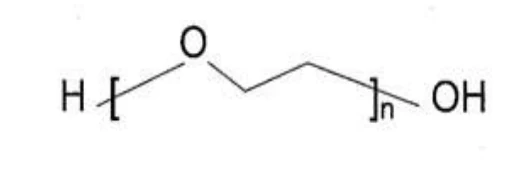
Physicochemical properties: White or almost white solid with a waxy or paraffin-like appearance
Solubility in water: Very soluble in water and in methylene chloride, slightly soluble in alcohol, practically insoluble in fatty oils and in mineral oils
- 2) Ascorbic Acid
Non-proprietary name of the drug substance: Ascorbic Acid
Chemical name: L-threo-hex-2-enioic acid y-lactone 3-oxo-L-gulofuranolactone (enol form)
Molecular formula and molecular mass: C6H8O6 and 176.13 g/mol
Structural formula:
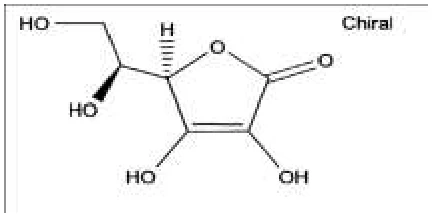
Physicochemical properties: White or almost white, crystalline powder or colorless crystal, becoming discolored on exposure to air and moisture
Solubility in water: Freely soluble in water, soluble in ethanol (96%)
- 3) Sodium Ascorbate
Non-proprietary name of the drug substance: Sodium Ascorbate
Chemical name: L-ascorbic acid monosodium salt, E301 (Sodium Ascorbate)
Molecular formula and molecular mass: C6H7NaO6 and 198.11 g/mol
Structural formula:
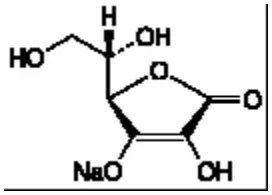
Physicochemical properties: White to yellowish, crystalline powder or crystals
Solubility in water: Freely soluble in water, sparingly soluble in ethanol (96 per cent), practically insoluble in methylene chloride
- 4) Sodium Sulphate Anhydrous
Non-proprietary name of the drug substance: Sodium Sulphate Anhydrous
Other non-Proprietary names: Sulphuric acid, Disodium salt, Disodium sulphate, Natrii sulfis anhydricus
Chemical name: Sodium sulphate anhydrous
Molecular formula and molecular mass: Na2SO4 and 142.04 g/mol
Structural formula:
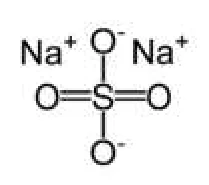
Physicochemical properties: white or almost white powder
Solubility in water: Freely soluble in water, very slightly soluble in ethanol (96%)
- 5) Sodium Chloride
Non-proprietary name of the drug substance: Sodium Chloride
Chemical name: Sodium chloride, Natrii chloridum
Molecular formula and molecular mass: NaCl and 58.43 g/mol
Structural formula: NaCl
Physicochemical properties: white or almost white, crystalline powder or colorless crystals or white or almost white pearls
Solubility in water: freely soluble in water, practically insoluble in anhydrous ethanol
- 6) Potassium Chloride
Non-proprietary name of the drug substance: Potassium Chloride
Chemical name: Potassium Chloride
Molecular formula and molecular mass: K+Cl- and 74.55 g/mol
Structural formula: KCl
Physicochemical properties: white or almost white, crystalline powder or colorless crystals
Solubility in water: Freely soluble in water, practically insoluble in anhydrous ethanol
14. Clinical Trials
14.1. Clinical Trials by Indication
Bowel Cleansing
Study demographics and trial design
The colon cleansing efficacy and safety of MOVIPREP was evaluated in two multicentre, randomized, investigator-blinded, actively-controlled phase III trials, in patients scheduled to have an elective colonoscopy.
In the phase III clinical studies, MOVIPREP was administered in adults 18 years of age or older using either a single or a split dosing regimen.
The quality of bowel cleansing was assessed during colonoscopy by an experienced colonoscopist and/or independently reviewed by a blinded expert panel using videotapes recorded during the procedure.
Table 5 summarizes the patient demographics and basic trial design for the studies.
Table 5 - Summary of Patient Demographics for Clinical Trials in Bowel Cleansing
| Study # | Study design | Efficacy parameters | Dosage, route of administration and duration | Study subjects n=number | Age (Range) | Sex % M/F |
| Study # | Study design | Efficacy parameters | Dosage, route of administration and duration | Study subjects n=number | Age (Range) | Sex % M/F |
NRL994-01/2001 Germany Phase III | Multicenter, randomized, parallel-group, investigator-blinded, active controlled | Overall colon cleansing Assessment by blinded expert panel | 2L MOVIPREP Oral solution + 1L clear fluid Split-dose1 Versus 4L PEG + E2 Oral solution Split-dose1 | 153 155 | 58.0 (18-83) 59.6 (19-88) | 51.6/48.4 45.8/54.2 |
NRL994-02/2001 France Phase III | Multicenter, randomized, parallel-group, investigator-blinded, active controlled | Overall colon cleansing Assessment by blinded expert panel and by colonoscopist | 2L MOVIPREP Oral solution + 1L clear fluid Full-dose3 Versus 90 mL OSPS4 Oral solution + ≥2L clear fluid Full-dose3 | 137 143 | 52.4 (21-74) 52.4 (21-76) | 55.3/46.7 52.4/47.6 |
1 Split-dose: Split into two doses (during the evening before and the morning of the colonoscopy).
2 4L PEG + E: 4 litres of Polyethylene Glycol plus Electrolytes Solution.
3 Full-dose: Only in the evening prior to the colonoscopy.
4 OSPS: Oral Sodium Phosphate Solution.
Study results
Overall Colon Cleansing
Table 6 presents the results of the effectiveness of overall colon cleansing observed in the phase III clinical trials conducted with MOVIPREP.
Table 6 - Effectiveness of Overall Colon Cleansing in the Phase III Clinical Trials Conducted with MOVIPREP
Success Rate (Grade A1 or B2) n (%) | Grade C3 n (%) | Grade D4 n (%) | ||||
|---|---|---|---|---|---|---|
| Study NRL994-01/2001 | ||||||
MOVIPREP (N=153) | 136 (88.9) | 15 (9.8) | 2 (1.3) | |||
4L PEG + E5 (N=155) | 147 (94.8) | 7 (4.5) | 1 (0.6) | |||
| Study NRL994-02/2001 | ||||||
MOVIPREP (N=137) | 100 (73.0) | 32 (23.4) | 5 (3.6) | |||
90 mL OSPS6 (N=143) | 92 (64.4) | 42 (29.4) | 9 (6.3) | |||
1 A: Colon empty and clean or presence of clear liquid, but easily removed by suction.
2 B: Brown liquid or semisolid remaining amounts of stool, fully removable by suction or displaceable, thus allowing a complete visualization of the gut mucosa.
3 C: Semisolid amounts of stool, only partially removable with a risk of incomplete visualization of the gut mucosa.
4 D: Semisolid or solid amounts of stool; consequently colonoscopy incomplete or needed to be terminated.
5 4L PEG + E: 4 Litre Polyethylene Glycol plus Electrolytes Solution.
6 OSPS: Oral Sodium Phosphate Solution.
MOVIPREP responder rates were not significantly different than the comparator responder rates.
In the clinical trials, MOVIPREP was at least as effective as a bowel cleansing preparation for colonoscopy as the comparator products tested.
Patient acceptability
The pooled data demonstrate that the patients in the MOVIPREP arms of these studies found the dietary restrictions more satisfactory than those in the comparator arms. In total, 266 patients (91.7%) who received MOVIPREP rated the acceptability of the diet as very or fairly satisfactory, compared with 206 patients (69.1%) who received comparator products. In addition, 199 patients (68.6%) found the taste of MOVIPREP acceptable or satisfactory, compared with 154 patients (51.7%) who found the taste of the comparator acceptable or satisfactory. For both MOVIPREP and the comparator agents, the majority of patients consumed the entire volume of solution with no problem.
These results demonstrate that MOVIPREP is at least as acceptable to the patient as the comparator products tested.
16. Non-Clinical Toxicology
General toxicology
MOVIPREP contains macrogol (polyethylene glycol) 3350, sodium sulphate anhydrous, sodium chloride, potassium chloride, aspartame, acesulfame potassium, lemon flavor V3938-1N1, ascorbic acid, and sodium ascorbate. The toxicology of the individual ingredients is relatively well characterized in the literature.
Single-Dose Toxicity
No single-dose toxicity studies were conducted with MOVIPREP.
In a single-dose acute toxicity study in CD rats, Spray-Dried Lemon Flavouring V3938-1N1 (in tap water), the flavouring preparation used in MOVIPREP, was administered orally by gavage at 2000 mg/kg (5 rats/sex). No mortality, no clinical signs and no body weight changes were noted for up to 14 days following administration. The LD50 was estimated to be greater than 2000 mg/kg at both 24 hours and 14 days in males and females.
In a preliminary study, single dosages of 50 to 5000 mg/kg Spray-Dried Lemon Flavouring V3938-1N1 were administered and slight to moderate signs of toxicity were noted within the first 24 hours at 3000 to 5000 mg/kg. At 3000 mg/kg, slightly reduced motility was observed. At 4000 and 5000 mg/kg, slight dyspnea and moderately reduced motility were noted.
Repeat-Dose Toxicity
Table 7 - Summary of Principal Findings in Repeat-Dose Toxicity Studies Conducted with MOVIPREP
| Species and Strain | Method of Administration | Duration of Dosing | Doses (g/kg/day) | Gender & No. per Group | Noteworthy Findings |
| Species and Strain | Method of Administration | Duration of Dosing | Doses (g/kg/day) | Gender & No. per Group | Noteworthy Findings |
Rat CD | Oral Gavage | 14 days + 4-week recovery period | Control (Tap water) MOVIPREP: -5 g/kg/day -10 g/kg/day -20 g/kg/day | Main study: 10M + 10F /group (4 groups) Recovery: 5M + 5F /group (control and high dose groups) TK: 9M + 9F /group (3 test groups) 3M + 3F (control) | Two animals (1M + 1F) treated with 20 g/kg/day MOVIPREP died. Deaths were considered treatment-related but the cause for the deaths was not known. Signs of systemic effects in the form of soft faeces, increased water consumption, reduced food consumption, changes in biochemical and urinary parameters (increased bilirubin, ALAT and urea, decreased chloride and potassium levels, and increased urine specific gravity), and increased absolute and relative kidney weights were noted at 20 g/kg/day. Systemic effects were also noted at 10 g/kg/day with reduced food consumption and changes in biochemical and urinary parameters (increased urea and decreased chloride and potassium levels, and increased urine specific gravity). Changes observed appeared to have subsided at the end of the 4-week recovery period. TK: Plasma samples for ascorbic acid, employing ascorbic acid as an indicator for systemic exposure (as macrogol [PEG] 3350 is essentially not absorbed), revealed a dose-related systemic exposure (ranged from 5.0 to 40.9 mcg/mL). No apparent signs of accumulation of the ascorbic acid were noted. Higher values were noted for Cmax- and AUC0-8 h-values in males compared to females. |
Dog Beagle | Oral Gavage | 14 days + 2-week recovery period | Control (Tap water) MOVIPREP: -5 g/kg/day -10 g/kg/day -20 g/kg/day | Main Study: 3M + 3F /group (4 groups) Recovery: 2M + 2F /group (control and high dose groups) | Signs of systemic response in the form of defecation, emesis and pultaceous to liquid (diarrhoea) faeces were noted in all treatment groups. Salivation and a decreased sodium level were also noted in the high dose group. The severity and incidence of the findings increased with the dose level. Changes observed appeared to have subsided at the end of the 2-week recovery period. TK: Plasma samples for ascorbic acid, employing ascorbic acid as an indicator for systemic exposure (as macrogol [PEG] 3350 is essentially not absorbed), revealed a dose-related systemic exposure (ranged from 5.0 to 55.0 mcg /mL). No apparent signs of accumulation of the ascorbic acid were noted. Higher values were noted for Cmax- and AUC0-8 h-values in females compared to males. |
ALAT: alanine aminotransferase; F: Female; M: Male; PEG: Polyethylene Glycol; TK: Toxicokinetics.
In summary, the toxicity profiles of MOVIPREP were characterized in 2-week oral toxicity studies in rats and dogs. Overall, the results indicated that the kidney appeared to be the target organ of toxicity in rats based on the changes of the clinical chemistry and kidney weight. In dogs, the results suggested that the gastrointestinal tract appeared to be the target organ of toxicity based on the clinical signs of toxicity including emesis, diarrhea, and salivation.
Genotoxicity
No genotoxicity studies were conducted with MOVIPREP.
In a mutagenicity study, Lemon Flavoring V3938-1N1 (the flavouring preparation used in MOVIPREP) showed no evidence of mutagenic effect in the Salmonella tyhimurium strains and the Escherichia coli strain when tested up to the cytotoxic concentration of 5000 mcg/plate in the plate incorporation test or up to 3160 mcg/plate in the pre-incubation test, either in the presence or absence of metabolic activation.
There is evidence from the literature that demonstrates that ascorbate may have mutagenic potential. Ascorbate induced a dose-dependent increase in sister-chromatid exchanges (SCE) in Chinese hamster ovary (CHO) cells and in human lymphocytes, as well as increased the inhibition of DNA synthesis in Hela cells. Ascorbate also induced mutation at the hypoxanthineguanine phosphoribosyl transferase (HGPRT) locus in CHO cells.
Carcinogenicity
No carcinogenicity studies were conducted with MOVIPREP.
Reproductive and developmental toxicology
No reproductive and developmental toxicity studies and no studies in juvenile animals were conducted with MOVIPREP.