


Product Monograph - Peglyte Powder
SUMMARY PRODUCT INFORMATION
| Route of Administration | Dosage Form / Strength | Clinically Relevant Nonmedicinal Ingredients |
| Oral | Powder for oral solution |
| 70 g sachet | 280 g bottle | |
|---|---|---|
| PEG 3350 | 59.55 g | 238.18 g |
| sodium sulphate | 5.74 g | 22.96 g |
| sodium bicarbonate | 1.69 g | 6.76 g |
| sodium chloride | 1.46 g | 5.85 g |
| potassium chloride | 0.76 g | 3.05 g |
Fruit flavours, Sodium Saccharin For a complete listing see Dosage Forms, Composition and Packaging section. |
INDICATIONS AND CLINICAL USE
Adults
PegLyte® Powder (PEG 3350 and Electrolytes) is indicated for:
- bowel cleansing prior to colonoscopy or barium enema x-ray examination or surgical procedures requiring a clean colon.
- the treatment of constipation
CONTRAINDICATIONS
PegLyte® Powder is contraindicated in patients with:
- ileus
- gastric retention
- bowel perforation
- gastrointestinal obstruction
- toxic colitis
- toxic megacolon
- hypersensitivity to this drug or to any ingredient in the formulation or component of the container. For a complete listing, see the Dosage Forms, Composition and Packaging section of this prescribing information.
WARNINGS AND PRECAUTIONS
General
Advise all patients to hydrate adequately before, during, and after the use of PegLyte® Powder.
Use of PegLyte® Powder is not recommended when abdominal pain, nausea, or vomiting are present. Unconscious or semiconscious patients should be observed during the administration of PegLyte® Powder via nasogastric tube. A laxative should not be taken within 2 hours of another medicine because the desired effect of the other medicine may be reduced.
For use in the treatment of constipation:
Patients presenting with complaints of constipation should have a thorough medical history and physical examination to detect associated metabolic, endocrine, and neurogenic conditions, and medications. A diagnostic evaluation should include a structural examination of the colon.
Do not take PegLyte® Powder for more than 1 week, unless recommended by a physician.
The safety of long term use of PEG plus electrolytes, like PegLyte® Powder, is unknown.
No additional flavorings or ingredients may be added to the solution.
Cardiovascular
Cardiac Arrhythmias
There have been rare reports of serious cardiac arrhythmias associated with the use of ionic osmotic laxative products for bowel preparation. Use caution when prescribing PegLyte® Powder for patients at increased risk of arrhythmias (e.g., patients with a history of prolonged QT, uncontrolled arrhythmias, recent myocardial infarction, unstable angina, congestive heart failure, or cardiomyopathy). Pre-dose and post-colonoscopy ECGs should be considered in patients at increased risk of serious cardiac arrhythmias.
Gastrointestinal
PegLyte® Powder should be used with caution in patients with ulcerative colitis (UC). Patients suffering from UC or from an acute exacerbation of inflammatory bowel disease have not been studied.
Patients with impaired gag reflex and patients prone to regurgitation or aspiration should be observed during the administration of PegLyte® Powder, especially if it is administered via nasogastric tube. If gastrointestinal obstruction or perforation is suspected, appropriate studies should be performed to rule out those conditions before administration of PegLyte® Powder.
When a large volume of PegLyte® Powder is used for colon preparation, if a patient experiences severe bloating, distension, or abdominal pain, administration of the solution should be slowed or temporarily discontinued until the symptoms subside.
When used for the treatment of constipation, if diarrhea occurs, the use of PegLyte® Powder should be discontinued.
There is a potential risk of Ischemic Colitis with co-exposure to osmotic laxatives (PEG 3550/Macrogol) such as PegLyte® Powder, and stimulant laxatives (e.g., bisacodyl). If patients develop severe abdominal pain and/or rectal bleeding, immediate evaluation and close medical attention should be provided.
Immune
Cases of urticaria, rhinorrhea, dermatitis, and anaphylactic reactions have been reported with PEG-based products which may represent allergic reactions.
Neurologic
Use of a 4 L volume of PEG-based colon preparation products has resulted in reports of generalized tonic-clonic seizures in patients with no prior history of seizures. Electrolyte abnormalities, such as hyponatremia and hypokalemia, as well as severe vomiting and excessive beverage consumption have been associated with these cases. A correction of fluid and electrolyte abnormalities resolved the neurologic irregularity. Therefore, in patients with known or suspected hyponatremia, or in patients using concomitant medications that increase the risk of electrolyte abnormalities (such as diuretics), PegLyte® Powder should be used with caution. In these patients, baseline and post-colonoscopy laboratory tests (sodium, potassium, calcium, creatinine, and BUN) should be monitored.
Renal
The close monitoring of patients with impaired renal function should be performed, especially if severe vomiting occurs. Measurement of electrolytes (sodium, potassium, calcium), BUN, and creatinine is desirable. Mild hypokalemia was reported in a patient treated for constipation during 1 month who concurrently received diuretics. Hyperphosphatemia was reported during long term treatment with PEG-products.
Special Populations
Pregnant Women: Animal reproduction studies have not been conducted with PegLyte® Powder, and it is also not known whether PegLyte® Powder can affect reproductive capacity or harm the fetus when administered to a pregnant patient. PegLyte® Powder should be given to a pregnant patient only if clearly needed.
Breastfeeding Women: It is not known whether this drug is excreted in human milk. Because many drugs are excreted in human milk, caution should be exercised when PegLyte® Powder is administered to a breastfeeding woman.
Pediatrics: Safety and effectiveness of PegLyte® Powder in children have not been established.
Geriatrics (> 60 years of age): There are isolated reports of serious post-marketing events following the administration of large volumes of PEG-based products for colon preparation in patients over 60 years of age (acute pulmonary edema after vomiting and aspirating the PEG-based solution, asystole, esophageal perforation, and upper GI bleeding from a Mallory-Weiss tear).
Caution is required in patients with renal and cardiac dysfunction in whom fluid and electrolyte shifts are more risky.
Monitoring and Laboratory Tests
Repeated or prolonged use of PEG-based products may result in electrolyte imbalance; monitoring of serum electrolytes including phosphate level is advised.
ADVERSE REACTIONS
Adverse Drug Reaction Overview
The most frequent adverse reactions, occurring in up to 50% of patients taking 4 L of PegLyte® Powder, are nausea, abdominal fullness, and bloating. Abdominal cramps, vomiting, and anal irritation occur less frequently. These adverse effects are transient.
The most frequent adverse reactions occurring in up to 48% of patients taking the split 4 L dose (2L in the evening and 2 L in the morning) of PegLyte® Powder are abdominal cramps, bloating, nausea, vomiting, insomnia (from frequent bathroom trips), and headache.
The adverse reactions occurring with PEG products used in the treatment of constipation include: nausea, abdominal bloating, cramping, diarrhea, and/or gas. High doses may produce diarrhea and excessive stool frequency, particularly in elderly nursing home patients.
Post-Market Adverse Drug Reactions
The following rare adverse events have been reported following administration of 4 L of Peglyte® Powder:
Cardiovascular: bradycardia, acute pulmonary edema, hypotension
Eye: sensitivity to light, painful irritated eyes
Gastrointestinal: rectal bleeding (occult blood in stool), sores in mouth, Ischemic Colitis (when used in conjunction with a stimulant laxative)
General and Administration Site Conditions: chills, loss of appetite
Hematologic: anemia
Metabolism and Nutrition: fluid imbalance, hypoglycaemia
Musculoskeletal and Connective Tissue: muscle pain
Nervous System: headaches, unconscious, coma, seizures, shakes
Psychiatric: confused feeling, disorientation
Respiratory, Thoracic and Mediastinal: aspiration
Skin and Subcutaneous Tissue: oily hair and skin, facial swelling, leg swelling
Isolated cases of urticaria, rhinorrhea, and dermatitis have been reported, which may represent allergic reactions.
The use of large volume (4 L) PEG-based colon preparations has resulted in reports of generalized tonic-clonic seizures (see Warnings and Precautions).
DRUG INTERACTIONS
Drug-Drug Interactions
PegLyte® Powder, as any other laxatives, should not be taken within two (2) hours of another medicine because the desired effect of the other medicine may be reduced.
There is a potential risk of Ischemic Colitis with co-exposure to osmotic laxatives (PEG 3550/Macrogol) such as PegLyte® Powder and stimulant laxatives (e.g., bisacodyl). If patients develop severe abdominal pain and/or rectal bleeding, immediate evaluation and close medical attention should be provided.
Drug-Food Interactions
When PegLyte® Powder is used for a bowel preparation, no food, except clear liquids, should be taken at least 3 hours prior to administration.
Patients should adequately hydrate before, during, and after the use of PegLyte® Powder.
DOSAGE AND ADMINISTRATION
Reconstitution of the oral solution
PegLyte® Powder (280 g bottle): To prepare PegLyte® Powder in solution, add lukewarm water until half full, replace the cap tightly, and mix well. Fill the bottle the rest of the way to the fill line (total volume 4 L). Replace cap tightly and mix well until all ingredients have completely dissolved. Do not use cold water.
PegLyte® Powder (70 g sachet): Dissolve the entire contents of one sachet in 1 L (32 ounces) of lukewarm water and stir rapidly to dissolve. Do not use cold water.
Patients should be instructed not to add any other ingredient (such as flavors, juice, etc.) than the recommended quantity of water. Keep refrigerated during treatment, for optimal storage and to improve the taste. Using a straw can help to make the solution more palatable and easier to drink.
Recommended Dose and Dosage Adjustment
Prior to gastrointestinal examination or procedure:
On the day before the procedure, the patient should be instructed to have breakfast no later than 11h00 AM or as specified by the physician. After breakfast, no solid foods or milk, except clear liquids, should be taken. Solid foods and milk can be reintroduced after the examination or procedure. PegLyte® Powder can be administered orally or by nasogastric tube.
Oral: PegLyte® Powder can be administered either in a full-dose or in a split-dose regimen.
Recent data suggest that the split-dose method of administration may be more effective and better tolerated.
Administration:
| The day before the procedure | The day of the procedure | |
|---|---|---|
| Full-dosing regimen* | In the evening**, rapidly drink a glassful (250 mL) of PegLyte® Powder every 10 to 15 minutes until 4 L are consumed. | Not applicable |
| Split-dosing regimen* | In the afternoon**, rapidly drink a glassful (250 mL) of PegLyte® Powder every 10 to 15 minutes until 2 L are consumed. | In the morning**, rapidly drink a glassful (250 mL) of PegLyte® Powder every 10 to 15 minutes until 2 L are consumed (must be finished at least 4 hours before procedure). |
* Instructions must be followed as prescribed by the physician. Physicians may choose to prescribe a full-dosing or split-dosing regimen.
**Time to be confirmed by the physician.
Nasogastric Tube: PegLyte® Powder is administered at a rate of 20 to 30 mL/minute (1.2 to 1.8 L/hour).
The first bowel movement should occur approximately 1 hour after beginning PegLyte® Powder administration. Administration of PegLyte® Powder should be continued until the fecal discharge is clear. Lavage is usually complete after the ingestion of 3 to 4 L of PegLyte® Powder. The unused portion should be discarded. A 1-hour waiting period after the appearance of clear liquid stools should be allowed prior to examination, to complete bowel evacuation.
Constipation:
240 to 480 mL/day (equivalent to a PEG dose of 14 to 28 g/day, plus electrolytes) orally for a week or less, or as recommended by a physician. Do not take any type of laxatives for more than one week, unless your physician has ordered a special schedule for you.
Treatment for two to four days may be required to produce a bowel movement. If no bowel movement is achieved after 4 days, patients should consult their physicians.
OVERDOSAGE
There are no specific antidotes that are required to be administered in the event of overdose; however, supportive care may be required in order to prevent dehydration and/or electrolyte imbalance.
| For management of a suspected drug overdose, contact your regional poison control centre immediately. |
|---|
ACTION AND CLINICAL PHARMACOLOGY
Mechanism of Action
Polyethylene glycol 3350 (PEG 3350) is an osmotic laxative which causes water to be retained with the stool leading to decreased stool consistency, softening the stools, increasing fecal bulk, and facilitating bowel movements.
Large volume (about 4 L) of PegLyte® Powder (PEG 3350 and electrolytes) cleanses the bowel by induction of diarrhea.
The osmotic activity of PEG 3350, in combination with the electrolyte concentration, results in virtually no net absorption or secretion of ions, such as sodium or potassium, and water.
Accordingly, large volumes may be administered over a short period of time without significant changes in fluid and electrolyte balance.
Smaller volumes of PegLyte® Powder are used for constipation relief. It may take about 2 to 4 days to produce a bowel movement.
Pharmacokinetics
PEG 3350 is poorly absorbed through the gastrointestinal tract, and is not metabolized by the colonic bacteria.
Pharmacokinetics of PEG 3350 were evaluated in human volunteers after the oral administration of 17 g doses (as a laxative). Results show minimal absorption (<0.28%), low blood levels, rapid excretion through feces, and lack of substantial accumulation of PEG 3350 on multiple dosing regardless of age and gender.
STORAGE AND STABILITY
PegLyte® Powder for oral solution
Store the sachets and bottle at room temperature, between 15oC and 30oC.
Once reconstituted, the solution should be used within 48 hours after mixing if stored at room temperature. If kept refrigerated (2oC to 8°C), use within 30 days. Discard unused portion.
DOSAGE FORMS, COMPOSITION AND PACKAGING
PegLyte® Powder for oral solution (Fruit flavored)
280 g bottle
Each 280 g bottle of PegLyte® Powder, to be dissolved in 4 L of water, contains the following medicinal ingredients:
| Polyethylene Glycol 3350 | 238.18 g |
|---|---|
| Sodium Sulphate | 22.96 g |
| Sodium Bicarbonate | 6.76 g |
| Sodium Chloride | 5.85 g |
| Potassium Chloride | 3.05 g |
Non-medicinal ingredients: Sodium Saccharin and Fruit Flavours.
Box of 4 x 70 g sachets
Each 70 g sachet of PegLyte® Powder, to be dissolved in 1 L of water, contains the following medicinal ingredients:
| Polyethylene Glycol 3350 | 59.55 g |
|---|---|
| Sodium Sulphate | 5.74 g |
| Sodium Bicarbonate | 1.69 g |
| Sodium Chloride | 1.46 g |
| Potassium Chloride | 0.76 g |
Non-medicinal ingredients: Sodium Saccharin and Fruit Flavours.
Once reconstituted with the appropriate volume of water, the solution contains:
| Polyethylene Glycol 3350 | 17.8 mmol /L |
|---|---|
| Sodium | 126.0 mmol /L |
| Potassium | 10.2 mmol /L |
| Chloride | 35.3 mmol /L |
| Sulphate | 40.4 mmol /L |
| Bicarbonate | 20.1 mmol /L |
The osmolarity of a prepared solution of PEG/Electrolytes ranges from 235-305 mOsmol.
PART II: SCIENTIFIC INFORMATION
PHARMACEUTICAL INFORMATION
Drug Substance
| Drug Substance | Polyethylene Glycol 3350 | Sodium Sulphate | Sodium Bicarbonate | Sodium Chloride | Potassium Chloride |
|---|---|---|---|---|---|
| Proper name: | Polyethylene glycol | Sodium sulfate | Sodium bicarbonate | Sodium chloride | Potassium chloride |
| Chemical name: | Ethanol, 2,2'-(oxybis(2,1-ethanediyloxy)bis- | Bisodium sulfate; Dibasic sodium sulfate | Bicarbonate of soda; Carbonic acid, monosodium salt | Sodium chloride | Potassium chloride |
| Molecular formula: | HO(C2H4O)nH | Na2SO4 | NaHCO3 | NaCl | KCl |
| Structural formula: | 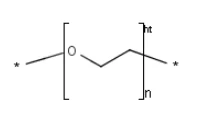 | 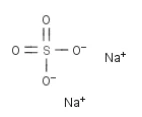 | 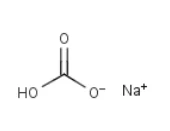 | 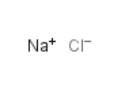 | 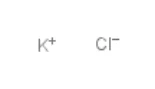 |
CLINICAL TRIALS
A randomized, double-blind, controlled clinical study compared the bowel cleansing efficacy and safety of a PEG electrolyte solution (PEG-E), which is similar to Peglyte® Powder, administrated in a full-dose regimen or a split-dose regimen with or without tegaserod (Abdul-Baki H. et al., 2008). Efficacy of colon cleansing was the primary outcome. In the study groups (Group A and Group C) where tegaserod was not used, patients were allowed a liquid diet in the full-dose group (Group A) or a regular diet in the split-dose group (Group C) with the last meal at 6:00 PM on the day before the colonoscopy, and after which only water was allowed until the procedure for both groups. Between 7:00 PM and 9:30 PM on the day before the procedure, patients in the full-dose group and the split-dose group consumed 4L or 2L of the PEG-E solution, respectively. Patients in the split-dose group consumed further 2L of the PEG-E solution 2 hours before the procedure. The quality of bowel preparation was graded as being excellent, good, fair, or poor.
Patients in the split-dose group had significantly better colon cleansing than those in the full-dose group (86% vs 46.1%). The rate of patients who adhered to dose requirement was higher in the split-dose group than that in the full-dose group (91% vs 68.8%, P<0.05) (Table 1). The reported adverse events (AEs) were nausea, vomiting, abdominal cramps, headache, sleep disturbance, and bloating in both study groups. However, the rate of the AEs was lower in the split-dose group than that in the full-dose group except bloating (Table 1).
Table 1 Comparison of bowel cleansing efficacy, patients’ compliance and adverse reactions of a 4 L PEG-E solution administrated in a full-dose regimen or a split-dose regimen (Abdul-Baki H. et al., 2008)
| 4L PEG-E solution | Full-dose group (n=89) | Split-dose group (n=107) | P value |
|---|---|---|---|
| Patients with good or excellent bowel cleansing quality (%)* | 46.1 | 86.0 | - |
| Patients adhered to required volume of the PEG-E solution (%)** | 68.8 | 91.0 | <0.05 |
| Adverse reactions (%) | |||
| Nausea | 49.4 | 28.0 | - |
| Vomiting | 7.9 | 4.7 | - |
| Abdominal cramps | 28.1 | 18.7 | - |
| Headache | 30.7 | 20.6 | - |
| Sleep disturbance | 23.6 | 16.0 | - |
| Bloating | 25.0 | 35.5 | - |
*The bowel cleansing quality was rated with a scoring system similar to the Boston Bowel Preparation Score system.
** Independent of the use of tegaserod.
Constipation
Polyethylene glycol and electrolytes solutions (PEG-ELS) are described as part of the medications commonly used for the treatment of constipation. The maximal recommended dose is 17-36 g once or twice a day.
Study demographics and trial design
Table 2 Summary of patient demographics for clinical trials of polyethylene glycol and electrolyte solutions (PEG-ELS) in the treatment of chronic constipation
| Study | Trial design | Dosage | Duration | Study subjects | Mean age (years) | Gender |
| Andorsky and Goldner | Double-blind, placebo-controlled, cross-over study |
| 2 x 5 days | 32 | 62 (range 42-89) | 7 M 25 F |
| Chaussade and Minic | Prospective, multicenter, double-blind, randomized, parallel-group study |
| 1 month | 266 | 52.2 ± 18.5 | 39 M 227 F |
| Attar et al. | Randomized, open-label, parallel-group, multicenter study |
After two weeks of treatment, patients could adjust their dose to 1 to 3 doses per day. | 1 month | 115 | 55 (24) | 21 M 94 F |
Study results
A double-blind, placebo-controlled, cross-over study by Andorsky and Goldner assessed the effectiveness of a PEG-ELS for the treatment of chronic constipation. 32 patients were instructed to drink 240 mL or 480 mL of PEG-ELS or placebo daily during 5 consecutive days, then received the same volume of the second treatment (PEG-ELS or placebo) after a 2-day washout period. Daily number of bowel movements and stool consistency were recorded. The two-factor analysis of variance results confirmed that PEG-ELS was superior to placebo with regard to the mean stool frequency (7.75 ± 4.55 vs. 4.88 ± 2.62, p < 0,01) and the mean stool consistency (2.56 ± 1.17 vs. 1.91 ± 0.94, p < 0.05). Furthermore, PEG-ELS 480 mL per day was superior to all other groups with regard to the measured variables. Side effects reported with the PEG-ELS solution included cramping, gas, nausea, and loose stools; side effects did not lead to treatment cessation. The finding that PEG-ELS resulted in significant effects on both stool frequency and stool consistency further supports its efficacy in the treatment of constipation.
A multicentre, double-blind, randomized, parallel-group study by Chaussade and Minic compared the efficacy and tolerability of standard and maximum daily doses of PEG-ELS (PEG 3350 and electrolytes) and PEG 4000 in the treatment of chronic constipation. Results showed that both doses of PEG-ELS and PEG 4000 were similarly effective in treating the symptoms of constipation (stool frequency and stool consistency were improved when compared to baseline). Diarrhea was observed in 13% of patients treated with low dose of PEG-ELS and 36% after the higher dose. Side effects reported were abdominal distention, flatulence, and abdominal pain, similarly distributed across all groups. Vital signs were normal in 95% of the patients.
A randomized, open-label, parallel-group, multicenter study by Attar et al. compared PEG-ELS to lactulose for treatment of constipation. 115 patients with chronic idiopathic constipation were instructed to take two 13 g sachets of PEG-ELS or two 10 g lactulose sachets, in divided doses. After two weeks of treatment, dosage could be adjusted to 1 to 3 sachets/day. Treatment lasted for 4 weeks. PEG was well tolerated in the young and elderly population and the treatment of constipation was better than lactulose in terms of number of bowel movements, straining, and use of suppositories and minienemas.
TOXICOLOGY
Acute Toxicity:
The oral LD50 is >50 g/kg in mice, rats, and rabbits.
Rats
Chronic oral toxicity studies were conducted in rats (up to 6 g/kg/day) up to six months duration.
The major target organ of toxicity in the rat appeared to be the kidney (focal or multi focal cytoplasmic vacuolation in cortical tubular epithelial cells in males at 6 g/kg/day).
Dogs
Chronic oral toxicity studies were conducted in dogs (up to 3 g/kg/day) up to nine months duration.
Following oral administration of PEG 3350 for 28-days, the target organs of toxicity appeared to be the lungs (minimal to moderate interstitial fibrosis characterized by thickening of alveolar septa with associated pneumocyte hypertrophy/hyperplasia and the presence of a small number of mononuclear inflammatory cells and alveolar histiocytes; foamy or vacuolated histiocytes in perivascular or peribronchiolar regions characterized as perivascular mononuclear infiltrates), gastrointestinal tract (minimal subacute inflammation or crypt abscesses, hemorrhage and lymphoid hyperplasia in cecum, colon, ileum, and/or rectum; lymphoid hyperplasia of the gut-associated lymphoid tissue in females at 3, 6, and 9.3 g/kg/day), testes (hypospermia in the epididymides and seminiferous tubule degeneration or multiucleated spermatids of the testes), and salivary gland (atrophy).
Following 9-month oral administration of PEG 3350 in dogs (up to 3 g/kg/day), the target organs of toxicity appeared to be testes (retarded development) and prostate (lymphocyte infiltrate) in the males and mammary gland (glandular hyperplasia), liver (vacuolation) and gallbladder (lymphocyte infiltrate and epithelial hyperplasia) in females.
Carcinogenesis, Mutagenesis, Impairment of Fertility:
Carcinogenesis
No tumorigenic effect was seen in mice and rats up to 6 g/kg/day. The carcinogenic potential of PEG 3350 has also been examined in CD-J mice (l04 weeks) and Sprague Dawley rats (l04 weeks).
Mutagenesis
PEG 3350 was negative in the Ames test. No clastogenic potential was shown in the chromosome aberration test with human peripheral blood lymphocytes. It was also negative in in vivo oral rat micronucleus test.
Development and reproductive toxicity
Reproduction studies with PEG 3350 have been performed in pregnant rats (oral doses up to 2 g/kg/day) and in pregnant rabbits (oral doses up to 2 g/kg/day) and have revealed no adverse effects on fertility or harm to the fetus.
In pre- and post-natal developmental study in rats up to 2 g/kg/day dose, PEG 3350 did not show any adverse effect on Fl postnatal survival, body weight, developmental landmarks, startle response, motor activity, learning and memory and reproductive performance, intrauterine growth and survival of F2 fetuses and external and developmental parameters of F2 fetuses.
REFERENCES
- 1. Abdul-Baki H, Hashash JG, Elhajj II, Azar C, El Zahabi L, Mourad FH, Barada KA, Sharara AI. A randomized, controlled, double-blind trial of the adjunct use of tegaserod in whole-dose or split-dose polyethylene glycol electrolyte solution for colonoscopy preparation. Gastrointest Endosc. 2008 Aug; 68(2):294-300.
- 2. Andorsky RI, Goldner F. Colonic lavage solution (polyethylene glycol electrolyte lavage solution) as a treatment for chronic constipation: a double-blind, placebo-controlled study. Am J Gastroenterol. 1990;85(3):261-265.
- 3. Attar A, Lémann M, Ferguson A, et al. Comparison of a low dose polyethylene glycol electrolyte solution with lactulose for treatment of chronic constipation. Gut. 1999 Feb;44(2):226-230.
- 4. Barkun A, Chiba N, Enns R, et al. Commonly used preparations for colonoscopy: efficacy, tolerability and safety - A Canadian Association of Gastroenterology position paper. Can J Gastroenterol. 2006 Nov;20(110):699-710.
- 5. Brandt LJ, Prather CM, Quigley EMM, et al. Systematic review on the management of chronic constipation in North America. Am J Gastroenterol. 2005;100(S1): S5-22.
- 6. Chaussade S, Minic M. Comparison of efficacy and safety of two doses of two different polyethylene glycol-based laxatives in the treatment of constipation. Aliment Pharmacol Ther. 2003; 17:165-172.
- 7. DiPalma JA, Cleveland MB, Herrera JL. A comparison of polyethylene glycol laxative and placebo for relief of constipation from constipating medications. Southern Med J. 2007 Nov;100(11):1085-1090.
- 8. DiPalma JA, DeRidder PH, Orlando RC, Kolts BE, Cleveland MB. A Randomized, Placebo-Controlled, Multicenter Study of the Safety and Efficacy of a New Polyethylene Glycol Laxative. Am J of Gastroenterol. 2000;95(2),446-450.
- 9. DiPalma JA, MacRae DH, Reichelderfer M, Hamilton JW, Cleveland MB. Braintree Polyethylene Glycol (PEG) laxative for Ambulatory and Long-Term Care Facility Constipation Patients: Report of Randomized, Cross-Over Trials. Online J of Digestive Health. 1999 March;1(2).
- 10. Eoff JC, Lembo AJ. Optimal treatment of chronic constipation in managed care: review and roundtable discussion. Supplement to JMCP. 2008 Nov;14(9): S3-15.
- 11. FDA review file, NDA 22-015, Accessed March 2011 from URL: http://www.accessdata.fda.gov/drugsatfda_docs/nda/2006/022015s000_TOC.cfm.
- 12. Freedman MD, Schwartz HJ, Roby R, Fleisher S. Tolerance and efficacy of Polyethylene Glycol 3350/Electrolyte Solution versus Lactulose in relieving opiate induced Constipation: A double-blinded placebo-controlled trial. J Clin Pharmacol. 1997; 37:904-907.
- 13. Hammer HF, Santa Ana CA, Schiller LR, Fordtran JS. Studies of osmotic diarrhea induced in normal subjects by ingestion of polyethylene glycol and lactulose. J Clin Invest. 1989 Oct;84(4):1056-62.
- 14. Lembo A, Camilleri M. Current Concept. Chronic constipation. Review article. N Engl J Med. 2003 Oct; 349:1360-8.
- 15. Pelham RW, Nix LC, Chavira RE, Cleveland MV, Stetson P. Clinical trial: single- and multi-dose pharmacokinetics of polyethylene glycol (PEG-3350) in healthy young and elderly subjects. Aliment Pharmacol Ther. 2008; 28:256-265.
- 16.
Ramkumar D, Rao SSC. Efficacy and safety of traditional medical therapies for
chronic constipation: Systemic review. Am J Gastroenterol. 2005; 100:936-71.