


Product Monograph - Plenvu
RECENT MAJOR LABEL CHANGES
None at the time of the most recent authorization.
TABLE OF CONTENTS
Sections or subsections that are not applicable at the time of authorization are not listed.
RECENT MAJOR LABEL CHANGES ........................................................................................2
TABLE OF CONTENTS ..............................................................................................................2
PART I: HEALTH PROFESSIONAL INFORMATION .................................................................4
1 INDICATIONS ..................................................................................................................4
1.1 Pediatrics ..............................................................................................................4
1.2 Geriatrics ..............................................................................................................4
2 CONTRAINDICATIONS ..................................................................................................4
4 DOSAGE AND ADMINISTRATION .................................................................................5
4.1 Dosing Considerations .........................................................................................5
4.2 Recommended Dose and Dosage Adjustment ....................................................5
4.3 Reconstitution .......................................................................................................7
4.4 Administration .......................................................................................................7
4.5 Missed Dose .........................................................................................................8
5 OVERDOSAGE ...............................................................................................................8
6 DOSAGE FORMS, STRENGTHS, COMPOSITION AND PACKAGING ........................9
7 WARNINGS AND PRECAUTIONS ...............................................................................10
7.1 Special Populations ............................................................................................14
7.1.1 Pregnant Women ............................................................................................14
7.1.2 Breast-feeding ................................................................................................14
7.1.3 Pediatrics ........................................................................................................14
7.1.4 Geriatrics ........................................................................................................14
8 ADVERSE REACTIONS ................................................................................................15
8.1 Adverse Reaction Overview ...............................................................................15
8.2 Clinical Trial Adverse Reactions .........................................................................15
8.3 Less Common Clinical Trial Adverse Reactions .................................................17
8.4 Abnormal Laboratory Findings: Hematologic, Clinical Chemistry and Other Quantitative Data ...........................................................................................................17
8.5 Post-Market Adverse Reactions .........................................................................17
9 DRUG INTERACTIONS .................................................................................................18
9.2 Drug Interactions Overview ................................................................................18
9.4 Drug-Drug Interactions .......................................................................................18
9.5 Drug-Food Interactions .......................................................................................19
9.6 Drug-Herb Interactions .......................................................................................19
9.7 Drug-Laboratory Test Interactions ......................................................................19
10 CLINICAL PHARMACOLOGY ......................................................................................20
10.1 Mechanism of Action ..........................................................................................20
10.2 Pharmacodynamics ............................................................................................20
10.3 Pharmacokinetics ...............................................................................................20
11 STORAGE, STABILITY AND DISPOSAL .....................................................................22
12 SPECIAL HANDLING INSTRUCTIONS ........................................................................22
PART II: SCIENTIFIC INFORMATION ......................................................................................23
13 PHARMACEUTICAL INFORMATION ...........................................................................23
14 CLINICAL TRIALS ........................................................................................................29
14.1 Clinical Trials by Indication .................................................................................29
Cleansing of the Colon in Preparation for Colonoscopy in Adults ..................................29
15 MICROBIOLOGY ...........................................................................................................32
16 NON-CLINICAL TOXICOLOGY ....................................................................................32
PATIENT MEDICATION INFORMATION .................................................................................33
PART I: HEALTH PROFESSIONAL INFORMATION
1 INDICATIONS
PLENVU (polyethylene glycol 3350, sodium ascorbate, sodium sulfate anhydrous, ascorbic acid, sodium chloride and potassium chloride powder for oral solution) is indicated for cleansing of the colon in preparation for colonoscopy in adults.
1.1 Pediatrics
Pediatrics (< 18 years of age): No data are available to Health Canada; therefore, Health Canada has not authorized an indication for pediatric use (see 7.1.3 Pediatrics).
1.2 Geriatrics
Geriatrics (≥ 65 years of age): Evidence from clinical studies suggests that use in the geriatric population is associated with no overall differences in safety or effectiveness.
However, elderly patients are more likely to have decreased hepatic, renal or cardiac function and may be more susceptible to adverse reactions resulting from fluid and electrolyte abnormalities (see 7.1.4 Geriatrics).
2 CONTRAINDICATIONS
PLENVU is contraindicated in:
- Patients who are hypersensitive to this drug or to any ingredient in the formulation, including any non-medicinal ingredient, or component of the container. For a complete listing, see 6 DOSAGE FORMS, STRENGTHS, COMPOSITION AND PACKAGING.
Patients with the following known or suspected conditions:
- gastrointestinal (GI) obstruction (see 7 WARNINGS AND PRECAUTIONS, Gastrointestinal)
- bowel perforation (see 7 WARNINGS AND PRECAUTIONS, Gastrointestinal)
- disorders of gastric emptying (e.g., gastroparesis, gastric retention, etc.)
- ileus
- toxic megacolon which complicates severe inflammatory conditions of the intestinal tract including Crohn's disease and ulcerative colitis
- toxic colitis
- acute surgical abdominal conditions such as acute appendicitis and diverticulitis
- unconsciousness.
4 DOSAGE AND ADMINISTRATION
4.1 Dosing Considerations
- Correct fluid and electrolyte abnormalities before treatment with PLENVU (see 7 WARNINGS AND PRECAUTIONS, General).
- Two doses of PLENVU are required for a complete preparation for colonoscopy. The time interval between the two doses depends on the regimen prescribed and the planned timing of the colonoscopy procedure (see 4.2 Recommended Dose and Dosage Adjustment).
- The “Two-Day Split-Dosing” method consists of two separate doses: the first dose is taken the evening before the colonoscopy and the second dose is taken the next day, the morning of the day of the colonoscopy (see 4.2 Recommended Dose and Dosage Adjustment).
- The “One-Day Morning Dosing” method consists of two separate doses: both doses are taken in the morning of the day of the colonoscopy, with a minimum of 2 hours between the start of the first dose and the start of the second dose (see 4.2 Recommended Dose and Dosage Adjustment).
- PLENVU must be reconstituted in water prior to ingestion. It may take 2 to 3 minutes for complete dissolution.
- PLENVU must not be reconstituted with other liquids and/or starch-based thickeners must not be added to the container (see 7 WARNINGS AND PRECAUTIONS, Gastrointestinal and 9.5 Drug-Food Interactions).
- Additional clear liquids (including water) must be consumed in both dosing regimens (see 4.2 Recommended Dose and Dosage Adjustment, 7 WARNINGS AND PRECAUTIONS, General).
- Only clear liquids (no solid food) must be consumed from the start of PLENVU treatment until after the colonoscopy.
- Patients must not eat or drink alcohol, milk, anything colored red or purple or any other foods containing pulp material.
- Patients must not take other laxatives while taking PLENVU.
- Oral medications must be administered at least 1 hour before starting each dose of PLENVU (see 9.4 Drug-Drug Interactions).
- Patients must ensure completion of Dose 2, including all additional liquids, at least 2 hours before the colonoscopy.
4.2 Recommended Dose and Dosage Adjustment
A course of treatment consists of two separate non-identical 500 mL doses of PLENVU. At least 500 mL of additional clear fluid, which may include water, clear soup, fruit juice without pulp, soft drinks, tea, and/or coffee without milk must be taken with each dose.
There are two dosing regimen options for PLENVU: Two-Day Split-Dosing Regimen and One-Day Morning Dosing Regimen.
Two-Day Split-Dosing Regimen
Instruct adult patients to take the two separate doses in conjunction with clear liquids as follows:
Dose 1 – In the evening before the colonoscopy, between approximately 4 pm and 8 pm:
Drink the first dose of PLENVU over 30 minutes. Be sure to drink all of the solution. Refill the container (at least 500 mL) with clear liquids and drink over the next 30 minutes. Consume additional clear liquids during the evening. If severe bloating, abdominal distention, or abdominal pain occurs following the first dose, delay the second dose until the symptoms resolve.
Dose 2 – The next morning, on the day of the colonoscopy, approximately 12 hours after the start of Dose 1 (between approximately 4 am and 8 am):
Drink the second dose of PLENVU over 30 minutes. Be sure to drink all of the solution. Refill the container (at least 500 mL) with clear liquids and drink over the next 30 minutes. Consume additional water or clear liquids up to 2 hours before the colonoscopy or as prescribed by your doctor. Then stop drinking liquids until after the colonoscopy. Stop drinking PLENVU temporarily or drink each portion at longer intervals if severe bloating, abdominal discomfort, or distention occurs, until these symptoms resolve.
One-Day Morning Dosing Regimen
Instruct adult patients to take the two separate doses in conjunction with clear liquids as follows:
Dose 1 – On the day of the colonoscopy, between approximately 3 am and 7 am:
Drink the first dose of PLENVU over 30 minutes. Be sure to drink all of the solution. Refill the container (at least 500 mL) with clear liquids and drink over the next 30 minutes. If severe bloating, abdominal distention, or abdominal pain occurs following the first dose, delay the second dose until the symptoms resolve.
Dose 2 – On the day of the colonoscopy, a minimum of 2 hours after the start of Dose 1:
Drink the second dose of PLENVU over 30 minutes. Be sure to drink all of the solution. Refill the container (at least 500 mL) with clear liquids and drink over the next 30 minutes. Consume additional water or clear liquids up to 2 hours before the colonoscopy or as prescribed by your doctor. Then stop drinking liquids until after the colonoscopy. Stop drinking PLENVU temporarily or drink each portion at longer intervals if severe bloating, abdominal discomfort or distention occurs, until these symptoms resolve.
Patients should be reminded of the importance of hydration while taking these products and to seek medical attention if they experience any signs of severe dehydration, such as excessive thirst, dizziness, confusion and decreased urine output or dark coloured urine.
Pediatrics (< 18 years of age): Health Canada has not authorized an indication for pediatric use (see 1.1. Pediatrics).
Geriatrics (≥ 65 years of age): No dose adjustment is required in patients 65 years of age and older. However, caution should be used with the administration of PLENVU to geriatric patients as these patients are more likely to have decreased hepatic, renal or cardiac function and may be more susceptible to adverse reactions resulting from fluid and electrolyte abnormalities (see 1.2 Geriatrics and 7.1.4 Geriatrics).
Patients with Renal Impairment: PLENVU has been studied in patients with mild and a limited number of patients with moderate renal impairment. No dose adjustment is considered necessary in these populations. However, caution should be used with the administration of PLENVU to patients with renal impairment as these patients may be at risk for renal injury (see 7 WARNINGS AND PRECAUTIONS, Renal and 8.2 Clinical Trial Adverse Reactions, Renal Function).
4.3 Reconstitution
PLENVU is an osmotic laxative consisting of three pouches (one for Dose 1, one for Dose 2 Pouch A and one for Dose 2 Pouch B) containing white to yellow powder for reconstitution.
PLENVU must be reconstituted in water prior to ingestion in a suitable container.
The dose 2 of PLENVU solution is prepared by emptying the contents of Dose 2 Pouch A and Dose 2 Pouch B into a suitable container and adding water to make at least 500 mL. Other ingredients must not be added to the PLENVU solution. Thoroughly mix with a spoon until completely dissolved (which may take 2 to 3 minutes).
PLENVU Dose 1 is an oral solution having a mango flavour. PLENVU Dose 2 is an oral solution having a fruit punch flavour. The entire, reconstituted PLENVU bowel preparation consists of 1000 mL (1 L).
After reconstitution, PLENVU solution should be kept at room temperature, between 20°C to 25°C. The solution may also be stored in a refrigerator. Use within 24 hours after it is mixed in water (see 11 STORAGE, STABILITY AND DISPOSAL).
4.4 Administration
Two-Day Split-Dosing Regimen
The Two-Day Split-Dosing Regimen commences in the evening of the day before the colonoscopy.
Instruct adult patients that on the day before the clinical procedure, they can consume a light breakfast followed by a light lunch, which must be completed at least 3 hours prior to the start of the first PLENVU dose. No solid food should be taken from the start of the course of treatment until after the clinical procedure.
Patients should take two separate doses in conjunction with clear liquids (see 4.1 Dosing
Considerations, 4.2 Recommended Dose and Dosage Adjustment and 4.3 Reconstitution).
One-Day Morning Dosing Regimen
The One-Day Morning Dosing Regimen commences in the morning of the day of the colonoscopy.
Instruct adult patients that on the day before the clinical procedure, they can consume a light breakfast followed by a light lunch, and clear broth soup and/or plain yogurt for dinner, which should be completed by approximately 8 pm. No solid food should be taken from the start of the course of treatment until after the clinical procedure.
Patients should take two separate doses in conjunction with clear liquids (see 4.1 Dosing Considerations, 4.2 Recommended Dose and Dosage Adjustment and 4.3 Reconstitution).
In addition to the fluids taken as part of the course of treatment, any amount of supplementary clear fluid (e.g., water, clear soup, fruit juice without pulp, soft drinks, tea, and/or coffee without milk) may be taken throughout the bowel preparation process.
Note: Patients should avoid any fluid coloured red or purple (e.g., blackcurrant juice) as this can stain the bowel.
4.5 Missed Dose
If the PLENVU dose is missed, PLENVU should be taken as soon as possible. If several hours have passed since the time when the dose should have been taken, the dosage schedule should be based on the clinical judgment of the healthcare professional. It is important that the preparation be completed at least two hours before the procedure.
5 OVERDOSAGE
Overdosage of more than the recommended dose of PLENVU may lead to severe diarrhea, severe electrolyte disturbances, including hyponatremia and/or hypokalemia, as well as dehydration and hypovolemia, with signs and symptoms of these disturbances. Certain severe electrolyte disturbances may lead to cardiac arrhythmias, seizures, and renal failure. Monitor for fluid and electrolyte disturbances and treat symptomatically (see 7 WARNINGS AND PRECAUTIONS, General, Cardiovascular and Neurologic).
| For management of a suspected drug overdose, contact your regional poison control centre. |
|---|
6 DOSAGE FORMS, STRENGTHS, COMPOSITION AND PACKAGING
Table 1: Dosage Forms, Strengths, Composition and Packaging
Description
The entire, reconstituted, 1000 mL of PLENVU bowel preparation contains 140 grams of PEG 3350, 48.11 grams of Sodium Ascorbate, 9 grams of Sodium Sulfate Anhydrous, 7.54 grams of Ascorbic Acid, 5.2 grams of Sodium Chloride and 2.2 grams of Potassium Chloride and the following excipients: Aspartame, Sucralose, Encapsulated Citric Acid, Mango and Fruit Punch flavourings.
PLENVU is supplied as a white to yellow powder for reconstitution.
When Dose 1 is dissolved in water to a volume of 500 mL, PLENVU Dose 1 (PEG 3350, Sodium Sulfate Anhydrous, Sodium Chloride and Potassium Chloride) is an oral solution having a mango flavour.
When Dose 2 Pouch A and Dose 2 Pouch B are dissolved together in water to a volume of 500 mL, PLENVU Dose 2 (Sodium Ascorbate, PEG 3350, Ascorbic Acid, Sodium Chloride and Potassium Chloride) is an oral solution having a fruit punch flavour.
Packaging
The PLENVU kit contains: Dose 1, Dose 2 Pouch A, Dose 2 Pouch B, a mixing container with fill line and the Patient Information Leaflet.
PLENVU is supplied in pouches (Dose 1 and Dose 2 (A and B)), which are made of a mixture
| Route of Administration | Dosage Form / Strength/Composition | Non-medicinal Ingredients |
| Oral | Powder for oral solution Dose 1 Pouch: Polyethylene Glycol (PEG) 3350 100 g Sodium Sulfate Anhydrous 9 g Sodium Chloride 2 g Potassium Chloride 1 g Dose 2 Pouch A: PEG 3350 40 g Sodium Chloride 3.2 g Potassium Chloride 1.2 g Dose 2 Pouch B: Sodium Ascorbate 48.11 g Ascorbic Acid 7.54 g | Dose 1: Encapsulated Citric Acid, Mango flavouring, Sucralose Dose 2 Pouch A: Aspartame, Fruit Punch flavouring. Contains no ingredient made from a gluten-containing grain (wheat, barley, or rye). Phenylketonurics: PLENVU contains Phenylalanine (Aspartame) - up to 491 mg per treatment. |
of Aluminium and LPDE resin to form a laminate. This laminate is then heat sealed to create the pouches.
The two pouches of Dose 2 (A and B) are fixed together using adhesive technology to form a conjoined pack.
The Dose 1 Pouch and two pouches of Dose 2 (A and B) are packaged together in a clear pouch and then placed in a carton box.
7 WARNINGS AND PRECAUTIONS
General
No additional ingredients (e.g., flavorings) should be added to the PLENVU solution.
PLENVU contains 458.5 mmol (10.5 g) sodium per course of treatment. This should be taken into consideration for patients on a controlled sodium diet.
PLENVU contains 29.4 mmol (1.1 g) potassium per course of treatment. This should be taken into consideration by patients with reduced kidney function or patients on a controlled potassium diet.
Serious Fluid and Electrolyte Abnormalities
Advise patients to hydrate adequately before, during, and after the use of PLENVU. If a patient develops significant vomiting or signs of dehydration after taking PLENVU, consider performing post-colonoscopy laboratory tests (electrolytes, creatinine, and blood urea nitrogen (BUN)).
The fluid content of PLENVU when reconstituted with water does not replace regular fluid intake and adequate fluid intake must be maintained.
Bowel Preparations can cause fluid and electrolyte disturbances, which can lead to serious adverse reactions including cardiac arrhythmias, seizures, and renal impairment.
Correct fluid and electrolyte abnormalities before treatment with PLENVU.
PLENVU should be used with caution in patients using concomitant medications that increase the risk of electrolyte abnormalities [such as diuretics, angiotensin converting enzyme (ACE) inhibitors or angiotensin receptor blockers (ARBs)] (see 9.4 Drug-Drug Interactions). Consider performing pre-dose and post-colonoscopy laboratory tests (sodium, potassium, calcium, creatinine, and BUN) in patients receiving these concomitant medications (see 7 WARNINGS AND PRECAUTIONS, Monitoring and Laboratory Tests).
Ascorbic acid
Patients with glucose-6-phosphate dehydrogenase deficiency may be at risk of acute haemolysis due to the presence of ascorbate.
About 5% of individuals develop hyperoxalutia after large doses of ascorbic acid. Ascorbic acid may cause acidification of the urine, occasionally leading to precipitation of urate, cymbal, or oxalate stones, or drugs in the urinary tract. Large doses of ascorbic acid should be avoided in patients with hyperosaluria.
Uric acid excretion may be increased by ascorbic acid. Theoretically, large doses of ascorbic acid could result in gouty arthritis in susceptible individuals.
Rarely, decreased blood pH leading to sickle-cell crisis has been reported in patients with sickle-cell disease after large doses of ascorbic acid.
Deep-vein thrombosis has reportedly occurred after large doses of ascorbic acid.
Very high doses of ascorbic acid might possibly interfere with glucose determinations.
High doses of ascorbic acid may increase iron absorption. Caution is advised in hemochromatosis, sideroblastic anemia, or thalassemia (see 7 WARNINGS AND PRECAUTIONS, Hematologic, Glucose-6-Phosphate Dehydrogenase (G6PD) Deficiency).
Carcinogenesis and Mutagenesis
Long-term studies in animals to determine the carcinogenic potential of PLENVU have not been performed (see 16 NON-CLINICAL TOXICOLOGY, Carcinogenicity).
Cardiovascular
Cardiac Arrhythmias
There have been reports of serious cardiac arrhythmias (including atrial fibrillation) associated with the use of ionic osmotic laxative products for bowel preparation. These occur predominantly in patients with underlying cardiac risk factors and electrolyte disturbances.
Use caution when prescribing PLENVU for patients at increased risk of arrhythmias (e.g., patients with a history of prolonged QT, uncontrolled arrhythmias, recent myocardial infarction, unstable angina, congestive heart failure, cardiomyopathy, or electrolyte imbalance). Consider pre-dose and post-colonoscopy electrocardiograms (ECGs) in patients at increased risk of serious cardiac arrhythmias (see 7 WARNINGS AND PRECAUTIONS, Monitoring and Laboratory Tests).
Endocrine and Metabolism
Risks in Patients with Phenylketonuria
Phenylalanine can be harmful to patients with phenylketonuria (PKU). PLENVU contains phenylalanine, a component of aspartame. Each PLENVU treatment contains up to 491 mg of phenylalanine. Before prescribing PLENVU to a patient with PKU, consider the combined daily amount of phenylalanine from all sources, including PLENVU.
Gastrointestinal
Use of PLENVU is not recommended when abdominal pain, nausea, or vomiting are present.
If a patient experiences severe bloating, abdominal distension, abdominal pain, or any other reaction which makes it difficult to continue the preparation, administration should be slowed or temporarily discontinued until the symptoms abate.
Colonic Mucosal Ulceration, Ischemic Colitis and Ulcerative Colitis
Osmotic laxatives may produce colonic mucosal aphthous ulcerations, and there have been reports of more serious cases of ischemic colitis requiring hospitalization. Concurrent use of stimulant laxatives and PLENVU may increase the risk and is not recommended. Consider the potential for mucosal ulcerations resulting from the bowel preparation when interpreting colonoscopy findings in patients with known or suspected inflammatory bowel disease.
If patients develop severe abdominal pain, rectal bleeding and/or other symptoms of ischaemic colitis, immediate evaluation and close medical attention should be provided (see 8.5 Post-Market Adverse Reactions, Gastrointestinal, Ischaemic Colitis and 9.4 Drug-Drug Interactions).
Use in Patients with Significant Gastrointestinal Disease
If gastrointestinal obstruction or perforation is suspected, perform appropriate diagnostic studies to rule out these conditions before administering PLENVU. Use with caution in patients with severe ulcerative colitis (see 2 CONTRAINDICATIONS).
Aspiration
Patients with impaired gag reflex or other swallowing abnormalities (including patients with diminished levels of consciousness) are at risk for regurgitation or aspiration of PLENVU. Closely observe these patients during the administration of PLENVU. Use with caution in these patients, especially if given via a nasogastric route.
PLENVU must not be combined with starch-based thickeners. Polyethylene glycol (PEG), a component of PLENVU, when mixed with starch-thickened liquids reduces the viscosity of the starch-thickened liquid. When a PEG-based product used for another indication was mixed in starch-based pre-thickened liquids used in patients with dysphagia, thinning of the liquid occurred and cases of choking and potential aspiration were reported (see 4.1 Dosing Considerations and 9.5 Drug-Food Interactions).
Hematologic
Glucose-6-Phosphate Dehydrogenase (G6PD) Deficiency
Since PLENVU contains sodium ascorbate and ascorbic acid, PLENVU should be used with caution in patients with glucose-6-phosphate dehydrogenase (G6PD) deficiency, especially G6PD deficiency patients with an active infection, with a history of hemolysis, or taking concomitant medications known to precipitate hemolytic reactions.
Immune
Hypersensitivity Reactions
PLENVU contains PEG and may cause serious hypersensitivity reactions including anaphylaxis, angioedema, rash, urticaria, and pruritus (see 2 CONTRAINDICATIONS and 8 ADVERSE REACTIONS). Inform patients of the signs and symptoms of anaphylaxis, and instruct them to seek immediate medical care should signs and symptoms occur.
Monitoring and Laboratory Tests
In debilitated fragile patients, patients with poor health, those with clinically significant renal impairment, arrhythmia, and those at risk of electrolyte imbalance, the health professional should consider performing a baseline and post-treatment electrolyte, renal function test and ECG as appropriate. Any suspected dehydration should be corrected for before use of PLENVU.
If patients develop any symptoms indicating arrhythmia or shifts of fluid/electrolytes during or after treatment (e.g., oedema, shortness of breath, increasing fatigue, cardiac failure), plasma electrolytes should be measured, ECG monitored, and any abnormality treated appropriately (see 7 WARNINGS AND PRECAUTIONS, General, Cardiovascular, Gastrointestinal, Renal and 9.4 Drug-Drug Interactions).
Neurologic
Seizures
There have been reports of generalized tonic-clonic seizures and/or loss of consciousness associated with use of bowel preparation products in patients with no prior history of seizures. The seizure cases were associated with electrolyte abnormalities (e.g., hyponatremia, hypokalemia, hypocalcaemia, and hypomagnesemia) and low serum osmolality. The neurologic abnormalities resolved with correction of fluid and electrolyte abnormalities.
Use caution when prescribing PLENVU for patients with a history of seizures and in patients at increased risk of seizure, such as patients taking medications that lower the seizure threshold (e.g., tricyclic antidepressants), patients withdrawing from alcohol or benzodiazepines, or patients with known or suspected hyponatremia (see 9.4 Drug-Drug Interactions).
Renal
Risk of Renal Injury
Use PLENVU with caution in patients with renal impairment or patients taking concomitant medications that may affect renal function (such as diuretics, ACE inhibitors, angiotensin receptor blockers, or nonsteroidal anti-inflammatory drugs) (see 9.4 Drug-Drug Interactions). These patients may be at risk for renal injury. Advise these patients of the importance of adequate hydration before, during and after the use of PLENVU, and consider performing pre-dose and post-colonoscopy laboratory tests (electrolytes, creatinine, and BUN) in these patients (see 7 WARNINGS AND PRECATIONS, Monitoring and Laboratory Tests).
7.1 Special Populations
7.1.1 Pregnant Women
There are no available data with PLENVU in pregnant women to inform a drug-associated risk for adverse developmental outcomes.
PLENVU should only be used during pregnancy if considered essential by the health professional.
Ingestion of large doses of ascorbic acid during pregnancy has resulted in scurvy in neonates.
Animal reproduction studies have not been conducted with PLENVU (see 16 NON-CLINICAL TOXICOLOGY, Reproductive and Developmental Toxicology).
7.1.2 Breast-feeding
It is unknown if PLENVU is excreted in human milk. Precaution should be exercised because many drugs are excreted in human milk.
There are no data available to assess the presence of PLENVU in human milk, the effects on the breast-fed child or the effects on milk production. The lack of clinical data during lactation precludes a clear determination of the risk of PLENVU to a child during lactation; therefore, the developmental and health benefits of breast-feeding should be considered along with the mother’s clinical need for PLENVU and any potential adverse effects on the breast-fed child from PLENVU or from the underlying maternal condition.
7.1.3 Pediatrics
Pediatrics (< 18 years of age): No data are available to Health Canada; therefore, Health Canada has not authorized an indication for pediatric use (see 1.1 Pediatrics).
7.1.4 Geriatrics
Of the approximately one thousand patients in clinical trials receiving PLENVU, 222 (21%) patients were over 65 years of age. No overall differences in safety were observed between geriatric patients and younger patients. However, elderly patients are more likely to have decreased hepatic, renal or cardiac function and may be more susceptible to adverse reactions resulting from fluid and electrolyte abnormalities (see 1.2 Geriatrics).
Potentially serious complications may arise if abnormal fluid intake or losses occur simultaneously in this sub-population. Suboptimal oral intake of water and electrolytes could create clinically significant deficiencies in less fit patients, in particular elderly, debilitated and patients at risk of hypokalemia.
Published literature contains reports of serious adverse events following the administration of PEG-based products in patients over 60 years of age. These adverse events included upper gastrointestinal bleeding from a Mallory-Weiss tear, esophageal perforation, asystole, and acute pulmonary edema after aspirating the PEG-based preparation (see 8.1 Adverse Reaction Overview).
Caution should be used with the administration of PLENVU to frail or debilitated patients.
8 ADVERSE REACTIONS
8.1 Adverse Reaction Overview
The safety of PLENVU as a Two-Day Split-Dosing and One-Day Morning Dosing Regimen was evaluated in a multicenter randomized, parallel group, investigator-blinded clinical trial (MORA) in 805 adult patients undergoing colonoscopy. The mean age of the study population was 55 years (range 18 to 84 years), 98% of patients were Caucasian and 54% were female. In the MORA trial, 67% had mild renal impairment and 5% had moderate renal impairment. Patients with severe renal impairment were not enrolled in the clinical trials of PLENVU (see 14.1 Clinical Trials by Indication).
The most common adverse reactions (> 2%) in the PLENVU treatment groups were vomiting, nausea, dehydration and abdominal pain/discomfort.
Published literature contains reports of serious adverse events following the administration of macrogol (PEG)-based products in patients over 60 years of age. These adverse events included upper gastrointestinal bleeding from a Mallory-Weiss tear, esophageal perforation, asystole, and acute pulmonary edema after aspirating the macrogol (PEG)-based preparation (see 7.1.4 Geriatrics).
8.2 Clinical Trial Adverse Reactions
Clinical trials are conducted under very specific conditions. The adverse reaction rates observed in the clinical trials; therefore, may not reflect the rates observed in practice and should not be compared to the rates in the clinical trials of another drug. Adverse reaction information from clinical trials may be useful in identifying and approximating rates of adverse drug reactions in real-world use.
Table 2 displays adverse reactions reported in at least 1% of patients in one or more treatment group(s) in the MORA trial. Since diarrhea was considered as a part of the efficacy assessment, it was not defined as an adverse reaction in the trial.
Table 2: Common Adverse Reactions (≥ 1%) in Patients Undergoing Colonoscopy in the MORA Trial by Treatment Group
PLENVU One-Day Morning Dosing Regimen N = 271 (%) | PLENVU Two-Day Split Dosing Regimen N = 265 (%) | 2 Liter PEG + Electrolytes1 Two-Day Split Dosing Regimen N = 269 (%) | |
Gastrointestinal Disorders Vomiting Nausea Abdominal Pain/Discomfort2 | 7 6 3 | 4 6 2 | 1 3 3 |
PLENVU One-Day Morning Dosing Regimen N = 271 (%) | PLENVU Two-Day Split Dosing Regimen N = 265 (%) | 2 Liter PEG + Electrolytes1 Two-Day Split Dosing Regimen N = 269 (%) | |
Metabolism and Nutrition Disorders Dehydration3 Electrolyte Abnormalities4 | 4 1 | 3 1 | 2 0 |
Nervous System Disorders Headache | 1 | 2 | 2 |
Vascular Disorders Hypertension | 2 | 1 | 0 |
N = Total number of patients in the treatment group.
1 2 Liter PEG Plus Electrolytes: Two doses each containing PEG 3350 100 g, sodium sulfate anhydrous 7.5 g, sodium chloride 2.691 g, potassium chloride 1.015 g, sodium ascorbate 5.9 g, and ascorbic acid 4.7 g.
2 Includes abdominal discomfort, abdominal pain, lower abdominal pain, upper abdominal pain, and abdominal tenderness.
3 Includes signs and symptoms of dehydration, including dizziness, dry mouth, orthostatic hypotension, pre-syncope, syncope, and thirst.
4 Includes increased anion gap, decreased blood bicarbonate, hypomagnesemia, increased blood osmolarity, hypokalemia, hyperkalemia, hypercalcemia, hypernatremia, hyperosmolar state, hyperuricemia, hypocalcaemia, and hypophosphatemia.
Adverse Reactions (≥ 1%) in Patients Undergoing Colonoscopy in the NOCT Trial by Treatment Group - Two-Day Split-Dosing Regimen of PLENVU
In a second clinical trial (NOCT), where 275 patients were exposed to the Two-Day Split-Dosing Regimen of PLENVU, a higher proportion of patients experienced adverse events with PLENVU (75 patients (27.3%) compared to the comparator (not approved in Canada) with 49 patients (18.1%)). The most frequently reported adverse events with PLENVU were nausea, vomiting, dehydration, abdominal pain/discomfort, glomerular filtration rate decreased, headache, electrolyte abnormalities, fatigue, abdominal distension, and gastritis.
Electrolyte Changes
Increases in serum sodium, chloride, calcium, magnesium, phosphate, and urate were noted in more patients treated with PLENVU compared with control in one or both trials. The majority of these changes were transient and not clinically significant. Associated decreases in bicarbonate and increases in serum osmolality were also noted.
Renal Function
Decreases in creatinine clearance and increases in blood urea nitrogen (BUN) were also noted in more patients treated with PLENVU compared to control in both trials. Changes of a magnitude indicative of possible acute renal injury, or worsening of baseline chronic renal impairment, were noted infrequently, and occurred at a similar incidence in both PLENVU and comparator arms.
Adverse reactions in patients with mild renal impairment were similar to those in patients with normal renal function.
8.3 Less Common Clinical Trial Adverse Reactions
Less common adverse reactions (less than 1%) in the trials included:
Cardiac Disorders: Palpitation, sinus tachycardia
Gastrointestinal Disorders: Abdominal distension, anorectal discomfort
General Disorders and Administration Site Conditions: Asthenia, chills, pains, aches
Immune System Disorders: Hypersensitivity reaction (including rash)
Investigations: Transient increase in liver enzymes, hypernatremia, hypercalcaemia, hypophosphatemia, hypokalemia, decreased bicarbonate, anion gap increased-decreased, hyperosmolar state
Metabolism and Nutrition Disorders: Gout
Nervous System Disorders: Migraine, somnolence
Vascular Disorders: Hot flush, transient increase in blood pressure
8.4 Abnormal Laboratory Findings: Hematologic, Clinical Chemistry and Other Quantitative Data
See 8.2 Clinical Trial Adverse Reactions and 8.3 Less Common Clinical Trial Adverse Reactions.
8.5 Post-Market Adverse Reactions
The following adverse reactions have been identified during post-approval use of another oral formulation of polyethylene glycol 3350, sodium ascorbate, sodium sulfate anhydrous, ascorbic acid, sodium chloride and potassium chloride or other polyethylene glycol (PEG)-based bowel preparations. Because these reactions are reported voluntarily from a population of uncertain size, it is not always possible to reliably estimate their frequency or establish a causal relationship to drug exposure.
Hypersensitivity: urticaria/rash, pruritus, dermatitis, rhinorrhea, dyspnea, chest and throat tightness, fever, angioedema, anaphylaxis and anaphylactic shock (see 2 CONTRAINDICATIONS).
- arrhythmia, atrial fibrillation, peripheral edema, asystole, and acute pulmonary edema after aspiration
Gastrointestinal: upper gastrointestinal bleeding from a Mallory-Weiss tear, esophageal perforation [usually with gastroesophageal reflux disease (GERD)], ischaemic colitis.
Ischaemic colitis: post-marketing cases of ischaemic colitis, including serious, have been reported in patients treated with macrogol for bowel preparation. PLENVU should be used with caution in patients with known risk factors for ischaemic colitis or in case of concomitant use of stimulant laxatives (such as bisacodyl or sodium picosulfate). Patients presenting with sudden abdominal pain, rectal bleeding or other symptoms of ischaemic colitis should be evaluated promptly (see 7 WARNINGS AND PRECAUTIONS, Gastrointestinal, Colonic Mucosal Ulceration, Ischemic Colitis and Ulcerative Colitis and 9.4 Drug-Drug Interactions, Stimulant Laxatives).
Nervous system: tremor, seizure
9 DRUG INTERACTIONS
9.2 Drug Interactions Overview
No drug interaction studies were conducted with PLENVU.
9.4 Drug-Drug Interactions
No drug-drug interaction studies were conducted with PLENVU.
Diuretics or Angiotensin Converting Enzyme (ACE)-Inhibitors
PLENVU should be used with caution in patients using concomitant medications that increase the risk of electrolyte abnormalities (e.g., diuretics or angiotensin converting enzyme (ACE)-inhibitors).
Drugs That May Increase Risks Due to Fluid and Electrolyte Abnormalities
Use caution when prescribing PLENVU for patients with conditions and/or who are using medications that increase the risk of fluid and electrolyte disturbances or may increase the risk of renal impairment, seizures, arrhythmias, or QT prolongation in the setting of fluid and electrolyte abnormalities (see 7 WARNINGS AND PRECAUTIONS General, Cardiovascular, Neurologic and Renal).
Consider additional patient evaluations as appropriate.
Potential for Reduced Drug Absorption
PLENVU can reduce the absorption of other co-administered drugs. Administer oral medications at least 1 hour before the start of administration of each dose of PLENVU (see 4.1
Dosing Considerations).
Stimulant Laxatives
Concurrent use of stimulant laxatives and PLENVU may increase the risk of mucosal ulceration or ischemic colitis. Avoid use of stimulant laxatives (e.g., bisacodyl, sodium picosulfate) while taking PLENVU (see 7 WARNINGS AND PRECAUTIONS, Gastrointestinal, Colonic Mucosal Ulceration, Ischemic Colitis and Ulcerative Colitis).
Ascorbic Acid
The literature indicates that large doses of ascorbic acid (1g vitamin C daily) increase the plasma concentration of ethinyloestradiol in women taking oral contraceptives, and this is followed by heavy breakthrough vaginal bleeding when vitamin C is stopped. It is not known whether this has an effect on contraceptive efficacy.
Acidification of the urine following administration of ascorbic acid may result in altered excretion of other drugs. For instance, large doses of ascorbic acid may lower urinary pH and cause renal tubular reabsorption of acidic medications with concurrent administration; alkaline medications may exhibit decreased reabsorption (see 7 WARNINGS AND PRECAUTIONS, General, Ascorbic Acid).
9.5 Drug-Food Interactions
No solid food should be taken from the start of PLENVU treatment until after the colonoscopy (see 4.1 Dosing Considerations).
PLENVU may result in a potential interactive effect when used with starch-based food thickeners. The polyethylene glycol ingredient counteracts the thickening effect of starch, effectively liquefying preparations that need to remain thick for people with swallowing problems (see 4.1 Dosing Considerations and 7 WARNINGS AND PRECAUTIONS, Gastrointestinal, Aspiration).
9.6 Drug-Herb Interactions
Interactions with herbal products have not been established.
9.7 Drug-Laboratory Test Interactions
Interactions with laboratory tests have not been established.
Because ascorbic acid is a strong reducing agent, it interferes with laboratory tests based on oxidation-reduction reactions. Specialized references should be consulted for specific information on laboratory test interferences caused by ascorbic acid.
10 CLINICAL PHARMACOLOGY
10.1 Mechanism of Action
PLENVU produces a laxative effect through the introduction of a non-absorbable hyperosmotic load in the lumen of the colon that increases water retention and results in loose stools. Increased stool volume triggers colon motility via neuromuscular pathways. The physiological consequence is a propulsive colonic transportation of the softened stools.
The volume of stool output generated by osmotically acting bowel preparations is related to the osmotic strength of the bowel preparation. As there is no osmotic barrier between the colon and extracellular space, fecal water always has an osmolality of approximately 350 mOsm/L. An orally administered hyperosmolar solution will stimulate equalization of this osmolality via osmosis, drawing the water needed from additional fluids consumed and/or from the body. For PLENVU, the volume of water required to reach an osmolality of 350 mOsm/L was determined to be 2975 mL.
The electrolytes present in the formulation and the supplementary clear fluid intake are included to prevent clinically significant variations of sodium, potassium, or water, and thus reduce dehydration risk.
10.2 Pharmacodynamics
The osmotic effect of the unabsorbed PEG 3350, ascorbate, and sulfate ions, when ingested, produces a copious watery diarrhea.
The first bowel movement may happen about 1 to 2 hours after the start of PLENVU intake. Time to clear rectal effluent is approximately 15 hours after the start of intake of the evening dose.
10.3 Pharmacokinetics
Unless otherwise specified, the pharmacokinetic parameters described in this section are taken from a four-day Phase I trial that studied the effects of a PEG 3350 product that is similar to PLENVU and used a 2 L PEG + electrolyte oral solution as the reference.
The plasma pharmacokinetic parameters for PEG 3350, ascorbate and sulfate are shown in Table 3. The levels of electrolytes (sodium, chloride, and potassium) were measured as part of the clinical chemistry in a Phase II clinical trial in which subjects underwent a screening colonoscopy and ingested PLENVU as a split-dose regimen. Plasma samples were taken at baseline and 3-4 hours after ingestion of each dose. Using this approach, it was determined that the levels of electrolytes in plasma were unchanged from baseline.
Table 3: Summary of Plasma Pharmacokinetic Data Following Two-Day Split-Dosing Regimen of 140 g PEG 3350, 33.9 g Sodium Ascorbate, 9 g Sodium Sulfate Anhydrous, 20.1 g Ascorbic Acid, 4.8 g Sodium Chloride and 2.3 g Potassium Chloride in a Phase I Study of Healthy Subjects1 (N = 21)2
| Cmax (µg/mL) | Tmax (h) | t½ (h) | AUC(0-tlast) [(µg/mL)*h] | CL (l/h) | Vd (l) | |
PEG 3350 Mean (SD) | 2.7 (1.17) | 3.0 (0.61) | 4.1 (2.34) | 17.3 (7.19) | 8,923 (4,294) | 48,481 (29,811) |
Ascorbic acid3 Mean (SD) | 70.8 (22.37) | 16.8 (0.75) | 7.2 (6.16) | 433.1 (157.29) | 107.4 (40.4) | 1,026 (675) |
Sulfate3 Mean (SD) | 17.6 (4.80) | 8.1 (5.51) | 10.5 (15.19) | 206.2 (74.32) | 23.9 (12.3) | 231 (205) |
1 Four-day study with controlled diet including fasting from 2 pm on Day 1 to 2 pm on Day 2.
2 Product studied contains the same amount of PEG 3350 (140 g) and sodium sulfate anhydrous (9 g); however, the amount of sodium ascorbate (33.9 g) and ascorbic acid (20.1 g) are different compared to PLENVU, which contains 48.11 g sodium ascorbate and 7.54 g ascorbic acid.
3 Values are baseline-corrected.
SD = standard deviation; Cmax = maximum concentration; Tmax = time to maximum concentration from start of dosing; AUC(0-tlast) = area under the curve from t0 to tlast; Vd = volume of distribution; t1/2 = half-life.
Absorption
- Absorption of PEG is dependent on its molecular weight. At the molecular weight of PEG in PLENVU (~3350 g/mol), absorption would be expected to be negligible.
- Ascorbic acid/sodium ascorbate is an essential vitamin with a daily requirement of 50-100 mg. At physiological doses, it is actively absorbed from the jejunum; however, a single oral dose above 2 g is reported to saturate jejunal absorption.
- Sodium sulfate anhydrous has a saturable mechanism of absorption. In humans, absorption of small amounts of sodium sulfate anhydrous from the gut occurs rapidly and almost completely, whereas incomplete absorption is seen following oral administration of large amounts.
Metabolism
- PEG 3350 and sulfate do not undergo metabolism.
- Ascorbic acid components are metabolized to oxalic acid in the body. In a Phase 1 study it was reported that only a small proportion of ascorbic acid underwent metabolism to oxalic acid.
Elimination
PEG 3350: The low percentage of PEG that is absorbed is predominantly likely to be
- study, 99% of PEG 3350 remained in the gastrointestinal tract, and was excreted unchanged in the feces.
- Sulfate: Unabsorbed sulfate is eliminated unchanged in fecal water. Inorganic sulfate that is absorbed is mainly eliminated unchanged by glomerular filtration. In a Phase I study, 43% of sulfate was excreted in the urine and 68.5% in the feces (the excess of 100% was attributed to excretion of additional endogenous sulfate).
- Ascorbic Acid: The human body usually contains about 1.5 g of ascorbic acid with excess rapidly excreted by glomerular filtration and unabsorbed ascorbic acid/sodium ascorbate passes into the fecal water. In a Phase I study, 5.5% and 68.5% of ascorbic acid was excreted in the urine and feces, respectively. 0.1% and -1.2% of oxalic acid (the metabolite of ascorbic acid) was excreted in urine and feces, respectively.
Special Populations and Conditions
The pharmacokinetics of PLENVU has not been studied in special populations (e.g., pediatrics, geriatrics, sex, pregnancy and breast-feeding, genetic polymorphism) or in certain conditions (e.g., hepatic insufficiency, renal insufficiency).
11 STORAGE, STABILITY AND DISPOSAL
Store PLENVU package between 5-30°C.
After reconstitution with water, keep PLENVU solution between 5-25°C for up to 24 hours.
Keep out of reach and sight of children.
12 SPECIAL HANDLING INSTRUCTIONS
PLENVU must be reconstituted in water prior to ingestion, which may take 2 to 3 minutes until complete dissolution (see 4.3 Reconstitution).
PART II: SCIENTIFIC INFORMATION
13 PHARMACEUTICAL INFORMATION
Drug Substance
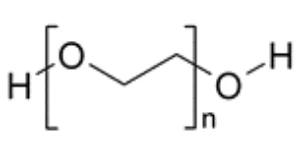
Proper name: Macrogol
Chemical name: Polyethylene Glycol (PEG 3350)
Molecular formula: H-(OCH2-CH2)n-OH
Molecular mass: 3350 g/mol
Structural formula:
Physicochemical properties
Description: White or almost white solid with a waxy or paraffin-like appearance.
Solubility: Very soluble in water and in methylene chloride, slightly soluble in alcohol, practically insoluble in fatty oils and in mineral oils.
Drug Substance
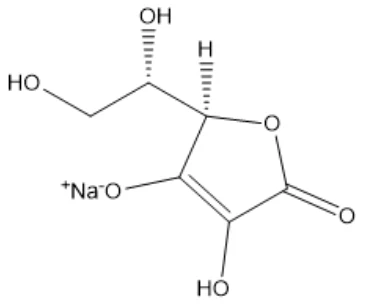
Proper name: Sodium Ascorbate
Chemical name: L-Ascorbic Acid Monosodium Salt
Other names: E301 (Sodium Ascorbate)
Molecular formula: C6H7NaO6
Molecular mass: 198.1 g/mol
Structural formula:
Physicochemical properties
Description: White to yellowish, crystalline powder or crystals.
Solubility: Freely soluble in water, sparingly soluble in ethanol (96 per cent), practically insoluble in methylene chloride.
Drug Substance
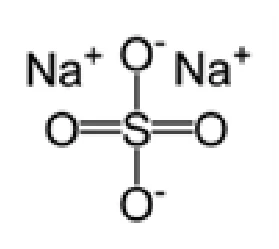
Proper name: Sodium Sulfate Anhydrous
Chemical name: Sodium Sulfate Anhydrous
Other names: Sulphuric Acid Disodium Salt, Disodium Sulphate, Sodium Sulfate Anhydrous
Molecular formula: Na2SO4
Molecular mass: 142.0 g/mol
Structural formula:
Physicochemical properties
Description: White or almost white powder, hygroscopic.
Solubility: Freely soluble in water, soluble in glycerol and hydrogen iodide, insoluble in ethanol.
Drug Substance
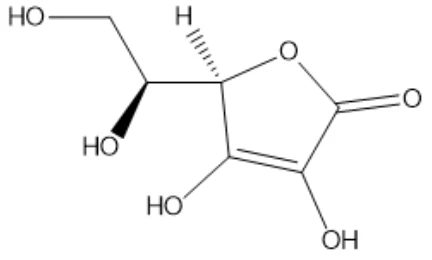
Proper name: Ascorbic Acid
Chemical name: L-threo-hex-2-enioic acid y-lactone 3-oxo-L-gulofuranolactone (enol form)
Molecular formula: C6H806
Molecular mass: 176.1 g/mol
Structural formula:
Physicochemical properties
Description: White to slightly yellow powder.
Solubility: Freely soluble in water, sparingly soluble in alcohol, practically insoluble in ether, petroleum ether, chloroform, oils and fats.
Drug Substance
Proper name: Sodium Chloride
Chemical name: Sodium Chloride
Molecular formula: NaCl
Molecular mass: 58.4 g/mol
Structural formula: Na+ Cl-
Physicochemical properties
Description: White or almost white, crystalline powder or colorless crystals or white or almost white pearls.
Solubility: Freely soluble in water, practically insoluble in anhydrous ethanol.
Drug Substance
Proper name: Potassium Chloride
Chemical name: Potassium Chloride
Molecular formula: KCl
Molecular mass: 74.6 g/mol
Structural formula: K+ Cl-
Physicochemical properties
Description: White or almost white, crystalline powder or colorless crystals.
Solubility: Freely soluble in water, glycerol and alkalis, slightly insoluble in alcohol and insoluble in ether.
14 CLINICAL TRIALS
14.1 Clinical Trials by Indication
Cleansing of the Colon in Preparation for Colonoscopy in Adults
Table 4: Summary of patient demographics for clinical trials in the colon cleansing efficacy, safety, and tolerability of PLENVU using two different PLENVU dosing regimens
| Study # | Study design | Dosage, route of administration and duration | Study subjects (n) | Mean age (Range) | Sex |
| NER1006-02/2014 (MORA) | Phase III Multicenter, randomized, parallel group, investigator-blinded | PLENVU: Two-Day Split-Dosing, Oral Solution PLENVU: One-Day Morning Dosing, Oral Solution 2 Liter PEG + electrolytes (2 L PEG + E): Two-Day Split-Dosing, Oral Solution | Total: n = 822 n = 275 n = 275 n = 272 | 56.5 (18 - 81) 54.8 (20 - 79) 54.2 (22 - 84) | M (41%) F (59%) M (46%) F (54%) M (51%) F (49%) |
M: Male; F: Female; 2 L PEG + E: 2 Liter PEG Plus Electrolytes.
The colon cleansing efficacy, safety, and tolerability of PLENVU was evaluated in a Phase III, multicenter, randomized, parallel group, investigator-blinded trial in adult patients scheduled to undergo a screening, surveillance, or diagnostic colonoscopy. The overall patient population consisted of 46% male and 54% female patients, mean age of 55 years (range 18 to 84 years), 98% Caucasian, and 1% Black. In general, the demographic characteristics were balanced across the treatment groups.
In Study NER1006-02/2014 (referred to as MORA), the bowel cleansing efficacy of PLENVU using two different dosing regimens was compared to an active comparator using one dosing regimen (Table 4).
PLENVU Dosing Regimens
- PLENVU Two-Day Split-Dosing Regimen allows for an overnight gap between doses (Dose 1 taken in the evening before the colonoscopy, between approximately 4 pm and 8 pm, and Dose 2 the next morning, on the day of the colonoscopy, approximately 12 hours after the start of Dose 1).
- PLENVU One-Day Morning Dosing Regimen gives both doses the morning of the day of colonoscopy (Dose 1 between approximately 3 am and 7 am, and Dose 2 a minimum of 2 hours after the start of Dose 1).
Comparator Regimen
- 2 Liter PEG + electrolytes (2 L PEG + E) preparation administered as a Two-Day Split-Dosing Regimen: Two doses, each containing PEG 3350 100 g, sodium sulfate anhydrous 7.5 g, sodium chloride 2.691 g, potassium chloride 1.015 g, sodium ascorbate 5.9 g, and ascorbic acid 4.7 g.
The primary efficacy endpoint was the proportion of patients achieving “overall bowel cleansing success”, which was defined by a result of Grade A or B (Grades A or B [see Table 5] corresponding to full visualization of the bowel mucosa on the Harefield Cleansing Scale [HCS]), as assessed on withdrawal of colonoscope. The HCS segmental scores were initially evaluated by the colonoscopist at the site, who was blinded to treatment, and evaluated for endpoint analysis by central readers (gastroenterologists) using video recordings of the colonoscopy.
Table 5: Harefield Cleansing Scale
| Overall Grade | Description |
|---|---|
| A | All five segments* scored 3 or 4 (Mucosa is fully visualized without cleaning.) |
| B | One or more segments scored 2, remaining segments scored 3 or 4 (Mucosa is fully visualized.) |
| C | One or more segments scored 1, remaining segments scored 2, 3 or 4 |
| D | One or more segments scored 0 |
| Segmental Score | Description |
| 4 | Empty and clean |
| 3 | Clear liquid |
| 2 | Brown liquid/fully removable semisolid stools |
| 1 | Semisolid, only partially removable stools |
| 0 | Irremovable, heavy, hard stools |
* Colon ascendens, Colon transversum, Colon descendens, Colon sigmoideum, Rectum
Statistical Analysis
The modified Intent-to-Treat (mITT) population was used as the primary population for the efficacy analyses and was defined as all randomized patients with the exception of any patient who (i) was randomized but subsequently failed to meet entry criteria and (ii) in whom it was confirmed (from their patient diary) that the same patient did not receive any study drug.
Non-inferiority was assessed using a one-sided 97.5% confidence interval (CI) for the difference in proportions of patients for the overall bowel cleansing success endpoint. Non-inferiority was demonstrated if the difference between PLENVU and the comparator was above the predefined non-inferiority margin set at -10%.
Study Results
The results for the overall bowel cleansing success endpoint in the mITT population in MORA are shown in Table 6. Both the PLENVU Two-Day Split-Dosing regimen and the PLENVU One-Day Morning Dosing regimen were shown to be non-inferior (NI) to the 2 L PEG + E treatment comparator.
Table 6: Overall Bowel Cleansing Success Rate of PLENVU versus 2 L PEG + E in MORA
Primary Endpoint (N = 822) | PLENVU Two-Day Split-Dosing Regimen (N = 275) n (% = n/N*100) | PLENVU One-Day Morning Dosing Regimen (N = 275) n (% = n/N*100) | 2 L PEG + E Two-Day Split-Dosing Regimen (N = 272) n (% = n/N*100) | Difference (%) PLENVU Regimen vs 2 L PEG + E (97.5% One-Sided Lower Confidence Interval) |
| Overall Colon Cleansing Success Rate | 253 (92.0%) | 245 (89.1%) | 238 (87.5%) | Two-Day Split-Dosing 4.5% (-4.0%) |
One-Day Morning Dosing 1.6% (-6.9%) | ||||
10% non-inferiority (NI) margin.
15 MICROBIOLOGY
Not applicable.
16 NON-CLINICAL TOXICOLOGY
PLENVU contains macrogol (polyethylene glycol 3350, sodium ascorbate, sodium sulfate anhydrous, ascorbic acid, sodium chloride, and potassium chloride.
No long-term animal studies have been performed to evaluate carcinogenic or mutagenic potential or whether PLENVU affects fertility in males or females.
No non-clinical toxicology studies were conducted with PLENVU. The toxicology of the individual ingredients is relatively well-characterized in the literature.
Non-clinical literature studies provide evidence that PEG 3350, ascorbic acid and sodium sulfate anhydrous have no significant systemic toxicity potential, based on conventional studies of pharmacology, repeated dose toxicity, genotoxicity and carcinogenicity.
General Toxicology
No single- or repeat-dose studies were performed with PLENVU.
Carcinogenicity
No carcinogenicity studies were performed with PLENVU.
Genotoxicity
No genotoxicity studies were performed with PLENVU.
There is evidence from the literature that demonstrates that ascorbate may have mutagenic potential. Ascorbate induced a dose-dependent increase in sister-chromatid exchanges (SCE) in Chinese hamster ovary (CHO) cells and in human lymphocytes, as well as increased the inhibition of DNA synthesis in Hela cells. Ascorbate also induced mutation at the hypoxanthine guanine phosphoribosyl transferase (HGPRT) locus in CHO cells.
Reproductive and Developmental Toxicology
No reproductive and developmental toxicity studies were performed with PLENVU.