


Product Monograph - PMS-Clobazam
SUMMARY PRODUCT INFORMATION
| Route of Administration | Dosage Form / Strength | All Non-medicinal Ingredients |
| Oral | Tablet 10 mg | colloidal silicon dioxide, corn starch, croscarmellose sodium, lactose anhydrous, magnesium stearate and talc |
INDICATIONS AND CLINICAL USE
pms-CLOBAZAM (clobazam) is indicated for:
adjunctive therapy in patients with epilepsy who are not adequately stabilized with their current anticonvulsant therapy.
Geriatrics (> 65 years of age):
The efficacy of clobazam in adults aged 65 and over has not been established (see WARNINGS AND PRECAUTIONS and ACTION AND CLINICAL PHARMACOLOGY sections).
Long-term use of pms-CLOBAZAM should be avoided in elderly patients. Enhanced monitoring is recommended (see WARNINGS AND PRECAUTIONS, Falls and fractures; DOSAGE AND ADMINISTRATION, Dosing considerations).
CONTRAINDICATIONS
- Patients who are hypersensitive to this drug or to any ingredient in the formulation or component of the container. These reactions may not be limited to rash, urticaria, and hypotension. For a complete listing, see the DOSAGE FORMS, COMPOSITION AND PACKAGING section of the Product Monograph.
- myasthenia gravis (risk of aggravation of muscle weakness)
- narrow angle glaucoma
- any history of drug or alcohol dependence (increased risk of development of dependence)
- severe respiratory insufficiency
- sleep apnea syndrome (risk of deterioration)
- severe impairment of liver function (risk of precipitating encephalopathy)
during first trimester of pregnancy and breast-feeding (see WARNINGS AND
- PRECAUTIONS section)
Serious Warnings and Precautions
Addiction, Abuse and Misuse The use of benzodiazepines, including pms-CLOBAZAM, can lead to abuse, misuse, addiction, physical dependence and withdrawal reactions. Abuse and misuse can result in overdose or death, especially when benzodiazepines are combined with other medicines, such as opioids, alcohol or illicit drugs.
Withdrawal Benzodiazepines, like pms-CLOBAZAM, can produce severe or life-threatening withdrawal symptoms.
(see WARNINGS AND PRECAUTIONS, Dependence/Tolerance) Risks from Concomitant use with Opioids
|
WARNINGS AND PRECAUTIONS
General
Clobazam can cause muscle weakness. pms-CLOBAZAM is contraindicated in patients with myasthenia gravis. In patients with pre-existing muscle weakness or with spinal or cerebellar ataxia, special observation is required and a dose reduction may be necessary (see CONTRAINDICATIONS and DOSAGE AND ADMINISTRATION sections).
Additive effects are to be expected if pms-CLOBAZAM is combined with alcohol or drugs with central nervous system depressant effects. Moreover, concomitant consumption of alcohol can increase the serum levels of clobazam by 50%.
Patients should therefore be advised against consumption of alcohol during treatment with pms-CLOBAZAM due to an increased risk of sedation and other adverse effects (see
CONTRAINDICATIONS, WARNINGS AND PRECAUTIONS, and ADVERSE REACTIONS sections).
Clobazam possesses a mild central nervous system depressant effect. Under experimental conditions, impairment of alertness has been observed to be less pronounced after therapeutic doses of clobazam than after other benzodiazepines. Nevertheless, even when used as directed, pms-CLOBAZAM may alter reactivity to such an extent as to impair driving performance or the ability to operate machinery, especially when it is taken in conjunction with alcohol. Therefore patients should be cautioned against driving, operating dangerous machinery or engaging in other hazardous activities, particularly in the dose adjustment period, or until it has been established that they do not become drowsy, dizzy or develop muscle weakness.
Concomitant use with opioids:
Concomitant use of benzodiazepines, including pms-CLOBAZAM, and opioids may result in profound sedation, respiratory depression, coma, and death. Because of these risks, reserve concomitant prescribing of these drugs for use in patients for whom alternative treatment options are not possible (see SERIOUS WARNINGS AND PRECAUTIONS BOX, Risks from Concomitant use with Opioids; DRUG INTERACTIONS, Serious Drug Interactions).
Observational studies have demonstrated that concomitant use of opioid analgesics and benzodiazepines increases the risk of drug-related mortality compared to use of opioid analgesics alone. Because of similar pharmacological properties, it is reasonable to expect similar risk with the concomitant use of other CNS depressant drugs with benzodiazepines.
If a decision is made to prescribe pms-CLOBAZAM concomitantly with opioids, prescribe the lowest effective dosages and minimum durations of concomitant use. In patients already receiving an opioid analgesic, prescribe a lower initial dose of pms-CLOBAZAM than indicated, and titrate based on clinical response. If an opioid analgesic is initiated in a patient already taking pms-CLOBAZAM, prescribe a lower initial dose of the opioid analgesic and titrate based on clinical response. Follow patients closely for signs and symptoms of respiratory depression and sedation (see OVERDOSAGE).
Advise both patients and caregivers about the risks of respiratory depression and sedation when pms-CLOBAZAM is used with opioids.
Advise patients not to drive or operate heavy machinery until the effects of concomitant use of the opioid have been determined.
Dependence/Tolerance
Use of benzodiazepines, such as pms-CLOBAZAM, can lead to abuse, misuse, addiction, physical dependence (including tolerance) and withdrawal reactions. Abuse and misuse can result in overdose or death, especially when benzodiazepines are combined with other medicines, such as opioids, alcohol, or illicit drugs.
The risk of dependence increases with higher doses and longer term use but can occur with short-term use at recommended therapeutic doses. The risk of dependence is greater in patients with a history of psychiatric disorders and/or substance (including alcohol) use disorder.
- Discuss the risks of treatment with pms-CLOBAZAM with the patient, considering alternative (including non-drug) treatment options.
- Carefully evaluate each patient’s risk of abuse, misuse and addiction, considering their medical condition and concomitant drug use, prior to prescribing pms-CLOBAZAM. In individuals prone to substance use disorder, pms-CLOBAZAM should only be administered if deemed medically necessary, employing extreme caution and close supervision.
- pms-CLOBAZAM should always be prescribed at the lowest effective dose for the shortest duration possible.
- All patients receiving benzodiazepines should be routinely monitored for signs and symptoms of misuse and abuse. If a substance use disorder is suspected, evaluate the patient and refer them for substance abuse treatment, as appropriate.
Loss of part or all of the anticonvulsant effectiveness of clobazam has been described in patients who have been receiving the drug for some time. There is no absolute or universal definition for the phenomenon and reports vary widely on its development.
The reported success of clobazam in intermittent therapy in catamenial epilepsy implies that tolerance may be minimized by intermittent treatment but long-term follow-up is unreported. No studies have identified or predicted which patients are likely to develop tolerance or precisely when this might occur.
Withdrawal:
Benzodiazepines, such as pms-CLOBAZAM, can produce withdrawal signs and symptoms, rangingfrom mild to severe and even life threatening, following abrupt discontinuation or rapid dose reduction. Other factors that may precipitate withdrawal are switching from a long-acting to a short-acting benzodiazepine, decreasing blood levels of the drug or administration of an antagonist. The risk of withdrawal is higher with higher dosages and/or prolonged use, but can occur with short-term use at recommended therapeutic doses.
The onset of withdrawal signs and symptoms can range from hours to weeks following drug cessation and occur even with tapered dosage. Some symptoms can persist for months. Since symptoms are often similar to those for which the patient is being treated, it may difficult to distinguish from a relapse of the patient’s condition.
Severe or life-threatening signs and symptoms of withdrawal include catatonia, delirium tremens, depression, dissociative effects (e.g. hallucinations), mania, psychosis, seizures (including status epilepticus) and suicidal ideation and behaviour.
Other withdrawal signs and symptoms include abdominal cramps, cognitive impairment, diarrhea, dysphoria, extreme anxiety or panic attacks, headache, hypersensitivity to light, noise and physical contact, insomnia, irritability, muscle pain or stiffness, paresthesia, restlessness, sweating, tension, tremors and vomiting. There is also a possibility of rebound anxiety or rebound insomnia.
- Abrupt discontinuation should be avoided and treatment - even if only of short duration - should be terminated by gradually tapering the dosage schedule under close monitoring.
- Tapering should be tailored to the specific patient. Special attention should be given to patients with a history of seizure.
- If a patient experiences withdrawal signs and symptoms, consider postponing the taper or raising the benzodiazepine to the previous dosage prior to proceeding with a gradual taper.
Inform patients of risk of discontinuing abruptly, reducing dosage rapidly or switching medications.
Stress the importance of consulting with their health care professional in order to discontinue safely.
- Patients experiencing withdrawal signs and symptoms should seek immediate medical attention.
(see SERIOUS WARNINGS AND PRECAUTIONS BOX, Addiction, Abuse and Misuse, Withdrawal; DOSAGE AND ADMINISTRATION, Dosing Considerations)
Hepatic/Biliary/Pancreatic
pms-CLOBAZAM is contraindicated in patients with severe liver dysfunction. In patients with a lesser degree of liver dysfunction (mild to moderate hepatic impairment), responsiveness to clobazam and susceptibility to adverse effects are increased. These patients require low initial doses and gradual dose increments under careful observation (see CONTRAINDICATIONS, DOSAGE AND ADMINISTRATION and ACTION AND CLINICAL PHARMACOLOGY sections). In long-term treatment, hepatic function must be checked regularly.
Musculoskeletal
Falls and fractures:
There have been reports of falls and fractures among benzodiazepine users due to adverse reactions such as sedation, dizziness and ataxia. The risk is increased in those taking concomitant sedatives (including alcoholic beverages), the elderly or debilitated patients.
Neurologic
In clinical trials, somnolence or sedation was reported at all effective doses, especially at the beginning of treatment with clobazam and when higher doses are used.
Prescribers should monitor patients for somnolence and sedation, particularly with concomitant use of other central nervous system depressants. Patients should be advised that sedation can occur, particularly early in treatment or with dose increases. Prescribers should caution patients against engaging in hazardous activities requiring mental alertness, such as operating dangerous machinery or motor vehicles, until the effect of pms-CLOBAZAM is known.
Anterograde amnesia is known to occur even if benzodiazepines are used in the normal dose range, but especially at higher dose levels. Amnesia effects may be associated with inappropriate behaviour.
Psychiatric
Suicidal Ideation and Behaviour:
Suicidal ideation and behaviour have been reported in patients treated with antiepileptic agents in several indications.
Patients with a history of depression and/or suicide attempts should be kept under close supervision. All patients treated with antiepileptic drugs (AEDs), irrespective of indication, should be monitored for signs of suicidal ideation and behaviour and appropriate treatment should be considered.
Patients (and caregivers of patients) should be advised to seek medical advice should signs of suicidal ideation or behaviour emerge.
An FDA meta-analysis of randomized placebo controlled trials, in which AEDs were used for various indications, has shown a small increased risk of suicidal ideation and behaviour in patients treated with these drugs. The mechanism of this risk is not known. There were 43,892 patients treated in the placebo controlled clinical trials that were included in the meta-analysis. Approximately 75% of patients in these clinical trials were treated for indications other than epilepsy and, for the majority of non-epilepsy indications the treatment (AED or placebo) was administered as monotherapy. Patients with epilepsy represented approximately 25% of the total number of patients treated in the placebo controlled clinical trials and, for the majority of epilepsy patients, treatment (AED or placebo) was administered as adjunct to other antiepileptic agents (i.e., patients in both treatment arms were being treated with one or more AEDs). Therefore, the small increased risk of suicidal ideation and behaviour reported from the meta-analysis (0.43% for patients on AEDs compared to 0.24% for patients on placebo) is based largely on patients that received monotherapy treatment (AED or placebo) for non-epilepsy indications. The study design does not allow an estimation of the risk of suicidal ideation and behaviour for patients with epilepsy that are taking AEDs, due both to this population being the minority in the study, and the drug-placebo comparison in this population being confounded by the presence of adjunct AED treatment in both arms.
It should be recognized that suicidal tendencies may be present in patients with emotional disorders; particularly those depressed. Protective measures and appropriate treatment may be necessary and should be instituted without delay. Pre-existing depression may be unmasked during benzodiazepine use.
Since excitement and other paradoxical reactions can result from the use of benzodiazepines in psychotic patients, clobazam should not be used in patients suspected of having psychotic tendencies.
pms-CLOBAZAM is not recommended for use in patients with depressive disorders or psychosis.
Renal
The pharmacokinetics of clobazam were evaluated in patients with mild and moderate renal impairment. There were differences in systemic exposure (AUC and Cmax) observed between patients with mild or moderate renal impairment and healthy subjects; the clinical relevance of these changes is not known. These patients require low initial doses and gradual dose increments under careful observation (see DOSAGE AND ADMINISTRATION section). There is no experience with clobazam in patients with severe renal impairment or end stage renal disease (ESRD). It is not known if clobazam or its active metabolite, N-desmethylclobazam, is dialyzable. In long-term treatment, renal function must be checked regularly.
Respiratory
Clobazam can cause respiratory depression, especially if administered in high doses. In elderly patients these effects sometimes persist for a considerable length of time. Therefore, particularly in patients with pre-existing compromised respiratory function (e.g. in patients with bronchial asthma) or brain damage, respiratory insufficiency may occur or deteriorate. Reports of aspiration pneumonia and pneumonia have been reported with clobazam. pms-CLOBAZAM is contraindicated in patients with severe respiratory insufficiency or sleep apnoea syndrome. In patients with a lesser degree of acute or chronic, respiratory insufficiency, respiratory function should be monitored and a dose reduction may be necessary (see CONTRAINDICATIONS, ADVERSE REACTIONS and DOSAGE AND ADMINISTRATION sections).
It is recognized that patients with epilepsy are at increased risk for aspiration due to recurrent seizures and that this risk is increased by the high co-morbidities seen in patients with LGS. Benzodiazepines, including clobazam, may increase the risk of pneumonia from a decreased ability to manage secretions. The risk of pneumonia increases with the dose level of clobazam (see ADVERSE REACTIONS and DOSAGE AND ADMINISTRATION sections).
Skin
Serious, potentially life-threatening skin reactions, including Drug reaction with eosinophilia and systemic symptoms syndrome (DRESS), Stevens-Johnson syndrome (SJS) and toxic epidermal necrolysis (TEN), have been reported with clobazam in both children and adults during the post-marketing period. Patients should be closely monitored for signs or symptoms of DRESS and SJS/TEN, especially during the first 8 weeks of treatment initiation or when re-introducing therapy. These commonly present as a combination of the following symptoms: extensive cutaneous rash or exfoliative dermatitis, fever, lymphadenopathy and possible eosinophilia.
pms-CLOBAZAM should be discontinued at the first sign of rash, unless the rash is clearly not drug-related. If signs or symptoms suggest DRESS or SJS/TEN, use of this drug should not be resumed and alternative therapy should be considered (see ADVERSE REACTIONS, Post-Market Reactions.
Special Populations
Pregnant Women: There are no adequate and well-controlled studies of clobazam in pregnant women.
The available animal data suggest developmental toxicity, including an increased incidence of fetal abnormalities following oral administration of clobazam to pregnant animals at doses similar to those used clinically.
Data for other benzodiazepines suggest the possibility of adverse effects in animals and humans. Long-term effects on neurobehavioural and immunological function have been reported in rodents following prenatal exposure to benzodiazepines.
Clobazam crosses the placental barrier. Several studies have suggested an increased risk of congenital malformations associated with the use of minor tranquilizers (chlordiazepoxide, diazepam and meprobamate) during the first trimester of pregnancy. pms-CLOBAZAM must not be used in the first trimester of pregnancy. In the later stages of pregnancy, it must only be used if there are compelling indications. If pms-CLOBAZAM is prescribed to a woman of child-bearing potential she should be warned to consult her physician regarding the discontinuation of the drug if she intends to become, or suspects she might be, pregnant.
Neonatal flaccidity, respiratory and feeding difficulties, hypothermia, and withdrawal symptoms have been reported in infants born to mothers who received benzodiazepines, including clobazam, late in pregnancy. Administration of high doses of pms-CLOBAZAM immediately before or during childbirth can provoke the occurrence of hypothermia, hypotonia, respiratory depression, and difficulties in drinking in the newborn infant. Moreover, infants born to mothers who have taken benzodiazepines over longer periods during the later stages of pregnancy may have developed physical dependence and may be at risk of developing a withdrawal syndrome in the postnatal period.
Nursing Women: Nursing mothers in whom therapy with pms-CLOBAZAM is indicated should cease breast-feeding, since clobazam passes into breast milk.
Geriatrics (> 65 years of age):
Long-term use of pms-CLOBAZAM should be avoided in elderly or debilitated patients who may be more sensitive to benzodiazepines. There is an increased risk of cognitive impairment, delirium, falls, fractures, hospitalizations and motor vehicle accidents in these users. Enhanced monitoring is recommended in this population.
pms-CLOBAZAM (clobazam) should be used with caution in elderly and debilitated patients, and those with organic brain disorders, with treatment initiated at the lowest possible dose (see WARNINGS AND PRECAUTIONS and ACTION AND CLINICAL PHARMACOLOGY sections).
Elderly and debilitated patients, or those with organic brain syndrome, have been found to be prone to the CNS depressant activity of benzodiazepines even after low doses. Manifestations of this CNS depressant activity include ataxia, oversedation and hypotension. Therefore, medication should be administered with caution to these patients, particularly if a drop in blood pressure might lead to cardiac complications. Initial doses should be low and increments should be made gradually, depending on the response of the patient, in order to avoid oversedation, neurological impairment and other possible adverse reactions. After prolonged use of benzodiazepines, impairment of consciousness, sometimes combined with respiratory disorders, has been reported in very rare cases, particularly in elderly patients; these effects sometimes persist for a considerable length of time (see ACTION AND CLINICAL PHARMACOLOGY section).
Monitoring and Laboratory Tests
If pms-CLOBAZAM is administered for repeated cycles of therapy, periodic blood counts and liver, renal and thyroid function tests are advisable.
ADVERSE REACTIONS
From 19 published studies of clobazam use in epileptic patients, the overall incidence of side-effects was 33% of which drowsiness, dizziness and fatigue were most frequently reported. Canadian experience provides a similar overall incidence (32%) with drowsiness reported in 17.3% of patients, and 12% of patients terminating treatment because of side-effects.
The incidence of side-effects was lower in patients under 16 years of age (23.7%) than the incidence in adults (43.1%): p<0.05, whereas treatment discontinuation incidences were similar across age groups: 10.6% and 13.8% respectively. The following side-effects occurred at incidences of greater than 1% (ataxia [3.9%], weight gain [2.2%], dizziness [1.8%], nervousness [1.6%], behaviour disorder [1.4%], hostility and blurred vision [1.3%)]).
Other side effects below included:
Blood and lymphatic system disorders: Anemia, eosinophilia, leukopenia, thrombocytopenia
Eye disorders: Double vision, nystagmus
Gastrointestinal disorders: Dry mouth, constipation, loss of appetite, nausea, weight gain, increased appetite, vomiting, abdominal distention
General disorders and administration site conditions: Unsteadiness of gait and other motor functions, fatigue, sedation leading to tiredness and sleepiness, especially at the beginning of treatment and when higher doses are used, slowing of reaction time, drowsiness, slow or indistinct speech, irritability, hypothermia
Immune system disorders: Hypersensitivity (see CONTRAINDICATIONS section)
Investigations: Hepatic enzyme increased
Infections and infestations: Pneumonia
Musculoskeletal and connective tissue disorders: Muscle weakness, frequent muscle spasms
Nervous system disorders: Altered state of consciousness, anterograde amnesia, somnolence, lethargy hyporesponsive to stimuli, disorientation, confusion, headaches, tremor, fine tremor of the fingers, dysarthria, psychomotor hyperactivity
Renal and urinary disorders: Urinary retention
Psychiatric disorders: Suicidal behaviour and ideation, psychotic reactions, hallucination, delusion, acute agitational states, anxiety, emotional disorder, flat affect, aggressiveness, anger, fits of rage, restlessness, difficulty falling asleep or sleeping through, insomnia, nightmare, loss of libido
Respiratory, thoracic and mediastinal disorders: Respiratory distress, respiratory depression, aspiration pneumonia, cough
Post-Market Adverse Reactions
Skin and subcutaneous tissue disorders: Rash, urticaria, exanthema, Drug reaction with eosinophilia and systemic symptoms syndrome (DRESS), Stevens-Johnson Syndrome (SJS), toxic epidermal necrolysis (TEN).
Injury, Poisoning and Procedural Complications:
There have been reports of falls and fractures in benzodiazepine users due to adverse reactions such as sedation, dizziness and ataxia. The risk is increased in those taking concomitant sedatives (including alcoholic beverages), the elderly and debilitated patients.
Dependence/Withdrawal:
Development of physical dependence and withdrawal following discontinuation of therapy has been observed with benzodiazepines such as pms-CLOBAZAM. Severe and life-threatening symptoms have been reported. (see SERIOUS WARNINGS AND PRECAUTIONS BOX, Addiction, Abuse and Misuse; WARNINGS AND PRECAUTIONS, Dependence/Tolerance)
Additional Explanatory Information for Post-Market Adverse Drug Reactions
Clobazam may cause sedation leading to tiredness and sleepiness, especially at the beginning of treatment and when higher doses are used.
Slowed or indistinct speech, unsteadiness of gait and other motor functions, visual disorders (nystagmus, double vision), weight gain, or loss of libido may occur. Such reactions occur particularly with high doses or following prolonged use, but are reversible.
Paradoxical reactions may occur, especially in children and in the elderly. These may include restlessness, difficulty falling asleep or sleeping through, irritability, acute agitational states, anxiety, aggressiveness, delusion, fits of rage, nightmares, hallucinations, psychotic reactions, suicidal tendencies, or frequent muscle spasms. In the event of such reactions, treatment with pms-CLOBAZAM must be discontinued.
Tolerance and dependence may develop, especially during prolonged use.
Anterograde amnesia may occur even if benzodiazepines are used in the normal dose range, but especially at higher dose levels. Amnesia effects may be associated with inappropriate behaviour.
Clobazam may cause respiratory depression, especially if administered in high doses. Therefore, particularly in patients with pre-existing compromised respiratory function (e.g. in patients with bronchial asthma) or brain damage, respiratory insufficiency may occur or deteriorate. Reports of aspiration pneumonia and pneumonia have been reported with the use of clobazam. In a 15-week Lennox-Gastaut Syndrome placebo-controlled trial, the frequency of pneumonia increased from 2% in the placebo group, up to 7 % in clobazam-exposed patients with a maximum daily dose of 20 mg for ≤ 30 kg/body weight and 40 mg for > 30 kg/body weight.
Post-market clinical trial adverse events in Lennox-Gastaut Syndrome patients
For the adjunctive treatment of seizures associated with Lennox-Gastaut syndrome (LGS), clobazam was administered to 333 healthy volunteers and 300 patients with a current or prior diagnosis of LGS, including 197 patients treated for 12 months or more. The conditions and duration of exposure varied greatly and included single- and multiple-dose clinical pharmacology studies in healthy volunteers and two double-blind studies in patients with LGS (Study 1 and 2) . Only Study 1 included a placebo group, allowing comparison of adverse reaction rates on clobazam at several doses to placebo.
Study 1 (N=238) was a randomized, double-blind, placebo-controlled study consisting of a 4-week baseline period followed by a 3-week titration period and 12-week maintenance period. Study 2 (N=68) was a randomized, double-blind comparison study of high- and low-dose clobazam, consisting of a 4-week baseline period followed by a 3-week titration period and 4-week maintenance period.
Table 1 – Treatment-emergent Adverse Events (TEAEs) Reported for ≥ 5% of Patients and More Frequently than Placebo in any Treatment Group
Placebo N=59 % | Clobazam Dose Level | All Clobazam N=179 % | |||||||||
Lowa N=58 % | Mediumb N=62 % | Highc N=59 % | |||||||||
| Gastrointestinal Disorders | |||||||||||
| Vomiting | 5 | 9 | 5 | 7 | 7 | ||||||
| Constipation | 0 | 2 | 2 | 10 | 5 | ||||||
| Dysphagia | 0 | 0 | 0 | 5 | 2 | ||||||
| General Disorders and Administration Site Conditions | |||||||||||
| Pyrexia | 3 | 17 | 10 | 12 | 13 | ||||||
| Irritability | 5 | 3 | 11 | 5 | 7 | ||||||
| Fatigue | 2 | 5 | 5 | 3 | 5 | ||||||
| Infections and Infestations | |||||||||||
| Upper respiratory tract infection | 10 | 10 | 13 | 14 | 12 | ||||||
| Pneumonia | 2 | 3 | 3 | 7 | 4 | ||||||
| Urinary tract infection | 0 | 2 | 5 | 5 | 4 | ||||||
| Bronchitis | 0 | 2 | 0 | 5 | 2 | ||||||
| Metabolism and Nutrition Disorders | |||||||
| Decreased appetite | 3 | 3 | 0 | 7 | 3 | ||
| Increased appetite | 0 | 2 | 3 | 5 | 3 | ||
| Nervous System Disorders | |||||||
| Somnolence or Sedation | 15 | 17 | 27 | 32 | 26 | ||
| Somnolence | 12 | 16 | 24 | 25 | 22 | ||
| Sedation | 3 | 2 | 3 | 9 | 5 | ||
| Lethargy | 5 | 10 | 5 | 15 | 10 | ||
| Drooling | 3 | 0 | 13 | 14 | 9 | ||
| Ataxia | 3 | 3 | 2 | 10 | 5 | ||
| Psychomotor hyperactivity | 3 | 3 | 3 | 5 | 4 | ||
| Tremor | 0 | 2 | 7 | 2 | 3 | ||
| Dysarthria | 0 | 2 | 2 | 5 | 3 | ||
| Psychiatric Disorders | |||||||
| Aggression | 5 | 3 | 8 | 14 | 8 | ||
| Insomnia | 2 | 2 | 5 | 7 | 5 | ||
| Respiratory Disorders | |||||||
| Cough | 0 | 3 | 5 | 7 | 5 | ||
| Nasal congestion | 2 | 5 | 0 | 2 | 2 | ||
| Skin and subcutaneous tissue disorders | |||||||
| Rash | 3 | 2 | 3 | 5 | 3 | ||
a0.25 mg/kg/day; tablets; orally; for 15-18 weeks
b0.5 mg/kg/day; tablets; orally; for 15-18 weeks
c1.0 mg/kg/day; tablets; orally; for 15-18 weeks
The adverse reactions associated with clobazam treatment discontinuation in ≥1% of patients in decreasing order of frequency included lethargy, somnolence, ataxia, aggression, fatigue, and insomnia.
DRUG INTERACTIONS
Serious Drug Interactions Concomitant use of pms-CLOBAZAM and opioids may result in profound sedation, respiratory depression, coma and death.
(see WARNINGS AND PRECAUTIONS, General, Risks from Concomitant use with Opioids) |
Overview
Clobazam is a weak CYP3A4 inducer. As some hormonal contraceptives are metabolized by CYP3A4, their effectiveness may be diminished when given with clobazam. Additional non- hormonal forms of contraception are recommended when using pms-CLOBAZAM.
Clobazam inhibits CYP2D6. Dose adjustment of drugs metabolized by CYP2D6 may be necessary.
Concomitant administration of drugs that inhibit the cytochrome P-450 enzyme system may enhance and prolong the action of clobazam.
In summary, if pms-CLOBAZAM is administered simultaneously with other antiepileptic drugs, the dosage must be adjusted under regular medical supervision (EEG monitoring), as there may be interactions with the patient’s basic anticonvulsant medication. Blood levels monitoring of concomitant medication is advisable.
Drug-Drug Interactions
Most studies of the potential interactions of clobazam with other antiepileptic agents have failed to demonstrate significant interactions with phenytoin, phenobarbital, or carbamazepine, with the exception of one. This one study noted that the addition of clobazam caused a 25% increase in serum drug levels in 29% of patients taking carbamazepine, 63% of patients taking phenytoin, 13% of those taking valproate and 14% of those on phenobarbital. The contradictory findings in different studies are presumably due to variations in patient susceptibility, and although clinically significant interactions are unusual, they may occur.
Table 2 - Established or Potential Drug-Drug Interactions
| Clobazam | Ref | Effect | Clinical comment |
| Carbamazepine, phenytoin, phenobarbital, valproate | CT | Caused the blood levels of clobazam to decrease slightly With regard to N- desmethylclobazam: serum levels are lower with valproate but higher with carbamazepine and phenytoin. | Monitor blood levels of antiepileptic agents, and adjust dose accordingly under medical supervision should it be clinically warranted |
| Diphenylhydantoin | CT | Caused the blood levels of clobazam to decrease slightly With regard to N-desmethylclobazam: serum levels are higher with diphenylhydantoin. | Monitor blood levels of antiepileptic agents, and adjust dose accordingly under medical supervision should it be clinically warranted |
Strong CYP2C19 inhibitors e.g., fluconazole, fluvoxamine, ticlopidine Moderate CYP2C19 inhibitors e.g., omeprazole | CT | May result in increased exposure to N-desmethylclobazam, the active metabolite of clobazam. This may increase the risk of dose-related adverse reactions. | Dosage adjustment of clobazam may be necessary when coadministered |
| Alcohol | CT | May significantly increase plasma clobazam levels by approximately 50% | Patients should also be cautioned about the possibility of additive effects when pms-CLOBAZAM is combined with alcohol (see WARNINGS AND PRECAUTIONS section). |
| Clobazam | Ref | Effect | Clinical comment |
Other central nervous system depressant drugs e.g. antipsychotics, anxiolytics, certain antidepressant agents, anticonvulsant drugs, sedative antihistamines, anaesthetics, hypnotics or narcotic analgesics, or other sedatives | CT | Especially when clobazam is administered in higher doses, a mutually potentiating effect is to be expected if administrated or alcohol is consumed at the same time. Concomitant use of clobazam with other CNS depressants may increase the risk of sedation and somnolence. | Special precaution is also necessary when pms-CLOBAZAM is administered in cases of intoxication with such substances or with lithium (see WARNINGS AND PRECAUTIONS section). |
| Lithium | CT | Mutually potentiating effect is to be expected | Special precaution is necessary when pms-CLOBAZAM is administered in cases of intoxication with lithium (see WARNINGS AND PRECAUTIONS section) |
| Narcotic analgesics | CT | Possible euphoria may be enhanced; this may lead to increased psychological dependence. | Special precaution is necessary |
| Muscle relaxants and nitrous oxide | CT | The effects may be enhanced | Special precaution is necessary |
Legend: C = Case Study; CT = Clinical Trial; T = Theoretical
Drug-Food Interactions
The administration of food with clobazam has variable effects on the rate of absorption.
Drug-Herb Interactions
Interactions with herbs have not been studied.
Drug-Laboratory Test Interactions
Interactions with laboratory tests have not been studied.
DOSAGE AND ADMINISTRATION
Dosing Considerations
- pms-CLOBAZAM should always be prescribed at the lowest effective dose for the shortest duration possible.
- pms-CLOBAZAM can produce withdrawal signs and symptoms or rebound phenomena following abrupt discontinuation or rapid dose reduction (see SERIOUS WARNINGS AND PRECAUTIONS BOX, Withdrawal; WARNINGS AND PRECAUTIONS, Dependence/Tolerance). Abrupt discontinuation should be avoided and treatment - even if only of short duration - should be terminated by gradually tapering the dosage schedule under close monitoring.
- Tapering should be tailored to the specific patient. Special attention should be given to patients with a history of seizure. (see WARNINGS AND PRECAUTIONS section).
- If a patient experiences withdrawal signs and symptoms, consider postponing the taper or raising the benzodiazepine to the previous dosage prior to proceeding with a gradual taper.
- Geriatric patients in particular may be more sensitive to benzodiazepines (see WARNINGS AND PRECAUTIONS, Falls and Fractures).
- Long-term use of pms-CLOBAZAM should be avoided in elderly patients. Enhanced monitoring is recommended.
- Dosage and duration of treatment must be adjusted to the severity of the condition and the individual clinical response.
- Due regard must be paid to the possibility of interference with alertness and reaction time.
- The fundamental principle is to keep the dose as low as possible.
- Patients with impaired liver or renal function: pms-CLOBAZAM (clobazam) should be used at a reduced dosage in these patients, including CYP2C19 poor metabolizers (see WARNINGS AND PRECAUTIONS section).
- Use in patients with acute, or chronic respiratory insufficiency: In patients with a lesser degree of acute or chronic, respiratory insufficiency, respiratory function should be monitored and a dose reduction of pms-CLOBAZAM may be necessary (see WARNINGS AND PRECAUTIONS and ADVERSE REACTIONS sections).
- Use in patients with pre-existing muscle weakness or with spinal or cerebellar ataxia: In patients with pre-existing muscle weakness or with spinal or cerebellar ataxia, special observation is required and a dose reduction of pms-CLOBAZAM may be necessary (see WARNINGS AND PRECAUTIONS section).
- The patient must be re-assessed after a period not exceeding 4 weeks and regularly thereafter in order to evaluate the need for continued treatment.
Recommended Dose and Dosage Adjustment
Tablets for oral use.
Adults: Small doses, 5-15 mg/day, should be used initially, gradually increasing to a maximum daily dose of 80 mg as necessary.
Children from 2 to 16 years: The initial dose in children should be 5 mg/day, which may be increased at 5-day intervals to a maximum of 40 mg/day.
Infants ≤2 years: In infants, the initial daily dose is 0.5-1 mg/kg/day.
Elderly: Due to decreased organ function in elderly patients, lower initial doses and gradual dose increments are recommended and patients should be monitored for responsiveness and adverse events.
CYP2C19 Poor metabolizers: In CYP2C19 poor metabolizers, levels of N-desmethylclobazam, clobazam’s active metabolite, will be increased. Therefore, in patients known to be CYP2C19 poor metabolizers, the starting dose should be the lowest initial recommended dose and dose titration should proceed slowly, as tolerated according to the age group, but to half the maximum dose described. If necessary and based upon clinical response, an additional titration to the maximum dose (depending on the age group) may be started on day 21.
Hepatic Impairment: Patients with mild to moderate hepatic impairment require low initial doses and gradual dose increments under careful observation. Therefore, the starting dose in these patients should be the lowest initial recommended dose and dose titration should proceed slowly, as tolerated according to the age group, but to half the maximum dose described. If necessary, and based upon clinical response, an additional titration to the maximum dose (depending on the age group) may be started on day 21. There is inadequate information about metabolism of clobazam in patients with severe hepatic impairment (see CONTRAINDICATIONS section).
As with all benzodiazepines, abrupt withdrawal may precipitate seizures as well as other withdrawal symptoms. It is therefore recommended that pms-CLOBAZAM be gradually reduced in dose before treatment is discontinued. Taper by decreasing the total daily dose by 5-10 mg/day, on a weekly basis until discontinued.
As with other benzodiazepines, the possibility of a decrease in anticonvulsant efficacy in the course of treatment must be borne in mind.
If the daily dose is divided, the higher portion should be taken at night. Daily doses up to 30 mg may be taken as a single dose at night.
Missed Dose
If a patient misses a dose of pms-CLOBAZAM, they should take it as soon as they remember. If they are close to their next dose, they should just take their next dose, without making up for the missed dose. They should not take 2 doses at the same time.
Administration
The tablets are administered whole or broken in half along the score.
OVERDOSAGE
Symptoms: Overdose and intoxication with benzodiazepines - including clobazam - may lead to central nervous depression, associated with drowsiness, confusion and lethargy, possibly progressing to ataxia, reduced reflexes, increasing sedation, respiratory depression, hypotension and, rarely, coma or death. The risk of fatal outcome is increased in cases of combined poisoning with other central nervous system depressants, including alcohol.
Effects on respiration, pulse and blood pressure are noticed with large overdoses. Patients exhibit some jitteriness and overstimulation usually when the effects of the drug begin to wear off.
Treatment: It is recommended that the possible involvement of multiple agents be taken into consideration. Consciousness, respiration, pulse rate and blood pressure should be monitored. If respiratory depression and/or coma are observed, the presence of other central nervous system depressants should be suspected. General supportive measures aimed at maintaining cardiopulmonary function should be instituted and administration of intravenous fluids started. Immediate gastric lavage may be beneficial if performed soon after ingestion of pms-CLOBAZAM. Secondary elimination of clobazam, by forced diuresis or hemodialysis, is ineffective. Facilities for the management of complications such as airway obstruction or respiratory insufficiency must be available. Hypotension can be treated by replenishment with plasma substitutes and, if necessary, with sympathomimetic agents.
The efficacy of supplementary administration of physostigmine (a cholinergic agent) or flumazenil (a benzodiazepine antagonist) cannot be assessed because insufficient experience is available.
| For management of a suspected drug overdose, contact your regional Poison Control Centre. |
ACTION AND CLINICAL PHARMACOLOGY
Mechanism of Action
pms-CLOBAZAM (clobazam) is a 1,5-benzodiazepine with anticonvulsant properties.
The exact mechanism of action for clobazam, a 1,5-benzodiazepine, is not fully understood but is thought to involve potentiation of GABAergic neurotransmission resulting from greater binding at the benzodiazepine site of the GABAAα2 receptor.
In general, the mode of antiepileptic action of clobazam is probably largely analogous to that of the 1,4-benzodiazepines. The differences between clobazam (a 1,5-benzodiazepine) and the 1,4-benzodiazepines in terms of therapeutic efficacy and neurotoxicity are possibly due to the variation in degree of the agonist action at the high affinity benzodiazepine receptor or to differing relative action at the high and low affinity benzodiazepine receptors.
Pharmacodynamics
Electrophysiological studies have shown that benzodiazepines potentiate GABA-ergic transmission at all levels of the neuroaxis, including the spinal cord, hypothalamus, hippocampus, substantia nigra, cerebellar cortex and cerebral cortex. The changes induced by the interaction of GABA with its receptors are enhanced by benzodiazepines, resulting in a decrease in the firing rate of critical neurons in many regions of the brain.
Electrocardiography
The effect of clobazam on ECG interval parameters was evaluated in a randomized, double- blind, double-dummy, placebo-, and active-controlled parallel thorough QT study in 280 healthy subjects (70/treatment group). Study medication was administered on Days 1 through 29. Clobazam was titrated to doses of 40 mg/day (20 mg twice daily) and 160 mg/day (80 mg twice daily), with only the morning dose administered on Day 29. ECG assessments were performed at baseline and on day 29.
Clobazam was associated with QTcF shortening. The 90% confidence intervals for comparisons with placebo excluded zero at 10 of 13 time points in the clobazam 40 mg group, with a maximum mean difference from placebo of -5.3 ms (90% CI -7.5, -3.1) at 4 h post-dosing. For the clobazam 160 mg treatment group, the 90% confidence intervals excluded zero at all time points, with a maximum mean difference from placebo of -6.5 ms (90% CI -8.7, -4.3) at 4 h post- dosing. Clobazam had no noteworthy effect on the QRS duration.
Clobazam prolonged the PR interval. In the 40 mg group, small, but statistically significant, prolongation of the PR interval was observed at 8 of 13 post-dose time points, with a maximum mean difference from placebo of 4.5 ms (90% CI 2.6, 6.5) at 2 h. In the 160 mg group, statistically significant prolongation of the PR interval was observed at 8 of 13 post-dose time points, with a maximum mean difference from placebo of 3.9 ms (90% CI 1.9, 6.0) at 4 h.
Clobazam tended to increase heart rate. In the clobazam 40 mg group, small, but statistically significant, positive mean differences from placebo were observed at 7 of 13 time points, with a maximum mean difference of 3.4 bpm (90% CI 2.0, 4.9) at 6 h. In the clobazam 160 mg group, small, but statistically significant, positive mean differences from placebo were observed at 8 of 13 time points, with a maximum mean difference of 5.8 bpm (90% CI 4.3, 7.3) at 16 h.
Pharmacokinetics
There have been no studies that have demonstrated a clear-cut correlation between serum levels of clobazam or of N-desmethylclobazam to clobazam efficacy. Most reports indicate there is no, or only a very weak, correlation between the clobazam dose, or blood levels, and its clinical effects. Therapeutic blood levels for clobazam are in the range of 50 ng-300 ng/mL with the corresponding range for N-desmethylclobazam being from 1000-4000 ng/mL. The serum levels at which anticonvulsant effects can be expected are not known but it can be assumed that the therapeutic range lies in the order of the figures given above. Since N-desmethylclobazam blood levels are 10-20 times higher than those for clobazam, and this metabolite also has antiepileptic effects, it may be more important to the antiepileptic efficacy of clobazam than the parent compound itself.
Absorption: The oral absorption of clobazam, like that of all benzodiazepines, is fast and complete and amounts to at least 87%. Relative bioavailability of clobazam tablets or solution (in propylene glycol) is not significantly different. After a single dose of 20 mg clobazam, marked interindividual variability in maximum plasma concentrations (222 to 709 ng/ml) was observed after 0.25 to 4 hours. The administration of food with the drug has variable effects on the rate of absorption.
Distribution: Clobazam is highly lipophilic and distributes rapidly throughout the body, including fat and cerebral gray matter. Within 1 to 4 hours of administration it has accumulated in white matter and is then redistributed widely. The apparent volume of distribution at steady state was approximately 100 L. The in vitro plasma protein binding of clobazam and N- desmethylclobazam is approximately 80-90% and 70%, respectively.
Metabolism: Clobazam is extensively metabolized in the liver. The major metabolic pathway of clobazam involves N-demethylation, primarily by CYP3A4 and to a lesser extent by CYP2C19 and CYP2B6. Main metabolites found in plasma are N-desmethylclobazam and 4-hydroxyclobazam. N-desmethylclobazam, an active metabolite, is the major circulating metabolite in humans. N-desmethylclobazam is extensively metabolized, mainly by CYP2C19.
Lesser quantities of 4-hydroxy-N-desmethylclobazam are also found. After a single dose of 30 mg clobazam, N-desmethylclobazam attains maximum plasma concentrations after 24 to 72 hours.
Excretion: After oral administration of 14C-labelled clobazam to man, approximately 90% of the radioactivity was recovered in urine. The half-life of N-desmethylclobazam is much longer (mean 42 hours; range 36-46 hours) than for that of clobazam (mean 18 hours; range 10-30 hours).
Special Populations and Conditions
Geriatrics: The half-life of clobazam increases with the patient’s age. In the elderly, there is a tendency to a reduction in clearance following oral administration; terminal half-life is prolonged and the distribution volume increased. This may lead to a more extensive accumulation of the drug when administered on a multiple-dose basis than in younger subjects. The effect of age on the clearance and accumulation profile of clobazam seems also to apply to the active metabolite (see WARNINGS AND PRECAUTIONS section).
Gender: Population pharmacokinetic analyses showed no difference in the clearance of clobazam between women and men.
Race: Population pharmacokinetic analyses including Caucasian (75%), African American (15%), and Asian (9%) subjects showed that there is no evidence of clinically significant effect of race on the clearance of clobazam.
Hepatic Insufficiency: There are limited data to characterize the effect of hepatic impairment on the pharmacokinetics of clobazam. Hepatic disease may alter both the metabolism of the drug and its protein binding thus affecting plasma clobazam levels. In patients with severe liver disease, the distribution volume of clobazam is increased and the terminal half-life is prolonged. Adjust dosage in patients with hepatic impairment (see CONTRAINDICATIONS and WARNINGS AND PRECAUTIONS sections).
Renal Insufficiency: There were differences in plasma concentrations in patients with mild or moderate renal impairment compared to healthy subjects; the clinical relevance of these changes is not known. Patients with severe renal impairment or end stage renal disease (ESRD) were not studied (see WARNINGS AND PRECAUTIONS section).
STORAGE AND STABILITY
pms-CLOBAZAM tablets should be stored in their original containers.
Store at room temperature (between 15°C and 30°C).
Keep in a safe place out of the reach and sight of children.
SPECIAL HANDLING INSTRUCTIONS
None
DOSAGE FORMS, COMPOSITION AND PACKAGING
For oral use.
pms-CLOBAZAM 10 mg tablets are packaged in blisters of PVC film and aluminum foil and are distributed in packs of 30 tablets.
pms-CLOBAZAM is available as white to off-white, uncoated, round tablets, with “P” logo debossed on one side and “10” score “CL” on the other side.
pms-CLOBAZAM tablets, 10 mg contain clobazam as medicinal ingredient; colloidal silicon dioxide, corn starch, croscarmellose sodium, lactose anhydrous, magnesium stearate and talc as non-medicinal ingredients.
PART II: SCIENTIFIC INFORMATION
PHARMACEUTICAL INFORMATION
Drug Substance
Proper name: Clobazam [INN]
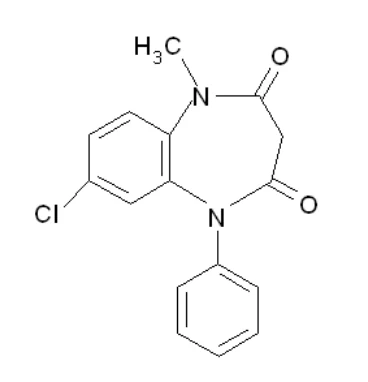
Chemical name: 7-chloro-1-methyl-5-phenyl-1H-1,5-benzodiazepine- 2,4(3H,5H)dione
Empirical formula: C16H13ClO2N2
Molecular weight: 300.74 g/mol
Structural formula:
Description: White, odorless, crystalline powder. Soluble in chloroform and methanol. Very slightly soluble in water. Melting range of 182 ± 3°C.
CLINICAL TRIALS
Comparative Bioavailability Studies
A two-way, single dose (1 x 10 mg), crossover comparative bioavailability study of pms-CLOBAZAM (Pharmascience Inc.) and FRISIUM (Hoechst Marion Roussel Canada) was conducted in healthy, adult, male subjects under fasting conditions. The results obtained from the 14 subjects that were included in the statistical analysis are presented in the following table.
SUMMARY TABLE OF THE COMPARATIVE BIOAVAILABILITY DATA
Clobazam (1 x 10 mg) Geometric Mean Arithmetic Mean (CV%) | ||||
| Parameter | Test* | Reference † | % Ratio of Geometric Means | 90% Confidence Interval |
AUCT (ng•h/mL) | 3038.03 3096.24 (20.41) | 3151.32 3190.93 (16.71) | 96 | 92 - 101 |
AUC∞ (ng•h/mL) | 3787.26 3926.85 (27.71) | 3861.10 3975.10 (25.68) | 98 | 93 - 103 |
Cmax (ng/mL) | 175.26 177.07(15.09) | 178.85 181.79 (18.74) | 98 | 89 - 108 |
Tmax § (h) | 1.54 (46.83) | 1.54 (48.34) | ||
T½ § (h) | 31.86 (52.96) | 30.27 (47.12) | ||
* pms-CLOBAZAM (clobazam) tablet, 10 mg (Pharmascience Inc.)
† FRISIUM (clobazam) tablet, 10 mg (Hoechst Marion Roussel Canada)
§ Expressed as the arithmetic mean (CV%) only
Seven double-blind studies have been reported in which clobazam was given as adjunctive therapy versus placebo within an established antiepileptic regimen; clobazam was shown to be significantly superior to placebo.
DETAILED PHARMACOLOGY
Drug interaction studies
In vitro studies
Clobazam did not inhibit CYP1A2, CYP2C8, CYP2C9, CYP2C19, CYP2D6, CYP3A4, UGT1A1, UGT1A4, UGT1A6, or UGT2B4 in vitro. N-desmethylclobazam showed weak inhibition of CYP2C9, UGT1A4, UGT1A6 and UGT2B4.
Clobazam and N-desmethylclobazam did not significantly increase CYP1A2 or CYP2C19 activities, but did induce CYP3A4 activity. Clobazam and N-desmethylclobazam also increased UGT1A1 mRNA but at concentrations much higher than observed plasma levels. The potential for clobazam or N-desmethylclobazam to induce CYP2B6 and CYP2C8 has not been evaluated.
Clobazam and N-desmethylclobazam do not inhibit P-glycoprotein (P-gp), but are P-gp substrates.
Strong (e.g., fluconazole, fluvoxamine, ticlopidine) and moderate (e.g., omeprazole) inhibitors of CYP2C19 may result in up to a 5-fold increase in exposure to N-desmethylclobazam, the active metabolite of clobazam, based on extrapolation from pharmacogenomic data. Dosage adjustment of clobazam may be necessary when coadministered with strong or moderate CYP2C19 inhibitors.
Alcohol has been reported to increase the maximum plasma exposure of clobazam by approximately 50%. Alcohol may have additive CNS depressant effects when taken with clobazam.
Pharmacogenomics
The polymorphic CYP2C19 is the main enzyme that metabolizes the pharmacologically active N-desmethylclobazam. Compared to CYP2C19 extensive metabolizers, N-desmethylclobazam AUC and Cmax are approximately 3-5 times higher in poor metabolizers (e.g., subjects with *2/*2 genotype) and 2 times higher in intermediate metabolizers (e.g., subjects with *1/*2 genotype). The prevalence of CYP2C19 poor metabolism differs, depending on racial/ethnic background. Dosage in patients who are known CYP2C19 poor metabolizers may need to be adjusted (see DOSAGE AND ADMINISTRATION section).
The systemic exposure of clobazam is similar for both CYP2C19 poor and extensive metabolizers.
Pharmacodynamics - Animal Data
Pharmacologic studies in animals have shown that clobazam can suppress seizures induced by a variety of experimental procedures. With respect to electro-shock induced seizures in the mouse, clobazam is more effective than valproic acid but less effective than clonazepam.
Although comparison with diazepam and phenobarbital produced inconsistent results in this model, the anticonvulsant effects of all three substances can probably be regarded as similar.
The anticonvulsant effect of clobazam in acoustically induced seizures in the mouse was less marked than those of clonazepam and diazepam as shown by ED50. In most cases however, in particular with chemically induced seizures, clobazam was more potent than the other antiepileptic agents: phenytoin, phenobarbital, carbamazepine and valproic acid (Table 4).
TABLE 4
Anticonvulsant activity of antiepileptic drugs in mice
(chemically induced seizures) (ED50 [mg/kg orally])
Pentetrazol 125 mg/kg | Picrotoxin 15 mg/kg | Bicuculline 5 mg/kg | Isoniazid 600 mg/kg | Nicotine 1.5 mg/kg | Strychnine 1.2 mg/kg | |
|---|---|---|---|---|---|---|
| Clobazam | 1.7 | 4.7 | 16.2 | 10.7 | 2.3 | 10.4 |
| Diazepam | 0.41 | 4.1 | 10 | 2.8 | 0.8 | 4.9 |
| Clonazepam | 0.038 | 2.3 | 1 | 0.075 | 0.14 | >5 |
| Phenobarbital | 6.7 | 12.2 | 20.5 | 18.7 | 7.6 | 46.9 |
| Phenytoin | 7.6 | 3.6 | 10.4 | 21.8 | 19.8 | >100 |
| Carbamazepine | 11.2 | 7.3 | 16.2 | 25 | 18.1 | >100 |
| Valproate | 158 | 75.4 | 362 | 494 | 168 | >800 |
Although the ED50 is an important index, it is not a measure of the therapeutic value, since it has the disadvantage of not reflecting any undesired effects of the drug which might limit its subsequent use. The protective index (PI) is a more reliable indicator in this regard. The PI is equal to the quotient TD50/ED50 where the TD50 is the dose at which 50% of the animals in the Rota rod test show signs of ataxia. Hence, if the PI> 1, anticonvulsant effects occur before the undesired ataxic effects. The greater the PI, the wider is the margin between the desirable anticonvulsant effect and the undesired ataxic effect. Comparing this index, clobazam was superior to diazepam, clonazepam, phenobarbital and valproic acid. Carbamazepine and phenytoin were sometimes inferior and sometimes superior to clobazam in the respective tests (Table 5).
TABLE 5
Protective indices of clobazam and other antiepileptics in tests on anticonvulsant activity in mice
Electro- convulsive Seizures | Pentetrazol (tonic) | Pentetrazol (clonic) | Picrotoxin | Bicuculline | Isoniazid | Nicotine | Strychnine | |
|---|---|---|---|---|---|---|---|---|
| Clobazam | 4.9 | 23.1 | 17.1 | 8.4 | 2.4 | 3.7 | 17.1 | 38 |
| Diazepam | 0.9 | 12.2 | 10 | 1.2 | 0.5 | 1.8 | 6.3 | 1 |
| Clonazepam | 0.6 | 9 | 7.1 | 0.2 | 0.3 | 4.5 | 2.4 | <0.1 |
| Phenobarbital | 3.4 | 7 | 3 | 3.9 | 2.3 | 2.5 | 6.2 | 1 |
| Phenytoin | 14.6 | 13.3 | <1 | 28.1 | 9.7 | 4.6 | 5.1 | <1.0 |
| Carbamazepine | 12.6 | 9.1 | <1 | 14 | 6.3 | 4.1 | 5.6 | <1.0 |
Electro- convulsive Seizures | Pentetrazol (tonic) | Pentetrazol (clonic) | Picrotoxin | Bicuculline | Isoniazid | Nicotine | Strychnine | |
|---|---|---|---|---|---|---|---|---|
| Valproate | 1.8 | 3 | 1.8 | 6.3 | 1.3 | 1 | 2.8 | <1.0 |
Finally, the anxiolytic, sedative and myorelaxant effects of clobazam (a 1,5-benzodiazepine) were compared with those of 10 different 1,4-benzodiazepines. The ratios of specific effect to anticonvulsant effects showed that clobazam is a highly specific anticonvulsant.
Pharmacokinetics - Animal Data
Absorption
After oral administration, absorption of clobazam was practically complete in all three animal species. Data are given in Table 6 which shows also maximum blood levels for the total concentration in the animal species examined and the times at which they were reached. Total concentration refers to clobazam and its metabolites.
TABLE 6
Blood levels after oral administration of 14 C-labelled clobazam
| Species | n | Maximum Total Concentration (µg/ml) | Time (H after application) | Dose (mg/kg) |
|---|---|---|---|---|
| Rat | 6 | 0.046±0.012 | 0.5 | 0.52 |
| Dog | 5 | 0.24±0.043 | 22-4 | 0.5 |
| Monkey | 2 | 0.67±0.82 | 0.5;1 | 2.5 |
Distribution
For serum concentrations between 0.05 and 10 µg/ml, the binding to serum proteins is shown in Table 7.
TABLE 7
Binding of 14C-labelled clobazam to serum proteins
| Species | % Binding | Range Measured |
|---|---|---|
| Rat | 66±2 | 0.05-10 µg/ml |
| Dog | 83±2 | 0.05-10 µg/ml |
| Monkey | 76±3 | 0.05-10 µg/ml |
| Human | 85±3 | 0.05-10 µg/ml |
Metabolism
Clobazam is extensively metabolized and is not excreted in unchanged form by any species studied.
The two most important chemical changes of clobazam during metabolism are dealkylation and hydroxylation. Dealkylation at nitrogen-1, particularly pronounced in the dog, does not differ between the 1,4- and 1,5-benzodiazepines. However, hydroxylation at the 3-position which occurs with 1,4-benzodiazepines such as diazepam, does not occur with clobazam and may be a characteristic of 1,5-benzodiazepines in general.
Elimination
Both after a single oral and intravenous dose, more than two-thirds of the drug-associated radioactivity is found in the feces; dogs, however, excreted about 3/4 of the radioactivity with the urine, irrespective of the route of administration. In monkeys, the excretion also occurred mainly in the urine; in all three species, renal excretion was just as rapid as that from blood or plasma (Table 8). Elimination was almost completed after 48 hours in all species.
TABLE 8
Excretion after administration of 14C-labelled clobazam to different animal species
| Species | Route of Administration | Dose mg/kg | Excretion (% administered dose) | ||||||||
|---|---|---|---|---|---|---|---|---|---|---|---|
| Urine | Feces | Balance | |||||||||
| Rat | Intravenously | 0.1 | 27 ± 1 | 73 ± 6 | 100 ± 6 | ||||||
| Rat | Orally | 0.52 | 29 ± 6 | 71 ± 7 | 100 ± 1 | ||||||
| Dog | Intravenously | 0.1 | 78 ± 9 | 28 ± 4 | 106 ± 2 | ||||||
| Dog | Orally | 0.5 | 74 ± 5 | 28 ± 2 | 192 ± 3 | ||||||
| Monkey | Orally | 2.5 | 61 ± 14 | N.D. | |||||||
In several studies clobazam exhibited activity against seizures with doses usually ranging below those that cause disorders in motor activity (see Table 5). This separation is evident also with N-desmethylclobazam. The advantage of clobazam compared with 1,4-benzodiazepines lies mainly in the fact that motor activity is influenced only after very high doses, these doses being markedly above those required to induce tranquilizing and anti-aggression activities. In animal studies, clobazam had no marked effect on the cardiovascular system, respiration or excretion.
TOXICOLOGY
Acute Toxicity
In mice, the oral LD50 was 640-1101 mg/kg, the intraperitoneal toxicity, 289-615 mg/kg, and the subcutaneous toxicity, 2250-2500 mg/kg. In rats, the oral LD50 was 6000 mg/kg, the intraperitoneal LD50, 740-1526 mg/kg, and the subcutaneous toxicity, >5000 mg/kg. In rabbits, the oral LD50 was 320 mg/kg whereas in guinea pigs it was 109 mg/kg. Signs exhibited during acute toxicity testing included somnolence, prostration, reduction in spontaneous motility, irregular breathing, ataxia, tremors, convulsions, loss of righting reflexes and reduction in body temperature. These were the most frequently observed signs in lethally poisoned animals.
Chronic Toxicity
Clobazam was administered to rats in the diet or by gavage at doses of 0, 4, 12, 20, 25, 35, 100, 200, 400, 600 and up to 1000 mg/kg of body weight/day for periods ranging from 6 to 18 months. At 100 mg/kg for 6 months a transient slight growth retardation in males and in females a transient mild anemia and leucocytosis were observed. In the dose range of 12 to 1000 mg/kg of body weight/day, there was a dose-dependent reduction in spontaneous activity and, in the highest dose group, reduction in weight increase, respiratory depression and hypothermia were noted. Piloerection, lateral position, fall in body temperature, depression and death were observed in 4 treated with 100 mg/kg, in 3 treated with 400 mg/kg and in one control animal during the treatment period. Animals treated with 100 mg/kg for 2 weeks and subsequently changed to 200 mg/kg for up to the 36th week and then 600 mg/kg for the duration of the 18-month study showed dose-dependent increases in liver and thyroid and microscopic lesions, consisting of eosinophilic inclusions in the proximal convoluted tubules of the females and yellow granules in the livers of both males and females. The eosinophilic inclusions were accompanied by proliferation of the smooth endoplasmic reticulum.
Clobazam was administered to Beagle dogs at doses of 0, 2.5, 5, 10, 20, 40 and 80 mg/kg for periods ranging from 6 to 12 months. Dose-dependent symptoms were noted and consisted of sedation, ataxia, mild tremor, somnolence, emesis, seizures and progressive rise in serum alkaline phosphatase. At the 80 mg/kg dose for 6 months a significant increase in the weight of the liver was observed in males and females. In the 12-month study using 0, 5, 10 and 40 mg/kg a dose-dependent increased accumulation of pigments in hepatocytes and Kupffer cells was observed in the 5 mg/kg group. In another 12-month study where 0, 2.5 and 5 mg/kg doses were used there were yellow granules in the epithelial cells of the proximal convoluted tubules in the 5 mg/kg group at one year. The studies have shown that convulsions were observed on the second and third day after abrupt discontinuation of the drug.
In the one year study where 0, 5, 10 and 40 mg/kg of clobazam were used and in the 6-month study where 0, 5, 20 and 80 mg/kg were used, deaths occurred (9 and 2, respectively), but the exact cause could not be ascertained. However, the animals experienced convulsive seizures with foaming at the mouth during the treatment period.
In a special study clobazam was administered orally to groups of 2 Beagle dogs (one male and one female) at doses of 0 and up to 40 mg/kg daily for 16 months. Withdrawal symptoms were assessed beyond the fourth month of treatment following the interruption of medication on several occasions for 1 to 9 days. The incidence and the severity of the withdrawal symptoms were related to the duration of treatment and the greater susceptibility of the female than the male dog.
The withdrawal symptoms consisted of tremors, accelerated respiration, violent tonic-clonic convulsions, abundant salivation, frothing at the mouth, ptosis, sedation, ataxia stereotyped movements, gasping for breath, biting of the tongue. The symptoms usually subsided following reinstitution of medication.
N-desmethylclobazam was administered orally to groups of 2 Beagle dogs (one male and one female) at doses of 0 up to 40 mg/kg daily for 12 months.
After 48 hours of drug withdrawal, symptoms occurred and consisted of short tonic-clonic convulsions and of relatively persistent tremor in the male dog whereas the female dog exhibited only a relatively persistent tremor.
Clobazam was administered to Rhesus monkeys by gavage at doses of 0, 2.5, 7.1 and 20 mg/kg for 52 weeks. Similar dose-dependent symptoms that were noted in dogs were also noted in monkeys. These consisted of sedation, somnolence, ataxia and mild tremor. There was a slight reduction in heart rate at 2.5 and 7.1 mg/kg. In addition, at 7.1 mg/kg sedation was observed. One male died in coma.
Signs of withdrawal appeared on the second day and these were aggression, piloerection, restlessness, little appetite and an unusual supine position. These withdrawal signs disappeared after readministration of clobazam.
In mouse, clobazam was associated with hepatomas in high-dose males. In rat, an increased incidence of thyroid adenomas was seen in males. There were three malignancies: two (male and female) in the thyroid and one (female) in the liver (see TOXICOLOGY, Carcinogenicity section) The relevance of these findings to man has not been established.
Reproduction and Teratology
Clobazam was administered orally in the diet to rats and mice at doses up to 200 mg/kg/day for 60 days, during pairing, throughout pregnancy and for 21 days of post-natal development of the offspring. No effects on fertility in male and female animals and no effects on pregnancy or course of labour were observed in mice with 200 mg/kg/day and in rats with 85 mg/kg/day. In rats, the offspring developed normally and their behaviour during the lactation period was unremarkable. In mice, litter sizes were normal, but a dose-dependent death rate of fetuses was observed in the highest dose group (200 mg/kg). In these litters, the dams did not bite through the umbilical cords and did not clean or nurse the offspring. This abnormality in the dams could have been compound induced after parturition. Liver weights were increased at the highest dose (200 mg/kg).
Carcinogenicity
Carcinogenic studies were conducted in mice and in rats.
Clobazam was administered daily in the diet at doses of 0, 4, 20, and 100 mg/kg to groups of 60 male and 60 female CD-1 mice for 80 weeks.
Because of fighting in the group of males, male animals of the 100 mg/kg/day group were supplemented with a subgroup of 43 spare animals. Nine weeks after initiation of study, it was necessary to add a second subgroup of 42 spare animals.
The males of the supplemented subgroup treated with 100 mg/kg/day had more (8.3%) neoplastic changes (hepatomas) than the controls (1.7%) and the other treated male mice.
Clobazam was administered daily in the diet at doses of 0, 4, 20 and 100 mg/kg/day to groups of 60 male and 60 female CD rats for 104 weeks.
Gross lesions identified at necropsy consisted of liver pallor and thyroid gland enlargement in males dosed at 100 mg/kg/day. The non-neoplastic histopathologic changes associated with treatment included an increased incidence of endometrial hyperplasia, cystic endometrial hyperplasia, and endometrial polyps and polypoid areas in females treated with 100 mg/kg/day. Thyroid changes included an increase in follicular cell adenomas in males (21.7% vs 5.7% in controls) treated with 100 mg/kg/day, and there was follicular carcinoma in one male (1.7%) of this group.
One male rat in the 100 mg/kg/day group (1.7%) and one female rat in the 20 mg/kg/day (1.7%) group had squamous cell carcinomas in the thyroid gland. In the liver, changes included an increase in focal hyperplasia in females treated with 20 (11.7%) or 100 (6.7%) mg/kg/day. Nodular hyperplasias were increased in females treated with 100 mg/kg/day (3.3% vs 1.7% in controls). Hepatocellular carcinoma was found in one decedent female (1.7%) treated with 20 mg/kg/day.
REFERENCES
Pharmacology
- 1. Taeuber K, Badian M, Brettel HF, et al. Kinetic and dynamic interaction of clobazam and alcohol. Br J Clin Pharmacol. 1979;7:91S-97S.
- 2. Barzaghi F, Fournex R, Mantegazza P. Pharmacological and toxicological properties of clobazam (1-phenyl-5-methyl-8-chloro-1, 2, 4, 5-tetrahydro-2, 4-diketo-3H-1, 5-benzodiazepine), a new psychotherapeutic agent. Arzneim Forsch (Drug Res) 1973; 23: 683-686.
- 3. Fielding S, Hoffman I. Pharmacology of anti-anxiety drugs with special reference to clobazam. Br J Clin Pharmacol 1979; 7: 7S-15S.
- 4. Meldrum BS, Chapman AG. Benzodiazepine receptors and their relationship to the treatment of epilepsy. Epilepsia 1986; 27, suppl 1: 3-13.
- 5. Meldrum BS, Chapman AG, Horton RW. Clobazam: anticonvulsant action in animal models of epilepsy. Br J Clin Pharmacol 1979; 7: 59S-60S.
- 6. Schutz E. Toxicology of clobazam. Br J Clin Pharmacol 1979; 7: 33S-35S.
- 7. Shenoy AK, Miyahara JT, Swinyard EA & Kupferberg HJ. Comparative anticonvulsant activity and neurotoxicity of clobazam, diazepam, phenobarbital and valproate in mice and rats. Epilepsia 1982, 23 (4): 399-408.
- 8. Steru L, Chermat R, Millet B, Nico A and Simon P. Comparative study in mice of ten 1, 4-benzodiazepines and of clobazam: anticonvulsant, anxiolytic, sedative and myorelaxant effects. Epilepsia 1986, 27, Suppl 1:14-17.
- 9. Redondo, P, Vicente, J, Espana, A, Subira, ML, De Felipe, L and Quintanilla, E. Photo-induced toxic epidermal necrolysis caused by clobazam. British Journal of Dermatology 1996, 135:999-1002.
- 10. Ertam, I, Sezgin, AO, Unal, I. Letter to the Editor - A case of Stevens Johnson syndrome triggered by combination of clobazam, lamotrigine, and valproic acid treatment. The International Journal of Dermatology, 2009, 48:98-99.
Kinetics and Metabolism
- 11. Rupp W, Badian M, Christ O, Hajdu P, Kulkarni RD, Taeuber K, Uihlein M, Bender R, Vanderbeke O. Pharmacokinetics of single and multiple doses of clobazam in humans. Br J Clin Pharmacol 1979; 7: 51S-57S.
- 12. Volz M, Christ O, Kellner HM, Kuch H, Fehlhaber HW, Gantz D, Hajdu P, Cavagna F. Kinetics and metabolism of clobazam in animals and man. Br J Clin Pharmacol 1979; 7: 41S-50S.
Clinical
- 13. Allen JW, Oxley J, Robertson MM, Trimble MR et al. Clobazam as adjunctive treatment in refractory epilepsy. B.M.J. 286, 1983, 1246-1247.
- 14. Farrell K. Benzodiazepines in the treatment of children with epilepsy. Epilepsia 1986; 27, suppl 1: 45-52.
- 15. Frey HH, Froscher W, Koella WP, Meinardi H. (Eds). Tolerance to beneficial and adverse effects of antiepileptic drugs. Raven Press, New York, 1986.
- 16. Robertson M. Current status of the 1, 4- and 1, 5-benzodiazepines in the treatment of epilepsy: The place of clobazam. Epilepsia 1986; 27, suppl 1: 27-41.
- 17. Scott DF, Moffett A. On the anticonvulsant and psychotropic properties of clobazam - a preliminary study. Epilepsia 1986; 27, suppl 1:42-44.
- 18. Shorvon SD. Benzodiazepines - clobazam. Antiepileptic Drugs 3rd Ed., Chapter 59. Eds: Levy R, Mattson R, Meldum B, Penry JK, Dreifuss FE. Raven Press, New York, 1989.
- 19. Taerber K, Badian M, Brettel HF, Royen TH, Rupp W, Sittig W, Vilhein M. Kinetic and dynamic interaction of clobazam and alcohol. Brit Jour Clin Pharmacol 7 (Suppl 1), 91S-97S.
- 20. Tinuper P, Aguglia U, Gastaut H. Use of clobazam in certain forms of status epilepticus and in startle-induced epileptic seizures. Epilepsia 1986; 27, suppl 1: 18-26.
Other
- 21. FRISIUM® Product Monograph (Lundbeck Inc), Revision date: June 15, 2015, Control No. 175255.
- 22. APO-CLOBAZAM Product Monograph (Apotex Inc) Revision date: May 6, 2021, Control No: 245505.