


Product Monograph - PMS-Testosterone
SUMMARY PRODUCT INFORMATION
| Route of Administration | Dosage Form / Strength | Non-Medicinal Ingredients |
| Oral | Capsule 40 mg | Caprylic-Capric Acid Tryglicerides. Capsule shell: 2-ethoxyethanol, Ammonium Hydroxide, D&C Yellow #6, Glycerin, Lecithin, Pork Gelatin, Shellac Glaze, Simethicone, Sodium Methylparaben, Sodium Propylparaben Nipasol, Sorbitol Special Polyol and Titanium dioxide. |
INDICATIONS AND CLINICAL USE
pms-TESTOSTERONE (testosterone undecanoate capsules) is indicated for testosterone replacement therapy in adult males for conditions associated with a deficiency or absence of endogenous testosterone.
pms-TESTOSTERONE should not be used to treat non-specific symptoms suggestive of hypogonadism if testosterone deficiency has not been demonstrated and if other etiologies responsible for the symptoms have not been excluded. Testosterone deficiency should be clearly demonstrated by clinical features and confirmed by two separate validated biochemical assays (morning testosterone) before initiating therapy with any testosterone replacement, including pms-TESTOSTERONE treatment.
Geriatrics (> 65 years of age)
There is limited pms-TESTOSTERONE use in the geriatric population (see CLINICAL TRIALS).
Pediatrics (< 18 years of age)
pms-TESTOSTERONE is not indicated for use in children < 18 years of age since safety and efficacy have not been established in this patient population (see WARNINGS AND PRECAUTIONS).
CONTRAINDICATIONS
- pms-TESTOSTERONE (testosterone undecanoate capsules) should not be used in patients with known hypersensitivity to any of its ingredients. For a complete listing of ingredients see the DOSAGE FORMS, COMPOSITION AND PACKAGING section of the product monograph.
- Testosterone replacement therapies are contraindicated in men with known or suspected carcinoma of the prostate or breast.
- pms-TESTOSTERONE is not indicated for use in women.
Contraindicated drug-drug interactions appear in the Drug Interactions section (see DRUG
INTERACTIONS).
WARNINGS AND PRECAUTIONS
General
There is very limited data from clinical trials with testosterone undecanoate capsules in the geriatric male (> 65 years of age) to support the efficacy and safety of prolonged use. Impacts to prostate and cardiovascular event rates and patient important outcomes are unknown.
Patients with clinical or demographic characteristics that are recognized to be associated with an increased risk of prostate cancer should be evaluated for the presence of prostate cancer prior to initiation of testosterone replacement therapy.
Testosterone replacement therapy should not be used to attempt to improve body composition, bone and muscle mass, increase lean body mass and decrease total fat mass. Efficacy and safety have not been established. Serious long term deleterious health issues may arise.
Testosterone replacement therapy has not been shown to be safe and effective for the enhancement of athletic performance. Because of the potential risk of serious adverse health effects, this drug should not be used for such purpose.
If testosterone deficiency has not been established, testosterone replacement therapy should not be used for the treatment of sexual dysfunction.
Clinical studies have not established testosterone replacement therapy as a treatment for male infertility.
Special Populations
Pediatrics (< 18 years of age)
Testosterone replacement therapy should be used cautiously in males with hypogonadism causing delayed puberty. Androgens can accelerate bone maturation without producing compensatory gain in linear growth. This adverse effect may result in compromised adult stature. The younger the child
is the greater risk of compromising final mature height. The effect of androgens on bone maturation should be monitored closely by assessing bone age of the wrist and hand on a regular basis.
Geriatrics (> 65 years of age)
There are very limited controlled clinical study data supporting the use of testosterone in the geriatric population and virtually no controlled clinical studies on subjects 75 years and over. Currently, there is no consensus about age-specific testosterone reference values. However, it should be taken into account that physiologically testosterone serum levels are lower with increasing age.
Geriatric patients treated with testosterone products may be at an increased risk for the development of prostatic hyperplasia and prostatic carcinoma but their role in the initiation of either disease is unknown.
In men receiving testosterone replacement therapy, surveillance for prostate cancer should be consistent with current practices for eugonadal men.
Pregnant Women and Nursing Women
pms-TESTOSTERONE should not be used in pregnant or nursing women. Testosterone may cause fetal harm. Testosterone exposure during pregnancy has been reported to be associated with fetal abnormalities (see CONTRAINDICATIONS).
Carcinogenesis
Prostatic
Geriatric patients treated with testosterone products may be at an increased risk for the development of prostatic hyperplasia and prostatic carcinoma but their role in the initiation of either disease is unknown.
Breast
Patients using long-term parenteral testosterone replacement therapy may be at an increased risk for the development of breast cancer.8
Skeletal
Patients with skeletal metastases are at a risk of exacerbating hypercalcemia/hypercalciuria with concomitant testosterone replacement therapy.
Cardiovascular
Testosterone may increase blood pressure and should be used with caution in patients with hypertension.
Edema, with or without congestive heart failure, may be a serious complication in patients with pre-existing cardiac, renal, or hepatic disease. Diuretic therapy may be required, in addition to discontinuation of the drug.
Post-market studies suggest increased risk of serious cardiovascular events such as myocardial infarction and stroke associated with testosterone therapy. Before starting testosterone therapy, patients should be assessed for any cardiovascular risk factors (e.g., existing ischaemic heart disease) or prior history of cardiovascular events (e.g., myocardial infarction, stroke, or heart failure). Patients should also be closely monitored for possible serious cardiovascular events while on testosterone therapy.
Drug Abuse and Dependence/Tolerance
pms-TESTOSTERONE contains testosterone, a Schedule G controlled substance as defined by the Food and Drugs Act.
Testosterone has been subject to abuse, typically at doses higher than recommended for the approved indication(s) and in combination with other anabolic androgenic steroids. Abuse of testosterone and other anabolic androgenic steroids can lead to serious adverse reactions including: cardiovascular (with fatal outcomes in some cases), hepatic and/or psychiatric events. Testosterone abuse may result in dependence and withdrawal symptoms upon significant dose reduction or abrupt discontinuation of use. The abuse of testosterone and other anabolic androgenic steroids carries serious health risks and is to be discouraged (see ADVERSE REACTIONS).
Endocrine and Metabolism
Testosterone products have been shown to alter glucose tolerance tests. Diabetics should be followed carefully and the insulin or oral hypoglycemic dosage adjusted accordingly (see Drug-Drug Interactions).
Hypercalciuria/hypercalcemia (caused by malignant tumors) may be exacerbated by androgen treatment. Androgens should be used with caution in cancer patients at risk of hypercalcemia (and associated hypercalciuria). Regular monitoring of serum calcium concentrations is recommended in patients at risk of hypercalciuria/ hypercalcemia. Hypercalcemia may occur in immobilized patients. If any hypercalcemia occurs, the drug should be discontinued.
Genitourinary
Patients with benign prostatic hyperplasia may develop acute urethral obstruction.
Hematologic
Hemoglobin and hematocrit levels should be checked periodically (to detect polycythemia) in patients on long-term testosterone replacement therapy (see Monitoring and Laboratory Tests).
Respiratory
The treatment of hypogonadal men with testosterone products may potentiate sleep apnea, particularly for those with risk factors such as obesity or chronic lung diseases.
Sexual Function/Reproduction
Gynecomastia may develop and occasionally persist in patients being treated for hypogonadism. Priapism or excessive sexual stimulation may develop. Oligospermia may occur after prolonged administration or excessive dosage.
Monitoring and Laboratory Tests
The patient should be monitored (including serum testosterone levels) at baseline and on a regular basis to ensure adequate response to treatment. Good clinical judgment must be employed using serum bioavailable testosterone levels or if this is unavailable Calculated Free Testosterone Fractions since the levels have daily fluctuations with use of testosterone undecanoate. Serum Bioavailable Testosterone (Bio-T) level or Calculated Free Testosterone Fractions must be obtained about 5 hours after testosterone undecanoate capsule intake, at Cmax, and in a non-fasted subject.1, 2 Clinicians should adjust the dosage individually to ensure maintenance of eugonadal testosterone levels.
Currently there is no consensus about age specific testosterone levels. The normal serum testosterone level for young eugonadal men is generally accepted to be approximately 10.4-34.6 nmol/L (300-1,000 ng/dL). It should be taken into account that physiological testosterone levels (mean and range) decrease with increasing age.
The following laboratory tests, performed routinely, are recommended to ensure that adverse experience possibly caused by or related to testosterone replacement therapy is detected and addressed:
- hemoglobin and hematocrit levels should be checked periodically (to detect polycythemia);
- liver function tests;
- prostate specific antigen (PSA), digital rectal examination (DRE), especially if the patient presents with progressive difficulty with urination or a change in voiding habits;
- lipid profile, total cholesterol, LDL, HDL, and triglycerides; serum cholesterol levels may increase and/or decrease during androgen therapy.15
- diabetics should be followed carefully and the insulin or oral hypoglycemic dosage adjusted accordingly (see Drug-Drug Interactions).
ADVERSE REACTIONS
Adverse Drug Reaction Overview
Clinical Trial Adverse Drug Reactions
Because clinical trials are conducted under very specific conditions the adverse reaction rates observed in the clinical trials may not reflect the rates observed in practice and should not be compared to the rates in the clinical trials of another drug. Adverse drug reaction information from clinical trials is useful for identifying drug-related adverse events and for approximating rates.
The following adverse reactions have occurred with androgen therapy in general: fluid retention, nervousness, mood disturbance, myalgia, hypertension, pruritus, priapism, prostatic cancer, prostatic disorder, abnormal hepatic function , lipid abnormality, increased PSA, inhibition of testicular function, testicular atrophy and oligospermia, impotence, gynecomastia, epididymitis and bladder irritability, nausea, cholestatic jaundice, peliosis hepatis, polycythemia, headache, anxiety, depression, generalized paresthesia and rarely anaphylactoid reaction. In addition, the following reactions are known to occur with anabolic steroids: increased or decreased libido, flushing of the skin, acne, habituation, excitation and sleeplessness, chills, leukopenia, and bleeding in patients on concomitant anticoagulant therapy.
Post-Market Adverse Drug Reactions
In addition to those adverse events reported during clinical trials, the following adverse reactions have been identified during post-marketing use of testosterone undecanoate capsules (see Table 1) and known reactions of other testosterone preparations in general (see Table 2). Because these reactions are reported voluntarily from a population of uncertain size, it is not always possible to reliably estimate their frequency or establish a causal relationship to drug exposure.
Table 1: Adverse Drug Reactions from Post-marketing Experience of Testosterone Undecanoate
MedDRA System Organ Class (SOC)
Adverse Drug Reaction
Blood and the lymphatic system disorders:
Cardiovascular disorders:
Polycythemia
Tachycardia, atrial fibrillation, pulmonary embolism, and deep vein thrombosis
Endocrine disorders: Abnormal accelerated growth
Gastrointestinal disorders: Nausea, vomiting, diarrhea, abdominal pain, gastrointestinal bleeding
General disorders and administration site
conditions:
Edema, malaise, fatigue
Hepatobiliary disorders: Hepatic neoplasms
Immune system disorders: Allergic reaction/hypersensitivity reaction
Investigations: Weight increase, fluctuating testosterone levels, testosterone decreased, abnormal liver function tests (e.g., elevated GGTP), lipid abnormalities, hematocrit increased, red blood cell count increased, hemoglobin increased
Metabolism and nutrition disorders: Increased appetite, electrolyte changes (nitrogen, potassium, phosphorus, sodium), glucose tolerance impaired, elevated cholesterol
Musculoskeletal and connective tissue disorders:
Myalgia, arthralgia
MedDRA System Organ Class (SOC)
Adverse Drug Reaction
Nervous system disorders: Headache, dizziness
Psychiatric disorders: Personality disorder, confusion, aggression, depression, anxiety, decreased libido, cognitive disturbance
Renal and urinary disorders: Renal disorders
Reproductive system and breast disorders: Prostate carcinoma, enlarged prostate (benign), free prostate-specific antigen increased, epididymitis, oligospermia, priapism, impotence, precocious puberty, gynecomastia
Skin and subcutaneous tissue disorders: Pruritus, rash, urticaria, vesiculo-bullous rash, acne, alopecia, hirsutism
Vascular disorders: Hypertension
Table 2: Adverse Drug Reactions from Other Testosterone Preparations
MedDRA System Organ Class (SOC)
Adverse Drug Reaction
Blood and the lymphatic system disorders:
Erythropoiesis abnormal
General disorders and administration site
conditions:
Application site burning, application site induration, application site rash, application site dermatitis, application site blister, application site erythema
Hepatobiliary disorders:
Peliosis hepatis
Metabolism and nutrition disorders:
Urine calcium decrease
Nervous system disorders:
Insomnia
Psychiatric disorders:
Anger
Renal and urinary disorders:
Dysuria, hematuria, incontinence, bladder irritability
Reproductive system and breast disorders:
Testicular atrophy, mastodynia
Respiratory, thoracic and mediastinal disorders:
Dyspnea, sleep apnea
Skin and subcutaneous tissue disorders:
Seborrhea, male pattern baldness, hirsutism
Drug abuse and dependence:
Testosterone, often in combination with other anabolic androgenic steroids (AAS), has been subject to abuse at doses higher than recommended for the approved indication (see WARNINGS AND PRECAUTIONS). The following additional adverse reactions have been reported in the context of testosterone/AAS abuse.
MedDRA System Organ Class (SOC)
Adverse Drug Reaction
Endocrine disorders:
Secondary hypogonadism1
Psychiatric disorders:
Hostility, aggression, psychotic disorder, mania, paranoia and delusion
Cardiovascular disorders:
Myocardial infarction, cardiac failure, cardiac failure chronic1,2, cardiac arrest, sudden cardiac death1, cardiac hypertrophy1,2, cardiomyopathy1, ventricular arrhythmia, ventricular tachycardia, venous/arterial thrombotic and embolic events (including deep venous thrombosis, pulmonary embolism, coronary artery thrombosis, carotid artery occlusion1,2, intracranial venous sinus thrombosis1,2), cerebrovascular accident, ischaemic stroke
Hepatobiliary disorders:
Peliosis hepatis, cholestasis1, liver injury, jaundice, hepatic failure
Skin and subcutaneous tissue disorders:
Alopecia
Reproductive system and breast disorders:
Testicular atrophy, azzospermia infertility (in males), enlarged clitoris and breast atrophy (in females)
1 Has been reported with testosterone undecanoate
2 With fatal outcomes in some cases
DRUG INTERACTIONS
Drug-Drug Interactions
Insulin: In diabetic patients, the metabolic effects of Androgens may decrease blood glucose and, therefore, insulin requirements.
Propranolol: In a published pharmacokinetic study of an injectable testosterone product, administration of testosterone cypionate led to an increased clearance of propranolol in the majority of men tested. It is unknown if this would apply to testosterone undecanoate capsules.
Corticosteroids: The concurrent administration of testosterone with ACTH or corticosteroids may enhance edema formation; thus these drugs should be administered cautiously particularly in patients with cardiac, renal or hepatic disease.
Anticoagulants: Androgens may increase sensitivity to oral anticoagulants. Dosage of the anticoagulant may require reduction in order to maintain satisfactory therapeutic hypoprothrombinemia.
Cyclosporine: Testosterone replacement therapy may potentiate cyclosporine and increase risk of nephrotoxicity.13
Drug-Food Interactions
Testosterone undecanoate must be taken with meal since fat enhances its absorption.1
Drug-Herb Interactions
It was found that some herbal products (e.g., St. John’s Wort) which are available as over-the-counter (OTC) products might interfere with steroid metabolism and therefore may decrease plasma testosterone levels3.
Drug-Laboratory Interactions
Testosterone products may decrease levels of thyroxine-binding globulin, resulting in decreased total T4 serum levels and increased resin uptake of T3 and T4. Free thyroid hormone levels remain unchanged, however, and there is no clinical evidence of thyroid dysfunction.
DOSAGE AND ADMINISTRATION
Recommended Dose and Dosage Adjustment
Usually, a daily dosage of 120-160 mg divided in two doses, taken once in the morning and once in the evening for 2-3 weeks is adequate. Subsequent dosage (40-120 mg daily) should be based on the subsequent testosterone levels and/or clinical effect obtained during therapy.
Missed Dose
Should you forget a dose, take your dose at the next scheduled time. Do not take a double dose of this medicine.
Administration
To ensure adequate absorption, testosterone undecanoate capsules must be taken with a meal and swallowed without chewing.
OVERDOSAGE
No experience with overdosage has been reported. No specific antidote is available.
| For management of a suspected drug overdose, contact your regional | ||
| Poison Control Centre immediately. |
ACTION AND CLINICAL PHARMACOLOGY
Mechanism of Action
Testosterone undecanoate, an orally active testosterone preparation, is a fatty acid ester of the natural androgen testosterone. Unlike other oral testosterone preparations, testosterone undecanoate is able to by-pass the liver via the lymphatic system and is therefore orally bioavailable.
Therapy with testosterone undecanoate increases plasma levels of testosterone and its active metabolites, leading to a regular therapeutic effect. In eugonadal men, peak testosterone levels are reached approximately 4-5 hours after ingestion, returning to basal levels after about 10 hours. In volunteers and hypogonadal men, 77-93% of an orally administered dose of testosterone undecanoate was excreted in the urine and faeces within 3 to 4 days.1
Testosterone undecanoate dissolved in a mixture of castor oil and propylene glycol monolaurate has been found to exhibit comparable testosterone bioavailability to testosterone undecanoate in oleic acid.
Testosterone undecanoate delivers physiologic amounts of testosterone, producing circulating testosterone levels that approximate normal levels (e.g., 10.4-34.6 nmol/L [300-1,000 ng/dL]) seen in young healthy men.
Pharmacodynamics
Testosterone and Hypogonadism: Testosterone and dihydrotestosterone (DHT), endogenous androgens, are responsible for normal growth and development of the male sex organs and for maintenance of secondary sex characteristics. These effects include the growth and maturation of the prostate, seminal vesicles, penis, and scrotum; the development of male hair distribution, such as facial, pubic, chest, and axillary hair; laryngeal enlargement; vocal cord thickening; alterations in body musculature; and fat distribution.
Male hypogonadism results from insufficient secretion of testosterone and is characterized by low serum testosterone concentrations. Symptoms associated with male hypogonadism include decreased sexual desire with or without impotence, fatigue and loss of energy, mood depression, regression of secondary sexual characteristics, and osteoporosis. Hypogonadism is a risk factor for osteoporosis in men.
General Androgen Effects: Drugs in the androgen class also promote retention of nitrogen, sodium, potassium, phosphorus, and decreased urinary excretion of calcium.
Androgens have been reported to increase protein anabolism and decrease protein catabolism. Nitrogen balance is improved only when there is sufficient intake of calories and protein.
Androgens have been reported to stimulate the production of red blood cells by enhancing erythropoietin production.
Androgens are responsible for the growth spurt of adolescence and for the eventual termination of linear growth brought about by fusion of the epiphyseal growth centers. In children, exogenous androgens accelerate linear growth rates but may cause a disproportionate advancement in bone maturation. Use over long periods may result in fusion of the epiphyseal growth centers and termination of the growth process.
During exogenous administration of androgens, endogenous testosterone release may be inhibited through feedback inhibition of pituitary luteinizing hormone (LH). At large doses of exogenous androgens, spermatogenesis may also be suppressed through feedback inhibition of pituitary follicle-stimulating hormone (FSH).
In hypogonadal men treatment with testosterone undecanoate results in improvement of testosterone deficiency symptoms. Testosterone treatment has been reported to increase bone mineral density and lean body mass and decrease body fat with no clinical relevance. Serum cholesterol, LDL, HDL, and triglycerides levels may increase and/or decrease during androgen therapy. Hemoglobin and hematocrit increase during testosterone therapy in a dose dependent manner. In small clinical studies reported in the literature testosterone undecanoate has not been associated with increases in serum liver enzyme activities5. In short term (up to 2 years) studies involving small numbers of patients testosterone undecanoate has not been shown to be associated with significant increases in PSA levels11. In other trials testosterone therapy has a variable effect on PSA measurements. Clinical studies report that testosterone treatment including testosterone undecanoate may result in an increase in prostate size but this has not been associated with symptoms of prostatism. In hypogonadal diabetic patients the metabolic effects of Androgens may decrease blood glucose, and therefore insulin requirements.
Pharmacokinetics
Absorption
The active substance, testosterone undecanoate is well absorbed from the gastrointestinal tract. Both testosterone undecanoate and the newly formed 5-alpha-dihydrotestosterone undecanoate are partly absorbed via the lymphatic system, circumventing first passage through the liver. Following oral administration of testosterone undecanoate, an important part of the active substance testosterone undecanoate is co-absorbed with the lipophilic solvent from the intestine into the lymphatic system, thus partially circumventing the first-pass inactivation by the liver. Testosterone undecanoate must be taken with a normal meal or breakfast to ensure absorption. The bioavailability is about 7%.
Distribution
Administration of radioactively labelled testosterone undecanoate (3H-TU) to men resulted in radioactivity in the lymph associated with unmetabolized testosterone undecanoate and 5-alpha-dihydrotestosterone undecanoate. Peak levels of radioactivity appeared in the lymph and plasma 2.5-5 hours after administration.
Metabolism
It is metabolized partly in the intestinal wall into 5-alpha-dihydrotestosterone undecanoate (DHTU) and in plasma and tissues TU is hydrolyzed to free testosterone and DHTU to DHT. Free testosterone is rapidly converted to 5-alpha-dihydrotestosterone, androstenedione and estradiol.
Excretion
The highest concentration of radioactivity in urine was found 2 hours later. During the first 24 hours approximately 40% of the administered dose was found in urine and the total recovery of the dose in urine during the first week was 45-48%.
Special Populations and Conditions
Pediatrics
Testosterone undecanoate may be used to stimulate puberty in carefully selected males with clearly delayed puberty not secondary to a pathological disorder. Androgens can accelerate bone maturation without producing compensatory gain in linear growth. The effect on bone maturation should be monitored by assessing bone age of the wrist and hand every six months. These adverse effects may result in compromised adult stature. The younger the child the greater the risk of compromising final mature height.
Geriatrics
Geriatric patients treated with androgens may be at an increased risk of developing prostatic hypertrophy and prostatic carcinoma although conclusive evidence to support this concept is lacking.
STORAGE AND STABILITY
Store between 15°C and 30°C. Protect from light and moisture. Do not refrigerate. Keep blister in the outer carton.
SPECIAL HANDLING INSTRUCTIONS
Not applicable.
DOSAGE FORMS, COMPOSITION AND PACKAGING
Capsules
40 mg: Each oval, orange, clear, soft gelatin capsule, ink-printed in white with “P40” on the same line, filled with a transparent solution, contains 40 mg of testosterone undecanoate, in the presence of caprylic-capric acid tryglicerides.
Additionally, the capsule shell contains: 2-ethoxyethanol, Ammonium Hydroxide, D&C Yellow #6, Glycerin, Lecithin, Pork Gelatin, Shellac Glaze, Simethicone, Sodium Methylparaben, Sodium Propylparaben Nipasol, Sorbitol Special Polyol and Titanium Dioxide.
Available in bottles of 100 capsules and in blister packs of 30, 60 and 120 capsules. 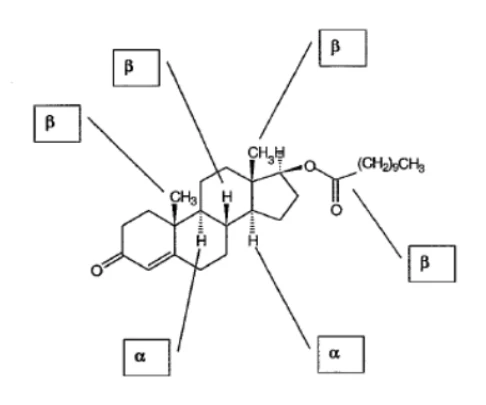
PART II: SCIENTIFIC INFORMATION
PHARMACEUTICAL INFORMATION
Drug Substance
Proper name: Testosterone undecanoate
Chemical name: 17 beta-undecanoyloxy-androst-4-en-3-one
Molecular formula: C30H48O3
Molecular mass: 456.7 g/mol
Structural formula:
Physicochemical properties
Melting point: 63°C
Solubility: Insoluble in water
Description: Testosterone undecanoate is a creamy white crystalline powder.
CLINICAL TRIALS
Comparative Bioavailability Studies
Single dose crossover comparative bioavailability study of pms-TESTOSTERONE 40 mg Capsules, was performed versus Organon Canada Ltd.’s ANDRIOL®, administered as 2 x 40 mg capsules in 37 healthy male volunteers / fed state. Bioavailability data were measured and the results are summarized in the following table:
SUMMARY TABLE OF THE COMPARATIVE BIOAVAILABILITY DATA
Testosterone undecanoate (2 x 40 mg capsule, Fed) From measured data uncorrected for potency Geometric Mean Arithmetic Mean (CV%) | ||||
| Parameter | Test* | Reference† | % Ratio of Geometric Means | 90% Confidence Interval |
AUCT (ng·h/mL) | 388.752 417.149 (37.7) | 438.318 482.382 (44.9) | 88.69 | 82.25-95.64 |
AUCI (ng·h/mL) | 395.113 422.561 (37.7) | 437.657 474.580 (42.1) | 90.28 | 83.27-97.88 |
Cmax (ng/mL) | 161.201 182.670 (50.0) | 158.579 190.296 (68.4) | 101.65 | 90.63-114.02 |
Tmax§ (h) | 6.00 (1.00-12.00) | 5.67 (1.00-12.00) | ||
T½€ (h) | 0.97 (35.6) | 1.03 (55.4) | ||
* Cpms-TESTOSTERONE, Pharmascience Inc., Montreal, Quebec, Canada † Andriol®, Organon Canada Ltd/Ltee, Brampton, Ontario, Canada § Expressed as the median (range) only
€ Expressed as the arithmetic mean (CV%) only
Study results
Testosterone undecanoate dissolved in a mixture of castor oil and propylene glycol monolaurate has been found to exhibit comparable testosterone bioavailability to testosterone undecanoate in oleic acid.
Testosterone undecanoate capsules were used in several studies in an elderly male population. In an independent study reported in the literature testosterone undecanoate was used to treat 23 patients 30 to 72 years old (56±13), including 20 men with hypogonadism and 3 with surgical agonadism. Treatment consisted of daily administration of 120 mg. testosterone undecanoate given orally (40 mg every 8 hours) for no less than 2 months. Testosterone undecanoate produced restoration of plasma testosterone levels in all patients.9
In an independent study reported in the literature, 207 hypogonadal men, aged 40-83 years were treated for 6 months with testosterone undecanoate (80 mg/day if total testosterone > 13 nmol/L and 120 mg if total testosterone < 13 nmol/L. It was shown that testosterone undecanoate decreased in most subjects the levels of LH, prostate volume, PSA and lower urinary tract symptom scores.11
In an independent study reported in literature testosterone undecanoate in a dose of 80-200 mg/day has been proven to be a safe way of treating androgen deficiency in a long-term study involving 35 men receiving testosterone undecanoate for 120 months. Preliminary evidence suggests that it does not affect liver function nor induce benign prostatic hypertrophy (BPH) (Table 3).5
Table 3: Liver function tests in 33 men taking 80-200 mg oral testosterone undecanoate (TU)/day in a 120 month follow-up study.
Of the eight men over 50 years of age at the start of the treatment, urine flow was also measured. Values are the mean + SD.
| Reference | |||||||||||
| Parameter | Months after start of TU | ||||||||||
| Range | |||||||||||
| 12 | 24 | 36 | 48 | 60 | 72 | 84 | 96 | 108 | 120 | ||
| Bilirubin (mcmol/L) | <9 | <9 | <9 | <9 | <9 | <9 | <9 | <9 | <9 | <9 | <9 |
| Alkaline phosphatase (U/L) | <100 | 75±12 | 74±13 | 78±11 | 71±14 | 75±13 | 74±13 | 75±13 | 76±15 | 75±12 | 74±13 |
| y-glutamyltransferase (U/L) | <30 | 15±4 | 18±4 | 13±7 | 15±6 | 13±7 | 16±6 | 17±5 | 15±6 | 16±5 | 17±6 |
| SGOT (AST) (U/L) | 5-15 | 8±2 | 8±3 | 9±3 | 10±3 | 9±2 | 8±3 | 10±4 | 9±3 | 9±3 | 8±4 |
| SGPT (ALT) (U/L) | 5-15 | 9±2 | 10±2 | 9±3 | 9±3 | 10±2 | 9±3 | 9±3 | 10±4 | 9±3 | 10±4 |
| LDH (U/L) | <175 | 118±20 | 112±21 | 115±27 | 128±21 | 125±22 | 110±23 | 124±2 6 | 119±24 | 127±31 | 116±30 |
| a-foetoprotein (pg/L) | <50 | <50 | <50 | <50 | <50 | <50 | <50 | <50 | <50 | <50 | <50 |
| Thrombotest (sec) | 44-55 | 47±1.2 | 46±1.5 | 46±1.6 | 46±1.6 | 46±1.5 | 47±1.5 | 46±1.9 | 47±1.2 | 46±1.4 | 47±1.5 |
| Kaolin-cephalin (sec) | 46-50 | 48±1.2 | 46±1.4 | 46±1.4 | 46±1.5 | 46±1.4 | 47±1.4 | 48±1.2 | 48±1.4 | 48±1.7 | 48±1.4 |
| Acid phosphatase (U/L) | <10 | <10 | <10 | <10 | <10 | <10 | <10 | <10 | <10 | <10 | <10 |
| Testosterone (T) (nmol/L) | 8-24 | 5.4±1.9 | 6.0±2.0 | 6.1±1.8 | 5.9±1.7 | 6.5±1. 9 | 6.7±1.8 | 6.5±1.4 | |||
Dihydrotestosterone (DHT) (nmoL) | 0.8-2.5 | 3.5±1.2 | 3.4±1.3 | 3.2±1.4 | 3.3±1.3 | ||||||
| 17β-estradiol (E2) (pmol/L) | 40-120 | 122±37 | 135±40 | 121±42 | 136±48 | 137±3 2 | 126±29 | 141±35 | |||
| Ratio T/DHT | 8-12 | 1.6±0.7 | 1.8±0.8 | 1.9±0.8 | 1.7±0.8 | 1.9±0. 8 | 2.0±0.8 | 2.0±0.7 | |||
| Urine flow (mL/Second) | 15-25 | 18±4 | 20±5 | 19±5 | 18±4 | 19±5 | 20±4 | 20± 4 | 20±5 | 21±4 | 19±6 |
DETAILED PHARMACOLOGY
Human Pharmacology
In healthy men, daily oral doses of 160 mg/day for 14 days did not suppress plasma FSH and LH levels nor pituitary responsiveness to stimulation by LHRH.
In hypergonadotropic hypogonadal patients, testosterone undecanoate administration resulted in normalization of pituitary function, with FSH and LH being significantly reduced by testosterone undecanoate.
In hypogonadotropic hypogonadal patients, mean FSH and LH levels and pituitary responsiveness tended towards normalization (Figure 1 & 2, Table 4).4
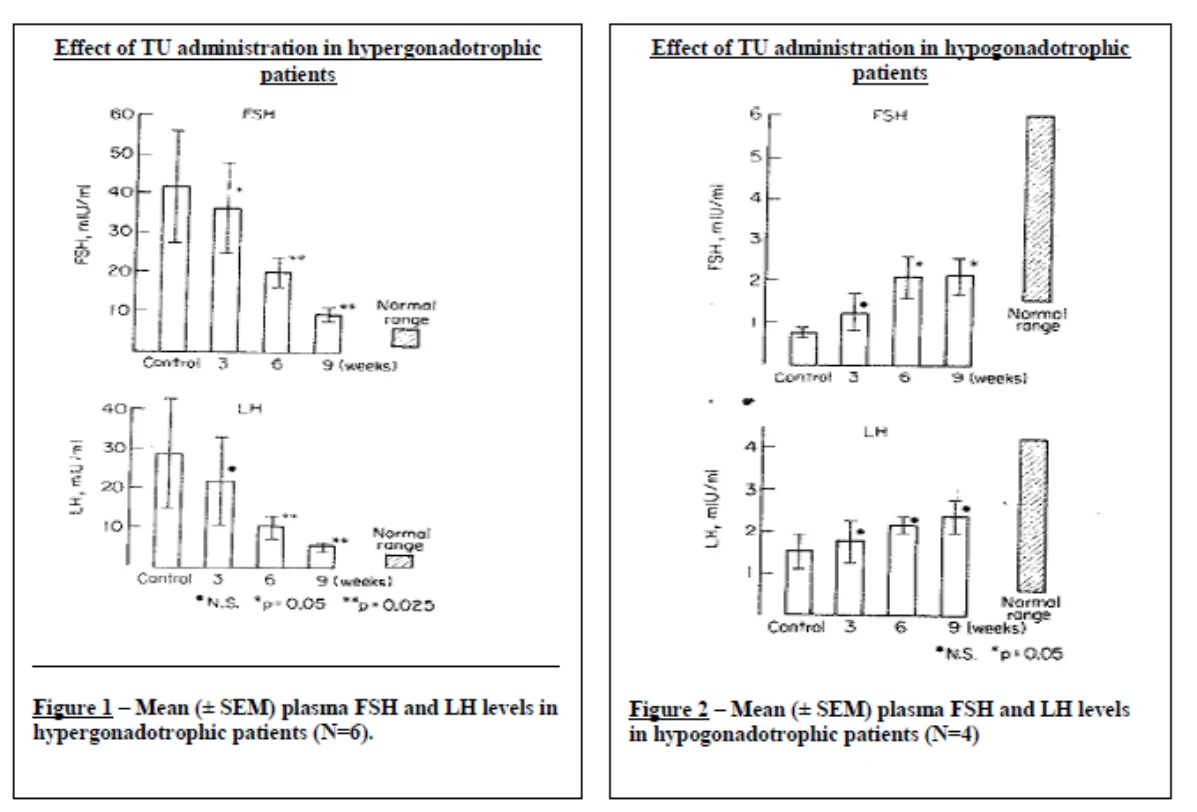
Table 4: LH and FSH cumulative responses to 25 mcg of LHRH IV in hypergonadotrophic (mean value and range) and hypogonadotrophic (individual values) hypogonadal patients
LH, mIU/90 min FSH, mIU/90 min Subjects Pretreatment At 9 Weeks Pretreatment At 9 Weeks
Hypergonadotrophic
hypogonadal (N=4)
3947
(907-4551)
1282
(571-1938)
2684 (948-3817)
436
(205-1040)
Hypogonadotrophic
hypogonadal (N=2)
114
96
267
233
93
122
112
178
Normal males
(mean + SD: N = 16)*
410±65 89±37
*Franchimont et al (1975a)
Peak serum levels can occur between 1 and 8 hours after oral ingestion of testosterone undecanoate. In eugonadal men a doubling of plasma testosterone concentrations occurred 4-5 hours after ingestion with a return to basal levels after approximately 10 hours. In general, the mean level of plasma testosterone appears to rise more slowly than that of 5-alphadihydrotestosterone and androstenedione in hypogonadal patients. The relatively slow increase in testosterone concentrations may be due to an increased testosterone clearance rate. Decreased SHBG concentrations and consequent decreased protein binding of testosterone has been observed which accounts for the increased levels of free and biologically active testosterone.
It is metabolized partly in the intestinal wall into 5-alpha-dihydrotestosterone undecanoate (DHTU) and in plasma and tissues TU is hydrolyzed to free testosterone and DHTU to DHT. Free testosterone is rapidly converted to 5-alpha-dihydrotestosterone, androstenedione and estradiol (Table 5).12
Table 5: Effect of TU administration on plasma hormone levels of hypogonadal men suffering from Klinefelter syndrome. Comparison of TU and a placebo16
Plasma T, 5a-DHT and SHBG levels
plasma hormone
no
treatment
mean (SD)
placebo
mean (SD)
TU
1st month mean (SD)
TU
2nd month mean (SD)
Testosterone (PG/ML) 3071 (882) 2976 (732) 3777 (1540) 3558 (717)
DHT (pg/mL) 361 (47) 375 (69) 1083* (314) 1042** (223) Oestradiol (pg/mL) 49.6 (22.1) 31.1 (6.4) 46.5 (31.6) 38.3* (6.2) SHBG (nmol/T) 3.26 (0.69) 2.7 (0.7) 1.68* (0.5) 1.72** (0.6) LH (U/T) 32.0 (6.2) 32.8 (12.2) 23.9 (7.4) 23.0** (11.2) FSH (U/T) 39.5 (4.6) 39.9 (6.9) 35.4* (6.3) 29.6* (12.52) * p< 0.05 ** p< 0.01
After administration of tritium-labelled testosterone undecanoate to healthy volunteers and hypogonadal men, approximately 85% of the radioactivity was excreted in 4 days, 70% in urine and 15% in faeces. The principal urinary metabolites were androserone and etiocholanolone. 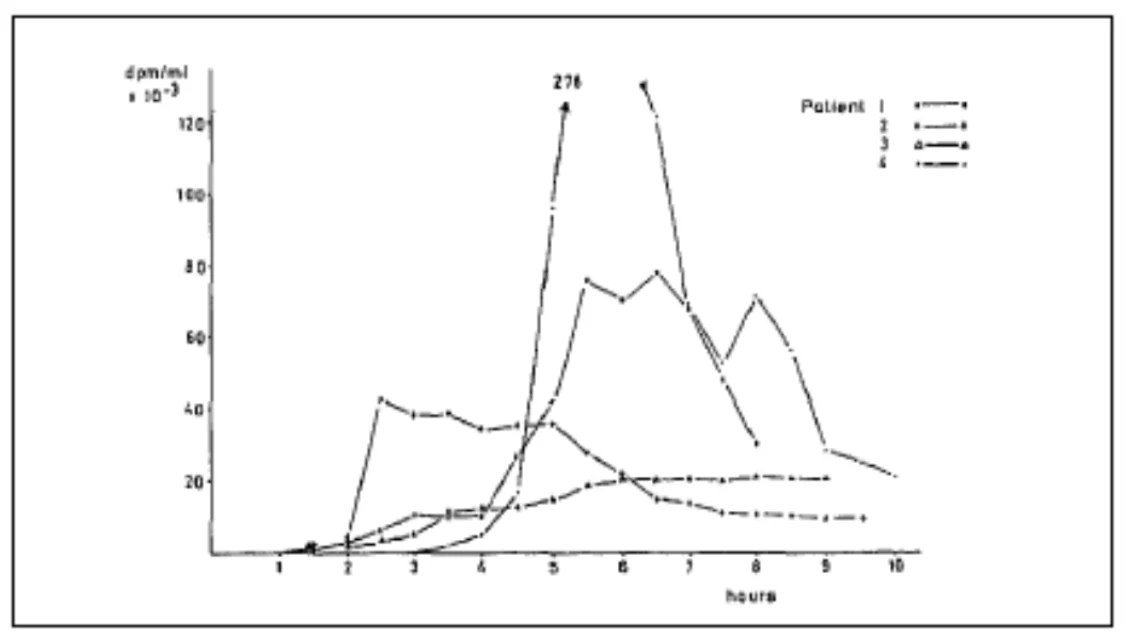
Testosterone and 5-beta-androstane-3alpha-17-beta-diol were also found. The relative quantities were similar to those found after intravenous administration of testosterone.
The highest concentration of radioactivity in urine was found 2 hours later. During the first 24 hours approximately 40% of the administered dose was found in urine and the total recovery of the dose urine during the first week was 45-48% (Figure 3).6
Figure 3
Appearance of radioactivity in lymph after oral application of [3H]-TU dissolved in arachis oil. Lymph samples were collected every 30 min by means of a ductus thoracicus catheter. Patients 1 and 2 received the radioactive compound only via a stomach tube, patient 3 in addition got 100 mg of unlabeled TU. Patient 4 swallowed 10 gelatin capsules which contained the same amounts of labeled and unlabelled TU as received by patient 3.
Taking testosterone undecanoate capsules with food significantly enhances the bioavailability of testosterone relative to the fasted state. Therefore, testosterone undecanoate must be taken with a meal (Figure 4).1
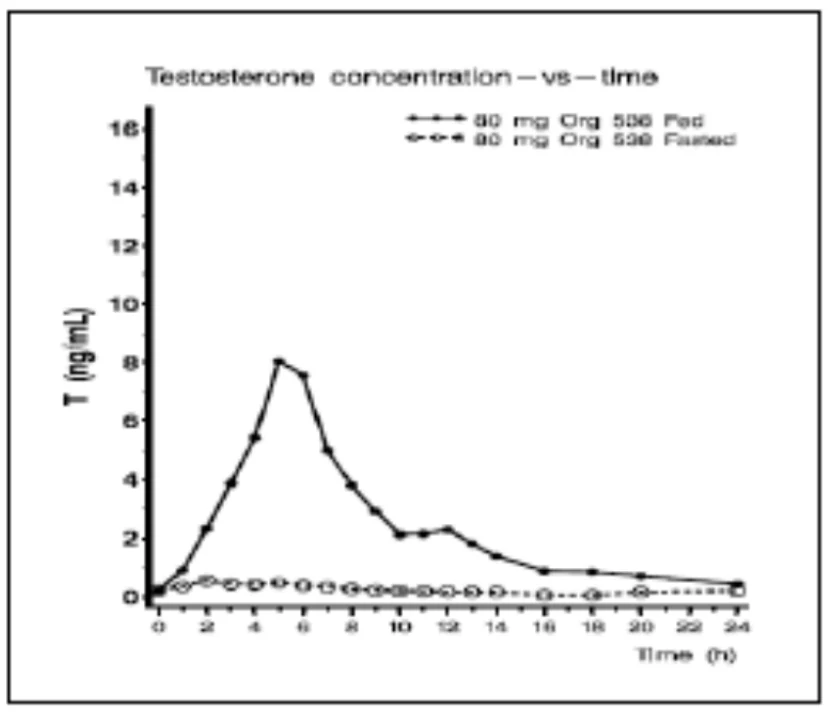
Figure 4: Mean Concentration of Testosterone versus Time Curves By Treatment
Animal Pharmacology
In vitro and in vivo studies in rats indicated that testosterone undecanoate is not metabolized by gastric juices and is only slightly metabolized in the intestinal lumen. Studies also showed that testosterone undecanoate is metabolized to a lesser extent in the wall of the intestines during absorption than testosterone. Polar metabolites without the undecanoate side chain are absorbed via the portal vein and unchanged testosterone undecanoate and the main metabolite, 5-alpha-dihydrotestosterone undecanoate are absorbed by way of the intestinal lymphatic system. It was found that testosterone undecanoate and 5-alpha-dihydrotestosterone undecanoate were present in plasma chylomicrons, absorbed by the lymphatic system and transported to the peripheral circulation. In this way, testosterone undecanoate does not undergo first-pass inactivation by the liver.
A thoracic lymph duct-cannulated dog model using stable isotope methodology has provided further proof for the lymphatic transport of TU after postprandial administration. When administered orally, lymphatically transported TU accounted for between 91.5% and 99.7% of the systemically available ester. Model-independent pharmacokinetic analysis indicated that 84.1±8.2% of the systemically available testosterone, resulting from testosterone undecanoate, was derived from systemic hydrolysis of lymphatically transported TU. These data demonstrate that intestinal lymphatic transport of TU results in increased systemic exposure of testosterone by avoiding the extensive first-pass effect. This also explains why the bioavailability is much less when TU is given in the absence of food than when given in the presence of food.12
TOXICOLOGY
Acute Toxicity
LD50 mg/kg
oral subcutaneous
mice 4,000 2,880
rat 4,000 2,880
Repeated-dose studies
In rats given orally up to 80 mg/kg/day, of testosterone undecanoate capsules dissolved in oleic acid for 52 weeks, only systemic effects were seen that were attributable, directly or indirectly, to the known normal profile of androgens. These included:
- increased food consumption and body weight gain in females
- increased values relating to the red blood cell parameters in females
- increased kidney and prostate weights
- decreased pituitary, adrenal, testicular, epididymal and ovarian weights
- inhibition of spermatogenesis and ovarian activity
- increased uterine activity
- increased alkaline phosphatase values and increased hepatic weight in females
In dogs administered up to 80mg/kg/day orally for 52 weeks, similar reversible hormonal changes occurred, except for increases in kidney and testicular weights. Kidney weight remained high during an 11-week period of withdrawal and spermatogenesis remained reduced in this group of dogs.
Although not observed at 26 weeks, a reversible increase in prostatic weight occurred by 52 weeks of drug administration.
Mutagenicity
Testosterone undecanoate was found to have no mutagenic activity in either the Ames Salmonella or rat micronuclease tests.
Carcinogenicity
Carcinogenicity testing of testosterone propionate in mice and rats by subcutaneous implantation has produced cervical-uterine tumours in female mice and prostatic adenocarcinomas in male rats. Hyperplastic epithelial lesions of the genital tract and an increased incidence of mammary tumours have resulted from neonatal treatment of female mice by subcutaneous injection of testosterone. 5-beta-dihydrotestosterone also increased the incidence of mammary tumours in mice when given neonatally by s.c. injection.
Reproductive Toxicity
Sexually mature male rats were given 5, 20 or 80 mg/kg/day of testosterone undecanoate or placebo orally for 9 weeks prior to and for 2 weeks during mating with untreated females. The first generation (F0) males were subjected to further matings 3, 10 and 14 weeks after cessation of treatment. Half the females were examined after 20 days of gestation while the remainder continued to term and reared their young to 28 days of age. Second generation (F1) males and females were selected and mating performance and fertility evaluated.
At a dose of 80 mg/kg/day impaired fertility occurred and increased pre-implantation loss (reduced litter size) in females mated with treated rats was recorded. This effect appeared to be reversible. With the exception of a reduced post-weaning body weight of male progeny derived from the final mating, growth, development and fertility of offspring were similar in all groups. Autopsy of F0 males 18 weeks after cessation of 80 mg/kg/day testosterone undecanoate revealed a significant reduction in both absolute and relative testicular weights.
Rabbit Liver Function
Rabbits were administered either placebo, testosterone undecanoate or methyltestosterone at a dose of 10 mg/day for 10 days and liver function assessed by evaluating sulphobromophthalein (BSP) clearance and plasma SGOT and SGPT activity. Testosterone undecanoate did not adversely affect liver function (Table 6).
Table 6: Effects of orally Administered Testosterone Undecanoate (TU) and methyltestosterone (Met) (10 mg/kg/day for 10 days) in Liver Function Test in Rabbits (mean + SE)
| BSP (10 mcg/mL plasma) | |||||
5 Minutes+ | 10 Minutes+ | 20 Minutes+ | SGOT (Karmen Units/mL) | SGPT (Karmen Units/mL) | |
| Control (placebo tablets) | 81 + 12 | 33 + 5 | 9 + 1 | 10 + 1 | 24 + 2 |
| TU | 106 + 9 | 35 + 5 | 7 + 1 | 11 + 1 | 25 + 3 |
| Met | 161 + 25* | 76 + 13* | 19 + 4* | 52 + 9* | 60 + 13* |
BSP: Sulphobromophthalein
SGOT: serum glutamic oxaloacetic transaminase SGPT: serum glutamic pyruvic transaminase +: after administration of BSP (15 mg/kg) *: statistically significant
REFERENCES
- 1. Bagchus WM, Hust R, Maris F, Schnabel PG, Houwing NS. Important Effect of Food on the Bioavailability of Oral Testosterone Undecanoate. Pharmacotherapy 2003;23:319-325.
- 2.
Bhasin S, Cunningham GR, Hayes FJ, Matsumoto AM, Snyder PJ, Swerdloff RS et al.
Testosterone therapy in adult men with androgen deficiency syndromes: An endocrine society clinical practice guideline. J Clin Endocrinol Metab 2006;91(6):1995-2010.
- 3.
Donovan JL, DeVane CL, Lewis JG, Wang J, Ruan Y, Chavin KD, Markowitz JS. (2005)
Effects of St John’s Wort (Hypericum perforatum L.) extract on plasma androgen concentrations in healthy men and women: A pilot study. Phytotherapy Research 19:901.
- 4. Franchimont, P., Kicovic, P.M., Mattei, A. and Roulier, R. Effects of oral testosterone undecanoate in hypogonadal male patients. Clin Endocrinol 1978; 9:313-320.
- 5.
Gooren LJG. A ten-year safety study of the oral androgen testosterone undecanoate. J
Androl 1994; 15:212–225.
- 6. Horst, H.J., Holtje, W.J., Dennis, M., Coert, A. Geelan, J. and Voigt, K.D. Lymphatic absorption and metabolism of orally administered testosterone undecanoate in man. Klin Woch 1976; 54:875-879.
- 7.
IARC Monographs on the evaluation of the carcinogenic risk of chemicals in humans.
1979; 21:519-547.
- 8. Medras M, Filus A, Jozkow P, Winowski J, Sicinska-Werner T. (2006) Breast cancer and long-term hormonal treatment of male hypogonadism. Breast Cancer Research and Treatment 96:263-265.
- 9. Morales, A and Lunefeld, B. Investigation, treatment, and monitoring of late-onset hypogonadism in males. The Aging Male 2002; 5: 74-86.
- 10. Nieschlag et. al. Investigation, treatment and monitoring of late-onset hypogonadism in males: ISA ISSAM, and EAU recommendations. International Journal of Andrology, 2005; 28:125-127.
- 11. Perchersky, A.V. et al. Androgen administration in middle-aged and ageing men: effects of oral testosterone undecanoate on dihydrotestosterone, oestradiol and prostate volume. Int. Journal of Andrology 2002, 25:119-125.
- 12.
Shakleford, DM et al. Contribution of Lymphatically Transported Testosterone
Undecanoate to the Systemic Exposure of Testosterone after Oral Administration of Two Andriol® Formulations in Conscious Lymph Duct-Cannulated Dogs. JPET 2003; Vol. 306: 925-933.
- 13.
Shenfield Gillian M, Griffin Judit m. Clinical Pharmacokinetics of Contraceptive Steroids
An Update. Clin. Pharmacokinet.1991, 20(1): 15-37.
- 14. Skakkebaek, N.E., Bancroft, J., Davidson, D.W. and Warner, P. Androgen replacement with oral testosterone undecanoate in hypogonadal men: a double-blind controlled study. Clin endocrinol 1981; 14:49-61.
- 15.
Uyanik, B.S. et al. Beneficial Effects of Testosterone Undecanoate on the Lipoprotein
Profiles in Healthy Elderly Men. Department of Biochemistry and Urology. 1996:73-82.
- 16. Wu, F.C.W., Bancroft, J., Davidson, D.W. and Nicol, K. The behavioural effects of testosterone undecanoate in adult men with Klinefelter's Syndrome. Clin Endocrinol 1982; 16:489-497.
- 17.
CANDRIOL® Product Monograph (Merck Canada Inc.) Revision date: November 10, 2017;
Control Number: 207863.