


Product Monograph - Testim 1%
SUMMARY PRODUCT INFORMATION
| Route of Administration | Dosage Form / Strength | Clinically Relevant Nonmedicinal Ingredients |
|---|---|---|
| Topical | Gel 1% | Ethyl alcohol For a complete listing see Dosage Forms, Composition and Packaging section. |
INDICATIONS AND CLINICAL USE
Testim® 1% (testosterone gel) is indicated for testosterone replacement therapy in adult males for conditions associated with a deficiency or absence of endogenous testosterone.
Testim® 1% (testosterone gel) should not be used to treat non-specific symptoms suggestive of hypogonadism if testosterone deficiency has not been demonstrated and if other etiologies responsible for the symptoms have not been excluded. Testosterone deficiency should be clearly demonstrated by clinical features and confirmed by two separate validated biochemical assays (morning testosterone) before initiating therapy with any testosterone replacement, including Testim® 1% treatment.
Geriatrics (> 65 years of age):
There are limited controlled clinical study data supporting the use of Testim® 1% in the geriatric population (see WARNINGS AND PRECAUTIONS and CLINICAL TRIALS).
Pediatrics (< 18 years of age):
Testim® 1% is not indicated for use in children < 18 years of age since safety and efficacy have not been established in this patient population (see WARNINGS AND PRECAUTIONS – Special Populations).
CONTRAINDICATIONS
- Testim® 1% is not indicated for use in women.
- Pregnant and nursing women should avoid skin contact with Testim® 1% application sites on men. Testosterone may cause fetal harm. Testosterone exposure during pregnancy has been reported to be associated with fetal abnormalities (see WARNINGS AND PRECAUTIONS – Potential for Secondary Exposure to Testosterone and Special Populations). In the event that unwashed or unclothed skin to which Testim® 1% has been applied or clothing exposed to Testim® 1% comes in direct contact with the skin of a pregnant or nursing woman, the general area of contact on the woman should be immediately washed with soap and water.
- Androgens are contraindicated in men with known or suspected carcinoma of the prostate or breast.
Testim® 1% should not be used in patients with known hypersensitivity to any of its ingredients, including testosterone that is chemically synthesized from soy. For a complete
- listing, see the Dosage Forms, Composition and Packaging section of the product monograph.
WARNINGS AND PRECAUTIONS
SECONDARY EXPOSURE TO TESTOSTERONE
- Virilization has been reported in children who were secondarily exposed to testosterone gel, including Testim® 1%.
- Children should avoid contact with unwashed or unclothed application sites in men using Testim® 1%.
- Healthcare providers should advise patients to strictly adhere to recommended instructions for use.
(See WARNINGS, Potential for Secondary Exposure to Testosterone. Strict adherence to the following precautions is advised in order to minimize the potential for secondary exposure to testosterone from skin treated with Testim® 1%).
Potential for Secondary Exposure to Testosterone
Secondary exposure to testosterone in children and women can occur with testosterone gel use in men. Cases of secondary exposure resulting in virilization of children have been reported in postmarketing surveillance of testosterone-containing gel products.
Signs and symptoms have included enlargement of the penis or clitoris, development of pubic hair, increased erections and libido, aggressive behavior, and advanced bone age. In most cases, these signs and symptoms regressed with removal of the exposure to testosterone. In a few cases, however, enlarged genitalia did not fully return to age- appropriate normal size, and bone age remained modestly greater than chronological age. The risk of transfer was increased in some of these cases by not adhering to precautions for the appropriate use of the testosterone gel product.
Inappropriate changes in genital size or development of pubic hair or libido in children, or changes in body hair distribution, significant increase in acne, or other signs of virilization in adult women should be brought to the attention of a physician, and the possibility of secondary exposure to testosterone gel should also be brought to the attention of a physician. Testosterone gel should be promptly discontinued until the cause of virilization has been identified.
Strict adherence to the following precautions is advised in order to minimize the potential for secondary exposure to testosterone from Testim® 1% treated skin:
- Children and women should avoid contact with Testim® 1% application sites on the skin of men using Testim® 1%.
- Testim® 1% should only be applied to the shoulders and/or upper arms (area of application should be limited to the area that will be covered by the patient's short sleeve t-shirt).
- Patients should wash their hands thoroughly and immediately with soap and water after application of Testim® 1%. Topically applied testosterone can be removed from the skin surface by thorough washing with soap and water.
- Patients should cover the application site(s) with clothing (e.g., a shirt) after the gel has dried.
- Direct skin-to-skin contact should be avoided immediately following administration of a topical testosterone product. Prior to any situation in which skin-to-skin contact is anticipated, patients should wash the application site(s) thoroughly with soap and water to remove any testosterone residue.
- In the event that unwashed or unclothed skin to which Testim® 1% has been applied or the testosterone gel user’s shirts and/or other fabrics (such as towels and sheets) comes in direct contact with the skin of another person, the general area of contact on the other person should be washed with soap and water as soon as possible. Studies show that residual testosterone is removed from the skin surface by washing with soap and water.
General
There is very limited data from clinical trials with Testim® 1% in the geriatric male (> 65 years of age) to support the efficacy and safety of prolonged use. Impacts to prostate and cardiovascular event rates and patient important outcomes are unknown.1
If testosterone deficiency has not been established, testosterone replacement therapy should not be used to attempt to improve body composition, bone and muscle mass, increase lean body mass and decrease total fat mass. Efficacy and safety have not been established. Serious long term deleterious health issues may arise.
Testosterone replacement therapy has not been shown to be safe and effective for the enhancement of athletic performance. Because of the potential risk of serious adverse health effects, this drug should not be used for such purpose.
If testosterone deficiency has not been established, testosterone replacement therapy should not be used for the treatment of sexual dysfunction.
Testosterone replacement therapy is not a treatment for male infertility.
Gels are flammable. Following application of Testim® 1% allow gel to dry completely before smoking or going near an open flame.
Special Populations
Pregnant Women and Nursing Women:
Pregnant and nursing women should avoid skin contact with Testim® 1% application sites on men. Testosterone may cause fetal harm. Testosterone exposure during pregnancy has been reported to be associated with fetal abnormalities. In the event that unwashed or unclothed skin to which Testim® 1% has been applied or clothing exposed to Testim® 1% comes in direct contact with the skin of a pregnant or nursing woman, the general area of contact on the woman should be immediately washed with soap and water (see CONTRAINDICATIONS).
Pediatrics (< 18 years old):
Testim® 1% is not indicated for use in children < 18 years of age since the safety and efficacy has not been established in this patient population.
Androgen therapy should be used cautiously in males with hypogonadism causing delayed puberty. Androgens can accelerate bone maturation without producing compensatory gain in linear growth. This adverse effect may result in compromised adult stature. The younger the child is the greater risk of compromising final mature height.
The effect of androgens on bone maturation should be monitored closely by assessing bone age of the wrist and hand on a regular basis.
Geriatrics (> 65 years of age):
There are very limited controlled clinical study data supporting the use of testosterone in the geriatric population and virtually no controlled clinical studies on subjects 75 years and over.
Geriatric patients treated with androgens may be at an increased risk for the development of prostatic hyperplasia and prostatic carcinoma.
Men with benign prostatic hyperplasia (BPH) treated with androgens are at an increased risk for worsening of BPH.
Geriatric patients and other patients with clinical or demographic characteristics that are recognized to be associated with an increased risk of prostate cancer should be evaluated for the presence of prostate cancer prior to initiation of testosterone replacement therapy. In men receiving testosterone replacement therapy, surveillance for prostate cancer should be consistent with current practices for eugonadal men (see WARNINGS AND PRECAUTIONS, Carcinogenesis).
Carcinogenesis
Prostatic
Geriatric patients treated with androgens may be at an increased risk for the development of prostatic hyperplasia and prostatic carcinoma (see Special Populations – Geriatrics).
Breast
Patients using long-term androgen therapy may be at an increased risk for the development of breast cancer.2
Hepatic
Prolonged use of high doses of orally active 17-alpha-alkyl androgens (e.g., methyltestosterone) has been associated with serious hepatic adverse effects (peliosis hepatis, hepatic neoplasms, cholestatic hepatitis, and jaundice). Peliosis hepatis can be a life-threatening or fatal complication. Long-term therapy with testosterone enanthate, which elevates blood levels for prolonged periods, has produced multiple hepatic adenomas. Testim® 1% is not known to produce these adverse effects.
Skeletal
Patients with skeletal metastases are at a risk of exacerbating hypercalcemia/hypercalciuria with concomitant androgen therapy.
Cardiovascular
Testosterone may increase blood pressure and should be used with caution in patients with hypertension.
Edema, with or without congestive heart failure, may be a serious complication in patients with pre-existing cardiac, renal, or hepatic disease. Diuretic therapy may be required, in addition to discontinuation of the drug.
Post-market studies suggest increased risk of serious cardiovascular events such as myocardial infarction and stroke associated with testosterone therapy. Before starting testosterone therapy, patients should be assessed for any cardiovascular risk factors (e.g., existing ischaemic heart disease) or prior history of cardiovascular events (e.g., myocardial infarction, stroke, or heart failure). Patients should also be closely monitored for possible serious cardiovascular events while on testosterone therapy.
Dependence/Tolerance
Testim® 1% contains testosterone, a Schedule G controlled substance as defined by the Food and Drugs Act.
Endocrine and Metabolism
Androgens have been shown to alter glucose tolerance tests. Diabetics should be followed carefully and the insulin or oral hypoglycemic dosage adjusted accordingly (see Drug-Drug Interactions).
Hypercalciuria/hypercalcemia (caused by malignant tumors) may be exacerbated by androgen treatment. Androgens should be used with caution in cancer patients at risk of hypercalcemia (and associated hypercalciuria). Regular monitoring of serum calcium concentrations is recommended in patients at risk of hypercalciuria/hypercalcemia.
Hematologic
Hemoglobin and hematocrit levels should be checked periodically (to detect polycythemia) in patients on long-term androgen therapy (see Monitoring and Laboratory Tests).
Alkylated derivatives of testosterone such as methandrostenolone, have been reported to decrease the anticoagulant requirement of patients receiving oral anticoagulants (e.g. warfarin). Patients receiving oral anticoagulants therapy require close monitoring, especially when androgens are started or stopped (see Drug-Drug Interactions).
Respiratory
The treatment of hypogonadal men with testosterone may potentiate sleep apnea, particularly for those with risk factors such as obesity or chronic lung diseases.
Sexual Function/Reproduction
Gynecomastia may develop and occasionally persist in patients being treated for hypogonadism.
Priapism or excessive sexual stimulation may develop.
Oligospermia may occur after prolonged administration or excessive dosage.
Skin
Changes in body hair distribution, significant increase in acne, or other signs of virilization of the female partner or in any person (including children) exposed to skin-to- skin contact, should be brought to the attention of a physician.
Application site reactions associated with the use of transdermal testosterone may manifest as a skin irritation.
Monitoring and Laboratory Tests
The patient should be monitored (including serum testosterone levels) on a regular basis to ensure adequate response to treatment.
Currently there is no consensus about age specific testosterone levels. The normal serum testosterone level for young eugonadal men is generally accepted to be approximately 10.4 - 34.6 nmol/L (300-1000 ng/dL). However, it should be taken into account that physiologically testosterone levels (mean and range) decrease with increasing age.
The following laboratory tests, performed routinely, are recommended to ensure that adverse experience is detected and addressed;
- hemoglobin and hematocrit levels should be checked periodically (to detect polycythemia);
- liver function tests; to detect hepatoxicity associated with the use of 17-alpha- alkylated androgens (e.g. methyltestosterone);
- prostate specific antigen (PSA), Digital Rectal Examination (DRE), especially if the patient presents with progressive difficulty with urination or a change in voiding habits;
- lipid profile, total cholesterol, LDL, HDL, and triglycerides;
- diabetics should be followed carefully and the insulin or oral hypoglycemic dosage adjusted accordingly (see Drug-Drug Interactions).
ADVERSE REACTIONS
Adverse Drug Reaction Overview
Table 1: Incidence of Adverse Events Most Commonly Reported
| Adverse Drug Event | % Incidence |
|---|---|
| Application Site Erythema | 4.1% |
| Increased PSA | 4.3% |
| Increased Hematocrit | 3.9% |
| Increased Hemoglobin | 3.7% |
Clinical Trial Adverse Drug Reactions
Because clinical trials are conducted under very specific conditions the adverse reaction rates observed in the clinical trials may not reflect the rates observed in practice and should not be compared to the rates in the clinical trials of another drug. Adverse drug reaction information from clinical trials is useful for identifying drug-related adverse events and for approximating rates.
Safety Profile After Short Term Exposure to Testim® 1%:
Two randomized controlled clinical studies of 90 days duration were conducted. In one clinical trial, hypogonadal patients were treated with either Testim® 1% 50 mg or 100 mg, testosterone patch or placebo gel. In the second clinical trial, hypogonadal patients were treated with either Testim® 1% 50 mg or 100 mg or testosterone patch. Patients experiencing adverse events that were possibly related to the Testim® 1% that occurred in ≥ 1% of the patients in the Testim® 1% groups and with greater incidence than in the placebo group in both controlled clinical trials are presented in Table 2 below.
Table 2: Double-Blind Phase III Studies: Summary of the Most Frequently Reported Adverse Events (≥ 1% of Subjects) Judged Possibly or Probably Related to Testim® 1% by the Investigator
| Body/Organ System MedDRA Preferred Term | Testim® 1% 50 mg (n=171) | Testim® 1% 100 mg (n=221) | Placebo (n=99) |
|---|---|---|---|
| Body/Organ System MedDRA Preferred Term | Testim® 1% 50 mg (n=171) | Testim® 1% 100 mg (n=221) | Placebo (n=99) |
| General Disorders/Administration Site Disorders | |||
| Application Site Erythema | 1.2% | 2.3% | 2.0% |
| Application Site Irritation | 1.2% | 0.5% | 0% |
| ASR NOS | 1.8% | 0.9% | 1.0% |
| Nervous System Disorders | |||
| Headache NOS | 1.2% | 0.5% | 0% |
| Insomnia | 1.2% | 0% | 0% |
| ASR-application site reaction; NOS-not otherwise specified | |||
Safety Profile After Long Term Exposure to Testim® 1%:
An extended use program was additionally conducted in order to provide additional safety and efficacy data. Two open label, longer-term studies involved patients who had completed the randomized, controlled 90 day Phase III studies and provide additional data for up to a further 12 months of treatment.
A summary of the most frequently reported (≥ 1% of total) adverse events judged possibly or probably related to Testim® 1% by the investigator for all Testim® 1% treated subjects for a period up to 15 months is provided in Table 3 below.
Table 3: Summary of the Most Frequently Reported (≥ 1% of Total) Treatment Emergent Adverse Events Judged Possibly or Probably Related to Testim® 1%
| Body/Organ System MedDRA Preferred Term | Testim® 1% 50 mg (n=443) | Testim® 1% 100 mg (n=395) | Total (n=517) | |||
|---|---|---|---|---|---|---|
| General Disorders/Administration Site Disorders | ||||||
| Application Site Erythema | 2.5% | 3.0% | 4.1% | |||
| Application Site Rash | 0.5% | 1.8% | 1.7% | |||
| Application Site Reaction NOS | 0.7% | 0.5% | 1.0% | |||
| Investigations | ||||||
| PSA Increased | 2.0% | 3.5% | 4.3% | |||
| Hematocrit Increased | 0.7% | 4.3% | 3.9% | |||
| Hemoglobin Increased | 0.2% | 4.6% | 3.7% | |||
| Red Blood Cell Count Increased | 0.2% | 1.3% | 1.2% | |||
| Reproductive System and Breast Disorders | ||||||
| Benign Prostatic Hyperplasia | 0.2% | 1.3% | 1.2% | |||
| Skin and Subcutaneous Tissue Disorders | ||||||
| Acne NOS | 0.5% | 1.5% | 1.4% | |||
| Vascular Disorders | ||||||
| Hypertension Aggravated | 0.2% | 1.3% | 1.2% | |||
| NOS-not otherwise specified PSA-prostate specific antigen | ||||||
A total of 517 subjects participated in the Phase III clinical development program for Testim® 1%. Some subjects received both Testim® 1% 50 mg and Testim® 1% 100 mg at different times during the duration of double-blind and/or open label extension trials.
Consequently, 443 subjects received Testim® 1% 50 mg at least once throughout the studies, 395 subjects received Testim® 1% 100 mg at least once throughout the trials and 321 subjects received both Testim® 1% 50 mg and Testim® 1% 100 mg at some time during the clinical trials.
Although the safety analyses show that with longer term dosing, there is an increased number of adverse drug reactions reported at an incidence of ≥ 1% compared to the number reported in the 90 day double blind studies, this is as expected given the longer duration of exposure to Testim® 1%.
Less Common Clinical Trial Adverse Drug Reactions (<1%)
Adverse events possibly or probably related to Testim® 1% administration occurring in less than 1% of patients are presented in the Table 4 below.
Table 4: Adverse Drug Reactions (< 1%) Grouped by Body System
| Body System | Preferred Term |
|---|---|
| Blood and lymphatic system disorders | polycythemia NOS |
| Cardiac disorders | angina pectoris |
| Eye disorders | lacrimation increase |
| Gastrointestinal disorders | dysgeusia |
| General disorders and administration site conditions | application site dryness |
| Investigations | activated partial thromboplastin time prolonged, blood creatinine increased, blood pressure diastolic decreased, blood pressure increased, blood pressure systolic increased, hematocrit increased, hemoglobin abnormal NOS, hemoglobin increased, international normalized ratio increased, prothrombin time prolonged, spontaneous penile erection, weight increased |
| Metabolism and nutrition disorders | appetite disorders, |
| Musculoskeletal and connective tissue disorders | arthralgia, soft tissue disorder NOS |
| Nervous system disorders | insomnia, migraine NOS, parosmia, |
| Psychiatric disorders | mood swings, |
| Reproductive system and breast disorders | nipple disorder, nipple pain, penile pain |
| Skin and subcutaneous tissue disorders | dermatitis acneiform, hair growth abnormal, skin disorder NOS |
| Vascular disorders | hot flushes NOS |
The subset analysis on effect of age (subjects in age groups 18-45, 45-65, and > 65 years) confirmed that age did not affect the overall adverse event profile for Testim® 1%.
An analysis of the effect of race could not be determined due to the small number of non- Caucasian patients in the clinical trials.
Abnormal Hematologic and Clinical Chemistry Findings
Hematology:
The known effects of testosterone on hematocrit, hemoglobin levels and red blood cell (RBC) counts were reported in the two controlled 90 day Phase III studies with small increases in hemoglobin and hematocrit observed in all active treatment groups. Increases in hemoglobin and hematocrit were greater in a dose-dependent manner from the placebo group, to the testosterone patch group, to the Testim® 1% 50 mg and 100 mg groups. See Table 5 below.
Table 5: Double-Blind Phase III Studies: Percent of Subjects Having a Clinically Important Hematology Parameter - All Treated Subjects
| Hematology Parameter | Testim® 1% 50 mg (n=171) | Testim® 1% 100 mg (n=221) | Placebo (n=99) | ||||
|---|---|---|---|---|---|---|---|
| Eosinophils ≥ 10% | 3.1% | 1.4% | 0% | ||||
| Hematocrit ≥ 58% | 0.6% | 2.8% | 1.0% | ||||
| Hemoglobin ≥ 190 g/L | 0.6% | 2.3% | 1.0% | ||||
| RBC ≥ 5.9 x 10¹² /L | 4.9% | 7.4% | 1.0% | ||||
| RBC-red blood cell | |||||||
The long term safety data presented in Table 6 show that clinically important eosinophils values (≥ 10%) and hemoglobin values (≥ 190 g/L) were no more frequently reported in the long term data than in the short term double blind studies. Hematocrit values (≥ 58%) were most frequently reported during the > 12 months exposure period (3.2 %, seven subjects). A total of 8.1 % of the subjects reported RBC values ≥ 5.9 x10¹² /L during the 3-6 months exposure period.
Table 6: Long Term Studies with Testim® 1%: Percent of Subjects Having a Clinically Important Hematology Parameter - All Treated Subjects
| Hematology Parameter | Study Months | |||||||||||
|---|---|---|---|---|---|---|---|---|---|---|---|---|
| 0-3 months (N=498) | 3-6 months (N=360) | 6-9 months (N=258) | 9-12 months (N=233) | >12 months (N=220) | ||||||||
Eosinophils ≥ 10% | 2.2% | 1.7% | 0% | 1.3% | 0% | |||||||
Hematocrit ≥ 58% | 1.2% | 1.1% | 1.2% | 0.9% | 3.2% | |||||||
Hemoglobin ≥ 190 g/L | 1.2% | 1.4% | 1.2% | 0.9% | 0.5% | |||||||
RBC ≥ 5.9 x 10¹² /L | 5.4% | 8.1% | 2.3% | 4.3% | 2.7% | |||||||
| RBC-red blood cell | ||||||||||||
Clinical Chemistry:
In the two 90-day double blind Phase III studies, only three parameters (GGT, fasting serum glucose, and BUN) had an incidence of ≥ 1% of subjects with clinically important values for the Testim® 1% groups. Additionally, mean total serum cholesterol and HDL-C were decreased for all treatment groups at the final evaluation in these studies. The changes were dose dependent for the Testim® 1% 50 mg/day and 100 mg/day groups. For mean total serum cholesterol, the Testim® 1% 100 mg group had a decrease of 0.34 mmol/L, while the Testim® 1% 50 mg group had a decrease of 0.08 mmol/L. For HDL-C, the reduction for the Testim® 1% 100 mg and 50 mg groups was 0.098 mmol/L and 0.135 mmol/L, respectively. See Table 7 below.
Table 7: Double-Blind Phase III Studies: Percent of Subjects Having a Clinically Important Chemistry Parameter - All Treated Subjects
| Chemistry Parameter | Testim® 1% 50 mg (n=171) | Testim® 1% 100 mg (n=221) | Placebo (n=99) |
| Gamma GT > 3xULN | 0.6% | 1.4% | 0% |
| BUN ≥ 10.7 mmol/L | 3.6% | 2.8% | 5.1% |
| BUN ≤ 2.86 mmol/L | 1.8% | 4.2% | 1.0% |
| Serum Glucose ≥ 16.7 mmol/L | 0.6% | 1.9% | 1.0% |
ULN-Upper limit normal BUN-blood urea nitrogen | |||
In long term studies, similar responses were seen with respect to clinically important values for GGT, serum glucose and BUN. In addition, in the 0-3 months exposure period to Testim® 1%, a total of 2.6% of subjects had cholesterol levels greater than or equal to 7.77 mmol/L, 4.3% had LDL cholesterol levels greater than or equal to 5.05 mmol/L, 9.4% had triglycerides levels greater than or equal to 4.52 mmol/L, and 1.4% had HDL cholesterol levels less than or equal to 0.65 mmol/L. See Table 8 below.
Table 8: Long Term Studies with Testim® 1%: Percent of Subjects Having a Clinically Important Chemistry Parameter - All Treated Subjects
| Hematology Parameter | Study Months | ||||||||||||
|---|---|---|---|---|---|---|---|---|---|---|---|---|---|
| 0-3 months (N=502) | 3-6 months (N=364) | 6-9 months (N=264) | 9-12 months (N=237) | > 12 months (N=225) | |||||||||
Gamma GT >3xULN | 0.6% | 0.5% | 0.4% | 0.4% | 0.9% | ||||||||
BUN ≥10.7 mmol/L | 2.6% | 1.6% | 0.4% | 2.1% | 1.3% | ||||||||
BUN ≤ 2.86 mmol/L | 2.6% | 1.4% | 0.4% | 0.4% | 0% | ||||||||
Serum Glucose ≥ 16.7 mmol/L | 1.4% | 0.5% | 0% | 0.4% | 0% | ||||||||
Cholesterol ≥ 7.77 mmol/L | 2.6% | 0.5% | 0% | 0% | 0% | ||||||||
LDL Cholesterol ≥ 5.05 mmol/L | 4.3% | 1.4% | 0% | 0.4% | 0.9% | ||||||||
HDL Cholesterol ≤ 0.65 mmol/L | 1.4% | 1.6% | 0.4% | 0.4% | 0% | ||||||||
Triglycerides ≥ 4.52 mmol/L | 9.4% | 3.0% | 1.5% | 0.8% | 0.4% | ||||||||
Post-Market Adverse Drug Reactions
Secondary Exposure to Testosterone in Children:
Cases of secondary exposure to testosterone resulting in virilization of children have been reported in postmarketing surveillance of testosterone gel products. Signs and symptoms of these reported cases have included enlargement of the clitoris (with surintervention) or of the penis, premature development of pubic hair, increased erections and libido, aggressive behavior, and advanced bone age. In most cases with a reported outcome, these signs and symptoms were reported to have regressed with removal of the testosterone gel exposure. In a few cases, however, enlarged genitalia did not fully return to age-appropriate normal size, and bone age remained modestly greater than chronological age. In some of the cases, direct contact with the sites of application on the skin of men using testosterone gel was reported. In at least one reported case, the reporter considered the possibility of secondary exposure from items such as the testosterone gel user’s shirts and/or other fabrics, such as towels and sheets (see WARNINGS AND PRECAUTIONS).
Table 9: Adverse Drug Reactions from Post-marketing Experience with Testim® 1% and Known Adverse Drug Reactions of General Testosterone Treatment
| MedDRA System Organ Class (SOC) | Adverse Drug Reaction |
|---|---|
| Blood and the lymphatic system disorders: | Polycythemia, erythropoiesis abnormal |
| Cardiovascular disorders: | Tachycardia, atrial fibrillation, pulmonary embolism, and deep vein thrombosis |
| Endocrine disorders: | Abnormal accelerated growth (growth accelerated) |
| Gastrointestinal disorders: | Nausea, vomiting, diarrhea, abdominal pain, gastrointestinal bleeding |
| General disorders and administration site conditions: | Edema, malaise, fatigue, application site burning, application site induration, application site rash, application site dermatitis, application site blister, application site erythema |
| Hepatobiliary disorders: | Hepatic neoplasms, peliosis hepatis |
| Immune system disorders: | Allergic reaction, hypersensitivity reaction |
| Investigations: | Weight increase, fluctuating testosterone levels, testosterone decreased, abnormal liver function tests (e.g. elevated GGTP), lipid abnormalities |
| Metabolism and nutrition disorders: | Increase appetite, electrolyte changes (nitrogen, potassium, phosphorus, sodium), urine calcium decrease, glucose tolerance impaired, elevated cholesterol |
| Musculoskeletal and connective tissue disorders: | Myalgia, arthralgia |
| Nervous system disorders: | Insomnia, headache, dizziness |
| Psychiatric disorders: | Personality disorder, confusion, anger, aggression, depression, anxiety, decreased libido, cognitive disturbance |
| Renal and urinary disorders: | Dysuria, hematuria, incontinence, bladder irritability |
| Reproductive system and breast disorders: | Prostate carcinoma, enlarged prostate (benign), free prostate-specific antigen increased, testicular atrophy, epididymitis, oligospermia, priapism, impotence, precocious puberty, gynecomastia, mastodynia |
| Respiratory, thoracic and mediastinal disorders: | Dyspnea, sleep apnea |
| Skin and subcutaneous tissue disorders: | Pruritis, rash, urticaria, vesiculo-bullous rash, seborrhea, acne, alopecia, male pattern baldness, hirsutism |
| Vascular disorders: | Hypertension |
DRUG INTERACTIONS
Drug-Drug Interactions
Insulin: In diabetic patients, the metabolic effects of androgens may decrease blood glucose and, therefore, insulin requirements.
Propranolol: In a published pharmacokinetic study of an injectable testosterone product, administration of testosterone cypionate led to an increased clearance of propranolol in the majority of men tested. It is unknown if this would apply to Testim® 1%.
Corticosteroids: The concurrent administration of testosterone with ACTH or corticosteroids may enhance edema formation; thus these drugs should be administered cautiously particularly in patients with cardiac, renal or hepatic disease.
Anticoagulants: Androgens may increase sensitivity to oral anticoagulants. Dosage of the anticoagulant may require reduction in order to maintain satisfactory therapeutic hypoprothrombinemia.
Drug-Food Interactions
Interactions with food have not been established.
Drug-Herb Interactions
It was found that some herbal products (e.g. St. John’s wort) which are available as over- the-counter (OTC) products might interfere with steroid metabolism and therefore may decrease plasma testosterone levels.3,4
Drug-Laboratory Interactions
Androgens may decrease levels of thyroxine-binding globulin, resulting in decreased total T4 serum levels and increased resin uptake of T3 and T4. Free thyroid hormone levels remain unchanged, however, and there is no clinical evidence of thyroid dysfunction.
DOSAGE AND ADMINISTRATION
Dosing Considerations
Testim® 1% is designed to provide consistent transdermal absorption of testosterone over 24 hours after a single dose.
Recommended Dose and Dosage Adjustment
The recommended starting dose of Testim® 1% is 5 g of gel (one tube) containing 50 mg of testosterone applied once daily (preferably in the morning) to clean, dry intact skin of the shoulders and/or upper arms (area of application should be limited to the area that will be covered by the patient's short sleeve t-shirt).
Morning serum testosterone levels should be measured approximately 7-14 days after initiation of therapy to ensure proper serum testosterone levels are achieved. If the serum testosterone concentration is below the normal range, or if the desired clinical response is not achieved, the daily Testim® 1% dose may be increased from 5 g (one tube) to 10 g (two tubes) as instructed by the physician. The duration of treatment and frequency of subsequent testosterone measurements should be determined by the physician. At any time during treatment, after initial titration, the dose may need to be reduced if serum testosterone levels are raised above the upper limit of the normal range. If serum testosterone levels are below the normal limit, the dose may be increased, not exceeding 100 mg per day.
Missed Dose
If a dose is missed, this dose should be taken only if the next scheduled dose is more than 12 hours away. The missed dose should not be taken if the next scheduled dose is less than 12 hours away. Resume a regular dosing schedule as soon as possible.
Administration
Upon opening the tube the entire contents should be squeezed into the palm of the hand and immediately applied to the shoulders and/or upper arms (area of application should be limited to the area that will be covered by the patient's short sleeve t-shirt).
Application sites should be allowed to dry for a few minutes prior to dressing. Hands should be washed thoroughly with soap and water after Testim® 1% has been applied.
Special Notes on Administration:
The physician or health care professional should advise patients of the following:
- Testim® 1% should not be applied to the scrotum.
- Testim® 1% should be applied daily to clean dry skin.
- Avoid application of topical testosterone products to sunburned areas of the body.
- In order to maintain serum testosterone levels in the normal range, the sites of application should not be washed for at least two hours after application of Testim® 1%.
- Men with known or suspected prostate or breast cancer should not use Testim® 1%.
Also advise patients of the risk of secondary exposure:
Secondary exposure to testosterone in children and women can occur with the use of testosterone gel products in men. Cases of secondary exposure to testosterone have been reported in children with signs and symptoms including enlargement of the penis or clitoris, premature development of pubic hair, increased erections, and aggressive behavior.
Unexpected sexual development including inappropriate enlargement of the penis or clitoris, premature development of pubic hair, increased erections, and aggressive behavior in children, or changes in hair distribution, increase in acne, or other signs of testosterone effects in adult women should be brought to the attention of a physician and the possibility of secondary exposure to testosterone gel also should be brought to the attention of a physician. Testosterone gel should be promptly discontinued until the cause of virilization is identified.
Strict adherence to the following precautions is advised in order to minimize the potential for secondary exposure to testosterone from Testim® 1% treated skin:
- Children and women should avoid contact with Testim® 1% application sites on the skin of men using Testim® 1%.
- Testim® 1% should only be applied to the shoulders and/or upper arms (area of application should be limited to the area that will be covered by the patient's short sleeve t-shirt).
- Patients should wash their hands thoroughly and immediately with soap and water after application of Testim® 1%.
- Patients should cover the application site(s) with clothing (e.g., a shirt) after the gel has dried.
- Prior to any situation in which skin-to-skin contact is anticipated, patients should wash the application site(s) thoroughly with soap and water to remove any testosterone residue.
- In the event that unwashed or unclothed skin to which testosterone gel has been applied or the testosterone gel user’s shirts and/or other fabrics (such as towels and sheets) comes in direct contact with the skin of another person, the general area of contact on the other person should be washed with soap and water as soon as possible. Studies show that residual testosterone is removed from the skin surface by washing with soap and water.
Reconstitution: Not applicable.
OVERDOSAGE
Symptoms of a testosterone overdose are not known. No specific antidote is available. Symptomatic and supportive treatment should be given.
ACTION AND CLINICAL PHARMACOLOGY
Mechanism of Action
Testim® 1% delivers physiologic amounts of testosterone, producing circulating testosterone levels that approximate normal levels (e.g., 10.4 – 34.6 nmol/L [300 - 1000 ng/dL]) seen in healthy men.
Pharmacodynamics
Testosterone and Hypogonadism:
Testosterone and dihydrotestosterone (DHT), endogenous androgens, are responsible for normal growth and development of the male sex organs and for maintenance of secondary sex characteristics. These effects include the growth and maturation of the prostate, seminal vesicles, penis, and scrotum; the development of male hair distribution, such as facial, pubic, chest, and axillary hair; laryngeal enlargement; vocal cord thickening; alterations in body musculature; and fat distribution.
Male hypogonadism results from insufficient secretion of testosterone and is characterized by low serum testosterone concentrations. Symptoms associated with male hypogonadism include decreased sexual desire with or without impotence, fatigue and loss of energy, mood depression, regression of secondary sexual characteristics, and osteoporosis. Hypogonadism is a risk factor for osteoporosis in men.
General Androgen Effects:
Drugs in the androgen class also promote retention of nitrogen, sodium, potassium, phosphorus, and decreased urinary excretion of calcium.
Androgens have been reported to increase protein anabolism and decrease protein catabolism. Nitrogen balance is improved only when there is sufficient intake of calories and protein. Androgens have been reported to stimulate the production of red blood cells by enhancing erythropoietin production.
Androgens are responsible for the growth spurt of adolescence and for the eventual termination of linear growth brought about by fusion of the epiphyseal growth centers. In children, exogenous androgens accelerate linear growth rates but may cause a disproportionate advancement in bone maturation. Use over long periods may result in fusion of the epiphyseal growth centers and termination of the growth process.
During exogenous administration of androgens, endogenous testosterone release may be inhibited through feedback inhibition of pituitary luteinizing hormone (LH). At large doses of exogenous androgens, spermatogenesis may also be suppressed through feedback inhibition of pituitary follicle-stimulating hormone (FSH).
There is a lack of substantial evidence that androgens are effective in accelerating fracture healing or in shortening post-surgical convalescence.
Pharmacokinetics
The pharmacokinetics of Testim® 1% have been evaluated using 50 mg and 100 mg doses of testosterone gel in adult hypogonadal males with morning testosterone levels ≤ 10.4 nmol/L (≤ 300 ng/dL).
Absorption: Testim® 1% is a topical formulation that dries quickly when applied to the skin surface. The skin serves as a reservoir for the sustained release of testosterone into the systemic circulation. Approximately 10% of the testosterone applied on the skin surface is absorbed into the systemic circulation during a 24-hour period.
Single Dose:
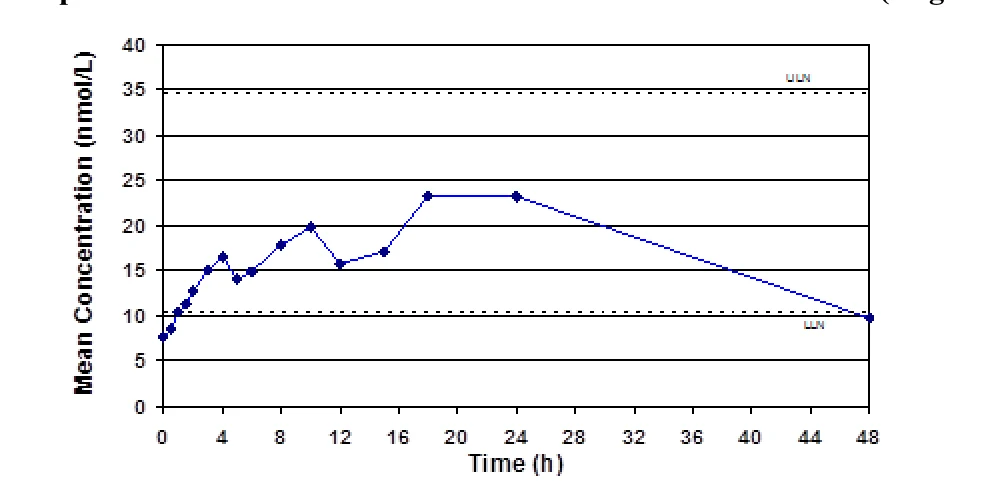
A single dose crossover study, Study 1, in 29 hypogonadal males was conducted to determine the bioavailability and pharmacokinetic profile of a single dose of 50 mg of Testim® 1%.5
Serum concentrations of testosterone increased rapidly and were within 10.4 – 34.6 nmol/L (300-1000 ng/dL) and lasted for at least 24 hours after application. See Graph 1 below:
Graph 1: Testim® 1% Serum Total Testosterone Concentration (single dose)
Multiple Dose:
Pharmacokinetic data from two 90 day double blind phase III studies showed that treatment with Testim® 1% resulted in increased levels of testosterone, DHT, and free testosterone when compared to baseline.6,7,8
The average steady-state concentrations for testosterone showed a dose dependent response between the Testim® 1% doses; 50 mg (12.7 – 14.2 nmol/L [365-409 ng/dL]) and 100 mg (17.9 – 21.3 nmol/L [515-612 ng/dL]) in both studies. The differences between the testosterone dose adjusted Cavg observed for Testim® 1% 50 mg/d and 100 mg/d showed that these were slightly less than dose proportional.
With single daily applications of testosterone gel 50 mg and 100 mg, follow-up measurements at Days 30 and 90 after starting treatment confirmed that serum testosterone and DHT concentrations are generally maintained within the normal range.
Distribution: Circulating testosterone is chiefly bound in the serum to sex hormone- binding globulin (SHBG) and albumin. The albumin-bound fraction of testosterone easily dissociates from albumin and is presumed to be bioactive. The portion of testosterone bound to SHBG is not considered biologically active. Approximately 40% of testosterone in plasma is bound to SHBG, 2% remains unbound (free) and the rest is bound to albumin and other proteins. The amount of SHBG in the serum and the total testosterone level will determine the distribution of bioactive and non-bioactive androgen.
Metabolism: There is considerable variation in the half-life of testosterone as reported in the literature, ranging from ten to 100 minutes.
Testosterone is metabolized to two active metabolites. The major active metabolites of testosterone are estradiol and DHT. Testosterone is metabolized to DHT by steroid 5α reductase located in the skin, liver, and the urogenital tract of the male. Estradiol is formed by an aromatase enzyme complex in the brain, fat, and testes. DHT binds with greater affinity to SHBG than does testosterone. In many tissues, the activity of testosterone depends on its reduction to DHT, which binds to cytosol receptor proteins. The steroid-receptor complex is transported to the nucleus where it initiates transcription and cellular changes related to androgen action. In reproductive tissues, DHT is further metabolized to 3α and 3β androstanediol. Inactivation of testosterone occurs primarily in the liver.
DHT concentrations increased in parallel with testosterone concentrations during testosterone gel treatment. After 90 days of treatment, mean DHT concentrations remained generally within the normal range for testosterone gel-treated subjects.
Excretion: About 90% of a testosterone dose given intramuscularly is excreted in the urine as glucuronic and sulfuric acid conjugates of testosterone and metabolites; about 6% of a dose is excreted in the feces, mostly in the unconjugated form.
Special Populations and Conditions
In patients treated with testosterone gel there are no observed differences in the average daily serum testosterone concentration at steady-state based on age or cause of hypogonadism.
Pediatrics: Testim® 1% is not indicated for use in the pediatrics aged < 18 years.
Geriatrics: An evaluation of age on the clinical response to treatment with Testim® 1% did not reveal any clinically significant findings.
Gender: Testim® 1% is not indicated for females.
Race: In clinical studies, the small number of subjects who were non-Caucasian (6.5% overall) did not allow for a meaningful analysis of the response to treatment by subject race.
Hepatic/ Renal Insufficiency: Since no formal studies were ever conducted involving patients with renal or hepatic insufficiencies, there are no dosing recommendations for the use of Testim® 1% for these populations.
Genetic Polymorphism: No data is available.
STORAGE AND STABILITY
Store at Room Temperature (15°C – 30°C). Keep in a safe place out of reach of children.
SPECIAL HANDLING INSTRUCTIONS
Patients should wash their hands thoroughly and immediately with soap and water after application of Testim® 1%.
Used Testim® 1% tubes should be discarded in household trash in a manner that prevents accidental exposure of children or pets; contents flammable.
DOSAGE FORMS, COMPOSITION AND PACKAGING
Each Testim® 1% 5 g tube contains testosterone 1% in a clear to translucent hydroalcoholic topical gel.
Nonmedicinal ingredients:
Carbomers, ethyl alcohol, glycerin, oxacyclohexadecan-2-one, polyethylene glycol, propylene glycol, purified water, tromethamine.
Testim® 1% is supplied in unit-dose aluminum tubes with epoxy phenolic liners in cartons of 30.
PART II: SCIENTIFIC INFORMATION
Testim® 1%
testosterone gel
PHARMACEUTICAL INFORMATION
Drug Substance
Proper name: Testosterone, Ph.Eur.
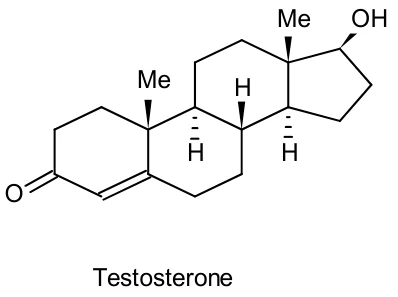
Chemical name: 17-β hydroxyandrost-4-en-3-one
Molecular formula and molecular mass: C19H28O2, 288.42
Structural formula:
Physicochemical properties: Physical Form: white to practically white crystalline powder as stated in the Ph.Eur monograph
Solubility: insoluble in water, soluble in alcohol and ether
Melting point: 153° to 157°C.
CLINICAL TRIALS
Study demographics and trial design
Two well-controlled Phase III clinical studies (study 2 and study 3) were conducted to demonstrate normalization of serum testosterone levels and improvement of clinical symptoms in patients with primary or secondary hypogonadism following the application of Testim® 1%.6,7,8
Study 2 was a randomised, placebo and active controlled study. Patients were randomised to receive Testim® 1% either at a dose of testosterone 50 mg or testosterone 100 mg, matching placebo or a comparator patch (2 x 2.5 mg transdermal patches) for days 1-60 of the study. After 60 days, patients receiving patches or placebo continued to receive the same dosages and formulations for a further 30 days. However, subjects on Testim® 1% could have their dose titrated up (from testosterone 50 mg to 100 mg) or down (from testosterone 100 mg to 50 mg) in a blinded fashion, or could be maintained on their starting dose for an additional 30 days, based on their individual pharmacokinetic profiles at day 30.
Study 3 was a randomised, active controlled study in which a comparison of two fixed doses of Testim® 1%, 50 mg and 100 mg, were compared to a transdermal patch over 90
days.
The primary efficacy endpoints utilised in both of the 90-day Phase III studies were pharmacokinetic and involved assessing the effectiveness of testosterone replacement therapy in normalizing testosterone levels in hypogonadal males with morning testosterone levels between 10.4 – 34.6 nmol/L (300 ng/dL and 1000 ng/dL).
Secondary efficacy assessments were also undertaken in both studies and involved an evaluation of the effectiveness of testosterone replacement in improving the clinical symptoms of hypogonadism, such as decreased sexual function and loss of muscle mass. The effect of testosterone replacement on depression and bone mineral density was also evaluated.
The main efficacy endpoints in both Phase III studies were determined by 24-hour pharmacokinetic profiles using two methods of analysis. The first method compared the serum testosterone values (Cmin and Cavg) relative to the normal testosterone range for eugonadal men of 10.4 – 34.6 nmol/L (300-1000 ng/dL). The range of 10.4 – 34.6 nmol/L (300-1000 ng/dL) for serum testosterone was chosen as it represents the typical laboratory range for serum testosterone determination in eugonadal men. The primary efficacy variable (responder rate) was the proportion (%) of subjects with both Cmin and Cavg for total serum testosterone between 10.4 – 34.6 nmol/L (300 and 1000 ng/dL) using the subjects last observation carried forward (LOCF).
The second method compared the serum testosterone, dihydrotestosterone (DHT) and free testosterone levels relative to baseline. The pharmacokinetic parameters were characterised in terms of average values (Cavg), minimum values (Cmin) and maximum values (Cmax).
Table 10 shows a summary of the patient demographics for each study conducted.
Table 10: Summary of Patient Demographics for Phase III Clinical Trials
| Study # | Trial design | Dosage and duration | Patients (n=number) | Age Range (mean) | Gender |
|---|---|---|---|---|---|
| 2 | Multi-center, randomized, active- and placebo- controlled, four arm, parallel group | Drug Dosage: Testim® 1%: 50 mg or 100 mg Comparators Matching placebo gel Transdermal patch: 5 mg daily Duration: 90 days | 407 | 35-80 (58) 18-45 (N=45) 46-65 (N=259) > 65 (N=103) | Males |
| 3 | Multi-center, randomized, active- controlled, three arm, parallel group | Drug Dosage: Testim® 1%: 50 mg or 100 mg Comparator Transdermal patch: 5 mg daily Duration: 90 days | 208 | 35-80 (58) 18-45 (N=24) 46-65 (N=141) > 65 (N=43) | Males |
An extended use program was also conducted as part of the development program (Studies 4 and 5) in order to provide additional safety and efficacy data.9 These open label longer term safety and efficacy studies, involved subjects who had completed the two Phase III clinical trials and provide additional data for up to a further 12 months of treatment with Testim® 1%.
The data in Table 11 presents the percentage of subjects receiving medication by length of exposure.
Table 11: Percent of Subjects Receiving Study Medication by Length of Exposure: All Testim® 1% Treated Subjects
| Duration of Treatment | Percent Subjects on Testim® 1% Age ≤ 65 (n=399) | Percent Subjects on Testim® 1% Age > 65 (n=118) | Percent Subjects on Testim® 1% All Subjects (n=517) | |||||
|---|---|---|---|---|---|---|---|---|
| 0-3 months | 24% | 21% | 23% | |||||
| 3-6 months | 16% | 17% | 16% | |||||
| 6-9 months | 7% | 9% | 7% | |||||
| 9-12 months | 9% | 13% | 10% | |||||
| >12 months | 45% | 41% | 44% | |||||
| Mean Duration (months) | 8.8 | |||||||
| Total Exposure (years) | 379 | |||||||
Study results
The results from both studies 2 and 3 were similar for the primary outcome measure (responder rate) and are summarized in Table 12. The data from each study showed that there were statistically significant differences in the percentage of patients who had both Cmin and Cavg in the range of 10.4 – 34.6 nmol/L (300-1000 ng/dL) on Testim® 1% therapy compared to the percentage of patients who achieved this outcome with either transdermal patches or with placebo. The response for the combined Testim® 1% dosage groups in study 2 and for the Testim® 1% 100 mg group in study 3 were statistically superior to the active comparators studied in each study. The response rate for Testim® 1% 50 mg in study 3 was non-inferior to the transdermal patch.6,8
Table 12: Primary Outcome Measure (Responder Rate) From Two Phase III Studies
| Responder Rate (%) (range 10.4 – 34.6 nmol/L)** | Study 2 | Study 3 | ||||||||||||
|---|---|---|---|---|---|---|---|---|---|---|---|---|---|---|
| Responder Rate (%) (range 10.4 – 34.6 nmol/L)** | Study 2 | Study 3 | ||||||||||||
| Pooled (n=192) | Testim® 1% 50 mg† (n=60) | Testim® 1% 100 mg† (n=132) | Patch (n=90) | Placebo (n=96) | Testim® 1% 50 mg (n=65) | Testim®1 % 100 mg (n=70) | Patch (n=61) | |||||||
| Pooled (n=192) | Testim® 1% 50 mg† (n=60) | Testim® 1% 100 mg† (n=132) | Patch (n=90) | Placebo (n=96) | Testim® 1% 50 mg (n=65) | Testim®1 % 100 mg (n=70) | Patch (n=61) | |||||||
| Cavg and Cmin | 38.0% a*# | 25.0% A*# | 43.9% B# | 5.6% | 2.1% | 26.2% A* | 45.7% B, C# | 13.1% | ||||||
| Cavg | 74.0% a# | 68.3% | 76.5% B# | 58.9% | 11.5% | 53.8% | 67.1% | 65.6% | ||||||
†: dose at end of study as result of dose titration a: Testim® 1% (pooled) compared to Transdermal patch A: Testim® 1% 50 mg compared to Patch B: Testim® 1% 100 mg compared to Patch C: Testim® 1% 100 mg compared to Testim® 1% 50 mg *: satisfies non-inferiority | ||||||||||||||
#: satisfies superiority **: Normal physiological range | ||||||||||||||
In study 2, the responder analysis was also evaluated by treatment day. Results showed that Testim® 1% 100 mg was superior to transdermal patch treatment at all treatment days and the Testim® 1% 50 mg treatment superior to transdermal patch treatment at treatment days 30 and 60 and non-inferior at day 90.6
Results from both of the studies also showed that treatment with Testim® 1% resulted in increased levels of testosterone, DHT and free testosterone when compared to baseline. See Table 13 below. These improvements over baseline were sustained within the normal physiological range for up to an additional 12 months as determined from open label long-term studies.6,8,9
Table 13: Key Pharmacokinetic and Metabolism Data in Phase III Clinical Studies
| Study | Dose/ Dosage Form | PK Sampling Time | |||||||||||
|---|---|---|---|---|---|---|---|---|---|---|---|---|---|
| Testosterone | DHT | Free Testosterone | |||||||||||
| Baseline Cavg (nmol/L) | Day 30 Cavg (nmol/L) | Baseline Cavg (nmol/L) | Day 30 Cavg (nmol/L) | Baseline Cavg (pmol/L) | Day 30 Cavg (pmol/L) | ||||||||
| 2 | 50 mg Testim® 1% | 8.5a ± 2.8 n=94 | 12.7 ±6.5 n=94 | 3.9a ±1.9 n=91 | 11.9 ±7.3 n=91 | 31.5a ±8.6 n=94 | 46.0 ±28.7 n=94 | ||||||
100 mg Testim® 1% | 7.8a ±2.7 n=95 | 21.2 ±9.9 n=95 | 3.7a ±1.9 n=93 | 19.1 ±10.1 n=92 | 29.7a ±9.8 n=95 | 81.5 ±36.7 n=95 | |||||||
| 3 | 50 mg Testim® 1% | 7.8a ±3.3 n=65 | 14.2 ±8.5 n=54 | 5.0a ±2.3 n=61 | 14.3 ±8.9 n=52 | 29.2a ±13.4 n=65 | 51.8 ±34.3 n=54 | ||||||
100 mg Testim® 1% | 7.8a ±3.3 n=69 | 17.9 ±9.6 n=63 | 4.9a ±2.7 n=65 | 19.2 ±11.8 n=61 | 29.3a ±13.4 n=69 | 68.3 ±41.9 n=63 | |||||||
| DHT = dihydrotestosterone; Cavg = average concentration during 24-h; a = adjusted geometric means from ANOVA | |||||||||||||
Significant improvement from baseline was reported among patients who completed at least 3 months of treatment with Testim® 1% for sexual function, mood, body composition and bone mineral density in the spine. Improvements were maintained for up to 12 months of additional treatment.6,8,9
In the Testim® 1% clinical trials, the class effect of testosterone treatment on hypogonadal men resulted in the expected increase of serum PSA levels (see Table 14). The changes in PSA were comparable between the 50 mg and 100 mg doses of Testim® 1% and reflect the action of testosterone on the prostate.
Table 14: Long Term Testim® 1% Studies: Change in Prostate Specific Antigen (PSA) (mcg/L)
| Time Point | Testim® 1% 50 mg (N=155) | Testim® 1% 100 mg (N=338) | ||
|---|---|---|---|---|
| Mean (S.D.) | Mean (S.D.) | |||
| Baseline | 1.28 (1.16) | 1.23 (0.98) | ||
| Last observation | 1.69 (1.83) | 1.58 (1.38) | ||
| Change | 0.41 (1.33) | 0.34 (0.88) | ||
MICROBIOLOGY
Not applicable.
TOXICOLOGY
Single-dose toxicity
Testosterone was administered to Swiss Webster mice in a single 5000 mg/kg dose oral toxicity study using testosterone gel. All 10 animals showed some instances of lethargy during the first four hours following dosing. No other signs of toxicity or deaths occurred during the 14-day post dosing observation period. The LD50 was greater than 5000 mg/kg.
Repeat-dose toxicity
A repeat dose study with testosterone enanthate in male rats was undertaken to evaluate the effects on male fertility, testes, and the seminal vesicles.10 Testosterone enanthate was administered at doses of 0, 1.2 or 2.4 mg/kg, subcutaneous (s.c.), three times a week for eight weeks. Testosterone and dihydrotestosterone (DHT) plasma levels were significantly elevated in relation to the dose administered. Mean testosterone and DHT plasma levels for the control, the low dose group, the high dose groups were 0.53 ng/mL, 2.43 ng/mL and 4.28 ng/mL, respectively. Treated males appeared to mate normally, however, fertility of high-dose animals was decreased relative to that of low-dose and control animals. Testis weights were reduced and seminal vesicle weights increased in animals of both treatment groups.
A study by Engelson detected low testosterone levels in castrated Sprague-Dawley (SD) male rats.11 Testosterone implants containing testosterone propionate (35 mg delivering 0.39 mg/day) were administered subcutaneously for 11 weeks. Plasma testosterone levels were significantly increased in the treatment group relative to placebo controls. Control castrates had testosterone plasma levels below the limits of detection while testosterone levels in the treatment group were within the normal range (approximately 1.5 ng/mL).
Genotoxicity
Published literature on the genotoxic potential of testosterone indicated that testosterone did not induce sperm abnormalities or micronuclei in mice treated in vivo (12) and was not mutagenic to bacteria.
Carcinogenicity
The 1979 IARC Monograph on Sex Hormones reviewed much of the key published literature on the carcinogenicity of testosterone and concluded overall that there was sufficient evidence to confirm the carcinogenic effects of testosterone in the experimental animals studied.12,13 However, after a review of the available clinical data following testosterone administration in humans and despite the evidence from the animal studies reviewed, the working group preparing the conclusions for the 1987 Supplement 7 update on androgenic anabolic steroids concluded that for humans, the overall evidence for carcinogenicity following testosterone administration was "limited".13
Effects on the prostate
An induction of prostate adenocarcinomas in male rats following the chronic administration of testosterone has been reported.14,15 Testosterone was given chronically by subcutaneous administration in pellets (1-3 pellets, each containing 10 mg testosterone propionate) to Noble (Nb) strain rats. A 20% incidence of prostate carcinoma in rats whose mean exposure to testosterone was 64 weeks was seen. When the treatment regimen included estrogen and testosterone, the incidence of prostate adenocarcinoma was not significantly different from the group receiving testosterone alone. The latency period for the appearance of this tumor type was reduced.
In another study, Lobund-Wistar strain of rats was used to study the incidence of prostate cancer with testosterone treatment. Thirty milligrams of testosterone was administered subcutaneously via silastic implants.16 Reported results indicate that testosterone treatments increased the incidence of prostate adenocarcinomas to 40% (13 of 32) in the rat. The tumour promotional effects of testosterone in combination with high fat (20%) diet in Lobund-Wistar rats showed testosterone and a high-fat diet contributed to an increased incidence of prostatic tumors and a shortened latency period over low-fat (5%) diet controls.17
Reproductive and Developmental Toxicity
Effects on exogenously dosed male animals
The effects of exogenously administered testosterone on the reproductive tract of male dogs were reported. Mixed testosterone esters (testosterone phenylpropionate, testosterone isocaproate, testosterone decanoate, and testosterone propionate) were administered as a single 5 mg/kg dose, s.c. to male dogs producing long-lasting effects on semen quality.18 Sperm motility was observed to decline from three weeks after treatment with the maximum effect occurring between 30 and 80 days post-dosing.
Sperm morphology was also adversely affected in treated animals and a decrease in live spermatozoa occurred from one month after treatment. There was a significant decline in the mean total output of spermatozoa in treated males.
Testosterone administration has been demonstrated to be anti-spermatogenic in animals and humans.19 Male rabbits treated with ~ 200% of the physiological dose of testosterone via implants were shown to be azoospermic. The implants were designed to deliver 50%, 100% or ~200% the physiological amount of testosterone as that produced by the normal rabbit testes in situ during a 24-hour period. Combination treatment with implants of testosterone and estradiol or progesterone has been shown to consistently produce sterility in male rats for up to eight months, whereas testosterone alone reduced fertility, but did not induce sterility.20 Combinations of androgens and progestins produce rapid and significant effects on semen quality, and have also been suggested for use in male contraception in dogs (18). DHT has been demonstrated to be more effective than testosterone in producing infertility in male rats.20,21 Rivier et al reported that testosterone treatment in rats reverses the anti-fertility effects of prior treatments with gonadotrophin releasing hormone (GnRH) antagonists.21 The administration of testosterone (20 mg, s.c. for three days, then every three days for 90 days) to obese male Zucker rats has shown a four-fold increase in the number of litters sired relative to untreated controls.22 Testosterone treatment of these animals also reduced food consumption and weight gains.
The relationship between testosterone induced decreased spermatogenic activity and fertility, pregnancy outcome and offspring was reported by Robaire et al.23, 24 In this study, groups of six male rats received testosterone by subdermal implants at one of the following doses: 0, 15, 30, 60, 90, 120, 240 mcg/day. Testosterone administration to male rats produced biphasic effects. Low doses produced decreases in spermatogenesis due to suppression of gonadotrophins and subsequent decreases in intra-testicular testosterone, whereas higher doses of testosterone have been shown to maintain spermatogenesis by presenting high serum levels of the hormone. Serum testosterone levels were not significantly different among treatment and control groups, however reported levels were highest among the group receiving 240 mcg/day (4.1 ng/ml vs. 2.5 ng/ml). Testosterone is also capable of maintaining spermatogenesis in the hypophysectomized animal.23 Testes weights were significantly reduced in groups receiving 90, 120 or 240 mcg/day testosterone. Decreased spermatozoa reserves of less than five million were shown to be infertile in individual animals. It was further demonstrated in rats that a decrease in epididymal spermatozoal reserves mediated by testosterone did not cause an observed increase in teratogenic incidences in their progeny as compared with that of controls.
Local tolerance
The dermal irritation potential of testosterone gel was evaluated in rabbits using a semi- occlusive dressing. The gel formulation was applied to clipped skin on the dorsal surface of three rabbits, with each animal serving as its own control. Following treatment, the sites were covered with semi-occlusive tape and elastic bandages wrapped around the torso. After a four-hour contact period, the patch was removed and the skin wiped with water. The sites were observed for up to 13 days post-dosing. Results indicated the gel to be irritating to rabbit skin. The study was repeated in rabbits without the use of gauze coverings in order to simulate actual clinical use of the product. The results demonstrated that the testosterone gel was not irritating to the rabbit skin under these more clinically relevant conditions.
REFERENCES
- 1. Bhasin S, Cunningham GR, Hayes FJ, Matsumoto AM, Snyder PJ, Swerdloff RS, et al. Testosterone therapy in adult men with androgen deficiency syndromes: An endocrine society clinical practice guidline. J Clin Endocrinol Metab 2006;91(6): 1995-2010.
- 2. Medras M, Filus A, Jozkow P, Winowski J, Sicinska-Werner T. Breast cancer and long term hormonal treatment of male hypogonadism. Breast Cancer Res Treat 2006;96:263-5.
- 3. Markowitz JS, Donovan JL, DeVane CL, Taylor RM, Ruan Y, Wang J, Chavin KD. Effect of St John’s Wort on drug metabolism by induction of cytochrome P450 3A4 enzyme. JAMA 2003;290(11)1500-4.
- 4. Donovan JL, DeVane CL, Lewis JG, Wang J, Ruan Y, Chavin KD, et al. Effects of St. John’s Wort (Hypericum perforatum L.) extract on plasma androgen concentrations in healthy men and women: A pilot study. Phytother Res 2005;19:901-6.
- 5. Marbury T, Hamill E, Bachand R, Sebree T, Smith T. Evaluation of the pharmacokinetic profiles of the new testosterone topical gel formulation, Testim™, compared to AndroGel®. Biopharm Drug Dispos.2003 24:115-120.
- 6. Steidle C, Schwartz S, Jacoby K, Sebree T, Smith T, Bachand R. AA2500 testosterone gel normalizes androgen levels in aging males with improvements in body composition and sexual function. J Clin Endocrinology Metab. 2003 Jun;88(6): 2673-81.
- 7. Steidle, C. New advances in the treatment of hypogonadism in the aging male. Rev Urol. 2003;5(suppl 1):S34-S40
- 8. McNicholas TA, Dean JD, Mulder H, Carnegie C, Jones NA. A novel testosterone gel formulation normalizes androgen levels in hypogonadal men, with improvements in body composition and sexual function. BJU International 2003 91:69-74.
- 9. Dean JD, Carnegie C, Rodzvilla J Jr, Smith T. Long-term effects of Testim® 1% testosterone gel in hypogonadal men. Rev Urol. 2004; 6(suppl 6):S22-29
- 10. Chin JP, Pennefather JN. Effect of long-term administration of testosterone enanthate on sympathetic neurotransmission to rat isolated seminal vesicles. Clin Exp Pharmacol Physiol 1990; 17:713-724.
- 11. Engelson ES, Xavier F, et al. Effects of megestrol acetate and testosterone on body composition in castrated male Sprague-Dawley rats. Nutrition 1999; 15:465-473.
- 12. IARC Monograph, Supplement 7. 1987:289.
- 13. IARC Monograph. Evaluation of the carcinogenic risk of chemicals to humans. 1979:21
- 14. Noble RL. Sex steroids as a cause of adenocarcinoma of the dorsal prostate in Nb rats, and their influence on the growth of transplants. Oncology 1977; 34:138-141.
- 15. Noble RL. The development of prostatic adenocarcinoma in Nb rats following prolonged sex hormone administration. Cancer Res 1977;37: 1929-1933.
- 16. Pollard M, Luckert PH, et al. Induction of prostate adenocarcinomas in lobund wistar rats by testosterone. Prostate 1982; 3:563-568.
- 17. Pollard M, Luckert PH. Promotional effects of testosterone and high fat diet on the development of autochthonous prostate cancer in rats. Cancer Lett 1986; 32:223-227.
- 18. England GC. Effect of progestogens and androgens upon spermatogenesis and steroidogenesis in dogs. J Reprod Fertil Suppl 1997; 51:123-138.
- 19. Ewing LL, Stratton LG, et al. Effect of testosterone polydimethyl-siloxane implants upon sperm production, libido and accessory sex organ function in rabbits. J Reprod Fertil 1973; 35:245-253.
- 20.
Ewing LL, Gorski RA, et al. Testosterone-estradiol filled polydimethylsiloxane subdermal implants: effect on fertility and masculine sexual and aggressive behavior of male rats. Biol
- Reprod 1979; 21:765-772.
- 21. Rivier C, Rivier J, et al. Effect of a potent GnRH antagonist and testosterone propionate on mating behavior and fertility in the male rat. Endocrinology 1981; 108:1998-2001.
- 22. Hemmes RB, Hubsch S, et al. High dosage of testosterone propionate increases litter production of the genetically obese male Zucker rat (40362). Proc Soc Exp Biol Med 1978; 159:424-427.
- 23. Robaire B, Smith S, et al. Suppression of spermatogenesis by testosterone in adult male rats: effect on fertility, pregnancy outcome and progeny. Biol Reprod 1984; 31:221-230.
- 24. Robaire B, Smith S, et al. Effect on pregnancy outcome of suppression of spermatogenesis by testosterone. Ann N Y Acad Sci 1984; 438:546-548.