


Product Monograph - Sandoz Mometasone
RECENT MAJOR LABEL CHANGES
| INDICATIONS | 07/2022 |
| DOSAGE AND ADMINISTRATION | 07/2022 |
Table of Contents
RECENT MAJOR LABEL CHANGES......................................................................................2
PART I: HEALTH PROFESSIONAL INFORMATION ........................................................ 3
SUMMARY PRODUCT INFORMATION ....................................................................... 3
INDICATIONS ................................................................................................................... 3
CONTRAINDICATIONS .................................................................................................. 3
WARNINGS AND PRECAUTIONS ................................................................................. 4
ADVERSE REACTIONS ................................................................................................... 6
DRUG INTERACTIONS ................................................................................................... 8
DOSAGE AND ADMINISTRATION ............................................................................... 9
OVERDOSAGE ............................................................................................................... 11
ACTION AND CLINICAL PHARMACOLOGY ........................................................... 11
STORAGE AND STABILITY ......................................................................................... 12
DOSAGE FORMS, COMPOSITION AND PACKAGING ............................................ 12
PART II: SCIENTIFIC INFORMATION .............................................................................. 13
PHARMACEUTICAL INFORMATION ......................................................................... 13
CLINICAL TRIALS ......................................................................................................... 14
DETAILED PHARMACOLOGY .................................................................................... 20
TOXICOLOGY ................................................................................................................ 22
REFERENCES ................................................................................................................. 26
PART III: CONSUMER INFORMATION............................................................................. 28
PRODUCT MONOGRAPH
PrSandoz Mometasone
Mometasone Furoate Monohydrate Aqueous Nasal Spray
PART I: HEALTH PROFESSIONAL INFORMATION
SUMMARY PRODUCT INFORMATION
| Route of Administration | Dosage Form / Strength | All Nonmedicinal Ingredients |
| Nasal | Suspension/ 50 mcg per metered spray | benzalkonium chloride (0.02 mg/ metered spray), carboxymethylcellulose sodium, citric acid monohydrate, glycerin, microcrystalline cellulose, polysorbate 80, water for injection, and sodium citrate dihydrate |
INDICATIONS
Sandoz Mometasone (mometasone furoate monohydrate aqueous nasal spray) is indicated for:
- use in children between the ages of 3 and 11 years to treat the symptoms of seasonal or perennial allergic rhinitis.
- use in adults and children 12 years of age and older as adjunctive treatment to antibiotics in acute episodes of rhinosinusitis, where signs or symptoms of bacterial infection are present.
- use in adults and children 12 years of age and older in the treatment of symptoms associated with mild to moderate uncomplicated acute rhinosinusitis where signs or symptoms of bacterial infection are not present.
- the treatment of nasal polyps in adult patients 18 years of age or older.
CONTRAINDICATIONS
Patients who are hypersensitive to this drug or to any ingredient in the formulation or component of the container. For a complete listing, see the DOSAGE FORMS, COMPOSITION AND PACKAGING section of the product monograph.
Sandoz Mometasone should be used with caution, if at all, in patients with active or quiescent tuberculous infections of the respiratory tract, or in untreated fungal, bacterial, systemic viral infections or ocular herpes simplex.
WARNINGS AND PRECAUTIONS
General
During transfer from systemic corticosteroid to Sandoz Mometasone, some patients may experience symptoms of withdrawal from systemically active corticosteroids (e.g., joint and/or muscular pain, lassitude, and depression initially) despite relief from nasal symptoms and will require encouragement to continue Sandoz Mometasone therapy. Such transfer may also unmask pre-existing allergic conditions such as allergic conjunctivitis and eczema, previously suppressed by systemic corticosteroid therapy.
Acute Rhinosinusitis
Patients should not use Sandoz Mometasone without an antibiotic if bacterial infection of the sinuses is present or suspected.
Sandoz Mometasone is not indicated to treat the symptoms of the common cold. To distinguish mild to moderate acute rhinosinusitis from the common cold, patients should have symptoms of acute rhinosinusitis persisting or increasing for at least seven days before starting Sandoz Mometasone treatment.
If signs or symptoms of severe bacterial infection are observed during treatment (such as fever, persistent severe unilateral facial/tooth pain, orbital or peri-orbital facial swelling, or worsening of symptoms after an initial improvement), the patient should be advised to consult their physician immediately at which time the physician may advise the patient to stop using Sandoz Mometasone.
Safety and efficacy of mometasone furoate monohydrate aqueous nasal spray in the treatment of symptoms associated with mild to moderate uncomplicated acute rhinosinusitis beyond 15 days has not been evaluated.
Ear/Nose/Throat
Sandoz Mometasone should not be used in the presence of untreated localized infection involving the nasal mucosa.
Because of the inhibitory effect of corticosteroids on wound healing, patients who have experienced recent nasal surgery or trauma should not use a nasal corticosteroid until healing has occurred.
Following 12 months of treatment with mometasone furoate monohydrate aqueous nasal spray, there was no evidence of atrophy of the nasal mucosa; also, mometasone furoate tended to reverse the nasal mucosa closer to a normal histologic phenotype. As with any long-term treatment, patients using Sandoz Mometasone over several months or longer should be examined periodically for possible changes in the nasal mucosa. If localized fungal infection of the nose or pharynx develops, discontinuance of Sandoz Mometasone therapy or appropriate treatment may be required. Persistence of nasopharyngeal irritation may be an indication for discontinuing Sandoz Mometasone.
Following the use of intranasal aerosolized corticosteroids, instances of nasal septum perforation have been reported very rarely.
Endocrine and Metabolism
There is no evidence of hypothalamic-pituitary-adrenal (HPA) axis suppression following prolonged (12 months) treatment with mometasone furoate monohydrate aqueous nasal spray. However, patients who are transferred from long-term administration of systemically active corticosteroids to Sandoz Mometasone require careful attention. Systemic corticosteroid withdrawal in such patients may result in adrenal insufficiency for a number of months until recovery of HPA axis function. If these patients exhibit signs and symptoms of adrenal insufficiency, systemic corticosteroid administration should be resumed and other modes of therapy and appropriate measures instituted.
Immune
Patients receiving corticosteroids who are potentially immunosuppressed should be warned of the risk of exposure to certain infections (e.g., chickenpox, measles) and of the importance of obtaining medical advice if such exposure occurs.
Ophthalmologic
Following the use of intranasal aerosolized corticosteroids, instances of increased intraocular pressure have been reported very rarely.
Visual disturbance may be reported with systemic and topical (including, intranasal, inhaled and intraocular) corticosteroid use. If a patient presents with symptoms such as blurred vision or other visual disturbances, the patient should be considered for referral to an ophthalmologist for evaluation of possible causes of visual disturbances; this may include cataract, glaucoma or rare diseases such as central serous chorioretinopathy (CSCR) which have been reported after use of systemic and topical corticosteroids.
Special Populations
Pregnancy and Nursing Mothers
There are no adequate or well-controlled studies in pregnant or nursing women.
As with other nasal corticosteroid preparations, Sandoz Mometasone should be used in pregnant women, nursing mothers or women of childbearing age only if the potential benefit justifies the potential risk to the mother, fetus, or infant. Infants born of mothers who received corticosteroids during pregnancy should be observed carefully for hypoadrenalism.
Pediatrics
Mometasone furoate monohydrate aqueous nasal spray permitted normal growth in a placebo-controlled clinical trial in which pediatric patients were administered mometasone furoate monohydrate aqueous nasal spray 100 mcg daily for one year.
Safety and efficacy of mometasone furoate monohydrate aqueous nasal spray as adjunctive treatment to antibiotics in acute episodes of rhinosinusitis in children less than 12 years of age have not been studied.
Safety and efficacy of mometasone furoate monohydrate aqueous nasal spray for the treatment of symptoms associated with mild to moderate uncomplicated acute rhinosinusitis in children less than 12 years of age have not been studied.
Safety and efficacy of mometasone furoate monohydrate aqueous nasal spray for the treatment of nasal polyps in children and adolescents less than 18 years of age have not been studied.
ADVERSE REACTIONS
Rarely, immediate hypersensitivity reactions (e.g., bronchospasm, dyspnea) may occur after intranasal administration of mometasone furoate monohydrate. Very rarely, anaphylaxis and angioedema have been reported.
Disturbances of taste and smell have been reported very rarely.
Clinical Trial Adverse Drug Reactions
Because clinical trials are conducted under very specific conditions the adverse reaction rates observed in the clinical trials may not reflect the rates observed in practice and should not be compared to the rates in the clinical trials of another drug. Adverse drug reaction information from clinical trials is useful for identifying drug-related adverse events and for approximating rates.
Allergic Rhinitis
Adults and adolescents ≥12 years of age: Table 1 demonstrates the incidence of treatment related adverse reactions associated with mometasone furoate monohydrate aqueous nasal spray based upon the pooled data from clinical trials.
Table 1 Treatment related adverse reactions occurring at an incidence of ≥1% and more commonly than placebo
Adverse Reactions
Mometasone* n=3210 n (%) | Placebo n=1671 n (%) | |
| Headache | 265 (8) | 101 (6) |
| Epistaxis | 267 (8) | 89 (5) |
| Pharyngitis | 124 (4) | 58 (3) |
* 50 mcg to 800 mcg of mometasone furoate daily
Treatment-related local adverse events reported in clinical studies, headache, epistaxis (e.g., frank bleeding, blood-tinged mucus, and blood flecks), pharyngitis, and nasal ulceration are typically observed with use of a corticosteroid nasal spray. In addition, the following adverse events occurred at a frequency equal to or less than placebo, nasal burning (2% vs. 3%) and nasal irritation (2% vs. 2%), respectively.
Epistaxis was generally self-limiting and mild in severity, and occurred at a higher incidence compared to placebo (5%), but at a comparable or lower incidence compared to the active control nasal corticosteroids studied (up to 15%). The incidence of all other effects was comparable with that of placebo.
Pediatric patients 3 to 11 years of age: In the pediatric population, the incidence of adverse effects, e.g. headache (3%), epistaxis (6%), nasal irritation (2%), and sneezing (2%) was comparable to placebo.
Acute Rhinosinusitis as Adjunctive Treatment to Antibiotics
In adults and adolescent patients receiving mometasone furoate monohydrate aqueous nasal spray as adjunctive treatment for acute episodes of rhinosinusitis, treatment-related adverse events, which occurred at an incidence comparable to placebo, included headache (2%), pharyngitis (1%), nasal burning (1%), and nasal irritation (1%). Epistaxis was mild in severity and also occurred at an incidence comparable to placebo (5% vs. 4%, respectively).
Mild to Moderate Uncomplicated Acute Rhinosinusitis
In patients treated for mild to moderate acute rhinosinusitis, the overall incidence of adverse events was comparable to placebo and similar to that observed for patients with allergic rhinitis.
Nasal Polyps
In patients treated for nasal polyps, the overall incidence of adverse events was comparable to placebo and similar to that observed for patients with allergic rhinitis.
Less Common Clinical Trial Adverse Drug Reactions (<1%)
The following additional treatment related adverse reactions occurred in clinical trials in patients using mometasone furoate monohydrate aqueous nasal spray with an incidence of <1% and occurred at a greater incidence than placebo∗:
Blood and lymphatic system disorders: lymphadenopathy
Cardiac disorders: palpitation, tachycardia
Eye disorders: lacrimation, conjunctivitis, dry eyes, abnormal vision
Ear and labyrinth disorders: earache, tinnitus
Gastrointestinal disorders: abdominal pain, constipation, diarrhea, gastritis, nausea, tongue disorder, tooth disorder
General disorders and administration site conditions: dry mouth, allergy aggravated, chest pain, edema, face edema, fever, influenza like symptoms, thirst, taste perversion
Infections and infestations: cold sore non herpetic, infection, bacterial infection
Investigations: hepatic enzymes increased
Musculoskeletal and connective tissue disorders: arthralgia, myalgia
Nervous system disorders: tremor, vertigo, migraine
Psychiatric disorders: depression, paranoia, somnolence
Respiratory, thoracic and mediastinal disorders: dysphonia, bronchitis, dyspnea, laryngitis, nasal septum ulceration, sinusitis, wheezing
Skin and subcutaneous tissue disorders: acne, dermatitis, erythematous rash
Vascular disorders: hypertension
Post-Market Adverse Drug Reactions
The following adverse reactions have been identified during the post-marketing period for mometasone furoate monohydrate aqueous nasal spray: anaphylaxis and angioedema, disturbances in smell and nasal septal perforation, vision blurred. Because these reactions are reported voluntarily from a population of uncertain size, it is not always possible to reliably estimate their frequency or establish a causal relationship to drug exposure.
DRUG INTERACTIONS
Drug-Drug Interactions
Mometasone furoate monohydrate aqueous nasal spray has been administered concomitantly with loratadine with no apparent effect on plasma concentrations of loratadine or its major metabolite. In these studies, mometasone furoate plasma concentrations were not detectable using an assay with a LLOQ of 50 pg/mL. The combination therapy was well tolerated.
∗ Events reported by more than 1 patient
Inhibitors of Cytochrome P450 3A4: Studies have shown that mometasone furoate is primarily and extensively metabolized in the liver of all species investigated and undergoes extensive metabolism to multiple metabolites. Mometasone furoate is metabolized by CYP3A4. After oral administration of ketoconazole, a strong inhibitor of CYP3A4, the mean plasma concentration of orally inhaled mometasone furoate increased, and plasma cortisol levels appeared to decrease.
Co-treatment with CYP3A inhibitors (e.g., ketoconazole, itraconazole, clarithromycin, atazanavir, indinavir, nelfinavir, saquinavir, ritonavir, cobicistat-containing products), is expected to increase the risk of systemic side-effects. The combination should be avoided unless the benefit outweighs the increased risk of systemic corticosteroid side-effects, in which case patients should be monitored for systemic corticosteroid side-effects.
DOSAGE AND ADMINISTRATION
Dosing Considerations
The therapeutic effects of corticosteroids, unlike those of decongestants, are not immediate. Since the effect of Sandoz Mometasone depends on its regular use, patients should be instructed to take the nasal inhalation at regular intervals and not, as with other nasal sprays, as they feel necessary.
In the presence of excessive nasal mucous secretion or edema of the nasal mucosa, the drug may fail to reach the site of action. In such cases, it is advisable to use a nasal vasoconstrictor for 2 to 3 days prior to starting treatment with Sandoz Mometasone.
Recommended Dose and Dosage Adjustment
Treatment of seasonal or perennial allergic rhinitis:
Children between the ages of 3 and 11 years: The usual recommended dose is one spray (50 mcg/spray) in each nostril once daily (total daily dose of 100 mcg).
Administration to young children should be aided by an adult.
Clinically significant onset of action occurs as early as 12 hours after the first dose.
Adjunctive treatment to antibiotics in acute episodes of rhinosinusitis:
Sandoz Mometasone should not be used in the presence of untreated localized infection involving the nasal mucosa.
Adults (including geriatric patients) and children 12 years of age and older: The usual recommended dose is two sprays (50 mcg/spray) in each nostril twice daily (total daily dose of 400 mcg).
If symptoms are inadequately controlled, the dose may be increased to four sprays (50 mcg/spray) in each nostril twice daily (total daily dose of 800 mcg).
Treatment of mild to moderate uncomplicated acute rhinosinusitis
Patients should not use Sandoz Mometasone without an antibiotic if bacterial infection of the sinuses is present or suspected.
Adults (including geriatric patients) and children 12 years of age and older: The usual recommended dose is two sprays (50 mcg/spray) in each nostril twice daily (total daily dose of 400 mcg).
If signs or symptoms of severe bacterial infection are observed during treatment (such as fever, persistent severe unilateral facial/tooth pain, orbital or peri-orbital facial swelling, or worsening of symptoms after an initial improvement), the patient should be advised to consult their physician immediately, at which time the physician may advise the patient to stop using Sandoz Mometasone.
Safety and efficacy of mometasone furoate monohydrate aqueous nasal spray in the treatment of symptoms associated with mild to moderate uncomplicated acute rhinosinusitis beyond 15 days have not been evaluated.
Treatment of Nasal Polyps:
Adults (including geriatric patients) and adolescents 18 years of age and older: The usual recommended dose is two sprays (50 mcg/spray) in each nostril twice daily (total daily dose of 400 mcg).
Once the symptoms are controlled, dose reduction to two sprays (50 mcg/spray) in each nostril once daily (total daily dose 200 mcg) may be effective for continued treatment.
Efficacy and safety studies of mometasone furoate monohydrate aqueous nasal spray for the treatment of nasal polyps were four months in duration.
Administration
Each actuation delivers approximately 100 mg of mometasone furoate suspension, containing mometasone furoate monohydrate equivalent up to 50 mcg mometasone furoate. Prior to administration, Sandoz Mometasone pump should be primed by actuating the pump 10 times (until a uniform spray is observed). If the spray pump has not been used for 14 days or longer, it should be reprimed with 2 actuations, until a uniform spray is observed, before next use.
SHAKE CONTAINER WELL BEFORE EACH USE.
Patients should be instructed on the correct method of use, which is to blow the nose, then insert the nozzle carefully into the nostril, compress the opposite nostril and actuate the spray while inspiring through the nose, with the mouth closed.
OVERDOSAGE
Because the systemic bioavailability is <1% (using a sensitive assay with a lower quantitation limit of 0.25 pg/mL) after administration of mometasone furoate via mometasone furoate monohydrate aqueous nasal spray, overdose is unlikely to require any therapy other than observation, followed by initiation of the appropriate prescribed dosage.
For management of a suspected drug overdose, contact your regional poison control centre.
ACTION AND CLINICAL PHARMACOLOGY
Mechanism of Action
Mometasone furoate is a topical glucocorticosteroid with local anti-inflammatory properties at doses that are minimally systemically active.
Pharmacodynamics
In two clinical studies utilizing nasal antigen challenge, mometasone furoate monohydrate aqueous nasal spray has shown anti-inflammatory activity in both the early- and late-phase allergic responses. This has been demonstrated by decreases (vs. placebo) in histamine and eosinophil activity and reductions (vs. baseline) in eosinophils, neutrophils, and epithelial cell adhesion proteins. The clinical significance of these finding is not known.
Two Phase I studies conducted to assess the systemic exposure and tolerability of mometasone furoate monohydrate aqueous nasal spray in children aged 3 to 12 years showed no clinically relevant systemic exposure to mometasone furoate monohydrate aqueous nasal spray and indicated that mometasone furoate monohydrate aqueous nasal spray was well tolerated. A third Phase I study in children aged 6 to 12 years showed normal short-term lower leg growth velocity.
The results of Phase II and Phase III studies indicated no evidence of HPA (hypothalamicpituitary-adrenal) axis suppression following treatment with mometasone furoate monohydrate aqueous nasal spray and demonstrated that mometasone furoate monohydrate aqueous nasal spray can alleviate the allergic symptoms in pediatric patients aged 3 to 12 years with seasonal and perennial allergic rhinitis.
Pharmacokinetics
Absorption:
Mometasone furoate monohydrate, administered as a nasal spray, has a systemic bioavailability of <1% in plasma, using a sensitive assay with a lower quantitation limit (LLOQ) of 0.25 pg/mL.
Mometasone furoate suspension is very poorly absorbed from the gastrointestinal tract, and the small amount that may be swallowed and absorbed undergoes extensive first-pass metabolism prior to excretion in urine and bile.
Distribution:
The in vitro protein binding for mometasone furoate was reported to be 98% to 99% in concentration range of 5 to 500 ng/mL.
Metabolism:
Studies have shown that any portion of a mometasone furoate dose which is swallowed and absorbed undergoes extensive metabolism to multiple metabolites. There are no major metabolites detectable in plasma. Upon in vitro incubation, one of the minor metabolites formed is 6ß-hydroxymometasonefuroate. In human liver microsomes, the formation of the metabolite is regulated by cytochrome P-450 3A4 (CYP3A4).
Elimination:
Following intravenous administration, the effective plasma elimination half-life of mometasone furoate is 5.8 hours. Any absorbed drug is excreted as metabolites mostly via the bile, and to a limited extent, into the urine.
STORAGE AND STABILITY
Sandoz Mometasone should be stored between 2ºC and 25ºC and protected from light. Do not freeze.
DOSAGE FORMS, COMPOSITION AND PACKAGING
Dosage Forms
Sandoz Mometasone is formulated as an aqueous nasal suspension for nasal administration via a metered-dose manual pump spray delivering 140 doses.
Composition
Each actuation delivers approximately 100 mg of mometasone furoate suspension, containing mometasone furoate monohydrate equivalent to 50 mcg mometasone furoate.
Inactive ingredients include: benzalkonium chloride (0.02 mg/ metered spray), citric acid monohydrate, carboxymethylcellulose sodium, glycerin, microcrystalline cellulose, polysorbate 80, water for injection, and sodium citrate dihydrate.
Packaging
Sandoz Mometasone is supplied in a single pack (1 bottle).
PART II: SCIENTIFIC INFORMATION
PHARMACEUTICAL INFORMATION
Drug Substance
Proper name: Mometasone furoate monohydrate
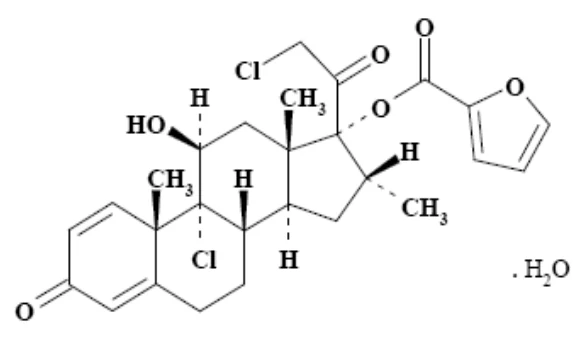
Chemical name: 9, 21-dichloro-17-[(2-furanylcarbonyl)oxy]-11β-hydroxy-16α-methylpregna-1,4-diene-3,20-dione monohydrate
Molecular formula: C27H30Cl2O6 . H2O
Molecular mass: 539.45 g/mol
Structural formula:
Description: Physical form: White to off-white powder
Solubility: Mometasone furoate monohydrate is practically insoluble in water (0.95mcg/mL). It is slightly soluble (1-10 mg/mL) in methanol, ethanol, and isopropanol. It is soluble (33.3-100 mg/mL) in acetone and chloroform, and freely soluble (>100 mg/mL) in tetrahydrofuran.
CLINICAL TRIALS
A clinical efficacy study was conducted to demonstrate therapeutic equivalence of Sandoz Mometasone (mometasone furoate monohydrate) 50 mcg/metered aqueous nasal spray (Sandoz Canada Inc.) to NASONEX® (mometasone furoate monohydrate) Nasal Spray, 50 mcg (Merck & Co., Inc.) in patients with seasonal allergic rhinitis (SAR). In addition, the efficacy and safety of both Sandoz Mometasone and Nasonex® were compared to a placebo nasal spray. This was a double blind, multi-center, placebo controlled, parallel group, randomised clinical study. One thousand one hundred three (1103) eligible patients with SAR, who met the eligibility criteria entered a 7 day placebo lead-in period. Following the placebo lead-in period, 795 patients were randomized to one of three treatment groups, (Sandoz Mometasone 200mcg (Test); Nasonex® 200mcg (Reference); Placebo nasal spray) and used treatment once daily for 14 days. .Following randomization, 763 patients were valid for clinical equivalency analysis and 784 patients were valid for the clinical efficacy analysis. Drug concentration/time profiles and pharmacokinetic parameters were not evaluated in this study.
The primary analyses for determining the clinical equivalence of the Test and Reference treatments, and the superiority of each active treatment over the Placebo was based on each treatment’s mean change from baseline in reflective Total Nasal Symptom Score (rTNSS) of nasal congestion, running nose, sneezing and nasal itching calculated from the symptom scores for the 14-day treatment period.
| Primary Efficacy Endpoint: Mean Change From Baseline in rTNSS | |||
|---|---|---|---|
| Equivalence: Per-Protocol Patients | |||
| Test* | Reference† | ||
| N | 306 | 307 | |
| Baseline rTNSS, Mean (SD) | 9.397 (1.519) | 9.270 (1.492) | |
| Post-Randomization rTNSS, Mean (SD) | 7.416 (2.518) | 7.454 (2.440) | |
| Change from Baseline in rTNSS, Mean (SD) | 1.981 (2.335) | 1.817 (2.258) | |
| Min – Max Mean Change from Baseline | -3.730 to 9.926 | -3.529 to 8.265 | |
| Change from Baseline, Median | 1.392 | 1.440 | |
90% CI Evaluation at the Mean Baseline Value | |||
| Ratio Test/Ref. LS Means | 106.644 | 91.860 | 123.997 |
90% CI Evaluation at the Median Baseline Value | |||
| Ratio Test/Ref. LS Means | 106.644 | 91.796 | 124.193 |
| Superiority: Intent-to-Treat Patients | |||
| Test | Reference | Placebo | |
| N | 314 | 314 | 156 |
| Primary Efficacy Endpoint: Mean Change From Baseline in rTNSS |
|---|
| Equivalence: Per-Protocol Patients | ||||||||||||||||
|---|---|---|---|---|---|---|---|---|---|---|---|---|---|---|---|---|
| Baseline rTNSS, Mean (SD) | 9.392 (1.516) | 9.273 (1.512) | 9.362 (1.579) | |||||||||||||
| N | 311 | 311 | 153 | |||||||||||||
| Post-Randomization rTNSS, Mean (SD) | 7.388 (2.532) | 7.486 (2.445) | 8.305 (2.147) | |||||||||||||
| Change from Baseline in rTNSS, Mean (SD) | 2.008 (2.356) | 1.794 (2.257) | 1.034 (1.894) | |||||||||||||
| Min – Max Mean Change from Baseline | -3.730 to 9.926 | -3.529 to 8.265 | -4.033 to 6.963 | |||||||||||||
| Change from Baseline, Median | 1.392 | 1.439 | 0.778 | |||||||||||||
| p-value | ||||||||||||||||
| Test* vs Placebo | <0.0001 | |||||||||||||||
| Reference† vs Placebo | 0.0001 | |||||||||||||||
* Sandoz Mometasone (mometasone furoate monhydrate) 50 mcg/metered aqueous nasal spray (Sandoz Canada Inc.).
† Nasonex (mometasone furoate monhydrate) Nasal Spray, 50 mcg, (Merck & Co., Inc.) was purchased in the USA.
A randomized, single-dose, two-treatment, two-period, crossover relative bioavailability study comparing Sandoz Mometasone (mometasone furoate monohydrate) 50 mcg/metered aqueous nasal spray (Sandoz Canada Inc.) to NASONEX® (mometasone furoate monohydrate) Nasal Spray, 50 mcg (Merck & Co., Inc.) was conducted in 71 healthy adult male and female subjects between 18 to 54 years of age under fasting conditions.
SUMMARY TABLE OF THE COMPARATIVE BIOAVAILABILITY DATA
Mometasone 200 mcg (2 x 50 mcg (2 sprays in each nostril)) From measured data Geometric Mean Arithmetic Mean (CV %) | ||||
|---|---|---|---|---|
| Parameter | Test* | Reference† | % Ratio of Geometric Square Means | 90% Confidence Interval |
AUCT (pg*h/mL) | 81.16 90.21 (46.77) | 74.25 82.19 (43.91) | 109.3 | 103.2 – 115.8 |
AUCI (pg*h/mL) | 102.41 116.38 (43.36) | 95.46 104.31 (46.21) | 107.3 | 100.2 – 114.8 |
Cmax (pg/mL) | 7.22 7.98 (46.35) | 6.01 6.68 (48.39) | 120.2 | 112.3 – 128.6 |
| Tmax§ (h) | 1.42 (31.02) | 1.50 (31.23) | ||
| T½§ (h) | 27.48 (52.08) | 29.05 (51.26) | ||
* Sandoz Mometasone (mometasone furoate monhydrate) 50 mcg/metered aqueous nasal spray (Sandoz Canada Inc.).
† NASONEX® (mometasone furoate monohydrate) Nasal Spray, 50 mcg, (Merck & Co., Inc.) was purchased in USA
§ Expressed as the arithmetic mean (CV %)
Treatment of allergic rhinitis
Seasonal allergic rhinitis in adolescents and adults
The safety and efficacy of mometasone furoate monohydrate aqueous nasal spray in the treatment of patients with seasonal allergic rhinitis (aged 12 years and over) was investigated in six clinical trials. Altogether, these trials enrolled a total of 2544 patients of whom 718 were randomized to treatment with mometasone furoate monohydrate aqueous nasal spray 200 mcg once daily.
The results of three phase III clinical trials (14- or 28-day studies) with a total of 788 patients who received mometasone furoate monohydrate aqueous nasal spray or placebo and evaluated for efficacy are presented in Table 2. The primary efficacy endpoint was the change from baseline in Physician-Evaluated Total Nasal Symptom Score (TNSS) after one week of therapy in Study I92-200. In studies C93-013 and I94-001, the primary efficacy endpoint was the change from baseline in Patient-Evaluated Total Nasal Symptom Score over Days 1-15.
Table 2: Effect of mometasone furoate monohydrate aqueous nasal spray in Phase III, Randomized, Placebo-Controlled Trials in patients with SAR
Mometasone furoate monohydrate aqueous nasal spray 100 mcg OD | Mometasone furoate monohydrate aqueous nasal spray 200 mcg OD | Placebo | |||||||||||
| N | Mean | N | Mean | N | Mean | ||||||||
| Study I92-200 | |||||||||||||
| TNSS1 - Baseline | 122 | 8.1 | 122 | 8.1 | 110 | 8.0 | |||||||
| TNSS1 - Change from Baseline to Day 8 (%)3 | 120 | -4.3* (-53%) | 120 | -4.7* (-59%) | 106 | -2.6 (-34%) | |||||||
| Study C93-013 | |||||||||||||
| TNSS2 - Baseline | 111 | 7.6 | 116 | 7.6 | |||||||||
| TNSS2 - Change from Baseline over Days 1-15 (%)3 | 111 | -2.3* (-25%) | 116 | -1.5 (-17%) | |||||||||
| Study I94-001 | |||||||||||||
| TNSS2 - Baseline | 104 | 7.4 | 103 | 7.3 | |||||||||
| TNSS2 - Change from Baseline over Days 1-15 (%)3 | 104 | -2.8* (-35%) | 103 | -0.9 (-10%) | |||||||||
* P<0.01 vs. placebo
1 Physician-Evaluated Total Nasal Symptom Score (TNSS). Total of individual nasal symptoms combined (rhinorrhea, nasal stuffiness/congestion, nasal itching and sneezing). Symptoms were scored according to the following rating system; 0=none, 1=mild, 2=moderate, 3=severe
2 Patient-Evaluated Total Nasal Symptom Score (TNSS). Total of individual nasal symptoms combined (rhinorrhea, nasal stuffiness/congestion, nasal itching and sneezing). Symptoms were scored according to the following rating system; 0=none, 1=mild, 2=moderate, 3=severe
3 Percent change is the difference between post treatment mean score and baseline mean score divided by Baseline mean score, multiplied by 100.
Perennial allergic rhinitis in adolescents and adults
The safety and efficacy of mometasone furoate monohydrate aqueous nasal spray in the treatment of patients (aged 12 and over) with perennial allergic rhinitis (PAR) was investigated in three phase III clinical trials of 12-week duration in 875 patients who received mometasone furoate monohydrate aqueous nasal spray or placebo and evaluated for efficacy. The primary efficacy endpoint was the change from baseline in Patient-Evaluated Total Nasal Symptom Score (TNSS) from Days 1 to 15. Results of these studies are presented in Table 3.
Table 3: Patient-Evaluated Total Nasal Symptom Score1 (TNSS) Results of Trials in Patients with PAR
| Primary Endpoint(s) | Mometasone furoate monohydrate aqueous nasal spray 200 mcg OD | Placebo | |||||||||
| N | Mean | N | Mean | ||||||||
| Study C92-280 | |||||||||||
| Baseline | 160 | 6.6 | 160 | 6.9 | |||||||
Change from baseline over Days 1-15 (%)2 | 160 | -1.5* (-21%) | 158 | -1.0 (-13%) | |||||||
| Study I92-293 | |||||||||||
| Baseline | 129 | 6.3 | 124 | 6.2 | |||||||
Change from baseline over Days 1-15 (%)2 | 127 | -1.7* (-25%) | 121 | -1.2 (-15%) | |||||||
| Study I94-079 | |||||||||||
| Baseline | 154 | 6.1 | 148 | 6.0 | |||||||
Change from baseline over Days 1-15 (%)2 | 154 | -2.2** (-37%) | 148 | -1.3 (-22%) | |||||||
* P=0.01 vs. placebo; **P<0.01 vs. placebo
1 Total of individual nasal symptoms combined (rhinorrhea, nasal stuffiness, nasal itching and sneezing). Symptoms were scored according to the following rating system; 0=none, 1=mild, 2=moderate, 3=severe.
2 Percent change is the difference between post treatment mean score and baseline mean score divided by Baseline mean score, multiplied by 100.
Seasonal and Perennial allergic rhinitis in pediatric patients
The safety and efficacy of mometasone furoate monohydrate aqueous nasal spray in the treatment of pediatric patients with SAR and PAR was investigated in two clinical trials in 645 pediatric patients ranging from age 3 to 11 who received mometasone furoate monohydrate aqueous nasal spray or placebo and evaluated for efficacy. Patients were treated for 4 weeks in both the SAR study and PAR study. In the SAR study, the primary efficacy endpoint was the mean change from baseline in the physician-evaluated Total Nasal Symptom Score (TNSS) at Day 8. In the PAR study, the primary efficacy endpoint was the mean change from baseline in physician-evaluated TNSS at Day 15. Results from these studies are shown in Table 4.
Table 4: Physician-Evaluated Total Nasal Symptom Score1 (TNSS) Results of Trials in Pediatric Patients with Allergic Rhinitis
| Primary Endpoint(s) | Mometasone furoate monohydrate aqueous nasal spray 100 mcg OD | Placebo | |||||||||
| N | Mean | N | Mean | ||||||||
| Study C95-161 SAR | |||||||||||
| Baseline | 135 | 8.1 | 134 | 8.0 | |||||||
| Change from Baseline to Day 8 (%)2 | 134 | -2.8* (-34%) | 130 | -1.9 (-24%) | |||||||
| Study I96-090 PAR | |||||||||||
| Baseline | 186 | 6.8 | 190 | 6.8 | |||||||
| Change from Baseline to Day 15 (%)2 | 185 | -2.8** (-39%) | 188 | -2.2 (-32%) | |||||||
* P=0.01 vs placebo **P=0.02 vs placebo
1 Total of individual nasal symptoms combined (rhinorrhea, stuffiness, nasal itching and sneezing). Symptoms were scored according to the following rating system; 0=none, 1=mild, 2=moderate, 3=severe.
2 Percent change is the difference between post treatment mean score and baseline mean score divided by Baseline mean score, multiplied by 100.
Treatment of mild to moderate uncomplicated acute rhinosinusitis
In two clinical trials with 1954 patients 12 years of age and older with mild to moderate uncomplicated acute rhinosinusitis, mometasone furoate monohydrate aqueous nasal spray 200 mcg twice daily was effective in significantly improving symptoms of acute rhinosinusitis compared to placebo as evaluated by the Major Symptom Score (MSS) composite of symptoms (facial pain/pressure/tenderness, sinus headache, rhinorrhea, post nasal drip, and nasal congestion/stuffiness) during the 15 day treatment period (P02683 p < 0.001; P02692 p = 0.038). A 500 mg three times a day amoxicillin arm was not significantly different from placebo in reducing symptoms of mild to moderate uncomplicated acute rhinosinusitis as evaluated by the MSS (see Table 5). Fewer subjects treated with mometasone furoate monohydrate aqueous nasal spray 200 mcg twice daily were considered by the treating physician to be treatment failures than those treated with placebo.
Table 5: Summary Results for the Major-Symptom Score
Mometasone Furoate Monohydrate Aqueous Nasal Spray 200 mcg OD (A) | Mometasone Furoate Monohydrate Aqueous Nasal Spray 200 mcg BID (B) | Amoxicillin 500 mg TID (C) | Placebo (D) | |||||||||||
|---|---|---|---|---|---|---|---|---|---|---|---|---|---|---|
| N | LS Mean a | N | LS Mean a | N | LS Mean a | N | LS Mean a | |||||||
| P02683 | ||||||||||||||
| Baseline b | 243 | 8.17 | 234 | 8.28 | 251 | 8.53 | 252 | 8.36 | ||||||
| Actual Score Days 2-15 (primary assessment) | 240 | 4.16* | 234 | 3.80*^ | 249 | 4.40 | 247 | 4.61 | ||||||
Mometasone Furoate Monohydrate Aqueous Nasal Spray 200 mcg OD (A) | Mometasone Furoate Monohydrate Aqueous Nasal Spray 200 mcg BID (B) | Amoxicillin 500 mg TID (C) | Placebo (D) |
|---|
| N | LS Mean a | N | LS Mean a | N | LS Mean a | N | LS Mean a | ||||||||||||
|---|---|---|---|---|---|---|---|---|---|---|---|---|---|---|---|---|---|---|---|
| % Change from Baseline Days 2 to 15 | 240 | -4.01 (-49.8%) | 233 | -4.51*† (-55.6%) | 249 | -4.13 (-49.3%) | 247 | -3.75 (-45.6%) | |||||||||||
| P02692 | |||||||||||||||||||
| Baseline b | 229 | 7.69 | 236 | 7.70 | 233 | 7.55 | 242 | 7.72 | |||||||||||
| Actual Score Days 1-15c | 229 | 3.99 | 236 | 3.95* | 233 | 4.17 | 242 | 4.36 | |||||||||||
% Change from Baseline Days 1 to 15 c (primary assessment) | 229 | -3.70 (-46.7%) | 236 | -3.76*^ (-48.4%) | 233 | -3.38 (-42.5%) | 242 | -3.36 (-41.5%) | |||||||||||
| Pairwise Comparisons MSS changes from baseline and 95% Confidence Interval | |||||||||||||||||||
| A-B | A-C | A-D | B-C | B-D | C-D | ||||||||||||||
| P02683 | |||||||||||||||||||
Change from Baseline Days 2 to 15 | 0.50 (0.10, 0.90) | -0.12 (-0.28, 0.51) | -0.26 (-0.66, 0.13) | -0.38 (-0.78, 0.01) | -0.76 (-1.16, -0.36) | -0.38 (-0.76, 0.01) | |||||||||||||
| P02692 | |||||||||||||||||||
Change from Baseline Days 1 to 15c (primary Assessment) | 0.06 (-0.32, 0.44) | -0.32 (-0.70, 0.064) | -0.34 (-0.72, 0.04) | -0.38 (-0.76, -0.00) | -0.40 (-0.78, -0.02) | -0.02 (-0.40, 0.36) | |||||||||||||
* P<0.05 vs. placebo; ^P≤0.05 vs. amoxicillin; †P<0.05 vs. Mometasone Furoate Nasal Spray 200 mcg OD.
a LS Means were obtained from the ANOVA model with effects for treatment, site, and duration of symptoms (7 to 14 days or 15 to 28 days).
b In Study P02683, Baseline was an in-office evaluation performed jointly by the subject and physician. In Study P02692, Baseline was the mean of three diary evaluations performed by the subject only.
c Day 1 includes the PM assessment for subjects in P02692 only.
In addition, a 14-day post-treatment follow-up period was conducted among the four treatment groups. Study results indicated that the recurrence rate of rhinosinusitis was comparable between treatment groups.
Treatment of Nasal Polyps
In clinical trials with nasal polyposis, mometasone furoate monohydrate aqueous nasal spray showed significant improvement when compared to placebo in the clinically relevant endpoints of congestion, and nasal polyp size (see Table 6).
Table 6: Effect of Mometasone furoate monohydrate Aqueous Nasal Spray in Two Randomized, Placebo-Controlled Trials in Patients with Nasal Polyps
| Mometasone Furoate Monohydrate Aqueous nasal spray 200 mcg od | Mometasone Furoate Monohydrate Aqueous nasal spray 200 mcg bid | Placebo | P value for Mometasone Furoate Monohydrate Aqueous nasal spray 200 mcg od vs. placebo | P value for Mometasone Furoate Monohydrate Aqueous nasal spray 200 mcg bid vs. placebo | |
|---|---|---|---|---|---|
| Study P01925 | n = 115 | n = 122 | n = 117 | ||
| Baseline bilateral polyp grade1 | 4.21 | 4.27 | 4.25 | ||
| Mean change from baseline in bilateral polyp grade3 | -1.15 | -0.96 | -0.50 | <0.001 | 0.01 |
| Baseline nasal congestion2 | 2.29 | 2.35 | 2.28 | ||
| Mean change from baseline in nasal congestion4 | -0.47 | -0.61 | -0.24 | 0.001 | <0.001 |
| Study P01926 | n = 102 | n = 102 | n = 106 | ||
| Baseline bilateral polyp grade1 | 4.00 | 4.10 | 4.17 | ||
| Mean change from baseline in bilateral polyp grade3 | -0.78 | -0.96 | -0.62 | 0.33 | 0.04 |
| Baseline nasal congestion2 | 2.23 | 2.20 | 2.18 | ||
| Mean change from baseline in nasal congestion4 | -0.42 | -0.66 | -0.23 | 0.01 | <0.001 |
1 polyps in each nasal fossa were graded by the investigator based on endoscopic visualization, using a scale of 0-3 where 0 = no polyps; 1 = polyps in the middle meatus, not reaching below the inferior border of the middle turbinate; 2 = polyps reaching below the inferior border of the middle turbinate but not the inferior border of the inferior turbinate; 3 = polyps reaching to or below the border of the inferior turbinate, or polyps medial to the middle turbinate (score reflects sum of left and right nasal fossa grades).
2 nasal congestion/obstruction was scored daily by the patient using a 0-3 categorical scale where 0 = no symptoms; 1 = mild symptoms; 2 = moderate symptoms and 3 = severe symptoms.
3 to the last assessment during the entire four months of the treatment period
4 averaged over the first month of treatment
DETAILED PHARMACOLOGY
Animal
Pharmacodynamics
In cell culture, mometasone furoate was shown to be at least ten times more potent than other steroids, including beclomethasone dipropionate (BDP), betamethasone, hydrocortisone and dexamethasone, at inhibiting the synthesis/release of IL-1, IL-6 and TNFa. Mometasone furoate
(IC50 = 0.12 nM) was also at least six times more potent than BDP and betamethasone at inhibiting IL-5 production.
In a preclinical model, the compound has been shown to reduce the accumulation of eosinophils markedly at the site of an allergic reaction. For example, in allergic mice with IgE-mediated allergy, inhaled mometasone furoate at doses as low as 13 mcg/kg inhibited eosinophil infiltration into bronchoalveolar lavage fluid and the lung bronchi and bronchioles. Additionally, mometasone furoate reduced the number of lymphocytes, and the levels of messenger RNA for the proallergic cytokines IL-4 and IL-5.
Mometasone furoate is devoid of androgenic, antiandrogenic, estrogenic or antiestrogenic activity but, like other glucocorticosteroids, it exhibits some antiuterotrophic activity and delays vaginal opening in animal models at high oral doses of 56 mg/kg/day and 280 mg/kg/day. In general pharmacodynamic activity studies, mometasone furoate did not show mineralocorticoid activity. MF did not exert prominent effects on the central or autonomic nervous system. No significant effect was seen on blood pressure, heart rate, or ECG recordings. Mometasone furoate did not alter secretion of gastric acid, pepsin or bile. Mometasone furoate increased urine volume and potassium secretion only at very high doses given subcutaneously. No effect was seen on basic respiratory function. These results suggest no particular adverse effect or class of effects associated with administration of mometasone furoate.
Pharmacokinetics
The intranasal administration of mometasone furoate suspension resulted in either very low / dose-proportional / gender independent or nonquantifiable plasma drug concentrations. Similar results were seen for total radioactivity upon intranasal dosing with radiolabeled drug.
By comparison with the AUC following IV dosing, the absolute bioavailability of MF following intranasal administration was less than 1% in rats and dogs, and following PO (suspension) administration was 1.4% in rats and 1.7% in mice. In dogs, plasma drug concentrations were generally not quantifiable following PO administration of the MF suspension. The pharmacokinetics of mometasone furoate in the mouse, rat and especially dog, were quite comparable to those obtained in humans.
Human
Pharmacology
Mometasone furoate significantly inhibits the release of leukotrienes from leukocytes of allergic patients. In addition, it is an inhibitor of the production of the Th2 cytokines, IL-4 and IL-5, from human CD4+ T-cells.
In two clinical studies using nasal antigen challenge, mometasone aqueous nasal spray has shown anti-inflammatory activity in both the early and late phase allergic responses. This has been demonstrated by decreases (versus placebo) in histamine and eosinophil activity and reductions (versus baseline) in eosinophils, neutrophils and epithelial cell adhesion proteins. The clinical significance of these findings is not known.
In patients with seasonal allergic rhinitis, mometasone furoate monohydrate aqueous nasal spray demonstrated a clinically significant onset of action within 12 hours of the first dose.
In children, results from plasma samples assayed for mometasone furoate monohydrate aqueous nasal spray from one clinical study (Phase III) and two multiple-dose Phase I studies confirmed the general absence of systemic plasma concentrations following intranasal administration of mometasone furoate monohydrate aqueous nasal spray.
In patients with acute rhinosinusitis, where signs or symptoms of bacterial infection are present, mometasone furoate monohydrate aqueous nasal spray, as adjunctive treatment to antibiotics, produced a significant decrease in total symptom scores, with regards to nasal symptoms (purulent rhinorrhea, postnasal drip and stuffiness/congestion) and non-nasal symptoms (sinus headache, facial pain/pressure/tenderness and cough).
In patients with mild-moderate uncomplicated acute rhinosinusitis, where signs or symptoms of bacterial infection are not present, clinical trials demonstrated efficacy of mometasone furoate monohydrate aqueous nasal spray as an effective monotherapy. Furthermore, there was no evidence suggestive of increased rhinosinusitis recurrence or predisposition to bacterial infections after mometasone furoate monohydrate aqueous nasal spray monotherapy cessation.
Pharmacokinetics
Mometasone furoate, administered as an aqueous nasal spray, has a systemic bioavailability of <1% in plasma, using a sensitive assay with a lower quantitation limit (LLOQ) of 0.25 pg/mL. Mometasone furoate suspension is very poorly absorbed from the gastrointestinal tract, and the small amount that may be absorbed undergoes extensive first-pass hepatic metabolism prior to excretion in urine and bile.
TOXICOLOGY
In a series of studies designed to maximize exposure to mometasone furoate, there was no unique or special finding regardless of route of administration or formulation. In single- and multiple-dose toxicology studies and in reproductive toxicity studies, all findings were typical glucocorticoid class effects and obeyed the well-established dose-response and dose-duration relationships for systemic pharmacologic effects of glucocorticoids. Difficult and prolonged parturition observed in Segment I and Segment III reproduction studies may be related to the progestational effect of mometasone furoate. Reductions in maternal weight gain, fetal weight, and offspring viability, and the occurrence of typical malformations and skeletal variations (reduced ossification) were glucocorticoid class effects.
Based on results of multiple mutagenicity studies and of two carcinogenicity studies, one each in mice and rats, mometasone furoate should not pose a genetic hazard or increase the risk of cancer to patients exposed in a clinical setting. In particular, there was no statistically significant dose-response relationship for any tumour type in either the mouse or rat carcinogenicity study. In the study with mice, an apparent increase in mesenchymal tumours of the bladder and seminal vesicles was considered to have no relevance to assessment of human risk because it is a species- and strain-specific finding without a human correlate. An apparent increase in incidence of pancreatic cell hyperplasia in mid- and high-dose groups (1.0 and 2.0 mcg/L, respectively), and islet cell neoplasia in the high-dose group of male rats was attributed to the well-established metabolic effects of prolonged administration of glucocorticoids (increased glucose and/or insulin resistance). Increases in the incidence of tumours of islet cells are induced by other steroids, and reflect a non-genotoxic mechanism in a species with unique endocrinologic sensitivity.
Acute Toxicity
Two acute inhalation toxicity studies were conducted in mice (i.e., 4-hr whole-body exposure to micronized, pure, mometasone furoate powder). In the first study, the mean estimated doses were 582 mg/kg (in mice) and 394 mg/kg (for rats), assuming 100% deposition. No clinical signs were observed in either species during the 36-day post-exposure observation period. However, lower body weights compared to pre-treatment values were observed in both species. In the second study, rats were exposed by whole body exposure to 0.68 mg/L micronized mometasone furoate powder for 4 hours, and then observed for 3 weeks. Weight loss occurred during the observation period; while rales, ano-genital staining, soft stools and emaciation were the principal clinical observations. At necropsy, several rats had discoloured lungs, small spleens and discoloured brown skin.
Multiple-Dose Toxicity
The intranasal irritation potential of mometasone furoate aqueous nasal suspensions were assessed in beagle dogs administered daily doses of up to 4.0 mg/dog for three days, one week or one month. The aqueous nasal suspensions did not induce irritation in the nasal mucosa, and no compound-related changes were observed after one month of administration.
Mometasone furoate aqueous nasal suspension was well tolerated in toxicity studies conducted in rats and dogs for 6 months. Rats received doses of up to 0.600 mg/kg (0.18 mg/day; 70 times the proposed human dose); dogs received doses of up to 0.15 mg/kg (2.0 mg/day; 35 times the proposed human dose). Rats treated with 0.6 mg/kg experienced hair loss on the back during the last 5 weeks, which correlated with hypotrichosis. The no-effect dose for pharmacologic effects in rats was 0.050 mg/kg based on low body weight gains at higher doses. Dogs treated with 0.15 mg/kg demonstrated eosinophil counts, which were lower than pre-test and concurrent controls after 4, 13 and 26 weeks. In addition, ACTH response in the 0.045 and 0.15 mg/kg dose groups was lower than control. These differences were dose-related and were attributed to mometasone furoate. No evidence of nasal irritation was present at any dose in either the rat or the dog study. No target organs of systemic toxicity were identified in either study.
Mometasone furoate aqueous nasal spray was well tolerated when administered intranasally to dogs for one year at doses of up to 2.0 mg/day. In the 2.0 mg/day dose group, an increased incidence of alopecia, minimal decreases in lymphocytes and eosinophils, decreases in basal and post-ACTH cortisol response, lower adrenal gland weights, small or atrophied adrenal glands, epidermal atrophy, minimal splenic lymphoid atrophy, minimal focal epithelial attenuation in the nasal turbinates and retained luminal mucus were observed. Dogs treated with ≥ 0.2 mg/day demonstrated a dose-related increase in smaller or absent lymphoid aggregates. With the exception of minimally increased retained luminal mucus in the 2.0 mg/day dose group, there was no evidence of irritation or inflammation in the nasal turbinates of mometasone furoate-treated dogs. Thus, the changes in the lymphoid aggregates were considered a localized corticosteroid response associated with application and were not considered to be of toxicologic significance.
Mutagenicity
Mometasone furoate was nonmutagenic in the mouse lymphoma assay and the salmonella/mammalian microsome mutagenicity bioassay. Mometasone furoate was negative in the mouse bone marrow erythrocyte micronucleus assay, the rat bone marrow clastogenicity assay, the UDS assay in rat hepatocytes and the mouse mitotic male germ-cell clastogenicity assay, and the Chinese hamster lung cell chromosomal aberrations assay. At cytotoxic doses in Chinese hamster ovary cell cultures, mometasone furoate induced a dose-related increase in simple chromosome aberrations when continuously exposed (7.5 hours) in the nonactivation phase, but not in the presence of rat liver S9 fraction. This finding is not considered to be of significance in the risk assessment of mometasone furoate, since the S9 phase of the chromosomal-aberration assay and all in vivo assays were negative.
Carcinogenicity
The carcinogenicity potential of inhaled mometasone furoate (aerosol with CFC propellant and surfactant) at concentrations of 0.25 to 2.0 mcg/L was investigated in 24-month studies in mice and rats. Typical glucocorticoid-related effects, including several non-neoplastic lesions, were observed. No statistically significant dose-response relationship was detected for any of the tumour types. The apparent increase in mouse bladder/seminal vesicle mesenchymal tumours is considered to have no relevance in human carcinogenic risk assessment since it is a species- and strain-specific finding with no human correlate. The greater incidence of pancreatic islet cell hyperplasia in male rats who received 1.0 and 2.0 mcg/L is attributed to the well-established metabolic effects (increased glucose and/or insulin resistance) following prolonged administration of glucocorticoids. Increases in pancreatic islet cell tumours, which are induced by other steroids, reflects a non-genotoxic mechanism operative in an endocrinologically uniquely sensitively species.
Reproductive Toxicology
In subcutaneous Segment I and III studies, mometasone furoate was well tolerated at doses up to 7.5 mcg/kg (2.6 times the human dose by inhalation). At 15 mcg/kg, prolonged gestation and prolonged and difficult labour occurred with a reduction in offspring survival and body weight gain or body weight gain. There was no effect on fertility. Like other glucocorticoids, mometasone furoate is a teratogen in rodents and rabbits. Teratology studies were conducted in rats, mice and rabbits by the oral, topical (dermal), and/or subcutaneous routes. Umbilical hernia occurred in rats administered ≥ 600 mcg/kg dermally, cleft palate in mice administered 180 mcg/kg subcutaneously, and gallbladder agenesis, umbilical hernia, and flexed front paws in rabbits administered ≥ 150 mcg/kg dermally. In these teratogenicity studies, there were also reductions in maternal body weight gains, effects on fetal growth (lower fetal body weight and/or delayed ossification) in rats, rabbits and mice, and reduced offspring survival in mice.
REFERENCES
- 1. Hebert JR, Nolop K, Lutsky BN. Once-daily mometasone furoate aqueous nasal spray (NASONEX®) in seasonal allergic rhinitis: an active- and placebo-controlled study. Allergy51: 1996;569-576.
- 2. Drouin M, Yang WH, Bertrand B et al. Once daily mometasone furoate aqueous nasal spray is as effective as twice daily beclomethasone dipropionate for treating perennial allergic rhinitis patients. Ann Allergy Asthma Immunol 77: 1996;153-160.
- 3. Brannan MD, Herron JM, Affrime MB. Safety and tolerability of once daily mometasone furoate aqueous nasal spray in children. Clin Ther 1997;19:1330-1339.
- 4. Davies RJ, Nelson HS. Once-Daily mometasone furoate nasal spray: Efficacy and Safety of a New intranasal glucocorticoid for allergic rhinitis. Clinical Therapeutic, Vol 19, No. 1, 1997.
- 5. Mandl M., Nolop K, Lutsky BN. Comparison of once daily mometasone furoate (Nasonex) and fluticasone propionate aqueous nasal sprays for the treatment of perennial rhinitis. Annals of Allergy, asthma & Immunology, Oct 1997 pp370-378.
- 6. Minshall E, Graffar O, Cameron L et al. Assessment by nasal biopsy of long-term use of mometasone furoate aqueous nasal spray (Nasonex) in the treatment of perennial rhinitis. Otolaryngology-head and neck surgery, Volume 118, Number 5, pp. 648-654.
- 7. Stjärne P, Mösges, R, Jorissen M et al. A randomized controlled trial of mometasone furoate nasal spray for the treatment of nasal polyposis. Otolaryngology-head and neck surgery, Volume 132, Feb 2006, pp. 179-185.
- 8. Small BC, Hernandez J, Reyes A et al. Efficacy and safety of mometasone furoate nasal spray in nasal polyposis. J Allergy Clin Immunol, Volume 116, Number 6, December 2005, pp. 1275-1281.
- 9. Meltzer E, Bachert C et al. Treating Acute Rhinosinusitis: Comparing Efficacy and safety of mometasone furoate nasal spray, amoxicillin and placebo, J Allergy Clin Immunol, Volume 116, Number 6, December 2005, pp. 1289-1295.
- 10. P05002. SCH 32088: Evaluation of the Nasal and Sinus Deposition, Nasal Retention Pattern, and Systemic Exposure to Mometasone Furoate After Nasal Inhalation From a NASONEX® Nasal Spray and Alternative Formulations/Devices.
- 11. Organon Canada Inc. Product Monograph: NASONEX. Control # 256864, March 21 2022.