


Product Monograph - Striverdi Respimat
SUMMARY PRODUCT INFORMATION
| Route of Administration | Dosage Form / Strength | Nonmedicinal Ingredients |
| oral inhalation | Inhalation Solution/ 2.5 mcg/Actuation | Benzalkonium chloride, citric acid, edetate disodium and purified water |
INDICATIONS AND CLINICAL USE
STRIVERDI RESPIMAT (olodaterol hydrochloride inhalation solution) is a long- acting beta2-adrenergic agonist (LABA) indicated for the long term, once daily maintenance bronchodilator treatment of airflow obstruction in patients with Chronic Obstructive Pulmonary Disease or COPD (including chronic bronchitis and emphysema).
STRIVERDI RESPIMAT is not indicated for the relief of acute deterioration of COPD.
STRIVERDI RESPIMAT is not indicated for asthma use. The safety and effectiveness of STRIVERDI RESPIMAT in asthma have not been established.
Geriatrics (> 65 years of age):
Elderly patients can use STRIVERDI RESPIMAT at the recommended dose.
Pediatrics (< 18 years of age):
STRIVERDI RESPIMAT should not be used in patients under 18 years of age.
CONTRAINDICATIONS
STRIVERDI RESPIMAT (olodaterol hydrochloride) is contraindicated in patients with hypersensitivity to olodaterol or to any of the excipients. See DOSAGE FORM COMPOSTION AND PACKAGING SECTION.
All LABA are contraindicated in patients with asthma without use of a long-term asthma control medication (see WARNINGS AND PRECAUTIONS). STRIVERDI RESPIMAT is not indicated for the treatment of asthma.
WARNINGS AND PRECAUTIONS
WARNING: ASTHMA-RELATED DEATH Long-acting beta2-adrenergic agonists (LABA) increase the risk of asthma-related death. Data from a large, placebo-controlled US study that compared the safety of another long-acting beta2-adrenergic agonist (salmeterol) to placebo added to usual asthma therapy, showed an increase in asthma-related deaths in patients receiving salmeterol. This finding with salmeterol is considered a class effect of LABA, including olodaterol, the active ingredient in STRIVERDI RESPIMAT. STRIVERDI RESPIMAT is only indicated for COPD. The safety and efficacy of STRIVERDI RESPIMAT in patients with asthma have not been established. STRIVERDI RESPIMAT is not indicated for the treatment of asthma. |
General
STRIVERDI RESPIMAT is only indicated for COPD. STRIVERDI RESPIMAT should not be used in asthma due to the absence of long-term safety and efficacy data in asthma with STRIVERDI RESPIMAT.
It has been shown that long-acting beta2-adrenergic agonists may increase the risk of asthma-related death. Data from a 28-week, large placebo-controlled US study comparing the safety of a twice-daily long-acting beta2-adrenergic agonist (salmeterol) with placebo, each added to usual asthma therapy, showed an increase in asthma-related deaths in patients receiving salmeterol (13 out of 13,176 in patients treated with salmeterol vs. 3 out of 13,179 in patients treated with placebo; RR 4.37, 95% CI 1.25, 15.34). The increased risk of asthma related death may represent a class effect of the long-acting beta2-adrenergic agonists, including STRIVERDI RESPIMAT. No study adequate to determine whether the rate of asthma-related death is increased in patients treated with STRIVERDI RESPIMAT has been conducted.
Acute bronchospasm
STRIVERDI RESPIMAT is not indicated for the treatment of acute episodes of bronchospasm, i.e. as rescue therapy. STRIVERDI RESPIMAT has not been studied in the relief of acute symptoms and extra doses should not be used for that purpose. Acute symptoms should be treated with an inhaled short-acting beta2-agonist. STRIVERDI RESPIMAT should not be initiated in patients with acutely deteriorating COPD, which may be a life-threatening condition. The use of STRIVERDI RESPIMAT in this setting is inappropriate.
When prescribing STRIVERDI RESPIMAT, the healthcare professional should also provide the patient with an inhaled, short-acting bronchodilator for treatment of COPD symptoms that occur acutely, despite regular once-daily use of STRIVERDI RESPIMAT.
When beginning treatment with STRIVERDI RESPIMAT, patients who have been taking inhaled, short-acting bronchodilators on a regular basis (e.g. four times a day) should be instructed to discontinue the regular use of these drugs and use them only for symptomatic relief of acute respiratory symptoms.
COPD may deteriorate acutely over a period of hours or chronically over several days or longer. If STRIVERDI RESPIMAT no longer controls the symptoms of bronchoconstriction, or the patient’s inhaled, short-acting beta2-agonist becomes less effective or the patient needs more inhalation of short-acting beta2-agonist than usual, these may be markers of deterioration of disease. In this setting, a re-evaluation of the patient and the COPD treatment regimen should be undertaken at once. Increasing the daily dosage of STRIVERDI RESPIMAT beyond the recommended dose is not appropriate in this situation.
Benzalkonium Chloride
This medicine contains 0.0011 mg benzalkonium chloride in each actuation. Benzalkonium chloride may cause wheezing and breathing difficulties. Patients with asthma are at an increased risk for these adverse events.
Excessive Use of Striverdi Respimat and Use with Long-Acting Beta2-Agonists
As with other inhaled beta2-adrenergic drugs, STRIVERDI RESPIMAT should not be used more often or at higher doses than recommended. STRIVERDI RESPIMAT should not be used in conjunction with other long-acting beta2-adrenergic agonists or medications containing long-acting beta2-agonists as this may increase the risk of adrenergic stimulation (see DRUG INTERACTIONS).
Systemic effects
Long acting beta2-adrenergic agonists should be administered with caution in patients with cardiovascular disorders, especially coronary insufficiency, cardiac arrhythmias, hypertrophic obstructive cardiomyopathy and hypertension; in patients with convulsive disorders or thyrotoxicosis, in patients with known or suspected prolongation of the QT interval, or patients who are taking medications known to prolong the QTc interval (see DRUG INTERACTIONS); and in patients who are unusually responsive to sympathomimetic amines.
Patients with a history of myocardial infarction during the previous year, unstable or life-threatening cardiac arrhythmia, hospitalized for heart failure during the previous year or with a diagnosis of paroxysmal tachycardia (>100 beats per minute) were excluded from the clinical trials. Therefore the experience in these patient groups is limited. STRIVERDI® RESPIMAT® should be used with caution in these patient groups.
Cardiovascular
STRIVERDI RESPIMAT, like other beta2-adrenergic agonists, may produce a clinically significant cardiovascular effect in some patients as measured by increases in pulse rate, systolic and/or diastolic blood pressure, and/or symptoms. In case such effects occur, treatment may need to be discontinued. In addition, beta-adrenergic agonists have been reported to produce electrocardiogram (ECG) changes, such as flattening of the T wave, QTc interval prolongation, and ST segment depression, although the clinical significance of these observations is unknown.
Therefore, STRIVERDI RESPIMAT, like other beta2-adrenergic agonists, should be used with caution in patients with cardiovascular disorders (coronary artery disease, acute myocardial infarction, cardiac arrhythmias and hypertension), in patients with convulsive disorders or thyrotoxicosis, and in patients who are unusually responsive to beta2-adrenergic agonists.
Hypokalemia
Beta2-adrenergic agonists may produce significant hypokalemia in some patients, which has the potential to produce adverse cardiovascular effects (see ACTION AND CLINICAL PHARMACOLOGY; Pharmacodynamics). The decrease in serum potassium is usually transient, not requiring supplementation. In patients with severe COPD, hypokalemia may be potentiated by hypoxia and concomitant treatment (see DRUG INTERACTIONS), which may increase the susceptibility to cardiac arrhythmias.
Clinically notable decreases in serum potassium were infrequent during clinical studies with long-term administration of STRIVERDI RESPIMAT with the rates similar to those for placebo controls.
Endocrine and Metabolism
Coexisting Conditions
STRIVERDI RESPIMAT, like other sympathomimetic amines, should be used with caution in patients with convulsive disorders or thyrotoxicosis, and in patients who are unusually responsive to sympathomimetic amines. Doses of the related beta2-agonist salbutamol, when administered intravenously, have been reported to aggravate pre-existing diabetes mellitus and ketoacidosis.
Hyperglycemia
Inhalation of high doses of beta2-adrenergic agonists may produce increases in plasma glucose. STRIVERDI RESPIMAT has not been investigated in patients whose diabetes mellitus is not controlled.
Respiratory
Paradoxical Bronchospasm
As with other inhaled medicines STRIVERDI RESPIMAT may result in paradoxical bronchospasm that may be life-threatening. If paradoxical bronchospasm occurs, STRIVERDI RESPIMAT should be discontinued immediately and alternative therapy substituted.
Sensitivity/Resistance
As with all medications, immediate hypersensitivity reactions may occur after administration of STRIVERDI RESPIMAT.
If signs suggesting allergic reactions (in particular, difficulties in breathing or swallowing, swelling of tongue, lips and face, urticaria, skin rash) occur, STRIVERDI RESPIMAT should be discontinued immediately and alternative therapy instituted. The patient should NOT be re-challenged with STRIVERDI RESPIMAT (see CONTRAINDICATIONS).
Special Populations
Pregnant Women:
No clinical data on exposed pregnancies are available.
Preclinical data revealed effects typical for beta-adrenergic agonists at high multiples of the therapeutic doses (see TOXICOLOGY).
The potential risk for humans is unknown. Because there are no adequate and well controlled studies in pregnant women use of STRIVERDI RESPIMAT during pregnancy should only be considered if the expected benefit to the mother justifies the potential risk to the fetus.
Labour and delivery:
Like other beta2-adrenergic agonists, STRIVERDI RESPIMAT may inhibit labor due to a relaxant effect on uterine smooth muscle.
Nursing Women:
Clinical data from nursing women exposed to olodaterol are not available.
Olodaterol and/or its metabolites have been detected in the milk of lactating rats, but it is not known whether olodaterol passes into human breast milk. Therefore, the use of STRIVERDI RESPIMAT by breast-feeding women should only be considered if the expected benefit to the woman is greater than any possible risk to the infant.
Fertility:
Clinical data on fertility are not available for STRIVERDI RESPIMAT. Animal studies performed with olodaterol showed no adverse effect on fertility (see TOXICOLOGY).
Pediatrics (< 18 years of age):
STRIVERDI RESPIMAT should not be used in patients under 18 years of age. The safety and effectiveness of STRIVERDI RESPIMAT in the pediatric population have not been established.
Geriatrics (> 65 years of age):
Based on available data, no adjustment of STRIVERDI RESPIMAT dosage in geriatric patients is necessary. Of the 876 patients who received STRIVERDI RESPIMAT at the recommended dose of 5 mcg once daily in the clinical studies from the pooled 1-year database, 485 were less than or equal to 65 years of age and 391 (44.6%) were greater than 65 years of age. No overall differences in effectiveness were observed, and in the 1-year pooled data, the adverse drug reaction profiles were similar between the older patient population and the overall patient population.
Hepatic Insufficiency:
In subjects with mild and moderate hepatic impairment systemic exposure to olodaterol was not affected. The effect of severe hepatic impairment on systemic exposure to olodaterol was not investigated.
Renal Insufficiency:
In subjects with severe renal impairment (CLCR <30 mL/min) systemic exposure to olodaterol was on average 1.4-fold increased, up to a maximum 2-fold higher compared to healthy volunteers. As well, renal clearance and urinary excretion was lower in renal impaired patients compared to their healthy counterparts. No dose adjustment is required in these patients.
ADVERSE REACTIONS
Adverse Drug Reaction Overview
Long-acting beta2-adrenergic agonists such as STRIVERDI RESPIMAT increase the risk of asthma-related death. STRIVERDI RESPIMAT is not indicated for the treatment of asthma (See BOXED WARNING and WARNING AND PRECAUTIONS).
Adverse reactions to STRIVERDI RESPIMAT are expected to be similar in nature to other beta2-adrenergic agonists including: tachycardia, arrhythmia, palpitations, myocardial ischaemia, angina pectoris, hypertension or hypotension, tremor, headache, nervousness, insomnia, dizziness, dry mouth, nausea, muscle spasms, fatigue, malaise, hypokalemia, hyperglycemia, and metabolic acidosis.
Clinical Trial Adverse Drug Reactions
Because clinical trials are conducted under very specific conditions the adverse reaction rates observed in the clinical trials may not reflect the rates observed in practice and should not be compared to the rates in the clinical trials of another drug. Adverse drug reaction information from clinical trials is useful for identifying drug-related adverse events and for approximating rates.
The safety data described below are derived from 4 long-term (48 weeks) active- and placebo-controlled clinical trials in 3104 adult COPD patients (77% males and 23% females) 40 years of age and older. Of these patients, 876 and 883 patients were treated with STRIVERDI RESPIMAT 5 mcg and 10 mcg, respectively, taken with 2 actuations once-daily. The STRIVERDI RESPIMAT groups were composed of mostly Caucasians (66.4%) with a mean age of 64.3 years, and a mean percent predicted FEV1 at baseline of 44 % for both the 5 mcg and 10 mcg treatment groups.
Table 1 shows all adverse drug reactions that are greater than or equal to 2% and greater in STRIVERDI RESPIMAT 5 mcg when compared with that in placebo.
Table 1: Adverse drug reactions occurring in greater than or equal to 2% patients on STRIVERDI RESPIMAT and with greater frequency than placebo in COPD patients: pooled data from 4 long-term (48 weeks) clinical trials
| Treatment | Olodaterol 5 mcg once daily | Placebo | ||
|---|---|---|---|---|
| Body system (adverse drug reaction) | N = 876 n (%) | N = 885 n (%) | ||
| Infections and infestations | ||||
| Nasopharyngitis | 99 (11.3) | 68 (7.7) | ||
| Upper Respiratory Tract Infection | 72 (8.2) | 66 (7.5) | ||
| Bronchitis | 41 (4.7) | 32 (3.6) | ||
| Urinary Tract Infection | 22 (2.5) | 9 (1.0) | ||
| Nervous system disorders | ||||
| Dizziness | 20 (2.3) | 19 (2.1) | ||
| Respiratory, thoracic, and mediastinal disorders | ||||
| Cough | 37 (4.2) | 35 (4.0) | ||
| Gastrointestinal disorders | ||||
| Diarrhea | 25 (2.9) | 22 (2.5) | ||
| Skin and subcutaneous tissue disorders | ||||
| Rash* | 19 (2.2) | 10 (1.1) | ||
| Musculoskeletal and connective tissue disorders | ||||
| Back Pain | 31 (3.5) | 24 (2.7) | ||
| Arthralgia | 18 (2.1) | 7 (0.8) | ||
* Rash includes a grouping of similar terms.
One additional adverse drug reaction is a recognized class effect and was reported in greater than 2% of patients (but not higher than placebo) exposed to STRIVERDI RESPIMAT 5 mcg: Vascular disorders: Hypertension (3.1%).
Occurrence of rash may be considered a hypersensitivity reaction with STRIVERDI RESPIMAT; as with all topical absorbed medication, other hypersensitivity reactions may develop.
Less Common Clinical Trial Adverse Drug Reactions (<2%)
Cardiac disorders
Ventricular extrasystoles, electrocardiogram QT prolonged
Respiratory, thoracic and mediastinal disorders
Oropharyngeal pain, lower respiratory tract infection
Gastrointestinal disorders
Dry mouth
Musculoskeletal and connective tissue disorders
Myalgia, muscle spasms
General disorders and administration site conditions
Asthenia, fatigue, oedema peripheral
Post-Market Adverse Drug Reactions
In addition to the adverse reactions observed during the STRIVERDI RESPIMAT clinical trials, the following adverse reactions have been reported among patients who were treated with STRIVERDI RESPIMAT:
Respiratory disorders: bronchospasm
Because these reactions are reported voluntarily from a population of uncertain size, it is not possible to reliably estimate their frequency or establish a causal relationship to drug exposure.
DRUG INTERACTIONS
Drug-Drug Interactions
Drugs known to prolong QTc interval
STRIVERDI RESPIMAT, as other beta2-adrenergic agonists, should be administered with caution to patients being treated with monoamine oxidase inhibitors, tricyclic antidepressants, or drugs known to prolong the QT interval, as any effect of these on the QT interval may be potentiated. Drugs known to prolong the QT-interval may increase the risk of ventricular arrhythmia (see WARNINGS AND PRECAUTIONS and ACTION AND CLINICAL PHARMACOLOGY).
Sympathomimetic Agents
Concomitant administration of other sympathomimetic agents (alone or as part of combination therapy) may potentiate the undesirable effects of STRIVERDI RESPIMAT (see WARNINGS AND PRECAUTIONS).
Treatments leading to Hypokalaemia
Beta2-adrenoceptor agonists have been associated with reductions in serum potassium levels. Concomitant treatment with xanthine derivatives, steroids, or non-potassium sparing diuretics may potentiate any hypokalemic effect of adrenergic agonists (see WARNINGS AND PRECAUTIONS, Hypokalemia).
Beta-adrenergic Blockers
Beta-adrenergic blockers may weaken or antagonise the effect of STRIVERDI RESPIMAT. Therefore, STRIVERDI RESPIMAT should not be given together with beta-adrenergic blockers (including eye-drops) unless there are compelling reasons for their use. In this setting, cardioselective beta-blockers could be considered, although they should be administered with caution.
Pharmacokinetic Drug-Drug Interactions
In a drug interaction study using the strong dual CYP and P-gp inhibitor ketoconazole a 1.7-fold increase of systemic exposure to olodaterol was observed. No safety concerns were identified in clinical studies of up to one year with STRIVERDI RESPIMAT at doses up to twice the recommended therapeutic dose. No dose adjustment is necessary.
Drug-Drug Interactions
Drug-drug interaction studies were carried out using fluconazole as model inhibitor of CYP 2C9 and ketoconazole as a strong P-gp and CYP3A inhibitor.
Table 2: Established or potential drug-drug interactions
| Drug | Ref | Effect | Clinical comment |
Fluconazole (inhibitor of CYP 2C9) | CT | Co-administration of 400 mg fluconazole once daily for 14 days had no relevant effect on systemic exposure to olodaterol. | No dose adjustment is necessary. |
Ketoconazole (P-gp and CYP inhibitor) | CT | Co-administration of 400 mg ketoconazole once daily for 14 days increased olodaterol Cmax by 66% and AUC0-1 by 68%. | No dose adjustment is necessary. Caution may be warranted with concomitant therapy. |
| P-gp Inhibitors | T | Co-administration may lead to increased Cmax and AUC0-1. | No dose adjustment is necessary. Caution may be warranted with concomitant therapy. |
| Legend: CT = Clinical Trial; T = Theoretical | |||
Drug-Food Interactions
No food interaction study was conducted because any possible food effects on olodaterol systemic exposure are considered to be of no relevance for efficacy, tolerability and safety.
Drug-Lifestyle Interactions
No studies on the effects on the ability to drive and use machines have been performed.
However, patients should be advised that dizziness has been reported in clinical trials. Therefore, caution should be recommended when driving a car or operating machinery. If patients experience dizziness, they should avoid potentially hazardous tasks such as driving or operating machinery.
DOSAGE AND ADMINISTRATION
Dosing Considerations
No dosage adjustment is required for geriatric patients, patients with mild and moderate hepatic impairment, or renally impaired patients. No data is available for subjects with severe hepatic impairment (see ACTION AND CLINICAL PHARMACOLOGY).
STRIVERDI RESPIMAT should not be used in patients under 18 years of age.
Recommended Dose and Dosage Adjustment
The recommended dose for adults is 5 microgram olodaterol given as two puffs from the RESPIMAT inhaler once daily, at the same time of the day.
The delivered dose is 2.5 microgram olodaterol per puff (2 puffs comprise one medicinal dose).
Missed Dose
Patients should be advised that if they forget to take a dose, they should take one as soon as they remember. STRIVERDI RESPIMAT should not be taken more than once per day (two inhalations/dose).
OVERDOSAGE
Symptoms
An overdose of olodaterol is likely to lead to exaggerated effects typical of beta2-adrenergic agonists, i.e. myocardial ischaemia, hypertension or hypotension, tachycardia, QTc prolongation, arrhythmias, palpitation, dizziness, nervousness, insomnia, anxiety, headache, tremor, dry mouth, muscle spasms, nausea, fatigue, malaise, hypokalemia, hyperglycemia and metabolic acidosis.
Treatment of Overdose
Treatment with STRIVERDI RESPIMAT should be discontinued. Supportive and symptomatic treatment is indicated. Serious cases should be hospitalised. Electrocardiogram monitoring is recommended in the event of overdosage. Use of cardioselective beta-blockers may be considered, but only subject to extreme caution since the use of beta-adrenergic blocker medication may provoke bronchospasm.
| For management of a suspected drug overdose, contact your regional Poison Control Centre. |
ACTION AND CLINICAL PHARMACOLOGY
Mechanism of Action
Olodaterol has a high affinity and high selectivity to the human beta2-adrenoceptor.
In vitro studies have shown that olodaterol has more than 241-fold greater agonist activity at beta2-adrenoceptors compared to beta1-adrenoceptors and 2299-fold greater agonist activity compared to beta3-adrenoceptors.
The compound exerts its pharmacological effects by binding and activation of beta2-adrenoceptors after topical administration by inhalation.
Activation of these receptors in the airways results in a stimulation of intracellular adenyl cyclase, an enzyme that mediates the synthesis of cyclic-3’, 5’ adenosine monophosphate (cAMP). Elevated levels of cAMP induce bronchodilation by relaxation of airway smooth muscle cells.
Olodaterol has the pre-clinical profile of a long-acting selective beta2-adrenoceptor agonist (LABA) with a fast onset of action and a duration of action of at least 24 hours.
Beta-adrenoceptors are divided into three subtypes, beta1-adrenoceptors predominantly expressed on cardiac smooth muscle, beta2-adrenoceptors predominantly expressed on airway smooth muscle and beta3-adrenoceptors predominantly expressed on adipose tissue. Beta2-agonists cause bronchodilation. Although the beta2-adrenoceptor is the predominant adrenergic receptor in the airway smooth muscle it is also present on the surface of a variety of other cells, including lung epithelial and endothelial cells and in the heart. The precise function of beta2-receptors in the heart is not known, but their presence raises the possibility that even highly selective beta2-adrenergic agonists may have cardiac effects.
Pharmacodynamics
Effects on Cardiac Electrophysiology
The effect of olodaterol on ECG parameters was investigated in 24 healthy volunteers in a double-blind, randomised, placebo- and active (moxifloxacin) controlled, 6-way crossover study. Olodaterol was studied at single supratherapeutic doses of 10, 20, 30 and 50 microgram.
At the 10 microgram dose, no statistically significant effects on the QTc interval, QRS duration, PR interval, or heart rate were observed.
At the 20 to 50 microgram doses, increases in the *QTcN interval were observed that were maximal at 40 min post-dosing. At the 40 min time point, the placebo-adjusted mean time-matched changes from baseline in QTcN [ms] were 0.9 (90% CI -2.3, 4.1) at the 10 microgram dose, 6.1 (90% CI 2.9, 9.3) at the 20 microgram dose, 7.4 (90% CI 4.1, 10.7) at the 30 microgram dose, and 7.9 (90% CI 4.7, 11.1) at the 50 microgram dose.
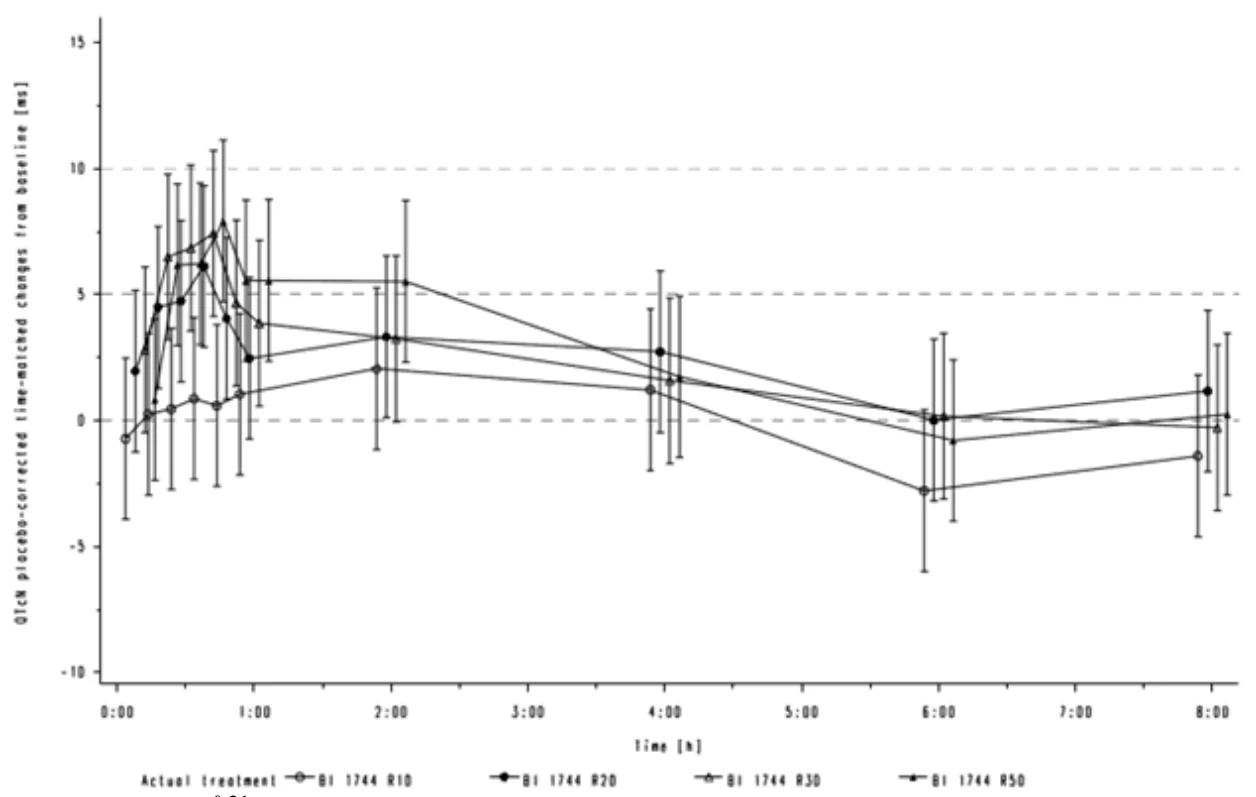
*QTcN=QT/RR0.21 (population heart rate-corrected QT interval)
At the 20 to 50 microgram doses, dose-dependent increases in heart rate were observed that were maximal at 20 min post-dosing. At the 20 min time point, the placebo-adjusted mean time-matched changes from baseline in heart rate [bpm] were 1.1 (90% CI -0.9, 3.1) at 10 micrograms, 2.4 (90% CI 0.4, 4.4) at 20 micrograms, 6.1 (90% CI 4.1, 8.2) at 30 micrograms, and 8.4 (6.4, 10.4) at 50 micrograms.
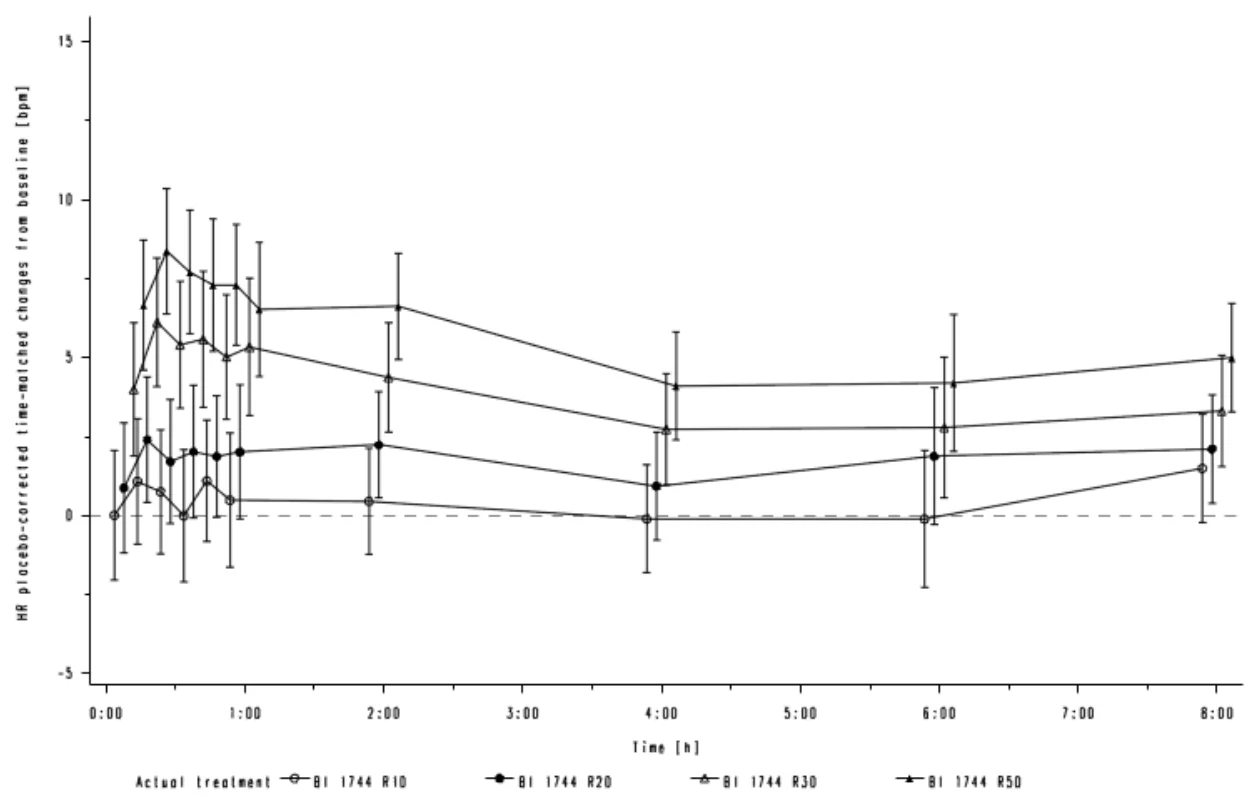
Cmax values for the 10 mcg, 20 mcg, 30 mcg, and 50 mcg single doses in this study were 3.3 pg/mL, 5.3 pg/mL, 9.6 pg/mL, and 16.2 pg/mL, respectively. The Cmax for the 5 mcg therapeutic dose at steady-state in patients with COPD is expected to average 4 pg/mL.
The effect of 5 microgram and 10 microgram STRIVERDI RESPIMAT on heart rate and rhythm was assessed using continuous 24-hour ECG recording (Holter monitoring) in a subset of 772 patients in the 48-week, placebo-controlled Phase 3 Trials. There were no dose- or time-related trends or patterns observed for the magnitudes of mean changes in heart rate or premature beats. Shifts from baseline to the end of treatment in premature beats did not indicate meaningful differences between olodaterol 5 microgram, 10 microgram and placebo.
Tachyphylaxis
In the 48 week trials, the bronchodilator effects of STRIVERDI RESPIMAT were maintained throughout the treatment period.
Pharmacokinetics
Table 3: Summary of olodaterol pharmacokinetic parameters
| Cmax 1 (pg/mL) | t½ 2 (h) | AUC0- (pg·h/mL) | Clearance 3 (mL/min) | Volume of distribution 3 (L) |
|---|---|---|---|---|
| 4.02 (46.7) | 45.1 (36.0) | 3.38 (39.2) | 872 (33.5) | 1110 (29.5) |
1 Geometric mean (gCV%) values from COPD patients treated once daily for 4 weeks with 5 mcg olodaterol
2 Geometric mean (gCV%) terminal half-life determined in healthy volunteers following 2 weeks inhalation of 30 mcg olodaterol
3 Geometric mean (gCV%) values determined following intravenous administration of olodaterol to healthy volunteers
Information on the pharmacokinetics of olodaterol has been obtained from healthy subjects, COPD patients following oral inhalation of doses at and above the therapeutic dose.
Olodaterol showed linear pharmacokinetics with a dose-proportional increase of systemic exposure after single inhaled doses of 5 to 70 mcg and multiple once daily inhaled doses of 5 to 20 mcg.
On repeated once daily inhalation steady-state of olodaterol plasma concentrations were achieved after 8 days, and the extent of exposure was increased up to 1.8-fold as compared to a single dose.
Absorption: Olodaterol is rapidly absorbed, reaching maximum plasma concentrations generally within 10 to 20 minutes following drug inhalation. In healthy volunteers the absolute bioavailability of olodaterol following inhalation was estimated to be approximately 30%, whereas the absolute bioavailability was below 1% when given as an oral solution. Across-study comparisons however suggest somewhat higher systemic exposure in COPD patients than in healthy subjects (~34% higher steady state Cmax, ~23% higher steady state AUC0-1).
Distribution: Olodaterol exhibits multi-compartmental disposition kinetics after inhalation as well as after intravenous administration. The volume of distribution is high (1110 L), suggesting extensive distribution into tissue. In vitro binding of [14C] olodaterol to human plasma proteins is independent of concentration and is approximately 60%.
Metabolism: Olodaterol is substantially metabolized by direct glucuronidation and by O-demethylation at the methoxy moiety followed by conjugation. Of the six metabolites identified, only the unconjugated demethylation product (SOM 1522) binds to ß2-receptors; this metabolite, however, is not detectable in plasma after chronic inhalation of the recommended therapeutic dose or doses of up to 4-fold higher.
Cytochrome P450 isozymes CYP2C9 and CYP2C8, with negligible contribution of CYP3A4, are involved in the O-demethylation of olodaterol, while uridine diphosphate glycosyl transferase isoforms UGT2B7, UGT1A1, 1A7 and 1A9 were shown to be involved in the formation of olodaterol glucuronides.
Excretion: Total clearance of olodaterol in healthy volunteers is 872 mL/min, and renal clearance is 173 mL/min.
The terminal half-life following intravenous administration is 22 hours. The terminal half-life following inhalation in contrast is about 45 hours, indicating that the latter is determined by absorption rather than by elimination processes.
Following intravenous administration of [14C]-labelled olodaterol, 42.5% of the radioactive dose was recovered in the urine and 53% was recovered in feces. The amount of unchanged olodaterol recovered in the urine after intravenous administration was 19%. Following oral administration, only 9% of the radioactivity was recovered in urine, while the major portion was recovered in feces (84%). More than 90% of the dose was excreted within 6 and 5 days following intravenous and oral administration, respectively. Following inhalation, excretion of unchanged olodaterol in urine within the dosing interval in healthy volunteers at steady state accounted for 5-7% of the dose.
Special Populations and Conditions
Pediatrics: The safety and effectiveness of STRIVERDI RESPIMAT in the pediatric population have not been established.
Geriatrics: Elderly patients can use STRIVERDI RESPIMAT at the recommended dose.
Gender: Subgroup analyses based on gender did not reveal any interactions that require special consideration.
Race: Comparison of pharmacokinetic data within and across studies revealed a trend for higher systemic exposure in Japanese (approximately 1.7-fold) and other Asians (1.2-fold) than in Caucasians.
Hepatic Insufficiency: In subjects with mild and moderate hepatic impairment systemic exposure to olodaterol was not affected. The effect of severe hepatic impairment on systemic exposure to olodaterol was not investigated.
Renal Insufficiency: In subjects with severe renal impairment (CLCR <30 mL/min) systemic exposure to olodaterol was on average 1.4-fold increased, up to a maximum 2-fold higher compared to healthy volunteers. As well, renal clearance and urinary excretion was lower in renal impaired patients compared to their healthy counterparts. No dose adjustment is required in these patients.
Genetic Polymorphism: Although glucuronidation of olodaterol is a major metabolic pathway, several genetic polymorphisms known to be associated with altered activity of the involved uridinediphosphate-glucuronosyltransferase isoenzymes (UGT 1A1, 1A7, 1A9 and 2B7) had no obvious impact on systemic exposure to olodaterol and olodaterol glucuronide.
STORAGE AND STABILITY
Store at 15°C–30°C. Do not freeze.
SPECIAL HANDLING INSTRUCTIONS
Prior to first use, the STRIVERDI RESPIMAT cartridge is inserted into the STRIVERDI RESPIMAT inhaler and the unit is primed.
When using the unit for the first time, patients are to actuate the inhaler toward the ground until an aerosol cloud is visible and then repeat the process three more times. The unit is then considered primed and ready for use. If used every day, no further priming is necessary. If not used for more than 7 days, patients are to actuate the inhaler once to prepare the inhaler for use. If not used for more than 21 days, patients are to actuate the inhaler until an aerosol cloud is visible and then repeat the process three more times to prepare the inhaler for use (see PART III: CONSUMER INFORMATION – PROPER USE OF THIS MEDICATION).
When the labeled number of metered actuations (60) has been dispensed from the inhaler, the STRIVERDI RESPIMAT locking mechanism will be engaged and no more actuations can be dispensed.
After insertion of the cartridge into the inhaler, STRIVERDI RESPIMAT should be discarded at the latest 3 months after first use or when the locking mechanism is engaged (60 actuations), whichever comes first.
Keep out of reach of children. Do not spray into eyes.
DOSAGE FORMS, COMPOSITION AND PACKAGING
STRIVERDI RESPIMAT is supplied in a carton containing one STRIVERDI RESPIMAT cartridge and one STRIVERDI RESPIMAT inhaler. The STRIVERDI RESPIMAT cartridge is an aluminum cylinder with a tamper protection seal on the cap. The drug product, STRIVERDI RESPIMAT, is composed of an aqueous solution of olodaterol filled into a plastic container crimped into an aluminum cylinder (STRIVERDI RESPIMAT cartridge) for use with the STRIVERDI RESPIMAT inhaler.
The STRIVERDI RESPIMAT inhaler is a propellant free hand-held, pocket-sized, multi-dose, oral inhalation device. The STRIVERDI RESPIMAT inhaler is a cylindrical-shaped plastic inhalation device with a grey-colored body and a clear base. The clear base is removed to insert the cartridge. The inhaler contains a dose indicator and a locking mechanism that engages after the declared number of doses has been delivered. The yellow colored cap and the written information on the label of the grey inhaler body indicates that it is labeled for use with the STRIVERDI RESPIMAT cartridge.
The STRIVERDI RESPIMAT cartridge when used with the STRIVERDI RESPIMAT inhaler, is designed to deliver 60 metered actuations after preparation for use; the equivalent of 30 days medication when used according to the directions for use (one dose equals two actuations).
Each dose (1 dose equals 2 actuations) from the STRIVERDI RESPIMAT inhaler delivers 5 mcg olodaterol in from the mouthpiece. As with all inhaled drugs, the actual amount of drug delivered to the lung may depend on patient factors, such as the coordination between the actuation of the inhaler and inspiration through the delivery system. The duration of inspiration should be at least as long as the spray duration (1.5 seconds).
Excipients include purified water, benzalkonium chloride, disodium edetate, and citric acid. The STRIVERDI RESPIMAT cartridge is only intended for use with the STRIVERDI RESPIMAT inhaler.
PART II: SCIENTIFIC INFORMATION
PHARMACEUTICAL INFORMATION
Drug Substance
Proper name: olodaterol hydochloride
Chemical name:
2H-1,4-Benzoxazin-3(4H)-one, 6-hydroxy-8-[(1R)-1-hydroxy-2-[[2-(4-methoxyphenyl)-1,1-dimethylethyl]amino]ethyl]-, monohydrochloride
Molecular formula and molecular mass:
The molecular weight is 422.9 g/mole (salt); 386.5 g/mole (base) and the molecular formula is C21H26N2O5 x HCl as a hydrochloride. The conversion factor from salt to free base is 1.094.
Structural formula:
NH O NH O OH OH CH3 CH3 O CH3 HCl
Physicochemical properties:
- Physical appearance: White to off-white powder
- Melting temperature: 210 – 220°C (DSC)
- pH dependent solubility: sparingly - slightly soluble (>20 -1.1 mg/ml) over the entire pH-range. The solubility in water is more than 20 mg/ml at intrinsic pH of 6.2.
Solubility in organic solvents:
- methanol freely soluble (250 mg/ml)
- ethanol soluble (40 mg/ml)
- 2-propanol slightly soluble (2 mg/ml)
- acetone sparingly soluble (20 mg/ml)
- Polymorphism : Polymorphs have not been observed.
CLINICAL TRIALS
Study Demographics and Trial Design
The efficacy and safety of STRIVERDI RESPIMAT was evaluated in two pairs of confirmatory replicate, 48 week trials (i.e. trials 1222.11 and 1222.12; trials 1222.13 and 1222.14). All trials were randomized, double-blind, placebo-controlled studies with similar inclusion and exclusion criteria and concomitant medications.
In trials 1222.11 and 1222.12, the primary efficacy endpoints were change from pre-treatment baseline in FEV1 AUC0-3 and change from pre-treatment baseline in trough (pre-dose) FEV1 after 12 weeks of treatment. In trials 1222.13 and 1222.14, the primary efficacy endpoints were change from pre-treatment baseline in FEV1 AUC0-3, change from pre-treatment baseline in trough (pre-dose) FEV1, and Mahler Transition Dyspnea Index (TDI) focal score after 24 weeks of treatment; the SGRQ total score after 24 weeks was also included as a key secondary endpoint.
Patients enrolled into these pivotal trials were 40 years of age or older with a clinical diagnosis of COPD, had a smoking history of at least 10 pack years and had moderate to very severe pulmonary impairment (post-bronchodilator FEV1 less than 80% predicted normal (GOLD Stage II-IV); post-bronchodilator FEV1 to FVC ratio of less than 70%).
A total of 3104 COPD patients were included in these trials (876 received the 5 mcg dose, 883 received the 10 mcg dose) (see Table 4).
Table 4: Summary of trial design and patient demographics for pivotal clinical trials
| Study # | Trial design | Dosage (oral inhalation) | Study subjects (N) Mean age (range) Gender (%) | Primary Efficacy Endpoints |
|---|---|---|---|---|
| 1222.11 | 48-week treatment, randomized, double-blind, placebo-controlled, parallel group | Olodaterol 5 mcg qd, Olodaterol 10 mcg qd, placebo | N = 624 64.9 (40 - 87) yrs M: 73.2% F: 26.8% | FEV1 AUC0-3 and Trough FEV1 at 12 weeks |
| Study # | Trial design | Dosage (oral inhalation) | Study subjects (N) Mean age (range) Gender (%) | Primary Efficacy Endpoints |
|---|---|---|---|---|
| 1222.12 | 48-week treatment, randomized, double-blind, placebo-controlled, parallel group | Olodaterol 5 mcg qd Olodaterol 10 mcg qd placebo | N = 642 64.6 (40 – 84) yrs M: 71.0% F: 29.0% | FEV1 AUC0-3 and Trough FEV1 at 12 weeks |
| 1222.13 | Olodaterol 5 mcg qd, Olodaterol 10 mcg qd, Formoterol 12 mcg bid, placebo | N= 904 63.8 (40 – 89) yrs M: 78.1% F: 21.9% | FEV1 AUC0-3, Trough FEV1, and Mahler TDI focal score at 24 weeks | |
| 1222.14 | 48-week treatment, randomized, double- placebo-controlled, active-controlled, parallel group | Olodaterol 5 mcg qd, Olodaterol 10 mcg qd, Formoterol 12 mcg bid, placebo | N=934 64.1 (40 – 88) yrs M: 81.2% F: 18.8% | FEV1 AUC0-3, Trough FEV1, and Mahler TDI focal score at 24 weeks |
The majority of the 3104 patients recruited in the 48 week trials were male (77%), white (66%) or Asian (32%), with a mean age of 64 years. Mean post-bronchodilator FEV1 was 1.38 L (GOLD II [50%], GOLD III [40%], GOLD IV [10%]). Mean β2-agonist responsiveness was 15% of baseline (0.160 L). With the exception of other long acting β2-agonists, all pulmonary medications were allowed as concomitant therapy [e.g. tiotropium (24%), ipratropium (25%), inhaled steroids (45%), xanthines (16%)]; patient enrolment was stratified by tiotropium use.
Study results
Lung Function
In each of the four pivotal trials, STRIVERDI RESPIMAT 5 mcg, administered once daily in the morning, provided significant improvement in lung function measured by FEV1 AUC0-3 and trough FEV1 at Week 12 (trials 1222.11 and 1222.12) and Week 24 (trials 1222.13 and 1222.14) (Table 5). There was no additional benefit of olodaterol 10 mcg once daily when compared with olodaterol 5 mcg once daily. The lung function improvements were evident in both tiotropium users and non-tiotropium users. The bronchodilator effects of STRIVERDI RESPIMAT 5 mcg were maintained throughout the 48 week treatment period. Improvements in lung function were seen 5 minutes after the first dose.
Table 5: Efficacy of STRIVERDI RESPIMAT 5 mcg once daily in four pivotal studies with respect to lung function co-primary efficacy endpoints
| FEV1 AUC0-3 response (L) | p- value | Trough FEV1 Response (L) | p-value | ||||
Treatment differences versus Placebo (mean, 95% CI) following 12 weeks of treatment | |||||||
| 1222.11 | 0.172 (0.135, 0.209) | <0.0001 | 0.091 (0.054, 0.128) | <0.0001 | |||
| 1222.12 | 0.151 (0.116, 0.185) | <0.0001 | 0.047 (0.011, 0.084) | <0.0116 | |||
| 1222.11/12 | 0.161 (0.136, 0.187) | <0.0001 | 0.069 (0.043, 0.095) | <0.0001 | |||
Treatment differences versus Placebo (mean, 95% CI) following 24 weeks of treatment | |||||||
| 1222.13 | 0.151 (0.110, 0.193) | <0.0001 | 0.078 (0.037, 0.118) | 0.0002 | |||
| 1222.14 | 0.129 (0.091, 0.167) | <0.0001 | 0.053 (0.015, 0.090) | 0.0055 | |||
| 1222.13/14 | 0.140 (0.112, 0.168) | <0.0001 | 0.065 (0.037, 0.092) | <0.0001 | |||
Symptom Related Outcomes
After 24 weeks of treatment (trials 1222.13 and 12221.4; combined dataset), there was no significant difference between STRIVERDI RESPIMAT 5 mcg qd, formoterol 12 mcg bid and placebo in the Mahler Transition Dyspnea Index (TDI) focal score(the mean difference to placebo was 0.318 unit, p=0.1704).
After 24 weeks of treatment (trials 1222.13 and 12221.4; combined dataset), the mean difference between STRIVERDI RESPIMAT 5 mcg and placebo regarding the St. George’s Respiratory Questionnaire (SGRQ) total score was -2.85 units (95%CI -0.94 to -4.75). The improvements were seen in all 3 SGRQ domains (symptoms, activities, impact). More patients treated with STRIVERDI RESPIMAT 5 mcg had an improvement in SGRQ total score greater than the minimum clinically important difference (MCID) (4 units) compared to placebo (50.2% vs. 36.4%).
Patients treated with STRIVERDI RESPIMAT 5 mcg used less daytime and nighttime rescue salbutamol compared to patients treated with placebo.
Exercise tolerance and dynamic hyperinflation
The effect of STRIVERDI RESPIMAT 5 mcg on symptom-limited exercise tolerance in COPD patients was investigated in two replicate, randomised, double-blind, placebo-controlled, 6 week cross-over trials (trials 1222.37 and 1222.38). In these trials, STRIVERDI RESPIMAT 5 mcg improved exercise endurance time by 14.0% (p=0.0002) and 11.8% (p=0.0018) respectively, compared to placebo. STRIVERDI RESPIMAT 5 mcg also reduced lung hyperinflation (reduced functional residual capacity, FRC), resulting in increased inspiratory capacity at rest and during exercise compared to placebo.
DETAILED PHARMACOLOGY
Pharmacodynamics
24 Hr Lung Function Profile
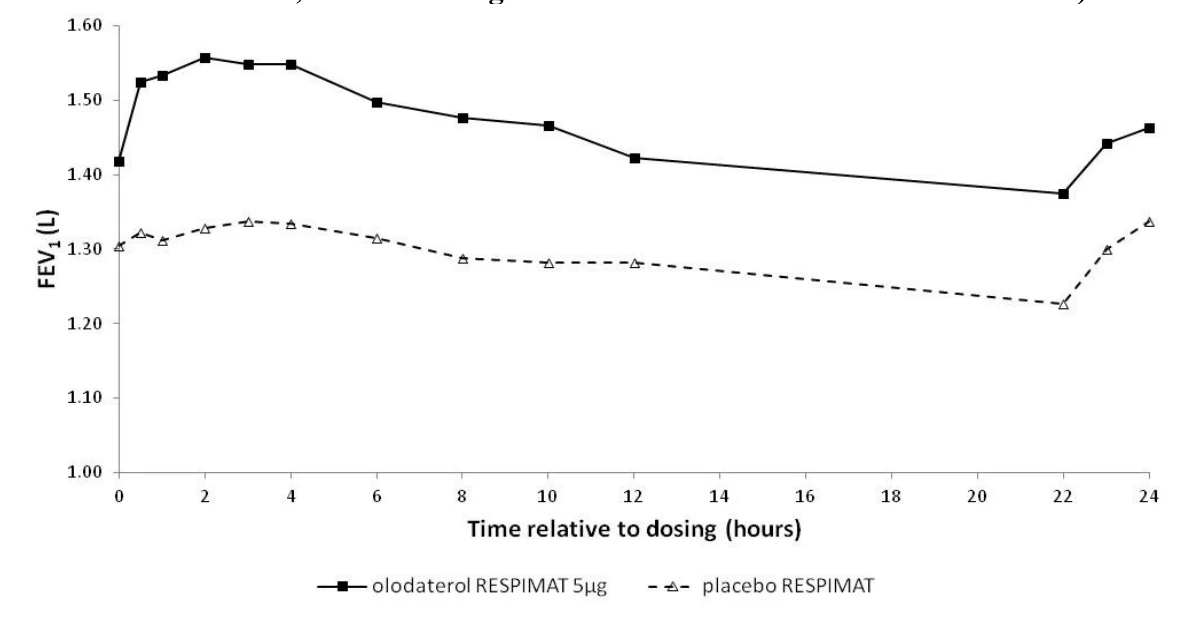
The bronchodilatory profile of STRIVERDI RESPIMAT 5 mcg over the 24 hour dosing interval was evaluated in two pairs of replicate, placebo- and active-controlled, 6 week cross-over trials in 199 patients (trials 1222.24 and 1222.25) and 230 patients (trials 1222.39 and 1222.40) with moderate to very severe COPD. Mean beta2-agonist responsiveness ranged from 14% -21% of baseline (0.18 to 0.22 L). All pulmonary medications were allowed as concomitant therapy with the exception of other LABAs (all trials) and anti-cholinergics (Trials 1222.39 and 1222.40). In all four trials, the primary endpoints were change from pre-treatment baseline in FEV1 AUC0-12hr and FEV1 AUC12-24hr after 6 weeks; although not a primary endpoint, trough FEV1 was also measured after 6 weeks. STRIVERDI RESPIMAT 5 mcg showed a significantly greater FEV1 response compared to placebo (p<0.0001) over the full 24 hour dosing interval (Figure 1and Figure 2).
Figure 1 FEV1 profile for STRIVERDI RESPIMAT 5 mcg and placebo over a continuous 24 hour dosing interval (trials 1222.24 and 1222.25; combined dataset; anti-cholinergics allowed as concomitant medication)
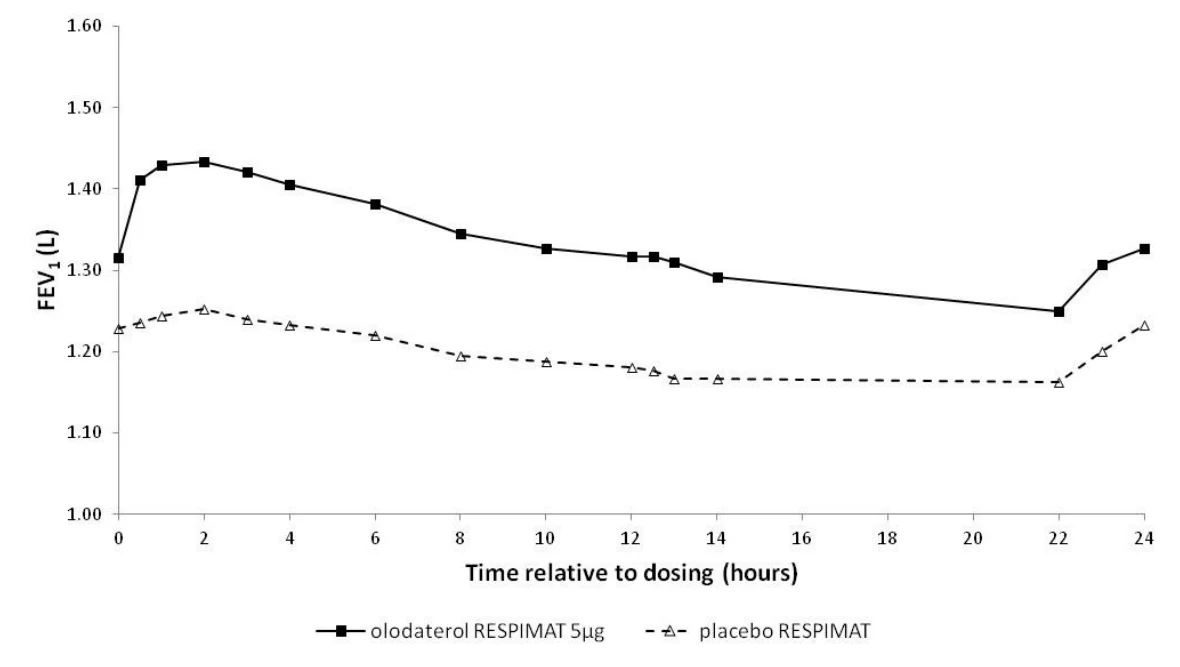
Figure 2 FEV1 profile for STRIVERDI RESPIMAT 5 mcg and placebo over a continuous 24 hour dosing interval (trials 1222.39 and 1222.40; combined dataset; anti-cholinergics not allowed as concomitant medication)
Metabolism
A human ADME study with intravenous and oral administration of olodaterol was performed, as it is not appropriate to administer [14C]-labelled drug via inhalation to humans. Intravenous administration mimicked the fate of inhaled olodaterol following absorption via the lung, oral administration revealed the fate of the swallowed portion.
Olodaterol is substantially metabolized, with about half of the drug-related material excreted after intravenous administration being metabolites. The metabolic pathways involve direct glucuronidation of olodaterol and O-demethylation at the methoxy moiety followed by glucuronidation or sulfation. Of six metabolites identified only the unconjugated demethylation product SOM 1522 exhibits pharmacological activity on the ß2-receptor, with binding affinity and agonistic potency similar to olodaterol. SOM 1522 however is a minor metabolite, which was not detectable in plasma after chronic inhalation of the planned therapeutic dose or doses of up to 4-fold higher. All other metabolites, i.e. conjugates of olodaterol or of SOM 1522, show insignificant pharmacological activity.
After intravenous administration, unchanged olodaterol was the dominant compound in human plasma, followed by the olodaterol glucuronide CD 992 and the SOM 1522 glucuronide CD 10915 (metabolite to parent ratio: 0.5 for both metabolites). After oral administration, predominantly CD 992 was found in plasma (metabolite to parent ratio: 5.0), followed by CD 10915 (metabolite to parent ratio: 1.5) and unchanged olodaterol. The other metabolites [SOM 1522, the SOM 1522 glucuronide CD 11249, the SOM 1522 sulfate CD 12656 and – only after oral administration – the olodaterol glucuronide M565(2)] were present in minor amounts.
Dose Proportionality, Accumulation and Variability
Steady state plasma concentrations of olodaterol were achieved within 8 days of once daily inhalation. Accumulation ratios were in the range of 1.1 to 1.6 for Cmax and 1.3 to 1.8 for AUC values (AUC0-1 or AUC0-3).
The inter-individual variability of olodaterol plasma concentrations after inhalation was moderate. After inhalation of the planned therapeutic dose of 5 μg by COPD patients, geometric coefficients of variation for single dose and steady state Cmax and AUC0-1 values ranged from 26% to 57%.
Pharmacokinetics in COPD patients
Effects of Olodaterol on Other Drugs
In vitro investigations indicated that olodaterol and its major metabolite CD 992 have little potential to inhibit or induce CYP enzymes at the exposure levels expected to be achieved in clinical practice. Likewise, inhibition of P-gp and other transporters (OATP, OAT and OCT isoforms, BCRP) based on the results of in vitro studies is unlikely. Thus, effects of olodaterol on systemic exposure levels of other medications are not to be expected and were therefore not investigated in clinical studies.
Systemic Pharmacodynamics
A number of systemic pharmacodynamic parameters known to be responsive to β2-agonists were examined in the first clinical trial with inhaled olodaterol doses of up to 70 μg.
These included cardiovascular parameters such as blood pressure, heart rate and QT/QTc intervals, and laboratory parameters such as cAMP, potassium, glucose, insulin, C-peptide, free fatty acids and lactate. Among the laboratory parameters, cAMP and potassium levels were found to be the most sensitive markers of systemic pharmacodynamic activity; therefore their dose-response relationship was further evaluated in subsequent studies besides the cardiovascular parameters.
Effects on Cyclic Adenosine Monophosphate (cAMP)
Dose and exposure dependent increases in cAMP concentrations after inhalation of olodaterol in healthy volunteer studies were seen starting with the dose of 10 μg. As there are no known clinical implications of increased cAMP plasma concentrations, measurement of cAMP was not further pursued in Phase 2 and Phase 3 trials.
Effects on potassium
In healthy volunteer studies, treatment related transient decreases of blood potassium concentrations were observed starting at inhaled doses of 10–20 μg olodaterol. The effects became more pronounced with increasing olodaterol doses and systemic exposure. At the highest tested inhaled dose of 70 μg, the maximum decrease from baseline potassium concentrations amounted to -0.63 mmol/L. In Phase 2 and Phase 3 studies with COPD patients, treatment related decreases of potassium were noted only at doses of 20 μg or above, while no effects of olodaterol on blood potassium concentrations were apparent at the planned therapeutic dose (5 μg) or twice the planned therapeutic dose (10 μg).
Treatment related decreases in diastolic blood pressure and/or increases in systolic blood pressure were noted after inhaled doses of 20 μg or greater in a QT study. In a single rising dose study in healthy volunteers, effects became apparent starting with the dose of 15 μg; the average changes from baseline however even at the highest tested dose of 70 μg did not exceed values of -13.7 mmHg for diastolic blood pressure and 7.3 mmHg for systolic blood pressure.
TOXICOLOGY
Acute Toxicity
Acute toxicity after single-dose inhalation, intravenous and oral administration in mice and rats, was low. Single oral administrations of olodaterol were well tolerated in mice and rats up to 1000 mg/kg and 316 mg/kg, respectively. The single-dose safety pharmacology studies showed the expected effects of a beta2-adrenergic agonist including decreased blood pressure, and increased heart rate and force of contraction.
Repeat-dose Toxicity
The effects in the inhalation repeat-dose studies in mice, rats and dogs were mainly related to beta2-adrenergic properties of olodaterol including increased body weight and muscle mass and food consumption (rodents). Reduced epididymides and testes weights and increased ovary and uterus weights as well as increased heart weight were commonly observed in rodents. The effects of olodaterol in the toxicity studies in dogs were mainly an increase in heart rate, changes in glycogen distribution in the liver and papillary muscle necrosis as well as an increased body weight and elevated creatine kinase and plasma creatinine levels related to the beta2-adrenergic properties of olodaterol. QTc prolongation was observed in dogs only after oral administration of olodaterol. Irritancy of the upper respiratory tract in mice and rats consisting of epithelial changes of the nasal cavity and larynx and necrosis of the U shaped cartilage in the larynx were observed at all doses including vehicle and therefore may be attributed to the formulation. All these findings were observed only at exposures in excess of the human exposure at 5 mcg olodaterol. The clinical significance of these is likely of little relevance, yet they do remain unclear.
Table 6: Sub-chronic and chronic toxicology (pivotal studies, longest treatment duration only)
| Study Type | Species | Route | Doses [mcg/kg/day] | Findings |
|---|---|---|---|---|
| 13-week | CD1 Mouse | Inhalation | 63, 211, 900 3258 | Findings at all doses comprised excess salivation, increased body weight, food consumption, K+values, decreased triglycerides values, increased weights of lung, spleen and heart. At ≥211 mcg/kg increased ovarian and uterus weight, squamous metaplasia of the larynx. At ≥900 mcg/kg muscle mass was mildly increased. At 3258 mcg/kg thickened uterus and myometrium and increase nos of corpora lutea and cystic glands in the endometrium. In all groups, including controls, transitional cell hyperplasia of the laryngeal epithelium. NOAEL = 63 mcg/kg/day, not considering pharmacodynamic effects |
| 26-week | Wistar Rat | Inhalation | 49, 200, 3400 | Findings at all doses comprised increased body weight, food consumption, increased skeletal muscle mass and slightly elevated liver parameters, decreased white adipose tissue and degeneration of laryngeal cartilage. At 200 |
| Study Type | Species | Route | Doses [mcg/kg/day] | Findings |
|---|---|---|---|---|
mcg/kg decreased liver glycogen, squamous metaplasia in the larynx and foam cells in the lungs. In addition at 3400 mcg/kg irritation of the respiratory tract, squamous metaplasia in the nasal cavities, larynx & tracheal bifurcation, hemorrhages in corpora lutea, distension of uterus horns, decreased tested weights. All findings were reversible after recovery. NOAEL = 200 mcg/kg/day, not considering pharmacodynamic effects | ||||
| 52-week | Beagle Dog | Inhalation | 15, 60, 330 | Findings at all doses comprised increase heart force, heart rate with mitigation as the study progressed, dry mouth mucosa, increased body weight CK and plasma creatinine values, decreased prostate weight. At 60 mcg/kg ventricular arrhythmias, increased QTf, cTnI and fibrotic foci in the myocardium of left papillary muscles, change of the glycogen distribution and content in liver, glandular atrophy of the prostate were observed. In addition at 330 mcg/kg increases in blood pressure and glandular atrophy of the prostate. NOAEL = 15 mcg/kg/day, not considering pharmacodynamic effects |
Reproductive Toxicity
In rats, no teratogenic effects occurred after inhalation at doses 1054 mcg/kg/day (> 2600 times the human exposure (AUC(0-24h)) at the dose of 5 mcg). In pregnant NZW rabbits, an inhalation dose of 2489 mcg/kg/day (approximately 7130 times the human exposure at 5 mcg based on AUC(0-24h)) of olodaterol exhibited fetal toxicity characteristically resulting from beta-adrenoceptor stimulation; these included patchy ossifications, short/bent bones, partially open eye, cleft palate, cardiovascular abnormalities. No significant effects occurred at an inhalation dose of 974 mcg/kg (approximately 1353 times the 5 mcg dose based on AUC(0-24h)).
No impairment of male or female fertility or early embryonic development was seen in the rat up to inhalation doses of 3068 mcg/kg (approximately 2332 times the 5 mcg dose based on AUC(0-24h)).
No effects were observed on mating, fertility or bearing of live implants to Day 14/15/16 of gestation in the F1 animals in the rat up to inhalation doses of 3665 mcg/kg/day (approximately 2332 times the 5 mcg dose based on AUC(0-24h)).
Table 7: Reproductive Toxicology (pivotal studies)
| Study Type | Species | Route | Doses [mcg/kg/day] | Findings |
| Fertility, reproductive performance and early embryonic development | SD Rat | Inhalation | 58, 192, 3068 | Findings at all doses comprised excessive salivation, reddened skin, increased body weight, food consumption, decreased weights of testes and epididymides. At 3068 mcg/kg: subdued behavior. NOAEL paternal / maternal: = 58 mcg/kg/day, NOAEL fertility / embryonic development / mating: = 3068 mcg/kg/day |
| Embryo-fetal development | SD Rat | Inhalation | 64, 222, 1054 | Maternal findings at all doses were increased body weight, food consumption. Embryo-fetal findings comprised increased body weight at all doses. NOAEL maternal & embryo-fetal = 1054 mcg/kg/day |
| Embryo-fetal development | NZW Rabbit | Inhalation | 289, 974, 2489 | Maternal findings at all doses were increased body weight. Embryo-fetal findings at 2489 mcg/kg comprised thickened ribs/distorted rib cage, short/bent scapula/humerus/ radius/ulna/femur/ tibia/fibula and/or limb flexure combined, partially open eye and/or cleft palate, unossified areas/patchy ossification of the cranial bones/ribs/long bones; cardiovascular abnormalities. NOAEL maternal = 2489 mcg/kg/day, NOAEL embryo-fetal = 974 mcg/kg/day |
| Pre- and postnatal development, including maternal function | SD Rat | Inhalation | 58, 297, 3665 | Maternal findings at all doses comprised increased body weight gain, salivation NOAEL F0 & F1 generation: = 3665 mcg/kg/day |
Genotoxicity
In the in vivo rat bone marrow micronucleus assay after inhalation exposure (up to approximately 1092 times the 5 mcg dose based on AUC(0-24h)) and the in vitro (Ames test, mouse lymphoma assay) mutagenicity assays, olodaterol was free of any genotoxic potential up to very high dose levels. An increased frequency of micronuclei was observed in rats after i.v. exposure at doses of at least 5500-times the 5 mcg dose based on AUC(0-24h) may be related to drug enhanced (compensatory) erythropoiesis.
Carcinogenicity
Lifetime treatment of rats induced class- and rodent-specific leiomyomas of the mesovarium at exposures approximately 198-fold and 18-fold the exposure at the dose of 5 mcg based on AUC(0-24h).. Lifetime treatment of mice induced class- and rodent-specific smooth muscle tumours (leiomyomas, leiomyosarcomas) of the uterus and incidences of sex cord stromal focal hyperplasia and luteal focal hyperplasia in the ovary at exposures approximately 42- to 318-fold the exposure at the dose of 5 mcg based on AUC(0-24h). Increases in leiomyomas and leiomyosarcomas of the female rodent reproductive tract have been similarly demonstrated with other β2-adrenergic agonist drugs. The relevance of these findings to human use is unknown.
Table 8: Carcinogenicity
| Study Type | Species | Route | Doses [mcg/kg/day] | Findings |
| Carcinogenicity | Mouse CD1 | Inhalation | 26, 77, 255 | Findings at all doses comprised increased body weight, food consumption, muscle mass At doses ≥77 mcg/kg/day increased incidences of leiomyomas and leiomyosarcomas of the uterus, sex cord stromal focal hyperplasia and luteal focal hyperplasia of the ovary. No tumor findings were observed in male mice at doses up to 255 mcg/kg/day. |
| Carcinogenicity | Wistar Rat | Inhalation | 26, 76, 270 | Findings at all doses comprised increased body weight, food consumption, muscle mass. At doses ≥26 mcg/kg/day increased incidences of leiomyomas of the mesovarium |
REFERENCES
- 1. Sly RM. Adverse effects and complications of treatment with beta adrenergic agonist drugs. J Allergy Clin Immunol 1985;75:443-9. (P85-1692).