


Product Monograph - Taro-Testosterone Gel Pump
RECENT MAJOR LABEL CHANGES
| 4 DOSAGE AND ADMINISTRATION, 4.2 Recommended Dose and Dosage Adjustment | 09/2026 |
|---|---|
| 4 DOSAGE AND ADMINISTRATION, 4.4 Administration | 09/2026 |
| 7 WARNINGS AND PRECAUTIONS | 03/2026 |
| 7 WARNINGS AND PRECAUTIONS, Potential for Secondary Exposure to Testosterone | 03/2026 |
| 7 WARNINGS AND PRECAUTIONS, General | 03/2026 |
| 7 WARNINGS AND PRECAUTIONS, Cardiovascular | 03/2026 |
| 7 WARNINGS AND PRECAUTIONS, Reproductive Health | 03/2026 |
| 7 WARNINGS AND PRECAUTIONS, Skin | 03/2026 |
| 7 WARNINGS AND PRECAUTIONS, 7.1.4 Geriatrics | 03/2026 |
TABLE OF CONTENTS
Certain sections or subsections that are not applicable at the time of the preparation of the most recent authorized product monograph are not listed.
RECENT MAJOR LABEL CHANGES……………………………………………………………………………………………..2
TABLE OF CONTENTS ................................................................................................................ 2
PART I: HEALTH PROFESSIONAL INFORMATION ........................................................................ 4
1 INDICATIONS ................................................................................................................. 4
1.1 Pediatrics ................................................................................................................. 4
1.2 Geriatrics ................................................................................................................. 4
2 CONTRAINDICATIONS .................................................................................................... 4
3 SERIOUS WARNINGS AND PRECAUTIONS BOX .............................................................. 5
4 DOSAGE AND ADMINISTRATION ................................................................................... 5
4.1 Dosing Considerations ............................................................................................. 5
4.2 Recommended Dose and Dosage Adjustment ......................................................... 5
4.4 Administration ........................................................................................................ 6
5 OVERDOSAGE ................................................................................................................ 8
6 DOSAGE FORMS, STRENGTHS, COMPOSITION AND PACKAGING ................................... 8
7 WARNINGS AND PRECAUTIONS .................................................................................... 9
7.1 Special Populations ................................................................................................ 14
7.1.1 Pregnant Women .................................................................................................. 14
7.1.3 Pediatrics ............................................................................................................... 15
7.1.4 Geriatrics ................................................................................................................ 15
8 ADVERSE REACTIONS ................................................................................................... 15
8.1 Adverse Reaction Overview ................................................................................... 15
8.2 Clinical Trial Adverse Reactions ............................................................................. 16
8.3 Less Common Clinical Trial Adverse Reactions ...................................................... 17
8.4 Abnormal Laboratory Findings: Hematologic, Clinical Chemistry and Other Quantitative Data ............................................................................................................. 19
8.5 Post-Market Adverse Reactions ............................................................................. 19
9 DRUG INTERACTIONS .................................................................................................. 24
9.4 Drug-Drug Interactions .......................................................................................... 24
9.5 Drug-Food Interactions .......................................................................................... 25
9.6 Drug-Herb Interactions .......................................................................................... 25
9.7 Drug-Laboratory Test Interactions ......................................................................... 25
10 CLINICAL PHARMACOLOGY ......................................................................................... 25
10.1 Mechanism of Action ............................................................................................. 25
10.2 Pharmacodynamics ............................................................................................... 25
10.3 Pharmacokinetics .................................................................................................. 26
11 STORAGE, STABILITY AND DISPOSAL ........................................................................... 28
12 SPECIAL HANDLING INSTRUCTIONS ............................................................................. 28
PART II: SCIENTIFIC INFORMATION ......................................................................................... 29
13 PHARMACEUTICAL INFORMATION .............................................................................. 29
14 CLINICAL TRIALS .......................................................................................................... 30
14.1 Trial Design and Study Demographics ................................................................... 30
14.2 Study Results ......................................................................................................... 31
14.3 Comparative Bioavailability Studies ...................................................................... 33
15 MICROBIOLOGY ........................................................................................................... 34
16 NON-CLINICAL TOXICOLOGY ........................................................................................ 34
17 SUPPORTNG PRODUCT MONOGRAPHS ....................................................................... 36
PATIENT MEDICATION INFORMATION .................................................................................... 37
PART I: HEALTH PROFESSIONAL INFORMATION
1 INDICATIONS
Taro-Testosterone Gel (testosterone) is indicated for:
- testosterone replacement therapy in adult males for conditions associated with a deficiency or absence of endogenous testosterone (hypogonadism).
Taro-Testosterone Gel should not be used to treat non-specific symptoms suggestive of hypogonadism if testosterone deficiency has not been demonstrated and if other etiologies responsible for the symptoms have not been excluded. Testosterone deficiency should be clearly demonstrated by clinical features and confirmed by biochemical assays (Endocrine Society Guidelines recommend two separate tests preferably in the morning) before initiating therapy with any testosterone replacement, including Taro-Testosterone Gel treatment. Due to variability in laboratory values, all measures of testosterone should be carried out in the same laboratory.
1.1 Pediatrics
Taro-Testosterone Gel is not indicated for use in children < 18 years of age since safety and efficacy have not been established in this patient population (see 7.1.3 Pediatrics).
1.2 Geriatrics
There are limited controlled clinical study data supporting the use of testosterone gel in the geriatric population (see 7 WARNINGS AND PRECAUTIONS and 14 CLINICAL TRIALS).
2 CONTRAINDICATIONS
- Taro-Testosterone Gel is not indicated for use in women.
- Pregnant and nursing women should avoid skin contact with Taro-Testosterone Gel application sites on men. Testosterone may cause fetal harm. Testosterone exposure during pregnancy has been reported to be associated with fetal abnormalities (see 7 WARNINGS AND PRECAUTIONS — Potential for Secondary Exposure to Testosterone and 7.1 Special Populations). In the event that unwashed or unclothed skin to which Taro-Testosterone Gel has been applied or clothing exposed to Taro-Testosterone Gel comes in direct contact with the skin of a pregnant or nursing woman, the general area of contact on the woman should be immediately washed with soap and water.
- Taro-Testosterone Gel is contraindicated in patients with known hypersensitivity to this drug or to any ingredient in the formulation, including testosterone USP that is chemically synthesized from soy. For a complete listing, see 6 DOSAGE FORMS. STRENGTHS, COMPOSITION AND PACKAGING.
- Androgens are contraindicated in men with known or suspected carcinoma of the prostate or breast.
3 SERIOUS WARNINGS AND PRECAUTIONS BOX
Serious Warnings and Precautions
SECONDARY EXPOSURE TO TESTOSTERONE
(See 7 WARNINGS and PRECAUTIONS-Potential for Secondary Exposure to Testosterone, Strict adherence to the precautions is advised in order to minimize the potential for secondary exposure to testosterone from Taro-Testosterone Gel -treated skin) |
|---|
4 DOSAGE AND ADMINISTRATION
4.1 Dosing Considerations
Taro-Testosterone Gel is a transparent or slightly opalescent colourless gel with an odour of alcohol containing 1% testosterone. Taro-Testosterone Gel provides continuous transdermal delivery of testosterone, the primary circulating endogenous androgen, for 24 hours following a single application to intact, clean, dry skin of the shoulders, upper arms and/or abdomen.
A daily application of Taro-Testosterone Gel 5 g, 7.5 g, or 10 g delivers 50 mg, 75 mg, or 100 mg of testosterone, respectively, per day, to the skin’s surface. Approximately 10% of the applied testosterone dose is absorbed across skin of average permeability during a 24-hour period. Taro-Testosterone Gel delivers physiologic amounts of testosterone, producing circulating testosterone concentrations that approximate normal levels (10.3 – 36.2 nmol/L or 300 – 1000 ng/dL) seen in healthy men.
4.2 Recommended Dose and Dosage Adjustment
The recommended starting and usual dose of Taro-Testosterone Gel is 5 g (to deliver 50 mg of testosterone) (4 pump actuations of Taro-Testosterone Gel Pump, two 25 mg packets or one 50 mg packet of Taro-Testosterone Gel) applied topically once daily in the morning, (preferably at the same time every day) to clean, dry, intact skin of the shoulders and upper arms and/or abdomen.
As some patients may benefit from higher doses, serum testosterone levels should be measured after initiation of therapy to assist in proper dosing. To ensure proper dosing, serum testosterone concentrations should be measured at intervals. If the desired clinical response is not achieved or if the serum testosterone concentration is below the lower limit of the normal range (10.3 nmol/L or 300 ng/dL), the daily Taro-Testosterone Gel 1% dose may be increased from 5 g to 7.5 g and from 7.5 g to 10 g for adult males as instructed by the physician. If the serum testosterone concentration exceeds the normal range, the daily testosterone dose may be decreased. If the serum testosterone concentration consistently exceeds the normal range at a daily dose of 50 mg testosterone, Taro-Testosterone Gel 1% therapy should be discontinued. In addition, serum testosterone concentrations should be assessed periodically.
Taro-Testosterone Gel is available in either 2.5 g or 5.0 g gel unit-dose packets or as Taro-Testosterone Gel Pump, a 60 actuation metered-dose pump. Taro-Testosterone Gel Pump delivers 1.25 g of gel for each time the pump mechanism is fully depressed (actuation).
Pediatrics (<18 years of age):
Taro-Testosterone Gel is not indicated for use in children < 18 years of age since safety and efficacy have not been established in this patient population (see 7.1.3 Pediatrics).
4.4 Administration
If using the metered-dose Taro-Testosterone Gel Pump, patients should be instructed to prime the new pump prior to using it for the first time. To do so, with the canister in the upright position, slowly and fully depress the actuator. Up to five depressions may be needed before all of the air is removed from the pump and gel is discharged. The first two actuations which deliver gel, should be discarded to assure precise dose delivery. Discard this portion of gel in household trash in a manner that prevents accidental application or ingestion by household members, especially nursing/pregnant women and children. It is only necessary to prime the pump before the first dose. After priming, patients should completely depress the pump once (1 actuation) for every 1.25 g of gel required to achieve the daily prescribed dosage. The gel should be delivered directly into the palm of the hand and then applied to the desired application sites, either one actuation at a time or upon completion of all actuations, required for the daily dose. Alternatively, the product can be applied directly to the application sites. Application directly to the sites may prevent loss of product that may occur during transfer from the palm of the hand onto the application sites.
For specific dosing guidelines when using the Taro-Testosterone Gel Pump, refer to the chart below:
| Prescribed Daily Dose | Number of Full Pump Actuations |
|---|---|
| 5 g | 4 |
| 7.5 g | 6 |
| 10 g | 8 |
If using the unit-dose Taro-Testosterone Gel packet, one half (½) of the contents of the packet should be squeezed into the palm of the hand and immediately applied to the application sites. Once the first half of the packet has been applied, the second half of the packet should be applied in the same manner. Application sites should be allowed to dry for a few minutes prior to dressing. Hands should be washed with soap and water thoroughly immediately after Taro-Testosterone Gel has been applied. Once the gel has dried, cover the application site with clean clothing (such as a T-shirt).
Fire, flames or smoking should be avoided until the gel has dried since alcohol based products including Taro-Testosterone Gel are flammable.
Special Notes on Administration:
The physician or health care professional should advise patients of the following:
- Taro-Testosterone Gel should not be applied to the scrotum.
- Taro-Testosterone Gel should be applied daily to clean, dry, healthy, intact skin.
- After applying this medicine patients should wait at least 1 hour before showering or bathing (see 7 WARNINGS AND PRECAUTIONS — Potential for Secondary Exposure to Testosterone.)
Transference of Taro-Testosterone Gel to another person can be completely prevented when application site is covered with a long-sleeved shirt (cotton-polyester blend).
Potential for Secondary Exposure to Testosterone and Steps to Prevent Secondary Exposure:
Secondary exposure to testosterone in children and women can occur with the use of testosterone in men. Cases of secondary exposure to testosterone have been reported in children with signs and symptoms including enlargement of the penis or clitoris, premature development of pubic hair, increased erections, and aggressive behavior (See 7 WARNINGS AND PRECAUTIONS — Potential for Secondary Exposure to Testosterone).
Physicians should advise patients of the reported signs and symptoms of secondary exposure which may include the following:
- In children; unexpected sexual development including inappropriate enlargement of the penis or clitoris, premature development of pubic hair, increased erections, and aggressive behavior (see 7 WARNINGS AND PRECAUTIONS — Potential for Secondary Exposure to Testosterone).
- In women; changes in hair distribution, increase in acne, or other signs of testosterone effects.
- The possibility of secondary exposure to testosterone should be brought to the attention of a healthcare provider.
- Testosterone should be promptly discontinued until the cause of virilization is identified.
Strict adherence to the following precautions is advised to minimize the potential for secondary exposure to testosterone from testosterone in men:
Children and women should avoid contact with unwashed or unclothed application site(s)
- of men using testosterone.
To minimize the potential for transfer to others, patients using Taro-Testosterone Gel should apply the product as directed and strictly adhere to the following:
- Wash hands with soap and water after application.
- Cover the application site(s) with clothing after the gel has dried.
- Before close physical contact with another person (adult or child), wash the application site with soap and water once the recommended time period (at least 1 hour) has passed and cover the site again with clean clothing.
- In the events that unwashed or unclothed skin to which Taro-Testosterone Gel has been applied and/or that the testosterone user’s unwashed shirts and/ or other fabrics (such as towels and sheets) come in direct contact with the skin of another person, the general area of contact on the other person should be washed with soap and water as soon as possible. Studies show that residual testosterone is removed from the skin surface by washing with soap and water.
5 OVERDOSAGE
Symptoms of a testosterone overdose are not known. No specific antidote is available. Symptomatic and supportive treatment should be given.
One case of acute testosterone enanthate overdose following an injection has been reported in the literature. This was a case of a cerebrovascular accident in a patient with a high plasma testosterone concentration of 11,400 ng/dl (395 nmol/l).
| For the most recent information in the management of a suspected drug overdose, particularly accidental oral ingestion, contact your regional poison control centre or Health Canada’s toll-free number, 1-844 POISON-X (1-844-764-7669). |
|---|
6 DOSAGE FORMS, STRENGTHS, COMPOSITION AND PACKAGING
Table – Dosage Forms, Strengths, Composition and Packaging
| Route of Administration | Dosage Form / Strength/Composition | Non-medicinal Ingredients |
|---|---|---|
| Transdermal | Gel 1% | Alcohol, Carbopol 980, Isopropyl myristate, Purified Water, Sodium hydroxide |
Taro-Testosterone Gel for topical use is a transparent or slightly opalescent colourless gel with an odour of alcohol. One gram of gel contains 10 mg of testosterone.
Availability of Dosage Forms
Taro-Testosterone Gel is supplied in a non-aerosol, metered-dose pump. The pump is composed of plastic and stainless steel and a LDPE/aluminum foil inner liner encased in rigid plastic with a polypropylene cap. Each Taro-Testosterone Gel Pump is capable of dispensing sixty 1.25 g doses.
Taro-Testosterone Gel is also supplied in unit-dose aluminum foil packets in cartons of 30. Each packet has 2.5 g or 5.0 g of gel and contains 25 mg or 50 mg of testosterone, respectively.
Taro-Testosterone Gel is supplied as follows:
| Strength | Package Size |
|---|---|
| 1% (25 mg testosterone) | 30 packets: 2.5 g gel per packet |
| 1% (50 mg testosterone) | 30 packets: 5.0 g gel per packet |
| 1% | Two 60-actuation metered-dose pumps: 1.25 g gel per actuation |
7 WARNINGS AND PRECAUTIONS
Please see 3 SERIOUS WARNINGS AND PRECAUTIONS BOX.
This product contains alcohol. Testosterone gel may cause a burning sensation on damaged skin.
Testosterone gel contains ethanol to aid transdermal delivery and is flammable. Care should be taken to avoid sources of heat / naked flames when first administering the product, until the gel has dried on the skin.
Potential for Secondary Exposure to Testosterone
Secondary exposure to testosterone in children and women can occur with testosterone use in men. Cases of secondary exposure resulting in virilization of children have been reported in post-marketing surveillance. Signs and symptoms have included enlargement of the penis or clitoris, development of pubic hair, increased erections and libido, aggressive behavior, and advanced bone age. In most cases, these signs and symptoms regressed with removal of the exposure to testosterone. In a few cases, however, enlarged genitalia did not fully return to age-appropriate normal size, and bone age remained modestly greater than chronological age. The risk of transfer was increased in some of these cases by not adhering to precautions for the appropriate use of testosterone.
Inappropriate changes in genital size or development of pubic hair or libido, premature puberty in children, or changes in body hair distribution, deepening of the voice, significant increase in acne, irregularities of the menstrual cycle or other signs of virilization in adult women should be brought to the attention of a physician and the possibility of secondary exposure to testosterone should also be brought to the attention of a physician. Testosterone should be promptly discontinued until the cause of virilization has been identified.
Strict adherence to the following precautions is advised in order to minimize the potential for secondary exposure to testosterone from Taro-Testosterone Gel -treated skin:
Children and women should avoid contact with unwashed or unclothed application site(s) of men using testosterone. Additional caution should be taken when using this
- product and in close physical contact with children as secondary transmission of testosterone through clothing cannot be excluded.
- Taro-Testosterone Gel should only be applied to the shoulders, upper arms, and/ or abdomen (area of application should be limited to the area that will be covered by the patient’s short sleeve t-shirt); when a shirt is used to cover the application site(s), the transfer of Taro-Testosterone Gel from the male to the female partner can be completely prevented.
- Patients should wash their hands immediately with soap and water after applying Taro-Testosterone Gel.
- Patients should cover the application site(s) with clothing (e.g., a shirt) after the gel has dried. Furthermore, patients should wash the application site with soap once the recommended time period (at least 1 hour) has passed and cover again with clean clothing before physical contact with children.
- Prior to any situation in which skin-to-skin contact with the application site is anticipated, patients should wash the application site(s) thoroughly with soap and water to remove any testosterone residue.
- In the events that unwashed or unclothed skin to which Taro-Testosterone Gel has been applied and/or that the testosterone user’s unwashed shirts and/ or other fabrics (such as towels and sheets) come in direct contact with the skin of another person, the general area of contact on the other person should be washed with soap and water as soon as possible. Studies show that residual testosterone is removed from the skin surface by washing with soap and water.
General
Androgens should be used with caution in patients with pre-existing cardiovascular (e.g., congestive heart failure, ischemic heart disease), renal, or hepatic disease (see 7 WARNINGS AND PRECAUTIONS - Cardiovascular).
There is very limited data from clinical trials with testosterone in the geriatric male (> 65 years of age) to support the efficacy and safety of prolonged use. Impacts to prostate and cardiovascular event rates and patient important outcomes are unknown.
Taro-Testosterone Gel should not be used to improve body composition, bone and muscle mass, increase lean body mass and decrease total fat mass. Efficacy and safety have not been established. Serious long term deleterious health issues may arise.
Testosterone has not been shown to be safe and effective for the enhancement of athletic performance. Because of the potential risk of serious adverse health effects, this drug should not be used for such purpose.
If testosterone deficiency has not been established, testosterone replacement therapy should not be used for the treatment of sexual dysfunction.
Testosterone replacement therapy is not a treatment for male infertility.
This medicine should be used with caution in patients with epilepsy and migraine.
Carcinogenesis and Mutagenesis
Prostatic
Androgens may accelerate the progression of sub-clinical prostatic cancer and benign prostatic hyperplasia (BPH). In men receiving testosterone replacement therapy, careful and regular monitoring of the prostate gland should be consistent with current practices for eugonadal men. Prior to testosterone initiation, at risk patients (those with clinical and familial factors) should be identified and all patients must undergo a detailed examination in order to detect preexisting prostatic cancer.
Geriatric patients treated with androgens may be at an increased risk for the development of prostatic hyperplasia and prostatic carcinoma (see7.1.4 Geriatrics).
Breast
Patients using long-term androgen therapy may be at an increased risk for the development of breast cancer. In men receiving testosterone replacement therapy, careful and regular monitoring of the breast should be conducted.
Hepatic
Prolonged use of high doses of orally active 17-alpha-alkyl androgens (e.g., methyltestosterone) has been associated with serious hepatic adverse effects (peliosis hepatis, hepatic neoplasms, cholestatic hepatitis, and jaundice). Peliosis hepatis can be a life-threatening or fatal complication. Long-term therapy with testosterone enanthate, which elevates blood levels for prolonged periods, has produced multiple hepatic adenomas. Testosterone is not known to produce these adverse effects.
Skeletal
Patients with skeletal metastases are at a risk of exacerbating hypercalcemia/ hypercalciuria with concomitant androgen therapy. Regular monitoring of serum calcium concentrations is recommended in these patients.
Cardiovascular
Testosterone may increase blood pressure and should be used with caution in patients with hypertension.
Androgens, including Taro-Testosterone Gel, may promote retention of sodium and water. In patients suffering from severe cardiac, hepatic, or renal insufficiency or ischaemic heart disease, treatment with testosterone may cause serious complications characterised by edema, with or without congestive cardiac failure, and in such cases, treatment must be stopped immediately. Diuretic therapy may be required, in addition to discontinuation of the drug.
A randomized, double-blind, placebo-controlled phase 4 clinical trial was conducted in men with hypogonadism and preexisting or high-risk cardiovascular disease, to assess the cardiovascular safety of testosterone-replacement therapy for a mean duration of 22 months. This trial enrolled a total of 5,246 men (age range 45–80, nearly half of patients ≥ 65 years) with hypogonadism and with preexisting or increased risk of cardiovascular diseases. Participants were assigned to receive either daily transdermal testosterone (dose-adjusted to maintain levels between 350–750 ng/dL) or a placebo. The results of this trial indicated that testosterone-replacement therapy did not influence the incidence of major adverse cardiac events in middle-aged and older patients with hypogonadism and with pre-existing or an increased risk of cardiovascular diseases. However, a higher incidence of nonfatal arrhythmias was reported. Additionally, cases of atrial fibrillation, acute kidney injury, and pulmonary embolism was observed in the testosterone-replacement therapy group in this Phase 4 study.
Post-market studies suggest increased risk of serious cardiovascular events such as myocardial infarction stroke and venous thromboembolic events including deep vein thrombosis and pulmonary embolism associated with testosterone therapy. Before starting testosterone therapy, patients should be assessed for any cardiovascular risk factors (e.g., existing ischaemic heart disease) or prior history of cardiovascular events (e.g., myocardial infarction, stroke, or heart failure). Patients should also be closely monitored for possible serious cardiovascular events while on testosterone therapy. If any of these serious adverse events are suspected, treatment with Taro-Testosterone Gel should be discontinued and appropriate assessment and management initiated.
Testosterone should be used with caution in patients with thrombophilia or risk factors for venous thromboembolism (VTE), as there have been post-marketing reports of thrombotic events (e.g. deep-vein thrombosis, pulmonary embolism, ocular thrombosis) in these patients during testosterone therapy. In thrombophilic patients, VTE cases have been reported even under anticoagulation treatment, therefore continuing testosterone treatment after first thrombotic event should be carefully evaluated. In case of treatment continuation, further measures should be taken to minimise the individual VTE risk.
Dependence/Tolerance
Taro-Testosterone Gel contains testosterone, a Schedule G controlled substance as defined by the Food and Drugs Act.
Driving and Operating Machinery
No studies on the effects on the ability to drive and use machines have been performed.
Endocrine and Metabolism
Androgens have been shown to alter glucose tolerance tests. Diabetics should be followed carefully and the insulin or oral hypoglycemic dosage adjusted accordingly (see 9.4 Drug-Drug Interactions).
Hypercalciuria/hypercalcemia (caused by malignant tumors) may be exacerbated by androgen treatment. Androgens should be used with caution in cancer patients at risk of hypercalcemia (and associated hypercalciuria). Regular monitoring of serum calcium concentrations is recommended in patients at risk of hypercalciuria/ hypercalcemia.
Hypercalcemia may occur in immobilized patients. If this occurs, the drug should be discontinued.
Hematologic
Hemoglobin and hematocrit levels should be checked periodically (to detect polycythemia) in patients on long-term androgen therapy (see 7 WARNINGS AND PRECAUTIONS - Monitoring and Laboratory Tests).
Oral alkylated derivatives of testosterone such as methandrostenolone, have been reported to decrease the anticoagulant requirement of patients receiving oral anticoagulants (e.g. warfarin). Patients receiving oral anticoagulants therapy require close monitoring of international normalized ratio (INR) and prothrombin time, especially when androgens are started or stopped (see 9.4 Drug-Drug Interactions).
Monitoring and Laboratory Tests
The patient should be monitored (including serum testosterone levels) on a regular basis to ensure adequate response to treatment.
Currently there is no consensus about age specific testosterone levels. The normal serum testosterone level for young eugonadal men is generally accepted to be approximately 10.4-34.6 nmol/L (300-1000 ng/dL). However, it should be taken into account that physiologically testosterone levels (mean and range) decrease with increasing age. Men with levels below their laboratory’s reference range and who are experiencing symptoms are candidates for testosterone replacement therapy and should be evaluated as such.
The following laboratory tests, performed routinely, are recommended to ensure that adverse experience is detected and addressed:
- Hemoglobin and hematocrit levels should be checked periodically (to detect polycythemia);
- Liver function tests, to detect hepatotoxicity associated with the use of androgens;
- Prostate specific antigen (PSA), Digital Rectal Examination (DRE), especially if the patient presents with progressive difficulty with urination or a change in voiding habits;
- Lipid profile, total cholesterol, LDL, HDL, and triglycerides;
- Diabetics should be followed carefully and the insulin or oral hypoglycemic dosage adjusted accordingly (see 9.4 Drug-Drug Interactions).
Dose adjustment or discontinuation until normalization of parameters might be necessary.
Reproductive Health
Taro-Testosterone Gel is not indicated for use in women, due to possibly virilizing effects (see 2 CONTRAINDICATIONS, 7 WARNINGS AND PRECAUTIONS and 7.1.1 Pregnant Women).
- Fertility
Testis disorder, testicular atrophy, and oligospermia have been identified during use of testosterone (see 8 ADVERSE REACTIONS).
With large doses of exogenous androgens, including testosterone, spermatogenesis may be reversibly suppressed through feedback inhibition of pituitary follicle-stimulating hormone (FSH) which could possibly lead to adverse effects on semen parameters including sperm count (see 10 CLINICAL PHARMACOLOGY). Testicular atrophy, subfertility, and infertility have been reported in men who abuse anabolic androgenic steroids.
The administration of exogenous testosterone has been reported to suppress spermatogenesis in rats, dogs, and non-human primates, which was reversible on cessation of the treatment.
- Function
Gynecomastia may frequently develop (reported in 1-3% of patients in clinical trials) and occasionally persist in patients being treated for hypogonadism.
Priapism or excessive sexual stimulation may develop.
Oligospermia may occur after prolonged administration or excessive dosage through feedback inhibition of pituitary follicle-stimulating hormone (FSH). (See 10.2 Pharmacodynamics - General Androgen Effects)
- Teratogenic Risk
Pregnant and nursing women should avoid skin contact with Taro-Testosterone Gel application sites on men. Testosterone is teratogenic and may cause fetal harm. Testosterone exposure during pregnancy has been reported to be associated with fetal abnormalities (see 7.1.1 Pregnant Women).
Respiratory
The treatment of hypogonadal men with testosterone may potentiate sleep apnea, particularly for those with risk factors such as obesity or chronic lung diseases.
Skin
Changes in body hair distribution, significant increase in acne, or other signs of virilization of the female partner or in any person (including children) exposed to skin-to skin contact, should be brought to the attention of a physician.
Application site reactions associated with the use of transdermal testosterone may manifest as skin irritation (including erythema, induration or burning). If the patient develops a severe application site reaction, treatment should be reviewed and discontinued if necessary.
7.1 Special Populations
7.1.1 Pregnant Women
Pregnant Women and Nursing Women:
Taro-Testosterone Gel is not indicated for use in women, due to lack of evaluation and possible virilising effects (see 2 CONTRAINDICATIONS).
Although it is not known how much testosterone transfers into human milk, Taro-Testosterone Gel is contraindicated in nursing women because of the potential for serious adverse reactions in nursing infants. (see 2 CONTRAINDICATIONS)
Pregnant and nursing women should avoid skin contact with Taro-Testosterone Gel application sites on men. Testosterone is teratogenic and may cause fetal harm. Testosterone exposure during pregnancy has been reported to be associated with fetal abnormalities. In the event that unwashed or unclothed skin to which Taro-Testosterone Gel has been applied or clothing exposed to Taro-Testosterone Gel comes in direct contact with the skin of a pregnant or nursing woman, the general area of contact on the woman should be immediately washed with soap and water (see 2 CONTRAINDICATIONS).
7.1.3 Pediatrics
Taro-Testosterone Gel is not indicated for use in children < 18 years of age since safety and efficacy have not been established in this patient population.
Androgen therapy should be used cautiously in males with hypogonadism causing delayed puberty. Androgens can accelerate bone maturation without producing compensatory gain in linear growth. This adverse effect may result in compromised adult stature. The younger the child is the greater risk of compromising final mature height. The effect of androgens on bone maturation should be monitored closely by assessing bone age of the wrist and hand on a regular basis.
7.1.4 Geriatrics
There are very limited controlled clinical study data supporting the use of testosterone in the geriatric population and virtually no controlled clinical studies on subjects 75 years and over.
Geriatric patients treated with androgens may be at an increased risk for the development of prostatic hyperplasia and prostatic carcinoma and for worsening of lower urinary tract signs and symptoms.
Geriatric patients and other patients with clinical or demographic characteristics that are recognized to be associated with an increased risk of prostate cancer should be evaluated for the presence of prostate cancer prior to initiation of testosterone replacement therapy.
8 ADVERSE REACTIONS
8.1 Adverse Reaction Overview
Enlarged prostate (11.9%) was the most frequently observed adverse drug reactions at the recommended dosage. Frequently observed adverse drug reactions also included changes in laboratory parameters, including elevated PSA, AST, ALT, testosterone, hemoglobin or hematocrit, cholesterol, cholesterol/LDL ratio, triglycerides, HDL, or serum creatinine. Routine monitoring during treatment is therefore recommended (see 7 WARNINGS AND PRECAUTIONS). Anxiety has also frequently been reported.
Reactions at the application site (erythema, acne, dry skin) were observed as adverse drug reactions. If the patient develops a severe application site reaction, the treatment should be reviewed and discontinued if necessary (see 7 WARNINGS AND PRECAUTIONS).
8.2 Clinical Trial Adverse Reactions
Clinical trials are conducted under very specific conditions. The adverse reaction rates observed in the clinical trials; therefore, may not reflect the rates observed in practice and should not be compared to the rates in the clinical trials of another drug. Adverse reaction information from clinical trials may be useful in identifying and approximating rates of adverse drug reactions in real-world use.
In a controlled clinical study, 154 patients were treated with testosterone for up to 6 months (see 14 Clinical Trials). Adverse Events possibly, probably or definitely related to the use of testosterone and reported by ≥1% of the patients are listed in Table 1. The four most reported adverse events are: acne (1-8%), lab test abnormal*(3-6%), application site reaction (3-5%), and prostate disorders** (3-5%).
Table 1: Adverse Events Possibly, Probably or Definitely Related to Use of Testosterone in the 180-Day Controlled Clinical Trial
| Adverse Event | 5 g n = 77 | 7.5 g n = 40 | 10 g n = 78 |
|---|---|---|---|
| Acne | 1% | 3% | 8% |
| Alopecia | 1% | 0% | 1% |
| Application Site Reaction | 5% | 3% | 4% |
| Asthenia | 0% | 3% | 1% |
| Depression | 1% | 0% | 1% |
| Emotional Lability | 0% | 3% | 3% |
| Gynecomastia | 1% | 0% | 3% |
| Headache | 4% | 3% | 0% |
| Hypertension | 3% | 0% | 3% |
| Lab Test Abnormal* | 6% | 5% | 3% |
| Libido Decreased | 0% | 3% | 1% |
| Nervousness | 0% | 3% | 1% |
| Pain Breast | 1% | 3% | 1% |
| Prostate Disorders** | 3% | 3% | 5% |
| Testis Disorder*** | 3% | 0% | 0% |
* Lab test abnormal occurred in nine patients with one or more of the following events: elevated hemoglobin or hematocrit, hyperlipidemia, elevated triglycerides, hypokalemia, decreased HDL, elevated glucose, elevated creatinine, or elevated total bilirubin.
** Prostate disorders included five patients with enlarged prostate, one patient with BPH, and one patient with elevated PSA (Prostatic Specific Antigen) results.
*** Testis disorders were reported from two patients: one patient with left varicocele and one patient with slight sensitivity of left testis.
8.3 Less Common Clinical Trial Adverse Reactions
The following adverse events possibly related to the use of testosterone occurred in fewer than 1% of patients: amnesia, anxiety, discolored hair, dizziness, dry skin, hirsutism, hostility, impaired urination, paresthesia, penis disorder, peripheral edema, sweating, and vasodilation.
Endocrine disorders: Hirsutism
General Disorders and administration: Peripheral edema
Genitourinary disorders: Impaired urination
Nervous system disorders: Dizziness
Psychiatric disorders: Amnesia, anxiety, hostility,
Reproductive system and breast disorders: Penis disorder
Skin and subcutaneous tissue disorders: Dry skin, discolored hair, paresthesia, sweating,
Vascular disorders: Vasodilation
In this clinical trial of testosterone, skin reactions at the site of application were occasionally reported with testosterone, but none was severe enough to require treatment or discontinuation of drug. Six (4%) patients in this trial had adverse events that led to discontinuation of testosterone. These events included the following: cerebral hemorrhage, convulsion (neither of which were considered related to testosterone administration), depression, sadness, memory loss, elevated prostate specific antigen and hypertension. No testosterone patients discontinued due to skin reactions.
In an uncontrolled pharmacokinetic study of 10 patients, two had adverse events associated with testosterone; these were asthenia and depression in one patient and increased libido and hyperkinesia in the other. In further studies in 17 patients, there was one instance each of acne, erythema at the thoracic level and benign prostate adenoma associated with a 2.5% testosterone formulation applied dermally.
Long-term Safety study
One hundred and sixty-two (162) patients have received testosterone for up to 3 years in a long-term follow-up study for patients who completed the controlled clinical trial. Table 2 summarizes those adverse events possibly, probably or definitely related to the use of testosterone and reported by 2 or more subjects in at least one treatment group during long- term exposure to testosterone.
Table 2: Incidence of Treatment-Emergent Adverse Events Possibly, Probably or Definitely Related to the Use of Testosterone in the 3 Year Open-Label Extension Clinical Trial
| Adverse Event Category/Classification | Treatment Group n = 162 (%) |
|---|---|
| Lab Test Abnormal * | 15 (9.3) |
| Skin Dry | 3 (1.9) |
| Application Site Reaction | 9 (5.6) |
| Acne | 5 (3.1) |
| Pruritus | 3 (1.9) |
| Enlarged Prostate | 19 (11.7) |
| Carcinoma of Prostate | 2 (1.2) |
| Urinary symptoms ** | 6 (3.7) |
| Gynecomastia | 4 (2.5) |
| Testis Disorder *** | 3 (1.9) |
| Anemia | 4 (2.5) |
* Lab test abnormal occurred in fifteen patients with one or more of the following events: elevated AST, elevated ALT, elevated testosterone, elevated hemoglobin or hematocrit, elevated cholesterol, elevated cholesterol/LDL ratio, elevated triglycerides, elevated HDL, or elevated serum creatinine.
**Urinary symptoms included nocturia, urinary hesitancy, urinary incontinence, urinary retention, urinary urgency and weak urinary stream.
***Testis disorder included three patients. There were two patients with a non-palpable testis and one patient with slight right testicular tenderness.
Two patients reported serious adverse events considered possibly related to treatment: deep vein thrombosis (DVT) and prostate disorder requiring a transurethral resection of the prostate (TURP). Nine patients discontinued treatment due to adverse events possibly related to treatment with testosterone, including two patients with application site reactions, one with kidney failure, and five with prostate disorders (including increase in serum PSA in 4 patients and increase in PSA with prostate enlargement in a fifth patient). All patients who discontinued due to an increase in serum PSA did so by Day 357.
During the initial 6-month study, the mean change in PSA values had a statistically significant increase of 0.26 ng/mL. Serum PSA was measured every 6 months thereafter. While there were no statistically significant increases in mean PSA from 6 months through 36 months of testosterone treatment for the overall group of 162 patients enrolled in the long-term extension study, there were increases in serum PSA seen in approximately 18% of individual patients. In the long-term extension study, the overall mean change from baseline in serum PSA values for the entire group was 0.11 ng/mL.
Twenty-nine (29) (18%) patients met the per-protocol criterion for increase in serum PSA value, defined as a value >2X the baseline value or any single absolute value >6 ng/mL. Twenty-five of these patients met this criterion by virtue of a post-baseline value at least twice the baseline value. In most of these cases (22/25), the maximum serum PSA value attained was <2 ng/mL. The first occurrence of a pre-specified, post-baseline increase in serum PSA was seen at or prior to Month 12 in most of the patients who met this criterion (23 of 29; 79%).
Four patients met this criterion by having a serum PSA >6 ng/mL and in these, maximum serum PSA values were 6.2 ng/mL, 6.6 ng/mL, 6.7 ng/mL, and 10.7 ng/mL (in testosterone-treated patients). In two of these testosterone-treated patients, prostate cancer was detected on biopsy. The first patient’s PSA levels were 4.7 ng/mL and 6.2 ng/mL at baseline and at Month 6/Final, respectively. The second patient’s PSA levels were 4.2 ng/mL, 5.2 ng/mL, 5.8 ng/mL, and 6.6 ng/mL at baseline, Month 6, Month 12, and Final, respectively.
8.4 Abnormal Laboratory Findings: Hematologic, Clinical Chemistry and Other Quantitative Data
Clinical Trial Findings
Table 3: Laboratory test results of clinical concern appearing at Day 90 or Final visit but not Baseline
| Day 90 | Final Visit | |||||||||||||||||||
|---|---|---|---|---|---|---|---|---|---|---|---|---|---|---|---|---|---|---|---|---|
| Very low values | Very high values | Very low values | Very high values | |||||||||||||||||
| Lab source/ test | Criteria for very low and very high lab test results | T-Gel 50 | T-Gel 100 | T- patch | T- Gel 50 | T- Gel 100 | T-patch | T-Gel 50 | T-Gel 75 | T-Gel 100 | T-patch | T-Gel 50 | T-Gel 75 | T-Gel 100 | T-patch | |||||
| CHEM | ||||||||||||||||||||
| Glucose | VL: <=40; | VH: >=175 | 0 (0%) | 0 (0%) | 0 (0%) | 2 (3%) | 0 (0%) | 1 (1%) | 0 (0%) | 0 (0%) | 0 (0%) | 0 (0%) | 2 (3%) | 1 (3%) | 0 (0%) | 0 (0%) | ||||
| Potassium (K) | VL: <=3; | VH: >=6 | 0 (0%) | 0 (0%) | 0 (0%) | 1 (1%) | 1 (1%) | 1 (1%) | 0 (0%) | 0 (0%) | 0 (0%) | 0 (0%) | 0 (0%) | 1 (3%) | 0 (0%) | 0 (0%) | ||||
| Calcium (CA) | VL: <=8.2; | VH: >=12 | 1 (1%) | 1 (1%) | 1 (1%) | 0 (0%) | 0 (0%) | 0 (0%) | 0 (0%) | 2 (5%) | 0 (0%) | 1 (1%) | 0 (0%) | 0 (0%) | 0 (0%) | 0 (0%) | ||||
| Inorganic phosphorus | VL: <=1.7; | VH: >=9 | 1 (1%) | 0 (0%) | 0 (0%) | 0 (0%) | 0 (0%) | 0 (0%) | 0 (0%) | 0 (0%) | 0 (0%) | 0 (0%) | 0 (0%) | 0 (0%) | 0 (0%) | 0 (0%) | ||||
| AST (SGOT) | VH: >=2.6 ULN | 0 (0%) | 0 (0%) | 0 (0%) | 0 (0%) | 0 (0%) | 0 (0%) | 0 (0%) | 0 (0%) | 0 (0%) | 0 (0%) | 1 (1%) | 0 (0%) | 0 (0%) | 0 (0%) | |||||
| Triglycerides | VH: >=450 | 0 (0%) | 0 (0%) | 0 (0%) | 2(3%) | 0 (0%) | 0 (0%) | 0 (0%) | 0 (0%) | 0 (0%) | 0 (0%) | 0 (0%) | 0 (0%) | 1 (1%) | 1 (1%) | |||||
| HEMA | ||||||||||||||||||||
| WBC | VL: <2.5; | VH: >16 | 0 (0%) | 1 (1%) | 0 (0%) | 0 (0%) | 0 (0%) | 0 (0%) | 1 (1%) | 1 (3%) | 0 (0%) | 0 (0%) | 0 (0%) | 0 (0%) | 0 (0%) | 0 (0%) | ||||
| Hemoglobin | VL: <9.4; | VH: >18 | 0 (0%) | 0 (0%) | 0 (0%) | 1 (1%) | 3 (4%) | 0 (0%) | 1 (1%) | 0 (0%) | 0 (0%) | 0 (0%) | 1 (1%) | 1 (3%) | 1 (1%) | 1 (1%) | ||||
| Hematocrit | VL: <37; | VH: >56 | 1 (1%) | 1 (1%) | 1 (1%) | 0 (0%) | 1 (1%) | 0 (0%) | 0 (0%) | 0 (0%) | 0 (0%) | 3 (4%) | 0 (0%) | 0 (0%) | 1 (1%) | 0 (0%) | ||||
| IMMU | ||||||||||||||||||||
| Prostate specific anti | VH: >5.5 | 0 (0%) | 0 (0%) | 0 (0%) | 0 (0%) | 0 (0%) | 0 (0%) | 0 (0%) | 0 (0%) | 0 (0%) | 0 (0%) | 0 (0%) | 1 (3%) | 0 (0%) | 0 (0%) | |||||
Only patients with lab test results meeting the criteria for Clinical Concern for the first time at Day 90 or Final visit are included in this table
VL= Very Low lab test result, VH= Very High lab test result; ULN= Upper Limit of Normal.
8.5 Post-Market Adverse Reactions
Secondary Exposure to Testosterone in Children
Cases of secondary exposure to testosterone resulting in virilization of children have been reported in post-market surveillance. Signs and symptoms of these reported cases have included enlargement of the clitoris (with surgical intervention) or of the penis, premature development of pubic hair, increased erections and libido, aggressive behavior, and advanced bone age. In most cases with a reported outcome, these signs and symptoms were reported to have regressed with removal of the testosterone exposure. In a few cases, however, enlarged genitalia did not fully return to age appropriate normal size, and bone age remained modestly greater than chronological age. In some of the cases, direct contact with the sites of application on the skin of men using testosterone was reported. In at least one reported case, the reporter considered the possibility of secondary exposure from items such as the testosterone user’s shirts and/ or other fabric, such as towels and sheets (see 7 WARNINGS AND PRECAUTIONS).
In addition to those adverse events reported during clinical trials, the following adverse reactions have been identified during post-marketing use of testosterone. Because these reactions are reported voluntarily from a population of uncertain size, it is not always possible to reliably estimate their frequency or establish a causal relationship to drug exposure:
| Table 4: Adverse Drug Reactions from Post-marketing experience of Testosterone and Known Reactions of General Testosterone Treatment: | |
|---|---|
| MedDRA System Organ Class (SOC) | Adverse Drug Reaction |
| Blood and the lymphatic system disorders: | Polycythemia, (elevated hemoglobin, hematocrit) erythropoiesis abnormal and red blood cell count increased |
| Cardiovascular disorders: | Tachycardia, atrial fibrillation, hypertension, vasodilation (hot flushes) and venous thromboembolism, including deep vein thrombosis and pulmonary embolism. |
| Endocrine disorders: | Abnormal accelerated growth Male pattern baldness, hirsutism |
| Gastrointestinal disorders: | Nausea, vomiting, diarrhea, abdominal pain, gastrointestinal bleeding |
| General disorders and administration site conditions: | Edema, malaise, asthenia, fatigue, application site reaction (eg. discoloured hair, dry skin, burning, induration, rash, dermatitis, blister, erythema, paresthesia, pruritus) |
| Genitourinary disorders: | Dysuria, hematuria, incontinence, bladder Irritability |
| Hepatobiliary disorders: | Hepatic neoplasms, peliosis hepatic, |
| Immune system disorders: | Allergic reaction, hypersensitivity reaction |
| Investigations: | Weight increase, fluctuating testosterone levels, testosterone decreased, abnormal liver function tests (e.g. transaminases, elevated gamma-glutamyltransferase {GGTP}, bilirubin) lipid abnormalities (hyperlipidemia, elevated triglycerides, decreased high density lipoprotein (HDL)) |
| Metabolism and nutrition disorders: | Increased appetite, electrolyte changes (nitrogen, potassium, phosphorus, sodium), urine calcium decrease, glucose tolerance impaired, elevated cholesterol |
| Musculoskeletal and connective tissue disorders: | Myalgia, arthralgia |
Neoplasms Benign, Malignant and Uspecified (Cysts and Polyps) | Prostate cancer (see 7 Warnings and Precautions) |
| Nervous system disorders: | Insomnia, headache, dizziness, sleep apnea, Amnesia |
| Psychiatric disorders: | Personality disorder, confusion, anger, aggression, depression, anxiety, decreased libido, cognitive disturbance, emotional lability, nervousness |
| Reproductive system and breast disorders: | Enlarged prostate (benign), free prostate-specific antigen increased, testicular atrophy, epididymitis, oligospermia, priapism, impotence, precocious puberty, gynecomastia, mastodynia |
| Respiratory, thoracic and mediastinal disorders: | Dyspnea |
| Skin and subcutaneous tissue disorders: | Pruritus, rash, urticaria, vesiculo-bullous rash, seborrhea, acne, alopecia, |
In addition, one patient reported experiencing serum sickness and another patient reported experiencing both a hepatoma and polycystic kidneys.
Table 5 presents the adverse reactions that have been identified during post-approval use of all testosterone formulations. Because the adverse experiences are reported voluntarily from a population of uncertain size, it is not possible to reliably confirm their frequency or establish a definite causal relationship to drug exposure.
Adverse effects have been ranked under headings of frequency using the following convention: very common (≥1/10); common (≥1/100; <1/10); uncommon (≥1/1,000;<1/100); rare (≥1/10,000;<1/1,000); very rare (<1/10,000); frequency not known (cannot be estimated from the available data).
Table 5: Adverse Reaction Tabulation based on the Frequency Report for Testosterone total spontaneous cumulative
Frequency calculations based on the Frequency Report for Testosterone total spontaneous cumulative ADRs: 70,532 ADR Frequency report - 01/01/1900 - 07/31/2023 | |||||
|---|---|---|---|---|---|
Frequency calculations based on the Frequency Report for Testosterone total spontaneous cumulative ADRs: 70,532 ADR Frequency report - 01/01/1900 - 07/31/2023 | |||||
Frequency calculations based on the Frequency Report for Testosterone total spontaneous cumulative ADRs: 70,532 ADR Frequency report - 01/01/1900 - 07/31/2023 | |||||
MedDRA System Organ Class | Adverse reactions – preferred terms | ||||
MedDRA System Organ Class | Adverse reactions – preferred terms | ||||
MedDRA System Organ Class | Adverse reactions – preferred terms | ||||
| Very Common (≥10%) | Common (≥1/100; <1/10) | Uncommon (≥1/1,000; <1/100) | Rare (≥1/10,000; <1/1,000) | Very rare (<1/10,000) | |
| Very Common (≥10%) | Common (≥1/100; <1/10) | Uncommon (≥1/1,000; <1/100) | Rare (≥1/10,000; <1/1,000) | Very rare (<1/10,000) | |
| Very Common (≥10%) | Common (≥1/100; <1/10) | Uncommon (≥1/1,000; <1/100) | Rare (≥1/10,000; <1/1,000) | Very rare (<1/10,000) | |
| Neoplasms benign, malignant and unspecified (incl. Cysts and polyps) | Prostate cancer 1 | ||||
| Metabolism and nutrition disorders | Electrolyte changes 2 | ||||
| Psychiatric disorders | Anxiety | Decreased libido | Emotional lability | ||
| Nervous system disorders | Paraesthesia generalised, Headache | ||||
| Vascular disorders | Hypertension, Hot flushes/ flushing | ||||
| Gastrointestinal disorders | Nausea | ||||
| Hepatobiliary disorders | Liver function test abnormalities | Jaundice | |||
| Skin and subcutaneous tissue disorders | Acne, Pruritus, Alopecia, Hirsutism | Seborrhoea | |||
| Musculoskeletal and connective tissue disorders | Muscle cramps | ||||
| Reproductive system and breast disorders | Gynaecomastia 3, Prostate abnormalities, prostatomegaly prostatic disorder Spermatogenesis, and semen disorders | Priapism, Increased frequency of erections, Azoospermia | |||
| Reproductive system and breast disorders (continued) | Testicular atrophy | ||||
| General disorders and administration site conditions | Application site reaction | Peripheral oedema | |||
| Investigations | PSA increased, red blood cell count increased, Weight gain, Haematocrit increased, Haemoglobin increased, Altered blood lipid levels | Reduction in HDL cholesterol | |||
- 1. Data on prostate cancer risk in association with testosterone therapy are inconclusive.
- 2. Retention of sodium, chloride, potassium, calcium, inorganic phosphate and water
- 3. May develop and persist in patients treated for hypogonadism with testosterone
9 DRUG INTERACTIONS
9.4 Drug-Drug Interactions
Insulin:
In diabetic patients, the metabolic effects of androgens may decrease blood glucose and, therefore, insulin requirements. In diabetic patients, antidiabetics’ medication might need dose reduction.
Propranolol:
In a published pharmacokinetic study of an injectable testosterone product, administration of testosterone cypionate led to an increased clearance of propranolol in the majority of men tested. It is unknown if this would apply to Taro-Testosterone Gel.
Corticosteroids:
The concurrent administration of testosterone with adrenocorticotropic hormone (ACTH) or corticosteroids may enhance edema formation; thus these drugs should be administered cautiously particularly in patients with cardiac, renal or hepatic disease.
Anticoagulants:
Androgens may increase sensitivity to oral anticoagulants. Therefore more frequent monitoring of the international normalized ratio (INR) and prothrombin time are recommended in patients taking anticoagulants, especially at the initiation and termination of androgen therapy. Dosage of the anticoagulant may require reduction in order to maintain satisfactory therapeutic hypoprothrombinemia.
9.5 Drug-Food Interactions
Interactions with food have not been established.
9.6 Drug-Herb Interactions
Literature reports indicate that some herbal products (e.g. St John’s wort) which are available as over-the-counter (OTC) products might interfere with steroid metabolism and therefore may decrease plasma testosterone levels.
9.7 Drug-Laboratory Test Interactions
Androgens may decrease levels of thyroxine-binding globulin, resulting in decreased total T4 serum levels and increased resin uptake of T3 and T4. Free thyroid hormone levels remain unchanged, however, and there is no clinical evidence of thyroid dysfunction.
10 CLINICAL PHARMACOLOGY
10.1 Mechanism of Action
Taro-Testosterone Gel contains 1% testosterone and provides continuous transdermal delivery of testosterone, the primary circulating endogenous androgen.
10.2 Pharmacodynamics
Testosterone and Hypogonadism
Testosterone and dihydrotestosterone (DHT), endogenous androgens, are responsible for the normal growth and development of the male sex organs and for maintenance of secondary sex characteristics. These effects include the growth and maturation of prostate, seminal vesicles, penis, and scrotum; the development of male hair distribution, such as facial, pubic, chest, and axillary hair; laryngeal enlargement; vocal chord thickening; alterations in body musculature; and fat distribution.
Male hypogonadism results from insufficient secretion of testosterone and is characterized by low serum testosterone concentrations. Signs/symptoms associated with male hypogonadism include decreased sexual desire with or without erectile dysfunction, fatigue and loss of energy, mood depression/ disorder and depressive symptoms, regression of some secondary sexual characteristics, osteoporosis, weakness, irritability and decreased motivation. Although causality has not been established, there are associations between hypogonadism and depression, osteoporosis, metabolic syndrome, type 2 diabetes, cardiovascular disease and increased mortality in men. Hypogonadism is a risk factor for osteoporosis in men.
General Androgen Effects
Drugs in the androgen class also promote retention of nitrogen, sodium, water, potassium, phosphorus, and decreased urinary excretion of calcium.
Androgens have been reported to increase protein anabolism and decrease protein catabolism. Nitrogen balance is improved only when there is sufficient intake of calories and protein. Androgens have been reported to stimulate the production of red blood cells by enhancing erythropoietin production.
Androgens are responsible for the growth spurt of adolescence and for the eventual termination of linear growth brought about by fusion of the epiphyseal growth centers. In children, exogenous androgens accelerate linear growth rates but may cause a disproportionate advancement in bone maturation. Use over long periods may result in fusion of the epiphyseal growth centers and termination of the growth process.
During exogenous administration of androgens, endogenous testosterone release may be inhibited through feedback inhibition of pituitary luteinizing hormone (LH). At large doses of exogenous androgens, spermatogenesis may also be suppressed through feedback inhibition of pituitary follicle-stimulating hormone (FSH).
10.3 Pharmacokinetics
Absorption
Taro-Testosterone Gel is a hydroalcoholic formulation that dries quickly when applied to the skin surface. The skin serves as a reservoir for the sustained release of testosterone into the systemic circulation. In a study with the 10 g dose (to deliver 100 mg testosterone), all patients showed an increase in serum testosterone within 30 minutes, and eight of nine patients had a serum testosterone concentration within normal range by 4 hours after the initial application. Absorption of testosterone into the blood continues for the entire 24-hour dosing interval. Serum concentrations approximate the steady state level by the end of the first 24 hours and are at steady state by the second or third day of dosing.
Approximately 10% of testosterone from the applied testosterone dose is absorbed across the skin during 24 hours, resulting in about 9-14% bioavailability of testosterone from the T-gel formulation. Nearly 1% of absorbed testosterone appears in the systemic circulation as dihydrotestosterone (DHT). There is no accumulation of testosterone or its metabolites such as estradiol and DHT, during continuous treatment.
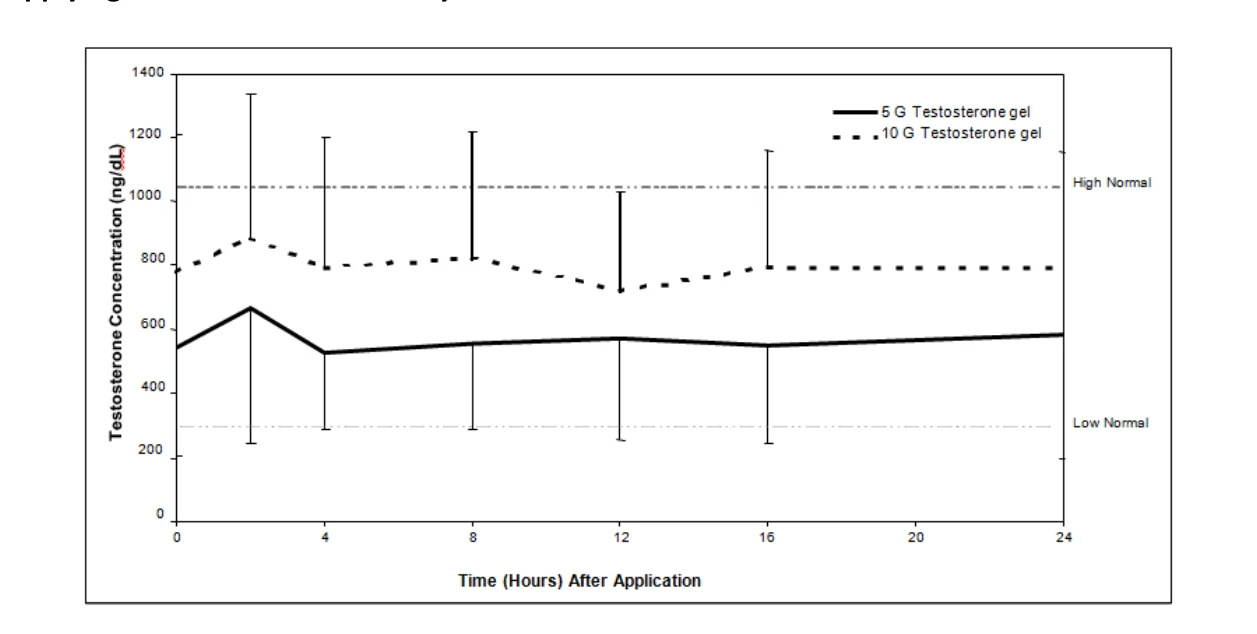
With single daily applications of testosterone, follow-up measurements 30, 90 and 180 days after starting treatment have confirmed that serum testosterone concentrations are generally maintained within the eugonadal range. Similar trends were observed in patients followed up to 3 years. Figure 1 summarizes the 24-hour pharmacokinetic profiles of testosterone for hypogonadal men (<300 ng/dL) maintained on 5 g or 10 g of testosterone (to deliver 50 or 100 mg of testosterone, respectively) for 30 days. The average (± SD) daily testosterone concentration produced by testosterone 10 g on Day 30 was 27.5 (± 10.2) nmol/L and by testosterone 5 g, 19.6 (± 9.1) nmol/L.
Figure 1. Mean (SD) Steady-State Serum Testosterone Concentrations on Day 30 in Patients Applying Testosterone Once Daily
Distribution:
Circulating testosterone is chiefly bound in the serum to sex hormone-binding globulin (SHBG)
and albumin. The albumin-bound fraction of testosterone easily dissociates from albumin and is presumed to be bioactive. The portion of testosterone bound to SHBG is not considered biologically active. Approximately 40% of testosterone in plasma is bound to SHBG, 2% remains unbound (free) and the rest is bound to albumin and other proteins. The amount of SHBG in the serum and the total testosterone level will determine the distribution of bioactive and nonbioactive androgen.
Metabolism:
There is considerable variation in the half-life of testosterone as reported in the literature, ranging from ten to 100 minutes.
When testosterone treatment is discontinued after achieving steady state, serum testosterone levels remain in the normal range for 24 to 48 hours but return to their pretreatment levels by the fifth day after the last application.
Testosterone is metabolized to various 17-keto steroids through two different pathways. The major active metabolites of testosterone are estradiol and dihydrotestosterone (DHT). Testosterone is metabolized to DHT by steroid 5α reductase located in the skin, liver, and the urogenital tract of the male. Estradiol is formed by an aromatase enzyme complex in the brain, fat, and testes. DHT binds with greater affinity to SHBG than does testosterone. In many tissues the activity of testosterone depends on its reduction to DHT, which binds to cytosol receptor proteins. The steroid-receptor complex is transported to the nucleus where it initiates transcription and cellular changes related to androgen action. In reproductive tissues, DHT is further metabolized to 3- α and 3- β androstanediol.
DHT concentrations increased in parallel with testosterone concentrations during testosterone treatment. After 90 days of treatment, mean DHT concentrations remained generally within the normal range for testosterone-treated subjects.
Elimination
About 90% of a dose of testosterone given intramuscularly is excreted in the urine as glucuronic and sulfuric acid conjugates of testosterone and its metabolites; about 6% of a dose is excreted in the feces, mostly in the unconjugated form. Inactivation of testosterone occurs primarily in the liver.
Special Populations and Conditions
In patients treated with testosterone, there are no observed differences in the average daily serum testosterone concentration at steady-state based on age, cause of hypogonadism or body mass index. Since no formal studies were conducted involving patients with renal or hepatic insufficiencies, the use of testosterone is not recommended in men with serious liver or kidney disorders.
11 STORAGE, STABILITY AND DISPOSAL
Store at controlled room temperature (15° - 30°C).
12 SPECIAL HANDLING INSTRUCTIONS
Taro-Testosterone Gel pumps or packets should be discarded in household trash in a manner that prevents accidental application or ingestion by household members, especially nursing/pregnant women and children.
PART II: SCIENTIFIC INFORMATION
13 PHARMACEUTICAL INFORMATION
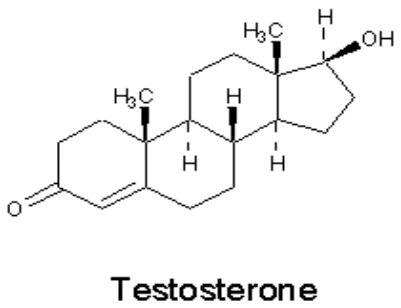
Drug Substance
Proper name: Testosterone
Chemical name: 17 β- hydroxyandrost-4-en-3-one
Androst-4-en-3-one, 17- hydroxy-, (17 β )- Molecular formula and molecular mass: C19H28O2
Structural formula:
Physicochemical properties:
Molecular Weight: 288.42 g/mol
Description: white to practically white crystalline powder
Solubility: Soluble in acetone, dioxane and vegetable oils
In water: practically insoluble
In dehydrated alcohol:1 in 6 of dehydrated alcohol
In chloroform: 1 in 2 of chloroform
In ether: 1 in 100 of ether
CAS Registry No: 58-22-0
Melting point: 153°- 157°C
14 CLINICAL TRIALS
14.1 Trial Design and Study Demographics
Table 6 - Summary of patient demographics for clinical trials in male hypogonadism
| Study # | Study design | Dosage, route of administration and duration | Study subjects (n) | Age (range) | Sex |
|---|---|---|---|---|---|
| UMD-99- 017-FR | Double- blind, multi- center, multiple- dose, parallel- group, positive- control study | Initial Treatment Phase (Months 1-3) 50 mg testosterone (5 g T- gel) daily (double-blind) 100 mg testosterone (10 g T-gel) daily (double-blind) 5 mg testosterone (2x2,5mg non-scrotal T- patches) daily (open-label) Extension Treatment Phase (Months 4-6) Only if gel patients Day 60 serum T not within 300- 1000 ng/dL: 75 mg testosterone (7,5g T-gel) All others: continue previous study medication during Months 4-6 | Initial phase: 227 enrolled, 227 completed Extension phase: 195 enrolled | 18-68 years | Male |
Testosterone gel was evaluated in a multicenter, randomized, parallel-group, active- controlled, 180-day trial in 227 hypogonadal men (age = 18 to 68 years). The study was conducted in 2 phases. During the Initial Treatment Period (Days 1-90), 73 patients were randomized to testosterone gel 5 g daily (to deliver 50 mg testosterone), 78 patients to testosterone gel 10 g daily (to deliver 100 mg testosterone), and 76 patients to a non-scrotal testosterone transdermal system (5 mg daily). The study was double-blind for doses of testosterone gel but open-label for active control. Patients who were originally randomized to testosterone gel and who had single-sample serum testosterone levels above or below the normal range on Day 60 were titrated to 7.5 g daily (to deliver 75 mg testosterone) on Day 91. During the Extended Treatment Period (Days 91-180), 51 patients continued on testosterone gel 5 g daily, 52 patients continued on testosterone gel 10 g daily, 52 patients continued on a non-scrotal testosterone transdermal system (5 mg daily), and 40 patients received testosterone gel 7.5 g daily. Upon completion of the initial study, 163 patients elected to enter and receive treatment in an open-label, long-term extension study of testosterone gel for an additional period of 3 years. Patients in the original trial and in the long-term extension study were treated with testosterone gel for up to 42 months.
14.2 Study Results
Mean peak, trough and average serum testosterone concentrations within the normal range (10.3 - 36.2 nmol/L) were achieved on the first day of treatment with doses of 5 g and 10 g. In patients continuing on testosterone gel 5 g and 10 g, these mean testosterone levels were maintained within the normal range for the 180-day duration of the study. Figure 2 summarizes the 24-hour pharmacokinetic profiles of testosterone administered as testosterone gel for 30, 90 and 180 days. Testosterone concentrations were maintained as long as the patient continued to properly apply the prescribed testosterone gel treatment.
Figure 2: Mean Steady-State Testosterone Concentration in Patients with once-Daily Testosterone Gel Therapy
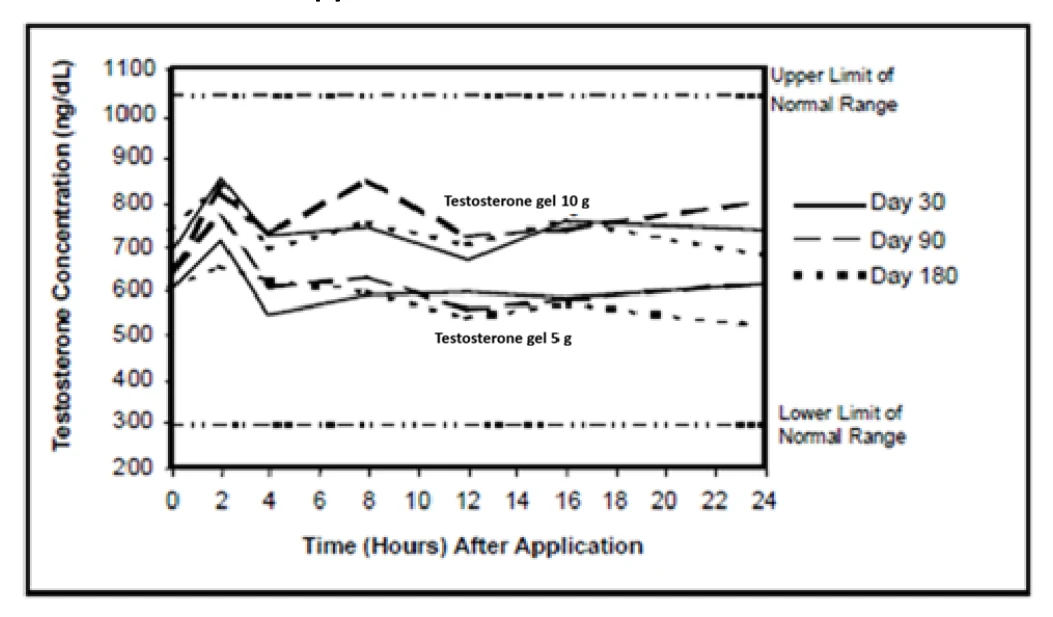
Table 7 summarizes the mean testosterone concentrations on Treatment Day 180 for patients receiving 5 g, 7.5 g, or 10 g of testosterone gel. The 7.5 g dose produced mean concentrations intermediate to those produced by 5 g and 10 g of testosterone gel.
Table 7: Mean (±SD) Steady-State Serum Testosterone Concentrations During Therapy (Day 180) nmol/L
| 5 g | 7.5 g | 10 g | |
|---|---|---|---|
| N = 44 | N = 37 | N = 48 | |
| Cavg | 19.3 ± 7.8 | 20.9 ± 10.7 | 24.7 ± 7.3 |
| Cmax | 28.8 ± 12.0 | 31.3 ± 16.3 | 37.6 ± 15.1 |
| Cmin | 12.9 ± 5.7 | 14.1 ± 7.6 | 16.8 ± 5.4 |
Of 129 hypogonadal men who were appropriately titrated with testosterone gel and who had sufficient data for analysis, 87% achieved an average serum testosterone level within the normal range on Treatment Day 180.
An open-labelled, randomized, non-placebo controlled, parallel-group, active-controlled trial indicated that testosterone gel (5 g/day and 10 g/day) resulted in statistically significant increases in blood testosterone levels which were maintained in the eugonadal range through Days 30, 90, and 180. Treatment for 90 days was associated with an increase in total body lean mass and a decrease in total body fat. Bone mineral density (BMD) in both hip and spine increased from Baseline to Day 180 with the 10 g dose of testosterone gel. These observed changes were maintained through the 180 day treatment period and sustained for a period of 24 months. Patients treated for up to 24 months with either 5 g, 7.5 g, or 10 g of testosterone gel experienced a sustained improvement of bone mineral density of the spine and hip.
Subjective assessments by patients using a self-administered non-validated questionnaire indicated that testosterone gel (5 g/day and 10 g/day) treatment for 90 days was associated with a perceived improvement in some hypogonadal symptoms (measured by sexual motivation, sexual activity and enjoyment of sexual activity, penile erection, mood and fatigue) when compared to the baseline score.
DHT concentrations increased in parallel with testosterone concentrations at testosterone gel doses of 5 g/day and 10 g/day, but the DHT/T ratio stayed within the normal range, indicating enhanced availability of the major physiologically active androgen. Serum estradiol (E2) concentrations increased significantly within 30 days of starting treatment with testosterone gel 5 or 10 g/day and remained elevated throughout the treatment period but remained within the normal range for eugonadal men. Serum levels of SHBG decreased very slightly (1 to 11%) during testosterone gel treatment. Reductions in mean FSH and LH levels were observed in all patients exposed to testosterone gel, but the gonadotropin reductions were more pronounced in men with hypergonadotropic hypogonadism. Serum levels of LH and FSH fell in a dose- and time- dependent manner during treatment with testosterone gel.
Compliance rate was over 93% and 96% for subjects receiving testosterone gel 5g/ day and 10g/ day, respectively, during Days 1 – 90 and remained at that level during Days 91 – 180.
Potential for Phototoxicity:
The phototoxic potential of testosterone gel was evaluated in a double-blind, single-dose study in 27 subjects with photosensitive skin types. The Minimal Erythema Dose (MED) of ultraviolet radiation was determined for each subject. A single 24 (+1) hour application of duplicate patches containing test articles (placebo gel, testosterone, or negative control) was made to naïve skin sites on Day 1. On Day 2, each subject received five exposure times of ultraviolet radiation, each exposure being 25% greater than the previous one. Skin evaluations were made on Days 2-5. Exposure of test and control article application sites to ultraviolet light did not product increased inflammation relative to non-irradiated sites, indicating no phototoxic effect.
Potential for testosterone transfer to female partner:
The potential for dermal testosterone transfer following testosterone gel use was evaluated in a clinical study between males dosed with testosterone gel and their untreated female partners. Two to 12 hours after testosterone gel (10 g) application by the male subjects, the couples (N=38 couples) engaged in daily, 15-minute sessions of vigorous skin-to-skin contact so that the female partners gained maximum exposure to the testosterone gel application sites. Under these study conditions, all unprotected female partners had a serum testosterone concentration greater than 2 times the baseline value at Day 7 when women were exposed at 2 hours and less so at 6 or 12 hours, after the application by the male. When a shirt covered the application site(s), the transfer of testosterone from the males to the female partners was completely prevented.
14.3 Comparative Bioavailability Studies
A randomized, two treatment, two period, two sequence, single dose, crossover bioequivalence study of Testosterone gel 1% (2 x 5 g packet) of Taro Pharmaceuticals Inc. and Androgel® (Testosterone) gel 1% (2 x 5 g packet) of Abbott Laboratories Limited was conducted in 76 hypogonadal male subjects under fasting conditions. A summary of the comparative bioavailability data from 72 subjects included in the statistical analysis is presented in the following table:
SUMMARY TABLE OF THE COMPARATIVE BIOAVAILABILITY DATA
Testosterone 1% gel (2 x 5 g packet) Baseline corrected Geometric Mean Arithmetic Mean (CV %) | ||||
| Parameter | Test1 | Reference2 | % Ratio of Geometric Means | 90% Confidence Interval |
AUCT (ng⋅h/ml) | 123.38 137.08 (51.96) | 122.82 140.81 (68.67) | 100.7 | 92.7 - 109.3 |
AUCI (ng⋅h/ml) | 136.42 149.61 (48.32) | 134.95 153.68 (64.57) | 99.6 | 91.9 - 107.9 |
Cmax (ng/ml) | 6.09 8.15 (105.14) | 6.15 9.34 (115.95) | 98.8 | 83.7 - 116.6 |
Tmax3 (h) | 17.15 (67.80) | 15.97 (69.67) | ||
T½3 (h) | 18.48 (62.03) | 17.79 (59.44) | ||
1 Testosterone gel 1% (2 x 5 g packet) of Taro Pharmaceuticals Inc., Canada
2 Androgel® (Testosterone) gel 1% (2 x 5 g packet) of Abbott Laboratories Limited was purchased in Canada.
3 Expressed as arithmetic mean (CV%)
15 MICROBIOLOGY
No microbiological information is required for this drug product.
16 NON-CLINICAL TOXICOLOGY
General Toxicology
Testosterone was administered to rabbits in a 10-day dermal toxicity study using a gel formulation. Skin irritation at higher dosages was observed; however, there was no significant organ histopathology.
Testosterone propionate was administered intramuscularly in sesame oil to mature (approximately 2 year old) male and female dogs (2/sex) for 6 months at a dosage of 11 mg/kg. Animals were injected twice each week during the 6 month period. During the first 4 weeks of dose administration, dogs had an increase in body weight as well as a decrease of urine volume and decreased urinary excretion of nitrogen, sodium, potassium and phosphorus. Urine also contained glucose and protein. Throughout the study, serum cholesterol and phospholipids were decreased approximately 60% compared to pre-dose concentrations. At necropsy, renal changes (thickening of the glomerular capsule and degeneration of the tubular epithelial cells) were observed.
Genotoxicity
Reports on the effects of testosterone in in vitro and in vivo models for mutagenic potential have not been located in the literature.
Carcinogenicity
The ability of testosterone to produce tumors of the prostate gland has been examined in several studies. Pollard et al used male L-W rats, which are susceptible to prostatic cancer. Animals were treated with testosterone propionate administered as a subcutaneous depot in silastic tubing. The dosage was 50 mg of testosterone propionate every 2 months; each treatment group contained 24 animals. Histopathological examination of the prostate, testes, kidneys, lungs, adrenals, pancreas, thyroid, thymus and pituitary was performed.
Mean serum testosterone concentrations were 16.1 ng/mL and 8.0 ng/mL at 2 weeks and 2 months after testosterone was implanted, respectively, demonstrating that animals were exposed to testosterone throughout the test period. Control animals had a mean serum testosterone concentration of 1.4 ng/mL. After 14 months of treatment, 24% of the rats treated with testosterone had developed macroscopic prostate adenocarcinomas while an additional 16% had microscopic in situ neoplasia. None of the control rats had macroscopic tumors, but control animals did have microscopic evidence of in situ neoplasia. Moreover, gross or microscopic evidence of adenocarcinomas in DHT-treated rats was not observed.
In another study, castrated F344 rats were treated with 3,2’-dimethyl-4-aminobiphenyl (DMBA) to induce prostatic tumors and then administered testosterone propionate or DHT implanted in silastic tubing. Additional groups were coadministered ethinyl estradiol. Male rats (20/group) approximately 6 weeks old and weighing 120 g were administered DMBA at 50 mg/kg subcutaneously every 2 weeks for a total of 10 injections. Animals were then castrated. After 40 weeks hormone treatment, animals were sacrificed and underwent gross and histopathological examination.
No control animals had tumors of the prostate or seminal vesicles. The 18 evaluated animals given testosterone had a total of 21 adenocarcinomas with one in the ventral prostate, 3 in the lateral prostate, 1 in the dorsal prostate and 9 in the anterior prostate. Eight adenocarcinomas of the seminal vesicles were observed. Tumors in the liver (44% in the treated versus 10% in control animals) were statistically significantly (p<0.05) increased. In addition, tumors of the small and large intestine, lung, preputial gland and subcutaneous tissue were present but not significantly increased over control animal tumors. Testosterone plus estrogen produced a synergistic effect on tumor incidence. Treatment with DHT did not have a carcinogenic effect nor did DHT plus estrogen have a synergistic effect.
In conclusion, the administration of testosterone following DMBA treatment produced invasive carcinomas in the lateral and anterior prostate and seminal vesicles, whereas animals not receiving hormone supplement or those treated with DHT had no proliferative lesions. The incidence of liver tumors was also increased in testosterone-treated rats.
Other studies reported in the literature confirm the findings that exposure to testosterone leads to an increase in various tumors. For example, a study in female mice demonstrated that animals with implanted testosterone had an increase in cervical-uterine tumors, some of which metastasized. Other studies in Noble (Nb) rats showed that testosterone coadministered with estradiol produced a 100% incidence of prostate cancer in these animals.
Reproductive and Developmental Toxicology:
Testosterone propionate in sesame oil was administered subcutaneously to pregnant DS mice and Wistar rats (approximately 13/group). Dose administration occurred from Days 8 through 12 of gestation at 7.5, 15 or 30 mcg/kg/day for mice and 6.25, 125, 250, 500 or 1000 mcg/kg/day for rats. There was little effect on fetal viability in mice; in rats, however, the number of viable fetuses was reduced in a dose-dependent fashion at dosages greater than 125 mcg/kg/day. No fetuses survived at 500 and 1000 mcg/kg/day. In the mouse, the hind limb appeared to be most sensitive to the effects of testosterone propionate. There were also anomalies of the neural arches, cervical vertebrae and ribs with delayed ossification of the sternabrae. There were essentially no compound-related effects observed in the rat fetuses.
Rat embryo death was demonstrated in a study with female SD rats who were administered either 10 mg testosterone, estradiol, or Dianabol (8/group) as a subcutaneous implant from Day 10 of gestation until delivery or Day 27 of gestation, at which time all remaining rats were sacrificed. All of the embryos were resorbed in each rat administered either testosterone or estradiol, indicating that testosterone or estradiol at these levels was not compatible with the maintenance of viable fetuses.
Because testosterone is an endogenous hormone required for the formation of male reproductive organs, alterations in testosterone concentrations during fetal development as well as postnatally lead to changes in morphology of fetuses and morphology and behavior of treated animals.
In order to assess the effect of testosterone administration on fertility, adult male rats (6/group) were treated with testosterone in capsules implanted subcutaneously for 90 days. Implants were reported by size rather than dosage and were 0.5, 1, 2, 3, 4 and 8 cm in length. Each male was paired for mating with 4 females over a 2 week period. Weights of sexual accessory tissues increased at the largest dosage while the weights of the testes decreased at the 3 highest dosages which also had the largest decrease in sperm counts. The 4 cm group had the greatest reduction in sperm count (15% of control). However, testosterone treatment had little effect on mating behavior as assessed by the number of vaginal plugs. Females mated with males treated with 3 or 4 cm dosages were sperm-positive but had a greatly lowered number of pregnancies. Animals that had litters had no difference in number of fetuses, fetal weights, post-implantation loss or malformations nor was there a difference in the sex ratio of the offspring. It appears that reduced sperm count could still lead to pregnancy but that rats with sperm did not necessarily become pregnant. In addition, there was no effect of testosterone on the offspring from the females mated to the treated males.
Testosterone was studied for its effect on the female offspring of dams treated during pregnancy. Pregnant rats received a single injection of 5 mg testosterone on a single gestation day from 16 to 22; the female offspring of these dams were examined for morphology and behavior. The anogenital distance at 25 days after birth was significantly increased if testosterone was given on Gestation Days 16 to 18. In addition, vaginal opening was significantly delayed if testosterone was given between Gestation Day 16 and 20. Vaginal morphology, primarily enlarged clitoris, was observed in all treated groups. Offspring from dams receiving testosterone during Gestation Days 18 to 22 had decreased lordotic behavior.
17 SUPPORTNG PRODUCT MONOGRAPHS
ANDROGEL, testosterone gel 1%, submission control 289983, Product Monograph, BGP Pharma ULC. Aug 01, 2025