


Product Monograph - Teva-Aripiprazole
SUMMARY PRODUCT INFORMATION
Route of Administration | Dosage Form / Strength | Nonmedicinal Ingredients |
| oral | Tablet, 2 mg, 5 mg, 10 mg, 15 mg, 20 mg and 30 mg | Microcrystalline cellulose, lactose monohydrate, maize starch, hydroxypropylcellulose, magnesium stearate. |
INDICATIONS AND CLINICAL USE
Adults
Schizophrenia
TEVA-ARIPIPRAZOLE (aripiprazole) is indicated for the treatment of schizophrenia in adults. In controlled clinical trials, aripiprazole was found to improve both positive and negative symptoms.
Aripiprazole has been shown to be more effective than placebo in maintaining clinical improvement for up to 26 weeks in adults.
Pediatrics (<18 years of age)
When prescribing to adolescents with schizophrenia (15-17 years of age) clinicians must take into account the safety concerns associated with all antipsychotic drugs which include: weight gain; hyperlipidemia; hyperglycemia; and, extrapyramidal effects which can be more frequent or more severe in this patient population than in adults (see WARNINGS AND PRECAUTIONS; ADVERSE REACTIONS). Aripiprazole should only be prescribed to adolescents with schizophrenia by clinicians who are experienced in the diagnosis and treatment of adolescents with psychiatric illness and who are experienced in the early detection and management of the above-mentioned safety issues associated with this class of drugs.
Schizophrenia
TEVA-ARIPIPRAZOLE is indicated for the treatment of schizophrenia in adolescents 15 – 17 years of age.
Safety and efficacy were evaluated in one 6-week clinical trial in adolescents (13-17 years of age) with schizophrenia. TEVA-ARIPIPRAZOLE is not indicated for the treatment of schizophrenia in adolescents less than 15 years of age due to insufficient safety and efficacy data (see ADVERSE REACTIONS, CLINICAL TRIALS, Schizophrenia, Adolescents).
The safety and efficacy of aripiprazole during long term treatment have not been systematically evaluated in adolescents with schizophrenia. The physician who elects to use aripiprazole for extended periods in adolescents with schizophrenia should periodically re-evaluate the long-term usefulness of the drug for the individual patient.
Geriatrics (≥ 65years of age):
TEVA-ARIPIPRAZOLE is not indicated in elderly patients with dementia. (See WARNINGS AND PRECAUTIONS – Serious Warnings and Precaution Box and Special populations). The safety and efficacy of aripiprazole in patients 65 years of age or older has not been established. Caution should be used when treating geriatric patients. (See WARNINGS AND PRECAUTIONS, Special Populations and ACTIONS AND CLINICAL PHARMACOLOGY).
CONTRAINDICATIONS
TEVA-ARIPIPRAZOLE (aripiprazole) is contraindicated in those patients with a known hypersensitivity to this drug or the excipients of the product. For a complete listing, see DOSAGE FORMS, COMPOSITION AND PACKAGING.
WARNINGS AND PRECAUTIONS
Serious Warnings and Precautions
Increased Mortality in Elderly Patients with Dementia
Elderly patients with dementia treated with atypical antipsychotic drugs are at an increased risk of death compared to placebo. Analyses of thirteen placebo-controlled trials with various atypical antipsychotics (modal duration of 10 weeks) in these patients showed a mean 1.6-fold increase in the death rate in the drug-treated patients. Although the causes of death were varied, most of the deaths appeared to be either cardiovascular (e.g., heart failure, sudden death) or infectious (e.g., pneumonia) in nature (see WARNINGS AND PRECAUTIONS - Special Populations, Use in Elderly Patients with Dementia).
General
Body Temperature Regulation
Disruption of the body’s ability to reduce core body temperature has been attributed to antipsychotic agents. Appropriate care is advised when prescribing TEVA-ARIPIPRAZOLE for patients who will be experiencing conditions which may contribute to an elevation in core body temperature, (eg, exercising strenuously, exposure to extreme heat, receiving concomitant medication with anticholinergic activity, or being subject to dehydration) (see ADVERSE REACTIONS).
Carcinogenesis and Mutagenesis
For animal data, see Part II: TOXICOLOGY section.
Cardiovascular
Orthostatic Hypotension
Aripiprazole may be associated with orthostatic hypotension, perhaps due to its α1-adrenergic receptor antagonism. Aripiprazole may induce orthostatic hypotension, tachycardia, dizziness, and sometimes syncope, especially at the initiation of treatment. The incidence of orthostatic hypotension-associated events from short-term, placebo-controlled trials of adult patients on oral aripiprazole (n=2643) included (aripiprazole incidence, placebo incidence): orthostatic hypotension (1.0%, 0.3%), postural dizziness (0.5%, 0.3%), and syncope (0.5%, 0.3%); of adolescent patients (13-17 years of age) with schizophrenia on oral aripiprazole (n=202) included (aripiprazole 10 mg/day incidence, aripiprazole 30 mg/day incidence, placebo incidence): orthostatatic hypotension (0%, 2.9%, 0%), postural dizziness (0%, 2%, 0%), and syncope (1%, 0%, 0%); of pediatric and adolescent patients (10-17 years of age) with bipolar I disorder on oral aripiprazole (n=197) included (aripiprazole 10 mg/day incidence, aripiprazole 30 mg/day incidence, placebo incidence): orthostatic hypotension (1%, 0%, 0%), postural dizziness (0 %, 0%, 0%), and syncope (0%, 0%, 0%) The risk of orthostatic hypotension may be reduced by more gradual titration to the target dose.
The incidence of a significant orthostatic change in blood pressure (defined as a decrease in systolic blood pressure ≥20 mmHg accompanied by an increase in heart rate ≥25 bpm when comparing standing to supine values) for oral aripiprazole was (aripiprazole incidence, placebo incidence): 3.7%, 2.3% in adults; and 0% (0/202), 0% (0/100) in adolescent patients (13-17 years of age) with schizophrenia and 0%, 1.1% in pediatric and adolescent patients (10 - 17 years of age) with bipolar I disorder, manic or mixed episode.
Aripiprazole should be used with caution in patients with known cardiovascular disease (e.g., history of myocardial infarction or ischemic heart disease, heart failure or conduction abnormalities), cerebrovascular disease, or conditions which would predispose patients to hypotension (e.g., dehydration, hypovolemia, and treatment with antihypertensive medications). Patients with a history of clinically significant cardiovascular disorders were excluded from clinical trials.
QT Interval
In clinical trials with aripiprazole involving patients with schizophrenia, the incidence of QT prolongation was comparable to placebo. In post-marketing experience, QT prolongation has been reported very rarely with aripiprazole treatment. As with other antipsychotics, caution should be exercised when aripiprazole is prescribed in patients with a history of cardiac arrhythmias, in patients with congenital or family history of long QT syndrome, and in concomitant use with drugs known to prolong the QT interval (See ADVERSE REACTIONS - ECG Changes; ADVERSE REACTIONS – Post-marketing Adverse Drug Reactions).
Dependence/Tolerance
Aripiprazole has not been systematically studied in humans for its potential for abuse, tolerance, or physical dependence. In physical dependence studies in monkeys, withdrawal symptoms were observed upon abrupt cessation of dosing. While the clinical trials did not reveal any tendency for any drug-seeking behavior, these observations were not systematic and it is not possible to predict on the basis of this limited experience the extent to which a CNS-active drug will be misused, diverted, or abused once marketed. Consequently, patients should be evaluated carefully for a history of drug abuse, and such patients should be observed closely for signs of TEVA-ARIPIPRAZOLE misuse or abuse (eg, development of tolerance, increases in dose, drug-seeking behavior).
Pathological Gambling and Other Impulse-Control Disorders
Post-marketing reports of pathological gambling have been reported in patients treated with aripiprazole. These reports suggest that patients can experience increased urges, particularly for gambling, and the inability to control these urges while taking aripiprazole. With regards to pathological gambling, patients with a prior history of gambling disorder may be at increased risk and should be monitored carefully. Other urges, reported very rarely, include: increased sexual urges, compulsive spending, binge or compulsive eating, and other impulsive and compulsive behaviors. Because patients may not recognize these behaviors as abnormal, it is important for prescribers to ask patients or their caregivers specifically about the development of new or increased gambling urges, sexual urges, compulsive spending, binge or compulsive eating, or other urges while being treated with aripiprazole. It should be noted that impulse-control symptoms can be associated with the underlying disorder; however, in some cases, although not all, urges were reported to have stopped when the dose was reduced or the medication was discontinued. Although impulse-control disorders have been reported very rarely, impulse-control disorders may result in harm to the patient and others if not recognized. Consider dose reduction or stopping the medication if a patient develops such urges while taking aripiprazole.
Endocrine and Metabolism
Hyperglycemia and Diabetes Mellitus
Diabetic ketoacidosis has occurred in patients with no reported history of hyperglycemia. As with some other antipsychotics, exacerbation of pre-existing diabetes and hyperglycemia have been reported rarely and diabetic ketoacidosis and diabetic coma including some fatal cases, have been reported very rarely during the use of aripiprazole (see ADVERSE REACTIONS).
Assessment of the relationship between atypical antipsychotic use and glucose abnormalities is complicated by the possibility of an increased background risk of diabetes mellitus in patients with schizophrenia and the increasing incidence of diabetes mellitus in the general population. Given these confounders, the relationship between atypical antipsychotic use and hyperglycemia-related adverse events is not completely understood. However, epidemiological studies which did not include aripiprazole suggest an increased risk of treatment-emergent hyperglycemia-related adverse events in patients treated with the atypical antipsychotics. Because aripiprazole was not marketed at the time these studies were performed, it is not known if aripiprazole is associated with this increased risk. Precise risk estimates for hyperglycemia-related adverse events in patients treated with atypical antipsychotics are not available.
Patients should have baseline and periodic monitoring of blood glucose and body weight. Any patient treated with atypical antipsychotics should also be monitored for symptoms of hyperglycemia including polydipsia, polyuria, polyphagia, and weakness. Patients who develop symptoms of hyperglycemia during treatment with atypical antipsychotics should undergo fasting blood glucose testing. In some cases, hyperglycemia has resolved when the atypical antipsychotic was discontinued; however, some patients required continuation of anti-diabetic treatment despite discontinuation of the suspect drug. Patients with risk factors for diabetes mellitus (eg, obesity, family history of diabetes) who are starting treatment with atypical antipsychotics should undergo fasting blood glucose testing at the beginning of treatment and periodically during treatment. Patients with an established diagnosis of diabetes mellitus who are started on atypical antipsychotics should be monitored regularly for worsening of glucose control.
Weight, glucose and lipid changes in adolescents with schizophrenia
There are limited data for aripiprazole in adolescents with schizophrenia (13-17 years of age) from acute placebo controlled, fixed dose clinical trials 4 to 6 weeks, 10 mg/day and 30 mg/day and from extension studies (up to 26 weeks of treatment) to assess the effects of aripiprazole on weight, glucose, and lipid metabolism. Data for these parameters from the acute placebo controlled clinical trials were from approximately 50 to 100 patients per treatment group, and in the adolescent schizophrenia trial the majority of patients had received treatment with other antipsychotic medications prior to inclusion in this study. Therefore, these data cannot be considered entirely predictive of the effects of aripiprazole on weight, glucose and lipid metabolism during use in adolescents with schizophrenia (see ADVERSE REACTIONS, Weight Gain, Glucose, and Lipids). Published studies have demonstrated that the adverse effects of atypical antipsychotic drugs on weight, glucose and lipid metabolism can be greater in antipsychotic-naïve pediatric and adolescent patients than in patients who have been treated previously with antipsychotic drugs.
Clinical monitoring of weight, glucose and lipids at baseline and at regular intervals is recommended for adolescents with schizophrenia who are treated with antipsychotics including TEVA-ARIPIPRAZOLE.
Weight Gain
During acute placebo controlled and extension phase studies in pediatric and adolescent patients with schizophrenia, the proportion of patients with potentially clinically significant weight gain (≥ 7% increase from baseline weight) was greater among those treated with aripiprazole compared to those that received placebo (see ADVERSE REACTIONS, Weight gain).
Glucose
See ADVERSE REACTIONS, Glucose.
Lipids
See ADVERSE REACTIONS, Lipids.
Genitourinary
Priapism
Rare cases of priapism have been reported with antipsychotic use such as aripiprazole. As with other psychotropic drugs, this adverse reaction did not appear to be dose-dependent and did not correlate with the duration of treatment.
Hematologic
In clinical trial and/or post-marketing experience, events of leukopenia/neutropenia have been reported temporally related to antipsychotic agents, including aripiprazole. Agranulocytosis has also been reported (see ADVERSE REACTIONS – Post-market Adverse Drug Reactions). Therefore, it is recommended that patients have their complete blood count (CBC) tested prior to starting TEVA-ARIPIPRAZOLE and then periodically throughout treatment.
Possible risk factors for leukopenia/neutropenia include pre-existing low white blood cell count (WBC) and history of drug-induced leukopenia/neutropenia. Patients with a history of a clinically significant low WBC or drug-induced leukopenia/neutropenia should have their complete blood count (CBC) monitored frequently during the first few months of therapy and discontinuation of TEVA-ARIPIPRAZOLE should be considered at the first sign of a clinically significant decline in WBC in the absence of other causative factors.
Patients with clinically significant neutropenia should be carefully monitored for fever or other symptoms or signs of infection and treated promptly if such symptoms or signs occur. Patients with severe neutropenia (absolute neutrophil count <1000/mm3) should discontinue TEVA-ARIPIPRAZOLE and have their WBC followed until recovery.
Venous thromboembolism
Venous thromboembolism (VTE), including fatal pulmonary embolism, has been reported with antipsychotic drugs, including aripiprazole in case reports and/or observational studies. When prescribing TEVA-ARIPIPRAZOLE all potential risk factors for VTE should be identified and preventative measures undertaken.
Immune
Drug Reaction with Eosinophilia and Systemic Symptoms (DRESS)
Post market cases of DRESS have been reported in association with similar atypical antipsychotic drugs within the class.
Neurologic
Neuroleptic Malignant Syndrome (NMS)
Neuroleptic malignant syndrome is a potentially fatal symptom complex that has been reported in association with antipsychotic drugs, including aripiprazole.
Clinical manifestations of NMS are hyperpyrexia, muscle rigidity, altered mental status, and evidence of autonomic instability (irregular pulse or blood pressure, tachycardia, diaphoresis, and cardiac dysrhythmia). Additional signs may include elevated creatine phosphokinase, myoglobinuria (rhabdomyolysis), and acute renal failure.
In arriving at a diagnosis, it is important to identify cases where the clinical presentation includes both serious medical illness (e.g., pneumonia, systemic infection, etc.), and untreated or inadequately treated extrapyramidal signs and symptoms (EPS). Other important considerations in the differential diagnosis include central anticholinergic toxicity, heat stroke, drug fever, and primary central nervous system pathology.
The management of NMS should include 1) immediate discontinuation of all antipsychotic drugs including TEVA-ARIPIPRAZOLE and other drugs not essential to therapy; 2) intensive symptomatic treatment and medical monitoring; and 3) treatment of any concomitant serious medical problems for which specific treatments are available. There is no general agreement about specific pharmacological treatment for uncomplicated NMS.
If a patient requires antipsychotic drug treatment after recovery from NMS, the potential re- introduction of therapy should be very carefully considered. The patient should be carefully monitored, since recurrence of NMS has been reported.
Falls
Antipsychotics, including aripiprazole, may cause somnolence, postural hypotension, motor and sensory instability, which may lead to falls and, consequently, fractures or other injuries. For patients with diseases, conditions, or medications that could exacerbate these effects, complete fall risk assessments when initiating antipsychotic treatment and recurrently for patients on long-term antipsychotic therapy.
Tardive Dyskinesia
A syndrome of potentially irreversible, involuntary, dyskinetic movements may develop in patients treated with antipsychotic drugs. Although the prevalence of the syndrome is highest among the elderly, especially elderly women, it is impossible to rely upon prevalence estimates to predict, at the inception of antipsychotic treatment, which patients are likely to develop the syndrome. Whether antipsychotic drug products differ in their potential to cause tardive dyskinesia is unknown.
The risk of developing tardive dyskinesia and the likelihood that it will become irreversible increase as the duration of treatment and the total cumulative dose of antipsychotic drugs administered to the patient increase. However, the syndrome can develop, although much less commonly, after relatively brief treatment periods at low doses.
There is no known treatment for established cases of tardive dyskinesia, although the syndrome may remit, partially or completely, if antipsychotic treatment is withdrawn. Antipsychotic treatment, itself, however, may suppress (or partially suppress) the signs and symptoms of the syndrome and, thereby, may possibly mask the underlying process. The effect that symptomatic suppression has upon the long-term course of the syndrome is unknown.
Given these considerations, TEVA-ARIPIPRAZOLE should be prescribed in a manner that is most likely to minimize the occurrence of tardive dyskinesia. Chronic antipsychotic treatment should generally be reserved for patients who suffer from a chronic illness that (1) is known to respond to antipsychotic drugs and (2) for whom alternative, equally effective, but potentially less harmful treatments are not available or appropriate. In patients who do require chronic treatment, the smallest dose and the shortest duration of treatment producing a satisfactory clinical response should be sought. The need for continued treatment should be reassessed periodically.
If signs and symptoms of tardive dyskinesia appear in a patient on TEVA-ARIPIPRAZOLE, drug discontinuation should be considered. However, some patients may require treatment with TEVA-ARIPIPRAZOLE despite the presence of the syndrome.
Extrapyramidal Symptoms
The rate of extrapyramidal-related adverse events in adolescents (13- 17 years of age) with schizophrenia was greater than the rate reported in adult patients (see ADVERSE REACTIONS, Extrapyramidal Symptoms, Dose-Related Adverse Events, and Additional Findings Observed in Clinical Trials).
Pediatric and adolescent patients are known to be at greater risk of experiencing certain adverse events related to the use of atypical antipsychotics, including extrapyramidal symptoms (see ADVERSE REACTIONS).
Seizure/Convulsion
In short-term, placebo-controlled trials of patients treated with oral aripiprazole, seizures/convulsions occurred in 0.1% (3/2643) of adult patients; and in 0% (0/202) of adolescent (13-17 years of age) patients with schizophrenia. There were confounding factors that may have contributed to the occurrence of seizures in some of these patients.
As with other antipsychotic drugs, aripiprazole should be used cautiously in patients with a history of seizures or with conditions that lower the seizure threshold. Conditions that lower the seizure threshold may be more prevalent in a population of 65 years or older.
Potential for Cognitive and Motor Impairment
Like other antipsychotics drugs, aripiprazole has the potential to impair judgment, thinking, or motor skills. Somnolence was a commonly reported adverse event in patients treated with aripiprazole in clinical trials. Somnolence (including sedation) adverse events were reported more frequently in adolescents with schizophrenia (13 – 17 years of age) than in adult patients (see ADVERSE REACTIONS, Somnolence).
Because TEVA-ARIPIPRAZOLE may cause somnolence, and impair motor skills, patients should be cautioned about performing activities requiring mental alertness, such as operating hazardous machinery, including motor vehicles, until they are reasonably certain that TEVA-ARIPIPRAZOLE therapy does not affect them adversely.
Psychiatric
Suicide
The possibility of a suicide attempt is inherent in psychotic illnesses. Depression may be co-morbid with schizophrenia. The risk of suicide-related events during a depressive episode may persist until remission occurs. It is general clinical experience that the risk of suicide may increase in the early stages of recovery. Close supervision and appropriate clinical management of high-risk patients should accompany drug therapy. Prescriptions for TEVA-ARIPIPRAZOLE should be written for the smallest quantity of tablets consistent with good patient management, in order to reduce the risk of overdose.
Special Populations
Pregnant Women
Teratogenic effects
There are no adequate and well-controlled studies in pregnant women. It is not known whether aripiprazole can cause fetal harm when administered to a pregnant woman or can affect reproductive capacity. In animal studies, aripiprazole demonstrated developmental toxicity, including possible teratogenic effects in rats and rabbits (see TOXICOLOGY).
Non-teratogenic effects
Neonates exposed to antipsychotic drugs, including aripiprazole, during the third trimester of pregnancy are at risk for extrapyramidal and/or withdrawal symptoms following delivery. There have been reports of agitation, hypertonia, hypotonia, tremor, somnolence, respiratory distress and feeding disorder in these neonates. These complications have varied in severity; while in some cases symptoms have been self-limited, in other cases neonates have required intensive care unit support and prolonged hospitalization.
TEVA-ARIPIPRAZOLE should not be used during pregnancy unless the expected benefits to the mother markedly outweigh the potential risks to the fetus.
Labor and Delivery
The effect of aripiprazole on labor and delivery in humans is unknown.
Nursing Women
Aripiprazole is excreted in human breast milk. It is recommended that women receiving TEVA-ARIPIPRAZOLE should not breast-feed.
Pediatrics (< 18 years of age)
When prescribing to adolescents with schizophrenia (15 – 17 years of age), clinicians must take into account the safety concerns associated with all antipsychotic drugs which include: weight gain; hyperlipidemia; hyperglycemia; and, extrapyramidal effects which can be more frequent or more severe in this patient population than in adults (see ADVERSE REACTIONS). TEVA-ARIPIPRAZOLE should only be prescribed to adolescents with schizophrenia by clinicians who are experienced in the diagnosis and treatment of adolescents with psychiatric illness and who are experienced in the early detection and management of the above-mentioned safety issues associated with this class of drugs.
Weight gain has been observed with atypical antipsychotic use in pediatric and adolescent patient populations. Independent of any drug-specific effects, weight gain can be associated with adverse changes in other metabolic parameters (e.g., glucose and lipid metabolism). Abnormal childhood weight and metabolic status can have adverse effects on cardiovascular outcomes in adulthood. Weight gain and adverse effects on other metabolic parameters associated with atypical antipsychotics can be more frequent or severe in pediatric and adolescent patients than in the adult patients.
The long-term safety, including cardiometabolic effects and effects on growth, maturation and behavioural development in patients under 18 years of age has not been systematically evaluated.
Safety and efficacy have been evaluated in one 6-week placebo-controlled clinical trial in adolescents (13-17 years of age) with schizophrenia. TEVA-ARIPIPRAZOLE is not indicated for the treatment of schizophrenia in adolescents under 15 years of age due to insufficient safety and efficacy data (see ADVERSE REACTIONS, CLINICAL TRIALS, Schizophrenia, Adolescents).
Geriatrics (≥ 65 years of age)
In formal single-dose pharmacokinetic studies (with aripiprazole given in a single dose of 15 mg), aripiprazole clearance was 20% lower in elderly (≥65 years) subjects compared to younger adult subjects (18 to 64 years). There was no detectable age effect, however, in the population pharmacokinetic analysis in schizophrenia patients. Also, the pharmacokinetics of aripiprazole after multiple doses in elderly patients appeared similar to that observed in young, healthy subjects (see WARNINGS AND PRECAUTIONS - Serious Warnings and Precautions Box and DOSAGE AND ADMINISTRATION - Geriatrics).
Placebo-controlled studies of oral aripiprazole in schizophrenia, did not include sufficient numbers of subjects aged 65 and over to determine whether they respond differently from younger subjects.
Nevertheless, geriatric patients generally have decreased cardiac, hepatic and renal function, and more frequent use of concomitant medication. The presence of multiple factors that might increase the pharmacodynamic response to aripiprazole, or cause poorer tolerance or orthostasis, should lead to consideration of a lower starting dose, slower titration, and careful monitoring during the initial dosing period for elderly patients. The safety and efficacy of aripiprazole in patients 65 years of age or older have not been established. Caution should be used when treating geriatric patients.
Use in Elderly Patients with Dementia
Overall Mortality
Elderly patients with dementia treated with atypical antipsychotic drugs showed increased mortality compared to placebo in a meta-analysis of 13 placebo-controlled trials of various atypical antipsychotic drugs. In three placebo-controlled studies of aripiprazole in elderly patients with Alzheimer’s disease (n=938; mean age: 82.4 years; range: 56-99 years), the rate of death in aripiprazole-treated patients was 3.5%, compared to a rate of 1.7% in the placebo group during or within 30 days after termination from the double-blind phase of the studies. Although the causes of death were varied, most of the deaths appeared to be either cardiovascular (eg, heart failure, sudden death) or infectious (eg, pneumonia) in nature. TEVA-ARIPIPRAZOLE is not indicated for the treatment of patients with dementia (see Serious Warnings and Precautions).
Cerebrovascular Adverse Events, Including Stroke in Elderly Patients with Dementia In placebo-controlled clinical studies (two flexible dose and one fixed dose study) of elderly patients with dementia, there was an increased incidence of cerebrovascular adverse events (e.g., stroke, transient ischemic attack), including fatalities, in aripiprazole-treated patients. In the fixed-dose study, there was a statistically significant dose response relationship for cerebrovascular adverse events in patients treated with aripiprazole. Aripiprazole is not indicated for the treatment of patients with dementia (see WARNINGS AND PRECAUTIONS - Serious Warnings and Precautions).
Frequent Treatment Emergent Adverse Events in Elderly Patients with Dementia In the placebo-controlled studies of elderly patients with dementia (n=595 treated with aripiprazole, n=343 treated with placebo), the following treatment-emergent adverse events were reported at an incidence of ≥3% and aripiprazole incidence at least twice that for placebo: lethargy [placebo 2%, aripiprazole 5%], somnolence (including sedation) [placebo 3%, aripiprazole 8%], and incontinence (primarily, urinary incontinence) [placebo 1%, Aripiprazole 5%], excessive salivation (placebo 0%, aripiprazole 4%), and lightheadedness (placebo 1%, aripiprazole 4%).
Dysphagia
Esophageal dysmotility and aspiration have been associated with antipsychotic drug use, including aripiprazole. Aspiration pneumonia is a common cause of morbidity and mortality in elderly patients, in particular those with advanced Alzheimer’s dementia. Aripiprazole and other antipsychotic drugs should be used cautiously in patients at risk for aspiration pneumonia (see ADVERSE REACTIONS).
The emergence of difficulty swallowing or excessive somnolence, could predispose patients to accidental injury or aspiration (see WARNINGS AND PRECAUTIONS - Serious Warnings and Precautions).
Use in Patients with Renal Impairment
No dosage adjustment is required in subjects with renal impairment (see ACTION AND CLINICAL PHARMACOLOGY; Special populations – Renal Impairment).
Use in Patients with Hepatic Impairment
No dosage adjustment is required in subjects with hepatic impairment (see ACTION AND CLINICAL PHARMACOLOGY; Special populations – Hepatic Impairment).
Use in Patients with Concomitant Illness
Clinical experience with aripiprazole in patients with certain concomitant systemic illnesses is limited. Aripiprazole has not been evaluated or used to any appreciable extent in patients with a recent history of myocardial infarction or unstable heart disease. Patients with these diagnoses were excluded from pre-marketing clinical studies (see WARNINGS AND PRECAUTIONS, Cardiovascular-Orthostatic Hypotension).
Gender
Cmax and AUC of aripiprazole and its active metabolite, dehydro-aripiprazole, are 30 to 40% higher in women than in men, and correspondingly, the apparent oral clearance of aripiprazole is lower in women. These differences, however, are largely explained by differences in body weight (25%) between men and women. No dosage adjustment is recommended based on gender.
Race
Although no specific pharmacokinetic study was conducted to investigate the effects of race on the disposition of aripiprazole, population pharmacokinetic evaluation did not demonstrate important race-related differences in the pharmacokinetics of aripiprazole. No dosage adjustment is recommended based on race.
Lactose
TEVA-ARIPIPRAZOLE tablets contain lactose (30.9 mg, 27.9 mg, 55.8 mg, 83.7 mg, 111.6 mg and 167.4 mg for the 2 mg, 5 mg, 10 mg, 15 mg, 20 mg and 30 mg tablets respectively). Patients with rare hereditary problems of galactose intolerance or glucose-galactose malabsorption should not take aripiprazole.
ADVERSE REACTIONS
Adverse Drug Reaction Overview
Aripiprazole was evaluated for safety in 13,543 adult patients who participated in multiple-dose, clinical trials in schizophrenia, bipolar disorder, major depressive disorder, dementia of the Alzheimer's type, Parkinson’s disease, and alcoholism, and who had approximately 7619 patient- years of exposure to oral aripiprazole and 749 patients with exposure to aripiprazole injection. A total of 3390 patients were treated with oral aripiprazole for at least 180 days and 1933 patients treated with oral aripiprazole had at least 1 year of exposure.
The conditions and duration of treatment with aripiprazole (monotherapy or adjunctive therapy with antidepressants or mood stabilizers) included (in overlapping categories) double-blind, comparative and noncomparative open-label studies, inpatient and outpatient studies, fixed- and flexible-dose studies, and short- and longer-term exposure.
Aripiprazole was evaluated for safety in 202 adolescent patients (13 - 17 years of age) with schizophrenia in a 6 week placebo controlled clinical trial. Adolescent patients from this study were also treated with oral aripiprazole in uncontrolled, open label studies for more than 26 weeks (n=178) and more than 52 weeks (n=79). Treatment emergent adverse event frequencies are reported for adolescent patients, 13 - 17 years of age, with schizophrenia that were included in these studies, but the majority of patients were 15 - 17 years of age.
TEVA-ARIPIPRAZOLE is not indicated for the treatment of schizophrenia in adolescent patients under 15 years due to insufficient safety and efficacy data (see ADVERSE REACTIONS, CLINICAL TRIALS, Schizophrenia, Adolescents).
Adverse events during exposure were obtained by collecting volunteered adverse events, as well as results of physical examinations, vital signs, weights, laboratory analyses, and ECG. Adverse events were recorded by clinical investigators using terminology of their own choosing. In the tables and tabulations that follow, MedDRA dictionary terminology has been used to classify reported adverse events into a smaller number of standardized event categories, in order to provide a meaningful estimate of the proportion of individuals reporting adverse events.
The stated frequencies of adverse events represent the proportion of individuals who reported at least once, a treatment-emergent adverse event of the type listed. An event was considered treatment emergent if it occurred for the first time or worsened while receiving therapy following baseline evaluation. There was no attempt to use investigator causality assessments; i.e. all events meeting the defined criteria, regardless of investigator causality are included.
Clinical Trial Adverse Drug Reactions
Because clinical trials are conducted under very specific conditions the adverse reaction rates observed in the clinical trials may not reflect the rates observed in practice and should not be compared to the rates in the clinical trials of another drug. Adverse drug reaction information from clinical trials is useful for identifying drug-related adverse events and for approximating rates.
Short-Term, Placebo-Controlled Trials of Adult Patients with Schizophrenia The following findings are based on a pool of five placebo-controlled trials (four 4-week and one 6-week) in which aripiprazole was administered orally in doses ranging from 2 to 30 mg/day.
Adverse Events Associated with Discontinuation of Treatment
Overall, there was little difference in the incidence of discontinuation due to adverse events between aripiprazole-treated (7%) and placebo-treated (9%) patients. The types of adverse events that led to discontinuation were similar between the aripiprazole and placebo-treated patients.
Commonly Reported Adverse Events
The only commonly observed adverse event associated with the use of aripiprazole in patients with schizophrenia (incidence of 5% or greater and aripiprazole incidence at least twice that for placebo) was akathisia (placebo 4%; aripiprazole 8%).
Adverse Events Reported at an Incidence of 2% or More Among Adult Aripiprazole-Treated Patients and Greater than Placebo in Short-Term, Schizophrenia and Bipolar Mania Placebo- Controlled Trials
Table 1 enumerates the pooled incidence, rounded to the nearest percent, of treatment-emergent adverse events that were reported during acute therapy (up to 6 weeks in schizophrenia and up to 3 weeks in bipolar mania), including only those events that were reported in 2% or more of patients treated with aripiprazole (doses ≥2 mg/day) and for which the incidence in patients treated with aripiprazole was greater than the incidence in patients treated with placebo in the combined dataset.
Table 1: Treatment-Emergent Adverse Events in Short-Term, Placebo-
Controlled Trials in Adult Patients with Schizophreniaa or Bipolar Maniab Treated with Oral aripiprazole
| Percentage of Patients Reporting Eventsc | ||
| System Organ Class | Aripiprazole | Placebo |
| Preferred Term | (n=1843) | (n=1166) |
| Eye Disorders | ||
| Blurred Vision | 3 | 1 |
| Gastrointestinal Disorders | ||
| Nausea | 15 | 11 |
| Constipation | 11 | 7 |
| Vomiting | 11 | 6 |
| Dyspepsia | 9 | 7 |
| Dry Mouth | 5 | 4 |
| Toothache | 4 | 3 |
| Abdominal Discomfort | 3 | 2 |
| Stomach Discomfort | 3 | 2 |
| General Disorders and Administration Site Conditions | ||
| Fatigue | 6 | 4 |
| Pain | 3 | 2 |
| Musculoskeletal and Connective Tissue Disorders | ||
| Musculoskeletal Stiffness | 4 | 3 |
| Pain in Extremity | 4 | 2 |
| Myalgia | 2 | 1 |
| Muscle Spasms | 2 | 1 |
| Nervous System Disorders | ||
Table 1: Treatment-Emergent Adverse Events in Short-Term, Placebo-
Controlled Trials in Adult Patients with Schizophreniaa or Bipolar Maniab Treated with Oral aripiprazole
| Percentage of Patients Reporting Eventsc | ||
| System Organ Class | Aripiprazole | Placebo |
| Preferred Term | (n=1843) | (n=1166) |
| Headache | 27 | 23 |
| Dizziness | 10 | 7 |
| Akathisia | 10 | 4 |
| Sedation | 7 | 4 |
| Extrapyramidal Disorder | 5 | 3 |
| Tremor | 5 | 3 |
| Somnolence | 5 | 3 |
| Psychiatric Disorders | ||
| Agitation | 19 | 17 |
| Insomnia | 18 | 13 |
| Anxiety | 17 | 13 |
| Restlessness | 5 | 3 |
| Respiratory, Thoracic, and Mediastinal Disorders | ||
| Pharyngolaryngeal Pain | 3 | 2 |
| Cough | 3 | 2 |
a 926 aripiprazole-treated patients and 413 placebo treated patients
b 917 aripiprazole-treated patients and 753 placebo-treated patients
c Events reported by at least 2% of patients treated with oral aripiprazole, except events which had an incidence equal to or less than placebo.
An examination of population subgroups did not demonstrate a difference in the incidence of adverse events based on age, gender, or race.
Patients should be advised of the risk of severe constipation during TEVA-ARIPIPRAZOLE treatment and that they should tell their doctor if constipation occurs or worsens as they may need laxatives.
Short-Term, Placebo-Controlled Trial of Adolescent Patients (13-17 years of age) with Schizophrenia
The following findings are based on one 6-week placebo-controlled trial in which oral aripiprazole was administered in doses ranging from 2 mg/day to 30 mg/day. Doses were titrated to fixed doses of 10 mg/day or 30 mg/day aripiprazole.
Adverse Events Associated with Discontinuation of Treatment
The incidence of discontinuation due to adverse events was 7% for patients treated with 10 mg/day aripiprazole, 3.9% for patients treated with 30 mg/day aripiprazole and 2% for patients treated with placebo.
Commonly Observed Adverse Events
Commonly observed adverse events associated with the use of aripiprazole in adolescent patients with schizophrenia (incidence of 5% or greater and aripiprazole incidence at least twice that for placebo) were extrapyramidal disorder, somnolence, and tremor.
Adverse Events Reported at an Incidence of 1% or More Among Aripiprazole-Treated Patients and Greater than Placebo in a Short-Term, Schizophrenia Placebo-Controlled Trial in Adolescents (13-17 years of age)
Table 2 enumerates the incidence, rounded to the nearest percent, of treatment-emergent adverse events that were reported during acute therapy (up to 6 weeks in schizophrenia) with 10 mg/day and 30 mg/day aripiprazole compared to placebo. Only adverse events that were reported in 1% or more of adolescent patients treated with aripiprazole (doses ≥2 mg/day) and for which the incidence in patients treated with aripiprazole was greater than the incidence in patients treated with placebo are included in Table 2.
Table 2 Treatment-Emergent Adverse Events in a 6-week, Placebo-Controlled Trial in Adolescent Patientsa with Schizophrenia Treated with Oral Aripiprazole | |||
| Percentage of Patients Reporting Eventb | |||
| System Organ Class | Aripiprazole 10 mg | Aripiprazole 30 mg | Placebo |
| Preferred Term | (n=100) | (n=102) | (n=100) |
| Cardiac Disorders | |||
| Tachycardia | 2 | 0 | 0 |
| Sinus bradycardia | 1 | 1 | 0 |
| Eye Disorders | |||
| Vision blurred | 2 | 0 | 0 |
| Gastrointestinal Disorders | |||
| Nausea | 9 | 10 | 6 |
| Constipation | 3 | 2 | 1 |
| Diarrhea | 2 | 3 | 0 |
| Dry Mouth | 1 | 3 | 1 |
| Salivary Hypersecretion | 1 | 3 | 1 |
| Stomach discomfort | 1 | 1 | 0 |
| General Disorders and Administration Site Conditions | |||
| Fatigue | 4 | 3 | 1 |
| Pain | 1 | 1 | 0 |
| Infections and Infestations | |||
| Nasopharyngitis | 5 | 5 | 4 |
| Upper Respiratory Tract Infection | 1 | 2 | 0 |
| Influenza | 1 | 1 | 0 |
| Viral Infection | 1 | 1 | 0 |
| Investigations | |||
| Blood Glucose Increased | 3 | 0 | 0 |
Table 2 Treatment-Emergent Adverse Events in a 6-week, Placebo-Controlled Trial in Adolescent Patientsa with Schizophrenia Treated with Oral Aripiprazole | |||
| Percentage of Patients Reporting Eventb | |||
| System Organ Class | Aripiprazole 10 mg | Aripiprazole 30 mg | Placebo |
| Preferred Term | (n=100) | (n=102) | (n=100) |
| Blood insulin increased | 2 | 0 | 0 |
| Weight Increased | 1 | 2 | 0 |
| Metabolism and Nutrition Disorders | |||
| Increased Appetite | 4 | 2 | 0 |
| Musculoskeletal and Connective Tissue Disorders | |||
| Arthralgia | 1 | 1 | 0 |
| Muscle rigidity | 1 | 1 | 0 |
| Muscle weakness | 1 | 1 | 0 |
| Pain in Extremity | 0 | 3 | 1 |
| Nervous System Disorders | |||
| Extrapyramidal Disorder | 13 | 22 | 5 |
| Somnolencec | 11 | 22 | 6 |
| Headache | 16 | 11 | 10 |
| Akathisia | 5 | 12 | 5 |
| Tremor | 2 | 12 | 2 |
| Dizziness | 7 | 4 | 3 |
| Dystonia | 3 | 1 | 0 |
| Dizziness postural | 0 | 2 | 0 |
| Drooling | 0 | 3 | 0 |
| Dysarthria | 2 | 0 | 0 |
| Dyskinesia | 1 | 2 | 0 |
| Psychiatric Disorders | |||
| Hallucination, auditory | 2 | 0 | 0 |
| Respiratory, Thoracic and Mediastinal Disorders | |||
| Hiccups | 0 | 2 | 0 |
| Skin and Subcutaneous Tissue Disorders | |||
| Rash | 3 | 1 | 0 |
| Ecchymosis | 1 | 1 | 0 |
| Vascular Disorders | |||
| Orthostatic Hypotension | 0 | 3 | 0 |
a Treatment emergent adverse event incidences are based on the safety population that included patients 13 - 17 years of age, but 75% patients were 15 - 17 years of age. Aripiprazole is not indicated for patients with schizophrenia < 15 years of age due to insufficient safety and efficacy data.
b Events reported by at least 1% of 202 adolescent patients treated with oral aripiprazole, except events which had an incidence equal to or less than placebo.
c Incidence of somnolence does not include sedation. Sedation was reported in one patient receiving 10 mg/day aripiprazole.
Dose-Related Adverse Events
Schizophrenia
Dose response relationships for the incidence of treatment-emergent adverse events were evaluated from four trials in adult patients with schizophrenia comparing various fixed oral doses (2, 5, 10, 15, 20, or 30 mg/day) of aripiprazole to placebo. This analysis, stratified by study, indicated that the only adverse event to have a possible dose response relationship, and then most prominent only with 30 mg/day, was somnolence [including sedation]; (incidences were placebo, 7.4%; 10 mg/day, 8.5%; 15 mg/day, 8.7%; 20 mg/day, 7.5%; 30 mg/day, 12.6%).
In the study of adolescent patients with schizophrenia, four adverse events appeared to have a possible dose response relationship: extrapyramidal disorder (incidences were placebo, 5.0%; 10 mg/day, 13.0%; 30 mg/day, 21.6%); somnolence (incidences were placebo, 6.0%; 10 mg/day, 11.0%; 30 mg/day, 21.6%); akathisia (incidences were placebo, 5.0%; 10 mg/day, 5.0%; 30 mg/day, 11.8%); and tremor (incidences were placebo, 2.0%; 10 mg/day, 2.0%; 30 mg/day, 11.8%). Orthostatic hypotension adverse events also appeared to have a possible dose response relationship (see WARNINGS AND PRECAUTIONS, Cardiovascular).
Extrapyramidal Symptoms
Tables 3 and 4 provide the percentage of patients reporting treatment-emergent extrapyramidal symptoms in short-term placebo-controlled trials in adults and pediatrics, respectively.
Table 3: Percentage of Adult Patients Reporting Treatment-Emergent
Extrapyramidal Symptoms in Short-Term Placebo-Controlled Trials
| Percentage of Patients Reporting Event | ||
| Schizophrenia (dose range 2-30 mg/day) | ||
| Aripiprazole | Placebo | |
| EPS-related AEsa (excluding akathisia) | 14 | 14 |
| Akathisia-related events | 8 | 4 |
a EPS-related AEs included Parkinsonism events, dystonic events, dyskinetic events and residual events such as muscle twitching and myoclonus.
The incidence of reported EPS-related events in the placebo controlled trial in adolescent patients with schizophrenia was greater than the incidence reported for adult schizophrenia (Tables 4 and 5).
Table 4: Percentage of Children and Adolescent Patients Reporting Treatment-
Emergent Extrapyramidal Symptoms in Short-Term Placebo-Controlled Trials
| Percentage of Patients Reporting Event | |||
| Schizophreniaa | |||
| Aripiprazole | |||
| 10 mg | 30 mg | Placebo | |
| EPS-related AEsc (excluding akathisia) | 18 | 32 | 7 |
| Akathisia-related events | 6 | 12 | 6 |
a Six-week schizophrenia trial of adolescent patients age 13-17
b Four-week bipolar disorder trial of pediatric and adolescent patients age 10-17
c EPS-related AEs included Parkinsonism events, dystonic events, dyskinetic events and residual events such as muscle twitching and myoclonus.
Commonly reported treatment emergent extrapyramidal symptoms in adolescent schizophrenia patients were generally dose-related (see ADVERSE REACTIONS, Dose-Related Adverse Events).
Tables 5 and 6 provide the mean change from baseline to endpoint score on the Simpson Angus Rating Scale (for EPS) (SAS), Barnes Akathisia Scale (for akathisia), and the Assessments of Involuntary Movement Scales (for dyskinesia) (AIMS) from short-term, placebo-controlled trials in adults and pediatrics, respectively.
| Table 5 Mean change from baseline to endpoint score on the SAS, Barnes Akathisia Scale, and AIMS from short-term placebo-controlled trials in adults | ||
| Mean Change from Baseline to Endpoint Score | ||
Schizophrenia (dose range 2-30 mg/day) | ||
| Aripiprazole | Placebo | |
| SAS | -0.06 | -0.08 |
| Barnes | 0.08 | -0.05 |
| AIMS | -0.441 | -0.02 |
* A negative score indicates improvement. 1 p < 0.01
2 p < 0.05
3 p < 0.001
Table 6 Mean change from baseline to endpoint score on the SAS, Barnes Akathisia Scale, and AIMS from short-term placebo-controlled trials in children and adolescents | |||
| Mean Change from Baseline to Endpoint Score | |||
| Schizophreniaa | |||
| Aripiprazole | Placebo | ||
| 10 mg n=99 | 30 mg n=97 | n=98 | |
| SAS | 0.51 | 0.32 | -0.3 |
| Barnes | 0.1 | 0.1 | 0.0 |
| AIMS | -0.2 | -0.1 | -0.1 |
a Six-week schizophrenia trial of adolescent patients age 13-17
* A negative score indicates improvement.
1 p < 0.01
2 p < 0.05
3 p<0.0001
In a long-term (26-week), placebo-controlled trial in adult patients with schizophrenia, data from the Simpson Angus Rating Scale, the Barnes Akathisia Scale, and the Assessments of Involuntary Movement Scales did not show a difference between aripiprazole and placebo.
Dystonia
Symptoms of dystonia, prolonged abnormal contractions of muscle groups, may occur in susceptible individuals during the first few days of treatment. Dystonic symptoms include: spasm of the neck muscles, sometimes progressing to tightness of the throat, swallowing difficulty, difficulty breathing, and/or protrusion of the tongue. While these symptoms can occur at low doses, they occur more frequently and with greater severity with high potency and at higher doses of first generation antipsychotic drugs. An elevated risk of acute dystonia is observed in males and younger age groups.
Somnolence
Somnolence (including sedation) was a commonly reported adverse event in patients treated with aripiprazole in clinical trials and was reported more frequently in children and adolescents than in adults.
Table 7: Percentage of Adult Patients Reporting Somnolence Adverse Events
(including sedation) in Short-Term Placebo-Controlled Trials
| Percentage of Patients Reporting Event | ||
Schizophrenia (dose range 2-30 mg/day) | ||
| Aripiprazole | Placebo | |
Somnolence (including sedation) | 9.6 (89/926) | 7.7 (32/413) |
Somnolence (including sedation) led to discontinuation of treatment for (aripiprazole-treated, placebo-treated) 0.1% and 0.2% of adult schizophrenia patients.
Table 8: Percentage of Children and Adolescent Patients Reporting Somnolence
Adverse Events (including sedation) in Short-Term Placebo-Controlled Trials
| Percentage of Patients Reporting Event | |||
| Schizophreniaa | |||
| Aripiprazole | |||
| 10 mg | 30 mg | Placebo | |
Somnolence (including sedation) | 12 (12/100) | 22 (22/102) | 6 (6/100) |
a Six-week schizophrenia trial of adolescent patients age 13-17
Somnolence (including sedation) led to discontinuation of treatment for (aripiprazole-treated, placebo-treated) 0.5% and 0% of adolescent patients with schizophrenia.
Weight Gain
Adults
In 4- to 6- week trials in adults with schizophrenia, there was a slight difference in mean weight gain between aripiprazole and placebo patients (+0.7 kg vs. -0.05 kg, respectively) and also a statistically significant difference in the proportion of patients meeting a weight gain criterion of ≥7% of body weight [aripiprazole (8%) compared to placebo (3%)].
In a long-term (26-week) placebo-controlled study of aripiprazole in adults with schizophrenia, a categorization of patients with schizophrenia at baseline on the basis of body mass index [BMI< 23 (“low”); 23-27 (“normal”); > 27 (“high”)] revealed mean weight losses in patients treated with aripiprazole and patients on placebo ( “low” BMI, -0.5 kg weight loss in both treatment groups; “normal” BMI, mean weight loss of -1.3 kg in aripiprazole-treated patients and -0.6 kg in placebo-treated patients; “high” BMI, mean weight loss of -2.1 kg in aripiprazole-treated patients and -1.5 kg in placebo-treated patients).
In a long-term (52-week) study of aripiprazole and haloperidol in adults, a categorization of patients with schizophrenia at baseline on the basis of BMI revealed the greatest mean weight gain in patients with low BMI compared to normal or overweight patients in both groups (patients with “low” BMI, mean weight gain 2.6 kg in aripiprazole-treated patients and 1.5 kg in haloperidol-treated patients; “normal” BMI, a mean weight gain of 1.4 kg in aripiprazole-treated patients and 0.2 kg in haloperidol-treated patients; “high” BMI, weight loss of -1.2 kg in aripiprazole-treated patients and -0.8 kg in haloperidol-treated patients).
In both long-term schizophrenia studies, the highest incidence of clinically significant weight gain (>7% of body weight) was in patients with a low BMI (<23) compared to normal (23-27) or overweight patients (>27).
Adolescents
Changes in weight in the 6-week, placebo controlled clinical trial in adolescent patients with schizophrenia are summarized in Table 9.
Table 9 Change in weight (kg) and proportion of patients with ≥ 7% increase in body weight in acute placebo controlled trials in children and adolescent patients
Schizophreniaa Placebo Aripiprazole
10 mg 30 mg
N=100 N=100 N=102 Weight (kg) n=98 n=99 n=97 Change from baseline to Last Visit -0.8 0.0 0.2 Proportion of patients with ≥7% increase 1% 4% 5.2 from baseline weight at Last Visit (1/98) (4/99) (5/97) a Six-week schizophrenia trial of adolescent patients age 13-17
There was a mean increase in weight of +2.03 kg from baseline to Week 26 during an uncontrolled, 26-week, flexible dose, open label extension study of adolescent patients with schizophrenia that completed the 6-week placebo controlled clinical trial. At Week 26, 26% (47/181) of adolescent patients with schizophrenia had a >7% increase in weight from baseline, not adjusted for normal growth (see WARNINGS AND PRECAUTIONS, Endocrine and Metabolism, Weight, glucose and lipid changes in adolescent patients with schizophrenia).
Glucose
In the 6–week placebo controlled clinical trials with adolescent schizophrenia patients, there were no patients with fasting serum glucose levels that shifted from normal baseline to clinically significant high values (<5.55 mmol/L to ≥6.99 mmol/L) at endpoint in any treatment group. In these studies fasting glucose data were from approximately 50 patients per treatment group. Therefore, these data cannot be considered entirely predictive of the effects of aripiprazole on glucose metabolism during use in adolescent patients with schizophrenia. In a 26-week open label extension trial that included adolescent patients with schizophrenia, a shift from normal to high fasting glucose at Week 26 was reported for 1.9% (3/155) of the adolescent schizophrenia.
There was a mean increase of +0.12 mmol/L in fasting glucose at Week 26 during the 26-week uncontrolled, open label extension study in adolescent schizophrenia patients (n=166, mean baseline 4.87 mmol/L) (see WARNINGS AND PRECAUTIONS, Weight, glucose and lipid changes in adolescents with schizophrenia).
Lipids
Table 10 shows the proportion of pediatric and adolescent patients with changes in total cholesterol, fasting triglycerides and fasting HDL cholesterol in 6-week controlled trials in adolescent patients (13-17 years) with schizophrenia, and 26-week uncontrolled, open-label extension trials . In the 4- and 6- week placebo controlled clinical trials lipid data were from approximately 30 to 50 patients per treatment group. Therefore, these data cannot be considered entirely predictive of the effects of aripiprazole on lipid metabolism during use in adolescent patients with schizophrenia.
Table 10: Changes in Blood Lipid Parameters in Pediatric and Adolescent Patientsa
Adolescent Patients with Schizophrenia
Category Change (at least once)
from Baseline
Trial Type and
Duration Treatment Arm n/N %
Total Cholesterol
Normal to High
(<4.40 mmol/L to ≥5.17 mmol/L)
6-week placebo-
controlled trial
10 mg Aripiprazole 2/52 3.8
30 mg Aripiprazole 1/52 1.9
Placebo 0/55 0.0
26-week open-label trial Aripiprazole 4/139 3
Fasting Triglycerides
Normal to High
(<1.70 mmol/L to ≥2.26 mmol/L)
6-week placebo-controlled trial
10 mg Aripiprazole 0/33 0.0
30 mg Aripiprazole 0/27 0.0
Placebo 0/28 0.0
26-week open-label trial Aripiprazole 0/80 0.0
Fasting HDL
Normal to Low
(>1.03 mmol/L ≤1.03 mmol/L)
6-week placebo-controlled trial
10 mg Aripiprazole 5/34 14.7
30 mg Aripiprazole 2/28 7.1
Placebo 9/27 33.3
26-week open-label trial Aripiprazole 5/69 7.2 a Incidence rates are the number of patients with baseline values within the specified range and evaluated for the given lab test at Week 6 for adolescent schizophrenia patients.
During the, 26-week, uncontrolled, open label extension study, there were mean decreases in total cholesterol (fasting and nonfasting) at Week 26 in adolescent schizophrenia patients (n=176, mean baseline 3.81 mmol/L; mean decrease -0.0013 mmol/L). There were mean decreases in fasting triglycerides at Week 26 in adolescent schizophrenia patients (n=97, mean baseline 1.19 mmol/L; mean decrease -0.12 mmol/L). There was a mean increase in fasting HDL cholesterol at Week 26 in adolescent schizophrenia patients (n=97, mean baseline 1.23 mmol/L; mean increase +0.015 mmol/L), (see WARNINGS AND PRECAUTIONS, Weight, glucose and lipid changes in adolescents with schizophrenia).
ECG Changes
Between-group comparisons for a pooled analysis of placebo-controlled trials in adult patients with schizophrenia or bipolar mania, in the acute (4-6 week) placebo controlled trials in adolescent patients with schizophrenia or bipolar I disorder, or in the 6-week placebo-controlled trials of adjunctive aripiprazole in patients with MDD, revealed no significant differences between oral aripiprazole and placebo in the proportion of patients experiencing potentially important changes in ECG parameters. In adults aripiprazole was associated with a median increase in heart rate of 2 beats per minute compared to no increase among placebo patients.
Prolactin
In the 6-week placebo controlled clinical trial in adolescents (13 - 17 years of age) with schizophrenia, there was a greater incidence of low serum prolactin levels in males (< 86.96 pmol/L) and females (< 130.434 pmol/L) treated with aripiprazole compared to placebo. Low serum prolactin levels were reported for 38.6% (17/44), 31.7% (19/60) and 7% (4/57) of males that received 10 mg/day aripiprazole, 30 mg/day aripiprazole or placebo, respectively. Low serum prolactin levels were reported for 29.6% (16/54), 17.1% (6/35) and 10.3% (4/39) of females that received 10 mg/day aripiprazole, 30 mg/day aripiprazole or placebo, respectively.
During a 26-week open label study of aripiprazole in adolescent schizophrenic and pediatric and adolescent bipolar I patients manic or mixed phase, there was a mean decrease in prolactin levels (-27.83 pmol/L) relative to baseline (274.78 pmol/L). The overall incidence of low prolactin (as defined above) was greater for patients with bipolar I disorder (45.8%) compared to patients with schizophrenia (34.8%).
The clinical significance of low prolactin levels in adolescence is not known. However, animal studies and case reports suggest a possible association between significantly low prolactin levels and failure to lactate, menstrual cycle disruption, and pubertal development.
Additional Findings Observed in Clinical Trials
Adverse Events in Long-Term, Double-Blind, Placebo-Controlled Trials in Adults The adverse events reported in a 26-week, double-blind trial comparing oral aripiprazole and placebo in adult patients with schizophrenia were generally consistent with those reported in the short-term, placebo-controlled trials, except for a higher incidence of tremor [8% (12/153) for aripiprazole vs. 2% (3/153) for placebo]. In this study, the majority of the cases of tremor were of mild intensity (8/12 mild and 4/12 moderate), occurred early in therapy (9/12 ≤49 days), and were of limited duration (7/12 ≤10 days). Tremor infrequently led to discontinuation (<1%) of aripiprazole. In addition, in a long-term (52-week), active-controlled study, the incidence of tremor for aripiprazole was 5% (40/859).
Adverse Events in a 26-Week Open Label Extension Trial in Adolescent Patients with
Schizophrenia
The safety profile in adolescent patients (13-17 years of age) with schizophrenia in a 26-week, uncontrolled, open-label extension trial, which included patients that completed the 6-week placebo controlled trial, was generally similar to that observed in the 6-week, placebo-controlled trial.
Adverse events such as extrapyramidal disorder, somnolence, and tremor were reported at similar frequencies in both the 6-week placebo-controlled trial and during the 26-week open label extension trial (19.2% extrapyramidal disorder; 13.8% somnolence; 6.3% tremor). The majority of these adverse events observed in the open-label 26-week study had a first onset during that study.
Other Adverse Events Observed During the Pre-marketing Evaluation of Oral
Aripiprazole
Following is a list of MedDRA terms that reflect treatment-emergent adverse events as defined in the introduction to the ADVERSE REACTIONS section reported by patients treated with oral aripiprazole at multiple doses ≥2 mg/day during any phase of a trial within the database of 13,543 adult patients. All events assessed as possible adverse drug reactions have been included. In addition, medically/clinically meaningful events particularly those that are likely to be useful to the prescriber or that have pharmacologic plausibility, have been included. Events already listed in Table 1 or other parts of the ADVERSE REACTIONS section have been excluded. Although the events reported occurred during treatment with aripiprazole, they were not necessarily caused by it.
Events are further categorized by MedDRA system organ class and listed in order of decreasing frequency according to the following definitions:
frequent adverse events are defined as those occurring on 1 or more occasions in at least 1/100 patients (only those not already listed in the tabulated results from placebo-controlled trials appear in this listing); infrequent adverse events are those occurring in less than 1/100 but at least 1/1,000 patients; rare events are those occurring in less than 1/1,000.
Adults – Oral Administration
Blood and Lymphatic System Disorders:
Infrequent: leukopenia, neutropenia, thrombocytopenia
Cardiac Disorders:
Infrequent : bradycardia, palpitations, cardiopulmonary failure, myocardial infarction, cardio-respiratory arrest, atrioventricular block, extrasystoles, sinus tachycardia, atrial fibrillation, angina pectoris, myocardial ischemia;
Rare: atrial flutter, supraventricular tachycardia, ventricular tachycardia
Endocrine Disorders:
Infrequent: diabetes mellitus (including blood insulin increased, carbohydrate tolerance decreased, diabetes mellitus non-insulin-dependent, glucose tolerance impaired, glycosuria, glucose urine, glucose urine present), hyperglycemia, hypoglycemia, polydipsia;
Rare: - diabetic ketoacidosis, diabetic hyperosmolar coma
Eye Disorders:
Infrequent: photophobia, diplopia, eyelid edema, photopsia
Gastrointestinal Disorders:
Infrequent: gastroesophageal reflux disease, dysphagia, swollen tongue, esophagitis; Rare: pancreatitis
General Disorders and Administration Site Conditions:
Frequent: asthenia, peripheral edema, irritability, chest pain;
Infrequent feeling jittery, face edema, thirst, angioedema; Rare: hypothermia
Hepatobiliary Disorders:
Rare: hepatitis, jaundice
Immune System Disorders:
Infrequent: hypersensitivity
Injury, Poisoning, and Procedural Complications:
Frequent: fall;
Infrequent: self mutilation;
Rare: heat stroke
Investigations:
Frequent: weight decreased;
Infrequent hepatic enzyme increased (increased ALT, increased AST), blood glucose increased, blood prolactin increased, blood urea increased, electrocardiogram QT prolonged, blood creatinine increased, blood bilirubin increased;
Rare: blood lactate dehydrogenase increased, glycosylated hemoglobin increased, gamma-glutamyl transferase (GGT) increased
Metabolism and Nutrition Disorders:
Infrequent: hyperlipidemia, anorexia, hypokalemia, hyponatremia
Musculoskeletal and Connective Tissue Disorders:
Infrequent: muscle rigidity, muscular weakness, muscle tightness, mobility decreased; Rare: rhabdomyolysis
Nervous System Disorders:
Frequent: coordination abnormal;
Infrequent: speech disorder, dyskinesia, parkinsonism, memory impairment, cogwheel rigidity, cerebrovascular accident, convulsion, hypokinesia, tardive dyskinesia, hypotonia, myoclonus, hypertonia, akinesia, bradykinesia;
Rare: Grand Mal convulsion, choreoathetosis, neuroleptic malignant syndrome
Psychiatric Disorders:
Frequent: suicidal ideation;
Infrequent: aggression, loss of libido, suicide attempt, hostility, libido increased, anger, anorgasmia, delirium, intentional self injury, completed suicide, tic, homicidal ideation; Rare: catatonia, sleep walking
Renal and Urinary Disorders:
Infrequent: urinary incontinence, urinary retention, polyuria, nocturia
Reproductive System and Breast Disorders:
Infrequent: menstruation irregular, erectile dysfunction, amenorrhea, breast pain; Rare: gynaecomastia, priapism
Respiratory, Thoracic, and Mediastinal Disorders:
Frequent: nasal congestion, dyspnea, pneumonia aspiration
Skin and Subcutaneous Tissue Disorders:
Frequent: rash (including erythematous, exfoliative, generalized, macular, maculopapular, papular rash; acneiform, allergic, contact, exfoliative, seborrheic dermatitis, neurodermatitis, and drug eruption), hyperhydrosis;
Infrequent: pruritus, photosensitivity reaction, alopecia, urticaria
Vascular Disorders:
Frequent: hypertension;
Infrequent: hypotension, syncope
Adolescent schizophrenia patients (13-17 years of age) - Oral Administration
Most adverse reactions observed in the pooled database of 281 adolescent patients aged 13 - 17 years were also observed in the adult population (see Tables 1 and 2; Other Adverse Events Observed During the Pre-marketing Evaluation of Oral Aripiprazole-Adults, Oral administration). Additional adverse reactions observed in the adolescent population are listed below.
General Disorders and Administration Site Conditions:
Infrequent: feeling abnormal
Metabolism and Nutrition Disorders:
Infrequent: hypertriglyceridemia
Nervous System Disorders:
Infrequent: sleep talking
Respiratory, Thoracic, and Mediastinal Disorders:
Frequent: rhinorrhea
Skin and Subcutaneous Tissue Disorders:
Infrequent: hirsutism
Abnormal Hematologic and Clinical Chemistry Findings
Between-group comparisons for 3- to 6-week, placebo-controlled trials in adult patients with bipolar mania or schizophrenia, a 6-week placebo-controlled trial in adolescent patients with schizophrenia (13-17 years of age) and a 4-week placebo-controlled trial in pediatric and adolescent patients with bipolar I disorder (10-17 years of age) revealed no differences between the aripiprazole and placebo groups in the proportions of patients experiencing clinically important changes in most routine serum chemistry, hematology, or urinalysis parameters (including changes in fasting glucose, triglyceride, HDL, LDL and total cholesterol measurements) with the exception of prolactin. Low prolactin levels were reported more frequently in adolescents treated with aripiprazole than with placebo (see ADVERSE REACTIONS, Prolactin).
Similarly, there were no differences in the incidence of discontinuations for changes in serum chemistry, hematology, or urinalysis.
In a long-term (26-week), placebo-controlled trial in adult patients with schizophrenia and in a 52-week placebo controlled trial in adult patients with bipolar I disorder who received aripiprazole as cotherapy with lithium or valproate there were no clinically important differences between the aripiprazole and placebo patients in the mean change from baseline in prolactin, fasting glucose, triglyceride, HDL, LDL, and total cholesterol measurements. A similar profile, with the exception of prolactin, was observed in a 26-week placebo-controlled extension phase in pediatric and adolescent patients (10-17 years) with bipolar I disorder (see WARNINGS AND PRECAUTIONS, Endocrine and Metabolism; ADVERSE REACTIONS, Prolactin).
Higher percentages of elevated creatine phosphokinase were observed in aripiprazole-treated adult patients compared to placebo-treated patients in short-term and long-term clinical trials. The most common AEs that were temporally associated with elevated CPK levels were musculoskeletal stiffness, myalgia, chest pain, fall, and muscle rigidity.
Post-Market Adverse Drug Reactions
The adverse events presented in Table 11 were reported during the post-marketing use of aripiprazole. Because these events are reported voluntarily from a population of uncertain size, it is not always possible to reliably estimate their frequency or establish a causal relationship to drug exposure.
Table 11- Post-Introduction Treatment-Emergent Adverse Events
| Investigations: | Rare: Blood glucose fluctuation |
| Skin and Subcutaneous Tissue Disorders: | Rare: Allergic reaction (eg, anaphylactic reaction, angioedema, laryngospasm, oropharyngeal spasm) |
| Psychiatric Disorders: | Unknown: Pathological gambling, Hypersexuality, Impulse Control disorders |
| Hepatobiliary Disorders: | Unknown: Hepatic failure |
| Eyes Disorders: | Unknown: Oculogyric crisis |
Isolated cases of Serotonin Syndrome have been reported with the concomitant use of aripiprazole and serotonergic drugs such as Serotonin-Norepinephrine Reuptake Inhibitor (SNRI) and Selective Serotonin Reuptake Inhibitor (SSRI).
As with other antipsychotics, sudden death, torsades de pointes, ventricular tachycardia, arrhythmia, cardiopulmonary arrest and QT prolongation have been reported during treatment with aripiprazole. These events during aripiprazole treatment have been very rare or isolated. Many of the patients had pre-existing cardiovascular disease, were on concomitant medications known to prolong the QT interval, had risk factors for QT prolongation, took an overdose of aripiprazole, and/or were morbidly obese. Very rarely, QT prolongation has been reported in the absence of confounding factors.
Complex sleep-related behaviours such as somnambulism and sleep-related eating disorder havebeen associated with the use of atypical antipsychotic drugs, including aripiprazole.
In clinical trial and/or post-marketing experience, events of leukopenia/neutropenia have been reported temporally related to antipsychotic agents, including aripiprazole. Agranulocytosis has also been reported. Therefore, it is recommended that patients have their complete blood count (CBC) tested prior to starting aripiprazole and then periodically throughout treatment (see WARNINGS AND PRECAUTIONS - Hematologic).
Atypical antipsychotic drugs, including aripiprazole, have been associated with cases of sleep apnea, with or without concomitant weight gain. In patients who have a history of or are at risk for sleep apnea, aripiprazole should be prescribed with caution.
DRUG INTERACTIONS
Overview
Drug-Drug Interactions
Potential for Other Drugs to Affect Aripiprazole
Aripiprazole is not a substrate of CYP1A1, CYP1A2, CYP2A6, CYP2B6, CYP2C8, CYP2C9, CYP2C19, or CYP2E1 enzymes. Aripiprazole also does not undergo direct glucuronidation. This suggests that an interaction of aripiprazole with inhibitors or inducers of these enzymes, or other factors, like smoking, is unlikely.
Both CYP3A4 and CYP2D6 are responsible for aripiprazole metabolism (see ACTIONS AND CLINICAL PHARMACOLOGY).
Agents that induce CYP3A4 (eg, carbamazepine) could cause an increase in aripiprazole clearance and lower blood levels. Inhibitors of CYP3A4 (e.g. ketoconazole) or CYP2D6 (e.g. quinidine, fluoxetine, or paroxetine) can inhibit aripiprazole elimination and cause increased blood levels.
Approximately 8% of Caucasians lack the capacity to metabolize CYP2D6 substrates and are classified as poor metabolizers (PM), whereas the rest are extensive metabolizers (EM). CYP2D6 metabolizing capacity should be considered when aripiprazole is co-administered with drugs that inhibit CYP2D6.
Ketoconazole and Other CYP3A4 Inhibitors
Co-administration of ketoconazole (200 mg/day for 14 days) with a 15-mg single dose of aripiprazole increased the AUC of aripiprazole and its active metabolite by 63% and 77%, respectively. The effect of a higher ketoconazole dose (400 mg/day) has not been studied. When ketoconazole is administered concomitantly with aripiprazole, aripiprazole dose should be reduced to one-half of its normal dose. Other strong inhibitors of CYP3A4 (itraconazole) would be expected to have similar effects and require similar dose reductions; weaker inhibitors (erythromycin, grapefruit juice) have not been studied. When the CYP3A4 inhibitor is withdrawn from the combination therapy, the aripiprazole dose should be increased.
Quinidine and Other CYP2D6 Inhibitors
Co-administration of quinidine (166 mg/day for 13 days), a potent inhibitor of CYP2D6, with a 10-mg single dose of aripiprazole increased the AUC of aripiprazole by 107% but decreased the AUC of its active metabolite, dehydro-aripiprazole, by 32%. The dose of aripiprazole should be reduced to one-half of its normal dose when quinidine is administered concomitantly with aripiprazole.
Concomitant administration of other significant inhibitors of CYP2D6, such as fluoxetine or paroxetine, would be expected to have similar effects and, therefore, should be accompanied by similar dose reductions. When the CYP2D6 inhibitor is withdrawn from the combination therapy, the aripiprazole dose should be increased.
Carbamazepine
Co-administration of carbamazepine (200 mg BID), a potent CYP3A4 inducer, with aripiprazole (30 mg QD) resulted in an approximate 70% decrease in Cmax and AUC values of both aripiprazole and its active metabolite, dehydro-aripiprazole. When carbamazepine is added to aripiprazole therapy, the dose of aripiprazole should be doubled. Additional dose increases should be based on clinical evaluation. When carbamazepine is withdrawn from the combination therapy, the aripiprazole dose should be reduced.
Potential for Aripiprazole to Affect Other Drugs
Aripiprazole is unlikely to cause clinically important pharmacokinetic interactions with drugs metabolized by cytochrome P450 enzymes. In in vivo studies, 10-mg/day to 30-mg/day doses of aripiprazole had no significant effect on metabolism by CYP2D6 (dextromethorphan), CYP2C9 (warfarin), CYP2C19 (omeprazole, warfarin), and CYP3A4 (dextromethorphan) substrates. Additionally, aripiprazole and dehydro-aripiprazole did not show potential for altering CYP1A2- mediated metabolism in vitro.
Due to its alpha-1 adrenergic receptor antagonist activity, aripiprazole has the potential to enhance the effect of certain antihypertensive agents.
Drugs having no clinically important interactions with aripiprazole
Famotidine
Co-administration of aripiprazole (given in a single dose of 15 mg) with a 40-mg single dose of the H2 antagonist famotidine, a potent gastric acid blocker, decreased the solubility of aripiprazole and, hence, its rate of absorption. The Cmax of aripiprazole and dehydro- aripiprazole, was reduced by 37% and 21%, respectively. The extent of absorption (AUC) of aripiprazole and dehydro-aripiprazole, was reduced by 13% and 15%, respectively. No dosage adjustment of aripiprazole is required when administered concomitantly with famotidine.
Valproate
When valproate (500-1500 mg/day) and aripiprazole (30 mg/day) were co-administered, at steady state the Cmax and AUC of aripiprazole were decreased by 25%. No dosage adjustment of aripiprazole is required when administered concomitantly with valproate.
When aripiprazole (30 mg/day) and valproate (1000 mg/day) were co-administered, at steady state there were no clinically important changes in the Cmax or AUC of valproate. No dosage adjustment of valproate is required when administered concomitantly with aripiprazole.
Lithium
A pharmacokinetic interaction of aripiprazole with lithium is unlikely because lithium is not bound to plasma proteins, is not metabolized, and is almost entirely excreted unchanged in urine. Co-administration of therapeutic doses of lithium (1200-1800 mg/day) for 21 days with aripiprazole (30 mg/day) did not result in clinically important changes in the pharmacokinetics of aripiprazole or its active metabolite, dehydro-aripiprazole (Cmax and AUC increased by less than 20%).
Co-administration of aripiprazole (30 mg/day) with lithium (900 mg/day) did not result in clinically important changes in the pharmacokinetics of lithium.
Lamotrigine
Co-administration of 10 to 30 mg daily oral doses of aripiprazole for 14 days to subjects with bipolar I disorder had no effect on the steady-state pharmacokinetics 100 to 400 mg once daily lamotrigine, a UDP-glucuronosyltransferase 1A4 substrate.
Venlafaxine
Co-administration of 10 to 20 mg daily oral doses of aripiprazole for 14 days to healthy subjects had no effect on the steady-state pharmacokinetics of venlafaxine and O-desmethylvenlafaxine following 75 mg once daily venlafaxine XR, a CYP2D6 substrate. No dosage adjustment of venlafaxine is required if aripiprazole is administered concomitantly with venlafaxine.
Escitalopram
Co-administration of 10 mg daily oral doses of aripiprazole for 14 days to healthy subjects had no effect on the steady-state pharmacokinetics of 10 mg once daily escitalopram, a substrate of CYP2C19 and CYP3A4. No dosage adjustment of escitalopram is required if aripiprazole and escitalopram are administered concomitantly.
Dextromethorphan
Aripiprazole at doses of 10 to 30 mg per day for 14 days had no effect on dextromethorphan’s O-dealkylation to its major metabolite, dextrorphan, a pathway dependent on CYP2D6 activity. Aripiprazole also had no effect on dextromethorphan’s N-demethylation to its metabolite 3-methyoxymorphan, a pathway dependent on CYP3A4 activity. No dosage adjustment of dextromethorphan is required when administered concomitantly with aripiprazole.
Warfarin
Aripiprazole 10 mg per day for 14 days had no effect on the pharmacokinetics of R- and S- warfarin or on the pharmacodynamic end point of International Normalized Ratio, indicating the lack of a clinically relevant effect of aripiprazole on CYP2C9 and CYP2C19 metabolism or the binding of highly protein-bound warfarin. No dosage adjustment of warfarin is required when administered concomitantly with aripiprazole.
Omeprazole
Co-administration of aripiprazole (10 mg per day for 15 days) and a single 20-mg dose of omeprazole, a CYP2C19 substrate, had no effect on the pharmacokinetics of omeprazole in healthy subjects. No dosage adjustment of omeprazole is required when administered concomitantly with aripiprazole.
Lorazepam
Co-administration of oral lorazepam (2 mg) and oral aripiprazole (15 mg) to healthy subjects (n=24 males; ages 18-43 years old) did not result in clinically important changes in the pharmacokinetics of either drug. No dosage adjustment of either drug is required when they are administered concomitantly. However, the intensity of sedation was greater with the combination as compared to that observed with aripiprazole alone and the incidence of orthostatic hypotension observed was greater with the combination as compared to that observed with lorazepam alone (see WARNINGS AND PRECAUTIONS).
Fluoxetine, Paroxetine, and Sertraline
A population pharmacokinetic analysis in patients with major depressive disorder showed no substantial change in plasma concentrations of fluoxetine (20 mg/day or 40 mg/day), paroxetine CR (37.5 mg/day or 50 mg/day), or sertraline (100 mg/day or 150 mg/day) dosed to steady-state. The steady-state plasma concentrations of fluoxetine and norfluoxetine increased by about 18% and 36%, respectively and concentrations of paroxetine decreased by about 27%. The steady- state plasma concentrations of sertraline and desmethylsertraline were not substantially changed when these antidepressant therapies were co-administered with aripiprazole. Aripiprazole dosing was 2 mg/day to 15 mg/day (when given with fluoxetine or paroxetine) or 2 mg/day to 20 mg/day (when given with sertraline).
Drug-Food Interactions
TEVA-ARIPIPRAZOLE can be administered with or without food (see ACTION AND CLINICAL PHARMACOLOGY).
Drug-Herb Interactions
Interactions with herbal products have not been studied.
Drug-Laboratory Interactions
Interactions with laboratory tests have not been identified
Drug-Lifestyle Interactions
Alcohol/CNS Drugs
Given the primary CNS effects of aripiprazole, as with most psychoactive medications, combination use of aripiprazole with alcohol or other CNS drugs with overlapping undesirable effects such as sedation, should be avoided.
Smoking
Aripiprazole is metabolised by multiple pathways involving the CYP2D6 and CYP3A4 enzymes but not CYP1A enzymes. Thus, no dosage adjustment is required for smokers.
DOSAGE AND ADMINISTRATION
Dosing Considerations
The efficacy and safety of aripiprazole, at doses greater than 30 mg/day, have not been established.
Pediatric and adolescent patients are at greater risk of experiencing certain adverse events related to the use of atypical antipsychotics including aripiprazole. Some of these adverse events appear to be dose related (see WARNINGS AND PRECAUTIONS; ADVERSE REACTIONS).
TEVA-ARIPIPRAZOLE can be taken without regard to meals. Tablets should not be crushed or cut; they should be swallowed whole.
Refer to DRUG INTERACTION section for dosage adjustment in patients taking aripiprazole concomitantly with strong CYP3A4 inhibitors (such as ketoconazole or clarithromycin), with potential CYP2D6 inhibitors (such as quinidine, fluoxetine, or paroxetine) or with potential CYP3A4 inducers (such as carbamazepine).
Schizophrenia
Adults
Usual Dose: The recommended starting and target dose for TEVA-ARIPIPRAZOLE is 10 or 15 mg/day administered on a once-a-day schedule. Doses in the range of 10 to 30 mg/day have been established as effective in clinical trials. However, greater efficacy has not been demonstrated at doses higher than 10 mg/day. Dosage increases, if needed, should only be made after 2 weeks, the time needed to achieve steady state. The maximum daily dose should not exceed 30 mg/day.
Patients should be maintained on the lowest effective dose that provides optimal clinical response and tolerability and should be periodically reassessed to determine the need for maintenance treatment.
Adolescents (15 -17 years of age)
Usual dose: The recommended target dose of TEVA-ARIPIPRAZOLE is 10 mg/day administered on a once-a- day schedule. The recommended starting daily dose is 2 mg/day, titrated to 5 mg/day after 2 days and to the target dose of 10 mg/day after 2 additional days. Subsequent dose increases should be administered, if needed and as tolerated, in 5 mg/day increments. Both the 10 mg/day and 30 mg/day doses have been shown to be effective in a double-blind, placebo-controlled clinical trial; however, the 30 mg/day dose was not shown to be more efficacious than the 10 mg/day dose.
The maximum daily dose should not exceed 30 mg/day. Patients should be maintained on the lowest effective dose that provides optimal clinical response and tolerability.
The safety and efficacy of aripiprazole during long term treatment have not been systematically evaluated in adolescent patients with schizophrenia. The physician who elects to use aripiprazole for extended periods in adolescent patients with schizophrenia should periodically re-evaluate the long-term usefulness of the drug for the individual patient.
Switching from Other Antipsychotics
There are no systematically collected data to specifically address switching patients with schizophrenia from other antipsychotics to aripiprazole or concerning concomitant administration with other antipsychotics. While immediate discontinuation of the previous antipsychotic treatment may be acceptable for some patients with schizophrenia, more gradual discontinuation may be most appropriate for others. In all cases, the period of overlapping antipsychotic administration should be minimized.
Dosing Considerations in Special Populations
Pediatrics (< 18 years of age): Safety and efficacy were evaluated in adolescent (13-17 years of age) patients with schizophrenia in one 6-week clinical trial. TEVA-ARIPIPRAZOLE is not indicated for the treatment of schizophrenia in adolescent patients under 15 years of age due to insufficient safety and efficacy data (see ADVERSE REACTIONS, CLINICAL TRIALS, Schizophrenia - Adolescents).
Geriatric (≥ 65 years of age): Safety and efficacy of aripiprazole in the treatment of schizophrenia in patients 65 years of age or older have not been established. Given the greater sensitivity of this population, a lower starting dose may be considered when clinical factors warrant (see WARNINGS AND PRECAUTIONS-Special Populations, Geriatrics).
TEVA-ARIPIPRAZOLE is not indicated in elderly patients with dementia (see WARNINGS AND PRECAUTIONS - Serious Warnings and Precautions).
Patients with hepatic impairment: No dosage adjustment is required for patients with hepatic impairment.
Patients with renal impairment: No dosage adjustment is required in patients with renal impairment.
Gender: No dosage adjustment is required for female patients as compared to male patients. Smoking status: No dosage adjustment is required for smokers (see DRUG INTERACTIONS – Drug Lifestyle Interaction).
CYP2D6 poor metabolizers: Approximately 8% of Caucasians lack the capacity to metabolize CYP2D6 substrates and are classified as poor metabolizers (PM), whereas the rest are extensive metabolizers (EM). CYP2D6 metabolizing capacity should be considered when aripiprazole is co-administered with drugs that inhibit CYP2D6 (see DRUG INTERACTIONS).
Missed Dose
If a patient misses a dose by a few hours, the patient should be advised to take their dose as soon as he/she remembers. If most of the day has passed, he/she should be advised to wait until the next scheduled dose. Patients should be advised to not take 2 doses of TEVA-ARIPIPRAZOLE at once.
OVERDOSAGE
For management of suspected drug overdose, contact the regional Poison Control Centre.
Human Experience
In clinical studies, no deaths were associated with accidental or intentional acute overdosage of aripiprazole alone. In clinical trials, in the patient taking the largest confirmed amount of aripiprazole, 1080 mg, ingested with alcohol, the only symptom reported was vomiting.
In post-marketing experience, there is a single case of death that was possibly associated with accidental or intentional acute overdosage of aripiprazole alone. The patient ingested 900 mg of aripiprazole, was hospitalized in the intensive care unit for 10 to 14 days and died. The patient’s medical history included excessive alcohol use, although it is unclear whether alcohol was present at the time of overdosage. In the patient taking the largest confirmed amount of aripiprazole, 1680 mg, the only symptoms reported were vomiting, fatigue, and dizziness. In addition, a report of non-fatal accidental overdose with aripiprazole alone (up to 195 mg) in a 2.5 year old child has been received. Vomiting, somnolence, lethargy, transient loss of consciousness and CNS depression were reported for this patient. Other potentially medically important signs and symptoms that have been observed during overdose included blood pressure increased and tachycardia. In the patients who were evaluated in hospital settings, there were no reported observations indicating clinically important adverse change in vital signs, laboratory assessments, or electrocardiogram.
Management of Overdosage
No specific information is available on the treatment of overdose with aripiprazole. Management of overdose should concentrate on supportive therapy, maintaining an adequate airway, oxygenation and ventilation, and management of symptoms. The possibility of multiple drug involvement should be considered. Therefore, cardiovascular monitoring should commence immediately and should include continuous electrocardiographic monitoring to detect possible arrhythmias. Following any confirmed or suspected overdose with aripiprazole, close medical supervision and monitoring should continue until the patient recovers.
Charcoal: In the event of an overdose of TEVA-ARIPIPRAZOLE, an early charcoal administration may be useful in partially preventing the absorption of aripiprazole. Administration of 50 g of activated charcoal, one hour after a single 15-mg oral dose of aripiprazole, decreased the mean AUC and Cmax of aripiprazole by 50%.
Hemodialysis: Although there is no information on the effect of hemodialysis in treating an overdose with aripiprazole, hemodialysis is unlikely to be useful in overdose management since aripiprazole is highly bound to plasma proteins.
For up-to-date information on the management of a suspected drug overdose, contact the regional Poison Control Centre.
ACTION AND CLINICAL PHARMACOLOGY
Mechanism of Action
The mechanism of action of aripiprazole, as with other drugs having efficacy in schizophrenia, is unknown. However, it has been proposed that the efficacy of aripiprazole may be mediated through a combination of partial agonist activity at D2 and 5-HT1A receptors and antagonist activity at 5-HT2A receptors; however, the clinical relevance of these interactions has not been established. Actions at receptors other than D2, 5-HT1A, and 5-HT2A may explain some of the other clinical effects of aripiprazole (eg, the orthostatic hypotension observed with aripiprazole may be explained by its antagonist activity at adrenergic alpha1 receptors). The clinical relevance of these receptor interactions with aripiprazole is unknown.
Pharmacodynamics
Aripiprazole exhibits high affinity for dopamine D2 and D3, serotonin 5-HT1A and 5-HT2A receptors (Ki values of 0.34, 0.8, 1.7, and 3.4 nM, respectively), moderate affinity for dopamine D4, serotonin 5-HT2C and 5-HT7, alpha1-adrenergic and histamine H1 receptors (Ki values of 44, 15, 39, 57, and 61 nM, respectively), and moderate affinity for the serotonin reuptake site (Ki=98 nM). Aripiprazole has no appreciable affinity for cholinergic muscarinic receptors (IC50>1000 nM). Aripiprazole functions as a partial agonist at the dopamine D2 and the serotonin 5-HT1A receptors, and as an antagonist at serotonin 5-HT2A receptor. The clinical relevance of these receptor interactions with aripiprazole is unknown.
Pharmacokinetics
ARIPIPRAZOLE activity is presumably primarily due to the parent drug, aripiprazole, and to a lesser extent, to its major metabolite, dehydro-aripiprazole, which has affinities for D2 receptors similar to the parent drug and represents 40% of the parent drug exposure in plasma. The mean elimination half-lives are about 75 hours and 94 hours for aripiprazole and dehydro-aripiprazole, respectively. Steady-state concentrations are attained within 14 days of dosing for both active moieties. Aripiprazole accumulation is predictable from single-dose pharmacokinetics. At steady state, the pharmacokinetics of aripiprazole are dose-proportional. Elimination of aripiprazole is mainly through hepatic metabolism involving two P450 isozymes, CYP2D6 and CYP3A4.
Absorption
Aripiprazole is well absorbed after oral administration of the tablet, with peak plasma concentrations occurring within 3 to 5 hours; the absolute oral bioavailability of the tablet formulation is 87%. Aripiprazole can be administered with or without food. Administration of a 15- mg aripiprazole Tablet with a standard high-fat meal did not significantly affect the Cmax or AUC of aripiprazole or its active metabolite, dehydro-aripiprazole, but delayed Tmax by 3 hours for aripiprazole and 12 hours for dehydro-aripiprazole.
Distribution
The steady-state volume of distribution of aripiprazole following intravenous administration is high (404 L or 4.9 L/kg), indicating extensive extravascular distribution. At therapeutic concentrations, aripiprazole and its major metabolite are greater than 99% bound to serum proteins, primarily to albumin. In healthy human volunteers administered 0.5 to 30 mg/day aripiprazole for 14 days, there was dose-dependent D2 receptor occupancy. The clinical relevance of this receptor occupancy by aripiprazole is unknown.
Metabolism and Elimination
Aripiprazole is metabolized primarily by three biotransformation pathways: dehydrogenation, hydroxylation, and N-dealkylation. Based on in vitro studies, CYP3A4 and CYP2D6 enzymes are responsible for dehydrogenation and hydroxylation of aripiprazole, and N-dealkylation is catalyzed by CYP3A4. Aripiprazole is the predominant drug moiety in the systemic circulation. At steady state, dehydro-aripiprazole, the active metabolite, represents about 40% of aripiprazole AUC in plasma.
Approximately 8% of Caucasians lack the capacity to metabolize CYP2D6 substrates and are classified as poor metabolizers (PM), whereas the rest are extensive metabolizers (EM). PMs have about an 80% increase in aripiprazole exposure and about a 30% decrease in exposure to the active metabolite compared to EMs, resulting in about a 60% higher exposure to the total active moieties from a given dose of aripiprazole compared to EMs. Co-administration of aripiprazole with known inhibitors of CYP2D6, like quinidine in EMs, results in a 112% increase in aripiprazole plasma exposure, and dose adjustment is needed (see DRUG INTERACTIONS). The mean elimination half-life for aripiprazole is about 75 hours in EMs and 146 hours in PMs. Aripiprazole does not inhibit or induce the CYP2D6 pathway.
Following a single oral dose of [14C]-labeled aripiprazole, approximately 25% and 55% of the administered radioactivity was recovered in the urine and feces, respectively. Less than 1% of unchanged aripiprazole was excreted in the urine and approximately 18% of the oral dose was recovered unchanged in the feces.
Special Populations and Conditions
Geriatrics
In formal single-dose pharmacokinetic studies (with aripiprazole given in a single dose of 15 mg), clearance of aripiprazole was 20% lower in elderly (≥65 years) subjects compared to younger adult subjects (18 to 64 years). However, there was no effect of age in the population pharmacokinetic analysis in schizophrenia patients. Also, the pharmacokinetics of aripiprazole after multiple doses in elderly patients appeared similar to that observed in young, healthy subjects. (see WARNINGS
AND PRECAUTIONS - Special Populations, Geriatrics and DOSAGE AND ADMINISTRATION).
Gender
Cmax and AUC of aripiprazole and its active metabolite, dehydro-aripiprazole, are 30 to 40% higher in women than in men, and correspondingly, the apparent oral clearance of aripiprazole is lower in women. However, these differences are largely explained by differences in body weight (25%) between men and women. No dosage adjustment is recommended based on gender.
Race
Although no specific pharmacokinetic study was conducted to investigate the effects of race on the disposition of aripiprazole, population pharmacokinetic evaluation did not demonstrate clinically important race-related differences in the pharmacokinetics of aripiprazole. No dosage adjustment is recommended based on race.
Renal Impairment
In patients with severe renal impairment (creatinine clearance <30 mL/min), Cmax of aripiprazole (given in a single dose of 15 mg) and dehydro-aripiprazole increased by 36% and 53%, respectively, but AUC was 15% lower for aripiprazole and 7% higher for dehydro- aripiprazole. Renal excretion of both unchanged aripiprazole and dehydro-aripiprazole is less than 1% of the dose. No dosage adjustment is required in subjects with renal impairment.
Hepatic Impairment
In a single-dose study (15 mg of aripiprazole) in subjects with varying degrees of liver cirrhosis (Child-Pugh Classes A, B, and C), the AUC of aripiprazole, compared to healthy subjects, increased 31% in mild HI, increased 8% in moderate HI, and decreased 20% in severe HI. None of these differences would require dose adjustment.
Smoking
Based on studies utilizing human liver enzymes in vitro, aripiprazole is not a substrate for CYP1A2 and also does not undergo direct glucuronidation. Smoking should, therefore, not have an effect on the pharmacokinetics of aripiprazole. Consistent with these in vitro results, population pharmacokinetic evaluation did not demonstrate any significant pharmacokinetic differences between smokers and nonsmokers. No dosage adjustment is recommended based on smoking status.
STORAGE AND STABILITY
Store tablets at 15º C to 30º C.
DOSAGE FORMS, COMPOSITION AND PACKAGING
2 mg: White, triangle-shaped biconvex tablet debossed with "2" on one face and “ZL” on the other side.
Each tablet contains: 2 mg of Aripiprazole Bottles of 30 and 100 tablets and blister packs of 30 tablets.
5 mg: White, round biconvex tablet debossed with "5" on one face and “ZL” on the other side. Each tablet contains: 5 mg of Aripiprazole Bottles of 30 and 100 tablets and blister packs of 30 tablets.
10 mg: White, capsule-shaped biconvex tablet debossed with "10" on one face and “ZL” on the other side.
Each tablet contains: 10 mg of Bottles of 30 and 100 tablets and blister packs of 30 tablets.
15 mg: White, round biconvex tablet debossed with "15" on one face and “ZL” on the other side. Each tablet contains: 15 mg of Aripiprazole Bottles of 100 tablets and blister packs of 30 tablets.
20 mg: White, capsule-shaped biconvex tablet debossed with "20" on one face and “ZL” on the other side.
Each tablet contains: 20 mg of Aripiprazole Blister packs of 30 tablets.
30 mg: White, round biconvex tablet debossed with "30" on one face and “ZL” on the other side. Each tablet contains: 30 mg of Aripiprazole Bottles of 30 and 100 tablets and blister packs of 30 tablets.
Non-medicinal ingredients: Microcrystalline cellulose, lactose monohydrate, maize starch, hydroxypropylcellulose, magnesium stearate.
PART II: SCIENTIFIC INFORMATION
PHARMACEUTICAL INFORMATION
Drug Substance
Proper name: aripiprazole
Chemical name: 7-[4-[4-(2,3-dichlorophenyl)-1-piperazinyl]butoxy]-3,4-dihydrocarbostyril.
Molecular formula: C23H27Cl2N3O2
Molecular mass: 448.4 g/mol
Structural Formula:
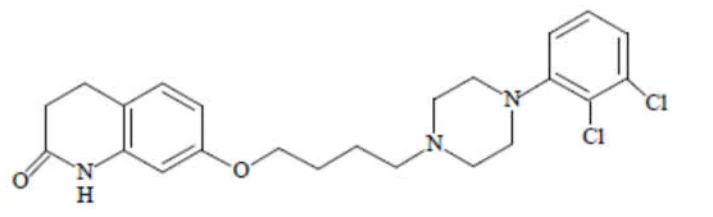
Physicochemical properties: Aripiprazole is a white crystalline powder. Aripiprazole is practically insoluble in water. The pKa was determined to be 7.6 (in 20% ethanol solution).
CLINICAL TRIALS
Comparative Bioavailability Studies:
A double blind, randomized, single dose, two period, two way crossover bioequivalence study of TEVA-ARIPIPRAZOLE (aripiprazole) 2 mg tablets (Teva Canada Limited) and Abilify® (aripiprazole) 2 mg tablets (Bristol-Myers Squibb Canada) was conducted on 31 healthy adult subjects under fasting conditions. A summary of the bioavailability data from 30 subjects who completed the study is presented in the following table.
Aripiprazole (1 x 2 mg) From measured data Geometric Mean Arithmetic Mean (CV %) | ||||
| Parameter | Test* | Reference† | % Ratio of Geometric Means | 90% Confidence Interval (%) |
| AUC0-72 (ng.h/mL) | 331.56 339.63 (21.93) | 325.99 332.46 (19.92) | 101.61 | 98.34 to 104.98 |
Cmax (ng/mL) | 9.74 9.91 (18.87) | 9.40 9.57 (19.21) | 103.72 | 98.59 to 109.11 |
Tmax§ (h) | 3.12 (44.84) | 3.09 (44.80) | ||
t½€ (h) | 93.42 (37.21) | 85.26 (23.58) | ||
* TEVA-ARIPIPRAZOLE (airpiprazole) 2 mg tablets (Teva Canada Limited)
† Abilify® (aripiprazole) 2 mg tablets (Bristol-Myers Squibb Canada) was purchased in Canada § Expressed as the arithmetic mean (CV%) only
€ Expressed as the arithmetic mean (CV%) only
A double blind, randomized, single dose, two period, two way crossover bioequivalence study of TEVA-ARIPIPRAZOLE (aripiprazole) 10 mg tablets (Teva Canada Limited) and Abilify® (aripiprazole) 10 mg tablets (Bristol-Myers Squibb Canada) was conducted on 32 healthy adult subjects under fasting conditions. A summary of the bioavailability data from 28 subjects who completed the study is presented in the following table.
Aripiprazole (1 x 10 mg) From measured data Geometric Mean Arithmetic Mean (CV %) | ||||
| Parameter | Test* | Reference† | % Ratio of Geometric Means | 90% Confidence Interval |
AUC0-72 (ng.h/mL) | 1763.77 1791.91 (17.82) | 1528.31 1579.16 (24.76) | 115.24 | 108.91 to 121.93 |
Cmax (ng/mL) | 46.72 48.16 (25.27) | 37.56 39.42 (29.93) | 124.17 | 114.56 to 134.60 |
Tmax§ (h) | 3.32 (1.74) | 3.86 (1.69) | ||
T½ € (h) | 108.08 (37.87) | 116.76 (59.62) | ||
* TEVA-ARIPIPRAZOLE (airpiprazole) 10 mg tablets (Teva Canada Limited)
† Abilify® (aripiprazole) 10 mg tablets (Bristol-Myers Squibb Canada) was purchased in Canada § Expressed as the arithmetic mean (CV%) only
€ Expressed as the arithmetic mean (CV%) only
Schizophrenia
Adults
The efficacy of aripiprazole in the treatment of schizophrenia was evaluated in five short-term (4- and 6-week), placebo-controlled trials of acutely relapsed inpatients who predominantly met
DSM-III/IV criteria for schizophrenia. Four of the five trials were able to distinguish aripiprazole from placebo, but one study, the smallest, did not. Three of these studies also included an active control group consisting of either risperidone (one trial) or haloperidol (two trials), but they were not designed to allow for a comparison of aripiprazole and the active comparators.
In the four positive trials for aripiprazole, four primary measures were used for assessing psychiatric signs and symptoms. The Positive and Negative Syndrome Scale (PANSS) is a multi- item inventory of general psychopathology used to evaluate the effects of drug treatment in schizophrenia. The PANSS positive subscale is a subset of items in the PANSS that rates seven positive symptoms of schizophrenia (delusions, conceptual disorganization, hallucinatory behavior, excitement, grandiosity, suspiciousness/persecution, and hostility). The PANSS negative subscale is a subset of items in the PANSS that rates seven negative symptoms of schizophrenia (blunted affect, emotional withdrawal, poor rapport, passive apathetic withdrawal, difficulty in abstract thinking, lack of spontaneity/flow of conversation, stereotyped thinking). The Clinical Global Impression (CGI) assessment reflects the impression of a skilled observer, fully familiar with the manifestations of schizophrenia, about the overall clinical state of the patient.
In a 4-week trial (n=414) comparing two fixed doses of aripiprazole (15 or 30 mg/day) and haloperidol (10 mg/day) to placebo, both doses of aripiprazole were superior to placebo in the PANSS total score, PANSS positive subscale, and CGI-severity score. In addition, the 15-mg dose was superior to placebo in the PANSS negative subscale.
In a 4-week trial (n=404) comparing two fixed doses of aripiprazole (20 or 30 mg/day) and risperidone (6 mg/day) to placebo, both doses of aripiprazole were superior to placebo in the PANSS total score, PANSS positive subscale, PANSS negative subscale, and CGI-severity score.
In a 6-week trial (n=420) comparing three fixed doses of aripiprazole (10, 15, or 20 mg/day) to placebo, all three doses of aripiprazole were superior to placebo in the PANSS total score, PANSS positive subscale, and the PANSS negative subscale.
In a 6-week trial (n=367) comparing three fixed doses of aripiprazole (2, 5, or 10 mg/day) to placebo, the 10-mg dose of aripiprazole was superior to placebo in the PANSS total score, the primary outcome measure of the study. The 2-mg and 5-mg doses did not demonstrate superiority to placebo on the primary outcome measure.
In a fifth study, a 4-week trial (n=103) comparing aripiprazole in a range of 5 to 30 mg/day or haloperidol 5 to 20 mg/day to placebo, haloperidol was superior to placebo, in the Brief Psychiatric Rating Scale (BPRS), a multi-item inventory of general psychopathology traditionally used to evaluate the effects of drug treatment in psychosis, and in a responder analysis based on the CGI-severity score, the primary outcomes for that trial. Aripiprazole was only significantly different compared to placebo in a responder analysis based on the CGI-severity score.
Thus, the efficacy of 10-mg, 15-mg, 20-mg, and 30-mg daily doses was established in two studies for each dose. Among these doses, there was no evidence that the higher dose groups offered any advantage over the lowest dose group of these studies.
An examination of population subgroups did not demonstrate any clear evidence of differential responsiveness on the basis of age, gender, or race.
A longer-term trial enrolled 310 inpatients or outpatients meeting DSM-IV criteria for schizophrenia who were, by history, symptomatically stable on other antipsychotic medications for periods of 3 months or longer. These patients were discontinued from their antipsychotic medications and randomized to aripiprazole 15 mg/day or placebo for up to 26 weeks of observation for relapse. Relapse during the double-blind phase was defined as CGI-Improvement score of ≥5 (minimally worse), scores ≥5 (moderately severe) on the hostility or uncooperativeness items of the PANSS, or ≥20% increase in the PANSS total score. Patients receiving aripiprazole 15 mg/day experienced a significantly longer time to relapse over the subsequent 26 weeks compared to those receiving placebo.
Adolescents (13-17 years of age)
The efficacy of aripiprazole in the treatment of schizophrenia was evaluated in one 6-week, placebo-controlled trial that included outpatients, 13 - 17 years of age, who met DSM- IV criteria for schizophrenia and had a PANSS score ≥ 70 at baseline. The majority of patients included in this trial (75%) were 15 - 17 years of age. Seventy-four percent of patients had received antipsychotic treatment for previous episodes. In this trial comparing two fixed doses of aripiprazole (10 mg/day, n=100 or 30 mg/day, n=102) to placebo (n=100), aripiprazole was titrated starting from 2 mg/day to the target dose in 5 days in the 10 mg/day treatment arm and in 11 days in the 30 mg/day treatment arm.
Both doses of aripiprazole were superior to placebo in the PANSS total score, the primary outcome measure of the study. The 30 mg/day dose was not shown to be more efficacious than the 10 mg/day dose. Maintenance of efficacy has not been systematically evaluated in adolescent patients.
TEVA-ARIPIPRAZOLE is not indicated for the treatment of schizophrenia in adolescents less than 15 years of age due to insufficient safety and efficacy data (see INDICATIONS, WARNINGS AND PRECAUTIONS, Special Populations, and ADVERSE REACTIONS).
DETAILED PHARMACOLOGY
Nonclinical pharmacodynamics
Extensive in vitro and in vivo studies demonstrated that aripiprazole is a potent partial agonist at dopamine D2 and serotonin 5-HT1A receptors and an antagonist at serotonin 5-HT2 receptors. Aripiprazole binds with high affinity to dopamine D2 and D3 and serotonin 5-HT1A and 5-HT2A receptors; with moderate affinity to dopamine D4, serotonin 5-HT2C and 5-HT7, alpha1- adrenergic and histamine H1 receptors and the serotonin transporter and with low affinity to muscarinic receptors. As a D2 partial agonist, aripiprazole blocks postsynaptic D2 receptors at a dose comparable to that at which it acts as agonist at presynaptic dopamine receptors. Aripiprazole exhibits the properties of an agonist in animal models of dopaminergic hypoactivity and the properties of an antagonist in animal models of dopaminergic hyperactivity. In multiple behavioral models, aripiprazole exhibits an antipsychotic profile and is several fold less potent than atypical antipsychotics in animal models predictive of extrapyramidal side effect liability.
Cardiorespiratory System
Aripiprazole and OPC-14857 inhibited the HERG/IKr current at 140- and 461-fold multiples of the maximum steady-state plasma free-drug concentration, respectively, and there were no effects on action potential duration (APD) in the rabbit Purkinje fiber assay. OPC-3373 demonstrated no in vitro inhibition of HERG/IKr current or prolongation of APD at concentrations up to 10 µM. Neither aripiprazole nor the main human metabolites (OPC-14857, OPC-3373) accumulate in rat cardiac tissue following single or repeat (13 days) dosing. Potential cardiovascular effects were also assessed in in vitro and in vivo safety pharmacology (anesthetized dogs) and toxicology studies (39-week treatment in monkeys) in which no significant changes were observed.
Central and Peripheral Nervous Systems
In animals, aripiprazole was less potent than chlorpromazine and haloperidol in producing behavioral signs consistent with CNS depression, in inducing catalepsy, and in suppressing spontaneous motor activity and, unlike these comparators, did not cause convulsions. Additionally, it reduced motor coordination and prolonged the duration of hexobarbital-induced hypnosis with a potency comparable to chlorpromazine. In contrast, aripiprazole demonstrated less potential than chlorpromazine or haloperidol to induce muscular relaxation and analgesia.
Other Systems and Tissues
In vitro and in vivo safety pharmacology studies were conducted to assess the potential of aripiprazole to alter gastric secretion, gastrointestinal motility, smooth muscle contractility, and urine volume and electrolyte excretion. These studies indicated that aripiprazole has little potential to cause gastrointestinal or renal side effects or affect smooth muscle contractility.
Nonclinical Pharmacokinetics
The absorption, distribution, metabolism and excretion properties of aripiprazole were evaluated in a series of in vitro and in vivo studies in mice, rats, rabbits, dogs, minipigs, and monkeys. Aripiprazole had only moderate intrinsic membrane permeability in vitro, but was well absorbed following oral administration in animals and humans.
Following intravenous administration of aripiprazole, its elimination half-life (1 to 5 hours) was shorter and its plasma clearance (14 to 110 mL/min/kg) was more rapid in animals than in humans (75 hours and 0.7 mL/min/kg, respectively). As in humans, the steady-state volumes of distribution in animals suggest extensive extravascular distribution.
The exposure of mice, rats, and monkeys to aripiprazole after oral dosing was dose-related. In rats, possibly due to saturation of presystemic metabolism and/or clearance, the increase in exposure was greater than the dose increment; however, in mice and monkeys, exposure increased in a generally dose-proportional manner. After repeated daily doses, exposures to aripiprazole and its pharmacologically-active metabolite, dehydro-aripiprazole, were slightly higher in female rats than in male rats; there were no gender-related differences in mice or monkeys. Systemic accumulation of aripiprazole and its metabolites was seen at toxicologically- relevant doses after once-daily chronic administration in both rats and monkeys.
In rats, concentrations of unchanged aripiprazole in the brain were up to 5-times higher than plasma concentrations. Following [14C]-aripiprazole administration to pregnant rats, radioactivity in the fetus was low and only a trace amount was detected in the amniotic fluid. After [14C]-aripiprazole administration to lactating rats, milk vs blood concentration ratios were greater than one for up to 24 hours. In vitro, aripiprazole bound extensively (99.4 to 99.8%) to proteins in mouse, rat, rabbit, dog, monkey, and human sera.
Parent drug was undetectable in rat and monkey urine, indicating that renal clearance is not an important mechanism of elimination. Aripiprazole was mainly eliminated via metabolic clearance and aripiprazole metabolites were eliminated by both renal and biliary routes in monkeys and predominantly by the biliary route in rats. After oral administration of [14C]- aripiprazole to rats and monkeys, drug-derived radioactivity was recovered primarily in the feces (~90 and 62% of dose, respectively). The metabolism of aripiprazole in rats and monkeys was qualitatively similar to that in humans, though the rate of elimination through metabolism in humans was slower compared to animals. The metabolism of aripiprazole was primarily by dehydrogenation, hydroxylation, and N-dealkylation. Formation of the pharmacologically-active dehydro-aripiprazole was a major route metabolism. This and other Phase 1 metabolites were subject to further metabolism, including conjugation reactions. In rats, as in humans, unchanged drug was the major drug-related component in plasma, while in monkeys, aripiprazole accounted for only 13% of the drug-related material in plasma. All of the major metabolites in human plasma were present in the plasma rats and monkeys, the principle species used for nonclinical toxicity testing, indicating that these species were appropriate for safety assessment of aripiprazole and its metabolites.
In vitro studies indicated that cytochrome P450 (CYP) isoforms, CYP3A4 and CYP2D6 were responsible for the dehydrogenation and hydroxylation of aripiprazole, while its N-dealkylation was catalyzed by CYP3A4 only. Clinical studies were conducted to evaluate the potential for drug-drug interactions in vivo. While co-administration of CYP3A4 or CYP2D6 inhibitors decreased the oral clearance of aripiprazole by approximately 40-50% and co-administration of an inducer of CYP3A4 increased the oral clearance of aripiprazole, these changes were not regarded as clinically meaningful. In vitro studies also indicated that neither aripiprazole nor it’s dehydro metabolite should meaningfully inhibit the in vivo activity of CYP isozymes at clinically-relevant concentrations. This was confirmed in clinical studies in which no clinically-meaningful effect of aripiprazole on the clearance of substrates for CYP3A4, CYP2D6, CYP2C9, and CYP2C19 was found.
TOXICOLOGY
Acute Toxicity
The acute oral toxicity of aripiprazole was determined in rats and monkeys. The estimated median lethal oral dose in male and female rats was 953 and 705 mg/kg, respectively, and in monkeys was greater than 2000 mg/kg for both sexes. Clinical signs consistent with pharmacologically mediated central nervous (CNS) depression and extrapyramidal side effects were noted in both species. In rats, clinical signs included decreased spontaneous motor activity, crouching, prone position, ataxia, tremors, convulsions, straub tail, catalepsy, ptosis, and coldness to touch. In monkeys, principal drug-related effects included impaired motor activity, hyporeactivity to external stimuli, tremors, catalepsy, closed eyes, crouching, and prone and/or lateral position.
Short- and Long-Term Toxicity
The short- and long-term toxicity of aripiprazole was determined in 4- to 52-week oral toxicity studies in rats and monkeys. The results from these studies are summarized in the following table.
Short- and Long-Term Toxicity
Species/Strain Route of
Administration
Duration of
Dosing
Dose (mg/kg)
Number/Sex Noteworthy Findings
Rat/SD Oral Gavage 4 weeks 0, 60, 100 10 or 15 M
10 or 15 F 60 and 100 mg/kg/day: Sedation (primarily in Week 1) and dose-related decreases in body weight, body weight gain, and food consumption; dose-related minimal or mild increases in serum glutamic pyruvic transaminase, glutamic oxaloacetic transaminase, and γ-glutamyltranspeptidase; and microscopically, dose-related minimal to moderate adrenocortical hypertrophy, mild atrophy of the pars intermedia in the pituitary gland, minimal to mild bone marrow hypocellularity, increased incidence and severity of pulmonary alveolar foam cell accumulation in the lung, minimal salivary gland acinar cell hypertrophy, minimal mammary gland lobular hyperplasia with minimal to mild milk secretion, minimally decreased numbers of ovarian corpora lutea, and low incidences of minimal uterine atrophy.
100 mg/kg/day: Emaciation, transient hypothermia, lacrimation, tremors, and unkempt appearance and microscopically, minimal mucification of the vaginal epithelium.
All mammary gland and reproductive tract changes in females were considered to be secondary to aripiprazole-related increases in serum prolactin. Additionally, all changes were reversible or partially reversible after a 4-week post-dose period for the 100 mg/kg/day animals.
Species/Strain Route of
Administration
Duration of
Dosing
Dose (mg/kg)
Number/Sex Noteworthy Findings
Rat/SD Oral gavage 13 weeks 0, 2, 6, 20 10 or 16 M
10 or 16 F 2 and 6 (M) mg/kg/day: No drug-related changes. 6 (F) and
20 mg/kg/day: In females, minimal increases in body weight gain and food consumption (6 mg/kg/day only) and microscopically, mucification of vaginal epithelium and lobular hyperplasia of the mammary glands.
20 mg/kg/day: Minimal decreases in body weight gain and food consumption in males; decreased liver and uterus weights; and microscopically, mammary milk secretion in females. Anatomic changes in the mammary gland and reproductive tract of females were considered to be secondary to aripiprazole-related increases in serum prolactin. At the end of the 4-week post-dose period, all findings were reversible except for minimal decreases in body weight gain and food consumption.
Species/Strain Route of
Administration
Duration of
Dosing
Dose (mg/kg)
Number/Sex Noteworthy Findings
Rat/SD Oral gavage 26 weeks 0, 10, 30, 60 20 or 25 M
20 or 25 F 10 mg/kg/day: Minimal or mild increases in body weight and food consumption in females.
10, 30, and 60 mg/kg/day: Dose-related minimal to moderate decreases in body weight (10 mg/kg/day only in males), including initial weight loss at 60 mg/kg/day; minimal or mild decreases in serum total protein and albumin; pale discoloration of the lungs; and microscopically, dose-related minimal to moderate atrophy of pituitary pars intermedia, increased incidence of minimal to moderate pulmonary histiocytosis, and changes in the mammary gland (atrophy in males ≥ 30 mg/kg/day; hyperplasia in females) and female reproductive tract (ie, persistent diestrus) that were considered secondary to drug-related hyperprolactinemia.
30 and 60 mg/kg/day: Dose-related increased incidences of transient post-dose hypoactivity and ptosis and predose hyperactivity; minimal to moderate decreases in food consumption; and microscopically, minimally increased adrenocortical lipofuscin pigment and minimal to mild adrenocortical hypertrophy in females.
60 mg/kg/day: Minimal decreases in hematocrit, reticulocytes, and hemoglobin (females); increased adrenal (females) and lung weights; decreased testicular size and weight; dark discoloration of the adrenals and ovaries; and, microscopically, minimal to moderate bilateral testicular atrophy and minimally increased ovarian lipofuscin pigment.
Except for remnants of the adrenal and ovarian pigment, all aripiprazole-related effects were reversible or partially reversible (hyperactivity and pulmonary histiocytosis with associated increases in lung weight) after a 13-week post-dose period.
Species/Strain Route of
Administration
Duration of
Dosing
Dose (mg/kg)
Number/Sex Noteworthy Findings
Rat/SD Oral gavage 52 weeks 0, 1, 3, 10 20 M
20 F 1, 3, and 10 mg/kg/day: Mild to moderate uterine atrophy and slight increase in corpora lutea.
3 and 10 mg/kg/day: Minimal to mild increases (transient at 10 mg/kg/day) in body weights; minimal, sporadic increases in food consumption; decreases in adrenal, liver, kidney, and uterus weights and increases in ovarian weights; and microscopically, increased severity of lobular hyperplasia of mammary gland and increased incidence and severity of vaginal epithelial mucification in females (changes considered secondary to aripiprazole-related increases in prolactin).
10 mg/kg/day: Decreased liver weight; macroscopic evidence of mammary gland development in females; and microscopically, karyomegaly of hepatocytes, renal proximal tubular epithelium, and Harderian gland acinar cells.
Monkey/
Cynomolgus
Oral gavage 4 weeks 1, 5, 25, 125 1 M
1 F 1, 5, 25, and 125 mg/kg/day: Impairment of motor activity characterized by ataxic gait, reduced motor activity, and/or absence of motion (1 mg/kg/day only in Week 1).
5, 25, and 125 mg/kg/day: Closed eyes, catalepsy, tremors, and slight decreases in food consumption (Weeks 1 and 2).
25 and 125 mg/kg/day: Abnormal posture (crouching, lateral, or prone position) and hyporeactivity; minimal dose-related body weight loss (Weeks 1 and 2); and at necropsy, retention of gallsand (granular material) in the gallbladder.
125 mg/kg/day: At necropsy, a stone (calculus) in the gallbladder of 1 animal.
Species/Strain Route of
Administration
Duration of
Dosing
Dose (mg/kg)
Number/Sex Noteworthy Findings
Monkey/
Cynomolgus
Oral gavage 13 weeks 0, 0.5, 1, 5,
25
3 to 5 M
3 to 5 F 0.5 and 1 mg/kg/day: No drug-related findings.
5 and 25 mg/kg/day: Dose-related impairment of motor activity, hyporeactivity, tremors, catalepsy, and abnormal posture. These clinical signs generally were mild at 5 mg/kg/day and severe at 25 mg/kg/day early in the study, but improved with continued dosing at 25 mg/kg/day.
25 mg/kg/day: Minimal decreases in body weight, moderate decreases in food consumption, and sporadic absence of feces in Weeks 1 and 2 and moderate to severe muddy substance in the bile at necropsy.
All drug-related alterations disappeared or improved during the 4-week post-dose period.
Monkey/
Cynomolgus
Oral gavage 39 weeks 0, 25, 50,
4 M
4 F Due to pronounced clinical signs at 100 mg/kg/day on Day
1, high-dose animals were not treated on Days 2 to 4. Starting on Day 5 through remainder of the study, high-dose animals were treated at 75 mg/kg/day.
25 mg/kg/day: Low incidence of impaired motor activity in 1 male.
25, 50, and 75 mg/kg/day: Dose-related tremors and mild to moderate hypoactivity (transient at 25 mg/kg/day), vomitus (emesis), qualitatively reduced food consumption, low incidences of hunched or unusual posture, and mucus-like and granular (gallsand) materials in the gallbladder.
50 and 75 mg/kg/day: Low incidences of excessive salivation, sternal recumbency, and gallbladder calculi (gallstones); and, microscopically, low incidence of generally minimal liver alterations consistent with hepatolithiasis in the subcapsular parenchyma of the right median lobe proximal to the gallbladder.
Species/Strain Route of
Administration
Duration of
Dosing
Dose (mg/kg)
Number/Sex Noteworthy Findings
75 mg/kg/day: One female euthanatized moribund in Week 3 due to severe clinical toxicity characterized by mild to severe hypoactivity, tremors, excessive salivation, lateral or sternal recumbency, hunched or unusual posture, impaired motor activity, and reduced food consumption (low or none). This female was the only high-dose animal that had not recovered when dosing resumed at 75 mg/kg/day on Day 5. Minimal decreases in body weight in males and low incidence of ataxia in 1 female.
Analyses of gallsand and gallstones indicated that sulfate conjugates of hydroxy metabolites of aripiprazole were the major drug-related constituents; and bile acids, principally taurodeoxycholic acid, were the primary nondrug-related constituents. Analyses of intrahepatic concretions (hepatoliths) demonstrated morphologic features and elemental composition that were similar to gallsand and gallstones.
Monkey/
Cynomolgus
Oral gavage 52 weeks 0, 0.5, 5, 25 4 M
4 F 0.5 mg/kg/day: No drug-related changes.
5 and 25 mg/kg/day: Dose-related incidences and/or severity of impaired motor activity, hyporeactivity, tremors, catalepsy, and abnormal posture (crouching, lateral, and/or prone position) that were most evident during Weeks 1 and
- 2. At 25 mg/kg/day, impaired motor activity was severe in Week 1 and generally mild during the remainder of the study. Hyporeactivity disappeared by Week 3 and catalepsy and abnormal posture were observed sporadically throughout the dosing period.
25 mg/kg/day: Minimal decreases in body weight and mild to moderate decreases in food consumption during Weeks 1 and 2. At necropsy, slight to generally moderate gallsand in 3 animals and gallstones in 1 animal. In comparison, slight gallsand noted in 2 controls.
Juvenile Toxicity
In repeat-dose studies in juvenile rats and dogs, the toxicity profile of aripiprazole was comparable to that observed in adult animals, and there was no evidence of neurotoxicity or adverse effects on development.
Mutagenesis
The mutagenic potential of aripiprazole was tested in the in vitro bacterial reverse-mutation assay, the in vitro bacterial DNA repair assay, the in vitro forward gene mutation assay in mouse lymphoma cells, the in vitro chromosomal aberration assay in Chinese hamster lung (CHL) cells, the in vivo micronucleus assay in mice, and the unscheduled DNA synthesis assay in rats. Aripiprazole was clastogenic in the in vitro chromosomal aberration assay in CHL cells with and without metabolic activation. A positive response was obtained in the in vivo micronucleus assay in mice; however, the response was due to a mechanism considered not relevant to humans.
Reproductive Toxicity
In animal studies, aripiprazole demonstrated developmental toxicity, including possible teratogenic effects in rats and rabbits.
Pregnant rats were treated with oral doses of 3, 10, and 30 mg/kg/day (1, 3, and 10 times the maximum recommended human dose [MRHD] on a mg/m2 basis) of aripiprazole during the period of organogenesis. Gestation was slightly prolonged at 30 mg/kg. Treatment caused a slight delay in fetal development, as evidenced by decreased fetal weight (30 mg/kg), undescended testes (30 mg/kg), and delayed skeletal ossification (10 and 30 mg/kg). There were no adverse effects on embryofetal or pup survival. Delivered offspring had decreased bodyweights (10 and 30 mg/kg), and increased incidences of hepatodiaphragmatic nodules and diaphragmatic hernia at 30 mg/kg (the other dose groups were not examined for these findings). A low incidence of diaphragmatic hernia was also seen in the fetuses exposed to 30 mg/kg. Postnatally, delayed vaginal opening was seen at 10 and 30 mg/kg and impaired reproductive performance (decreased fertility rate, corpora lutea, implants, and live fetuses and increased post- implantation loss, likely mediated through effects on female offspring) was seen at 30 mg/kg. Some maternal toxicity was seen at 30 mg/kg; however, there was no evidence to suggest that these developmental effects were secondary to maternal toxicity.
In pregnant rats receiving aripiprazole injection intravenously (3, 9, and 27 mg/kg/day) during the period of organogenesis, decreased fetal weight and delayed skeletal ossification were seen at the highest dose, which also caused maternal toxicity.
Pregnant rabbits were treated with oral doses of 10, 30, and 100 mg/kg/day (2, 3, and 11 times human exposure at MRHD based on AUC) of aripiprazole during the period of organogenesis. Decreased maternal food consumption and increased abortions were seen at 100 mg/kg. Treatment caused increased fetal mortality (100 mg/kg), decreased fetal weight (30 and 100 mg/kg), increased incidence of a skeletal abnormality (fused sternebrae at 30 and 100 mg/kg), and minor skeletal variations (100 mg/kg).
In pregnant rabbits receiving aripiprazole injection intravenously (3, 10, and 30 mg/kg/day) during the period of organogenesis, the highest dose, which caused pronounced maternal toxicity, resulted in decreased fetal weight, increased fetal abnormalities (primarily skeletal), and decreased fetal skeletal ossification. The fetal no-effect dose was 10 mg/kg, which produced 5 times the human exposure at the MRHD based on AUC.
In a study in which rats were treated with oral doses of 3, 10, and 30 mg/kg/day (1, 3, and 10 times the MRHD on a mg/m2 basis) of aripiprazole perinatally and postnatally (from day 17 of gestation through day 21 postpartum), slight maternal toxicity and slightly prolonged gestation were seen at 30 mg/kg. An increase in stillbirths and decreases in pup weight (persisting into adulthood) and survival were seen at this dose.
In rats receiving aripiprazole injection intravenously (3, 8, and 20 mg/kg/day) from day 6 of gestation through day 20 postpartum, an increase in stillbirths was seen at 8 and 20 mg/kg, and decreases in early postnatal pup weights and survival were seen at 20 mg/kg. These doses produced some maternal toxicity. There were no effects on postnatal behavioral and reproductive development.
Impairment of fertility
Female rats were treated with oral doses of 2, 6, and 20 mg/kg/day (0.6, 2, and 6 times the MRHD on a mg/m2 basis) of aripiprazole from 2 weeks prior to mating through day 7 of gestation. Estrus cycle irregularities and increased corpora lutea were seen at all doses, but no impairment of fertility was seen. Increased pre-implantation loss was seen at 6 and 20 mg/kg and decreased fetal weight was seen at 20 mg/kg.
Male rats were treated with oral doses of 20, 40, and 60 mg/kg/day (6, 13, and 19 times the MRHD on a mg/m2 basis) of aripiprazole from 9 weeks prior to mating through mating. Disturbances in spermatogenesis were seen at 60 mg/kg and prostate atrophy was seen at 40 and 60 mg/kg, but no impairment of fertility was seen.
Carcinogenicity
Lifetime carcinogenicity studies were conducted in ICR mice and in Sprague-Dawley (SD) and F344 rats. Aripiprazole was administered for 2 years in the diet at doses of 1, 3, 10, and 30 mg/kg/day to ICR mice and 1, 3, and 10 mg/kg/day to F344 rats (0.2 to 5 and 0.3 to 3 times the MRHD based on mg/m2, respectively). In addition, SD rats were dosed orally for 2 years at 10, 20, 40, and 60 mg/kg/day (3 to 19 times the MRHD based on mg/m2). Aripiprazole did not induce tumors in male mice or rats. In female mice, the incidences of pituitary gland adenomas and mammary gland adenocarcinomas and adenoacanthomas were increased at dietary doses of 3 to 30 mg/kg/day (0.1 to 0.9 times human exposure at MRHD based on AUC and 0.5 to 5 times the MRHD based on mg/m2). In female rats, the incidence of mammary gland fibroadenomas was increased at a dietary dose of 10 mg/kg/day (0.1 times human exposure at MRHD based on AUC); and the incidences of adrenocortical carcinomas and combined adrenocortical adenomas/carcinomas were increased at an oral dose of 60 mg/kg/day (10 times human exposure at MRHD based on AUC).
Proliferative changes in the pituitary and mammary gland of rodents have been observed following chronic administration of other antipsychotic agents and are considered prolactin- mediated. Serum prolactin was not measured in the aripiprazole carcinogenicity studies. However, increases in serum prolactin levels were observed in female mice in a 13-week dietary study at the doses associated with mammary gland and pituitary tumors. Serum prolactin was not increased in female rats in 4- and 13-week dietary studies at the dose associated with mammary gland tumors. The relevance for human risk of the findings of prolactin-mediated endocrine tumors in rodents is unknown.
Other Toxicity Studies
Adrenocortical Changes in Rats
A series of investigative studies were conducted in rats to determine the mechanism for the aripiprazole-related adrenocortical changes after subchronic and chronic dosing. The data from these studies supported the conclusion that the female rat-specific adrenocortical tumorigenic response at 60 mg/kg/day in the oral carcinogenicity study was secondary to aripiprazole-related adrenocortical cytotoxicity and consequent increased cell proliferation. The female specificity of the adrenocortical tumorigenic response was considered a consequence of the earlier onset and greater severity of the adrenocortical cytotoxic changes. The adrenocortical cytotoxic and tumorigenic effects have no established clinical relevance since they occurred at a dose 10 times human exposure at the MRHD based on AUC.
Retinal Degeneration in Rats
Aripiprazole produced retinal degeneration in albino Sprague-Dawley (SD) rats in a 26-week chronic toxicity study at a dose of 60 mg/kg and in a 2-year carcinogenicity study at doses of 40 and 60 mg/kg. The 40 and 60 mg/kg doses are 7 to 10 times human exposure at the MRHD based on AUC. In a subsequent 18-month investigative study in albino SD and pigmented Long-Evans (LE) rats administered 60 mg/kg/day aripiprazole, pharmacologically mediated hyperactivity occurred in both rat strains early in the study predisposing the animals to increased light exposure. Time-dependent retinal degeneration with electroretinographic and morphologic features consistent with spontaneous light-induced retinal degeneration was observed in albino SD rats, whereas there was no evidence of light-induced retinal injury in pigmented LE rats at any timepoint despite comparable systemic exposures to aripiprazole. This was due to the photoprotective effect of ocular melanin pigment in LE rats. Therefore, the retinal degeneration observed in albino SD rats after chronic dosing at high doses of aripiprazole was considered to be a consequence of drug-related, pharmacologically mediated hyperactivity during the animal room light phase, resulting in increased light exposure rather than a direct drug effect on the retina. Light-induced retinal degeneration in albino SD rats has no established clinical relevance.
Dermal Sensitization and Dermal and Ocular Irritation
Aripiprazole was not a dermal sensitizer in mice and was nonirritating to rabbit skin and eye.
Phototoxicity
Aripiprazole was nonphototoxic in Balb/c 3T3 mouse fibroblast cultures.
Antigenicity
Aripiprazole produced no evidence of active systemic anaphylaxis or passive cutaneous reactions in guinea pigs.
Immunotoxicity
Aripiprazole did not adversely affect the T-cell-dependent humoral immune response to sheep red blood cells in rats.
Dependence
In a battery of studies conducted to evaluate physical dependence and abuse potential, aripiprazole demonstrated no abuse liability in rats; mild, transient physical dependence in monkeys (rebound arousal) considered to be of little clinical significance; and no positive reinforcing effects in monkeys. Overall, the results support that aripiprazole has no abuse liability.
Metabolites
In single-dose intravenous studies in rats, OPC-14857 produced clinical effects similar to those observed at high single oral doses of parent drug, whereas OPC-3373 produced no drug-related toxicity. In a 28-day oral toxicity study in rats, 2,3-DCPP produced CNS-related clinical signs with deaths at the high dose (30 mg/kg/day) but no evidence of target organ toxicity. All 3 metabolites were not mutagenic in bacterial reverse-mutation tests. In an in vitro cytogenetics assay in CHL cells, 2,3-DCPP increased chromosome aberrations in the presence and absence of metabolic activation; however, the increases were considered secondary to excessive cytotoxicity rather than direct DNA reactivity.
REFERENCES
- 1.
Cutler et al. The Efficacy and Safety of Lower Doses of Aripiprazole for the Treatment of
Patients with Acute Exacerbation of Schizophrenia (2006) CNS Spectr. 2006;11(9):691-702
- 2.
Kane JM, Carson WH, Saha AR, McQuade RD, Ingenito GG, Zimbroff DL, Ali MW.
Efficacy and safety of aripiprazole and haloperidol versus placebo in patients with schizophrenia and schizoaffective disorder. J Clin Psychiatry 2002;63:763-771
- 3. McEvoy, et al. A randomized, double-blind, placebo-controlled study of the efficacy and safety of aripiprazole 10, 15 or 20 mg/day for the treatment of patients with acute exacerbations of schizophrenia. J Psychiatr Res. 2007 Dec;41(11):895-905.
- 4.
Potkin SG, Saha AR, Kujawa MJ, Carson WH, Ali M, Stock E, Stringfellow J, Ingenito
G, Marder SR. Aripiprazole, an antipsychotic with a novel mechanism of action, and risperidone vs. placebo in patients with schizophrenia and schizoaffective disorder. Arch Gen Psychiatry 2003;60(7):681-690
- 5.
Product Monograph for ABILIFY® (aripiprazole tablets). Otsuka Pharmaceuticals Co.,
Ltd. Tokyo, Japan. Submission Control Number: 234620. Date of Revision: April 15, 2020