


Product Monograph - Timolol
RECENT MAJOR LABEL CHANGES
| 2 Contraindications | 05/2025 |
| 3 Serious Warnings and Precautions Box | 05/2025 |
| 4 Dosage and Administration, 4.1 Dosing Considerations | 05/2025 |
| 4 Dosage and Administration, 4.2 Recommended Dose and Dosage Adjustment | 05/2025 |
| 7 Warnings and Precautions, Cardiovascular | 05/2025 |
| 7 Warnings and Precautions, Driving and Operating Machinery | 05/2025 |
| 7 Warnings and Precautions, Hepatic/Biliary/Pancreatic | 05/2025 |
| 7 Warnings and Precautions, Immune | 05/2025 |
| 7 Warnings and Precautions, Musculoskeletal | 05/2025 |
| 7 Warnings and Precautions, Neurologic | 05/2025 |
| 7 Warnings and Precautions, Respiratory | 05/2025 |
| 7 Warnings and Precautions, Skin | 05/2025 |
| 7 Warnings and Precautions, 7.1.1 Pregnant Women | 05/2025 |
| 7 Warnings and Precautions, 7.1.4 Geriatrics | 05/2025 |
TABLE OF CONTENTS
Sections or subsections that are not applicable at the time of authorization are not listed.
RECENT MAJOR LABEL CHANGES ........................................................................................... 2
TABLE OF CONTENTS ............................................................................................................. 2
PART I: HEALTH PROFESSIONAL INFORMATION ..................................................................... 5
1 INDICATIONS .............................................................................................................. 5
1.1 Pediatrics ................................................................................................................... 5
1.2 Geriatrics ................................................................................................................... 5
2 CONTRAINDICATIONS ................................................................................................. 5
3 SERIOUS WARNINGS AND PRECAUTIONS BOX ............................................................ 6
4 DOSAGE AND ADMINISTRATION ................................................................................. 6
4.1 Dosing Considerations .............................................................................................. 6
4.2 Recommended Dose and Dosage Adjustment ......................................................... 7
4.4 Administration .......................................................................................................... 8
4.5 Missed Dose .............................................................................................................. 8
5 OVERDOSAGE ............................................................................................................. 8
6 DOSAGE FORMS, STRENGTHS, COMPOSITION AND PACKAGING ................................. 9
7 WARNINGS AND PRECAUTIONS ................................................................................ 10
7.1 Special Populations ................................................................................................. 13
7.1.1 Pregnant Women .................................................................................................... 13
7.1.2 Breast-feeding ......................................................................................................... 13
7.1.3 Pediatrics ................................................................................................................. 13
7.1.4 Geriatrics ................................................................................................................. 13
8 ADVERSE REACTIONS................................................................................................ 14
8.2 Clinical Trial Adverse Reactions .............................................................................. 14
8.4 Abnormal Laboratory Findings: Hematologic, Clinical Chemistry and Other Quantitative Data .............................................................................................................. 16
8.5 Post-Market Adverse Reactions .............................................................................. 16
9 DRUG INTERACTIONS ............................................................................................... 16
9.3 Drug-Behavioural Interactions ................................................................................ 16
9.4 Drug-Drug Interactions ........................................................................................... 16
9.5 Drug-Food Interactions ........................................................................................... 20
9.6 Drug-Herb Interactions ........................................................................................... 20
9.7 Drug-Laboratory Test Interactions.......................................................................... 20
10 CLINICAL PHARMACOLOGY ....................................................................................... 20
10.1 Mechanism of Action .............................................................................................. 20
10.2 Pharmacodynamics ................................................................................................. 21
10.3 Pharmacokinetics .................................................................................................... 23
11 STORAGE STABILITY AND DISPOSAL .......................................................................... 24
12 SPECIAL HANDLING INSTRUCTIONS ........................................................................... 24
PART II: SCIENTIFIC INFORMATION ...................................................................................... 25
13 PHARMACEUTICAL INFORMATION ........................................................................... 25
14 CLINICAL TRIALS ....................................................................................................... 25
14.2 Comparative Bioavailability Studies ....................................................................... 25
15 MICROBIOLOGY ....................................................................................................... 26
16 NON-CLINICAL TOXICOLOGY ..................................................................................... 26
PATIENT MEDICATION INFORMATION ................................................................................. 29
PART I: HEALTH PROFESSIONAL INFORMATION
1 INDICATIONS
TIMOLOL (timolol maleate tablets) is indicated for:
- Patients with mild or moderate hypertension. TIMOLOL is usually used in combination with other drugs, particularly a thiazide diuretic. However, TIMOLOL may be tried alone, as an initial agent in those patients in whom, in the judgment of the physician, treatment should be started with a beta blocker rather than a diuretic. The combination of TIMOLOL with a diuretic or peripheral vasodilator has been found to be compatible and generally more effective than timolol alone. Limited experience with other antihypertensive agents has not shown evidence of incompatibility with timolol. TIMOLOL is not indicated in the treatment of hypertensive emergencies.
- Angina pectoris due to ischemic heart disease.
- Patients who have survived the acute phase of a myocardial infarction, and are clinically stable, to reduce cardiovascular mortality and the risk of reinfarction. In the study which showed these benefits, treatment with timolol was begun 7 days to 28 days after the acute phase. Data are not available as to whether benefit would ensue if the treatment is initiated later.
- Prophylactic treatment of migraine. TIMOLOL is not indicated in the management of acute migraine attacks.
1.1 Pediatrics
Pediatrics (<18 years of age): Based on the data submitted and reviewed by Health Canada, the safety and efficacy of TIMOLOL in pediatric patients has not been established; therefore, Health Canada has not authorized an indication for pediatric use. See 7.1.3 Pediatrics.
1.2 Geriatrics
Geriatrics (≥65 years of age): Evidence from clinical studies and experience suggests that use in the geriatric population is associated with differences in safety or effectiveness. See 7.1.4 Geriatrics.
2 CONTRAINDICATIONS
Timolol maleate tablets is contraindicated in:
- Patients who are hypersensitive to this drug or to any ingredient in the formulation, including any non-medicinal ingredient, or component of the container. For a complete listing, see 6 DOSAGE FORMS, STRENGTHS, COMPOSITION AND PACKAGING.
- Congestive heart failure. See 7 WARNINGS AND PRECAUTIONS, Cardiovascular.
- Right ventricular failure secondary to pulmonary hypertension
- Significant cardiomegaly
- Sinus bradycardia
- Sick sinus syndrome (including sino-atrial block)
- Second and third degree A-V block
- Cardiogenic shock
- Allergic rhinitis, bronchospasm (including bronchial asthma), or severe chronic obstructive pulmonary disease. See 7 WARNINGS AND PRECAUTIONS, Respiratory.
- Anesthesia with agents that produce myocardial depression, e.g., ether
- Patients receiving monoamine oxidase inhibitors
- Pregnancy
- Severe peripheral vascular disease or Raynaud’s disease
- Prinzmetal’s Angina
- Untreated pheochromocytoma
- Metabolic acidosis
- Hypotension
3 SERIOUS WARNINGS AND PRECAUTIONS BOX
Serious Warnings and Precautions
- Abrupt Cessation of Therapy with TIMOLOL: Patients with ischemic heart disease should be warned against stopping TIMOLOL abruptly. Myocardial infarction, ventricular arrhythmias, or sudden death has been reported in such patients following abrupt discontinuation of therapy with beta-adrenergic receptor blocking agents, with or without preceding exacerbation of angina pectoris. See 7 WARNINGS AND PRECAUTIONS, Cardiovascular, Abrupt Cessation of Therapy with TIMOLOL.
4 DOSAGE AND ADMINISTRATION
4.1 Dosing Considerations
The lowest possible dosage should be given first in order to be able to identify cardiac decompensation or bronchial phenomena at an early stage; this is especially important in the elderly. Subsequent increases in dose should take place slowly, (e.g. once a week) under control or on the basis of clinical effect.
Dosing should be especially cautious in patients with significant hepatic or renal impairment. See 7 WARNINGS AND PRECAUTIONS, Hepatic and 7 WARNINGS AND PRECAUTIONS, Renal.
4.2 Recommended Dose and Dosage Adjustment
Hypertension
TIMOLOL (timolol maleate tablets) is usually used in conjunction with other antihypertensive agents, particularly a thiazide diuretic, but may be used alone. See 1 INDICATIONS.
The dose must always be adjusted to the individual requirements of the patient, in accordance with the following guidelines:
When TIMOLOL is given to patients already receiving other antihypertensive agents, the initial dose should be 5 mg to 10 mg twice a day. If after one to two weeks an adequate response is not observed, dosage may be increased by increments of 5 mg twice daily, at intervals of two weeks. A 60 mg daily dose should not be exceeded.
When TIMOLOL is used alone the initial dose should be 10 mg twice a day and dosage increased if required, following the regimen described above.
In those patients who are found to be adequately controlled on daily doses of 20 mg or less, the administration of the total dose in the morning should be tried a studies show adequate response to this dose regimen.
Angina
The recommended dosage range of TIMOLOL is 15 mg to 45 mg per day. The majority of patients respond to a daily dosage of 35 mg to 45 mg. Therapy should be initiated with 5 mg two or three times a day. Depending on response, increases in dosage may be necessary. The first increase should not exceed 10 mg per day in divided doses. Subsequent increases should not exceed 15 mg per day in divided doses. A total daily dose of 45 mg should not be exceeded. There should be an interval of at least three days between increases in dosage.
After the titration period, some patients may be maintained on a b.i.d. schedule.
Preventive Use in Ischemic Heart Disease
For long-term preventive use in patients who have survived the acute phase of myocardial infarction, the maintenance dose is 10 mg twice daily. Therapy should be initiated with 5 mg twice daily and the patient observed carefully. If no adverse reaction occurs, the dosage should then be increased after 2 days to 10 mg twice daily. In the studies evaluating timolol following myocardial infarction, treatment was begun 7 days to 28 days after the acute phase.
Migraine
Dosage must be individualized. The recommended dosage for prevention of migraine headache is 10 mg twice daily. The dosage range is 10 mg/day to 30 mg/day. If a satisfactory response is not obtained after 6 weeks to 8 weeks of the maximum suggested dosage, therapy with TIMOLOL should be discontinued.
Pediatrics
Health Canada has not authorized an indication for pediatric use. See 7.1.3 Pediatrics.
Geriatrics
Initiate treatment with lowest adult dose and thereafter adjust according to response. See 7.1.4 Geriatrics.
4.4 Administration
Tablets are for oral administration.
4.5 Missed Dose
If the patient misses a dose, instruct the patient to take the dose as soon as they remember. If it is almost time for the next dose, inform the patient to skip the missed dose and continue the regular dosing schedule.
5 OVERDOSAGE
Overdosage has been reported with timolol maleate tablets. A 30 year old female ingested 650 mg of timolol maleate (maximum recommended daily dose - 60 mg) and experienced second- and third-degree heart block. She recovered without treatment but approximately 2 months later developed irregular heart beat, hypertension, dizziness, tinnitus, faintness, increased pulse rate and borderline first degree heart block.
The most common signs of overdose to be expected are bradycardia, hypotension, bronchospasm, or acute cardiac failure, atrioventricular block, cardiogenic shock, cardiac arrest, impairment of consciousness, coma and occasionally hyperkalemia.
The oral LD50 of the drug is 1190 and 900 mg/kg in female mice and female rats, respectively.
An in vitro hemodialysis study, using 14C-labelled timolol added to human plasma or whole blood, showed that timolol was readily dialyzed from these fluids; however, a study of patients with renal failure showed that timolol did not dialyze readily.
TREATMENT
If overdosage occurs, in all cases therapy with TIMOLOL should be discontinued and the patient observed closely. In addition, the following therapeutic measures are suggested:
- Gastric lavage
For Symptomatic Bradycardia: Use atropine sulfate intravenously in a dosage of 0.25 mg to
2 mg to induce vagal blockade. If bradycardia persists, intravenous isoproterenol hydrochloride should be administered cautiously. In refractory cases, the use of a cardiac pacemaker may be considered.
- For Heart Block (Second degree or complete): Use isoproterenol or intravenous cardiac pacemaker.
- For Acute Cardiac Failure: Conventional therapy with digitalis, diuretics, and oxygen should be instituted immediately. In refractory cases the use of intravenous aminophylline is suggested. This may be followed, if necessary, by glucagon hydrochloride which has been reported to be useful.
- For Hypotension: Use sympathomimetic pressor drug therapy, such as levarterenol or epinephrine. (See 7 WARNINGS AND PRECAUTIONS, Respiratory concerning the use of epinephrine.) In refractory cases, the use of glucagon hydrochloride has been reported to be useful.
- For Bronchospasm: Use isoproterenol hydrochloride. Additional therapy with aminophylline may be considered.
- For Hypoglycemia: Use intravenous glucose and/or intramuscular glucagon.
It should be remembered that timolol maleate is a competitive antagonist of isoproterenol and hence large doses of isoproterenol can be expected to reverse many of the effects of excessive doses of TIMOLOL. However, the complications of excess isoproterenol, such as tachycardia, headache, flushing of the skin, arrhythmias, nausea, weakness, tremor and sweating, should not be overlooked.
For the most recent information in the management of a suspected drug overdose, contact your regional poison control centre or Health Canada’s toll-free number, 1-844 POISON-X (1-844-764-7669).
6 DOSAGE FORMS, STRENGTHS, COMPOSITION AND PACKAGING
Table 1 – Dosage Forms, Strengths, Composition and Packaging
Each white, round, flat-faced, bevelled-edge tablet, scored and engraved “T5” on one side, other side plain, contains 5 mg of timolol maleate. Available in bottles of 100.
Each light-blue, round, flat-faced bevelled-edge tablet, scored and engraved “T10” on one side, other side plain, contains 10 mg of timolol maleate. Available in bottles of 100.
| Route of | Dosage Form / | Non-medicinal Ingredients | ||||
| Administration | Strength/Composition | |||||
| Oral | Tablet 5 mg, 10 mg and 20 mg of timolol maleate | Brilliant blue FCF aluminum lake 12% and blue #2 indigotine aluminum lake 12-14% (10 mg and 20 mg tablets), croscarmellose sodium, lactose monohydrate, magnesium stearate and microcrystalline cellulose. | ||||
Each light-blue, capsule-shaped, biconvex tablet, scored and engraved “T20” on one side, other side plain, contains 20 mg of timolol maleate. Available in bottles of 100.
7 WARNINGS AND PRECAUTIONS
Cardiovascular
Cardiac Failure: Special caution should be exercised when administering TIMOLOL (timolol maleate tablets) to patients with a history of heart failure. Sympathetic stimulation is a vital component supporting circulatory function in congestive heart failure, and inhibition with beta blockade always carries a potential hazard of further depressing myocardial contractility and precipitating cardiac failure.
In patients without a history of cardiac failure, continued depression of the myocardium over a period of time can, in some cases, lead to cardiac failure. In rare instances this has been observed during therapy with timolol.
Therefore, at the first sign or symptom of impending cardiac failure occurring during therapy with TIMOLOL, patients should be fully digitalized and/or given a diuretic, and the response observed closely. Timolol acts selectively without blocking the inotropic action of digitalis on the heart muscle. However, the positive inotropic action of digitalis may be reduced by the negative inotropic effect of timolol maleate when the two drugs are used concomitantly. The effects of timolol and digitalis are additive in depressing A-V conduction. If cardiac failure persists, therapy with TIMOLOL should be discontinued.
Due to its negative effect on conduction time, beta-blockers should only be given with caution to patients with first degree heart block.
Abrupt Cessation of Therapy with TIMOLOL: Patients with ischemic heart disease should be warned against stopping TIMOLOL abruptly. Myocardial infarction, ventricular arrhythmias, or sudden death has been reported in such patients following abrupt discontinuation of therapy with beta-adrenergic receptor blocking agents, with or without preceding exacerbation of angina pectoris. Therefore, in angina and post-myocardial infarction, the dosage of TIMOLOL should be gradually reduced over about two weeks (maintaining the same frequency of administration) and the patient should be carefully observed. In patients with angina pectoris, if the angina still markedly worsens, or in any patient if acute coronary insufficiency develops, it is recommended that TIMOLOL be reinstated, at least temporarily.
Since ischemic heart disease may be unrecognized, the above advice should be followed in patients considered to be at risk of having asymptomatic ischemic heart disease.
Severe sinus bradycardia due to unopposed vagal activity may result from the administration of TIMOLOL; in such cases, consider the use of intravenous atropine, and, if no improvement is seen, intravenous isoproterenol.
In patients with peripheral circulatory disorders (Raynaud's disease or syndrome, intermittent claudication), beta blockers should be used with great caution as aggravation of these disorders may occur.
Driving and Operating Machinery
While driving vehicles or operating different machines, it should be taken into account that occasionally visual disturbances may occur including refractive changes, diplopia, ptosis, frequent episodes of mild and transient blurred vision and occasional episodes of dizziness or fatigue.
Endocrine and Metabolism
In patients with thyrotoxicosis, timolol maleate may give a false impression of improvement by diminishing peripheral manifestations of hyperthyroidism without improving thyroid function. Special considerations should be given to the potential of timolol maleate to aggravate congestive heart failure. Timolol maleate does not alter thyroid function tests. Patients suspected of developing thyrotoxicosis should be managed carefully to avoid abrupt withdrawal of beta blockade which might precipitate a thyroid storm.
TIMOLOL should be administered with caution to patients subject to spontaneous hypoglycemia, or to diabetic patients (especially those with labile diabetes) who are receiving insulin or oral hypoglycemic agents. Beta adrenergic blockers may mask the premonitory signs and symptoms of acute hypoglycemia.
Due to the presence of lactose, patients with rare hereditary problems of galactose intolerance, glucose-galactose malabsorption or the Lapp lactase deficiency should not take TIMOLOL.
Hepatic/Biliary/Pancreatic
Suitable laboratory tests should be carried out at appropriate intervals and caution should be observed in patients with impaired hepatic function. Since timolol is partially metabolized in the liver, dosage reductions may be necessary when hepatic insufficiency is present.
Immune
Risk of Anaphylactic Reaction: While taking beta-blockers, patients with a history of atopy or a history of severe anaphylactic reaction to a variety of allergens may be more reactive to repeated accidental, diagnostic, or therapeutic challenge with such allergens. In these patients, an allergic reaction may be more severe due to pharmacologic effects of the beta-blockers and problems with fluid changes. There may also be increased difficulty in treating an allergic type reaction in patients on beta-blockers. Epinephrine should be administered with caution since it may not have its usual effects in the treatment of anaphylaxis. On the one hand, large doses of epinephrine may be needed to overcome the bronchospasm, while on the other hand these doses can be associated with excessive alpha-adrenergic stimulation with consequent hypertension, reflex bradycardia and heartblock and possible potentiation of bronchospasm. Alternatives to the use of large doses of epinephrine include vigorous supportive care such as fluids and the use of beta-agonists including parenteral salbutamol or isoproterenol to overcome bronchospasm and norepinephrine to overcome hypotension.
Musculoskeletal
Muscle Weakness: Beta-adrenergic blockade has been reported to potentiate muscle weakness consistent with certain myasthenic symptoms (e.g., diplopia, ptosis, and generalized weakness).
TIMOLOL has been reported rarely to increase muscle weakness in some patients with myasthenia gravis or myasthenic symptoms.
Neurologic
Cerebrovascular Insufficiency: Because of potential effects of beta-adrenergic blocking agents relative to blood pressure and pulse, these agents should be used with caution in patients with cerebrovascular insufficiency. If signs or symptoms suggesting reduced cerebral blood flow are observed, consideration should be given to discontinuing these agents.
Ophthalmologic
Various skin rashes and conjunctival xerosis have been reported with beta blockers including timolol maleate. Beta blockers should be used with caution in patients with corneal diseases. A severe syndrome (oculo-muco- cutaneous syndrome) whose signs include conjunctivitis sicca and psoriasiform rashes, otitis and sclerosing serositis have occurred with the chronic use of one beta adrenergic blocking agent. This syndrome has not been observed with TIMOLOL. However, physicians should be alert to the possibility of such reactions and should discontinue treatment in the event that they occur.
Peri-Operative Considerations
In Patients Undergoing Elective or Emergency Surgery: The management of patients with angina being treated with beta blockers and undergoing elective or emergency surgery is controversial because beta adrenergic receptor blockade impairs the ability of the heart to respond to beta adrenergically mediated reflex stimuli, but abrupt discontinuation of therapy with TIMOLOL may be followed by severe complications (see 7 WARNINGS AND PRECAUTIONS, Cardiovascular, Abrupt Cessation of Therapy with TIMOLOL). Some patients receiving beta adrenergic blocking agents have been subject to protracted severe hypotension during anesthesia. Difficulty in restarting and maintaining the heartbeat has also been reported.
For these reasons, in patients with angina undergoing elective surgery, TIMOLOL should be withdrawn gradually following the recommendation given under Abrupt Cessation of Therapy (see 7 WARNINGS AND PRECAUTIONS, Cardiovascular, Abrupt Cessation of Therapy with TIMOLOL) According to available evidence, all clinical and physiologic effects of beta blockade are no longer present 48 hours after cessation of medication.
In emergency surgery, since timolol is a competitive inhibitor of beta adrenergic receptor agonists, its effects may be reversed, if necessary, by sufficient doses of such agonists as isoproterenol or norepinephrine.
Renal
Suitable laboratory tests should be carried out at appropriate intervals and caution should be observed in patients with impaired renal function. Since timolol is excreted mainly by the kidneys, dosage reduction may be necessary when renal insufficiency is present. Marked hypotension has been observed in patients with severe renal insufficiency undergoing renal hemodialysis following oral administration of 20 mg of timolol.
Respiratory
Obstructive Pulmonary Disease: Patients with chronic obstructive pulmonary disease (e.g., chronic bronchitis, emphysema) of mild or moderate severity, bronchospastic disease or a history of bronchospastic disease (other than bronchial asthma or a history of bronchial asthma, in which ‘timolol maleate’ is contraindicated, see 2 CONTRAINDICATIONS), should in general not receive beta-blockers, including TIMOLOL. However, if TIMOLOL is necessary in such patients, then the drug should be administered with caution since it may block bronchodilatation produced by endogenous and exogenous catecholamine stimulation of beta-2 receptors.
Skin
Patients with a history of psoriasis should take beta blockers only after careful consideration.
There have been reports of skin rashes associated with the use of beta-adrenergic blocking drugs. The reported incidence is rare and in most cases the symptoms have cleared when treatment was withdrawn. Discontinuance of the drug should be considered if any such reaction is not otherwise explicable. Cessation of therapy with the beta blocker should be gradual although withdrawal symptoms with timolol are infrequent.
7.1 Special Populations
7.1.1 Pregnant Women
Since TIMOLOL has not been studied in human pregnancy, the drug should not be given to pregnant women. See 2 CONTRAINDICATIONS. The use of any drug in patients of child-bearing potential requires that the anticipated benefit be weighed against possible hazards.
7.1.2 Breast-feeding
Timolol maleate has been found to be excreted in human milk. If use of the drug is deemed essential, the patient should stop nursing.
7.1.3 Pediatrics
Pediatrics (<18 years of age): Safety and effectiveness in children have not been established.
7.1.4 Geriatrics
Geriatrics (≥65 years of age): Clinical studies of timolol for the treatment of hypertension or migraine did not include sufficient numbers of subjects aged 65 and over to determine whether they respond differently from younger subjects.
In a clinical study of timolol in patients who had survived the acute phase of a myocardial infarction, approximately 350 patients (37%) were 65 to 75 years of age. Safety and efficacy were not different between these patients and younger patients.
Other reported clinical experience has not identified differences in response between the elderly and younger patients. In general, dose selection for an elderly patient should be cautious, usually starting at the low end of the dosing range, reflecting the greater frequency of decreased hepatic, renal or cardiac function, and of concomitant disease or other drug therapy.
This drug is known to be substantially excreted by the kidney, and the risk of toxic reactions to this drug may be greater in patients with impaired renal function. Because elderly patients are likely to have decreased renal function, care should be taken in dose selection, and it may be useful to monitor renal function.
8 ADVERSE REACTIONS
8.2 Clinical Trial Adverse Reactions
Clinical trials are conducted under very specific conditions. The adverse reaction rates observed in the clinical trials; therefore, may not reflect the rates observed in practice and should not be compared to the rates in the clinical trials of another drug. Adverse reaction information from clinical trials may be useful in identifying and approximating rates of adverse drug reactions in real-world use.
Blood and lymphatic system disorders: Nonthrombocytopenic purpura.
Cardiac disorders: Congestive heart failure in 3 to 4% of patients (see 7 WARNINGS AND PRECAUTIONS, Cardiovascular). Secondary effects of decreased cardiac output, about 4%, which could include: syncope, vertigo, lightheadedness, postural hypotension, decreased renal perfusion. Severe bradycardia in about 1% of patients.
Arrhythmia, worsening of angina pectoris, palpitations, cyanosis.
Less frequently: 2nd and 3rd degree A-V block, sinus arrest (if SA node previously diseased).
Ear and labyrinth disorders
Less frequently: Tinnitus.
Eye disorders: Dry eyes, eye irritation, visual disturbances, diplopia, ptosis, visual impairment, signs and symptoms of ocular irritation (for example: burning, stinging, itching, tearing, redness), blepharitis, keratitis, blurred vision, decreased corneal sensitivity, corneal erosion.
Gastrointestinal disorders: Vomiting in about 4% of patients, diarrhea in about 5% of patients, gastrointestinal pain, dysgeusia, dry mouth.
There have been reports of retroperitoneal fibrosis in patients receiving timolol maleate and in patients receiving other beta-adrenergic blocking agents. A causal relationship between this condition and therapy with beta-adrenergic blocking agents has not been established.
Less frequently: Constipation, epigastric distress, dyspepsia, nausea.
General disorders and administration site conditions: Fatigue, decreased exercise tolerance, fever.
Less frequently: Weakness, chest pain, edema.
Hepatobiliary disorders: Hepatomegaly.
Investigations: Weight loss, antinuclear antibody increased.
Less frequently: Lengthening of the PR Interval.
Immune system disorders: Systemic lupus erythematosus, systemic allergic reactions including urticaria, anaphylactic reaction.
Metabolism and nutrition disorders: Hyperglycemia, hypoglycemia.
Musculoskeletal and connective tissue disorders: Extremity pain, arthralgia and myalgia.
Nervous system disorders: Cerebral vascular accident, local weakness, increase in signs and symptoms of myasthenia gravis, cerebral ischemia.
Most frequently reported: Headache.
Less frequently: Lightheadedness, drowsiness, vertigo, dizziness, insomnia, sedation, paresthesia.
Rarely: Vivid dreams.
Psychiatric disorders: Nightmares, somnolence, nervousness, diminished concentration, hallucinations, psychotic disorder, disorientation, confusional state, sleep disorder, memory loss.
Less frequently: Anxiety, mental depression, decreased libido.
Reproductive system and breast disorders: Sexual dysfunction (such as impotence).
Respiratory thoracic and mediastinal disorders: Dyspnea has occurred in about 10% of patients, bronchospasm in about 1% of patients, laryngospasm might occur rarely, cough, pulmonary edema-nonfatal, bronchial obstruction.
Less frequently: Rales
Renal and urinary disorders: Urination difficulties.
Skin and subcutaneous tissue disorders (see 7 WARNINGS AND PRECAUTIONS, Ophthalmologic): Occasionally rashes, including one case of psoriasiform rash reported to date, and pruritus.
Skin irritation, increased pigmentation, sweating, alopecia, angioedema.
Rarely, exfoliative dermatitis.
Vascular disorders: Hypotension, worsening of arterial insufficiency, vasodilatation.
Less frequently: Cold extremities, Raynaud's phenomenon, claudication, hypotension.
8.4 Abnormal Laboratory Findings: Hematologic, Clinical Chemistry and Other Quantitative
Data
Clinically important changes in standard laboratory parameters were rarely associated with the administration of timolol. Slight increases in serum potassium, uric acid, and triglycerides, and slight decreases in hemoglobin, hematocrit and HDL cholesterol occurred, but were not progressive or associated with clinical manifestations. Elevations of ALT or BUN have also occurred in some patients.
8.5 Post-Market Adverse Reactions
Potential Adverse Effects
A variety of adverse effects not observed in clinical trials with timolol maleate, but reported with other beta-adrenergic blocking agents, should be considered potential adverse effects of timolol.
Blood and lymphatic system disorders: Agranulocytosis, thrombocytopenic purpura.
Cardiac disorders: Intensification of AV block. See 2 CONTRAINDICATIONS.
Gastrointestinal disorders: Mesenteric arterial thrombosis, ischemic colitis.
Immune system disorders: Erythematous rash, fever combined with aching and sore throat, laryngospasm with respiratory distress.
Nervous system disorders: slightly clouded sensorium, and decreased performance on neuropsychometrics.
Psychiatric disorders: Reversible mental depression progressing to catatonia; an acute reversible syndrome characterized by disorientation for time and place, short-term memory loss, emotional lability.
Reproductive system and breast disorders: Peyronie’s disease.
There have been reports of a syndrome comprising psoriasiform skin rash, conjunctivitis sicca, otitis, and sclerosing serositis attributed to the beta-adrenergic receptor blocking agent, practolol. This syndrome has not been reported with timolol.
9 DRUG INTERACTIONS
9.3 Drug-Behavioural Interactions
Alcohol induces increased plasma levels of hepatically metabolized beta blockers such as timolol.
9.4 Drug-Drug Interactions
The drugs listed in this table are based on either drug interaction case reports or studies, or potential interactions due to the expected magnitude and seriousness of the interaction (i.e., those identified as contraindicated).
Table 2 - Established or Potential Drug-Drug Interactions
| Proper/Common name | Source | Effect | Clinical comment | ||
| of | |||||
| Evidence | |||||
| Antiarrhythmic agents | C | The depressant effect of beta blocking drugs on myocardial contractility and on intracardiac conduction may be increased by concomitant use with other drugs having similar effects. Serious effects have been reported with verapamil, disopyramide and lidocaine, and may be anticipated with diltiazem, quinidine, amiodarone and any of the class 1 antiarrhythmic agents. | Special care is necessary when any of these agents are given intravenously in patients who are beta blocked. | ||
| Antihypertensive agents | T | Potentiation of antihypertensive effect. | TIMOLOL dosage should be individually adjusted when used concomitantly with other antihypertensive agents. See 4.2 Recommended Dose and Dosage Adjustment, Hypertension. | ||
| Proper/Common name | Source | Effect | Clinical comment | ||
| of | |||||
| Evidence | |||||
| Calcium channel blockers | C | Hypotension, AV conduction disturbances, and left ventricular failure have been reported in some patients receiving beta-adrenergic blocking agents when an oral calcium antagonist was added to the treatment regimen. Hypotension was more likely to occur if the calcium antagonist were a dihydropyridine derivative, e.g., nifedipine, while left ventricular failure and AV conduction disturbances were more likely to occur with either verapamil or diltiazem | Literature reports suggest that oral calcium antagonists may be used in combination with beta-adrenergic blocking agents when heart function is normal, but should be avoided in patients with impaired cardiac function. Intravenous calcium antagonists should be used with caution in patients receiving beta-adrenergic blocking agents. | ||
| Catecholamine depleting drugs (e.g. reserpine, guanethidine) | T | The added catecholamine blocking action of TIMOLOL may produce an excessive reduction of the resting sympathetic nervous activity. | Patients receiving catecholamine depleting drugs should be closely observed if TIMOLOL is administered concomitantly. | ||
Cimetidine, hydralazine and rifampin | T | The bioavailability of timolol will be increased by co-administration with cimetidine or hydralazine and reduced with rifampin. | |||
| Proper/Common name | Source | Effect | Clinical comment | ||
| of | |||||
| Evidence | |||||
| Clonidine | T | Beta blocking agents may exacerbate the rebound hypertension which can follow the withdrawal of clonidine. | If the two drugs are co-administered, the beta-adrenergic blocking agent should be withdrawn several days before the gradual withdrawal of clonidine. If replacing clonidine by beta-blocker therapy, the introduction of beta-adrenergic blocking agents should be delayed for several days after clonidine administration has stopped. | ||
| CYP2D6 inhibitors (e.g. quinidine, SSRIs) | C | Potentiated systemic beta- blockade (e.g. decreased heart rate) has been reported during combined treatment with CYP2D6 inhibitors (e.g. quinidine, fluoxetine, paroxetine) and timolol. | |||
Digitalis (alone) or digitalis in combination with either diltiazem or verapamil | T | Concomitant use may have additive effects in prolonging AV conduction time. | |||
| Ergot Preparations | T | The adverse vasoconstrictor effects of ergot preparations may be potentiated during the treatment of migraine with beta blocking drugs. | |||
| Insulin and oral antidiabetic drugs | T | Beta blockers may intensify the blood sugar lowering effect of insulin and oral antidiabetic drugs. | |||
| Proper/Common name | Source | Effect | Clinical comment | ||
| of | |||||
| Evidence | |||||
Non-Steroidal Anti-Inflammatory Drugs | C | Blunting of the antihypertensive effect of beta blocking agents by nonsteroidal anti-inflammatory drugs has been reported. | When using these agents concomitantly, patients should be observed carefully to confirm that the desired therapeutic effect has been obtained. | ||
Sympathomimetic agents (e.g. isoprenaline, salbutamol) | T | The effect of sympathomimetic agents will be reduced by concomitant use of beta blockers, In addition sympathomimetics may counteract the effect of beta blocking agents. | |||
Tricyclic antidepressants, barbiturates and phenothiazines | T | Concomitant administration of tricyclic antidepressants, barbiturates and phenothiazines may increase the blood pressure lowering effect. | |||
C= Case Study, T = Theoretical
9.5 Drug-Food Interactions
Interactions with food have not been established.
9.6 Drug-Herb Interactions
Interactions with herbal products have not been established.
9.7 Drug-Laboratory Test Interactions
Interactions with laboratory tests have not been established.
10 CLINICAL PHARMACOLOGY
10.1 Mechanism of Action
TIMOLOL (timolol maleate tablets) is a nonselective beta-adrenergic blocking agent that does not have significant intrinsic sympathomimetic, direct myocardial depressant, or local anesthetic activity.
The mechanism of the antihypertensive effect of beta adrenergic receptor blocking agents has
not yet been established. Among the factors that may be involved are:
(i) competitive ability to antagonize catecholamine-induced tachycardia at the beta receptor sites in the heart, thus decreasing cardiac output,
(ii) inhibition of renin release by the kidneys,
(iii) inhibition of the vasomotor centres.
The exact mechanism by which timolol maleate exercises its anti-anginal effect is not certain but it may reduce the oxygen requirements of the heart by blocking catecholamine-induced increases in heart rate, systolic blood pressure and the velocity and extent of myocardial contraction. However oxygen requirements may be increased by such actions as increases in left ventricular fibre length, end diastolic pressure and the systolic ejection period. When the net physiological effect is advantageous in anginal patients it manifests itself during exercise or stress by delaying the onset of pain and reducing the incidence and severity of anginal attacks. Timolol can therefore increase the capacity for work and exercise in such patients. In a multi-clinic study, two-thirds of the patients treated with timolol maleate benefited to some degree.
Timolol has been found effective in prophylactic use for secondary prevention in patients with ischemic heart disease who have survived the acute phase of a myocardial infarction. At the present time, the mechanism of this protective effect of timolol is unknown.
10.2 Pharmacodynamics
EFFECTS ON THE CARDIOVASCULAR SYSTEM – CLINICAL (HUMAN) STUDIES
Clinical pharmacology studies have confirmed the beta-adrenergic blocking activity as shown by (1) changes in resting heart rate and response of heart rate to changes in posture; (2) inhibition of isoproterenol-induced tachycardia; (3) alteration of the response to the Valsalva maneuver and amyl nitrite administration; and (4) reduction of heart rate and blood pressure changes on exercise.
Timolol decreases the positive chronotropic, positive inotropic, bronchodilator, and vasodilator responses caused by beta-adrenergic receptor agonists. The magnitude of this decreased response is proportional to the existing sympathetic tone and the concentration of timolol at receptor sites.
In man, a single 5 mg oral dose blocked the chronotropic and inotropic effects of exogenously administered isoproterenol. Similarly the sympathetic reflex tachycardia induced by inhalation of amyl nitrite and the tachycardia occurring after the completion of the forced expiration of the Valsalva maneuver was reduced.
Within half an hour of administration this dose caused a reduction in heart rate of about 20% in both the sitting and standing position. The maximum effect occurred in about 45 to 90 minutes and recovery was incomplete at 6 hours. Intravenously administered timolol maleate also produced a dose-dependent decrease in exercise tachycardia in normal volunteers. The maximum decrease following a 1.0 mg dose was 11%. A 0.25 mg dose was effective in reducing the increase in forearm blood flow produced by an intravenous infusion of isoproterenol.
In normal volunteers, the reduction in heart rate response to a standard exercise was dose
dependent over the test range of 0.5 to 20 mg, with a peak reduction at 2 hours of approximately 30% at higher doses.
Beta-adrenergic receptor blockade reduces cardiac output in both healthy subjects and patients with heart disease. In patients with severe impairment of myocardial function, beta-adrenergic receptor blockade may inhibit the stimulatory effect of the sympathetic nervous system necessary to maintain adequate cardiac function.
Clinical studies indicate that timolol maleate at a dosage of 20 to 60 mg/day reduces blood pressure without causing postural hypotension in most patients with essential hypertension. Administration of timolol to patients with hypertension results initially in a decrease in cardiac output, little immediate change in blood pressure, and an increase in calculated peripheral resistance. With continued administration of timolol, blood pressure decreases within a few days, cardiac output usually remains reduced, and peripheral resistance falls toward pre-treatment levels. Plasma volume may decrease or remain unchanged during therapy with timolol. In the majority of patients with hypertension, timolol also decreases plasma renin activity; timolol does not appear to reduce plasma renin levels in normotensive subjects. Dosage adjustment to achieve optimal antihypertensive effect may require a few weeks. When therapy with timolol is discontinued, the blood pressure tends to return to pre-treatment levels gradually. In most patients the antihypertensive activity of timolol is maintained with long-term therapy and is well tolerated.
EFFECTS ON THE CARDIOVASCULAR SYSTEM – ANIMAL STUDIES
In anesthetized dogs, timolol at 10 or 40 ug/kg I.V. significantly reduced cardiac output and increased calculated peripheral vascular resistance without a significant effect on stroke volume. Preadministration of a ganglionic blocking agent abolished this effect, suggesting that the reduction in cardiac output was the result of a decrease in sympathetic control of cardiac function rather than a direct myocardial depressant action.
In animals, when administered intravenously, it was effective in antagonizing the vasodepressor and cardiac actions (inotropic, chronotropic or both) of intravenously administered isoproterenol and cardiac accelerans nerve stimulation (endogenously released catecholamines).
In animal studies, timolol was shown to be effective in inhibiting hydrocarbon-epinephrine induced arrhythmias in dogs as well as controlling ventricular arrhythmias induced by intracoronary administration of a sclerosing agent (tetraflurohexachlorobutane). It was ineffective in reducing ventricular arrhythmias in dogs with coronary ligation and did not alter either the pattern of arrhythmias or the lethal dose of intravenously administered ouabain.
The lack of effect on ouabain-induced arrhythmias coupled with the lack of local anesthetic activity (as evidenced by failure of the highest possible concentration (65 mg/mL) to induce local anesthetic activity in the mouse) suggests that timolol has no membrane stabilizing (quinidine-like) activity.
In dogs, doses considerably above those necessary to produce beta adrenergic blockade did not have sympathomimetic activity in the cardiovascular system of the anesthetized dog. Similarly,
intravenous infusions of amounts capable of completely obliterating the cardio- accelerator effects of isoproterenol did not cause myocardial stimulation in reserpinized cats.
When administered intravenously to rabbits, it caused a significant depression in plasma renin activity (PRA) to 49% of control level. Significant correlation emerged between the fall in mean blood pressure and changes in PRA. Timolol maleate also antagonized isoproterenol-induced renin release.
EFFECTS ON RESPIRATORY FUNCTION
In the anesthetized dog, the bronchodilator effects of isoproterenol during histamine-induced bronchoconstriction were reduced or abolished by timolol. This effect was evident at the same dose at which it antagonized the cardiac effects of isoproterenol.
In 12 normal volunteers, a single 10 mg oral dose caused a small (1.8%) but statistically significant reduction in forced expiratory volume (FEV 1). The decrease in FEV1 was not accompanied by dyspnea.
Beta-adrenergic receptor blockade in the bronchi and bronchioles results in increased airway resistance which may be potentially dangerous in some patients, such as those with asthma or other bronchospastic conditions. See 2 CONTRAINDICATIONS and 7 WARNINGS AND PRECAUTIONS, Respiratory.
OTHER EFFECTS
In dogs, the metabolic actions of intravenously infused isoproterenol, such as increases in blood sugar, free fatty acids and lactic acid were effectively blocked by a prior administration of timolol at a dose level which blocked the chronotropic and depressor effects of isoproterenol.
ORAL INTERACTION STUDIES
Oral acute interaction studies in mice in which timolol maleate was administered with probenecid, methyldopa, hydralazine, hydrochlorothiazide, or tolbutamide, showed that these drugs had no influence on the toxicity of timolol maleate. Timolol maleate had no effect on the hypoprothrombinemia induced by bishydroxycoumarin in the dog.
10.3 Pharmacokinetics
Absorption
In humans, timolol maleate is rapidly and almost fully (90%) absorbed following oral ingestion. Detectable plasma levels of timolol occur within one-half hour and persist for about 8 to 12 hours. Peak plasma levels occur in about one to two hours. The drug half-life in plasma is approximately 3 to 4 hours.
Distribution
Single and multiple dose drug distribution studies in animals were done to investigate the passage of timolol through the blood-brain barrier. After four consecutive days dosing in rats, timolol metabolites in the brain showed only a slight increase. In dogs it was observed that timolol concentrations in the CSF were about one-third of the simultaneous plasma
concentrations.
In animal studies, the highest concentrations of timolol were observed in the small intestine, kidney and liver.
Timolol is not extensively bound to plasma proteins, i.e., < 10% by equilibrium dialysis and approximately 60% by ultrafiltration. An in vitro hemodialysis study, using 14C-labelled timolol added to human plasma or whole blood, showed that timolol was readily dialyzed from these fluids; however, a study of patients with renal failure showed that timolol did not dialyze readily.
Metabolism
Timolol is partially metabolized by the liver. Plasma levels following oral administration are about half those following intravenous administration indicating approximately 50% first pass metabolism. In man, the drug was extensively metabolized with the major metabolites being 1-tert-butylamino-(4-(N-2-hydroxyethylglycolamido)-1, 2, 5-thiadiazol- 3-yloxy)-2-propanol (30%), an ethanolamine derivative (10%) and a lactic acid metabolite (10%).
Elimination
Approximately 20% of a 0.1 mg/kg oral dose was excreted in the urine unchanged.
Excretion occurred primarily via the kidney with 68% of the drug appearing in the urine within 24 hours. Approximately 5% was eliminated in the feces.
Special Populations and Conditions
- Pregnancy and Breast-feeding: A 7.3 mg/kg dose of 14C-labelled timolol administered to pregnant rats (at day 19 of gestation) resulted in a plasma: amniotic fluid ratio of approximately 10:1 (1.5 versus 0.17 ug/mL respectively). The concentration in the placenta and whole fetus averaged 0.13 and 0.31 ug/g respectively. A similar dose administered to nursing rats resulted in the secretion of timolol into milk in a concentration of 1.79 ug/mL (plasma concentration 1.45 ug/mL).
11 STORAGE STABILITY AND DISPOSAL
Store at room temperature, 15°C - 30°C.
TIMOLOL should never be disposed of in household trash. Disposal via a pharmacy take back program is recommended.
12 SPECIAL HANDLING INSTRUCTIONS
None.
PART II: SCIENTIFIC INFORMATION
13 PHARMACEUTICAL INFORMATION
Drug Substance
Proper name: Timolol maleate
Chemical name: (-)-1-(tert-butylamino)-3-((4-morpholino-1,2,5-thiadiazole- 3-yl)oxy) -2-propanol maleate (1:1).
Molecular formula and molecular mass: C13H24N4O3S.C4H4O4 and 432.50 g/mol
Structural formula:
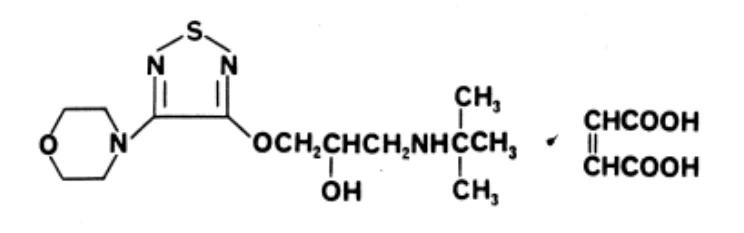
Physicochemical properties: Timolol maleate is a white crystalline compound which melts with decomposition at approximately 198-199°C. It is soluble in water, ethanol and methanol. It is sparingly soluble in chloroform, very slightly soluble in cyclohexane and practically insoluble in isooctane. Timolol maleate is stable in acid and base in a range of pH up to 12 but unstable in strong base (pH 12). The solid is stable when ex ed to air at 105°C for at least one month.
14 CLINICAL TRIALS
14.2 Comparative Bioavailability Studies
TIMOLOL 10 mg Tablet
The bioavailability of a single oral dose of TIMOLOL 10 mg was compared with that of Blocadren 10 mg in normal human volunteers, with results as follows:
| Parameter | Blocadren* | TIMOLOL* 10 mg | Percent | ||||
| 10 mg | Difference | ||||||
| AUC0-24 (ng hr/mL) | 123.5 | 124.9 | +1.1 | ||||
| Cmax (ng/mL) | 24.08 | 26.42 | +9.7 | ||||
| Parameter | Blocadren* | TIMOLOL* 10 mg | Percent | ||||
| 10 mg | Difference | ||||||
| tmax (hr) | 1.6 | 1.5 | -6.6 | ||||
| t1/2 (hr) | 3.4 | 3.2 | -5.9 | ||||
| * timolol maleate 10 mg tablet | |||||||
15 MICROBIOLOGY
No microbiological information is required for this drug product.
16 NON-CLINICAL TOXICOLOGY
General Toxicology
Acute Toxicity (LD 50)
| Species | Sex | Route of | LD50 mg/kg | ||||
| and Age | Administration | ||||||
| Mouse (YA)* | M | Oral | 3600 | ||||
| F | Oral | 2050 | |||||
| Combined | Oral | 2580 | |||||
| Mouse (A) | F | Oral | 1190 | ||||
| F | Intravenous | 222 | |||||
| F | Subcutaneous | 1040 | |||||
| Rat (YA) | M | Oral | 947 | ||||
| F | Oral | 900 | |||||
| M | Intraperitoneal | 390 | |||||
| F | Intraperitoneal | 383 | |||||
| Rat (W) | M | Oral | 1040 | ||||
| F | Oral | 969 | |||||
| M/F | Intraperitoneal | 409 | |||||
| Rat (I) | M/F | Oral | 241 | ||||
| M/F | Subcutaneous | 143 | |||||
| Rabbit (A) | M/F | Oral | 485 | ||||
| M/F | Subcutaneous | 34 | |||||
(A) = Adult; (YA) = Young Adult; (W) = Weanling; (I) = Infant.
* 6 groups, 5 mice/sex.
Signs of toxicity occurred immediately after intravenous administration and from 10 to 30 minutes following oral, intraperitoneal or subcutaneous administration. The signs observed included lacrimation, ataxia, tremors and bradypnea. Clonic convulsions usually preceded death.
Subacute Toxicity
In rats treated with 100 to 400 mg/kg for seven weeks, excessive salivation seen 5 to 10 minutes after dosing had a dose related incidence in the first week of the study. At necropsy, organ weight studies revealed a significant increase in the kidneys, spleen and liver of some treated animals. Except for splenic congestion, there were no morphological changes to account for the increase in organ weights. Rats treated with 1 gram per day for eight weeks exhibited ptyalism, muscle tremors and transient pale extremities.
In dogs, doses of 200 mg/kg or higher, were lethal to some animals. Low grade tubular nephrosis and trace amounts of hyaline casts in the collecting and convoluted tubules occurred in one of two dogs administered 100 mg/kg/day and in both dogs receiving 400 mg/kg/day. Small foci of tubular degeneration and regeneration occurred in the nephrotic areas.
Chronic Toxicity
Rats: Timolol was administered orally to rats at dose levels of 5, 10 and 25 mg/kg/day for up to 67 weeks. No physical signs, ocular signs or deaths which could be attributed to the drug were evident.
Dogs: In a 54-week oral study timolol was administered at doses of 5, 10 and 25 mg/kg/day. Body weight and food normal consumption were and no physical signs attributable to treatment were evident. Slight focal hyperplasia of the transitional epithelium was seen in the renal pelvis of one dog receiving 25 mg/kg/day.
Carcinogenicity
Lifetime studies with timolol have been completed in rats at oral doses of 25, 100 and 300 mg/kg/day and in mice at oral doses of 5, 50 and 500 mg/kg/day. In male and female rats and male mice at all dose levels, and in female mice at dose levels of 5 and 50 mg/kg/day, timolol demonstrated no carcinogenic effects. There was a slight increase in the incidence of mammary adenocarcinomas in female mice that received 500 mg/kg/day (about 500 times the maximum recommended human oral dose, on a mg/kg basis). Timolol caused dose-related elevations of serum prolactin in female mice at doses of 100 mg/kg or more, but only very slight transient elevations were found in male mice at doses of 500 mg/kg. Since numerous studies have demonstrated that drugs which cause elevations of serum prolactin are associated with mammary tumors in rodents, the mammary tumors in the female mice in the highest dosage group of this study were considered to have resulted from an increased serum prolactin. In adult human female subjects receiving either placebo or oral dosages of up to 60 mg of timolol, the maximum recommended human oral dosage, the range of observed serum prolactin values following drug administration was 4.7 to 10.3 ng/mL for placebo and 5.9 to 9.1 ng/mL for timolol. In humans, no association between serum prolactin and mammary carcinoma has been established.
Reproductive and Developmental Toxicology
Teratogenic studies in the mouse and rabbit at dose levels of 2 to 50 mg/kg/day did not reveal evidence of teratogenicity but did suggest embryotoxicity at the highest dose. Oral administration of timolol maleate to rats at dose levels of 4 to 100 mg/kg/day did not adversely affect the fertility of male or female rats, their reproductive performance, or the development of their offspring.