


Product Monograph - Hemangiol
RECENT MAJOR LABEL CHANGES
| 4 DOSAGE AND ADMINISTRATION, 4.1 Dosing Considerations | 06/2021 |
|---|---|
| 7 WARNINGS AND PRECAUTIONS, General | 10/2019 |
| 7 WARNINGS AND PRECAUTIONS, Cardiovascular - Cardiac failure | 10/2019 |
| 7 WARNINGS AND PRECAUTIONS, Endocrine and Metabolism -Hypoglycemia | 06/2021 |
| 7 WARNINGS AND PRECAUTIONS, Reproductive health | 06/2021 |
| 7 WARNINGS AND PRECAUTIONS, 7.1.3 Pediatrics | 06/2021 |
| 7 WARNINGS AND PRECAUTIONS, 7.1.4 Geriatrics | 06/2021 |
| 8 ADVERSE REACTIONS, 8.4 Post-Market Adverse Reactions | 10/2019 |
| 9 DRUG INTERACTIONS, 9.2 Drug Interactions Overview | 10/2019 |
| 4 DOSAGE AND ADMINISTRATION. 4.3 Administration | 10/2019 |
| 2 CONTRAINDICATIONS | 08/2026 |
| 4 DOSAGE AND ADMINISTRATION, 4.2 Recommended Dosing and Adjustments | 08/2026 |
| 7 WARNINGS AND PRECAUTIONS, Endocrine and Metabolism | 08/2026 |
| 7 WARNINGS AND PRECAUTIONS, Hypoglycemia, PHACE syndrome | 08/2026 |
TABLE OF CONTENTS
Sections or subsections that are not applicable at the time of authorization are not listed .
RECENT MAJOR LABEL CHANGES............................................................................................ 2
TABLE OF CONTENTS .............................................................................................................. 2
PART I: HEALTH PROFESSIONAL INFORMATION ..................................................................... 4
1 INDICATIONS ................................................................................................... 4
1.1 Pediatrics......................................................................................................... 4
1.2 Geriatrics ......................................................................................................... 5
2 CONTRAINDICATIONS...................................................................................... 5
3 SERIOUS WARNINGS AND PRECAUTIONS BOX ................................................. 6
4 DOSAGE AND ADMINISTRATION ..................................................................... 6
4.1 Dosing Considerations...................................................................................... 6
4.2 Recommended Dose and Dosage Adjustment ................................................... 6
4.3 Reconstitution ............................................................................................... 11
4.4 Administration ............................................................................................... 12
4.5 Missed Dose .................................................................................................. 12
5 OVERDOSAGE ................................................................................................ 12
6 DOSAGE FORMS, STRENGTHS, COMPOSITION AND PACKAGING.................... 13
7 WARNINGS AND PRECAUTIONS..................................................................... 13
7.1 Special Populations ........................................................................................ 18
7.1.1 Pregnant Women ....................................................................................... 18
7.1.2 Breast-feeding............................................................................................ 18
7.1.3 Pediatrics ................................................................................................... 18
7.1.4 Geriatrics ................................................................................................... 18
8 ADVERSE REACTIONS..................................................................................... 18
8.1 Adverse Reaction Overview ............................................................................ 18
8.2 Clinical Trial Adverse Reactions ...................................................................... 19
8.2.1 Clinical Trial Adverse Reactions – Pediatrics ................................................ 19
8.3 Less Common Clinical Trial Adverse Reactions ................................................ 22
8.3.1 Less Common Clinical Trial Adverse Reactions – Pediatrics .......................... 22
8.4 Abnormal laboratory findings: Hematologic, clinical chemistry and other quantitative data ........................................................................................... 22
8.5 Post-Market Adverse Reactions ...................................................................... 22
9 DRUG INTERACTIONS .................................................................................... 22
9.1 Serious Drug Interactions ............................................................................... 22
9.2 Drug Interactions Overview ............................................................................ 23
9.3 Drug-Behavioural Interactions ........................................................................ 25
9.4 Drug-Drug Interactions................................................................................... 25
9.5 Drug-Food Interactions .................................................................................. 25
9.6 Drug-Herb Interactions................................................................................... 25
9.7 Drug-Laboratory Test Interactions .................................................................. 26
10 CLINICAL PHARMACOLOGY............................................................................ 26
10.1 Mechanism of Action ..................................................................................... 26
10.2 Pharmacodynamics ........................................................................................ 26
10.3 Pharmacokinetics........................................................................................... 26
11 STORAGE, STABILITY AND DISPOSAL.............................................................. 28
12 SPECIAL HANDLING INSTRUCTIONS ............................................................... 28
PART II: SCIENTIFIC INFORMATION ...................................................................................... 30
13 PHARMACEUTICAL INFORMATION ................................................................ 30
14 CLINICAL TRIALS ............................................................................................ 30
14.1 Trial Design and Study Demographics ............................................................. 30
14.2 Study Results ................................................................................................. 32
15 MICROBIOLOGY............................................................................................. 32
16 NON-CLINICAL TOXICOLOGY .......................................................................... 32
PATIENT MEDICATION INFORMATION ................................................................................. 34
PART I: HEALTH PROFESSIONAL INFORMATION
1 INDICATIONS
HEMANGIOL (propranolol oral solution) is indicated for:
The treatment of proliferating infantile hemangioma requiring systemic therapy:
- Life- or function-threatening hemangioma,
- Ulcerated hemangioma with pain and/or lack of response to simple wound care measures,
- Hemangioma with a risk of permanent scarring or disfigurement.
Treatment should be initiated in infants aged 5 weeks to 5 months. Age for treatment initiation should be corrected in case of prematurity.
HEMANGIOL therapy should be initiated and monitored by healthcare professionals experienced in the use of beta-blockers in infants and in the management of infantile hemangioma.
1.1 Pediatrics
- Pediatrics (below 5 weeks of age or below 5 weeks of corrected age for premature babies): No data are available to Health Canada; therefore, Health Canada has not authorized an indication for these pediatric populations.
- Pediatrics (below 2.5 kg at treatment initiation): No data are available to Health Canada; therefore, Health Canada has not authorized an indication for these pediatric populations.
- Pediatrics (aged above 5 months at treatment initiation): No data are available to Health Canada; therefore, Health Canada has not authorized an indication for these pediatric populations
1.2 Geriatrics
- Geriatrics: No data are available to Health Canada; therefore, Health Canada has not authorized an indication for geriatric use.
2 CONTRAINDICATIONS
The use of HEMANGIOL is contraindicated in the following conditions:
- Premature infants who have not reached 5 weeks of corrected age
- Infants weighing less than 2.5 kg
- Breastfed infants, if the mother is treated with medicines contraindicated with propranolol (see section 9 DRUG INTERACTIONS)
- Asthma or history of bronchospasm
- Second- or third-degree heart blocks
- Disease of the sinus node (including sinoatrial block)
- Bradycardia: the following limits were used in the HEMANGIOL clinical trials:
| Age | 0-3 months | 3-6 months | 6-12 months |
|---|---|---|---|
| Heart rate (beats/min) | 100 | 90 | 80 |
- Low blood pressure below the following limits:
| Age | 0-3 months | 3-6 months | 6-12 months |
|---|---|---|---|
| Blood pressure (systolic/diastolic, mmHg) | 65/45 | 70/50 | 80/55 |
- Cardiogenic shock
- Heart failure not controlled by treatment
- Prinzmetal’s angina
- Severe peripheral arterial circulatory disturbances (Raynaud’s phenomenon)
- Patients prone to hypoglycemia
- Pheochromocytoma or paraganglioma
HEMANGIOL is contraindicated in patients who are hypersensitive to propranolol or to any ingredient in the formulation, including any non-medicinal ingredient, or component of the container. For a complete listing, see 6 DOSAGE FORMS, STRENGTHS, COMPOSITION AND PACKAGING.
3 SERIOUS WARNINGS AND PRECAUTIONS BOX
Serious Warnings and Precautions
|
|---|
4 DOSAGE AND ADMINISTRATION
4.1 Dosing Considerations
- Treatment should be initiated in infants aged 5 weeks to 5 months.
- Age for treatment initiation should be corrected in case of prematurity.
- The infant should weigh at least 2.5 kg
- Clinical monitoring of the child’s condition and adjustment of dose according to patient’s weight need to be performed at least monthly.
4.2 Recommended Dose and Dosage Adjustment
Recommended Dose
The dosing is expressed in propranolol base.
The recommended starting dose is 1 mg/kg/day; the therapeutic dose is 3 mg/kg/day.
Dosing must be titrated from the starting dose to the therapeutic dose as follows:
- Week 1: 0.5 mg/kg twice daily, taken morning and late afternoon (at least 9 hours apart), during or immediately after meals (total daily dose of 1 mg/kg).
- Week 2: 1 mg/kg twice daily, taken morning and late afternoon (at least 9 hours apart), during or immediately after meals (total daily dose of 2 mg/kg).
- From Week 3: 1.5 mg/kg twice daily, taken morning and late afternoon (at least 9 hours apart), during or immediately after meals (total daily dose of 3 mg/kg).
During the titration phase, the first dose and each dose increase must be supervised by healthcare professionals experienced in the use of beta-blockers in infants and in the management of infantile hemangioma in a controlled clinical setting where adequate facilities for handling of adverse events, including those requiring urgent measures, are available. After the first intake and each dose increase, heart rate and blood pressure must be monitored at least hourly for at least 2 hours. Patients must be monitored for clinical signs of adverse reactions (e.g., bradycardia, hypotension, bronchial hyperreactivity, and hypoglycemia).
After the titration phase, clinical monitoring of the child’s condition, and dose readjustment according to patient’s weight, need to be performed at least monthly.
Volume of Administration
HEMANGIOL is an oral solution of propranolol base at the concentration of 3.75 mg/mL.
The required volume of administration of HEMANGIOL can be determined using either of the two methods as follows:
- 1. Calculating the required volume of administration in milliliter (mL): Volume of administration = prescribed dose per administration in milligrams (mg) / 3.75 (mg/mL), rounded down to the nearest 0.1 mL; or
- 2. Selecting the required volume of administration according to patient body weight in kilograms (kg) using Table 2 below. The body weight (kg) should be rounded down to the nearest 0.1 kg.
Table 1 HEMANGIOL 3.75 mg/mL Oral Solution Dose Titration According to Weight
| Volume administered twice a day (in mL) | ||||||||||||
|---|---|---|---|---|---|---|---|---|---|---|---|---|
| Volume administered twice a day (in mL) | ||||||||||||
| Volume administered twice a day (in mL) | ||||||||||||
| Volume administered twice a day (in mL) | ||||||||||||
| Weight (kg) | Week 1 | Week 2 | Week 3 (maintenance) | |||||||||
| Weight (kg) | Week 1 | Week 2 | Week 3 (maintenance) | |||||||||
| Weight (kg) | Week 1 | Week 2 | Week 3 (maintenance) | |||||||||
| Weight (kg) | Week 1 | Week 2 | Week 3 (maintenance) | |||||||||
| 2.5 | 0.3 | 0.6 | 1 | |||||||||
| 2.6 | 0.3 | 0.6 | 1 | |||||||||
| 2.7 | 0.3 | 0.7 | 1 | |||||||||
| 2.8 | 0.3 | 0.7 | 1.1 | |||||||||
| 2.9 | 0.3 | 0.7 | 1.1 | |||||||||
| 3 | 0.4 | 0.8 | 1.2 | |||||||||
| 3.1 | 0.4 | 0.8 | 1.2 | |||||||||
| 3.2 | 0.4 | 0.8 | 1.2 | |||||||||
| 3.3 | 0.4 | 0.8 | 1.3 | |||||||||
| 3.4 | 0.4 | 0.9 | 1.3 | |||||||||
| 3.5 | 0.4 | 0.9 | 1.4 | |||||||||
| 3.6 | 0.4 | 0.9 | 1.4 | |||||||||
| 3.7 | 0.4 | 0.9 | 1.4 | |||||||||
| 3.8 | 0.5 | 1 | 1.5 | |||||||||
| 3.9 | 0.5 | 1 | 1.5 | |||||||||
| 4 | 0.5 | 1 | 1.6 | |||||||||
| 4.1 | 0.5 | 1 | 1.6 | |||||||||
| 4.2 | 0.5 | 1.1 | 1.6 | |||||||||
| 4.3 | 0.5 | 1.1 | 1.7 | |||||||||
| 4.4 | 0.5 | 1.1 | 1.7 | |||||||||
| 4.5 | 0.6 | 1.2 | 1.8 | |||||||||
| 4.6 | 0.6 | 1.2 | 1.8 | |||||||||
| 4.7 | 0.6 | 1.2 | 1.8 | |||||||||
| 4.8 | 0.6 | 1.2 | 1.9 | |||||||||
| 4.9 | 0.6 | 1.3 | 1.9 | |||||||||
| 5 | 0.6 | 1.3 | 2 | |||||||||
| 5.1 | 0.6 | 1.3 | 2 | |||||||||
| 5.2 | 0.6 | 1.3 | 2 | |||||||||
| 5.3 | 0.7 | 1.4 | 2.1 | |||||||||
| 5.4 | 0.7 | 1.4 | 2.1 | |||||||||
| 5.5 | 0.7 | 1.4 | 2.2 | |||||||||
| 5.6 | 0.7 | 1.4 | 2.2 | |||||||||
| 5.7 | 0.7 | 1.5 | 2.2 | |||||||||
| 5.8 | 0.7 | 1.5 | 2.3 | |||||||||
| 5.9 | 0.7 | 1.5 | 2.3 | |||||||||
| 6 | 0.8 | 1.6 | 2.4 | |||||||||
| 6.1 | 0.8 | 1.6 | 2.4 | |||||||||
| 6.2 | 0.8 | 1.6 | 2.4 | |||||||||
| 6.3 | 0.8 | 1.6 | 2.5 | |||||||||
| 6.4 | 0.8 | 1.7 | 2.5 | |||||||||
| 6.5 | 0.8 | 1.7 | 2.6 | |||||||||
| 6.6 | 0.8 | 1.7 | 2.6 | |||||||||
| 6.7 | 0.8 | 1.7 | 2.6 | |||||||||
| 6.8 | 0.9 | 1.8 | 2.7 | |||||||||
| 6.9 | 0.9 | 1.8 | 2.7 | |||||||||
| 7 | 0.9 | 1.8 | 2.8 | |||||||||
| 7 .1 | 0.9 | 1.8 | 2.8 | |||||||||
| 7.2 | 0.9 | 1.9 | 2.8 | |||||||||
| 7.3 | 0.9 | 1.9 | 2.9 | |||||||||
| 7.4 | 0.9 | 1.9 | 2.9 | |||||||||
| 7.5 | 1 | 2 | 3 | |||||||||
| 7.6 | 1 | 2 | 3 | |||||||||
| 7.7 | 1 | 2 | 3 | |||||||||
| 7.8 | 1 | 2 | 3.1 | |||||||||
| 7.9 | 1 | 2.1 | 3.1 | |||||||||
| 8 | 1 | 2.1 | 3.2 | |||||||||
| 8.1 | 1 | 2.1 | 3.2 | |||||||||
| 8.2 | 1 | 2.1 | 3.2 | |||||||||
| 8.3 | 1.1 | 2.2 | 3.3 | |||||||||
| 8.4 | 1.1 | 2.2 | 3.3 | |||||||||
| 8.5 | 1.1 | 2.2 | 3.4 | |||||||||
| 8.6 | 1.1 | 2.2 | 3.4 | |||||||||
| 8.7 | 1.1 | 2.3 | 3.4 | |||||||||
| 8.8 | 1.1 | 2.3 | 3.5 | |||||||||
| 8.9 | 1.1 | 2.3 | 3.5 | |||||||||
| 9 | 1.2 | 2.4 | 3.6 | |||||||||
| 9.1 | 1.2 | 2.4 | 3.6 | |||||||||
| 9.2 | 1.2 | 2.4 | 3.6 | |||||||||
| 9.3 | 1.2 | 2.4 | 3.7 | |||||||||
| 9.4 | 1.2 | 2.5 | 3.7 | |||||||||
| 9.5 | 1.2 | 2.5 | 3.8 | |||||||||
| 9.6 | 1.2 | 2.5 | 3.8 | |||||||||
| 9.7 | 1.2 | 2.5 | 3.8 | |||||||||
| 9.8 | 1.3 | 2.6 | 3.9 | |||||||||
| 9.9 | 1.3 | 2.6 | 3.9 | |||||||||
| 10 | 1.3 | 2.6 | 4 | |||||||||
| 10.1 | 1.3 | 2.6 | 4 | |||||||||
| 10.2 | 1.3 | 2.7 | 4 | |||||||||
| 10.3 | 1.3 | 2.7 | 4.1 | |||||||||
| 10.4 | 1.3 | 2.7 | 4.1 | |||||||||
| 10.5 | 1.4 | 2.8 | 4.2 | |||||||||
| 10.6 | 1.4 | 2.8 | 4.2 | |||||||||
| 10.7 | 1.4 | 2.8 | 4.2 | |||||||||
| 10.8 | 1.4 | 2.8 | 4.3 | |||||||||
| 10.9 | 1.4 | 2.9 | 4.3 | |||||||||
| 11 | 1.4 | 2.9 | 4.4 | |||||||||
| 11.1 | 1.4 | 2.9 | 4.4 | |||||||||
| 11.2 | 1.4 | 2.9 | 4.4 | |||||||||
| 11.3 | 1.5 | 3 | 4.5 | |||||||||
| 11.4 | 1.5 | 3 | 4.5 | |||||||||
| 11.5 | 1.5 | 3 | 4.6 | |||||||||
| 11.6 | 1.5 | 3 | 4.6 | |||||||||
| 11.7 | 1.5 | 3.1 | 4.6 | |||||||||
| 11.8 | 1.5 | 3.1 | 4.7 | |||||||||
| 11.9 | 1.5 | 3.1 | 4.7 | |||||||||
| 12 | 1.6 | 3.2 | 4.8 | |||||||||
Temporary Dosage Interruption
HEMANGIOL therapy should be interrupted in the following situations:
- Vomiting or irregular eating, or suspected hypoglycemia
- Lower respiratory tract infection associated with dyspnea and wheezing
- In the event of other severe and/or serious adverse events (unrelated to infantile hemangioma) that may significantly increase the risk of propranolol-related toxicities (see 8 ADVERSE REACTIONS).
Reintroduction experience is limited, and caution is recommended when HEMANGIOL is re-introduced after a temporary interruption. The need to reintroduce HEMANGIOL under the same conditions and clinical monitoring scheme as those during the initial administration should be considered (see 7 WARNINGS AND PRECAUTIONS, Monitoring and Laboratory Tests).
In case of bronchial reactions associated with lower respiratory tract infection, re-administration of HEMANGIOL should be considered only when the child has fully recovered, as documented at least by full clinical examination by a doctor (including pulmonary auscultation).
Definitive Treatment Discontinuation
HEMANGIOL therapy should be discontinued if any of the following occur at any time during the treatment (specialist advice must be sought):
- Recurrent lower respiratory tract infection associated with dyspnoea and wheezing, following initial interruption of HEMANGIOL therapy
- Isolated bronchospasm or asthma (see 7 WARNINGS AND PRECAUTIONS, Respiratory).
Severe cardiovascular adverse reactions (see 7 WARNINGS AND PRECAUTIONS, Cardiovascular):
- Severe and/or symptomatic hypotension (systolic blood pressure < 50 mmHg)
- Severe (< 80 bpm) and/or symptomatic bradycardia
- Grade II or III heart block
End of Treatment
The treatment duration is 6 months. No down-titration is recommended at the end of the treatment.
Treatment should be discontinued if HEMANGIOL is ineffective (absence of any improvement within the first 2 months).
In patients showing a relapse of symptoms after treatment discontinuation, treatment may be re-initiated. Re-introduction of HEMANGIOL should be performed under the same conditions and clinical monitoring scheme as those during the initial administration (see 7 WARNINGS AND PRECAUTIONS, Monitoring and Laboratory Tests; Clinical Trial).
4.3 Reconstitution
There is no need for reconstitution when using Hemangiol.
4.4 Administration
HEMANGIOL is to be given during or right after a feed to avoid the risk of hypoglycemia
HEMANGIOL is to be administered directly into the child's mouth using the graduated oral syringe, calibrated in milliliter (mL), supplied with the oral solution bottle. Do not shake the bottle before use. The second daily dose should be administered in the late afternoon to reduce the risk of hypoglycemia during the night while infants and parents/caregivers are mostly likely asleep.
If necessary, the medicinal product may be diluted in a small quantity of baby milk or age-adapted apple and/or orange fruit juice. The medicine should not be put in the full filled bottle.
The mixing may be done with one teaspoon (approximately 5 mL) of milk for children weighing up to 5 kg, or with a tablespoon (approximately 15 mL) of milk or fruit juice for children weighing more than 5 kg, delivered in a baby bottle. The mixture should be used within 2 hours to ensure the stability of the active ingredient and may be stored at room temperature (15°C to 30°C).
Patients should be on a regular feeding schedule. HEMANGIOL and feeding should be given to the patient by the same person in order to avoid the risk of hypoglycemia or accidental double dose.
4.5 Missed Dose
In case the child spits up some or all of the medicine, e.g., due to burping following administration, no additional dose should be administered; take a regular dose of HEMANGIOL at the next scheduled administration time.
In case of missed dose, skip the dose and continue with the regular dosing schedule. Do not take a double dose to make up for the missed dose.
5 OVERDOSAGE
Isolated cases of overdosage of HEMANGIOL, some due to accidental administration of another dose shortly after prior scheduled dose, were reported in the post-marketing setting. When overdosage occurs, HEMANGIOL therapy should be withheld; patients should receive immediate medical care, e.g., go to the emergency department of local hospital.
The toxicity of beta-blockers is an extension of their therapeutic effects:
- Cardiac symptoms of mild to moderate poisoning are decreased heart rate and hypotension. Atrioventricular blocks, intraventricular conduction delays, and congestive heart failure can occur with more severe poisoning.
- Bronchospasm may develop particularly in patients with asthma.
- Hypoglycemia may develop and manifestations of hypoglycemia (tremor, tachycardia) may be masked by other clinical effects of beta-blocker toxicity.
Propranolol is highly lipid-soluble and may cross the blood brain barrier and cause seizures.
Support and treatment: HEMANGIOL therapy should be withheld. Place the patient on a cardiac monitor, monitor vital signs, mental status and blood glucose. Give intravenous fluids for hypotension and atropine for bradycardia. Glucagon then catecholamines should be considered if the patient does not respond appropriately to intravenous fluid. Beta 2 agonists may be used for bronchospasm.
Propranolol is not dialyzable.
6 DOSAGE FORMS, STRENGTHS, COMPOSITION AND PACKAGING
Table 2 – Dosage Forms, Strengths, Composition and Packaging
HEMANGIOL (propranolol oral solution, 3.75 mg/mL propranolol, equivalent to 4.28 mg/mL propranolol hydrochloride) is provided in an amber glass bottle of 120mL.
Clear, colourless to pale yellow, sugar-free, strawberry vanilla flavoured solution supplied with a polypropylene dispensing graduated oral syringe of 5 mL.
7 WARNINGS AND PRECAUTIONS
Please see 3 SERIOUS WARNINGS AND PRECAUTIONS BOX.
General
Prior to initiating HEMANGIOL (propranolol) therapy, screening for risks associated with propranolol use must be performed. An analysis of the medical history and a full clinical examination must be performed including heart rate, cardiac and pulmonary auscultation.
In case of suspected cardiac abnormality, specialist advice must be sought before treatment initiation to determine any subjacent contraindication.
Parent/caregiver education should be provided for identifying and managing warning signs of adverse reactions of propranolol.
Cardiovascular
Cardiac failure
Due to the negative effect of propranolol on conduction time, caution must be exercised if it is given to patients with first degree heart block.
Sympathetic stimulation may be a vital component supporting circulatory function in patients with congestive heart failure, and its inhibition by beta blockade may precipitate more severe failure. In children with cardiac failure, the treatment should be managed by the cardiologist. HEMANGIOL is contraindicated in patients with heart failure not controlled by medicine (see 2 CONTRAINDICATIONS).
| For management of a suspected drug overdose, contact your regional poison control centre. |
|---|
| Route of Administration | Dosage Form / Strength/Composition | Non-medicinal Ingredients |
| Oral | Oral solution (liquid), 3.75 mg/mL | Citric acid monohydrate, hydroxyethylcellulose, purified water, sodium saccharin, strawberry flavour, vanilla flavour. |
For patients with a heart failure related to infantile hemangioma, clinical efficacy and safety of HEMANGIOL is limited; cardiology consultation should be sought and HEMANGIOL therapy should only be initiated when perceived clinical benefit likely outweighs potential risks.
Bradycardia and hypotension
Propranolol, due to its pharmacological action, may cause or worsen bradycardia, hypotension, or heart block. Serious cases were reported in the HEMANGIOL Compassionate Use Program (see 8 ADVERSE REACTIONS).
After the first dose and each dose increase, heart rate and blood pressure must be monitored at least hourly for at least 2 hours (see 7 WARNINGS AND PRECAUTIONS, Monitoring and Laboratory Tests).
Bradycardia should be diagnosed if the heart rate declines by more than 30 beats per minute (bpm) from baseline. In case of symptomatic bradycardia, severe bradycardia (< 80 bpm), severe hypotension (systolic blood pressure < 50 mmHg), or Grade II or III heart block, HEMANGIOL therapy should be discontinued (see 4 DOSAGE AND ADMNISTRATION,4.2 Recommended Dose and Dosage Adjustment); immediate specialist advice must be sought.
Drug Interactions
In the absence of specific studies in children, the drug interactions with propranolol are those known in adults (see 9 DRUG INTERACTIONS). For breastfed infants, drug interactions should consider medications administered to both the infant patient and the nursing mother.
Endocrine and Metabolism
Hypoglycemia
Propranolol prevents the response of endogenous catecholamines to correct hypoglycemia. It can cause and aggravate hypoglycemia in children, especially in the case of fasting, vomiting or overdose, or when glucose demands are increased (cold, stress, infections). Several reports of serious hypoglycemia with related hypoglycemic seizure and/or coma were reported in patients treated with HEMANGIOL and in the literature.
The manifestations of propranolol-induced hypoglycemia may be atypical (irritability/anger, lethargy, nightmares/crying out during sleep, seizures, sleepiness, unconsciousness), because propranolol may mask the adrenergic warning signs of hypoglycemia, including tachycardia, shakiness, anxiety and hunger. If clinical signs of hypoglycemia occur, immediate medical attention should be sought; it is necessary to interrupt treatment and give the child a sugary liquid solution to drink. Appropriate monitoring of the child is required until symptoms disappear.
The risk of developing hypoglycemia remains prominent throughout the whole treatment period.
Concomitant treatment with corticosteroids may increase the risk of hypoglycemia due to adrenal suppression, which can result in the loss of the counter-regulatory cortisol response. Prescribers should inform caregivers and parents about this specific risk, emphasizing the need to respect dosing recommendations and to monitor for signs of hypoglycemia throughout the treatment period (SEE 9 DRUG INTERACTIONS)
HEMANGIOL is to be given during or right after a feed to reduce the risk of hypoglycemia. The second daily dose should be administered in the late afternoon to reduce the risk of hypoglycemia during the night while infants and parents/caregivers are mostly likely to be asleep (see 4 DOSAGE AND ADMINISTRATION, 4.2 Recommended Dose and Dosage Adjustment). After the first intake and each dose increase, clinical warning signs of hypoglycemia (e.g., sweating, tachycardia, shakiness, anxiety and hunger) should be monitored at least hourly for at least 2 hours (see 7 WARNINGS AND PRECAUTIONS, Monitoring and Laboratory Tests). In children with feeding difficulty or vomiting, HEMANGIOL should be interrupted (see 4 DOSAGE AND ADMNISTRATION, 4.2 Recommended Dose and Dosage Adjustment).
In children with diabetes, blood glucose monitoring should be more frequent and followed by the endocrinologist. HEMANGIOL has not been investigated in this subpopulation.
Concomitant treatment with oral corticosteroids may increase the risk of hypoglycemia because of loss of the counter-regulatory cortisol response (see 9 DRUG INTERACTIONS).
Hyperkalemia
Hyperkalemia cases have been reported in patients with large ulcerated hemangioma. Monitoring of electrolytes should be performed in these patients.
Hepatic/Biliary/Pancreatic
Hepatic Impairment
In the absence of data, administration of the product is not recommended to infants with hepatic impairment.
HEMANGIOL was not studied in clinical trials enrolling infants with impaired hepatic function. Propranolol is metabolised by the liver: 3-fold higher steady-state concentrations and longer terminal half-life of propranolol (11 hours versus 4 hours) were reported in patients with liver cirrhosis compared to healthy subjects.
Monitoring and Laboratory Tests
The clinical monitoring should be performed under the supervision of healthcare professionals experienced in the use of beta-blockers in infants and in the management of infantile hemangioma, in a controlled clinical setting where adequate facilities for handling of adverse events, including those requiring urgent measures, are available.
After the first dose and each dose increase, heart rate and blood pressure must be monitored at least hourly for at least 2 hours. Patient should be monitored for clinical signs of adverse reactions (e.g., bradycardia, hypotension, bronchial hyperreactivity, and hypoglycemia).
Clinical monitoring of the child’s condition and dose readjustment based on body weight should be performed at least monthly (see 4 DOSAGE AND ADMINISTRATION).
Hyperkalemia has been reported in patients with large ulcerated hemangioma. Electrolytes should be monitored during HEMANGIOL therapy in these patients.
Parents and caregivers should receive training to recognize warning signs of hypoglycemia, as well as cardiovascular and respiratory complications related to HEMANGIOL.
Neurologic
Somnolence, sleep disorder, nightmare, agitation, and irritability were more common in the
HEMANGIOL arms of the pivotal study (see 8 ADVERSE REACTIONS). Long-term neurologic effects of HEMANGIOL therapy in infants are unknown.
PHACE Syndrome
Propranolol may increase the risk of stroke in PHACE syndrome patients with severe cerebrovascular anomalies by lowering blood pressure and attenuating flow through occluded, narrowed, or stenotic vessels.
Specialist advice should be sought.
Infants with large facial infantile hemangioma should be thoroughly investigated for potential arteriopathy associated with PHACE syndrome, with magnetic resonance angiography of the head and neck and cardiac imaging to include the aortic arch, prior to considering HEMANGIOL (propranolol) therapy.
Peri-Operative Considerations
Beta-blockers may interact with anesthetic agents and result in an attenuation of reflex tachycardia and an increased risk of hypotension. It is necessary to alert the anesthetist that the patient is being treated with propranolol. When a patient is scheduled for surgery, HEMANGIOL therapy should be discontinued at least 48 hours prior to the procedure (see 9 DRUG INTERACTIONS, Anesthetic Agents).
Psychiatric
Somnolence, sleep disorder, nightmare, agitation, and irritability were more common in the HEMANGIOL arms of the pivotal study (see 8 ADVERSE REACTIONS). Long-term psychiatric effects of HEMANGIOL therapy in infants are unknown.
Renal
Renal Impairment
In the absence of data, administration of the medicinal product is not recommended to infants with renal impairment.
HEMANGIOL was not studied in clinical trials enrolling infants with impaired renal function. Propranolol and its metabolites are excreted by the renal route: increased peak concentrations (3- and 6-fold higher) and decreased clearance have been reported for propranolol in patients on dialysis and in patients with chronic renal failure compared to healthy subjects, respectively.
Reproductive health: Female and male potential
No information is available pertaining to the effects of propranolol on the reproductive health of infants.
Fertility
In adult female rats, intrauterine and intravaginal propranolol administration had a powerful anti-implantation effect at dose ≥4 mg per animal. This effect was reversible upon treatment cessation.
In adult male rats, oral administration of 7.5 mg/kg/d propranolol for 60 days induced histopathological lesions in some reproductive tissues, decreased sperm motility, concentration, plasma testosterone levels and increased sperm head and tail abnormalities. The effects reversed 30 days after treatment cessation.
These transient effects on male reproductive organs were observed at 7.5 mg/kg/d, which corresponds to a Human Equivalent Dose (HED) of about 3.525 mg/kg/d for a baby weighing 2.5 kg, compared to a recommended therapeutic dose of 3 mg/kg/d (see section 16 Non-Clinical Toxicology, Reproductive and Developmental Toxicology).
Function
No information is available about the effects of propranolol on sexual function.
Teratogenic risk
No information is available about the effects of propranolol on teratogenic risk.
Respiratory
- Bronchospasm and bronchial hyperreactivity
Propranolol may cause or worsen bronchospasm and bronchial hyperreactivity. Serious cases were reported in the HEMANGIOL Compassionate Use Program (CUP). In the pivotal study, exacerbation of lower respiratory tract infection was observed in HEMANGIOL-treated patients (see 8 ADVERSE REACTIONS).
In the event of lower respiratory tract infection associated with dyspnoea and wheezing, HEMANGIOL treatment should be interrupted (see 4 DOSAGE AND ADMINISTRATION, 4.2 Recommended Dose and Dosage Adjustment). The administration of beta2 agonists and inhaled corticosteroids may be considered. The re-administration of HEMANGIOL may be considered when the child has fully recovered and based on re-analysis of the benefit and risk of HEMANGIOL therapy. In case of reoccurrence, treatment should be permanently discontinued.
In the event of isolated bronchospasm or asthma, treatment must be permanently discontinued (see 4 DOSAGE AND ADMINISTRATION, 4.2 Recommended Dose and Dosage Adjustment).
Sensitivity/Resistance
- Patients with a Risk of Experiencing Anaphylaxis
In patients with a risk of experiencing anaphylaxis, beta-blockers may lead to resistance to epinephrine treatment at normal doses and worsening of the reaction (See 9 DRUG INTERACTIONS, Epinephrine).
Skin
Psoriasis
Worsening of disease has been reported with beta-blockers in patients suffering from psoriasis. Therefore the need for treatment with HEMANGIOL should be carefully assessed.
7.1 Special Populations
7.1.1 Pregnant Women
HEMANGIOL is not intended to be prescribed to pregnant women.
In animal studies, propranolol treatment was associated with embryotoxicity (see 16 NON-CLINICAL TOXICOLOGY).
7.1.2 Breast-feeding
HEMANGIOL is not intended to be prescribed to nursing women. Propranolol passes through breast milk.
7.1.3 Pediatrics
- Pediatrics (below 5 weeks of age or below 5 weeks of corrected age for premature babies): No data are available to Health Canada; therefore, Health Canada has not authorized an indication for these pediatric populations.
- Pediatrics (below 2.5 kg at treatment initiation): No data are available to Health Canada; therefore, Health Canada has not authorized an indication for these pediatric populations.
- Pediatrics (aged above 5 months at treatment initiation): No data are available to Health Canada; therefore, Health Canada has not authorized an indication for these pediatric populations.
7.1.4 Geriatrics
No data are available to Health Canada; therefore, Health Canada has not authorized an indication for geriatric use.
8 ADVERSE REACTIONS
8.1 Adverse Reaction Overview
In clinical trials, the most frequently reported adverse drug reactions (ADRs ≥3%) in infants treated with HEMANGIOL (propranolol) were sleep disorders, aggravated respiratory tract infections such as bronchitis and bronchiolitis associated with cough and fever, diarrhoea, bronchospasm and vomiting (see Table 3 below for details). Treatment discontinuation due to an adverse event occurred for 2.5% patients receiving HEMANGIOL, including bronchospasm and bronchiolitis (see 7 WARNINGS AND PRECAUTIONS for specific measures to take to avoid or manage these adverse reactions).
The most severe adverse reactions reported in the Compassionate Use Program (CUP) and in the literature included hypoglycemia (and hypoglycemic seizure and coma) and aggravated respiratory tract infections with respiratory distress.
8.2 Clinical Trial Adverse Reactions
Clinical trials are conducted under very specific conditions. The adverse reaction rates observed in the clinical trials; therefore, may not reflect the rates observed in practice and should not be compared to the rates in the clinical trials of another drug. Adverse reaction information from clinical trials may be useful in identifying and approximating rates of adverse drug reactions in real-world use.
8.2.1 Clinical Trial Adverse Reactions – Pediatrics
8.2.1.1 Adverse Drug Reactions from HEMANGIOL reported in Clinical Studies
Overall, 479 patients in the pooled safety population were exposed to study drug in the clinical study program (456 in the pivotal placebo-controlled trial) (see 14 CLINICAL TRIALS). A total of 435 patients1 were treated by HEMANGIOL at 1 mg/kg/day or 3 mg/kg/day in 3 months or 6 months treatment duration groups, for maximum treatment duration of 6 months. Overall, the mean age at randomization was 103.8 days, with 63.0% of patients aged 91-150 days at randomization and 37.0% aged 35-90 days at randomization.
Mean duration of treatment with HEMANGIOL was 17.0 weeks (±6.7) in the pooled safety analysis (Placebo 10.4 ± 5.6; 1 mg/kg/day regimen 17.1 ± 7.1 and 3 mg/kg/day 17.0 ± 6.3).
The following table lists the most common adverse events by regimens (treatment-emergent adverse events [TEAE] with an incidence of 1% or greater on either HEMANGIOL regimen [i.e., 1 mg/kg/day or 3 mg/kg/day] and at least 1% greater than that on the placebo) in the pooled safety dataset based on HEMANGIOL clinical trials in patients with proliferating infantile hemangioma requiring systemic therapy.
Table 3 Treatment-Emergent Adverse Events Occurring in at Least 1% of Patients on Either HEMANGIOL Regimen and at Least 1% More Frequent Than on Placebo (Pooled Safety Dataset)
| System Organ Class | All Placebo n=236 | All HEMANGIOL 1mg/kg/day n=200 | All HEMANGIOL 3mg/kg/day n=224 | |||||||
| pooled Preferred Term | ||||||||||
| INFECTIONS AND INFESTATIONS | ||||||||||
| Bronchiolitis* | 13 | ( 5.5 %) | 15 | ( 7.5 %) | 14 | ( 6.3 %) | ||||
| Bronchitis* | 11 | ( 4.7 %) | 16 | ( 8.0 %) | 30 | ( 13.4 %) | ||||
| METABOLISM AND NUTRITION DISORDERS | ||||||||||
| Decreased appetite | 1 | ( 0.4 %) | 5 | ( 2.5 %) | 8 | ( 3.6 %) | ||||
| PSYCHIATRIC DISORDERS | ||||||||||
1 Out of the 435 patients treated with Hemangiol in three distinct clinical studies, 11 patients were included in two clinical studies. Table 1 shows results per individual patient, therefore 424 individual patients.
| System Organ Class | All Placebo n=236 | All HEMANGIOL 1mg/kg/day n=200 | All HEMANGIOL 3mg/kg/day n=224 | |||||||
| pooled Preferred Term | ||||||||||
| Sleep disorder* | 14 | ( 5.9 %) | 35 | ( 17.5 %) | 36 | ( 16.1 %) | ||||
| Nightmare | 4 | ( 1.7 %) | 4 | ( 2.0 %) | 14 | ( 6.3 %) | ||||
| Agitation* | 5 | ( 2.1 %) | 17 | ( 8.5 %) | 10 | ( 4.5 %) | ||||
| Irritability | 3 | ( 1.3 %) | 11 | ( 5.5 %) | 3 | ( 1.3 %) | ||||
| NERVOUS SYSTEM DISORDERS | ||||||||||
| Somnolence | 1 | ( 0.4 %) | 10 | ( 5.0 %) | 2 | ( 0.9 %) | ||||
| VASCULAR DISORDERS | ||||||||||
| Peripheral coldness * | 1 | ( 0.4 %) | 16 | ( 8.0 %) | 15 | ( 6.7 %) | ||||
| RESPIRATORY, THORACIC AND MEDIASTINAL DISORDERS | ||||||||||
| Bronchospasm* | 4 | ( 1.7 %) | 3 | ( 1.5 %) | 8 | ( 3.6 %) | ||||
| GASTROINTESTINAL DISORDERS | ||||||||||
| Diarrhea | 3 | ( 1.3 %) | 9 | ( 4.5 %) | 14 | ( 6.3 %) | ||||
| Vomiting | 1 | ( 0.4 %) | 6 | ( 3.0 %) | 5 | ( 2.2 %) | ||||
| Constipation | 1 | ( 0.4 %) | 4 | ( 2.0 %) | 6 | ( 2.7 %) | ||||
| Abdominal pain* | 1 | ( 0.4 %) | 7 | ( 3.5 %) | 1 | ( 0.4 %) | ||||
| SKIN AND SUBCUTANEOUS TISSUE DISORDERS | ||||||||||
| Erythema* | 7 | ( 3.0 %) | 12 | ( 6.0 %) | 14 | ( 6.3 %) | ||||
| INVESTIGATIONS | ||||||||||
| Decreased blood pressure | 1 | ( 0.4 %) | 3 | ( 1.5 %) | 2 | ( 0.9 %) | ||||
1 A TEAE is defined as any AE (MedDRA version 15.0) that occurred or worsened on the considered dose up to 5 days after the actual date of last intake of the considered dose. In patients of the 3-month groups in Study 201, events occurring/worsening less than 5 days after switch to placebo were attributed to propranolol; events occurring/worsening more than 5 days after first intake of placebo were attributed to placebo.
* Grouped terms:
- ‘Abdominal pain’ includes the Preferred terms ‘Abdominal discomfort’, ‘Abdominal pain”, ‘Abdominal pain upper’, and ‘Infantile colic’.
- ‘Agitation’ includes the Preferred terms ‘Agitation’, ‘Anxiety’, ‘Nervousness’, ’Psychomotor hyperactivity’, ‘Restlessness’, and ‘Stress’.
- ‘Bronchitis’ includes the Preferred terms ‘Bronchitis’, ‘Bronchopneumonia’, ’Increased bronchial secretion’, ‘Lower respiratory tract infection’, ‘Pneumonia’, and ‘Respiratory tract infection’.
- ‘Bronchiolitis’ includes the Preferred terms ‘Bronchiolitis’, ‘Respiratory syncytial virus bronchiolitis’, ‘Respiratory syncytial virus infection’, and ‘Respiratory tract infection viral’.
- ‘Bronchospasms’ includes the Preferred terms ‘Apnea’, ’Asthma’, ’Bronchial hyperreactivity’, ’Bronchial obstruction’, ’Bronchospasm’, ’Dyspnea’, ‘Obstructive airways disorder’, and ‘Wheezing’.
- ‘Erythema’ includes the Preferred terms ‘Erythema’, ‘Heat rash’, ‘Macule’, ‘Papule’, ‘Rash’, ‘Rash and Erythematous’.
- ‘Peripheral coldness’ includes the Preferred terms ‘Feeling cold’ and ‘Peripheral coldness’
- ‘Sleep disorder’ includes the Preferred terms ‘Hypersomnia’, ‘Initial insomnia’, ‘Insomnia’, ‘Middle insomnia’, ‘Poor quality sleep’, ‘Sleep disorder’, and ‘Terminal insomnia’.
Electrocardiography (ECG): Electrocardiography findings were asymptomatic. On Day 0 following the first dose administration, the maximum decrease of mean heart rate (standard deviation [SD]) from baseline level were 10.4 (18.2), 9.8 (18.1), 10.5 (18.3) and 10.1 (19.8) beats per minute at 1-, 2-, 3- and 4-hour post administration in all HEMANGIOL-treated patients. Treatment-emergent AEs related to ECG included atrioventricular block second degree (1 patient), bradycardia (2 patients), right bundle branch block (2 patients), and QT prolongation (4 patients: 3 during the up-titration phase, 1 led to treatment discontinuation, all ≤ 480 ms, and none considered serious per investigator’s assessment).
8.2.1.2 Adverse Drug Reactions from HEMANGIOL Compassionate Use Program in Infants with Proliferative Infantile Hemangioma (IH)
Since the first Compassionate Use Program (CUP) authorisation on 13 April 2010 to 12 April 2013, a total of 922 infants with IH have been enrolled in France. The median age was 3.7 months at treatment initiation; median birth weight was 2.94 kg (range: 0.65-4.6). Two hundred and ten (23.2 %) patients were premature, and the corrected age was reached for 205 (97.6 %) at the time of inclusion. The average dose of HEMANGIOL was 2 mg/kg/day and the average duration of treatment was 6.5 months.
The ADRs from the CUP were similar to those observed during HEMANGIOL clinical trials, but some were more severe and serious.
The following ADRs have been reported in this CUP and not observed in clinical trials.
Nervous system disorders: Hypoglycemic seizure and coma, especially in case of fasting period (see 7 WARNINGS AND PRECAUTIONS).
Cardiovascular disorders: Symptomatic bradycardia or symptomatic hypotension led to treatment discontinuation (see 7 WARNINGS AND PRECAUTIONS).
Respiratory, thoracic and mediastinal disorders: Respiratory distress or arrest in case of severe acute infectious disease of the lower respiratory tract (see 7 WARNINGS AND PRECAUTIONS).
Vascular disorders: severe vasoconstriction Raynaud’s phenomenon.
These severe ADRs were also reported in literature, in infants with proliferative infantile hemangioma treated with off-label non-HEMANGIOL propranolol formulations.
8.3 Less Common Clinical Trial Adverse Reactions
8.3.1 Less Common Clinical Trial Adverse Reactions – Pediatrics
Cardiac disorders: Second degree atrioventricular heart block, in a patient with underlying conduction disorder, required definitive treatment discontinuation (see 7 WARNINGS AND PRECAUTIONS).
Skin and subcutaneous tissue disorders: Urticaria, alopecia
Investigations: Decreased blood glucose, decreased heart rate
8.4 Abnormal laboratory findings: Hematologic, clinical chemistry and other quantitative data
Electrocardiography findings (a decrease in mean heart rate) were asymptomatic.
Treatment-emergent AEs related to ECG included atrioventricular block second degree (1 patient), bradycardia (2 patients), right bundle branch block (2 patients), and QT prolongation (4 patients, none considered serious per investigator’s assessment).
8.5 Post-Market Adverse Reactions
The following ADRs have been identified during post-approval use of propranolol, in pediatric and adult populations.
Because these reactions were reported voluntarily from a population of uncertain size, it is not possible to reliably estimate their frequency or establish a causal relationship to drug exposure.
Blood and lymphatic system disorders: Agranulocytosis.
Neurologic and psychiatric disorders: Dizziness, headache, anorexia, depression, poor concentration, reversible amnesia and catatonia, hallucination, paresthesia, incoordination, decreased performance in short-term memory tests.
Skin and subcutaneous tissues disorders: Purpura, dermatitis diaper, dermatitis psoriasiform.
9 DRUG INTERACTIONS
9.1 Serious Drug Interactions
Serious Drug Interactions In the absence of specific studies in children, the drug interactions with propranolol are those known in adults. Drug interactions should consider medications administered to both the infant patient and the nursing mother. Serious drug interactions:
|
|---|
9.2 Drug Interactions Overview
Pharmacodynamic Interactions
Anti-arrhythmic drugs:
Class I anti-arrhythmic drugs (e.g. disopyramide) and amiodarone may have a potentiating effect on atrial-conduction time and induce negative inotropic effects.
Other cardiac-depressant anti-arrhythmic drugs: prior administration of other antiarrhythmic drugs, such as procainamide and quinidine may potentiate the cardiac-depressant activity of propranolol hydrochloride. Prior digitalization may be indicated and atropine should be at hand to control bradycardia
Thiazide-like diuretics and peripheral vasodilators:
The combination of HEMANGIOL with a thiazide-like diuretic and/or a peripheral vasodilator produces a greater fall in blood pressure than either drug alone. This occurs regardless of which drug is administered first.
Reserpine or guanethidine:
Patients receiving catecholamine depleting drugs should be closely observed if administered concomitantly with HEMANGIOL. The added catecholamine blocking action of these drugs may produce an excessive reduction in the resting sympathetic nervous activity.
Digitalis glycosides:
In association with beta-blockers, digitalis glycosides may increase atrioventricular conduction time. The advice of a cardiologist should be sought.
Calcium Channel Blockers:
Beta-blockers combined with calcium channel blockers with negative inotropic effects (such as verapamil and diltiazem) can lead to an exaggeration of these effects, particularly in patients with impaired ventricular function and/or sinoatrial or atrioventricular conduction abnormalities. This may result in severe hypotension, arrhythmias (e.g., bradycardia, torsades de pointes) and cardiac failure. Neither the beta-blocker nor the calcium channel blocker should be administered within 48 hours of discontinuing the other.
Concomitant therapy with dihydropyridine calcium channel blockers (such as nifedipine) may increase the risk of hypotension and cardiac failure may occur in patients with latent cardiac insufficiency.
Epinephrine:
Concomitant use of sympathomimetic agents, such as epinephrine, may counteract the effects of beta-blockers. Caution must be exercised when administering epinephrine parenterally to patients taking beta-blockers as, in rare cases, vasoconstriction, hypertension and bradycardia may result.
In patients experiencing severe anaphylactic reaction, regardless of origin, particularly with iodinated contrast agents, beta-blockers may lead to resistance to epinephrine treatment at normal doses and worsening of the reaction. In children who are at risk of anaphylaxis, the benefit risk of the medicinal product should be evaluated.
Clonidine:
Beta-blockers may exacerbate the rebound hypertension which can follow the withdrawal of clonidine. If clonidine is co-administered with a beta-blocker, the beta-blocker should be withdrawn several days before stopping clonidine administration. If replacing clonidine with beta-blocker therapy, the introduction of the beta-blocker should be delayed for several days after clonidine has been discontinued.
Ergotamine, Dihydroergotamine (and related compounds);
Caution must be exercised if ergotamine, dihydroergotamine or related compounds are given in combination with HEMANGIOL, since vasospastic reactions have been reported in a few patients.
Ibuprofen, Indomethacin:
Concomitant use of prostaglandin synthetase inhibiting drugs (e.g. ibuprofen and indomethacin) may decrease the hypotensive effects of HEMANGIOL.
Anesthetic agents:
Use of beta-blockers with anesthetic agents may result in attenuation of the reflex tachycardia and increase the risk of hypotension. Anesthetic agents causing myocardial depression, e.g., halogenated agents, should be avoided and caution should be exercised when using any anesthetic agents with HEMANGIOL. If anesthesia is required, beta-blocker treatment should be discontinued at least 48 hours prior to the procedure; the anesthetist should be informed that the patient has been taking HEMANGIOL and the choice of anesthetic should be with as little negative inotropic activity as possible.
Corticosteroids:
Patients with infantile hemangioma may be at increased risk of hypoglycemia if they have received or are concomitantly receiving treatment with corticosteroids, because adrenal suppression may result in loss of the counter regulatory cortisol response. This also applies when children are breastfed by mothers treated with corticosteroids in case of high dosage or prolonged treatment.
Orthostatic hypotension-inducing medicinal products (e.g., nitrates derivatives, type 5-phosphodiesterase inhibitors, tricyclic antidepressants, antipsychotics, dopaminergic agonists, levodopa, amifostine, baclofen):
Therapeutic classes which induce orthostatic hypotension may add their effects to that of beta-blockers. The advice of a cardiologist should be sought.
Hypoglycemic agents:
All beta-blocking agents can mask certain symptoms of hypoglycemia including palpitations and tachycardia.
Caution should be exercised if propranolol is used concomitantly with hypoglycemic therapy in diabetic patients, as it may prolong the hypoglycemic response to insulin. In this case, inform the caregiver, and increase monitoring of blood glucose levels, particularly at the start of treatment.
Pharmacokinetic Interactions
Interactions with Substrates, Inhibitors or Inducers of Cytochrome P450 Enzymes:
CYP2D6, CYP1A2 and CYP2C19 were involved in propranolol metabolism in vitro. Concomitant administration of inhibitors or inducers of these enzymes, including quinidine, propafenone, rifampicin, theophylline, warfarin, thioridazine and dihydropyridine calcium channel blockers, such as nifedipine, nisoldipine, nicardipine, isradipine, and lacidipine, may affect propranolol’s plasma concentration and lead to clinically relevant drug interactions.
Rizatriptan:
The simultaneous administration of rizatriptan and propranolol can increase the rizatriptan AUC and Cmax by approximately 70-80%. The increased rizatriptan exposure is presumed to be caused by inhibition of first-pass metabolism of rizatriptan through inhibition of monoamine oxidase-A. If both drugs are to be used, a rizatriptan dose of 5 mg has been recommended.
Lidocaine:
Administration of HEMANGIOL during an infusion of lidocaine may increase the plasma concentration of lidocaine by approximately 30%. Patients already receiving HEMANGIOL tend to have higher lidocaine levels than controls. The combination should be avoided.
Cimetidine:
Concomitant use of cimetidine will increase plasma levels of propranolol.
Chlorpromazine:
The concomitant use of HEMANGIOL and chlorpromazine may result in an increase in plasma levels of both drugs. This may lead to an enhanced antipsychotic effect of chlorpromazine and an increased antihypertensive effect of HEMANGIOL.
Lipid Lowering Drugs:
Co-administration of cholestyramine or colestipol with propranolol resulted in up to 50% decrease in propranolol concentrations.
9.3 Drug-Behavioural Interactions
Alcohol: Concomitant use of alcohol may increase the plasma levels of propranolol.
9.4 Drug-Drug Interactions
Formal interactions with other drugs have not been established in pediatric population. See section 9.2 Drug interactions overview for a list of potential drug-drug interactions.
9.5 Drug-Food Interactions
Interactions with food have not been established.
9.6 Drug-Herb Interactions
Interactions with herbal products have not been established.
9.7 Drug-Laboratory Test Interactions
Propranolol hydrochloride does not interfere with thyroid function tests. Interactions with other laboratory tests have not been established.
10 CLINICAL PHARMACOLOGY
10.1 Mechanism of Action
The mechanism of HEMANGIOL’s effect on infantile hemangiomas is not well understood. Potential mechanisms of action, described in the literature, include:
- a local hemodynamic effect (vasoconstriction which is a classical consequence of beta-adrenergic blockade and a decrease of IH lesion perfusion);
- an antiangiogenic effect (decrease of vascular endothelial cells proliferation, reduction of the neovascularization and formation of vascular tubules, reduction of the secretion of Matrix Metalloproteinase);
- an apoptosis-triggering effect on capillary endothelial cells, leading to a reduction of both vascular endothelial growth factor (VEGF) and basic Fibroblast Growth Factor (bFGF) signaling pathways and subsequent angiogenesis / proliferation.
10.2 Pharmacodynamics
Propranolol is a beta-blocker with the following pharmacological properties:
- the absence of cardioselective beta-1 beta-blocking activity,
- an antiarrhythmic effect,
- lack of partial agonist activity (or intrinsic sympathomimetic activity).
10.3 Pharmacokinetics
Adults
Absorption
Propranolol is almost completely absorbed after oral administration. However, it undergoes an extensive first-pass metabolism by the liver and on average only about 25% of propranolol reaches the systemic circulation. Peak plasma concentrations occur about 1 to 4 hours after an oral dose. Administration of protein-rich foods increases the bioavailability of propranolol by about 50% with no change in time to peak concentration.
Propranolol is a substrate for the intestinal efflux transporter, P-glycoprotein (P-gp). However, studies suggest that P-gp is not dose-limiting for intestinal absorption of propranolol in the usual therapeutic dose range.
Distribution:
Approximately 90% of circulating propranolol is bound to plasma proteins (albumin and alpha1-acid glycoprotein). The volume of distribution of propranolol is approximately 4 L/kg.
Propranolol crosses the blood-brain barrier and the placenta, and is distributed into breast milk.
Metabolism:
Propranolol is metabolized through three primary routes: aromatic hydroxylation (mainly 4-hydroxylation), N-dealkylation followed by further side-chain oxidation, and direct glucuronidation. The percentage contributions of these routes to total metabolism are 42%, 41% and 17%, respectively, but with considerable variability between individuals. The four major final metabolites are propranolol glucuronide, naphthyloxylactic acid and glucuronic acid, and sulfate conjugates of 4-hydroxy propranolol. In vitro studies indicated that CYP2D6 (aromatic hydroxylation), CYP1A2 (chain oxidation) and to a less extent CYP2C19 were involved in propranolol metabolism.
In healthy subjects, no difference was observed between CYP2D6 extensive metabolizers and poor metabolizers with respect to oral clearance or elimination half-life.
Elimination
The plasma half-life of propranolol ranges from 3 to 6 hours. Propranolol is extensively metabolized with most metabolites appearing in the urine. Less than 1% of a dose is excreted as unchanged drug in the urine.
Special Populations and Conditions
- Pediatrics
The pharmacokinetics of HEMANGIOL and 4-OH-propranolol were investigated in an open-label, repeat dose study in 19 infants with hemangioma aged between 35 and 150 days. The infants were stratified by age (35 to 90 days and 91 to 150 days). In both groups, infants were administered propranolol (3 mg/kg/day given in two intakes after a 2-week titration period).
The pharmacokinetic assessment was performed at steady-state after 1 or 3 months of treatment. The pharmacokinetic parameters were established using sparse sampling procedures in a small number of patients and should be interpreted cautiously.
At steady state, propranolol was rapidly absorbed with peak plasma concentration observed within 2 hours of oral administration with a corresponding mean value approximately 79 ng/mL regardless of the infant age. Clearance of propranolol in infants was similar across the age range studied (2.71 L/h/kg in infants <90 days of age and 3.27 L/h/kg in infants >90 days of age) and to that in adults when adjusted by body weight. Plasma propranolol concentrations approximate a dose proportional increase in the dose range of 1.2 mg/kg/day to 3.4 mg/kg/day.
The plasma exposure of the main metabolite 4-hydroxy-propranolol was less than 10% of the plasma exposure of propranolol (observed values 3 to 6 %).
- Sex
There is insufficient information about gender variations in pharmacokinetics of propranolol in infants.
- Ethnic Origin
There is limited information about ethnic variations in pharmacokinetics of propranolol in infants.
In a study conducted in a small number of Caucasian and African-American adults, R(+)- and S(-)-propranolol clearance were about 76% and 53% higher in African-Americans than in Caucasians, respectively.
Chinese adults had a greater proportion (18% to 45% higher) of unbound propranolol in plasma compared to Caucasians, which was associated with a lower plasma concentration of alpha1-acid glycoprotein.
- Hepatic Insufficiency
HEMANGIOL has not been studied in clinical trials enrolling infants with impaired hepatic function. Propranolol is metabolised by the liver. Three-fold higher steady-state concentrations and longer terminal half-life of propranolol (11 hours versus 4 hours) were reported in patients with liver cirrhosis compared to healthy subjects.
- Renal Insufficiency
HEMANGIOL has not been studied in clinical trials enrolling infants with impaired renal function. Propranolol and its metabolites are excreted by the renal route. Increased peak concentrations (3- and 6-fold higher) and decreased clearance have been reported for propranolol in patients on dialysis and in patients with chronic renal failure compared to healthy subjects, respectively.
11 STORAGE, STABILITY AND DISPOSAL
Presentation
Dispensed in a type III amber glass bottle, with a child resistant polypropylene screw cap.
Each bottle contains a low-density polyethylene insert.
A dispensing graduated [graduated in mL (from 0.3 mL to 5 mL)] oral syringe of 5 mL and patient medication information leaflet are provided with each bottle.
Temperature
Store at room temperature (15°C to 30°C). Do not freeze.
Light
Keep the bottle in the outer box in order to protect from light.
Incompatibilities
In the absence of compatibility studies, this medicinal product must not be mixed with other medicinal products.
Others
The product can be kept for 3 years before opening.
The product can be kept for 2 months after first opening.
Keep in a safe place out of the reach and sight of children.
Product disposal
Use pharmaceutical waste disposal services to safely dispose of HEMANGIOL.
12 SPECIAL HANDLING INSTRUCTIONS
The product is packaged in a glass bottle and a box. Handle with care to avoid breaking the glass bottle. No further special handling instructions have been established (see 11 STORAGE, STABILITY AND DISPOSAL for information).
For more information about HEMANGIOL's use and important risks, read the Caregiver guide available at: https://www.hemangiol.ca/guide/en/ or scan this QR code to access:

PART II: SCIENTIFIC INFORMATION
13 PHARMACEUTICAL INFORMATION
Drug Substance
Proper name: propranolol hydrochloride
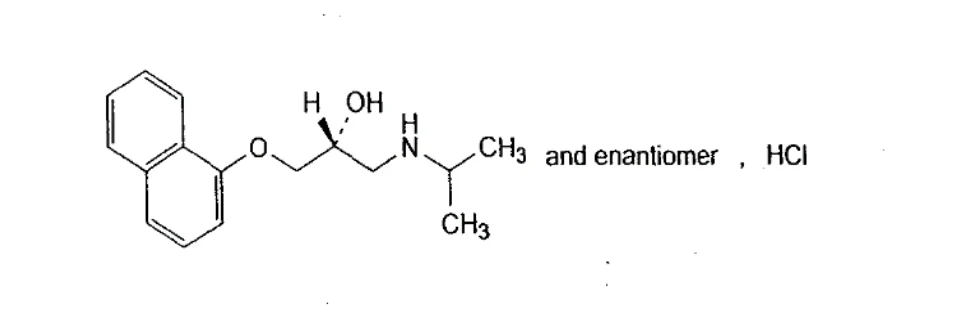
Chemical name: (2RS) 1-[(1-methylethyl)amino]-3-(naphthalene-1-yloxy)-propan-2-ol hydrochloride
Molecular formula and molecular mass: C16H21NO2-HCl, 295.8 g/mole
C16H21NO2, 259.3 g/mole
Structural formula:
Physicochemical properties: Propranolol hydrochloride is a stable, white, crystalline solid which is readily soluble in water and ethanol.
14 CLINICAL TRIALS
14.1 Trial Design and Study Demographics
Study 201: study in infants with proliferating infantile hemangioma (IH) requiring systemic therapy
Study 201 was a randomized, placebo-controlled, double-blind, adaptive phase 2/3 clinical trial aiming to compare four regimen of HEMANGIOL (propranolol) (1 or 3 mg/kg/day for 3 or 6 months) to placebo for efficacy and safety. Dose tapering was not required at the end of HEMANGIOL treatment. Patients were infants aged 35 days to 5 months at inclusion, with proliferating infantile hemangioma (IH) requiring systemic therapy. Patients with IH that was life-threatening, function-threatening, or ulcerated with pain and lack of response to simple wound care measures were excluded due to an ethical concern that these patients should not be treated with placebo.
The primary efficacy endpoint was a binary endpoint, success/failure, based on the intra-patient blinded centralized independent qualitative assessments of Week 24 photographs of the IH compared to baseline. Success was defined as complete or nearly complete resolution (note: complete and nearly complete responses were not differentiated for the primary endpoint) of the target hemangioma, where nearly complete resolution was defined as a minimal degree of telangiectasis, erythema, skin thickening, soft tissue swelling and/or distortion of anatomical landmarks. The primary analysis compared the success rate on the 3 mg/kg/day 6 months regimen of propranolol to placebo.
The main reason for treatment discontinuation was lack of efficacy and 4 patients discontinued HEMANGIOL (propranolol) treatment for intolerance.
Patient demographics and hemangioma characteristics were generally similar among the five regimen arms (see table 2 and 3 below).
Table 4 - Summary of patient demographics for clinical trials in infantile hemangioma (IH)
| Study # | Study design | Dosage, route of administration and duration | Study subjects (n) | Mean age (Range) | Sex |
| 201 | Randomized, placebo-controlled, double-blind, adaptive phase clinical trial | Four regimens of HEMANGIOL
| Patients with proliferating infantile hemangioma (IH) requiring systemic therapy (456) | 104 days (35 days to 5 months at inclusion) | 131 (28.7%) Male 325 (71.3%) Female |
Table 5 Summary of Patient Demographics and Baseline Characteristics per randomization group in Study 201
| Characteristics | Placebo (N = 55) | HEMANGIOL 1mg/kg/day 3mths (N = 98) | HEMANGIOL 1mg/kg/day 6mths (N = 102) | HEMANGIOL 3mg/kg/day 3mths (N = 100) | HEMANGIOL 3mg/kg/day 6mths (N = 101) | Total (N = 456) |
| Gender | ||||||
| Male | 17 (30.9%) | 30 (30.6%) | 32 (31.4%) | 21 (21.0%) | 31 (30.7%) | 131 (28.7%) |
| Female | 38 (69.1%) | 68 (69.4%) | 70 (68.6%) | 79 (79.0%) | 70 (69.3%) | 325 (71.3%) |
| Age at randomisation (day) | ||||||
| Mean (SD) | 104 (31.1) | 104 (33.1) | 103 (30.1) | 108 (30.1) | 102 (31.0) | 104 (31.0) |
| Patient born prematurely | * | * | ||||
| Yes | 19 (34.5%) | 21 (21.6%) | 28 (27.5%) | 30 (30.0%) | 24 (23.8%) | 122 (26.8%) |
| No | 36 (65.5%) | 76 (78.4%) | 74 (72.5%) | 70 (70.0%) | 77 (76.2%) | 333 (73.2%) |
| Age group at baseline | ||||||
| 35 - 90 days | 20 (36.4%) | 36 (36.7%) | 38 (37.3%) | 36 (36.0%) | 37 (36.6%) | 167 (36.6%) |
| > 90 days | 35 (63.6%) | 62 (63.3%) | 64 (62.7%) | 64 (64.0%) | 64 (63.4%) | 289 (63.4%) |
*: 1 patient without information on the prematurity
SD: standard deviation
Race/Ethnicity combination was White/Non-Hispanic (72%), followed by White/ Hispanic and Other/Hispanic, each counting for 7%.
Overall, 70% of patients had a target hemangioma on the head and 30% on the rest of the body. A great majority of the IHs were localized (89.0%). The most frequent localizations were, by descending order: the cheek (12.9%), the forehead (10.7%), the perioral, lower or upper lip region (9.0%), the scalp (8.6%), the peri-ocular region (7.2%), the nasal tip (6.1%), and the chest (5.5%).
Study 102: Pharmacokinetic study of propranolol in infants treated for proliferating infantile hemangioma (IHs)
Efficacy and safety have been studied in the 23 patients with proliferating IH (22 completed the study), including function-threatening IH, IH in certain anatomic locations that often leave permanent scars or deformity, large facial IH, smaller IH in exposed areas, severe ulcerated IH, and pedunculated IH.
According to investigator’s on-site assessment of the target IH at Week 12, HEMANGIOL treatment resulted in complete/nearly complete resolution in 36.4% of patients.
14.2 Study Results
Table 6 Results of study 201 in infantile hemangioma (IH)
Placebo (N = 55) | HEMANGIOL 1 mg/kg/day 3mths (N = 98) | HEMANGIOL 1 mg/kg/day 6mths (N = 102) | HEMANGIOL 3 mg/kg/day 3mths (N = 100) | HEMANGIOL 3 mg/kg/day 6mths (N = 101) | |
|---|---|---|---|---|---|
Primary efficacy endpoint: Complete or nearly complete resolution of target IH at week 24 | 2 (3.6%) | 8 (8.2%) | 50 (49.0%) | 12 (12.0%) | 61 (60.4%) |
| Primary analysis* (p value) | < 0.0001 |
Note: The primary analysis was performed on the ITT data set, to test the superiority of the selected regimen.
* HEMANGIOL 3 mg/kg/day after 6 months versus Placebo.
Exploratory analyses did not demonstrate significant difference in the complete or nearly complete resolution based on age (35-90 days / 91-150 days), gender and hemangioma location (head / body). There were too few African-American and Asian subjects to adequately assess differences in efficacy in these populations.
Over a 72-week post-treatment follow-up period, relapse occurred in 11.5% patients (7/61) in the 3 mg/kg/day 6-month regimen and in 18.0% patients (9/50) in the 1 mg/kg/day 6-month regimen.
15 MICROBIOLOGY
No microbiological information is required for this drug product.
16 NON-CLINICAL TOXICOLOGY
General Toxicology: In adult mice, after an acute dosing, propranolol is considered as a moderately toxic drug with an oral LD50 of about 600 mg/kg. The main non-lethal effects reported after repeated administration of propranolol in adult and juvenile rats was a transient decrease in body weight and body weight gain associated with a transient decrease in organ weight. These effects were completely reversible when treatment was discontinued.
Carcinogenicity: In dietary administration studies in which mice and rats were treated with propranolol hydrochloride for up to 18 months at doses of up to 150 mg/kg/day, there was no evidence of drug-related tumorigenesis.
Based on differing results from bacterial reverse mutation (Ames) tests performed by different laboratories, there is equivocal evidence for mutagenicity in one strain (S. typhimurium strain TA 1538).
Genotoxicity: No animal studies have been performed to evaluate the genotoxicity of HEMANGIOL.
Reproductive and Developmental Toxicology: In adult female rats, propranolol given into the uterus or by intravaginal administration is a powerful anti-implantation agent at dose ≥4 mg per animal, and the effect was reversible following treatment cessation.
In adult male rats, repeated oral administration of propranolol for 60 days at dose levels of 7.5 and 15 mg/kg/d induced histopathological lesions of the testes, epididymis, and seminal vesicles, decrease in sperm motility, sperm cell concentration, plasma testosterone levels and significant increase in sperm head and tail abnormalities. The effects reversed after 30 days of treatment cessation. Transient effects on male reproductive organs were thus observed from 7.5 mg/kg/d onwards, which corresponds to a Human Equivalent Dose (HED) of about 3.525 mg/kg/d for a baby weighing 2.5 kg, based on body surface area, compared to a therapeutic dose level of 3 mg/kg/d. No NOAEL was available in this study.
Similar results were obtained following intra-testicular administration of propranolol and using in vitro models.
Juvenile Toxicity:
In a developmental toxicity study, juvenile rats received daily oral administration of propranolol from post-natal Day 4 (PND 4) to PND 21 at dose levels of 0, 10, 20 or 40 mg/kg/day through the development period corresponding to infancy, childhood and adolescence. Propranolol had no effect on male and female fertilities observed. In terms of reproductive development, growth and neurological development, there were no propranolol-related effects or toxicologically significant findings at 40 mg/kg/day, correlating to safety margins of 1.2 in females and 2.9 in males, based on mean propranolol exposures on PND 21. General toxicity including mortality (probably not related to propranolol) was observed at 40 mg/kg/day, leading to a NOAEL of 20 mg/kg/day in the juvenile rats for general toxicity.