


Product Monograph - PMS-Sotalol - 160 mg
ACTION AND CLINICAL PHARMACOLOGY
pms-SOTALOL(sotalolhydrochloride)hasbothbeta-adrenoreceptoiblocking(VaughanWilliams Class II) and cardiac action potential duration prolongation (Vaughan Williams Class III) antiarrhythmicproperties.pms-SOTALOLisaracemicmixtureofd-andl-sotalol. Both i somers have similar class III antiarrhythmic effects, while the 1-isomer is responsible for virtually all of thebeta-blockingactivity. Sotalol isnon-cardioselectiveand isnot associated with partial agonist or membrane stabilizing activity. Whereas significant beta-blockade may occur at oral doses as low as 25 mg, Class III effects are seen at daily doses of 160 mg and above. The antiarrhythmic activity of sotalol appears to be primarily due to the drug's Class III property, based on animal models.
Pharmacologically, in addition to its antiarrhythmic properties, pms-SOTALOL also hi antihypertensive and anti-anginal properties.
Electrophysiology:
in the isolated myocyte, as well as in isolated tissue preparations of ventricular and atrial muscle (class III activity). In intact animals it slows heart rate, decreases AV nodal conduction and increases the refractory periods of atrial and ventricular muscle and conduction tissue.
Inman,theclassII(beta-blockade)electrophysiologicaleffectsofpms-SOTALOLaremanifested by increased sinus cycle length, decreased AV nodal conduction and increased AV noda refractoriness. The class III electrophysiological effects in man include prolongation ofthe atrial andventricularmonophasicactionpotentials,andeffectiverefractoryperiodprolongationofatrial muscle, ventricular muscle, and atrioventricular accessory pathways (where present) in both the  anterograde and retrograde directions. With oral doses of 160 to 640 mg/day, the surface ECG shows dose-related mean increases o f 40-100 msec in QT and 10-40 msec in QT,. No significant alteration in QRS interval is observed.
In a small study (n = 25) of patients with implanted defibrillators treated concurrently with pms-SOTALOL, the average defibrillatory threshold was 6 joules (range 2 - 15 joules) compared to a mean of 16 joules for a non-randomized comparative group primarily receiving amiodarone.
Hemodynamics: Inastudyofsystemichemodynamicfunctionmeasuredinvasivelyinl2patients with amean leftventricular(LV)ejection fractionof37%andventriculartachycardia(9 sustained and 3 non-sustained), a median dose of 160 mg twice daily of pms-SOTALOL produced a 28% reduction in heart rate and a 24% decrease in cardiac index at 2 hours post dosing at steady-state. Concurrently,systemicvascularresistanceandstrokevolumeshowednon-significantincreasesof 25% and 8%, respectively. Pulmonary capillary wedge pressure increased significantly from 6.4 mmHg to 11.8 mmHg in the 11 patients who completed the study. One patient discontinued because of worsening congestive heart failure. Mean arterial pressure, mean pulmonary artery pressure and stroke work index did not significantly change. Exercise and isoproterenol induced tachycardia are antagonized by pms-SOTALOL and total peripheral resistance increases by a small amount.
In hypertensive patients, pms-SOTALOL produces significant reductions in both systolic and diastolic blood pressures. Although pms-SOTALOL is usually well-tolerated hemodynamically, caution should be exercised in patients with marginal cardiac compensation as deterioration in cardiac performance may occur. (See WARNINGS: Congestive Heart Failure).
Pharmacokinetics: In healthy subjects: The oral bioavailability of pms-SOTALOL is 90-100%. After oral administration, peak plasma concentrations are reached in 2.5 to 4 hours, and steady- state plasma concentrations are attained within 2-3 days. Over the dosage range of 1( 640mg/day,pms-SOTALOLdisplaysdoseproportionalitywithrespect to plasmaconcentrations. Distributionoccurstoacentral(plasma)andtoaperipheralcompartment,withameanelimination half life of 7-15 hours.
pms-SOTALOL does not bind to plasma proteins and is not metabolized. The pharniacokinetics of the d and 1 enantiomers of sotalol are essentially identical. pms-SOTALOL crosses the blood  brain barrierpoorly. In one study, meancerebrospinal fluid concentrations followinga single oral dose ranged from 5% to 28% of those observed in plasma.
Clinical Actions: In a randomized clinical trial [Electrophysiologic Stu Electrocardiographic Monitoring(ESVEM)Trial] comparingchoiceofantiarrhythmic therapyby PES suppression versus Holter monitor selection (in each case followed by treadmill exercise testing) in patients with a history of sustained VT/VF who were also inducible by PES, the effectiveness acutely and chronically of pms-SOTALOL was compared with 6 other drugs (procainamide, quinidine,mexiletine,propafenone, imipramine and pirmenol). Overall response, limited to first randomized drug, was 39% for sotalol and 30% for the pooled other drugs. Acute response rate for first drug randomized using suppression of PES induction was 36% fi pms-SOTALOL versus a mean o f13% for the other drugs. Using the Holter monitoring endpoint (completesuppressionofsustainedVT,90%suppressionoINSVT,80%suppressionoWPCpairs, and at least 70%suppression ofVPCs),pms-SOTALOL yielded41%responseversus45%forthe other drugs combined. Among responders placed on long-term therapy identified acutely as effective (by either PES or Holter), pms-SOTALOL, when compared to the pool of other drugs, hadthelowest
versus 60%), and the lowest withdrawal rate (38% versus about 75-80%). The most commonly used doses of pms-SOTALOL in this trial were 320-480 mg/day (66% of patients), with 16% receiving 240 mg/day or less and 18% receiving 640 mg or more.
It cannot be determined, however, in the absence of a controlled comparison of pms-SOTALOL versus no pharmacologic treatment (e.g., in patients with implanted defibrillators) whether pms-SOTALOL response causes improved survival or identifies a population with a good prognosis.
Renally
therefore lower doses are necessaryin renal impairment (see DOSAGE and ADMINISTRATION and PRECAUTIONS).
Hepatically impaired patients: Since pms-SOTALOL is not subject to first-pass metabolism, patients with hepatic impairment show no alteration in clearance of sotalol hydrochloride.  Geriatrics: Age per se does not significantly alter the pharmacokinetics of pms-SOTALOL, but
impaired renal function in elderlypatientscanincreasetheterniinal eliminationhalf-li fe,resulting
in increased drug accumulation.
Effect of food: When pms-SOTALOL was administered with a standard meal, the absorption of sotalol hydrochloride was reduced by approximately 20% compared to that in the fasting state.
A
bioavailabilty data were measured in 24 volunteers in the fasting state. The results can be summarized as follows:
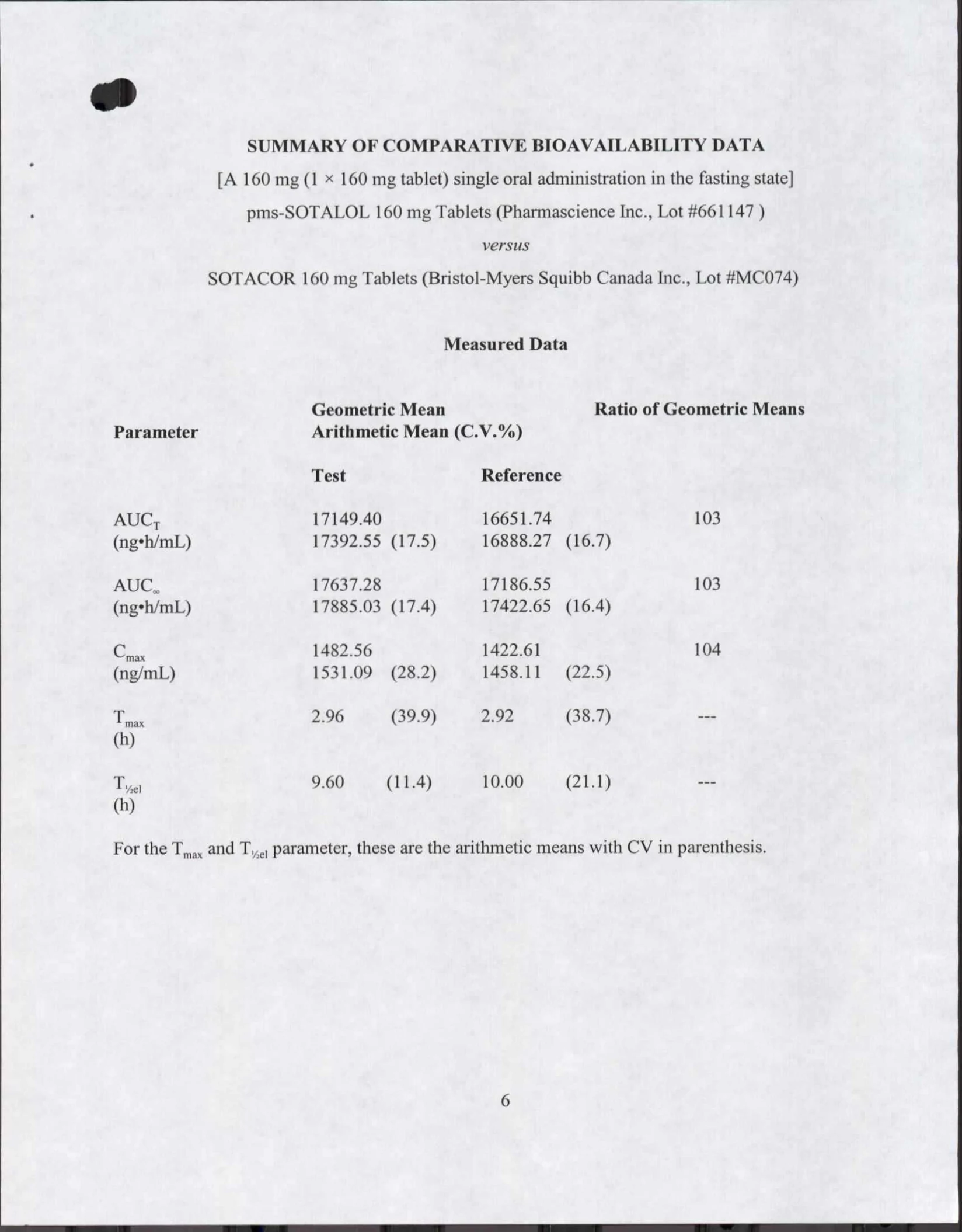 SUMMARY OF COMPARATIVE BIOAVAILABILITY DATA
[A 160 mg (1 x 160 mg tablet) single oral administration in the fasting state]
pms-SOTALOL 160 mg Tablets (Pharmascience Inc., Lot #661147)
versus
SOTACOR 160 mg Tablets (Bristol-Myers Squibb Canada Inc., Lot #MC074)
Measured Data
Geometric Mean Ratio of Geometric Means Parameter Arithmetic Mean (C.V.%)
Test Reference
AUCT 17149.40 16651.74 103 (ng•h/mL) 17392.55 (17.5) 16888.27 (16.7)
AUC_ 17637.28 17186.55 103 (ng•h/mL) 17885.03 (17.4) 17422.65 (16.4)
Cma,
(ng/mL)
1482.56
1531.09 (28.2)
1422.61
1458.11 (22.5)
Tma,
(h)
2.96 (39.9) 2.92 (38.7)
TIAel
(h)
9.60 (11.4) 10.00 (21.1)
For the Tmax and T1/20 parameter, these are the arithmetic means with CV in parenthesis. 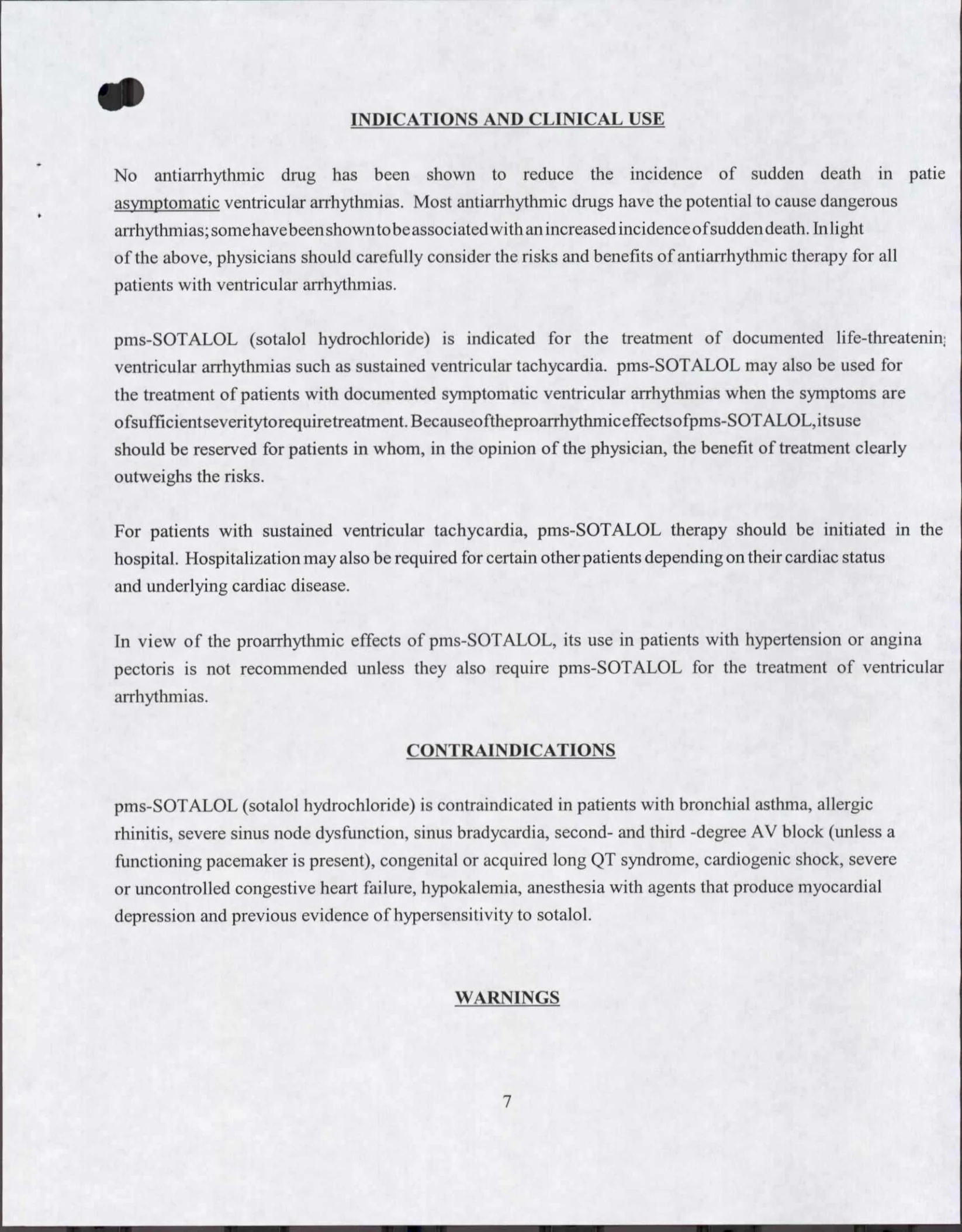 O INDICATIONS AND CLINICAL USE
No antiarrhythmic drug has been shown to reduce the incidence of sudden death in patie asymptomatic ventricular arrhythmias. Most antiarrhythmic drugs have the potential to cause dangerous arrhythmias; some have been shown to be associ ated with an increased incidence ofsudden death. In light of the above, physicians should carefully consider the risks and benefits of antiarrhythmic therapy for all patients with ventricular arrhythmias.
pms-SOTALOL (sotalol hydrochloride) is indicated for the treatment of documented life-threatenin: ventricular arrhythmias such as sustained ventricular tachycardia. pms-SOTALOL may also be used for the treatment of patients with documented symptomatic ventricular arrhythmias when the symptoms are ofsufficientseveritytorequiretreatment. Becauseoftheproarrhythrn ic effects ofpms-SOTALOL, itsuse should be reserved for patients in whom, in the opinion of the physician, the benefit of treatment clearly outweighs the risks.
For patients with sustained ventricular tachycardia, pms-SOTALOL therapy should be initiated in the hospital. Hospitalization may also be required for certain other patients depending on their cardiac status and underlying cardiac disease.
In view of the proan-hythmic effects of pms-SOTALOL, its use in patients with hypertension or angina pectoris is not recommended unless they also require pms-SOTALOL for the treatment of ventricular arrhythmias.
CONTRAINDICATIONS
pms-SOTALOL (sotalol hydrochloride) is contraindicated in patients with bronchial asthma, allergic rhinitis, severe sinus node dysfunction, sinus bradycardia, second- and third -degree AV block (unless a functioning pacemaker is present), congenital or acquired long QT syndrome, cardiogenic shock, severe or uncontrolled congestive heart failure, hypokalemia, anesthesia with agents that produce myocardial depression and previous evidence of hypersensitivity to sotalol.
WARNINGS 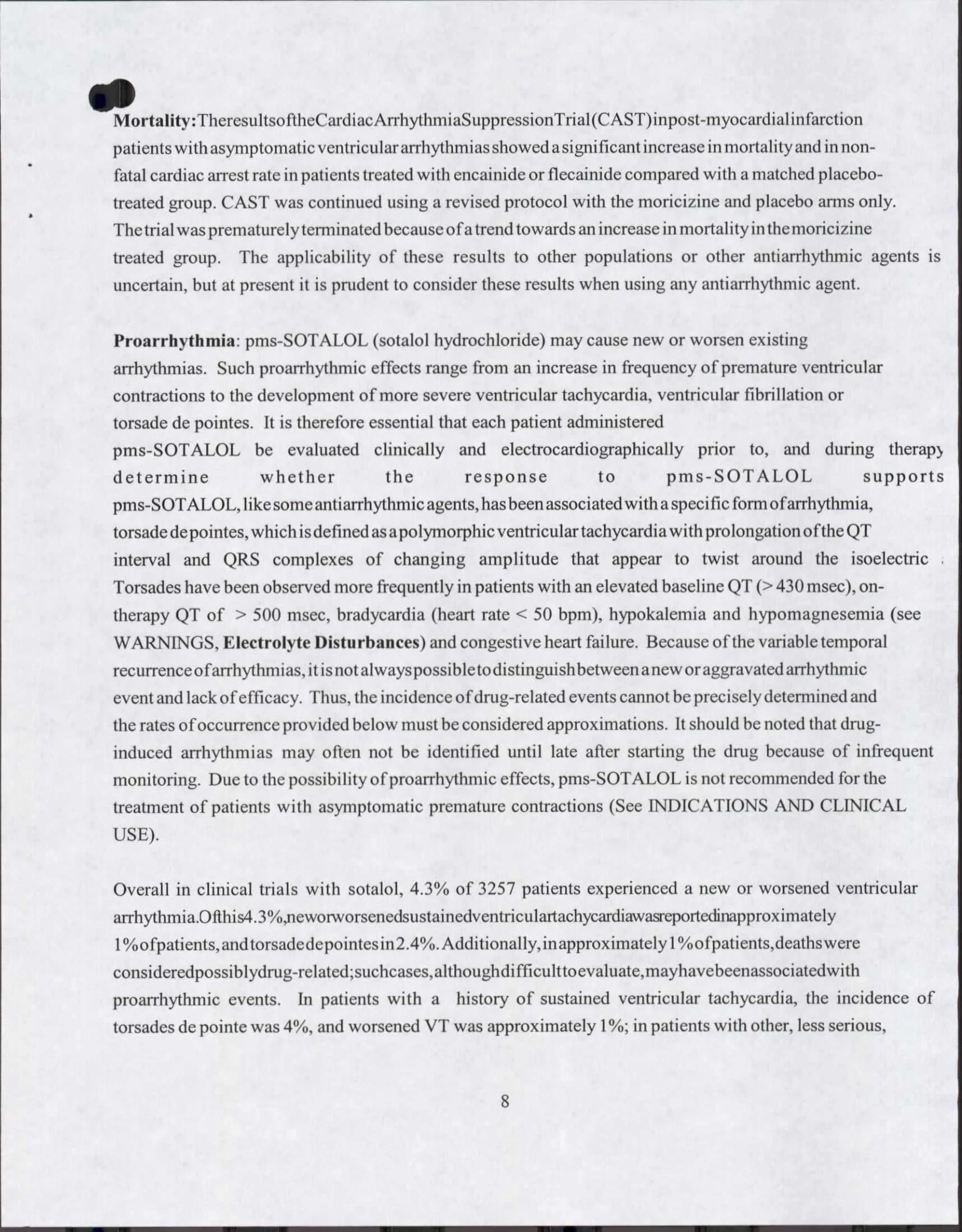 Mortality:TheresultsoftheCardiacArrhythmiaSuppressionTrial(CAST)inpost-myocardialinfarction
patients with asymptomatic ventricular arrhythmias showed a significant increase in mortality and in non- fatal cardiac arrest rate in patients treated with encainide or flecainide compared with a matched placebo- treated group. CAST was continued using a revised protocol with the moricizine and placebo arms only. The trial was prematurely terminated because o f a trend towards an increase in mortality in the moricizine treated group. The applicability of these results to other populations or other antiarrhythmic agents is uncertain, but at present it is prudent to consider these results when using any antiarrhythmic agent.
Proarrhythmia: pms-SOTALOL (sotalol hydrochloride) may cause new or worsen existing arrhythmias. Such proarrhythmic effects range from an increase in frequency of premature ventricular contractions to the development of more severe ventricular tachycardia, ventricular fibrillation or torsade de pointes. It is therefore essential that each patient administered
pms-SOTALOL be evaluated clinically and electrocardiographically prior to, and during therapy determine whether the response to pms-SOTALOL supports pms-SOTALOL, like some antiarrhythmic agents, has been associated with a specific form ofarrhythmia, torsade de pointes, which is defined as a polymorphic ventricular tachycardia with prolongation ofthe QT interval and QRS complexes of changing amplitude that appear to twist around the isoelectric Torsades have been observed more frequently in patients with an elevated baseline QT (>430 msec), on-therapy QT of > 500 msec, bradycardia (heart rate < 50 bpm), hypokalemia and hypomagnesemia (see WARNINGS, Electrolyte Disturbances) and congestive heart failure. Because of the variable temporal recurrence ofarrhythm i as, it is not always possible to distinguish between anew or aggravated arrhythmic event and lack of efficacy. Thus, the incidence of drug-related events cannot be precisely determined and the rates of occurrence provided below must be considered approximations. It should be noted that drug-induced arrhythmias may often not be identified until late after starting the drug because of infrequent monitoring. Due to the possibility of proarrhythmic effects, pms-SOTALOL is not recommended for the treatment of patients with asymptomatic premature contractions (See INDICATIONS AND CLINICAL USE).
Overall in clinical trials with sotalol, 4.3% of 3257 patients experienced a new or worsened ventricular arrhythmia.Ofthis4.3%,neworworsenedsustainedventriculartachycardiawasreportedinapproximately 1%ofpatients, and torsadedepointes in 2.4%. Additionally, in approximatelyl%ofpatients,deaths were consideredpossiblydrug-related;suchcases,althoughdifficulttoevaluate,mayhavebeenassociatedwith proarrhythmic events. In patients with a history of sustained ventricular tachycardia, the incidence of torsades de pointe was 4%, and worsened VT was approximately 1%; in patients with other, less serious, 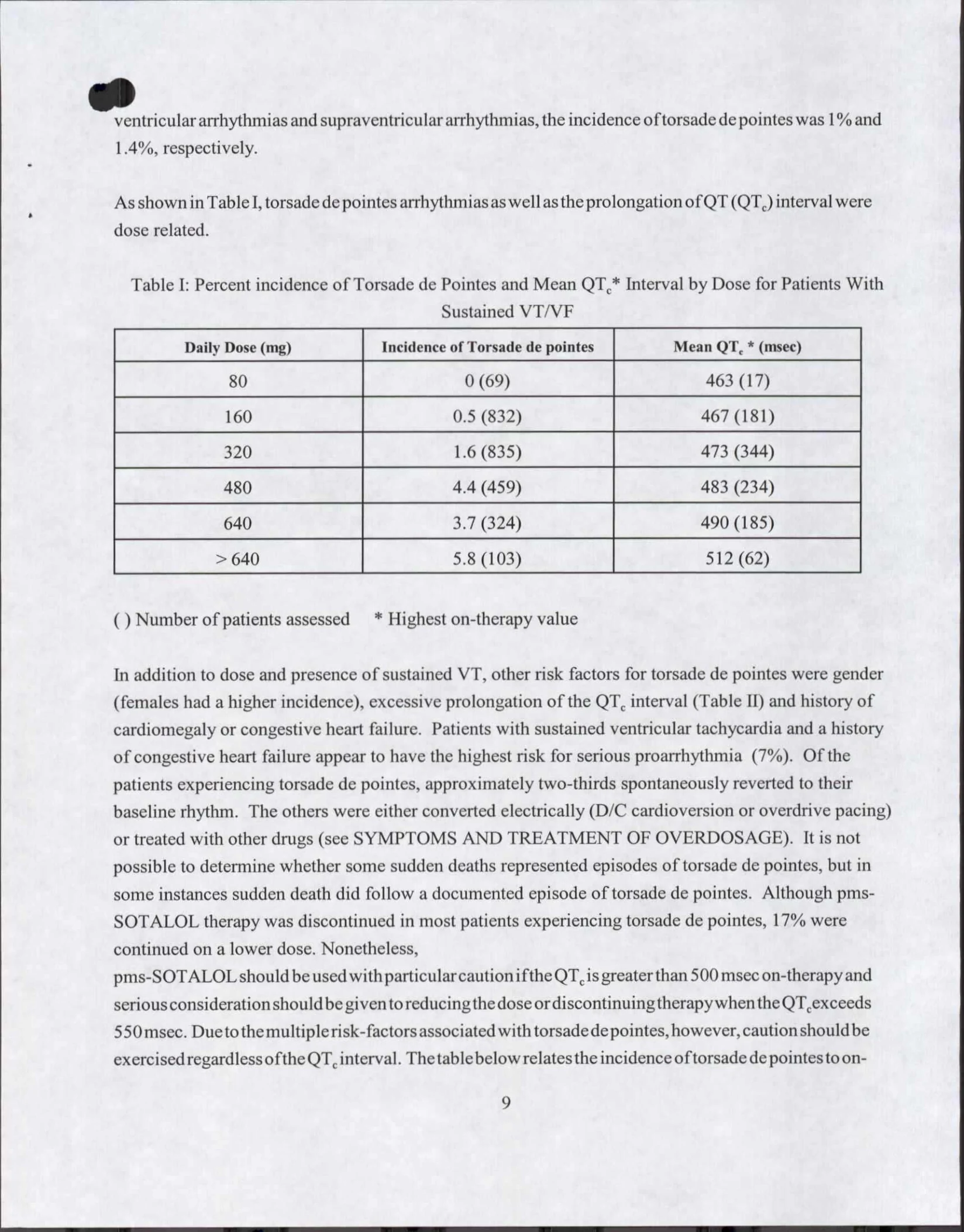 ventricular an-hythmias and supraventricular an-hythmias, the incidence oftorsade de pointes was 1% and
1.4%, respectively.
As shown in Table I, torsade de pointes arrhythmias as well as the prolongation ofQT (QT,) interval were dose related.
Table I: Percent incidence of Torsadc de Pointes and Mean QT,* Interval by Dose for Patients With
Sustained VT/VF
Daily Dose (mg) Incidence of Torsade de pointes Mean QT, * (msec)
80 0(69) 463 (17)
160 0.5(832) 467(181)
320 1.6 (835) 473 (344)
480 4.4 (459) 483 (234)
640 3.7 (324) 490 (185)
>640 5.8 (103) 512 (62)
( ) Number of patients assessed * Highest on-therapy value
In addition to dose and presence of sustained VT, other risk factors for torsade de pointes were gender (females had a higher incidence), excessive prolongation of the QT, interval (Table II) and history of cardiomegaly or congestive heart failure. Patients with sustained ventricular tachycardia and a history of congestive heart failure appear to have the highest risk for serious proan-hythmia (7%). Of the patients experiencing torsade de pointes, approximately two-thirds spontaneously reverted to their baseline rhythm. The others were either converted electrically (D/C cardioversion or overdrive pacing)
or treated with other drugs (see SYMPTOMS AND TREATMENT OF OVERDOSAGE). It is not possible to determine whether some sudden deaths represented episodes of torsade de pointes, but in some instances sudden death did follow a documented episode of torsade de pointes. Although pms-SOTALOL therapy was discontinued in most patients experiencing torsade de pointes, 17% were continued on a lower dose. Nonetheless,
pms-SOTALOL should be used with particularcaution iftheQT, is greater than 500 msec on-therapy and serious consideration should be given to reducing the dose or discontinuing therapy when the QT,exceeds
550 msec. Due to the multiple risk-factors associated with torsade depointes, however, caution should be
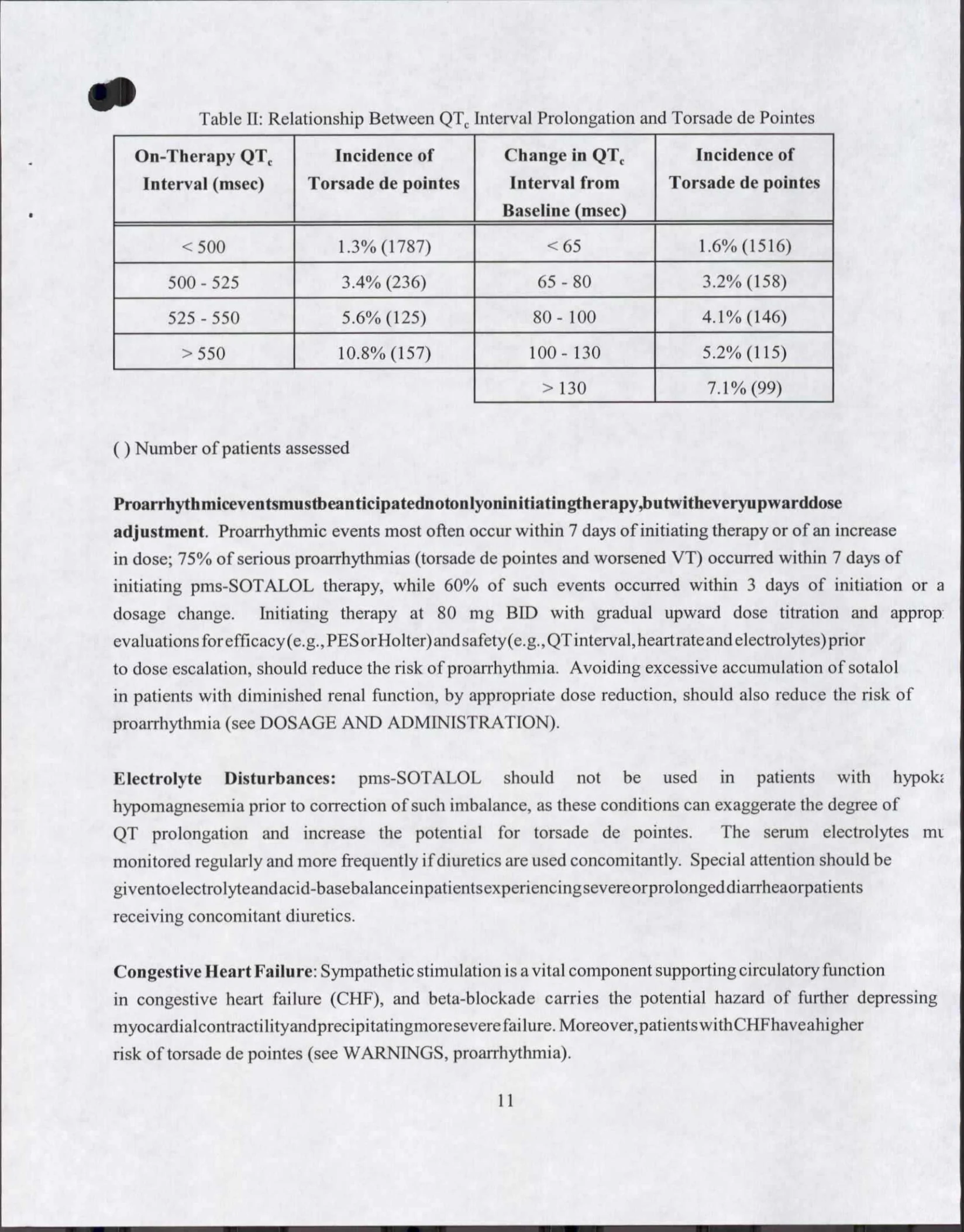
exercised regardless ofthe QT, interval. The table below relates the incidence oftorsade de pointes to on-  O
therapyQT,andchangei nQT, frombasel ine. It should benoted, however, that thehi gheston-therapyQT, was in many cases the one obtained at the time of the torsade de pointes event, so that the table overstates the predictive value of a high QT,.
 O
Table II: Relationship Between QT, Interval Prolongation and Torsade de Pointes
On-Therapy QT,
Interval (msec)
Incidence of Torsade de pointes
Change in QT,
Interval from
Baseline (msec)
Incidence of Torsade de pointes
<500 1.3% (1787) <65 1.6%(1516)
500 - 525 3.4% (236) 65 - 80 3.2% (158)
525 - 550 5.6%(125) 80 - 100 4.1%(146)
>550 10.8% (157) 100- 130 5.2% (115)
>130 7.l%(99)
( ) Number of patients assessed
Proarrhythmiceventsmustbeanticipatednotonlyoninitiatingtherapy,butwitheveryupwarddose adjustment. Proarrhythmic events most often occur within 7 days of initiating therapy or of an increase in dose; 75% of serious proarrhythmias (torsade de pointes and worsened VT) occurred within 7 days of initiating pms-SOTALOL therapy, while 60% of such events occurred within 3 days of initiation or a dosage change. Initiating therapy at 80 mg BID with gradual upward dose titration and approp evaluations for efficacy (e.g., PES orHolter) and safety(e.g., QT interval, heartrate and electrolytes) prior to dose escalation, should reduce the risk of proarrhythmia. Avoiding excessive accumulation of sotalol in patients with diminished renal function, by appropriate dose reduction, should also reduce the risk of proarrhythmia (see DOSAGE AND ADMINISTRATION).
Electrolyte Disturbances: pms-SOTALOL should not be used in patients with hypolu hypomagnesemia prior to correction of such imbalance, as these conditions can exaggerate the degree of
QT prolongation and increase the potential for torsade de pointes. The serum electrolytes 1111_ monitored regularly and more frequently i f diuretics are used concomitantly. Special attention should be giventoelectrolyteandacid-basebalanceinpatientsexperiencingsevereorprolongeddiarrheaorpatients receiving concomitant diuretics.
Congestive Heart Failure: Sympathetic stimulation is a vital component supporting circulatory function in congestive heart failure (CHF), and beta-blockade carries the potential hazard of further depressing myocardialcontractilityandprecipitatingmoresevere failure. Moreover,patientswithCHFhaveahigher risk of torsade de pointes (see WARNINGS, proarrhythmia).
 O In
action of digitalis may be reduced when the two drugs are used concomitantly. Both digitalis and sotalol slow AV conduction. I fcardiac failure continues despite adequate digitalization, pms-SOTALOL should be discontinued.
Inpatients without a historyoffieart failure, continueddepressionofthemyocardi umoveraperiodoftime can, in some cases, lead to cardiac failure. At the first sign of impending heart failure, appropriate therapy must be established and consideration should be given to discontinuation of treatment wi SOTALOL.
In clinical trials, new or worsened congestive heart failure (CHF) occurred in 3.3% (n = 3257) of patients and led to discontinuation in approximately 1% ofpatients receivingpms-SOTALOL. The incidence was higherinpatientspresentingwithsustainedventriculartachycardia/fibrillation(4.6%,n=1363),oraprior history of heart failure (7.3%, n = 696). Based on a life-table analysis, the one-year incidence of new or worsened CHF was 3% in patients without apriorhistoryand 10% inpatients with a priorhistoryofCHF. NYHA Classification was also closely associated to the incidence of new or worsened heart failure in patientsreceivingpms-SOTALOL(1.8% in 1395 ClassIpatients,4.9%in1254 Class Ilpatientsand6.1% in 278 Class III or IV patients).
Conduction Disturbances: Excessive prolongation of the QT interval (>550 msec) can promote serious an-hythmias and should be avoided (see Proarrhythmia). Sinus bradycardia (heart rate less than 50bpm)occurredin13%ofpatientsreceivingpms-SOTALOLinclinicaltrials,and led todiscontinuation in about 3% of patients. Bradycardia itself increases the risk of torsade de pointes. Sinus pause, sinus arrest and sinus node dysfunction occur in less than 1% of patients. The incidence of 2nd- or 3rd-degree AV block is approximately 1%.
Recent Myocardial Infarction: Caution should be exercised when pms-SOTALOL is given to patients with recent myocardial infarction. Experience in the use ofpms-SOTALOL in the early stage ofrecovery from acute myocardial infarction is limited and, at least at high initial doses, not reassuring. In the first 2 weeks following acute myocardial infarction, particular caution is advised. Careful dose titration especially important, particularly in patients with impaired ventricular function.
In a double-blind, placebo-controlled secondary prevention trial in 1456 post-infarction patients who did not necessarily have ventricular arrhythmias, pms-SOTALOL was given as a non-titrated dose of320 mg once daily. The results did not suggest an adverse effect on survival; however, there was a suggestion of  excess mortality (3% on pms-SOTALOL versus 2% on placebo) during the first ten days of the trial. In another trial, where high doses of pms-SOTALOL (320 mg twice daily) were given to a small number of high-riskpost-infarctionpatients(n=17randomizedtosotalol),therewere four fatalitiesandthreeserious hemodynamic/electrical adverse events within two weeks of initiating pms-SOTALOL.
Abrupt Cessation of Therapy: Patients should be warned against abrupt interruption or discontinuation of
blockertherapy. There have been occasional reportsofsevereexacerbation ofangina pectoris, ventricular arrhythmias and in some cases myocardial infarction following abrupt discontinuation of beta blocker therapy. The last two complications mayoccurwith orwithout preceding exacerbation ofanginapectoris. Therefore, it is prudent when discontinuing chronically administered pms-SOTALOL, particularly ii patients with ischemic heart disease, to carefully monitor the patient and to discontinue pms-SOTALOL in a stepwise manner or consider the temporary use ofan alternate beta-blocker ifappropriate. Ifpossible, the dosage should be gradually reduced over a period of one to two weeks and the patient should carefully observed. The same frequency of administration should be maintained. If angina markedl) worsens or acute coronary insufficiency develops, appropriate therapy should be instituted promptl! Because
abrupt discontinuation in patients with arrhythmias may unmask latent coronary insufficiency.
Anaphylaxis: While taking beta blockers, patients with a history of anaphylactic reactions to a variety of allergens may have a more severe reaction on repeated challenge, either accidental, diagn therapeutic.
Theremaybe increased di fficultyin treatingan allergic type reaction in patients on beta-blockers. Inthese patients, the reaction may be more severe due to pharmacologic effects ofthe beta-blockers and problems with fluidchanges. Epinephrineshouldbeadministeredwithcautionsinceitmaynothaveits usual effects in the treatment ofanaphylax is. On the one hand, larger doses of epinephrine may be needed to overcome the bronchospasm, while on the other hand, these doses can be associated with excessive alpha adrenergic stimulation with consequent hypertension, reflex bradycardia, andheartblockandpossiblepotentiationof bronchospasm. Altemativestotheuseoflargedosesofepinephrineincludevigoroussupportivecaresuch as fluids and the use of beta agonists including parenteral salbutamol or isoproterenol to over bronchospasm and norepinephrine to overcome hypotension.
Non-Allergic Bronchospasm (e.g., chronic bronchitis and emphysema): Patients with
bronchospastic diseases should in general not receive beta-blockers.
. t is prudent, if pms-SOTALOL is to be administered, to use the smallest effective dose, so that
inhibition of bronchodilation produced by endogenous or exogenous catecholamine stimulation of beta2 receptors may be minimized.
Sick Sinus Syndrome: pms-SOTALOL should be used only with extreme caution in patients with sick sinus syndrome associated with symptomatic arrhythmias, because it may cause sinus bradycardia, sinus pauses or sinus arrest.
Skin Rashes and Oculomucocutaneous Syndrome: Various skin rashes and conjunctival xerosis have been reported with beta-blockers, including pms-SOTALOL. A severe syndrome (oculomucocutaneous syndrome)whosesignsincludeconj unctivitissiccaandpsoriasiformrashes,otitis,andsclerosingserositis has occurred with the chronic use of one beta-adrenergic-blocking agent (practolol). This syndrome has not been observed with pms-SOTALOL. Physicians, however, should be alert to the possibility of such reactions and should discontinue treatment in the event that they occur.
Thyrotoxicosis: In patients with thyrotoxicosis, pms-SOTALOL may mask the clinical hyperthyroidism or its complications and give a false impression of improvement. Patients suspected of developing thyrotoxicosis should be managed carefully to avoid abrupt withdrawal of pms-SOTALOL whichmightbefol lowedbyan exacerbationo fthesymptomsothyperthyroidism, includingthyroidstorm.
PRECAUTIONS
Renal Impairment: Renal function tests should becarried out at appropriate intervals. Caution should be observed in patients with impaired renal function since pms-SOTALOL (sotalol hydrochlori( eliminated mainly via the kidneys through glomerular filtration and to a small degree by tubular secretion. There is a direct relationship between renal function, as measured by serum creatinine or creati clearance, and the elimination rate of pms-SOTALOL. Guidance for dosing in conditions of impairment can be found under DOSAGE AND ADMINISTRATION.
Diabetes: pms-SOTALOL should be administered with caution to patients with history of spontaneous hypoglycemia
agents. Beta-adrenergic blockers may mask the premonitory signs and symptoms o f acute hypoglycemia; e.g. tachycardia.
 litnaesthesia: It is not advisable to withdraw beta-adrenoceptor blocking drugs prior to surgery in thc
majority of patients. However, care should be taken when using pms-SOTALOL with anaesthetic agents such as those which may depress the myocardium. Vagal dominance, if it occurs, may be corrected with atropine (1 to 2 mg i.v.).
Some patients receiving beta-adrenoceptor blocking agents have been subject to protracted hypotension during anesthesia. Difficulty in restarting the heart and maintaining the heart beat has also been reported.
In emergency surgery, since sotalol is a competitive antagonist at beta-adrenoceptor sites, its effects may be reversed, if required, by sufficient doses of such agonists as isoproterenol or noradrenaline.
Use in Pregnancy: There are no studies in pregnant women. Sotalol hydrochloride has been shown to cross the placenta, and is found in amniotic fluid. There has been a report of subnormal birth weight with pms-SOTALOL.Therefore,pms-SOTALOLshouldbeusedduringpregnancyonlyifthepotentialbenefit outweighs the potential risk.
UseinNursingMothers: Sotalolhasbeenreported tobepresentinhumanmilk. Becauseofthepotential for adverse reactions from pms-SOTALOL in nursing infants, a decision should be made whether discontinue
Use in Children: The safety and effectiveness of pms-SOTALOL in children have not been established.
DRUG INTERACTIONS
Antiarrhythmics: Class Ia anti-arrhythmic drugs, such as disopyramide, quinidine and procainamide, and Class III drugs (e.g. amiodarone) are not recommended as concomitant therapy with pms- SOTALOL because of their potential to prolong refractoriness (see WARNINGS). pms-SOTALOL should also be given with extreme caution in conjunction with other drugs known to prolongtheQTinterval,suchasphenothiazines,tricyclicantidepressants,terfenadineandastemizole.There is only limited experience with the concomitant use of Class lb or Ic antiarrhythmics. Additive class II effects would also be anticipated with the use of other beta-blocking agents concomitantly with pms SOTALOL.
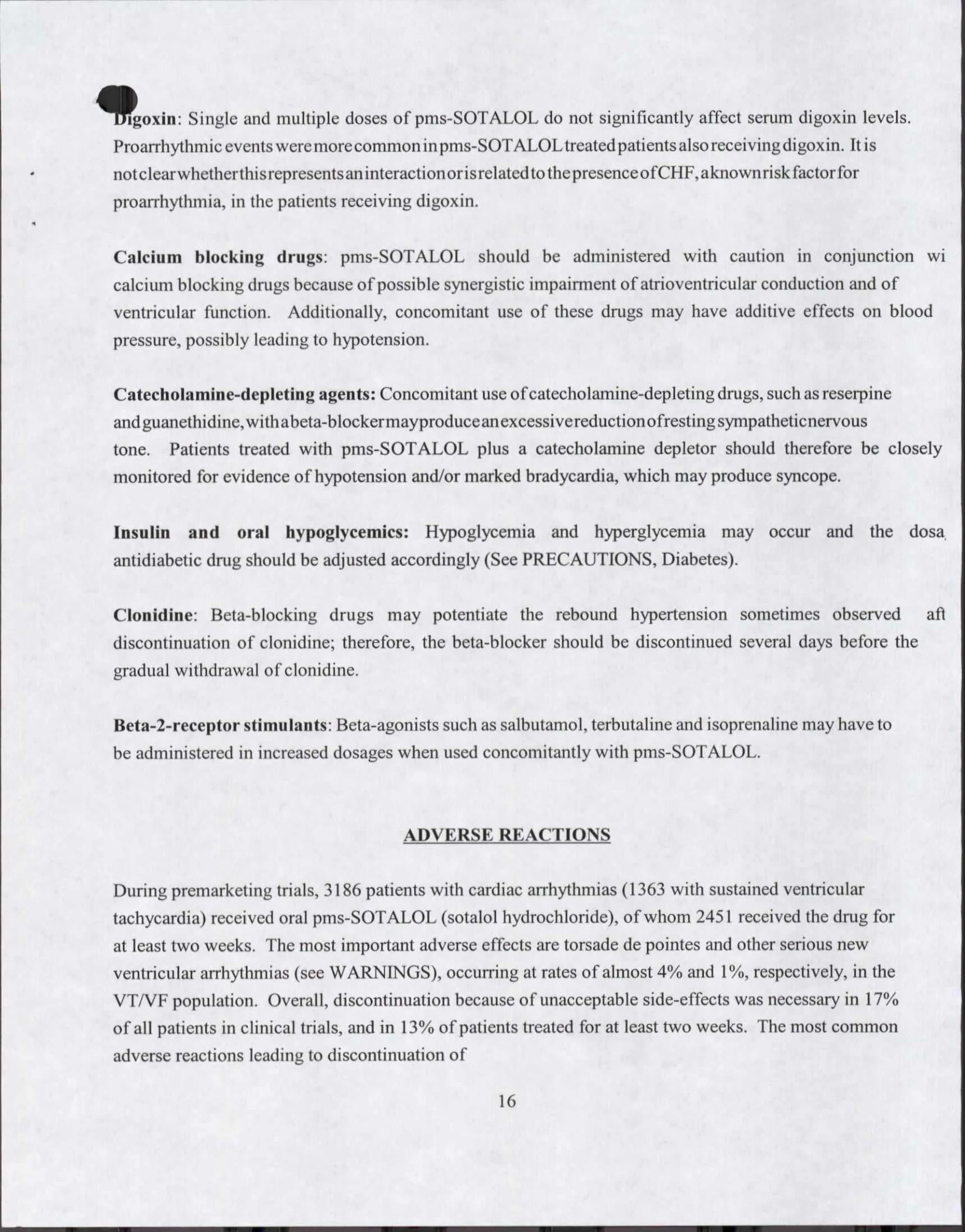 4110 igoxin: Single and multiple doses of pms-SOTALOL do not significantly affect serum digoxin levels.
Proan-hythmic events were more common in pms-SOTALOL treated patients also receiving digoxin. It is not clearwhetherthis represents an interaction ori s related to the presence ofCHF, aknown risk factor for proarrhythmia, in the patients receiving digoxin.
Calcium blocking drugs: pms-SOTALOL should be administered with caution in conjunction wi calcium blocking drugs because of possible synergistic impairment of atrioventricular conduction and of ventricular function. Additionally, concomitant use of these drugs may have additive effects on blood pressure, possibly leading to hypotension.
Catecholamine-depleting agents: Concomitant use of catecholamine-depleting drugs, such as reserpine andguanethidine,with abeta-blockermayproduce an excessive reductionofresting sympatheticnervous tone. Patients treated with pms-SOTALOL plus a catecholamine depletor should therefore be closely monitored for evidence of hypotension and/or marked bradycardia, which may produce syncope.
Insulin and oral hypoglycemics: Hypoglycemia and hyperglycemia may occur and the dosa, antidiabetic drug should be adjusted accordingly (See PRECAUTIONS, Diabetes).
Clonidine: Beta-blocking drugs may potentiate the rebound hypertension sometimes observed aft discontinuation of clonidine; therefore, the beta-blocker should be discontinued several days before the gradual withdrawal of clonidine.
Beta-2-receptor stimulants: Beta-agonists such as salbutamol, terbutaline and isoprenaline may have to be administered in increased dosages when used concomitantly with pms-SOTALOL.
ADVERSE REACTIONS
During premarketing trials, 3186 patients with cardiac arrhythmias (1363 with sustained ventricular tachycardia) received oral pms-SOTALOL (sotalol hydrochloride), of whom 2451 received the drug for at least two weeks. The most important adverse effects are torsade de pointes and other serious new ventricular an-hythmias (see WARNINGS), occurring at rates of almost 4% and 1%, respectively, in the VT/VF population. Overall, discontinuation because of unacceptable side-effects was necessary in 17% of all patients in clinical trials, and in 13% of patients treated for at least two weeks. The most common adverse reactions leading to discontinuation of
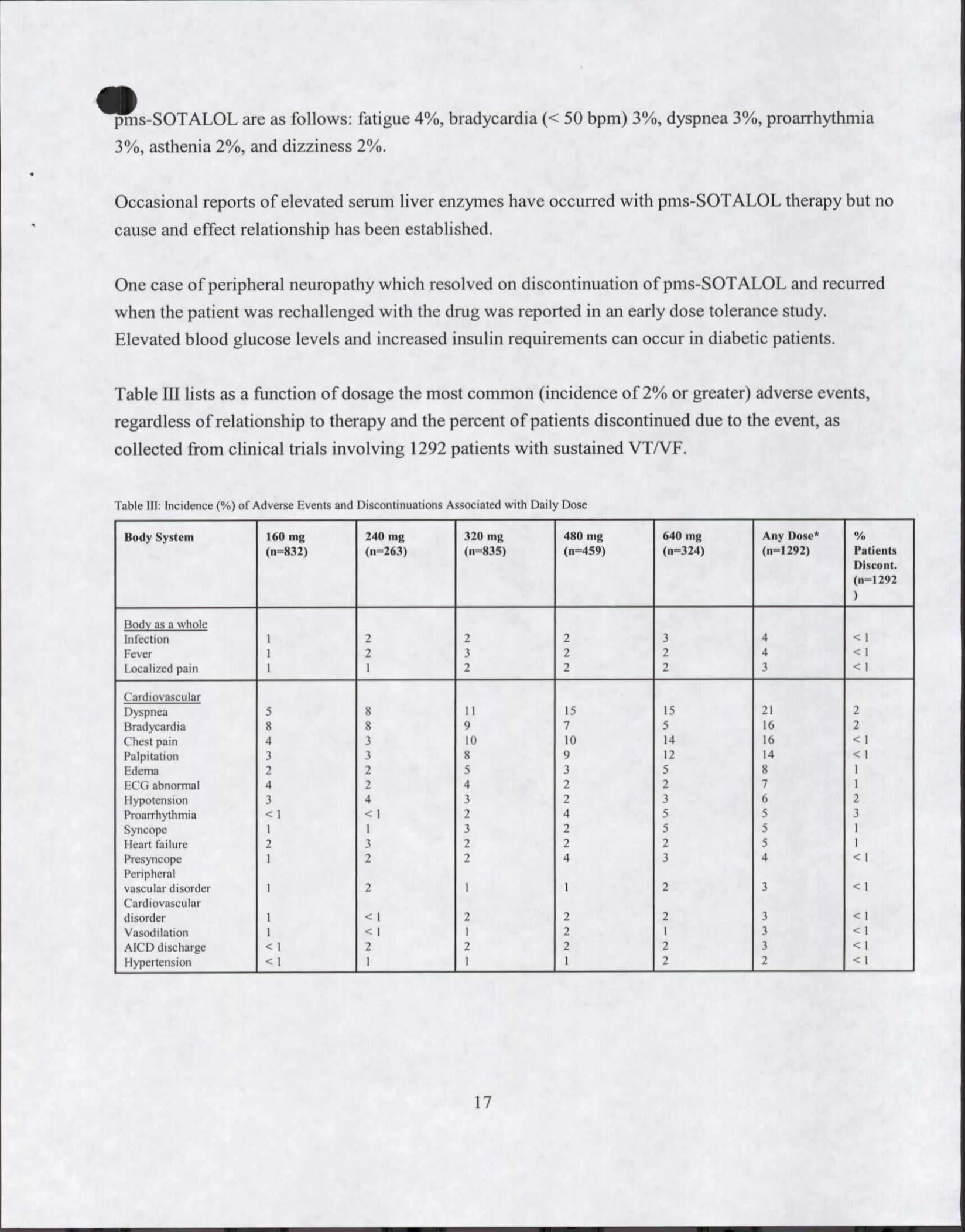 111 pms-SOTALOL are as follows: fatigue 4%, bradycardia (< 50 bpm) 3%, dyspnea 3%, proarrhythmia
3%, asthenia 2%, and dizziness 2%.
Occasional reports of elevated serum liver enzymes have occurred with pms-SOTALOL therapy but no cause and effect relationship has been established.
One case of peripheral neuropathy which resolved on discontinuation of pms-SOTALOL and recurred when the patient was rechallenged with the drug was reported in an early dose tolerance study. Elevated blood glucose levels and increased insulin requirements can occur in diabetic patients.
Table HI lists as a function of dosage the most common (incidence of 2% or greater) adverse events, regardless of relationship to therapy and the percent of patients discontinued due to the event, as collected from clinical trials involving 1292 patients with sustained VT/VF.
Table III: Incidence (/o) of Adverse Events and Discontinuations Associated with Daily Dose
Body System 160 mg
(n=832)
240 mg (n=263)
320 mg (n=835)
480 mg (n=459)
640 mg (n=324)
Any Dose* (n=1292)
%
Patients Discont. (n=1292 )
Body as a whole
Infection 1 / 2 2 3 4 < 1
Fever 1 / 3 2 2 4 <1
Localized pain I 1 2 2 2 3 < 1
Cardiovascular
Dyspnea 5 8 1 1 IS IS 21 2
Bradycardia 8 8 9 7 5 16 2
(*hest pain 4 3 10 10 14 16 <1
Palpitation 3 3 8 9 12 14 <1
Edema / 2 5 3 5 8 I
ECG abnormal 4 2 4 2 2 7 1
Hypotension 3 4 3 2 3 6 2
Proarrhythmia < 1 < I 2 4 5 5 3
Syncope 1 1 3 2 5 5 I }lean failure / i 7 2 2 5 1
Presyncope 1 2 2 4 3 4 < 1
Peripheral
vascular disorder 1 2 1 1 2 3 < 1
Cardiovascular
disorder 1 < 1 2 2 2 3 < 1
Vasodilation 1 < 1 1 2 1 3 < 1
A ICD discharge <1 2 2 2 2 3 <1
Hypertension < 1 1 1 1 2 2 < 1 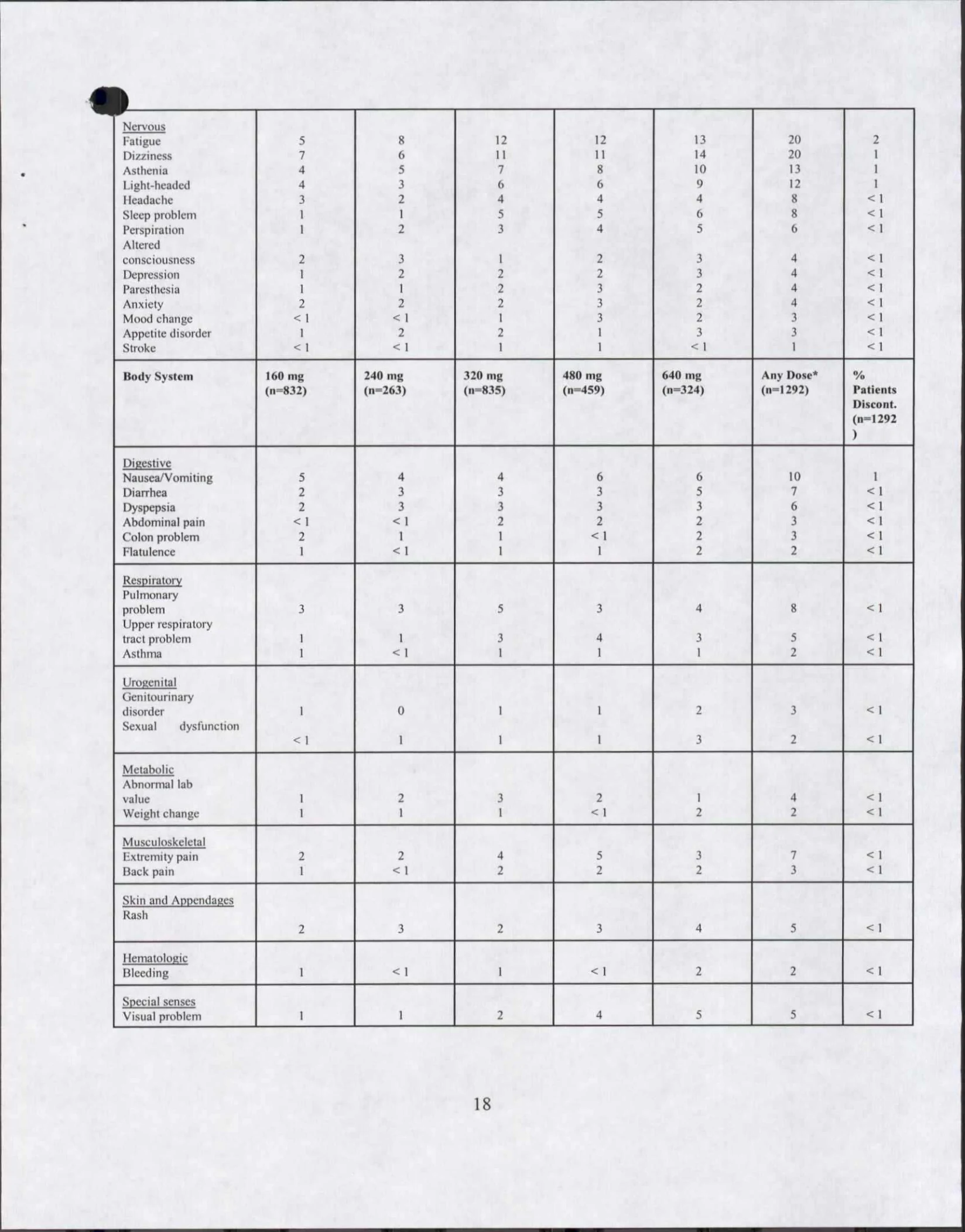 W
Nervous
Fatigue 5 8 12 12 13 20 2 Dizziness 7 6 II 11 14 20 1 Asthenia 4 5 7 8 10 13 1 Light-headed 4 3 6 6 9 1 7 1 Headache 3 2 4 4 4 8 < 1 Sleep problem 1 1 5 5 6 8 < I
Perspiration 1 2 3 4 5 6 < I
Altered
consci011tilletiti 2 3 I 2 3 4 < I
Depression 1 2 2 2 3 4 < 1 Paresthesia 1 1 2 3 2 4 < I
Anxiety 2 2 2 3 2 4 <I Mood change < 1 < I I 3 2 3 < 1 Appetite disorder 1 2 2 1 3 3 < 1 Stroke < I < I I I < 1 1 < I
Body System 160 mg 240 mg 320 mg 480 mg 640 mg Any Dose* %
(n=832) (n=263) (n=835) (n=459) (n=324) (n=1292) Patients
Discont. (n=1292 )
Digestive
-
-v
V
V
V
V
Nausea/Vomiting 5 4 4 6 6 10 Diarrhea 2 3 3 3 5 7 Dyspepsia 2 3 3 3 3 6 Abdominal pain < I < 1 2 2 2 3 Colon problem 2 1 1 < I 2 3 Flatulence I < 1 1 1 2 2
Respiratory
Pulmonary
problem 3 3 5 3 4 8 < 1 Upper respiratory
tract problem 1 1 3 4 3 5 < 1 Asthma 1 < 1 I I 1 2 < 1 l Irogenital
Genitourinary
disorder 1 0 1 1 , 3 < I Sexual dysfunction
<I I 1 1 3 ? <1
,
Metabolic
Abnormal lab
value I 2 3 2 1 4 <I Weight change 1 1 1 < 1 2 2 < 1
Musculoskeletal
Extremity pain 2 2 4 5 3 7 < 1 Back pain I < 1 2 2 2 3 < 1
Skin and Appendages
Rash
2 3 2 3 4 5 <I
,
flematologic
Bleeding I < I I < 1 2 2 < 1
Special senses
Visual problem I I 2 4 5 5 < 1  10 * Because patients are counted at each dose level tested, the "Any Dose" column cannot be
determined by adding across the doses.
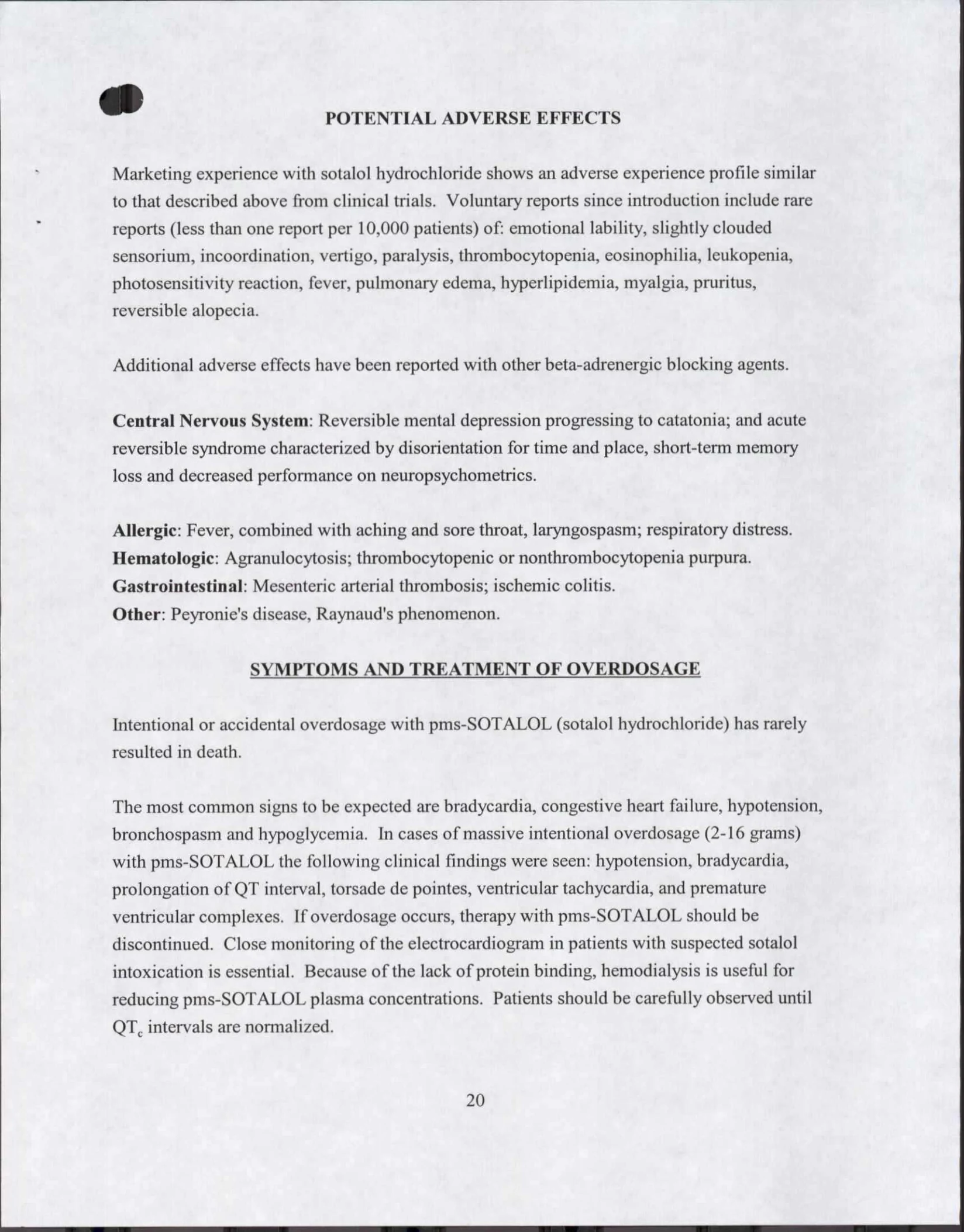 POTENTIAL ADVERSE EFFECTS
Marketing experience with sotalol hydrochloride shows an adverse experience profile similar to that described above from clinical trials. Voluntary reports since introduction include rare reports (less than one report per 10,000 patients) of: emotional lability, slightly clouded sensorium, incoordination, vertigo, paralysis, thrombocytopenia, eosinophilia, leukopenia, photosensitivity reaction, fever, pulmonary edema, hyperlipidemia, myalgia, pruritus, reversible alopecia.
Additional adverse effects have been reported with other beta-adrenergic blocking agents.
Central Nervous System: Reversible mental depression progressing to catatonia; and acute reversible syndrome characterized by disorientation for time and place, short-term memory loss and decreased performance on neuropsychometrics.
Allergic: Fever, combined with aching and sore throat, laryngospasm; respiratory distress.
Hematologic: Agranulocytosis; thrombocytopenic or nonthrombocytopenia purpura.
Gastrointestinal: Mesenteric arterial thrombosis; ischemic colitis.
Other: Peyronie's disease, Raynaud's phenomenon.
SYMPTOMS AND TREATMENT OF OVERDOSAGE
Intentional or accidental overdosage with pms-SOTALOL (sotalol hydrochloride) has rarely resulted in death.
The most common signs to be expected are bradycardia, congestive heart failure, hypotension, bronchospasm and hypoglycemia. In cases of massive intentional overdosage (2-16 grams) with pms-SOTALOL the following clinical findings were seen: hypotension, bradycardia, prolongation of QT interval, torsade de pointes, ventricular tachycardia, and premature ventricular complexes. If overdosage occurs, therapy with pms-SOTALOL should be discontinued. Close monitoring of the electrocardiogram in patients with suspected sotalol intoxication is essential. Because of the lack of protein binding, hemodialysis is useful for reducing pms-SOTALOL plasma concentrations. Patients should be carefully observed until QT, intervals are normalized.
 Every effort should be made to correct promptly metabolic and electrolyte imbalances which
might contribute to the initiation of ventricular arrhythmias (see WARNINGS).
If required, the following therapeutic measures are suggested:
I. Bradycardia: atropine, another anticholinergic drug, a beta-adrenergic agonist or transvenous cardiac pacing.
- 2. Heart Block (second and third degree): Isoproterenol or transvenous cardiac pacemaker.
- 3. Congestive Heart Failure: Conventional therapy.
- 4.
Hypotension: (depending on associated factors) Epinephrine rather than isoproterenol or norepinephrine may be useful in addition to atropine and digitalis
(seePRECAUTIONS).
- 5. Bronchospasm: Aerosolized beta-2-receptor stimulant or aminophylline.
- 6. Hypoglycemia: Intravenous glucose.
- 7. Torsade de pointes: Epinephrine, magnesium sulfate, transvenous cardiac pacing, DC cardioversion.
It should be remembered that pms-SOTALOL is a competitive antagonist of isoproterenol and, hence, large doses of isoproterenol can be expected to reverse many of the effects of excessive doses of pms-SOTALOL. However, the complications of excess isoproterenol should not be overlooked.
DOSAGE AND ADMINISTRATION
pms-SOTALOL (sotalol hydrochloride), when used for the treatment of documented life-threatening ventricular arrhythmias, should be initiated and dose increased in a hospital with
facilities for cardiac rhythm monitoring and assessment (see INDICATIONS AND CLINICAL  SE). pms-SOTALOL should be administered only after appropriate clinical assessment, and 41111,
the dosage of pms-SOTALOL must be individualized on the basis of therapeutic response and tolerance. The usefulness of monitoring plasma level for optimization of therapy has not been established. Proarrhythmic events can occur not only at the initiation of therapy, but also with each upward dosage adjustment.
Dosage of pms-SOTALOL should be adjusted gradually, allowing 2-3 days between dosing increments in order to attain steady-state plasma concentrations and to allow monitoring of QT intervals. Graded dose adjustment will help prevent the use of doses which are higher than necessary to control the arrhythmia. The recommended initial dose is 80 mg twice daily. If needed, this dose may be increased, after appropriate evaluation, to 240 or 320 mg/day. In most patients, a therapeutic response is obtained at a total daily dose of 160 to 320 mg/day, given in two divided doses. Some patients with life-threatening refractory arrhythmias may require doses as high as 480-640 mg/day; however, these doses should only be prescribed when the potential benefit outweighs the increased risk of adverse events, in particular proarrhythmias. Because of the long elimination half-life of pms-SOTALOL, dosing on more than a twice daily regimen is not usually necessary.
Patients experiencing bradycardia or hypotension on initial administration of pms-SOTALOL should be removed from therapy; pms-SOTALOL may be later reintroduced at a lower dose. A dose reduction may also be advisable to alleviate symptoms of weakness and dizziness in cases where blood pressure remains low after more than a month of therapy.
Renal Impairment
Because sotalol is excreted predominantly in urine and its elimination half-life is prolonged in conditions of renal impairment, a longer duration of dosing is required to reach steady state. The dosing interval of pms-SOTALOL should then be modified, when creatinine clearance is <60 mUmin, as shown in Table IV:
Table IV: Dosing Intervals in Renal Impairment
Creatine Clearance (mL/min) Dosing Interval (hours)
>60 12
30 - 60 24
 10-30 36 - 48
< 10 Dose should be individualized
Dose increases in renal impairment should only be done after administration of at least 5 or 6 doses at appropriate intervals.
Transfer to and from pms-SOTALOL
Based on theoretical considerations rather than experimental data, the following suggestion is made: when transferring patients from another antiarrhythmic drug to pms-SOTALOL or from pms-SOTALOL to another antiarrhythmic agent, allow at least 3 to 4 half-lives to elapse for the drug being discontinued before starting the alternative drug at the usual dosage. In patients where withdrawal of a previous antiarrhythmic agent is likely to produce life-threatening arrhythmias, the physician should consider hospitalizing the patient.
 PHARMACEUTICAL INFORMATION
DRUG SUBSTANCE
Proper Name: sotalol hydrochloride
Chemical Name: d,l-N44-(-1-hydroxy-2-[(1-methylethyl)amino]ethyl]
phenyl]methane-sulfonamide monohydrochloride
Empirical Formula:
Cl2H2ON203S.HC1
Structural Formula:
Molecular Weight: 308.83
Description: Sotalol
point of racemic sotalol HC1 is 218°- 219°C. It is freely soluble in water (with a pH of approximately 5.3), propylene glycol, and ethanol but is only slightly soluble in chloroform. The pKa values for sotalol are 9.8 and 8.3 for the amine and the sulfonamide, respectively. Sotalol has a partitio coefficient of 0.09.
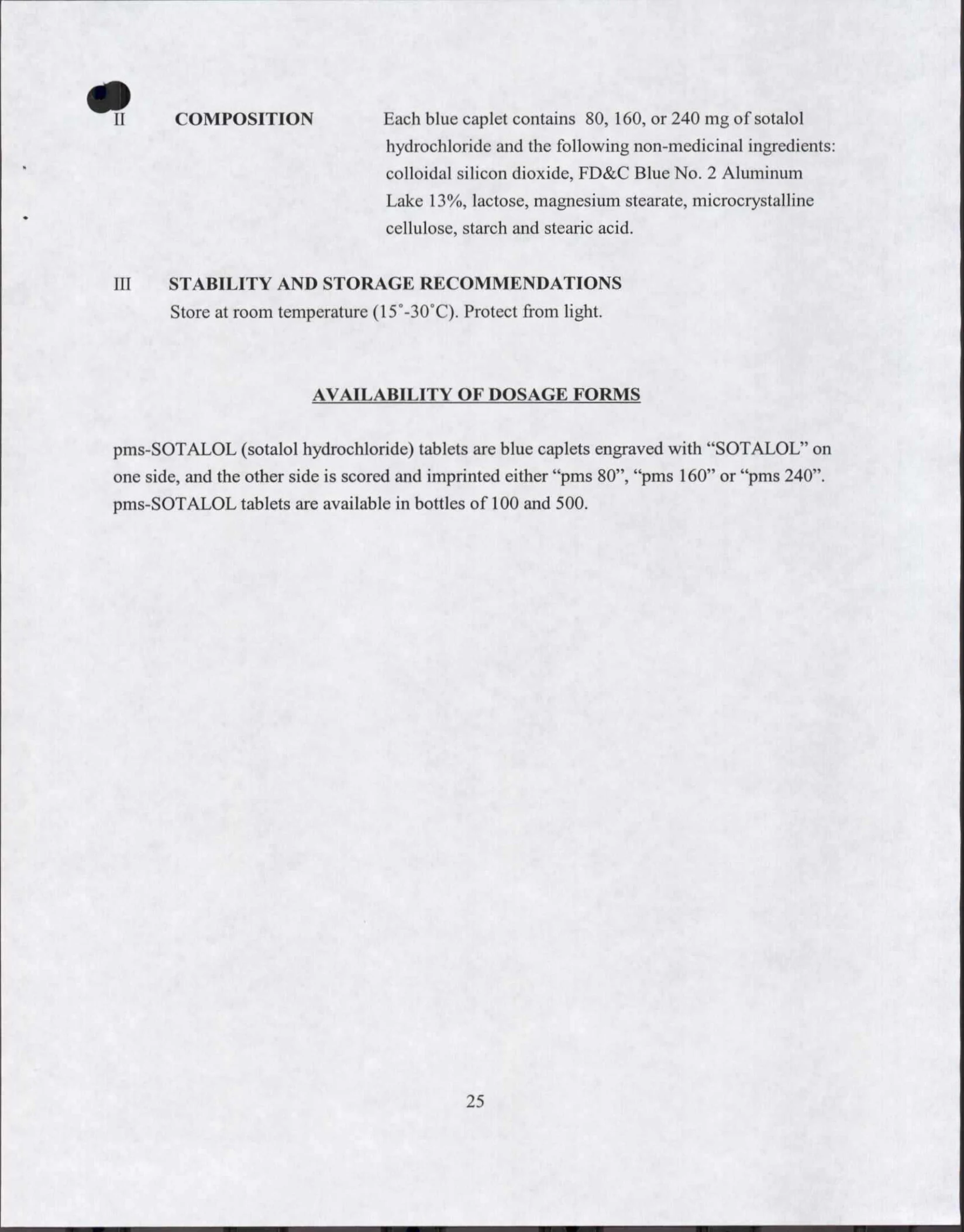 COMPOSITION Each blue caplet contains 80, 160, or 240 mg of sotalol
hydrochloride and the following non-medicinal ingredients: colloidal silicon dioxide, FD&C Blue No. 2 Aluminum Lake 13%, lactose, magnesium stearate, microcrystalline cellulose, starch and stearic acid.
III STABILITY AND STORAGE RECOMMENDATIONS
Store at room temperature (15°-30°C). Protect from light.
AVAILABILITY OF DOSAGE FORMS
 PHARMACOLOGY
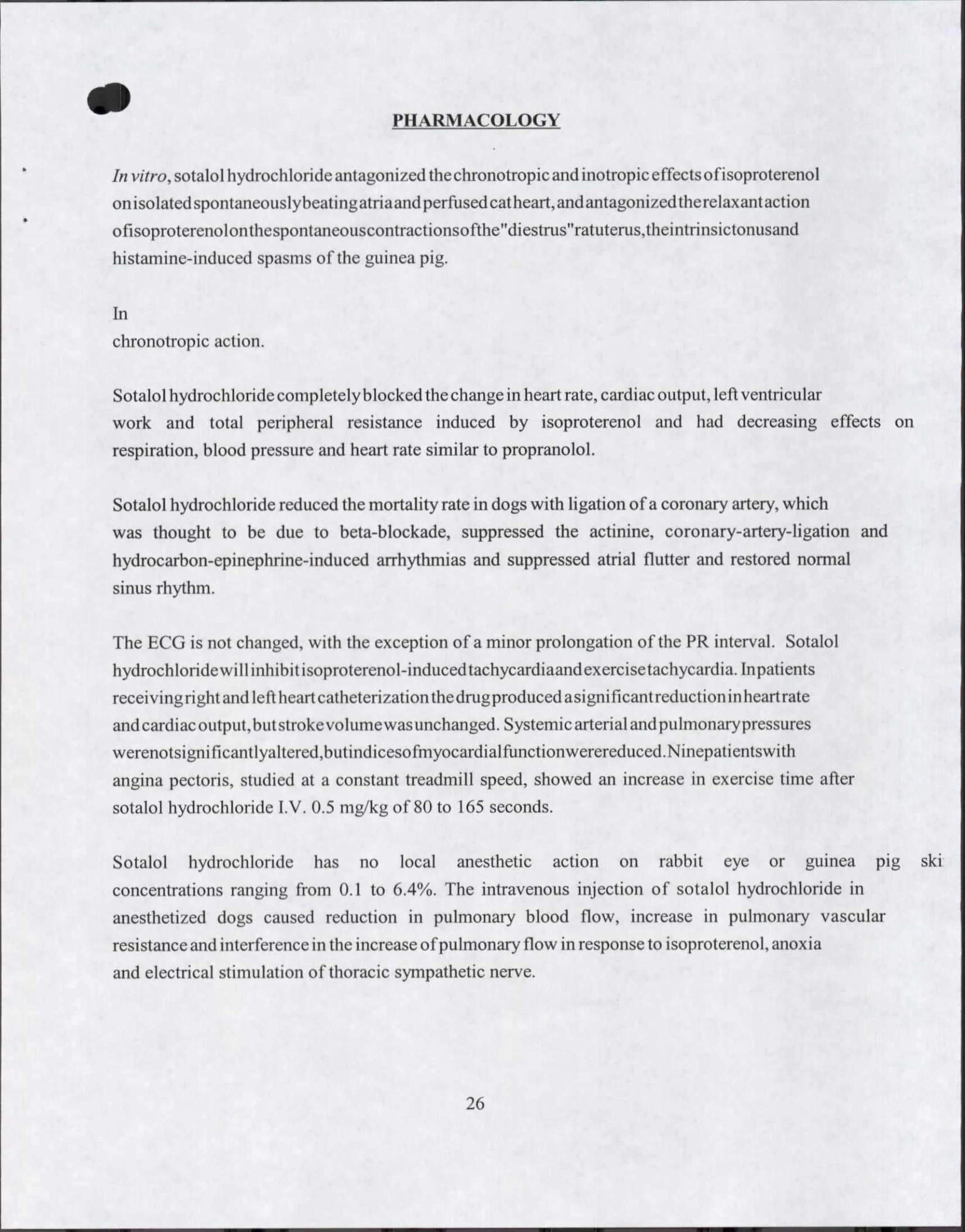
In vitro, sotalol hydrochloride antagonized the chronotropic and inotropic effects ofisoproterenol on isolated spontaneouslybeatingatria and perfused cat heart, and antagonized therelaxant action ofisoproterenolonthespontaneouscontractionsofthe"diestrus"ratuterus,theintrinsictonusand histamine-induced spasms of the guinea pig.
In
chronotropic action.
Sotalol hydrochloride completely blocked the change in heart rate, cardiac output, left ventricular work and total peripheral resistance induced by isoproterenol and had decreasing effects on respiration, blood pressure and heart rate similar to propranolol.
Sotalol hydrochloride reduced the mortality rate in dogs with ligation of a coronary artery, which was thought to be due to beta-blockade, suppressed the actinine, coronary-artery-ligation and hydrocarbon-epinephrine-induced arrhythmias and suppressed atrial flutter and restored normal sinus rhythm.
The ECG is not changed, with the exception of a minor prolongation of the PR interval. Sotalol hydrochloridewillinhibit isoproterenol-induced tachycardiaand exercise tachycardia. Inpatients receiving right and left heart catheterization the drug produced asigni ficant reduction in heart rate and cardiac output, but stroke volumewas unchanged. Systemic arterial and pulmonarypressures werenotsigni ficantlyaltered,butindicesofmyocardialfunctionwerereduced.Ninepatientswith angina pectoris, studied at a constant treadmill speed, showed an increase in exercise time after sotalol hydrochloride I.V. 0.5 mg/kg of 80 to 165 seconds.
Sotalol hydrochloride has no local anesthetic action on rabbit eye or guinea pig ski concentrations ranging from 0.1 to 6.4%. The intravenous injection of sotalol hydrochloride in anesthetized dogs caused reduction in pulmonary blood flow, increase in pulmonary vascular resistance and interference in the increase of pulmonary flow in response to isoproterenol, anoxia and electrical stimulation of thoracic sympathetic nerve.
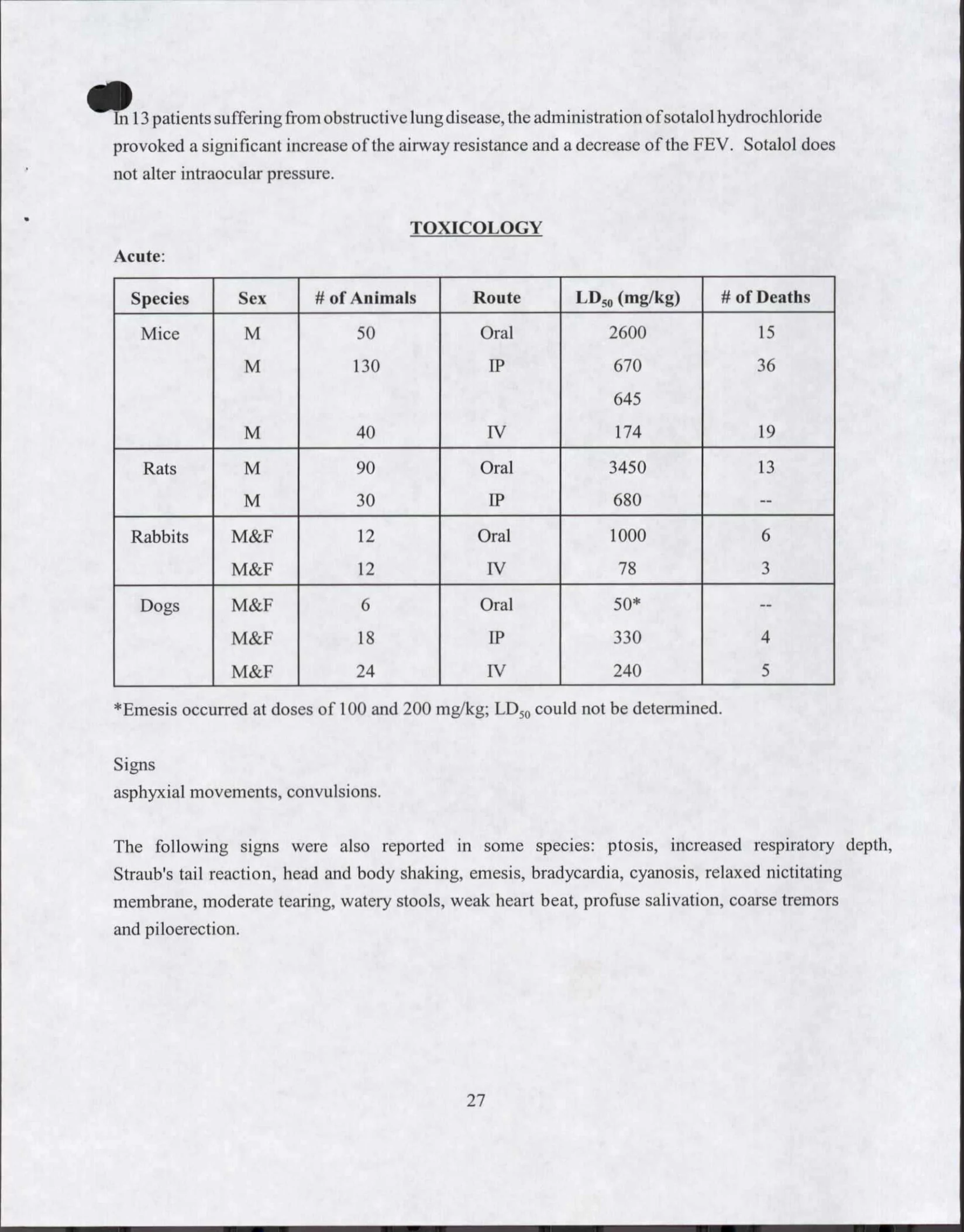 110 In 13 patients suffering from obstructive lung disease, the administration ofsotalol hydrochloride
provoked a significant increase of the airway resistance and a decrease of the FEV. Sotalol does not alter intraocular pressure.
TOXICOLOGY Acute:
Species Sex # of Animals Route LD50 (mg/kg) # of Deaths
Mice M 50 Oral 2600 15
M 130 IP 670 36
M 40 IV 174 19
Rats M 90 Oral 3450 13
M 30 IP 680 --
Rabbits M&F 12 Oral 1000 6
M&F 12 IV 78 3
Dogs M&F 6 Oral 50* --
M&F 18 IP 330 4
M&F 24 IV 240 5
*Emesis occurred at doses of 100 and 200 mg/kg; LD could not be determined.
Signs
asphyxial movements, convulsions.
The following signs were also reported in some species: ptosis, increased respiratory depth, Straub's tail reaction, head and body shaking, emesis, bradycardia, cyanosis, relaxed nictitating membrane, moderate tearing, watery stools, weak heart beat, profuse salivation, coarse tremors and piloerection.
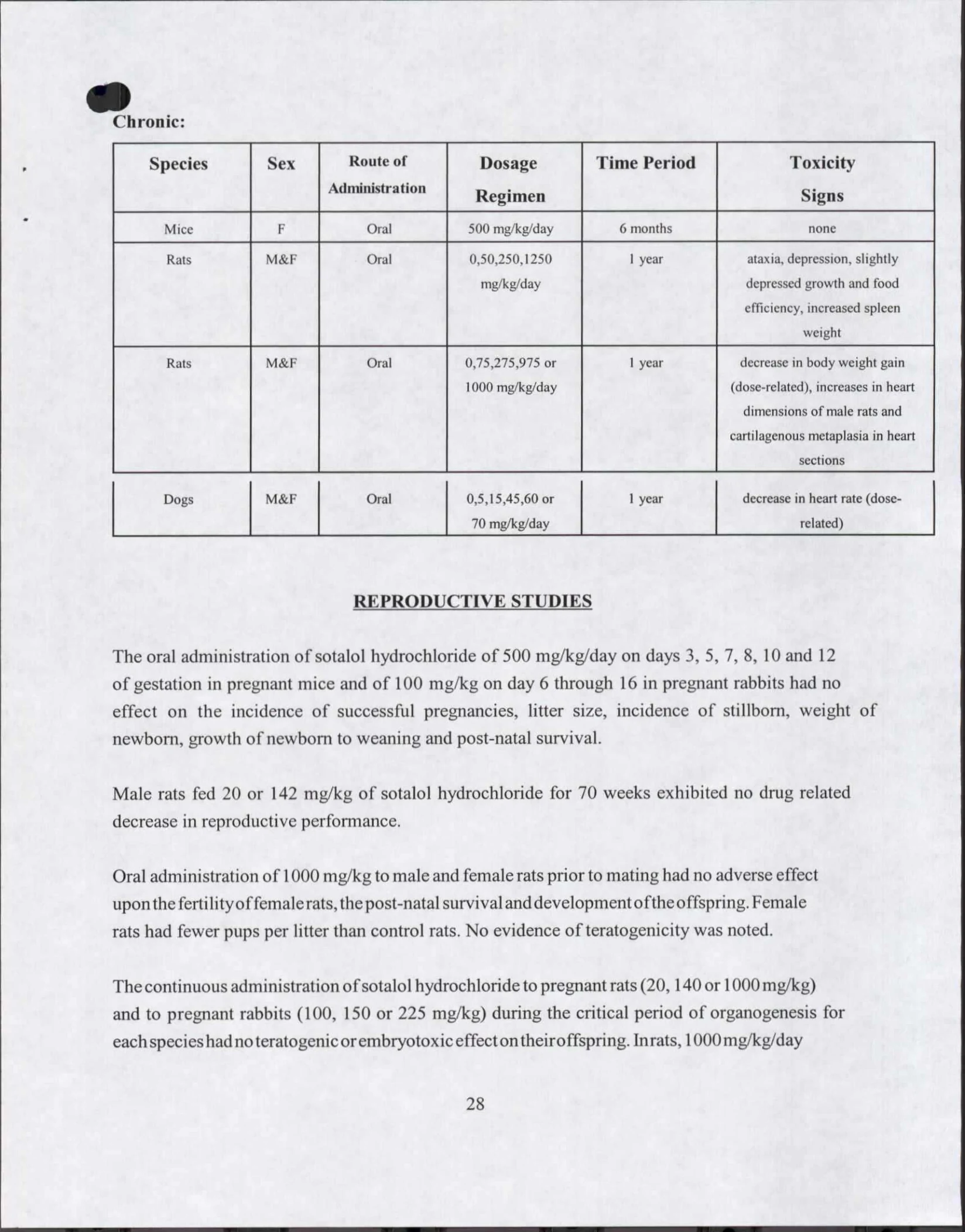 Chronic:
Species Sex Route of
Administration
Dosage
Regimen
Time Period Toxicity
Signs
Mice F Oral 500 mg/kg/day 6 months none
Rats
,
M&F Oral 0,50,250,1250
mg/kg/day
1 year ataxia, depression, slightly depressed growth and food efficiency, increased spleen weight i Rats M&F Oral 0,75,275,975 or
1000 mg/kg/day
1 year decrease in body weight gain
(dose-related), increases in heart dimensions of male rats and cartilagenous metaplasia in heart sections
Dogs M&F Oral 0,5,15,45,60 or
70 mg/kg/day
1 year decrease in heart rate (dose- related)
REPRODUCTIVE STUDIES
The oral administration of sotalol hydrochloride of 500 mg/kg/day on days 3, 5, 7, 8, 10 and 12 of gestation in pregnant mice and of 100 mg/kg on day 6 through 16 in pregnant rabbits had no effect on the incidence of successful pregnancies, litter size, incidence of stillborn, weight of newborn, growth of newborn to weaning and post-natal survival.
Male rats fed 20 or 142 mg/kg of sotalol hydrochloride for 70 weeks exhibited no drug related decrease in reproductive performance.
Oral administration of 1000 mg/kg to male and female rats prior to mating had no adverse effect upon the fertilityof female rats, the post-natal survival and development ofthe offspring. Female rats had fewer pups per litter than control rats. No evidence of teratogenicity was noted.
The continuous administration ofsotalol hydrochloride to pregnant rats (20, 140 or 1000 mg/kg) and to pregnant rabbits (100, 150 or 225 mg/kg) during the critical period of organogenesis for each species had no teratogenic or embryotoxic effect on theiroffspring. In rats, 1000 mg/kg/day
- 11.
 of
dose, no increase in early resorptions was noted.
TUMORIGENIC TESTS
Sotalol hydrochloride, orally administered to mice at doses of 0, 100, 300 or 600 mg/kg/day for a periodof18 monthsintwodi fferentstudies,didnotshow statistical differences in total orspecific tumours when compared to control groups.
Sotalol hydrochloride, orallyadministered to rats at doses of0, 137, or 275 mg/kg/day foraperiod of 18 months did not show statistical differences in the incidence of neoplasms, when compared to control groups.
 REFERENCES
- 1.
Andersen, J.L., Askins J.C. et al.: Multicenter Trial of Sotalol for Suppression of Frequent,
Complex Ventricular Arrhythmias: A Double Blind, Randomized Placebo-Controlled Evaluation of Two Doses. J. Am. Coll. Cardiol. 8: 752-761, 1986.
- 2.
Antilla, M. et al.: Human Phannacokinetics of Sotalol.
Acta. Pharrnacol. & Toxicol., 39: 118-128, 1976.
- 3.
Aviado, D.M. et al.: The Influence of a New Adrenergic Beta Receptor (MJ 1999)
Blocking Drug on the Pulmonary Circulation. Arch Int. Pharmacodyn., 168 (2): 323- 338, 1967.
- 4.
Bergamaschi, M. et al.: A Comparison of the Cardiovascular Actions of Four Adrenergic
Beta-Receptor Blocking Agents in Resting, Conscious Dogs. Amer. Heart. J., 82 (3): 338-351, September 1971.
- 5.
Blair, A.D., Burgess, E.D. et al: Sotalol Kinetics in Renal Insufficiency.
Clin. Phamacol. Ther. 29(4): 457-463, 1981.
- 6.
Can R.A., Foster R.T., Lewanczuk R.Z., Hamilton P.G.
Pharmacokinetics of sotalol enantiomers in humans. J. Clin. Pharmacol.; 32: 1105-1109, 1992.
- 7.
The ESVEM Trial
Electrophysiologic Study Versus Electrocardiographic Monitoring for Selection of Antiarrhythmic Therapy of Ventricular Tachyarrhythmias. Circulation 79: 1354-1360, 1989.
- 8. Fitton, A. and Sorkin, E.M.: Sotalol: An Updated Review of its Pharmacological Properties and Therapeutic Use in Cardiac Arrhythmias. Drug Eval 46(4): 678-719, 1993.
- 9.
Gibson, D.G.: Pharmacodynamic Properties of -Adrenergic Receptor Blocking Drugs in
Man. Drugs, 7: 8-38, 1974.
- 10.
Herrmann R., Kleinbloesem C.H.
Testing of bioequivalence of a new sotalol hydrochloride preparation in comparison to a standard formulation. Arzneim-Forsch, 45 (8): 849-852, 1995.
- 11.
Julian, D.G., Prescott, R.J. et al: Controlled Trial of Sotalol for One Year After
Myocardial Infarction. The Lancet 1/8282: 1142-1147, 1982.
- 12. Lawrie, T.D.V. et al.: Haemodynamic Effects of Sotalol.
 Excerpta Medica: 1-35-1-40, 1974.
- 13.
Lish, P.M. etal.: Pharmacological and Toxicological Properties of Two New p-
Adrenergic Receptor Antagonists. J. Pharmacol. Exp. Then 149 (2): 161-173, 1965.
- 14.
MacNeil, D.J., Davies, R.O. and Deitchman, D: Clinical Safety Profile of Sotalol in the
Treatment of Arrhythmias. Am. J. Cardiol. 72: 44A-50A, 1993.
- 15.
McDevitt, D.G. et al.: Influence of Intrinsic Sympathomimetic Activity and
Cardioselectivity of Beta Adrenoceptor Blockade. Clin. Pharm. & Ther. 21(3): 556-566.
- 16. Product Monograph - SOTACOR, Bristol-Myers Squibb Canada Inc. April, 1994.
- 17.
Puri, P.S. and Bing, R.J.: Effects of Myocardial Contractility, Hemodynamics and
Cardiac Metabolism of a New Beta-Adrenergic Blocking Drug, Sotalol. Dis. Chest, 55: 235-239, March 1969.
- 18.
Reynolds J.E.F. (editor).
Martindale, The Extra Pharmacopoeia, 28th edition. The Pharmaceutical Press, London, c1982.
- 19. Rice, A.J. et al.: Comparative Beta-Blocking Activities and Effects on Sodium Excretion of Sotalol and Propranolol. Clin. Pharm. & Then 11(4): 567-573, 1970.
- 20.
Roden, D.M.: Usefulness of Sotalol for Life-Threatening Ventricular Arrhythmias.
Am. J. Cardiol. 72: 51-A-55A, 1993.
- 21.
Stanton, H.C. et al.: Cardiovascular Pharmacology of Two New p-Adrenergic Receptor
Antagonists. J . Pharmacol. Exp. Ther. 149 (2): 174-182, 1965.
- 27.
Sundquist, H.K., Anttila, M. et al: Serum Levels and Half-life of Sotalol in Chronic Renal
Failure. Annals Clin. Res. 7: 442-446, 1975.
- 73.
Uematsu T, Kanamaru M, Nakashima M.
Comparative pharmacokinetic and pharmacodynamic properties of oral and intravenous (+)-sotalol in healthy volunteers. J. Phar. Pharmacol., 46: 600-605, 1994.
- 24.
Comparative Bioavailability Study, pms-SOTALOL 160 mg Tablets.
Data on file at Pharmascience Inc.