


Product Monograph - Vizimpro
RECENT MAJOR LABEL CHANGES
Dosage and Administration, Recommended Dose and Dosage Adjustment (4.2) 07/2020
Drug Interactions, Drug-Drug Interactions (9.2) 07/2020
Action and Clinical Pharmacology, Pharmacokinetics (10.3) 07/2020
TABLE OF CONTENTS
TABLE OF CONTENTS....................................................................................................... 2
PART I: HEALTH PROFESSIONAL INFORMATION ....................................................... 4
1 INDICATIONS ........................................................................................................... 4
1.1 Pediatrics ........................................................................................................ 4
1.2 Geriatrics......................................................................................................... 4
2 CONTRAINDICATIONS ........................................................................................... 4
3 SERIOUS WARNINGS AND PRECAUTIONS BOX .............................................. 5
4 DOSAGE AND ADMINISTRATION ......................................................................... 5
4.1 Dosing Considerations ................................................................................... 5
4.2 Recommended Dose and Dosage Adjustment ............................................ 5
4.3 Administration ................................................................................................. 7
4.4 Missed Dose ................................................................................................... 7
5 OVERDOSAGE ......................................................................................................... 7
6 DOSAGE FORMS, STRENGTHS, COMPOSITION AND PACKAGING .............. 8
7 WARNINGS AND PRECAUTIONS.......................................................................... 8
7.1 Special Populations...................................................................................... 12
7.1.1 Pregnant Women ......................................................................................... 12
7.1.2 Breast-feeding .............................................................................................. 12
7.1.3 Pediatrics ...................................................................................................... 12
7.1.4 Geriatrics....................................................................................................... 12
7.1.5 Cardiac Impairment ...................................................................................... 13
7.1.6 Patients with Brain Metastases ................................................................... 13
7.1.7 Race .............................................................................................................. 13
7.1.8 Gender .......................................................................................................... 13
8 ADVERSE REACTIONS......................................................................................... 13
8.1 Adverse Reaction Overview ........................................................................ 13
8.2 Clinical Trial Adverse Reactions.................................................................. 14
8.3 Clinical Trial Adverse Reactions that were reported in <10% of patients . 16
8.4 Abnormal Laboratory Findings: Hematologic, Clinical Chemistry and Other Quantitative Data ..................................................................................................... 17
8.5 Clinical Trial Adverse Reactions (Pediatrics).............................................. 17
9 DRUG INTERACTIONS.......................................................................................... 17
9.1 Overview ....................................................................................................... 17
9.2 Drug-Drug Interactions................................................................................. 18
9.3 Drug-Food Interactions ................................................................................ 20
9.4 Drug-Herb Interactions................................................................................. 20
9.5 Drug-Laboratory Test Interactions............................................................... 20
9.6 Drug-Lifestyle Interactions ........................................................................... 20
10 ACTION AND CLINICAL PHARMACOLOGY ...................................................... 20
10.1 Mechanism of Action .................................................................................... 20
10.2 Pharmacodynamics...................................................................................... 20
10.3 Pharmacokinetics ......................................................................................... 21
11 STORAGE, STABILITY AND DISPOSAL ............................................................ 22
12 PHARMACEUTICAL INFORMATION ................................................................... 23
13 CLINICAL TRIALS .................................................................................................. 24
13.1 Trial Design and Study Demographics ....................................................... 24
13.2 Study Results ............................................................................................... 25
14 NONCLINICAL TOXICOLOGY .............................................................................. 27
PATIENT MEDICATION INFORMATION ......................................................................... 29
PrVIZIMPRO™
PART I: HEALTH PROFESSIONAL INFORMATION
1 INDICATIONS
VIZIMPRO (dacomitinib) is indicated for:
the first-line treatment of adult patients with unresectable locally advanced or metastatic non-small cell lung cancer (NSCLC) with confirmed epidermal growth factor receptor (EGFR) exon 19 deletion or exon 21 L858R substitution mutations.
A validated test is required to identify EGFR mutation status (see WARNINGS AND PRECAUTIONS, Monitoring and Laboratory Tests).
1.1 Pediatrics
Pediatrics (<18 years): The safety and efficacy of VIZIMPRO in children (<18 years of age) have not been established. No data are available to Health Canada; therefore, Health Canada has not authorized an indication for pediatric use.
1.2 Geriatrics
Geriatrics (≥65 years): In the Phase III study (ARCHER 1050), 94/227 (41.4%) treated with VIZIMPRO were ≥ 65 years of age. No clinically meaningful difference in effectiveness was identified between < 65 year and ≥ 65 year age groups. Patients ≥ 65 years had more serious adverse events (SAEs) (33.0% vs 23.3%), more Grade 3 adverse events (AEs) (55.3% vs 48.1%) and more permanent treatment discontinuations due to AEs (26.6% vs 11.3%) than patients < 65 years. Elderly patients should be closely monitored for drug-related toxicities. Although conclusions cannot be drawn due to the small sample size (28/227; 12.3%), exploratory subgroup analyses did not show a benefit in efficacy endpoints for patients aged above 75 years treated with VIZIMPRO when compared to patients aged above 75 years treated with gefitinib.
2 CONTRAINDICATIONS
VIZIMPRO (dacomitinib) is contraindicated in patients who are hypersensitive to this drug or to any ingredient in the formulation, including any non-medicinal ingredient, or component of the container. For a complete listing, see Section 6 - DOSAGE FORMS, STRENGTHS, COMPOSITION AND PACKAGING.
3 SERIOUS WARNINGS AND PRECAUTIONS BOX
4 DOSAGE AND ADMINISTRATION
4.1 Dosing Considerations
Confirm the presence of EGFR exon 19 deletion or exon 21 L858R substitution mutations prior to initiation of VIZIMPRO (dacomitinib) therapy using a validated test (see WARNINGS AND PRECAUTIONS – Monitoring and Laboratory Tests).
4.2 Recommended Dose and Dosage Adjustment
The recommended dose of VIZIMPRO is 45 mg taken once daily until disease progression or unacceptable toxicity occurs.
Dose modifications may be required based on individual safety and tolerability. If dose reduction is necessary, then the dose of VIZIMPRO should be reduced as described in Table 1. Dose modification and management guidelines for specific Adverse Drug Reactions (ADRs) are provided in Table 2.
Table 1. Recommended Dose Modifications for VIZIMPRO Adverse Drug Reactions
| Dose Level | Dose (once daily) |
| Recommended starting dose | 45 mg |
| First dose reduction | 30 mg |
| Second dose reduction | 15 mg |
Serious Warnings and Precautions
VIZIMPRO (dacomitinib) should be initiated and supervised by a qualified physician who is experienced in the use of anticancer medicinal products.
- EGFR mutation-positive status must be confirmed prior to starting VIZIMPRO (see DOSAGE AND ADMINISTRATION - Dosing Considerations; WARNINGS AND PRECAUTIONS – Monitoring and Laboratory Tests; CLINICAL TRIALS)
The following are clinically significant and/or life-threatening adverse events:
- Diarrhea, including fatalities (see WARNINGS AND PRECAUTIONS, Gastrointestinal)
- Severe skin toxicity, including exfoliative skin reactions (see WARNINGS AND PRECAUTIONS, Skin)
- Interstitial lung disease (IDL)/pneumonitis, including fatalities (see WARNINGS AND PRECAUTIONS, Respiratory)
Table 2. VIZIMPRO Dose Modification and Management Recommendations for Adverse Drug Reactions
| Adverse Drug Reactions | Dose Modification |
| Interstitial lung disease (ILD/Pneumonitis) |
|
| Diarrhea |
|
| Skin-related adverse reactions |
|
| Other |
|
Special Populations and Conditions
UHepatic impairment:U No starting dose adjustments are required when administering VIZIMPRO to patients with mild (Child-Pugh class A), moderate (Child-Pugh class B) or severe (Child-Pugh class C) hepatic impairment. (see Section 10.3 - ACTION AND CLINICAL PHARMACOLOGY, Pharmacokinetics).
URenal impairmentU: No starting dose adjustments are required when administering VIZIMPRO to patients with mild or moderate renal impairment (CrCl ≥30 mL/min). The recommended dose of VIZIMPRO has not been established in patients with severe renal impairment (CrCl <30 mL/min) or requiring hemodialysis (see Section 10.3 - Pharmacokinetics).
UElderly population:U No starting dose adjustment of VIZIMPRO in elderly (≥65 years of age) patients is required (see Section 10.3 - Pharmacokinetics).
Pediatric populationU: The safety and efficacy of VIZIMPRO in children (<18 years of age) have not been established. Health Canada has not authorized an indication for pediatric use.
4.3 Administration
VIZIMPRO should be taken once daily, with or without food, until disease progression or unacceptable toxicity occurs.
Advise patients to take their dose at the same time each day. However, it is recommended that dosing take place under consistent conditions (i.e. always fasted or always after the same type of meal) to avoid any unexpected increases in dacomitinib plasma concentrations.
4.4 Missed Dose
If the patient vomits or misses a dose, an additional dose should not be taken and the next prescribed dose should be taken at the usual time the next day.
5 OVERDOSAGE
The highest dose of dacomitinib studied in a limited number of patients was 105 mg (6 doses every 12 hours every 14 days). The adverse drug reactions observed at doses greater than 45 mg once a day were primarily gastrointestinal, dermatological, and constitutional (e.g., fatigue, malaise, and weight loss).
There is no known antidote for dacomitinib. In case of suspected overdose, withhold VIZIMPRO (dacomitinib) and initiate symptomatic treatment and general supportive measures.
| For management of a suspected drug overdose, contact your regional poison control centre. |
6 DOSAGE FORMS, STRENGTHS, COMPOSITION AND PACKAGING
Table 3 – Dosage Forms, Strengths, Composition and Packaging.
45 mg tablets: blue film-coated, immediate release, round biconvex tablet, debossed with “Pfizer” on one side and “DCB45” on the other.
30 mg tablets: blue film-coated, immediate release, round biconvex tablet, debossed with “Pfizer” on one side and “DCB30” on the other.
15 mg tablets: blue film-coated, immediate release, round biconvex tablet, debossed with “Pfizer” on one side and “DCB15” on the other.
HDPE bottles with desiccant and child-resistant caps containing 30 film-coated tablets.
Aluminum/aluminum blister containing 10 film-coated tablets. Each pack contains 30 film-coated tablets.
7 WARNINGS AND PRECAUTIONS
The warnings and precautions listed below are based on pooled data from 394 patients who received VIZIMPRO 45 mg once daily for the treatment of NSCLC with EGFR-activating mutations across clinical studies.
General
UDrugs metabolized by CYP2D6
VIZIMPRO increases exposure (or decrease exposure of active metabolites) of other drugs metabolized by CYP2D6, which may cause toxicity. Avoid concomitant use of VIZIMPRO with CYP2D6 substrates where minimal increases in concentration of the CYP2D6 substrate may lead to serious or life threatening toxicities (see Section 9 – DRUG INTERACTIONS).
Carcinogenesis and Mutagenesis
Carcinogenicity studies have not been performed with dacomitinib.
Driving and Operating Machinery
No studies on the effects of VIZIMPRO on the ability to drive or operate machinery have been conducted. However, patients experiencing fatigue while taking VIZIMPRO should exercise caution when driving or operating machinery.
| Route of Administration | Dosage Form / Strength/Composition | Non-medicinal Ingredients |
| Oral | Tablet 15 mg, 30 mg, 45 mg | Lactose monohydrate, magnesium stearate, microcrystalline cellulose, and sodium starch glycolate Film coating contains: Opadry II® Blue 85F30716 containing: FD&C Blue #2/Indigo Carmine Aluminum Lake; Macrogol/PEG 3350; polyvinyl alcohol – part hydrolyzed; talc; titanium dioxide |
Gastrointestinal
UDiarrhea
Diarrhea has been reported in 86.3% of VIZIMPRO-treated patients. Grade 3 diarrhea was reported in 10.7% of patients. Serious cases of diarrhea were reported in 1.8% of patients. Cases with a fatal outcome were reported in 0.3% of patients. The median time to the first episode of any grade diarrhea was 1 week and the median time to the worst episode of diarrhea was 2 weeks in patients receiving VIZIMPRO. The median duration of any grade and Grade ≥ 3 diarrhea was 20 weeks and 1 week, respectively. Diarrhea has led to temporary discontinuation, dose reduction and permanent discontinuation in 10.4%, 7.7% and 0.5% of patients. Diarrhea in VIZIMPRO-treated patients has been associated with acute renal insufficiency and severe electrolyte imbalance.
Start proactive management of diarrhea at the first sign of diarrhea especially within the first 2 weeks of starting VIZIMPRO, including adequate hydration combined with anti-diarrheal medications and continued until loose bowel movements cease for 12 hours. Use anti-diarrheal medications (e.g., loperamide) and, if necessary, escalate to the highest recommended approved dose. Monitor for dehydration. Patients may require interruption and/or dose reduction of therapy with VIZIMPRO. Patients should maintain adequate oral hydration and patients who become dehydrated may require administration of intravenous fluids and electrolytes (see Section 4 – DOSAGE AND ADMINISTRATION – Table 2).
Hepatotoxicity and transaminases increased
Transaminases increased (alanine aminotransferase increased, aspartate aminotransferase increased, transaminases increased) have been reported during treatment with VIZIMPRO. Transaminases increased were reported in 15.2% of patients receiving VIZIMPRO and were Grades 1 to 3, with the majority Grade 1 12.4%. Dose reductions, dosing interruptions and permanent treatment discontinuation were required for 0%, 1.0% and 0.3% of patients, respectively. The median time to the first episode of any grade transaminases increased was 12 weeks and the median time to the worst episode of transaminases increased was 12 weeks in patients receiving VIZIMPRO. The median duration of any grade and Grade ≥ 3 transaminases increased was 12 weeks and 1 week, respectively. Among NSCLC patients treated with dacomitinib 45 mg QD, there have been isolated reports of hepatotoxicity in 5 (1.3%) patients. Across the dacomitinib program, hepatic failure led to a fatal outcome in 1 patient, therefore periodic liver laboratory testing is recommended. In patients who develop severe elevations in transaminases while taking dacomitinib, treatment should be interrupted.
Monitoring and Laboratory Tests
EGFR mutation status
EGFR mutation status (EGFR exon 19 deletions or exon 21 L858R substitution mutations) must be confirmed prior to initiating treatment with VIZIMPRO. Only patients with activating EGFR mutations should be treated with VIZIMPRO. A well validated and robust test should be used to avoid the possibility of false negative or false positive determinations.
Clinical characteristics of never smoker, adenocarcinoma histology, and female gender have been shown to be independent predictors of positive EGFR mutation status for both non-Asian and Asian patients. Asian patients also have a higher incidence of EGFR mutation positive tumors than non-Asian patients. These clinical characteristics should not be used to guide treatment choice; however they may be helpful in guiding mutation testing. A patient must be defined as EGFR mutation positive before starting VIZIMPRO therapy.
Clinical Chemistry
Renal function and serum electrolytes (potassium, calcium and magnesium) should be monitored regularly during treatment, particularly in patients at risk of dehydration (see WARNINGS AND PRECAUTIONS Gastrointestinal and Cardiovascular). Promptly correct any abnormalities.
Ophthalmologic
Keratitis
Keratitis occurred in 1.8% of VIZIMPRO-treated patients with 0.3% of those cases being serious. Dose reductions, dose interruptions and permanent discontinuation were required for 0.3%, 0.3% and 0.3% of patients, respectively. The median time to the first episode of any grade keratitis was 40 weeks and the median time to the worst episode of keratitis was 40 weeks in patients receiving VIZIMPRO. The median duration of any grade and Grade ≥ 3 keratitis was 17 weeks and 10 weeks, respectively.
Advise patients to seek medical advice promptly in the event of developing eye symptoms. Patients presenting with symptoms indicative of keratitis should be referred promptly to an ophthalmologist. Withhold VIZIMPRO for Grade 2, 3 or 4 keratitis and resume at reduced dose level once ≤ Grade 1.
Respiratory
lnterstitial Lung Disease (ILD)/Pneumonitis
ILD/pneumonitis, including a fatal event, has been reported in 2.0% of patients receiving VIZIMPRO; 0.8% of the cases were serious (see Section 8.2 – ADVERSE REACTIONS, Clinical Adverse Reactions – ILD). Dose reductions, dose interruptions and permanent discontinuation were required for 0 %, 0.5% and 1.3% of patients, respectively. The median time to the first episode of any grade ILD/pneumonitis was 16 weeks and the median time to the worst episode of ILD/pneumonitis was 16 weeks in patients receiving VIZIMPRO. The median duration of any grade and Grade ≥ 3 ILD/pneumonitis was 21 weeks and 3 weeks, respectively.
Careful assessment of all patients with an acute onset and/or unexplained worsening of pulmonary symptoms (e.g., dyspnea, cough, fever) should be performed to exclude ILD/pneumonitis. Treatment with VIZIMPRO should be withheld pending investigation of these symptoms. If ILD/pneumonitis is confirmed, permanently discontinue VIZIMPRO and institute appropriate treatment as necessary (see Section 4 - DOSAGE AND ADMINISTRATION – Table 2).
Sexual Health
Reproduction
Based on findings from animal studies, VIZIMPRO can cause fetal harm when administered to a pregnant woman [see Section 14 - Nonclinical Toxicology]. There are no adequate and well-controlled studies in pregnant women using VIZIMPRO. In animal reproduction studies, administration of dacomitinib to pregnant rats during organogenesis resulted in embryo-fetal toxicity at maternal exposures that were approximately 2.4 times the unbound AUC at the recommended human dose.
Advise women of childbearing potential to avoid becoming pregnant while receiving VIZIMPRO. Advise women of childbearing potential and male partners of women of child bearing potential to use effective contraception during treatment with VIZIMPRO and for at least 2 months following permanent treatment discontinuation.
Fertility
Fertility studies have not been performed with VIZIMPRO. Nonclinical safety studies showed reversible epithelial atrophy in the cervix and vagina of rats and no effects on reproductive organs of male rats or dogs [see Section 14 - NONCLINICAL TOXICOLOGY].
Skin
URash
Rash has been reported in 77.9% of VIZIMPRO-treated patients and 20.8% were Grade 3 in severity. Dose reductions, dose interruptions and permanent discontinuation were required for 27.3%, 18.8% and 1.8% of patients, respectively.
Exfoliative skin conditions
Severe skin reactions, including exfoliative rash, skin exfoliation, erythema multiforme and bullous dermatitis, occurred in 7.4% of patients. Grade 3 exfoliative skin reactions have been reported in 1.8% of VIZIMPRO-treated patients. Exfoliative skin reactions led to dose reduction in 1.0% of patients; to dose interruptions in 1.5% of patients and to permanent discontinuation in 0.3% of patients. Although causality could not be assessed due to concomitant medications, one case of Grade 4 Stevens-Johnson syndrome has been reported in a patient treated with VIZIMPRO.
The median time to the first episode of any grade rash and erythematous skin conditions was approximately 2 weeks and the median time to the worst episode of rash and erythematous skin conditions was 7 weeks in patients receiving VIZIMPRO. The median duration of any grade and Grade ≥ 3 rash and erythematous skin conditions was 44 weeks and 3 weeks, respectively. The median time to the first episode of any grade exfoliative skin conditions was 8 weeks and the median time to the worst episode of exfoliative skin conditions was 9 weeks. The median duration of any grade and Grade ≥ 3 exfoliative skin conditions was 7 weeks and 2 weeks, respectively.
Rash, erythematous and exfoliative skin conditions may occur or worsen in areas exposed to the sun. For patients who are exposed to the sun, protective clothing and use of sunscreen is advisable. Early intervention is advisable. Patients may require interruption and/or dose reduction of therapy with VIZIMPRO and additional treatment as warranted (eg., antibiotics, topical steroids, and emollients (see Section 4 – DOSAGE AND ADMINISTRATION – Table 2).
Paronychia
Paronychia has been reported in 60.7% of patients treated with VIZIMPRO; Grade 3 paronychia occurred in 7.9% of patients. Dose reductions, dose interruptions and permanent treatment discontinuations were required for 13.8%, 9.9 % and 0% of patients, respectively. The median time to the first episode of any grade Paronychia was 7 weeks and the median time to the worst episode of Paronychia was 10 weeks in patients receiving VIZIMPRO. The median duration of any grade and Grade ≥ 3 paronychia was 45 weeks and 3 weeks, respectively.
Patients should be advised to avoid trauma to the nails or finger tips and avoid chemicals that can be harmful, such as soaps, detergents and nail products. Patients should be advised to keep the hands clean and dry. If mild paronychia develops, topical antibiotics/antiseptics and/or steroids may be beneficial. For moderate to severe cases, topical or systemic antibiotics and/or steroids as well as periodic silver nitrate application may be beneficial.
Palmar-plantar erythrodysesthesia syndrome
In pivotal studies of NSCLC patients with EGFR-activating mutations, palmar-plantar erythrodysesthesia (PPE) occurred in 15.2% of patients treated with VIZIMPRO. Grade 3 PPE were reported for 1.5% of patients. Dose reductions, dose interruptions and permanent treatment discontinuations were required for 2.6%, 1.3% and 0% of patients, respectively. The median time to the first episode of any grade PPE syndrome was 4 weeks and the median time to the worst episode of PPE syndrome was 6 weeks in patients receiving VIZIMPRO. The median duration of any grade and Grade ≥ 3 PPE was 15 weeks and 2 weeks, respectively.
Palmar-plantar erythrodysesthesia syndrome may occur or worsen in areas exposed to the sun. For patients who are exposed to the sun, protective clothing and use of sunscreen is advisable. Early intervention is advisable. Patients may require interruption and/or dose reduction of therapy with VIZIMPRO and additional treatment as warranted (eg., antibiotics, topical steroids, and emollients (see Section 4 – DOSAGE AND ADMINISTRATION – Table 2).
7.1 Special Populations
7.1.1 Pregnant Women
UPregnancy
VIZIMPRO can cause fetal harm when administered to a pregnant woman based on its mechanism of action. In pregnant rats, effects were limited to lower maternal body weight gain and food consumption, and lower fetal body weights [see Section 14 - NONCLINICAL TOXICOLOGY].
There are no adequate and well-controlled studies in pregnant women using VIZIMPRO.
Advise female patients taking VIZIMPRO during pregnancy or who become pregnant while taking VIZIMPRO of the potential hazard to the fetus.
7.1.2 Breast-feeding
It is not known whether VIZIMPRO and its metabolites are excreted in human milk. Because of the potential for serious adverse drug reactions (ADRs) in breastfed infants from exposure to dacomitinib, mothers should be advised against breastfeeding while receiving VIZIMPRO and for 2 months following permanent treatment discontinuation.
7.1.3 Pediatrics
Pediatrics (<18 years): No data are available to Health Canada; therefore, Health Canada has not authorized an indication for pediatric use. The safety and efficacy of VIZIMPRO in children (<18 years of age) have not been established.
7.1.4 Geriatrics
Geriatrics (≥65 years): In ARCHER 1050, 94/227 (41%) treated with VIZIMPRO were ≥ 65 years of age. Patients ≥ 65 years of age had a higher incidence of the following AEs compared to patients younger than 65 years of age: decreased appetite (40.4% vs 24.1%), rash (26.6% vs 11.3%), mucosal inflammation (16.0% vs 4.5%) and asthenia (19.1% vs 8.3%).
7.1.5 Cardiac Impairment
VIZIMPRO has not been studied in patients with cardiac impairment. Therefore the safety of VIZIMPRO in this patient population is unknown.
7.1.6 Patients with Brain Metastases
VIZIMPRO has not been studied in patients with a history or presence of brain or meningeal metastases. Therefore the safety of VIZIMPRO in this patient population is unknown.
7.1.7 Race
- In ARCHER 1050, 170/227 (74.9%) of patients treated with VIZIMPRO were Asian and 57/227 (25.1%) were non-Asian. Non-Asian treated with VIZIMPRO experienced more SAEs (43.9% vs 21.8%), more Grade 3 or 4 AEs (63.1% vs 50.0%), more Grade 5 AEs (15.8% vs 7.6%).
- The following AEs occurred more frequently in Asian patients compared to non-Asian: diarrhea (90.6% vs 77.2%), dermatitis acneiform (56.5% vs 26.3%), decreased appetite (33.5% vs 22.8%), stomatitis (51.2% vs 21.1%), paronychia (64.7% vs 52.6%), weight decreased (34.1% vs 0%), upper respiratory tract infection (16.5% vs 0%), aspartate aminotransferase increased (23.5% vs 3.5%), alanine aminotransferase increased (24.1% vs 5.3%) and mouth ulceration (16.5% vs 0%).
- Non-Asian patients experienced the following adverse events at a greater frequency compared to Asian patients: rash (50.9% vs 6.5%), dry skin (36.8% vs 24.7%), dyspnea (22.8% vs 10.0%), mucosal inflammation (35.1% vs 0.6%), asthenia (35.1% vs 5.3%) and skin fissures (21.1% vs 5.3%).
7.1.8 Gender
In ARCHER 1050, female patients (146/227: 64.3%) had a greater incidence of Grade 3 AEs (57.5% vs 39.5%), of dose reductions (75.3% vs 49.4%), dose interruptions (60.3% vs 51.9%) and treatment discontinuation (13.6% vs 19.9%) than male patients (81/227: 35.7%) treated with VIZIMPRO.
Female patients experienced the following adverse events at a greater frequency than male patients: weight decreased (28.8% vs 19.8%), conjunctivitis (22.6% vs 12.3%), alopecia (29.5% vs 12.3%).
8 ADVERSE REACTIONS
8.1 Adverse Reaction Overview
The adverse reactions described in this section are based on 227 patients with unresectable locally advanced or metastatic NSCLC with EGFR-activating mutations who participated in a multicenter, multinational, randomized (1:1), open label Phase 3 study (ARCHER 1050 – see Section 13 CLINICAL TRIALS) of dacomitinib versus gefitinib as firstline treatmentP. The median duration of treatment was 66.6 weeks for VIZIMPRO and 52.1 weeks for gefitinib.
The most commonly reported (>20%) all-causality adverse reactions in patients receiving VIZIMPRO were diarrhea (87.2%), rash (77.1%), stomatitis (69.6%), paronychia (65.6%), decreased appetite (30.8%), dry skin (29.5%), weight decreased (25.6%), conjunctivitis (24.2%), transaminases increased (23.8%), alopecia (23.3%), and cough (21.1%).
Serious all-causality adverse reactions were reported in 27.3% of patients treated with VIZIMPRO. The most frequently (≥ 0.5%) reported serious adverse reactions in patients receiving VIZIMPRO were diarrhea (2.2%), interstitial lung disease (1.3%), rash (0.9%), and decreased appetite (0.9%).
Adverse reactions leading to dose reduction were reported in 66.1% of patients treated with VIZIMPRO. The most frequently reported (> 5%) reasons for dose reductions due to any adverse reactions in patients receiving VIZIMPRO were rash (33.0%), paronychia (17.6%), and diarrhea (8.4%).
Adverse events requiring dose interruptions occurred in 57.3% of patients treated with VIZIMPRO. The most frequent adverse reactions (> 5%) leading to dose interruptions were rash (25.1%), paronychia (13.2%) and diarrhea (9.7%).
Adverse reactions leading to permanent treatment discontinuations were reported in 17.6% of patients treated with VIZIMPRO. The most commonly reported (> 0.5%) reasons for permanent discontinuations associated with adverse reactions in patients receiving VIZIMPRO were: rash (2.6%), interstitial lung disease (1.8%), stomatitis (0.9%) and diarrhea (0.9%).
8.2 Clinical Trial Adverse Reactions
Because clinical trials are conducted under very specific conditions, the adverse reaction rates observed in the clinical trials may not reflect the rates observed in practice and should not be compared to the rates in the clinical trials of another drug. Adverse reaction information from clinical trials is useful for identifying drug-related adverse events and for approximating rates.
Tables 4 and 5 summarize common adverse reactions and laboratory abnormalities in patients who received VIZIMPRO in ARCHER 1050.
Table 4. Treatment-emergent Adverse Reactions With ≥10% Incidence in Patients in ARCHER 1050
| System Organ Class |
|---|
Adverse Reactions
Dacomitinib (N=227) | Gefitinib (N=224) | |||||||||||||||||||
|---|---|---|---|---|---|---|---|---|---|---|---|---|---|---|---|---|---|---|---|---|
All Gradesa % | Grade 3 % | Grade 4 % | All Grades % | Grade 3 % | Grade 4 % | |||||||||||||||
| Eye disorders | Conjunctivitisc | 24 | 0.4 | 0 | 9 | 0 | 0 | |||||||||||||
| Gastrointestinal disorders | Diarrheab Stomatitisd Nausea Constipation | 87 70 19 13 | 8 4 1.3 0 | 0 0.4 0 0 | 56 34 22 14 | 0.9 0.4 0.4 0 | 0 0 0 0 | |||||||||||||
| General disorders and administration site conditions | Asthenia | 13 | 2 | 0 | 13 | 1.3 | 0 | |||||||||||||
| Investigation | Transaminases increasedi | 23.8 | 0.9 | 0.0 | 40.2 | 9.8 | 0.0 | |||||||||||||
| Metabolism and nutrition disorders | Decreased appetite Decreased weight | 31 26 | 3 4 | 0 0.9 | 25 6 | 0.4 1.8 | 0 0 | |||||||||||||
| Musculoskeletal and connective tissue disorders | Pain in extremity Musculoskeletal pain | 14 12 | 0 0.9 | 0 0 | 12 13 | 0 0 | 0 0 | |||||||||||||
| Psychiatric disorders | Insomnia | 11 | 0.4 | 0 | 15 | 0 | 0 | |||||||||||||
| Respiratory | Cough Dyspnea Upper respiratory tract infection | 21 13 12 | 0 1.8 1.3 | 0 0.4 0 | 19 13 13 | 0.4 1.8 0 | 0 0 0 | |||||||||||||
| Skin and subcutaneous tissue disorders | Rashe Nail disorderf Dry sking Alopecia Pruritush Palmar-plantar erythrodysesthesia syndrome Dermatitis | 77 66 30 23 20 15 11 | 24 8 1.8 0.4 0.9 0.9 1.8 | 0 0 0 0 0 0 0 | 58 21 19 13 14 3 4 | 0.9 1.3 0.4 0 1.3 0 0.4 | 0 0 0 0 0 0 0 | |||||||||||||
Preferred terms (PTs) were retrieved by applying the Medical Dictionary for Regulatory Activities (MedDRA) version 19.1. Severity grade of adverse reactions according to the NCI CTCAE version 4.03 Abbreviations: NSCLC=non-small cell lung cancer; NCI CTCAE= National Cancer Institute Common Toxicity Criteria for Adverse Events, ARs = Adverse reactions a Grade 1 through 5 are included in All Grades. b Grade 5 event in the VIZIMPRO arm c Conjunctivitis includes the following PTs: Conjunctivitis, Dry eye, Blepharitis, Keratitis, Noninfective conjunctivitis. d Stomatitis includes the following PTs: Aphthous ulcer, Cheilitis, Dry mouth, Mucosal inflammation, Mouth ulceration, Oral pain, Oropharyngeal pain, Stomatitis. e Rash (also referred to as Rash and erythematous skin conditions) includes the following PTs: Acne, Dermatitis acneiform, Erythema, Rash, Rash erythematous, Rash generalized, Rash macular, Rash maculo-papular, Rash popular. | ||||||||||||||||||||
| System Organ Class | Adverse Reactions | Dacomitinib (N=227) | Gefitinib (N=224) |
|---|
All Gradesa % | Grade 3 % | Grade 4 % | All Grades % | Grade 3 % | Grade 4 % |
|---|---|---|---|---|---|
f Nail disorder includes the following PTs: Ingrowing nail, Nail discoloration, Nail disorder, Nail infection, Nail toxicity, Onychoclasis, Onychomadesis, Onycholysis, Paronychia. g Dry skin includes the following PTs: Dry skin, Xerosis. h Pruritus includes the following PTs: Pruritus, Rash pruritic iTransaminases increased includes the following preferred terms: Alanine aminotransferase increased, Aspartate aminotransferase increased, Transaminases increased. | |||||
8.3 Clinical Trial Adverse Reactions that were reported in <10% of patients
Additional adverse reactions (all grades) that were reported in <10% of patients who received VIZIMPRO 45 mg in ARCHER 1050 include:
General disorders and administration site conditions: fatigue (9.3%)
Skin and subcutaneous tissue disorders: hypertrichosis (1.3%), skin exfoliation (3.1%), exfoliative rash (0.4%), skin fissures (9.3%)
Gastrointestinal disorders: vomiting (8.8%)
Nervous system disorder: dysgeusia (7.0%)
Respiratory, thoracic and mediastinal disorders: interstitial lung disease (1.3%)a, pneumonitis (1.3%)
Metabolism and nutrition: dehydration (1.3%)
P a P1 Grade 5 event in the VIZIMPRO arm
For First-Line Pool, additional adverse reactions (all grades) that were reported in <10% of patients but not reported in ARCHER 1050 include:
Skin and subcutaneous tissue disorders: erythema multiforme 1.2%, nail bed bleeding 0.4%, nail bed inflammation 0.4%.
ECG Findings:
In ARCHER 1050, ECG assessments were performed at baseline and after 15 days of treatment with VIZIMPRO 45 mg QD in 211 patients. The mean change from baseline in the PR interval on day 15 was 6.9 ms (90% CI 4.8, 8.9) (See ACTION AND CLINICAL PHARMACOLOGY, Cardiac Electrophysiology).
8.4 Abnormal Laboratory Findings: Hematologic, Clinical Chemistry and Other Quantitative Data
Table 5. Common Laboratory Abnormalities (>20% for all NCI CTCAE Grades) in ARCHER 1050
| Laboratory Test Abnormalitya | VIZIMPRO | Gefitinib | ||||||||
|---|---|---|---|---|---|---|---|---|---|---|
Change from Baseline All Grades (%) | Change from Baseline to Grade 3 or Grade 4 (%) | Change from Baseline All Grades (%) | Change from Baseline to Grade 3 or Grade 4 (%) | |||||||
| Hematology | ||||||||||
| Anemia | 44 | 0.9 | 26 | 2.7 | ||||||
| White blood cells decreased | 14 | 0.5 | 21 | 0.5 | ||||||
| Lymphopenia | 47 | 7.3 | 40 | 3.5 | ||||||
| Chemistry | ||||||||||
| Alkaline phosphatase elevation | 22 | 0.5 | 22 | 2.0 | ||||||
| AST elevation | 35 | 0.5 | 57 | 7.7 | ||||||
| ALT elevation | 40 | 1.4 | 63 | 13 | ||||||
| Total bilirubin elevation | 16 | 0.5 | 22 | 0.5 | ||||||
| Hypocalcemia | 33 | 1.4 | 28 | 2.0 | ||||||
| Hypomagnesemia | 23 | 0.5 | 9 | 0 | ||||||
| Hypokalemia | 29 | 7.2 | 18 | 2.0 | ||||||
| Hyperglycemia | 36 | 1.0 | 38 | 2.5 | ||||||
| Hyponatremia | 26 | 2.9 | 20 | 1.5 | ||||||
| Creatinine | 95 | 0 | 88 | 0.5 | ||||||
| Hypoalbuminemia | 44 | 0 | 34 | 0 | ||||||
ALT=alanine aminotransferase; AST= aspartate aminotransferase
P a P Based on the number of patients with available baseline and follow-up laboratory data
8.5 Clinical Trial Adverse Reactions (Pediatrics)
The safety and efficacy of VIZIMPRO in children (<18 years of age) have not been established.
9 DRUG INTERACTIONS
9.1 Overview
Dacomitinib is metabolized by CYP2D6. Coadministration of dacomitinib with strong inhibitors of CYP2D6 did not result in clinically relevant changes in exposure of dacomitinib. Dacomitinib is a strong inhibitor of CYP2D6; dose reduction may be needed for coadministered drugs that are predominantly metabolized by CYP2D6.
The aqueous solubility of dacomitinib is pH dependent, with low (acidic) pH resulting in higher solubility. Proton pump inhibitors (PPIs) should be avoided while receiving treatment with VIZIMPRO. Local antacids may be used if needed.
The related findings and precautions are discussed further below.
U
9.2 Drug-Drug Interactions
U
The drugs listed in this table are based on either drug interaction studies, or potential interactions due to the expected magnitude and seriousness of the interaction.
Table 6 - Established or Potential Drug-Drug Interactions
| <Proper/Common name> | Source of Evidence | Effect | Clinical comment |
Proton Pump Inhibitors: dexlansoprazole, esomeprazole, omeprazole, lansoprazole, pantoprazole, and rabeprazole | CT/T | Coadministration of a single 45 mg dacomitinib dose with multiple doses of the rabeprazole decreased dacomitinib Cmax and AUC0-96h by approximately 51% and 39%, respectively. | Avoid while receiving treatment with VIZIMPRO. |
CYP2D6 substrates where minimal increases in concentration of the CYP2D6 substrate may lead to serious or life threatening toxicities: procainamide, pimozide, and thioridazine | CT/T | Coadministration of single 45 mg oral dose of dacomitinib increased the mean exposure (AUClast and Cmax) of dextromethorphan, a probe CYP2D6 substrate, by 855% and 874%, respectively, compared with administration of dextromethorphan alone. | Avoid while receiving treatment with VIZIMPRO. |
| CYP2D6 inhibitors | CT | Coadministration of a single 45 mg oral dose of dacomitinib in the presence of paroxetine (30 mg), a potent CYP2D6 inhibitor, resulted in a 37% increase in dacomitinib exposure (AUC). | The change in dacomitinib disposition due to paroxetine coadministration is unlikely to be clinically relevant. Dose adjustment of dacomitinib is not required upon concomitant administration with a CYP2D6 inhibitor. |
Legend: CT = Clinical Trial; T = Theoretical
Coadministration of Dacomitinib and CYP2D6 Inhibitors
Coadministration of a single 45 mg oral dose of dacomitinib in the presence of paroxetine (30 mg), a potent CYP2D6 inhibitor, resulted in a 37% increase in dacomitinib exposures (AUC). The change in dacomitinib disposition due to paroxetine coadministration is unlikely to be clinically relevant and dose adjustment of dacomitinib is not required upon concomitant administration with a CYP2D6 inhibitor.
Coadministration of Dacomitinib and CYP2D6 Substrates
Coadministration of single 45 mg oral dose of dacomitinib increased the mean exposure (AUC and CRmaxR) of dextromethorphan, a probe CYP2D6 substrate, 9.55-fold and 9.74-fold, respectively, compared with administration of dextromethorphan alone. Avoid concomitant use of VIZIMPRO with CYP2D6 substrates where minimal increases in concentration of the CYP2D6 substrate may lead to serious or life threatening toxicities. For concomitant use of other CYP2D6 substrate drugs, follow their respective labels for dose recommendation regarding co-administration with strong CYP2D6 inhibitors. Drugs with active metabolites formed via CYP2D6 should be replaced by an alternative within the therapeutic class as their exposure with the coadministration of dacomitinib may be subtherapeutic.
Coadministration of Dacomitinib with Agents That Increase Gastric pH
The aqueous solubility of dacomitinib is pH dependent, with low (acidic) pH resulting in higher solubility. Data from a study in healthy subjects indicated that coadministration of a single 45 mg dacomitinib dose with multiple doses of the PPI rabeprazole decreased dacomitinib CRmaxR and AUCR0-96h (area under the concentration-time curve from time 0 to 96 hours post dose) by approximately 51% and 39%, respectively when compared to a single 45 mg dose of VIZIMPRO administered alone. Proton pump inhibitors (PPIs) should be avoided while receiving treatment with VIZIMPRO.
Based on data from observations in 8 cancer patients, there were no clinically significant effects of local antacid (Maalox® Maximum Strength) administration on CRmaxR and AUCRinf Rof dacomitinib. Based on data from 16 cancer patients across multiple studies, there was no apparent effect of H2 receptor antagonists on steady-state trough concentration of dacomitinib. Local antacids may be used if needed. If the use of a histamine-2 (H2) receptor antagonist is needed, VIZIMPRO should be administered 2 hours before or at least 10 hours after taking a H2 receptor antagonist.
UEffect of Dacomitinib and O-desmethyl Dacomitinib on CYP Enzymes
In vitro, dacomitinib and its metabolite O-desmethyl dacomitinib have a low potential to inhibit the activities of CYP1A2, CYP2B6, CYP2C8, CYP2C9, CYP2C19, or CYP3A4/5 at clinically relevant concentrations, but they may inhibit the activity of CYP2D6.
In vitro, dacomitinib has a low potential to induce CYP1A2, CYP2B6, or CYP3A4 at clinically relevant concentrations.
UEffect of Dacomitinib on Drug Transporters
In vitro, dacomitinib has a low potential to inhibit the activities of drug transporters P-gp (systemically), organic anion transporters (OAT)1 and OAT3, organic cation transporter (OCT)2, organic anion transporting polypeptide (OATP)1B1, and OATP1B3, but may inhibit the activity of
P-gp (in the GI tract), BCRP (systemically and GI tract), and OCT1, at clinically relevant concentrations.
Effect of Dacomitinib on UGT Enzymes
In vitro, dacomitinib has a low potential to inhibit uridine-diphosphate glucuronosyltransferase (UGT) 1A4, UGT1A6, UGT1A9, UGT2B7, and UGT2B15, but may inhibit UGT1A1 at clinically relevant concentrations.
9.3 Drug-Food Interactions
VIZIMPRO can be taken with or without food.
9.4 Drug-Herb Interactions
No data are available.
9.5 Drug-Laboratory Test Interactions
No data are available.
9.6 Drug-Lifestyle Interactions
No data are available.
10 ACTION AND CLINICAL PHARMACOLOGY
10.1 Mechanism of Action
Dacomitinib is a pan-human epidermal growth factor receptor (HER) (EGFR/HER1, HER2, and HER4) inhibitor, with clinical activity against mutated EGFR with deletions in exon 19 or the L858R substitution in exon 21. Unlike first generation EGFR TKIs (gefinitib and erlotinib), which are reversible inhibitors that selectively target EGFR, dacomitinib is a second generation TKI that binds selectively and irreversibly to all three HER family targets thereby providing prolonged inhibition. Dacomitinib demonstrates dose-dependent target inhibition and antitumor efficacy in mice bearing human tumor xenografts driven by HER family targets including mutated EGFR.
Dacomitinib distributes to the brain in mice, with approximately equal brain and plasma average concentrations following oral dosing. Dacomitinib exhibits target inhibition and antitumor regression efficacy in orally-dosed dacomitinib- versus control-treated mice bearing intracranial human tumor xenografts driven by EGFR.
10.2 Pharmacodynamics
Cardiac Electrophysiology: The effect of dacomitinib on electrocardiogram (ECG) parameters was evaluated using time-matched ECG evaluating the change from baseline and corresponding pharmacokinetic data in 32 patients with advanced NSCLC. VIZIMPRO was administered for 4 days at a supratherapeutic dose of 45 mg q12h, which resulted in a mean dacomitinib Cmax value of 96.8 ng/mL, which is similar to the mean steady-state Cmax reported for the therapeutic 45 mg once daily dose administered continuously to steady-state (mean Cmax ranged from 79.5 to 108 ng/mL).
Dacomitinib 45 mg q12h resulted in prolongation of the PR interval at all time points assessed on Day 4 of treatment, with a change ranging from 2.7 ms (90% CI: 0.5, 4.9) to 6.6 ms (90% CI: 4.5, 8.8). No clinically meaningful effect on the QTc or the QRS complex were observed on the Day 4 assessment.
10.3 Pharmacokinetics
Table 7 - Summary of Dacomitinib Pharmacokinetic Parameters in Patients with Cancers
| CRmax | TRmax | tR½R (h) | AUCR0-∞ | CL/F | Vd/F | |
|---|---|---|---|---|---|---|
| Single dose mean | 17.6-23.2 ng/mL | 5 to 6 hours | 54 to 80 hours | 1348-1810 ng.hr/mL | 24.9-33.4 L/hr | 2424-2537 L |
Dacomitinib steady state was achieved within 14 days following repeated dosing and the estimated geometric mean (CV%) accumulation ratio was 5.7 (28%) based on AUC.
Absorption: Following the administration of a single 45 mg dose of dacomitinib tablets, the mean oral bioavailability of dacomitinib is 80% compared to intravenous administration, with maximal plasma concentration (CRmaxR) occurring 5 to 6 hours (range: 2 to 24 hours) after oral dosing. Following dacomitinib 45 mg daily dosing, steady state was reached within 14 days.
Co-administration of dacomitinib with a high fat meal increased dacomitinib exposure, with the adjusted geometric mean ratios of 114.18% (90% CI: 109.41, 124.47) for AUCinf and 123.65% (90% CI: 105.27, 145.24) for Cmax, respectively, compared to overnight fasting. Food does not alter bioavailability to a clinically meaningful extent. Dacomitinib can be administered with or without food. However, it is recommended that dosing take place under consistent conditions (i.e. always fasted or always after the same type of meal) to avoid any unexpected increases in dacomitinib plasma concentrations.
Dacomitinib is a substrate for the membrane transport proteins P-glycoprotein (P-gp) and Breast Cancer Resistant Protein (BCRP). However, based on the oral bioavailability of 80% these membrane transport proteins are unlikely to have any impact on dacomitinib absorption.
Distribution: Dacomitinib is extensively distributed throughout the body with a mean steady state volume of distribution of 1889 L following intravenous administration. In vitro binding of dacomitinib to human plasma proteins is approximately 98% and is independent of drug concentrations.
Metabolism: In humans, dacomitinib undergoes oxidation and glutathione conjugation as the major metabolic pathways. Following oral administration of a single 45 mg dose of [P 14 PC]dacomitinib, the most abundant circulating metabolite was O-desmethyl dacomitinib. This metabolite exhibited in vitro pharmacologic activity that was similar to that of dacomitinib in the in vitro biochemical assays. In feces, dacomitinib, O-desmethyl dacomitinib, a cysteine conjugate of dacomitinib, and a mono-oxygenated metabolite of dacomitinib were the major drug-related components. In vitro studies indicated that CYP2D6 was the major CYP isozyme involved in the formation of O-desmethyl dacomitinib, while CYP3A4 contributed to the formation of other minor oxidative metabolites.
Elimination: The plasma half-life of dacomitinib ranges from 54 to 80 hours. In six healthy male subjects given a single-oral dose of [P 14 PC] radiolabeled dacomitinib, a median of 82% of the total administered radioactivity was recovered in 552 hours; feces (79% of dose) was the major route of excretion, with 3% of the dose recovered in urine.
Special Populations and Conditions
Pediatrics: The safety and efficacy of dacomitinib in children (<18 years of age) have not been established.
Pregnancy and Breast-feeding:
There are no adequate and well-controlled studies in pregnant women using dacomitinib.
Age, gender, race, and body weight: Based on population pharmacokinetic analyses, patient age, race (Asian versus non-Asian), gender, and body weight do not have a clinically relevant effect on predicted steady-state clearance of dacomitinib.
Hepatic Impairment: In a dedicated hepatic impairment trial, following a single oral dose of 30 mg VIZIMPRO, dacomitinib exposure (AUC and CRmaxR) was unchanged in mild hepatic impairment (Child Pugh class A; N=8) and decreased by 15% and 20%, respectively in moderate hepatic impairment (Child Pugh class B; N=9) when compared to subjects with normal hepatic function (N=8). In a second dedicated hepatic impairment trial, following a single oral dose of 30 mg VIZIMPRO, dacomitinib exposure was similar for AUCinf and increased by 31% for Cmax in subject with severe hepatic impairment (Child-Pugh class C; N=8), when compared to subjects with normal hepatic function (N=8). In addition, based on a population pharmacokinetic analysis using data from 1381 patients, that included 158 patients with mild hepatic impairment (total bilirubin ≤ Upper Limit of Normal (ULN) and AST >ULN, or total bilirubin >1.0 to 1.5 × ULN and any AST; , mild hepatic impairment had no effect on the pharmacokinetics of dacomitinib. From the small number of patients in the moderate group (total bilirubin >1.5 to 3 × ULN and any AST; N=5), there is no evidence for a change in dacomitinib pharmacokinetics.
Renal Impairment: Approximately 3% of a single [14-C] 45 mg dose was excreted in the urine. No clinical studies have been conducted in patients with impaired renal function. Based on population pharmacokinetic analyses, mild (60 mL/min≤CrCl <90 mL/min; N=590) and moderate (30 mL/min≤CrCl<60 mL/min; N=218) renal impairment, did not alter dacomitinib pharmacokinetics, relative to subjects with normal (CrCl ≥90mL/min; N=567) renal function. Limited pharmacokinetic data are available in patients with severe renal impairment (CrCl < 30 mL/min) (N=4). The pharmacokinetics of dacomitinib have not been studied in patients requiring hemodialysis.
11 STORAGE, STABILITY AND DISPOSAL
Store between 15°C and 30°C in the original package to protect from moisture.
PART II: SCIENTIFIC INFORMATION
12 PHARMACEUTICAL INFORMATION
Drug Substance
Proper name: Dacomitinib
Chemical name: (2E)-N-{4-[(3-Chloro-4-fluorophenyl)amino]-7-methoxyquinazolin-6-yl}-4-(piperidin-1-yl)but-2-enamide monohydrate
Molecular formula and molecular mass: CR24RHR25RClFNR5ROR2R HR2RO, 487.95 Daltons (or 469.94 Daltons as dacomitinib anhydrate)
Structural formula:
Physicochemical properties: Dacomitinib drug substance is the monohydrate Form A. Dacomitinib is a white to pale yellow powder with pKa values of 5.0 and 8.5. The solubility data of dacomitinib drug substance in aqueous media are provided below.
| Table 8 - Aqueous Solubility of Dacomitinib | ||||||||
|---|---|---|---|---|---|---|---|---|
| Aqueous Solution | Initial pH | Final pH | Solubility (mg/mL) | |||||
| pH 1 | 1.01 | 1.28 | > 10 | |||||
| pH 2 | 2.02 | 4.71 | 3.7 | |||||
| pH 3 | 3.03 | 5.09 | 0.34 | |||||
| pH 4 | 4.04 | 5.17 | 0.23 | |||||
| pH 5 | 5.12 | 5.30 | 0.16 | |||||
| pH 6 | 6.13 | 6.13 | 0.006 | |||||
| pH 7 | 6.93 | 6.94 | 0.001 | |||||
| pH 8 | 8.00 | 8.00 | <0.001 | |||||
| Water | NA | 5.58 | 0.002 | |||||
13 CLINICAL TRIALS
13.1 Trial Design and Study Demographics
VIZIMPRO (dacomitinib) in first line treatment of NSCLC patients with EGFR activating mutations (ARCHER 1050)
Table 9 - Summary of patient demographics in ARCHER 1050 in patients with metastatic NSCLC with EGFR activating mutations
| Study # | Trial design | Dosage, route of administration | Study patients (n) | Median age (Range) | Sex |
| ARCHER 1050 | Multicenter, multinational, randomized, open label, active-controlled, 2-arm Phase 3 study (Study 1050) | VIZIMPRO (45 mg) once daily, orally Gefitinib (250 mg), once daily, orally | N=227 N=225 | 62 years (28-87); 41.4% ≥65 years 61.0 years (33-86); 37.8% ≥65 years | 64.3% Female 55.6% Females |
The efficacy and safety of VIZIMPRO (dacomitinib) were demonstrated in a multicenter, multinational, randomized, open-label Phase 3 study (ARCHER 1050) conducted in patients with unresectable locally advanced or metastatic NSCLC harboring activating mutations of EGFR. Patients were untreated or had recurrent disease with a disease-free interval of at least 12 months following completion of systemic therapy; confirmed EGFR exon 19 deletion or 21 L858R substitution mutations and baseline Eastern Cooperative Oncology Group (ECOG) performance status (PS) of 0 or 1. Patients with brain metastases or with interstitial lung disease were not included.
A total of 452 patients were randomized 1:1 to receive VIZIMPRO 45 mg once daily or gefitinib 250 mg once daily until disease progression or unacceptable toxicity. Stratification factors at randomization were race (Japanese versus mainland Chinese versus other East Asian versus non-East Asian), and EGFR mutation status (exon 19 deletion versus the L858R mutation in exon 21). EGFR mutation status was determined by a standardized and commercially available test kit.
The primary endpoint of the study was Progression-Free Survival (PFS) as determined by blinded Independent Radiologic Central (IRC) review per RECIST 1.1. Other efficacy endpoints included Objective Response Rate (ORR), Duration of Response (DoR) and Overall Survival (OS). Tumor assessments were conducted every 8 weeks.
In the VIZIMPRO arm, most patients were females (64.3%) a median age of 62.0 years; 74.9% were Asian, 24.7% were White and 0.4% were Black. The majority of patients were never smokers (64.8%) and 28.6% were ex-smokers. All patients had a baseline ECOG PS of 0 (33.0%), or 1 (67.0%), 59.0% with exon 19 deletion, and 41.0% with L858R mutation in exon 21.
Most patients had Stage IV disease (92.1%) and 7.9% had stage IIIB; 99.1% did not receive prior systemic therapy.
13.2 Study Results
ARCHER 1050 demonstrated a statistically significant and clinically meaningful improvement in PFS as determined by the IRC review for patients randomized to VIZIMPRO compared with those randomized to gefitinib (see Table 10 and Figure 1).
The hierarchical statistical testing order was PFS followed by ORR and then OS. No formal testing of OS was conducted since the formal comparison of ORR was not statistically significant.
| Table 10 Efficacy results from ARCHER 1050 in patients with previously untreated NSCLC with EGFR-activating mutations – ITT population* | |||||||||||
VIZIMPRO N=227 | Gefitinib N=225 | ||||||||||
| Progression-Free SurvivalP P(per IRC) | |||||||||||
| Number of patients with event, n (%) | 136 (59.9%) | 179 (79.6%) | |||||||||
| Median PFS in months (95% CI) | 14.7 (11.1, 16.6) | 9.2 (9.1, 11.0) | |||||||||
| HR (95% CI)P a | 0.589P P(0.469, 0.739) | ||||||||||
| 2-sided p-valueP b | <0.0001 | ||||||||||
| Objective Response Rate (per IRC) | |||||||||||
| Objective Response Rate % (95% CI) | 74.9% (68.7, 80.4) | 71.6% (65.2, 77.4) | |||||||||
| 2-sided p-valueP c | 0.3883 | ||||||||||
| Duration of Response in Responders (per IRC) | |||||||||||
| Number of responders per IRC review | 170 (74.9) | 161 (71.6) | |||||||||
| Median DoR in months (95% CI) | 14.8 (12.0, 17.4) | 8.3 (7.4, 9.2) | |||||||||
⃰. Data based on data cut-off date of 29 July 2016 Abbreviations: CI=confidence interval; EGFR=epidermal growth factor receptor; HR=hazard ratio; IRC= independent radiologic central; ITT= Intent-to-treat; IWRS= interactive web response system; N/n=total number; NSCLC=non-small cell lung cancer; OS=overall survival; PFS=progression-free survival; DoR=Duration of Response. a. From stratified Cox proportional hazards model. The stratification factors were Race (Japanese vs mainland Chinese and other East Asian vs non-East Asian) and EGFR mutation status (exon 19 deletion vs. the L858R mutation in exon 21) at randomization per IWRS. b. Based on the stratified log-rank test. The stratification factors were Race (Japanese vs mainland Chinese and other East Asian vs non-East Asian) and EGFR mutation status (exon 19 deletion vs. the L858R mutation in exon 21) at randomization per IWRS. c. Based on the stratified Cochran-Mantel-Haenszel test. The stratification factors were Race (Japanese vs mainland Chinese and other East Asian vs non-East Asian) and EGFR mutation status (exon 19 deletion vs. the L858R mutation in exon 21) at randomization per IWRS. | |||||||||||
Figure 1. ARCHER 1050 - Kaplan-Meier Curve for PFS per IRC Review – ITT Population
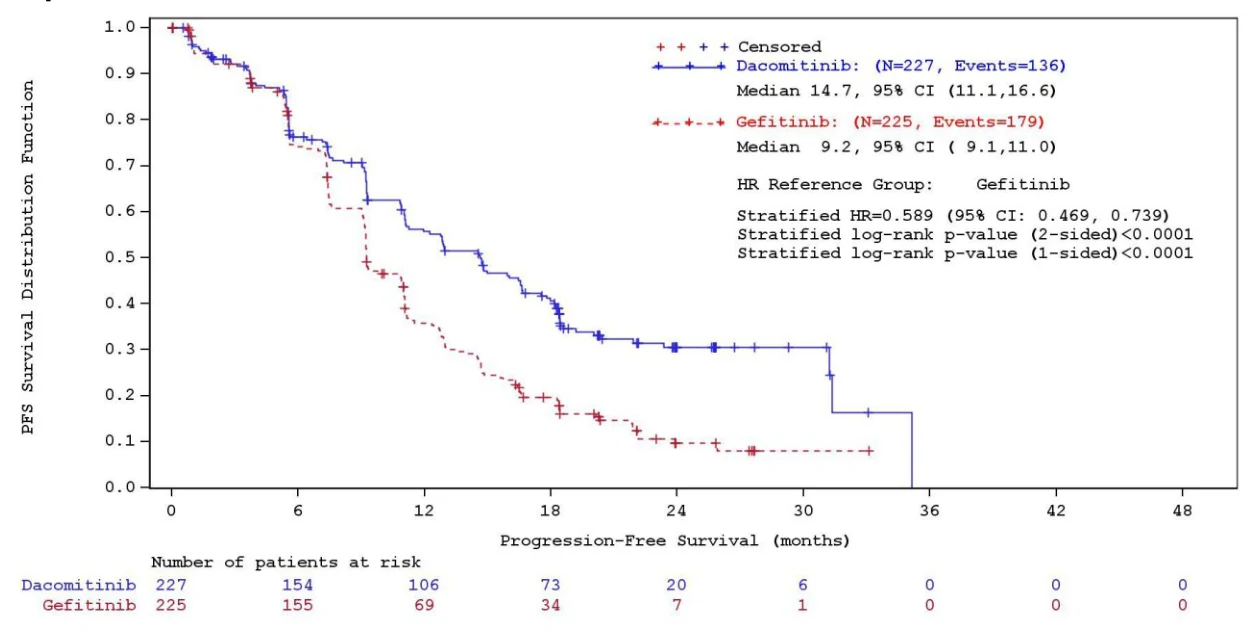
Figure 2. ARCHER 1050 - Kaplan-Meier plot for OS – ITT Population
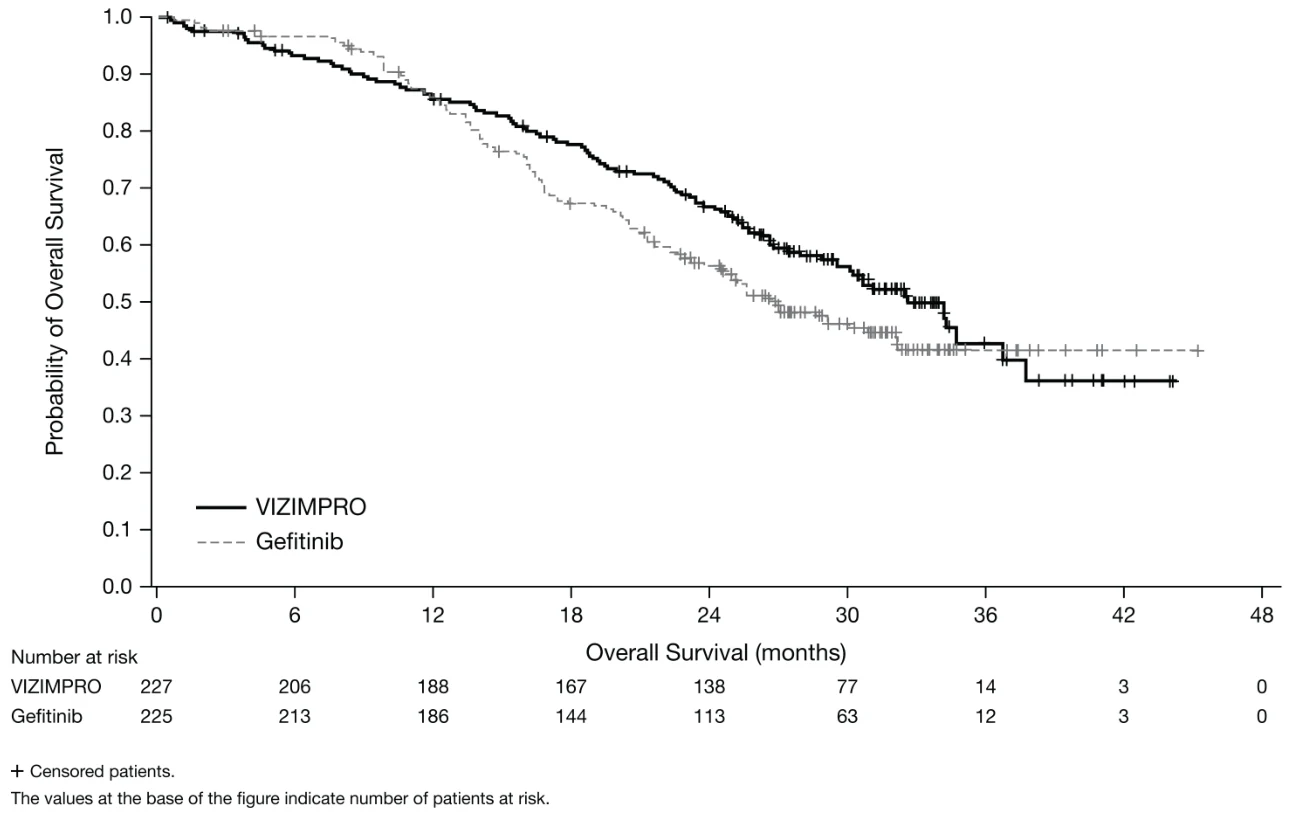
OS results from the final analysis when 48.7% of events had occurred showed a hazard ratio (HR) of 0.760 (95% CI: 0.582, 0.993) and a gain of 7.3 months in median OS (median OS: 34.1 months [95% CI: 29.5, 37.7] and 26.8 months [95% CI: 23.7, 32.1] in the dacomitinib and gefitinib arms, respectively) (see Figure 2).
14 NONCLINICAL TOXICOLOGY
The nonclinical safety profile of dacomitinib has been well characterized through the conduct of single- and repeat-dose toxicity studies up to 9 months in duration, and safety pharmacology, genetic toxicity, reproductive and developmental toxicity, and phototoxicity studies.
Single- and Repeated-Dose Toxicity
Consistent with the intended pharmacologic activity of dacomitinib (ie, EGFR inhibition), the primary target organ systems of dacomitinib included the skin/hair, kidney, eyes, and digestive system in rats and dogs, and epithelial cells of other organs in rats. Additional target organ findings were observed in the liver of rats but were not observed in the liver of dogs. These effects were generally considered adverse, and most were reversible with the exception of hair follicles and kidney changes. While similar skin/hair effects were observed in both rats and dogs, the effects in rats (skin sores/scabs associated with hyperkeratosis/ parakeratosis, atrophy/dysplasia of hair follicles, epidermal atrophy, atrophy of sebaceous glands, ulceration, chronic-active inflammation, acanthosis, and epidermal necrosis) were severe, and led to morbidity and early termination in the 6-month study. Decreases in body weight and/or food consumption, and mortality and/or moribundity preceded by clinical signs of intolerance were also observed following single and repeat dosing. All effects except renal papillary necrosis were reversible and considered pharmacologically mediated, and consistent with the inhibition of EGFR. Safety pharmacology studies conducted in rats and dogs did not reveal a potential for dacomitinib to cause any effect on the central nervous, cardiovascular or respiratory systems. The nonclinical safety findings related to dacomitinib administration represent toxicities that can be monitored and/or are considered clinically manageable or acceptable risks in the intended patient population.
Genotoxicity
Dacomitinib was tested using a series of genetic toxicology assays. Dacomitinib is not mutagenic in a bacterial reverse mutation (Ames) assay, and not clastogenic or aneugenic in the in vivo bone marrow micronucleus assay in male and female rats. Dacomitinib was clastogenic in the in vitro human lymphocyte chromosome aberration assay at cytotoxic concentrations. Dacomitinib is not directly reactive toward DNA as evidenced by the negative response in the bacterial reverse mutation assay and did not induce chromosome damage in a bone marrow micronucleus assay at concentrations up to approximately 60-70 times the unbound AUC or CRmaxR at the recommended human dose. Thus, dacomitinib is not expected to be genotoxic at clinically relevant exposure concentrations.
Carcinogenesis
Carcinogenicity studies have not been performed with dacomitinib.
Reproductive and Developmental Toxicity
Fertility studies have not been performed with dacomitinib. In repeat-dose toxicity studies with dacomitinib, effects on reproductive organs were observed in female rats given ≥0.5 mg/kg/day for 6 months (approximately 0.3 times the unbound AUC at the recommended human dose) and were limited to reversible epithelial atrophy in the cervix and vagina. There was no effect on reproductive organs in male rats given ≤2 mg/kg/day for 6 months (approximately 1.1 times the unbound AUC at the recommended human dose), or in dogs given ≤1 mg/kg/day for 9 months (approximately 0.3 times the unbound AUC at the recommended human dose).
In embryo-fetal development studies in rats and rabbits, pregnant animals received oral doses up to 5 mg/kg/day and 4 mg/kg/day dacomitinib, respectively, during the period of organogenesis. Maternal body weight gain and food intake were lower at 5 and 4 mg/kg/day in pregnant rats and rabbits, respectively. The maternally toxic dose of 5 mg/kg/day was fetotoxic in rats, resulting in reduced fetal body weights. At the maternally toxic dose of 4 mg/kg/day in rabbits, there was no evidence of developmental toxicity. At 5 mg/kg/day in rats and 4 mg/kg/day in rabbits, the maternal systemic exposures were approximately 2.4 and 0.3 times, respectively, the unbound AUC at the recommended human dose.
Phototoxicity
A phototoxicity study with dacomitinib in pigmented rats showed no phototoxicity potential.