


Product Monograph - Zeulide Depot
RECENT MAJOR LABEL CHANGES
| 4 Dosage and Administration | 12/2025 |
|---|---|
| 7 Warnings and Precautions | 03/2025 |
TABLE OF CONTENTS
Sections or subsections that are not applicable at the time of authorization are not listed.
PART I: HEALTH PROFESSIONAL INFORMATION ................................................................................ 4
1 INDICATIONS ....................................................................................................................... 4
1.1 Pediatrics .............................................................................................................................. 4
1.2 Geriatrics .............................................................................................................................. 4
2 CONTRAINDICATIONS .......................................................................................................... 4
3 SERIOUS WARNINGS AND PRECAUTIONS BOX ...................................................................... 4
4 DOSAGE AND ADMINISTRATION .......................................................................................... 5
4.1 Dosing Considerations ......................................................................................................... 5
4.2 Recommended Dose and Dosage Adjustment .................................................................... 5
4.3 Reconstitution ...................................................................................................................... 5
4.4 Administration ..................................................................................................................... 6
4.5 Missed Dose ......................................................................................................................... 8
5 OVERDOSAGE ...................................................................................................................... 8
6 DOSAGE FORMS, STRENGTHS, COMPOSITION AND PACKAGING ............................................ 9
7 WARNINGS AND PRECAUTIONS ............................................................................................ 9
7.1 Special Populations ............................................................................................................13
8 ADVERSE REACTIONS ......................................................................................................... 13
8.1 Adverse Reaction Overview ...............................................................................................13
8.2 Clinical Trial Adverse Reactions .........................................................................................14
8.3 Less Common Clinical Trial Adverse Reactions ..................................................................16
8.4 Abnormal Laboratory Findings: Hematologic, Clinical Chemistry and Other Quantitative Data 17
8.5 Post-Market Adverse Reactions .........................................................................................18
9 DRUG INTERACTIONS ......................................................................................................... 18
9.2 Drug Interactions Overview ...............................................................................................18
9.4 Drug-Drug Interactions ......................................................................................................18
9.5 Drug-Food Interactions ......................................................................................................19
9.6 Drug-Herb Interactions ......................................................................................................19
9.7 Drug-Laboratory Test Interactions .....................................................................................19
10 CLINICAL PHARMACOLOGY ................................................................................................ 19
10.1 Mechanism of Action ...................................................................................................19
10.2 Pharmacodynamics .....................................................................................................19
10.3 Pharmacokinetics ........................................................................................................20
11 STORAGE, STABILITY AND DISPOSAL ................................................................................... 21
12 SPECIAL HANDLING INSTRUCTIONS .................................................................................... 21
PART II: SCIENTIFIC INFORMATION ................................................................................................. 22
13 PHARMACEUTICAL INFORMATION ..................................................................................... 22
14 CLINICAL TRIALS ................................................................................................................. 22
14.1 Trial Design and Study Demographics .........................................................................22
14.2 Study Results ...............................................................................................................23
15 MICROBIOLOGY ................................................................................................................. 26
16 NON-CLINICAL TOXICOLOGY ............................................................................................... 26
PATIENT MEDICATION INFORMATION ............................................................................................ 30
PART I: HEALTH PROFESSIONAL INFORMATION
1 INDICATIONS
ZEULIDE DEPOT must be administered under the supervision of a health care professional.
ZEULIDE DEPOT 3.75 mg and 22.5 mg (leuprolide acetate for depot suspension) are both indicated for:
- the palliative treatment of advanced and/or metastatic prostate cancer.
1.1 Pediatrics
Pediatrics (≤ 18 years of age): No data are available to Health Canada; therefore, Health Canada has not authorized Zeulide Depot for pediatric use.
1.2 Geriatrics
Geriatrics (> 65 years of age): The majority of the patients studied in the clinical trials for the palliative treatment of prostate cancer with ZEULIDE DEPOT were 65 years and older (mean age of 71 ± 9 years) (see 14 CLINICAL TRIALS).
2 CONTRAINDICATIONS
- ZEULIDE DEPOT is contraindicated in patients with hypersensitivity to luteinizing hormone-releasing hormone (LH-RH), LH-RH analogs or any of the components of ZEULIDE DEPOT. Anaphylactic reactions to synthetic LH-RH or LH-RH analogs have been reported in literature. For a complete listing, see 0
- DOSAGE FORMS, STRENGTHS, COMPOSITION AND PACKAGING.
- ZEULIDE DEPOT is contraindicated in women who are or may become pregnant while receiving the drug. There are possibilities that fetal harm and spontaneous abortions may occur.
- The use of ZEULIDE DEPOT in nursing mothers is contraindicated.
3 SERIOUS WARNINGS AND PRECAUTIONS BOX
Serious Warnings and Precautions
ZEULIDE DEPOT should be prescribed by a qualified physician experienced in the use of hormonal therapy in prostate cancer. The following are clinically significant adverse events:
|
|---|
4 DOSAGE AND ADMINISTRATION
4.1 Dosing Considerations
- ZEULIDE DEPOT must be administered under the supervision of a health care professional.
- ZEULIDE DEPOT 3.75 mg and 22.5 mg administered intramuscularly is designed to provide continuous sustained-release of leuprolide for 1 and 3 months, respectively.
- Use only with pre-filled diluent syringe contained in this kit.
4.2 Recommended Dose and Dosage Adjustment
ZEULIDE DEPOT 3.75 mg (1-Month)
The recommended dose of ZEULIDE DEPOT (1-Month) is 3.75 mg administered monthly as a single intramuscular injection, after reconstitution with the ready-to-use diluent.
ZEULIDE DEPOT 22.5 mg (3-Month)
The recommended dose of ZEULIDE DEPOT (3-Month) is 22.5 mg administered once every 3 months as a single intramuscular injection, after reconstitution with the ready-to-use diluent.
4.3 Reconstitution
Table 1: Reconstitution
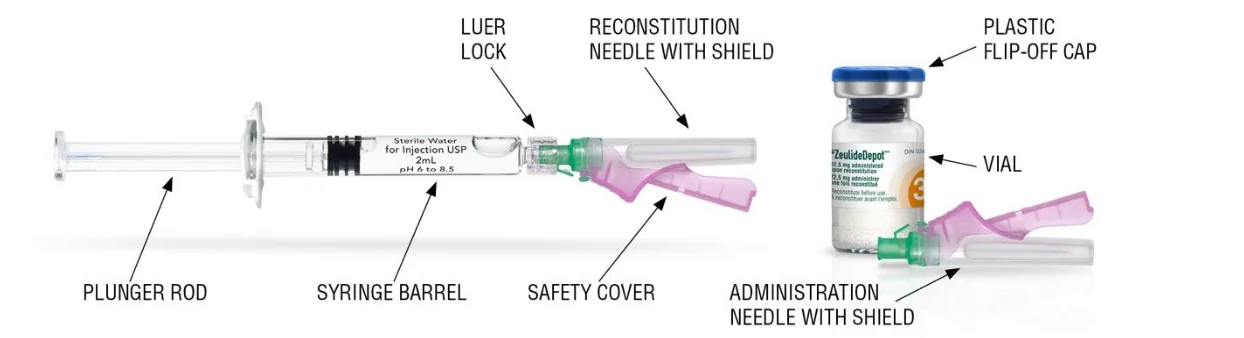
The ZEULIDE DEPOT microsphere powder contained in the vial should be reconstituted with the ready-to-use diluent provided in the syringe immediately prior to administration of vial contents by intramuscular injection. Make sure an aseptic technique is followed.
No other diluent can be used for reconstitution of ZEULIDE DEPOT.
| Product | Vial Size | Volume of Diluent to be Added to Vial | Approximate Available Volume | Concentration per mL |
|---|---|---|---|---|
Zeulide 3.75 mg | 6R (10 mL)* | 2 mL | 1.5 mL | 2.53 mg/ mL |
Zeulide 22.5 mg | 6R (10 mL)* | 2 mL | 1.6 mL | 14.06 mg/ mL |
4.4 Administration
The product must be brought to room temperature before administration. Some product may cake or clump at the vial wall. This is considered normal. The vial is filled with excess product for the 1-Month (35% overfill) and 3-Month (25% overfill) formulations in order to make sure that a final dose of 3.75 mg and 22.5 mg of leuprolide acetate is administered, respectively.
The product is meant for a single injection. Any remaining solution must be discarded.
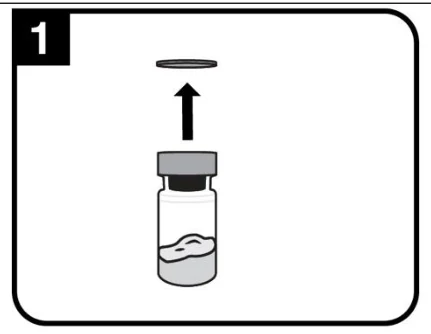 | Remove the flip-off cap completely from the top of the vial, revealing the rubber stopper. Confirm that no parts of the flip-off cap remain on the vial. | |
|---|---|---|
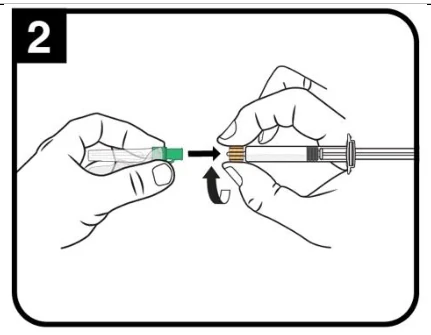 | Attach the reconstitution needle to the pre-filled syringe containing the solvent for reconstitution (0.8% mannitol). | |
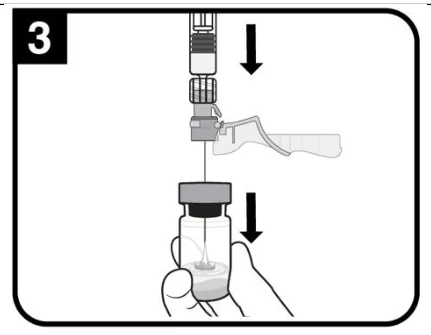 | While keeping the syringe and vial securely coupled, inject all the diluent into the vial. | |
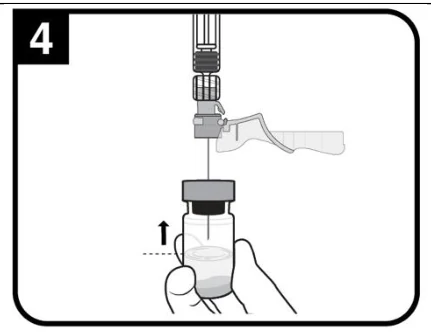 | Gently move the reconstitution needle upward until it is above the liquid level. Do not remove the needle from the vial. | |
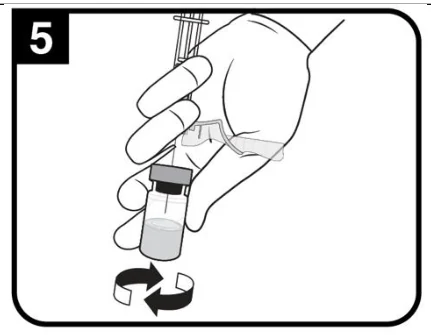 | With the syringe still coupled to the vial, SWIRL the vial gently for approximately one minute until a uniform milky-white suspension is obtained. Proceed to the next steps without delay in order to avoid separation of the suspension. | |
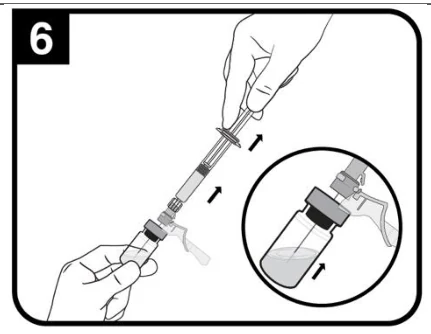 | Slide the needle down without inverting the vial, and pull back the plunger rod slowly to draw the reconstituted product into the syringe while maintaining pressure on the plunger. Some product may cake or clump at the vial wall. This is considered normal. | |
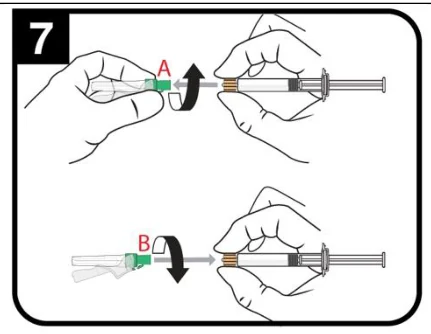 | Uncouple the syringe from the used needle (A), and attach the unused administration needle (B) to the syringe | |
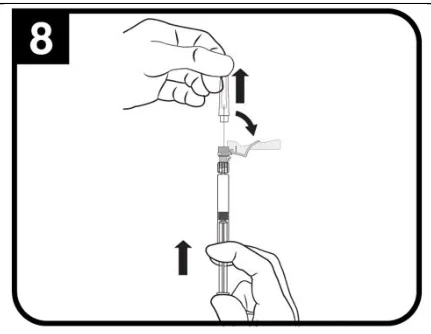
| Turn the syringe to a VERTICAL position. Using your other hand, pull the needle cap upward. Advance the plunger to expel the air from the syringe. The syringe containing the product is ready for immediate administration. | ||
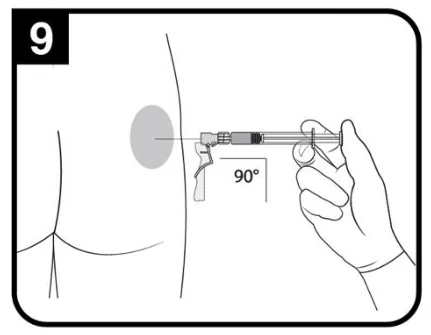
Clean the injection area with an alcohol swab and let the skin dry. Administer the intramuscular injection by inserting the needle at a 90-degree angle into the gluteal area. Ensure that the full amount of the product is injected. Injection sites should be alternated. NOTE: If a blood vessel is accidentally penetrated, aspirated blood will be visible just below the luer lock. If blood is present, remove the needle immediately. Do not inject the medication. | ||
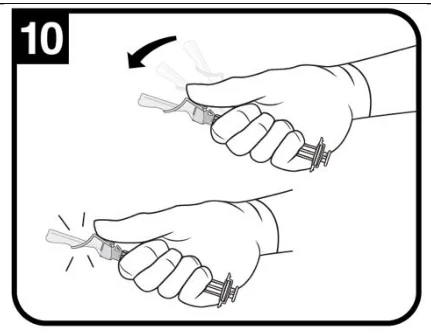
| After injecting the product, immediately activate the safety mechanism by centering your thumb or forefingers on the textured finger pad area of the safety cover and pushing it forward over the needle until you hear or feel it lock in place. |
4.5 Missed Dose
Maintaining testosterone suppression is important in treating the symptoms of hormone-dependent prostate cancer. Missing an appointment by a few days should not disrupt the benefits of treatment, but keeping a consistent schedule of ZEULIDE DEPOT injection is an important part of treatment.
5 OVERDOSAGE
There is no clinical experience with the effects of an acute overdose. Because the acute animal toxicity of the drug is low, adverse effects are not expected. No difference in adverse reactions was observed in patients who received either 1 or 10 mg/day of leuprolide acetate for up to three years or 20 mg/day
 | ||
 | ||
 |
for up to two years.
| For management of a suspected drug overdose, contact your regional poison control centre. |
|---|
6 DOSAGE FORMS, STRENGTHS, COMPOSITION AND PACKAGING
Table 2: Dosage Forms, Strengths, Composition and Packaging
ZEULIDE DEPOT (leuprolide acetate for depot suspension) a microencapsulated, sustained-release formulation of leuprolide acetate is supplied in single dose kits containing (1) one vial of medicinal ingredient, (2) one prefilled syringe containing 2 mL of diluent, (3) one sterile 20G safety needle for reconstitution and (4) one sterile 20G safety needle for administration.
The prefilled syringe contains 2 mL of diluent that is composed of the following non-medicinal ingredients (alphabetically): 0.8% w/v mannitol, water for injection. The pH may have been adjusted with sodium hydroxide and/or hydrochloric acid.
When mixed with diluent, the sterile lyophilizate becomes a suspension, which is intended as an intramuscular injection to be given once every month (3.75 mg), or every three months (22.5 mg).
7 WARNINGS AND PRECAUTIONS
Please see 3 SERIOUS WARNINGS AND PRECAUTIONS BOX.
General
ZEULIDE DEPOT, like other LH-RH analogs, causes a transient increase in serum concentration of testosterone during the first week of treatment. Patients may experience worsening of symptoms or onset of new symptoms, including bone pain, neuropathy, hematuria, or urethral or bladder outlet obstruction. Cases of spinal cord compression, which may contribute to paralysis with or without fatal complications, have been reported with LH-RH analogs. If spinal cord compression or renal impairment due to urethral obstruction develops, standard treatment of these complications should be instituted.
Patients with metastatic vertebral lesions and/or with urinary tract obstruction should begin leuprolide
| Route of Administration | Dosage Form / Strength/Composition | Non-medicinal Ingredients |
| Intramuscular Injection | Lyophilized powder for injection (suspension after reconstitution with diluent) 3.75 mg [1-Month] (5.06 mg/vial to deliver 3.75 mg leuprolide acetate (35% overfill)) 22.5 mg [3-Month] (28.13 mg/vial to deliver 22.5 mg leuprolide acetate (25% overfill)) | 3.75 mg [1-Month]: Mannitol, poly (D, L-lactide-co-glycolide; PLGA 50/50), polysorbate 80, sodium carboxymethylcellulose and triethyl citrate 22.5 mg [3-Month]: Mannitol, polylactic acid, polysorbate 80, sodium carboxymethylcellulose and triethyl citrate |
acetate therapy under close supervision.
Carcinogenesis and Mutagenesis
Two year carcinogenicity studies were conducted with leuprolide acetate in rats and mice. For more information (see 16 NON-CLINICAL TOXICOLOGY).
Patients have been treated with leuprolide acetate for up to three years with doses as high as 10 mg/day and for two years with doses as high as 20 mg/day without demonstrable pituitary abnormalities. No carcinogenicity studies have been conducted with ZEULIDE DEPOT.
Mutagenicity studies have been performed with leuprolide acetate using bacterial and mammalian systems. These studies provided no evidence of a mutagenic potential (see 16 NON-CLINICAL TOXICOLOGY.)
Cardiovascular
There may be a relationship between androgen deprivation therapy and cardiovascular risk in men with prostate cancer on the basis of the demonstrated adverse impact of androgen deprivation on traditional cardiovascular risk factors, including serum lipoproteins, insulin sensitivity, and obesity. Reports of events related to cardiovascular ischemia including myocardial infarction, stroke, cardiovascular-related, and sudden cardiac deaths have been received in patients treated with LH-RH agonists.
Physicians should consider whether the benefits of androgen deprivation therapy outweigh the potential cardiovascular risk. Assessment of cardiovascular risk and management according to local clinical practice and guidelines should be considered (see Monitoring and Laboratory Tests below).
Effect on QT/QTc interval
Androgen deprivation therapy has the potential to prolong QT/QTc interval on ECG. Physicians should consider whether the benefits of androgen deprivation therapy outweigh the potential risk in patients with congenital long QT syndrome, electrolyte abnormalities, or congestive heart failure and in patients taking Class IA (e.g., quinidine, procainamide, disopyramide), Class III (e.g., amiodarone, sotalol, dofetilide, ibutilide), or Class IC (e.g., flecainide, propafenone) antiarrhythmic medications (see 9.4 Drug-Drug Interactions).
In a randomized, active-controlled trial to compare leuprolide acetate 7.5 mg with a LH-RH antagonist in patients with prostate cancer, periodic electrocardiograms were collected. The analysis of the pooled data in the leuprolide cohort (N=46 patients) showed a mean QTcF increase of 17 msec from baseline; the percentage of subjects who experienced a QTcF change of ≥ 30 msec and ≥ 60 msec from baseline was 41% (N=19 patients) and 4% (N=2 patients), respectively.
Dependence/Tolerance
No drug-dependence has been reported with the use of leuprolide acetate.
Driving and Operating Machinery
The ability to drive and use machines may be impaired due to visual disturbances and dizziness.
Endocrine and Metabolism
Changes in bone density
Decreased bone mineral density can be anticipated with long-term use of an LH-RH agonist. Androgen deprivation therapy is associated with increased risks of osteoporosis and skeletal bone fractures. The risk of skeletal fracture increases with the duration of androgen deprivation therapy. Assessment of osteoporosis risk and management according to clinical practice and guidelines should be considered.
In patients with significant risk factors for decreased bone mineral content and/or bone mass such as chronic alcohol and/or tobacco use, presumed or strong family history of osteoporosis or chronic use of drugs that can reduce bone mass such as anticonvulsants or corticosteroids, leuprolide acetate may pose an additional risk. In these patients, risk versus benefit must be weighed carefully before therapy with ZEULIDE DEPOT is instituted.
Hypogonadism
Long-term administration of leuprolide acetate will cause suppression of pituitary gonadotropins and gonadal hormone production with clinical symptoms of hypogonadism. These changes have been observed to reverse on discontinuation of therapy. However, whether the clinical symptoms of induced hypogonadism will reverse in all patients has not yet been established.
Reduction in glucose tolerance
A reduction in glucose tolerance and an increased risk in developing diabetes have been reported in men treated with androgen deprivation therapy. Patients treated with LH-RH agonists should undergo periodic monitoring of blood glucose. Diabetic patients may require more frequent monitoring when receiving LH-RH agonists.
Fatty liver Disease
Metabolic changes affecting the liver (fatty liver) may be experienced.
Hematologic
Anemia is a known physiologic consequence of testosterone suppression. Assessment of anemia risk and management according to local clinical practice and guidelines should be considered.
Leuprolide acetate should be used with caution in patients with known bleeding disorders, thrombocytopenia or on treatment with anticoagulants.
Hepatic/Biliary/Pancreatic
Hepatic dysfunction and jaundice with elevated liver enzyme levels have been reported with the use of leuprolide acetate. Post-marketing reports of serious drug-induced liver injury have been observed in patients on leuprolide acetate therapy.
The pharmacokinetics of the drug in patients with hepatic, biliary or pancreatic impairment have not been determined.
Immune
Acute Hypersensitivity Reactions
Acute hypersensitivity reactions, including anaphylaxis, have been reported with leuprolide-containing therapy. Leuprolide is contraindicated in patients with a history of hypersensitivity to gonadotropin-releasing hormone (GnRH) or GnRH agonist analogs.
Delayed Hypersensitivity Reactions
Severe cutaneous adverse reactions (SCARs), including Stevens-Johnson syndrome (SJS) and Toxic epidermal necrolysis (TEN), which can be life-threatening or fatal, have been reported in association with leuprorelin treatment. At the time of prescription patients should be advised of the signs and symptoms (a prodrome of fever, flu-like symptoms, mucosal lesions, progressive skin rash, or lymphadenopathy). Patients should be monitored closely for severe skin reactions. If signs and symptoms suggestive of these reactions appear, leuprorelin should be withdrawn immediately and an alternative treatment considered (as appropriate).
Monitoring and Laboratory Tests
Periodic renal function tests, ECG, electrolytes, and liver function tests are recommended.
Renal function tests, blood urea nitrogen (BUN) and creatinine may rarely be elevated during the first few days of therapy in prostate cancer patients before returning to normal. In clinical trials with leuprolide acetate however, no significant difference was observed from baseline to 7 days following injection in terms of the number of patients who demonstrated an elevation from normal to above normal levels of creatinine and BUN.
The response to ZEULIDE DEPOT should be monitored periodically by measuring serum concentrations of testosterone and prostate-specific antigen (PSA). Results of testosterone determinations are dependent on assay methodology. It is advisable to be aware of the type and precision of the assay methodology to make appropriate clinical and therapeutic decisions.
The effects of leuprolide acetate on bone lesions may be monitored by bone scans, while its effects on prostatic lesions may be monitored by ultrasonography and/or computed tomography (CT) scan in addition to digital rectal examination. Intravenous pyelogram, ultrasonography, or CT scan may also be utilized to diagnose or assess the status of obstructive uropathy.
Baseline risk factors of cardiovascular diseases should be assessed. Patients receiving ZEULIDE DEPOT should be monitored periodically for risk factors, signs and symptoms of cardiovascular diseases. In addition, baseline ECG recording, and serum potassium, calcium, and magnesium levels are recommended. Monitoring of ECG and serum electrolyte levels during treatment should also be considered for those at risk for electrolyte abnormality and QTc prolongation.
Lipids, blood glucose levels and/or glycosylated hemoglobin (HbA1c) should be checked periodically in patients treated with LH-RH agonists and more frequently in diabetic patients (see Endocrine and Metabolism; Reduction in Glucose Tolerance above).
Neurologic
Post-marketing reports of convulsion have been observed in patients on leuprolide acetate therapy. These included patients with a history of seizures, epilepsy, cerebrovascular disorders, anomalies or central nervous system tumours and in patients with concomitant medications that have been associated with seizures for example bupropion and selective inhibitors of serotonin reuptake (SSRIs). Convulsions in patients in the absence of the medical conditions mentioned above have also been reported.
Idiopathic intracranial hypertension (pseudotumor cerebri) has been reported in patients receiving leuprolide. Patients should be warned for signs and symptoms of idiopathic intracranial hypertension, including severe or recurrent headache, vision disturbances and tinnitus. If idiopathic intracranial hypertension occurs, discontinuation of leuprolide should be considered.
Psychiatric
Like other drugs in this class, mood swings, including depression, have been reported with leuprolide acetate therapy. There have been reports of suicidal ideations and attempt. Patients should be counseled on the possibility of development or worsening of depression during treatment with leuprolide acetate.
Respiratory
The following adverse effects have been reported with the use of leuprolide acetate injection: chest tightness decreased breathing sounds, hemoptysis, pleuritic chest pain, pulmonary infiltrate, rales/rhonchi, rhinitis, strep throat, and wheezing/bronchitis.
Renal
The pharmacokinetics of the drug in patients with renal impairment have not been determined.
Reproductive Health: Female and Male Potential
Function
Sexual dysfunction (14%) with decrease in libido and impotence were reported with the use of leuprolide acetate.
Teratogenic Risk
ZEULIDE DEPOT is contraindicated in pregnant and nursing women (see 2 CONTRAINDICATIONS; 7.1.1 Pregnant Women).
7.1 Special Populations
7.1.1 Pregnant Women
ZEULIDE DEPOT is contraindicated in pregnant women as it may cause fetal harm when administered to a pregnant woman (see 2 CONTRAINDICATIONS).
7.1.2 Breast-feeding
ZEULIDE DEPOT is contraindicated (see 2 CONTRAINDICATIONS) in nursing women as safety and effectiveness have not been established in this group of patients.
7.1.3 Pediatrics
Safety and effectiveness of Zeulide Depot has not been established in pediatric patients.
7.1.4 Geriatrics
The majority of the patients studied in clinical trials for ZEULIDE DEPOT were 65 years and older (mean age of 71 ± 9 years).
8 ADVERSE REACTIONS
8.1 Adverse Reaction Overview
ZEULIDE DEPOT, like other LH-RH analogs, caused a transient increase in serum testosterone concentrations during the first week of treatment. Therefore, potential exacerbation of signs and symptoms of the disease during the first few weeks of treatment are of concern in patients with vertebral metastases and/or urinary obstruction or hematuria. If these conditions are aggravated, it may lead to neurological problems such as weakness and/or paresthesia of the lower limbs or worsening of urinary symptoms (see 7 WARNINGS AND PRECAUTIONS).
8.2 Clinical Trial Adverse Reactions
Clinical trials are conducted under very specific conditions. The adverse reaction rates observed in the clinical trials; therefore, may not reflect the rates observed in practice and should not be compared to the rates in the clinical trials of another drug. Adverse reaction information from clinical trials may be useful in identifying and approximating rates of adverse drug reactions in real-world use.
The safety of ZEULIDE DEPOT was based on results from two Phase III clinical trials evaluated in a total of 323 patients with prostate cancer treated for 6 months (160 patients were treated with 3.75 mg injection administered every month and 163 patients were treated with 22.5 mg injection administered every 3 months).
The following possibly or probably related systemic adverse reactions were reported by ≥ 2% of the patients who were administered ZEULIDE DEPOT 3.75 mg [1 injection every month] and 22.5 mg [1 injection every 3 months] in the pivotal studies for a total of 6 months (Table 3).
Table 3: Incidence (%) of Possibly or Probably Related Systemic Adverse Events Reported by ≥ 2% of Patients Treated with ZEULIDE DEPOT 3.75 mg and ZEULIDE DEPOT 22.5 mg for up to 6 Months
Body System Adverse Event | ZEULIDE DEPOT 3.75 mg N=160 (%) | ZEULIDE DEPOT 22.5 mg N=163 (%) |
|---|---|---|
| Vascular disorder | ||
| Hot flashes* | 72 (45.0) | 126 (77.3) |
| General disorders and administration site conditions | ||
| Asthenia | - | 7(4.3) |
| Fatigue | 10 (6.3) | 16 (9.8) |
| Injection site erythema | - | 5 (3.1) |
| Injection site irritation | 7 (4.4) | |
| Injection site induration | - | 4 (2.5) |
| Injection site pain | 13 (8.1) | 15 (9.2) |
| Skin and subcutaneous tissue disorders | ||
| Hyperhidrosis | 6 (3.8) | 5 (3.1) |
| Night sweats* | 5 (3.1) | - |
| Investigations | ||
| Alanine aminotransferase increased | - | 4 (2.5) |
| Gastrointestinal disorders | ||
| Nausea | - | 4 (2.5) |
| Musculoskeletal and connective tissue disorders | ||
| Bone pain | - | 4 (2.5) |
| Nervous system disorders | ||
| Headache | 5 (3.1) | - |
| Psychiatric disorders | ||
| Insomnia | - | 4 (2.5) |
| Renal and urinary disorders | ||
| Pollakiuria | - | 4 (2.5) |
* Expected pharmacological consequence of testosterone suppression
Hot flashes were the most common adverse event reported (45% of patients in ZEULIDE DEPOT 3.75 mg and 77.3% in ZEULIDE DEPOT 22.5 mg). As reported in the ZEULIDE DEPOT 3.75 mg clinical trial, hot flashes were severe in 2 patients (1.3%), moderate in 10 patients (6.3%) and mild in 64 patients (40%). In the ZEULIDE DEPOT 22.5 mg clinical trial, hot flashes were reported as severe in 5 patients (3.1%), moderate in 28 patients (17.2%), and mild in 94 patients (57.7%).
In the pivotal studies, 29 (18.1%) and 24 (14.7%) patients experienced local adverse events for the 3.75 mg and the 22.5 mg strengths, respectively, most of which were mild in severity. Local adverse events reported after injection of ZEULIDE DEPOT 3.75 mg (1-Month) and ZEULIDE DEPOT 22.5 mg (3-Month) were typical of those frequently associated with similar products administered via intramuscular route (i.m.). Those reported with ZEULIDE DEPOT 3.75 mg included pain at the site of injection (8.1%), irritation (4.4%) and discomfort (1.9%); those reported with ZEULIDE DEPOT 22.5 mg included injection site pain (9.2%), injection site erythema (3.1%) and injection site induration (2.5%). Other less frequently reported local adverse events included erythema/bruising (1.3% each), injection site reaction/ swelling/ injury/ haemorrhage (0.6% each) with ZEULIDE DEPOT 3.75 mg, and injection site discomfort/ hemorrhage/ urticaria/ warmth, vessel puncture site pain, arthralgia and musculoskeletal pain (0.6% each) with ZEULIDE DEPOT 22.5 mg.
8.3 Less Common Clinical Trial Adverse Reactions
The following possibly or probably related systemic adverse events were reported by <2% of the patients treated with ZEULIDE DEPOT 3.75 mg and ZEULIDE DEPOT 22.5 mg in clinical studies.
ZEULIDE DEPOT 3.75 mg (1-Month)
Ear and labyrinth disorders:
Vertigo
Gastrointestinal disorders:
Abdominal pain lower, diarrhea, nausea, vomiting
General disorders and administration site conditions:
Asthenia, feeling hot and cold, feeling jittery, pyrexia
Hepatobiliary disorders:
Hyperbilirubinemia
Investigations
Alanine aminotransferase increased, aspartate aminotransferase increased, body temperature increased, gamma-glutamyltransferase increased
Metabolism and nutrition disorders:
Anorexia, hypercholesterolemia, hyperlipidemia, increased appetite
Musculoskeletal and connective tissue disorders:
Arthralgia, back pain, muscle spasms, pain in extremity
Nervous system disorders:
Somnolence
Psychiatric disorders:
Insomnia, libido decreased*, mood altered, sleep disorder
Renal and urinary disorders:
Pollakiuria, urinary incontinence, urinary retention
Reproductive and breast disorders:
Gynecomastia*, breast tenderness, ejaculation failure*, erectile dysfunction*
Skin and subcutaneous tissue disorders:
Cold sweat*, periorbital edema, pruritus, urticaria
* Expected pharmacological consequences of testosterone suppression
ZEULIDE DEPOT 22.5 mg (3-Month)
Ear and labyrinth disorders:
Tinnitus
Eye disorders:
Vision blurred
Gastrointestinal disorders:
Abdominal pain upper, constipation, diarrhea
General disorders and administration site conditions:
Adverse drug reaction, cold sweat, feeling hot, hyperhidrosis, injection site discomfort/hemorrhage/urticaria/warmth, pain, vessel puncture site pain
Investigations
Aspartate aminotransferase increased, blood calcium increased, blood creatinine increased, blood lactate dehydrogenase increased, blood creatinine phosphokinase increased, blood glucose increased, blood potassium decreased, blood potassium increased, blood triglyceride increased, blood urea increased, ECG QT prolonged, ECG QT shortened, ECG T wave inversion, Eastern Cooperative Oncology Group (ECOG) status worsened, gamma-glutamyltransferase increased, glomerular filtration rate decreased, hematocrit decreased, hematology test abnormal, hemoglobin decreased, mean cell volume increased, red blood cell count decreased, residual urine volume increased
Metabolism and nutrition disorders:
Decreased appetite, hypercholesterolemia
Musculoskeletal and connective tissue disorders:
Arthralgia, back pain, musculoskeletal pain, neck pain
Nervous system disorders:
Dizziness, dysgeusia, formication, headache, lethargy
Psychiatric disorders:
Anger, anxiety, depression, emotional disorder, libido decreased, sleep disorder
Renal and urinary disorders
Nocturia, urinary tract pain, urine flow decreased
Reproductive system and breast disorders:
Erectile dysfunction*, nipple pain, pelvic pain, testicular atrophy, testicular disorder
Respiratory, thoracic and mediastinal disorders
Pleurisy
Skin and subcutaneous tissue disorders:
Cold sweat*, night sweats, papule, pruritus, pruritus generalised, rash
Vascular disorder
Flushing
* Expected pharmacological consequences of testosterone suppression
ECOG: Eastern Cooperative Oncology Group
8.4 Abnormal Laboratory Findings: Hematologic, Clinical Chemistry and Other Quantitative Data
Abnormalities of certain parameters were observed, but are difficult to assess in this population. For
ZEULIDE DEPOT 22.5 mg, the following value was observed in ≥ 2% of patients: alanine aminotransferase (ALT) increased. A number of abnormal values judged as clinically significant (each < 2%) were observed for some laboratory parameters in both ZEULIDE DEPOT clinical trials (see 8.3 Less Common Clinical Trial Adverse Drug Reactions, Investigations).
8.5 Post-Market Adverse Reactions
Idiopathic intracranial hypertension (pseudotumor cerebri) has been reported with unknown frequency; if this occurs, discontinuation of treatment with ZEULIDE DEPOT should be considered.
Changes in Bone Density
Decreased bone density has been reported in the medical literature in men who have had orchiectomy or who have been treated with an LH-RH agonist analog. It can be anticipated that long periods of medical castration in men will have effects on bone density.
Pituitary apoplexy
During post-marketing surveillance, rare cases of pituitary apoplexy (a clinical syndrome secondary to infarction of the pituitary gland) have been reported after the administration of LH-RH agonists. In the majority of these cases, a pituitary adenoma was diagnosed, with most of the pituitary apoplexy cases occurring within 2 weeks of the first dose, and some within the first hour. In these cases, pituitary apoplexy has presented as sudden headache, vomiting, visual changes, ophthalmoplegia, altered mental status, and sometimes cardiovascular collapse. Immediate medical attention has been required.
Convulsions
During post-marketing surveillance, which includes other dosage forms and other patient populations, convulsions were reported in patients on leuprolide acetate therapy.
Hepatic and renal insufficiency
Post-marketing reports of serious drug-induced liver injury have been observed in patients on leuprolide acetate therapy.
Skin and subcutaneous tissue disorders
Cases of Stevens-Johnson syndrome/Toxic Epidermal Necrolysis (SJS/TEN), toxic skin eruption and erythema multiforme have been reported (see 7 WARNINGS AND PRECAUTIONS).
Endocrine and Metabolism
Fatty liver disease.
9 DRUG INTERACTIONS
9.2 Drug Interactions Overview
No formal drug interaction studies have been conducted with ZEULIDE DEPOT. No data is available on the interaction with alcohol.
9.4 Drug-Drug Interactions
No pharmacokinetic-based drug-drug interaction studies have been conducted.
Since androgen deprivation treatment may prolong the QTc interval, the concomitant use of leuprolide acetate with medicinal products known to prolong the QTc interval or medicinal products able to induce torsades de pointes should be carefully evaluated. Such medicinal products include but are not limited to the examples that follow: Class IA (e.g., quinidine, disopyramide), Class III (e.g., amiodarone, dronedarone, sotalol, dofetilide, ibutilide), or Class IC (e.g., flecainide, propafenone) antiarrhythmic medicinal products, antipsychotics (e.g., chlorpromazine), antidepressants (e.g., amitriptyline, nortriptyline), opioids (e.g., methadone), macrolide antibiotics and analogs (e.g., erythromycin, clarithromycin, azithromycin), quinolone antibiotics (e.g., moxifloxacin), antimalarials (e.g., quinine), azole antifungals, 5-hydroxytryptamine (5-HT3) receptor antagonists (e.g., ondansetron), and beta-2 adrenoceptor agonists (e.g., salbutamol).
9.5 Drug-Food Interactions
Interactions with food have not been established.
9.6 Drug-Herb Interactions
Interactions with herbal products have not been established.
9.7 Drug-Laboratory Test Interactions
Therapy with leuprolide acetate results in suppression of the pituitary-gonadal system. Results of diagnostic tests of pituitary gonadotropic and gonadal functions conducted during and after leuprolide therapy may be affected.
10 CLINICAL PHARMACOLOGY
10.1 Mechanism of Action
Leuprolide acetate is a synthetic nonpeptide analog of naturally occurring luteinizing hormone-releasing hormone (LH-RH). The analog possesses greater potency than the natural hormone. When administered as indicated, leuprolide acetate acts as a potent inhibitor of gonadotropin production. It is chemically unrelated to steroids.
Unlike steroid hormones, leuprolide acetate exerts specific action on the pituitary gonadotrophs and the human reproductive tract.
This specificity reduces the likelihood of secondary adverse effects such as gynecomastia, thromboembolism, oedema, liver and gallbladder involvement.
10.2 Pharmacodynamics
10.2.1 General
In humans, subcutaneous administration of single daily doses of leuprolide acetate results in an initial increase in circulating levels of luteinizing hormone (LH) and follicle stimulating hormone (FSH), leading to a transient increase in the levels of the gonadal steroids (testosterone and dihydrotestosterone in males and oestrone and estradiol in premenopausal females). However, continuous administration of leuprolide acetate at therapeutic doses inhibits pituitary gonadotropin secretion and suppresses testicular and ovarian steroidogenesis. This results in decreased levels of LH and FSH in all patients. In males, testosterone is reduced to castrate levels (≤ 0.5 ng/mL). In premenopausal females, estrogens are reduced to post-menopausal levels. These decreases occur within two to four weeks after initiation of treatment, and are maintained as long as treatment continues. Castrate levels of testosterone in prostatic cancer patients have been demonstrated for periods of up to 5 years. The effect is reversible upon discontinuation of drug therapy.
The pharmacodynamic (PD) response following three monthly injections of ZEULIDE DEPOT 3.75 mg was evaluated in 12 patients with advanced prostate cancer. Following the first administration (Month 1, Days 0 – 28), leuprolide concentrations increased rapidly. The first peak was followed by a decline and then by a further increase of the drug levels caused by sustained release of leuprolide. In response to this pattern of leuprolide exposure, mean testosterone levels rapidly increased from baseline levels (reaching peak levels by Day 3), and then fell to below castrate levels (≤ 0.5 ng/mL) within 21 days after the first dose. All patients who completed the study maintained castrate levels at all monthly assessments.
For ZEULIDE DEPOT 22.5 mg, the PD response was evaluated following two injections 3 months apart in 30 patients with prostate cancer. Similar to the 3.75 mg formulation, following each drug administration, leuprolide concentrations increased rapidly to a peak value and then declined over the next several days, after which sustained release of leuprolide was maintained. In response to this pattern of leuprolide exposure, mean testosterone levels rapidly increased from baseline levels (reaching peak levels on Day 2), and then fell to below castrate levels (≤ 0.5 ng/mL) by Day 28. After the second administration on Day 84, the PD parameters for testosterone reflected very low or below the limit of quantification plasma concentrations and castrate levels were maintained for the duration of the study (Day 168).
10.3 Pharmacokinetics
Absorption
Following three monthly injections of ZEULIDE DEPOT 3.75 mg in a sample of prostate cancer patients (N=12), maximal leuprolide acetate plasma concentration was similar among the three cycles. After the first injection (Month 1, Days 0-28), an initial burst phase characterized by high leuprolide concentration (Cmax was 13.14 ± 3.07 ng/mL at 0.04 days) was followed by a decrease in leuprolide levels and by a second rise characterized by a plateau phase during which leuprolide concentrations remained relatively constant.
In a pharmacokinetic (PK) study conducted with two sequential injections (3 months apart) of ZEULIDE DEPOT 22.5 mg in a sample of prostate cancer patients (N=30), maximal leuprolide acetate plasma concentration was similar after each drug administration. An initial burst phase, characterized by high leuprolide concentration was observed following the first injection (Cmax was 6.66 ± 3.40 ng/mL at Day 2). The leuprolide peak was followed by a decline in leuprolide concentrations with plateau levels being maintained until the following dose on Day 84; a similar response was observed following the next drug administration. Maximum plasma concentrations of leuprolide (Cmax) for Days 0 to 84 (Dose 1) and Days 84 to 168 (Dose 2) corresponded to mean (± SD) 46.79 (± 18.0) ng/mL and 48.30 (± 18.6) ng/mL, respectively. The initial burst, followed by the rapid decline to a steady-state level, was similar to the release pattern seen with the monthly formulation.
There was no evidence of leuprolide accumulation after repeated administration of ZEULIDE DEPOT at both strengths.
Distribution:
The mean steady-state volume of distribution of leuprolide acetate following intravenous bolus administration to healthy male volunteers was 27 L. In vitro binding to human plasma proteins ranged from 43% to 49%.
Metabolism:
In healthy male volunteers, a 1 mg bolus of leuprolide acetate administered intravenously revealed that the mean systemic clearance was 7.6 L/h, with a terminal elimination half-life of approximately 3 hours based on a two-compartment model. The major metabolite of leuprolide is a pentapeptide (M-1) metabolite. No drug metabolism study was conducted with ZEULIDE DEPOT.
Elimination
No drug excretion study was conducted with ZEULIDE DEPOT.
Special Populations and Conditions
- Pediatrics: A pharmacokinetic study of leuprolide acetate in children using intramuscular administration has not been performed.
- Geriatrics: See 7 WARNINGS AND PRECAUTIONS, Special Populations, Geriatrics section.
- Pregnancy and Breast-feeding: ZEULIDE DEPOT is contraindicated in patients who are pregnant or breast-feeding. Please see 2 CONTRAINDICATIONS.
- Genetic Polymorphism: The effect of genetic polymorphism on the pharmacokinetics of ZEULIDE DEPOT was not studied.
- Ethnic Origin: Pharmacokinetic differences due to race have not been identified.
- Hepatic Insufficiency The pharmacokinetics of the drug in hepatic impaired patients has not been determined.
- Renal Insufficiency The pharmacokinetics of the drug in renal impaired patients has not been determined.
11 STORAGE, STABILITY AND DISPOSAL
ZEULIDE DEPOT must be stored below 25⁰C. Protect from freezing.
Once reconstituted with the diluent, the suspension should be administered immediately. Any remaining solution must be discarded.
12 SPECIAL HANDLING INSTRUCTIONS
Allow the product to reach room temperature before using.
PART II: SCIENTIFIC INFORMATION
13 PHARMACEUTICAL INFORMATION
Drug Substance
Proper name: Leuprolide acetate
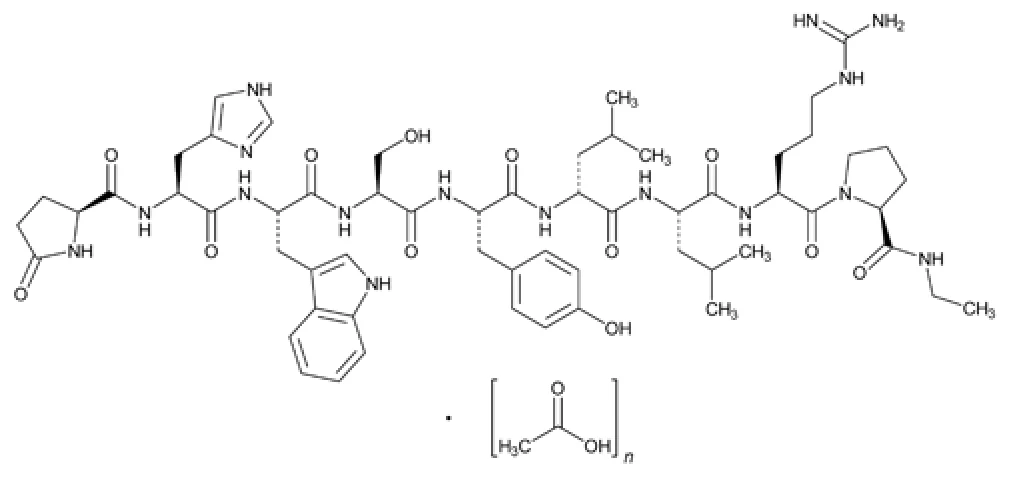
Chemical name: 5-oxo-L-prolyl-L-histidyl-L-tryptophyl-L-seryl-L-tyrosyl-D-Leucyl-L-leucyl-L-arginyl-N- ethyl-L-prolinamide acetate
Molecular formula and molecular mass: C59H84N16O12·C2H4O2; 1209.41 as free base
Structural formula:
Physicochemical properties:
Description: Leuprolide acetate is a fine or fluffy, white to off-white powder.
Solubility: Very soluble in water, ethanol and propylene glycol pKa: 9.6
14 CLINICAL TRIALS
14.1 Trial Design and Study Demographics
Table 4: Summary of patient demographics for clinical trials in prostate cancer patients
| Study # | Study design | Dosage, route of administration and duration | Study subjects (n) | Mean age (Range) | Sex |
| ZEULIDE DEPOT 3.75 mg | Open-label, multicentre study conducted to evaluate the safety and efficacy of ZEULIDE DEPOT in prostate cancer patients | 3.75 mg Intramuscularly once every four weeks for 24 weeks | 160 | Mean ± SD 71.6 ± 9.2 Range 48-90 | Males |
| ZEULIDE DEPOT 22.5 mg | Open-label, multicentre study conducted to evaluate the safety and efficacy of ZEULIDE DEPOT in prostate cancer patients | 22.5 mg Multiple dose study to evaluate 2 sequential doses administered in a 3 month interval | 163 | Mean ± SD 71.0 ± 9.0 Range 47-91 | Males |
Further details describing the demographics of the study population can be found in the table below.
| Parameter | ZEULIDE DEPOT 3.75 mg Safety Population (N=160) | ZEULIDE DEPOT 22.5 mg Safety Population (N=163) |
Age Mean ± SD Range | 71.6 ± 9.2 48-90 | 71.0 ± 9.0 47-91 |
Weight (kg) Mean ± SD Range | 83.7 ± 15.5 51-130 | 88.8 ± 18.6 52-159 |
Height (cm) Mean ± SD Range | 174.2 ± 8.1 150-193 | 175.0 ± 8.0 149-191 |
Sex Male | 160 (100%) | 163 (100%) |
Race Caucasian Hispanic Asian Other | 140 (87.5%) 16 (10%) 3 (1.9%) 1 (0.6%) | 101 (62.0%) 49 (30.1%) 9 (5.5%) 2 (1.2%) 2 (1.2%) |
Baseline Testosterone (ng/mL) Mean ± SD Range | 5.48 ± 4.20 1.33-30.70 | 4.14 ± 1.83 0.63-9.90 |
14.2 Study Results
Two Phase III open-label, multicentre studies were conducted to evaluate the safety and efficacy of ZEULIDE DEPOT in prostate cancer patients.
The first study was carried out to determine whether ZEULIDE DEPOT 3.75 mg injected intramuscularly once every four weeks for 24 weeks would reduce testosterone to, and maintain it at castrate levels (≤ 0.5 ng/mL) in 160 previously untreated prostate cancer patients.
By Day 21, 78.7% of the patients had achieved medical castration. By Day 28, 96.8% of the patients had achieved castrate levels and 73.1% had achieved levels of ≤ 0.2 ng/mL. No breakthrough or acute-on-chronic responses were reported throughout the study. Every patient involved in the study (100%) maintained castrate levels at all the key time-points (Days 56, 84, 112, 140 and 168) until the end of the study (see Figure 1). At the end of the study, 92.8% of the patients had testosterone levels ≤ 0.2 ng/mL.
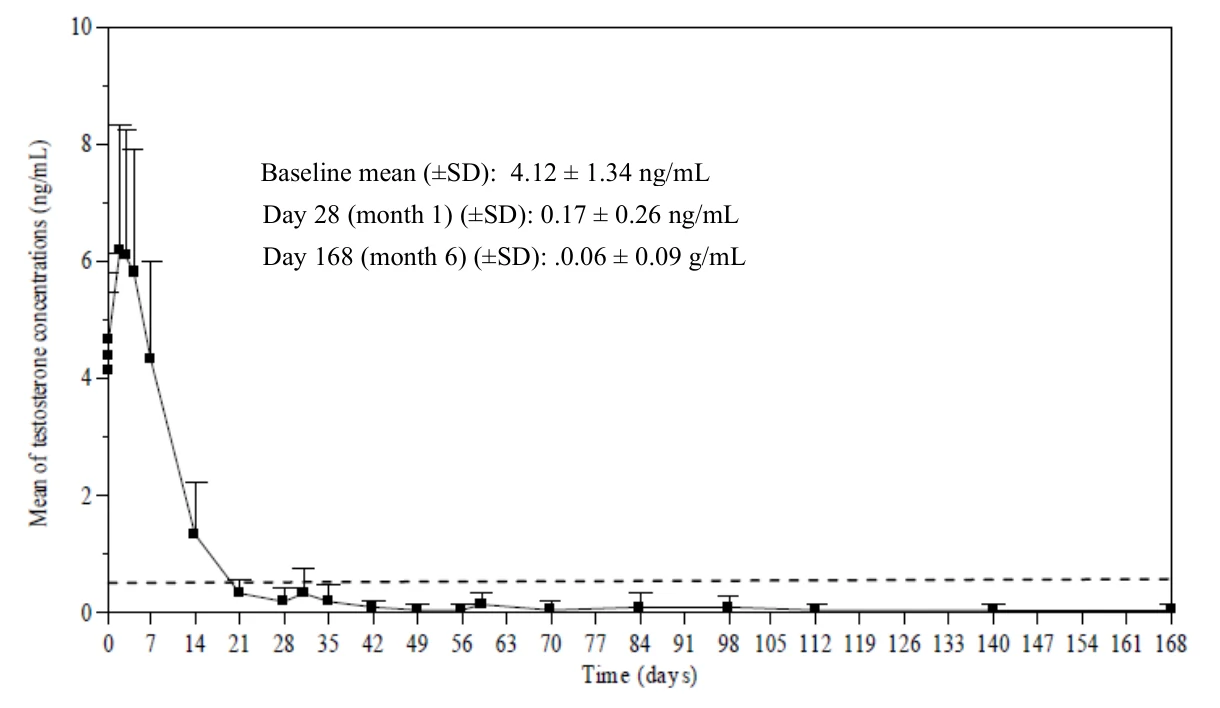
Figure 1: Plasma Testosterone Concentrations (Mean ± SD) for All Patients (N=160) Who Received 6 Monthly i.m. Injections of ZEULIDE DEPOT 3.75 mg
By Day 14 and Day 4 after the first ZEULIDE DEPOT injection, mean LH and FSH serum levels had decreased below the baseline concentrations, respectively. In addition, mean serum PSA levels gradually decreased during the first month and then remained constantly below baseline levels until the end of the study. However, a wide inter-individual variation in PSA concentrations was observed throughout the study.
Next, a multiple-dose study was carried out to evaluate two sequential doses of ZEULIDE DEPOT 22.5 mg administered in a 3-month interval to 163 patients with histologically proven carcinoma of the prostate. Testosterone levels were suppressed below the castrate threshold (≤0.5 ng/mL) in 98.7% of the patients by Day 28. Additionally, 78.0% of the patients achieved the more stringent criterion of testosterone ≤0.2 ng/mL at this time. At the end of the study (Day 168), 99.3% patients maintained castrate levels. Additionally, 90.7% of the patients presented testosterone levels ≤0.2 ng/mL at Day 168.
Secondary efficacy endpoints included determination of serum LH, FSH and PSA concentrations. By Day 14 after the first injection, mean LH and FSH serum levels had decreased below baseline concentrations, showing the response of the prostate cancer to androgen ablation. Concentrations
Baseline mean (±SD): 4.12 ± 1.34 ng/mL
Day 28 (month 1) (±SD): 0.17 ± 0.26 ng/mL
Day 168 (month 6) (±SD): .0.06 ± 0.09 g/mL
remained well below baseline values from Day 28 until the end of the study. During treatment, median PSA serum levels gradually decreased (first month) and remained below baseline level until the end of study. PSA concentrations also showed high variability among patients throughout this study.
The leuprolide PK profile obtained in a sub-group analysis (N=30) confirmed the sustained release pattern of ZEULIDE DEPOT 22.5 mg for the duration of the study.
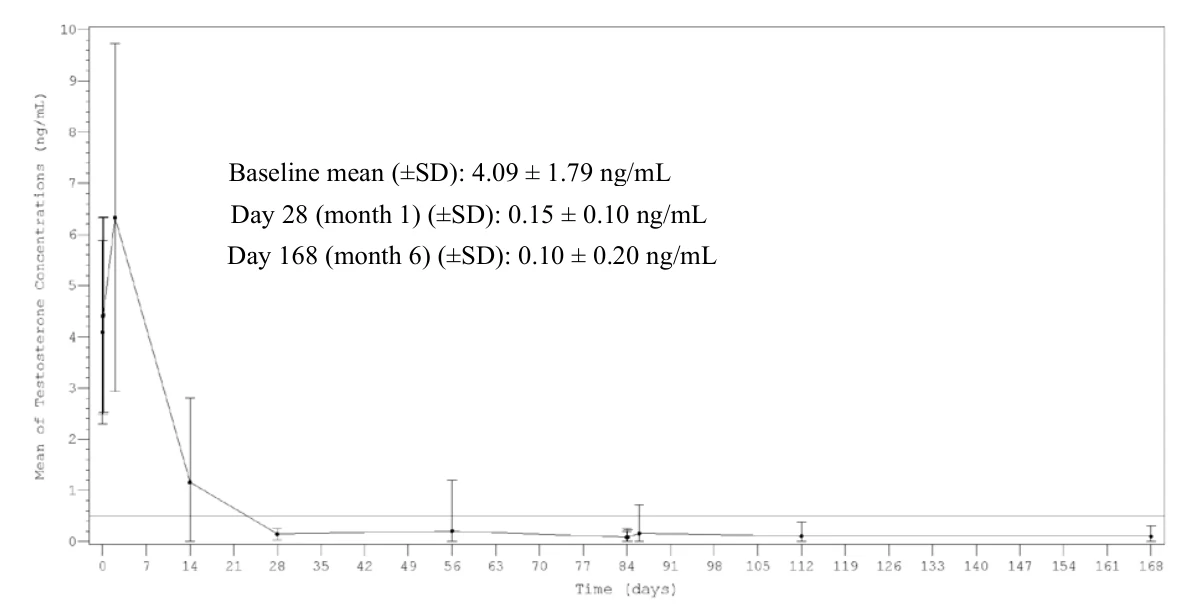
Figure 2: Plasma Testosterone Concentrations (Mean ± SD) for Patients (N=161) Who Received 2 Monthly i.m. Injections of ZEULIDE DEPOT 22.5 mg
An assessment of WHO/ECOG performance status showed stability in most patients with >76% (1-Month) and >82% (3-Month) having a performance status of 0 throughout the study, indicating that they were fully active and able to carry on all pre-disease performances without restriction. All summaries of bone pain, urinary symptoms, and urinary pain indicated good symptom control and were constant throughout each study, with no evidence of flare responses.
The observed safety profile of ZEULIDE DEPOT 3.75 mg (1-Month) and 22.5 mg (3-Month) was similar to that of other products containing leuprolide acetate.
Table 5 - Results of ZEULIDE DEPOT studies in prostate cancer patients
| Primary Endpoints | Associated value and statistical significance for Drug at specific dosages | Associated value and statistical significance for Placebo or active control |
Baseline mean (±SD): 4.09 ± 1.79 ng/mL
Day 28 (month 1) (±SD): 0.15 ± 0.10 ng/mL
Day 168 (month 6) (±SD): 0.10 ± 0.20 ng/mL
| ZEULIDE DEPOT 3.75 mg injected intramuscularly once every four weeks for 24 weeks will reduce testosterone to, and maintain it at castrate levels (≤ 0.5 ng/mL) in previously untreated prostate cancer patients | By Day 21: 78.7% of patients had achieved medical castration. By Day 28: 96.8% of the patients had achieved castrate levels; 73.1% had achieved levels of ≤ 0.2 ng/mL. No breakthroughs reported throughout the study. At study completion, 92.8% of the patients had testosterone levels ≤ 0.2 ng/mL. | Not applicable |
| Multiple-dose study to evaluate two sequential doses of ZEULIDE DEPOT 22.5 mg administered in a 3-month interval to patients with histologically proven carcinoma of the prostate. | By Day 28: 98.7% of patients had testosterone levels below the castrate threshold (≤0.5 ng/mL). By Day 28: 78.0% of the patients had testosterone levels ≤0.2 ng/mL. At study completion (Day 168), 99.3% patients maintained castrate levels and 90.7% of the patients presented testosterone levels ≤0.2 ng/mL. | Not applicable |
15 MICROBIOLOGY
No microbiological information is required for this drug product.
16 NON-CLINICAL TOXICOLOGY
General Toxicology:
Acute Toxicity
Published studies on a sustained release formulation of leuprolide acetate demonstrated that the product has a low order of acute toxicity in mice and rats, with LD50’s above 5000 mg/kg (greater than 400 mg/kg of leuprolide acetate) for oral, subcutaneous and intraperitoneal routes of administration, and above 2000 mg/kg (greater than 160 mg/kg as leuprolide acetate) for intramuscular injection. The only clinical signs observed were related to local effects at the site of injection.
Long-term Toxicity
Rat
Leuprolide acetate for depot suspension was administered intramuscularly to three groups of male rats at doses from 10, 30 and 100 mg/kg/week (corresponding to 0.8, 2.4 and 8.0 mg/kg/week of leuprolide acetate injection) once a week for 13 weeks. Rats dosed at 100 mg/kg/week showed atrophy of testes; in addition, white spots were noted at the injection sites. The atrophy of the testes was reported to be due to the hormonal action of leuprolide acetate injection; the "no-toxic-effect" dose was considered to be 100 mg/kg/week.
In another toxicity study, male rats were given leuprolide acetate for depot suspension subcutaneously once a week for 3 weeks, at doses of 30 mg/kg/week (corresponding to 2.4 mg/kg/week of leuprolide acetate injection). Atrophy of the testes, and a slight induration were noted. The "no-toxic effect" dose was considered to be 30 mg/kg/week.
In a third study, leuprolide acetate for depot suspension was given subcutaneously to groups of male and female rats, at doses of 0, 10, 30 and 100 mg/kg/week once a week for 13 weeks (corresponding to 0, 0.8, 2.4 and 8 mg/kg/week of leuprolide acetate injection). Atrophy of the testes was noted, with induration at injection site; in female rats, the vagina failed to open throughout the dosing period. Leuprolide acetate for depot suspension produced changes related to the expected pharmacologic effects. The "no-toxic-effect" dose was considered to be 100 mg/kg/week.
Dog
In two different studies, female and male beagle dogs were given leuprolide acetate for depot suspension subcutaneously for 13 weeks, once a week at doses of 10, 30, 100 mg/kg/week, corresponding to 0.8, 2.4 and 8 mg/kg/week leuprolide acetate injection. No death was reported. Signs and symptoms include inflammatory lesions at the injection sites, and atrophic changes of the primary and accessory sex glands. The injection site change, seen in both control and test groups, was induced by the microcapsule, not leuprolide, and was reversible.
Carcinogenicity: Studies to determine the carcinogenic potential of ZEULIDE DEPOT have not been conducted.
Two rodent carcinogenicity studies were conducted for two years with daily doses of 0.6, 1.5 and 4 mg/kg/day of leuprolide acetate in the rat, and with 0.6, 6 and 60 mg/kg/day in the mouse.
In rats, a dose-related incidence of pituitary hyperplasia, hypertrophy and benign pituitary adenomas were noted at 12-month necropsy, while a statistically significant dose-related incidence of benign pituitary adenomas was observed in both male and female rats after 24 months when the drug was administered subcutaneously at high daily doses (0.6 to 4 mg/kg).
In mice, no drug-induced neoplastic changes or pituitary abnormalities were observed at doses as high as 60 mg/kg for two years.
Patients have been treated with leuprolide for up to three years with doses as high as 10 mg/day, and for two years with doses as high as 20 mg/day. Clinical signs of pituitary abnormalities have not been observed in any of these patients.
Genotoxicity: A sustained-release formulation of leuprolide was not mutagenic in either an in vitro cytogenetic assay using Chinese hamster lung cells or an in vivo micronucleus assay in mice. In a bacteria reversed mutation assay (Ames Test) using E. coli and S. typhimurium, leuprolide acetate was not found to be mutagenic.
Reproductive and Developmental Toxicology: Reproduction and teratology studies conducted with a sustained release formulation indicate all effects observed are related to consequences or repeated administration of this pharmacologic agent. Fertility studies, where male rats were dosed once every four weeks for three doses prior to mating, showed that the drug produced reversible atrophy of the testes or accessory sex organs at doses as low as 0.024 mg/kg (as leuprolide), and a decrease in LH, FSH and testosterone levels. A reversible decrease in copulation and implantation sites was also observed at the high dose of 2.4 mg/kg. No effects on the fetuses were observed.
Female rats dosed at 2.4 mg leuprolide acetate/kg once, four weeks prior to mating, caused an interruption in the oestrus cycle and decreased vaginal size. Weights of the ovaries and uterus were decreased. Following mating, corpora lutea and the number of implantation sites were decreased at 0.24 mg/kg and above; the number of live fetuses was reduced at 2.4 mg/kg and above.
No abnormal development was noted in the fetuses. The sustained release formulation of leuprolide was not teratogenic in either rats or rabbits. In the perinatal study, the administration of the sustained release formulation of leuprolide prior to delivery at up to 8 mg/kg showed effects on sex organ weights, but no adverse effects on the fetuses, including weights of their sex organs.
In another study, when administered on day 6 of pregnancy at test dosages of 0.00024, 0.0024, and 0.024 mg/kg (1/300 to 1/3 of the 3.75 mg dose) to rabbits, leuprolide acetate produced a dose-related increase in major fetal abnormalities.
Special Toxicology: To investigate the effect of leuprolide acetate at the site of injection, the local toxicity of formulations very similar to ZEULIDE DEPOT 3.75 mg was evaluated in different animal models.
Rat and Dog
Histopathology in rats and dogs were examined after subcutaneous administration of either the sustained-release form of leuprolide acetate (leuprolide acetate micro capsulated in PLGA) or the PLGA placebo. Animals were treated for 13 weeks (rats and dogs) and 12 months (rats). Histopathological evaluation of the injection site only identified granulation tissues accompanied by cyst that disappeared within 10 or 13 weeks of the administration, respectively. These changes were characterized mainly by foreign body reactions caused by the PLGA.
Rabbit
Local tolerance of the sustained-release formulation with and without the inclusion of the leuprolide acetate (a total of four subcutaneous injections were given once every 4 weeks) has been investigated in rabbits. Macroscopic and microscopic examinations (Days 2, 14 and 56 after the last injection) yielded similar observations were made for formulations with and without leuprolide acetate. A reaction to the foreign body, in the absence of toxicological changes in the surrounding skin and muscle tissue suggest an irritant potential for these formulations as very low.
Guinea Pig
Two studies were performed to evaluate the potential of leuprolide acetate for depot suspension to produce either systemic anaphylaxis or delayed hypersensitivity reactions in guinea pigs.
Preliminary antigenicity study. Leuprolide acetate for depot suspension was given to guinea pigs at a dose of 123 mg/kg every 2 weeks by intramuscular route 4 times, and once by subcutaneous route 2 weeks after the last intramuscular dose. Results were compared to controls treated with placebo-microcapsule 122 mg/kg intraperitoneally, or with ovalbumin 5 mg/animal intravenously. No systemic anaphylactic reactions were observed with animals treated with leuprolide acetate for depot suspension and placebo-microcapsule, but some induced equivocal weak antibody production was noted.
In a second study, the sensitization potential of leuprolide acetate for depot suspension at doses of 50⁰mg/animal/dosing by intramuscular (systemic anaphylaxis) or at doses of approximately 7.2 mg/ animal/dosing (0.05 mL of a 144.23 mg/mL of suspension) intradermal (delayed hypersensitivity), were compared to those seen with gelatin, egg albumin or captan. No signs of anaphylactic reactions nor delayed hypersensitivity were observed for leuprolide acetate for depot suspension, while signs of anaphylactic reactions (such as nose scratching, sneezing, dyspnea or local irritation) were noted with other compounds.