


Product Monograph - Eligard
RECENT MAJOR LABEL CHANGES
| 7 Warnings and Precautions, All Indications | 04/2025 |
|---|---|
| 7 Warnings and Precautions, Prostate Cancer | 04/2025 |
TABLE OF CONTENTS
Sections or subsections that are not applicable at the time of authorization are not listed.
RECENT MAJOR LABEL CHANGES .......................................................................................... 2
TABLE OF CONTENTS ............................................................................................................ 2
PART I: HEALTH PROFESSIONAL INFORMATION .................................................................... 5
1 INDICATIONS ............................................................................................................. 5
1.1 Pediatrics ..................................................................................................................... 5
1.2 Geriatrics ...................................................................................................................... 5
2 CONTRAINDICATIONS ................................................................................................ 5
3 SERIOUS WARNINGS AND PRECAUTIONS BOX ........................................................... 6
4 DOSAGE AND ADMINISTRATION ................................................................................ 6
4.1 Dosing Considerations ................................................................................................. 6
4.2 Recommended Dose and Dosage Adjustment ............................................................ 6
4.3 Reconstitution ............................................................................................................. 7
4.4 Administration ............................................................................................................. 9
4.5 Missed Dose ............................................................................................................... 10
5 OVERDOSAGE .......................................................................................................... 10
6 DOSAGE FORMS, STRENGTHS, COMPOSITION AND PACKAGING .............................. 10
7 WARNINGS AND PRECAUTIONS ............................................................................... 11
All Indications ................................................................................................................... 11
Prostate Cancer ................................................................................................................ 13
Central Precocious Puberty ............................................................................................. 15
7.1 Special Populations .................................................................................................... 16
7.1.1 Pregnant Women ............................................................................................. 16
7.1.2 Breast-Feeding ................................................................................................. 16
7.1.3 Pediatrics .......................................................................................................... 16
7.1.4 Geriatrics .......................................................................................................... 16
8 ADVERSE REACTIONS............................................................................................... 17
8.1 Adverse Reaction Overview ....................................................................................... 17
8.1.1 Prostate Cancer ................................................................................................ 17
8.1.2 Central Precocious Puberty ............................................................................. 17
8.2 Clinical Trial Adverse Reactions ................................................................................. 17
8.2.1 Clinical Trial Adverse Reactions - Pediatrics .................................................... 18
8.3 Less Common Clinical Trial Adverse Reactions ......................................................... 19
8.3.1 Less Common Clinical Trial Adverse Reactions – Pediatrics ............................ 20
8.4 Abnormal Laboratory Findings: Hematologic, Clinical Chemistry and Other Quantitative Data ............................................................................................................. 20
8.5 Post-Market Adverse Reactions ................................................................................ 21
9 DRUG INTERACTIONS .............................................................................................. 22
9.2 Drug Interactions Overview ....................................................................................... 22
9.3 Drug-Behavioural Interactions .................................................................................. 22
9.4 Drug-Drug Interactions .............................................................................................. 22
9.5 Drug-Food Interactions .............................................................................................. 22
9.6 Drug-Herb Interactions .............................................................................................. 22
9.7 Drug-Laboratory Test Interactions ............................................................................ 22
10 CLINICAL PHARMACOLOGY ...................................................................................... 22
10.1 Mechanism of Action ........................................................................................... 22
10.2 Pharmacodynamics .............................................................................................. 23
10.2.1 Prostate Cancer ................................................................................................ 23
10.2.2 Central Precocious Puberty ............................................................................. 24
10.3 Pharmacokinetics ................................................................................................. 25
11 STORAGE, STABILITY AND DISPOSAL ........................................................................ 26
12 SPECIAL HANDLING INSTRUCTIONS .......................................................................... 26
PART II: SCIENTIFIC INFORMATION ..................................................................................... 27
13 PHARMACEUTICAL INFORMATION .......................................................................... 27
14 CLINICAL TRIALS ...................................................................................................... 27
14.1 Clinical Trials by Indication .................................................................................. 27
14.1.1 Prostate Cancer ................................................................................................ 27
14.1.2 Central Precocious Puberty ............................................................................. 29
15 MICROBIOLOGY ...................................................................................................... 30
16 NON-CLINICAL TOXICOLOGY .................................................................................... 30
PATIENT MEDICATION INFORMATION FOR PROSTATE CANCER ........................................... 33
PATIENT MEDICATION INFORMATION FOR CENTRAL PRECOCIOUS PUBERTY ....................... 40
INSTRUCTIONS FOR USE ..................................................................................................... 46
PART I: HEALTH PROFESSIONAL INFORMATION
1 INDICATIONS
Prostate Cancer
ELIGARD 7.5 mg (1-month), 22.5 mg (3-month), 30 mg (4-month) and 45 mg (6-month) are indicated for the treatment of advanced prostate cancer.
Central Precocious Puberty (CPP)
ELIGARD 45 mg (6-month) is indicated for the treatment of children 2 years of age and older with central precocious puberty (CPP).
1.1 Pediatrics
Pediatrics (≥ 2 years of age): Based on the data submitted and reviewed by Health Canada, the safety and efficacy of ELIGARD 45 mg in pediatric patients has been established for the treatment of Central Precocious Puberty; therefore, Health Canada has authorized an indication for patients 2 years of age and older (see 14 CLINICAL TRIALS). The safety and effectiveness of Eligard have not been established in pediatric patients less than 2 years old.
1.2 Geriatrics
Geriatrics (≥ 70 years of age): The majority (> 70%) of the patients studied in the clinical trials for the treatment of advanced prostate cancer with ELIGARD were 70 years and older (see 14 CLINICAL TRIALS).
2 CONTRAINDICATIONS
ELIGARD is contraindicated in:
- patients who are hypersensitive to this drug or to any ingredient in the formulation, including any non-medicinal ingredient, or component of the container. Anaphylactic reactions including anaphylactic shock to synthetic LH-RH or LH-RH analogs have been reported in post-marketing surveillance. For a complete listing, see section 6 DOSAGE FORMS, STRENGTHS, COMPOSITION AND PACKAGING.
- females who are, or may become, pregnant while receiving the drug. There are possibilities that fetal harm and spontaneous abortions may occur. The use of ELIGARD in nursing females is not recommended (see 7.1 Special Populations and 16 NON-CLINICAL TOXICOLOGY).
3 SERIOUS WARNINGS AND PRECAUTIONS BOX
Serious Warnings and Precautions
Prostate Cancer The following are clinically significant adverse events: |
|---|
4 DOSAGE AND ADMINISTRATION
4.1 Dosing Considerations
ELIGARD should be prescribed by a qualified physician experienced in the use of hormonal therapy. ELIGARD must be administered by a healthcare professional.
Prostate Cancer
ELIGARD 7.5, 22.5, 30 and 45 mg administered subcutaneously is designed to provide continuous sustained release of leuprolide for 1, 3, 4 and 6 months, respectively.
Central Precocious Puberty
ELIGARD 45 mg, administered subcutaneously once every 6 months, is designed to provide continuous sustained release of leuprolide. Discontinue ELIGARD treatment at the appropriate age of onset of puberty. ELIGARD does not require a dose adjustment based on patient weight.
Monitor response to ELIGARD with a GnRH agonist stimulation test, basal serum luteinizing hormone (LH) levels or serum concentration of sex steroid levels at 1 to 2 months following initiation of therapy and as needed to confirm adequate suppression of pituitary gonadotropins, sex steroids, and progression of secondary sexual characteristics. Measure height (for calculation of growth velocity) every 3 to 6 months and monitor bone age periodically. If the therapeutic response is not adequate, consider switching to an alternative therapy.
4.2 Recommended Dose and Dosage Adjustment
The recommended dose of each strength of ELIGARD is shown in Table 1. Each dose is administered as a single subcutaneous injection after reconstituting with a special polymer formulation (see 4.4 Administration).
Table 1. Recommended Dose of ELIGARD
| Strength | Dose Schedule | Total Injection Weight | Amount of Leuprolide Acetate | Total Injection Volume |
|---|---|---|---|---|
| Prostate Cancer | ||||
| 7.5 mg | Monthly (every 4 weeks) | 250 mg | 7.5 mg | 0.25 mL |
| 22.5 mg | Every 3 months (every 12 weeks) | 375 mg | 22.5 mg | 0.375 mL |
| 30 mg | Every 4 months (every 16 weeks) | 500 mg | 30 mg | 0.50 mL |
| Prostate Cancer and Central Precocious Puberty | ||||
| 45 mg | Every 6 months (every 24 weeks) | 375 mg | 45 mg | 0.375 mL |
4.3 Reconstitution
ELIGARD is packaged in a carton containing:
- Tray containing a pre-connected syringe system with desiccant pack
- Package insert
- Sterile safety needle and cap, provided under tray
Tray Packaging
Figure 1. Eligard Tray Contents
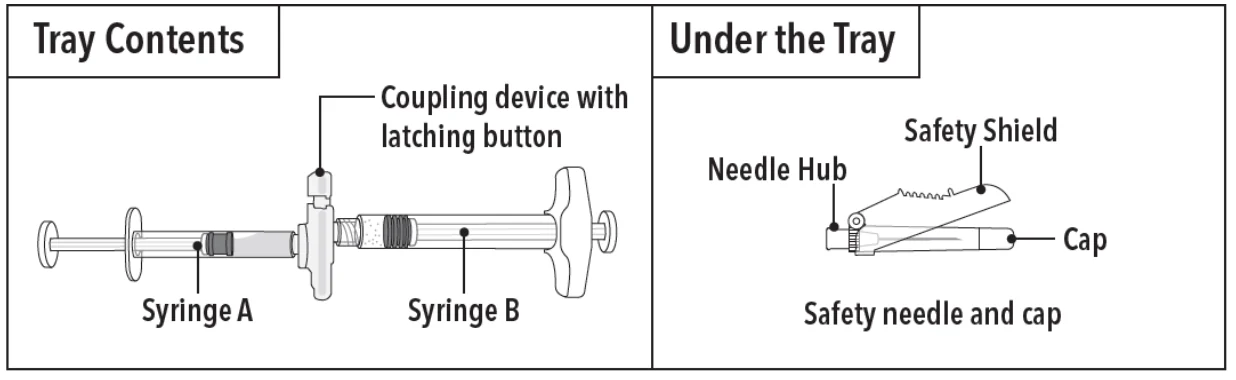
Follow the instructions as directed to ensure proper preparation of ELIGARD prior to administration. For more detailed instructions, see INSTRUCTIONS FOR USE. If the product is not prepared using the proper technique, it should not be administered, as lack of clinical efficacy may occur.
IMPORTANT:
- Use aseptic technique throughout the procedure.
- As with other similar agents, the use of gloves is recommended during mixing and administration.
- Allow the product to reach room temperature by removing it from the refrigerator at least 30 minutes before mixing. Note, before reconstitution, ELIGARD can be stored at room temperature (15 – 30°C) in original packaging for a period of 8 weeks prior to administration (see 11 STORAGE, STABILITY AND DISPOSAL).
- Once mixed, the product must be administered within 30 minutes or it should be discarded. The viscosity of the solution (or suspension) increases with time.
- ONLY use ATRIGEL®1 Delivery System to reconstitute the product, in order to ensure providing the continuous sustained release of the product.
On a clean field open the tray by tearing off the foil from the corner and remove the contents. Discard the desiccant pack. Remove the pre-connected syringe system from the tray. Open the sterile safety needle package by peeling back the paper tab. Note: Syringe A and Syringe B should not be lined-up yet.
The product should only be administered with the co-packaged, sterile safety needle.
Grasp the latching button on the coupling device with your finger and thumb and press until you hear a snapping sound. The two syringes will be aligned.
Do not bend the pre-connected syringe system.
Holding the syringes in a horizontal position, initially transfer the liquid contents of Syringe A into the leuprolide acetate powder contained in Syringe B. Thoroughly mix the product for 60 cycles by pushing the contents back and forth between both syringes to obtain a homogenous, viscous suspension.
- A full cycle is one push of the Syringe A plunger and one push of the Syringe B plunger.
- When thoroughly mixed, the viscous suspension will appear light tan to tan (ELIGARD 7.5 mg) or colorless to pale yellow (ELIGARD 22.5 mg, 30 mg, and 45 mg).
Note: Product must be mixed as described; shaking will NOT provide adequate mixing. Do not bend.
- 4. After mixing, hold the syringes vertically (upright) with Syringe B (wide syringe) on the bottom. The syringes should remain securely coupled. Transfer all of the mixed product into Syringe B by depressing the Syringe A plunger and slightly withdrawing the Syringe B plunger.
- 5.
While ensuring the Syringe A plunger is fully pushed down, hold the coupling device and unscrew Syringe B. This will disconnect Syringe B from the coupling device. Syringe A will remain attached to the coupling device.
Note: Small air bubbles will remain in the formulation – this is acceptable.
Do not purge the air bubbles from Syringe B as product may be lost.
- 1 ATRIGEL® is a registered trademark of Tolmar, Inc.
- 6.
Continue to hold Syringe B upright with the open end at the top. Hold back the white plunger on Syringe B to prevent loss of the product and attach the safety needle and cap. Gently screw clockwise with approximately a three-quarter turn until the safety needle and cap are secure.
Do not overtighten, as the needle hub may become damaged which could result in leakage of the product during injection. The safety shield may also be damaged if the safety needle and cap are screwed with too much force.
- 7.
Move the safety shield away from the needle and towards the syringe.
Pull off the cap immediately prior to administration.
Note: Should the needle hub appear to be damaged, or leak, the product should NOT be used. The damaged safety needle and cap should NOT be replaced and the product should NOT be injected. In the event of damage to the needle hub, use a new replacement ELIGARD carton.
4.4 Administration
As with all parenteral drug products, syringes as well as reconstituted drug solutions (or suspensions), visually inspect before use. Do not use if particulate matter, precipitate, discolouration or leakage is present. Solutions (or suspensions) showing particulate matter, precipitate, discolouration or leakage should not be used.
As with other drugs administered by subcutaneous injection, the injection site should vary periodically. The specific injection location chosen should be an area with sufficient soft or loose subcutaneous tissue. In clinical trials, the injection was administered in the upper- or mid-abdominal area. Avoid areas with brawny or fibrous subcutaneous tissue or locations that could be rubbed or compressed (i.e., with a belt or clothing waistband).
Administration procedure (for more detailed instructions, see INSTRUCTIONS FOR USE):
- 1. Select an injection site on the abdomen, upper buttocks, or another location with adequate amounts of subcutaneous tissue that does not have excessive pigment, nodules, lesions, or hair and hasn’t recently been used.
- 2. Cleanse the injection-site area with an alcohol swab (not enclosed).
- 3. Using the thumb and forefinger, grab and bunch the area of skin around the injection site.
- 4. Using your dominant hand, insert the needle quickly at a 90° angle to the skin surface. The depth of penetration will depend on the amount and fullness of the subcutaneous tissue and the length of the needle. After the needle is inserted, release the skin.
- 5.
Inject the drug using a slow, steady push and press down on the plunger until the syringe is empty.
Make sure all the drug has been injected before removing the needle.
- 6. Withdraw the needle quickly at the same 90° angle used for insertion.
- 7. Immediately following the withdrawal of the needle, activate the safety shield using a finger/thumb or flat surface and push until it completely covers the needle tip and locks into place.
- 8. An audible and tactile “click” verifies a locked position.
- 9. Check to confirm the safety shield is fully engaged. Discard all components safely in an appropriate biohazard container.
4.5 Missed Dose
Adherence to drug administration schedules is important to ensure the efficacy of gonadotropin releasing hormone agonist over the full dosing schedule. For central precocious puberty, noncompliance with drug regimen may lead to gonadotropins and/or sex steroids increasing above prepubertal levels resulting in inadequate control of the pubertal process. Missing an appointment by a few days should not disrupt the benefits of treatment, but keeping a consistent schedule of ELIGARD injections is an important part of treatment.
5 OVERDOSAGE
There is no clinical experience with the effects of an acute overdose. Because the acute animal toxicity of the drug is low, adverse effects are not expected. No difference in adverse reactions was observed in patients who received leuprolide acetate subcutaneously at a dose of either 1 or 10 mg/day for up to three years or 20 mg/day for up to two years.
| For management of a suspected drug overdose, contact your regional poison control centre. |
|---|
6 DOSAGE FORMS, STRENGTHS, COMPOSITION AND PACKAGING
ELIGARD is an injectable suspension of leuprolide acetate available in a pre-connected syringe system and packaged with a sterile safety needle and cap (Figure 1), a desiccant, and a package insert with instructions for use. The pre-connected syringe system consists of syringe A and syringe B connected using a coupling device. Syringe A contains the ATRIGEL® Delivery System [poly (DL-lactide-co-glycolide) and N-methyl-2-pyrrolidone] that is light tan to tan, clear viscous solution (ELIGARD 7.5 mg) or colourless to pale yellow, clear viscous solution (ELIGARD 22.5 mg, 30 mg and 45mg). Syringe B contains leuprolide acetate that is white to off-white powder.
When reconstituted, ELIGARD is administered as a single dose. The ATRIGEL® Delivery System is a polymeric (non gelatin containing) delivery system consisting of a biodegradable, poly (DL-Lactide-co-glycolide) polymer formulation dissolved in a biocompatible solvent, N-methyl-2-pyrrolidone (Table 2).
Table 2. Dosage Forms, Strengths, Composition and Packaging
| Route of Administration | Dosage Form/Strength | Non-Medicinal Ingredients |
| Subcutaneous Injection | 7.5 mg (1-Month) leuprolide acetate for extended-release injectable suspension | 50:50 Poly (DL-Lactide-co-glycolide)*, N-methyl-2-pyrrolidone |
| 22.5 mg (3-Month) leuprolide acetate for extended-release injectable suspension | 75:25 Poly (DL-Lactide-co-glycolide)*, N-methyl-2-pyrrolidone | |
* Co-polymer molar ratio of DL-lactide to glycolide containing carboxyl end groups.
7 WARNINGS AND PRECAUTIONS
Please see 3 SERIOUS WARNINGS AND PRECAUTIONS BOX.
All Indications
General
Mixing and administration procedures should be followed, as lack of clinical efficacy may occur due to incorrect reconstitution or administration of the product (see 4.4 Administration and 7 WARNINGS AND PRECAUTIONS, Monitoring and Laboratory Tests).
Carcinogenesis and Mutagenesis
No carcinogenicity studies or genotoxicity studies have been conducted specifically with ELIGARD.
There is no evidence of carcinogenic or mutagenic effects with the use of ELIGARD in humans.
A two-year carcinogenicity study conducted with leuprolide acetate in rats found increased incidences of benign pituitary hyperplasia, benign pituitary adenomas, pancreatic islet-cell adenomas, and testicular interstitial cell adenomas (see 16 NON-CLINICAL TOXICOLOGY). Patients with advanced prostate cancer have been treated with leuprolide acetate for up to two years with doses as high as 20 mg/day and up to three years with doses as high as 10 mg/day without demonstrable pituitary abnormalities.
Mutagenicity studies have been performed with leuprolide acetate using bacterial and mammalian systems. These studies provided no evidence of a mutagenic potential.
| 30 mg (4-Month) leuprolide acetate for extended-release injectable suspension | 75:25 Poly (DL-Lactide-co-glycolide)*, N-methyl-2-pyrrolidone |
| 45 mg (6-Month) leuprolide acetate for extended-release injectable suspension | 85:15 Poly (DL-Lactide-co-glycolide)*, N-methyl-2-pyrrolidone |
| Carton Contents |
ELIGARD 7.5, 22.5, 30 and 45 mg is packaged in one thermoformed tray placed into a paperboard carton. The ELIGARD carton contains:
|
Changes in Bone Density
Decreased bone mineral density can be anticipated with long-term use of an LHRH agonist. Bone density may decrease with GnRH agonist in children with central precocious puberty. However, after cessation of treatment subsequent bone mass accrual is preserved and peak bone mass in late adolescence does not seem to be affected by treatment.
Androgen deprivation therapy is associated with increased risks of osteoporosis and skeletal bone fractures. The risk of skeletal bone fracture increases with the duration of androgen deprivation therapy. Assessment of osteoporosis risk, monitoring and management according to clinical practice and guidelines should be considered.
In patients with significant risk factors for decreased bone mineral content and/or bone mass such as chronic alcohol and/or tobacco use, presumed or strong family history of osteoporosis or chronic use of drugs that can reduce bone mass such as anticonvulsants or corticosteroids, ELIGARD may pose an additional risk. In these patients, physicians should carefully consider whether the benefits of androgen deprivation therapy outweigh the risks of changes in bone density before therapy with ELIGARD is instituted.
Hypogonadism
Long-term administration of leuprolide will cause suppression of pituitary gonadotropins and gonadal hormone production with clinical symptoms of hypogonadism. These changes have been observed to reverse upon discontinuation of therapy. However, whether the clinical symptoms of induced hypogonadism will reverse in all patients has not yet been established.
Neurologic
Convulsions
Postmarketing reports of convulsions have been observed in adult and pediatric patients receiving GnRH agonists, including leuprolide acetate. These included patients with a history of seizures, epilepsy, cerebrovascular disorders, central nervous system anomalies or tumors, and patients on concomitant medications that have been associated with convulsions such as bupropion and selective-serotonin-reuptake inhibitors (SSRIs). Convulsions have also been reported in patients in the absence of any of the conditions mentioned above (8 ADVERSE REACTIONS).
Idiopathic Intracranial Hypertension (pseudotumor cerebri)
Idiopathic intracranial hypertension (pseudotumor cerebri) has been reported in adult and pediatric patients receiving GnRH agonists, including leuprolide acetate. Monitor patients for signs and symptoms of idiopathic intracranial hypertension, including headache, papilledema, blurred vision, diplopia, loss of vision, pain behind the eye or pain with eye movement, tinnitus, dizziness, and nausea. Treatment should be discontinued immediately if the patient develops any signs or symptoms suggestive of idiopathic intracranial hypertension.
Reproductive Health: Female and Male Potential
Fertility
Based on its pharmacodynamic effects of decreasing secretion of gonadal steroids, fertility is expected to be decreased while on treatment with ELIGARD. Clinical and pharmacologic studies in adults (> 18 years) with leuprolide acetate and similar analogs have shown reversibility of fertility suppression when the drug is discontinued after continuous administration for periods of up to 24 weeks (see 10 CLINICAL PHARMACOLOGY).
There is no evidence that pregnancy rates are affected following discontinuation of ELIGARD.
Animal studies (prepubertal and adult rats and monkeys) with leuprolide acetate and other GnRH analogs have shown functional recovery of fertility suppression (see 16 NON-CLINICAL TOXICOLOGY).
Function
Hormonal therapies for prostate cancer that reduce testosterone levels may lead to side effects such as loss of sexual desire and erectile dysfunction.
Teratogenic Risk
ELIGARD is contraindicated in females who are or may become pregnant (see 2 CONTRAINDICATIONS). Exclude pregnancy in females of reproductive potential prior to initiating ELIGARD, as ELIGARD may cause embryo-fetal harm when administered during pregnancy (see 7.1 Special Populations, 16 NON-CLINICAL TOXICOLOGY, Reproductive and Developmental Toxicology).
ELIGARD is not a contraceptive. If contraception is indicated, advise females of reproductive potential to use a nonhormonal method of contraception during treatment with ELIGARD.
Immune
Acute Hypersensitivity Reactions
Acute hypersensitivity reactions, including anaphylaxis, have been reported with leuprolide-containing therapy. Leuprolide is contraindicated in patients with a history of hypersensitivity to gonadotropin-releasing hormone (GnRH) or GnRH agonist analogs.
Delayed Hypersensitivity Reactions
Severe cutaneous adverse reactions (SCARs) including Stevens-Johnson syndrome (SJS), and Toxic epidermal necrolysis (TEN) which can be life-threatening or fatal, have been reported in association with leuprorelin treatment. At the time of prescription patients should be advised of the signs and symptoms and monitored closely for severe skin reactions. If signs and symptoms suggestive of these reactions appear, leuprorelin should be withdrawn immediately and an alternative treatment considered (as appropriate).
Prostate Cancer
General
ELIGARD, like other LH-RH analogs, causes a transient increase in serum concentration of testosterone during the first two weeks of treatment, known as a testosterone flare reaction. Patients may experience worsening of symptoms or onset of new symptoms, including bone pain, neuropathy, hematuria, or ureteral or bladder outlet obstruction.
Cases of spinal cord compression, which may contribute to paralysis with or without fatal complications, have been observed with LH-RH analogs. If spinal cord compression or renal impairment due to ureteral obstruction develops, standard treatment of these complications should be instituted.
Patients with metastatic vertebral lesions and/or with urinary tract obstruction should begin leuprolide acetate therapy under close supervision.
Cardiovascular
There may be a relationship between androgen deprivation therapy and cardiovascular risk in men with prostate cancer on the basis of the demonstrated adverse impact of androgen deprivation on traditional cardiovascular risk factors, including serum lipoproteins, insulin sensitivity, and obesity. Reports of events related to cardiovascular ischemia including myocardial infarction, stroke and cardiovascular-related deaths have been received in patients treated with LH-RH agonists.
Physicians should consider whether the benefits of androgen deprivation therapy outweigh the potential cardiovascular risk. Assessment of cardiovascular risk, monitoring and management according to clinical practice and guidelines should be considered (see 7 WARNINGS AND PRECAUTIONS, Monitoring and Laboratory Tests).
Effect on QT/QTc Interval
Androgen deprivation therapy has the potential to prolong QT/QTc interval on electrocardiogram (ECG). Physicians should consider whether the benefits of androgen deprivation therapy outweigh the potential risk in patients with congenital long QT syndrome, electrolyte abnormalities, or congestive heart failure and in patients taking Class IA (e.g., quinidine, procainamide), Class III (e.g., amiodarone, sotalol, dofetilide, ibutilide), or Class IC (e.g., flecainide, propafenone) antiarrhythmic medications (see 9.2 Drug Interactions Overview and 10.2 Pharmacodynamics).
Endocrine and Metabolism
Pituitary Apoplexy
During post-marketing surveillance, serious cases of pituitary apoplexy (a clinical syndrome secondary to infarction of the pituitary gland) have been reported after the administration of LH-RH agonists, including ELIGARD. The majority of the cases occurred within 2 weeks of the first dose, and some within the first hour. In these cases, pituitary apoplexy has presented as sudden onset of severe headache, vomiting, progressive symptoms of visual disturbance, ophthalmoplegia, altered mental status, hypopituitarism, and sometimes cardiovascular collapse. Immediate medical attention is required. Pre-existing gonadotropin-secreting pituitary adenoma was diagnosed in a majority of patients. If the presence of macroadenomas is evidenced by imaging and biochemical assessments, this should be surgically removed prior to start of LH-RH agonist including ELIGARD treatment.
Reduction in Glucose Tolerance
A reduction in glucose tolerance and an increased risk in developing diabetes have been reported in men treated with androgen deprivation therapy. Patients treated with LH-RH agonists should undergo periodic monitoring of blood glucose (see 7 WARNINGS AND PRECAUTIONS, Monitoring and Laboratory Tests). Diabetic patients may require more frequent monitoring when receiving LH-RH agonists. Assessment of glucose tolerance, monitoring and management according to clinical practice and guidelines should be considered.
Fatty liver disease
Metabolic changes affecting the liver (fatty liver) may be experienced.
Hematologic
Anemia is a known physiologic consequence of testosterone suppression. Assessment of anemia risk and management according to clinical practice and guidelines should be considered.
Monitoring and Laboratory Tests
Renal function tests, blood urea nitrogen (BUN) and creatinine may rarely be elevated during the first few days of therapy in prostate cancer patients before returning to normal.
Baseline risk factors of cardiovascular diseases should be assessed. Patients receiving ELIGARD should be monitored periodically for risk factors, signs and symptoms of cardiovascular diseases. In addition, baseline ECG recording and serum potassium, calcium, and magnesium levels are recommended. Monitoring of ECG and serum electrolyte levels during treatment should also be considered for those at risk for electrolyte abnormality and QTc prolongation (see 7 WARNINGS AND PRECAUTIONS, Cardiovascular).
Lipids, blood glucose levels and/or glycosylated hemoglobin (HbA1c) should be checked periodically in patients treated with LH-RH agonists and more frequently in diabetic patients (see 7 WARNINGS AND PRECAUTIONS, Endocrine and Metabolism).
Response to ELIGARD may be monitored by periodically measuring serum concentrations of testosterone and prostate specific antigen (PSA). Results of testosterone determinations are dependent on assay methodology. It is advisable to be aware of the type and precision of the assay methodology to make appropriate clinical and therapeutic decisions.
Testosterone levels should also be evaluated in the case of suspected or known handling errors, as lack of efficacy may result from incorrect preparation or administration.
In the majority of patients, testosterone levels increased above baseline during the first week, declining thereafter to baseline levels or below by the end of the second or third week. Castrate levels were generally reached within two to four weeks.
The effects of leuprolide acetate on bone lesions may be monitored by bone scans, while its effects on prostatic lesions may be monitored by ultrasonography, and/or CT scan in addition to digital rectal examination.
Intravenous pyelogram, ultrasonography, or CT scan may also be utilized to diagnose or assess the status of obstructive uropathy.
Respiratory
There have been postmarketing reports of interstitial pneumonitis associated with leuprolide acetate use. Treatment should be discontinued immediately if the patient develops any signs or symptoms suggestive of interstitial lung disease.
Central Precocious Puberty
General
Initial Rise of Gonadotropins and Sex Steroid Levels
During the early phase of therapy, gonadotropins and sex steroids rise above baseline because of the initial stimulatory effect of the drug (see 10 CLINICAL PHARMACOLOGY). Therefore, an increase in clinical signs and symptoms of puberty including vaginal bleeding may be observed during the first weeks of therapy or after subsequent doses (see 8 ADVERSE REACTIONS). Instruct patients and caregivers to notify the physician if these symptoms continue beyond the second month after ELIGARD administration.
Psychiatric
Psychiatric events have been reported in pediatric patients taking GnRH agonists, including leuprolide acetate. Postmarketing reports with this class of drugs include symptoms of emotional lability, such as crying, irritability, impatience, anger, and aggression. Monitor for development or worsening of psychiatric symptoms during treatment with ELIGARD (see 8 ADVERSE REACTIONS). Call your child’s doctor right away if your child has any new or worsening emotional symptoms while taking ELIGARD.
Monitoring and Laboratory Tests
See 4 DOSAGE AND ADMINISTRATION, Dosing Considerations.
7.1 Special Populations
7.1.1 Pregnant Women
Eligard is contraindicated during pregnancy or in females who may become pregnant (see 2 CONTRAINDICATIONS). Eligard may cause fetal harm based on findings from animal studies and the drug’s mechanism of action (see 10 CLINICAL PHARMACOLOGY). The available data from published clinical studies and case reports and from the pharmacovigilance database on exposure to leuprolide acetate during pregnancy are insufficient to assess the risk of major birth defects, miscarriage, or adverse maternal or fetal outcomes. Based on animal reproduction studies, leuprolide acetate may be associated with an increased risk of pregnancy complications, including early pregnancy loss and fetal harm. If a patient becomes pregnant during treatment, she should stop taking Eligard and consult her physician.
7.1.2 Breast-Feeding
There are no data on the presence of leuprolide acetate in either animal or human milk, the effects on the breastfed infants, or the effects on milk production. The developmental and health benefits of breastfeeding should be considered along with the mother’s clinical need for ELIGARD and any potential adverse reactions on the breastfed infant from ELIGARD or from the underlying maternal condition. The use of ELIGARD in nursing females is not recommended.
7.1.3 Pediatrics
The safety and effectiveness of ELIGARD have not been established in pediatric patients less than 2 years old.
7.1.4 Geriatrics
Geriatrics (≥ 70 years of age): The majority (> 70%) of the patients studied in the clinical trials for the treatment of advanced prostate cancer with ELIGARD were 70 years and older (see 14 CLINICAL TRIALS). No overall differences in safety or effectiveness of ELIGARD were observed between elderly and younger patients with advanced prostate cancer.
8 ADVERSE REACTIONS
8.1 Adverse Reaction Overview
8.1.1 Prostate Cancer
The safety of all ELIGARD formulations was evaluated in clinical trials involving patients with advanced prostate cancer. The safety of ELIGARD 7.5 mg (1-Month) was evaluated in 128 patients with advanced prostate cancer (N = 8 orchiectomized and N = 120 non-orchiectomized). The safety of ELIGARD 22.5 mg (3 Month), 30 mg (4-Month) and ELIGARD 45 mg (6-Month) was evaluated in 117, 90 and 111 non-orchiectomized patients with advanced prostate cancer, respectively. ELIGARD caused a transient increase in serum testosterone concentrations during the first 2 weeks of treatment.
None of the 1338 injections and subsequent transient increases in testosterone were associated with an exacerbation of disease symptoms. Some adverse effects reported with ELIGARD are related to its pharmacological action of sex hormone suppression.
Local adverse events reported in ≥ 5% of patients after injection of all doses of ELIGARD included transient burning and stinging (27.5% of injections), which were typically mild in intensity, brief in duration (one minute or less) and non-recurrent over time.
The majority of study injections were not associated with reports of injection site adverse events.
8.1.2 Central Precocious Puberty
The following serious adverse reactions are described here and in 7 WARNINGS AND PRECAUTIONS.
- Initial rise in gonadotropin and sex steroid levels
- Psychiatric Events
- Convulsions
- Idiopathic Intracranial Hypertension (pseudotumor cerebri)
8.2 Clinical Trial Adverse Reactions
Clinical trials are conducted under very specific conditions. The adverse reaction rates observed in the clinical trials, therefore, may not reflect the rates observed in practice and should not be compared to the rates in the clinical trials of another drug. Adverse reaction information from clinical trials may be useful for identifying and approximating rates of adverse drug reactions in real-world use.
Prostate Cancer
Five clinical studies (AGL9904, AGL9802, AGL9909, AGL0001 and AGL0205) of ELIGARD were conducted in males with advanced prostate cancer. These open label, uncontrolled studies ranged from 6 months to 1 year in duration. The average age of patients across the studies was 73 years old (refer to Table 7 and Table 8 for additional study details). The following (Table 3) possibly or probably related systemic adverse events were reported by ≥ 5% of the patients administered ELIGARD 7.5 mg, 22.5 mg, 30 mg and 45 mg in clinical studies.
Table 3. Summary of Possibly or Probably Related Systemic Adverse Events Reported by ≥ 5% of Patients Treated with ELIGARD
| ELIGARD® Dose | 7.5 mg | 7.5 mg | 22.5 mg | 30 mg | 45 mg | ||||||||||||||||
| Study Number | AGL9904 | AGL9802 | AGL9909 | AGL0001 | AGL0205 | ||||||||||||||||
| Number of Patients | 120 | 8 | 117 | 90 | 111 | ||||||||||||||||
| Treatment | 1 injection every month up to 6 months | 1 injection (surgically castrated patients) | 1 injection every 3 months up to 6 months | 1 injection every 4 months up to 8 months | 1 injection every 6 months up to 12 months | ||||||||||||||||
| MedDRA System Organ Class6 | Adverse Event | Number (percent) | |||||||||||||||||||
| General Disorders and Administration Site Conditions | Fatigue | 15 (12.5%) | - | 8 (6.8%) | 12 (13.3%) | 11 (9.9%) | |||||||||||||||
| Reproductive System and Breast Disorders | Testicular atrophy5 | 6 (5.0%) | - | - | - | 8 (7.2%) | |||||||||||||||
| Vascular Disorders | Hot Flush5 | 67 (55.8%)1 | 2 (25.0%)1 | 66 (56.4%)2 | 66 (73.3%)3 | 64 (57.7%)4 | |||||||||||||||
| |||||||||||||||||||||
8.2.1 Clinical Trial Adverse Reactions - Pediatrics
ELIGARD was evaluated in an uncontrolled, open-label, clinical trial in which 64 pediatric patients with CPP received at least one dose of ELIGARD. The age ranged from 4 to 9 years at start of treatment; 62 patients were female and 2 were male; 53% White; 23% Black; 8% American Indian or Alaska Native; 5% Asian; 2% Native Hawaiian or Other Pacific Islander. 56% of the subjects self-identified as Hispanic or Latino ethnicity. There were no adverse events that led to withdrawal from the study or discontinuation of study drug. Adverse reactions that occurred in ≥ 5% of patients are shown in Table 4.
Table 4. Adverse Reactions Occurring in ≥ 5% of Patients Treated with ELIGARD 45 mg in an Open-Label, Trial (TOL2581A) for Central Precocious Puberty
| Adverse Event | % of Patients (N=64) |
| Injection site pain1 | 31 |
| Nasopharyngitis | 22 |
| Pyrexia | 17 |
| Headache | 16 |
| Cough | 13 |
| Abdominal pain | 9 |
| Injection site erythema1 | 9 |
| Nausea | 8 |
| Constipation1 | 6 |
| Vomiting | 6 |
| Upper respiratory tract infection1 | 6 |
| Bronchospasm1 | 6 |
| Productive cough1 | 6 |
| Hot flush1 | 5 |
| Bronchitis1 | 5 |
| Pharyngitis1 | 5 |
| Pharyngitis streptococcal1 | 5 |
| Sinusitis1 | 5 |
- 1. All occurrences were reported as Grade 1.
8.3 Less Common Clinical Trial Adverse Reactions
Prostate Cancer
The following possibly or probably related systemic adverse events were reported by < 5% of patients administered ELIGARD 7.5 mg (1-Month), 22.5 mg (3-Month), 30 mg (4-Month) or 45 mg (6-Month) in clinical studies.
Blood and Lymphatic System Disorders:
decreased red blood cell count, hematocrit and hemoglobin (anemia)
Gastrointestinal Disorders:
dry mouth, nausea, stomach upset, flatulence, constipation, diarrhea, gastroenteritis/colitis
General Disorders and Administration Site Conditions:
fever, malaise, rigors, weakness, lethargy, pain (not otherwise specified), erythema2, bruising2, pruritis2, induration2, ulceration2
Metabolism and Nutrition Disorders:
weight gain
Musculoskeletal and Connective Tissue Disorders:
myalgia, muscle atrophy, arthralgia, backache, joint pain, limb pain, tremor
Nervous System Disorders:
disturbance of smell and taste, vertigo, dizziness, syncope
Psychiatric Disorders:
insomnia, depression, libido decreased1
Renal and Urinary Disorders:
urinary urgency, urinary frequency, incontinence, nocturia, aggravated nocturia, difficulties with urination, urinary retention, pain on urination, scanty urination, bladder spasm, and blood in urine
Reproductive System and Breast Disorders:
breast tenderness, gynecomastia, testicular atrophy1 and soreness/pain, reduced penis size1, penile disorder1, erectile dysfunction1, impotence1
Skin and Subcutaneous Tissue Disorders:
clamminess, sweating, night sweats, alopecia
Vascular Disorders:
hypertension, hypotension, vasodilation
- 1. Expected pharmacological consequence of testosterone suppression.
- 2. These events were mostly reported as mild and generally resolved within a few days post injection.
8.3.1 Less Common Clinical Trial Adverse Reactions – Pediatrics
Central Precocious Puberty
The following possibly or probably related systemic adverse events were reported by < 5% of patients administered ELIGARD 45 mg (6-Month) in clinical studies.
Psychiatric Disorders:
emotional disorder (2%), irritability (2%)
8.4 Abnormal Laboratory Findings: Hematologic, Clinical Chemistry and Other Quantitative Data
Prostate Cancer
Abnormalities of certain parameters were observed but are difficult to assess in this population and in relation to the drug treatment.
Across all ELIGARD dose strengths, clinical chemistry laboratory values of CTCAE Grade 1-2 observed in ≥ 10% of the study population at any time during the ELIGARD clinical studies included: increased alanine aminotransferase (ALT), alkaline phosphatase (ALP), aspartate aminotransferase (AST), bilirubin, total cholesterol, creatine kinase (CK), creatinine, lactate dehydrogenase (LDH), sodium and triglycerides.
Hematology laboratory values of CTCAE Grade 1-2 observed in ≥ 5% of the study population at any time during the clinical studies included: increased eosinophils and International Normalized Ratio (INR); decreased erythrocytes, lymphocytes, neutrophils and hemoglobin.
CTCAE Grade 3 laboratory abnormalities observed in ≥ 5% of the study population at any time during the ELIGARD clinical studies included: increased triglycerides, CK and INR and decreased lymphocytes. CTCAE Grade 4 abnormalities observed in ≤ 5% of the ELIGARD study populations included: increased CK (3.3%), potassium (1%) and triglycerides (1%), and decreased sodium (1%) lymphocytes (1%), and neutrophils (2%).
Central Precocious Puberty
There were no clinically significant laboratory abnormalities in pediatric patients in study TOL2581A.
8.5 Post-Market Adverse Reactions
The following adverse reactions have been identified during post-marketing use of leuprolide acetate or ELIGARD. Because these reactions are reported voluntarily from a population of uncertain size, it is not always possible to reliably estimate their frequency or establish a causal relationship to drug exposure.
All Indications
Nervous System Disorders: convulsion, idiopathic intracranial hypertension (pseudotumor cerebri) (see 7 WARNINGS AND PRECAUTIONS, Neurologic).
Skin Reactions: erythema multiforme, toxic skin eruption, and severe cutaneous adverse reactions (SCARs) including Stevens-Johnson Syndrome (SJS) and Toxic Epidermal Necrolysis (TEN).
Prostate Cancer
Endocrine Disorders: pituitary apoplexy, fatty liver disease (see 3 SERIOUS WARNINGS AND PRECAUTIONS BOX, and 7 WARNINGS AND PRECAUTIONS, Endocrine and Metabolism).
Immune System Disorders: anaphylactic/anaphylactoid reactions including anaphylactic shock (see 2 CONTRAINDICATIONS).
Psychiatric Disorders: suicidal ideation or attempt.
Respiratory, Thoracic and Mediastinal Disorders: interstitial lung disease (see 7 WARNINGS AND PRECAUTIONS, Respiratory).
Central Precocious Puberty
Immune System Disorders: anaphylactic, rash, urticaria, and photosensitivity reactions.
General Disorders and Administration Site Conditions: chest pain, weight increase, weight decrease, decreased appetite, fatigue.
Investigations: decreased white blood cells.
Metabolism and Nutrition Disorders: diabetes mellitus.
Musculoskeletal and Connective Tissue Disorders: arthralgia, epiphysiolysis, muscle spasms, myalgia.
Nervous System Disorders: neuropathy peripheral, paralysis, insomnia.
Psychiatric Disorders: emotional lability, such as crying, irritability, impatience, anger and aggression. Depression, including rare reports of suicidal ideation and attempt. Many, but not all, of these patients had a history of psychiatric illness or other comorbidities with an increased risk of depression.
Skin and Subcutaneous Tissue Disorders: injection site reactions including induration and abscess, flushing, hyperhidrosis.
Reproductive System and Breast Disorders: vaginal bleeding, breast enlargement.
Vascular Disorders: hypertension, hypotension.
Respiratory, Thoracic and Mediastinal Disorders: dyspnea.
9 DRUG INTERACTIONS
9.2 Drug Interactions Overview
Androgen deprivation treatment may prolong the QTc interval, thus, the concomitant use of ELIGARD with medicinal products known to prolong the QTc interval or medicinal products able to induce torsades de pointes should be carefully evaluated (see 7 WARNINGS AND PRECAUTIONS, Cardiovascular). Such medicinal products include but are not limited to the examples that follow: Class IA (e.g., quinidine, disopyramide), Class III (e.g., amiodarone, sotalol, dofetilide, ibutilide, dronedarone), or Class IC (e.g., flecainide, propafenone) antiarrhythmic medicinal products, antipsychotics (e.g., chlorpromazine), antidepressants (e.g., amitriptyline, nortriptyline), opioids (e.g., methadone), macrolide antibiotics and analogues (e.g., erythromycin, clarithromycin, azithromycin), quinolone antibiotics (e.g., moxifloxacin), antimalarials (e.g., quinine), azole antifungals, 5-hydroxytryptamine (5-HT3) receptor antagonists (e.g., ondansetron), and beta-2 adrenoceptor agonists (e.g., salbutamol).
9.3 Drug-Behavioural Interactions
No data are available on the interaction of leuprolide with alcohol.
9.4 Drug-Drug Interactions
Interactions with other drugs have not been established.
9.5 Drug-Food Interactions
Interactions with food have not been established.
9.6 Drug-Herb Interactions
Interactions with herbal products have not been established.
9.7 Drug-Laboratory Test Interactions
Therapy with leuprolide acetate results in suppression of the hypothalamic pituitary-gonadal system. Results of diagnostic tests of pituitary gonadotropic and gonadal functions conducted during and after leuprolide acetate therapy may be affected.
10 CLINICAL PHARMACOLOGY
10.1 Mechanism of Action
Leuprolide acetate is a synthetic nonapeptide analog of naturally occurring luteinizing hormone-releasing hormone (LH-RH) that, when administered continuously, inhibits pituitary gonadotropin secretion and suppresses testicular and ovarian steroidogenesis. The analog possesses greater potency than the natural hormone. Leuprolide is chemically unrelated to steroids.
Unlike steroid hormones, leuprolide exerts specific action on the pituitary gonadotrophs and the human reproductive tract. This specificity reduces the likelihood of secondary adverse effects such as gynecomastia, thromboembolism, edema, liver and gallbladder involvement.
In humans, administration of leuprolide acetate results in an initial increase in circulating levels of luteinizing hormone (LH) and follicle stimulating hormone (FSH), leading to a transient increase in levels of gonadal steroids. However, continuous administration of leuprolide acetate results in decreased levels of LH and FSH.
10.2 Pharmacodynamics
10.2.1 Prostate Cancer
Following subcutaneous administration of ELIGARD across dose levels, serum leuprolide concentrations peaked during the first day then fell rapidly to low, but sustained, concentrations throughout the respective dosing interval (see Section 10.3 Pharmacokinetics). In response to this pattern of leuprolide exposure, serum testosterone levels rose initially then fell to below castrate levels (≤ 50 ng/dL) within 3 weeks after the first dose and were maintained throughout the dosing interval(s) and the planned duration of each clinical study (see Table 5). The pharmacodynamic response following repeated administration of ELIGARD 45 mg in patients with advanced prostate cancer are shown in Figure 2 and is representative of the PK/PD relationship across all ELIGARD doses. Concentrations of testosterone did not increase upon subsequent injections within each of the clinical studies (see 14 CLINICAL TRIALS for more information regarding response rate for achievement of castrate levels of ≤ 50 ng/dL and ≤ 20 ng/dL).
Table 5. Mean (± SE) Serum Concentrations of Testosterone Following Dosing with ELIGARD
| ELIGARD Dose (mg) | Baseline | Day 2/3 | Day 21 | Remainder of Study [Range] |
|---|---|---|---|---|
| 7.5 (N=20) | 408 ± 60 ng/dL | 600 ± 74 ng/dL | 38 ± 9 ng/dL | 7.1 – 17.9 ng/dL |
| 22.5 (N=22) | 367 ± 13.2 ng/dL | 610 ± 246 ng/dL | 28 ± 18 ng/dL | 7 – 13 ng/dL |
| 30 (N=24) | 385 ± 18.0 ng/dL | 588 ± 40 ng/dL | 31.7 ± 4.2 ng/dL | 6 – 12 ng/dL |
| 45 (N=28) | 369 ± 13.3 ng/dL | 585 ± 49 ng/dL | 30.4 ± 3.0 ng/dL | 6 – 12 ng/dL |
Figure 2. Serum Concentrations of Leuprolide and Testosterone Following Dosing with ELIGARD 45 mg After Two Subcutaneous Injections at Six-Month Intervals in Patients with Advanced Prostate Cancer.
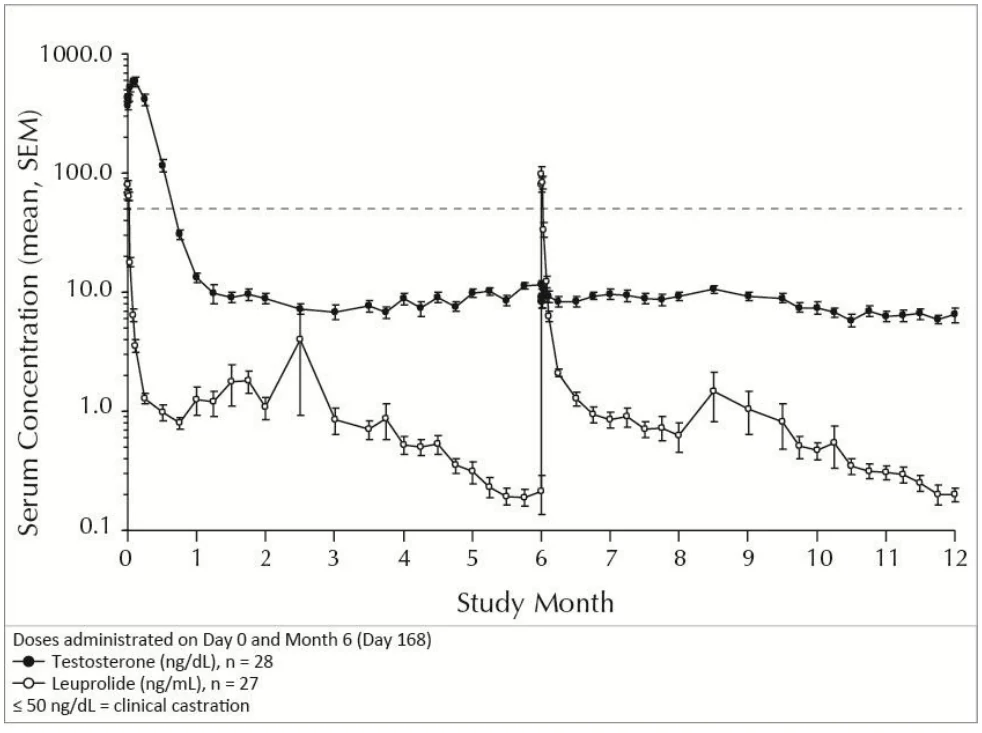
The initial rise and fall in testosterone levels produced by ELIGARD were of a magnitude and time course similar to those observed with other leuprolide formulations, and are related to the mechanism by which continuous exposure to LH-RH analogs suppresses gonadal steroidogenesis via hypophyseal desensitization.
Cardiac Electrophysiology
In a randomized, active-controlled trial to compare leuprolide acetate 7.5 mg with a LH-RH antagonist in patients with prostate cancer, periodic ECGs were collected. The analysis of the pooled data in the leuprolide acetate cohort (n= 46 patients) showed a mean QTcF increase of 17 ms from baseline; the percentage of subjects who experienced a QTcF change of ≥ 30 ms and ≥ 60 ms from baseline was 41% (n = 19 patients) and 4% (n = 2 patients), respectively.
10.2.2 Central Precocious Puberty
In the clinical trial evaluating ELIGARD in pediatric patients with CPP (TOL2581A), there was a transient surge in circulating levels of LH, FSH, estradiol and testosterone following the first administered dose. A decrease in basal and GnRH agonist-stimulated LH and FSH levels along with reductions in basal estradiol and testosterone were observed after repeat administration.
10.3 Pharmacokinetics
Table 6. Summary of Leuprolide Pharmacokinetic Parameters in Patients with Advanced Prostate Cancer Following Administration of ELIGARD
| Initial Release Phase (Administration – Day 3) | Plateau Phase (Day 3-end of interval) | Total Dosing Interval | |||||||||||||||||||
|---|---|---|---|---|---|---|---|---|---|---|---|---|---|---|---|---|---|---|---|---|---|
Cmax (ng/mL) | Tmax (hr) | AUC (ng hr mL-1) | Cmax (ng/mL) | Cmin (ng/mL) | AUC (ng hr mL-1) | Clast (ng/mL) | AUC (ng hr mL-1) | ||||||||||||||
| ELIGARD 45 mg (6-month), N=27 | |||||||||||||||||||||
| Dose 1 | 82.0 | 4.43 | 1558 | 6.7 | 0.12 | 4362 | 0.21 | 5922 | |||||||||||||
| Dose 2 | 102.4 | 4.75 | 2357 | 3.4 | 0.12 | 3216 | 0.20 | 5573 | |||||||||||||
| ELIGARD 30 mg (4-month), N=24 | |||||||||||||||||||||
| Dose 1 | 150 | 3.3 | 2080 | 2.6 | 0.07 | 1471 | 0.08 | 3551 | |||||||||||||
| Dose 2 | 192 | 3.0 | 2659 | 1.9 | 0.06 | 1083 | 0.07 | 3743 | |||||||||||||
| ELIGARD 22.5 mg (3-month), N=25 | |||||||||||||||||||||
| Dose 1 | 127 | 4.6 | 2227 | 2.4 | 0.15 | 1419 | 0.34 | 3646 | |||||||||||||
| Dose 2 | 107 | 4.5 | 1955 | 2.7 | 0.25 | 1925 | 0.30 | 3880 | |||||||||||||
| ELIGARD 7.5 mg (1-month), N=8 (single dose study*) | |||||||||||||||||||||
| Dose 1 | 26.3 | 4.1 | 350.6 | 2.69 | 0.175 | 514.9 | 0.36 | 865.6 | |||||||||||||
| ELIGARD 7.5 mg (1-month), N= 20 | |||||||||||||||||||||
| Dose 1 | 25.3 | 4.6 | 435.3 | 2.68 | 0.169 | 438.1 | 0.42 | 873.4 | |||||||||||||
| Dose 2 | ND | ND | ND | 2.02 | 0.360 | 499.6 | 0.45 | ND | |||||||||||||
| Dose 3 | ND | ND | ND | 1.78 | 0.328 | 475.7 | 0.45 | ND | |||||||||||||
* This single dose study was conducted in bilaterally orchiectomized patients
After an initial subcutaneous injection of ELIGARD 45 mg in pediatric patients 4 to 9 years of age with CPP, leuprolide levels peaked 4 hours postdose with a mean Cmax of 212.3 ng/mL. Absorption occurred in two phases, a burst phase followed by a plateau phase. The mean plateau serum leuprolide level from 4 to 48 weeks was approximately 0.37 ng/mL with a range of 0.18 to 0.63 ng/mL. There was no accumulation of leuprolide after the second dose.
Absorption: The pharmacokinetic parameters of ELIGARD in patients with advanced prostate cancer were determined over one and three dosing intervals for ELIGARD 7.5 mg (1-month) and over two dosing intervals for ELIGARD 22.5 mg (3-month), ELIGARD 30 mg (4-month) and ELIGARD 45 mg (6-month).
After the subcutaneous administration of ELIGARD, an initial release phase characterized by high leuprolide concentrations was followed by a plateau phase during which serum leuprolide concentrations remained relatively constant over the remainder of each dosing interval. There was no evidence of accumulation after repeated administration, with similar serum profiles observed after the first, and each subsequent dose of ELIGARD. Serum leuprolide concentrations during the plateau phase were occasionally below detection in males with prostate cancer, however testosterone suppression was maintained. See Table 6 for clinical pharmacokinetic parameters of ELIGARD in patients with prostate cancer. For central precocious puberty, please see above.
Distribution: The mean steady-state volume of distribution of leuprolide following intravenous bolus administration to healthy male volunteers was 27 L. In vitro binding to human plasma proteins ranged from 43% to 49%. The distribution of leuprolide acetate has not been evaluated in pediatric patients.
Metabolism: Leuprolide is a peptide that is primarily metabolized by peptidases and not by CYP enzymes. The major metabolite of leuprolide is a pentapeptide (M-1) metabolite. No metabolism study was conducted with ELIGARD.
Elimination: In healthy male volunteers, a 1 mg bolus of leuprolide administered intravenously revealed that the mean systemic clearance was 8.34 L/h, with a terminal elimination half-life of approximately 3 hours based on a two compartment model. No elimination studies have been conducted with ELIGARD.
Special Populations and Conditions:
- Pediatrics (≥ 2 years of age): The safety and effectiveness of ELIGARD for the treatment of CPP has been established in pediatric patients 2 years of age and older (see 14 CLINICAL TRIALS).
- Geriatrics: The majority (> 70%) of the patients studied in the clinical trials for ELIGARD for prostate cancer were ≥ 70 years of age.
- Sex: Only male patients were included in studies with ELIGARD for prostate cancer. Female pediatric patients were included in a clinical study of ELIGARD for the treatment of central precocious puberty.
- Ethnic Origin: In the patients studied, mean serum leuprolide concentrations were similar.
- Hepatic and Renal Insufficiency: The pharmacokinetic parameters of ELIGARD have not been determined in adult or pediatric patients with hepatic or renal insufficiency.
- Genetic Polymorphism: The effect of genetic polymorphism on the pharmacokinetics of ELIGARD was not studied.
11 STORAGE, STABILITY AND DISPOSAL
Store refrigerated between 2°C to 8°C. Once outside the refrigerator this product may be stored in its original packaging at room temperature (15°C to 30 °C) for up to eight weeks prior to mixing and administration.
Once mixed, ELIGARD should be discarded if not used within 30 minutes.
12 SPECIAL HANDLING INSTRUCTIONS
Allow the product to reach room temperature by removing from the refrigerator at least 30 minutes before reconstitution.
PART II: SCIENTIFIC INFORMATION
13 PHARMACEUTICAL INFORMATION
Drug Substance
Proper name: Leuprolide acetate
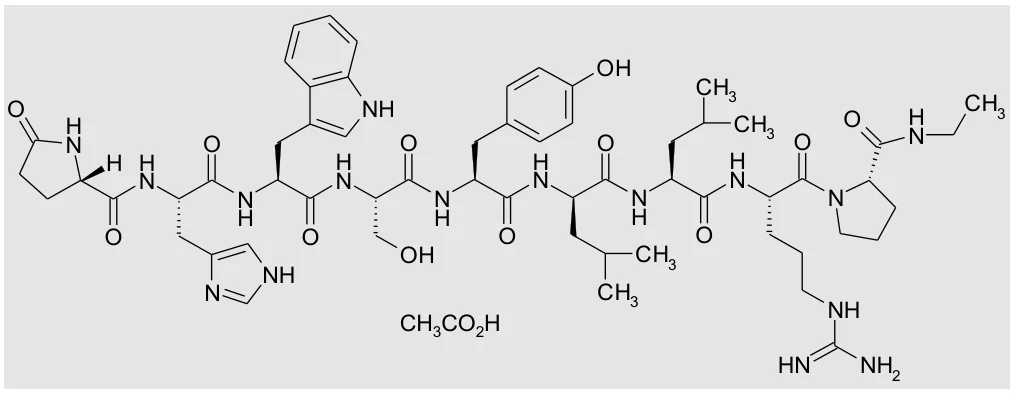
Chemical name: 5-Oxo-L-prolyl-L-histidyl-L-tryptophyl-L-seryl-L-tyrosyl-D-leucyl-L-leucyl-L-arginyl-N-ethyl-L-prolinamide acetate
Molecular formula and molecular mass: C59H84N16O12• C2H4O2,
1269.48 Daltons
Structural formula:
Physicochemical properties: Leuprolide acetate is a fine or fluffy, white to off-white powder. It is soluble in water, ethanol and propylene glycol with a pKa of 9.6.
14 CLINICAL TRIALS
14.1 Clinical Trials by Indication
14.1.1 Prostate Cancer
Open-label, multicentre studies were conducted with each ELIGARD formulation (7.5 mg, 22.5 mg, 30 mg, and 45 mg) in patients with Jewett stage A through D prostate cancer who were treated with at least a single injection of study drug (Table 7 and Table 8). Patients across all four studies with ELIGARD were male with a histologic or cytologic diagnosis of prostatic adenocarcinoma. These studies evaluated the achievement and maintenance of castrate serum testosterone levels over the duration of therapy. The primary endpoint across these studies was the proportion of patients who achieved suppression of serum testosterone to castrate levels (≤ 50 ng/dL) by Month 1. Suppression to castrate
levels was defined as testosterone concentration of ≤ 50 ng/dL for two consecutive timepoints approximately one week apart.
Table 7. Summary of Patient Demographics for Phase 3 Clinical Trials in Patients with Advanced Prostate Cancer
| Study # | Study Design | Dosage, Route of Administration and Duration | Study Subjects (n) | Mean Age (Range) | Jewett Stage |
|---|---|---|---|---|---|
| AGL9904 | Open-label, uncontrolled, fixed dose, phase 3 | ELIGARD 7.5 mg, 6 consecutive subcutaneous doses at monthly intervals Study duration: 6 months | 120 | 72.8 years (52-85) | A: 0% B: 0% C: 74% D: 26% |
| AGL9909 | Open-label, uncontrolled, fixed dose, phase 3 | ELIGARD 22.5 mg, 2 consecutive subcutaneous doses at 3-month interval Study duration: 6 months | 117 | 73.1 years (46-85) | A: 2% B: 16% C: 51% D: 31% |
| AGL0001 | Open-label, uncontrolled, fixed dose, phase 3 | ELIGARD 30 mg, 2 consecutive subcutaneous doses at 4-month intervals Study duration: 8 months | 90 | 73.5 years (53-84) | A: 2% B: 42% C: 18% D: 38% |
| AGL0205 | Open-label, uncontrolled, fixed dose, phase 3 | ELIGARD 45 mg, 2 consecutive subcutaneous doses at 6-month intervals Study duration: 12 months | 111 | 73.2 years (50-86) | A: 4% B: 39% C: 17% D: 40% |
Table 8. Results of Phase 3 Clinical Trials in Patients with Advanced Prostate Cancer
| Study Number | AGL9904 | AGL9909 | AGL0001 | AGL0205 | ||||||||
| ELIGARD Strength | 7.5 mg | 22.5 mg | 30 mg | 45 mg | ||||||||
| Number of patients with testosterone ≤ 50 ng/dL | Day 28 | 94% (112/119) | 98% (115/117) | 96% (85/89) | 99% (108/109) | |||||||
| Day 42 | 100% (118/118) | 99% (116/117) | 100% (89/89) | 99% (108/109) | ||||||||
| Conclusion | 100% (117/117) | 100% (111/111) | 99% (81/82) | 99% (102/103) | ||||||||
| Number of patients with testosterone ≤ 20 ng/dL | Day 28 | 76% (91/119) | 84% (98/117) | 67% (60/89) | 84% (92/109) | |||||||
| Day 42 | 97% (115/118) | 92% (108/117) | 91% (81/89) | 95% (104/109) | ||||||||
| Conclusion | 98% (115/117) | 94% (104/111) | 90% (74/82) | 87% (90/103) | ||||||||
| Mean testosterone concentration (ng/dL) | Baseline | 361.3 | 367.1 | 385.5 | 367.7 | |||||||
| Day 28 | 21.8 | 15.2 | 17.2 | 16.7 | ||||||||
| Conclusion | 6.1 | 10.1 | 12.4 | 12.6 | ||||||||
In the ELIGARD 7.5 mg phase III study (AGL9904), between Day 28 and Day 31, one patient who had achieved castrate suppression was withdrawn. PSA levels were reduced by an average of greater than 90% from baseline during the study.
In the ELIGARD 22.5 mg phase III study (AGL9909), once castrate testosterone suppression was achieved, only one (< 1%) patient demonstrated breakthrough (testosterone levels > 50 ng/dL at anytime during the study after achieving castrate levels). This patient returned to castrate levels following the second injection and remained at castrate levels throughout the study. PSA levels were reduced 98% from baseline to Month 6.
In the ELIGARD 30 mg phase III study (AGL0001), one out of the original 90 patients voluntarily withdrew following the Day 14 visit prior to achieving castrate suppression. Three patients (3.3%) demonstrated testosterone breakthrough (level > 50 ng/dL) during the study, immediately following the second injection. All three patients subsequently resuppressed, and one of the three experienced a second breakthrough (53 ng/dL) by the end of Month 8. Patient PSA levels were reduced by an average of 86% from baseline during the study. At Month 8, PSA levels had decreased to within normal limits in 93% of the patients who presented with elevated levels at baseline.
In the ELIGARD 45 mg phase III study (AGL0205), 106 of the original 111 patients received two injections. One patient (< 1%) demonstrated testosterone breakthrough (level > 50 ng/dL) during the study. This patient reached castrate suppression at Day 21 and remained suppressed until Day 308 when the testosterone level rose to 112 ng/dL. At Month 12 (Day 336), the testosterone level was 210 ng/dL. All five non-evaluable patients who had achieved castrate testosterone suppression by Day 28 maintained castration at each time point, up to and including the time of withdrawal. Serum PSA decreased in all patients whose baseline concentrations were elevated above the normal limit. Individual mean values were reduced an average of 97% from baseline to Month 12. At Month 12, PSA levels had decreased to within normal limits in 95% of patients who presented with elevated levels at baseline.
Summaries of World Health Organization (WHO) performance status, bone pain, urinary symptoms and urinary pain all indicated good symptom control was maintained for the duration of each study (6 to 12 months) with no evidence of flare responses.
14.1.2 Central Precocious Puberty
The efficacy of ELIGARD was evaluated in an uncontrolled, open-label, single arm clinical trial in which 64 pediatric patients (62 females and 2 males, naïve to previous GnRH agonist treatment) with CPP received at least one dose of ELIGARD at a dosing interval of 24 weeks and were observed for 12 months. The mean age was 7.5 years (range 4 to 9 years) at the start of treatment. In pediatric patients with CPP, ELIGARD reduced stimulated and basal gonadotropins to prepubertal levels. Suppression of peak stimulated LH concentrations to <4 IU/L was achieved in 87% (95% CI: 76.1%-94.3%) of pediatric patients by month 6 and in 86% of patients by month 12. Suppression of estradiol or testosterone concentration to prepubertal levels at the 6-month assessment was achieved in 97% and 100% of patients, respectively. Suppression of estradiol or testosterone was maintained at the 12-month assessment with 98% (55/56 females) and 50% (1/2 males) maintaining suppression.
ELIGARD arrested or reversed progression of clinical signs of puberty with reductions in growth velocity and bone age. Mean growth velocity decreased from 8.9 ± 13.1 cm/year at 1 month to 6.9 ± 3.1 cm/year at 6 months and to 6.4 ± 1.9 cm/year at 12 months.
Table 9. Summary of Patient Demographics for Phase 3 Clinical Trials in Patients with Central Precocious Puberty
| Study # | Study design | Dosage, Route of Administration and Duration | Study Participants (N) | Mean Age / Range (years) | Sex (n) |
|---|---|---|---|---|---|
| TOL2581A | Open-label, uncontrolled, fixed dose, phase 3 | ELIGARD 45 mg, At least 1 subcutaneous dose at 6-month intervals Study duration: 12 months | 64 | Mean: 7.5 Range: 4 - 9 | 2 M, 62 F |
Table 10. Reproductive Hormone Levels in Pediatric Patients with CPP Treated with ELIGARD 45 mg Every 6 Monthsa
| Endpointb | % (n/N) of Patients Achieving Endpoints | |||
| Month 3 | Month 6 | Month 9 | Month 12 | |
| LH Levels < 4 IU/L | 85 (51/60) | 87 (54/62)c | 85 (50/59) | 86 (50/58) |
| Estradiol Levels < 73.4 pmol/L (< 20 pg/mL) | 98 (56/57) | 97 (58/60) | 98 (56/57) | 98 (55/56) |
| Testosterone Levels < 1 nmol/L (< 28.4 ng/dL) | 100 (2/2) | 100 (2/2) | 100 (2/2) | 50 (1/2) |
| FSH Levels < 2.5 IU/L | 62 (37/60) | 66 (41/62) | 44 (26/59) | 55(32/58) |
aIntent-To-Treat Population (N=62) bPost GnRH Agonist Stimulation cPrimary Efficacy Endpoint | ||||
Eight female patients out of 62 did not meet the primary efficacy criteria for LH < 4 IU/L at 6 months. In four of the eight patients, the LH level at 6 months was between 4.2 and 4.8 IU/L. The remaining four patients had LH levels > 5 IU/L. However, post stimulation estradiol was suppressed to prepubertal levels (< 20 pg/mL) in seven of the eight patients at month 6 and was maintained through month 12.
15 MICROBIOLOGY
No microbiological information is required for this drug product.
16 NON-CLINICAL TOXICOLOGY
General Toxicology:
Single-Dose Toxicity
Published studies on a sustained release formulation of leuprolide acetate demonstrated that the product has a low order of acute toxicity in mice and rats, with LD50 values greater than 5000 mg/kg (greater than 400 mg/kg of leuprolide acetate) for oral, subcutaneous and intraperitoneal routes of administration, and greater than 2000 mg/kg (greater than 160 mg/kg as leuprolide acetate) for intramuscular injection. The only clinical signs observed were related to local effects at the site of injection.
Repeat-Dose Toxicity
In a four-month repeat-dose study, rats were treated with ATRIGEL® Delivery System formulations containing 1, 3 or 10 mg/kg leuprolide acetate and ATRIGEL® Delivery System vehicle control (100 μL) subcutaneously twice per month for four months. Lupron Depot® 7.5 mg (10 mg leuprolide acetate/kg) was injected intramuscularly (IM) as a comparative control.
In animals treated with high-dose ELIGARD (10 mg/kg), decreases in organ-to-body weight ratios for the prostate, seminal vesicles, and testes at all termination intervals were noted, consistent with the known pharmacological activity of the drug. Localized injection site lesions such as bruising, excoriation, and scabbing developed in some animals in all treatment groups.
Hematology and clinical chemistry were not affected by treatment with ELIGARD and there were no remarkable behavioural changes reported in the treatment groups.
Genotoxicity: No mutagenicity, clastogenicity or aneugenicity studies have been conducted specifically with ELIGARD. Leuprolide was not genotoxic in either an in vitro cytogenetics assay using Chinese hamster lung cells, an in vivo micronucleus assay in mice, or the Ames test with five strains of Salmonella typhimurium.
Carcinogenicity: No carcinogenicity studies have been conducted specifically with ELIGARD. Two-year carcinogenicity studies were conducted with leuprolide acetate in rats and mice. In rats, a dose-related increase of benign pituitary hyperplasia and benign pituitary adenomas were noted at 24 months when the drug was administered subcutaneously at high daily doses (0.6 to 4 mg/kg). There was a significant but not dose-related increase of pancreatic islet-cell adenomas in females and testicular interstitial cell adenomas in males (highest incidence in the low dose group). In mice, no leuprolide acetate-induced tumours or pituitary abnormalities were observed at a dose as high as 60 mg/kg for two years.
Reproductive and Developmental Toxicology: Reproduction and teratology studies conducted with a sustained release formulation indicate all effects observed are related to consequences of repeated administration of this pharmacologic agent. Fertility studies, where male rats were dosed once every four weeks for three doses prior to mating, showed that leuprolide produced reversible atrophy of the testes or accessory sex organs at doses as low as 0.024 mg/kg , and a decrease in LH, FSH and testosterone concentrations. A reversible decrease in copulation and implantation sites was also observed at the high dose of 2.4 mg/kg. No fetal effects were observed.
Female rats dosed at 2.4 mg/kg leuprolide acetate once, four weeks prior to mating, caused an interruption in the estrus cycle and decreased vaginal size. Uterus and ovary weights were decreased. Following mating, corpora lutea and the number of implantation sites were decreased at 0.24 mg/kg and greater, and the number of live fetuses was reduced at 2.4 mg/kg and above.
No fetal developmental abnormalities were noted. The sustained release formulation of leuprolide acetate was not teratogenic in rats or rabbits. In the perinatal study, the administration of the sustained release formulation of leuprolide acetate prior to delivery at up to 8 mg/kg demonstrated effects on sex organ weights, but no fetal adverse effects, including sex organ weights.
Special Toxicology: To evaluate the irritation potential of ELIGARD, nonclinical studies were conducted in rats, rabbits, dogs, and pigs across all dosage strengths in both single and repeat dose studies. Histological evaluation of injection sites confirmed foreign body reactions characterized by a mild to moderate irritant response, an effect that is consistent with the subcutaneous administration of an extended-release product. The local irritant effects diminished with time and were generally classified as a non-irritant 60 days post-dosing compared to a USP negative control. Across nonclinical evaluation of injection site tolerability, erythema and edema were noted in small numbers of animals and were generally considered mild in nature. Dose volume related increases of redness and bruising at the injection site was observed in dogs when large volumes of the formulation were injected (e.g., 0.25 mL – 0.5 mL). The only treatment-related observation was minimal erythema at 6 of 8 injection sites in one animal.