


Product Monograph - Zoladex LA
RECENT MAJOR LABEL CHANGES
| 1 INDICATIONS | 05/2024 |
|---|
TABLE OF CONTENTS
Sections or subsections that are not applicable at the time of authorization are not listed.
RECENT MAJOR LABEL CHANGES ......................................................................................... 2
TABLE OF CONTENTS ............................................................................................................... 2
PART I: HEALTH PROFESSIONAL INFORMATION .................................................................. 4
1 INDICATIONS ................................................................................................................... 4
1.1 Pediatrics ................................................................................................................. 4
1.2 Geriatrics ................................................................................................................. 4
2 CONTRAINDICATIONS ................................................................................................... 4
3 SERIOUS WARNINGS AND PRECAUTIONS BOX ........................................................ 5
4 DOSAGE AND ADMINISTRATION .................................................................................. 5
4.1 Dosing Considerations ............................................................................................ 5
4.2 Recommended Dose and Dosage Adjustment ....................................................... 6
4.4 Administration .......................................................................................................... 7
4.5 Missed Dose ............................................................................................................ 9
5 OVERDOSAGE ................................................................................................................ 9
6 DOSAGE FORMS, STRENGTHS, COMPOSITION AND PACKAGING ......................... 9
7 WARNINGS AND PRECAUTIONS ................................................................................ 10
7.1 Special Populations ............................................................................................... 13
7.1.1 Pregnant Women ............................................................................................. 13
7.1.2 Breast-feeding ................................................................................................. 13
7.1.3 Pediatrics ......................................................................................................... 14
7.1.4 Geriatrics ......................................................................................................... 14
8 ADVERSE REACTIONS ................................................................................................. 14
8.1 Adverse Reaction Overview .................................................................................. 14
8.2 Clinical Trial Adverse Reactions ............................................................................ 15
8.3 Less Common Clinical Trial Adverse Reactions ................................................... 21
8.4 Abnormal Laboratory Findings: Hematologic, Clinical Chemistry and Other Quantitative Data ............................................................................................................ 21
8.5 Post-Market Adverse Reactions ............................................................................ 21
9 DRUG INTERACTIONS .................................................................................................. 21
9.4 Drug-Drug Interactions .......................................................................................... 21
9.5 Drug-Food Interactions .......................................................................................... 22
9.6 Drug-Herb Interactions .......................................................................................... 22
9.7 Drug-Laboratory Test Interactions ......................................................................... 22
10 CLINICAL PHARMACOLOGY ....................................................................................... 22
10.1 Mechanism of Action ....................................................................................... 22
10.2 Pharmacodynamics ......................................................................................... 22
10.3 Pharmacokinetics ............................................................................................ 23
11 STORAGE, STABILITY AND DISPOSAL ...................................................................... 23
12 SPECIAL HANDLING INSTRUCTIONS ......................................................................... 24
PART II: SCIENTIFIC INFORMATION ....................................................................................... 25
13 PHARMACEUTICAL INFORMATION ............................................................................ 25
14 CLINICAL TRIALS ......................................................................................................... 25
14.1 Clinical Trial by Indication ................................................................................ 25
Prostate Cancer .............................................................................................................. 25
Breast Cancer ................................................................................................................. 26
15 MICROBIOLOGY ............................................................................................................ 27
16 NON-CLINICAL TOXICOLOGY ..................................................................................... 27
PATIENT MEDICATION INFORMATION FOR PROSTATE CANCER ..................................... 30
PATIENT MEDICATION INFORMATION FOR BREAST CANCER AND ENDOMETRIOSIS .. 35
PART I: HEALTH PROFESSIONAL INFORMATION
1 INDICATIONS
ZOLADEX LA (goserelin acetate) is indicated for:
Prostate Cancer
- the palliative treatment of patients with hormone-dependent advanced carcinoma of the prostate (Stage M1 according to the Tumour-Node-Metastasis [TNM] classification system or Stage D2 according to the American Urologic Association [AUA] classification).
- use in combination with a non-steroidal antiandrogen and radiation therapy for the management of locally advanced (T3, T4) or bulky Stage T2b, T2c carcinoma of the prostate. Treatment with ZOLADEX LA and a non-steroidal antiandrogen should start 8 weeks prior to initiating radiation therapy and continue until completion of the radiation therapy.
- adjuvant hormone therapy to external beam irradiation for patients with locally advanced prostate cancer (Stage T3-T4).
Breast Cancer
|
|---|
Benign Conditions (Endometriosis)
- the hormonal management of endometriosis, including pain relief and reduction of endometriotic lesions. Experience with ZOLADEX for the management of endometriosis has been limited to women 18 years of age and older, treated for 6 months.
1.1 Pediatrics
Pediatrics (<18 years of age): The safety and effectiveness of ZOLADEX LA in children has not been established; therefore, Health Canada has not authorized an indication for pediatric use.
1.2 Geriatrics
Geriatrics (≥65 years of age): Evidence from clinical studies and experience suggests that use in the geriatric prostate cancer population is not associated with differences in safety or effectiveness. No data are available to Health Canada; therefore, Health Canada has not authorized an indication for geriatric use in breast cancer.
2 CONTRAINDICATIONS
- ZOLADEX LA is contraindicated in patients who are hypersensitive to this drug or to any ingredient in the formulation or component of the container. For a complete listing, see 6 DOSAGE FORMS, STRENGTHS, COMPOSITION AND PACKAGING.
- Women having undiagnosed abnormal vaginal bleeding.
- Pregnancy: ZOLADEX LA should not be used during pregnancy. As with other LHRH agonists it is not known whether ZOLADEX LA causes fetal abnormalities in humans. Women of childbearing potential should be carefully examined before treatment to exclude pregnancy. Non-hormonal methods of contraception should be employed during therapy. See 7.1.1 Pregnant Women.
- Breast-feeding: The use of ZOLADEX LA during breast-feeding is not recommended.
3 SERIOUS WARNINGS AND PRECAUTIONS BOX
Serious Warnings and Precautions
ZOLADEX LA should be prescribed by a qualified healthcare professional experienced in the use of hormonal therapy in cancer and endometriosis. ZOLADEX LA should be administered by a healthcare professional experienced in administering deep subcutaneous injections. The following are clinically significant adverse events:
See General. |
|---|
4 DOSAGE AND ADMINISTRATION
4.1 Dosing Considerations
- ZOLADEX LA should be administered by a healthcare professional experienced in administering deep subcutaneous injections.
- Injection site injury and vascular injury including pain, hematoma, hemorrhage and hemorrhagic shock, requiring blood transfusions and surgical intervention, have been reported with ZOLADEX LA. As ZOLADEX LA requires administration by deep subcutaneous injection, caution should be taken while injecting ZOLADEX LA into the anterior abdominal wall due to the proximity of underlying inferior epigastric artery and its branches.
- As ZOLADEX LA requires administration by deep subcutaneous injection, extra care should be given to patients with low body mass index (BMI <18.5) or in patients who are fully anticoagulated (INR >2) due to the risk of vascular injury and subsequent bleeding during administration (see General).
Although, isolated cases of vaginal spotting or bleeding during treatment have been reported, this is not associated with lack of pharmacodynamic effect in most instances. The majority of patients become amenorrheic within 8 weeks of starting treatment. In the small number of women who experience continued menstrual bleeding, estradiol blood levels should be measured. If menstrual bleeding persists and estradiol measurements correspond
- out an intrauterine pathology.
4.2 Recommended Dose and Dosage Adjustment
Prostate Cancer
- One implant of ZOLADEX LA containing goserelin acetate equivalent to 10.8 mg goserelin, should be injected subcutaneously into the anterior abdominal wall every 3 months (13 weeks) following the procedure recommended in the administration instructions (see Directions for Use attached to sterile pouch). While the 3-month (13 week) schedule should be adhered to, a delay of a few days is permissible.
- If in exceptional circumstances repeat dosing does not occur at 3 months, data indicate that castrate levels of testosterone are maintained for up to 16 weeks in the majority of patients.
- When ZOLADEX LA is given in combination with a non-steroidal antiandrogen and radiotherapy for patients with Stage T2b-T4 prostatic carcinoma, treatment should be started 8 weeks prior to initiating radiotherapy and should continue until completion of the radiation therapy. A treatment regimen using a ZOLADEX implant 8 weeks before radiotherapy, followed in 28 days by the ZOLADEX LA implant until completion of the radiation therapy, can be administered.
Breast Cancer
- One implant of ZOLADEX LA, containing goserelin acetate equivalent to 10.8 mg goserelin, should injected subcutaneously into the anterior abdominal wall every 12 weeks following the procedure recommended in the administration instructions (see Directions for Use attached to sterile pouch). While the 12-week schedule should be adhered to, a delay of a few days is permissible.
Endometriosis
- One implant of ZOLADEX LA containing goserelin acetate equivalent to 10.8 mg goserelin, should be injected subcutaneously into the anterior abdominal wall every 12 weeks following the procedure recommended in the administration instructions (see Directions for Use attached to sterile pouch).
Renal Impairment
- In clinical studies, subjects with impaired renal function (creatinine clearance <20 mL/min), had a mean serum elimination half-life of 12.1 hours for ZOLADEX compared to 4.2 hours for male subjects with normal renal function (creatinine clearance >70 mL/min). When ZOLADEX LA is given, as recommended, this change will not lead to any accumulation hence, no change in dosing is necessary for patients with renal failure.
Hepatic Impairment
- Hepatic impairment does not compromise the clearance of ZOLADEX LA, therefore a dosage adjustment is not needed for patients with hepatic impairment.
Geriatrics
- No dosage adjustment is necessary in the elderly.
Pediatrics
- The safety and effectiveness of ZOLADEX LA in children has not been established; therefore, Health Canada has not authorized an indication for pediatric use. See 7 WARNINGS AND PRECAUTIONS.
4.4 Administration
ZOLADEX LA is administered by deep subcutaneous injection into the anterior abdominal wall below the navel line. Caution should be taken while injecting ZOLADEX LA due to the proximity of underlying inferior epigastric artery and its branches. Follow all administration instructions.
Caution: Use only if pouch is undamaged. Use immediately after opening pouch. Do not depress plunger until Step 5. Read all instructions before use.
Step by Step Directions for Use
ZOLADEX LA should be administered using an aseptic technique.
- 1.
Put the patient in a comfortable position with the upper part of the body slightly raised. Prepare an area of the anterior abdominal wall below the navel line with an alcohol swab.
Note: As ZOLADEX LA requires administration by deep subcutaneous injection, caution should be taken while injecting ZOLADEX LA into the anterior abdominal wall due to the proximity of underlying inferior epigastric artery and its branches. Extra care should be given to patients with low BMI (<18.5) as they may be at higher risk of vascular injury.
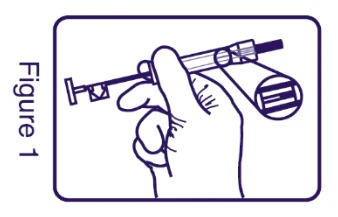
- 2. Examine the foil pouch and syringe for damage. Remove the syringe from the opened foil pouch and hold the syringe at a slight angle to the light. Check that at least part of the ZOLADEX LA implant is visible (Figure 1).
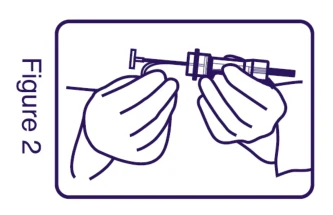
- 3. Grasp the plastic safety tab and pull away from the syringe and discard (Figure 2). Remove needle cover. Unlike liquid injections, there is no need to remove air bubbles as attempts to do so may displace the implant.
- 4.
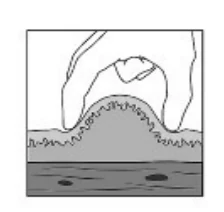
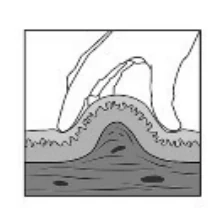
Holding the syringe around the protective sleeve, pinch the skin of the patient's anterior abdominal wall below the navel line.
Correctly lifted skin fold: Incorrectly lifted skin fold:
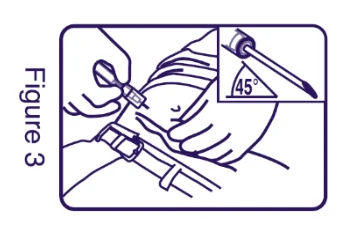
With the opening of the needle facing up, insert needle at a slight angle (30 to 45 degrees) to the skin into the subcutaneous tissue of the anterior abdominal wall below the navel line, until the protective sleeve touches the patient's skin (Figure 3).
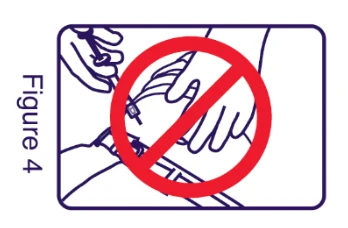
Do not penetrate into muscle or peritoneum. Incorrect grip and angle of administration is shown (Figure 4).
Note: The ZOLADEX LA syringe cannot be used for aspiration. If the hypodermic needle penetrates a large vessel, blood will be seen instantly in the syringe chamber. If a vessel is penetrated, withdraw the needle and immediately control any resultant bleeding, monitoring the patient for signs or symptoms of abdominal hemorrhage. After ensuring the patient is hemodynamically stable another ZOLADEX LA implant may be injected with a new syringe elsewhere. Extra care should be given to patients with a low BMI (<18.5) and/or to patients who are fully anticoagulated (INR >2).
- 5. Moving your hand back to the finger grip, depress the plunger fully, until you can depress no more, to discharge the ZOLADEX LA implant and to activate the protective sleeve. You may hear a 'click' and will feel the protective sleeve automatically begin to slide to cover the needle. If the plunger is not depressed fully the protective sleeve will NOT activate. Note: The needle does not retract.
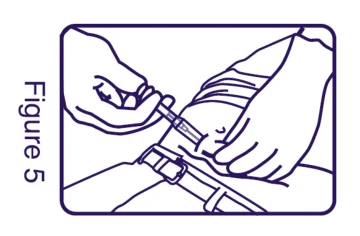
- 6. Holding the syringe as shown in Figure 5, withdraw the needle and allow protective sleeve to continue to slide and cover needle. Dispose of the syringe in an approved sharps collector.
 |  |
|---|
Note: In the unlikely event of the need to surgically remove a ZOLADEX LA implant, it may be localized by ultrasound.
4.5 Missed Dose
Prostate Cancer: While the 3-month (13 week) schedule should be adhered to, a delay of a few days is permissible.
Breast Cancer: While the 12-week schedule should be adhered to, a delay of a few days is permissible.
Endometriosis: While the 12-week schedule should be adhered to, a delay of a few days is permissible.
5 OVERDOSAGE
The pharmacologic properties of ZOLADEX LA and its mode of delivery make accidental or intentional overdosage unlikely. There is limited experience of overdosage in humans. In cases where ZOLADEX LA has unintentionally been readministered early or given at a higher dose than recommended, no clinically relevant adverse effects have been seen. If overdosage occurs, this should be managed symptomatically.
| For management of a suspected drug overdose, contact your regional poison control centre. |
|---|
6 DOSAGE FORMS, STRENGTHS, COMPOSITION AND PACKAGING
Table 1 – Dosage Forms, Strengths, Composition and Packaging
ZOLADEX LA implant is supplied as a cylindrical rod of biodegradable and biocompatible D-L Lactide-glycolide copolymer. Each ZOLADEX LA implant contains goserelin acetate equivalent to 10.8 mg of goserelin. This implant is presented in a sterile ready-to-use syringe with a 14 gauge needle for a single subcutaneous injection. This single-dose syringe is assembled with a protective sleeve (SafeSystem®) in a sealed, sterile pouch that contains a desiccant. Instructions for administration are attached.
| Route of Administration | Dosage Form/ Strength/Composition | Non-medicinal Ingredients |
| Subcutaneous use | Implant/10.8 mg goserelin | Lactide-glycolide copolymer |
7 WARNINGS AND PRECAUTIONS
Please see 3 SERIOUS WARNINGS AND PRECAUTIONS BOX.
General
Injection site injury and vascular injury including pain, hematoma, hemorrhage and hemorrhagic shock, requiring blood transfusions and surgical intervention, have been reported with ZOLADEX LA. Monitor patients for signs or symptoms of abdominal hemorrhage. As ZOLADEX LA requires administration by deep subcutaneous injection, extra care should be given to patients with a low body mass index or in patients who are fully anticoagulated (INR >2) due to the risk of vascular injury and subsequent bleeding during administration. See 4 DOSAGE AND ADMINISTRATION.
Initially, ZOLADEX LA transiently increases serum testosterone in males and serum estradiol concentrations in females. Although not necessarily related, isolated cases of short-term worsening of signs and symptoms have been reported during the first four weeks of therapy.
Worsening of the clinical condition may occasionally require discontinuation of therapy and/or surgical intervention.
Carcinogenesis and Mutagenesis
Animal carcinogenicity data are provided in 16 NON-CLINICAL TOXICOLOGY.
Cardiovascular
Androgen deprivation therapy may increase cardiovascular risk in men with prostate cancer on the basis of its adverse impact on demonstrated cardiovascular risk factors, by increasing body weight, reducing insulin sensitivity, and/or resulting in dyslipidemia. Heart failure was commonly reported in patients receiving ZOLADEX for prostate cancer treatment in clinical studies (see 8.1 Adverse Reaction Overview). Assessment of cardiovascular risk and management according to local clinical practice and guidelines should be considered.
Androgen deprivation therapy has the potential to prolong QT/QTc interval on ECG. Healthcare professionals should consider whether the benefits of androgen deprivation therapy outweigh the potential risk, including the potential for torsades de pointes, in patients with a history of QT prolongation, with congenital long QT syndrome, electrolyte abnormalities, or congestive heart failure and in patients taking Class IA (e.g. quinidine, procainamide), Class III (e.g. amiodarone, sotalol, dofetilide, ibutilide), or Class IC (e.g. flecainide, propafenone) antiarrhythmic medications (see 9 DRUG INTERACTIONS). In patients at risk of developing QT/QTc interval prolongation, periodic monitoring of ECG and serum electrolyte levels should be considered (see Monitoring and Laboratory Tests).
In a randomized, active-controlled trial comparing goserelin plus a nonsteroidal antiandrogen to an LHRH antagonist in 177 patients with prostate cancer, periodic electrocardiograms were performed and prospectively evaluated. A mean QTcF increase of 18 msec from baseline was reported for the combination cohort. A total of 8% patients experienced a QTcF change ≥60 msec from baseline and 3 patients were withdrawn for a QT prolongation to >500 msec in the combination cohort.
Dependence/Tolerance
There have been no reports of drug dependence following the use of ZOLADEX LA.
Driving and Operating Machinery
There is no evidence that ZOLADEX LA results in impairment of ability to drive or operate machinery.
Endocrine and Metabolism
Males
Induced hypogonadism: Suppression of pituitary gonadotropins and gonadal hormone production will occur with continued administration of ZOLADEX. These changes have been observed to reverse on discontinuation of therapy. However, whether the clinical symptoms of induced hypogonadism will reverse in all patients has not yet been established.
Metabolic: Impaired glucose tolerance has been observed in males using LHRH agonists. This may manifest as diabetes or loss of glycaemic control in those with pre-existing diabetes mellitus. Consideration should therefore be given to monitoring blood glucose.
Genitourinary
During the first month of therapy with ZOLADEX LA, patients at risk of developing ureteric obstruction should be closely monitored. Ureteric obstruction may develop in male patients with a history of obstructive uropathy.
If spinal cord compression or renal impairment due to ureteric obstruction are present, or develop, treatment of these complications should be instituted according to current local clinical practice.
Hematologic
Anemia is a known physiologic consequence of testosterone suppression. Assessment of anemia risk and management according to local clinical practice and guidelines should be considered.
Immune
Antibody formation has not been observed during administration of ZOLADEX LA. Local reactions, such as mild bruising have been related to the trauma of the injection itself and not to the copolymer material of the implant or to the prolonged presence of ZOLADEX at the site of implant injection.
Monitoring and Laboratory Tests
Monitoring of Patients
During therapy with ZOLADEX LA, patients should be routinely monitored by physical examinations and appropriate laboratory tests. In prostate cancer patients tumour markers such as prostatic acid phosphatase (PAP), prostatic specific antigen (PSA) or acid phosphatase could be monitored. Additionally, if deemed appropriate by the healthcare professional, serum testosterone may be monitored; however, this is not routinely required.
In prostate cancer patients, an assessment of bone lesions may require the use of bone scans. Prostatic lesions may be monitored by ultrasonography and/or CT scan in addition to digital rectal examination. The status of obstructive uropathy in males may be assessed and/or diagnosed using intravenous pyelography, ultrasonography or CT scan.
Baseline measurements of ECG, serum potassium, calcium, and magnesium levels should be considered. Monitoring of ECG and serum electrolyte levels during treatment should also be considered in patients at risk.
Impaired glucose tolerance has been observed in males using LHRH agonists. This may manifest as diabetes or loss of glycaemic control in those with pre-existing diabetes mellitus. Consideration should therefore be given to monitoring blood glucose.
Effect on Laboratory Tests
Although serum testosterone or serum estradiol may be elevated during the first few days after administration of the first implant, they return to normal within one week, and are suppressed by the end of three weeks. They remain suppressed throughout therapy with ZOLADEX LA.
Prostate cancer tumour markers (PSA and PAP) are not routinely monitored in the first few days of therapy; however, if the cancer is responsive to ZOLADEX LA therapy, then these levels, if elevated prior to the commencement of treatment, are usually reduced by the end of the first month.
Renal function tests, blood urea nitrogen and creatinine may rarely be elevated during the first few days of therapy in prostate cancer patients before returning to normal.
Diagnostic Interference
Administration of ZOLADEX LA results in suppression of pituitary-gonadal system. Diagnostic tests of pituitary-gonadal function conducted during and subsequent to the treatment period may therefore be misleading.
Musculoskeletal
Patients with vertebral metastases: During the first month of therapy with ZOLADEX LA, patients with vertebral metastases who are thought to be at particular risk of spinal cord compression should be closely monitored.
Changes in bone density: The use of LHRH agonists may cause a reduction in bone mineral density. In men and women, some bone loss can be anticipated as part of the natural aging process. Androgen deprivation therapy is associated with increased risks of osteoporosis and skeletal bone fractures. The risk of skeletal fracture increases with the duration of androgen deprivation therapy. Assessment of osteoporosis risk and management according to clinical practice and guidelines should be considered.
While specific data from the use of ZOLADEX LA are not currently available, data from studies of ZOLADEX suggest that some recovery of bone mineral may occur on cessation of therapy.
In patients with major risk factors for decreased bone mineral content such as chronic alcohol and/or tobacco use, presumed or strong family history of osteoporosis or chronic use of drugs that can reduce bone mass such as corticosteroids or anticonvulsants, ZOLADEX LA may pose an additional risk. In these patients the risks and benefits must be weighed carefully before ZOLADEX LA therapy is initiated. In women being treated for endometriosis, the use of ZOLADEX for longer than the recommended six months or in the presence of other known risk factors for decreased bone mineral content may cause additional bone loss.
Worsening of bone pain and other signs and symptoms have been reported infrequently in males and to a lesser extent in females during the first month of therapy with ZOLADEX LA. Initially, ZOLADEX LA like other LHRH agonists transiently increases serum testosterone and serum estradiol concentrations. In men by around 21 days after the first implant injection, testosterone concentrations have typically decreased to within the castrate range and remain suppressed with treatment every 3 months. In women, serum estradiol concentrations are suppressed by around 4 weeks after the first implant injection and remain suppressed at levels comparable with those observed in postmenopausal women. It is unclear whether there is any relationship between these clinical events and the initial rise in serum testosterone or estradiol levels observed during the first few days following administration of the first implant injection.
In those who reported an increase in bone pain, the pain ranged in intensity from mild to severe and required either symptomatic management, including non-narcotic analgesics or in some severe cases, narcotic analgesics.
Psychiatric
Depression (sometimes severe) has been reported in patients treated with ZOLADEX LA in post-market surveillance. Patients should be informed of the risks, monitored and treated accordingly. See 8.5 Post-Market Adverse Reactions.
Reproductive Health: Female and Male Potential
Fertility: Suppression of serum estradiol will induce amenorrhea in the majority of patients after the first four weeks of treatment especially if started during the menstrual phase of the cycle. During early treatment with ZOLADEX LA some women may experience vaginal bleeding of variable duration and intensity. Such bleeding may represent estrogen withdrawal and is expected to stop spontaneously. Amenorrhea is expected to be maintained until 12 weeks after the last dose of ZOLADEX LA. Rarely, some women may enter the natural menopause during treatment with LHRH analogues and do not resume menses on cessation of therapy.
Time to return of menses after cessation of therapy with ZOLADEX LA may be prolonged in some patients.
A non-hormonal method of contraception should be used during treatment. Patients should be advised that if they miss or postpone a dose of ZOLADEX LA, ovulation may occur with the potential for conception. If a patient becomes pregnant during treatment, she should discontinue treatment and consult her healthcare professional.
Duration of endometriosis treatment: The safety of treatment, as well as re-treatment, beyond 6 months with ZOLADEX LA has not been established.
The use of ZOLADEX LA may cause an increase in cervical resistance and care should be taken when dilating the cervix.
7.1 Special Populations
7.1.1 Pregnant Women
ZOLADEX LA should not be used in pregnancy as there is a theoretical risk of abortion or fetal abnormality if LHRH agonists are used during pregnancy. Potentially fertile women should be examined carefully before treatment to exclude pregnancy. Non-hormonal methods of contraception should be employed during therapy until menses resume.
7.1.2 Breast-feeding
The use of ZOLADEX LA during breast-feeding is not recommended.
7.1.3 Pediatrics
Pediatrics (<18 years of age): The safety and effectiveness of ZOLADEX LA in children has not been established; therefore, Health Canada has not authorized an indication for pediatric use.
7.1.4 Geriatrics
Geriatrics (≥65 years of age): Evidence from clinical studies and experience suggests that use in the geriatric prostate cancer population is not associated with differences in safety or effectiveness. No data are available to Health Canada; therefore, Health Canada has not authorized an indication for geriatric use in breast cancer.
8 ADVERSE REACTIONS
8.1 Adverse Reaction Overview
The adverse effects seen with ZOLADEX LA are due primarily to its pharmacological action of sex hormone suppression and may give rise to certain expected effects that vary by sex.
Adverse events that have been observed at an equal frequency in both males and females follow. Very common adverse events (≥10%) consist of: decreased libido, hot flush, and hyperhidrosis. Common adverse reactions (≥1% to <10%) are: paraesthesia, abnormal blood pressure, rash, weight increase, and decrease in bone density. Drug hypersensitivity was reported uncommonly (≥0.1% to <1). Anaphylactic reaction has been reported rarely (≥0.01% to <0.1).
Following the administration of ZOLADEX LA, skin rashes have been reported as generally mild, often regressing without discontinuation of therapy.
Abnormal blood pressure, manifest as hypotension or hypertension, are commonly observed in patients administered ZOLADEX LA. The changes are usually transient, resolving either during continued therapy or after cessation of therapy with ZOLADEX LA. Such changes have rarely required medical intervention including withdrawal of ZOLADEX LA treatment.
In males, erectile dysfunction was reported very commonly (≥10%). Commonly reported adverse reactions (≥1% to <10%) consist of: impaired glucose tolerance, spinal cord compression, bone pain, gynecomastia, mood swings, depression, cardiac failure and injection site reaction. Uncommon adverse reactions (≥0.1% to <1) are: arthralgia, ureteric obstruction and breast tenderness.
Alopecia, particularly the loss of body hair, is an expected effect of lowered androgen levels and has been reported in males at an unknown frequency.
Heart failure was commonly reported (1.9%) in patients after the first 12 weeks following ZOLADEX LA administration for prostate cancer treatment in clinical studies. Serious myocardial infarction and heart failure were observed in a pharmaco-epidemiology study of LHRH agonists and anti-androgens used in the treatment of prostate cancer. The risks for these cardiovascular adverse events appear to be increased when LHRH agonists are used in combination with anti-androgens.
Initially, prostate cancer patients may experience a temporary increase in bone pain, which can be managed symptomatically.
In females, very common adverse reactions (≥10%) consist of: vulvovaginal dryness, breast enlargement, injection site reaction and acne (in most cases, acne was reported within one month after the start of ZOLADEX LA). Common adverse reactions (≥1% to <10%) are: mood alteration including depression, headache, arthralgia and tumour flare/tumour pain. Rare (≥0.01% to <0.1) cases of ovarian cyst have been reported. At the beginning of ZOLADEX LA treatment, abdominal pain, bleeding, loss of necrotic tissue and abdominal distension have been reported in patients with uterine fibroid at an unknown frequency.
Loss of head hair (alopecia) has been reported commonly in females, including in younger patients treated for benign conditions. This is usually mild but occasionally can be severe.
The use of LHRH agonists may cause a reduction in bone mineral density. See 7 WARNINGS AND PRECAUTIONS.
8.2 Clinical Trial Adverse Reactions
Clinical trials are conducted under very specific conditions. The adverse reaction rates observed in the clinical trials; therefore, may not reflect the rates observed in practice and should not be compared to the rates in the clinical trials of another drug. Adverse reaction information from clinical trials may be useful in identifying and approximating rates of adverse drug reactions in real-world use.
Prostate Cancer
Pharmacological effects include hot flush, hyperhidrosis and erectile dysfunction, seldom requiring withdrawal of therapy. Gynecomastia and breast tenderness have been noted infrequently. Initially, prostate cancer patients may experience a temporary increase in bone pain, which can be managed symptomatically. Isolated cases of spinal cord compression have been recorded.
The potential for exacerbation of signs and symptoms during the first few weeks of treatment is a concern particularly in male patients with impending neurologic compromise and in patients with severe obstructive uropathy. See 7 WARNINGS AND PRECAUTIONS. Following the administration of ZOLADEX implant, isolated cases of ureteric obstruction have been recorded.
Two controlled clinical trials were conducted with 157 patients, comparing treatment with ZOLADEX LA versus ZOLADEX implants. During the comparative phase, patients were randomized to receive either a single ZOLADEX LA implant or three consecutive ZOLADEX implants (one every 4 weeks) over this initial 12-week period. The only adverse event reported in greater than 5% of these patients during this phase, was hot flush, with the ZOLADEX LA group having an incidence of 47% and the ZOLADEX group having 48%.
From Weeks 12-48 all patients were treated with one ZOLADEX LA implant every 12 weeks. During this noncomparative phase, the following adverse events, were reported in greater than 5% of patients; hot flush [vasodilation] (63.7%), general pain (14%), gynaecomastia (8.3%), pelvic pain (5.7%), bone pain (5.7%) and asthenia (5.1%).
The following adverse events reported in greater than 1%, but less than 5% of 157 patients treated with ZOLADEX LA implant every 12 weeks are tabulated below. Some of these would be expected in a proportion of the elderly population.
Table 2 Adverse events in controlled studies with an incidence of ≥1% but less than 5% in prostate cancer patients
| Weeks 0 to 12 | Weeks 12 onwards | |||||
System Organ Class/ Adverse Event | ZOLADEX LA n = 78 N (%) | ZOLADEX LA n = 1571 N (%) | ||||
| Blood and Lymphatic Disorders | ||||||
| Anemia | 0 | (0.0) | 3 | (1.9) | ||
| Cardiac Disorders | ||||||
| Angina pectoris | 1 | (1.3) | 1 | (0.6) | ||
| Cardiac failure | 0 | (0.0) | 3 | (1.9) | ||
| Gastrointestinal Disorders | ||||||
| Abdominal pain | 0 | (0.0) | 2 | (1.3) | ||
| Diarrhea | 1 | (1.3) | 4 | (2.5) | ||
| Hematemesis | 1 | (1.3) | 0 | (0.0) | ||
| General disorders and administration site conditions | ||||||
| Aggravation reaction | 0 | (0.0) | 5 | (3.2) | ||
| Infections and Infestations | ||||||
| Flu syndrome | 1 | (1.3) | 0 | (0.0) | ||
| Herpes simplex | 1 | (1.3) | 1 | (0.6) | ||
| Infection | 0 | (0.0) | 2 | (1.3) | ||
| Sepsis | 0 | (0.0) | 4 | (2.5) | ||
| Metabolism and Nutrition Disorders | ||||||
| Diabetes mellitus | 0 | (0.0) | 2 | (1.3) | ||
| Edema peripheral | 2 | (2.6) | 5 | (3.2) | ||
| Musculoskeletal and connective tissue disorders | ||||||
| Back pain | 0 | (0.0) | 2 | (1.3) | ||
| Neoplasms benign, malignant and unspecified | ||||||
| Bladder neoplasm | 1 | (1.3) | 1 | (0.6) | ||
| Nervous System Disorders | ||||||
| Dizziness | 0 | (0.0) | 5 | (3.2) | ||
| Headache | 0 | (0.0) | 3 | (1.9) | ||
| Paraesthesia | 2 | (2.6) | 2 | (1.3) | ||
| Renal and urinary disorders | ||||||
| Dysuria | 0 | (0.0) | 3 | (1.9) | ||
| Pollakiuria | 0 | (0.0) | 2 | (1.3) | ||
| Urinary retention | 0 | (0.0) | 2 | (1.3) | ||
| Urinary frequency | 0 | (0.0) | 2 | (1.3) | ||
| Urinary tract disorder | 1 | (1.3) | 5 | (3.2) | ||
| Urinary tract infection | 3 | (3.8) | 7 | (4.5) | ||
| Reproductive system and breast disorders | ||||||
| Breast pain | 2 | (2.6) | 7 | (4.5) | ||
| Impotence | 2 | (2.6) | 2 | (1.3) | ||
| Respiratory, thoracic and mediastinal disorders | ||||||
| Weeks 0 to 12 | Weeks 12 onwards | |||||
System Organ Class/ Adverse Event | ZOLADEX LA n = 78 N (%) | ZOLADEX LA n = 1571 N (%) | ||||
| Cough | 0 | (0.0) | 4 | (2.5) | ||
| Dyspnea | 0 | (0.0) | 6 | (3.8) | ||
| Pneumonia | 0 | (0.0) | 2 | (1.3) | ||
| Pulmonary embolism | 0 | (0.0) | 2 | (1.3) | ||
| Skin and subcutaneous tissue disorders | ||||||
| Pruritus | 0 | (0.0) | 2 | (1.3) | ||
| Vascular disorders | ||||||
| Cerebral ischemia | 0 | (0.0) | 2 | (1.3) | ||
| Cerebrovascular accident | 0 | (0.0) | 2 | (1.3) | ||
| Varicose veins | 1 | (1.3) | 0 | (0.0) | ||
1 Adverse events occurring in the comparative phase of these studies (Weeks 0 to 12) are presented separately to data from the non-comparative phase (Week 12 onwards), as the differences in the two periods of observation made a direct comparison inappropriate.
In a controlled clinical trial conducted with 58 patients, ZOLADEX LA was administered every 13 weeks (3 months). Adverse events were consistent with the results of earlier trials. The following adverse events were reported in 10% or more patients; hot flush [vasodilation] (67%), general pain (31%), pelvic pain (22%), back pain (16%), insomnia (16%), hyperhidrosis (14%), hypertension (12%), constipation (12%), urinary frequency (12%), and nocturia (10%).
The most frequently reported (greater than 5%) adverse experiences during treatment with a LHRH-agonist in combination with flutamide are listed in the table below. For comparison, adverse experiences seen with a LHRH-agonist and placebo are also listed in the following table.
Table 3 Adverse events (greater than 5%) reported during treatment with a LHRH-agonist in combination with flutamide in prostate cancer patients
Flutamide + LHRH-agonist n = 294 % All | Placebo + LHRH-agonist n = 285 % All | |
| Hot Flush | 61 | 57 |
| Loss of Libido | 36 | 31 |
| Impotence | 33 | 29 |
| Diarrhea | 12 | 4 |
| Nausea/Vomiting | 11 | 10 |
| Gynecomastia | 9 | 11 |
| Other | 7 | 9 |
| Other GI | 6 | 4 |
As shown in Table 3, for both treatment groups, the most frequently occurring adverse experiences (hot flush, loss of libido, impotence) were those known to be associated with low serum androgen levels and known to occur with LHRH-agonists alone.
The only notable difference between these treatment groups was the higher incidence of diarrhea in the flutamide+LHRH-agonist group (12%) as compared to the placebo+LHRH- agonist group (4%). The cases of diarrhea reported were severe in less than 1% of the patients. In addition, the following adverse reactions were reported during treatment with flutamide+LHRH-agonist. No causal relatedness of these reactions to drug treatment has been made, and some of the adverse experiences reported are those that commonly occur in elderly patients.
Cardiovascular System: Hypertension in 1% of patients. Rarely, thrombophlebitis, pulmonary embolism, and myocardial infarction.
Central Nervous System: Drowsiness/confusion/depression/anxiety/nervousness reactions occurred in 1% of patients. Rarely insomnia, tiredness, headache, dizziness, weakness, malaise, blurred vision and decreased libido have been reported.
Endocrine System: Gynecomastia in 9% of patients. Rarely breast tenderness sometimes accompanied by galactorrhoea.
Gastrointestinal System: Nausea/vomiting occurred in 11%; diarrhea 12%, anorexia 4%, and other GI disorders occurred in 6% of patients. Increased appetite, indigestion and constipation have also been reported.
Hematopoietic System: Anemia occurred in 6% of patients, leukopenia 3%, and thrombocytopenia 1%.
Skin: Irritation at the injection site and rash occurred in 3% of patients. Photosensitivity reactions have been reported in five patients.
Other: Pruritus, ecchymosis, herpes zoster, thirst, lymphedema, lupus-like syndrome, hematuria, reduced sperm counts have been reported rarely in long-term treatment. Edema occurred in 4% of patients; neuromuscular, genitourinary symptoms occurred in 2% of patients. Pulmonary symptoms occurred in <1% of patients.
Breast Cancer
Two open-label, randomized, parallel group, multicentre studies compared the clinical pharmacology, efficacy, safety, and tolerability of ZOLADEX LA (once every 12 weeks) and ZOLADEX (once every 4 weeks) when given concomitantly with oral tamoxifen 20 mg daily in 391 premenopausal patients with advanced (Study D8666C00001) and early (Study D8664C00004) breast cancer.
Hot flush (13.9 to 70.6%), nasopharyngitis (8 to 60%), headache (6.2 to 27.1%), arthralgia (0.9 to 21.2%) and hyperidrosis (1.8 to 17.6%), are the most common adverse events reported by the investigator of studies D8666C00001 and D8664C00004. Table 4 includes adverse reactions to ZOLADEX LA in ≥5% of breast cancer patients in either group in any study.
Table 4 Adverse reactions to ZOLADEX LA (≥5% of breast cancer patients in either group in any study)
System Organ Class Preferred Term | Study D8664C00004 | Study D8666C00001 | |||||||||||||||
|---|---|---|---|---|---|---|---|---|---|---|---|---|---|---|---|---|---|
| ZOLADEX (N=85) | ZOLADEX LA (N=85) | ZOLADEX (N=113) | ZOLADEX LA (N=108) | ||||||||||||||
| N (%) | N (%) | N (%) | N (%) | ||||||||||||||
| Gastrointestinal disorders | |||||||||||||||||
| Abdominal pain upper | 8 (9.4) | 5 (5.9) | 2 (1.8) | 1 (0.9) | |||||||||||||
| Nausea | 7 (8.2) | 1(1.2) | 9 (8.0) | 2 (1.9) | |||||||||||||
| Constipation | 3 (3.5) | 6 (7.1) | 5 (4.4) | 4 (3.7) | |||||||||||||
| Diarrhea | 3 (3.5) | 5 (5.9) | 2 (1.8) | 1 (0.9) | |||||||||||||
| Stomatitis | 0 | 6 (7.1) | 1 (0.9) | 0 | |||||||||||||
| General disorders and administration site conditions | |||||||||||||||||
| Edema peripheral | 4 (4.7) | 7 (8.2) | 1 (0.9) | 1 (0.9) | |||||||||||||
| Hepatobiliary disorders | |||||||||||||||||
| Hepatic steatosis | 7 (8.2) | 7 (8.2) | 0 | 0 | |||||||||||||
| Infections and infestations | |||||||||||||||||
| Nasopharyngitis | 51 (60.0) | 42 (49.4) | 9 (8.0) | 13 (12.0) | |||||||||||||
| Cystitis | 5 (5.9) | 4 (4.7) | 0 | 1 (0.9) | |||||||||||||
| Musculoskeletal and connective tissue disorders | |||||||||||||||||
| Arthralgia | 15 (17.6) | 18 (21.2) | 1 (0.9) | 1 (0.9) | |||||||||||||
| Musculoskeletal stiffness | 15 (17.6) | 11 (12.9) | 2 (1.8) | 1 (0.9) | |||||||||||||
| Back pain | 13 (15.3) | 10 (11.8) | 9 (8.0) | 5 (4.6) | |||||||||||||
| Pain in extremity | 5 (5.9) | 3 (3.5) | 5 (4.4) | 3 (2.8) | |||||||||||||
| Nervous system disorders | |||||||||||||||||
| Headache | 21 (24.7) | 23 (27.1) | 7 (6.2) | 7 (6.5) | |||||||||||||
| Dizziness | 12 (14.1) | 12 (14.1) | 2 (1.8) | 2 (1.9) | |||||||||||||
| Hypoaesthesia | 9 (10.6) | 5 (5.9) | 1 (0.9) | 0 | |||||||||||||
| Psychiatric disorders | |||||||||||||||||
| Insomnia | 7 (8.2) | 10 (11.8) | 6 (5.3) | 3 (2.8) | |||||||||||||
| Anxiety | 1 (1.2) | 5 (5.9) | 0 | 1 (0.9) | |||||||||||||
| Respiratory, thoracic and mediastinal disorders | |||||||||||||||||
| Cough | 6 (7.1) | 2 (2.4) | 4 (3.5) | 3 (2.8) | |||||||||||||
| Skin and subcutaneous tissue disorders | |||||||||||||||||
| Hyperhidrosis | 15 (17.6) | 12 (14.1) | 2 (1.8) | 2 (1.9) | |||||||||||||
| Eczema | 15 (5.9) | 9 (10.6) | 1 (0.9) | 0 | |||||||||||||
| Rash | 8 (9.4) | 5 (5.9) | 1 (0.9) | 1 (0.9) | |||||||||||||
| Pruritus | 3 (3.5) | 5 (5.9) | 3 (2.7) | 1 (0.9) | |||||||||||||
| Vascular disorders | |||||||||||||||||
| Hot flush | 56 (65.9) | 60 (70.6) | 22 (19.5) | 15 (13.9) | |||||||||||||
| Hypertension | 3 (3.5) | 5 (5.9) | 0 | 1 (0.9) | |||||||||||||
Other adverse reactions reported in these breast cancer population with ZOLADEX LA include the following:
Cardiac disorders: palpitations
Ear and labyrinth disorders: tinnitus, ear discomfort
Eye disorders: dry eye, vision blurred
Gastrointestinal disorders: abdominal pain (including upper and lower), abdominal distension, cheilitis, diarrhea, dyspepsia, enterocolitis, gastritis, haemorrhoids, hypoaesthesia oral stomach discomfort, stomatitis, toothache, vomiting
General disorders and administration site conditions: chest discomfort, chills, fatigue, feeling hot, injection site pain, injection site reaction, irritability, malaise, peripheral coldness, xerosis
Infections and infestations: genital candidiasis, infectious mononucleosis, otitis media, rhinitis, vulvovaginal candidiasis
Injury, poisoning and procedural complications: epicondylitis, skin laceration
Investigations: body temperature increased, bone density decreased, weight increased
Metabolism and nutrition disorders: anorexia, hyperlipidemia, hypertriglyceridaemia
Musculoskeletal and connective tissue disorders: muscle spasms, musculoskeletal pain, muscle rigidity, neck pain, osteoarthritis, osteopenia, osteoporosis, trigger finger
Nervous system disorder: dysgeusia, head discomfort
Psychiatric disorders: abulia, anxiety disorder, agitated depression, depression, mood altered
Renal and urinary disorders: pollakiuria
Reproductive system and breast disorders: atrophic vulvovaginitis, breast pain, endometrial hypertrophy, genital discharge, genital haemorrhage, menopausal symptoms, menopausal disorder, metrorrhagia, pruritis genital, vaginal haemorrhage, vaginal discharge, vulvovaginal pruritis
Skin and subcutaneous tissue disorders: dry skin, hypertrichosis, night sweats, onychoclasis, onychalgia
Benign Conditions (Endometriosis)
Pharmacological effects of ZOLADEX LA treatment in women include hot flush and hyperhidrosis, and decreased libido, seldom requiring withdrawal from therapy. Headaches, mood alteration including depression, vulvovaginal dryness and breast enlargement have been noted infrequently.
As with other LHRH agonists, there have been reports of ovarian cyst formation.
8.3 Less Common Clinical Trial Adverse Reactions
Liver and Biliary System: Clinically evident hepatitis and jaundice occurred in <1% of patients.
8.4 Abnormal Laboratory Findings: Hematologic, Clinical Chemistry and Other Quantitative Data
Plasma Enzymes
Elevations of liver enzymes (AST, ALT) have been reported in less than 1% of all female patients. There was no other evidence of abnormal liver function. Causality between these changes and ZOLADEX LA have not been established.
Lipids
In a controlled trial, ZOLADEX therapy resulted in a minor, but statistically significant effect on serum lipids. In patients treated for endometriosis at 6 months following initiation of therapy, ZOLADEX treatment resulted in mean increases in LDL cholesterol of 0.55 mmol/L and HDL cholesterol of 0.07 mmol/L. Triglycerides increased by 0.09 mmol/L as well as total cholesterol by 0.65 mmol/L. At the end of 6 months of treatment, HDL cholesterol fractions (HDL2 and HDL3) were increased by 0.05 mmol/L and 0.02 mmol/L, respectively.
8.5 Post-Market Adverse Reactions
Depression (sometimes severe) has been reported in patients treated with ZOLADEX LA in post-market surveillance. See Psychiatric.
Injection site injury and vascular injury including pain, hematoma, hemorrhage and hemorrhagic shock, requiring blood transfusions and surgical intervention, have been reported in clinical trials (6/10 874; 0.06%) and post-market use of ZOLADEX LA.
Cases of pituitary tumour and psychotic disorder have also been occasionally reported during post-marketed use. As with other agents in this class, cases of pituitary hemorrhage have occasionally been reported following initial administration of ZOLADEX during post-marketed use.
9 DRUG INTERACTIONS
9.4 Drug-Drug Interactions
Since androgen deprivation treatment may prolong the QTc interval, the concomitant use of ZOLADEX with medicinal products known to prolong the QTc interval or medicinal products able to induce torsades de pointes should be carefully evaluated (see Cardiovascular). Such medicinal products include but are not limited to the examples that follow: Class IA (e.g. quinidine, disopyramide), Class III (e.g. amiodarone, sotalol, dofetilide, ibutilide), or Class IC (e.g. flecainide, propafenone) antiarrhythmic medicinal products, antipsychotics (e.g. chlorpromazine), antidepressants (e.g. amitriptyline, nortriptyline), opioids (e.g. methadone), macrolide antibiotics and analogues (e.g. erythromycin, clarithromycin, azithromycin), quinolone antibiotics (e.g. moxifloxacin), pentamidine, antimalarials (e.g. quinine), azole antifungals, cisapride, 5-hydroxytryptamine (5-HT3) receptor antagonists (e.g. ondansetron), and beta-2 adrenoceptor agonists (e.g. salbutamol).
9.5 Drug-Food Interactions
Interactions with foods have not been established.
9.6 Drug-Herb Interactions
Interactions with herbal products have not been established.
9.7 Drug-Laboratory Test Interactions
Interactions with laboratory tests have not been established.
10 CLINICAL PHARMACOLOGY
10.1 Mechanism of Action
ZOLADEX LA is a synthetic decapeptide analog of gonadotropin releasing hormone (GnRH or luteinizing hormone releasing hormone (LHRH)). When given acutely, goserelin acetate stimulates the release of pituitary LH from the pituitary gland. However, following chronic administration, goserelin acetate is a potent inhibitor of gonadotropin production resulting in gonadal and consequently, accessory sex organ regression. This effect is the basis for the inhibition of growth of chemically-induced rat mammary tumours and transplantable rat prostate and pituitary tumours.
In animals and man, following an initial stimulation of pituitary LH secretion and a transient elevation in serum testosterone in males and serum estradiol in females, chronic administration results in inhibition of gonadotropin secretion and subsequently reduction in serum testosterone in males and serum estradiol in females.
10.2 Pharmacodynamics
Daily doses of goserelin acetate of 25 to 500 μg in the aqueous formulation induce pituitary desensitization to endogenous and exogenous LHRH and after 7 to 21 days depress serum LH and testosterone. These findings indicate the location of effect of goserelin acetate in man is at the pituitary gland. Initially, ZOLADEX LA like other LHRH agonists transiently increases serum testosterone concentrations.
In women, serum estradiol concentrations are suppressed by around 4 weeks after the first implant injection and remain suppressed, at levels comparable with those observed in postmenopausal women, until the end of the treatment period. In patients with estradiol already suppressed by an LHRH analogue (e.g., Zoladex 3.6 mg), suppression is maintained on the change of therapy to ZOLADEX LA. Suppression of serum estradiol is associated with endometrial thinning and a clinical response in patients with endometriosis. Suppression of serum estradiol in hormone-dependent breast cancer (tumours that are estrogen receptor (ER)-positive and/or progesterone receptor (Pg R)-positive) results in a clinical response. Amenorrhea will occur in the majority of pre and perimenopausal women while on ZOLADEX LA. During early treatment with ZOLADEX LA some women may experience vaginal bleeding of variable duration and intensity. Such bleeding may represent estrogen withdrawal bleeding and is expected to stop spontaneously. Amenorrhea is expected to be maintained until 12 weeks after the last dose of ZOLADEX LA.
Detailed Pharmacology
To determine the endocrine and antitumour effects of goserelin, a single subcutaneous goserelin acetate implant decreased serum LH and testosterone and reduced testes, seminal vesicle and ventral prostate gland weights in rats at four weeks; there was no effect on the weight of the pituitary gland. Dimethylbenzanthracene (DMBA)-induced rat mammary tumours were reduced in size in response to a single subcutaneous goserelin acetate implant. When given 30 days after DMBA, a single subcutaneous goserelin acetate implant with repeat doses at 28-day intervals on two occasions caused a delay in tumour appearance of approximately 100 days.
10.3 Pharmacokinetics
Administration of ZOLADEX LA, in accordance with the dosage recommendations, ensures that exposure to goserelin is maintained with no clinically significant accumulation.
ZOLADEX LA is poorly protein bound and has a serum elimination half-life of about 4.2 hours in male subjects and 2.3 hours in female subjects with normal renal function. Although the half-life is increased in patients with impaired renal function absolute clearance is still relatively rapid. The existence of a non-renal, presumably hepatic, clearance and the absence of an increased incidence of possible adverse reactions in such patients implies that no adjustment in the proposed dosage regimen is necessary in patients with renal impairment.
There is no significant change in the clearance of ZOLADEX LA in patients with hepatic impairment with normal renal function. The ZOLADEX LA implant formulation of goserelin acetate releases drug continuously with peak serum concentrations occurring approximately two hours after administration.
Special Populations and Conditions
- Pediatrics: The safety and effectiveness of ZOLADEX LA in children has not been established. See 7 WARNINGS AND PRECAUTIONS.
- Geriatrics: No dosage adjustment is necessary in the elderly. See 4 DOSAGE AND ADMINISTRATION.
- Hepatic Insufficiency: There is no significant change in pharmacokinetics in patients with hepatic failure. Hepatic impairment does not compromise the clearance of ZOLADEX LA, therefore a dosage adjustment is not needed for patients with hepatic impairment. See 4 DOSAGE AND ADMINISTRATION.
- Renal Insufficiency: In patients with impaired renal function, the serum half-life is increased (serum half-life is 2-4 hours in patients with normal renal function). When ZOLADEX LA is given, as recommended, this change will not lead to any accumulation hence, no change in dosing is necessary. See 4 DOSAGE AND ADMINISTRATION.
11 STORAGE, STABILITY AND DISPOSAL
Protect from light and moisture. Store in the intact package between 2°C and 25°C.
Dispose of the syringe in an approved sharps collector.
See 12 SPECIAL HANDLING INSTRUCTIONS.
12 SPECIAL HANDLING INSTRUCTIONS
Do not use this medicine after the expiry date which is stated on the pouch after EXP. The expiry date refers to the last day of that month.
PART II: SCIENTIFIC INFORMATION
13 PHARMACEUTICAL INFORMATION
Drug Substance
Proper name: Goserelin acetate
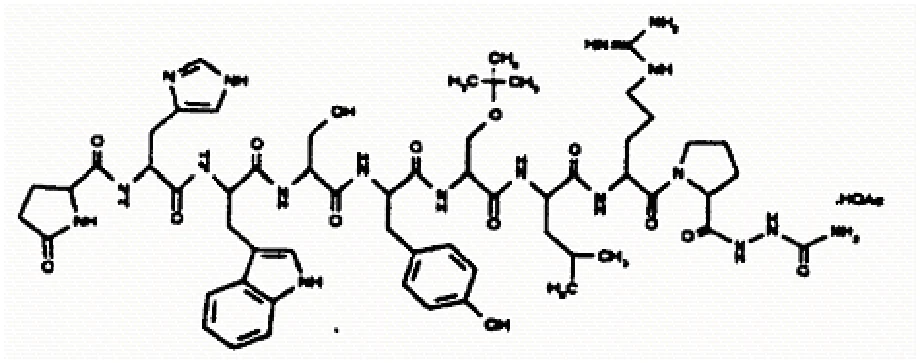
Chemical name: L-pyroglutamyl-L-histidyl-L-tryptophyl-L-seryl-L-tyrosyl-D-(O-tert- butyl)seryl- L-leucyl-L-arginyl-L-prolyl-azaglycine amide acetate
Abbreviated chemical name: L-Glp-L-His-L-Trp-L-Ser-L-Tyr-D-Ser(But)-L-Leu-L-Arg- L- Pro-AzGlyNH2 acetate
Other names: 6-D-(O-tert-butyl)serine-10-azaglycine amide-LH-RH, acetate salt
Molecular formula and molecular mass (free base): C59H84N18O14, 1269.44
Structural formula:
Physicochemical properties: Goserelin acetate is a white to off-white powder. It is freely soluble in glacial acetic acid, soluble in water, 0.1M hydrochloric acid, 0.1M sodium hydroxide, dimethylformamide and dimethylsulphoxide. It is practically insoluble in acetone, chloroform and diethyl ether.
Measured pKa (base) is 6.2 (associated with the protonation of the histidine residue). pH of a 2% aqueous solution is approximately 6 (dependent on level of acetic acid present).
Oil/Water Coefficient of Partition: Soluble in water, insoluble in n-octanol.
14 CLINICAL TRIALS
14.1 Clinical Trial by Indication
Prostate Cancer
In men by around 21 days after the first ZOLADEX LA implant injection, testosterone concentrations have typically fallen to within the castrate range and remain suppressed with treatment every 3 months. In clinical trials using ZOLADEX LA for 48 weeks, suppression of serum testosterone to castrate levels has been maintained for the duration of therapy. Data exists which indicates that in the majority of patients (over 90%), serum testosterone levels remain suppressed to within the castrate range for up to 13 weeks (3 months).
Breast Cancer
Premenopausal women with locally advanced or metastatic estrogen receptor-positive breast cancer
A Phase III, open-label, randomized, parallel group, multicenter trial was conducted in premenopausal women aged ≥20 years with histologically/cytologically confirmed locally advanced or metastatic ER-positive breast cancer, who were candidates to receive endocrine therapy (Study D8666C00001). Patients were randomized to receive either ZOLADEX subcutaneous implant once every 4 weeks for 24 weeks or ZOLADEX LA subcutaneous implant once every 12 weeks for 24 weeks. All patients also received a daily oral dose of tamoxifen (20 mg). Premenopausal status was defined as experiencing menses within 1 year prior to randomization, and serum concentrations for E2 ≥10 pg/mL and follicle-stimulating hormone (FSH) ≤30 mIU/mL within 4 weeks prior to randomization (for patients who had undergone a hysterectomy, only the latter criterion was required). A total of 222 patients were randomized into the study; 109 patients in the ZOLADEX LA group, 113 patients in the ZOLADEX group. Most of the patients (74.3% in the 10.8 mg group, 73.5% in the 3.6 mg group) had tumours classified as invasive ductal. All patients were ER-positive, and the majority of patients were both ER- and PgR-positive [82.6% (n = 90) in the ZOLADEX LA group; 77.9% (n = 88) in the ZOLADEX group].
In total, 61.5% (n = 67) of patients in the ZOLADEX LA group and 60.2% (n = 68) of patients in the ZOLADEX group were progression free at 24 weeks (treatment difference: 1.3; 95% CI -11.4, 13.9; Table 5). Since the lower 95% CI was above the pre-defined margin of -17.5%, ZOLADEX LA met the criteria for non-inferiority compared with ZOLADEX.
Table 5 Progression-free Survival at Week 24 in Study D8666C00001 (FAS)
| Study D8666C00001 | ||||||
|---|---|---|---|---|---|---|
| ZOLADEX LA (N=109) | ZOLADEX (N=113) | |||||
| Patients with PFS at Week 24, n (%) | 67 (61.5) | 68 (60.2) | ||||
| Difference in % (ZOLADEX LA - ZOLADEX) [95% CI] | 1.29 [-11.4 to 13.9] | |||||
CI, confidence interval; FAS, full analysis set; PFS, progression-free survival.
As a secondary objective, mean serum estradiol concentrations were decreased from baseline in both the ZOLADEX LA and ZOLADEX groups with similar concentrations at Week 12 (26.3 pg/mL and 25.4 pg/mL, respectively) and at Week 24 (20.3 pg/mL and 24.8 pg/mL, respectively).
Premenopausal women with estrogen receptor-positive early breast cancer
A Phase II, open-label, randomized, parallel group, multicentre study was conducted to compare estradiol suppression between ZOLADEX LA given once every 12 weeks and ZOLADEX given once every 4 weeks in premenopausal patients with ER-positive early breast cancer (Study D8664C00004). All patients also received concomitant oral tamoxifen (20 mg daily). One hundred and seventy patients were randomized into the study; 86 patients to the ZOLADEX LA group and 84 patients to the ZOLADEX group. Most patients had invasive breast cancer that was progesterone receptor (PgR)-positive.
After Week 4, the mean estradiol serum concentrations were well suppressed in both the ZOLADEX LA and ZOLADEX groups with most of the patients (≥98.8%) in both treatment groups maintaining estradiol serum concentrations below 30 pg/mL, i.e. within a post-menopausal range. Most of the patients in both treatment groups had no menstruation after Week 8. Mean FSH serum concentrations after Week 4 were well suppressed in both treatment groups, and the mean values were in a range of 1.283 mIU/mL to 2.117 mIU/mL. The geometric mean of AUC4-24 week was similar in both treatment groups, ie 18.32 pg/mL per week in the ZOLADEX LA group and 18.95 pg/mL per week in the ZOLADEX group. The AUC ratio of the ZOLADEX LA/ZOLADEX group, adjusted by baseline E2 value, was 0.974 (95% CI: 0.799 to 1.188; ANCOVA). The 95% CI upper limit (1.188) was below the predefined non-inferiority margin of 1.25, indicating that ZOLADEX LA is non-inferior to ZOLADEX in terms of estradiol suppression in premenopausal women with ER-positive breast cancer. As a secondary objective, the median follow-up duration for disease-free survival in the final analysis was 675.5 days (range 160 to 685) and 675.0 days (range 142 to 687) for the ZOLADEX and ZOLADEX LA groups, respectively.
15 MICROBIOLOGY
No microbiological information is required for this drug product.
16 NON-CLINICAL TOXICOLOGY
General Toxicology:
Acute Toxicity
Acute toxicity studies were conducted in rats and mice. All animals survived following single subcutaneous doses of 200 mg/kg in rats and 400 mg/kg in mice. The LD50 by the subcutaneous route is, therefore, in excess of these values. The only signs reported were in the rats and are those related to discomfort of dosing. By the intravenous route LD50 was established at approximately 30-40 mg/kg for rats and 56-59 mg/kg for mice.
Long-term Toxicity
Multiple dosing studies have been conducted in rats, dogs and monkeys. Six- and 12-month studies were done in rats and dogs. In the six-month studies the doses were administered either as daily injections (aqueous solution) or implant injections every 28 days.
The doses used were up to 1000 μg/kg/day in rats and dogs by daily subcutaneous injections and, nominally, 150 μg/kg/day in rats and 200 μg/kg/day in dogs by implant injections every 28 days.
In the 12-month studies, only the implant injections were used and these provided maximal nominal dose levels of around 130 μg/kg/day in rats and 200 μg/kg/day in dogs.
In a monkey study 6 implant doses were administered, one every 28 days (providing approximately 400 μg/kg/day). At the end of this period a proportion of animals were necropsied and the remainder given a period of 6-months drug withdrawal to study reversibility.
Findings in all animal species were those of chemical castration as evidenced by reduced testicular size, suppression of estrus and histologic evidence of gonad and secondary sex organ atrophy in both sexes. Pituitary gland microadenomas were observed only in rats; in 2 males in the implant group of the 6-month study and also in a larger proportion of dosed males in the 12-month study. See Carcinogenicity.
Carcinogenicity:
Compared to the control group animals an increased incidence of benign pituitary gland adenomas was found in male rats following long-term dosing in the carcinogenicity study where doses approximating to 60 and 120 μg/kg/day were administered every 28 days by implant injections. The chemical castration effect is responsible for the production of pituitary gland adenomas which appears to be a species-specific response. This response is similar to that seen in surgically castrated rats. There were no pituitary gland adenomas observed in the mouse where large doses of the compound were administered (implant doses approximating to 1200 and 2400 μg/kg/day for 2 years). At the end of two years dosing in the mouse, findings of hyperplasia of the pancreatic islet cells and adenomatous polyps in pyloric stomach were reported but there was no evidence of carcinogenicity.
Other Investigations
Following long-term repeated dosing with ZOLADEX, an increased incidence of benign pituitary tumours has been observed in male rats. Whilst this finding is similar to that previously noted in this species following surgical castration, any relevance to humans has not been established.
In mice, long-term repeated dosing with multiples of the human dose produced histological changes in some regions of the digestive system. This is manifested by pancreatic islet cell hyperplasia and a benign proliferative condition in the pyloric region of the stomach, also reported as a spontaneous lesion in this species. The clinical relevance of these findings is unknown.
Genotoxicity:
The mutagenic potential of the compound has been investigated in seven systems, five of them eukaryotic including two in vivo mammalian cell tests.
Tests for point mutation were done using the Salmonella typhimurium and Escherichia coli bacterial systems and Saccharomyces cerevisiae strain D7 yeast. Concentrations used were up to the limit of solubility (2000 μg/mL culture; 5000 μg/plate).
Clastogenic action on chromosomes was investigated in vivo using the mouse micronucleus test (2.5 mg and 5.0 mg/kg) and Chinese hamster bone marrow cytogenetics (15 mg/kg). For completion, two other in vitro mammalian cell culture tests (Chinese hamster ovary cells and human lymphocytes) were also done.
In none of these investigations was there any evidence of genotoxic potential.
Reproductive and Developmental Toxicology:
Administration of ZOLADEX led to changes that were consistent with gonadal suppression in both male and female rats as a result of its endocrine action at 30-60 and 20-40 times the recommended human dose respectively. Except for the testes, almost complete histologic reversal of these effects in male and female rats was observed several weeks after dosing was stopped. Fertility and general reproductive performance was reduced in those that became pregnant after ZOLADEX was discontinued. Fertile matings occurred within two weeks after cessation of dosing, even though total recovery of reproductive function may not have occurred before mating took place. The ovulation rate, the corresponding implantation rate and number of live fetuses were reduced.
In male and female dogs, the suppression of fertility was fully reversible when drug treatment was stopped after continuous administration for 1 year at 100 times the recommended monthly dose.
Studies in both rats and rabbits (up to 25 and 500 times the monthly dose respectively) confirm that ZOLADEX will increase pregnancy loss in a dose-related manner. In both rats and rabbits, there was no evidence that ZOLADEX possessed the potential to cause teratogenicity.