


Product Monograph - Trelstar
Recent Major Label Changes
| 7 Warning and Precautions, all indications, psychiatric, skin and subcutaneous tissue disorders, and Endocrine and Metabolism | [07/2026] |
|---|
Table of Contents
Sections or subsections that are not applicable at the time of authorization are not listed.
recent Major Label Changes ................................................................................................... 2
Table of Contents ................................................................................................................... 2
Part 1: Health Professional Information .................................................................................. 4
1 Indications .................................................................................................................. 4
1.1 Pediatrics ................................................................................................................ 4
1.2 Geriatrics ................................................................................................................ 4
2 Contraindications ........................................................................................................ 4
3 Serious Warnings and Precautions Box ....................................................................... 5
4 Dosage and Administration ......................................................................................... 5
4.1 Dosing Considerations ............................................................................................ 5
4.2 Recommended Dose and Dosage Adjustment ....................................................... 5
4.3 Reconstitution ........................................................................................................ 6
4.4 Administration ...................................................................................................... 14
4.5 Missed Dose ......................................................................................................... 14
5 Overdose................................................................................................................... 14
6 Dosage Forms, Strengths, Composition and Packaging .............................................. 15
7 Warnings and Precautions ......................................................................................... 15
7.1 Special Populations............................................................................................... 20
7.1.1 Pregnant Women ........................................................................................... 20
7.1.2 Breast-feeding .............................................................................................. 212
7.1.3 Pediatrics ...................................................................................................... 212
7.1.4 Geriatrics ...................................................................................................... 212
8 Adverse Reactions ..................................................................................................... 21
8.1 Adverse Reaction Overview .................................................................................. 21
8.2 Clinical Trial Adverse Reactions .......................................................................... 223
8.3 Less Common Clinical Trial Adverse Reactions ..................................................... 28
8.4 Abnormal Laboratory Findings: Hematologic, Clinical Chemistry and Other Quantitative Data ........................................................................................................... 29
8.5 Post-Market Adverse Reactions ......................................................................... 291
9 Drug Interactions ...................................................................................................... 30
9.2 Drug Interactions Overview .................................................................................. 30
9.3 Drug-Behavioural Interactions ............................................................................ 302
9.4 Drug-Drug Interactions ....................................................................................... 312
9.5 Drug-Food Interactions ......................................................................................... 31
9.6 Drug-Herb Interactions ......................................................................................... 31
9.7 Drug-Laboratory Test Interactions ........................................................................ 31
10 Clinical Pharmacology ............................................................................................... 31
10.1 Mechanism of Action ...................................................................................... 31
10.2 Pharmacodynamics ...................................................................................... 323
10.3 Pharmacokinetics ......................................................................................... 334
11 Storage, Stability and Disposal .................................................................................. 35
12 Special Handling Instructions .................................................................................... 35
Part 2: Scientific Information ................................................................................................ 36
13 Pharmaceutical Information ...................................................................................... 36
14 Clinical Trials ............................................................................................................. 37
14.1 Clinical Trials by Indication ............................................................................. 37
Endometriosis ................................................................................................................ 37
Prostate Cancer .............................................................................................................. 39
15 Microbiology ............................................................................................................. 42
16 Non-Clinical Toxicology ............................................................................................. 42
Patient Medication Information For Endometriosis Patients ................................................ 44
Patient Medication Information For Prostate Cancer Patients .............................................. 51
Part 1: Health Professional Information
1 Indications
TRELSTAR (triptorelin for injectable suspension) is indicated for:
- The management and relief of chronic pain associated with endometriosis.
- The palliative treatment of hormone dependent advanced carcinoma of the prostate gland (stage D2).
For the management and relief of chronic pain in endometriosis, experience in women has been limited to women 18 years of age or older treated for 6 months.
1.1 Pediatrics
Pediatrics (< 18 years of age): No data are available to Health Canada; therefore, Health Canada has not authorized an indication for pediatric use (see 7.1.3 Pediatrics).
1.2 Geriatrics
Geriatrics (≥ 65 years of age): No data are available to Health Canada for the management and relief of chronic pain associated with endometriosis in geriatric patients. The majority of the patients studied in the clinical trials for the palliative treatment of prostate cancer with TRELSTAR were 65 years and older (see 14 Clinical Trials).
2 Contraindications
TRELSTAR is contraindicated in:
- Patients with hypersensitivity to luteinizing hormone-releasing hormone [LHRH; also known as gonadotropin-releasing hormone (GnRH)] or LHRH agonist analogs, or any ingredient in the formulation, including any non-medicinal ingredient, or component of the container. Anaphylactic reactions to synthetic LHRH or LHRH agonist analogs have been reported (see 7 Warnings and Precautions and 8.5 Post-Market Adverse Reactions). For a complete listing, see 6 Dosage Forms, Strengths, Composition and Packaging.
- Women who are or may become pregnant while receiving the drug. TRELSTAR may cause fetal harm when administered to a pregnant woman. If this drug is used during pregnancy or if the patient becomes pregnant while taking this drug, she should be apprised of the potential hazard to the fetus (see 7 Warnings and Precautions).
- Nursing women (see 7 Warnings and Precautions.
- Women with undiagnosed abnormal vaginal bleeding.
3 Serious Warnings and Precautions Box
TRELSTAR should be prescribed by a qualified health professional experienced in the use of hormonal therapy in prostate cancer or endometriosis. TRELSTAR should be administered by a health professional. The following is a clinically significant adverse event observed in men with prostate cancer:
The following is a clinically significant adverse event observed in patients taking LHRH agonist drugs:
The following is a rare clinically significant adverse event observed in patients taking LHRH agonist drugs:
|
|---|
4 Dosage and Administration
4.1 Dosing Considerations
Due to different release characteristics, the dosage strengths are not additive and must be selected based upon the desired dosing schedule.
Pregnancy should be excluded in females of reproductive potential before treatment.
4.2 Recommended Dose and Dosage Adjustment
Health Canada has not authorized an indication for pediatric use.
Endometriosis
The recommended dose of TRELSTAR for the management and relief of chronic pain associated with endometriosis is an intramuscular injection of 3.75 mg (as peptide base) incorporated in a depot formulation, every 28 days (1 month). Total treatment duration should be no longer than 6 months.
Prostate Cancer
TRELSTAR is intended for long-term administration unless clinically inappropriate.
TRELSTAR (1 month sustained-release formulation) 3.75 mg triptorelin/vial: The recommended dose of TRELSTAR 3.75 mg is 3.75 mg (as peptide base) incorporated in a depot formulation, every month.
TRELSTAR (3 month sustained-release formulation) 11.25 mg triptorelin/vial: The recommended dose of TRELSTAR 11.25 mg is 11.25 mg (as peptide base), incorporated in a depot formulation, every 3 months.
TRELSTAR (6 month sustained-release formulation) 22.5 mg triptorelin/vial: The recommended dose of TRELSTAR 22.5 mg is 22.5 mg (as peptide base), incorporated in a depot formulation, every 6 months.
4.3 Reconstitution
TRELSTAR is supplied in single-dose vials containing lyophilized powder. This powder is to be reconstituted with 2 mL of sterile water for injection according to Table 1. Instructions are provided (see below) for:
- reconstitution using the TRELSTAR dose delivery system MIXJECT (with Pre-Filled Syringe Containing Sterile Water for Injection)
- reconstitution using the TRELSTAR delivery system with vial adapter (including 21-gauge needle, and pre-filled syringe containing sterile water for injection)
- reconstitution of the TRELSTAR vial without a delivery system)
Table 1 - Reconstitution
| Strength | Vial Size | Volume of Diluent to be Added to Vial | Approximate Available Volume | Nominal Concentration per mL |
| 3.75 mg | 6 mL | 2 mL | 2 mL | 1.875 mg |
| 11.25 mg | 6 mL | 2 mL | 2 mL | 5.625 mg |
| 22.5 mg | 6 mL | 2 mL | 2 mL | 11.250 mg |
Single use only. Inject immediately after reconstitution and discard unused portion. The suspension should be discarded if not used immediately after reconstitution.
As with all parenteral admixtures, the reconstituted suspension should be examined for the presence of foreign particulate matter, agglomeration or discoloration. Any defective units should be discarded.
General Instructions and Recommendations
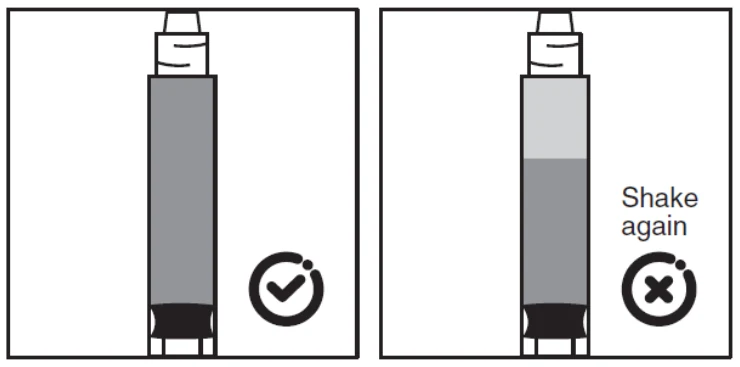
- The product is a suspension of microparticles that can sediment in the diluent. The product should appear homogenous, thick, and milky before administration. If the product sediments in the vial, shake again.
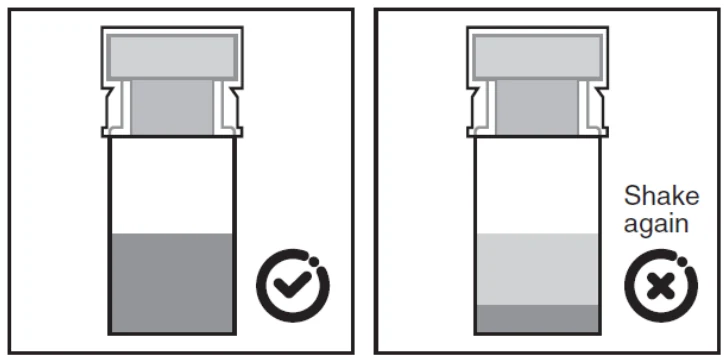
- If the particles settle it will lead to a needle blockage. It is very important to inject within 2 minutes after reconstitution. If the product sediments in the syringe, shake again before injection.
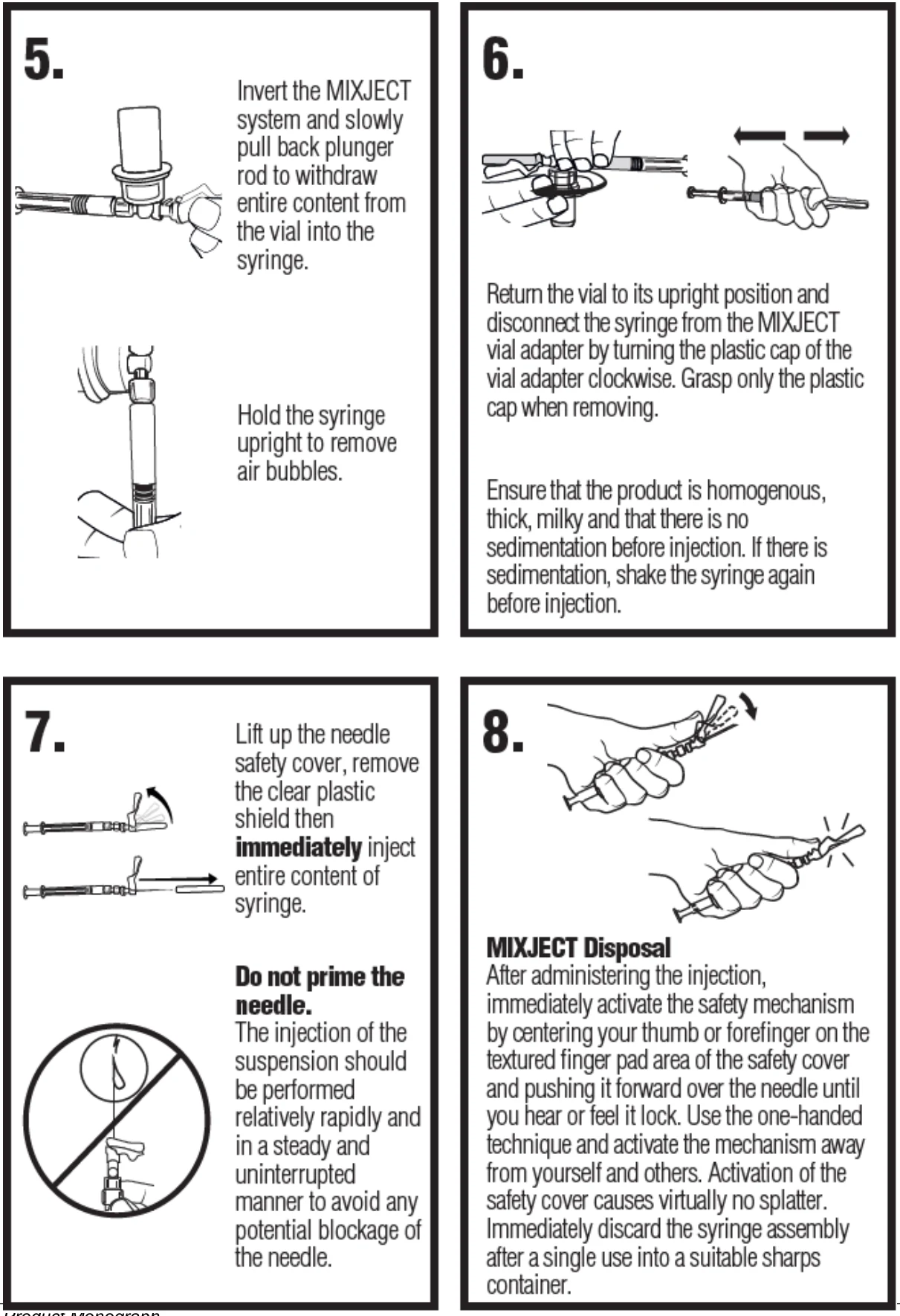
- A. Instructions for Use – TRELSTAR Dose Delivery System (with Pre-Filled Syringe containing Sterile Water for Injection), MIXJECT
Please read the instructions completely before you begin.
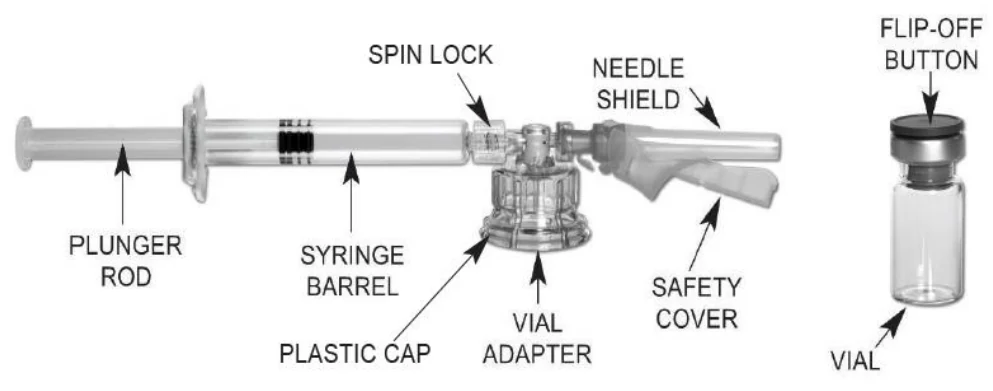
MIXJECT Preparation
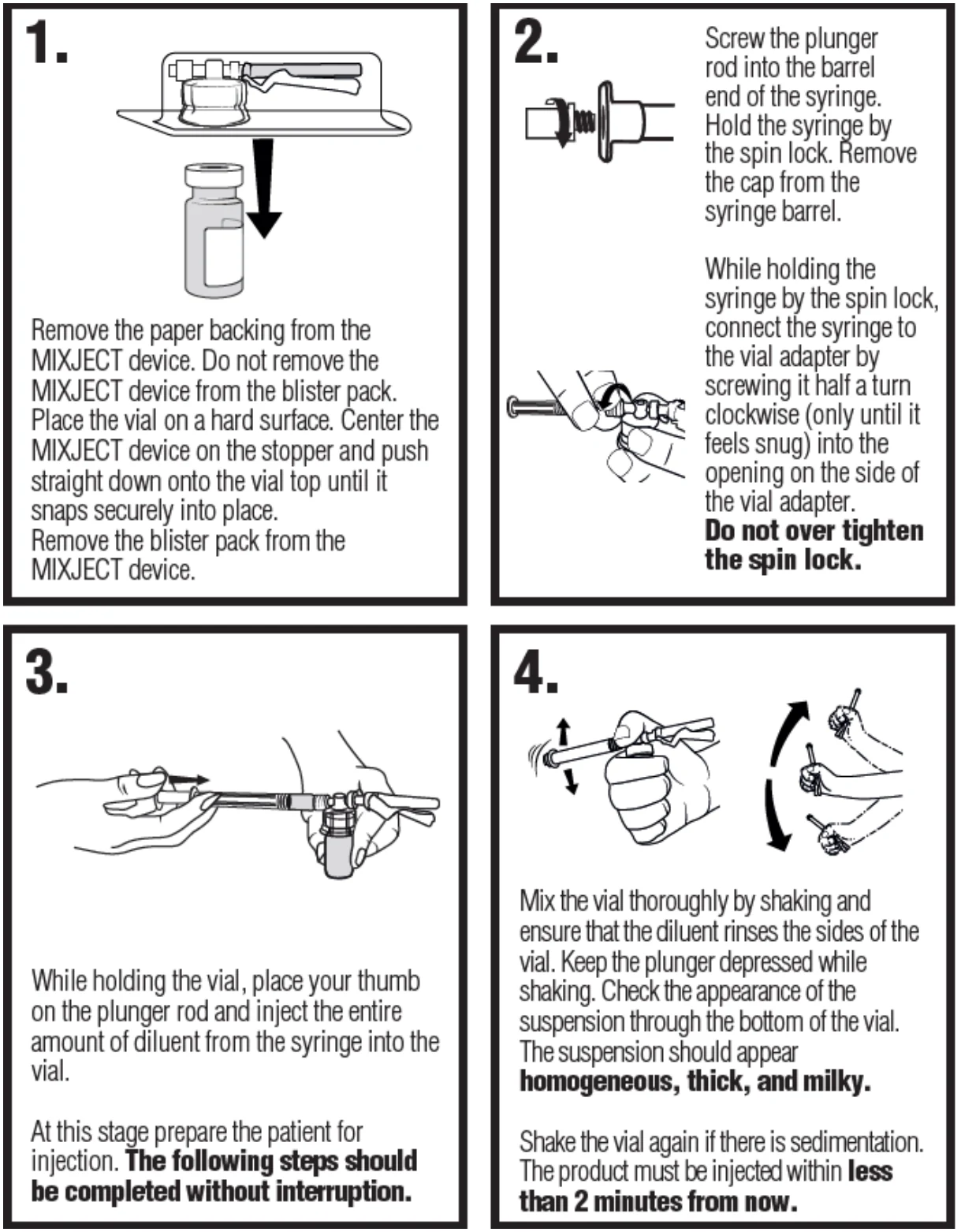
Wash your hands with soap and hot water and put on gloves immediately prior to preparing the injection. Place the sealed tray on a clean, flat surface that is covered with a sterile pad or cloth. Peel the cover away from the tray and remove the MIXJECT components and the TRELSTAR vial. Remove the Flip-Off button from the top of the vial, revealing the rubber stopper. Place the vial in a standing upright position on the prepared surface. Disinfect the rubber stopper with an alcohol wipe. Discard the alcohol wipe and allow the stopper to dry. Proceed to MIXJECT Activation.
MIXJECT Activation
- B. Instructions for Use – TRELSTAR Vial with Vial Adapter delivery system (including 21-Gauge Injection Needle, and Pre-Filled Syringe containing Sterile Water for Injection)
Please read the instructions completely before you begin.
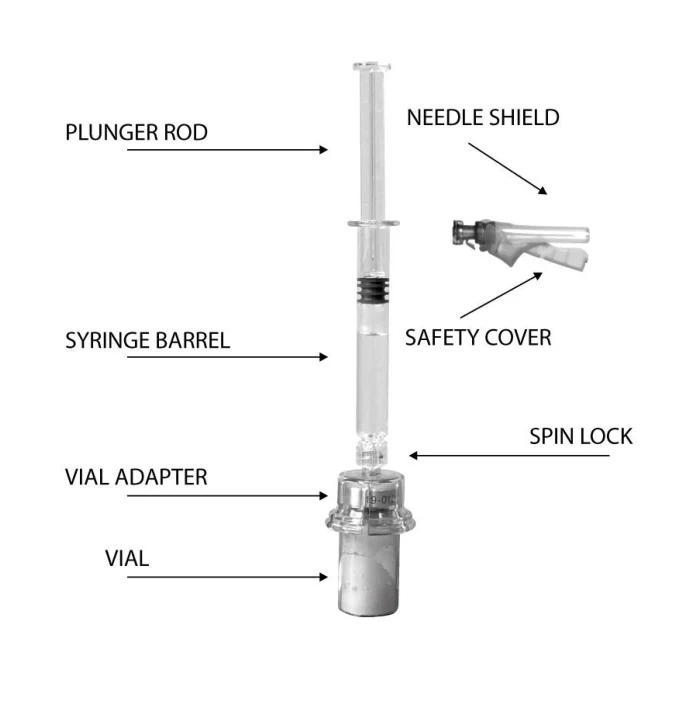
TRELSTAR Preparation
Wash your hands with soap and hot water and put on gloves immediately prior to preparing the injection. Place the sealed tray on a clean, flat surface that is covered with a sterile pad or cloth. Peel the cover away from the tray and remove the components and the TRELSTAR vial. Peel the cover away from the package containing the needle while leaving the needle inside it until use. Use all components provided. Remove the Flip-Off button from the top of the vial, revealing the rubber stopper. Place the vial in a standing upright position on the prepared surface. Disinfect the rubber stopper with an alcohol wipe. Discard the alcohol wipe and allow the stopper to dry. Proceed to TRELSTAR Activation.
TRELSTAR Activation (for Vial adapter)

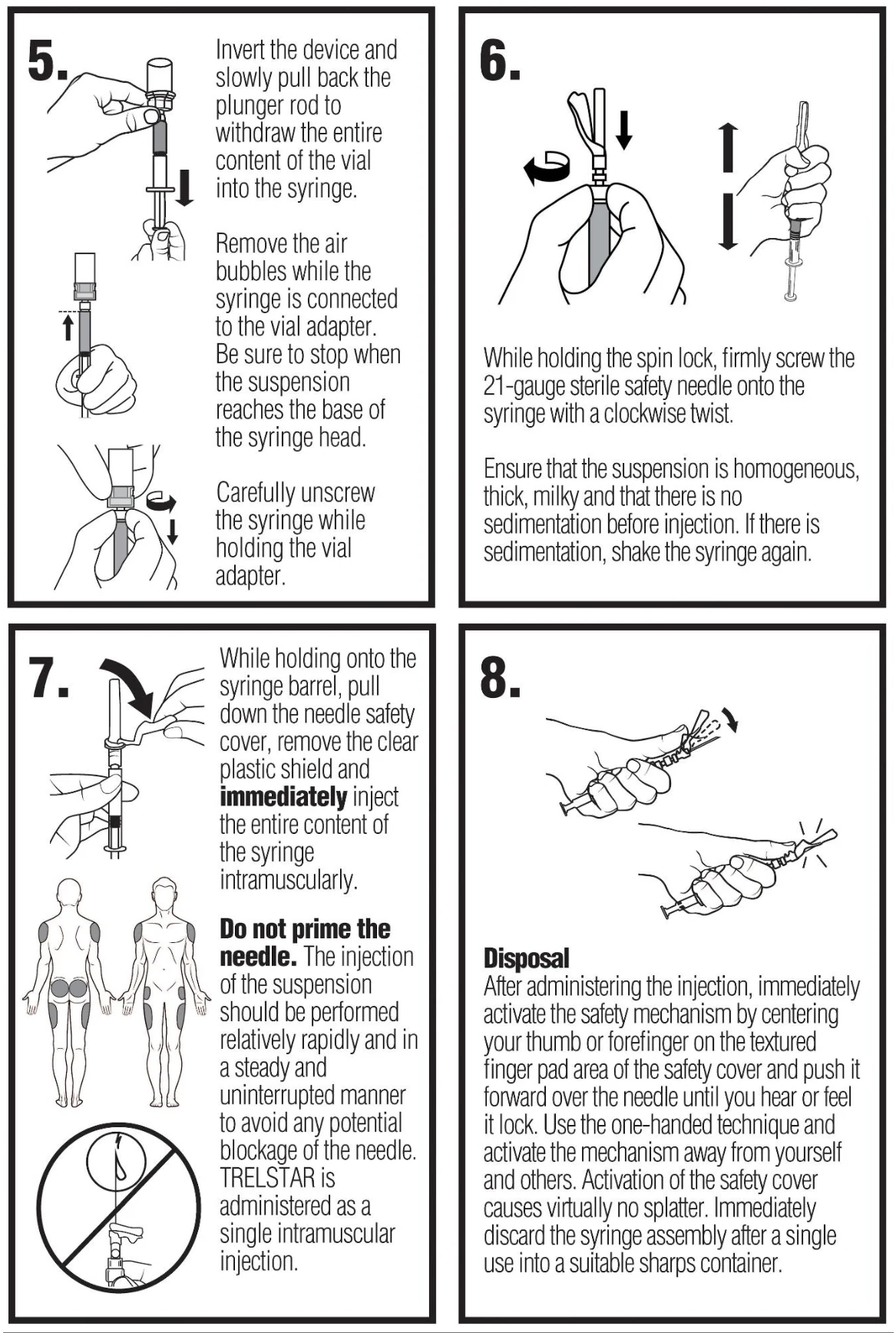
- C. Instructions for Use – TRELSTAR Vial without a Delivery System
The lyophilized powder is to be reconstituted in sterile water for injection. No other diluent should be used. It is necessary for an aseptic technique to be maintained throughout preparation.
Preparation
- 1) Using a syringe fitted with a sterile 21-gauge needle, withdraw 2 mL sterile water for injection, USP, and after removing the flip-off seal from the vial, inject through the rubber stopper into the vial. Ensure the plunger rod remains pushed down.
- 2) Shake vigorously to thoroughly disperse particles to obtain a uniform suspension. The suspension will appear homogenous, thick, and milky. The product must be injected within 2 minutes after shaking is completed.
- 3) Withdraw the entire content of the reconstituted suspension into the syringe and inject it immediately in a steady and uninterrupted manner. Do not prime the needle. Ensure that the product is homogeneous, thick, and milky and that there is no sedimentation before injection. If there is sedimentation, shake the syringe again before injection.
Disposal
Dispose of the syringe and vial into a suitable sharps container.
4.4 Administration
TRELSTAR should be administered by a health professional.
TRELSTAR is administered as a single intramuscular injection. Since TRELSTAR is a suspension of microgranules, inadvertent intravascular injection must be strictly avoided.
As with other drugs administered by intramuscular injection, the injection site should be varied periodically.
4.5 Missed Dose
Maintaining suppression of sex hormones is important in the management and relief of chronic pain associated with endometriosis, and in treating the symptoms of hormone-dependent prostate cancer. Missing an appointment by a few days should not disrupt the benefits of treatment, but keeping a consistent schedule of TRELSTAR injections is an important part of treatment.
5 Overdose
The pharmacologic properties of TRELSTAR and its mode of administration make accidental or intentional overdosage unlikely. There is no experience of overdosage from clinical trials. Acute animal toxicity of the drug is low and high multiples of clinical dose did not cause any adverse effects. If overdosage occurs, it should be managed symptomatically.
| For the most recent information in the management of a suspected drug overdose, contact your regional poison control centre or Health Canada’s toll-free number, 1-844 POISON-X (1-844-764-7669). |
|---|
6 Dosage Forms, Strengths, Composition and Packaging
Table 2 – Dosage Forms, Strengths, Composition and Packaging
TRELSTAR is available for use as:
- 1.
TRELSTAR one single dose vial with a MIXJECT dose delivery system that contains:
- One MIXJECT single dose delivery system with a 21-Gauge needle
- One single use pre-filled syringe containing 2 mL Sterile Water for Injection
- 2.
TRELSTAR one single dose vial with a vial adapter delivery system that contains:
- One 21-gauge needle
- One single use pre-filled syringe containing 2 mL Sterile Water for Injection
- One alcohol wipe and one adhesive bandage.
- 3. TRELSTAR one single dose vial without a delivery system
7 Warnings and Precautions
Please see 3 Serious Warnings and Precautions Box.
All Indications
Carcinogenesis and Mutagenesis
In a 23-month carcinogenicity study in rats, pituitary adenomas which resulted in premature deaths were observed in rats treated with triptorelin pamoate. No oncogenic effects were observed in mice given triptorelin pamoate for 18 months (see 16 Non-Clinical Toxicology).
Driving and Operating Machinery
No studies on the effects of TRELSTAR on the ability to drive and use machines have been performed. However, as fatigue and dizziness are common adverse reactions that might influence the ability to drive and use machines, due caution should be exercised when driving or operating a vehicle or potentially dangerous machinery.
Endocrine and Metabolism
| Route of Administration | Dosage Form/Strength/Composition | Non-medicinal Ingredients |
| Intramuscular injection | Sterile vial of powder for injectable suspension, 3.75 mg (as triptorelin base), triptorelin pamoate | Carboxymethylcellulose sodium, mannitol, poly-d,l-lactide-co-glycolide, and polysorbate 80 |
| Intramuscular injection | Sterile vial of powder for injectable suspension, 11.25 mg (as triptorelin base), triptorelin pamoate | Carboxymethylcellulose sodium, mannitol, poly-d,l-lactide-co-glycolide, and polysorbate 80 |
| Intramuscular injection | Sterile vial of powder for injectable suspension, 22.5 mg (as triptorelin base), triptorelin pamoate | Carboxymethylcellulose sodium, mannitol, poly-d,l-lactide-co-glycolide, and polysorbate 80 |
Benign intracranial hypertension (BIH) /idiopathic intracranial hypertension (IIH) has been reported in patients receiving LHRH agonists, including triptorelin (see 8.5 Post-Market Adverse Reactions). Monitor patients for signs and symptoms of PTC/BIH including headache, tinnitus, dizziness, nausea, pain behind the eye or with eye movement, papilloedema, blurred vision, diplopia, and loss of vision (which may be irreversible in very rare cases if PTC/BIH is not promptly diagnosed and treated). Promptly refer to an ophthalmologist in case of suspected papilledema or visual disorders. If PTC/BIH is confirmed, treat the patient in accordance with established treatment guidelines and permanently discontinue use of TRELSTAR.
Hypogonadism
Long-term administration of TRELSTAR will cause suppression of pituitary gonadotropins and gonadal hormone production with clinical symptoms of hypogonadism. These changes have been observed to reverse on discontinuation of therapy. However, whether the clinical symptoms of induced hypogonadism will reverse in all patients has not yet been established.
Pituitary apoplexy
During post-marketing experience, rare cases of pituitary apoplexy (a clinical syndrome secondary to infarction of the pituitary gland) have been reported after the administration of LHRH agonists (see 8.5 Post-Market Adverse Reactions). In a majority of these cases, a pituitary adenoma was diagnosed with the majority of pituitary apoplexy cases occurring within 2 weeks of the first dose of TRELSTAR, and some within the first hour. In these cases, pituitary apoplexy has presented as sudden headache, vomiting, visual changes, ophthalmoplegia, altered mental status, and sometimes cardiovascular collapse. Immediate medical attention has been required.
Hepatic/Biliary/Pancreatic
TRELSTAR exposure was higher in patients with hepatic insufficiency than in healthy volunteers. Clinical consequences of the increase and potential need for dose adjustment are unknown.
Immune
Hypersensitivity and anaphylactic reactions have been reported with triptorelin as with other LHRH agonists. TRELSTAR should not be administered to individuals who are hypersensitive to triptorelin, other LHRH agonists, or LHRH (see 8.5 Post-Market Adverse Reactions). In the event of a hypersensitivity reaction, TRELSTAR therapy should be discontinued immediately and the appropriate supportive and symptomatic care should be administered.
Neurologic
During post-marketing experience, convulsions have been reported in patients receiving LHRH analogues, including triptorelin. Some of these patients had risk factors including a history of epilepsy, intracranial tumors or co-medication with drugs known to have proconvulsant effects such as bupropion and selective serotonin-reuptake inhibitors (SSRIs). Convulsions have also been reported in patients in the absence of such risk factors. If convulsions occur, TRELSTAR should be discontinued immediately and appropriate clinical and supportive care should be administered. See 8.5 Post-Market Adverse Reactions).
Psychiatric
There is an increased risk of depression (which may be severe and includes very rare cases of suicidal ideation or suicide attempts from postmarketing experience) in patients undergoing treatment with
LHRH agonists, including TRELSTAR. Patients should be informed accordingly and treated appropriately if symptoms occur.
Patients with known history of depression should be monitored closely during therapy.
Renal
TRELSTAR exposure was higher in patients with renal insufficiency than in healthy volunteers. Clinical consequences of the increase and potential need for dose adjustment are unknown.
Skin and Subcutaneous tissue disorders
Stevens-Johnson syndrome (SJS), toxic epidermal necrolysis (TEN), drug reaction with eosinophilia and systemic symptoms (DRESS), and acute generalized exanthematous pustulosis (AGEP), which can be life-threatening or fatal, have been reported in association with TRELSTAR treatment.
Patients should be advised of the signs and symptoms of the severe cutaneous adverse reactions and should seek medical advice from their physician immediately when observing any indicative signs or symptoms. If signs and symptoms suggestive of these reactions appear, TRELSTAR should be withdrawn immediately and an alternative treatment considered (as appropriate).
If the patient has developed a severe cutaneous adverse reaction such as SJS, TEN, DRESS or AGEP with the use of TRELSTAR, treatment with TRELSTAR must not be restarted in this patient at any time.
Reproductive Health: Female and Male Potential
Fertility
Based on mechanism of action and findings in animals, TRELSTAR may impair fertility in males and females of reproductive potential (see 10.1 Mechanism of Action, 16 Non-Clinical Toxicology).
Function
Treatment with TRELSTAR may result in erectile dysfunction in males and decreased libido in females and males (see 8 Adverse Reactions).
Teratogenic Risk
Based on findings in animals, TRELSTAR may cause fetal harm if administered to pregnant women (see 16 Non-Clinical Toxicology). TRELSTAR is contraindicated in women who are or may become pregnant (see 2 Contraindications, 7.1.1 Pregnant Women).
Endometriosis
General
During the early phase of therapy, sex hormones usually rise above baseline levels because of the physiologic effect of the drug. An increase in clinical signs and symptoms of endometriosis is often observed during the initial days of therapy. These will subside with continued treatment.
Worsening of the clinical condition may occasionally require discontinuation of therapy.
Retreatment cannot be recommended since safety data beyond 6 months are not available.
Genitourinary
Vaginal bleeding
Since menstruation should stop with effective doses of TRELSTAR, the patient should notify her health professional if regular menstruation persists. Patients missing successive doses of TRELSTAR may experience breakthrough bleeding.
Ovarian Cysts
As with other drugs that stimulate the release of gonadotropin or that induce ovulation, ovarian cysts have been reported to occur, usually within the first 2 months of treatment. In most cases, these enlargements resolve spontaneously in 4 to 6 weeks. However, in some cases they may require discontinuation of drug and/or surgical intervention.
Musculoskeletal
Changes in bone density
Bone loss can be expected as part of natural aging and can also be anticipated during the hypoestrogenic state caused by long-term use of TRELSTAR. Treatment with triptorelin for a period up to 6 months can lead to a reduction in bone mineral density, but this is generally reversible after the end of treatment. Some of the bone density loss over the course of TRELSTAR therapy may not be reversible.
It has been shown in patients treated with LHRH analogues for endometriosis that the addition of estrogen and progestogen therapy reduces bone mineral density loss and vasomotor symptoms. Therefore, if appropriate, consider co-administering estrogen and progestogen therapy with LHRH analogues while taking into account the risks and benefits of each treatment.
In patients with significant risk factors for decreased bone mineral content and/or bone mass such as family history of osteoporosis, chronic use of corticosteroids or anticonvulsants or chronic use of alcohol or tobacco, TRELSTAR may pose additional risk. In these patients, risk versus benefit must be weighted carefully before initiation of TRELSTAR therapy. Repeated courses of therapy with LHRH analogs beyond 6 months are not advisable for patients with major risk factors for loss of bone mineral content.
Prostate Cancer
General
TRELSTAR, like other LHRH agonists, causes a transient increase in serum concentration of testosterone during the first weeks of treatment. Patients may experience worsening of symptoms or onset of new symptoms, including bone pain, neuropathy, hematuria, or ureteral or bladder outlet obstruction. Cases of spinal cord compression, which may contribute to paralysis with or without fatal complications, have been reported with LHRH agonists. If spinal cord compression or renal impairment due to ureteral obstruction develops, standard treatment of these complications should be instituted. Patients with metastatic vertebral lesions and/or with urinary tract obstruction should begin TRELSTAR therapy under close supervision.
Cardiovascular
There may be a relationship between androgen deprivation therapy and cardiovascular risk in men with prostate cancer on the basis of the demonstrated adverse impact of androgen deprivation on traditional cardiovascular risk factors, including serum lipoproteins, insulin sensitivity, and obesity. Reports of events related to cardiovascular ischemia including myocardial infarction, stroke and cardiovascular-related deaths have been received in patients treated with LHRH agonists. Health professionals should consider whether the benefits of androgen deprivation therapy outweigh the potential cardiovascular risk. Assessment of cardiovascular risk and management according to local clinical practice and guidelines should be considered (see Monitoring and Laboratory Tests).
Effect on QT/QTc interval
The following effects have been reported with drugs in this class. Not all the effects listed below have necessarily been associated with TRELSTAR therapy.
Androgen deprivation therapy has the potential to prolong QT/QTc interval on ECG (see 10.2 Pharmacodynamics). QT prolongation is a physiologic consequence of hormonal therapies that induce androgen ablation in males with prostate cancer and should be considered in assessing the risk-benefit of treatment with hormonal therapy. Health professionals should consider whether the benefits of androgen deprivation therapy outweigh the potential risk in patients with congenital long QT syndrome, electrolyte abnormalities, or congestive heart failure and in patients taking medications that might prolong the QT interval (see 9 Drug Interactions).
Endocrine and Metabolism
Metabolic changes
In men treated with androgen deprivation therapy, an increased risk of developing metabolic changes such as reduction in glucose tolerance, non-alcoholic fatty liver disease, and diabetes has been reported. Patients treated with TRELSTAR should undergo periodic monitoring of blood glucose and liver function monitoring should be considered. Diabetic patients may require more frequent monitoring when receiving TRELSTAR.
Hematologic
Anemia is a known physiologic consequence of testosterone suppression. Assessment of anemia risk and management according to local clinical practice and guidelines should be considered.
Monitoring and Laboratory Tests
During therapy with TRELSTAR, patients should be routinely monitored by physical examinations and appropriate laboratory tests.
In prostate cancer patients, an assessment of bone lesions may require the use of bone scans. Prostatic lesions may be monitored by ultrasonography and/or CT scan in addition to digital rectal examination. The status of obstructive uropathy may be assessed and/or diagnosed using intravenous pyelography, ultrasonography or CT scan.
Response to TRELSTAR may be monitored by periodically measuring serum concentrations of testosterone and prostate specific antigen (PSA). Results of testosterone determinations are dependent on assay methodology. Some methods may either over- or underestimate the testosterone values in the hypogonadal testosterone range. The LC-MS/MS method is the reference method for testosterone assessments when castrate levels are expected and was the assay method used in the clinical study supporting authorization of TRELSTAR 22.5 mg (6 month sustained-release formulation). It is advisable to be aware of the type and precision of the assay methodology in order to make appropriate clinical and therapeutic decisions.
Baseline risk factors of cardiovascular diseases should be assessed. Patients receiving TRELSTAR should be monitored periodically for risk factors, signs and symptoms of cardiovascular diseases. In addition, baseline ECG recording and serum potassium, calcium, and magnesium levels are recommended.
Monitoring of ECG and serum electrolyte levels during treatment should also be considered for those at risk for electrolyte abnormality and QT prolongation (see Cardiovascular).
Blood glucose levels and/or glycosylated haemoglobin (HbA1c) should be checked periodically in patients treated with TRELSTAR and more frequently in diabetic patients (see Endocrine and Metabolism).
Liver function monitoring should be considered (see Endocrine and Metabolism).
Musculoskeletal
Changes in bone density
Decreased bone mineral density can be anticipated with long term use of an LHRH agonist. Androgen deprivation therapy is associated with increased risks of osteoporosis and skeletal bone fractures. The risk of skeletal fracture increases with the duration of androgen deprivation therapy. Assessment of osteoporosis risk and management according to clinical practice and guidelines should be considered.
In patients with significant risk factors for decreased bone mineral content and/or bone mass such as chronic alcohol and/or tobacco use, presumed or strong family history of osteoporosis, chronic use of drug that can reduce bone mass such as anticonvulsants or corticosteroids, TRELSTAR may pose additional risk. In these patients, risk versus benefit must be weighed carefully before therapy with TRELSTAR is instituted.
7.1 Special Populations
7.1.1 Pregnant Women
TRELSTAR is contraindicated in women who are or may become pregnant (see 2 Contraindications). The safe use of TRELSTAR during pregnancy has not been established clinically (see 8 Adverse Reactions). While no teratogenic effects were observed from animal studies, an embryotoxic effect of increased uterine resorption has been observed in pregnant rats administered triptorelin (see 16 Non-Clinical Toxicology). Before starting therapy with TRELSTAR, pregnancy must be excluded. When used regularly and at therapeutic doses, TRELSTAR inhibits ovulation and subsequently menstruation. However, contraception cannot be ensured. Females of childbearing potential should use nonhormonal methods of contraception while on therapy and should be advised to see their health professional if they think they may be pregnant. If a woman becomes pregnant while receiving TRELSTAR, therapy should be discontinued and the patient advised of the potential risk to the fetus. The possibility exists that spontaneous abortion may occur if the drug is administered during pregnancy.
A small number of women have been inadvertently exposed to triptorelin during pregnancy. Of 28 pregnant women in France exposed to triptorelin in fertility trials, one case of trisomy 13 was reported in a woman who received triptorelin 15 days after conception. One case of trisomy 18 has been reported in Italy. In both cases, a causal relationship could not be established. In another study, very long fetal exposure to triptorelin in a woman who became pregnant during a clinically induced pseudo menopause resulted in the term delivery of a healthy newborn.
7.1.2 Breast-feeding
It is not known to what extent TRELSTAR is excreted into human milk. Because there are no well-controlled studies on the effect of TRELSTAR in nursing women and because many drugs are excreted into human milk, TRELSTAR is contraindicated in nursing women (see 2 Contraindications).
7.1.3 Pediatrics
Pediatrics (< 18 years of age): No data are available to Health Canada; therefore, Health Canada has not authorized an indication for pediatric use.
Treatment with LHRH agonists may reduce bone mineral density (BMD). Given that adolescents may not have reached maximum bone mass (especially those under the age of 16 years), LHRH agonists are not recommended for the management and relief of chronic pain associated with endometriosis in patients under the age of 18 years.
7.1.4 Geriatrics
Geriatrics (≥ 65 years of age): No data are available to Health Canada for the management and relief of chronic pain associated with endometriosis in geriatric patients.
The majority of the patients studied in the clinical trials for the palliative treatment of prostate cancer with TRELSTAR were 65 years and older (see 14 Clinical Trials).
8 Adverse Reactions
8.1 Adverse Reaction Overview
Endometriosis
Adverse reactions reported in clinical trials of TRELSTAR were rarely severe enough to result in patient withdrawal from TRELSTAR treatment. In a controlled study with 137 endometriosis patients comparing triptorelin [3.75 mg] and leuprolide [3.75 mg] administered monthly for 6 months, one case of severe acute abdominal pain was judged probably related to therapy. No discontinuation of treatment was required for this patient.
Most adverse reactions resolved spontaneously without further medical intervention. As seen with other LHRH agonist therapies, the most commonly observed adverse events during TRELSTAR treatment were due to the expected physiological effects related to hypoestrogenism. These effects included hot flushes (91%), vaginal dryness (49%), and amenorrhea. During the first 1-2 weeks following the initial injection, the transient increase in estradiol levels may be associated with temporary worsening of signs and symptoms of endometriosis (see 7 Warnings and Precautions).
Prostate Cancer
Adverse reactions reported in clinical trials of TRELSTAR were rarely severe enough to result in patient withdrawal from TRELSTAR treatment. Postmarketing reports of anaphylactic shock and angioedema have been reported following TRELSTAR administration (see 7 Warnings and Precautions). In clinical trials, no serious adverse events that were considered to be related to study drug administration were reported.
As seen with other LHRH agonist therapies, the most commonly observed adverse events during TRELSTAR treatment were due to the expected physiological effects related to decreased testosterone levels. These effects included hot flushes (45% for TRELSTAR 3.75mg), erectile dysfunction (50% for TRELSTAR 3.75mg), and decreased libido (45% for TRELSTAR 3.75mg). TRELSTAR, like other LHRH analogs, caused an initial transient increase in serum testosterone concentrations during the first few weeks of treatment. Potential exacerbations of signs and symptoms of the disease during the first few weeks of treatment may occur, including neurological problems such as weakness and/or paresthesia of the lower limbs in patients with vertebral metastases, and worsening of urinary obstruction or hematuria (see 7 Warnings And Precautions).
8.2 Clinical Trial Adverse Reactions
Clinical trials are conducted under very specific conditions. Therefore, the adverse reaction rates observed in the clinical trials may not reflect the rates observed in practice and should not be compared to the rates in the clinical trials of another drug. Adverse reaction information from clinical trials may be useful in identifying and approximating rates of adverse drug reactions in real-world use.
Endometriosis
In a controlled study comparing triptorelin [3.75 mg] and leuprolide [3.75 mg] administered via intramuscular (IM) injection monthly for 6 months to endometriosis patients, the following adverse events were reported by 5% or more of patients in the triptorelin study group regardless of relationship or association to treatment:
Table 3 – Adverse events reported by ≥ 5% patients during treatment with triptorelin and the related adverse events frequencies during treatment with leuprolide
| Adverse Event | Triptorelin (n = 67) n (% of patients) | Leuprolide (n = 70) n (% of patients) |
| Adverse Event | Triptorelin (n = 67) n (% of patients) | Leuprolide (n = 70) n (% of patients) |
Gastrointestinal Disorders Nausea Abdominal pain | 9 (13) 7 (10) | 6 (9) 8 (11) |
General Disorders and Administration Site Conditions Ankle edema Pain NOS* | 16 (24) 8 (12) | 11 (16) 6 (9) |
Infections and Infestations Viral infection | 9 (13) | 8 (11) |
Injury, Poisoning and Procedural Complications Accidental injury Bruising | 5 (8) 4 (6) | 1 (1) 2 (3) |
Musculoskeletal and Connective Tissue Disorders Back pain Arthralgia | 6 (9) 5 (8) | 7 (10) 5 (7) |
Nervous System Disorders Headache Dizziness | 40 (60) 4 (6) | 45 (64) 6 (9) |
Psychiatric Disorders Insomnia Depression Libido decreased Irritability | 46 (69) 38 (57) 36 (54) 30 (45) | 43 (61) 39 (56) 37 (53) 35 (50) |
Renal and Urinary Disorders Urinary tract infection | 4 (6) | 0 (0) |
Reproductive System and Breast Disorders Vaginal dryness Breast disorder | 33 (49) 21 (31) | 41 (59) 22 (31) |
Skin and Subcutaneous Tissue Disorders Sweating increased Seborrhea Acne | 57 (85) 29 (43) 20 (30) | 61 (87) 16 (23) 24 (34) |
Vascular Disorders Hot flushes | 61 (91) | 65 (93) |
* NOS = not otherwise specified. Medical Dictionary for Regulatory Activities (MedDRA) version 25.0.
Frequently reported adverse events (≥ 5%) for both the triptorelin and leuprolide groups included hot flushes, depression, irritability, headache, breast disorder, arthralgia, insomnia, decreased libido, acne, seborrhea, increased sweating, and vaginal dryness.
Prostate Cancer
Clinical Studies with Triptorelin Acetate
Triptorelin 3.75 mg (1 month sustained-release acetate formulation)
Three controlled clinical studies were conducted on 265 patients to compare a controlled release formulation of triptorelin acetate (N = 160) with orchiectomy (N = 105).
In the first study, all patients received an IM injection of 3.75 mg triptorelin and every month thereafter for 24 months, with the exception of 3 patients who received 100 µg triptorelin subcutaneously (SC) for the first month. In the second study, all patients received 100 µg triptorelin SC for the first 7 days, and 3.75 mg IM on Days 8, 28, and every month thereafter for up to 18 months. In the third study, all patients received an IM injection of 3.75 mg triptorelin on Days 0 and 28, and every month thereafter for 24 months.
In these studies, the most commonly observed adverse events reported in 5% or more of patients were: erectile dysfunction (50% in the triptorelin group and 41% in the orchiectomy group), decreased libido (45% of patients in the triptorelin group and 39% in the orchiectomy group), hot flushes (45% in the triptorelin group and 43% in the orchiectomy group), and reduced size of genitalia (12% in the triptorelin group). These events are known to be related to biochemical or surgical castration (see 14 Clinical Trials).
Adverse events reported by 1% or more of patients and considered possibly or probably related to the study drug are listed in Table 4.
Table 4 – Possibly or probably related systemic adverse events reported by ≥ 1% of patients treated with TRELSTAR (triptorelin acetate 3.75 mg formulation) and orchiectomy
| Adverse Event | Triptorelin Acetate (3.75 mg) N = 156 n (%) | Orchiectomy N = 97 n (%) |
| Adverse Event | Triptorelin Acetate (3.75 mg) N = 156 n (%) | Orchiectomy N = 97 n (%) |
Cardiac Disorders Heart disorder Angina pectoris Palpitation | 5 (3.2) 1 (0.6) 1 (0.6) | 1 (1.0) 3 (3.1) 1 (1.0) |
Gastrointestinal Disorders Vomiting Constipation Diarrhea Defecation disorder | 4 (2.6) 3 (1.9) 3 (1.9) 0 (0.0) | 4 (4.1) 1 (1.0) 1 (1.0) 1 (1.0) |
General Disorders and Administration Site Conditions Edema Asthenia Injection site pain Back pain Fatigue Pain Adverse event NOS** | 6 (3.8) 6 (3.8) 6 (3.8) 3 (1.9) 2 (1.3) 2 (1.3) 3 (1.9) | 2 (2.1) 3 (3.1) NA 0 (0.0) 0 (0.0) 2 (2.1) 0 (0.0) |
Infections and Infestations Infection | 0 (0.0) | 1 (1.0) |
Investigation Weight increase Weight decrease | 8 (5.1) 2 (1.3) | 4 (4.1) 2 (2.1) |
Metabolism and Nutrition Disorders Cachexia Anorexia | 2 (1.3) 2 (1.3) | 0 (0.0) 1 (1.0) |
Neoplasms Benign, Malignant and Unspecified Tumor flare | 4 (2.6) | 0 (0.0) |
Nervous System Disorders Vertigo | 0 (0.0) | 1 (1.0) |
Psychiatric Disorders Libido decreased* Nervousness Depression* Aggressive reaction | 70 (44.9) 4 (2.6) 3 (1.9) 0 (0.0) | 38 (39.2) 1 (1.0) 2 (2.1) 1 (1.0) |
Reproductive system and breast disorders Erectile dysfunction* (including failure to ejaculate, disorder of ejaculation) Genital atrophy* Gynecomastia | 78 (50.0) 19 (12.2) 2 (1.3) | 40 (41.2) NA 0 (0.0) |
Renal and Urinary Disorders Micturition frequency Urinary incontinence | 3 (1.9) 2 (1.3) | 2 (1.3) 1 (1.0) |
Respiratory, Thoracic and Mediastinal Disorders Dyspnea Respiratory disorder Hemoptysis | 6 (3.8) 1 (0.6) 0 (0.0) | 0 (0.0) 1 (1.0) 1 (1.0) |
Skin and Subcutaneous Tissue Disorders Pruritus Rash Sweating increased | 2 (1.3) 0 (0.0) 1 (0.6) | 0 (0.0) 1 (1.0) 1 (1.0) |
Vascular Disorders Hot flushes* Flushing Hypertension Hypotension | 70 (44.9) 0 (0.0) 2 (1.3) 0 (0.0) | 42 (43.3) 2 (2.1) 0 (0.0) 1 (1.0) |
NA = not applicable; * Expected pharmacological consequence of testosterone suppression; ** Data were insufficiently clear to be coded in three patients, NOS = not otherwise specified. MedDRA version 25.0.
Clinical Studies with Triptorelin Pamoate
TRELSTAR 3.75 mg (1 month sustained-release formulation) and TRELSTAR 11.25 mg (3 month sustained-release formulation)
The safety of TRELSTAR was also evaluated in a study that compared TRELSTAR 3.75 mg (1 month sustained-release formulation) and TRELSTAR 11.25 mg (3 month sustained-release formulation). The patients in this study were randomized to receive either three injections of TRELSTAR 11.25 mg, administered IM every 84 days for 9 months, or nine injections of TRELSTAR 3.75 mg, administered IM every 28 days for 9 months.
TRELSTAR 22.5 mg (6 month sustained-release formulation)
The safety of TRELSTAR was evaluated in a non-comparative study of TRELSTAR 22.5 mg (6 month sustained-release formulation). Each patient in this study received two injections of TRELSTAR 22.5 mg, with the first injection administered IM on Day 1 and the second injection administered IM on Day 169.
The safety profile was similar to the TRELSTAR 3.75 mg and TRELSTAR 11.25 mg strengths.
The following possibly or probably related systemic adverse events were reported by 1% or more of patients in the studies mentioned above for either TRELSTAR 3.75 mg, TRELSTAR 11.25 mg or TRELSTAR 22.5 mg:
Table 5 – Possibly or probably related systemic adverse events reported by ≥ 1% of patients in either treatment group treated with TRELSTAR 3.75 mg, TRELSTAR 11.25 mg, or TRELSTAR 22.5 mg
| Adverse Event | TRELSTAR (3.75 mg)1 N = 172 n (%) | TRELSTAR (11.25 mg)1 N=174 n (%) | TRELSTAR (22.5 mg)2 N = 120 n (%) |
|---|---|---|---|
Cardiac Disorders Edema dependent Palpitation | 0 (0.0) 3 (1.7) | 4 (2.3) 0 (0.0) | 0 (0.0) 0 (0.0) |
Eye Disorders Eye pain Conjunctivitis | 1 (0.6) 0 (0.0) | 2 (1.1) 2 (1.1) | 0 (0.0) 0 (0.0) |
Gastrointestinal Disorders Constipation Nausea Diarrhea Abdominal pain Dyspepsia | 4 (2.3) 7 (4.1) 4 (2.3) 1 (0.6) 2 (1.2) | 3 (1.7) 5 (2.9) 2 (1.1) 2 (1.1) 3 (1.7) | 0 (0.0) 0 (0.0) 0 (0.0) 0 (0.0) 0 (0.0) |
General Disorders and Administration Site Conditions Back pain Pain Fatigue Chest pain Lethargy Asthenia Edema peripheral | 6 (3.5) 10 (5.8) 5 (2.9) 0 (0.0) 0 (0.0) 2 (1.2) 3 (1.7) | 5 (2.9) 6 (3.4) 4 (2.3) 3 (1.7) 0 (0.0) 2 (1.1) 2 (1.1) | 0 (0.0) 0 (0.0) 5 (4.2) 0 (0.0) 2 (1.7) 0 (0.0) 0 (0.0) |
Injection site bruising Injection site induration Injection site pain | 0 (0.0) 0 (0.0) 2 (1.2) | 0 (0.0) 0 (0.0) 7 (4.0) | 2 (1.7) 2 (1.7) 2 (1.7) |
Hepatobiliary Disorders Hepatic function abnormal | 0 (0.0) | 2 (1.1) | 0 (0.0) |
Immune System Disorders Allergic reaction | 2 (1.2) | 0 (0.0) | 0 (0.0) |
Metabolism and Nutrition Disorders Edema legs Diabetes mellitus Cramps legs | 14 (8.1) 2 (1.2) 1 (0.6) | 11 (6.3) 1 (0.6) 3 (1.7) | 0 (0.0) 0 (0.0) 0 (0.0) |
Musculoskeletal and Connective Tissue Disorders Skeletal pain Leg pain Arthralgia Myalgia | 20 (11.6) 5 (2.9) 4 (2.3) 1 (0.6) | 23 (13.2) 9 (5.2) 4 (2.3) 2 (1.1) | 0 (0.0) 0 (0.0) 0 (0.0) 0 (0.0) |
Nervous System Disorders Headache Dizziness | 7 (4.1) 5 (2.9) | 12 (6.9) 5 (2.9) | 2 (1.7) 2 (1.7) |
Psychiatric Disorders Insomnia Depression* Anorexia Libido decreased* | 2 (1.2) 3 (1.7) 1 (0.6) 1 (0.6) | 3 (1.7) 1 (0.6) 3 (1.7) 4 (2.3) | 0 (0.0) 2 (1.7) 0 (0.0) 2 (1.7) |
Renal and Urinary Disorders Urinary tract infection Dysuria Urinary retention | 3 (1.7) 3 (1.7) 0 (0.0) | 0 (0.0) 8 (4.6) 2 (1.1) | 0 (0.0) 0 (0.0) 0 (0.0) |
Reproductive System and Breast Disorders Testicular atrophy* Breast pain male Erectile dysfunction* (including failure to ejaculate, disorder of ejaculation) Gynecomastia | 0 (0.0) 5 (2.9) 7 (4.1) 0 (0.0) | 0 (0.0) 4 (2.3) 4 (2.3) 3 (1.7) | 9 (7.5) 0 (0.0) 12 (10.0) 0 (0.0) |
Respiratory, Thoracic and Mediastinal Disorders Coughing Dyspnea Pharyngitis | 1 (0.6) 3 (1.7) 0 (0.0) | 3 (1.7) 2 (1.1) 2 (1.1) | 0 (0.0) 0 (0.0) 0 (0.0) |
Skin and Subcutaneous Tissue Disorders Rash | 1 (0.6) | 0 (0.0) | |
| Pruritus | 2 (1.2) | 3 (1.7) 0 (0.0) | 0 (0.0) |
Vascular Disorders Hypertension Hot flushes* | 8 (4.7) 114 (66.3) | 7 (4.0) 127 (73.0) | 0 (0.0) 86 (71.7) |
* Expected pharmacological consequence of testosterone suppression
1Adverse reactions for TRELSTAR 3.75 mg and TRELSTAR 11.25 mg are coded using the WHO Adverse Reactions Terminology (WHOART)
2Adverse reactions for TRELSTAR 22.5 mg are coded using MedDRA (version 25.0)
8.3 Less Common Clinical Trial Adverse Reactions
Endometriosis
Less frequently reported adverse events (< 5% of women) included, but were not limited to:
Gastrointestinal Disorders: Diarrhea, irritable bowel, vomiting
General Disorders and Administration Site Conditions: Chest pain, fatigue, peripheral edema, injection site reaction
Musculoskeletal and Connective Tissue Disorders: Leg cramps, arthritis, arthrosis, myalgia
Nervous System Disorders: Amnesia
Psychiatric Disorders: Apathy
Reproductive System and Breast Disorders: Pelvic pain, leukorrhea, vaginal hemorrhage
Skin and Subcutaneous Tissue Disorders: Rash
Changes in Bone Mineral Density: After 6 months of treatment with triptorelin in 32 women, the average decrease in bone mineral density, as measured by dual energy x-ray absorptiometry, was 5.3% and 2.3% in lumbar spine and hip, respectively, compared to pre-treatment values. Lumbar spine and hip bone mineral density were still slightly decreased by 12 months follow-up (1.7% and 1.3%, respectively).
Prostate Cancer
Adverse drug reactions that were reported by less than 1% of subjects in TRELSTAR 3.75 mg, TRELSTAR 11.25 mg and TRELSTAR 22.5 mg treatment groups, and were considered to be possibly or probably related to study drug, included the following:
Gastrointestinal Disorders: Abdominal discomfort, abdominal pain, nausea
General Disorders and Administration Site Conditions: Malaise, injection site erythema, injection site pruritus, injection site reaction, injection site swelling
Investigations: Alanine aminotransferase increased, aspartate aminotransferase increased, prostatic antigen increased, weight increased
Musculoskeletal and Connective Tissue Disorders: Muscle weakness, musculoskeletal stiffness, pain in extremity
Neoplasms Benign, Malignant and Unspecified: Metastatic pain
Nervous System Disorders: Paresthesia
Psychiatric Disorders: Loss of libido
Renal and Urinary Disorders: Hematuria
Reproductive System and Breast disorders: Orchitis noninfective
Respiratory, Thoracic and Mediastinal Disorders: Rhinitis
Skin and Subcutaneous Tissue Disorders: Skin disorder
Vascular Disorders: Syncope vasovagal
8.4 Abnormal Laboratory Findings: Hematologic, Clinical Chemistry and Other Quantitative Data
Clinical Trial Findings
Endometriosis
In clinical trials, there were no clinically meaningful changes in laboratory values during or following triptorelin therapy. With the exception of serum and urine creatinine, which were relatively low throughout the study, chemistry results were generally within normal limits for most patients throughout the study. Triptorelin therapy had no significant effect on liver enzymes (ALT/AST), alkaline phosphatase, LDH, total bilirubin, urea or inorganic phosphorous during the study. Likewise, there was no significant treatment effect on hematology parameters (WBC, RBC, hemoglobin, hematocrit, platelet count, or WBC differential). For the most part, hematology test results were within normal limits throughout the study for patients in each treatment group with available data. Minor fluctuations in values were observed at various time points in each of the treatment groups, none of which were considered clinically meaningful.
Prostate Cancer
Table 6 – Abnormal laboratory findings for clinical trials in patients with prostate cancer
| Laboratory measurement | TRELSTAR 3.75 mg % of patients | TRELSTAR 11.25 mg % of patients | TRELSTAR 22.5 mg % of patients |
| Increased in prothrombin time | 4.9 | 10.5 | 13.6 |
The incidence rates greater than 15% for low abnormal laboratory values (hemoglobin and erythrocyte count) and high abnormal laboratory values (fasting glucose, BUN, and alkaline phosphatase) were comparable for both TRELSTAR 3.75 mg and TRELSTAR 11.25 mg. The following abnormalities in laboratory values not present at baseline, which were similar with the 3.75 mg and 11.25 mg formulation, were observed in 10% or more of patients for TRELSTAR 22.5 mg: decreased hemoglobin and RBC count and increased glucose (change from baseline to worst-case on-treatment). The relationship of these changes to drug treatment is difficult to assess in this population.
8.5 Post-Market Adverse Reactions
The following adverse reactions have been identified during post-approval use of TRELSTAR. Because these reactions are reported voluntarily from a population of uncertain size, it is not always possible to reliably estimate their frequency or establish a causal relationship to drug exposure.
All Indications
Cases of anaphylactic shock and angioedema related to TRELSTAR have been reported (see 7 Warnings and Precautions).
Idiopathic intracranial hypertension (pseudotumor cerebri) has been reported in patients taking LHRH agonists, including triptorelin (see 7 Warnings and Precautions).
During post-marketing experience, convulsions have been reported in patients receiving LHRH analogues, including triptorelin. Rare cases of pituitary apoplexy have also been reported (see 7 Warnings and Precautions). Most cases of pituitary apoplexy were reported following the initial administration of LHRH agonist in patients with pituitary adenoma.
During post-marketing experience, Severe Cutaneous Adverse Reactions (see 7 Warnings and Precautions) including SJS, TEN, DRESS, acute generalized exanthematous pustulosis (AGEP), dermatitis exfoliative, bullous dermatitis, erythema multiforme, have been reported in patients receiving LHRH analogues, including triptorelin.
During post-marketing experience, an increased risk of depression (which may be severe and includes very rare cases of suicidal ideation or suicide attempts) has been reported in patients undergoing treatment with LHRH agonists, including TRELSTAR.
Endometriosis
During post-marketing experience, liver function tests abnormal (including alanine aminotransferase increased, aspartate aminotransferase increased, gamma-glutamyl transferase increased, and blood bilirubin increased) have been reported.
Prostate Cancer
During post-marketing experience, thrombosis-related events including, but not limited to, pulmonary emboli, cerebrovascular accident, myocardial infarction, deep venous thrombosis, transient ischemic attack, and thrombophlebitis have been reported.
Increased risk of developing non-alcoholic fatty liver disease has been reported in patients taking androgen-deprivation therapy (see 7 Warnings and Precautions).
9 Drug Interactions
9.2 Drug Interactions Overview
No formal drug interaction studies have been conducted with TRELSTAR.
The concomitant use of medicinal products known to prolong the QTc interval with LHRH agonist drugs such as TRELSTAR should be carefully evaluated.
Avoid concomitant use of hyperprolactinemic drugs with LHRH agonist drugs such as TRELSTAR.
9.3 Drug-Behavioural Interactions
No data are available on the interaction of TRELSTAR with alcohol.
9.4 Drug-Drug Interactions
All Indications
Interactions with other drugs have not been established.
In the absence of relevant data and as a precaution, hyperprolactinemic drugs should not be prescribed concomitantly with TRELSTAR since hyperprolactinemia reduces the number of pituitary LHRH receptors.
Prostate Cancer
Since androgen deprivation treatment may prolong the QTc interval (see 10.2 Pharmacodynamics), the concomitant use of TRELSTAR with medicinal products known to prolong the QTc interval or medicinal products able to induce torsades de pointes should be carefully evaluated. Such medicinal products include but are not limited to, the examples that follow: Class IA (e.g., quinidine, disopyramide), Class III (e.g., amiodarone, sotalol, dofetilide, ibutilide, dronedarone), or Class IC (e.g., flecainide, propafenone) antiarrhythmic medicinal products, antipsychotics (e.g., chlorpromazine), antibiotics and analogues (e.g., erythromycin, clarithromycin, azithromycin), quinolone antibiotics (e.g., moxifloxacin), antimalarials (e.g., quinine), azole antifungals, 5-hydroxytryptamine (5-HT3) receptor antagonists (e.g., ondansetron), and beta-2 adrenoceptor agonists (e.g., salbutamol).
9.5 Drug-Food Interactions
Interactions with food have not been established.
9.6 Drug-Herb Interactions
Interactions with herbal products have not been established.
9.7 Drug-Laboratory Test Interactions
Administration of LHRH analogs, including triptorelin, in therapeutic doses results in suppression of the pituitary-gonadal system. Normal function is usually restored within 4 to 12 weeks after treatment is discontinued. Diagnostic tests of pituitary-gonadal function conducted during treatment and within 4 to 12 weeks after discontinuation of therapy with a LHRH agonist may therefore be misleading.
10 Clinical Pharmacology
10.1 Mechanism of Action
Triptorelin is an LHRH agonist analog that possesses greater potency than the natural hormone. The potency relative to native LHRH has been demonstrated both in vitro and in vivo. Triptorelin was more active in stimulating luteinizing hormone (LH) release and in displacing 125I-LHRH from pituitary receptor sites compared to native LHRH in animal models. The increased potency was correlated with an increased resistance to degradation on exposure to enzyme preparations derived from the animal models.
Triptorelin acts as a potent inhibitor of gonadotropin secretion when given continuously in therapeutic doses. On administration of triptorelin there is an initial and transient increase in circulating levels of LH, follicle-stimulating hormone (FSH), and gonadal steroids (estradiol in women and testosterone in men). However, chronic and continuous administration of triptorelin results in decreased LH and FSH secretion and suppression of ovarian and testicular steroidogenesis. In premenopausal women, circulating estrogen is decreased to postmenopausal levels. In men, serum testosterone is reduced to levels into the range normally seen in surgically castrated men. This results in accessory sexual organ atrophy which is generally reversible upon discontinuation of drug therapy.
Prostate Cancer
LHRH agonists have demonstrated direct antiproliferative effects in prostate cancer cell lines. Long-term administration of triptorelin inhibited tumor growth in animal models of prostate cancer.
10.2 Pharmacodynamics
Triptorelin had higher ovulation-inducing capacity and LH- and FSH-releasing activity compared to native LHRH in animal models.
Endometriosis
A single intramuscular (IM) dose of 1.9, 3.75, or 7.5 mg to women with endometriosis, uterine myoma or dysfunctional bleeding resulted in transient dose-dependent increase in LH and estradiol following injection. By day 14, serum LH and estradiol concentrations decreased to levels typically seen in postmenopausal women. On day 28 and up to day 42 after injection, estradiol levels were still suppressed (<184 pmol/L) in the mid- and high-dose groups. Following LHRH challenge (100 mg) on day 28, 7/10 patients in the 1.9 mg group, 3/10 patients in the 3.75 mg group, and 0/10 patients in the 7.5 mg group responded to stimulation with increased LH levels. By day 56, estradiol concentrations returned to pre-treatment levels in the mid-dose group but were still suppressed in the high dose group (7/8 patients).
Chronic and continuous administration of triptorelin maintains suppression of estrogen levels (Table 7).
Table 7 – Estradiol level (pmol/L) profile over 24 weeks of treatment with 3.75mg of triptorelin (N=66)
Week 0 Pretreatment | Week 4 | Week 8 | Week 12 | Week 16 | Week 20 | Week 24 | |
| Mean | 124 | 48 | 48 | 52 | 51 | 52 | 46 |
| SD | 77 | 42 | 36 | 37 | 35 | 36 | 25 |
Prostate Cancer
Following a single IM injection of TRELSTAR 3.75 mg (1 month sustained-release formulation) to healthy male volunteers, serum testosterone levels first increased, peaking on day 4, and thereafter declined to low levels by 4 weeks. By week 8, following this single injection, low levels of testosterone were no longer maintained. A similar serum testosterone profile was observed in patients with advanced prostate cancer after IM injection.
Following IM injection of TRELSTAR 11.25 mg (3 month sustained-release formulation) in patients with advanced prostate cancer, serum testosterone levels first increased, peaking around day 2, and thereafter declined to low levels by 4 weeks. This suppression of testosterone, similar to castrate levels (<50 ng/dL), was maintained for 3 months after the first injection and on repeat administration. IM injection of TRELSTAR 11.25 mg every 3 months ensures that exposure to triptorelin is maintained with no clinically significant accumulation.
Following IM injection of TRELSTAR 22.5 mg (6 month sustained-release formulation) in patients with advanced prostate cancer, serum testosterone levels first increased, peaking on Day 3, and declined thereafter to low levels by Weeks 3 – 4. This suppression of testosterone, similar to castrate levels (<50 ng/dL), was maintained for 6 months after the first injection and on repeat administration. IM injection of TRELSTAR (22.5 mg) every 6 months ensures that exposure to triptorelin is maintained with no clinically significant accumulation.
Electrocardiography
Androgen deprivation therapy may prolong the QT interval. QT prolongation is a physiologic consequence of hormonal therapies that induce androgen ablation in males with prostate cancer. Information on the dose and duration of triptorelin treatment and magnitude of effects on ECG are not available.
10.3 Pharmacokinetics
Results of pharmacokinetic investigations conducted in both women and men indicate that after IV bolus administration, triptorelin is distributed and eliminated according to a 3-compartment model with elimination from the central compartment and corresponding distribution half-lives of approximately 3 minutes, 47 minutes, and 5 hours in women and 6 minutes, 45 minutes, and 3 hours in men.
Table 8 – Pharmacokinetic parameters of triptorelin following single intramuscular administration of TRELSTAR in males
Dose No. of Subjects | Cmax (ng/mL) | Tmax (h) | AUC (h·ng/mL) |
3.75 mg 20 healthy male volunteers | 28.43 ± 7.31 | 1.0 (1.0 - 3.0) | 223.15 ± 46.96a |
11.25 mg 13 prostate cancer patients | 38.5 ± 10.5 | 2.0 (2.0 - 4.0) | 2268.0 ± 444.63b |
22.5 mg 15 prostate cancer patients | 44.1 ± 20.2 | 3.0 (2.0 - 12.0) | 2674.88 ± 1040.03c |
Values presented are mean ±SD or median (range) for Tmax
a AUC (0-28 d), b AUC (0-85 d), c AUC (0-169 d)
Computed as the mean AUC of the study divided by the mean AUC of healthy volunteers corrected for dose (AUC = 36.1 h·ng/mL; 500 μg IV bolus of triptorelin).
Table 9 – Pharmacokinetic parameters following single IV administration of triptorelin to women with endometriosis or uterine myoma
Dose (No. of subjects) | Cmax (ng/mL)1 | Tmax (h)2 | AUC (h·ng/mL)1 | t1/23 (h)1 | Clp (mL/min)1 | Vss (L)1 | % elimin. Urine1 |
0.5 mg IV Bolus (n=19) | 115.8 ± 59.0 | 0.03 (0.03-0.17) | 81.9 ± 32.9 | 5.37 ± 2.29 | 110 ± 40 | 32.9 ± 16.8 | 20 ± 10 |
Values presented are mean ±SD or median (range) for Tmax
2Median (extreme values)
* Elimination half-life
Absorption
Triptorelin is not active when given orally. The pharmacokinetic parameters following single intramuscular injections of triptorelin 3.75 mg, 11.25 mg and 22.5 mg sustained release formulations are listed in Table 8. The plasma concentrations for the 3.75 mg formulation declined to 0.084 ng/mL at 4 weeks.
Distribution
The volume of distribution of triptorelin following IV administration of 0.5 mg triptorelin was approximately 30-33 L in healthy male volunteers and women with endometriosis. Since there is no evidence that triptorelin at clinically relevant concentrations binds to plasma proteins, drug interactions involving binding-site displacement are unlikely (see 9 Drug Interactions).
Metabolism
Metabolites of triptorelin have not been determined in humans. However, human pharmacokinetic data suggest that C-terminal fragments produced by degradation are either completely degraded within tissues or are rapidly further degraded in plasma, or cleared by the kidneys.
Elimination
Triptorelin is eliminated by both the liver and the kidneys. Following IV administration of 0.5 mg triptorelin peptide to 6 healthy male volunteers with a creatinine clearance of 149.9 mL/min, 41.7% of the dose was excreted in urine as intact peptide with a total triptorelin clearance of 211.9 mL/min. This percentage increased to 62.3% in patients with liver disease who have a lower creatinine clearance (89.9 mL/min). It has also been observed that the non-renal clearance of triptorelin (patient anuric, Clcreat = 0) was 76.2 mL/min, thus indicating that the nonrenal elimination of triptorelin is mainly dependent on the liver (see Special Populations and Conditions).
Following a 0.5 mg IV bolus dose to 19 women with endometriosis or uterine myoma, the total clearance was estimated to be 110 mL/min. Twenty percent of the dose was eliminated in the urine (Table 9).
Special Populations and Conditions
- Geriatrics: The effects of age on triptorelin pharmacokinetics have not been systematically studied. However, pharmacokinetic data obtained in young healthy male volunteers aged 20 to 22 years with an elevated creatinine clearance (approximately 250 mL/min) indicates that triptorelin was eliminated twice as fast in this young population (see Hepatic Insufficiency and Renal Insufficiency) as compared to patients with moderate renal insufficiency. This is related to the fact that triptorelin clearance is partly correlated to total creatinine clearance, which is well known to decrease with age.
Hepatic Insufficiency: After an IV injection of 0.5 mg triptorelin peptide, the two distribution half-lives were unaffected by hepatic impairment (Table ). Clearance in patients with hepatic
- impairment was reduced compared to healthy volunteers and subjects with renal impairment. Compared to healthy volunteers, the half-life was prolonged in subjects with hepatic impairment.
Renal Insufficiency: After an IV injection of 0.5 mg triptorelin peptide, the two distribution half-lives were unaffected by renal impairment, but renal insufficiency led to a decrease in total triptorelin clearance proportional to the decrease in creatinine clearance as well as an increase in volume of distribution and consequently an increase in elimination half-life (Table 10 ). Compared to healthy volunteers, the half-life was prolonged and clearance was reduced in subjects with renal impairment.
Table 10 – Pharmacokinetic parameters (mean ± SD) in healthy volunteers and special populations
| Group | Cmax (ng/mL) | AUCinf (h∙ng/mL) | Clp (mL/min) | Clrenal (mL/min) | T1/2 (h) | Clcreat (mL/min) |
| 6 healthy male volunteers | 48.2 ±11.8 | 36.1 ±5.8 | 211.9 ±31.6 | 90.6 ±35.3 | 2.81 ±1.21 | 149.9 ±7.3 |
| 6 males with moderate renal impairment | 45.6 ±20.5 | 69.9 ±24.6 | 120.0 ±45.0 | 23.3 ±17.6 | 6.56 ±1.25 | 39.7 ±22.5 |
| 6 males with severe renal impairment | 46.5 ±14.0 | 88.0 ±18.4 | 88.6 ±19.7 | 4.3 ±2.9 | 7.65 ±1.25 | 8.9 ±6.0 |
| 6 males with liver disease | 54.1 ±5.3 | 131.9 ±18.1 | 57.8 ±8.0 | 35.9 ±5.0 | 7.58 ±1.17 | 89.9 ±15.1 |
11 Storage, Stability and Disposal
Store at 15-30°C.
Protect from light. Do not freeze.
Unused portion of reconstituted TRELSTAR 3.75 mg, TRELSTAR 11.25 mg and TRELSTAR 22.5 mg should be discarded immediately.
Dispose of the syringe and vial into a suitable sharps container.
Keep out of sight and reach of children.
12 Special Handling Instructions
The use of gloves is recommended.
Part 2: Scientific Information
13 Pharmaceutical Information
Drug Substance
Proper name: Triptorelin pamoate
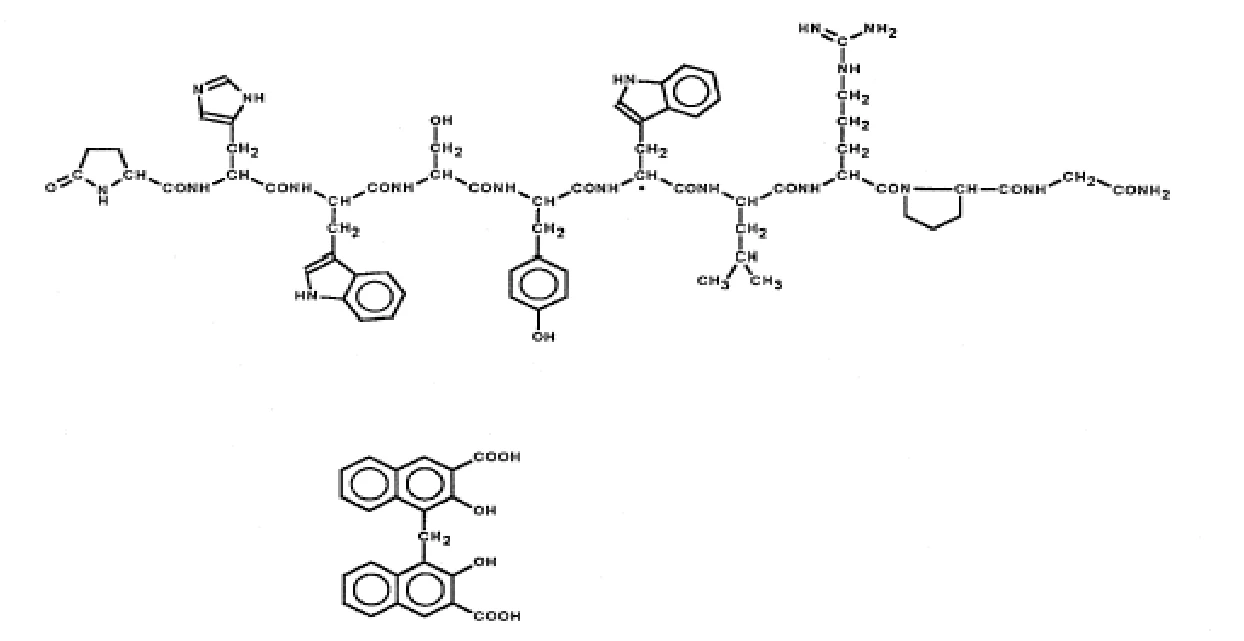
Chemical name: 5-Oxo-L-prolyl-L-histidyl-L-tryptophyl-L-seryl-L-tyrosyl-D-tryptophyl-L-leucyl-L-arginyl-L-prolylglycine amide, pamoate salt
Molecular formula and molecular mass: C64H82N18 O13 • C23H16O6, 1699.9
Structural formula: Upper formula (D-Trp6)-LHRH
Lower formula Pamoic acid (embonic acid)
All optically active amino acids are in L-configuration except where marked (*) for D-configuration.
Physicochemical properties: Yellowish powder, specific optical rotation [α]D25 = - 23.0o ± 2.5o,
Soluble in DMSO (660 mg/mL), pyridine (440 mg/mL) and water (60 µg/mL)
14 Clinical Trials
14.1 Clinical Trials by Indication
Endometriosis
Table 10 – Summary of patient demographics for clinical trials in endometriosis
| Study # | Study Design | Dosage, route of administration and duration | Study subjects (n) | Mean age (Range) | Sex |
|---|---|---|---|---|---|
| UK DCP 94-097 | Randomized, single-blind, comparative, parallel-group, multicenter | Triptorelin acetate microspheres 3.75 mg or leuprolide 3.75 mg, IM injection 24 weeks treatment, 12 months follow-up period after last dose | 66 Triptorelin 70 Leuprolide acetate | 32 (21-48 for Triptorelin; 20-49 for Leuprolide) | Female |
A randomized, single-blind, clinical trial was conducted in 136 women with clinically verified endometriosis comparing triptorelin (3.75 mg IM q4w x6) with leuprolide (3.75 mg IM q4w x6).
The majority of patients were Caucasian (97%) in both treatment groups. Cycle length and duration of bleeding at baseline, and age at menarche, were similar between treatment arms. The mean duration of endometriosis was the same (1.2 years, range 0-11) in both groups, and a similar percentage of patients in both groups had minimal, mild, and moderate disease at pre-treatment laparoscopy (Table 11). Fifty-five (82%) patients in the triptorelin group and 57 (81%) in the leuprolide group completed the six-month treatment phase of the study.
Table 11 – Additional baseline characteristics for Study UK DCP 94-907
| Baseline Characteristic | Triptorelin (n=66) 3.75 mg IM q4w x6 | Leuprolide (n=70) 3.75 mg IM q4w x6 |
Pelvic Pain at entry: None Mild Discomforting Distressing Horrible Excruciating | 0 (0%) 3 (4.5%) 11 (16.7%) 20 (30.3%) 22 (33.3%) 10 (15.2%) | 1 (1.4%) 1 (1.4%) 18 (25.7%) 22 (31.4%) 17 (24.3%) 11 (15.7%) |
Stage of Disease: Minimal (r-AFS score 1-5) Mild (r-AFS score 6-15) Moderate (r-AFS score 16-40) Severe (r-AFS score > 40) | 31 (47%) 19 (29%) 13 (20%) 3 (5%) | 29 (41%) 22 (31%) 11 (16%) 7 (10%) |
Pelvic Examination at Visit 0: Normal Localized tenderness Moderate tenderness Severe tenderness | 15 (23%) 29 (44%) 15 (23%) 7 (11%) | 16 (23%) 34 (49%) 17 (24%) 2 (3%) |
The primary objective of the study was to demonstrate the equivalence of triptorelin and leuprolide, both as 1- month formulations, in terms of reduction in the pelvic pain associated with endometriosis. Reduction of pelvic pain was based on end-of-treatment versus baseline physician ratios for pelvic pain severity (six categories ranging from 0=absent to 5=excruciating). Other efficacy evaluations included endocrine blood levels (FSH, LH, E2), breakthrough bleeding assessment, and pelvic examinations. Safety evaluations included collection of adverse events, hematology and blood chemistry laboratory testing, and bone mineral density testing in a subset of the population (approximately 60 patients).
Study Results
Table 12 – Results of study UK DCP 94-097 in patients with endometriosis
| Pain Symptom | Proportion of patients free of pain symptoms | ||||||||
Triptorelin (n=66) 3.75 mg IM q4w x6 | Leuprolide (n=70) 3.75 mg IM q4w x6 | ||||||||
| 6 months of therapy | 12 months follow-up | 6 months of therapy | 12 months follow-up | ||||||
| Pelvic Pain | 42% (23/55)1 | 27% (9/33) | 46% (27/59) | 27% (9/33) | |||||
| Dysmenorrhea | 96% (53/55) | 16% (5/32) | 98% (58/59) | 22% (7/32) | |||||
| Dyspareunia | 82% (45/55) | 70% (23/33) | 81% (48/59) | 64% (21/33) | |||||
1 Numbers in parenthesis reflect the proportion of patients without pain symptoms over the total number of patients still in the study at that assessment visit.
Of the women who participated in the study, 80% showed reduction in pelvic pain, 100% showed reduction in dysmenorrhea, and 66% showed reduction in dyspareunia from baseline after 6 months of triptorelin therapy. Serum estradiol levels were suppressed (<184 pmol/L) by 4 weeks, and were maintained at suppressed levels for the remainder of the 6 month treatment period. The range of estradiol levels attained at 6 months (24 weeks) of therapy was 17 – 128 pmol/L. By 12 weeks, most women (90%) also became amenorrheic in response to the low levels of estrogen. Once treatment ended, the mean time to return to menses was 81 days (range: 6 – 116). Estrogen levels returned to baseline values by 3 months post treatment.
At both timepoints of 6 months of therapy and after 12 months of follow-up, similar percentages of women in each treatment group were free of the pain symptoms associated with endometriosis. Triptorelin was shown to be comparable to leuprolide in relieving or reducing the clinical symptoms associated with endometriosis.
Prostate Cancer
Clinical Studies with Triptorelin Acetate
TRELSTAR 3.75 mg (1 month sustained-release formulation)
Table 13 - Summary of patient demographics for clinical trials in prostate cancer
| Study # | Study design | Dosage, route of administration and duration | Study subjects (n) | Mean age (range) | Sex |
|---|---|---|---|---|---|
| 914CL14P | Multicenter, controlled, comparative, open, parallel | Triptorelin acetate 3.75 mg, IM injection, 24 months | 76 | 73.5 (51.5-92.2) | Male |
| Bilateral orchiectomy | 49 | 73.3 (57.7-88.6) | |||
| 914CL7P | Multicenter, randomized, comparative, open, parallel | Triptorelin acetate 3.75 mg, IM injection, 24 months | 44 | 74.7 (52.5-89.5) | Male |
| Bilateral orchiectomy | 16 | 75.3 (61.0-88.3) | |||
| 914CL17E | Multicenter, controlled, comparative, open, parallel | Triptorelin acetate 100 µg, SC injection, on days 1-7. Triptorelin acetate 3.75 mg, IM injection, on days 8 & 28, and thereafter every 4 weeks, for up to 18 months | 40 | 70.5 (51.6-85.3) | Male |
| Bilateral orchiectomy | 40 | 72.5 (55.8-90.0) | |||
Three European, multicenter, long-term controlled studies, involving a total of 265 patients (160 triptorelin acetate, 105 orchiectomy) were conducted to assess the efficacy and safety of a triptorelin acetate 3.75 mg formulation for the treatment of advanced prostate cancer. A pharmacodynamic equivalence study in 24 healthy volunteers showed the equivalence of the triptorelin acetate formulation with the pamoate formulation currently marketed, in the terms of serum testosterone pharmacodynamics.
The primary efficacy criteria in all three studies were the reduction of serum testosterone to castration level (≤ 1.735 nmol/L) and relief of clinical symptoms (bone pain and urinary symptoms). Across the three studies, the mean age was 73 years in both the triptorelin and orchiectomy treatment groups. The mean weights were 71 kg and 70 kg in the triptorelin and orchiectomy treatment groups, respectively. Of those evaluated, a similar proportion of patients in each group had Stage C (20% and 21%) or Stage D (80% and 79%) prostate cancer for triptorelin and orchiectomy patients, respectively.
Clinical Studies with Triptorelin Pamoate
TRELSTAR 3.75 mg (1 month sustained-release formulation) and TRELSTAR 11.25 mg (3 month sustained-release formulation)
Table 14 - Summary of patient demographics for clinical trials in prostate cancer
| Study # | Study design | Dosage, route of administration and duration | Study subjects (n) | Mean age (range) | Sex |
|---|---|---|---|---|---|
| DEB-96-TRI-01 | Parallel group, randomized, controlled multicenter study | Triptorelin pamoate microgranules 11.25 mg, IM injection, 9 months treatment with injections every 84 days Triptorelin pamoate microgranules 3.75 mg IM injection, 9-month duration with injections every 28 days | Triptorelin pamoate 11.25 mg: 175 patients Triptorelin pamoate 3.75 mg: 173 patients | 70.5 years (range: 45 to 96 years) | Male |
A study involving 348 patients enrolled was conducted to compare TRELSTAR 3.75 mg and TRELSTAR 11.25 mg in subjects with advanced prostate cancer.
The primary objectives of this study were to demonstrate that TRELSTAR 11.25 mg is at least as effective as TRELSTAR 3.75 mg in terms of the percentage of patients achieving castration levels of serum testosterone (≤ 1.735 nmol/L) on Day 29 following initial intramuscular injection and the percentage of patients maintaining castration levels of serum testosterone from Months 2 to 9 of treatment.
Of the 348 patients, 165 were Caucasian, 130 were Black, and 51 were Other. Mean height was 172 cm (range: 153 to 195 cm), and mean weight was 72.9 kg (range: 38 to 129 kg). There was no clinically significant difference in age, race, height or weight between the two treatment groups. The mean age at onset of prostate cancer was 69.8 years (range: 44 to 96 years), and the mean disease duration was 6.9 months (range: 0 – 155 months). All patients, except one in the safety population had histologically proven prostate cancer. Of the 348 patients, 183 had prostate cancer at stage C and 162 had prostate cancer at stage D.
TRELSTAR 22.5 mg (6 month sustained-release formulation)
Table 15 - Summary of patient demographics for clinical trials in prostate cancer
| Study # | Study design | Dosage, route of administration and duration | Study subjects (n) | Mean age (range) | Sex | ||
|---|---|---|---|---|---|---|---|
| DEB-TRI6M-301 | Multicentre, repeated dose, open, non | 22.5 mg triptorelin embonate, IM injection, 48 weeks treatment | 120 patients | 71 years (range: 51 | Male | ||
| comparative study. | to 93 years) | ||||||
TRELSTAR 22.5 mg, was studied in a non-comparative trial in 120 men with advanced prostate cancer in South Africa. Patients received TRELSTAR 22.5 mg every 168 days for a total of up to 2 doses (maximum treatment period of 337 days). The primary efficacy endpoints were both achievement of castration by Day 29 and maintenance of castration from Day 57 through Day 337. The clinical trial population consisted of 64% Caucasian, 23% Black, and 13% Other patients.
Study Results
Clinical Studies with Triptorelin Acetate
TRELSTAR 3.75 mg (1 month sustained-release formulation)
Table 16 – Results of studies 914CL14, 914CL7P and 914CL17E in patients with prostate cancer
| Primary Endpoints | Proportion of patients (n=160) for TRELSTAR 3.75 mg | Proportion of patients (n=105) for Bilateral orchiectomy |
|---|---|---|
| Serum testosterone levels at the castration level (≤ 1.735 nmol/L) at Month 1 | 73% (94/128) | 74% (63/85) |
| Serum testosterone levels at the castration level (≤ 1.735 nmol/L) at Month 24 | 75% (24/32) | 80% (12/15) |
The efficacy results of the studies showed that monthly IM administration of triptorelin (3.75 mg) reduced serum testosterone levels in patients with advanced prostate cancer to an extent similar to that achieved after surgical orchiectomy. The effectiveness of this reduction in testosterone was confirmed by a relief of clinical symptoms which were comparable for triptorelin treatment and orchiectomy.
Clinical Studies with Triptorelin Pamoate
TRELSTAR 3.75 mg (1 month sustained-release formulation) and TRELSTAR 11.25 mg (3 month sustained-release formulation)
Table 17 – Results of study DEB-96-TRI-01 in patients with prostate cancer
| Primary Endpoints | Proportion of patients (n=166) for TRELSTAR 11.25 mg | Proportion of patients (n=159) for TRELSTAR 3.75 mg |
|---|---|---|
| Chemical castration (≤ 1.735 nmol/L) 28 days after the first injection | 97.6% (162/166) | 92.5% (147/159) |
The efficacy results showed that TRELSTAR 11.25 mg is at least as effective as TRELSTAR 3.75 mg in achieving castration on Day 29.
TRELSTAR 22.5 mg (6 month sustained-release formulation)
Table 18 – Results of study DEB-TRI6M-301 in patients with prostate cancer
| Primary Endpoints | Proportion of patients (n=120) for TRELSTAR 22.5 mg |
|---|---|
| Chemical castration (≤ 1.735 nmol/L) at Day 29 | 97.5% (117/120) |
| Maintenance of chemical castration (≤ 1.735 nmol/L) from Day 57 through Day 337 | 93.0% (107/115) |
15 Microbiology
No microbiological information is required for this drug product.
16 Non-Clinical Toxicology
General Toxicology: In acute toxicity studies, no clinical symptoms were observed in either mice or rats with single doses up to 10 mg/kg triptorelin.
In subchronic and chronic toxicity studies of triptorelin, triptorelin acetate microspheres, and triptorelin pamoate microgranules in rats, beagle dogs, and monkeys, the only effects observed were expected consequences of the physiologic action of the drug. Serum levels of testosterone (in males), estradiol and progesterone (in females), and LH were suppressed in animals (rats, dogs, monkeys) administered 2 µg/kg/day and higher doses of triptorelin by daily injection or administered the equivalent average daily dose by once monthly intramuscular injection of a sustained release formulation (triptorelin acetate microspheres or triptorelin pamoate microgranules). At the same dose levels, spermatogenic arrest and atrophy of the testes and accessory sex organs were observed in male animals (rats, dogs, monkeys) and inhibition of estrus and atrophy of the ovary and accessory sex organs were observed in female animals (rats, dogs, monkeys). In both males and females, triptorelin caused decreases in weights of reproductive organs. Changes in the anterior pituitary (focal hyperplasia and benign microadenoma) were detected in male rats administered once monthly injections of triptorelin acetate microspheres or daily injection of triptorelin peptide for 6 months; these changes are commonly observed in rats in response to an altered hormonal environment. No changes were observed in the pituitary in dogs or monkeys after 6 months of drug administration.
On withdrawal of the drug, changes in serum hormones, reproductive organ weights, and microscopic atrophic changes in the gonads and accessory sex organs were reversible. Pituitary hyperplasia and benign microadenoma were not reversible.
Carcinogenicity: Carcinogenicity studies of triptorelin were performed in mice and rats. No oncogenic effects were observed in mice given from 120 to 6000 µg/kg triptorelin pamoate microgranules every 28 days for 18 months. An oncogenic effect in the pituitary gland (adenoma of the pars distalis) which resulted in premature deaths was observed in rats given from 120 to 3000 µg/kg triptorelin pamoate depot formulation every 28 days for 23 months. Changes in the anterior pituitary (focal hyperplasia and microadenoma) were judged to be related to the intrinsic pharmacologic activity of the drug. Similar changes in the anterior pituitary of male rats given triptorelin over a 6 month period had been observed in a chronic toxicity study in male rats.
Genotoxicity: The mutagenicity of triptorelin was assessed in vitro and in vivo. Triptorelin showed no mutagenic or clastogenic activity against Salmonella strains, Chinese Hamster Ovary (CHO) cells, and mouse lymphoma cells, under either metabolic activation or non-activation conditions. In the in vivo mouse micronucleus assay, triptorelin -treated animals showed no significant increase in micronucleus frequency compared to negative control, whereas the known clastogenic agent cyclophosphamide induced large and statistically significant increases in micronucleus frequency.
Reproductive and Developmental Toxicology: Developmental toxicity studies of triptorelin were performed in mice and rats. No maternal toxicity, fetal toxicity, or embryotoxic or teratogenic effects were observed when pregnant female mice were given daily subcutaneous injections of 2 to 200 µg/kg triptorelin on days 6 through 15 of gestation. No maternal toxicity, fetal toxicity, or embryogenic or teratogenic effects were observed when pregnant female rats were given daily subcutaneous injections of 10 µg/kg triptorelin on days 6 through 15 of gestation. However, maternal toxicity, demonstrated by reduced weight gain during the treatment period, and an embryotoxic effect, demonstrated by an increase in uterine resorption, were observed when pregnant female rats were given daily subcutaneous injections of 100 µg/kg triptorelin on days 6 through 15 of gestation.
Impairment of Fertility: After about 6 months of treatment with triptorelin, atrophy of the genital organs, consistent with reduced fertility, was observed in rats and monkeys at doses ranging from 2 to 2,100 µg/kg. These changes were considered to be a reflection of the suppressed gonadal function caused by the pharmacologic activity of the drug. These effects were largely reversed during a 2 or 4 month recovery period. Testicular changes have also been reported after prolonged administration of triptorelin in patients with prostate cancer.