


Product Monograph - Alunbrig
RECENT MAJOR LABEL CHANGES
| 7 WARNINGS AND PRECAUTIONS, General, Drug Interactions and Reproductive Health: Female and male Potential | 07/2022 |
| 9 DRUG INTERACTIONS, 9.4 Drug-Drug Interactions | 07/2022 |
| 14 CLINICAL TRIALS, 14.2 Study Results | 07/2022 |
TABLE OF CONTENTS
Sections or subsections that are not applicable at the time of authorization are not listed.
RECENT MAJOR LABEL CHANGES............................................................................................ 2
TABLE OF CONTENTS .............................................................................................................. 2
PART I: HEALTH PROFESSIONAL INFORMATION ..................................................................... 4
1 INDICATIONS .............................................................................................................. 4
1.1 Pediatrics .......................................................................................................... 4
1.2 Geriatrics........................................................................................................... 4
2 CONTRAINDICATIONS ................................................................................................. 4
3 SERIOUS WARNINGS AND PRECAUTIONS BOX ............................................................ 4
4 DOSAGE AND ADMINISTRATION................................................................................. 5
4.1 Dosing Considerations ....................................................................................... 5
4.2 Recommended Dose and Dosage Adjustment..................................................... 5
4.4 Administration................................................................................................. 11
4.5 Missed Dose .................................................................................................... 11
5 OVERDOSAGE ........................................................................................................... 11
6 DOSAGE FORMS, STRENGTHS, COMPOSITION AND PACKAGING ............................... 11
7 WARNINGS AND PRECAUTIONS ................................................................................ 12
7.1 Special Populations .......................................................................................... 19
7.1.1 Pregnant Women ....................................................................................... 19
7.1.2 Breast-feeding............................................................................................ 19
7.1.3 Pediatrics ................................................................................................... 20
7.1.4 Geriatrics ................................................................................................... 20
7.1.5 Hepatic Impairment ................................................................................... 20
7.1.6 Renal Impairment....................................................................................... 20
8 ADVERSE REACTIONS ................................................................................................ 20
8.1 Adverse Reaction Overview.............................................................................. 20
8.2 Clinical Trial Adverse Reactions ........................................................................ 22
8.4 Abnormal Laboratory Findings: Hematologic, Clinical Chemistry and Other Quantitative Data ...................................................................................................... 31
9 DRUG INTERACTIONS................................................................................................ 33
9.2 Drug Interactions Overview.............................................................................. 33
9.3 Drug-Behavioural Interactions.......................................................................... 33
9.4 Drug-Drug Interactions .................................................................................... 33
9.5 Drug-Food Interactions .................................................................................... 37
9.6 Drug-Herb Interactions .................................................................................... 38
9.7 Drug-Laboratory Test Interactions .................................................................... 38
10 CLINICAL PHARMACOLOGY ....................................................................................... 38
10.1 Mechanism of Action.................................................................................. 38
10.2 Pharmacodynamics .................................................................................... 38
10.3 Pharmacokinetics ....................................................................................... 39
11 STORAGE, STABILITY AND DISPOSAL ......................................................................... 40
12 SPECIAL HANDLING INSTRUCTIONS........................................................................... 40
PART II: SCIENTIFIC INFORMATION ...................................................................................... 41
13 PHARMACEUTICAL INFORMATION............................................................................ 41
14 CLINICAL TRIALS........................................................................................................ 41
14.1 Trial Design and Study Demographics ......................................................... 41
14.2 Study Results ............................................................................................. 45
15 Microbiology ............................................................................................................ 49
16 NON-CLINICAL TOXICOLOGY ..................................................................................... 49
PATIENT MEDICATION INFORMATION ................................................................................. 50
PART I: HEALTH PROFESSIONAL INFORMATION
1 INDICATIONS
ALUNBRIG (brigatinib) is indicated:
- as a monotherapy for the first line treatment of adult patients with anaplastic lymphoma kinase (ALK)-positive locally advanced (not amenable to curative therapy) or metastatic non-small cell lung cancer (NSCLC).
- as a monotherapy for the treatment of adult patients with anaplastic lymphoma kinase (ALK)-positive metastatic non-small cell lung cancer (NSCLC) who have progressed on or who were intolerant to an ALK inhibitor (crizotinib).
(See 14 CLINICAL TRIALS)
1.1 Pediatrics
Pediatrics (< 18 years of age): No pediatric data have been made available to Health Canada; therefore, Health Canada has not approved an indication for pediatric use.
1.2 Geriatrics
Geriatrics (≥ 65 years of age): Of the 359 patients treated with ALUNBRIG in the pivotal trials, 27% were 65 years of age and older. Increased age was associated with an increased risk of early pulmonary adverse reactions. There are limited data on the safety and efficacy of ALUNBRIG in patients aged 65 years and older. A dose adjustment is not required in elderly patients. There are no available data on patients over 85 years of age. (See 7 WARNINGS AND PRECAUTIONS, Respiratory.)
2 CONTRAINDICATIONS
ALUNBRIG (brigatinib) is contraindicated in patients who are hypersensitive to this drug or to any ingredient in the formulation, including any non-medicinal ingredient, or component of the container. For a complete listing, see 6 DOSAGE FORMS, STRENGTHS, COMPOSITION AND PACKAGING.
3 SERIOUS WARNINGS AND PRECAUTIONS BOX
Serious Warnings and Precautions
ALUNBRIG should only be prescribed by a qualified healthcare professional who is experienced in the use of antineoplastic therapy. |
4 DOSAGE AND ADMINISTRATION
4.1 Dosing Considerations
For patient monitoring and assessment prior to and during treatment with ALUNBRIG, see 7 WARNINGS AND PRECAUTIONS, Monitoring and Laboratory Tests. Geriatrics: No dose adjustment of ALUNBRIG is required in patients ≥ 65 years of age.
CYP3A Inhibitors: The concomitant use of ALUNBRIG with strong or moderate CYP3A inhibitors should be avoided. If concomitant use of strong or moderate CYP3A inhibitors cannot be avoided, the dose of ALUNBRIG should be reduced (See 4 DOSAGE AND ADMINISTRATION, 4.2 Recommended Dose and Dosage Adjustment; 7 WARNINGS AND PRECAUTIONS, General).
CYP3A Inducers: ALUNBRIG should not be administered with strong CYP3A inducers. The concomitant use of ALUNBRIG with moderate CYP3A inducers should be avoided. If concomitant use of moderate CYP3A inducers cannot be avoided, the dose of ALUNBRIG should be increased (See 4 DOSAGE AND ADMINISTRATION, 4.2 Recommended Dose and Dosage Adjustment; 7 WARNINGS AND PRECAUTIONS, General).
Hepatic Impairment: No dose adjustment of ALUNBRIG is required for patients with mild hepatic impairment (Child-Pugh class A) or moderate hepatic impairment (Child-Pugh class B). The dose of ALUNBRIG should be reduced for patients with severe hepatic impairment (Child-Pugh class C). (See 4 DOSAGE AND ADMINISTRATION, 4.2 Recommended Dose and Dosage Adjustment; 7 WARNINGS AND PRECAUTIONS, 7.1 Special Populations; 10 CLINICAL PHARMACOLOGY, Special Populations and Conditions.)
Renal Impairment: No dose adjustment of ALUNBRIG is required for patients with mild or moderate renal impairment (creatinine clearance (CLcr) ≥ 30 mL/min). The dose of ALUNBRIG should be reduced for patients with severe renal impairment (CLcr < 30 mL/min). (See 4 DOSAGE AND ADMINISTRATION, 4.2 Recommended Dose and Dosage Adjustment; 7 WARNINGS AND PRECAUTIONS, 7.1 Special Populations; 10 CLINICAL PHARMACOLOGY, Special Populations and Conditions.)
4.2 Recommended Dose and Dosage Adjustment
Standard Dose
The recommended dosing regimen for ALUNBRIG (brigatinib) is:
- 90 mg orally once daily for the first 7 days;
- If 90 mg is tolerated during the first 7 days, increase the dose to 180 mg orally once daily.
Duration of Treatment
Treatment with ALUNBRIG should be continued until disease progression or unacceptable toxicity.
Dose Modification Recommendations
Management of adverse events may require dosing interruption, dose reduction, or dose discontinuation of ALUNBRIG based on individual safety and tolerability.
Once reduced for adverse reactions, do not subsequently increase the dosage of ALUNBRIG. ALUNBRIG should be permanently discontinued if patient is unable to tolerate the 60 mg once daily dose.
If ALUNBRIG is interrupted for 14 days or longer for reasons other than adverse reactions, treatment should be resumed at 90 mg once daily for 7 days before increasing to the previously tolerated dose.
ALUNBRIG dose reduction levels for adverse reactions are summarized in Table 1.
Table 1 ALUNBRIG Dose Reduction Levels
| Dose | Dose Reduction Levels | ||
| First | Second | Third | |
| 90 mg once daily (first 7 days) | 60 mg once daily | Permanently discontinue | N/A* |
| 180 mg once daily | 120 mg once daily | 90 mg once daily | 60 mg once daily |
*Not applicable
Recommendations for dose modifications of ALUNBRIG for the management of adverse reactions are summarized in Table 2.
Table 2 ALUNBRIG Dose Modifications for Specific Adverse Reactions
| Adverse Reaction | Severity* | ALUNBRIG Dosing |
|---|---|---|
| Interstitial Lung Disease (ILD) /Pneumonitis | Grade 1 |
|
| Grade 2 |
| |
| Grade 3 or 4 | Permanently discontinue ALUNBRIG. | |
| Hypertension | Grade 3 hypertension (SBP ≥ 160 mmHg or DBP ≥ 100 mmHg, medical intervention indicated, more than one anti-hypertensive drug, or more intensive therapy than previously used indicated) |
|
| Adverse Reaction | Severity* | ALUNBRIG Dosing |
|---|---|---|
| Grade 4 hypertension (life- threatening consequences, urgent intervention indicated) |
| |
| Bradycardia (HR < 60 bpm) | Symptomatic bradycardia |
|
| Bradycardia with life-threatening consequences, urgent intervention indicated |
| |
| Visual Disturbance | Grade 2 or 3 |
|
| Grade 4 | Permanently discontinue ALUNBRIG. | |
| Creatine Phosphokinase (CPK) Elevation | Grade 3 or 4 CPK elevation (> 5.0 × ULN) with Grade ≥ 2 muscle pain or weakness |
|
| Adverse Reaction | Severity* | ALUNBRIG Dosing |
|---|---|---|
| ||
| Lipase/Amylase Elevation | Grade 3 lipase or amylase elevation (> 2.0 × ULN) |
|
| Grade 4 lipase or amylase elevation (> 5.0 x ULN) |
| |
| Hyperglycemia | Grade 3 (> 250 mg/dL or 13.9 mmol/L) or greater | If adequate hyperglycemic control cannot be achieved with optimal medical management, withhold ALUNBRIG until adequate hyperglycemic control is achieved. Upon recovery, ALUNBRIG may either be resumed at the next lower dose (Table 1) or permanently discontinue ALUNBRIG. |
Elevation of hepatic enzymes | Grade ≥ 3 elevation (>5.0 × ULN) of either alanine aminotransferase (ALT) or aspartate aminotransferase (AST) with bilirubin ≤2 × ULN | ALUNBRIG should be withheld until recovery to baseline or less than or equal to 3 × ULN; then resume at next lower dose per Table 1. |
| Grade ≥ 2 elevation (>3 × ULN) of ALT or AST with concurrent total bilirubin elevation >2 × ULN in the absence of cholestasis or haemolysis | ALUNBRIG should be permanently discontinued. | |
| Other adverse reactions | Grade 3 |
|
| Adverse Reaction | Severity* | ALUNBRIG Dosing |
|---|---|---|
| Grade 4 |
| |
| bpm = beats per minute; DBP = diastolic blood pressure; HR = heart rate; SBP = systolic blood pressure; ULN = upper limit of normal | ||
*Graded per National Cancer Institute Common Terminology Criteria for Adverse Events. Version 4.0 (NCI CTCAE v4).
Strong or Moderate CYP3A Inhibitors: The concomitant use of ALUNBRIG with strong or moderate CYP3A inhibitors should be avoided. If concomitant use of strong CYP3A inhibitors cannot be avoided, the dose of ALUNBRIG should be reduced by approximately 50% (i.e., from 180 mg to 90 mg, or from 90 mg to 60 mg). If concomitant use of moderate CYP3A inhibitors cannot be avoided, the dose of ALUNBRIG should be reduced from 180 mg to 120 mg, 120 mg to 90 mg, or from 90 mg to 60 mg. After discontinuation of a strong or moderate CYP3A inhibitor, ALUNBRIG should be resumed at the dose that was tolerated prior to the initiation of the CYP3A inhibitor. (See 9 DRUG INTERACTIONS, 9.4 Drug-Drug Interactions.)
Strong or Moderate CYP3A Inducers: ALUNBRIG should not be administered with strong CYP3A inducers. The concomitant use of ALUNBRIG with moderate CYP3A inducers should be avoided. If concomitant use of moderate CYP3A inducers cannot be avoided, the dose of ALUNBRIG should be increased in 30 mg increments after 7 days of treatment with the current ALUNBRIG dose as tolerated, up to a maximum of twice the ALUNBRIG dose that was tolerated prior to initiating the moderate CYP3A inducer. After discontinuation of a moderate CYP3A inducer, ALUNBRIG should be resumed at the dose that was tolerated prior to the initiation of the moderate CYP3A inducer. (See 9 DRUG INTERACTIONS, 9.4 Drug-Drug Interactions.)
Special Populations
Pediatrics: No pediatric data have been made available to Health Canada; therefore, Health Canada has not approved an indication for pediatric use.
Geriatrics: No dose adjustment of ALUNBRIG is recommended for elderly patients based on population pharmacokinetic analyses. There are limited data on the safety and efficacy of ALUNBRIG in patients aged 65 years and older. There are no available data on patients over 85 years of age. (See 10 CLINICAL PHARMACOLOGY, Special Populations and Conditions.)
Hepatic Impairment: No dose adjustment of ALUNBRIG is required for patients with mild hepatic impairment (Child-Pugh class A) or moderate hepatic impairment (Child-Pugh class B). The dose of ALUNBRIG should be reduced from 180 mg to 120 mg, 120 mg to 90 mg, or from 90 mg to 60 mg for patients with severe hepatic impairment (Child-Pugh class C). (See 7
WARNINGS AND PRECAUTIONS, 7.1 Special Populations; 10 CLINICAL PHARMACOLOGY, Special Populations and conditions.)
Renal Impairment: No dose adjustment of ALUNBRIG is required for patients with mild or moderate renal impairment (creatinine clearance (CLcr) ≥ 30 mL/min). The dose of ALUNBRIG should be reduced by approximately 50% (e.g., from 180 mg to 90 mg, or from 90 mg to 60 mg) for patients with severe renal impairment (CLcr < 30 mL/min). (See 7 WARNINGS AND PRECAUTIONS, 7.1 Special Populations; 10 CLINICAL PHARMACOLOGY, Special Populations and Conditions.)
4.4 Administration
ALUNBRIG may be taken with or without food. The tablet should be swallowed whole with water. The tablet should not be crushed or chewed.
4.5 Missed Dose
If a dose of ALUNBRIG is missed or vomiting occurs after taking a dose, an additional dose should not be administered and the next dose of ALUNBRIG should be taken at the scheduled time.
5 OVERDOSAGE
There is no specific antidote for overdose with ALUNBRIG (brigatinib). In the event of an overdose, monitor the patient for adverse reactions and provide appropriate supportive care. (See 8 ADVERSE REACTIONS.)
| For management of a suspected drug overdose, contact your regional poison control centre. |
6 DOSAGE FORMS, STRENGTHS, COMPOSITION AND PACKAGING
Table 3 – Dosage Forms, Strengths, Composition and Packaging
Packaging: ALUNBRIG (brigatinib) is supplied as follows:
- One-month initiation pack – Aclar/foil blister strip containing 7 of the 90 mg film-coated
| Route of Administration | Dosage Form / Strength / Composition | Non-medicinal Ingredients |
| oral | tablet 30 mg, 90 mg, and 180 mg | Lactose monohydrate, Magnesium stearate, Microcrystalline cellulose, Silica colloidal hydrophobic, Sodium starch glycolate (type A). The tablet coating consists of polyethylene glycol, polyvinyl alcohol, talc, and titanium dioxide. |
- tablets (1 card of 7 tablets) in a carton box and 21 of the 180 mg film-coated tablets (3 cards of 7 tablets) in a carton box, co-packaged in a single outer carton box
- 30 mg – Aclar/foil blister containing 28 film-coated tablets (2 cards of 14 tablets)
- 90 mg – Aclar/foil blister 28 film-coated tablets (4 cards of 7 tablets)
- 180 mg – Aclar/foil blister 28 film-coated tablets (4 cards of 7 tablets)
7 WARNINGS AND PRECAUTIONS
Please see 3 SERIOUS WARNINGS AND PRECAUTIONS BOX.
General
Patients treated with ALUNBRIG (brigatinib) must have a documented ALK-positive status based on a validated ALK assay. Assessment for ALK-positive locally advanced or metastatic NSCLC should be performed by laboratories with demonstrated proficiency in the specific technology being utilized.
Drug Interactions
The concomitant use of ALUNBRIG with strong or moderate CYP3A inhibitors should be avoided. If concomitant use of strong CYP3A inhibitors cannot be avoided, the dose of ALUNBRIG should be reduced by approximately 50% (i.e., from 180 mg to 90 mg, or from 90 mg to 60 mg). If concomitant use of moderate CYP3A inhibitors cannot be avoided, the dose of ALUNBRIG should be reduced from 180 mg to 120 mg, 120 mg to 90 mg, or from 90 mg to 60 mg. After discontinuation of a strong or moderate CYP3A inhibitor, ALUNBRIG should be resumed at the dose that was tolerated prior to the initiation of the CYP3A inhibitor. (See 9 DRUG INTERACTIONS.)
The concomitant use of ALUNBRIG with strong and moderate CYP3A inducers should be avoided. If concomitant use of moderate CYP3A inducers cannot be avoided, the dose of ALUNBRIG should be increased in 30 mg increments after 7 days of treatment with the current ALUNBRIG dose as tolerated, up to a maximum of twice the ALUNBRIG dose that was tolerated prior to the initiation of the moderate CYP3A inducer. After discontinuation of a moderate CYP3A inducer, ALUNBRIG should be resumed at the dose that was tolerated prior to the initiation of the moderate CYP3A inducer. (See 9 DRUG INTERACTIONS.)
Brigatinib is considered a weak inducer of CYP3A. Brigatinib may also induce other enzymes and transporters (e.g., CYP2C, P-gp) via the same mechanisms responsible for weak induction of CYP3A (e.g., pregnane X receptor activation). (See 9 DRUG INTERACTIONS.)
ALUNBRIG is not recommended for patients that are intolerant to lactose, as ALUNBRIG contains lactose.
Carcinogenesis and Mutagenesis
No carcinogenicity studies have been conducted with ALUNBRIG. In vitro and in vivo studies demonstrated that brigatinib is aneugenic. (See 16 NON-CLINICAL TOXICOLOGY.)
Cardiovascular
Bradycardia
Bradycardia, sinus bradycardia, and prolongation of the PR interval has occurred in patients treated with ALUNBRIG in clinical trials. Caution should be exercised when administering ALUNBRIG in combination with other agents known to cause bradycardia. Heart rate and blood pressure should be monitored regularly. (See 7 WARNINGS AND PRECAUTIONS, Monitoring and Laboratory Tests; 8 ADVERSE REACTIONS; 10 CLINICAL PHARMACOLOGY, 10.2 Pharmacodynamics, Cardiac electrophysiology.)
In ALTA 1L (Phase 3), bradycardia was reported in 12% of patients treated with ALUNBRIG. Heart rates of less than 50 beats per minute (bpm) were reported in 8.1% of patients treated with ALUNBRIG at the recommended dose.
In ALTA (Phase 2), bradycardia was reported in 4.5% of patients treated with ALUNBRIG at the 180 mg regimen. Heart rates of less than 50 beats per minute (bpm) were reported in 8.2% of patients at the 180 mg regimen and 5.5% of patients at 90 mg regimen.
In a separate dose finding study, a decrease in heart rate was associated with increased ALUNBRIG plasma concentrations (Cmax). (See 4 DOSAGE AND ADMINISTRATION; 8 ADVERSE REACTIONS.)
If symptomatic bradycardia occurs, treatment with ALUNBRIG should be withheld and concomitant medications known to cause bradycardia should be evaluated. Upon recovery, the dose should be modified accordingly. In case of life-threatening bradycardia, if no contributing concomitant medication is identified or in case of recurrence, treatment with ALUNBRIG should be discontinued (See Table 2). (See 4 DOSAGE AND ADMINISTRATION.)
Caution should be observed in patients with a low heart rate at baseline (< 60 beats per minute), a history of syncope or arrhythmia, sick sinus syndrome, sinoatrial block, atrioventricular (AV) block, ischemic heart disease, or congestive heart failure. Concomitant medications that result in a decrease in heart rate and/or PR interval prolongation should be avoided to the extent possible during treatment with ALUNBRIG. Advise patients to contact their healthcare provider to report these symptoms and to inform their healthcare provider about the use of any heart or blood pressure medications. (See 9 DRUG INTERACTIONS.)
Hypertension
In ALTA 1L, hypertension was reported in 32% of patients treated with ALUNBRIG; Grade 3 hypertension occurred in 13% of patients. (See 8 ADVERSE REACTIONS)
In ALTA, hypertension including Grade 3 hypertension as well as hypertensive retinopathy has occurred in 27% of patients treated with ALUNBRIG at the 180 mg regimen and 17% of patients at the 90 mg regimen. (See 8 ADVERSE REACTIONS; 8.2 Clinical Trial Adverse
Reactions, Additional Safety Information from Clinical Trial Experience for ALTA 1L and ALTA Studies.)
Blood pressure should be monitored regularly during treatment with ALUNBRIG. Hypertension should be treated according to standard guidelines to control blood pressure. Heart rate should be monitored more frequently in patients if concomitant use of a medicinal product known to cause bradycardia cannot be avoided. For severe hypertension (≥ Grade 3), ALUNBRIG should be withheld until hypertension has recovered to Grade 1 or to baseline. The dose should be modified accordingly. (See 4 DOSAGE AND ADMINISTRATION.)
Driving and Operating Machinery
Visual disturbances, dizziness, and fatigue have been observed in clinical trials in patients receiving ALUNBRIG. Patients should be advised not to drive or operate machines if they experience any of these symptoms.
Endocrine and Metabolism
Hyperglycemia
Elevations of serum glucose have occurred in patients treated with ALUNBRIG.
In ALTA 1L, 55% of patients who received ALUNBRIG experienced new or worsening hyperglycemia. Grade 3 hyperglycemia, based on laboratory assessment of serum fasting glucose levels, occurred in 7.4% of patients.
In ALTA, 67% of patients experienced new or worsening hyperglycemia at 180 mg regimen and 46% of patients at 90m mg regimen. Grade 3 hyperglycemia, based on laboratory assessment of serum fasting glucose levels, occurred in 5.5% of patients at 180 mg regimen and 4.6% of the patients at 90 mg regimen. Three of 20 (15%) patients with diabetes or glucose intolerance at baseline required initiation of insulin while receiving ALUNBRIG.
Fasting serum glucose should be assessed prior to initiation of ALUNBRIG and monitored periodically thereafter, particularly in patients with diabetes. Antihyperglycemic medications should be initiated or optimized as needed. If adequate hyperglycemic control cannot be achieved with optimal medical management, ALUNBRIG should be withheld until adequate hyperglycemic control is achieved; upon recovery, reducing the dose of ALUNBRIG as described in Table 1 may be considered or ALUNBRIG may be permanently discontinued (See Table 2). (See 4 DOSAGE AND ADMINISTRATION; 8 ADVERSE REACTIONS, 8.2 Clinical Trial Adverse Reactions, Additional Safety Information from Clinical Trial Experience for ALTA 1L and ALTA Studies.)
Hepatic/Biliary/Pancreatic
Elevations of pancreatic enzymes
Elevations of amylase and lipase have occurred in patients treated with ALUNBRIG.
In ALTA 1L, elevations of amylase and lipase were reported in 51% and 57% of patients treated with ALUNBRIG. Grade 3 and 4 incidences for amylase and lipase were 6.6% and 17%, respectively.
In ALTA, elevations of amylase were reported in 41% of patients treated with ALUNBRIG, at the 180 mg regimen and 31% of patients at the 90 mg regimen. Lipase elevations occurred in 46% of patients, at the 180 mg regimen and 30% of patients at the 90 mg regimen. Grade 3 and 4 incidences for amylase and lipase were 7.3% and 10%, respectively at the 180 mg regimen. Grade 3 and 4 incidences for amylase and lipase were 3.7% and 7.3%, respectively at the 90 mg regimen.
Lipase and amylase should be monitored regularly during treatment with ALUNBRIG. Based on the severity of the laboratory abnormalities, treatment with ALUNBRIG should be withheld, and the dose modified accordingly (See Table 2). (See 4 DOSAGE AND ADMINISTRATION; 8 ADVERSE REACTIONS; 8.2 Clinical Trial Adverse Reactions, Additional Safety Information from Clinical Trial Experience for ALTA 1L and ALTA Studies.)
Elevations of hepatic enzymes
Elevations of AST and ALT have occurred in patients treated with ALUNBRIG.
In ALTA 1L, elevations of ALT and AST occurred in 52% and 71% of patients treated with ALUNBRIG. Grade 3 and 4 incidences for ALT and AST were 5.1% and 4.4%, respectively.
In ALTA, elevations of ALT were reported in 45% of patients treated with ALUNBRIG, at the 180 mg regimen and 43% of patients at the 90 mg regimen. AST elevations were reported in 65% of patients treated with ALUNBRIG, at the 180 mg regimen and 50% of patients at the 90 mg regimen Grade 3 and 4 incidences for ALT and AST were 4.5 % and 2.7%, respectively at the 180 mg regimen. Grade 3 and 4 incidences for ALT and AST were 0.9% and 1.8%, respectively at the 90 mg regimen.
Hepatic function, including AST, ALT and total bilirubin should be assessed prior to the initiation of ALUNBRIG and then every 2 weeks during the first 3 months of treatment. Thereafter, monitoring should be performed periodically. Based on the severity of the laboratory abnormalities, treatment should be withheld, and the dose modified accordingly (See Table 2). (See 4 DOSAGE AND ADMINISTRATION; 8 ADVERSE REACTIONS; 8.2 Clinical Trial Adverse Reactions, Additional Safety Information from Clinical Trial Experience for ALTA 1L and ALTA Studies.)
Monitoring and Laboratory Tests
ALK Testing
Patients treated with ALUNBRIG must have a documented ALK-positive status based on a validated ALK assay. Assessment for ALK-positive locally advanced (not amenable to curative therapy) or metastatic NSCLC should be performed by laboratories with demonstrated proficiency in the specific technology being utilized.
Cardiac Safety Monitoring
Heart rate and blood pressure should be monitored regularly during treatment with
ALUNBRIG. Monitor blood pressure after 2 weeks and at least monthly thereafter during treatment with ALUNBRIG. Heart rate should be monitored more frequently in patients, if concomitant use with medications known to cause bradycardia cannot be avoided. (See 4 DOSAGE AND ADMINISTRATION; 7 WARNINGS AND PRECAUTIONS, Cardiovascular; 8 ADVERSE REACTIONS.)
Creatine Phosphokinase Monitoring
Patients should be advised to report any unexplained muscle pain, tenderness, or weakness. CPK levels should be monitored regularly during ALUNBRIG treatment. Based on the severity of the CPK elevation, treatment with ALUNBRIG should be withheld, and the dose modified accordingly (See Table 2). (See 4 DOSAGE AND ADMINISTRATION; 7 WARNINGS AND PRECAUTIONS, Musculoskeletal; 8 ADVERSE REACTIONS; 8.2 Clinical Trial Adverse Reactions, Additional Safety Information from Clinical Trial Experience for ALTA 1L and ALTA Studies.)
Pancreatic Enzyme Monitoring
Lipase and amylase should be monitored regularly during treatment with ALUNBRIG. (See 4 DOSAGE AND ADMINISTRATION; 7 WARNINGS AND PRECAUTIONS, Hepatic/Biliary/Pancreatic; 8 ADVERSE REACTIONS; 8.2 Clinical Trial Adverse Reactions, Additional Safety Information from Clinical Trial Experience for ALTA 1L and ALTA Studies.)
Hepatic Enzyme Monitoring
Hepatic function, including AST, ALT and total bilirubin should be assessed prior to the initiation of ALUNBRIG and then every 2 weeks during the first 3 months of treatment. Thereafter, monitoring should be performed periodically. (See 4 DOSAGE AND ADMINISTRATION; 7 WARNINGS AND PRECAUTIONS, Hepatic/Biliary/Pancreatic; 8 ADVERSE REACTIONS; 8.2 Clinical Trial Adverse Reactions, Additional Safety Information from Clinical Trial Experience for ALTA 1L and ALTA Studies.)
Glucose Monitoring
Fasting serum glucose should be assessed prior to initiation of ALUNBRIG and monitored periodically thereafter. Antihyperglycemic medications should be initiated or optimized as needed. (See 4 DOSAGE AND ADMINISTRATION; 7 WARNINGS AND PRECAUTIONS, Endocrine and metabolism; 8 ADVERSE REACTIONS.)
Musculoskeletal
Creatine phosphokinase (CPK) elevation
Elevations of CPK have occurred in patients treated with ALUNBRIG.
In ALTA 1L, elevations of CPK occurred in 75% of patients treated with ALUNBRIG, at the recommended dose. The incidence of Grade 3 or 4 elevations of CPK elevation was 22%.
In ALTA, elevations of CPK were reported in 50% of patients treated with ALUNBRIG, at the 180 mg regimen and 36% of patients at the 90 mg regimen. The incidence of Grade 3-4 elevation of CPK was 14% at the 180 mg regimen and 6.4% at the 90 mg regimen.
Patients should be advised to report any unexplained muscle pain, tenderness, or weakness. CPK levels should be monitored regularly during ALUNBRIG treatment. Withhold ALUNBRIG for Grade 3 or 4 CPK elevation with Grade 2 or higher muscle pain or weakness. Upon resolution or recovery to Grade 1 CPK elevation or baseline, resume ALUNBRIG at the same dose or at a reduced dose as described in Table 1. (See 4 DOSAGE AND ADMINISTRATION; 8 ADVERSE REACTIONS; 8.2 Clinical Trial Adverse Reactions, Additional Safety Information from Clinical Trial Experience for ALTA 1L and ALTA Studies.)
Ophthalmologic
Visual disturbance
Visual disturbance adverse reactions have occurred in patients treated with ALUNBRIG. Patients should be advised to report any visual symptoms.
In ALTA 1L, Grade 1 or 2 adverse reactions leading to visual disturbance including blurred vision, photophobia, photopsia, and reduced visual acuity were reported in 7.4% of patients receiving ALUNBRIG.
In ALTA, adverse reactions leading to visual disturbance including blurred vision, diplopia, and reduced visual acuity, were reported in 16% of patients treated with ALUNBRIG at the 180 mg regimen and 8.3% of patients at the 90 mg regimen. Grade 3 macular edema and cataract occurred in 2 patients at the 180 mg regimen.
Withhold ALUNBRIG and obtain an ophthalmologic evaluation in patients with new or worsening visual symptoms of Grade 2 or greater severity. Upon recovery of Grade 2 or Grade 3 visual disturbances to Grade 1 severity or baseline, resume ALUNBRIG at a reduced dose (See Table 2). Permanently discontinue treatment with ALUNBRIG for Grade 4 visual disturbances.
(See 4 DOSAGE AND ADMINISTRATION; 8 ADVERSE REACTIONS; 8.2 Clinical Trial Adverse Reactions, Additional Safety Information from Clinical Trial Experience for ALTA 1L and ALTA Studies.)
Reproductive Health: Female and Male Potential
Contraception in males and females
Women of child bearing age being treated with ALUNBRIG should be advised not to become pregnant and men being treated with ALUNBRIG should be advised not to father a child during treatment.
Women of reproductive potential should be advised to use effective non hormonal contraception during treatment with ALUNBRIG for at least 4 months following the final dose. Men with female partners of reproductive potential should be advised to use effective contraception during treatment and for at least 3 months after the last dose of ALUNBRIG. (See 7 WARNING AND PRECAUTIONS, 7.1 Special Populations; 10 CLINICAL PHARMACOLOGY.)
Fertility
No human data on the effect of ALUNBRIG on fertility are available.
Brigatinib may impair male fertility. Testicular toxicity was observed in repeat-dose animal studies. In rats, lower weight of testes, seminal vesicles and prostate gland, and testicular tubular degeneration; these effects were not reversible during the recovery period. In monkeys, reduced size of testes along with microscopic evidence of hypospermatogenesis were reported. These effects were reversible during the recovery period. Overall, these effects on the male reproductive organs in rats and monkeys occurred at exposures ≥0.2-times the AUC observed in patients at the 180 mg once daily dose. No apparent adverse effects on female reproductive organs were observed in general toxicology studies in rats and monkeys administered with brigatinib.
Respiratory
Pulmonary adverse reactions
Severe, life-threatening, and fatal pulmonary adverse reactions, including those with features consistent with Interstitial Lung Disease (ILD)/pneumonitis, were reported in patients treated with ALUNBRIG. (See 8 ADVERSE REACTIONS.)
In ALTA 1L (Phase 3), 5.1% of patients experienced ILD/pneumonitis, 2.9% of patients experienced any grade ILD/pneumonitis early in treatment (within 8 days), with Grade 3-4 ILD/pneumonitis in 2.2% of patients. Additionally, 3.7% of patients experienced pneumonitis later in treatment.
In ALTA (Phase 2), 6.4% of patients experienced pulmonary adverse reactions of any grade, including ILD/pneumonitis, pneumonia, and dyspnea, early in treatment (within 9 days, median onset: 2 days); 2.7% of patients had Grade 3-4 pulmonary adverse reactions and 1 patient (0.5%) had fatal pneumonia. Additionally, 2.3% of patients experienced pneumonitis following the second week of treatment, with 2 patients having Grade 3 pneumonitis. (See 4 DOSAGE AND ADMINISTRATION.)
In ALTA 1L and ALTA, most pulmonary adverse reactions (including dyspnea, hypoxia, cough, pneumonia and/or pneumonitis often with chest imaging of linear or ground-glass pulmonary opacities) were observed within the first 7 days of treatment initiation (or re-initiation, following a dose interruption), usually within 24-48 hours. The etiology of pulmonary adverse reactions is not known.
Grade 1-2 pulmonary adverse reactions resolved with interruption of treatment or dose modification. Increased age and shorter interval (less than 7 days) between the last dose of crizotinib and the first dose of ALUNBRIG were independently associated with an increased rate of these early pulmonary adverse reactions. These factors should be considered when initiating treatment with ALUNBRIG. (See 7 WARNINGS AND PRECAUTIONS, 7.1 Special Populations.) Patients with a history of ILD or drug-induced pneumonitis were excluded from ALTA.
Patients should be monitored for new or worsening respiratory symptoms (e.g., dyspnea, cough, etc.), particularly in the first week of treatment. Evidence of pneumonitis in any patient with worsening respiratory symptoms should be promptly investigated. If pneumonitis is suspected, the dose of ALUNBRIG should be withheld, and the patient evaluated for other causes of symptoms (e.g., pulmonary embolism, tumour progression, and infectious pneumonia) and dose modified accordingly (See Table 2). (See 4 DOSAGE AND ADMINISTRATION.)
Skin
Photosensitivity
Photosensitivity to sunlight has been reported with ALUNBRIG (See 8 ADVERSE REACTIONS). Patients should be advised to avoid prolonged sun exposure while taking ALUNBRIG and for at least 5 days after discontinuation of treatment. Patients should also be advised to use a broad-spectrum Ultraviolet A (UVA)/Ultraviolet B (UVB) sun screen and lip balm (SPF at least 30) to help protect against potential sunburn. For severe photosensitivity reactions (≥ Grade 3), ALUNBRIG should be withheld until recovery to baseline. The dose should be modified accordingly (See Table 2). (See 4 DOSAGE AND ADMINISTRATION).
In ALTA1L, photosensitivity was reported in 3.7% of patients treated with ALUNBRIG, at the 180 mg regimen. Grade 3-4 photosensitivity occurred in 0.7% of patients.
In ALTA, photosensitivity was reported in 1.8% of patients treated with ALUNBRIG, at the 180 mg regimen and 1.8% of patients at the 90 mg regimen. Grade 3-4 photosensitivity occurred in 1 patient (0.9%) at the 180 mg regimen.
7.1 Special Populations
7.1.1 Pregnant Women
ALUNBRIG may cause fetal harm when administered to a pregnant woman. There are no clinical data on the use of ALUNBRIG in pregnant women. ALUNBRIG should not be used during pregnancy unless the clinical condition of the mother requires treatment. If ALUNBRIG is used during pregnancy, or if the patient becomes pregnant while taking this drug, the patient should be apprised of the potential hazard to a fetus. (See 7 WARNINGS AND PRECAUTIONS, Reproductive Health: Female and Male Potential.)
In an embryo-fetal development study in which pregnant rats were administered daily doses of brigatinib during organogenesis; dose-related skeletal anomalies were observed at doses as low as approximately 0.7-times the human exposure by AUC at the 180 mg once daily dose. Findings included embryo-lethality, reduced fetal growth, and skeletal variations.
7.1.2 Breast-feeding
It is not known whether brigatinib is excreted in human milk. Available data cannot exclude potential excretion of brigatinib in human milk. Because of the potential for adverse reactions in breast feeding infants, advise lactating women not to breast feed during treatment with ALUNBRIG and for at least 1 week after the final dose.
7.1.3 Pediatrics
No pediatric data have been made available to Health Canada; therefore, Health Canada has not approved an indication for pediatric use.
7.1.4 Geriatrics
Pharmacokinetics of brigatinib in patients younger than 65 years of age was not significantly different from elderly patients based on population pharmacokinetic analyses. Of the 359 patients treated with ALUNBRIG in the pivotal trials, 27% were 65 years of age and older. Limited data on the safety and efficacy of ALUNBRIG in patients aged 65 years and older is available. There are no available data on patients over 85 years of age. Caution should be exercised when administering ALUNBRIG in elderly patients, especially in patients above 85 years of age. (See 7 WARNINGS AND PRECAUTIONS, Respiratory.)
7.1.5 Hepatic Impairment
No dose adjustment of ALUNBRIG is required for patients with mild hepatic impairment (Child-Pugh class A) or moderate hepatic impairment (Child-Pugh class B). The dose of ALUNBRIG should be reduced from 180 mg to 120 mg, 120 mg to 90 mg, or from 90 mg to 60 mg for patients with severe hepatic impairment (Child-Pugh class C). (See 4 DOSAGE AND ADMINISTRATION; 10 CLINICAL PHARMACOLOGY, Special Populations and Conditions.)
7.1.6 Renal Impairment
No dose adjustment of ALUNBRIG is required for patients with mild or moderate renal impairment (creatinine clearance (CLcr) ≥ 30 mL/min). The dose of ALUNBRIG should be reduced by approximately 50% (e.g., from 180 mg to 90 mg, or from 90 mg to 60 mg) for patients with severe renal impairment (CLcr < 30 mL/min). (See 4 DOSAGE AND ADMINISTRATION; 10 CLINICAL PHARMACOLOGY, Special Populations and Conditions.)
8 ADVERSE REACTIONS
8.1 Adverse Reaction Overview
Advanced ALK-positive NSCLC in TKI-naïve patients (ALTA 1L Study)
In ALTA 1L (Phase 3), a randomized, open-label, multicenter (ALTA 1L) trial, N = 275 patients with advanced ALK-positive NSCLC who had not previously received an ALK-targeted therapy were randomized in a 1:1 ratio to receive ALUNBRIG 180 mg once daily with a 7-day lead-in at 90 mg once daily (n=136) or crizotinib 250 mg orally twice daily (n=137).
The median duration of treatment was 24.3 months with 90 mg orally once daily with first 7 days; then increased to 180 mg orally once daily with ALUNBRIG. A total of 106 (78%) patients were exposed to ALUNBRIG for greater than or equal to 6 months including 92 (68%) patients exposed for greater than or equal to 1 year. The median relative dose intensity was 97% for ALUNBRIG.
The most common adverse reactions reported in patients (≥10%) treated with ALUNBRIG were diarrhea, rash, cough, hypertension, fatigue, nausea, myalgia, dyspnea, abdominal pain, headache, vomiting, back pain, pruritis, constipation, edema, dizziness, arthralgia, stomatitis, blood cholesterol increased, bradycardia and peripheral neuropathy.
The most common Grade ≥ 3 adverse reactions reported in 5% or more of patients treated with ALUNBRIG were blood CPK increased (24%), lipase increased (14%), hypertension (13%), and amylase increased (5.9%).
The most common serious adverse reactions other than neoplasm progression reported in 2% or more of patients treated with ALUNBRIG included pneumonia (4.4%), ILD/pneumonitis (3.7%), pyrexia (2.9%), dyspnea (2.2%), pulmonary embolism (2.2%) and asthenia (2.2%).
Treatment-emergent adverse events (TEAEs) that led to discontinuation of ALUNBRIG occurred in 13% of patients. The most common TEAEs (occurring in ≥2 patients receiving ALUNBRIG) other than events related to neoplasm progression that led to ALUNBRIG discontinuation were ILD/pneumonitis 3.7% and pneumonia 2.2%.
TEAEs that led to dose reduction occurred in 38% of patients treated with ALUNBRIG. The TEAEs leading to dose reduction that occurred in ≥2% of patients receiving ALUNBRIG were blood CPK increased (15%), lipase increased (6.6%), amylase increased (4.4%, aspartate aminotransferase increased (2.2%), ILD/pneumonitis (2.2%) and hypertension (2.2%).
Advanced or metastatic ALK-positive NSCLC in previously crizotinib treated patients (ALTA Study)
In a randomized, Phase 2 open-label, multicenter (ALTA) ongoing trial, N = 219 patients with ALK-positive NSCLC who previously progressed on crizotinib were treated with ALUNBRIG (brigatinib). Patients were randomized in a 1:1 ratio to receive ALUNBRIG either 90 mg once daily continuously (90 mg regimen) or 180 mg once daily with 7-day lead-in at 90 mg once daily (180 mg regimen). Dose reduction to 60 mg was possible in both arms in case of adverse events.
The median duration of treatment with ALUNBRIG was 15.4 months in all treated patients (13.2 months and 17.1 months in 90 mg regimen and 180 mg regimen, respectively).
The most common adverse reactions reported in patients (≥10%) treated with ALUNBRIG at the 180 mg recommended regimen were nausea, diarrhea, fatigue, cough, headache, rash, vomiting, hypertension, dyspnea, myalgia, decreased appetite, muscle spasms, constipation, peripheral neuropathy, arthralgia, visual disturbances, abdominal pain, dizziness, edema and ILD/pneumonitis.
The most common Grade ≥ 3 adverse reactions other than neoplasm progression reported in 5% or more of patients treated with ALUNBRIG at 180 mg recommended regimen were blood CPK increased (13%), hypertension (8.2%) and pneumonia (5.5%).
The most common serious adverse reactions other than neoplasm progression or malignant pleural effusion reported in 2% or more of patients in the 180 mg regimen included pneumonia (8.2%) and pneumonitis (8.2%).
Treatment emergent adverse events (TEAEs) that led to discontinuation of ALUNBRIG occurred in 11% (12/110) of patients receiving the 180 mg regimen. The most common TEAEs (occurring in ≥2 patients receiving the 180 mg regimen) that led to ALUNBRIG discontinuation were pneumonitis, neoplasm progression, and pneumonia (2.7% [3/110], 1.8% [2/110], and 1.8% [2/110], respectively).
TEAEs that led to dose reduction occurred in 30% (33/110) of patients receiving the 180 mg regimen. The TEAEs leading to dose reduction that occurred in ≥2% of patients receiving the 180 mg regimen were blood CPK increased (6.4% (7/110), pneumonitis (2.7% [3/110]), and rash (2.7% [3/110]).
8.2 Clinical Trial Adverse Reactions
Clinical trials are conducted under very specific conditions. The adverse reaction rates observed in the clinical trials; therefore, may not reflect the rates observed in practice and should not be compared to the rates in the clinical trials of another drug. Adverse reaction information from clinical trials may be useful in identifying and approximating rates of adverse drug reactions in real-world use.
Advanced ALK-positive NSCLC in TKI-naïve patients (ALTA 1L Study, Phase 3)
Table 4 Adverse Reactions Occurring in ≥2% (All Grades)* of Patients treated with ALUNBRIG versus crizotinib in ALTA 1L (N=273)
| Adverse Reactions | ALUNBRIG N = 136 | Crizotinib N = 137 | ||
|---|---|---|---|---|
| All Grades n (%) | Grades 3-4 n (%) | All Grades n (%) | Grades 3-4 n (%) | |
| Cardiac Disorders | ||||
| Bradycardia¶ | 16 (12) | 1 (0.7) | 32 (23) | 0 |
| Electrocardiogram QT prolonged | 7 (5.1) | 2 (1.5) | 8 (5.8) | 0 |
| Eye Disorders | ||||
| Visual Disturbance§ | 10 (7.4) | 0 | 72 (53) | 1 (0.7) |
| Gastrointestinal Disorders | ||||
| Diarrhea | 71 (52) | 3 (2.2) | 77 (56) | 4 (2.9) |
| Nausea | 41 (30) | 3 (2.2) | 80 (58) | 4 (2.9) |
| Abdominal Pain** | 33 (24) | 1 (0.7) | 45 (33) | 5 (3.6) |
| Vomiting | 28 (21) | 1 (0.7) | 60 (44) | 3 (2.2) |
| Constipation | 25 (18) | 0 | 57 (42) | 0 |
| Stomatitis‡‡‡ | 18 (13) | 1 (0.7) | 12 (8.8) | 0 |
| Dyspepsia | 11 (8) | 0 | 22 (16) | 1 (0.7) |
| Dry mouth | 7 (5.1) | 0 | 5 (3.6) | 0 |
| Gastroesophageal Reflux Disease | 1 (0.7) | 0 | 15 (11) | 0 |
| General Disorders and Administration Site Conditions | ||||
| Fatigue§§ | 43 (32) | 2 (1.5) | 55 (40) | 3 (2.2) |
| Edema¶¶ | 25 (18) | 1 (0.7) | 66 (48) | 1 (0.7) |
| Malaise | 6 (4.4) | 0 | 3 (2.2) | 0 |
| Mucosal Inflammation | 5 (3.7) | 1 (0.7) | 3 (2.2) | 0 |
| Hepatobiliary Disorders | ||||
| Blood lactate dehydrogenase increased | 6 (4.4) | 0 | 5 (3.6) | 0 |
| Gamma glutamyl transferase increased | 3 (2.2) | 2 (1.5) | 8 (5.8) | 3 (2.2) |
| Investigations | ||||
| Blood cholesterol Increased ÞÞ | 17 (13) | 0 | 1 (0.7) | 0 |
| Weight increased | 2 (1.5) | 0 | 3 (2.2) | 0 |
| Metabolism and Nutrition Disorders | ||||
| Decreased Appetite | 12 (8.8) | 1 (0.7) | 26 (19) | 4 (2.9) |
| Dyslipidemia | 4 (2.9) | 0 | 0 | 0 |
| Adverse Reactions | ALUNBRIG N = 136 | Crizotinib N = 137 |
|---|
| All Grades n (%) | Grades 3-4 n (%) | All Grades n (%) | Grades 3-4 n (%) | |
|---|---|---|---|---|
| Musculoskeletal and Connective Tissue Disorders | ||||
| Myalgia‡‡ | 38 (28) | 0 | 32 (23) | 0 |
| Back pain | 29 (21) | 1 (0.7) | 23 (17) | 2 (1.5) |
| Arthralgia | 19 (14) | 0 | 17 (12) | 0 |
| Pain in extremity | 7 (5.1) | 0 | 20 (15) | 1 (0.7) |
| Nervous System Disorders | ||||
| Headache† | 30 (22) | 3 (2.2) | 23 (17) | 0 |
| Dizziness | 20 (15) | 1 (0.7) | 28 (20) | 1 (0.7) |
| Peripheral Neuropathy‡ | 15 (11) | 1 (0.7) | 25 (18) | 0 |
| Dysgeusia | 4 (2.9) | 0 | 19 (14) | 0 |
| Taste disorder | 2 (1.5) | 0 | 8 (5.8) | 0 |
| Psychiatric Disorders | ||||
| Insomnia | 11 (8.1) | 0 | 12 (8.8) | 0 |
| Depression | 4 (2.9) | 0 | 8 (5.8) | 0 |
| Respiratory, Thoracic and Mediastinal Disorders | ||||
| Cough | 47 (35) | 0 | 27 (20) | 0 |
| Dyspnea Þ, ẻ | 34 (25) | 4 (2.9) | 30 (22) | 5 (3.6) |
| Productive cough | 12 (8.8) | 0 | 11 (8) | 0 |
| Dysphonia | 8 (5.9) | 0 | 6 (4.4) | 0 |
| Interstitial Lung Disease (ILD)/Pneumonitis | 7 (5.1) | 4 (2.9) | 3 (2.2) | 1 (0.7) |
| Skin and Subcutaneous Tissue Disorders | ||||
| Rash†† | 54 (40) | 4 (2.9) | 23 (17) | 0 |
| Pruritis††† | 27 (20) | 1 (0.7) | 8 (5.8) | 1 (0.7) |
| Dry Skin | 7 (5.1) | 0 | 6 (4.4) | 0 |
| Photosensitivity reaction | 5 (3.7) | 1 (0.7) | 1 (0.7) | 0 |
| Acne | 4 (2.9) | 0 | 1 (0.7) | 0 |
| Rash generalized | 4 (2.9) | 0 | 0 | 0 |
| Vascular Disorders | ||||
| Hypertension*** | 44 (32) | 17 (13) | 11 (8) | 4 (2.9) |
| Hypotension | 1 (0.7) | 0 | 10 (7.3) | 0 |
| Adverse Reactions | ALUNBRIG N = 136 | Crizotinib N = 137 |
|---|
| All Grades n (%) | Grades 3-4 n (%) | All Grades n (%) | Grades 3-4 n (%) |
|---|---|---|---|
* Per National Cancer Institute Common Terminology Criteria for Adverse Events (CTCAE) version 4.03, includes ADRs that were treatment-related percentage in ≥2% of patients in either arm. Actual number and percentages presented are based on the treatment-emergent adverse events. ¶ Includes bradycardia, heart rate decreased, sinus bradycardia § Includes cataract, diplopia, glaucoma, hypermetropia, night blindness, papilledema, photophobia, photopsia, blurred vision, reduced visual acuity, visual field defect, visual impairment, vitreous floaters ** Includes abdominal discomfort, abdominal distension, abdominal pain, abdominal pain lower, abdominal pain upper, epigastric discomfort ‡‡‡ Includes aphthous ulcer, mouth ulceration, oral mucosal blistering, stomatitis §§ Includes asthenia, fatigue ¶¶Includes angioedema, eye swelling, eyelid oedema, face oedema, generalised oedema, lip swelling, peripheral oedema, periorbital oedema, periorbital swelling, peripheral swelling, skin swelling, swelling, swelling face, swelling of eyelid ‡‡ Includes muscle spasms, muscle twitching, musculoskeletal discomfort, musculoskeletal pain, myalgia † Includes headache and migraine ‡ Includes burning sensation, dysesthesia, hyperesthesia, hypoesthesia, neuralgia, peripheral neuropathy, paresthesia, peripheral sensory neuropathy, polyneuropathy Þ Includes dyspnea, dyspnea exertional ††Includes dermatitis, dermatitis acneiform, dermatitis bullous, dermatitis contact, drug eruption, erythema, generalised erythema, palmar-plant erythrodysesthesia syndrome, rash, rash erythematous, rash macular, rash maculo-papular, rash papular, rash pruritic, rash pustular, toxic skin eruption, urticaria ††† Includes ear pruritis, eye pruritis, pruritis, pruritis allergic, pruritis generalised, pruritis genital ÞÞ Includes blood cholesterol increased and hypercholesterolaemia *** Includes diastolic hypertension, hypertension, systolic hypertension ẻ Includes Grade 5 events | |||
Additional Safety Information from Clinical Trial Experience (ALTA 1L)
Visual Disturbance
In ALTA 1L (Phase 3), visual disturbance adverse reactions were reported in 7.4% of patients receiving ALUNBRIG at the recommended dose. There were no Grade 3 visual disturbance events. There were no dose reductions due to visual disturbance (any grade). (See 4 DOSAGE AND ADMINISTRATION; 7 WARNINGS AND PRECAUTIONS.)
Creatine Phosphokinase (CPK) Elevation
In ALTA 1L, elevations of creatine phosphokinase (CPK) occurred in 75% of patients treated with ALUNBRIG at the recommended dose. The incidence of Grade 3 or 4 elevations of CPK elevation was 22%.
Dose reduction for CPK elevation occurred in 15% of patients. (See 4 DOSAGE AND ADMINISTRATION; 7 WARNINGS AND PRECAUTIONS.)
Elevations of Pancreatic Enzymes
In ALTA 1L, elevations of amylase and lipase were reported in 51% and 57% of patients treated with ALUNBRIG. For elevations to Grade 3 and 4, the incidences for amylase and lipase were 6.6% and 17%, respectively.
Dose reduction for elevation of amylase and lipase occurred in 4.4% and 6.6% of patients, respectively, receiving ALUNBRIG. (See 4 DOSAGE AND ADMINISTRATION; 7 WARNINGS AND PRECAUTIONS.)
Elevations of Hepatic Enzymes
In ALTA 1L, elevations of ALT and AST occurred in 52% and 71% of patients treated with ALUNBRIG. For elevations to Grade 3 and 4, the incidences for ALT and AST were 5.1% and 4.4%, respectively.
Hyperglycemia and Elevations of Insulin
In ALTA 1L, 55% of patients who received ALUNBRIG experienced new or worsening hyperglycemia. Grade 3 hyperglycemia occurred in 7.4% of patients and 40% of patients experienced elevations of insulin.
Photosensitivity
In ALTA 1L, photosensitivity was reported in 3.7% of patients treated with ALUNBRIG, at the 180 mg regimen. Grade 3-4 photosensitivity occurred in 0.7% of patients.
Advanced or metastatic ALK-positive NSCLC in previously crizotinib treated patients (ALTA Study, Phase 2)
Table 5 Adverse Reactions Occurring in ≥2% (All Grades)* of Patients treated with ALUNBRIG by Dosing Regimen (90 mg Once Daily and 90 →180 mg Once Daily) in ALTA
| Adverse Reactions | 90 mg once daily N = 109 | 90→180 mg once daily N = 110 | ||
|---|---|---|---|---|
| All Grades n (%) | Grades 3-4 n (%) | All Grades n (%) | Grades 3-4 n (%) | |
| Cardiac Disorders | ||||
| Bradycardia¶ | 7 (6.4) | 0 | 5 (4.5) | 0 |
| Electrocardiogram QT prolonged | 3 (2.8) | 1 (0.9) | 7 (6.4) | 1 (0.9) |
| Palpitations | 1 (0.9) | 0 | 5 (4.5) | 0 |
| Eye Disorders | ||||
| Visual Disturbance§ | 9 (8.3) | 0 | 18 (16) | 2 (1.8) |
| Gastrointestinal Disorders | ||||
| Nausea | 41 (38) | 1 (0.9) | 52 (47) | 1 (0.9) |
| Diarrhea | 30 (28) | 1 (0.9) | 48 (44) | 0 |
| Vomiting | 39 (36) | 2 (1.8) | 33 (30) | 0 |
| Constipation | 24 (22) | 1 (0.9) | 22 (20) | 0 |
| Abdominal PainÞ | 22 (20) | 1 (0.9) | 16 (15) | 2 (1.8) |
| Dry mouth | 4 (3.7) | 0 | 10 (9.1) | 0 |
| Stomatitis | 4 (3.7) | 1 (0.9) | 9 (8.2) | 0 |
| Dyspepsia | 7 (6.4) | 0 | 7 (6.4) | 1 (0.9) |
| General Disorders and Administration Site Conditions | ||||
| Fatigue¶¶ | 41 (38) | 3 (2.8) | 46 (42) | 1 (0.9) |
| Pyrexia | 21 (19) | 0 | 9 (8.2) | 1 (0.9) |
| Edema## | 12 (11) | 0 | 12 (11) | 0 |
| Non-cardiac chest pain | 7 (6.4) | 1 (0.9) | 4 (3.6) | 1 (0.9) |
| Metabolism and Nutrition Disorders | ||||
| Decreased appetite | 28 (26) | 1 (0.9) | 26 (24) | 1 (0.9) |
| Musculoskeletal and Connective Tissue Disorders | ||||
| Myalgia‡‡ | 13 (12) | 0 | 27 (25) | 1 (0.9) |
| Muscle Spasms | 16 (15) | 0 | 24 (22) | 0 |
| Arthralgia | 18 (17) | 1 (0.9) | 18 (16) | 0 |
| Musculoskeletal chest pain | 7 (6.4) | 1 (0.9) | 9 (8.2) | 0 |
| Pain in extremity | 16 (15) | 1 (0.9) | 9 (8.2) | 2 (1.8) |
| Increased creatine phosphokinase§§ | 39 (36) | 7 (6.4) | 55 (50) | 15 (14) |
Adverse Reactions
90 mg once daily N = 109 | 90→180 mg once daily N = 110 |
|---|
| All Grades n (%) | Grades 3-4 n (%) | All Grades n (%) | Grades 3-4 n (%) | |
|---|---|---|---|---|
| Nervous System Disorders | ||||
| Headache† | 33 (30) | 0 | 39 (35) | 2 (1.8) |
| Peripheral Neuropathy‡ | 17 (16) | 1 (0.9) | 20 (18) | 3 (2.7) |
| Dizziness | 15 (14) | 0 | 16 (15) | 0 |
| Dysgeusia | 5 (4.6) | 0 | 6 (5.5) | 0 |
| Psychiatric Disorders | ||||
| Insomnia | 18 (17) | 0 | 10 (9.1) | 0 |
| Respiratory, Thoracic and Mediastinal Disorders | ||||
| Cough | 31 (28) | 0 | 44 (40) | 0 |
| Dyspnea# | 33 (30) | 3 (2.8) | 29 (26) | 2 (1.8) |
| Interstitial Lung Disease(ILD)/Pneumonitis | 5 (4.6) | 3 (2.8) | 11 (10) | 4 (3.6) |
| Skin and Subcutaneous Tissue Disorders | ||||
| Rash** | 20 (18) | 2 (1.8) | 35 (32) | 5 (4.5) |
| Pruritus | 9 (8.3) | 0 | 11 (10) | 0 |
| Dry skin | 7 (6.4) | 0 | 2 (1.8) | 0 |
| Photosensitivity†† | 2 (1.8) | 0 | 2 (1.8) | 1 (0.9) |
| Vascular Disorders | ||||
| Hypertension | 19 (17) | 6 (5.5) | 30 (27) | 9 (8.2) |
*Per National Cancer Institute Common Terminology Criteria for Adverse Events (CTCAE) version 4.0, includes ADRs that were treatment-related percentage in ≥2% of patients in either arm. Actual number and percentages presented are based on the treatment-emergent adverse events.
¶ Includes bradycardia and sinus bradycardia
§Includes cataract, diplopia, glaucoma, macular edema, photophobia, photopsia, retinal edema, vision blurred, visual acuity reduced, visual field defect, visual impairment, vitreous detachment, and vitreous floaters
ÞIncludes abdominal distension, abdominal pain, abdominal pain lower, abdominal pain upper, epigastric discomfort
¶¶Includes asthenia and fatigue
##Includes face edema, edema peripheral, periorbital edema, and swelling face
‡‡Includes musculoskeletal pain and myalgia
§§ Based on laboratory assessment
†Includes headache and sinus headache
‡Includes peripheral sensory neuropathy and paresthesia
#Includes dyspnea and exertional dyspnea
**Includes dermatitis acneiform, erythema, exfoliative rash, rash, rash erythematous, rash macular, rash maculo-papular, rash papular, rash pruritic, and rash pustular
††Photosensitivity did not meet the threshold of >2% (all grades) but is considered an Adverse Drug Reactions (ADR)
Additional Safety Information from Clinical Trial Experience (ALTA)
Pulmonary Adverse Reactions
In ALTA (Phase 2), 6.4% of patients experienced pulmonary adverse reactions of any grade, including ILD/pneumonitis, pneumonia, and dyspnea, early in treatment (within 9 days, median onset: 2 days); 2.7% of patients had Grade 3-4 pulmonary adverse reactions and 1 patient (0.5%) had fatal pneumonia. Following Grade 1-2 pulmonary adverse reactions, treatment with ALUNBRIG was either interrupted and then restarted or the dose was reduced.
Additionally, 2.3% of patients experienced pneumonitis later in treatment (median onset: 150 days), with 2 patients having Grade 3 pneumonitis. (See 4 DOSAGE AND ADMINISTRATION; 7 WARNINGS AND PRECAUTIONS.)
In ALTA, 13% of patients ≥ 65 years of age experienced an early pulmonary adverse reaction compared with 4.2% of patients with <65 years of age.
Hypertension
In ALTA, hypertension was reported in 27% of patients treated with ALUNBRIG at the 180 mg regimen with 8.2% having Grade 3 hypertension. Dose reduction for hypertension occurred in 0.9% at the 180 mg regimen. Systolic and diastolic blood pressure increased over time. (See 4 DOSAGE AND ADMINISTRATION; 7 WARNINGS AND PRECAUTIONS.)
Bradycardia
In ALTA, bradycardia was reported in 4.5% of patients treated with ALUNBRIG at the 180 mg regimen.
Heart rates of less than 50 beats per minute (bpm) were reported in 8.2% of patients at the 180 mg regimen and 5.5% of patients at 90 mg regimen. In a separate dose finding study (Study 101), a decrease in heart rate was associated with increased ALUNBRIG plasma concentrations (Cmax). (See 4 DOSAGE AND ADMINISTRATION; 7 WARNINGS AND PRECAUTIONS.)
In the dose finding study, a concentration-dependent prolongation of the PR interval was observed with the use of ALUNBRIG; however, the mean absolute values of the PR interval for 180 mg dose remained within 120-200 milliseconds. (See 8 ADVERSE REACTIONS.)
Visual Disturbance
In ALTA, visual disturbance adverse reactions were reported in 16% of patients treated with brigatinib at the 180 mg regimen. Of these, two Grade 3 adverse reactions (1.8%), including macular edema and cataract, were reported.
Dose reduction for visual disturbance occurred in two patients (1.8%) at the 180 mg regimen. (See 4 DOSAGE AND ADMINISTRATION; 7 WARNINGS AND PRECAUTIONS.)
Creatine Phosphokinase (CPK) Elevation
In ALTA, elevations of creatine phosphokinase (CPK) were reported in 50% of patients treated with ALUNBRIG at the 180 mg regimen. The incidence of Grade 3-4 elevations of CPK was 14%. The median time to onset for CPK elevations was 27 days.
Dose reduction for CPK elevation occurred in 6.4% patients at the 180 mg regimen. (See 4 DOSAGE AND ADMINISTRATION; 7 WARNINGS AND PRECAUTIONS.)
Elevations of Pancreatic Enzymes
In ALTA, elevations of amylase and lipase were reported in 41% and 46% of patients treated with ALUNBRIG, respectively at the 180 mg regimen. For elevations to Grade 3 and 4, the incidences for amylase and lipase were 7.3% and 10%, respectively. The median time to onset for amylase elevations and lipase elevations was 16 days and 29 days, respectively.
Dose reduction for elevation of lipase and amylase occurred in 1.8% and 0.9% of patients, respectively, at the 180 mg regimen. (See 4 DOSAGE AND ADMINISTRATION; 7 WARNINGS AND PRECAUTIONS.)
Elevations of Hepatic Enzymes
In ALTA, elevations of ALT and AST were reported in 45% and 65% of patients treated with ALUNBRIG, respectively, at the 180 mg regimen. For elevations to Grade 3 and 4, the incidences for ALT and AST were 4.5% and 2.7%, respectively.
Hyperglycemia and Elevations of Insulin
In ALTA, 67% of patients experienced hyperglycemia. Grade 3 hyperglycemia occurred in 5.5% of patients and 59% of patients experienced elevations of insulin.
Photosensitivity
In ALTA, photosensitivity was reported in 1.8% of patients treated with ALUNBRIG, at the 180 mg regimen and 1.8% of patients at the 90 mg regimen. Grade 3-4 photosensitivity occurred in 1 patient (0.9%) at the 180 mg regimen.
8.4 Abnormal Laboratory Findings: Hematologic, Clinical Chemistry and Other Quantitative Data
Clinical Trial Findings
Table 6 and Table 7 display laboratory abnormalities occurring in patients in the ALTA 1L (Phase 3) and ALTA (Phase 2) Clinical Trials.
Advanced ALK-positive NSCLC in TKI-naïve patients (ALTA 1L Study)
Table 6 Laboratory Abnormalities Occurring in >20% (All Grades)* of Patients treated with ALUNBRIG versus crizotinib in ALTA 1L (N = 273)
| Laboratory Abnormality | ALUNBRIG N = 136 | Crizotinib N = 137 | ||
|---|---|---|---|---|
| All Grades n (%) | Grades 3-4 n (%) | All Grades n (%) | Grades 3-4 n (%) | |
| Chemistry | ||||
| Increased creatine phosphokinase | 102 (75) | 30 (22) | 85 (62) | 6 (4.4) |
| Increased aspartate aminotransferase | 96 (71) | 6 (4.4) | 94 (69) | 7 (5.1) |
| Increased lipase | 78 (57) | 23 (17) | 48 (35) | 13 (9.5) |
| Hyperglycemia† | 75 (55) | 10 (7.4) | 50 (37) | 5 (3.6) |
| Increased alanine aminotransferase | 70 (52) | 7 (5.1) | 103 (75) | 17 (12) |
| Increased amylase | 69 (51) | 9 (6.6) | 33 (24) | 4 (2.9) |
| Decreased phosphorous | 55 (40) | 5 (3.7) | 52 (38) | 8 (5.8) |
| Increased alkaline phosphatase | 48 (35) | 4 (2.9) | 65 (47) | 2 (1.5) |
| Increased creatinine | 33 (24) | 0 | 45 (33) | 0 |
| Potassium increased | 32 (24) | 2 (1.5) | 42 (31) | 5 (3.6) |
| Increased calcium | 29 (21) | 0 | 2 (1.5) | 0 |
| Decreased magnesium | 28 (21) | 0 | 9 (6.6) | 0 |
| Decreased albumin | 19 (14) | 1 (0.7) | 69 (50) | 5 (3.6) |
| Decreased calcium | 19 (14) | 0 | 88 (64) | 2 (1.5) |
| Hematology | ||||
| Hemoglobin decreased | 54 (40) | 3 (2.2) | 49 (36) | 2 (1.5) |
| Lymphocyte count decreased | 36 (27) | 8 (5.9) | 28 (20) | 5 (3.6) |
| Neutrophil count decreased | 10 (7.4) | 0 | 30 (22) | 6 (4.4) |
* Per CTCAE version 4.0
† Elevated blood insulin was also observed in both regimens
Advanced or metastatic ALK-positive NSCLC in previously crizotinib treated patients (ALTA Study)
Table 7 Laboratory Abnormalities Occurring in >20% (All Grades)* of Patients treated with ALUNBRIG by Dosing Regimen in ALTA
| Laboratory Abnormality | 90 mg once daily N= 109 | 90→180 mg once daily N=110 | |||||||||
|---|---|---|---|---|---|---|---|---|---|---|---|
| All Grades n (%) | Grades 3-4 n (%) | All Grades n (%) | Grades 3-4 n (%) | ||||||||
| Chemistry | |||||||||||
| Blood creatinine increased‡ | 12 (11) | 0 | 16 (15) | 0 | |||||||
| Hyperglycemia† | 50 (46) | 5 (4.6) | 74 (67) | 6 (5.5) | |||||||
| Increased aspartate aminotransferase | 55 (50) | 2 (1.8) | 71 (65) | 3 (2.7) | |||||||
| Increased lipase | 33 (30) | 8 (7.3) | 51 (46) | 11 (10) | |||||||
| Increased alanine aminotransferase | 47 (43) | 1 (0.9) | 50 (45) | 5 (4.5) | |||||||
| Increased amylase | 34 (31) | 4 (3.7) | 45 (41) | 8 (7.3) | |||||||
| Increased alkaline phosphatase | 24 (22) | 3 (2.8) | 43 (39) | 3 (2.7) | |||||||
| Decreased phosphorous | 28 (26) | 4(3.7) | 35 (32) | 7 (6.4) | |||||||
| Prolonged activated partial thromboplastin time | 36 (33) | 2 (1.8) | 31 (28) | 1 (0.9) | |||||||
| Decreased potassium | 13 (12) | 2 (1.8) | 24 (22) | 2 (1.8) | |||||||
| Decreased magnesium | 22 (20) | 0 | 22 (20) | 0 | |||||||
| Decreased sodium | 28 (26) | 8 (7.3) | 22 (20) | 4 (3.6) | |||||||
| Hematology | |||||||||||
| Anemia | 36 (33) | 1 (0.9) | 54 (49) | 2 (1.8) | |||||||
| Decreased white blood cell count | 20 (18) | 0 | 26 (24) | 0 | |||||||
| Lymphopenia | 33 (30) | 5 (4.6) | 44 (40) | 14 (13) | |||||||
*Per CTCAE version 4.0
†Elevated blood insulin was also observed in both regimens
‡Blood creatinine increase did not meet the threshold of >20% (all grades) but is considered as an ADR
Other Adverse Reactions from Multiple Clinical Trials
In a pooled clinical trial population consisting of three studies with 274 patients treated with ALUNBRIG at the recommended dose, the following adverse events and laboratory abnormalities were reported: upper respiratory tract infection (12%), decreased platelet count (9.9%), pain (3.3%) and musculoskeletal stiffness (1.1%).
9 DRUG INTERACTIONS
9.2 Drug Interactions Overview
In vitro studies demonstrated that brigatinib is primarily metabolized by CYP2C8 and CYP3A4. In vitro studies in hepatocytes have shown that brigatinib is an inducer of CYP3A. Brigatinib is an inhibitor of P-gp, BCRP, OCT1, MATE1, and MATE2K in vitro.
9.3 Drug-Behavioural Interactions
There are no data on the effect of ALUNBRIG on the ability to drive and use machines. Visual disturbances, dizziness, and fatigue have been observed in clinical trials. Patients should be advised not to drive or operate machines if they experience any of these symptoms while taking ALUNBRIG.
9.4 Drug-Drug Interactions
Agents that may increase brigatinib plasma concentrations
Strong and Moderate CYP3A Inhibitors
In vitro studies demonstrated that brigatinib is a substrate of CYP3A4/5. Coadministration of multiple 200 mg twice daily doses of itraconazole, a strong CYP3A inhibitor, with a single 90 mg brigatinib dose increased brigatinib Cmax by 21% and AUC0-INF by 101% (2-fold), relative to a 90 mg brigatinib dose administered alone (See Table 8).
Moderate CYP3A inhibitors (e.g., diltiazem and verapamil) are predicted to increase the AUC of brigatinib by approximately 40% based on simulations from a physiologically-based pharmacokinetic (PBPK) model (See Table 8).
Grapefruit or grapefruit juice may also increase plasma concentrations of brigatinib and should be avoided.
CYP2C8 Inhibitors
In vitro studies demonstrated that brigatinib is a substrate of CYP2C8. Coadministration of multiple 600 mg twice daily doses of gemfibrozil, a strong CYP2C8 inhibitor, with a single 90 mg brigatinib dose decreased brigatinib Cmax by 41% and AUC0-INF by 12%, relative to a 90 mg brigatinib dose administered alone. No dose adjustment is required for ALUNBRIG during coadministration with strong CYP2C8 inhibitors.
P-gp and BCRP Inhibitors
Brigatinib is a substrate of P-glycoprotein (P-gp) and breast cancer resistance protein (BCRP) in vitro. Brigatinib exhibits high solubility and high permeability. Therefore, inhibition of P-gp and BCRP is not expected to result in a clinically meaningful change in the systemic exposure of brigatinib. No dose adjustment is required for ALUNBRIG during coadministration with P-gp and BCRP inhibitors.
Agents that may decrease brigatinib plasma concentrations
Strong and Moderate CYP3A Inducers
In vitro studies demonstrated that brigatinib is a substrate of CYP3A4/5. Coadministration of multiple 600 mg daily doses of rifampin, a strong CYP3A inducer, with a single 180 mg brigatinib dose decreased brigatinib Cmax by 60% and AUC0-INF by 80% (5-fold), relative to a 180 mg brigatinib dose administered alone (See Table 8).
Moderate CYP3A inducers are predicted to decrease the AUC of brigatinib by approximately 50% based on simulations from a physiologically-based pharmacokinetic model (See Table 8).
Agents that may have their plasma concentrations altered by brigatinib
CYP3A Substrates
In vitro studies in hepatocytes have shown that brigatinib is an inducer of CYP3A. Coadministration of multiple 180 mg daily doses of ALUNBRIG with a single 3 mg oral dose of midazolam, a sensitive CYP3A substrate, decreased midazolam Cmax by 16%, AUC0- INF by 26% and AUC0-last by 30%, relative to a 3 mg oral dose of midazolam administered alone. Brigatinib is considered a weak inducer of CYP3A (See Table 8).
Transporter Substrates
Brigatinib is an inhibitor of P-gp, BCRP, OCT1, MATE1, and MATE2K in vitro. Coadministration of brigatinib with substrates of P-gp, BCRP, OCT1, MATE1, and MATE2K may increase their plasma concentrations (See Table 8).
Agents that decrease heart rate
ALUNBRIG results in a decrease in heart rate and an increase in the PR interval. The concomitant use of ALUNBRIG with other drugs that lower heart rate and/or prolong the PR interval should be avoided to the extent possible. (See Table 8; 7 WARNINGS AND PRECAUTIONS, Cardiovascular & Monitoring and Laboratory Tests; 10 CLINICAL PHARMACOLOGY, Cardiac Electrophysiology.)
Table 8 Established or Potential Drug-Drug Interactions with ALUNBRIG
| Common name | Source of Evidence | Effect | Clinical comment | |
|---|---|---|---|---|
| Pharmacokinetic Interactions (Drugs that may affect the exposure to brigatinib) | ||||
| Strong CYP3A inhibitors (e.g., itraconazole, clarithromycin, telithromycin, ritonavir, cobicistat, indinavir, saquinavir, nelfinavir, boceprevir, telaprevir) | CT | Increased brigatinib Cmax by 21% and AUC0-INF by 101%. | The concomitant use of strong CYP3A inhibitors with ALUNBRIG should be avoided. If concomitant use of strong CYP3A inhibitors cannot be avoided, the dose of ALUNBRIG should be reduced by approximately 50% (i.e.., from 180 mg to 90 mg, or from 90 mg to 60 mg). After discontinuation of a strong CYP3A inhibitor, ALUNBRIG should be resumed at the dose that was tolerated prior to the initiation of the strong CYP3A inhibitor. | |
| Strong CYP3A inducers (e.g., carbamazepine, phenobarbital, phenytoin, rifabutin, rifampin, St. John’s Wort) | CT | Decreased brigatinib Cmax by 60% and AUC0-INF by 80% (5-fold). | ALUNBRIG should not be administered with strong CYP3A inducers. | |
| Moderate CYP3A inhibitors (e.g., ciprofloxacin, erythromycin, diltiazem, fluconazole, verapamil) | CT | Moderate CYP3A inhibitors are predicted to increase the AUC of brigatinib by approximately 40% based on simulations from a physiologically-based pharmacokinetic (PBPK) model. | The concomitant use of moderate CYP3A inhibitors with ALUNBRIG should be avoided. If concomitant use of moderate CYP3A inhibitors cannot be avoided, the dose of ALUNBRIG should be reduced from 180 mg to 120 mg, 120 mg to 90 mg, or from 90 mg to 60 mg. After discontinuation of a moderate CYP3A inhibitor, ALUNBRIG should be resumed at the dose that was tolerated prior to the initiation of the moderate CYP3A inhibitor. | |
| Common name | Source of Evidence | Effect | Clinical comment | |
|---|---|---|---|---|
| Moderate CYP3A inducers (e.g., bosentan, efavirenz, etravirine, modafinil, nafcillin) | CT | Moderate CYP3A inducers are predicted to decrease the AUC of brigatinib by approximately 50% based on simulations from a PBPK model. | The concomitant use of moderate CYP3A inducers with ALUNBRIG should be avoided. If concomitant use of moderate CYP3A inducers cannot be avoided, the dose of ALUNBRIG should be increased in 30 mg increments after 7 days of treatment with the current ALUNBRIG dose as tolerated, up to a maximum of twice the ALUNBRIG dose that was tolerated prior to initiating the moderate CYP3A inducer. After discontinuation of a moderate CYP3A inducer, ALUNBRIG should be resumed at the dose that was tolerated prior to the initiation of the moderate CYP3A inducer. | |
| Pharmacokinetic Interactions (Drugs for which the exposure may be affected by brigatinib) | ||||
| Sensitive substrates of CYP3A (e.g., simvastatin, cyclosporine, cisapride, ergot alkaloids, fentanyl, pimozide, sirolimus, tacrolimus, quetiapine) | CT | Brigatinib decreased the Cmax, AUC0-INF and AUC0-last of midazolam, a sensitive CYP3A substrate, by 16%, 26% and 30% respectively. | Brigatinib may decrease concentrations of CYP3A substrates. Patients receiving CYP3A substrates with a narrow therapeutic index should be closely monitored for loss of efficacy during coadministration with ALUNBRIG | |
| Substrates of pregnane X receptor (PXR) inducible enzymes and transporters (e.g., CYP2C, P-gp) | T | The effect of brigatinib on the pharmacokinetics of substrates of PXR inducible enzymes and transporters has not been studied. | Brigatinib may also induce other enzymes and transporters and decrease concentrations of their substrates via the same mechanisms responsible for weak induction of CYP3A (e.g., pregnane X receptor activation). Patients receiving these substrates with a narrow therapeutic index should be closely monitored for loss of efficacy during coadministration with ALUNBRIG | |
| Common name | Source of Evidence | Effect | Clinical comment | |
|---|---|---|---|---|
| Substrates of P-gp, BCRP, OCT1, MATE1, and MATE2K (e.g., digoxin, dabigatran, colchicine, pravastatin, methotrexate, rosuvastatin, sulfasalazine, metformin) | T | The effect of brigatinib on the pharmacokinetics of transporter substrates has not been studied. | Brigatinib is an inhibitor of P-gp, BCRP, OCT1, MATE1, and MATE2K in vitro. Patients should be closely monitored when ALUNBRIG is coadministered with substrates of these transporters with a narrow therapeutic index (e.g., digoxin, dabigatran, methotrexate). | |
| Pharmacodynamic Interactions | ||||
| Agents that decrease heart rate (e.g., antiarrhythmics, beta adrenoceptor antagonists, non-dihydropyridine calcium channel blockers, digitalis glycosides, cholinesterase inhibitors, sphingosine-1 phosphate receptor modulators, HIV protease inhibitors, alpha2-adrenoceptor agonists, and If blockers) | T | The effect of coadministration of agents that decrease heart rate with brigatinib has not been studied. | Coadministration of ALUNBRIG with agents that decrease heart rate should be avoided to the extent possible. | |
Legend: C = Case Study; CT = Clinical Trial; T = Theoretical
9.5 Drug-Food Interactions
Brigatinib Cmax was reduced by 13% with no effect on AUC in healthy subjects administered ALUNBRIG after a high-fat meal compared to the Cmax and AUC after overnight fasting. ALUNBRIG may be taken with or without food.
Grapefruit or grapefruit juice may increase plasma concentrations of brigatinib and should be avoided.
9.6 Drug-Herb Interactions
St. John’s Wort (Hypericum perforatum) is a strong CYP3A inducer. Coadministration of St. John’s Wort with ALUNBRIG should be avoided (See Table 8).
9.7 Drug-Laboratory Test Interactions
Interactions with laboratory tests have not been established.
10 CLINICAL PHARMACOLOGY
10.1 Mechanism of Action
Brigatinib is a tyrosine kinase inhibitor (TKI) that targets ALK, in addition, it also demonstrates in vitro activities against ROS1, and insulin-like growth factor 1 receptor (IGF-1R). Brigatinib inhibited autophosphorylation of ALK and ALK-mediated phosphorylation of the downstream signalling protein STAT3 in in vitro and in vivo assays.
Brigatinib inhibited the in vitro proliferation of cell lines expressing EML4-ALK and NPM-ALK fusion proteins and demonstrated dose-dependent inhibition of EML4-ALK-positive NSCLC xenograft growth in mice.
At concentrations (≤ 500 nM) that are achieved clinically, brigatinib inhibited the in vitro viability of cells expressing EML4-ALK and 17 mutant forms associated with resistance to ALK inhibitors including crizotinib. Administration of brigatinib resulted in antitumor activity and prolonged survival in mice with an ALK-driven tumour cell line implanted intracranially.
Brigatinib demonstrated in vivo and clinical activity against multiple mutant forms of EML4-ALK, including G1202R and L1196M mutants identified in NSCLC tumours in patients who have progressed on crizotinib. In the Phase 2 ALTA study, baseline tumour tissue samples were evaluable in 17 of the 222 enrolled patients. Partial responses were seen in patients with and without secondary ALK kinase domain mutations, including one patient with a secondary ALK kinase domain mutation of G1202R.
10.2 Pharmacodynamics
Cardiac electrophysiology
The effects of brigatinib on the electrocardiogram were assessed in 123 patients with advanced malignancies following once daily ALUNBRIG doses of 30 mg to 240 mg. Serial ECG recordings were collected during steady-state treatment on Day 29. In patients receiving brigatinib 180 mg/day on Day 29 (N=61), the mean change from baseline at 2 h post-dosing was -6.0 bpm (90% CI -8.5, -3.4) for heart rate, 10.6 ms (90% CI 8.2, 13.0) for the PR interval, and 0.7 ms (90% CI -1.9, 3.3) for the QTcF interval. (See 7 WARNINGS AND PRECAUTIONS, Cardiovascular; 9 DRUG INTERACTIONS, Agents that decrease heart rate.)
10.3 Pharmacokinetics
Absorption
Following administration of single oral doses of brigatinib of 30 to 240 mg, the median time to peak concentration (Tmax) ranged from 1 to 4 hours postdose. The geometric mean (CV%) steady-state Cmax of brigatinib at doses of 90 mg and 180 mg once daily was 552 (65%) and 1452 (60%) ng/mL, respectively, and the corresponding AUC0-tau was 8165 (57%) and 20276 (56%) h∙ng/mL, respectively. After a single dose and repeat dosing of brigatinib, systemic exposure was dose proportional over the dose range of 60 mg to 240 mg once daily. The mean accumulation ratio after repeat dosing was 1.9 to 2.4.
Brigatinib Cmax was reduced by 13% with no effect on AUC in healthy subjects administered ALUNBRIG after a high-fat meal compared to the Cmax and AUC after overnight fasting.
Distribution:
Brigatinib is 91% bound to human plasma proteins and the binding is not concentration-dependent. The blood-to-plasma concentration ratio is 0.69. Following oral administration of brigatinib 180 mg once daily, the geometric mean apparent volume of distribution (Vz/F) at steady-state was 307 L.
Metabolism:
In vitro studies demonstrated that brigatinib is primarily metabolized by CYP2C8 and CYP3A4.
Following oral administration of a single 180 mg dose of [14C]-brigatinib to healthy subjects, N-demethylation and cysteine conjugation were the two major metabolic clearance pathways. Unchanged brigatinib (92%) and its primary metabolite, AP26123 (3.5%), were the major circulating radioactive components. In patients, the steady-state AUC of AP26123 was less than 10% of brigatinib exposure. The metabolite, AP26123, inhibited ALK with approximately 3-fold lower potency than brigatinib in vitro.
Elimination
Following oral administration of brigatinib 180 mg once daily, the geometric mean apparent oral clearance (CL/F) of brigatinib at steady-state was 8.9 L/h. The clinically relevant mean plasma elimination half-life was 25 h, which is consistent with the observed accumulation ratio of 1.9 to 2.4.
Following administration of a single 180 mg oral dose of [14C]-brigatinib to 6 healthy male subjects, 65% of the administered dose was recovered in feces and 25% of the administered dose was recovered in urine. Unchanged brigatinib represented 41% and 86% of the total radioactivity in feces and urine, respectively.
Special Populations and Conditions
Pediatrics: No pediatric data have been made available to Health Canada; therefore,
- Health Canada has not approved an indication for pediatric use
- Geriatrics: Population pharmacokinetic analyses showed that age had no clinically meaningful effect on the pharmacokinetics of brigatinib.
- Sex: Population pharmacokinetic analyses showed that sex had no clinically meaningful effect on the pharmacokinetics of brigatinib.
- Ethnic Origin: Population pharmacokinetic analyses showed that race had no clinically meaningful effect on the pharmacokinetics of brigatinib.
- Hepatic Insufficiency: Following a single dose of ALUNBRIG 90 mg, unbound brigatinib systemic exposure (AUC0-INF) was 37% higher in subjects with severe hepatic impairment (Child-Pugh class C) compared to subjects with normal hepatic function. Unbound brigatinib systemic exposure (AUC0-INF) was similar between subjects with mild (Child-Pugh class A) to moderate (Child-Pugh class B) hepatic impairment and subjects with normal hepatic function. (See 4 DOSAGE AND ADMINISTRATION; 7 WARNINGS AND PRECAUTIONS, 7.1 Special Populations.)
- Renal Insufficiency: The pharmacokinetics of brigatinib was similar in patients with normal renal function (N=278) and in patients with mild (N=129) or moderate (N=36) renal impairment (CLcr ≥ 30 mL/min) based on the results of population pharmacokinetic analyses. Following a single dose of ALUNBRIG 90 mg, unbound brigatinib systemic exposure (AUC0-INF) was 86% higher in subjects with severe renal impairment (CLcr < 30 mL/min) compared to subjects with normal renal function (CLcr ≥ 90 mL/min). (See 4 DOSAGE AND ADMINISTRATION; 7 WARNINGS AND PRECAUTIONS, 7.1 Special Populations.)
- Obesity: Population pharmacokinetic analyses showed that body weight had no clinically meaningful effect on the pharmacokinetics of brigatinib.
11 STORAGE, STABILITY AND DISPOSAL
Store between 15-30°C
Keep in a safe place out of the reach of and sight of children.
12 SPECIAL HANDLING INSTRUCTIONS
Any unused medicinal product or waste material should be disposed of in accordance with local requirements.
PART II: SCIENTIFIC INFORMATION
13 PHARMACEUTICAL INFORMATION
Drug Substance
Proper name: brigatinib
Chemical name: 5-chloro-N4-[2-(dimethylphosphoryl)phenyl]-N2-{2-methoxy-4[4-(4-methylpiperazin-1-yl)piperidin-1-yl]phenyl}pyrimidine-2,4-diamine
Molecular formula and molecular mass: C29H39ClN7O2P and 584.10
Structural formula:
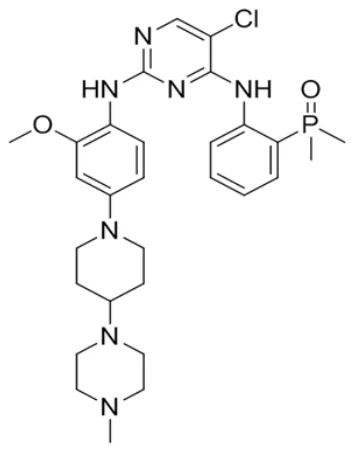
Physicochemical properties: Brigatinib is an off-white to beige/tan solid with a melting point of 214°C. The pKas were determined to be: 1.73 ± 0.02 (base), 3.65 ± 0.01 (base), 4.72 ± 0.01 (base), and 8.04 ± 0.01 (base). The aqueous solubility of brigatinib is pH-dependent (i.e. aqueous solubility at pH of 2.5, is >165.2 mg/mL, at pH of 4.5, is >355.2 mg/mL, and at pH of 7.0, is 3.0 mg/mL). Brigatinib does not contain any chiral centers.
14 CLINICAL TRIALS
14.1 Trial Design and Study Demographics
Advanced ALK-positive NSCLC in TKI-naïve patients (ALTA 1L Study)
The safety and efficacy of brigatinib was evaluated in a Phase 3 open-label, multicenter trial (ALTA 1L) in 275 adult patients with advanced ALK-positive NSCLC who had not previously received an ALK-targeted therapy with a documented ALK rearrangement based on a validated ALK testing. Patients were allowed to have up to 1 prior regimen of systemic anticancer therapy in the locally advanced or metastatic setting and had an Eastern Cooperative Oncology Group (ECOG) Performance Status of 0-2. Neurologically stable patients with treated or untreated central nervous system (CNS) metastases, including leptomeningeal metastases, were eligible. Patients with a history of pulmonary interstitial disease, drug-related pneumonitis, or radiation pneumonitis were excluded.
Patients were randomized in a 1:1 ratio to receive brigatinib 180 mg once daily with a 7-day lead-in at 90 mg once daily (n=137) or crizotinib 250 mg orally twice daily (n=138). Randomization was stratified by brain metastases (present, absent) and prior chemotherapy use for locally advanced or metastatic disease (yes, no). Patients in the crizotinib arm who experienced disease progression were offered to crossover to receive treatment with brigatinib.
The major efficacy outcome measure was progression-free survival (PFS) according to Response Evaluation Criteria in Solid Tumors (RECIST v1.1) as evaluated by a Blinded Independent Review Committee (BIRC). Additional outcome measures as evaluated by the BIRC include confirmed overall response rate (ORR), duration of response (DOR), time to response, intracranial ORR, intracranial PFS, and intracranial DOR. Investigator-assessed outcomes include PFS and overall survival.
Baseline demographics and disease characteristics in ALTA 1L (Table 9) were median age 59 years old (range 27 to 89; 32% 65 and over), 59% White and 39% Asian, 55% female, 39% ECOG PS 0 and 56% ECOG PS 1 and 58% never smokers. The disease characteristics of the study population included: 93% Stage IV cancer, 27% prior chemotherapy in the locally advanced or metastatic setting, 14% prior radiation therapy to the brain, 31% bone metastases and 20% liver metastases. CNS metastases were present in 35% (n=96) of patients: of these, 41 patients had measurable CNS lesions as determined by a BIRC.
Table 9 Demographics and Disease Characteristics of ALK-positive Patients treated with ALUNBRIG and crizotinib in ALTA 1L
| Characteristic | ALUNBRIG (n=137) | Crizotinib (n=138) | Total (N=275) | |||||||
|---|---|---|---|---|---|---|---|---|---|---|
| Sex, n (%) | ||||||||||
| Male | 68 (50) | 57 (41) | 125 (45) | |||||||
| Female | 69 (50) | 81 (59) | 150 (55) | |||||||
| ||||||||||
| Median (range) |
|
|
| |||||||
| ≥65 |
|
|
| |||||||
| <65 |
|
|
| |||||||
| Race, n (%) | ||||||||||
| White | 76 (55) | 86 (62) | 162 (59) | |||||||
| Asian | 59 (43) | 49 (36) | 108 (39) | |||||||
| Other | 2 (2) |
|
| |||||||
| ECOG performance status, n (%) | ||||||||||
| 0 | 58 (42) | 60 (44) | 118 (43) | |||||||
| Characteristic | ALUNBRIG (n=137) | Crizotinib (n=138) | Total (N=275) | |||||||
|---|---|---|---|---|---|---|---|---|---|---|
| 1 | 73 (53) | 72 (52) | 145 (53) | |||||||
| 2 | 6 (4) | 6 (4) | 12 (4) | |||||||
| ||||||||||
| No | 84 (61) | 75 (54) | 159 (58) | |||||||
| Yes |
|
|
| |||||||
| Disease Stage, n (%) | ||||||||||
| Locally advanced (IIIB) |
|
|
| |||||||
| Metastatic (IV) |
|
|
| |||||||
| Histology, n (%) | ||||||||||
| Adenocarcinoma | 126 (92) | 137 (99) | 263 (96) | |||||||
| Squamous | 4 (3) |
| 4 (2) | |||||||
| Large cell | 2 (2) |
| 2 (1) | |||||||
| Adenosquamous Carcinoma | 3 (2) | 1 (1) | 4 (2) | |||||||
| Other | 2 (2) |
| 2 (1) | |||||||
| CNS metastases at baseline*, n (%) | ||||||||||
| Present | 40 (29) | 41 (30) | 81 (30) | |||||||
| Sites of selected metastases at baseline*, n (%) | ||||||||||
| Bone | 36 (26) | 50 (36) | 86 (31) | |||||||
| Liver | 31 (23) | 24 (17) | 55 (20) | |||||||
| Patients with prior radiotherapy to the brain, n (%) | ||||||||||
| Yes | 18 (13) | 19 (14) | 37 (13) | |||||||
| Prior chemotherapy in locally advanced or metastatic setting, n (%) | ||||||||||
| Yes | 36 (26) | 37 (27) | 73 (27) | |||||||
| No | 101 (74) | 101 (73) | 202 (74) | |||||||
| * As assessed by the investigator | ||||||||||
Advanced or metastatic ALK-positive NSCLC in previously crizotinib treated patients (ALTA Study)
The safety and efficacy of brigatinib was evaluated in an open-label, ongoing multicenter trial (ALTA, Phase 2) in 222 adult patients with metastatic ALK-positive NSCLC who had progressed on crizotinib. Eligibility criteria permitted enrollment of patients with a documented ALK rearrangement based on a validated ALK test, ECOG Performance Status of 0-2, prior chemotherapy, and central nervous system (CNS) metastases provided they were neurologically stable and did not require an increasing dose of corticosteroids. Patients with a history of pulmonary interstitial disease or drug-related pneumonitis were excluded.
Patients were randomized in a 1:1 ratio to receive brigatinib either 90 mg once daily (90 mg regimen, n=112) or 180 mg once daily with 7-day lead-in at 90 mg once daily (180 mg regimen, n=110). Disease assessments were conducted every 8 weeks from Cycles 3-15 and every
12 weeks thereafter. The median duration of follow-up was 17.9 months. Randomization was stratified by brain metastases (present, absent) and best prior response to crizotinib therapy (complete or partial response, any other response/unknown).
The primary outcome measure was confirmed objective response rate (ORR) according to Response Evaluation Criteria in Solid Tumors (RECIST v1.1) as evaluated by the investigator. Additional outcome measures included confirmed ORR as evaluated by an Independent Review Committee (IRC); time to response; progression-free survival (PFS); duration of response (DOR); disease control rate (DCR); overall survival; quality of life; and intracranial ORR, intracranial DOR and intracranial PFS as evaluated by an IRC.
Baseline demographics and disease characteristics in ALTA are shown in (Table 10). In this study, 95% patients were never or former smokers, and 98% had Stage IV disease. The most common sites of extra-thoracic metastasis included 69% brain (of whom 62% had received prior radiation to the brain), 40% bone, and 26% liver.
Table 10 Demographics and Disease Characteristics of ALK-Positive Patients treated with ALUNBRIG in ALTA
| Characteristic | 90 mg qd (n=112) | 90 mg → 180 mg qd (n=110) | Total (N=222) |
|---|---|---|---|
| Sex, n (%) | |||
| Male | 50 (44.6) | 46 (41.8) | 96 (43.2) |
| Female | 62 (55.4) | 64 (58.2) | 126 (56.8) |
| Age (years) | |||
| Median (range) | 51 (18-82) | 57 (20-81) | 54 (18-82) |
| Race, n (%) | |||
| White | 72 (64.3) | 76 (69.1) | 148 (66.7) |
| Asian | 39 (34.8) | 30 (27.3) | 69 (31.1) |
| Other | 1 (0.9) | 4 (3.6) | 5 (2.3) |
| ECOG performance status, n (%) | |||
| 0 | 34 (30.4) | 45 (40.9) | 79 (35.6) |
| 1 | 71 (63.4) | 56 (50.9) | 127 (57.2) |
| 2 | 7 (6.3) | 9 (8.2) | 16 (7.2) |
| Smoking History, n (%) | |||
| No | 71 (63.4) | 63 (57.3) | 134 (60.4) |
| Yes | 40 (35.8) | 47 (42.7) | 87 (39.2) |
| Unknown | 1 (0.9) | 0 (0.0) | 1 (0.5) |
| Histology, n (%) | |||
| Adenocarinoma | 107 (95.5) | 108 (98.2) | 215 (96.8) |
| Squamous | 2 (1.8) | 1 (0.9) | 3 (1.4) |
| Large cell | 1 (0.9) | 1 (0.9) | 2 (0.9) |
| Characteristic | 90 mg qd (n=112) | 90 mg → 180 mg qd (n=110) | Total (N=222) |
|---|---|---|---|
| Adenosquamous | 1 (0.9) | 0 (0.0) | 1 (0.5) |
| Mucoepidermoid | 1 (0.9) | 0 (0.0) | 1 (0.5) |
| Brain metastases at base line, n (%) | |||
| Present | 80 (71.4) | 74 (67.3) | 154 (69.4) |
| Prior chemotherapy, n (%) | |||
| Yes | 83 (74.1) | 81 (73.6) | 164 (73.9) |
| Best response to prior crizotinib, n (%) | |||
| PR or CR | 71 (63.4) | 73 (66.4) | 144 (64.9) |
| Other response or unknown | 41 (36.6) | 37 (33.6) | 78 (35.1) |
14.2 Study Results
Advanced ALK-positive NSCLC in TKI-naïve patients (ALTA 1L Study)
The efficacy results from ALTA 1L (Phase 3) analysis are summarized in Table 11 and Figure 1.
| Table 11 Efficacy Results by BIRC Assessment in ALTA IL (ITT Population at interim analysis)a | |||||||||||||
| Efficacy Parameters | ALUNBRIG N = 137 | Crizotinib N = 138 | |||||||||||
| PFS (BIRC) | |||||||||||||
| Number of Patients with Events, n (%) | 63 (46) | 87 (63) | |||||||||||
| Median (in months) (95% CI) | 24 (18.5, NE) | 11 (9.2, 12.9) | |||||||||||
| Hazard ratio (95% CI) | 0.49 (0.35, 0.68) | ||||||||||||
| Log-rank p-valueb | <0.0001 | ||||||||||||
| Confirmed Objective Response Rate (BIRC) | |||||||||||||
Responders, n (%) (95% CI) | 101 (73.7) (65.5, 80.9) | 85 (61.6) (52.9, 69.7) | |||||||||||
| p-valueb,c | 0.0342 | ||||||||||||
| Complete Response, % (95% CI) | 14.6 (9.2, 21.6) | 8.7 (4.6, 14.7) | |||||||||||
| Partial Response, % (95% CI) | 59.1 (50.4, 67.4) | 52.9 (44.2, 61.5) | |||||||||||
| Duration of Confirmed Response (BIRC) | |||||||||||||
| Responders, n (%) | 101 (73.7) | 85 (61.6) | |||||||||||
| Median (months) (95% CI) | NE (19.4, NE) | 13.8 (9.3, 20.8) | |||||||||||
| Response duration at 24 months, % | 51.3 | 29.6 | |||||||||||
BIRC = Blinded Independent Review Committee; NE = Not Estimable; CI = Confidence Interval a The median follow up for ALUNBRIG arm was 24.9 months b Stratified by presence of iCNS metastases at baseline and prior chemotherapy for locally advanced or metastatic disease for log-rank test and Cochran Mantel-Haenszel test, respectively c From a Cochran Mantel-Haenszel test | |||||||||||||
At primary analysis, the ALTA 1L study met its primary endpoint demonstrating a statistically significant improvement in PFS by BIRC. The median duration of follow-up was 24.9 months (range: 0 – 34.1) in the brigatinib arm and 15.2 months (range: 0.1 – 36) for the crizotinib arm, respectively.
At the final analysis, with a median follow-up of the brigatinib arm at 40.4 months, overall survival was immature (Hazard ratio = 0.81 [95% CI (0.53, 1.22)]). Forty seven percent patients crossed over from crizotinib arm to brigatinib arm. In confirmed responders, the median duration of response was 33.2 months [CI: 22.1; NE] in the brigatinib arm vs 13.8 months (95% CI: 10.4; 22.1) in the crizotinib arm.
Figure 1. Kaplan-Meier Plot of Progression-Free Survival by BIRC in ALTA 1L
Duration of intracranial response was measured from date of first intracranial response until intracranial disease progression (new lesions, intracranial target lesion diameter growth ≥20% from nadir, or unequivocal progression of intracranial nontarget lesions) or death.
BIRC assessment of intracranial efficacy in patients with measurable brain metastases (≥10 mm in longest diameter) at baseline are summarized in Table 12.
Table 12 BIRC-assessed Intracranial Efficacy in Patients with Measurable CNS Metastases at Baseline in ALTA 1L
ALUNBRIG N = 18 | Crizotinib N = 23 | ||
| Intracranial Objective Response Rate | |||
Responders, n (%) (95% CI) | 14 (77.8) (52.4, 93.6) | 6 (26.1) (10.2, 48.4) | |
| p-valuea,b | 0.0014 | ||
| Complete Response % | 27.8 | 0 | |
| Partial Response, % | 50 | 26.1 | |
| Duration of Intracranial Responsec | |||
| Responders, n (%) | 14 (77.8) | 6 (26.1) | |
| Median (months) (95% CI) | NE (5.7, NE) | 9.2 (3.9, 9.2) | |
| Intracranial response duration at 24 months, % | 64.3 | NE | |
CI = Confidence Interval; NE = Not Estimable a Stratified by presence prior chemotherapy for locally advanced or metastatic disease for log-rank test and Cochran Mantel-Haenszel test, respectively b From a Cochran Mantel-Haenszel test c measured from date of first confirmed intracranial response until date of intracranial disease progression (new intracranial lesions, intracranial target lesion diameter growth ≥ 20% from nadir, or unequivocal progression of intracranial nontarget lesions) or death or censoring | |||
The PFS for patients with CNS metastases at baseline (Median PFS for brigatinib = 24 months, 95% CI: 18.37-NE, median PFS for crizotinib = 5.6 months, 95% CI: 3.84-9.4), HR = 0.25, 95% CI: 0.14-0.46.
Advanced or metastatic ALK-positive NSCLC in previously crizotinib treated patients (ALTA Study)
Investigator-assessed and Independent Review Committee (IRC) assessed systemic efficacy results from ALTA (Phase 2) analysis are summarized in Table 13.
Table 13 Efficacy Results in ALTA (ITT Population)
| Efficacy Parameters | Investigator Assessment | IRC Assessment | ||
|---|---|---|---|---|
90 mg regimen* N = 112 | 180 mg regimen† N = 110 | 90 mg regimen* N = 112 | 180 mg regimen† N = 110 | |
| Objective Response Rate | ||||
| (%) | 45.5% | 55.5% | 50.9% | 54.5% |
| 95% CI‡ | (36.1, 55.2) | (45.7, 64.9) | (41.3, 60.5) | (44.8, 64.1) |
| Complete Response (%) | 1.8% | 4.5% | 5.4% | 5.5% |
| Efficacy Parameters | Investigator Assessment | IRC Assessment |
|---|
90 mg regimen* N = 112 | 180 mg regimen† N = 110 | 90 mg regimen* N = 112 | 180 mg regimen† N = 110 | |
|---|---|---|---|---|
| Partial Response (%) | 43.8% | 50.9% | 45.5% | 49.1% |
| Duration of response | ||||
| Median (months) | 12.0 | 13.8 | 13.8 | 14.8 |
| 95% CI | (9.2, 17.7) | (10.2, 17.5) | (7.4, NE) | (12.6, NE) |
CI = Confidence Interval; NE = Not Estimable
*90 mg once daily regimen
†180 mg once daily with 7-day lead-in at 90 mg once daily
‡Confidence Interval for investigator assessed ORR is 97.5% and for IRC assessed ORR is 95%
The investigator-assessed PFS for the 90 mg regimen and 180 mg regimen was 9.2 months (95% CI: 7.4, 11.1) and 15.6 months (95% CI: 11.1, 19.4), respectively. The IRC-assessed PFS for the 90 mg regimen and 180 mg regimen was 9.2 months (95% CI: 7.4, 12.8) and 16.7 months (95% CI: 11.6, Not estimable), respectively.
IRC assessments of intracranial ORR and duration of intracranial response in patients from ALTA with measurable brain metastases (≥10 mm in longest diameter) at baseline are summarized in Table 14.
Table 14 Intracranial Efficacy in Patients with Measurable Brain Metastases at Baseline in ALTA IRC-assessed efficacy parameter
| IRC-assessed efficacy parameter | Patients with Measurable Brain Metastases at Baseline | ||||||||||
|---|---|---|---|---|---|---|---|---|---|---|---|
| 90 mg regimen* (N=26) | 180 mg regimen† (N=18) | ||||||||||
| Intracranial Objective Response Rate | |||||||||||
| (%) | 50.0% | 66.7% | |||||||||
| 95% CI | (29.9, 70.1) | (41.0, 86.7) | |||||||||
| Complete Response Rate | 7.7% | 0.0% | |||||||||
| Partial Response Rate | 42.3% | 66.7% | |||||||||
| Duration of Intracranial Response‡ | |||||||||||
| Median (months) | NE | 16.6 | |||||||||
| Range | 2.0-19.4+ | 1.9-16.6 | |||||||||
CI = Confidence Interval; NE = Not Estimable
*90 mg once daily regimen
†180 mg once daily with 7-day lead-in at 90 mg once daily
‡Events include intracranial disease progression (new lesions, intracranial target lesion diameter growth ≥20% from nadir, or unequivocal progression of intracranial non-target lesions) or death.
Geriatrics
Of the total number of patients in a Phase 2 study (N = 222) with metastatic ALK-positive NSCLC who had progressed on crizotinib (ALTA), 19% were 65-74 years and 4.1% were 75 years or older. No clinically relevant differences in safety or efficacy were observed between patients ≥65 and younger patients. No efficacy data are available in patients over 85 years of age. (See 4 DOSAGE AND ADMINISTRATION.)
15 MICROBIOLOGY
No microbiological information is required for this drug product.
16 NON-CLINICAL TOXICOLOGY
General Toxicology:
Animal Toxicology
Nonclinical safety assessment in rats and monkeys identified potential risk for toxicity in multiple organs such as gastrointestinal system, bone marrow, eyes, testes, liver, kidney, bone, and heart. These effects were generally reversible during the non-dosing recovery period; however, effects in the eyes and testes were notable exceptions due to lack of recovery.
Carcinogenicity: Carcinogenicity studies have not been performed with ALUNBRIG.
Genotoxicity: Brigatinib was not mutagenic in vitro in the bacterial reverse mutation (Ames) or the mammalian cell chromosomal aberration assays, but slightly increased the number of micronuclei in a rat bone marrow micronucleus test. The mechanism of micronucleus induction was abnormal chromosome segregation (aneugenicity) and not a clastogenic effect on chromosomes. This effect was observed at approximately 5-fold the human exposure at the 180 mg once daily dose. Therefore, genotoxic risk is not expected in humans.