


Product Monograph - Axiron
SUMMARY PRODUCT INFORMATION
| Route of Administration | Dosage Form / Strength | Nonmedicinal Ingredients |
| Topical | 2% solution 30 mg per actuation | Ethanol, isopropyl alcohol, octisalate, povidone |
INDICATIONS AND CLINICAL USE
AXIRON is an androgen indicated for testosterone replacement therapy in adult males for conditions associated with a deficiency or absence of endogenous testosterone (hypogonadism).
AXIRON should not be used to treat non-specific symptoms suggestive of hypogonadism if testosterone deficiency has not been demonstrated and if other etiologies responsible for the symptoms have not been excluded. Testosterone deficiency should be clearly demonstrated by clinical features and confirmed by biochemical assays before initiating therapy with any testosterone replacement, including AXIRON treatment.
Geriatrics (> 65 years of age):
There are limited clinical study data supporting the use of AXIRON in the geriatric population (see WARNINGS AND PRECAUTIONS and CLINICAL TRIALS).
Pediatrics (<18 years of age):
AXIRON is not indicated for use in children <18 years of age since safety and efficacy have not been established in this patient population (see WARNINGS AND PRECAUTIONS - Special Populations).
CONTRAINDICATIONS
- AXIRON is not indicated for use in women.
Pregnant and nursing women should avoid skin contact with application sites on men. Testosterone may cause fetal harm. Testosterone exposure during pregnancy has been reported to be associated with fetal abnormalities (see WARNINGS AND PRECAUTIONS - Potential for Secondary Exposure to Testosterone and Special Populations).
In the event that unwashed or unclothed skin to which AXIRON has been applied or clothing exposed to AXIRON comes in direct contact with the skin of a pregnant or nursing woman, the general area of contact on the woman should be immediately washed with soap and water.
- Androgens are contraindicated in men with known or suspected carcinoma of the prostate or breast.
- AXIRON should not be used in patients with known hypersensitivity to any of its ingredients, including testosterone that is chemically synthesized from soy (see DOSAGE FORMS: COMPOSITION AND PACKAGING).
WARNINGS AND PRECAUTIONS
Potential for Secondary Exposure to Topical Testosterone
Secondary exposure to testosterone in children and women can occur with topical testosterone use in men. Cases of secondary exposure resulting in virilization of children have been reported in postmarketing surveillance. Signs and symptoms have included enlargement of the penis or clitoris, development of pubic hair, increased erections and libido, aggressive behaviour, and advanced bone age. In most cases, these signs and symptoms regressed with removal of the exposure to topical testosterone. In a few cases, however, enlarged genitalia did not fully return to age-appropriate normal size, and bone age remained modestly greater than chronological age.
Inappropriate changes in genital size or development of pubic hair or libido in children, or changes in body hair distribution, significant increase in acne, or other signs of virilization in adult women should be brought to the attention of a physician and the possibility of secondary exposure to topical testosterone should also be brought to the attention of a physician. Testosterone should be promptly discontinued until the cause of virilization has been identified.
SECONDARY EXPOSURE TO TESTOSTERONE
- Virilization has been reported in children who were secondarily exposed to topical testosterone products.
- Children should avoid contact with unwashed or unclothed application sites in men using AXIRON.
- Healthcare providers should advise patients to strictly adhere to recommended instructions for use.
(See WARNINGS AND PRECAUTIONS - Potential for Secondary Exposure to Testosterone. Strict adherence to the following precautions is advised in order to minimize the potential for secondary exposure to testosterone from AXIRON-treated skin)
Strict adherence to the following precautions is advised in order to minimize the potential for secondary exposure to testosterone from AXIRON-treated skin:
- AXIRON should only be applied to the underarm, not to any other parts of the body.
- Children and women should avoid contact with unwashed or unclothed application site(s) of men using AXIRON.
- Patients should wash their hands immediately with soap and water after applying AXIRON.
- Patients should cover the application site(s) with clothing (e.g., a T-shirt) after the solution has dried.
- Prior to any situation in which skin-to-skin contact with the application site is anticipated, patients should wash the application site(s) thoroughly with soap and water to remove any testosterone residue.
- When unwashed or unclothed skin to which AXIRON has been applied comes in direct contact with the skin of another person, the general area of contact on the other person should be washed with soap and water as soon as possible.
General
- There are very limited data from clinical trials with AXIRON in the geriatric male (>65 years of age) to support the efficacy and safety of prolonged use. Impacts to prostate and cardiovascular event rates and patient important outcomes are unknown.
- If testosterone deficiency has not been established, AXIRON should not be used to improve body composition, bone and muscle mass, increase lean body mass and decrease total fat mass. Efficacy and safety have not been established. Serious long term deleterious health issues may arise.
- AXIRON has not been shown to be safe and effective for the enhancement of athletic performance. Because of the potential risk of serious adverse health effects, this drug should not be used for such purpose.
- If testosterone deficiency has not been established, testosterone replacement therapy should not be used for the treatment of sexual dysfunction.
- Testosterone replacement therapy is not a treatment for male infertility.
- Following application of AXIRON, allow the product to dry completely before smoking or going near an open flame.
Special Populations
Pregnant and Nursing Women:
Pregnant and nursing women should avoid skin contact with AXIRON application sites on men. Testosterone may cause fetal harm. Testosterone exposure during pregnancy has been reported to be associated with fetal abnormalities. In the event that unwashed or unclothed skin to which AXIRON has been applied or clothing exposed to AXIRON comes in direct contact with the skin of a pregnant or nursing woman, the general area of contact on the woman should be immediately washed with soap and water (see CONTRAINDICATIONS).
Pediatrics (<18 years of age):
AXIRON is not indicated for use in children <18 years of age since safety and efficacy have not been established in this patient population.
Androgen therapy should be used cautiously in males with hypogonadism causing delayed puberty. Androgens can accelerate bone maturation without producing compensatory gain in linear growth. This adverse effect may result in compromised adult stature. The younger the child is the greater risk of compromising final mature height. The effect of androgens on bone maturation should be monitored closely by assessing bone age of the wrist and hand on a regular basis.
Geriatrics (>65 years of age):
There are very limited controlled clinical study data supporting the use of testosterone in the geriatric population and virtually no controlled clinical studies on subjects 75 years and over.
Geriatric patients treated with androgens may be at an increased risk for the development of prostatic hyperplasia and prostatic carcinoma. Testosterone therapy is not recommended without further urological evaluation in patients with a palpable prostate nodule or induration or PSA >4 ng/mL.
Geriatric patients and other patients with clinical or demographic characteristics that are recognized to be associated with an increased risk of prostate cancer should be evaluated for the presence of prostate cancer prior to initiation of testosterone replacement therapy.
Carcinogenesis
Prostatic: Geriatric patients treated with androgens may be at an increased risk for the development of prostatic hyperplasia and prostatic carcinoma (see Special Populations - Geriatrics). In men 40 years of age or older with a baseline PSA >0.6 ng/mL, digital examination of the prostate and PSA measurement are recommended before initiating treatment, at 3 to 6 months and then in accordance with clinical guidelines for prostate cancer screening.
Breast: Patients using long-term androgen therapy may be at an increased risk for the development of breast cancer.
Hepatic: Prolonged use of high doses of orally active 17-alpha-alkyl androgens (e.g., methyltestosterone) has been associated with serious hepatic adverse effects (peliosis hepatis, hepatic neoplasms, cholestatic hepatitis and jaundice). Peliosis hepatis can be a life-threatening or fatal complication. Long-term therapy with intramuscular testosterone enanthate, which elevates blood levels for prolonged periods, has produced multiple hepatic adenomas. AXIRON is not known to produce these adverse effects.
Skeletal: Patients with skeletal metastases are at a risk of exacerbating hypercalcemia/ hypercalciuria with concomitant androgen therapy. Regular monitoring of serum calcium concentrations is recommended in these patients.
Cardiovascular
Testosterone may increase blood pressure and should be used with caution in patients with hypertension.
Edema, with or without congestive heart failure, may be a serious complication in patients with pre-existing cardiac, renal, or hepatic disease. Diuretic therapy may be required, in addition to discontinuation of the drug.
Post-market studies suggest increased risk of serious cardiovascular events such as myocardial infarction and stroke associated with testosterone therapy. Before starting testosterone therapy, patients should be assessed for any cardiovascular risk factors (e.g., existing ischaemic heart disease) or prior history of cardiovascular events (e.g., myocardial infarction, stroke, or heart failure). Patients should also be closely monitored for possible serious cardiovascular events while on testosterone therapy.
Dependence/Tolerance
AXIRON contains testosterone, a Schedule G controlled substance as defined by the Food and Drugs Act.
Endocrine and Metabolism
Changes in insulin sensitivity, glucose tolerance, glycemic control, blood glucose and glycosylated hemoglobin have been reported with androgens. In diabetic patients, medication requirements may change.
Hypercalciuria/hypercalcemia (caused by malignant tumours) may be exacerbated by androgen treatment. Androgens should be used with caution in cancer patients at risk of hypercalcemia (and associated hypercalciuria). Regular monitoring of serum calcium concentrations is recommended in patients at risk of hypercalciuria/ hypercalcemia. Hypercalcemia may occur in immobilized patients. If this occurs, the drug should be discontinued.
Genitourinary
Men with benign prostatic hyperplasia (BPH) treated with androgens are at an increased risk for worsening signs and symptoms.
Hematologic
Hemoglobin and hematocrit levels should be checked periodically (to detect polycythemia) in patients on long-term androgen therapy (see Monitoring and Laboratory Tests). Men with hematocrit levels >50% should undergo further clinical evaluation before consideration of testosterone therapy. If hematocrit is >54%, testosterone therapy should be discontinued until hematocrit decreases to a safe level.
Oral alkylated derivatives of testosterone such as methandrostenolone, have been reported to decrease the anticoagulant requirement of patients receiving oral anticoagulants (e.g. warfarin). Patients receiving oral anticoagulants therapy require close monitoring, especially when androgens are started or stopped (see Drug-Drug Interactions).
Respiratory
The treatment of hypogonadal men with testosterone may potentiate sleep apnea, particularly for those with risk factors such as obesity or chronic lung diseases.
Sexual Function/Reproduction
- Gynecomastia may develop and occasionally persist in patients being treated with androgens for hypogonadism.
- Priapism or excessive sexual stimulation may develop.
- Oligospermia may occur after prolonged administration or excessive dosage.
Skin
Changes in body hair distribution, significant increase in acne, or other signs of virilization of the female partner or in any person (including children) exposed to skin-to skin contact, should be brought to the attention of a physician.
Application site reactions associated with the use of transdermal testosterone may manifest as skin irritation (including erythema, induration or burning).
Monitoring and Laboratory Tests
The patient should be monitored (including serum testosterone levels) on a regular basis to ensure adequate response to treatment.
Currently there is no consensus about age-specific testosterone levels. The normal serum testosterone level for young eugonadal men is approximately 10.4-36.4 nmol/L (300-1050 ng/dL). However, it should be taken into account that physiologically testosterone levels (mean and range) decrease with increasing age. Men with levels below their laboratory’s reference range and who are experiencing symptoms are candidates for testosterone replacement therapy and should be evaluated as such.
The following laboratory tests, performed routinely, are recommended to ensure that adverse experience is detected and addressed:
- Hemoglobin and hematocrit levels should be checked periodically (to detect polycythemia). Men with hematocrit level >50% should undergo further clinical evaluation before considering testosterone therapy.
- Liver function tests, to detect hepatotoxicity associated with the use of androgens.
- Prostate specific antigen (PSA), Digital Rectal Examination (DRE), especially if the patient presents with progressive difficulty with urination or a change in voiding habits. In men 40 years of age or older who have a baseline PSA >0.6 ng/mL, a digital examination of the prostate and PSA measurement are recommended before initiating treatment, at 3 to 6 months, and then in accordance with evidence-based guidelines for prostate cancer screening.
- Lipid profile, total cholesterol, LDL, HDL, and triglycerides.
- Diabetics should be followed carefully and the insulin or oral hypoglycemic dosage adjusted accordingly (see Drug-Drug Interactions).
ADVERSE REACTIONS
Clinical Trials in Hypogonadal Men
Because clinical trials are conducted under very specific conditions the adverse reaction rates observed in the clinical trials may not reflect the rates observed in practice and should not be compared to the rates in the clinical trials of another drug. Adverse drug reaction information from clinical trials is useful for identifying drug-related adverse events and for approximating rates.
Table 1 shows the incidence of treatment emergent adverse reactions reported by patients treated with AXIRON for up to 120 days (N=155) or 180 days (N=71), with doses ranging from 30 mg to 120 mg per day in a Phase 3 Study. These data reflect the experience primarily with a dose of 60 mg testosterone, which was taken by all patients at the start of the study, and was the maintenance dose for 117 of 155 subjects.
Table 1. Treatment-Emergent Adverse Reactions in Patients Treated with AXIRON for up to 120 Days (N=155) and up to 180 Days (N=71), with Doses Ranging from 30 to 120mg per day.
| Adverse Event | AXIRON Therapy 120 Days (N=155) | AXIRON Therapy 180 Days (N=71) | ||||
| № (%) Patients | № (%) Patients | |||||
| Application Site Irritation | 11 (7%) | 6 (8%) | ||||
| Application Site Erythema | 8 (5%) | 5 (7%) | ||||
| Headache | 8 (5%) | 4 (6%) | ||||
| Hematocrit Increased | 6 (4%) | 5 (7%) | ||||
| Diarrhea | 4 (3%) | 3 (4%) | ||||
| Vomiting | 4 (3%) | 3 (4%) | ||||
| PSA Increase | 2 (1%) | 3 (4%) | ||||
Other less common adverse reactions often associated with topical applications and/or testosterone reported by at least 2 subjects were: application site edema, application site warmth, increased hemoglobin, increased prostate specific antigen (PSA), increased blood pressure, increased blood testosterone, increased blood glucose, acne, anger and anxiety. Adverse reactions reported in fewer than 1% of patients in the 120 day trial included: asthenia, affect lability, increased blood testosterone, erythema (general), folliculitis, anxiety, increased lacrimation, breast tenderness, hypertension, neoplasm prostate and elevated red blood cell count.
Adverse events (AEs) tended to be reported early during therapy and were transient. Severity of most adverse events was reported as mild, with some moderate and very few severe.
Five patients discontinued the 120 day trial and its extension to 180 days due to AEs. These were (a) superficial thrombophlebitis, (b) malignant melanoma, (c) dry skin and erythema, (d) affect lability and anger, and (e) application site irritation. Events (d) and (e) were considered probably related to testosterone treatment. There were other discontinuations due to abnormal laboratory findings. Seven patients had hematocrit levels that exceeded 54% at one or more sampling periods. All patients had a hematocrit of <51% at study entry. Five of these 7 patients discontinued the study.
Seventy-one (71) patients continued AXIRON treatment for a further two months to assess the occurrence of skin safety events. Skin irritation was generally mild and after 6 months of treatment, the incidence was similar to the incidence for those treated for 120 days.
No patients reported serious adverse events (SAEs) considered related to treatment during either the 120 day trial, or the extension to 180 days. Three cases of non-treatment related SAEs were observed in these trials: appendicitis, hepatitis C and prostate cancer.
During the 120 day clinical trial, there was an increase in mean PSA values of 0.13 ± 0.68 ng/mL from baseline. At the end of the 180 day extension clinical trial, there was an overall increase in mean PSA values of 0.1 ± 0.54 ng/mL.
Post-Market Adverse Drug Reactions
According to the literature and post marketing experience, the following is a list of adverse drug reactions that may be related to AXIRON and/or testosterone treatment:
Blood and Lymphatic System Disorders: increased blood creatinine; polycythemia.
Cardiovascular disorders: tachycardia, atrial fibrillation, pulmonary embolism, and deep vein thrombosis.
Endocrine Disorders: increase in male pattern hair distribution; hirsutism.
General Disorders and Administration Site Conditions: malaise.
Hepatobiliary Disorders: abnormal liver enzyme/liver function tests, including bilirubin.
Investigations: decreased HDL.
Metabolism and Nutrition Disorders: electrolyte changes (potassium, sodium, chloride, inorganic phosphate,) during high dose or prolonged treatment; increased appetite.
Musculoskeletal System Disorders: muscle spasms; muscle cramps; muscle pain.
Nervous System Disorders: amnesia; hyperesthesia; smell disorder; taste disorder.
Psychiatric Disorders: depression; mood disorders; nervousness; hostility.
Renal and Urinary Disorders: impaired urination; urinary tract infection, urinary tract obstruction.
Reproductive System and Breast Disorders: mastodynia, sensitive nipples; prostatic disorders; spontaneous penile erection; libido changes; increased frequency of erections; priapism; reduction in the size of the testicles/testicular atrophy.
Respiratory System Disorders: dyspnea.
Skin and Subcutaneous Disorders: alopecia; urticaria; seborrhea; discoloured hair.
Vascular Disorders: decreased diastolic blood pressure; flushing; vasodilation.
DRUG INTERACTIONS
Drug-Drug Interactions
Insulin: In diabetic patients, the metabolic effects of androgens may decrease blood glucose and therefore, insulin requirements.
Propranolol: In a published pharmacokinetic study of an injectable testosterone product, administration of testosterone cypionate led to an increased clearance of propranolol in the majority of men tested. It is unknown if this would apply to AXIRON.
Corticosteroids: The concurrent administration of testosterone with ACTH or corticosteroids may enhance edema formation; thus these drugs should be administered cautiously, particularly in patients with cardiac, renal or hepatic disease.
Anticoagulants: Androgens may increase sensitivity to oral anticoagulants. Dosage of the anticoagulant may require reduction in order to maintain satisfactory therapeutic hypoprothrombinemia.
Drug-Food Interactions
Interactions with food have not been established.
Drug-Herb Interactions
Literature reports indicate that some herbal products (e.g. St John’s wort) which are available as over-the-counter (OTC) products might interfere with steroid metabolism and therefore may decrease plasma testosterone levels.
Drug-Laboratory Interactions
Androgens may decrease levels of thyroxine-binding globulin, resulting in decreased total T4 serum levels and increased resin uptake of T3 and T4. Free thyroid hormone levels remain unchanged, however, and there is no clinical evidence of thyroid dysfunction.
DOSAGE AND ADMINISTRATION
Dosing and Dose Adjustment
The recommended starting dose of AXIRON (testosterone) topical solution is 60 mg of testosterone (2 pump actuations) applied once daily. AXIRON is a metered-dose pump capable of dispensing 90 mL of solution in 60 metered pump actuations. Each pump actuation delivers 30 mg of testosterone in 1.5 mL of solution.
The usual dose of AXIRON topical solution is 60 mg of testosterone (2 pump actuations) applied once daily to the skin of the underarm, preferably at the same time each morning, to clean, dry, intact skin.
Serum testosterone concentrations should be measured after initiation of therapy and at least 14 days after starting treatment or following dose adjustment and between 2-8 hours after administration, to ensure that the desired concentrations of 10.4-36.4 nmol/L (300-1050 ng/dL) are achieved.
If the measured serum testosterone concentration is below 10.4 nmol/L (300 ng/dL), the daily testosterone dose may be increased from 60 mg (2 pump actuations) to 90 mg (3 pump actuations) or from 90 mg to 120 mg (4 pump actuations). If the serum testosterone concentration exceeds 36.4 nmol/L (1050 ng/dL), the daily testosterone dose should be decreased from 60 mg (2 pump actuations) to 30 mg (1 pump actuation) as instructed by a physician. If the serum testosterone concentration consistently exceeds 36.4 nmol/L (1050 ng/dL) at the lowest daily dose of 30 mg (1 pump actuation), AXIRON therapy should be discontinued.
Administration Instructions
AXIRON is a solution applied to the underarm, using a no-touch applicator. AXIRON should not be applied to any other parts of the body. After applying the solution, the application site should be allowed to dry for about 2 minutes before putting on clothing. Avoid fire, flames or smoking until the solution has dried since alcohol based products, including AXIRON, are flammable.
Patients may use underarm deodorant or antiperspirant before or after applying AXIRON as part of their normal daily routine. Antiperspirants or deodorants have no significant effect on the absorption of testosterone from AXIRON (see CLINICAL TRIALS). If patients are to use a “stick” or “roll-on” type of antiperspirant or deodorant, it should be applied prior to using AXIRON, to avoid contamination of the stick or roll-on product.
When using AXIRON for the first time, patients must be instructed to prime the pump by depressing the pump 3 times, discard any product dispensed directly into a basin, sink or toilet and then wash the liquid away thoroughly. This priming should be done only prior to the first use of each pump. After priming, patients should completely depress the pump one time (1 actuation) to dispense 30 mg of testosterone directly into the applicator cup.
Keeping the applicator upright, patients should place it up into the underarm and wipe steadily down and up into the underarm. If the solution drips or runs, it can be wiped back up with the applicator cup. The solution should not be rubbed into the skin with fingers or hand.
Covering the treatment application area with clothing [e.g., a shirt] when the testosterone solution has dried is an effective method to reduce testosterone interpersonal transfer.
In-vitro studies with AXIRON show that 97% of the stated dose is delivered to the skin using the pump and applicator system. Dosing that requires greater than one pump actuation must be applied in increments of 30 mg as shown in Table 2.
Table 2. AXIRON Application Technique
| Prescribed Daily Dose of Testosterone | Number of Pump Actuations | Application |
| 30 mg | 1 (once daily) | Apply once to one axilla only (left OR right) |
| 60 mg | 2 (once daily) | Apply once to the left axilla and then apply once to the right axilla. |
| 90 mg | 3 (once daily) | Apply once to the left and once to the right axilla, wait for the product to dry, and then apply once again to the left OR right axilla. |
| 120 mg | 4 (once daily) | Apply once to the left and once to the right axilla, wait for the product to dry, and then apply once again to the left AND once to the right axilla. |
To achieve a total dose of 60 mg testosterone, this process is repeated with application of 30 mg testosterone (1 pump actuation) to the other underarm. For patients prescribed the 90 mg dose of testosterone, the procedure is the same, but 3 applications are required. To dose 120 mg of testosterone, 4 applications are required, alternating left and right axilla for each application. When repeated application to the same axilla is required, the underarm should be allowed to dry completely before more AXIRON is applied.
After use, the applicator should be rinsed under running water and patted dry with a tissue. The applicator and cap are then replaced on the bottle for storage.
Hands should be washed thoroughly with soap and water after applying AXIRON (see WARNINGS AND PRECAUTIONS).
OVERDOSAGE
| For management of a suspected drug overdose, contact your regional Poison Control Centre. |
Symptoms of a testosterone overdose are not known. No specific antidote is available. Treatment of overdosage would consist of washing the application site and discontinuation of AXIRON, together with appropriate symptomatic and supportive care.
ACTION AND CLINICAL PHARMACOLOGY
AXIRON (testosterone) topical solution is a clear, colourless, fragrance-free solution containing 30 mg of testosterone in 1.5 mL of AXIRON solution for topical administration through the axilla. AXIRON provides continuous transdermal delivery of testosterone, the primary circulating endogenous androgen.
Mechanism of Action
Testosterone and dihydrotestosterone (DHT), endogenous androgens, are responsible for the normal growth and development of the male sex organs and for maintenance of secondary sex characteristics. These effects include the growth and maturation of prostate, seminal vesicles, penis, and scrotum; the development of male hair distribution, such as facial, pubic, chest, and axillary hair; laryngeal enlargement; vocal cord thickening; alterations in body musculature; and fat distribution.
Male hypogonadism results from insufficient secretion of testosterone and is characterized by low serum testosterone concentrations. Symptoms associated with male hypogonadism include decreased sexual desire with or without erectile dysfunction, fatigue and loss of energy, mood depression/ disorder and depressive symptoms, regression of some secondary sexual characteristics and osteoporosis, weakness, irritability and decreased motivation. Although causality has not been established, there are associations between hypogonadism and depression, osteoporosis, metabolic syndrome, type 2 diabetes, cardiovascular disease and increased mortality in men. Hypogonadism is a risk factor for osteoporosis in men.
Male hypogonadism (congenital or acquired) has two main etiologies. Primary hypogonadism is caused by defects of the gonads, such as Klinefelter’s Syndrome or Leydig cell aplasia, whereas secondary hypogonadism is the failure of the hypothalamus (or pituitary) to produce sufficient gonadotropins (FSH, LH).
Pharmacodynamics
General Androgen Effects:
Drugs in the androgen class also promote retention of nitrogen, sodium, potassium, phosphorus, and decreased urinary excretion of calcium.
Androgens have been reported to increase protein anabolism and decrease protein catabolism. Nitrogen balance is improved only when there is sufficient intake of calories and protein. Androgens have been reported to stimulate the production of red blood cells by enhancing erythropoietin production.
Androgens are responsible for the growth spurt of adolescence and for the eventual termination of linear growth brought about by fusion of the epiphyseal growth centres. In children, exogenous androgens accelerate linear growth rates but may cause a disproportionate advancement in bone maturation. Use over long periods may result in fusion of the epiphyseal growth centers and termination of the growth process.
During exogenous administration of androgens, endogenous testosterone release may be inhibited through feedback inhibition of pituitary luteinizing hormone (LH). At large doses of exogenous androgens, spermatogenesis may also be suppressed through feedback inhibition of pituitary follicle-stimulating hormone (FSH).
Pharmacokinetics
Absorption
AXIRON delivers physiologic circulating testosterone that approximates the normal concentration range of 10.4-36.4 nmol/L (300-1050 ng/dL) seen in healthy men. AXIRON provides continuous delivery of testosterone over the 24-hour dosing interval following application to the underarm.
AXIRON is a solution that dries rapidly. On the skin, the ethanol and isopropanol evaporate leaving testosterone and octisalate. The skin acts as a reservoir from which testosterone is released into the systemic circulation over time. At steady state, maximum observed serum concentration of testosterone is achieved at approximately a median time of 6 hours. In general, steady-state serum concentrations are attained within approximately one week of daily dosing.
With daily application of AXIRON 60 mg, follow-up measurements 15, 60 and 120 days after starting treatment have confirmed that mean serum testosterone concentrations are generally maintained within the eugonadal range (Figure 1). In patients on a once-daily dose of 60 mg AXIRON, the average (±SD) daily testosterone concentration (Cavg) was 15.8 (±7.7) nmol/L [456 (±226) ng/dL] and 17.6 (±6.1) nmol/L [506 (±175) ng/dL] on Day 15 and Day 120, respectively.
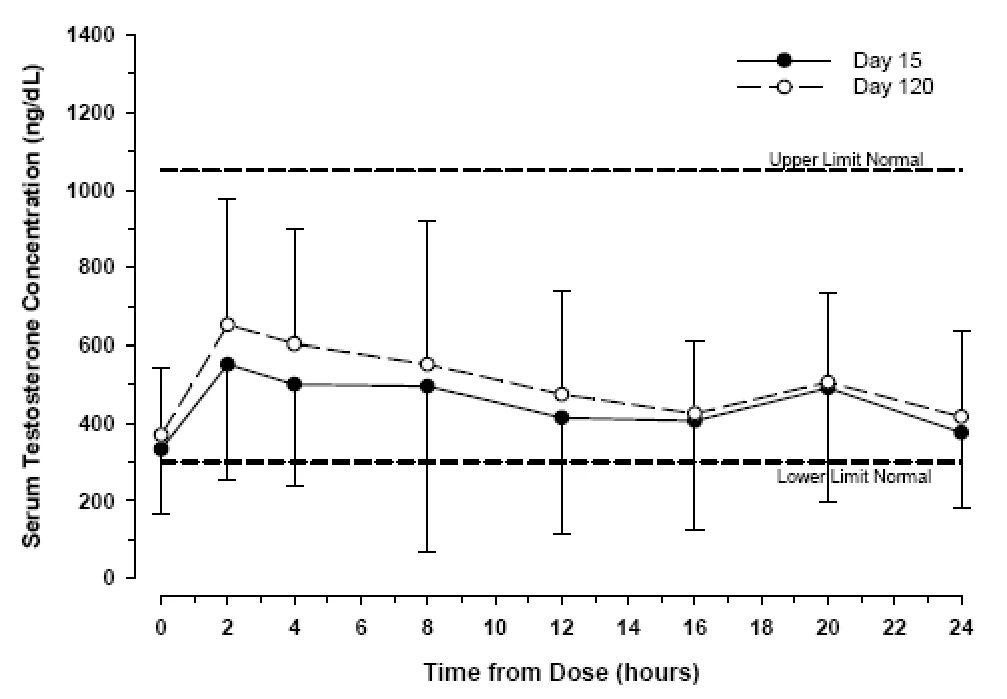
Figure 1: Mean (±SD) Serum Testosterone Concentrations on Day 15 and Day 120 in Patients Following Once-Daily Application of AXIRON 60 mg
Distribution
Circulating testosterone is primarily bound in the serum to sex hormone-binding globulin (SHBG) and albumin. Approximately 40% of testosterone in plasma is bound to SHBG, 2% remains unbound (free) and the rest is bound to albumin and other proteins
Metabolism
There is considerable variation in the half-life of testosterone as reported in the literature, ranging from 10 to 100 minutes. Testosterone is metabolized to various 17-keto steroids through two different pathways. The major active metabolites of testosterone are estradiol and dihydrotestosterone (DHT).
DHT concentrations increased in parallel with testosterone (T) concentrations during AXIRON treatment with mean concentrations maintained in the normal range on Days 15, 60 and 120. The mean steady-state DHT/T ratio remained within normal limits and ranged from 0.17 to 0.26 across all doses on Days 15, 60 and 120.
Excretion
About 90% of a dose of testosterone given intramuscularly is excreted in the urine as glucuronic and sulfuric acid conjugates of testosterone and its metabolites; about 6% of a dose is excreted in the feces, mostly in the unconjugated form. Inactivation of testosterone occurs primarily in the liver.
Special Populations and Conditions
In patients treated with AXIRON, there are no observed differences in the average daily serum testosterone concentration at steady-state based on age, cause of hypogonadism or body mass index.
Since no formal studies were conducted involving patients with renal or hepatic insufficiencies, the use of AXIRON is not recommended in men with serious liver or kidney disorders.
STORAGE AND STABILITY
Store at controlled room temperature (15-30°C).
SPECIAL HANDLING INSTRUCTIONS
Avoid fire, flames or smoking near the package since alcohol based products, including testosterone topical solution 2%, are flammable.
Disposal: Used AXIRON bottles and applicators should be discarded in household trash in a manner that prevents accidental application or ingestion by household members, especially nursing/pregnant women and children.
DOSAGE FORMS, COMPOSITION AND PACKAGING
AXIRON (testosterone topical solution, 2%) is supplied as a clear, colourless, single phase solution containing 30 mg of testosterone in 1.5 mL of solution for topical administration to the underarm. It is dispensed in a metered-dose pump containing 110 mL capable of dispensing 90 mL of solution in 60 metered pump actuations. Each metered-dose pump is supplied with an applicator. The applicator head is made of silicone.
Active Ingredient: testosterone
Non-medicinal ingredients: ethanol, isopropyl alcohol, octisalate, povidone.
PART II: SCIENTIFIC INFORMATION
PHARMACEUTICAL INFORMATION
Drug Substance
Proper name: Testosterone
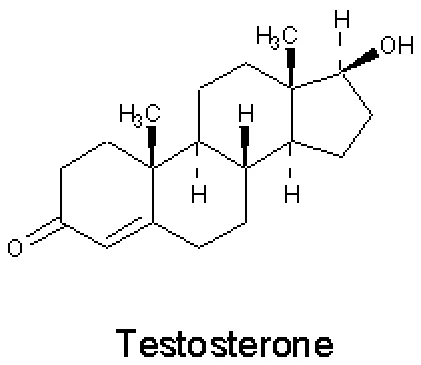
Chemical name: 17 β- hydroxyandrost-4-en-3-one
Molecular formula: C19H28O2
Molecular Weight: 288.43
Structural formula:
Physicochemical Properties:
Description: White to practically white crystalline powder
Solubility: Soluble in acetone, dioxane and vegetable oils
- water: practically insoluble
- dehydrated alcohol: 1 in 6 of dehydrated alcohol
- chloroform: 1 in 2 of chloroform
- ether: 1 in 100 of ether
CAS Registry No: 58-22-0
Melting point: 153°- 157°C
CLINICAL TRIALS
Clinical Studies in Hypogonadal Men
AXIRON was evaluated in a multicenter, open label, 120-day trial that enrolled 155 hypogonadal men. Patients were instructed to apply AXIRON to unclothed, clean, dry, and unbroken skin. The solution was applied to the underarm area. Patients were not instructed to alter their normal grooming routine, e.g., shave under the arm. During the initial treatment period (Days 1-15) 143 patients were treated with AXIRON 60 mg once daily. At Day 45 of the trial, patients were maintained at the same dose, or were titrated up or down, based on their calculated 24 hour average serum testosterone levels measured on Day 15. At Day 90 of the trial, patients were maintained at the same dose, or were titrated up or down, based on their calculated 24 hour average serum testosterone levels measured on Day 60. At day 120, 75% of responding patients finished the study on the starting dose of AXIRON 60 mg, while 2% were on 30 mg, 17% on 90 mg and 6 % on the 120 mg dose.
Of those who had sufficient data for analysis at day 120, 84.1%, had their average serum testosterone level in the normal range of 10.4- 36.4 nmol/L (300-1050 ng/dL). At day 15, 76.1% of subjects had total testosterone levels in the normal range and by Day 60 this proportion had risen to 84.8%. For subjects requiring dose escalation to 90 mg (N=20) or 120 mg (N=7) to achieve levels in the eugonadal range, mean testosterone concentrations at Day 120 were comparable to those in subjects maintained at 60 mg once-daily. In addition, following dose escalation, there was no increase in the observed frequency of values exceeding a level of 1050 ng/dL.
Table 3 summarizes the mean testosterone concentrations on Days 15, 60 and 120 for those patients who responded to treatment with AXIRON.
Table 3. Mean (±SD) Steady-state Serum Testosterone Concentrations on Days 15, 60 and 120 in those Patients who Responded to Treatment on Day 120.
| Day 15 (N = 116) | Day 60 (N = 116) | Day 120 (N = 116) | |||||||||
| Cavg (nmol/L ) | 15.7 | ( ± 5.8) | 17.3 | ( ± 7.1) | 17.5 | ( ± 4.8) | |||||
| Cmax (nmol/L ) | 25.2 | ( ± 15.1) | 29.9 | ( ± 22.5) | 28.5 | ( ± 11.6) | |||||
| Cmin (nmol/L ) | 9.2 | ( ± 3.7) | 9.5 | ( ± 4.3) | 10.1 | ( ± 3.7) | |||||
Treatment with AXIRON produced significant improvements from baseline in multiple sexual function parameters as measured by patient responses to a questionnaire completed prior to commencing treatment and after 15, 60 and 120 days of treatment. These parameters included sexual desire and enjoyment, sexual activity and sexual performance. In addition, the overall mean summary scores showed a significant increase in positive mood and a significant decrease in negative mood.
Sexual desire amongst all patients who completed the trial increased by 79% from baseline, and overall sexual activity, increased from baseline by 68%, 86% and 104% after 15, 60 and 120 days of treatment respectively. Patients reported a 26% increase from baseline in “the degree of penile erection” as well as a 35% increase in the score for “satisfactory duration of erection”.
Patients showed a significant improvement in general well being after 60 and 120 days of treatment compared to baseline (i.e. prior to commencing treatment), as measured by the patients completing a SF-36 general health survey.
Potential for Testosterone Transfer
The potential for dermal testosterone transfer from males to females was evaluated in 2 clinical studies. In an initial study, 4 groups (each of 6 males) were treated with a total of 60 mg (30 mg to each underarm) of a 1% formulation of testosterone solution. After the males applied the testosterone, three groups of females then rubbed their outer forearms on the underarms of the males for 15 minutes at 2 hours, 6 hours or 12 hours, respectively. In the fourth group of females, the rubbing procedure occurred 2 hours after dosing but the males wore shirts during the 15 minutes of contact. Blood levels of testosterone were monitored in the female subjects for 72 hours after the rubbing procedure. Under these study conditions, when a shirt did not cover the mens' underarms, the women had serum testosterone concentrations that were above baseline at all time points. When a shirt covered the mens’ underarms, there was no significant increase above baseline in the womens’ serum testosterone concentrations.
In a confirmatory study with a similar design and using the maximum dose of AXIRON (testosterone 2% solution), 10 males were treated with AXIRON (60mg in each underarm) followed by wearing long-sleeved, cotton T shirts. Two hours after the application of AXIRON, women rubbed their outer forearms on the underarm of the males for 15 minutes. Total testosterone levels were assessed in the female subjects for 24 hours. While there was a small increase in serum testosterone concentration (13%) from baseline in the women, their testosterone levels remained within the normal range for women.
Use of Deodorants and Antiperspirants
The interaction of deodorants and antiperspirants with AXIRON was evaluated in 3 clinical trials with females dosed with AXIRON.
In the first trial, the impact on testosterone delivery of deodorant and antiperspirant use before and after application of a formulation closely related to that of AXIRON was examined. This study was conducted using a 1% testosterone formulation rather than the 2% formulation that represents the final AXIRON formulation. Despite the difference in testosterone concentration, the data from this study are considered relevant to the final formulation. In the first half of the trial 4 groups of 6 healthy female subjects applied a deodorant spray immediately before or after, 30 minutes after or 8 hours after application of the 1% testosterone formulation to a single underarm. In the second half of the trial, the same groups applied an antiperspirant stick immediately before or after, 30 minutes after or 8 hours after application of the 1% testosterone formulation to a single underarm. Systemic levels of testosterone were monitored in all subjects for 72 hours and no significant differences were observed between those subjects who applied a deodorant or antiperspirant and a control group (n=6) in which no deodorant or antiperspirant was applied.
In the second trial, two groups of 6 healthy female subjects applied a combined deodorant/antiperspirant spray (6 subjects) or stick (6 subjects) to a single underarm 2 minutes before the application of a 30 mg dose of AXIRON to the same underarm. A further 5 healthy female subjects applied a deodorant spray to a single underarm 2 minutes prior to the application of a 30 mg dose of AXIRON to the underarm. A control group of 5 subjects applied no deodorant or antiperspirant product to their underarm before the application of a 30 mg dose of AXIRON to a single underarm.
Blood samples were collected for 72 hours from all subjects following dosing with AXIRON. The pre-application of either the deodorant/antiperspirants or the deodorant did not significantly affect overall systemic exposure to testosterone.
In the pivotal phase 3 study, data collected at day 120 demonstrated that application of antiperspirant/deodorant does not adversely affect the efficacy of the product. There was no significant difference in the response rate in those patients who did or did not use deodorant/antiperspirant and the response in both of these groups was not significantly different from the overall response rate. In this trial, patients were instructed to apply deodorant/antiperspirant immediately prior to the application of AXIRON.
Effect of Showering/Washing
Two groups of 5 healthy female subjects were each dosed with 30 mg AXIRON in a single underarm. The application sites of each group were washed with soap and water 2 hours or 6 hours after the application of AXIRON. A control group of 5 female subjects applied a 30 mg dose of AXIRON to a single underarm and did not wash the application site. Blood samples were collected for 72 hours from all subjects following dosing with AXIRON. Washing the application site did not significantly reduce the subjects’ overall systemic exposure to total testosterone.
In the pivotal phase 3 study, among subjects who showered or washed a minimum of 2 hours after dosing on Days 15, 60 and 120 there was no evidence to suggest that washing had any negative impact on the efficacy of AXIRON.
TOXICOLOGY
Single-Dose Toxicity
Testosterone was administered to Swiss Webster mice in a single 5000 mg/kg dose oral toxicity study using testosterone gel. All 10 animals showed some instances of lethargy during the first four hours following dosing. No other signs of toxicity or deaths occurred during the 14-day post dosing observation period. The LD50 was greater than 5000 mg/kg.
Repeat-Dose Toxicity
A repeat dose study with testosterone enanthate in male rats was undertaken to evaluate the effects on male fertility, testes, and the seminal vesicles. Testosterone enanthate was administered at doses of 0, 1.2 or 2.4 mg/kg, subcutaneous (sc), three times a week for eight weeks. Testosterone and dihydrotestosterone (DHT) plasma levels were significantly elevated in relation to the dose administered. Mean testosterone and DHT plasma levels for the control, the low dose group, the high dose groups were 0.53 ng/mL, 2.43 ng/mL, and 4.28 ng/mL, respectively. Treated males appeared to mate normally, however, fertility of high-dose animals was decreased relative to that of low-dose and control animals. Testis weights were reduced and seminal vesicle weights increased in animals of both treatment groups.
Low testosterone levels were detected in castrated Sprague-Dawley (SD) male rats. Testosterone implants containing testosterone propionate (35 mg delivering 0.39 mg/day) were administered subcutaneously for 11 weeks. Plasma testosterone levels were significantly increased in the treatment group relative to placebo controls. Control castrates had testosterone plasma levels below the limits of detection while testosterone levels in the treatment group were within the normal range (approximately 1.5 ng/mL).
Genotoxicity
Published literature on the genotoxic potential of testosterone indicated that testosterone did not induce sperm abnormalities or micronuclei in mice treated in vivo and was not mutagenic to bacteria.
Carcinogenicity
Testosterone has been tested by subcutaneous injection and implantation in mice and rats. In mice, the implant induced cervical-uterine tumours, which metastasized in some cases. There is suggestive evidence that injection of testosterone into some strains of female mice increases their susceptibility to hepatoma. Testosterone is also known to increase the number of tumours and decrease the degree of differentiation of chemically induced carcinomas of the liver in rats.
Effects on the Prostate
An induction of prostate adenocarcinomas in male rats following the chronic administration of testosterone has been reported. Testosterone was given chronically by subcutaneous administration in pellets (1-3 pellets, each containing 10 mg testosterone propionate) to Noble (Nb) strain rats. A 20% incidence of prostate carcinoma in rats whose mean exposure to testosterone was 64 weeks was seen. When the treatment regimen included estrogen and testosterone, the incidence of prostate adenocarcinoma was not significantly different from the group receiving testosterone alone. The latency period for the appearance of this tumour type was reduced.
In another study, Lobund-Wistar strain of rats were used to study the incidence of prostate cancer with testosterone treatment. Thirty milligrams of testosterone was administered subcutaneously via silastic implants. Reported results indicate that testosterone treatments increased the incidence of prostate adenocarcinomas to 40% (13 of 32) in the rat. The tumour promotional effects of testosterone in combination with high fat (20%) diet in Lobund-Wistar rats showed testosterone and a high-fat diet contributed to an increased incidence of prostatic tumours and a shortened latency period over low-fat (5%) diet controls.
Reproductive and Developmental Toxicity
Effects on exogenously dosed male animals The effects of exogenously administered testosterone on the reproductive tract of male dogs was reported . Mixed testosterone esters (testosterone phenylpropionate, testosterone isocaproate, testosterone decanoate, and testosterone propionate) were administered as a single 5 mg/kg SC dose to male dogs producing long-lasting effects on semen quality. Sperm motility was observed to decline from three weeks after treatment with the maximum effect occurring between 30 and 80 days post-dosing. Sperm morphology was also adversely affected in treated animals and a decrease in live spermatozoa occurred from one month after treatment. There was a significant decline in the mean total output of spermatozoa in treated males.
Testosterone administration has been demonstrated to be anti-spermatogenic in animals and humans. Male rabbits treated with ~200% of the physiological dose of testosterone via implants were shown to be azoospermic. The implants were designed to deliver 50%, 100% or ~200% the physiological amount of testosterone as that produced by the normal rabbit testes in situ during a 24-hour period. Combination treatment with implants of testosterone and estradiol or progesterone has been shown to consistently produce sterility in male rats for up to eight months, whereas testosterone alone reduced fertility, but did not induce sterility. Combinations of androgens and progestins produce rapid and significant effects on semen quality, and have also been suggested for use in male contraception in dogs. DHT has been demonstrated to be more effective than testosterone in producing infertility in male rats. Testosterone treatment in rats has been reported to reverse the anti-fertility effects of prior treatments with gonadotrophin releasing hormone (GnRH) antagonists. The administration of testosterone (20 mg, SC for three days, then every three days for 90 days) to obese male Zucker rats has shown a four-fold increase in the number of litters sired relative to untreated controls. Testosterone treatment of these animals also reduced food consumption and weight gains.
The relationship between testosterone induced decreased spermatogenic activity and fertility, pregnancy outcome and offspring was reported in a published study, in which groups of six male rats received testosterone by subdermal implants at one of the following doses: 0, 15, 30, 60, 90, 120, 240 µg/day. Testosterone administration to male rats produced biphasic effects. Low doses produced decreases in spermatogenesis due to suppression of gonadotropins and subsequent decreases in intra-testicular testosterone, whereas higher doses of testosterone have been shown to maintain spermatogenesis by presenting high serum levels of the hormone. Serum testosterone levels were not significantly different among treatment and control groups, however reported levels were highest among the group receiving 240 µg/day (4.1 ng/ml versus 2.5 ng/ml). Testosterone is also capable of maintaining spermatogenesis in the hypophysectomized animal. Testes weights were significantly reduced in groups receiving 90, 120 or 240 µg/day testosterone. Decreased spermatozoa reserves of less than five million were shown to be infertile in individual animals. It was further demonstrated in rats that a decrease in epididymal spermatozoal reserves mediated by testosterone did not cause an observed increase in teratogenic incidences in their progeny as compared with that of controls.
Local Tolerance
The dermal irritation potential of transdermal testosterone was evaluated in rabbits, with and without use of a semiocclusive dressing. Results indicated that topical testosterone gel was irritating to rabbit dorsal skin when the application site was covered for a 4 hour contact period. Dermal irritation was not observed when the application site was left uncovered, which simulates the actual clinical use of the product.
REFERENCES
| Allan C, Strauss B, McLachlan R. Body composition, metabolic syndrome and testosterone in ageing men. Intl J Impotence Research 2007;19:448–457. |
| Bain J. Testosterone and the aging male: To treat or not to treat? Maturitas 2010;66: 16-22. |
| Bhasin S, Cunningham G, Hayes F, et al. Testosterone therapy in adult men with androgen deficiency syndromes: An Endocrine Society Clinical Practice Guideline. J Clin Endocrinol Metab 2010;95(6):2536-2559. |
| Bremner W, Vitiello M, Prinz P. Loss of circadian rhythmicity in blood testosterone levels with aging in normal men. J Clin Endocrinol Metab 1983;56:1278-1281. |
| Chin JP, Pennefather JN. Effect of long-term administration of testosterone enanthate on sympathetic neurotransmission to rat isolated seminal vesicles. Clin Exp Pharmacol Physiol 1990;17:713-724. |
| Emmelot-Vonk M, Verhaar H, Nakhai Pour H, et al. Effect of testosterone supplementation on functional mobility, cognition, and other parameters in older men: A randomized controlled trial. JAMA 2008;299(1):39-52. |
| Engelson ES, Xavier F, et al. Effects of megestrol acetate and testosterone on body composition in castrated male Sprague-Dawley rats. Nutrition 1999;15:465-473. |
| England GC. Effect of progestogens and androgens upon spermatogenesis and steroidogenesis in dogs. J Reprod Fertil Suppl 1997;51:123-138. |
| Ewing LL, Stratton LG, et al. Effect of testosterone polydimethylsiloxane implants upon sperm production, libido and accessory sex organ function in rabbits. J Reprod Fertil 1973; 35:245-253. |
| Ewing subdermal LL, Gorski RA, et al. Testosterone-estradiol filled polydimethylsiloxane implants: effect on fertility and masculine sexual and aggressive behavior of male rats. Biol Reprod 1979;21:765-772. |
| Fukui M, Kitagawa Y, Nakamura N, et al. Association between serum testosterone concentration and carotid atherosclerosis in men with type 2 diabetes. Diabetes Care 2003;26(6):1869-1873. |
| Gooren L. Visceral obesity, androgens and the risks of cardiovascular disease and diabetes mellitus. Aging Male 2001;4:30–38. |
| Hemmes.RB, Hubsch S, et al. High dosage of testosterone propionate increases litter production of the genetically obese male Zucker rat (40362). Proc Soc Exp Biol Med 1978;159:424-427. |
| Hong BS, Ahn TY. Recent trends in the treatment of testosterone deficiency syndrome. International J Urol 2007;14:981–985. |
| Hugh Jones T, Saad F. The effects of testosterone on risk factors for, and the mediators of, the atherosclerotic process. Atherosclerosis 2009;207:318-327. |
| IARC Monograph, Supplement 7, 1987:289. |
| IARC Monograph. Evaluation of the carcinogenic risk of chemicals to humans. 1979:21. |
| Kaufmann J, Vermeulen A. The decline of androgen levels in elderly men and its clinical and therapeutic implications. Endocrine Reviews 2005;26(6):833–876. |
| Kupelian V, Page S, Araujo A, et al. Low sex hormone-binding globulin, total testosterone, and symptomatic androgen deficiency are associated with development of the metabolic syndrome in nonobese men. J Clin Endocrinol Metab 2006;91(3):843-850. |
| Lee K, Berman N, Alexander G, et al. A simple self-report diary for assessing psychosexual function in hypogonadal men. J Andrology 2003;24(5): 688–698. |
| Moncada I. Testosterone and men’s quality of life. Aging Male 2006; 9(4):189–193. |
| Nieschlag E, Swerdloff R, Behre H, et al. Investigation, treatment and monitoring of late-onset hypogonadism in males. Aging Male 2005;8(2):56-58. |
| Noble RL. Sex Steroids as a cause of adenocarcinoma of the dorsal prostate in Nb rats, and their influence on the growth of transplants. Oncology 1977;34:138-141. |
| Noble RL. The development of prostatic adenocarcinoma in Nb rats following prolonged sex hormone administration. Cancer Res 1977;37:1929-1933. |
| Pollard M, Luckert PH, et al. Induction of prostate adenocarcinomas in lobund wistar rats by testosterone. Prostate 1982;3:563-568. |
| Pollard M, Luckert PH. Promotional effects of testosterone and high fat diet on the development of autochthonous prostate cancer in rats. Cancer Lett 1986;32:223-227. |
| Raynaud JP. Prostate cancer risk in testosterone-treated men. J Steroid Biochem Molecular Biol 2006;102:261–266. |
| Rivier C, Rivier J, et al. Effect of a potent GnRH antagonist and testosterone propionate on mating behavior and fertility in the male rat. Endocrinology 1981;108:1998-2001. |
| Rhoden E, Morgentaler A. Risks of testosterone-replacement therapy and recommendations for monitoring. N Engl J Med 2004;350(5):482-492. |
| Robaire B, Smith S, et al. Suppression of spermatogenesis by testosterone in. adult male rats: effect on fertility, pregnancy outcome and progeny. Biol Reprod 1984;31:221·230. |
| Robaire B, Smith S, et al. Effect on pregnancy outcome of suppression of spermatogenesis by testosterone. Ann NY Acad Sci 1984;438:546-548. |
| Shabsigh R, Rajfer J, Aversa A, et al. The evolving role of testosterone in the treatment of erectile dysfunction. Intl J Clin Pract 2006;60(9):1087-1092. |
| Sinha-Hikim I, Cornford M, Gaytan H, et al. Effects of testosterone supplementation on skeletal muscle fiber hypertrophy and satellite cells in community dwelling older men. J Clin Endocrinol Metab 2006;91(8):3024-3033. |
| Stanworth R, Channer K, Kapoor D, et al. Statin therapy is associated with lower total but not bioavailable or free testosterone in men with type 2 diabetes. Diabetes Care 2009; 32:541–546. |
| Tracz M., Sideras K, Boloña E, et al. Testosterone use in men and its effects on bone health. A systematic review and meta-analysis of randomized placebo-controlled trials. J Clin. Endocrinol. Metab. 2006;91:2011-2016. |
| Wald M, Meacham R, Ross L, et al. Testosterone replacement therapy for older men. J Andrology 2006;27(2):126-132. |
| Wang C, Ilani N, Arver S, et al. Efficacy and safety of the 2% formulation of testosterone topical solution applied to the axillae in androgen-deficient men. Clinical Endocrinology 2011;75:836–843. |
| Wang C, Nieschlag E, Swerdloff R, et al. Consensus Statement: Investigation, treatment and monitoring of late-onset hypogonadism in males. ISA, ISSAM, EAU, EAA and ASA recommandations. Eur J Endocrinol 2008;159:507–514. |
| Webb C, Collins P. Testosterone and coronary artery disease in men. Maturitas 2010; 67:15 19. |
| Wheeler M, Barnes S. Measurement of testosterone in the diagnosis of hypogonadism in the ageing male. Clinical Endocrinology 2008;69:515–525. |