


Product Monograph - Benlysta (Glaxosmithkline, 200 mg)
SUMMARY PRODUCT INFORMATION
| Route of Administration | Dosage Form / Strength | Nonmedicinal Ingredients |
|---|---|---|
| Intravenous Infusion | Lyophilized powder for intravenous infusion 120 mg in 5 mL vial 400 mg in 20 mL vial (80 mg/mL after reconstitution) | citric acid monohydrate, sodium citrate dihydrate, sucrose and polysorbate 80 |
| Subcutaneous Injection | Solution for subcutaneous injection 200 mg in 1 mL | L-arginine hydrochloride, L-histidine, L-histidine monohydrochloride, polysorbate 80, sodium chloride, water for injections |
DESCRIPTION
BENLYSTA (belimumab) is a fully human IgG1λ monoclonal antibody specific for soluble human B Lymphocyte Stimulator protein (BLyS, also referred to as BAFF and TNFSF13B). Belimumab has a molecular weight of approximately 147 kDa. Belimumab is produced by recombinant DNA technology in a mammalian cell expression system.
INDICATIONS AND CLINICAL USE
BENLYSTA is indicated in addition to standard therapy for reducing disease activity in adult patients with active, autoantibody-positive, systemic lupus erythematosus (SLE).
The safety and efficacy of BENLYSTA have not been evaluated in patients with severe active lupus nephritis or severe active central nervous system lupus.
The efficacy of BENLYSTA in patients of black African heritage has not been clearly established.
Geriatrics (> 65 years of age):
Although data are limited, dosage adjustment is not recommended in patients > 65 years of age (see ACTION AND CLINICAL PHARMACOLOGY, Special Populations and Conditions).
Pediatrics:
Safety and efficacy have not been established in children.
CONTRAINDICATIONS
BENLYSTA is contraindicated in patients who are hypersensitive to belimumab (e.g., have demonstrated anaphylaxis) or to any ingredient in the formulation or component of the container. For a complete listing see DOSAGE FORMS, COMPOSITION AND PACKAGING.
WARNINGS AND PRECAUTIONS
General
BENLYSTA treatment should be initiated and supervised by a qualified physician experienced in the diagnosis and treatment of SLE.
Deaths
There were more deaths reported with BENLYSTA than with placebo in a pooled
Serious Warnings and Precautions
Infusion/Injection-Related Systemic Reactions and Hypersensitivity, including Anaphylaxis
Administration of BENLYSTA may result in infusion or injection-related systemic reactions and hypersensitivity reactions, which can be severe or fatal. Serious infusion reactions and serious anaphylaxis/hypersensitivity have been observed uncommonly (see WARNINGS AND PRECAUTIONS, General, Infusion/Injection-Related Systemic Reactions and Hypersensitivity).
Severe and sometimes fatal Infections, including Progressive Multifocal Leukoencephalopathy (PML)
Severe infections, including PML have been reported in patients receiving BENLYSTA, and other immune-modulating therapies for the treatment of SLE. Some cases were fatal (see WARNINGS AND PRECAUTIONS, Immune, and ADVERSE REACTIONS, Infections, and Post-Market Adverse Drug Reactions).
Psychiatric Disorders: Depression and suicidality have been reported in trials with BENLYSTA. Patients should be instructed to contact their healthcare provider if they experience new or worsening depression, or suicidal thoughts/behaviour (See WARNINGS AND PRECAUTIONS, Psychiatric, and ADVERSE REACTIONS, Psychiatric Disorders).
analysis of subcutaneous and intravenous clinical trials; infection was the predominant etiology (see WARNINGS AND PRECAUTIONS, Immune, Infections).
Infusion/Injection-Related Systemic Reactions and Hypersensitivity
Administration of BENLYSTA may result in infusion or injection-related systemic reactions and hypersensitivity reactions, which can be severe or fatal. In the event of a severe reaction, BENLYSTA administration must be interrupted and appropriate medical therapy administered. Patients with a history of multiple drug allergies or significant hypersensitivity may be at increased risk (see ADVERSE REACTIONS).
Infusion or injection-related systemic reactions and hypersensitivity reactions occurred more frequently with the first two doses and tended to decrease with subsequent doses (see ADVERSE REACTIONS). Delay in the onset of acute hypersensitivity reactions and recurrence of clinically significant reactions after initial resolution of symptoms following appropriate treatment, have been observed. Patients treated with BENLYSTA should be made aware of these potential risks, the signs and symptoms of such reactions, and the importance of immediately seeking medical attention. Symptoms may include anaphylactic reaction, bradycardia, hypotension, angioedema, and dyspnea. Delayed-type, non-acute hypersensitivity reactions may also occur and include symptoms such as rash, nausea, fatigue, myalgia, headache, and facial edema.
Additional information for intravenous infusion
If administered intravenously, BENLYSTA should be administered in an appropriate setting by qualified healthcare providers trained to give infusion therapy and prepared to treat hypersensitivity, including anaphylaxis. In clinical trials, serious infusion and hypersensitivity reactions affected less than 1% of patients. Delay in the onset of hypersensitivity reactions has been observed. Therefore, patients should be monitored during and for an appropriate period of time after intravenous infusion of BENLYSTA. Premedication with an oral antihistamine, with or without an antipyretic, may be administered before the infusion of belimumab. There is insufficient evidence to determine whether premedication diminishes the frequency or severity of infusion reactions (see DOSAGE AND ADMINISTRATION, Premedication Recommendations).
The BENLYSTA MONARCH PROGRAM has been established to facilitate the administration of BENLYSTA. The BENLYSTA MONARCH PROGRAM clinics are staffed by qualified healthcare professionals that have been trained in the administration of BENLYSTA. These clinics are available throughout Canada. Information about these clinics and the location of these clinics can be obtained by calling GSK Medical information at: 1-800-387-7374.
Immunization
Live vaccines should not be given for 30 days before, or concurrently with BENLYSTA as clinical safety has not been established. No data are available on the secondary transmission of infection from persons receiving live vaccines to patients receiving BENLYSTA.
Because of its mechanism of action, BENLYSTA may interfere with the response to immunizations. However, in a study evaluating the response to a 23-valent pneumococcal vaccine, overall immune responses to the different serotypes were similar in SLE patients receiving BENLYSTA compared with those not receiving treatment at the time of vaccination. Limited data suggest that BENLYSTA does not significantly affect the ability to maintain a protective immune response to immunizations received prior to administration of BENLYSTA.
Concomitant Use With Other Biologic Therapies or Intravenous Cyclophosphamide
BENLYSTA has not been studied in combination with other biologic therapies, including B-cell targeted therapies, or intravenous cyclophosphamide. Therefore, use of BENLYSTA is not recommended in combination with biologic therapies or intravenous cyclophosphamide.
Carcinogenesis and Mutagenesis
Risk of Malignancies
As with other immunomodulating agents, the mechanism of action of BENLYSTA could increase the risk for the development of malignancies. The effect of treatment with BENLYSTA on the development of malignancies is not known (see ADVERSE REACTIONS, Malignancies).
Immune
Infections
As with other immunomodulating agents, the mechanism of action of belimumab may increase the risk for the development of infections. Severe infections, including fatal cases, have been reported in SLE patients receiving immunosuppressant therapy, including BENLYSTA (see ADVERSE REACTIONS, Infections). There were more deaths reported with BENLYSTA than with placebo in a pooled analysis of subcutaneous and intravenous clinical trials; infection was the predominant etiology. Patients who develop an infection while undergoing treatment with belimumab should be monitored closely, and consideration should be given to stopping immunosuppressant therapy. Physicians should exercise caution when considering the use of BENLYSTA in patients with severe or chronic infections.
Progressive Multifocal Leukoencephalopathy (PML)
Progressive multifocal leukoencephalopathy (PML) resulting in neurological deficits, including fatal cases, has been reported in SLE patients receiving immunosuppressant pharmacotherapy, including belimumab. A diagnosis of PML should be considered in any patient presenting with new onset deficits or deterioration in cognition, speech or ocular functions, and/or motor and gait disturbances, and/or seizures. If PML is suspected it should be urgently investigated by a neurologist or other appropriate specialist, considering also CNS lupus in the differential diagnosis. Where appropriate, immunosuppressant medications including BENLYSTA should be withheld until PML is excluded.
Neurologic
The safety and efficacy of BENLYSTA have not been evaluated in patients with severe active central nervous system lupus.
Psychiatric
In controlled clinical intravenous and subcutaneous studies, psychiatric disorders (depression, suicidal ideation and behaviour, and self-injury) have been reported more frequently in patients receiving BENLYSTA, including one suicide in a patient receiving 10 mg/kg and one suicide in a patient receiving 1 mg/kg (see ADVERSE REACTIONS, Psychiatric Disorders).
Physicians should carefully assess the risk of depression, suicide and self-injury considering the patient’s medical history and current psychiatric status before treatment with BENLYSTA, and continue to monitor patients during treatment. Health professionals should advise patients (and caregivers where appropriate) to contact their healthcare provider in a timely manner if they experience new or worsening psychiatric symptoms. The risk and benefit of continued treatment with BENLYSTA should be carefully assessed for patients who develop such symptoms.
Renal
The safety and efficacy of BENLYSTA have not been evaluated in patients with severe active lupus nephritis.
Sexual Function/Reproduction
See Pregnant Women and Nursing Women.
Special Populations
Pediatrics: BENLYSTA has not been studied in patients less than 18 years of age. There are no data on the safety and efficacy of BENLYSTA in this age group.
Geriatrics (>65 years of age): Although data are limited, dosage adjustment is not recommended in patients >65 years of age (see ACTION AND CLINICAL PHARMACOLOGY, Special Populations and Conditions).
Pregnant Women: There are limited data on the use of BENLYSTA in pregnant women. No formal studies have been conducted. Immunoglobulin G (IgG) antibodies, including belimumab, can cross the placenta. BENLYSTA should not be used during pregnancy unless the potential benefit justifies the potential risk to the fetus.
If prevention of pregnancy is warranted, women of childbearing potential should use adequate contraception while using BENLYSTA and for at least 4 months after the last BENLYSTA treatment.
Animal studies did not indicate direct or indirect harmful effects with respect to maternal toxicity, pregnancy or embryofetal development except reductions in B-cells and IgM in infant monkeys exposed in utero (see TOXICOLOGY).
Monitor infants of treated mothers for B-cell reduction and depending upon the results, consider delaying infant vaccination with live viral vaccines. B-cell reduction in infants may also interfere with the response to immunisations (see WARNINGS AND PRECAUTIONS).
Pregnancy Registry: To monitor maternal-fetal outcomes of pregnant women exposed to BENLYSTA, a pregnancy registry has been established. Healthcare professionals are encouraged to register patients and pregnant women are encouraged to enrol themselves by calling 1-877-681-6296.
Nursing Women: The safety of BENLYSTA for use during lactation has not been established. There are no data regarding the excretion of belimumab in human milk, or systemic absorption of belimumab after ingestion. Although belimumab was excreted into the milk of cynomolgus monkey, published literature suggests that human neonatal and infant consumption of breast milk does not result in clinically significant absorption of maternal IgG antibodies into circulation. There were treatment-related reductions in B-cells and IgM in infant monkeys exposed in utero which lasted 3-6 months post-partum (see TOXICOLOGY).
It is recommended that a decision should be made about BENLYSTA therapy in breast-feeding mothers, taking into account the importance of breast-feeding to the infant and the importance of the drug to the mother, and any potential adverse effects on the breastfed child from BENLYSTA or from the underlying maternal condition.
ADVERSE REACTIONS
Adverse Drug Reaction Overview
Clinical trials have been conducted in SLE patients treated with intravenous and subcutaneous BENLYSTA, plus standard of care. The overall safety profile for patients receiving BENLYSTA intravenously and subcutaneously was similar, with the exception of injection site reaction.
The most common serious adverse events were serious infections (5.7% and 5.2% in the groups receiving intravenous BENLYSTA and placebo, respectively, and 4.1% and 5.4% in the groups receiving subcutaneous BENLYSTA and placebo, respectively). Serious opportunistic infections occurred in <1% of patients receiving intravenous or subcutaneous BENLYSTA, and no patients receiving placebo. Some infections were severe or fatal (see Infections).
Clinical Trial Adverse Drug Reactions
Because clinical trials are conducted under very specific conditions the adverse reaction rates observed in the clinical trials may not reflect the rates observed in practice and should not be compared to the rates in the clinical trials of another drug. Adverse drug reaction information from clinical trials is useful for identifying drug-related adverse events and for approximating rates.
The data described below reflect exposure to intravenous or subcutaneous BENLYSTA plus standard of care, in patients with SLE.
In three placebo-controlled pre-registration intravenous trials, 674 patients received BENLYSTA (10 mg/kg intravenously over a 1-hour period on Days 0, 14, 28, and then every 28 days up to 52 weeks) plus standard of care, and 675 patients received placebo plus standard of care. In the 674 patients receiving BENLYSTA, treatment was received for up to 52 weeks in 401 patients and up to 76 weeks in 273 patients.
In the intravenous trials, the population receiving BENLYSTA was aged 18 to 71 years, 96% female, and the race distribution was 50% white/Caucasian, 19% Asian, 19% Alaska native/American Indian, and 12% black/African American; 32% of subjects were Hispanic/Latino ethnicity. The majority of patients were also receiving one or more of the following concomitant treatments for SLE: corticosteroids (83%), antimalarials (66%), immunosuppressives (49%), nonsteroidal anti-inflammatory drugs (NSAIDS, 34%), and angiotensin pathway antihypertensives (24%). More than half of the patients were receiving systemic corticosteroids at doses equivalent to >7.5 mg/day of prednisone (54% of patients receiving BENLYSTA 10 mg/kg and 55% of patients receiving placebo). The proportion of patients who discontinued treatment due to any adverse events was 6.7% for patients receiving BENLYSTA 10 mg/kg and 7.1% for patients receiving placebo. The most common adverse events resulting in discontinuation of treatment (>2 subjects in either treatment group) were lupus nephritis (0.9% BENLYSTA and 1.2% placebo), infections (0.6% BENLYSTA and 1.0% placebo), and infusion reactions (1% BENLYSTA and 0.3% placebo).
In the placebo-controlled pre-registration subcutaneous trial, 556 patients received 200 mg BENLYSTA plus standard of care once weekly up to 52 weeks, and 280 patients received placebo plus standard of care (see CLINICAL TRIALS). The overall population had a mean age of 39 years (range: 18 to 77), 94% were female, and 60% were white. The majority of subjects were also receiving one or more of the following concomitant treatments for SLE: corticosteroids (87%), antimalarials (70%), immunosuppressants (46%), aspirin (17%), NSAIDs (23%). For subjects who were using steroids, the average prednisone dose was >7.5 mg/day for 60.2% of subjects. The proportion of patients who discontinued treatment due to any adverse reaction during the controlled clinical trial was 7.2% of patients receiving BENLYSTA and 8.9% of patients receiving placebo. The most common adverse reactions resulting in discontinuation of treatment (>2 subjects in either treatment group) were lupus nephritis (0.7% in both arms) and thrombocytopenia (0% for BENLYSTA and 1.1% for placebo).
Table 1 and Table 2 list adverse events, regardless of causality, occurring in at least 1% of patients who received BENLYSTA, and at an incidence at least 1% greater than that observed with placebo, in the three intravenous studies and one subcutaneous SLE controlled clinical study, respectively.
Table 1 Incidence of Adverse Events Occurring in at Least 1% of Patients Treated with BENLYSTA IV Plus Standard of Care and at Least 1% More Frequently Than in Patients Receiving Placebo Plus Standard of Care, in Three Controlled SLE IV Studies*.
| Intravenous Infusion | |||||
| Preferred Term | BENLYSTA 10 mg/kg IV + Standard of Care n= 674 (%) | Placebo IV + Standard of Care n= 675 (%) | |||
| Nausea | 15 | 12 | |||
| Diarrhea | 12 | 9 | |||
| Pyrexia | 10 | 8 | |||
| Nasopharyngitis | 9 | 7 | |||
| Bronchitis | 9 | 5 | |||
| Insomnia | 7 | 5 | |||
| Pain in extremity | 6 | 4 | |||
| Depression | 5 | 4 | |||
| Migraine | 5 | 4 | |||
| Pharyngitis | 5 | 3 | |||
| Cystitis | 4 | 3 | |||
| Leukopenia | 4 | 2 | |||
| Gastroenteritis | 3 | 1 | |||
| Hypokalemia | 3 | 2 | |||
| Dysuria | 3 | 1 | |||
| Neutropenia | 3 | 1 | |||
| Toothache | 3 | 1 | |||
| Pain | 2 | 1 | |||
| Infusion related reaction | 2 | 1 | |||
| Hypertensive crisis | 1 | <1 | |||
| Dysphonia | 1 | 0 | |||
*up to 76 weeks duration
In open-label, single arm, long-term extensions of the three IV studies listed above (see also Table 5), incidences of AEs, related AEs, SAEs, severe AEs, AESI, and AEs that led to study agent discontinuation either declined overall or were generally stable overall from Year 0-1 to Year 10+.
Table 2 Incidence of Adverse Events Occurring in at Least 1% of Patients Treated with BENLYSTA SC Plus Standard of Care and at Least 1% More Frequently Than in Patients Receiving Placebo Plus Standard of Care, in One Controlled SC Study*
| Subcutaneous Injection | |||||
| Preferred Term | BENLYSTA 200 mg SC + Standard of Care n= 556 (%) | Placebo SC + Standard of Care n= 280 (%) | |||
| Headache | 10 | 9 | |||
| Urinary tract infection (bacterial) | 8 | 6 | |||
| Arthralgia | 6 | 4 | |||
| Vulvovaginal mycotic infection | 3 | 1 | |||
| Leukopenia | 2 | 0 | |||
| Leukocyturia | 1 | 0 | |||
| Palpitations | 1 | 0 | |||
| Abdominal pain | 3 | 2 | |||
| Abdominal pain upper | 3 | 2 | |||
| Hepatic steatosis | 1 | 0 | |||
| Dyspepsia | 2 | 1 | |||
| Injection site pain | 2 | <1 | |||
| Injection site erythema | 2 | 0 | |||
| Contusion | 2 | <1 | |||
| Weight increased | 2 | <1 | |||
| Dry eye | 2 | 1 | |||
* Up to52 weeks duration
Deaths
There were more deaths reported with BENLYSTA than with placebo during the controlled period of the intravenous and subcutaneous clinical trials (pooled). Out of 2969 patients in 4 clinical trials, a total of 19 deaths occurred during the placebo-controlled, double-blind treatment periods; with 0.7% (14/2,014) in patients treated with intravenous or subcutaneous BENLYSTA (all doses) and in 0.5% (5/955) in patients receiving placebo. Considering each intravenous dosing group, there were 3/675 (0.4%), 5/673 (0.7%), 0/111 (0%), and 6/674 (0.9%) deaths in the placebo, BENLYSTA 1 mg/kg, 4 mg/kg, and 10 mg/kg groups, respectively. Considering subcutaneous dosing, there were 3/556 (0.5%) deaths in the BENLYSTA group and 2/280 (0.7%) in the placebo group. Overall, infections were the predominant etiology. Infections resulting in death occurred in 0.3% (7/2,014) of patients treated with BENLYSTA and in 0.1% (1/955) of patients receiving placebo plus standard therapy (see ADVERSE REACTIONS, Infections).
Infections
Serious and sometimes fatal infections have been reported in patients receiving immunosuppressive agents, including BENLYSTA. Physicians should exercise caution when considering the use of BENLYSTA in patients with severe or chronic infections. Consider interrupting BENLYSTA therapy in patients who develop a new infection while undergoing treatment with BENLYSTA and monitor these patients closely.
In a pooled analysis of the controlled clinical trials of BENLYSTA administered intravenously (1 mg/kg, 4 mg/kg, 10 mg/kg) or subcutaneously (200 mg) for 52 weeks, the overall incidence of infections was 67% in patients treated with BENLYSTA compared with 63% in patients who received placebo. The most frequent infections (>5% of patients receiving BENLYSTA) were upper respiratory tract infection, urinary tract infection, nasopharyngitis, sinusitis, bronchitis, and influenza.
Serious infections occurred in 5.3% of patients treated with BENLYSTA and in 5.2% of patients who received placebo; serious opportunistic infections accounted for <1% and 0% of these, respectively. Some infections were severe or fatal. The most frequent (>0.1% of patients receiving BENLYSTA) serious infections included pneumonia, urinary tract infection including urosepsis, cellulitis, herpes zoster, and bronchitis. Infections leading to discontinuation of treatment occurred in 0.7% of patients receiving BENLYSTA and 1.5% of patients receiving placebo.
Infusion/Injection-Related Systemic Reactions and Hypersensitivity
Hypersensitivity reactions and infusion- or injection-related systemic reactions were observed in clinical trials. ‘Hypersensitivity reaction’ covers a group of terms, including anaphylaxis, and can manifest as a range of symptoms including hypotension, angioedema, urticaria or other rash, pruritus, and dyspnea. ‘infusion/injection-related systemic reaction’ covers a group of terms and can manifest as a range of symptoms including bradycardia, myalgia, headache, rash, urticaria, pyrexia, hypotension, hypertension, dizziness, and arthralgia. Due to overlap in signs and symptoms, it is not possible to distinguish between hypersensitivity reactions and infusion/injection-related systemic reactions in all cases.
Intravenous Infusion
The incidence of infusion reactions, including hypersensitivity reactions, was 17% and 15% in the groups receiving intravenous BENLYSTA 10 mg/kg and placebo, respectively. The most common infusion reactions (≥1% of patients receiving intravenous BENLYSTA 10 mg/kg) were headache, nausea, infusion-related reaction (not specified), arthralgia, hypotension, hypertension, and pyrexia. Dermatologic manifestations were reported in 1.8% of patients receiving intravenous BENLYSTA and 1.5% of patients receiving placebo and included events such as urticaria, other rashes, and pruritus. Severe and/or serious infusion or hypersensitivity reactions were reported in
1.2% and 0.6% of subjects receiving intravenous BENLYSTA 10 mg/kg and placebo, respectively. Reactions that led to discontinuation of treatment occurred in1% and 0.3% of subjects receiving intravenous BENLYSTA 10 mg/kg and placebo, respectively. Infusion reactions were generally observed on the day of the infusion, and occurred more frequently with the first two infusions and tended to decrease with subsequent infusions. Delayed-type, non-acute hypersensitivity reactions have also been observed and included symptoms such as rash, nausea, fatigue, myalgia, headache, and facial oedema. Patients with a history of multiple drug allergies or significant hypersensitivity reactions may be at increased risk. Serious and/or severe hypersensitivity reactions included drug hypersensitivity (not specified), anaphylactic reaction, and angioedema (see WARNINGS AND PRECAUTIONS). There is insufficient evidence to determine whether premedication diminishes the frequency or severity of infusion reactions. Over 15,000 belimumab infusions were administered in the Phase III clinical studies, with approximately 800 belimumab infusions administered to patients who had been premedicated with an antihistamine and antipyretic at the investigator’s discretion. In these trials, subjects with a history of allergies were more likely to have been premedicated (22%) than subjects without a history of allergies (9%). The proportion of infusions with infusion reactions was numerically greater for premedicated infusions than non-premedicated infusions (3% vs 2%, respectively). However, the incidence of serious and/or severe infusion reactions was 0.1% for non-premedicated infusions while none occurred with premedicated infusions.
Subcutaneous Injection
In the subcutaneous clinical study, the frequency of injection site reactions was 6.1% (34/556) and 2.5% (7/280) for patients receiving BENLYSTA and placebo, respectively. These injection site reactions (including pain, erythema, hematoma, pruritus, and induration) were mild to moderate in severity. The majority did not necessitate drug discontinuation. Clinically significant hypersensitivity reactions associated with BENLYSTA administered subcutaneously and requiring permanent treatment discontinuation were reported in 0.2% (1/556) of patients.
Malignancies
The effect of treatment with BENLYSTA on the development of malignancies is not known. In the controlled clinical trials (N=2969) of BENLYSTA administered intravenously (1 mg/kg, 4 mg/kg, 10 mg/kg) or subcutaneously (200 mg) for 52 weeks, malignancies (including non-melanoma skin cancers) were reported in 0.3% (7/2014) of patients receiving BENLYSTA and 0.3% (3/955) of patients receiving placebo. In the controlled clinical trials, malignancies, excluding non-melanoma skin cancers, were observed in 0.2% (4/2014) and 0.2% (2/955 of patients receiving BENLYSTA and placebo, respectively. As with other immunomodulating agents, the mechanism of action of BENLYSTA could increase the risk for the development of malignancies.
Immunogenicity
In the two controlled Phase III intravenous clinical studies, anti-belimumab antibodies were detected in 4 of 563 (0.7%) patients receiving BENLYSTA 10 mg/kg and in 27 of 559 (4.8%) patients receiving BENLYSTA 1 mg/kg. The reported frequency for the group receiving 10 mg/kg may underestimate the actual frequency due to lower assay sensitivity in the presence of high drug concentrations. Neutralizing antibodies were detected in three patients receiving BENLYSTA 1 mg/kg. Three patients with anti-belimumab antibodies experienced mild infusion reactions of nausea, erythematous rash, pruritus, eyelid edema, headache, and dyspnea; none of the reactions were serious. The clinical relevance of the presence of anti-belimumab antibodies is not known.
In the subcutaneous study (Study 4), there was no formation of anti-belimumab antibodies in 553 patients who received BENLYSTA 200 mg SC once weekly dose during the 52-week placebo-controlled period.
The data reflect the percentage of patients whose test results were positive for antibodies to belimumab in specific assays. The observed incidence of antibody positivity in an assay is highly dependent on several factors, including assay sensitivity and specificity, assay methodology, sample handling, timing of sample collection, concomitant medications, and underlying disease. For these reasons, comparison of the incidence of antibodies to belimumab with the incidence of antibodies to other products may be misleading.
Psychiatric Disorders
In the pre-registration intravenous clinical studies, serious psychiatric events were reported in 1.2% (8/674) of patients receiving belimumab 10 mg/kg and 0.4% (3/675) of patients receiving placebo. Serious depression was reported in 0.6% (4/674) of patients receiving belimumab 10 mg/kg and 0.3% (2/675) of patients receiving placebo. One suicide was reported in a patient receiving belimumab 10 mg/kg (and one was reported in a patient receiving belimumab 1 mg/kg); there were no reports in patients receiving placebo.
In a randomised, double-blind, placebo-controlled, post-marketing study with belimumab 10 mg/kg administered intravenously, serious psychiatric events were reported in 1.0% (20/2002) of patients receiving belimumab and 0.3% (6/2001) of patients receiving placebo. Serious depression was reported in 0.3% (7/2002) of patients receiving belimumab and <0.1% (1/2001) receiving placebo. The overall incidence of serious suicidal ideation or behaviour or self-injury without suicidal intent was 0.7% (15/2002) in the belimumab group and 0.2% (5/2001) in the placebo group. On the Columbia-Suicide Severity Rating Scale (C-SSRS), 2.4% (48/1974) of patients receiving belimumab reported suicidal ideation or behaviour compared with 2.0% (39/1988) of patients receiving placebo. No suicide was reported in either group.
The intravenous studies did not exclude patients with a history of psychiatric disorders.
In the pre-registration subcutaneous clinical study, which excluded patients with a history of psychiatric disorders, serious psychiatric events were reported in 0.2% (1/556) of patients receiving belimumab and in no patients receiving placebo. There were no serious depression related events or suicides reported in either group. On the C-SSRS, 1.3% (7/554) of patients receiving belimumab reported suicidal ideation or behaviour and 0.7% (2/277) of patients receiving placebo.
Abnormal Laboratory Findings
See ADVERSE REACTIONS, Immunogenicity.
Less Common Clinical Trial Adverse Drug Reactions (<1%)
The uncommon adverse reactions are related to infusion reactions, which include: anaphylactic reactions, angioedema, rash, and urticaria.
See Clinical Trial Adverse Reactions, Infusion / Injection-Related Systemic Reactions and Hypersensitivity.
Post-Market Adverse Drug Reactions
The following adverse reactions have been identified during post-approval use of BENLYSTA administered intravenously. Because these reactions are reported voluntarily from a population of uncertain size, it is not always possible to reliably estimate their frequency or establish a causal relationship to drug exposure.
Fatal anaphylaxis (see WARNINGS AND PRECAUTIONS, Infusion/ Injection-Related Systemic Reactions and Hypersensitivity).
Fatal progressive multifocal leukoencephalopathy (see WARNINGS AND PRECAUTIONS, Immune).
DRUG INTERACTIONS
Overview
Formal drug interaction studies have not been performed with BENLYSTA. Co-administration of steroids and angiotensin-converting enzyme (ACE) inhibitors increased mean clearance of BENLYSTA but the magnitude was within the range of normal variability of clearance.
In clinical trials of patients with SLE, concomitant use of mycophenolate, azathioprine, methotrexate, antimalarials, NSAIDs, aspirin, and HMG-CoA reductase inhibitors did not significantly influence BENLYSTA pharmacokinetics.
The effect of other biologic therapies, including B-cell targeted therapies, or intravenous cyclophosphamide on the pharmacokinetics of BENLYSTA has not been evaluated.
DOSAGE AND ADMINISTRATION
Discontinuation of treatment with BENLYSTA should be considered if there is no improvement in disease control after 6 months of treatment.
Instructions for intravenous infusion and subcutaneous injection are presented sequentially below.
Intravenous Administration
Dosing Considerations
BENLYSTA vials for intravenous infusion must be reconstituted and diluted prior to administration (see Preparation of Solutions). Do not administer as an intravenous push or bolus.
Premedication Recommendations
Premedication with an oral antihistamine, with or without an antipyretic, may be administered before the infusion of belimumab (see WARNINGS AND PRECAUTIONS).
Recommended Dose and Dosage Adjustment
The recommended dosage regimen is 10 mg/kg at 2-week intervals for the first three doses and at 4-week intervals thereafter. BENLYSTA should be infused over a 1-hour period. The infusion rate may be slowed or interrupted if the patient develops an infusion reaction. The infusion must be discontinued immediately if the patient experiences a potentially life-threatening infusion reaction (see CONTRAINDICATIONS and WARNINGS AND PRECAUTIONS).
Missed Dose
If a dose is missed or the patient is unable to attend appointment for one of the infusions, the missed dose should be administered as soon as possible.
Administration
BENLYSTA should be administered in an appropriate setting by qualified healthcare providers trained to give infusion therapy and prepared to treat hypersensitivity, including anaphylaxis. Monitor patients during and for an appropriate amount of time after administration of BENLYSTA (see WARNINGS AND PRECAUTIONS).
The intravenous infusion of the diluted solution of BENLYSTA should be administered over a period of 1 hour.
It is recommended that a 21-25 gauge needle be used when piercing the vial stopper for reconstitution and dilution.
BENLYSTA should not be infused concomitantly in the same intravenous line with other agents. No physical or biochemical compatibility studies have been conducted to evaluate the co-administration of BENLYSTA with other agents.
Table 3 Reconstitution
| Vial Size | Volume of Diluent to be Added to Vial | Nominal Concentration per mL Upon Reconstitution | Approximate Available Volume Upon Final Dilution | ||
|---|---|---|---|---|---|
| 120 mg as lyophilized powder in 5 mL vial | 1.5 mL Sterile Water for Injection, USP | 80 mg/mL* | 250 mL | ||
| 400 mg as lyophilized powder in 20 mL vial | 4.8 mL Sterile Water for Injection, USP | ||||
*The reconstituted solution must be further diluted to 250 mL in 0.9% Sodium Chloride Injection, USP (normal saline).
Preparation of Solutions
BENLYSTA is provided as a lyophilized powder in a single-use vial for intravenous infusion after reconstitution and dilution. BENLYSTA does not contain a preservative; therefore reconstitution and dilution must be carried out under aseptic conditions as follows:
- 1. Allow 10 to 15 minutes for the vial to warm to room temperature.
- 2.
Reconstitute the BENLYSTA powder with Sterile Water for Injection, USP (sterile water), as follows. The reconstituted solution will contain a concentration of 80 mg/mL belimumab.
- Reconstitute 120 mg in 5 mL vial with 1.5 mL sterile water.
- Reconstitute 400 mg in 20 mL vial with 4.8 mL sterile water.
- 3. The stream of sterile water should be directed toward the side of the vial to minimize foaming. Gently swirl the vial for 60 seconds. Allow the vial to sit at room temperature during reconstitution, gently swirling the vial for 60 seconds every 5 minutes until the powder is dissolved. DO NOT SHAKE. Reconstitution is typically complete within 10 to 15 minutes after the sterile water has been added, but it may take up to 30 minutes. Protect the reconstituted solution from direct sunlight.
- 4. If a mechanical reconstitution device (swirler) is used to reconstitute BENLYSTA, it should not exceed 500 rpm and the vial swirled for no longer than 30 minutes.
- 5.
Once reconstitution is complete, the solution should be opalescent and colourless
- to pale yellow, and without particles. Small air bubbles, however, are expected and acceptable.
- 6. Dilute the reconstituted product to 250 mL in 0.9% Sodium Chloride Injection, USP (normal saline) for IV infusion. 5% Dextrose IV solutions are incompatible with BENLYSTA and should not be used. From a 250-mL infusion bag or bottle of normal saline, withdraw and discard a volume equal to the volume of the reconstituted solution of BENLYSTA required for the patient’s dose. Then add the required volume of the reconstituted solution of BENLYSTA into the infusion bag or bottle. Gently invert the bag or bottle to mix the solution. Any unused solution in the vials must be discarded.
- 7. Inspect the solution of BENLYSTA visually for particulate matter and discoloration prior to administration, whenever solution and container permit. Discard the solution if any particulate matter or discoloration is observed.
- 8. The reconstituted solution of BENLYSTA, if not used immediately, should be stored protected from direct sunlight and refrigerated at 2° to 8°C. Solutions of BENLYSTA diluted in normal saline may be stored at 2° to 8°C or room temperature. The total time from reconstitution of BENLYSTA to completion of infusion should not exceed 8 hours.
- 9. No incompatibilities between BENLYSTA and polyvinylchloride or polyolefin bags have been observed.
Subcutaneous injection
Recommended Dose and Dosage Adjustment
The recommended dosage is 200 mg once weekly given as a subcutaneous injection in the abdomen or thigh, preferably on the same day each week. Dosing is not based on weight.
If a patient is being transitioned from BENLYSTA intravenous therapy to BENLYSTA subcutaneous therapy, administer the first subcutaneous dose 1 to 4 weeks after the last intravenous dose (see ACTION AND CLINICAL PHARMACOLOGY, Pharmacokinetics).
Missed Dose
If a dose is missed, it should be administered as soon as possible. Thereafter, patients can resume dosing on their usual day of administration, or start a new weekly schedule from the day that the missed dose was administered.
Administration
Pre-filled syringes or autoinjectors must NOT be used for intravenous injection.
It is recommended that the first subcutaneous injection of BENLYSTA should be under the supervision of a healthcare professional. After an initial training in proper subcutaneous injection technique and education about signs and symptoms of hypersensitivity reactions (see WARNINGS AND PRECAUTIONS), a patient with SLE may self-inject (or the patient caregiver may administer) BENLYSTA if a physician determines that it is appropriate and with medical follow-up as necessary. See also CONSUMER INFORMATION and INSTRUCTIONS FOR USE.
- Instruct the patient or patient caregiver to follow the directions for administration provided in the CONSUMER INFORMATION and INSTRUCTIONS FOR USE.
- Instruct the patient to remove the autoinjector or pre-filled syringe from the refrigerator and allow it to sit at room temperature for 30 minutes prior to the subcutaneous injection. Do not warm BENLYSTA in any other way.
- Prior to administration, instruct the patient or patient caregiver to visually inspect the window of autoinjector or the pre-filled syringe for particulate matter or discoloration, whenever solution and container permit. BENLYSTA should be clear to opalescent and colorless to pale yellow. Do not use BENLYSTA if the product exhibits discoloration or particulate matter.
- BENLYSTA may be given as a subcutaneous injection in the abdomen or thigh. When injecting in the same body region, advise the patient to use a different injection site each week; never give injections into areas where the skin is tender, bruised, red, or hard.
- Instruct the patient to administer BENLYSTA 200 mg once a week, preferably on the same day each week.
OVERDOSAGE
| For management of a suspected drug overdose, contact your regional Poison Control Centre. |
There is limited experience with overdosage of BENLYSTA. Adverse reactions reported in association with cases of overdose have been consistent with those expected for BENLYSTA. Two doses of up to 20 mg/kg have been given 21 days apart by intravenous infusion to humans with no increase in incidence or severity of adverse reactions compared with doses of 1, 4, or 10 mg/kg.
ACTION AND CLINICAL PHARMACOLOGY
Mechanism of Action
Belimumab is a B Lymphocyte Stimulator (BLyS)-specific inhibitor that blocks the binding of soluble BLyS, a B-cell survival factor, to its receptor on B-cells. Belimumab does not bind B-cells directly, but by binding BLyS, belimumab inhibits the survival of
B-cells, including autoreactive B-cells, and reduces the differentiation of B-cells into immunoglobulin producing plasma cells.
Pharmacodynamics
In the controlled clinical studies, treatment with either IV or SC formulations of BENLYSTA provided similar results, including effects such as reduced circulating CD19+, CD20+, naïve, transitional, and activated B-cells, plasma cells, plasmacytoid cells, and the SLE B-cell subset at Week 52. Reductions in naïve, plasma and short lived plasma cells as well as the SLE B-cell subset were observed as early as Week 8 and were sustained to Week 52. Memory cells increased initially and slowly declined toward baseline levels by Week 52. The clinical relevance of these effects has not been established.
Treatment with BENLYSTA also led to reductions in IgG and anti-dsDNA, and increases in complement (C3 and C4). These changes were observed as early as Week 8 and were sustained through Week 52. The clinical relevance of these effects has not been established.
In a long-term uncontrolled extension study, B-cells (including naïve, activated, plasma cells and the SLE B-cell subset) and IgG levels were followed for more than 7 years. A substantial and sustained decrease in various B-cell subsets was observed. A reduction in IgG levels was also observed. Over the course of the study, the reported incidence of AEs generally remained stable or declined (see DETAILED PHARMACOLOGY).
Pharmacokinetics
The pharmacokinetic parameters displayed in Table 4 are based on population parameter estimates from 1122 SLE patients who received intravenous infusions of belimumab 1 mg/kg (N=559) or 10 mg/kg (N=563); and from 661 subjects, comprised of 554 SLE patients and 107 healthy subjects, who received belimumab injected subcutaneously (see CLINICAL TRIALS and DETAILED PHARMACOLOGY).
Table 4 Population Pharmacokinetic Parameters After Intravenous Infusion of BENLYSTA 1 mg/kg and 10 mg/kg, or Subcutaneous Administration of BENLYSTA 200 mg weekly
| Pharmacokinetic Parameter | Intravenousa, b BENLYSTA 1 mg/kgc (n = 559) | Intravenousa, b BENLYSTA 10 mg/kg (n = 563) | Subcutaneousa BENLYSTA 200 mg weekly (n= 661) |
| Peak concentration (Cmax, μg/mL) | 30.1 | 313 | 108 |
| Area under the curve (AUC0-∞, day●μg/mL) | 308 | 3,083 | 726 |
| Distribution half-life (t½, days) | 1.14 | 1.75 | 1.1 |
| Terminal half-life (t½, days) | 12.5 | 19.4 | 18.3 |
| Systemic clearance (CL, mL/day) | 215 | 215 | 204 |
| Volume of distribution (Vss, L) | 3.70 | 5.29 | 4.95 |
a IV population: SLE patients. SC population: 554 SLE, 107 healthy.
b Intravenous infusions were administered at 2-week intervals for the first 3 doses and at 4-week intervals thereafter.
c The 1 mg/kg dose is not recommended
Absorption
Following belimumab intravenous infusion over 1 hour, maximum serum concentrations (Cmax) were reached shortly after the completion of infusion. The Cmax was 30.1 µg/mL and 313 µg/mL for 1 mg/kg and 10 mg/kg doses, respectively. AUC0-∞ was 308 µg·day/mL and 3083 µg·day/mL for 1 mg/kg and 10 mg/kg doses, respectively.
Following belimumab weekly subcutaneous administration, the time (Tmax) to reach maximum serum concentration (Cmax) at steady-state was 2.6 days after administration. There were minor fluctuations around the average concentration (Cavg 104 mcg/mL), with Cmax 108 μg/mL and Cmin 97 mcg/mL at steady state. The bioavailability of belimumab was approximately 74%.
Distribution
Belimumab, as a macromolecule, is expected to distribute to plasma and intracellular compartments and have limited distribution to tissues. Consistent with PK parameters from other monoclonal antibodies, the volume of distribution of belimumab at steady-state was 56-80 mL/kg based on median body weight of the population [66.3 kg]).
Metabolism
Belimumab is a protein for which the expected metabolic pathway is degradation to small peptides and individual amino acids by widely distributed proteolytic enzymes. Classical biotransformation studies have not been conducted.
Elimination
Serum belimumab concentrations declined in a bi-exponential manner. In general, renal elimination is relatively unimportant for monoclonal antibodies, since their large size prevents efficient filtration through the intact glomerulus. Accordingly, no studies of renal elimination of belimumab were performed. Although increases in creatinine clearance and proteinuria (>2 g/day) increased belimumab clearance, these effects were within the expected range of variability. The effect of renal disease on elimination of belimumab is otherwise unknown.
Transitioning from Intravenous to Subcutaneous Administration
SLE patients transitioning from 10 mg/kg intravenously (IV) every 4 weeks to 200 mg subcutaneously (SC) weekly using a 1 to 4 week switching interval had, on average, pre-dose belimumab serum concentrations at their first SC dose which closely approximated the trough concentration achieved 7 weeks after the first SC dose.
Special Populations and Conditions
The following information is based on the population pharmacokinetic analyses of intravenous and subcutaneous administration of BENLYSTA.
Pediatrics: No pharmacokinetic data are available in pediatric patients.
Geriatrics: Age did not affect belimumab exposure within the overall SLE patients studied; while the majority of subjects were between 18 and 45 years (70% with intravenous dosing; 74% with subcutaneous dosing) Limited pharmacokinetic data are available on elderly patients. Less than 2% of the subjects were 65 years or older in the pharmacokinetic analyses.
Gender: Gender did not significantly influence belimumab pharmacokinetics in the largely female study population (94% with intravenous dosing; 85% with subcutaneous dosing).
Race: Race did not significantly influence belimumab pharmacokinetics. The racial distribution with intravenous administration was 53% white/Caucasian, 16% Asian, 16% Alaska native/American Indian, and 14% black/African American. The racial distribution with subcutaneous administration was 61% white, 20% Asian, 11% black/African American, and 6% Alaska native/American Indian.
Hepatic Insufficiency: No formal studies were conducted to examine the effects of hepatic impairment on the pharmacokinetics of belimumab. Belimumab has not been studied in patients with severe hepatic impairment. Baseline ALT and AST levels did not significantly influence belimumab pharmacokinetics.
Renal Insufficiency: No formal studies were conducted to examine the effects of renal impairment on the pharmacokinetics of belimumab. During clinical development, belimumab administered intravenously and subcutaneously was studied in a limited number of SLE patients with mild (creatinine clearance ≥60 and <90 mL/min), moderate (creatinine clearance ≥30 and <60 mL/min), or severe (creatinine clearance ≥15 and <30 mL/min) renal impairment: 770 patients with mild renal impairment, 261 patients with moderate renal impairment, and 14 patients with severe renal impairment received belimumab intravenously; 121 patients with mild renal impairment and 30 patients with moderate renal impairment received belimumab subcutaneously.
Body Weight: Following belimumab subcutaneous administration at fixed dose of 200 mg once weekly, subjects with higher body weight had lower systemic belimumab exposure. However, no clinically relevant effect of body weight or body mass index (BMI) on the pharmacokinetics of belimumab was observed. Therefore, no dose adjustment is recommended based on weight or BMI for subcutaneous administration.
STORAGE AND STABILITY
Lyophilized powder for intravenous infusion
Store vials of BENLYSTA refrigerated between 2° to 8°C. Vials should be protected from direct sunlight and stored in the original carton until use. Do not freeze. Avoid exposure to heat. Do not use beyond the expiration date.
Reconstituted solution
After reconstitution with sterile Water for Injection, the reconstituted solution, if not used immediately, should be protected from direct sunlight, and stored refrigerated at 2° to 8°C.
Reconstituted and diluted solution for infusion
Solutions of BENLYSTA diluted in normal saline may be stored at 2° to 8°C or room temperature.
The total time from reconstitution of BENLYSTA to completion of infusion should not exceed 8 hours.
Solution for subcutaneous injection in pre-filled syringe and autoinjector
Store between 2°C and 8°C.
Do not freeze.
Protect from light. Store in the original carton until use.
DOSAGE FORMS, COMPOSITION AND PACKAGING
Dosage Forms
BENLYSTA for intravenous infusion is supplied as a sterile, white to off-white, preservative-free, lyophilized powder for reconstitution, dilution, and intravenous infusion. Each 5 mL vial delivers 120 mg of belimumab. Each 20 mL vial delivers 400 mg of belimumab.
BENLYSTA for subcutaneous injection is supplied as a clear to opalescent, colourless to pale yellow solution in a single-dose, pre-filled syringe or autoinjector. Each pre-filled syringe or autoinjector delivers 200 mg belimumab in 1 mL (200 mg/mL).
Composition
Upon reconstitution with Sterile Water for Injection, USP (see DOSAGE AND ADMINISTRATION, Preparation of Solutions), each single-use vial for intravenous infusion delivers 80 mg/mL belimumab in solution with citric acid, polysorbate 80, sodium citrate, and sucrose, with a pH of 6.5.
Each pre-filled syringe or auto-injector for subcutaneous injection delivers 200 mg belimumab in solution with L-arginine hydrochloride, L-histidine, L-histidine monohydrochloride, polysorbate 80, sodium chloride, and water for injections.
Packaging
BENLYSTA for intravenous infusion is supplied in single-use glass vials with a latex free, siliconised rubber stopper and a flip-off aluminium seal, as follows:
- 120 mg belimumab in a 5 mL single-use vial
- 400 mg belimumab in a 20 mL single-use vial
BENLYSTA for subcutaneous injection is supplied as follows:
- 200 mg in a 1-mL single-dose autoinjector with 27-gauge, 13 mm needle. Available in packages of 4.
- 200 mg in a 1-mL single-dose pre-filled syringe with 27-gauge, 13 mm needle with needle guard. Available in packages of 4.
PART II: SCIENTIFIC INFORMATION
PHARMACEUTICAL INFORMATION
Drug Substance
Proper name: belimumab
Chemical name: immunoglobulin G1, anti-(human cytokine BAFF) (human monoclonal LymphoStat-B heavy chain) disulfide with human monoclonal LymphoStat-B light-chain, dimer
Molecular formula and molecular mass: Belimumab has a molecular formula of C6358H9904N1728O2010S44 prior to post-translational modifications and disulfide bond formation. It contains 1332 amino acid residues and has an approximate molecular weight of 147 kilodaltons.
Structural formula: Belimumab is a fully human IgG1λ immunoglobulin and consists of two heavy chains of 452 amino acids and two light chains of 214 amino acids.
C22 C87 C136 C195 C213 C232 C235 C267 C327 C373 C431 C22 C96 C150 C206 C226 S S S S S S S S S S S S S S S S S S S S S S S S S S Heavy Chain Light Chain C226 C206 C150 C96 C22 C213 C195 C136 C87 C22 S S C232 C235 C267 S S C327 C373 C431 S S Light Chain Heavy Chain 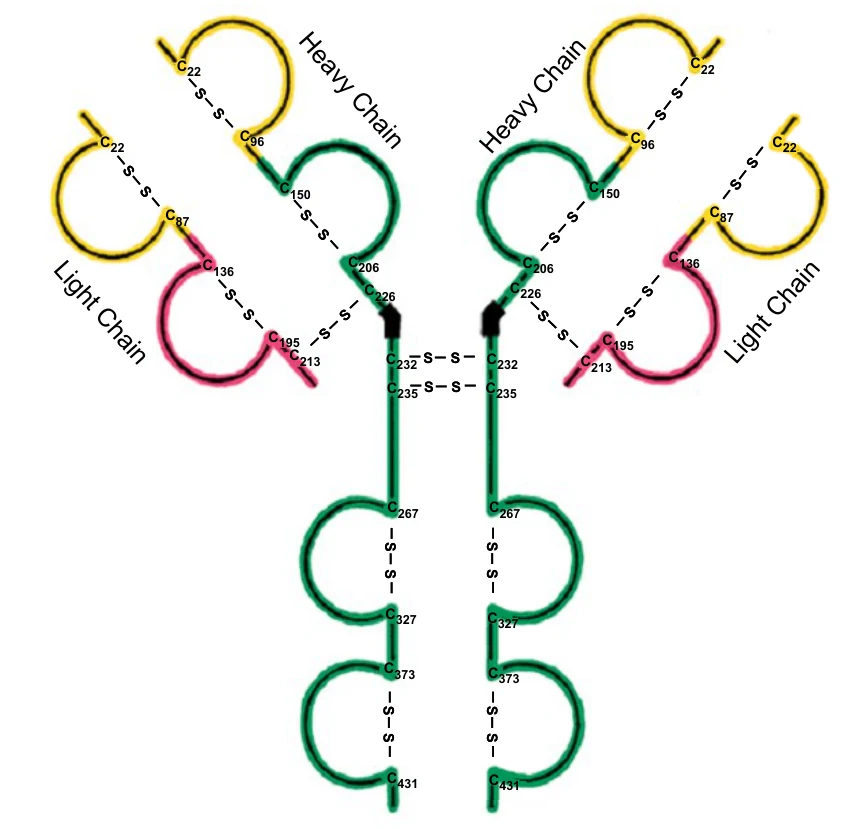


Physicochemical properties: Belimumab bulk drug substance is clear to opalescent, colorless to pale yellow solution with a concentration of approximately 105 mg/mL (for IV infusion) / 225 mg/mL (for SC injection) and an osmolality of approximately 333 mOsm/kg (for IV infusion) / 307 mOsm/kg (for SC injection) in a formulation buffer of pH 6.5(for IV infusion) / pH 6 (for SC injection).
Product Characteristics
Belimumab is produced by mammalian cells (NS0 mouse myeloma) in serum-free cell culture production medium. Belimumab is secreted into cell culture medium during cell culture production, recovered from the medium and purified using a series of chromatographic and filtration steps.
BENLYSTA for intravenous infusion consists of a sterile, lyophilized formulation in single-use vials to be reconstituted with sterile Water for Injection (WFI not supplied) for intravenous infusion. Upon reconstitution with sterile WFI, each vial contains 80 mg/mL solution of belimumab with formulation buffer (citric acid, sodium citrate, sucrose, polysorbate 80) in either 120 mg (5 mL) or 400 mg (20 mL) single-use vials.
BENLYSTA for subcutaneous injection consists of a clear to opalescent, colourless to pale yellow solution in a single-use, pre-filled glass syringe or autoinjector with 13 mm 27G stainless steel needle. Each pre-filled syringe or autoinjector delivers 200 mg belimumab (with L-arginine hydrochloride, L-histidine, L-histidine monohydrochloride, polysorbate 80, sodium chloride, water for injection) in 1 mL (200 mg/mL).
CLINICAL TRIALS
Intravenous Infusion
The safety and efficacy of BENLYSTA administered intravenously were evaluated in three randomized, double-blind, placebo-controlled studies including 2133 patients with SLE according to the American College of Rheumatology criteria (Study 1, 2, and 3; see Table 5); those patients with severe active lupus nephritis and severe active CNS lupus were excluded. Patients were stable on a standard of care SLE treatment regimen including any of the following (alone or in combination): corticosteroids, antimalarials, NSAIDS, and immunosuppressives. Use of other biologics and intravenous cyclophosphamide were not permitted.
Table 5 Summary of Patient Demographics for IV Clinical Trials in Patients with SLE
| Study # | Trial design | Dosage, route of administration and duration | Study subjects (n=number) | Mean age ± SD (Range) | Gender |
|---|---|---|---|---|---|
| Study 1 (LBSL02) | Dose ranging, multicentre, double-blind, parallel-group, placebo-controlled, randomized study | Treatment period (52 weeks): Belimumab (IV) 1 mg/kg 4 mg/kg 10 mg/kg or placebo; IV Extension period (24 weeks): Placebo to 10 mg/kg 1 to 1 mg/kg 1 to 10 mg/kg 4 to 4 mg/kg 4 to 10 mg/kg 10 to 10 mg/kg (every 28 days) | Treatment period N=114 N=111 N=111 N=113 Extension period N=88 N=19 N=65 N=24 N=64 N=85 | 42.2±11.2 (20-75) | Female: 419 (93.3%) |
| Study 1 Extension (BEL11262 6/LBSL99) | Multi-centre, open-label, continuation study | Belimumab 10 mg/kg IV (every 28 days); for up to 3970 days (median 3303 days) | N=298 10 mg/kg | 43 ± 11.6 (20-75) | Female: 276 (93.2%) |
| Study 2 (HGS1006-C1056)* | Multicentre, double-blind, placebo-controlled, randomized study | Belimumab 1 mg/kg or 10 mg/kg, or placebo; IV; primary endpoint assessed at 52 weeks, trial continued to 76 weeks | 1 mg/kg: N=271 10 mg/kg: N=273 Placebo: N=275 | 40.2 ± 11.5 (18-73) | Female: 764 (93.3%) |
| Study 2 Extension (BEL11223 3 / HGS1006-C1066) | Multi-centre, open-label continuation trial | Belimumab 1 mg/kg and/or 10 mg/kg IV (every 28 days); for up to 2908 days (median 2167 days) | N=268 1 mg/kg and/or 10 mg/kg | 43 ± 11.33 (21-72) | Female: 250 (93%) |
| Study # | Trial design | Dosage, route of administration and duration | Study subjects (n=number) | Mean age ± SD (Range) | Gender |
|---|---|---|---|---|---|
| Study 3 (HGS1006-C1057)* | Multicentre, double-blind, placebo-controlled, randomized study | 52 weeks | 1 mg/kg: N=288 10 mg/kg: N=290 Placebo: N=287 | 35.5 ± 11.1 (18-71) | Female: 821 (94.9%) |
| Study 3 Extension (BEL11223 4/HGS1006-C1074) | Multi-centre, open-label, continuation study | Belimumab 1 mg/kg and/or 10 mg/kg IV (every 28 days); for up to 2674 days (median 1740days) | N=504, 1 mg/kg and/or 10 mg/kg | 37.2 ± 11.2 (18-75) | Female: 695 (94.6%) |
*HGS1006-C1056 and HGS1006-C1057 are also referred to as BLISS-76 and BLISS-52, respectively
Study 1: BENLYSTA 1 mg/kg, 4 mg/kg, 10 mg/kg
Study 1 enrolled 499 patients and evaluated doses of 1, 4, and 10 mg/kg BENLYSTA plus standard of care compared with placebo plus standard of care over 52 weeks in patients with SLE. Patients had to have a SELENA-SLEDAI score >4 at baseline and a history of autoantibodies (anti-nuclear antibody (ANA) and/or anti-double-stranded DNA (anti-dsDNA), but 28% of the population was autoantibody negative at baseline. The co-primary endpoints were percent change in SELENA-SLEDAI score at week 24 and time to first flare over 52 weeks. No significant differences between any of the BENLYSTA groups and the placebo group were observed. Exploratory analysis of this study identified a group of patients (72%), who were autoantibody positive, and in whom BENLYSTA appeared to offer benefit. The results of this study informed the design of studies 2 and 3 and led to the selection of a target population and indication that is limited to autoantibody-positive SLE patients.
Studies 2 and 3: BENLYSTA 1 mg/kg, and 10 mg/kg
Eligible patients had active SLE disease, defined as a SELENA-SLEDAI score ≥6 and positive anti-nuclear antibody (ANA or anti-dsDNA) test results (ANA titre ≥1:80 and/or a positive anti-dsDNA [≥30 units/mL]) at screening. Patients were on a stable standard of care SLE treatment regimen consisting of any of the following (alone or in combination): corticosteroids, antimalarials, NSAIDs, and/or immunosuppressives. In the studies, patients were not required to be treated with each of these drugs; the choice of agent or agents was based on clinical judgment. Patients were excluded from the study if they had ever received treatment with any B-cell targeted agent; if they had received another biologic investigational agent in the previous year; or if they had a positive response to testing for HIV antibody, hepatitis B surface antigen, or hepatitis C antibody. The two studies were similar in design except that Study 2 was a 76-week study and Study 3 was a 52-week study, but in both studies the primary efficacy endpoint was determined at 52 weeks. 268 subjects from Study 2 entered an open label extension study for a median of 2167 days, receiving a median of 67 (± 26.4) BENLYSTA infusions.
Study 2 (HGS1006-C1056) was conducted primarily in North America and Western Europe. The racial distribution was 70% white/Caucasian, 14% black/African American, 13% Alaska native/American Indian, and 3% Asian; 21% of subjects were of Hispanic/Latino ethnicity.
Study 3 (HGS1006-C1057) was conducted in South America, Eastern Europe, Asia, and Australia. The racial distribution was 38% Asian, 26% white/Caucasian, 32% Alaska native/American Indian, and 4% black/African American; 49% of subjects were of Hispanic/Latino ethnicity.
The concurrent SLE medications allowed were controlled with provision for adjustments early in the trial and protocol outlined restrictions or prohibitions after specified study visits for each category of medication. This provision permitted subjects an opportunity to have their disease activity managed with medication adjustments optimized while minimizing unnecessary subject requests for withdrawal for lack of efficacy or mild disease flares.
Patient mean age across both studies was 38 years (range: 18 to 73 years), and the majority (94%) were female. Baseline concomitant medications included corticosteroids (Study 2:76%, Study 3: 96%), immunosuppressives (Study 2: 56%, Study 3: 42%; including azathioprine, methotrexate and mycophenolate), and antimalarials (Study 2: 63%, Study 3: 67%). Most patients (>70%) were receiving 2 or more classes of SLE medications.
In Study 2 and Study 3, more than 50% of patients had 3 or more active organ systems at baseline. The most common active organ systems at baseline based on SELENA SLEDAI were mucocutaneous (82% in both studies); immunologic (Study 2: 74%, Study 3: 85%); and musculoskeletal (Study 2: 73%, Study 3: 59%). Less than 16% of patients had some degree of renal activity and less than 7% of patients had activity in the vascular, cardio-respiratory, or CNS systems.
At screening, patients were stratified by disease severity based on their SELENA-SLEDAI score (<9 vs ≥10), proteinuria level (<2 g/24 hr vs ≥2 g/24 hr), and race (African or Indigenous-American descent versus other), and then randomly assigned to receive BENLYSTA™ 1 mg/kg, BENLYSTA™ 10 mg/kg, or placebo in addition to standard of care. The patients were administered study medication intravenously over a 1-hour period on Days 0, 14, 28, and then every 28 days for 48 weeks in Study 3 and for 72 weeks in Study 2.
The primary efficacy endpoint was a composite endpoint (SLE Responder Index) that defined response as meeting each of the following clinically relevant criteria at Week 52 compared with baseline:
- ≥4-point reduction in the SELENA-SLEDAI score, and
- no new British Isles Lupus Assessment Group (BILAG) A organ domain score or 2 new BILAG B organ domain scores, and
- no worsening (<0.30-point increase) in Physician’s Global Assessment (PGA) score.
The SLE Responder Index uses the SELENA-SLEDAI score as an objective measure of reduction in global disease activity; the BILAG index to ensure no significant worsening in any specific organ system; and the PGA to ensure that improvements in disease activity are not accompanied by worsening of the subject’s condition overall.
In both studies 2 and 3, the proportion of SLE patients achieving an SRI response, as defined for the primary endpoint, was significantly higher in the BENLYSTA 10 mg/kg group than in the placebo group. The effect on the SRI was not consistently significantly different for the BENLYSTA 1 mg/kg group relative to placebo in both trials. The 1 mg/kg dose is not recommended. The trends in comparisons between the treatment groups for the rates of response for the individual components of the endpoint were generally consistent with that of the SRI (Table 6). At week 76 in Study 2, the SRI response rate with BENLYSTA 10 mg/kg was not significantly different from that of placebo (39% and 32%, respectively).
The reduction in disease activity seen in the SRI was related primarily to improvement in the most commonly involved organ systems namely, mucocutaneous, musculoskeletal, and immunology.
Table 6 Clinical Response Rate in Patients with SLE After 52 Weeks of Treatment
| Response1 | Study 2 | Study 3 | ||||
|---|---|---|---|---|---|---|
Placebo + Standard of Care (n = 275) | BENLYSTA 1 mg/kg + Standard of Care2 (n = 271) | BENLYSTA 10 mg/kg + Standard of Care (n = 273) | Placebo + Standard of Care (n = 287) | BENLYSTA 1 mg/kg + Standard of Care2 (n = 288) | BENLYSTA 10 mg/kg + Standard of Care (n = 290) | |
| SLE Responder Index | 34% | 41% (p = 0.104) | 43% (p = 0.021) | 44% | 51% (p = 0.013) | 58% (p < 0.001) |
| Odds Ratio (95% CI) vs. placebo | 1.3 (0.9, 1.9) | 1.5 (1.1, 2.2) | 1.6 (1.1, 2.2) | 1.8 (1.3, 2.6) | ||
| Components of SLE Responder Index | ||||||
| Percent of patients with reduction in SELENA-SLEDAI ≥4 | 36% | 43% | 47% | 46% | 53% | 58% |
| Percent of patients with no worsening by BILAG index | 65% | 75% | 69% | 73% | 79% | 81% |
| Percent of patients with no worsening by PGA | 63% | 73% | 69% | 69% | 79% | 80% |
1Patients dropping out of the study early or experiencing certain increases in background medication were considered as failures in these analyses. In both studies, a higher proportion of placebo patients were considered as failures for this reason as compared to the BENLYSTA groups.
2The 1 mg/kg dose is not recommended.
There were too few males or patients over 65 years of age enrolled in the controlled clinical trials to draw meaningful conclusions about the effects of gender or age, on clinical outcomes.
Effect in Black/African Patients
Exploratory subgroup analyses of SRI response rate in patients of black race were performed. In Study 2 and Study 3 combined, the SRI response rate in black patients (N=148) in the BENLYSTA groups was less than that in the placebo group (22/50 or 44% for placebo, 15/48 or 31% for BENLYSTA 1 mg/kg, and 18/50 or 36% for BENLYSTA 10 mg/kg). In Study 1, black patients (N=106) in the BENLYSTA groups did not appear to have a different response than the rest of the study population. Although no definitive conclusions can be drawn from these subgroup analyses, caution should be used when considering BENLYSTA treatment in SLE patients of black African heritage since efficacy has not been clearly established.
Effect on Concomitant Steroid Treatment
In Study 2 and Study 3, 46% and 69% of patients, respectively, were receiving prednisone at doses > 7.5 mg/day at baseline. The proportion of patients able to reduce their average prednisone dose by at least 25% to ≤7.5 mg/day during Weeks 40 through 52 was not consistently significantly different for BENLYSTA relative to placebo in both studies. In Study 2, 17% of patients receiving BENLYSTA 10 mg/kg and 19% of patients receiving BENLYSTA 1 mg/kg achieved this level of steroid reduction compared with 13% of patients receiving placebo. In Study 3, 19%, 21%, and 12% of patients receiving BENLYSTA 10 mg/kg, BENLYSTA 1 mg/kg, and placebo, respectively, achieved this level of steroid reduction.
Effect on Severe SLE Flares
The probability of experiencing a severe SLE flare, as defined by a modification of the SELENA Trial flare criteria which excluded severe flares triggered only by an increase of the SELENA-SLEDAI score to >12, was calculated for both Studies 2 and 3. The proportion of patients having at least 1 severe flare over 52 weeks was not consistently significantly different for BENLYSTA relative to placebo in both studies. In Study 2, 18% of patients receiving BENLYSTA 10 mg/kg and 16% of patients receiving BENLYSTA 1 mg/kg had a severe flare compared with 24% of patients receiving placebo. In Study 3, 14%, 18%, and 23% of patients receiving BENLYSTA 10 mg/kg, BENLYSTA 1 mg/kg and placebo, respectively, had a severe flare.
Effect in Higher Disease Activity
Univariate and multivariate analysis of the primary endpoint in pre-specified subgroups demonstrated that the greatest benefit was observed in patients with higher disease activity including patients with SELENA SLEDAI scores ≥ 10, patients requiring steroids to control their disease, and patients with low complement levels.
Post-hoc analysis has identified high responding subgroups such as those patients with low complement and positive anti-dsDNA at baseline, see Table 7. Of these patients, 64.5% had SELENA SLEDAI scores ≥ 10 at baseline.
Table 7 Patients with low complement and positive anti-dsDNA at baseline
| Subgroup | Anti-dsDNA positive AND low complement | ||||
|---|---|---|---|---|---|
| BLISS-76 and BLISS-52 pooled data | Placebo (n=287) | BENLYSTA 10 mg/kg (n=305) | |||
SRI response rate at Week 52 (%) Observed treatment difference vs placebo (%) | 31.7 | 51.5 (p<0.0001) 19.8 | |||
SRI response rate (excluding complement and anti-dsDNA changes) at Week 52 (%) Observed treatment difference vs placebo (%) | 28.9 | 46.2 (p<0.0001) 17.3 | |||
Severe flares over 52 weeks Patients experiencing a severe flare (%) Observed treatment difference vs placebo (%) Time to severe flare [Hazard ratio (95% CI)] | 29.6 | 19.0 10.6 0.61 (0.44, 0.85) (p=0.0038) | |||
FACIT-fatigue score improvement from baseline at Week-52 (mean) Observed treatment difference vs placebo (mean difference) | 1.99 | 4.21(p=0.0048) 2.21 | |||
| BLISS-76 Study only | Placebo (n=131) | BENLYSTA 10 mg/kg (n=134) | |||
SRI response rate at Week-76 (%) Observed treatment difference vs placebo (%) | 27.5 | 39.6 (p=0.0160) 12.1 | |||
* Among patients with baseline prednisone dose >7.5 mg/day
Subcutaneous injection
The safety and efficacy of BENLYSTA administered subcutaneously were evaluated in a randomized, double-blind, placebo-controlled study including 836 patients with SLE according to the American College of Rheumatology criteria. Patients were randomised in a 2:1 ratio to receive BENLYSTA 200 mg or placebo subcutaneously once weekly for 52 weeks (Study 4, see Table 8).
Table 8 Summary of Patient Demographics for Subcutaneous Clinical Trial in Patients with SLE
| Study # | Trial design | Dosage, route of administration and duration | Study subjects (n=number) | Mean age ± SD (Range) | Gender |
|---|---|---|---|---|---|
| Study 4 (HGS1006-C1115; BEL11234) | Multicentre, double-blind, placebo-controlled, randomized study | 200 mg in 1mL pre-filled syringe, weekly subcutaneous dosing, 52 weeks. | N=836 BENLYSTA®: n=556 Placebo: n=280 | 39± (12.29) (18-77) | Female: 789 (94.4%) |
The trial was conducted in the US, South America, Europe and Asia.
Patients were stable on a standard of care SLE treatment regimen including any of the following (alone or in combination): corticosteroids (86%), antimalarials (69%), NSAIDS, and immunosuppressives (46%; including azathioprine, methotrexate, and mycophenolate). In some countries, treatment with a B-cell-targeted agent was permitted if received a year or more prior to baseline, otherwise, treatment with a B-cell-targeted agent was not permitted. Patients were excluded from the trial if they were currently receiving other biologic agents. Anti-tumor necrosis factor therapy, intravenous cyclophosphamide, interleukin-1 receptor antagonist, intravenous immunoglobulin (IVIG), prednisone >100 mg/day, and plasmapheresis were not permitted within the previous 3 months or during the trial.
Patients had to have a Safety of Estrogens in Lupus Erythematosus National Assessment-Systemic Lupus Erythematosus Disease Activity Index (SELENA-SLEDAI) score of ≥8 and positive autoantibody test (anti-nuclear antibody [ANA] and/or anti-double-stranded DNA [anti-dsDNA]) results at screening.
Patients were excluded from the study if they had severe active central nervous system lupus or severe active lupus nephritis, or if they had a positive response to testing for HIV antibody, hepatitis B surface antigen, or hepatitis C antibody. The primary efficacy endpoint was a composite endpoint (SLE Responder Index or SRI) that defined response as meeting each of three criteria (SELENA-SLEDAI, Physician’s Global Assessment, BILAG) at Week 52 compared with baseline (see detail presented in the intravenous section above).
Secondary efficacy endpoints included time to first severe flare (as measured by the modified SLE Flare Index) and the proportion of subjects whose average prednisone dose has been reduced by ≥25% from baseline to ≤7.5 mg/day during weeks 40 through 52. A health outcomes endpoint included mean change in the Functional Assessment of Chronic Illness Therapy (FACIT)-Fatigue Scale score at week 52.
Patient median age was 37 years (range: 18 to 77 years), and the majority (94.4%) were female. More than 50% of patients had 3 or more active organ systems at baseline. The most common active organ systems at baseline based on SELENA-SLEDAI were mucocutaneous (87.9%), musculoskeletal (78.5%), and immunologic (75.7%). Overall, 11.8% of patients had some degree of renal activity and less than 15% of patients had activity in the vascular (7.7%), cardio-respiratory (5.6%), or CNS systems (1.1%). Patients were stratified by disease severity based on their SELENA-SLEDAI score (≤9 and ≥10), complement level (C3 and/or C4 low vs. other), and race (black vs. other), and then randomly assigned to receive BENLYSTA 200 mg subcutaneously weekly or placebo in addition to standard therapy. Baseline concomitant medications included corticosteroids (86%), antimalarials (69%), and immunosuppressives (46% including azathioprine, methotrexate, and mycophenolate). Most patients (approximately 80%) were receiving 2 or more classes of SLE medications.
The proportion of patients achieving an SRI response was statistically significantly higher in patients receiving BENLYSTA subcutaneously compared with placebo. The rates of response for the individual components of the endpoint were consistent with that of the SRI and all 3 were statistically significantly higher in patients receiving BENLYSTA (Table 9).
Table 9 Clinical Response Rate in Patients with SLE after 52 Weeks of Treatment
| Response | Placebo + Standard of Care (n = 279) | BENLYSTA + Standard of Care (n = 554) |
|---|---|---|
| SLE Responder Indexa | 48.4 | 61.4 P = 0.0006 |
Odds Ratio (95% CI) vs. placebo | 1.68 (1.25, 2.25) | |
| Components of SLE Responder Index | ||
| Percent of patients with reduction in SELENA-SLEDAI ≥4 | 49.1% | 62.3% P = 0.0005 |
Odds Ratio (95% CI) vs. placebo | 1.69 (1.26, 2.27) | |
| Percent of patients with no worsening by PGA | 72.8% | 81.2% P = 0.0061 |
Odds Ratio (95% CI) vs. placebo | 1.61 (1.15, 2.27) | |
| Percent of patients with no worsening by BILAG index | 74.2% | 80.9% P = 0.0305 |
Odds Ratio (95% CI) vs. placebo | 1.46 (1.04, 2.07) | |
a Patients dropping out of the trial early or experiencing certain increases in background medication were considered as failures in these analyses. A higher proportion of placebo patients were considered as failures for this reason as compared with the groups receiving BENLYSTA.
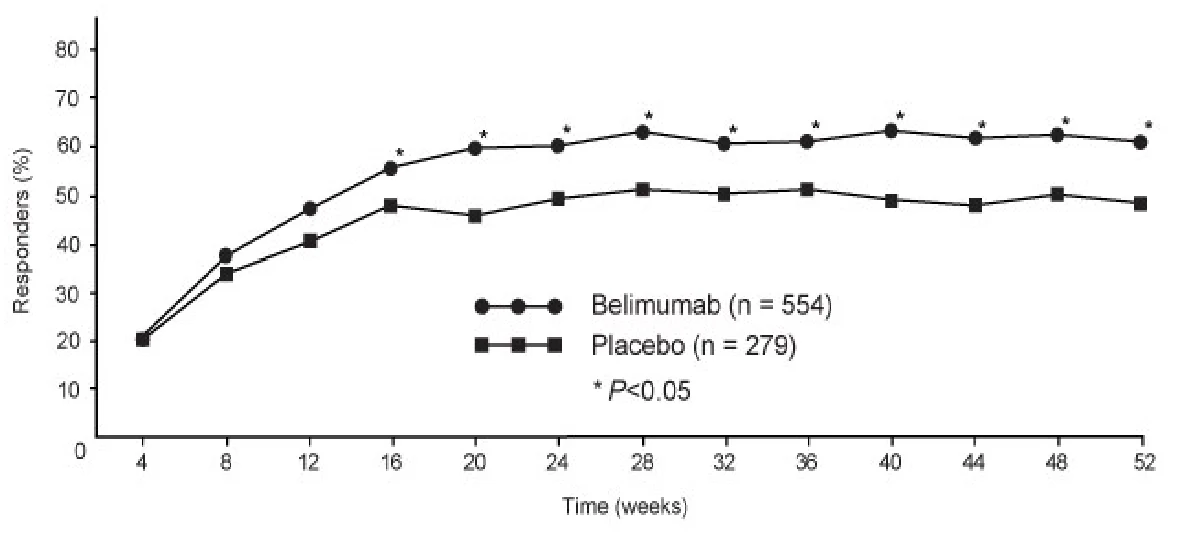
The reduction in disease activity seen in the SRI was related primarily to improvement in the most commonly involved organ systems namely, mucocutaneous, musculoskeletal, immunologic, and vascular. Statistically significant differences in the SRI response were observed by week 16 and sustained through week 52 (Figure 1).
Figure 1 Proportion of SRI Responders by Visit
 Effect on Severe SLE Flares
A severe flare in SLE was defined by the modified SELENA SLEDAI SLE Flare Index where the modification excludes severe flares that are triggered only by an increase of the SELENA SLEDAI score to >12. The proportion of patients reporting at least 1 severe flare during the study was lower in patients treated with BENLYSTA (10.6%) compared with those receiving placebo (18.2%). Patients treated with BENLYSTA had a 49% lower risk of experiencing at least 1 severe flare during the 52 weeks of observation, relative to the patients receiving placebo (HR = 0.51 [95% CI: 0.35, 0.74]; P =0.0004). Of the patients experiencing a severe flare, the median time to the first severe flare was delayed in patients receiving BENLYSTA compared with placebo (171 days vs.118 days).
Effect on Concomitant Steroid Treatment
At baseline, 60% of patients in both groups were receiving prednisone at doses >7.5 mg/day (or equivalent). Among these patients, 18.2% of patients receiving BENLYSTA were able to reduce their average prednisone dose by at least 25% to ≤7.5 mg/day during Weeks 40 through 52 compared with 11.9% of patients on placebo (OR = 1.65 [95% CI: 0.95, 2.84]; P = 0.0732). Regardless of baseline prednisone dose, fewer patients in the BENLYSTA treatment group than the placebo group had increases in prednisone at week 52 (OR=0.55 [95% CI: 0.34-0.87]; P = 0.0117); this difference was statistically significant starting from Week 20 to Week 52, with the exception of Week 32.
Effect on Fatigue
BENLYSTA demonstrated improvement in fatigue compared with placebo as measured by the FACIT Fatigue Scale score. The mean improvement in FACIT-Fatigue Scale score from baseline to week 52 was significantly greater with BENLYSTA (4.4) compared with placebo (2.7); (P=0.0130). Among patients receiving BENLYSTA, 44.4% of patients experienced improvement in FACIT-Fatigue Scale score exceeding the minimally important clinical difference (improvement greater than or equal to 4) at week 52 compared with 36.1% of patients receiving placebo (P=0.0245).
Effect in Higher Disease Activity
Subgroup analysis of the primary endpoint demonstrated that the greatest benefit was observed in patients with higher disease activity at baseline, including patients with SELENA SLEDAI scores greater than or equal to 10 or patients requiring steroids to control their disease or patients with low complement levels.
An additional, previously identified serologically active group, those patients with low complement and positive anti-dsDNA at baseline, also demonstrated a greater relative response to BENLYSTA, see Table 10.
Table 10 Patients with low complement and positive anti-dsDNA at baseline
| Subgroup | Anti-dsDNA positive AND low complement | |||
| Subcutaneous Trial Data | Placebo | BENLYSTA 200 mg SC weekly | ||
SRI response rate at Week 52 (%) Observed treatment difference vs placebo (%) | n=108 47.2 | n=246 64.6 (P=0.0014) 17.41 | ||
Severe flares over 52 weeks: Patients experiencing a severe flare (%) Observed treatment difference vs placebo (%) Time to severe flare [Hazard ratio (95% CI)] | (n=108) 31.5 | (n=248) 14.1 17.4 0.38 (0.24, 0.61) (P=< 0.0001) | ||
FACIT-fatigue score improvement from baseline at Week-52 (mean): Observed treatment difference vs placebo (median difference) | (n=108) 2.4 | (n=248) 4.6 (P=0.0324) 2.1 | ||
DETAILED PHARMACOLOGY
B Lymphocyte Stimulator (BLyS)
Belimumab specifically binds to soluble B Lymphocyte Stimulator (BLyS) protein and blocks the binding of soluble BLyS to its receptors expressed on B-cells. Administration of recombinant human BLyS in mice results in increased representation of splenic B lymphocytes and elevated immunoglobulin (Ig) concentrations, specifically IgA, IgG and IgM. Mice transgenic for BLyS develop autoimmune phenotypes including elevated anti-dsDNA (double stranded DNA) antibody titers, proteinuria, and glomerulonephritis. Similarly, BLyS levels have been shown to be elevated in the serum of patients with autoimmune diseases such as systemic lupus erythematosus (SLE).
The detailed pharmacology of belimumab dosed via IV infusion or SC injection is similar, after taking into account the different routes of administration.
Pharmacodynamics
Belimumab has been shown to bind soluble BLyS with an approximate 250 pM affinity but does not recognize membrane-bound BLyS. Moreover, belimumab binds cynomolgus monkey and human BLyS with nearly identical affinities, and has similar pharmacologic effects in monkeys and humans.
In repeat-dose toxicology studies in the cynomolgus monkey, reduction of B-cells was the primary pharmacologic effect of belimumab. In monkeys, reductions in B cells were observed in lymphoid tissues by Week 4 and in peripheral blood B-cells by Week 13 of treatment. Recovery in peripheral B lymphocytes was generally observed to begin approximately 13 weeks after the cessation of treatment and was nearly complete or complete by 32 or 52 weeks (see Table 15).
In a long-term uncontrolled extension study, B-cells (including naïve, activated, plasma cells and the SLE B-cell subset) and IgG levels were followed for more than 7 years with ongoing treatment. A substantial and sustained decrease in various B-cell subsets was observed leading to median reductions of 87% in naive B-cells, 67% in memory B-cells, 99% in activated B-cells, and 92% in plasma cells after more than 7 years of treatment. After about 7 years, a 28% median reduction in IgG levels was observed with 1.6% of subjects experiencing a decrease in IgG levels to below 400 mg/dL. Over the course of the study, the reported incidence of AEs generally remained stable or declined
Safety Pharmacology
Belimumab has demonstrated high specificity for its target. No binding of belimumab was detected in any human or cynolgus monkey tissue tested in a GLP tissue cross reactivity study. Safety pharmacology endpoints were included in the 4 week and 6 month toxicology studies in cynomolgus monkeys, as well as neurobehavioural assessments in infants in the monkey maternal, fetal and neonatal reproductive toxicology study. No belimumab related adverse effects were noted on cardiovascular or renal endpoints at doses up to 50 mg/kg. Although no formal assessments of effects on central nervous or respiratory systems were undertaken, no treatment-related changes in these parameters were noted in the repeat dose toxicology studies at doses up to 50 mg/kg and no neurobehavioral changes were noted in infant monkeys in a reproductive toxicology study (see Table 15).
Pharmacokinetics
Nonclinical
The nonclinical studies demonstrated that belimumab PK were dose proportional over the 5-150 mg/kg range of doses tested and remained consistent after multiple intravenous doses. Mean steady-state volumes of distribution (Vss) in monkeys ranged from 66-126 mL/kg, which is less than the extracellular fluid volume (~170-210 mL/kg including plasma), indicating that belimumab localizes primarily in the plasma compartment and the interstitial fluid spaces of more permeable tissues. Similar results were observed in the PK study conducted in SLE subjects. CL values in humans and monkeys were similar, ranging from 5.5-7.2 mL/day/kg in monkeys compared to 5.6-7.3 mL/kg/day in humans. These CL values are much lower than the glomerular filtration rate (~3000 mL/kg/day), indicating little clearance of belimumab by renal routes. In monkeys, the terminal half-life of belimumab ranged from 7-16 days which was similar to the 8.5-14 day-terminal half-life observed in subjects with SLE. Overall, the PK of belimumab was characteristic of that expected for a human monoclonal antibody.
Belimumab PK was also assessed in a reproductive toxicology study in cynomolgus monkeys, which demonstrated belimumab exposure was as expected based on studies in non-pregnant monkeys.
Clinical
Intravenous Infusion
The pharmacokinetics of BENLYSTA administered intravenously in SLE patients were evaluated in four studies. The pharmacokinetics (PK) of belimumab after single or double dose (spaced 21 days apart) in humans was characterized in the Phase I study LBSL01 using serial sampling. Subsequent Phase II (LBSL02) and Phase III studies (HGS1006-C1056, HGS1006-C1057) also included evaluation of belimumab serum concentrations using a sparse sampling approach. In the Phase I and II studies, BENLYSTA was infused over a 2-hour period. In the Phase III studies, the commercial formulation was infused over a 1-hour period and the data from these studies is therefore considered relevant to the recommended dosage and administration (see Part I, DOSAGE AND ADMINISTRATION). Table 11, Table 12, Figure 2 and Figure 3 summarize the PK parameters obtained by compartmental analysis in study LBSL01 for single and double dose cohorts, respectively. Table 13 summarizes the peak and trough concentrations observed in the Phase II and Phase III studies.
Table 11 Mean (± SD) PK parameters following a single IV dose of belimumab at 1, 4, 10 and 20 mg/kg given as a 2-hour intravenous infusion, in the Phase I study
Cohort 1 1 mg/kg (n = 7) | Cohort 2 4 mg/kg (n = 7) | Cohort 3 10 mg/kg (n = 7) | Cohort 4 20 mg/kg (n = 6) | |||||||
|---|---|---|---|---|---|---|---|---|---|---|
| Cmax (µg/mL) | 22.3 ± 4.2 | 81.2 ± 24.6 | 192.4 ± 34.9 | 523.9 ± 293.7 | ||||||
| AUC0-∞ (day•µg/mL) | 156 ± 46 | 629 ± 258 | 1510 ± 315 | 3384 ± 1424 | ||||||
| t1/2,α (day) | 0.96 ± 0.61 | 1.49 ± 0.76 | 1.84 ± 0.89 | 1.27 ± 0.43 | ||||||
| t1/2,β (day) | 8.46 ± 2.21 | 9.88 ± 2.18 | 10.63 ± 2.89 | 11.34 ± 3.02 | ||||||
| V1 (mL/kg) | 44.90 ± 7.12 | 52.69 ± 18.59 | 52.91 ± 10.20 | 53.17 ± 40.89 | ||||||
| Vss (mL/kg) | 73.29 ± 13.64 | 82.33 ± 22.31 | 86.30 ± 16.77 | 111.67 ± 95.72 | ||||||
| CL (mL/day/kg) | 7.15 ± 3.18 | 7.20 ± 2.48 | 6.90 ± 1.57 | 7.33 ± 4.38 | ||||||
| MRT (day) | 11.13 ± 3.08 | 12.18 ± 3.22 | 13.03 ± 3.59 | 14.01 ± 4.17 | ||||||
| Abbreviations: Cmax, maximum serum drug concentration; AUC0-∞, area under the serum drug concentration-time curve from time 0 to infinite time; t1/2,α, half-life for the distribution phase; t1/2,β, elimination half-life for the terminal phase; V1, volume of distribution for the central compartment; Vss, volume of distribution at steady-state; CL, clearance; MRT, mean residence time. Parameters obtained through compartmental analysis. | ||||||||||
Figure 2 Mean (± SD) serum concentrations in subjects administered a single dose of belimumab at 1, 4, 10 or 20 mg/kg intravenously by a 2-hour infusion
Table 12 Mean (± SD) PK parameters following 2 IV doses of belimumab at 1, 4, 10 and 20 mg/kg given as a 2-hour IV infusion, 21 days apart, in the Phase I study
Cohort 5 1 mg/kg (n = 6) | Cohort 6 4 mg/kg (n = 7) | Cohort 7 10 mg/kg (n = 7) | Cohort 8 20 mg/kg (n = 6) | |||||||
|---|---|---|---|---|---|---|---|---|---|---|
| Cmax (µg/mL) | 20.6 ± 3.0 | 105.4 ± 28.0 | 240.7 ± 41.7 | 368.1 ± 93.5 | ||||||
| AUC0-∞ (day•µg/mL) | 148 ± 30 | 729 ± 145 | 1849 ± 355 | 3221 ± 781 | ||||||
| t1/2,α (day) | 1.87 ± 0.99 | 1.23 ± 0.65 | 1.03 ± 0.48 | 2.21 ± 1.84 | ||||||
| t1/2,β (day) | 9.67 ± 1.33 | 9.91 ± 2.99 | 9.64 ± 2.20 | 14.13 ± 5.31 | ||||||
| V1 (mL/kg) | 48.95 ± 8.26 | 39.61 ± 11.00 | 41.83 ± 7.63 | 56.60 ± 15.02 | ||||||
| Vss (mL/kg) | 76.45 ± 19.64 | 69.82 ± 22.72 | 69.21 ± 13.59 | 102.11 ± 30.40 | ||||||
| CL (mL/day/kg) | 7.00 ± 1.38 | 5.68 ± 1.11 | 5.57 ± 1.02 | 6.52 ± 1.54 | ||||||
| MRT (day) | 10.97 ± 1.86 | 12.47 ± 4.07 | 12.65 ± 2.66 | 16.06 ± 4.15 | ||||||
| Abbreviations: Cmax, maximum serum drug concentration; AUC0-∞, area under the serum drug concentration-time curve from time 0 to infinite time; t1/2,α, half-life for the distribution phase; t1/2,β, elimination half-life for the terminal phase; V1, volume of distribution for the central compartment; Vss, volume of distribution at steady-state; CL, clearance; MRT, mean residence time. Parameters obtained through compartmental analysis. | ||||||||||
Figure 3 Mean (± SD) serum concentrations in subjects administered 2 doses of belimumab at 1, 4, 10 or 20 mg/kg intravenously by a 2-hour infusion, 21 days apart
| Table 13 Mean observed peak and trough belimumab concentrations from Phase II and Phase III intravenous studies in SLE (%CV, number of subjects shown in parentheses) | ||||||||||
|---|---|---|---|---|---|---|---|---|---|---|
| Dose Group | ||||||||||
| PK Parameter | 1 mg/kg | 10 mg/kg | ||||||||
| Day 14 peak concentration (µg/mL) | ||||||||||
| Phase II (LBSL02) | 27.2 (35.0%, N=106) | 246 (30.5%, N=103) | ||||||||
| Phase III (C1056) | 32.6 (38.0%, N=222) | 335 (38.4%, N=221) | ||||||||
| Phase III (C1057) | 32.9 (63.5%, N=256) | 342 (31.3%, N=265) | ||||||||
| Steady-State peak concentration (µg/mL) | ||||||||||
| Phase II (LBSL02) | NA | NA | ||||||||
| Phase III (C1056) | 30.0 (36.8%, N=207) | 335 (36.6%, N=205) | ||||||||
| Phase III (C1057) | 31.5 (111.5%, N=248) | 333 (33.3%, N=253) | ||||||||
| Day 56 trough concentration (µg/mL) | ||||||||||
| Phase II (LBSL02) | 2.45 (73.9%, N=74) | 34.9 (95.4%, N=83) | ||||||||
| Phase III (C1056) | 6.27 (91.0%, N=204) | 70.07 (74.5%, N=196) | ||||||||
| Phase III (C1057) | 4.72 (86.8%, N=231) | 56.0 (70.4%, N=228) | ||||||||
| Steady-State trough concentration (µg/mL) | ||||||||||
| Phase II (LBSL02) | 2.26 (78.1%, N=84) | 29.3 (57.3%, N=87) | ||||||||
| Phase III (C1056) | 5.47 (71.2%, N=189) | 72.0 (59.4%, N=199) | ||||||||
| Phase III (C1057) | 3.75 (80.3%, N=186) | 54.8 (52.4%, N=187) | ||||||||
| Abbreviations: NA, not assessed; CV, coefficient of variation (ratio of standard deviation to mean) | ||||||||||
In the population PK analysis including data from these four studies and a total of 1603 subjects, belimumab PK were well described with a linear 2-compartment model with clearance from the central compartment (see Table 4 for population parameters).
The individual PK parameters for subjects receiving 10 mg/kg in the Phase III intravenous studies were estimated as part of the population PK analysis and are summarized in Table 14.
| Table 14 Summary of individual Belimumab PK parameters (N = 563) for intravenous Phase III studies | ||||
| PK Parameters | Geom. Mean (%CV, Range) | |||
| CL (mL/day) | 232 (34.4%, 68.82-622.64) | |||
| Cmin (µg/mL) | 46.1 (63.9%, 3.86-222) | |||
| Cmax (µg/mL) | 311 (21.3%, 173-573) | |||
| AUC0- ∞ (day·µg/mL) | 2811 (38.7%, 954-8627) | |||
| t1/2,α (days) | 1.68 (12.9%, 0.75-2.57) | |||
| t1/2,β (days) | 18.0 (28.1%, 6.3-39.6) | |||
| Vss (mL) | 5216 (12.5%, 2163-8653) | |||
| Abbreviations: CV, coefficient of variation (ratio of untransformed standard deviation and geometric mean); CL, systemic clearance; Cmin, minimum serum drug concentration; Cmax, maximum serum drug concentration; AUC0-∞, area under the serum drug time-concentration curve from time 0 to infinite time; t1/2,α, distribution half-life (α phase); t1/2,β, terminal half-life (β phase); Vss, volume of distribution at steady-state. | ||||
TOXICOLOGY
Nonclinical data revealed no special hazard for humans based on studies of repeat dose toxicity and reproductive toxicology.
Intravenous and subcutaneous administration to monkeys resulted in the expected reduction in number of peripheral and lymphoid tissue B-cell counts with no associated toxicological findings (see Table 15).
Reproductive studies have been performed in pregnant cynomolgus monkeys receiving belimumab 150 mg/kg by intravenous infusion (approximately 9 times the anticipated maximum human clinical exposure) every 2 weeks for up to 21 weeks, and belimumab treatment was not associated with direct or indirect harmful effects with respect to maternal toxicity, developmental toxicity, or teratogenicity. Treatment-related findings were limited to the expected reversible reduction of B-cells in both dams and infants and reversible reduction of IgM in infant monkeys. B-cell numbers recovered after the cessation of belimumab treatment by about 1 year post-partum in adult monkeys and by 3 months of life in infant monkeys; IgM levels in infants exposed to belimumab in utero recovered by 6 months of age (see Table 15).
No genotoxicity studies were conducted. BENLYSTA is a monoclonal antibody and is not expected to interact directly with DNA or other chromosomal material.
No carcinogenicity studies have been conducted with BENLYSTA. A traditional rodent carcinogenicity study cannot be conducted due to rapid formation of anti-drug-antibodies to both BENLYSTA and an anti-mouse BLyS homologue in rodents. A study in BLyS knockout mice for pre-neoplastic changes would not be a representative model as mice deficient in BLyS, or the main BLyS receptor B3, have severely depleted numbers of peripheral B-cells while BENLYSTA treatment in humans reduces peripheral B-cell populations by 50% but does not deplete them. No proliferative and or pre-neoplastic changes were reported in the 6 month repeat dose study with BENLYSTA in monkeys.
No standard fertility studies have been conducted with BENLYSTA. It is recognized that a standard fertility study in monkeys (the only relevant species) is not practical to conduct. However, potential for effects on male and female fertility were assessed by evaluation of the reproductive tract (organ weights and histopathological evaluation) in the 6 month repeat dose study in male and female cynomolgus monkeys receiving BENLYSTA and revealed no gross or microscopic findings to suggest any effects of BENLYSTA on the reproductive system.
Table 15 Summary of Toxicology Findings with BENLYSTA
| Study ID | Species/ Dose/(mg/kg)/ Route | Study Design | Findings / Conclusion |
|---|---|---|---|
| Short Term Repeat Dose Studies | |||
| Dose Finding Toxicity Study of BENLYSTA Administered by Intravenous (IV) Injection to Non-Pregnant Female Cynomolgus Monkeys | Cynomolgus monkey Doses: 121 mg/kg, 97 mg/kg, 125 mg/kg Route: IV (bolus) | 3 females only; duration of study: 15 days; Day 1: 121 mg/kg; Day 4: 97 mg/kg; Day 15: 125 mg/kg | There were no findings indicative of an adverse effect of BENLYSTA The NOAEL is >125mg/kg. |
| A 4 Week Repeat Dose Toxicity Study of BENLYSTA Administered by Intravenous Injection to Cynomolgus Monkeys, with a 4 Week Recovery Period | Cynomolgus monkey Doses: 0 (vehicle control), 5, 15, 50 mg/kg Dosing: Weekly Route: IV (bolus) | 5/sex/dose group 3/sex/group necropsied 4 weeks after treatment; remaining 2/sex/group necropsied after 4 weeks of treatment followed by 4 weeks of recovery period | In all BENLYSTA -treated dose groups: A reduction of B cells in spleen and/or mesenteric lymph node, the expected pharmacological effect of treatment with BENLYSTA, was noted. There was no significant difference in the absolute numbers of peripheral blood mononuclear cell (PBMC) populations (total lymphocytes, B lymphocyte subsets, T lymphocyte subsets or monocytes) at the end of treatment or at the end of the recovery phase. An increase in T cells was observed and is considered to be secondary to the decreases in B lymphocyte populations. Minimal to mild thyroid follicular epithelial degeneration was noted in 1 out of 10 and 5 out of 10 BENLYSTA-treated monkeys at 5 and 50 mg/kg, respectively. A possible treatment relationship could not be excluded; however, similar findings were not observed in the 6 month repeat dose study. At 50 mg/kg BENLYSTA dose group: Splenic abscess (1 out of 10) and necrotizing granuloma (1 out of 10) were noted. These findings may have been associated with infection, and possible treatment relationship could not be excluded. In the subsequent 6 month repeat dose study, similar findings were not observed, confirming the view that the observations in the 4 week study were not treatment-related. The NOAEL is >50 mg/kg. |
| Study ID | Species/ Dose/(mg/kg)/ Route | Study Design | Findings / Conclusion |
|---|---|---|---|
| Long Term Repeat Dose Study | |||
| A 6 Month Toxicity Study of BENLYSTA Administered Bi-Weekly by Intravenous Injection to Cynomolgus Monkeys, with an 8 Month Recovery Period | Cynomolgus monkey Doses: 0 (vehicle control), 5, 15, 50 mg/kg Dosing: Every 14 days Route: IV (bolus) | 6/sex at 0 mg/kg and 8/sex/dose group at all BENLYSTA treatment groups; 2/sex/group at 0 mg/kg and 3/sex/group at all BENLYSTA dose groups necropsied 13 weeks after treatment initiation; 2/sex/group at 0 mg/kg and 3/sex/group at all BENLYSTA dose groups necropsied 26 weeks after treatment intiation; 2/sex/group at 0 mg/kg and 3/sex/group at all BENLYSTA dose groups necropsied after 26 weeks of treatment followed by 8 month (Week 60) recovery period | In all BENLYSTA-treated dose groups: A reduction of B cells in spleen and/or mesenteric lymph node (MLN), the expected pharmacological effect of treatment with BENLYSTA, was noted at Weeks 13 and 26. The B lymphocyte reductions in the spleen and MLN resolved by the end of the recovery period. Also, a reduction in peripheral blood B cells was noted after 13 weeks of treatment in the 15 and 50 mg/kg groups and in all groups by Week 26. The reduction in B cells persisted into the recovery period through Week 39 followed by a trend for recovery of peripheral blood B lymphocytes back to baseline levels at Week 45, which continued through to the end of the recovery period. Consistent with the pharmacologic effect of BENLYSTA, there was a reduction in spleen weights at Week 26. In addition, at Week 13, microscopic changes attributed to BENLYSTA administration consisted of decreased lymphoid follicle size and/or number in the spleen. A reduction in the size and/or number of lymphoid follicles in the spleen and mesenteric lymph node was also evident in the BENLYSTA-treated animals at Week 26. These effects correlated with decreases in splenic and MLN B lymphocytes at Weeks 13 and 26, as well as reduced splenic weights at Week 26. These changes, as well as splenic mesenteric B lymphocyte reductions, resolved by the end of the recovery period. The NOAEL is >50 mg/kg. |
| Study ID | Species/ Dose/(mg/kg)/ Route | Study Design | Findings / Conclusion |
|---|---|---|---|
| Reproductive and Developmental Toxicity Studies | |||
| Maternal, Fetal and Neonatal Toxicity Study of BENLYSTA Administered Bi-Weekly by Intravenous (Bolus) Injection to Pregnant Cynomolgus Monkeys, Including a One Year Postnatal Evaluation | Cynomolgus monkey Doses: 0 (vehicle control), 5, 150 mg/kg Dosing: within 2 days of confirmed pregnancy by ultrasound [Gestation Day 20 (GD20) to GD22], on GD34 and every 14 days throughout pregnancy (GD150) Route: IV (bolus) | 0 (vehicle control) mg/kg: Total 21 females of which 11 females were C-sectioned at GD150, and 10 females were followed out to 1 year postpartum 5 mg/kg: Total 25 females of which 13 females were C-sectioned at GD150, and 12 females were followed out to 1 year postpartum 150 mg/kg: Total 20 females of which 9 females were C-sectioned at GD150, and 11 females were followed out to 1 year postpartum | In all BENLYSTA-treated dose groups: No maternal toxicity and no adverse effects on embryofetal development or teratogenicity were noted. As expected, there were decreases in total and mature B lymphocytes in maternal peripheral blood during dosing and in fetal lymphoid tissues. Recovery of the total and mature B lymphocytes was observed in maternal blood and in infant blood and tissues after the cessation of dosing. Infant serum immunoglobulin M (IgM) levels were decreased in the first 3 months of life but recovered to control levels by 6 months after birth. In addition, it was confirmed that BENLYSTA, like other antibodies of the immunoglobulin G1 (IgG1) subclass, is able to cross the placenta and can be secreted into milk. After cessation of dosing and clearance of BENLYSTA and just prior to (or concomitant with) B cell recovery, BLyS levels, which pre-dose were very low in adult females, transiently increased in both mothers and infants prior to returning to baseline levels. There were a total of 12 fetal losses (12 out of 66 or 18.2%); overall incidence of fetal losses and stillbirths was 3 out of 21 (14.3%) in the 0 (vehicle control), 6 out of 25 (24.0%) at 5 mg/kg dose and 3 out of 20 (15.0%) at the 150 mg/kg dose of BENLYSTA. There were a total of 3 neonatal deaths (3 out of 43 or 7.0%); overall incidence was 0 out of 10 in the 0 (vehicle control), 2 out of 12 (16.7%) at 5 mg/kg dose and 1 out of 11 (9.0%) at the 150 mg/kg dose of BENLYSTA. No BENLYSTA-related adverse effects were seen on embryofetal development in fetuses examined following C-section (GD150) or in the aborted or stillborn fetuses. No abnormalities were noted in the 3 neonates lost within the first few weeks, confirming that the deaths were not related to BENLYSTA treatment. Reproductive failure through abortions and stillbirths in early and late pregnancy and neonatal losses within the first few weeks is significant and common among non-human primates. The number of fetal losses / stillbirths and neonatal / infant deaths in this study are consistent with historical data in cynomolgus monkeys of 17.8% and 21.9%, respectively (Hendrie et al. 1996; Small 1982; Gardin 1989; Hird 1975). The NOAEL is >150 mg/kg. |
| Other Studies – Safety Pharmacology | |||
| Stand-alone safety pharmacology studies were not undertaken with BENLYSTA. Instead, safety pharmacology end points were assessed as part of the 4 week and 6 month repeat dose studies. No BENLYSTA-related adverse effects were noted on cardiovascular or renal end points at doses up to 50 mg/kg. Although no formal assessments of effects on central nervous or respiratory systems were undertaken, no treatment-related changes in these parameters were noted in the repeat dose toxicology studies at doses up to 50 mg/kg, and no neurobehavioral changes were noted in infant monkeys in a reproductive toxicology study at doses up to 150 mg/kg. | |||
| Study ID | Species/ Dose/(mg/kg)/ Route | Study Design | Findings / Conclusion |
|---|---|---|---|
| Other Studies - Local Tolerance | |||
| Subcutaneous (SC) Local Tolerance Study with BENLYSTA in Cynomolgus Monkeys | Cynomolgus monkey Doses: 25 mg/kg sucrose lyophilized formulation (06-B) or 25 mg/kg liquid formulation (06-C) Dosing: Single or repeated (Days 1, 3, 5, 7) Route: SC | 3/sex/group Single or repeat SC dosing to evaluate local injection site irritation | Single or repeated SC administration of either the lyophilized (06-B) or liquid formulations (06-C) of BENLYSTA at 25 mg/kg in cynomolgus monkeys resulted in minimum dermal irritation and microscopic findings that were not attributed to BENLYSTA. NOAEL is >25 mg/kg. |
| Other Studies - Immunogenicity | |||
| 22 Week Subcutaneous Injection Immunogenicity and Toxicokinetic Study with BENLYSTA in Cynomolgus Monkeys | Cynomolgus monkey Doses: 0 (vehicle control); 1 mg/kg twice per week; 1 mg/kg four times per week Route: SC | 5/sex/group SC injections of BENLYSTA for 13 weeks followed by a 9 week recovery period | SC injection of BENLYSTA for 13 weeks followed by a 9 week recovery period was well tolerated. There were no BENLYSTA-related effects on clinical signs, body weight or food consumption. BENLYSTA significantly reduced the number of peripheral blood B cells (CD20+) in both dose groups (expected pharmacological effect). NOAEL is >1 mg/kg. |
| Other Studies - Tissue Cross Reactivity | |||
| Cross Reactivity of BENLYSTA with Human and Cynomolgus Monkey Tissues Ex Vivo | Human tissue, monkey tissue and cultured cells 2 to 10 μg/mL and 50 to 225 μg/mL | In vitro | No specific staining was observed when anti-BENLYSTA antibody was applied to any human tissue at any of the 4 concentrations tested. There was no staining of thyroid tissue from the 2 cynomolgus monkeys at any of the 4 concentrations tested. There was strong positive staining of zymogen granules in the pancreatic acinar cells from 1 of 4 cynomolgus monkeys and light positive staining of the cervical epithelium from 1 of 3 cynomolgus monkeys. There was no other specific staining of any cynomolgus monkey tissues. |