


Product Monograph - Lemtrada
Recent Major Label Changes
| 7 Warnings and Precautions, Immune | 2026-07 |
|---|
Table of Contents
Certain sections or subsections that are not applicable at the time of the preparation of the most recent authorized product monograph are not listed.
Recent Major Label Changes ................................................................................................. 2
Table of Contents ................................................................................................................. 2
Part 1: Healthcare Professional Information.......................................................................... 5
- 1.
Indications ................................................................................................................ 5
1.1. Pediatrics ................................................................................................................ 5
1.2. Geriatrics ................................................................................................................ 5
- 2. Contraindications ...................................................................................................... 5
- 3. Serious Warnings and Precautions Box ...................................................................... 7
- 4.
Dosage and Administration ....................................................................................... 7
4.1. Dosing Considerations ........................................................................................... 7
4.2. Recommended Dose and Dosage Adjustment ...................................................... 8
4.3. Reconstitution ........................................................................................................ 8
4.4. Administration ....................................................................................................... 9
4.5. Missed Dose ........................................................................................................... 9
- 5. Overdose .................................................................................................................. 9
- 6. Dosage Forms, Strengths, Composition, and Packaging ............................................ 10
- 7.
Warnings and Precautions ....................................................................................... 10
General ............................................................................................................................. 10
Carcinogenesis and Genotoxicity ..................................................................................... 12
Cardiovascular .................................................................................................................. 13
Hematologic ..................................................................................................................... 14
Hepatic/Biliary/Pancreatic ............................................................................................... 15
Immune ............................................................................................................................ 15
Monitoring and Laboratory Tests .................................................................................... 21
Reproductive Health ........................................................................................................ 21
Respiratory ....................................................................................................................... 21
7.1. Special Populations .............................................................................................. 21
7.1.1. Pregnancy ......................................................................................................... 21
7.1.2. Breastfeeding ................................................................................................... 22
7.1.3. Pediatrics .......................................................................................................... 22
7.1.4. Geriatrics .......................................................................................................... 22
- 8.
Adverse Reactions ................................................................................................... 22
8.1. Adverse Reaction Overview ................................................................................. 22
8.2. Clinical Trial Adverse Reactions ........................................................................... 22
8.3. Less Common Clinical Trial Adverse Reactions .................................................... 28
8.4. Abnormal Laboratory Findings: Hematologic, Clinical Chemistry, and Other Quantitative Data ............................................................................................................. 30
8.5. Post-Market Adverse Reactions ........................................................................... 30
- 9.
Drug Interactions .................................................................................................... 32
9.4. Drug-Drug Interactions ........................................................................................ 32
9.5. Drug-Food Interactions ........................................................................................ 32
9.6. Drug-Herb Interactions ........................................................................................ 32
9.7. Drug-Laboratory Test Interactions....................................................................... 32
- 10.
Clinical Pharmacology ............................................................................................. 32
10.1. Mechanism of Action ....................................................................................... 32
10.2. Pharmacodynamics .......................................................................................... 33
10.3. Pharmacokinetics ............................................................................................. 33
10.4. Immunogenicity ............................................................................................... 34
- 11. Storage, Stability, and Disposal ................................................................................ 35
- 12. Special Handling Instructions ................................................................................... 35
Part 2: Scientific Information .............................................................................................. 36
- 13. Pharmaceutical Information .................................................................................... 36
- 14.
Clinical Trials ........................................................................................................... 37
14.1. Clinical Trials by Indication .............................................................................. 37
- 15. Microbiology ........................................................................................................... 40
- 16. Non-Clinical Toxicology ........................................................................................... 40
- 17. Supporting Product Monographs ............................................................................. 41
Patient Medication Information ......................................................................................... 42
Part 1: Healthcare Professional Information
1. Indications
LEMTRADA (alemtuzumab for injection) is indicated for the management of adult patients with relapsing remitting multiple sclerosis (RRMS), with highly active disease defined by clinical and imaging features, despite an adequate course of treatment with at least two other disease modifying treatments (DMTs), or where any other DMT is contraindicated or otherwise unsuitable.
LEMTRADA treatment should be initiated and supervised by neurologists experienced in the treatment of patients with MS and who have fully familiarized themselves with the efficacy and safety profile of LEMTRADA (see 7 Warnings and Precautions and 4 Dosage and Administration).
Specific pre-medication should be administered before injecting LEMTRADA (see 4 Dosage and Administration).
Administer LEMTRADA in a setting in which equipment and personnel are available to appropriately manage anaphylaxis, serious infusion reactions, myocardial ischemia, myocardial infarction, and cerebrovascular adverse reactions.
Patients treated with LEMTRADA must be given the ‘Patient Alert Card’, ‘Patient Guide’ and package leaflet, and be informed about the risks of LEMTRADA.
Safety and efficacy in patients with chronic progressive multiple sclerosis, and in geriatric or pediatric patients, have not been established.
The efficacy of LEMTRADA for treatment duration beyond 2 years has not been determined.
1.1. Pediatrics
Pediatrics (< 18 years of age): The safety and efficacy of LEMTRADA in pediatric MS patients below the age of 18 years of age have not been established (see 7.1.3 Pediatrics).
1.2. Geriatrics
Geriatrics (≥ 65 years of age): Clinical studies of LEMTRADA did not include sufficient numbers of patients aged 65 and over to determine whether they respond differently from younger patients (see 7.1.4 Geriatrics).
2. Contraindications
LEMTRADA is contraindicated in:
- Patients who are hypersensitive to alemtuzumab or to any ingredient in the formulation, including any non-medicinal ingredient, or component of the container. For a complete listing, see 6 Dosage Forms, Strengths, Composition, and Packaging.
- Patients who are infected with Human Immunodeficiency Virus (HIV)
- Patients who have active or latent tuberculosis (see 7 Warnings and Precautions, Immune, Infections)
- Patients who have severe active infections (see 7 Warnings and Precautions, Immune, Infections).
- Patients with active malignancies.
- Patients on antineoplastic or immunosuppressive therapies.
- Patients with a history of progressive multifocal leukoencephalopathy (PML)
- Patients with a history of stroke and arterial dissection of cervicocephalic arteries (see 7 Warnings and Precautions, Immune, Stroke, Cervicocephalic Arterial Dissection, Myocardial ischemia and Myocardial Infarction).
- Patients with uncontrolled hypertension
- Patients with a history of angina pectoris or myocardial infarction
- Patients with known coagulopathy or on concomitant anti-platelet or anti-coagulant therapy
3. Serious Warnings and Precautions Box
|
|---|
4. Dosage and Administration
4.1. Dosing Considerations
LEMTRADA treatment should be initiated and supervised by a neurologist experienced in the treatment of patients with MS. Specialists and equipment required for the timely diagnosis and treatment of the most frequent adverse reactions (especially autoimmune conditions including infusion reactions and infections) should be available.
Resources for the treatment of hypersensitivity and anaphylactic reactions should be immediately available.
Patients treated with LEMTRADA must be given the Patient Alert Card and Patient Guide and be informed about the risks of LEMTRADA (see also package leaflet).
Specific pre-medication should be provided prior LEMTRADA administration (see Recommended Concomitant Medication).
LEMTRADA should be administered under the supervision of a physician experienced in the use of immunomodulating therapies.
4.2. Recommended Dose and Dosage Adjustment
The recommended dose of LEMTRADA is 12 mg/day administered by intravenous (IV) infusion for 2 treatment courses:
- Initial/ First Treatment Course: 12 mg/day for 5 consecutive days (60 mg total dose)
- Second Treatment Course: 12 mg/day for 3 consecutive days (36 mg total dose) administered 12 months after the first initial treatment course.
LEMTRADA should be administered as an IV infusion over a period of approximately 4 hours. Do not administer as IV push or bolus.
No dosage adjustment required in hepatic or renal impairment.
Health Canada has not authorized an indication for pediatric use (see 1 Indications).
Recommended Concomitant Medications:
Patients should be premedicated with corticosteroids immediately prior to LEMTRADA administration for the first 3 days of any treatment course (see 7 Warnings and Precautions, General, Infusion Associated Reactions). In clinical trials, patients were pretreated with 1,000 mg methylprednisolone for the first 3 days of each LEMTRADA treatment course. Pretreatment with antihistamines and/or antipyretics prior to LEMTRADA administration may also be considered.
Oral prophylaxis for herpes infection should be administered to all patients starting on the first day of each treatment course and continuing for a minimum of 1 month following treatment with LEMTRADA (see 7 Warnings and Precautions, Immune, Sensitivity/Resistance, Infections).
In clinical trials, patients were administered acyclovir 200 mg BID or equivalent.
4.3. Reconstitution
For IV administration, withdraw 1.2 mL of LEMTRADA from the vial into a syringe using aseptic technique. Inject into 100 mL sterile 0.9% Sodium Chloride USP or 5% Dextrose in Water USP. Gently invert the bag to mix the solution. Care should be taken to ensure the sterility of the prepared solution, particularly as it contains no antimicrobial preservatives. Each vial is intended for single use only.
4.4. Administration
Parenteral drug products should be inspected visually for particulate matter and discoloration prior to administration. Do not use if particulate matter is present or the solution is discolored. Do not freeze or shake vials prior to use. Protect from light.
LEMTRADA diluted product may be stored at room temperature (15° to 25°C) or refrigerated conditions (2° to 8°C). The LEMTRADA diluted product should be used within 8 hours after dilution. Protect from light. Partially used, unused, or damaged drug vials should be disposed according to institutional policies.
There are no known incompatibilities between LEMTRADA and polyvinyl chloride (PVC) infusion bags, PVC or polyethylene-lined PVC administration sets, or low protein binding filters. In the absence of compatibility studies, LEMTRADA should not be mixed with other medicinal products. Do not add or simultaneously infuse other drug substances through the same intravenous line.
4.5. Missed Dose
Missed doses should not be given on the same day as a scheduled dose.
5. Overdose
Two MS patients accidentally received up to 60 mg LEMTRADA (i.e., total dose for initial treatment) in a single infusion and experienced serious reactions (headache, rash, and either hypotension or sinus tachycardia). Doses of LEMTRADA greater than those tested in clinical studies may increase the intensity and/or duration of infusion-associated adverse reactions or its immune effects.
There is no known antidote for LEMTRADA overdosage. Treatment consists of drug discontinuation and supportive therapy.
| For the most recent information in the management of a suspected drug overdose, contact your regional poison control centre or Health Canada’s toll-free number, 1-844 POISON-X (1-844-764-7669). |
|---|
- 6. Dosage Forms, Strengths, Composition, and Packaging
To help ensure the traceability of biologic products, including biosimilars, health professionals should recognise the importance of recording both the brand name and the non-proprietary (active ingredient) name as well as other product-specific identifiers such as the Drug Identification Number (DIN) and the batch/lot number of the product supplied.
Table 1: Dosage Forms, Strengths, and Composition
LEMTRADA is provided as a sterile, clear, colorless to slightly yellow, preservative-free, concentrate solution that must be diluted prior to IV infusion. It is filled in a clear, single use, 2 mL glass vial, with a latex-free stopper.
Each 2 mL LEMTRADA vial is filled to deliver 1.2 mL of 10 mg/mL solution (12 mg LEMTRADA). Each carton contains a single LEMTRADA vial.
Non-medicinal ingredients: Each 1.0 mL of concentrate solution contains the following non-medicinal ingredients: 8.0 mg sodium chloride, 1.15 mg dibasic sodium phosphate, 0.2 mg potassium chloride, 0.2 mg potassium dihydrogen phosphate, 0.1 mg polysorbate 80, 0.0187 mg disodium edetate dihydrate, and water for injection.
7. Warnings and Precautions
General
Before initiating treatment with LEMTRADA (alemtuzumab for injection):
- All patients must be evaluated for both active and inactive (“latent”) tuberculosis infection, according to local guidelines.
- All patients must be evaluated for HBV and HCV
- Sexually active female patients should be screened annually for HPV
- Due to the risk of developing LEMTRADA-induced autoimmune thyroid disease, thyroid form and function should be closely monitored for early intervention
- To assist in the differential diagnosis for PML, an evaluation that includes a gadolinium-enhanced magnetic resonance imaging (MRI) scan of the brain is recommended (see 7 Warnings and Precautions, Immune, Infections)
- Specific pre-medication should be provided prior to LEMTRADA administration, including prophylaxis with an oral anti-herpes agent (see 4 Dosage and Administration)
- Immunization should be completed at least 6 weeks prior to treatment with LEMTRADA (see 7 Warnings and Precautions, Immune, Immunization)
| Route of Administration | Dosage Form/ Strength/Composition | Non-Medicinal Ingredients |
| Intravenous (IV) | Single use vial containing 12 mg in 1.2 mL (10 mg alemtuzumab/mL) | dibasic sodium phosphate disodium edetate dihydrate potassium chloride potassium dihydrogen phosphate polysorbate 80 sodium chloride water for injection |
LEMTRADA is not recommended for patients with inactive disease or those stable on current therapy.
Patients treated with LEMTRADA must be given the Patient Alert Card, the Patient Guide and the Package Leaflet. Before treatment, patients must be informed about the risks and benefits and the need to commit to at least 48 months of follow-up after the last infusion of LEMTRADA. Remind the patient to remain vigilant for symptoms they may experience and to seek immediate medical help if they have any concerns.
Infusion Associated Reactions
In clinical trials, infusion associated reactions (IARs) were defined as any adverse event occurring during or within 24 hours of LEMTRADA infusion. 82% of patients treated with LEMTRADA in clinical trials in MS experienced mild to moderate IARs during and/or up to 24 hours after LEMTRADA 12 mg administration despite precautionary treatment with corticosteroids, and 9% of patients experienced severe IARs. The most common IARs included headache (43.7%), rash (43.1%), pyrexia (25.2%), nausea (15.9%), urticaria (14.7%), pruritus (12.7%), insomnia (11.1%), chills (9.5%), flushing (9.5%), fatigue (8.4%), dyspnea (7.2%), dysgeusia (7.0%), chest discomfort (6.6%), generalized rash (6.5%), tachycardia (6.4%), dyspepsia (6.2%), dizziness (5.7%), and pain (5.2%). Serious reactions occurred in 3% (26/919) of patients and included cases of headache, cardiac arrhythmias (tachycardia, bradycardia and atrial fibrillation), pyrexia, urticaria, nausea, chest discomfort, and hypotension. In the follow-up study, anaphylaxis has been reported rarely. Patients in controlled clinical trials commonly received antihistamines and/or antipyretics to prevent or treat infusion associated reactions.
LEMTRADA causes cytokine release syndrome resulting in infusion reactions, some of which may be serious and life threatening.
During postmarketing use, serious, sometimes fatal and unpredictable adverse events from various organ systems have been reported. Cases of pulmonary alveolar hemorrhage, myocardial ischemia and myocardial infarction serious and life-threatening stroke (including ischemic and hemorrhagic stroke) cervicocephalic (e.g., vertebral, carotid) arterial dissection, and thrombocytopenia have been reported. Reactions may occur following any of the doses during the treatment course. In the majority of cases, time to onset was within 1 -3 days of LEMTRADA administration. Patients should be informed about the signs and symptoms and advised to seek immediate medical attention if any of these symptoms occur.
An ECG should be done and assessed before each treatment course.
Patients should be premedicated with corticosteroids immediately prior to the initiation of the LEMTRADA infusion for the first 3 days of any treatment course to ameliorate the effects of infusion reactions (see 4 Dosage and Administration). In clinical trials patients were pretreated with 1,000 mg of methylprednisolone for the first 3 days of each LEMTRADA treatment course. Pretreatment with antihistamines and/or antipyretics prior to LEMTRADA administration may also be considered.
Most patients in controlled clinical trials received antihistamines and/or antipyretics before at least 1 LEMTRADA infusion. IARs may occur in patients despite pretreatment. Active observation for infusion-associated reactions in the clinic is recommended during and for at least 2 hours after each LEMTRADA infusion, or longer at the discretion of the physician. Patients should be educated to look for signs and symptoms of infusion associated reactions particularly for the first 24 hours after each LEMTRADA infusion. Extended observation time should be considered as appropriate. If severe infusion reactions occur, immediate discontinuation of the IV infusion should be considered. Physicians should alert patients that an IAR could occur within 1-3 days of infusion. Physicians should be familiar with the patient’s cardiac history, since infusion-associated reactions can include cardiac symptoms such as tachycardia. Monitor vital signs before the infusion and periodically during the infusion. Resources for the treatment of anaphylaxis should be immediately available.
Infusion instructions to reduce serious reactions temporally associated with LEMTRADA infusion
Pre-infusion evaluations:
- Obtain a baseline ECG and vital signs, including heart rate and blood pressure measurement. Perform laboratory tests (complete blood count with differential, serum transaminases, serum creatinine, test of thyroid function and urine analysis with microscopy).
During infusion:
Perform continuous/frequent (at least every hour) monitoring of heart rate, blood pressure and overall clinical status of the patients
In case of a severe adverse event
- Interrupt infusion
- Medically evaluate the patient guided by the adverse event profile of LEMTRADA prior to considering restarting therapy.
- Provide appropriate treatment as needed.
- Consider permanently discontinuing the LEMTRADA infusion if the patient shows clinical symptoms suggesting development of a serious adverse event associated with the infusion (myocardial ischemia, hemorrhagic stroke, cervicocephalic arterial dissection or pulmonary alveolar hemorrhage).
Post-infusion:
- Observation for infusion reactions is recommended for a minimum of 2 hours after LEMTRADA infusion. Patients with clinical symptoms suggesting development of a serious adverse event temporally associated with the infusion (myocardial ischemia, hemorrhagic stroke, cervicocephalic arterial dissection or pulmonary alveolar hemorrhage) should be closely monitored until complete resolution of the symptoms. The observation time should be extended as appropriate. The patients should be educated on the potential for delayed onset of infusion associated reactions and instructed to report symptoms and seek appropriate medical care.
- Platelet count should be obtained immediately after infusion on Days 3 and 5 of the first infusion course, as well as immediately after infusion on Day 3 in all subsequent courses.
Carcinogenesis and Genotoxicity
There have been no studies to assess the carcinogenic or mutagenic potential of alemtuzumab.
However, 13/1485 (0.88%) patients reported a total of 15 malignancies in the alemtuzumab pooled dose group over all available follow-up (6 patients in the 12 mg/day group, 7 patients in the 24 mg/day group). The most common malignancies reported in more than 1 alemtuzumab-treated patient were thyroid cancer, breast cancer, and basal cell carcinoma. Of the 15 reported events of malignancy, 8 were assessed as being related to treatment with LEMTRADA by the investigator. As with other immunomodulatory therapies, caution should be exercised in initiating LEMTRADA therapy in patients with pre-existing malignancy. Treatment with LEMTRADA is contraindicated in patients with active malignancies.
Cardiovascular
Stroke, Myocardial ischemia and Myocardial Infarction
In the postmarketing setting, myocardial ischemia, myocardial infarction, serious and life-threatening stroke (including ischemic and hemorrhagic stroke) have been reported. Reactions may occur following any of the doses during the treatment course. In the majority of cases the time to onset was within 3 days of LEMTRADA administration, with most cases occurring within 1 day.
Cervicocephalic Arterial Dissection
In the postmarketing setting, cases of cervicocephalic (e.g., vertebral, carotid) arterial dissection and thrombocytopenia have been reported within 1-3 days of LEMTRADA administration.
Educate patients on the signs and symptoms of stroke, myocardial infarction and cervicocephalic (e.g., carotid, vertebral) arterial dissection. Instruct patients to seek immediate medical attention if any of these signs or symptoms occur. Vital signs, including blood pressure, should be monitored before and during LEMTRADA infusion. If clinically significant changes in vital functions are observed, discontinuation of infusion, additional monitoring, including ECG, as well as appropriate interventions should be considered as guided by clinical status.
Hemorrhagic stroke
In patients with available documentation, it was noted that there was increased blood pressure from baseline before the hemorrhage. There were no obvious risk factors in the majority of patients.
Myocardial ischemia and myocardial infarction
It was noted that in some of the patients, blood pressure and /or heart rate was temporarily abnormal during the infusion. There were no obvious risk factors in the majority of patients.
Dissection of the cervicocephalic arteries
Cases of cervicocephalic arterial dissections, including multiple dissections, have been reported both within the first days after the LEMTRADA infusion or later on within the first month after the infusion.
Malignancies
Thyroid Cancer
LEMTRADA may increase the risk of thyroid cancer. In controlled clinical studies, 3 of 919 (0.3%) LEMTRADA-treated patients developed thyroid cancer, compared to none in the interferon beta-1a-treated group. However, screening for thyroid cancer was performed more frequently in the LEMTRADA-treated group, because of the higher incidence of autoimmune thyroid disorders in those patients. Two additional cases of thyroid cancer in LEMTRADA-treated patients occurred in uncontrolled studies.
Patients and healthcare providers should monitor for symptoms of thyroid cancer including a new lump or swelling in the neck, pain in the front of the neck, persistent hoarseness or other voice changes, trouble swallowing or breathing, or a constant cough not due to an upper respiratory tract infection.
Melanoma
LEMTRADA may increase the risk of melanoma. In MS clinical studies (controlled and open-label extension), 5 of 1486 (0.3%) LEMTRADA-treated patients developed melanoma or melanoma in situ. One of those patients had evidence of locally advanced disease.
Perform baseline and yearly skin examinations to monitor for melanoma in patients receiving LEMTRADA.
Lymphoproliferative Disorders and Lymphoma Cases of lymphoproliferative disorders and lymphoma have occurred in LEMTRADA-treated patients with MS, including a MALT lymphoma, Castleman's Disease, and a fatality following treatment of non-Epstein Barr Virus-associated Burkitt's lymphoma. There are post-marketing reports of Epstein Barr Virus- associated lymphoproliferative disorders in non-MS patients.
Because LEMTRADA is an immunomodulatory therapy, caution should also be exercised in initiating LEMTRADA in patients with pre-existing or ongoing malignancies.
Hematologic
Immune Thrombocytopenic Purpura Serious events of ITP have been observed in approximately 12 (1%) of patients treated with LEMTRADA in controlled clinical trials in MS (corresponding to annualized rate 4.7 events/1000 patient years). An additional 12 serious events of ITP have been observed through a median of 6.1 years (maximum 12 years) of follow-up (cumulative annualized rate 2.8 events/ 1000 patient years).
In a controlled clinical trial in patients with MS, one patient developed ITP that went unrecognized prior to the implementation of monthly blood monitoring requirements and died from intracerebral hemorrhage.
ITP onset has generally occurred between 14 and 36 months after first LEMTRADA exposure. Symptoms of ITP include easy bruising, petechiae, spontaneous mucocutaneous bleeding (e.g., epistaxis, haemoptysis), and heavier or irregular menstrual bleeding. Haemoptysis may also be indicative of anti-GBM disease (see below). Remind the patient to remain vigilant and to seek immediate medical help for any concerns. Complete blood counts (CBC) with differential should be obtained prior to initiation of treatment and at monthly intervals thereafter until 48 months after the last infusion. If ITP is suspected a CBC should be obtained immediately. If ITP onset is confirmed, appropriate medical intervention should be promptly initiated, including referral to a specialist. Data from clinical trials in MS has shown that adherence to the blood monitoring requirements and education relative to signs and symptoms of ITP has led to early detection and treatment of ITP with most cases responding to first-line medical therapy.
The potential risk associated with retreatment with LEMTRADA following the occurrence of ITP is unknown.
Patients with known bleeding disorder (e.g., dysfibrinogenemia, factor IX deficiency, hemophilia, Von Willebrand’s disease, disseminated intravascular coagulation, fibrinogen deficiency, clotting factor deficiency) or therapeutic anticoagulation were excluded from clinical trials with LEMTRADA.
Cytopenias
Suspected autoimmune cytopenias such as neutropenia, hemolytic anemia, and pancytopenia have been infrequently reported in patients in clinical trials in MS. Complete blood count (CBC) results should be used to monitor for cytopenias. If a cytopenia is confirmed, appropriate medical intervention should be promptly initiated, including referral to a specialist.
Cases of severe (including fatal) neutropenia have been reported within 2 months of LEMTRADA infusion; some cases resolved with receiving granulocyte-colony stimulating factor treatment.
Thrombotic Thrombocytopenic Purpura (TTP)
During postmarketing use, TTP, which can be fatal, has been reported in patients treated with LEMTRADA. TTP is a serious condition that requires urgent evaluation and treatment. TTP may be characterized by thrombocytopenia, microangiopathic hemolytic anemia, neurological sequelae, fever and renal impairment. It is associated with high morbidity and mortality rates if not recognized and treated early.
Hepatic/Biliary/Pancreatic
Autoimmune Hepatitis and hepatic injury Cases of autoimmune hepatitis causing clinically significant liver injury, including acute liver failure requiring transplant or death, has been reported in patients treated with LEMTRADA in the post marketing setting. If a patient develops clinical signs including unexplained liver enzyme elevations or symptoms suggestive of hepatic dysfunction (e.g., unexplained nausea, vomiting, abdominal pain, fatigue, anorexia, or jaundice and/or dark urine), promptly measure serum transaminases and total bilirubin and interrupt or discontinue treatment with LEMTRADA, as appropriate. Liver function tests (serum transaminases ALT and AST, total bilirubin levels) should be performed before initial treatment and at monthly intervals until at least 48 months after the last infusion. Patients should be informed about the risk of autoimmune hepatitis and related symptoms.
Immune
Chronic inflammatory demyelinating polyradiculoneuropathy has been reported in the treatment of patients with B-cell chronic lymphocytic leukemia (B-CLL), as well as other autoimmune disorders, generally at higher and more frequent doses than recommended in MS. An oncology patient treated with alemtuzumab had fatal transfusion-associated graft-versus-host disease.
Autoimmunity
Treatment with LEMTRADA may result in the formation of autoantibodies and increase the risk of autoimmune mediated conditions, which may be serious and life threatening. Reported autoimmune conditions, include thyroid disorders, immune thrombocytopenic purpura (ITP) or, vasculitis, nephropathies (e.g., anti-glomerular basement membrane disease), autoimmune hepatitis (AIH), acquired hemophilia A, thrombotic thrombocytopenic purpura (TTP), and autoimmune encephalitis. In the post-marketing setting, patients developing multiple autoimmune disorders after LEMTRADA treatment have been observed. Patients who develop autoimmunity should be assessed for other autoimmune mediated conditions. Patients and physicians should be made aware of the potential later onset of autoimmune disorders after the 48 months monitoring period. Caution should be exercised in patients with a history of autoimmune conditions (in addition to MS).
Acquired hemophilia A
Cases of acquired hemophilia A (anti-factor VIII antibodies) have been reported in both clinical trial and post-marketing setting. Patients typically present with spontaneous subcutaneous hematomas and extensive bruising although hematuria, epistaxis, gastrointestinal or other types of bleeding may occur. A coagulopathy panel including aPTT must be obtained in all patients who present with such symptoms. Patients should be informed about the signs and symptoms of acquired hemophilia A and advised to seek immediate medical attention if any of these symptoms occur.
Hemophagocytic lymphohistiocytosis (HLH)
During post-marketing use, HLH (including fatal cases) has been reported in patients treated with LEMTRADA. HLH is a life-threatening syndrome of pathologic immune activation characterized by clinical signs and symptoms of extreme systemic inflammation. HLH is characterized by fever, hepatosplenomegaly and cytopenias, swollen lymph nodes, bruising or skin rash. It is associated with high mortality rates if not recognized and treated early. Symptoms have been reported to occur within a few months to four years following the initiation of treatment. Patients should be informed about symptoms of HLH and time to onset. Patients who develop disease manifestations of pathologic immune activation should be evaluated immediately, and a diagnosis of HLH should be considered.
Adult Onset Still’s Disease (AOSD)
During postmarketing use, AOSD has been reported in patients treated with LEMTRADA. AOSD is a rare inflammatory condition that requires urgent evaluation and treatment. Patients with AOSD may have a combination of the following signs and symptoms: fever, arthritis, rash and leukocytosis in the absence of infections, malignancies and other rheumatic conditions. Consider interruption or discontinuation of treatment with LEMTRADA if an alternate etiology for the signs or symptoms cannot be established.
Nephropathies
Nephropathies, including anti-glomerular basement membrane (anti-GBM) disease have been observed in 0.4% (6 /1485) of patients in clinical trials in MS through a median of 6.1 years (maximum 12 years) of follow up and occurred within 39 months following last administration of LEMTRADA. In clinical trials, there were 2 cases of anti-GBM disease. Both cases were serious, were identified early through clinical and laboratory monitoring, and had a positive outcome after treatment.
Clinical manifestations of nephropathy may include elevation in serum creatinine, hematuria, and/or proteinuria. While not observed in clinical trials, alveolar hemorrhage manifested as hemoptysis may occur as a component of anti-GBM disease. Hemoptysis may also be indicative of ITP (see above), and an appropriate differential diagnosis should be undertaken. The patient should seek immediate medical help for any concerns. Anti-GBM disease may lead to renal failure requiring dialysis and/or transplantation if not treated rapidly and can be life-threatening if left untreated. The patient should be reminded to remain vigilant for symptoms they may experience and to seek immediate medical help if they have any concerns.
Serum creatinine levels and urinalysis with cell counts should be obtained prior to initiation of treatment and at monthly intervals thereafter until 48 months after the last infusion and at any time afterwards testing should be performed immediately if nephropathy is suspected. The observation of clinically significant changes from baseline in serum creatinine, unexplained hematuria, and/or proteinuria, should prompt further evaluation for nephropathies, including referral to a specialist. Early detection and treatment of nephropathies may decrease the risk of poor outcomes.
In postmarketing cases, some LEMTRADA-treated patients with anti-GBM disease developed end-stage renal disease requiring dialysis or renal transplantation. Urgent evaluation and treatment is required, because early treatment can improve the preservation of renal function. Anti-GBM disease can be life-threatening if left untreated. Alveolar hemorrhage, manifested as hemoptysis, is a common component of anti-GBM disease and has been reported in postmarketing cases. Cases of anti-GBM disease have been diagnosed up to 40 months after the last dose of LEMTRADA.
The potential risk associated with retreatment with LEMTRADA following the occurrence of nephropathies is unknown.
Thyroid Disorders
Thyroid endocrine disorders, including autoimmune thyroid disorders, occurred in 36.8% of LEMTRADA-treated patients in clinical studies in MS with a median of 6.1 years (maximum 12 years) of follow-up from the first LEMTRADA exposure. Newly diagnosed thyroid disorders occurred throughout the uncontrolled clinical study follow-up period, more than 7 years after the first LEMTRADA dose.
Autoimmune thyroid disorders included Graves’ disease, hyperthyroidism, hypothyroidism, autoimmune thyroiditis, and goiter. Graves’ ophthalmopathy with decreased vision, eye pain, and exophthalmos occurred in 2% of LEMTRADA-treated patients. Seven patients required surgical orbital decompression.
Serious thyroid events occurred in about 5.2% of LEMTRADA-treated patients in clinical studies and included cardiac and psychiatric events associated with thyroid disease. Of all LEMTRADA-treated patients, 3.8% underwent thyroidectomy.
Thyroid function tests (TFTs), such as thyroid stimulating hormone (TSH) levels, should be obtained prior to initiation of treatment and every 3 months thereafter until 48 months after the last infusion. After this period of time, testing should be performed based on clinical findings suggestive of thyroid dysfunction or in case of pregnancy. Testing should be performed immediately if thyroid dysfunction is suspected at any time during or after treatment with alemtuzumab.
Thyroid disease poses special risks in women who are pregnant (see 7.1.1 Pregnancy). Without treatment of hypothyroidism during pregnancy, there is an increased risk for miscarriage and fetal effects such as mental retardation and dwarfism. In mothers with Graves’ disease, maternal thyroid stimulating hormone receptor antibodies can be transferred to a developing fetus and can cause transient neonatal Graves’ disease.
Autoimmune Encephalitis
Cases of autoimmune encephalitis during postmarketing use have been reported in patients treated with LEMTRADA. Autoimmune encephalitis is confirmed by the presence of neural autoantibodies as well as a variety of clinical manifestations like subacute onset of memory impairment, altered mental status, psychiatric symptoms, neurological findings and seizures.
Immunization
It is recommended that patients have completed local immunization requirements at least 6 weeks prior to treatment with LEMTRADA. The ability to generate an immune response to any vaccine following LEMTRADA treatment has not been studied.
Live Vaccines
The safety of immunization with live viral vaccines following a course of LEMTRADA treatment has not been formally studied in controlled clinical trials in MS. Vaccination with live-attenuated or live vaccines should not be administered to MS patients who have recently received a course of LEMTRADA and until immune competency had been restored as measured by recovery of B-cell and T-cell levels to within the normal range (see 10.1 Mechanism of Action, 10.2 Pharmacodynamics).
Varicella zoster virus antibody testing/vaccination
As for any immune modulating drug, before initiating a course of LEMTRADA treatment, patients without a history of chickenpox or without vaccination against varicella zoster virus (VZV) should be tested for antibodies to VZV. VZV vaccination of antibody-negative patients should be considered prior to treatment initiation with LEMTRADA. To allow for the full effect of the VZV vaccination to occur, postpone treatment with LEMTRADA for 6 weeks following vaccination.
Infections
Infections occurred in 71% of patients treated with LEMTRADA 12 mg as compared to 53% of patients treated with Rebif® (interferon beta-1a [IFNB-1a]) in controlled clinical trials in MS up to 2 years in duration and were predominantly mild to moderate in severity. Infections that occurred more often in LEMTRADA-treated patients than IFNB-1a patients included nasopharyngitis, urinary tract infection, upper respiratory tract infection, sinusitis, oral herpes, influenza, and bronchitis. Serious infections occurred in 25 (2.7%) of patients treated with LEMTRADA as compared to 5 (1.0%) of patients treated with IFNB-1a in controlled clinical trials in MS. Serious infections in the LEMTRADA group that occurred in more than two patients included appendicitis, gastroenteritis, pneumonia, herpes zoster, and tooth infection. No serious infections occurred in more than 2 patients in the IFNB-1a group.
Serious varicella zoster virus infections, including primary varicella and varicella zoster re-activation, have occurred more often in patients treated with LEMTRADA 12 mg (0.4%) in clinical trials as compared to IFNB-1a (0%). Cervical human papilloma virus (HPV) infection, including cervical dysplasia, has also been reported in patients treated with LEMTRADA 12 mg (2%). It is recommended that HPV screening be completed annually for female patients.
Tuberculosis has been reported for patients treated with LEMTRADA and IFNB-1a in controlled clinical trials. Active and latent tuberculosis have been reported in 0.3% of the patients treated with LEMTRADA, most often in endemic regions. Before initiating therapy with LEMTRADA, all patients must be evaluated for both active and inactive (“latent”) tuberculosis infection.
Superficial fungal infections, especially oral and vaginal candidiasis, occurred more commonly in LEMTRADA-treated patients (12%) than in patients treated with IFNB-1a (3%) in controlled clinical trials in MS.
Listeria meningitis has been reported in LEMTRADA-treated patients. Although cases of listeria meningitis generally occurred within 1 month of alemtuzumab dosing, the duration of increased risk for listeria meningitis is unclear. Unless treated, listeria infection can lead to significant morbidity or mortality. Patients should avoid or adequately heat foods that are potential sources of Listeria monocytogenes.
Physicians should consider delaying initiation of LEMTRADA administration in patients with active infection until the infection is fully controlled.
Prophylaxis with an oral anti-herpes agent should be initiated starting on the first day of LEMTRADA treatment and continuing for a minimum of 1 month following each course of treatment.
LEMTRADA has not been administered for the treatment of MS concomitantly with antineoplastic or immunosuppressive therapies. Concomitant use of LEMTRADA with any of these therapies could increase the risk of immunosuppression.
No data are available on the association of LEMTRADA with Hepatitis B virus (HBV) or Hepatitis C virus (HCV) reactivation as patients with evidence of active or chronic infections were excluded from clinical trials. Screening patients at high risk of HBV and/or HCV infection before initiation of LEMTRADA should be considered and caution should be exercised in prescribing LEMTRADA to patients identified as carriers of HBV and/or HCV as these patients may be at risk of irreversible liver damage relative to a potential virus reactivation as a consequence of their pre-existing status.
Cytomegalovirus infections, including possible cases of CMV reactivation, have been reported in patients treated with LEMTRADA. Most of these cases occurred with concomitant corticosteroid use within 2 months of alemtuzumab dosing. In symptomatic patients, clinical assessment should be performed for CMV infection during and for at least two months following each LEMTRADA treatment course.
Epstein-Barr virus (EBV) infection, including severe and sometimes fatal EBV associated hepatitis, has been reported in LEMTRADA-treated patients. Epstein Barr Virus-associated lymphoproliferative disorders have been observed in postmarketing experience.
Progressive Multifocal Leukoencephalopathy (PML)
Progressive multifocal leukoencephalopathy (PML) has occurred in a patient with MS treated with LEMTRADA. PML is an opportunistic viral infection of the brain caused by the JC virus (JCV) that typically only occurs in patients who are immunocompromised, and that usually leads to death or severe disability. PML was diagnosed two months after the second course of LEMTRADA. The patient had previously received multiple MS therapies, but had not received other drugs for treatment of MS for more than one year.
The patient had no other identified systemic medical conditions resulting in compromised immune system function and had not previously been treated with natalizumab, which has a known association with PML. The patient was not taking any immunosuppressive or immunomodulatory medications concomitantly. After the diagnosis of PML, the patient developed immune reconstitution inflammatory syndrome (IRIS). The patient's condition improved, but mild residual neurologic sequelae remained at last follow-up.
At the first sign or symptom suggestive of PML, withhold LEMTRADA and perform an appropriate diagnostic evaluation. Typical symptoms associated with PML are diverse, progress over days to weeks, and include progressive weakness on one side of the body or clumsiness of limbs, disturbance of vision, and changes in thinking, memory, and orientation leading to confusion and personality changes.
MRI findings may be apparent before clinical signs or symptoms. Cases of PML, diagnosed based on MRI findings and the detection of JCV DNA in the cerebrospinal fluid in the absence of clinical signs or symptoms specific to PML, have been reported in patients treated with other MS medications associated with PML. Many of these patients subsequently became symptomatic with PML. Therefore, monitoring with MRI, including prior to initiation of LEMTRADA, for signs that may be consistent with PML may be useful, and any suspicious findings should lead to further investigation to allow for an early diagnosis of PML, if present. Following discontinuation of another MS medication associated with PML, lower PML-related mortality and morbidity have been reported in patients who were initially asymptomatic at diagnosis compared to patients who had characteristic clinical signs and symptoms at diagnosis. It is not known whether these differences are due to early detection and discontinuation of MS treatment or due to differences in disease in these patients.
Acute Acalculous Cholecystitis
LEMTRADA may increase the risk of acute acalculous cholecystitis. In controlled clinical studies, 0.2% of LEMTRADA-treated MS patients developed acute acalculous cholecystitis, compared to 0% of patients treated with interferon beta-1a. During postmarketing use, additional cases of acute acalculous cholecystitis have been reported in LEMTRADA-treated patients. Time to onset of symptoms ranged from less than 24 hours to 2 months after LEMTRADA infusion. Most patients were treated conservatively with antibiotics and recovered without surgical intervention, whereas others underwent cholecystectomy.
Symptoms of acute acalculous cholecystitis include abdominal pain, abdominal tenderness, fever, nausea, and vomiting. Acute acalculous cholecystitis is a condition that may be associated with high morbidity and mortality rates if not diagnosed early and treated. If acute acalculous cholecystitis is suspected, evaluate and treat promptly.
Opportunistic Infections
In the postmarketing setting, serious, sometimes fatal, opportunistic infections have been reported in patients taking LEMTRADA, including aspergillosis, coccidioidomycosis, histoplasmosis, Pneumocystis jirovecii pneumonia, nocardiosis and cytomegalovirus infections.
Thrombocytopenia
Immediate Thrombocytopenia occurred within the first days after the infusion (unlike ITP). It was often self-limiting and relatively mild, although severity and outcome was unknown in many cases.
Monitoring and Laboratory Tests
Laboratory tests should be conducted at periodic intervals continuously during treatment with
LEMTRADA plus for at least 48 months following the last treatment course of LEMTRADA in order to monitor for early signs of autoimmune disease:
- CBC with differential (prior to treatment initiation and at monthly intervals thereafter)
- Serum creatinine levels and urinalysis with cell counts (prior to treatment initiation and at monthly intervals thereafter)
- A test of thyroid function, such as TSH level (prior to treatment initiation and every 3 months thereafter)
- Serum transaminases (ALT and AST) and total bilirubin levels (prior to starting treatment and periodically thereafter as per clinical judgment)
Reproductive Health
Women of childbearing potential should use effective contraceptive measures when receiving a course of treatment with LEMTRADA and for 4 months following that course of treatment (see 7.1.1 Pregnancy).
Fertility
See 16 Non-Clinical Toxicology.
Respiratory
Pneumonitis
Pneumonitis has been reported in LEMTRADA treated patients. Most cases occurred within the first month after treatment with LEMTRADA. Patients should be advised to report symptoms of pneumonitis which may include shortness of breath, cough, wheezing, chest pain or tightness and hemoptysis. In clinical studies, 6 of 1217 (0.5%) LEMTRADA-treated patients had pneumonitis of varying severity. Cases of hypersensitivity pneumonitis and pneumonitis with fibrosis occurred in clinical studies. Patients should be advised to report symptoms of pneumonitis, which may include shortness of breath, cough, wheezing, chest pain or tightness, and hemoptysis.
Pulmonary alveolar hemorrhage
Reported cases of temporally associated events were not related to anti-GBM disease (Goodpasteurs syndrome).
7.1. Special Populations
7.1.1. Pregnancy
There are no adequate and well-controlled studies of LEMTRADA in pregnant women.
Human IgG is known to cross the placental barrier; alemtuzumab may cross the placental barrier as well and thus potentially pose a risk to the fetus.
LEMTRADA is not recommended in pregnant women.
Thyroid disease (see 7 Warnings and Precautions, Immune, Autoimmunity, Thyroid Disorders) poses special risks in women who are pregnant.
7.1.2. Breastfeeding
It is not known whether LEMTRADA is excreted in human milk. Because many drugs are excreted in human milk, breast feeding should be discontinued during each course of treatment with LEMTRADA and for 4 months following the last infusion of each treatment course.
7.1.3. Pediatrics
Pediatrics (< 18 years of age): No data are available to Health Canada; therefore, Health Canada has not authorized an indication for pediatric use.
7.1.4. Geriatrics
Geriatrics (≥ 65 years of age): Clinical studies of LEMTRADA did not include sufficient numbers of patients aged 65 and over to determine whether they respond differently than younger patients.
8. Adverse Reactions
8.1. Adverse Reaction Overview
The most common adverse reactions with LEMTRADA 12 mg (in approximately ≥10% of patients and greater than IFNB-1a) were headache, rash, pyrexia, nasopharyngitis, nausea, fatigue, urinary tract infection, urticaria, insomnia, pruritus, upper respiratory tract infection, pain in extremity, arthralgia, back pain, paraesthesia, diarrhea, oropharyngeal pain, sinusitis, vomiting, dizziness, contusion, chills and flushing; most of which were reported as infusion associated reactions. The most frequently reported serious adverse reactions with LEMTRADA 12 mg (in ≥0.4% of patients and greater than IFNB-1a) were pneumonia, autoimmune thrombocytopenia, gastroenteritis, appendicitis, and urticaria. The most frequent adverse events leading to permanent discontinuation of LEMTRADA treatment were non-cardiac chest pain (0.3%) and infusion related reaction, hypothyroidism, dyspnea, and MS relapse (0.2% each).
Most patients in the LEMTRADA 12 mg group experienced IARs, and the majority of IARs were mild to moderate in severity. Slowing or interrupting a protein therapeutic infusion is a common way to control for IARs (Dillman, 2003, Support Cancer Ther). The most common IARs leading to dose adjustment (e.g. temporary interruption, slowed rate of infusion) were urticaria, chills, headache, rash, pyrexia, nausea, and hypotension (see 7 Warnings and Precautions). Other significant adverse events with LEMTRADA 12 mg included autoimmune events (immune thrombocytopenic purpura, nephropathies, and thyroid disorders) and infections (see 7 Warnings and Precautions).
8.2. Clinical Trial Adverse Reactions
Clinical trials are conducted under very specific conditions. Therefore, the frequencies of adverse reactions observed in the clinical trials may not reflect frequencies observed in clinical practice and should not be compared to frequencies reported in clinical trials of another drug.
A total of 1188 patients with relapsing remitting MS (RRMS) treated with LEMTRADA (12 or 24 mg) constituted the safety population in the pooled analysis of controlled clinical studies resulting in 2363 patient-years of safety follow-up and a median follow-up of 24 months in 3 active controlled trials (see 14 CLINICAL TRIALS). CAMMS32400507 and CAMMS323 were 2-year active-controlled trials and CAMMS223 was a 3-year active-controlled study with an extension up to 2 years. All 3 studies were in RRMS patients treated with LEMTRADA 12 mg or 24 mg for 5 consecutive days at study entry and for 3 consecutive days at Study Month 12, or subcutaneous (SC) IFNB-1a 44 µg 3 times per week.
Table 2 lists adverse reactions occurring in ≥ 1% of LEMTRADA-treated patients (12 mg/day) regardless of causality in a 2-year analysis of CAMMS32400507, CAMMS323 and CAMMS223.
| Table 2: Adverse Events1 in Active Controlled Studies (CAMMS32400507, CAMMS323 and CAMMS223) Reported for LEMTRADA 12 mg Treated Patients (occurring in ≥ 1% of LEMTRADA-treated patients) | ||||||
| Table 2: Adverse Events1 in Active Controlled Studies (CAMMS32400507, CAMMS323 and CAMMS223) Reported for LEMTRADA 12 mg Treated Patients (occurring in ≥ 1% of LEMTRADA-treated patients) | ||||||
| Table 2: Adverse Events1 in Active Controlled Studies (CAMMS32400507, CAMMS323 and CAMMS223) Reported for LEMTRADA 12 mg Treated Patients (occurring in ≥ 1% of LEMTRADA-treated patients) | ||||||
| Table 2: Adverse Events1 in Active Controlled Studies (CAMMS32400507, CAMMS323 and CAMMS223) Reported for LEMTRADA 12 mg Treated Patients (occurring in ≥ 1% of LEMTRADA-treated patients) | ||||||
| Table 2: Adverse Events1 in Active Controlled Studies (CAMMS32400507, CAMMS323 and CAMMS223) Reported for LEMTRADA 12 mg Treated Patients (occurring in ≥ 1% of LEMTRADA-treated patients) | ||||||
| System organ class/preferred term | LEMTRADA 12 mg n=919 (%) | REBIF® 44 µg n=496 (%) | ||||
| System organ class/preferred term | LEMTRADA 12 mg n=919 (%) | REBIF® 44 µg n=496 (%) | ||||
| System organ class/preferred term | LEMTRADA 12 mg n=919 (%) | REBIF® 44 µg n=496 (%) | ||||
| System organ class/preferred term | LEMTRADA 12 mg n=919 (%) | REBIF® 44 µg n=496 (%) | ||||
| System organ class/preferred term | LEMTRADA 12 mg n=919 (%) | REBIF® 44 µg n=496 (%) | ||||
| Skin and subcutaneous tissue disorders | ||||||
| Rash | 48.0 | 5.0 | ||||
| Urticaria | 17.0 | 1.8 | ||||
| Pruritus | 16.5 | 2.2 | ||||
| Rash generalised | 7.7 | 0.8 | ||||
| Erythema | 5.7 | 2.8 | ||||
| Alopecia | 3.2 | 1.8 | ||||
| Hyperhidrosis | 3.0 | 0.8 | ||||
| Rash erythematous | 2.9 | 0.4 | ||||
| Acne | 2.8 | 1.4 | ||||
| Dermatitis allergic | 2.7 | 1.0 | ||||
| Rash pruritic | 2.5 | 0 | ||||
| Pruritus generalised | 2.4 | 0.4 | ||||
| Increased tendency to bruise | 2.1 | 0.2 | ||||
| Hypoaesthesia facial | 1.8 | 0.8 | ||||
| Rash papular | 1.5 | 0.4 | ||||
| Dry skin | 1.3 | 0 | ||||
| Petechiae | 1.3 | 0.2 | ||||
| Blister | 1.1 | 0 | ||||
| Nervous system disorders | ||||||
| Headache | 52.0 | 22.4 | ||||
| Paraesthesia | 12.3 | 10.1 | ||||
| Dizziness | 9.8 | 6.0 | ||||
| Balance disorder | 2.8 | 1.6 | ||||
| Somnolence | 2.3 | 0.6 | ||||
| Infections and infestations | ||||||
| Nasopharyngitis | 23.5 | 16.5 | ||||
| Urinary tract infection | 17.6 | 8.1 | ||||
| Upper respiratory tract infection | 15.3 | 11.5 | ||||
| Sinusitis | 10.9 | 6.9 | ||||
| Oral herpes | 8.6 | 1.2 | ||||
| Influenza | 8.4 | 5.0 | ||||
| Bronchitis | 7.0 | 3.2 | ||||
| Rhinitis | 4.4 | 2.0 | ||||
| Herpes zoster | 4.1 | 0.8 | ||||
| Gastroenteritis | 3.9 | 1.0 | ||||
| Pharyngitis | 3.9 | 1.4 | ||||
| Vulvovaginal candidiasis | 3.3 | 1.2 | ||||
| Ear infection | 2.8 | 1.8 | ||||
| Oral candidiasis | 2.5 | 0.2 | ||||
| Cystitis | 2.4 | 0.6 | ||||
| Herpes simplex | 1.8 | 0.4 | ||||
| Vulvovaginal mycotic infection | 1.5 | 0.2 | ||||
| Genital herpes | 1.3 | 0.2 | ||||
| General disorders and administration site conditions | ||||||
| Pyrexia | 29.9 | 9.3 | ||||
| Fatigue | 20.7 | 14.7 | ||||
| Chills | 9.7 | 3.6 | ||||
| Chest discomfort | 7.6 | 1.8 | ||||
| Pain | 7.3 | 3.4 | ||||
| Asthenia | 5.7 | 3.4 | ||||
| Oedema peripheral | 5.1 | 2.4 | ||||
| Hyperthermia | 2.8 | 0.6 | ||||
| Chest pain | 1.6 | 0.6 | ||||
| Catheter site pain | 1.4 | 0 | ||||
| Gastrointestinal disorders | ||||||
| Nausea | 21.5 | 9.9 | ||||
| Diarrhea | 11.6 | 5.8 | ||||
| Vomiting | 10.2 | 4.0 | ||||
| Dyspepsia | 8.6 | 4.8 | ||||
| Abdominal pain | 5.3 | 3.4 | ||||
| Abdominal pain upper | 4.4 | 1.8 | ||||
| Abdominal discomfort | 2.3 | 1.2 | ||||
| Stomatitis | 1.6 | 0.4 | ||||
| Abdominal distension | 1.5 | 0.4 | ||||
| Mouth ulceration | 1.4 | 0.2 | ||||
| Musculoskeletal and connective tissue disorders | ||||||
| Pain in extremity | 13.1 | 9.3 | ||||
| Arthralgia | 12.5 | 8.7 | ||||
| Back pain | 12.4 | 7.5 | ||||
| Myalgia | 6.7 | 5.6 | ||||
| Neck pain | 4.9 | 2.4 | ||||
| Muscle tightness | 2.3 | 0.6 | ||||
| Musculoskeletal chest pain | 1.6 | 0.4 | ||||
| Joint swelling | 1.5 | 0.4 | ||||
| Respiratory, thoracic and mediastinal disorders | ||||||
| Oropharyngeal pain | 11.0 | 4.6 | ||||
| Dyspnea | 9.2 | 1.4 | ||||
| Cough | 9.0 | 3.8 | ||||
| Epistaxis | 4.6 | 1.8 | ||||
| Sinus congestion | 2.7 | 1.0 | ||||
| Nasal congestion | 2.3 | 0.8 | ||||
| Wheezing | 1.6 | 0.4 | ||||
| Bronchospasm | 1.3 | 0 | ||||
| Psychiatric disorders | ||||||
| Insomnia | 16.8 | 14.9 | ||||
| Investigations | ||||||
| CD4 lymphocytes decreased | 5.3 | 1.2 | ||||
| CD8 lymphocytes decreased | 5.3 | 1.8 | ||||
| Blood urine present | 4.2 | 1.8 | ||||
| T-lymphocyte count decreased | 4.2 | 2.0 | ||||
| Lymphocyte count decreased | 3.9 | 1.6 | ||||
| B-lymphocyte count decreased | 3.7 | 0.2 | ||||
| Bacterial test positive | 2.7 | 1.6 | ||||
| Lymphocyte percentage decreased | 2.6 | 0.4 | ||||
| Body temperature increased | 2.5 | 0.4 | ||||
| Blood thyroid stimulating hormone decreased | 2.3 | 1.0 | ||||
| Protein urine present | 2.2 | 0.6 | ||||
| Lymphocyte percentage increased | 2.0 | 0.2 | ||||
| Urine analysis abnormal | 1.3 | 0.2 | ||||
| Injury, poisoning and procedural complications | ||||||
| Contusion | 9.8 | 5.8 | ||||
| Joint sprain | 2.4 | 0.8 | ||||
| Vascular disorders | ||||||
| Flushing | 9.5 | 4.0 | ||||
| Hypotension | 2.7 | 0 | ||||
| Haematoma | 1.2 | 0 | ||||
| Peripheral coldness | 1.1 | 0 | ||||
| Eye disorders | ||||||
| Vision blurred | 4.7 | 3.4 | ||||
| Conjunctivitis | 2.3 | 0.8 | ||||
| Renal and urinary disorders | ||||||
| Haematuria | 3.0 | 0.6 | ||||
| Proteinuria | 2.1 | 0.6 | ||||
| Cardiac disorders | ||||||
| Tachycardia | 8.1 | 2.0 | ||||
| Palpitations | 3.8 | 1.2 | ||||
| Bradycardia | 2.9 | 0 | ||||
| Reproductive system and breast disorders | ||||||
| Menorrhagia | 3.9 | 1.0 | ||||
| Menstruation irregular | 2.3 | 1.0 | ||||
| Vaginal hemorrhage | 1.4 | 0.4 | ||||
| Blood and lymphatic system disorders | ||||||
| Lymphopenia | 5.5 | 2.6 | ||||
| Endocrine disorders | ||||||
| Hypothyroidism | 4.6 | 1.6 | ||||
| Hyperthyroidism | 3.5 | 0.8 | ||||
| Basedow's disease | 2.4 | 0 | ||||
| Autoimmune thyroiditis | 1.7 | 0.4 | ||||
| Goitre | 1.4 | 0.4 | ||||
| Ear and labyrinth disorders | ||||||
| Vertigo | 4.4 | 2.8 | ||||
| Ear pain | 2.5 | 0.6 | ||||
| Immune system disorders | ||||||
| Cytokine release syndrome | 1.6 | 0 | ||||
| 1 Adverse events in at least 1% more patients in LEMTRADA compared to REBIF. | ||||||
8.3. Less Common Clinical Trial Adverse Reactions
The following lists adverse reactions occurring in <1% of LEMTRADA-treated patients (12 mg/day) occurring in 2 or more patients considered related to study drug in a 2-year analysis of CAMMS32400507, CAMMS323 and CAMMS223.
Blood and lymphatic system disorders: Thrombocytopenia, autoimmune thrombocytopenia, monocytopenia, anemia, microcytic anemia, eosinophilia, idiopathic thrombocytopenic purpura, iron deficiency anemia
Cardiac disorders: Sinus tachycardia, sinus bradycardia, angina pectoris, atrial fibrillation
Ear and labyrinth disorders: Ear pain, vertigo positional, ear pruritus, tinnitus
Endocrine disorders: Thyroiditis, thyroiditis subacute
Eye disorders: Conjunctivitis, eye pain, visual impairment, dry eye, eyelid oedema, periorbital oedema, photophobia
Gastrointestinal disorders: Mouth ulceration, abdominal distension, constipation, gastrooesophageal reflux disease, gingival bleeding, dysphagia, aphthous stomatitis, gingivitis, dry mouth, gastritis, haematochezia, tongue discolouration, toothache, flatulence, gastrointestinal disorder, gingival pain, glossodynia, oesophagitis
General disorders and administration site conditions: Catheter site pain, infusion site pain, non-cardiac chest pain, chest pain, feeling cold, infusion related reaction, oedema, catheter site erythema, catheter site rash, face oedema, facial pain, feeling of body temperature change, gait disturbance, infusion site extravasation, infusion site reaction, irritability, mucosal inflammation
Immune system disorders: Seasonal allergy
Infections and infestations: Ear infection, gastroenteritis, vulvovaginal mycotic infection, genital herpes, viral infection, viral upper respiratory tract infection, candidiasis, cystitis, lower respiratory tract infection, laryngitis, onychomycosis, otitis media, pharyngitis streptococcal, respiratory tract infection, respiratory tract infection viral, tooth infection, pneumonia, tooth abscess, cellulitis, fungal infection, fungal skin infection, tinea versicolor, tonsillitis, vaginitis bacterial, asymptomatic bacteriuria, bacteriuria, bronchitis viral, cervicitis, furuncle, gastroenteritis viral, H1N1 influenza, labyrinthitis, oesophageal candidiasis, pyelonephritis, skin infection, tinea infection, tinea pedis, tracheobronchitis, urethritis, vaginal infection, varicella
Injury, poisoning and procedural complications: Incorrect dose administered
Investigations: Anti-thyroid antibody positive, neutrophil count decreased, white blood cells urine positive, aspartate aminotransferase increased, blood pressure increased, haemoglobin decreased, heart rate increased, thyroxine free decreased, bacterial test positive, haematocrit decreased, red blood cells urine positive, weight decreased, alanine aminotransferase increased, eosinophil count decreased, liver function test abnormal, tri-iodothyronine free increased, blood alkaline phosphatase increased, glucose urine present, tri-iodothyronine free decreased, weight increased, white blood cell count increased, blood bilirubin increased, CD4/CD8 ratio decreased, crystal urine present, human papilloma virus test positive, monocyte count increased, natural killer cell count increased, respiratory rate increased, thyroxine free increased, urinary casts
Metabolism and nutrition disorders: Decreased appetite, dehydration
Musculoskeletal and connective tissue disorders: Musculoskeletal pain, musculoskeletal chest pain, muscle tightness, sensation of heaviness, musculoskeletal stiffness, bone pain, joint stiffness, joint swelling, limb discomfort
Neoplasms benign, malignant and unspecified (incl cysts and polyps): Skin papilloma
Nervous system disorders: Burning sensation, migraine, hyperaesthesia, sensory disturbance, multiple sclerosis, somnolence, dysaesthesia, syncope, allodynia, ataxia, balance disorder, coordination abnormal, disturbance in attention, hemiparesis, memory impairment, muscle spasticity, neuropathy peripheral, post herpetic neuralgia, presyncope, psychomotor hyperactivity, restless legs syndrome, tension headache
Psychiatric disorders: Depression, restlessness, agitation, dyssomnia
Renal and urinary disorders: Dysuria, leukocyturia, micturition urgency, pollakiuria, urinary incontinence, urine abnormality
Reproductive system and breast disorders: Cervical dysplasia, amenorrhoea, vaginal hemorrhage, dysmenorrhoea, metrorrhagia, menstrual disorder, ovarian cyst
Respiratory, thoracic and mediastinal disorders: Sinus congestion, hiccups, throat irritation, throat tightness, dyspnea exertional, pharyngeal erythema, asthma, dysphonia, pleurisy, rhinorrhoea, choking sensation, haemoptysis, oropharyngeal blistering, painful respiration, productive cough, upper respiratory tract congestion, upper-airway cough syndrome
Skin and subcutaneous tissue disorders: Petechiae, rash maculo-papular, blister, ecchymosis, night sweats, cold sweat, eczema, hypoaesthesia facial, skin lesion, dermatitis, rash macular, skin hyperpigmentation, swelling face, angioedema, dry skin, papule, pityriasis rosea, prurigo, skin exfoliation, skin hypopigmentation, skin irritation
Surgical and medical procedures: Thyroidectomy
Vascular disorders: Hyperaemia, pallor, haematoma, peripheral coldness, blood pressure fluctuation
8.4. Abnormal Laboratory Findings: Hematologic, Clinical Chemistry, and Other Quantitative Data
Clinical Trial Findings
A rapid depletion of circulating T and B lymphocytes is believed to be linked to the mechanism of action of LEMTRADA and results in nearly all patients in MS clinical trials experiencing lymphopenia following treatment. The lowest observed values occurred by 1 month after each course of treatment. The mean lymphocyte count at 1 month after treatment was 0.25 x 10⁹L (range 0.02-2.30 x 10⁹L) and 0.32 (0.02-1.81 x 10⁹L) for treatment courses 1 and 2, respectively. Total lymphocyte counts increased to reach the lower limit of normal in approximately 40% of patients by 6 months after each treatment course and approximately 80% of patients by 12 months after each course.
8.5. Post-Market Adverse Reactions
Because these reactions are reported voluntarily from a population of uncertain size, it is not always possible to reliably estimate their frequency or establish a causal relationship to drug exposure.
Post Marketing Experience with LEMTRADA
The following adverse reactions were identified during post-approval use of alemtuzumab for the treatment of relapsing forms of multiple sclerosis (MS).
Nervous System Disorders: Stroke, including hemorrhagic, ischemic stroke, and cervicocephalic arterial dissection, and autoimmune encephalitis.
Gastrointestinal System Disorders: Cases of cholecystitis including acalculous cholecystitis and acute acalculous cholecystitis have been reported with LEMTRADA (see 7 Warnings and Precautions).
Infections and Infestations: Cytomegalovirus infections have been reported in LEMTRADA- treated patients with concomitant corticosteroid use, Epstein-Barr virus (EBV) infection (see 7 Warnings and Precautions).Opportunistic infections (see 7 Warnings and Precautions).
Blood and Lymphatic System disorders: Cases of severe (including fatal) neutropenia, acquired hemophilia A; thrombotic thrombocytopenia purpura (TTP). Thrombocytopenia occurred within the first days after the infusion (unlike ITP) (see 7 Warnings and Precautions).
Cardiac disorders: Myocardial ischemia and myocardial infarction (see 7 Warnings and Precautions).
Hepatobiliary Disorders: Autoimmune hepatitis, hepatitis (associated with EBV infection), and hepatic injury (other than autoimmune hepatitis) (see 7 Warnings and Precautions).
Immune System Disorders: Autoimmune hepatitis, vasculitis, Guillain-Barre syndrome, hemophagocytic lymphohistiocytosis (see 7 Warnings and Precautions), Sarcoidosis.
Skin disorders : Vitiligo, alopecia
Musculoskeletal and connective tissue disorder: Adult Onset Still’s Disease (AOSD) (see 7 Warnings and Precautions)
Respiratory, Thoracic and Mediastinal Disorders: Pulmonary alveolar hemorrhage (see 7 Warnings and Precautions).
Cases of serious pulmonary embolism have been reported with LEMTRADA. A causal association between pulmonary embolism and LEMTRADA has not been established.
Post Marketing Experience with MabCampath
Alemtuzumab (marketed as MabCampath) was first approved in 2001 for use in B-CLL. The following adverse reactions were identified during post-approval use of alemtuzumab for the treatment of B-cell chronic lymphocytic leukemia (B-CLL), as well as for the treatment of other disorders, generally at higher and more frequent doses (e.g. 30 mg) than that recommended in the treatment of MS (>12 mg/day).
Autoimmune Disease: Autoimmune events reported in alemtuzumab-treated patients include neutropenia, hemolytic anemia (including a fatal case), acquired hemophilia, anti-GBM disease, and thyroid disease. Serious and sometimes fatal autoimmune phenomena including autoimmune hemolytic anemia, autoimmune thrombocytopenia, aplastic anemia, Guillain-Barré syndrome, and chronic inflammatory demyelinating polyradiculoneuropathy have been reported in alemtuzumab-treated non-MS patients. A positive Coombs test has been reported in an alemtuzumab-treated oncology patient. A fatal event of transfusion associated graft versus host disease has been reported in an alemtuzumab-treated oncology patient.
Infusion Associated Reactions: Serious and sometimes fatal IARs including bronchospasm, hypoxia, syncope, pulmonary infiltrates, acute respiratory distress syndrome, respiratory arrest, myocardial infarction, arrhythmias, acute cardiac insufficiency, and cardiac arrest have been observed in non-MS patients treated with alemtuzumab at higher and more frequent doses than used in MS. Severe anaphylaxis and other hypersensitivity reactions, including anaphylactic shock and angioedema have also been reported.
Infections and Infestations: Serious and sometimes fatal viral, bacterial, protozoan, and fungal infections, including those due to reactivation of latent infections, have been reported in non-MS patients treated with alemtuzumab at higher and more frequent doses than used in MS. Progressive multifocal leukoencephalopathy (PML) has been reported in patients with B-CLL with or without treatment with alemtuzumab. The frequency of PML in B-CLL patients treated with alemtuzumab is no greater than the background frequency.
Blood and Lymphatic System Disorders: Severe bleeding reactions have been reported in non-MS patients.
Cardiac Disorders: Congestive heart failure, cardiomyopathy, and decreased ejection fraction have been reported in alemtuzumab-treated non-MS patients previously treated with potentially cardiotoxic agents.
Epstein-Barr Virus-associated Lymphoproliferative Disorders: The majority of Epstein Barr Virus-associated lymphoproliferative disorders been observed in postmarketing experience.
For more information, please consult the MabCampath Product Monograph.
9. Drug Interactions
9.4. Drug-Drug Interactions
No formal drug interaction studies have been conducted with LEMTRADA using the recommended dose in patients with MS. In a controlled clinical trial in MS (Study 1), patients recently treated with beta interferon and glatiramer acetate were required to discontinue treatment 28-days before initiating treatment with LEMTRADA.
9.5. Drug-Food Interactions
LEMTRADA is administered parenterally, therefore interactions with food and drink are unlikely.
9.6. Drug-Herb Interactions
Interactions with herbal products have not been established.
9.7. Drug-Laboratory Test Interactions
Interactions with laboratory tests have not been established.
10. Clinical Pharmacology
10.1. Mechanism of Action
Alemtuzumab binds to CD52, a cell surface antigen present at high levels on T and B lymphocytes, and at lower levels on natural killer cells, monocytes, and macrophages. There is little or no CD52 detected on neutrophils, plasma cells, or bone marrow stem cells. Alemtuzumab acts through antibody-dependent cellular cytolysis and complement-mediated lysis following cell surface binding to B and T lymphocytes.
The mechanism by which alemtuzumab exerts its therapeutic effects in MS is not fully elucidated but may involve immunomodulation through the depletion and repopulation of lymphocytes. Research suggests that potential immunomodulatory effects may include alterations in the number, proportions, and properties of some lymphocyte subsets post treatment.
10.2. Pharmacodynamics
Effects of LEMTRADA on the Lymphocyte Population
LEMTRADA depletes circulating T and B lymphocytes after each treatment course with the lowest observed values occurring 1 month after a course of treatment (the earliest post-treatment time point in Study 1 and 2). Lymphocytes repopulate over time with B cell recovery usually completed within 6 months. T lymphocyte counts rise more slowly towards normal, but generally do not return to baseline by 12 months post treatment. Approximately 40% of patients had total lymphocyte counts reaching the lower limit of normal (LLN) by 6 months after each treatment course and approximately 80% of patients had total lymphocyte counts reaching the LLN by 12 months after each course. Neutrophils, monocytes, eosinophils, basophils, and natural killer cells are only transiently affected by LEMTRADA.
The longitudinal pattern of lymphocyte depletion for the combined Phase 3 dataset was similar to that observed in the individual Phase 3 studies, with the lowest observed values seen at 1 month following each cycle, which was the first assessment after treatment. Data from Phase 2 suggest that lymphocyte nadir is reached within days of alemtuzumab administration. This agrees with the results of pilot studies which reported that lymphocyte depletion occurs within a day following administration of 12 mg alemtuzumab. In the Phase 2 study, lymphocyte counts had measurably risen by weeks 2 or 3, indicating that lymphocyte repopulation began as soon as serum alemtuzumab concentrations became low or undetectable.
Repopulation led to mean and median cell counts that were above the LLN within 12 months following any alemtuzumab treatment cycle for B lymphocytes, CD8+ T lymphocytes and NK cells, but not for CD4+ T lymphocytes. Longer follow-up from a limited number of patients in the Phase 2 study indicates that CD4+ cell repopulation is ongoing for several additional years.
While the absolute abundance of nearly all lymphocyte subsets was reduced by alemtuzumab treatment, differential depletion and repopulation led to shifts in the relative proportions of various lymphocyte subsets.
Lymphocyte depletion was consistently observed upon exposure or re-exposure to alemtuzumab, without correlation to Cmax or AUC. Overall, there appears to be no difference in lymphocyte depletion or repopulation across the exposure range evaluated following administration of 12 mg or 24 mg alemtuzumab.
No effect of age, race or gender on PD of alemtuzumab was observed.
10.3. Pharmacokinetics
Absorption
The pharmacokinetics of alemtuzumab were evaluated in a total of 216 patients with RRMS who received IV infusions of either 12 mg/day or 24 mg/day for 5 consecutive days, followed by 3 consecutive days 12 months following the initial treatment course. Serum concentrations increased with each consecutive dose within a treatment course, with the highest observed concentrations occurring following the last infusion of a treatment course. Administration of 12 mg/day resulted in a mean Cmax of 3014 ng/mL on Day 5 of the initial treatment course, and 2276 ng/mL on Day 3 of the second treatment course. The alpha half-life approximated 2 days and was comparable between cycles leading to low or undetectable serum concentrations within approximately 30 days following each treatment cycle.
Distribution
The population pharmacokinetics of alemtuzumab were best described by a linear, 2 compartment model. The influence of lymphocyte count on systemic clearance was significant, which is consistent with the fact that alemtuzumab targets CD52+ lymphocytes; however, the decrease from cycle 1 to cycle 2 was less than 20%. The central volume of distribution was proportional to body weight, and approximated extracellular fluid volume (14.1 L), suggesting that alemtuzumab is largely confined to the blood and interstitial space.
Elimination
Alemtuzumab is a protein for which the expected metabolic pathway is degradation to small peptides and individual amino acids by widely distributed proteolytic enzymes.
There is a rapid disappearance of alemtuzumab from the systemic circulation in all patients, becoming undetectable by 1-month post-treatment in all patients. Clearance appears to be more rapid in patients with anti-alemtuzumab antibodies. The estimated T1/2α of alemtuzumab approximates 2 days and appears to be independent of cycle (i.e., lymphocyte count), anti-alemtuzumab antibody status, and dose level.
Special Populations and Conditions
No effect of age, race or gender on PK of alemtuzumab was observed; however, the central volume of distribution was proportional to body weight. Both Cmax and AUC during cycle 1 are inversely correlated with weight. From the simple linear regression analyses, there appears to be a relationship between sex and Cmax.
- Pediatrics: No specific studies have been conducted to investigate the pharmacokinetics of LEMTRADA in pediatric patients. However, a population pharmacokinetic analysis showed no effect of age (age range: 20-53 years old) on LEMTRADA pharmacokinetics.
- Geriatrics: No specific studies have been conducted to investigate the pharmacokinetics of LEMTRADA in geriatric patients. However, a population pharmacokinetic analysis showed no effect of age (age range: 20-53 years old) on LEMTRADA pharmacokinetics.
- Sex: A population pharmacokinetic analysis showed no effect of sex on LEMTRADA pharmacokinetics.
- Race: A population pharmacokinetic analysis showed no effect of race on LEMTRADA pharmacokinetics.
- Hepatic Insufficiency: The effects of hepatic impairment on the pharmacokinetics of LEMTRADA have not been studied.
- Renal Insufficiency: The effects of renal impairment on the pharmacokinetics of LEMTRADA have not been studied.
10.4. Immunogenicity
As with all therapeutic proteins, there is potential for immunogenicity. Using an enzyme-linked immunosorbent assay (ELISA) and a competitive binding assay, anti-alemtuzumab binding antibodies were detected in 62%, 67%, and 29% of LEMTRADA-treated patients, at months 1, 3, 12 (Course 1) as well as 83%, 83%, and 75% of LEMTRADA-treated patients at months 13, 15, and 24 (Course 2). Samples that tested positive for binding antibodies were further evaluated for evidence of in vitro inhibition using a flow cytometry assay. Neutralizing antibodies were detected in 87%, 46%, and 5% of positive binding antibody patients at months 1, 3, 12 (Course 1) as well as 94%, 88%, and 42% of positive binding antibody patients at months 13, 15, and 24 (Course 2). Anti-alemtuzumab antibodies were associated with decreased alemtuzumab concentration during Course 2 but not Course 1. There was no evidence from clinical trials that the presence of binding or inhibitory anti-alemtuzumab antibodies had a significant effect on clinical outcomes, total lymphocyte count, or adverse events.
The incidence of antibodies is highly dependent on the sensitivity and specificity of the assay. Additionally, the observed incidence of antibody (including inhibitory antibody) positivity in an assay may be influenced by several factors including assay methodology, sample handling, timing of sample collection, concomitant medications, and underlying disease. For these reasons, comparison of the incidence of antibodies to LEMTRADA with the incidence of antibodies to other products may be misleading.
- 11. Storage, Stability, and Disposal
Vials
LEMTRADA vials should be stored at 2° to 8°C. Do not freeze or shake. Protect from light.
Infusion solution
LEMTRADA diluted product may be stored at room temperature (15° to 25°C) or refrigerated conditions (2° to 8°C). The LEMTRADA diluted product should be used within 8 hours after dilution. Protect from light.
Disposal
Partially used, unused, or damaged drug vials should be disposed according to institutional policies.
12. Special Handling Instructions
No special handing instructions information is required for this drug product.
Part 2: Scientific Information
13. Pharmaceutical Information
Drug Substance
Non-proprietary name of the drug substance: alemtuzumab
Chemical name: Recombinant humanized IgG1 kappa monoclonal antibody directed against the CD52 antigen
Molecular formula: C6468H10066N1732O2005S40
Molecular mass: 145 – 150 kDa
Structural formula:
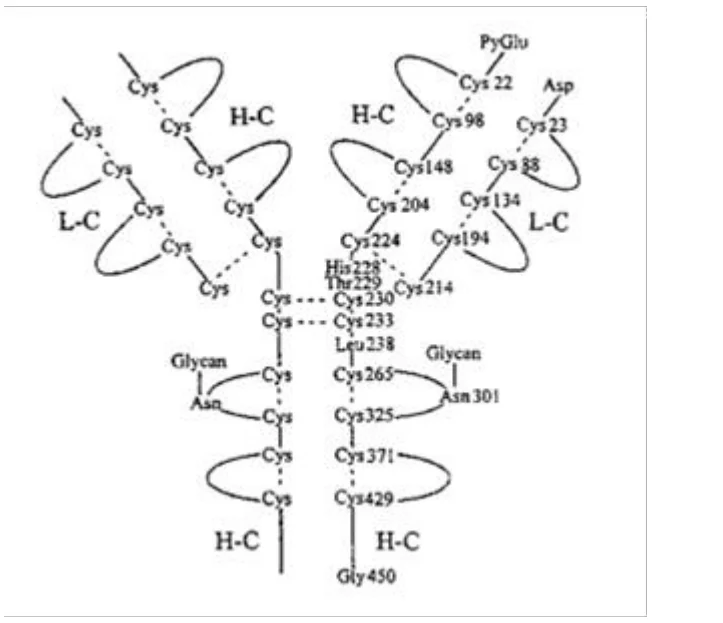
Physicochemical properties: Alemtuzumab is a recombinant DNA-derived humanized monoclonal antibody that is directed against the 21-28 kD cell surface glycoprotein, CD52. Alemtuzumab is an IgG1 kappa antibody with human variable framework and constant regions, and complementarity-determining regions from a murine (rat) monoclonal antibody. Alemtuzumab is produced in mammalian cell (Chinese hamster ovary) suspension culture in a nutrient medium.
The alemtuzumab antibody has an approximate molecular weight of 150 kilodaltons (kD). Alemtuzumab is a Y-shaped molecule consisting of two 24 kD light polypeptide chains (L-C) and two 49 kDa heavy polypeptide chains (H-C) linked together by two interdisulfide (L-C)-(H-C) bridges and two interdisulfide (H-C)-(H-C) bridges. Each molecule also contains a total of 12 intrachain disulfide bridges and an asparagine residue in each heavy chain that is amenable to glycosylation.
Pharmaceutical standard: Professed
Product Characteristics:
Lemtrada is a sterile, clear, colorless to yellowish, isotonic solution for infusion.
Each single-use 10 mg/mL vial has a nominal fill volume of 1.2 mL of solution. Each unit of Lemtrada (per mL) contains 10 mg alemtuzumab, 8.0 mg sodium chloride, 1.15 mg dibasic sodium phosphate, 0.2 mg potassium chloride, 0.2 mg potassium dihydrogen phosphate, 0.1 mg polysorbate 80, 0.0187 mg disodium edetate dihydrate, and water for injection (q.s. to 1 mL). No preservatives are added.
14. Clinical Trials
14.1. Clinical Trials by Indication
Relapsing Remitting Multiple Sclerosis (RRMS)
The safety of LEMTRADA (alemtuzumab for injection) is based on the assessment of data from 3 clinical trials in patients with Relapsing Remitting Multiple Sclerosis (RRMS).
The efficacy assessment of alemtuzumab 12 mg/day is based on Study CAMMS32400507. The purpose of this Phase 3, randomized, rater-blinded study was to evaluate the safety and efficacy of alemtuzumab compared with subcutaneous (SC) interferon beta-1a (IFNB-1a, Rebif®), in patients with active relapsing-remitting multiple sclerosis (RRMS) who had experienced at least 1 relapse during prior treatment with interferon beta or glatiramer acetate after having received that therapy for ≥ 6 months.
CAMMS32400507 enrolled patients with MS who had been treated with interferon beta or glatiramer acetate and experienced at least 2 clinical episodes during the prior 2 years. Neurological examinations were performed every 12 weeks and at times of suspected relapse. MRI evaluations were performed annually. Patients were followed for 2 years. Patients were randomized to receive LEMTRADA 12 mg/day IV infusion administered once per day for 5 days at Month 0 and for 3 days at Month 12 (12 mg group) or IFNB-1a 44 µg SC injection administered 3 times per week. This study also included an exploratory dose arm for LEMTRADA 24 mg/day administered once per day for 5 days at Month 0 and for 3 days at Month 12 (24 mg group). The primary outcome measures were the annualized relapse rate (ARR) over 2 years and the time to onset of sustained accumulation of disability (SAD), defined as an increase of at least 1 point on the expanded disability status scale (EDSS) from baseline EDSS ≥ 1.0 (1.5 point increase for patients with baseline EDSS of 0) that was sustained for 6 months.
The mean duration of prior MS disease modifying treatment was 36 months; 29% (182/637) of patients had tried 2 or more treatments. 83% (526/637) had prior exposure to an interferon-beta, and 34% (218/637) had prior exposure to glatiramer acetate.
The trial design and patient demographics for these studies is summarized in Table 3.
| Table 3: Summary of Trial Design and Patient Demographics for Clinical Trials of LEMTRADA in RRMS | |||||
| Table 3: Summary of Trial Design and Patient Demographics for Clinical Trials of LEMTRADA in RRMS | |||||
| Study # | Trial design | Dosage, route of administration and duration | Study subjects (n=number) | Mean age (Range) | Gender (M/F) |
| Study # | Trial design | Dosage, route of administration and duration | Study subjects (n=number) | Mean age (Range) | Gender (M/F) |
Study 1 (CAMMS32400507) (Patients with inadequate response to prior therapy) | Phase 3, randomized, rater-blinded, active-comparator, multi-center | LEMTRADA Cycle 1, month 0: 12 mg/day OR 24 mg/day for 5 days Cycle 2, month 12: 12 mg/day OR 24 mg/day for 3 days IFNB-1a 44 mcg SC injections 3 times per week for 24 months | LEMTRADA 12 mg: 426 LEMTRADA 24 mg: 170 IFNB-1a: 202 | LEMTRADA 12 mg: 34.8 years (18-55 years) LEMTRADA 24 mg: 35.1 years (20-54 years) IFNB-1a: 35.8 years (18-54 years) | LEMTRADA 12 mg: 34.0%/66.0% LEMTRADA 24 mg: 29.4%/70.6% IFNB-1a: 35.1%/64.9% |
Study 2 (CAMMS323) (Treatment-naïve patients | Phase 3, randomized, rater-blinded, active-comparator, multi-center | LEMTRADA Cycle 1, month 0: 12 mg/day for 5 days Cycle 2, month 12: 12 mg/day for 3 days IFNB-1a 44 mcg SC injections 3 times per week for 24 months | LEMTRADA 12 mg: 376 IFNB-1a: 187 | LEMTRADA 12 mg: 33.0 years (18-51years) IFNB-1a: 33.2 years (18-53 years) | LEMTRADA 12 mg: 35.4%/64.6% IFNB-1a: 34.8%/65.2% |
Study 3 (CAMMS223) (Treatment-naïve patients) | Phase 2, randomized, rater-blinded, active-comparator, multi-center | LEMTRADA Cycle 1, month 0: 12 mg/day for 5 days, OR 24 mg/day for 5 days Cycle 2, month 12 and Cycle 3, month 241: 12 mg/day for 3 days, OR 24 mg/day for 3 days Extension phase: further 3-day cycles (12 or 24 mg), optional or as needed IFNB-1a 44 mcg SC injections 3 times per week for 36 months | LEMTRADA 12 mg: 112 LEMTRADA 24 mg: 110 IFNB-1a: 111 | LEMTRADA 12 mg: 31.9 years (18-49 years) LEMTRADA24 mg: 32.2 years (18-54 years) IFNB-1a: 32.8 years (18-60 years) | LEMTRADA 12 mg: 35.7%/64.3% LEMTRADA24 mg: 35.5%/64.5% IFNB-1a: 36.0%/64.0% |
| 1 Cycle 3 at investigator’s discretion | |||||
Studies CAMMS223 and CAMMS323 were performed in treatment-naïve patients with active RRMS. Data from these studies were used only for assessment of safety.
Study Results
CAMMS32400507:
LEMTRADA met both co-primary endpoints.
The ARR was reduced by 49% in patients in the LEMTRADA 12 mg group as compared to SC IFNB-1a over 2 years (<0.0001). In addition, the risk of 6-month SAD was reduced by 42% over 2 years in patients treated with LEMTRADA (0.0084). Results are shown in Table 4.
| Table 4: Primary Endpoints from CAMMS32400507 | ||||||
| Endpoint | LEMTRADA (N=426) | SC IFNB-1a (N=202) | ||||
| Relapse Rate (co-primary endpoint) ARR (95% CI) Rate ratio (95% CI) p-value | 0.26 (0.21, 0.33) 0.51 (0.39, 0.65) <0.0001 | 0.52 (0.41, 0.66) | ||||
| Disability (SAD ≥ 6 months; co-primary endpoint) Estimate of patients with 6-month SAD (95% CI) Hazard ratio (95% CI) p-value | 12.71 (9.89, 16.27) 0.58 (0.38, 0.87) 0.0084 | 21.13 (15.95, 27.68) | ||||
Study CAMMS32400507 was open label. More than half of the patients had their baseline EDSS assessed after randomization. 12.6% of patients in the interferon beta group and 2.3% in the alemtuzumab group dropped out of the trial prior to treatment resulting in an imbalance between the 2 arms of the study. When interpreting the efficacy results of the trial, these observations should be taken into consideration.
15. Microbiology
No microbiological information is required for this drug product.
16. Non-Clinical Toxicology
General Toxicology:
Toxicology studies of alemtuzumab have been conducted using single IV dosing, as well as repeat dose regimens (i.e., cycle of administration) similar to that utilized in clinical studies in MS. The nonclinical safety evaluation of LEMTRADA in animals has been limited to nonhuman primates and human CD52 transgenic mice, due to the requirement for both CD52 cross reactivity and appropriate CD52 expression, which includes CD52 expression on lymphocytes and not erythrocytes, similar to that observed in humans. The affinity of LEMTRADA for CD52 in cynomolgus monkeys is approximately 10- to 16-fold less than for human CD52. Saturation of cynomolgus CD52 in vitro, and most likely in vivo, thus requires significantly greater concentrations of LEMTRADA than are required to saturate human CD52. Despite these experimental limitations, the toxicological studies conducted do nevertheless provide an informative profile of the activity of LEMTRADA in vivo.
Single dose and repeat dose toxicology studies were conducted in cynomolgus monkeys, using both IV and SC administrations of alemtuzumab at dose levels ranging from 0.1 to 30 mg/kg. The most consistent toxicologic effect in animal studies was lymphopenia, associated with the known mechanism of action of alemtuzumab.
Carcinogenicity:
There have been no studies to assess the carcinogenic or mutagenic potential of alemtuzumab.
Reproductive and Developmental Toxicology:
Reproductive and developmental toxicity studies were conducted in the huCD52 transgenic mouse to assess the effect of alemtuzumab on fertility in male and female mice; embryo-fetal development following gestational exposure; developmental and peri/post-natal effects following exposure during gestation or lactation; and developmental immunotoxicology following exposure during lactation. Effects on fertility and pregnancy following alemtuzumab were also identified and characterized, including a determination of the margin of safety based upon exposure.
Treatment with alemtuzumab IV at doses up to 10 mg/kg/day, administered for 5 consecutive days (AUC of 7.1 times the human exposure at the recommended daily dose) had no effect on fertility and reproductive performance in male mice.
In female mice dosed with alemtuzumab up to 10 mg/kg/day IV (AUC of 4.7 times the human exposure at the recommended daily dose) for 5 consecutive days prior to cohabitation with wild-type male mice, the average number of corpora lutea and implantation sites per mouse were significantly reduced as compared to vehicle treated animals. Reduced gestational weight gain relative to the vehicle controls was observed in pregnant mice dosed with 10 mg/kg/day. No other mating and fertility parameters were affected by doses of alemtuzumab as high as 10 mg/kg/day.
A reproductive toxicity study in pregnant mice exposed to IV doses of alemtuzumab up to 10 mg/kg/day (AUC 2.4 times the human exposure at the recommended dose of 12 mg/day) for 5 consecutive days during gestation resulted in significant increases in the number of dams with all conceptuses dead or resorbed, along with a concomitant reduction in the number of dams with viable fetuses. There were no external, soft tissue, or skeletal malformations or variations observed at doses up to 10 mg/kg/day.
Placental transfer and potential pharmacologic activity of alemtuzumab were observed during gestation and following delivery in mice. In studies in mice, alterations in lymphocyte counts were observed in pups exposed to alemtuzumab during gestation at doses of 3 mg/kg/day for 5 consecutive days (AUC 0.6 times the human exposure at the recommended dose of 12 mg/day). Cognitive, physical, and sexual development of pups exposed to alemtuzumab during lactation were not affected at doses up to 10 mg/kg/day. LEMTRADA was detected in the milk and offspring of lactating female mice administered 10 mg/kg LEMTRADA for 5 consecutive days postpartum.
17. Supporting Product Monographs
MabCampath® (alemtuzumab) 30 mg/1 mL vial for Intravenous Use. Product Monograph. Control No. 284322. sanofi-aventis Canada Inc.; 2024