


Product Monograph - Beovu
RECENT MAJOR LABEL CHANGES
| 7 Warnings and Precautions, Systemic effects following intravitreal use | 11/2021 |
|---|---|
| 4 Dosage and Administration, 4.2 Recommended Dose and Dosage Adjustment | 11/2021 |
| 7 Warnings and Precautions, Ophthalmologic | 11/2021 |
| 7 Warnings and Precautions, Ophthalmologic | 02/2022 |
| 1 Indications | 11/2022 |
| 4 Dosage and Administration, 4.2 Recommended Dose and Dosage Adjustment | 11/2022 |
| 7 Warnings and Precautions, Fertility | 11/2022 |
| 7 Warnings and Precautions, 7.1.1 Pregnant Women | 11/2022 |
| 7 Warnings and Precautions, 7.1.2 Breast-feeding | 11/2022 |
TABLE OF CONTENTS
Sections or subsections that are not applicable at the time of authorization are not listed.
RECENT MAJOR LABEL CHANGES ............................................................................................ 2
TABLE OF CONTENTS .............................................................................................................. 2
PART I: HEALTH PROFESSIONAL INFORMATION ...................................................................... 4
1 INDICATIONS ............................................................................................................... 4
1.1 Pediatrics ................................................................................................................ 4
1.2 Geriatrics ................................................................................................................ 4
2 CONTRAINDICATIONS ................................................................................................. 4
4 DOSAGE AND ADMINISTRATION ................................................................................. 4
4.1 Dosing Considerations ............................................................................................ 4
4.2 Recommended Dose and Dosage Adjustment ........................................................ 4
4.4 Administration ........................................................................................................ 5
4.5 Missed Dose .......................................................................................................... 10
5 OVERDOSAGE ............................................................................................................ 10
6 DOSAGE FORMS, STRENGTHS, COMPOSITION AND PACKAGING ............................... 10
7 WARNINGS AND PRECAUTIONS ................................................................................ 11
7.1 Special Populations ............................................................................................... 12
7.1.1 Pregnant Women ........................................................................................... 12
7.1.2 Breast-feeding ................................................................................................ 13
7.1.3 Pediatrics ........................................................................................................ 13
7.1.4 Geriatrics ........................................................................................................ 13
8 ADVERSE REACTIONS ................................................................................................ 13
8.1 Adverse Reaction Overview .................................................................................. 13
8.2 Clinical Trial Adverse Reactions............................................................................. 14
8.3 Less Common Clinical Trial Adverse Reactions...................................................... 16
8.4 Abnormal Laboratory Findings: Hematologic, Clinical Chemistry and Other Quantitative Data ................................................................................................. 16
8.5 Post-Market Adverse Reactions ............................................................................ 17
9 DRUG INTERACTIONS ................................................................................................ 17
10 CLINICAL PHARMACOLOGY ....................................................................................... 17
10.1 Mechanism of Action ............................................................................................ 17
10.2 Pharmacodynamics ............................................................................................... 17
10.3 Pharmacokinetics .................................................................................................. 18
11 STORAGE, STABILITY AND DISPOSAL ......................................................................... 18
12 SPECIAL HANDLING INSTRUCTIONS ........................................................................... 19
PART II: SCIENTIFIC INFORMATION ....................................................................................... 20
13 PHARMACEUTICAL INFORMATION ............................................................................ 20
14 CLINICAL TRIALS ........................................................................................................ 20
14.1 Clinical Trials by Indication .................................................................................... 20
Treatment of wet AMD .................................................................................................. 20
Treatment of DME .......................................................................................................... 24
14.3 Immunogenicity .................................................................................................... 26
15 MICROBIOLOGY ........................................................................................................ 27
16 NON-CLINICAL TOXICOLOGY ..................................................................................... 27
PATIENT MEDICATION INFORMATION .................................................................................. 29
PART I: HEALTH PROFESSIONAL INFORMATION
1 INDICATIONS
BEOVU® (brolucizumab injection) is indicated for:
- The treatment of neovascular (wet) age-related macular degeneration (AMD).
- The treatment of diabetic macular edema (DME).
1.1 Pediatrics
Pediatrics (< 18 years of age): No data are available to Health Canada; therefore, Health Canada has not authorized an indication for pediatric use.
1.2 Geriatrics
Geriatrics (≥ 65 years of age): No dosage regimen adjustment is required for geriatric use (see 4.2 Recommended Dose and Dosage Adjustment, Special Populations).
2 CONTRAINDICATIONS
- Patients with hypersensitivity to this drug or to any ingredient in the formulation, including any non-medicinal ingredient, or component of the container. For a complete listing, see 6 DOSAGE FORMS, STRENGTHS, COMPOSITION AND PACKAGING.
- Patients with active or suspected ocular or periocular infection.
- Patients with active intraocular inflammation.
4 DOSAGE AND ADMINISTRATION
4.1 Dosing Considerations
- Single-use pre-filled syringe or single-use vial* for intravitreal injection only.
- Each pre-filled syringe or vial should only be used for the treatment of a single eye.
- Beovu must be administered by a qualified physician experienced in administering intravitreal injections.
- The safety and efficacy of Beovu administered in both eyes concurrently have not been studied.
*single-use vial not available in Canada
4.2 Recommended Dose and Dosage Adjustment
Treatment of wet AMD
The recommended dose for Beovu is 6 mg (0.05 mL) administered by intravitreal injection every 4 weeks (monthly) for the first three doses. Thereafter, the physician may modify treatment intervals based on disease activity as assessed by visual acuity and/or anatomical parameters. A disease activity assessment is suggested 16 weeks (4 months) after treatment start and assessed regularly after that. In patients without disease activity, treatment up to every 12 weeks (3 months) could be considered. In patients with disease activity, treatment every 8 weeks (2 months) could be considered (see 14.1 Clinical Trials by Indication, Treatment of wet AMD); however, the interval between two doses should not be less than every 8 weeks (2 months) (see 7 WARNINGS AND PRECAUTIONS).
Treatment of DME
The recommended dose for Beovu is 6 mg (0.05 mL) administered by intravitreal injection every 6 weeks for the first five doses. Thereafter, the physician may modify treatment intervals based on disease activity as assessed by visual acuity and/or anatomical parameters. In patients without disease activity, treatment up to every 12 weeks (3 months) could be considered. In patients with disease activity, treatment every 8 weeks (2 months) could be considered (see 14.1 Clinical Trials by Indication, Treatment of DME); however, the interval between two doses should not be less than every 8 weeks (2 months) (see 7 WARNINGS AND PRECAUTIONS).
Special populations
Renal impairment
(see 10 CLINICAL PHARMACOLOGY).
Hepatic impairment
Brolucizumab has not been studied in patients with hepatic impairment (see 10 CLINICAL PHARMACOLOGY).
Pediatric patients (below 18 years)
The safety and efficacy of Beovu in pediatric patients have not been established. No data are available to Health Canada.
Geriatrics (65 years or above)
In the HAWK and HARRIER clinical studies, approximately 90% (978/1088) of patients randomized to treatment with Beovu were ≥ 65 years of age and approximately 60% (648/1088) were ≥ 75 years of age. In the KESTREL and KITE clinical studies, approximately 45% (164/368) of patients randomized to treatment with Beovu were ≥ 65 years of age and approximately 10% (37/368) were ≥ 75 years of age. No dosage regimen adjustment is required for geriatric use (see 10 CLINICAL PHARMACOLOGY).
4.4 Administration
As with all medicinal products for intravitreal use, Beovu should be inspected visually prior to administration (see 12 SPECIAL HANDLING INSTRUCTIONS).
The injection procedure must be carried out under aseptic conditions, which include the use of surgical hand disinfection, sterile gloves, a sterile drape and a sterile eyelid speculum (or equivalent). Sterile paracentesis equipment should be available as a precautionary measure. Adequate anesthesia and a broad-spectrum topical microbicide to disinfect the periocular skin, eyelid and ocular surface should be administered prior to the injection.
Patient’s medical history for hypersensitivity reactions should be carefully evaluated prior to performing the intravitreal procedure (see 2 CONTRAINDICATIONS).
Immediately following the intravitreal injection, patients should be monitored for elevation in intraocular pressure. Appropriate monitoring may consist of a check for perfusion of the optic nerve head or tonometry.
Following intravitreal injection, patients should be instructed to report any symptoms suggestive of endophthalmitis, retinal detachment or tear, cataract or increased intraocular pressure (e.g. eye pain, redness of the eye, photophobia, blurring of vision) without delay.
For information on preparation of Beovu, see Instructions for use below.
The injection needle should be inserted 3.5 to 4.0 mm posterior to the limbus into the vitreous cavity, avoiding the horizontal meridian and aiming towards the center of the globe. The injection volume of 0.05 mL is then delivered slowly; a different scleral site should be used for subsequent injections.
Instruction for use of the Beovu pre-filled syringe
Storage and inspection
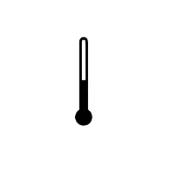
| Store Beovu in the refrigerator (2°C to 8°C). Do not freeze. Keep the pre-filled syringe in its sealed blister and the outer carton in order to protect from light. | |
|---|---|
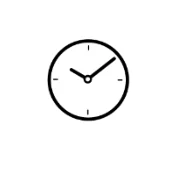
| Prior to use, the unopened blister with pre-filled syringe of Beovu may be kept at room temperature (below 25°C) for up to 24 hours. Make sure that your pack contains a sterile pre-filled syringe in a sealed blister. After opening the blister pack, proceed under aseptic conditions. | |
| Beovu is a clear to slightly opalescent and colourless to slightly brownish-yellow aqueous solution. | |
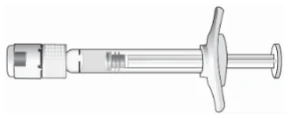
The solution should be inspected visually upon removal from the refrigerator and prior to administration. If particulates or cloudiness are visible, the pre-filled syringe must not be used and appropriate replacement procedures followed. The pre-filled syringe is sterile and for single-use only. Do not use if the packaging, or pre-filled syringe are damaged or expired. |
How to prepare and administer Beovu
The intravitreal injection procedure must be carried out under aseptic conditions, which includes the use of surgical hand disinfection, sterile gloves, a sterile drape, a sterile eyelid speculum (or equivalent), and the availability of sterile paracentesis equipment (if required). Adequate anesthesia and a broad-spectrum topical microbicide to disinfect the periocular skin, eyelid and ocular surface should be administered prior to the injection.
For intravitreal injection, use a 30G x ½ inch sterile injection needle. The injection needle is not included in the Beovu pack.
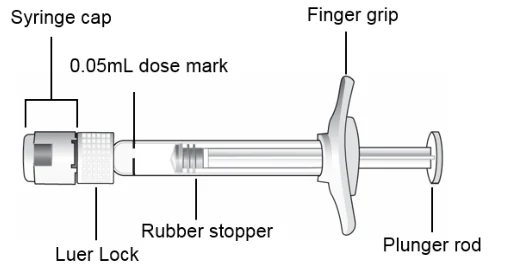
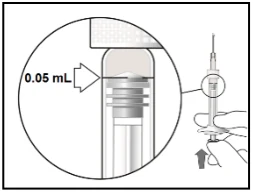
Note: The dose must be set to 0.05 mL. Since the volume contained in the pre-filled syringe (0.165 mL) is greater than the recommended dose (0.05 mL), a portion of the volume contained in the pre-filled syringe must be discarded prior to administration. Injecting the entire volume in the pre-filled syringe could result in overdose.
Ensure that the injection is given immediately after preparation of the dose (Step 5).
 | |
|---|---|
 | |
 | |
 |
Injection procedure
| 1 | Peel the lid off the syringe tray and, using aseptic technique, remove the syringe. | |
|---|---|---|
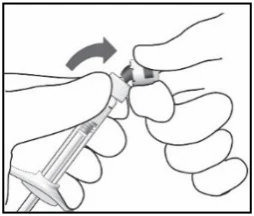
| 2 | Snap off (do not turn or twist) the syringe cap. | |
| 3 | Aseptically and firmly assemble a 30G x ½” injection needle onto the syringe. | |
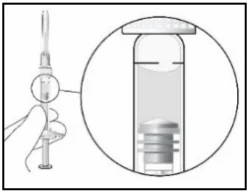
| 4 | To check for air bubbles, hold the syringe with the needle pointing up. If there are any air bubbles, gently tap the syringe with your finger until the bubbles rise to the top. Carefully remove the needle cap by pulling it straight off. | |
| 5 | Hold the syringe at eye level and carefully push the plunger until the edge below the dome of the rubber stopper is aligned with the 0.05 mL dose mark. The syringe is ready for the injection. | |
| 6 | Inject slowly until the rubber stopper reaches the end of the syringe to deliver the volume of 0.05 mL. Confirm delivery of the full dose by checking that the rubber stopper has reached the end of the syringe barrel. Note: Any unused medicinal product or waste material should be disposed of in accordance with local regulations. |
Commonly asked questions and answers
Q: What if I cannot remove all the air bubbles from the liquid?
A: It is important that the liquid is air free. However, tiny air bubbles that are attached to the stopper usually do not detach from the stopper during the injection and therefore do not affect the dose volume.
 | ||
 | ||
 |
Instruction for use of the Beovu vial kit*
Storage and inspection
| Store Beovu in the refrigerator (2°C to 8°C). Do not freeze. Keep the vial in the outer carton in order to protect from light. | |
|---|---|
| Prior to use, the unopened vial of Beovu may be kept at room temperature (below 25°C) for up to 24 hours. After opening the vial, proceed under aseptic conditions. | |
| Beovu is a clear to slightly opalescent and colourless to slightly brownish-yellow aqueous solution. | |
The solution should be inspected visually upon removal from the refrigerator and prior to administration. If particulates or cloudiness are visible, the vial must not be used and appropriate replacement procedures followed. The contents of the vial and filter needle are sterile and for single-use only. Do not use if the packaging, vial and/or filter needle are damaged or expired. |
How to prepare and administer Beovu
The intravitreal injection procedure must be carried out under aseptic conditions, which includes the use of surgical hand disinfection, sterile gloves, a sterile drape and a sterile eyelid speculum (or equivalent) and the availability of sterile paracentesis equipment (if required). Adequate anesthesia and a broad-spectrum topical microbicide to disinfect the periocular skin, eyelid and ocular surface should be administered prior to the injection.
For preparation and intravitreal injection the following single use medical devices are needed:
- A sterile 30G x ½” injection needle
- A sterile 1 mL syringe with a 0.05 mL dose mark
- A sterile 5 µm blunt filter needle (18G x 1½”, 1.2 mm x 40 mm)
The injection needle and the syringe are not included in the Beovu vial kit.
Note: The dose must be set to 0.05 mL. Since the volume contained in the vial (0.23 mL) is greater than the recommended dose (0.05 mL), a portion of the volume contained in the vial must be discarded prior to administration. Injecting the entire volume in the vial could result in overdose.
Ensure that the injection is given immediately after preparation of the dose (Step 8).
| |
|---|---|
| |
 | |
|
Injection procedure
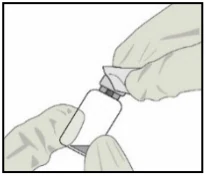
| 1 | Remove the vial cap and clean the vial septum (e.g. with 70% alcohol swab). | |
|---|---|---|
| 2 | Assemble the filter needle onto a 1 mL syringe using aseptic technique. | |
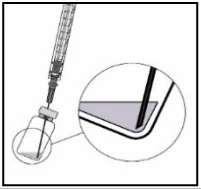
| 3 | Push the filter needle into the center of the vial septum until the needle touches the bottom of the vial. | |
| 4 | To withdraw the liquid, hold the vial slightly inclined and slowly withdraw all the liquid from the vial and filter needle. Ensure that the plunger rod is drawn sufficiently back when emptying the vial in order to completely empty the filter needle. | |
| 5 | Disconnect the filter needle from the syringe in an aseptic manner and dispose of it. The filter needle is not to be used for intravitreal injection. | |
| 6 | Aseptically and firmly assemble a 30G x ½” injection needle onto the syringe. | |
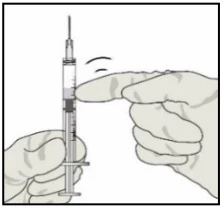
| 7 | To check for air bubbles, hold the syringe with the needle pointing up. If there are any air bubbles, gently tap the syringe with your finger until the bubbles rise to the top. | |
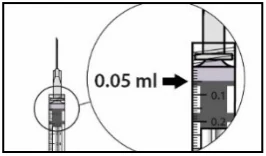
| 8 | Hold the syringe at eye level and carefully expel the air from the syringe and adjust the dose to the 0.05 mL mark. The syringe is ready for the injection. | |
| 9 | Inject slowly until the rubber stopper reaches the end of the syringe to deliver the volume of 0.05 mL. Confirm delivery of the full dose by checking that the rubber stopper has reached the end of the syringe barrel. Note: Any unused medicinal product or waste material should be disposed of in accordance with local regulations. |
Commonly asked questions and answers
Q: What if I have difficulty withdrawing sufficient liquid from the vial?
A: Do not shake the vial before withdrawal but let the liquid settle to the bottom of the vial. Ensure the vial is in an upright, slightly inclined position. Slowly withdraw the plunger and wait for the liquid to appear in the syringe barrel. Continue to withdraw slowly to completely empty the vial and the filter needle.
 | ||
|---|---|---|
 | ||
 | ||
 |
Q: What if I cannot remove all the air bubbles from the liquid?
A: It is important that the liquid is air free. However, tiny air bubbles that are attached to the stopper usually do not detach from the stopper during the injection and therefore do not affect the dose volume.
*single-use vial not available in Canada
4.5 Missed Dose
If a planned injection of Beovu is missed, reset a new appointment for an injection as soon as possible. Reset the dose schedule to administer the next sequential dose after the missed dose is administered.
5 OVERDOSAGE
Overdosing with greater than recommended injection volume may increase intraocular pressure. Therefore, in case of overdose, intraocular pressure should be monitored and if deemed necessary by the treating physician, appropriate treatment should be initiated.
| For management of a suspected drug overdose, contact your regional poison control centre. |
|---|
6 DOSAGE FORMS, STRENGTHS, COMPOSITION AND PACKAGING
Table 1 – Dosage Forms, Strengths, Composition and Packaging
Description
Beovu is supplied in a single-use pre-filled syringe or in a single-use vial*.
One mL solution for injection contains 120 mg of brolucizumab.
Pre-filled syringe
Sterile, clear to slightly opalescent, colourless to slightly brownish-yellow and preservative-free aqueous solution.
Each pre-filled syringe contains 19.8 mg of brolucizumab in 0.165 mL solution. This provides a usable amount to deliver a single dose of 0.05 mL containing 6 mg of brolucizumab.
Vial*
Sterile, clear to slightly opalescent, colourless to slightly brownish-yellow and preservative-free aqueous solution.
Each vial contains 27.6 mg of brolucizumab in 0.23 mL solution. This provides a usable amount to deliver a single dose of 0.05 mL containing 6 mg of brolucizumab.
*single-use vial not available in Canada
| Route of Administration | Dosage Form / Strength/Composition | Non-medicinal Ingredients |
| Intravitreal injection | Solution / 6 mg / 0.05 mL | polysorbate 80, sodium citrate, sucrose, water for injection |
7 WARNINGS AND PRECAUTIONS
Driving and Operating Machinery
Patients may experience temporary visual disturbances after an intravitreal injection with Beovu and the associated eye examination, and should therefore be advised not to drive or use machinery until visual function has recovered sufficiently.
Hypersensitivity
As with all therapeutic proteins, there is a theoretical risk of hypersensitivity reactions including anaphylaxis. Hypersensitivity reactions may manifest as rash, pruritus, urticaria, erythema, severe anaphylactic/anaphylactoid reactions or severe intraocular inflammation. Patients should be instructed to report any symptoms of anaphylaxis, allergic reactions or intraocular inflammation (e.g., redness of the eye, eye pain, photophobia, etc.).
Ophthalmologic
Endophthalmitis, Retinal detachment/tear and Traumatic cataract
Intravitreal injections, including those with Beovu, have been associated with endophthalmitis, retinal detachment, retinal tear and traumatic cataract (see 8 ADVERSE REACTIONS). Proper aseptic injection techniques must always be used when administering Beovu.
Intraocular inflammation, including retinal vasculitis and/or retinal vascular occlusion
Intraocular inflammation (IOI), including retinal vasculitis and/or retinal vascular occlusion, have been reported with the use of Beovu. These immune mediated adverse events may occur following the first intravitreal injection and at any time of treatment. These events were observed more frequently at the beginning of the treatment. Discontinue treatment with Beovu in patients who develop these events. Patients treated with Beovu who experience IOI may be at risk of developing retinal vasculitis and/or retinal vascular occlusion and should be closely monitored (see 2 CONTRAINDICATIONS and 8 ADVERSE REACTIONS).
Patients treated with Beovu with a medical history of intraocular inflammation and/or retinal vascular occlusion (within 12 months prior to the first brolucizumab injection) should be closely monitored, since they are at increased risk of developing retinal vasculitis and/or retinal vascular occlusion.
Based on clinical studies, intraocular inflammation related adverse events, including retinal vasculitis and retinal vascular occlusion, were reported more frequently in female patients treated with Beovu than in male patients (see 8 ADVERSE REACTIONS).
The interval between two Beovu doses during maintenance treatment should not be less than 8 weeks (see 4.2 Recommended Dose and Dosage Adjustment). After one year of treatment, in a Phase IIIa clinical study (MERLIN), patients with nAMD who received Beovu 6 mg every 4 week maintenance dosing experienced a higher incidence of IOI (including retinal vasculitis) and retinal vascular occlusion when compared to patients who received aflibercept 2 mg every 4 weeks (IOI: 9.3% vs 4.5% of which retinal vasculitis: 0.8% vs 0.0%; retinal vascular occlusion: 2.0% vs 0.0%). The incidences of IOI and retinal vascular occlusion were also higher than what was previously observed in patients who received Beovu every 8 or 12 week maintenance dosing in the pivotal Phase III clinical studies (HAWK and HARRIER).
Patients should be instructed to report any symptoms suggestive of the above mentioned events without delay and should be managed appropriately.
Increase in Intraocular Pressure
Transient increases in intraocular pressure have been seen within 30 minutes of intravitreal injection with VEGF inhibitors, including Beovu. Sustained intraocular pressure increases have also been reported (see 8 ADVERSE REACTIONS). Both intraocular pressure and perfusion of the optic nerve head must be monitored and managed appropriately.
Beovu has not been studied in patients with poorly controlled glaucoma. Do not inject Beovu while the intraocular pressure is ≥30 mmHg.
Reproductive Health: Female and Male Potential
Females of reproductive potential should use effective contraception (methods that result in less than 1 % pregnancy rates) during treatment with Beovu and for at least one month after the last dose when stopping treatment with Beovu.
Fertility and Teratogenic Risk
In an enhanced pre- and postnatal development (ePPND) study in pregnant cynomolgus monkeys, brolucizumab was administered to all animals by intravitreal (IVT) injection to one eye at doses of 3 or 6 mg once every 4 weeks until delivery. One additional injection was administered to a subset of animals 28 days post-partum and had blood and milk collected for toxicokinetic evaluations. Second trimester-pregnancy fetal losses were observed in the 6 mg/eye group (10-fold the maximum recommended human dose [MRHD] on a mg/kg basis). Fetal loss was not observed in the 3 mg/eye group. Bilateral absent metatarsal and absent distal tail were observed in a single stillborn infant at 6 mg/eye. The animal appeared to be partially cannibalized, however developmental malformation could not be ruled out.
VEGF inhibition has been shown to cause malformations, embryo-fetal resorption, and decreased fetal weight. VEGF inhibition has also been shown to affect follicular development, corpus luteum function, and fertility. Based on the mechanism of action of VEGF inhibitors, there is a potential risk to female reproduction and to embryo-fetal development.
Systemic effects following intravitreal use
Thromboembolic Events and Non-ocular Hemorrhages
There is a potential risk of arterial thromboembolic events (ATEs) and non-ocular hemorrhage following intravitreal use of VEGF inhibitors, including Beovu (see 8 ADVERSE REACTIONS). ATEs are defined as nonfatal stroke, nonfatal myocardial infarction, or vascular death (including deaths of unknown cause).
There are limited data on safety in the treatment of patients with AMD with a history of stroke, transient ischemic attacks or myocardial infarction within the last 3-6 months.
7.1 Special Populations
7.1.1 Pregnant Women
There are no adequate and well-controlled studies of Beovu administration in pregnant women. The potential risk of use of Beovu in pregnancy is unknown.
A study in pregnant cynomolgus monkeys showed fetal losses and a bilateral absent metatarsal in a single offspring at 10-fold MRHD on a mg/kg basis (see Fertility).
Based on the anti-VEGF mechanism of action, brolucizumab must be regarded as potentially teratogenic and embryo-/fetotoxic. Therefore, Beovu should not be used during pregnancy unless the potential benefits outweigh the potential risks to the fetus.
7.1.2 Breast-feeding
It is unknown if brolucizumab is transferred into human milk after administration of Beovu. There are no data on the effects of Beovu on the breastfed child or on milk production. Because of the potential for adverse drug reactions in the breastfed child, breastfeeding is not recommended during treatment with Beovu and for at least one month after the last dose when stopping treatment with Beovu.
7.1.3 Pediatrics
Pediatrics (< 18 years of age): No data are available to Health Canada; therefore, Health Canada has not authorized an indication for pediatric use.
7.1.4 Geriatrics
Geriatrics (≥ 65 years of age): (see 4.2 Recommended Dose and Dosage Adjustment, Special Populations and 10 CLINICAL PHARMACOLOGY).
8 ADVERSE REACTIONS
8.1 Adverse Reaction Overview
Wet AMD population
A total of 1088 patients treated with brolucizumab constituted the safety population in the two Phase III studies HAWK and HARRIER with a cumulative 96 weeks exposure to Beovu and 730 patients treated with the recommended dose of 6 mg.
The most frequently reported adverse drug reactions in ≥ 5% of patients treated with Beovu 6 mg were visual acuity reduced (7%), cataract (7%), conjunctival hemorrhage (6%), vitreous floaters (5%) and eye pain (5%).
Less common serious adverse drug reactions reported in <1% of the patients treated with Beovu 6 mg were endophthalmitis, blindness, retinal artery occlusion, and retinal detachment.
The most frequently reported adverse drug reactions resulting in permanent discontinuation of Beovu 6 mg treatment were endophthalmitis, uveitis and retinal artery occlusion.
DME population
The safety of Beovu was studied in two, Phase III active controlled studies (KESTREL and KITE) conducted respectively in 368 patients with visual impairment due to DME treated with the recommended dose of brolucizumab 6 mg for 52 weeks.
The most frequently reported adverse drug reactions in ≥ 5% of patients treated with Beovu 6 mg was conjunctival hemorrhage (6%).
Less common serious adverse drug reactions reported in <1% of the patients treated with Beovu 6 mg were endophthalmitis, retinal artery occlusion, uveitis and vitreous floaters.
The most frequently reported adverse event resulting in permanent discontinuation of Beovu 6 mg treatment up to Week 52 was uveitis.
8.2 Clinical Trial Adverse Reactions
Clinical trials are conducted under very specific conditions. The adverse reaction rates observed in the clinical trials; therefore, may not reflect the rates observed in practice and should not be compared to the rates in the clinical trials of another drug. Adverse reaction information from clinical trials may be useful in identifying and approximating rates of adverse drug reactions in real-world use.
Table 2 lists adverse reactions reported in the HAWK and HARRIER studies that occurred in greater than or equal to 1% of patients.
Table 2 – Common Adverse Drug Reactions (≥ 1%) in HAWK and HARRIER wet AMD studies
Table 3 lists adverse reactions reported in the KESTREL and KITE studies that occurred in greater than or equal to 1% of patients.
Table 3 – Common Adverse Drug Reactions (≥ 1%) in KESTREL and KITE DME studies
Primary System Organ Class Preferred Term | Beovu (N=730) | Aflibercept (N=729) |
|---|---|---|
| Eye disorders | ||
| Visual acuity reduced | 7% | 8% |
| Cataract | 7% | 11% |
| Conjunctival hemorrhage | 6% | 7% |
| Vitreous floaters | 5% | 3% |
| Eye pain | 5% | 6% |
| Intraocular inflammationa) | 4% | 1% |
| Retinal hemorrhage | 4% | 3% |
| Vitreous detachment | 4% | 3% |
| Intraocular pressure increase | 4% | 5% |
| Conjunctivitis | 3% | 2% |
| Retinal pigment epithelial tear | 3% | 1% |
| Vision blurred | 2% | 2% |
| Corneal abrasion | 2% | 2% |
| Retinal tear | 1% | 1% |
| Punctate keratitis | 1% | 2% |
| Conjunctival hyperemia | 1% | 1% |
| Lacrimation increased | 1% | 1% |
| Abnormal sensation in eye | 1% | 2% |
| Blindness | 1% | 0% |
| Retinal artery occlusion | 1% | 0% |
| Endophthalmitis | 1% | 0% |
| Retinal detachment | 1% | 0% |
| Detachment of retinal pigment epithelium | 1% | 0% |
| Immune system disorders | ||
| Hypersensitivityb) | 2% | 1% |
| ||
Arterial thromboembolic events (ATEs)
The ATE rate in HAWK and HARRIER studies during the 96-weeks was 4.5% (33 of 730) in the pooled Beovu arms compared with 4.7% (34 of 729) in the pooled aflibercept arms.
8.3 Less Common Clinical Trial Adverse Reactions
Less common adverse drug reactions reported in <1% of the patients treated with Beovu 6 mg in the HAWK and HARRIER studies are listed below.
Eye disorders: anterior chamber flare, anterior chamber inflammation, corneal oedema, iridocyclitis, vitreous hemorrhage, vitritis.
Less common adverse drug reactions reported in <1% of the patients treated with Beovu 6 mg in the KESTREL and KITE studies are listed below.
Eye disorders: conjunctival hyperemia, abnormal sensation in eye, endophthalmitis, lacrimation increased, retinal tear, blindness (including amaurosis), and retinal vasculitis.
8.4 Abnormal Laboratory Findings: Hematologic, Clinical Chemistry and Other Quantitative Data
Clinical Trial Findings
There were no findings to suggest a relationship between Beovu and the development of clinically significant abnormalities in the Phase III HAWK and HARRIER studies.
Primary System Organ Class Preferred Term | Beovu (N=368) | Aflibercept (N=368) |
|---|---|---|
| Eye disorders | ||
| Conjunctival hemorrhage | 6% | 7% |
| Cataract | 4% | 5% |
| Vitreous floaters | 3% | 2% |
| Eye pain | 3% | 2% |
| Intraocular inflammationa) | 2% | 1% |
| Intraocular pressure increased | 2% | 1% |
| Vitreous detachment | 2% | < 1% |
| Conjunctivitis | 2% | < 1% |
| Visual acuity reduced | 1% | 2% |
| Corneal abrasion | 1% | 2% |
| Vitreous hemorrhage | 1% | 1% |
| Punctate keratitis | 1% | 0% |
| Vision blurred | 1% | 1% |
| Retinal artery occlusion | 1% | <1% |
| Immune system disorders | ||
| Hypersensitivityb) | 1% | 1% |
| ||
8.5 Post-Market Adverse Reactions
The following adverse drug reactions have been derived from post-marketing experience with Beovu via spontaneous case reports and literature cases. Because these reactions are reported voluntarily from a population of uncertain size, it is not possible to reliably estimate their frequency which is therefore categorized as not known. Adverse drug reactions are listed according to system organ classes in MedDRA.
Eye disorders: Retinal vascular occlusion, retinal vasculitis, scleritis, episcleritis
Description of selected adverse drug reactions
Intraocular inflammation
Based on clinical studies, intraocular inflammation related adverse events, including retinal vasculitis and retinal vascular occlusion, were reported more frequently in female patients treated with Beovu than male patients (e.g. 5.3% (22/415) females vs. 3.2% (10/315) males in the HAWK and HARRIER studies).
The results of a retrospective analysis based on two US real-world databases in wet AMD patients who were evaluated for up to 6 months after initiating treatment with Beovu suggest that patients with a medical history of intraocular inflammation and/or retinal vascular occlusion in the year prior to treatment with Beovu were more likely to present with similar events after Beovu injection, as compared to wet AMD patients with no history of these events.
9 DRUG INTERACTIONS
No drug interaction studies have been conducted.
10 CLINICAL PHARMACOLOGY
10.1 Mechanism of Action
Brolucizumab is a humanized vascular endothelial growth factor (VEGF) inhibitor that binds to VEGF-A isoforms (e.g. VEGF110, VEGF121, and VEGF165), thereby preventing binding of VEGF-A to its receptors VEGFR-1 and VEGFR-2. By inhibiting VEGF-A binding, brolucizumab suppresses endothelial cell proliferation in vitro and reduces neovascularization and vascular permeability.
10.2 Pharmacodynamics
Wet AMD
Reductions in central retinal subfield thickness (CST) were observed in wet AMD patients across all treatment arms. In the HAWK and HARRIER studies, the mean change from baseline in CST (Beovu vs. aflibercept) was: -161 vs. -134 microns (HAWK) and -174 vs. -134 microns (HARRIER) at Week 16; -173 vs. -144 microns (HAWK) and -194 vs. -144 microns (HARRIER) at Week 48; and -175 vs. -149 microns (HAWK) and -198 vs. -155 microns (HARRIER) at Week 96.
DME
Reductions in CST were observed in DME patients across all treatment arms. In the KESTREL and KITE studies, the mean change from baseline in CST (Beovu vs. aflibercept) was: -159.5 vs. -158.1 microns (KESTREL) and -187.1 vs. -157.7 microns (KITE) for the period of Weeks 40 to 52.
10.3 Pharmacokinetics
Beovu is administered directly into the vitreous to exert local effects in the eye.
Absorption/Distribution: After a single intravitreal administration of 6 mg brolucizumab per eye to patients with nAMD, the geometric mean serum Cmax of free brolucizumab was 49.0 ng/mL (range: 8.97 to 548 ng/mL) and was attained in 1 day post-dose.
Following the proposed IVT dose regimen , brolucizumab concentrations were generally near or below the quantitation limit (<0.5 ng/mL) approximately 4 weeks after dosing and no accumulation in serum was observed in most patients.
Metabolism/Elimination: No drug metabolism and excretion studies have been conducted. As a single-chain antibody fragment, free brolucizumab is expected to undergo elimination through metabolism via proteolysis and target-mediated disposition and/or passive renal excretion.
After a single intravitreal injection, brolucizumab was eliminated with estimated mean (± standard deviation) systemic half-life of 4.3 days (± 2.2 days).
Special Populations and Conditions
- Pediatrics: No studies have been performed to examine the pharmacokinetics of Beovu in pediatric patients
- Geriatrics: No significant differences in systemic pharmacokinetics were observed based on age (50 years and above).
- Hepatic Insufficiency: Brolucizumab has not been studied in patients with hepatic impairment.
- Renal Insufficiency: Following intravitreal dose administration of Beovu, the mean systemic clearance rates of brolucizumab was 15% and 30% lower in subjects with mild (50 to 79 mL/min (n=13)) or moderate (30 to 49 mL/min (n=3)) renal impairment, respectively, than in patients with normal renal function (≥80 mL/min (n=25)). However, the number of patients was too low to make definitive conclusions. No patients with severe (<30 mL/min) renal impairment were studied.
11 STORAGE, STABILITY AND DISPOSAL
Pre-filled syringe
Store in the refrigerator (2°C to 8°C).
Do NOT freeze.
Prior to use, the unopened blister may be kept at room temperature (25°C) for up to 24 hours.
Keep the pre-filled syringe in its sealed blister and in the carton in order to protect from light.
Refer to pre-filled syringe for expiry date.
Beovu must be kept out of reach and sight of children.
Vial*
Store in the refrigerator (2°C to 8°C).
Do NOT freeze.
Prior to use, the unopened vial may be kept at room temperature (25°C) for up to 24 hours. After opening the vial, proceed under aseptic conditions.
Keep the vial in the outer carton in order to protect from light.
Refer to vial for expiry date.
Beovu must be kept out of reach and sight of children.
*single-use vial not available in Canada
12 SPECIAL HANDLING INSTRUCTIONS
Pre-filled syringe
The solution should be inspected visually upon removal from the refrigerator and prior to administration. If particulates or cloudiness are visible, the pre-filled syringe must not be used and appropriate replacement procedures followed.
The pre-filled syringe is sterile and for single use only. Do not use if the packaging, or pre-filled syringe is damaged or expired.
Any unused product or waste material should be disposed of in accordance with local regulations.
Vial*
The solution should be inspected visually upon removal from the refrigerator and prior to administration. If particulates or cloudiness are visible, the vial must not be used and appropriate replacement procedures followed.
The contents of the vial and filter needle are sterile and for single use only. Do not use if the packaging, vial and/or filter needle are damaged or expired.
Any unused product or waste material should be disposed of in accordance with local regulations.
*single-use vial not available in Canada
PART II: SCIENTIFIC INFORMATION
13 PHARMACEUTICAL INFORMATION
Drug Substance
| Proper name: | brolucizumab |
|---|---|
| Chemical name: | humanized monoclonal single-chain Fv (scFv) antibody fragment directed against human vascular endothelial growth factor (hVEGF). |
| Molecular formula and molecular mass: | C1164H1768N310O372S8 26 kDa |
| Structural formula: | Brolucizumab is a fusion protein of the variable regions of the light and heavy chains of an immunoglobulin, connected with a short linker peptide of 21 amino acids. The linker is rich in glycine for flexibility and serine for solubility. It retains the specificity of the original immunoglobulin, despite removal of the constant regions and the introduction of the linker. |
| Physicochemical properties: | Brolucizumab is a sterile, clear to slightly opalescent, colourless to slightly brownish-yellow and preservative-free aqueous solution. The pH of the aqueous solution of brolucizumab is in the range of 6.4 - 7.2. |
Product Characteristics:
Brolucizumab is humanized monoclonal single-chain Fv (scFv) antibody fragment that binds to human vascular endothelial growth factor (hVEGF)-A. Brolucizumab is produced in Escherichia coli cells by recombinant DNA technology.
14 CLINICAL TRIALS
14.1 Clinical Trials by Indication
Treatment of wet AMD
The safety and efficacy of Beovu were assessed in two randomized, multi-center, double-masked, active-controlled non-inferiority Phase III studies (HAWK and HARRIER) in patients with neovascular (wet) AMD. A total of 1,817 patients were randomized and treated in these studies (1,088 on Beovu and 729 on aflibercept). Table 4 provides a summary of the trial design and patient demographics of the two studies.
Table 4 - Summary of trial design and patient demographics for clinical trials in nAMD
| Study # | Study design | Dosage, route of administration and duration | Study subjects (n) | Mean age (Range) | Sex |
| Study RTH258-C001 (HAWK) | Randomized, double-masked, multi-center, active-controlled non-inferiority study | Beovu 3mg/50µl, intravitreal injection, 3xq4w+q12w/q8w Beovu 6mg/50µl, intravitreal injection, 3xq4w+q12w/q8w Aflibercept 2mg/50µl, intravitreal injection, 3xq4w+q8w | Beovu 3 mg: n=360 Beovu 6 mg: n=361 Aflibercept 2 mg: n=361 | 76.6 (50-97 years) | Male: 43.4% Female: 56.6% |
| Study RTH258-C002 (HARRIER) | Randomized, double-masked, multi-center, active-controlled non-inferiority study | Beovu 6mg/50µl, intravitreal injection, 3xq4w+q12w/q8w Aflibercept 2mg/50µl, intravitreal injection, 3xq4w+q8w | Beovu 6 mg: n=372 Aflibercept 2 mg: n=371 | 75.2 (50-95 years) | Male: 42.9% Female: 57.1% |
In HAWK, patients were randomized in a 1:1:1 ratio to the following dosing regimens:
- brolucizumab 3 mg administered every 12 or 8 weeks (q12w/q8w) after the first 3 monthly doses,
- brolucizumab 6 mg administered every 12 or 8 weeks (q12w/q8w) after the first 3 monthly doses,
- aflibercept 2 mg administered every 8 weeks (q8w) after the first 3 monthly doses.
In HARRIER, patients were randomized in a 1:1 ratio to the following dosing regimens:
- brolucizumab 6 mg administered every 12 or 8 weeks (q12w/q8w) after the first 3 monthly doses,
- aflibercept 2 mg administered every 8 weeks (q8w) after the first 3 monthly doses.
In both studies, after three initial monthly doses (Week 0, 4, and 8), treating physicians decided whether to treat each individual patient on an every 8 week or 12 week dosing interval guided by visual and anatomical measures of disease activity. Disease activity was assessed at Week 16 and 20 and at each subsequent scheduled q12w treatment visit. Patients who showed disease activity (e.g. decreased visual acuity, increased central subfield thickness (CST), and/or presence of retinal fluids (IRF/SRF, sub-RPE)) at any of these visits were adjusted to a q8w treatment interval and remained on the 8 week dosing interval until the end of the study.
The primary efficacy endpoint for the studies was the change from baseline in Best Corrected Visual Acuity (BCVA) to Week 48 as measured by the Early Treatment Diabetic Retinopathy Study (ETDRS) Letter Score with the primary objective to demonstrate non-inferiority of Beovu vs. aflibercept using a non-inferiority margin of 4 letters.
In both studies, Beovu 6 mg (administered in a q12w/q8w regimen) demonstrated non-inferior efficacy to aflibercept 2 mg (administered q8w) for the change from baseline in Best Corrected Visual Acuity (BCVA) to Week 48.
Detailed results of both studies at Week 48 are shown in Table 5 and Figure 1 below.
Table 5 - Efficacy outcomes at Week 48 in Phase III - HAWK and HARRIER studies
| HAWK | HARRIER | ||||||
|---|---|---|---|---|---|---|---|
| Efficacy outcome | At Week | Beovu (n=360) | Aflibercept 2 mg (n=360) | Difference (95% CI) brolucizumab – aflibercept | Beovu (n=370) | Aflibercept 2 mg (n=369) | Difference (95% CI) brolucizumab – aflibercept |
| Mean BCVA at Baseline | - | 60.8 (SD=13.7) | 60.0 (SD=13.9) | - | 61.5 (SD=12.6) | 60.8 (SD=12.9) | - |
| Mean (SE) change from baseline in BCVA (measured by ETDRS letters score) | 48 | 6.6 (0.71) | 6.8 (0.71) | -0.2 (-2.1, 1.8) P <0.0001 a) | 6.9 (0.61) | 7.6 (0.61) | -0.7 (-2.4, 1.0) P <0.0001 a) |
% of patients who gained at least 15 letters of vision or BCVA of >=84 letters at Week 48 | 48 | 33.6 | 25.4 | 8.2 (2.2, 15.0) | 29.3 | 29.9 | -0.6 (-7.1, 5.8) |
| % of patients who lost visual acuity (%) (>15 letters of BCVA loss) | 48 | 6.4 | 5.5 | 0.9 (-2.7, 4.3) | 3.8 | 4.8 | -1.0 (-3.9, 2.2) |
BCVA: Best Corrected Visual Acuity; ETDRS: Early Treatment Diabetic Retinopathy Study BCVA assessments after start of alternative anti-VEGF treatment in the study eye are censored and the last value prior to start of this alternative treatment is used in the analyses. Missing data are imputed using the last value prior to missing data.
| |||||||
At week 96, the mean change from baseline in BCVA (measured by ETDRS letter score) in the HAWK and HARRIER studies was 5.9 and 6.1 for brolucizumab 6 mg and 5.3 and 6.6 for aflibercept, respectively. At week 96, the percentage of patients who gained at least 15 letters of vision or had BCVA of ≥ 84 letters in the HAWK and HARRIER studies was 34.2 and 29.1 for brolucizumab 6 mg and 27.0 and 31.5 for aflibercept, respectively. At week 96, the percentage of patients who lost visual acuity (%) (≥15 letters of BCVA loss) in the HAWK and HARRIER studies was 8.1 and 7.1 in brolucizumab 6 mg and 7.4 and 7.5 in aflibercept, respectively.
Figure 1 - Mean change in visual acuity from baseline to Week 96 in HAWK and HARRIER studies
HAWK
HARRIER
Through Week 48, 56% (HAWK) and 51% (HARRIER) of patients treated with Beovu 6 mg remained on the q12w dosing interval. The proportion of patients who remained on the q12w dosing interval through Week 96 was 45% and 39% in HAWK and HARRIER, respectively. Among patients identified as eligible for q12w interval during the first 12 week interval, 85% (HAWK) and 82% (HARRIER) remained on the q12w dosing interval up to Week 48.
Treatment of DME
The safety and efficacy of Beovu were assessed in two randomized, multi-center, double-masked, active controlled, Phase III studies (KESTREL and KITE) in patients with diabetic macular edema (DME).
A total of 926 patients were treated in these studies for 1 year (558 on brolucizumab and 368 on aflibercept 2 mg). Patient ages ranged from 23 to 87 years with a mean of 63 years. Table 6 provides a summary of the trial design and patient demographics of the two studies.
Table 6 - Summary of trial design and patient demographics for clinical trials in DME
| Study # | Study design | Dosage, route of administration and duration | Study subjects (n) | Mean age (Range) | Sex |
| Study KESTREL | Randomized, double-masked, multi-center, active-controlled non-inferiority study | Beovu 3mg/50µl, intravitreal injection, 5xq6w+q12w/q8w Beovu 6mg/50µl, intravitreal injection, 5xq6w+q12w/q8w Aflibercept 2mg/50µl, intravitreal injection, 5xq4w+q8w | Beovu 3 mg: n=190 Beovu 6 mg: n=189 Aflibercept 2mg: n=187 | 63.6 (23-87 years) | Male: 62.7% Female: 37.3% |
| Study KITE | Randomized, double-masked, multi-center, active-controlled non-inferiority study | Beovu 6mg/50µl, intravitreal injection, 5xq6w+q12w/q8w (with option to extend treatment interval by 4 weeks during second year) Aflibercept 2mg/50µl, intravitreal injection, 5xq4w+q8w | Beovu 6 mg: n=179 Aflibercept 2 mg: n=181 | 62.2 (24-86 years) | Male: 65.3% Female: 34.7% |
In KESTREL, patients were randomized in a 1:1:1 ratio to the following dosing regimens:
- brolucizumab 6 mg administered once every 6 weeks (q6w) for first 5 doses, followed by brolucizumab 6 mg every 12 or 8 weeks (q12w/q8w).
- brolucizumab 3 mg administered once every 6 weeks (q6w) for first 5 doses, followed by brolucizumab 3 mg every 12 or 8 weeks (q12w/q8w).
- aflibercept 2 mg administered once every 4 weeks (q4w) for first 5 doses, followed by aflibercept 2 mg every 8 weeks (q8w).
In KITE, patients were randomized in a 1:1 ratio to the following dosing regimens:
- brolucizumab 6 mg administered once every 6 weeks (q6w) for first 5 doses, followed by brolucizumab 6 mg every 12 or 8 weeks (q12w/q8w).
- aflibercept 2 mg administered once every 4 weeks (q4w) for first 5 doses, followed by aflibercept 2 mg every 8 weeks (q8w).
In both studies, after the first five doses (Weeks 0, 6, 12, 18 and 24), brolucizumab patients were treated q12w, with the option of adjusting to a q8w dosing interval based on disease activity. Disease activity was assessed by a physician during the first q12 week interval (at Weeks 32 and 36) and at each subsequent scheduled q12w treatment visit. Patients who showed disease activity (e.g. decreased visual acuity, increased central subfield thickness (CST), and/or presence of retinal fluids (IRF/SRF)) at any of these visits were adjusted to a q8w treatment interval. The comparator aflibercept was administered every 8 weeks after the first 5 monthly doses.
The primary efficacy endpoint for both studies was the change from baseline at Week 52 in Best Corrected Visual Acuity (BCVA) as measured by the Early Treatment Diabetic Retinopathy Study (ETDRS) Letter Score with the primary objective to demonstrate non-inferiority of Beovu versus aflibercept 2 mg. In both studies, Beovu 6 mg (administered in a q12w/q8w regimen) demonstrated non-inferiority to aflibercept 2 mg (administered q8w).
Detailed results of both studies are shown in Table 7 and Figure 2 below.
Table 7 - Efficacy outcomes at Week 52 in Phase III - KESTREL and KITE studies
| KESTREL | KITE | ||||||
|---|---|---|---|---|---|---|---|
| Efficacy outcome | At Week | Beovu (n=189) | Aflibercept 2 mg (n=187) | Difference (95% CI) Beovu – aflibercept | Beovu (n=179) | Aflibercept 2 mg (n=181) | Difference (95% CI) Beovu – aflibercept |
| Mean BCVA (SD) at Baseline | - | 66.6 (SD=9.67) | 65.2 (SD=12.38) | - | 66.0 (SD=10.77) | 63.7 (SD=11.70) | - |
| Change from baseline in BCVA (measured by ETDRS letters score) – LS mean (SE) | 52 | 9.2 (0.57) | 10.5 (0.57) | -1.3 (-2.9, 0.3) P <0.001a | 10.6 (0.66) | 9.4 (0.66) | 1.2 (-0.6, 3.1) P <0.001a |
Gain of at least 15 letters in BCVA from baseline or BCVA >=84 (%) | 52 | 36.0 | 40.1 | -4.1 (-13.3, 5.9) | 46.8 | 37.2 | 9.6 (-0.4, 20.2) |
BCVA: Best Corrected Visual Acuity; BCVA assessments after start of alternative DME treatment in the study eye were censored and replaced by the last value prior to start of this alternative treatment a P-value referring to the non-inferiority hypothesis with a non-inferiority margin of 4 letters | |||||||
Figure 2 - Mean change in visual acuity from baseline to Week 52 in KESTREL and KITE studies
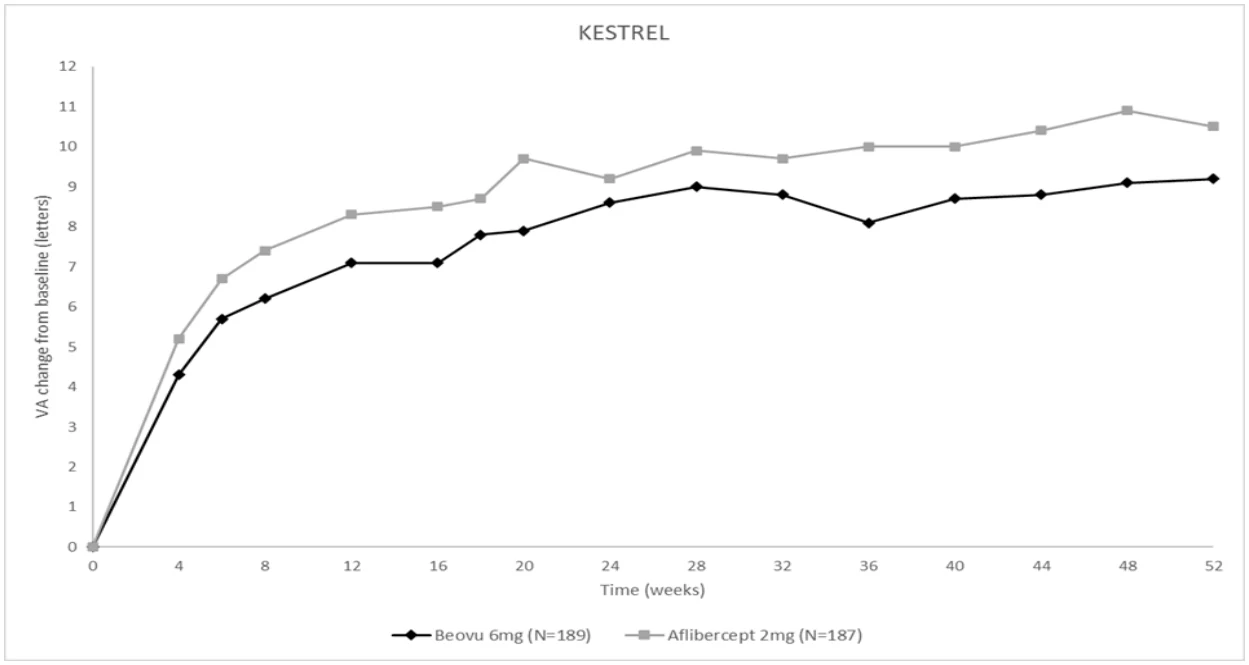
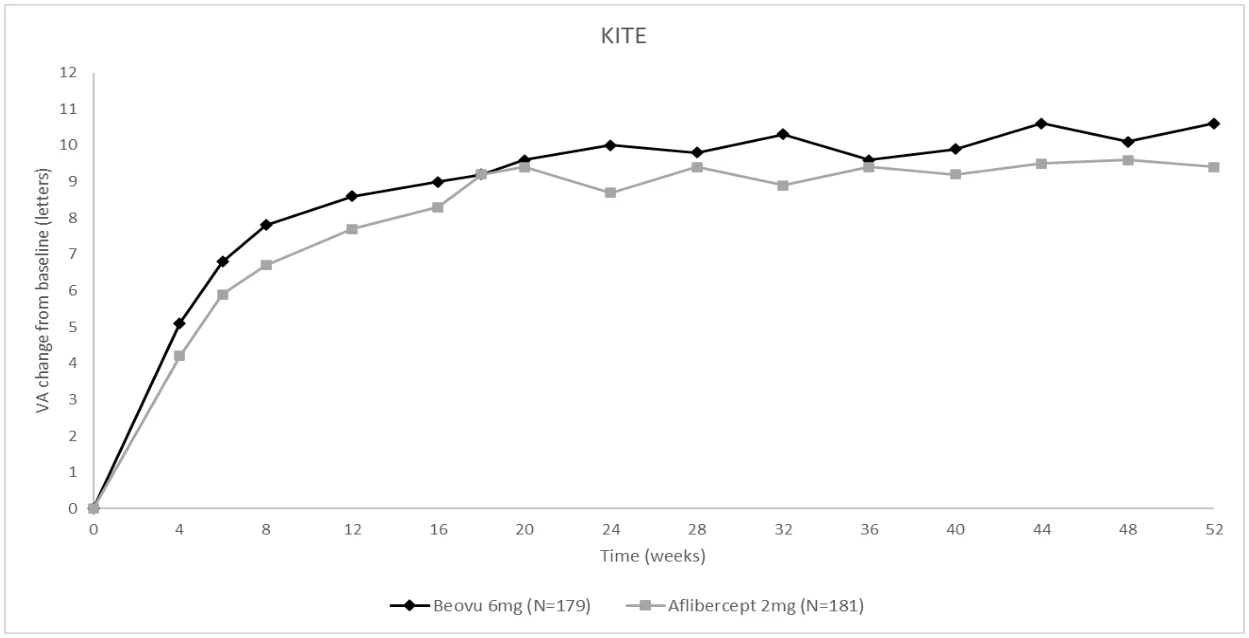
Through Week 52, 55% (KESTREL) and 50% (KITE) of patients treated with Beovu 6 mg remained on the q12w dosing interval. Among patients identified as eligible for q12w dosing during the first 12-week interval, 88% and 95% remained on the q12w dosing interval at Week 52.
14.3 Immunogenicity
As with all therapeutic proteins, there is a potential for an immune response in patients treated with Beovu. The immunogenicity of Beovu was evaluated in serum samples. The immunogenicity data reflect the percentage of patients whose test results were considered positive for antibodies to Beovu in immunoassays. The detection of an immune response is highly dependent on the sensitivity and specificity of the assays used, sample handling, timing of sample collection, concomitant medications, and underlying disease. For these reasons, comparison of the incidence of antibodies to Beovu with the incidence of antibodies to other products may be misleading.
Wet AMD
Anti-brolucizumab antibodies were detected in the pre-treatment sample of 36 – 52% of treatment naive patients. After dosing with Beovu anti-brolucizumab antibodies were detected in at least one serum sample in 53 – 67% of patients.
Intraocular inflammation events were observed in 6% of patients with anti-brolucizumab antibodies detected compared with 1% in patients with no anti-brolucizumab antibodies detected during Beovu treatment.
DME
The pre-treatment incidence of anti-brolucizumab antibodies was 64%. After dosing with Beovu for 52 weeks, treatment-emergent anti-brolucizumab antibodies were detected in 12 to 18% of patients. Intraocular inflammation events were observed in 4.4% of patients with anti-brolucizumab antibodies detected compared with 1.6% in patients with no anti-brolucizumab antibodies detected during Beovu treatment.
In wet AMD and DME, patients with treatment-emergent antibodies, a higher number of intraocular inflammation adverse reactions were observed. Retinal vasculitis and/or retinal vascular occlusion, typically in the presence of intraocular inflammation, are immune mediated adverse events related to exposure to Beovu. This treatment emergent antibody response may develop following the first intravitreal injection (see 7 WARNINGS AND PRECAUTIONS). Anti-brolucizumab antibodies were not associated with an impact on clinical efficacy.
15 MICROBIOLOGY
No microbiological information is required for this drug product.
16 NON-CLINICAL TOXICOLOGY
General Toxicology: A 6-month repeat-dose toxicity study was conducted in cynomolgus monkeys (3 animals/sex/group) in which brolucizumab was administered to one eye by intravitreal injection at a dose of 0, 1, 3, or 6 mg/eye (50 µl) once every 4 weeks for 26 weeks. Evaluations included daily observations for morbidity and mortality, clinical observations (including abnormal respiration and behavior), body weight determinations, biomicroscopic and indirect ophthalmoscopic examinations, intraocular pressure measurements, electroretinograms, clinical pathology, toxicokinetic and anti-drug antibody analysis of the serum and vitreous, and macroscopic and microscopic examinations. Minimal transient intraocular inflammation was observed in all groups, including the control group, which were attributed to the injection procedure. However, an increase in the severity of intraocular inflammation was observed in a few animals administered brolucizumab (1 animal at 3 mg dose and 2 animals at 6 mg dose), but no ocular or systemic toxicity was observed.
The ocular and systemic no observed adverse effect level (NOAEL) with brolucizumab 6 mg per eye every 4 weeks provides a 2-fold margin of ocular safety (based on comparative ocular volume) for the recommended human dose. Systemic exposure was observed following intravitreal administration.
Carcinogenicity: Studies have not been conducted to evaluate the carcinogenic potential of brolucizumab.
Genotoxicity: Studies have not been conducted to evaluate the genotoxic potential of brolucizumab.
Reproductive and Developmental Toxicology: Based on anti-VEGF mechanism of action, brolucizumab is regarded as potentially teratogenic and embryo-/fetotoxic.