


Product Monograph - Clinoleic 20%
RECENT MAJOR LABEL CHANGES
| 2 CONTRAINDICTIONS | 08/2023 |
|---|---|
| 6 WARNINGS AND PRECAUTIONS, Immune | 08/2023 |
| 5 DOSAGE FORMS, STRENGTHS, COMPOSITION AND PACKAGING | 08/2023 |
TABLE OF CONTENTS
Sections or subsections that are not applicable at the time of authorization are not listed.
RECENT MAJOR LABEL CHANGES ............................................................................................ 2
TABLE OF CONTENTS .............................................................................................................. 2
PART I: HEALTH PROFESSIONAL INFORMATION ...................................................................... 4
1 INDICATIONS ............................................................................................................... 4
1.1 Pediatrics ................................................................................................................ 4
1.2 Geriatrics ................................................................................................................ 4
2 CONTRAINDICATIONS ................................................................................................. 4
4 DOSAGE AND ADMINISTRATION ................................................................................. 4
4.1 Dosing Considerations ............................................................................................ 4
4.2 Recommended Dose and Dosage Adjustment ....................................................... 5
4.4 Administration ........................................................................................................ 5
4.5 Missed Dose ........................................................................................................... 6
5 OVERDOSAGE .............................................................................................................. 6
6 DOSAGE FORMS, STRENGTHS, COMPOSITION AND PACKAGING ................................. 7
7 WARNINGS AND PRECAUTIONS .................................................................................. 8
7.1 Special Populations............................................................................................... 10
7.1.1 Pregnant Women ........................................................................................... 10
7.1.2 Breast-feeding ................................................................................................ 10
7.1.3 Pediatrics ........................................................................................................ 10
7.1.4 Geriatrics ........................................................................................................ 10
8 ADVERSE REACTIONS ................................................................................................ 11
8.1 Adverse Reaction Overview .................................................................................. 11
8.2 Clinical Trial Adverse Reactions ............................................................................ 11
8.3 Less Common Clinical Trial Adverse Reactions ..................................................... 13
8.5 Post-Market Adverse Reactions ........................................................................... 13
9 DRUG INTERACTIONS ................................................................................................ 13
9.2 Drug Interactions Overview .................................................................................. 13
9.4 Drug-Drug Interactions ......................................................................................... 13
9.5 Drug-Food Interactions ......................................................................................... 14
9.6 Drug-Herb Interactions ......................................................................................... 14
9.7 Drug-Laboratory Test Interactions ........................................................................ 14
10 CLINICAL PHARMACOLOGY ....................................................................................... 14
10.1 Mechanism of Action ...................................................................................... 14
10.2 Pharmacodynamics ........................................................................................ 15
10.3 Pharmacokinetics ........................................................................................... 15
11 STORAGE, STABILITY AND DISPOSAL ......................................................................... 15
12 SPECIAL HANDLING INSTRUCTIONS ........................................................................... 16
PART II: SCIENTIFIC INFORMATION ....................................................................................... 17
13 PHARMACEUTICAL INFORMATION ............................................................................ 17
14 CLINICAL TRIALS ........................................................................................................ 18
14.1 Trial Design and Study Demographics ............................................................ 18
14.2 Study Results .................................................................................................. 19
15 MICROBIOLOGY ........................................................................................................ 21
16 NON-CLINICAL TOXICOLOGY ..................................................................................... 22
PATIENT MEDICATION INFORMATION .................................................................................. 25
PART I: HEALTH PROFESSIONAL INFORMATION
1 INDICATIONS
CLINOLEIC (Refined Olive Oil and Refined Soybean Oil Lipid Emulsion) 20% is indicated for:
- parenteral nutrition in adults when oral or enteral nutrition is not possible, insufficient, or contraindicated.
- As a lipid emulsion, CLINOLEIC 20% provides a source of fat (or lipids) for adult patients requiring parenteral nutrition.
1.1 Pediatrics
Clinical data on the use of CLINOLEIC 20% in the pediatric population are not provided.
1.2 Geriatrics
Evidence from clinical studies and experience suggests that use in the geriatric population is associated with differences in safety or effectiveness.
2 CONTRAINDICATIONS
The use of CLINOLEIC (Refined Olive Oil and Refined Soybean Oil Lipid Emulsion) 20% is contraindicated in the following populations/situations:
- Known hypersensitivity to egg, soybean or peanuts proteins, or to any active ingredient (olive or soybean oil), excipients, or components of the container. For a complete listing, see the 6 DOSAGE FORMS, STRENGTHS, COMPOSITION AND PACKAGING.
- Severe hyperlipidemia or severe disorders of lipid metabolism characterized by hypertriglyceridemia
- Hypertriglyceridemia-associated acute pancreatitis
4 DOSAGE AND ADMINISTRATION
4.1 Dosing Considerations
Dosing of CLINOLEIC (Refined Olive Oil and Refined Soybean Oil Lipid Emulsion) 20% is based on the energy requirements of the individual patient. Lipids present only one component in parenteral nutrition. For complete parenteral nutrition, concomitant supplementation with amino acids, carbohydrates, electrolytes, vitamins, and trace elements is necessary.
Lipid content: CLINOLEIC 20% contains 200 g/L of lipids (200 mg/mL), corresponding to a content of 40 g/L essential fatty acids.
Care must be taken in co-administering the components of parenteral nutrition. If CLINOLEIC (Refined Olive Oil and Refined Soybean Oil Lipid Emulsion) 20% is to be used as a component of parenteral nutrition, compatibility of the resulting infusion should be evaluated and ensured prior to administration to the patient.
4.2 Recommended Dose and Dosage Adjustment
The dosage depends on energy expenditure, and the patient’s clinical status (degree of stress and daily fatty acid needs), body weight, and ability to metabolize CLINOLEIC 20%, as well as additional energy given orally/enterally. Therefore, the dosage should be individualized and the bag size chosen accordingly.
The maximum daily dose of CLINOLEIC 20% should be based on individual total nutritional requirements and patient tolerance.
Adults
The usual dosage is 1 to 2 g lipids/kg/day. The initial infusion rate must be slow and not exceed 0.1 g lipids or 0.5 mL (10 drops) per minute for 10 minutes then gradually increased until reaching the required rate after half an hour.
The administration flow rate must be adjusted taking into account the dose being administered, the daily volume intake, and the duration of the infusion (see 5 OVERDOSAGE).
The recommended duration of infusion for a parenteral nutrition bag is between 12 and 24 hours, depending on the clinical situation. Treatment with parenteral nutrition may be continued for as long as is required by the patient’s condition.
| Per kg of body weight | For a 70 kg Adult | |
| Usual lipid dosage | 1 to 2 g/kg/day | 70 to 140 g/day |
| Infused volume of CLINOLEIC 20% | 5 to 10 mL/kg/day | 350 to 700 mL/day |
Never exceed 0.15 g lipids/kg/hour (0.75 mL/kg/hour).
4.4 Administration
For instructions for preparation and handling of the emulsion for infusion see 12 SPECIAL HANDLING INSTRUCTIONS.
Intravenous infusion:
When administered as a component of parenteral nutrition (with dextrose and amino acids) the central or peripheral venous route should be chosen, depending on the osmolarity of the final infusate.
When infused alone as a support to oral or enteral nutrition complementary CLINOLEIC 20% can be administered via central or peripheral vein.
The compatibility with solutions administered simultaneously via a common end section must be ensured.
Treatment with parenteral nutrition may be continued for as long as is required by the patient’s clinical conditions. Monitoring of laboratory and clinical parameters is recommended (see 7 WARNINGS AND PRECAUTIONS and Monitoring and Laboratory Tests).
When administered as a component of parenteral nutrition, the compatibility of the components and stability of the admixture must be checked before administration to the patient. Admixing should be accompanied by gentle agitation during preparation under strict aseptic conditions.
When preparing an admixture that includes CLINOLEIC 20%, the final osmolarity of the mixture should be measured before administration via a peripheral vein.
If the final mixture is hypertonic, it may cause irritation of the vein when administered into a peripheral vein.
4.5 Missed Dose
In the event of a missed dose, the infusion should be restarted at the recommended dose and flow rate. Doses should NOT be doubled.
5 OVERDOSAGE
In the event of overdose, fat overload syndrome may result (see 7 WARNINGS AND PRECAUTIONS). Stop the infusion to allow lipids to clear from serum. The effects are usually reversible after the lipid emulsion infusion is stopped. If medically appropriate, further intervention may be indicated.
| For management of a suspected drug overdose, contact your regional poison control centre. |
|---|
6 DOSAGE FORMS, STRENGTHS, COMPOSITION AND PACKAGING
Table – Dosage Forms, Strengths, Composition and Packaging
CLINOLEIC (Refined Olive Oil and Refined Soybean Oil Lipid Emulsion) 20% is presented in a non-Polyvinyl Chloride (PVC) bag and contains a mixture of refined olive oil (approximately 16%) and refined soybean oil (approximately 4%).
Packaging
The bag is a multi-layer non-PVC bag fitted with an injection port and with an administration port for insertion of the spike of the infusion set. The inner (contact) layer of the bag material is made of a blend of polyolefinic copolymers and is compatible with lipid emulsions. Other layers are made of poly-ethylene vinyl acetate and of a copolyester.
To protect from air contact, the bag is packaged in an oxygen barrier overpouch, which contains an oxygen absorber / oxygen indicator sachet.
Pack sizes:
250 mL in bag: Box of 20 or 10 units.
500 mL in bag: Box of 12 or 10 units.
| Route of Administration | Dosage Form / Strength/Composition | Non-medicinal Ingredients |
|---|---|---|
| Intravenous | Lipid Emulsion for Infusion / 20% Refined Olive Oil and Refined Soybean Oil Lipid Emulsion (approximately 16%/4% w/w) | Glycerol Purified egg phosphatide Sodium oleate Sodium hydroxide for pH adjustment Water for injections |
7 WARNINGS AND PRECAUTIONS
General
Fat/lipid emulsions should be administered simultaneously with carbohydrates and amino acids to avoid occurrence of metabolic acidosis.
The infusion must be stopped immediately if any signs or symptoms of an allergic reaction (such as fever, shivering, sweating, headache, skin rashes, or dyspnea) develop.
NEVER ADD other medicinal products or electrolytes directly to CLINOLEIC (Refined Olive Oil and Refined Soybean Oil Lipid Emulsion) 20% bag (see 4 DOSAGE AND ADMINISTRATION).
Infection and sepsis may occur as a result of the use of intravenous catheters to administer parenteral nutrition, poor maintenance of catheters, and immunosuppressive effects of illness, drugs, and parenteral formulations. Vascular access sepsis is a complication that may occur in patients receiving parenteral nutrition. Careful symptomatic and laboratory monitoring for fever/chills, leukocytosis, technical complications with the access device, and hyperglycemia can help recognise early infections. Patients who require parenteral nutrition are often predisposed to infectious complications due to malnutrition and/or their underlying disease state. The occurrence of septic complications can be decreased with heightened emphasis on aseptic technique in catheter placement and maintenance as well as aseptic technique in nutritional formula preparation.
Fat overload syndrome has been reported with lipid products. Reduced ability to eliminate the lipids contained in CLINOLEIC 20% may result in a "fat overload syndrome", which may be caused by overdose; however, the signs and symptoms of this syndrome may also occur when the product is administered according to instructions. This syndrome is characterized by hyperlipidemia, fever, jaundice, liver fatty infiltration, hepatosplenomegaly (deteriorating liver and spleen function), and hypoxia with or without respiratory insufficiency, anemia, leucopenia, thrombocytopenia, coagulation disorders and coma. These symptoms are usually reversible when the lipid emulsion infusion is stopped.
To avoid air embolism due to possible residual gas contained in the primary bag, do not connect flexible bags in series. Air embolism can result if residual gas in the bag is not fully evacuated prior to administration if the flexible bag is pressurized to increase flow rates. Use of a vented intravenous administration set with the vent in the open position could result in air embolism.
Before starting the infusion, correct severe water and electrolyte equilibration disorders, severe fluid overload states, and severe metabolic disorders. Fluid status should be closely monitored in patients with pulmonary edema or heart failure.
If CLINOLEIC 20% is mixed with dextrose and/or amino acid solutions, the compatibility should be checked before administration (see section 4 DOSAGE AND ADMINISTRATION). Formation of precipitates could result in vascular occlusion.
CLINOLEIC 20% is administered as part of a parenteral nutrition regimen. Refeeding severely undernourished patients with parenteral nutrition may result in the refeeding syndrome. The syndrome is characterized by the intracellular shift of potassium, phosphorus, and magnesium as the patient becomes anabolic. Thiamine deficiency and fluid retention may also develop. Careful monitoring and slowly increasing nutrient intakes, while avoiding overfeeding, can prevent these complications.
Carcinogenesis and Mutagenesis
Carcinogenesis, mutagenesis and teratogenic studies were not conducted.
Cardiovascular
Fluid status should be closely monitored in patients with heart failure. The level of triglyceride should be monitored to avoid hypertriglyceridemia when administering CLINOLEIC 20% in patients with acute myocardial infarction.
Endocrine and Metabolism
Serum triglyceride concentrations and the ability of the body to metabolize lipids must be monitored regularly. If a lipid metabolism abnormality is suspected, daily monitoring of serum triglycerides is recommended. Hypertriglyceridemia left untreated can lead to the development of pancreatitis, altered pulmonary function, and immune dysfunction.
Hypercholesterolemia may be caused by excessive amount of phospholipids in the parenteral formula.
Hepatic/Biliary/Pancreatic
Parenteral nutrition should be used with caution in patients with preexisting liver disease or liver insufficiency.
Liver function parameters should be closely monitored in these patients. Hepatobiliary disorders including cholestasis, hepatic steatosis, fibrosis and cirrhosis, possibly leading to hepatic failure, as well as cholecystitis and cholelithiasis are known to develop in some patients on parenteral nutrition.
The etiology of these disorders is thought to be multifactorial and may differ between patients. Patients developing abnormal laboratory parameters or other signs of hepatobiliary disorders should be assessed early by a clinician knowledgeable in liver diseases in order to identify possible causative and contributory factors, and possible therapeutic and prophylactic interventions.
Immune
Hypersensitivity to the constituents of the parenteral nutrition formulation such as egg and soybean or peanut proteins, olive or soybean oil, excipients, or components of the container may occur. See 2 CONTRAINDICATIONS.
Monitoring and Laboratory Tests
Monitor serum triglycerides, fluid and electrolyte status, serum osmolarity, blood glucose, liver and kidney function, blood count, including platelets, and coagulation parameters, throughout treatment. Daily monitoring is recommended during initiation of parenteral nutrition and until the patient and laboratory measurements are stable.
Renal
Use with caution in patients with renal insufficiency.
Respiratory
Lipid emulsions should be given cautiously to patients with acute respiratory distress syndrome.
7.1 Special Populations
7.1.1 Pregnant Women
There are no adequate data on use of CLINOLEIC 20% in pregnant women. Physicians should carefully consider the potential risks and benefits for each specific patient before prescribing CLINOLEIC 20%.
7.1.2 Breast-feeding
There are no adequate data on use of CLINOLEIC 20% in lactating women. Physicians should carefully consider the potential risks and benefits for each specific patient before prescribing CLINOLEIC 20%.
7.1.3 Pediatrics
Pediatrics (<18 years of age): No data are available to Health Canada; therefore, Health Canada has not authorized an indication for pediatric use.
7.1.4 Geriatrics
Evidence from clinical studies and experience suggests that use in the geriatric population is not associated with differences in safety or effectiveness.
8 ADVERSE REACTIONS
8.1 Adverse Reaction Overview
Adverse drug reactions occurred with similar frequencies and in similar proportions of patients treated with CLINOLEIC 20% or refined soybean oil lipid emulsion as evidenced by data obtained from 261 adult patients treated with CLINOLEIC 20% in 14 completed clinical efficacy and safety studies. The most frequent adverse drug reactions noted for CLINOLEIC (Refined Olive Oil and Refined Soybean Oil Lipid Emulsion) 20% in clinical trials were nausea/vomiting and muscle spasm.
8.2 Clinical Trial Adverse Reactions
Because clinical trials are conducted under very specific conditions. The adverse reaction rates observed in the clinical trials; therefore, may not reflect the rates observed in practice and should not be compared to the rates in the clinical trials of another drug. Adverse reaction information from clinical trials may be useful in identifying and approximating rates of adverse drug reactions in real-world use.
Table 1 reflects adverse reactions from exposure to CLINOLEIC 20% in 261 adult patients in 14 active-controlled studies with refined soybean oil lipid emulsions. None of the adverse drug reactions were considered serious reactions.
Table 1 Incidence and rate of ADRs per preferred term (Incidence rate ≥1%) in CLINOLEIC Studies
CLINOLEIC n = 261 (%) | Refined Soybean Oil Lipid Emulsion n = 248 (%) | |
|---|---|---|
Gastrointestinal Vomiting / Nausea Abdominal distension | N = 17 (6.5%) N = 3 (1.1%) | N = 7 (3.2%) N = 1 (0.4%) |
General disorders and administration site conditions Asthenia | N = 3 (1.1%) | N = 1 (0.4%) |
Hepatobiliary disorders Cholestasis | N = 3 (1.1%) | N = 0 (0%) |
CLINOLEIC n = 261 (%) | Refined Soybean Oil Lipid Emulsion n = 248 (%) | |
Investigations Blood triglycerides increased Blood bilirubin increased** Liver function test abnormal*** | N = 4 (1.5%) N = 3 (1.1%) N = 24 (9.2%) | N = 4 (1.6%) N = 1 (0.4%) N = 2 (0.8%) |
Metabolism and nutrition disorders Cell death Hyperglycemia Hypoproteinaemia Hyperlipidemia | N = 4 (1.5%) N = 9 (3.4%) N = 7 (2.7%) N = 6 (2.3%) | N = 2 (0.8%) N = 1 (0.4%) N = 6 (2.4%) N = 1 (0.4%) |
Musculoskeletal and connective tissue disorders Muscle spasms | N = 6 (2.3%) | N = 4 (1.6%) |
Vascular disorders Mean arterial pressure decreased | N = 3 (1.1%) | N = 3 (1.2%) |
*N = Number of patients reporting this ADR.
** Includes Bilirubin Conjugated Increased
***includes reports of Hepatic Function Abnormal, Hepatic Enzyme Increased, Blood Alkaline Phosphatase Increased, Gamma Glutamyl Transferase Increased, Blood Alkaline Phosphatase Abnormal, Gamma Glutamyl Transferase Abnormal
In an open-label, non-comparative study of patients with chronic intestinal failure treated with CLINOLEIC 20% for at least six months, two of 13 patients experienced a reaction considered possibly related to the study treatment (fever suspected to be linked to line infection, and severe pneumonia resulting in death). All patients in this study had severe digestive diseases and were dependent on supplemental parenteral nutrition (to meet their required fat/lipids needs) for 1 to 9 years prior to entry into the clinical trial.
8.3 Less Common Clinical Trial Adverse Reactions
Blood and lymphatic system disorders: Leukopenia
Gastrointestinal disorders: Abdominal pain, Epigastric discomfort
General disorders and administration site conditions: Malaise, Pyrexia
Hepatobiliary disorders: Cytolytic hepatitis
Investigations: Pancreatic enzyme increased
Musculoskeletal and connective tissue and bone disorders: Back pain
Respiratory, thoracic, and mediastinal disorders: Dyspnea
Vascular disorders: Circulatory collapse, Hot flush, Hypotension
8.5 Post-Market Adverse Reactions
In addition to the adverse reactions noted in clinical trials, the following adverse reactions have been reported in the post-marketing experience. These reactions are listed by MedDRA System Order Class (SOC), then by Preferred Term in order of severity.
BLOOD AND LYMPHATIC SYSTEM DISORDERS: Thrombocytopenia
IMMUNE SYSTEM DISORDERS: Hypersensitivity
GASTROINTESTINAL DISORDERS: Diarrhea
SKIN AND SUBCUTANEOUS DISORDERS: Urticaria, Pruritus
GENERAL DISORDERS AND ADMINISTRATION SITE CONDITIONS: Chills
INVESTIGATIONS: International normalized ratio decreased
- Class / Other Reactions
Other adverse reactions associated with similar products include:
- Fat overload syndrome, Thrombocytopenia
- Hepatic failure, Hepatic cirrhosis, Hepatic fibrosis, Cholestasis, Hepatic steatosis, Cholecystitis, Cholelithiasis
9 DRUG INTERACTIONS
9.2 Drug Interactions Overview
No interaction studies have been performed with CLINOLEIC (Refined Olive Oil and Refined Soybean Oil Lipid Emulsion) 20%.
9.4 Drug-Drug Interactions
The drugs listed in this table are based on either drug interaction case reports or studies, or potential interactions due to the expected magnitude and seriousness of the interaction (i.e., those identified as contraindicated).
Table 2 - Established or Potential Drug-Drug Interactions
| [Proper/Common name] | Source of Evidence | Effect | Clinical comment |
| COUMADIN (or coumarin derivatives including warfarin) | T | Decreased anticoagulant effect | Olive and soybean oils have a natural content of vitamin K1 that may counteract the anticoagulant activity of coumarin derivatives, including warfarin. |
Legend: C = Case Study; CT = Clinical Trial; T = Theoretical
9.5 Drug-Food Interactions
No CLINOLEIC 20% - food interaction studies have been performed.
9.6 Drug-Herb Interactions
No CLINOLEIC 20% - herb interaction studies have been performed.
9.7 Drug-Laboratory Test Interactions
CLINOLEIC 20% may interfere with the results of certain laboratory tests (for example, bilirubin, lactate dehydrogenase, oxygen saturation, blood hemoglobin) if the blood sample is taken before the lipids are eliminated (these are generally eliminated after a period of 5 to 6 hours without receiving lipids). Potential assay interference associated with lipemia should be considered when interpreting the results of lipemic samples.
10 CLINICAL PHARMACOLOGY
10.1 Mechanism of Action
Fatty acids (lipids) are important energy sources for the body. The human body cannot synthesize omega-6 (linoleic acid and derivatives) or omega-3 (α-linolenic acid and derivatives) polyunsaturated fatty acids and requires these from the diet. Fatty acids are also important as substrates for membranes, precursors for bioactive molecules (such as prostaglandins), and as regulators of gene expression.
A clinical study examined the metabolism of CLINOLEIC in 6 healthy adult males using indirect calorimetry and measurement of plasma clearance. The subjects received CLINOLEIC or the comparator refined soybean oil lipid emulsion (0.1 g/kg/hour over 5 hours) using a crossover design. Analysis of the data showed no significant difference between the treatments in terms of energy expenditure measured by indirect calorimetry, and lipid metabolism and clearance (i.e. fatty acid profile and triglyceride levels).
10.2 Pharmacodynamics
CLINOLEIC (Refined Olive Oil and Refined Soybean Oil Lipid Emulsion) 20% is a mixture of refined olive oil and refined soybean oil (ratio approximately 16/4 w/w), with the following approximate distribution of fatty acids:
- 15% saturated fatty acids (SFA)
- 65% monounsaturated fatty acids (MUFA)
- 20% polyunsaturated essential fatty acids (PUFA)
The phospholipid/triglyceride ratio is 0.06.
The moderate essential fatty acid (EFA) content may improve utilisation of infused essential fatty acids for synthesis of higher derivative fatty acids.
Olive oil contains significant amounts of alpha-tocopherol that contributes to vitamin E status.
10.3 Pharmacokinetics
Metabolism:
Triglycerides are metabolized to carbon dioxide and excreted by the lungs.
In a study that examined the metabolism of CLINOLEIC in 6 healthy adult males (for study design see 10 CLINICAL PHARMACOLOGY, Mechanism of Action) amounts of carbon dioxide produced versus the amount of oxygen consumed (assessed by indirect calorimetry) were similar in the CLINOLEIC and the refined soybean oil lipid emulsion treatment groups.
In the clinical study C89 CSW 6/3 08F, there was a trend for a better status of the upper derivatives (Σn 6 >18 + 18:3n-6) in the plasma phospholipids fraction in the CLINOLEIC group compared to the refined soybean oil lipid emulsion. The status of upper derivatives of the n-3 series (C >18, sum (n-3)) remained lower than normal values for both lipid emulsions. (For study design, see 14 CLINICAL TRIALS.)
Elimination
The elimination rate of lipid emulsions depends on particle size, fatty acid composition, apolipoprotein content of the lipid globules, lipoprotein lipase activity, and hepatic lipase activity. The maximal removal capacity (K1) for the lipid emulsion found for CLINOLEIC 20% in normal volunteers is 176 ± 16 mg/kg/hr. In CLINOLEIC 20%, the size of the lipid particles is close to that of chylomicrons and this emulsion therefore has a similar elimination rate).
Special Populations and Conditions
Pharmacokinetic data have not been obtained in special patient populations or conditions.
11 STORAGE, STABILITY AND DISPOSAL
Store at room temperature (15 to 30oC). Do not freeze. Store in protective overpouch.
12 SPECIAL HANDLING INSTRUCTIONS
Before opening the overpouch, check the colour of the oxygen indicator. Compare it to the reference colour printed next to the OK symbol and depicted in the printed area of the indicator label. Do not use the product if the colour of the oxygen indicator does not correspond to the reference colour printed next to the OK symbol.
To open
Remove the protective overpouch.
Discard the oxygen absorber / oxygen indicator sachet.
Confirm the integrity of the bag. Use only if the bag is not damaged and if the lipid emulsion is an homogeneous liquid with a milky appearance, with no visible oil droplets at the surface.
Additions
Never make any additions directly to the bag.
Preparation of the Infusion
For single use only. Aseptic conditions must be observed.
Suspend the bag.
Remove the plastic protector from the administration port.
Insert the spike of the infusion set into the administration port.
Administration
For single use only. Aseptic conditions must be observed.
Use administration sets and lines that do not contain di-2-ehtylhexyl phthalate (DEHP).
Use of a final filter is recommended during administration of all parenteral nutrition solutions.
Do not use filters of less than 1.2 micron pore size with lipid emulsions. Do not use the EXACTAMIX Inlet H938173 with an EXACTAMIX compounder to transfer CLINOLEIC 20% injection. This inlet spike has been associated with dislodgement of the administration port membrane into the CLINOLEIC 20% injection bag.
It is recommended that after opening the bag, the contents should be used immediately, and should not be stored for a subsequent infusion. Discard partially used containers.
Do not reconnect any partially used bag.
Do not connect in series in order to avoid the possibility of gas embolism due to air contained in the first bag.
Any unused product or waste material must be discarded.
PART II: SCIENTIFIC INFORMATION
13 PHARMACEUTICAL INFORMATION
Drug Substance
Proper Name Chemical Name | Molecular Formula and Molecular Mass | Structural Formula | Physicochemical Properties |
|---|---|---|---|
| Olive oil, refined | Complex mixture of triglycerides; predominant fatty acids in olive oil are oleic, palmitic and linoleic. Approximately 870 depending on the fatty acid composition. | Clear, colourless or greenish-yellow, transparent liquid, practically insoluble in ethanol (96%), miscible with light petroleum (50°C to 70°C). When cooled, it begins to become cloudy at 10°C and becomes a butter-like mass at about 0°C. It has a relative density of about 0.913. | |
| Soybean oil, refined | Complex mixture of triglycerides; predominant fatty acids in soybean oil are linoleic, oleic, palmitic and linolenic. Approximately 870 depending on the fatty acid composition. | Clear, pale yellow, liquid, miscible with light petroleum (50°C to 70°C), practically insoluble in alcohol. It has a relative density of about 0.922 and a refractive index of about 1.475. |
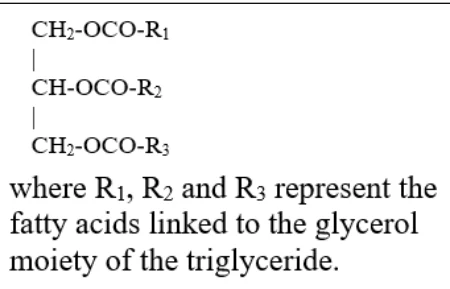
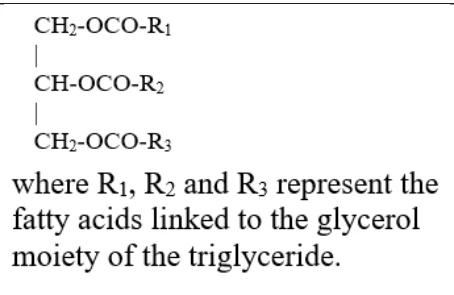
Energy content: 2000 kcal/L
Osmolarity approx.: 270 mOsmol/L
pH: 6 to 8
14 CLINICAL TRIALS
14.1 Trial Design and Study Demographics
Table 3 - Summary of patient demographics for clinical trials in parenteral nutrition
| Study # | Study design | Dosage, route of administration and duration | Study subjects (n) | Mean age (Range) | Sex |
| C89 CSW 6/3 08F | Randomised, open label, multicentre study | 1.88 ± 0.09 g/kg/day for the CLINOLEIC group 1.81 ± 0.07 g/kg/day for the refined soybean oil lipid emulsion group IV Mean 22 days for both groups | ITT population CLINOLEIC n=23 refined soybean oil lipid emulsion n=23 | CLINOLEIC 32 ± 15.0 years refined soybean oil lipid emulsion 30 ± 14.1 years Overall (17-75 years) | CLINOLEIC 16 M, 7 F refined soybean oil lipid emulsion 15 M, 8 F |
| C89 CSW 6/3 10F | Randomised, open label, multicentre study Supplement to oral / enteral nutrition | 0.91 ± 0.07 g/kg/day for the CLINOLEIC group 0.95 ± 0.12 g/kg/day for the refined soybean oil lipid emulsion group IV Mean 202 days for the CLINOLEIC group Mean 145 days for the refined soybean oil lipid emulsion group | ITT population CLINOLEIC n=12 refined soybean oil lipid emulsion n=10 | CLINOLEIC 58 ± 14.9 years (32-81) refined soybean oil lipid emulsion 60 ± 9.2 years (47-75) | CLINOLEIC 7 M, 5 F refined soybean oil lipid emulsion 5 M, 5 F |
Fifteen (15) studies in adult patients are reported for CLINOLEIC (Refined Olive Oil and Refined Soybean Oil Lipid Emulsion) 20%, of which eight (8) were for short-term and seven (7) for long-term administration. The short-term studies included a total of 364 patients, of which 187 were given CLINOLEIC 20% and the long-term studies included a total of 158 patients, of which 87 were given CLINOLEIC 20%. In all of the clinical trials performed, there were 12 deaths among 274 patients infused with CLINOLEIC 20% and 9 deaths among 249 patients treated with comparative lipid emulsions. None were considered by the investigator to be related to the lipid emulsion.
There were two pivotal studies, C89 CSW 6/3 08F and C89 CSQW 6/3 10F. Patients were given parenteral nutrition for reasons that included gastrointestinal or other surgeries, severe digestive diseases, and chronic illness. Parenteral nutrition was exclusive in one of the studies and represented more than 50% of nutritional intake in the other study. In both studies, the lipid emulsion was administered as part of a ternary parenteral nutrition mixture that included amino acids, dextrose, electrolytes, vitamins and trace elements according to patient needs.
14.2 Study Results
Table 4 - Results of study C89 CSW 6/3 08F in parenteral nutrition
| Primary Endpoints | Results |
Nutritional criteria Plasma triglyceride levels Plasma phospholipids fraction | Improvement of anthropometry and biological nutritional status (albumin, total protein, gamma globulin) in both groups (difference not significant) No significant differences in plasma triglyceride levels. Significant difference between the two groups (p < 0.0001) with regard to the change in oleic acid (C18:1n-9) and linoleic acid (C18:2n-6):
|
Table 5 - Results of study C89 CSW 6/3 10F in parenteral nutrition
| Primary Endpoints | Results |
Clinical tolerance Biological tolerance (hepatic and lipid parameters, haematology, phosphocalcic homeostasis, biochemical parameters) | Anthropometric criteria (weight, mid-arm circumference, triceps skin fold) showed similar improvement in both groups. Results for lipid parameters (e.g., plasma triglycerides, total cholesterol, HDL cholesterol, phospholipids) showed no significant differences between groups. Results for hepatic parameters (e.g., AST, ALT, alkaline phosphatase, GGT) showed no significant differences between groups. No significant differences between groups in haematology, plasma proteins, phosphocalcic homeostasis or biochemical parameters. |
The study results demonstrated that the efficacy and safety of CLINOLEIC 20% is similar in nutritional efficacy to the refined soybean oil lipid emulsions in providing parenteral nutrition to patients when oral or enteral nutrition is not possible, insufficient or contraindicated.
Three comparative pharmacologic studies have been performed in healthy volunteers with CLINOLEIC (Refined Olive Oil and Refined Soybean Oil Lipid Emulsion) 20% or refined soybean oil lipid emulsion administered intravenously.
The first study examined the metabolism of the two lipid emulsions in six healthy males at a dose of 0.1 g/kg/h lipid emulsion with glucose and amino acids solutions over 5 hours. The changes were evaluated by measuring energy expenditure by indirect calorimetry and lipid metabolism and clearance (i.e., free fatty acid and triglyceride levels). Analysis of the data showed no significant difference between the two treatments in terms of indirect calorimetry, triglyceride levels, or free fatty acids. Glycerol was significantly higher following treatment with CLINOLEIC 20%.
The analysis of free fatty acids and fatty acids in the triglyceride fraction (TG-FAs) showed significant differences, which essentially reflect the composition of the 2 emulsions:
- TG-FAs: An increase in oleic acid with smaller increases in linoleic acid and palmitic acid following administration of CLINOLEIC 20%. α-Linolenic acid remained stable.
- TG-FAs: An increase in linoleic acid with smaller increases in oleic acid and palmitic acid following administration of refined soybean oil lipid emulsion. α-Linolenic acid remained stable.
The fatty acid profile of the free fatty acids and the triglycerides was similar between treatment groups. These results demonstrated that the levels of triglycerides and free fatty acids, as well as the metabolism, of CLINOLEIC 20% were similar to those of refined soybean oil lipid emulsion. The differences found in the fatty acid profiles essentially reflect the composition of the 2 emulsions. The clinical and biological tolerance of both emulsions was satisfactory.
The second study was performed to examine the in vivo elimination of triglyceride-rich particles after intravenous administration of 2 different emulsions. In a randomized cross-over design, six healthy male volunteers were iv administered CLINOLEIC 20% and a refined soybean oil lipid emulsion 20%. Test emulsions were administered as a single bolus injection (0.1 g/kg TG) followed by an infusion of 0.25 g/kg for 1 hour. The decline in plasma TG was followed during an additional 1 hour period. Olive oil triglycerides exhibited slower elimination than the soybean oil triglycerides. A lower maximal removal capacity (K1) and lower fractional catabolic rate (K2) were measured with the olive-oil-containing emulsion than with the refined soybean oil lipid emulsion. The K1 values were 176.3 ± 16.3 mg/kg/hr in the CLINOLEIC 20% group and 217.9 ± 29.4 mg/kg/hr in the refined soybean oil lipid emulsion group (p < 0.05). The K2 values were 1.83 ± 0.43%/min for CLINOLEIC 20% and 3.0 ± 0.48%/min for refined soybean oil lipid emulsion (p < 0.05). Clearance (K1) of the olive oil emulsion was inversely related to hepatic lipase activity (r = -0.85; p < 0.05). Clearance (K1) of the refined soybean oil lipid emulsion was related to the initial plasma triglyceride concentration (r = 0.84; p < 0.05), but not to lipolytic activity. In vivo apolipoprotein CII levels decreased similarly with both emulsions. It was concluded, based upon the kinetics of triglyceride elimination, that hepatic lipase activity was more important in the elimination of olive oil emulsions than refined soybean oil lipid emulsion. The faster elimination of refined soybean oil lipid emulsion suggested an additional elimination pathway, such as uptake by the reticulo-endothelial system (RES).
The third study investigated the effects on intravenous administration of CLINOLEIC 20% and the refined soybean oil lipid emulsion on biliary secretion and jejunal absorption of bile acids. This randomized, crossover, double-blind study was conducted in 9 healthy male subjects. After a 3 hour saline infusion, one of the test emulsions or saline were infused at 100 mL/hr for 4 hours (lipid dose 0.29 g/kg/hr).
No significant differences were observed between the 2 emulsions or saline with regard to secretion of bile acids, cholesterol, or phospholipids. No significant differences were noted between treatments in the jejunal absorption of bile acids. Serum lipids rose significantly on infusion of both lipid emulsions. The concentrations of triglycerides and free cholesterol were higher with CLINOLEIC 20% than with refined soybean oil lipid emulsion 20%. The results suggested that there was a different mechanism for lipid clearance for each emulsion.
15 MICROBIOLOGY
No microbiological information is required for this drug product.
16 NON-CLINICAL TOXICOLOGY
General Toxicology:
Single-dose Toxicity
Single-dose toxicity was investigated in the mouse and rat to compare the LD50 of CLINOLEIC (Refined Olive Oil and Refined Soybean Oil Lipid Emulsion) 20% with that of 20% refined soybean oil lipid emulsion.
LD50 values were comparable at around 100-112 mL/kg (corresponding to approximately 20 g lipid/kg) in both species with rapid infusion.
Repeat-Dose Toxicity
CLINOLEIC 20% was administered to rats and dogs by intravenous infusion in studies lasting up to 91 days. The key studies conducted are presented in the table below.
| Type of Study | Species and Strain | Method of Administration | Duration of Dosing | Doses |
| 30 Day toxicity study in the rat | Rat Sprague Dawley CD (Charles River) | IV infusion | 30 days | CLINOLEIC 20% 90 mL/kg/day at a rate of 1.2 mL/kg/min (18 g/kg/day) refined soybean oil lipid emulsion 20% 18 g/kg/day |
| 30 Day toxicity study in the rat | Rat Sprague Dawley CD (Charles River) | IV infusion | 30 days | CLINOLEIC 20% 75 mL/kg/day at a rate of 1.5 mL/kg/min (15 g/kg/day) refined soybean oil lipid emulsion 20% 15 g/kg/day |
| 90 Day toxicity study in the rat | Rat Sprague Dawley CD (Charles River) | IV infusion | 90 days | CLINOLEIC 20% 15, 30 and 60 mL/kg/day at a rate of 2 mL/kg/min (3, 6, and 12 g/kg/day) |
| Type of Study | Species and Strain | Method of Administration | Duration of Dosing | Doses |
refined soybean oil lipid emulsion 20% 12 g/kg/day | ||||
| 30 Day toxicity study in the dog | Dog Beagle | IV infusion | 30 days | CLINOLEIC 20% 45 mL/kg/day at a rate of 0.2 mL/kg/min (9 g/kg/day) refined soybean oil lipid emulsion 20% 9 g/kg/day |
| 30 Day toxicity study in the dog | Dog Beagle | IV infusion | 30 days | CLINOLEIC 20% 60 mL/kg/day at a rate of 0.2 mL/kg/min (12 g/kg/day) refined soybean oil lipid emulsion 20% 12 g/kg/day |
| 91 Day toxicity study in the dog | Dog Beagle | IV infusion | 91 days | CLINOLEIC 20% 15, 22.5, 30 mL/kg/day 0.2 mL/kg/min (3, 4.5, and 6 g/kg/day) refined soybean oil lipid emulsion 20% 6 g/kg/day |
The toxicological changes associated with the daily intravenous administration of CLINOLEIC 20% at 15-18 g/kg/day to rats and 9-12 g/kg/day to dogs for 30 consecutive days were comparable to those of refined soybean oil lipid emulsion 20%, the reference refined soybean oil lipid emulsion used in the studies and were consistent with the anticipated effects of excess lipid administration. The effects typically included decreased food consumption, hematuria (rats), mild regenerative anemia and thrombocytopenia, increased hepatic enzymes, hepatocellular and splenic macrophage vacuolation, hepatic and splenic macrophage pigmentation, interstitial and tubular nephritis (rat) and renal tubular vacuolation (dog).
The doses administered in the 30 day repeated dose toxicology studies were 6.0-7.2 times (rat) or 3.6-4.8 times (dog) the maximum clinical dose of 2.5 g/kg/day recommended by American Society of Parenteral and Enteral Nutrition (ASPEN), 2004 Guidelines on Safe Practices for Parenteral Nutrition.
Likewise, when CLINOLEIC was administered intravenously for 90-91 consecutive days to rats at 3-12 g/kg/day and to dogs at 3-6 g/kg/day (1.2-4.8 times and 1.2-2.4 times the maximum clinical dose, respectively), treatment-related changes were limited to the anticipated effects of excess lipid administration as in the 30 day studies and were dose-dependent. With the exception of the lipoid pigment present in hepatic and splenic macrophages, all treatment-related changes were demonstrated to be reversible following treatment withdrawal.
Studies on the carcinogenic potential, reproductive and developmental toxicity, and genotoxic potential of CLINOLEIC 20% have not been performed.