


Product Monograph - Smoflipid 20%
Recent Major Label Changes
| 1 Indications, 1.1 Pediatrics | 2026-09 |
|---|---|
| 4 Dosage and Administrations, 4.2 Recommended Dose and Dosage Adjustment | 2026-09 |
| 7 Warnings and Precautions, General | 2026-09 |
| 7 Warnings and Precautions, 7.1.3 Pediatrics | 2026-09 |
Table Of Contents
Certain sections or subsections that are not applicable at the time of the preparation of the most recent authorized product monograph are not listed.
Recent Major Label Changes ................................................................................................................ 2
Table Of Contents ................................................................................................................................ 2
Part 1: Healthcare Professional Information ......................................................................................... 4
1 Indications ............................................................................................................................... 4
1.1 Pediatrics ............................................................................................................................ 4
1.2 Geriatrics ............................................................................................................................. 4
2 Contraindications .................................................................................................................... 4
4 Dosage and Administration ..................................................................................................... 4
4.1 Dosing Considerations ........................................................................................................ 4
4.2 Recommended Dose and Dosage Adjustment ................................................................... 5
4.4 Administration .................................................................................................................... 6
5 Overdose ................................................................................................................................. 6
6 Dosage Forms, Strengths, Composition and Packaging ............................................................. 7
7 Warnings and Precautions ....................................................................................................... 8
7.1 Special Populations ............................................................................................................. 9
7.1.1 Pregnancy ......................................................................................................................... 10
7.1.2 Breastfeeding .................................................................................................................... 10
7.1.3 Pediatrics .......................................................................................................................... 10
7.1.4 Geriatrics ........................................................................................................................... 10
8 Adverse Reactions ................................................................................................................. 10
8.1 Adverse Reaction Overview .............................................................................................. 10
8.2 Clinical Trial Adverse Reactions ........................................................................................ 11
8.2.1 Clinical Trial Adverse Reactions – Pediatrics ......................................................................... 13
8.4 Abnormal Laboratory Findings: Hematologic, Clinical Chemistry and Other Quantitative Data 15
8.5 Post-Market Adverse Reactions ........................................................................................ 15
9 Drug Interactions ................................................................................................................... 16
9.4 Drug-Drug Interactions ..................................................................................................... 16
9.5 Drug-Food Interactions ..................................................................................................... 16
9.6 Drug-Herb Interactions ..................................................................................................... 16
9.7 Drug-Laboratory Test Interactions .................................................................................... 16
10 Clinical Pharmacology ............................................................................................................ 16
10.1 Mechanism of Action ........................................................................................................ 16
10.2 Pharmacodynamics ........................................................................................................... 17
10.3 Pharmacokinetics .............................................................................................................. 18
11 Storage, Stability, and Disposal .............................................................................................. 19
12 Special Handling Instructions ................................................................................................. 20
Part 2: Scientific Information ............................................................................................................. 25
13 Pharmaceutical Information .................................................................................................. 25
14 Clinical Trials ......................................................................................................................... 25
14.1 Clinical Trials by Indication................................................................................................ 25
15 Microbiology ......................................................................................................................... 28
16 Non-Clinical Toxicology .......................................................................................................... 28
Patient Medication Information ......................................................................................................... 31
Part 1: Healthcare Professional Information
1 Indications
SMOFlipid 20% (6% soybean oil / 6% medium chain triglycerides / 5% olive oil/ 3% fish oil) is indicated for:
- supply of energy and essential fatty acids and omega-3 fatty acids to adult and pediatric patients, as part of a parenteral nutrition regimen, when oral or enteral nutrition is impossible, insufficient or contra-indicated.
1.1 Pediatrics
SMOFlipid can be used in pediatric populations (see 7 Warnings and Precautions).
1.2 Geriatrics
SMOFlipid can be used in adult populations including geriatrics (see 7 Warnings and Precautions).
2 Contraindications
Lipid injectable emulsion is contraindicated in patients with:
- Hypersensitivity to fish, egg, soybean or peanut protein or to any of the active ingredients or excipients.
- Severe hyperlipidemia.
- Severe liver insufficiency.
- Severe blood coagulation disorders.
- Severe renal insufficiency without access to hemofiltration or dialysis.
- Acute shock.
- General contraindications to infusion therapy: acute pulmonary edema, hyperhydration, decompensated cardiac insufficiency.
- Unstable conditions (e.g., severe post-traumatic conditions, uncompensated diabetes mellitus, acute myocardial infarction, stroke, embolism, metabolic acidosis and severe sepsis and hypotonic dehydration).
4 Dosage and Administration
4.1 Dosing Considerations
The patient’s ability to eliminate the fat infused should determine the dosage and infusion rate.
The recommended duration of infusion for a parenteral nutrition bag is between 12 and 24 hours depending on the clinical situation.
The daily dose should be increased gradually during the first week of administration, before reaching the recommended daily dose.
It is recommended to start the first infusion first with 0.1 to 0.2 mL/kg/hour for the first 15 to 30 minutes, and if well tolerated, then gradually increase to the required rate after 30 minutes.
SMOFLIPID, should be protected from ambient light until administration is completed, especially when used in patients under two years of age and after admixture with trace elements and/or vitamins (see 7 Warnings & Precautions, 7.1.3 Pediatrics)
4.2 Recommended Dose and Dosage Adjustment
Adults
The standard dose is 1 to 2 g lipid/kg body weight (b.w.)/day, corresponding to 5 to 10 mL/kg b.w./day.
The maximum infusion rate is 0.15 g lipid/kg b.w./hour, corresponding to 0.75 mL SMOFlipid/kg b.w./hour.
Treatment with parenteral nutrition may be continued for as long as is required by the patient’s condition.
Neonates (preterm newborn infants, term newborn infants), infants and toddlers
The initial dose should be 0.5 – 1.0 g lipid/kg b.w./day followed by a successive increase of 0.5 – 1.0 g lipid/kg b.w./day up to a maximum of 3.0 g lipid/kg b.w./day.
It is recommended not to exceed a daily dose of 3.0 g lipid/kg b.w./day, corresponding to 15 mL SMOFlipid/kg b.w./day.
The rate of infusion should not exceed 0.15 g lipid/kg b.w./hour, corresponding to 0.75 mL SMOFlipid/kg b.w./hour.
In neonates, SMOFlipid should be infused continuously over 20 to 24 hours.
Children
The initial dose should be 1.0 – 2.0 g lipid/kg b.w./day followed by a successive increase of 0.5 – 1.0 g lipid/kg b.w./day up to a maximum of 3.0 g lipid/kg b.w./day.
It is recommended not to exceed a daily dose of 3.0 g lipid/kg b.w./day, corresponding to 15 mL SMOFlipid/kg b.w./day.
The daily dose should be increased gradually during the first week of administration. The infusion rate should not exceed 0.15g lipid/kg b.w./hour, corresponding to 0.75 mL SMOFlipid/kg b.w./hour.
Adolescents
The standard dose is 1.0 – 2.0 g lipid/kg b.w./day. It is recommended not to exceed a daily dose of 2.5 g lipid /kg b.w./day, corresponding to 12.5 mL SMOFlipid/kg b.w./day.
The daily dose should be increased gradually during the first week of administration. The infusion rate should not exceed 0.15g lipid/kg b.w./hour, corresponding to 0.75 mL SMOFlipid/kg b.w./hour. Table 1 Standard daily dose
| Standard daily dose in: | Maximum Infusion rate | ||||
|---|---|---|---|---|---|
| (mL/kg b.w./hour) | |||||
| g fat/kg body weight (b.w.) /day | mL/kg b.w./day | ||||
| Adult † | 1.0 – 2.0 g/kg b.w./day, not to exceed 2.5 g/kg b.w./day | 5 – 10 mL/kg b.w./day, not to exceed 12.5 mL/kg b.w./day | Should not exceed 0.75 mL/kg b.w./hour (§) | ||
Preterm newborn infants, term newborn infants, infants and toddlers (*) (†) (Birth to 2 years of age) | 0.5 - 3.0 g/kg b.w./day Initial dose 0.5 – 1.0 g/kg b.w./day, followed by a gradual increase of 0.5 – 1.0 g up to a maximum of 3.0 g/kg b.w./day | 2.5 – 15 mL/kg b.w./day Initial dose 2.5 – 5 mL/kg b.w./day followed by a gradual increase of 2.5 -5 mL up to a maximum of 15 mL/kg b.w./day | Should not exceed 0.75 mL/kg b.w./hour (§) | ||
Children† (2 years to <12 years of age) | 1.0-3.0 g/kg b.w./day Initial dose 1.0-2.0 g/kg b.w./day, followed by a gradual increase of 0.5-1.0 g up to a maximum of 3.0 g/kg b.w./day | 5-15 mL/kg b.w./day Initial dose 5-10 mL/kg b.w./day followed by a gradual increase of 2.5-5 mL up to a maximum of 15 mL/kg b.w./day | Should not exceed 0.75 mL/kg b.w./hour (§) | ||
Adolescents† (12 to 17 years of age) | 1.0 – 2.0 g/kg b.w./day, not to exceed 2.5 g/kg b.w./day | 5-10 mL/kg b.w./day, not to exceed 12.5 mL/kg b.w./day | Should not exceed 0.75 mL/kg b.w./hour (§) | ||
* In premature and low birth weight neonates, SMOFlipid should be infused continuously over 24 hours.
† The daily dose should be increased gradually during the first week of administration.
§ The first infusion should be started with 0.1 to 0.2 mL/kg/hour for the first 15 to 30 minutes, and if well tolerated, gradually increase to the required rate after 30 minutes.
The infusion rate must be calculated by dividing the prescribed daily dose to be administered by the selected infusion duration, to ensure that the maximum infusion rate does not result in a daily dose exceeding the maximum daily dose (g/kg/day) for the applicable age group.
4.4 Administration
Intravenous infusion into a peripheral or central vein.
5 Overdose
Overdose leading to Fat Overload Syndrome may occur as a result of too rapid infusion rate, or chronically at recommended rates of infusion in association with a change in the patient’s clinical conditions e.g., renal function impairment or infection.
An impaired capacity to eliminate triglycerides may lead to “Fat overload syndrome” which may be caused by overdose. Monitoring for possible signs of metabolic overload is necessary. The cause may be genetic (individual differences in metabolism), or the fat metabolism may be affected by ongoing or previous illnesses. This syndrome may also appear during severe hypertriglyceridemia, and in association with a sudden change in the patient’s clinical condition, such as renal function impairment or infection. The fat overload syndrome is characterized by hyperlipidemia, fever, fat infiltration, hepatomegaly with or without jaundice, splenomegaly, anemia, leukopenia, thrombocytopenia, coagulation disorder, hemolysis and reticulocytosis, abnormal liver function tests and coma.
Should signs of a fat overload syndrome occur, the infusion of SMOFlipid should be interrupted. The symptoms are usually reversible if the infusion of the fat emulsion is discontinued.
Overdosage may lead to side-effects (see 8 Adverse Reactions). In these cases, the lipid infusion should be stopped or, if necessary, continued at a reduced dosage.
6 Dosage Forms, Strengths, Composition and Packaging
Table 2 Dosage Forms, Strengths, Composition and Packaging
SMOFlipid 20%, lipid injectable emulsion, is a white homogeneous emulsion.
Each 100 mL contains:
Soybean oil, refined 6.0 g
Triglycerides, medium-chain 6.0 g
Olive oil, refined 5.0 g
Fish oil, rich in omega-3 acids 3.0 g
Excipients include:
Glycerol 2.5 g
Purified egg phospholipids 1.2 g
All-rac-α-tocopherol 16 – 23 mg
Sodium hydroxide to adjust pH to pH approx. 8
Sodium oleate 30 mg
Water for injection to 100 mL
Total energy: 840 kJ (200 kcal)
pH: approximately 8
| Route of Administration | Dosage Form/Strength/Composition | Non-medicinal Ingredients |
| Intravenous | Emulsion 20% (6% soybean oil / 6% medium chain triglycerides / 5% olive oil / 3% fish oil) | All-rac-α-tocopherol, Glycerol, Purified egg phospholipids, Sodium hydroxide, Sodium oleate, Water for Injection |
For the most recent information in the management of a suspected drug overdose, contact your regional poison control centre or Health Canada’s toll-free number, 1-844 POISON-X (1-844-764-7669).
Osmolality 380 mOsm/kg water
Pack sizes:
100 mL in bag: Box of 10 units.
250 mL in bag: Box of 10 units.
500 mL in bag: Box of 12 units.
1000 mL in bag: Box of 6 units
The packaging consists of an inner bag (primary package) with an oxygen barrier overpouch. An oxygen absorber and an integrity indicator (OxalertTM) are placed between the inner bag and the overpouch.
- The primary plastic container is made from a multilayered film specifically designed for parenteral nutrition drug products. The film is polypropylene based comprising three co- extruded layers. It contains no plasticizers and exhibits virtually no leachables. The container does not contain DEHP (di(2-ethylhexyl)phthalate), PVC or latex. The container is nontoxic and biologically inert.
- The oxygen barrier overpouch consists of polyethylene terephthalate and polyolefin or polyethylene terephthalate, polyolefin and ethylene-vinyl alcohol copolymer (EVOH).
- The overpouch, the oxygen absorber and the integrity indicator should be discarded after opening of the overpouch. The integrity indicator (OxalertTM) will react with free oxygen and change colour from clear to black in case of damage in the overpouch.
7 Warnings and Precautions
General
Individual capacity to eliminate fat should be monitored according to standard practice, which generally includes checking triglyceride levels. Special caution should be taken in patients with a marked risk for hyperlipidemia (e.g., patients with high lipid dosage and severe sepsis).
Reduction of the dosage or cessation of the lipid emulsion should be considered if serum or plasma triglyceride concentrations during or after infusion exceed 3 mmol/L. An overdose may lead to fat overload syndrome (see 8 Adverse Reactions).
The addition of other medications or substances to SMOFlipid should generally be avoided unless compatibility is known.
Clinical decompensations have been reported with rapid infusion of intravenous lipid emulsion in neonates and infants. See Pediatrics 7.1.3.
Smoflipid contains no more than 0.025mcg/ml of aluminium. Prolonged PN administration in patients with renal impairment may result in aluminum toxicity, and preterm neonates are at greater risk due to kidney immaturity and requirements for large amounts of calcium and phosphate solutions that contain aluminum. In these patients, aluminium accumulation resulting in central nervous system and bone toxicity may occur at parenteral levels of aluminum at ≥ 4 to 5 mcg/kg/day, with tissue loading sometimes occurring at lower levels.
Hepatic
Parenteral nutrition-associated liver disease (PNALD) can present as cholestasis (Parenteral nutrition-associated cholestasis [PNAC]) or steatosis, and may progress to cirrhosis (possibly leading to chronic hepatic failure) [see 8.2 Clinical Trial Adverse Reactions, 8.2.1. Clinical Trial Adverse Reactions – Pediatrics]. Liver function tests should be monitored during therapy, and discontinuation or dose reduction should be considered early according to the tests results, especially in infants.
Endocrine and Metabolism
SMOFlipid should be given with caution in conditions of impaired lipid metabolism, which may occur in patients with renal failure, diabetes mellitus, pancreatitis, impaired liver function, hypothyroidism, and sepsis.
Clinical data in patients with diabetes mellitus or renal failure are limited.
Administration of medium-chain fatty acids alone can result in metabolic acidosis. This risk is to a great extent eliminated by the simultaneous infusion of the long chain fatty acids included in SMOFlipid. Concomitant administration of carbohydrates will further eliminate this risk. Hence, simultaneous infusion of carbohydrate or a carbohydrate-containing amino acid solution is recommended.
Immune
This intravenous emulsion contains soybean oil, fish oil and egg phospholipids, which may rarely cause allergic reactions. Crossed allergic reaction has been observed between soybean and peanut.
If a hypersensitivity reaction occurs (anaphylactic reaction -such as fever, shivering, rash or dyspnoea) administration of the emulsion should be discontinued immediately and the appropriate treatment and supportive measures should be undertaken until symptoms have resolved (see 8 Adverse Reactions).
Monitoring and Laboratory Tests
Standard laboratory tests for monitoring parenteral nutrition should be performed regularly. These include blood glucose levels, liver function tests, triglycerides, acid base metabolism, fluid balance, full blood count and electrolytes.
High levels of lipids in plasma may interfere with some laboratory blood tests e.g., hemoglobin.
SMOFlipid should be given with caution to neonates and premature neonates with hyperbilirubinemia and cases with pulmonary hypertension. In neonates, particularly premature neonates on long term parenteral nutrition, blood platelet counts, liver function tests and serum triglycerides should be monitored. Dose reduction (or dose interruption) should be considered as needed according to the test results and patient’s condition.
Metabolism and nutrition disorders
Essential fatty acid deficiency (EFAD) may occur during inadequate SMOFlipid parenteral nutrition therapy. Cases of EFAD (including serious) have been reported in adult and pediatric patients in post-marketing period with the use of SMOFlipid. Signs of EFAD include abnormalities in plasma fatty acids profile including increased Holman Index, Skin/hair changes and other signs of malnutrition. SMOFlipid dosing regimen should be checked and adjusted if needed to prevent EFAD.
7.1 Special Populations
7.1.1 Pregnancy
Parenteral nutrition may become necessary during pregnancy. SMOFlipid should only be given to pregnant women after careful consideration. There are no data available on exposure of SMOFlipid in pregnant women.
7.1.2 Breastfeeding
Parenteral nutrition may become necessary during lactation. SMOFlipid should only be given to breast-feeding women after careful consideration. It is unknown if SMOFlipid is excreted in human milk. Precaution should be exercised because many drugs can be excreted in human milk.
7.1.3 Pediatrics
SMOFlipid can be administered to preterm and term neonates, infants, toddlers, children, and adolescents (see 8 Adverse Reactions and 4 Dosage and Administration).
The use of SMOFlipid in pediatric patients is supported by evidence from short-term studies (up to 4 weeks duration), mostly in neonates. Some limited data on older children or longer duration is available. See 14.1 Clinical Trials by Indication.
In the clinical trial 1, the most common adverse reactions in SMOFlipid-treated pediatric patients were Cholestasis and an increase in blood levels of Gamma-GT, Bilirubin conjugated, and Triglycerides (see 8 Adverse Reactions).
Postmarketing cases of clinical decompensation with rapid infusion of intravenous lipid emulsions in neonates and infants, sometimes fatal, has been reported. The recommended total daily dosage and hourly infusion rate should not exceed 0.75 mL/kg/hour. Preterm and low-birth weight infants have poor clearance of lipid emulsion and increased free fatty acid plasma levels following lipid emulsion infusion. Therefore, monitoring of serum triglycerides and/or plasma free fatty acid levels is recommended, and if these are abnormal, the infusion should be stopped to initiate a medical evaluation.
Infants (especially preterm) receiving prolonged treatment with SMOFlipid can be at risk for aluminum toxicity [see 7 Warnings and Precautions].
Light exposure of parenteral nutrition, especially after admixture with trace elements and/or vitamins, may have adverse effects on clinical outcome in neonates, due to generation of peroxides and other degradation products. When used in neonates and children below 2 years, SMOFLIPID should be protected from ambient light until administration is completed.
7.1.4 Geriatrics
The metabolism of SMOFlipid does not appear to be affected by advanced age.
8 Adverse Reactions
8.1 Adverse Reaction Overview
See 7 Warnings and Precautions.
Adverse reactions observed during the administration of lipid emulsions in general, including SMOFlipid, and reported spontaneously from post-marketing experience consisted of:
Table 3 Frequency of Adverse Drug Reactions*
| System Organ Class | Adverse Drug Reaction | Frequency of Occurrence |
|---|---|---|
| Immune system disorders | Hypersensitivity-reactions (e.g., anaphylactic or anaphylactoid reactions, skin rash, urticaria, flush, headache) | Rare (>0.01% – ≤0.1%) |
| Vascular disorders | Hypotension, hypertension | Rare (>0.01% – ≤0.1%) |
| Respiratory, thoracic and mediastinal disorders | Dyspnea | Rare (>0.01% – ≤0.1%) |
| Gastrointestinal disorders | Lack of appetite, nausea, vomiting | Uncommon (≥0.1% – <1%) |
| Reproductive system and breast disorders | Priapism | Very rare (≤0.01%) |
| General disorders and administration site conditions | Slight increase in body temperature | Common (≥1% – <10%) |
| Chills | Uncommon (≥0.1% – <1%) | |
| Heat or cold sensation, paleness, cyanosis, pain in the neck, back, bones, chest and loins | Rare (>0.01% – ≤0.1%) |
* This applies to lipid emulsions in general.
Should these side-effects occur or should the triglyceride level during infusion rise above 3 mmol/L, the infusion of SMOFlipid should be stopped, or if necessary, continued at a reduced dosage.
SMOFlipid should always be a part of a parenteral nutritional treatment including amino acids, glucose and electrolytes. Nausea, vomiting and hyperglycemia are symptoms related to conditions requiring parenteral nutrition regimens and are sometimes believed to be caused by parenteral nutrition.
Monitoring of triglycerides and blood glucose levels are recommended to avoid elevated levels, which may be harmful.
Fat overload syndrome:
See Section 5 Overdose.
8.2 Clinical Trial Adverse Reactions
Because clinical trials are conducted under very specific conditions the adverse reaction rates observed in the clinical trials may not reflect the rates observed in practice and should not be compared to the rates in the clinical trials of another drug. Adverse drug reaction information from clinical trials is useful for identifying drug-related adverse events and for approximating rates.
The efficacy and safety of SMOFlipid have been studied in 11 07 clinical trials. Studies have been done in healthy volunteers, and adult patients including one long-term study. One large study included 249 adult postoperative patients (ITT population) on total parenteral nutrition for 5 days and in another study in adults, the infusions were given up to two weeks. SMOFlipid is always a component of a regimen providing parenteral nutrition including at least the two other macronutrients (glucose and amino acid solution). Two studies have been performed with SMOFlipid as a part of a fixed regimen delivered in a 3-chamber bag. Altogether 675 subjects from 10 clinical studies have been studied for safety in the trials (338 on SMOFlipid and 337on comparator products). Twenty-two of the subjects were healthy volunteers in the two Phase I studies with a cross-over design.
The adverse events “Hypoesthesia and/or Paraesthesia” on subjects’ hands and/or forearms were observed in 4 healthy volunteers participating in pharmacokinetics studies (FE-SM-02- DE and FE-SM-01-BE) and coded as possibly related by the investigator. These events were transient, non-serious and mild, and resolved spontaneously without added medication or any other action. See Table 6.
Only three patients (one in the SMOFlipid group and two in the comparator group) were reported to have a drug related serious adverse event: one adult male patient in the comparator group had an accidental overdose, one premature baby in the comparator group had Enterobacter sepsis, and one neonate had cholestasis.
Clinical trials reported pneumonia and respiratory failure as adverse events that were classified as not related to the product. Pneumonia occurred in 3 (1.3%) and 4 (1.7%) patients in the SMOFlipid 20% group and the comparator group while 2 (0.9%) and 3 (1.3%) patients experienced respiratory failure in the SMOFlipid 20% group and the comparator group.
The treatment emergent adverse events classified as “at least possibly related” in adults are presented in Table 4. All adverse events classified under Gastrointestinal disorders came mainly from adult postoperative patients after abdominal surgery.
Table 4 Summary of Treatment-Emergent Adverse Drug Reactions in SMOFlipid Studies in Patients
| System organ class Adverse event (preferred term) | SMOFlipid 20% or Three-chamber bags containing SMOFlipid 20% n= 316* (%) | Comparator product n= 315* (%) | ||||||
|---|---|---|---|---|---|---|---|---|
| System organ class Adverse event (preferred term) | SMOFlipid 20% or Three-chamber bags containing SMOFlipid 20% n= 316* (%) | Comparator product n= 315* (%) | ||||||
| Gastrointestinal disorders | 23 (7.3) | 18 (5.7) | ||||||
| Nausea | 13 (4.1) | 13 (4.1) | ||||||
| Vomiting | 13 (4.1) | 6 (1.9) | ||||||
| Flatulence | 4 (1.3) | 1 (0.3) | ||||||
| Abdominal Pain | 1 (0.3) | 1 (0.3) | ||||||
| Investigations | 10 (3.2) | 10 (3.2) | ||||||
| Blood triglycerides increased | 6 (1.9) | 4 (1.3) | ||||||
| Liver function test abnormal | 2 (0.6) | 3 (1.0) | ||||||
Gamma-glutamyltransferase Increased | 1 (0.3) | 3 (1.0) | ||||||
| Blood alkaline phosphatase increased | 1 (0.3) | 2 (0.6) | ||||||
| Blood pressure increased | 1 (0.3) | 0 | ||||||
| Heart rate increased | 1 (0.3) | 0 | ||||||
| Hepatic enzyme increased | 0 | 1 (0.3) | ||||||
| Glucosuria | 1 (0.3) | 0 | ||||||
| Metabolism and nutrition disorders | 8 (2.5) | 6 (1.9) | ||||||
| Hyperglycemia | 5 (1.6) | 3 (1.0) | ||||||
| Hypertriglyceridemia | 3 (0.9) | 3 (1.0) | ||||||
| Hyperchloremia | 1 (0.3) | 0 | ||||||
| Hypernatremia | 1 (0.3) | 0 | ||||||
| Metabolic acidosis | 0 | 1 (0.3) | ||||||
| Hepatobiliary disorders | 6 (1.9) | 8 (2.5) | ||||||
| Hyperbilirubinaemia | 4 (1.3) | 5 (1.6) | ||||||
| Cholestatis | 2 (0.6) | 2 (0.6) | ||||||
| Cytolytic hepatitis | 2 (0.6) | 2 (0.6) | ||||||
| Nervous system disorders | 3 (0.9) | 2 (0.6) | ||||||
| Dysgeusia | 2 (0.6) | 0 | ||||||
| Headache | 1 (0.3) | 1 (0.3) | ||||||
| Tremor | 0 | 1 (0.3) | ||||||
| General disorders and administration site conditions | 2 (0.6) | 3 (1.0) | ||||||
| Edema | 1 (0.3) | 0 | ||||||
| Pyrexia | 1 (0.3) | 0 | ||||||
| Infusion site erythema | 0 | 1 (0.3) | ||||||
| Infusion site swelling | 0 | 1 (0.3) | ||||||
| Chest discomfort | 0 | 1 (0.3) | ||||||
| Pain | 0 | 1 (0.3) | ||||||
| Vascular disorders | 2 (0.6) | 1 (0.3) | ||||||
| Thrombophlebitis | 1 (0.3) | 1 (0.3) | ||||||
| Hypertension | 1 (0.3) | 0 | ||||||
| Injury, poisoning and procedural complications | 0 | 2 (0.6) | ||||||
| Accidental overdose | 0 | 1 (0.3) | ||||||
| Post gastric surgery syndrome | 0 | 1 (0.3) | ||||||
| Infections and infestations | 0 | 1 (0.3) | ||||||
| Enterobacter sepsis | 0 | 1 (0.3) | ||||||
Blood and lymphatic system Disorders | 0 | 1 (0.3) | ||||||
| Anaemia | 0 | 1 (0.3) | ||||||
| Musculoskeletal and connective tissue disorders | 0 | 1 (0.3) | ||||||
| Muscle spasms | 0 | 1 (0.3) | ||||||
Note that the numbers in each column cannot be added because a subject may have had more than one adverse event. *Total number of the patients treated | ||||||||
8.2.1 Clinical Trial Adverse Reactions – Pediatrics
Note that due to a limited number of older children studied, adverse reactions reported / described in adults may apply in older pediatrics patients
SMOFlipid has been studied in 4 pediatric clinical trials. A total of 170 pediatric patients treated with SMOFlipid were included: 149 patients (88%) were less than 28 days of age and mostly premature, 13 patients were 28 days to <2 years of age, and 8 patients were 2 to 7 years of age. Most received SMOFLIPID for 7 to 28 days. (10 patients received it for 2 months). The patients in the comparator group of the four clinical trials received a Soybean oil emulsion (n=127). See 14 Clinical Trials.
In Study 1, the most frequent adverse reactions were related to the liver and/or biliary tract (e.g., gamma-glutamyltransferase increased, cholestasis, bilirubin or transaminases increased).
One premature infant had a treatment-related serious adverse reaction of cholestasis. Treatment discontinuations due to adverse events occurred in three patients, one for each of hematochezia, sepsis, and hypertriglyceridemia.
The adverse reactions reported for Pediatric Study 1 (see 14 Clinical Trials) are presented in Table 5.
Table 5 Summary of Adverse Drug Reactions in SMOFlipid Pediatric Study 1
| System organ class Adverse event (preferred term) | SMOFlipid 20% n= 83* (%) | Comparator (Soybean oil emulsion) n= 78* (%) | |||||||
|---|---|---|---|---|---|---|---|---|---|
| System organ class Adverse event (preferred term) | SMOFlipid 20% n= 83* (%) | Comparator (Soybean oil emulsion) n= 78* (%) | |||||||
| Investigations | 12 (14.5) | 15 (19.2) | |||||||
| Gamma-glutamyltransferase increased | 6 (7.2) | 9 (11.5) | |||||||
| Bilirubin conjugated increased | 3 (3.6) | 7 (9.0) | |||||||
| Blood triglycerides increased | 2 (2.4) | 1 (1.3) | |||||||
| Blood bilirubin increased | 1 (1.2) | 2 (2.6) | |||||||
| Alanine aminotransferase increased | 0 | 2 (2.6) | |||||||
| Blood alkaline phosphatase increased | 0 | 3 (3.8) | |||||||
| Aspartate aminotransferase increased | 0 | 2 (2.6) | |||||||
| International normalised ratio increased | 0 | 1 (1.3) | |||||||
| Prothrombin level increased | 0 | 1 (1.3) | |||||||
| Transaminases increased | 0 | 1 (1.3) | |||||||
| Hepatobiliary disorders | 6 (7.2) | 10 (12.8) | |||||||
| Cholestasis | 6 (7.2) | 9 (11.5) | |||||||
| Hyperbilirubinemia | 0 | 1 (1.3) | |||||||
| Parenteral nutrition associated liver disease (or Parenteral nutrition associated liver cholestasis) | 0 | 2 (2.6) | |||||||
| Metabolism and nutrition disorders | 2 (2.4) | 1 (1.3) | |||||||
| Acidosis | 1 (1.2) | 0 | |||||||
| Hypertriglyceridaemia | 1 (1.2) | 0 | |||||||
| Hyperlipidaemia | 0 | 1 (1.3) | |||||||
| Cardiac disorders | 1 (1.2) | 0 | |||||||
| Tachycardia | 1 (1.2) | 0 | |||||||
| Psychiatric disorders | 1 (1.2) | 0 | |||||||
| Irritability | 1 (1.2) | 0 | |||||||
| Skin and subcutaneous tissue disorders | 1 (1.2) | 0 | |||||||
| Rash erythematous | 1 (1.2) | 0 | |||||||
| Infections and infestations | 0 | 1 (1.3) | |||||||
| Pustule | 0 | 1 (1.3) | |||||||
Note that the numbers in each column cannot be added because a subject may have had more than one adverse event. *Total number of the patients treated | |||||||||
In Study 1, parenteral nutrition-associated cholestasis [PNAC] (i.e., direct bilirubin >2mg/dl confirmed by second elevation >2mg/dl at least 7 days later) occurred in 2 patients treated with SMOFlipid and 9 patients treated with soybean oil emulsion. Two cases in the Smoflipid group and two cases in the soybean oil emulsion group were reported within the first 28 days of therapy. Seven (7) out of the 9 PNAC cases in the soybean oil emulsion group occurred for treatment longer than 28 days.
Table 6 Summary of Treatment-Emergent Adverse Drug Reactions in SMOFlipid Studies in Healthy Volunteers
| System organ class Adverse event (preferred term) | SMOFlipid 20% n= 22* (%) | Comparator product n= 22* (%) |
|---|---|---|
| Nervous system disorders | 5 (22.7) | 0 |
| Headache | 2 (9.1) | 0 |
| Hypoaesthesia | 1 (4.5) | 0 |
| Paraesthesia (slight sensation of stinging and itchiness in one patient) | 3 (13.6) | 0 |
| Vascular disorders | 1 (4.5) | 0 |
| Thrombophlebitis | 1 (4.5) | 0 |
Note that the numbers in each column cannot be added because a subject may have had more than one adverse event.
*Total number of the healthy volunteers treated
8.4 Abnormal Laboratory Findings: Hematologic, Clinical Chemistry and Other Quantitative Data
See Table 4 and Table 6.
8.5 Post-Market Adverse Reactions
Hypersensitivity Reactions
There are three cases of Adverse Drug Reactions reported spontaneously since first registration worldwide. One case was assessed as serious. All three patients showed labelled anaphylactic reactions including rash, flushing, chills and erythema.
Metabolism and nutrition disorders: essential fatty acid deficiency, including serious cases.
Postmarketing cases of clinical decompensation with rapid infusion of intravenous lipid emulsion in neonates and infants, sometimes fatal, has been reported (see 7 Warnings and Precautions, 7.1.3 Pediatrics)
9 Drug Interactions
9.4 Drug-Drug Interactions
Heparin given in clinical doses causes a transient increase in lipoprotein lipase release into the circulation. This may initially result in increased plasma lipolysis, followed by a transient decrease in triglyceride clearance.
Table 7 Established or Potential Drug-Drug Interactions
| Proper name | Ref | Effect | Clinical comment |
|---|---|---|---|
| Heparin | T | A possible transient decrease in triglyceride clearance | These findings are based on basic research and not reported as adverse events in clinical practice |
| Coumarin derivatives | T | May decrease anticoagulant effect | Soybean oil has a natural content of vitamin K1. The content is however so low in SMOFlipid that it is not expected to significantly influence the coagulation process in patients treated with coumarin derivatives |
T = Theoretical
9.5 Drug-Food Interactions
Interactions with food have not been established.
9.6 Drug-Herb Interactions
Interactions with herbal products have not been established.
9.7 Drug-Laboratory Test Interactions
High levels of lipids in plasma may interfere with some laboratory blood tests e.g., hemoglobin.
10 Clinical Pharmacology
10.1 Mechanism of Action
The fat emulsion has a particle size and biological properties similar to those of endogenous chylomicrons. The constituents of SMOFlipid; soybean oil 6%, medium chain triglycerides 6%, olive oil 5% and fish oil 3%, have except for their energy contents, their own pharmacodynamic properties.
Soybean oil has a high content of essential fatty acids. The omega-6 fatty acid linoleic acid is the most abundant (approximately 55 - 60%). Alpha-linolenic acid, an omega-3 fatty acid, constitutes about 8%. This part of SMOFlipid provides the necessary amount of essential fatty acids.
Medium-chain fatty acids are rapidly oxidized and provide the body with a form of immediately available energy.
Olive oil mainly provides energy in the form of mono-unsaturated fatty acids, which are much less prone to peroxidation than the corresponding amount of poly-unsaturated fatty acids.
Fish oil is characterized by a high content of eicosapentaenoic acid (EPA) and docosahexaenoic acid (DHA). DHA is an important structural component of cell membranes, whereas EPA is a precursor of eicosanoids as prostaglandines, thromboxanes and leukotrienes.
Vitamin E protects unsaturated fatty acids against lipid peroxidation.
10.2 Pharmacodynamics
The pharmacodynamic functions of SMOFlipid 20% are the provision of energy, essential fatty acids and omega-3 fatty acids. SMOFlipid 20% comprising of 4 different lipid components, soybean oil, MCT, olive oil, and fish oil is a source of energy with high caloric density, essential fatty acids and omega-3 fatty acids.
The pharmacodynamic properties of SMOFlipid 20% have not been systematically examined in clinical trials because the individual lipid components have been examined in great depth in many years of previous research. The pharmacodynamic effect of SMOFlipid 20% is expected to be a result of the combined effects of the individual components.
Soybean oil
Soybean oil is the main source of essential fatty acids in SMOFlipid 20%. Both linoleic and α-linolenic acid are long-chain fatty acids (LCFA; >12 carbon atoms) as well as polyunsaturated fatty acids (PUFAs). PUFAs are important constituents of all cell membrane phospholipids and serve as precursors for the synthesis of lipid mediators called eicosanoids (e.g., prostaglandins and leukotrienes). An excess of either ω-6 or ω-3 PUFA in parenteral lipid emulsions may be immunosuppressive. The more balanced the ω-6 to ω-3 ratio, the less immunosuppressive effects of the lipid emulsion in a rat heart allotransplantation model were observed. According to clinical and experimental data, it has been suggested that the most favorable ω-6:ω-3 ratio is in the range of 2:1 to 4:1. The ratio of ω-6:ω-3 fatty acids in SMOFlipid 20% is approximately 2.5:1.
Medium-chain triglycerides (MCT)
MCT are more rapidly cleared from the blood stream than long-chain triglycerides (LCT), and MCFA are more rapidly oxidized compared to LCFA, thus providing the body with a form of immediately available energy. MCFA are not stored in fat tissue and do not accumulate in the liver. Intravenous MCT administration has not been associated with fatty infiltration of the liver or hepatic dysfunction. Hepatic metabolism of MCFA results in stimulation of synthesis of ketone bodies, which can be used as an energy source, but eventually result in acidosis. Therefore, it is of importance not to include an excessive quantity of MCT in a lipid emulsion. An emulsion containing as much as 75% MCT (and 25% LCT) has been tested in critically ill patients without observing any harmful effects. The amount of MCT (30%) in SMOFlipid 20% is considered safe in that it is lower than in the physical mixtures of MCT/LCT already commercially available in Europe. Replacing a part of LCT by MCT in SMOFlipid 20% reduces the total amount of PUFA, and thus reduces the risk of lipid peroxidation and the associated requirements for antioxidants.
Olive oil
SMOFlipid 20% contains 50 g/L olive oil, which includes LCT rich in monounsaturated fatty acid (MUFA). Olive oil is rich in the monounsaturated fatty acid oleic acid (C18:1ω9) and mainly provides energy.
Monounsaturated fatty acids are less prone to lipid peroxidation than PUFA due to fewer double bonds in the carbon chains.
Fish oil
Fish oil is characterized by a high content of eicosapentaenoic acid (EPA) and docosahexaenoic acid (DHA), both of which belong to the ω-3 LCFA family. DHA and EPA are important structural components of cell membranes, and EPA is also a precursor of eicosanoids such as prostaglandins, thromboxanes, and leukotrienes, which for example exhibit a lower inflammatory potential than those derived from ω-6 PUFA arachidonic acid (AA).
Increased intake of ω-3 fatty acids is followed by an increased ω-3/ω-6 fatty acid ratio in cell membranes of many cell populations. SMOFlipid contains 15% fish oil. After 5 days post- operative total parenteral nutrition with SMOFlipid ω-3 fatty acids as well as ω-3/ω-6 fatty acid ratio was significantly increased in plasma phospholipids and also in leucocytes and platelets compared to a soybean oil emulsion treatment. As a consequence, the EPA/AA ratio was increased resulting in a significantly higher leukotriene B5 (LTB5) release of neutrophils after stimulation vs control group. Leukotriene B4 (derived from AA) remained similar in both groups leading to a significant increased LTB5/LTB4 ratio in the SMOFlipid group only.
Parenteral fish oil has been successfully and safely used in postsurgical patients, pancreatitis patients, septic patients, patients with chronic plaque-type psoriasis.
10.3 Pharmacokinetics
Two phase I pharmacokinetics studies have been performed in healthy adult men to examine the intravascular metabolism of SMOFlipid 20% (study FE-SM-01-BE) and the elimination of triglycerides and the pharmacokinetics of other lipid parameters after administration of SMOFlipid 20% (study FE-SM-02-DE). The comparator in both studies was a soybean oil emulsion.
Both studies indicated that SMOFlipid 20% was well metabolized intravascularly and showed advantages over a soybean oil emulsion. Specifically, the less marked increase in triglycerides during infusion of SMOFlipid 20% and the faster elimination after stopping the infusion (i.e., shorter half-life) compared to a soybean oil emulsion are of potential benefit, particularly for patients with a limited triglyceride elimination capacity.
Distribution
Once SMOFlipid is administered intravenously it is distributed to all tissues by the vascular circulation.
Metabolism
The components of SMOFlipid are utilized in mainly three metabolic pathways, energy conversion, cell membrane incorporation, and elongation of free-fatty acids. All four lipids are used as energy. Medium chain fatty acids have only one pathway and that is to create energy. The other three components are both used as energy and also incorporated into cell membranes. Furthermore, fish oil has a high content of eicosapentaenoic acid (EPA) and docosahexaenoic acid (DHA). EPA is precursor for mainly anti-inflammatory eicosanoids. The ω3 fatty acid in the soybean oil component (α-linolenic acid; C18:3ω3) is also elongated to EPA and DHA. The ω-6 fatty acid in soybean oil (linoleic acid; C18:2ω6) is converted to γ-linolenic acid and further elongated to arachidonic acid (C20:4ω6), which is precursor for mainly pro- inflammatory eicosanoids.
SMOFlipid is utilized as a nutrient and not excreted.
Elimination
The individual triglycerides have different clearance rate but SMOFlipid as a mixture is eliminated faster than LCT with lower triglyceride levels during infusion. Olive oil has the slowest clearance rate of the components (somewhat slower than LCT) and MCT the fastest. Fish oil in a mixture with LCT has the same clearance rate as LCT alone.
Special Populations and Conditions
- Pediatrics
Preterm neonates are at a higher risk to develop hyperlipidemia than adults. Therefore, the patient’s ability to eliminate the infused lipids should be monitored and especially in neonates and infants SMOFlipid should be administered with caution and the dose should be increased gradually according to separate dosage recommendations. See 7 Warnings and Precautions, 7.1.3 Pediatrics
- Geriatrics
The metabolism of SMOFlipid does not appear to be affected by advanced age. The total need of energy supply may be lower than in younger patients.
- Sex
There are no differences between the genders regarding the metabolism of SMOFlipid.
- Hepatic Insufficiency
Overdosing of energy regardless of origin (glucose or lipids) may cause fat infiltration of the liver and result in further impairment of hepatic insufficiency.
- Renal Insufficiency
As SMOFlipid adds to the circulatory volume, it is important to have an adequate renal function. If the renal function is significantly impaired, it is recommended to have access to dialysis or hemofiltration due to the risk of fluid overload.
11 Storage, Stability, and Disposal
Shelf life of the bag product in the overwrap: 24 months. For use once the overwrap is removed.
The emulsion is intended for intravenous administration only using correct aseptic technique. Use only undamaged bags.
Gently invert the bag before use. Parenteral emulsions should be inspected visually for precipitate, discoloration, phase separation, and leakage prior to administration. Emulsions showing signs of discoloration, phase separation, and leakage should not be used.
Only administration sets and administration lines made from DEHP-free material should be used.
For single use only. Any unused emulsion should be discarded. Store up to 25 °C. Do not freeze.
Do not use SMOFlipid after the expiry date printed on the container.
Shelf life after first opening the container
From a microbiological point of view the emulsion should be used immediately after removing of the overwrap. If not used immediately, in-use storage times and conditions prior to use are the responsibility of the user and would normally not be longer than 24 hours at 2 °C to 8 °C.
Storage after mixing
If additions are made to SMOFlipid, admixtures should be used immediately from a microbiological point of view. If admixtures are not used immediately, in-use storage times and conditions prior to use are the responsibility of the user and would normally not be longer than 24 hours at 2 °C to 8 °C, unless additions have taken place in controlled and validated aseptic conditions.
12 Special Handling Instructions
Instructions for use and handling
Before administering the product in plastic bags to patient, review these directions:
Intravenous (IV) emulsion
These instructions are only intended as guidelines for product use. Please refer to your own departmental guidelines.
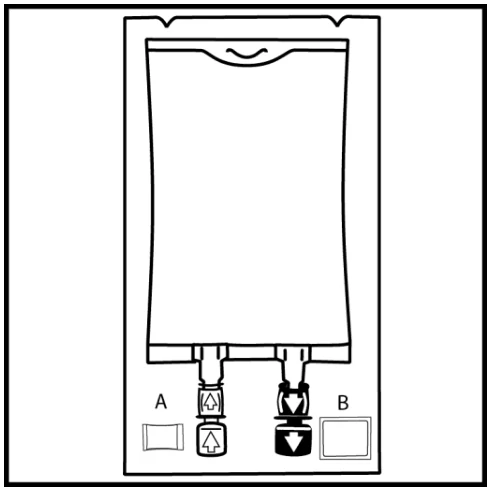
Figure 1
The integrity indicator (Oxalert™) A should be inspected before removing the overwrap. If the indicator is black the overwrap is damaged, and the product should be discarded.
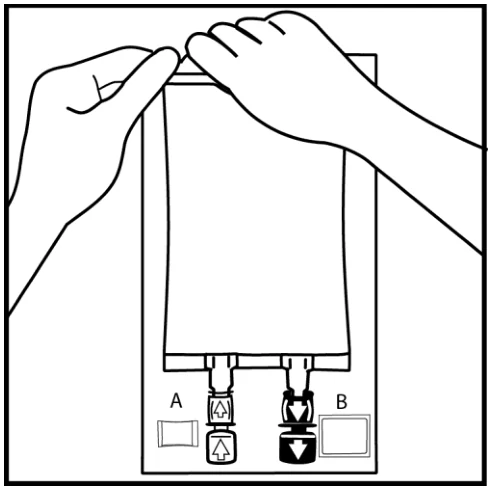
Figure 2
Place the bag on the clean, flat surface. Remove the overwrap by tearing at the notch and pulling down along the container.
The Oxalert™ sachet A and the oxygen absorber B should be discarded.
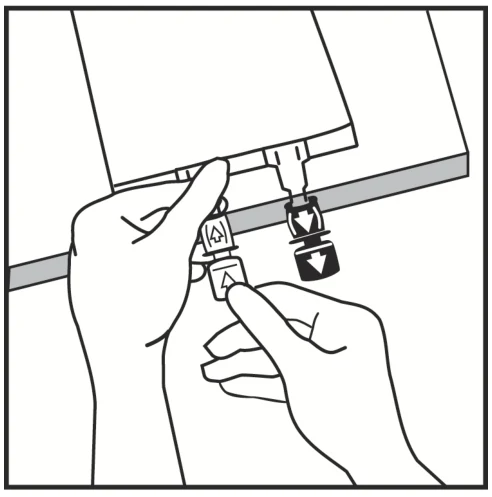
Figure 3
Place the bag on the clean, flat surface. If additives are to be used break off the tamper-evident arrow flag from the white additive port. If no additives are to be used go to Figure 5.
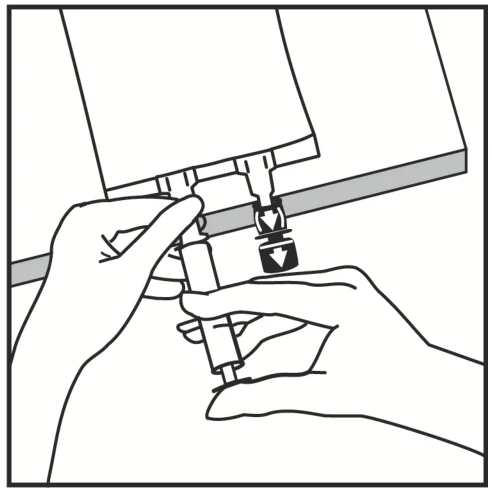
Figure 4
Place the bag on the clean, flat surface. Insert the needle horizontally through the centre of the septum of the additive port and inject the additives (with known compatibility). Use syringes with needles of 18-23 gauge and a length of max. 40 mm.
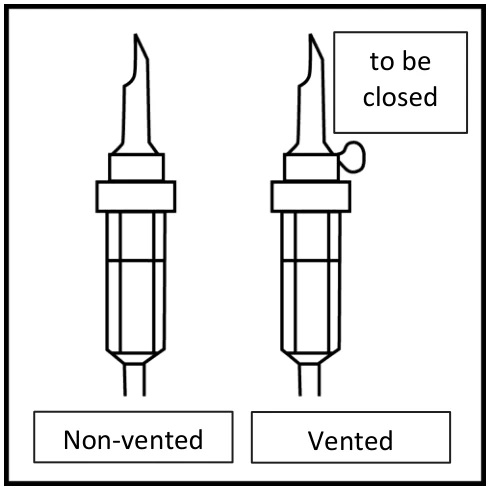
Figure 5
Use a non-vented infusion set or close the air vent on a vented set. Follow the instructions for use for the infusion set. Use a spike with diameter as specified in ISO 8536-4, 5.6 ± 0.1 mm.
Non-vented
Vented
to be closed
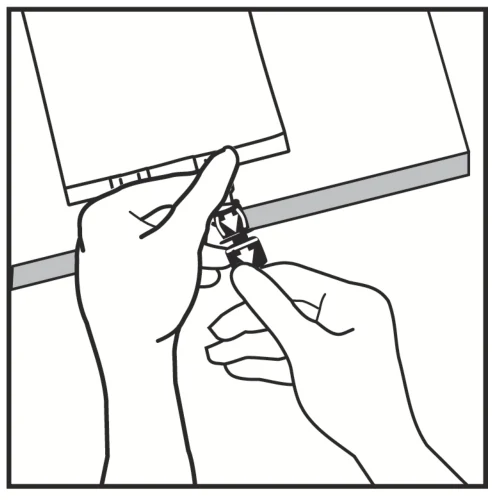
Figure 6
Place the bag on the clean, flat surface. Break off the tamper-evident arrow flag from the blue infusion port.
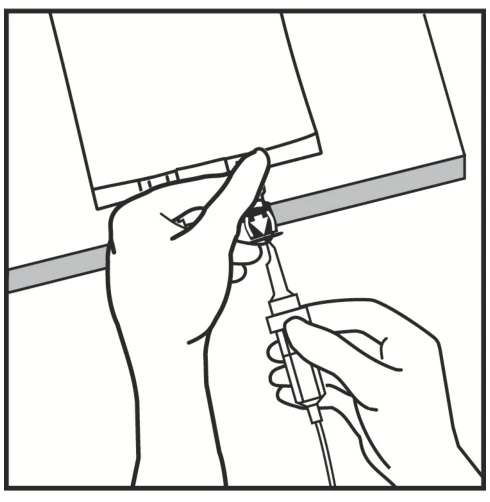
Figure 7
Place the bag on the clean, flat surface. Hold the base of the infusion port. Insert the spike through the infusion port, by rotating your wrist slightly until the spike is inserted.
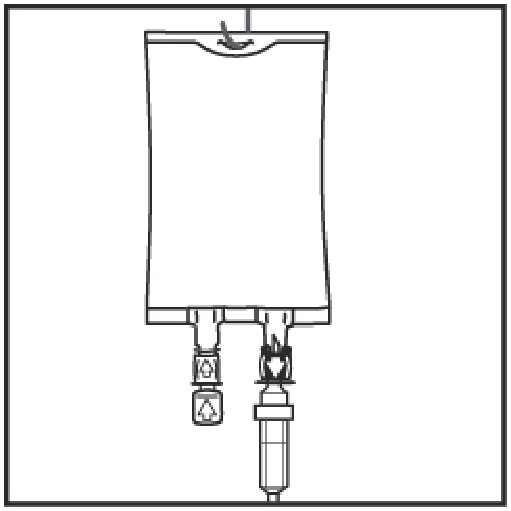
Figure 8
Hang the bag in the hanger cut and start infusion.
Additives
SMOFlipid can be mixed with drugs or vitamins especially formulated for addition to lipid emulsions. SMOFlipid should not be mixed with electrolyte or nutrient solutions, nor should drugs or vitamins be added to the emulsion in the infusion bag unless compatibility of the resulting infusion is evaluated and ensured prior to administration to the patient.
The simultaneous administration of SMOFlipid and amino acid solutions or carbohydrate can be also achieved, using separate infusion sets where the two liquids are allowed to mix in a Y- tube just before the intravenous needle.
Use a 1.2 micron in-line filter during administration.
When infused alone, SMOFlipid can be administered via central or peripheral vein. When administered as a component of parenteral nutrition (with dextrose and amino acids), the osmolarity of the final infusion will dictate whether the central or peripheral venous route should be used.
The remaining contents of a partly used bag must be discarded and should not be stored for later use. To avoid damaging the spike port, use spike conforming to ISO 8536-4, diameter 5.6 mm ± 0.1 mm.
Part 2: Scientific Information
13 Pharmaceutical Information
Drug Substance
| Proper name: | Soybean oil | Medium chain triglycerides (MCT) | Olive oil | Fish oil | |||
|---|---|---|---|---|---|---|---|
| Chemical name: | Not applicable | Not applicable | Not applicable | Not applicable | |||
Molecular formula: | Triacylglycerol (triglyceride) with fatty acid chains mainly C16:0, C18:0, C18:1, C18:2, C18:3 | Triacylglycerol (triglyceride) with fatty acid chains mainly C8:0, C10:0 | Triacylglycerol (triglyceride) with fatty acid chains mainly C16:0, C18:1, C18:2 | Triacylglycerol (triglyceride) rich in the omega-3 fatty acids EPA and DHA (C20:5, C22:6) | |||
| Structural formula: | 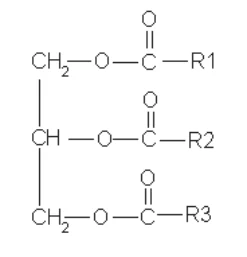 R1, R2, R3 represents the chain of the fatty acids linked to the glycerol backbone. | ||||||
| Physicochemical properties: | Liquid at room temperature. Practically insoluble in water, very soluble in acetone and in heptane while slightly soluble in ethanol. | ||||||
14 Clinical Trials
14.1 Clinical Trials by Indication
Intravenous nutrition
Table 8 Summary of patient demographics for clinical trials in specific indication
| Study No. | Trial design | Dosage (g fat/kg bw/h) | Route of administration | Duration (h) | Study subjects (n=number) | Age (Range) |
|---|---|---|---|---|---|---|
| Study No. | Trial design | Dosage (g fat/kg bw/h) | Route of administration | Duration (h) | Study subjects (n=number) | Age (Range) |
| Study No. | Trial design | Dosage (g fat/kg bw/h) | Route of administration | Duration (h) | Study subjects (n=number) | Age (Range) |
| Healthy volunteers | ||||||
FE-SM-01-BE Pharmacokinetics | open-label, randomized, active- controlled, crossover | 0.15 | IV | 4 | 10 | 18-45 |
FE-SM-02-DE Pharmacokinetics | double-blind, randomized, active- controlled, crossover | 0.125 | IV | 6 | 12 | 18-45 |
| Adult patients | ||||||
FE-SM-03-DE Efficacy/Safety | double-blind, randomized, active- controlled, parallel- group | 1.5 | IV | 5 | 249 | ≥18 |
FE-SM-04-CH Safety | double-blind, randomized, active- controlled, parallel- group | up to max 2 | IV | 10-14 | 32 | ≥18 |
03-3CB7-001* Safety | open-label, randomized, active- controlled, parallel- group | Day 1: 0.6 Days 2-4: 0.9–1.2 Days 5-7: 0.6-1.2 | IV | 5-7 | 53 | ≥18 |
03-3CB8-001** Safety | open-label, randomized, active- controlled, parallel- group | max 1.1 for test product and 1.4 for reference product | IV | 5-7 | 52 | ≥18 |
05-SMOF-006 Safety | double-blind, randomized, active-controlled, parallel-group | max 1-2 | IV | 4 weeks | 73 | ≥18 |
| Children, infants and toddlers | ||||||
00-SMOF-002 Efficacy/Safety | double-blind, randomized, active-controlled, parallel-group | 2.0 | IV | 4 weeks | 28 | 1 month to 11 years |
| Preterm newborn infants | ||||||
00-SMOF-004 Efficacy/Safety | double-blind, randomized, active-controlled, parallel-group | Day 1: 0.5 Day 2: 1.0 Day 3: 1.5 Day 4-14: 2.0 | IV | 7–14 days | 60 | 0 to 7 days old |
03-SMOF-005 Efficacy/Safety | double-blind, randomized, active-controlled, parallel-group | Days 1–3: 1.0 Day 4: 2.0 Day 5: 3.0 Day 6-14: 3.5 | IV | 7–14 days | 84 | 0 to 7 days old |
| SMOF-18-CP3 | double-blind, randomized, active-controlled, parallel-group | Patients already on PN: 3 Patients <1500g: Day 1: 1.0 Day 2: 2.0 Day 3+:3.0 Patients ≥1500 g: Day 1: 2.0 Day 2+: 3.0 | IV | 28-84 days | 161 | 1 to 135 days old |
* Test product: Three-chamber bags containing SMOFlipid 20% (in study 03-3CB7-001 named 3CB SMOF EL): SMOFlipid 20% in one chamber of a three-chamber bag (3CB) delivery system (the two other chambers contained 10% amino acids solution and glucose) composed for central infusion.
** Test product: Three-chamber bags containing SMOFlipid 20% (in study 03-3CB8-001 named 3CB SMOF
Peri EL): SMOFlipid 20% in one chamber of a 3CB delivery system (the two other chambers contained 10% amino acids solution and glucose) composed for peripheral infusion.
Study Results
Adult Clinical Studies
Seven clinical studies comparing the safety and tolerance of SMOFlipid 20% with soybean oil-based lipid emulsions have been conducted in a total of 22 healthy volunteers and 459 adult patients. Safety and tolerance were assessed by adverse event profile, laboratory safety parameters and vital signs. Of these seven clinical studies, efficacy was compared in addition to safety in five studies.
In two randomised, two-period crossover studies in healthy volunteers, the elimination of triglycerides appeared to be faster for SMOFlipid 20% compared to a standard soybean oil emulsion.
Out of 5 randomised, double-blind studies in adult patients, one study was conducted in 249 patients post-surgery. Over 5 days of efficacy evaluation revealed that both treatment groups were equivalent with respect to triglyceride concentration in serum. Due to different composition of the two lipid emulsions, SMOFlipid 20% was associated with higher mean concentrations of the omega-3 fatty acids eicosapentaenoic acid (EPA) and docosahexaenoic acid (DHA) and lower mean concentrations of the ω-6 fatty acid linoleic acid compared to a soybean oil emulsion in plasma free fatty acids and in plasma, leukocyte and platelet phospholipids. The ω-3/ω-6 ratio increased significantly in the SMOFlipid 20% group compared to the soybean oil emulsion group.
The efficacy was also investigated in the long-term study in 73 adult patients. Regarding the ratio of ω- 6/ω-3 fatty acids in red blood cells (RBC) phospholipids and plasma lipoproteins, differences in favour of SMOFlipid were observed which reflected the composition of SMOFlipid 20% compared to Intralipid 20%.
In the five clinical studies performed in adult patients plus the two studies in healthy volunteers, safety and tolerability was considered comparable in the SMOFlipid 20% and comparator groups.
Pediatric Clinical Studies
The efficacy of SMOFlipid compared to soybean oil lipid emulsions in pediatric patients) in 4 randomized active-controlled, double-blind, parallel-group controlled clinical studies (see Table 8).
Although Pediatric Studies 1, 2, 3, and 4 were not adequately designed to demonstrate the noninferiority of SMOFlipid to the soybean oil comparator, they support SMOFlipid as a source of calories and essential fatty acids in pediatric patients. The 333 pediatric patients (170 SMOFlipid; 163 comparator) consisted of 296 patients who were <28 days old, 22 patients 29 days to <2 years old, and 15 patients 2 to <12 years old. Fifty percent of the pediatric patients were male and 87% were Caucasian. All patients received SMOFlipid or the comparator as part of a PN regimen. Nutritional efficacy in neonates was assessed by changes in anthropometric indices (body weight, height, head circumference). Nutritional efficacy in pediatric patients, 28 days to 12 years of age, was assessed by changes in triglyceride concentrations and fatty acid parameters.
Pediatric Study 1 enrolled 152 preterm and term neonates (birth up to 28 days) and 9 patients ranging in age from 29 to 153 days. Patients were treated with either SMOFlipid (n=83) or a soybean oil lipid emulsion (n=78). A total of 113 patients (58 SMOFlipid; 55 comparator) received study treatment for >14 days. A total of 25 patients received SMOFlipid for ≥29 days; 5 patients received SMOFlipid for the maximum study duration of 78-84 days.
Pediatric Studies 2 and 3 enrolled 60 and 84 preterm neonates, respectively, who were treated with either SMOFlipid or a soybean oil lipid emulsion (72 neonates in each group). The median treatment duration for SMOFlipid group was 12 days in Pediatric Study 2 and 7 days in Pediatric Study 3.
Pediatric Study 4 enrolled 13 patients 5 months to <2 years of age and 15 patients 2 to 11.5 years of age. Patients were treated with either SMOFlipid (n=15) or a soybean oil lipid emulsion (n=13) with a median treatment duration of 27 days.
In Pediatric Studies 1, 2 and 3, which enrolled neonates, SMOFlipid-treated patients showed increases in the median body weight, height/length, and head circumference (which was measured in Studies 1 and 3) comparable to the soybean oil lipid emulsion-treated patients. Mean triglyceride levels from baseline to the final assessment in Pediatric Studies 1 and 2 were variable in these neonates, but overall differences between groups were not considered clinically relevant. Mean triglyceride levels in Pediatric Study 4 were variable, but remained within the normal range.
15 Microbiology
No microbiological information is required for this drug product.
16 Non-Clinical Toxicology
The following toxicological studies have been performed with SMOFlipid
| Type of study | Species | SMOFlipid Doses g TG/kg bw/day | Observations and conclusions |
|---|---|---|---|
| Type of study | Species | SMOFlipid Doses g TG/kg bw/day | Observations and conclusions |
| Type of study | Species | SMOFlipid Doses g TG/kg bw/day | Observations and conclusions |
| Single-Dose Toxicity | |||
| Rat | 9, 18, 36 | There was no significant toxicity associated with SMOFlipid up to a dose level of 18 g TG/kg bw (90 ml/kg bw). At 36 g TG/kg bw. toxic signs were observed due to the excessive administration of fluid volume | |
| Repeat-Dose Toxicity | |||
| 4-week | Dog | 9* | A good tolerance was demonstrated. An adjustment to the intravenous supply of energy was indicated by a dose-related reduction in food intake over time. A dose- and time-related reduction in lymphocytes and thrombocytes was found after high doses, i.e., 9 and 6 g TG/kg bw/day, respectively. Serum cholesterol and phospholipids were increased roughly in proportion to the molar dose of TG and reversed completely within 4 weeks of recovery. Significant morphological changes observed were fatty changes in hepatocytes (fat in the centriacinar region); lungs (foci of granulomatous pneumonia) and kidney (interstitial nephritis). At the end of the 4-week recovery period all afore described drug substance-related changes had subsided. |
| 13-week | Dog | 3, 6** | |
| Genotoxicity | |||
| In vitro | |||
| Bacterial gene mutation | S. typhimurium | Up to 40 mg/plate | No mutagenic effects were observed. |
| Chromosomal aberration | Human lymphocytes | Up to 5 mg/ml | |
| HPRT-test | V79 cells | Up to 10 mg/ml | |
| In vivo | |||
| Bone marrow cytogenetic test | Rat | 10 | No mutagenic effect was observed |
| Local Tolerance | |||
Rabbit (iv,ia,pv,sc, im) | SMOFlipid 20% revealed a good local compliance in rabbits after intravenous infusion and following intra-arterial, paravenous and subcutaneous administration. Moderate local changes, which had disappeared after 14 days, were observed after intramuscular administration. | ||
| Dog | In the 4-week and 13-week repeat dose toxicity intravenous infusion studies in peripheral veins with SMOFlipid 20%, a similar slight to moderate reaction, mainly characterized by induration and swelling, was seen at the infusion sites in dogs from the test, reference and control groups at similar incidence and severity. The vascular changes were consistent | ||
with the anticipated response to repeated venipuncture. The osmolality of SMOFlipid 20% is approximately 270 mosmol/kg water and similar that of human serum (281-297 mosmol/kg water). | |||
* Reference Soybean oil emulsion
**Reference: 0.9% NaCl solution
Note: ia (intraarterial), pv (vaginal), sc (subcutaneous), im (intramascular))
No reproductive toxicity studies have been performed with SMOFlipid. However, studies have been performed with the components of SMOFlipid (LCT, MCT, Olive oil and Fish oil) and did not reveal any toxic potential.
Safety pharmacology studies have not been performed with SMOFlipid. However, SMOFlipid repeat dose toxicity studies did not reveal any adverse effects on any organ system or function.
In toxicological studies performed with SMOFlipid no other effects than those expected after high doses of lipids were observed, based on single dose and repeat dose toxicity. No signs of genotoxic potential were detected in the respective studies. In a local tolerance study in rabbits a good local compliance was observed after intravenous infusion and following intra-arterial paravenous and subcutaneous administration. Moderate local changes, which disappeared after 14 days, were observed after intramuscular administration.
In a test in guinea pigs (Maximisation test) fish oil showed moderate dermal sensitization. A systemic antigenicity test gave no indication of evidence of anaphylactic potential of fish oil.