


Product Monograph - Smofkabiven Electrolyte Free
SUMMARY PRODUCT INFORMATION
Route of Administration | Dosage Form / Strength | Clinically Relevant Non-medicinal Ingredients |
| Intravenous | Injectable emulsions SmofKabiven Electrolyte Free [Amino acids, dextrose and lipid injectable emulsion (5.1% / 12.7% / 3.8%); w/v] SmofKabiven extra Nitrogen Electrolyte Free [Amino acids, dextrose and lipid injectable emulsion (6.5% / 8.5% / 2.9%); w/v] | Purified egg phospholipids All-rac-α-tocopherol For a complete listing, see Dosage Forms, Composition and Packaging section. |
INDICATIONS AND CLINICAL USE
SmofKabiven Electrolyte Free [Amino acids, dextrose and lipid injectable emulsion (5.1% / 12.7% / 3.8%); w/v] and SmofKabiven extra Nitrogen Electrolyte Free [Amino acids, dextrose and lipid injectable emulsion (6.5% / 8.5% / 2.9%); w/v] are indicated for intravenous infusion into a central vein as parenteral nutrition for adult patients when oral or enteral nutrition is impossible, insufficient or contraindicated.
SmofKabiven Electrolyte Free and SmofKabiven extra Nitrogen Electrolyte Free are three-component products. Each component is located in a separate chamber. Before use, the seals between the chambers must be broken to mix the components.
Geriatrics:
SmofKabiven Electrolyte Free and SmofKabiven extra Nitrogen Electrolyte Free can be used in adults including geriatrics (see WARNINGS AND PRECAUTIONS section).
CONTRAINDICATIONS
SmofKabiven Electrolyte Free and SmofKabiven extra Nitrogen Electrolyte Free are contraindicated in patients with:
- Hypersensitivity to fish-, egg-, soybean- or peanut protein or to any of the active ingredients or excipients
- Severe hyperlipidemia
- Severe liver insufficiency
- Severe blood coagulation disorders
- Congenital errors of amino acid metabolism
- Severe renal insufficiency without access to hemofiltration or dialysis
- Acute shock
- Uncontrolled hyperglycemia
- General contraindications to infusion therapy: acute pulmonary edema, hyperhydration, and decompensated cardiac insufficiency
- Hemophagocytic syndrome
- Unstable conditions (e.g. severe post-traumatic conditions, uncompensated diabetes mellitus, acute myocardial infarction, stroke, embolism, metabolic acidosis, severe sepsis, hypotonic dehydration, and hyperosmolar coma)
WARNINGS AND PRECAUTIONS
General
The infusion must be stopped immediately if any signs or symptoms of allergic reactions (such as fever, shivering, sweating, headache, skin rashes, or dyspnea) develop.
SmofKabiven Electrolyte Free [Amino acids, dextrose and lipid injectable emulsion (5.1% / 12.7% / 3.8%); w/v] and SmofKabiven extra Nitrogen Electrolyte Free [Amino acids, dextrose and lipid injectable emulsion (6.5% / 8.5% / 2.9%); w/v] should be infused with caution in conditions of impaired lipid metabolism, which may occur in patients with renal failure, diabetes mellitus, pancreatitis, impaired liver function, hypothyroidism, and sepsis.
To avoid risks associated with too rapid delivery, it is recommended to use a continuous and well-controlled infusion, if possible, a volumetric pump.
The amount of individual electrolytes to be added is determined by the clinical condition of the patient and by frequent monitoring of serum levels.
Parenteral nutrition should be given with caution in metabolic acidosis, cellular hypoxia and increased serum osmolarity.
Parenteral nutrition infusion may be accompanied by increased urinary excretion of the trace elements, in particular copper and zinc. This should be considered in the dosing of trace elements, especially during long-term parenteral nutrition.
In malnourished patients, initiation of parenteral nutrition can precipitate fluid shifts resulting in pulmonary edema and congestive heart failure as well as a decrease in the serum concentration of potassium, phosphate, magnesium, and water-soluble vitamins. These changes can occur within 24 to 48 hours. Therefore, careful and slow initiation of parenteral nutrition is recommended in this patient group, together with close monitoring and appropriate adjustments of fluid, electrolytes, minerals, and vitamins.
SmofKabiven Electrolyte Free and SmofKabiven extra Nitrogen Electrolyte Free must not be given simultaneously with transfusion blood in the same Y-on-site infusion set due to the risk of pseudoagglutination.
Since an increased risk of infection is associated with the use of any central vein, strict aseptic precautions should be taken to avoid any contamination during catheter insertion and manipulation.
Fat overload syndrome is a rare condition that has been reported with intravenous lipid formulations. A reduced or limited ability to metabolize the lipid contained in SmofKabiven Electrolyte Free and SmofKabiven extra Nitrogen Electrolyte Free accompanied by prolonged plasma clearance may result in a syndrome characterized by a sudden deterioration in the patient’s condition accompanied by fever, anemia, leukopenia, thrombocytopenia, coagulation disorders, hyperlipidemia, liver fatty infiltration (hepatomegaly), deteriorating liver function, and central nervous system manifestations (e.g. coma).
The cause of the fat overload syndrome is unclear. The syndrome is usually reversible when the infusion of the lipid emulsion is stopped. Although it has been most frequently observed when the recommended lipid dosage was exceeded, cases have also been described where the lipid formulation was administered according to instructions.
Cardiovascular
Fluid status should be closely monitored in patients with pulmonary edema or heart failure.
Endocrine and Metabolism
In patients with hyperglycemia, administration of exogenous insulin might be necessary. SmofKabiven Electrolyte Free and SmofKabiven extra Nitrogen Electrolyte Free should be given with caution in conditions of impaired amino acid metabolism and of impaired lipid metabolism, which may occur in patients with renal failure, diabetes mellitus, pancreatitis, impaired liver function, hypothyroidism, and sepsis.
Hematologic
High levels of lipids in plasma may interfere with some laboratory blood tests, e.g. hemoglobin.
Immune
This intravenous emulsion contains soybean oil, fish oil and egg phospholipids which may rarely cause allergic reactions. Allergic cross reaction has been observed between soybean and peanut oil.
If a hypersensitivity reaction occurs (signs or symptoms of anaphylactic reaction such as fever, shivering, sweating, headache, skin rash, or dyspnoea) infusion of the emulsion must be stopped immediately and the appropriate treatment and supportive measures should be undertaken until the conditions have been resolved.
Renal
Use with caution in patients with renal insufficiency. Intake of electrolytes such as phosphate and potassium should be carefully controlled to prevent e.g. hyperphosphatemia and hyperkalemia.
Fluid and electrolyte status should be closely monitored in these patients.
Special Populations
Pregnant Women:
There are no data available on exposure of SmofKabiven Electrolyte Free and SmofKabiven extra Nitrogen Electrolyte Free in pregnant women. There are no studies available on reproductive toxicity in animals. Parenteral nutrition may become necessary during pregnancy. SmofKabiven Electrolyte Free and SmofKabiven extra Nitrogen Electrolyte Free should only be given to pregnant women after physicians have carefully considered the potential risks and benefits.
Nursing Women:
There are no data available on exposure of SmofKabiven Electrolyte Free and SmofKabiven extra Nitrogen Electrolyte Free in breast-feeding women. Parenteral nutrition may become necessary during lactation. SmofKabiven Electrolyte Free and SmofKabiven extra Nitrogen Electrolyte Free should only be given to breast-feeding women after physicians have carefully considered the potential risks and benefits.
Pediatrics:
No studies have been performed in the pediatric population.
Geriatrics:
Metabolism of SmofKabiven Electrolyte Free and SmofKabiven extra Nitrogen Electrolyte Free does not appear to be affected by advanced age.
Monitoring and Laboratory Tests
Fluid and electrolyte balance, serum osmolarity, serum triglycerides, acid/base balance, blood glucose (dextrose), liver and kidney function, blood count, including platelets, and coagulation parameters should be monitored throughout treatment. Daily monitoring is recommended during initiation of parenteral nutrition and until the patient and laboratory measurements are stable, followed by regular monitoring as required. Blood cell count and coagulation should be monitored
when lipids are given for an extended period.
In patients with renal insufficiency, the phosphate and potassium intake should be carefully controlled to prevent hyperphosphatemia and hyperkalaemia.
Individual capacity to eliminate lipids should be monitored according to standard practice. This is generally done by checking serum triglyceride levels which should not exceed 4 mmol/L during infusion. An overdose may lead to fat overload syndrome, see ADVERSE REACTIONS.
The lipid content of SmofKabiven Electrolyte Free and SmofKabiven extra Nitrogen Electrolyte Free may interfere with certain laboratory measurements (e.g. bilirubin, lactate dehydrogenase, oxygen saturation, hemoglobin) if blood is sampled before lipids have been adequately cleared from the bloodstream. Lipids are cleared after a lipid-free interval of 5 to 6 hours in most patients.
ADVERSE REACTIONS
Adverse Drug Reactions Overview
See WARNINGS AND PRECAUTIONS.
Clinical Trial Adverse Drug Reaction
SmofKabiven
Because clinical trials are conducted under very specific conditions the adverse reaction rates observed in the clinical trials may not reflect the rates observed in practice and should not be compared to the rates in the clinical trials of another drug. Adverse drug reaction information from clinical trials is useful to identify drug-related adverse events and approximate rates. An overview of the studies mentioned in this section is given in Table 12, section Clinical Trials.
The treatment emergent adverse events (TEAEs) classified as “at least possibly related” in the studies 03-3CB7-001 and 03-3CB8-001 with SmofKabiven, are presented in Table 1.
Table 1 - Drug-related TEAEs occurring in studies 03-3CB7-001 and 03-3CB8-001
Drug-related TEAEs by MedDRA preferred term,
n (%) of patients
SmofKabiven pooled
(N=53)
Comparator product pooled
(N=52)
Number of patients with at least 1 TEAE 17 (32.1) 13 (25.0)
Vomiting 7 (13.2) 2 (3.8)
Nausea 5 (9.4) 7 (13.5)
Flatulence 4 (7.5) 1 (1.9)
Edema 1 (1.9) -
Hyperglycemia 1 (1.9) -
Hypertension 1 (1.9) -
Thrombophlebitis 1 (1.9) 1 (1.9)
Abdominal pain - 1 (1.9)
Anemia - 1 (1.9) Sorted by frequency in SmofKabiven pooled group.
SmofKabiven and SMOFlipid
Adverse reactions from 7 studies with SmofKabiven and SMOFlipid, the lipid emulsion component of SmofKabiven Electrolyte Free, that contains 6% soybean oil / 6% medium chain triglycerides / 5% olive oil / 3% fish oil (w/v) in adults are shown in Table 2.
Table 2 - Summary of Treatment-Emergent Adverse Drug Reactions in SmofKabiven and SMOFlipid Studies
System organ class Adverse event (preferred term) | SmofKabiven or SMOFlipid 20% n= 316* (%) | Comparator product n= 315* (%) |
Gastrointestinal disorders Nausea Vomiting Flatulence Abdominal Pain Investigations Blood triglycerides increased Liver function test abnormal Gamma-glutamyltransferase increased Blood alkaline phosphatase increased Blood pressure increased Heart rate increased Hepatic enzyme increased Glucosuria Metabolism and nutrition disorders Hyperglycemia Hypertriglyceridemia Hyperchloremia Hypernatremia Metabolic acidosis Hepatobiliary disorders Hyperbilirubinemia Cholestasis Cytolytic hepatitis | 23 (7.3) 13 (4.1) 13 (4.1) 4 (1.3) 1 (0.3) 10 (3.2) 6 (1.9) 2 (0.6) 1 (0.3) 1 (0.3) 1 (0.3) 1 (0.3) 0 1 (0.3) 8 (2.5) 5 (1.6) 3 (0.9) 1 (0.3) 1 (0.3) 0 6 (1.9) 4 (1.3) 2 (0.6) 2 (0.6) | 18 (5.7) 13 (4.1) 6 (1.9) 1 (0.3) 1 (0.3) 10 (3.2) 4 (1.3) 3 (1.0) 3 (1.0) 2 (0.6) 0 0 1 (0.3) 0 6 (1.9) 3 (1.0) 3 (1.0) 0 0 1 (0.3) 8 (2.5) 5 (1.6) 2 (0.6) 2 (0.6) |
Table 2 - Summary of Treatment-Emergent Adverse Drug Reactions in SmofKabiven and SMOFlipid Studies (continued)
System organ class Adverse event (preferred term) | SmofKabiven or SMOFlipid 20% n= 316* (%) | Comparator product n= 315* (%) |
Nervous system disorders Dysgeusia Headache Tremor General disorders and administration site conditions Edema Pyrexia Infusion site erythema Infusion site swelling Chest discomfort Pain Vascular disorders Thrombophlebitis Hypertension Injury, poisoning and procedural complications Accidental overdose Post gastric surgery syndrome Infections and infestations Enterobacter sepsis Blood and lymphatic system disorders Anemia Musculoskeletal and connective tissue disorders Muscle spasms | 3 (0.9) 2 (0.6) 1 (0.3) 0 2 (0.6) 1 (0.3) 1 (0.3) 0 0 0 0 2 (0.6) 1 (0.3) 1 (0.3) 0 0 0 0 0 0 0 0 0 | 2 (0.6) 0 1 (0.3) 1 (0.3) 3 (1.0) 0 0 1 (0.3) 1 (0.3) 1 (0.3) 1 (0.3) 1 (0.3) 1 (0.3) 0 2 (0.6) 1 (0.3) 1 (0.3) 1 (0.3) 1 (0.3) 1 (0.3) 1 (0.3) 1 (0.3) 1 (0.3) |
Note, that numbers in each column cannot be added because a subject may have had more than one adverse event. *Total number of patients treated.
Less common Clinical Trial Adverse Drug Reactions (<1%)
Not applicable. There were no other ADRs reported from clinical studies than the ones reported in Table 1.
Abnormal Hematological and Clinical Chemistry Findings
No clinically relevant changes indicating impairment of body functions were seen over the course of the study and no notable differences were observed between the treatment groups.
The amino acid component of SmofKabiven Electrolyte Free and SmofKabiven extra Nitrogen Electrolyte Free was compared in a clinical study to another amino acid solution that is approved in Europe. In the Aminoven 10% study (AS-CS-01-FR), the incidence of adverse drug reactions was comparable between the Aminoven 10% and the Nutrilamine 16 group among 30 ICU patients evaluated for safety.
Table 3 - Adverse Drug Reactions in the Aminoven 10% Study AS-CS-01-FR
| Body system | Aminoven 10% group | Comparator group |
Liver disorders Alkaline phosphatase elevation | 1 (7.5%) | 1 (7.5%) |
Metabolic disorders Hyperglycemia + osmotic polyuria | 1 (7.5%) | - |
Post-Marketing Adverse Drug Reactions
Adverse Drug Reactions observed during administration of emulsions for intravenous nutrition in general, including SmofKabiven Electrolyte Free, and reported spontaneously from post-marketing experience consisted of:
Table 4 - Frequency of Adverse Drug Reactions for lipid emulsions *
| System Organ Class | Adverse Drug Reaction | Frequency of Occurrence |
| Cardiac disorders | Tachycardia | Rare (>0.01% – ≤ 0.1%) |
| Vascular disorders | Hypotension, hypertension | Rare (>0.01% – ≤ 0.1%) |
| Respiratory, thoracic and mediastinal disorders | Dyspnea | Rare (>0.01% – ≤ 0.1%) |
| Gastrointestinal disorders | Lack of appetite, nausea, vomiting | Uncommon (≥0.1% – < 1%) |
| Metabolism and nutrition disorders | Elevated plasma levels of liver enzymes | Uncommon (≥0.1% – < 1%) |
| Reproductive system and breast disorders | Priapism | Very rare (≤ 0.01%) |
General disorders and administration site conditions | Slight increase in body temperature | Common (≥1% – < 10%) |
| Chills, dizziness, headache | Uncommon (≥0.1% – < 1%) | |
Hypersensitivity-reactions (e.g. anaphylactic or anaphylactoid reactions, skin rash, urticaria, flush, headache), heat or cold sensation, paleness, cyanosis, pain in the neck, back, bones, chest and loins | Rare (>0.01% – ≤ 0.1%) |
*This applies to lipid emulsions in general and therefore to lipid-containing parenteral nutrition.
As with all parenteral infusions, extravasation may occur and should be treated according to symptoms.
In case these side effects occur during the infusion of SmofKabiven Electrolyte Free [Amino acids, dextrose and lipid injectable emulsion (5.1% / 12.7% / 3.8%); w/v] and SmofKabiven extra Nitrogen Electrolyte Free [Amino acids, dextrose and lipid injectable emulsion (6.5% / 8.5% / 2.9%); w/v], the infusion should be stopped or, if necessary, continued at a reduced dosage.
Adverse Drug Reactions observed during administration of emulsion for intravenous nutrition in general, including SMOFlipid, and reported spontaneously from post-marketing experience are displayed in Table 4.
DRUG INTERACTIONS
Drug-Drug Interactions
Some medicinal products, like insulin, may interfere with the body’s lipase system. This kind of interaction seems, however, to be of limited clinical importance.
Intravenous heparin infused in clinical doses and some non-steroidal anti-inflammatory drugs (NSAIDs) cause a transient increase in lipoprotein lipase release into the circulation. This may initially result in increased plasma lipolysis, followed by a transient decrease in triglyceride clearance.
Table 5 - Potential Drug-Drug Interactions
| Proper name | Ref | Effect | Clinical comment |
| Heparin, NSAIDs | T | A possible transient decrease in triglyceride clearance | These findings are based on basic research and not reported as adverse events in clinical practice. |
| Insulin | T | May interfere with the body’s lipase system | These findings are based on basic research and not reported as adverse events in clinical practice. |
| Coumarin derivatives | T | May decrease anticoagulant effect | Soybean oil has a natural content of vitamin K1. However, the content is so low in SmofKabiven Electrolyte Free and SmofKabiven extra Nitrogen Electrolyte Free that it is not expected to impair the therapeutic effects of coumarin derivatives on coagulation. |
Legend: NSAID: non-steroidal anti-inflammatory drugs; T = Theoretical
Drug-Food Interactions
No SmofKabiven Electrolyte Free or SmofKabiven extra Nitrogen Electrolyte Free-food interaction studies have been performed.
Drug-Herb Interactions
No SmofKabiven Electrolyte Free or SmofKabiven extra Nitrogen Electrolyte Free-herb interaction studies have been performed.
Drug-Laboratory Interactions
High plasma levels of lipids may interfere with some laboratory blood tests, e.g. hemoglobin.
DOSAGE AND ADMINISTRATION
Dosing Considerations
The patient’s ability to eliminate lipids as well as metabolize nitrogen and glucose, and the nutritional requirements should govern the dosage and infusion rate. The dose should be individualized with regard to the patient’s clinical condition and body weight (bw).
The nitrogen requirements for maintenance of body protein mass depend on the patient’s condition (e.g. nutritional state and degree of catabolic stress or anabolism).
The requirements are 0.6 – 0.9 g amino acids/kg bw/day (0.10 – 0.15 g nitrogen/kg bw/day) in the normal nutritional state or in conditions with mild catabolic stress. In patients with moderate to high metabolic stress with or without malnutrition, the requirements are in the range of 0.9 – 1.6 g amino acids/kg bw/day (0.15 – 0.25 g nitrogen/kg bw/day). In some very special conditions (e.g. burns or marked anabolism), the nitrogen need may be even higher.
Recommended Dose and Dosage Adjustment
Dosage
The dosage range of 13 – 31 mL SmofKabiven Electrolyte Free/kg bw/day corresponds to 0.6 – 1.6 g amino acids/kg bw/day (0.10 – 0.25 g nitrogen/kg bw/day) and 14 – 35 kcal/kg bw/day of total energy (12 – 27 kcal/kg bw/day of non-protein energy).
The dosage range of 13 – 31 mL SmofKabiven extra Nitrogen Electrolyte Free/kg bw/day corresponds to 0.85 – 2.0 g amino acids/kg bw/day (0.14 – 0.32 g nitrogen/kg bw/day) and 12 – 28 kcal/kg bw/day of total energy (8 – 19 kcal/kg bw/day of non-protein energy).
Dosing with either SmofKabiven Electrolyte Free or SmofKabiven extra Nitrogen Electrolyte Free covers the needs for the majority of the critically and non-critically ill patients. In obese patients, the dose should be based on the estimated ideal weight.
Infusion rate
The maximum infusion rate for dextrose (glucose) is 0.25 g/kg bw/h, for amino acid 0.10 g/kg bw/h, and for lipids 0.15 g/kg bw/h.
The infusion rate of SmofKabiven Electrolyte Free should not exceed 2.0 mL/kg bw/h providing 0.25 g dextrose (glucose), 0.10 g amino acids, and 0.08 g lipids/kg bw/h.
The infusion rate of SmofKabiven extra Nitrogen Electrolyte Free should not exceed 1.5 mL/kg bw/h, providing 0.13 g dextrose (glucose), 0.10 g amino acids, and 0.04 g lipids/kg/ bw/h.
The recommended infusion period is 14 – 24 hours.
Maximum daily dose
The recommended maximum daily dose of SmofKabiven Electrolyte Free is 35 mL/kg bw/day providing 1.8 g amino acids/kg bw/day (corresponding to 0.28 g nitrogen/kg bw/day), 4.5 g
dextrose (glucose)/kg bw/day, 1.33 g lipids/kg bw/day and a total energy of 39 kcal/kg bw/day (corresponding to 31 kcal/kg bw/day of non-protein energy).
The recommended maximum daily dose of SmofKabiven extra Nitrogen Electrolyte Free is 31 mL/kg bw/day, providing 2.0 g amino acids/kg bw/day (corresponding to 0.32 g nitrogen/kg bw/day), 2.6 g glucose/kg bw/day, 0.9 g lipids/kg bw/day and a total energy content of 28 kcal/kg bw/day (corresponding to 19 kcal/kg bw/day of non-protein energy).
The four different package sizes of SmofKabiven Electrolyte Free and five different package sizes of SmofKabiven extra Nitrogen Electrolyte Free are intended for patients with basal, moderately increased or high nutritional requirements. To provide total parenteral nutrition, trace elements, vitamins, and electrolytes should be added to SmofKabiven Electrolyte Free and SmofKabiven extra Nitrogen Electrolyte Free according to the patient’s individual requirements.
Administration
SmofKabiven Electrolyte Free [Amino acids, dextrose and lipid injectable emulsion (5.1% / 12.7% / 3.8%); w/v] and SmofKabiven extra Nitrogen Electrolyte Free [Amino acids, dextrose and lipid injectable emulsion (6.5% / 8.5% / 2.9%); w/v] are intended for infusion into a central vein once the vertical and horizontal seals have been broken and compartments thoroughly mixed. (See SPECIAL HANDLING INSTRUCTIONS)
SmofKabiven Electrolyte Free and SmofKabiven extra Nitrogen Electrolyte Free may only be mixed with other medicinal products for which compatibility has been documented (see SPECIAL HANDLING INSTRUCTIONS).
Ceftriaxone must not be administered simultaneously with intravenous calcium containing solutions through the same infusion line (e.g. via Y-site) because of the risk of precipitation of ceftriaxone-calcium salt. If the same infusion line is used for sequential administration, the line must be thoroughly flushed with a compatible fluid between infusions.
OVERDOSAGE
If symptoms of overdose of lipids or amino acids occur, the infusion should be reduced or discontinued. There is no specific antidote for overdose. Emergency procedures should be general supportive measures, with particular attention to respiratory and cardiovascular systems. Close biochemical monitoring would be essential and specific abnormalities treated appropriately.
If hyperglycemia occurs, it should be treated according to the clinical situation either by appropriate insulin administration and/or adjustment of the infusion rate.
Additionally, overdose might cause fluid overload, electrolyte imbalances, and serum hyperosmolarity.
In rare serious cases, renal replacement therapy may be considered.
For management of a suspected drug overdose, contact your regional Poison Control Centre.
ACTION AND CLINICAL PHARMACOLOGY
Mechanism of Action
The primary goal of parenteral nutrition is to provide adequate calories and protein to supply required nutrients and to prevent malnutrition with its associated complications when the patient is unable to receive adequate oral or enteral nutrition. SmofKabiven Electrolyte Free and SmofKabiven extra Nitrogen Electrolyte Free provide the three macronutrients: glucose (as dextrose), amino acids, and lipids consisting of saturated fatty acids especially MCT (medium-chain triglycerides), monounsaturated and polyunsaturated fatty acids (essential fatty acids).
Amino acids provide the basic substrates for protein synthesis in all tissues and are metabolic precursors and intermediates of numerous other molecules and biochemical pathways. Amino acids provided in excess of requirements are not stored but are used as metabolic fuel. The alpha amino group is removed and the remaining carbon skeleton is transformed into acetyl CoA, acetoacetyl CoA, pyruvate, alpha-ketoglutarate, succinate fumarate, or oxaloacetate.
An adequate supply of amino acids is required for protein synthesis and reduced protein breakdown, especially in metabolic situations with increased endogenous protein degradation, as in many acute or chronic catabolic diseases.
Dextrose (glucose) is the primary source of energy for cells. All body cells have the capacity to metabolize dextrose (glucose) into pyruvate (glycolysis), which may then be oxidized in mitochondria when present, or converted anaerobically to lactate. Channels for entrance of dextrose into body cells may be activated by insulin or, as in red blood cells, be independent from insulin. Dextrose can be stored in the liver as glycogen under the influence of insulin and converted back as required.
Lipids should be an integral part of a parenteral nutrition regimen. Fatty acids are the most calorically dense form of energy available (9 kilocalories per gram vs approx. 4 kilocalories per gram glucose and amino acids). Fatty acids may be oxidized or incorporated in cell membranes and act as precursors for prostaglandins, leukotrienes, thromboxanes, other bioactive molecules as regulators of gene expression, and as modulators of hormonal functions. Fatty acids also have a role in the propagation of nerve impulses, and in absorption of fat-soluble vitamins from the diet.
The two essential fatty acids (EFA) linoleic acid, an omega-6 polyunsaturated fatty acid (PUFA) and α-linolenic acid, an omega-3 polyunsaturated fatty acid, have to be provided intravenously if the gut is dysfunctional. Long-chain omega-3 fatty acids, especially eicosapentaenoic acid (EPA) and docosahexaenoic acid (DHA) from fish oil, contribute directly to higher levels of eicosanoids without the need of elongation from α-linolenic acid, showing beneficial effects on cell membranes and inflammatory processes.
Stored fat becomes the major fuel source once the carbohydrate store (glycogen) has been depleted. Long-chain fatty acids bypass portal circulation and are presented to the periphery and stored in adipose tissue until needed. Responding to a decrease in insulin levels, long-chain FAs are released and are used by muscle tissue for energy production.
Pharmacodynamics
The lipid emulsion of SmofKabiven Electrolyte Free and SmofKabiven extra Nitrogen Electrolyte Free is composed of SMOFlipid and has a particle size and biological properties similar to those of endogenous chylomicrons. The different constituents of SMOFlipid, i.e. soybean oil, medium-chain triglycerides, olive oil, and fish oil have their own pharmacodynamic properties. The energy content (9 kcal/g) is the same for all fatty acids.
Soybean oil has a high content of essential fatty acids (linoleic acid and alpha linolenic acid). The omega-6 fatty acid linoleic acid is the most abundant. The ratio of omega-6/omega-3 fatty acid in SMOFlipid 20% is approximately 2.5:1.
Medium-chain fatty acids are rapidly oxidized.
Olive oil mainly provides energy in the form of mono-unsaturated fatty acids, which are much less prone to peroxidation than the corresponding amount of poly-unsaturated fatty acids.
Fish oil is characterized by a high content of eicosapentaenoic acid (EPA) and docosahexaenoic acid (DHA). DHA is an important structural component of cell membranes, whereas EPA is a precursor of eicosanoids as prostaglandins, thromboxanes and leukotrienes, thereby modulating inflammation.
Vitamin E protects unsaturated fatty acids against lipid peroxidation.
The amino acids are utilized for tissue protein synthesis and any surplus is channeled to a number of metabolic pathways. Studies have shown a thermogenic effect of amino acid infusion.
Dextrose contributes to maintain or replete the normal nutritional status through provision of energy.
Pharmacokinetics
The ingredients of SmofKabiven Electrolyte Free and SmofKabiven extra Nitrogen Electrolyte Free (amino acids, lipids, dextrose) are distributed, metabolized and eliminated in the same manner as if they had been administered individually. The bioavailability of intravenously infused substances such as SmofKabiven Electrolyte Free and SmofKabiven extra Nitrogen Electrolyte Free is 100%.
The individual triglycerides in SmofKabiven Electrolyte Free and SmofKabiven extra Nitrogen Electrolyte Free have different clearance rates. Clearance is fastest for medium chain triglycerides (MCT). Fish oil in a mixture with LCT has the same clearance rate as LCT alone.
The principal pharmacokinetic property of the infused amino acids is that the intravenously infused amino acids directly reach the systemic circulation.
Depending on the nutritional state, dextrose can be rapidly metabolized to carbon dioxide and water, stored in the liver and muscles as glycogen, or converted to fat in the adipose tissue.
Special Populations and Conditions
Pharmacokinetic data have not been obtained in special patient populations or conditions.
Pediatrics: Exploratory studies with the lipid compound have been conducted but confirmatory pivotal studies have not been provided. No pediatric studies with SmofKabiven Electrolyte Free or SmofKabiven extra Nitrogen Electrolyte Free have been performed.
Geriatrics: The metabolism of SmofKabiven Electrolyte Free and SmofKabiven extra Nitrogen Electrolyte Free does not appear to be affected in elderly.
Gender: There are no differences between the genders regarding the metabolism of SmofKabiven Electrolyte Free and SmofKabiven extra Nitrogen Electrolyte Free.
Hepatic Insufficiency: Overdosing of energy regardless of origin (glucose or lipids) may cause steatosis and result in further hepatic impairment.
Renal Insufficiency: As SmofKabiven Electrolyte Free and SmofKabiven extra Nitrogen Electrolyte Free add to circulatory volume, it is important to have an adequate renal function. In case of renal failure, it is recommended to have access to renal replacement therapy due to the risk of fluid overload.
STORAGE AND STABILITY
Shelf life of the products in overwrap: 24 months
Store below 25 °C. Do not freeze.
Do not use SmofKabiven Electrolyte Free and SmofKabiven extra Nitrogen Electrolyte Free after expiry date printed on the container.
Store bags in overwrap.
For use once the overwrap is removed.
Do not use if package is damaged. Use only if the amino acid and dextrose solutions are clear and colourless or slightly yellow and the lipid emulsion is white, opaque, and homogenous. The contents of the three separate chambers must be mixed before use, and before any additions are made via the additive port.
Once the bag is activated, ensure the vertical seals between chambers are broken at least from the bend in the seals and down to the ports. Then, the bag should be inverted several times to ensure a homogenous mixture which does not show any evidence of phase separation. The upper sections of the vertical seals above the bend and the horizontal seal may remain closed.
Only administration sets and administration lines made of DEHP-free material should be used. For single use only. Any unused emulsion must be discarded.
Shelf life after mixing
Chemical and physical in-use stability of the mixed three chamber bag has been demonstrated for 36 hours at 25 °C. From a microbiological point of view the product should be used immediately. If not used immediately, in-use storage times and conditions prior to use are the responsibility of the user and would normally not be longer than 24 hours at 2 °C to 8 °C.
Shelf life after mixing with additives
Compatibility for different additives and the storage time of the different admixtures will be available upon request. From a microbiological point of view, the product should be used immediately after mixing and additions have been made. If not used immediately, the in-use storage time and conditions prior to use are the responsibility of the user and should normally not be longer than 24 hours at 2 °C to 8 °C. Do not freeze.
SPECIAL HANDLING INSTRUCTIONS
Before administering the product in plastic bag to the patient, review these directions:
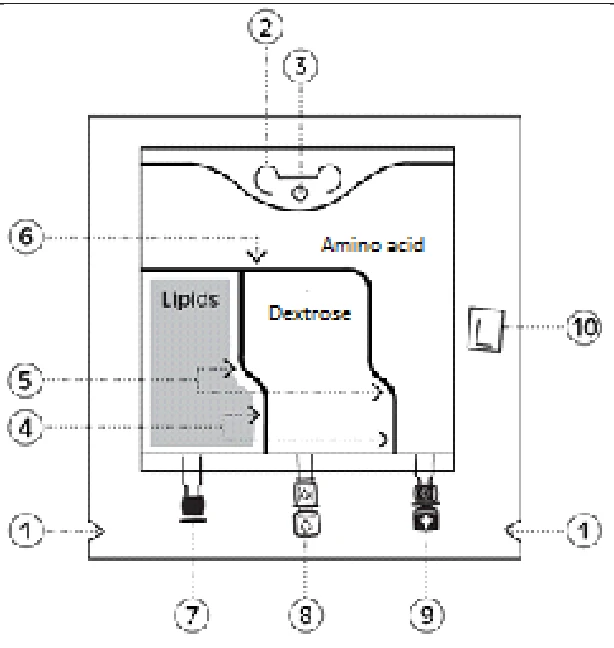
The Bag
- 1. Overwrap Notch
- 2. Handle
- 3. Hole (For hanging the bag)
- 4.
Vertical Seals (Must break to
activate)
- 5. Bends in Vertical Seals
- 6.
Horizontal Seal (May remain
unopened)
- 7. Blind Port (NEVER use this port)
- 8. WHITE Additive Port
- 9. BLUE Infusion Port
- 10. Oxygen Absorber (Present between bag and inside overwrap-position may vary)
- 1.
INSPECT BAG PRIOR TO
ACTIVATION.
SmofKabiven Electrolyte Free and SmofKabiven extra Nitrogen Electrolyte Free are 3 chambered bags:
- - One chamber is WHITE.
- - Two chambers are CLEAR.
- a)
Discard bag if:
- More than one chamber is WHITE.
- Solution is YELLOW.
- Seals are already BROKEN.
- Visible particles are present
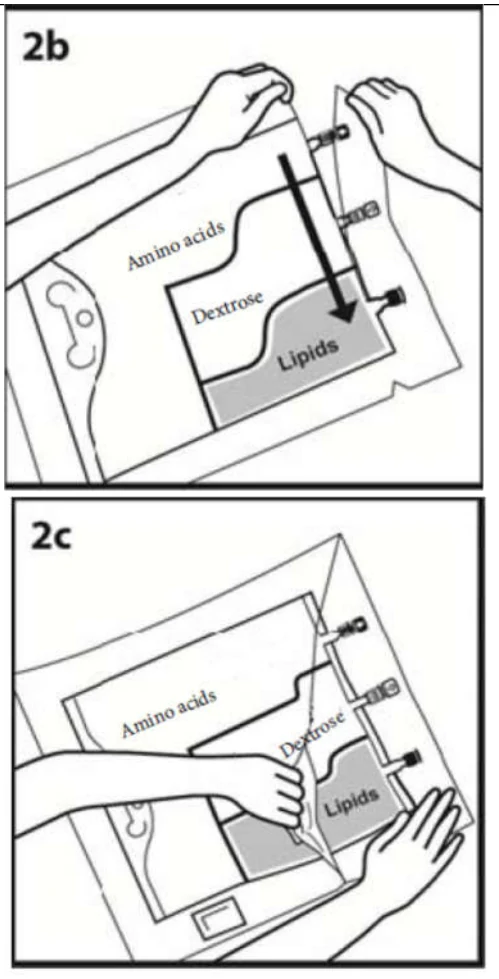
- 2.
REMOVE OVERWRAP.
- a) Place bag on a clean, flat surface.
- b) Tear from Overwrap Notch, located close to the ports.
- c) Tear long sides open to access the inner bag.
- d)
Discard Overwrap and Oxygen
Absorber.
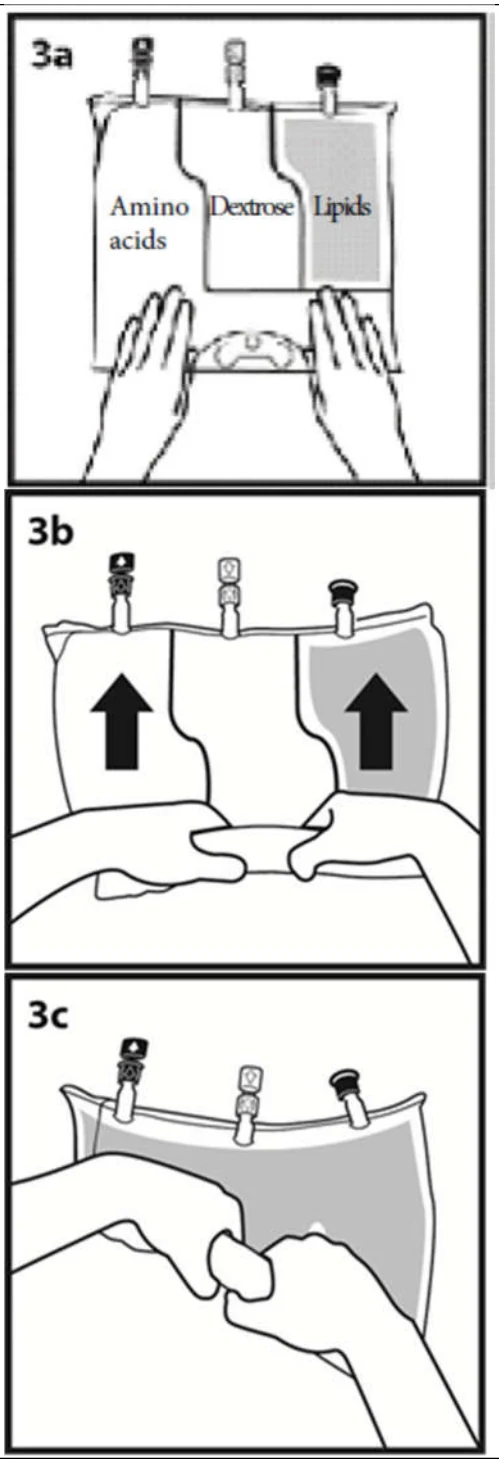
- 3.
ACTIVATE BAG.
- a) Place bag on a clean, flat surface with text side up and ports pointing away from you.
- b) Roll tightly from top of bag down toward ports.
- c)
Apply pressure until both Vertical
Seals break and entire contents are white. It may take up to 5 seconds of continued pressure to break Vertical Seals.
NOTE: Both Vertical Seals must be broken from bends to ports. Upper section of Vertical Seals and Horizontal Seal may remain unbroken.
- d) After both Vertical Seals are broken, mix contents thoroughly by inverting the bag at least three times to ensure a homogenous mixture.
- 4.
INSPECT BAG TO CONFIRM
ACTIVATION.
An activated bag has both Vertical
Seals broken from bends to ports and entire contents are white.
- 5.
IDENTIFY CORRECT PORT.
- Additive port is WHITE with arrow pointing toward bag.
- Infusion port is BLUE with arrow
pointing away from bag. 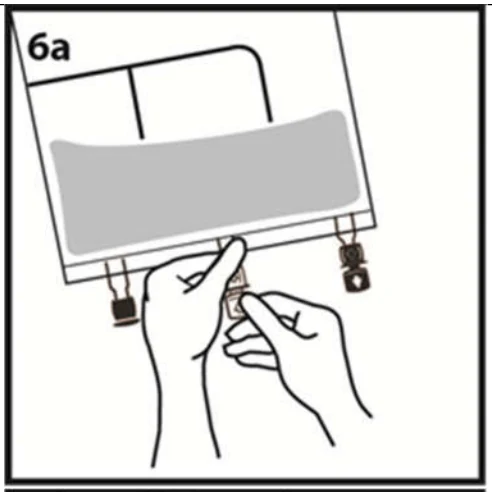
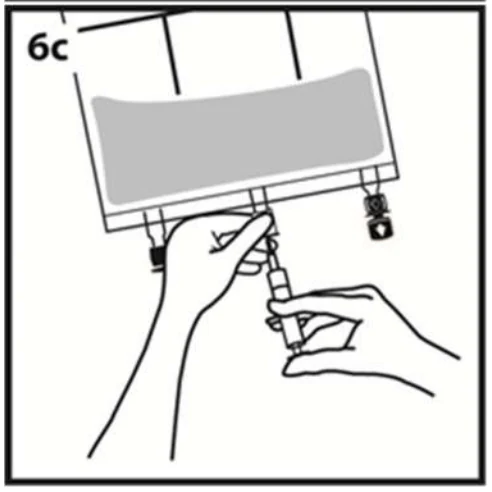
- 6. MAKE ADDITIONS (if prescribed).
WARNING: Ensure additives are compatible.
To provide total parenteral nutrition, trace elements, vitamins and electrolytes should be added according to the patient’s
requirements.
Additives should be thoroughly mixed with components.
- a) Immediately before injecting additives, break off WHITE Additive Port cap with the arrow pointing toward the bag.
- b)
Hold base of Additive Port
horizontally.
- c) Insert needle horizontally through the center of Additive Port’s septum and inject additives.
- d) Repeat as necessary using aseptic technique.
- e) Mix thoroughly after each addition.
NOTE: The membrane of Additive Port is sterile at first use. Use aseptic technique for subsequent additions. The septum can be pierced up to 10 times with the recommended needle size 18 – 23 G 1½ inches (40 mm).
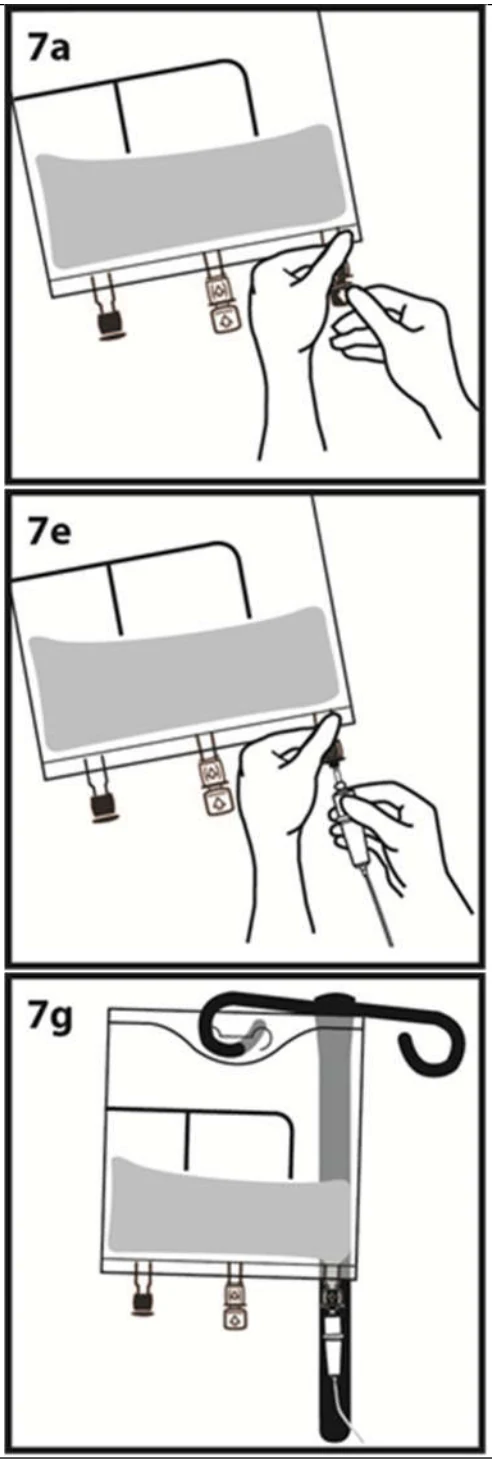
- 7.
SPIKE AND HANG BAG.
- a) Immediately before inserting the infusion set, break off BLUE Infusion Port cap with the arrow pointing away from the bag.
- b) Use a non-vented infusion set or close the air-inlet on a vented set. It is recommended to use a 1.2 µm in-line filter.
- c) Close the roller clamp of the infusion set.
- d) Hold the base of Infusion Port.
- e) Insert spike through Infusion Port by rotating your wrist slightly until the spike is inserted.
- f) Lift and hold the bag with both hands.
- g)
Hang the bag by Hole below
Handle.
NOTE: The membrane of Infusion Port is sterile at first use. Use infusion sets (according to ISO Number 8536-4) with an external spike diameter of 5.5 – 5.7 mm.
DOSAGE FORMS, COMPOSITION AND PACKAGING
SmofKabiven Electrolyte Free [Amino acids, dextrose and lipid injectable emulsion (5.1% / 12.7% / 3.8%); w/v] and SmofKabiven extra Nitrogen Electrolyte Free [Amino acids, dextrose and lipid injectable emulsion (6.5% / 8.5% / 2.9%); w/v] consist of three chamber bag systems. Each bag contains the following partial volumes depending on the four pack sizes.
Table 6 - Partial Volumes of Amino Acids, Dextrose and Lipid Emulsion for SmofKabiven Electrolyte Free
986 mL 1477 mL 1970 mL 2463 mL Per 100 mL
Amino acid solution (mL) 500 750 1000 1250 50.8
Dextrose 42% (mL) 298 446 595 744 30.2
Lipid emulsion (mL) 188 281 375 469 19.0
Table 7 - Partial Volumes of Amino Acids, Dextrose and Lipid Emulsion for SmofKabiven extra Nitrogen Electrolyte Free
506 mL 1012 mL 1518 mL 2025 mL 2531 mL Per 100 mL
Amino acid solution (mL) 331 662 993 1325 1656 65.4
Dextrose 42% (mL) 102 204 306 408 510 20.2
Lipid emulsion (mL) 73 146 219 292 365 14.4
This corresponds to the following total compositions:
Table 8 – Contents of Mixed Products
| Composition | SmofKabiven Electrolyte Free | SmofKabiven extra Nitrogen Electrolyte Free | |
| Lipids (g/100 mL) | 3.8 | 2.9 | |
| Dextrose anhydrous (g/100 mL) | 12.7 | 8.5 | |
| Amino acids (g/100 mL) | 5.1 | 6.5 | |
| Total Nitrogen (g/100 mL) | 0.8 | 1.1 | |
| Soybean oil, refined | 1140 mg | 870 mg | |
| Medium chain triglycerides | 1140 mg | 870 mg | |
| Olive oil, refined | 950 mg | 720 mg | |
| Fish oil, rich in omega-3-acids | 570 mg | 430 mg | |
| Total g/100 mg mixed emulsion | 3.8 g | 2.9 g | |
| Lysine (as acetate) | 340 | 430 | |
| Phenylalanine | 260 | 330 | |
| Leucine | 380 | 480 | |
| Valine | 310 | 410 | |
| Threonine | 220 | 290 | |
| Methionine | 220 | 280 | |
| Isoleucine | 250 | 330 | |
| Tryptophan | 100 | 130 | |
| Alanine | 710 | 920 | |
| Arginine | 610 | 790 | |
| Glycine | 560 | 720 | |
| Proline | 570 | 730 | |
| Histidine | 150 | 200 | |
| Serine | 330 | 430 | |
| Taurine | 50 | 65 | |
| Tyrosine | 20 | 26 | |
| Acetate1 | 7.5 | 9.6 | |
| Phosphate2 | 0.28 | 0.22 | |
| From non-protein (approx.) (kcal/L) | 912 | 627 | |
| From non-protein (approx.) (MJ/L) | 3.8 | 2.6 | |
| Total (approx.) (kcal/L) | 1115 | 889 | |
| Total (approx.) (MJ/L) | 4.7 | 3.7 | |
1 Contribution from amino acid solution 2 Contribution from lipid emulsion
Table 9 - Contents of Mixed Product per Pack of SmofKabiven Electrolyte Free
| Composition | 986 mL | 1477 mL | 1970 mL | 2463 mL | |
| Amino acids (g) | 50 | 75 | 100 | 125 | |
| Nitrogen (g) | 8 | 12 | 16 | 20 | |
| Lipids (g) | 38 | 56 | 75 | 94 | |
| Dextrose (anhydrous) (g) | 125 | 187 | 250 | 313 | |
| Lysine (as acetate) | 3.3 | 5.0 | 6.6 | 8.4 | |
| Phenylalanine | 2.6 | 3.8 | 5.1 | 6.4 | |
| Leucine | 3.7 | 5.6 | 7.4 | 9.4 | |
| Valine | 3.1 | 4.6 | 6.2 | 7.6 | |
| Threonine | 2.2 | 3.3 | 4.4 | 5.4 | |
| Methionine | 2.2 | 3.2 | 4.3 | 5.4 | |
| Isoleucine | 2.5 | 3.8 | 5.0 | 6.2 | |
| Tryptophan | 1.0 | 1.5 | 2.0 | 2.5 | |
| Alanine | 7.0 | 10.5 | 14.0 | 17.5 | |
| Arginine | 6.0 | 9.0 | 12.0 | 15.0 | |
| Glycine | 5.5 | 8.2 | 11.0 | 13.8 | |
| Proline | 5.6 | 8.4 | 11.2 | 14.0 | |
| Histidine | 1.5 | 2.2 | 3.0 | 3.7 | |
| Serine | 3.2 | 4.9 | 6.5 | 8.1 | |
| Taurine | 0.5 | 0.75 | 1.0 | 1.2 | |
| Tyrosine | 0.20 | 0.30 | 0.40 | 0.49 | |
| Soybean oil, refined | 11.3 | 16.9 | 22.5 | 28.1 | |
| Triglycerides, medium chain | 11.3 | 16.9 | 22.5 | 28.1 | |
| Olive oil, refined | 9.4 | 14.1 | 18.8 | 23.4 | |
| Fish oil | 5.6 | 8.4 | 11.3 | 14.0 | |
| Acetate1 | 73 | 110 | 147 | 183 | |
| Phosphate2 | 2.8 | 4.2 | 5.6 | 6.9 | |
| Total (kcal) | 1100 | 1600 | 2200 | 2700 | |
| Total (MJ) | 4.6 | 6.7 | 9.2 | 11.3 | |
| From non-protein (kcal) | 900 | 1300 | 1800 | 2200 | |
| From non-protein (MJ) | 3.8 | 5.4 | 7.5 | 9.2 | |
| pH | approx. 5.6 | ||||
| Osmolarity (mOsm/L) | approx. 1300 | ||||
| Osmolality (mOsm/kg water) | approx. 1600 | ||||
1 Contribution from amino acid solution 2 Contribution from lipid emulsion
Table 10 - Contents of Mixed Product per Pack of SmofKabiven extra Nitrogen Electrolyte Free
| Composition | 506 mL | 1012 mL | 1518 mL | 2025 mL | 2531 mL | |
| Amino acids (g) | 33 | 66 | 99 | 133 | 166 | |
| Nitrogen (g) | 5 | 11 | 16 | 21 | 27 | |
| Lipids (g) | 15 | 29 | 44 | 58 | 73 | |
| Dextrose (anhydrous) (g) | 43 | 86 | 129 | 171 | 214 | |
| Lysine (as acetate) | 2.2 | 4.4 | 6.6 | 8.7 | 11 | |
| Phenylalanine | 1.7 | 3.4 | 5.1 | 6.8 | 8.4 | |
| Leucine | 2.4 | 4.9 | 7.3 | 9.8 | 12 | |
| Valine | 2.1 | 4.1 | 6.2 | 8.2 | 10 | |
| Threonine | 1.5 | 2.9 | 4.4 | 5.8 | 7.3 | |
| Methionine | 1.4 | 2.8 | 4.3 | 5.7 | 7.1 | |
| Isoleucine | 1.7 | 3.3 | 5.0 | 6.6 | 8.3 | |
| Tryptophan | 0.66 | 1.3 | 2.0 | 2.7 | 3.3 | |
| Alanine | 4.6 | 9.3 | 14 | 19 | 23 | |
| Arginine | 4.0 | 7.9 | 12 | 16 | 20 | |
| Glycine | 3.6 | 7.3 | 11 | 15 | 18 | |
| Proline | 3.7 | 7.4 | 11 | 15 | 19 | |
| Histidine | 1.0 | 2.0 | 3.0 | 4.0 | 5.0 | |
| Serine | 2.2 | 4.3 | 6.5 | 8.6 | 11 | |
| Taurine | 0.33 | 0.66 | 1.0 | 1.3 | 1.7 | |
| Tyrosine | 0.13 | 0.26 | 0.40 | 0.53 | 0.66 | |
| Soybean oil, refined | 4.4 | 8.8 | 13 | 18 | 22 | |
| Triglycerides, medium chain | 4.4 | 8.8 | 13 | 18 | 22 | |
| Olive oil, refined | 3.7 | 7.3 | 11 | 15 | 18 | |
| Fish oil | 2.2 | 4.4 | 6.6 | 8.8 | 11 | |
| Acetate1 | 48.6 | 97.2 | 146 | 194 | 243 | |
| Phosphate2 | 1.1 | 2.2 | 3.3 | 4.4 | 5.5 | |
| Total (kcal) | 450 | 900 | 1350 | 1800 | 2250 | |
| Total (MJ) | 1.9 | 3.8 | 5.6 | 7.5 | 9.4 | |
| From non-protein (kcal) | 317 | 635 | 952 | 1270 | 1590 | |
| From non-protein (MJ) | 1.3 | 2.7 | 4.0 | 5.3 | 6.6 | |
| pH | approx. 5.6 | |||||
| Osmolarity (mOsm/L) | approx. 1200 | |||||
| Osmolality (mOsm/kg water) | approx. 1400 | |||||
1 Contribution from amino acid solution 2 Contribution from lipid emulsion
Excipients are:
Glycerol
Purified egg phospholipids
all-rac-α-Tocopherol
Sodium hydroxide (pH adjuster)
Sodium oleate
Acetic acid, glacial (pH adjuster)
Hydrochloric acid (pH adjuster)
Water for injection
Product Container
The container consists of a multi-chamber inner bag and an overwrap. The inner bag is partitioned into three chambers to keep the components separated until the bag is activated by the user. An oxygen absorber is placed between the inner bag and the overwrap. The inner bag is made of a multilayer polymer film that consists of poly(propylene-co-ethylene), synthetic rubber poly[styrene-block-(butylene-co-ethylene)] (SEBS) and synthetic rubber poly(styrene-block-isoprene) (SIS). The infusion and additive ports are made of polypropylene and synthetic rubber poly[styrene-block-(butylene-co-ethylene)] (SEBS) equipped with synthetic polyisoprene (latex-free) stoppers. The blind port, which is only used during manufacturing, is made of polypropylene equipped with a synthetic polyisoprene (latex-free) stopper.
Pack sizes:
SmofKabiven Electrolyte Free:
986 mL bag: 1 carton with 4 bags
1477 mL bag: 1 carton with 4 bags
1970 mL bag: 1 carton with 4 bags
2463 mL bag: 1 carton with 3 bags
SmofKabiven extra Nitrogen Electrolyte Free: 506 mL bag: 1 carton with 6 bags 1012 mL bag: 1 carton with 4 bags
1518 mL bag: 1 carton with 4 bags
2025 mL bag: 1 carton with 4 bags
2531 mL bag: 1 carton with 3 bags
PART II: SCIENTIFIC INFORMATION
PHARMACEUTICAL INFORMATION
Drug Substance
SmofKabiven Electrolyte Free [Amino acids, dextrose and lipid injectable emulsion (5.1% / 12.7% / 3.8%); w/v] and SmofKabiven extra Nitrogen Electrolyte Free [Amino acids, dextrose and lipid injectable emulsion (6.5% / 8.5% / 2.9%); w/v]
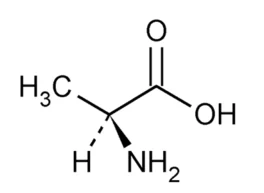
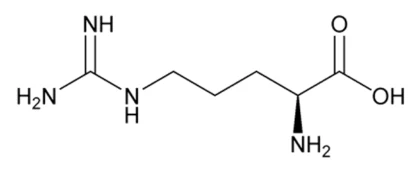
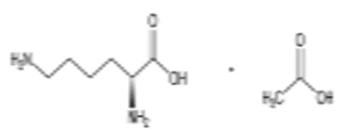
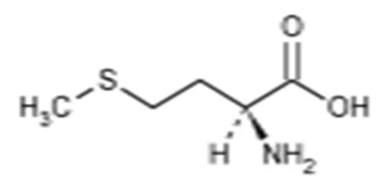
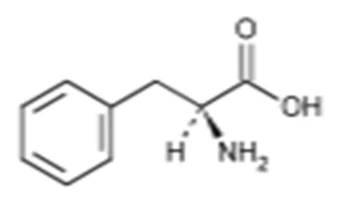
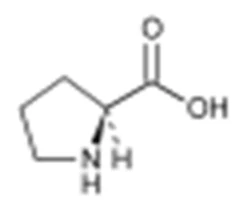
| Chemical Name | Molecular Formula and Molecular Mass | Structural Formula | Physicochemical properties |
L-Alanine (S)-2-aminopropionic acid | C3H7NO2 89.09 | White or almost white crystalline powder or colourless crystals, freely soluble in water, very slightly soluble in alcohol. | |
L-Arginine (2S)-2-amino-5- guanidinopentanoic acid | C6H14N4O2 174.20 | White or almost white crystalline powder or colourless crystals, freely soluble in water, very slightly soluble in alcohol. | |
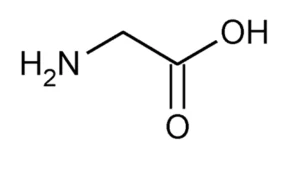
Glycine Aminoacetic acid | C2H5NO2 75.07 | White or almost white crystalline powder, freely soluble in water, very slightly soluble in alcohol. | |
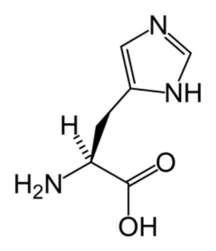
L-Histidine (S)-2-amino-1H-imidazole- 4-propionic acid | C6H9N3O2 155.15 | White or almost white crystalline powder or colourless crystals, soluble in water, very slightly soluble in ethanol (96%). | |
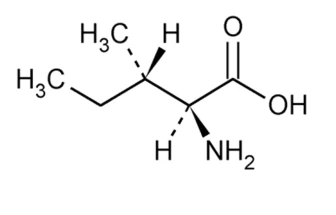
| L-Isoleucine (2S, 3S)-2-amino-3- methylpentanoic acid | C6H13NO2 131.17 | White or almost white crystalline powder or flakes, sparingly soluble in water, slightly soluble in alcohol. It dissolves in dilute mineral acids and in dilute solutions of alkali hydroxides. |
| Chemical Name | Molecular Formula and Molecular Mass | Structural Formula | Physicochemical properties |
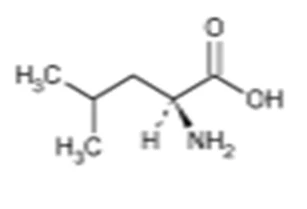
| L-Leucine (2S)-2-amino-4- methylpentanoic acid | C6H13NO2 131.17 | White or almost white crystalline powder or shiny flakes, sparingly soluble in water, practically insoluble in alcohol. It dissolves in dilute mineral acids and in dilute solutions of alkali hydroxides. | |
L-Lysine Acetate (2S)-2,6- diaminohexanoic acid monoacetate | C6H14N2O2·C2 H4O2 206.24 | White or almost white crystalline powder or colourless crystals, freely soluble in water, very slightly soluble in ethanol (96%). | |
| L-Methionine (2S)-2-amino-4- (methylsulfanyl) butanoic acid | C5H11NO2S 149.21 | White or almost white crystalline powder or colourless crystals, soluble in water, very slightly soluble in ethanol. | |
| L-Phenylalanine (2S)-2-amino-3- phenylpropanoic acid | C9H11NO2 165.19 | White or almost white crystalline powder or shiny, white flakes, sparingly soluble in water, very slightly soluble in alcohol. It dissolves in dilute mineral acids and in dilute solutions of alkali hydroxides. | |
L-Proline (S)-2- pyrrolidinecarboxylic acid | C5H9NO2 115.13 | White or almost white crystalline powder or colourless crystals, very soluble in water, freely soluble in alcohol. | |
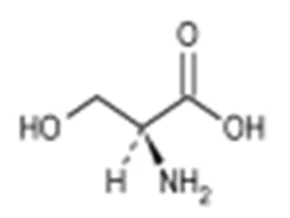
L-Serine (S)-2-amino-3- hydroxypropionic acid | C3H7NO3 105.09 | White or almost white crystalline powder or colourless crystals, freely soluble in water, practically insoluble in alcohol. | |
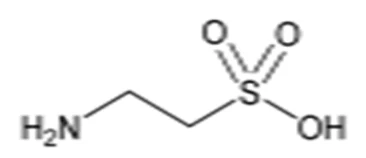
| Taurine 2-aminoethane sulfonic acid | C2H7NO3S 125.15 | White or almost white crystalline powder or colourless crystals, freely soluble in water |
| Chemical Name | Molecular Formula and Molecular Mass | Structural Formula | Physicochemical properties |
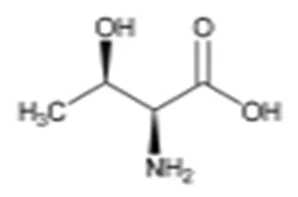
| L-Threonine (2S, 3R)-2-amino-3- hydroxybutanoic acid | C4H9NO3 119.12 | White crystalline powder or colourless crystals, soluble in water, practically insoluble in ethanol. | |
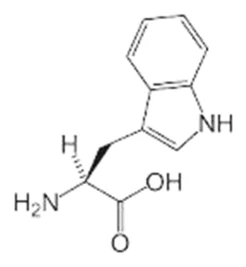
| L-Tryptophan (2S)-2-amino-3-(indol-3-yl) propanoic acid | C11H12N2O2 204.23 | White or almost white crystalline or amorphous powder, sparingly soluble in water, slightly soluble in alcohol. It dissolves in dilute mineral acids and in dilute solutions of alkali hydroxides. | |
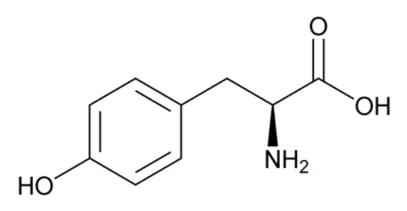
| L-Tyrosine (S)-2-amino-3-(4- hydroxyphenyl) propionic acid | C9H11NO3 181.19 | White crystalline powder or colourless crystals, very slightly soluble in water, practically insoluble in alcohol. It dissolves in dilute mineral acids and in dilute solutions of alkali hydroxides. | |
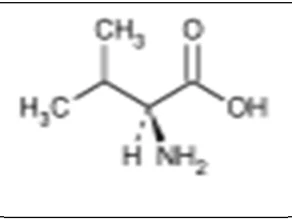
L-Valine (S)-2-amino-3- methylbutanoic acid | C5H11NO2 117.15 | White or almost white crystalline powder or colourless crystals, soluble in water, very slightly soluble in ethanol. | |
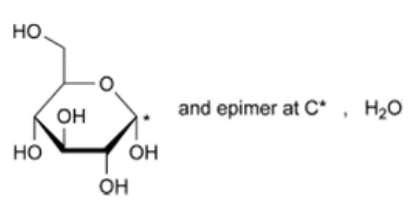
| Dextrose D-glucose monohydrate | C6H12O6·H2O 198.2 | White crystalline powder with a sweet taste, freely soluble in water, sparingly soluble in alcohol. |
| Chemical Name | Molecular Formula and Molecular Mass | Structural Formula | Physicochemical properties |
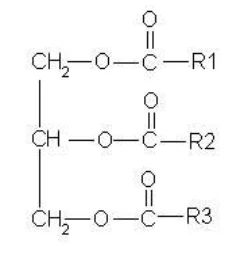
| Soybean oil | Triacylglycerol (triglyceride) with fatty acid chains mainly C16:0, C18:0, C18:1, C18:2, C18:3 | R1, R2, R3 represents the chain of the fatty acids linked to the glycerol backbone. | Liquid at room temperature. Practically insoluble in water, very soluble in acetone and in heptane while slightly soluble in ethanol. |
| Medium chain triglycerides (MCT) | Triacylglycerol (triglyceride) with fatty acid chains mainly C8:0, C10:0 | ||
| Olive Oil | Triacylglycerol (triglyceride) with fatty acid chains mainly C16:0, C18:1, C18:2 | ||
| Fish Oil | Triacylglycerol (triglyceride) fatty acids mainly C20:5, C22:6 |
CLINICAL TRIALS
Study demographics and trial design
One phase 3 open-label, randomised, active-controlled, parallel-group study (03-3CB7-001) was conducted in patients after major intestinal tract surgery requiring parenteral nutrition. The aim was to evaluate safety and tolerance of SmofKabiven compared to another three-chamber bag product, Kabiven (containing a soybean oil emulsion, amino acids and dextrose) available in US and Europe. A total of 53 patients (age range 35-82 years; 17 females) received 15 to 30 mL SmofKabiven or comparator/kg bw/day by central intravenous infusion for five to seven days. Safety parameters were adverse events, blood laboratory, and vital signs.
A phase 3 open-label, randomised, active-controlled, parallel-group study (03-3CB8-001) was performed in patients requiring parenteral nutrition to evaluate safety and tolerance of SmofKabiven Peripheral compared to another peripheral three-chamber bag product available in Europe. A total of 52 patients (age range 20-84 years; 36 females) received up to 40 mL SmofKabiven Peripheral or comparator/kg bw/day into peripheral veins for 5 to 7 days. Safety parameters were adverse events, blood laboratory, vital signs and local tolerance.
Table 11 - Summary of patient demographics for clinical trials on SmofKabiven
| Study No. | Trial design | Dosage (g lipids/kg bw/h) | Route of administration | Duration (days) | Study subjects (n) | Age range (years) |
| 03-3CB7-001 Safety | open-label, randomized, active-controlled, parallel-group | Day 1: 0.6 Days 2-4: 0.9–1.2 Days 5-7: 0.6-1.2 | Intravenous | 5-7 | 53 | ≥18 |
| 03-3CB8-001 Safety | open-label, randomized, active-controlled, parallel-group | max 1.1 for test product and 1.4 for reference product | Intravenous | 5-7 | 52 | ≥18 |
| bw: body weight; n: number; | ||||||
Study results
The study 03-3CB7-001 provided good evidence that SmofKabiven is well tolerated and safe. Based on the overall number of patients with AEs, safety and tolerability was comparable in both groups. Reported AEs were mild in 14/26 patients in the SmofKabiven group and 17/27 patients in the control group or moderate in 19/26 patients in the SmofKabiven group and 10/27 patients in the control group, respectively. Of these 17 patients in the SmofKabiven group and 11 patients in the control group experienced AEs possibly or probably related to the study drug. Serious AEs (SAEs) occurred in 5 subjects in the SmofKabiven group and in 2 subjects in the control group. No drug related SAE was observed. No clinically significant changes in vital signs were recorded. Eight patients in the SmofKabiven group and 5 in the control group were withdrawn due to an AE.
In study 03-3CB8-001 the majority of patients reported mild or moderate AEs. One of 27 patients in the SmofKabiven Peripheral and 1/25 patients in the comparator group experienced non-related, fatal SAEs. No drug-related SAE was observed in the study. Possible relationship to the study medication was reported for AEs in 1/27 and 2/25 patients after SmofKabiven Peripheral (thrombophlebitis) and comparator treatment (thrombophlebitis and anemia), respectively. One of 27 patients in the SmofKabiven Peripheral group was withdrawn from the study due to an AE (thrombophlebitis). Differences in clinical laboratory measurements between treatment groups and changes between baseline (Study Day 1) and examination after the last study medication were minor in both groups. There were no differences between groups regarding pulse rate, blood pressure, or body temperature. The incidence of local intolerance was higher in the SmofKabiven Peripheral than in the comparator group and was of low to moderate intensity. Evaluation of overall safety and tolerability of both treatments showed a lower number of AEs or pathological clinical laboratory values in the SmofKabiven Peripheral group than in the comparator group.
In addition, studies with individual components contained in SmofKabiven have been carried out as described below:
Lipid Emulsion (SMOFlipid 20%)
Study demographics and trial design
The trial design and patient demographic data for the company sponsored studies investigating
SMOFlipid 20% in adult patients are summarised in Table 12 below.
Five clinical studies investigated SMOFlipid 20% versus soybean oil emulsion in 22 healthy adult volunteers and 281 adult patients (total of 303 adults). Of these, 73 patients were treated in a long-term study over 4-week treatment duration. Efficacy was studied in addition to safety in one study. For details of pharmacokinetic studies refer to DETAILED PHARMACOLOGY.
Table 12 - Summary of patient demographics for clinical trials on SMOFlipid 20%
| Study No. | Trial design | Dosage (g lipids/kg bw/h) | Route of administration | Duratio n | Study subjects (n) | Age (Range ) |
| Healthy volunteers | ||||||
FE-SM-01-BE Pharmaco- kinetics (5.3.3.1.1) | open-label, randomized, active- controlled, crossover | 0.15 | Intravenous | 4 h | 10 | 18-45 |
FE-SM-02-DE Pharmaco- kinetics (5.3.3.1.2) | double-blind, randomized, active- controlled, crossover | 0.125 | Intravenous | 6 h | 12 | 18-45 |
| Adult patients | ||||||
| FE-SM-03-DE Efficacy/Safety (5.3.5.1.1.A) | double-blind, randomized, active- controlled, parallel-group | 1.5 | Intravenous | 5 d | 249 | ≥18 |
FE-SM-04-CH Safety (SMOFlipid 5.3.5.1.2.A) | double-blind, randomized, active- controlled, parallel-group | up to max 2 | Intravenous | 10-14 d | 32 | ≥18 |
05-SMOF-006 Safety (SMOFlipid 5.3.5.1.5.A) | double-blind, randomized, active- controlled, parallel-group | max 1-2 | Intravenous | 4 weeks | 73 | 18-85 |
d: day: h: hour
Study results
In two randomised, two-period crossover studies in healthy volunteers, the elimination of triglycerides appeared to be faster for SMOFlipid 20% compared to a standard soybean oil emulsion.
Three randomised, double-blind clinical phase III studies FE-SM-03-DE, FE-SM-04-CH and 05-SMOF-006 were performed. In FE-SM-04-CH and 05-SMOF-006, safety was investigated and considered comparable in SMOFlipid 20% and the comparator soybean oil emulsions, given in the same dose (20%). Study 05-SMOF-006 performed with 73 patients requiring long-term parenteral nutrition during 4 weeks showed a reduction of the ratio of ω-6/ω-3-fatty acids in red blood cell phospholipids and plasma lipoproteins.
Study FE-SM-03-DE investigated the safety and efficacy of SMOFlipid 20% (compared with a soybean oil emulsion) in 249 postsurgical patients. SMOFlipid 20% was well-tolerated and safe. Both treatment groups showed similar serum triglyceride concentrations during 5 days study treatment. Due to the different composition of the lipid emulsion, patients receiving SMOFlipid 20% had higher mean concentrations of the ω-3 fatty acids eicosapentaenoic acid (EPA) and docosahexaenoic acid (DHA) and lower mean concentrations of the ω-6 fatty acid linoleic acid than patients receiving soybean oil emulsion in plasma, platelet phospholipids, and leukocyte phospholipids. The ω-3/ω-6 ratio was significantly increased in the SMOFlipid 20% group compared to the soybean oil emulsion group.
Amino Acids (Aminoven 10%)
Study demographics and trial design
The trial design and patient demographics in this company sponsored study on Aminoven 10% are summarised in Table 13 below. One phase 3 clinical study on Aminoven was performed in 30 critically ill patients who required parenteral nutrition for 5 to 7 days to evaluate efficacy and safety of Aminoven 10% compared to an isonitrogenous amino acid solution.
Table 13 - Summary of patient demographics for clinical with Aminoven 10%
| Study No. | Trial design | Dosage (g lipids/kg bw/d) | Route of administration | Duration (days) | Study subjects (n) | Age range (years) |
AS-CR-01- FR* Efficacy/Safety | open, randomized, active- controlled, parallel-group | 1.5 | Intravenous | 5-7 | 30 | ≥18 |
* Test product: Cosmosteril 10% is synonymous with Aminoven 10%.
Study results
Similar results in both treatment groups were shown for the primary efficacy endpoint cumulative nitrogen balance. There were no significant differences with regard to the evolution of nutritional markers such as transthyretin (pre-albumin), retinol binding protein, C-reactive protein, and urinary 3-methylhistidine/creatinine ratio between the groups. The number of AEs was comparable between the treatment groups. Administration of Aminoven 10% was not associated with clinically relevant or unexpected AEs, neither by nature nor by incidence. The results of the study showed that both amino acid solutions were well tolerated.
Dextrose 42%
Glucose in varying concentrations is well established as the optimal carbohydrate source for parenteral nutrition.
DETAILED PHARMACOLOGY
No pharmacology studies have been performed using SmofKabiven Electrolyte Free or SmofKabiven extra Nitrogen Electrolyte Free. The clinical pharmacology of the individual constituents of SmofKabiven Electrolyte Free or SmofKabiven extra Nitrogen Electrolyte Free is described below.
The bioavailability of intravenously infused substances is by definition 100%.
Lipid emulsion (SMOFlipid 20%)
Pharmacokinetics
Two phase 1 pharmacokinetic studies using a randomised two-period crossover design performed in healthy adult men examined the intravascular metabolism of SMOFlipid 20% (study FE-SM-01-BE) and the elimination of triglycerides as well as the pharmacokinetics of other lipid parameters after administration of SMOFlipid 20% (study FE-SM-02-DE). The comparator in both studies was a soybean oil emulsion.
Both studies indicated that SMOFlipid 20% was well metabolized intravascularly and showed advantages over a soybean oil emulsion. Specifically, the less marked increase in triglycerides during infusion of SMOFlipid 20% and the faster elimination after stopping the infusion (i.e. shorter half-life) compared to a soybean oil emulsion are of potential benefit, particularly for patients with a limited triglyceride elimination capacity.
Pharmacodynamics
The pharmacodynamic functions of lipid emulsions are the provision of energy and essential fatty acids linoleic acid and α-linolenic acid. SMOFlipid 20% comprises 4 different lipid components, soybean oil 6%, MCT 6%, olive oil 5%, and fish oil 3% as a source of energy with high caloric density and as source of essential fatty acids from fish oil.
The pharmacodynamic properties of SMOFlipid 20% have not been systematically examined in clinical trials because the individual lipid components have been examined for many years. The pharmacodynamic effect of SMOFlipid 20% is expected to result from the combined effects of the individual components.
Soybean oil
Soybean oil is the main source of essential fatty acids in SMOFlipid 20%. Both linoleic and α-linolenic acids are long-chain fatty acids (LCFA; >12 carbon atoms) as well as polyunsaturated fatty acids (PUFAs). PUFAs are important constituents of all cell membrane phospholipids and serve as precursors for the synthesis of lipid mediators called eicosanoids (e.g. prostaglandins and leukotrienes)(1). An excess of either ω-6 or ω-3 PUFA in parenteral lipid emulsions may be immunosuppressive. The more balanced the ω-6 to ω-3 ratio, the less immunosuppressive effects of the lipid emulsion were observed in a rat heart allotransplantation model (2). According to clinical and experimental data, it has been suggested that the most favorable ω-6/ω-3 ratio is in the range of 2:1 to 4:1 (1, 2, 3, 4, 5, 6). The ratio of ω-6/ω-3 fatty acids in SMOFlipid 20% is approximately 2.5:1.
Medium-chain triglycerides (MCT)
MCT are more rapidly cleared from the blood stream than long-chain triglycerides (LCT), and MCFA are more rapidly oxidized compared to LCFA (7, 8), thus providing the body with a form of immediately available energy. MCFA are not stored in fat tissue and do not accumulate in the liver (9, 10). Intravenous MCT administration has not been associated with steatosis or hepatic dysfunction (11, 12). Hepatic metabolism of MCFAs results in stimulation of synthesis of ketone bodies which can be used as an energy source but eventually result in acidosis (13, 14, 15, 16, 17, 18). Therefore, it is important not to include an excessive quantity of MCT in a lipid emulsion. An emulsion containing as much as 75% MCT (and 25% LCT) has been tested in critically ill patients without observing any harmful effects (19, 20). The amount of MCT (30%) in SMOFlipid 20% is considered safe as it is lower than in the physical mixtures of MCT/LCT already commercially available in Europe. Replacing a part of LCT by MCT in SMOFlipid 20% reduces the total amount of PUFAs, and thus reduces the risk of lipid peroxidation and the associated requirements for antioxidants (21).
Olive oil
SMOFlipid 20% contains 50 g/L olive oil which includes LCT rich in monounsaturated fatty acid (MUFA). Olive oil is rich in the immunologically inert MUFA oleic acid (C18:1ω9) and mainly provides energy.
MUFAs are less prone to lipid peroxidation than PUFAs due to fewer double bonds in the carbon chains.
Fish oil
Fish oil is characterized by a high content of eicosapentaenoic acid (EPA) and docosahexaenoic acid (DHA), both of which belong to the PUFA ω-3 LCFA family. DHA and EPA are important structural and functional components of cell membranes, and EPA is also a precursor of eicosanoids such as prostaglandins, thromboxanes, and leukotrienes, which exhibit a lower inflammatory potential than those derived from ω-6 PUFA arachidonic acid (AA).
Administration of ω-3 fatty acids is followed by an increased ω-3/ω-6 fatty acid ratio in the cell membranes. SMOFlipid contains 15% fish oil. After 5 days post-operative total parenteral nutrition with SMOFlipid ω-3 fatty acids as well as ω-3/ω-6 fatty acid ratio were significantly increased in plasma phospholipids and also in leukocytes and platelets compared to a soybean oil
emulsion treatment. As a consequence, the EPA/AA ratio was increased resulting in a significantly higher leukotriene B5 (LTB5) release of neutrophils after stimulation versus the control group. Leukotriene B4 (derived from AA) remained similar in both groups leading to a significantly increased LTB5/LTB4 ratio in the SMOFlipid group only (22).
Amino acids (Aminoven 10%)
Pharmacokinetics
The amino acids in Aminoven 10% enter the plasma pool of corresponding free amino acids. From the intravascular space, amino acids distribute to the interstitial fluid and into the intracellular space. Plasma and intracellular free amino acid concentrations are endogenously regulated within narrow ranges, depending on age, nutritional status, and pathological condition of the patient.
Balanced amino acid solutions such as Aminoven 10% do not significantly alter the physiological amino acid pool when infused at a constant and slow infusion rate.
Characteristic changes in the physiological plasma amino acid pool occur when the regulative function of essential organs like liver and kidneys are seriously impaired. In such cases special formulated amino acid solutions may be recommended for restoring homeostasis.
Only a small proportion of the infused amino acids is eliminated by the kidneys. For the majority of amino acids plasma half-lives between 10 and 30 minutes have been reported.
Pharmacodynamics
The amino acids contained in Aminoven 10% are all naturally occurring physiological compounds. Amino acid solutions provide the building blocks for protein synthesis and are a source of energy. Furthermore, amino acids serve as precursors of various biochemical pathways and are important signalling molecules mediating multiple cellular communication processes. The individual amino acids show different pharmacodynamic properties.
Dextrose (Glucose 42%)
Pharmacokinetics
Depending on the nutritional state, dextrose can be rapidly metabolized in carbon dioxide and water, stored in the liver and muscles as glycogen, or converted to fat in adipose tissue.
Pharmacodynamics
Dextrose is the main source of energy for the body and contributes to glucose metabolism. MICROBIOLOGY
Not Applicable
TOXICOLOGY
Studies performed with SmofKabiven
A local tolerance study in rabbits and an in vitro hemocompatibility study have been performed with SmofKabiven(23,24). Both studies showed good local tolerance and no signs of incompatibility.
Further preclinical studies with SmofKabiven have not been performed. However, preclinical data for SMOFlipid as well as amino acid and dextrose solutions of various concentrations and sodium glycerophosphate reveal no specific hazard for humans based on conventional studies of safety pharmacology, repeated dose toxicity and genotoxicity.
The following toxicological studies have been performed with SMOFlipid.
| Type of study | Species | SMOFlipid Doses g TG/kg bw/day | Observations and conclusions |
| Single-Dose Toxicity | |||
| Rat | 9, 18, 36, | No significant toxicity associated with SMOFlipid up to a dose level of 18 g TG/kg bw (90 mL/kg bw). At 36 g TG/kg bw. toxic signs were observed due to the excessive administration of fluid volume (25) | |
| Repeat-Dose Toxicity | |||
| 26-day | Rat | 12, 15, 18 | Two continuous intravenous infusion (24 hours/day) studies with SMOFlipid® 20% in rats at doses up to 18 and 9 g TG/kg bw/day and initially scheduled for 42 days and 8 weeks had to be terminated after 26 and 30 days, respectively, due to high mortality in the treated groups. A combination of the physical nature of the test material, the flow rate and 24 hour/day continuous exposure were not compatible with the intended duration of infusion. It was concluded that subchronic or chronic 24-hour a day continuous intravenous infusion of total parenteral nutrition products in the rat model is not feasible. There was no difference between SMOFlipid® 20% and Intralipid® 20% as the reference product. (26, 27) |
| 30-day | Rat | 3, 6, 9* | |
| 4-week | Dog | 9* | |
| Type of study | Species | SMOFlipid Doses g TG/kg bw/day | Observations and conclusions Good tolerance was demonstrated. An adjustment to the intravenous supply of energy was indicated by a dose-related reduction in food intake over time. A dose- and time-related reduction in lymphocytes and thrombocytes was found after high doses, i.e., 9 and 6 g TG/kg bw/day, respectively. Serum cholesterol and phospholipids were increased approx. in proportion to the molar dose of TG and reversed completely within 4 weeks of recovery. Significant morphological changes were fatty changes in hepatocytes (fat in the centriacinar region); lungs (foci of granulomatous pneumonia) and kidney (interstitial nephritis). At the end of the 4-week recovery period all afore described drug substance-related changes had subsided (28, 29). |
| 13-week | Dog | 3, 6** | |
| Genotoxicity | |||
| In vitro | |||
| Bacterial gene mutation | S. typhimurium | Up to 40 mg/plate | No mutagenic effects were observed (30, 31, 32) |
| Chromosomal aberration | Human lymphocytes | Up to 5 mg/mL | |
| HPRT-test | V79 cells | Up to 10 mg/mL | |
| In vivo | |||
| Bone marrow cytogenetic test | Rat | 10 | No mutagenic effect was observed (33) |
| Local Tolerance | |||
Rabbit (iv,ia,pv,sc,im) Dog | SMOFlipid 20% revealed good local compliance in rabbits after intravenous infusion and following intra-arterial, paravenous and subcutaneous administration. Moderate local changes which had disappeared after 14 days were observed after intramuscular administration (34). In the 4-week and 13-week repeat dose toxicity intravenous infusion studies in peripheral veins with SMOFlipid 20%, a similar slight to moderate reaction, mainly characterized by induration and swelling, was seen at the infusion sites in dogs in the test, reference, and control groups at similar incidence and severity. The vascular changes were | ||
| Type of study | Species | SMOFlipid Doses g TG/kg bw/day | Observations and conclusions |
consistent with the anticipated response to repeated venipuncture(28-29) The osmolality of SMOFlipid 20% is approximately 380 mOsm/kg water and similar that of human serum (281-297 mOsm/kg water). |
*Reference Soybean oil emulsion
**Reference: 0.9% NaCl solution
No reproductive toxicity studies have been performed with SMOFlipid. However, studies have been performed with the individual components of SMOFlipid (LCT, MCT, olive oil, and fish oil) without revealing any toxic potential.
Safety pharmacology studies have not been performed with SMOFlipid. However, SMOFlipid repeat dose toxicity studies did not reveal any adverse effects on any organ system or function.
In toxicological studies performed with SMOFlipid no other effects than those expected after high doses of lipids were observed, based on single dose and repeat dose toxicity. No signs of genotoxic potential were detected in the respective studies. In a local tolerance study in rabbits good local compliance was observed after intravenous infusion and following intra-arterial paravenous and subcutaneous administration. Moderate local changes observed after intramuscular administration disappeared after 14 days.
The following toxicological studies have been performed with Vamin or Novamine as a representative for Aminoven.
| Type of study | Species | Vamin Novamine Doses g N/kg bw/day | Observations and conclusions |
| Safety Pharmacology | |||
| Cat | 0.86 | Study on cardiovascular, respiratory and metabolic functions after intravenous infusion of Vamin 18 EF showed no effects of biological/clinical significance in anesthetized cats (35). | |
| Single-Dose Toxicity | |||
| Mouse | 0.95 | Vamin 18 EF was given to male mice at a dose of 50 mL/kg bw. for 7.5 hours without any symptoms of toxicity (36) | |
| Type of study | Species | Vamin Novamine Doses g N/kg bw/day | Observations and conclusions |
| Repeat-Dose Toxicity | |||
| 4-week | Rat | 3 | Vamin 18 EF was infused for 20 h/day. The dose level was adequately high as they are in the order of 13.6 times the maximum recommend daily clinical dose of Vamin 18 Novum. Overall, the animals tolerated the solution very well (37). |
| 4-week | Dog | 0.42 | In the 4-week study Vamin 14 was intravenously infused into alternate peripheral veins for 4 weeks. In the 13-week study Vamin 18 EF was administered by daily 12 h intravenous infusion into a central vein. In both studies, dogs tolerated the amino acid solutions well and did not show any treatment related clinical chemical or histopathological changes (38, 39). |
| 13-week | Dog | 0.94 | |
| Genotoxicity | |||
| In vitro | |||
| Bacterial gene mutation | S. typhimurium E. coli | Up to 10 mg AA/plate | No mutagenic effects were observed for tested amino acid solution (40, 41). |
| Mouse lymphoma | L5178Y cells | Up to 10 mg AA/mL | |
| Reproductive and Developmental Toxicity | |||
| Embryo-Fetal | Rabbit | 0.54 | A teratogenicity study in rabbits with Vamin 18 EF given intravenously on day 6-18 of pregnancy for 4 hours/day revealed no significant toxicity in dams or any embryotoxic or teratogenic effects (42). |
| Type of study | Species | Vamin Novamine Doses g N/kg bw/day | Observations and conclusions |
| Local Tolerance | |||
Rabbit (iv,ia,pv,sc,im) Dog | Studies on Local Tolerance in the rabbit have been performed with Aminomix Peripheral**. They revealed a good local compliance in rabbits after intravenous infusion and following intra-arterial, paravenous and subcutaneous administration (43). In addition, the local tolerance of different Vamin solutions was thoroughly investigated in the respective repeated dose toxicity studies in rats and dogs both as part of the daily clinical observation and by histopathology at the end of the study. (37, 38,- 39). | ||
| Other Toxicity Studies | |||
| Haemolysis (Human blood) | In vitro studies investigating hemocompatibility have been performed with Aminomix Peripheral*. Incompatibility or hemolytic reactions were not observed (44). | ||
* 2 chamber bag containing Glucose (63g per liter) and amino acids (35g per liter)
The following toxicological studies have been performed with Glycerophosphate:
| Type of study | Species | Glycerophosphate Doses g /kg bw/day | Observations and conclusions |
| Safety Pharmacology | |||
| Cat | 0.118 | Study on cardiovascular functions after intravenous infusion of DP-Trauma 20% showed no effects of biological/clinical significance in anesthetized cats (35). | |
| Single-Dose Toxicity | |||
| Mouse | 0.96 | No toxic effects were observed in mice given 60 mL /kg of Na-GP intravenously (45). | |
| Type of study | Species | Glycerophosphate Doses g /kg bw/day | Observations and conclusions |
| Rat | 0.073 1-6 | Intravenous administration of a single dose of 17 mL/kg of a glycerophosphate containing dipeptide amino acid solution was tolerated well (46). LD 50 was found to be 3800 to 3400 mg/kg, respectively, for alpha and beta glycerophosphate after intravenous administration to rats (47). | |
| Repeat-Dose Toxicity | |||
| 4-week | Rat | 0.409 | In a 4-week toxicity study of DP-Trauma 20% a dipeptide/amino acid solution containing sodium glycerophosphate no adverse clinical signs and no clinical or morphological evidence of organ toxicity were observed in rats after daily infusion of 94.6 mL/kg over 20 hours (37). |
| 2-week | Dog | 1 bid | In a 2-week toxicity study of 1000 mg/kg sodium-beta glycerophosphate twice per day was well tolerated and did not cause any signs of toxicity. This corresponds to a dose which was 28.2 times the maximum human dose (47) |
| 4-week | Dog | 0.066 | In a 4-week toxicity study of DP-Trauma 20% a dipeptide/amino acid solution containing sodium glycerophosphate, no adverse clinical signs and no clinical or morphological evidence of organ toxicity were observed in dogs after daily infusion of 15 mL/kg over 6 hours (48). |
| Genotoxicity | |||
| In vitro | |||
| Bacterial gene mutation | S. typhimurium | Up to 5 mg/plate | No mutagenic effects were observed (49, 50). |
Mouse lymphoma | L5178Y cells | Up to 2.16 mg/mL | |
| In vivo | |||
| Bone marrow micronucleus | Mouse | 2,160 mg/kg bw intravenous bolus | No mutagenic effect was observed(51). |
| Local Tolerance | |||
Rabbit (iv,ia,pv,sc,im) | Studies on Local Tolerance in rabbits have been performed with Aminomix Peripheral*. They revealed good local compliance in rabbits after intravenous infusion and following intra- | ||
| Type of study | Species | Glycerophosphate Doses g /kg bw/day | Observations and conclusions |
| Dog | arterial, paravenous and subcutaneous administration (43) In addition, the local tolerance of different glycerophosphate containing amino acid solutions was thoroughly investigated in the respective repeated dose toxicity studies in dogs both as part of the daily clinical observation and by histopathology at the end of the study (47, 48) | ||
| Other Toxicity Studies | |||
| Haemolysis (Human blood) | In vitro studies on hemocompatibility have been performed with Aminomix Peripheral*. They did not show any incompatibility reactions or hemolytic properties (44) | ||
*2 chamber bag containing Glucose (63g per liter) and Amino acids (35g per liter)
No teratogenic effects or other embryotoxic injuries could be observed in rabbits with amino acid solutions and are not to be expected from lipid emulsions and sodium glycerophosphate when given at the recommended doses during parenteral nutrition. Nutritional products (amino acid solutions, lipid emulsions, and sodium glycerophosphate) used during parenteral nutrition to maintain normal levels are not expected to be embryotoxic, teratogenic, or to influence reproductive performance or fertility.
REFERENCES
- 1.
Waitzberg DL, Torrinhas RS, Jacintho TM. New parenteral lipid emulsions for clinical use.
JPEN J Parenter Enteral Nutr 2006 Jul;30(4):351-67.
- 2. Grimm H, Tibell A, Norrlind B, Blecher C, Wilker S, Schwemmle K. Immunoregulation by parenteral lipids: impact of the n-3 to n-6 fatty acid ratio. JPEN J Parenter Enteral Nutr 1994 Sep;18(5):417-21.
- 3.
Grimm H, Kraus A. Immunonutrition--supplementary amino acids and fatty acids ameliorate immune deficiency in critically ill patients. Langenbecks Arch Surg 2001 Aug;386(5):369-
76.
- 4.
Morlion BJ, Torwesten E, Wrenger K, Puchstein C, Fürst P. What is the optimum m-3 to m-
6 fatty acid (FA) ratio of parenteral lipid emulsions in postoperative trauma? Clin Nutr. 16[Suppl 2], 49. 1997.
- 5.
Furst P, Kuhn KS. Fish oil emulsions: what benefits can they bring? Clin Nutr 2000
Feb;19(1):7-14.
- 6. Mayer K, Schaefer MB, Seeger W. Fish oil in the critically ill: from experimental to clinical data. Curr Opin Clin Nutr Metab Care 2006 Mar;9(2):140-8.
- 7.
Bach AC, Babayan VK. Medium-chain triglycerides: an update. Am J Clin Nutr 1982
Nov;36(5):950-62.
- 8. Deckelbaum RJ, Hamilton JA, Moser A, Bengtsson-Olivecrona G, Butbul E, Carpentier YA, et al. Medium-chain versus long-chain triacylglycerol emulsion hydrolysis by lipoprotein lipase and hepatic lipase: implications for the mechanisms of lipase action. Biochemistry 1990 Feb 6;29(5):1136-42.
- 9. Zurier RB, Campbell RG, Hashim SA, Van Itallie TB. Enrichment of depot fat with odd and even numbered medium chain fatty acids. Am J Physiol 1967 Feb;212(2):291-4.
- 10. Ulrich H, Pastores SM, Katz DP, Kvetan V. Parenteral use of medium-chain triglycerides: a reappraisal. Nutrition 1996 Apr;12(4):231-8.
- 11. Ball MJ, White K. Comparison of medium and long chain triglyceride metabolism in intensive care patients on parenteral nutrition. Intensive Care Med 1989;15(4):250-4.
- 12. Baldermann H, Wicklmayr M, Rett K, Banholzer P, Dietze G, Mehnert H. Changes of hepatic morphology during parenteral nutrition with lipid emulsions containing LCT or MCT/LCT quantified by ultrasound. JPEN J Parenter Enteral Nutr 1991 Nov;15(6):601-3.
- 13. McGarry JD, Foster DW. The regulation of ketogenesis from octanoic acid. The role of the tricarboxylic acid cycle and fatty acid synthesis. J Biol Chem 1971 Feb 25;246(4):1149-59.
- 14. Beaufrere B, Tessari P, Cattalini M, Miles J, Haymond MW. Apparent decreased oxidation and turnover of leucine during infusion of medium-chain triglycerides. Am J Physiol 1985 Aug;249(2 Pt 1):E175-E182.
- 15. Cotter R, Taylor CA, Johnson R, Rowe WB. A metabolic comparison of a pure long-chain triglyceride lipid emulsion (LCT) and various medium-chain triglyceride (MCT)-LCT combination emulsions in dogs. Am J Clin Nutr 1987 May;45(5):927-39.
- 16. Cotter R, Johnson RC, Young SK, Lin LI, Rowe WB. Competitive effects of long-chain-triglyceride emulsion on the metabolism of medium-chain-triglyceride emulsions. Am J Clin Nutr 1989 Oct;50(4):794-800.
- 17. Grancher D, Jean-Blain C, Frey A, Schirardin H, Bach AC. Studies on the tolerance of medium chain triglycerides in dogs. JPEN J Parenter Enteral Nutr 1987 May;11(3):280-6.
- 18.
Miles JM, Cattalini M, Sharbrough FW, Wold LE, Wharen RE, Jr., Gerich JE, et al.
Metabolic and neurologic effects of an intravenous medium-chain triglyceride emulsion. JPEN J Parenter Enteral Nutr 1991 Jan;15(1):37-41.
- 19. Jensen GL, Mascioli EA, Seidner DL, Istfan NW, Domnitch AM, Selleck K, et al. Parenteral infusion of long- and medium-chain triglycerides and reticuloendothelial system function in man. JPEN J Parenter Enteral Nutr 1990 Sep;14(5):467-71.
- 20. Jeevanandam M, Holaday NJ, Voss T, Buier R, Petersen SR. Efficacy of a mixture of medium-chain triglyceride (75%) and long-chain triglyceride (25%) fat emulsions in the nutritional management of multiple-trauma patients. Nutrition 1995 May;11(3):275-84.
- 21.
Carpentier YA, Dupont IE. Advances in intravenous lipid emulsions. World J Surg 2000
Dec;24(12):1493-7.
- 22. Grimm H, Mertes N, Goeters C, Schlotzer E, Mayer K, Grimminger F, et al. Improved fatty acid and leukotriene pattern with a novel lipid emulsion in surgical patients. Eur J Nutr 2006 Feb;45(1):55-60.
- 23. Hansen B. Local tolerance test of SmofKabiven in rabbits after a single intravenous, intraarterial, intramuscular, paravenous and subcutaneous administration. Hamburg: LPT, Laboratory of Pharmacology and Toxicology, LPT Report No. 29101 (2013).
- 24.
Flügge C. Examination of SmofKabiven for compatibility and haemolytic properties in
EDTA-anticoagulated human blood (in vitro). Hamburg: LPT, Laboratory of Pharmacology and Toxicology, LPT Report No. 29102 (2013).
- 25. Leuschner J. Acute toxicity study of SMOF 20% by intravenous infusion to Sprague-Dawley rats. Hamburg: LPT, Laboratory of Pharmacology and Toxicology, LPT Report No. 9356/95 (1996a).
- 26.
Barrow P. SMOFlipid 20%: MTD/DRF study by continuous intravenous infusion in the Han
Wistar rat. Les Oncins: Ricerca Study No. AA78299 (2010).
- 27. Chapman MJ. SMOFlipid 20%: Preliminary toxicity/long-term tolerance study by daily intravenous infusion to male Sprague Dawley rats for 4 weeks. Suffolk: HSL, Huntingdon Life Sciences, Study No. HKQ0002 (2010).
- 28. Leuschner J. 4-week subchronic toxicity study of SMOF 20% by daily 6-hour intravenous infusion to Beagle dogs. Hamburg: LPT, Laboratory of Pharmacology and Toxicology, LPT Report No. 9358/1/95 (1996b).
- 29. Leuschner J. 13-week subchronic toxicity study of SMOF 20% by daily 6-hour intravenous infusion to Beagle dogs. Hamburg: LPT, Laboratory of Pharmacology and Toxicology, LPT Report No. 10825/97, Fresenius Study No. FE-SM-PT-01 (1998a).
- 30. Leuschner J. Mutagenicity study of SMOF 20% in the Salmonella typhimurium reverse mutation assay (in vitro). Hamburg: LPT, Laboratory of Pharmacology and Toxicology, LPT Report No. 9357/95 (1996c).
- 31. Leuschner J. Mutagenicity study of SMOF 20% in mammalian cells (V79) in the in vitro gene mutation assay (HPRT test). Hamburg: LPT, Laboratory of Pharmacology and Toxicology, LPT Report No. 10554/97 (1997a).
- 32. Leuschner J. In vitro assessment of the clastogenic activity of SMOF 20% in cultured human peripheral lymphocytes. Hamburg: LPT, Laboratory of Pharmacology and Toxicology, LPT Report No. 10555/97 (1998b).
- 33. Leuschner J. In vivo bone marrow cytogenetic test of SMOF 20% by intravenous administration to Sprague-Dawley rats (chromosomal analysis). Hamburg: LPT, Laboratory of Pharmacology and Toxicology, LPT Report No. 10556/97 (1997b).
- 34. Leuschner J. Local tolerance test of SMOF 20% in rabbits after a single intravenous, intraarterial, paravenous, intramuscular and subcutaneous administration. Hamburg: LPT, Laboratory of Pharmacology and Toxicology, LPT Report No. 9802/1/96 (1996d).
- 35.
Larsson-Backström C, Jonasson H, Eklund A, Johansson L, Lutteman-Lustig L,
Thorstensson M. Cardiovascular investigations of DP-Trauma 20% in the anaesthetized cat. Kabi Pharmacia Document 91 96 505 (1992).
- 36.
Ljungberg S. Estimation of acute toxicity in mice of amino acid solution AA 4964. Kabi
Vitrum 1980.
- 37. Salmonsson R, Wennberg A, Campos K, Johansson H-E, Jönsson M, Magnusson G. Safety and long-term tolerance of DP-Trauma 20% in the rat after intravenous administration for 28 days. Kabi Pharmacia Document 91 96 642 (1992).
- 38.
Westling K, Jönsson L. A tolerance study in dogs of the amino acid solution 4203, containing
13.5 g N/l and electrolytes, given intravenously for 28 days. KabiVitrum Document 82 99 067 (1982).
- 39. Barrow P. Glutamin 20. 13-week intravenous (12 hour infusion) toxicity studying the Beagle dog followed by a 4-week treatment-free period. Pharmacia & Upjohn Document 98 00 161 (1998).
- 40. Sokolowski A. Salmonella typhimurium and Escherichia coli reverse mutation assay according to the treat and plate method with Neoven. RCC, Cytotest Cell Research GmbH (RCC-CCR), Rossdorf, Germany. Study No. 1128801, 2008.
- 41.
Wollny H-E. Cell mutation assay at the thymidine kinase locus (TK+/-) in mouse lymphoma
L5178Y cells with Neoven. RCC, Cytotest Cell Research GmbH (RCC-CCR), Rossdorf, Germany. Study No. 1128802, 2007.
- 42.
Osterburg I. DP-Gln 20. Intravenous teratogenicity study in the rabbit. Hazleton Deutschland
GmbH, Münster, Report No. 1051-1021-002 (1993).
- 43. Hansen B. Local tolerance test of Aminomix Peri in rabbits after a single intravenous, intraarterial, intramuscular, paravenous and subcutaneous administration. Hamburg: LPT, Laboratory of Pharmacology and Toxicology, LPT Report No. 26805 (2011).
- 44. Flügge C. Examination of Aminomix Peri for compatibility and haemolytic properties in citrate-anticoagulated human blood (in vitro). Hamburg: LPT, Laboratory of Pharmacology and Toxicology, LPT Report No. 26803 (2011).
- 45. Ekvärn S, Löfström A. Acute toxicity in mice after single intravenous administration of sodium glycerophosphate solution. Kabi Document 90 96 324 (1990).
- 46. Ekvärn S, Löfström A. Acute toxicity in mice and rats after single intravenous administration of DP-Trauma 20%. Kabi Pharmacia Document 92 96 093 (1992).
- 47.
Heidenreich O. Bericht über die acute und subakute Toxizität von a- und ß-Natrium-Glycero-
Phosphat bei intravenöser Injektion an Ratten und Hunden (Acute and subacute toxicity of intravenously administered a- and ß-sodium-glycerophosphate in rats and dogs). Department of Pharmacology, School of Medicine, Rhinish Westphalian Technical University, Aachen, West Germany 1974.
- 48.
Jönsson M, Johansson H-E, Sjögren I, Magnusson G, Brand O. A tolerance study in dogs of
DP-Trauma 20% administered intravenously for one month, Kabi Pharmacia Document 92 96 029 (1992).
- 49.
Sokolowski A. Salmonella typhimurium and Escherichia coli reverse mutation assay with
Glycophos. Harlan, Cytotest Cell Research GmbH (Harlan-CCR), Rossdorf, Germany. Study No. 1225401, 2009.
- 50.
Wollny H-E. Cell mutation assay at the thymidine kinase locus (TK+/-) in mouse lymphoma
L5178Y cells with Glycophos. Harlan, Cytotest Cell Research GmbH (Harlan-CCR), Rossdorf, Germany. Study No. 1225402, 2009.
- 51.
Honarvar N. Micronucleus assay in bone marrow cells of the mouse with Glycophos. Harlan,
Cytotest Cell Research GmbH (Harlan-CCR), Rossdorf, Germany. Study No. 1225403, 2009.