


Product Monograph - Travasol
SUMMARY PRODUCT INFORMATION
| Route of Administration | Dosage Form / Strength | Clinically Relevant Nonmedicinal Ingredients |
| Intravenous | Solution for Infusion (Not for direct infusion) TRAVASOL E Amino acids (Blend B) WITH electrolytes injection 10% w/v TRAVASOL Amino acids (Blend B) injection 10% w/v Amino acids (Blend C) injection 10% w/v | None of the nonmedicinal ingredients are clinically relevant. For a complete listing see Dosage Forms, Composition and Packaging section. |
INDICATIONS AND CLINICAL USE
As an adjunct of a parental nutrition regimen, TRAVASOL E (amino acids WITH electrolytes injection) and TRAVASOL (amino acids injection) products are indicated as a source of amino acids in clinical conditions where enteral nutritional supply is or is expected to be insufficient or impossible in order to offset or prevent nitrogen loss or negative nitrogen balance.
Geriatrics:
In general, dose selection for an elderly patient should be cautious, reflecting the greater frequency of decreased hepatic, renal, or cardiac function, and of concomitant disease or drug therapy.
Pediatrics:
There have been no studies performed by Baxter Healthcare Corporation in the pediatric population. See Special Populations, Pediatrics section regarding monitoring for hyperammonemia in pediatric patients.
CONTRAINDICATIONS
The use of all formulations of TRAVASOL E / TRAVASOL (amino acids WITH electrolytes injection) or (amino acids injection) is contraindicated in the following populations / situations:
- Known hypersensitivity to any of the substances of the solutions and /or component of the container. For a complete listing, see the Dosage Forms, Composition and Packaging section of the Product Monograph.
- Patients with severe liver failure or hepatic coma
- Congenital abnormality of amino acid metabolism
Additional contraindications specific to the TRAVASOL E (amino acids WITH electrolytes injection) product:
- Patients with acute renal failure and without undergoing renal replacement therapy
- Hyperkalemia
- Hypercalcaemia
- Hyperphosphatemia
- Hypernatremia
- Hypermagnesemia
- Co-administration with calcium-containing intravenous solutions
WARNINGS AND PRECAUTIONS
General
- The contents of the products are intended for use in a pharmacy admixture program and are restricted to the preparation of admixtures for intravenous infusion.
- Proper administration of a TRAVASOL E / TRAVASOL product requires a knowledge of fluid and electrolyte balance, nutritional status, nature of the disease, vital organ function as well as clinical expertise in prescribing PN regimens and recognition and treatment of the complications which may occur.
- It is essential to provide adequate calories concurrently if parenterally administered amino acids are to be retained by the body and utilized for protein synthesis. Concentrated dextrose solutions are an effective source of such calories.
- Severe water and electrolyte disorders, severe fluid overload states, and severe metabolic disorders should be corrected before starting the infusion.
- Do not administer unless solution is clear. A slight yellow colour does not alter the quality and activity of the product
TRAVASOL E contains a high concentration (60 mmol/L) of potassium ion, while TRAVASOL contains no potassium ion (see Table 1). During the administration of TRAVASOL E / TRAVASOL products, serum potassium concentration should be closely monitored to prevent hyperkalemia in case of TRAVASOL E product or hypokalemia in case of TRAVASOL product. Administration of TRAVASOL E product must be discontinued if hyperkalemia occurs. Hypokalemia should be prevented or managed in a timely manner if it occurs.
Exercise caution to ensure that precipitates are not formed in any parenteral nutrient products since precipitates may result in life-threatening clinical outcomes (see Respiratory subsection and ADVERSE REACTIONS section).
If additional substances (other PN solution, additional electrolytes and/or other additives) are to be admixed with TRAVASOL E or TRAVASOL products, compatibility of the substances with the product must be evaluated to ensure that the final solution is stable and free of precipitates (see DOSAGE AND ADMINISTRATION section). Since TRAVASOL E product contains phosphate ion, addition of calcium ion-containing agent into the product may result in precipitation of calcium phosphate. Consult with pharmacist, if available.
During infusion, the infusion set and catheter should also periodically be checked for precipitates. If precipitates (particular matters) are observed, infusion MUST be immediately stopped and medical evaluation is initiated.
Aseptic techniques are required when additives are added as nutrients in the products may support growth of microorganisms.
Administration of amino acid solutions and other nutrients via central or peripheral venous catheter may be associated with complications which can be prevented or minimized by careful attention to all aspects of the procedure. This includes attention to solution preparation, administration, and patient monitoring. It is essential that a carefully prepared protocol, based on current medical practices, be followed, preferably by an experienced team.
Strongly hypertonic nutrient solutions should be administered through an indwelling central intravenous catheter with the tip located in the superior vena cava.
Infection and sepsis may occur as a result of the use of intravenous catheters to administer parenteral formulations, when poor maintenance of catheters or contaminated solutions. Immunosuppression and other factors such as hyperglycemia, malnutrition and/or their underlying disease state may predispose patients to infectious complications.
Careful symptomatic and laboratory monitoring for fever/chills, leukocytosis, technical complications with the access device, and hyperglycemia can help recognize early infections.
The occurrence of septic complications can be decreased with heightened emphasis on aseptic technique in catheter placement, maintenance, as well as aseptic technique in nutritional formula preparation.
Refeeding severely undernourished patients may result in the refeeding syndrome that is characterized by the shift of potassium, phosphorus, and magnesium intracellularly as the patient becomes anabolic. Thiamine deficiency and fluid retention may also develop. Careful monitoring and slowly increasing nutrient intakes while avoiding overfeeding can prevent these complications.
Hypertonic infusion solutions, such as TRAVASOL E / TRAVASOL products, may cause irritation of the vein when administered into a peripheral vein (see ADVERSE REACTIONS, Post-Marketing Adverse Reactions).
During protein sparing therapy in the absence of supporting carbohydrate metabolism, an accumulation of ketone bodies in the blood often occurs. Correction of ketonemia usually can be accomplished by administration of carbohydrates.
During prolonged parenteral nutrition with amino acid and dextrose solutions, essential fatty acid deficiency syndrome may develop, but may not be clinically apparent. Early demonstration of this condition can only be accomplished by analysis of plasma lipids. The syndrome may be prevented or corrected by appropriate treatment with intravenous lipid emulsions.
Protein sparing therapy is useful for a short period of time. Patients requiring nutritional support thereafter should be placed on oral, parenteral or enteral regimens that employ adequate nonprotein calorie components.
TRAVASOL E / TRAVASOL products must not be infused through the same tubing with blood or blood components unless there is documentation that it is safe.
Do not use plastic containers in series connections. Such use could result in air embolism due to residual air being drawn from the primary container before administration of the fluid from the secondary container is completed.
Light exposure of solutions for intravenous parenteral nutrition, after admixture with trace elements and/or vitamins, may have adverse effects on clinical outcome in neonates, due to generation of peroxides and other degradation products. When used in neonates and children below 2 years, TRAVASOL E / TRAVASOL should be protected from ambient light after admixture until administration is complete.
Cardiovascular
Use with caution in patients with pulmonary edema or heart failure. Fluid status should be closely monitored.
Endocrine and Metabolism
Metabolic complications may occur if the nutrient intake is not adapted to the patient's requirements, or the metabolic capacity of any given dietary component is not accurately assessed. Adverse metabolic effects may arise from administration of inadequate or excessive nutrients or from inappropriate composition of an admixture for a particular patient's needs.
When administered as component of parenteral nutrition the following metabolic complications have been reported: metabolic acidosis, hypophosphatemia, alkalosis, hyperglycemia and glycosuria, osmotic diuresis and dehydration, rebound hypoglycemia, elevated liver enzymes, hypo and hypervitaminosis, electrolyte imbalances, and hyperammonemia. Frequent clinical evaluation and laboratory determinations are necessary, especially during the first few days of therapy, to prevent or minimize these complications.
Depending on extent and etiology, hyperammonemia may require immediate intervention. Should symptoms of hyperammonemia develop, administration should be discontinued and the patient’s clinical status re-evaluated.
Hyperammonemia is of special significance in newborns and infants. In some patients this may indicate the presence of a congenital disorder of amino acid metabolism or hepatic insufficiency. It is essential that blood ammonia be measured frequently in newborns and infants.
The IV administration of these solutions can lead to fluid or solute overload resulting in hyper or hypoosmolal states. The risk of hypoosmolal states is especially present in conditions associated with Antidiuretic Hormone (ADH) secretion and is proportional to the infusion rate.
With the administration of these injections in combination with highly concentrated dextrose solutions, hyperglycemia, glycosuria, and hyperosmolar syndrome may result. Blood and urine glucose should be monitored on a routine basis in patients receiving this therapy.
Sudden cessation in administration of a parenteral nutrition formulation with concentrated dextrose solution may result in rebound hypoglycemia due to continued endogenous insulin production. Parenteral nutrition mixtures should be withdrawn slowly. In patients with myocardial infarction, infusion of amino acids should always be accompanied by dextrose since in anoxia, fatty acids cannot be properly utilized by myocardium.
Special care must be taken when giving parenteral nutrition solutions containing dextrose to patients with impaired glucose tolerance such as diabetics or prediabetics and uremic patients, especially when the latter are receiving peritoneal dialysis.
To reduce the risk of hyperglycemia-associated complications, the infusion rate must be adjusted and/or insulin administered if blood glucose levels exceed levels considered acceptable for the individual patient.
Handling of glucose load is also frequently impaired in patients with liver failure.
Hepatic/Biliary/Pancreatic
Administration of amino acid solutions to a patient with hepatic insufficiency may result in serum amino acid imbalances, hyperammonemia, stupor and coma.
Parenteral nutrition in general as well as amino acid solutions should be used with caution in patients with preexisting liver disease or liver insufficiency. Liver function parameters should be closely monitored in these patients, and they should be monitored for possible symptoms of hyperammonemia. Should symptoms of hyperammonemia develop, administration should be discontinued with and the patient's clinical status should be reevaluated.
Hepatobiliary disorders including cholestasis, hepatic steatosis, fibrosis and cirrhosis, possibly leading to hepatic failure, as well as cholecystitis and cholelithiasis are known to develop in some patients on parenteral nutrition. The etiology of these disorders is thought to be multifactorial and may differ between patients. Patients developing abnormal laboratory parameters or other signs of hepatobiliary disorders should be assessed early by a clinician knowledgeable in liver diseases in order to identify possible causative and contributory factors, and possible therapeutic and prophylactic interventions.
Immune
Anaphylactic/anaphylactoid reactions and other hypersensitivity/infusion reactions have been reported with TRAVASOL E / TRAVASOL products administered as a component of parenteral nutrition (see CONTRAINDICATIONS and ADVERSE REACTIONS sections). The infusion must be stopped immediately if any signs or symptoms of a reaction develop.
Renal
Use with caution in patients with renal insufficiency. Fluid and electrolyte status should be closely monitored for water and/or electrolyte retention and managed appropriately.
Azotemia has been reported with parenteral administration of solutions containing amino acids, and may occur in particular in the presence of renal impairment.
Respiratory
Pulmonary vascular precipitates causing pulmonary vascular emboli and pulmonary distress have been reported in patients receiving parenteral nutrition. In some cases, fatal outcomes have occurred. Excessive addition of calcium and phosphate increases the risk of the formation of calcium phosphate precipitates. Precipitates have been reported even in the absence of phosphate salt in the solution. Precipitation distal to the in-line filter and suspected in vivo precipitate formation has also been reported.
Pulmonary vascular precipitates have been reported with TRAVASOL E / TRAVASOL products (see ADVERSE REACTIONS section).
If signs of pulmonary distress occur, the infusion must be stopped and medical evaluation initiated.
Special Populations
Pregnant Women:
There are no adequate data on use of TRAVASOL E / TRAVASOL products in pregnant women. Healthcare professionals should carefully consider the potential risks and benefits for each specific patient before prescribing the product.
Animal reproduction studies have not been conducted with amino acid injections. It is also not known whether amino acid injections can cause fetal harm when administered to a pregnant woman or can affect reproduction capacity. Amino acid injections should be given to a pregnant woman only if clearly needed.
Nursing Women:
There is no adequate data on use of TRAVASOL E / TRAVASOL products in lactating women. Healthcare professionals should carefully consider the potential risks and benefits for each specific patient before prescribing the product.
Pediatrics:
There have been no studies performed by Baxter Healthcare Corporation in the pediatric population. Hyperammonemia is of special significance in newborns and infants. In some patients, this may indicate the presence of a congenital disorder of amino acid metabolism or hepatic insufficiency (see Endocrine and Metabolism). Blood ammonia should be measured frequently in newborns and infants to detect hyperammonemia. Should symptoms of hyperammonemia develop, administration should be discontinued and the patient's clinical status re-assessed. (see Endocrine and Metabolism).
Geriatrics:
In general, dose selection for an elderly patient should be cautious, reflecting the greater frequency of decreased hepatic, renal, or cardiac function, and of concomitant disease or drug therapy.
Monitoring and Laboratory Tests
TRAVASOL E product contains sufficient electrolytes to provide for most parenteral nutritional needs. However, replacement of exceptional electrolyte loss due to nasogastric suction, fistula drainage, or unusual tissue exudation may be necessary.
Particular attention should be given to monitoring serum potassium and phosphate levels.
Patients receiving TRAVASOL product should be carefully monitored and their electrolyte requirements individualized to prevent refeeding syndrome or other electrolyte abnormalities (see General).
Monitoring should be appropriate to the patient’s clinical situation and condition, and may include determinations of fluid balance, water and electrolyte balance, serum osmolarity, and acid / base balance, blood glucose, serum proteins, blood ammonia levels, kidney and liver function tests, electrolytes, hemogram, arterial blood gases, and blood cultures.
ADVERSE REACTIONS
Adverse Drug Reaction Overview
Adverse reaction information is based on postmarketing experiences.
Post-Market Adverse Drug Reactions
The following adverse reactions have been reported with TRAVASOL E / TRAVASOL (amino acids WITH electrolytes injection) or (amino acids injection) in the post-marketing experience, listed by MedDRA System Organ Class (SOC), then by Preferred Term in order of severity, where feasible.
The adverse reactions listed below have been identified from post-marketing reports of TRAVASOL E / TRAVASOL products administered as a component of parenteral nutrition.
IMMUNE SYSTEM DISORDERS: Anaphylactic/anaphylactoid reactions, including skin, gastrointestinal and severe circulatory (shock) and respiratory manifestations as well as other hypersensitivity/infusion reactions, including pyrexia, chills, hypotension, hypertension, arthralgia, myalgia, urticaria/rash, pruritus, erythema, and headache
VASCULAR DISORDERS: Pulmonary vascular precipitates
Other adverse reactions reported with amino acid products include:
- Azotemia, Hyperammonemia
Adverse reactions reported with parenteral nutrition to which the amino acid component may play a causal or contributory role include:
- Hepatic failure, Hepatic cirrhosis, Hepatic fibrosis, Cholestasis, Hepatic steatosis, Blood bilirubin increased, Hepatic enzyme increased; Cholecystitis, Cholelithiasis
- Infusion site thrombophlebitis; Venous irritation (infusion site phlebitis, pain, erythema, warmth, swelling, induration)
DRUG INTERACTIONS
Overview
No interaction studies have been performed by Baxter Healthcare Corporation with TRAVASOL E / TRAVASOL (amino acids WITH electrolytes injection) or (amino acids injection).
Drug-Drug Interactions
Caution must be exercised when administering these injections to patients receiving corticosteroids or corticotropin.
Because of its potassium content, TRAVASOL E product should be administered with caution in patients treated with agents or products that can cause hyperkalemia or increase the risk of hyperkalemia, such as potassium sparing diuretics (amiloride, spironolactone, triamterene), ACE inhibitors, angiotensin II receptor antagonists, or the immunosuppressants tacrolimus and cyclosporine.
Co-administration or mixing of calcium-containing IV products with TRAVASOL E may result in precipitates of calcium phosphate which may lead to serious adverse reactions. (see CONTRAINDICATION | Respiratory, WARNINGS AND PRECAUTIONS and ADVERSE REACTIONS).
Drug-Food Interactions
No drug-food interaction studies have been evaluated.
Drug-Laboratory Interactions
No drug-laboratory interaction studies have been evaluated.
Drug-Lifestyle Interactions
Interactions with lifestyle have not been evaluated.
DOSAGE AND ADMINISTRATION
TRAVASOL E / TRAVASOL products are pharmacy bulk package, and not for direct infusion. The high osmolarity of these products precludes direct administration due to potential phlebitic complications (see Table 1 and Table 3).
Dosing Considerations
Administration of TRAVASOL E / TRAVASOL as a Component of Parental Nutrition Therapy
TRAVASOL E / TRAVASOL products contain one of two sets of amino acids (Blend B or Blend C) (see Table 3)
Infusion of hypertonic nutrient injections into a peripheral vein may result in vein irritation, vein damage, and thrombosis.
Since the TRAVASOL E product contains a high concentration of potassium ion (60 mmol/L, see Table 1), measures should be taken to prevent hyperkalemia when the product is to be used.
Since TRAVASOL E product contains phosphate ion, addition of certain cation, especially calcium ion, into the product may result in precipitation of phosphate salts which may result in serious clinical outcomes (see Respiratory subsection WARNINGS AND PRECAUTIONS and the ADVERSE REACTIONS section).
If electrolytes are to be added to TRAVASOL product, the type and the amount of electrolytes should be dictated by the status of electrolyte balance, disease condition and related vital organ function of the patient.
When used in neonates and children below 2 years, the solution (in containers and administration sets) should be protected from light exposure after admixture through administration.
Any unused portion of TRAVASOL E / TRAVASOL products should be discarded and should not be used for subsequent admixing.
Table 1. TRAVASOL E / TRAVASOL ( amino acids WITH electrolytes injection) or (amino acids injection) in 1000 mL bag provides:
| In 1000 mL Bag: | |||||||||||||||||
| TRAVASOL E | TRAVASOL | TRAVASOL | |||||||||||||||
Amino acids (Blend B) WITH electrolytes 10% w/v | Amino acids (Blend B) 10% w/v | Amino acids (Blend C) 10% w/v | |||||||||||||||
| Amino acids | 100 g | 100 g | 100 g | ||||||||||||||
| Nitrogen | 16.88 g | 16.88 g | 16.48 g | ||||||||||||||
| Electrolytes(1): | |||||||||||||||||
| Sodium (mmol) | 70 | - | - | ||||||||||||||
| Potassium (mmol) | 60 | - | - | ||||||||||||||
| Magnesium (mmol / mEq) | 5 / 10 | - | - | ||||||||||||||
| Phosphate (mmol / mEq) | 30 / 60 | - | - | ||||||||||||||
| Chloride (mmol) | 70 | 40 | 40 | ||||||||||||||
| Acetate (mmol) | 150 | 87 | 87 | ||||||||||||||
| Osmolarity (mOsm/L) | 1305 | 1047 | 999 | ||||||||||||||
- (1) Acetic acid glacial is added for pH adjustment
Recommended Dose and Dosage Adjustment
Although TRAVASOL E product contains electrolytes (Table 1), further supplementation of electrolytes may be indicated according to the clinical needs of the patient (see WARNINGS AND PRECAUTIONS | General).
Electrolyte and/or other additive supplementation for TRAVASOL product may be indicated according to the clinical needs of the patient (see see DOSAGE AND ADMINISTRATION | Additives).
The total daily dose of the products depends on the patient’s metabolic requirement and clinical response. The determination of nitrogen balance and accurate daily body weights, corrected for fluid balance, are probably the best means of assessing individual nitrogen requirements.
Recommended dietary allowances of protein are approximately 0.8 g/kg of body weight for adults. It must be recognized, however, that protein as well as caloric requirements in traumatized or malnourished patients may be increased substantially. Daily amino acid doses of approximately 1.0 to 1.5 g/kg of body weight for adults and 2 to 3 g/kg of body weight for infants with adequate calories are generally sufficient to satisfy protein needs and promote positive nitrogen balance.
For the initial treatment of trauma or protein calorie malnutrition, higher doses of protein with corresponding quantities of carbohydrate will be necessary to promote adequate patient response to therapy. The severity of the illness being treated is the primary consideration in determining proper dose level. Higher doses, especially in infants, must be accompanied by more frequent laboratory evaluation.
For protein sparing in well nourished patients not receiving significant additional calories, amino acid dosages of 1.0 to 1.7 g/kg/day reduce nitrogen losses and spare body protein. If daily increases in BUN in the range of 10 to 15 mg/dL for more than three days should occur, then protein sparing therapy should be re-evaluated.
Care should be exercised to ensure the maintenance of proper levels of serum potassium. It may be necessary to add additional quantities of this electrolyte to the solution, especially to TRAVASOL products, in order to meet the patient’s potassium intake needs. Potassium requirements in a PN formulation for generally healthy people with normal losses are 1-2 mmol/kg/day, but should be customized to meet individual patient needs. TRAVASOL E product inherently contains potassium 60 mmol/L, and this should be taken into account prior to any supplemental potassium additions.
These injections provide a concentrated source of amino acids to meet the protein requirements of patients that are fluid restricted (e.g. renal failure). For example, 250 mL of these injections mixed with 500 mL of 70% Dextrose Injection can be administered over a 12 hour period. Acceptable total daily administration volumes are dependent upon the fluid balance requirements of the patient. Extreme care should be given to prevent fluctuations of blood osmolarity and serum electrolyte concentrations. Frequent and careful monitoring is mandatory when fluid restricted patients are receiving intravenous nutrition.
As indicated on an individual basis, vitamins and trace elements and other components (including dextrose and lipids) can be added to the parenteral nutrition regimen to prevent deficiencies and complications from developing (see see DOSAGE AND ADMINISTRATION).
Fat emulsion coadministration should be considered when prolonged parenteral nutrition is required in order to prevent essential fatty acid deficiency (EFAD).
Missed Dose
In the event of a missed dose, the infusion should be restarted at the recommended dose and flow rate. Doses should NOT be doubled.
Administration
Visually inspect the container. If the administration port protector is damaged, detached, or not present, discard container as solution path sterility may be impaired.
Depending upon the clinical condition of the patient, approximately 3 litres of parenteral nutrition solution may be administered per 24 hour period. When used postoperatively, the therapy should begin with 1000 mL on the first postoperative day. Thereafter, the dose may be increased to 3000 mL per day.
The flow should start at a low rate and should be increased gradually. The flow rate must be adjusted taking into account the dose being administered, the daily volume intake, and the duration of the infusion.
Central Vein Administration: Hypertonic mixtures of amino acids and dextrose may be administered safely by continuous infusion through a central vein catheter with the tip located in the vena cava. In addition to meeting nitrogen needs, the administration rate is governed, especially during the first few days of therapy, by the patient’s tolerance to dextrose. Daily intake of amino acids and dextrose should be increased gradually to the maximum required dose as indicated by frequent determinations of urine and blood sugar levels.
In many patients, provision of adequate calories in the form of hypertonic dextrose may require the administration of exogenous insulin to prevent hyperglycemia and glycosuria.
Parenteral nutrition may be started with infusates containing lower concentrations of dextrose; dextrose content may be gradually increased to estimated caloric needs as the patient’s glucose tolerance increases.
Administration by central venous catheter should be used only by those familiar with this technique and its complications.
Peripheral Vein Administration:
The osmolarity of a specific infusion solution must be taken into account when peripheral administration is considered. The osmolarity of an IV final solution administered via peripheral vein should be below 900 mOsm/L. Osmolarity of all TRAVASOL E / TRAVASOL products exceed this level (see Table 1). Therefore, for patients who require parenteral nutrition and in whom the central vein route is not indicated, these solutions should be diluted accordingly and then infused by peripheral vein. Sterile water for injection or sterile dextrose solution for injection with low concentration of dextrose may be used for dilution.
Protein Sparing in patients with no significant protein malnutrition:
For well nourished patients who require short-term parenteral support to replace protein losses, TRAVASOL E / TRAVASOL products can be administered peripherally when diluted with or without carbohydrate calories. Such infusates can be prepared by dilution of these injections with Sterile Water for Injection or 5% Dextrose Injection to prepare isotonic or slightly hypertonic solutions which may be administered by peripheral vein.
The daily dose depends on the clinical condition of the patient (see Recommended Dose and Dosage Adjustment section and the first paragraph of Administration subsection in DOSAGE AND ADMINISTRATION section).
Instructions for Use and Handling, and Disposal
Confirm the integrity of the container. Use only if the container is not damaged and if the solution is clear, colorless or slightly yellow.
To Open:
- 1. Do not remove unit from overwrap until ready for use.
- 2. Remove the protective overpouch.
- 3. Check container for leaks.
To prepare a parenteral nutrition (PN) solution containing more than one macronutrient including TRAVASOL E / TRAVASOL products, individual IV solutions are sequentially transferred to a non-air dependent admixture container using aseptic technique under a laminar flow hood. The mixing guidelines should be followed (see “Mixing Guidelines” below). See individual directions for filling methodology.
It is recommended that all intravenous administration apparatus, including the needle, be replaced per CDC guidelines.
WARNING: Do not use plastic containers in series connections. Such use could result in air embolism due to residual air being drawn from the primary container before administration of the fluid from the secondary container is completed.
Mixing Guidelines
The proper mixing sequence assures that pH related problems are minimized by ensuring that typically acidic dextrose injections are not mixed with I.V. lipid emulsions alone.
A suggested mixing sequence follows below: 1. Transfer dextrose injection to the Parenteral Nutrition (PN) admixture container 2. Transfer TRAVASOL E / TRAVASOL (amino acids WITH electrolytes injection) or (amino acids injection)
- 3. Add additives if required and check for incompatibility by visual inspection. 4. Transfer I.V. lipid emulsion
Note: TRAVASOL E / TRAVASOL product, dextrose injection and I.V. lipid emulsion may be simultaneously transferred to the admixture container. Admixing should be accompanied by gentle agitation to avoid localized concentration effects.
It is essential that the admixture be prepared using strict aseptic techniques as this nutrient mixture may support microorganisms.
Additives
Additives may be incompatible. Do not add other medicinal products or substances without first confirming their compatibility and the stability of the resulting preparation. Excess addition of calcium and phosphate, especially in the form of mineral salts, may result in the formation of calcium phosphate precipitates which could lead to serious adverse reactions (see WARNINGS AND PRECAUTIONS, Respiratory and ADVERSE REACTIONS).
Use aseptic technique while compounding. Additives must not be added directly to I.V. lipid emulsion. It is suggested that additives be injected before lipid addition to facilitate visual inspection for incompatibility. Mix thoroughly when additives have been introduced.
The prime destabilizers of emulsions are excessive acidity (low pH) and inappropriate electrolyte concentration, particularly divalent cations (Ca + + and Mg + +). Amino acid solutions exert a buffering effect protecting the emulsion. The concentration and ranges of all components should not exceed recommended guidelines.
Administration
For single use only. Do not reconnect any partially used bag.
Careful attention must be given to the proper care of the intravenous catheter to avoid contamination of the blood and consequent septicemia. If fever develops, consider discontinuing therapy and removing catheter. Blood cultures should be taken and the remainder of the fluid saved for examination when deemed necessary.
OVERDOSAGE
| For suspected cases of drug overdose, contact the regional Poison Control Centre. |
In the event of inappropriate administration (overdose, and/or infusion rate higher than recommended), hyperammonemia, hypervolemia, electrolyte disturbances or acidosis and/or azotemia may occur and result in severe or fatal consequences. In such situations, the infusion must be stopped immediately. If medically appropriate, further intervention may be indicated. See WARNINGS AND PRECAUTIONS.
There is no specific antidote for overdose. Emergency procedures should include appropriate corrective measures.
ACTION AND CLINICAL PHARMACOLOGY
Mechanism of Action
TRAVASOL E / TRAVASOL products provides essential and nonessential amino acids (14 to 15 in total, see Table 3) for protein synthesis and improved nitrogen balance in malnutrition or certain disease conditions. Adequate amount of non-protein calories added to the products may promote nitrogen balance in these conditions.
Pharmacodynamics
There have been no pharmacodynamic studies performed by Baxter Healthcare Corporation.
Pharmacokinetics
There have been no pharmacokinetic studies performed by Baxter Healthcare Corporation.
Special Populations and Conditions
There have been no clinical pharmacology studies performed by Baxter Healthcare Corporation in special populations and conditions.
STORAGE AND STABILITY
The dosage forms packaged in Viaflex bags should be stored at temperatures between 15°C and 25°C, protected from light and kept from freezing.
The prepared amino acids / dextrose admixture should be administered immediately. If not, it should be stored under refrigeration (2° - 8°C) and used within 24 hours.
Storage temperature should not exceed 25°C. Please follow the expiry date printed on the bag provided the unit has not been opened. However, storage of the admixture must be under refrigeration and limited to a brief period of time, no longer than 24 hours.
Mixing of calcium-containing IV products with TRAVASOL E products may result in precipitates of calcium phosphate which may lead to serious adverse reactions (see CONTRAINDICATION, WARNINGS AND PRECAUTIONS | Respiratory and ADVERSE REACTIONS).
DOSAGE FORMS, COMPOSITION AND PACKAGING
TRAVASOL E/TRAVASOL products are hypertonic solution (about 1000 mOsm/L or higher, see Table 1) and contain one of two sets of amino acids (Blend B or Blend C) (see Table 3).
Unlike TRAVASOL products, the TRAVASOL E product also contains inorganic salts which yield electrolytes (sodium, potassium, magnesium, chloride and inorganic phosphate ions (see Table 1 for TRAVASOL E in DOSAGE AND ADMINISTRATION section).
If electrolytes are to be added to TRAVASOL, the type and the amount of electrolytes should be dictated by the status of electrolyte balance, disease condition and related vital organ function of the patient.
Table 2. TRAVASOL E / TRAVASOL (amino acids WITH electrolytes injection) or (amino acids injection) is available in Viaflex containers:
| Product Description | Bag Size |
| Amino Acids – Blend B | |
TRAVASOL E Amino acids (Blend B) WITH electrolytes injection 10% w/v | 1000 mL |
| 3000 mL | |
TRAVASOL Amino acids (Blend B) injection 10% w/v | 1000 mL |
| Amino Acids – Blend C | |
TRAVASOL Amino acids (Blend C) injection 10% w/v | 500 mL |
| 1000 mL | |
| 2000 mL | |
| 3000 mL | |
Table 3. TRAVASOL E / TRAVASOL (amino acids WITH electrolytes injection) or (amino acids injection):
| Active substances(1) | Composition per 1000 mL of Solution (g/L) | |||||||||||
| TRAVASOL E | TRAVASOL | TRAVASOL | ||||||||||
Amino acids (Blend B) WITH electrolytes 10% w/v | Amino acids (Blend B) 10% w/v | Amino acids (Blend C) 10% w/v | ||||||||||
| L-Alanine | 20.80 | 20.80 | 20.70 | |||||||||
| L-Arginine | 10.40 | 10.40 | 11.50 | |||||||||
| Glycine | 20.80 | 20.80 | 10.30 | |||||||||
| L-Histidine | 4.40 | 4.40 | 4.80 | |||||||||
| L-Isoleucine | 4.80 | 4.80 | 6 | |||||||||
| L-Leucine | 6.20 | 6.20 | 7.30 | |||||||||
| L-Lysine HCl | 5.80 | 5.80 | 5.80 | |||||||||
| L-Methionine | 5.80 | 5.80 | 4 | |||||||||
| L-Phenylalanine | 6.20 | 6.20 | 5.6 | |||||||||
| L-Proline | 4.20 | 4.20 | 6.8 | |||||||||
| L-Serine | - | - | 5 | |||||||||
| L-Threonine | 4.20 | 4.20 | 4.20 | |||||||||
| L-Tryptophan | 1.80 | 1.80 | 1.8 | |||||||||
| L-Tyrosine | 0.40 | 0.40 | 0.4 | |||||||||
| L-Valine | 4.60 | 4.60 | 5.8 | |||||||||
| Electrolytes: | ||||||||||||
| Sodium Chloride | 1.17 | - | - | |||||||||
Sodium Acetate Trihydrate equivalent to anhydrous salt | 6.80 4.10 | - | - | |||||||||
| Dibasic Potassium Phosphate | 5.22 | - | - | |||||||||
Magnesium Chloride Hexahydrate equivalent to anhydrous salt | 1.02 0.48 | - - | - - | |||||||||
(1) Acetic acid glacial is added for pH adjustment
PART II: SCIENTIFIC INFORMATION
PHARMACEUTICAL INFORMATION
Drug Substance
TRAVASOL E / TRAVASOL (amino acids WITH electrolytes injection) or (amino acids injection) contains the following drug substances.
- Amino acids WITH electrolytes (sodium, potassium, magnesium, phosphate), or
- Amino acids
Blends B and C contain the following amino acids:
Essential Amino Acids:
L-Histidine, L-Isoleucine, L-Leucine, L-Lysine HCl, L-Methionine, L-Phenylalanine, L-Threonine, L-Tryptophan, L-Valine
Non-Essential Amino Acids:
L-Alanine, L-Arginine, Glycine (Aminoacetic Acid), L-Proline, L-Tyrosine, L-Serine*
* L-Serine is only present in Blend C.
Proper Name Chemical Name | Molecular Formula and Molecular Mass | Structural Formula | Physicochemical Properties |
|---|---|---|---|
L-Alanine (S)-2-aminopropionic acid | C3H7NO2 89.09 | White or almost white crystalline powder or colourless crystals, freely soluble in water, very slightly soluble in alcohol. | |
L-Arginine (2S)-2-amino-5-guanidinopentanoic acid | C6H14N4O2 174.20 | White or almost white crystalline powder or colourless crystals, freely soluble in water, very slightly soluble in alcohol. | |
Glycine Aminoacetic acid | C2H5NO2 75.07 | White or almost white crystalline powder, freely soluble in water, very slightly soluble in alcohol. | |
L-Histidine (S)-2-amino-1H-imidazole-4-propionic acid | C6H9N3O2 155.15 | White or almost white crystalline powder or colourless crystals, soluble in water, very slightly soluble in ethanol (96%). |
Proper Name Chemical Name | Molecular Formula and Molecular Mass | Structural Formula | Physicochemical Properties |
|---|---|---|---|
L-Isoleucine (2S, 3S)-2-amino-3-methylpentanoic acid | C6H13NO2 131.17 | White or almost white crystalline powder or flakes, sparingly soluble in water, slightly soluble in alcohol. It dissolves in dilute mineral acids and in dilute solutions of alkali hydroxides. | |
L-Leucine (2S)-2-amino-4-methylpentanoic acid | C6H13NO2 131.17 | White or almost white crystalline powder or shiny flakes, sparingly soluble in water, practically insoluble in alcohol. It dissolves in dilute mineral acids and in dilute solutions of alkali hydroxides. | |
L-Lysine Hydrochloride 2,6 diaminohexanoic acid hydrochloride | C6H14N2O2∙HCl 182.65 | 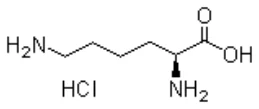 | White or almost white crystalline powder or colourless crystals, freely soluble in water, very slightly soluble in ethanol. |
L-Methionine (2S)-2-amino-4-(methylsulfanyl) butanoic acid | C5H11NO2 S 149.21 | White or almost white crystalline powder or colourless crystals, soluble in water, very slightly soluble in ethanol. | |
L-Phenylalanine (2S)-2-amino-3-phenylpropanoic acid | C9H11NO2 165.19 | White or almost white crystalline powder or shiny, white flakes, sparingly soluble in water, very slightly soluble in alcohol. It dissolves in dilute mineral acids and in dilute solutions of alkali hydroxides. | |
L-Proline (S)-2-pyrrolidinecarboxylic acid | C5H9NO2 115.13 | White or almost white crystalline powder or colourless crystals, very soluble in water, freely soluble in alcohol. | |
L-Serine (S)-2-amino-3-hydroxypropionic acid | C3H7NO3 105.09 | White or almost white crystalline powder or colourless crystals, freely soluble in water, practically insoluble in alcohol. | |
L-Threonine (2S, 3R)-2-amino-3-hydroxybutanoic acid | C4H9NO3 119.12 | White crystalline powder or colourless crystals, soluble in water, practically insoluble in ethanol. |
Proper Name Chemical Name | Molecular Formula and Molecular Mass | Structural Formula | 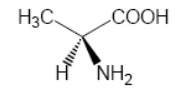 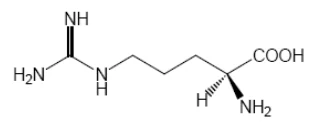 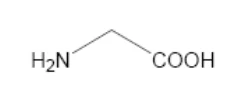 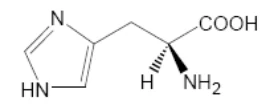 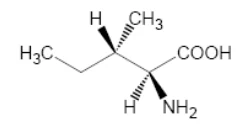 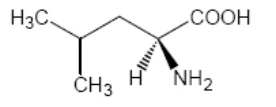 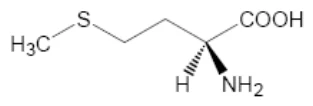 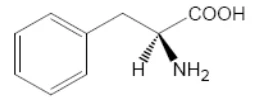 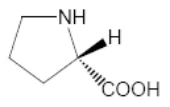 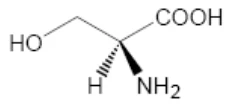 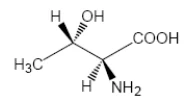 Physicochemical Properties |
|---|---|---|---|
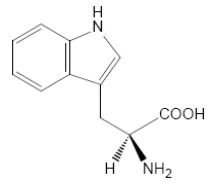
L-Tryptophan (2S)-2-amino-3-(indol-3-yl)propanoic acid | C11H12N2O2 204.23 | White or almost white crystalline or amorphous powder, sparingly soluble in water, slightly soluble in alcohol. It dissolves in dilute mineral acids and in dilute solutions of alkali hydroxides. | |
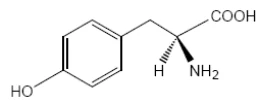
L-Tyrosine (S)-2-amino-3-(4-hydroxyphenyl) propionic acid | C9H11NO3 181.19 | White crystalline powder or colourless crystals, very slightly soluble in water, practically insoluble in alcohol. It dissolves in dilute mineral acids and in dilute solutions of alkali hydroxides. | |
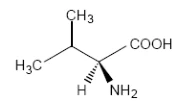
L-Valine (2S)-2-amino-3-methylbutanoic acid | C5H11NO2 117.15 | White or almost white crystalline powder or colourless crystals, soluble in water, very slightly soluble in ethanol. | |
| Sodium chloride** | NaCl 58.44 | not provided | White crystalline powder, hygroscopic, freely soluble in water, soluble in alcohol. |
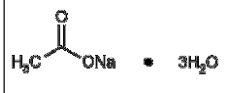
| Sodium acetate trihydrate** | C2H3NaO2·3H2 O 136.08 | Colourless crystals, very soluble in water, soluble in alcohol. | |
| Potassium Phosphate Dibasic Anhydrous** | K2HPO4 174.18 | not provided | White or almost white crystalline powder or colourless crystals, freely soluble in water, practically insoluble in anhydrous alcohol. |
| Magnesium chloride hexahydrate** | MgCl2·6H2O 203.30 | not provided | Colourless crystals, hygroscopic, very soluble in water, freely soluble in alcohol. |
* L-Serine is only present in Blend C
** Only contained in the formulations with electrolytes
CLINICAL TRIALS
Efficacy and safety have been established by the clinical use of amino acid solutions and dextrose.
DETAILED PHARMACOLOGY
There have been no pharmacology studies performed by Baxter Healthcare Corporation.
 | |||
 | |||
 | |||
 |
TOXICOLOGY
There have been no toxicology studies performed by Baxter Healthcare Corporation.
REFERENCES
- 1. ASPEN Board of Directors. Guidelines for the use of parenteral and enteral nutrition in adult and pediatric patients. JPEN 2002; 26:1SA-138SA.
- 2. Anker SD, Laviano A, Filippatos G, John M, Paccagnella A, Ponikowski P, et al. ESPEN Guidelines on Parenteral Nutrition: on cardiology and pneumology. Clin Nutr 2009; 28:455–60.
- 3. Bozzetti F, Arends J, Lundholm K, Micklewright A, Zurcher Z, Muscaritoli M, et al. ESPEN Guidelines on Parenteral Nutrition: non-surgical oncology. Clin Nutr 2009; 28:445–54.
- 4. Braga M, Ljungqvist O, Soeters P, Fearon K, Weimann A, Bozzetti F. ESPEN Guidelines on Parenteral Nutrition: surgery. Clin Nutr 2009; 28:378-86.
- 5. Cano et al. ESPEN Guidelines on Parenteral Nutrition: adult renal failure. Clin Nutr 2009; 28(4):401-414.
- 6. Gianotti et al., ESPEN Guidelines on Parenteral Nutrition: pancreas. Clin Nutr 2009; 28:428-435.
- 7. Koletzko B, Goulet O, Hunt J, Krohn K, Shamir R. Guidelines on Paediatric Parenteral Nutrition of the European Society of Paediatric Gastroenterology, Hepatology and Nutrition (ESPGHAN) and the European Society for Clinical Nutrition and Metabolism (ESPEN), Supported by the European Society of Paediatric Research (ESPR). J Pediatr Gastroenterol Nutr 2005; 41(Suppl 2):S1-87.
- 8. Pittiruti M, Hamilton H, Biffi R, MacFie J, Pertkiewicz M. ESPEN Guidelines on Parenteral Nutrition: central venous catheters (access, care, diagnosis and therapy of complications). Clin Nutr 2009; 28(1):365–77.
- 9. Plauth M, Cabré E, Campillo B, Kondrup J, Marchesini G, Schütz T, et al. ESPEN Guidelines on Parenteral Nutrition: hepatology. Clin Nutr 2009; 28(4):436-44.
- 10. Singer P, Berger M, Van den Berghe G, Biolo G, Calder P, Forbes A, et al. ESPEN Guidelines on Parenteral Nutrition: intensive care. Clin Nutr 2009; 28:387–400
- 11. Staun M, Pironi L, Bozzetti F, Baxter J, Forbes A, Joly F, et al. ESPEN Guidelines on Parenteral Nutrition: home parenteral nutrition. Clin Nutr 2009; 28:467–79.
- 12. Van Gossum A, Cabre E, Hebuterne X, Jeppesen P, Krznaric Z, Messing B, et al. ESPEN Guidelines on Parenteral Nutrition: gastroenterology. Clin Nutr 2009; 28:415-27.