


Product Monograph - Olimel 5.7%
RECENT MAJOR LABEL CHANGES
2 CONTRADICTIONS 07/2023
6 WARNINGS AND PRECAUTIONS, Immune 07/2023
TABLE OF CONTENTS
RECENT MAJOR LABEL CHANGES ......................................................................................2
TABLE OF CONTENTS ..............................................................................................................2
PART I: HEALTH PROFESSIONAL INFORMATION ............................................................4
1 INDICATIONS....................................................................................................................4
1.1 Pediatrics ....................................................................................................................4
1.2 Geriatrics ....................................................................................................................4
2 CONTRAINDICATIONS ..................................................................................................4
3 DOSAGE AND ADMINISTRATION ...............................................................................5
3.1 Dosing Considerations ...............................................................................................5
3.2 Recommended Dose and Dosage Adjustment ...........................................................5
3.3 Administration ...........................................................................................................9
3.4 Missed Dose .............................................................................................................10
4 OVERDOSAGE ...............................................................................................................10
5 DOSAGE FORMS, STRENGTHS, COMPOSITION AND PACKAGING ..............11
6 WARNINGS AND PRECAUTIONS .............................................................................14
6.1 Special Populations ..................................................................................................18
6.1.1 Pregnant Women ................................................................................................. 18
6.1.2 Breast-feeding ..................................................................................................... 18
6.1.3 Pediatrics ............................................................................................................. 18
7 ADVERSE REACTIONS................................................................................................18
7.1 Adverse Reaction Overview ....................................................................................18
7.2 Clinical Trial Adverse Reactions .............................................................................19
7.3 Post-Market Adverse Reactions ...............................................................................20
8 DRUG INTERACTIONS .................................................................................................20
8.1 Overview ..................................................................................................................20
8.2 Drug-Drug Interactions ............................................................................................21
8.3 Drug-Food Interactions ............................................................................................21
8.4 Drug-Laboratory Test Interactions ..........................................................................21
8.5 Drug-Lifestyle Interactions ......................................................................................21
9 ACTION AND CLINICAL PHARMACOLOGY ...........................................................22
9.1 Mechanism of Action ...............................................................................................22
9.2 Pharmacodynamics ..................................................................................................22
9.3 Pharmacokinetics .....................................................................................................23
10 STORAGE, STABILITY AND DISPOSAL..................................................................24
11 SPECIAL HANDLING INSTRUCTIONS .....................................................................24
12 PHARMACEUTICAL INFORMATION ........................................................................28
13 CLINICAL TRIALS .........................................................................................................31
13.1 Trial Design and Study Demographics ................................................................31
13.2 Study Results ........................................................................................................32
14 NON-CLINICAL TOXICOLOGY ...................................................................................32
PATIENT MEDICATION INFORMATION ...............................................................................37
PART I: HEALTH PROFESSIONAL INFORMATION
1 INDICATIONS
OLIMEL (amino acids, dextrose, lipids) is indicated for parenteral nutrition for adults when oral or enteral nutrition is impossible, insufficient or contraindicated.
1.1 Pediatrics
Pediatrics (<18 years of age): There have been no studies performed in the pediatric population.
1.2 Geriatrics
Geriatrics (> 65 years of age): There are no known differences in safety and effectiveness of parenteral nutrition formulations in the adult population based upon age.
2 CONTRAINDICATIONS
The use of OLIMEL (amino acids, dextrose, lipids) is contraindicated in the following populations/situations:
- Known hypersensitivity to egg, soybean or peanut products, olive products or any of the active substances, excipients, or components of the container. For a complete listing, see the DOSAGE FORMS, STRENGTHS, COMPOSITION AND PACKAGING section of the product monograph.
- Known allergy to corn or corn products since the products contain corn-derived dextrose
- Patients with acute renal failure and without undergoing renal replacement therapy.
- Patients with severe liver failure or hepatic coma.
- Congenital abnormalities of amino acid metabolism
- Severe hyperlipidemia or severe disorders of lipid metabolism characterized by hypertriglyceridemia
- Hypertriglyceridemia-associated acute pancreatitis
- Severe hyperglycemia
3 DOSAGE AND ADMINISTRATION
3.1 Dosing Considerations
Dosing of OLIMEL (amino acids, dextrose, lipids) is based upon protein, energy, and electrolyte requirements of the individual patient.
Some patients with renal and hepatic disease may benefit from reduced protein intakes.
Some patients with diabetes mellitus or glucose intolerance may benefit from reduced carbohydrate intake.
Patients with parenteral nutrition induced liver disease may benefit from reduction in lipid intake.
Patients with renal disease have decreased capacity to excrete phosphorus. Levels of this electrolyte should be carefully monitored in these patients.
3.2 Recommended Dose and Dosage Adjustment
Adults
Due to its high osmolarity (1120-1360 mOsmol/L), OLIMEL must only be administered through a central vein.
The dosage depends on the patient’s energy expenditure, clinical status, body weight, and ability to metabolize the constituents of OLIMEL, as well as additional energy or proteins/amino acids given orally/enterally; therefore, the bag size should be chosen accordingly.
The average daily requirements in adults are:
- Protein/amino acids: 0.16 to 0.35 g nitrogen /kg body weight (1 to 2 g of amino acids/kg), depending on the patient's nutritional status and degree of catabolic stress. Special populations may require up to 0.4 g nitrogen/kg body weight (2.5 g of amino acids/kg).
- Energy: 20 to 40 kcal/kg,
- Fluid: 20 to 40* mL fluid /kg, or 1 to 1.5 mL per expended kcal.
*This is dependent on not over feeding the patient calories or protein.
The maximum daily dose should not be exceeded. Due to the static composition of the multi-chamber bag, the ability to simultaneously meet all nutrient needs of the patient may not be possible. Clinical situations may exist where patients require amounts of nutrients varying from the composition of the static bag. In this situation the impact of any volume (dose) adjustments must take into consideration the resultant effect this will have on the dosing of all other nutrient components of OLIMEL products. For example, patients may require greater than 0.2 mmol/kg/day of phosphate. In those situations, healthcare professionals may consider adjusting the volume (dose) of OLIMEL in order to meet these increased requirements.
The reconstituted emulsion provides the following for each of the formulations and bag sizes:
| OLIMEL 4.4% | ||||
|---|---|---|---|---|
| 1000 mL | 1500 mL | 2000 mL | ||
| Lipids | 40 g | 60 g | 80 g | |
| Amino acids | 44.3 g | 66.4 g | 88.6 g | |
| Nitrogen | 7.0 g | 10.5 g | 14.0 g | |
| Dextrose Anhydrous | 140.0 g | 210.0 g | 280.0 g | |
| Energy: | ||||
| Total calories approx. | 1140 kcal | 1710 kcal | 2270 kcal | |
| Non-amino acid calories approx. | 960 kcal | 1440 kcal | 1920 kcal | |
| Glucose calories | 560 kcal | 840 kcal | 1120 kcal | |
| Lipid calories approx.(1) | 400 kcal | 600 kcal | 800 kcal | |
| Non-amino acid calories/ nitrogen ratio | 137 kcal/g | 137 kcal/g | 137 kcal/g | |
| Glucose / lipid calories ratio | 58/42 | 58/42 | 58/42 | |
| Lipid / total calories | 35% | 35% | 35% | |
| Electrolytes: | ||||
| Phosphate(2) | 3.0 mmol | 4.5 mmol | 6.0 mmol | |
| Acetate | 31 mmol | 46 mmol | 62 mmol | |
| pH approx. | 6.4 | 6.4 | 6.4 | |
| Osmolarity approx. | 1220 mosm/L | 1220 mosm/L | 1220 mosm/L | |
1 Includes calories from purified egg phosphatides
2 Phosphate provided by the lipid emulsion
| OLIMEL 5.7% | |||||
|---|---|---|---|---|---|
| 1000 mL | 1500 mL | 2000 mL | |||
| Lipids | 40 g | 60 g | 80 g | ||
| Amino acids | 56.9 g | 85.4 g | 113.9 g | ||
| Nitrogen | 9.0 g | 13.5 g | 18.0 g | ||
| Dextrose Anhydrous | 110.0 g | 165.0 g | 220.0 g | ||
| Energy: | |||||
| Total calories approx. | 1070 kcal | 1600 kcal | 2140 kcal | ||
| Non-amino acid calories approx. | 840 kcal | 1260 kcal | 1680 kcal | ||
| Glucose calories | 440 kcal | 660 kcal | 880 kcal | ||
| Lipid calories approx.(1) | 400 kcal | 600 kcal | 800 kcal | ||
| Non-amino acid calories / nitrogen ratio | 93 kcal/g | 93 kcal/g | 93 kcal/g | ||
| Glucose / lipid calories ratio | 52/48 | 52/48 | 52/48 | ||
| Lipid / total calories | 37% | 37% | 37% | ||
| Electrolytes: | |||||
| Phosphate(2) | 3.0 mmol | 4.5 mmol | 6.0 mmol | ||
| Acetate | 40 mmol | 60 mmol | 80 mmol | ||
| pH approx. | 6.4 | 6.4 | 6.4 | ||
| Osmolarity approx. | 1170 mosm/L | 1170 mosm/L | 1170 mosm/L | ||
1 Includes calories from purified egg phosphatides
2 Phosphate provided by the lipid emulsion
| OLIMEL 7.6% | |||||||
|---|---|---|---|---|---|---|---|
| 650 mL | 1000 mL | 1500 mL | 2000 mL | ||||
| Lipids | 22.8 g | 35.0 g | 52.5 g | 70.0 g | |||
| Amino acids | 49.4 g | 75.9 g | 113.9 g | 151.9 g | |||
| Nitrogen | 7.8 g | 12.0 g | 18.0 g | 24.0 g | |||
| Dextrose Anhydrous | 47.7 g | 73.3 g | 110.0 g | 146.7 g | |||
| Energy: | |||||||
| Total calories approx. | 620 kcal | 950 kcal | 1420 kcal | 1900 kcal | |||
| Non-amino acid calories approx. | 420 kcal | 640 kcal | 960 kcal | 1280 kcal | |||
| Glucose calories | 190 kcal | 290 kcal | 430 kcal | 580 kcal | |||
| Lipid calories approx.(1) | 230 kcal | 350 kcal | 530 kcal | 700 kcal | |||
| Non-amino acid calories / nitrogen ratio | 53 kcal/g | 53 kcal/g | 53 kcal/g | 53 kcal/g | |||
| Glucose / lipid calories ratio | 45/55 | 45/55 | 45/55 | 45/55 | |||
| Lipid / total calories | 37% | 37% | 37% | 37% | |||
| Electrolytes: | |||||||
| Phosphate(2) | 1.7 mmol | 2.6 mmol | 3.9 mmol | 5.2 mmol | |||
| Acetate | 35 mmol | 54 mmol | 80 mmol | 107 mmol | |||
| pH approx. | 6.4 | 6.4 | 6.4 | 6.4 | |||
| Osmolarity approx. | (1130 mosm/L | (1130 mosm/L | (1130 mosm/L | (1130 mosm/L | |||
1 Includes calories from purified egg phosphatides
2 Phosphate provided by the lipid emulsion
As a general rule, daily doses of 2 g/kg of amino acids and/or 7 g/kg of dextrose and/or 2 g/kg of lipids and/or 40 kcal/kg and/or 40 mL fluid/kg should not be exceeded, except in particular cases when specific demands exceed the usual recommendations. The first of these doses to be reached sets the maximum daily dose.
The OLIMEL formulations may be limited by fluid (40 ml/kg/day), energy (40 kcal/kg/day total calories) or amino acids intakes (2g/kg/day). In Continuous Renal Replacement (CRRT) and patients with morbid obesity, the maximal daily dose is defined by amino acids intake. The maximal daily dose delivers the following:
| OLIMEL 4.4% | OLIMEL 5.7% | OLIMEL 7.6% | OLIMEL 7.6%* | |
| Fluid volume (mL/kg/day) | 35 | 35 | 26 | 33 |
| Energy (kcal/kg/day) | 40 | 37 | 24.7 | 31.2 |
| Amino Acids (g/kg/day) | 1.5 | 2 | 2.0 | 2.5** |
| Dextrose (g/kg/day) | 4.9 | 3.9 | 1.9 | 2.4 |
| Lipid (g/kg/day) | 1.4 | 1.4 | 0.9 | 1.2 |
* In Continuous Renal Replacement (CRRT) and patients with morbid obesity
** In patients with morbid obesity, dosing is based on ideal body weight (IBW)
The maximal infusion rates for the average patient receiving OLIMEL formulations over a 24 hour administration period are as follows:
| Formulation | Maximal infusion rate | Amino acids (g/kg/hour) | Dextrose (g/kg/hour ) | Lipids (g/kg/hour ) |
|---|---|---|---|---|
| OLIMEL 4.4% | 1.7 mL/kg/hour | 0.08 | 0.24 | 0.07 |
| OLIMEL 5.7% | 1.8 mL/kg/hour | 0.1 | 0.19 | 0.07 |
| OLIMEL 7.6% | 1.3 mL/kg/hour | 0.10 | 0.10 | 0.05 |
The flow rate should be increased gradually during the first hour. The administration flow rate must be adjusted to take into account the dose being administered, the daily volume intake and the duration of the infusion (see OVERDOSAGE).
3.3 Administration
For instructions for preparation and handling of the emulsion for infusion see SPECIAL HANDLING INSTRUCTIONS.
The recommended duration of infusion for a parenteral nutrition bag is between 12 and 24 hours. Treatment with parenteral nutrition may be continued for as long as is required by the patient’s clinical conditions.
Monitoring of laboratory and clinical parameters is recommended (see WARNINGS AND PRECAUTIONS and Monitoring and Laboratory Tests).
The compatibility with solutions administered simultaneously via a common end section must be ensured.
Additions:
Although there is a natural content of trace elements and vitamins in the product, the levels of such substances may not be sufficient to meet body’s requirements and need to be supplemented in sufficient quantities to meet individual patient requirements and to prevent deficiencies from developing. However, no addition of any other substances or medicinal products to the bag should be made without first confirming their compatibility and/or suitability to prevent formation of precipitates, destabilization of the lipid emulsion and/or overloading of electrolytes which may result in serious adverse reactions (see DRUG INTERACTIONS and SPECIAL HANDLING INSTRUCTIONS).
For OLIMEL, calcium and phosphate ratios must be considered. Excess addition of calcium ion and/or inorganic and/or organic phosphate may result in the formation of calcium phosphate precipitates.
Iron ions should NOT be added to the bag since they may destabilize the lipid emulsion.
3.4 Missed Dose
In the event of a missed dose, the infusion should be restarted at the recommended dose and flow rate. Doses should NOT be doubled.
4 OVERDOSAGE
In the event of inappropriate administration (overdose and/or infusion rate higher than recommended), nausea, vomiting, chills, headache, hot flush, hyperhidrosis and electrolyte disturbances and signs of hypervolemia or acidosis may occur and result in severe or fatal consequences. In such situations the infusion must be stopped immediately. If medically appropriate, further intervention may be indicated.
Hyperglycemia, glucosuria, and heperosmolar syndrome may develop if dextrose infusion rate exceeds clearance.
In some serious cases, hemodialysis, hemofiltration or hemo-diafiltration may be necessary.
The reduced or limited ability to metabolize lipids may result in fat overload syndrome, the results of which are usually reversible after infusion of the lipid emulsion is stopped. (See WARNINGS AND PRECAUTIONS section).
| For management of a suspected drug overdose, contact your regional poison control centre. |
|---|
5 DOSAGE FORMS, STRENGTHS, COMPOSITION AND PACKAGING
Table – Dosage Forms, Strengths, Composition and Packaging.
| Route of Administration | Dosage Form / Strength/Composition | Non-medicinal Ingredients |
| Intravenous | Emulsion for Infusion / OLIMEL 4.4% Amino acids, dextrose, lipids Injectable Emulsion 4.4% w/v, 14% w/v, 4% w/v OLIMEL 5.7% Amino acids, dextrose, lipids Injectable Emulsion 5.7% w/v, 11% w/v, 4% w/v OLIMEL 7.6% Amino acids, dextrose, lipids Injectable Emulsion 7.6% w/v, 7.3% w/v, 3.5% w/v | Lipid emulsion chamber: Glycerol Nitrogen Purified egg phosphatide Sodium hydroxide for pH adjustment Sodium oleate Water for injections Amino acid without electrolytes solution chamber: Glacial acetic acid for pH adjustment Nitrogen Water for injections Dextrose (glucose) without calcium solution chamber: Hydrochloric acid for pH adjustment Nitrogen Water for injections |
OLIMEL (amino acids, dextrose, lipids) is presented in the form of a 3-chamber bag. Each bag contains a sterile dextrose (glucose) solution without calcium, a sterile amino acid solution without other electrolytes and a sterile lipid emulsion as described below:
| OLIMEL 4.4% | Content per bag | ||
| 1000 mL | 1500 mL | 2000 mL | |
| 35% Dextrose solution (35 g/100 mL) | 400 mL | 600 mL | 800 mL |
| 11.1% Amino acid solution (11.1 g/100 mL) | 400 mL | 600 mL | 800 mL |
| 20% Lipid emulsion (20 g/100 mL) | 200 mL | 300 mL | 400 mL |
| OLIMEL 5.7% | Content per bag | ||
| 1000 mL | 1500 mL | 2000 mL | |
| 27.5% Dextrose solution (27.5 g/100 mL) | 400 mL | 600 mL | 800 mL |
| 14.2% Amino acid solution (14.2 g/100 mL) | 400 mL | 600 mL | 800 mL |
| 20% Lipid emulsion (20 g/100 mL) | 200 mL | 300 mL | 400 mL |
| OLIMEL 7.6% | Content per bag | |||
| 650 mL | 1000 mL | 1500 mL | 2000 mL | |
| 27.5% Dextrose solution (27.5 g/100 mL) | 173 mL | 267 mL | 400 mL | 533 mL |
| 14.2% Amino acid solution (14.2 g/100 mL) | 347 mL | 533 mL | 800 mL | 1067 mL |
| 17.5% Lipid emulsion (17.5 g/100 mL) | 130 mL | 200 mL | 300 mL | 400 mL |
After mixing the contents of the three chambers, the composition per liter of the reconstituted emulsion is given in the following table for each formulation:
| Composition per Liter of Reconstituted Emulsion | ||||||||
| Active substances | OLIMEL 4.4% | OLIMEL 5.7% | OLIMEL 7.6 % | |||||
| Refined olive oil + refined soybean oil 1 | 40.00 g | 40.00 g | 35.00 g | |||||
| L-Alanine | 6.41 g | 8.24 g | 10.99 g | |||||
| L-Arginine | 4.34 g | 5.58 g | 7.44 g | |||||
| L-Aspartic acid | 1.28 g | 1.65 g | 2.20 g | |||||
| L-Glutamic acid | 2.21 g | 2.84 g | 3.79 g | |||||
| Glycine | 3.07 g | 3.95 g | 5.26 g | |||||
| L-Histidine | 2.64 g | 3.40 g | 4.53 g | |||||
| L-Isoleucine | 2.21 g | 2.84 g | 3.79 g | |||||
| L-Leucine | 3.07 g | 3.95 g | 5.26 g | |||||
L-Lysine acetate (equivalent to Lysine) | 4.88 g (3.48 g) | 6.32 g (4.48 g) | 8.43 g (5.97 g) | |||||
| L-Methionine | 2.21 g | 2.84 g | 3.79 g | |||||
| L-Phenylalanine | 3.07 g | 3.95 g | 5.26 g | |||||
| L-Proline | 2.64 g | 3.40 g | 4.53 g | |||||
| L-Serine | 1.75 g | 2.25 g | 3.00 g | |||||
| L-Threonine | 2.21 g | 2.84 g | 3.79 g | |||||
| L-Tryptophan | 0.74 g | 0.95 g | 1.26 g | |||||
| L-Tyrosine | 0.11 g | 0.15 g | 0.20 g | |||||
| L-Valine | 2.83 g | 3.64 g | 4.86 g | |||||
Dextrose (Glucose monohydrate) (equivalent to Glucose anhydrous) | 154.0 g (140 g) | 121.0 g (110.0 g) | 80.67 g (73.33 g) | |||||
1 Mixture of refined olive oil (approximately 80%) and refined soybean oil (approximately 20%) corresponding to a ratio essential fatty acids / total fatty acids of 20%.
Packaging
The three-chamber bag is a multi-layer non-Polyvinyl Chloride bag. The inner (contact) layer of the bag material is made of a blend of polyolefinic copolymers and is compatible with amino acid solutions, dextrose solutions and lipid emulsions. Other layers are made of poly-ethylene vinyl acetate, and of a copolyester.
The dextrose chamber is fitted with an injection site to be used for addition of supplements.
The amino acids compartment is fitted with an administration site for insertion of the spike of the infusion set.
To protect from air contact, the bag is packaged in an oxygen barrier overpouch, which contains an oxygen absorber.
Pack sizes:
650 mL bag: 1 carton with 10 bags 1000 mL bag: 1 carton with 6 bags
1500 mL bag: 1 carton with 4 bags
2000 mL bag: 1 carton with 4 bags
6 WARNINGS AND PRECAUTIONS
General
No substances or medicinal products other than the provided components of the products should be added to the bag without first confirming their compatibility and/or suitability to prevent formation of precipitates, destabilization of the lipid emulsion which may result in serious adverse reactions (see DRUG INTERACTIONS and SPECIAL HANDLING INSTRUCTIONS).
Due to presence of phosphate ion in OLIMEL (amino acids, dextrose, lipids), administration of these products may result in precipitation of calcium phosphate in patients with hyperphosphatemia, hypercalcaemia and /or co-administrated with a calcium ion-containing IV solution. Caution must be exercised when calcium-containing agents are added in the product since this may result in formation of precipitates which can lead to serious or even fatal reactions (See Respiratory subsection below and SPECIAL HANDLING INSTRUCTIONS).
The infusion must be stopped immediately if any signs or symptoms of an allergic reaction (such as fever, shivering, sweating, headache, skin rashes, or dyspnea) develop. Specific clinical monitoring is required when an intravenous nutrition infusion is started.
Infection and sepsis may occur as a result of improper use of intravenous catheters to administer parenteral formulations, poor maintenance of catheters or contaminated solutions. Immunosuppression and other conditions such as hyperglycemia, malnutrition and/or their underlying disease state may predispose patients to infectious complications. Careful symptomatic and laboratory monitoring for fever/chills, leukocytosis, technical complications with the access device, and hyperglycemia can help recognise early infections. The occurrence of septic complications can be decreased with heightened emphasis on aseptic technique in catheter placement and maintenance as well as aseptic technique in nutritional formula preparation.
“Fat overload syndrome” has been reported with similar products. This may be caused by inappropriate administration (e.g. overdose and/or infusion rate higher than recommended, see ADVERSE REACTIONS and OVERDOSAGE); however, the signs and symptoms of this syndrome may also occur when the product is administered according to instructions. The reduced or limited ability to metabolize the lipids contained in OLIMEL may result in a fat overload syndrome. This syndrome is associated with a sudden deterioration in the patient's clinical condition and is characterized by hyperlipidemia, fever, jaundice, liver fatty infiltration (hepatomegaly), deteriorating liver function (hepatosplenomegaly), and hypoxia with or without respiratory insufficiency, anemia, leucopenia, thrombocytopenia, coagulation disorders and central nervous system manifestations (e.g. coma). These symptoms are usually reversible when the infusion of lipid emulsion is stopped.
Refeeding severely undernourished patients may result in the refeeding syndrome that is characterized by the shift of potassium, phosphorus, and magnesium intracellularly as the patients becomes anabolic. Thiamine deficiency and fluid retention may also develop. Careful monitoring and slowly increasing nutrient intakes while avoiding overfeeding can prevent these complications. This syndrome has been reported with similar products.
OLIMEL must only be administered through a central vein.
Do not connect bags in series in order to avoid air embolism due to possible residual gas contained in the primary bag.
Carcinogenesis and Mutagenesis
See NON-CLINICAL TOXICOLOGY in Part II of the Product Monograph.
Cardiovascular
Use with caution in patients with pulmonary edema or heart failure. Fluid status should be closely monitored. The level of triglyceride should be monitored to avoid hypertriglyceridemia when administrating OLIMEL in patients with acute myocardial infarction.
Endocrine and Metabolism
Metabolic complications may occur if the nutrient intake is not adapted to the patient's requirements, or the metabolic capacity of any given dietary component is not accurately assessed. Adverse metabolic effects may arise from administration of inadequate or excessive nutrients or from inappropriate composition of an admixture for a particular patient's needs.
Serum triglycerides concentrations and the ability of the body to metabolize lipids must be monitored regularly. If a lipid metabolism abnormality is suspected, daily monitoring of serum triglycerides is recommended. Hypertriglyceridemia left untreated can lead to the development of pancreatitis, altered pulmonary function, and immune dysfunction.
Hypercholesterolemia may be caused by excessive amounts of phospholipids in the parenteral formula.
In the event of hyperglycemia, the infusion rate of OLIMEL must be adjusted and/or insulin administered.
Fructose This product may contain fructose as an impurity in the dextrose material. Exercise caution when this product is used in patients with hereditary fructose intolerance. In these patients, fructose may result in hypoglycemia, metabolic acidosis, liver toxicty which manifests as vomiting, nausea, sweating, jaundice, hemorrhage, seizures or coma or even death. The severity of the reactions is dependent on the amount and duration of fructose intake.
Hyperglycemia Rapid administration of dextrose solutions may produce substantial hyperglycemia which may result in or contribute to electrolyte losses, dehydration and hypovolemia due to osmotic diuresis and hyperosmolar syndrome. At certain clinical conditions it also may increase the risk of hypoosmotic hyponatremia by shifting of intracellular water to extracellular space. Use with caution in critically ill patients in whom hyperglycemia commonly occurs due to diabetes, impaired glucose intolerance, impaired fasting glucose, or is stress-induced. Hyperglycemia may increase the risk of cardiac complications, infection, systemic sepsis, acute renal failure and even death in certain clinical conditions, especially in acute stress conditions. In order to avoid hyperglycemia the infusion rate should not exceed the patient’s ability to utilize glucose. To reduce the risk of hyperglycemia-associated complications, the infusion rate must be adjusted and/or insulin administered if blood glucose levels exceed levels considered acceptable for the individual patient.
Extravasation
Extravasation has been reported with the administration of OLIMEL.
Gastrointestinal
Patients may develop nausea or diarrhea.
Hepatic/Biliary/Pancreatic
Parenteral nutrition in general especially those containing amino acids, such as OLIMEL, should be used with caution in patients with preexisting liver disease or liver insufficiency. Liver function parameters should be closely monitored in these patients, and they should be monitored for possible symptoms of hyperammonemia.
Hepatobiliary disorders including cholestasis, hepatic steatosis, fibrosis and cirrhosis, possibly leading to hepatic failure, as well as cholecystitis and cholelithiasis are known to develop in some patients on parenteral nutrition. The etiology of these disorders is thought to be multifactorial and may differ between patients. Patients developing abnormal laboratory parameters or other signs of hepatobiliary disorders should be assessed early by a clinician knowledgeable in liver diseases in order to identify possible causative and contributory factors, and possible therapeutic and prophylactic interventions.
Elevated bilirubin and hepatic enzymes may occur in patients receiving parenteral nutrition and may result from excess administration of carbohydrate or lipid, lack of enteral nutrient stimulation, infection, or underlying disease.
Immune
Hypersensitivity to the constituents of the parenteral nutrition formulation such as egg, soybean or peanut products, amino acids, olive products, or any of the active substances, excipients, or components of the containers may occur. See CONTRAINDICATIONS.
Since dextrose in OLIMEL products is derived from corn, these products should not be used in patients with known allergy to corn or corn products. See CONTRAINDICATIONS.
Monitoring and Laboratory Tests
Monitor water and electrolyte balance, serum osmolarity, serum triglycerides, acid/base balance, blood glucose, liver and kidney function, blood count, including platelets, and coagulation parameters throughout treatment. Daily monitoring is recommended during initiation of parenteral nutrition and until the patient and laboratory measurements are stable.
Renal
Use with caution in patients with renal insufficiency. Fluid and electrolyte status should be closely monitored in these patients.
Severe water and electrolyte equilibration disorders, severe fluid overload states, and severe metabolic disorders should be corrected before starting the infusion.
Respiratory
Pulmonary vascular precipitates causing pulmonary vascular emboli and pulmonary distress have been reported in patients receiving parenteral nutrition. In some cases, fatal outcomes have occurred. Excessive addition of calcium and phosphate increases the risk of the formation of calcium phosphate precipitates. Precipitates have been reported even in the absence of phosphate salt in the solution. Precipitation distal to the in-line filter and suspected precipitate formation in the blood stream have also been reported.
In addition to inspection of the solution, the infusion set and catheter should also periodically be checked for precipitates.
If signs of pulmonary distress occur, the infusion should be stopped and medical evaluation initiated.
Parenteral nutrition containing lipid emulsions should be given cautiously to patients with acute respiratory distress syndrome.
6.1 Special Populations
6.1.1 Pregnant Women
There are no adequate data on use of OLIMEL in pregnant women. Physicians should carefully consider the potential risks and benefits for each specific patient before prescribing OLIMEL.
6.1.2 Breast-feeding
There are no adequate data on use of OLIMEL in lactating women. Physicians should carefully consider the potential risks and benefits for each specific patient before prescribing OLIMEL.
It is unknown if the drug is excreted in human milk. Because many drugs are excreted in human milk precaution should be exercised.
6.1.3 Pediatrics
There have been no studies performed in the pediatric population.
7 ADVERSE REACTIONS
7.1 Adverse Reaction Overview
See WARNINGS AND PRECAUTIONS.
7.2 Clinical Trial Adverse Reactions
Because clinical trials are conducted under very specific conditions the adverse reaction rates observed in the clinical trials may not reflect the rates observed in practice and should not be compared to the rates in the clinical trials of another drug. Adverse drug reaction information from clinical trials is useful for identifying drug-related adverse events and for approximating rates.
The safety and clinical efficacy of OLIMEL (amino acids, dextrose, lipids) was assessed in a double-blind randomized controlled study over five days. Fifty-six (56) patients requiring parenteral nutrition were enrolled, of whom twenty-eight (28) were treated with OliClinomel (a triple-chamber parenteral nutrition product similar to OLIMEL, that contains the same olive oil/soybean oil lipid, a similar amino acid profile, and dextrose) and twenty-eight (28) were treated with OLIMEL. The goal of the study was to provide information on the safety and nutritional efficacy of OLIMEL in a clinical setting.
A total of fifty-three (53) adverse events occurred during treatment; twenty-nine (29) adverse events were observed in fourteen (14) patients in the OLIMEL group versus twenty-four (24) adverse events observed in eleven (11) patients in the OliClinomel (control) group. Of the twenty-nine (29) adverse events observed in the OLIMEL group, seven (7) adverse events were designated as related to treatment. Of the twenty-four (24) adverse events observed in the OliClinomel (control) group, seven (7) patients presented with adverse events that were reported as related to treatment.
Summary of Treatment-Related Adverse Drug Reactions in the OLIMEL Study
| System Organ Class | Adverse Event | Reported Incidence by Treatment Group | |||
|---|---|---|---|---|---|
OLIMEL (n=28) up to 40 mL/kg/day | OLICLINOMEL (n=28) up to 40 mL/kg/day | ||||
| N* | % | N* | % | ||
| Cardiac disorders | Tachycardia | 1 | 3.57 | 0 | 0.00 |
| Gastrointestinal disorders | Abdominal pain | 1 | 3.57 | 0 | 0.00 |
| Diarrhea | 1 | 3.57 | 1 | 3.57 | |
| Nausea | 1 | 3.57 | 0 | 0.00 | |
| Immune system disorders | Hypersensitivity | 0 | 0.00 | 1 | 3.57 |
| Investigations | Blood alkaline phosphatase increased | 0 | 0.00 | 1 | 3.57 |
| Gamma-glutamyltransferase increased | 0 | 0.00 | 1 | 3.57 | |
| Metabolism and nutrition disorders | Decreased appetite | 1 | 3.57 | 0 | 0.00 |
|---|---|---|---|---|---|
| Hypertriglyceridemia | 1 | 3.57 | 0 | 0.00 | |
| Renal and urinary disorders | Azotemia | 0 | 0.00 | 1 | 3.57 |
| Respiratory, thoracic and mediastinal disorders | Respiratory failure | 0 | 0.00 | 1 | 3.57 |
| Vascular disorders | Hemodynamic instability | 0 | 0.00 | 1 | 3.57 |
| Hypertension | 1 | 3.57 | 0 | 0.00 |
*Number of patients reporting the related event
7.3 Post-Market Adverse Reactions
In addition, the following adverse reactions have been reported in the postmarketing experience, listed by MedDRA System Organ Class (SOC), then by Preferred Term (PT) in order of severity.
GASTROINTESTINAL DISORDERS: Vomiting
SKIN AND SUBCUTANEOUS SKIN DISORDERS: Rash
GENERAL DISORDERS AND ADMINISTRATION SITE CONDITIONS: Injection site extravasation, Pyrexia, Chills
Class Reactions
The following adverse reactions have been reported with similar products:
Pruritus, Fat overload syndrome, Cholestasis, Elevated liver enzymes and Azotemia
Pulmonary vascular precipitates (pulmonary vascular emboli and pulmonary distress) (see WARNINGS AND PRECAUTIONS)
8 DRUG INTERACTIONS
8.1 Overview
No interaction studies have been performed with OLIMEL (amino acids, dextrose, lipids).
OLIMEL must not be administered simultaneously with blood through the same infusion tubing because of the risk of pseudoagglutination.
8.2 Drug-Drug Interactions
The drugs listed in this table are based on either drug interaction case reports or studies, or potential interactions due to the expected magnitude and seriousness of the interaction (i.e., those identified as contraindicated).
Table - Established or Potential Drug-Drug Interactions
| <Proper/Common name> | Source of Evidence | Effect | Clinical comment |
| COUMADIN (or coumarin derivatives including warfarin) | T | Decreased anticoagulant effect | Soybean oil has a natural content of vitamin K that may counteract the anticoagulant activity of coumarin derivatives, including warfarin. Levels of vitamin K vary in the formulation. Caution is warranted and therapeutic monitoring of coagulation status is recommended. |
Legend: C = Case Study; CT = Clinical Trial; T = Theoretical
Due to the risk of precipitation, OLIMEL should not be admixed with ampicillin or fosphenytoin.
Due to the presence of phosphate in OLIMEL, adding calcium-containing and/or phosphate-containing products to the products may result in formation of calcium phosphate precipitates which may destabilize the emulsion status of the product (see SPECIAL HANDLING INSTRUCTIONS). Calcium phosphate precipitates and destabilized emulsion status of the products may result in serious health consequences.
8.3 Drug-Food Interactions
No OLIMEL - food interaction studies have been performed.
8.4 Drug-Laboratory Test Interactions
The lipids contained in this emulsion may interfere with the results of certain laboratory tests if the blood sample is taken before lipids are eliminated (these are generally eliminated after a period of 5 to 6 hours without receiving lipids). Potential assay interference associated with lipemia should be considered when interpreting the results of lipemic samples.
8.5 Drug-Lifestyle Interactions
Interactions with lifestyle have not been evaluated.
9 ACTION AND CLINICAL PHARMACOLOGY
9.1 Mechanism of Action
Amino acids administered intravenously are directly bioavailable to the body. The amino acids are transported into tissues by active transporters where they supply substrate for protein or peptide synthesis, act as regulators of various enzymes and genes, or are converted to other bioactive compounds (such as nitric oxide, glutathione, and gamma amino butyric acid). Thus, amino acids have both structural and regulatory roles within the body. Amino acids are metabolized in the liver and small quantities may be excreted unchanged through the kidneys. Nitrogen waste products from amino acid metabolism are converted to urea and excreted via the kidneys.
Dextrose, as glucose, is taken up and metabolized by all cells in the body and represents the primary energy source for the body. Glucose can be stored in the body in the form of glycogen (primarily in liver and skeletal muscle). Glucose may also be converted to fatty acids and stored as triglycerides in fat tissue. Circulating glucose levels are regulated by the interplay between insulin and glucagon, with lesser contributions from catecholamines, growth hormone, and glucocorticoids.
Fatty acids (lipid) are important energy sources for the body. The human body cannot synthesize omega-6 (linoleic acid and derivatives) or omega-3 (α-linolenic acid and derivatives) polyunsaturated fatty acids and requires these from the diet. Fatty acids are also important as substrates for membranes, precursors for bioactive molecules (such as prostaglandins), and as regulators of gene expression.
9.2 Pharmacodynamics
The content of nitrogen (amino acids) in OLIMEL (amino acids, dextrose, lipids) and energy (dextrose and triglycerides) enables maintenance of an adequate nitrogen/energy balance. Nitrogen and energy are required for normal functioning of all cells in the body, and are important for protein synthesis, growth, wound healing, immune function, muscle function, and many other cellular activities.
The amino acid solution contains 17 amino acids (including 8 essential amino acids), which are indispensable for protein synthesis. All the amino acids used in OLIMEL / PeriOLIMEL are in the optical L-form, except glycine, whose molecule has no chiral center and is not optically active. The optical L-form is known to be more compatible to human biochemistry. Amino acids also represent an energy source, their oxidation resulting in excretion of nitrogen in the form of urea.
The amino acids profile is as follows:
- Essential amino acids/total amino acids: 44.8%
- Branched-chain amino acids/total amino acids: 18.3%.
The lipid emulsion included in OLIMEL, is a mixture of refined olive oil and refined soybean oil (ratio 80/20), with the following approximate distribution of fatty acids:
- 15% saturated fatty acids (SFA)
- 65% monounsaturated fatty acids (MUFA)
- 20% polyunsaturated essential fatty acids (PUFA)
The phospholipid/triglyceride ratio is 0.06. The moderate essential fatty acid (EFA) content may improve utilization of infused essential fatty acids for synthesis of higher derivative fatty acids.
Olive oil contains significant amounts of alpha-tocopherol that contributes to vitamin E status.
The carbohydrate source is dextrose. Dextrose (glucose) is the primary source of energy in the body.
9.3 Pharmacokinetics
Absorption: Not applicable as this drug is given intravenously.
Distribution: The constituents of the formulation are distributed to all cells in the body.
The ingredients of OLIMEL (amino acids, dextrose, lipids) are distributed, metabolized and eliminated in the same manner as if they had been administered individually.
The pharmacokinetic properties of the amino acids administered intravenously are essentially the same as those of amino acids supplied by oral feeding. Amino acids from food proteins, however, first pass through the portal vein before reaching the systemic circulation.
The elimination rate of lipid emulsions depends on particle size, fatty acid composition, apolipoprotein content of the lipid globules, lipoprotein lipase activity, and hepatic lipase activity. The maximal removal capacity (K1) for the lipid emulsion found for OLIMEL in normal volunteers is 176 ± 16 mg/kg/hr. In the emulsion contained in OLIMEL, the size of the lipid particles is close to that of chylomicrons and this emulsion therefore has a similar elimination rate.
Metabolism and excretion: Amino acids, dextrose, and triglycerides are metabolized by all cells in the body. Nitrogen waste is converted to urea in the liver and excreted by the kidneys. Glucose and triglycerides are metabolized to carbon dioxide and excreted by the lungs.
Special Populations and Conditions
Pharmacokinetic data have not been obtained in special patient populations or conditions.
10 STORAGE, STABILITY AND DISPOSAL
Do not freeze. Store the unmixed product in the overpouch at 15°C to 30°C.
Shelf life after reconstitution: It is recommended that the product be used immediately after the non-permanent seals between the 3 chambers have been opened.
Shelf life after addition of supplements (electrolytes, trace elements, vitamins; see SPECIAL HANDLING INSTRUCTIONS):
Addition of supplements must take place under controlled and validated aseptic conditions. From a microbiological point of view, any admixture should be used immediately. If not used immediately, storage times and conditions prior to use are the responsibility of the user and would normally not be longer than 24 hours at 2°C to 8°C.
11 SPECIAL HANDLING INSTRUCTIONS
To open
Remove the protective overpouch.
Discard the oxygen absorber.
Confirm the integrity of the bag and of the non-permanent seals. Use only if the bag is not damaged, if the non-permanent seals are intact (i.e. no mixture of the contents of the three chambers), if the amino acids solution and the dextrose solution are clear, colourless or slightly yellow, practically free of visible particles, and if the lipid emulsion is a homogeneous liquid with a milky appearance.
Mixing the solutions and the emulsion
Ensure that the product is at room temperature when breaking the non-permanent seals.
Manually roll the bag onto itself, starting at the top of the bag (hanger end). The non-permanent seals will disappear from the side near the inlets. Continue to roll until the seals are open along approximately half of their length.
Mix by inverting the bag at least 3 times.
The appearance after reconstitution is a homogeneous milk-like emulsion.
Additions
Additions must be performed under aseptic conditions and by qualified personnel.
The capacity of the bag is sufficient to enable additions of nutritional and medicinal substances such as vitamins, electrolytes and trace elements. However, other than the provided components of the product, no substance should be added to the bag without first confirming its compatibility and suitability as stated below in order to prevent formation of precipitates, and/or destabilization of the lipid emulsion which may result in serious adverse reactions.
Any addition (including vitamins) may be made into the reconstituted mixture (after the non-permanent seals have been opened and after the contents of the three chambers have been mixed). Iron ions should NOT be added to the bag since they may destabilize the lipid emulsion of the product.
Vitamins may also be added into the dextrose chamber before the mixture is reconstituted (before opening the non-permanent seals and before mixing the solutions and the emulsion).
OLIMEL formulations may be supplemented with electrolytes. Electrolyte supplementation should be dictated by the patient’s clinical needs and should not exceed nutritional guidelines. When calcium-containing and/or phosphate-containing products are added to the products, caution must be exercised to prevent formation of calcium phosphate precipitates in the reconstituted mixture AND/OR in the body after administration. The maximal total levels for sodium, magnesium, potassium and calcium listed in the tables below were demonstrated by stability data, but should not be considered as dosage recommendations since the safety of the resulting mixture has not been adequately studied in clinical settings. If the level of calcium and/or phosphate in the reconstituted mixture exceeds the level shown in the following tables, the stability of the mixture may be compromised due to formation of calcium phosphate precipitates.
Additions to OLIMEL 4.4% and OLIMEL 5.7%:
| Per 1000 mL | |||
|---|---|---|---|
| Included level | Maximal further addition(4) | Maximal total level(4) | |
| Sodium | 0 mmol | 150 mmol | 150 mmol |
| Potassium | 0 mmol | 150 mmol | 150 mmol |
| Magnesium | 0 mmol | 5.6 mmol | 5.6 mmol |
| Calcium | 0 mmol | 5.0 (3.5(2)) mmol | 5.0 (3.5(2)) mmol |
| Inorganic | 0 mmol | 8.0 mmol | 8.0 mmol |
| Phosphate | |||
|---|---|---|---|
| Organic Phosphate | 3 mmol (1) |
|
|
(1) Including phosphate provided by the lipid emulsion
(2) Value in condition where inorganic phosphate is added at the maximal addition level.
(3) Organic Phosphate as a single entity may not be currently available in Canada.
(4) The values are based on stability data and should not be considered as dose recommendations.
Additions to OLIMEL 7.6 %:
| Per 1000 mL | |||
|---|---|---|---|
| Included level | Maximal further addition(4) | Maximal total level(4) | |
| Sodium | 0 mmol | 150 mmol | 150 mmol |
| Potassium | 0 mmol | 150 mmol | 150 mmol |
| Magnesium | 0 mmol | 5.6 mmol | 5.6 mmol |
| Calcium | 0 mmol | 5.0 (3.5(2)) mmol | 5.0 (3.5(2)) mmol |
| Inorganic Phosphate | 0 mmol | 10.0 mmol | 10.0 mmol |
| Organic Phosphate | 3 mmol (1) | 22 mmol (3) | 25 mmol (3) |
(1) Including phosphate provided by the lipid emulsion
(2) Value in condition where inorganic phosphate is added at the maximal addition level.
(3) Organic Phosphate as a single entity may not be currently available in Canada.
(4) The values are based on stability data and should not be considered as dose recommendations
Trace elements and vitamins:
Stability has been demonstrated up to the recommended daily dose.
Trace elements and vitamins: Stability has been demonstrated with commercially available preparations of vitamins and trace elements (containing up to 1 mg of iron). Compatibility for other additives is available upon request.
To perform an addition:
- Aseptic conditions must be observed.
- Prepare the injection site of the bag.
- Puncture the injection site and inject the additives using an injection needle or a reconstitution device.
- Mix content of the bag and the additives.
Preparation of the infusion
Only administration sets and administration lines made from DEHP-free should be used.
Aseptic conditions must be observed.
Suspend the bag.
Remove the plastic protector from the administration outlet.
Firmly insert the spike of the infusion set into the administration outlet.
Administration
For single use only. Aseptic conditions must be observed. When additions are made with inorganic phosphate, 1.2 micron filters should be used.
Only administer the product after the non-permanent seals between the three chambers have been broken and the contents of the three chambers have been mixed.
Ensure that the final emulsion for infusion does not show any evidence of phase separation.
After opening the bag, the contents should be used immediately and should not be stored for a subsequent infusion. Do not reconnect any partially used bag.
Do not connect in series in order to avoid the possibility of air embolism due to gas contained in the first bag.
Any unused product or waste material and all necessary devices must be discarded.
PART II: SCIENTIFIC INFORMATION
12 PHARMACEUTICAL INFORMATION
Drug Substance
OLIMEL (amino acids, dextrose, lipids) contains the following drug substances in the three chambers.
- Dextrose solution (larger outer chamber)
- Amino acid solution without electrolytes (centre chamber)
- Lipid emulsion (a mix of refined olive oil and refined soybean oil) (smaller outer chamber)
| Proper Name Chemical Name | Molecular Formula and Molecular Mass | Structural Formula | Physicochemical Properties |
L-Alanine (S)-2-aminopropionic acid | C3H7NO2 89.09 | White or almost white crystalline powder or colourless crystals, freely soluble in water, very slightly soluble in alcohol. | |
L-Arginine (2S)-2-amino-5-guanidinopentanoic acid | C6H14N4O2 174.20 | White or almost white crystalline powder or colourless crystals, freely soluble in water, very slightly soluble in alcohol. | |
L-Aspartic Acid (S)-aminosuccinic acid | C4H7NO4 133.10 | White or almost white crystalline powder or colourless crystals, slightly soluble in water, practically insoluble in alcohol. It dissolves in dilute mineral acids and in dilute solutions of alkali hydroxides. | |
L-Glutamic Acid (S)-2-aminoglutaric acid | C5H9NO4 147.13 | White crystalline powder or colourless crystals, freely soluble in boiling water, slightly soluble in cold water, practically insoluble in acetic acid, in acetone and in alcohol. |
| Proper Name Chemical Name | Molecular Formula and Molecular Mass | Structural Formula | Physicochemical Properties |
Glycine Aminoacetic acid | C2H5NO2 75.07 | White or almost white crystalline powder, freely soluble in water, very slightly soluble in alcohol. | |
L-Histidine (S)-2-amino-1H-imidazole-4-propionic acid | C6H9N3O2 155.15 | White or almost white crystalline powder or colourless crystals, soluble in water, very slightly soluble in ethanol (96%). | |
L-Isoleucine (2S, 3S)-2-amino-3-methylpentanoic acid | C6H13NO2 131.17 | White or almost white crystalline powder or flakes, sparingly soluble in water, slightly soluble in alcohol. It dissolves in dilute mineral acids and in dilute solutions of alkali hydroxides. | |
L-Leucine (2S)-2-amino-4-methylpentanoic acid | C6H13NO2 131.17 | White or almost white crystalline powder or shiny flakes, sparingly soluble in water, practically insoluble in alcohol. It dissolves in dilute mineral acids and in dilute solutions of alkali hydroxides. | |
L-Lysine Acetate (2S)-2,6-diaminohexanoic acid monoacetate | C6H14N2O2·C2 H4O2 206.24 | White or almost white crystalline powder or colourless crystals, freely soluble in water, very slightly soluble in ethanol (96%). | |
L-Methionine (2S)-2-amino-4-(methylsulfanyl) butanoic acid | C5H11NO2 S 149.21 | White or almost white crystalline powder or colourless crystals, soluble in water, very slightly soluble in ethanol. |
| Proper Name Chemical Name | Molecular Formula and Molecular Mass | Structural Formula | Physicochemical Properties |
L-Phenylalanine (2S)-2-amino-3-phenylpropanoic acid | C9H11NO2 165.19 | White or almost white crystalline powder or shiny, white flakes, sparingly soluble in water, very slightly soluble in alcohol. It dissolves in dilute mineral acids and in dilute solutions of alkali hydroxides. | |
L-Proline (S)-2-pyrrolidinecarboxyli c acid | C5H9NO2 115.13 | White or almost white crystalline powder or colourless crystals, very soluble in water, freely soluble in alcohol. | |
L-Serine (S)-2-amino-3-hydroxypropionic acid | C3H7NO3 105.09 | White or almost white crystalline powder or colourless crystals, freely soluble in water, practically insoluble in alcohol. | |
L-Threonine (2S, 3R)-2-amino-3-hydroxybutanoic acid | C4H9NO3 119.12 | White crystalline powder or colourless crystals, soluble in water, practically insoluble in ethanol. | |
L-Tryptophan (2S)-2-amino-3-(indol-3-yl)propanoic acid | C11H12N2O2 204.23 | White or almost white crystalline or amorphous powder, sparingly soluble in water, slightly soluble in alcohol. It dissolves in dilute mineral acids and in dilute solutions of alkali hydroxides. | |
L-Tyrosine (S)-2-amino-3-(4-hydroxyphenyl) propionic acid | C9H11NO3 181.19 | White crystalline powder or colourless crystals, very slightly soluble in water, practically insoluble in alcohol. It dissolves in dilute mineral acids and in dilute solutions of alkali hydroxides. |
| Proper Name Chemical Name | Molecular Formula and Molecular Mass | Structural Formula | 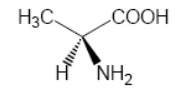 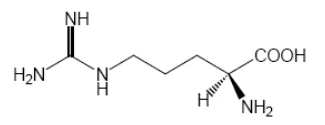 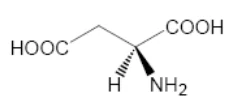 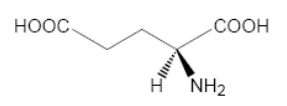 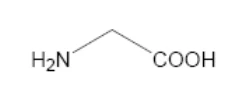 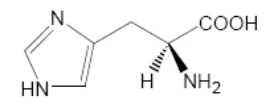 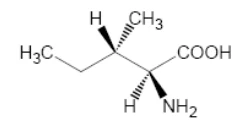 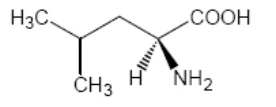 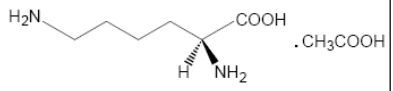 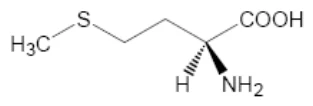 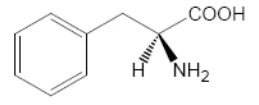 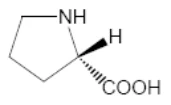 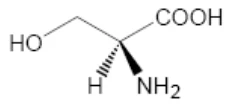 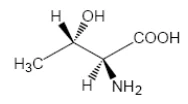 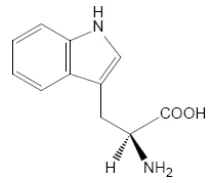 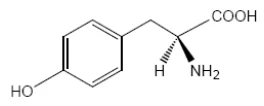 Physicochemical Properties |
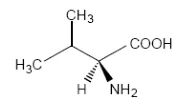
L-Valine (2S)-2-amino-3-methylbutanoic acid | C5H11NO2 117.15 | White or almost white crystalline powder or colourless crystals, soluble in water, very slightly soluble in ethanol. | |
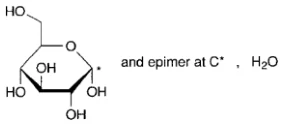
Dextrose D-glucose monohydrate | C6H12O6·H2O 198.2 | White crystalline powder with a sweet taste, freely soluble in water, sparingly soluble in alcohol. | |
| Olive oil, refined | Complex mixture of triglycerides; predominant fatty acids in olive oil are oleic, palmitic and linoleic. Approximately 870 g/mol depending on the fatty acid composition. | CH2-OCO-R1 | CH-OCO-R2 | CH2-OCO-R3 where R1, R2 and R3 represent the fatty acids linked to the glycerol moiety of the triglyceride. | Clear, colourless or greenish-yellow, transparent liquid, practically insoluble in ethanol (96%), miscible with light petroleum (50°C to 70°C). When cooled, it begins to become cloudy at 10°C and becomes a butter-like mass at about 0°C. It has a relative density of about 0.913. |
| Soybean oil, refined | Complex mixture of triglycerides; predominant fatty acids in soybean oil are linoleic, oleic, palmitic and linolenic. Approximately 870 g/mol depending on the fatty acid composition. | CH2-OCO-R1 | CH-OCO-R2 | CH2-OCO-R3 where R1, R2 and R3 represent the fatty acids linked to the glycerol moiety of the triglyceride. | Clear, pale yellow, liquid, miscible with light petroleum (50°C to 70°C), practically insoluble in alcohol. It has a relative density of about 0.922 and a refractive index of about 1.475. |
13 CLINICAL TRIALS
13.1 Trial Design and Study Demographics
Study ICS1063B/P01/03/Mu.F was a prospective randomized double-blind multicenter study performed to evaluate safety and nutritional efficacy of OLIMEL 5.7% (amino acids, dextrose, lipids) compared to OLICLINOMEL N8-800 (a triple chambered bag established in Europe that contains the same olive oil/soybean oil lipid, a similar amino acid profile, and dextrose). The
 | |||
 |
study was conducted in a variety of patients (primarily post-surgery and trauma) who required balanced parenteral nutrition representing at least 50% of the daily nonprotein energy requirements for 5 days. The primary nutritional efficacy endpoint was transthyretin (pre-albumin) levels. Safety was evaluated using adverse events, vital signs, and biochemical markers for renal (urea, creatinine), hepatic (ASAT, ALAT, alkaline phosphatase, GGT, bilirubin), hematologic (RBC count, hemoglobin, hematocrit, platelets, WBCs, lymphocytes, neutrophils, monocytes, eosinophils, basophils) organ functions as well as glucose and lipid parameters (triglycerides, cholesterol).
| Summary of patient demographics for clinical trials in specific indication | |||||
|---|---|---|---|---|---|
| Study # | Trial design | Dosage, route of administration and duration | Study subjects (n=number) | Mean age (Range) | Gender |
| ICS106 3B/P01/ 03/Mu.F | Prospective randomized double-blind multicenter controlled trial | OLIMEL 5.7%: 29 kcal/kg/day; protein 1.5 g/kg/day; 5 days OLICLINOMEL: 29 kcal/kg/day; protein 1.5 g/kg/day ; 5 days via central vein | ITT population OLIMEL 5.7%: n=24 OLICLINOMEL: n=26 | OLIMEL 5.7%: 56+15 years OLICLINOMEL: 52+21 years | OLIMEL 5.7%: 17 male, 7 female OLICLINOMEL: 16 male, 10 female |
13.2 Study Results
| Results of study ICS1063B/P01/03/Mu.F in specific indication | ||
| Primary Endpoints | Associated value and statistical significance for Drug at specific dosages | Associated value and statistical significance for Placebo or active control |
| Transthyretin levels | No differences were found between the two nutritional groups for transthyretin levels. Day 1 to Day 5: 144+75 mg/L to 206+142 mg/L | Day 1 to day 5: 146+83 mg/L to 181+82 mg/L |
Adverse events were similar between groups (see Clinical Trial Adverse Reactions). There were no differences between groups for glucose, lipids, renal function, hepatic function, or hematologic function.
14 NON-CLINICAL TOXICOLOGY
Studies on the carcinogenic potential, reproductive and developmental toxicity, and genotoxic potential have not been performed on the finished product for OLIMEL (amino acids, dextrose, lipids).
Amino Acid Compartment
The amino acid solution with electrolytes contains sodium glycerophosphate as a source of nutritional phosphorus. Single-dose and 28-day repeated dose toxicity studies have been performed in rats and dogs with sodium glycerophosphate.
Single-dose Toxicity
Rats received a single intravenous bolus infusion of sodium glycerophosphate at doses of 625, 1,250 or 2,500 mg/kg. At the 2500 mg/kg dose, 10% mortality and clinical signs of toxicity were observed. Therefore, 1250 mg/kg was identified as the maximum tolerated dose following intravenous infusion in rats.
Dogs were given a single intravenous bolus infusion at doses of 625, 1250 or 1875 mg/kg. At the 1875 mg/kg dose, vomiting, jaw discomfort, half-closed eyes, loss of balance and sneezing were observed during, or just after dosing. Vomiting was noted during infusion in the 1250 mg/kg group. The no observed effect level was considered to be 625 mg/kg/day.
Repeat-Dose Toxicity
Rats were given 312.5, 625, or 1250 mg/kg of sodium glycerophosphate intravenously daily for 28 consecutive days. No test article-related changes were observed.
Dogs received sodium glycerophosphate by daily intravenous infusion at the dose-levels of 312.5, 625 or 1250 mg/kg/day for 28 consecutive days. At 1250 mg/kg/day, vomiting, rubbing of the head on the floor, shaking head, scratching of ear(s), half-closed eyes, loss of balance, sitting position and lateral recumbency were observed primarily during the first two days of the treatment period. A slight prolongation of the QT and QTc interval durations was noted in females given 1250 mg/kg/day throughout the treatment period. An increased QT interval at the 1250 mg/kg dose could be attributed to a transient, localized hypocalcemia associated with the rapid administration rate (compared to the therapeutic rate of sodium glycerophosphate delivery in humans). Sodium glycerophosphate was clinically well tolerated and did not cause any laboratory or histopathological changes at the indicated doses.
Lipid Compartment
Single-dose Toxicity
Single-dose toxicity was investigated in the mouse and rat to compare the LD50 of the lipid emulsion in OLIMEL with that of 20% soybean based emulsions.
LD50 values were comparable at around 100-112 mL/kg (corresponding to approximately 20 g lipid/kg) in both species with rapid infusion.
Repeat-Dose Toxicity
The lipid emulsion in OLIMEL was administered to rats and dogs by intravenous infusion in studies lasting up to 91 days. The key studies conducted and the notable findings are presented in the table below.
Repeated Dose Toxicity Studies
| Type of Study | Species and Strain | Method of Administrati on | Duration of Dosing | Doses (mL/kg/day) | Key Findings |
|---|---|---|---|---|---|
| 30 Day toxicity study in the rat | Rat Sprague Dawley CD (Charles River) | IV infusion | 30 days | 90 at a rate of 1.2 mL/kg/min | Hematuria Decreased food consumption Regenerative anemia Mild thrombocytopenia Increased hepatic enzymes Increased serum cholesterol and phospholipids Hepatocellular vacuolation and necrosis Hepatic and splenic macrophage pigmentation Splenic macrophage vacuolation Interstitial and tubular nephritis |
| 30 Day toxicity study in the rat | Rat Sprague Dawley CD (Charles River) | IV infusion | 30 days | 75 at a rate of 1.5 mL/kg/min | Hematuria Decreased food consumption Regenerative anemia Mild thrombocytopenia Increased hepatic enzymes Increased serum phospholipids Hepatic vacuolation and inflammation Hepatic and splenic macrophage pigmentation Splenic macrophage vacuolation Interstitial and tubular nephritis |
| Type of Study | Species and Strain | Method of Administrati on | Duration of Dosing | Doses (mL/kg/day) | Key Findings |
|---|---|---|---|---|---|
| 90 Day toxicity study in the rat | Rat Sprague Dawley CD (Charles River) | IV infusion | 90 days | 15, 30 and 60 at a rate of 2 mL/kg/min | Hematuria Decreased food consumption Mild anemia at 60 mL/kg Dose-dependent hepatic vacuolation and inflammation Hepatic and splenic macrophage pigmentation Splenic macrophage vacuolation |
| 30 Day toxicity study in the dog | Dog Beagle | IV infusion | 30 days | 45 at a rate of 0.2 mL/kg/min | Decreased food consumption Increased hepatic enzymes Increased serum cholesterol and phospholipids Hepatocellular vacuolation Hepatic and splenic macrophage pigmentation Splenic macrophage vacuolation |
| 30 Day toxicity study in the dog | Dog Beagle | IV infusion | 30 days | 60 at a rate of 0.2 mL/kg/min | Decreased food consumption Regenerative anemia Mild thrombocytopenia Increased hepatic enzymes Increased serum phospholipids Hepatic vacuolation and inflammation, Hepatic and splenic macrophage pigmentation Splenic macrophage vacuolation Renal tubular vacuolation |
| 30 Day toxicity study in the dog | Dog Beagle | IV infusion | 30 days | 60 at a rate of 0.2 mL/kg/min | Decreased food consumption Regenerative anemia Mild thrombocytopenia Increased hepatic enzymes Increased serum phospholipids Hepatic vacuolation and inflammation, Hepatic and splenic macrophage pigmentation Splenic macrophage vacuolation Renal tubular vacuolation |
| Type of Study | Species and Strain | Method of Administrati on | Duration of Dosing | Doses (mL/kg/day) | Key Findings |
|---|---|---|---|---|---|
| 91 Day toxicity study in the dog | Dog Beagle | IV infusion | 91 days | 15, 22.5, 30 0.2 mL/kg/min | Decreased food consumption Mild anemia at 30 mL/kg Increased hepatic enzymes at ≥22.5 mL/kg Increased serum cholesterol and phospholipids Hepatocellular vacuolation at 30 mL/kg Hepatic and splenic macrophage pigmentation Splenic macrophage vacuolation |