


Product Monograph - Cystadrops
1 INDICATIONS
CYSTADROPS (cysteamine ophthalmic solution) is indicated for:
- the treatment of corneal cystine crystal deposits in adults and children from 2 years of age with cystinosis.
1.1 Pediatrics
Pediatrics (≥ 2 years of age): Based on the data submitted and reviewed by Health Canada, the safety and efficacy of CYSTADROPS in pediatric patients has been established; therefore, Health Canada has authorized an indication for pediatric use (see Clinical Trials).
1.2 Geriatrics
Geriatrics (> 65 years of age): No data are available to Health Canada; therefore, Health Canada has not authorized an indication for geriatric use.
2 CONTRAINDICATIONS
CYSTADROPS is contraindicated in patients who are hypersensitive to this drug or to any ingredient in the formulation, including any non-medicinal ingredient, or component of the container. For a complete listing, see Dosage Forms, Strengths, Composition and Packaging.
3 DOSAGE AND ADMINISTRATION
3.1 Dosing Considerations
Treatment with CYSTADROPS should be initiated under the supervision of a physician experienced in the management of cystinosis.
3.2 Recommended Dose and Dosage Adjustment
The recommended dose is one drop in each eye, 4 times a day during waking hours. The recommended interval between each instillation is 4 hours. The dose could be decreased progressively (to a minimum total daily dose of 1 drop in each eye) depending on the results of ophthalmic examination (such as corneal cystine crystal deposits, photophobia).
The dose should not exceed 4 drops a day in each eye.
The accumulation of corneal cystine crystals increases if CYSTADROPS is discontinued.
Pediatric Population
CYSTADROPS may be used in pediatric patients from 2 years of age at the same dose as in adults (see Clinical Trials).
The safety and efficacy of CYSTADROPS in children aged less than 2 years has not been established. No data are available.
3.3 Administration
For ocular use.
Before opening, the patient should be told to store CYSTADROPS in a refrigerator (2°C - 8°C).
Before the first administration, in order to facilitate the administration, the patient should be told to bring CYSTADROPS to room temperature. After first opening, the patient should be told to keep the dropper bottle at room temperature.
To avoid sticky eyes in the morning, the patient should be advised to apply the last drop of the day at least 30 minutes before going to bed.
To prevent contamination of the dropper tip and solution, care must be taken not to touch the eyelids, surrounding areas, or other surfaces with the dropper tip of the dropper bottle.
The patient should be told to discard the dropper bottle after 7 days of use.
In case of concomitant therapy with other topical ocular medicinal products, an interval of ten minutes should be allowed between successive applications. Eye ointments should be administered last.
3.4 Missed Dose
If the patient misses an instillation, the patient should be told to continue the treatment with the next instillation.
4 OVERDOSAGE
If the patient instills too many CYSTADROPS, instruct the patient to rinse their eye(s), preferably with saline solution (or, if not available, with warm water). No further drops should be instilled until it is time for the next regular dose.
Systemic overdose is unlikely to occur with ocular administration.
In case of accidental ingestion, monitoring and symptomatic management of the patient should be implemented.
For management of a suspected drug overdose, contact your regional poison control centre.
5 DOSAGE FORMS, STRENGTHS, COMPOSITION AND PACKAGING
Table 1 – Dosage Forms, Strengths, Composition and Packaging.
*also known as mercaptamine hydrochloride
CYSTADROPS is supplied as a 5 mL sterile solution in a 10 mL amber glass vial closed by a bromobutyl stopper and sealed with an aluminium tear-off cap. A PVC dropper applicator with HDPE closure is packed separately and included in each carton box.
Each carton box contains 1 vial and 1 dropper applicator individually wrapped.
6 WARNINGS AND PRECAUTIONS
Driving and Operating Machinery
CYSTADROPS may have a minor influence on the ability to drive and use machines.
Temporary (less than 1 minute on average) blurred vision or other visual disturbances may affect the ability to drive or use machines.
If blurred vision occurs at instillation, the patient must wait until their vision clears before driving or using machines.
Ophthalmologic
CYSTADROPS contains benzalkonium chloride which may cause eye irritation.
Benzalkonium chloride, which is commonly used as a preservative in ophthalmic products, has also been reported to cause punctate keratopathy and/or toxic ulcerative keratopathy. Monitoring is required.
Contact Lenses
Benzalkonium chloride is known to discolour soft contact lenses. Contact with soft contact lenses should be avoided. Patients should be instructed to remove contact lenses prior to the administration of the eye drops and wait at least 15 minutes before re-inserting contact lenses.
| Route of Administration | Dosage Form / Strength/Composition | Non-medicinal Ingredients |
| Ophthalmic | Eye drops viscous solution containing 3.8 mg / mL of cysteamine (0.37% w/w) equivalent to 0.55% (w/w) cysteamine hydrochloride* | Benzalkonium chloride (as preservative) Carmellose sodium Citric acid monohydrate Disodium edetate Hydrochloric acid (for pH adjustment) Sodium hydroxide (for pH adjustment) Water for injection |
Sexual Health
Fertility
No data on the effect of cysteamine on human fertility are available. Studies in animals with systemic cysteamine have shown a reduction of fertility (see Non-clinical Toxicology).
6.1 Special Populations
6.1.1 Pregnant Women
The recommended total daily ocular dose of cysteamine is no more than approximately 0.4% of the highest recommended dose of oral cysteamine in any age group. Systemic exposure of cysteamine following ocular administration is therefore lower than following oral administration.
There are no adequate data from the use of cysteamine in pregnant women. Studies in animals with oral cysteamine have shown reproductive toxicity, including teratogenesis (see Non-clinical Toxicology). The potential risk for humans is unknown.
If a pregnancy is diagnosed or planned, CYSTADROPS treatment should be carefully reconsidered and the patient must be advised of the possible teratogenic risk of cysteamine.
6.1.2 Breast-feeding
The recommended total daily ocular dose of cysteamine is no more than approximately 0.4% of the highest recommended dose of oral cysteamine in any age group. Systemic exposure of cysteamine following ocular administration is therefore lower than following oral administration.
Cysteamine excretion in human's milk is unknown. Due to the results of animal studies in breast-feeding mothers and neonates with oral cysteamine (see Non-clinical Toxicology), CYSTADROPS should only be used in breast-feeding women if the potential benefit clearly justifies the potential risk to the child.
6.1.3 Pediatrics
CYSTADROPS may be used in pediatric patients from 2 years of age at the same dose as in adults (see Clinical Trials).
The safety and efficacy of CYSTADROPS in children aged less than 2 years has not been established. No data are available.
6.1.4 Geriatrics
Geriatrics (> 65 years of age): No data are available to Health Canada; therefore, Health Canada has not authorized an indication for geriatric use.
7 ADVERSE REACTIONS
7.1 Adverse Reaction Overview
The most common adverse reactions are eye pain, ocular hyperaemia, eye pruritus, lacrimation increased, blurred vision or eye irritation. The majority of these adverse reactions are transient and most are mild or moderate in severity.
7.2 Clinical Trial Adverse Reactions
Because clinical trials are conducted under very specific conditions, the adverse reaction rates observed in the clinical trials may not reflect the rates observed in practice and should not be compared to the rates in the clinical trials of another drug. Adverse reaction information from clinical trials is useful for identifying drug-related adverse events and for approximating rates.
The following adverse reactions were reported during clinical trials and the French Named Patient Use (NPU) program with CYSTADROPS. Reported adverse reactions are listed below, by system organ class and by frequency (by patient).
Frequencies are defined as: very common (≥ 1/10), common (≥ 1/100 to < 1/10), uncommon (≥ 1/1,000 to < 1/100), rare (≥ 1/10,000 to < 1/1,000), very rare (< 1/10,000), not known (cannot be estimated from the available data).
| System Organ Class |
Adverse Reactions
| Eye Disorders | Very Common: eye pain, vision blurred, eye irritation, ocular hyperaemia, eye pruritus, lacrimation increased, deposit eye Common: abnormal sensation in eye, dry eye, foreign body sensation in eye, eyelid oedema, eyelid irritation, visual impairment, hordeolum Uncommon: keratitis |
| General Disorders and Administration Site Conditions | Very Common: instillation site discomfort (mainly sticky eyes and sticky eyelashes) Common: instillation site pain |
7.3 Clinical Trial Adverse Reactions (Pediatrics)
Frequency, type and severity of adverse reactions in children are the same as in adults. 78 CYSTADROPS treated pediatric patients were followed through clinical trials and the French NPU program. 25 patients were under 6 years old, 22 between 6 and 12 years old, and 31 between 12 and 18 years old.
8 DRUG INTERACTIONS
8.1 Overview
No clinical drug interaction studies with CYSTADROPS have been performed.
Since the recommended total daily dose of cysteamine is no more than approximately 0.4% of the highest recommended oral dose of cysteamine in any age group, no interactions with orally administered medicinal products are anticipated.
8.2 Drug-Drug Interactions
Interactions with other drugs have not been established.
8.3 Drug-Food Interactions
Interactions with food have not been established.
8.4 Drug-Herb Interactions
Interactions with herbal products have not been established.
8.5 Drug-Laboratory Test Interactions
Interactions with laboratory tests have not been established.
9 ACTION AND CLINICAL PHARMACOLOGY
9.1 Mechanism of Action
Cysteamine reduces corneal cystine crystal accumulation acting as a cystine-depleting agent by converting cystine to cysteine and cysteine-cysteamine mixed disulfides.
9.2 Pharmacokinetics
Human pharmacokinetic assessment following ocular administration of CYSTADROPS was not performed.
Similarly to other topically administered ocular products, systemic absorption is likely to occur. However it should be considered that the recommended daily dose of cysteamine applied as eye drops is no more than approximately 0.4% of the highest recommended daily oral dose of cysteamine in any age group.
Following a single oral dose of cysteamine bitartrate equivalent to 1.05 g of cysteamine free base in healthy volunteers, the mean (± sd) values for the plasma cysteamine tpeak, Cpeak and AUC0-inf are 1.4 (± 0.5) hours, 4.0 (± 1.0) µg/mL, and 12.25 (± 3.21) µg/mL*hr, respectively. In nephropathic cystinosis patients at steady state, the plasma cysteamine tpeak, Cpeak and AUC0-inf values are 1.63 (±0.5) hours, 2.24 (± 1.25) µg/mL and 6.98 (± 2.85) µg/mL*hr, respectively, after a dose ranging from 225 to 550 mg.
Distribution: The in vitro plasma protein binding of cysteamine, which is mostly to albumin, is independent of plasma drug concentration over the therapeutic range, with a mean (± sd) value of 54.1% (± 1.5). The plasma protein binding in patients at steady state is similar: 53.1% (± 3.6) and 51.1% (± 4.5) at 1.5 and 6 hours post-dose, respectively.
Metabolism and Elimination: The elimination of unchanged cysteamine in the urine has been shown to range between 0.3% and 1.7% of the total daily dose in four patients; the bulk of cysteamine is excreted as sulphate.
Special Populations and Conditions
Renal impairment: The effect of renal impairment on the pharmacokinetics of cysteamine following CYSTADROPS administration has not been evaluated in a dedicated renal impairment study.
In a related clinical study, renal function was determined primarily by estimated creatinine clearance and at the end of the study, creatinine clearance was higher in the cysteamine group than in the control group (38.5 vs 29.7 mL per minute per 1.73 m2) even though the cysteamine group was an average 1.4 years older than the control group.
The recommended daily dose of cysteamine applied as eye drops is no more than approximately 0.4% of the highest recommended daily oral dose of cysteamine in any age group and hence ophthalmic exposure compared to systemic exposure is expected to be negligible.
No information is available for patients with severe renal insufficiency.
10 STORAGE, STABILITY AND DISPOSAL
Before First Opening
Store in a refrigerator (2°C - 8°C). Keep the vial in the outer carton in order to protect from light.
After First Opening
Store at room temperature (up to 25°C). Do not refrigerate. Keep the dropper bottle tightly closed in the outer carton in order to protect from light.
Discard 7 days after first opening.
11 SPECIAL HANDLING INSTRUCTIONS
The patient should be advised to follow the instructions below for opening of the vial and attachment of the dropper applicator:
- Wash your hands carefully in order to avoid microbiological contamination of the content in the vial.
- Remove the green protective cap (picture 1).
- Remove the metal seal (picture 2).
- Remove the grey stopper (picture 3) from the vial.
- Do not touch the opening of the vial after removing the grey stopper.
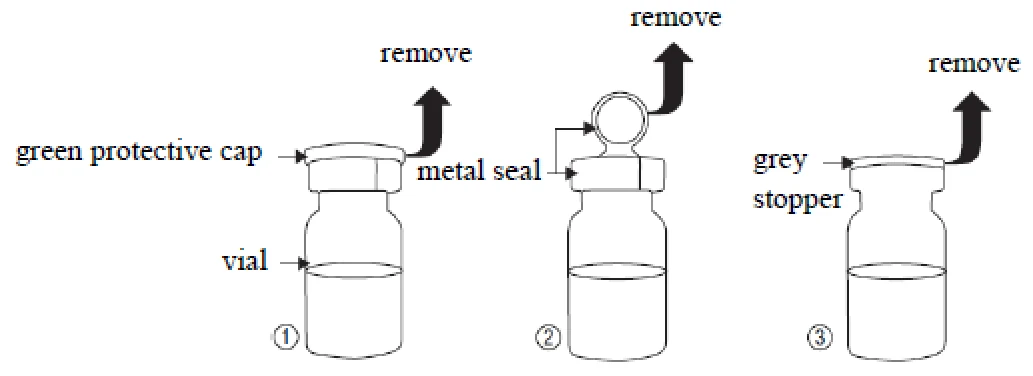
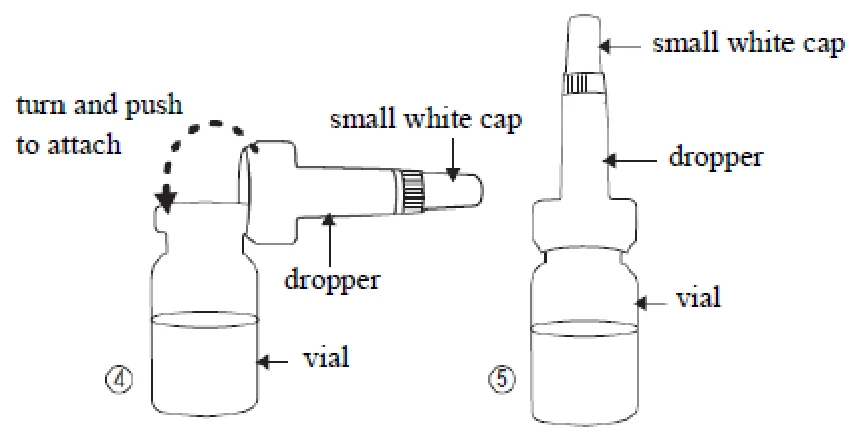
- Take the dropper out of its sachet, without touching the end intended to be attached to the vial, attach it (picture 4) to the vial and do not remove it.
- Make sure that you do not lose the small white cap (picture 5) that comes on the top of the dropper.
PART II: SCIENTIFIC INFORMATION
12 PHARMACEUTICAL INFORMATION
Drug Substance
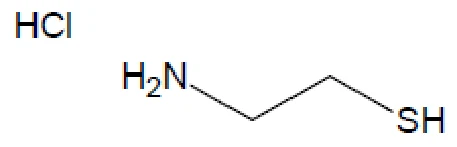
Common name: Cysteamine Hydrochloride (USAN Name) Also known as Mercaptamine Hydrochloride (INN Name)
Chemical name: 2-aminoethanethiol, hydrochloride
Molecular formula and molecular mass: C2H7NS, HCl; 113.6
Structural formula:
Physicochemical properties:
Physical form: White crystalline powder with characteristic sulphide-like odour.
Solubility (at 20°C): Soluble in water and alcohol, insoluble in methylene chloride.
pKa: 8.27
Polymorphism: There is no evidence of different polymorphic forms of cysteamine hydrochloride from literature data.
13 CLINICAL TRIALS
13.1 Trial Design and Study Demographics
Table 2 – Summary of patient demographics for clinical trials in corneal cystine crystal deposits
| Study # | Trial design | Dosage, route of administration and duration | Study subjects (n) | Mean age (Range) | Sex |
| OCT-1 | Open-label, single-group Phase I/IIa trial | 3 – 6 instillations per eye per day for a period of 5 years | 8 patients | 12.1 ± 4.6 (7.0 – 21.0) years | 2 (25%) of the patients were male |
| CHOC | Open-label, randomized, comparative Phase III trial | 4 instillations per eye per day for a period of 90 days of CYSTADROPS or cysteamine hydrochloride 0.10% | 32 patients | 17.1 ± 13.0 (2.87 – 62.6) years | 15 (48%) of the patients were male |
13.2 Study Results
OCT-1 Study
This study assessed the safety and efficacy of CYSTADROPS over 5 years. Dose adaptation was performed following ocular examination. None of the patients discontinued treatment over the 5 year follow-up.
The efficacy was assessed with In-Vivo Confocal Microscopy total score (IVCM score) by quantifying the cystine crystals in the 7 layers of the cornea. The IVCM total score was obtained by adding the crystal density score (semi-quantitative evaluation with grades from 0 to
- 4) of the 7 corneal layers and ranged from 0 to 28. Higher scores designated larger amounts of crystal deposits; a decrease in IVCM total score indicated a reduction in corneal crystals in at least one layer of the cornea.
After 30 days of treatment and at a median frequency of 4 instillations per day, an average 30% decrease in the IVCM total score was observed. A mean decrease in corneal cystine crystal deposits of 30%, in comparison with baseline, was maintained over time (i.e. up to month 60) with a median dosing regimen of 3 drops/eye/day (range 1-3 drops) for 7 of the 8 patients. Photophobia tended to improve over time.
CHOC Study
This study was a randomized, controlled trial to assess the efficacy and the safety profile of CYSTADROPS following a period of 90 days of treatment at a dose regimen of 4 drops/eye/day. The IVCM total score was the primary efficacy endpoint. Photophobia was a secondary endpoint. Photophobia was graded by the investigator on a 0 (absent) to 5 (extreme) scale for each eye at Day 1 (baseline), Day 30 and Day 90. A decrease in score over time signalled an improvement in this parameter.
Fifteen patients were exposed to CYSTADROPS and 16 were exposed to cysteamine hydrochloride 0.10% (control arm). One patient was lost to follow up after randomisation. The mean IVCM total score was calculated for 11 CYSTADROPS treated patients.
A trend towards a lower IVCM total score in CYSTADROPS arm was observed at Day 30. The mean decrease by 40% in the CYSTADROPS arm was confirmed at Day 90.
Table 3 - Primary efficacy endpoint: IVCM total score change from baseline at Day 90 – Safety Set/Full Analysis Set (SS/FAS) eye population with IVCM test done at baseline (N =
42)
Descriptive Statistics CYSTADROPS
(N=22)
CH 0.10% (N=20)
P-value
Absolute IVCM change from baseline
Na 20 17 Mean ± SD -4.60 ± 3.12 -0.455 ± 3.38 <0.0001b
Min ; Max -11.0 ; -0.600 -7.60 ; 6.50 Med. (Q1 ; Q3) -4.13 (-5.47 ; -2.45) -1.20 (-2.20 ; 1.35) Relative IVCM change from baseline (%)
Na 20 17 Mean ± SD -40.4 ± 16.0 -0.679 ± 33.0 Min ; Max -64.7 ; -8.33 -46.9 ; 63.1 Med. (Q1 ; Q3) -43.6 (-52.9 ; -34.1) -10.6 (-24.7 ; 16.7) a N = eyes with paired Day 1 (baseline)/Day 90 results. Paired data not available for 5 eyes in the SS/FAS eye population
b Generalised estimating equation (GEE) model
Superiority of CYSTADROPS was demonstrated compared to the control arm. Using a GEE model, the difference in absolute change in IVCM total score between the 2 treatment arms (control minus CYSTADROPS) at Day 90 was estimated to be 3.84, 95% CI (2.11, 5.58).
Superiority of CYSTADROPS was also demonstrated for photophobia rated by the investigator compared to the control arm. The mean change in photophobia score (standard deviation) was -0.63 (0.77) in the CYSTADROPS arm and 0.07 (0.44) in the cysteamine hydrochloride 0.10% arm; values ranged from -2.00 to 0 and from -1.00 to 1.00, respectively. The difference between the 2 treatment arms was statistically significant (p = 0.0048 by ANCOVA).
Pediatric Population
Clinical data on safety and efficacy were collected during the 2 clinical trials (OCT-1 and CHOC studies). In total, 15 pediatric patients were exposed to CYSTADROPS. Three subjects (including one 2 year old and one 3 year old subject) were less than 6 years of age. The efficacy and safety results are similar in both pediatric and adult populations.
14 NON-CLINICAL TOXICOLOGY
Systemic exposure following ocular administration is anticipated to be low. When there is concomitant use of ocular and oral treatment with cysteamine the contribution to any systemic risk from ocular administration is considered negligible.
Nonclinical Data on Oral Cysteamine
Genotoxicity studies have been performed: induction of chromosome aberrations in cultured eukaryotic cell lines has been reported and specific studies with cysteamine did not show any mutagenic effects in the Ames test or any clastogenic effect in the mouse micronucleus test.
Reproduction studies showed embryofoetotoxic effects (resorptions and post-implantation losses) in rats at the 100 mg/kg/day dose level and in rabbits receiving cysteamine 50 mg/kg/day. Teratogenic effects have been described in rats when cysteamine is administered over the period of organogenesis at a dose of 100 mg/kg/day.
This is equivalent to 0.6 g/m2/day in the rat, which is less than half the recommended clinical maintenance dose of cysteamine, i.e. 1.30 g/m2/day. A reduction of fertility was observed in rats at 375 mg/kg/day, a dose at which body weight gain was retarded. At this dose, weight gain and survival of the offspring during lactation was also reduced. High doses of cysteamine impair the ability of lactating mothers to feed their pups. Single doses of the drug inhibit prolactin secretion in animals.
Administration of cysteamine in neonate rats induced cataracts.
High doses of cysteamine, either by oral or parenteral routes, produce duodenal ulcers in rats and mice but not in monkeys. Experimental administration of the drug causes depletion of somatostatin in several animal species. The consequence of this for the clinical use of the drug is unknown.
Acute Ocular toxicity studies: The aim of non-GLP, single-dose/acute toxicity study was to evaluate the ocular irritation potential of two 0.55% cysteamine hydrochloride formulations. Five instillations within 20 minutes of 50 μL of 0.55% cysteamine hydrochloride into the eyes of rabbits resulted in slight to moderate conjunctiva redness and slight conjunctiva chemosis mainly observed at 5 minutes to 4 hours after the last dose, and were considered as very slightly irritant. Twenty-four hours after the last instillations there was no visible effect. Thus, these findings were considered to be reversible.
Repeated dose Ocular toxicity studies: One pilot acute toxicity study and two 3-month repeat-dose ocular toxicity studies in rabbits were conducted that focused on potential ocular changes following CYSTADROPS administration in various formulations, including the commercial formulation. 4-times daily administration of CYSTADROPS in 5.2% CMC formulation for up to 3 months resulted in some conjunctival effects (redness, congestion, swelling, discharge, and chemosis), sometimes associated with cornea effects such as opacity, vascularization and staining, and iritis. In general, effects were slight and 5.2% CMC formulations was well tolerated. For 5.2% CMC formulation, macroscopic and microscopic ocular findings decreased significantly during the second and third months of treatment.
Carcinogenicity: No carcinogenicity studies have been conducted with cysteamine.
No other ocular toxicity studies were conducted. Oral toxicity studies with cysteamine are provided as relevant information to describe the repeat-dose systemic toxicities, the potential for genetic toxicity, and the reproductive and developmental toxicities administered either as the hydrochloride or bitartrate salt.