


Product Monograph - Egrifta
SUMMARY PRODUCT INFORMATION
| Route of Administration | Dosage Form / Strength | Clinically Relevant Nonmedicinal Ingredients |
| Subcutaneous injection | Lyophilized powder for injection / 1 mg tesamorelin, as tesamorelin acetate, per vial | None |
| Subcutaneous injection | Lyophilized powder for injection / 2 mg tesamorelin, as tesamorelin acetate, per vial | None |
INDICATIONS AND CLINICAL USE
EGRIFTATM is indicated for the treatment of excess visceral adipose tissue (VAT), as assessed by waist circumference ≥ 95 cm for males and ≥ 94 cm for females, and confirmed by a VAT level > 130 cm2 by CT scan, in treatment-experienced adult HIV-infected patients with lipodystrophy.
Limitations of use:
- EGRIFTATM is not indicated for weight loss management (weight neutral effect).
- Treatment with EGRIFTATM should be limited to patients who failed to reduce excess VAT using diet and exercise.
- Since the long-term cardiovascular safety and potential long-term cardiovascular benefit of EGRIFTATM treatment have not been studied and are not known, careful consideration should be given whether to continue EGRIFTATM treatment in patients who do not show a clear efficacy response, as judged by the degree of reduction in visceral adipose tissue measured by waist circumference or CT scan.
- There are no data to support improved compliance with anti-retroviral therapies in HIV-positive patients taking EGRIFTATM.
Geriatrics (> 65 years of age):
There is no information on the use of EGRIFTATM in patients greater than 65 years of age with HIV and lipodystrophy.
Pediatrics (< 18 years of age):
EGRIFTATM is contraindicated in patients under 18 years of age.
CONTRAINDICATIONS
EGRIFTATM should not be administered to patients:
- with known hypersensitivity to tesamorelin and/or mannitol (excipient)
- with disruption of the hypothalamic-pituitary axis due to hypophysectomy, hypopituitarism, history of pituitary tumor/surgery, head irradiation or head trauma
- with active malignancy (either newly diagnosed or recurrent). Any preexisting malignancy should be inactive and its treatment complete prior to instituting therapy with EGRIFTATM.
- during pregnancy
- under 18 years of age
WARNINGS AND PRECAUTIONS
A 1.0 cm reduction in waist circumference should be considered as the minimal acceptable decrease for a satisfactory response following a 6-month treatment with EGRIFTATM.
Carcinogenesis and Mutagenesis
EGRIFTA™ induces the release of endogenous growth hormone (GH), a known growth factor. Thus, patients with active malignancy should not be treated with EGRIFTA™ (see Contraindications).
For patients with a history of non-malignant neoplasms, EGRIFTA™ therapy should be initiated after careful evaluation of the potential benefit of treatment. For patients with a history of treated and stable malignancies, EGRIFTA™ therapy should be initiated only after careful evaluation of the potential benefit of treatment relative to the risk of re-activation of the underlying malignancy.
In addition, the decision to start treatment with EGRIFTA™ should be considered carefully based on the increased background risk of malignancies in HIV-positive patients.
Endocrine and Metabolism
Elevated IGF-1 levels
EGRIFTA™ stimulates GH production and increases serum insulin-like growth factor-1 (IGF-1). Given that IGF-1 is a growth factor and the effect of prolonged elevations in IGF-1 levels on the development or progression of malignancies is unknown, IGF-1 levels should be monitored closely during EGRIFTA™ therapy, and treatment should be discontinued in patients with IGF-1 standard deviation scores (SDS) greater than 2 after 26 weeks.
Glucose intolerance
EGRIFTATM treatment may result in glucose intolerance. During the Phase 3 clinical trials, the percentages of patients with elevated HbA1c (≥ 6.5%) from baseline to Week 26 were 4.5% and 1.3% in the EGRIFTATM and placebo groups, respectively. An increased risk of developing diabetes with EGRIFTATM (HbA1c level ≥ 6.5%) relative to placebo was observed [intent-to-treat hazard odds ratio of 3.3 (CI 1.4, 9.6)]. Therefore, glucose status should be carefully evaluated prior to initiating EGRIFTATM treatment. In addition, all patients treated with EGRIFTATM should be monitored periodically for changes in glucose metabolism to diagnose those who develop impaired glucose tolerance or diabetes. Diabetes is a known cardiovascular risk factor and patients who develop glucose intolerance have an elevated risk for developing diabetes. Caution should be exercised in treating HIV-positive patients with lipodystrophy with EGRIFTATM if they develop glucose intolerance or diabetes, and careful consideration should be given to discontinuing EGRIFTATM treatment in patients who do not show a clear efficacy response as judged by the degree of reduction in visceral adipose tissue by waist circumference or CT scan measurements.
Since EGRIFTATM increases IGF-1, patients with diabetes who are receiving ongoing treatment with EGRIFTATM should be monitored at regular intervals for potential development or worsening of retinopathy.
Fluid retention
Fluid retention may occur during EGRIFTA™ therapy and is thought to be related to the induction of GH secretion. It manifests as increased tissue turgor and musculoskeletal discomfort resulting in a variety of adverse reactions (e.g., edema, arthralgia, carpal tunnel syndrome) which are either transient or resolve with discontinuation of treatment.
Acute Critical Illness
Increased mortality in patients with acute critical illness due to complications following open heart surgery, abdominal surgery or multiple accidental trauma, or those with acute respiratory failure has been reported after treatment with pharmacologic amounts of GH. EGRIFTATM has not been studied in patients with acute critical illness. Since EGRIFTATM stimulates GH production, careful consideration should be given to discontinuing EGRIFTATM in critically ill patients.
Immune
Hypersensitivity reactions may occur in patients treated with EGRIFTA™. Hypersensitivity reactions occurred in 3.6% of patients with HIV-associated lipodystrophy treated with EGRIFTATM in the Phase 3 clinical trials. These reactions included pruritus, erythema, flushing, urticaria, and other rash. In cases of suspected hypersensitivity reactions, patients should be advised to discontinue treatment with EGRIFTA™ immediately and seek prompt medical attention.
As with all therapeutic proteins and peptides, there is a potential for in vivo development of anti- EGRIFTATM antibodies. In the combined Phase 3 clinical trials, anti-tesamorelin IgG antibodies were detected in 49.5% of patients treated with EGRIFTATM for 26 weeks and 47.4% of patients who received EGRIFTATM for 52 weeks. In the subset of patients with hypersensitivity reactions, anti-tesamorelin IgG antibodies were detected in 85.2% (See ADVERSE REACTIONS, Immunogenicity)
Skin
Injection of EGRIFTATM may be associated with injection site reactions, including injection site erythema, pruritus, pain, irritation, and bruising. The incidence of injection site reactions was 24.5% in EGRIFTATM -treated patients and 14.4% in placebo-treated patients during the first 26 weeks of treatment in the Phase 3 clinical trials. For patients who continued EGRIFTATM for an additional 26 weeks, the incidence of injection site reactions was 6.1%. In order to reduce the incidence of injection site reactions, it is recommended to rotate the site of injection to different areas of the abdomen. Do not inject into scar tissue, bruises or the navel.
Special Populations
Pregnant Women:
EGRIFTATM is contraindicated in pregnant women. During pregnancy, visceral adipose tissue increases due to normal metabolic and hormonal changes. Modifying this physiologic change of pregnancy with EGRIFTATM offers no known benefit and could result in fetal harm. Tesamorelin acetate administration to rats during organogenesis and lactation resulted in hydrocephalus in offspring at a dose approximately equal to the clinical dose, respectively, based on measured drug exposure (AUC). If pregnancy occurs, discontinue EGRIFTATM therapy. If EGRIFTATM is used during pregnancy, or if the patient becomes pregnant while taking EGRIFTATM, the patient should be apprised of the potential hazard to the fetus.
Nursing Women:
It is recommended that HIV-infected mothers not breast-feed their infants, to avoid risking postnatal transmission of HIV. Because of both the potential for transmission of HIV infection and the risk of serious adverse reactions in nursing infants, mothers receiving EGRIFTATM should not feed their infants breast milk.
Pediatrics (< 18 years of age):
EGRIFTATM is contraindicated in patients below 18 years of age. Safety and effectiveness of EGRIFTATM in pediatric patients have not been established, and there is potential for excess GH and IGF-1 to result in linear growth acceleration and excessive growth in children with open epiphyses.
Geriatrics (> 65 years of age):
There is no information on the use of EGRIFTATM in patients greater than 65 years of age with HIV and lipodystrophy.
Renal and hepatic impairment
Safety, efficacy, and pharmacokinetics of EGRIFTA™ in patients with renal or hepatic impairment have not been established.
Monitoring and Laboratory Tests
Blood Glucose
Patients treated with EGRIFTA™ should be monitored periodically for changes in glucose metabolism.
Caution should be exercised in treating HIV-infected patients with lipodystrophy with EGRIFTA™ if they develop glucose intolerance or diabetes, and careful consideration should be given to discontinuing EGRIFTA™ treatment in patients who do not show a clear efficacy response as judged by the degree of reduction in visceral adipose tissue by waist circumference or CT scan.
Since EGRIFTA™ increases IGF-1, patients with diabetes who are receiving ongoing treatment with EGRIFTA™ should be monitored at regular intervals for potential development or worsening of retinopathy.
IGF-1
IGF-1 levels should be monitored during treatment with EGRIFTATM and treatment should be discontinued in patients with IGF-1 SDS greater than 2 after 26 weeks.
ADVERSE REACTIONS
Adverse Drug Reaction Overview
During the initial 26-week treatment period (Main Phase) of both placebo-controlled studies combined, the most frequently observed adverse drug reactions were those thought to be related to the induction of GH secretion, such as arthralgia, extremity pain, peripheral edema and myalgia (25.6% in EGRIFTATM group vs. 13.7% in placebo group), and local injection site reactions, such as injection site erythema and pruritus (24.5% in the EGRIFTATM group vs. 14.4% in the placebo group). Hypersensitivity reactions occurred in 2.9% of EGRIFTATM-treated patients. Discontinuations as a result of adverse events occurred in 9.6% of patients receiving EGRIFTATM and 6.8% of patients receiving placebo. Also, 4.2% and 4.6% EGRIFTATM-treated patients discontinued the study due to adverse event(s) (AE) and experienced a GH-related AE and injection site reactions, respectively. The incidence of serious adverse events was similar between EGRIFTATM and placebo groups (3.7% vs. 4.2%).
During the following 26 weeks of treatment (extension phase), discontinuations as a result of adverse events occurred in 2.4% of patients in the T-T group (patients treated with EGRIFTATM for Week 0-26 and with EGRIFTATM for Week 26-52) and 5.2% of patients in the T-P group (patients treated with EGRIFTATM for Week 0-26 and with placebo for Week 26-52).
Clinical Trial Adverse Drug Reactions
Because clinical trials are conducted under very specific conditions, the adverse reaction rates observed in the clinical trials may not reflect the rates observed in practice and should not be compared to the rates in the clinical trials of another drug. Adverse drug reaction information from clinical trials is useful for identifying drug-related adverse events and for approximating rates.
Seven hundred and forty (740) HIV-infected patients with excess abdominal fat were exposed to EGRIFTATM in two randomized, double-blind, placebo-controlled Phase 3 studies. Specifically, these patients included 543 patients who initially received EGRIFTATM during the initial 26-week placebo-controlled Main Phase of these studies and who then received EGRIFTATM (N=246) or placebo (N=135) during the 26-week Extension Phase, and 197 patients who initially received placebo during the Main Phase and then received EGRIFTATM during the Extension Phase (see Clinical Trials).
Adverse drug reactions were defined as all treatment-emergent adverse events occurring at a greater incidence in the active treatment group compared to the placebo group and considered to be related to EGRIFTATM or having a potential pharmacological relationship. Common and very common adverse drug reactions during the 26-week Main Phase of both studies combined and those that occurred between Weeks 26 and 52 of the Extension Phase of both studies combined are presented in Table 1 and Table 2, while less common adverse drug reactions that occurred in greater than one EGRIFTATM-treated patients are presented in Table 3 and Table 4. Because there was not a group of patients receiving placebo for 52 weeks, only adverse drug reactions occurring at a greater incidence between Weeks 26 and 52 in patients who were randomized to receive EGRIFTATM for 52 weeks as compared to the group of patients who discontinued EGRIFTATM treatment at Week 26 are reported in Table 2 and Table 4. Patients experiencing the same adverse event multiple times were counted only once according to the maximum severity for the corresponding preferred term.
Table 1. Common and Very Common Adverse Drug Reactions (Frequency ≥ 1% during the 26-Week Main Phase of the Combined Studies)
Body System Preferred Term | EGRIFTATM 2 mg/day (N=543) % | Placebo (N=263) % |
|---|---|---|
Cardiac disorders Palpitations | 1.1 | 0.4 |
Gastrointestinal disorders Nausea Vomiting Dyspepsia Abdominal pain upper | 4.4 2.6 1.7 1.1 | 3.8 0.0 0.8 0.8 |
General disorders and administration site conditions Injection site erythema Injection site pruritus Oedema peripheral Injection site pain Injection site irritation Pain Injection site haemorrhage Injection site urticaria Injection site swelling Injection site reaction Chest pain Injection site rash | 8.5 7.6 6.1 4.1 2.9 1.7 1.7 1.7 1.5 1.3 1.1 1.1 | 2.7 0.8 2.3 3.0 1.1 1.1 0.4 0.4 0.4 0.8 0.8 0.0 |
Injury, poisoning and procedural complications Muscle strain | 1.1 | 0.0 |
Investigations Blood creatine phosphokinase increased | 1.5 | 0.4 |
Metabolism and nutrition disorders Hypertriglyceridaemia | 1.1§ | 0.4 |
| Musculoskeletal and connective |
Body System Preferred Term | EGRIFTATM 2 mg/day (N=543) % | Placebo (N=263) % |
|---|---|---|
tissue disorders Arthralgia Pain in extremity Myalgia Musculoskeletal pain Musculoskeletal stiffness Joint stiffness Muscle spasms Joint swelling | 13.3 6.1 5.5 1.8 1.7 1.5 1.1 1.1 | 11.0 4.6 1.9 0.8 0.4 0.8 0.8 0.0 |
Nervous system disorders Paraesthesia Hypoaesthesia Carpal tunnel syndrome | 4.8 4.2 1.5 | 2.3 1.5 0.0 |
Psychiatric disorders Depression | 2.0 | 1.5 |
Skin and subcutaneous tissue disorders Rash Pruritus Night sweats | 3.7 2.4 1.1 | 1.5 1.1 0.4 |
Vascular disorders Hypertension | 1.3 | 0.8 |
§Note: all patients entered the study with high baseline triglyceride levels (range from 4.2 to 37 mmol/L).
In the EGRIFTATM Phase 3 clinical trials, mean baseline (Week 0) HbA1c was 5.26% among patients in the EGRIFTATM group and 5.28% among those in the placebo group. At Week 26, mean HbA1c was higher among patients treated with EGRIFTATM compared with placebo (5.39% vs. 5.28% for the EGRIFTATM and placebo groups, respectively, mean treatment difference of 0.12%, p=0.0004). Patients receiving EGRIFTATM had an increased risk of developing diabetes (HbA1c level ≥ 6.5%) compared with placebo (4.5% vs. 1.3%), with a hazard ratio of 3.3 (CI 1.4, 9.6).
Table 2. Adverse Reactions Reported in ≥ 1% of Patients and More Frequent in EGRIFTATM–treated than Placebo Patients during the 26-Week Extension Phase of the Combined Studies (Week 26 to Week 52)
System Organ Class Preferred Term | EGRIFTATM -EGRIFTATM (N=246) % | EGRIFTATM - Placebo (N=135) % |
Gastrointestinal disorders Vomiting | 2.0 | 0.7 |
General disorders and administration site conditions Injection site pruritus Edema peripheral Injection site erythema | 2.0 2.0 1.2 | 0.0 0.0 0.0 |
Musculoskeletal and connective tissue disorders Pain in extremity Myalgia | 3.3 1.2 | 0.7 0.0 |
Nervous system disorders Paraesthesia Hypoaesthesia Neuropathy peripheral Dizziness | 1.6 1.6 1.6 1.6 | 1.5 0.7 1.5 1.5 |
Psychiatric disorders Depression Insomnia | 1.6 1.2 | 0.7 0.0 |
Skin and subcutaneous tissue disorders Pruritus Urticaria Night sweats | 1.2 1.2 1.2 | 0.7 0.0 0.0 |
Vascular disorders Hypertension Hot flush | 1.6 1.2 | 1.5 0.7 |
Less Common Clinical Trial Adverse Drug Reactions (<1%)
Table 3. Less Common Clinical Trial Adverse Drug Reactions (occurred in greater than one study subject during the 26-Week Main Phase of the Combined Studies):
| Body Systems | Adverse Drug reactions |
| Blood and lymphatic system disorders | Anaemia, polycythaemia |
| Cardiac disorders | Tachycardia |
| Ear and labyrinth disorders | Vertigo |
| Endocrine disorders | Hypogonadism |
| Eye disorders | Conjunctivitis, eye swelling |
| Gastrointestinal disorders | Abdominal distension, dry mouth, flatulence, paraesthesia oral, stomach discomfort |
| General disorders and administration site conditions | Injection site mass, asthenia, cyst, energy increased, injection site nodule, local swelling |
| Injury, poisoning and procedural complications | Limb injury, epicondylitis |
| Investigations | Weight increased, blood glucose increased, blood insulin increased, weight decreased |
| Metabolism and nutrition disorders | Hyperlipidaemia, decreased appetite, glucose tolerance impaired, hyperglycaemia, gout |
| Musculoskeletal and connective tissue disorders | Muscular weakness, plantar fasciitis, tenosynovitis stenosans, arthritis, axillary mass, trigger finger |
| Nervous system disorders | Dysgeusia, sciatica, migraine, sinus headache, facial palsy, tension headache |
| Psychiatric disorders | Stress |
| Renal and urinary disorders | Dysuria |
| Reproductive system and breast disorders | Breast enlargement, benign prostatic hyperplasia, breast tenderness |
| Respiratory, thoracic and mediastinal disorders | Bronchial hyperreactivity |
| Skin and subcutaneous tissue disorders | Dry skin, skin disorder, rash papular |
Table 4. Less Common Clinical Trial Adverse Drug Reactions (occurred in greater than one study subject during the 26-Week Extension Phase of the Combined Studies):
| Body Systems | Adverse Drug reactions |
| Blood and lymphatic system disorders | Lymphadenopathy |
| Endocrine disorders | Hypogonadism |
| Gastrointestinal disorders | Gastritis, abdominal distension, stomach discomfort |
| General disorders and administration site conditions | Injection site irritation, chest pain, injection site nodule, injection site reaction, injection site haemorrhage |
| Immune system disorders | Hypersensitivity |
| Injury, poisoning and procedural complications | Muscle strain |
| Investigations | Cardiac murmur |
| Musculoskeletal and connective tissue disorders | Musculoskeletal stiffness, joint stiffness, musculoskeletal pain, musculoskeletal chest pain |
| Nervous system disorders | Carpal tunnel syndrome, memory impairment |
| Skin and subcutaneous tissue disorders | Hyperhidrosis |
Abnormal Hematologic and Clinical Chemistry Findings
Table 5. Notable Changes or Abnormalities in Biochemistry and Hematology Laboratory Tests at Week 26
| Parameter | Criteria for Notable Changes or Abnormalities | EGRIFTATM 2 mg/day (N=543) | Placebo (N=263) |
|---|---|---|---|
| Alanine Aminotransferase | >3 ULN >10 ULN | 5 (0.9%) 0 | 0 0 |
| Alkaline Phosphatase | >1.5 ULN | 5 (0.9%) | 4 (1.5%) |
| Aspartate Aminotransferase | >3 ULN >10 ULN | 1 (0.2%) 0 | 2 (0.8%) 0 |
| Total Bilirubin | >1.2 ULN | 60 (11.0%) | 40 (15.2%) |
| Total Cholesterol | 25% increase from baseline | 25 (4.6%) | 11 (4.2%) |
| Creatine Kinase | >200 UI/L and >20% increase from screening | 71 (13.1%) | 24 (9.1%) |
| Creatinine | >1.5 ULN | 1 (0.2%) | 0 |
| Fasting Blood Glucose | Increase from screening and >7 mmol/L | 21 (3.9) | 7 (2.7%) |
| HDL Cholesterol | 25% decrease from baseline | 19 (3.5) | 18 (6.8) |
| LDL Cholesterol | 25% increase from baseline | 58 (10.7%) | 29 (11.0%) |
| Parameter | Criteria for Notable Changes or Abnormalities | EGRIFTATM 2 mg/day (N=543) | Placebo (N=263) |
|---|---|---|---|
| Potassium | <3.0 mmol/L | 1 (0.2%) | 1 (0.4%) |
| Triglycerides | 25% increase from baseline | 82 (15.1%) | 60 (22.8%) |
| Eosinophils | >1.1 ULN | 13 (2.4%) | 6 (2.3%) |
| Erythrocytes | ≥10% change from screening | 68 (12.5%) | 21 (8.0%) |
| Haemoglobin | <10 g/dL and ≥2 g/dL decrease from screening | 0 | 0 |
| Leukocytes | <0.8 LLN | 9 (1.7%) | 7 (2.7%) |
| Lymphocytes | >1.1 ULN | 7 (1.3%) | 4 (1.5%) |
| Neutrophils | <0.9 LLN | 39 (7.2%) | 16 (6.1%) |
| Platelet | <LLN | 16 (2.9%) | 9 (3.4%) |
Table 6. Notable Changes or Abnormalities in Biochemistry and Hematology Laboratory Tests at Week 52
| Parameter | Criteria for Notable Changes or Abnormalities | EGRIFTATM - EGRIFTATM (N=246) | EGRIFTATM - Placebo (N=135) |
|---|---|---|---|
| Alanine Aminotransferase | >3 ULN >10 ULN | 3 (1.2%) 0 | 0 0 |
| Alkaline Phosphatase | >1.5 ULN | 5 (2.0%) | 2 (1.5%) |
| Aspartate Aminotransferase | >3 ULN >10 ULN | 2 (0.8%) 0 | 0 0 |
| Total Bilirubin | >1.2 ULN | 20 (8.1%) | 17 (12.6%) |
| Total Cholesterol | 25% increase from baseline | 18 (7.3%) | 8 (5.9%) |
| Creatine Kinase | >200 UI/L and >20% increase from screening | 37 (15.0%) | 11 (8.1%) |
| Creatinine | >1.5 ULN | 0 | 0 |
| Fasting Blood Glucose | Increase from screening and >7 mmol/L | 7 (2.8%) | 6 (4.4%) |
| HDL Cholesterol | 25% decrease from baseline | 19 (7.7) | 6 (4.4) |
| LDL Cholesterol | 25% increase from baseline | 32 (13.0%) | 15 (11.1%) |
| Magnesium | >5.5 mmol/L | 0 | 0 |
| Potassium | <3.0 mmol/L | 1 (0.4%) | 0 |
| Triglycerides | 25% increase from baseline | 42 (17.1%) | 20 (14.8%) |
| Eosinophils | >1.1 ULN | 12 (4.9) | 3 (2.2) |
| Erythrocytes | ≥10% change from screening | 44 (17.9) | 16 (11.9) |
| Leukocytes | <0.8 LLN | 6 (2.4) | 2 (1.5) |
| Parameter | Criteria for Notable Changes or Abnormalities | EGRIFTATM - EGRIFTATM (N=246) | EGRIFTATM - Placebo (N=135) |
|---|---|---|---|
| Lymphocytes | >1.1 ULN | 3 (1.2) | 2 (1.5) |
| Neutrophils | <0.9 LLN | 22 (8.9) | 7 (5.2) |
| Platelet | <LLN | 12 (4.9) | 5 (3.7) |
Immunogenicity
In the combined Phase 3 clinical trials, anti-tesamorelin IgG antibodies were detected in 49.5% of patients treated with EGRIFTATM for 26 weeks and 47.4% of patients who received EGRIFTA TM for 52 weeks. In the subset of patients with hypersensitivity reactions, anti-tesamorelin IgG antibodies were detected in 85.2%. Cross-reactivity to endogenous growth hormone-releasing hormone (GHRH) was observed in approximately 60% of patients who developed anti-tesamorelin antibodies. Patients with and without anti-tesamorelin IgG antibodies had similar mean reductions in visceral adipose tissue (VAT) and IGF-1 response suggesting that the presence of antibodies did not alter the efficacy of EGRIFTATM. In a group of patients who had antibodies to tesamorelin after 26 weeks of treatment (56%) and were re-assessed 6 months later, after stopping EGRIFTATM treatment, 18% were still antibody positive.
Post-Market Adverse Drug Reactions
The most common adverse events reported during post-marketing experience with EGRIFTATM, regardless of causality assessment, are the following:
Gastrointestinal disorders: Nausea, diarrhoea, abdominal distension.
General disorders and administration site conditions: Drug ineffective, injection site bruising, injection site erythema, injection site haemorrhage, injection site pain, injection site pruritus, injection site rash, injection site swelling, injection site mass, local swelling, pain, oedema peripheral, fatigue.
Investigations: Blood glucose increased, weight increased.
Musculoskeletal and connective tissue disorders: Arthralgia, joint swelling, myalgia, pain in extremity, back pain.
Nervous system disorders: Headache, hypoaesthesia, paraesthesia, carpal tunnel syndrome, dizziness, neuropathy peripheral.
Psychiatric disorders: Insomnia, depression.
Skin and subcutaneous tissue disorders: Rash, pruritus.
Vascular disorders: Hypertension.
During post-marketing surveillance with EGRIFTATM, reports of adverse reactions also included:
- Diabetes mellitus, glucose intolerance, blood glucose abnormal and impaired fasting glucose (see WARNINGS AND PRECAUTIONS).
- Hypersensitivity (see WARNINGS AND PRECAUTIONS).
DRUG INTERACTIONS
Drug-Drug Interactions
Published data indicate that GH may modulate cytochrome P450 (CYP450) activity.
Simvastatin
The effect of multiple dose administration of EGRIFTA™ (2 mg) on the pharmacokinetics of simvastatin (a CYP3A4 substrate) and simvastatin acid was evaluated in healthy subjects. Co-administration of EGRIFTA™ and simvastatin (a sensitive CYP3A substrate) resulted in 8% decrease in extent of absorption (AUCinf) and 5% increase in rate of absorption (Cmax) of simvastatin. For simvastatin acid there was a 15% decrease in AUCinf and 1% decrease in Cmax.
Ritonavir
The effect of multiple dose administration of EGRIFTA™ (2 mg) on the pharmacokinetics of ritonavir (a CYP3A4 inhibitor) was evaluated in healthy subjects. Co-administration of EGRIFTA™ with ritonavir resulted in 9% decrease in AUCinf and 11% decrease in Cmax of ritonavir.
These results suggest that EGRIFTATM does not significantly affect CYP3A activity. Therefore, either medicinal product may be co-administered with EGRIFTATM without changing their dosing regimen. However, other isoenzymes of CYP450 have not been evaluated with EGRIFTATM. The available data suggest that GH may alter (increase) the clearance of compounds known to be metabolized by CYP450 liver enzymes (e.g., corticosteroids, sex steroids, anticonvulsants, cyclosporine) resulting in lower plasma levels of these compounds. The clinical significance of this effect is unknown; however, patients being treated concomitantly with CYP450 substrates should be monitored to ensure that the therapeutic efficacy of these drugs is maintained.
With respect to patients with ACTH deficiency receiving glucocorticoid replacement therapy, such replacement therapy should be monitored and adjusted to maintain adequate dosing, since patients may require an increase in maintenance or stress doses following initiation of EGRIFTATM.
No other drug-drug interaction studies were conducted. However, during clinical trials, administration of EGRIFTATM for up to 52 weeks did not adversely alter antiretroviral effectiveness, as shown by unaffected mean circulating levels of CD4 counts or viral load.
Drug-Food Interactions
Interactions with food have not been established.
Drug-Herb Interactions
Interactions with herbal products have not been established.
Drug-Laboratory Interactions
Interactions with laboratory tests have not been established.
DOSAGE AND ADMINISTRATION
Recommended Dose and Dosage Adjustment
The recommended dose of EGRIFTATM is 2 mg injected subcutaneously (SC) once a day. The recommended injection site is the abdomen. Injection sites should be rotated to different areas of the abdomen. Do not inject into scar tissue, bruises or the navel.
Missed Dose
If an injection is missed, there should not be a double dose at the next injection. Instead, an injection should be taken at the next dose as normal.
Administration
EGRIFTATM is supplied as a lyophilized powder in two strengths: 1 mg per vial or 2 mg per vial.
For the 1 mg/vial, two vials of EGRIFTATM should be reconstituted with the diluent provided in the package (Sterile Water for Injection) before use (see Reconstitution subsection).
For the 2 mg/vial, one vial of EGRIFTATM should be reconstituted with the diluent provided in the package (Sterile Water for Injection) before use (see Reconstitution subsection).
Reconstitution:
Parenteral Products:
| Presentation | Vial Size | Volume of Diluent to be Added to Vial* | Approximate Available Volume | Final Concentration per mL |
| 1 mg vial** | 3 mL | 2.2 mL | 2 mL | 1 mg/mL |
| 2 mg vial | 3 mL | 2.1 mL | 2 mL | 1 mg/mL |
*Refer to Reconstitution subsection.
**For 1mg vial: Two 1 mg vials of EGRIFTATM per day are required for a 2 mg dose.
After reconstitution with Sterile Water for Injection, the reconstituted solution should be injected immediately. EGRIFTATM vials should be protected from light and be kept in the original box. Non-reconstituted EGRIFTATM must be stored at refrigerated temperature, between 2°C and 8°C. Injection material like Sterile Water for Injection, syringes and needles should be stored at room temperature (between 15°C and 30°C).
For full reconstitution instructions, see Part III PATIENT MEDICATION INFORMATION/Proper use of this medication.
OVERDOSAGE
No data is available.
| For management of a suspected drug overdose, contact your regional Poison Control Centre. |
ACTION AND CLINICAL PHARMACOLOGY
Mechanism of Action
In vitro, tesamorelin binds and stimulates human Growth Hormone-Releasing Factor (hGRF) receptors with similar potency as the natural GRF. Tesamorelin mimics the pharmacology of GRF in vitro as well as in animals and humans (see Pharmacodynamics).
Growth Hormone-Releasing Factor, also known as Growth Hormone-Releasing Hormone (GHRH), is a hypothalamic peptide that acts on the pituitary somatotroph cells to stimulate the synthesis and pulsatile release of endogenous Growth Hormone (GH). Growth hormone has been shown to be anabolic and lipolytic. It exerts its effects by interacting with specific receptors on a variety of target cells, including chondrocytes, osteoblasts, myocytes, hepatocytes, and adipocytes, resulting in a host of pharmacodynamic effects. Some, but not all these effects, are primarily mediated by IGF-1 produced in the liver and in peripheral tissues.
Pharmacodynamics
Effects on GH and IGF-1 levels
Increases in GH secretion were observed in two Phase 1 studies wherein 2 mg EGRIFTATM was administered daily for 14 consecutive days. A Phase 1, randomized, 2-way cross-over study showed that treatment with 2 mg EGRIFTATM increased mean GH secretion in a pulsatile fashion.
During the clinical trials, patients were monitored every three months. Among patients who received EGRIFTATM for 26 weeks, 47.4% had IGF-1 levels greater than 2 standard deviation scores (SDS), and 35.6% had SDS >3, with this effect seen as early as 13 weeks of treatment. Among those patients who remained on EGRIFTATM for a total of 52 weeks, at the end of treatment 33.7% had IGF-1 SDS >2 and 22.6% had IGF-1 SDS >3.
Administration of EGRIFTATM was also associated with significant increases in insulin-like growth factor binding protein-3 (IGFBP-3) levels in clinical studies. No clinically significant changes in the levels of other pituitary hormones, including thyroid-stimulating hormone (TSH), luteinizing hormone (LH), prolactin and adrenocorticotropic hormone (ACTH) were observed in subjects receiving EGRIFTATM.
Effects on Lipid Metabolism
Treatment of HIV-infected patients with excess abdominal fat with 2 mg EGRIFTATM daily resulted in a significant and selective reduction in visceral adipose tissue (VAT), as no clinically significant changes were observed in abdominal subcutaneous adipose tissue (SAT). EGRIFTATM may decrease fat depots through GH-stimulated intracellular lipolysis. Treatment with EGRIFTATM was also associated with improvements in triglyceride levels, while the other lipid parameters remained within the normal range.
Effects on Glucose Metabolism
Treatment of type 2 diabetic patients with daily doses of 1 or 2 mg EGRIFTATM for 12 weeks did not interfere with insulin response or glycemic control.
Mean levels of fasting blood glucose and fasting insulin were not significantly different between EGRIFTATM-treated and placebo-treated patients after 26 weeks of treatment in the Phase 3 clinical trials of EGRIFTATM in HIV-infected patients with excess abdominal fat. Mean baseline (Week 0) HbA1c was 5.26% among patients in the EGRIFTATM group and 5.28% among those in the placebo group. At Week 26, mean HbA1c was higher among patients treated with EGRIFTATM compared with placebo (5.39% vs. 5.28% for the EGRIFTATM and placebo groups, respectively, mean treatment difference of 0.12%, p=0.0004). Patients receiving EGRIFTATM had an increased risk of developing diabetes (HbA1c level ≥ 6.5%) compared with placebo (4.5% vs. 1.3%), with a hazard ratio of 3.3 (CI 1.4, 9.6).
Effects on Bone Metabolism
Treatment with 2 mg EGRIFTATM daily for up to 52 weeks increased osteocalcin levels, a marker of bone formation, in HIV-infected patients with excess abdominal fat. Endogenous GH has been shown to increase long bone growth and to stimulate bone turnover.
Pharmacokinetics
The pharmacokinetics of a one-way multiple-dose study in which 18 HIV-positive patients received a daily sc injection of 2 mg tesamorelin (2 mL of tesamorelin 1 mg/mL injectable solution) during 14 consecutive days are presented in Table 7 below.
Table 7. Summary of Tesamorelin Pharmacokinetic Parameters in an HIV-infected Patient Population
| Parameters | Day 1 (N=17) | Day 14 (N=15) | |||||||||
|---|---|---|---|---|---|---|---|---|---|---|---|
| Mean | SD (±) | CV (%) | Geo. Mean | Geo. Mean CV (%) | Mean | SD (±) | CV (%) | Geo. Mean | Geo. Mean CV (%) | ||
| AUC0-t | (pg·h/mL) | 1149.5 5 | 1008. 70 | 87.75 | 852.8 0 | 91.87 | 1117.23 | 953.4 0 | 85.34 | 794.6 8 | 108.59 |
| AUC0-inf | (pg·h/mL) | 1255.4 0 | 1104. 49 | 87.98 | 933.3 5 | 90.94 | 1312.60 | 1124. 19 | 85.65 | 940.4 0 | 104.73 |
| AUCt/inf | (%) | 91.44 | 3.62 | 3.96 | - | - | 84.73 | 6.39 | 7.54 | - | - |
| Cmax | (pg/mL) | 3106.4 | 1375. 3 | 44.27 | 2822. 3 | 48.89 | 2333.3 | 1185. 0 | 50.78 | 2013. 2 | 66.52 |
| Tmax | (h) | 0.162 | 0.060 | 37.23 | - | - | 0.157 | 0.042 | 26.61 | - | - |
| Tmax* | (h) | 0.150 | 0.000 | - | - | - | 0.150 | 0.025 | - | - | - |
| Kel | (h-1) | 4.3214 | 2.719 4 | 62.93 | - | - | 2.5071 | 1.969 2 | 78.54 | - | - |
| T½ el | (h) | 0.31 | 0.32 | 104.7 9 | - | - | 0.63 | 0.61 | 96.54 | - | - |
| Cl/F | (L/(hr·kg) ) | 38.71 | 26.85 | 69.38 | - | - | 40.97 | 31.15 | 76.04 | - | - |
| Vd/F | (L/kg) | 10.48 | 6.10 | 58.25 | - | - | 20.19 | 9.87 | 48.90 | - | - |
* Median and interquartile ranges are also presented.
"-" = Not applicable.
Absorption:
The absolute bioavailability of EGRIFTA™ after subcutaneous administration of a 2 mg dose was determined to be less than 4% in healthy adult subjects. Single and multiple dose pharmacokinetics of EGRIFTA™ have been characterized in healthy subjects and HIV-infected patients without lipodystrophy following 2 mg subcutaneous administration.
The mean values [coefficient of variation (CV)] of the extent of absorption (AUC) for tesamorelin were 634.6 (72.4) and 852.8 (91.9) pg·h/mL in healthy subjects and HIV-infected patients, respectively, after a single subcutaneous administration of a 2 mg EGRIFTA™ dose. The mean (CV) peak tesamorelin concentration (Cmax) values were 2874.6 (43.9) pg/mL in healthy subjects and 2822.3 (48.9) pg/mL in HIV-infected patients. The median peak plasma tesamorelin concentration (Tmax) was 0.15 h in both populations.
Distribution: The mean volume of distribution (±SD) of EGRIFTATM following a single subcutaneous administration was 9.4±3.1 L/kg in healthy subjects and 10.5±6.1 L/kg in HIV-infected patients.
Metabolism: No formal metabolism studies were performed in humans.
Excretion: Mean elimination half-life (T1/2) of EGRIFTATM was 26 and 38 minutes in healthy subjects and HIV-infected patients, respectively, after subcutaneous administration for 14 consecutive days.
Special Populations and Conditions
Pediatrics: The pharmacokinetic profile of EGRIFTATM has not been evaluated in the pediatric population.
Geriatrics: The pharmacokinetic profile of EGRIFTATM has not been evaluated in the geriatric population.
Gender: Gender-related differences in the pharmacokinetics of EGRIFTATM have not been assessed.
Race: Race-related differences in the pharmacokinetics of EGRIFTATM have not been assessed.
Hepatic Insufficiency: The pharmacokinetic profile of EGRIFTATM has not been evaluated in patients with hepatic insufficiency.
Renal Insufficiency: The pharmacokinetic profile of EGRIFTATM has not been evaluated in patients with renal insufficiency.
STORAGE AND STABILITY
EGRIFTATM vials should be protected from light and be kept in the original box. Non-reconstituted EGRIFTATM must be stored under refrigeration at 2°C to 8°C.
Sterile Water for Injection, syringes and needles should be stored at room temperature (between 15°C and 30°C).
Keep in a safe place out of reach of children.
Reconstituted Solutions
EGRIFTATM should be administered immediately after reconstitution.
The final concentration of the reconstituted product corresponds to 1 mg/mL.
SPECIAL HANDLING INSTRUCTIONS
EGRIFTATM solution should not be administered if it contains particles or is not clear.
Any unused product or waste should be disposed of in accordance with local requirements.
DOSAGE FORMS, COMPOSITION AND PACKAGING
EGRIFTATM is available in single-dose strengths of 1 mg and 2 mg vials supplied in packages comprised of 1 month supply:
1 mg Vials:
Box 1 of 2: Medication box with 60 vials containing (each) 1 mg of tesamorelin.
Box 2 of 2: Injection kit box contains: 30 single-use vials of Sterile Water for Injection, 30 3cc syringes equipped with a 1½” 18-gauge reconstitution needle. Other needles supplied: 30 1 ½” 18-gauge sterile needles for mixing and 30 ½” 27-gauge injection needles.
Two 1 mg vials of EGRIFTATM per day are required for a 2 mg dose.
EGRIFTATM is supplied as a sterile, non-pyrogenic lyophilized powder.
Each vial contains 1 mg of tesamorelin, as tesamorelin acetate, 50 mg mannitol, sodium hydroxide and/or hydrochloric acid for pH adjustment.
The stopper does not contain latex.
2 mg Vials:
Box 1 of 2: Medication box with 30 vials containing (each) 2 mg of tesamorelin.
Box 2 of 2: Injection kit box contains: 30 single-use vials of Sterile Water for Injection, 30 3cc syringes equipped with a 1½” 18-gauge reconstitution needle. Other needles supplied: 30 ½” 27-gauge injection needle.
One 2 mg vial of EGRIFTATM per day is required for a 2 mg dose.
EGRIFTATM is supplied as a sterile, non-pyrogenic lyophilized powder.
Each vial contains 2 mg of tesamorelin, as tesamorelin acetate, 100 mg mannitol, sodium hydroxide and/or hydrochloric acid for pH adjustment.
The stopper does not contain latex.
PART II: SCIENTIFIC INFORMATION
PHARMACEUTICAL INFORMATION
Drug Substance
Common name: tesamorelin acetate
Chemical name: [N-trans-3-Hexenoyl] Human Growth Hormone-Releasing
Factor (1-44), Acetate
Molecular formula and molecular mass: C221H366N72O67S· xCH3COOH
Structural formula:
N H O H N N H H N N H H N N H H N O O O O O O O O O N H H N N H O O O H N N H H N N H O O O HO OH OH O NH2 OH OH NH HN NH2 NH2 H N O HN O NH HN NH HN O O NH2 HO O O O NH2 HN NH HN H2N O N H H N N H H N N H H N N H H N N H H N N H H N N H H N O O O O O O O O O O O O O O O NH2 O OH S OH NH NH H2N O NH2 H2N O HO O OH H2N O HN O NH2 O HN NH HN HN O O O O O OH HN NH2 NH N H H N N H NH2 NH H2N NH O O NH NH H2N O O
N-[trans-3-Hexenoyl]-Tyr-Ala-Asp-Ala-Ile-Phe-Thr-Asn-Ser-Tyr-Arg-Lys-Val-Leu-Gly-Gln-Leu-Ser-Ala-Arg-Lys-Leu-Leu-Gln-Asp-Ile-Met-Ser-Arg-Gln-Gln-Gly-Glu-Ser-Asn-Gln-Glu-Arg-Gly-Ala-Arg-Ala-Arg-Leu-NH2· x H3C-CO2H
Physical form: Tesamorelin acetate is a white to off-white powder.
Solubility: Freely soluble in 95% acetic acid, soluble in 1% acetic acid and water, very slightly soluble in PBS pH 7.2 and methanol.
Description of Drug Substance:
Tesamorelin is a synthetic hGRF analog comprised of the 44 amino-acid sequence of hGRF on which a hexenoyl moiety, a C6 chain with a double bond on position 3, has been anchored on Tyr at the N-terminal part of the molecule. With the addition of this hydrophobic side chain, binding affinity to hGRF receptors has been shown to be comparable to that of hGRF while resistance to enzymatic degradation in human serum is increased. Tesamorelin acetate is a salt of an N-(trans-3-Hexenoyl)-hGRF (1-44).
Molecular Weight: 5135.9 daltons (free base)
CLINICAL TRIALS
Two multicenter, randomized, double-blind, placebo-controlled studies were conducted in HIV-infected patients with lipodystrophy and excess abdominal fat (abdominal lipohypertrophy). Both studies (Study 1 and 2) consisted of a 26-week Main Phase and a 26-week Extension Phase. Main inclusion criteria were age 18-65 years, a waist circumference ≥95 cm and a waist-to-hip ratio ≥0.94 for men and ≥94 cm and ≥0.88 for women, respectively, and fasting blood glucose (FBG) <8.33 mmol/L. Main exclusion criteria included BMI ≤ 20 kg/m2, type 1 diabetes, type 2 diabetes, if previously treated with insulin or with oral hypoglycemic or insulin-sensitizing agents, history of malignancy, and hypopituitarism. Patients were on a stable anti-retroviral regimen for at least 8 weeks prior to randomization. Patients meeting the inclusion/exclusion criteria were randomized in a 2:1 ratio to receive 2 mg EGRIFTATM or placebo subcutaneously daily for 26 weeks. The primary efficacy assessment for each of these studies was the percent change from baseline to Week 26 (Main Phase) in visceral adipose tissue (VAT), as assessed by computed tomography (CT) scan at L4-L5 vertebral level. Secondary endpoints included changes from baseline in patient-reported outcomes related to body image, triglycerides, ratio of total cholesterol to HDL cholesterol, IGF-1 levels, and safety parameters. Other endpoints included changes from baseline in waist circumference, abdominal subcutaneous tissue (SAT), trunk fat, and lean body mass. In both studies, EGRIFTATM -treated patients completing the 26-week treatment period were re-randomized to blinded therapy with either daily placebo or 2 mg EGRIFTATM for an additional 26-week treatment period (Extension Phase) in order to assess maintenance of VAT reduction and to gather long-term safety data. For inclusion in the Extension Phase studies, subjects must have completed the Main Phase with FBG ≤8.33 mmol/L.
Main Phase (Baseline to Week 26):
Study 1
This study randomized 412 HIV-infected patients with lipodystrophy and excess abdominal fat to receive either EGRIFTATM (N=273) or placebo (N=137). At baseline for the two groups combined, mean age was 48 years; 86% were male; 75% were white, 14% were Black/African American, and 8% were Hispanic; mean weight was 90 kg; mean BMI was 29 kg/m2; mean waist circumference was 104 cm; mean hip circumference was 100 cm; mean VAT was 176 cm2; mean CD4 cell count was 606 cells/mm3; 69% had undetectable viral load (<50 copies/mL); and 33.7% randomized to EGRIFTATM and 36.6% randomized to placebo had impaired glucose tolerance, while 5.6% randomized to EGRIFTATM and 6.7 % randomized to placebo had diet-controlled diabetes mellitus. The twenty-six week completion rate in Study 1 was 80%.
Study 2
This study randomized 404 HIV-infected patients with lipodystrophy and excess abdominal fat to receive either EGRIFTATM (N=270) or placebo (N=126). At baseline for the two groups combined, mean age was 48 years; 84% were male; 77% were white, 12% were Black/African American, and 9% were Hispanic; mean weight was 88 kg; mean BMI was 29 kg/m2; mean waist circumference was 105 cm; mean hip circumference was 100 cm; mean VAT was 189 cm2; mean CD4 cell count was 592 cells/mm3; 83% had undetectable viral load (<50 copies/mL); and 44.1 % randomized to EGRIFTATM and 39.7% randomized to placebo had impaired glucose tolerance, while 9.3% randomized to EGRIFTATM and 9.5 % randomized to placebo had diet-controlled diabetes mellitus. The twenty-six week completion rate in Study 2 was 74%.
Study results for Main Phases of Studies 1 and 2 are presented in Tables 8 and 9.
Table 8: Changes from Baseline to Week 26 in Visceral Adipose Tissue (cm2) by Treatment Group (Intent-To-Treat Population with Last Observation Carried Forward)
| MAIN PHASE (Baseline-Week 26) | ||||
| Study 1 | Study 2 | |||
EGRIFTATM (N=273) | Placebo (N=137) | EGRIFTATM (N=270) | Placebo (N=126) | |
| Baseline (cm2) | 178 (77) | 171 (77) | 186 (87) | 195 (95) |
| Change (cm2) | -27 | 4 | -21 | -0 |
| Mean treatment difference (95% CI) | -31 (-39,-24) | -21 (-29,-12) | ||
| Mean change (%)1 | -18 | 2 | -14 | -2 |
| Mean treatment difference (95% CI)1 | -20 (-24, -15) | -12 (-16, -7) | ||
Baseline data are expressed as mean (SD); Change refers to least-squares mean (LSM); CI: confidence interval.
1 Results derived from the statistical model: Ln(VAT Week 26/VAT Baseline) = Ln(VAT Baseline) + treatment group
Table 9: Changes from Baseline to Week 26 in IGF-1, IGFBP-3, Weight, and Waist Circumference by Treatment Group (Intent-To-Treat Population with Last Observation Carried Forward)
| MAIN PHASE (Baseline-Week 26) | |||||
| Study 1 | Study 2 | ||||
EGRIFTATM (N=273) | Placebo (N=137) | EGRIFTATM (N=270) | Placebo (N=126) | ||
IGF-1 (ng/mL) | Baseline | 161 (59) | 168 (75) | 146 (66) | 149 (59) |
| Change | 107 | -15 | 108 | 3 | |
| Mean treatment difference (95% CI) | 122 (101, 141) | 105 (85, 126) | |||
IGFBP-3 (mg/L) | Baseline | 3 (1) | 3 (1) | 3 (1) | 3 (1) |
| Change | 0.4 | -0.2 | 0.8 | -0.0 | |
| Mean treatment difference (95% CI) | 0.6 (0.5, 0.8) | 0.8 (0.5, 1.0) | |||
| Weight (kg) | Baseline | 90 (14) | 90 (14) | 89 (14) | 87 (16) |
| Change | -0.4 | 0.0 | 0.5 | 0.3 | |
| Mean treatment difference (95% CI) | -0.4 (-1.3, 0.5) | 0.2 (-0.7, 1.3) | |||
| Waist circumference (cm) | Baseline | 104 (10) | 105 (9) | 105 (9) | 105 (9) |
| Change | -3 (5) | -1 (4) | -2 (5) | -1 (5) | |
| Mean treatment difference (95% CI) | -2 (-2.8, -0.9) | -1 (-2.5, -0.3) | |||
Baseline data are expressed as mean (SD); Change refers to least-squares mean (LSM); CI: confidence interval.
A subgroup analysis by gender showed that there were no statistical differences in the percent change from baseline in visceral adipose tissue (VAT) and IGF-1 responses, respectively, between males and females.
At Week 26, treatment with EGRIFTATM resulted in a reduction from baseline in mean trunk fat of 1.0 kg in Study 1 and 0.8 kg in Study 2, respectively (compared with an increase of 0.4 kg in Study 1 and of 0.2 kg in Study 2, respectively, in patients receiving placebo).
On average, there were no adverse effects of EGRIFTATM on lipids or subcutaneous adipose tissue (SAT). EGRIFTATM did not adversely alter antiretroviral effectiveness, such as mean circulating levels of CD4 counts or HIV-1 RNA (viral load).
Patient Reported Outcomes
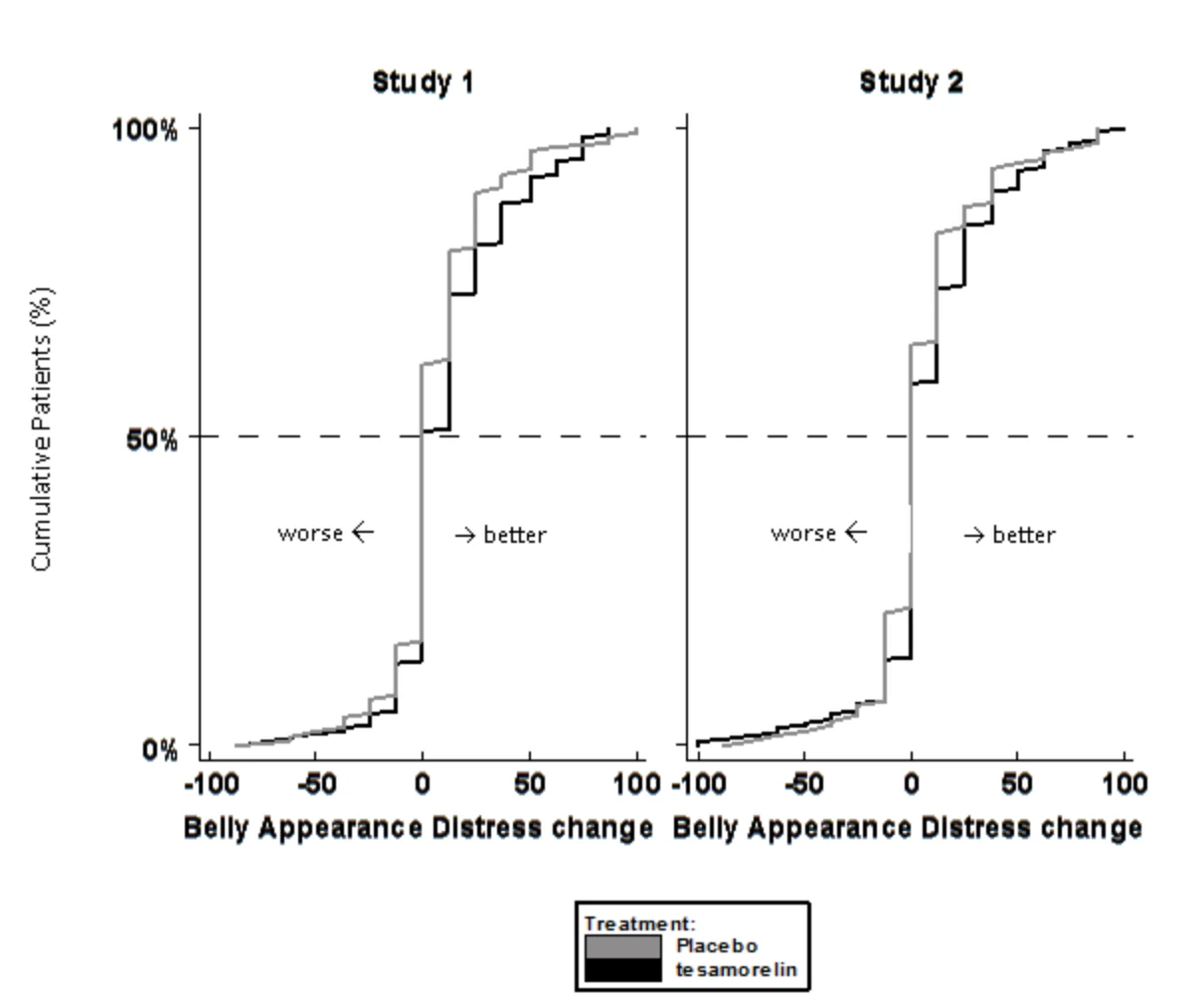
Patients rated the degree of distress associated with their belly appearance on a 9-point rating scale that was then transformed to a score from 0 (extremely upsetting and distressing) to 100 (extremely encouraging). A score of 50 indicated neutral (no feeling either way). A positive change from baseline score indicated improvement, i.e., less distress.
The cumulative distribution of response (change from baseline to 26 weeks) is shown in Figure 1 for both treatment groups. A curve shifted to the right on this scale indicates a greater percentage of patients reporting improvement.
Figure 1. Cumulative Distribution of Response for Belly Appearance Distress
Extension Phase (Weeks 26-52):
In the double-blind Extension Phase, patients on EGRIFTATM completing the 26-week Main Phase were re-randomized to receive 2 mg EGRIFTATM or placebo.
Study 1
This study re-randomized 207 HIV-infected patients with lipodystrophy who completed EGRIFTATM treatment in the Main Phase to receive either EGRIFTATM (N=154) or placebo (N=50) for an additional 26-week duration (3:1 randomization ratio). At baseline (Week 26) for the two groups combined, mean age was 48 years; 88% were male; 78% were white, 12% were Black/African American, and 8% were Hispanic; mean weight was 90 kg; mean BMI was 29 kg/m2; mean waist circumference was 102 cm; mean hip circumference was 100 cm; mean VAT was 145 cm2; mean CD4 cell count was 639 cells/mm3; 68% had undetectable viral load (<50 copies/mL); and for those EGRIFTATM-treated patients completing the 26-week treatment period that were re-randomized to EGRIFTATM (T-T group) or re-randomized to placebo, 36.6% and 32.0%, respectively, had impaired glucose tolerance, while 2.0% re-randomized to EGRIFTATM and 6.0% re-randomized to placebo had diet-controlled diabetes mellitus. The completion rate for patients randomized into the extension phase of Study 1 was 83%.
Study 2
This study re-randomized 177 HIV-infected patients with lipodystrophy who completed EGRIFTATM treatment in the Main Phase to receive either EGRIFTATM (N=92) or placebo (N=85) for an additional 26-week duration (1:1 randomization ratio). At baseline (Week 26) for the two groups combined, mean age was 48 years; 90% were male; 84% were white, 9% were Black/African American, and 7% were Hispanic; mean weight was 89 kg; mean BMI was 28 kg/m2; mean waist circumference was 105 cm; mean hip circumference was 100 cm; mean VAT was 172 cm2; mean CD4 cell count was 579 cells/mm3; 82% had undetectable viral load (<50 copies/mL); and for those EGRIFTATM -treated patients completing the 26-week treatment period that were re-randomized to EGRIFTATM (T-T group) or re-randomized to placebo, 48.9 % and 50.6 %, respectively, had impaired glucose tolerance, while 4.3 % re-randomized to EGRIFTATM and 12.9 % re-randomized to placebo had diet-controlled diabetes mellitus. The completion rate for patients randomized into the extension phase of Study 2 was 81%.
Results for the Extension Phases of Studies 1 and 2 are presented in Tables 10 and 11.
Table 10: Changes from Week 26 Baseline to Week 52 in Visceral Adipose Tissue (cm2) by Treatment Group (Intent-To-Treat Population with Last Observation Carried Forward)
Week 26 baseline data are expressed as mean (SD). Change refers to least-squares mean (LSM); CI: confidence interval.
1T-T = tesamorelin for Weeks 0-26 and tesamorelin for Weeks 26-52
2T-P = tesamorelin for Weeks 0-26 and placebo for Weeks 26-52
| EXTENSION PHASE (Week 26-52) | ||||
| Study 1 | Study 2 | |||
T-T1 (Week 26-52) (N=154) | T-P2 (Week 26-52) (N=50) | T-T1 (Week 26-52) (N=92) | T-P2 (Week 26-52) (N=85) | |
| Week 26 (cm2) | 145 (72) | 144 (72) | 166 (89) | 177 (88) |
| Change (cm2) | 3 | 25 | -11 | 24 |
| Mean treatment difference (95% CI) | -22 (-34, -10) | -35 (-48, -22) | ||
| Mean change (%)3 | 0 | 22 | -5 | 16 |
| Mean treatment difference (95% CI)3 | -17 (-24, -10) | -18 (-24, -11) | ||
3Results derived from the statistical model: Ln(VAT Week 52/Week 26) = Ln(Week 26 VAT) + treatment group
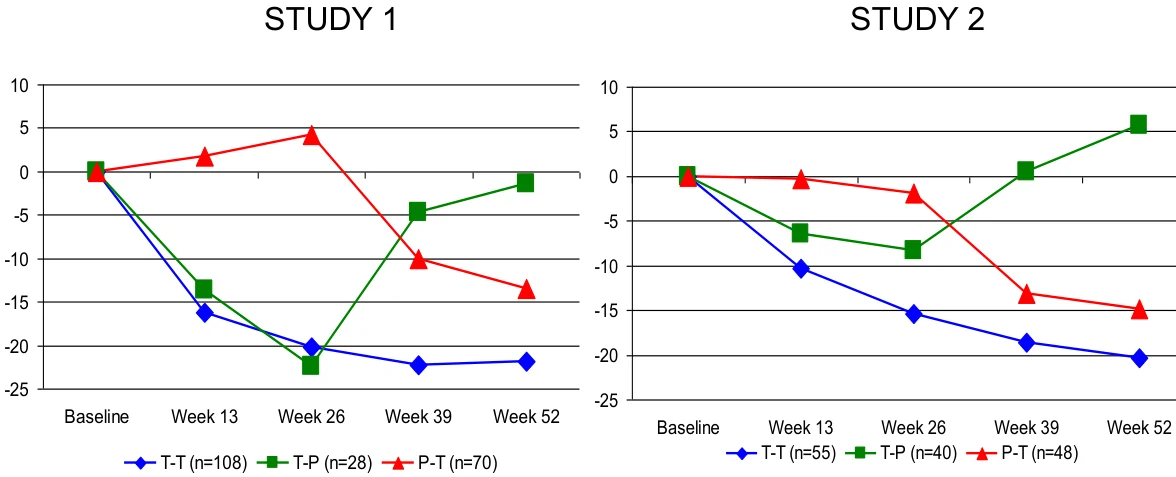
Figure 2 shows the percent change in VAT from baseline (Week 0) over time until 52 weeks in completer patients.
Figure 2. Percent Change from Baseline in VAT over Time
Data in Figure 2 are expressed as mean values. T-T (tesamorelin to tesamorelin) refers to the group of patients who received tesamorelin for Weeks 0-26 and were re-randomized to tesamorelin for Weeks 26-52. T-P (tesamorelin to placebo) refers to the group of patients who received tesamorelin for Weeks 026 and were re-randomized to placebo for Weeks 26-52. P-T (placebo to tesamorelin) refers to the group of patients who received placebo for Weeks 0-26 and were switched to tesamorelin (treated open label) for Weeks 26-52.
% Cha ng e f ro m ba seline in V AT
Table 11: Changes from Week 26 Baseline to Week 52 in IGF-1, IGFBP-3, Weight, and Waist Circumference by Treatment Group (Intent-To-Treat Population with Last Observation Carried Forward)
| EXTENSION PHASE (Weeks 26-52) | |||||
| Study 1 | Study 2 | ||||
T-T1 (Week 26-52) (N=154) | T-P2 (Week 26-52) (N=50) | T-T1 (Week 26-52) (N=92) | T-P2 (Week 26-52) (N=85) | ||
IGF-1 (ng/mL) | Week 26 | 291 (124) | 281 (105) | 280 (134) | 269 (110) |
| Change | -59 | -137 | -25 | -135 | |
| Mean treatment difference (95% CI) | 78 (50, 106) | 110 (87, 134) | |||
IGFBP-3 (mg/L) | Week 26 | 3 (1) | 3 (1) | 3 (1) | 3 (1) |
| Change | -0.2 | -0.5 | -0.3 | -0.9 | |
| Mean treatment difference (95% CI) | 0.3 (-0.0, 0.6) | 0.6 (0.3, 0.9) | |||
| Weight (kg) | Week 26 | 89 (14) | 92 (17) | 89 (13) | 90 (14) |
| Change | 0.2 | 0.6 | -0.5 | 0.1 | |
| Mean treatment difference (95% CI) | -0.4 (-2, 1) | -0.6 (-2, 1) | |||
| Waist circumference (cm) | Week 26 | 101 (10) | 102 (12) | 101 (9) | 103 (11) |
| Change | -0.2 | 2.4 | -1.1 | 0.2 | |
| Mean treatment difference (95% CI) | -2.6 (-4, -1) | -1.3 (-2, 0) | |||
Week 26 baseline data are expressed as mean (SD); Change refers to least-squares mean (LSM); CI: confidence interval.
1T-T = tesamorelin for Week 0-26 and tesamorelin for Week 26-52
2T-P = tesamorelin for Week 0-26 and placebo for Week 26-52
Patients treated with EGRIFTATM for 52 weeks (T-T group) showed no change between Weeks 26 and 52 in mean trunk fat (increase of 0.1 kg in Study 1 and decrease of 0.5 kg in Study 2, respectively, compared with an increase of 1.4 kg in patients in the T-P group in Study 1 and an increase of 1.09 kg in Study 2, respectively) nor was there a change from Week 26 baseline in mean lean body mass (decrease of 0.1 kg in Study 1 and increase of 0.1 kg in Study 2, respectively, compared with a decrease of 1.8 kg in patients in the T-P group in Study 1 and a decrease of 1.7 kg in Study 2, respectively).
There was no adverse effect of EGRIFTATM on lipids or subcutaneous adipose tissue (SAT). EGRIFTATM did not adversely alter antiretroviral effectiveness, such as mean circulating levels of CD4 counts or HIV-1 RNA (viral load).
Immunogenicity
As with all therapeutic proteins and peptides, there is a potential for in vivo development of anti- EGRIFTATM antibodies. In the combined Phase 3 clinical trials, anti-tesamorelin IgG antibodies were detected in 49.5% of patients treated with EGRIFTATM for 26 weeks and 47.4% of patients who received EGRIFTATM for 52 weeks. In the subset of patients with hypersensitivity reactions, anti-tesamorelin IgG antibodies were detected in 85.2%. Cross-reactivity to endogenous growth hormone-releasing hormone (GHRH) was observed in approximately 60% of patients who developed anti-tesamorelin antibodies. Patients with and without anti-tesamorelin IgG antibodies had similar mean reductions in visceral adipose tissue (VAT) and IGF-1 response suggesting that the presence of antibodies did not alter the efficacy of EGRIFTATM In a group of patients who had antibodies to tesamorelin after 26 weeks of treatment (56%) and were re-assessed 6 months later, after stopping EGRIFTATM treatment, 18% were still antibody positive.
Neutralizing antibodies to tesamorelin and hGHRH were detected in vitro at Week 52 in 10% and 5% of EGRIFTATM -treated patients, respectively. They did not appear to have an impact on efficacy, as evidenced by comparable changes in VAT and IGF-1 level in patients with or without in vitro neutralizing antibodies.
The observed incidence of antibody positivity in an assay is highly dependent on several factors including assay sensitivity and specificity, methodology, sample handling, timing of sample collection, concomitant medication and underlying disease. For these reasons, comparison of the incidence of antibodies to EGRIFTATM with the incidence of antibodies to other products may be misleading.
DETAILED PHARMACOLOGY
Animal Pharmacology
In Vitro
In vitro pharmacology studies demonstrated that tesamorelin did not act as a prodrug in porcine anterior pituitary cells in either the presence or absence of a source of proteolytic enzymes (i.e. fetal calf serum) and using GH-releasing activity as a pharmacodynamic marker.
In Vivo
In vivo pharmacodynamic studies were conducted in Landrace x Yorkshire barrow pigs dosed with tesamorelin to demonstrate the resultant GH release and IGF-1 production. Tesamorelin stimulated GH release for up to 8 hours after intravenous (IV) or SC administration in barrow pigs and produced, on average, 2-3 peaks of GH during this period, simulating the pulsatile nature of GH release resulting from endogenous hGRF. Tesamorelin produced greater increases in serum IGF-1 concentrations than hGRF in barrow pigs.
Safety Pharmacology
Safety pharmacology studies evaluated the effect of tesamorelin on the cardiovascular system, the central nervous system (CNS), and the respiratory system.
Cardiovascular system. The potential for tesamorelin to inhibit hERG currents was assessed in Chinese hamster ovary (CHO) cells modified to stably express the human ERG gene at escalating concentrations of 0, 80, 400 or 800 ng/mL. There were no tesamorelin related effects on hERG current amplitude or density.
The in vivo cardiovascular effect of tesamorelin was assessed in male dogs administered a single SC injection of 0 (vehicle), 0.6, 6 or 50 mg/kg. There were no tesamorelin-related changes in blood pressure, body temperature, heart rate or ECG parameters and the NOAEL was considered to be 50 mg/kg.
CNS. A Functional Observational Battery (FOB) was performed in male Sprague-Dawley rats administered a single SC dose of tesamorelin at 0 (vehicle), 0.6, 6 or 50 mg/kg. There were no tesamorelin-related effects and the NOAEL was considered to be 50 mg/kg.
Respiratory system. Tesamorelin was administered by single SC injection to male Sprague-Dawley rats at doses of 0 (vehicle), 0.6, 6 or 50 mg/kg. There were no tesamorelin-related effects on the measured respiratory parameters and the NOAEL was considered to be 50 mg/kg.
Human Pharmacology
In Vitro
In vitro biodegradation studies have demonstrated that tesamorelin is more stable than its endogenous counterpart, hGRF, in human plasma. Tesamorelin appears to be primarily biodegraded via cleavage from the C-terminal as opposed to DPP IV-mediated catalysis.
In Vivo
Single and multiple dose pharmacokinectics of EGRIFTATM have been characterized in several studies involving healthy subjects and HIV-infected patients. Mean Cmax ranged across studies from 1843 to 4278 pg/mL for the 2 mg tesamorelin dose and was always higher than the corresponding Cmax following 1 mg doses. Mean Tmax ranged across studies from 0.119 to 0.162 hours (7 to 10 minutes). There was no difference between the 1 mg and the 2 mg EGRIFTATM doses, and/or between single and multiple dosing. The rate of absorption was rapid and there was no difference in the rate of absorption between healthy volunteers and HIV-infected patients. Mean AUC0-inf ranged across studies from 829 to 1514 pg·h/mL for the 2 mg tesamorelin dose and was always higher than AUC0-inf following 1 mg doses. Elimination (T½ el) of EGRIFTATM was rapid and essentially similar between healthy volunteers and HIV-infected patients following subcutaneous administration. Following a 2 mg single-dose, the mean T½ el varied between studies from 0.21 h (13 min) to 0.31 h (19 min), was highly variable between individuals and appeared to increase after 14 consecutive days of daily EGRIFTATM administration.
MICROBIOLOGY
This section is not applicable.
TOXICOLOGY
Single-Dose Studies
Single-dose intravenous toxicity studies were conducted in mice, rats and dogs. The maximum tolerated dose was <100 mg/kg in mice (due to mortality at 100 and 200 mg/kg), between 100 to 200 mg/kg in rats (due to mortality at 200 mg/kg), and < 5 mg/kg in dogs (due to dose-limiting clinical signs at 5 and 25 mg/kg).
Repeat-Dose Studies
Repeat-dose toxicity studies were conducted in rats (up to 26 weeks of duration) and dogs (up to 52 weeks of duration).
Rats. In the subcutaneous 13-week study (doses of 0.1, 0.3 and 0.6 mg/kg/day) and 26-week study (doses of 0.1, 0.6 and 1.2 mg/kg/day), treatment-related findings included increased body weight and food consumption, injection site irritation, increased GH levels, and hepatocellular vacuolation. Additional findings in the 26-week study included increased liver weights, increased cholesterol, serum glucose and increased incidence of diestrus. With the exception of injection site irritation, all findings were considered to be a result of the pharmacological activity of tesamorelin. The NOAEL was considered to be 0.6 mg/kg/day in the 13-week study and 1.2 mg/kg/day in the 26-week study. Antibodies against tesamorelin were observed in both studies, however, the immunogenic response was low and considered to be non-neutralizing since tesamorelin-induced increases in GH were not affected.
Dogs. In the subcutaneous 16-week (doses of 0.1, 0.3 and 0.6 mg/kg/day), numerous findings were observed at all dose levels including increased body weights and food consumption, decreased red blood cell count (RBC), hemoglobin and hematocrit, increased reticulocytes and platelets (all dose levels), increased cholesterol/triglycerides, increased serum phosphorus, increased serum protein and globulin, increased cIGF-1, increased liver and pituitary weights, decreased spleen weights, injection site irritation, renal tubular basophilia, and centrilobular hepatocellular vacuolation. The NOAEL was considered to be 0.6 mg/kg/day as the noted alterations were not considered adverse (>500x clinical exposure, based on AUC).
Similar results were observed in the 52-week study (doses of 0.1, 0.6 and 1.2 mg/kg/day). Additional findings included the development of a condition sharing many of the characteristics of canine acromegaly, including morphological changes and development of insulin resistance and/or diabetes. One female dosed at 0.6 mg/kg was euthanized due to a suspected case of diabetes. Although most of the findings were attributable to the pharmacological activity of tesamorelin or secondary to insulin resistance, a NOAEL was not established (<0.1 mg/kg/day) due to histopathological findings of unknown etiology in the kidney (vacuolar degeneration of the collecting ducts), exocrine pancreas (microcytic degeneration), and gallbladder (epithelial vacuolar degeneration).
Antibodies against tesamorelin were observed in both toxicity studies; however, the presence of anti-tesamorelin antibodies did not have an impact on the increase in cIGF-1 levels over the course of the studies and were considered non-neutralizing.
Carcinogenicity
The carcinogenic potential of tesamorelin was not evaluated.
Genotoxicity
Tesamorelin does not exhibit genotoxic (mutagenic or clastogenic) potential. Specifically, tesamorelin was negative in the bacterial reverse mutation assay, in vitro chromosome aberration assay in CHO cells (with or without metabolic activation) and in vivo mouse micronucleus assay.
Reproductive and developmental toxicity
Male and female rats were dosed with tesamorelin at 0.1, 0.3 and 0.6 mg/kg by SC injection. Males were administered the test compound at least 28 days prior to mating, whereas females were administered the test compound at least 14 days prior to mating and up to Day 17 of gestation. There were no tesamorelin-related effects on male or female reproductive performance. Increases in body weight and food consumption in the F0 generation were attributed to the pharmacological properties of tesamorelin. Effects on the fetal skeleton were indicative of advanced ossification, which, along with increased fetal weight, was considered attributable to the maternal effects on body weight and food intake. The NOAEL was considered to be 0.6 mg/kg (approximately 1x the clinical dose, based on AUC).
An embryo-fetal development study was also conducted in rabbits wherein pregnant females were dosed with tesamorelin by SC injection at 2.0 mg/kg from Gestation Day 7 to 19. There was no evidence of embryolethality, fetotoxicity, or teratogenicity in F1 animals and the NOAEL was considered to be 2.0 mg/kg (approximately 362x the clinical dose, based on AUC).
In a pre- and post-natal toxicity study, pregnant female rats were dosed with 0.1, 0.6 and 1.2 mg/kg/day by SC injection from Gestation Day 6 to Lactation Day 21. In F0 females, an increase in maternal body weight was observed and was considered to be related to the pharmacology of tesamorelin. There was a slight increase in the incidence of F1 litters developing hydrocephaly during the lactation period following administration of 1.2 mg/kg/day to the F0 dams. Behavioural and reproductive development of the F1 adult generation and the viability and growth of the F2 generation pups were unaffected by tesamorelin. The NOAEL for the F0 and F2 generations was considered to be 1.2 mg/kg/day. The NOAEL for the F1 generation was considered to be 0.6 mg/kg/day.
The potential for tesamorelin to cross the placenta was not evaluated.
Immunotoxicity
The effects of tesamorelin on immune function were investigated in rats in the T-cell dependent antibody response (TDAR) assay at doses of 0.1, 0.6 and 1.2 mg/kg/day for 4 weeks. There were no adverse effects on immune function at any dose level tested.
PART III: PATIENT MEDICATIONINFORMATION
EGRIFTATM
(tesamorelin for injection)
This leaflet is part III of a three-part "Product Monograph" published when EGRIFTATM was approved for sale in Canada and is designed specifically for Consumers. This leaflet is a summary and will not tell you everything about EGRIFTATM. Contact your doctor or pharmacist if you have any questions about the drug.
| ABOUT THIS MEDICATION |
What the medication is used for:
EGRIFTATM is used to reduce the excess in belly fat in patients with HIV and lipodystrophy.
Limitations of use:
- EGRIFTATM is not to be used for weight loss management
- EGRIFTATM should only be used by patients who could not reduce belly fat using diet and exercise.
- The impact and safety of EGRIFTATM on the health of the heart and blood vessels has not been studied.
- It is not known whether taking EGRIFTATM helps improve compliance with anti-retroviral medications.
What it does:
EGRIFTATM causes the pituitary gland to release growth hormone, which decreases belly fat.
When it should not be used:
Do not use EGRIFTATM if you:
- have pituitary gland tumor, pituitary gland surgery or other problems related to your pituitary gland.
- have cancer or are receiving treatment for cancer.
- are allergic to tesamorelin or any of the ingredients in EGRIFTATM
- are pregnant or become pregnant. If you become pregnant, stop using EGRIFTATM and talk with your healthcare professional.
- are less than 18 years of age.
What the medicinal ingredient is:
tesamorelin acetate
What the nonmedicinal ingredients are:
mannitol, sodium hydroxide and/or hydrochloric acid for pH adjustment.
What dosage forms it comes in:
Vials: 1 and 2 mg sizes
| WARNINGS AND PRECAUTIONS |
BEFORE you use EGRIFTATM talk to your doctor or pharmacist if:
- Have or have had cancer
- Have diabetes
- Have kidney or liver problems
- Are breastfeeding or plan to breastfeed. It is recommended that HIV infected mothers not breastfeed to avoid risk of passing HIV infection to their baby.
| INTERACTIONS WITH THIS MEDICATION |
Tell your doctor about all the medicines you take. This includes prescription and over the counter medications, vitamins, and natural health products.
| PROPER USE OF THIS MEDICATION |
- Take the entire dose (2 mg) of EGRIFTA™ once a day.
- EGRIFTA™ is injected under the skin (subcutaneously) of your belly (abdomen).
- After mixing, use EGRIFTA™ right away.
- Throw away any unused EGRIFTATM. Do not store mixed EGRIFTA™.
Usual dose: 2 mg per day
1 mg vials: two vials per day (taken together in one syringe)
2 mg vials: one vial per day
Overdose:
| In case of drug overdose, contact a health care practitioner, hospital emergency department or regional Poison Control Centre immediately, even if there are no symptoms. |
Missed Dose:
If you miss an injection of EGRIFTATM you do not have to make up the missed dose. Skip the missed dose and continue with the next scheduled dose. Do not double dose.
Preparing EGRIFTATM for administration:
Before you follow these instructions, go over them with your healthcare professional:
- Be sure you understand how to follow the steps for mixing and injecting.
- Practice them with your healthcare professional.
- Ask any questions and talk about concerns you have.
- Make sure to keep your hands and work area clean at all times.
Important information for use of EGRIFTATM
- After mixing EGRIFTATM with Sterile Water for Injection, it should look clear and colourless, with no particles in it. Do not use EGRIFTATM if it looks cloudy, discolored, or if you see particles in it. Talk to your healthcare professional if you have any questions.
- Do not use EGRIFTATM after the date on the Medication Box and EGRIFTATM vial.
- Do not use a syringe or needle more than 1 time.
- Do not share your EGRIFTATM needles with another person. Sharing of needles can result in the transmission of infectious diseases, such as HIV.
- Do not share your EGRIFTATM syringe with another person, even if the needle is changed.
If you are missing any supplies from your Medication Box or Injection Box, or if anything looks damaged, call your pharmacist or contact EGRIFTA SupportTM toll-free at
1-844-788-1933 right away.
Important!
There are separate preparation and mixing instructions for the 1 mg vials and 2 mg vials. Make sure you follow the correct instructions according to the strength you are using.
1mg Vials:
Preparing for your EGRIFTATM injection for 1mg vials
- Find a well-lit, clean, and flat surface, such as a table.
Gather your supplies:
- Medication Box that contains 60 (1 mg) EGRIFTATM powder vials.
Injection Box that contains the following:
- a) 30 10-mL bottles of Sterile Water for Injection, used for mixing.
- b) 30 sterile 3-mL syringes with needle already attached.
- c) 30 individual 1½" 18-gauge sterile needles, used for mixing
- d) 30 individual ½" 27-gauge sterile injection needles.
- Alcohol pads.
- Sterile gauze.
- A “sharps container” or a puncture-resistant container for throwing away needles after you are done with them. The container should be made from hard plastic or metal. Make sure it has a lid. You can also put used syringes or empty vials of medicine in the container.
How to mix EGRIFTATM for 1mg vials (follow steps 1 to 18)
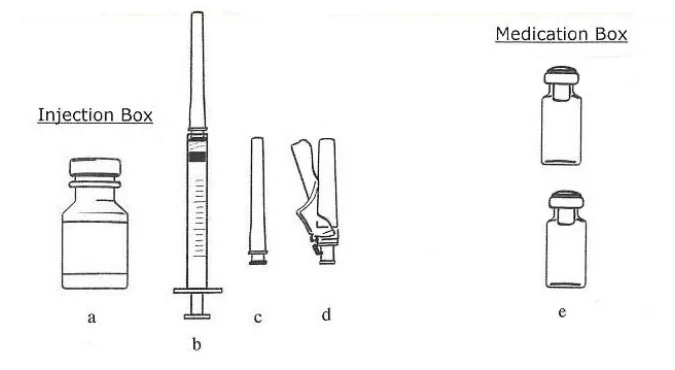
Step 1: You should have the materials as illustrated and lettered in Figure A below:
Figure A
Take out the following from your Injection Box:
- A Sterile Water for Injection bottle (Figure A, a).
- A syringe with needle already attached (Figure A, b).
- A 1½” 18-gauge needle (Figure A, c)
- A ½" 27-gauge injection needle (Figure A, d).
- Take two EGRIFTATM vials (Figure A, e) from the Medication Box. Put the box with the remaining vials back in the refrigerator right away.
- Prepare to use your supplies:
- Wash your hands with soap and water. Dry your hands with a clean towel.
- Take off the plastic caps from the vials of EGRIFTATM and Sterile Water.
- Clean the rubber stopper on top of the vials with an alcohol swab.
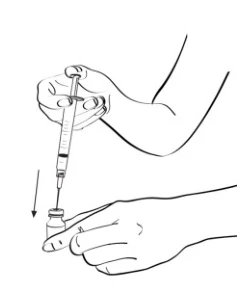
Step 2: Pick up the syringe with needle (See Figure A, b). Take the needle cap off the syringe and push the needle through the rubber stopper of the Sterile Water bottle (See Figure B). Turn the needle and the bottle upside down, and pull back the plunger of the syringe until the liquid reaches the 2.2 mL mark on the syringe. (See Figure C)
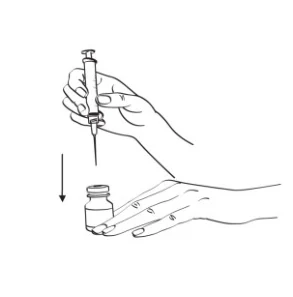
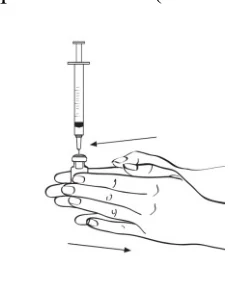
Figure B
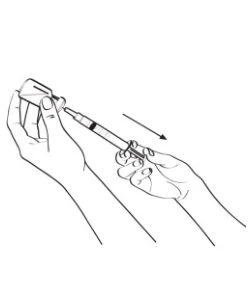
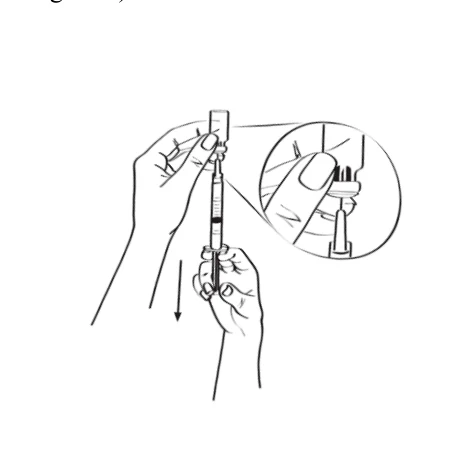
Figure C
Step 3: Take the syringe (with needle attached) out of the Sterile Water bottle.
Step 4: Throw away the rest of the liquid and the bottle of sterile Water for Injection.
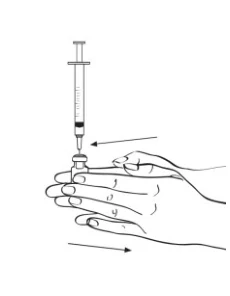
Step 5: Insert the needle into one of the EGRIFTATM vials. Push the plunger in slowly on a slight angle so water goes down the inside wall of the EGRIFTATM vial instead of directly onto the powder. This will avoid foaming. (See Figure D)
Figure D
Step 6: While keeping the syringe with needle attached in the vial and the vial upright, roll the vial gently in your hands for 30 seconds, until the Sterile Water and EGRIFTATM powder are mixed well. Do not shake the vial. The solution should look clear and colorless, with no particles in it. (See Figure E)
Figure E
Step 7: Keep the syringe with needle attached in the vial and turn both until the syringe is straight up. Pull down on the syringe barrel (not the plunger) until you see just the tip of the needle going through the rubber stopper. Pull back on the plunger until all the liquid inside the vial goes into the syringe. The level of medicine in the syringe should be around the 2.2 mL mark on the syringe. (See Figure F)
Figure F
Step 8: Take the needle out of the vial. (See Figure G)
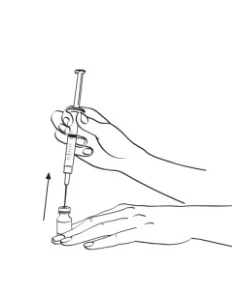
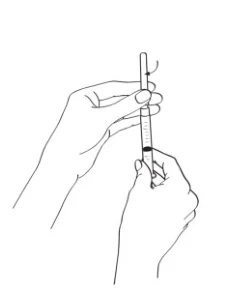
Figure G
Step 9: Place the needle cap on its side against a clean flat surface. Without touching the needle, hold the syringe and slide the needle carefully into the needle cap (See Figure H). Push the cap all the way or until it snaps shut. (See Figure I). Do not touch the cap until it covers the needle completely.
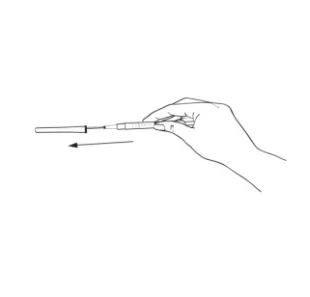
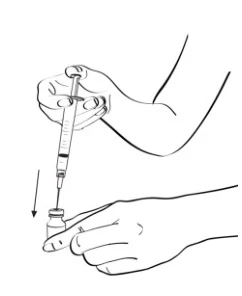
Figure H
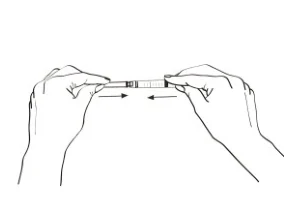
Figure I
Step 10: With the cap on the needle, remove the needle by holding the syringe firmly and twisting the cap counterclockwise (to the left). (See Figure J)
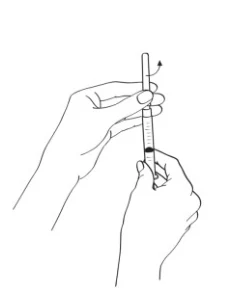
Figure J
Step 11: Place the 1½" 18-gauge mixing needle (Figure A, c), with its needle cap in place, onto the syringe. Hold the syringe firmly and twist the cap clockwise (to the right) until it is tight. (See Figure K)
Figure K
Step 12: Remove the needle cap. Insert the needle into the second EGRIFTATM vial (Figure A, e). Push the plunger in slowly on a slight angle so that the mixture goes down the inside wall of the EGRIFTATM vial instead of directly into the powder. This will avoid foaming. (See Figure L)
Figure L
Step 13: While keeping the syringe with the needle attached in the vial and the vial upright, roll the vial gently in your hands for 30 seconds, until the solution and powder are mixed well. Do not shake the vial. The solution should look clear and colorless, with no particles in it. (See Figure M)
Figure M
Step 14: Keeping the syringe in the vial, turn both until the syringe is facing upright. Carefully pull down on the syringe barrel (not the plunger) until you see just the tip of the needle going through the rubber stopper. Pull back on the plunger until all the liquid inside the vial goes into the syringe. The level of medicine in the syringe should be around the 2.2 mL mark on the syringe. (See Figure N)
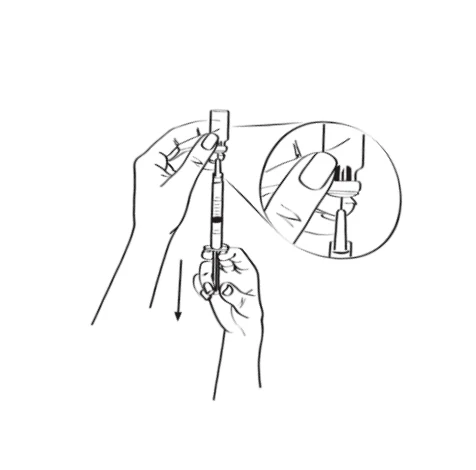
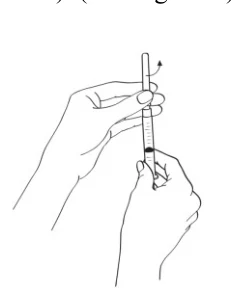
Figure N
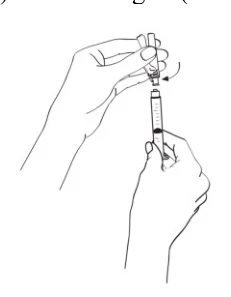
Step 15: Take the needle out of the vial. (See Figure O)
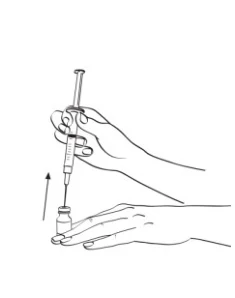
Figure O
Step 16: Place the needle cap on its side against a clean flat surface. Without touching the needle, hold the syringe and slide the needle carefully into the needle cap. (See Figure P) Push the cap all the way until it snaps shut. (See Figure Q) (Do not touch the cap until it covers the needle completely.)
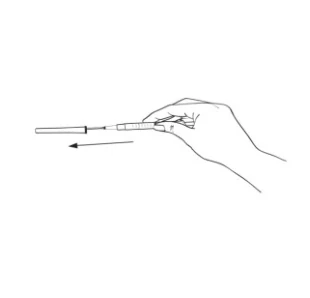
Figure P
Figure Q
Step 17: With the needle cap on the needle, remove the mixing needle by holding the syringe firmly and twisting the cap counterclockwise (to the left). (See Figure R)
Figure R
Step 18: Place the injection needle (Figure A, d), with its needle cap in place, onto the syringe. Hold the syringe tightly and twist the cap clockwise (to the right) until it is tight. (See Figure S)
Figure S
You are now ready to Inject EGRIFTATM. Go to the section “Where do I inject EGRIFTATM” and continue instructions from there.
2 mg Vial
Preparing for your EGRIFTATM injection for 2 mg
- Find a well-lit, clean, and flat surface, such as a table.
Gather your supplies:
- Medication Box that contains 30 (2 mg) EGRIFTATM powder vials.
Injection Box that contains the following:
- e) 30 10-mL bottles of Sterile Water for Injection, used for mixing.
- f) 30 sterile 3-mL syringes with needle already attached.
- g) 30 individual ½" 27-gauge sterile injection needles.
- Alcohol pads.
- Sterile gauze.
- A “sharps container” or a puncture-resistant container for throwing away needles after you are done with them. The container should be made from hard plastic or metal. Make sure it has a lid. You can also put used syringes or empty vials of medicine in the container.
How to mix EGRIFTATM for 2mg vials (follow steps 1 to 11)
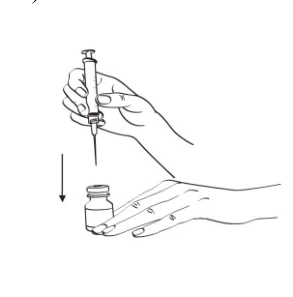
Step 1: You should have the materials as illustrated and lettered in Figure A below:
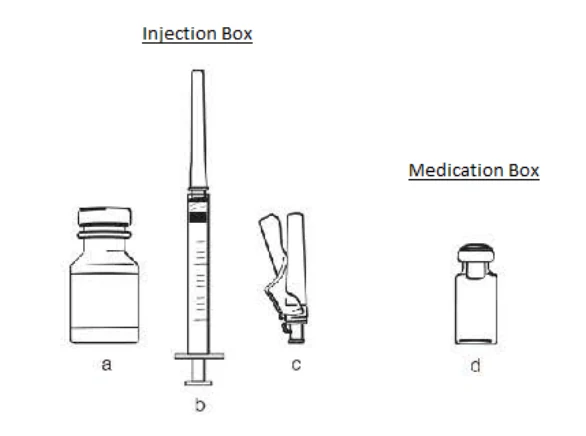
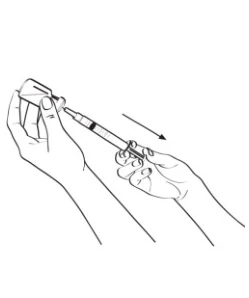
Figure A
- a) Sterile Water for Injection bottle
- b) Syringe with needle already attached
- c) Safety injection needle
- d)
EGRIFTATM powder medication vial
Take out the following from your Injection Box:
- A Sterile Water for Injection bottle (Figure A, a).
- A syringe with needle already attached (Figure A, b).
- A ½" 27-gauge injection needle (Figure A, c).
- Take one EGRIFTATM vial (Figure A, d) from the Medication Box. Put the box with the remaining vials back in the refrigerator right away.
Prepare to use your supplies:
- Wash your hands with soap and water. Dry your hands with a clean towel.
- Take off the plastic caps from the vials of EGRIFTATM and Sterile Water.
- Clean the rubber stopper on top of the vials with an alcohol swab.
Step 2: Pick up the syringe with needle (See Figure A, b). Take the needle cap off the syringe and push the needle through the rubber stopper of the bottle of the Sterile Water (See Figure B). Turn the needle and bottle upside down, and pull back the plunger of the syringe until the liquid reaches the 2.1 mL mark on the syringe. (See Figure C)
Figure B
Figure C
Step 3: Take the syringe (with needle attached) out of the Sterile Water bottle.
Step 4: Throw away the rest of the liquid and the bottle of Sterile Water for Injection.
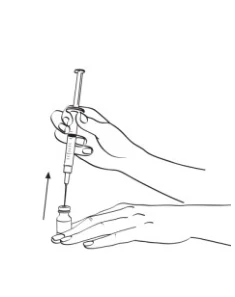
Step 5: Insert the needle into the EGRIFTATM vial. Push the plunger in slowly on a slight angle so water goes down the inside wall of the EGRIFTATM vial instead of directly onto the powder. This will avoid foaming. (See Figure D)
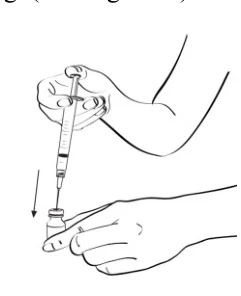
Figure D
Step 6: While keeping the syringe with the needle attached in the vial and the vial upright, roll the vial gently in your hands for 30 seconds, until the Sterile Water and EGRIFTATM powder are mixed well. Do not shake the vial. The solution should look clear and colorless, with no particles in it. (See Figure E)
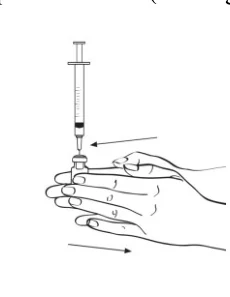
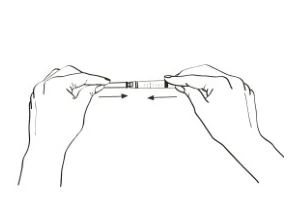
Figure E
Step 7: Keep the syringe in the vial turn both until the syringe is straight up. Carefully pull down on the syringe barrel (not the plunger) until you see just the tip of the needle going through the rubber stopper. Pull back on the plunger until all the liquid inside the vial goes into the syringe. The level of medicine in the syringe should be around the 2.1 mL mark on the syringe. (See Figure F)
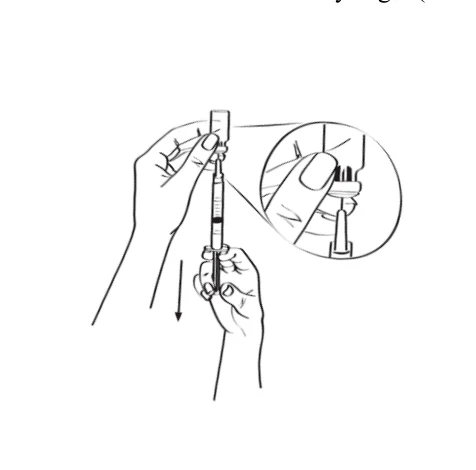
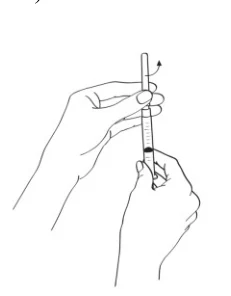
Figure F
Step 8: Take the needle out of the vial. (See Figure G)
Figure G
Step 9: Place the needle cap on its side against a clean flat surface. Without touching the needle, hold the syringe and slide the needle carefully into the needle cap (See Figure H). Push the cap all the way until it snaps shut. (See Figure I) Do not touch the cap until it covers the needle completely.
Figure H
Figure I
Step 10: With the needle cap on the needle, remove the needle by holding the syringe firmly and twisting the cap counterclockwise (to the left). (See Figure J)
Figure J
Step 11: Place the injection needle (Figure A, c), with its needle cap in place, onto the syringe. Hold the syringe tightly and twist the cap clockwise (to the right) until it is tight. (See Figure K)
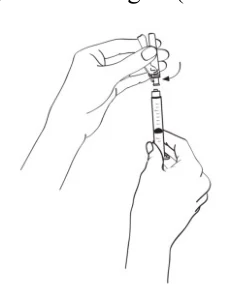
Figure K
You are now ready to inject EGRIFTATM. Go to the section “Where do I inject EGRIFTATM” and continue instructions from there.
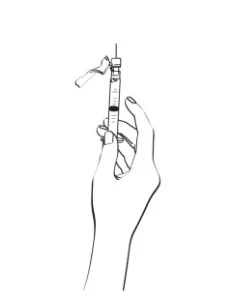
Where do I inject EGRIFTATM?
You should inject EGRIFTATM into the skin on your belly. (See Figure 1)
- Pick an injection site that is around your belly button to the left or right.
- Do not inject into your navel or any area with scar tissue, bruises, reddening, infection, or irritation.
- Avoid areas with any hard bumps from previous injections.
- Change your injection site from one day to the next. This may help prevent bruising or irritation. You may want to keep a note of the date and location of each daily injection to help you remember.
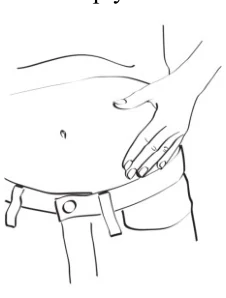
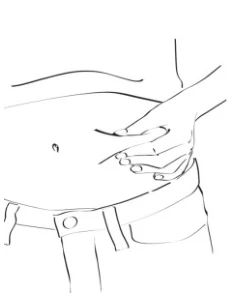
Figure 1
How to inject EGRIFTATM (See Figures 2 – 6)
- Pick up the syringe and pull the cap straight off the injection needle. Do not twist it. (See Figure 2)
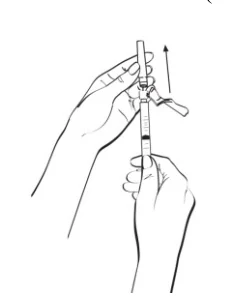
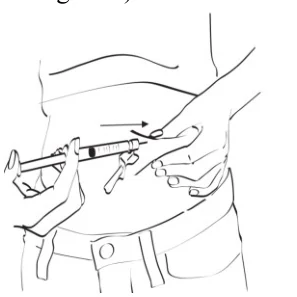
Figure 2
Tap the syringe gently with your finger to force any air bubbles to rise to the top. Press the plunger to push bubbles out. (See Figure 3)
Figure 3
Clean the injection site you have selected with an alcohol swab and let it dry. Hold the syringe in one hand. Use your other hand to hold a cleaned fold of skin for your injection. Hold the skin between your thumb and fingers. (See Figure 4)
Figure 4
Hold the syringe at a right angle to the skin, like a dart. Push the injection needle into the skin with a quick motion. Most of the needle should go beneath the skin surface. (See Figure 5)
Figure 5
- Remove your hand from the pinched area of skin after the needle goes in. Make sure the needle stays in the skin. (See Figure 6)
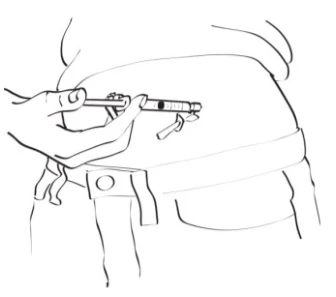
Figure 6
- Slowly push the plunger all the way down until all of the medicine in the syringe has been injected under the skin.
Pull the injection needle out of your skin when the syringe is empty:
- Be careful to pull it out at the same angle you put it in.
- Flip back the needle shield until it snaps, covering the injection needle completely. Keep pressing until you hear a click, it means the injection needle is protected. (See Figure 7)
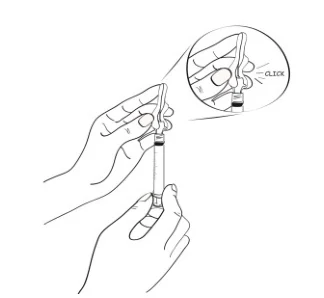
Figure 7
- Use a piece of sterile gauze to rub the injection site clean. If there is bleeding, apply pressure to the injection site with gauze for 30 seconds. If bleeding continues, apply a bandage to the site.
How should I dispose of the used syringes, needles, bottles and vials?
- If you prick someone else with a used needle, that person should contact a healthcare professional right away about the accident.
- Never reuse or recycle needles or syringes.
- Never throw used needles, syringes, or the sharps container into the trash.
Throw away used syringes, needles, vials and Sterile Water for Injection bottles in a sharps container or hard container like a coffee can.
- Speak to your pharmacist or other healthcare professional about how to throw away used materials. There may be laws about how to throw away used needles and syringes.
- Keep the sharps container away from children and pets.
If you have any questions, call your healthcare professional. You can call EGRIFTA SupportTM toll-free at
1-844-788-1933
| SIDE EFFECTS AND WHAT TO DO ABOUT THEM |
Like all medicines, EGRIFTATM can have side effects. Most side effects are mild or moderate in severity. The most common side effects reported with EGRIFTATM are:
- Joint pain
- Pain in legs and arms
- Swelling in your legs
- Muscle pain
- Nausea
- Vomiting
- Rash
- Itching
| SERIOUS SIDE EFFECTS, HOW OFTEN THEY HAPPEN AND WHAT TO DO ABOUT THEM | ||
|---|---|---|
| Symptom / effect | Talk with your doctor or pharmacist | Stop taking drug and call your doctor or pharmacist |
| Only if severe | In all cases | |
| Common | ||
| Allergic Reaction: rash or hives anywhere on the body or on the skin bigger than the injection area. Swelling of the face, lips, tongue or throat. Difficulty swallowing or breathing. | ||
| √ | ||
This is not a complete list of side effects. For any unexpected effects while taking EGRIFTATM, contact your doctor or pharmacist.
| HOW TO STORE IT |
EGRIFTATM has two boxes:
- Store the Medication Box of EGRIFTATM vials in the refrigerator between 2°C and 8°C.
- Store the Injection Box of Sterile Water for Injection, syringes and needles at room temperature (between 15°C and 30°C).
- Keep EGRIFTATM vials away from light.
Keep EGRIFTATM and all medications out of the reach and sight of children.
REPORTING SUSPECTED SIDE EFFECTS You can report any suspected adverse reactions associated with the use of health products to the Canada Vigilance Program by one of the following 3 ways: --------------------------------------------------------------------------
Postage paid labels, Canada Vigilance Reporting Form and the adverse reaction reporting guidelines are available on the MedEffect™ Canada Web site at www.healthcanada.gc.ca/medeffect. NOTE: Should you require information related to the management of side effects, contact your health professional. The Canada Vigilance Program does not provide medical advice. |
| MORE INFORMATION |
This document plus the full product monograph, prepared for health professionals can be found at:
www.Theratechnologies.ca or by contacting EGRIFTA SupportTM toll-free at 1-844-788-1933
Last revised: March 26, 2015.
PrEGRIFTATM is a trademark of Theratechnologies Inc.