


Product Monograph - Esamuze
RECENT MAJOR LABEL CHANGES
| 8 ADVERSE REACTIONS, Post-Market Adverse Reactions | 07/2023 |
|---|
TABLE OF CONTENTS
Sections or subsections that are not applicable at the time of authorization are not listed.
RECENT MAJOR LABEL CHANGES ........................................................................ 2
TABLE OF CONTENTS ............................................................................................. 2
PART I: HEALTH PROFESSIONAL INFORMATION ................................................ 4
1 INDICATIONS ......................................................................................................... 4
1.1 Pediatrics .............................................................................................................. 4
1.2 Geriatrics .............................................................................................................. 4
2 CONTRAINDICATIONS .......................................................................................... 4
3 SERIOUS WARNINGS AND PRECAUTIONS BOX ................................................ 4
4 DOSAGE AND ADMINISTRATION ......................................................................... 5
4.1 Dosing Considerations .......................................................................................... 5
4.2 Recommended Dose and Dosage Adjustment...................................................... 5
4.3 Reconstitution ....................................................................................................... 6
4.4 Administration ....................................................................................................... 7
4.5 Missed Dose: ........................................................................................................ 7
5 OVERDOSAGE ....................................................................................................... 7
6 DOSAGE FORMS, STRENGTHS, COMPOSITION AND PACKAGING ................. 7
7 WARNINGS AND PRECAUTIONS ......................................................................... 8
7.1 Special Populations ............................................................................................ 13
7.1.1 Pregnant Women ............................................................................................. 13
7.1.2 Breast-feeding ................................................................................................. 13
7.1.3 Pediatrics ......................................................................................................... 13
7.1.4 Geriatrics ......................................................................................................... 14
8 ADVERSE REACTIONS ....................................................................................... 14
8.1 Adverse Reaction Overview ................................................................................ 14
8.2 Clinical Trial Adverse Reactions ......................................................................... 15
8.2.1 Clinical Trial Adverse Reactions – Pediatrics ................................................... 18
8.3 Less Common Clinical Trial Adverse Reactions .................................................. 19
8.4 Abnormal Laboratory Findings: Hematologic, Clinical Chemistry and Other Quantitative Data ...................................................................................................... 20
8.5 Post-Market Adverse Reactions .......................................................................... 21
9 DRUG INTERACTIONS ........................................................................................ 22
9.2 Drug Interactions Overview ................................................................................. 22
9.4 Drug-Drug Interactions ........................................................................................ 22
9.5 Drug-Food Interactions ....................................................................................... 22
9.6 Drug-Herb Interactions ........................................................................................ 22
9.7 Drug-Laboratory Test Interactions....................................................................... 23
10 CLINICAL PHARMACOLOGY ............................................................................ 23
10.1 Mechanism of Action ......................................................................................... 23
10.2 Pharmacodynamics .......................................................................................... 23
10.3 Pharmacokinetics ............................................................................................. 24
11 STORAGE, STABILITY AND DISPOSAL ........................................................... 26
12 SPECIAL HANDLING INSTRUCTIONS .............................................................. 26
PART II: SCIENTIFIC INFORMATION ..................................................................... 28
13 PHARMACEUTICAL INFORMATION ................................................................. 28
14 CLINICAL TRIALS .............................................................................................. 28
14.1 Clinical Trials by Indication ................................................................................ 28
15 MICROBIOLOGY ................................................................................................ 34
16 NON-CLINICAL TOXICOLOGY .......................................................................... 34
- 17. SUPPORTING PRODUCT MONOGRAPH ......................................................... 36
PATIENT MEDICATION INFORMATION ................................................................. 37
PART I: HEALTH PROFESSIONAL INFORMATION
1 INDICATIONS
ESAMUZE (bendamustine hydrochloride for injection) is indicated for treatment of patients with:
Relapsed indolent B-cell non-Hodgkin lymphoma (NHL) who did not respond to or progressed during or shortly following treatment with a rituximab regimen.
Effectiveness of ESAMUZE in patients with indolent B-cell NHL is based on overall response rate and duration of response data from a single-arm pivotal study of bendamustine hydrochloride monotherapy in patients who had prior chemotherapy and did not respond to or progressed during or within 6 months of treatment with rituximab or a rituximab-based regimen (see 14 CLINICAL TRIALS).
Symptomatic chronic lymphocytic leukemia (CLL) who have received no prior treatment.
Approval of ESAMUZE in CLL is based on a progression-free survival and overall response rate advantage of bendamustine hydrochloride over chlorambucil in a single randomized controlled trial. Prolongation of overall survival or improvement in quality of life was not demonstrated for bendamustine hydrochloride in this study. Efficacy relative to first-line therapies other than chlorambucil has not been established.
1.1 Pediatrics
Pediatrics (< 18 years of age): Based on the data submitted and reviewed by Health Canada, the safety and efficacy of bendamustine hydrochloride in pediatric patients has not been established; therefore, Health Canada has not authorized an indication for pediatric use (see 7.1.3 Pediatrics).
1.2 Geriatrics
Geriatrics (≥ 65 years of age): In the NHL and CLL populations, there were no clinically significant differences in efficacy and in the adverse reaction profile between geriatric (≥ 65 years of age) and younger patients.
2 CONTRAINDICATIONS
ESAMUZE is contraindicated in patients who are hypersensitive to this drug or to any ingredient in the formulation, including any non-medicinal ingredient, or component of the container. For a complete listing, see 6 DOSAGE FORMS, STRENGTHS, COMPOSITION AND PACKAGING section of the product monograph.
3 SERIOUS WARNINGS AND PRECAUTIONS BOX
Serious Warnings and Precautions
| The following are clinically significant adverse events: |
|---|
ESAMUZE should not be used in patients with:
|
|---|
4 DOSAGE AND ADMINISTRATION
4.1 Dosing Considerations
ESAMUZE administration should be delayed in the event of a Grade 4 hematologic toxicity or clinically significant ≥ Grade 2 non-hematologic toxicity. Once non-hematologic toxicity has recovered to ≤ Grade 1 and/or the blood counts have improved [ANC ≥ 1 x 10⁹/L, platelets ≥ 75 x 109/L], ESAMUZE can be reinitiated at the discretion of the treating physician at a reduced dose according to the dose modification schemes for NHL and CLL discussed below.
4.2 Recommended Dose and Dosage Adjustment
Health Canada has not authorized an indication for pediatric use (see 7.1.3 Pediatrics).
Dosing Instructions for NHL
ESAMUZE is recommended as a monotherapy at a dose of 120 mg/m2 administered intravenously over 60 minutes on Days 1 and 2 of a 21-day cycle, up to 8 cycles.
Dose Modifications for NHL:
Dose modifications for hematologic toxicity: for Grade 4 toxicity, reduce the dose to 90 mg/m2 on Days 1 and 2 of each cycle; if Grade 4 toxicity recurs, reduce the dose to 60 mg/m2 on Days 1 and 2 of each cycle.
Dose modifications for non-hematologic toxicity: for Grade 3 or greater toxicity, reduce the dose to 90 mg/m2 on Days 1 and 2 of each cycle; if Grade 3 or greater toxicity recurs, reduce the dose to 60 mg/m2 on Days 1 and 2 of each cycle.
Dosing Instructions for CLL
ESAMUZE is recommended as a monotherapy at a dose of 100 mg/m2 administered intravenously over 30 minutes on Days 1 and 2 of a 28-day cycle, up to 6 cycles.
Dose Modifications and Reinitiation of Therapy for CLL:
Dose modifications for hematologic toxicity: for Grade 3 or greater toxicity, reduce the dose to 50 mg/m2 on Days 1 and 2 of each cycle; if Grade 3 or greater toxicity recurs, reduce the dose to 25 mg/m2 on Days 1 and 2 of each cycle.
Dose modifications for non-hematologic toxicity: for clinically significant Grade 3 or greater toxicity, reduce the dose to 50 mg/m2 on Days 1 and 2 of each cycle.
For CLL, dose re-escalation in subsequent cycles may be considered at the discretion of the treating physician.
4.3 Reconstitution
There is no reconstitution for ESAMUZE. See Dilution for Intravenous Infusion below for further instructions.
Dilution for Intravenous Infusion:
CAUTION: ESAMUZE is a concentrated formulation and must be diluted directly in infusion solution before administration.
Do not mix or combine different formulations of bendamustine.
Aseptically withdraw the volume needed for the required dose (based on 45 mg/mL concentration, see Table 1) and immediately transfer to a 500 mL infusion bag of 0.9% Sodium Chloride Injection, USP (normal saline). As an alternative to 0.9% Sodium Chloride Injection, USP (normal saline), a 500 mL infusion bag of 2.5% Dextrose/0.45% Sodium Chloride Injection, USP, may be considered. Both polyvinyl chloride (PVC) and polyethylene (PE) lined PVC infusion bags may be used. The resulting final concentration of bendamustine hydrochloride in the infusion bag should be within 0.2 – 0.6 mg/mL. After transferring, thoroughly mix the contents of the infusion bag. The admixture should be a clear and colorless to slightly yellow solution.
Use either 0.9% Sodium Chloride Injection, USP, or 2.5% Dextrose/0.45% Sodium Chloride Injection, USP, for dilution, as outlined in Table 1. No other diluents have been shown to be compatible.
Table 1: ESAMUZE volume (mL) required for dilution into 500 mL of 0.9% Sodium Chloride Injection, USP (normal saline), or 2.5% Dextrose/0.45% Sodium Chloride Injection, USP based on Body Surface Area (m2) and dose (mg/m2)
| Body Surface Area (m2) | Volume of ESAMUZE to withdraw (mL) | ||||||||||||
|---|---|---|---|---|---|---|---|---|---|---|---|---|---|
| 120 mg/m2 | 100 mg/m2 | 90 mg/m2 | 60 mg/m2 | 50 mg/m2 | 25 mg/m2 | ||||||||
| 1 | 2.7 | 2.2 | 2.0 | 1.3 | 1.1 | 0.6 | |||||||
| 1.1 | 2.9 | 2.4 | 2.2 | 1.5 | 1.2 | 0.6 | |||||||
| 1.2 | 3.2 | 2.7 | 2.4 | 1.6 | 1.3 | 0.7 | |||||||
| 1.3 | 3.5 | 2.9 | 2.6 | 1.7 | 1.4 | 0.7 | |||||||
| 1.4 | 3.7 | 3.1 | 2.8 | 1.9 | 1.6 | 0.8 | |||||||
| 1.5 | 4.0 | 3.3 | 3.0 | 2.0 | 1.7 | 0.8 |
|---|---|---|---|---|---|---|
| 1.6 | 4.3 | 3.6 | 3.2 | 2.1 | 1.8 | 0.9 |
| 1.7 | 4.5 | 3.8 | 3.4 | 2.3 | 1.9 | 0.9 |
| 1.8 | 4.8 | 4.0 | 3.6 | 2.4 | 2.0 | 1.0 |
| 1.9 | 5.1 | 4.2 | 3.8 | 2.5 | 2.1 | 1.1 |
| 2 | 5.3 | 4.4 | 4.0 | 2.7 | 2.2 | 1.1 |
| 2.1 | 5.6 | 4.7 | 4.2 | 2.8 | 2.3 | 1.2 |
| 2.2 | 5.9 | 4.9 | 4.4 | 2.9 | 2.4 | 1.2 |
| 2.3 | 6.1 | 5.1 | 4.6 | 3.1 | 2.6 | 1.3 |
| 2.4 | 6.4 | 5.3 | 4.8 | 3.2 | 2.7 | 1.3 |
| 2.5 | 6.7 | 5.6 | 5.0 | 3.3 | 2.8 | 1.4 |
| 2.6 | 6.9 | 5.8 | 5.2 | 3.5 | 2.9 | 1.4 |
| 2.7 | 7.2 | 6.0 | 5.4 | 3.6 | 3.0 | 1.5 |
| 2.8 | 7.5 | 6.2 | 5.6 | 3.7 | 3.1 | 1.6 |
| 2.9 | 7.7 | 6.4 | 5.8 | 3.9 | 3.2 | 1.6 |
| 3 | 8.0 | 6.7 | 6.0 | 4.0 | 3.3 | 1.7 |
| Note: shaded areas are outside the recommended concentration 0.2 – 0.6 mg/mL in the infusion bag. | ||||||
Parenteral drug products should be inspected visually for particulate matter and discoloration prior to administration whenever solution and container permit. Any unused solution should be discarded according to institutional procedures for antineoplastics.
4.4 Administration
ESAMUZE (Bendamustine Hydrochloride for Injection) is a clear, pale yellow to yellow viscous solution. ESAMUZE vial contains no antimicrobial preservative and is intended for multi-use. ESAMUZE must be diluted in recommended diluents before administration. The admixture should be prepared as close as possible to the time of patient administration (see 11 STORAGE, STABILITY AND DISPOSAL).
4.5 Missed Dose:
ESAMUZE should be given on a fixed schedule. If you miss an appointment, contact your healthcare professional for instructions.
5 OVERDOSAGE
Across all clinical experience, the reported maximum single dose received was 280 mg/m2. Three of four patients treated at this dose showed ECG changes considered dose-limiting at 7 and 21 days post-dosing. These changes included QT prolongation (one patient), sinus tachycardia (one patient), ST and T wave deviations (two patients) and left anterior fascicular block (one patient). Cardiac enzymes and ejection fractions remained normal in all patients. No specific antidote for bendamustine hydrochloride overdose is known. Management of overdosage should include general supportive measures, including monitoring of hematologic parameters and ECGs.
| For management of a suspected drug overdose, contact your regional poison control centre. |
|---|
6 DOSAGE FORMS, STRENGTHS, COMPOSITION AND PACKAGING
Table 2: Dosage Forms, Strengths, Composition and Packaging
| Route of Administration | Dosage Form / Strength/Composition | Non-medicinal Ingredients |
| Intravenous infusion | Solution, 180 mg / 4 mL (45 mg / mL) of bendamustine hydrochloride | Butylated Hydroxytoluene, Polyethylene Glycol 300 |
ESAMUZE 180 mg/4 mL is a clear, pale yellow to yellow viscous solution, presented in 5 mL Type-I amber glass multi-dose vials, closed with rubber stoppers and sealed with flip-off seals. The stopper is not made with natural rubber latex.
ESAMUZE is supplied as a sterile solution.
7 WARNINGS AND PRECAUTIONS
Please see 3 SERIOUS WARNINGS AND PRECAUTIONS BOX.
General
ESAMUZE is not recommended for a subset of relapsed indolent NHL patients with poor tolerance to prior therapies (including other alkylating agents) as they would not be expected to tolerate the 120 mg/m2 dose administered on days 1 and 2 of a 21-day cycle. The efficacy and safety of other dosing regimens for these patients has not been established.
Extravasation
There are post-marketing reports of bendamustine extravasations resulting in hospitalizations from erythema, marked swelling and pain. Precautions should be taken to avoid extravasation, including monitoring of the intravenous infusion site for redness, swelling, pain, infection, and necrosis during and after administration of ESAMUZE.
Carcinogenesis and Mutagenesis
Pre-malignant and malignant diseases have developed in patients treated with bendamustine including myelodysplastic syndrome, myeloproliferative disorders, acute myeloid leukemia and bronchial carcinoma. Bendamustine is mutagenic, genotoxic and carcinogenic with cancers reported following subcutaneous and oral delivery of the drug to mice (see 16 NON-CLINICAL TOXICOLOGY).
In clinical studies, an increased risk for non-melanoma skin cancers (basal cell carcinoma and squamous cell carcinoma) has been observed in patients treated with bendamustine containing therapies.
Cardiovascular
Cardiac disorders
Cardiac failure, myocardial infarctions, palpitations, angina pectoris, arrhythmias, pericardial effusion and tachycardia have been reported in patients receiving bendamustine. Some of the reports of congestive heart failure and myocardial infarction were fatal in outcome. Hypokalemia has also been reported in clinical trials. An increase in the excretion fraction of potassium and other electrolytes has been reported in non-clinical studies. Serum potassium levels should be closely monitored in patients with cardiac disorders and ECG measurements should be performed where indicated (see 7 WARNINGS AND PRECAUTIONS, Monitoring and Laboratory Tests).
ECG Changes, including QTc prolongation
The potential for bendamustine to cause QTc prolongation has been evaluated in a clinical study, and a small increase in QTcF effect was demonstrated (see 10.2 Pharmacodynamics). The potential for delayed effects on the QT interval was not evaluated. Isolated cases of ECG changes (including QT prolongation) have been observed in patients administered bendamustine at a dose higher than recommended for NHL and CLL patients (see 5 OVERDOSAGE). In preclinical in vitro cardiac safety studies, bendamustine inhibited hERG-1 tail current amplitude but had no effect on the cardiac action potential in isolated canine Purkinje fibers.
Hypertension
In the phase III CLL study there were 8 reports (5%) of grade 3 or 4 hypertension (3 reported as hypertensive crisis) in the bendamustine treatment group compared to 2 (1%) events (0 reported as hypertensive crisis) in the chlorambucil control arm (see 8.2, Clinical Trial Adverse Reactions). Hypertension should be well-controlled prior to administration of ESAMUZE.
Endocrine and Metabolism
Tumor Lysis Syndrome
Tumor lysis syndrome associated with bendamustine treatment has been reported in patients in clinical trials and in post-marketing reports. The onset tends to be within the first treatment cycle of bendamustine and, without intervention, may lead to acute renal failure and death. Preventive measures include maintaining adequate hydration status, and close monitoring of blood chemistry, particularly potassium and uric acid levels. Allopurinol has also been used during the beginning of bendamustine therapy. However, there may be an increased risk of severe skin toxicity when ESAMUZE and allopurinol are administered concomitantly (see 7 WARNINGS AND PRECAUTIONS, Skin).
Hematologic
Myelosuppression
Patients treated with bendamustine are likely to experience myelosuppression. In the NHL study, 98% of patients had Grade 3-4 myelosuppression (see 8 ADVERSE REACTIONS). Three patients (2%) died from myelosuppression-related adverse reactions; one each from neutropenic sepsis, diffuse alveolar hemorrhage with
Grade 3 thrombocytopenia, and pneumonia from an opportunistic infection. Hematologic nadirs were observed predominantly in the third week of therapy. In the clinical trials, blood counts were monitored every week initially.
In the event of treatment-related myelosuppression, monitor leukocytes, platelets, hemoglobin (Hgb) and neutrophils closely (see 7 WARNINGS AND PRECAUTIONS, Monitoring and Laboratory Tests). Hematologic nadirs may require dose delays if recovery to the recommended values have not occurred by the first day of the next scheduled cycle. Prior to the initiation of the next cycle of therapy, the absolute neutrophil count [ANC] should be ≥1 x 10⁹/L and the platelet count should be ≥ 75 x 109/L (see 4 DOSAGE AND ADMINISTRATION).
Hepatic/Biliary/Pancreatic
Hepatotoxicity
Fatal and serious cases of liver injury have been reported with bendamustine. Reactivation of hepatitis B was a confounding factor in some patients (see 7 WARNINGS AND PRECAUTIONS, Immune). Most cases were reported within the first three months of starting therapy.
Grade 3 or 4 increases in bilirubin occurred in 3% of bendamustine treated patients in the CLL study. Grade 3 or 4 increases in aspartate transaminase [AST] and alanine transaminase [ALT] were reported for 1% and 3% of CLL patients in the bendamustine treatment arm, respectively.
One patient in the bendamustine arm of the study discontinued due to hepatotoxicity.
Monitor liver chemistry tests prior to and during bendamustine therapy (see 7 WARNINGS AND PRECAUTIONS, Monitoring and Laboratory Tests).
Hepatic Impairment
No studies assessing the impact of hepatic impairment on the pharmacokinetics of bendamustine have been conducted. ESAMUZE should be used with caution in patients with mild hepatic impairment (total bilirubin > ULN – 1.5X ULN or AST or ALT or ALP > ULN – 2.5 X ULN). ESAMUZE should not be used in patients with moderate or severe hepatic impairment (see 10.3 Pharmacokinetics, Special Populations and Conditions). Patients with non-clinically significant elevations of bilirubin due to Gilbert’s disease were eligible for clinical studies with bendamustine.
Immune
Infections
ESAMUZE should not be administered to patients with serious infections, including patients with HIV. Infections, including hepatitis, pneumonia and sepsis have been reported in patients in clinical trials and in post-marketing reports. Infections have been associated with hospitalization, septic shock and death. Patients and physicians should closely monitor for signs of infection (see 7 WARNINGS AND PRECAUTIONS, Monitoring and Laboratory Tests). Patients with myelosuppression following treatment with ESAMUZE are more susceptible to infections and should be advised to contact a physician if they have symptoms or signs of infection. The use of live attenuated vaccines should be avoided.
Cytomegalovirus (CMV) infections were reported in 5% of patients in the NHL study and were responsible for at least one death. CMV testing should be considered in patients with fever of unknown origin.
Herpes zoster was reported in 12% of patients in the NHL study (Grade 3: 4%; Grade 4; 0%). Patients should be informed about early signs and symptoms of herpes zoster and should seek treatment as early as possible.
Reactivation of hepatitis B in patients who are chronic carriers of this virus has occurred after treatment with bendamustine, with some cases resulting in acute hepatic failure or fulminant hepatitis leading to fatal outcome.
Patients should be monitored for reactivation of infections including (but not limited to) Hepatitis B, Cytomegalovirus, Mycobacterium tuberculosis, and Herpes zoster. Patients should undergo appropriate measures (including clinical and laboratory monitoring, prophylaxis, and/or treatment) for infection and/or infection reactivation prior to administration, throughout therapy, and several months following termination.
Cases of progressive multifocal leukoencephalopathy (PML), including fatal ones, have been reported in patients in post-marketing reports following the use of bendamustine mainly in combination with rituximab or obinutuzumab.
Consider PML in the differential diagnosis in patients with new or worsening neurological, cognitive or behavioural signs or symptoms. If PML is suspected, then appropriate diagnostic evaluations should be undertaken and treatment suspended until PML is excluded.
Monitoring and Laboratory Tests
Prior to initiating treatment with ESAMUZE, complete blood counts (CBC), renal (creatinine) and liver (AST, ALT, bilirubin and ALP) function tests, electrolytes, blood pressure and hepatitis B testing should be performed and/ or measured.
During treatment with ESAMUZE, CBC and electrolytes should be measured at regular intervals and CBC more frequently in patients who develop cytopenias (see 8 ADVERSE REACTIONS). Patients and physicians should closely monitor for signs of infection and in the case of fever of unknown origin CMV testing should be performed. Signs of tumor lysis syndrome should be monitored where warranted. Periodic ECG monitoring should be performed in patients with cardiac disorders, particularly in the event of electrolyte imbalances. Monitoring of liver and renal functions, blood pressure and blood sugar should also be performed periodically.
Periodic skin examination is recommended for all patients, particularly those with risk factors for skin cancer.
Renal
Renal Impairment
No studies assessing the impact of renal impairment on the pharmacokinetics of bendamustine have been conducted. ESAMUZE should be used with caution in patients with creatinine clearance (CrCL) between 40-80 mL/min. ESAMUZE should not be used in patients with CrCL < 40 mL/min (see 10.3 Pharmacokinetics, Special Populations and Conditions).
Reproductive Health: Female and Male Potential
Fertility
Impaired spermatogenesis, azoospermia, and total germinal aplasia have been reported in male patients treated with alkylating agents, especially in combination with other drugs. In some instances, spermatogenesis may return in patients in remission, but this may occur only several years after intensive chemotherapy has been discontinued. Patients should be warned of the potential risk to their reproductive capacities.
Teratogenic Risk
Toxicology studies in mice and rats demonstrated that bendamustine is embryotoxic and teratogenic (see 16 NON-CLINICAL TOXICOLOGY). Women or men of childbearing potential should be advised to avoid conceiving a child and start using an effective method of contraception 2 weeks before receiving ESAMUZE until at least 4 weeks after the last dose of the study medication.
Sensitivity/Resistance
Infusion Reactions and Anaphylaxis
Infusion reactions to bendamustine have occurred commonly in clinical trials. Symptoms include fever, chills, pruritus and rash. In rare instances, severe anaphylactic and anaphylactoid reactions have occurred, particularly in the second and subsequent cycles of therapy.
Monitor clinically and discontinue drug for severe reactions. Patients should be asked about symptoms suggestive of infusion reactions after their first cycle of therapy. Patients who experienced Grade 3 or worse allergic-type reactions were not typically rechallenged. Measures to prevent severe reactions, including antihistamines, antipyretics and corticosteroids should be considered in subsequent cycles in patients who have previously experienced Grade 1 or 2 infusion reactions. Discontinuation should be considered in patients with Grade 3 or 4 infusion reactions.
Skin
Fatal and serious skin reactions have been reported with bendamustine treatment in clinical trials and post marketing safety reports, including toxic skin reactions [Stevens-Johnson Syndrome (SJS), toxic epidermal necrolysis (TEN), and drug reaction with eosinophilia and systemic symptoms (DRESS)], bullous exanthema, and rash. Events occurred when bendamustine was given as a single agent and in combination with other anticancer agents or allopurinol.
There may be an increased risk of severe skin toxicity when these agents are administered concomitantly.
Where skin reactions occur, they may be progressive and increase in severity with further treatment. Therefore, patients with skin reactions should be monitored closely. If skin reactions are severe or progressive, ESAMUZE should be withheld or discontinued.
7.1 Special Populations
7.1.1 Pregnant Women
ESAMUZE can cause fetal harm when administered to a pregnant woman. Toxicology studies in mice and rats demonstrated that bendamustine is embryotoxic and teratogenic (see 16 NON-CLINICAL TOXICOLOGY). There are no adequate and well-controlled studies in pregnant women.
ESAMUZE is not recommended during pregnancy. If this drug is used during pregnancy or if the patient becomes pregnant while taking this drug, the patient should be apprised of the potential hazard to the fetus.
7.1.2 Breast-feeding
It is not known whether this drug is excreted in human milk. Because many drugs are excreted in human milk and because of the potential for serious adverse reactions in nursing infants and tumourigenicity shown for bendamustine in animal studies, a decision should be made whether to discontinue nursing or to discontinue the drug, taking into account the importance of the drug to the mother.
7.1.3 Pediatrics
Pediatrics (< 18 years of age): Based on the data submitted and reviewed by Health Canada, the safety and efficacy of bendamustine in pediatric patients has not been established; therefore, Health Canada has not authorized an indication for pediatric use.
Bendamustine was evaluated in a Phase I/II trial that included pediatric patients from 1-19 years of age with relapsed or refractory acute leukemia, including 27 patients with acute lymphocytic leukemia (ALL) and 16 patients with acute myeloid leukemia (AML). The Phase II portion of the study (n=32) was designed to evaluate the efficacy and safety of the recommended dose from the Phase I portion of the study (120 mg/m2). The primary efficacy variable was Objective Response Rate (ORR), defined as the proportion of patients who achieved Complete Response (CR) or CR without platelet recovery (CRp) during treatment as determined by hematology laboratory results and bone marrow evaluation. There was no treatment response (CR+ CRp) in any patient during the Phase II portion of this study.
Adverse events of anemia, abdominal pain, pyrexia, febrile neutropenia, hypokalemia, hypomagnesemia, hypertension, hypotension, and grade 3/4 hematologic toxicity were more common in pediatric patients than observed in adults with NHL. No new adverse drug reactions were identified (see 8 ADVERSE REACTIONS).
Higher mean exposures to bendamustine (1.3-2-fold) were observed in pediatric patients following a 120 mg/m2 intravenous infusion over 60 minutes compared to adult patients following the same dose (see 10.3 Pharmacokinetics).
7.1.4 Geriatrics
Geriatrics (≥ 65 years of age): In CLL and NHL studies, there were no clinically significant differences in the adverse reaction profile between geriatric (≥ 65 years of age) and younger patients.
8 ADVERSE REACTIONS
8.1 Adverse Reaction Overview
Patients with B-cell indolent NHL received a higher and more frequent dose of bendamustine compared to CLL patients in the pivotal clinical trials. The adverse event profile for indolent B-cell lymphoma patients follows administration of a 120 mg/m2 dose of bendamustine on days 1 and 2 of a 21-day cycle for up to a total of 8 cycles. Patients with CLL were administered a 100 mg/m2 dose of bendamustine on days 1 and 2 of a 28-day cycle for a maximum of 6 cycles. Patients with small lymphocytic lymphoma (SLL) were enrolled into both the NHL and CLL clinical trials.
In the NHL study, the median total dose was 1410 mg/m2 with a median duration of treatment of 107 days (range 2 – 233). In the CLL study, the median total dose was 1010 mg/m2 with a median duration of treatment of 142 days (range 2-211).
Twenty-one of the 100 treated patients (21%) in the NHL study had SLL while 10 of 161 patients (6.2%) in the CLL study had SLL. There were 4 on-treatment deaths in the SLL subpopulation in the NHL study compared to none for the SLL subpopulation of the CLL study.
Hematologic laboratory abnormalities (see Tables 4 and 6) were more commonly identified as adverse events following administration of bendamustine in the NHL study compared to the CLL trial (see Tables 3 and 5). In both trials the most common hematological adverse events were neutropenia, thrombocytopenia, anemia and leukopenia.
The most common non-hematologic adverse events (≥30%) occurring in the NHL study were nausea (77%), fatigue (64%), diarrhea (42%), vomiting (40%), pyrexia (36%) and constipation (31%). The most common non-hematologic Grade 3 or 4 adverse events (≥5%) were fatigue (14%), febrile neutropenia, hypokalemia and dehydration, each reported in 6% of patients, and pneumonia and diarrhea, each reported in 5% of patients. Antiemetics were concomitantly administered to 96% of patients.
Serious adverse events, regardless of causality, were reported in 39% of NHL patients receiving bendamustine. The most common serious adverse events occurring in ≥5% of patients were febrile neutropenia and pneumonia. Other important serious adverse events reported were acute renal failure, cardiac failure, hypersensitivity, skin reactions, pulmonary fibrosis, and myelodysplastic syndrome.
Non-hematologic adverse events in the CLL study that occurred with a frequency greater than 15% in the bendamustine group were pyrexia (25%), nausea (19%), and vomiting (16%).
Antiemetics were taken concomitantly by 37% of patients in the bendamustine treatment group compared to only 4% in the chlorambucil control group.
The most common Grade 3 or 4 non-hematological adverse events reported for the bendamustine treatment group in CLL were pyrexia, pneumonia, infection, hyperuricemia, rash, hypertensive crisis (all each 2%) and hypertension (3%).
No clinically significant differences between genders were seen in the overall incidences of adverse reactions in either CLL or NHL studies.
8.2 Clinical Trial Adverse Reactions
Because clinical trials are conducted under very specific conditions the adverse reaction rates observed in the clinical trials may not reflect the rates observed in practice and should not be compared to the rates in the clinical trials of another drug. Adverse drug reaction information from clinical trials is useful for identifying drug-related adverse events and for approximating rates.
Non-Hodgkin Lymphoma (NHL)
The data described below reflect exposure to bendamustine in 100 patients with indolent B-cell NHL treated in a single-arm pivotal study. These patients received bendamustine at a dose of 120 mg/m2 intravenously (i.v.) over 60 minutes on Days 1 and 2 for up to 8 21-day cycles.
Sixty-eight patients (68%) had adverse events causing dose reduction, interruption or discontinuation. The most common reason for dose delay was neutropenia. Thirty-one patients had adverse events with reported outcomes of discontinuation of study drug treatment. The most common events with this outcome were thrombocytopenia (9%), fatigue (6%) and neutropenia (4%).
The treatment-emergent adverse events occurring in at least 5% of the NHL patients, regardless of severity and causality, are shown in Table 3.
Reported adverse events were classified using the Medical Dictionary for Regulatory Activities (MedDRA).
Table 3: Adverse Events Occurring in at Least 5% of NHL Patients Treated with Bendamustine Hydrochloride by System Organ Class and Preferred Term
| System organ class Preferred term | Number (%) of patients* | ||
| All Grades | Grade 3/4 | ||
| Total number of patients with at least 1 adverse event | 100 (100) | 77 (77) | |
| Blood and lymphatic systems disorders | |||
| Neutropenia | 45 (45) | 42 (42) | |
| System organ class Preferred term | Number (%) of patients* | ||
| All Grades | Grade 3/4 | ||
| Anemia | 37 (37) | 10 (10) | |
| Thrombocytopenia | 36 (36) | 16 (16) | |
| Leukopenia | 16 (16) | 12 (12) | |
| Cardiac disorders | |||
| Tachycardia | 5 (5) | 0 | |
| Gastrointestinal disorders | |||
| Nausea | 77 (77) | 4 (4) | |
| Diarrhea | 42 (42) | 5 (5) | |
| Vomiting | 40 (40) | 2 (2) | |
| Constipation | 31 (31) | 0 | |
| Stomatitis | 21 (21) | 0 | |
| Abdominal pain | 14 (14) | 1 (1) | |
| Dyspepsia | 14 (14) | 0 | |
| Gastroesophageal reflux disease | 11 (11) | 0 | |
| Dry mouth | 9 (9) | 0 | |
| Abdominal pain upper | 5 (5) | 0 | |
| General disorders and administration site conditions | |||
| Fatigue | 64 (64) | 14 (14) | |
| Pyrexia | 36 (36) | 1 (1) | |
| Chills | 14 (14) | 0 | |
| Edema peripheral | 14 (14) | 0 | |
| Asthenia | 13 (13) | 4 (4) | |
| Infusion site pain | 7 (7) | 0 | |
| Pain | 9 (9) | 0 | |
| Thirst | 6 (6) | 0 | |
| Catheter site pain | 5 (5) | 0 | |
| Infections and infestations | |||
| Herpes zoster | 12 (12) | 4 (4) | |
| Urinary tract infection | 11 (11) | 3 (3) | |
| Upper respiratory tract infection | 9 (9) | 0 | |
| Pneumonia | 9 (9) | 5 (5) | |
| Nasopharyngitis | 9 (9) | 0 | |
| Sinusitis | 8 (8) | 0 | |
| Febrile neutropenia | 6 (6) | 6 (6) | |
| Herpes simplex | 6 (6) | 0 | |
| Oral candidiasis | 6 (6) | 0 | |
| Cytomegalovirus infection | 5 (5) | 3 (3) | |
| Investigations | |||
| Weight decreased | 20 (20) | 3 (3) | |
| Blood creatinine increased | 5 (5) | 1 (1) | |
| Metabolism and nutrition disorders | |||
| Anorexia | 24 (24) | 3 (3) | |
| Dehydration | 15 (15) | 6 (6) | |
| Decreased appetite | 12 (12) | 1 (1) | |
| Hypokalemia | 11 (11) | 6 (6) | |
| Hypomagnesaemia | 5 (5) | 2 (2) | |
| Musculoskeletal and connective tissue | |||
| System organ class Preferred term | Number (%) of patients* | |||
| All Grades | Grade 3/4 | |||
| disorders | ||||
| Back pain | 13 (13) | 3 (3) | ||
| Arthralgia | 6 (6) | 0 | ||
| Pain in extremity | 6 (6) | 2 (2) | ||
| Bone pain | 5 (5) | 0 | ||
| Myalgia | 5 (5) | 0 | ||
| Nervous system disorders | ||||
| Headache | 21 (21) | 0 | ||
| Dizziness | 15 (15) | 0 | ||
| Dysgeusia | 11 (11) | 0 | ||
| Psychiatric disorders | ||||
| Insomnia | 15 (15) | 0 | ||
| Anxiety | 8 (8) | 0 | ||
| Depression | 5 (5) | 0 | ||
| Respiratory, thoracic and mediastinal disorders | ||||
| Dyspnea | 17 (17) | 2 (2) | ||
| Cough | 16 (16) | 1 (1) | ||
| Pharyngolaryngeal pain | 10 (10) | 1 (1) | ||
| Nasal congestion | 5 (5) | 0 | ||
| Skin and subcutaneous tissue disorders | ||||
| Rash | 15 (15) | 1 (1) | ||
| Dry skin | 7 (7) | 0 | ||
| Pruritus | 6 (6) | 0 | ||
| Hyperhidrosis | 5 (5) | 0 | ||
| Vascular disorders | ||||
| Hypotension | 8 (8) | 2 (2) | ||
*Patients may have reported more than 1 adverse event. NOTE: Patients counted only once in each preferred term category and once in each system organ class category. | ||||
Chronic Lymphocytic Leukemia (CLL)
The data described below reflect exposure to bendamustine in 161 patients. Bendamustine was studied in an active-controlled trial. All patients started the study at a dose of 100 mg/m2 intravenously over 30 minutes on Days 1 and 2 for up to 6 28-day cycles.
Table 4 contains the treatment emergent adverse events, regardless of attribution, that were reported in ≥ 5% of patients in either treatment group in the randomized CLL clinical study.
Reported adverse events were classified using the Medical Dictionary for Regulatory Activities (MedDRA).
Worsening hypertension was reported in 4 patients treated with bendamustine in the randomized CLL clinical study and none treated with chlorambucil. Three of these 4 adverse events were described as a hypertensive crisis and were managed with oral medications and resolved. The most frequent adverse events leading to study withdrawal for patients receiving bendamustine were hypersensitivity (2%), pyrexia (1%) and rash (1%).
Table 4: Adverse Events Occurring in Randomized CLL Clinical Study in at Least 5% of Patients
| System Organ Class Preferred term | Number (%) of patients | ||||||||||||||
Bendamustine (N=161) | Chlorambucil (N=151) | ||||||||||||||
| All Grades | Grade 3/4 | All Grades | Grade 3/4 | ||||||||||||
| Total number of patients with at least 1 adverse event | 143 (89) | 88 (55) | 123 (81) | 49 (32) | |||||||||||
| Blood and lymphatic system disorders | |||||||||||||||
| Neutropenia | 44 (27) | 37 (23) | 21 (14) | 14 (9) | |||||||||||
| Thrombocytopenia | 37 (23) | 19 (12) | 31 (21) | 12 (8) | |||||||||||
| Anemia | 30 (19) | 4 (2) | 19 (13) | 0 | |||||||||||
| Leukopenia | 28 (17) | 23 (14) | 5 (3) | 2 (1) | |||||||||||
| Lymphopenia | 10 (6) | 10 (6) | 1 (<1) | 0 | |||||||||||
| Gastrointestinal disorders | |||||||||||||||
| Nausea | 31 (19) | 1 (<1) | 21 (14) | 1 (<1) | |||||||||||
| Vomiting | 25 (16) | 2 (1) | 10 (7) | 0 | |||||||||||
| Diarrhea | 16 (10) | 2 (1) | 6 (4) | 0 | |||||||||||
General disorders and administration site conditions | |||||||||||||||
| Pyrexia | 40 (25) | 4 (2) | 8 (5) | 2 (1) | |||||||||||
| Fatigue | 14 (9) | 2 (1) | 8 (5) | 0 | |||||||||||
| Asthenia | 13 (8) | 0 | 6 (4) | 0 | |||||||||||
| Chills | 9 (6) | 0 | 2 (1) | 0 | |||||||||||
| Immune system disorders | |||||||||||||||
| Hypersensitivity | 8 (5) | 2 (1) | 3 (2) | 0 | |||||||||||
| Infections and infestations | |||||||||||||||
| Nasopharyngitis | 11 (7) | 0 | 12 (8) | 0 | |||||||||||
| Infection | 10 (6) | 3 (2) | 2 (1) | 1 (<1) | |||||||||||
| Herpes simplex | 5 (3) | 0 | 7 (5) | 0 | |||||||||||
| Investigations | |||||||||||||||
| Weight decreased | 10 (6) | 0 | 5 (3) | 0 | |||||||||||
| Metabolism and nutrition disorders | |||||||||||||||
| Hyperuricemia | 12 (7) | 3 (2) | 2 (1) | 0 | |||||||||||
Respiratory, thoracic and mediastinal disorders | |||||||||||||||
| Cough | 10 (6) | 1 (<1) | 8 (5) | 1 (<1) | |||||||||||
Skin and subcutaneous tissue disorders | |||||||||||||||
| Rash | 15 (9) | 4 (2) | 7 (5) | 3 (2) | |||||||||||
| Pruritus | 8 (5) | 0 | 4 (3) | 0 | |||||||||||
8.2.1 Clinical Trial Adverse Reactions – Pediatrics
Pediatric patients with acute leukemia
In a single arm phase I/II trial conducted in pediatric patients with leukemia, adverse events of anemia (66%), abdominal pain (21%), pyrexia (53%), febrile neutropenia (39%), hypertension (29%) and hypotension (18%) were reported.
8.3 Less Common Clinical Trial Adverse Reactions
Non-Hodgkin Lymphoma (NHL)
The following clinically relevant adverse events were reported in < 5% of the patients treated with bendamustine:
Cardiac disorders: myocardial infarction (3%), cardiorespiratory arrest (2%), sinus tachycardia (2%)
General disorders and administration site conditions: infusion-related reaction (2%)
Infections and infestations: cytomegalovirus infection (3%), sepsis/septic shock (2%)
Metabolism and nutrition disorders: tumour lysis syndrome (2%), hyperkalemia (2%), hypoglycemia (3%), hyponatremia (3%)
Neoplasms benign, malignant and unspecified: myelodysplastic syndrome (1%), anaplastic large T-cell lymphoma (1%), squamous cell carcinoma (1%)
Renal and urinary disorders: acute renal failure (1%)
Respiratory, thoracic and mediastinal disorders: respiratory failure (2%).
Chronic Lymphocytic Leukemia (CLL)
The following clinically relevant adverse events were reported in <5% of the patients treated with bendamustine in the Phase III randomized controlled trial:
Cardiac disorders: myocardial infarction (<1%), supraventricular arrhythmia (<1%)
Hepatobiliary disorders: hepatotoxicity (2%)
Infections and infestations: sepsis/pseudomonal sepsis (1%)
Investigations: bilirubin increased (2%)
Metabolism and nutrition disorders: tumour lysis syndrome (1%), hyperglycemia (<1%), hyperkalemia (<1%), hypokalemia (<1%)
Neoplasms benign, malignant and unspecified: bronchial carcinoma (<1%), lung neoplasm (<1%)
Renal and urinary disorders: renal impairment (1%), acute renal failure (<1%)
Respiratory, thoracic and mediastinal disorders: dyspnoea (2%), respiratory failure (<1%)
Vascular disorders: hypertension (3%), hypertensive crisis (2%).
8.4 Abnormal Laboratory Findings: Hematologic, Clinical Chemistry and Other Quantitative Data
Non-Hodgkin Lymphoma (NHL)
Hematologic toxicities and chemistry parameters, based on laboratory values and
Common Terminology Criteria for Adverse Events (CTCAE) grade version 3.0, in the NHL study patients are described in Table 5.
Table 5: Incidence of Hematology and Chemistry Laboratory Abnormalities in Patients Who Received Bendamustine in the NHL Study*a
| Hematology Variable | Percent of patients | |||
| All Grades | Grades 3/4 | |||
| Hemoglobin Decreased | 94 | 10 | ||
| Leukocytes Decreased | 92 | 56 | ||
| Lymphocytes Decreased | 96 | 94 | ||
| Neutrophils Decreased | 83 | 61 | ||
| Platelets Decreased | 88 | 25 | ||
| Chemistry Parameter | Percent of patients (Grade 3/4) | |||
| Elevated albumin | 2 | |||
| Elevated creatinine | 3 | |||
| Hyperglycemia | 5 | |||
| Hypocalcemia | 3 | |||
| Hypokalemia | 6 | |||
| Hyponatremia | 2 | |||
*a Adverse events were graded according to the CTCAE version 3.0.
Chronic Lymphocytic Leukemia (CLL)
The Grade 3 and 4 hematology laboratory test values by treatment group in the randomized CLL clinical study are described in Table 6.
These findings confirm the myelosuppressive effects seen in patients treated with bendamustine. Red blood cell transfusions were administered to 20% of patients receiving bendamustine compared with 6% of patients receiving chlorambucil.
Table 6: Incidence of Hematology Laboratory Abnormalities in Patients Who Received Bendamustine or Chlorambucil in the Randomized CLL Clinical Study
Bendamustine (N=158) | Chlorambucil (N=149) | |||||
| Laboratory | All Grades | Grade 3/4 | All Grades | Grade 3/4 | ||
| Abnormality | n (%) | n (%) | n (%) | n (%) |
| Hemoglobin Decreased | 141 (89) | 21 (13) | 124 (83) | 12 (8) |
| Leukocytes Decreased | 98 (62) | 44 (28) | 32 (21) | 4 (3) |
| Lymphocytes Decreased | 109 (69) | 77 (49) | 31 (21) | 6 (4) |
| Neutrophils Decreased | 119 (75) | 67 (42) | 95 (64) | 31 (21) |
| Platelets Decreased | 122 (77) | 18 (11) | 115 (77) | 14 (9) |
*a Adverse events were graded according to the Common Toxicity Criteria (CTC) version 2.0.
In the randomized CLL clinical study, 34% of bendamustine-treated patients had bilirubin elevations, some without associated significant elevations in AST and ALT.
Table 7: Incidence of Chemistry Laboratory Abnormalities in Patients Who Received Bendamustine in the Randomized CLL Clinical Study*a
| Chemistry Parameter | Percent of Grade 3/4 patients in Bendamustine -treated group (%) |
| Increased ALT | 3 |
| Increased AST | 1 |
| Increased bilirubin | 3 |
*a Adverse events were graded according to the Common Toxicity Criteria (CTC) version 2.0.
Patients treated with bendamustine may also have changes in their creatinine levels.
Pediatric patients with acute leukemia
In a single arm phase I/II trial conducted in pediatric patients with leukemia, adverse events of hypokalemia (18%), hypomagnesemia (18%), and grade 3/4 hematologic toxicity as assessed by routine laboratory tests of platelets (85%), neutrophils (79%), hemoglobin (47%), and leukocytes (71%) were reported.
8.5 Post-Market Adverse Reactions
The following adverse events have been identified during post-approval use of bendamustine. Because these events are reported voluntarily from a population of uncertain size, it is not always possible to reliably estimate their frequency.
Blood and lymphatic system disorders: Pancytopenia
Cardiovascular: Atrial fibrillation, congestive heart failure, myocardial infarction, palpitations
Some cases of congestive heart failure and myocardial infarction were fatal.
Immune System Disorders: Anaphylaxis
Infections and Infestations: Progressive multifocal leukoencephalopathy (PML)
Renal and urinary disorders: Nephrogenic diabetes insipidus (NDI)
Respiratory, thoracic and mediastinal disorders: Pneumocystis jiroveci pneumonia, acute respiratory distress syndrome
Skin and subcutaneous tissue disorders: Injection or infusion site reactions including phlebitis, pruritus, irritation, pain, and swelling, non-melanoma skin cancer (NMSC)
Skin reactions including SJS and TEN have occurred when bendamustine was administered concomitantly with allopurinol and other medications. (See 7 WARNINGS AND PRECAUTIONS)
9 DRUG INTERACTIONS
9.2 Drug Interactions Overview
No clinical assessments of pharmacokinetic drug-drug interactions between bendamustine and other drugs have been conducted. Bendamustine's active metabolites, gamma-hydroxy bendamustine (M3) and N-desmethyl-bendamustine (M4) are formed via cytochrome P450 CYP1A2. There is a potential for CYP1A2 inhibitors (e.g., fluvoxamine, ciprofloxacin) or inducers (e.g., omeprazole, smoking) to affect the circulating levels of bendamustine and its active metabolites. However, it is unknown if this will significantly impact the activity of bendamustine in patients. Caution should be used, or alternative treatments considered, if concomitant treatment with CYP1A2 inhibitors or inducers is needed.
The role of active transport systems in bendamustine distribution such as P-glycoprotein (Pgp), breast cancer resistance protein (BCRP) and other transporters has not been evaluated. In vitro data suggest that bendamustine may be a substrate for P-glycoprotein.
Based on in vitro data, bendamustine is not likely to inhibit metabolism via human CYP isoenzymes CYP1A2, 2C9/10, 2D6, 2E1, or 3A4/5, or to induce metabolism of substrates of cytochrome P450 enzymes.
9.4 Drug-Drug Interactions
Interactions with other drugs have not been established.
9.5 Drug-Food Interactions
Interactions with food have not been established.
9.6 Drug-Herb Interactions
Interactions with herbal products have not been established.
9.7 Drug-Laboratory Test Interactions
Interactions with laboratory tests have not been established.
10 CLINICAL PHARMACOLOGY
10.1 Mechanism of Action
ESAMUZE contains bendamustine hydrochloride (bendamustine HCl), an alkylating agent, as the active ingredient. Bendamustine is a bifunctional mechlorethamine derivative containing a purine-like benzimidazole ring. Mechlorethamine and its derivatives form electrophilic alkyl groups. These groups form covalent bonds with electron-rich nucleophilic moieties, resulting in interstrand DNA crosslinks. The bifunctional covalent linkage can lead to cell death via several pathways. Bendamustine is active against both quiescent and dividing cells. The exact mechanism of action of bendamustine and role of the benzimidazole ring has not been fully defined.
10.2 Pharmacodynamics
The cytotoxic activity of bendamustine was evaluated against a range of human solid and leukemic cell lines. Two assays were performed to assess cell viability. For adherent cell lines, assays of total cellular protein by the bicinchoninic acid (BCA) method were used as a measure of cell survival. For cells grown in suspension, changes in the number of metabolically active cells were measured by the WST-1 tetrazolium assay.
Bendamustine showed a wide range of half-maximal inhibitory concentration (IC50) values in the tumor cell lines tested. The greatest potency was observed for the 2 small cell lung cancer lines NCI-H69 (IC50=4 μM) and NCI-H146 (IC50=6 μM). IC50 values at or below 20 μM were also determined for the T47D and MDA-MB-453 breast cancer cell lines, the CCRF-SB B-cell acute lymphoblastic leukemia cell line, the KG-1 acute myeloid leukemia cell line and the Namalwa NHL cell line.
In the NHL study, bendamustine exposure (AUC0-∞ and Cmax) was not influenced by the covariates analyzed (age, sex, weight, etc.) and was not a significant predictor of responder status, duration of response or progression-free survival. The pharmacokinetic/pharmacodynamic analyses were also unable to establish a relationship between exposure and treatment emergent adverse events with the exception of nausea. There was a positive correlation between nausea and bendamustine Cmax but not AUC0-∞.
Electrocardiography
A multicentre, open-label, uncontrolled single arm ECG assessment study was performed in 53 patients, 80% of whom had indolent NHL. On day 1 of Cycle 1, patients were administered a rituximab IV infusion followed by a 30 minute 90 mg/m2 IV infusion of bendamustine. Triplicate ECG recordings were assessed at baseline prior to Day 2 bendamustine dosing of 90 mg/m2, at the end infusion, and 1 hour after infusion. The mean change from baseline for QTcF interval duration showed a change of +6.7 ms (90% CI 4.3, 9.1) and +4.1 ms (90% CI 1.8, 6.3) for the end of infusion and 1hour time points after administration of bendamustine, respectively.
10.3 Pharmacokinetics
The pharmacokinetic profile of bendamustine for a subgroup of patients of the NHL study is provided in Table 8. The majority (93%) of the infused bendamustine dose was cleared from the plasma within 7 hours.
Table 8: Mean Pharmacokinetic Parameters with Standard Error for Bendamustine Following a Single Dose of 120 mg/m2 of Bendamustine Hydrochloride During Cycle 1
| Parameter | Mean (n =11) | S.E. |
| Cmax (ng/mL) | 5605 | 2427 |
| tmax (hr) | 0.99 | NA |
| AUC0-7 (ng.hr/mL) | 6633 | 3604 |
| AUC0-∞ (ng.hr/mL) | 7162 | 3785 |
| t1/2 elimination (hr) | 0.72 | 0.30 |
NA = non-applicable
Absorption: Following a single i.v. dose of bendamustine hydrochloride Cmax typically occurred at the end of the infusion. The dose proportionality of bendamustine has not been established in humans, although in animal studies plasma concentrations were often greater than dose proportional.
Distribution: In vitro, the binding of bendamustine to human serum plasma proteins ranged from 94-96% and was concentration independent from 1-50 mcg/mL. Data suggest that bendamustine is not likely to displace or to be displaced by highly protein-bound drugs. Blood to plasma concentration ratios suggest that bendamustine does not bind to erythrocytes. In mice and rats, the majority of [14C]-bendamustine distributed to the kidneys and liver with no evidence of melanin associated binding (pigmented skin or uveal tract) or of significant uptake across the blood-brain barrier.
In a human mass balance study, levels of radioactivity were sustained in the plasma as compared with plasma concentrations of bendamustine, M3 and M4, suggesting that, despite the rapid clearance of bendamustine and its active metabolites, 1 or more longer-lived [14C]-bendamustine-derived materials remain in the plasma. The mean steady-state volume of distribution (Vss) of bendamustine was approximately 20 L. Steady-state volume of distribution for total radioactivity was approximately 50 L, indicating that neither bendamustine nor total radioactivity is extensively distributed into the tissues.
Metabolism: In vitro data indicate that bendamustine is readily hydrolyzed to inactive monohydroxy and dihydroxy-bendamustine metabolites, HP1 and HP2 respectively. Two active minor metabolites, M3 and M4, are primarily formed via CYP1A2. Concentrations of these metabolites in plasma are 1/10th and 1/100th that of the parent compound, respectively, suggesting that the cytotoxic activity is primarily due to bendamustine. Results of a human mass balance study indicate that bendamustine is extensively metabolized via hydrolytic, oxidative, and conjugative pathways and very little unmodified bendamustine is excreted in feces and urine (see 10.3 Pharmacokinetics, Elimination).
In vitro studies using human liver microsomes indicate that bendamustine does not inhibit CYP1A2, 2C9/10, 2D6, 2E1, or 3A4/5. Bendamustine did not induce metabolism of CYP1A2, CYP2A6, CYP2B6, CYP2C8, CYP2C9, CYP2C19, CYP2E1, or CYP3A4/5 enzymes in primary cultures of human hepatocytes.
Elimination
Mean recovery of total radioactivity in cancer patients following intravenous infusion of [14C]-bendamustine hydrochloride was approximately 76% of the radiochemical dose when collected up to day 8 (168 hrs post-dose). Approximately half (45.5%) of the dose was recovered in the urine and approximately a quarter (25.2%) of the dose was recovered in the feces. Urinary excretion was confirmed as a relatively minor pathway of elimination of unmodified bendamustine, with only approximately 3.3% of the dose recovered in the urine as the parent compound. Less than 1% of the dose was recovered in the urine as M3 and M4, and less than 5% of the dose was recovered in the urine as HP2.
Bendamustine clearance in humans is approximately 700 mL/minute. After a single dose of 120 mg/m2 bendamustine i.v. over 1 hour, the mean apparent terminal elimination half-life (t½) of the parent compound is approximately 40 minutes. The mean apparent t½ of M3 and M4 are approximately 3 hours and 40 minutes, respectively. Little or no accumulation in plasma is expected for bendamustine administered on days 1 and 2 of a 21-day cycle.
Special Populations and Conditions
- Pediatrics: A pediatric indication has not been authorized by Health Canada. Bendamustine pharmacokinetics were evaluated in 42 pediatric patients with leukemia aged 1 to 19 in a single Phase I/II trial that administered bendamustine hydrochloride at 90 and 120 mg/m2 doses as an intravenous infusion over 60 minutes. The geometric mean body surface adjusted clearance of bendamustine was 14.2 L/h/m2. The results of this study showed that the pharmacokinetic profile of bendamustine was similar across the pediatric population.
- A comparison of the systemic exposure in pediatric patients at 120 mg/m2 to that obtained in adult cancer patients at that same dose, indicated that mean Cmax and AUC0-t in pediatric patients were approximately 1.3- and 2-fold higher, respectively, than those in adults. Cmax ranged from 997 ng/mL to 16378 ng/mL in pediatric patients and from 1972 ng/mL to 10593 ng/mL in adult patients; AUC0-t ranged from 1999 ng•hr/mL to 33307 ng•hr/mL in pediatric patients and from 1599 ng•hr/mL to 13496 ng•hr/mL in adult patients.
- Geriatrics: Bendamustine exposure (as measured by AUC and Cmax) has been studied in patients aged 31 through 84 years. The pharmacokinetics of bendamustine (AUC and Cmax) were not significantly different between patients less than or greater than/equal to 65 years of age.
Sex: The pharmacokinetics of bendamustine were similar in male and female
- patients.
- Ethnic Origin: The effect of race on the safety, and/or efficacy of bendamustine has not been established. A small study in Japanese patients (n=6) suggest that the pharmacokinetics of bendamustine following intravenous administration of bendamustine are not affected by race.
- Hepatic Insufficiency: In a population pharmacokinetic analysis of bendamustine in patients receiving 120 mg/m2 there was no meaningful effect of mild (total bilirubin > ULN – 1.5 X ULN or AST or ALT or ALP > ULN – 2.5 X ULN, N=26) hepatic impairment on the pharmacokinetics of bendamustine. Bendamustine has not been studied in patients with moderate or severe hepatic impairment.
- These results are however limited, and therefore bendamustine should be used with caution in patients with mild hepatic impairment. Bendamustine should not be used in patients with moderate or severe hepatic impairment (see 7 WARNINGS AND PRECAUTIONS, Hepatic/Biliary/Pancreatic).
- Renal Insufficiency: In a population pharmacokinetic analysis of bendamustine in patients receiving 120 mg/m2 there was no meaningful effect of renal impairment (CrCL 40 - 80 mL/min, N=31) on the pharmacokinetics of bendamustine. Bendamustine has not been studied in patients with CrCL<40 mL/min.
These results are however limited, and therefore bendamustine should be used with caution in patients with CrCL between 40-80 mL/min. Bendamustine should not be used in patients with CrCL<40 mL/min (see 7 WARNINGS AND PRECAUTIONS, Renal).
11 STORAGE, STABILITY AND DISPOSAL
ESAMUZE in multi-dose vials must be kept refrigerated (2°C to 8°C) to prevent loss of potency. After first opening, the partially used vial should be stored in the refrigerator in the original carton at 2°C to 8°C and then discarded after 28 days. Retain in original package until time of use to protect from light. Procedures for the proper handling and disposal of anticancer drugs should be considered (See 12 SPECIAL HANDLING INSTRUCTIONS).
Once diluted with either 0.9% Sodium Chloride Injection, USP, or 2.5% Dextrose/0.45% Sodium Chloride Injection, USP, the final admixture can be used within 24 hours when stored refrigerated (2-8°C) or within 2 hours when stored at room temperature (15-30°C) and room light. Administration of ESAMUZE must be completed within this period.
12 SPECIAL HANDLING INSTRUCTIONS
As with other toxic anticancer agents, care should be exercised in the handling and preparation of solutions prepared from ESAMUZE. The use of gloves and safety glasses is recommended to avoid exposure in case of breakage of the vial or other accidental spillage. If a solution of ESAMUZE contacts the skin, wash the skin immediately and thoroughly with soap and water. If ESAMUZE contacts the mucous membranes, flush thoroughly with water.
Procedures for the proper handling and disposal of anticancer drugs should be considered. Several guidelines on the subject have been published. There is no general agreement that all of the procedures recommended in the guidelines are necessary or appropriate.
PART II: SCIENTIFIC INFORMATION
13 PHARMACEUTICAL INFORMATION
Drug Substance
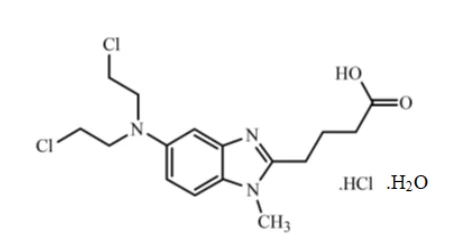
Common name: bendamustine hydrochloride
Chemical name: 1H-benzimidazole-2-butanoic acid, 5-[bis(2-chloroethyl)amino]-1 methyl-,monohydrochloride
Molecular formula and molecular mass: C16H21Cl2N3O2 ∙ HCl.H2O, 412.74 g / mole
Structural formula:
Physicochemical properties:
Bendamustine hydrochloride is a white to off-white powder with amphoteric properties due to the nitrogen mustard group and the butyric acid side chain. It has a pH of 2.7 in a 1% w/v solution. Bendamustine hydrochloride is soluble over the physiological pH range.
14 CLINICAL TRIALS
14.1 Clinical Trials by Indication
Non-Hodgkin Lymphoma (NHL)
Table 9: Summary of Patient Demographics for Study SDX-105-03 in NHL
| Study # | Study design | Dosage, route of administration and duration | Study subjects (n) | Mean age (Range) | Sex |
| SDX-105-03 | Phase III, nonrandomized, open-label, multicenter study to compare the efficacy and safety of bendamustine | Bendamustine: 120 mg/m2/d intravenously on Days 1 to 2, treatment cycles were repeated every 3 weeks for a maximum of eight cycles. | N = 102 | 59.3 (31.0-84.0 years) | 65% male 35% female |
The safety and efficacy of bendamustine was evaluated in a single-arm pivotal trial (SDX-105-03) of patients with indolent B-cell non-Hodgkin lymphoma (NHL) who did not respond to treatment with or progressed within 6 months of a rituximab regimen.
Patients received bendamustine intravenously at a dose of 120 mg/m2, on Days 1 and 2 of a 21-day treatment cycle for a maximum of 8 cycles.
The study was conducted at 24 centers in the United States (US) and 4 centers in Canada, by 28 investigators. The primary objectives were to determine the overall response rate (ORR) and duration of response (DR) in patients with indolent B-cell NHL treated with bendamustine. In addition to prior rituximab treatment, patients were required to have received at least 1 prior chemotherapy, with a maximum of 3 prior chemotherapy regimens.
Efficacy was based on the assessments by a blinded independent review committee (IRC) and included ORR (complete response + complete response unconfirmed + partial response) and DR. The study was designed to rule out an ORR of <40% and a duration of response of <4 months (null hypothesis). Tumor assessments were performed every 6 weeks for the first two tumor assessments and every 12 weeks thereafter until the patient completed treatment.
In this study, the mean age was 59.3 years, 65% were male, and 95% of the patients had a baseline WHO performance status of 0 or 1. Major tumor subtypes were follicular lymphoma (62%), diffuse small lymphocytic lymphoma (21%), and marginal zone lymphoma (16%). Ninety-nine percent of patients had received previous chemotherapy, 91% of patients had received previous alkylator therapy and 97% of patients had relapsed within 6 months of either the first dose (monotherapy) or last dose (maintenance regimen or combination therapy) of rituximab.
As summarized in Table 10, the results for the primary efficacy endpoints of ORR of 75% (p<0.0001) and median DR of 40 weeks by IRC assessment were statistically significant.
Table 10: Results of Study SDX-105-03 in NHL*a
| Bendamustine Hydrochloride | Study SDX-105-03 IRC (N=100) |
|---|---|
| Response Rate (%) | |
Overall response rate (CR + Cru + PR) (95% CI) | 75 (65.3, 83.1) |
| p-value*b | < 0.0001 |
| Complete response (CR) | 14 |
| Complete response unconfirmed (CRu) | 3 |
| Partial response (PR) | 58 |
| Duration of Response (DR) | |
| Median, weeks (95% CI) | 40.1 (31.0, 46.9) |
CI = confidence interval
*a IRC assessment was based on modified International Working Group response criteria (IWG-RC) Modifications to IWG-RC specified that a persistently positive bone marrow in patients who met all other criteria for CR would be scored as PR. Bone marrow sample lengths were not required to be ≥20 mm.
*b based on the null hypothesis of an ORR of <40%.
The overall response rate and median duration of response for patients who responded to bendamustine treatment after receiving previous chemotherapy are presented in Table 11.
Responses were seen in patients who previously received an alkylating agent (74%), in patients with disease refractory to prior alkylating agent therapy (60%), in patients with disease refractory to their last chemotherapy (64%), and in patients with prior radioimmunotherapy (63%). Durable responses were seen across all patient groups defined by baseline characteristics.
Table 11: Overall Response Rate (ORR) and Duration of Response (DR) in Patients that Received Previous Therapies
| VARIABLE | Number of Patients (%) | ORR (Cr + Cru + PR) (IRC) | Median DR *a (weeks) (IRC) |
| TYPE OF PREVIOUS THERAPY | 100 (100) | 75% (CI 65.34, 83.12) (p<0.0001) | 40.1 (CI 31.0, 45.3) |
| PREVIOUS CHEMOTHERAPY REGIMENS | 99 (99) | ||
Alkylator containing chemotherapy (CVP, CHOP) | 91 (91) | 74% (CI 63.35, 82.31) | 36.6 (CI 28.9, 46.9) |
| Disease refractory*b to the last Alkylator containing chemotherapy | 30 (30) | 60% (CI 40.60, 77.34) | 33.3 (CI 21.4, NA) |
| Disease refractory to the last chemotherapy | 36 (36) | 64% (CI 46.22, 79.18) | 27.3 (CI 21.4, NA) |
| Radioimmunotherapy (RIT) | 24 (24) | 63% (CI 40.59, 81.20) | 47.4 (CI 30.1, 66.1) |
| NUMBER OF PRIOR CHEMOTHERAPY REGIMENS | |||
| Any | 99 (99) | ||
| 1 | 41 (41) | 75% (CI 64.89, 83.45) | 40.3 (CI 33.3, 47.4) |
| 2 | 36 (36) | ||
| 3 | 14 (14) | ||
| >3 | 8 (8) | 75% (CI 34.91, 96.81) | 19.7 (CI 18.3, 30.1) |
*a Patients who are progression-free at the time of data analysis were censored at the time of their last assessment of tumor response.
*b Fail to respond or progress during treatment with chemotherapy.
There were no clinically relevant differences on overall response rate and duration of response between genders.
Chronic Lymphocytic Leukemia (CLL)
Table 12: Summary of Patient Demographics for Study 02CLLIII in CLL
| Study # | Study design | Dosage, route of administration and duration | Study subjects (n) | Mean age (Range) | Sex |
| 02CLLIII | Phase III, randomized, open-label, parallel-group, multicenter study to compare the efficacy and safety of bendamustine and chlorambucil | Bendamustine: 100 mg/m2/d intravenously on Days 1 to 2, or Chlorambucil: 0.8 mg/kg orally on Days 1 and 15; | N = 319 | 63.3 (35.0-78.0 years) | 62% male 38% female |
treatment cycles were repeated every 4 weeks for a maximum of six cycles. |
The safety and efficacy of bendamustine in the treatment of CLL were evaluated in an open-label, randomized, controlled multicenter trial comparing bendamustine to chlorambucil (study 02CLLIII). The trial was conducted in 319 previously-untreated patients with Binet Stage B or C (Rai Stages I - IV) CLL requiring treatment. Need-to-treat criteria included hematopoietic insufficiency, B-symptoms, rapidly progressive disease or risk of complications from bulky lymphadenopathy. Patients with autoimmune hemolytic anemia or autoimmune thrombocytopenia, Richter’s syndrome, or transformation to prolymphocytic leukemia were excluded from the study.
Patients were randomly assigned 1:1 to treatment with bendamustine or chlorambucil stratified by study center and Binet stage (B or C) CLL. Patients received either bendamustine at 100 mg/m2, administered intravenously over a period of 30 minutes on Days 1 and 2 or chlorambucil at 0.8 mg/kg (Broca’s normal weight [height in cm -100 to give weight in kg]) administered orally on Days 1 and 15 of each 28-day cycle.
The study was conducted at 45 centers in 8 countries. The majority of patients were enrolled in study centers in Germany (40%) and Bulgaria (37%). The 6 countries accounting for the remaining 23% of study patients were Italy (10%), Spain (6%), France (5%), Sweden (1%), Austria (1%) and England (<1%).
The patient populations in the bendamustine and chlorambucil treatment groups were balanced with regard to the following baseline characteristics: age and gender, Binet stage (72% vs. 71% Binet B), lymphadenopathy (79% vs. 80%), enlarged spleen (77% vs. 78%), enlarged liver (49% vs. 45%), hypercellular bone marrow (80% vs. 72%), “B” symptoms (50% vs. 50%), lymphocyte count (mean 69.3 x10⁹/L vs. 63.2 x10⁹/L) and serum lactate dehydrogenase concentration (mean 369.4 vs. 385.4 U/L). Ninety percent of patients in both treatment groups had immuno-phenotypic confirmation of CLL (CD5, CD23 and either CD19 or CD20 or both).
The two primary endpoints of this study were overall response rate (ORR) and progression-free survival (PFS). Important secondary endpoints were overall survival and quality of life. An Independent Response Assessment Committee (ICRA) was established during the conduct of the study to ensure that the response evaluations in this open-label study were consistently managed. The ICRA performed a blinded review of the data based on assessments conducted every 12 weeks and determined a best overall response for each patient and a date of progression when indicated.
A calculated response analysis based on the ICRA adjudicated data is reported as the final efficacy measures for ORR and PFS. In this analysis, the National Cancer Institute-sponsored Working Group (NCI-WG) criteria were applied programmatically to the data using the variables of lymph node measurements, records of B-symptoms, hematology laboratory data, and records of transfusions and new anticancer treatments. In the calculated response analysis, patients were censored if they had a transfusion or started a new anticancer treatment before documented progression. Patients were also required to have a confirmed normocellular bone marrow within 56 days of the initial clinical assessment to be classified as complete responders (CR). Patients that met all other requirements for a CR (see Table 13), but did not have a complete bone marrow assessment were considered to have a partial response (PR).
The results of the study demonstrated a higher ORR and a longer PFS for bendamustine compared to chlorambucil (Table 13). Superiority of bendamustine was evident in both primary efficacy measures. ORR was 68% in the bendamustine treatment group compared with 33% in the chlorambucil treatment group (p<0.0001) based on calculated responses. The median PFS was 21 months in the bendamustine treatment group, compared to 9 months in the chlorambucil treatment group; hazard ratio 0.26. There were no significant differences in ORR and PFS between genders, in either treatment arm.
Table 13: Resultsa of Study 02CLLIII in CLL
Bendamustine (N=162) | Chlorambucil (N=157) | p-value | |||
| Response Rate n (%) | |||||
| Overall response rate | 110 (68) | 51 (33) | <0.0001 | ||
| (95% CI) | (60.7, 75.1) | (25.2, 39.8) | |||
| Complete response (CR)* | 14 (9) | 1 (<1) | |||
Nodal partial response (nPR)** | 6 (4) | 0 | |||
| Partial response (PR) † | 90 (56) | 50 (32) | |||
| Progression-Free Survival†† | |||||
| Median, months (95% CI) | 20.7 (17.5, 26.7) | 8.6 (5.7, 8.7) | |||
| Hazard ratio (95% CI) | 0.26 (0.17, 0.38) | <0.0001 | |||
CI = confidence interval
a Results are based on calculated responses (see above)
- * CR was defined as peripheral lymphocyte count ≤ 4 x 10⁹/L, neutrophils ≥ 1.5 x 10⁹/L, platelets >100 x 109/L, hemoglobin > 110g/L, without transfusions, absence of palpable hepatosplenomegaly, lymph nodes ≤ 1.5 cm, < 30% lymphocytes without nodularity in at least a normocellular bone marrow and absence of “B” symptoms. The clinical and laboratory criteria were required to be maintained for a period of at least 56 days.
** nPR was defined as described for CR with the exception that the bone marrow biopsy shows persistent nodules.
† PR was defined as ≥ 50% decrease in peripheral lymphocyte count from the pretreatment baseline value, and either ≥50% reduction in lymphadenopathy, or ≥50% reduction in the size of spleen or liver, as well as one of the following hematologic improvements: neutrophils ≥ 1.5 x 10⁹/L or 50% improvement over baseline, platelets >100 x 109/L or 50% improvement over baseline, hemoglobin >110g/L or 50% improvement over baseline without transfusions, for a period of at least 56 days.
†† PFS was defined as time from randomization to progression or death from any cause.
Kaplan-Meier estimates of progression-free survival comparing bendamustine with chlorambucil are shown in Figure 1.
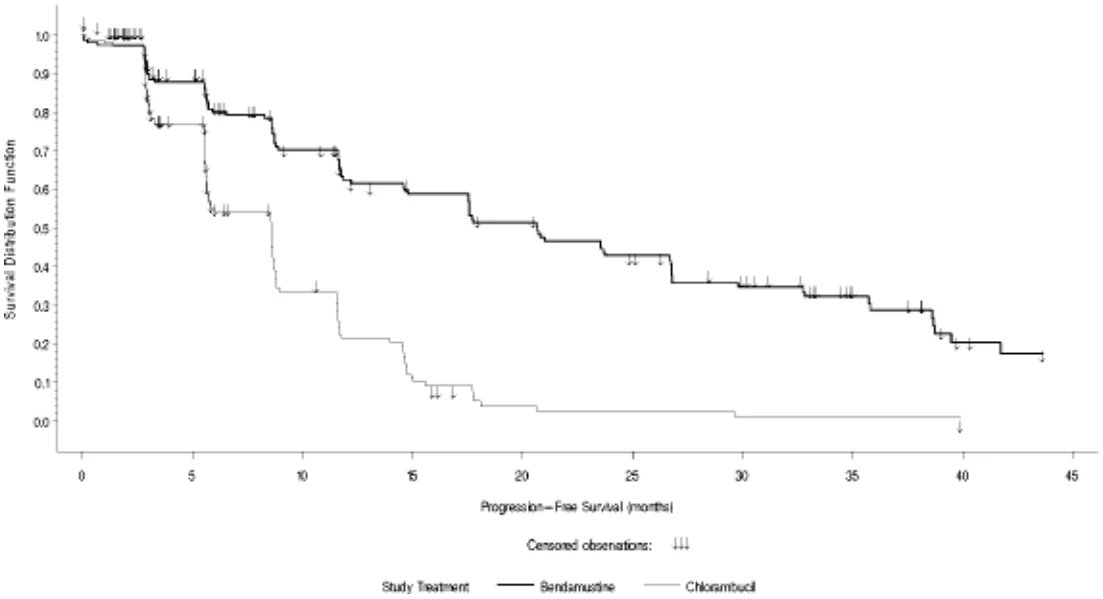
Figure 1: Progression-Free Survival in CLL
For patients in the intention-to-treat (ITT) analysis set with calculated responses of CR, nPR, or PR, the median duration of response was 23 months for the 110 responders in the bendamustine treatment group and 8 months for the 52 responders in the chlorambucil treatment group.
Overall Survival
The total number of deaths reported during the study was 19% of patients in the bendamustine treatment group and 26% of patients in the chlorambucil treatment group. The hazard ratio is 1.38 (95% CI, 0.78, 2.46, P=0.18).
Quality of Life
There were no significant differences in the overall quality of life between the bendamustine and chlorambucil treatment groups as measured by global health status.
15 MICROBIOLOGY
No microbiological information is required for this drug product.
16 NON-CLINICAL TOXICOLOGY
General Toxicology
Local Tolerance
A local tolerance study was conducted to assess the perivenous and intra-arterial tolerance of different concentrations of bendamustine HCl, following a single injection into the ear of New Zealand White rabbits. The injection sites and surrounding tissue were carefully examined on the day of dosing and daily thereafter until study termination (Day 5). Histologic findings showed a treatment-related effect in the rabbits given the 2 highest concentrations (0.6 and 1.0 mg/mL) by perivenous injection. The effect was characterized by an increase in the incidence and degree of perivascular changes indicative of local irritation, which was also observed in the adjacent subcutaneous tissue. Following intra-arterial injection, an effect of treatment was observed in the arterial wall of rabbits administered 0.2 or 0.6 mg/mL. The lesions located in the arterial wall and perivascular tissue suggested that bendamustine HCl had impeded repair of the arterial wall at the injection site. Based upon the results of this local tolerance study bendamustine HCl at concentrations of 0.2, 0.6, and 1.0 mg/mL was irritating to the vessel and surrounding tissue.
Single-Dose Toxicity
High doses of bendamustine HCl to mice and rats induced sedation, tremors, ataxia, convulsions, body weight loss and respiratory distress quickly (1-2 hours) after administration. This was accompanied by macroscopic findings of atrophy of the thymus, spleen and testes. The maximum tolerated dose (MTD) for an i.v. administration was 150 mg/m2 and 180 mg/m2 for the mouse and rat, respectively. An i.v. dose of 240 mg/m2 was lethal in 50% of mice and rats (LD50 dose).
Repeat-Dose Toxicity
Repeat i.v. dose studies with bendamustine HCl of up to 15 weeks in rats and dogs were conducted.
In a 15-week intermittent i.v. infusion toxicity and toxicokinetic study in rats, bendamustine HCl was administered over 5 dose cycles via i.v. infusion to groups of rats to assess the toxicological profile and reversibility of any effects during a 4-week recovery period. Each dose cycle consisted of a 30-minute infusion once daily for 3 consecutive days, followed by an 18-day nondosing period (21-day cycle). Doses evaluated were 0 (saline), 5, 10 or 15 mg/kg/day which is equivalent to 0, 30, 60 and 90 mg/m2/day. Standard toxicological parameters were evaluated during the study.
Hematologic evaluations showed a dose-related decrease in white blood cell count, primarily due to a decreased absolute lymphocyte count, at all dose levels. In general, mean body weights were lower for the all active-drug–treated male groups and the 60- and 90-mg/m2/dose female groups. In addition, several rats from all bendamustine treatment groups were euthanized due to general debilitation. Possible bendamustine HCl treatment-related deaths were due to infections (pyelonephritis), glomerulopathy and lung thrombosis. Microscopic aberrations were found in the kidneys (tubular degeneration/necrosis and karyomegaly) and bone (hyperplasia of bone marrow in femur and sternum). Bone marrow hyperplasia was not dose related but both tubular degeneration and karyomegaly were considered treatment related. Cardiomyopathy (focal/multifocal) was observed in male rats receiving the highest dose. Toxicokinetic measurements indicated exposure was not dose proportional and exposures were similar to (90 mg/m2 dose) or less than (30 and 60 mg/m2) exposure reported in NHL patients administered the recommended 120 mg/m2 dose. The no-observed adverse event level (NOAEL) was not determined but is <30 mg/m2 in rats.
In a 15-week (three cycles of 35 days) intermittent i.v. infusion study in beagle dogs, bendamustine HCl was administered via i.v. infusion to groups of dogs to assess the toxicological profile and reversibility of any effects during a 31-day recovery period following each dosing cycle. Each dosing cycle consisted of a 30 minute infusion once daily for 4 consecutive days, followed by a 31-day non-dosing period (35-day cycle). Four groups of 3 males and 3 females each, were given i.v. infusion doses of 0 (water for injection: 0.9% sodium chloride 1:1), 1.65, 3.3, or 6.6 mg/kg/dose, which is equivalent to 0, 33, 66 and 132 mg/m2/dose, respectively. Standard toxicological parameters, including ophthalmoscopy, were evaluated during the study.
Bendamustine HCl clearly disrupted cellular turnover in the gastrointestinal tract, immune system, and testes, where rapid cell division occurs. At the highest dose level of 132 mg/m2/dose the effects were cumulative and resulted in significant toxicity and moribundity over 2 treatment cycles and no animals continued to the third cycle. There were signs of significant immunosuppression in these high dose animals including bone marrow suppression (decreased myeloid cells) and moderate to severe involution in the thymus and absence of germinal centres in the spleen and mesenteric lymph nodes. In addition, the mean baseline heart rate of 130 beats/min decreased to 93 beats/min during cycle 2 at this high dose. The dose levels of 1.65 and 3.3 mg/kg/dose were tolerated over the 3 dosing cycles, with changes in lymphoid tissue and testes being observed. The kidney was also identified as a target organ in the dog, with basophilic tubules with enlarged nuclei being observed in dogs from all 3 treatment groups. Systemic exposure was demonstrated at all 3 dose levels and was considered slightly greater than dose proportional in cycle 1 and dose proportional in cycle 3. Female dogs appeared to have a slightly higher exposure than male dogs. Based upon the findings in the lymphoid tissues, testes, and kidneys, the NOAEL in this study was not determined but it is less than 33 mg/m2/dose.
Carcinogenicity
The oncologic potential of bendamustine HCl (non-GLP) was evaluated in AB/Jena mice. In this study, mice were given 4 consecutive doses of 12.5 and 25 mg/kg/day via intraperitoneal (i.p.) injection and 62.5 mg/kg/day via oral gavage. In the mice given i.p. injections, fibrosarcoma was observed as well as an increase in pulmonary adenomas at the highest dose (25 mg/kg), although the incidence of pulmonary adenomas in this high-dose group was comparable with the incidence found in the concurrent controls. In the mice given 62.5 mg/kg orally, reticulosarcoma, subcutaneous sarcoma, mammary carcinoma, and pulmonary adenomas were observed at a higher frequency than in the control mice.
Genotoxicity
The genetic toxicology potential of bendamustine was evaluated in a standard test battery consisting of an in vitro bacterial reverse mutation assay, an in vitro chromosome aberration assay in human peripheral blood lymphocytes and an in vivo rat bone marrow micronucleus assay. The results described below demonstrate that bendamustine HCl is both mutagenic and clastogenic.
In the in vitro bacterial mutation assay, bendamustine HCl showed clear evidence of mutagenic activity in tester strain TA98 in the presence of metabolic activation, and in tester strain WP2uvrA in the presence and absence of metabolic activation.
In the in vitro chromosome aberration assay using human lymphocytes, bendamustine HCl was shown to produce a statistically significant increase in the proportion of cells with chromosome aberrations, both in the presence and absence of metabolic activation.
In the in vivo mammalian erythrocyte micronucleus study, bendamustine HCl was shown to produce a significant increase in the incidence of micronucleated polychromatic erythrocytes at both the 24 and 48 hour intervals, when compared to the vehicle control groups, following single i.v. doses of 6.25, 12.5, and 25 mg/kg, which is approximately 18.8, 37.5 and 75 mg/m2, respectively. Peak plasma concentrations (i.e., Cmax) ranged from 9942 to 44378 ng/mL for males and 11212 to 58707 ng/mL for females.
Reproductive and Developmental Toxicology
Studies to assess the embryo/fetal developmental toxicity of bendamustine HCl (non-GLP) were conducted in mice and rats. In these studies, bendamustine was given to groups of mice and rats as single i.p. injections on selected days postmating or as multiple injections over several days postmating. The dosing regimen was not performed over the time from implantation to closure of the hard palate. In both species bendamustine administration produced embryotoxic effects, indicated by an increase in resorptions and reduced fetal weights. An increase in malformations, including exencephaly, dwarfism and cleft palates, was also observed in mice and rats. Based on these findings, bendamustine HCl is embryotoxic and teratogenic.
- 17. SUPPORTING PRODUCT MONOGRAPH
- 1. TREANDA® (bendamustine hydrochloride for injection 25 mg/vial and 100 mg/vial) submission control No.268351, Product Monograph, Teva Canada Limited, January 25, 2023.