


Product Monograph - Estragyn Vaginal Cream
SUMMARY PRODUCT INFORMATION
| Route of Administration | Dosage Form/ Strength | Clinically Relevant Nonmedical Ingredients |
| Intravaginally | 0.1%w/w Estrone Vaginal cream | Mineral oil, methyl paraben, propyl paraben. For a complete listing see Dosage Forms, Composition and Packaging Section. |
INDICATIONS AND CLINICAL USE
Estragyn Vaginal Cream is indicated for the treatment of the symptoms of vulvovaginal atrophy due to estrogen deficiency.
Estragyn Vaginal Cream should be prescribed with an appropriate dosage of a progestin for women with intact uteri to prevent endometrial hyperplasia/carcinoma.
Estragyn Vaginal Cream is intended for short term use.
Geriatrics (>65 years of age): See above indications
Pediatrics (<16 years of age): Estragyn Vaginal Cream is not indicated for use in children.
CONTRAINDICATIONS
Estragyn Vaginal Cream should not be administrated to patients with any of the following conditions:
- Hypersensitivity to this drug or to any ingredient in the formulation or component of the container. For a complete listing, see the Dosage Forms, Composition and Packaging section of the product monograph.
- Liver dysfunction or disease as long as liver function tests have failed to return to normal.
- Known or suspected estrogen-dependent or progestin-dependent malignant neoplasia (e.g. endometrial cancer )
- Endometrial hyperplasia
- Known, suspected, or past history of breast cancer
- Undiagnosed abnormal genital bleeding
- Known or suspected pregnancy
- Active or past history of arterial thromboembolic disease (e.g. stroke, myocardial infarction, coronary heart disease.)
- Active or past history of confirmed venous thromboembolism (such as deep vein thrombosis or pulmonary embolism) or active thrombophlebitis.
- Partial or complete loss of vision due to ophthalmic vascular disease
- Classical migraine
- Breastfeeding
- The mineral oil found in Estragyn Vaginal Cream is not compatible with the latex rubber found in most condoms.
WARNINGS AND PRECAUTIONS
Serious Warnings and Precautions Box
Serious Warnings and Precautions
The Women’s Health Initiative (WHI) trial examined the health benefits and risks of oral combined estrogen plus progestin therapy (n=16,608) and oral estrogen–alone therapy (n=10,739) in postmenopausal women aged 50 to 79 years.¹ ² ³
The estrogen plus progestin arm of the WHI trial (mean age 63.3 years) indicated an increased risk of myocardial infarction (MI), stroke, invasive breast cancer, pulmonary emboli and deep vein thrombosis in postmenopausal women receiving treatment with combined conjugated equine estrogens (CEE, 0.625 mg/day and medroxyprogesterone acetate(MPA, 2.5 mg/day) for 5.2 years compared to those receiving placebo.1
The estrogen-alone arm of the WHI trial ( mean age 63.6 years ) indicated an increased risk of stroke and deep vein thrombosis in hysterectomized women treated with CEE alone (0.625 mg/day) for 6.8 years compared to those receiving placebo. ²
Therefore, the following should be given consideration at the time of prescribing:
- Estrogens with or without progestins should not be prescribed for primary or secondary prevention of cardiovascular diseases.
- Estrogens with or without progestins should be prescribed at the lowest effective dose for the approved indication.
- Estrogens with or without progestins should be prescribed for the shortest period possible for the approved indication.
Carcinogenesis and Mutagenesis
Breast Cancer
Available epidemiological data indicate that the use of combined estrogen plus progestin by postmenopausal women is associated with an increased risk of invasive breast cancer.
In the estrogen plus progestin arm of the WHI trial, among 10,000 women over a one-year period, there were:
- 8 more cases of invasive breast cancer (38 on combined HRT versus 30 on placebo).¹
The WHI study also reported that the invasive breast cancers diagnosed in the estrogen plus progestin group were similar in histology but were larger (mean [SD], 1.7 cm [1.1] vs 1.5 cm [0.9], respectively; P=0.04) and were at a more advanced stage compared with those diagnosed in the placebo group. The percentage of women with abnormal mammograms (recommendations for short-interval follow-up, a suspicious abnormality, or highly suggestive of malignancy) was significantly higher in the estrogen plus progestin group versus the placebo group. This difference appeared at one year and persisted in each year thereafter.³
In the estrogen–alone arm of the WHI trial, there was no statistically significant difference in the rate of invasive breast cancer in hysterectomized women treated with conjugated equine estrogens versus women treated with placebo.²
It is recommended that estrogens with or without progestins not be given to women with existing breast cancer or those with a previous history of the disease (see Contraindications).
There is a need for caution in prescribing estrogens for women with known risk factors associated with the development of breast cancer, such as strong family history breast cancer (first degree relative) or who present a breast condition with an increased risk (abnormal mammograms and/or atypical hyperplasia at breast biopsy).
Other known risk factors for the development of breast cancer such as nulliparity, obesity, early menarche, late age at first full term pregnancy and at menopause should be evaluated.
It is recommended that women undergo mammography prior to the start of HRT treatment and at regular intervals during treatment, as deemed appropriate by the treating physician and according to the perceived risks for each patient.
The overall benefits and possible risks of hormone replacement therapy should be fully considered and discussed with patients. It is important that the modest increased risk of being diagnosed with breast cancer after 4 years of treatment with combined estrogen plus progestin HRT (as reported in the results of the WHI trial) be discussed with the patient and weighed against its known benefits.
Instructions for regular self-examination of the breasts should be included in this counselling.
Endometrial Hyperplasia & Endometrial Carcinoma
Estragyn Vaginal Cream, an estrogen only HRT, increases the risk of endometrial hyperplasia/carcinoma if taken by women with intact uteri. Estrogen should be prescribed with an appropriate dosage of a progestin for women with intact uteri in order to prevent endometrial hyperplasia/carcinoma.
Ovarian Cancer
Some recent epidemiologic studies have found that the use of hormone replacement therapy (estrogen-alone and estrogen plus progestin therapies), in particular for five or more years, has been associated with an increased risk of ovarian cancer.8,9
Cardiovascular
The results of the Heart and Estrogen /progestin Replacement Studies (HERS and HERS II) and the Women’s Health Initiative (WHI) trial indicate that the use of estrogen plus progestin is associated with an increased risk of coronary heart disease (CHD) in postmenopausal women.1,4,5 The results of the WHI trial Indicate that the use of estrogen-alone and estrogen plus progestin is associated with an increased risk of stroke in postmenopausal women.1,2
WHI trial findings
In the combined estrogen plus progestin arm of the WHI trial, among 10,000 women over a one–year period, there were:
- 8 more cases of stroke (29 on combined HRT versus 21 on placebo)
- 7 more cases of CHD (37 on combined HRT versus 30 on placebo).¹
In the estrogen-alone arm of the WHI trial of women with prior hysterectomy, among 10,000 women over a one year period, there were:
- 12 more cases of stroke (44 on estrogen-alone therapy versus 32 on placebo)
- No statistically significant difference in the rate of CHD.2
HERS and HERS II findings
In the Heart and Estrogen/progestin Replacement Studies (HERS) of postmenopausal women with documented heart disease ( n=2,763,average age 66.7 years), a randomized placebo-controlled clinical trial of secondary prevention of coronary heart disease (CHD), treatment with 0.625 mg/day oral conjugated equine estrogen (CEE) plus 2.5 mg oral medroxyprogesterone acetate (MPA) demonstrated no cardiovascular benefit. Specifically, during an average follow-up of 4.1 years, treatment with CEE plus MPA did not reduce the overall rate of CHD events in postmenopausal women with established coronary heart disease. There were more CHD events in the hormone-treated group than in the placebo group in year 1, but not during the subsequent years.4 From the original HERS trial, 2,321 women consented to participate in an open label extension of HERS known as HERS II. Average follow-up in HERS II was an additional 2.7 years, for a total of 6.8 years overall. After 6.8 years, hormone therapy did not reduce the risk of cardiovascular events in women with CHD.5
Blood pressure
Women using hormone replacement therapy sometimes experience increased blood pressure. Blood pressure should be monitored with HRT use. Elevation of blood pressure in previously normotensive or hypertensive patients should be investigated and HRT may have to be discontinued.
Ear/Nose/Throat
Otosclerosis
Estrogens should be used with caution in patients with otosclerosis.
Endocrine and Metabolism
Glucose and lipid metabolism
A worsening of glucose tolerance and lipid metabolism has been observed in a significant percentage of peri- and post-menopausal patients. Therefore, diabetic patients or those with a predisposition to diabetes should be observed closely to detect any alterations in carbohydrate or lipid metabolism, especially in triglyceride blood levels.
Women with familial hyperlipidemias need special surveillance. Lipid-lowering measures are recommended additionally, before treatment is started.
Heme metabolism
Women with porphyria need special surveillance.
Calcium and phosphorous metabolism
Because the prolonged use of estrogens with or without progestins influences the metabolism of calcium and phosphorus, estrogens with or without progestins should be used with caution in patients with metabolic and malignant bone diseases associated with hyperglycaemia and in patients with renal insufficiency.
Hypothyroidism
Patients who require thyroid hormone replacement therapy and who are taking estrogen should have their thyroid function monitored regularly to assure that thyroid hormone levels remain in an acceptable range (see Drug-Laboratory Test Interactions).
Genitourinary
Vaginal bleeding
Abnormal vaginal bleeding, due to its prolongation, irregularity or heaviness, occurring during therapy should prompt appropriate diagnostic measures to rule out the possibility of uterine malignancy and the treatment should be re-evaluated.
Uterine leiomyomata
Pre-existing uterine leiomyomata may increase in size during estrogen use. Growth, pain or tenderness of uterine leiomyomata requires discontinuation of medication and appropriate investigation.
Endometriosis
Symptoms and physical findings associated with a previous diagnosis of endometriosis may reappear or become aggravated with estrogen use.
Hematologic
Venous thromboembolism
Available epidemiological data indicate that use of estrogen with or without progestin by postmenopausal women is associated with an increased risk of developing venous thromboembolism(VTE).
In the estrogen plus progestin arm of the WHI trial, among 10,000 women on combined HRT over a one-year period, there were 18 more cases of venous thromboembolism, including 8 more cases of pulmonary embolism.1
In the estrogen-alone arm of the WHI trial, among 10,000 women on estrogen therapy over a one-year period, there were 7 more cases of venous thromboembolism, although there was no statistically significant difference in the rate of pulmonary embolism.²
Generally recognized risk factors for VTE include a personal history, a family history (the occurrence of VTE in a direct relative at a relatively early age may indicate genetic predisposition), severe obesity (body mass index>30kg/m²) and systemic lupus erythematosus. The risk of VTE also increases with age and smoking.
The risk of VTE may be temporarily increased with prolonged immobilization, major surgery or trauma. In women on HRT, attention should be given prophylactic measures to prevent VTE following surgery. Also, patients with varicose veins should be closely supervised. The physician should be alert to the earliest manifestations of thrombotic disorders (thrombophlebitis, retinal thrombosis, cerebral embolism and pulmonary embolism). If these occur or are suspected, hormone replacement therapy should be discontinued immediately, given the risks of long-term disability or fatality.
If feasible, estrogens with or without progestins should be discontinued at least 4 weeks before major surgery which may be associated with an increased risk of thromboembolism, or during periods of prolonged immobilization.
Hepatic/Biliary/Pancreatic
Gallbladder diseases
A 2- to 4- fold increase in the risk of gallbladder disease requiring surgery in women receiving postmenopausal estrogens has been reported.
Hepatic hemangioma
Particular caution is indicated in women with hepatic hemangiomas as estrogens may cause an exacerbation of the condition.
Jaundice
Caution is advised in patients with a history of liver and/or biliary disorders. If cholestatic jaundice develops during treatment, the treatment should be discontinued and appropriate investigations carried out.
Liver function tests
Liver function tests should be done periodically in subjects who are suspected of having hepatic disease. For information on endocrine and liver function tests, see the section under Monitoring and Laboratory Tests.
Immune
Angioedema
Estrogens may induce or exacerbate symptoms of angioedema, in particular in women with hereditary angioedema.
Systemic Lupus erythematosus
Particular caution is indicated in women with systemic lupus erythematosus.
Neurologic
Cerebrovascular insufficiency
Patients who develop visual disturbances, classical migraine, transient aphasia, paralysis or loss of consciousness should discontinue medication.
Dementia
Available epidemiological data indicate that the use of combined estrogen plus progestin in women age 65 and over may increase the risk of developing probable dementia.
The Women’s Health Initiative Memory Study (WHIMS), a clinical substudy of the WHI, was designed to assess whether postmenopausal hormone replacement therapy (oral estrogen plus progestin or oral estrogen-alone) reduces the risk of dementia in women aged 65 and over (age range 65-79 years) and free of dementia at baseline.6,7
In the estrogen plus progestin arm of the WHIMS (n=4,532), women with intact uteri were treated with daily 0.625 mg conjugated equine estrogens (CEE) plus 2.5mg medroxyprogesterone acetate (MPA) or placebo for an average of 4.05 years. The results, when extrapolated to 10,000 women treated over a one-year period showed:
- 23 more cases of probable dementia (45 on combined HRT versus 22 on placebo).6
In the estrogen-alone arm of the WHIMS (n=2,947), women with prior hysterectomy were treated with daily 0.625 mg CEE or placebo for an average of 5.21 years. The results, when extrapolated to 10,000 women treated over a one-year period showed:
- 12 more cases of probable dementia (37 on estrogen-alone versus 25 on placebo), although this difference did not reach statistical significance.7
When data from the estrogen plus progestin arm of the WHIMS and the estrogen-alone arm of the WHIMS were combined, as per the original WHIMS protocol, in 10,000 women over a one-year period, there were:
- 18 more cases of probable dementia (41 on estrogen plus progestin or estrogen-alone versus 23 on placebo).7
Epilepsy
Particular caution is indicated in women with epilepsy, as estrogens with or without progestins may cause an exacerbation of this condition.
Renal
Fluid retention
Estrogens with or without progestins may cause fluid retention.
Therefore particular caution is indicated in cardiac or renal dysfunction, or asthma. If, in any of the above-mentioned conditions, a worsening of the underlying disease is diagnosed or suspected during treatment, the benefits and risks of treatment should be reassessed based on the individual case.
Special Populations
Pregnant Women: Estragyn Vaginal Cream should not be used during pregnancy (please see CONTRAINDICATIONS).
Nursing Women: Estragyn Vaginal Cream should not be used during lactation (please see CONTRAINDICATIONS).
Pediatrics (<16 years of age): Estragyn Vaginal Cream is not indicated for use in children.
Monitoring and laboratory Tests
Before Estragyn Vaginal Cream is administered, the patient should have a complete physical examination including a blood pressure determination. Breasts and pelvic organs should be appropriately examined and a Papanicolaou smear should be performed. Endometrial biopsy should be done only when indicated. Baseline tests should include mammography, measurements of blood glucose, calcium, triglycerides and cholesterol, and liver function tests. The first follow-up examination should be done within 3-6 months after initiation of treatment to assess response to treatment. Thereafter, examinations should be made at intervals at least once a year. Appropriate investigations should be arranged at regular intervals as determined by the physician.
The importance of regular self-examination of the breasts should be discussed with the patient.
ADVERSE REACTIONS
Adverse Drug Reaction Overview
See Warnings and Precautions regarding potential induction of malignant neoplasms and adverse effects similar to those of oral contraceptives.
The following adverse reactions have been reported with estrogen/progestin combination in general:
Blood and lymphatic system disorders
Altered coagulation tests (see: Warnings and Precautions, Drug-Laboratory Tests Interactions).
Cardiac disorders
Palpitations; increase in blood pressure (see Warnings and Precautions); coronary thrombosis.
Endocrine disorders
Increased blood sugar levels; decreased glucose tolerance.
Eye disorders
Neuro-ocular lesions (e.g. retinal thrombosis, optic neuritis); visual disturbances; steepening of the corneal curvature; intolerance to contact lenses.
Gastrointestinal disorders
Nausea; vomiting abdominal discomfort (cramps, pressure, pain, bloating).
General disorders and administration site conditions
Fatigue; changes in appetite; changes in body weight; change in libido.
Hepatobiliary disorders
Gallbladder disorder; asymptomatic impaired liver function; cholestatic jaundice.
Musculoskeletal and connective tissue disorders
Musculoskeletal pain including leg pain not related to thromboembolic disease (usually transient, lasting 3-6 weeks) may occur.
Nervous system disorders
Aggravation of migraine episodes; headaches; dizziness; neuritis.
Psychiatric disorders
Mental depression; nervousness; irritability.
Renal and urinary disorders
Cystitis; dysuria; sodium retention; edema.
Reproductive system and breast disorders
Breakthrough bleeding; spotting; change in menstrual flow; dysmenorrhea; vaginal itching/discharge; dyspareunia; endometrial hyperplasia; pre-menstrual-like syndrome; reactivation of endometriosis; changes in cervical erosion and amount of cervical secretion; breast swelling and tenderness.
Skin and subcutaneous tissue disorders
Chloasma or melasma, which may persist when drug is discontinued; erythema multiforme; erythema nodosum; haemorrhagic eruption; loss of scalp hair; hirsutism and acne.
Vascular disorders
Isolated cases of: thrombophlebitis; thromboembolic disorders.
Clinical Trial Adverse Drug Reactions
Data are not available.
Less Common Clinical Trial Adverse Drug Reactions
Data are not available.
Post-Market Adverse Drug Reactions
Case #1- Complaint of a burning sensation.
Case# 2- Complaint of inflammation and vaginal discharge.
DRUG INTERACTIONS
Overview
Estrogens may diminish the effectiveness of anticoagulant, antidiabetic and antihypertensive agents.
Preparations inducing liver enzymes (e.g. barbiturates, hydantoins, carbamazepine, meprobamates, phenylbutazone or rifampicin) may interfere with the activity of orally administered estrogens.
Drug-Drug Interactions
Potential Drug-Drug Interactions Summary as Associated With Estrogen Therapy
| Proper Name or Drug Classes | Reference | Effect | Clinical Comment |
|---|---|---|---|
| Oral antidiabetic drugs | The Essential Guide to Prescription Drugs 2002 Author: James J. Rybacki, Pharm. D. | May cause loss of glucose control and high blood sugars. | Caution is warranted and therapeutic concentration monitoring is recommended |
| Warfarin | May cause alterations of prothrombin activity. | ||
| Rifampin | May decrease the effects of estrogens | ||
| Anticonvulsants: | The Essential Guide to | May decrease the | Caution is warranted and therapeutic |
| Proper Name or Drug Classes | Reference | Effect | Clinical Comment |
|---|---|---|---|
Barbiturates (Phenobarbital) Phenytoin Carbamazepine Primidone | Prescription Drugs 2002 Author: James J. Rybacki, Pharm. D. | effects of estrogens | concentration monitoring is recommended |
| Corticosteroids | Fiche professionnelle Santexpert | May increase the effects of Corticosteroids | |
| Ascorbic acid | Health Canada Branch | May increase AUC and /or plasma concentrations of ethinyl estradiol | |
| Acetaminophen | May increase AUC and /or plasma concentrations of ethinyl estradiol | ||
| Atorvastatin (Lipitor) | The Essential Guide to Prescription Drugs 2002 Author: James J. Rybacki, Pharm. D. | May increase AUC for ethinyl estradiol by as much as 20% | |
| Cyclosporine | Health Canada Branch | Ethinyl estradiol may cause increased plasma concentrations of cyclosporine | |
| Prednisolone | Ethinyl estradiol may cause increased plasma concentrations of prednisolone. | ||
| Theophylline | Ethinyl estradiol may cause increased plasma concentrations of theophylline. | ||
| Troglitazone | Co-administrated with certain ethinyl estradiol drug (e.g. oral contraceptives) may | ||
| Proper Name or Drug Classes | |
|---|---|
| Reference | Effect |
| Clinical Comment | |
| reduce plasma concentrations of estradiol by as much as 30% | |
| Salicylic acid | May increase clearance of salicylic acid. |
| Temazapam | May increase clearance of temazapam |
| Morphine | |
| Health Canada Branch | May increase clearance of morphine |
| Clofibric acid | May increase clearance of Clofibric acid |
Drug-Food Interactions
As other inhibitors of CYP3A4, grapefruit juice may increase plasma concentrations of estrogens, possibly resulting in side effects.
Drug-Herb Interactions
It was found that some herbal products (e.g. St. John’s wort) which are available as over-the-counter (OTC) products might interfere with steroid metabolism and therefore alter the efficacy and safety of estrogen /progestin products.
Physicians and other health care providers should be aware of other non-prescription products concomitantly used by the patient, including herbal and natural products, obtained from the widely spread Health Stores.
Drug-Laboratory Test Interactions
The results of certain endocrine and liver function test may be affected by estrogen-containing products:
- increased prothrombin time and partial thromboplastin time; increased levels of fibrinogen and fibrinogen activity; increased coagulation factors VII, VIII, IX, X; increased norepinephrine-induced platelet aggregability; decreased antithrombin III;
- increased thyroxine-binding globulin (TBG), leading to increased circulating total thyroid hormone (T4) as measured by column or radioimmunoassay; T3 resin uptake is decreased, reflecting the elevated TBG; free T4 concentration is unaltered;
- other binding proteins may be elevated in serum i.e., corticosteroid binding globulin (CBG), sex-hormone binding globulin (SHBG), leading to increased circulating corticosteroids and sex steroids respectively; free or biologically active hormone concentrations are unchanged;
- impaired glucose tolerance;
- increased serum triglycerides and phospholipids concentration.
The results of the above laboratory tests should not be considered reliable unless therapy has been discontinued for two to four weeks.
The pathologist should be informed that the patient is receiving hormone replacement therapy (HRT) when relevant specimens are submitted.
Drug-Lifestyle Interactions
Acute alcohol ingestion during HRT may lead to elevations in circulating estradiol levels.
DOSAGE AND ADMINISTRATION
- Dosing Considerations
The treatment is initiated by the patient at a time of day convenient to the patient. Repeat dosages should coincide with this chosen schedule.
Estragyn Vaginal Cream should be prescribed with an appropriate dosage of a progestin for women with intact uteri to prevent endometrial hyperplasia/carcinoma.
- Recommended Dose and Dosage Adjustment
Patients should be started at the lowest dose.
The recommended dose is 0.5 to 4 grams per day taken intravaginally, adjusted to the lowest amount that controls symptoms. Estragyn Vaginal Cream is intended for short term use. Administration should be cyclic (e.g., three weeks on one week off).
- Missed Dose
If a dose has been clearly missed it is safer to restart at the time of the next dose. Do not double dose.
- Administration
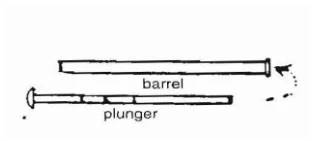
Estragyn Vaginal Cream is administered with the use of the supplied vaginal applicator, which consists of a calibrated plunger and a barrel. The applicator is calibrated in half gram increments to measure and deliver 0.5 to 4 grams of cream.
Instructions for the proper use of the supplied vaginal applicator: Before piercing the tube, screw the applicator barrel to the tube. Repeat this at least twice to ensure that the applicator screws on with ease.
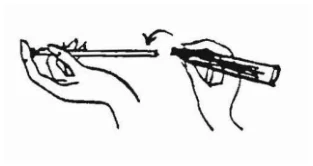
Fill the applicator by proceeding as follows: use the inversed cap to pierce the tube seal. Screw the applicator barrel firmly to the tube with the plunger fully in. Squeeze the tube to fill cream into the barrel. Measure the required amount of cream by aligning the line calibrator on the plunger to the barrel end.
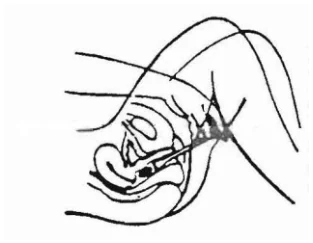
Inserting the vaginal applicator with cream: patients should be lying on their back. Using either hand, grasp the barrel of the applicator firmly with thumb and middle finger. Do not push the plunger with the index finger until after the applicator is in the proper position in the vagina. Pointing the applicator slightly downward, insert it deeply into the vagina as far as it will comfortably go without using force. Now, push the plunger all the way down to deposit the cream in the vagina. Withdraw the applicator from the vagina when the cream has been deposited.
Care of the applicator: Separate the plunger from the barrel by pulling it all the way out. Wash both sections of the applicator thoroughly with mild detergent and warm water, allowing the water to flow through the barrel to rinse well. Sterilisation of the applicator is not necessary and extremely hot water should not be used because it may soften the plastic applicator. Dry the applicator and store it in a clean place.
Caution: the applicator should be used only on the advice of a physician.
Estragyn Vaginal Cream should be prescribed with an appropriate dosage of a progestin for women with intact uteri in order to prevent endometrial hyperplasia/carcinoma. Progestin therapy is not required as part of hormone replacement therapy in women who have had a previous hysterectomy.
OVERDOSAGE
Symptoms of overdose
Numerous reports of ingestion of large doses of estrogen products and estrogen-containing oral contraceptives by young children have not revealed acute serious ill effects. Over dosage with estrogen may cause nausea, breast discomfort, fluid retention, bloating or vaginal bleeding in women.
Treatment of overdose
Symptomatic treatment should be given.
ACTION AND CLINICAL PHARMACOLOGY
Mechanism of Action
Estrogen drug products act by regulating the transcription of a limited number of genes. They may act directly at the cell’s surface via a non “estrogen receptor” mechanism or directly with the estrogen receptor inside the cell. Estrogens diffuse through cell membranes, distribute themselves throughout the cell, and bind to and activate the nuclear estrogen receptor, a DNA-binding protein which is found in estrogen-responsive tissues. The activated estrogen receptor binds to specific DNA sequences, or hormone-response elements, which enhance the transcription of adjacent genes and in turn lead to the observed effects. Estrogen receptors have been identified in the wall of blood vessels, in tissues of the reproductive tract, breast, pituitary, hypothalamus, liver, and bone of women.
Pharmacodynamics
Estrogens are important in the development and maintenance of the female reproductive system and secondary sex characteristics. They promote growth and development of the vagina, uterus, and fallopian tubes, and enlargement of the breasts. Indirectly, they contribute to the shaping of the skeleton, maintenance of tone and elasticity of urogenital structures, changes in the epiphyses of the long bones that allow for the pubertal growth spurt and its termination, growth of axillary and pubic hair, and pigmentation of the nipples and genitals. Along with other hormones such as progesterone, estrogens are intricately involved in the process of menstruation. Estrogens also affect the release of pituitary gonadotropins.
A depletion of endogenous estrogens occurs postmenopausally as a result of a decline in ovarian function, and may cause symptomatic vulvovaginal atrophy.
Pharmacokinetics
Absorption
Estrone is water soluble and can be readily absorbed into the blood stream through skin and mucous membranes.
Distribution
The distribution of exogenous estrogens is similar to that of endogenous estrogens. Estrogens are distributed in the body and generally found in higher concentration in the sex hormone target organs. Estrogens circulate in the blood largely bound to sex hormone binding globulin (SHBG) and albumin.
| For management of a suspected drug overdose, contact your regional Poison Control Centre |
Metabolism
Absorbed hormone is metabolized by the liver much the same as endogenous hormone. Complex metabolic processes create a dynamic equilibrium of inter conversion between estrone and estradiol and between esterified and non esterified forms.
Estrogen administered intravaginally is not subject to true “first-pass” metabolism, but will undergo hepatic uptake, metabolism, and enterohepatic recycling. Metabolism and inactivation occur primarily in the liver. Some estrogens are excreted into the bile; but, they are re-absorbed from the intestine and returned to the liver through the portal venous system. Water-soluble estrogen conjugates are strongly acidic and are ionized in body fluids, which favour excretion through the kidneys since tubular re-absorption is minimal.
Excretion
A portion of the estrogen is excreted into the bile to be reabsorbed via the intestine and back to the liver. During the course of enterohepatic recirculation, estrogens are desulfated and resulfated, undergo degradation to less active estrogens such as estriol, are oxidized to nonestrogenic substances which interact with catecholamine metabolism and are conjugated with glucuronic acids to be excreted in the urine.
Special Populations and Conditions
No pharmacokinetic studies were conducted in special populations, including patients with renal or hepatic impairment.
Estrogen pharmacology
There are 3 main estrogens found in the human body they being 17β-estradiol, estrone and estriol. Estradiol the most potent is produced by the ovarian follicle during child bearing years. However at menopause most estrogen is derived from the conversion of androstenedione to estrone by peripheral tissues. In the case for estrone in a vaginal cream the estrogen is present to bind to the receptors of estrogen responsive tissue that line the vagina.
Although the amount of estrone available per treatment is low, the concomitant use of a progestin is a necessary precaution to protect against endometrial hyperplasia in women with intact uteri.
STORAGE AND STABILITY
Store at room temperature between 15°C and 30°C. Avoid freezing as it may cause the cream to separate destroying its properties.
DOSAGE FORMS, COMPOSITION AND PACKAGING
Estragyn Vaginal Cream is a vaginal cream containing 0.1% estrone. If used continuously then lower the dosage to the lowest amount that controls the symptoms. Estragyn Vaginal Cream comes only in 0.1% w/w concentration of estrone.
Non medicinal ingredients are as follows: arlacel 165, isopropyl myristate, methyl paraben, mineral oil, Peg 40 stearate, propyl paraben, sorbitan monostearate, stearic acid, water.
Estragyn Vaginal Cream is available as 20g and 45g size tubes and comes complete with 0 to 4 gram applicator calibrated in 0.5g increments. Included in the boxed package are the detailed applicator instructions on its use and its hygienic maintenance.
PART II: SCIENTIFIC INFORMATION
PHARMACEUTICAL INFORMATION
Drug Substance:
Proper name: Estrone
Chemical name:
Estra-1,3,5(10)-trien-17-one,3-hydroxy-3-hydroxyestra-1,3,5(10)-trien-17-one [53-16-7]
Molecular formula: C18H22O2
Molecular mass: 270.366 g/mol
Structural formula:
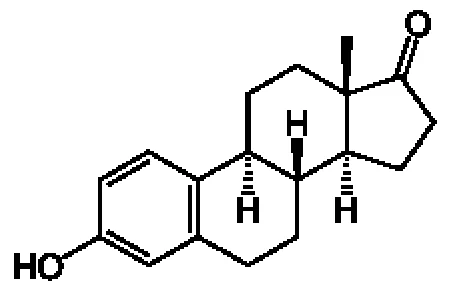
Figure 1 - Estrone
PIVOTAL CLINICAL TRIALS
Efficacy and Safety Studies
There have been no pivotal clinical trials specific to the use of Estragyn Vaginal Cream. Moreover there is not an abundance of published studies on the use of intra vaginal estrogen therapy. The estrogens currently available are of a diverse range which includes conjugated estrogens, 17 beta-estradiol, and estrone. Also they vary in the delivery systems used: vaginal creams versus vaginal tablets versus vaginal rings. However common characteristic of these low dose vaginal applied hormones is that they effectively alleviate the symptoms of vaginal atrophy. Early investigation shows cytological and subjective improvement after low dose intra vaginal treatment over relatively short periods of time.10,11,12 Again this assessment is reflected in the Cochrane Collaboration: Local estrogen for vaginal atrophy in postmenopausal women (Review).13 On a subjective evaluation there were differences noted between groups receiving estrogens as compared to a non-estrogenic moisturizer. However there were no significant differences between estrogen receiving groups for assessment of atrophy, pallor, petechaie, friability, and dryness. In cytological assessment there were no significant differences between groups for karyopknotic index, maturation value and vaginal health index. In terms of safety there were no significant differences between groups for outcomes of hyperplasia, proliferation of the endometrium or endometrial thickness. As a cautionary statement and also pointed out by the authors any interpretation has to consider that the review was based on combined results of many separate trials with: trial variation, small trial numbers and significant variance in results. Also these studies do not look at long term effects of treatment and therefore the full term treatment should not be extended without consideration of closer monitoring.13
It is also well known and demonstrated that intra-vaginal applied hormones are absorbed systemically. In light of the findings of the WHO on HRT a concern was raised on the estrogenic link to breast cancer. However that study did not include vaginal applications of low dose estrogens. Published data by Dew J.E. et al did not appear to associate topical vaginal estrogen therapy with an increased risk of breast cancer however that study was too small in numbers to be conclusive14. Kendall et al in the Annals of Oncology January 2006 was able to demonstrate raised systemic estradiol levels in patients having taken low dose vaginal tablets. These patients were in a high risk category and taking an adjuvant aromatase inhibitors and concludes that this treatment is contraindicated in this group of patients15. Until greater assurance is available, persons at higher risk should not be candidates for intra-vaginal estrogen therapy.
DETAILED PHARMACOLOGY
See Actions and Clinical Pharmacology section under Part I.
TOXICOLOGY
Long-term continuous administration of natural and synthetic estrogens in certain animal species increases the frequency of carcinomas of the breast, uterus, cervix, vagina, testis, and liver.
REFERENCES:
- 1. Writing Group for the Women’s Health Initiative Investigators. Risks and benefits of estrogen plus progestin in healthy postmenopausal women. Principal results from the Women’s Health Initiative randomized controlled trial. JAMA. 2002; 288(3):321-333
- 2. The Women’s Health Initiative steering Committee. Effects of conjugated equine estrogen in postmenopausal women with hysterectomy. The Women’s Health Initiative randomized controlled trial. JAMA. 2004; 291(14):1701 – 1712.
- 3. Chlebowski RT, Hendrix SL, Langer RD, Stefanick ML, Grass M, Lane D, et al. The Women’s Health Initiative randomized trial. Influence of estrogen plus progestin on breast cancer and mammography in healthy postmenopausal women. JAMA. 2003;289(24):3243-3253
- 4. Hulley S, Grady D, Bush T, Furberg C, Herrington D, Riggs B, et al for the Heart and Estrogen/progestin Replacement Study (HERS) Research group. Randomized trial of estrogen plus progestin for secondary prevention of coronary heart disease in postmenopausal women. JAMA.1998;280(7):605-613
- 5. Grady D, Herrington D, Bittner V, Blumenthal R, Davidson M, Hlatky M, et al for the HERS Research Group. Cardiovascular disease outcomes during 6.8 years of hormone therapy. Heart and Estrogen/progestin Replacement Study follow-up (HERS II). JAMA.2002; 288(1):49-57.
- 6. Shumaker SA, Legault C, Rapp SR, Thal L, Wallace RB, Ockene JK, et al. Estrogen plus progestin and the incidence of dementia and mild cognitive impairment in postmenopausal women. The Women’s Health Initiative Memory Study: A randomized controlled trial. JAMA.2003; 289(20):2651-2662.
- 7. Shumaker SA, Legault C, Kuller L, Rapp SR, Thal L, Lane DS, et al. Conjugated Equine Estrogens and Incidence of Probable Dementia and Mild Cognitive Impairment in Postmenopausal Women. Women’s Health Initiative Memory Study. JAMA.2004; 291(24):2947-2958.
- 8. Beral V, Million Women Study Collaborators, Bull D, Green J, Reeves G, Ovarian cancer and hormone replacement therapy in the Million Women Study. Lancet 2007; 369(9574):1703-10
- 9. Lacey JV, Brinton LA, Leitzmann MF, Mouw t, Hollenbeck A, Schatzkin A, et al. Menopausal hormone therapy and ovarian cancer risk in the National Institutes of Health-AARP Diet and Health Study Cohort, J Natl Cancer Inst. 2006; 98(19): 1397-405.
- 10. Cardozo L, Bachmann G, McClish D, Fonda D, Birgerson L. Meta-analysis of estrogen therapy in the management of urogenital atrophy in postmenopausal women: second report of the Hormones and Urogenital Therapy Committee. Obstet Gynecol. 1998;92(4 pt 2): 722-727
- 11. Handa VL, Bachus KE, Johnston WW, Robboy SJ, Hannond CB. Vaginal administration of low-dose conjugated estrogens: systemic absorption and effects on the endometrium. Obstet Gynecol.1994;84(2):215-218
- 12. Rioux JE, Devlin C, Gelfand MM, Steinberg WM, Hepburn DS. 17 beta-estradiol vaginal tablet versus conjugated equine estrogen vaginal cream to relieve menopausal atrophic vaginitis. Menopause. 2000;7(3):156-161
- 13. Suckling J, Lethaby A, Kennedy R. Local estrogen for vaginal atrophy in postmenopausal women. Cochrane Database Syst Rev 2003; CD001500.
- 14. Dew JE, Wren BG, Eden JA. A cohort study of topical vaginal estrogen therapy in women previously treated for breast cancer. Climacteric 2003;6:45-52
- 15. Kendall A, Dowsett M, Folkerd E, Smith I. Caution: Vaginal estradiol appears to be contraindicated in postmenopausal women on adjuvant aromatase inhibitors. Annals of Oncology 2006;17(4):584-587