


Product Monograph - Vagifem 10
1 INDICATIONS
Vagifem® 10 (estradiol vaginal insert USP) is indicated for:
- The treatment of the symptoms of vaginal atrophy due to estrogen deficiency
1.1 Pediatrics
Pediatrics (<18 years of age): Vagifem® 10 is not indicated for use in the pediatric population.
2 CONTRAINDICATIONS
Vagifem® 10 (estradiol vaginal insert USP) is contraindicated in women with:
- Hypersensitivity to this drug or to any ingredient in the formulation or component of the container. For a complete listing, see the 6 DOSAGE FORMS, STRENGTHS, COMPOSITION AND PACKAGING section of the product monograph
- Known or suspected estrogen-dependent malignant neoplasia (e.g. endometrial cancer)
- Endometrial hyperplasia
- Known, suspected, or past history of breast cancer
- Undiagnosed abnormal genital bleeding
- Known or suspected pregnancy
- Active or past history of confirmed venous thromboembolism (such as deep vein thrombosis or pulmonary embolism) or active or past thrombophlebitis
- Liver dysfunction or disease as long as liver function tests have failed to return to normal
- Active or past history of arterial thromboembolic disease (e.g. stroke, myocardial infarction, coronary heart disease)
- Partial or complete loss of vision due to ophthalmic vascular disease
- Breastfeeding
- Porphyria
3 SERIOUS WARNINGS AND PRECAUTIONS BOX
Serious Warnings and Precautions
The Women’s Health Initiative (WHI) trial examined the health benefits and risks of oral combined estrogen plus progestin therapy (n=16,608) and oral estrogen-alone therapy (n=10,739) in postmenopausal women aged 50 to 79 years. The estrogen-alone arm of the WHI trial (mean age 63.6 years) indicated an increased risk of stroke and deep vein thrombosis in hysterectomized women treated with CEE-alone (0.625 mg/day) for 6.8 years compared to those receiving placebo. Therefore, the following should be given serious consideration at the time of prescribing:
|
4 DOSAGE AND ADMINISTRATION
4.1 Dosing Considerations
For initiation and continuation of treatment of postmenopausal symptoms, the lowest effective dose for the shortest duration should be used.
Vagifem® 10 may be used in women with or without an intact uterus.
During treatment, especially during the first 2 weeks, minimal absorption may be seen but as average plasma estradiol levels usually do not exceed postmenopausal levels; the addition of a progestin is not needed.
4.2 Recommended Dose and Dosage Adjustment
Treatment may be started on any convenient day.
| Initial dose: | 1 vaginal insert daily for 2 weeks |
|---|---|
| Maintenance dose: | 1 vaginal insert twice a week with a 3 or 4 day interval between doses |
4.4 Administration
Accidental injury during administration of Vagifem® 10 may occur if the applicator is introduced too high into the vagina. Women should be shown how to administer Vagifem® 10 correctly. No incidences of applicator injury were reported in the clinical trials of Vagifem® 10.
Vagifem® 10 (estradiol vaginal insert USP) is gently inserted into the vagina as far as it can comfortably go without force, using the supplied applicator. Detailed instructions for use are provided in PATIENT MEDICATION INFORMATION.
4.5 Missed Dose
If a patient misses a dose, it should be administered as soon as possible. If it is close to the patient’s next scheduled dose, the missed dose should be skipped, and the patient should continue with her normal schedule. The patient should not take two doses at the same time.
5 OVERDOSAGE
No cases of overdose have been reported.
Numerous reports of ingestion of large doses of estrogen products and estrogen-containing oral contraceptives by young children have not revealed acute serious ill effects. In general, excessive doses of estrogen may result in nausea, vomiting, abdominal cramps, headache, dizziness, general malaise, breast discomfort and bloating or vaginal bleeding.
The dose of estradiol in Vagifem® 10 is very low compared with oral estrogen products.
Treatment of overdose should be symptomatic.
| For management of a suspected drug overdose, contact your regional poison control centre. |
|---|
6 DOSAGE FORMS, STRENGTHS, COMPOSITION AND PACKAGING
| Route of Administration | Dosage Form / Strength/Composition | Non-medicinal Ingredients |
| vaginal | Vaginal insert with applicator / 10 mcg estradiol | Hypromellose, lactose monohydrate, magnesium stearate, maize starch and polyethylene glycol 6000 |
Vagifem® 10 (estradiol vaginal insert USP) is a small, white, film-coated insert containing 10.3 mcg of estradiol hemihydrate equivalent to 10 mcg of estradiol.
Each white insert is 6mm in diameter and is contained in a single-use high density polyethylene/polypropylene applicator. Each insert-filled applicator is packaged separately in a laminated blister package.
Vagifem® 10 is available in cartons of 18 pre-loaded applicators.
7 WARNINGS AND PRECAUTIONS
Vagifem® 10 is a locally administered vaginal treatment containing 10 mcg of estradiol and therefore the occurrence of the conditions mentioned in the box above, is less likely than with estrogen products used for systemic treatment. However, since Vagifem® 10 is a hormone therapy product these risks should be considered.
General
Risks and benefits of treatment with Vagifem® 10 should be re-assessed at least annually. Vagifem® 10 should only be continued as long as the benefits outweigh the risks.
Vagifem® 10 is a topical, low-dose vaginal estrogen therapy product (see 10.3
Pharmacokinetics - Absorption). The following warnings and precautions associated with oral estrogen therapy should be considered in the absence of comparable data with other dosage forms of estrogens.
Conditions which need Supervision:
The pharmacokinetic profile of Vagifem® 10 shows a very low absorption of estradiol during treatment (see 10.3 Pharmacokinetics section). Due to this, the recurrence or aggravation of the conditions mentioned below is less likely than with systemic estrogen treatment:
- Leiomyomata (uterine fibroids) or endometriosis
- A history of, or risk factors for, thromboembolic disorders (see below)
- Hypertension
- Liver disorders (e.g. liver adenoma)
- Diabetes mellitus with or without vascular involvement
- Cholelithiasis
- Migraine or (severe) headache
- Systemic lupus erythematosus
- A history of endometrial hyperplasia (see below)
- Epilepsy
- Asthma
- Otosclerosis
- Risk factors for estrogen dependent tumours, e.g. 1st degree heredity for breast cancer
Therapy should be discontinued if any of the following situations is discovered:
- Jaundice or deterioration of liver function
- Significant increase in blood pressure
- New onset of migraine-type headache
- Pregnancy
Vagifem® 10 is a locally acting low dose estradiol preparation and therefore the occurrence of conditions mentioned above is less likely than with systemic estrogen treatment.
Carcinogenesis and Mutagenesis
Breast cancer:
There is a need for caution in prescribing estrogens of any kind to women with a strong family history (first degree relative) of breast cancer or women who have nodules, fibro cystic disease or abnormal mammograms and/or atypical hyperplasia at breast biopsy.
In the oral estrogen-alone arm of the WHI trial, there was no statistically significant difference in the rate of invasive breast cancer in hysterectomized women treated with conjugated equine estrogens versus women treated with placebo. It is recommended that estrogens not be given to women with existing breast cancer or those with a previous history of the disease (see 2 CONTRAINDICATIONS). Other known risk factors for the development of breast cancer such as nulliparity, obesity, early menarche, late age at first full term pregnancy and at menopause should also be evaluated.
It is recommended that women undergo mammography prior to the start of HT treatment and at regular intervals during treatment, as deemed appropriate by the treating physician and according to the perceived risks for each patient. Generally, estrogen-progestin combined treatment is known to increase the density of mammographic images which may adversely affect the radiological detection of breast cancer.
The overall benefits and possible risks of hormone therapy should be fully considered and discussed with patients.
Instructions for regular self-examination of the breasts should be included in this counseling.
Endometrial hyperplasia & endometrial carcinoma:
Women with intact uterus with abnormal bleeding of unknown etiology or women with an intact uterus who have previously been treated with unopposed estrogens should be examined with special care in order to exclude hyperstimulation/malignancy of the endometrium before initiation of treatment with Vagifem® 10.
Close clinical surveillance of all women taking estrogens is important. Adequate diagnostic measures, including endometrial sampling when indicated, should be undertaken to rule out malignancy in all cases of undiagnosed persistent or recurring abnormal vaginal bleeding.
Because Vagifem® 10 has not been associated with an increased risk of endometrial hyperplasia or uterine cancer progestins are not usually needed for women with intact uteri using Vagifem® 10 alone.
Ovarian Cancer:
Recent epidemiologic studies have found the use of hormone therapy (estrogen-alone and estrogen plus progestin therapies), in particular for five or more years, has been associated with an increased risk of ovarian cancer.
Cardiovascular
The results of the Heart and Estrogen/progestin Replacement Studies (HERS and HERS II) and the Women's Health Initiative (WHI) trial indicate that the use of continuous combined oral conjugated estrogens (CEE) and medroxyprogesterone acetate (MPA) is associated with an increased risk of coronary heart disease (CHD) in postmenopausal women. The results of the WHI trial indicate that the use of oral estrogen-alone and oral estrogen plus progestin is associated with an increased risk of stroke in postmenopausal women.
Blood Pressure:
Women using hormone therapy sometimes experience increased blood pressure. Blood pressure should be monitored with HT use. Elevation of blood pressure in previously normotensive or hypertensive patients should be investigated and HT may have to be discontinued.
Endocrine and Metabolism
Glucose and lipid metabolism:
Although no effect of low dose vaginal estradiol supplementation has been seen on glucose tolerance, fluid retention, elevation of blood pressure or other liver or endocrine functions, women with predisposition to or signs indicating an effect on those variables could indicate caution.
Hyperlipidemia has been reported in women on other types of estrogen replacement therapy, but it has not been observed in women using Vagifem® 10.
Thyroid
Estrogens increase thyroid binding globulin (TBG), leading to increased circulating total thyroid hormone (as measured by protein-bound iodine (PBI)), T4 levels (by column or by radio-immunoassay) or T3 levels (by radio-immunoassay). T3 resin uptake is decreased, reflecting the elevated TBG. Free T4 and free T3 concentrations are unaltered. Other binding proteins may be elevated in serum, i.e. corticoid binding globulin (CBG), sex-hormone-binding globulin (SHBG) leading to increased circulating corticosteroids and sex steroids, respectively. Free or biologically active hormone concentrations are unchanged. Other plasma proteins may be increased (angiotensinogen/renin substrate, alpha-1-antitrypsin, ceruloplasmin). The minimal systemic absorption of estradiol with local vaginal administration (see Section 5.2 Pharmacokinetic Properties) is likely to result in less pronounced effects on plasma binding proteins than with systemic hormones.
Vaginal Bleeding
Abnormal vaginal bleeding, due to its prolongation, irregularity or heaviness, occurring during therapy should prompt appropriate diagnostic measures to rule out the possibility of uterine malignancy and the treatment should be re-evaluated.
Women should be advised to inform their physician if irritation, pain, discharge, unusual or unexpected bleeding occur during treatment.
Women with signs of ulceration or severe inflammation due to unresponsive vaginal atrophy, withdrawal from treatment should be considered and appropriate investigations should be conducted.
Applicator Trauma
Trauma induced by the Vagifem® 10 applicator may occur, especially in patients with severe vaginal athropy. After gynecological surgery, any vaginal applicator should be used with caution and only if clearly indicated.
Uterine leiomyomata
Pre-existing uterine leiomyomata may increase in size during estrogen use. Growth, pain or tenderness of uterine leiomyomata requires discontinuation of medication and appropriate investigation.
Endometriosis
Symptoms and physical findings associated with a previous diagnosis of endometriosis may reappear or become aggravated with estrogen use.
Vaginal Infection
Vaginal infection is generally more common in postmenopausal women due to the lack of the normal flora seen in fertile women, especially lactobacillus, and the subsequent higher pH. Vaginal infections should be treated with appropriate antimicrobial therapy before initiation of Vagifem® 10. If a vaginal infection develops during the maintenance phase of the treatment, appropriate therapy should be instituted. The next dose of Vagifem® 10 should be inserted once the therapy is completed.
Hematologic
Venous thromboembolism:
Available epidemiological data indicate that use of oral estrogen with or without progestin by postmenopausal women is associated with an increased risk of developing venous thromboembolism (VTE).
The benefits and risks of hormone therapy should be carefully weighed when prescribing Vagifem® 10 to women with a risk factor for thrombotic disorders. The physician should be alert to the earliest manifestations of thrombotic disorders. If these occur or are suspected, estrogen therapy should be discontinued immediately. Women with a positive family history and women with a history of thromboembolic disorders during pregnancy or in association with estrogen use should be kept under special observation.
Generally recognized risk factors for VTE include a personal history, a family history (the occurrence of VTE in a direct relative at a relatively early age may indicate genetic predisposition), severe obesity (body mass index > 30 kg/m2) and systemic lupus erythematosus. The risk of VTE also increases with age and smoking.
The risk of VTE may be temporarily increased with prolonged immobilization, major surgery or trauma. In women on HT, attention should be given to prophylactic measures to prevent VTE following surgery. Also, patients with varicose veins should be closely supervised. The physician should be alert to the earliest manifestations of thrombotic disorders (thrombophlebitis, retinal thrombosis, cerebral embolism and pulmonary embolism). If these occur or are suspected, hormone therapy should be discontinued immediately, given the risks of long-term disability or fatality.
If feasible, estrogens should be discontinued at least 4 weeks before major surgery which may be associated with an increased risk of thromboembolism, or during periods of prolonged immobilization.
Hepatic/Biliary/Pancreatic
Gallbladder diseases:
A 2- to 4-fold increase in the risk of gallbladder disease requiring surgery in women receiving postmenopausal estrogens has been reported.
Monitoring and Laboratory Tests
Before Vagifem® 10 is administered; the patient should have a complete physical examination including a blood pressure assessment. Breasts and pelvic organs should be appropriately examined and a Papanicolaou smear should be performed. Endometrial biopsy should be done only when indicated. Baseline tests should include mammography, blood glucose, serum calcium, triglycerides, cholesterol, and liver function tests.
The first follow-up examination should be done within 3-6 months after initiation of treatment to assess response to treatment. Thereafter, examinations should be made at intervals at least once a year. Appropriate investigations should be arranged at regular intervals as determined by the physician.
The importance of regular self-examination of the breasts should be discussed with the patient.
Women treated with Vagifem® 10 should be advised to keep their regular medical checkups to assess the need for continuing therapy.
Neurologic
Cerebrovascular insufficiency:
Patients who develop visual disturbances, classical migraine, transient aphasia, paralysis or loss of consciousness should discontinue medication.
Patients with a previous history of classical migraine and who develop a recurrence or worsening of migraine symptoms should be reevaluated.
Dementia
Available epidemiological data indicate that the use of combined oral estrogen plus progestin in women age 65 and over may increase the risk of developing probable dementia.
Epilepsy
HT may cause an exacerbation of epilepsy.
Renal
Fluid retention:
Estrogens may cause fluid retention. Therefore, particular caution is indicated in cardiac or renal dysfunction, epilepsy or asthma. If, in any of the above-mentioned conditions, a worsening of the underlying disease is diagnosed or suspected during treatment, the benefits and risks of treatment should be reassessed based on the individual case.
Hypercalcemia
Administration of estrogens may lead to severe hypercalcemia in patients with some types of cancer and bone metastases. If this occurs, the drug should be stopped and appropriate measures taken to reduce the serum calcium level.
7.1 Special Populations
7.1.1 Pregnant Women
Estrogen should not be used in pregnancy. Any possibility of pregnancy must be ruled out before prescribing Vagifem® 10. If pregnancy occurs during Vagifem® 10 treatment, the medication should be discontinued immediately.
7.1.2 Breast-feeding
Estrogens should not be used when breastfeeding. Vagifem® 10 should not be prescribed for nursing mothers.
7.1.3 Pediatrics
Pediatrics (< 18 years of age): Vagifem® 10 is not indicated for use in the pediatric population.
8 ADVERSE REACTIONS
8.1 Adverse Reaction Overview
See 7 WARNINGS AND PRECAUTIONS regarding potential induction of malignant neoplasms and adverse effects similar to those of oral contraceptives.
The following adverse reactions have been reported with estrogen/progestin combination in general:
Reproductive system and breast disorders
Breakthrough bleeding; spotting; change in menstrual flow; dysmenorrhea; vaginal itching/discharge; dyspareunia; endometrial hyperplasia; pre-menstrual-like syndrome; reactivation of endometriosis; changes in cervical erosion and amount of cervical secretion; breast swelling and tenderness.
8.2 Clinical Trial Adverse Reactions
Because clinical trials are conducted under very specific conditions the adverse reaction rates observed in the clinical trials may not reflect the rates observed in practice and should not be compared to the rates in the clinical trials of another drug. Adverse drug reaction information from clinical trials is useful for identifying drug-related adverse events and for approximating rates.
Placebo Controlled Studies
A placebo-controlled comparison study was done in the U.S. and Canada, in which 308 patients were randomized to receive either placebo (N=103) or Vagifem® 10 inserts (N=205). Patients inserted one insert intra-vaginally each day for the first two weeks, followed by administration of one insert intra-vaginally twice weekly administration for the remaining 50 weeks. All patients were assessed for vaginal symptoms. Overall, Vagifem® 10 was generally well tolerated; 41 (20%) patients discontinued treatment in the Vagifem® 10 group and 34 (33%) in the placebo group. Adverse events with an incidence of ≥ 1% in the Vagifem® 10 group and greater than those seen in placebo are reported in Table 1 for this placebo-controlled, multicenter trial.
Table 1: Treatment-Emergent Adverse Events with Possible or Probable Relationship Reported at a Frequency of ≥ 1% with Vagifem® 10
| Vagifem® 10 (n=205) | Placebo (n=103) | |||||||
|---|---|---|---|---|---|---|---|---|
| n (%) | e(%) | n (%) | e(%) | |||||
Cardiac disorders Ventricular extrasystoles | 2 (1.0) | 2 (1.5) | -* | -* | ||||
Gastrointestinal disorders Diarrhoea Abdominal pain Abdominal pain lower | 2 (1.0) 5 (2.4) 2 (1.0) | 2 (1.5) 5 (3.8) 5 (3.8) | -* 1 (1.0) 1 (1.0) | -* 3 (5.5) 2 (3.6) | ||||
General disorders and administration site conditions Therapeutic response unexpected | 1 (0.5) | 4 (3.1) | -* | -* | ||||
Infections and infestations Cystitis Urinary tract infection Vaginal candidiasis Vaginal infection | 1 (0.5) 3 (1.5) 3 (1.5) 2 (1.0) | 2 (1.5) 3 (2.3) 3 (2.3) 3 (2.3) | -* -* -* -* | -* -* -* -* | ||||
| Vagifem® 10 (n=205) | Placebo (n=103) | |||||||||
|---|---|---|---|---|---|---|---|---|---|---|
Vulvovaginal mycotic infection | 7 (3.4) | 7 (5.4) | 1 (1.0) | 1 (1.8) | ||||||
Musculoskeletal & connective tissue Back pain | 2 (1.0) | 2 (1.5) | 1 (1.0) | 1 (1.8) | ||||||
Nervous system disorders Headache | 4 (2.0) | 4 (3.1) | 4 (3.9) | 4 (7.3) | ||||||
Psychiatric disorders Anxiety | 2 (1.0) | 2 (1.5) | -* | -* | ||||||
Renal and urinary disorders Bladder spasm | 1 (0.5) | 2 (1.5) | -* | -* | ||||||
Reproductive system and breast disorders Uterine spasm Vaginal burning sensation Vaginal odour Vulvovaginal discomfort Genital discharge Vaginal haemorrhage Vaginal discharge Vulvovaginal pruritus | 2 (1.0) 3 (1.5) 4 (2.0) 4 (2.0) 5 (2.4) 8 (3.9) 10 (4.9) 12 (5.9) | 2 (1.5) 3 (2.3) 4 (3.1) 4 (3.1) 6 (4.6) 8 (6.2) 12 (9.2) 12 (9.2) | -* 1 (1.0) -* 2 (1.9) -* 2 (1.9) 8 (7.8) 2 (1.9) | -* 1 (1.8) -* 2 (3.6) -* 2 (3.6) 10(18.2) 2 (3.6) | ||||||
Skin and subcutaneous tissue disorders Rash | 2 (1.0) | 3 (2.3) | -* | -* | ||||||
*No events reported
n=number of patients with adverse events
e=number of adverse events
8.3 Less Common Clinical Trial Adverse Reactions
Gastrointestinal: Abdominal distension; Nausea.
Hepatobiliary disorders: Cholecystitis acute; Cholethiasis
Infections and infestations: Vulvitis
Injury, poisoning and procedural complications: Post procedural hemorrhage
Investigations: Blood pressure increased; Blood urine present; Hepatic enzyme increased; Mammogram abnormal; Smear vaginal abnormal
Musculoskeletal: Muscle spasm; Pain in extremity
Neoplasm benign, malignant and unspecified (including cysts and polyps): Endometrial adenocarcinoma
Nervous system disorders: Dizziness
Psychiatric Disorders: Depression
Renal and urinary disorders: Dysuria
Reproductive system and breast disorders: Atrophic vulvovaginitis
Skin and subcutaneous tissue disorders: Heat rash; Pruritus
Vascular disorders: Hot flush
Vision Disorders: Blepharitis
Weight Increased
8.5 Post-Market Adverse Reactions
In addition to the above-mentioned adverse drug reactions, those presented below have been spontaneously reported for patients treated with Vagifem® 10 and are considered possibly related to treatment. The frequencies for the below mentioned adverse drug reactions cannot be interpreted because these reactions are reported voluntarily from a population of uncertain
Immune system disorders: Generalized hypersensitivity reactions (e.g. anaphylactic reaction/shock)
Metabolism and nutrition disorders: Fluid retention
Psychiatric disorders: Insommnia
Nervous system disorders: Migraine aggravated
Vascular disorders: Deep vein thrombosis
Skin and subcutaneous tissue disorders: Urticaria
General disorders and administration site conditions: Application site reaction1, Drug ineffective, Injury associated with device2
1Local allergic reactions including Vulvovaginal erythema, Genital erythema, Vulvovaginal rash, Genital rash
2 Minor local trauma caused by intravaginal applicator
If adverse symptoms persist, the prescription of HT should be re-considered.
9 DRUG INTERACTIONS
9.2 Drug Interactions Overview
As the estrogen in Vagifem® 10 is administered within the vagina and due to the low levels of estradiol absorption, it is unlikely that any clinically relevant drug interactions will occur with Vagifem® 10.
However, the metabolism of estrogens may be increased by concomitant use of substances known to induce drug-metabolising enzymes, specifically cytochrome P450 enzymes, such as anticonvulsants (e.g. phenobarbital, phenytoin, carbamazepine) and anti-infectives (e.g. rifampicin, rifabutin, nevirapine, efavirenz).
Ritonavir and nelfinavir, although known as strong inhibitors, by contrast exhibit inducing properties when used concomitantly with steroid hormones.
Herbal preparations containing St John’s Wort (Hypericum Perforatum) may induce the metabolism of estrogens.
9.4 Drug-Drug Interactions
No Drug-Drug Interactions with Vagifem® 10 have been reported.
See 7 WARNINGS AND PRECAUTIONS regarding potential induction of malignant neoplasms and adverse effects similar to those of oral contraceptives.
9.5 Drug-Food Interactions
No Drug-Food Interactions with Vagifem® 10 have been reported.
9.6 Drug-Herb Interactions
No Drug-Herb Interactions with Vagifem® 10 have been reported.
Physicians and other health care providers should be made aware of other non-prescription products concomitantly used by the patient, including herbal and natural products.
9.7 Drug-Laboratory Test Interactions
There are no studies investigating Drug-Laboratory interactions with Vagifem® 10.
The pathologist should be informed that the patient is receiving hormone therapy (HT) when relevant specimens are submitted.
10 CLINICAL PHARMACOLOGY
10.1 Mechanism of Action
Vagifem® 10 (estradiol vaginal insert USP) is a hydrophilic, cellulose-derived matrix insert which hydrates upon contact with moisture, releasing estradiol (Error! Reference source not found.). T he estradiol in Vagifem® 10 is chemically and biologically identical to the endogenous human estradiol and is therefore classified as a human estrogen. Estradiol is the primary estrogen and the most active of the ovarian hormones.
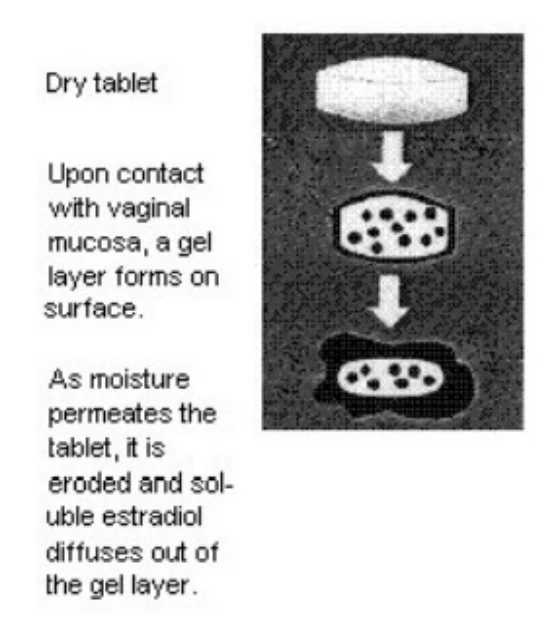
Figure 1. Diffusion of estradiol from a dry vaginal insert
10.2 Pharmacodynamics
In vivo estrogens diffuse through cell membranes, distribute throughout the cell, bind to and activate the estrogen receptors, thereby eliciting their biological effects. Estrogen receptors have been identified in the tissue of the reproductive tract, breast, pituitary, hypothalamus, liver and bone of women. Estrogens regulate growth, differentiation and function of many different tissues within and outside of the reproductive system. Estrogens are intricately involved with other hormones, especially progesterone, and during the ovulatory phase of the menstrual cycle cause proliferation of the endometrium.
Endogenous estradiol induces and maintains the primary and secondary female sexual characteristics. Most of the activities of estradiol appear to be exerted via binding to specific estrogen receptors in target cells of tissue. The steroid-receptor complex is bound to the cell’s
DNA and induces synthesis of specific proteins.
The hormone deficient state associated with menopause leads to atrophic changes in the urogenital epithelial and subepithelial tissues. Vaginal blood flow is reduced, causing decreased lubrication during sexual arousal rendering the tissue more susceptible to trauma. Thinning of the vaginal epithelium occurs, cellular and glycogen production declines, decreasing the colonization of lactobacilli and thus lactic acid production. The usual acidity of the vagina, which serves as a potent defence mechanism, is lost. Symptoms associated with the atrophic changes are vaginal dryness, genital itching and burning and dyspareunia. The goal of local estrogen therapy is to provide sufficient estrogen to reverse atrophic changes in the local tissues and relieve associated symptoms.
Maturation of the vaginal epithelium is dependent on estrogen. Estrogen increases the number of superficial and intermediate cells as compared to basal cells.
Estrogen keeps pH in the vagina down to around 4.5 which enhances normal bacterial flora, Lactobacillus Doderlein predominating.
10.3 Pharmacokinetics
Absorption:
Estrogens are well absorbed through skin, mucous membranes, and the gastrointestinal (GI) tract. The vaginal route of estrogen delivery avoids firs-pass metabolism. After administration of Vagifem® 10 estradiol is absorbed from the vaginal epithelium.
In a single-center, randomized, open-label, multiple-dose, parallel group study conducted in 58 patients, Vagifem® 10 demonstrated a mean estradiol (E2) Cave at Day 83 of 4.64 pg/mL after 12 weeks of treatment. (see Table 2).
Table 2: Values for PK Parameters from Plasma Estradiol (E2) Concentrations
| Vagifem® 10 E2 (N=29) | |||||
|---|---|---|---|---|---|
| Day -1 | Day 1 | Day 14 | Day 82 | Day 83 | |
| AUC(0-24) (pg.hr/mL)1 | 75.65 | 225.35 | 157.47 | 44.95 | 111.41 |
| Cave (pg/mL)1 | 3.15 | 9.39 | 6.56 | 1.87 | 4.64 |
AUC = area under the curve,
Cave = Average plasma concentration,
- 1. geometric mean
Distribution:
Circulating, unbound estrogens are known to modulate pharmacological response. Estrogens circulate in the blood bound to sex-hormone binding globulin (SHBG) and albumin.
Metabolism:
Exogenously-derived or endogenously-derived estrogens are primarily metabolized in the liver to estrone and estradiol, which are also found in the systemic circulation. Vagifem ® 10 intravaginal administration avoids first-pass metabolism that occurs with oral estrogens.
Elimination:
Estrogen metabolites are primarily excreted in the urine as glucuronides and sulfates.
11 STORAGE, STABILITY AND DISPOSAL
Store in a dry place, at room temperature between 15 - 25º C. Protect from light. Store in original package. Do not refrigerate.
Keep in a safe place out of the reach of children.
PART II: SCIENTIFIC INFORMATION
13 PHARMACEUTICAL INFORMATION
Drug Substance
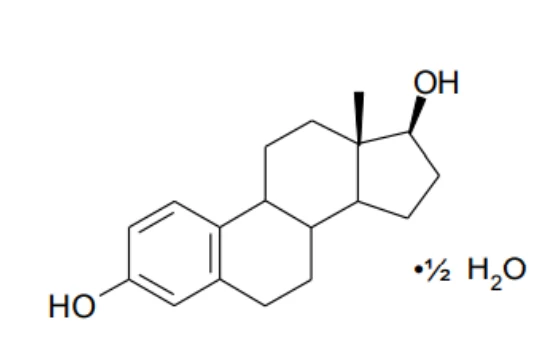
Proper name: estradiol hemihydrate
Chemical name: oestra-1,3,5(10)-triene 3, 17ß-diol hemihydrate
Molecular formula: C18H24O2 • ½ H2O
Molecular mass: 281.4
Figure 1: Structural formula
Description: White or almost white crystalline powder or colourless crystals
Solubility: Practically insoluble in water
Melting point: 173 - 179°C
14 CLINICAL TRIALS
14.1 Clinical Trials by Indication
Treatment of the symptoms of vaginal atrophy due to estrogen deficiency
In an open-label, randomised, multiple dose, single-centre trial (VAG-1850) with parallel group design women were treated with either Vagifem® 10 (N=29) or Vagifem® (N=28) for 12 weeks. Vagifem® 10 and Vagifem® were administered daily for 2 weeks, then twice weekly with at least 3 days between each application for the remaining 10 weeks. The purpose of the study was to evaluate the extent of systemic absorption of estradiol during treatment.
Estradiol administered into the vagina at repeated doses of Vagifem® 10 resulted in consistently lower mean plasma concentrations of E2, E1 and E1S than those following administration of Vagifem®. In particular, the average plasma concentration of Estradiol over 24 hours never rose above 20 pg/mL in any of the subjects in the Vagifem® 10 group. Cave(0-24) is a linear transformation of the primary parameter AUC(0-24). In the Vagifem® group, although some subjects had average concentrations above 20 pg/mL especially during the first 14 days of treatment overall, average estradiol concentraions Cave(0-24) remained below 20 pg/mL at all time points. Both treatments were safe and well tolerated.
Efficacy and Safety Studies
Placebo-Controlled Studies
Effect on Vaginal Atrophy
A 12-month double-blind, randomized, parallel group, placebo-controlled study (VAG-2195) was conducted in the U.S. and Canada, in which 308 patients were randomized to receive either placebo or Vagifem® 10 inserts. Patients inserted one insert intravaginally each day for 14 days, then one insert twice weekly for the remaining 50 weeks. All patients were assessed for vaginal and urethral cytology, Maturation Value, Vaginal pH, Grading of Vaginal Health, and urogenital symptoms. After 12 weeks of treatment, Vagifem® 10 demonstrated significant improvement superior to placebo in mean score for “Most Bothersome” symptoms, mean Vaginal pH, improvements in Vaginal Maturation Index, Vaginal Maturation Value, and mean Vaginal Health scores. These changes of symptoms were seen at Week 12 and were maintained at Week 52.
Vaginal Maturation Index
At baseline, the proportion of parabasal cells was approximately 43% of the total numbers of cells in both treatment groups. After 2 weeks of treatment the proportion of parabasal cells was <5%, as compared to 30% in the placebo group (p<0.001), in the Vagifem® 10 group. In patients treated with Vagifem® 10 the proportion of superficial cells was also increased to approximately 27% after 2 weeks and 17% after 12 weeks (LOCF) from ≤ 5% at baseline (p<0.001 at both time points). The mean increase in intermediate cell counts from baseline to Week 12 was approximately 24% (p<0.001). (see Figure 2).
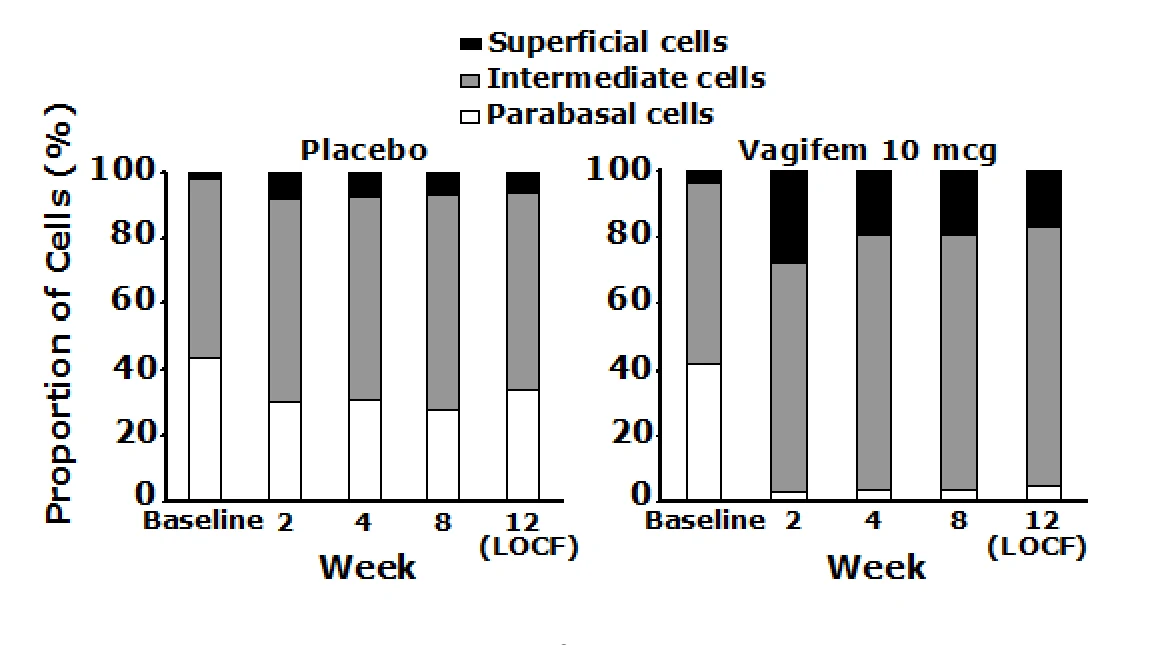
Figure 2: Effect of Placebo and Vagifem® 10 on Vaginal Maturation Index
Vaginal pH
At baseline the majority of subjects in both treatment groups had a vaginal pH ≥ 5.5 (placebo: 91.2%; Vagifem® 10: 82.8%). After 12 weeks of treatment, 71.8% of subjects in the Vagifem® 10 treatment group had a vaginal pH < 5.5, being indicative of a normalization of vaginal pH, as compared to 36.3% in the placebo-treatment group. Mean change from baseline in vaginal pH grade for both treatment groups is presented in Figure 3.
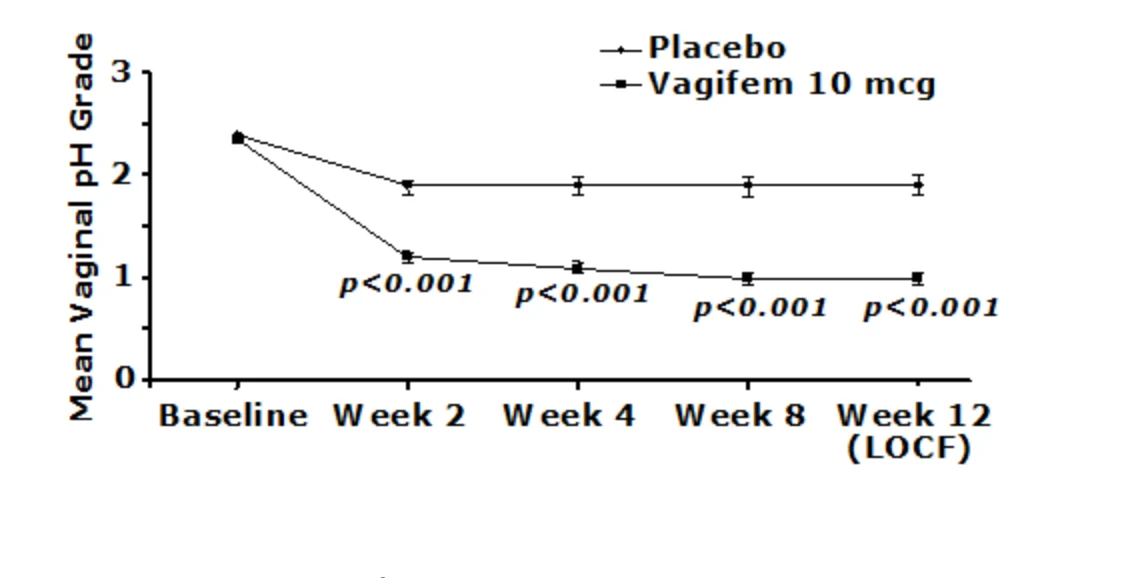
Figure 3: Effect of Vagifem® 10 on Vaginal pH
pH < 5 = 0, pH 5 - 5.49 = 1, pH 5.5 - 6.49 = 2, pH > 6.49 = 3
P-values describe comparisons of the change from baseline between treatment groups
Urogenital symptoms
The severity of various symptoms of urogenital atrophy was graded on a 4-point scale as follows: none = 0, mild = 1, moderate = 2, severe = 3. The two symptoms most frequently cited as being “most bothersome” were dyspareunia and vaginal dryness, and these symptoms were usually reported as occurring with moderate to severe intensity. After 8 weeks Vagifem® 10 has shown to be significantly more effective than placebo in the relief of the “most bothersome” symptoms. (see Figure 4).
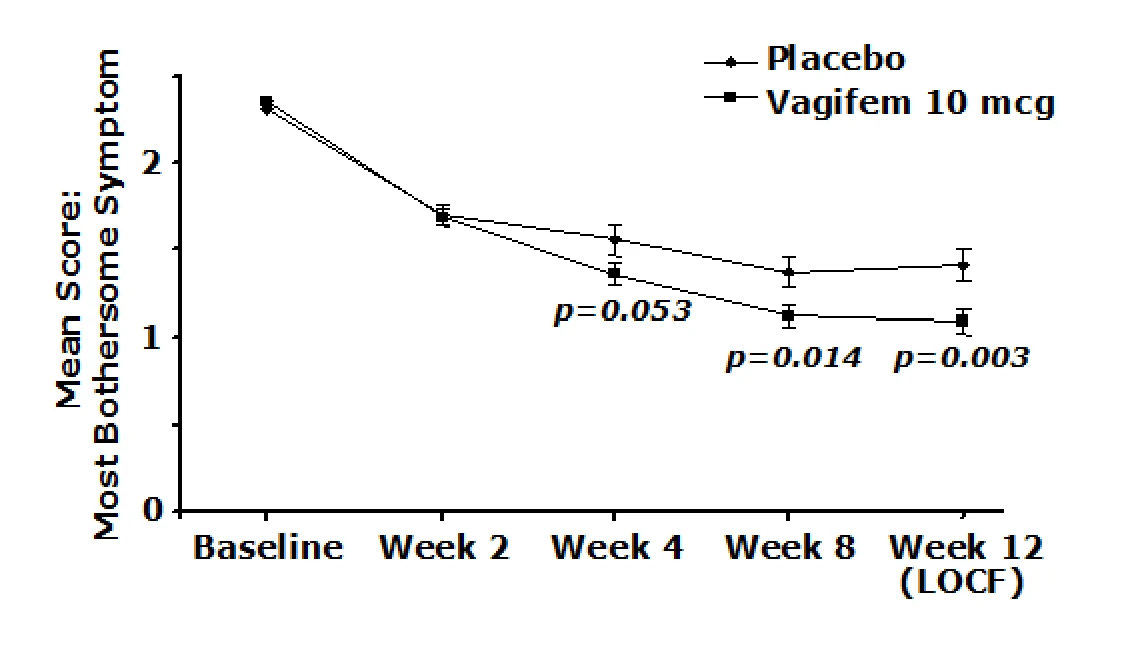
Figure 4: Effect of Vagifem® 10 on “Most Bothersome” Symptoms
P-values describe comparisons of the change from baseline between treatment groups
After 2 weeks of treatment with Vagifem® 10, statistically significant improvement in mean Vaginal Health score was observed and maintained until week 12. Vaginal Health was defined by a four point grading system (no atrophy = 0, mild = 1, moderate = 2, and severe = 3) evaluating five components of Vaginal Health: vaginal secretions, epithelial integrity, epithelia surface thickness, vaginal color and pH. (see Figure 5).
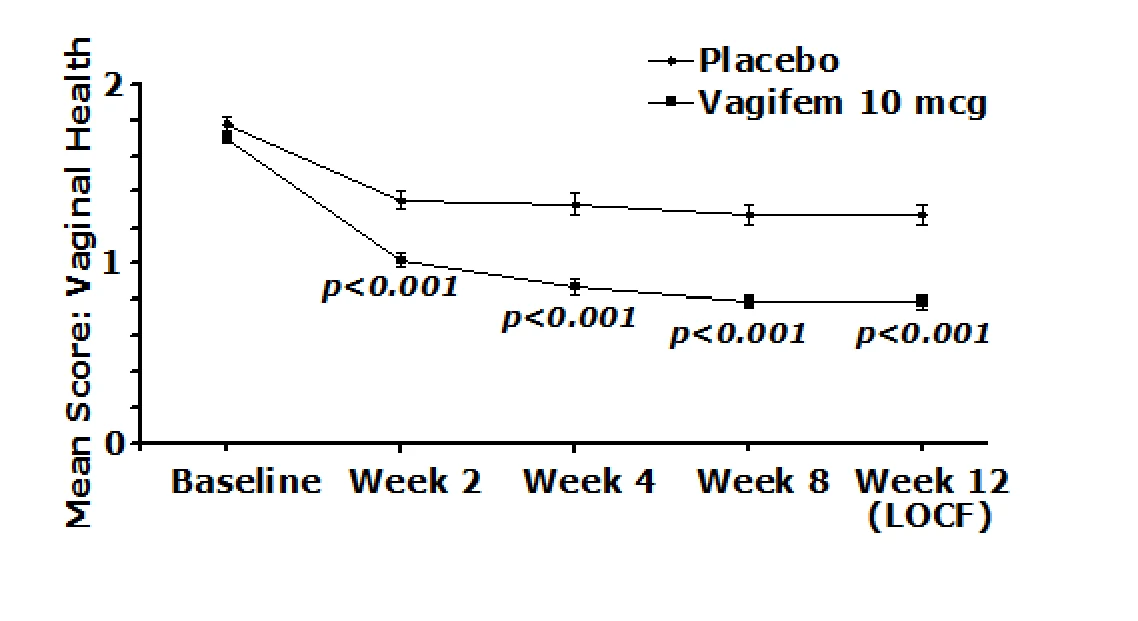
Figure 5: Grading of Vaginal Health with Vagifem® 10 and Placebo Treatment
P-values describe comparisons of the change from baseline between treatment groups
Endometrial Biopsy
The endometrium was evaluated at the screening and final study visits by endometrial biopsy. Of the 172 subjects in the Vagifem® 10 group who had a biopsy performed at end of study, 92 subjects had endometrial tissue that was atrophic/inactive and 73 subjects had no tissue/tissue insufficient for diagnosis. There was one case of adenocarcinoma stage II. The baseline status of this patient was unknown due to lack of a baseline biopsy result. There was one case of complex hyperplasia without atypia, this subject had received study drug for only 9 days prior to this result. Three subjects exhibited polyps (two atrophic polyps and one adenomyomatus type polyp) and two others had adenomyosis and an atypical epithelial proliferation.
15 MICROBIOLOGY
No microbiological information is required for this drug product.
16 NON-CLINICAL TOXICOLOGY
General Toxicology: Exposure levels to estradiol and estrone following Vagifem® 10 treatment are not outside the range seen in untreated postmenopausal women. The dosage of 10 mcgestradiol in Vagifem® 10 (estradiol vaginal insert USP) is low compared to natural production in fertile women and exposure is low compared to other methods of administering estrogen.
After long term maintenance therapy of up to 52 weeks no significant increase in the plasma concentrations of either E2 or E1 or E1S, FSH, LH, or SHBG over baseline were demonstrated.
Local Tolerance
A local vaginal tolerance study was conducted in rabbits. Minor bleeding was observed from the vagina after manipulation with the applicator. Post mortem hyperaemia and minor edema in the vagina was also observed. Microscopy showed that the insert with or without estradiol did not cause irritation of the vaginal mucosa or the underlying tissue. The reaction observed in animals manipulated with the applicator only was induced mechanically. No reaction was ascribed to the inserts.
Carcinogenicity:
Carcinogenicity / Teratology
Estradiol, given subcutaneously in mice, resulted in increased incidences of mammary, pituitary, uterine, cervical, vaginal, lymphoid and testicular tumours. Oral estradiol resulted in an increased incidence of mammary tumours. An increased incidence of mammary and/or pituitary tumours was noted in rats. Malignant kidney tumours occurred in intact and castrated males and in ovariectomized females but not in intact females. Diffuse fibromyomatous uterine and abdominal lesions were observed in guinea-pigs.
Estradiol is carcinogenic and teratogenic to the genital tract when given in high doses to animals. These effects are of minor significance to the postmenopausal use of the low exposure level of estradiol found in Vagifem® 10.
17 SUPPORTING PRODUCT MONOGRAPHS
Click here to enter text.