


Product Monograph - Estraderm-50
SUMMARY PRODUCT INFORMATION
Route of Administration | Dosage Form / Strength | Clinically Relevant Nonmedicinal Ingredients |
| Transdermal | Patch 25, 50 and 100 µg | Cellulose compounds, ethanol, ethylene-vinyl acetate copolymer, light mineral oil, polyester and polyisobutylene. |
INDICATIONS AND CLINICAL USE
ESTRADERM* (estradiol-17ß) is indicated for:
- the relief of menopausal and postmenopausal symptoms occurring in naturally or surgically induced estrogen deficiency states.
- the prevention of osteoporosis in naturally occurring or surgically induced estrogen-deficiency states in addition to other important therapeutic measures such as adequate diet, calcium and vitamin D intake, cessation of smoking and regular weight-bearing exercise. In postmenopausal women already diagnosed as having osteoporosis and vertebral fractures, treatment with ESTRADERM* may retard further bone loss. ESTRADERM* is to be considered in the light of other available therapies for osteoporosis prevention and therapy should only be continued as long as the benefits outweigh the risks for the individual. (see Boxed Warning)
In women with an intact uteri, ESTRADERM* should always be supplemented by sequential administration of a progestin whose role is to prevent endometrial hyperplasia/carcinoma.
Geriatrics (> 65 years of age):
No clinical studies were conducted to evaluate the effect of ESTRADERM* on women more than 65 years old.
Pediatrics :
ESTRADERM* should not be used in children
CONTRAINDICATIONS
Known or suspected hypersensitivity to this drug or to any ingredient in the formulation or to
any component of the patch. For a complete listing, see Dosage Forms, Composition and Packaging section.
- Liver dysfunction or disease as long as liver function tests have failed to return to normal.
- Known or suspected estrogen-dependent malignant neoplasia such as endometrial cancer.
- Endometrial hyperplasia
- Known , suspected or past history of breast cancer
- Undiagnosed abnormal genital bleeding
- Known or suspected pregnancy
- Active or past history of arterial thromboembolic disease (e.g. stroke, myocardial infarction, coronary heart disease)
- Active or past history of confirmed venous thromboembolism (such as deep venous thrombosis or pulmonary embolism) or active thrombophlebitis
- Partial or complete loss of vision from ophthalmic vascular disease
- Known thrombophilic disorders
- Porphyria
- Classical Migraine
- Breast feeding
WARNINGS AND PRECAUTIONS
Serious Warnings and Precautions
The Women’s Health Initiative (WHI) trial examined the health benefits and risks of oral combined estrogen plus progestin therapy (n=16,608) and oral estrogen-alone therapy (n=10,739) in postmenopausal women aged 50 to 79 years.57, 8, 52
The estrogen plus progestin arm of the WHI trial (mean age 63.3 years) indicated an increased risk of myocardial infarction (MI), stroke, invasive breast cancer, pulmonary emboli and deep vein thrombosis in postmenopausal women receiving treatment with combined conjugated equine estrogens (CEE, 0.625 mg/day) and medroxyprogesterone acetate (MPA, 2.5 mg/day) for 5.2 years compared to those receiving placebo.57
The estrogen-alone arm of the WHI trial (mean age 63.6 years) indicated an increased risk of stroke and deep vein thrombosis in hysterectomized women treated with CEE-alone (0.625 mg/day) for 6.8 years compared to those receiving placebo.52
Therefore, the following should be given serious consideration at the time of prescribing:
- Estrogens with or without progestins should not be prescribed for primary or secondary prevention of cardiovascular diseases.
- Estrogens with or without progestins should be prescribed at the lowest effective dose for the approved indication.
- For the prevention of osteoporosis, ESTRADERM* treatment should be considered in light of other available therapies.
- Estrogens with or without progestins should be prescribed for the shortest period possible for the approved indication.
Carcinogenesis and Mutagenesis
Breast Cancer
Available epidemiological data indicate that the use of combined estrogen plus progestin HRT by postmenopausal women is associated with an increased risk of invasive breast cancer.
In the estrogen plus progestin arm of the WHI trial, among 10,000 women over a one-year period, there were:
- 8 more cases of invasive breast cancer (38 on combined HRT versus 30 on placebo).57
The WHI study also reported that the invasive breast cancers diagnosed in the estrogen plus progestin group were similar in histology but were larger (mean (SD), 1.7 cm (1.1) vs. 1.5 cm (0.9), respectively; P=0.04) and were at a more advanced stage compared with those diagnosed in the placebo group. The percentage of women with abnormal mammograms (recommendations for short-interval follow-up, a suspicious abnormality, or highly suggestive of malignancy) was significantly higher in the estrogen plus progestin group versus the placebo group. This difference appeared at year one and persisted in each year thereafter.8
In the estrogen-alone arm of the WHI trial, there was no statistically significant difference in the rate of invasive breast cancer in hysterectomized women treated with conjugated equine estrogens versus women treated with placebo.52
It is recommended that estrogens not be given to women with existing breast cancer or those with a previous history of the disease. (see CONTRAINDICATIONS)
There is a need for caution in prescribing estrogens for women with known risk factors associated with the development of breast cancer, such as strong family history of breast cancer (first degree relative) or who present a breast condition with an increased risk (breast nodules, fibrocystic disease of the breast, abnormal mammograms and/or atypical hyperplasia at breast biopsy).
Other known risk factors for the development of breast cancer such as nulliparity, obesity, early menarche, late age at first full term pregnancy and at menopause should also be evaluated.
It is recommended that women undergo mammography prior to the start of HRT treatment and at regular intervals during treatment, as deemed appropriate by the treating physician and according to the perceived risks for each patient.
The overall benefits and possible risks of hormone replacement therapy should be fully considered and discussed with patients. It is important that the modest increased risk of being diagnosed with breast cancer after 4 years of treatment with combined estrogen plus progestin HRT (as reported in the results of WHI-trial) be discussed with the patient and weighed against its known benefits.
Instructions for regular self-examination of the breasts should be included in this counselling.
Endometrial Hyperplasia & Endometrial Carcinoma
Estrogen should be prescribed with an appropriate dosage of a progestin for women with intact uteri in order to prevent endometrial hyperplasia/carcinoma.
Estrogen-only hormonal therapy in postmenopause is recommended for women without uteri only to avoid unnecessary exposure to progestins. The focus of the clinical program with VIVELLE*/ESTRADOT* was the demonstration of efficacy in the treatment of postmenopausal symptoms and in the prevention of postmenopausal osteoporosis. Some clinical trials included non-hysterectomized patients who were treated with concomitant progestogen therapy according to the best medical practice at the time, with different dosages, regimens and types of progestin. In addition, endometrial sampling after treatment was not consistently performed and in most cases no baseline data were available to assess the relationship and the effects of the progestogen treatment on the endometrium.
The risk of endometrial hyperplasia/carcinoma in users of unopposed estrogens who have intact uteri is greater than in non-users and appears to depend on the duration of treatment and the estrogen dose. The greatest risk appears to be associated with prolonged use. It has been shown that adequate concomitant progestogen therapy lowers the incidence of endometrial hyperplasia and therefore the potential risk of endometrial carcinoma associated with prolonged use of estrogen therapy (see DOSAGE AND ADMINSITRATION-Coadministration of Progestins).
Ovarian Cancer
Some recent epidemiologic studies have found that the use of hormone replacement therapy (estrogen-alone and estrogen plus progestin therapies), in particular for five or more years, has been associated with an increased risk of ovarian cancer.
Hepatocellular Carcinomas
Hepatocellular carcinoma has also been reported in women taking estrogen-containing oral contraceptives. The causal relationship of this malignancy to these drugs is not known.
Cardiovascular
The results of the Heart and Estrogen/progestin Replacement Studies (HERS and HERS II) and the Women’s Health Initiative (WHI) trial indicate that the use of estrogen plus progestin is associated with an increased risk of coronary heart disease (CHD) in postmenopausal women.57,
25, 23 The results of the WHI trial indicate that the use of estrogen-alone and estrogen plus progestin is associated with an increased risk of stroke in postmenopausal women.57, 52
WHI trial findings
In the combined estrogen plus progestin arm of the WHI trial, among 10,000 women over a one-year period, there were:
- 8 more cases of stroke (29 on combined HRT versus 21 on placebo)
- 7 more cases of CHD ( 37 on combined HRT versus 30 on placebo).57
In the estrogen-alone arm of the WHI trial of women with prior hysterectomy, among 10,000 women over a one-year period, there were/was:
- 12 more cases of stroke (44 on estrogen-alone therapy versus 32 on placebo)
- no statistically significant difference in the rate of CHD.52
HERS and HERS II findings
In the Heart and Estrogen/progestin Replacement Study (HERS) of postmenopausal women with documented heart disease (n=2763, average age 66.7 years), a randomized placebo-controlled clinical trial of secondary prevention of coronary heart disease (CHD), treatment with 0.625 mg/day oral conjugated equine estrogen (CEE) plus 2.5 mg medroxyprogesterone acetate (MPA) demonstrated no cardiovascular benefit. Specifically, during an average follow-up of 4.1 years, treatment with CEE plus MPA did not reduce the overall rate of CHD events in postmenopausal women with established coronary heart disease. There were more CHD events in the hormone-treated group than in the placebo group in year 1, but not during the subsequent years.25
From the original HERS trial, 2321 women consented to participate in an open label extension of HERS, known as HERS II. Average follow-up in HERS II was an additional 2.7 years, for a total of 6.8 years overall. After 6.8 years, hormone therapy did not reduce the risk of cardiovascular events in women with CHD.23
Blood pressure
Women using hormone replacement therapy sometimes experience increased blood pressure. Blood pressure should be monitored with HRT use. Elevation of blood pressure in previously normotensive or hypertensive patients should be investigated and HRT may have to be discontinued.
Ear/Nose/Throat
Otosclerosis
Estrogens should be used with caution in patients with otosclerosis.
Endocrine and Metabolism
Glucose and lipid metabolism
A worsening of glucose tolerance and lipid metabolism have been observed in a significant percentage of peri- and post-menopausal patients. Therefore, diabetic patients or those with a predisposition to diabetes should be observed closely to detect any alterations in carbohydrate or lipid metabolism, especially in triglyceride blood levels.
Women with familial hyperlipidemias need special surveillance. Lipid-lowering measures are recommended additionally, before treatment is started.
Calcium and phosphorus metabolism
Because the prolonged use of estrogens influences the metabolism of calcium and phosphorus, estrogens should be used with caution in patients with metabolic and malignant bone diseases associated with hypercalcemia and in patients with renal insufficiency.
Hypothyroidism
Patients who require thyroid hormone replacement therapy and who are also taking estrogen should have their thyroid function monitored regularly to assure that thyroid hormone levels remain in an acceptable range. (see Drug-Laboratory Test Interactions)
Genitourinary
Vaginal bleeding
Abnormal vaginal bleeding, due to its prolongation, irregularity or heaviness, occurring during therapy should prompt appropriate diagnostic measures, to rule out the possibility of uterine malignancy and the treatment should be re-evaluated.
Uterine leiomyomata
Pre-existing uterine leiomyomata may increase in size during estrogen use. Growth, pain or tenderness of uterine leiomyomata requires discontinuation of medication and appropriate investigation.
Endometriosis
Symptoms and physical findings associated with a previous diagnosis of endometriosis may reappear or become aggravated with estrogen use.
Hematologic
Venous Thromboembolism
Available epidemiological data indicate that the use of estrogen with or without progestin by postmenopausal women is associated with an increased risk of developing venous thromboembolism (VTE).
In the estrogen plus progestin arm of the WHI trial, among 10,000 women on combined HRT over a one-year period, there were 18 more cases of venous thromboembolism, including 8 more cases of pulmonary embolism.57
In the estrogen-alone arm of the WHI trial, among 10,000 women on estrogen therapy over a one-year period, there were 7 more cases of venous thromboembolism, although there was no statistically significant difference in the rate of pulmonary embolism.52
Generally recognized risk factors for VTE include a personal history, a family history (the occurrence of VTE in a direct relative at a relatively early age may indicate genetic predisposition), severe obesity (body mass index > 30 kg/m2) and systemic lupus erythematosus. The risk of VTE also increases with age and smoking.
A history of recurrent spontaneous abortions should be investigated to exclude thrombophilic predisposition. In patients in whom thrombophilia is confirmed, the use of ESTRADERM* is viewed as contraindicated.
The risk of VTE may be temporarily increased with prolonged immobilization, major surgery or trauma. In women on HRT, attention should be given to prophylactic measures to prevent VTE following surgery. Also, patients with varicose veins should be closely supervised. The physician should be alert to the earliest manifestations of thrombotic disorders (thrombophlebitis, retinal thrombosis, cerebral embolism and pulmonary embolism). If these occur or are suspected, hormone therapy should be discontinued immediately given the risks of long-term disability or fatality.
If feasible, estrogens should be discontinued at least 4 weeks before major surgery which may be associated with an increased risk of thromboembolism, or during periods of prolonged immobilization. The treatment should not be restarted until the woman is completely mobile.
Hepatic/ Biliary/ Pancreatic
Benign Hepatic Adenomas
Benign hepatic adenomas have been associated with the use of combined estrogen and progestin oral contraceptives. Although benign and rare, these tumours may rupture and cause death from intra-abdominal hemorrhage. Such lesions have not yet been reported in association with other estrogen or progestin preparations, but they should be considered if abdominal pain and tenderness, abdominal mass, or hypovolemic shock occurs in patients receiving estrogen.
Gallbladder Diseases
A 2- to 4-fold increase in the risk of gallbladder disease requiring surgery in women receiving postmenopausal estrogens has been reported.
Hepatic hemangiomas
Particular caution is indicated in women with hepatic hemangiomas, as estrogen may cause an exacerbation of this condition.
Jaundice
Caution is advised in patients with a history of liver and/or biliary disorders. If cholestatic jaundice develops during treatment, the treatment should be discontinued and appropriate investigations carried out.
Liver function tests
Liver function tests should be done periodically in subjects who are suspected of having hepatic disease. For information on endocrine and liver function tests, see the section under Monitoring and Laboratory Tests.
Immune
Angioedema
Estrogens may induce or exacerbate symptoms of angioedema, in particular in women with hereditary angioedema.
Systemic lupus erythematosus
Particular caution is indicated in women with systemic lupus erythematosus.
Neurologic
Cerebrovascular insufficiency
Patients who develop visual disturbances, classical migraine, transient aphasia, paralysis or loss of consciousness should discontinue medication.
Dementia
Available epidemiological data indicate that the use of combined estrogen plus progestin in women age 65 and over may increase the risk of developing probable dementia.
The Women’s Health Initiative Memory Study (WHIMS), a clinical sub-study of the WHI, was designed to assess whether postmenopausal hormone replacement therapy (oral estrogen plus progestin or oral estrogen-alone) reduces the risk of dementia in women aged 65 and over (age range 65-79 years) and free of dementia at baseline.44, 45
In the estrogen plus progestin arm of the WHIMS (n=4532), women with intact uteri were treated with daily 0.625 mg conjugated equine estrogens (CEE) plus 2.5 mg medroxyprogesterone acetate (MPA) or placebo for an average of 4.05 years. The results, when extrapolated to 10,000 women treated over a one-year period showed:
- 23 more cases of probable dementia (45 on combined HRT versus 22 on placebo).44
In the estrogen-alone arm of the WHIMS (n=2947), women with prior hysterectomy were treated with daily 0.625 mg CEE or placebo for an average of 5.21 years. The results, when extrapolated to 10,000 women treated over a one-year period showed:
- 12 more cases of probable dementia (37 on estrogen-alone versus 25 on placebo), although this difference did not reach statistical significance.45
When data from the estrogen plus progestin arm of the WHIMS and the estrogen alone arm of the WHIMS were combined, as per the original WHIMS protocol, in 10,000 women over a one-year period, there were:
- 18 more cases of probable dementia (41 on estrogen plus progestin or estrogen-alone versus 23 on placebo).45
For transdermal estrogen-only or estrogen-progestogen combined products, no large randomized clinical trials have assessed the HRT-associated risk of probable dementia to date. Therefore there are no data to support the conclusion that the frequency of probable dementia is different with ESTRADERM*.
Epilepsy
Particular caution is indicated in women with epilepsy, as estrogen, with or without progestins, may cause an exacerbation of this condition.
Renal
Fluid retention
Estrogens may cause fluid retention. Therefore, particular caution is indicated in cardiac or renal dysfunction, or asthma. If, in any of the above-mentioned conditions, a worsening of the underlying disease is diagnosed or suspected during treatment, the benefits and risks of treatment should be reassessed based on the individual case.
Skin
Contact Sensitization
Contact sensitization is known to occur with topical applications. Although it is extremely rare, patients who develop contact sensitization to any component of the patch should be warned that a severe hypersensitivity reaction may occur with continuing exposure to the causative agent.
Special Populations
Pregnant women: ESTRADERM* must not be used during pregnancy. Both estrogens and progestogens may cause foetal harm when administered to a pregnant woman.
Nursing women: ESTRADERM* must not be used while breastfeeding.
Pediatrics: ESTRADERM* should not be used in children.
Geriatrics (> 65 years of age): No clinical studies were conducted to evaluate the effect of ESTRADERM* on women more than 65 years old.
Monitoring and Laboratory Tests
Before ESTRADERM* (estradiol-17ß) is administered, the patient should have a complete physical examination including a blood pressure determination. Breasts and pelvic organs should be appropriately examined and a Papanicolaou smear should be performed. Endometrial biopsy should be done only when indicated. Baseline tests should include mammography, measurements of blood glucose, calcium, triglycerides and cholesterol, and liver function tests.
The first follow-up examination should be done within 3-6 months after initiation of treatment to assess response to treatment. Thereafter, examinations should be made at intervals at least once a year. Appropriate investigations should be arranged at regular intervals as determined by the physician.
The importance of regular self-examination of the breasts should be discussed with the patient.
Women should be advised that changes in their breasts should be reported to their doctor or nurse.
ADVERSE REACTIONS
Adverse Drug Reaction Overview
See WARNINGS AND PRECAUTIONS regarding potential induction of malignant neoplasms and adverse effects similar to those of oral contraceptives.
The following adverse reactions have been reported with estrogen/progestin combinations in general.
Blood and lymphatic system disorders
Altered coagulation tests (see WARNINGS AND PRECAUTIONS- Drug-Laboratory Tests Interactions)
Cardiac disorders
Palpitations; increase in blood pressure (see WARNINGS AND PRECAUTIONS); coronary thrombosis.
Endocrine disorders
Increased blood sugar levels; decreased glucose tolerance.
Eye disorders
Neuro-ocular lesions (e.g., retinal thrombosis, optic neuritis), visual disturbances; steepening of the corneal curvature; intolerance to contact lenses.
Gastrointestinal disorders
Nausea; vomiting; abdominal discomfort (cramps, pressure, pain; bloating).
General disorders and administration site conditions
Fatigue; changes in appetite; changes in body weight; change in libido.
Hepatobiliary disorders
Gallbladder disorder; asymptomatic impaired liver function; cholestatic jaundice.
Musculoskeletal and connective tissue disorders
Musculoskeletal pain including leg pain not related to thromboembolic disease (usually transient, lasting 3-6 weeks) may occur.
Nervous system disorders
Aggravation of migraine episodes; headaches; dizziness; neuritis.
Psychiatric disorders
Mental depression; nervousness; irritability.
Renal and urinary disorders
Cystitis; dysuria; sodium retention; edema.
Reproductive system and breast disorders
Breakthrough bleeding; spotting; change in menstrual flow; dysmenorrhea; vaginal itching/discharge; dyspareunia ; endometrial hyperplasia; pre-menstrual-like syndrome; reactivation of endometriosis; changes in cervical erosion and amount of cervical secretion; breast swelling and tenderness.
Skin and subcutaneous tissue disorders
Loss of scalp hair; chloasma or melasma, which may persist when drug is discontinued; erythema nodosum; erythema multiforme; hemorrhagic skin eruptions; hirsutism, acne.
Vascular disorders
Isolated cases of thrombophlebitis; thromboembolic disorders.
Overview of Adverse Drug Reactions with ESTRADERM*
This section summarizes adverse drug reaction data pooled from clinical trials, published investigations and post-marketing experience.
The most commonly reported adverse reaction to ESTRADERM* (estradiol-17ß) in clinical trials was redness and irritation at the application site. This occurred in about 17% of the women treated and caused approximately 2% to discontinue therapy.
The data on adverse events from 5 pooled clinical trials are included. 3 clinical trials had a 2 years duration and 2 had a 1 year duration. A total safety population of 941 patients on HRT and 207 patients on placebo was identified.
Frequency estimate: very common ≥10%, common ≥ 1% to < 10%; uncommon ≥ 0.1% to < 1%; rare ≥ 0.01% to < 0.1%; very rare < 0.01% ; with unknown frequency.
Table 1 Most Common Adverse Drug Reactions (≥1%)
Vascular disorders
Common: Varicose veins
Nervous system disorders
Common: Dizziness, headache
Gastrointestinal disorders
Common: Nausea, abdominal pain, abdominal distension
Skin and subcutaneous tissue disorders
Common: Rash
Reproductive system and breast disorders
Very common: Breast discomfort
Common: Menstrual disorder
Investigations
Common: Weight fluctuation
General disorders and administration site disorders
Very common: Application site reaction,
Common: Oedema
Less Common Adverse Drug Reactions (<1%)
Cardiovascular disorders:
Rare: Embolism
Very rare: Hypertension
Hepatobiliary disorders:
Very rare: Jaundice cholestatic, liver function test abnormal Immune system disorders:
Very rare: Anaphylactoid reactions
Musculoskeletal and connective tissue disorders:
Rare: Pain in extremity
Neoplasms benign, malignant and unspecified (including cysts and polyps):
Rare: Breast cancer
Skin and subcutaneous tissue disorders:
Very rare: Generalised pruritus, pigmentation disorders
Adverse Drug Reactions with unknown frequency
Immune system disorders:
Not Known: Hypersensitivity
Skin and subcutaneous tissue disorders:
Not Known: Erythema nodosum, Erythema multiforme
Abnormal Hematologic and Clinical Chemistry Findings
Table-2-Abnormal hematologic and clinical chemistry
| Laboratory parameters | Effect |
| Antithrombin III | ↓ |
| Coagulation factors VII, VIII, IX, X | ↑ |
| Corticosteroid binding globulin (CBG) | CBG ↑ in serum Î increased circulating corticosteroids. free or biologically active hormone concentrations are unchanged |
| Fibrinogen and fibrinogen activity | ↑ levels |
| Folate | ↓ serum concentration |
| T3 | ↓ Resin uptake , reflecting the elevated TBG |
| Free T4 | concentration unaltered |
| Glucose | impaired glucose tolerance |
| METOPIRONE test | Reduced response |
| Norepinephrine-induced platelet aggregability | ↑ |
| Prothrombin time and partial tromboplastin time | ↑ |
| Sex-hormone binding globulin (SHBG) | SHBG↑ in serum Î increased circulating corticosteroids. free or biologically active hormone concentrations are unchanged |
| Sulfobromophthalein | ↑ retention |
| Triglyceride and Phospholipid | ↑ serum concentration |
| Thyroxin-binding globulin (TBG) | ↑ Î increased circulating total thyroid hormone (T4) as |
measured by column or radioimmunoassay
If adverse symptoms persist, the prescription of HRT should be re-considered.
DRUG INTERACTIONS
Overview
- Estrogens may diminish the effectiveness of anticoagulant, antidiabetic and antihypertensive agents.
- Preparations inducing liver enzymes (e.g. barbiturates, hydantoins, carbamazepine, meprobamates, phenylbutazone or rifampicin) may interfere with the activity of orally administered estrogens.
Drug-Drug Interactions
The following section contains information on drug interactions with ethinyl estradiol-containing products (specifically, oral contraceptives) that have been reported in the public literature. It is unknown whether such interactions occur with drug products containing other types of estrogens.
Table 3- Established or Potential Drug-Drug Interactions
Drug
| Ref | Effect | Clinical Comment |
Anticonvulsants
(phenobarbital, phenytoin, carbamazepin)
| T | ↑ metabolism of ethinyl estradiol | ↓ plasma concentration of estradiol |
Acetaminophen
| T | ↑ AUC and/or plasma concentration of ethinyl estradiol ↓ plasma concentration of acetaminophen | Therapeutic monitoring is recommended |
Acid ascorbic
| T | ↑ AUC and/or plasma concentration of ethinyl estradiol | Therapeutic monitoring is recommended |
Aminoglutethimide with medroxyprogesterone acetate (MPA)
| T | ↓ bioavailability of MPA | Therapeutic monitoring is recommended |
Atorvastatin
| T | ↑ AUC values for ethinyl estradiol by 20 % | Therapeutic monitoring is recommended |
Clofibric acid
| ↑ clearance of clofibric acid | Therapeutic monitoring is recommended |
Cyclosporin
| T | ↑ plasma concentration of cyclosporine. | Therapeutic monitoring is recommended |
Morphine
| T | ↑ clearance of morphine | Therapeutic monitoring is recommended |
Prednisolone
| T | ↑ plasma concentration of prednisolone | Therapeutic monitoring is recommended |
Rifampicinª
| T | ↑ metabolism of ethinyl estradiol | ↓ plasma concentration of estradiol |
Salicylic acid
| T | ↑ clearance of salicylic acid | Therapeutic monitoring is recommended |
Temazepam
| T | ↑ clearance of temazepam | Therapeutic monitoring is recommended |
Theophylline
| T | ↑ plasma concentration of theophylline | Therapeutic monitoring is recommended |
Troglitazone
| T | ↓ plasma concentrations of ethinyl estradiol by 30 % | Therapeutic monitoring is recommended |
Temazepam
| T | ↑ clearance of temazepam | Therapeutic monitoring is recommended |
Legend: C = Case Study; CT = Clinical Trial; T = Theoretical
ª Clinical pharmacokinetics studies have not demonstrated any consistent effect of antibiotics (other than rifampicin) on plasma concentrations of synthetic steroids.
Drug-Food Interactions
The interaction of ESTRADERM* with food has not been studied.
Drug-Herb Interactions
It was found that some herbal products (e.g., St. John’s wort) which are available as over-the-counter (OTC) products might interfere with steroid metabolism, and therefore, alter the efficacy and safety of estrogen/progestin products.
Physicians and other health care providers should be made aware of other non-prescription products concomitantly used by the patient, including herbal and natural products obtained from the widely spread health stores.
Drug-Laboratory Test Interactions
The results of certain endocrine and liver function tests may be affected by estrogen-containing products:
- increased prothrombin time and partial thromboplastin time; increased levels of fibrinogen and fibrinogen activity; increased coagulation factors VII, VIII, IX, X; increased norepinephrine-induced platelet aggregability; decreased antithrombin III;
- increased thyroxine-binding globulin (TBG), leading to increased circulating total thyroid hormone (T4) as measured by column or radioimmunoassay; T3 resin uptake is decreased, reflecting the elevated TBG; free T4 concentration is unaltered;
other binding proteins may be elevated in serum i.e., corticosteroid binding globulin
(CBG), sex-hormone binding globulin (SHBG), leading to increased circulating corticosteroids and sex steroids respectively; free or biologically active hormone concentrations are unchanged;
- impaired glucose tolerance;
- increased serum triglyceride and phospholipid concentration.
(See also table in Abnormal Hematological Clinical Chemistry Findings section)
In clinical trials with ESTRADERM*, no effect on fibrinogen, antithrombin III, TBG, CBG or SHBG and decreases in serum triglycerides was seen.
The results of the above laboratory tests should not be considered reliable unless therapy has been discontinued for two to four weeks. The pathologist should be informed that the patient is receiving estrogen therapy when relevant specimens are submitted.
Drug-Lifestyle Interactions:
Specific drug-lifestyle interaction studies have not been conducted with ESTRADERM*.
Acute alcohol ingestion during HRT may lead to elevations in circulating estradiol levels.
DOSAGE AND ADMINISTRATION
Dosing Considerations
- For all therapeutic indications, the lowest effective dose should be used for maintenance therapy (see Coadministration of Progestins).
- Hormone replacement therapy (HRT) involving either estrogen alone or estrogen-progestogen combined therapy should only be continued as long as the benefits outweigh the risks for the individual.
In women who are not currently taking oral estrogens, treatment with ESTRADERM*
(estradiol-17ß) can be initiated at once. In women who are currently taking oral estrogens, treatment with ESTRADERM* can be initiated on reappearance of menopausal symptoms, following discontinuation of oral therapy.
ESTRADERM* is administered as continuous therapy (uninterrupted application).
ESTRADERM* should be applied twice weekly i.e., the patch should be changed once every 3-4 days.
In women with intact uteri, a progestin should be sequentially coadministered for 12 to
14 days per cycle to avoid overstimulation of the endometrium. The addition of sufficient progestin to induce secretory transformation of the endometrium during estrogen replacement therapy is mandatory.
- Abnormal vaginal bleeding, due to its prolongation, irregularity or heaviness, in any patient receiving hormone replacement therapy requires institution of prompt diagnostic measures like endometrial biopsy or curettage to rule out the possibility of uterine malignancy.
- The short term effects of progestin coadministration may include vaginal bleeding during or after progestin treatment, breast tenderness, and mood and weight changes. The long-term effects generally depend on the dosage and type of progestin used. The lowest effective dose of estrogen and progestin should be prescribed (see Coadministration of Progestins).
- ESTRADERM* should be prescribed with an appropriate dosage of a progestin for women with intact uteri in order to prevent endometrial hyperplasia/carcinoma. Progestin therapy is not required as part of hormone replacement therapy in women who have had a previous hysterectomy.
See WARNINGS AND PRECAUTIONS section on the examination of the patient before ESTRADERM* administration.
Recommended Dose and Dosage Adjustment
- 1. Menopausal symptoms
Treatment of menopausal symptoms is usually initiated with a patch that releases 50 µg estradiol-17ß per day i.e. ESTRADERM* 50. Thereafter the dosage should be adapted to the needs of the individual.
Breast discomfort, breakthrough or heavy vaginal bleeding, water retention, bloating or nausea (if persisting for more than six weeks), are generally signs that the estrogen dose is too high and needs to be lowered. If on the other hand, the selected dose fails to eliminate the signs and symptoms of estrogen deficiency, a higher dose may be considered.
For maintenance therapy one should always use the lowest dose that still proves effective. The requirement for hormone replacement therapy for menopausal symptoms should be reassessed periodically. Attempts to taper or discontinue the medication should be made at 3 to 6 month intervals.
The doses of ESTRADERM* and conjugated estrogens which have been shown to produce the same clinical effect on postmenopausal symptomatology are:
ESTRADERM* 25: conjugated estrogens 0.3 MG
ESTRADERM* 50: conjugated estrogens 0.625 MG
ESTRADERM* 100: conjugated estrogens 1.25 MG
- 2. Prevention of Osteoporosis
For optimal prevention of postmenopausal bone loss in women for whom the drug is indicated, therapy should be initiated as soon as possible after diagnosis of menopause. The dosage of estradiol-17ß may require adjustment according to the patient's clinical status, the plasma estradiol-17ß levels and the results of bone mineral density studies. Ideally, plasma estradiol-17ß levels should be maintained at 184 pM/L (50 pg/mL). To treat patients with established osteoporosis, therapy should be initiated with ESTRADERM* 100.
Discontinuation of hormone replacement therapy may reestablish the natural rate of bone loss.
Missed Dose
Patients who miss applying a patch of ESTRADERM*, should apply a new patch as soon as possible. The subsequent patch should be applied according to the original treatment schedule. The interruption of treatment might increase the likelihood of recurrence of symptoms.
Administration
Patch Application
The physician should discuss the most appropriate placement of the patch with the patient. Immediately after removal of a patch from the pouch and removal of the protective liner, the adhesive side of the ESTRADERM* patch should be placed on a clean, dry area of intact skin. The area selected should not be oily, damaged or irritated, and not exposed to the sun. The site selected should also be one at which little wrinkling of the skin occurs during movement of the body, preferably the buttocks, lower abdomen or hip. The patch may also be placed on the side or lower back. Experience to date has shown that less irritation of the skin occurs on the buttocks than on other sites of application. Therefore, it is advisable to apply ESTRADERM* to the buttocks. The waistline should be avoided, since tight clothing may dislodge the patch. The patch should be pressed firmly in place with the palm of the hand, making sure there is good contact, especially around the edges. In the event that a patch should fall off, it can be reapplied. If it fails to adhere then a new patch may be applied. In either case, the original treatment schedule should be continued. Patches should not be applied to the same skin site twice in succession.
ESTRADERM* must not be applied to the breasts to avoid potentially harmful effects on the breast tissue.
Coadministration of Progestins
Studies have reported that the addition of a progestin for 10 or more days of a cycle of estrogen administration greatly lowers the incidence of endometrial hyperplasia, and thereby irregular bleeding and endometrial carcinoma, compared to estrogen treatment alone. This applies to women with intact uteri and not to those who have had hysterectomies.
OVERDOSAGE
For management of a suspected drug overdose, contact your regional Poison Control Center.
Symptoms of overdose
Numerous reports of ingestion of large doses of estrogen products and estrogen-containing oral contraceptives by young children have not revealed acute serious ill effects. Overdosage with estrogen may cause nausea, breast discomfort, fluid retention, bloating or vaginal bleeding in women.
Treatment of overdose
Owing to the mode of administration (transdermal), plasma levels of estradiol-17ß can be rapidly reduced by removal of the patch. Symptomatic treatment should be given.
ACTION AND CLINICAL PHARMACOLOGY
Mechanism of Action
ESTRADERM* is designed to deliver daily estradiol-17ß, a physiologic hormone, transdermally into the systemic circulation. Due to the transdermal route of administration, the estradiol-17ß does not undergo first-pass liver metabolism. Resultant estradiol-17ß plasma levels are comparable to those seen in premenopausal women in the early follicular phase of the menstrual cycle. Estradiol-17ß stimulates target tissues such as the uterus, breast and vagina .
ESTRADERM* delivers estradiol-17ß via skin, which metabolizes estradiol only to a small extent. In comparison, orally administered estrogens are rapidly metabolized by the liver to estrone and its conjugates, giving rise to higher circulating levels of estrogens than estradiol. Therefore, transdermal administration of estradiol produces therapeutic plasma levels with lower circulating levels of estrone conjugates and requires smaller total doses than does oral therapy.
Estrogen replacement therapy decreases the rate of bone loss in menopausal women; evidence of estrogen receptors on bone cells suggests there is a direct effect of estrogen on bone.
Pharmacodynamics
Estradiol
Like all steroid hormones, estrogens exert their metabolic effects intracellularly. In the cells of the target organs, estrogens interact with a specific receptor to form a complex which modulates gene transcription and subsequent protein synthesis. Such receptors have been identified in various organs, e.g. hypothalamus, pituitary, vagina, urethra, uterus, breast and liver, and in osteoblasts.
Estradiol, which from the menarche to the menopause is produced mainly by the ovarian follicles, is the most active estrogen. It is largely responsible for the development and maintenance of the female urogenital system and of secondary sexual characteristics. After the menopause, when the ovaries have ceased to function, only small amounts of estradiol are still
produced, from aromatisation of androstenedione and to a lesser extent testosterone, by the aromatase enzyme, yielding estrone and estradiol, respectively. Estrone is further transformed to estradiol by the enzyme 17beta-hydroxysteroid-dehydrogenase. Both enzymes occur in fat, liver, and muscle tissue.
In many women, the cessation of ovarian estradiol production results in vasomotor symptoms (hot flushes), sleep disturbances, and progressive atrophy of the urogenital system.
Hormone Replacement Therapy
ESTRADERM* (estradiol-17ß) provide continuous, controlled transdermal delivery of estradiol-17ß such that estradiol-17ß levels as well as the E2/E1 ratio in postmenopausal women are restored to those seen in the earlier follicular phase of the premenopausal range (see Pharmacokinetics). ESTRADERM* thus alleviate the symptoms of estradiol-17ß deficiency in menopausal women.
Placebo-controlled clinical studies have demonstrated that treatment with ESTRADERM* 50 or 100 (50 μg or 100 μg per day, respectively) prevents bone loss in postmenopausal women. In recently post-menopausal women, prophylactic treatment with ESTRADERM* 100 for 2 years led to a significant increase (3.7% above baseline), in vertebral bone density. Treatment with ESTRADERM* 50 showed maintenance of bone density. Initiating treatment with ESTRADERM* 100/medroxyprogesterone acetate (MPA) 10-15 years after menopause, prevented further loss of bone density in osteoporotic women with vertebral fractures. Vertebral bone density increased by 7.5% after 1 year.
Pharmacokinetics
Absorption: Studies in postmenopausal women using ESTRADERM* patches which provide 25, 50, and 100 µg of exogenous estradiol-17ß per day, showed increased blood levels within 4 hours. These levels were linearly proportional to the size of the dose and maintained respective mean serum estradiol-17ß levels of 59, 117 and 246 pM/L (16, 32, and 67 pg/mL) above baseline (typically 37 pM/L (10 pg/mL)). At the same time, increases in estrone serum concentration averaged only 1.1, 33, and 100 pM/L (0.3, 9, and 27 pg/mL) above baseline, respectively, providing an average E2/E1 ratio between 0.9-1.4, well within the pre-menopausal range. Serum concentrations of estradiol-17ß and estrone returned to pre-application levels within 24 hours after removal of the patch.
Distribution: Mean plasma clearance rates of estradiol-17ß and estrone in women have been estimated to be 735 L/day per m2 and 1213 L/day per m2, respectively. Hence, based on studies with ESTRADERM*, for women with a body surface area of 1.4-1.9 m2, (weight, 48-86 kg; average height 157 cm) ESTRADERM* patches which provide 25, 50 and 100 µg/day should maintain mean steady state serum concentrations as follows:
Patch
Estradiol Dosage
(µg per day)
Expected Increase in Serum Levels of Estradiol (pg/mL) Above Baseline (typically 10 pg/mL)
| ESTRADERM* 25 ESTRADERM* 50 ESTRADERM* 100 | 25 50 100 | 12-18 24-40 48-85 |
Estradiol-17ß delivered by the transdermal route results in an E2/E1 ratio of approximately 1. By comparison, typical E2/E1 ratios following oral estrogen therapy are 0.1 to 0.3 because estrone levels increase to a greater extent than estradiol-17ß levels. The extensive first-pass liver metabolism leads to supraphysiological plasma concentrations of estrone and, in patients on prolonged treatment, to accumulation of estrone and estrone sulphate.
Metabolism: Metabolism and plasma levels of estradiol-17ß delivered transdermally are similar to those in premenopausal women.
Estradiol-17ß is rapidly metabolized, primarily in the liver and gut. Its most important metabolites are estriol and estrone and their conjugates (glucuronides, sulphates); these are far less active than estradiol-17ß. The bulk of the metabolites is excreted in the urine as glucuronides and sulphates. Estrogen metabolites are also subject to enterohepatic circulation. The skin metabolizes estradiol-17ß only to a small extent.
Excretion: The daily urinary output of estradiol-17ß conjugates increased 3 to 10 times the baseline values and returned to near baseline values within 2 days after removal of the patch. Multiple-application studies yielded similar results, with urinary output of estradiol-17ß conjugates returning to baseline within 3 days of patch removal.
The plasma elimination half-life of estradiol-17ß is approximately 1 hour. The short half-life and rapid clearance of estradiol-17ß permit a rapid cessation of estrogen therapy when cycling is desirable.
Special Populations and Conditions
Pediatrics: ESTRADERM* should not be used in children
Geriatrics (> 65 years of age): No clinical studies were conducted to evaluate the effect of estradiol on women more than 65 years old.
Gender: ESTRADERM* should be used in women only.
Estrogen pharmacology
Estradiol-17ß is the major estrogenic hormone secreted by the human ovary. Among numerous effects, estradiol-17ß is largely responsible for the development and maintenance of the female reproductive system and of secondary sexual characteristics. It promotes growth and development of the vagina, uterus, fallopian tubes, and breasts. Estradiol-17ß contributes to the shaping of the skeleton, to the maintenance of tone and elasticity of urogenital structures, to changes in the epiphyses of the long bones that allow for the pubertal growth spurt and its termination, to the growth of axillary and pubic hair, and to the pigmentation of the nipples and genitals. Estradiol-17ß also affects the release of pituitary gonadotropins.
After menopause, when the ovaries have ceased to function, only small amounts of estradiol-17ß are still produced, i.e., from the aromatization of androstenedione to estrone and to a lesser extent, testosterone to estradiol-17ß. Estrone is transformed to estradiol-17ß by the enzyme 17ß-hydroxysteroid-dehydrogenase. Both enzymes prevail in fat, liver and muscle tissue.
In premenopausal women, the ratio of estradiol-17ß (E2) to estrone (E1) (i.e., E2/E1 ratio) in the plasma is in the range of 0.5 to 2, depending on the phase of the menstrual cycle. The E2/E1 ratio for untreated postmenopausal women is below 0.5.
Loss of the ovarian estradiol-17ß production after menopause can result in the following: instability of thermoregulation causing hot flushes associated with sleep disturbance and excessive sweating; accelerated loss of bone matrix and mineral, resulting in osteoporosis; alterations in lipid metabolism; urogenital atrophy, causing dyspareunia and urinary incontinence.
The protection against endometrial hyperplasia in women with intact uteri is necessary during long-term therapy. Published data suggest that 12 to 14 days of sequential progestin treatment during estrogen replacement therapy reduces the occurrence of endometrial hyperplasia, and thereby irregular bleeding and endometrial carcinoma, compared to estrogen treatment alone.
STORAGE AND STABILITY
Store patches below 25°C. Do not freeze.
Each patch is individually sealed in a separate pouch. Do not store out of the pouch. Apply immediately upon removal from the protective pouch. Patches should be applied in whole.
Keep ESTRADERM* out of the reach and sight of children and pets both before use and when disposing of used patches.
Do not use any ESTRADERM* patch that is damaged or shows signs of tampering.
SPECIAL HANDLING INSTRUCTIONS
See DOSAGE AND ADMINISTRATION- Patch Application section.
DOSAGE FORMS, COMPOSITION AND PACKAGING
ESTRADERM* (estradiol-17ß) is a thin, round, multilayer, transparent transdermal therapeutic system, i.e., an adhesive patch, containing estradiol-17ß that is designed for application to an area of intact skin.
The ESTRADERM* patch comprises five layers. Proceeding from the visible surface toward the surface attached to the skin, these layers are:
- a transparent polyester backing film
- a drug reservoir of estradiol-17ß and ethanol gelled with hydroxypropyl cellulose
- an ethylene vinyl acetate copolymer release-controlling membrane
- an adhesive formulation of light mineral oil and polyisobutylene
- a protective liner of siliconized polyethylene terephthalate film that is attached to the adhesive surface and must be removed before the patch can be used.
The active component of the patch is estradiol-17ß.
The nonmedicinal ingredients of the patches are: cellulose compounds, ethanol, ethylene-vinyl acetate copolymer, light mineral oil, polyester and polyisobutylene.
The drug reservoir provides a source for continuous delivery of drug for up to 4 days. ESTRADERM* is available in 3 strengths; the composition per unit area is identical.

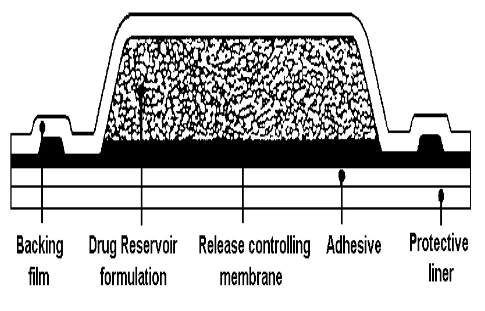
Cross section
ESTRADERM* 50 (the round patch)
ESTRADERM* (estradiol-17ß) is available in the following strengths in patient packs containing 8 patches:
| ESTRADERM* 25 | ESTRADERM* 50 | ESTRADERM* 100 | |
Estradiol-17ß Dosage nominal in vivo delivery | 25 µg/day | 50 µg/day | 100 µg/day |
Total Estradiol-17ß content | 2 mg | 4 mg | 8 mg |
| Drug-Releasing Area | 5 cm2 | 10 cm2 | 20 cm2 |
| Shape of Patch | Round | Round | Oblong |
| Printed (backing side) | CG DND | - | - |
PART II: SCIENTIFIC INFORMATION
PHARMACEUTICAL INFORMATION
Drug Substance
Proper name
Estradiol-17β
Chemical name
estra-1,3,5 (10)-triene-3,17ß-diol
Molecular formula
C18H2402
Molecular mass
272.39
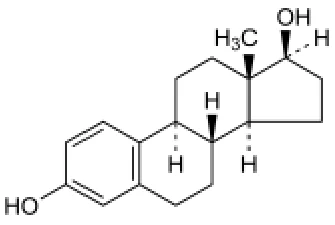
Structural formula
Physicochemical properties
Estradiol is a white crystalline powder.
CLINICAL TRIALS
Relief of menopausal symptoms
Study demographics and trial design
Efficacy and safety of ESTRADERM* in the prevention of postmenopausal symptoms have been studied in two large 3-month comparative pivotal trials.
Table 4- Summary of patient demographics for clinical trials in Relief of menopausal symptoms
| Study # | Trial design | Dosage, route of administration and duration | Study subjects (n=337) |
| Protocol 01 | Open-label 3 weeks | Previously effective dose of conjugated estrogens (0.3 mg; 0.625 mg; 1.25 mg) | 337 symptomatic postmenauposal women |
Washout period 10 days to 21 days | No treatment |
Double-blind, randomized, stratified, parallel design, 11 weeks period |
| 240 symptomatic postmenauposal women |
Study results
Patient assessment for hot flushes, other menopausal symptoms, the effect on vaginal cytology, blood and urine hormonal levels, and global patient evaluation constituted the efficacy measures in this study.
A total of 203 patients were analyzable for efficacy. Analysis of the results revealed no statistically significant difference between the number of vasomotor flushes experienced by patients treated with ESTRADERM* and conjugated estrogens (0.3 mg; 0.625 mg; 1.25 mg). The doses of ESTRADERM* required to control symptoms varied between strata. Patients who had been controlled on conjugated estrogens 1.25 mg/day generally required the largest dose of ESTRADERM* (100 µg/day patch).
Another pivotal study, a double-blind, placebo-controlled, comparative study, 8 weeks period was conducted to evaluate the efficacy of ESTRADERM* TTS and conjugated estrogens in the treatment of menopausal symptoms.
Table 5- Summary of patient demographics for clinical trials in Relief of menopausal symptoms
| Study # | Trial design | Dosage, route of administration and duration | Study subjects (n=166) |
| Protocol C-83-004 | Double- blind, placebo- controlled, comparative study, 8 weeks period | Week 1-3 | 1 capsule of conjugated estrogens (0.625 or 1.25 mg ,the dose that he had been used for 3-24 months prior to enrolment for control of hot flushes) + 2 TTS placebo systems (replaced twice a week) | 166 postmenopausal women who had obtained satisfactory control of hot flushes with either 0.625 or 1.25 mg of conjugated estrogens |
| Week 4 | Therapy-free week: ESTRADERM* TTS placebo (twice a week) + 1 capsule conjugated estrogens placebo | |||
| Week 5-7 | 1/3 of patients were randomly assigned to continue conjugated estrogens (0.625 or 1.25 mg, the dose used in weeks 1-3) 2/3 of patients received active treatment with ESTRADERM* 100μg / day | |||
| Week 8 | Therapy-free week ESTRADERM* TTS placebo (twice a week) + 1 capsule conjugated estrogens placebo |
Study results
Results of the within subject comparison of hot flush frequency in weeks 1-3 (all patients on conjugated estrogens compared with weeks 5-7 (1/3 on conjugated estrogens and 2/3 on ESTRADERM*) showed no statistically significant difference in the mean number of weekly hot flushes between the two treatment periods for any treatment groups. During the course of the study, 51 patients terminated enrollment prior to the end of week 8, with 37 dropping out in weeks 1-4 while receiving conjugated estrogens or placebo. Only six patients discontinued treatment during ESTRADERM* use.
Prevention of osteoporosis
The efficacy and safety of ESTRADERM* in the prevention of postmenopausal osteoporosis showed that ESTRADERM* patches are a well tolerated and effective means to prevent bone loss in recently postmenopausal women
Study demographics and trial design
Table 7- Summary of patient demographics for clinical trials in prevention of osteoporosis
| Study # | Trial design | Dosage, route of administration and duration | Study subjects (n=127) |
| Protocol Number 05 | Double-blind, |
| 127 postmenopausal |
| randomized, parallel group, prospective trial, stratified by age (40-49, > 50 years) placebo controlled, 2 years | randomized to receive either ESTRADERM* 25, 50 or 100 μg/ day patches
| women who were ≥ 40 years of age (average age 47 years) |
A total of 127 patients were randomized to receive either ESTRADERM* 25, 50 or 100 µg/day patches (80 patients) or placebo (43 patients), of which 93 completed the 2 year study and were acceptable for the efficacy analysis. The primary measure of efficacy was bone mineral density of the lumbar spine (L2-L4). After 2 years of treatment, loss of vertebral bone density was prevented by ESTRADERM* 50 and 100 µg/day used on a daily basis. The higher daily dosage (100 µg/day) showed a significant gain in bone density (+3.7 % vs. baseline) after 2 years. In contrast, the placebo group lost 6.4% of their bone mass. ESTRADERM* 25 µg/day also significantly diminished the amount of bone lost from lumbar spine after 2 years (p<0.05) but did not completely eliminate net bone loss.
DETAILED PHARMACOLOGY
See Action and Clinical Pharmacology (Part I)
TOXICOLOGY
Preclinical safety data
The toxicity profile of estradiol has been well established in the literature. Long-term continuous administration of natural and synthetic estrogens in certain animal species increases the frequency of carcinomas of the breast, uterus, cervix, vagina, testis and liver.
At low physiological doses of estradiol (similar to those delivered by ESTRADERM*), neoplastic potential is negligible in experimental animals. Most of the documented effects of exogenously administered estradiol in animal studies have been consequences of the administration of supraphysiological doses and are consistent with an exaggerated pharmacological response (most notably the promotion of tumours in oestrogen-responsive tissues). However, long-term unopposed treatment with physiological doses of estradiol may lead to hyperplastic changes in oestrogen-dependent reproductive organs like the uterus.
In local tolerability studies in rabbits, some skin irritation was observed.
REFERENCES
- 1. Adami S, Suppi R, Bertoldo F, Rossini M, Residori M, Maresca V, et al. Transdermal estradiol in the treatment of postmenopausal bone loss. Bone and Mineral, Elsevier1989;7: 79-86.
- 2.
Armstrong BK. Oestrogen therapy after menopause-boon or bane? Med J 1988
Aug;148:213-4.
- 3. Beral V. Million W, Bull D, Green J, Reeves G. Ovarian cancer and hormone replacement therapy in the Million Women Study. Lancet 2007;69(9574):1703-10.
- 4. Bergkvist L, Adami HO, Persson I, Hoover R, Schairer C. The risk of breast cancer after estrogen and estrogen-progestin replacement. N Engl J Med 1989;321(5):293-7.
- 5.
Brinton LA, Hoover RN, Fraument JF Jr. Menopausal estrogens and breast cancer risk:
an expanded case-control study. Br J Cancer 1986;54:825-32.
- 6. CGS 15885 ESTRADERM TTS Single case file of spontaneous reports on adverse reactions. Ciba-Geigy Ltd., Basel, (data available on request).
- 7. Chetkowski RJ, Meldrum DR, Steingold KA, Randle D, Lu JK, Eggena P, et al. Biologic effects of transdermal estradiol. N Engl J Med 1986;314(25):1615-20.
- 8.
Chlebowski RT, Hendrix SL, Langer RD, Stefanick ML, Gass M, Lane D, et al. The
Women's Health Initiative randomized trial. Influence of estrogen plus progestin on breast cancer and mammography in healthy postmenopausal women. JAMA 2003;289(24):3243-53.
- 9. Clisham P, et al. Bleeding patterns and endometrial histology (EH) with long-term transdermal estrogen therapy (TE). Fertil and Steril 1988;Suppl.:24f.
- 10.
Colditz GA, Stampfer MJ, Willett WC, Hennekens CH, Rosner B, Speizer FE.
Prospective study of estrogen replacement therapy and risk of breast cancer in postmenopausal women. JAMA 1990;264(20):2648-53.
- 11. Colditz GA, Hankinson SE, Hunter DJ, Willett WC, Manson JE, Stampfer MJ, et al. The use of estrogens and progestins and the risk of breast cancer in postmenopausal women. N Engl J Med 1995;332(24):1589-93.
- 12. Colditz GA, Egan KM, Stampfer MJ. Hormone replacement therapy and risk of breast cancer: Results from epidemiologic studies. Am J Obstet Gynecol 1993;168:1473-80.
- 13.
COLLABORATIVE GROUP on hormonal factors in breast cancer. Breast Cancer and
Hormone Replacement Therapy. Lancet 1997;350:1047-59.
- 14.
Crook D, Cust MP, Gangar KF, Worthington M, Hillard TC, Stevenson JC, et al.
Comparison of transdermal and oral estrogen-progestin therapy: Effects of serum lipids and lipoproteins. Am J Obstet Gynecol 1992;116:950-5.
- 15. Daly E, Vessey MP, Hawkins MM, Carson JL, Gough P, Marsh S. Risk of Venous thromboembolism in users of hormone replacement therapy. Lancet 1996;348:977-80.
- 16. Daly E, Vessey MP, Painter R. Case-control study of venous thromboembolism risk in users of hormone replacement therapy. Lancet 1996;348:1027-30.
- 17. Davis GF, and Winter L. Cumulative irritation study of placebo transdermal estrogen patches. Curr Ther Res 1987;42: 719-21.
- 18.
Dupont WD, Page DL. Menopausal estrogen replacement therapy and breast cancer. Arch
Intern Med 1991;151:67-72.
- 19. Editorial Transdermal estrogen. Med Lett Drugs Ther 1985;27(699):119-20.
- 20. Grambrell RD. Update on hormone replacement therapy. Am Fam Phys 1992;46:87-96S.
- 21.
Gambrell RD. Evidence supports estrogen-progestogen replacement therapy. Postgrad
Med 1985;78(1):35-8.
- 22.
Gambrell RD. Hormones in the etiology and prevention of breast and endometrial cancer.
South Med J 1984;77(12):1509-15.
- 23.
Grady S, Herrington D, Bittner V, Blumenthal R, Davidson M, Hlatky M et al for the
HERS Research Group. Cardiovascular disease outcomes during 6.8 years of hormone therapy. Heart and Estrogen/progestin replacement study follow-up (HERS II). JAMA 2002;288(1):49-57.
- 24.
Grodstein F, Stampfer MJ, Goldhaber SZ, Manson JE, Colditz GA, Speizer FE, et al.
Prospective study of exogenous hormones and risk of pulmonary embolism in women. Lancet 1996;348:983-7.
- 25.
Hulley S, Grady D, Bush T, Furberg C, Herrington D, Riggs B, et al for the Heart and
Estrogen/progestin Replacement Study (HERS) Research Group. Randomized trial of estrogen plus progestin for secondary prevention of coronary heart disease in postmenopausal women. JAMA 1998;280(7):605-13.
- 26. Hunt K, Vessey M, McPherson K. Long term surveillance of mortality and cancer incidence in women receiving hormone replacement therapy. Obstet Gynaecol 1987;94:620-35.
- 27. Jick H, Derby LE, Myers MW, Vasilakis C, Newton KM. Risk of hospital admission for idiopathic venous thromboembolism among users of postmenopausal oestrogens. Lancet 1996;348:981-3.
- 28.
Kaufman DW, Miller DR, Rosenberg G L, Helmrich SP, Stolley P, Schottenfeld D, et al.
Non-contraceptive estrogen use and the risk of breast cancer. JAMA 1984;252:63-7.
- 29. La Vecchia C, Decarli A, Parazzini F, Gentile A, Liberati C, Franceschi S. Non-contraceptive oestrogens and the risks of breast cancer in women. Int J Cancer 1986;38:853-8.
- 30. Laufer LR, DeFazio JL, Lu JK, Meldrum DR, Eggena P, Sambhi MP, et al. Estrogen replacement therapy by transdermal estradiol administration. Am J Obstet Gynecol 1983;146(5):533-40.
- 31.
Lacey JV Jr, Brinton LA, Leitzmann MF, Mouw T, Hollenbeck A, Schatzkin A, et al.
Menopausal hormone therapy and ovarian cancer risk in the National Institutes of Health-AARP Diet and Health Study Cohort. J Natl Cancer Inst. 2006;98(19):1397-405.
- 32. Martindale: Drugdex evaluations. Estrogens, Mechanism of Action/Pharmacology. On line, June 22, 2006.
- 33. Naessén T, Persson I, Adami HO, Bergström R, Bergkvist L. Hormone replacement therapy and the risk for first hip fracture. Ann Int Med 1990;113(2):95-103.
- 34. Padwick ML, Endacott J, Whitehead MI. Efficacy, acceptability, and metabolic effects of transdermal estradiol in the management of postmenopausal women. Am J Obstet Gynecol 1985;152(8):1085-91.
- 35. Padwick ML, Pryse-Davies J, Whitehead MI. A simple method for determining the optimal dosage of progestogen in postmenopausal women receiving estrogens. N Engl J Med 1986;315(15):930-4.
- 36.
Paganini-Hill A, Ross RK, Gerkins VR, Henderson BE, Arthur M, Mack TM.
Menopausal oestrogen therapy and hip fractures. Ann Int Med 1981;95(1):28-31.
- 37. Palmer JR, RosenbergG L, Clarke EA, Miller DR, Shapiro S. Breast cancer risk after estrogen replacement therapy: Results from the Toronto breast cancer study. Am J Epidemiol 1991;134:1386-95.
- 38. Pérez Gutthann S, Garcia Rodrigues LA, Castellsague J, Duque Oliart A. Hormone replacement therapy and risk of venous thromboembolism: population based case-control study. Br Med J 1997;314:796-800.
- 39. Place VA, Powers M, Darley PE, Schenkel L, Good WR. A double-blind comparative study of Estraderm and Premarin in the amelioration of postmenopausal symptoms. Am J Obstet Gynecol 1985;152(8):1092-9.
- 40. Powers MS, Schenkel L, Darley PE, Good WR, Balestra JC, Place VA. Pharmacokinetics and pharmacodynamics of transdermal dosage forms of 17ß-estradiol: Comparison with conventional oral estrogens used for hormone replacement. Am J Obstet Gynecol 1985;152(8):1099-106.
- 41. Ribot C, Tremollieres F, Pouilles JM, Louvet JP, Peyron R. Preventive effects of transdermal administration of 17ß-estradiol on postmenopausal bone loss: A 2-year prospective study. Gynecol Endocrinol 1989;3:259-67.
- 42. Selby PL, Peacock M. Dose dependent response of symptoms, pituitary, and bone to transdermal oestrogen in post menopausal women. Br Med J 1986;293:1337-9.
- 43. Selby PL, and Peacock M. The effect of transdermal oestrogen on bone, calcium -regulating hormones and liver in postmenopausal women. Clin Endocrinol 1986;25(5):543-7.
- 44.
Shumaker SA, Legault, C, Rapp SR, Thal L, Wallace RB, Ockene JK, et al. The
Women's Health Initiative Memory Study : A randomized controlled trial. Estrogen plus progestin and the incidence of dementia and mild cognitive impairment in postmenopausal women. JAMA 2003;289(20):2651-62.
- 45.
Shumaker SA, Legault C, Kuller L, Rapp SR, Thal L, Lane DS, et al. Conjugated Equine
Estrogens and Incidence of Probable Dementia and Mild Cognitive Impairment in Postmenopausal Women. Women’s Health Initiative Memory Study. JAMA 2004;291(24):2947-58.
- 46.
Sillero-Arenas M, Delgado-Rodriguez M. Rodrigues-Canteras R, Bueno-Cavanillas A,
Galvez-Vargas R. Menopausal hormone replacement therapy and breast cancer: A meta-analysis. Obstet Gynecol 1992;79:286-94.
- 47. Stanford JL, Weiss NS, Voigt LF, Daling JR, Habel LA, Rossing MA. Combined estrogen and progestin hormone replacement therapy in relation to risk of breast cancer in middle-aged women. JAMA 1995;274(2):137-42.
- 48. Steinberg KK, Thacker SB, Smith SJ, Stroup DF, Zack MM, Flanders WD, et al. A meta-analysis of the effect of estrogen replacement therapy on the risk of breast cancer. JAMA 1991;265(15):1985-90.
- 49.
Steingold KA, Laufer L, Chetkowski RJ, DeFazio JD, Matt DW, Meldrum DR, et al.
Treatment of hot flashes with transdermal estradiol administration. J Clin Endocrinol Metab 1985;61(4):627-32.
- 50. Stevenson JC, Cust MP, Gangar KF, Hillard TC, Lees B, Whitehead MI. Effects of transdermal versus oral hormone replacement therapy on bone density in spine and proximal femur in postmenopausal women. Lancet 1990;336:265-9.
- 51. Sureau C, Ribot C., Limouzin-Lamothe M. A., Jamin C. Objectif, qualité de vie! Les estrogènes: Une approche globale du traitement de la ménopause. Sem Hop Paris 1989;65(36-37):2225-32.
- 52. The Women’s Health Initiative Steering Committee. Effects of conjugated equine estrogen in postmenopausal women with hysterectomy. The Women’s Health Initiative randomized controlled trial. JAMA 2004;291(14):1701 –12.
- 53. Utian WH. Biosynthesis and physiologic effects of estrogen and pathophysiologic effects of estrogen deficiency: A review. Am J Obstet Gynecol 1989;161:1828-31.
- 54. Vandenbroucke JP, Helmerhorst FM. Risk of venous thrombosis with hormone-replacement therapy Lancet 1996;348:972.
- 55.
Whitehead MI, Padwick ML, Endacott J, Pryse-Davies J. Endometrial responses to transdermal estradiol in postmenopausal women. Am J Obstet Gynecol 1985;152(8):1079-
84.
- 56. Winter MI, and Fraser D. Controversies concerning the safety of estrogen replacement therapy. Am J Obstet Gynecol 1987;56:1313-22.
- 57. Writing Group for the Women's Health Initiative Investigators. Risks and benefits of estrogen plus progestin in healthy postmenopausal women. Principal results from the Women's Health Initiative Randomized Controlled Trial. JAMA 2002;288(3):321-33.