


Product Monograph - Estrogel
Recent Major Label Changes
| 2 Contraindications | 2026-07 |
|---|---|
| 4 Dosage and Administration, 4.2 Recommended Dose and Dosage Adjustment, 4.4 Administration | 2026-07 |
| 7 Warnings and Precautions, 7.1 Special Populations, 7.1.1 Pregnancy | 2026-07 |
| 7 Warnings and Precautions, Carcinogenesis and Genotoxicity | 2025-10 |
Table of Contents
Certain sections or subsections that are not applicable at the time of the preparation of the most recent authorized product monograph are not listed.
Recent Major Label Changes ....................................................................................................2
Table of Contents .......................................................................................................................2
Part 1: Health Professional Information ..................................................................................4
1 Indications ......................................................................................................................4
1.1 Pediatrics ..............................................................................................................4
1.2 Geriatrics ..............................................................................................................4
2 Contraindications ...........................................................................................................4
3 Serious Warnings and Precautions Box ......................................................................5
4 Dosage and Administration ..........................................................................................5
4.1 Dosing Considerations .........................................................................................5
4.2 Recommended Dose and Dosage Adjustment ....................................................6
4.4 Administration .......................................................................................................6
4.5 Missed Dose .........................................................................................................7
5 Overdose .........................................................................................................................7
6 Dosage Forms, Strengths, Composition and Packaging ...........................................8
7 Warnings and Precautions ............................................................................................8
Carcinogenesis and Genotoxicity ..............................................................................8
Cardiovascular .........................................................................................................10
Ear/Nose/Throat .......................................................................................................10
Endocrine and Metabolism ......................................................................................11
Genitourinary ...........................................................................................................11
Hematologic .............................................................................................................11
Hepatic/Biliary/Pancreatic ........................................................................................12
Immune ....................................................................................................................13
Monitoring and Laboratory Tests .............................................................................13
Neurologic ................................................................................................................13
Renal ........................................................................................................................14
Skin ..........................................................................................................................14
7.1 Special Populations ............................................................................................14
7.1.1 Pregnancy ......................................................................................................15
7.1.2 Breastfeeding .................................................................................................15
7.1.3 Pediatrics ........................................................................................................15
7.1.4 Geriatrics ........................................................................................................15
8 Adverse Reactions .......................................................................................................15
8.1 Adverse Reaction Overview ...............................................................................15
8.2 Clinical Trial Adverse Reactions .........................................................................17
8.5 Post-Market Adverse Reactions .........................................................................19
9 Drug Interactions .........................................................................................................19
9.2 Drug Interactions Overview ................................................................................19
9.3 Drug-Behaviour Interactions ...............................................................................20
9.4 Drug-Drug Interactions .......................................................................................20
9.5 Drug-Food Interactions .......................................................................................22
9.6 Drug-Herb Interactions .......................................................................................22
9.7 Drug-Laboratory Test Interactions ......................................................................22
10 Clinical Pharmacology .................................................................................................23
10.1 Mechanism of Action ..........................................................................................23
10.2 Pharmacodynamics ............................................................................................23
10.3 Pharmacokinetics ...............................................................................................23
11 Storage, Stability and Disposal ..................................................................................26
12 Special Handling Instructions .....................................................................................26
Part 2: Scientific Information ..................................................................................................27
13 Pharmaceutical Information ........................................................................................27
14 Clinical Trials ................................................................................................................27
14.1 Clinical Trials by Indication .................................................................................27
Hormone Replacement Therapy ..............................................................................27
16 Non-Clinical Toxicology ..............................................................................................32
Patient Medication Information ..............................................................................................34
Part 1: Health Professional Information
1 Indications
ESTROGEL (17β-estradiol transdermal gel) is indicated for:
- Hormone replacement therapy in naturally occurring or surgically induced estrogen deficiency states associated with menopausal and postmenopausal symptoms, e.g. hot flushes, sleep disturbances and atrophic vaginitis.
ESTROGEL should be prescribed with an appropriate dosage of progestogen for women with intact uteri in order to prevent endometrial hyperplasia/carcinoma.
1.1 Pediatrics
Pediatrics (<18 years of age): ESTROGEL should not be used in children.
1.2 Geriatrics
Geriatrics (≥ 65 years of age): No clinical studies were conducted to evaluate the effect of ESTROGEL on women more than 65 years old.
2 Contraindications
ESTROGEL and Estrogen and Estrogen/Progestogen combinations are contraindicated in patients with any of the following disorders:
- Known hypersensitivity to this drug or to any ingredient in the formulation or component of the container. For a complete listing, see 6 Dosage Forms, Strengths, Composition and Packaging section of the product monograph.
- Liver dysfunction or disease as long as liver function tests have failed to return to normal. See 7 Warnings and Precautions.
- Known or suspected estrogen-dependent or progestogen-dependent malignant neoplasia (e.g. endometrial cancer).
- Untreated endometrial hyperplasia.
- Known, suspected, or past history of breast cancer.
- Undiagnosed abnormal genital bleeding.
- Known or suspected pregnancy.
- Active or past history of arterial thromboembolic disease (e.g. angina, stroke, myocardial infarction, coronary heart disease (CHD)).
- Active or past history of confirmed venous thromboembolism (such as deep venous thrombosis or pulmonary embolism) or active thrombophlebitis.
- Known thrombophilic disorders (e.g. protein C, protein S, or antithrombin deficiency) See 7 Warnings and Precautions.
- Partial or complete loss of vision due to ophthalmic vascular disease.
- Lactation.
- Classical migraine.
- Porphyria.
3 Serious Warnings and Precautions Box
Serious Warnings and Precautions
The Women’s Health Initiative (WHI) trial examined the health benefits and risks of oral combined estrogen plus progestin therapy (n=16,608) and oral estrogen-alone therapy (n=10,739) in postmenopausal women aged 50 to 79 years.
The estrogen plus progestin arm of the WHI trial (mean age 63.3 years) indicated an increased risk of myocardial infarction (MI), stroke, invasive breast cancer, pulmonary emboli and deep vein thrombosis in postmenopausal women receiving treatment with combined conjugated equine estrogens (CEE, 0.625 mg/day) and medroxyprogesterone acetate (MPA, 2.5 mg/day) for 5.2 years compared to those receiving placebo.
The estrogen-alone arm of the WHI trial (mean age 63.6 years) indicated an increased risk of stroke and deep vein thrombosis in hysterectomized women treated with CEE-alone (0.625 mg/day) for 6.8 years compared to those receiving placebo.
See 7 Warnings and Precautions for more detailed information.
Therefore, the following should be given serious consideration at the time of prescribing:
- Estrogens with or without progestogens should not be prescribed for primary or secondary prevention of cardiovascular diseases.
- Estrogens with or without progestogens should be prescribed at the lowest effective dose for the approved indication.
- Estrogens with or without progestogens should be prescribed for the shortest period possible for the recognized indication.
4 Dosage and Administration
4.1 Dosing Considerations
Because of the variable absorption of ESTROGEL between individuals due to the technique of self-administration on the skin, it is recommended to obtain measurement of serum estradiol level after initiation of treatment. This measurement should be done when the patient has developed her technique for ESTROGEL application when she comes for her regular follow-up visit. This measurement should be similar to the serum estradiol level normally produced by the ovary before menopause during the middle part of the follicular phase of the menstrual cycle (150-400 pmol/L).
In women who are not currently taking oral estrogens, treatment with ESTROGEL can be initiated at once. In women who are currently taking oral estrogen, treatment with ESTROGEL can be initiated 1 week after withdrawal of oral therapy or sooner if symptoms reappear before the week's end.
In women with intact uteri, a progestogen should be sequentially co-administered for a minimum of 12-14 days each cycle to prevent endometrial hyperplasia.
Continuous, non-cyclic therapy may be indicated in hysterectomized women or in cases where the signs and symptoms of estrogen deficiency become problematic during the treatment-free interval.
There have been no reported cases of biologically significant estradiol transfer from a patient using ESTROGEL to their male partner. Patients should be informed that children should not come in contact with the area of the body where ESTROGEL has been applied.
4.2 Recommended Dose and Dosage Adjustment
ESTROGEL is a gel for transdermal use and can be used for continuous, cyclic or sequential treatment. Treatment is usually initiated with 2.5 g (1.5 mg estradiol) ESTROGEL daily, but initial dose selection can be based on the severity of symptoms. ESTROGEL is usually administered on a cyclic schedule from day 1 to day 25 of each calendar month or from day 1 to day 21 of a 28-day cycle.
Depending on individual clinical response, the dosage can be readjusted after 2 to 3 cycles of treatment. The dose of ESTROGEL should be adjusted as necessary to control symptoms. For initiation and continuation of treatment of postmenopausal symptoms, the lowest effective dose for the shortest duration should be used (see 7 Warnings and Precautions). Breast discomfort and/or breakthrough bleeding are generally signs that the dose is too high and needs to be lowered. However, if the selected dose fails to eliminate the signs and symptoms of estrogen deficiency, a higher dose may be prescribed.
Dosing in women without a uterus
ESTROGEL can be used for continuous, cyclic or sequential treatment. Unless there is a previous diagnosis of endometriosis, it is not recommended to add a progestogen in hysterectomised women.
Dosing in women with an intact uterus
In women with a uterus, consideration should be given to the addition of a progestogen including progesterone for at least 12 to 14 days every month / 28-day cycle to reduce the risk of endometrial hyperplasia and carcinoma.
For women who are post-menopausal, have very infrequent menstrual cycles, or switch from a continuous estrogen-progestogen combined HRT, treatment with ESTROGEL can be started on any day of the cycle.
For women switching from a cyclic or continuous sequential HRT treatment, the therapeutic sequence treatment should finish before beginning treatment with ESTROGEL.
Health Canada has not authorized an indication for pediatric use (see 1.1. Pediatrics).
4.4 Administration
This medicine is for external use only and should therefore not be swallowed.
Do not apply to damaged skin.
ESTROGEL Metered-Dose Pump
Two metered-actuations will deliver 2.5 g of gel (1.5 mg E2). All of the gel should be applied with the hands over a large area of skin (>2000 cm2) in a thin, uniform layer.
To measure a 2.5 g dose of ESTROGEL (1.5 mg E2), press firmly on the pump once and apply the gel to one arm. Repeat applying the gel to the opposite arm. It is recommended to apply ESTROGEL to both arms. Alternate sites of application are the abdomen or the inner thighs. It is not necessary to rotate the site of administration. ESTROGEL must not be applied on or near the breasts or on the vulvar region. ESTROGEL must not be applied to the face or to irritated or damaged skin. Allow the gel to dry approximately 2 minutes before covering with clothing. ESTROGEL does not stain or smell.
When a new metered-dose pump is opened, it may be necessary to prime the pump by pressing the pump once or twice. The first metered-actuation may not be accurate and should therefore be discarded. The pump contains enough gel for approximately a month's use (i.e. 64 metered-actuations). After that, the amount of gel delivered may be lower and thus, it is recommended to change the pump.
ESTROGEL should be prescribed with an appropriate dosage of a progestogen for women with intact uteri in order to prevent endometrial hyperplasia/carcinoma. Progestogen therapy is not required as part of hormone replacement therapy in women who have had a previous hysterectomy.
4.5 Missed Dose
If a dose of ESTROGEL has been missed, the missed dose should be taken as soon as possible. However, if it is almost time for the next dose, the missed dose should be skipped and the regular dosing schedule should be continued. The dose of ESTROGEL should not be doubled.
5 Overdose
Symptoms
Numerous reports of the ingestion of large doses of estrogen products and estrogen-containing oral contraceptives by young children have not revealed acute serious ill effects. Overdosage with estrogen may cause nausea, breast discomfort, fluid retention, abdominal cramps, headache, dizziness, bloating or vaginal bleeding in women.
ESTROGEL does not contain progestogens. However, in the case where a progestogen is co-administered, progestin (norethindrone acetate) overdosage has been characterized by depressed mood, tiredness, acne and hirsutism.
Treatment
Symptomatic treatment should be given.
| For the most recent information in the management of a suspected drug overdose, contact your regional poison control centre or Health Canada’s toll-free number, 1-844 POISON-X (1-844-764-7669). |
|---|
6 Dosage Forms, Strengths, Composition and Packaging
Table 1– Dosage Forms, Strengths, and Composition
| Route of Administration | Dosage Form / Strength | Non-medicinal Ingredients |
| Transdermal | Gel / 0.06% w/w 17β-estradiol as hemihydrate | Carbopol 980, ethanol, purified water, and triethanolamine |
Description
ESTROGEL is packaged in 80 g metered-dose pumps. Each metered-actuation delivers 1.25 g of Gel (0.75 mg of 17β-estradiol).
7 Warnings and Precautions
See 3 Serious Warnings and Precautions Box.
Carcinogenesis and Genotoxicity
Breast Cancer
Available epidemiological data suggest that the use of combined estrogen plus progestogen or estrogen-only HRT, by postmenopausal women, is associated with an increased risk of invasive breast cancer that is dependent on the duration of taking the HRT and the type of progestogen.
Epidemiological data/meta-analysis: A large meta-analysis of prospective cohort studies based on 108,647 postmenopausal women who developed breast cancer at mean age of 65 years old, also reported an increased risk of developing breast cancer in women treated with estrogen plus progestin therapy or estrogen alone therapy. Not only the risk of breast cancer increases with the duration of use, but also the risk could last up to >10 years after discontinuation of treatment. Observational studies also suggest that the risk of breast cancer was greater, and became apparent earlier, with estrogen plus progestin therapy as compared to estrogen-alone therapy. These studies have not generally found significant variation in the risk of breast cancer among different estrogen plus progestin combinations, doses, or routes of administration.
In the estrogen plus progestin arm of the WHI trial, among 10,000 women over a one-year period, there were 8 more cases of invasive breast cancer (38 on combined HRT versus 30 on placebo).
The WHI study also reported that the invasive breast cancers diagnosed in the estrogen plus progestin group were similar in histology but were larger (mean [SD], 1.7 cm [1.1] vs 1.5 cm [0.9), respectively; p=0.04) and were at a more advanced stage compared with those diagnosed in the placebo group. The percentage of women with abnormal mammograms (recommendations for short-interval follow-up, a suspicious abnormality, or highly suggestive of malignancy) was significantly higher in the estrogen plus progestin group versus the placebo group. This difference appeared at year one and persisted in each year thereafter.
In the estrogen-alone arm of the WHI trial, there was no statistically significant difference in the rate of invasive breast cancer in hysterectomized women treated with conjugated equine estrogens versus women treated with placebo.
It is recommended that estrogens not be given to women with existing breast cancer or those with a previous history of the disease. (See 2 Contraindications).
There is a need for caution in prescribing estrogens for women with known risk factors associated with the development of breast cancer, such as strong family history of breast cancer (first degree relative) or who present a breast condition with an increased risk (abnormal mammograms and/or atypical hyperplasia at breast biopsy).
Other known risk factors for the development of breast cancer such as nulliparity, obesity, early menarche, late age at first full term pregnancy and at menopause should also be evaluated.
It is recommended that women undergo mammography prior to the start of HRT and at regular intervals during treatment, as deemed appropriate by the treating physician and according to the perceived risks for each patient.
The overall benefits and possible risks of HRT should be fully considered and discussed with patients. It is important that the modest increased risk of being diagnosed with breast cancer after 4 years of treatment with combined estrogen plus progestin HRT (as reported in the results of WHI trial) be discussed with the patient and weighed against its known benefits.
Other doses of conjugated estrogens and medroxyprogesterone acetate and other combinations of estrogens and progestogens were not studied in the WHI trial. In the absence of comparable data, these risks should be assumed to be similar.
Instructions for regular self-examination of the breasts should be included in this counselling.
Endometrial hyperplasia and endometrial carcinoma
In women with an intact uterus, the risk of endometrial hyperplasia and carcinoma is increased when estrogens are administered alone for prolonged periods.
There is evidence from several studies that estrogens, unopposed by progestogens, increase the risk of carcinoma of the endometrium in humans. However, administration of a progestogen for at least the last 12 to 14 days of an estrogen treatment cycle protects the endometrium from hyperplasia and reduces the risk of endometrial hyperplasia/carcinoma cancer to that of untreated women.
Morphological and biochemical studies have shown that 12-14 days of progestogen treatment provides maximal control of endometrial mitotic activity. There are possible additional risks, which may be associated with the inclusion of a progestogen in estrogen replacement regimens; therefore the manufacturers' labelling should be consulted. The long-term effects generally depend on the dosage and type of progestogen used.
Estrogens should be prescribed with an appropriate dosage of a progestogen for women with intact uteri in order to prevent endometrial hyperplasia/carcinoma.
Break-through bleeding and spotting may occur during the first six months of treatment. If break-through bleeding or spotting appears after some time on therapy, or continues after treatment has been discontinued, the reason should be investigated, which may include endometrial biopsy to exclude endometrial malignancy.
Ovarian cancer
Epidemiological evidence from a large meta-analysis suggests a slightly increased risk in women taking estrogen-only or combined estrogen/progestogen HRT, which becomes apparent within 5 years of use and decreases over time after stopping. Some other studies, including the WHI trial, suggest that use of combined HRT may be associated with a similar, or slightly smaller, risk.
Cardiovascular
The results of the Heart and Estrogen/progestin Replacement Studies (HERS and HERS II) and the WHI trial indicate that the use of estrogen plus progestin is associated with an increased risk of CHD in postmenopausal women. The results of the WHI trial indicate that the use of estrogen-alone and estrogen plus progestin is associated with an increased risk of stroke in postmenopausal women.
WHI trial findings
In the combined estrogen plus progestin arm of the WHI trial, among 10,000 women over a one-year period, there were:
- 8 more cases of stroke (29 on combined HRT versus 21 on placebo)
- 7 more cases of CHD (37 on combined HRT versus 30 on placebo).
In the estrogen-alone arm of the WHI trial of women with prior hysterectomy, among 10,000 women over a one-year period, there were/was:
- 12 more cases of stroke (44 on estrogen-alone therapy versus 32 on placebo)
- no statistically significant difference in the rate of CHD.
HERS and HERS II findings
In the Heart and Estrogen/progestin Replacement Study (HERS) of postmenopausal woman with documented heart disease (n=2763, average age 66.7 years), a randomized placebo-controlled clinical trial of secondary prevention of CHD, treatment with 0.625 mg/day oral conjugated equine estrogen (CEE) plus 2.5 mg oral medroxyprogesterone acetate (MPA) demonstrated no cardiovascular benefit. Specifically, during an average follow-up of 4.1 years, treatment with CEE plus MPA did not reduce the overall rate of CHD events in postmenopausal women with established CHD. There were more CHD events in the hormone-treated group than in the placebo group in year 1, but not during the subsequent years. From the original HERS trial, 2321 women consented to participate in an open label extension of HERS known as HERS II. Average follow-up in HERS II was an additional 2.7 years, for a total of 6.8 years overall. After 6.8 years, hormone therapy did not reduce the risk of cardiovascular events in women with CHD.
Blood pressure
Women using HRT sometimes experience increased blood pressure. Blood pressure should be monitored with HRT use. Elevation of blood pressure in previously normotensive or hypertensive patients should be investigated and HRT therapy may have to be discontinued.
Ear/Nose/Throat
Otosclerosis
Estrogens should be used with caution in patients with otosclerosis.
Endocrine and Metabolism
Glucose and lipid metabolism
A worsening of glucose tolerance and lipid metabolism has been observed in a significant percentage of peri- and post-menopausal patients. Therefore, diabetic patients or those with a predisposition to diabetes should be observed closely to detect any alterations in carbohydrate or lipid metabolism, especially in triglyceride blood levels.
Women with familial hyperlipidemias need special surveillance. Lipid lowering measures are recommended additionally, before treatment is started.
Heme metabolism
Women with porphyria need special surveillance.
Calcium and phosphorus metabolism
Because the prolonged use of estrogens influences the metabolism of calcium and phosphorus, estrogens should be used with caution in patients with metabolic and malignant bone diseases associated with hypercalcemia and in patients with renal insufficiency.
Hypothyroidism
Patients who require thyroid hormone replacement therapy and who are also taking estrogen should have their thyroid function monitored regularly to assure that thyroid hormone levels remain in an acceptable range (see 9.7 Drug-Laboratory Test Interactions).
Genitourinary
Vaginal bleeding
Abnormal vaginal bleeding, due to its prolongation, irregularity or heaviness, occurring during therapy should prompt diagnostic measures to rule out the possibility of uterine malignancy and the treatment should be re-evaluated.
Uterine leiomyomata
Pre-existing uterine leiomyomata may increase in size during estrogen use. Growth, pain or tenderness of uterine leiomyomata requires discontinuation of medication and appropriate investigation.
Endometriosis
Symptoms and physical findings associated with a previous diagnosis of endometriosis may reappear or become aggravated with estrogen use.
Hematologic
Venous thromboembolism
Available epidemiological data indicate that use of estrogen with or without progestogen by postmenopausal women is associated with an increased risk of developing venous thromboembolism (VTE).
In the estrogen plus progestin arm of the WHI trial, among 10,000 women on combined HRT over a one-year period, there were 18 more cases of venous thromboembolism, including 8 more cases of pulmonary embolism.
In the estrogen-alone arm of the WHI trial, among 10,000 women on estrogen therapy over a one-year period, there were 7 more cases of venous thromboembolism, although there was no statistically significant difference in the rate of pulmonary embolism.
Patients with known thrombophilic states have an increased risk of VTE, and HRT may add to this risk. HRT is therefore contraindicated in these patients. If a thrombophilic defect is identified which segregates with thrombosis in family members or if the defect is 'severe' (e.g. antithrombin, protein S, or protein C deficiencies or a combination of defects) HRT is contraindicated (see 2 CONTRAINDICATIONS).
Generally recognized risk factors for VTE include a personal history, a family history (the occurrence of VTE in a direct relative at a relatively early age may indicate genetic predisposition), severe obesity (body mass index >30 kg/m2) and systemic lupus erythematosus. The risk of VTE also increases with age and smoking.
The risk of VTE may be temporarily increased with prolonged immobilization, major surgery or trauma. In women on HRT, attention should be given to prophylactic measures to prevent VTE following surgery. Also, patients with varicose veins should be closely supervised. The physician should be alerted to the earliest manifestations of thrombotic disorders (thrombophlebitis, retinal thrombosis, cerebral embolism and pulmonary embolism). If these occur or are suspected, hormone therapy should be discontinued immediately, given the risk of long-term disability or fatality.
If feasible, estrogens should be discontinued at least 4 weeks before major surgery which may be associated with an increased risk of thromboembolism, or during periods of prolonged immobilization.
Women already receiving chronic anticoagulant treatment require careful consideration of the benefit/risk ratio of use of HRT.
If VTE develops after initiating therapy, ESTROGEL should be discontinued. Patients should be told to contact their doctor immediately when they are aware of a potential thromboembolic symptom (e.g. painful swelling of a leg, sudden chest pain, dyspnoea).
Hepatic/Biliary/Pancreatic
Gallbladder diseases
A 2- to 4-fold increase in the risk of gallbladder disease requiring surgery in women receiving postmenopausal estrogens has been reported.
Hepatic hemangiomas
Particular caution is indicated in women with hepatic hemangiomas, as estrogen may cause an exacerbation of this condition.
Hepatitis C Virus
During clinical trials with patients treated for hepatitis C virus (HCV) infections with the combination regimen ombitasvir/paritaprevir/ritonavir with and without dasabuvir, ALT elevations greater than 5 times the upper limit of normal (ULN) were significantly more frequent in women using ethinylestradiol-containing medicinal products such as combined hormonal contraceptives (CHCs). Additionally, also in patients treated with glecaprevir/pibrentasvir, ALT elevations were observed in women using ethinylestradiol-containing medications such as CHCs. Women using medicinal products containing estrogens other than ethinylestradiol, such as estradiol, had a rate of ALT elevation similar to those not receiving any estrogens; however, due to the limited number of women taking these other estrogens, caution is warranted for co-administration with the combination drug regimen ombitasvir/paritaprevir/ritonavir with or without dasabuvir and also the regimen glecaprevir/pibrentasvir (see 9.4 Drug-Drug Interactions).
Jaundice
Caution is advised in patients with a history of liver and/or biliary disorders. If cholestatic jaundice develops during treatment, the treatment should be discontinued and appropriate investigations carried out.
Liver function tests
Liver function tests should be done periodically in subjects who are suspected of having hepatic disease. For information on endocrine and liver function tests, see the section under Monitoring and Laboratory Tests.
Immune
Angioedema
Exogenous estrogens may induce or exacerbate symptoms of hereditary or acquired angioedema.
Systemic lupus erythematosus
Particular caution is indicated in women with systemic lupus erythematosus.
Monitoring and Laboratory Tests
Physical examination
Before ESTROGEL is administered, the patient should have a complete physical examination including a blood pressure determination. Breasts and pelvic organs should be appropriately examined and a Papanicolaou smear should be performed. Endometrial biopsy should be done only when indicated. Baseline tests should include mammography, measurements of blood glucose, calcium, triglycerides, cholesterol, and liver function tests.
The first follow-up examination should be done within 3-6 months after initiation of treatment to assess response to treatment. Thereafter, examinations should be made at intervals at least once a year. Appropriate investigations should be arranged at regular intervals as determined by the physician.
The importance of regular self-examination of the breasts should be discussed with the patient.
Neurologic
Cerebrovascular insufficiency
Patients who develop visual disturbances, classical migraine, transient aphasia, paralysis, or loss of consciousness should discontinue medication.
Dementia
Available epidemiological data indicate that the use of combined estrogen plus progestin in women age 65 and over may increase the risk of developing probable dementia.
The Women’s Health Initiative Memory Study (WHIMS), a clinical substudy of the WHI, was designed to assess whether postmenopausal hormone replacement therapy (oral estrogen plus progestin or oral estrogen-alone) reduces the risk of dementia in women aged 65 and over (age range 65-79 years) and free of dementia at baseline.
In the estrogen plus progestin arm of the WHIMS (n=4532), women with intact uteri were treated with daily 0.625 mg conjugated equine estrogens (CEE) plus 2.5 mg medroxyprogesterone acetate (MPA) or placebo for an average of 4.05 years. The results, when extrapolated to 10,000 women treated over a one-year period showed:
- 23 more cases of probable dementia (45 on combined HRT versus 22 on placebo).
In the estrogen-alone arm of the WHIMS (n=2947), women with prior hysterectomy were treated with daily 0.625 mg CEE or placebo for an average of 5.21 years. The results, when extrapolated to 10,000 women treated over a one-year period showed:
- 12 more cases of probable dementia (37 on estrogen-alone versus 25 on placebo), although this difference did not reach statistical significance.
When data from the estrogen plus progestin arm of the WHIMS and the estrogen alone arm of the WHIMS were combined, as per the original WHIMS protocol, in 10,000 women over a one-year period, there were:
- 18 more cases of probable dementia (41 on estrogen plus progestin or estrogen-alone versus 23 on placebo).
Epilepsy
Particular caution is indicated in women with epilepsy, as estrogen, with or without progestogens, may cause an exacerbation of this condition.
Renal
Fluid retention
Estrogens may cause fluid retention. Therefore, particular caution is indicated in cardiac or renal dysfunction or asthma. If, in any of the above-mentioned conditions, a worsening of the underlying disease is diagnosed or suspected during treatment, the benefits and risks of treatment should be reassessed based on the individual case.
Skin
Contact sensitization
Contact sensitization is known to occur with topical applications. Although it is extremely rare, patients who develop contact sensitization to any component of the gel should be warned that a severe hypersensitivity reaction may occur with continuing exposure to the causative agent.
This medicine contains 0.5 g alcohol (ethanol) in each dose of 1.25 g gel. It may cause burning sensation on damaged skin. This product is flammable until dry.
7.1 Special Populations
7.1.1 Pregnancy
ESTROGEL must not be used during pregnancy. Pregnancy should be excluded before initiating HRT. If pregnancy occurs during the use of ESTROGEL for HRT, treatment should be withdrawn immediately. Both estrogens and progestogens may cause fetal harm when administered to a pregnant woman (see 2 Contraindications).
7.1.2 Breastfeeding
ESTROGEL is not indicated during lactation (see 2 Contraindications).
7.1.3 Pediatrics
ESTROGEL should not be used in children.
Potential ESTROGEL transfer to children:
ESTROGEL can be accidentally transferred to children from the area of the skin where it was applied.
Post-marketing reports of breast budding and breast masses in prepubertal females, precocious puberty, gynaecomastia and breast masses in prepubertal males following unintentional secondary exposure to estradiol gel have been reported. In most cases, the condition resolved with removal of estradiol exposure.
Patients should be instructed:
- not to allow others, especially children, to come into contact with the exposed area of the skin and to cover the application site with clothing if needed. In case of contact the child’s skin should be washed with soap and water as soon as possible.
- to consult a physician in case of signs and symptoms (breast development or other sexual changes) in a child that may have been exposed accidentally to ESTROGEL.
7.1.4 Geriatrics
No clinical studies were conducted to evaluate the effect of ESTROGEL on women more than 65 years old.
8 Adverse Reactions
8.1 Adverse Reaction Overview
See 7 Warnings and Precautions regarding potential induction of malignant neoplasms and adverse effects similar to those of oral contraceptives.
The following adverse reactions have been reported with estrogens/progestogen combination in general:
Blood and lymphatic system disorders
Altered coagulation tests (see 7 Warnings and Precautions, 9.7 Drug-Laboratory Test Interactions).
Cardiac disorders
Palpitations; increase in blood pressure (see 7 Warnings and Precautions); coronary thrombosis.
Endocrine disorders
Increased blood sugar levels; decreased glucose tolerance.
Eye disorders
Neuro-ocular lesions (e.g. retinal thrombosis, optic neuritis); visual disturbances; steepening of the corneal curvature; intolerance to contact lenses.
Gastrointestinal disorders
Nausea; vomiting; abdominal discomfort (cramps, pressure, pain, bloating).
General disorders and administration site conditions
Fatigue; changes in appetite; changes in body weight; change in libido.
Hepatobiliary disorders
Gallbladder disorder; asymptomatic impaired liver function; cholestatic jaundice.
Musculoskeletal and connective tissue disorders
Musculoskeletal pain including leg pain not related to thromboembolic disease (usually transient, lasting 3-6 weeks) may occur.
Nervous system disorders
Aggravation of migraine episodes; headaches; dizziness; neuritis.
Psychiatric disorders
Mental depression; nervousness; irritability.
Renal and urinary disorders
Cystitis; dysuria; sodium retention; edema.
Reproductive system and breast disorders
Breakthrough bleeding; spotting; change in menstrual flow; dysmenorrhea; vaginal itching/discharge; dyspareunia; endometrial hyperplasia; pre-menstrual-like syndrome; reactivation of endometriosis; changes in cervical erosion and amount of cervical secretion; breast swelling and tenderness.
Skin and subcutaneous tissue disorders
Chloasma or melasma, which may persist when drug is discontinued; erythema multiforme; erythema nodosum; hemorrhagic eruptions; loss of scalp hair; hirsutism and acne.
Vascular disorders
Isolated cases of: thrombophlebitis; thromboembolic disorders.
8.2 Clinical Trial Adverse Reactions
Clinical trials are conducted under very specific conditions. Therefore, the frequencies of adverse reactions observed in the clinical trials may not reflect frequencies observed in clinical practice and should not be compared to frequencies reported in clinical trials of another drug.
The following table summarizes the adverse events reported in a single-centre, double-blind, randomized, parallel group, 2-year study (titled “Percutaneous Oestradiol as prophylaxis in early postmenopausal women) designed to examine the efficacy and safety of ESTROGEL alone or in combination with either micronized progesterone or calcium in the treatment of postmenopausal symptoms as compared to placebo. Fifty-seven (57) patients were randomly divided into four groups and received the following treatment: (1) ESTROGEL 5g (3 mg E2) + placebo tablet daily (n=15), (2) ESTROGEL 5g (3 mg E2) + 1000 mg oral calcium tablet daily (n=14), (3) placebo (percutaneous) + 1000 mg oral calcium tablet daily (n=15), (4) placebo (percutaneous and oral) (n=13). After 1 year, patients who were receiving ESTROGEL were also administered micronized progesterone from day 13 to 24 of each month.
Table 2 – Reported Adverse Events in at least one Patient per Dose Group: Symptoms by Treatment Assignment
| System organ class/preferred term | 17β-estradiol, as estradiol hemihydrate ESTROGEL n = 15 (%) | 17β-estradiol, as estradiol hemihydrate ESTROGEL+ Calcium n = 14 (%) | Calcium n = 15 (%) | Placebo n = 13 (%) |
| Blood and Lymphatic System Disorders | ||||
| Anemia | 0 | 0 | 0 | 1 (7.7%) |
| Gastrointestinal Disorders | ||||
| Gastrointestinal disorders | 1 (6.7%) | 2 (14.3%) | 5 (33.3%) | 2 (15.4%) |
| Duodenal ulcer | 0 | 0 | 0 | 1 (7.7%) |
| General Disorders and Administration Site Disorders | ||||
| Application site pruritus with erythema | 1 (6.7%) | 0 | 1 (6.7%) | 0 |
| Musculoskeletal and Connective Tissue Disorders | ||||
| Arthralgia | 1 (6.7%) | 0 | 0 | 0 |
| Neoplasms Benign, Malignant and Unspecified | ||||
| Benign breast neoplasm | 0 | 0 | 0 | 1 (7.7%) |
| Malignant melanoma in the eye | 0 | 0 | 1 (6.7%) | 0 |
| Reproductive System and Breast Disorders | ||||
| Dysfunctional uterine bleeding with vaginal erosion | 2 (13.3%) | 2 (14.3%) | 1 (6.7%) | 0 |
| Vulvovaginal dryness | 0 | 0 | 2 (13.3%) | 1 (7.7%) |
| Vascular Disorders | ||||
| Hot flushes | 0 | 0 | 0 | 1 (7.7%) |
Twenty-one (21) patients reported adverse events summarized in Table 2. Gastrointestinal (GI) discomfort was reported by 10 patients, 2 in the placebo group, 5 in the calcium only group, 1 in the ESTROGEL only group and 2 in the ESTROGEL + calcium group. The GI effects were attributed to the calcium supplementation. Two incidents of application site pruritus with erythema were reported: 1 in the ESTROGEL group (dropped out of the study before 1 month of treatment) and 1 in the calcium group, who reported application site pruritus with erythema for the first 3 to 6 months. Dysfunctional uterine bleeding with vaginal erosion was reported by 4 patients treated with ESTROGEL or ESTROGEL + calcium. There were no significant changes in any laboratory parameters.
8.5 Post-Market Adverse Reactions
Upon ESTROGEL treatment, undesirable effects are generally mild and rarely require treatment withdrawal. Undesirable effects, if any, usually occur during the first months of treatment.
Common undesirable effects include:
- Nervous system disorders: Headache
- Gastrointestinal disorders: Nausea, abdominal pain
- Reproductive system and breast disorders: breast swelling / pain, breast enlargement, dysmenorrhoea, menorrhagia, metrorrhagia, leucorrhoea discharge, endometrial hyperplasia
- General disorders and administration site conditions: weight change (increase or decrease), water retention with peripheral oedema.
Undesirable effects observed with HRT products are presented below.
- Eye disorders: Contact lens intolerance
- Gastrointestinal disorders: Nausea, abdominal pain, flatulence, vomiting
- General disorders and administration site conditions: Weight change (increase or decrease), water retention with peripheral oedema, asthenia, anaphylactic reaction (in women a history of allergic reaction)
- Hepatobiliary disorders: Liver function test abnormalities, cholestasis and jaundice
- Metabolism and nutrition disorders: Glucose intolerance
- Musculoskeletal and connective tissue disorders: Bone pain
- Nervous system disorders: Headache, vertigo, migraine, aggravation of epilepsy
- Psychiatric disorders: Depression, mood swings, change in libido
- Reproductive system and breast disorders: Breast swelling/pain, breast enlargement, dysmenorrhea, menorrhagia, metrorrhagia, leucorrhoea discharge, endometrial hyperplasia, benign breast neoplasm, increased volume of uterine fibroids, leiomyoma, vaginitis/vaginal candidiasis
- Skin and subcutaneous tissue disorders: Pruritus, skin discolouration, acne
- Vascular disorders: Venous thromboembolic disease, arterial hypertension
If adverse symptoms persist, the prescription of HRT should be reconsidered.
9 Drug Interactions
9.2 Drug Interactions Overview
Estrogens may diminish the effectiveness of anticoagulant, antidiabetic and antihypertensive agents.
Preparations inducing liver enzymes (e.g., barbiturates, hydantoins, carbamazepine, meprobamate, phenylbutazone or rifampin) may interfere with the activity of orally administered estrogens.
9.3 Drug-Behaviour Interactions
Acute alcohol ingestion during HRT may lead to elevations in circulating estradiol levels.
9.4 Drug-Drug Interactions
The following section contains information on drug interactions with ethinyl estradiol-containing products (specifically, oral contraceptives) that have been reported in the public literature (Table 3 & Table 4). It is unknown whether such interactions occur with drug products containing other types of estrogens.
Therapeutic monitoring is recommended.
Table 3 - Drugs Which May Affect the Concentrations of Ethinyl Estradiol
| Drug | Source of Evidence | Effect | Clinical comment |
| Acetaminophen | Literature | Increased AUC and/or plasma concentrations of ethinyl estradiol | |
Anticonvulsants Phenobarbital Phenytoin Carbamazepine | Literature | Increased metabolism of ethinyl estradiol | Decreased plasma concentrations of estradiol |
| Ascorbic acid | Literature | Increased AUC and/or plasma concentrations of ethinyl estradiol | |
| Atorvastatin | Literature | When co-administered with certain ethinyl estradiol containing drug products (e.g. oral contraceptives containing ethinyl estradiol), the AUC values of ethinyl estradiol increase by 20 percent. | |
| Rifampin | Literature | Increased metabolism of ethinyl estradiol | Decreased plasma concentrations of estradiol. Clinical pharmacokinetic studies have not demonstrated any consistent effect of antibiotics (other than rifampin) on plasma concentrations of synthetic steroids. |
| Troglitazone | Literature | When co-administered with certain ethinyl estradiol containing drug products (e.g. oral contraceptives containing ethinyl estradiol), the plasma concentrations of ethinyl estradiol reduce by 30 percent. |
Table 4 – Modification of Other Drug Action by Co-administration with Certain Drugs Containing Ethinyl Estradiol (e.g. oral contraceptives containing ethinyl estradiol)
| Drug | Source of Evidence | Effect |
| Acetaminophen | Literature | Decreased plasma concentrations of acetaminophen |
| Clofibric Acid | Literature | Increased clearance of clofibric acid |
| Cyclosporin | Literature | Increased plasma concentrations of cyclosporine |
| Lamotrigine | Literature | Decrease plasma concentrations of lamotrigine |
| Morphine | Literature | Increased clearance of morphine |
| Prednisolone | Literature | Increased plasma concentrations of prednisolone |
| Salicylic Acid | Literature | Increased clearance of salicylic acid |
| Temazepam | Literature | Increased clearance of temazepam |
| Theophylline | Literature | Increased plasma concentrations of theophylline |
Drug products containing ethinyl estradiol may inhibit the metabolism of other compounds or induce the conjugation of other compounds.
The metabolism of estrogens may be increased by concomitant use of substances known to induce drug metabolising enzymes, specifically cytochrome P450 enzymes such as anticonvulsants (e.g. phenobarbital, phenytoin, carbamazepine) and anti-infectives (e.g. rifampicin, rifabutin, nevirapine, efavirenz). Ritonavir and nelfinavir, although known as strong enzyme inhibitors, exhibit inducing properties when used concomitantly with steroid hormones.
Pharmacodynamic interactions
During clinical trials with the HCV combination drug regimen ombitasvir/paritaprevir/ritonavir with and without dasabuvir, ALT elevations greater than 5 times the upper limit of normal (ULN) were significantly more frequent in women using ethinylestradiol-containing medicinal products such as CHCs. Women using medicinal products containing estrogens other than ethinylestradiol, such as estradiol, had a rate of ALT elevation similar to those not receiving any estrogens; however, due to the limited number of women taking these other estrogens, caution is warranted for co-administration with the combination drug regimen ombitasvir/paritaprevir/ritonavir with or without dasabuvir and also the regimen with glecaprevir/pibrentasvir.
With transdermal administration, the first-pass effect in the liver is avoided. Thus,
transdermally-applied estrogens might be less affected by enzyme inducers than oral hormones.
Effect of HRT with estrogens on other medicinal products
Hormone contraceptives containing estrogens have been shown to significantly decrease plasma concentrations of lamotrigine when co-administered due to induction of lamotrigine glucuronidation. This may reduce seizure control. Although the potential interaction between hormone replacement therapy and lamotrigine has not been studied, it is expected that a similar interaction exists, which may lead to a reduction in seizure control among women taking both medicinal products together.
9.5 Drug-Food Interactions
Interactions with food have not been established.
9.6 Drug-Herb Interactions
It was found that some herbal products which are available as over the counter (OTC) products might interfere with steroid metabolism and therefore alter the efficacy and safety of estrogen/progestogen. Herbal preparations containing St John's wort (Hypericum perforatum) may induce the metabolism of estrogens. Clinically, increased metabolism of estrogens may lead to decreased effect and changes in the uterine bleeding profile.
Physicians and other health care providers should be made aware of other non-prescription products concomitantly used by the patient, including herbal and natural products obtained from the health stores.
9.7 Drug-Laboratory Test Interactions
The results of certain endocrine and liver function tests may be affected by estrogen-containing products:
- increased prothrombin time and partial thromboplastin time; increased levels of fibrinogen and fibrinogen activity; increased coagulation factors VII, VIII, IX, X; increased norepinephrine-induced platelet aggregability; decreased antithrombin III;
- increased thyroxine-binding globulin (TBG), leading to increased circulating total thyroid hormone (T4) as measured by column or radioimmunoassay; T3 resin uptake is decreased, reflecting the elevated TBG; free T4 concentration is unaltered;
- other binding proteins may be elevated in serum i.e., corticosteroid binding globulin (CBG), sex-hormone binding globulin (SHBG), leading to increased circulating corticosteroids and sex steroids respectively; free or biologically active hormone concentrations are unchanged;
- impaired glucose tolerance;
- increased serum triglycerides and phospholipids concentration.
Administration of ESTROGEL, alone or in combination with oral micronized progesterone has no effect on antithrombin III. Postmenopausal women treated with ESTROGEL and oral micronized progesterone for three months showed no significant variations in platelet count, thromboelastinogram, factors II, VII, IX, X, prothrombin time, fibrinogen, antithrombin III and plasminogen. No shift towards hypercoagulability was observed. A moderate decrease in platelet aggregation was observed without any related clinical symptoms. In combination with oral micronized progesterone, ESTROGEL does not negatively affect the balance between the vasoactive prostanoids PGI2 and TxA2.
A study has shown that transdermal estradiol improves the anticoagulant response to activated protein C (APC-sensitivity), probably as a result of a decreased factor VIII.
Clinical trials demonstrated no increase of SHBG with percutaneous estradiol or increase to a lesser extent compared to oral conjugated estrogens.
Based on a study, transdermal estradiol did not significantly increase circulating levels of TBG and CBG.
The results of the above laboratory tests should not be considered reliable unless therapy has been discontinued for two to four weeks. The pathologist should be informed that the patient is receiving HRT therapy when relevant specimens are submitted.
10 Clinical Pharmacology
10.1 Mechanism of Action
ESTROGEL is a transdermal preparation which is comprised of a hydro-alcoholic gel containing 0.06% of the physiological hormone, 17β-estradiol (E2).
With daily administration of 2.5 g or 5 g ESTROGEL (corresponding to 1.5 mg or 3 mg estradiol, respectively), mean serum estradiol concentrations of approximately 80 pg/ml (294 pmol/L) and 150 pg/ml (551 pmol/L), respectively, are maintained. Administration of ESTROGEL also results in increased serum estrone concentrations, producing a physiological estradiol/estrone ratio of approximately one. Therefore, serum concentrations of both estradiol and estrone and the serum estradiol/estrone ratio provided by ESTROGEL are consistent with physiological levels observed during the follicular phase of the normal menstrual cycle.
Estrogen exerts a dose-dependent stimulating effect on mitosis (proliferation) of the endometrium. Unopposed estrogen increases the risk of endometrial hyperplasia/carcinoma. Therefore, ESTROGEL should be prescribed with an appropriate dosage of progestogen for women with intact uteri.
10.2 Pharmacodynamics
Treatment of postmenopausal women with ESTROGEL provides relief from climacteric symptoms such as hot flushes, vaginal atrophy and insomnia. Co-administration of a progestogen does not affect the efficacy of ESTROGEL to relieve climacteric symptoms and has been shown to be an effective method to prevent estrogen-induced endometrial hyperplasia.
In general, administration of ESTROGEL, in combination with a progesterone substitute, does not lead to significant changes in systolic and diastolic blood pressure or heart rate in normotensive women. In only one open study, examining normotensive and hypertensive women, there was a slight but significant reduction in blood pressure (remaining within the normal range) observed after 3 years of treatment. Administration of ESTROGEL does not lead to any significant change in rennin substrate, even when administered to diabetic patients.
Administration of ESTROGEL has no significant effect on carbohydrate metabolism, even when administered to non-insulin dependent diabetics.
10.3 Pharmacokinetics
Absorption
Following application to human skin, ESTROGEL rapidly penetrates the stratum corneum and then diffuses more slowly into the epidermis, dermis and vascular system over several hours. When ESTROGEL is applied on skin, it dries in 2 to 5 minutes.
ESTROGEL 2.5 g was administered to 17 postmenopausal women once daily on the posterior surface of one arm from wrist to shoulder for 14 consecutive days. Maximal serum concentrations of estradiol and estrone on day 12 were 117 pg/mL and 128 pg/mL, respectively. The time-averaged serum estradiol and estrone concentration over the 24-hour dose interval after administration of 2.5 g ESTROGEL on Day 12 are 76.8 pg/mL and 95.7 pg/mL, respectively.
Table 5 – Summary of 17β-estradiol, as estradiol hemihydrate pharmacokinetic parameters in humans
| Day | Parameter | Estradiol | Estrone | Estradiol/Estrone ratio |
| 11 | Cmax Tmax AUC (0-24hr) Cavg | 114 pg/mL (44) (417 pmoles/L) 9.50 (102) 1745 (40) 72.2 pg/mL (39) (264 pmoles/L) | 128 pg/mL (57) (473 pmoles/L) 7.83 (106) 2343 (56) 92.8 pg/mL (57) (343 pmoles/L) | 1.02 (42) - 0.85 (42) - |
| 12 | Cmax Tmax AUC (0-24hr) Cavg | 117 pg/mL (42) (428 pmoles /L) 6.75 (126) 1684 (37) 76.8 pg/mL (30) (281 pmoles/L) | 128 pg/mL (57) (473 pmoles /L) 12.7 (70) 2326 (54) 95.7 pg/mL (53) (354 pmoles /L) | 1.09 (55) - 0.81 (38) - |
| 13 | Cmax Tmax AUC (0-24hr) Cavg | 117 pg/mL (51) (428 pmoles /L) 7.92 (124) 1624 (55) 70.7 pg/mL (50) (259 pmoles/L) | 123 pg/mL (63) (455 pmoles/L) 6.50 (111) 2142 (62) 88.3 pg/mL (60) (326 pmoles/L) | 1.08 (35) - 0.81 (33) - |
Cmax maximum serum concentration (pg/mL)
Tmax time of maximum serum concentration (hr)
AUC (0-24hr) area under the serum concentration-time curve from time zero to 24 hr
Cavg average serum concentration (pg/mL)
Mean concentrations-time profiles for estradiol and estrone are shown in Figures 1 and 2.
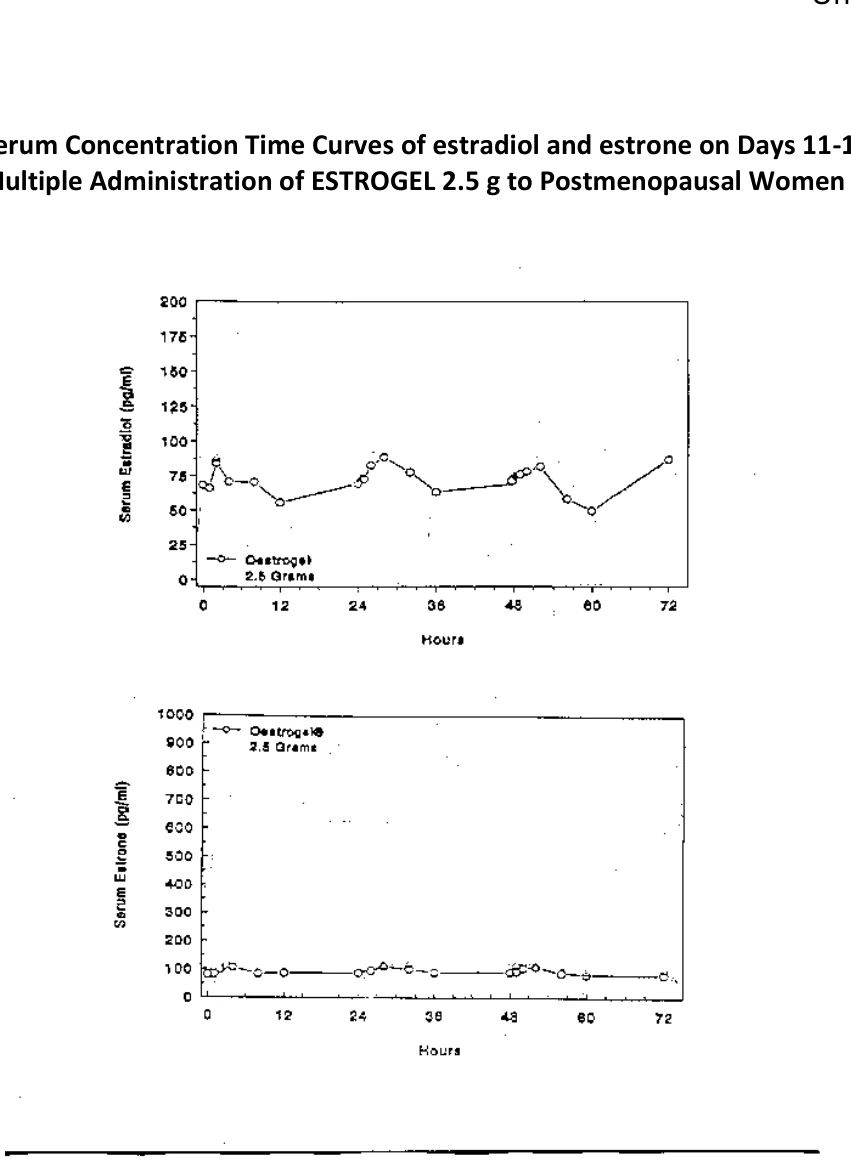
Figures 1 & 2 - Serum Concentration Time Curves of estradiol and estrone on Days 11-13 Following Multiple Administration of ESTROGEL 2.5 g to Postmenopausal Women
Daily percutaneous administration of ESTROGEL results in increasing plasma estradiol levels, which plateau after 4-5 days of treatment, remaining relatively stable thereafter.
Distribution
The distribution of exogenous estrogens is similar to that of endogenous estrogens. Estrogens are widely distributed in the body and are generally found in higher concentrations in the sex hormone target organs. Estrogens circulate in blood largely bound to sex hormone binding globulin (SHBG) and albumin.
Metabolism
Exogenous estrogens are metabolized in the same manner as endogenous estrogens. Circulating estrogens exist in a dynamic equilibrium of metabolic interconversions. These transformations take place mainly in the liver. Estradiol is converted reversibly to estrone, and both can be converted to estriol, which is the major urinary metabolite. Estrogens also undergo enterohepatic recirculation via sulfate and glucuronide conjugation in the liver, biliary secretion of conjugates into the intestine, and hydrolysis in the gut followed by reabsorption. In postmenopausal women, a significant proportion of the circulating estrogens exist as sulfate conjugates, especially estrone sulfate, which serves as a circulating reservoir for the formation of more active estrogens. Although the clinical significance has not been determined, estradiol from ESTROGEL does not go through the first pass liver metabolism.
Elimination
Estradiol, estrone and estriol are excreted in the urine along with glucuronide and sulfate conjugates.
Special Populations and Conditions
- Pediatrics ESTROGEL should not be used in children.
- Geriatrics No clinical studies were conducted to evaluate the effect of ESTROGEL on women more than 65 years old.
- Sex ESTROGEL should be used in women only.
11 Storage, Stability and Disposal
Store at room temperature (15°C - 30°C).
Keep in a safe place out of reach of children.
12 Special Handling Instructions
See 4 Dosage and Administration.
Part 2: Scientific Information
13 Pharmaceutical Information
Drug Substance
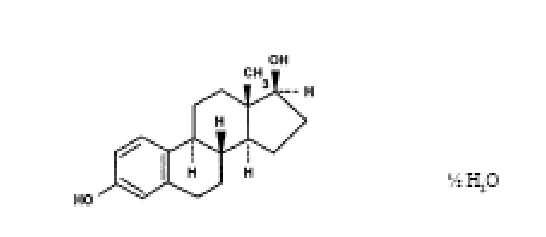
Non-proprietary name of the drug substance(s): 17β-estradiol (as estradiol hemihydrate)
Chemical name: estra-1,3,5(10)-triene-3,17β-diol hemihydrate
Molecular formula and molecular mass: C18H24O2, ½ H2O; 281.4
Structural Formula:
Physicochemical properties:
Physical form: White or creamy white, odourless, crystalline powder
Solubility: Practically insoluble in water; sparingly soluble in vegetable oils; soluble in alcohol, acetone, dioxane, chloroform and in solutions of fixed alkali hydroxides.
Melting range: 173°C - 179°C
14 Clinical Trials
14.1 Clinical Trials by Indication
Hormone Replacement Therapy
Table 6 – Summary of Patient Demographics for Clinical Trials in Hormone Replacement Therapy
| Study # | Study design | Dosage, route of administration and duration | Study subjects (n) | Age (range) | Sex |
|---|---|---|---|---|---|
Dupont Study | Single-blind, randomized, active treatment, controlled study | A:17β-estradiol (2.5 g/day, percutaneous) B: oral conjugated estrogens; (0.625 mg/day, oral) The dose of 17β- | A: 32 a B: 31b | A: 37-59 B: 34-60 | Female |
estradiol and oral conjugated estrogens was adjusted during the 1st 3 cycles according to clinical symptomatology. Treatment was administered on days 1-25 of a 28-day cycle over 6 months. 200 mg micronized progesterone given orally on days 12-25 (in non-hysterectomized subjects) | |||||
March Study | Single center, double-blind, placebo-controlled, randomized study | A: 17β-estradiol (2.5 g/day, percutaneous); B: Placebo gel (percutaneous) Treatment provided 3 weeks per month for a period of 3 months | A: 22 B: 22 | 48-50 | Female |
| Christiansen Study | Single-centre, double-blind, randomized, parallel group , controlled study | A: 17β-estradiol (5g/day; percutaneous) + placebo tablet (daily) B: 17β-estradiol (5g/day; percutaneous) + calcium tablet (1000 mg/day) C: Calcium tablet (1000 mg/day) + placebo (percutaneous) D: Placebo (percutaneous and oral) 17β-estradiol/placebo percutaneous administered on days 1-24 of 28 | A: 15 B:14 C:15 D:13 | 49-51 | Female |
day cycle. Progesterone was provided open label to subjects receiving 17β-estradiol (A, B) after the first year from day 13-24 of each month. | |||||
a 16 hysterectomized postmenopausal women; 16 non-hysterectomized postmenopausal women b 15 hysterectomized postmenopausal women; 16 non-hysterectomized postmenopausal women
Pivotal Clinical Trials
Dupont Study
A single-blind, randomized, controlled study compared the effectiveness of 17β-estradiol to that of oral conjugated estrogens, given either with or without oral micronized progesterone, as hormone replacement therapy (HRT) for menopause over a period of 6 months. Criteria of effectiveness were determined by monitoring climacteric symptoms, transformation of the endometrium and endocrine profiles. Sixty-three healthy postmenopausal women entered the study. 17β-estradiol (2.5 g) or oral conjugated estrogens (0.625 mg) was administered daily to hysterectomized (31 women, 16 receiving 17β-estradiol) and non-hysterectomized (32 women, 16 receiving 17β-estradiol) women from day 1 to day 25 of a 28-day cycle. Non-hysterectomized women also received 200 mg oral micronized progesterone on day 12 to day 25 of the 28-day cycle. No patients dropped-out during this study. The dosage of 17β-estradiol and oral conjugated estrogens was adjusted during the first three cycles according to clinical symptomatology.
17β-estradiol (2.5 g) with or without progesterone relieved climacteric symptoms in 56% of the women. Oral conjugated estrogens (0.625 mg) with or without progesterone provided symptomatic relief in 56% and 40% of patients, respectively. After the first cycle, 17β-estradiol was adjusted to 3.75 g for 34% of the women, while 24% of the women required an increase of oral conjugated estrogens to 0.9 mg. At the beginning of the third cycle, the dosage of 17β-estradiol was increased to 5 g in 9% of women, while the dose of oral conjugated estrogens was increased to 1.25 mg in 26% of women to further reduce or eliminate hot flushes and improve insomnia/night sweats (Figure 3).
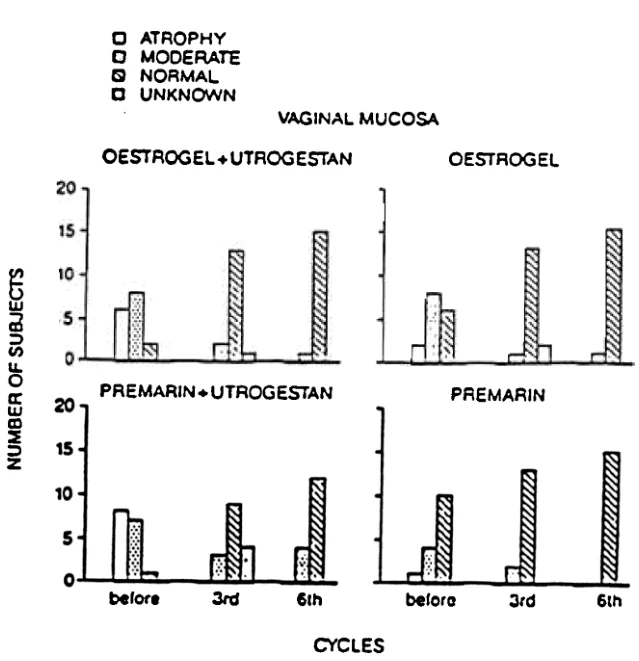
Both 17β-estradiol and oral conjugated estrogens, with or without micronized progesterone, improved hot flushes and insomnia/night sweats. The percentage of patients showing improvement increased over the first 3 cycles with titration of the estrogen dose (Figure 3). Improvement of asthenia was greater with the combination of 17β-estradiol and micronized progesterone at the 2nd cycle of treatment (p=0.01). No difference was found between groups for cycles 1, 3 and 6 (Figure 4). Of the women diagnosed with severe or moderate atrophy of vaginal mucosa prior to treatment, the vaginal mucosa became normal in 80% (8/10), 100% (5/5), 93% (13/14) and 73% (11/15) of cases at the end of the sixth cycle of 17β-estradiol alone, oral conjugated estrogens alone, 17β-estradiol + micronized progesterone and oral conjugated estrogens + micronized progesterone treatments, respectively (Figure 5). Both 17β-estradiol and oral conjugated estrogens provided relief from climacteric and atrophic urogenital symptoms.
Administration of 17β-estradiol produced serum 17β-estradiol (E2) and estrone (E1) levels within those expected for the premenopausal range. The E2/E1 ratio for the 17β-estradiol patients was approximately equal to the physiologic norm of one (1.192), but was much lower in the oral conjugated estrogens group (0.137). Serum levels of FSH and LH were lowered with both estrogenic preparations but remained above the premenopausal range. Addition of micronized progesterone increased the inhibitory effect of 17β-estradiol and oral conjugated estrogens on both LH and FSH. No change in the concentration of angiotensinogen was noted for 17β-estradiol patients, while a 2.5-fold increase was observed in women receiving oral conjugated estrogens with or without progesterone. Patients receiving oral micronized progesterone with either estrogen preparation showed an increase in aldosterone. No clinical symptoms or side-effects were found to be associated with the increases in aldosterone and angiotensinogen including no significative change of diastolic and systolic blood pressure or body weight. Mitotic activity remained low in all cases after three or more days of micronized progesterone treatment, and no patients showed cystic or glandular hyperplasia. The anti-proliferative endometrial control seen in patients receiving 200 mg micronized progesterone in addition to either 17β-estradiol or oral conjugated estrogens appeared sufficient in all patients. Most of the patients (47%) remained amenorrheic and 34% had regular withdrawal bleeding. The present data indicate that 17β-estradiol in combination with oral micronized progesterone provides efficient relief of climacteric and urogenital symptoms without exerting any effect on hepatic function while maintaining the ratio of serum E2/E1 at the physiological level of 1.0.
Figure 3 - Percentage of improvement of hot flushes and improvement of sleep during the first three cycles of replacement therapy
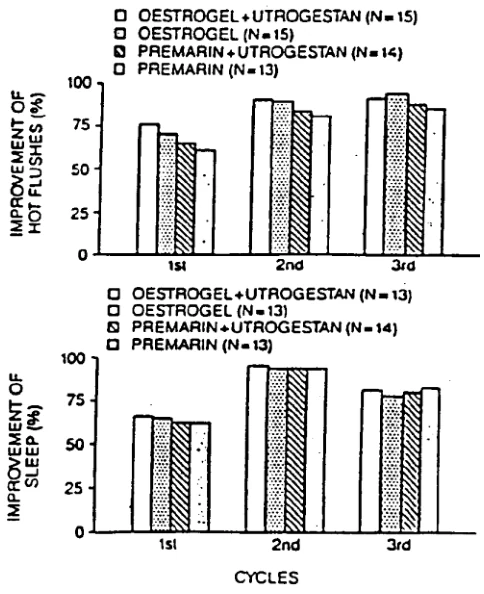
Figure 4 - Percentage of improvement of asthenia (cycles 1 through 6)
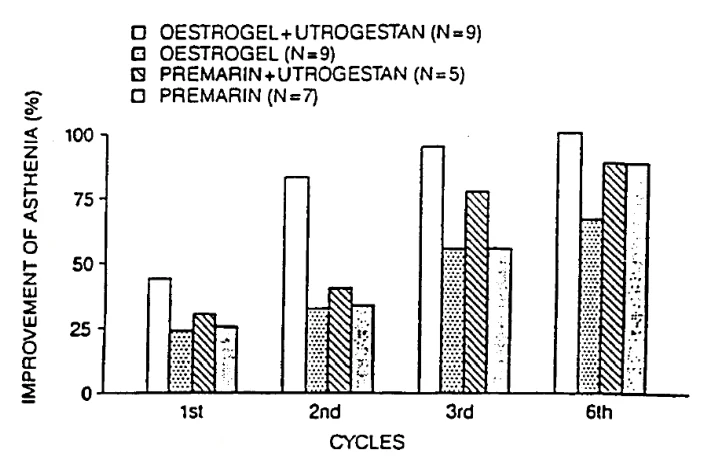
Figure 5 - Effect of HRT on vaginal mucosa
March Study
Another double-blind, randomized, placebo-controlled study compared the efficacy and safety of 17β-estradiol (2.5 g) and placebo in the treatment of moderate to severe menopausal symptoms. The protocol was designed as a 14-week study, with a 2-week run-in period, and a 12-week double-blind treatment period, during which patients received either 17β-estradiol or placebo gel. Of the forty-four patients which were randomized into the study, 22 received 2.5 g of 17β-estradiol 3 weeks/month, for a period of 3 months and 22 received placebo. Eight patients did not complete the study or could not be evaluated for efficacy.
Patients treated with 17β-estradiol showed a statistically significantly greater response in the improvement of vasomotor symptoms than patients receiving placebo. Following 3 months of treatment, 95% of patients receiving 17β-estradiol showed improvement in the severity of their vasomotor symptoms as compared to 39% of patients receiving placebo. Patients treated with 17β-estradiol showed a statistically significant improvement in the frequency of vasomotor attacks as compared to patients treated with placebo. Sixty-five to 85% of patients treated with 17β-estradiol showed fewer episodes of hot flushes as compared to 30% of patients treated with placebo. Hormonal activity (as seen on vaginal cytology) and estradiol levels were statistically significantly increased in patients receiving 17β-estradiol as compared to patients receiving placebo. FSH levels were significantly decreased in patients treated with 17β-estradiol as compared to patients treated with placebo.
The reported adverse reactions were mild to moderate in severity and were consistent with side effects experienced with estrogen replacement therapy. Sixteen (16) patients experienced adverse reactions, 6 of which were receiving 17β-estradiol. Patients treated with 17β-estradiol reported slightly more adverse events as compared to patients treated with placebo.
Christiansen Study
A third double-blind, randomized, parallel group study evaluated the efficacy and safety of 17β-estradiol alone or in combination with calcium, with or without micronized progesterone, in the treatment of postmenopausal symptoms as compared to treatment of calcium alone or placebo.
Of the fifty-seven (57) patients who participated in the 2-year study, twenty-nine (29) patients received 17β-estradiol. During the second year, open label progesterone was added to the 17β-estradiol groups. Efficacy and safety were evaluated through symptoms of menopause, using the Kupperman index, and laboratory parameters. Twelve (12) patients prematurely terminated the study, 9 of which were receiving 17β-estradiol.
The 17β-estradiol groups showed significant improvement in symptoms of menopause. Hot flushes, insomnia and nervousness were affected by 17β-estradiol. With respect to severity of vasomotor symptoms, treatment differences at each visit were statistically significant (except at 15 months). Patients in both placebo and calcium groups had at least a 70% chance of having more symptoms than those in the 17β-estradiol groups. The addition of oral progesterone to the 17β-estradiol groups at 12 months did not appear to have any effect on the menopausal symptomatology.
The main adverse reaction reported was GI discomfort due to the calcium supplementation. Two cases of application site pruritus with erythema were reported.
The study shows that 17β-estradiol is effective and safe in the treatment of menopausal symptoms.
16 Non-Clinical Toxicology
General toxicology
Administration of percutaneous 17β-estradiol to female rats, at a dose of 0.5 g/animal/day for 13 weeks, resulted in the disappearance of a normal oestral cycle after 4 weeks and the appearance of a permanent oestrus after 12 weeks. A higher dose of 2.5 g/animal/day produced the disappearance of a normal oestral cycle after 2 weeks and the appearance of a permanent oestrus after 4 weeks. The estrogenic stimulation resulted in a 12% decrease in ovarian weight and a 60% increase in uterine weight. Histological examination of 19 organs revealed no modification, which would imply a toxic effect.
17β-estradiol (0.06%) did not produce allergic dermatitis in the guinea pig model. When 0.5 g of 17β-estradiol (0.06%) was applied to 1 square inch of either intact or abraded skin of rabbits, no significant skin irritation was observed.
Long-term continuous administration of natural and synthetic estrogens in certain animal species increases the frequency of carcinoma of the breast, cervix, vagina, and liver. Percutaneous application of 17β-estradiol (2.5 g/100 g and 7.5 g/100 g body weight) to rats produced therapeutic effects in uterus and vagina, showing signs of oestrus without hyperplastic side effects.