


Product Monograph - Ibavyr
1 INDICATIONS
IBAVYR (ribavirin tablets) is indicated in combination with other agents for the treatment of chronic hepatitis C (CHC) in adults.
Treatment with IBAVYR should be initiated and monitored by a physician experienced in the management of CHC.
1.1 Pediatrics
Pediatrics (< 18 years of age): No data are available to Health Canada; therefore, Health Canada has not authorized an indication for pediatric use.
1.2 Geriatrics
Geriatrics (> 65 years of age): Evidence from clinical studies and experience suggests that use in the geriatric population is associated with differences in safety or effectiveness (see 7 WARNINGS AND PRECAUTIONS, 7.1 Special Populations, 7.1.4 Geriatrics; and 10 CLINICAL PHARMACOLOGY, 10.3 Pharmacokinetics, Special Populations and Conditions, Geriatrics).
2 CONTRAINDICATIONS
- IBAVYR is contraindicated in patients who are hypersensitive to this drug or to any ingredient in the formulation, including any non-medicinal ingredient, or component of the container. For a complete listing, see 6 DOSAGE FORMS, STRENGTHS, COMPOSITION AND PACKAGING.
- IBAVYR must be used in combination with other therapeutic agents for the treatment of CHC. The contraindications applicable to those agents are therefore also applicable to the combination ribavirin therapy. The Product Monograph(s) of other agent(s) used in combination with ribavirin should be consulted before starting treatment with IBAVYR.
- IBAVYR is contraindicated in women who are pregnant or men whose female partners are pregnant because of the associated risks of birth defects and fetal death. IBAVYR should be started only when a report of a negative pregnancy test has been obtained immediately prior to initiation of ribavirin therapy. Women of childbearing potential and their male partners must not receive IBAVYR therapy unless they are using effective contraception (two reliable forms, one for each partner) during treatment with IBAVYR and for the 6-month post-therapy period (see 7 WARNINGS AND PRECAUTIONS, 7.1 Special Populations, 7.1.1 Pregnant Women).
- IBAVYR is contraindicated in patients with hemoglobinopathies (e.g., thalassemia or sickle-cell anemia).
- Coadministration of didanosine and ribavirin is contraindicated because exposures of the active metabolite of didanosine (dideoxyadenosine 5′-triphosphate) are increased. Fatal hepatic failure, as well as peripheral neuropathy, pancreatitis, and symptomatic hyperlactatemia/lactic acidosis have been reported in patients receiving both didanosine and ribavirin.
3 SERIOUS WARNINGS AND PRECAUTIONS BOX
Serious Warnings and Precautions
|
4 DOSAGE AND ADMINISTRATION
4.1 Dosing Considerations
- Ribavirin monotherapy is not effective and IBAVYR must only be used in combination with other agents for the treatment of CHC.
4.2 Recommended Dose and Dosage Adjustment
Adults
The recommended dose and treatment duration of IBAVYR should be individualized to the patient depending on body weight, baseline disease characteristics (e.g., genotype), response to therapy and underlying conditions. Depending on the agent(s) it is combined with, the usual IBAVYR dose varies between 800 mg and 1200 mg daily (and up to 1400 mg in certain situations). For information on dosage and treatment duration of ribavirin in combination with other agents in patients with CHC, please refer to the appropriate Product Monograph(s). The recommended dose and treatment duration for combination therapy with sofosbuvir are shown in Table 1.
Table 1 Recommended Dose / Treatment Duration1 for IBAVYR Combination Therapy with Sofosbuvir2
| Hepatitis C Virus (HCV) Genotype | Treatment Duration | IBAVYR Dose (daily)3 | Sofosbuvi r Dose (daily) | Peginterferon alfa Dose |
| Patients with genotype 1 or 4 CHC | 12 weeks | < 75 kg = 1000 mg ≥ 75 kg = 1200 mg | 400 mg | Refer to peginterferon alfa PM |
| Patients with genotype 2 CHC | 12 weeks | NA | ||
| Patients with genotype 3 CHC | 24 weeks | |||
NA: Not applicable; PM: Product Monograph
1 Treatment duration is fixed and is not guided by subjects’ HCV RNA levels (i.e., no response guided therapy).
2 Depending on the HCV genotype, IBAVYR can be used in combination with sofosbuvir alone (dual therapy) or with sofosbuvir and peginterferon alfa (triple therapy).
3 The daily dose of ribavirin is administered orally in two divided doses with food.
IBAVYR in combination with sofosbuvir for 24 weeks can be considered as a therapeutic option for treatment naïve and non-cirrhotic treatment experienced CHC patients with genotype 1 infection who are ineligible to receive an interferon-based regimen. Treatment decision should be guided by an assessment of the potential benefits and risks for the individual patient.
For information on dosage and administration of IBAVYR in combination with sofosbuvir in HIV-1 co-infected patients and patients awaiting liver transplantation, consult the Product Monograph for sofosbuvir (see 17 SUPPORTING PRODUCT MONOGRAPHS).
Dose Modification
If a patient has a serious adverse reaction potentially related to ribavirin, the dose should be modified or discontinued, if appropriate, until the adverse reaction abates or decreases in severity. Table 2 provides guidelines for dose modifications and discontinuation of IBAVYR based on the patient’s hemoglobin concentration and cardiac status.
Table 2 Dose Modification Guideline for Management of Treatment Emergent Anemia
| Laboratory Values | Reduce IBAVYR dose to 600 mg daily1 if: | Discontinue2 IBAVYR if: |
| Hemoglobin in subjects with no cardiac disease | < 10 g/dL | < 8.5 g/dL |
| Hemoglobin in subjects with history of stable cardiac disease | ≥ 2 g/dL decrease in hemoglobin during any 4-week treatment period | < 12 g/dL despite 4 weeks at reduced dose |
1 The daily dose of ribavirin is administered orally in two divided doses with food.
2 Once ribavirin has been withheld due to either a laboratory abnormality or clinical manifestation, an attempt may be made to restart ribavirin at 600 mg daily and further increase the dose to 800 mg daily. However, it is not recommended that ribavirin be increased to the original assigned dose (1000 mg to 1200 mg daily).
When IBAVYR is used in combination treatment with other agent(s), refer to the appropriate Product Monograph(s) for additional dose reduction information.
Discontinuation of Dosing
If the other agents used in combination with IBAVYR are permanently discontinued, IBAVYR should also be discontinued.
Special Populations and Conditions
Pediatrics: No data are available to Health Canada; therefore, Health Canada has not authorized an indication for pediatric use (see 1 INDICATIONS, 1.1 Pediatrics).
Geriatrics: Caution should be exercised when administering IBAVYR to elderly patients. This is due to the greater frequency of anemia, the greater frequency of decreased hepatic, renal and cardiac function, and the greater frequency of concomitant disease and other drug therapy in the geriatric population (see 1 INDICATIONS, 1.2 Geriatrics; and 10 CLINICAL PHARMACOLOGY, 10.3 Pharmacokinetics, Special Populations and Conditions, Geriatrics).
Renal Insufficiency: Clearance of ribavirin is substantially reduced in patients with serum creatinine > 177 µmol/L or creatinine clearance < 50 mL/min. Patients with creatinine clearance < 50 mL/min should not be treated with ribavirin. Hemodialysis has negligible effects on the plasma concentration of ribavirin (see 7 WARNINGS AND PRECAUTIONS, Renal; and 10 CLINICAL PHARMACOLOGY, 10.3 Pharmacokinetics, Special Populations and Conditions, Renal Insufficiency).
Hepatic Insufficiency: Single-dose pharmacokinetics of ribavirin in patients with mild, moderate or severe hepatic dysfunction are similar to those of normal controls. Safety and efficacy of ribavirin have not been established in patients with decompensated cirrhosis (see 7 WARNINGS AND PRECAUTIONS, Hepatic/Biliary/Pancreatic).
4.4 Administration
IBAVYR is administered orally in two divided doses with food.
4.5 Missed Dose
A missed dose should be taken as soon as possible during the same day. However, if it is almost time for the following dose (i.e. less than 6 hours before the next scheduled dose), the missed dose should be skipped and the next dose should be taken at the regular scheduled time. Two doses should not be taken at the same time.
5 OVERDOSAGE
No cases of overdose with ribavirin have been reported in clinical trials. Hypocalcemia and hypomagnesemia have been observed in persons administered greater than the recommended dosage of ribavirin. In most of these cases, ribavirin was administered intravenously at dosages up to and in some cases exceeding four times the recommended maximum oral daily dose.
For management of a suspected drug overdose, contact your regional poison control centre.
6 DOSAGE FORMS, STRENGTHS, COMPOSITION AND PACKAGING
Table 3 – Dosage Forms, Strengths, Composition and Packaging
| Route of Administration | Dosage Form / Strength/Composition | Non-medicinal Ingredients |
| oral | Tablets 200 mg | Colloidal Silicon Dioxide, Crospovidone, Hypromellose, Magnesium Stearate, Microcrystalline Cellulose, Polyethylene Glycol, Povidone, Sodium Croscarmellose, Talc, Titanium Dioxide |
| oral | Tablets 400 mg | Colloidal Silicon Dioxide, Crospovidone, Hypromellose, Magnesium Stearate, Microcrystalline Cellulose, Polyethylene Glycol, Povidone, Red Iron Oxide, Sodium Croscarmellose, Titanium Dioxide, Yellow Iron Oxide |
Description
IBAVYR 200 mg tablet is a white, capsule-shaped, coated tablet, debossed with “200” on one side and with no markings on the other side. Available in bottles of 100.
IBAVYR 400 mg tablet is a light pink, capsule-shaped, coated tablet, debossed with “400” on one side and scored on the other side. Available in bottles of 100.
IBAVYR 600 mg tablet is a white, capsule-shaped, coated tablet, debossed with “600” on one side and with no markings on the other side. Available in bottles of 100.
7 WARNINGS AND PRECAUTIONS
Please see 3 SERIOUS WARNINGS AND PRECAUTIONS BOX.
General
The Product Monograph(s) of other agent(s) used in combination with ribavirin should be consulted before starting treatment with IBAVYR.
Cardiovascular
Fatal and nonfatal myocardial infarctions have been reported in patients with anemia caused by ribavirin. Patients should be assessed for underlying cardiac disease before initiation of ribavirin therapy. Patients with pre-existing cardiac disease should have electrocardiograms administered before treatment, and should be appropriately monitored during therapy. If there is any deterioration of cardiovascular status, therapy should be suspended or discontinued. Because cardiac disease may be worsened by drug-induced anemia, patients with a history of significant or unstable cardiac disease should not use ribavirin (see 7 WARNINGS AND PRECAUTIONS, Hematologic).
Hematologic
Anemia associated with ribavirin occurs within 1 to 2 weeks of initiation of therapy. Because the initial drop in hemoglobin may be significant, it is advised that hemoglobin or hematocrit be obtained pre-treatment and at week 2 and week 4 of therapy, or more frequently if clinically indicated. Patients should then be followed as clinically appropriate. Caution should be exercised in initiating treatment in any patient with baseline risk of severe anemia (e.g., spherocytosis, history of gastrointestinal bleeding).
| oral | Tablets 600 mg | Colloidal Silicon Dioxide, Crospovidone, Hypromellose, Magnesium Stearate, Microcrystalline Cellulose, Polyethylene Glycol, Povidone, Sodium Croscarmellose, Talc, Titanium Dioxide |
Concomitant administration of ribavirin and azathioprine has been reported to produce myelotoxicity (pancytopenia and bone marrow suppression) within 3 to 7 weeks of concomitant therapy. This was reversible within 4 to 6 weeks after withdrawal of either drug, and did not recur after the reintroduction of either drug alone (see 9 DRUG INTERACTIONS, 9.4 Drug-Drug Interactions).
Hepatic/Biliary/Pancreatic
Single-dose pharmacokinetics of ribavirin in patients with mild, moderate or severe hepatic dysfunction (Child-Pugh Classification A, B or C) are similar to those of normal controls (see 10 CLINICAL PHARMACOLOGY, 10.3 Pharmacokinetics, Special Populations and Conditions, Hepatic Insufficiency). Safety and efficacy of ribavirin have not been established in patients with decompensated cirrhosis.
Renal
IBAVYR should not be used in patients with a creatinine clearance < 50 mL/min (see 4 DOSAGE AND ADMINISTRATION, 4.2 Recommended Dose and Dose Adjustment, Special Populations and Conditions, Renal Insufficiency).
Reproductive Health: Female and Male Potential
Fertility
While there is evidence for testicular toxicity and sperm abnormalities in mice treated with ribavirin, the effect of this medication on human fertility is unknown (see 16 NON-CLINICAL TOXICOLOGY, Reproductive and Developmental Toxicology).
Teratogenic Risk
In all animal species in which adequate studies have been conducted, significant teratogenic and/or embryocidal potential of ribavirin has been demonstrated at doses well below the recommended human dose. Increases in the dose of ribavirin correlated with increases in the incidence and severity of teratogenic effects. Reduced survival of fetuses and offspring were observed, as well as malformations of the skeleton, skull, limbs, palate, eye, jaw, and gastrointestinal tract (see 16 NON-CLINICAL TOXICOLOGY, Reproductive and Developmental Toxicology).
Accumulation of ribavirin occurs intracellularly, and clearance is slow. It is unknown whether there would be propagation of teratogenic effects upon fertilization of ova with sperm containing ribavirin. Because of the potential risk of teratogenicity, it is recommended that both male and female patients must practice effective contraception (at least 2 reliable forms, one for each partner) during ribavirin therapy and for 6 months after completion of therapy (see 7 WARNINGS AND PRECAUTIONS, 7.1.1 Pregnant Women).
7.1 Special Populations
7.1.1 Pregnant Women
IBAVYR must not be used in women who are pregnant, or by men whose female partners are pregnant, due to the risk of birth defects and/or fetal death (see 2 CONTRAINDICATIONS).
Females of childbearing potential and their male partners must be advised of the teratogenic/embryocidal risks and must be instructed to use two forms of effective and reliable contraception (one for each partner) during treatment and for 6 months after treatment has terminated. IBAVYR should be started only when a report of a negative pregnancy test has been obtained immediately prior to initiation of ribavirin therapy.
During therapy, routine monthly pregnancy tests must be performed, and patients should be advised to tell their physician immediately if a pregnancy is detected. When used in combination with sofosbuvir, two (one for each partner) effective non-hormonal methods of contraception must be used, since there are no data on the effectiveness of systemic hormonal contraceptives in women taking sofosbuvir. In the event of a pregnancy during treatment or within 6 months post-therapy, the patient must be advised of the significant risks of teratogenic effects of ribavirin on the fetus (see 7 WARNINGS AND PRECAUTIONS, Reproductive Health: Female and Male Potential).
7.1.2 Breast-feeding
It is not known whether ribavirin is excreted in human milk. Because many drugs are excreted in human milk and to avoid any potential for serious adverse reactions in nursing infants from ribavirin, a decision should be made either to discontinue nursing or therapy with IBAVYR, based on the importance of the therapy to the mother.
7.1.3 Pediatrics
Pediatrics (< 18 years of age): No data are available to Health Canada; therefore, Health Canada has not authorized an indication for pediatric use (see 1 INDICATIONS, 1.1 Pediatrics).
7.1.4 Geriatrics
Geriatrics (> 65 years of age): In general, caution should be exercised when administering IBAVYR in elderly patients, reflecting the greater frequency of anemia, decreased hepatic, renal or cardiac function, and of concomitant disease or other drug therapy in this population. The risk of toxic reactions to this drug may be greater in patients with impaired renal function (see 10 CLINICAL PHARMACOLOGY, 10.3 Pharmacokinetics, Special Populations and Conditions, Geriatrics).
8 ADVERSE REACTIONS
8.1 Adverse Reaction Overview
Please also consult the Adverse Reactions section of the Product Monograph(s) of other agents used in combination with IBAVYR. For information on the safety profile of ribavirin and sofosbuvir in HIV-1 co-infected patients and patients awaiting liver transplantation, consult the Product Monograph for sofosbuvir (see 17 SUPPORTING PRODUCT MONOGRAPHS).
The most common adverse reaction (≥ 5%; Grade 2 and higher) for ribavirin + sofosbuvir combination therapy (12-24 weeks treatment) was fatigue.
The most common adverse reactions (≥ 5%) for ribavirin + peginterferon alfa + sofosbuvir combination therapy were:
- fatigue
- anemia
- neutropenia
- insomnia
- headache
- nausea.
8.2 Clinical Trial Adverse Reactions
Clinical trials are conducted under very specific conditions. The adverse reaction rates observed in the clinical trials; therefore, may not reflect the rates observed in practice and should not be compared to the rates in the clinical trials of another drug. Adverse reaction information from clinical trials may be useful in identifying and approximating rates of adverse drug reactions in real-world use.
When ribavirin is used in combination with other agents, please refer to the appropriate Product Monograph(s) for a complete list of clinical trial adverse reactions.
Ribavirin in Combination with Sofosbuvir
The safety assessment of ribavirin combination therapy with sofosbuvir was based on pooled Phase 3 clinical trial data (both controlled and uncontrolled studies) including 650 subjects who received sofosbuvir + ribavirin for 12 weeks, 250 subjects who received sofosbuvir + ribavirin for 24 weeks, 327 subjects who received sofosbuvir + peginterferon alfa + ribavirin combination therapy for 12 weeks, 243 subjects who received peginterferon alfa + ribavirin for 24 weeks and 71 subjects who received placebo for 12 weeks.
The proportion of subjects who permanently discontinued treatment due to adverse events in these trials was 4% for subjects receiving placebo, 1% for subjects receiving ribavirin + sofosbuvir for 12 weeks, <1% for subjects receiving ribavirin + sofosbuvir for 24 weeks, 11% for subjects receiving ribavirin + peginterferon alfa for 24 weeks and 2% for subjects receiving ribavirin + peginterferon alfa + sofosbuvir for 12 weeks.
Table 4 lists adverse reactions (Grade 2 and higher) observed in clinical trials including ribavirin combination therapy with sofosbuvir that occurred in greater than or equal to 3% of subjects in any of the treatment arms.
Table 4 Treatment-Emergent Adverse Reactions (Grade 2 and Higher) Reported in at Least 3% of Subjects in Any Ribavirin Combination Treatment Arma,b
Placebo N= 71 | PEG+RBV 24 weeks N=243 | SOF+RBV 12 weeks N=650 | SOF+RBV 24 weeks N=250 | PEG+RBV+SOF 12 weeks N=327 | |
| Fatigue | 4 (5.6%) | 42 (17.3%) | 49 (7.5%) | 13 (5.2%) | 39 (11.9%) |
| Anemia | 0 | 14 (5.8%) | 31 (4.8%) | 7 (2.8%) | 46 (14.1%) |
| Insomnia | 1 (1.4%) | 22 (9.1%) | 19 (2.9%) | 11 (4.4%) | 20 (6.1%) |
| Headache | 0 | 15 (6.2%) | 22 (3.4%) | 7 (2.8%) | 26 (8.0%) |
| Neutropenia | 0 | 23 (9.5%) | 1 (0.2%) | 0 | 40 (12.2%) |
| Nausea | 0 | 10 (4.1%) | 16 (2.5%) | 4 (1.6%) | 18 (5.5%) |
| Irritability | 0 | 13 (5.3%) | 10 (1.5%) | 3 (1.2%) | 12 (3.7%) |
| Pruritus | 0 | 8 (3.3%) | 7 (1.1%) | 10 (4.0%) | 8 (2.4%) |
| Dyspnea | 0 | 3 (1.2%) | 11 (1.7%) | 5 (2.0%) | 13 (4.0%) |
| Depression | 0 | 17 (7.0%) | 7 (1.1%) | 2 (0.8%) | 5 (1.5%) |
| Influenza like illness | 0 | 11 (4.5%) | 3 (0.5%) | 2 (0.8%) | 11 (3.4%) |
| Decreased appetite | 1 (1.4%) | 12 (4.9%) | 7 (1.1%) | 1 (0.4%) | 5 (1.5%) |
| Thrombocyto-penia | 1 (1.4%) | 19 (7.8%) | 0 | 0 | 6 (1.8%) |
| Myalgia | 0 | 9 (3.7%) | 7 (1.1%) | 2 (0.8%) | 6 (1.8%) |
| Rash | 1 (1.4%) | 11 (4.5%) | 3 (0.5%) | 1 (0.4%) | 7 (2.1%) |
| Asthenia | 0 | 2 (0.8%) | 3 (0.5%) | 12 (4.8%) | 3 (0.9%) |
SOF: sofosbuvir; RBV: ribavirin; PEG: peginterferon alfa
a Frequencies of adverse drug reactions are based on Grade 2 and higher treatment-emergent adverse events, considered related to study drug.
b Additionally, the following adverse drug reactions of low severity (Grade 1) occurred with SOF +RBV combination therapy: dry skin (5%), nasopharyngitis (4%).
8.3 Less Common Clinical Trial Adverse Reactions
Ribavirin in Combination with Sofosbuvir (< 3%)
Treatment-emergent, related (to any active treatment) adverse drug reactions of at least moderate intensity (Grade 2 and higher) occurring in less than 3% of patients receiving ribavirin in combination with sofosbuvir are listed below by body system:
Table 5 Treatment-Emergent Adverse Drug Reactions (Grade 2 and Higher) Reported in < 3% of Subjects Receiving Ribavirin in Combination with Sofosbuvir
| Body System | RBV + SOF | RBV + SOF + PEG |
|---|---|---|
| Blood and Lymphatic System Disorders | Lymphadenopathy, lymphopenia, neutropenia | Hemolytic anemia, leukopenia, thrombocytopenia |
| Cardiac Disorders | Palpitations | N/A |
| Ear and Labyrinth Disorders | Vertigo | N/A |
| Eye Disorders | Amaurosis Fugax, dry eye, eye irritation, visual impairment | Vision blurred |
| Gastrointestinal Disorders | Abdominal discomfort, abdominal distension, abdominal pain, abdominal pain upper, anal inflammation, constipation, diarrhea, dry mouth, dyspepsia, epigastric discomfort, frequent bowel movements, gastritis, gastroesophageal reflux disease, nausea, stomatitis, tongue ulceration, toothache, vomiting | Abdominal pain, abdominal pain lower, abdominal pain upper, aphthous stomatitis, cheilitis, constipation, diarrhea, dyspepsia, gastroesophageal reflux disease, glossitis, vomiting |
| General Disorders and Administration Site Conditions | Asthenia, chest pain, chills, feeling abnormal, feeling cold, influenza like illness, irritability, malaise, nodule, oedema peripheral, pain, pyrexia, xerosis | Asthenia, chest discomfort, chills, feeling abnormal, injection site rash, injection site reaction, pain, pyrexia, spinal pain |
| Hepatobiliary Disorders | Hyperbilirubinemia | Hyperbilirubinemia |
| Immune System Disorders | Sarcoidosis | Cryoglobulinemia |
| Infections and Infestations | Bronchitis, fungal infection, kidney infection, nasopharyngitis, oral herpes, upper respiratory tract infection, urinary tract infection, varicella | Folliculitis, gastroenteritis viral, infected skin ulcer, skin bacterial infection, urinary tract infection |
| Injury, Poisoning and Procedural Complications | Excoriation, sunburn, wound | N/A |
| Investigations | Blood glucose increased, eosinophil count increased, hemoglobin abnormal, hemoglobin decreased, heart rate increased, thyroid function test abnormal, weight decreased | Blood creatinine increased, blood uric acid increased, hemoglobin abnormal, hemoglobin decreased, neutrophil count decreased, platelet count decreased, transaminases increased, weight decreased |
| Metabolism and Nutrition Disorders | Decreased appetite, hyperglycemia, hypokalemia, increased appetite | Decreased appetite, hyperglycemia, hyponatremia |
| Musculoskeletal and Connective Tissue Disorders | Arthralgia, flank pain, muscle spasms, muscle twitching, myalgia, pain in extremity | Arthralgia, back pain, muscle spasms, muscular weakness, myalgia |
| Neoplasms Benign, Malignant and Unspecified (Incl Cysts and Polyps) | Basal cell carcinoma | N/A |
| Nervous System Disorders | Amnesia, burning sensation, disturbance in attention, dizziness, dysgeusia, lethargy, memory impairment, migraine, nerve root compression, neuropathy peripheral, paresis, restless legs syndrome | Ageusia, amnesia, disturbance in attention, dizziness, dizziness postural, dysgeusia, loss of consciousness, mental impairment, migraine, sinus headache, tremor |
| Psychiatric Disorders | Abnormal dreams, aggression, agitation, anxiety, apathy, confusional state, depressed mood, depression, hallucination, libido decreased, libido increased, mood altered, mood swings, nightmare, sleep disorder, suicidal ideation, suicide attempt, thinking abnormal | Affect lability, agitation, anxiety, confusional state, depression, distractibility, libido decreased, mood swings, restlessness, tachyphrenia |
| Renal and Urinary Disorders | Renal failure | N/A |
| Reproductive System and Breast Disorders | N/A | Pelvic pain |
| Respiratory, Thoracic and Mediastinal Disorders | Cough, dyspnea, dyspnoea at rest, dyspnea exertional, nasal dryness, oropharyngeal pain | Cough, nasal dryness |
| Skin and Subcutaneous Tissue Disorders | Alopecia, asteatosis, dermatitis, dry skin, eczema, erythema, hyperhidrosis, night sweats, onychoclasis, photosensitivity reaction, pruritus, pruritus generalised, psoriasis, rash, rash generalised, rash macular, rash maculo-papular, rash papular, skin fissures | Dermatitis, pruritus, psoriasis, rash, rash generalised, rash maculo-papular, urticarial |
| Vascular Disorders | Hematoma, hot flush | Hot flush, hypertension |
SOF: sofosbuvir; RBV: ribavirin; PEG: peginterferon alfa
8.4 Abnormal Laboratory Findings: Hematologic, Clinical Chemistry and Other Quantitative Data
Clinical Trial Findings
Table 6 lists the frequency of treatment-emergent laboratory abnormalities (Grades 3-4) observed in clinical trials including ribavirin combination therapy with sofosbuvir that occurred in at least 2% of subjects in any of the treatment arms.
Table 6 Laboratory Abnormalities (Grades 3-4) Reported in ≥ 2% of Subjects in Any Ribavirin Combination Treatment Arm
| Laboratory Abnormality Parameters | Placebo 12 weeks N=71 | PEG+RBVb 24 weeks N=243 | SOF+RBVa 12 weeks N=650 | SOF+RBVa 24 weeks N=250 | SOF+PEG+RBVa 12 weeks N=327 |
| Hemoglobinc (< 9 g/dL or change from baseline ≥ 4.5 g/dL) | 0 | 10% | 9% | 11% | 27% |
| Neutrophils (< 0.75 x10⁹/L) | 1% | 15% | < 1% | 0 | 20% |
| Platelets (< 50 x109/L) | 3% | 7% | < 1% | 1% | < 1% |
| Lymphocytes (< 0.5 x10³/μL) | 0 | 11% | 1% | 2% | 5% |
| White blood cells (< 1.5 x10³/μL) | 0 | 5% | < 1% | 0 | 6% |
| ALT (> 5 x ULN) | 9% | 4% | < 1% | 1% | 2% |
| AST (> 5 x ULN) | 14% | 2% | < 1% | 0 | 3% |
| Lipase (> 3 x ULN) | 1% | 2% | 2% | 2% | < 1% |
| Serum glucose (> 250 mg/dL) | 6% | 2% | 2% | 1% | 2% |
| Total bilirubin (> 2.5 x ULN) | 0 | 1% | 3% | 3% | 0 |
SOF: sofosbuvir; RBV: ribavirin; PEG: peginterferon alfa
a Subjects received weight-based ribavirin (1000 mg per day if weighing < 75 kg or 1200 mg per day if weighing ≥ 75 kg).
b Subjects received 800 mg ribavirin per day regardless of weight.
c Grade 4 hemoglobin abnormality (< 7 g/dL) occurred in 1 subject in the SOF+PEG+RBV treatment arm.
8.5 Post-Market Adverse Reactions
The post-marketing adverse reactions for combination therapies including ribavirin + sofosbuvir are not yet available.
The following adverse reactions have been identified and reported during post-approval use of peginterferon alfa-2a + ribavirin combination therapy. Because these reactions are reported voluntarily from a population of uncertain size, it is not always possible to reliably estimate their frequency or establish a causal relationship to drug exposure.
Blood and Lymphatic System disorders: Pure red cell aplasia
Ear and Labyrinth disorders: Hearing impairment, hearing loss
Eye disorders: Serous retinal detachment
Immune disorders: Liver and renal graft rejection
Metabolism and Nutrition disorders: Dehydration
Skin and Subcutaneous Tissue disorders: Stevens-Johnson Syndrome (SJS), Toxic epidermal necrolysis (TEN)
9 DRUG INTERACTIONS
9.2 Drug Interactions Overview
The drug interactions applicable to agents used in combination with ribavirin also apply to IBAVYR combination therapy. Refer to the appropriate Product Monograph(s) for a detailed list of their drug interactions.
Ribavirin does not inhibit cytochrome P450 enzymes. There is no evidence from toxicology studies that ribavirin induces liver enzymes. Therefore, ribavirin has minimal potential for P450 enzyme-based interactions.
Co-administration of ribavirin with an antacid containing magnesium, aluminum and simethicone reduced the bioavailability of ribavirin (AUCtf decreased 14%). This change is not considered to be of clinical relevance.
No pharmacokinetic interactions between interferon-alfa products and ribavirin have been observed in HCV clinical trials in which the two agents were used in combination therapy and there is no evidence of any interaction of ribavirin with sofosbuvir.
There is no evidence that ribavirin interacts with non-nucleoside reverse transcriptase inhibitors (NNRTIs) or protease inhibitors.
Due to the long half-life of ribavirin (approximately 120–170 h) any potential drug interactions may persist for up to 2 months (5 half-lives for ribavirin) following the end of treatment.
9.3 Drug-Behavioural Interactions
No data is available on interaction with alcohol. However, patients should be advised not to drink alcohol, as alcohol exacerbates liver disease and reduces the efficacy of CHC treatment.
The effect of other lifestyle choices (e.g., smoking) on the use of IBAVYR has not been established.
9.4 Drug-Drug Interactions
The drugs listed in the following table are based on either drug interaction case reports or studies, or potential interactions due to the expected magnitude and seriousness of the interaction (i.e., those identified as contraindicated).
Table 7 Established or Potential Drug-Drug Interactions
| Proper name | Ref | Effect | Clinical comment |
| Ribavirin and Didanosine | CT | The antiretroviral effect of didanosine (ddI) was potentiated by ribavirin in vitro and in animals by an increase in the formation of the active triphosphate anabolite (ddATP). Concomitant ribavirin did not significantly affect plasma pharmacokinetics of ddI in patients with HIV (note that intracellular ddATP was not measured). When ddI is co-administered with ribavirin, exposure to ddI or its active metabolite (dideoxyadenosine 5’-triphosphate) is increased. | Co-administration of ddI and ribavirin is contraindicated. There have been reports of fatal hepatic failure, pancreatitis, peripheral neuropathy, and symptomatic hyperlactatemia/ lactic acidosis. |
| Ribavirin and Lamivudine, Stavudine, Zidovudine | T CT | Ribavirin inhibits phosphorylation of zidovudine and stavudine in vitro. In a 12-week pharmacokinetic sub-study in 47 HCV/HIV co-infected patients to determine the effect of ribavirin on the intracellular phosphorylation of some nucleoside reverse transcriptase inhibitors, no evidence of drug interaction was seen. | Plasma HIV RNA levels should be closely monitored in patients treated concomitantly with ribavirin and any of these nucleoside reverse transcriptase inhibitors (NRTIs). The use of ribavirin concomitantly with NRTIs must be reviewed if an increase in HIV RNA levels is observed. Concomitant administration of ribavirin and NRTIs did not appear to affect plasma exposure of ribavirin. |
| Myelosuppressi ve agents (e.g. azathioprine, zidovudine) | C | By having an inhibitory effect on inosine monophosphate dehydrogenase (IMPDH), ribavirin may interfere with azathioprine metabolism. This can potentially lead to an accumulation of 6 methylthioinosine monophosphate (6-MTIMP), which has been associated with myelotoxicity in patients on azathioprine therapy. | On an individual patient basis where the benefit of concomitant therapy with ribavirin and azathioprine outweighs the potential risk, hematologic monitoring should be performed to identify signs of myelotoxicity; if detected, treatment with these drugs should be discontinued. |
C = Case Study; CT = Clinical Trial; T = Theoretical
9.5 Drug-Food Interactions
The presence of food in the gastrointestinal tract appears to increase the bioavailability of ribavirin. IBAVYR should be taken with food (see 10 CLINICAL PHARMACOLOGY, 10.3 Pharmacokinetics, Absorption).
9.6 Drug-Herb Interactions
Interactions with herbal products have not been established.
9.7 Drug-Laboratory Test Interactions
Interactions with laboratory tests have not been established.
10 CLINICAL PHARMACOLOGY
10.1 Mechanism of Action
Ribavirin is a nucleoside analogue with antiviral activity. Ribavirin has shown both in vitro and in vivo activity against a wide range of RNA and DNA viruses, including the hepatitis C virus. The mechanism of action by which ribavirin contributes to its antiviral efficacy is not fully understood. It likely involves the direct inhibition of HCV replication, the inhibition of inosine monophosphate dehydrogenase, the induction of mutagenesis, and immunomodulation.
10.2 Pharmacodynamics
The oral form of ribavirin is used in combination with other agents for the treatment of CHC. Ribavirin alone has limited effect on HCV RNA levels and on improving hepatic histology, as demonstrated in randomized placebo-controlled trials in patients with confirmed CHC. Evaluation of ribavirin in combination with sofosbuvir in replicon cells showed no antagonistic effect in reducing HCV-RNA levels.
10.3 Pharmacokinetics
Orally administered ribavirin is absorbed rapidly, reaching maximal plasma concentrations between 1 and 2 hours. Table 8 presents a summary of ribavirin pharmacokinetic parameters after single and multiple dosing of 600 mg under fasted conditions.
Table 8 Summary of Ribavirin Pharmacokinetic Parameters After Single and Multiple Dose of 600 mg in Healthy Subjects (n=12) Under Fasted Conditions*
| Parameter | Single Dose | Multiple Dose |
| Tmax, hours | 1.7 (46)** | 3 (60) |
| Cmax, ng/mL | 782 (37) | 3,680 (85) |
| AUCtf ng hr/mL | 13,400 (48) | 228,000 (25) |
Tmax: time from drug administration to maximum concentration
Cmax: maximum concentration
AUCtf: area under the curve of time from drug administration to final time point
*Values in parentheses represent the mean coefficient of variation (% CV).
**N = 11
Absorption
Ribavirin accumulates extensively in plasma; the ratio of multiple-dose to single-dose AUC at 12 hours (AUC12h) is 6. Following oral dosing with 600 mg twice daily, steady-state was reached by approximately 4 weeks, with mean steady-state plasma concentrations of 2200 ng/mL. Upon discontinuation of dosing, the mean half-life was 298 hours, which probably reflects slow elimination from non-plasma compartments.
Absorption of ribavirin is extensive with about 10% to 15% of a radiolabelled dose excreted in the feces. However, the absolute bioavailability ranges between 33% to 52%, likely due to high first-pass metabolism. Ribavirin is absorbed from the gastrointestinal tract via an active sodium dependent nucleoside transport process. Since this process is saturable, less than proportional increases in Cmax were observed for doses above 800 mg. However, the exposure as measured by AUC0-192h was proportional up to at least a 1200 mg dose.
Bioavailability of ribavirin is increased by co-administration with a high-fat meal. In the pivotal clinical trials, patients were instructed to take ribavirin with food.
Distribution
Ribavirin partitions rapidly and extensively into all cells, with a very large steady-state volume of distribution of approximately 850 L following intravenous dosing. Oral ribavirin is distributed systemically following intestinal absorption facilitated by the sodium independent es nucleoside transporter present on virtually all cell types; this may account for the extensive volume of distribution. As a result, ribavirin accumulates in erythrocytes, ova and spermatozoa. Ribavirin sequesters extensively in erythrocytes; the concentration of ribavirin and its nucleotides in red blood cells was approximately nine-fold greater than that in plasma. Ribavirin does not bind to plasma proteins.
Metabolism
The metabolism of ribavirin has been well characterized and follows two main pathways: (i) a reversible phosphorylation pathway in nucleated cells; and (ii) a degradative pathway involving deribosylation and amide hydrolysis to yield a triazole carboxylic acid metabolite. About one-third of absorbed ribavirin and its triazole carboxamide and triazole carboxylic acid metabolites are excreted renally. After oral administration of 600 mg of 14C-ribavirin, approximately 61% and 12% of the radioactivity was eliminated in the urine and feces, respectively, in 336 hours. Unchanged ribavirin accounted for 17% of the administered dose. The cytochrome P450 enzyme system is not involved in the metabolism of ribavirin.
Elimination
The major routes of ribavirin elimination in humans and animals are through metabolism and renal excretion. Following intravenous dosing, the total body clearance was approximately 20 L/h to 25 L/h, with approximately 30% accounted for by renal clearance. In humans, the radioactivity of a 600 mg oral dose showed that around 61% of the dose was eliminated in the urine within 336 hours, of which 17% was unchanged ribavirin.
Due to extensive distribution, the terminal half-life of a single oral or intravenous dose is around 120 to 170 hours. Following multiple doses, the half-life is prolonged to 270 to 300 hours. Extensive accumulation of ribavirin is observed after multiple dosing such that the AUC at steady-state was six fold higher than that of a single dose.
Special Populations and Conditions
- Pediatrics: Ribavirin pharmacokinetics have not been evaluated in pediatric patients.
- Geriatrics: Specific pharmacokinetic evaluations for elderly patients have not been performed. A population pharmacokinetic study showed that renal function and not age is the determining factor in the pharmacokinetics of ribavirin.
- Sex: Differences in ribavirin pharmacokinetics related to gender have not been evaluated.
- Ethnic Origin: Differences in ribavirin pharmacokinetics among racial groups have not been evaluated.
- Hepatic Insufficiency: Single-dose pharmacokinetics of ribavirin in patients with mild, moderate or severe hepatic dysfunction are similar to those of normal controls.
- Renal Insufficiency: The pharmacokinetics of single-dose ribavirin were altered in patients with renal dysfunction; AUCtf and Cmax increased in these patients compared to control subjects whose creatinine clearance was > 90 mL/min. The oral clearance of ribavirin is substantially reduced in patients with serum creatinine > 177 μmol/L or creatinine clearance < 50 mL/min. IBAVYR should not be administered to patients with a creatinine clearance < 50 mL/min due to insufficient data on the safety and efficacy of ribavirin in these patients. Hemodialysis has negligible effects on the plasma concentration of ribavirin.
11 STORAGE, STABILITY AND DISPOSAL
Store at room temperature (15 to 30°C). Keep bottle tightly closed.
Keep out of reach and sight of children.
Bring unused and expired prescription drugs to your local pharmacist for proper disposal.
PART II: SCIENTIFIC INFORMATION
13 PHARMACEUTICAL INFORMATION
Drug Substance
Proper name: Ribavirin
Chemical name: 1-β-D-Ribofuranosyl-1H-1,2,4-triazole-3-carboxamide
Molecular formula and molecular mass: C8H12N4O5 / 244.21 g/mol
Structural formula:
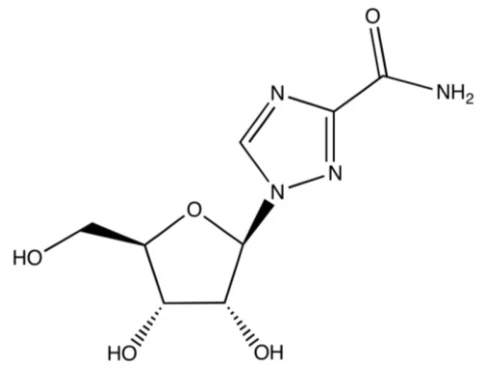
Physicochemical properties: Ribavirin is freely soluble in water and slightly soluble in anhydrous ethanol and insoluble in ether and chloroform. The pH of 2.0% w/v aqueous solution of ribavirin is between 4.0 and 6.5. Ribavirin melts between 167°C and 171°C. The specific rotation is between -33º and -37º.
14 CLINICAL TRIALS
14.1 Trial Design and Study Demographics
The efficacy of ribavirin in combination therapy with sofosbuvir was evaluated in:
- 1 Phase II trial in 61 subjects with genotype 1 through 6 HCV infection and hepatocellular carcinoma (HCC) meeting the Milan criteria awaiting liver transplantation.
5 Phase III trials in a total of 1724 HCV mono-infected subjects with genotypes 1 to 6 chronic hepatitis C (CHC).
- 1 trial was conducted in treatment-naïve subjects with genotype 1, 4, 5 or 6 CHC in combination with peginterferon alfa 2a and sofosbuvir.
The other 4 trials were conducted in subjects with genotype 2 or 3 CHC in combination only with sofosbuvir, including:
- 1 trial in treatment-naïve adults (FISSION)
- 1 trial in interferon intolerant, ineligible, or unwilling adults (POSITRON)
- 1 trial in adults who did not achieve sustained virologic response (SVR) with prior interferon-based treatment (FUSION)
- 1 trial in all subjects irrespective of prior treatment history or ability to take interferon (VALENCE)
- 1 Phase III trial in 223 HCV/HIV-1 co-infected subjects with genotype 1, 2 or 3 CHC. The trial was conducted in combination with sofosbuvir in treatment-naïve subjects with genotype 1 CHC and all subjects with genotype 2 or 3 CHC irrespective of prior treatment history or ability to take interferon (PHOTON-1).
Subjects in these trials had compensated liver disease, including cirrhosis. The ribavirin dose was weight-based at 1000-1200 mg daily administered in two divided doses when used in combination with sofosbuvir. Treatment duration was fixed in each trial and was not guided by subjects’ HCV RNA levels (no response guided algorithm). In all trials, SVR was the primary endpoint (to determine the HCV cure rate), defined as plasma HCV RNA values less than LLOQ (25 IU per mL) at 12 weeks after the end of treatment.
- For information on clinical studies in patients with Genotypes 1, 4, 5, or 6 CHC who were treated with ribavirin, sofosbuvir and peginterferon, consult the Product Monograph for sofosbuvir (see 17 SUPPORTING PRODUCT MONOGRAPHS).
- For information on clinical trials conducted in HIV-1 co-infected patients and patients awaiting liver transplantation, consult the Product Monograph for sofosbuvir (see 17 SUPPORTING PRODUCT MONOGRAPHS).
Clinical trials in subjects with Genotypes 2 or 3 CHC
Treatment Naïve Adults – FISSION Study
FISSION was a randomized, open-label, active-controlled trial that evaluated 12 weeks of treatment with sofosbuvir and ribavirin compared to 24 weeks of treatment with peginterferon alfa 2a and ribavirin in treatment-naïve subjects with genotype 2 and 3 HCV. The ribavirin doses used in the ribavirin + sofosbuvir and in the ribavirin + peginterferon arms were 1000-1200 mg per day (weight-based) and 800 mg per day (regardless of weight), respectively. Subjects were randomized in a 1:1 ratio and stratified by cirrhosis (presence vs absence), HCV genotype (2 vs 3) and baseline HCV RNA level (< 6 log10 IU/mL vs ≥ 6 log10 IU/mL). Subjects with genotype 2 or 3 HCV were enrolled in an approximately 1:3 ratio.
Table 9 Study Treatment and Demographic Characteristics of Adult Subjects in the FISSION Study
| Dosage, Route of Administration and Duration | Demographics | ||||||
| Total | Treatment Arm | Comparator Arm | |||||
SOF 400 mg p.o. + RBV 1000-1200 mg p.o. daily; 12 weeks (Treatment Arm) PEG 180 μg/week + RBV 800 mg/day; 24 weeks (Comparator Arm) | N = 499 Gender: n (%) Male 327 (66%) Female 172 (34%) Age: median (range) 50 (19–77) Race: n (%) White – 435 (87) Black – 17 (3) Asian – 29 (6) Other – 18 (4) Body Mass Index: mean (range) 28 kg/m2 (17-52 kg/m2) Baseline HCV RNA Category: n (%) ≥ 6 log10 IU/mL – 285 (57) Cirrhosis: n (%) Yes – 100 (20%) HCV Genotype: n (%) Genotype 1 – 3 (1) Genotype 2 – 137 (27) Genotype 3 – 359 (72) | N = 256 Gender: n (%) Male 171 (67%) Female 85 (33%) Age: median (range) 50 (20–72) Race: n (%) White – 223 (87) Black – 12 (5) Asian – 14 (6) Other – 7 (3) Body Mass Index: mean (range) 28 kg/m2 (17-51 kg/m2) Baseline HCV RNA Category: n (%) ≥ 6 log10 IU/mL – 148 (58) Cirrhosis: n (%) Yes – 50 (20%) HCV Genotype: n (%) Genotype 1 – 3 (1) Genotype 2 – 70 (27) Genotype 3 – 183 (72) | N = 243 Gender: n (%) Male 156 (64%) Female 87 (36%) Age: median (range) 50 (19–77) Race: n (%) White – 212 (87) Black – 5 (2) Asian – 15 (6) Other – 11 (5) Body Mass Index: mean (range) 28 kg/m2 (19-52 kg/m2) Baseline HCV RNA Category: n (%) ≥ 6 log10 IU/mL – 137 (56) Cirrhosis: n (%) Yes – 50 (20%) HCV Genotype: n (%) Genotype 1 – 0 Genotype 2 – 67 (28) Genotype 3 – 176 (72) | ||||
SOF: sofosbuvir; RBV: ribavirin; PEG: peginterferon alfa
Study Results
Table 10Error! Reference source not found. presents the response rates for the treatment groups of sofosbuvir + ribavirin and peginterferon alfa + ribavirin.
Table 10 Virologic Outcome in the FISSION Study
| SOF + RBV 12 weeks (N=256a) | PEG + RBV 24 weeks (N=243a) | |||||||
|---|---|---|---|---|---|---|---|---|
| Overall SVR | 67% (171/256) | 67% (162/243) | ||||||
| Genotype 2 | 95% (69/73) | 78% (52/67) | ||||||
| Genotype 3 | 56% (102/183) | 63% (110/176) | ||||||
| < LLOQb at treatment week 12 | 99% (245/247) | 92% (207/224) | ||||||
| Outcome for subjects without SVR | ||||||||
| On-treatment virologic failure | <1% (1/256) | 7% (18/243) | ||||||
| Relapsec | 30% (76/252) | 21% (46/217) | ||||||
| Otherd | 3% (8/256) | 7% (17/243) | ||||||
| Deathe | <1% (1/256) | 0/243 | ||||||
| Discontinued study treatment due to adverse event (AE) | 1% (3/256) | 11% (26/243) | ||||||
| Discontinued study treatment for other reasons | 3% (17/256) | 12% (28/243) | ||||||
SOF: sofosbuvir; RBV: ribavirin; PEG: peginterferon alfa
a Including three subjects with recombinant genotype 2/1 HCV infection.
b Number of subjects reporting HCV RNA < LLOQ (Lower Limit of Quantitation) detected + the number of subjects with HCV RNA < LLOQ TND (target not detected).
c The denominator for relapse is the number of subjects with HCV RNA < LLOQ at their last on-treatment assessment.
d Other includes subjects who did not achieve SVR and did not meet virologic failure criteria (e.g., lost to follow-up).
e Treatment emergent death.
The difference in the overall SVR rates between the sofosbuvir + ribavirin and peginterferon alfa + ribavirin treatment groups was 0.3% (95% confidence interval: -7.5% to 8.0%) and the study met the predefined noninferiority criterion.
Among the small number of Black/African Americans enrolled in the trial, 75% (9/12) subjects achieved SVR in the sofosbuvir + ribavirin treatment group compared to 40% (2/5) in the peginterferon alfa + ribavirin treatment group.
Response rates for subjects with cirrhosis at baseline are presented in Table 11Error! Reference source not found. by genotype.
Table 11 SVR Rates by Cirrhosis and Genotype in the FISSION Study
| Cirrhosis | Genotype 2 | Genotype 3 | |||||||||
| SOF+ RBV 12 weeks (N=73) | PEG + RBV 24 weeks (N=67) | SOF + RBV 12 weeks (N=183) | PEG + RBV 24 weeks (N=176) | ||||||||
| No | 97% (59/61) | 81% (44/54) | 61% (89/145) | 71% (99/139) | |||||||
| Yes | 83% (10/12) | 62% (8/13) | 34% (13/38) | 30% (11/37) | |||||||
SOF: sofosbuvir; RBV: ribavirin; PEG: peginterferon alfa
Interferon Intolerant, Ineligible or Unwilling Adults – POSITRON Study
POSITRON was a randomized, double-blinded, placebo-controlled trial that evaluated 12 weeks of treatment with ribavirin and sofosbuvir (N=207) compared to placebo (N=71) in subjects who are interferon intolerant, ineligible or unwilling. Subjects were randomized in a 3:1 ratio and stratified by cirrhosis (presence vs absence).
Table 12 Study Treatment and Demographic Characteristics of Adult Subjects in the POSITRON Study
| Dosage, Route of Administration and Duration | Demographics | ||||||
| Total | Treatment Arm | Comparator Arm | |||||
Sofosbuvir 400 mg p.o. + RBV 1000-1200 mg p.o. daily; 12 weeks (Treatment Arm) Placebo; 12 weeks (Comparator Arm) | N = 278 Gender: n (%) Male 151 (54%) Female 127 (46%) Age: median (range) 54 (21–75) Race: n (%) White – 254 (91) Black – 13 (5) Asian – 8 (3) Other – 3 (1) Body Mass Index: mean (range) 28 kg/m2 (18-53 kg/m2) Baseline HCV RNA Category: n (%) ≥ 6 log10 IU/mL – 194 (70) Cirrhosis: n (%) Yes – 44 (16%) HCV Genotype: n (%) Genotype 2 – 143 (51) Genotype 3 – 135 (49) Interferon Classification: n (%) Ineligible – 121 (44) Intolerant – 25 (9) Unwilling – 132 (47) Prior HCV Treatment: n (%) No – 226 (81) | N = 207 Gender: n (%) Male 117 (57%) Female 90 (44%) Age: median (range) 53 (21–75) Race: n (%) White – 188 (91) Black – 9 (4) Asian – 7 (3) Other – 3 (1) Body Mass Index: mean (range) 28 kg/m2 (18-53 kg/m2) Baseline HCV RNA Category: n (%) ≥ 6 log10 IU/mL – 140 (68) Cirrhosis: n (%) Yes – 31 (15%) HCV Genotype: n (%) Genotype 2 – 109 (53) Genotype 3 – 98 (47) Interferon Classification: n (%) Ineligible – 88 (43) Intolerant – 17 (8) Unwilling – 102 (49) Prior HCV Treatment: n (%) No – 170 (82) | N = 71 Gender: n (%) Male 34 (48%) Female 37 (52%) Age: median (range) 54 (28–67) Race: n (%) White – 66 (93) Black – 4 (6) Asian – 1 (1) Other – 0 Body Mass Index: mean (range) 28 kg/m2 (20-43 kg/m2) Baseline HCV RNA Category: n (%) ≥ 6 log10 IU/mL – 54 (76) Cirrhosis: n (%) Yes – 13 (18%) HCV Genotype: n (%) Genotype 2 – 34 (48) Genotype 3 – 37 (52) Interferon Classification: n (%) Ineligible – 33 (47) Intolerant – 8 (11) Unwilling – 30 (42) Prior HCV Treatment: n (%) No – 56 (79) | ||||
Study Results
Table 13Error! Reference source not found. presents the response rates for the treatment groups of sofosbuvir + ribavirin and placebo.
Table 13 Virologic Outcome in the POSITRON Study
| SOF + RBV 12 weeks (N=207) | Placebo 12 weeks (N=71) | |||||||||
|---|---|---|---|---|---|---|---|---|---|---|
| Overall SVR | 78% (161/207) | 0/71 | ||||||||
| Genotype 2 | 93% (101/109) | 0/34 | ||||||||
| Genotype 3 | 61% (60/98) | 0/37 | ||||||||
| < LLOQa at treatment week 12 | 100% (202/202) | 0/68 | ||||||||
| Outcome for subjects without SVR | ||||||||||
| On-treatment virologic failure | 0/207 | 97% (69/71) | ||||||||
| Relapseb | 20% (42/205) | 0/0 | ||||||||
| Otherc | 2% (4/207) | 3% (2/71) | ||||||||
| Deathd | 0/207 | 0/71 | ||||||||
| Discontinued study treatment due to adverse event (AE) | 2% (4/207) | 4% (3/71) | ||||||||
| Discontinued study treatment for other reasons | <1% (2/207) | 0% (0/71) | ||||||||
SOF: sofosbuvir; RBV: ribavirin
a Number of subjects reporting HCV RNA < LLOQ (Lower Limit of Quantitation) detected + the number of subjects with HCV RNA < LLOQ TND (target not detected).
b The denominator for relapse is the number of subjects with HCV RNA < LLOQ at their last on-treatment assessment.
c Other includes subjects who did not achieve SVR and did not meet virologic failure criteria (e.g., lost to follow-up).
d Treatment emergent death.
The SVR12 rate in the sofosbuvir + ribavirin treatment group was statistically significant when compared to placebo (p < 0.001).
Table 14Error! Reference source not found. presents the subgroup analysis by genotype for cirrhosis and interferon classification.
Table 14 SVR Rates for Selected Subgroups by Genotype in the POSITRON Study
| SOF + RBV 12 weeks | |||||
| Genotype 2 (N=109) | Genotype 3 (N=98) | ||||
| Cirrhosis | |||||
| No | 92% (85/92) | 68% (57/84) | |||
| Yes | 94% (16/17) | 21% (3/14) | |||
| Interferon Classification | |||||
| Ineligible | 88% (36/41) | 70% (33/47) | |||
| Intolerant | 100% (9/9) | 50% (4/8) | |||
| Unwilling | 95% (56/59) | 53% (23/43) | |||
SOF: sofosbuvir; RBV: ribavirin
Previously Treated Adults – FUSION Study
FUSION was a randomized, double-blinded trial that evaluated 12 or 16 weeks of treatment with ribavirin and sofosbuvir in subjects who did not achieve SVR with prior interferon-based treatment (relapsers and non-responders). Subjects were randomized in a 1:1 ratio and stratified by cirrhosis (presence vs absence) and HCV genotype (2 vs 3).
Table 15 Study Treatment and Demographic Characteristics of Adult Subjects in the FUSION Study
| Dosage, Route of Administration and Duration | Demographics | ||||||
| Total | Treatment Arm 1 | Treatment Arm 2 | |||||
SOF 400 mg p.o. + RBV 1000 or 1200 mg p.o. daily; 12 weeks (Treatment Arm 1) SOF 400 mg p.o. + RBV 1000 or 1200 mg p.o. daily; 16 weeks (Treatment Arm 2) | N = 201 Gender: n (%) Male 140 (70%) Female 61 (30%) Age: median (range) 56 (24–70) Race: n (%) White – 174 (87) Black – 6 (3) Asian – 12 (6) Other – 9 (4) Missing – 1 (0.5) Body Mass Index: mean (range) 29 kg/m2 (19-44 kg/m2) Baseline HCV RNA Category: n (%) ≥ 6 log10 IU/mL – 146 (73) Cirrhosis: n (%) Yes – 68 (34%) HCV Genotype: n (%) Genotype 1 – 6 (3) Genotype 2 – 68 (34) Genotype 3 – 127 (63) Response to Prior HCV Treatment: n (%) Relapser – 151 (75) | N = 103 Gender: n (%) Male 73 (71%) Female 30 (29%) Age: median (range) 56 (30–69) Race: n (%) White – 88 (85) Black – 5 (5) Asian – 7 (7) Other – 3 (3) Missing – 0 Body Mass Index: mean (range) 28 kg/m2 (19-43 kg/m2) Baseline HCV RNA Category: n (%) ≥ 6 log10 IU/mL – 77 (75) Cirrhosis: n (%) Yes – 36 (35%) HCV Genotype: n (%) Genotype 1 – 3 (3) Genotype 2 – 36 (33) Genotype 3 – 64 (62) Response to Prior HCV Treatment: n (%) Relapser – 78 (76) | N = 98 Gender: n (%) Male 67 (68%) Female 31 (31%) Age: median (range) 55 (24–70) Race: n (%) White – 86 (88) Black – 1 (1) Asian – 5 (5) Other – 6 (6) Missing – 1 (1) Body Mass Index: mean (range) 29 kg/m2 (20-44 kg/m2) Baseline HCV RNA Category: n (%) ≥ 6 log10 IU/mL – 69 (70) Cirrhosis: n (%) Yes – 32 (33%) HCV Genotype: n (%) Genotype 1 – 3 (3) Genotype 2 – 32 (33) Genotype 3 – 63 (64) Response to Prior HCV Treatment: n (%) Relapser – 73 (75) | ||||
SOF: sofosbuvir; RBV: ribavirin
Study Results
Table 16Error! Reference source not found. presents the response rates for the treatment groups of sofosbuvir + ribavirin for 12 weeks and 16 weeks.
Table 16 Virologic Outcome in the FUSION Study
| SOF + RBV 12 weeks (N=103)a | SOF + RBV 16 weeks (N=98)a | ||||||||
|---|---|---|---|---|---|---|---|---|---|
| Overall SVR | 50% (51/103) | 71% (70/98) | |||||||
| Genotype 2 | 82% (32/39) | 89% (31/35) | |||||||
| Genotype 3 | 30% (19/64) | 62% (39/63) | |||||||
| < LLOQb at treatment week 12 | 100% (103/103) | 100% (98/98) | |||||||
| < LLOQb at treatment week 16 | Not Applicable | 100% (98/98) | |||||||
| Outcome for subjects without SVR | |||||||||
| On-treatment virologic failure | 0/103 | 0/98 | |||||||
| Relapsec | 48% (49/103) | 29% (28/98) | |||||||
| Otherd | 3% (3/103) | 0/98 | |||||||
| Deathe | 0/103 | 0/98 | |||||||
| Discontinued study treatment due to adverse event (AE) | 1% (1/103) | 0/98 | |||||||
| Discontinued study treatment for other reasons | 0/103 | 0/103 | |||||||
SOF: sofosbuvir; RBV: ribavirin
a Including six subjects with recombinant genotype 2/1 HCV infection
b Number of subjects reporting HCV RNA < LLOQ (Lower Limit of Quantitation) detected + the number of subjects with HCV RNA < LLOQ TND (target not detected).
c The denominator for relapse is the number of subjects with HCV RNA < LLOQ at their last on-treatment assessment.
d Other includes subjects who did not achieve SVR and did not meet virologic failure criteria (e.g., lost to follow-up).
e Treatment emergent death.
Table 17Error! Reference source not found. presents the subgroup analysis by genotype for cirrhosis and response to prior HCV treatment.
Table 17 SVR Rates for Selected Subgroups by Genotype in the FUSION Study
| Genotype 2 | Genotype 3 | ||||||||
| SOF + RBV 12 weeks (N=39) | SOF + RBV 16 weeks (N=35) | SOF + RBV 12 weeks (N=64) | SOF + RBV 16 weeks (N=63) | ||||||
| Cirrhosis | |||||||||
| No | 90% (26/29) | 92% (24/26) | 37% (14/38) | 63% (25/40) | |||||
| Yes | 60% (6/10) | 78% (7/9) | 19% (5/26) | 61% (14/23) | |||||
| Response to prior HCV treatment | |||||||||
| Relapser | 86% (25/29) | 89% (24/27) | 31% (15/49) | 65% (30/46) | |||||
| Nonresponder | 70% (7/10) | 88% (7/8) | 27% (4/15) | 53% (9/17) | |||||
SOF: sofosbuvir; RBV: ribavirin
Treatment-Naïve and Previously Treated Adults ─ VALENCE Study
The VALENCE trial evaluated ribavirin in combination with sofosbuvir for the treatment of genotype 2 or 3 HCV infection in treatment-naïve subjects or subjects who did not achieve SVR with prior interferon-based treatment, including subjects with compensated cirrhosis. The original trial design was a 4 to 1 randomization to sofosbuvir + ribavirin for 12 weeks or placebo. Based on emerging data, this trial was unblinded and all genotype 2 HCV-infected subjects continued the original planned treatment and received sofosbuvir + ribavirin for 12 weeks, and duration of treatment with sofosbuvir + ribavirin in genotype 3 HCV-infected subjects was extended to 24 weeks. Eleven genotype 3 subjects had already completed sofosbuvir + ribavirin for 12 weeks at the time of the amendment.
Table 18 Study Treatment and Demographic Characteristics of Adult Subjects in the VALENCE Study
| Demographics* | |||||||
|---|---|---|---|---|---|---|---|
| Genotype 2 SOF + RBV** 12 Weeks | Genotype 3 SOF + RBV** 24 Weeks | SOF Placebo + RBV Placebo | Total | ||||
N = 73 Gender: n (%) Male - 40 (55) Female - 33 (45) Age: median (range) 60 (28–74) Race: n (%) White – 65 (89) Black – 5 (7) Asian – 1 (1) Not permitted – 2 (3) Body Mass Index: mean (range) 26 kg/m2 (20-35 kg/m2) Baseline HCV RNA: median (range) 6.7 log10 IU/mL (4.6-7.6) Cirrhosis: n (%) Yes – 10 (14) Prior HCV Treatment Experience and Interferon | N = 250 Gender: n (%) Male - 155 (62) Female - 95 (38) Age: median (range) 50 (19–69) Race: n (%) White – 236 (94) Black – 0 Asian – 9 (4) Not permitted – 5 (2) Body Mass Index: mean (range) 25 kg/m2 (17-41 kg/m2) Baseline HCV RNA: median (range) 6.5 log10 IU/mL (3.5-7.6) Cirrhosis: n (%) Yes – 58 (23) Prior HCV Treatment Experience and Interferon | N = 85 Gender: n (%) Male - 49 (58) Female - 36 (#42) Age: median (range) 51 (19–72) Race: n (%) White – 81 (95) Black – 1 (1) Asian – 3 (4) Not permitted – 0 Body Mass Index: mean (range) 25 kg/m2 (18-40 kg/m2) Baseline HCV RNA: median (range) 6.7 log10 IU/mL (4.6-7.4) Cirrhosis: n (%) Yes – 18 (21) Prior HCV Treatment Experience and Interferon Classification: n (%) | N = 419 Gender: n (%) Male - 250 (60) Female - 169 (40) Age: median (range) 51 (19–74) Race: n (%) White – 393 (94) Black – 6 (1) Asian – 13 (3) Not permitted – 7 (2) Body Mass Index: mean (range) 25 kg/m2 (17-44 kg/m2) Baseline HCV RNA: median (range) 6.6 log10 IU/mL (3.5-7.6) Cirrhosis: n (%) Yes – 88 (21) Prior HCV Treatment Experience and Interferon Classification: n (%) Experienced - 245 (58) | ||||
| Demographics* |
|---|
| Genotype 2 SOF + RBV** 12 Weeks | Genotype 3 SOF + RBV** 24 Weeks | SOF Placebo + RBV Placebo | Total |
|---|---|---|---|
Classification: n (%) Experienced - 41 (56) IFN Intolerant - 3 (7) Non-Response - 10 (24) Relapse/Breakthrough - 28 (68) Naïve - 32 (44) IFN-eligible - 27 (84) IFN-ineligible - 5 (16) | Classification: n (%) Experienced - 145 (58) IFN Intolerant - 10 (7) Non-Response - 41 (28) Relapse/Breakthrough - 94 (65) Naïve - 105 (42) IFN-eligible - 94 (90) IFN-ineligible - 11 (10) | Experienced - 50 (59) IFN Intolerant - 0 Non-Response - 18 (36) Relapse/Breakthrough - 32 (64) Naïve - 35 (41) IFN-eligible - 30 (86) IFN-ineligible - 5 (14) | IFN Intolerant - 13 (5) Non-Response - 73 (30) Relapse/Breakthrough - 159 (65) Naïve - 174 (42) IFN-eligible - 153 (88) IFN-ineligible - 21 (12) |
SOF: sofosbuvir; RBV: ribavirin
*Demographics for GT3 patients receiving 12 weeks (N=11) were similar. **Dosage: SOF 400 mg p.o. daily, RBV 1000 or 1200 mg p.o daily.
Study Results
Table 19Error! Reference source not found. presents the response rates for the treatment groups of sofosbuvir + ribavirin for 12 weeks (Genotype 2) and 24 weeks (Genotype 3). Eleven genotype 3 subjects who received sofosbuvir + ribavirin for 12 weeks had an overall SVR12 rate of 27.3%. Placebo subjects (N=85) are not included in the table as none achieved SVR12.
Table 19 Virologic Outcome in Study VALENCE
| Genotype 2 SOF + RBV 12 weeks | Genotype 3 SOF + RBV 24 weeks | |||||||
| N=73 | N=250a | |||||||
| Overall SVR | 93% (68/73) | 84% (210/250) | ||||||
| Outcome for subjects without SVR | ||||||||
| On-treatment virologic failure | 0% (0/73) | <1% (1/250) | ||||||
| Relapseb | 7% (5/73) | 14% (34/249) | ||||||
| Treatment-naïve | 3% (1/32) | 5% (5/105) | ||||||
| Treatment-experienced | 10% (4/41) | 20% (29/144) | ||||||
| Otherc | 0% (0/73) | 2% (5/250) | ||||||
| Deathd | 0/73 | 0/250 | ||||||
| Discontinued study treatment due to adverse event (AE) | 0/73 | <1% (1/250) | ||||||
| Discontinued study treatment for other reasons | 0/73 | 1% (3/250) | ||||||
SOF: sofosbuvir; RBV: ribavirin
a. Eleven genotype 3 subjects who received SOF + RBV for 12 weeks were not included.
b. The denominator for relapse is the number of subjects with HCV RNA <LLOQ at their last on treatment assessment.
c. Other includes subjects who did not achieve SVR12 and did not meet virologic failure criteria (e.g., lost to follow up).
d. Treatment emergent death.
Table 20Error! Reference source not found. presents the subgroup analysis by genotype for cirrhosis and prior HCV treatment experience.
Table 20 SVR Rates for Selected Subgroup by Genotype in Study VALENCE
| Genotype 2 SOF + RBV 12 weeks | Genotype 3 SOF + RBV 24 weeks | |
| N=73 | N=250 | |
| Treatment-naïve | 97% (31/32) | 93% (98/105) |
| Non-cirrhotic | 97% (29/30) | 93% (86/92) |
| Cirrhotic | 100% (2/2) | 92% (12/13) |
| Treatment-experienced | 90% (37/41) | 77% (112/145) |
| Non-cirrhotic | 91% (30/33) | 85% (85/100) |
| Cirrhotic | 88% (7/8) | 60% (27/45) |
SOF: sofosbuvir; RBV: ribavirin
14.2 Comparative Bioavailability Studies
A single dose, randomized, 2-arm, parallel-group comparative bioavailability study was performed in normal healthy male volunteers (n=80) under fasting conditions using IBAVYR (ribavirin) 600 mg tablets (PENDOPHARM, Division of Pharmascience Inc.) versus the 3 x 200 mg Ribasphere® (Kadmon Pharmaceuticals, LLC) ribavirin tablets. The pharmacokinetic data calculated for the two product formulations are shown in Table 21:
Table 21 Summary of the Comparative Bioavailability Data
Ribavirin (1 x 600 mg tablet* versus 3 x 200 mg tablets†, fasted) From measured data Geometric Mean Arithmetic Mean (CV %) | ||||
|---|---|---|---|---|
| Parameter | Test* | Reference† | % Ratio of Geometric Means | 90% Confidence Interval |
AUC0-72 (ng·h/mL) | 10382.7 10600.20 (20.3) | 9574.4 9902.90 (26.5) | 108.4 | 99.2 -118.6 |
CMAX (ng/mL) | 713.0 749.30 (32.6) | 662.4 702.50 (33.3) | 107.6 | 95.3 – 121.6 |
TMAX§ (h) | 1.50 (0.83 – 3.50) | 1.50 (0.53 – 2.50) | ||
* IBAVYR, PENDOPHARM, Division of Pharmascience Inc., Canada
† Ribasphere®, Kadmon Pharmaceuticals, LLC, USA.
§ Expressed as the median (range)
Accurate AUCI and T1/2 could not be derived for ribavirin in this study
15 MICROBIOLOGY
Ribavirin, a synthetic nucleoside analog, has shown in vitro activity against some RNA and DNA viruses. The mechanism by which ribavirin contributes to its antiviral efficacy in the clinic when used in combination with other agents is not fully understood, although it is likely to involve both direct antiviral and immunomodulatory activities (see 10 CLINICAL PHARMACOLOGY, 10.1 Mechanism of Action).
16 NON-CLINICAL TOXICOLOGY
General Toxicology
Acute toxicity: The quantitative lethal potency of ribavirin single dose was assessed in mice, rats and dogs. In all cases, comparatively high single doses were required to produce lethal toxic changes for both oral and intraperitoneal (i.p.) administration routes. The oral LD50 in mice and rats was > 10,000 mg/kg and ca. 5000 mg/kg, respectively. The median lethal i.p.
dose in mice and rats is lower, 1300 and 1700 mg/kg, respectively. The oral LD50 in dogs was >480 mg/kg.
Chronic toxicity: Long-term studies in the mouse and rat (18 to 24 months; dose 20 to 75, and 10 to 40 mg/kg/day, respectively, approximately 0.1 to 0.4 times the maximum daily human dose of ribavirin) have demonstrated a relationship between chronic ribavirin exposure and an increased incidence of vascular lesions (microscopic hemorrhages) in mice. In rats, retinal degeneration occurred in controls, but the incidence was increased in ribavirin-treated rats. Preclinical toxicology data showed anemia, reticulocytosis, and lymphoid atrophy in rats and dogs following repeat-dose oral administration. In general, the anemia and lymphoid effects are reversed within 6 weeks following the cessation of ribavirin administration.
Carcinogenicity
Ribavirin did not cause an increase in any tumor type when administered for 6 months in the transgenic p53 deficient mouse model at doses up to 300 mg/kg. The estimated human equivalent of this dose is 25 mg/kg based on body surface area adjustment for a 60 kg adult, i.e. ca. 1.9 times the maximum recommended human daily dose. Ribavirin was non-carcinogenic when administered for 2 years to rats at doses up to 40 mg/kg. The estimated human equivalent for this dose is 5.71 mg/kg based on body surface area adjustment for a 60 kg adult.
Genotoxicity
Ribavirin demonstrated increased incidences of mutation and cell transformation in multiple genotoxicity assays. Ribavirin was active in the Balb/3T3 in vitro Cell Transformation assay. Mutagenic activity was observed in the mouse lymphoma assay, and at doses of 20 to 200 mg/kg (estimated human equivalent of 1.67 to 16.7 mg/kg, based on body surface area adjustment for a 60 kg adult; 0.1 to 1 times the maximum recommended human 24-hour dose of ribavirin) in a mouse micronucleus assay. A dominant lethal assay in rats was negative, indicating that if mutations occurred in rats they were not transmitted through male gametes.
Reproductive and Developmental Toxicology
Ribavirin demonstrated significant embryocidal and teratogenic effects at doses well below the recommended human dose in all animal species in which adequate studies have been conducted. Malformations of the skull, palate, eye, jaw, limbs, skeleton, and gastrointestinal tract were noted. The incidence and severity of teratogenic effects increased with escalation of the drug dose. Survival of fetuses and offspring was reduced.
Studies in mice evaluated the time course and reversibility of ribavirin-induced testicular degeneration administered for 3 or 6 months at doses of 15 to 150 mg/kg/day (estimated human equivalent of 1.25 to 12.5 mg/kg/day, based on body surface area adjustment for a 60 kg adult; 0.1-0.8 times the maximum human 24-hour dose of ribavirin). Abnormalities in sperm occurred. However, upon cessation of treatment, total recovery from ribavirin-induced testicular toxicity was apparent within 1 or 2 spermatogenesis cycles.
17 SUPPORTING PRODUCT MONOGRAPHS
SOVALDI (sofosbuvir tablets 400 mg), submission control 247196, Product Monograph, Gilead Sciences Canada, Inc (June 21, 2021).