


Product Monograph - Kynmobi
RECENT MAJOR LABEL CHANGES
| 7 Warnings and Precautions, Hematologic, Hemolytic Anemia | 12/2022 |
TABLE OF CONTENTS
Sections or subsections that are not applicable at the time of authorization are not listed
RECENT MAJOR LABEL CHANGES............................................................................................ 2
TABLE OF CONTENTS .............................................................................................................. 2
PART I: HEALTH PROFESSIONAL INFORMATION ..................................................................... 4
1 INDICATIONS .............................................................................................................. 4
1.1 Pediatrics .......................................................................................................... 4
1.2 Geriatrics........................................................................................................... 4
2 CONTRAINDICATIONS ................................................................................................. 4
3 SERIOUS WARNINGS AND PRECAUTIONS BOX ............................................................ 4
4 DOSAGE AND ADMINISTRATION................................................................................. 5
4.1 Dosing Considerations ....................................................................................... 5
4.2 Recommended Dose and Dosage Adjustment..................................................... 5
4.2.1 Dosing Overview .......................................................................................... 5
4.2.2 Titration ....................................................................................................... 6
4.2.3 Maintenance................................................................................................ 6
4.2.4 Re-treatment and Discontinuation................................................................ 7
4.2.5 Special Populations ...................................................................................... 7
4.4 Administration................................................................................................... 7
5 OVERDOSAGE ............................................................................................................. 7
6 DOSAGE FORMS, STRENGTHS, COMPOSITION AND PACKAGING ................................. 8
7 WARNINGS AND PRECAUTIONS .................................................................................. 8
7.1 Special Populations .......................................................................................... 15
7.1.1 Pregnant Women ....................................................................................... 15
7.1.2 Breast-feeding............................................................................................ 15
7.1.3 Pediatrics ................................................................................................... 15
7.1.4 Geriatrics ................................................................................................... 15
7.1.5 Renal Impairment....................................................................................... 15
7.1.6 Hepatic Impairment ................................................................................... 15
8 ADVERSE REACTIONS ................................................................................................ 16
8.1 Adverse Reaction Overview.............................................................................. 16
8.2 Clinical Trial Adverse Reactions ........................................................................ 16
8.3 Less Common Clinical Trial Adverse Reactions .................................................. 18
8.4 Abnormal Laboratory Findings: Hematologic, Clinical Chemistry and Other Quantitative Data ...................................................................................................... 18
8.5 Post-Market Adverse Reactions........................................................................ 18
9 DRUG INTERACTIONS................................................................................................ 19
9.1 Serious Drug Interactions ................................................................................. 19
9.2 Drug Interactions Overview.............................................................................. 19
9.3 Drug-Behavioural Interactions.......................................................................... 19
9.4 Drug-Drug Interactions .................................................................................... 20
9.5 Drug-Food Interactions .................................................................................... 21
9.6 Drug-Herb Interactions .................................................................................... 22
9.7 Drug-Laboratory Test Interactions .................................................................... 22
10 CLINICAL PHARMACOLOGY ....................................................................................... 22
10.1 Mechanism of Action.................................................................................. 22
10.2 Pharmacodynamics .................................................................................... 22
10.3 Pharmacokinetics ....................................................................................... 22
11 STORAGE, STABILITY AND DISPOSAL ......................................................................... 24
12 SPECIAL HANDLING INSTRUCTIONS........................................................................... 24
PART II: SCIENTIFIC INFORMATION ...................................................................................... 25
13 PHARMACEUTICAL INFORMATION............................................................................ 25
14 CLINICAL TRIALS........................................................................................................ 26
14.1 Trial Design and Study Demographics ......................................................... 26
14.2 Study Results ............................................................................................. 27
15 MICROBIOLOGY ........................................................................................................ 28
16 NON-CLINICAL TOXICOLOGY ..................................................................................... 28
PATIENT MEDICATION INFORMATION ................................................................................. 29
PART I: HEALTH PROFESSIONAL INFORMATION
1 INDICATIONS
KYNMOBI (apomorphine hydrochloride) is indicated for:
- the acute, intermittent treatment of “OFF” episodes in patients with Parkinson’s disease (PD)
1.1 Pediatrics
Pediatrics (<18 years of age): The safety and efficacy of apomorphine sublingual film have not been evaluated in patients under 18 years of age, and its use is not recommended in this patient population.
1.2 Geriatrics
Geriatrics (> 65 years of age): Treatment response and safety profile of patients 65 years of age and older are similar. Caution is advised as older patients tend to have a longer disease history and more co-morbidities. See 7.1.4 Geriatrics.
2 CONTRAINDICATIONS
Apomorphine hydrochloride is contraindicated in patients:
- Hypersensitive to apomorphine hydrochloride or to any ingredient (including sodium metabisulfite) in the KYNMOBI formulation or component of the packaging (see 6 DOSAGE FORMS, STRENGTHS, COMPOSITION AND PACKAGING). Patients with a sulfite sensitivity may experience various allergic-type reactions, including anaphylactic symptoms and life-threatening asthmatic attacks. Patients who experienced any hypersensitivity/allergic reaction to KYNMOBI should not take KYNMOBI again. See 7 WARNINGS AND PRECAUTIONS, Immune, - Hypersensitivity; and - Sulfite Sensitivity.
- Using concomitant drugs of the 5HT3 antagonist class including antiemetics (e.g., ondansetron, granisetron, palonosetron). There have been reports of profound hypotension and loss of consciousness when subcutaneous apomorphine was administered with ondansetron. See 7 WARNINGS AND PRECAUTIONS, Cardiovascular, Hypotension/Orthostatic Hypotension/Syncope; and 9.4 Drug-Drug Interactions, 5HT3 antagonists.
- With severe renal or hepatic impairment (see 10.3 Pharmacokinetics, Special Populations and Conditions).
3 SERIOUS WARNINGS AND PRECAUTIONS BOX
Serious Warnings and Precautions
Sudden Onset of Sleep and Somnolence Patients receiving treatment with dopaminergic agents, such as apomorphine, have reported suddenly falling asleep while engaged in activities of daily living, including while driving. This may occur anytime (i.e. is NOT limited to the initiation of therapy), and without forewarning signs of somnolence. For additional details, and patient instructions, see 7 WARNINGS AND PRECAUTIONS, Neurologic, Sudden Onset of Sleep and Somnolence. |
4 DOSAGE AND ADMINISTRATION
4.1 Dosing Considerations
- KYNMOBI (apomorphine hydrochloride soluble film) is for sublingual use only. It must be administered whole and not cut, chewed or swallowed. Patients may need caregiver help for administration, e.g. due to their “OFF” status. See 4.4 Administration.
Medical Supervision should be provided during:
- initial administration instructions, to ensure appropriate use of the sublingual film by the patient and/or caregiver (see 4.4 Administration, and Patient Medication Information, Instructions for Use); and
- dose initiation and titrations, to monitor for response and side effects, especially in patients with a history of hypotension, cardiovascular disease, or those who are currently using antihypertensive medication, and in patients with renal and/or hepatic impairment. See 7 WARNINGS AND PRECAUTIONS, Cardiovascular; and 4.2.5 Special Populations);
Antiemetic Pre-treatment: Pre-treatment with a concomitant antiemetic (e.g. domperidone) may be considered to minimize the risk of nausea and vomiting (see 7 WARNINGS AND PRECAUTIONS, Gastrointestinal, Nausea and Vomiting).
- The antiemetic can be started up to three days prior to the initial dose of apomorphine sublingual film. Dose and duration of concomitant antiemetic treatment should be consistent with dosing recommendations for the antiemetic and the need for concomitant treatment should be re-assessed periodically.
- The concomitant use of apomorphine and drugs, including antiemetics, of the 5HT3 antagonist class is contraindicated. See 2 CONTRAINDICATIONS, and 9 DRUG INTERACTIONS, 9.4 Drug-Drug Interactions).
Renal and/or Hepatic Insufficiency (see 4.2.5 Special Populations):
- Contraindicated in severe insufficiency
- Not recommended in moderate insufficiency
4.2 Recommended Dose and Dosage Adjustment
4.2.1 Dosing Overview
Each apomorphine sublingual film dose is dissolved sublingually, as needed, for the acute intermittent treatment of “OFF” episodes. See details below, under 4.2.2 Titration; 4.2.3 Maintenance; and 4.2.4 Re-treatment and Discontinuation.
Dose:
- The starting dose is 10 mg. Initiate in “OFF” state, and monitor.
- Titrate at the next observed OFF period, by 5 mg increments, based on tolerability and response.
- Therapeutic dose range: 10 mg to 30 mg per dose.
- Maintain at the lowest tolerable dose that provides an effective response.
- The total daily dose should not exceed 90 mg.
Dose frequency:
- Administer one film for one “OFF” episode. Do not repeat dosing for the same episode even if the response is less than optimal.
- Doses (for distinct episodes) should be separated by at least 2 hours.
- Do not administer more than 5 films per day. The average frequency of dosing in the clinical studies was approximately 2 times per day.
- Discontinue treatment when no longer effective, or associated with significant adverse effects.
Re-starting treatment:
- Contraindicated when stopped due to hypersensitivity reactions.
- Not recommended when stopped due to oral adverse reactions.
- If paused for non-safety reasons, re-start at previously determined last maintenance dose.
4.2.2 Titration
Apomorphine sublingual film must be titrated to balance optimal response and tolerability before starting the maintenance treatment. The recommended starting dose of apomorphine sublingual film is 10 mg. Dose titration should be initiated with 10 mg when patients are in an “OFF” state. In clinical studies of KYNMOBI, the “OFF” state was achieved by instructing patients to not take their regular morning dose of carbidopa/levodopa or any other adjunctive Parkinson’s disease medications, and to take their last dose of carbidopa/levodopa and any other adjunctive Parkinson’s disease medications no later than midnight the night before.
If the patient tolerates the dose but does not respond adequately (i.e., does not turn “ON”), the patient should be instructed to resume the usual Parkinson’s disease medication. Continue up-titration with apomorphine sublingual film under medical supervision, generally within 3 days, at the next observed “OFF” period.
Continue to titrate in a similar manner in 5 mg increments until an effective and tolerable dose is achieved, up to 30 mg (see 6 DOSAGE FORMS, STRENGTHS, COMPOSITION AND PACKAGING).
4.2.3 Maintenance
After instructions and initial titration, the patient maintains the established dose to manage the “OFF” episodes at home. Caregiver assistance may be required for the patients who are unable to self-administer apomorphine sublingual film.
If a single dose of apomorphine sublingual film is ineffective for a particular “OFF” episode, a second dose should not be given for that “OFF” episode. The efficacy or safety of administering a second dose for a single “OFF” episode has not been studied.
Do not administer a subsequent dose of apomorphine sublingual film for a new “OFF” episode sooner than 2 hours after the last dose.
Treatment dose may require adjustment during the maintenance period, and this should be conducted under medical supervision. Treatment should be maintained with the lowest effective dose of apomorphine sublingual film that reasonably balances optimal response and tolerability.
4.2.4 Re-treatment and Discontinuation
Patients who have had an interruption in therapy for non-safety related reasons may be restarted on the maintenance dose previously determined in titration.
Apomorphine sublingual film rechallenge is not generally recommended after discontinuation due to an oral adverse reaction as these reactions may recur and may be more severe than the initial reaction. Apomorphine sublingual film rechallenge is contraindicated if it has been discontinued because of a local or systemic hypersensitivity reaction of any severity, as it may trigger a more serious and severe reaction.
Treatment should be discontinued when apomorphine hydrochloride is no longer effective or is associated with significant adverse effects. Prior to discontinuation, patients should be informed about potential withdrawal symptoms, and then monitored. See 7 WARNINGS AND PRECAUTIONS, Neurologic, Dopamine Agonist Withdrawal Syndrome (DAWS).
4.2.5 Special Populations
Pediatrics (<18 years of age)
Health Canada has not authorized an indication for pediatric use.
Patients with Renal Impairment
No dose adjustment is required for patients with mild renal impairment. Apomorphine is not recommended in patients with moderate renal impairment unless the benefits outweigh potential risks. Use of apomorphine in patients with severe renal impairment is contraindicated (see 2 CONTRAINDICATIONS and 10.3 Pharmacokinetics, Special Populations, Renal Insufficiency).
Patients with Hepatic Impairment
No dose adjustment is required for patients with mild hepatic impairment. Apomorphine is not recommended in patients with moderate hepatic impairment unless the benefits outweigh potential risks. Use of apomorphine in patients with severe hepatic impairment is contraindicated (see 2 CONTRAINDICATIONS and 10.3 Pharmacokinetics, Special Populations, Hepatic Insufficiency).
4.4 Administration
Apomorphine soluble film is indicated for sublingual administration only, and must be administered whole. It will disintegrate in about 3 minutes. Patients should not cut, chew or swallow the film.
The patient should be adequately instructed on how to use apomorphine sublingual films to ensure proper administration and appropriate use (refer to the Patient Medication Information, Instructions for Use section). When the patient’s OFF symptoms are likely to interfere with self-administration, a caregiver should also be appropriately instructed, especially for patients with significant motor dysfunctions and requiring assistance.
5 OVERDOSAGE
In pooled clinical studies (n=556) conducted with KYNMOBI (apomorphine hydrochloride) sublingual film there were no cases of overdose. No specific antidotes for apomorphine are known.
| For management of a suspected drug overdose, contact your regional poison control centre. |
6 DOSAGE FORMS, STRENGTHS, COMPOSITION AND PACKAGING
Table 1 – Dosage Forms, Strengths, Composition and Packaging
KYNMOBI (apomorphine hydrochloride) soluble film is a blue to green rectangular single film with a white printed number identifying the strength (e.g., “10” is 10 mg). KYNMOBI comes in dosage strengths of 10 mg, 15 mg, 20 mg, 25 mg and 30 mg. Each soluble film is individually packaged in a sealed foil pouch.
Films are supplied in cartons of 30 films and cartons of 2 films.
7 WARNINGS AND PRECAUTIONS
Please see 3 SERIOUS WARNINGS AND PRECAUTIONS BOX .
- Sudden Onset of Sleep and Somnolence
General
Falls
Patients with Parkinson's disease (PD) are at risk of falling due to underlying postural instability, possible autonomic instability, and syncope caused by the blood pressure lowering effects of the drugs used to treat PD, including dopamine agonists like apomorphine (see 10 CLINICAL PHARMACOLOGY).
During the titration phase of the controlled clinical trial, falls were reported as an adverse reaction in 4% of patients treated with KYNMOBI. During the maintenance phase of the controlled clinical trial, 6% of KYNMOBI-treated patients had events that could reasonably be considered falls compared to 2% of placebo-treated patients.
| Route of Administration | Dosage Form / Strength/Composition | Non-medicinal Ingredients |
| Sublingual | Soluble film/ 10 mg, 15 mg, 20 mg, 25 mg, 30 mg / apomorphine hydrochloride | disodium EDTA dihydrate dye (FD&C Blue #1, Granular, 05603) glycerin (natural) glyceryl monostearate (Imwitor 491) hydroxyethyl cellulose (Natrosol 250G Pharm) hydroxypropyl cellulose (Nisso HPC-SSL) maltodextrin (M180) (-)-menthol (Emprove® crystals) pyridoxine hydrochloride sodium hydroxide sodium metabisulfite sucralose white ink (ammonia, butyl alcohol, dehydrated alcohol, isopropyl alcohol, potassium hydroxide, propylene glycol, shellac and titanium dioxide) |
Fibrotic Complications
Cases of retroperitoneal fibrosis, pulmonary infiltrates, pleural effusion, pleural thickening, and cardiac valvulopathy have been reported in some patients treated with ergot-derived dopaminergic agents. While these complications may resolve when the drug is discontinued, complete resolution does not always occur. Although these adverse reactions are believed to be related to the ergoline structure of these dopamine agonists, whether other, non-ergot derived dopamine agonists, such as apomorphine, can cause these reactions is unknown.
Cardiovascular
Hypotension/Orthostatic Hypotension/Syncope
Dopamine agonists, including apomorphine, may cause orthostatic hypotension or hypotension at any time. Patients with Parkinson’s disease may also experience orthostatic hypotension. For these reasons, Parkinson’s disease patients being treated with apomorphine may require monitoring for signs and symptoms of orthostatic hypotension, especially in patients who have a history of hypotension, cardiovascular disease or who are currently using antihypertensive medication. Patients should be informed of this risk. See also 7 WARNINGS AND PRECAUTIONS, General, Falls.
During the titration phase of the controlled clinical trial, syncope, pre-syncope, hypotension or orthostatic hypotension were reported as adverse reactions in 4% of patients. During the maintenance phase of the controlled clinical trial, syncope, pre-syncope, hypotension or orthostatic hypotension were reported as adverse reactions in 2% of patients treated with KYNMOBI, compared with 0% of patients who received placebo.
In the controlled clinical trial, 43% of KYNMOBI-treated patients and 36% of placebo-treated patients had a reduction of 20 mmHg or more in standing minus supine/sitting systolic blood pressure, or a reduction of 10 mmHg or more for standing minus supine/sitting diastolic blood pressure.
In pooled clinical studies (n=556), 2 – 3% of KYNMOBI-treated patients had an adverse event of hypotension and/or orthostatic hypotension.
In pooled clinical studies, 0.4% of KYNMOBI-treated patients during titration (n=556) and 2% during maintenance treatment (n=408) experienced syncope.
The hypotensive effects of apomorphine may be increased by the concomitant use of alcohol, antihypertensive medications, and vasodilators (especially nitrates). Patients should avoid alcohol when using apomorphine (see 9 DRUG INTERACTIONS). Monitor blood pressure for hypotension and orthostatic hypotension in patients taking apomorphine with concomitant antihypertensive medications and/or vasodilators (see 9 DRUG INTERACTIONS).
Cardiac and Cerebral Ischemia
Apomorphine has been shown to reduce resting systolic and diastolic blood pressure and may have the potential to trigger or exacerbate coronary and/or cerebral ischemia in patients with or without known cardiovascular and cerebrovascular disease. Before initiating treatment with apomorphine, patients with a cardiovascular disease history should be assessed to determine suitability. If patients develop signs and symptoms of coronary or cerebral ischemia, prescribers should re-evaluate the continued use of apomorphine.
In the controlled clinical trial, one KYNMOBI-treated patient (n=54) experienced a fatal cardiac arrest. In pooled clinical studies (n=408), acute coronary syndrome events (including myocardial infarction and angina) were infrequent.
Nitroglycerin
Caution is advised when using apomorphine in patients who are prescribed nitroglycerin. Patients taking apomorphine should lie down before and after taking sublingual nitroglycerin. In a study of healthy participants, the hypotensive effect of subcutaneous apomorphine on systolic and diastolic blood pressure was exacerbated by the concomitant use of alcohol or sublingual nitroglycerin (0.4 mg). A similar study has not been performed with KYNMOBI.
QTc Prolongation
KYNMOBI is associated with QTc interval prolongation (see 10.2 Pharmacodynamics, Prolongation of the QTc Interval). Many drugs that cause QTc prolongation are suspected to increase the risk of torsade de pointes.
Torsade de pointes is a polymorphic ventricular tachyarrhythmia. Generally, the risk of torsade de pointes increases with the magnitude of QTc prolongation produced by the drug. Torsade de pointes may be asymptomatic or experienced by the patient as dizziness, palpitations, syncope, or seizures. If sustained, torsade de pointes can progress to ventricular fibrillation and sudden cardiac death.
Particular care should be exercised when administering KYNMOBI to patients who are suspected to be at an increased risk of experiencing torsade de pointes during treatment with a QTc-prolonging drug. Risk factors for torsade de pointes in the general population include, but are not limited to, the following: female gender; age 65 years or older; baseline prolongation of the QTc interval; presence of genetic variants affecting cardiac ion channels or regulatory proteins, especially congenital long QT syndromes; family history of sudden cardiac death at <50 years; cardiac disease (e.g., myocardial ischemia or infarction, congestive heart failure, left ventricular hypertrophy, cardiomyopathy, conduction system disease); history of arrhythmias (especially ventricular arrhythmias, atrial fibrillation, or recent conversion from atrial fibrillation); electrolyte disturbances (e.g., hypokalemia, hypomagnesemia, hypocalcemia) or conditions leading to electrolyte disturbances (e.g., eating disorders); bradycardia (<50 beats per minute); acute neurological events (e.g., intracranial or subarachnoid haemorrhage, stroke, intracranial trauma); and diabetes mellitus.
When drugs that prolong the QTc interval are prescribed, healthcare professionals should counsel their patients concerning the nature and implications of the ECG changes, underlying diseases and disorders that are considered to represent risk factors, demonstrated and predicted drug-drug interactions, symptoms suggestive of arrhythmia, risk management strategies, and other information relevant to the use of the drug.
Cardiac valvulopathy
See 7 WARNINGS AND PRECAUTIONS, General, Fibrotic Complications regarding reports of cardiac valvulopathy.
Dependence/Tolerance
In premarketing clinical experience, KYNMOBI did not reveal any tendency for a withdrawal syndrome or any drug-seeking behavior.
However, there are rare post-marketing reports of abuse of medications containing apomorphine or levodopa. In general, these reports consist of patients taking increasing doses of medication in order to achieve a euphoric state.
Driving and Operating Machinery
Advise patients to exercise caution when driving or operating a vehicle or potentially dangerous machinery. See 7 WARNINGS AND PRECAUTIONS, Neurologic, Sudden Onset of Sleep and Somnolence.
Gastrointestinal
Oral Mucosal Irritation
During the titration phase of the controlled clinical trial, oral soft tissue pain or paresthesia were reported as adverse reactions in 2% of patients treated with KYNMOBI. During the maintenance phase of the controlled clinical trial, oral soft tissue pain or paresthesia were reported as adverse reactions in 13% of patients treated with KYNMOBI, compared with 2% of patients who received placebo.
In general, oral mucosal irritation reactions were mild to moderate in severity, and usually resolved with treatment discontinuation.
Apomorphine sublingual film rechallenge is not generally recommended after discontinuation as oral adverse reactions may recur and be more severe than the initial reaction.
Oral hypersensitivity adverse reactions may also occur during treatment with apomorphine sublingual film (see 7 WARNINGS AND PRECAUTIONS, Immune, Hypersensitivity).
Nausea and Vomiting
Apomorphine may cause nausea and vomiting when administered at recommended doses (see 8.2 Clinical Trial Adverse Reactions). Treatment with an antiemetic (e.g. domperidone) may be considered to minimize the risk of nausea or vomiting (see 4.1 Dosing Considerations).
5HT3 antagonists including antiemetics (for example, ondansetron, granisetron, palonosetron) are contraindicated (see 2 CONTRAINDICATIONS; and 9.4 Drug-Drug Interactions, 5HT3 Antagonists).
Antiemetics with anti-dopaminergic actions (e.g., haloperidol, chlorpromazine, promethazine, prochlorperazine) have the potential to worsen symptoms in patients with Parkinson’s disease and should be avoided.
Hematologic
Hemolytic Anemia
Hemolytic anemia requiring hospitalization has been reported with apomorphine treatment in the postmarketing setting. Many of the reported cases included a positive direct antiglobulin test (Coombs test), suggesting a potential immune-mediated hemolysis. Severe anemia, angina and dyspnea have occurred with hemolytic anemia. Some patients were treated with high dose glucocorticoids or blood transfusions. Hemolytic anemia can appear at any time after apomorphine treatment. If a patient develops anemia while taking apomorphine sublingual film, consider a workup for hemolytic anemia. If hemolytic anemia occurs, consider discontinuing apomorphine treatment.
Immune
Hypersensitivity
Oral soft tissue swelling (lips, tongue, gingiva, and mouth) was reported as an adverse reaction in 15% of patients treated with KYNMOBI during the maintenance phase of the controlled clinical study (n=54), compared with 0% of patients who received placebo; 11% of patients discontinued KYNMOBI because of this event.
Swelling of the face, oral allergy syndrome, hypersensitivity or urticaria were reported as an adverse reaction in 6% of patients treated with KYNMOBI during the maintenance phase (n=54) of the controlled clinical study, compared with 0% of patients who received placebo; 4% of patients discontinued KYNMOBI because of this event.
It is not known whether these events are related to apomorphine, sodium metabisulfite, or another KYNMOBI excipient.
Once a hypersensitivity reaction has been identified with or without systemic hypersensitivity reactions, apomorphine sublingual film should be discontinued. The patients should not be rechallenged, as the reaction is likely to worsen (see 7 WARNINGS AND PRECAUTIONS, Gastrointestinal, Oral Mucosal Irritation).
Sulfite Sensitivity
KYNMOBI contains sodium metabisulfite, a sulfite that may cause allergic-type reactions including anaphylactic symptoms and life-threatening or less severe asthmatic episodes in certain susceptible people. The overall prevalence of sulfite sensitivity in the general population is estimated at 1% and 5% in populations with asthma.
Neurologic
Sudden Onset of Sleep and Somnolence
Patients receiving treatment with dopaminergic agents have reported suddenly falling asleep while engaged in activities of daily living, including operating a motor vehicle, which sometimes resulted in accidents.
Physicians should alert patients of the reported cases of sudden onset of sleep, bearing in mind that these events are NOT limited to initiation of therapy. Patients should also be advised that sudden onset of sleep has occurred without warning signs. If drowsiness or sudden onset of sleep should occur, patients should immediately contact their physician.
Until further information is available on the management of this unpredictable and serious adverse event, patients should be warned not to drive or engage in other activities where impaired alertness could put themselves and others at risk of serious injury or death (e.g., operating machines). Substituting other dopamine agonists may not alleviate these symptoms, as episodes of falling asleep while engaged in activities of daily living have also been reported in patients taking these products.
While dose reduction clearly reduces the degree of somnolence, there is insufficient information to establish that dose reduction will eliminate episodes of falling asleep while engaged in activities of daily living.
Presently, the precise cause of this event is unknown. It is known that many Parkinson's disease patients experience alterations in sleep architecture, which results in excessive daytime sleepiness or spontaneous dozing, and that dopaminergic agents can also induce sleepiness.
Clinical Trial Data: During the titration phase study (n=141) of the controlled clinical study, somnolence was reported as an adverse reaction in 11% of patients treated with KYNMOBI. During the maintenance phase study (n=54) of the controlled clinical study, somnolence was reported as an adverse reaction in 13% of patients treated with KYNMOBI, compared with 2% of patients who received placebo.
In pooled clinical studies, 11% of KYNMOBI-treated patients during titration (n=556), and 9% during maintenance treatment (n=408) experienced somnolence (see 8.2 Clinical Trial Adverse Reactions).
Dyskinesias
Apomorphine may cause dyskinesia or exacerbate pre-existing dyskinesia.
During the titration phase (n=141) of the controlled clinical study, dyskinesia was reported as an adverse reaction in 1% of patients treated with KYNMOBI. During the maintenance phase (n=54) of the controlled clinical study, dyskinesia was not reported as an adverse reaction in patients treated with KYNMOBI, compared with 2% of patients who received placebo.
In pooled clinical studies, 3% of KYNMOBI-treated patients during titration (n=556) and 5% during maintenance treatment (n=408) reported dyskinesia or worsening of dyskinesia. In the pooled clinical studies, 0% of KYNMOBI-treated patients during titration studies, and 1% during maintenance studies, withdrew from studies due to dyskinesias.
Neuroleptic Malignant Syndrome
A symptom complex resembling the neuroleptic malignant syndrome (characterized by elevated temperature, muscular rigidity, altered consciousness, and autonomic instability), with no other obvious etiology, has been reported in association with rapid dose reduction, withdrawal of, or changes in other antiparkinsonian therapies. Apomorphine sublingual film however may be discontinued without tapering. After discontinuation, it may be reinitiated, unless the discontinuation was the result of a hypersensitivity reaction.
Dopamine Agonist Withdrawal Syndrome (DAWS)
A drug withdrawal syndrome has been reported during tapering or after discontinuation of dopamine agonists. Withdrawal symptoms do not respond to levodopa, and may include apathy, anxiety, depression, fatigue, sweating, panic attacks, insomnia, irritability and pain. The syndrome has been reported in patients who did or did not develop impulse control disorders. Prior to discontinuation, patients should be informed about potential withdrawal symptoms, and closely monitored during tapering and after discontinuation. In case of severe withdrawal symptoms, temporary re-administration of apomorphine at the lowest effective dose to manage these symptoms may be considered.
Ophthalmologic
Retinal Pathology in Albino Rats
In a 2-year carcinogenicity study of apomorphine in albino rats, retinal atrophy was detected at all subcutaneous doses tested (up to 0.8 mg/kg/day or 2 mg/kg/day in males or females, respectively; less than the maximum recommended human dose (MRHD) of 20 mg/day on a body surface area [mg/m2] basis). Retinal atrophy/degeneration has been observed in albino rats treated with other dopamine agonists for prolonged periods (generally during 2-year carcinogenicity studies). Retinal findings were not observed in a 39-week subcutaneous toxicity study of apomorphine in monkeys at doses up to 1.5 mg/kg/day, a dose similar to the MRHD on a mg/m2 basis. The clinical significance of the finding in rats has not been established but cannot be disregarded because it may involve the disruption of a mechanism that is universally present in vertebrates (e.g., disk shedding).
Psychiatric
Hallucinations/Psychotic-Like Behaviour
Apomorphine should not be considered for patients with a major psychotic disorder unless the potential benefits outweigh the risks and uncertainties. In addition, certain medications used to treat psychosis may exacerbate the symptoms of Parkinson's disease and may decrease the effectiveness of apomorphine (see 9 DRUG INTERACTIONS).
Patients who develop psychotic symptoms during apomorphine treatment should be clinically assessed and continued only if the clinical benefit outweighs the risk.
During the maintenance phase (n=54) of the controlled clinical study, hallucinations, delusions, disorientation or confusion were reported as adverse reactions in 6% of patients treated with KYNMOBI, compared with 2% of patients who received placebo. No patient developed hallucinations or psychotic-like behavior during the titration phase (n=141).
In pooled clinical studies, 0.2% KYNMOBI-treated patients during titration studies (n=556) and 4% during maintenance treatment studies (n=408) had hallucinations and/or psychotic-like behaviour. Events experienced during maintenance treatment were considered serious for two patients, one of whom discontinued the study.
Impulse Control Disorders
Impulse control disorders including compulsive behaviours such as intense urges to gamble, increased sexual urges, intense urges to spend money, binge eating, compulsive eating, punding and/or other intense urges have been reported in Parkinson’s disease and Restless Legs Syndrome patients treated with dopamine agonists. Because patients may not recognize these behaviors as abnormal, it is important for physicians to specifically ask patients and caregivers to identify new behaviour patterns. Physicians should consider dose reduction or stopping the medication if a patient develops such urges while taking apomorphine.
In pooled clinical studies (n=556), less than 1% of KYNMOBI-treated patients had impulse control disorder and/or compulsive behaviours.
Reproductive Health: Female and Male Potential
Function
Priapism
Apomorphine use is associated with increased incidences of penile erection. They may develop into prolonged painful erections in some patients. Severe priapism may require medical attention.
In pooled clinical studies (n=556), there were less than 1% of KYNMOBI-treated male patients who reported priapism.
Respiratory
See 7 WARNINGS AND PRECAUTIONS, General, Fibrotic Complications regarding reports of pulmonary infiltrates, pleural effusion, and pleural thickening.
Skin
Melanoma
Epidemiological studies have shown that patients with Parkinson’s disease have a higher risk (2- to approximately 6-fold higher) of developing melanoma than the general population. Whether the increased risk observed was due to Parkinson’s disease or other factors, such as drugs used to treat Parkinson’s disease, is unclear.
For the reasons stated above, patients and providers are advised to monitor for melanomas frequently and on a regular basis when using apomorphine for any indication. Ideally, periodic skin examinations should be performed by appropriately qualified individuals (e.g., dermatologists).
7.1 Special Populations
7.1.1 Pregnant Women
There are no adequate data on the developmental risk associated with use of apomorphine in pregnant women. Apomorphine should not be used in this patient population.
In animal reproduction studies, apomorphine had adverse developmental effects in rats (increased neonatal deaths) and rabbits (increased incidence of malformation) when administered during pregnancy at clinically relevant doses. These doses were also associated with maternal toxicity.
Apomorphine (0.3, 1, or 3 mg/kg/day) administered by subcutaneous injection to female rats throughout gestation and lactation, resulted in increased offspring mortality at the highest dose tested, which was associated with maternal toxicity. There were no effects on developmental parameters or reproductive performance in surviving offspring. The no-effect dose for developmental toxicity (1 mg/kg/day) is less than the MRHD on a mg/m2 basis.
7.1.2 Breast-feeding
There are no data on the presence of apomorphine in human milk, the effects of apomorphine on the breastfed infant, or the effects of apomorphine on milk production. Apomorphine should not be used unless its potential benefits outweigh the risk and uncertainties.
7.1.3 Pediatrics
Pediatrics (<18 years of age): No data are available to Health Canada; therefore, Health Canada has not authorized an indication for pediatric use.
7.1.4 Geriatrics
In pooled clinical studies, there were 280 patients younger than age 65 and 276 patients 65 years of age or older treated with at least one dose of KYNMOBI. Rates of treatment-emergent adverse events reported in clinical trials were similar in patients age 65 and older compared with patients less than 65.
The most common adverse event for both age groups during maintenance treatment was nausea (22.9% of patients younger than 65 years of age and 19.2% of patients 65 years of age or older).
7.1.5 Renal Impairment
Use of apomorphine in patients with severe renal impairment is contraindicated (see 2 CONTRAINDICATIONS, 4 DOSAGE AND ADMINISTRATION and 10 CLINICAL PHARMACOLOGY).
7.1.6 Hepatic Impairment
Use of apomorphine in patients with severe hepatic impairment is contraindicated (see 2 CONTRAINDICATIONS, 4 DOSAGE AND ADMINISTRATION and 10 CLINICAL PHARMACOLOGY).
8 ADVERSE REACTIONS
8.1 Adverse Reaction Overview
Oral soft tissue reactions to KYNMOBI (including swelling) were very common and prompted discontinuation in 11% of clinical trial patients. In general, oral mucosal irritation reactions were mild to moderate in severity, and usually resolved with treatment discontinuation. Nausea, dizziness, and somnolence were also very common. Hypotension, orthostatic hypotension, syncope and falls were common, as were hallucinations, delusions, disorientation, vomiting, headache, rhinorrhea, fatigue and hyperhidrosis. Apomorphine may cause sudden sleep onset.
See also 7 WARNINGS AND PRECAUTIONS, e.g. subsections:
- General, Falls
- Cardiovascular, Hypotension / Orthostatic Hypotension / Syncope
- Gastrointestinal, Oral Mucosal Irritation
- Immune, Hypersensitivity
- Neurologic, Sudden Onset of Sleep and Somnolence.
The KYNMOBI safety database included 556 patients with Parkinson’s disease who received at least one (1) dose of KYNMOBI.
8.2 Clinical Trial Adverse Reactions
Because clinical trials are conducted under very specific conditions, the adverse reaction rates observed in the clinical trials may not reflect the rates observed in practice and should not be compared to the rates in the clinical trials of another drug. Adverse reaction information from clinical trials is useful for identifying drug-related adverse events and for approximating rates.
The safety data described below is based on one randomized, double-blind, placebo-controlled, 12-week study in patients with Parkinson’s disease (see 14 CLINICAL TRIALS).
In this study, patients were titrated to their optimal effective and tolerated dose. There were 141 patients who received at least one (1) dose of KYNMOBI. Individual doses in this trial ranged from 10 mg to 35 mg and were administered up to 5 times per day. The mean age of patients in this study was 63 years (range 43 to 86 years), 63% were male and 93% were Caucasian.
Table 2 presents the adverse reactions that occurred in at least 5% of patients treated with KYNMOBI during the maintenance phase of the study, and with an incidence greater than in patients who received placebo. Overall, the types and incidences of adverse reactions were comparable in the Titration (n=141) and Maintenance (n=54) phases of the study.
Table 2 – Adverse Reactions Reported by at Least 5% of Patients Treated with KYNMOBI during the Maintenance Phase, and with an Incidence Greater than Placebo
| Titration | Maintenance | |||||
|---|---|---|---|---|---|---|
KYNMOBI (N=141) % | KYNMOBI (N=54) % | Placebo (N=55) % | ||||
Gastrointestinal disorders Nausea Oral/pharyngeal soft tissue swelling1 Oral/pharyngeal soft tissue pain and paraesthesia2 Oral ulceration and stomatitis3 Oral mucosal erythema Vomiting Dry mouth | 21 1 2 2 4 4 1 | 28 15 13 7 7 7 6 | 4 0 2 0 4 0 0 | |||
Nervous system disorders Somnolence Dizziness Headache | 11 11 8 | 13 9 6 | 2 0 0 | |||
Respiratory, thoracic, and mediastinal disorders Rhinorrhea | 6 | 7 | 0 | |||
General disorders and administration site conditions Fatigue | 3 | 7 | 0 | |||
Injury, poisoning, and procedural complications Fall Laceration | 4 1 | 6 6 | 2 0 | |||
Skin and subcutaneous tissue disorders Hyperhidrosis | 4 | 6 | 4 | |||
Immune system disorders Hypersensitivity4 | 0 | 6 | 0 | |||
1 Includes lip swelling, lip edema, oropharyngeal swelling, gingival edema, edema mouth, swollen tongue, and pharyngeal edema
2 Includes throat irritation, glossodynia, oral pain, oral paresthesia, oropharyngeal pain, gingival pain, and oral hypoesthesia
3 Includes lip ulceration, oral mucosal blistering, stomatitis, cheilitis, and tongue ulceration
4 Includes hypersensitivity, swelling face, oral allergy syndrome and urticaria
In this study, no clear relationship was observed between adverse events and total daily dose (i.e. considering dose and number of doses administered per day at time of the adverse event).
Oropharyngeal Adverse Events:
In the titration phase of the controlled clinical study, 1% of KYNMOBI-treated patients (n=141) experienced oral/pharyngeal soft tissue swelling, 2% experienced oral/pharyngeal soft tissue pain and paresthesia, 2% experienced oral ulceration and stomatitis, 4% experienced oral mucosal erythema and 0% experienced a hypersensitivity reaction.
In the maintenance phase of the controlled clinical study, 15% of KYNMOBI-treated patients (n=54) experienced oral/pharyngeal soft tissue swelling, 13% experienced oral/pharyngeal soft tissue pain and paresthesia, 7% experienced oral ulceration and stomatitis, 7% experienced oral mucosal erythema and 6% experienced a hypersensitivity reaction.
Adverse events of Special Interest
In the pooled safety data from the maintenance phase of studies conducted in 383 Parkinson’s patients, the following adverse events of special interest have been reported in KYNMOBI-treated patients : Erythema, Stomatitis, Oral Ulcers or Oral Irritation 33.2%; Dizziness 7.0%, Hypotension 1.3%, Orthostatic Hypotension 2.6%; Fall 7.0%, Contusion 2.6% and Laceration 1.8%; Somnolence 7.6% and Insomnia 1.8%; Allergic/Sensitivity Response to the Formulation 13.8%; Dyskinesias 5.0%; Hallucination 2.1%, Hallucination visual 1.0% and Psychotic disorder 0.5%; Syncope 1.8%, Presyncope 1.0%; Acute Coronary Syndrome, Myocardial Infarction, Angina 1.0%.
8.3 Less Common Clinical Trial Adverse Reactions
Following is a list of MedDRA terms that reflect adverse events reported by patients treated with KYNMOBI during the maintenance phase of the study (n=54). The events listed are events that are plausibly drug-related and reported with a greater incidence than placebo. Events listed in Table 2 are not included. Although the events reported occurred during treatment with KYNMOBI, they were not necessarily caused by it.
Cardiac disorders: Cardiac arrest
Eye disorders: Lacrimation increased, vision blurred
Gastrointestinal disorders: Glossodynia, lip oedema, lip swelling, lip ulceration, cheilitis, eructation, gingival oedema, gingival pain, hypoaesthesia oral, mouth ulceration, oedema mouth, oral mucosal blistering, paraesthesia oral, salivary hypersecretion, stomatitis, swollen tongue, tongue polyp, tongue ulceration
General disorders and administration site conditions: Chills, chest pain
Immune system disorders: Hypersensitivity, oral allergy syndrome
Investigations: Electrocardiogram QT prolonged
Nervous system disorders: Ageusia, drooling, dysgeusia, memory impairment
Psychiatric disorders: Delusion, hallucination, visual, initial insomnia, irritability, obsessive-compulsive disorder
Reproductive system and breast disorders: Spontaneous penile erection
Respiratory, thoracic and mediastinal disorders: Oropharyngeal swelling, throat irritation, yawning, dyspnoea, nasal congestion, oropharyngeal pain, pharyngeal erythema, pharyngeal oedema, sinus congestion
Skin and subcutaneous tissue disorders: swelling face, urticaria
Vascular disorders: Flushing, orthostatic hypotension
8.4 Abnormal Laboratory Findings: Hematologic, Clinical Chemistry and Other Quantitative Data
Not applicable.
8.5 Post-Market Adverse Reactions
The following adverse events have been identified during post-authorization use of apomorphine. When these events are reported voluntarily from a population of uncertain size, it is not always possible to reliably estimate their frequency or establish a causal relationship to drug exposure.
Hematologic: Hemolytic anemia requiring hospitalization has been reported with apomorphine treatment in the postmarketing setting (see 7 WARNINGS AND PRECAUTIONS, Hematologic, Hemolytic Anemia).
9 DRUG INTERACTIONS
9.1 Serious Drug Interactions
Serious Drug Interactions 5HT3 antagonists: The concomitant use of drugs of the 5HT3 antagonist class is contraindicated. This includes antiemetics such as ondansetron. See 7 WARNINGS AND PRECAUTIONS, Cardiovascular, Hypotension/Orthostatic Hypotension/Syncope, and 9.4 Drug-Drug Interactions, 5HT3 antagonists. |
9.2 Drug Interactions Overview
Apomorphine is a dopamine agonist and should be used only after due consideration in patients taking dopamine antagonists (e.g. neuroleptics). The hypotensive effect of apomorphine on systolic and diastolic blood pressure may be exacerbated by alcohol, and by other drugs such as 5HT3 receptor antagonists, antihypertensive agents, vasodilators, and nitroglycerin. The concomitant use of apomorphine with drugs that disrupt electrolyte levels should be avoided. Caution is advised in the concomitant use of other drugs that also prolong QTc interval.
There is a low potential for apomorphine to cause a drug-drug interaction due to competition for metabolizing enzymes or drug transporters, though it may induce CYP 1A2.
9.3 Drug-Behavioural Interactions
Alcohol
In a study of healthy participants, concomitant administration of high dose (0.6 g/kg) or low dose (0.3 g/kg) ethanol with subcutaneous apomorphine caused greater decreases in blood pressure compared to subcutaneous apomorphine alone.
When high dose ethanol and subcutaneous apomorphine were concomitantly administered to participants, the mean largest decrease (the mean of each participant’s largest drop in blood pressure measured within the 6-hour period following administration of subcutaneous apomorphine) for supine systolic and diastolic blood pressure was 9.1 mm Hg and 10.5 mm Hg, respectively. The mean largest standing systolic and diastolic blood pressure decrease was 11.3 mm Hg and 12.6 mm Hg, respectively. In some individuals, the decrease was as high as 61 mm Hg and 51 mm Hg, respectively, for standing systolic and diastolic blood pressure.
When low dose ethanol and subcutaneous apomorphine were concomitantly administered, the mean largest decrease in supine systolic and diastolic blood pressure was 10.2 mm Hg and 9.9 mm Hg, respectively. The mean largest decrease in standing systolic and diastolic blood pressure was 8.4 mm Hg and 7.1 mm Hg, respectively. In comparison, the mean largest decrease in supine systolic and diastolic blood pressure when subcutaneous apomorphine was administered alone was 6.1 mm Hg and 7.3 mm Hg, respectively, and in standing systolic and diastolic blood pressure was 6.7 mm Hg 8.4 mm Hg, respectively.
A similar study has not been performed with apomorphine sublingual film.
Patients should avoid drinking alcohol when using KYNMOBI (see 7 WARNINGS AND PRECAUTIONS, Cardiovascular).
9.4 Drug-Drug Interactions
Carbidopa/levodopa
Levodopa pharmacokinetics were unchanged when subcutaneous apomorphine and levodopa were co-administrated in patients. However, motor response differences were significant. The threshold levodopa concentration necessary for an improved motor response was reduced significantly, leading to an increased duration of effect without a change in the maximal response to levodopa therapy.
CYP1A2 Induction
Apomorphine sulfate is the main metabolite of apomorphine. In in vitro studies using primary human hepatocyte cultures, apomorphine sulfate was shown to induce CYP1A2 in a concentration-dependent manner. Although induction results based on in vitro experiments are not necessarily predictive of response in vivo, caution needs to be exercised when apomorphine is coadministered with drugs that depend on this enzyme for clearance
5HT3 Antagonists
Based on reports of profound hypotension and loss of consciousness when subcutaneous apomorphine was administered with ondansetron during clinical trials, the concomitant use of apomorphine sublingual film with 5HT3 receptor antagonists including antiemetics (for example, ondansetron, granisetron, palonosetron) is contraindicated (see 2 CONTRAINDICATIONS; 7 WARNINGS AND PRECAUTIONS, Cardiovascular, Hypotension/Orthostatic Hypotension/Syncope).
Antihypertensive Medications and Vasodilators
In pooled clinical studies, KYNMOBI-treated patients receiving concomitant antihypertensive medications or vasodilators (n = 209) compared to patients not receiving these concomitant drugs (n = 347) during titration experienced: orthostatic hypotension (3% vs 3%), fall (2% vs 2%) and hypotension (1% vs 3%) (see 7 WARNINGS AND PRECAUTIONS, Cardiovascular).
Nitroglycerin
Caution is advised when using apomorphine in patients who are prescribed nitroglycerin. Patients taking apomorphine should lie down before and after taking sublingual nitroglycerin (see 7 WARNINGS AND PRECAUTIONS, Cardiovascular).
In a study of healthy participants, concomitant administration of 0.4 mg sublingual nitroglycerin with subcutaneous apomorphine caused greater decreases in blood pressure compared to subcutaneous apomorphine alone. When nitroglycerin and subcutaneous apomorphine were concomitantly administered to healthy participants, the mean largest decrease (the mean of each subject's largest drop in blood pressure measured within the 6-hour period following administration of subcutaneous apomorphine) in supine systolic and diastolic blood pressure (measured over 6 hours) was 9.7 mm Hg and 9.3 mm Hg, respectively [see Clinical Pharmacology (12.3)]. The mean largest decrease in standing systolic and diastolic blood pressure was 14.3 mm Hg and 13.5 mm Hg, respectively. Some individuals experienced very large decreases in standing systolic and diastolic blood pressure, up to a maximum decrease of 65 mm Hg and 43 mm Hg, respectively. In comparison, the mean largest decrease in supine systolic and diastolic blood pressure when subcutaneous apomorphine was administered alone was 6.1 mm Hg and 7.3 mm Hg, respectively, and in standing systolic and diastolic blood pressure was 6.7 mm Hg and 8.4 mm Hg, respectively.
A similar study has not been performed with apomorphine sublingual film.
Other QTc-Prolonging Drugs
Caution should be exercised when prescribing apomorphine concomitantly with drugs that prolong the QT/QTc interval (see 7 WARNINGS AND PRECAUTIONS, Cardiovascular).
In addition to the Class Ia and Class III antiarrhythmic drugs, other drugs that have been associated with QTc interval prolongation and/or torsade de pointes include, but are not limited to, the examples found below. Chemical/ pharmacological classes are listed if some, although not necessarily all, class members have been implicated in QTc prolongation and/or torsades de pointes:
Class 1C antiarrhythmics (e.g., flecainide, propafenone); antipsychotics (e.g., chlorpromazine, haloperidol); antidepressants (e.g., fluoxetine, tricyclic/tetracyclic antidepressants e.g., amitriptyline, imipramine, maprotiline); opioids (e.g., methadone); macrolide antibiotics and analogues (e.g., erythromycin, clarithromycin, tacrolimus); quinolone antibiotics (e.g., ciprofloxacin); antimalarials (e.g., quinine, chloroquine); azole antifungals (e.g., ketoconazole); domperidone; 5HT3 receptor antagonists (e.g., ondansetron); kinase inhibitors (e.g., sunitinib); histone deacetylase inhibitors (e.g., vorinostat); beta-2 adrenoceptor agonists (e.g., salmeterol).
Current information sources should be consulted for more comprehensive lists of drugs that cause QTc prolongation.
Drugs that Cause Electrolyte Depletion
The concomitant use of apomorphine with drugs that can disrupt electrolyte levels should be avoided. Such drugs include, but are not limited to, the following:
- loop, thiazide, and related diuretics;
- laxatives and enemas;
- amphotericin B;
- high dose corticosteroids
Dopamine Antagonists
Since apomorphine is a dopamine agonist, it is possible that concomitant use of dopamine antagonists, such as the neuroleptics (phenothiazines, butyrophenones, thioxanthenes), may diminish the effectiveness of apomorphine. Patients with major psychotic disorders, treated with neuroleptics, should be treated with dopamine agonists only if the potential benefits outweigh the risks.
Other Drugs Eliminated Via Hepatic Metabolism
The potential for apomorphine to interact with concomitant medications to cause a metabolism or transporter based drug-drug interaction is low.
COMT Interactions
A pharmacokinetic interaction of apomorphine with catechol-O-methyl transferase (COMT) inhibitors or drugs metabolized by this route is unlikely since apomorphine appears not to be metabolized by COMT.
9.5 Drug-Food Interactions
Interactions with food have not been established.
9.6 Drug-Herb Interactions
Interactions with herbal products have not been established.
9.7 Drug-Laboratory Test Interactions
Interactions with laboratory tests have not been established.
10 CLINICAL PHARMACOLOGY
10.1 Mechanism of Action
Apomorphine is a non-ergoline dopamine agonist with high in vitro binding affinity for the dopamine D4 receptor, and moderate affinity for the dopamine D2, D3, and D5, and adrenergic α1D, α2B, α2C receptors. The precise mechanism of action of apomorphine as a treatment for “OFF” episodes associated with Parkinson's disease is unknown, although it is believed to be due to stimulation of post-synaptic dopamine D2-type receptors within the caudate-putamen in the brain.
10.2 Pharmacodynamics
Prolongation of the QTc Interval
The effects of KYNMOBI on the QTc interval were evaluated in a randomized, double-blind, positive- and placebo-controlled 3-period crossover study in 40 patients with Parkinson’s disease. Patients were titrated with KYNMOBI to doses in the range of 10 mg to 60 mg based on efficacy and tolerability prior to entering the 3-way crossover period. In the randomised crossover phase, 36 subjects received apomorphine at therapeutic doses in the 10 mg to 25 mg range, 3 subjects received a supratherapeutic dose of 35 mg, and 1 subject received a supratherapeutic dose of 50 mg.
Apomorphine was associated with QTcF prolongation at the 60 min and 2 h post-dose time points, with a maximum difference from placebo in mean change from baseline QTcF of 6.2 ms (90% CI 2.7, 9.7) at 60 min.
Decreases in Blood Pressure
In the controlled clinical trial, 43% of KYNMOBI-treated patients and 36% of placebo-treated patients had a reduction of 20 mmHg or more for standing minus supine/sitting systolic blood pressure, or 10 mmHg or more for standing minus supine/sitting diastolic blood pressure.
In studies of healthy participants, effects on blood pressure were additive when subcutaneous apomorphine was concomitantly administered with nitroglycerin or alcohol.
Similar studies have not been performed with apomorphine sublingual film. See 9 DRUG INTERACTIONS
10.3 Pharmacokinetics
Pharmacokinetic data for KYNMOBI show that the peak concentration and exposure of apomorphine vary significantly between individuals, similar to the data from the subcutaneous formulations. The sources of the variation are not clear.
Absorption
Following sublingual administration of 15 mg of apomorphine, the time to maximum concentration (Tmax) ranged from 0.5 to 1 hour. Apomorphine exhibits less than dose proportional increase in exposures over a dose range of 10 mg to 35 mg (1.2 times the highest recommended dosage) following a single sublingual administration of apomorphine sublingual film in patients with Parkinson's disease.
Distribution:
Following sublingual administration of 15 mg of apomorphine, the geometric mean (CV%) of the apparent volume of distribution was 3630 L (66%).
Metabolism:
Apomorphine is mainly metabolized in the liver. The major metabolic pathways for apomorphine are sulfation and glucuronidation by multiple sulfotransferase (SULT) and glycosyltransferase (UGT) enzymes with limited N-demethylation catalyzed by multiple enzymes, including CYP2B6, CYP2C8 and CYP3A4/5, followed by conjugation. The major metabolite for apomorphine is apomorphine sulfate, with apomorphine glucuronide and norapomorphine glucuronide as minor metabolites.
Elimination
Apomorphine metabolites are eliminated mainly in the urine. Following sublingual administration of 15 mg of apomorphine, the geometric mean (CV%) of the apparent clearance was 1440 L/h (68%), and the geometric mean of the terminal elimination half-life is about 1.7 hours (range about 0.8 hour to 3 hours).
Special Populations and Conditions
The apparent clearance of apomorphine does not appear to be influenced by age, gender, race, weight, duration of Parkinson's disease, levodopa dose, use of antiemetic, or duration of therapy.
Hepatic Insufficiency Studies with KYNMOBI in patients with hepatic impairment have not been conducted. In a study with subcutaneous apomorphine comparing patients with hepatic impairment (moderately impaired as determined by the Child-Pugh classification method) to healthy matched volunteers, the AUC0-∞ and Cmax values were increased by approximately 10% and 25%, respectively, following a single administration.
Data from the published literature and other publicly available sources indicate that in another study, utilizing sublingual tablet(s) of apomorphine in patients with mild, moderate or severe hepatic insufficiency based on the Child-Pugh classification, increases were observed in apomorphine mean AUC0-∞ and mean Cmax (Mean AUC0-∞ for mild, moderate and severe hepatic patients was 59%, 35%, and 68% higher; Cmax was 16%, 36%, and 62% higher, respectively than the estimates for patients with normal hepatic function) (see 4.2.5 Special Populations, Patients with Hepatic Impairment).
Renal Insufficiency The impact of mild renal impairment on the pharmacokinetics of apomorphine sublingual films was evaluated using a population pharmacokinetic analysis, based on data collected in clinical studies, compared with patients with normal renal function. Results indicated the exposure estimates were similar. Studies with KYNMOBI in patients with moderate to severe renal impairment have not been conducted.
In a study with subcutaneous apomorphine comparing renally-impaired patients (moderately impaired as determined by estimated creatinine clearance) to healthy matched volunteers, the AUC0-∞ and Cmax values were increased by approximately 16% and 50%, respectively, following a single administration. The mean time to peak concentrations and the mean terminal half-life of apomorphine were unaffected by the renal status of the individual.
Data from the published literature and other publicly available sources indicate that in another study, where sublingual tablet(s) of apomorphine was administered, the mean AUC0-∞ of apomorphine was increased by 4% in male patients with mild renal impairment (creatinine clearance (CLcr) 40-80 mL/min/1.73 m2), by 52% in moderate renal impairment (CLcr 10-40 mL/min/1.73 m2) and by 67% in severe renal impairment (CLcr less than 10 mL/min/1.73 m2) (see 4.2.5 Special Populations, Patients with Renal Impairment).
11 STORAGE, STABILITY AND DISPOSAL
Store KYNMOBI at 15 - 30°C.
Keep KYNMOBI in the foil pouch, protected from light, until ready to use.
12 SPECIAL HANDLING INSTRUCTIONS
None.
PART II: SCIENTIFIC INFORMATION
13 PHARMACEUTICAL INFORMATION
Drug Substance
Proper name: apomorphine hydrochloride
Chemical name: 6aβ-Aporphine-10,11-diol hydrochloride hemihydrate
Molecular formula and molecular mass: C17H17NO2 ∙ HCL ∙ ½ H2O
312.79
Structural formula:
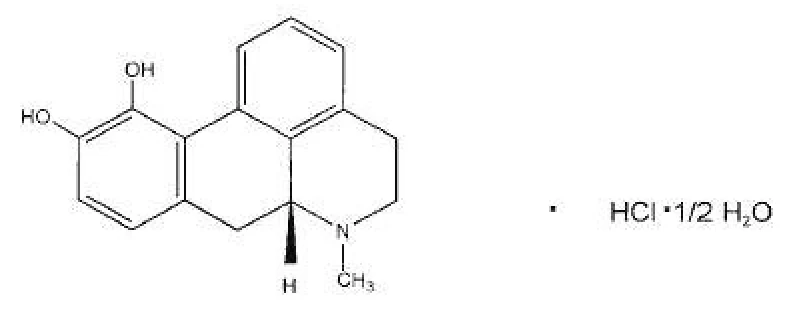
Physicochemical properties: Apomorphine hydrochloride is white to grayish glistening crystals or white powder that is soluble in water at 80°C. The solubility profile of apomorphine hydrochloride is as follows:
| Solvent | Solubility |
| Water at 80°C | Soluble |
| Water | Sparingly soluble |
| Alcohol | Sparingly soluble |
| Chloroform | Very slightly soluble |
| Ether | Very slightly soluble |
14 CLINICAL TRIALS
14.1 Trial Design and Study Demographics
Table 3 - Summary of patient demographics for clinical trials in “OFF” Episodes Associated with Parkinson’s Disease
| Study # | Trial design | Dosage, route of administration and duration | Study patients (n) | Mean age (Range) | Sex |
| CTH-300 (Study 1) | Randomized, double-blind, placebo-controlled, parallel-group Phase 3 study | KYNMOBI, 10 mg – 35 mg sublingually based on effective and tolerable dose OR Placebo 12 weeks | N = 109 KYNMOBI: 54 Placebo: 55 | 62.7 years (43 – 79 years) 41.3% ≥ 65 years | 62.4% males 37.6% females |
The efficacy of KYNMOBI in the acute treatment of “OFF” episodes associated with Parkinson’s disease was studied in one randomized, double-blind, placebo-controlled, parallel-group study in 109 levodopa (L-dopa) responsive patients with Parkinson’s disease complicated by motor fluctuations (“OFF” Episodes).
All patients in this study received concomitant levodopa at baseline and 51% of patients were using a concomitant oral dopaminergic agonist, 41% monoamine oxidase B inhibitors, 21% amantadine derivatives and 8% other dopaminergic agents.
Patients were at least 18 years of age (range 43 – 79 years) and had at least one well-defined “OFF” episode per day (mean 3.9 episodes per day) with a total daily “OFF” time duration of greater than or equal to 2 hours during the waking day. Patients with atypical or secondary Parkinson's disease, a major psychiatric disorder, clinically significant hallucinations and/or impulse control disorder(s) were excluded from the study.
Patients were titrated to an effective and tolerable dose of KYNMOBI, once the patient was confirmed to be in an “OFF” state after withholding their morning dose of levodopa. Patients were initiated with 10 mg of KYNMOBI. If the patient responded to the 10 mg KYNMOBI dose, they were randomized at that dose in a blinded fashion to KYNMOBI or matching placebo in a 1:1 ratio. If the patient tolerated the test dose but did not adequately respond, higher doses were administered on subsequent days in 5 mg increments, up to a maximum dose of 35 mg, until a full ON was achieved as determined by the investigator and the patient. Unified Parkinson's Disease Rating Scale Part III (MDS-UPDRS III) was measured pre-dose, and at 15, 30, 45, 60 and 90 minutes post-dose.
The primary endpoint of the study was mean change from pre-dose to 30 minutes post-dose in the MDS-UPDRS III at the 12-week visit of the maintenance treatment phase. Part III of MDS-UPDRS contains 18 items designed to assess the severity of the cardinal motor findings (e.g., tremor, rigidity, bradykinesia, postural instability, etc.) in patients with Parkinson's disease. The key secondary endpoint was the percentage of patients with a subject-rated full “ON” response within 30 minutes post-dose at the 12-week visit of the maintenance treatment phase. A full “ON”, as assessed by the patient, was defined as: a period of time where medication was providing benefit with regard to mobility, stiffness and slowness and where a patient felt he/she could perform normal daily activities; AND the response was comparable to or better than their normal response to PD medications prior to enrolling in the study.
Patients enrolled in the study were experiencing the following types of “OFF”: morning akinesia (84.4%), wearing “OFF” (99.3%), delayed “ON” (66.0%), dose failure (42.6%) and sudden “OFF” (46.1%).
14.2 Study Results
The overall mean (SD) pre-dose MDS-UPDRS Part III score at the last titration visit at which the dose at randomization was given was 43.1 (14.71) points, with similar mean scores for the treatment groups that the patients were assigned to in the maintenance phase (placebo: 43.1 points ± 14.38; KYNMOBI: 43.2 points ± 15.17).
A total of 34 (63%) KYNMOBI-treated patients and 46 (84%) placebo-treated patients completed the week 12 visit. At the 12-week visit of the maintenance treatment phase, the KYNMOBI treatment group (using doses of 10 to 35 mg) showed a least squares (LS) mean improvement (i.e., reduction in score) from pre-dose MDS-UPDRS III score after 30 minutes post-dose of -11.1 points (95% CI: -14.0, -8.2) versus -3.5 points for the placebo group (95% CI: -6.1, -0.9). The LS mean treatment difference between KYNMOBI and placebo was -7.6 (95% CI: -11.5, -3.7; p = 0.0002).
Figure 1 describes the LS mean change in MDS-UPDRS III score from pre-dose over time for KYNMOBI and placebo at week 12.
Figure 1 - Estimated Least Square Mean Change (± standard error) from Pre-dose in the MDS-UPDRS III Score to 15, 30, 45, 60 and 90 Minutes Post-dose at week 12 – Mixed Model for Repeated Measures (MMRM, modified Intent-to-Treat Population)


The key secondary endpoint of the study was the percentage of patients with a subject-rated full “ON” response within 30 minutes at week 12. A higher percentage of patients on KYNMOBI achieved a subject-rated full “ON” response within 30 minutes at week 12 versus placebo.
-20
-18
-16
-14
-12
-10
-8
-6
-4
-2
0
0
15
30
45
60
75
90
Le as t-Square M e an + /-SE
Time post-dose (minutes)
15 MICROBIOLOGY
No microbiological information is required for this drug product.
16 NON-CLINICAL TOXICOLOGY
Genotoxicity: Apomorphine was mutagenic in the in vitro bacterial reverse mutation (Ames) and the in vitro mouse lymphoma thymidine kinase +/- assays. Apomorphine was clastogenic in the in vitro chromosomal aberration assay in human lymphocytes and in the in vitro mouse lymphoma thymidine kinase +/- assay. Apomorphine was negative in the in vivo micronucleus assay in mice.
Carcinogenicity: Lifetime carcinogenicity studies of apomorphine were conducted in male (0.1, 0.3, or 0.8 mg/kg/day) and female (0.3, 0.8, or 2 mg/kg/day) rats. Apomorphine was administered by subcutaneous injection for 22 months or 23 months, respectively. In males, there was an increase in Leydig cell tumors at the highest dose tested, which is less than the MRHD (20 mg) on a mg/m2 basis. This finding is of questionable significance because the endocrine mechanisms believed to be involved in the production of Leydig cell tumors in rats are not relevant to humans. No drug-related tumors were observed in females; the highest dose tested is similar to the MRHD on a mg/m2 basis.
In a 26-week carcinogenicity study in p53-knockout transgenic mice, there was no evidence of carcinogenic potential when apomorphine was administered by subcutaneous injection at doses up to 20 mg/kg/day (male) or 40 mg/kg/day (female).
Reproductive and Developmental Toxicology: Apomorphine was administered subcutaneously at doses up to 3 mg/kg/day (approximately 1.5 times the MRHD on a mg/m2 basis) to male and female rats prior to and throughout the mating period and continuing in females through gestation day 6. There was no evidence of adverse effects on fertility or on early fetal viability. A significant decrease in testis weight was observed in a 39-week study in cynomolgus monkey at all subcutaneous doses tested (0.3, 1, or 1.5 mg/kg/day); the lowest dose tested is less than the MRHD on a mg/m2 basis.
In a published fertility study, apomorphine was administered to male rats at subcutaneous doses of 0.2, 0.8, or 2 mg/kg prior to and throughout the mating period. Fertility was reduced at the highest dose tested.
No adverse developmental effects were observed when apomorphine (0.3, 1, or 3 mg/kg/day) was administered by subcutaneous injection to pregnant rats throughout organogenesis; the highest dose tested is 1.5 times the MRHD of 20 mg/day on a mg/m2 basis. Administration of apomorphine (0.3, 1, or 3 mg/kg/day) by subcutaneous injection to pregnant rabbits throughout organogenesis resulted in an increased incidence of malformations of the heart and/or great vessels at the mid and high doses; maternal toxicity was observed at the highest dose tested. The no-effect dose for adverse developmental effects is less than the MRHD on a mg/m2 basis.
Apomorphine (0.3, 1, or 3 mg/kg/day), administered by subcutaneous injection to females throughout gestation and lactation, resulted in increased offspring mortality at the highest dose tested, which was associated with maternal toxicity. There were no effects on developmental parameters or reproductive performance in surviving offspring. The no-effect dose for developmental toxicity (1 mg/kg/day) is less than the MRHD on a mg/m2 basis.