


Product Monograph - PMS-Fampridine
1 INDICATIONS
pms-FAMPRIDINE (fampridine extended-release tablets) is indicated for:
- the symptomatic improvement of walking in adult patients with multiple sclerosis (MS) with walking disability (EDSS 3.5-7). The initial prescription should be for no more than 4 weeks, and assessment for improvement in walking should be carried out within that timeframe (see 4 DOSAGE AND ADMINISTRATION).
pms-FAMPRIDINE should only be prescribed by (or following consultation with) clinicians who are experienced in the management of multiple sclerosis and who are knowledgeable of the efficacy and safety profile of pms-FAMPRIDINE and are able to discuss the benefits/risks with patients.
1.1 Pediatrics
Pediatrics (< 18 years of age): No data are available to Health Canada; therefore, Health Canada has not authorized an indication for pediatric use.
1.2 Geriatrics
Geriatrics: Renal function should be checked in elderly patients before starting treatment with pms-FAMPRIDINE and monitored regularly. Use in patients with moderate or severe renal impairment is contraindicated (see 2 CONTRAINDICATIONS; 7.1 WARNINGS AND PRECAUTIONS, Special Populations).
2 CONTRAINDICATIONS
pms-FAMPRIDINE (fampridine) extended-release tablets are contraindicated in:
Patients who are hypersensitive to pms-FAMPRIDINE or to any ingredient in the formulation, including any non-medicinal ingredient, or component of the container. For a complete listing, see 6 DOSAGE FORMS, STRENGTHS, COMPOSITION AND PACKAGING.
Hypersensitivity reactions, including anaphylaxis and angioedema, have been observed in patients treated with fampridine.
- Patients taking concurrent compounded 4-aminopyridine or other forms of fampridine.
- Patients with moderate or severe renal impairment (creatinine clearance <50mL/min) (see 7 WARNINGS AND PRECAUTIONS, Renal).
- Patients with a prior history or current presentation of seizure (see 7 WARNINGS AND PRECAUTIONS, Neurologic, Seizure Risk).
Patients taking medicinal products that are inhibitors of the renal Organic Cation
- 9.4 DRUG INTERACTIONS, Drug-Drug Interactions, ORGANIC CATION TRANSPORTER 2 (OCT2)).
4 DOSAGE AND ADMINISTRATION
4.1 Dosing Considerations
The maximum recommended dosage of pms-FAMPRIDINE is one 10 mg tablet twice daily and should not be exceeded. Take doses approximately 12 hours apart.
There is no evidence of additional benefit at doses greater than 10 mg twice daily. Adverse reactions, including seizures, and discontinuations because of adverse reactions were more frequent at higher doses.
4.2 Recommended Dose and Dosage Adjustment
- Pediatrics (<18 years of age): Health Canada has not authorized an indication for pediatric use.
- Adults: The recommended dose of pms-FAMPRIDINE is one 10 mg tablet twice daily. One 10 mg tablet should be taken in the morning and one 10 mg tablet should be taken in the evening. The doses should be taken 12 hours apart.
- Geriatrics: Renal function should be determined in elderly patients before starting treatment with pms-FAMPRIDINE. Monitoring renal function to detect any renal impairment is recommended in elderly patients (see 10.3 CLINICAL PHARMACOLOGY, Clinical Pharmacokinetics, Special Populations and Conditions).
- Hepatic Impairment: No dose adjustment is required for patients with hepatic impairment.
- Renal Impairment: pms-FAMPRIDINE is contraindicated in patients with moderate or severe renal impairment (Creatinine Clearance <50 mL/min) (see 2 CONTRAINDICATIONS). Determining renal function before treatment, and regular monitoring during treatment, is recommended in all patients.
4.4 Administration
Tablets should only be taken by swallowing whole with a glass of water. Doses should be taken without food.
Patients should be advised to not divide, crush, dissolve, suck or chew the tablet because broken tablets can release too much of the drug at one time and increase the risk of seizure adverse events. Patients should also be advised not to take an extra dose if a dose is missed, due to the increased risk of seizure adverse events.
Starting pms-FAMPRIDINE Treatment: Initial assessment of benefit
The initial prescription for pms-FAMPRIDINE should be for no more than 4 weeks
- starting pms-FAMPRIDINE.
- The assessment for evaluation of improvement should be conducted prior to starting treatment and again within 4 weeks.
- pms-FAMPRIDINE should be discontinued if benefit is not reported by patient.
Ongoing confirmation of positive benefit/risk profile
- Physicians should continue to actively review the benefit/risk of pms-FAMPRIDINE for the individual patient, to ensure continued positive benefit/risk.
In all cases, pms-FAMPRIDINE should be discontinued if patients no longer report benefit, or if seizure occurs.
Patients should be informed of the following:
- pms-FAMPRIDINE should be taken exactly as prescribed, one 10 mg tablet in the morning and one 10 mg tablet in the evening. Doses should be taken 12 hours apart.
- Do not take an extra dose after missing a dose.
- There is a dose-dependent risk of seizure. pms-FAMPRIDINE must be discontinued if they experience a seizure.
- Renal impairment increases plasma concentration of fampridine, which may lead to an increased risk of seizure. Advise patients that co-administration of certain drugs or medicinal products, such as beta blockers (carvedilol, pindolol, propranolol), procainamide, metformin, ranitidine and varenicline, can impact renal function.
- The assessment of improvement in walking should be done within 4 weeks of starting pms-FAMPRIDINE treatment. If there is no benefit to the patient seen within that time frame, treatment should be stopped.
- Patients should be informed of the signs and symptoms of a serious allergic reaction (e.g. itching, swelling of the face, tongue, throat, difficulty breathing, rash etc.). Patients should be instructed to seek immediate emergency assistance if they develop any of these signs and symptoms.
4.5 Missed Dose
The dosing regimen of one tablet in the morning and one tablet in the evening taken 12 hours apart should always be followed. Patients should be advised to not take an extra dose if a dose is missed.
No additional benefit was demonstrated at doses greater than 10 mg twice daily and adverse events and discontinuations were more frequent at higher doses. In particular, the risk of seizure may increase with doses greater than 10 mg twice daily.
5 OVERDOSAGE
Acute symptoms of overdose with fampridine were consistent with central nervous system excitation and included confusion, tremulousness, diaphoresis, seizure, and amnesia. Central nervous system side effects at high doses of 4-aminopyridine include confusion, seizures, status epilepticus, involuntary and choreoathetoid movements. Other side effects at high doses include cases of cardiac arrhythmias (for example, supraventricular tachycardia and bradycardia) and ventricular tachycardia as a consequence of potential QT prolongation.
Reports of hypertension have also been received.
Several cases of overdose are found in the scientific literature in which various formulations of fampridine were used, resulting in adverse events including seizure, confusion, tremulousness, diaphoresis and amnesia. In some instances, patients developed status epilepticus, requiring intensive supportive care and were responsive to standard therapy for seizures.
Three cases of overdose were reported in controlled clinical trials with fampridine extended-release tablets, involving two MS patients. The first patient took six times the currently recommended dose (60 mg) and was taken to the emergency room with altered mental state. The second patient took 40 mg doses on two separate occasions. In the first instance, the patient experienced a complex partial seizure and, in the second instance, a period of confusion was reported. Both patients recovered by the following day without sequelae.
Patients with repeated seizure activity should be treated with benzodiazepine, phenytoin, or other appropriate acute anti-seizure therapy.
| For management of a suspected drug overdose, contact your regional poison control centre. |
|---|
6 DOSAGE FORMS, STRENGTHS, COMPOSITION AND PACKAGING
Table 1 – Dosage Forms, Strengths, Composition
| Route of Administration | Dosage Form / Strength/Composition | All Non-medicinal Ingredients |
| Oral | Extended-Release Tablet, 10 mg | Colloidal Silicon Dioxide, Hypromellose, Magnesium Stearate, Microcrystalline Cellulose, Polyethylene glycol and Titanium Dioxide |
Tablets
10 mg: Extended-release tablets are film-coated, white to off-white, biconvex, oval shaped, beveled edge tablets, debossed “D10” on one side and plain on other side. Available in Bottles: 60 tablets with a natural plastic canister containing silica gel granules. Blisters: 10 tablets in Alu-Alu blister pack.
7 WARNINGS AND PRECAUTIONS
General
pms-FAMPRIDINE should be used under the supervision of a clinician experienced in the treatment of multiple sclerosis and familiar with the safety and efficacy of pms-FAMPRIDINE.
Recommended dose should not be exceeded due to an increased risk of seizure (see 4.2 DOSAGE AND ADMINISTRATION). pms-FAMPRIDINE should not be administered at doses higher than the recommended dose of 10 mg twice daily. One 10 mg tablet should be taken in the morning and one 10 mg tablet should be taken in the evening. The doses should be taken 12 hours apart. Treatment with fampridine increases seizure risk. A dose-dependent increase in risk of seizures has been observed in clinical studies with fampridine at doses above the recommended dose of 10 mg taken twice daily. In open label extension trials in MS patients, the incidence of seizures during treatment with fampridine 15 mg twice daily (1.7/100 patient years) was over 4 times higher than the incidence during treatment with 10 mg twice daily (0.4/100 patient years) (see 7 WARNINGS AND PRECAUTIONS, Neurologic, Seizure Risk).
Renal impairment and certain concomitant medications are among the factors that can result in increased fampridine plasma levels, and therefore result in increased risk of seizure (see 2 CONTRAINDICATIONS; 7 WARNINGS AND PRECAUTIONS, Renal).
Hypersensitivity reactions, including anaphylaxis and angioedema, have been observed in patients treated with fampridine. In several cases, these reactions occurred after the first dose. These hypersensitivity reactions included: anaphylaxis, angioedema, hypotension, tachycardia, swollen tongue, dyspnea, and urticaria. Patients should be informed of the signs and symptoms of a serious allergic reaction (e.g. itching, swelling of the face, tongue, throat, difficulty breathing, rash etc.). Patients should be instructed to seek immediate emergency assistance if they develop any of these signs and symptoms.
Concurrent treatment with other forms of 4-aminopyridine (4-AP, fampridine) is contra-indicated since the active ingredient is the same (see 2 CONTRAINDICATIONS). Patients should discontinue use of any product containing 4-aminopyridine prior to initiating treatment with pms-FAMPRIDINE in order to reduce the potential for dose-related adverse reactions.
Carcinogenesis and Mutagenesis
See 16 NON-CLINICAL TOXICOLOGY.
Cardiovascular
Cardiac Conduction Disorders:
Fampridine is a potassium channel blocker and, therefore, should be administered with caution to patients with cardiovascular symptoms of rhythm and sinoatrial or atrioventricular conduction cardiac disorders (these effects are seen in overdose). There is limited safety information in patients with cardiovascular disease as they were excluded from the clinical trials.
Driving and Operating Machinery
Since dizziness or fatigue may occur with the use of this drug, sensitive patients should be cautioned against activities requiring mental alertness and physical coordination until their response to the drug has been well-established. Exercise caution when driving or operating a vehicle or potentially dangerous machinery.
Genitourinary
A higher incidence of urinary tract infections (UTI) was reported with fampridine (12%) than with placebo (8%), during controlled clinical trials. The underlying mechanism is not fully understood but may involve the effect of fampridine on the sensory and or motor innervation of the bladder. Adverse events of UTI were frequently reported based on symptoms of UTI without confirmation from urinalysis or culture results. Reported UTIs are usually moderate and transient.
Immune
- Hypersensitivity Reactions:
Hypersensitivity reactions, including anaphylaxis and angioedema, have been observed in patients treated with fampridine. In several cases, these reactions occurred after the first dose. These hypersensitivity reactions included: anaphylaxis, angioedema, hypotension, tachycardia, swollen tongue, dyspnea, and urticaria. Patients should be informed of the signs and symptoms of a serious allergic reaction (e.g. itching, swelling of the face, tongue, throat, difficulty breathing, rash, etc.). Patients should be instructed to seek immediate emergency assistance if they develop any of these signs and symptoms.
- Infections and Infestations:
In clinical studies low white blood cell counts were seen in 2.1% of fampridine patients versus 1.9% of patients on placebo. Infections were seen in the clinical studies as stated below (Table 2). An increased infection rate and impairment of the immune response cannot be excluded.
Table 2 Infections and Infestations
| Placebo Controlled Studies MS-F202/ MS-F203/ MS-F204 | ||||||||||
|---|---|---|---|---|---|---|---|---|---|---|
| Placebo (n=238) | Fampridine 10 mg BID (n=400) | TEAEsa) with Incidence ≥1% in Fampridine vs Placebo | ||||||||
| Infections and Infestations | 59 (24.8%) | 124 (31.0%) | 6.2% | |||||||
| Gastroenteritis viral | 4 (1.7%) | 6 (1.5%) | - | |||||||
| Influenza | 0 (0%) | 9 (2.3%) | 1.5% | |||||||
| Nasopharyngitis | 4 (1.7%) | 14 (3.5%) | 1.8% | |||||||
| Pneumonia | 1 (0.4%) | 4 (1.0%) | - | |||||||
| Sinusitis | 8 (3.4%) | 6 (1.5%) | - | |||||||
| Upper respiratory tract infection | 15 (6.3%) | 20 (5.0%) | - | |||||||
| Urinary tract infection | 20 (8.4%) | 48 (12.0%) | 3.6% | |||||||
| Viral infection | 1 (0.4%) | 6 (1.5%) | 1.1% | |||||||
a TEAEs – Treatment Emergent Adverse Events
Monitoring and Laboratory Tests
Clearance of fampridine is decreased in patients with renal impairment and is significantly correlated with creatinine clearance. Therefore, determining renal function before treatment and its regular monitoring during treatment is recommended in all patients who may be at risk of reduced renal function (see 2 CONTRAINDICATIONS; 7 WARNINGS AND PRECAUTIONS, Renal and Special Populations; and 10 CLINICAL PHARMACOLOGY).
Neurologic
- Dizziness and Balance Disorder:
The increased incidence of dizziness, vertigo and balance disorder seen with fampridine may result in an increased risk of falls. Patients who are using walking aids should continue to use these aids as needed.
- Exacerbation of Trigeminal Neuralgia:
Exacerbation of trigeminal neuralgia has been reported in MS patients with history of trigeminal neuralgia treated with fampridine during postmarketing experience (see 8.5
ADVERSE REACTIONS, Post market Adverse Drug Reactions). In the majority of cases, onset was within 1 month of initiating treatment with fampridine and symptoms improved or resolved following discontinuation of fampridine, with or without pharmacological treatment of the trigeminal neuralgia. Some patients that received pharmacological treatment for adverse events of worsening trigeminal neuralgia required higher doses of previously effective treatments to manage symptoms.
- Seizure Risk:
A dose-dependent increase in risk of seizures has been observed in clinical studies with fampridine at doses above the recommended dose. The recommended daily dose of pms-FAMPRIDINE, 10 mg twice daily, taken 12 hours apart, should not be exceeded.
Treatment in patients with a prior history or current presentation of seizure is contraindicated.
Prior to starting pms-FAMPRIDINE, all patients should be assessed for their risk of seizure, by taking a full patient history. Patients who are considered by the physician to be at high risk of seizure should be excluded from treatment (see 2 CONTRAINDICATIONS).
The risk of seizures is also increased with renal impairment, due to reduced clearance of fampridine (see 10.3 CLINICAL PHARMACOLOGY, Special Populations and Conditions, Renal). Therefore, assessment of the risk of seizure should also include assessment of renal function prior to initiating treatment with pms-FAMPRIDINE. Treatment of patients with moderate or severe renal impairment (creatinine clearance <50 mL/min) is contraindicated (see 2 CONTRAINDICATIONS).
pms-FAMPRIDINE should be administered with caution in the presence of factors which may lower seizure threshold.
pms-FAMPRIDINE should be discontinued immediately in patients who experience a seizure while on treatment and not restarted.
Published epidemiological studies indicate that the MS population has a higher background prevalence of seizures than the general population (2 to 4% vs. 0.5 to 1%). This rate increases with age and progressive disease. In the MS population, the background incidence rate of first seizures has been reported to be in the range of 0.2 to 0.6 cases per 100 person-years. The seizure incidence observed during over 1,200 person-years of exposure in open-label treatment of MS patients with fampridine tablets 10 mg twice daily is consistent with this expected background rate (0.41 cases per 100 person-years).
In placebo-controlled studies in MS, the incidence of seizure was not higher in the patients treated with fampridine 10 mg twice daily than in the placebo-treated patients (1/532 [0.19%] versus 1/249 [0.4%], respectively).
As seizures have been seen with the compounded form of fampridine and the immediate release formulations, the clinical trials were designed to exclude patients with a history of seizure or epileptiform activity. The safety data from the controlled trials has shown that at the recommended therapeutic dose (fampridine 10 mg twice daily), the risk of seizure is no higher than the placebo group.
Renal
Fampridine is primarily excreted unchanged through the kidneys. Patients with renal impairment have higher plasma concentrations (see 10.3 CLINICAL PHARMACOLOGY, Special Populations and Conditions, Renal), which are associated with increased adverse drug reactions, in particular neurological effects. Because patients with renal impairment would require a dose lower than 10 mg twice daily and dosage strengths less than 10 mg are not available, pms-FAMPRIDINE is contraindicated in patients with moderate and severe renal impairment [Creatinine Clearance (CrCl) <50 mL/min] (see 2 CONTRAINDICATIONS).
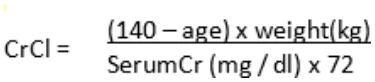
Determining renal function before treatment, and regular monitoring during treatment, is recommended in all patients. Creatinine clearance can be estimated using the Cockcroft-Gault formula (multiply by 0.85 for women):
Caution is required when pms-FAMPRIDINE is prescribed concurrently with drugs or medicinal products that can significantly impact renal function. These include substrates of OCT2, such as beta blockers (carvedilol, pindolol, propranolol), procainamide, metformin, ranitidine and varenicline. Inhibitors of OCT2 (including cimetidine and quinidine are contraindicated (see 9 DRUG INTERACTIONS; 2 CONTRAINDICATIONS).
7.1 Special Populations
7.1.1 Pregnant Women
There are no adequate and well-controlled studies of fampridine in pregnant women. The use of pms-FAMPRIDINE during pregnancy should only be considered if the potential benefit to the mother justifies the potential risk to the fetus.
Administration of fampridine to animals during pregnancy resulted in decreased offspring viability and growth at doses 6.8 times the maximum recommended human dose (MRHD) of 20 mg/day (see 16 NON-CLINICAL TOXICOLOGY).
7.1.2 Breast-feeding
It is not known whether fampridine is excreted in human milk. Because many drugs are excreted in human milk and because of the potential for serious adverse reactions in nursing infants from fampridine, pms-FAMPRIDINE is not recommended during breast feeding.
7.1.3 Pediatrics
Pediatrics (< 18 years of age): No data are available to Health Canada; therefore, Health Canada has not authorized an indication for pediatric use.
7.1.4 Geriatrics
Because elderly patients are more likely to have decreased renal function, renal function should be determined in elderly patients before starting treatment with pms-FAMPRIDINE and monitored regularly (see 10.3 CLINICAL PHARMACOLOGY, Pharmacokinetics).
8 ADVERSE REACTIONS
8.1 Adverse Reaction Overview
The most serious and/or most frequently occurring adverse reactions may be described as follows: The most commonly reported adverse reactions in adults are urinary tract infection (12%), insomnia (8.8%), dizziness (7.3%), headache (7.0%), balance disorder (4.8%), anxiety (1.5%), tremor (1.0%), paraesthesia (4.0%), and asthenia (6.8%). Adverse reactions identified are mostly neurological and relate to nervous system excitation, including seizures. This is consistent with fampridine’s pharmacological activity (see 10 CLINICAL PHARMACOLOGY).
Adverse reactions identified are mostly neurological and relate to nervous system excitation, including seizure, insomnia, anxiety, balance disorder, dizziness, paraesthesia, tremor, headache and asthenia. This is consistent with fampridine's pharmacological activity. The highest incidence of adverse reactions identified from placebo-controlled trials in multiple sclerosis patients with fampridine given at the recommended dose, are reported as urinary tract infection (in approximately 12% of patients, and 8% in patients given placebo).
8.2 Clinical Trial Adverse Reactions
Clinical trials are conducted under very specific conditions. The adverse reaction rates observed in the clinical trials; therefore, may not reflect the rates observed in practice and should not be compared to the rates in the clinical trials of another drug. Adverse reaction information from clinical trials may be useful in identifying and approximating rates of adverse drug reactions in real-world use.
Table 3 lists treatment emergent adverse events that occurred during active treatment in ≥1% of fampridine-treated MS patients and more frequent compared to placebo in controlled clinical trials.
Table 3 Treatment-Emergent Adverse Events with an incidence of ≥1% of fampridine-treated MS patients and at ≥ 1% higher rate than for placebo
| Adverse Event | Placebo N=238 | Fampridine 10 mg twice daily N= 400 |
|---|---|---|
| Gastrointestinal disorders | ||
| Constipation | 5 (2.1%) | 13 (3.3%) |
| Dyspepsia | 2 (0.8%) | 8 (2.0%) |
| Nausea | 6 (2.5%) | 28 (7.0%) |
| Vomiting | 1 (0.4%) | 7 (1.8%) |
| General disorders and administration site conditions | ||
| Asthenia | 9 (3.8%) | 27 (6.8%) |
| Infections and infestations | ||
| Influenza | 0 (0%) | 9 (2.3%) |
| Urinary tract infection | 20 (8.4%) | 48 (12.0%) |
| Viral infection | 1 (0.4%) | 6 (1.5%) |
| Investigations | ||
| White blood cell count decreased | 0 (0%) | 4 (1.0%) |
| Metabolism and nutrition disorders | ||
| Hypertriglyceridemia | 0 (0%) | 4 (1.0%) |
| Musculoskeletal and connective tissue disorders | ||
| Back Pain | 5 (2.1%) | 20 (5.0%) |
| Nervous system disorders | ||
| Balance Disorder | 3 (1.3%) | 19 (4.8%) |
| Dizziness | 10 (4.2%) | 29 (7.3%) |
| Headache | 9 (3.8%) | 28 (7.0%) |
| Paresthesia | 6 (2.5%) | 16 (4.0%) |
| Tremor | 0 (0%) | 4 (1.0%) |
| Psychiatric disorders | ||
| Anxiety | 1 (0.4%) | 6 (1.5%) |
| Insomnia | 9 (3.8%) | 35 (8.8%) |
| Respiratory, thoracic and mediastinal disorders | ||
| Dyspnea | 0 (0%) | 4 (1.0%) |
| Nasopharyngitis | 4(1.7%) | 14 (3.5%) |
| Pharyngolaryngeal pain | 2 (0.8%) | 8 (2.0%) |
| Skin and subcutaneous tissue disorders | ||
| Pruritus | 1 (0.4%) | 6 (1.5%) |
8.2.1 Clinical Trial Adverse Reactions – Pediatrics
No data are available to Health Canada; therefore, Health Canada has not authorized an indication for pediatric use.
8.3 Less Common Clinical Trial Adverse Reactions
The following is a list of treatment-emergent adverse events reported by patients treated with fampridine any dose and any formulation in the safety population (n=1,510). This population includes patients receiving fampridine during clinical pharmacology studies, placebo-controlled studies in patients with multiple sclerosis, placebo-controlled studies in patients with spinal cord injury and uncontrolled studies.
Events that have already been included in Table 2 have been excluded. Although the events reported occurred during treatment with fampridine, they were not necessarily caused by fampridine.
Blood and lymphatic system disorders: anemia, lymph node pain, leukopenia, neutropenia
Cardiovascular: palpitations, tachycardia, atrioventricular block first degree, bundle branch block right, chest pain, coronary artery disease, ventricular extrasystoles, ventricular hypertrophy, bundle branch block left, dilatation ventricular
Ear and labyrinth disorders: tinnitus, vertigo, deafness bilateral, ear pain
Endocrine Disorders: goitre, thyroid cyst
Eye Disorders: vision blurred, visual disturbance, blepharospasm, blindness, conjunctivitis, diplopia, eye hemorrhage, eye movement disorder, lacrimation increased, ocular hyperemia, photopsia, scotoma, eyelid ptosis
Gastrointestinal disorders: abdominal discomfort, dry mouth, flatulence, stomach discomfort, toothache, abdominal hernia, abdominal pain lower, abdominal tenderness, dysphagia, epigastric discomfort, gastritis, hemorrhoidal hemorrhage, hypoesthesia oral, irritable bowel syndrome, colitis, hematemesis
General disorders and administrative site conditions: chest discomfort, chest pain, chills, feeling hot, gait disturbance, influenza like illness, irritability, catheter related complication, cyst, gravitational oedema, injection site erythema, pitting oedema, suprapubic pain, tenderness
Immune System Disorders: hypersensitivity, seasonal allergy
Infections and Infestations: bronchitis, cystitis, ear infection, fungal infection, herpes simplex, tooth abscess, vulvovaginal mycotic infection, bacterial infection, candidiasis, escherichia urinary tract infection, eye infection, folliculitis, herpes virus infection, infection, labyrinthitis, laryngitis, localised infection, oral candidiasis, otitis externa, pharyngitis, pharyngitis streptococcal, rhinitis, sepsis, skin infection, subcutaneous abscess, tooth infection, abscess oral, bacterial pyelonephritis, clostridial infection, gingival abscess, paronychia, vaginal infection
Injury Poisoning and procedural complications: back injury, joint sprain, muscle strain, procedural pain, skin laceration, thermal burn, arthropod bite, arthropod sting, corneal abrasion, epicondylitis, eschar, fibula fracture, hand fracture, joint injury, laceration, ligament injury, neck injury, patella fracture, skeletal injury, sunburn, tendon injury, tooth fracture, wrist fracture, fracture, ligament sprain
Investigations: blood cholesterol increased, blood creatine phosphokinase increased, blood triglycerides increased, body temperature increased, white blood cell count increased, aspartate aminotransferase increased, blood creatinine increased, blood lactate dehydrogenase increased, blood phosphorus increased, blood potassium decreased, blood potassium increased, blood urea increased, cardiac murmur, carotid bruit, crystal urine present, electrocardiogram T wave inversion, electrocardiogram abnormal, full blood count abnormal, heart rate decreased, heart rate increased, heart rate irregular, hepatic enzyme increased, lymphocyte count decreased, monocyte count decreased, neutrophil count decreased, platelet count decreased, red blood cell count decreased, red blood cell count increased, red blood cells urine, red blood cells urine positive, weight increased, white blood cells urine, blood cholesterol abnormal, right ventricular systolic pressure increased, thyroxine increased, urine cytology abnormal
Metabolic and nutritional disorders: decreased appetite, hypercholesterolaemia, diabetes mellitus, hypokalemia, polydipsia
Musculoskeletal and connective tissue disorders: bursitis, chest wall pain, muscle tightness, musculoskeletal discomfort, osteoporosis, bone pain, cervical spasm, groin pain, joint instability, limb discomfort, muscle twitching, musculoskeletal chest pain, osteoarthritis, osteopenia, pain in jaw, sensation of heaviness, trigger finger
Neoplasms benign, malignant and unspecified (including cysts and polyps): breast cancer, uterine leiomyoma, lentigo
Nervous system disorders: migraine, neuropathic pain, somnolence, trigeminal neuralgia, amnesia, dysesthesia, dysgeusia, lethargy, Lhermitte's sign, motor dysfunction, myoclonus, neuralgia, nystagmus, peroneal nerve palsy, sciatica, sinus headache, syncope, anticholinergic syndrome, head titubation
Psychiatric disorders: abnormal dreams, confusional state, nervousness, sleep disorder, hallucination, panic attack, paranoia
Renal and urinary disorders: dysuria, micturition urgency, urinary incontinence, urinary retention, bladder spasm, nephrolithiasis, nocturia, polyuria, pyuria, terminal dribbling, urinary hesitation
Reproductive system and breast disorders: menorrhagia
Respiratory, thoracic and mediastinal disorders: nasal congestion, sinus congestion, asthma, atelectasis, epistaxis, hiccups, pharyngeal erythema, rhinorrhea, wheezing, nasal dryness, sinus disorder
Skin and subcutaneous tissue disorders: blister, ecchymosis, hyperhidrosis, skin ulcer, alopecia, cold sweat, dry skin, ingrown nail, livedo reticularis, purpura, rash macular, scab, skin lesion, drug eruption, hypotrichosis, skin fissures, telangiectasia
Vascular disorders: hot flush, hypertension, peripheral coldness, deep vein thrombosis, flushing, haematoma, hypotension, phlebitis, thrombosis
Seizures: Cases of seizure were reported infrequently during controlled clinical trials and open label extension studies with fampridine (5/532, 0.9 % and 5/660, 0.76%, respectively). Most of these incidences were associated with uncontrolled overdose, high systemic doses, or high plasma levels of fampridine (see 7 WARNINGS AND PRECAUTIONS, Neurologic, Seizure Risk).
8.3.1 Less Common Clinical Trial Adverse Reactions – Pediatrics
No data are available to Health Canada; therefore, Health Canada has not authorized an indication for pediatric use.
8.4 Abnormal Laboratory Findings: Hematologic, Clinical Chemistry and Other Quantitative Data
No information is currently available.
8.5 Post-Market Adverse Reactions
The following adverse reactions have been identified during post marketing experience with fampridine: seizures, exacerbations of trigeminal neuralgia (TN) in patients with a history of TN (see 7 WARNINGS AND PRECAUTIONS, Neurologic, Exacerbation of Trigeminal Neuralgia), vertigo and hypersensitivity reactions (including anaphylactic/anaphylactoid reactions such as swollen tongue and swollen throat (pharyngeal edema) (see 2 CONTRAINDICATIONS; 7 WARNINGS AND PRECAUTIONS, Immune, Hypersensitivity Reactions). For the majority of cases of anaphylaxis, a relationship to fampridine could not be excluded.
Because these reactions are reported voluntarily from a population of uncertain size, it is not always possible to reliably estimate their frequency or establish a causal relationship to drug exposure.
In a placebo-controlled study (218MS305), with 635 patients included in the safety population (placebo: N=319; fampridine: N=316), the safety profile observed was consistent with the known safety profile of fampridine and no new safety concerns were identified (see 14 CLINICAL TRIALS).
9 DRUG INTERACTIONS
9.2 Drug Interactions Overview
Patients should be advised to inform their physicians if they are taking, or plan to take, any prescription or over-the-counter medications.
pms-FAMPRIDINE is contraindicated in patients taking medicinal products that are inhibitors of the renal Organic Cation Transporter 2 (OCT2), such as cimetidine and quinidine (see 2 CONTRAINDICATIONS).
Because fampridine is actively excreted unchanged by the kidneys; there is the potential for interactions with other drugs that are renally excreted (see 10.3 CLINICAL PHARMACOLOGY, Pharmacokinetics).
No pharmacokinetic drug interactions were observed between fampridine and interferon or baclofen. There was evidence of direct inhibition of CYP2E1 by fampridine at 30 μM (approximately 12% inhibition) which is approximately 100 times the average plasma fampridine concentration measured for the 10 mg tablet.
9.3 Drug-Behavioral Interactions
The influence of behavioural risks on adverse events or treatment outcomes related to fampridine has not been established.
9.4 Drug-Drug Interactions
The drugs listed in this table are based on either drug interaction case reports or studies, or potential interactions due to the expected magnitude and seriousness of the interaction (i.e., those identified as contraindicated).
Table 4 Established or Potential Drug-Drug Interactions
| Proper / Common name | Source of Evidence | Effect | Clinical comment |
|---|---|---|---|
CYP2E1 substrates/ inhibitors (e.g disulfiram, chlorzoxazone) | T | In vitro data with human liver microsomes showed that fampridine was not a direct or time-dependent inhibitor of CYP1A2, CYP2A6, CYP2B6, CYP2C8, CYP2C9, CYP2C19, CYP2D6, or CYP3A4/5 at concentrations up to 30 μM. There was evidence of direct inhibition of CYP2E1 by fampridine at 30 μM (approximately 12 % inhibition), which is approximately 100 times the average plasma fampridine concentration measured for the 10 mg fampridine tablet. | In vitro data with human liver microsomes showed that fampridine was not a direct or time- dependent inhibitor of CYP enzymes. |
| Potential for Fampridine to Affect Other Drugs | T | Other in vitro studies with cultured human hepatocytes with 0.025 μM, 0.25 μM, 2.5 μM and 25 μM fampridine had little or no effect on CYP1A2, CYP2B6, CYP2C9, CYP2C19, CYP2E1 or CYP3A4/5 enzyme activities. | The potential for 4- aminopyridine to induce human hepatocytes at therapeutic concentrations is remote. |
| P-glycoprotein Transporter | T | In vitro, fampridine is not a substrate or an inhibitor for the P-glycoprotein transporter. | The pharmacokinetics of fampridine are unlikely to be affected by drugs that inhibit the P-glycol-protein transporter, and fampridine is not likely to affect the pharmacokinetics of drugs that are substrates of the P- glycoprotein transporter. |
Organic Cation Transporter 2 (OCT2) substrates/ inhibitors (e.g. cimetidine, beta blockers (carvedilol, | T, CT | Fampridine is eliminated mainly via the kidneys with active renal secretion accounting for about 60% of elimination. In vitro studies have shown that the Organic Cation Transporter (OCT2) is the main transporter responsible for the active secretion of fampridine. Therefore, the concomitant use of fampridine with | The concomitant use of fampridine with medicinal products that are inhibitors of OCT2. |
| Proper / Common name | Source of Evidence | Effect | Clinical comment |
|---|---|---|---|
| pindolol, propranolol), procainamide, metformin, ranitidine and varenicline) | medicinal products that are inhibitors of OCT2 for example, cimetidine and quinidine, is contraindicated and concomitant use of fampridine with medicinal products that are substrates of OCT2 for example, beta blockers (carvedilol, pindolol, propranolol), procainamide, metformin, ranitidine and varenicline is cautioned (see CONTRAINDICATIONS; WARNINGS AND PRECAUTIONS, Renal). Cimetidine: In a single-dose clinical study, the OCT2 inhibitor cimetidine 400 mg every 6 hours and fampridine 10 mg single dose were concurrently administered to 23 healthy volunteers. The test-reference ratio for AUC0–∞ was 125.1% (90% CI: 120.5%, 129.8%) due to a reduction in apparent clearance of fampridine (CL/F). This increase in systemic exposure is not expected to be clinically meaningful. | ||
Legend: C = Case Study; CT = Clinical Trial; T = Theoretical
9.5 Drug-Food Interactions
pms-FAMPRIDINE should be taken without food. When fampridine tablets are taken with food, Cmax increases by 15-23%, therefore there is a clear relationship between Cmax and dose related adverse reactions. It is recommended to take pms-FAMPRIDINE without food (see 4 DOSAGE AND ADMINISTRATION, 10.3 CLINICAL PHARMACOLOGY, Pharmacokinetics).
9.6 Drug-Herb Interactions
Interactions with herbal products have not been established.
9.7 Drug-Laboratory Test Interactions
Interactions with herbal products have not been established.
10 CLINICAL PHARMACOLOGY
10.1 Mechanism of Action
The mechanism by which fampridine exerts its therapeutic effect has not been fully elucidated. Fampridine (4-aminopyridine, 4-AP) is a broad-spectrum potassium channel blocker. In animal tissue preparations, fampridine has been shown to increase conduction of action potentials in demyelinated axons through inhibition of potassium channels.
Fampridine blocks multiple potassium channels. When the axon is demyelinated the internodal membrane and its ion channels become exposed to larger electrical transients during the passage of an action potential. Leakage of ionic current through the potassium channel, under these conditions, then contributes to impairment of action potential conduction through the axon. In animal tissue preparations, 4-AP has been shown to increase conduction of action potentials in demyelinated axons through inhibition of potassium channels. Fampridine is thought to reduce the leakage of ionic current through these channels and enhance action potential formation in demyelinated axons.
Based on studies in animals, by blocking potassium channels, fampridine is thought to reduce the leakage of ionic current through these channels and enhance action potential formation in demyelinated axons. It is thought that by enhancing action potential formation, more impulses might be conducted in the central nervous system.
10.2 Pharmacodynamics
In animal studies on demyelinated nerve fibers, (dal)fampridine has shown enhanced action potential conduction at concentrations of ~1 µM (94 ng/mL) with IC50 values in the range of 2-3 µM (188-282 ng/mL) recorded. In contrast, the action potential of myelinated axons shows little or no sensitivity to (dal)fampridine at concentration below 100 µM.
(Dal)fampridine does not prolong the QTc interval and does not have a clinically important effect on QRS duration.
10.3 Pharmacokinetics
Fampridine is characterized by linear (dose-proportional) pharmacokinetics with a terminal elimination half-life of approximately 6 hours. The maximum plasma concentration (Cmax) and, to a smaller extent, area under the plasma concentration-time curve (AUC) increase proportionately with dose. There is no evidence of clinically relevant accumulation of fampridine taken at the recommended dose in patients with full renal function. In patients with renal impairment, accumulation occurs relative to the degree of impairment.
Table 5 Summary of Fampridine Pharmacokinetic Parameters in adult patient population
| Cmax (ng/mL) | Tmax (h) | t½ (h) | AUC0-∞ (h*ng/mL) | CL/F (L/h) | Vd (L/kg) | |
|---|---|---|---|---|---|---|
Single dose mean (one 10 mg tablet twice daily) | 17.3 – 21.6 | 3 – 4 | 5.2 – 6.5 | 201.9 – 284.8 | 35.5 – 50.9 | 2.6 |
Absorption
Orally administered fampridine is rapidly and completely absorbed from the gastrointestinal tract. Absolute bioavailability of extended-release fampridine tablets has not been assessed, but relative bioavailability is 96% when compared to an aqueous oral solution. The extended-release tablet delays absorption of fampridine relative to the solution formulation manifested by slower rise to a lower peak concentration (Cmax), with no effect on the extent of absorption (AUC).
When fampridine tablets are taken with food, the reduction in the area under the plasma concentration-time curve (AUC0-∞) of fampridine is approximately 2-7% (10 mg dose). The small reduction in AUC is not expected to cause a reduction in the therapeutic efficacy.
Distribution
Fampridine is largely unbound to plasma proteins (97–99%). The apparent volume of distribution is 2.6 L/kg.
Metabolism
Fampridine is metabolized by oxidation to 3-hydroxy-4-aminopyridine and further conjugated to the 3-hydroxy-4-aminopyridine sulfate. No pharmacological activity was found for the fampridine metabolites against selected potassium channels in vitro.
In vitro studies with human liver microsomes indicate that CYP2E1 was the major enzyme responsible for the 3-hydroxylation of fampridine based on correlation analysis, chemical inhibition studies and incubations with recombinant human CYP enzymes. The identity of the CYP enzymes suspected of playing a minor role in the 3-hydroxylation of fampridine could not be established unequivocally.
Elimination
Fampridine and metabolites are eliminated nearly complete after 24 hours with 95.85% of the dose recovered in the urine and 0.51% recovery in feces. Most of the excreted radioactivity in the 0–4-hour pooled urine was parent drug (90.3%). Two metabolites were identified: 3-hydroxy-4-aminopyridine (4.3%) and 3-hydroxy-4-aminopyridine sulfate (2.6%).
The elimination half-life of fampridine following administration of the extended-release tablet formulation of fampridine is 5.2 to 6.5 hours. The plasma half-life of the sulfate conjugate is approximately 7.6 hours and the half-life of 3-hydroxy-4-aminopyridine could not be calculated because concentrations for most subjects were close to or below the limit of quantitation.
Special Populations and Conditions
- Pediatrics: The pharmacokinetics of fampridine in the pediatric population has not been studied. pms-FAMPRIDINE is not indicated for patients younger than 18 years of age.
- Geriatrics: Clinical studies of fampridine did not include sufficient numbers of subjects aged 65 and over to determine whether they respond differently from younger patients. Because fampridine is primarily excreted unchanged by the kidneys, and creatinine clearance decreases with age, monitoring of renal function in elderly patients is recommended (see 7.1 WARNINGS AND PRECAUTIONS, Renal and Special Populations).
- Sex: A population pharmacokinetic analysis suggested that female patients would be expected to have higher maximum fampridine plasma concentration than male patients. The magnitude of these relationships is small and does not necessitate any dose modifications.
- Ethnic Origin: There was an insufficient number of non-Caucasians to effectively evaluate the influence of ethnicity.
- Hepatic Insufficiency: The pharmacokinetics of fampridine have not been studied in subjects with hepatic impairment. Since fampridine is primarily excreted unchanged in the urine, hepatic insufficiency is not expected to significantly affect fampridine pharmacokinetics or recommended dosing.
Renal Insufficiency: The pharmacokinetics of fampridine was studied in 9 male and 11 female subjects with varying degrees of renal function. Elimination of the drug is significantly correlated with the creatinine clearance. Total body clearance of fampridine was reduced in patients with impaired renal function by 42.7% in mild (CLcr ≥50-80 mL/min), 50.3% in moderate (CLcr = 30-50 mL/min), and 72.7% in severe (CLcr ≤30 mL/min). The terminal half-life of fampridine is prolonged by 3.3-fold in severe renal impairment but not prolonged in mild or moderate impairment.
Fampridine is contraindicated in patients with renal impairment (see 2 CONTRA-INDICATIONS).
11 STORAGE, STABILITY AND DISPOSAL
Store pms-FAMPRIDINE sustained release tablets between 15 and 30°C in the original container. Protect from light and moisture.
12 SPECIAL HANDLING INSTRUCTIONS
There are no special handling instructions.
PART II: SCIENTIFIC INFORMATION
13 PHARMACEUTICAL INFORMATION
Drug Substance
Proper name: fampridine
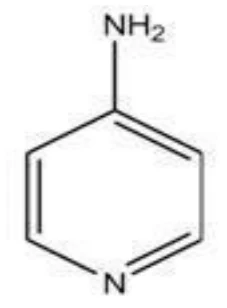
Chemical name: 4-aminopyridine
Molecular formula and molecular mass: C5H6N2 / 94.11 g/mol
Structural formula:
Physicochemical properties
Physical Form: White to off white crystalline powder
Solubility: At ambient temperature, fampridine is soluble in water, methanol, acetone, tetrahydrofuran, isopropanol, acetonitrile, N, N-dimethylformamide, dimethylsulfoxide and ethanol.
pH (1% solution): 11.16
pKa value: 9.17
14 CLINICAL TRIALS
14.1 Trial Design and Study Demographics
Table 6 Summary of patient demographics for clinical trials in patients with multiple sclerosis
| Study # | Study design | Dosage, route of administration and duration | Study subjects (n) | Mean age (Range) | Sex |
|---|---|---|---|---|---|
| MS- F203 | Randomized, placebo- controlled, parallel group | Extended- release tablets, Oral, 10 mg BID 21-week study | 300* | 51.4 (26-70) | Female: 205 (68%) Male: 95 (32%) |
| MS- F204 | Randomized, placebo- controlled, parallel group | Extended- release tablets, Oral, 10 mg BID 14-week study | 239 | 51.7 (24-73) | Female: 162 (68%) Male: 77 (32%) |
* In study MS-F203, 301 patients were randomized but 1 patient did not take the drug.
14.2 Study Results
Studies MS-F203 and MS-F204
The primary endpoint in studies MS-F203 and MS-F204 was the responder rate in walking speed as measured by the Timed 25-foot Walk (T25FW). A responder was defined as a patient who consistently had a faster walking speed for at least three visits out of a possible four during the double-blind period as compared to the maximum value among five off -treatment visits.
A significantly greater proportion of fampridine treated patients were responders as compared to placebo (MS-F203: 34.8% vs. 8.3%, p<0.001; MS-F204: 42.9% vs. 9.3%, p<0.001).
Patients who responded to fampridine increased their walking speed on average by 26.3% vs 5.3% on placebo (p<0.001) (MS-F203) and 25.3% vs 7.8% (p< 0.001) (MS-F204). The improvement appeared rapidly (within weeks) after starting fampridine.
Statistically and clinically meaningful improvements in walking were seen, as measured by the 12-item Multiple Sclerosis Walking Scale.
Table 7 Results of study MS-F203 & MS-F204 in patients with multiple sclerosis
| STUDY * | MS-F203 | MS-F204 | ||||||||||||||||||||||
|---|---|---|---|---|---|---|---|---|---|---|---|---|---|---|---|---|---|---|---|---|---|---|---|---|
| Placebo | Fampridine 10 mg BID | |||||||||||||||||||||||
| Placebo | Fampridine 10 mg BID | |||||||||||||||||||||||
| number of subjects | 72 | 224 | 118 | 119 | ||||||||||||||||||||
| Consistent improvement | 8.3% | 34.8% | 9.3% | 42.9% | ||||||||||||||||||||
| Difference | 26.5% | 33.5% | ||||||||||||||||||||||
CI95% P-value | 17.6%, 35.4% < 0.001 | 23.2%, 43.9% < 0.001 | ||||||||||||||||||||||
| ≥20% improvement | 11.1% | 31.7% | 15.3% | 34.5% | ||||||||||||||||||||
| STUDY * | MS-F203 | MS-F204 | ||||||||||||||||||||||
| Placebo | Fampridine 10 mg BID | |||||||||||||||||||||||
| Placebo | Fampridine 10 mg BID | |||||||||||||||||||||||
| Difference | 20.6% | 19.2% | ||||||||||||||||||||||
CI95% P-value | 11.1%,30.1% <0.001 | 8.5%,29.9% <0.001 | ||||||||||||||||||||||
| Walking speed Feet/sec | Ft per sec | Ft per sec | Ft per sec | Ft per sec | ||||||||||||||||||||
| Baseline | 2.04 | 2.02 | 2.21 | 2.12 | ||||||||||||||||||||
| Endpoint | 2.15 | 2.32 | 2.39 | 2.43 | ||||||||||||||||||||
| Change | 0.11 | 0.30 | 0.18 | 0.31 | ||||||||||||||||||||
| Difference | 0.19 | 0.12 | ||||||||||||||||||||||
| p-value | 0.010 | 0.038 | ||||||||||||||||||||||
| Average % Change | 5.24 | 13.88 | 7.74 | 14.36 | ||||||||||||||||||||
| Difference | 8.65 | 6.62 | ||||||||||||||||||||||
| p-value | < 0.001 | 0.007 | ||||||||||||||||||||||
| STUDY * | MS-F203 | MS-F204 | ||||||||||||
|---|---|---|---|---|---|---|---|---|---|---|---|---|---|---|
| MSWS-12-score (mean, sem) | ||||||||||||||
| Baseline | 69.27 (2.22) | 71.06 (1.34) | 67.03 (1.90) | 73.81 (1.87) | ||||||||||
| Average change | -0.01 (1.46) | -2.84 (0.878) | 0.87 (1.22) | -2.77 (1.20) | ||||||||||
| Difference | 2.83 | 3.65 | ||||||||||||
| p-value | 0.084 | 0.021 | ||||||||||||
LEMMT (mean, sem) (Lower Extremity Manual Muscle Test) | ||||||||||||||
| Baseline | 3.92 (0.070) | 4.01 (0.042) | 4.01 (0.054) | 3.95 (0.053) | ||||||||||
| Average change | 0.05 (0.024) | 0.13 (0.014) | 0.05 (0.024) | 0.10 (0.024) | ||||||||||
| Difference | 0.08 | 0.05 | ||||||||||||
| p-value | 0.003 | 0.106 | ||||||||||||
Ashworth Score (A test for muscle | ||||||||||||||
| STUDY * | MS-F203 | MS-F204 | ||||||||||||
| Placebo | Fampridine 10 mg BID | |||||||||||||
| Placebo | Fampridine 10 mg BID | |||||||||||||
| spasticity) | ||||||||||||||
| Baseline | 0.98 (0.078) | 0.95 (0.047) | 0.79 (0.058) | 0.87 (0.057) | ||||||||||
| Average change | -0.09 (0.037) | -0.18 (0.022) | -0.07 (0.033) | -0.17 (0.032) | ||||||||||
| Difference | 0.10 | 0.10 | ||||||||||||
| p-value | 0.021 | 0.015 | ||||||||||||
*Consistent improvement: The primary measure of efficacy in both trials was walking speed (in feet per second) as measured by the Timed 25-foot Walk (T25FW), using a responder analysis. A responder was defined as a patient who showed faster walking speed for at least three visits out of a possible four during the double-blind period than the maximum value achieved in the five non-double-blind no treatment visits (four before the double-blind period and one after).
Study 218MS305
Study 218MS305 was conducted in 636 subjects with multiple sclerosis and walking disability. Duration of double-blind treatment was 24 weeks with a 2-week post–treatment follow-up. The primary endpoint was improvement in walking ability, measured as the proportion of patients achieving a mean improvement of ≥ 8 points from baseline MSWS-12 score over 24 weeks. In this study there was a statistically significant treatment difference, with a greater proportion of fampridine-treated patients demonstrating an improvement in walking ability, compared to placebo-controlled patients (relative risk of 1.38 (95% CI: [1.06, 1.70]).
Improvements generally appeared within 2 to 4 weeks of initiation of treatment, and disappeared within 2 weeks of treatment cessation.
Fampridine-treated patients also demonstrated a statistically significant improvement in the Timed Up and Go (TUG) test, a measure of static and dynamic balance and physical mobility. In this secondary endpoint, a greater proportion of fampridine-treated patients achieved ≥ 15% mean improvement from baseline TUG speed over a 24-week period, compared to placebo.
The difference in the Berg Balance Scale (BBS; a measure of static balance), was not statistically significant.
The Least Squares (LS) mean change from baseline to double-blind on-treatment MSWS-12 score showed a greater improvement in subjects treated with prolonged-release fampridine (-6.73; 95% CI: [-8.80, -4.67]) compared with subjects treated with placebo (-2.59; 95% CI: [-4.71, -0.47]). The LS mean difference between the groups was -4.14 (95% CI: -6.22, -2.06]; p< 0.001; in favor of prolonged release fampridine.
In addition, patients treated with fampridine demonstrated a statistically significant mean improvement from baseline compared to placebo in the Multiple Sclerosis Impact Scale (MSIS- 29) physical score (LSM difference -3.31, p<0.001).
Table 8 Primary and key secondary endpoints of study 218MS305
| Over 24 weeks | Placebo N = 318* | Fampridine 10 mg BID N = 315* | Difference (95% CI) p - value |
|---|---|---|---|
MSWS-12 score Proportion of patients with mean improvement of ≥ 8 points from baseline MSWS-12 score | 34% | 43% | Risk difference: 10.4% (3% ; 17.8%) 0.006 |
TUG Proportion of patients with mean improvement of ≥ 15% in TUG speed | 35% | 43% | Risk difference: 9.2% (0.9% ; 17.5%) 0.03 |
MSIS-29 physical score Baseline Improvement from baseline | 55.3 -4.68 | 52.4 -8.00 | LSM: -3.31 (-5.13 ; -1.50) <0.001 |
*Intent to treat population = 633; LSM = Least square mean
14.3 Comparative Bioavailability Studies
Fasting Study
A randomized, two-treatment, single dose (1 x 10 mg) crossover comparative bioavailability study of pms-FAMPRIDINE (Pharmascience Inc.) and FAMPYRA (Biogen Canada Inc.) was conducted in healthy subjects under fasting conditions. Comparative bioavailability data from 26 subjects that were included in the statistical analysis are presented in the following table.
Table 9: Summary Table of the Comparative Bioavailability Data
Fampridine (1 × 10 mg) Geometric Mean Arithmetic Mean (CV %) | ||||
|---|---|---|---|---|
| Parameter | Test1 | Reference2 | % Ratio of Geometric Means | 90% Confidence Interval |
AUCT (ng·h/mL) | 332.73 338.64 (18.33) | 324.56 332.67 (22.23) | 102.5 | 98.0 -107.2 |
AUCI (ng·h/mL) | 349.30 356.93 (20.33) | 341.38 351.56 (23.99) | 102.3 | 94.7 - 107.5 |
Cmax (ng/mL) | 28.37 28.61 (13.00) | 28.82 29.19 (16.16) | 98.4 | 94.4 - 102.6 |
Tmax3 (h) | 3.75 (2.00- 6.00) | 3.25 (1.50 - 5.00) | ||
T½4 (h) | 4.85 (16.32) | 4.93 (19.54) | ||
1 pms-FAMPRIDINE (fampridine) extended-release tablet 10 mg (Pharmascience Inc.)
2 FAMPYRA (fampridine) extended-release tablet 10 mg (Biogen Canada Inc.)
3 Expressed as the median (range) only
4 Expressed as the arithmetic mean (CV %) only
Fed Study
A randomized, two-treatment, single dose (1 x 10 mg) crossover comparative bioavailability study of pms-FAMPRIDINE (Pharmascience Inc.) and FAMPYRA (Biogen Canada Inc.) was conducted in healthy subjects under fed conditions. Comparative bioavailability data from 28 subjects that were included in the statistical analysis are presented in the following table.
Table 10: Summary Table of the Comparative Bioavailability Data
Fampridine (1 × 10 mg) Geometric Mean Arithmetic Mean (CV %) | ||||
|---|---|---|---|---|
| Parameter | Test1 | Reference2 | % Ratio of Geometric Means | 90% Confidence Interval |
AUCT (ng·h/mL) | 296.51 299.10 (13.23) | 294.52 297.01 (13.40) | 100.7 | 98.6 - 102.7 |
AUCI (ng·h/mL) | 306.06 308.79 (13.34) | 303.92 306.64 (13.73) | 100.7 | 98.5 - 102.9 |
Cmax (ng/mL) | 30.31 30.56 (13.35) | 29.33 29.61 (13.99) | 103.3 | 101.1 - 105.6 |
Tmax3 (h) | 4.25 (2.00- 6.00) | 3.75 (2.50 - 6.00) | ||
T½4 (h) | 4.35 (13.60) | 4.33 (13.09) | ||
1 pms-FAMPRIDINE (fampridine) extended-release tablet 10 mg (Pharmascience Inc.)
2 FAMPYRA (fampridine) extended-release tablet 10 mg (Biogen Canada Inc.)
3 Expressed as the median (range) only
4 Expressed as the arithmetic mean (CV %) only
15 MICROBIOLOGY
No microbiological information is required for this drug product.
16 NON-CLINICAL TOXICOLOGY
General Toxicology: The preclinical safety of 4-AP was assessed in mice, rats, rabbits and dogs. The dosing regimen greatly affected the rate of mortality and incidence of adverse clinical signs in all species studied. In general, higher rates of mortality and adverse clinical signs were noted when 4-AP was administered in a single large dose as compared to administration by multiple (two, three, or four) equally divided sub-doses, or when administered through dietary admixture. This suggested that peak plasma levels may be more important than total exposure when considering toxicity of 4-AP.
Toxic responses to orally administered 4-AP were rapid in onset and included tremors, convulsions, ataxia, dyspnea, dilated pupils, prostration, abnormal vocalization, increased respiration, excess salivation, gait abnormalities, and hyper- and hypo-excitability. These clinical signs were not unexpected and represent exaggerated pharmacology of 4-AP. In single-dose studies in rats and in repeated-dose studies in dogs, gross necropsy findings observed in animals that died prematurely included discolorations of the kidney, lung and liver, thymus and spleen. In a 1 year repeated-dose study in dogs, these lesions were evaluated histologically, and were characterized as congestion and hemorrhage secondary to convulsion. In repeated-dose studies, no histological evidence of target organ toxicity was observed in either rats or dogs that survived to scheduled termination, aside from glandular dilation of the stomach in treated rats. Exposures associated with the no adverse effect levels (NOAEL) in these species were between 2- (rat, glandular dilation of the stomach) and 10-fold above those achieved in humans at the MRHD of 10 mg administered twice daily (b.i.d).
Carcinogenicity: No evidence of carcinogenicity was observed in either of the 2-year bioassays conducted in mice and rats when administered via dietary admixture, at the maximally tolerated doses of 80 and 18 mg/kg/day, respectively. In mice receiving 80 mg/kg/day, mean plasma exposures in males were approximately 17-fold above the anticipated peak clinical exposure of 21.6 ng/mL at the MRHD of 10 mg b.i.d. Mean exposures in surviving females, euthanized during week 100 due to reduced survival at the 80 mg/kg/day dose level, were approximately 11-fold above the anticipated peak clinical exposure at the MRHD of 10 mg b.i.d.
Similar exposures were obtained during the 104-week carcinogenicity study in rats. Mean exposures in males at the 18 mg/kg/day dose level were approximately 17-fold above the peak exposure of 21.6 ng/mL at the MRHD of 10 mg b.i.d, and approximately 12-fold in females. A slight, non-dose-related increase in uterine polyps was observed in female rats at 18 mg/kg/day. Microscopically, an increased incidence of inflammation of the foot with secondary reaction in the regional lymph nodes and hypercellularity of the bone marrow was seen, particularly at 18 mg/kg/day.
Genotoxicity: 4-Aminopyridine was not mutagenic in either the Ames bacterial mutagenicity test or in the L5178Y mouse lymphoma cell line, when tested in vitro. No clastogenic effects were observed either in vitro, when tested in Chinese Hamster Ovary (CHO) cells or in vivo, when tested in mice at oral doses of 9 mg/kg, or in Sprague Dawley rats at oral doses of 15 mg/kg.
Reproductive and Developmental Toxicology: No adverse effects were noted on fertility or copulatory indices in rats, and no treatment-related variations in estrous cyclicity, were attributed to 4-aminopyridine in surviving animals at doses of up to 9 mg/kg. There were no indications of developmental toxicity and no test article-related fetal malformations or developmental variations at any dosage level tested when pregnant dams were exposed to oral doses of up to 10 mg/kg/day (rat) or 5 mg/kg/day (rabbit) during the period of fetal organogenesis. Based upon data from bridging toxicokinetic studies, peak plasma exposures in pregnant rats and rabbits were greater than 23-fold above those achieved in humans at the MRHD of 10 mg b.i.d.
Effects on parturition and lactation, as evidenced from neonatal behavior, viability, growth and offspring (F1) reproductive performance, were evaluated in rats at doses of up to 6 mg/kg/day. Doses of 3 and 6 mg/kg/day were maternally toxic, as evidenced by reduced maternal food consumption and body weight during both gestation and lactation, and fewer live births were observed in pregnant dams in the 6 mg/kg dose group. Administration of 4-AP to offspring (F1) through lactation also resulted in fewer live pups per litter and reduced weight gain during and beyond lactation for animals in the 6 mg/kg dose group; however, no effects were observed at any dose level, with respect to behavior and development. Based upon data from a bridging toxicokinetic study, peak exposure levels in lactating dams were greater than 28- fold above those achieved in humans at the MRHD of 10 mg b.i.d.
Secretion of fampridine in milk has not been studied in animals.
17 SUPPORTING PRODUCT MONOGRAPHS
FAMYPRA Extended-Release Tablet, 10 mg, submission control 249412, Product Monograph, Biogen Canada Inc. (Jan 24, 2022).