


Product Monograph - Xywav
1. INDICATIONS
XYWAV (calcium, magnesium, potassium, and sodium oxybates) oral solution is indicated for:
- Treatment of cataplexy in patients with narcolepsy.
XYWAV is not recommended for use in other indications, as safety and efficacy have not been established outside of cataplexy.
Distribution restrictions:
XYWAV is only available through a controlled distribution program. Under this program, only prescribers and pharmacists registered with the program are able to prescribe and dispense the product. In addition, XYWAV can only be dispensed to patients who are registered and meet all the conditions of the program. Please call 1-866-599-7365 or write to XSP@innomar-strategies.com to obtain information about the program (see 3 SERIOUS WARNINGS AND PRECAUTIONS BOX; 4.1 Dosing Considerations and 7 WARNINGS AND PRECAUTIONS, Controlled Distribution Program).
1.1 Pediatrics
Pediatrics (< 18 years of age): No data are available to Health Canada; therefore, Health Canada has not authorized an indication for pediatric use.
1.2 Geriatrics
Geriatrics (≥ 65 years of age): There is limited experience with XYWAV in the geriatric population (see 4.2.2 Dosing in Special Populations and Conditions, Geriatrics (≥ 65 years of age); 7.1.4 Special Populations, Geriatrics ≥ 65 years).
2. CONTRAINDICATIONS
XYWAV is contraindicated for use in:
- patients who are hypersensitive to this drug or to any ingredient in the formulation, including any non-medicinal ingredient, or component of the container. For a complete listing, see 6 DOSAGE FORMS, STRENGTHS, COMPOSITION AND PACKAGING.
- combination with sedative hypnotic agents (see 7 WARNINGS AND PRECAUTIONS, Neurologic; 9 DRUG INTERACTIONS).
- combination with alcohol (see 7 WARNINGS AND PRECAUTIONS, Neurologic; 9 DRUG INTERACTIONS).
- patients with succinic semialdehyde dehydrogenase deficiency (see 10.3 Pharmacokinetics).
3. SERIOUS WARNINGS AND PRECAUTIONS BOX
|
|---|
4. DOSAGE AND ADMINISTRATION
4.1 Dosing Considerations
XYWAV should only be prescribed by healthcare professionals who meet the following requirements:
- i) Experience in treating cataplexy in patients with narcolepsy;
- ii) Enrollment in Controlled Distribution Program.
- • Oxybate, the active ingredient in XYWAV, is also known as gamma-hydroxybutyrate (GHB). Due to the known abuse potential of GHB, physicians should evaluate patients for their history of drug use (see 3 SERIOUS WARNINGS AND PRECAUTIONS BOX; 7 WARNINGS AND PRECAUTIONS, Abuse and Misuse).
- • Patients should be advised not to consume alcohol in combination with XYWAV (see 2 CONTRAINDICATIONS; 9.3 Drug-Behavioural Interactions).
- • XYWAV has twice nightly dosing: the first dose is taken at bedtime and the second 2.5 to 4 hours later (see 4.2 Recommended Dose and Dosage Adjustment).
- • XYWAV is rapidly absorbed. Therefore, XYWAV should be taken only at bedtime, and patients should not walk around after taking their dose of XYWAV.
- • Patients with hepatic impairment are started on XYWAV at one-half (½) of the original dosage per night, divided into two doses (see 10.3 Pharmacokinetics, Special Populations and Conditions).
- •
Concomitant use of XYWAV with divalproex sodium may result in higher exposures of GHB. An initial dose reduction of at least 20% of XYWAV is recommended when used concomitantly with
- (see 4.2 Recommended Dose and Dosage Adjustment; 9.4 Drug-Drug Interactions).
- • XYWAV is an oral liquid that must be diluted prior to ingestion (see 4.3 Reconstitution).
- • XYWAV contains the same active moiety (oxybate) as sodium oxybate but with approximately 92% lower sodium content. See 6 DOSAGE FORMS, STRENGTHS, COMPOSITION AND PACKAGING for detailed cation content.
4.2 Recommended Dose and Dosage Adjustment
4.2.1 Initiating Treatment
- Adults (≥ 18 years of age):
XYWAV should be titrated to effect. The recommended nightly oral starting dosage is 4.5 grams (g), divided into two doses: 2.25 g at bedtime and 2.25 g taken 2.5 to 4 hours later (see Table 1).
The starting dosage can be increased or decreased in increments of 1.5 g/night (0.75 g per dose), to a maximum of 9 g/night, while evaluating clinical response and adverse effects. One-week intervals are recommended between dose titrations. However, it may be necessary to individualize the amount or timing of dose increases. More frequent or less frequent than weekly dose titrations may be considered.
XYWAV is effective at dosages of 6 to 9 g/night. The efficacy and safety of XYWAV at dosages higher than 9 g/night have not been investigated, and dosages greater than 9 g/night are not recommended.
If clinically necessary, the second dose can be taken more than four hours after the first dose provided patients have adequate time prior to waking the next day. Additionally, unequal division of the total nightly dose (e.g., increasing the first dose or reducing the second dose) may be required for some patients to achieve optimal treatment.
If the patient stops taking XYWAV for more than 14 consecutive days, titration should be restarted from the lowest dose.
XYWAV must be diluted before administration (see 4.3 Reconstitution).
| Table 1: Recommended Adult XYWAV Oral Dosage Regimen (g = grams) | ||
|---|---|---|
| If Patient’s Total Nightly Dose is: | Take at Bedtime: | Take 2.5 to 4 Hours Later: |
| 4.5 g per night | 2.25 g | 2.25 g |
| 6 g per night | 3 g | 3 g |
| 7.5 g per night | 3.75 g | 3.75 g |
| 9 g per night | 4.5 g | 4.5 g |
Note: Unequal doses may be required for some patients to achieve optimal treatment.
4.2.2 Dosing in Special Populations and Conditions
Patients Transitioning from Sodium Oxybate to XYWAV
XYWAV should be initiated at the same dose as sodium oxybate (gram for gram) with titration as needed based on efficacy and tolerability.
Patients with Hepatic Impairment
The recommended starting dosage in patients with hepatic impairment is one-half (½) of the original dosage per night administered orally, divided into two doses (see 10.3 CLINICAL PHARMACOLOGY, Special Populations and Conditions).
Patients with Renal Impairment
No studies of XYWAV have been conducted in patients with renal failure. No dose adjustment should be necessary in patients with renal impairment.
Pediatrics (< 18 years of age)
No data are available to Health Canada; therefore, Health Canada has not authorized an indication for pediatric use.
Geriatrics (≥ 65 years of age)
Clinical studies of XYWAV in patients with narcolepsy did not include sufficient numbers of patients age 65 years and older to determine whether they respond differently from younger patients.
In general, dose selection for an elderly patient should be cautious, usually starting at the low end of the dosing range, reflecting the greater frequency of decreased hepatic, renal, or cardiac function, and of concomitant disease or other drug therapy.
Co-administration of Divalproex Sodium
When initiating divalproex sodium in patients taking a stable dosage of XYWAV, a reduction of the XYWAV dosage by at least 20% is recommended with initial concomitant use (see 9.4 Drug-Drug Interactions). When initiating XYWAV in patients already taking divalproex sodium, a lower starting dosage of XYWAV is recommended. Subsequently, the dosage of XYWAV can be adjusted based on individual clinical response and tolerability.
4.2.3 Discontinuing Treatment
The discontinuation effects of XYWAV have not been systematically evaluated in controlled clinical trials (see 14 CLINICAL TRIALS). Abrupt discontinuation in clinical trials resulted in symptoms consistent with re-emerging narcolepsy. In some patients, cataplexy may return at a higher frequency upon cessation. This may be due to the normal variability of the disease.
Although the clinical trial experience with XYWAV at therapeutic doses does not show clear evidence of a withdrawal syndrome, events such as insomnia, restlessness, headache, anxiety, dizziness, rebound fatigue and sleepiness, lethargy, nausea, tremor, sweating, muscle cramps, tachycardia, confusion, hallucination, and psychotic disorders were observed following discontinuation of GHB at frequent repeated doses (18 g to 250 g per day) in excess of the recommended dosage range (see 7 WARNINGS AND PRECAUTIONS, Withdrawal).
4.3 Reconstitution
XYWAV is an oral solution with a concentration of 500 mg/mL of mixed salts oxybate. Each bottle of XYWAV is closed with a child-resistant cap. The pharmacist will provide the patient with an oral dosing syringe and two pharmacy containers with child-resistant caps. See PATIENT MEDICATION INFORMATION, Instructions for use for a complete description.
Prior to ingestion, each dose of XYWAV must be diluted with approximately 60 mL (2 oz or ¼ cup) of water. Containers should then be sealed with the child-resistant cap until use.
For measuring doses of XYWAV, patients should only use the dosing syringe (graduated in grams) that is provided. However, if needed, Table 2 provides a conversion scale of total nightly XYWAV dose(s) from grams to mL.
Table 2 - Total Nightly Dose: Conversion Scale
| Total Nightly Dose (g) | Total Nightly Dose (mL) | Single Dose (taken twice nightly) (g) | Single Dose (taken twice nightly) (mL) |
| 3 g | 6 mL | 1.5 g | 3 mL |
| 4.5 g | 9 mL | 2.25 g | 4.5 mL |
| 6 g | 12 mL | 3 g | 6 mL |
| 7.5 g | 15 mL | 3.75 g | 7.5 mL |
| 9 g | 18 mL | 4.5 g | 9 mL |
4.4 Administration
Food reduces the bioavailability of XYWAV (see 9.5 Drug-Food Interactions and 10.3 Pharmacokinetics). Patients should stop eating at least 2 hours prior to taking the first dose of XYWAV, at bedtime. A regular evening routine should be established, with regard to content and timing of meals, in order to ensure consistent efficacy and safety.
Prepare all doses of XYWAV prior to bedtime. Prior to ingestion, each dose of XYWAV must be diluted with approximately ¼ cup (approximately 60 mL) of water in the empty pharmacy-provided containers (see 4.2 Recommended Dose and Dose Adjustment; 4.3 Reconstitution and PATIENT MEDICATION INFORMATION, Instructions for use). Solutions prepared following dilution should be sealed with a child-resistant cap until use and consumed within 24 hours.
Patients should take each dose of XYWAV while in bed and lie down immediately after dosing and remain in bed following ingestion of each dose. XYWAV may cause patients to fall asleep abruptly without first feeling drowsy (see 7 WARNINGS AND PRECAUTIONS, Falls).
Patients will often fall asleep within 5 minutes of taking XYWAV, and will usually fall asleep within 15 minutes, though the time it takes any individual patient to fall asleep may vary from night to night.
Patients may need to set an alarm to awaken for the second dose. If the second dose is missed or delayed, see section 4.5 Missed Dose.
4.5 Missed Dose
Two XYWAV doses should never be taken at one time.
If the initial bedtime dose is missed or delayed, take it as soon as it is remembered. A second dose may be taken 2.5 to 4 hours later only if there is sufficient sleep time prior to waking, otherwise, the second dose should be skipped.
If the second dose is missed or delayed, it should only be taken if there is sufficient sleep time prior to waking, otherwise, that dose should be skipped.
If insufficient sleep time has passed since the last dose has been taken, patients should be cautioned not to engage in hazardous activities or activities requiring complete mental alertness (see 7 WARNINGS AND PRECAUTIONS, Driving and Operating Machinery).
5. OVERDOSAGE
In clinical trials of adults taking sodium oxybate (which has the same active moiety as XYWAV), two cases of overdose were reported. In the first case, an estimated dose of 150 g, more than 15 times the maximum recommended dose, caused a patient to be unresponsive with brief periods of apnea and to be incontinent of urine and feces. This individual recovered without sequelae. In the second case, death was reported following a multiple drug overdose consisting of sodium oxybate and numerous other drugs.
No cases of overdose (greater than 9 g) with XYWAV were reported in the XYWAV clinical trials. One subject accidentally took a double dose (9 g in total) as their initial bedtime dose instead of 4.5 g and experienced confusional state and visual hallucination.
Signs and Symptoms
Information about signs and symptoms associated with overdosage with XYWAV derives primarily from reports of illicit use of GHB. In these circumstances the co-ingestion of other drugs and alcohol is common, and this, together with the dose ingested, the time since ingestion, the co-ingestion of other drugs and alcohol, and the fed or fasted state may influence the presentation and severity of clinical manifestations of overdose. Patients have exhibited varying degrees of depressed consciousness that may fluctuate rapidly between a confusional, agitated combative state with ataxia and coma. Emesis (even when obtunded), diaphoresis, headache, and impaired psychomotor skills have been observed. No typical pupillary changes have been described to assist in diagnosis; pupillary reactivity to light is maintained. Blurred vision has been reported. An increasing depth of coma and acidosis have been observed at higher doses. Myoclonus and tonic-clonic seizures have been reported. Respiration may be unaffected or compromised in rate and depth. Cheyne-Stokes respiration and apnea have been observed. Bradycardia and hypothermia may accompany unconsciousness, as well as muscular hypotonia, but tendon reflexes remain intact.
Recommended Treatment of Overdose
General symptomatic and supportive care should be instituted immediately, and gastric decontamination may be considered if co-ingestants are suspected. Because emesis may occur in the presence of obtundation, appropriate posture (left lateral recumbent position) and protection of the airway by intubation may be warranted. Although the gag reflex may be absent in deeply comatose patients, even unconscious patients may become combative to intubation, and rapid-sequence induction (without the use of sedative) should be considered. Vital signs and consciousness should be closely monitored. The bradycardia reported with GHB overdose has been responsive to atropine intravenous administration. No reversal of the central depressant effects of XYWAV can be expected from naloxone or flumazenil administration. The use of hemodialysis and other forms of extracorporeal drug removal have not been studied in GHB overdose, but have been reported in cases of acidosis associated with GHB ingestions of 125 g or greater; however, due to the rapid metabolism of oxybate, these measures may not be warranted.
| For management of a suspected drug overdose, contact your regional poison control centre. |
|---|
6. DOSAGE FORMS, STRENGTHS, COMPOSITION AND PACKAGING
Table 3 - Dosage Forms, Strengths, Composition and Packaging
XYWAV is a clear to slightly opalescent oral solution. It is odourless and has a slight salty taste. It is supplied in a 180 mL round amber PET bottle that is fitted with a press-in-bottle-adapter (PIBA) and sealed with a child-resistant cap. The pharmacist dispenses each bottle of XYWAV to the patient along with a 10 mL measuring device (plastic syringe), two pharmacy containers with child-resistant caps and a patient medication information leaflet.
Table 4 provides the approximate cation content in XYWAV
| Route of Administration | Dosage Form / Strength/Composition | Non-medicinal Ingredients |
| Oral | Solution 0.5 g/mL total salts (as calcium, magnesium, potassium and sodium oxybates) Each mL contains 0.5 g of total salts present as 0.234 g calcium oxybate, 0.096 g magnesium oxybate, 0.13 g potassium oxybate, and 0.04 g sodium oxybate (equivalent to 0.413 g total oxybate). | Purified Water, USP Sucralose, NF |
Table 4 - Approximate Cation Content per Total Nightly Dose XYWAV (g = grams)
| Dose | XYWAV Sodium Content/Nightly Dose | XYWAV Potassium Content/Nightly Dose | XYWAV Calcium Content/Nightly Dose | XYWAV Magnesium Content/Nightly Dose |
|---|---|---|---|---|
| 3 g per night | 44 mg | 214 mg | 229 mg | 61 mg |
| 4.5 g per night | 66 mg | 321 mg | 344 mg | 91 mg |
| 6 g per night | 87 mg | 428 mg | 458 mg | 121 mg |
| 7.5 g per night | 109 mg | 535 mg | 573 mg | 152 mg |
| 9 g per night | 131 mg | 642 mg | 687 mg | 182 mg |
7. WARNINGS AND PRECAUTIONS
See 3 SERIOUS WARNINGS AND PRECAUTIONS BOX.
General
Controlled Distribution Program
XYWAV is available only through a controlled distribution program because of the risks of central nervous system (CNS) depression, abuse, and misuse.
Healthcare professionals who prescribe XYWAV should be educated and enrolled in the controlled distribution program.
XYWAV will be dispensed only by enrolled pharmacies in the controlled distribution program.
XYWAV will be dispensed only to patients who are enrolled in the controlled distribution program with documentation of their knowledge of safe use. Enrollment ensures there is documentation the patient has been educated on XYWAV preparation, dosing, and scheduling.
Abuse and Misuse
XYWAV is classified as a Schedule I controlled substance.
The active moiety of XYWAV is oxybate, also known as gamma-hydroxybutyrate (GHB), a CNS depressant with a risk for abuse and misuse.
Oxybate produces dose-dependent central nervous system effects, including hypnotic and positive subjective reinforcing effects. The onset of effect is rapid, which enhances its potential for abuse or misuse.
Abuse of GHB, either alone or in combination with other CNS depressants, is associated with CNS adverse reactions, including seizure, respiratory depression, decreases in the level of consciousness, coma, and death.
The rapid onset of sedation, coupled with the amnestic features of GHB, particularly when combined with alcohol, has proven to be dangerous for the voluntary and involuntary user (e.g., assault victim). Cross-tolerance with ethanol has been reported, with GHB doses in these cases similar to the therapeutic dose range for cataplexy treatment.
Because illicit use, abuse and diversion of GHB have been reported, healthcare professionals should carefully evaluate patients for a history of drug use and monitor patients closely. Evidence of concerning use may include, but not be limited to, increase in size or frequency of dosing, drug-seeking behaviour, or feigned cataplexy. If inappropriate use is suspected, treatment with XYWAV should be discontinued.
Falls
Patients will often fall asleep within 5 minutes of taking XYWAV. The sudden onset of sleep, including in a standing position or while rising from bed, has led to falls complicated by injuries, and in some cases requiring hospitalization. Patients should be advised to remain in bed following ingestion of XYWAV.
Dependence/Tolerance
Dependence
Cases of severe dependence and craving for GHB have been reported when the drug is taken around the clock. Patterns of use indicative of dependence include: 1) use of increasing doses, 2) increased frequency of use, and 3) continued use despite adverse consequences.
There have been case reports of dependence after illicit use of GHB at frequent repeated doses in excess of the therapeutic dose range.
Tolerance
Tolerance to XYWAV has not been systematically studied in controlled clinical trials. There have been some case reports of symptoms of tolerance developing after illicit use at dosages far in excess of the recommended XYWAV dosage regimen. Clinical studies of sodium oxybate in the treatment of alcohol withdrawal suggest a potential cross-tolerance with alcohol. The safety and effectiveness of XYWAV in the treatment of alcohol withdrawal have not been established.
Withdrawal
There have been case reports of withdrawal, ranging from mild to severe, following discontinuation of illicit use of GHB at frequent repeated doses (18 g to 250 g per day) in excess of the recommended dosage range. Signs and symptoms of GHB withdrawal following abrupt discontinuation included insomnia, restlessness, anxiety, psychosis, lethargy, nausea, tremor, sweating, muscle cramps, tachycardia, headache, dizziness, rebound fatigue and sleepiness, confusion, and, particularly in the case of severe withdrawal, visual hallucinations, agitation, and delirium. These symptoms generally abated in 3 to 14 days. In cases of severe withdrawal, hospitalization may be required.
In the XYWAV clinical trial in adult narcolepsy/cataplexy patients at recommended doses, one patient (1/65) reported insomnia following abrupt discontinuation of XYWAV during the double-blind, randomized-withdrawal period. In the clinical trial experience with sodium oxybate (which has the same active moiety as XYWAV) in narcolepsy/cataplexy patients at recommended doses, two patients reported anxiety and one reported insomnia following abrupt discontinuation at the termination of the clinical trial; in the two patients with anxiety, the frequency of cataplexy had increased markedly at the same time.
Driving and Operating Machinery
Healthcare professionals should caution patients about operating hazardous machinery, including automobiles or airplanes, until they are reasonably certain that XYWAV does not affect them adversely (e.g., impair judgment, thinking, or motor skills). Patients should not engage in hazardous occupations or activities requiring complete mental alertness or motor coordination, such as operating machinery or a motor vehicle or flying an airplane, for at least 6 hours after taking XYWAV. Patients should be asked about CNS depression-related events upon initiation of XYWAV therapy and periodically thereafter.
Endocrine and Metabolism
XYWAV may lead to weight loss in some patients. In the XYWAV clinical trial in adult narcolepsy/cataplexy patients at recommended doses, approximately 26% of oxybate-naïve patients experienced a clinically significant (≥5%) body weight loss over 14 weeks.
Hepatic/Biliary/Pancreatic
Hepatic Insufficiency
Patients with compromised liver function will have an increased elimination half-life and systemic exposure to XYWAV (see 10.3 Pharmacokinetics). The starting dose of XYWAV should be reduced by one-half (½) of the original dosage per night administered orally, divided into two doses (see 4.2 Recommended Dose and Dosage Adjustment).
Neurologic
Central Nervous System (CNS) Depression including Respiratory Depression
XYWAV is a CNS depressant. Clinically significant respiratory depression and obtundation has occurred in adult patients taking sodium oxybate at recommended doses in clinical trials and may occur in patients treated with XYWAV at recommended doses. XYWAV is contraindicated in combination with alcohol and sedative hypnotics. See also 7 WARNINGS AND PRECAUTIONS, Respiratory.
XYWAV may impair respiratory drive, especially in patients with compromised respiratory function. In overdoses of oxybate and illicit use of GHB, life-threatening respiratory depression, profound decreases in level of consciousness, with instances of seizure, coma and death have been reported (see 5 OVERDOSAGE).
The concurrent use of XYWAV with other CNS depressants, including but not limited to opioid analgesics, benzodiazepines, sedating antidepressants or antipsychotics, sedating anti-epileptic drugs, general anesthetics, muscle relaxants, and/or illicit CNS depressants, may increase the risk of respiratory depression, hypotension, profound sedation, syncope, and death.
If use of these CNS depressants in combination with XYWAV is required, dose reduction or discontinuation of one or more CNS depressants (including XYWAV) should be considered. In addition, if short-term use of an opioid (e.g., post- or perioperative) is required, interruption of treatment with XYWAV should be considered.
Many patients who received XYWAV during the clinical trial to assess cataplexy in patients with narcolepsy were also receiving central nervous system stimulants (see 14 CLINICAL TRIALS).
Psychiatric
Depression and Suicidality
Depression, and suicidal ideation and behaviour can occur with patients treated with XYWAV.
In the clinical trial conducted with XYWAV, (n=201) depression and depressed mood were reported in 3% and 4%, respectively, of patients during treatment with XYWAV. Two patients (1%) discontinued XYWAV because of depression, but in most cases, no change in XYWAV treatment was required.
In clinical trials of sodium oxybate in adult patients with narcolepsy (n=781), there were two suicides and two attempted suicides in patients treated with sodium oxybate, including three patients with a previous history of depressive psychiatric disorder. Of the two suicides, one patient used sodium oxybate in conjunction with other drugs. Sodium oxybate was not involved in the second suicide. Adverse reactions of depression were reported by 7% of 781 patients treated with sodium oxybate, with four patients (<1%) discontinuing because of depression. In most cases, no change in sodium oxybate treatment was required.
The emergence of depression in patients treated with XYWAV requires immediate evaluation. Patients with a previous history of a depressive illness and/or suicide attempt should be monitored for the emergence of depressive symptoms while taking XYWAV. XYWAV is not recommended in patients with major depression.
Other Behavioural or Psychiatric Adverse Reactions
Other behavioural and psychiatric adverse reactions that can occur in patients taking XYWAV based on clinical trials with XYWAV, sodium oxybate and reports from the postmarketing setting include anxiety, confusion, agitation, irritability, hostility, aggression, paranoia, psychosis, and hallucinations.
The emergence or increase in the occurrence of behavioural or psychiatric events in patients taking XYWAV should be carefully monitored.
Parasomnias
Parasomnias can occur in patients taking XYWAV, including sleepwalking, abnormal dreams, sleep-related eating disorder, abnormal sleep-related event, nightmare, abnormal rapid eye movements sleep, sleep talking, and sleep terror.
Parasomnias, including sleepwalking can be associated with significant injury. Therefore, episodes of sleepwalking should be fully evaluated and appropriate interventions considered.
Reproductive Health: Female and Male Potential
- Fertility
Effects of XYWAV on fertility in humans have not been studied. Oral administration of sodium oxybate (0, 150, 350, or 1,000 mg/kg/day) to male and female rats prior to and throughout mating and continuing in females through early gestation resulted in no adverse effects on fertility. The highest dose tested is approximately equal to the maximum recommended human dose (MRHD) of 9 g per night XYWAV on a body surface area (mg/m2) basis (see 16 NON-CLINICAL TOXICOLOGY, Reproductive and Developmental Toxicology).
Respiratory
XYWAV may impair respiratory drive. Caution should be observed when prescribing XYWAV to patients with compromised respiratory function (see 7 WARNINGS AND PRECAUTIONS, Neurologic). Respiratory depression has been reported in clinical trials with sodium oxybate. Two subjects had profound CNS depression. A 39 year-old female healthy volunteer received a single 4.5 g dose of sodium oxybate after fasting for 10 hours. An hour later, while asleep, she developed decreased respiration and was treated with an oxygen mask. An hour later, this event recurred. She also vomited and had fecal incontinence. In another case, a 64 year-old man with narcolepsy was found unresponsive on the floor on Day 170 of treatment with sodium oxybate at a total daily dose of 4.5 g/night. Two other patients discontinued sodium oxybate because of severe difficulty breathing and an increase in obstructive sleep apnea. In a dedicated study (n=21) assessing the respiratory depressant effects of sodium oxybate, no dose-related changes in oxygen saturation were demonstrated in the group as a whole. One of the four patients with pre-existing moderate-to-severe sleep apnea had significant worsening of the apnea/hypopnea index during treatment.
Sleep apnea has been reported with a high incidence in some cohorts of patients with narcolepsy. Increased apnea and reduced oxygenation may occur with XYWAV administration. A significant increase in the number of central apneas and clinically significant oxygen desaturation may also occur in patients with obstructive sleep apnea treated with XYWAV.
7.1 Special Populations
7.1.1 Pregnant Women
Pregnancy
There are no adequate and well-controlled studies in pregnant women to establish the safe use of XYWAV during pregnancy or identify potential developmental risks associated with the use of XYWAV in pregnant women. Animal reproduction studies are not always predictive of human response. Therefore, XYWAV should only be used during pregnancy if the potential benefit justifies the potential risk to the fetus.
In animal studies, oral administration of sodium oxybate to pregnant rats (0, 150, 350, or 1,000 mg/kg/day) or rabbits (0, 300, 600, or 1,200 mg/kg/day) throughout organogenesis produced no clear evidence of developmental toxicity. The highest doses of sodium oxybate tested in rats and rabbits were approximately 1 and 3 times, respectively, the MRHD of 9 g per night on a body surface area (mg/m2) basis (see 16 NON-CLINICAL TOXICOLOGY, Reproductive and Developmental Toxicology).
However, oral administration of sodium oxybate (0, 150, 350, or 1,000 mg/kg/day) to rats throughout pregnancy and lactation resulted in increased stillbirths and decreased offspring postnatal viability and body weight gain at the highest dose tested. The no-effect dose for pre- and post-natal developmental toxicity in rats is less than the MRHD on a mg/m2 basis (see 16 NON-CLINICAL TOXICOLOGY, Reproductive and Developmental Toxicology).
Labour and Delivery
XYWAV has not been studied in labour or delivery. The use of XYWAV during labour and delivery is not recommended unless clearly needed.
In obstetric anesthesia using an injectable formulation of sodium oxybate, newborns had stable cardiovascular and respiratory measures but were very sleepy, causing a slight decrease in Apgar scores. There was a fall in the rate of uterine contractions 20 minutes after injection. Placental transfer is rapid and gamma-hydroxybutyrate (GHB) has been detected in newborns at delivery after intravenous administration of GHB to mothers. Subsequent effects of sodium oxybate on later growth, development, and maturation in humans are unknown.
7.1.2 Breast-feeding
GHB is excreted in human milk after oral administration of sodium oxybate. Caution should be exercised when XYWAV is administered to a nursing woman.
There is insufficient information on the risk to a breastfed infant, and there is insufficient information on milk production in nursing mothers. The developmental and health benefits of breastfeeding should be considered along with the mother's clinical need for XYWAV and any potential adverse effects on the breastfed infant from XYWAV or from the underlying maternal condition.
7.1.3 Pediatrics (< 18 years)
No data are available to Health Canada; therefore, Health Canada has not authorized an indication for pediatric use.
7.1.4 Geriatrics (≥ 65 years)
There is limited experience with XYWAV in the geriatric population. In general, dose selection for elderly patients should start at the low end of the dosing range, reflecting the greater frequency of decreased hepatic, renal or cardiac function, and of concurrent disease or concomitant medications (see 4.2 Recommended Dose and Dosage Adjustment).
8. ADVERSE REACTIONS
8.1 Adverse Reaction Overview
In the double-blind, placebo-controlled, randomized-withdrawal study in patients with narcolepsy with cataplexy (Study 1) the most common adverse reactions reported in patients treated with XYWAV (incidence ≥5% of XYWAV treated patients) were headache, nausea, dizziness, decreased appetite, parasomnia, anxiety, diarrhea, hyperhidrosis, and vomiting.
In Study 1, nine of 201 patients (4%) reported adverse reactions that led to withdrawal from the study (anxiety, decreased appetite, depressed mood, depression, fatigue, headache, irritability, nausea, pain in extremity, parasomnia, somnolence, and vomiting). The most common adverse reaction leading to discontinuation was nausea (1.5%). The majority of adverse reactions leading to discontinuation began during the first few weeks of treatment.
8.2 Clinical Trial Adverse Reactions
Clinical trials are conducted under very specific conditions. The adverse reaction rates observed in the clinical trials; therefore, may not reflect the rates observed in practice and should not be compared to the rates in the clinical trials of another drug. Adverse reaction information from clinical trials may be useful in identifying and approximating rates of adverse drug reactions in real-world use.
The safety of XYWAV was evaluated in a 16-week double-blind placebo-controlled randomized- withdrawal study in patients with narcolepsy with cataplexy (Study 1), which was followed by an open-label extension phase lasting 24 weeks. Study 1 included an open-label optimized treatment and titration period (OL OTTP), a stable-dose period (SDP), and a double-blind, placebo-controlled, randomized-withdrawal period (DB RWP). A total of 201 patients, ages 18 to 70 years, received XYWAV at individually titrated doses for 14 weeks, followed by randomization to XYWAV or matching placebo for 2 weeks of treatment. The mean exposure to XYWAV during this study, including titration, the randomized withdrawal period, and the open-label extension, was 151 days. In patients who remained on treatment, adverse reactions tended to occur early and diminish over time.
Table 5 lists adverse reactions observed in the OL OTTP and SDP or the DB RWP in Study 1, that occurred at a frequency of ≥2% in adult patients treated with XYWAV.
| Table 5: Adverse Reactionsa in ≥2% of Adult Participants Treated with XYWAV in the Open Label Titration and Stable Dose Periods or Double Blind Randomized Withdrawal Periodb | |||||||||||
|---|---|---|---|---|---|---|---|---|---|---|---|
| Preferred Term | Open Label Titration and Stable Dose Periods (up to 14 weeks) | Double Blind Randomized Withdrawal Period (2 weeks) | |||||||||
XYWAV N=201 n (%) | XYWAV N=69 n (%) | Placebo N=65 n (%) | |||||||||
| Gastrointestinal disorders | |||||||||||
| Nausea | 26 (12.9) | 0 | 0 | ||||||||
| Diarrhoea | 11 (5.5) | 1 (1.4) | 0 | ||||||||
| Vomiting | 10 (5.0) | 0 | 0 | ||||||||
| Dry mouth | 8 (4.0) | 0 | 0 | ||||||||
| Abdominal paina,1 | 6 (3.0) | 0 | 0 | ||||||||
| General disorders and administration site conditions | |||||||||||
| Fatigue2 | 8 (4.0) | 1 (1.4) | 1 (1.5) | ||||||||
| Infections and infestations | |||||||||||
| Urinary tract infectiona | 4 (2.0) | 2 (2.9) | 0 | ||||||||
| Metabolism and nutritional disorders | |||||||||||
| Decreased appetite | 15 (7.5) | 0 | 1 (1.5) |
|---|---|---|---|
| Musculoskeletal and connective tissue disorders | |||
| Back paina | 7 (3.5) | 0 | 1 (1.5) |
| Muscle spasms | 4 (2.0) | 0 | 0 |
| Nervous system disorders | |||
| Headache | 41 (20.4) | 0 | 1 (1.5) |
| Dizziness | 21 (10.4) | 0 | 0 |
| Cataplexya | 19 (9.5) | 1 (1.4) | 5 (7.7) |
| Paraesthesia | 5 (2.5) | 1 (1.4) | 0 |
| Tremor | 5 (2.5) | 0 | 0 |
| Somnolence3 | 4 (2.0) | 0 | 6 (9.2) |
| Psychiatric disorders | |||
| Parasomnia4 | 12 (6.0) | 0 | 4 (6.2) |
| Anxiety5 | 10 (5.0) | 0 | 1 (1.5) |
| Enuresis6 | 8 (4.0) | 0 | 0 |
| Depressed mood | 7 (3.5) | 0 | 0 |
| Irritability | 6 (3.0) | 0 | 0 |
| Depression | 5 (2.5) | 0 | 0 |
| Insomnia7 | 4 (2.0) | 0 | 2 (3.1) |
| Respiratory, thoracic and mediastinal disorders | |||
| Oropharyngeal paina | 7 (3.5) | 0 | 0 |
| Skin and subcutaneous tissue disorders | |||
| Hyperhidrosis8 | 11 (5.5) | 0 | 1 (1.5) |
aTreatment emergent adverse events of pain (abdominal, back and oropharyngeal), cataplexy, and urinary tract infection are included in table regardless of causality to XYWAV. bStudy Duration: up to 16 weeks. Participants taking either sodium oxybate or other anticataplectic medication, or who were anticataplectic-naïve prior to entering Study 1, initiated XYWAV according to the following schedule: Sodium oxybate only: Subjects transitioned from sodium oxybate to XYWAV (1:1 dose). Titration to improve efficacy/tolerability was permitted after 2 weeks. Sodium oxybate + other anticataplectic: Subjects transitioned from sodium oxybate to XYWAV (1:1 dose). After 2-weeks, subjects were tapered off prior anticataplectics over 2-8 weeks. Titration to improve XYWAV efficacy/tolerability was | |||
permitted after 2 weeks. * Other anticataplectics included: tricyclic antidepressants (TCA), serotonin-norepinephrine reuptake inhibitors (SNRI), selective serotonin reuptake inhibitors (SSRI), atomoxetine, or other. Non-sodium oxybate anticataplectic: After initial XYWAV titration over a minimum of 2 weeks (starting dose 4.5 g/night), subjects were tapered off other anticataplectics over 2-8 weeks. Titration to a stable, effective/tolerable dose of XYWAV ensued during this 8-week period. Naïve (no sodium oxybate or other anticataplectic at screening): Subjects were initiated (starting dose 4.5 g/night) and titrated with XYWAV over 2-8 weeks to achieve a stable, tolerable, and effective dose. Note: The following preferred terms have been combined and are reported per the following categories:
|
|---|
Treatment emergent adverse events observed in clinical studies with sodium oxybate (≥2%) but not observed in Study 1 at a frequency of ≥2% and which may be relevant for XYWAV:
Pain, pain in extremity, dyspepsia, myasthenia, amblyopia, tinnitus, dysmenorrhea, incontinence urine, amnesia, confusion, hypoesthesia, thinking abnormal, disturbance in attention, and disorientation.
8.3 Less Common Clinical Trial Adverse Reactions
Other adverse reactions occurring in 1 to <2% of patients treated with XYWAV in the OL OTTP and SDP or the DB RWP in Study 1 are shown below.
Cardiac disorders: palpitations
Gastrointestinal disorders: constipation, toothache
Ear and labyrinth disorders: vertigo
General disorders and administration site conditions: feeling drunk, pyrexia, edema peripheral, drug withdrawal syndrome
Immune system disorders: seasonal allergy
Infections and infestations: respiratory tract infection, vaginal infection, bronchitis, rhinitis, cystitis
Injury, poisoning and procedural complications: fall, contusion, bone contusion, road traffic accident
Investigations: heart rate increased, blood creatine phosphokinase increased
Metabolism and nutrition disorders: dehydration, diabetes mellitus, hypertriglyceridemia, increased appetite
Musculoskeletal and connective tissue disorders: myalgia, neck pain, pain in extremity, musculoskeletal chest pain
Nervous system disorders: dysgeusia
Psychiatric disorders: cognitive disorder, confusional state, sleep inertia, restlessness
Renal and urinary disorders: nocturia
Respiratory, thoracic and mediastinal disorders: dyspnea, nasal congestion, rhinorrhea
Skin and subcutaneous tissue disorders: acne, alopecia
Vascular disorders: hypertension
Treatment emergent adverse events observed in clinical studies with sodium oxybate (1 to <2%) but not observed in Study 1 at a frequency of ≥1% and which may be relevant to XYWAV:
Gastrointestinal disorders: anorexia
General disorders and administration site conditions: edema
Immune system disorders: allergic reaction
Investigations: alkaline phosphatase increased
Metabolism and nutritional disorders: hypercholesterolemia, weight gain, hypocalcemia
Musculoskeletal and connective tissue disorders: arthritis, leg cramps
Nervous system disorders: ataxia, convulsion, stupor
Renal and urinary disorders: albuminuria, hematuria, urinary frequency
Reproductive system and breast disorders: metrorrhagia
Skin and subcutaneous tissue disorders: rash
8.5 Post-Market Adverse Reactions
Postmarketing Experience with sodium oxybate
The following adverse events have been identified during post approval use of sodium oxybate (which has the same active moiety as XYWAV). Because these events are reported voluntarily from a population of uncertain size, it is not always possible to reliably estimate their frequency or establish a causal relationship to drug exposure:
Aggression, angioedema, arthralgia, decreased appetite, dry mouth, fall*, fluid retention, hallucination, hangover, hostility, hypersensitivity, hypertension, increased libido, memory impairment, nocturia, paranoia, psychosis, vision blurred, and weight decreased.
*The sudden onset of sleep in patients taking sodium oxybate, including in a standing position or while rising from bed, has led to falls complicated by injuries, in some cases requiring hospitalization (see 7 WARNINGS AND PRECAUTIONS, Falls).
9. DRUG INTERACTIONS
9.1 Serious Drug Interactions
Serious Drug Interactions XYWAV is contraindicated for use in combination with alcohol or sedative hypnotics. Use of other CNS depressants may potentiate the CNS-depressant effects of XYWAV (see |
|---|
| 2 CONTRAINDICATIONS; 9.3 Drug-Behavioural Interactions; 9.4 Drug-Drug Interactions). |
|---|
9.2 Drug Interactions Overview
Interactions between sodium oxybate and three drugs commonly used in patients with narcolepsy (zolpidem tartrate, protriptyline hydrochloride, and modafinil) have been evaluated in formal studies in healthy adults. Drug-drug interaction studies in healthy adults (18 to 50 years of age) were also conducted with sodium oxybate and divalproex sodium, diclofenac and ibuprofen.
Studies in vitro with pooled human liver microsomes indicate that sodium oxybate does not significantly inhibit the activities of the human isoenzymes CYP1A2, CYP2C9, CYP2C19, CYP2D6, CYP2E1, or CYP3A up to the concentration of 3 mM (378 mcg/mL), a level considerably higher than levels achieved with recommended doses.
9.3 Drug-Behavioural Interactions
The combined use of alcohol (ethanol) with XYWAV may result in potentiation of the CNS-depressant effects of XYWAV. Therefore, patients should be warned to avoid the use of any alcoholic beverage in conjunction with XYWAV (see 2 CONTRAINDICATIONS).
The concurrent use of XYWAV with other CNS depressants, including but not limited to opioids, benzodiazepines, barbiturates, ketamine, muscle relaxants, cannabis, and other sedatives, may increase the risk of respiratory depression, hypotension, profound sedation, syncope, and death. Patients should be warned to avoid the use of other CNS depressants in conjunction with XYWAV.
9.4 Drug-Drug Interactions
Table 6 – Established or Potential Drug-Drug Interactions
| Proper/Common name | Source of Evidence | Effect | Clinical comment |
CNS depressants (e.g., benzodiazepines, barbiturates, Z-drugs, GHB, opioid analgesics, sedating anti-depressants, sedating anti-psychotics, general anesthetics, muscle relaxants, alcohol) | C, T, CT | May potentiate CNS depressant effects of sodium oxybate. | XYWAV should not be used in combination with sedative hypnotics or other CNS depressants, including alcohol (see 2 CONTRAINDICATIONS; 3 SERIOUS WARNINGS AND PRECAUTIONS BOX; 7 WARNINGS AND PRECAUTIONS, Neurologic). |
divalproex sodium (anticonvulsant) | CT | 25% increase in mean systemic exposure (AUC); Cmax was comparable; greater impairment in attention and working memory than either drug alone. | An initial dose reduction of at least 20% is recommended if divalproex sodium is prescribed to patients already taking XYWAV. For patients already taking divalproex sodium, it is recommended that prescribers use a lower starting XYWAV dose when introducing XYWAV. Monitor patient response closely and adjust dose, accordingly, if concomitant use of XYWAV and divalproex sodium is warranted. |
topiramate (anticonvulsant) | C | Co-administration with sodium oxybate was associated with clinical observations of coma and elevated plasma GHB. | Monitor patient response closely and adjust dose, accordingly, if concomitant use of XYWAV and topiramate is warranted. |
GHB dehydrogenase inhibitors (e.g., phenytoin, valproate, ethosuximide) | T, CT | Co-administration with sodium oxybate inhibits metabolism. Sodium oxybate exposure is increased. | Use caution when considering the concomitant use of XYWAV with GHB dehydrogenase inhibitors. Monitor patient response closely and adjust dose, accordingly. |
Legend: C = Case Study; CT = Clinical Trial; T = Theoretical
In drug-drug interaction studies in healthy adults, sodium oxybate, in combination with protriptyline hydrochloride, zolpidem tartrate, or modafinil, produced no significant pharmacokinetic changes for sodium oxybate or the other drugs. Also, there were no pharmacokinetic interactions with the alcohol dehydrogenase inhibitor fomepizole. However, pharmacodynamic interactions cannot be excluded. Alteration of gastric pH with omeprazole produced no significant change in the pharmacokinetics of GHB. In addition, drug interaction studies in healthy adults demonstrated no pharmacokinetic or clinically significant pharmacodynamic interactions between sodium oxybate and duloxetine HCl.
No clinically significant pharmacokinetic interactions were observed when sodium oxybate was co-administered with diclofenac or ibuprofen.
9.5 Drug-Food Interactions
Administration of XYWAV immediately after a high fat meal resulted in a mean reduction in peak plasma level (Cmax) of GHB by 33%, and mean reduction in systemic exposure (AUC) by 16%. Patients should stop eating at least 2 hours prior to taking the first dose of XYWAV at bedtime (see 4.4 Administration).
9.6 Drug-Herb Interactions
Interactions with herbal products have not been established. Caution should be exercised when using XYWAV in combination with herbal products thought to produce CNS depressant effects, such as those taken as sleep-aids (e.g., melatonin, valerian, kava) or anti-depressants (e.g., St. John’s Wort).
9.7 Drug-Laboratory Test Interactions
Interactions with laboratory tests have not been established.
10. CLINICAL PHARMACOLOGY
10.1 Mechanism of Action
The exact mechanism of action of XYWAV in the treatment of narcolepsy is unknown. XYWAV is a mixture of calcium oxybate, magnesium oxybate, potassium oxybate, and sodium oxybate (gamma-hydroxybutyrate [GHB]). GHB is an endogenous compound and metabolite of the neurotransmitter GABA. It is hypothesized that the therapeutic effects of XYWAV, are mediated in part by actions at GABAB receptors.
10.2 Pharmacodynamics
XYWAV is a CNS depressant. GHB produces dose-dependent sedation and anesthesia in laboratory animals. It is active when given orally or by IV or IP injection. GHB-induced sleep has most often been assessed on a behavioural level in animals by its ability to induce loss of the righting reflex. This has been demonstrated in a number of rodent and non-rodent species. Brain levels of GHB associated with loss of the righting reflex after its systemic administration are 500 to 1000 times those found endogenously. GHB has a rapid onset and short duration of action, depending on dose and route of administration.
10.3 Pharmacokinetics
Pharmacokinetics of GHB are nonlinear and are similar following single or repeat dosing. Under fasted conditions, XYWAV has equivalent AUC and approximately 20% lower Cmax compared with sodium oxybate. Under fed conditions (800-1000 calories; 50% fat), XYWAV exposure is equivalent to sodium oxybate. The difference in exposure between fasted and fed conditions is smaller for XYWAV than for sodium oxybate. See Table 7.
Table 7. Pharmacokinetics for XYWAV and sodium oxybate under fasted and fed conditions
sodium oxybate Fasted (n=42) | XYWAV Fasted (n=42) | sodium oxybate Fed (n=42) | XYWAV Fed (n=42) | |
|---|---|---|---|---|
| Cmax (mcg/mL)* | 123 (22) | 94.6 (21) | 69.7 (26) | 64.8 (27) |
| Tmax (h)† | 0.52 (0.33-1.5) | 1.0 (0.33-3.0) | 0.88 (0.33-3.0) | 1.0 (0.33-2.5) |
|---|---|---|---|---|
| AUCt (mcg∙h/mL)* | 255 (36) | 242 (39) | 208 (41) | 206 (43) |
AUCt = area under the curve over up to 8 hours; Cmax=peak concentrations; Tmax =time to peak concentrations.
*Mean (CV%)
†Median (range)
Absorption:
Following oral administration of XYWAV, the average time to peak plasma concentration (Tmax) was about 1.3 hours in healthy adults in the fasted state.
Following oral administration of XYWAV in two different study populations receiving a 2.25 g or a 4.5 g single dose, the plasma levels of GHB increased more than dose-proportionally, with Cmax increasing approximately 2-fold and AUC increasing 2.9-fold. Single doses greater than 4.5 g have not been studied in healthy participants or patients with narcolepsy.
Effect of Food
Administration of XYWAV immediately after a high fat meal resulted in a mean reduction in peak plasma levels (Cmax) of GHB by 33%, and mean reduction in systemic exposure (AUC) by 16%.
Patients should stop eating at least 2 hours prior to taking the first dose of XYWAV at bedtime (see 4.4 Administration).
Distribution:
GHB has an apparent volume of distribution averaging 190 mL/kg to 384 mL/kg. At GHB concentrations ranging from 3 mcg/mL to 300 mcg/mL, less than 1% is bound to plasma proteins.
Metabolism:
Animal studies indicate that metabolism is the major elimination pathway for GHB, producing carbon dioxide and water via the tricarboxylic acid (Krebs) cycle and secondarily by beta-oxidation. The primary pathway involves a cytosolic NADP+-linked enzyme, GHB dehydrogenase, that catalyzes the conversion of GHB to succinic semialdehyde, which is then biotransformed to succinic acid by the enzyme succinic semialdehyde dehydrogenase. Succinic acid enters the Krebs cycle where it is metabolized to carbon dioxide and water. A second mitochondrial oxidoreductase enzyme, a transhydrogenase, also catalyzes the conversion to succinic semialdehyde in the presence of α-ketoglutarate. An alternate pathway of biotransformation involves β-oxidation via 3,4-dihydroxybutyrate to carbon dioxide and water. No active metabolites have been identified.
Elimination:
The clearance of GHB is almost entirely by biotransformation to carbon dioxide, which is then eliminated by expiration. On average, less than 5% of unchanged drug appears in human urine within 6 to 8 hours after dosing. Fecal excretion is negligible. GHB has an elimination half-life of 0.66 hours.
Special Populations and Conditions
- Pediatrics: No data are available to Health Canada; therefore, Health Canada has not authorized an indication for pediatric use.
- Geriatrics: There is limited experience with XYWAV in the geriatric population.
- Sex: In a study of 18 female and 18 male healthy adult volunteers, no gender differences were detected in the pharmacokinetics of GHB following a single sodium oxybate oral dose of 4.5 g.
- Ethnic Origin: There are insufficient data to evaluate any pharmacokinetic differences among races.
- Hepatic Insufficiency: The pharmacokinetics of GHB in 16 cirrhotic patients, half without ascites (Child’s Class A) and half with ascites (Child’s Class C), were compared to the kinetics in 8 patients with normal hepatic function after a single sodium oxybate oral dose of 25 mg/kg. AUC values were double in the cirrhotic patients, with apparent oral clearance reduced from 9.1 mL/min/kg in healthy adults to 4.5 and 4.1 mL/min/kg in Class A and Class C patients, respectively. Elimination half-life was significantly longer in Class C and Class A patients than in control patients (mean t1/2 of 59 and 32 minutes, respectively, versus 22 minutes). The starting dose of XYWAV should be reduced in patients with hepatic impairment (see 4.2 Recommended Dose and Dosage Adjustment).
- Renal Insufficiency: No pharmacokinetic study in patients with renal impairment has been conducted.
11. STORAGE, STABILITY AND DISPOSAL
XYWAV should be stored between 15°C and 30°C.
Bottles: Once opened, use within 95 days.
Following dilution in the pharmacy containers, the preparation should be used within 24 hours to minimize bacterial growth and contamination.
Any unused XYWAV should be returned to the pharmacy for proper disposal. Do not pour it down the drain.
Care should be taken to prevent access to this medication by children and pets and to persons to whom it is not prescribed.
12. SPECIAL HANDLING INSTRUCTIONS
There are no special handling instructions required.
PART II: SCIENTIFIC INFORMATION
13. PHARMACEUTICAL INFORMATION
Drug Substance
Proper/common name: calcium oxybate, magnesium oxybate, potassium oxybate, and sodium oxybate
Chemical name: calcium, magnesium, potassium, and sodium gamma-hydroxybutyrate (GHB)
Molecular formula and molecular mass: Each mL of XYWAV contains: 0.234 g calcium oxybate, Ca(C4H7O3)2; 0.096 g magnesium oxybate, Mg(C4H7O3)2; 0.13 g potassium oxybate, K(C4H7O3); and 0.04 g sodium oxybate, Na(C4H7O3) in dissociated form in the solution. The molecular weights of each are as follows: calcium oxybate is 246.3, magnesium oxybate is 230.5, potassium oxybate is 142.2, and sodium oxybate is 126.1.
Structural formula:
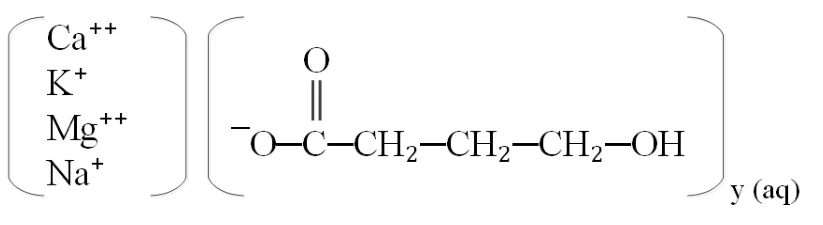
y=1 for Na+ and K+; y=2 for Mg2+ and Ca2+
Physicochemical properties: Clear to slightly opalescent oral solution.
14. CLINICAL TRIALS
14.1 Clinical Trials by Indication
Treatment of Cataplexy in Patients with Narcolepsy
Table 8 - Summary of patient demographics for clinical trials for the treatment of cataplexy in patients with narcolepsy
| Study # | Study design | Dosage, route of administration and duration | Study subjects (n) | Mean age (Range) | Sex |
| Study 1 | Randomized, double-blind, placebo-controlled, withdrawal study conducted in adults with narcolepsy and cataplexy (with a | XYWAV was initiated at 4.5 g/night orally and titrated at a rate of 1 or 1.5 g/night/week to a tolerable dose. Study had two parts, consisting of the main | 201 134 were randomized 1:1, to continue treatment with XYWAV (n=69) | 37 years (18 to 70) | Male: 39% Female: 61% |
Efficacy of XYWAV for the treatment of cataplexy in adult patients with narcolepsy was established in a double-blind, placebo-controlled, randomized-withdrawal study (Study 1). This study had two parts, consisting of the main study, followed by an optional 24-week open-label extension (OLE). The main study consisted of a 12-week Open-label Optimized Treatment and Titration Period (OL OTTP) followed by a 2-week stable-dose period (SDP) and finally a 2-week double-blind randomized-withdrawal period (DB RWP).
Study 1 enrolled 201 patients with narcolepsy and cataplexy, 18 to 70 years of age, with a baseline history of at least 14 cataplexy attacks in a typical two week period prior to any treatment for narcolepsy symptoms. Of the 201 patients, 134 were randomized 1:1, to continue treatment with XYWAV or be switched to placebo in the two-week DB RWP. In the safety population, overall, the median age was 36.0 years (range: 18 to 70). The majority of patients were female (61%), and most were white (88%).
Patients entering the study were taking a stable dose of 1) sodium oxybate only, 2) sodium oxybate plus another anticataplectic, 3) a non-sodium oxybate anticataplectic, or 4) were cataplexy-treatment naïve. Patients taking sodium oxybate at study entry were switched (at a gram for gram dose) from sodium oxybate to XYWAV for a minimum of 2 weeks and titrated to tolerability and effect, over 8 weeks. Most patients who switched from sodium oxybate to XYWAV (41/59; 69%) had no change in dosage from study entry to the stable dose period, 27% (16/59) had an increase in dosage, and 3% (2/59) had a decrease in dosage. Among these patients whose dosage was changed, most changes were within a single titration step (≤1.5 g). Patients not taking sodium oxybate at study entry were initiated at 4.5 g/night of XYWAV and titrated at a rate of 1 or 1.5 g/night/week to a tolerable dose of XYWAV. Patients taking an anticataplectic other than sodium oxybate were tapered off the non-sodium oxybate anticataplectic over 2 to 8 weeks. All patients continued to receive XYWAV only, for the treatment of cataplexy during the last two weeks of the OL OTTP.
CNS stimulants were allowed at entry and approximately 59% of patients continued taking a stable dose of stimulant throughout the SDP and DB RWP.
The total nightly dose of XYWAV was administered in two equally divided doses in 90% (62/69) of patients. Unequal doses were administered in 10% (7/69) of patients treated with XYWAV.
The primary efficacy endpoint was the change in frequency of weekly cataplexy attacks from the SDP to the DB RWP. The key secondary endpoint was the change in the Epworth Sleepiness Scale (ESS) score from the end of the SDP to the end of the DB RWP.
Other secondary efficacy endpoints included the Patient Global Impression of Change (PGIc) and the Clinical Global Impression of Change (CGIc) for overall patient and clinician impression of symptom
| Study # | Study design | Dosage, route of administration and duration | Study subjects (n) | Mean age (Range) | Sex | ||
| baseline history of at least 14 cataplexy attacks in a typical two week period prior to any treatment for narcolepsy symptoms) | study (16 weeks), followed by an optional 24-week open-label extension. | or to placebo (n=65) in the two-week DB RWP | |||||
change at the end of the DB RWP and change in health-related quality of life (HRQoL) at the end of the SDP to the end of the DB RWP as measured by the SF-36v2.
Table 9. Results of Study 1 in Adults with Narcolepsy Associated with Cataplexy
PLACEBO (N = 65) | XYWAV (N = 69) | Treatment difference+, (95% CI+), p value* | |||||||||||||||||
|---|---|---|---|---|---|---|---|---|---|---|---|---|---|---|---|---|---|---|---|
| Baseline SDP | DB RWP | Change from Baseline | Baseline SDP | DB RWP | Change from Baseline | ||||||||||||||
| Primary endpoint | |||||||||||||||||||
| Average weekly number of cataplexy attacks | Mean (SD) | 7.2 (14.4) | 18.6 (32.8) | 11.5 (24.8) | 8.9 (16.8) | 9.0 (16.9) | 0.1 (5.8) | -3.308 (-6.044, -1.500) <0.0001 | |||||||||||
| Median | 1.0 | 5.4 | 2.4 | 1.1 | 2.2 | 0.0 | |||||||||||||
| Q1, Q3 | 0.0, 4.5 | 1.5, 16.7 | 0.00, 11.6 | 0.0, 7.9 | 0.0, 10.5 | -0.5, 1.8 | |||||||||||||
| Key secondary endpoint | |||||||||||||||||||
| Change in ESS Score | Mean (SD) | 12.6 (5.5) | 15.6 (4.9) | 3.0 (4.7) | 13.6 (5.3) | 13.6 (4.7) | 0.0 (2.9) | -2.00 (-4.00, -1.00) <0.0001 | |||||||||||
| Median | 13.0 | 16.0 | 2.0 | 14.0 | 14.0 | 0.0 | |||||||||||||
| Q1, Q3 | 9.0, 17.0 | 13.0, 19.0 | 0.0, 5.0 | 10.0, 19.0 | 10.0, 17.0 | -1.0, 1.0 | |||||||||||||
CI = Confidence interval; DB RWP = Double-blind Randomized-withdrawal Period; SD = Standard deviation; Q1 = First quartile; Q3 = Third quartile; SDP = Stable Dose Period ESS (Epworth Sleepiness Scale) is an 8-item questionnaire by which patients rate their perceived likelihood of falling asleep during usual daily life activities. +The location shift between 2 treatment groups and asymptotic 95% CI were from Hodges-Lehmann estimate is presented. *Based on a rank-based ANCOVA. | |||||||||||||||||||
Patients taking stable doses of XYWAV who were randomized to placebo during the DB RWP experienced a statistically significant worsening in the average weekly number of cataplexy attacks compared with patients randomized to continue treatment with XYWAV. Change in ESS scores also statistically significantly worsened in patients randomized to placebo.
Other Secondary Endpoints
At the end of the DB RWP, PGIc, CGIc and SF-36v2 ratings showed that patients randomized to placebo experienced (nominally) a worsening of narcolepsy symptoms and HRQoL compared with patients randomized to remain on XYWAV.
15. MICROBIOLOGY
No microbiological information is required for this drug product.
16. NON-CLINICAL TOXICOLOGY
General Toxicology: The acute toxicity of sodium oxybate has been studied in mice, rats, rabbits, and dogs primarily by parenteral routes of administration. Reported lethality (Lethal Dose of 50% [LD50]) ranges from 1,700 mg/kg given intraperitoneally to 9,990 mg/kg given orally in the rat.
In two repeat-dose toxicology studies, in rats orally administered sodium oxybate up to 26 weeks, transient hypoactivity, prostration, decreases in body weight and food consumption, and changes in serum chemistry (lower total protein and albumin) were noted at the highest dose tested (1,000 mg/kg/day). The NOAEL was considered to be 350 mg/kg/day, associated with plasma exposures (AUC) of sodium oxybate less than that in humans at the maximum recommended human dose (MRHD) of sodium oxybate (9 g/night).
In dogs, when orally dosed up to 52 weeks with sodium oxybate, clinical signs (emesis, soft feces, tremors, loss of appetite and thin appearance, hypoactivity, salivation, and prostration), decreased body weight and food consumptions, and atrophy/microscopic findings in the salivary and mucosal glands were noted at ≥350 mg/kg/day. The NOAEL was considered to be 150 mg/kg/day, associated with plasma exposures (AUC) of sodium oxybate less than that in humans at the MRHD.
XYWAV Bridging Studies: In a single-dose oral bridging pharmacokinetic study in beagle dogs, systemic exposure to oxybate was similar between oxybate mixed salt and sodium oxybate dosed up to 150 mg/kg, with similar half-life, Cmax and AUCTlast values and no sex-related differences.
In a 91-day toxicity study, doses of up to 1,000 mg/kg/day oxybate mixed salt (administered twice daily at 500 mg/kg) or 600 mg/kg/day sodium oxybate were orally administered to beagle dogs for up to 91 days and all findings (including pharmacologically expected clinical effects such as salivation, mucoid, soft and/or watery feces and/or vomitus, clinical pathology changes and microscopic findings) were consistent with the results of subchronic and chronic repeat-dose toxicity studies of sodium oxybate. Systemic exposure following oral gavage administration of oxybate mixed salt was equivalent to that produced by sodium oxybate given in comparable doses. No novel safety findings were identified with oxybate mixed salt that required additional nonclinical assessments. The NOAEL was considered to be 1,000 mg/kg/day (as twice daily doses, 12 hours apart, for 73 consecutive days), associated with plasma exposures (AUCTlast) of oxybate mixed salt approximately 10 times that in humans at the MHRD of XYWAV.
Genotoxicity: Sodium oxybate was negative in the in vitro bacterial gene mutation assay, an in vitro chromosomal aberration assay in mammalian cells, and in an in vivo rat micronucleus assay.
Carcinogenicity: Administration of sodium oxybate to rats at oral doses of up to 1,000 mg/kg/day for 83 (males) or 104 (females) weeks resulted in no increase in tumors. Decreased survival of males at 1,000 mg/kg/day during the second half of the second year of the study resulted in discontinuance of test article administration in this sex group beginning in Week 83 of the study. Plasma exposure (AUC) at the highest dose tested was 2 times that in humans at the MRHD of 9 g per night.
The results of 2-year carcinogenicity studies in mouse and rat with gamma-butyrolactone, a prodrug that is rapidly and completely metabolized to sodium oxybate in vivo, showed no clear evidence of carcinogenic activity. The plasma AUCs of sodium oxybate achieved at the highest doses tested in these studies were less than that in humans at the MRHD.
Reproductive and Developmental Toxicology: A Segment I fertility study was conducted in rats at doses of 150, 350, and 1,000 mg/kg/day from 28 days (males) and 14 days (females) prior to mating. Females were treated through Day 7 of gestation. An effect on the overall reproductive performance was not observed in this study.
Segment II teratology studies indicated that sodium oxybate was not teratogenic. In rats and rabbits no developmental toxicity was reported at dosages up to 1,000 and 1,200 mg/kg/day, respectively.
In a Segment III study of perinatal and postnatal effects, sodium oxybate was administered to pregnant rats at doses of 150, 350, and 1,000 mg/kg/day from Day 6 of gestation through Day 20 of lactation. Pregnancy, implantation sites, and live birth indices were unaffected by treatment at any dose. There was an increase in postnatal mortality at 1,000 mg/kg/day, and surviving pups showed lower rates of growth. Post-weaning behavioural and maturational assessments, including fertility, showed no drug-related effects. The no-effect dose in this study was 350 mg/kg/day.
Juvenile Toxicity: In a study in which sodium oxybate (0, 100, 300, or 900 mg/kg/day) was orally administered to rats during the juvenile period of development (postnatal days 21 through 90), mortality was observed at the two highest doses tested. Deaths occurred during the first week of dosing and were associated with clinical signs (including decreased activity and respiratory rate) consistent with the pharmacological effects of the drug. Administration of sodium oxybate had no adverse effects on sexual maturity, neurobehavioural assessments (acoustic startle habituation, spatial learning and memory, locomotor activity), estrous cycling, mating and fertility, ophthalmology, clinical pathology, ovarian and uterine examinations, sperm evaluations, organ weights, bone growth parameters (femur length and density), macro- and microscopic examinations, or neurohistopathology at doses up to 900 mg/kg/day. The NOAEL for general toxicity was considered to be 100 mg/kg/day while the NOAEL for growth and development was considered ≥900 mg/kg/day. XYWAV is not indicated for use in children under 18 years of age (see 1.1 Pediatrics; 7.1.3 Pediatrics).