


Product Monograph - PMS-Imatinib
SUMMARY PRODUCT INFORMATION
| Route of Administration | Dosage Form / Strength | All Non-medicinal Ingredients |
| Oral | Tablets 100 mg and 400 mg | Colloidal Anhydrous Silica, Crospovidone, Hypromellose, Magnesium Stearate, Polyethylene Glycol, Povidone, Red Iron Oxide, Talc, Yellow Iron Oxide. |
INDICATIONS AND CLINICAL USE
pms-IMATINIB (imatinib mesylate) is indicated for the treatment of adult patients with newly diagnosed, Philadelphia chromosome-positive, chronic myeloid leukemia (CML) in chronic phase.
Clinical effectiveness in newly diagnosed CML was based on progression-free survival, hematologic and cytogenetic response rates (surrogate endpoints) that are reasonably likely to predict clinical benefit in a long-term randomized controlled study.
pms-IMATINIB (imatinib mesylate) is indicated for the treatment of pediatric patients with newly diagnosed, Philadelphia chromosome-positive, chronic myeloid leukemia (CML) in chronic phase.
Clinical effectiveness in newly diagnosed CML was based on hematologic and cytogenetic response rates (surrogate endpoints) in a short-term uncontrolled study in which the majority of patients withdrew from protocol therapy to undergo hematopoietic stem cell transplantation.
pms-IMATINIB (imatinib mesylate) is also indicated for the treatment of adult patients with Philadelphia chromosome-positive chronic myeloid leukemia (CML) in blast crisis or accelerated phase, or in chronic phase after failure of interferon-alpha therapy.
Clinical effectiveness in Philadelphia chromosome-positive chronic myeloid leukemia in blast crisis, accelerated phase or chronic phase (after failure of interferon-alpha therapy) was based on hematologic and cytogenetic response rates (surrogate endpoints), which have shown to be sustained for at least two years.
pms-IMATINIB (imatinib mesylate) is also indicated for use as a single agent for induction phase therapy in adult patients with newly diagnosed Philadelphia chromosome-positive acute lymphoblastic leukemia (Ph+ALL).
Clinical effectiveness for use as a single agent for induction phase therapy in adult patients with newly diagnosed Philadelphia chromosome-positive acute lymphoblastic leukemia (Ph+ALL) was based on hematologic response rates (surrogate endpoints).
pms-IMATINIB (imatinib mesylate) is also indicated for the treatment of adult patients with relapsed or refractory Ph+ ALL as monotherapy.
Clinical effectiveness in adult patients with relapsed or refractory Ph+ ALL as monotherapy was based on hematologic and cytogenetic response rates (surrogate endpoints).
pms-IMATINIB (imatinib mesylate) is also indicated for the treatment of adult patients with myelodysplastic/myeloproliferative diseases (MDS/MPD) associated with platelet-derived growth factor receptor (PDGFR) gene re-arrangements.
Clinical effectiveness in adult patients with myelodysplastic/myeloproliferative diseases (MDS/MPD) associated with platelet-derived growth factor receptor (PDGFR) gene re-arrangements was based on hematologic and cytogenetic response rates (surrogate endpoints).
pms-IMATINIB (imatinib mesylate) is also indicated for the treatment of adult patients with aggressive sub-types of systemic mastocytosis (ASM and SM-AHNMD1) without the D816V c-Kit mutation. If c-Kit mutational status in patients with ASM or SM-AHNMD1 is not known or unavailable, treatment with pms-IMATINIB may be considered if there is no satisfactorily response to other therapies.
Clinical effectiveness in adult patients with aggressive sub-types of systemic mastocytosis (ASM and SM-AHNMD1) without the D816V c-Kit mutation and in adult patients with ASM or SM-AHNMD1 where c-Kit mutational status is not known or unavailable, and if there is no satisfactory response to other therapies was based on hematologic response rates (surrogate endpoints).
1ASM: Aggressive systemic mastocytosis; SM-AHNMD: Systemic mastocytosis with an associated clonal hematological non-mast-cell disorder.
pms-IMATINIB (imatinib mesylate) is also indicated for the treatment of adult patients with advanced hypereosinophilic syndrome (HES) and/or chronic eosinophilic leukemia (CEL) with FIP1L1-PDGFRα rearrangement.
Clinical effectiveness in adult patients with advanced hypereosinophilic syndrome (HES) and/or chronic eosinophilic leukemia (CEL) with FIP1L1-PDGFRα rearrangement was based on hematologic and cytogenetic response rates (surrogate endpoints).
pms-IMATINIB (imatinib mesylate) is also indicated for the treatment of adult patients with unresectable, recurrent and/or metastatic dermatofibrosarcoma protuberans (DFSP).
Clinical effectiveness in adult patients with unresectable, recurrent and/or metastatic dermatofibrosarcoma protuberans (DFSP) was based on objective response rate (surrogate endpoints).
CONTRAINDICATIONS
pms-IMATINIB (imatinib mesylate) is contraindicated in patients with hypersensitivity to imatinib or to any other component of pms-IMATINIB.
WARNINGS AND PRECAUTIONS
Serious Warnings and Precautions
|
General
Effects on Ability to Drive and Use Machines
Reports of motor vehicle accidents have been received in patients receiving imatinib mesylate. Caution should be recommended when driving a car or operating machinery (see ADVERSE
REACTIONS, Adverse Reactions from Post-Marketing reports; and DRUG INTERACTIONS, Drug-Lifestyle Interactions).
Tumour Lysis Syndrome (TLS)
Tumour lysis syndrome has occurred in patients taking imatinib mesylate; including fatal cases (see ADVERSE RECATIONS, Adverse Reactions from Post-Marketing Reports). Patients at increased risk for TLS include those with tumours having a high proliferative rate (e.g., CML-blast crisis), concomitant chemotherapy or radiotherapy or having a solid tumour of large size (bulky disease), decreased kidney function or elevated lactate dehydrogenase (LDH) at baseline. Preventative measures, including correction of clinically significant dehydration and treatment of high uric acid levels, should be considered for patients at increased risk of developing TLS (see DOSAGE AND ADMINISTRATION; and WARNINGS AND PRECAUTIONS, Monitoring and Laboratory Tests).
Carcinogenesis and Mutagenesis
A 2-year preclinical carcinogenicity study conducted in rats demonstrated renal adenomas/carcinomas, urinary bladder and urethra papillomas, papillomas/carcinomas of the preputial and clitoral gland, adenocarcinomas of the small intestine, adenomas of the parathyroid glands, benign and malignant tumours of the adrenal medulla and papillomas/carcinomas of the nonglandular stomach (see TOXICOLOGY).
Long-term, non-neoplastic histological changes identified in the preclinical carcinogenicity study in rats include cardiomyopathy.
The relevance of these findings in the rat carcinogenicity study for humans is not known. An analysis of the clinical safety data from clinical trials and spontaneous adverse event reports did not provide evidence of an increased overall incidence of malignancies in patients treated with imatinib mesylate compared to that of the general population.
However, adverse events in cancer patients are significantly under reported and a large proportion of patients treated with imatinib mesylate have had limited follow-up thus not permitting a final analysis of the potential for an increased incidence of a secondary malignancy in patients treated with imatinib mesylate.
Cardiovascular
Severe congestive heart failure (CHF) and reduction of left ventricular ejection fraction (LVEF) have been reported in patients taking imatinib mesylate. Although several of these patients had pre-existing conditions including hypertension, diabetes and prior coronary artery disease, they were subsequently diagnosed with CHF. Patients with known cardiac disease or risk factors for cardiac failure should be monitored carefully and those with symptoms or signs consistent with CHF should be evaluated and treated. In patients with history of cardiac disease or in elderly patients, a baseline evaluation of LVEF is recommended prior to initiation of pms-IMATINIB therapy.
In patients with hypereosinophilic syndrome (HES) with occult or known infiltration of HES cells within the myocardium, isolated cases of cardiogenic shock/left ventricular dysfunction believed to be associated with HES cell degranulation upon initiation of imatinib mesylate therapy, have been reported. The condition was reported to be reversible with the administration of systemic steroids, circulatory support measures and temporarily withholding imatinib mesylate.
Myelodysplastic/myeloproliferative diseases (MDS/MPD) and systemic mastocytosis (SM) might be associated with high eosinophil levels. Performance of an echocardiogram and determination of serum troponin should therefore be considered in patients with HES/CEL and in patients with MDS/MPD or ASM and SM-AHNMD associated with high eosinophil levels. These patients with HES/CEL or ASM, SM-AHNMD and MDS/MPD must be also on 1-to 2 mg/kg of prednisone equivalent oral steroids for one to two weeks, initiated at least 2 days prior to beginning pms-IMATINIB therapy.
Endocrine and Metabolism
Clinical cases of hypothyroidism have been reported in thyroidectomy patients undergoing levothyroxine replacement during treatment with imatinib mesylate. Thyroid-Stimulating Hormone (TSH) levels should be closely monitored in such patients.
Fluid Retention and Edema
Imatinib mesylate is often associated with edema and occasionally serious fluid retention (see ADVERSE REACTIONS, Tables 1 and 2). All Grades of fluid retention/edema were reported in up to 61.7% for newly diagnosed CML patients, up to 76.2% for other CML patients across all clinical trials. Patients should be weighed and monitored regularly for signs and symptoms of fluid retention as fluid retention can occur after months of treatment. An unexpected rapid weight gain should be carefully investigated and appropriate treatment provided. The probability of edema was increased with higher imatinib dose. Severe superficial edema was reported in 1.5% of newly diagnosed CML patients taking imatinib mesylate and in 2.1% to 5.8% of other adult CML patients taking imatinib mesylate. In addition, other severe fluid retention events (e.g., pleural effusion, pericardial effusion, pulmonary edema, and ascites) were reported in 1.3% of newly diagnosed CML patients taking imatinib mesylate and in 1.7% to 6.2% of other adult CML patients taking imatinib mesylate.
Gastrointestinal
Hemorrhage: See Hemorrhage below.
Imatinib mesylate is sometimes associated with GI irritation. pms-IMATINIB should be taken with food and a large glass of water to minimize this problem. There have been rare reports, including fatalities, of gastrointestinal perforation.
Hematologic
Hematologic Toxicity
Treatment with imatinib mesylate is often associated with neutropenia or thrombocytopenia (see ADVERSE REACTIONS, Tables 6 to 8). Complete blood counts should be performed weekly for the first month, biweekly for the second month, and periodically thereafter as clinically indicated (for example every 2-3 months). The occurrence of these cytopenias is dependent on the stage of disease and is more frequent in patients with accelerated phase CML or blast crisis than in patients with chronic phase CML. In pediatric CML patients the most frequent toxicities observed were Grade 3 or 4 cytopenias involving neutropenia (31%), thrombocytopenia (16%) and anemia (14%). These generally occur within the first several months of therapy (see DOSAGE AND ADMINISTRATION).
An increased rate of opportunistic infections was observed in a monkey study with chronic imatinib treatment. In a 39-week monkey study, treatment with imatinib resulted in worsening of normally suppressed malarial infections in these animals. Lymphopenia was observed in animals (as in humans, where all grades of lymphopenia were observed in 0.3% patients).
Hemorrhage
All Grades of hemorrhage were reported in up to 28.9% for newly diagnosed CML patients, up to 53% for other CML patients across all clinical trials.
In the newly diagnosed CML trial, 1.8% of patients had Grades 3/4 hemorrhage.
In addition, gastric antral vascular ectasia (GAVE), a rare cause of GI hemorrhage, has been reported in post-marketing experience in patients with CML, ALL and other diseases. Patients should therefore be monitored for gastrointestinal symptoms at the start of and during therapy with pms-IMATINIB. When needed, pms-IMATINIB discontinuation may be considered. Time to GAVE diagnosis was commonly reported at about 1 year of exposure but was variable (6 days to 7 years) after starting treatment with imatinib mesylate (see ADVERSE REACTIONS).
Subdural hematomas have been reported in association with imatinib administration in patients with other contributing factors, including older age (e.g., age greater than 50-55 years); thrombocytopenia due to the underlying malignancy or concomitant administration of multi-agent chemotherapy; concomitant administration of medications that increase bleeding risk; and prior lumbar puncture or head trauma. In clinical trials, the incidence of subdural hematoma has ranged from 0 to 2.4%.
This risk of bleeding should be evaluated carefully in all patients. Caution should be exercised with the concomitant use of antiplatelet agents or warfarin, especially in patients who are thrombocytopenic. Platelet counts and prothrombin time should be measured on a regular basis when imatinib is used concurrently with anticoagulants, prostacyclins, or other medications that increase bleeding risk. Patients who experience head trauma or have unexplained neurological symptoms should be evaluated for subdural hematoma. In view of a potential interaction between imatinib mesylate and warfarin leading to increased exposure to warfarin, patients who require anticoagulation with warfarin should be monitored especially closely when pms-IMATINIB dose adjustments are necessary (see DRUG INTERACTIONS).
Hepatic/Biliary/Pancreatic
Liver Failure
There have been cases of cytolytic and cholestatic hepatitis and hepatic failure; in some cases the outcome was fatal. One patient, who was taking acetaminophen regularly for fever along with imatinib mesylate, died of acute liver failure (see DRUG INTERACTIONS).
Hepatotoxicity
Hepatotoxicity, occasionally severe, may occur with pms-IMATINIB (see ADVERSE REACTIONS, Tables 1 and 2). Liver function (transaminases, bilirubin, and alkaline phosphatase) should be monitored before initiation of treatment and monthly or as clinically indicated. Laboratory abnormalities should be managed with interruption and/or dose reduction of the treatment with pms-IMATINIB (see ADVERSE REACTIONS; and DOSAGE AND ADMINISTRATION). Patients with hepatic impairment should be closely monitored. Although pharmacokinetic analysis results showed there is considerable inter-subject variation, the mean exposure to imatinib did not differ significantly between patients with mild and moderate liver dysfunction (as measured by dose normalized AUC) and patients with normal liver function. Patients with severe liver dysfunction demonstrated increased exposure to imatinib and its active metabolite CGP 74588. Liver function monitoring remains crucial as no long term toxicity and tolerability have been established (see ACTION AND CLINICAL PHARMACOLOGY).
Hepatotoxicity has been observed in patients treated with imatinib mesylate. All Grades of liver toxicity (including liver failure) were reported in up to 11.6% for newly diagnosed CML patients, up to 12% for other CML patients across all clinical trials.
Toxicities From Long-Term Use
It is important to consider potential toxicities suggested by animal studies, specifically, liver kidney and cardiac toxicity, and immunosuppression. Liver toxicity was observed in rats, dogs and cynomolgus monkeys in repeated dose studies. Most severe toxicity was noted in dogs and included elevated liver enzymes, hepatocellular necrosis, bile duct necrosis, and bile duct hyperplasia.
Immune
Hepatitis B Virus Reactivation
Reactivation of hepatitis B virus (HBV) has occurred in patients who are chronic carriers of this virus after receiving a Bcr-Abl tyrosine kinase inhibitor (TKI), including pms-IMATINIB. Some cases resulted in acute hepatic failure or fulminant hepatitis leading to liver transplantation or death.
Patients should be tested for HBV infection before initiating treatment with pms-IMATINIB. Patients currently on pms-IMATINIB should have baseline testing for HBV infection in order to identify chronic carriers of the virus. Experts in liver disease and in the treatment of hepatitis B should be consulted before treatment is initiated in patients with positive HBV serology (including those with active disease) and for patients who test positive for HBV infection during treatment. Carriers of HBV who require treatment with pms-IMATINIB should be closely monitored for signs and symptoms of active HBV infection throughout therapy and for several months following termination of therapy.
Renal
Renal toxicity was observed in monkeys treated for 2 weeks, with focal mineralization and dilation of the renal tubules and tubular nephrosis. Increased BUN and creatinine were observed in several of these animals.
Imatinib mesylate and its metabolites are not excreted via the kidney to a significant extent. Creatinine clearance (CrCl) is known to decrease with age, and age did not significantly affect imatinib kinetics.
In patients with impaired renal function, imatinib mesylate plasma exposure is higher (1.5- to 2-fold increase) than in patients with normal renal function, probably due to an elevated plasma level of alpha-acid glycoprotein (AGP), an imatinib-binding protein, in patients with renal dysfunction. As well, there is a significant correlation in the incidence of serious adverse events with decreased renal function (p=0.0096). Patients with mild or moderate renal impairment should be treated with caution (see DOSAGE AND ADMINISTRATION). Since the effect of imatinib mesylate treatment on patients with severe renal dysfunction or on dialysis has not been sufficiently assessed, recommendations on the treatment of these patients with pms-IMATINIB cannot be made. Patients with history of renal failure should be monitored carefully, and any patient with signs or symptoms consistent with renal failure should be evaluated and treated.
Long term treatment with pms-IMATINIB may result in declines in renal function. Patients treated with imatinib in clinical studies had a decrease over time in estimated glomerular filtration rate (eGFR). Treatment-naive patients with newly-diagnosed CML initiated on imatinib among three Phase III trials showed a decline in eGFR from a median baseline value of 100.1 ml/min/1.73m2 (N=1,279) to 93.5 ml/min/1.73m2 at 6 months (N=1,213), 92.8 ml/min/1.73m2 at 1 year (N=1,161) and 85.5 ml/min/1.73m2 at 5 years (N=585). Monitoring for renal function should be undertaken before initiating therapy and periodically thereafter.
Respiratory
Pulmonary Events
Rare cases of pulmonary fibrosis and interstitial pneumonitis have been reported in patients who have received imatinib mesylate. However, no definitive relationship has been established between the occurrence of these pulmonary events and treatment with imatinib mesylate.
Skin
Skin and Mucosa
Although rare, Erythema multiforme (EM), Toxic epidermal Necrolysis (TEN) and Stevens Johnson syndrome (SJS) have been reported in patients who have received imatinib mesylate. Skin biopsies in some cases of exfoliative skin rash associated with imatinib mesylate use have shown a mixed cellular infiltrate characteristic of a toxic drug reaction. Severe cases of exfoliative rash may require treatment interruption or discontinuation.
Drug reaction with eosinophilia and systemic symptoms (DRESS), a potentially life-threatening syndrome including fever, severe skin eruption, lymphadenopathy, hematologic abnormalities (eosinophilia or atypical lymphocytes), and internal organ involvement, has also been reported in imatinib mesylate-treated patients. DRESS regressed when imatinib mesylate was discontinued, and in all cases where the drug was re-introduced, DRESS recurred. If DRESS occurs, pms-IMATINIB should be interrupted, and permanent discontinuation should be considered.
Special Populations
Female Patients of Reproductive Potential
Females of reproductive potential should be advised to use effective birth control (methods that result in less than 1% pregnancy rates) when using pms-IMATINIB during treatment and for at least 15 days after stopping treatment with pms-IMATINIB (see WARNINGS AND PRECAUTIONS, Pregnant Women).
Females of reproductive potential should have a negative serum or urine pregnancy test with a sensitivity of at least 25 mIU/ml within 1 week prior to initiating pms-IMATINIB.
Pregnant Women
pms-IMATINIB can cause fetal harm when administered to a pregnant woman. Teratogenicity and significant post-implantation loss have been observed in rat studies (see TOXICOLOGY). There have been post-marketing reports of spontaneous abortions and infant congenital anomalies from women who have taken imatinib mesylate. There are no clinical trials on the use of imatinib mesylate in pregnant women.
pms-IMATINIB should not be administered to pregnant women. Patients should advise their physician if they are pregnant. If it is used during pregnancy the patient should be apprised of the potential risk to the fetus.
Nursing Women
Imatinib and its active metabolite can be excreted into breast milk in humans and in animals. There are cases of imatinib exposure during lactation in humans including one case reported the milk:plasma ratio of 0.5 for imatinib and 0.9 for the metabolite. Since the effects of exposure of the infant to imatinib are potentially serious, women should not breast feed during treatment and for at least 15 days after stopping treatment with pms-IMATINIB (imatinib mesylate).
Male Fertility
Stem cell factor and c-Kit genes are known to be important for germ cell development. Human studies on male patients receiving imatinib mesylate and its effect on male fertility and spermatogenesis have not been performed. However, clinical evidence of profound oligospermia with imatinib mesylate use has been reported in the literature as has clinical evidence for maintained male fertility. There is also pre-clinical evidence of impaired spermatogenesis, lower testes and epididymal weights as well as a reduced number of motile sperm without a reduction in fertility (see TOXICOLOGY). Therefore, physicians should advise and counsel their male patients as appropriate.
Pediatrics
There is no experience with the use of imatinib mesylate in pediatric patients with CML under 2 years of age. There is very limited to no experience with the use of imatinib mesylate in pediatric patients in other indications.
There have been case reports of growth retardation in children and pre-adolescents receiving imatinib mesylate. No prospective studies have been carried out in this regard and the long term effects of prolonged treatment with imatinib mesylate on growth in pediatric patients are unknown. In a juvenile toxicology study, an impact on growth and a delay in sexual maturation were observed in rats (see TOXICOLOGY, Juvenile Developmental Toxicology). Therefore, close monitoring of growth in children under pms-IMATINIB treatment is highly recommended.
Geriatrics (65 years or above)
In the CML phase II studies, approximately 20% of patients were older than 65 years. The efficacy of imatinib mesylate was similar in all age groups studied.
Monitoring and Laboratory tests
Patients with known cardiac disease or risk factors for cardiac failure should be monitored carefully and those with symptoms or signs consistent with CHF should be evaluated and treated. In patients with history of cardiac disease or in elderly patients, a baseline evaluation of LVEF is recommended prior to initiation of pms-IMATINIB therapy (see WARNINGS AND PRECAUTIONS, Cardiovascular).
For patients receiving pms-IMATINIB (imatinib mesylate), complete blood counts should be performed weekly for the first month, biweekly for the second month, and periodically thereafter as clinically indicated (for example every 2-3 months) (see WARNINGS AND PRECAUTIONS, Hematologic; and DOSAGE AND ADMINISTRATION).
Liver function (transaminases, bilirubin, and alkaline phosphatase) should be monitored before initiation of treatment and monthly or as clinically indicated (see WARNINGS AND PRECAUTIONS, Hepatic/Biliary/Pancreatic; and DOSAGE AND ADMINISTRATION).
Patients should be weighed and monitored regularly for signs and symptoms of fluid retention as fluid retention can occur after months of treatment with pms-IMATINIB (see WARNINGS AND PRECAUTIONS, Fluid Retention and Edema).
Thyroid-Stimulating Hormone (TSH) levels should be closely monitored in thyroidectomy patients undergoing levothyroxine replacement during treatment with pms-IMATINIB (see WARNINGS AND PRECAUTIONS, Endocrine and Metabolism).
Signs and symptoms consistent with tumour lysis syndrome (e.g., hyperuricemia, hyperkalemia, hypocalcemia, hyperphosphatemia, acute renal failure, elevated LDH, high fevers) should be monitored at baseline and during initial treatment with pms-IMATINIB (see WARNINGS AND PRECAUTIONS, Tumour Lysis Syndrome (TLS); and DOSAGE AND ADMINISTRATION).
Close monitoring of growth in children under pms-IMATINIB treatment is highly recommended (see WARNINGS AND PRECAUTIONS, Special Populations, Pediatrics).
During treatment with pms-IMATINIB serum electrolytes should be regularly monitored for possible hypophosphatemia, hyperkalemia, and hyponatremia in all patients as well as glucose, blood urea nitrogen (BUN) and creatinine. In addition, in pediatric patients, serum calcium and albumin should also be regularly monitored. Grades 3/4 hypophosphatemia have been observed in 16.5% (15% Grade 3 and 1.5% Grade 4) of patients in a phase I dose finding study 03001 (N = 143) and a phase II study 0102 (N = 260) of chronic myeloid leukemia in blast crisis.
In patients with CML, regular response monitoring, particularly when therapy is modified, is essential to detect early signs of loss of response so that appropriate actions can be taken to avoid disease progression. A loss of response can occur at any time, but is more likely when imatinib treatment is modified (see DOSAGE AND ADMINISTRATION).
Females of reproductive potential should have a negative serum or urine pregnancy test with a sensitivity of at least 25 mIU/ml within 1 week prior to beginning therapy (see WARNINGS AND PRECAUTIONS, Special Populations).
ADVERSE REACTIONS
Adverse Drug Reaction Overview
Imatinib mesylate tablets were generally well tolerated across all studies in CML. Complications of advanced malignancies and co-administered medications make causality of adverse events difficult to assess in single arm studies. The majority of Imatinib mesylate-treated patients experienced adverse events at some time.
Recent published literature revealed cases of musculoskeletal pain symptoms occurring upon imatinib discontinuation following long-term treatment, with a high frequency of 18% to 46% in CML patients. Those events may persist for months and were referred to as imatinib withdrawal symptoms (IWS).
Clinical Trial Adverse Drug Reactions
Chronic Myeloid Leukemia
Imatinib mesylate tablets were generally well tolerated with chronic oral daily dosing in patients with CML including pediatric patients. The majority of patients experienced adverse events at some point in time; however, most events were of mild to moderate Grade. In adult clinical trials, drug discontinuation for drug-related adverse events was observed in 2.4% of newly diagnosed patients, in 5 % of patients in chronic phase, 8% in accelerated phase and 9% in blast crisis.
The most frequently reported drug-related adverse events were fluid retention (superficial edema and other fluid retention events), nausea, vomiting, diarrhea, muscle cramps, fatigue and rash (Refer to Table 1 and 2 for newly diagnosed CML and other CML patients, respectively). Superficial edemas were a common finding in all studies described primarily as periorbital edemas or lower limb edemas. However, these edemas were rarely severe and may be managed with diuretics, other supportive measures, or by reducing the dose of Imatinib mesylate tablets (see DOSAGE AND ADMINISTRATION).
Other adverse events such as pleural effusion, ascites, pulmonary edema and rapid weight gain with or without superficial edema may be collectively described as “other fluid retention events”. These events were usually managed by withholding imatinib mesylate treatment temporarily and/or with diuretics and/or other appropriate supportive care measures. However, a few of these events may be serious or life threatening and several patients with blast crisis died with a complex clinical history of pleural effusion, congestive heart failure and renal failure. The following tables list the adverse experiences which occurred in ≥ 10% of patients in the clinical trials, regardless of relationship to therapy.
Table 1: Adverse experiences Regardless of Relationship to Study Drug reported in newly diagnosed CML ( ≥ 10% of all patients)(1)
| Adverse Event (preferred term) | All Grades | CTC Grades 3/4 | ||||||||
|---|---|---|---|---|---|---|---|---|---|---|
| Imatinib mesylate tablets N = 551 (%) | IFN+Ara-C N = 533 (%) | Imatinib mesylate tablets N = 551 (%) | IFN+Ara-C N = 533 (%) | |||||||
| Any event | 99.1 | 99.6 | 57.2 | 77.3 | ||||||
Gastrointestinal Disorders Nausea Diarrhea Abdominal pain Vomiting Dyspepsia Constipation Dry mouth | 49.5 45.4 36.5 22.5 18.9 11.4 2.9 | 61.5 43.3 25.9 27.8 8.3 14.4 10.9 | 1.3 3.3 4.2 2.0 0 0.7 0 | 5.1 3.2 3.9 3.4 0.8 0.2 0.2 | ||||||
General Disorders and Administration Site Conditions Fluid retention
Fatigue Pyrexia Rigors Asthenia Influenza like illness Mucosal inflammation | 61.7 59.9 6.9 38.8 17.8 9.3 8.0 7.3 1.1 | 11.1 9.6 1.9 67.0 42.6 34.0 16.9 15.9 10.3 | 2.5 1.5 1.3 1.8 0.9 0.2 0.2 0 0 | 0.9 0.4 0.6 25.1 3.0 0.8 3.8 0.9 3.2 | ||||||
Hepatobiliary Disorders Liver toxicity (including liver failure) | 11.6 | 17.3 | 4.0 | 5.1 | ||||||
Infections and Infestations Nasopharyngitis Upper respiratory tract infection Influenza Sinusitis | 30.5 21.2 13.8 11.4 | 8.8 8.4 6.2 6.0 | 0 0.2 0.2 0.2 | 0.4 0.4 0.2 0.2 | ||||||
Investigations Weight increased Weight decreased | 15.6 5.1 | 2.6 17.3 | 2.0 0.4 | 0.4 1.3 | ||||||
Metabolic and Nutritional Disorders Anorexia | 7.1 | 31.7 | 0 | 2.4 | ||||||
Musculoskeletal & Connective Tissue Disorders Muscle cramps Musculoskeletal pain Joint pain Myalgia Bone pain | 49.2 47.0 31.4 24.1 11.3 | 11.8 44.8 38.1 38.8 15.6 | 2.2 5.4 2.5 1.5 1.6 | 0.2 8.6 7.7 8.3 3.4 | ||||||
| Adverse Event (preferred term) | All Grades | CTC Grades 3/4 |
|---|
| Imatinib mesylate tablets N = 551 (%) | IFN+Ara-C N = 533 (%) | Imatinib mesylate tablets N = 551 (%) | IFN+Ara-C N = 533 (%) | |
|---|---|---|---|---|
Nervous System Disorders Headache Dizziness | 37.0 19.4 | 43.3 24.4 | 0.5 0.9 | 3.8 3.8 |
Psychiatric Disorders Depression Insomnia Anxiety | 14.9 14.7 9.6 | 35.8 18.6 11.8 | 0.5 0 0.5 | 13.1 2.3 2.6 |
Respiratory Disorders Cough Pharyngolaryngeal pain Dyspnea | 20.0 18.1 9.3 | 23.1 11.4 14.4 | 0.2 0.2 1.8 | 0.6 0 1.7 |
Skin and Subcutaneous Disorders Rash and related terms Night sweats Pruritus Sweating increased Alopecia | 40.1 9.8 9.8 5.8 4.9 | 26.1 15.8 11.8 14.8 22.3 | 2.9 0.2 0.2 0.2 0 | 2.4 0.4 0.2 0.4 0.6 |
Vascular Disorders Hemorrhage
| 28.9 1.6 0.2 | 21.2 1.1 0.4 | 1.8 0.5 0 | 1.7 0.2 0.4 |
(1)All adverse events occurring in ≥ 10% of patients are listed regardless of suspected relationship to treatment.
Table 2: Adverse Experiences Regardless of Relationship to Study Drug Reported in Other CML Clinical Trials
(≥ 10% of All patients in any trial) (1)
| System Affected | Myeloid blast crisis N = 260 (%) | Accelerated phase N = 235 (%) | Chronic phase IFN failure N = 532 (%) | |||||||||||
|---|---|---|---|---|---|---|---|---|---|---|---|---|---|---|
| All Grades | CTC Grades 3/4 | All Grades | CTC Grades 3/4 | All Grades | CTC Grades 3/4 | |||||||||
Gastrointestinal Disorders Nausea Vomiting Diarrhea Abdominal pain¥ Constipation Dyspepsia | 71 54 43 30 16 12 | 5 4 4 6 2 0 | 73 58 57 33 16 22 | 5 3 5 4 0.9 0 | 63 36 48 32 9 27 | 3 2 3 1 0.4 0 | ||||||||
General Disorders and Administration Site Conditions Fluid retention¥
Pyrexia Fatigue Asthenia Rigors Chest pain | 72 66 22 41 30 18 10 7 | 11 6 6 7 4 5 0 2 | 76 74 15 41 46 21 12 10 | 6 3 4 8 4 5 0.4 0.4 | 69 67 7 21 48 15 10 11 | 4 2 2 2 1 0.2 0 0.8 | ||||||||
Hepatobiliary Disorders Liver toxicity (including liver failure) | 10 | 5 | 12 | 6 | 6 | 3 | ||||||||
Infections and Infestations Nasopharyngitis Pneumonia NOS Upper respiratory tract infection NOS Sinusitis NOS Influenza | 10 13 3 4 0.8 | 0 7 0 0.4 0.4 | 17 10 12 11 6 | 0 7 0.4 0.4 0 | 22 4 19 9 11 | 0.2 1 0 0.4 0.2 | ||||||||
Investigations Weight increase | 5 | 1 | 17 | 5 | 32 | 7 | ||||||||
Metabolic and Nutritional Disorders Anorexia Hypokalemia | 14 13 | 2 4 | 17 9 | 2 2 | 7 6 | 0 0.8 | ||||||||
Musculoskeletal & Connective Tissue Disorders Musculoskeletal pain ¥ Muscle cramps ¥ Joint pain (Arthralgia) ¥ Myalgia | 42 28 25 9 | 9 1 5 0 | 49 47 34 24 | 9 0.4 6 2 | 38 62 40 27 | 2 2 1 0.2 | ||||||||
Nervous System Disorders Headache Dizziness | 27 12 | 5 0.4 | 32 13 | 2 0 | 36 16 | 0.6 0.2 | ||||||||
Psychiatric Disorders Insomnia Anxiety | 10 8 | 0 0.8 | 14 12 | 0 0 | 14 8 | 0.2 0.4 | ||||||||
| System Affected | Myeloid blast crisis N = 260 (%) | Accelerated phase N = 235 (%) | Chronic phase IFN failure N = 532 (%) |
|---|
| All Grades | CTC Grades 3/4 | All Grades | CTC Grades 3/4 | All Grades | CTC Grades 3/4 | |
|---|---|---|---|---|---|---|
Respiratory Disorders Dyspnea NOS Cough Pharyngitis | 15 14 10 | 4 0.8 0 | 21 27 12 | 7 0.9 0 | 12 20 15 | 0.9 0 0 |
Skin and Subcutaneous Disorders Rash and related terms¥ Night sweats Pruritis | 36 1.3 8 | 5 0.8 1 | 47 17 14 | 5 1 0.9 | 47 14 14 | 3 0.2 0.8 |
Vascular Disorders Hemorrhages¥
| 5.3 9 8 | 19 7 4 | 49 3 6 | 11 3 5 | 30 2 2 | 2 1 0.4 |
¥Grouped events
(1) All adverse events occurring in ≥10% of patients are listed regardless of suspected relationship to treatment
(2) Other fluid retention events include pleural effusion, ascites, pulmonary edema, pericardial effusion, anasarca, edema aggravated, and fluid retention not otherwise specified.
Adverse Reactions in the Pediatric Population
The overall safety profile of imatinib mesylate treatment in 93 pediatric patients was similar to that observed in studies with adult patients. Nausea, vomiting were the most commonly reported individual adverse events with an incidence similar to that seen in adult patients. Although most patients experienced adverse events at some time during the studies, the incidence of Grade 3/4 adverse events was low.
Significantly higher frequencies of hypocalcemia (23.5 vs. 1.1%), hyperglycemia (19.6 vs. 2.9%), hypoglycemia (21.6 vs. 1.5%), hypophosphatemia (19.6 vs. 3.3%), hypoalbuminemia (13.7 vs. 0.2%) and hyponatremia (13.7 vs. 0.2%) were observed in pediatric patients compared to adult patients.
Acute Lymphoblastic Leukemia
The adverse reactions were similar for Ph+ ALL as for CML. The most frequently reported non-hematologic drug-related adverse events were fluid retention (superficial edema and other fluid retention events), nausea, vomiting, diarrhea, muscle cramps, fatigue and rash. Superficial edemas were a common finding in all studies described primarily as periorbital edemas or lower limb edemas. However, these edemas were rarely severe and may be managed with diuretics, other supportive measures, or by reducing the dose of imatinib mesylate tablets (see DOSAGE AND ADMINISTRATION).
Myelodysplastic/Myeloproliferative Diseases
Adverse events, regardless of relationship to study drug, that were reported in at least 10% of the patients treated with imatinib mesylate tablets for MDS/MPD in Trial B2225, are shown in Table 3.
Table 3: Adverse Experiences Regardless of Relationship to Study Drug Reported (more than one patient) in MDS/MPD Patients in Trial B2225 (≥ 10% all patients) all Grades
| Preferred term | N = 7 n (%) |
| Nausea | 4 (57.1) |
| Diarrhea | 3 (42.9) |
| Anemia | 2 (28.6) |
| Fatigue | 2 (28.6) |
| Muscle cramp | 3 (42.9) |
| Arthralgia | 2 (28.6) |
| Periorbital edema | 2 (28.6) |
Aggressive sub-types of Systemic Mastocytosis (ASM and SM-AHNMD)
All ASM patients experienced at least one adverse event at some time. The most frequently reported adverse events were diarrhea, nausea, ascites, muscle cramps, dyspnea, fatigue, peripheral edema, anemia, pruritis, rash and lower respiratory tract infection. None of the 5 patients in Study B2225 with ASM discontinued imatinib mesylate tablets due to drug-related adverse events or abnormal laboratory values.
Hypereosinophilic Syndrome and Chronic Eosinophilic Leukemia
The overall safety profile in this HES/CEL small patient population does not seem different from the known safety profile of imatinib mesylate tablets observed in other larger populations of hematologic malignancies, such as CML. However, in patients with HES and cardiac involvement, isolated cases of cardiogenic shock/left ventricular dysfunction have been associated with the initiation of imatinib mesylate therapy. The condition was reported to be reversible with the administration of systemic steroids, circulatory support measures and temporarily withholding imatinib mesylate tablets (see WARNINGS AND PRECAUTIONS). All patients experienced at least one adverse event, the most common being gastrointestinal, cutaneous and musculoskeletal disorders. Hematologic abnormalities were also frequent, with instances of CTC Grade 3 leukopenia, neutropenia, lymphopenia and anemia.
Dermatofibrosarcoma Protuberans
Adverse events, regardless of relationship to study drug, that were reported in at least 10% of the 12 patients treated with imatinib mesylate tablets for DFSP in Trial B2225 are shown in Table 4.
Table 4: Adverse Experiences Regardless of Relationship to Study Drug Reported in
DFSP Patients in Trial B2225 (≥ 10% all patients) all Grades
| Preferred term | N = 12 n (%) |
|---|---|
Nausea Diarrhea Vomiting Periorbital edema Face edema Rash Fatigue Edema peripheral Pyrexia Eye edema Lacrimation increased Dyspnea exertional Anemia Rhinitis Anorexia | 5 (41.7) 3 (25.0) 3 (25.0) 4 (33.3) 2 (16.7) 3 (25.0) 5 (41.7) 4 (33.3) 2 (16.7) 4 (33.3) 3 (25.0) 2 (16.7) 3 (25.0) 2 (16.7) 2 (16.7) |
Adverse Drug Reactions in Clinical Studies for CML
The following adverse reactions as applicable are ranked under headings of frequency, the most frequent first, using the following convention: Very common (≥ 1/10); common (≥ 1/100, < 1/10); uncommon (≥ 1/1,000, < 1/100); rare (≥ 1/10,000, < 1/1,000); very rare (< 1/10,000), including isolated reports. Adverse reactions reported below are based on the registration studies for CML. Frequencies are determined by reported related events according to the investigator.
Cardiovascular
Common: flushing1
Uncommon: palpitations, cardiac failure congestive (on a patient-year basis, cardiac events including congestive heart failure were more commonly observed in patients with transformed CML than in patients with chronic CML), pulmonary edema, tachycardia, hypertension1, hematoma1, hypotension1, peripheral coldness1, Raynaud’s phenomenon1
Rare: arrhythmia, atrial fibrillation, cardiac arrest, myocardial infarction, angina pectoris, pericardial effusion
Clinical Laboratory Tests (See Tables 5, 6 and 8)
Uncommon: blood CPK increased, blood LDH increased Rare: blood amylase increased
Dermatologic
Common: pruritus, face edema, dry skin, erythema, alopecia, photosensitivity reaction
Uncommon: rash pustular, sweating increased, urticaria, increased tendency to bruise, exfoliative dermatitis, onychoclasis, folliculitis, petechie, psoriasis, bullous eruption, nail disorder, skin pigmentation changes, purpura, palmar-plantar erythrodysaesthesia syndrome
Rare: nail discolouration, vesicular rash, erythema multiforme,
leucocytoclastic vasculitis, Stevens-Johnson syndrome, acute generalized exanthematous pustulosis (AGEP), acute febrile neutrophilic dermatosis (Sweet’s syndrome)
Digestive
Common: flatulence, abdominal distension, gastroesophageal reflux, dry mouth, gastritis
Uncommon: stomatitis, mouth ulceration, eructation, malaena, oesophagitis, ascites, gastric ulcer, hematemesis, cheilitis, dysphagia, pancreatitis
Rare: colitis, ileus, inflammatory bowel disease.
General Disorders and Administration Site Conditions
Common: weakness, anasarca, chills, rigors Uncommon: chest pain, malaise
Hematologic (See Tables 6 and 7)
Common: pancytopenia, febrile neutropenia
Uncommon: thrombocythemia, lymphopenia, eosinophilia, lymphadenopathy
Rare: aplastic anemia, hemolytic anemia
Hepatobiliary Disorders
Uncommon: jaundice, hepatitis, hyperbilirubinemia
Rare: hepatic failure, hepatic necrosis (some fatal cases of hepatic necrosis have been reported)
Hypersensitivity
Rare: angioedema
Infections
Uncommon: sepsis, herpes simplex, herpes zoster, sinusitis, cellulitis, influenza, urinary tract infection, gastroenteritis
Rare: fungal infection
Metabolic and Nutritional
Common: anorexia, weight decreased
Uncommon: hypophosphatemia, dehydration, gout, appetite disturbances, hyperuricemia, hypercalcemia, hyperglycemia, hyponatremia
Rare: hyperkalemia, hypomagnesemia
Musculoskeletal
Common: joint swelling
Uncommon: joint and muscle stiffness
Rare: muscular weakness, arthritis
Nervous System/Psychiatric
Common: paresthesia, taste disturbance, hypoesthesia
Uncommon: depression2, libido decrease, syncope, peripheral neuropathy, somnolence, migraine, memory impairment, sciatica, restless leg syndrome, tremor
Rare: increased intracranial pressure, confusion, convulsions, optic neuritis
Neoplasm Benign, Malignant and Unspecified (including Cysts and Polyps)
Uncommon: Tumor lysis syndrome
Renal
Uncommon: renal pain, renal failure acute, urinary frequency increased, hematuria
Reproductive
Uncommon: erectile dysfunction, breast enlargement, menorrhagia, menstruation irregular, sexual dysfunction, nipple pain, scrotal edema
Respiratory
Common: dyspnea, epistaxis, cough
Uncommon: pleural effusion (pleural effusion was reported more commonly in patients with transformed CML (CML-AP and CML-BC) than in patients with chronic CML), pharyngolaryngeal pain, pharyngitis
Rare: pleuritic pain, pulmonary fibrosis, pulmonary hypertension, pulmonary hemorrhage
Special Senses
Common: eyelid edema, lacrimation increased, conjunctival hemorrhage, conjunctivitis, dry eye, vision blurred
Uncommon: eye irritation, eye pain, orbital edema, scleral hemorrhage, retinal hemorrhage, blepharitis, macular edema, vertigo, tinnitus, hearing loss
Rare: cataract, papilledema, glaucoma
1 Vascular disorders (hematoma was most common in patients with transformed CML (CML-AP and CML-BC).
2 Depression may lead to suicide ideation and/or suicide attempts.
Second Malignancies in Imatinib Mesylate-Treated Patients
Table 5: Observed and Expected Numbers of Cases of Second Malignancies (excluding Non-Melanoma Skin Cancer) in Clinical Trials
| Cancer type | Person-years | Number of cases Observed | Expected1 | SIR (95% CI) |
|---|---|---|---|---|
| Cancer any type | 10,967.03 | 79 | 91.16 | 0.87 (0.69-1.08) |
| Prostate | 6,106.54 | 16 | 18.70 | 0.86 (0.49-1.39) |
| Kidney | 10,769.60 | 3 | 2.26 | 1.33 (0.27-3.88) |
| Urinary bladder | 10,766.46 | 2 | 3.72 | 0.54 (0.06-1.94) |
1 Expected in the general population
SIR: Standardized incidence ratio
The numbers of cancers reported in the clinical trials were similar to those expected in the general population. The observed numbers of cases for all cancers, prostate cancer and urinary bladder cancer were slightly lower than those expected in the general population, while the number of observed kidney cancer cases was slightly higher (3 compared to 2.26 expected cases respectively). In all cases, the differences were not statistically significant.
Abnormal Hematologic and Clinical Chemistry Findings
Laboratory Test Abnormalities in CML Clinical Trials
Cytopenias, and particularly neutropenia and thrombocytopenia, have been a consistent finding in all studies, with the suggestion of a higher frequency at doses ≥ 750 mg (phase I study). However, the occurrence of cytopenias was also clearly dependent on the stage of the disease.
In patients with newly diagnosed CML, cytopenias were less frequent than in other CML patients (Tables 6 and 7). The frequency of Grade 3 or 4 neutropenia (ANC < 1.0x10⁹/L) and thrombocytopenia (platelet count < 50x109/L) were higher in blast crisis and accelerated phase (36-48% and 32-33% for neutropenia and thrombocytopenia, respectively, Table 7) as compared to chronic phase CML (27% neutropenia and 21% thrombocytopenia). In chronic phase CML a Grade 4 neutropenia (ANC < 0.5x10⁹/L) and thrombocytopenia (platelet count < 10x109/L) were observed in 9% and < 1% of patients, respectively. The median duration of the neutropenic and thrombocytopenic episodes ranged usually from 2 to 3 weeks and from 3 to 4 weeks, respectively. These events can usually be managed with either a reduction of the dose or an interruption of treatment with imatinib mesylate tablets, but can, in rare cases, lead to permanent discontinuation of treatment (see WARNINGS AND PRECAUTIONS, Hematologic Toxicity).
Severe elevation of transaminases or bilirubin has been seen in < 5% CML patients and were usually managed with dose reduction or interruption (the median duration of these episodes was approximately one week). Treatment was discontinued permanently because of liver laboratory abnormalities in less than 1.0% of CML patients. There have been cases of hepatic necrosis and cholestatic hepatitis and hepatic failure; in some of which outcome was fatal (see DRUG INTERACTIONS).
Table 6: Newly Occurring Grades 3/4 Biochemical Toxicities in Newly Diagnosed CML Patients
| Parameter | Imatinib Mesylate Tablets n = 551 % | IFN + Ara-C n = 533 % | ||||||||
|---|---|---|---|---|---|---|---|---|---|---|
| Grade 3 | Grade 4 | Grade 3 | Grade 4 | |||||||
Hematologic Leucopenia Neutropenia* Thrombocytopenia* Anemia Biochemistry Elevated creatinine Elevated bilirubin Elevated alkaline phosphatase Elevated SGOT (AST)/ SGPT (ALT) | 9.3 13.1 8.5 3.3 0 0.9 0.2 4.7 | 0.5 3.6 0.4 1.1 0 0.2 0 0.5 | 12.9 20.8 15.9 4.1 0.4 0.2 0.8 7.1 | 0.8 4.5 0.6 0.2 0 0 0 0.4 | ||||||
* p < 0.001 (Difference in Grade 3 + Grade 4 abnormalities between the two treatment groups).
Table 7: Laboratory Test Abnormalities in Other CML Clinical Trials
Myeloid blast crisis n = 260 (%) | Accelerated phase n = 235 (%) | Chronic phase, IFN failure n = 532 (%) | ||||||||||
|---|---|---|---|---|---|---|---|---|---|---|---|---|
| Grade 3 | Grade 4 | Grade 3 | Grade 4 | Grade 3 | Grade 4 | |||||||
Hematology parameters Neutropenia Thrombocytopenia Anemia Biochemistry parameters Elevated creatinine Elevated bilirubin Elevated alkaline phosphatase Elevated SGOT (AST) Elevated SGPT (ALT) | 16 30 42 1.5 3.8 4.6 1.9 2.3 | 48 33 11 0 0 0 0 0.4 | 23 32 34 1.3 2.1 5.5 3 4.3 | 36 13 7 0 0 0.4 0 0 | 27 21 6 0.2 0.6 0.2 2.3 2.1 | 9 <1 1 0 0 0 0 0 | ||||||
CTC grades: neutropenia (grade 3 ≥ 0.5 - 1.0 x 10⁹/L), grade 4 < 0.5 x 10⁹/L), thrombocytopenia (grade 3 ≥ 10 - 50 x 109/L, grade 4 < 10 x 109/L), anemia (hemoglobin ≥ 65 - 80 g/L, grade 4 < 65 g/L), elevated creatinine (grade 3 > 3-6 x upper limit normal range (ULN), grade 4 >6 x ULN), elevated bilirubin (grade 3 > 3-10 x ULN, grade 4 > 10 x ULN), elevated alkaline phosphatase (grade 3 > 5-20 x ULN, grade 4 > 20 x ULN), elevated SGOT or SGPT (grade 3 > 5-20 x ULN, grade 4 > 20 x ULN).
Clinically relevant or severe abnormalities of the 12 patients treated with imatinib mesylate tablets for DFSP in Trial B2225 are presented in Table 8.
Table 8: Laboratory Abnormalities Reported in DFSP Patients in Trial B2225
| CTC Grades | N = 12 | ||||
|---|---|---|---|---|---|
| Grade 3 | Grade 4 | ||||
| Hematology Parameters | |||||
| 17% 17% 0% | 0% 0% 8% | |||
| Biochemistry Parameters | |||||
| 0% | 8% | |||
CTC Grades: neutropenia (Grade 3 ≥ 0.5-1.0 x 10⁹/L, Grade 4 < 0.5 x 10⁹/L), thrombocytopenia (Grade 3 ≥ 10 - 50 x 109/L, Grade 4 < 10 x 109/L), anemia (Grade 3 ≥ 65-80 g/L, Grade 4 < 65 g/L), elevated creatinine (Grade 3 > 3-6 x upper limit normal range [ULN], Grade 4 > 6 x ULN).
Adverse Reactions from Post-Marketing Reports
The following types of ADRs have been reported from post-marketing experience and from additional clinical studies with imatinib mesylate tablets. They include spontaneous case reports as well as serious ADRs from smaller or ongoing clinical studies and the expanded access programs. Because these reactions are reported from a population of uncertain size, it is not always possible to reliably estimate their frequency or establish a causal relationship to imatinib mesylate exposure.
Cardiovascular: thrombosis/embolism1, pericarditis, cardiac tamponade, anaphylactic shock1, subdural hematoma1
Dermatology: lichenoid keratosis, lichen planus, toxic epidermal necrolysis, drug reaction with eosinophilia and systemic syndromes (DRESS), pseudoporphyria
Digestive: ileus/intestinal obstruction, tumour hemorrhage/tumour necrosis, gastrointestinal perforation (some fatal cases of gastrointestinal perforation have been reported)
Diverticulitis, gastric antral vascular ectasia (GAVE)
General: motor vehicle accidents
Hepatic: hepatitis, hepatotoxicity with fatal outcomes (see WARNINGS AND PRECAUTIONS; and DRUG INTERACTIONS)
Infections and
Infestations: Hepatitis B virus reactivation
Musculoskeletal: musculoskeletal pain upon treatment discontinuation (including myalgia, pain in extremity, arthralgia, bone pain) following long-term treatment observed in CML patients.
Avascular necrosis/hip osteonecrosis, rhabdomyolysis/myopathy, growth retardation in children
Nervous System/
Psychiatric: cerebral edema (including fatalities)
Reproductive: hemorrhagic corpus luteum / hemorrhagic ovarian cyst
Renal: chronic renal impairment
Respiratory: acute respiratory failure (fatal cases have been reported in patients with advanced disease, severe infections, severe neutropenia and other serious concomitant conditions), interstitial lung disease
Special Senses: vitreous hemorrhage
Neoplasm Benign, Malignant and Unspecified (including Cysts and Polyps):
tumour lysis syndrome, some of which were fatal.
1Vascular disorders.
DRUG INTERACTIONS
Drug-Drug Interactions
Drugs that may alter imatinib plasma concentrations
Drugs that may increase imatinib plasma concentrations:
Substances that inhibit the cytochrome P450 isoenzyme (CYP3A4) activity may decrease metabolism and increase imatinib concentrations. There was a significant increase in exposure to imatinib (mean Cmax and AUC of imatinib increased by 26% and 40%, respectively) in healthy subjects when imatinib mesylate tablets were co-administered with a single dose of ketoconazole (CYP3A4 inhibitor). Caution is recommended when administering imatinib mesylate tablets with inhibitors of the CYP3A4 family (e.g., ketoconazole, erythromycin, clarithromycin, itraconazole, grapefruit juice).
Drugs that may decrease imatinib plasma concentrations:
Substances that are inducers of CYP3A4 activity may increase metabolism and decrease imatinib plasma concentrations. Co-medications that induce CYP3A4 (e.g., dexamethasone, phenytoin, carbamazepine, rifampicin, phenobarbital or St. John’s Wort) may significantly reduce exposure to imatinib mesylate.
Administration of rifampin 600 mg daily for eight days to 14 healthy adult volunteers, followed by a single 400 mg dose of imatinib mesylate tablets increased imatinib oral dose clearance by 3.8-fold (90% CI 3.5- to 4.3-fold). Mean Cmax, AUC0-24 and AUC0-∞ decreased by 54%, 68% and 74%, respectively compared to treatment without rifampin.
Similar results were observed in patients with malignant gliomas treated with imatinib mesylate tablets while taking enzyme-inducing antiepileptic drugs (EIAEDs) such as carbamazepine, oxcarbazepine, phenytoin, fosphenytoin, phenobarbital, and primidone. The plasma AUC for imatinib decreased by 73% compared to patients not on EIADs.
In two published studies, concomitant administration of imatinib mesylate tablets and a product containing St. John’s wort led to a 30 to 32% reduction in the AUC of imatinib mesylate. In patients in whom rifampin or other CYP3A4 inducers are indicated, alternate therapeutic agents with less enzyme induction potential should be considered.
Drugs that may have their plasma concentration altered by imatinib mesylate tablets
There is limited data on drug interactions. Since the major metabolic pathway is CYP3A4 mediated and imatinib mesylate is an inhibitor of CYP2D6, precaution should be exercised with the co-administration of the following classes of drugs.
Table 9: Common Classes of Drugs used in Patients with CML
| CYP3A4 | CYP2D6 | |||
|---|---|---|---|---|
| Inhibitors | Inducers | Substrates | Inhibitors | Substrates |
Cyclosporine Imidazole antifungals Macrolide antibiotics Metronidazole | Antiepileptics Glucocorticoids Rifampicin St. John’s wort | Busulphan Calcium-channel blockers Cyclophosphamide Cyclosporine Doxorubicin Epipodophyllotoxins Glucocorticoids Ifosphamide Imidazole antifungals Macrolide antibiotics (Azithromycin, Clarithromycin, Erythromycin) PPIs Retinoic acid Rifampicin Serotonin-H3 antagonists Vinca alkaloids | Dextropropoxyphene Doxorubicin Quinidine Vinca alkaloids | Cyclophosphamide Beta blockers Morphine Oxycodone Serotonin-H3 antagonists |
Imatinib mesylate increases the mean Cmax and AUC of simvastatin (CYP3A4 substrate) 2- and 3.5-fold, respectively, suggesting an inhibition of the CYP3A4 by imatinib mesylate. Therefore, caution is recommended when administering pms-IMATINIB with CYP3A4 substrates with a narrow therapeutic window (e.g., cyclosporine, pimozide) (see ADVERSE REACTIONS.)
In vitro, imatinib mesylate inhibits the cytochrome P450 isoenzyme CYP2D6 activity at similar concentrations that affect CYP3A4 activity. Imatinib at 400 mg twice daily had a weak inhibitory effect on CYP2D6-mediated metoprolol metabolism, with metoprolol Cmax and AUC being increased by approximately 23%. Caution is advised for CYP2D6 substrates with a narrow therapeutic window such as metoprolol. In patients treated with pms-IMATINIB and metoprolol clinical monitoring should be considered.
In vitro data suggest that imatinib mesylate has some capacity to act as an inhibitor of CYP2C9, although at concentrations higher than would be expected in plasma with recommended doses. However, caution should be exercised with the concomitant use of drugs metabolized by CYP2C9 (e.g., warfarin).
In view of the potential interaction between imatinib mesylate and warfarin, the international normalized ratio (INR) of patients who require anticoagulation with warfarin should be monitored closely, especially when imatinib mesylate tablets dose adjustments are necessary. Consideration should be given to anticoagulation with low-molecular weight heparin or unfractionated heparin.
In vitro, imatinib mesylate inhibits acetaminophen O-glucuronidation metabolic pathway with Ki value of 58.5 mcmol/L. Based on the in vitro results, systemic exposure to acetaminophen would be expected to increase when co-administered with imatinib mesylate tablets. A clinical study showed that co-administration of imatinib mesylate tablets (400 mg/day between days two and eight) in the presence of single dose acetaminophen (1,000 mg/day on day eight) in CML patients did not alter the pharmacokinetics of acetaminophen. Imatinib mesylate pharmacokinetics was also not altered in the presence of single-dose acetaminophen. However, there are no pharmacokinetic or safety data on the concomitant use of imatinib mesylate at doses > 400 mg/day or the chronic use of concomitant acetaminophen and imatinib mesylate. Hence CAUTION is recommended in patients on the concomitant use of pms-IMATINIB with acetaminophen.
Drug-Food Interactions
There were no clinically relevant differences in absorption when imatinib mesylate was administered either with food or in the fasting state. The concomitant use of grapefruit juice should be avoided.
Drug-Lifestyle Interactions
Effects on Ability to Drive and use Machines
Reports of motor vehicle accidents have been received in patients receiving imatinib mesylate. Patients should be advised that they may experience undesirable effects such as dizziness, blurred vision or somnolence during treatment with pms-IMATINIB. Therefore, caution should be recommended when driving a car or operating machinery.
DOSAGE AND ADMINISTRATION
Dosing Considerations
Therapy should be administered under the supervision of a physician experienced in the treatment of patients with hematological malignancies and/or malignant sarcomas.
The prescribed dose should be administered orally, during a meal and with a large glass of water to minimize the risk of gastrointestinal disturbances. Doses of 400 mg or 600 mg should be administered once daily, whereas a dose of 800 mg should be administered as 400 mg twice a day in the morning and in the evening. Efficacy data for the 800 mg/day dose are limited.
Dosing in pediatric patients should be on the basis of body surface area (mg/m2). Treatment can be given as a once daily dose or alternatively the daily dose may be split into two administrations
- one in the morning and one in the evening (see CLINICAL TRIALS; and ACTION AND CLINICAL PHARMACOLOGY). There is no experience with the use of imatinib mesylate in pediatric patients with CML under 2 years of age. There is very limited to no experience with the use of imatinib mesylate in pediatric patients in other indications.
For patients unable to swallow the film-coated tablets, the tablets may be dispersed in a glass of water or apple juice. The required number of tablets should be placed in the appropriate volume of beverage (approximately 50 mL for a 100 mg tablet, and 200 mL for a 400 mg tablet) and stirred with a spoon. The suspension should be administered immediately after complete disintegration of the tablet(s). Traces of the disintegrated tablet left in the glass after drinking should also be consumed.
Treatment should be continued as long as the patient continues to benefit.
For daily dosing of 800 mg, pms-IMATINIB should be administered using the 400 mg tablet twice a day to reduce exposure to iron.
Preventative measures should be considered prior to treatment with pms-IMATINIB in patients with increased risk for TLS (see WARNINGS AND PRECAUTIONS, Monitoring and Laboratory Tests).
Recommended Dose and Dosage Adjustment
Chronic Myeloid Leukemia (CML)
The recommended dosage of pms-IMATINIB is 400 mg/day for adult patients with newly diagnosed CML or in chronic phase CML. The recommended dosage for adult patients in accelerated phase or blast crisis is 600 mg/day. The recommended dosage of pms-IMATINIB for pediatric patients with newly diagnosed Ph+CML is 340 mg/m2/day (rounded to the nearest 100 mg, i.e., not to exceed 600 mg).
In CML, a dose increase from 400 mg to 600 mg or to 800 mg/day in adult patients with chronic phase disease, or from 600 mg to 800 mg (given as 400 mg twice daily) in adult patients in accelerated phase or blast crisis may be considered in the absence of severe adverse drug reactions and severe non-leukemia related neutropenia or thrombocytopenia in the following circumstances: disease progression (at any time); failure to achieve a satisfactory hematologic response after at least 3 months of treatment; failure to achieve a cytogenetic response after 12 months of treatment; or loss of a previously achieved hematologic and/or cytogenetic response.
Patients with CML should undergo regular response monitoring (see WARNINGS AND PRECAUTIONS). Any changes to patient imatinib therapy (for example, when imatinib dose is lowered due to occurrence of side effects) should be followed by close response monitoring.
Ph+ Acute Lymphoblastic Leukemia (Ph+ALL)
The recommended dose of pms-IMATINIB for use as a single-agent for induction phase therapy in adult patients with newly diagnosed Ph+ALL, or for adult patients with relapsed or refractory Ph+ALL is 600 mg/day.
Myelodysplastic/Myeloproliferative Diseases (MDS/MPD)
The recommended dose of pms-IMATINIB is 400 mg/day for adult patients with MDS/MPD
Aggressive sub-types of Systemic Mastocytosis (ASM and SM-AHNMD)
The recommended dose of pms-IMATINIB is 400 mg/day for adult patients with ASM or SM-AHNMD without the D816V c-Kit mutation or mutational status unknown and not responding satisfactory to other therapies.
For patients with ASM or SM-AHNMD associated with eosinophilia, a clonal hematological disease related to the fusion kinase FIP1L1-PDGFRα, a starting dose of 100 mg/day is recommended. A dose increase from 100 mg to 400 mg for these patients may be considered in the absence of adverse drug reactions if assessments demonstrate an insufficient response to therapy.
Hypereosinophilic Syndrome (HES) and/or Chronic Eosinophilic Leukemia (CEL)
The recommended dose of pms-IMATINIB is 100 mg/day for adult patients with HES/CEL.
For HES/CEL patients, a dose increase from 100 mg to 400 mg may be considered in the absence of adverse drug reactions if assessments demonstrate an insufficient response to therapy. Treatment should be continued as long as the patient continues to benefit.
Dermatofibrosarcoma Protuberans (DFSP)
The recommended dose of pms-IMATINIB is 800 mg/day for adult patients with DFSP
Dose Adjustment for Hepatotoxicity and Other Non-Hematologic Adverse Drug Reactions
If a severe non-hematologic adverse drug reaction develops (such as severe hepatotoxicty or severe fluid retention), pms-IMATINIB should be withheld until the event has resolved. Thereafter, treatment can be resumed as appropriate depending on the initial severity of the event.
If elevations in bilirubin >3 x institutional upper limit of normal (IULN) or in liver transaminases > 5 x IULN occur, pms-IMATINIB should be withheld until bilirubin levels have returned to a < 1.5 x IULN and transaminase levels to < 2.5 x IULN. In adults, treatment with pms-IMATINIB may then be continued at a reduced daily dose (i.e., from 400 mg to 300 mg or from 600 mg to 400 mg, or from 800 mg to 600 mg). In pediatric patients, daily doses can be reduced under the same circumstances from 340 mg/m2/day to 260 mg/m2/day.
Dose Adjustment for Patients with Hepatic Impairment
Patients with mild, and moderate liver dysfunction should be dosed at the minimum effective dose of 400 mg daily and patients with severe liver dysfunction should start at 200 mg daily. In the absence of severe toxicity, a dose increase up to 300 mg daily may be considered. The dose should be reduced if the patient develops unacceptable toxicity (see ACTION AND CLINICAL PHARMACOLOGY).
Dose Adjustment for Patients with Renal Impairment
Imatinib mesylate and its metabolites are not excreted via the kidney to a significant extent. However, it has been shown that exposure to imatinib is increased up to 2-fold in patients with mild (CrCl: 40-59 mL/min) and moderate (CrCL: 20-39 mL/min) renal dysfunction, and that there is a significant correlation in the incidence of serious adverse events with decreased renal function.
In clinical trials to date, the safety and efficacy of imatinib mesylate in patients with renal impairment has not been established. Patients with mild or moderate renal dysfunction should be treated with caution, and be given the minimum recommended effective dose of 400 mg daily as starting dose (see ACTION AND CLINICAL PHARMACOLOGY). The dose should be reduced if not tolerable. If tolerated, the dose can be increased for lack of efficacy (see WARNINGS AND PRECAUTIONS). Treatment of patients with moderate renal insufficiency at 800 mg cannot be recommended as this dose has not been investigated in these patients. The effect of imatinib mesylate treatment on patients with severe renal dysfunction (CrCl: < 20 mL/min) and on hemodialysis has not been assessed, so treatment of these patients with imatinib cannot be recommended.
Hematologic Adverse Drug Reactions
Dose reduction or treatment interruptions for severe neutropenia and thrombocytopenia are recommended as indicated in the table below.
Dose adjustments for Neutropenia and Thrombocytopenia
ASM or SM-AHNMD associated with eosinophilia and HES/CEL with FIP1L1-PDGFRα fusion kinase (starting dose 100 mg) | ANC < 1.0 x 10⁹/L and/or platelets < 50 x 109/L |
|
Chronic phase CML (starting at dose 400 mg) MDS/MPD, ASM/SM-AHNMD, HES/CEL (at 400 mg dose) | ANC < 1.0 x 10⁹/L and/or Platelets < 50 x 109/L |
|
Newly diagnosed pediatric chronic phase CML (at dose 340 mg/m2/day) | ANC < 1.0 x 10⁹/L and/or platelets < 50 x 109/L |
|
Accelerated phase CML and blast crisis and Ph+ALL (starting dose 600 mg) | 1ANC < 0.5 x 10⁹/L and/or Platelets < 10 x 109/L |
|
DFSP (at 800 mg dose) | ANC < 1.0 x 10⁹/L and/or Platelets < 50 x 109/L |
|
ANC: absolute neutrophil count
1occurring after at least 1 month of treatment
Missed Dose
If a dose is missed, the patient should not take the missed dose, but take the next prescribed dose.
OVERDOSAGE
Experience with higher than therapeutic doses is limited. Isolated cases of imatinib mesylate overdosage have been reported spontaneously and in the literature. Generally the reported outcome in these cases was improvement or recovery. In the event of overdosage the patient should be observed and appropriate symptomatic treatment should be given.
Events that have been reported at different dose ranges are as follows:
Adult overdose
1,200 to 1,600 mg (duration varying between 1 to 10 days): Nausea, vomiting, diarrhea, rash, erythema, oedema, swelling, fatigue, muscle spasms, thrombocytopenia, pancytopenia, abdominal pain, headache, decreased appetite, increased bilirubin and liver transaminase level. 1,800 to 3,200 mg (as high as 3,200 mg daily for 6 days): Weakness, myalgia, increased CPK, increased bilirubin, gastrointestinal pain. 6,400 mg (single dose): A case report in the literature about one patient who experienced nausea, vomiting, abdominal pain, pyrexia, facial swelling, neutrophil count decreased, increased transaminases.
8 to 10 g (single dose): Vomiting and gastrointestinal pain have been reported.
Pediatric overdose
One 3 year-old male exposed to a single dose of 400 mg experienced vomiting, diarrhoea and anorexia and another 3 year old male exposed to a single dose of 980 mg dose experienced decreased white blood cell count and diarrhea.
| For management of a suspected drug overdose, contact your regional Poison Control Centre. |
ACTION AND CLINICAL PHARMACOLOGY
Mechanism of Action
Imatinib mesylate is a protein tyrosine kinase inhibitor, which inhibits the Bcr-Abl tyrosine kinase at the in vitro, cellular, and in vivo levels. The compound selectively inhibits proliferation and induces apoptosis in Bcr-Abl positive cell lines as well as fresh leukemic cells from Philadelphia chromosome-positive chronic myeloid leukemia (CML) and acute lymphoid leukemia (ALL) patients. In colony formation assays using ex vivo peripheral blood and bone marrow samples, imatinib shows selective inhibition of Bcr-Abl positive colonies from CML patients.
In vivo, it inhibits tumor growth of Bcr-Abl transfected murine myeloid cells as well as Bcr-Abl positive leukemia lines derived from CML patients in blast crisis.
In addition, imatinib is an inhibitor of several receptor tyrosine kinases: the platelet-derived growth factor receptors (PDGFR-α and PDGFR-β), and the stem cell factor (SCF), receptor (c-Kit), and it inhibits the cellular events mediated by these receptors.
Constitutive activation of the PDGFR or the Abl protein tyrosine kinases as a consequence of fusion to diverse partner proteins or constitutive production of PDGF have been implicated in the pathogenesis of several conditions including MDS/MPD, HES/CEL and DFSP. In addition, constitutive activation of c-Kit or the PDGFR has been implicated in the pathogenesis of SM. Imatinib inhibits signaling and proliferation of cells driven by dysregulated PDGFR, Kit and Abl kinase activity.
Several mechanisms of resistance have been identified from in vitro studies of Bcr-Abl positive cell lines. Mechanisms include amplification of the Bcr-Abl gene and overexpression of the multidrug resistance P-glycoprotein. Mutation or amplification of the Bcr-Abl gene has been described in relapsed patients with advanced stage CML.
Prevalence of Abl kinase domain mutations among samples of resistant CML patients varies across studies, likely reflecting variations in time frames for testing, the duration of imatinib exposure, patient selection differences, and perhaps differences in techniques and sensitivity.
The specific clinical relevance of Abl kinase domain mutations in the prognosis and management of patients with CML requires further study. It is likely that mutations will have different clinical phenotypes, with some being subject to higher-dose imatinib therapy, depending on the IC50 of the mutation, and others requiring alternative treatment strategies.
Recent in-vitro experiments have indicated that some mutations remain sensitive to imatinib mesylate at high concentrations, other mutants remain unresponsive to dose escalation, which may indicate a kinase-independent, or even Bcr-Abl independent mechanisms of resistance.
Currently identified possible mechanisms of resistance to imatinib mesylate can be categorized in two main groups: the mechanisms where Bcr-Abl is reactivated and cell proliferation remains dependent on Bcr-Abl signaling, and mechanisms where the Bcr-Abl protein remains inactivated by imatinib mesylate but alternative signalling pathways become activated. Whereas the primary resistance to imatinib mesylate seems mostly associated with amplification of the Bcr-Abl gene, secondary resistance (i.e., loss of response or progression) appears to be associated with the emergence of mutations of the Bcr-Abl gene (see below):
Currently Identified Mechanisms of Resistance to Imatinib
Bcr-Abl dependent mechanisms (cells remain dependent of Bcr-Abl signaling) | Bcr-Abl independent mechanisms (Bcr-Abl is inactivated) |
|---|---|
| Amplification of Bcr-Abl gene | Activation of signaling pathways downstream of Bcr-Abl |
Mutations of Bcr-Abl preventing correct Bcr-Abl imatinib binding | Clonal evolution with appearance of new chromosomal abnormalities |
Efflux of imatinib by PgP associated MDR protein | Activation of leukemogenic pathways unrelated to Bcr-Abl |
Protein binding of imatinib (e.g., to circulating AGP) |
P-gP: Protein–glyco-Protein
MDR: Multidrug Resistance
AGP: Alpha 1-acid glycoprotein
The clinical utility of detecting mutations remains to be demonstrated, since mutations have been described among imatinib mesylate treated patients without evidence of disease progression. In addition, the approach to managing resistance will differ by CML disease stage, irrespective of treatment. Clinical and molecular resistance is much more prevalent among patients with blast crisis and accelerated phase CML, than among patients with chronic phase CML.
Pharmacokinetics
The pharmacokinetics (PK) of imatinib mesylate tablets have been evaluated in 591 patients and 33 healthy subjects over a dosage range of 25 to 1,000 mg.
Absorption
Mean absolute bioavailability for the capsule formulation is 98%. The coefficient of variation for plasma imatinib AUC is in the range of 40-60% after an oral dose. When given with a high fat meal the rate of absorption of imatinib was reduced (11% decrease in Cmax and prolongation of tmax by 1.5 h), with a small reduction in AUC (7.4%) compared to fasting conditions.
Distribution
At clinically relevant concentrations of imatinib, binding to plasma proteins is approximately 95% on the basis of in vitro experiments, mostly to albumin and α1-acid glycoprotein, with little binding to lipoproteins.
In in vitro experiments, the active metabolite, CGP74588, exhibited similar protein binding behaviour to imatinib at clinically relevant concentrations.
Metabolism
CYP3A4 is the major enzyme responsible for metabolism of imatinib. Other cytochrome P450 enzymes, such as CYP1A2, CYP2D6, CYP2C9, and CYP2C19, play a minor role in its metabolism.
The main circulating active metabolite in humans is the N-demethylated piperazine derivative, formed predominantly by CYP3A4. It shows in vitro potency similar to the parent imatinib. The plasma AUC for this metabolite is about 15% of the AUC for imatinib and the terminal half-life is approximately 40 h at steady state. The plasma protein binding of the N-demethylated metabolite CGP74588 was shown to be similar to that of the parent compound in both healthy volunteers and Acute Myeloid Leukemia (AML) patients although there were variabilities in blood distribution and protein binding between AML patients. Some of the AML patients showed a significantly higher unbound fraction of both compounds which led to a higher blood cell uptake.
A phase I study has shown a 4- to 7-fold accumulation of the metabolite CGP74588 at steady state following once daily dosing, which was greater than the parent drug (see below: plasma pharmacokinetics). This might be due to the fact that CGP74588 is metabolized at a 53% lower metabolic conversion rate compared to imatinib mesylate in human hepatocytes. The reduced metabolic clearance of CGP74588 is further implied by in vitro experiments which showed a lower infinity of CGP74588 to CYP3A4 in comparison to STI571.
Excretion
Based on the recovery of compound(s) after an oral 14C-labelled dose of imatinib, approximately 81% of the dose was eliminated within 7 days in feces (68% of dose) and urine (13% of dose). Unchanged imatinib accounted for 25% of the dose (5% urine, 20% feces), the remainder being metabolites.
Plasma Pharmacokinetics
Following oral administration in healthy volunteers, the t½ was approximately 18 hours suggesting that once daily dosing is appropriate. Plasma pharmacokinetic profiles were analyzed in CML patients on Day 1 and on either Day 7 or 28, by which time plasma concentrations had reached steady state. The increase in mean imatinib AUC with increasing dose was linear and dose proportional in the range 25-1,000 mg after oral administration. There was no change in the kinetics of imatinib on repeated dosing, and accumulation is 1.5-2.5 fold at steady state when imatinib mesylate tablets are dosed once daily.
The effect of body weight on the clearance of imatinib is such that for a patient weighing 50 kg the mean clearance is expected to be 8.5 l/h, while for a patient weighing 100 kg the clearance will rise to 11.8 l/h. These changes are not considered sufficient to warrant dose adjustment based on body weight. There is no effect of gender on the kinetics of imatinib.
Special Populations and Conditions
Pediatrics
A total of 31 pediatric patients with either chronic phase CML (n = 15), CML in blast crisis (n = 4) or acute leukemias (n = 12) have been enrolled in a dose-escalation phase I trial. In this trial the effective dose in pediatric patients was not identified. This was a population of heavily pretreated patients; 45% had received prior BMT and 68% prior multi-agent chemotherapy. Newly diagnosed patients or those eligible for bone marrow transplantation were not studied. The median age was 14 years (range 3 to 20 years). Of the 31 patients, n = 12 were three to 11 years old at the start of the study, n = 17 were between 12 and 18 years, and only two were more than 18 years old. Patients were treated with doses of imatinib mesylate tablets of 260 mg/m2/day (n = 6), 340 mg/m2/day (n = 11), 440 mg/m2/day (n = 8) and 570 mg/m2/day (n = 6). Dosing based upon body surface area resulted in some patients receiving higher than the adult therapeutic dose, and the effect of this on pediatric patient safety is limited.
As in adult patients, imatinib was rapidly absorbed after oral administration in pediatric patients in both phase I and phase II studies. Dosing in children at 260 and 340 mg/m2/day achieved similar exposure, respectively, as doses of 400 mg and 600 mg in adult patients, although this was based upon a small sample size. The comparison of AUC0-24 on Day 8 versus Day 1 at the 340 mg/m2/day dose level revealed a 1.7-fold drug accumulation after repeated once daily dosing. As in adults, there was considerable inter-patient variability in the pharmacokinetics, and the coefficient of variation for AUC0-24 ranged from 21% (260 mg/m2/day) to 68% (570 mg/m2/day). The AUC did not increase proportionally with dose within the range of doses examined. The active metabolite, GCP 74588, contributed about 20% of the AUC for imatinib. Total plasma clearance is about 8 - 10 L/h at steady state. The plasma AUC of imatinib is significantly lower (p = 0.02) in children at ages between 2 and < 12 years old (29.3 mcg*hr/mL) than those at ages between 12 and < 20 years old (34.6 mcg*hr/mL). However, the difference between the two age groups does not seem to be clinically significant, only 15% of difference (geometric mean of 29.3 in children compared to 34.6 in adolescents). The AUC exposure in both age groups falls within the adult AUC(0-24h) range, between 24.8 and 39.7 mcg *h/ml, achieved at 400 mg and 600 mg daily doses, respectively.
Geriatrics
Based on population PK analysis, there was an effect of age on the volume of distribution (12% increase in patients > 65 years old). This change is not thought to be clinically significant.
Hepatic Insufficiency
In a study of patients with mild and moderate hepatic dysfunction (Table 10), the mean exposure to imatinib (dose normalized AUC) did not differ significantly compared with patients with normal liver function. There was a tendency toward an increased exposure in patients with severe liver dysfunction (approximately 45% increase compared with patients with normal liver function). In this study up to 500 mg daily was used in patients with mild liver dysfunction, up to 400 mg daily in patients with moderate, and up to 300 mg daily in patients with severe liver dysfunction.
In the severe liver dysfunction group 29% of patients experienced serious adverse events at the 100 mg dose level, 60% at the 200 mg and 50% of patients treated at the 300 mg dose levels (see sections WARNINGS AND PRECAUTIONS; and DOSAGE AND ADMINISTRATION).
Table 10: Liver Dysfunction Classification
| Liver Dysfunction | Liver Dysfunction Tests |
| Mild | Total bilirubin: = 1.5 ULN SGOT: > ULN (can be normal or < ULN if Total bilirubin is > ULN) |
| Moderate | Total bilirubin: > 1.5-3.0 ULN SGOT: any |
| Severe | Total bilirubin: > 3-10 ULN SGOT: any |
ULN = upper limit of normal for the institution
SGOT = serum glutamic oxaloacetic transferase
Renal Insufficiency
Imatinib and its metabolites are not excreted via the kidney to a significant extent.
In a study of patients with varying degrees of renal dysfunction (mild, moderate and severe - see Table 11 below for renal function classification), the mean exposure to imatinib (dose normalized AUC) increased 1.5- to 2-fold compared to patients with normal renal function, which corresponded to an elevated plasma level of AGP, a protein to which imatinib binds strongly. There was a correlation with the incidence of serious adverse events and decreasing renal function (p = 0.0096). In this study, 800 mg daily was used in patients with mild renal dysfunction and 600 mg daily was used in patients with moderate renal dysfunction. The 800 mg dose was not tested in patients with moderate renal dysfunction due to the limited number of patients enrolled. Similarly, only 2 patients with severe renal dysfunction were enrolled at the low (100 mg) dose, and no higher doses were tested. No patients on hemodialysis were enrolled in the study. Since the effect of imatinib treatment on patients with severe renal dysfunction and on hemodialysis has not been sufficiently assessed, treatment of these patients with imatinib cannot be recommended. Patients with mild or moderate renal dysfunction should be treated with caution, and be given the minimum recommended dose of 400 mg daily as starting dose. The dose should be reduced if not tolerable. If tolerated, the dose can be increased for lack of efficacy. Dosing of patients with moderate renal insufficiency at 800 mg cannot be recommended as this has not been investigated (see ADVERSE REACTIONS; DOSAGE AND ADMINISTRATION; and WARNINGS AND PRECAUTIONS).
Table 11: Renal Function Classification
| Renal Dysfunction | Renal Function Tests |
| Mild | CrCL = 40-59 mL/min |
| Moderate | CrCL = 20-39 mL/min |
| Severe | CrCL = < 20 mL/min |
CrCl = Creatinine Clearance
Drug-Drug Interactions
CYP3A4 Inhibitors
There was a significant increase in exposure to imatinib (mean Cmax and AUC increased by 26% and 40%, respectively) in healthy subjects when imatinib mesylate tablets were co-administered with a single dose of ketoconazole (a CYP3A4 inhibitor) (see DRUG INTERACTIONS).
CYP3A4 Substrates
Imatinib increased the mean Cmax and AUC of simvastatin (CYP3A4 substrate) by 2- and 3.5-fold, respectively, indicating an inhibition of CYP3A4 by imatinib (see DRUG INTERACTIONS).
CYP3A4 Inducers
Administration of rifampin 600 mg daily for eight days to 14 healthy adult volunteers, followed by a single 400 mg dose of imatinib mesylate tablets increased imatinib oral dose clearance by 3.8-fold (90% CI 3.5- to 4.3-fold). Mean Cmax, AUC0-24 and AUC0-∞ decreased by 54%, 68% and 74%, respectively compared to treatment without rifampin. In patients in whom rifampin or other CYP3A4 inducers are indicated, alternate therapeutic agents with less enzyme induction potential should be considered (see DRUG INTERACTIONS).
In vitro Studies of CYP Enzyme Inhibition
Human liver microsome studies demonstrated that imatinib is a potent competitive inhibitor of CYP2C9, CYP2D6, and CYP3A4/5 with Ki values of 27, 7.5, and 8 mcM, respectively. Imatinib is likely to increase the blood level of drugs that are substrates of CYP2C9, CYP2D6 and CYP3A4/5 (see DRUG INTERACTIONS).
STORAGE AND STABILITY
Store between 15°C and 30°C. Protect from moisture.
DOSAGE FORMS, COMPOSITION AND PACKAGING
Tablets
100 mg: Each round tablet with light brown coating, score on one side, debossed with "IM" on the same side and with "100" on the other side, contains 100 mg of imatinib, as imatinib mesylate, and the following non-medicinal ingredients: Colloidal Anhydrous Silica, Crospovidone, Hypromellose, Magnesium Stearate, Polyethylene Glycol, Povidone, Red Iron Oxide, Talc, Yellow Iron Oxide.
Available in blister packs of 120 tablets (12 blister strips of 10 tablets). DIN 02431114.
400 mg: Each oval tablet with light brown coating, score on both sides, debossed with "IM" on one side and with "400" on the other side, contains 400 mg of imatinib, as imatinib mesylate, and the following non-medicinal ingredients: Colloidal Anhydrous Silica, Crospovidone, Hypromellose, Magnesium Stearate, Polyethylene Glycol, Povidone, Red Iron Oxide, Talc, Yellow Iron Oxide.
Available in blister packs of 30 tablets (3 blister strips of 10 tablets). DIN 02431122.
PART II: SCIENTIFIC INFORMATION
PHARMACEUTICAL INFORMATION
Drug Substance
Proper Name: Imatinib mesylate
Chemical Name: (4-[(4-Methyl-1-piperazinyl)methyl]-N-[4-methyl-3-[[4- (3-pyridinyl)-2-pyrimidinyl]amino]-phenyl]benzamide methanesulfonate)
Molecular Formula: C30H35N7O4S
Molecular Mass: 589.72 g/mol
Structural Formula:
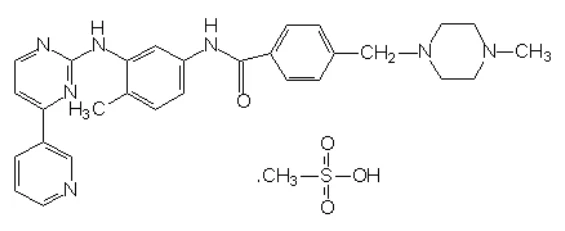
Physicochemical properties:
Description: Pale yellow to light brown coloured powder.
Solubility: Very to freely soluble in water and aqueous solutions at low pH values.
pH: The pH of a 1% solution in water is approximately 4.5.
Melting Point: Approximately 221°C
Partition Coefficient: log P = 2.81
CLINICAL TRIALS
Comparative Bioavailability Studies
A single center, randomized, single dose, blinded, two-period, two-sequence, crossover comparative bioavailability study comparing pms-IMATINIB (imatinib mesylate) 100 mg tablets (Pharmascience Inc.) with PrGLEEVEC® (imatinib mesylate) 100 mg tablets (Novartis Pharmaceuticals Canada Inc.) in 23 healthy, adult, human male subjects was conducted under fasting conditions.
SUMMARY TABLE OF THE COMPARATIVE BIOAVAILABILITY DATA
Imatinib (1 x 100 mg imatinib mesylate tablet) Geometric Mean Arithmetic Mean (CV %) | ||||
|---|---|---|---|---|
| Parameter | Test* | Reference† | % Ratio of Geometric Means | 90% Confidence Interval |
AUCT (ng·h/mL) | 6,293.8 6,493.2 (23.9) | 6,407.7 6,620.0 (24.8) | 98.3 | 93.5 - 103.3 |
AUCI (ng·h/mL) | 6,763.3 6,959.2 (22.8) | 6,911.6 7,123.9 (24.1) | 98.0 | 93.3 - 102.8 |
Cmax (ng/mL) | 477.1 497.0 (27.8) | 487.3 508.0 (28.2) | 97.7 | 92.0 - 103.9 |
Tmax § (h) | 2.50 (1.75 - 4.33) | 2.25 (1.00 - 4.67) | ||
T½€ (h) | 11.85 (15.7) | 12.02 (13.6) | ||
*pms-IMATINIB (imatinib mesylate) 100 mg tablets (Pharmascience Inc.).
†GLEEVEC® (imatinib mesylate) 100 mg tablets (Novartis Pharmaceuticals Canada Inc.) were purchased in Canada.
§ Expressed as the median (range).
€ Expressed as the arithmetic mean (CV %).
A single center, randomized, single dose, blinded, two-period, two-sequence, crossover comparative bioavailability study comparing pms-IMATINIB (imatinib mesylate) 400 mg tablets (Pharmascience Inc.) with PrGLEEVEC® (imatinib mesylate) 400 mg tablets (Novartis Pharmaceuticals Canada Inc.) in 24 healthy, adult, human male subjects was conducted under fasting conditions.
SUMMARY TABLE OF THE COMPARATIVE BIOAVAILABILITY DATA
Imatinib (1 x 400 mg imatinib mesylate tablet) Geometric Mean Arithmetic Mean (CV %) | ||||
|---|---|---|---|---|
| Parameter | Test* | Reference† | % Ratio of Geometric Means | 90% Confidence Interval |
AUCT (ng·h/mL) | 32,077.4 33,246.0 (25.1) | 31,112.4 32,667.7 (30.2) | 103.1 | 96.9 - 109.7 |
AUCI (ng·h/mL) | 33,008.1 34,144.3 (24.6) | 32,006.7 33,578.3 (30.1) | 103.1 | 96.9 - 109.7 |
Cmax (ng/mL) | 1,978.5 2,062.6 (27.7) | 1,909.1 2,021.6 (32.4) | 103.6 | 96.7 - 111.1 |
Tmax § (h) | 3.67 (2.00 - 6.00) | 3.67 (2.25 - 6.00) | ||
T½€ (h) | 13.84 (14.8) | 14.01 (16.2) | ||
*pms-IMATINIB (imatinib mesylate) 400 mg tablets (Pharmascience Inc.).
†GLEEVEC® (imatinib mesylate) 400 mg tablets (Novartis Pharmaceuticals Canada Inc.) were purchased in Canada.
§ Expressed as the median (range).
€ Expressed as the arithmetic mean (CV %).
Chronic Myeloid Leukemia
Newly Diagnosed Chronic Myeloid Leukemia (adults)
An open label, multicentre, international randomized phase III study has been conducted in adult patients with newly diagnosed chronic myeloid leukemia (CML) in which imatinib mesylate tablets were compared to a combination of interferon-α plus cytarabine (IFN+Ara-C). Patients showing a lack of response [lack of complete hematologic response (CHR) at six months, increasing white blood cell (WBC) counts or no major cytogenetic response (MCyR) at 24 months], loss of response (loss of CHR or MCyR) or severe intolerance to treatment were allowed to cross over to the alternate treatment arm.
In the imatinib mesylate arm, patients were treated with 400 mg daily. Dose escalations were allowed from 400 mg daily to 600 mg daily, then from 600 mg daily to 800 mg daily. In the IFN+Ara-C arm, patients were treated with a target dose of IFN of 5 MU/m2/day subcutaneously. In addition, subcutaneous Ara-C, (20 mg/m2/day), was administered for ten days every month until a complete cytogenetic response (CCyR) had been achieved and confirmed by cytogenetic analysis on two consecutive occasions not more than three months apart. In this trial, at least 80% of patients were brought to baseline conditions by previous treatment with hydroxyurea. Median WBC decreased from 90 x 109/L at diagnosis to 19x109/L. Moreover concurrent administration of hydroxyurea during the first six months of the study was permitted in 44.6% and 74.3% of patients in the imatinib mesylate and IFN+Ara-C arms, respectively, to keep the WBC under 20 x 109/L.
A total of 1,106 patients were randomized at 177 centres in 16 countries, 553 to each arm. Baseline characteristics were well balanced between the two arms. Median age was 51 years (range 18 to 70 years), with 21.9% of patients 60 years of age or older. There were 59% males and 41% females: 89.9% Caucasian and 4.7% Black patients. At an analysis 7 years after the last patient had been recruited, the median duration of first-line treatment was 82 months and 8 months in the imatinib mesylate and IFN + Ara-C arms, respectively, with 60% of patients randomized to imatinib mesylate still receiving first-line treatment. Due to discontinuations and crossover, only 2% of those patients randomized to IFN+Ara-C were still on first-line treatment. In the IFN+Ara-C arm withdrawal of consent (13.7%) was the most frequent reason for discontinuation of first-line therapy. Of the patients who crossed over from the control arm (360/553), the reasons for crossover to the imatinib mesylate arm were intolerance to treatment (N=145, 40.3%), lack of response (N=97, 27.0%), progression (N=77, 21.4%), and patient refusal to continue on IFN + Ara-C (N=41, 11.4%).
The primary efficacy endpoint of the study was progression-free survival. Progression was defined as any of the following events: progression to accelerated phase or blast crisis (AP/BC); death; loss of CHR or MCyR; or an increasing WBC despite appropriate therapeutic management in those patients not achieving a CHR. Major cytogenetic response, complete hematologic response, evaluation of minimal residual disease (molecular response), time to accelerated phase or blast crisis, and survival and quality of life were the main secondary endpoints. Response data are provided in Table 12.
Table 12: Response in Newly Diagnosed CML Study (First Line) (84-month data)
| Best Response Rates | Imatinib Mesylate Tablet n = 553 | IFN + Ara-C n = 553 |
|---|---|---|
Hematological response1 CHR rate n (%) [95% CI] Cytogenetic response2 Major Cytogenetic response n (%) [95% CI] Unconfirmed3 Complete Cytogenetic Response n (%) [95% CI] Unconfirmed | 534 (96.6)* [94.7, 97.9] 472 (85.4)* [82.1, 88.2] 490 (88.6)* 413 (74.7)* [70.8, 78.3] 456 (82.5)* | 313 (56.6)* [52.4, 60.8] 93 (16.8)* [13.8, 20.2] 129 (23.3)* 36 (6.5) [4.6, 8.9] 64 (11.6)* |
Molecular response4 Major response at 12 months (%) Major response at 24 months (%) | 40 54* | 2* NA5 |
*p < 0.001, Fischer’s exact test
1 Hematological response criteria (all responses to be confirmed after ≥ 4 weeks): WBC< 10x109/L; platelet < 450x109/L; myelocyte+metamyelocyte < 5% in peripheral blood; no blasts and promyelocytes in peripheral blood; basophils < 20%; no extramedullary involvement.
2 Cytogenetic response criteria : complete (0% Ph+metaphases or partial (1-35%).
3 Unconfirmed cytogenetic response is based on a single bone marrow cytogenetic evaluation, therefore unconfirmed complete or partial cytogenetic responses might have had a lesser cytogenetic response on a subsequent bone marrow evaluation.
4 Major molecular response criteria: in the peripheral blood, reduction of ≥ 3 logarithms in the amount of Bcr-Abl transcripts (measured by real-time quantitative reverse transcriptase PCR assay) over a standardized baseline.
5 Not Applicable: insufficient data, only two patients available with samples
For analysis of long-term outcomes patients randomized to receive imatinib mesylate were compared with patients randomized to receive IFN+Ara-C. Patients who crossed over prior to progression were not censored at the time of crossover, and events that occurred in these patients following crossover were attributed to the original randomized treatment.
With 7 years of follow-up, there were 93 (16.8%) progression events in the imatinib mesylate arm: 37 (6.7%) involving progression to AP/BC, 31 (5.6%) loss of MCyR, 15 (2.7%) loss of CHR or increase in WBC and 10 (1.8%) CML unrelated deaths. In contrast, there were 165 (29.8%) events in the IFN+Ara-C arm of which 130 occurred during first-line treatment with IFN+Ara-C. These progression events in the IFN + Ara-C arm included 61 (11%) involving progression to AP/BC, 31 (5.6%) loss of MCyR, 46 (8.3%) loss of CHR, 18 (3.3%) increase in WBC, and 5 (0.9%) CML-unrelated deaths.
The estimated rate of progression-free survival at 84 months was 81.2% with [95% CI: 78%, 85%] in the imatinib mesylate arm and 60.6% with [95% CI: 56%, 65%] in the IFN+Ara-C arm (p < 0.001) (Figure 1).
The estimated rate of patients free of progression to AP or BC at 84 months was significantly higher in the imatinib mesylate arm compared to the IFN+Ara-C arm (92.5% with [95% CI: 90, 95] versus 85.1% with [95% CI: 82, 89], (p < 0.001 respectively) (Figure 2).
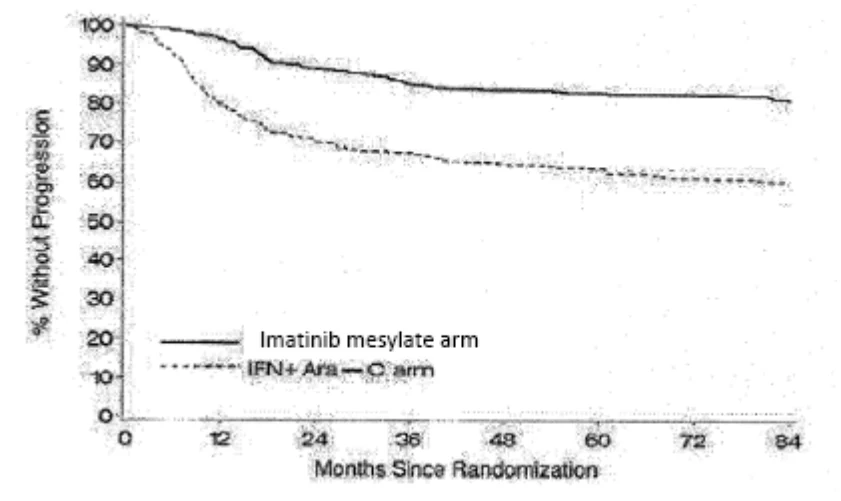
Figure 1: Time to Progression (ITT principle)
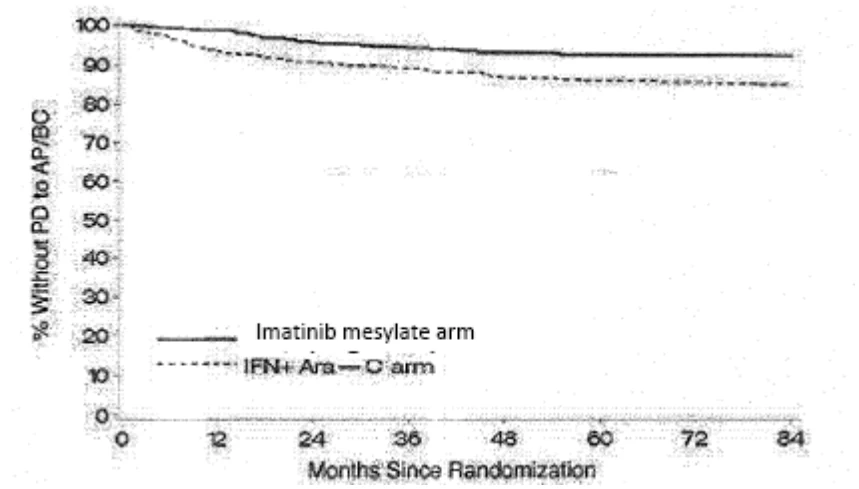
Figure 2: Time to Progression to AP or BC (ITT principle)
A total of 71 (12.8%) and 85 (15.4%) patients died in the imatinib mesylate and IFN+Ara-C groups, respectively. At 84 months the estimated overall survival is 86.4% [95% CI: 83, 90] vs. 83.3% [95% CI: 80, 87] in the randomized imatinib mesylate and IFN+Ara-C groups, respectively (p = 0.073, log-rank test; p = 0.065, Wilcoxon test). The probability of remaining progression-free at 60 months was 95% for patients who were in complete cytogenetic response with major molecular response (≥ 3 log reduction in Bcr-Abl transcripts as measured by quantitative reverse transcriptase polymerase chain reaction) at 12 months, compared to 89% for patients in complete cytogenetic response, but without a major molecular response, and 70% in patients who were not in complete cytogenetic response at 12 months (p < 0.001).
In this study, dose escalation were allowed from 400 mg daily to 600 mg daily, then from 600 mg daily to 800 mg daily. After 42 months of follow-up, half of the patients who had increased the dose due to lack of CHR at 3 months, achieved a CHR thereafter. Of the 55 patients who did not have a dose increase 44 patients (80%) also achieved a CHR. Six (50%) of 12 patients with one assessment indicating loss of PCyR or CCyR achieved a MCyR after dose increase and 12 (48%) of the 25 patients without dose increase also achieved a MCyR. Eleven patients who did achieve a complete hematological response at 3 months and a major cytogenetic response at 12 months while on 400 mg daily dose experienced a confirmed (within 4 weeks) loss of their cytogenetic response. Of those, 4 patients did escalate up to 800 mg daily and 2 of them regained a cytogenetic response (1 partial and 1 complete, the latter also achieving a molecular response), while out of 7 patients that did not escalate the dose, only one regained a complete cytogenetic response. The percentage of some adverse events were higher in the 40 patients in whom the dose was increased to 800 mg daily compared to the population of patients before dose increase (n=551). These more frequent adverse events included gastrointestinal hemorrhages, conjunctivitis, elevation of transaminases or bilirubin, hematologic toxicities (mainly anemia and thrombocytopenia) and upper respiratory tract infections. Other adverse events were reported with lower or equal frequency.
Quality of Life (QoL) was measured using the validated FACT-BRM instrument. All domains were assessed and showed that patients in the imatinib mesylate arm had significantly higher scores compared to those in the IFN-Ara-C arm. QoL data showed that patients maintain their physical, functional and emotional well-being while on treatment with imatinib mesylate tablets.
Pediatric Newly Diagnosed Chronic Myeloid Leukemia
A total of 51 pediatric patients with newly diagnosed and untreated CML in chronic phase were enrolled in an open-label, multicentre, single arm phase II trial. Patients were treated with imatinib mesylate 340 mg/m2/day, with no interruptions in the absence of dose limiting toxicity. Imatinib mesylate treatment induces a rapid response in newly diagnosed pediatric CML patients with a CHR of 80% after 8 weeks of therapy. Those patients for whom cytogenetics was evaluable (46/51) developed a complete cytogenetic response (CCyR) at a rate of 72%. Additionally, partial cytogenetic response (PCyR) was observed in 15% adding up to a Major Cytogenetic response (MCyR) rate of 87%. The majority of patients who achieved a CCyR developed the CCyR between months 3 and 10 with a median time to response based on the Kaplan-Meier estimate of 5.6 months. Fifteen of these patients who achieved CCyR underwent quantitative measurement of BCR-ABL transcript (PCR). Six of these patients (40%) achieved a major molecular response (five of which were complete responses). Patients were allowed to be removed from protocol therapy to undergo alternative therapy including hematopoietic stem cell transplantation as this is the known curative option. Thirty one children received stem cell transplantation. Of the 31 children, 5 were transplanted after disease progression on study and 1 withdrew from study during the first week of treatment and received transplant approximately 4 months after withdrawal. Twenty five children withdrew from protocol therapy to undergo stem cell transplant after receiving a median of 9 twenty-eight day courses (range 4 to 24). Of the 25 patients 13 (52%) had CCyR and 5 (20%) had PCyR at the end of protocol therapy.
Late Chronic Phase CML and Advanced Stage CML
Three large, international, open-label, uncontrolled phase II studies were conducted in patients with Philadelphia chromosome-positive (Ph+) chronic myeloid leukemia (CML) in advanced, blast or accelerated phase disease, in myeloid blast crisis or with CML in the chronic phase in patients who were resistant/refractory to or intolerant of prior interferon-alpha (IFN) therapy. About 45% of patients were women and 6% were Black. In clinical studies 38-40% of patients were ≥ 60 years of age and 10-12% of patients were ≥ 70 years of age.
Chronic Phase, Interferon-Failure
532 patients were treated at a starting dose of 400 mg; The patients were distributed in three main categories according to their response to prior interferon therapy: hematologic failure (29%), cytogenetic failure (35%), or intolerance to interferon (36%). Patients had received a median of 14 months of prior IFN therapy at doses ≥ 25 x106 IU/week and were all in late chronic phase, with a median time from diagnosis of 32 months. The primary efficacy variable of the study was the rate of major cytogenetic response (complete plus partial response, 0 to 35% Ph+ metaphases in the bone marrow). Median duration of treatment was 29 months with 81% of patients treated for ≥ 24 months (maximum = 31.5 months). Efficacy results are reported in Table 13. In this study, 65% of the patients achieved a major cytogenetic response (MCyR), which was confirmed in 59% of patients. Complete cytogenetic response (CCyR) was achieved in 48% of patients, and was confirmed in 38% of patients.
Accelerated Phase
235 patients with accelerated phase disease were enrolled. The first 77 patients were started at 400 mg, the protocol was subsequently amended to allow higher dosing and the remaining 158 patients were started at 600 mg.
The primary efficacy variable was the rate of hematologic response, reported as either complete hematologic response, no evidence of leukemia (i.e., clearance of blasts from the marrow and the blood, but without a full peripheral blood recovery as for complete responses), or return to chronic phase CML. Median duration of treatment was 18 months with 45% of patients treated for ≥ 24 months (maximum = 35 months). A confirmed hematologic response was achieved in 72% of patients (Table 13). Importantly, 27% of patients also achieved a major cytogenetic response, which was confirmed in 21% of patients. Complete cytogenetic response was achieved in 20% of patients, and confirmed in 16%. For the patients treated at 600 mg, the 24-month estimate of the rate of progression-free survival and overall survival is 50% and 66%, respectively. In a multivariate analysis, a dose of 600 mg was associated with an improved time to progression, independent of platelets ≥ 100 x 109/L, blood blasts < 15%, and hemoglobin ≥ 10 g/L.
Myeloid Blast Crisis
260 patients with myeloid blast crisis were enrolled. 165 (63%) had received prior chemotherapy for treatment of either accelerated phase or blast crisis (“pretreated patients”) whereas 95 (37%) had not (“untreated patients”). The first 37 patients were started at 400 mg, the protocol was subsequently amended to allow higher dosing and the remaining 223 patients were started at 600 mg.
The primary efficacy variable was the rate of hematologic response, reported as either complete hematologic response, no evidence of leukemia, or return to chronic phase CML using the same criteria as for the study in accelerated phase. Median duration of treatment was 4 months with 21% of patients treated for ≥ 12 months and 10% for ≥ 24 months (maximum = 35 months). In this study, 31% of patients achieved a hematologic response (36% in previously untreated patients and 22% in previously treated patients).
Table 13: Response in other CML Clinical Studies
Chronic Phase IFN Failure 400 mg (n = 532) | Accelerated Phase 600 mg n = 158 400 mg n = 77 | Myeloid Blast Crisis 600 mg n = 223 400 mg n = 37 | ||||
|---|---|---|---|---|---|---|
| % of patients (CI95%) | ||||||
Hematologic response1 Complete hematologic response (CHR) No evidence of leukemia (NEL) Return to chronic phase (RTC) Major cytogenetic response2 Unconfirmed Confirmed Complete Cytogenetic response3 Unconfirmed Confirmed | 95% (92.3,96.3) 95% Not applicable Not applicable 65% (60.2, 68.5) 59% ( 54.9, 63.4) 48% 38% | 72% (65.3, 69.2) 42% 12% 17% 27% (21.7, 33.4) 21% (16.2, 27.1) 20% 16% | 31% (25.2, 36.8) 8% 5% 18% 15% (11.2, 20.4) 7% (4.5, 11.2) 7% 2% | |||
1Hematologic response criteria (all responses to be confirmed after ≥ 4 weeks):
CHR: Chronic phase study [WBC < 10 x 109/L, platelet < 450 x 109/L, myelocytes+metamyelocytes < 5% in blood, no blasts and promyelocytes in blood, basophils < 20%, no extramedullary involvement] and in the accelerated and blast crisis studies [ANC ≥ 1.5 x 10⁹/L, platelets ≥ 100 x 109/L, no blood blasts, BM blasts < 5% and no extramedullary disease]
NEL: same criteria as for CHR but ANC ≥ 1 x 10⁹/L and platelets ≥ 20 x 109/L (accelerated and blast crisis studies)
RTC: < 15% blasts BM and PB, < 30% blasts + promyelocytes in BM and PB, < 20% basophils in PB, no extramedullary disease other than spleen and liver (accelerated and blast crisis studies).
BM = bone marrow, PB = peripheral blood
2Cytogenetic response criteria: A major response combines both complete and partial responses: complete (0% Ph+ metaphases), partial (1%-35%).
3Complete cytogenetic response confirmed by a second bone marrow cytogenetic evaluation performed at least one month after the initial bone marrow study.
The median time to hematologic response was 1 month.
In late chronic phase CML, with a median time from diagnosis of 32 months, an estimated 87.8% of patients who achieved MCyR maintain their response 2 years after achieving their initial response. After 2 years of treatment, an estimated 85.4% of patients were free of progression to AP or BC, and estimated overall survival was 90.8% [88.3, 93.2].
In accelerated phase, median duration of hematologic response was 28.8 months for patients with an initial dose of 600 mg (16.5 months for 400 mg, p = 0.0035). An estimated 63.8% of patients who achieved MCyR were still in response 2 years after achieving initial response. The median survival was 20.9 [13.1, 34.4] months for the 400 mg group and was not yet reached for the 600 mg group (p = 0.0097). An estimated 46.2% [34.7, 57.7] vs. 65.8% [58.4, 73.3] of patients were still alive after 2 years of treatment in the 400 mg vs. 600 mg dose groups, respectively (p = 0.0088).
In blast crisis, the estimated median duration of hematologic response is 10 months. An estimated 27.2% [16.8, 37.7] of hematologic responders maintained their response 2 years after achieving their initial response. Median survival was 6.9 [5.8, 8.6] months and an estimated 18.3% [13.4, 23.3] of all patients with blast crisis were alive 2 years after start of study.
Acute Lymphoblastic Leukemia
Newly Diagnosed Ph+ ALL
Imatinib mesylate tablets, when used as a single agent in an induction phase in a controlled trial of 55 newly diagnosed patients aged 55 years and over (ADE10) resulted in a significantly higher rate of complete hematological remission when compared to chemotherapy induction (96.3% vs. 50%; p = 0.0001).
Table 14: Effect of imatinib mesylate tablets in newly diagnosed Ph+ ALL patients (600 mg/day)
| Study | ADE10§ (Controlled study) | |||||||
|---|---|---|---|---|---|---|---|---|
Imatinib Mesylate Tablets induction | CHT induction | |||||||
| N (evaluable for CHR) | 27 | 26 | ||||||
| CHR (%) | 96 | 50* | ||||||
| 95% C.I. | 81 - 100 | 30 - 70 | ||||||
| N (overall) | 28 | 27 | ||||||
| 1-year DFS (%) | 54 | |||||||
| 1-year OS (%) | 54 | |||||||
CHR = complete haematological response CHT = chemotherapy * p < 0.01 § after induction (Complete remission was achieved as a result of induction treatment in both arms). | ||||||||
Relapsed or Refractory Ph+ ALL
In study 0109, a total of 43 patients with relapsed or refractory Ph+ALL received the initial dose of 600 mg and 3 patients with relapsed or refractory Ph+ALL received the initial dose 400 mg.
The results in 3 patients with relapsed or refractory Ph+ALL showed that the initial dose of 400 mg/day was insufficient for achieving hematological responses.
Table 15: Effect of Imatinib Mesylate Tablets on Relapsed or Refractory Ph+ALL (600 mg/day)
Phase II Study No. 0109 (N = 46)1 N (%) | |
|---|---|
| Confirmed Hematologic Response | 12 (26.1) |
| CHR | 4 (8.7) |
| NEL | 1(2.2) |
| RTC | 7 (15.2) |
Phase II Study No. 0109 (N = 46)1 N (%) | |
|---|---|
| Confirmed Cytogenetic Responses | |
| MCyR | 12 (26.1) |
| CCyR | 7 (15.2) |
| PCyR | 5 (10.9) |
143/46 patients were relapsed or refractory Ph+ALL
NEL = No Evidence of Leukemia
CHR = Complete Hematological Response
RTC = Return to Chronic Phase
The median time to hematologic response was 1 month.
The median duration of hematologic response was 3.42 months.
The median time to progression in patients started with 600 mg was 2.56 months.
Myelodysplastic/Myeloproliferative Diseases (MDS/MPD)
One open label, multicentre, phase II clinical trial (Study B2225) was conducted testing imatinib mesylate in diverse populations of patients suffering from life-threatening diseases associated with Abl, Kit or PDGFR protein tyrosine kinases. This study included 7 patients with MDS/MPD. These patients were treated with imatinib mesylate tablets 400 mg daily. The ages of the enrolled patients ranged from 20 to 86 years. A further 24 patients with MDS/MPD aged 2 to 79 years were reported in 12 published case reports and a clinical study. These patients also received imatinib mesylate at a dose of 400 mg daily with the exception of three patients who received lower doses. Of the total population of 31 patients treated for MDS/MPD, 14 (45%) achieved a complete hematologic response and 9 (29%) a complete cytogenetic response (39% including major and partial responses). Of note, the malignancy carried a translocation, usually involving the chromosome t5q33 or t4q12, resulting in a PDGFR gene re-arrangement in 14 evaluable patients. All of these patients achieved a hematologic response (12 completely). Cytogenetic response was evaluated in 11 out of 14 patients, all of whom responded (9 patients completely). Only 2 (13%) out of the 16 patients without a translocation associated with PDGFR gene re-arrangement achieved a complete hematologic response and one (6%) achieved a major cytogenetic response. A further patient with a PDGFR gene re-arrangement in molecular relapse after bone marrow transplant responded molecularly. Median duration of therapy was 12.9 months (0.8 to 26.7) in the 7 patients treated within Study B2225 and ranged between 1 week and more than 18 months in responding patients in the published literature. Results are provided in Table 16.
Table 16: Response in MDS/MPD
| N | Complete hematologic response | Cytogenetic response | |||||||
|---|---|---|---|---|---|---|---|---|---|
| (Number of patients) | (%) | (%) | |||||||
| Overall population | 31 | 14 (45) | 12 (39) | ||||||
| Chromosome t5 involved | 12 | 12 (100) | 10 (83) | ||||||
| Chromosome t4 involved | 2 | 2 (100) | 1 (50) | ||||||
| Others / no translocation | 16 | 2 (13) | 1 (6) | ||||||
| Molecular relapse | 1 | NE | NE | ||||||
| NE: Not evaluable | |||||||||
Aggressive sub-types of Systemic Mastocytosis (ASM and SM-AHNMD)
One open-label, multicentre, phase II clinical trial (Study B2225) was conducted testing imatinib mesylate in diverse populations of patients suffering from life-threatening diseases associated with Abl, Kit or PDGFR protein tyrosine kinases. This study included 5 patients with aggressive systemic mastocytosis (ASM). The ASM patients were treated with imatinib mesylate 100 mg to 400 mg daily. The ages of these 5 patients ranged from 49 to 74 years. A further 25 patients with ASM aged 26 to 85 years were reported in 10 published case reports and case series. These patients also received imatinib mesylate at doses of 100 mg to 400 mg daily. Of the total population of 30 patients treated for SM, 10 (33%) achieved a complete hematologic response and 9 (30%) a partial hematologic response (63% overall response rate).
Cytogenetic abnormalities were evaluated in 21 of the 30 ASM patients treated with imatinib mesylate from the published reports and Study B2225. Eight out of these 21 patients had FIP1L1-PDGFRα fusion kinase (or CHIC2 deletion). Patients with this cytogenetic abnormality are most likely to be males and to have eosinophilia associated with their systemic mast cell disease. Two patients had a Kit mutation in the juxtamembrane region (one Phe522Cys and one K509I). Sixteen patients had unknown or no detectable cytogenetic abnormality and 50% achieved hematologic responses (7 partial and 1 complete) with imatinib mesylate. Four patients showed a D816V c-Kit mutation and one with concomitant CML and SM achieved a complete hematologic response with imatinib mesylate. The majority of ASM patients reported in the reviewed published medical literature with the D816V c-Kit mutation are not considered sensitive to imatinib mesylate. Median duration of imatinib mesylate therapy for the 5 ASM patients in Study 2225 was 13 months (range 1.4-22.3 months) and ranged between 1 month and more than 30 months in the responding patients reported in the published medical literature. A summary of the response rates to imatinib mesylate tablets in ASM is provided in Table 17.
Table 17: Response in ASM
| Cytogenetic abnormality | Number of patients | Complete hematologic response | Partial hematologic response | |||||
|---|---|---|---|---|---|---|---|---|
| FIP1L1-PDGFRα fusion kinase (or CHIC2 deletion) | 8 | 8 (100%) | 0(0%) | |||||
| Juxtamembrane mutation | 2 | 0 (0%) | 2(100%) | |||||
| Unknown or no cytogenetic abnormality detected | 16 | 1 (6%) | 7(44%) | |||||
| D816V mutation | 4 | 1* (25%) | 0(0%) | |||||
| Overall totals | 30 | 10 (33%) | 9(30%) | |||||
| * Patient had concomitant CML and ASM | ||||||||
Hypereosinophilic Syndrome and/or Chronic Eosinophilic Leukemia (HES/CEL)
One open-label, multicentre, phase II clinical trial (Study B2225) was conducted testing imatinib mesylate tablets in diverse populations of patients suffering from life-threatening diseases associated with Abl, Kit or PDGFR protein tyrosine kinases. In this study, 14 patients with HES/CEL were treated with 100 mg to 1,000 mg of imatinib mesylate tablets daily (the recommended dose for this indication is 100 mg/day to 400 mg/day). The ages of these patients ranged from 16 to 64 years. A further 170 patients with HES/CEL aged 11 to 78 years were reported in 42 published case reports and case series. These patients received imatinib mesylate tablets at doses of 75 mg to 800 mg daily. Results are provided in Table 18.
Table 18 : Response in HES/CEL
| Cytogenetic abnormality | Number of patients | Complete hematologic response | Partial hematologic response |
|---|---|---|---|
| Positive FIP1L1-PDGFRα fusion kinase | 69 | 69 (100%) | 0 (0%) |
| Negative FIP1L1-PDGFRα fusion kinase | 56 | 12 (21%) | 9 (16%) |
| Unknown cytogenetic abnormality | 59 | 34 (58%) | 7 (12%) |
| Overall totals | 184 | 115 (62%) | 16 (9%) |
Dermatofibrosarcoma Protuberans (DFSP)
One open label, multicentre, phase II clinical trial (Study B2225) was conducted testing imatinib mesylate in a diverse population of patients suffering from life-threatening diseases associated with Abl, Kit or PDGFR protein tyrosine kinases. This study included 12 patients with DFSP who were treated with imatinib mesylate 800 mg daily. The primary efficacy endpoint was an objective response rate. The age of the DFSP patients ranged from 23 to 75 years; DFSP was metastatic, locally recurrent following initial resective surgery and not considered amenable to further resective surgery at the time of study entry.
The median duration of therapy in Study B2225 was 6.2 months, with a maximum duration of 24.3 months. In Study B2225, one of the 12 DFSP patients achieved a complete response (8%) and 8 patients (66%) achieved partial response, 3 of which were rendered disease free by surgery. Responses to treatment are described in Table 19.
Table 19: Response in DFSP
| Tumor response | Number of patients (N = 12) (Study B2225) | % | ||
|---|---|---|---|---|
| Complete response | 1 | 8 | ||
| Partial response * | 8 (5+3) | 66 | ||
| Total | 9 | 75 | ||
| *5 patients made disease free by surgery | ||||
A further 6 DFSP patients treated with imatinib mesylate are reported in 5 published case reports. Their ages ranging from 18 months to 49 years. The adult patients reported in the published literature were treated with either 400 mg (4 cases) or 800 mg (1 case) imatinib mesylate daily. The pediatric patient received 400 mg/m2/daily, subsequently increased to 520 mg/m2/daily. The approved pediatric dose in CML is 340 mg/m2/day (rounded to the nearest 100 mg, i.e., not to exceed 600 mg). In the published literature duration of therapy ranged between 4 weeks and more than 20 months. Three (50%) of the 6 patients achieved a complete response and 2 (33%) achieved partial response, with one of the partial responders then rendered disease free by surgery.
TOXICOLOGY
Acute Toxicity
| Species | Route | Doses (mg/kg) | Main findings |
| Rat | IV | 10,30 & 100 | 1 death at 100 mg/kg attributed to lung injury, due to precipitation of the compound. Well tolerated at 10 and 30 mg/kg. |
Doses higher than 100 mg/kg were not administered due to the limited solubility of imatinib at neutral pH. The compound was well tolerated at both the low and mid dose. However, there was one death at the high dose (out of ten rats treated) which occurred 30 minutes post-dose. Death was attributed to lung injury, most probably as a result of precipitation of the compound in the pulmonary microcirculation. No other treatment-related changes were noted. Based on these results, 30 mg/kg is considered to be the maximum dose of STI571 which can be administered by slow IV bolus injection to rats without causing symptoms.
Subacute and Chronic Toxicity
| Study Type | Species | Route | Doses (mg/kg) | Findings |
|---|---|---|---|---|
| Intravenous | ||||
| 2 weeks | Rat | IV | 0.3, 3 & 30 | At ≥ 0.3 mg/kg, decreased WBC/lymphocytes. At 30 mg/kg, slight reduction in erythrocyte parameters and thymic atrophy. Slight inflammation at injection sites at all dosages. NOAEL 3 mg/kg. |
| 4 weeks | Rat | IV | 0.1, 3 & 30 | No major findings; increased prostate weight without microscopic changes at ≥ 3 mg/kg. |
| rising dose | Dog | IV | 3, 10 & 30 | At 30 mg/kg, decreased WBC & absolute neutrophil counts, increased ALT. Clinical signs included hypoactivity and hypersensitivity to touch. |
| 4weeks | Dog | IV | 3, 10 & 30 | At 10 mg/kg, changes confined to decreased WBC & neutrophil counts. At 30 mg/kg, local reaction at injection sites, ataxia, hypoactivity, skin changes, decreased erythrocyte parameters, WBC & neutrophils, increased ALT, perivascular fibrosis & necrosis, thrombosis and edema at the injection site, decreased testis weight without microscopic change. |
| 4 weeks | Dog | IV | 20 & 60 3 hour infusion/day for 7 days; 24 hour infusion thereafter | Mortality at 60 mg/kg. At ≥6 mg/kg, increased granulopoiesis decreased RBC parameters. At ≥ 20 mg/kg, decreased WBC, biochemical changes in serum indicating liver toxicity, necrotizing phlebitis, thrombosis in various organs; fatty replacement of bone marrow cells. At 60 mg/kg, reduced erythropoiesis. No NOAEL. |
| Intraperitoneal | ||||
| 2 weeks | Rat | i.p. | 0.3, 3 & 30 | At 30 mg/kg, decreased erythrocyte parameters and alkaline phosphatase levels. Inflammation of the parietal and visceral peritoneum. NOEL 3 mg/kg, with the exception of mild effects at the injection site. |
| Oral | ||||
| 2 weeks | Rat | p.o. | 60, 200 & 600 | Death or early kill at 600 mg/kg, with general deterioration. At all doses, evidence in serum of dose-related liver effects, hemorrhagic ovaries, increased mitoses in the liver; red cell, WBC/lymphocyte counts reduced, hypocellularity of bone marrow. At ≥ 200 mg/kg, enlarged stomachs & degenerative changes, including vacuolation, single cell necrosis or more widespread necrosis in a number of tissues, predominantly of epithelial origin; histiocytosis. At 600 mg/kg, hypertrophy of Kupffer cells, accumulation of macrophages in blood vessels in liver and lung, atrophic changes in thyroid, salivary, Harderian and mammary glands, prostate and seminal vesicles. Atrophy and histiocytosis in lymphoid tissues. All effects dose-related. |
| 13 weeks | Rat | p.o. | 6, 20 & 60 | At 60 mg/kg, evidence of liver effects in serum. At 20 and 60 mg/kg, decreases in RBC parameters & decreased cellularity of bone marrow. Hyperplasia of transitional epithelium in renal papilla & bladder at all dosages, minimal at 6 mg/kg. Lymphoid & plasma cell hyperplasia in lymph nodes at ≥ 20 mg/kg. At 60 mg/kg, increased mitotic figures in the liver, hemorrhagic ovaries, vacuolation of Harderian glands, increased alveolar |
| Study Type | Species | Route | Doses (mg/kg) | Findings |
|---|---|---|---|---|
| macrophages; hemorrhage, hemosiderosis and increased histiocytes in mesenteric lymph nodes. Effects at 6 mg/kg confined to microscopic findings in kidney/bladder. | ||||
| 13 weeks (repeated) | Rat | p.o. | 0.3, 1, 3 & 10 | No effect at any dose level. |
| 26-week | Rat | p.o. | 5, 15, 50 | 50 mg/kg: Mortality (2m). Red ears, squinting, swollen appendages, red feet, dry perineal staining, apparent blood or dark yellow urine on cage paper, swollen muzzles and appendages, and dry staining of fur. Slight decrease in body weight (f). Decreased neutrophils, eosinophils, hematocrit, hemoglobin, platelets; increased MCV, MCH, MCHC and red cell distribution width. Increased AST, ALT, total protein, albumin, globulin; decreased A/G ratio, sodium, cholesterol and triglycerides. Increased heart (f), adrenal, liver (m), thyroid (m) and ovary weights, decreased pituitary (f) and testis weights. Enlarged masseter muscles and dark or red ovarian nodules. Hemorrhagic and/or cystic corpora lutea, hemosiderin-laden macrophages in ovaries, foamy macrophage accumulation in lungs, focal angiectasis of adrenal cortex, hypertrophy of masseter muscles, focal mineralization/hyperplasia of renal pelvic epithelium and focal new bone formation. ≥ 15 mg/kg: Prominent eyes, wet perineal staining, increased incidence/ frequency of chromodacryorrhea and red penile discharge. Decreased RBC counts and platelets. Increased heart (m) and spleen weights. Focal fibrosis of bone marrow, atrophy of acinar cells harderian gland, increased eosinophilic macrophages in mesenteric lymph nodes. ≥ 5 mg/kg: Salivation, presence of oral red substance, chromodacryorrhea, increased incidence/frequency of chromorhinorrhea. Most changes were reversible or partially reversible by the end of the recovery period. NTEL = 5 mg/kg. |
| 2-week | Dog | p.o. | 10, 30 & 100 | No deaths. Occasional emesis and diarrhea at 100 mg/kg. Evidence in serum of liver changes and decreased leucocyte counts & RBC parameters at 30 & 100 mg/kg. At 100 mg/kg, liver weight increased & centrilobular/ midzonal hepatocyte hypertrophy with increased mitosis and apoptosis, vacuolar degeneration hyperplasia/hypertrophy of epithelium of intrahepatic bile ducts and gall bladder. Vacuolar degeneration of gastric mucosa and renal pelvis. Fibrin thrombi in capillaries of small intestine villi with vasculitis and edema. Decreased thymus weight, lymphocytolysis in lymphoid organs, and bone marrow hypocellularity (dose related) at ≥ 30 mg/kg. NOEL 10 mg/kg. |
| Study Type | Species | Route | Doses (mg/kg) | Findings |
|---|---|---|---|---|
| 13 weeks | Dog | p.o. | 3, 10, 30 & 100 reduced to 50 | Death in 1 male at 100 reduced to 50 mg/kg. At ≥ 10 mg/kg, dose-related diarrhea; decreases in RBC counts, and bone marrow hypo-cellularity in some animals; increased ovary weights, hepatic inflammation; gastric & small intestinal changes; thyroid weights decreased follicular atrophy; increased splenic hemopoiesis. At > 30 mg/kg dose-related emesis; decreased WBC, liver toxicity markers in serum; bile duct hyperplasia; pigment deposition in various tissues; thymic atrophy; focal acinar atrophy in the pancreas; reduced spermatogenesis. At high dose decreased testis weight, vacuolation of hepatocytes & bile duct epithelium; cystic corpora lutea containing hemorrhagic fluid; after recovery period peri-biliary fibrosis also present. NOEL = 3 mg/kg. |
| 4 weeks (exploratory) | Dog | p.o. | 100 | Moribundity (1m). Salivation and vomiting, resistance to dosing, headshaking, diarrhea, hypoactivity, grey discolouration of fur. Moderate to marked decreased food consumption and body weight loss (reversible). Slight to moderate anemia (decreased reticulocytes and moderately decreased WBC due to decreased neutrophils). Liver alterations: degenerative lesions in biliary system (reversible) and hepatocytes (non-reversible), inflammatory cell infiltration, pigment deposition (mainly Kupffer cells) and bile duct hyperplasia, peribiliary fibrosis and increased perivascular infiltration of granulocytes and precursor cells. Electron microscopy: myeloid bodies in hepatocytes and Kupffer cells. Immunohistochemical analysis: antibodies reacting with nucleoli of hepatocytes and presence of bile duct epithelial cells. |
| 2 weeks | Monkey | p.o. | 10, 30, 100 & 300 reduced to 200 | Single doses of 200 and 300 mg/kg not tolerated. At 100 mg/kg emesis, decreased body weight, slight decrease in hematocrit, centrilobular vacuolation of the liver. NOEL = 30 mg/kg |
| 13 weeks | Monkey | p.o. | 3, 15 & 75 | Reduced erythrocyte parameters, emesis, pale gums and skin at 75 mg/kg/day. One female at 15 mg/kg/day also showed pale gums and skin. No test-article-related macroscopic or microscopic changes. NTEL = 15 mg/kg/day. |
| 2-week b.i.d. | Monkey | p.o. | 20, 75 & 150 →100 | Twice daily dosing. Unscheduled sacrifice 150→100 due to poor general condition. Clinical signs at doses ≥ 75mg/kg: diarrhea, fecal changes, pale gums, and emesis with or without feed. At 150→100 increased creatinine, BUN, total bilirubin and decreased chloride and sodium; focal mineralization and dilatation of kidney tubules; tubular nephrosis; vacuolization of centrilobular hepatocytes; thymic atrophy. Toxicokinetics: No apparent gender difference in exposure, proportional increase in plasma concentrations seen with increasing dose. AUC: 1160, 40700 and 34550 ng.h/ml (m), 3270, 9430 and 41250 ng.h/mL (f). |
| 39-week b.i.d. | Monkey | p.o. | 15, 30, 80 | Results at 6 months: Twice daily dosing 80 mg/kg: Reduced feces, diarrhea (m, f), and reddened conjunctiva/eyelid, pale gingiva (m). Decreased food |
| Study Type | Species | Route | Doses (mg/kg) | Findings |
|---|---|---|---|---|
consumption and body weight change (f). ≥ 30 mg/kg: Decreased food consumption and body weight change (m). Reduced albumin. Decreased RBC count, hemoglobin and hematocrit, increased MCV, MCH and MCHC. Presence of Plasmodium species (malaria). ≥ 15 mg/kg: Soft feces. |
The toxicity after IV bolus administration was qualitatively similar to that seen after oral dosing. Irritation at the injection site was seen after peripheral IV administration in most studies using this route of administration.
Mild to moderate hematological changes were observed in rats, dogs and monkeys at oral doses > 20, 10 and 75 mg/kg, respectively. Red blood cells were generally affected at doses slightly lower than those causing a decrease of white blood cell formation. Bone marrow changes reflected the effects on peripheral blood in rats and dogs. Atrophy of lymphoid organs, lymphocytolysis and/or lymphoid depletion were observed at oral doses > 200 mg/kg in the rat and > 30 mg/kg in the dog. A slight to moderate reduction in spermatogenesis was observed in the dog > 30 mg/kg and in the rat fertility study at a dose of 60 mg/kg. Enlarged corpora lutea with hemorrhagic fluid were observed in rats at doses > 60 mg/kg and in dogs at 100→50 mg/kg/day. Diarrhea was observed in the dog at oral doses > 3 mg/kg/day. Emesis was observed at oral doses of > 30 mg/kg in the dog and > 75 mg/kg in the monkey. Atrophy of the intestinal mucosa, vacuolar degeneration of the gastrointestinal epithelium and single cell necrosis were observed at doses > 10 mg/kg in the dog and at 600 mg/kg in the rat. The effects on bone marrow, lymphoid tissues, testis/ovaries, and gastrointestinal (GI) tract can be explained by an exaggerated pharmacological effect of imatinib on its different molecular targets.
The kidney was a target organ in rats and monkeys. In rats, hyperplasia of the transitional epithelium in the renal papilla and in the urinary bladder was observed at doses > 6 mg/kg without changes in serum or urinary parameters. These findings may reflect local irritation of the compound to the urinary tract, since it has shown to be a local moderate irritant after IV administration. In monkeys, focal mineralization and dilatation of renal tubules, and tubular nephrosis was seen in a 2-week oral dose range finding study at 150→100 mg/kg. Biochemical changes indicating renal dysfunction (increased BUN and creatinine, electrolyte changes) were noted.
The liver was a target organ in rats and dogs. Increases in transaminases, and decreases in cholesterol, triglycerides, total protein and albumin were observed in both species. Liver toxicity was greater in dogs, as reflected by more extensive microscopic findings consisting of mild multifocal hepatocellular necrosis (single cell type) and single cell necrosis in bile ducts with reactive hyperplasia, and/or inflammation adjacent to blood vessels and bile ducts at doses > 10 mg/kg, most pronounced at the 100/50 mg/kg/day. After the recovery period, liver lesions were more severe than in the main study, associated with peribiliary fibrosis and increased incidence and severity of bile duct hyperplasia. Antinuclear antibodies located in hepatocytes and in epithelial bile duct cells were detected in the 4-week dog exploratory study.
Reproductive Toxicity Studies
| Study Type | Species | Route | Doses (mg/kg) | Findings |
Segment I Segment II range-finding Segment II Segment II range-finding Segment II | Rat Rat Rat Rabbit Rabbit | Oral Oral Oral Oral Oral | 6, 20, 60 30, 100, 300 10, 30, 100 10, 30, 100 6, 20, 60 | At 60 mg/kg, decreased testes and epididymal weights, decrease in percent motile sperm, increased post-implantation loss. NOEL for male and female fertility and early embryonic development = 20 mg/kg. At 300 mg/kg death & total resorption. At 100 mg/kg increased post-implantation loss, decreased fetal weight & teratogenicity. No changes at 30 mg/kg. At 100 mg/kg, post-implantation loss and teratogenicity. At 30 mg/kg protruded tongue and shortened 13th rib. NOEL = 10 mg/kg. At 100 mg/kg, embryo-fetal toxicity; no reproductive changes at 10 or 30 mg/kg. At 60 mg/kg, slight delay in fetal development (ossification) and slight maternal toxicity. No teratogenicity. |
Reproductive toxicity studies indicated that imatinib has a teratogenic potential in rats at doses ≥ 30 mg/kg. A dose of 10 mg/kg appeared to represent the no effect level (NOEL). In rats, doses ≥ 30 mg/kg induced embryo-fetal toxicity and/or teratogenicity (exencephaly, encephalocele, absent or reduced frontal, parietal and/or interparietal bones; dose-dependent protruded tongues) in surviving fetuses. In rabbits, there was no evidence of teratogenicity. Although testes and epididymal weights and percent motile sperm were decreased in male rats at 60 mg/kg, there were no effects on mating or on the number of pregnant females.
Three groups of time-pregnant female rats (n = 24/group) were administered STI571 orally by gavage at dosages of 5, 15 and 45 mg/kg/day. The animals were treated from gestation day 6 through lactation day 20.
There was no maternal mortality. A red vaginal discharge was noted in the 45 mg/kg/day group on either day 14 or 15 of gestation. At this dose the number of stillborn pups was slightly increased while the number of viable pups and the number of pups dying between postpartum days 0 and 4 were decreased. In the F1 offspring, at the same dose level, mean body weights were reduced from birth until terminal sacrifice and the number of litters achieving criterion for preputial separation was slightly decreased. F1 fertility was not affected while an increased number of resorptions and a decreased number of viable fetuses was noted at 45 mg/kg/day. The No Effect Level (NOEL) for both the maternal animals and the F1 generation was 15 mg/kg/day (one-fourth the maximum human dose of 800 mg/day).
Fertility was not affected in the preclinical fertility and early embryonic development study although lower testes and epididymal weights as well as a reduced number of motile sperm were observed in the high dose males rats. In the preclinical pre- and postnatal study in rats, fertility in the first generation offspring was also not affected by imatinib mesylate tablets.
Human studies on male patients receiving imatinib mesylate tablets and its effect on male fertility and spermatogenesis have not been performed. Male patients concerned about their fertility on imatinib mesylate treatment should consult with their physician.
Juvenile Developmental Toxicology
In a juvenile development toxicology study in rats (day 10 to 70 post-partum) administered imatinib, a delay in vaginal opening and preputial separation were observed at approximately 0.3 to 2 times the average pediatric exposure at the highest recommended dose of 340 mg/m2. Transitory decreases in crown to rump length also were observed (between days 17 and 52 post-partum) in rats administered approximately 2X the highest recommended human pediatric dose of 340 mg/m2. At this dose, shortened tibia and femur lengths were non-reversible in female rats while a trend towards reversibility was seen in male rats. Furthermore, mortality was observed in juvenile animals (around weaning phase) at approximately 2-times the average pediatric exposure at the highest recommended dose of 340 mg/m2. Another juvenile study demonstrated that rats administered imatinib resulted in premature growth plate closure.
Carcinogenesis and Mutagenesis
The genotoxic potential of imatinib was assessed in a battery of mutagenicity tests
| Study Type | Findings |
|---|---|
| In vitro: Ames Salmonella and Escherichia/mammalian-microsome mutagenicity test 30.9 – 5,000 mcg/plate ± S9 (range) | Negative |
In vitro: Gene mutation test with Chinese hamster cells V79 range: 7.41 - 200 mcg/ml + S9 0.74 - 20 mcg/ml – S9 | Negative Negative |
In vitro: Cytogenetic test on Chinese hamster cells CHO range: 31 - 125 mcg/ml + S9 1.5 - 12.5 mcg/ml – S9 | Positive Negative |
In vitro: Mouse lymphoma mutagenicity assay range: 0.98 - 62.5 mcg/ml + S9 1.56 - 50 mcg/ml – S9 | Negative Negative |
In vivo: Rat micronucleus Doses 25, 50 & 100 mg/kg | Negative |
Imatinib was devoid of genotoxicity in bacterial and cellular assays for mutagenic effects. The rat micronucleus assay which detects clastogenic and aneugenic effects was also negative. Positive results were obtained in an in vitro assay for clastogenicity (chromosome aberration) in the presence of metabolic activation, but only at concentrations which resulted in significant cytotoxicity.
In a 2-year rat carcinogenicity study, imatinib was administered in feed at doses of 15, 30 and 60 mg/kg/day and resulted in a statistically significant reduction in the longevity of males rats at 60 mg/kg/day and females rats at ≥ 30 mg/kg/day. Histopathological examination of decedents revealed cardiomyopathy (both rats sexes), chronic progressive nephropathy (females rats) and preputial gland papilloma as principal causes of death or reasons for sacrifice. Target organs for neoplastic changes were the kidneys, urinary bladder, urethra, preputial and clitoral gland, small intestine, parathyroid glands, adrenal glands and non-glandular stomach. The no observed effect levels (NOEL) for the various target organs with neoplastic lesions were established as follows:
30 mg/kg/day for the kidneys, urinary bladder, urethra, small intestine, parathyroid glands, adrenal glands and non-glandular stomach, and 15 mg/kg/day for the preputial and clitoral gland.
The papilloma/carcinoma of the preputial/clitoral gland were noted at 30 and 60 mg/kg/day in rats, representing (approximately 0.5 to 4 times the human daily exposure at 400 mg/day (based on AUC), 0.3 to 2.4 times the human daily exposure at 800 mg/day (based on AUC), and 0.4 to 3.0 times the daily exposure in children at 340 mg/m2 (based on AUC). The renal adenoma/ carcinoma, the urinary bladder and urethra papilloma, the small intestine adenocarcinomas, the parathyroid glands adenomas, the benign and malignant medullary tumors of the adrenal glands and the non-glandular stomach papillomas/carcinomas were noted only at 60 mg/kg/day.
Non-neoplastic histological lesions not identified in earlier preclinical studies were the cardiovascular system, pancreas, endocrine organs and teeth. The most important changes included cardiac hypertrophy and dilatation, leading to signs of cardiac insufficiency in some animals.
REFERENCES
- 1. Beran M, Cao X, Estrov Z, Jeha S, Jin G, O’Brien S, Talpaz M, Arlinghaus RB, Lydon NB and Katarjian H (1998). Selective inhibition of cell proliferation and BCR-ABL phosphorylation in Acute Lymphoblastic Leukemia cells expressing Mr 190,000 BCR-ABL protein by a tyrosine kinase inhibitor (CGP 57148). Clinical Cancer Res. 4, 1661-1672.
- 2. Champagne M.A., Fu C.H., Chang, M. et al. (2011). Higher Dose Imatinib for Children With De Novo Chronic Phase Chronic Myelogenous Leukemia: A Report From the Children’s Oncology Group. Pediatr Blood Cancer, 57:56–62.
- 3. Carroll M, Ohno-Jones S, Tamura S, Buchdunger E, Zimmermann J, Lydon NB, Gilliland DG and Druker BJ. (1997). CGP 57148, a tyrosine kinase inhibitor, inhibits the growth of cells expressing BCR-ABL, TEL-ABL, and TEL-PDGFR fusion proteins. Blood 90, 4947-4952.
- 4. Cools J, De Angelo DJ, Gotlib J, et al (2003) A tyrosine kinase created by fusion of the PDGFRA and FIP1L1 genes as a therapeutic target of imatinib in idiopathic hypereosinophilic syndrome. N Engl J Med. 348(13): 1201-14.
- 5. Corbin AS, La Rosee P, Stoffregen EP et al (2003) Several Bcr-Abl kinase domain mutants associated with imatinib mesylate resistance remain sensitive to imatinib. Blood; 101:4611-4614.
- 6. Dan S, Naito M and Tsuruo T (1998). Selective induction of apoptosis in Philadelphia chromosome-positive chronic myelogenous leukemia cells by an inhibitor of BCR-ABL tyrosine kinase, CGP 57148. Cell Death and Differentiation 5, 710-715.
- 7. Deininger MWN, Goldman JM, Lydon N, Melo JV (1997). The tyrosine kinase inhibitor CGP57148B selectively inhibits the growth of BCR-ABL-positive cells. Blood 90, 3691-3698.
- 8. Druker JB, Tamura S, Buchdunger E, Ohno S, Segal GM, Fanning S, Zimmermann J and Lydon NB (1996). Effects of a selective inhibitor of the Abl tyrosine kinase on the growth of Bcr-Abl positive cells. Nature Medicine 2, 561-566.
- 9. Frye RF, Fitzgerald SM, Lagattuta TF, et al (2004) Effect of St. John’s wort on imatinib mesylate pharmacokinetics. Clin Pharmacol Ther; 76:323-329.
- 10. Gambacorti-Passerini C, Barni R, le Coutre P, Zucchetti M, Cabrita G, Cleris L, Rossi F, Gianazza E, Brueggen J, Cozens R, Pioltelli P, Pogliani E, Corneo G, Formelli F, D'Incalci M (2000). Role of 1 acidic glycoprotein in the in vivo resistance of human BCR-ABL+ leukemic cells to the Abl inhibitor STI571. J. Nat. Cancer Inst. 92, 1641-1650.
- 11. Gambacorti Passerini CB, Tornaghi L, Maragnon E, et al (2007) Imatinib concentrations in human milk. Blood; 109:1790.
- 12. Goldman J, Duval-Modeste A-B, Lambert A et al (2008) Imatinib induced DRESS. Ann Dermatol Venereol; 135: 393–396.
- 13. Hochhaus A, Hughes T (2004) Clinical resistance to imatinib: mechanisms and implications. Hematol. Oncol. Clin. N Am., 18(3): 641-656.
- 14. Hudson M, et al (2009) High-Risk Populations Identified in Childhood Cancer Survivor Study Investigations: Implications for Risk-Based Surveillance. J Clin Onc. 27:2405-2414.
- 15. Kantarjian H, Sawyers C, Hochhaus A, et al. (2002) Hematologic and cytogenetic responses to imatinib mesylate in chronic myelogenous leukemia. N Engl J Med. 346, 645-652.
- 16. Kasper B, Fruehauf S, Schiedlmeier B, Buchdunger E, Ho AD, Zeller WJ (1999). Favorable therapeutic index of a p210BCR-ABL-specific tyrosine kinase inhibitor; activity on lineage-committed and primitive chronic myelogenous leukemia progentiors. Cancer Chemother. Pharmacol. 44, 433-438.
- 17. Kim MS, Lee DH, Lee YR, et al. (2010) A case of subdural hematoma in patient with chronic myeloid leukemia treated with high-dose imatinib mesylate. Korean J Hematol 2010:45:73-5
- 18.
Kimoto T, et al (2009) Growth deceleration in a girl treated with imatinib. International
Journal of Hematology 89:251-252.
- 19. Le Coutre P, Mologni L, Cleris L, Marchesi E, Buchdunger E, Giardini R, Formelli F, Gambacorti-Passerini C (1999). In vivo eradication of human BCR/ABL-positive leukemia cells with an ABL kinase inhibitor. J.Natl. Cancer Inst. 91, 163–168.
- 20. Le Coutre P, Tassi E, Varella-Garcia M, Barni R, Mologni L, Cabrita G, Marchesi E, Supino R, Gambacorti-Passerini C. (2000) Induction of resistance to the Abelson inhibitor STI571 in human leukemic cells through gene amplification. Blood, 95, 1758-1766.
- 21. Mahon FX, Deininger MWN, Schultheis B, Chabrol J, Reiffers J, Goldman JM, Melo JV (2000). Selection and characterization of BCR-ABL positive cell lines with differential sensitivity to the tyrosine kinase inhibitor STI571: diverse mechanisms of resistance. Blood 96, 1070-1079.
- 22. Millot F, et al (2009) Imatinib Is Efficient but Has a Negative Impact On Growth in Children with Previously Untreated chronic Myelogenous Leukaemia (CML) in Early Chronic Phase (CP): Results of the French National Phase IV Trial. ASH Abstracts 114: 863.
- 23. O’Brien SG, Guilhot F, Larson RA, et al. (2003) Imatinib compared with interferon and low- dose cytarabine for newly diagnosed chronic-phase chronic myeloid leukemia. N Engl J Med. 348, 994-1004.
- 24. Pardanani A, Reeder T, Porrata LF et al. (2003) Imatinib therapy for hypereosinophilic syndrome and other eosinophilic disorders. Blood 101(9):3391-7.
- 25. Pardanani A (2005) Systemic mastocytosis: bone marrow pathology, classification, and current therapies. Acta Haematol 114: 41-51.
- 26. Patel SB, Gojo I, Tidwell ML, et al (2011) Subdural hematomas in patients with Philadelphia chromosome-positive acute lymphoblastic leukemia receiving imatinib mesylate in conjunction with systemic and intrathecal chemotherapy. Leuk Lymphoma; 52:1211-4.
- 27. Pitini V, Arrigo C, Azzarello D et al. (2003) Serum concentration of cardiac Troponin T in patients with hypereosinophilic syndrome treated with imatinib is predictive of adverse outcomes. Blood 102(9):3456-7.
- 28. Pye S.M. et al (2008).The effects of imatinib on pregnancy outcome. Blood 111(12), 5505.
- 29. Ridruejo E, Cacchione R, Villamil AG et al (2007). Imatinib-induced fatal acute liver failure. World. J. Gastroenterol, 13: 6608-6611.
- 30. Russell MA, Carpenter MW, Akhtar MS, et al (2007) Imatinib mesylate and metabolite concentrations in maternal blood, umbilical cord blood, placenta and breast milk. J Perinatology; 27:241-3.
- 31. Shimizu A, O'Brien KP, Sjöblom T et al. (1999). The dermatofibrosarcoma protuberans-associated collagen type Ia1/platelet-derived growth factor (PDGF) B-chain fusion gene generates a transforming protein that is processed to functional PDGF-BB. Cancer Res. 59, 3719-23.
- 32. Smith PF, Bullock JM, Booker BM, et al (2004) The Influence of St. John’s Wort on the Pharmacokinetics and Protein Binding of Imatinib Mesylate. Pharmacotherapy; 24(11):1508-1514.
- 33. Song, KW, Rifkind J, Al-Beirouti B, et al (2004) Subdural hematomas during CML therapy with imatinib mesylate. Leuk Lymphoma 2004;45:633-6.
- 34. Vandyke K et. al. (2009) Imatinib mesylate causes growth plate closure in vivo. Leukemia 23, 2155-2159.
- 35. Weisberg E, Griffin JD (2000). Mechanism of resistance to the Abl tyrosine kinase inhibitor STI571 in BCR/ABL-transformed hematopoietic cell lines. Blood 95, 3498-3505.
- 36. GLEEVEC® Product Monograph (Novartis Pharmaceuticals Canada Inc.), Control No.: 230365; Date of Revision: October 8, 2019.