


Product Monograph - Saxenda
Recent Major Label Changes
| 7 Warnings and Precautions, Gastrointestinal Disease | 2024-04 |
|---|---|
| 7 Warnings and Precautions, Perioperative Considerations | 2025-09 |
Table of Contents
Recent Major Label Changes ....................................................................................... 2
Table of Contents .......................................................................................................... 2
Part I: Health Professional Information ....................................................................... 4
1 Indications........................................................................................................... 4
1.1 Pediatrics ........................................................................................................ 4
1.2 Geriatrics ........................................................................................................ 5
2 Contraindications ............................................................................................... 5
3 Serious Warnings and Precautions Box .......................................................... 6
4 Dosage and Administration ............................................................................... 6
4.1 Dosing Considerations .................................................................................... 6
4.2 Recommended Dose and Dosage Adjustment ............................................... 6
4.3 Administration ................................................................................................. 7
4.4 Missed Dose ................................................................................................... 7
5 Overdosage ......................................................................................................... 8
6 Dosage Forms, Strengths, Composition and Packaging ................................ 8
7 Warnings And Precautions ................................................................................ 8
General ................................................................................................................. 8
Carcinogenesis and Mutagenesis ......................................................................... 9
Cardiovascular ...................................................................................................... 9
Driving and Operating Machinery ....................................................................... 10
Endocrine and Metabolism ................................................................................. 10
Gastrointestinal ................................................................................................... 11
Hepatic/Biliary/Pancreatic ................................................................................... 11
Immune .............................................................................................................. 12
Perioperative Considerations.............................................................................. 12
Psychiatric .......................................................................................................... 12
Renal .................................................................................................................. 12
7.1 Special Populations ...................................................................................... 13
7.1.1 Pregnancy ............................................................................................ 13
7.1.2 Breastfeeding ....................................................................................... 13
7.1.3 Pediatrics ............................................................................................. 13
7.1.4 Geriatrics .............................................................................................. 13
8 Adverse Reactions ........................................................................................... 13
8.1 Adverse Reaction Overview .......................................................................... 13
8.2 Clinical Trial Adverse Reactions ................................................................... 14
8.2.1 Clinical Trial Adverse Reactions (Pediatrics) ........................................ 19
8.3 Less Common Clinical Trial Adverse Reactions (<1%) ................................. 20
8.5 Post-Market Adverse Reactions ................................................................... 20
9 Drug Interactions .............................................................................................. 20
9.3 Overview ....................................................................................................... 20
9.4 Drug-Drug Interactions .................................................................................. 21
9.5 Drug-Food Interactions ................................................................................. 23
9.6 Drug-Herb Interactions .................................................................................. 23
9.7 Drug-Laboratory Test Interactions ................................................................ 23
10 Clinical Pharmacology ..................................................................................... 23
10.1 Mechanism of Action................................................................................ 23
10.2 Pharmacodynamics ................................................................................. 23
10.3 Pharmacokinetics .................................................................................... 24
11 Storage, Stability And Disposal ...................................................................... 25
12 Special Handling Instructions ......................................................................... 26
Part II : Scientific Information .................................................................................... 27
13 Pharmaceutical Information ............................................................................ 27
14 Clinical Trials .................................................................................................... 27
Trial Design and Study Demographics ............................................................... 27
Study Results ..................................................................................................... 30
15 Microbiology ..................................................................................................... 37
16 Non-Clinical Toxicology ................................................................................... 37
Patient Medication Information .................................................................................. 42
Part I: Health Professional Information
1 Indications
SAXENDA® (liraglutide injection) is indicated as an adjunct to a reduced calorie diet and increased physical activity for chronic weight management in adult patients with an initial body mass index (BMI) of:
- 30 kg/m2 or greater (obesity), or
- 27 kg/m2 or greater (overweight) in the presence of at least one weight-related comorbidity (e.g., hypertension, type 2 diabetes, or dyslipidemia) and who have failed a previous weight management intervention.
Limitation of Use:
- 1. Clinical efficacy and safety data from patients with BMI 27 to 29.9 kg/m2 in the presence of at least one weight-related comorbid condition (e.g. hypertension, type 2 diabetes mellitus, or dyslipidemia) are limited (N=149).
SAXENDA® is indicated as an adjunct to a reduced calorie diet and increased physical activity for chronic weight management in pediatric patients aged 12 to less than 18 years with:
- an inadequate response to reduced calorie diet and increased physical activity alone, and
- a body weight above 60 kg (132 lbs), and
- an initial body mass index (BMI) corresponding to ≥30 kg/m2 for adults (obesity) by international cut-offs* (see Table 1).
Limitations of Use:
- 1. The safety and effectiveness of SAXENDA® in pediatric patients with type 2 diabetes have not been established.
1.1 Pediatrics
Pediatrics (aged 12 to less than 18 years): Based on the data submitted and reviewed by Health Canada, the safety and efficacy of SAXENDA® in pediatric patients aged 12 to less than 18 Years has been established; therefore, Health Canada has authorized an indication for pediatric use in pediatric patients aged 12 to less than 18 years.
The safety and efficacy of SAXENDA® in children and adolescents below 18 years of age with secondary causes of obesity has not been studied.
Table 1: International Obesity Task Force (IOTF) BMI cut-off points for obesity by gender aged 12 to less than 18 years.
| Age (years) | Body Mass Index 30 kg/m2 | |
|---|---|---|
| Males | Females | |
| 12.0 | 26.02 | 26.67 |
| 12.5 | 26.43 | 27.24 |
| 13.0 | 26.84 | 27.76 |
| 13.5 | 27.25 | 28.20 |
| 14.0 | 27.63 | 28.57 |
| 14.5 | 27.98 | 28.87 |
| 15.0 | 28.30 | 29.11 |
| 15.5 | 28.60 | 29.29 |
| 16.0 | 28.88 | 29.43 |
| 16.5 | 29.14 | 29.56 |
| 17.0 | 29.41 | 29.69 |
| 17.5 | 29.70 | 29.84 |
| 18.0 | 30.00 | 30.00 |
1.2 Geriatrics
Geriatrics (≥ 65 years of age)>: Patients ≥65 years may experience more gastrointestinal side effects when treated with SAXENDA®. Therapeutic experience in patients ≥75 years of age is very limited.
No overall differences in safety or effectiveness were observed between these patients and younger patients, but greater sensitivity of some older individuals cannot be ruled out. (see 7.1.4 Geriatrics).
2 Contraindications
- In patients with a personal or family history of medullary thyroid carcinoma or in patients with Multiple Endocrine Neoplasia syndrome type 2 (MEN 2), (see Serious Warnings and Precautions Box).
- Patients who are hypersensitive to liraglutide or to any ingredient in the formulation. For a complete listing, (see 6 Dosage Forms, Strengths, Composition and Packaging).
- During pregnancy or in breast-feeding women, (see 7.1 Special Populations).
3 Serious Warnings and Precautions Box
4 Dosage and Administration
Determine the patient’s BMI. BMI is calculated by dividing weight in (kilograms) by height (in meters) squared.
4.1 Dosing Considerations
SAXENDA® and Victoza® contain the same active ingredient (liraglutide) and therefore should not be used together. SAXENDA® and Victoza® are not a substitute for each other.
SAXENDA® and insulin should not be used together. SAXENDA® has not been studied in patients taking insulin.
For Patients with Type 2 Diabetes Mellitus:
SAXENDA® should not be used in combination with another GLP-1 receptor agonist.
When initiating SAXENDA®, consider reducing the dose of concomitantly administered insulin secretagogues (such as sulfonylureas) to reduce the risk of hypoglycemia (see 7 Warnings and Precautions and 8 Adverse Reactions).
SAXENDA® is not a substitute for insulin.
Discontinuation of SAXENDA® in patients with type 2 diabetes may result in an increase in blood glucose.
4.2 Recommended Dose and Dosage Adjustment
In adults with an initial BMI of 27 kg/m2 or greater, the recommended daily maintenance dose is 3.0 mg/day. Daily doses higher than 3.0 mg are not recommended.
For all patients, the dose escalation schedule in Table 2 should be used to reduce the likelihood
Risk of Thyroid C-cell Tumours
Liraglutide causes dose-dependent and treatment-duration-dependent thyroid C-cell tumours at clinically relevant exposures in both genders of rats and mice (see 16 Non-Clinical Toxicology). It is unknown whether liraglutide causes thyroid C-cell tumours, including medullary thyroid carcinoma (MTC), in humans, as human relevance could not be ruled out by clinical or nonclinical studies.
Saxenda® is contraindicated in patients with a personal or family history of MTC and in patients with Multiple Endocrine Neoplasia syndrome type 2 (MEN 2). Based on the findings in rodents, monitoring with serum calcitonin or thyroid ultrasound was performed during clinical trials, but this may have increased the number of unnecessary thyroid surgeries. It is unknown whether monitoring with serum calcitonin or thyroid ultrasound will mitigate human risk of thyroid C-cell tumours. Patients should be counselled regarding the risk and symptoms of thyroid tumours (see 2 Contraindications, 7 Warnings And Precautions, 8 Adverse Reactions AND 16 Non-Clinical Toxicology)
of gastrointestinal symptoms. If patients do not tolerate an increased dose during dose escalation, the dose escalation can be changed with a total delay of up to 7 days.
Table 2: Dose escalation schedule
| Dose | Weeks | |||
|---|---|---|---|---|
Dose escalation 4 weeks | 0.6 mg | 1 | ||
| 1.2 mg | 1 | |||
| 1.8 mg | 1 | |||
| 2.4 mg | 1 | |||
| Maintenance dose | 3.0 mg | |||
The 0.6, 1.2, 1.8, and 2.4 mg doses are intended to reduce gastrointestinal symptoms during initial dose escalation.
Treatment with SAXENDA® should be discontinued after 12 weeks on the 3.0 mg/day dose if a patient has not lost at least 5% of their initial body weight (see 14 Clinical Trials).
Pediatrics (aged 12 to less than 18 years): For pediatric patients aged 12 to less than 18 years, similar dose escalation schedule as for adults should be applied (see Table 2). The dose should be increased until 3.0 mg (maintenance dose) or maximum tolerated dose has been reached. Daily doses higher than 3.0 mg are not recommended. Pediatric patients who do not tolerate 3 mg daily may have their maintenance dose reduced to 2.4 mg daily. Discontinue SAXENDA® if the patient cannot tolerate the 2.4 mg dose. If pediatric patients do not tolerate an increased dose during dose escalation, the dose may also be lowered to the previous level. Dose escalation for pediatric patients may take up to 8 weeks.
Evaluate the change in BMI after 12 weeks on the maintenance dose and discontinue SAXENDA® if the patient has not had a reduction in BMI of at least 1% from baseline, since it is unlikely that the patient will achieve and sustain clinically meaningful weight loss with continued treatment.
4.4 Administration
SAXENDA® should be taken once daily at any time of day, independent of meals.
SAXENDA® can be injected subcutaneously in the abdomen, thigh or upper arm. The injection site and timing can be changed without dose adjustment. SAXENDA® must not be administered intravenously or intramuscularly. Injection sites should always be rotated within the same region in order to reduce the risk of cutaneous amyloidosis (see 8.5 Post-Market Adverse Reactions)
SAXENDA® solution should be inspected prior to each injection, and the solution should be used only if it is clear, colourless, and contains no particles.
4.5 Missed Dose
If a dose is missed, the once-daily regimen should be resumed as prescribed with the next scheduled dose. An extra dose or increase in dose should not be taken to make-up for the missed dose.
Based on the elimination half-life, patients should be advised to reinitiate SAXENDA® at 0.6 mg if more than 3 days have elapsed since the last SAXENDA® dose. This approach will mitigate any gastrointestinal symptoms associated with re-initiation of treatment.
5 Overdosage
Overdoses have been reported in clinical trials and post-marketing use of liraglutide. Effects have included severe nausea and severe vomiting. Severe hypoglycemia has also been observed. In the event of overdosage, appropriate supportive treatment should be initiated according to the patient’s clinical signs and symptoms. The patient should be observed for clinical signs of dehydration and blood glucose should be monitored.
For the most recent information in the management of a suspected drug overdose, contact your regional poison control centre or Health Canada’s toll-free number, 1-844 POISON-X (1-844-764-7669).
6 Dosage Forms, Strengths, Composition and Packaging
To help ensure the traceability of biologic products, including biosimilars, health professionals should recognise the importance of recording both the brand name and the non-proprietary (active ingredient) name as well as other product-specific identifiers such as the Drug Identification Number (DIN) and the batch/lot number of the product supplied.
Table – Dosage Forms, Strengths, Composition and Packaging
SAXENDA® is a clear, colourless solution for subcutaneous injection pre-filled, multi-dose pen that delivers doses of 0.6 mg, 1.2 mg, 1.8 mg, 2.4 mg, or 3.0 mg (6 mg/mL, 3 mL). SAXENDA® is available in the following package sizes containing disposable, pre-filled, multi-dose pens:
3 x SAXENDA®
5 x SAXENDA®
Each 1 mL of SAXENDA® solution contains 6 mg of liraglutide. Each pre-filled pen contains a 3 mL solution of SAXENDA® equivalent to 18 mg liraglutide (free-base, anhydrous).
Each SAXENDA® pen is for use by a single patient. A SAXENDA® pen should never be shared between patients, even if the needle is changed.
7 Warnings And Precautions
Please see the Serious Warnings and Precautions Box at the beginning of Part I: Health Professional Information.
General
The safety and effectiveness of SAXENDA® in combination with other products intended for weight loss, including prescription drugs, over-the-counter drugs and herbal preparations, have
| Route of Administration | Dosage Form / Strength/Composition | Non-medicinal Ingredients |
| subcutaneous | Injectable, 6 mg/mL | Disodium phosphate dihydrate, propylene glycol, phenol and water for injections. For a complete listing see Dosage Forms, Composition and Packaging section. |
not been established.
SAXENDA® should not be administered intravenously or intramuscularly.
Never share a SAXENDA® pen between patients. SAXENDA® pen should never be shared between patients, even if the needle if changed. Sharing poses a risk for transmission of blood-borne pathogens.
Carcinogenesis and Mutagenesis
Breast neoplasms
In SAXENDA® clinical trials, more cases of breast cancer were observed among patients receiving SAXENDA® compared to control patients (see 8.2 Clinical Trial Adverse Reactions).
Risk of Thyroid C-Cell Tumours
SAXENDA® causes dose-dependent and treatment-duration-dependent thyroid C-cell tumours (adenomas and/or carcinomas) at clinically relevant exposures in both genders of rats and mice (see 16 Non-Clinical Toxicology). Malignant thyroid C-cell carcinomas were detected in rats and mice. A statistically significant increase in cancer was observed in rats receiving liraglutide at 10-times clinical exposure compared to controls. It is unknown whether SAXENDA® will cause thyroid C-cell tumours, including medullary thyroid carcinoma (MTC) in humans, as the human relevance of liraglutide-induced rodent thyroid C-cell tumours could not be determined by clinical or nonclinical studies.
Calcitonin, a biological marker of MTC, was measured throughout the SAXENDA® clinical development program. In the clinical trials, there was one reported case of thyroid C-cell hyperplasia among SAXENDA®-treated patients and no cases in placebo-treated patients. In the case of the thyroid C-cell hyperplasia, the patient had elevated blood calcitonin level at screening. There were no cases of MTC in SAXENDA®-treated patients and one case in placebo-treated patients.
Counsel patients regarding the risk for MTC and the symptoms of thyroid tumours (e.g., a mass in the neck, dysphagia, dyspnea or persistent hoarseness). It is unknown whether monitoring with serum calcitonin or thyroid ultrasound will mitigate the potential risk of MTC, and such monitoring may increase the risk of unnecessary procedures, due to low test specificity for serum calcitonin and a high background incidence of thyroid disease. Patients with thyroid nodules noted on physical examination or neck imaging obtained for other reasons should be referred to an endocrinologist for further evaluation. Although routine monitoring of serum calcitonin is of uncertain value in patients treated with SAXENDA®, if serum calcitonin is measured and found to be elevated, the patient should be referred to an endocrinologist for further evaluation. Patients with MTC usually have calcitonin values >50 ng/L.
Cardiovascular
The effects of SAXENDA® on cardiovascular morbidity and mortality have not been established.
Increase in Heart Rate
In the clinical trials, mean increases in resting heart rate of 2 to 3 beats per minute (bpm) were observed with routine clinical monitoring in SAXENDA® -treated patients compared to placebo. More patients treated with SAXENDA®, compared with placebo, have changes from baseline at two consecutive visits of more than 10 bpm (34% versus 19%, respectively) and 20 bpm (5% versus 2%, respectively). At least one resting heart rate exceeding 100 bpm was recorded for 6% of SAXENDA®-treated patients compared with 4% of placebo-treated patients, with this occurring at two consecutive study visits for 0.9% and 0.3%, respectively. Tachycardia was reported as an adverse reaction in 0.6% of SAXENDA® -treated patients and in 0.1% of placebo-treated patients.
In a clinical pharmacology trial that monitored heart rate continuously for 24 hours, SAXENDA® treatment was associated with a heart rate that was 4 to 9 bpm higher than that observed with placebo. (see 8 Adverse Reactions).
The clinical significance of the heart rate elevation with SAXENDA® treatment is unclear, especially for patients with cardiac and cerebrovascular disease as a result of limited exposure in these patients in clinical trials.
Heart rate should be monitored at regular intervals consistent with usual clinical practice. Patients should inform their healthcare professional of palpitations or feelings of a racing heartbeat while at rest during SAXENDA® treatment. For patients who experience a sustained increase in resting heart rate while taking SAXENDA®, SAXENDA® should be discontinued.
PR Interval Prolongation
A prolongation of the mean PR interval of up to 10 ms was reported with SAXENDA® treatment in a clinical trial in healthy volunteers, using lower doses than recommended for weight management (see 8 Adverse Reactions). In healthy volunteers and in patients with overweight or obesity, the incidence of first degree atrioventricular (AV) block was higher with SAXENDA® than with placebo (see 8 Adverse Reactions). The clinical significance of these changes is not fully known; however, because of limited clinical experience in patients with pre-existing conduction system abnormalities (e.g., marked first-degree AV block or second- or third-degree AV block) and heart rhythm disturbances (e.g., tachyarrhythmia), caution should be observed in these patients (see 9 Drug Interactions).
Patients with recent Myocardial Infarction, Unstable Angina and Congestive Heart Failure: In clinical trials of SAXENDA®, subjects with clinically significant heart disease, acute myocardial infarction within 6 months, unstable angina pectoris and congestive heart failure (NYHA, class III to IV) were not studied. Therefore, SAXENDA® should be used with caution in this population.
Driving and Operating Machinery
Due caution should be exercised when driving or operating a vehicle or potentially dangerous machinery. Avoid driving or operating machinery if you feel dizzy.
Endocrine and Metabolism
Hypoglycemia: Severe hypoglycemia was observed in clinical trials in patients with type 2 diabetes mellitus treated with SAXENDA®. The risk of hypoglycemia may be lowered by a reduction in the dose of concomitantly administered insulin secretagogues (such as sulfonylureas) (see 8.2 Clinical Trial Adverse Reactions). SAXENDA® and insulin should not be used together. SAXENDA® has not been studied in patients taking insulin.
In the pediatric clinical trial, patients did not have type 2 diabetes but were provided with blood glucose meters. Clinically significant hypoglycemia, defined as blood glucose <3 mmol/L, occurred in 1.6% of the SAXENDA®-treated patients compared to 0.8% of placebo-treated patients (see 8.2 Clinical Trial Adverse Reactions). Inform all pediatric patients of the risk of hypoglycemia and educate them on the signs and symptoms of hypoglycemia.
Gastrointestinal
Gastrointestinal Disease
The use of SAXENDA® is associated with transient gastrointestinal adverse reactions; including nausea, vomiting, diarrhea, and delayed gastric emptying (see 8.5 Post-Market Adverse Reactions).
The safety of SAXENDA® in subjects with inflammatory bowel disease and diabetic gastroparesis has not been studied. SAXENDA® should not be used in this population.
Events of delayed gastric emptying, intestinal obstruction, and ileus have been reported in the post-marketing database (see 8.5 Post-Market Adverse Reactions).
Hepatic/Biliary/Pancreatic
Hepatic Insufficiency
The safety and efficacy of SAXENDA® in patients with hepatic insufficiency has not been studied. The use of SAXENDA® in patients with hepatic insufficiency is not recommended.
Acute Pancreatitis
Based on spontaneous post-marketing reports, acute pancreatitis, including fatal and non-fatal hemorrhagic or necrotizing pancreatitis has been observed in patients treated with liraglutide. After initiation of SAXENDA®, observe patients carefully for signs and symptoms of pancreatitis (including persistent or intermittent severe abdominal pain, sometimes radiating to the back and which may or may not be accompanied by vomiting). If pancreatitis is suspected, SAXENDA® should promptly be discontinued, confirmatory tests should be performed and appropriate management should be initiated. If pancreatitis is confirmed, SAXENDA® should not be restarted.
In SAXENDA® clinical trials, acute pancreatitis was confirmed by adjudication in 9 (0.3%) of 3291 SAXENDA®-treated patients and 2 (0.1%) of 1843 placebo-treated patients. In addition, there were 2 cases of acute pancreatitis in SAXENDA®-treated patients who prematurely withdrew from these clinical trials, occurring 74 and 124 days after the last dose. There were two additional cases in a SAXENDA®-treated patients. One during an off-treatment follow-up period within 2 weeks of discontinuing SAXENDA® and one that occurred in a patient who completed treatment and was off-treatment for 106 days. In the pediatric clinical trial, with no event adjudication, there was 1 (0.8%) SAXENDA®-treated patient with pancreatitis that led to premature discontinuation of trial product.
It is unknown whether patients with a history of pancreatitis are at increased risk for pancreatitis while using SAXENDA®, since these patients were excluded from clinical trials.
Acute Gallbladder Disease
In SAXENDA® clinical trials, 2.2% of SAXENDA®-treated patients reported adverse events of cholelithiasis versus 0.8% of placebo-treated patients. The incidence of cholecystitis was 0.8% in SAXENDA®-treated patients versus 0.4% in placebo-treated patients. The majority of SAXENDA®-treated patients with adverse events of cholelithiasis and cholecystitis required cholecystectomy. Substantial or rapid weight loss can increase the risk of cholelithiasis; however, the incidence of acute gallbladder disease was greater in SAXENDA®-treated patients than in placebo-treated patients even after accounting for the degree of weight loss. If cholelithiasis is suspected, gallbladder studies and appropriate clinical follow-up are indicated.
Immune
Hypersensitivity Reactions
There have been reports of serious hypersensitivity reactions (e.g., anaphylactic reactions and angioedema) in patients treated with SAXENDA® (see 8.2 Clinical Trial Adverse Reactions). If a hypersensitivity reaction occurs, the patient should discontinue SAXENDA® and other suspect medications and promptly seek medical advice.
Angioedema has also been reported with other GLP-1 receptor agonists. Use caution in a patient with a history of angioedema with another GLP-1 receptor agonist because it is unknown whether such patients will be predisposed to angioedema with SAXENDA®.
Perioperative Considerations
Aspiration in association with general anaesthesia or sedation
SAXENDA® delays gastric emptying. Pulmonary aspiration has been reported in patients receiving GLP-1 receptor agonists undergoing general anaesthesia or sedation. This should be considered prior to such procedures.
Psychiatric
Suicidal Behavior and Ideation
In SAXENDA® clinical trials, 9 (0.3%) of 3384 SAXENDA®-treated patients and 2 (0.1%) of the 1941 placebo-treated patients reported suicidal ideation; one of these SAXENDA®-treated patients attempted suicide. In a SAXENDA® pediatric clinical trial, 1 (0.8%) of the 125 SAXENDA®-treated patients committed suicide which was assessed as unrelated to treatment by the investigator; 1 (0.8%) SAXENDA®-treated patient and 1 (0.8%) of the 126 placebo treated patients attempted suicide in the 26 week off study drug period. Patients treated with SAXENDA® should be monitored for the emergence or worsening of depression, suicidal thoughts or behavior, and/or any unusual changes in mood or behavior. Discontinue SAXENDA® in patients who experience suicidal thoughts or behaviors. Avoid SAXENDA® in patients with a history of suicidal attempts or active suicidal ideation.
Renal
There is limited experience with SAXENDA® in patients with moderate renal insufficiency. Patients with moderate renal insufficiency may experience more fatigue and gastrointestinal adverse reactions. Gastrointestinal adverse reactions were the most common adverse reaction leading to discontinuation of treatment. There is very limited or no clinical experience in patients with severe renal insufficiency, including end-stage renal disease; use in these patients is not recommended.
Patients treated with SAXENDA® should be advised of the potential risk of dehydration in relation to gastrointestinal side effects and take precautions to avoid fluid depletion. Renal impairment has been reported, usually in association with nausea, vomiting, diarrhea, or dehydration which may sometimes require hemodialysis. Use caution when initiating or escalating doses of SAXENDA® in patients with renal insufficiency (see 8 Adverse Reactions).
7.1 Special Populations
7.1.1 Pregnancy
SAXENDA® is contraindicated during pregnancy. Weight loss offers no benefit to a pregnant woman and may result in fetal harm. A minimum weight gain, and no weight loss, is recommended for all pregnant women, including those who are already overweight or have obesity, due to the necessary weight gain that occurs in maternal tissues during pregnancy.
There have been no studies conducted in pregnant women with SAXENDA®. In SAXENDA® clinical trials, a greater proportion of reported pregnancies resulted in spontaneous abortion amongst women taking SAXENDA® (9 of 31 pregnancies) than placebo (2 of 15 pregnancies). Studies in animals have shown reproductive and developmental toxicity, including teratogenicity, at or above 0.9 times the clinical exposure (see 16 Non-Clinical Toxicology).
SAXENDA® should not be used during pregnancy (see 2 Contraindications). If a patient wishes to become pregnant or pregnancy occurs, treatment with SAXENDA® should be discontinued.
7.1.2 Breastfeeding
It is not known whether SAXENDA® is excreted in human milk. In lactating animals SAXENDA® was excreted unchanged in milk. Because many drugs are excreted in human milk and because of the potential for tumorigenicity shown for liraglutide in animal studies, women who are nursing should discontinue SAXENDA® treatment. (see 16 Non-Clinical Toxicology)
7.1.3 Pediatrics
Pediatrics (aged 12 to less than 18 years): SAXENDA® can be used in pediatric patients aged 12 to less than 18 years, and with a body weight above or equal to 60 kg (see 14 Clinical Trials). The safety and efficacy of SAXENDA® have not been established in children under 12 years of age.
7.1.4 Geriatrics
Geriatrics (≥65 years of age): In the SAXENDA® clinical trials, 232 (6.9%) of the SAXENDA®-treated patients were 65 years of age and over, and 17 (0.5%) of the SAXENDA®-treated patients were 75 years of age and over. Patients ≥65 years may experience more gastrointestinal side effects when treated with SAXENDA®. No overall differences in safety or effectiveness were observed between these patients and younger patients, but greater sensitivity of some older individuals cannot be ruled out.
8 Adverse Reactions
8.1 Adverse Reaction Overview
During the main treatment period of the weight management studies in adults, serious adverse events were both more common with SAXENDA® (6.3% vs. 4.6%) and led to withdrawal more often (1.2% vs. 0.7%), compared to placebo.
In controlled clinical trials in adults, 9.8% of patients treated with SAXENDA® and 4.3% of patients treated with placebo prematurely discontinued treatment due to adverse reactions. The most common adverse reactions (occurring in >1% of SAXENDA® treated patients) leading to discontinuation were nausea (2.9% in SAXENDA® vs. 0.2% in placebo), vomiting (1.7% vs. <0.1%), and diarrhea (1.4% vs. 0%).
8.2 Clinical Trial Adverse Reactions
Because clinical trials are conducted under very specific conditions, the adverse reaction rates observed in the clinical trials may not reflect the rates observed in practice and should not be compared to the rates in the clinical trials of another drug. Adverse reaction information from clinical trials is useful for identifying drug-related adverse events and for approximating rates.
The data below reflect exposure to SAXENDA® in four randomized, double-blind, placebo-controlled, multicenter Phase 3 clinical trials, one of 32-weeks duration and three of 56-weeks duration; and one Phase 2 supportive trial in 469 adult patients. In these trials, patients received SAXENDA® for a mean treatment duration of 45.9 weeks (median, 55.9 weeks).
In one 56-week trial, patients with abnormal glucose measurements at randomization were enrolled into a 160-week period (with a 12-week off-treatment follow-up) of the trial (see 0 Trial Design and Study Demographics). For the 160-week period of the trial, patients who had abnormal glucose measurements at randomization received SAXENDA® for a mean treatment duration of 109.9 weeks (median, 159.3 weeks). In addition to the adverse reactions which have been identified in Table 3, the following adverse reactions occurred in ≥1% and more frequently in SAXENDA®-treated patients than in placebo-treated patients: gastroenteritis, urinary tract infection, gastroenteritis viral, cystitis, tonsillitis, diverticulitis, non-cardiac chest pain, musculoskeletal pain, and intervertebral disc protrusion.
Adverse reactions reported in greater than or equal to 1% of SAXENDA®-treated adult patients and more frequently than in the placebo group are shown in Table 3.
Table 3 Adverse Reactions Reported in Greater Than or Equal to 1% for Patients on SAXENDA® and More Frequently than in Placebo Patients.
System Organ Class Preferred Term | SAXENDA® N = 3384 N (%) | Placebo N = 1941 N (%) |
System Organ Class Preferred Term | SAXENDA® N = 3384 N (%) | Placebo N = 1941 N (%) |
| Gastrointestinal Disorders | ||
| Nausea | 1329 (39.3) | 267 (13.8) |
| Diarrhea | 707 (20.9) | 192 (9.9) |
| Constipation | 658 (19.4) | 165 (8.5) |
| Vomiting | 530 (15.7) | 75 (3.9) |
| Dyspepsia | 326 (9.6) | 53 (2.7) |
| Abdominal Pain | 182 (5.4) | 60 (3.1) |
| Abdominal Pain Upper | 172 (5.1) | 53 (2.7) |
| Abdominal distension | 151 (4.5) | 58 (3.0) |
| Eructation | 151 (4.5) | 4 (0.2) |
| Flatulence | 136 (4.0) | 49 (2.5) |
| Gastroesophageal Reflux Disease | 159 (4.7) | 33 (1.7) |
| Dry Mouth | 77 (2.3) | 19 (1.0) |
| Gastritis | 48 (1.4) | 22 (1.1) |
| Metabolism and Nutrition Disorders | ||
| Hypoglycemia* | 46 (1.6) | 19 (1.1) |
| Decreased Appetite | 337 (10.0) | 45 (2.3) |
| General Disorders and Administration Site Conditions | ||
| Injection site erythema | 86 (2.5) | 4 (0.2) |
| Injection site reactions | 86 (2.5) | 11 (0.6) |
| Injection site pruritus | 43 (1.3) | 4 (0.2) |
| Injection site rash | 36 (1.1) | 2 (0.1) |
| Fatigue | 254 (7.5) | 89 (4.6) |
| Asthenia | 70 (2.1) | 15 (0.8) |
| Nervous System Disorders | ||
| Headache | 461 (13.6%) | 244 (12.6%) |
| Dizziness | 233 (6.9) | 97 (5.0) |
| Dysgeusia | 53 (1.6) | 15 (0.8) |
| Investigations | ||
| Increased lipase | 178 (5.3) | 43 (2.2) |
| Increased amylase | 47 (1.4) | 13 (0.7) |
| Psychiatric disorders | ||
| Insomnia** | 80 (2.4) | 33 (1.7) |
| Hepatobiliary Disorders | ||
| Cholelithiasis | 51 (1.5) | 10 (0.5) |
*Hypoglycemia (based on self-reported symptoms by patients and not confirmed by blood glucose measurements) reported in patients without type 2 diabetes mellitus treated with SAXENDA® in combination with diet and exercise. Please see below for further information regarding hypoglycemia.
**Mainly seen during the first 3 months of treatment
Table 4 Adverse Reactions Occurring in > 3% of SAXENDA®-treated Pediatric Patients and More Frequently than Placebo in a 56 Week Clinical Trial
SAXENDA N = 125 % | Placebo N = 126 % | |
|---|---|---|
| Nausea | 42.4 | 14.3 |
| Vomiting | 34.4 | 4.0 |
| Diarrhea | 22.4 | 14.3 |
| Hypoglycemia1 | 15.2 | 4.0 |
| Gastroenteritis | 12.8 | 4.8 |
| Dizziness | 10.4 | 3.2 |
| Pyrexia | 8.0 | 7.1 |
| Abdominal discomfort | 4.8 | 0.8 |
| Constipation | 4.8 | 2.4 |
| Dyslipidemia | 4.8 | 3.2 |
| Fatigue | 4.8 | 3.2 |
| Cough | 4.0 | 3.2 |
| Depression | 4.0 | 2.4 |
| Dyspepsia | 4.0 | 2.4 |
| Pain in extremity | 4.0 | 2.4 |
| Injection site pain | 3.2 | 3.2 |
| Flatulence | 3.2 | 0 |
| Increased Blood Creatine Kinase | 3.2 | 2.4 |
| Increased Lipase | 3.2 | 0.8 |
| Rash | 3.2 | 0 |
1 Defined as blood glucose <3.9 mmol/L with symptoms of hypoglycemia. Pediatric patients did not have type 2 diabetes mellitus. See text below for more detailed hypoglycemia information.
Malignancies
Breast Cancer
In SAXENDA® clinical trials, breast cancer confirmed by adjudication was reported in 17 (0.7%) of 2379 SAXENDA®- treated women compared with 3 (0.2%) of 1300 placebo-treated women, including invasive cancer (13 SAXENDA®- and 2 placebo-treated women) and ductal carcinoma in situ (4 SAXENDA® and 1 placebo-treated woman). The majority of cancers were estrogen- and progesterone-receptor positive. There were too few cases to determine whether these cases were related to SAXENDA®. In addition, there are insufficient data to determine whether SAXENDA® has an effect on pre-existing breast neoplasia. (see 7 Warnings And Precautions)
Papillary Thyroid Cancer
In SAXENDA® clinical trials, papillary thyroid carcinoma confirmed by adjudication was reported in 8 (0.2%) of 3291 SAXENDA®-treated patients compared with no cases among 1843 placebo-treated patients. Four of these papillary thyroid carcinomas were less than 1 cm in greatest diameter and 4 were diagnosed in surgical pathology specimens after thyroidectomy prompted by findings identified prior to treatment (see 7 Warnings And Precautions, 3 Serious Warnings and Precautions Box).
Colorectal Neoplasms
In SAXENDA® clinical trials, benign colorectal neoplasms (mostly colon adenomas) confirmed by adjudication were reported in 20 (0.6%) of 3291 SAXENDA®-treated patients compared with 7 (0.4%) of 1843 placebo-treated patients. Six positively adjudicated cases of malignant colorectal carcinoma were reported in 5 SAXENDA®-treated patients (0.2%) and 1 in placebo-treated patients (0.1%).
Cardiovascular disorders
Heart rate increase
(See 7 Warnings And Precautions).
Tachycardia
In SAXENDA® clinical trials, tachycardia was reported in 0.6% of SAXENDA®-treated patients and in 0.1% of placebo-treated patients. The majority of events were mild or moderate. Events were isolated and majority resolved during continued treatment with SAXENDA®.
In a pediatric clinical trial, mean increases from baseline in resting heart rate of 3 to 7 bpm were observed with SAXENDA treatment.
Cardiac Conduction Disorders
In SAXENDA® clinical trials, 11 (0.3%) of 3384 SAXENDA®-treated patients compared with none of the 1941 placebo-treated patients had a cardiac conduction disorder, reported as first degree atrioventricular block, right bundle branch block, or left bundle branch block (see 7 Warnings And Precautions.
PR Interval Prolongation
(See 7 Warnings And Precautions).
Major Adverse Cardiovascular Events
Major adverse cardiovascular events (MACE) were adjudicated and defined as non-fatal myocardial infarction, non-fatal stroke and cardiovascular death. In the clinical trials there were 8 (1.54 events per 1000 patient-years) confirmed MACE for SAXENDA®-treated patients and 10 (3.83 events per 1000 patient years) confirmed MACE for placebo-treated patients. The hazard ratio and 95% CI is 0.42 [0.17; 1.08] for SAXENDA® versus placebo. Because of the low number of MACE, interpretation should be done with caution.
Cardiac Electrophysiology (QTc) in healthy volunteers
The effect of liraglutide on cardiac repolarization was tested in a QTc study. Liraglutide at steady state concentrations with daily doses up to 1.8 mg did not produce QTc prolongation. The liraglutide exposure for subjects that are overweight or have obesity treated with liraglutide 3.0 mg is comparable to the exposure evaluated in the liraglutide QTc study in healthy volunteers.
Hypoglycemia in adult patients without type 2 diabetes mellitus
In SAXENDA® clinical trials in patients that are overweight or have obesity without type 2 diabetes mellitus, there were no events of hypoglycemia that required the assistance of another person. Hypoglycemic events (based on self-reported symptoms by patients and not confirmed by blood glucose measurements) were reported in 1.6 % of SAXENDA®-treated patients and 1.1% of placebo-treated patients. The majority of the events were mild.
Pediatric Patients without Type 2 Diabetes
In a 56-week placebo-controlled clinical trial of pediatric patients without type 2 diabetes mellitus in which blood glucose meters were provided, 19 (15.2%) of SAXENDA®-treated patients had hypoglycemia with a blood glucose less than 3.9 mmol/L with symptoms as compared to 5 (4.0%) of placebo-treated patients. Four (4) event(s) of hypoglycemia defined as a plasma glucose less than 3 mmol/L occurred in 2 (1.6%) of 125 SAXENDA®-treated patients and 1 event occurred in 1 (0.8%) of 126 placebo-treated patients. No severe hypoglycemic episodes, defined as requiring assistance of another person to actively administer carbohydrate, glucagon, or other resuscitative actions, occurred in the SAXENDA® treatment group.
Hypoglycemia in adult patients with type 2 diabetes mellitus
In a SAXENDA® clinical trial in patients that are overweight or have obesity with type 2 diabetes mellitus, hypoglycemia requiring the assistance of another person occurred in 3 (0.7%) SAXENDA®-treated patients and in no placebo-treated patients. Of these 3 SAXENDA®-treated patients, all were concomitantly using a sulfonylurea. In patients concomitantly using a sulfonylurea, hypoglycemia defined as blood sugar less than or equal to 3.9 mmol/L and with documented symptoms occurred in 48 (43.6%) SAXENDA®-treated patients and 15 (27.3%) placebo-treated patients. In patients not concomitantly using a sulfonylurea, hypoglycemia was reported in 49 (15.7%) SAXENDA®-patients and 12 (7.6%) placebo-treated patients.
Gastrointestinal adverse events
Gastrointestinal adverse events (AEs) were the most frequently reported AEs during treatment with SAXENDA ® (67.9% vs. 39.3% with placebo) and were more often severe (4.8% vs. 1.4% with placebo) and led to withdrawal more often (6.2% vs. 0.8% with placebo).
The most frequently reported gastrointestinal AE was nausea (39% and 14% of patients treated with SAXENDA® and placebo, respectively). The percentage of patients reporting nausea declined as treatment continued. Other common adverse reactions that occurred at a higher incidence among SAXENDA®-treated patients included diarrhea, constipation, vomiting, dyspepsia, abdominal pain, dry mouth, gastritis, gastroesophageal reflux disease, flatulence, eructation and abdominal distension. Most episodes of gastrointestinal events were mild or moderate and did not lead to discontinuation of therapy. There have been reports of gastrointestinal AEs, such as nausea, vomiting, and diarrhea, associated with volume depletion and renal insufficiency (see 7 Warnings And Precautions).
Asthenia, Fatigue, Malaise, Dysgeusia and Dizziness
Events of asthenia, fatigue, malaise, dysgeusia and dizziness were mainly reported within the first 12 weeks of treatment with SAXENDA® and often co-reported with gastrointestinal events such as nausea, vomiting and diarrhea. The majority of these events were mild to moderate, transient and did not lead to treatment discontinuation.
Hepatic/Biliary/Pancreas
Acute pancreatitis
(See 7 Warnings And Precautions).
Acute Gallbladder Disease
(See 7 Warnings And Precautions)
Immunogenicity
Patients treated with SAXENDA® may develop anti-liraglutide antibodies. Anti-liraglutide antibodies were detected in 42 (2.8%) of 1505 SAXENDA®-treated patients with a post-baseline assessment. Antibodies that had a neutralizing effect on liraglutide in an in vitro assay occurred in 18 (1.2%) of 1505 SAXENDA®-treated patients. Presence of antibodies may be associated with a higher incidence of injection site reactions and reports of low blood glucose. In clinical trials, these events were usually classified as mild and resolved while patients continued on treatment.
The detection of antibody formation is highly dependent on the sensitivity and specificity of the assay. Additionally, the observed incidence of antibody (including neutralizing antibody) positivity in an assay may be influenced by several factors including assay methodology, sample handling, timing of sample collection, concomitant medications, and underlying disease. For these reasons, the incidence of antibodies to SAXENDA® cannot be directly compared with the incidence of antibodies of other products.
In a clinical trial with pediatric patients aged 12 to less than 18 years (see 14 Clinical Trials), anti-liraglutide antibodies were detected in 14 (12%) of 117 SAXENDA®-treated patients with a post-baseline assessment; 5 (4.3%) had persistent antibodies as defined by more than 2 antibody positive visits at least 16 weeks apart. Two patients (1.7%) remained positive throughout the follow-up period; 1 (1.0%) had antibodies cross reactive to native GLP-1. No patients had neutralizing antibodies.
Allergic reactions
In SAXENDA® clinical trials, events from a composite of adverse events related to allergic reactions occurred among 2.0% of SAXENDA®-treated patients and among 2.4% of placebo-treated patients. Urticaria was reported in 0.7% of SAXENDA®-treated and 0.5% of placebo-treated patients. Few cases of anaphylactic reactions with additional symptoms such as hypotension, palpitations, dyspnoea, and oedema have been reported with marketed use of liraglutide. Anaphylactic reactions may potentially be life threatening.
Injection site reactions
Injection site reactions have been reported in patients treated with SAXENDA®. These reactions were usually mild and transitory and the majority disappeared during continued treatment.
Laboratory Abnormalities
Liver Enzymes
Increases in alanine aminotransferase (ALT) greater than or equal to 10 times the upper limit of normal were observed in 5 (0.15%) SAXENDA®-treated patients (two of whom had ALT greater than 20 and 40 times the upper limit of normal) compared with 1 (0.05%) placebo-treated patient during the SAXENDA® clinical trials. Because clinical evaluation to exclude alternative causes of ALT and aspartate aminotransferase (AST) increases was not done in most cases, the relationship to SAXENDA® is uncertain. Some increases in ALT and AST were associated with other confounding factors (such as gallstones).
Serum Calcitonin
Calcitonin, a biological marker of MTC, was measured throughout the clinical development program (see 7 Warnings And Precautions). More patients treated with SAXENDA® in the clinical trials were observed to have high calcitonin values during treatment, compared with placebo. The proportion of patients with calcitonin greater than or equal to 2 times the upper limit of normal at the end of the trial was 1.2% in SAXENDA®-treated patients and 0.6% in placebo-treated patients. Calcitonin values greater than 20 ng/L at the end of the trial occurred in 0.5% of SAXENDA®-treated patients and 0.2% of placebo-treated patients; among the patients with pre-treatment serum calcitonin less than 20 ng/L, none had calcitonin elevations to greater than 50 ng/L at the end of the trial.
Lipase and Amylase
Serum lipase and amylase were measured in the clinical trials. 2.1% of SAXENDA®-treated patients had a lipase value at any time in the trial of greater than or equal to 3 UNR versus 1.0% of placebo-treated patients.
0.1% of SAXENDA®-treated patients had an amylase value at any time in the trial of greater than or equal to 3 UNR versus 0.1% of placebo-treated patients.
In the clinical trial program elevations of serum lipase and amylase were not predictive of pancreatitis. The clinical significance of elevated lipase and amylase values is unknown.
8.2.1 Clinical Trial Adverse Reactions (Pediatrics)
In a clinical trial conducted in pediatric patients aged 12 to less than 18 years with obesity, 125 patients were exposed to SAXENDA® for 56 weeks.
Overall the frequency, type and severity of adverse reactions in the pediatric patients with obesity were comparable to that observed in the adult population. Vomiting occurred with a 2-fold higher frequency in pediatric patients compared to adults.
In the pediatric clinical trial, there was one death due to suicide in a SAXENDA®-treated patient, one SAXENDA®-treated patient had an event of pancreatitis, more episodes of hypoglycemia confirmed by self blood glucose monitoring occurred in SAXENDA®-treated patients compared to placebo, and mean increases in resting heart rate of 3 to 7 bpm from baseline were observed with SAXENDA®-treated patients (see Warnings and Precautions).
No effects on growth or pubertal development were found.
8.3 Less Common Clinical Trial Adverse Reactions (<1%)
Cardiac disorders: Tachycardia
Gastrointestinal disorders: Pancreatitis
General disorders and administration site conditions: Malaise
Hepatobiliary disorders: Cholecystitis
Immune system disorders: Anaphylactic reaction
Metabolism and nutrition disorders: Dehydration
Renal and urinary disorders: Renal failure acute, Renal impairment
Skin and subcutaneous tissue disorders: Urticaria
8.5 Post-Market Adverse Reactions
The following additional adverse reactions have been reported during post-approval use of liraglutide. Because these events are reported voluntarily from a population of uncertain size, it is generally not possible to reliably estimate their frequency or establish a causal relationship to drug exposure. These adverse events reported do not change the safety profile for SAXENDA®.
- Dehydration resulting from nausea, vomiting and diarrhea (see 7 Warnings And Precautions)
- Increased serum creatinine, acute renal failure or worsening of chronic renal failure, sometimes requiring hemodialysis (see 7 Warnings And Precautions)
- Angioedema and anaphylactic reactions (see 2 Contraindications, 7 Warnings And Precautions and Patient Medication Information)
- Allergic reactions: rash and pruritus
- Acute pancreatitis, hemorrhagic and necrotizing pancreatitis sometimes resulting in death (see 7 Warnings And Precautions)
- Medullary thyroid carcinoma (see 7 Warnings And Precautions)
- Hepatobiliary disorders: elevation of liver enzymes, hyperbilirubinemia, cholestatis, hepatitis (see 8 Adverse Reactions)
- Skin and subcutaneous tissue disorders: Cutaneous amyloidosis (see Patient Medication Information)
- Gastrointestinal: delayed gastric emptying, intestinal obstruction (grouped term covering PTs Intestinal obstruction, Ileus, small intestinal obstruction)
9 Drug Interactions
9.2 Drug Interactions Overview
No clinically significant drug interaction has been demonstrated with SAXENDA®.
9.3 Drug-Drug Interactions
In vitro assessment of drug−drug interactions
Liraglutide has very low potential for pharmacokinetic drug-drug interactions related to cytochrome P450 (CYP) and plasma protein binding.
In vivo assessment of drug−drug interactions
The drug-drug interaction studies were performed at steady state with liraglutide 1.8 mg/day. The effect on rate of gastric emptying (acetaminophen AUC0-5h) was equivalent between liraglutide 1.8 mg and 3.0 mg. Administration of the interacting drugs was timed so that Cmax of liraglutide (8-12 h) would coincide with the absorption peak of the co-administered drugs.
Oral Medications: Liraglutide causes a delay of gastric emptying, and thereby has the potential to impact the absorption of concomitantly administered oral medications and caution should be exercised when oral medications are concomitantly administered with SAXENDA®.
The drugs listed in this table are based on either drug interaction case reports or studies, or potential interactions due to the expected magnitude and seriousness of the interaction (i.e., those identified as contraindicated).
Table 5 Established or Potential Drug-Drug Interactions
| Liraglutide | Source of Evidence | Effect | Clinical comment |
|---|---|---|---|
| Acetaminophen | CT | Liraglutide did not change the overall exposure (AUC) of acetaminophen following a single dose of acetaminophen 1000 mg, administered 8 hours after the dose of liraglutide at steady state. Acetaminophen Cmax was decreased by 31% and median Tmax was delayed up to 15 minutes. | No dose adjustment for concomitant use of acetaminophen is required |
| Atorvastatin | CT | Liraglutide did not change the overall exposure (AUC) of atorvastatin following a single dose of atorvastatin 40 mg, administered 5 hours after the dose of liraglutide at steady state. Atorvastatin Cmax was decreased by 38% and median Tmax was delayed from 1 h to 3 h with liraglutide. | No dose adjustment of atorvastatin is required when given with liraglutide |
| Griseofulvin | CT | Liraglutide did not change the overall exposure (AUC) of griseofulvin following co-administration of a single dose of griseofulvin 500 mg with liraglutide at steady state. Griseofulvin Cmax increased by 37% while median Tmax did not change. | Dose adjustments of griseofulvin and other compounds with low solubility and high permeability are not required. |
| Digoxin | CT | A single dose of digoxin 1 mg was administered 7 hours after the dose of liraglutide at steady state. The concomitant administration with liraglutide resulted in a reduction of digoxin AUC by 16%; Cmax decreased by 31%. Digoxin median time to maximal concentration (Tmax) was delayed from 1 h to 1.5 h. | No dose adjustment of digoxin is required based on these results. |
| Lisinopril | CT | A single dose of lisinopril 20 mg was administered 5 minutes after the dose of liraglutide at steady state. The co-administration with liraglutide resulted in a reduction of lisinopril AUC by 15%; Cmax decreased by 27%. Lisinopril median Tmax was delayed from 6 h to 8 h with liraglutide. | No dose adjustment of lisinopril is required based on these results. |
| Oral contraceptives | CT | A single dose of an oral contraceptive combination product containing 0.03 mg ethinylestradiol and 0.15 mg levonorgestrel was administered under fed conditions and 7 hours after the dose of liraglutide at steady state. Liraglutide lowered ethinylestradiol and levonorgestrel Cmax by 12% and 13%, respectively. There was no effect of liraglutide on the overall exposure (AUC) of ethinylestradiol. Liraglutide increased the levonorgestrel AUC0-∞ by 18%. Liraglutide delayed Tmax for both ethinylestradiol and levonorgestrel by 1.5 h. | The contraceptive effect is therefore anticipated to be unaffected when co-administered with SAXENDA® |
| Warfarin and other coumarin derivatives | T | No interaction study has been performed. A clinically relevant interaction with active substances with poor solubility or with narrow therapeutic index such as warfarin cannot be excluded. | Upon initiation of liraglutide treatment in patients on warfarin or other coumarin derivatives more frequent monitoring of INR (International Normalized Ratio) is recommended. |
| Combination with Insulin | CT | No pharmacokinetic interaction was observed between liraglutide and insulin detemir when separate subcutaneous injections of insulin detemir 0.5 Units/kg (single-dose) and liraglutide 1.8 mg (steady state) were administered in patients with type 2 diabetes. | No PK interaction was observed. |
Legend: C = Case Study; CT = Clinical Trial; T = Theoretical
Drugs that Increase Heart Rate:
SAXENDA® causes an increase in heart rate. The impact on the heart rate of co-administration of SAXENDA® with other drugs that increase heart rate (e.g., sympathomimetic drugs) has not been evaluated in drug-drug interaction studies. As a result, co-administration of SAXENDA® with these drugs should be undertaken with caution.
Drugs that Cause PR Interval Prolongation:
SAXENDA® causes an increase in the PR interval. The impact on the PR interval of co-administration of SAXENDA® with other drugs that prolong the PR interval (including calcium channel blockers, beta-adrenergic blockers, digitalis glycosides, and HIV protease inhibitors) has not been evaluated in drug-drug interaction studies. As a result, co-administration of SAXENDA® with these drugs should be undertaken with caution.
9.4 Drug-Food Interactions
There are no known interactions with food.
9.5 Drug-Herb Interactions
Interactions with herbal products have not been established.
9.6 Drug-Laboratory Test Interactions
There are no known laboratory interactions.
10 Clinical Pharmacology
10.1 Mechanism of Action
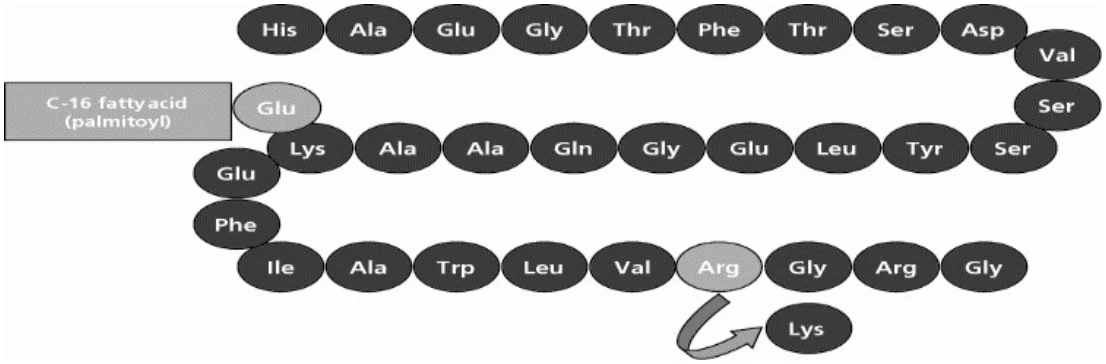
SAXENDA® contains liraglutide, an analog of human GLP-1 and acts as a GLP-1 receptor agonist. The peptide precursor of liraglutide, produced by a process that includes expression of recombinant DNA in Saccharomyces cerevisiae, has been engineered to be 97% homologous to native human GLP-1 by substituting arginine for lysine at position 34. Liraglutide is made by attaching a C-16 fatty acid (palmitic acid) with a glutamic acid spacer on the remaining lysine residue at position 26 of the peptide precursor.
Liraglutide is an acylated human Glucagon-Like Peptide-1 (GLP-1) receptor agonist with 97% amino acid sequence homology to endogenous human GLP-1(7-37). Liraglutide binds to and activates the GLP-1 receptor, a cell-surface receptor coupled to adenylyl cyclase activation through the stimulatory G-protein, Gs.
GLP-1 is a physiological regulator of appetite and food intake and the GLP-1 receptor is present in several areas of the brain involved in appetite regulation.
10.2 Pharmacodynamics
Effects on appetite sensations, food intake and energy expenditure, food emptying, and fasting and postprandial glycemia in non-diabetic patients with obesity
A five week clinical pharmacology trial was conducted in 49 non-diabetic patients with obesity (BMI 30-40 kg/m2) to investigate the pharmacodynamic effects of liraglutide.
Appetite sensations, food intake, and energy expenditure
The weight loss effect of liraglutide is considered to be mediated by decreased appetite and food intake. Appetite sensations were assessed before and up to five hours after a standardized breakfast meal, and ad libitum food intake during the subsequent lunch meal. SAXENDA® increased post-prandial satiety and fullness ratings, reduced hunger and prospective food consumption ratings and decreased ad libitum food intake, compared to placebo. No treatment-related increase in 24-hour energy expenditure was observed as assessed in a respiratory chamber.
Gastric emptying
SAXENDA® caused a minor delay of gastric emptying during the first hour after the meal (acetaminophen AUC0-1h was 23% smaller than with placebo), thereby reducing the rate at which postprandial glucose appeared in the circulation.
Fasting and postprandial glucose, insulin, and glucagon
Compared to placebo, SAXENDA® reduced fasting glucose and postprandial glucose increments for the first hour after the meal and reduced the incremental glucose AUC0-300min. In addition, SAXENDA® decreased postprandial increments in glucagon (iAUC0-300min) and postprandial increments of insulin (iAUC0-60min) after the meal compared with placebo.
Fasting and incremental glucose and insulin concentrations in patients that were overweight or had obesity
Fasting and incremental glucose and insulin concentrations were also assessed during a 75-g oral glucose tolerance test (OGTT) before and after 56 weeks of treatment in Study 1 (see 14 Clinical Trials). Compared to placebo, SAXENDA® reduced fasting and incremental glucose concentrations.
10.3 Pharmacokinetics
Absorption: The absorption of liraglutide following subcutaneous administration was slow, reaching maximum concentration approximately 11 hours post dosing. The average liraglutide steady state concentration (AUCτ/24) reached approximately 31 nmol/L in subjects with obesity (BMI 30-40 kg/m2) following administration of SAXENDA®. Liraglutide exposure increased proportionally with dose in the dose range of 0.6 mg to 3.0 mg. The absolute bioavailability of a subcutaneous single dose of liraglutide 5 μg/kg in healthy subjects is approximately 55%.
Distribution: The mean apparent volume of distribution after subcutaneous administration of liraglutide 3.0 mg is 20-25 L (for a person weighing approximately 100 kg). Liraglutide is extensively bound to plasma protein (>98%).
Metabolism: During the initial 24 hours following administration of a single [3H]-liraglutide dose (0.75 mg) to healthy subjects, the major component in plasma was intact liraglutide. Two minor plasma metabolites were detected (≤9% and ≤5% of total plasma radioactivity exposure). Liraglutide is endogenously metabolized in a similar manner to large proteins without a specific organ as a major route of elimination.
Elimination: Following a [3H]-liraglutide dose (0.75 mg), intact liraglutide was not detected in urine or feces. Only a minor part of the administered radioactivity was excreted as liraglutide-related metabolites in urine or feces (6% and 5%, respectively). The majority of urine and feces radioactivity was excreted during the first 6-8 days. The mean apparent clearance following subcutaneous administration of liraglutide 3.0 mg is approximately 0.9-1.4 L/h with an elimination half-life of approximately 13 hours.
Special Populations and Conditions
Pediatrics: Pharmacokinetic of liraglutide were assessed by a population pharmacokinetic analysis based on datasets that included 134 pediatric patients with obesity (body weight 62-178 kg) aged 12 to less than 18 years. The liraglutide exposure in pediatric patients (aged 12 to less than 18 years) was similar to that in adults with obesity.
Geriatrics: Age had no effect on the pharmacokinetics of liraglutide based on a pharmacokinetic study (1 mg) in healthy elderly subjects (65 to 83 years). A population pharmacokinetic analysis (liraglutide 3.0 mg) of data from patients that were overweight or had obesity 18 to 82 years of age could not detect an effect due to age. (see 7.1.4 Geriatrics).
Sex: Based on the current population pharmacokinetic analyses (liraglutide 3.0 mg) of data from patients that were overweight or had obesity, females would appear to have 24% lower weight adjusted clearance of SAXENDA® compared to males. Based on the current analysis of the exposure response data, no dose adjustment is necessary based on gender.
Ethnic origin: A population pharmacokinetics analysis could not detect any effect of race and ethnicity on the pharmacokinetics of liraglutide 3.0 mg in a population that included patients that were overweight or had obesity of Caucasian, Black, Asian and Hispanic/Non-Hispanic groups.
Hepatic Insufficiency: Subjects with varying degrees of hepatic insufficiency displayed a reduced exposure to liraglutide. After a single-dose (0.75 mg), the AUC in mild (Child Pugh score 5-6), moderate, and severe (Child Pugh score > 9) compared to healthy subjects was lower on average by 23%, 13% and 44% respectively.
Renal Insufficiency: Subjects with varying degrees of renal insufficiency displayed a reduced exposure to liraglutide. After a single-dose (0.75 mg), the AUC in mild (CrCL 50-80 mL/min ), moderate (CrCL 30-50 mL/min), severe (CrCL < 30 mL/min) and end-stage renal disease requiring dialysis compared to healthy subjects was lower on average by 33%, 14%, 27% and 26%, respectively.
Body weight: The exposure of liraglutide decreases with an increase in baseline body weight. However, the 3.0 mg daily dose of liraglutide provided adequate systemic exposures over the body weight range of 60 – 234 kg evaluated for exposure response in the clinical trials. Liraglutide exposure was not studied in patients with body weight >234 kg.
11 Storage, Stability And Disposal
SAXENDA® should be stored in a refrigerator (2ºC to 8ºC). Do not store in the freezer or directly adjacent to the refrigerator cooling element. Do not freeze SAXENDA® and do not use SAXENDA® if it has been frozen.
After initial use of the SAXENDA® pen, the product can be stored for 30 days at room temperature (not above 30°C) or in a refrigerator (2°C to 8°C).
12 Special Handling Instructions
SAXENDA® should be kept with the pen cap on when pen is not in use in order to protect from light. SAXENDA® should be protected from excessive heat and sunlight. Always remove the injection needle after each injection and store the SAXENDA® pen without an injection needle attached. This prevents contamination, infection, and leakage. It also ensures that the dosing is accurate.
Part II : Scientific Information
13 Pharmaceutical Information
Drug Substance
Proper name: SAXENDA®
Chemical name: liraglutide
Molecular formula and molecular mass: C172H265N43O51 and 3751.2 Daltons
Structural formula:
Physicochemical properties: Each 1 mL of SAXENDA® solution contains 6 mg of liraglutide. Each pre-filled pen contains a 3 mL solution of SAXENDA® equivalent to 18 mg liraglutide (free-base, anhydrous) and the following inactive ingredients: disodium phosphate dihydrate, 1.42 mg; propylene glycol, 14 mg; phenol, 5.5 mg; and water for injections.
Product Characteristics
SAXENDA® (liraglutide injection) is a clear, colourless solution.
14 Clinical Trials
Trial Design and Study Demographics
The safety and efficacy of SAXENDA® in adults for chronic weight management in conjunction with reduced food intake and increased physical activity were studied in three 56-week randomized, double-blind, placebo-controlled trials (Table 6). In all studies SAXENDA® was titrated to 3 mg daily during a 4-week period. All patients received instruction for a reduced calorie diet (approximately 500 kcal/day deficit) and exercise counseling (recommended increase in physical activity of minimum 150 minutes/week) that began with the first dose of study medication or placebo and continued throughout the trial.
The efficacy and safety of SAXENDA® in pediatric patients aged 12 to less than 18 years were evaluated in a 56-week randomized, double-blind, placebo-controlled clinical trial (Table 6) followed by a 26-week period off study-drug. Patients were randomized 1:1 to SAXENDA® or placebo once-daily. All subjects underwent counselling in healthy nutrition and physical activity for weight loss and were prescribed a structured programme from the beginning of the 12-week run in period and continuing through the 26-week follow-up period. Treatment with SAXENDA® was initiated with 0.6 mg daily for one week and increased in weekly steps of 0.6 mg until the 3.0 mg dose of SAXENDA® (highest allowed liraglutide dose) or a maximum tolerated dose was reached. The SAXENDA® dose was titrated to 3 mg over a 4- to 8-week period based on tolerability as judged by the investigator. Escalation of the trial product was not allowed if the subject had a self-monitored plasma glucose (SMPG) < 3.1 mmol/L or < 3.9 mmol/L in the presence of symptoms of hypoglycemia during the week prior to or during the dose escalation visits. The proportion of patients who reached the 3 mg dose was 82.4%; for 8.8% of patients 2.4 mg was the maximum tolerated dose.
Table 6 Summary of patient demographics for SAXENDA® clinical trials
| Study # | Trial design | Dosage, route of administration and duration | Study subjects (n) | Mean age (Range) | Sex | Race |
| 1 | Multicenter, randomized, double-blind, placebo-controlled trial | SAXENDA® 3.0 mg once daily or placebo SAXENDA® was administered subcutaneously once daily for 56 weeks or 160 weeks | 3731 160 Weeks 2254 | 45 years (18-78) 160 Weeks 48 years (18-78) | 78% Female 22% Male 160 Weeks 76% Female 24% Male | 85% Caucasian 10% African American 5% Other 160 Weeks 85% Caucasian 10% African American 9% Other |
| 2 | Multicenter, randomized, double-blind, placebo-controlled trial | SAXENDA® 3.0 mg once daily or placebo as an add-on to their background diabetes treatment SAXENDA® was administered subcutaneously once daily for 56 weeks | 635 | 55 years (18-82) | 50% Female 50% Male | 83% Caucasian 12% African American 5% Other |
| 3 | Multicenter, randomized, double-blind, placebo-controlled trial | SAXENDA® 3.0 mg once daily or placebo SAXENDA® was administered subcutaneously once daily for 56 weeks | 422 | 46 years (18-73) | 81% Female 19% Male | 84% Caucasian 13% African American 3% Other |
| 4 | Multicentre, randomized, double-blind, placebo-controlled trial | SAXENDA® 3.0 mg once daily or placebo SAXENDA® was administered subcutaneously once daily for 56 weeks | 251 | 14.5 years (12-17) | 59.4% Female 40.6% Male | 87.6% Caucasian 8% African American 4.4% Other |
Study 1 enrolled 3731 patients with obesity (BMI greater than or equal to 30 kg/m2) or with overweight (BMI 27-29.9 kg/m2) and at least one weight-related comorbid condition such as treated or untreated dyslipidemia or hypertension. Patients with type 2 diabetes were excluded from participating. Patients were randomized in a 2:1 ratio to either SAXENDA® or placebo for either 56 or 160 weeks (with a 12-week off-treatment follow-up) based on abnormal glucose measurements (e.g., impaired glucose tolerance or impaired fasting glucose) at screening.
For the 56-week period of the trial, mean baseline body weight was 106.3 kg and mean BMI was 38.3 kg/m2. For the 160-week period, mean baseline body weight was 107.6 kg and mean BMI was 38.8 kg/m2. Most subjects had obesity (97%) and 47% had treated or untreated dyslipidemia and/or hypertension. For the 56-week period of the trial, approximately 11% were of Hispanic or Latino ethnicity and in the 160-week period approximately 9% were Hispanic or Latino ethnicity.
Study 2 enrolled patients with type 2 diabetes and with either overweight or obesity (as defined above). Patients were to have an HbA1c of 7-10% and be treated with metformin, a sulfonylurea, a glitazone as single agent or in any combination. Patients were randomized in a 2:1 manner to receive either SAXENDA® or placebo as an add-on to their background diabetes treatment. Most subjects had obesity (86%) and 86% had treated or untreated dyslipidemia and/or hypertension. Approximately 10% were of Hispanic or Latino ethnicity.
Study 3 enrolled patients with obesity (BMI greater than or equal to 30 kg/m2) or with overweight (BMI 27-29.9 kg/m2) and at least one weight-related comorbid condition such as treated or untreated dyslipidemia or hypertension. Patients with type 2 diabetes mellitus were excluded. All patients were first treated with a low calorie diet (total energy intake 1200-1400 kcal/day) in a run-in period lasting up to 12 weeks. Patients who lost at least 5% of their screening body weight after 4 to 12 weeks during the run-in were randomized in a 1:1 manner to receive either SAXENDA® or placebo for 56 weeks. Most subjects had obesity (98%) and 45% had treated or untreated dyslipidemia and/or hypertension. Approximately 7% were of Hispanic or Latino ethnicity.
Study 4 enrolled 251 pubertal pediatric patients aged 12 to less than 18 years with obesity, which was defined as a BMI corresponding to ≥30 kg/m2 for adults by international cut-off points (see INDICATIONS, Pediatrics) and ≥the 95th percentile for age and sex (for diagnosis of obesity). Patients with type 2 diabetes mellitus were excluded. Randomization was stratified according to pubertal development (Tanner staging) and glycemic status. The trial consisted of a 12-week run-in period, followed by a 56-week double-blind treatment period and a 26-week follow-up period off study-drug. Subjects received counselling on healthy nutrition and physical activity throughout the trial (starting at the beginning of the run-in period). The mean age was 14.5 years: 40.6% were male, 87.6% were White, 0.8% were Asian, 8% were Black or African American; 22.3% were of Hispanic or Latino ethnicity. The mean baseline body weight was 100.8 kg, mean Body Mass Index (BMI) was 35.6 kg/m2, and mean BMI Standard Deviation Score (SDS) was 3.2. The proportions of patients who discontinued study drug were 19.2% for the SAXENDA®-treated group and 20.6% for the placebo-treated group; 10.4% of patients treated with SAXENDA® and no patients treated with placebo discontinued treatment due to an adverse reaction.
Study Results
For Study 1 and Study 2, the primary efficacy parameters were mean percent change in body weight and the percentages of patients achieving greater than or equal to 5% and 10% weight loss from baseline to week 56. For Study 3, the primary efficacy parameters were mean percent change in body weight from randomization to week 56, the percentage of patients not gaining more than 0.5% body weight from randomization (i.e., after run-in) to week 56, and the percentage of patients achieving greater than or equal to 5% weight loss from randomization to week 56. Because losing at least 5% of fasting body weight through lifestyle intervention during the 4- to 12-week run-in was a condition for their continued participation in the randomized treatment period, the results may not reflect those expected in the general population.
Table 7 presents the results for the changes in weight observed in Studies 1, 2, and 3. After 56 weeks, treatment with SAXENDA® resulted in a statistically significant reduction in weight compared with placebo. Statistically significantly greater proportions of patients treated with SAXENDA® achieved 5% and 10% weight loss than those treated with placebo. In Study 3, statistically significantly more patients randomized to SAXENDA® than placebo had not gained more than 0.5% of body weight from randomization to week 56.
Table 7 Changes in Weight at Week 56 for Studies 1, 2, and 3
Study 1 (Obesity or overweight with comorbidity) | Study 2 (Type 2 diabetes with obesity or overweight) | Study 3 (Obesity or overweight with comorbidity following at least 5% weight loss with diet) | ||||
|---|---|---|---|---|---|---|
Study 1 (Obesity or overweight with comorbidity) | Study 2 (Type 2 diabetes with obesity or overweight) | Study 3 (Obesity or overweight with comorbidity following at least 5% weight loss with diet) | ||||
SAXENDA® N=2437 | Placeb o N=122 5 | SAXENDA® N=412 | Placeb o N=211 | SAXENDA® N=207 | Placebo N=206 | |
SAXENDA® N=2437 | Placeb o N=122 5 | SAXENDA® N=412 | Placeb o N=211 | SAXENDA® N=207 | Placebo N=206 | |
| Weight | ||||||
Baseline mean (kg) (SD) | 106.3 (21.2) | 106.3 (21.7) | 105.6 (21.9) | 106.7 (21.2) | 100.7 (20.8) | 98.9 (21.2) |
| Percent change from baseline (LSMean) | -8.0 | -2.6 | -5.9 | -2.0 | -6.3 | -0.2 |
Difference from placebo (LSMean) (95% CI) | -5.4* (-5.8;-5.0) | -4.0* (-4.8;-3.1) | -6.1* (-7.5;-4.6) | |||
| % of Patients losing greater than or equal to 5% body weight | 63.5% | 26.6% | 49.8% | 13.5% | 50.7% | 21.3% |
Odds ratio vs placebo (LSMean) (95% CI) | 4.8* (4.1;5.6) | 6.4* (4.1;10.0) | 3.8* (2.4;6.0) | |||
| % of Patients losing greater than 10% body weight | 32.8% | 10.1% | 22.9% | 4.2% | 27.4% | 6.8% |
Odds ratio vs placebo (LSMean) (95% CI) | 4.3* (3.5;5.3) | 6.8* (3.4;13.8) | 5.1 (2.7;9.7)† | |||
| % of Patients maintaining run-in weight loss (LSMean)‡ | 81.4% | 48.9% | ||||
| Odds ratio vs placebo (LSMean) for maintaining run-in weight loss | 4.8 (3.0;7.7)* | |||||
SD = Standard Deviation; CI = Confidence Interval
* p < 0.0001 compared to placebo. Type 1 error was controlled across the three endpoints.
† This endpoint does not claim statistical significance, because it was not part of confirmatory testing.
‡ The endpoint was defined as weight regain ≤0.5% from start of SAXENDA® treatment. The number (proportion) of patients with missing data at Week 56 with SAXENDA®/placebo and who contributed to the analyses with LOCF values were 624 (26%)/401 (33%) in Study 1, 93 (23%)/94 (45%) in Study 2 and 51 (25%)/62 (30%) in Study 3. Includes all randomized subjects who had a baseline body weight measurement. All available body weight data during the 56 week treatment period are included in the analysis. Missing data were imputed using the last observation carried forward; other imputation methods have yielded similar and smaller estimated treatment effects.
In Study 1, 2254 patients who had abnormal glucose measurement at randomization were randomized to the 160 week period. Among them, 50% (1126/2254) of patients discontinued the study: 47% in the SAXENDA® group vs. 55% in the placebo group. The proportions of patients who discontinued due to an adverse reaction were 13% and 6% for SAXENDA®- and placebo-treated patients, respectively. Table 8 presents changes in weight at week 160 in a subset of patients with abnormal glucose at randomization.
Table 8 Changes in Weight at Week 160 for Study 1 (Subset of Patients with Abnormal Blood Glucose at Randomization)
SAXENDA® N=1472 | Placebo N=738 | |
|---|---|---|
| Weight | ||
| Baseline mean (SD) (kg) | 107.6 (21.6) | 108.0 (21.8) |
| Percent change from baseline (LSMean) | -6.2 | -1.8 |
Difference from placebo (LSMean) | -4.3 | |
| Number (%) of patients known to lose greater than or equal to 5% body weight | 424 (28.8%) | 102 (13.8%) |
| Number (%) of patients known to lose greater than 10% body weight | 234 (15.9%) | 49 (6.6%) |
| Number (%) of patients with weight assessment at 160 weeks | 747 (50%) | 322 (43%) |
SD = Standard Deviation;
Includes all randomized subjects who had a baseline body weight measurement. All available body weight data during the 160 week treatment period are included in the analysis. Missing data were imputed using the last observation carried forward when calculating percent change from baseline. When deriving number (%) of patients known to lose greater than or equal to 5% or greater than 10% body weight, patients with missing data at week 160 were assumed non-responders.
The cumulative frequency distributions of change in body weight from baseline to week 56 are shown in Figure 1 for Studies 1 and 2. One way to interpret this figure is to select a change in body weight of interest on the horizontal axis and note the corresponding proportions of patients (vertical axis) in each treatment group who achieved at least that degree of weight loss. For example, note that the vertical line arising from -10% in Study 1 intersects the SAXENDA® and placebo curves at approximately 33% and 10%, respectively, which correspond to the values shown in Table 7.
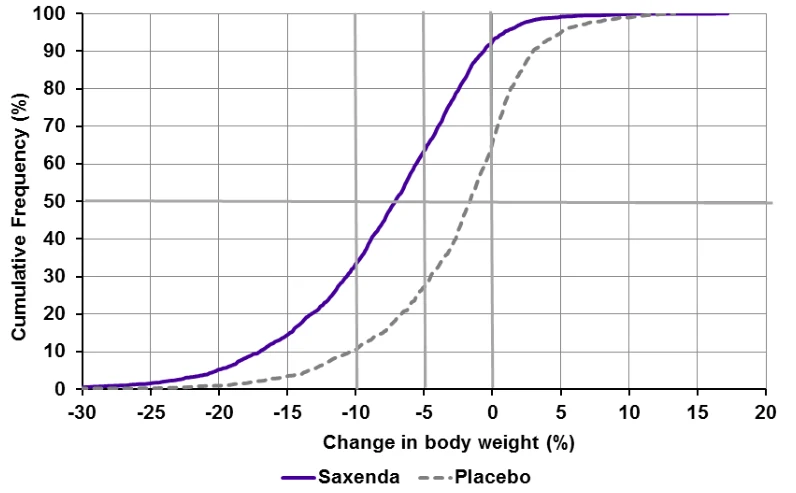
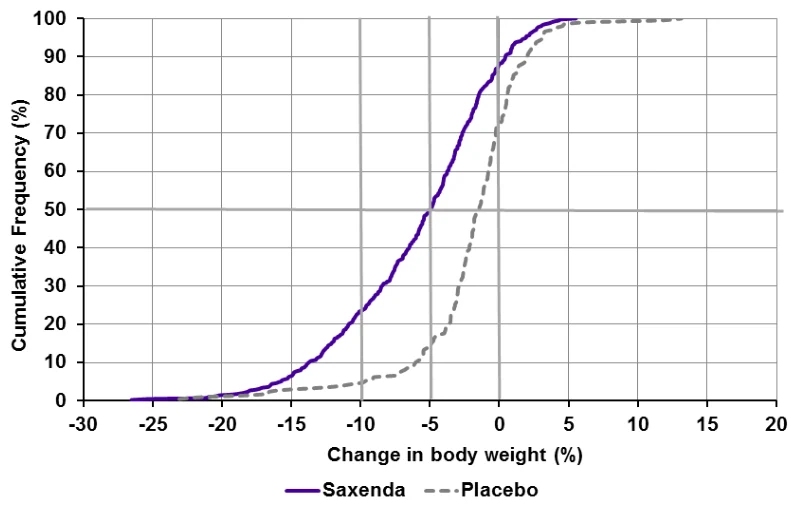
Figure 1. Change in body weight (%) from baseline to week 56 (Study 1 on top and Study 2 below)
The time courses of weight loss with SAXENDA® and placebo from baseline through week 56 are depicted in Figure 2 and Figure 3.
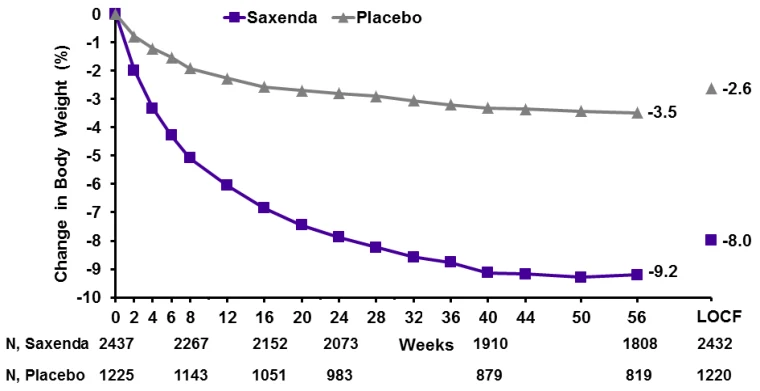
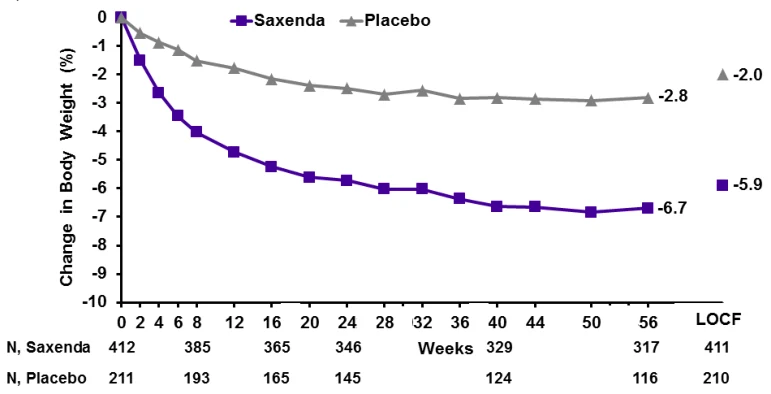
Figure 2. Change from baseline (%) in body weight (Study 1 on top and Study 2 below)
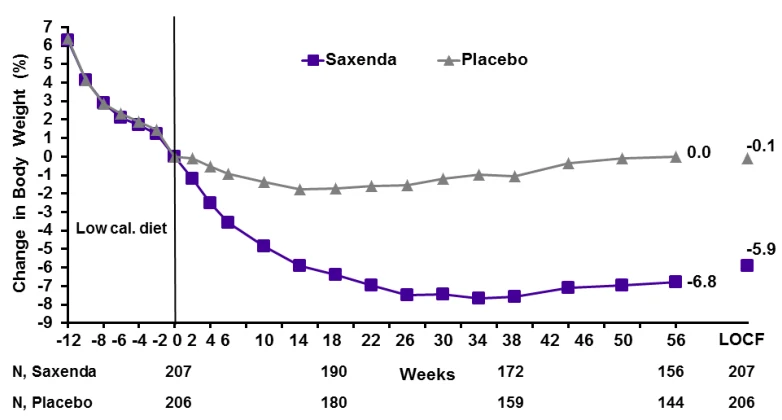
Figure 3. Change from baseline (%) in body weight during Study 3
Weight loss response of 5% after 12 weeks on SAXENDA® (3.0 mg)
Across studies 1 and 2, 65% of the patients achieved ≥5% weight loss after 12 weeks on SAXENDA® (3.0 mg). A retrospective analysis indicates that after 1 year of treatment, the mean weight loss was found to be meaningful for these patients. For the 35% of patients who achieved a weight loss of <5% after 12 weeks on SAXENDA® (3.0 mg), the weight loss at 1 year was not considered clinically meaningful (<5%).
Effect of SAXENDA® on Glycemic Control, Anthropometry and Cardiometabolic Parameters
Change in glycemic control, waist circumference and cardiometabolic parameters with SAXENDA® are shown in Table 9-Table 10 for Study 1 (patients without diabetes mellitus) and
Table 11 for Study 2 (patients with type 2 diabetes). Results from Study 3, which only enrolled patients without diabetes mellitus, were similar to Study 1.
Table 9 Mean Changes in Glycemic Control, Anthropometry and Cardiometabolic Parameters in Study 1 (Patients without Diabetes)
SAXENDA® N = 2437 | Placebo N = 1225 | ||||
|---|---|---|---|---|---|
| Baseline | Change from Baseline (LSMean1) | Baseline | Change from Baseline (LSMean1) | SAXENDA® minus Placebo (LSMean) | |
| HbA1c (%) | 5.6 | -0.3 | 5.6 | -0.1 | -0.2 |
| Fasting plasma glucose (mmol/L) | 5.3 | -0.4 | 5.3 | -0.0 | -0.4 |
| Waist Circumference (cm) | 115.0 | -8.2 | 114.5 | -4.0 | -4.2 |
| Systolic blood pressure (mm Hg) | 123.0 | -4.3 | 123.3 | -1.5 | -2.8 |
| Diastolic blood pressure (mm Hg) | 78.7 | -2.7 | 78.9 | -1.8 | -0.9 |
| Heart Rate (bpm) | 71.4 | 2.6 | 71.3 | 0.1 | 2.5 |
| Baseline | % change from Baseline (LSMean1) | Baseline | % change from Baseline (LSMean1) | Relative Difference of SAXENDA® to Placebo (LSMean) | |
| Total Cholesterol (mmol/L)* | 5.0 | -3.2 | 5.0 | -0.9 | -2.3 |
| LDL Cholesterol (mmol/L)* | 2.9 | -3.1 | 2.9 | -0.7 | -2.4 |
| HDL Cholesterol (mmol/L)* | 1.3 | 2.3 | 1.3 | 0.5 | 1.9 |
| Triglycerides (mmol/L)* | 1.4 | -13.6 | 1.5 | -4.8 | -9.3 |
Based on last observation carried forward method while on study drug.
1 Least squares mean adjusted for treatment, country, sex, pre-diabetes status at screening, baseline BMI stratum and an interaction between pre-diabetes status at screening and BMI stratum as fixed factors, and the baseline value as covariate.
* Baseline value is the geometric mean.
Table 10 Mean Changes at Week 160 in Anthropometry and Cardiometabolic Parameters in Study 1 (Subset of Patients with Abnormal Blood Glucose at Randomization)
SAXENDA® N = 1505 | Placebo N = 749 | ||||
|---|---|---|---|---|---|
| Baseline | Change from Baseline (LSMean1) | Baseline | Change from Baseline (LSMean1) | SAXENDA® minus Placebo (LSMean) | |
| HbA1c, % | 5.8 | -0.4 | 5.7 | -0.1 | -0.21 |
| Fasting plasma glucose (mmol/L) | 5.5 | -0.4 | 5.5 | 0.04 | -0.4 |
| Waist Circumference (cm) | 116.6 | -6.9 | 116.7 | -3.4 | -3.5 |
| Systolic Blood Pressure (mmHg) | 124.8 | -3.2 | 125.0 | -0.4 | -2.8 |
| Diastolic Blood Pressure (mmHg) | 79.4 | -2.4 | 79.8 | -1.7 | -0.6 |
Based on last observation carried forward method while on study drug
1 Least squares mean adjusted for treatment, country, sex, baseline BMI stratum as fixed factors, and the baseline value as covariate.
Table 11 Mean Changes in Anthropometry and Cardiometabolic Parameters in Study 2 (Patients with Diabetes Mellitus)
SAXENDA® N = 412 | Placebo N – 211 | ||||
|---|---|---|---|---|---|
| Baseline | Change from Baseline (LSMean1) | Baseline | Change from Baseline (LSMean1) | SAXENDA® minus Placebo (LSMean) | |
| HbA1c (%) | 7.9 | -1.3 | 7.9 | -0.4 | -0.9 |
| Fasting plasma glucose (mmol/L) | 8.8 | -1.9 | 8.6 | -0.1 | -1.8 |
| Waist Circumference (cm) | 118.1 | -6.0 | 117.3 | -2.8 | -3.2 |
| Systolic Blood Pressure (mm Hg) | 128.9 | -3.0 | 129.2 | -0.4 | -2.6 |
| Diastolic Blood Pressure (mm Hg) | 79.0 | -1.0 | 79.3 | -0.6 | -0.4 |
| Heart Rate (bpm) | 74.0 | 2.0 | 74.0 | -1.5 | 3.4 |
| Baseline | % change from Baseline (LSMean1) | Baseline | % change from Baseline (LSMean1) | Relative Difference of SAXENDA® to Placebo (LSMean) | |
| Total Cholesterol (mmol/L)* | 4.4 | -1.4 | 4.4 | 2.3 | -3.6 |
| LDL Cholesterol (mmol/L)* | 2.2 | 0.8 | 2.2 | 3.1 | -2.2 |
| HDL Cholesterol (mmol/L)* | 1.2 | 4.8 | 1.2 | 2.0 | 2.8 |
| Triglycerides (mmol/L)* | 1.8 | -14.6 | 1.8 | 1.1 | -13.7 |
Based on last observation carried forward method while on study drug
1 Least squares mean adjusted for treatment, country, sex, background treatment, baseline HbA1c stratum and an interaction between background treatment and HbA1c stratum as fixed factors, and the baseline value as covariate.
* Baseline value is the geometric mean
Weight Management Trial in Pediatric Patients 12 to less than 18 Years of Age with Obesity
The primary efficacy endpoint in Study 4 was change in body mass index standard deviation score (BMI SDS) at 56 weeks. At week 56 treatment with SAXENDA® resulted in statistically significant reduction in in BMI SDS from baseline compared to placebo. The observed mean change in BMI SDS from baseline to week 56 was -0.23 in the SAXENDA® group and -0.00 in the placebo group. The estimated treatment difference in BMI SDS reduction from baseline between SAXENDA® and placebo was -0.22 with a 95% confidence interval of [-0.37%; -0.08%]. The time course of change in BMI SDS with SAXENDA® and placebo from baseline through week 56 are depicted in Figure 4. A significant increase in BMI SDS (weight regain) was seen from week 52 to week 82 after drug discontinuation.
Secondary efficacy endpoints included changes in weight, BMI, waist circumference and cardiometabolic parameters (Table 12 and Table 13).
Table 12 Changes in Weight and BMI at Week 56 for Study 4 (Pediatric Patients Aged 12 to Less Than 18 Years)
SAXENDA® N=125 | Placebo N=126 | SAXENDA® minus Placebo | |
|---|---|---|---|
| Body Weight | |||
| Baseline mean Body Weight (kg) | 99.3 | 102.2 | |
| Mean Change from Baseline (%) | -2.65 | 2.37 | -5.01 |
| BMI | |||
| Baseline mean BMI (kg/m2) | 35.3 | 35.8 | |
| Mean Change from Baseline (%) | -4.29 | 0.35 | -4.64 |
| Proportion of patients with greater than or equal to 5% reduction in baseline BMI at week 56 (%) | 43.4% | 18.7% | 24.6% |
| Proportion of patients with greater than or equal to 10% reduction in baseline BMI at week 56 (%) | 26.1% | 8.1% | 18.0% |
Full Analysis Set. For body weight and BMI, baseline values are means, changes from baseline at week 56 are estimated means (least squares) and treatment contrasts at week 56 are estimated treatment differences. Missing observations were imputed from the placebo arm based on a jump to reference multiple (x100) imputation approach.
Table 13 Mean Changes in Anthropometric and Cardiometabolic Parameters in Study 4 (Pediatric Patients Aged 12 to Less Than 18 Years)
SAXENDA® N=125 | Placebo N=126 | ||||||||||||
|---|---|---|---|---|---|---|---|---|---|---|---|---|---|
| Baseline | Change from Baseline | Baseline | Change from Baseline | SAXENDA® minus Placebo | |||||||||
| Waist Circumference (cm) | 105 | -4.35 | 107 | -1.42 | -2.93 | ||||||||
| Systolic Blood Pressure (mmHg) | 116 | -1.21 | 117 | 0.84 | -2.05 | ||||||||
| Diastolic Blood Pressure (mmHg) | 72 | 0.77 | 73 | -0.46 | 1.24 | ||||||||
| Heart Rate (bpm)* | 75 | 1.87 | 78 | -0.14 | 2.01 | ||||||||
| HbA1c (%) | 5.3 | -0.10 | 5.3 | -0.03 | -0.06 | ||||||||
| Baseline | % Change from Baseline | Baseline | % Change from Baseline | Relative Difference of SAXENDA® to Placebo | |||||||||
| Total Cholesterol (mmol/L)** | 8.6 | 0.84 | 8.5 | -0.03 | 0.88 | ||||||||
| LDL Cholesterol (mmol/L)** | 4.8 | 1.74 | 4.6 | 3.01 | -1.27 | ||||||||
| HDL Cholesterol (mmol/L)** | 2.4 | 5.14 | 2.4 | 3.33 | 1.81 | ||||||||
| Triglycerides (mmol/L)** | 6.1 | -0.12 | 6.2 | -1.35 | 1.23 | ||||||||
Full Analysis Set. Baseline values are means, changes from baseline at week 56 are estimated means (least-squares) and treatment contrasts at week 56 are estimated treatment differences. Missing observations were imputed from the placebo arm based on a jump to reference multiple (x100) imputation approach.
* See Warnings and Precautions ** Baseline values are geometric means.
Time since randomisation (weeks) BMI SDS, ch an g e f r o m b aselin e 0.08 -0.03 Lira 3.0 mg Placebo BMI SDS : Body mass index standard deviation score, Line graphs are observed means, Error bar is :+/- standard error of mean Number at week 56 and 82 are estimated means using multiple imputation (jump to reference) for patients completing each scheduled visits Estimated means -0.00 -0.23 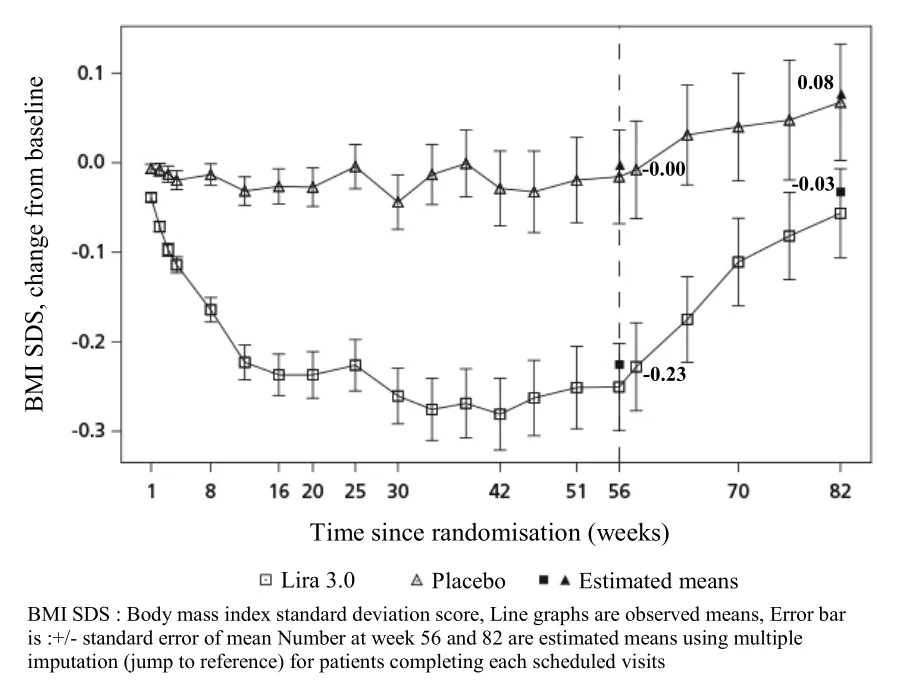
Figure 4. Change from Baseline in BMI SDS at Week 56
15 Microbiology
No microbiological information is required for this drug product.
16 Non-Clinical Toxicology
General Toxicology
Single dose toxicity
Single dose studies were performed in mice and rats in standard design studies and in monkeys in a maximum tolerated dose (MTD) study. A single dose of 10 mg/kg was generally well tolerated by mice and rats without mortality. In monkeys, a single SC administration of 5 mg/kg was well tolerated without mortality. The observed reductions in body weight and food consumption can be regarded as pharmacologically mediated.
Repeat dose toxicity
Pivotal repeat dose studies were performed in mice, rats and Cynomolgus monkeys. An overview of the toxicological programme can be found in the tables below:
Table 14 Overview of the Liraglutide Toxicological Programme in CD-1 Mice
Study ID
NN203261
NN204082
Species/strain
CD-1 mice
CD-1 mice
Drug
Liraglutide
Liraglutide
Dose Route
SC
SC
Animals/sex/group
Main study: 5 groups:10 males, 10 females/group
Satellite study: 5 groups:16 males, 16 females/group
Main study: 4 groups:10 males, 10 females/group
Satellite study: 4 groups:28 males, 28 females/group
Antibody study: 4 groups 5-15 males, 5-15 females/group
Dose groups (mg/kg/day)
0, 0.1, 0.5, 1.0, 5.0
0, 0.2, 1.0, 5.0
Duration
4 weeks
13 weeks
NOEL/
NOAEL
(mg/kg/day)
NOEL <0.1mg/kg
NOAEL 5 mg/kg
NOEL < 0.2 mg/kg
NOAEL <0.2 mg/kg
Table 15 Overview of the Liraglutide Toxicological Programme in Sprague Dawley Rats
Study ID
NN980183
NN980189
NN200239
Species Strain
Rats/Sprague Dawley
Rats/Sprague Dawley
Rats/Sprague Dawley
Drug
Liraglutide
Liraglutide
Liraglutide
Dose Route
SC
SC
SC
Animals/Sex/Group
Main study: 4 groups: 10 males, 10 females/group Satellite study: 3 groups: 10 males, 10 females/group.
Main study: 4 groups: 10 males, 10 females/group Satellite study: 4 groups: 10 males, 10 females/group. Recovery study: 2 groups: 5 males, 5 females/group
4 groups: 15 males, 15 females/group
Dose Groups (mg/kg/day)
0, 0.1 , 0.25, 1.0
0, 0.1 , 0.25, 1.0
0, 0.1 , 0.25, 1.0
Duration
4 weeks
13 weeks treatment + 4 weeks recovery
26 weeks
NOEL/
NOAEL
(mg/kg/day)
NOEL <0.1 mg/kg. NOAEL 1.0 mg/kg
NOEL <0.1 mg/kg NOAEL 1.0 mg/kg
NOEL <0.1 mg/kg NOAEL 1.0 mg/kg
Study ID
NN980184
NN990191
NN200241
Species/strain
Cynomolgus
Cynomolgus Monkeys
Cynomolgus
Study ID
NN980183
NN980189
NN200239
Monkeys
Monkeys
Drug
Liraglutide
Liraglutide
Liraglutide
Dose Route
SC
SC
SC
Animals/sex/group
4 groups: 3 males, 3 females/group
Main study: 4 groups: 4 males, 4 females/group. Recovery study: 2 groups: 2 males, 2 females/group
Main study: 4 groups: 4 males, 4 females/group. Recovery study: 2 groups: 2 males, 2 females/group
Dose groups (mg/kg/day)
0, 0.05, 0.5, 5.0
0, 0.05, 0.5, 5.0
0, 0.05, 0.5, 5.0
Duration
4 weeks
13 weeks treatment + 2 weeks recovery
52 weeks treatment + 4 weeks recovery
NOEL/
NOAEL
(mg/kg/day)
NOEL < 0.05mg/kg NOAEL 5mg/kg
NOEL < 0.05mg/kg
NOAEL 5mg/kg
NOEL 0.05mg/kg
NOAEL 5mg/kg
In mice, rats and monkeys, decreased body weight gain and food consumption were seen during the first weeks of dosing which was attributed to the pharmacological action of liraglutide. Subsequently, body weight gain and food consumption were generally comparable to that of the control group. For all species, there were no toxicologically significant effects noted on hematology, clinical chemistry and urinary parameters. However, for mice only, histopathological examination of the thyroid gland revealed C-hyperplasia at all dose levels, first event after 9 weeks on treatment. Effects on C-cells (focal accumulations of C-cells) were already seen in the 4-week mouse study but these findings were not considered to be treatment-related. No effects on C-cells were seen in the rat and monkey studies up to 26 and 52 weeks.
An increase in pancreatic weight was observed at all dose levels, in male cynomolgus monkeys in the 28 day study and following 52 weeks treatment in both sexes. Further investigations of the pancreatic tissues collected in the 52-week monkey study showed that the increased pancreatic weight was due to a 67% increase in absolute duct cell mass and 64% increase in exocrine cells when compared to the vehicle group. However, normal histological morphology of the pancreas was seen in all studies and no clinical or biochemical changes were seen in any of the four non-human primate studies. In addition, no effect on pancreatic weight was observed in an 87-week mechanistic study conducted in cynomolgus monkeys.
Carcinogenicity
A 104-week carcinogenicity study was conducted in male and female CD-1 mice at doses of 0.03, 0.2, 1.0, and 3.0 mg/kg/day liraglutide administered by bolus subcutaneous injection yielding systemic exposures 0.3-, 2.0-, 10- and 43-times the exposure in humans with obesity, respectively, at the maximum recommended human dose (MRHD) of 3.0 mg/day based on plasma AUC comparison. A dose-related increase in benign thyroid C-cell adenomas was seen in the 1.0 and the 3.0 mg/kg/day groups with incidences of 13% and 19% in males and 6% and 20% in females, respectively. C-cell adenomas did not occur in control groups or 0.03 and 0.2 mg/kg/day groups. Treatment-related malignant C-cell carcinomas occurred in 3% of females in the 3.0 mg/kg/day group. Thyroid C-cell tumors are rare findings during carcinogenicity testing in mice. A treatment-related increase in fibrosarcomas was seen on the dorsal skin and subcutis, the body surface used for drug injection, in males in the 3 mg/kg/day group. These fibrosarcomas were attributed to the high local concentration of drug near the injection site. The liraglutide concentration in the clinical formulation (6 mg/mL) is 10-times higher than the concentration in the formulation used to administer 3 mg/kg/day liraglutide to mice in the carcinogenicity study (0.6 mg/mL).
A 104-week carcinogenicity study was conducted in male and female Sprague Dawley rats at doses of 0.075, 0.25 and 0.75 mg/kg/day liraglutide administered by bolus subcutaneous injection with exposures 0.5-, 2- and 7-times the human exposure, respectively, resulting from the MRHD based on plasma AUC comparison. A treatment-related increase in benign thyroid C-cell adenomas was seen in males in 0.25 and 0.75 mg/kg/day liraglutide groups with incidences of 12%, 16%, 42%, and 46% and in all female liraglutide-treated groups with incidences of 10%, 27%, 33%, and 56% in 0 (control), 0.075, 0.25, and 0.75 mg/kg/day groups, respectively. A treatment-related increase in malignant thyroid C-cell carcinomas was observed in all male liraglutide-treated groups with incidences of 2%, 8%, 6%, and 14% and in females at 0.25 and 0.75 mg/kg/day with incidences of 0%, 0%, 4%, and 6% in 0 (control), 0.075, 0.25, and 0.75 mg/kg/day groups, respectively. Thyroid C-cell carcinomas are rare findings during carcinogenicity testing in rats.
Studies in mice demonstrated that the C-cell proliferation was dependent on the GLP-1 receptor on thyroid C-cells and that liraglutide did not cause activation of the RET proto-oncogene.
The human relevance of thyroid C-cell tumours observed in rats and mice is unknown and could not be determined based on the results of the nonclinical studies (refer to Boxed Warnings and Precautions).
Genotoxicity
Liraglutide was not mutagenic or clastogenic with or without metabolic activation in the following tests: Ames test, human peripheral blood lymphocyte chromosome aberration test, and in vivo micronucleus test in the rat.
Reproductive and Developmental Toxicology
In rat fertility and embryo-fetal developmental study, rats were administered liraglutide subcutaneously at doses of 0.1, 0.25 and 1.0 mg/kg/day. Males were treated for 4 weeks prior to and throughout mating and females were treated 2 weeks prior to and throughout mating until gestation day 17. No direct adverse effects on male fertility were observed up to the highest dose levels tested which represented, a systemic exposure 11 times the human exposure based on plasma AUC. Body weight gain and food intake were transiently reduced at all dose levels. At 1.0 mg/kg/day there was an increased incidence of early embryonic death, and an increase in the number of fetuses and litters with minimally kinked ribs. The fetal NOAEL/NOEL was therefore considered to be 0.25 mg/kg/day.
In a rabbit developmental study, pregnant females were administered liraglutide subcutaneously at doses of 0.01, 0.025 and 0.05 mg/kg/day from gestation day 6 through day 18 inclusive. The estimated systemic exposures were less than the human exposure at all doses, based on plasma AUC. Fetal weight was decreased and the incidence of total major fetal abnormalities was increased at all dose levels tested. Single cases of microphthalmia were noted at all dose levels. Since microphthalmia is a very rare malformation, and was not observed in the control group, or in any of the historical control groups, this finding is considered to be related to treatment. In addition, there was an increase in the fetal incidence of connected parietals in the high dose group, and a single case of split sternum in the 0.025 and 0.05 mg/kg/day groups which could not be ruled out as unrelated to treatment. Minor abnormalities considered to be treatment related were an increase in the incidence of jugal(s) connected/fused to maxilla at all dose levels and an increase in the incidence of bilobed/bifurcated gallbladder at 0.025 and 0.50 mg/kg/day. The noted findings exceeded the incidence noted in the concurrent and historical controls. Based on these data, a NOEL/NOAEL for embryo/fetal toxicity could not be determined. Liraglutide is considered to be a possible teratogen in rabbits due to the increased incidence of major abnormalities noted at all dose levels tested.
In a pre- and post-natal study, pregnant female rats were administered subcutaneous doses of 0.1, 0.25 and 1.0 mg/kg/day liraglutide from gestation day 6 through weaning or termination of nursing on lactation day 24. Estimated systemic exposures were 0.8-, 3-, and 11-times human exposure, based on plasma AUC. Reduced body weight gain/weight loss, and decreased food consumption were observed in all treated groups, evident primarily during the first 3 days of dosing. At 1.0 mg/kg/day, following the initial weight loss, the difference in absolute weight when compared to controls, was not recovered by the end of gestation. Lesser effects were noted at the lower dose levels. In addition, decreased weight gain was evident in F0 females that had been treated with 1.0 mg/kg/day, between Days 1 and 14 of lactation. Litter size and survival were similar in all groups, but decreased weight gain was evident in the F1 pups prior to weaning, at all dose levels.
The reduced body weight of F1 pups persisted in the post-weaning period, but only at 1.0 mg/kg/day was there also a reduction in weight gain, which was noted for females during lactation and for males.
There were no apparent treatment-related effects on the development, behaviour, physiology or reproductive function of the F1 animals, except for a slight reduction in body weights of F2 pups at 1.0 mg/kg/day.
Juvenile Toxicity
In a juvenile toxicity study, subcutaneous doses of 0, 0.05, 0.25 or 1.0 mg/kg/day of liraglutide (0.2-, 1.4- and 4.3-fold higher than the maximum recommended human dose in patients aged 12 to less than 18 years based on AUC) were administered to rats from postnatal day 21 to day 90. Lower body weight gain, body weights, and food consumption were observed in juvenile animals administered liraglutide when compared to control animals. Liraglutide also caused a decrease in ulna growth and ulna length which completely recovered off treatment and a delay in sexual maturation in both sexes at 0.25 and 1.0 mg/kg/day. Slightly longer estrous cycles which recovered off treatment, slightly lower implantation counts and post-partum litter size following mating were also observed at 1 mg/kg/day in females, for which a relationship to treatment could not be discounted. The NOAEL for juvenile rats was therefore considered to be 0.05 mg/kg/day.