


Product Monograph - Solu-Cortef
Recent Major Label Changes
| 7 Warnings and Precautions, Endocrine and Metabolism | 2025-04 |
|---|---|
| 7 Warnings and Precautions, Immune | 2025-04 |
| 7 Warnings and Precautions, 7.1.1 Pregnancy | 2025-04 |
| 7 Warnings and Precautions, Musculoskeletal | 2025-05 |
Table of Contents
Certain sections or subsections that are not applicable at the time of the preparation of the most recent authorized product monograph are not listed.
Recent Major Label Changes .................................................................................................. 2
Table of Contents................................................................................................................... 2
Part 1: Healthcare Professional Information........................................................................... 5
- 1.
Indications ...................................................................................................................... 5
1.1. Pediatrics ............................................................................................................ 7
1.2. Geriatrics............................................................................................................. 7
- 2. Contraindications ............................................................................................................ 7
- 4.
Dosage and Administration ............................................................................................. 8
4.1. Dosing Considerations ......................................................................................... 8
4.2. Recommended Dose and Dosage Adjustment....................................................... 9
4.3. Reconstitution ..................................................................................................... 9
4.4. Administration................................................................................................... 10
- 5. Overdose ...................................................................................................................... 11
- 6. Dosage Forms, Strengths, Composition, and Packaging ................................................. 11
- 7.
Warnings and Precautions............................................................................................. 12
General ......................................................................................................................... 12
Carcinogenesis and Genotoxicity.................................................................................... 13
Cardiovascular............................................................................................................... 13
Driving and Operating Machinery................................................................................... 14
Endocrine and Metabolism ............................................................................................ 14
Gastrointestinal ............................................................................................................. 14
Hematologic .................................................................................................................. 15
Hepatic/Biliary/Pancreatic ............................................................................................. 15
Immune ........................................................................................................................ 15
Monitoring and Laboratory Tests ................................................................................... 17
Musculoskeletal ............................................................................................................ 17
Neurologic..................................................................................................................... 17
Ophthalmologic ............................................................................................................. 17
Psychiatric ..................................................................................................................... 18
Renal............................................................................................................................. 18
Other ............................................................................................................................ 18
Reproductive Health ...................................................................................................... 18
Sensitivity/Resistance .................................................................................................... 18
Skin ............................................................................................................................... 19
7.1. Special Populations ............................................................................................ 19
7.1.1. Pregnancy .................................................................................................. 19
7.1.2. Breastfeeding............................................................................................. 19
7.1.3. Pediatrics ................................................................................................... 19
7.1.4. Geriatrics ................................................................................................... 20
- 8.
Adverse Reactions......................................................................................................... 20
8.1. Adverse Reaction Overview................................................................................ 20
- 9.
Drug Interactions .......................................................................................................... 24
9.2. Drug Interactions Overview................................................................................ 24
9.4. Drug-Drug Interactions ...................................................................................... 24
9.5. Drug-Food Interactions ...................................................................................... 28
9.6. Drug-Herb Interactions ...................................................................................... 28
9.7. Drug-Laboratory Test Interactions ...................................................................... 28
- 10.
Clinical Pharmacology ................................................................................................... 28
10.1. Mechanism of Action ......................................................................................... 28
10.2. Pharmacodynamics............................................................................................ 28
10.3. Pharmacokinetics .............................................................................................. 28
- 11. Storage, Stability, and Disposal ..................................................................................... 29
- 12. Special Handling Instructions ........................................................................................ 30
Part 2: Scientific Information ............................................................................................... 31
- 13. Pharmaceutical Information.......................................................................................... 31
- 14. Clinical Trials ................................................................................................................. 31
- 15. Microbiology................................................................................................................. 31
- 16. Non-Clinical Toxicology ................................................................................................. 31
Patient Medication Information........................................................................................... 33
Part 1: Healthcare Professional Information
1. Indications
SOLU-CORTEF (Hydrocortisone sodium succinate for injection USP) is indicated for:
- 1.
Endocrine Disorders
- In primary, secondary and acute adrenocortical insufficiency (hydrocortisone or cortisone is the drug of choice; synthetic analogs may be used in conjunction with mineralocorticoids where applicable; in infancy, mineralocorticoid supplementation is of particular importance).
- Congenital adrenal hyperplasia
- Nonsuppurative thyroiditis
- Hypercalcemia associated with cancer
- 2.
Rheumatic Disorders
As adjunctive therapy for short-term administration (to tide the patient over an acute episode or exacerbation) in:
- Post-traumatic osteoarthritis
- Synovitis of osteoarthritis
- Rheumatoid arthritis, including juvenile rheumatoid arthritis (selected cases may require low-dose maintenance therapy)
- Acute and subacute bursitis
- Epicondylitis
- Acute nonspecific tenosynovitis
- Acute gouty arthritis
- Psoriatic arthritis
- Ankylosing spondylitis
- 3.
Collagen Diseases
During an exacerbation or as maintenance therapy in selected cases of:
- Systemic lupus erythematosus
- Acute rheumatic carditis
- Systemic dermatomyositis (polymyositis)
- 4.
Dermatologic Diseases
- Pemphigus
- Severe erythema multiforme (Stevens-Johnson syndrome)
- Exfoliative dermatitis
- Bullous dermatitis herpetiformis
- Severe seborrheic dermatitis
- Severe psoriasis
- Mycosis fungoides
- 5.
Allergic States
Control of severe or incapacitating allergic conditions intractable to adequate trials of conventional treatment in:
- Bronchial asthma
- Contact dermatitis
- Atopic dermatitis
- Serum sickness
- Drug hypersensitivity reactions
- Urticarial transfusion reactions
- 6.
Ophthalmic Diseases
Severe acute and chronic allergic and inflammatory processes involving the eye, such as:
- Herpes zoster ophthalmicus
- Iritis, iridocyclitis
- Chorioretinitis
- Diffuse posterior uveitis and choroiditis
- Optic neuritis
- Sympathetic ophthalmia
- Anterior segment inflammation
- Allergic conjunctivitis
- Allergic corneal marginal ulcers
- Keratitis
- 7.
Gastrointestinal Diseases
To tide the patient over a critical period of the disease in:
- Ulcerative colitis (systemic therapy)
- Regional enteritis (systemic therapy)
- 8.
Respiratory Diseases
- Symptomatic sarcoidosis
- Berylliosis
- Fulminating or disseminated pulmonary tuberculosis when used concurrently with appropriate antituberculous chemotherapy
- Loeffler's syndrome not manageable by other means
- Aspiration pneumonitis
- 9.
Hematologic Disorders
- Acquired (autoimmune) hemolytic anemia
- Idiopathic thrombocytopenia purpura in adults (intravenous [I.V.] only; intramuscular [I.M.] administration is contraindicated)
- Erythroblastopenia (RBC anemia)
- Congenital (erythroid) hypoplastic anemia
- Secondary thrombocytopenia in adults
- 10.
Neoplastic Diseases
For palliative management of:
- Leukemias and lymphomas in adults
- Acute leukemia of childhood
- 11.
Edematous States
To induce diuresis or remission of proteinuria in the nephrotic syndrome, without uremia, of the idiopathic type or that due to lupus erythematosus.
- 12.
Medical Emergencies
- in the treatment of shock secondary to adrenocortical insufficiency or shock unresponsive to conventional therapy when adrenal cortical insufficiency may be present
- preoperatively and in the event of serious trauma or illness, in patients with known adrenal insufficiency or when adrenocortical reserve is doubtful
- in the treatment of acute allergic disorders (status asthmaticus, anaphylactic reactions, insect stings, noninfectious laryngeal edema, etc.) following epinephrine (see 7 Warnings and Precautions).
- 13. Miscellaneous
Tuberculous meningitis with subarachnoid block or impending block when used concurrently with appropriate antituberculous chemotherapy. Trichinosis with neurologic or myocardial involvement.
1.1. Pediatrics
Pediatrics (< 18 years of age): Based on the data submitted and reviewed by Health Canada, the safety and efficacy of [SOLU-CORTEF] in pediatric patients has been established. Therefore, Health Canada has authorized an indication for pediatric use (see 7 Warnings and Precautions, 7.1.3 Pediatrics, 4 Dosage and Administration).
1.2. Geriatrics
Geriatrics: Evidence from clinical studies and experience suggests that use in the geriatric population is associated with differences in safety or effectiveness (see 7 Warnings and Precautions, 7.1.4 Geriatrics, 4 Dosage and Administration).
2. Contraindications
SOLU-CORTEF (hydrocortisone sodium succinate) is contraindicated:
- in patients with known hypersensitivity to any components of the product (see 6 Dosage Forms, Strengths, Composition and Packaging);
- in patients with systemic fungal infections;
- in idiopathic thrombocytopenic purpura when administered intramuscularly;
- in patients administered with live or live, attenuated vaccines while receiving immunosuppressive doses of corticosteroids;
- in herpes simplex of the eye, except when used for short-term or emergency therapy as in acute sensitivity reactions;
- in patients with vaccinia and varicella, except when used for short-term or emergency therapy as in acute sensitivity reactions.
SOLU-CORTEF is not indicated for epidural route of administration.
SOLU-CORTEF is not indicated for intrathecal route of administration, except as part of certain chemotherapeutic regimens (diluents containing benzyl alcohol must not be used).
Reports of serious medical events, including death, have been associated with epidural and intrathecal routes of corticosteroid administration.
4. Dosage and Administration
4.1. Dosing Considerations
Dosage requirements are variable and must be individualized on the basis of the disease under treatment, its severity and the response of the patient over the entire duration of treatment. A risk/benefit decision must be made in each individual case on an ongoing basis.
The lowest possible dose of corticosteroid should be used to control the condition under treatment for the minimum period. The proper maintenance dosage should be determined by decreasing the initial drug dosage in small decrements at appropriate time intervals until the lowest dosage, which will maintain an adequate clinical response, is reached.
Dosage adjustments may be necessary if there are changes in clinical status secondary to remissions or exacerbations in the disease process, the patient’s individual drug responsiveness, and the effect of patient exposure to stressful situations. In this latter situation it may be necessary to increase the dosage of the corticosteroid for a period of time consistent with the patient’s condition.
SOLU-CORTEF may be administered by intravenous injection, by intravenous infusion, or by intramuscular injection, the preferred method for initial emergency use being intravenous injection. Following the initial emergency period, consideration should be given to employing a longer-acting injectable preparation or an oral preparation.
If after long-term therapy the drug is to be stopped, it needs to be withdrawn gradually rather than abruptly (see 7 Warnings and Precautions).
4.2. Recommended Dose and Dosage Adjustment
The initial dose of SOLU-CORTEF is 100 mg to 500 mg or more depending on the severity of the condition. Therapy is initiated by administering SOLU-CORTEF intravenously over a period of 30 seconds (e.g., 100 mg) to 10 minutes (e.g., 500 mg or more). This dose may be repeated at intervals of 2, 4, or 6 hours as indicated by the patient's response and clinical condition. If constantly high blood levels are required, SOLU-CORTEF should be injected every 4 to 6 hours. In general, high-dose corticosteroid therapy should be continued only until the patient's condition has stabilized, usually not beyond 48 to 72 hours. When high-dose hydrocortisone therapy must be continued beyond 48 - 72 hours, hypernatremia may occur. Under such circumstances it may be desirable to replace SOLU-CORTEF with a corticosteroid product such as methylprednisolone sodium succinate that causes little or no sodium retention.
Since complications of corticosteroid treatment are dependent on dose size and duration of treatment, a risk/benefit decision must be made with each patient as to whether daily or intermittent therapy should be used.
Corticosteroid therapy is an adjunct to, and not a replacement for, conventional therapy.
In patients with liver disease, there may be an increased effect (see 7 Warnings and Precautions) and reduced dosing may be considered.
Special Populations
Pediatrics
Dosing in infants and children is governed more by the severity of the condition and response of the patient than by age or body weight. The daily dose should be not less than 25 mg.
Geriatrics
In general, dose selection for an elderly patient should be cautious, usually starting at the low end of the dosing range, reflecting the greater frequency of decreased hepatic, renal, or cardiac function, and of concomitant disease or other drug therapy.
4.3. Reconstitution
Parenteral Products:
Intravenous/Intramuscular Injection
For intravenous/intramuscular injection, reconstitute Act-O-Vials according to instructions. Further dilution is not necessary for intravenous or intramuscular injection.
Intramuscular injections of corticosteroids should be given deep into large muscle masses to avoid local tissue atrophy.
Intravenous Infusion
For intravenous infusion, first reconstitute Act-O-Vials according to instructions. The solution can then be combined with a diluent. The following diluents may be used:
5% Dextrose in water or isotonic saline solution or 5% dextrose in isotonic saline solution if patient is not on sodium restriction.
The 100 mg solution may be added to 100 to 1000 mL of diluent.
The 250 mg solution may be added to 250 to 1000 mL of diluent.
The 500 mg solution may be added to 500 to 1000 mL of diluent.
The 1000 mg solution may be added to 1000 mL of diluent.
In cases where administration of a small volume of fluid is desirable, 100 mg to 3000 mg of SOLU-CORTEF may be added to 50 mL of the above diluents. The resulting solutions may be administered either directly or by I.V. piggyback.
The following table provides the stability data of hydrocortisone in 5% Dextrose in Water USP or 0.9% Sodium Chloride Injection, USP, at room temperature.
SOLU-CORTEF Stability
CONCENTRATION
STABILITY (Time)
0.5 mg/mL - 20 mg/mL
4 hours
Therefore, after the reconstituted solution has been diluted for intravenous infusion, unused solution should be discarded after 4 hours.
The Act-O-Vial is a single dose vial and once reconstituted solution is used, any remaining portion should be discarded.
4.4. Administration
SOLU-CORTEF comes in a two-compartment vial (Act-O-Vial) containing sterile white powder in the lower compartment and sterile water in the upper compartment. To use SOLU-CORTEF Act-O-Vial reconstitute Act-O-Vial according to DIRECTIONS FOR USING THE ACT-O-VIAL SYSTEM. Parenteral drug products should be inspected visually for particulate matter and discoloration prior to administration, whenever solution and container permit.
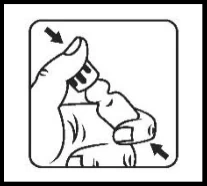
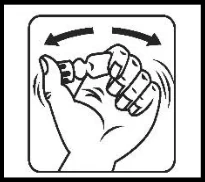
DIRECTIONS FOR USING THE ACT-O-VIAL SYSTEM
- 1. Press down on plastic activator to force diluent into the lower compartment.
- 2. Gently agitate to effect solution.
- 3. Remove plastic tab covering center of stopper.

- 4. Sterilize top of stopper with a suitable germicide.

- 5. Insert needle squarely through center of stopper until tip is just visible.
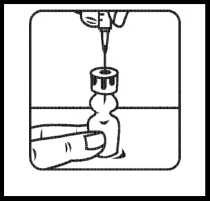
- 6. Invert vial and withdraw dose.
5. Overdose
Hydrocortisone is dialyzable.
Treatment of acute overdosage is by supportive and symptomatic therapy. For chronic overdosage in the face of severe disease requiring continuous steroid therapy, the dosage of corticosteroid may be reduced only temporarily, or alternate day treatment may be introduced.
Continuous overdosage would require careful gradual reduction of dosage in order to prevent the occurrence of acute adrenal insufficiency.
Complications resulting from the metabolic effects of the corticosteroid should be handled as appropriate. Maintain adequate fluid intake and monitor electrolytes in serum and urine, with particular attention to sodium and potassium balance. Treat electrolyte imbalance if necessary.
For the most recent information in the management of a suspected drug overdose, contact your regional poison control centre or Health Canada’s toll-free number, 1-844 POISON-X (1-844-764-7669).
- 6. Dosage Forms, Strengths, Composition, and Packaging
Table – Dosage Forms, Strengths, and Composition
Each SOLU-CORTEF Act-O-Vial contains:
SOLU-CORTEF
100 mg Act-O-Vial
250 mg Act-O-Vial
500 mg Act-O-Vial
1 g Act-O-Vial
POWDER
Hydrocortisone
(as hydrocortisone sodium succinate)
100 mg
250 mg
500 mg
1000 mg
Monobasic Sodium Phosphate Anhydrous
0.8 mg
2 mg
4 mg
8 mg
Dibasic Sodium Phosphate Dried
8.73 mg
21.8 mg
44 mg
87.32 mg
DILUENT
Sterile Water for Injection
2 mL
2 mL
4 mL
8 mL
Availability:
SOLU-CORTEF 100 mg Act-O-Vials are packaged in cartons of 10.
SOLU-CORTEF 250 mg Act-O-Vials are packaged in cartons of 10.
SOLU-CORTEF 500 mg Act-O-Vials are packaged in cartons of 5.
SOLU-CORTEF 1 g Act-O-Vials are packaged in cartons of 5.
7. Warnings and Precautions
General
SOLU-CORTEF may be administered by intravenous injection or infusion or by intramuscular injection. The preferred method for initial emergency use is intravenous injection. Following the initial emergency period, consideration should be given to employing a longer-acting injectable preparation or an oral preparation.
Intramuscular injections of corticosteroids should be given deep into large muscle masses to avoid local tissue atrophy.
| Route of Administration | Dosage Form/ Strength/Composition | Non-Medicinal Ingredients |
Intravenous injection Intravenous infusion Intramuscular injection | 100 mg, 250 mg, 500 mg and 1 g | Sterile powder: Dibasic sodium phosphate dried, Monobasic sodium phosphate anhydrous Diluent: Sterile water for injection |
The lowest possible dose of corticosteroid should be used to control the condition under treatment; when dosage reduction is possible, the reduction should be gradual. Since complications of corticosteroid treatment are dependent on dose size and duration of treatment, a risk/benefit decision must be made with each patient as to whether daily or intermittent therapy should be used.
Advise patients to inform subsequent health professional of the prior use of corticosteroids.
The existence of diabetes, osteoporosis, renal insufficiency, chronic psychosis, hypertension, myasthenia gravis or predisposition to thrombophlebitis requires that SOLU-CORTEF be administered with caution.
Carcinogenesis and Genotoxicity
Kaposi's sarcoma has been reported to occur in patients receiving corticosteroid therapy. Discontinuation of corticosteroids may result in clinical remission.
Animal studies found corticosteroids to have possible mutagenic potential (see 16 Non-Clinical Toxicology).
Cardiovascular
Average and large doses of hydrocortisone can cause elevation of blood pressure, salt and water retention, and increased excretion of potassium. These effects are less likely to occur with synthetic derivatives except when used in large doses. Dietary salt restriction to below 500 mg per day and potassium supplementation may be necessary. All corticosteroids increase calcium excretion.
As sodium retention with resultant edema and potassium loss may occur in patients receiving corticosteroids, corticosteroids should be used with caution, and only if strictly necessary, in patients with congestive heart failure.
Adverse effects of glucocorticoids on the cardiovascular system, such as dyslipidemia and hypertension, may predispose treated patients with existing cardiovascular risk factors to additional cardiovascular effects, if high doses and prolonged courses are used. Accordingly, corticosteroids should be employed judiciously in such patients and attention should be paid to risk modification and additional cardiac monitoring if needed. Low-dose therapy may reduce the incidence of complications in corticosteroid therapy.
Literature reports suggest an apparent association between use of corticosteroids and left ventricular free wall rupture after a recent myocardial infarction; therefore, therapy with corticosteroids should be used with great caution in these patients.
Thrombosis, including venous thromboembolism has been reported to occur with corticosteroids. As a result corticosteroids should be used with caution in patients who have or may be predisposed to thromboembolic disorders.
Driving and Operating Machinery
The effect of corticosteroids on the ability to drive or use machinery has not been systematically evaluated. Undesirable effects, such as dizziness, vertigo, visual disturbances and fatigue are possible after treatment with corticosteroids. If affected, patients should not drive or operate machinery.
Endocrine and Metabolism
In patients on corticosteroid therapy subjected to unusual stress, increased dosage of rapidly acting corticosteroids before, during and after the stressful situation is indicated.
Pharmacologic doses of corticosteroids administered for prolonged periods may result in hypothalamic-pituitary-adrenal (HPA) axis suppression (secondary adrenocortical insufficiency). The degree and duration of adrenocortical insufficiency produced is variable among patients and depends on the dose, frequency, time of administration, and duration of glucocorticoid therapy. This type of relative insufficiency may persist for months after discontinuation of therapy; therefore, if stress occurs during that period, therapy with corticosteroids should be reinstituted. If the patient is currently receiving corticosteroids, dosage may have to be increased. Since mineralocorticoid secretion may be impaired, salt and/or a mineralocorticosteroid should be administered concurrently.
There is an enhanced effect of corticosteroids in patients with hypothyroidism. Metabolic clearance of corticosteroids is decreased in hypothyroid patients and increased in hyperthyroid patients. Changes in thyroid status of the patient may necessitate adjustment in dosage.
Acute adrenal insufficiency leading to a fatal outcome may occur if glucocorticoids are withdrawn abruptly. A steroid “withdrawal syndrome”, seemingly unrelated to adrenocortical insufficiency, may also occur following abrupt discontinuance of glucocorticoids. This syndrome includes symptoms such as: anorexia, nausea, vomiting, lethargy, headache, fever, joint pain, desquamation, myalgia, weight loss, and/or hypotension. These effects are thought to be due to the sudden change in glucocorticoid concentration rather than to low corticosteroid levels. Drug-induced adrenocortical insufficiency may be minimized by gradual reduction of dosage.
Because glucocorticoids can produce or aggravate Cushing’s syndrome, glucocorticoids should be avoided in patients with Cushing’s disease.
Corticosteroids, including hydrocortisone, can increase blood glucose, worsen pre-existing diabetes, and predispose those on long-term corticosteroid therapy to diabetes mellitus.
Pheochromocytoma crisis, which can be fatal, has been reported after administration of systemic corticosteroids, including hydrocortisone sodium succinate. Corticosteroids should only be administered to patients with suspected or identified pheochromocytoma after an appropriate risk/benefit evaluation.
Gastrointestinal
Corticosteroids should be used with caution in active or latent peptic ulcers, diverticulitis, fresh intestinal anastomoses, and nonspecific ulcerative colitis, when corticosteroids are used as direct or adjunctive therapy, since they may increase the risk of a perforation.
Glucocorticoid therapy may mask peritonitis or other signs or symptoms associated with gastrointestinal disorders such as perforation, obstruction or pancreatitis.
In combination with nonsteroidal anti-inflammatory drugs (NSAIDs), such as Aspirin (acetylsalicylic acid), the risk of developing gastrointestinal ulcers is increased.
Hematologic
Aspirin (acetylsalicylic acid) should be used cautiously in conjunction with corticosteroids in hypoprothrombinemia (see 9 Drug Interactions).
Hepatic/Biliary/Pancreatic
The hepatobiliary disorders are a class effect of corticosteroids including hydrocortisone. Hepatobiliary disorders have been reported which may be reversible after discontinuation of therapy. Therefore, appropriate monitoring of hepatic function is required.
Hydrocortisone may have an increased effect in patients with liver disease since the metabolism and elimination of hydrocortisone is significantly decreased in these patients.
There is an enhanced effect of corticosteroids in patients with cirrhosis.
High doses of corticosteroids may produce acute pancreatitis.
Immune
Persons who are on corticosteroids are more susceptible to infections than are healthy individuals. Corticosteroids may increase susceptibility to infection, may mask some signs of infection, exacerbate existing infections, increase the risk of reactivation or exacerbation of latent infections and new infections may appear during their use. There may be decreased resistance and inability to localize infection when corticosteroids are used. Infections with any pathogen including viral, bacterial, fungal, protozoan or helminthic infections, in any location in the body, may be associated with the use of corticosteroids alone or in combination with other immunosuppressive agents that affect cellular immunity, humoral immunity, or neutrophil function. These infections may be mild, but can be severe and at times fatal. With increasing doses of corticosteroids, the rate of occurrence of infectious complications increases.
Monitor for the development of infection and consider withdrawal of corticosteroids or dosage reduction as needed.
SOLU-CORTEF should not be used for local effect by intra-articular, intrabursal, or intratendinous administration in the presence of acute local infection.
Fungal Infections
Corticosteroids may exacerbate systemic fungal infections and therefore should not be used in the presence of such infections. There have been cases reported in which concomitant use of amphotericin B and hydrocortisone was followed by cardiac enlargement and congestive heart failure (see 2 Contraindications; 9 Drug Interactions).
Special pathogens
Latent disease may be activated or there may be an exacerbation of intercurrent infections due to pathogens, including those caused by Amoeba, Candida, Cryptococcus, Mycobacterium, Nocardia, Pneumocystis and Toxoplasma.
It is recommended that amebiasis be ruled out before initiating corticosteroid therapy in any patient who has spent time in the tropics or in any patient with unexplained diarrhea.
Similarly, corticosteroids should be used with great care in patients with known or suspected Strongyloides (threadworm) infestation. In such patients, corticosteroid-induced immunosuppression may lead to Strongyloides hyperinfection and dissemination with widespread larval migration often accompanied by severe enterocolitis and potentially fatal gram-negative septicemia.
Corticosteroids should not be used in cerebral malaria. There is currently no evidence of benefit from steroids in this condition.
Viral Infections
Chickenpox and measles can have a more serious or even fatal course in non-immune children or adults on corticosteroids. In such children or adults who have not had these diseases, particular care should be taken to avoid exposure. If exposed to chickenpox, prophylaxis with varicella zoster immune globulin (VZIG) may be indicated. If exposed to measles, prophylaxis with pooled i.m. immunoglobulin (IG) may be indicated. If chickenpox develops, treatment with antiviral agents may be considered.
The role of corticosteroids in septic shock has been controversial, with early studies reporting both beneficial and detrimental effects. More recently, supplemental corticosteroids have been suggested to be beneficial in patients with established septic shock who exhibit adrenal insufficiency. However, their routine use in septic shock is not recommended. A systematic review of short-course, high-dose corticosteroids did not support their use. However, meta-analyses, and a review suggest that longer courses (5-11 days) of low-dose corticosteroids might reduce mortality, especially in patients with vasopressor-dependent septic shock.
Recent studies do not support SOLU-CORTEF use during septic shock and suggest that increased mortality may occur in some subgroups of patients at higher risk (i.e., elevated creatinine greater than 2 mg/dL or with secondary infections).
Vaccination
Administration of live or live, attenuated vaccines is contraindicated in patients receiving immunosuppressive doses of corticosteroids (see 2 Contraindications). Killed or inactivated vaccines may be administered to patients receiving immunosuppressive doses of corticosteroids; however, the response to such vaccines may be diminished. Indicated immunization procedures may be undertaken in patients receiving non-immunosuppressive doses of corticosteroids.
While on corticosteroid therapy patients should not be vaccinated against smallpox. Other immunization procedures should not be undertaken in patients who are on corticosteroids, especially in high doses, because of possible hazards of neurological complications and lack of antibody response.
Tuberculosis
The use of SOLU-CORTEF in active tuberculosis should be restricted to those cases of fulminating or disseminated tuberculosis in which the corticosteroid is used for the management of the disease in conjunction with appropriate antituberculosis regimen.
If corticosteroids are indicated in patients with latent tuberculosis or tuberculin reactivity, close observation is necessary as reactivation of the disease may occur. During prolonged corticosteroid therapy, these patients should receive chemoprophylaxis.
Monitoring and Laboratory Tests
Corticosteroids may suppress reactions to skin tests.
Monitoring for signs and symptoms of drug-induced secondary adrenocortical insufficiency may be necessary for up to one year following cessation of long-term or high-dose corticosteroid therapy.
Musculoskeletal
An acute myopathy has been observed with the use of high doses of corticosteroids, most often occurring in patients with disorders of neuromuscular transmission (e.g., myasthenia gravis), or in patients receiving concomitant therapy with neuromuscular blocking drugs (e.g., pancuronium). This acute myopathy is generalized, may involve ocular and respiratory muscles, and may result in quadriparesis. Elevations of creatine kinase may occur. Cases of rhabdomyolysis have been reported. Clinical improvement or recovery after stopping corticosteroids may require weeks to years.
Corticosteroids decrease bone formation and increase bone resorption both through their effect on calcium regulation (e.g., decreasing absorption and increasing excretion) and inhibition of osteoblast function. This, together with a decrease in protein matrix of the bone secondary to an increase in protein catabolism, and reduced sex hormone production, may lead to inhibition of bone growth in pediatric patients and the development of osteoporosis at any age. Corticosteroids should be used with caution in patients with osteoporosis and in patients at increased risk of osteoporosis (i.e., postmenopausal women) before initiating corticosteroid therapy. Osteoporosis is an adverse effect generally associated with long-term use and large doses of glucocorticoids.
Neurologic
There have been reports of epidural lipomatosis in patients taking corticosteroids (including cases in children), typically with long-term use at high doses.
Systemic corticosteroids, including SOLU-CORTEF, are not indicated for, and therefore should not be used for the treatment of traumatic brain injury, as demonstrated by the results of a multicenter study. The study results revealed an increased mortality in the 2 weeks and 6 months after injury in patients administered methylprednisolone sodium succinate compared to placebo.
Corticosteroids should be used with caution in patients with myasthenia gravis.
Corticosteroids should be used with caution in patients with seizure disorders.
Ophthalmologic
Prolonged use of corticosteroids may produce posterior subcapsular cataracts, and nuclear cataracts (particularly in children), exophthalmos, or increased ocular pressure, which may result in glaucoma with possible damage to the optic nerves, and may enhance the establishment of secondary ocular infections due to bacteria, fungi, or viruses. As intraocular pressure may become elevated in some individuals, if steroid therapy is continued for more than 6 weeks, intraocular pressure should be monitored. The use of systemic corticosteroids is not recommended in the treatment of optic neuritis and may lead to an increase in the risk of new episodes. Corticosteroids should be used cautiously in patients with ocular herpes simplex because of corneal perforation. Corticosteroids should not be used in active ocular herpes simplex except when used for short-term or emergency therapy as in acute sensitivity reactions.
Corticosteroid therapy has been associated with central serous chorioretinopathy, which may lead to retinal detachment.
Psychiatric
Psychic derangements may appear when corticosteroids are used, ranging from euphoria, insomnia, mood swings, personality changes, and severe depression to frank psychotic manifestations. Also, existing emotional instability or psychotic tendencies may be aggravated by corticosteroids.
Potentially severe psychiatric adverse reactions may occur with systemic steroids (see 8 Adverse Reactions). Symptoms typically emerge within a few days or weeks of starting treatment. Most reactions recover after either dose reduction or withdrawal, although specific treatment may be necessary. Psychological effects have been reported upon withdrawal of corticosteroids; the frequency is unknown. Patients/caregivers should be encouraged to seek medical attention if psychological symptoms develop in the patient, especially if depressed mood or suicidal ideation is suspected. Patients/caregivers should be alert to possible psychiatric disturbances that may occur either during or immediately after dose tapering/withdrawal of systemic steroids.
Renal
Corticosteroids should be used with caution in patients with renal insufficiency.
Other
In post marketing experience tumor lysis syndrome (TLS) has been reported in patients with malignancies, including hematological malignancies and solid tumors, following the use of systemic corticosteroids alone or in combination with other chemotherapeutic agents. Patients at high risk of TLS, such as patients with tumors that have a high proliferative rate, high tumor burden and high sensitivity to cytotoxic agents, should be monitored closely and appropriate precautions should be taken.
Reproductive Health
Fertility
Steroids may increase or decrease motility and number of spermatozoa in some patients (see 16 Non-Clinical Toxicology).
Sensitivity/Resistance
Allergic reactions (e.g., angioedema) may occur. Because rare instances of skin reactions and anaphylactic/anaphylactoid reactions have occurred in patients receiving corticosteroid therapy, appropriate precautionary measures should be taken prior to administration, especially when the patient has a history of allergy to any drug (see 8 Adverse Reactions).
Skin
Injection of SOLU-CORTEF may result in dermal and/or subdermal changes forming depressions in the skin at the injection site. In order to minimize the incidence of dermal and subdermal atrophy, care must be exercised not to exceed recommended doses in injections. Injection into the deltoid muscle should be avoided because of a high incidence of subcutaneous atrophy.
7.1. Special Populations
7.1.1. Pregnancy
Corticosteroids readily cross the placenta.
Corticosteroids have been shown to be teratogenic in many species when given in doses equivalent to human dose. Animal studies in which corticosteroids have been given to pregnant mice, rats, and rabbits, have yielded an increase incidence of cleft palate in the off-spring. However, corticosteroids do not appear to cause congenital anomalies when given to pregnant women.
There are no adequate and well-controlled studies in pregnant women. Some retrospective studies have found an increased incidence of low birth weights in infants born of mothers receiving corticosteroids. The risk of low birth weight appears to be dose related and may be minimized by administering lower corticosteroid doses. Cataracts have been observed in infants born to mothers treated with long-term corticosteroids during pregnancy.
Since there is inadequate evidence of safety in human pregnancy, SOLU-CORTEF should be used during pregnancy at the lowest possible dose, only if clearly needed and the potential benefit justifies the potential risk to the embryo or fetus.
Infants born of mothers who have received substantial doses of corticosteroids during pregnancy must be carefully observed and evaluated for signs of adrenal insufficiency. There are no known effects of corticosteroids on labor and delivery.
Cataracts have been observed in infants born to mothers undergoing long-term treatment with corticosteroids during pregnancy.
7.1.2. Breastfeeding
Systemically administered corticosteroids are excreted in breast milk and may suppress infant growth, interfere with endogenous corticosteroid production, or cause other untoward effects.
Because of the potential for serious adverse reactions in nursing infants from corticosteroids, a careful benefit-risk assessment should be conducted and a decision should be made whether to discontinue nursing or discontinue the drug, taking into account the importance of the drug to the mother.
7.1.3. Pediatrics
Pediatrics (<18 years of age)
Pediatric patients may experience a decrease in their growth velocity at low systemic doses and in the absence of laboratory evidence of HPA axis suppression. Growth velocity may therefore be a more sensitive indicator of systemic corticosteroid exposure in pediatric patients than some commonly used tests of HPA axis function. In order to minimize the potential growth effects of corticosteroids, pediatric patients should be titrated to the lowest effective dose over the shortest period of time.
The growth and development of pediatric patients on prolonged corticosteroid therapy should be carefully observed with frequent measurements of blood pressure, weight, height, intraocular pressure, and clinical evaluation for the presence of infection, psychosocial disturbances, thromboembolism, peptic ulcers, cataracts, and osteoporosis.
Infants and children on prolonged corticosteroid therapy are at special risk from raised intracranial pressure.
High doses of corticosteroids may produce pancreatitis in children.
Hypertrophic cardiomyopathy was reported as one of the adverse effects of prophylactic or therapeutic administration of hydrocortisone to prematurely born infants and few months old babies (< 12 months), therefore appropriate diagnostic evaluation and monitoring of cardiac function and structure must be performed (preferably two-dimensional echocardiography).
7.1.4. Geriatrics
In general, dose selection for an elderly patient should be cautious, usually starting at the low end of the dosing range, reflecting the greater frequency of decreased hepatic, renal, or cardiac function, and of concomitant disease or other drug therapy.
8. Adverse Reactions
8.1. Adverse Reaction Overview
The following Adverse Reactions have been reported with the systemic use of SOLU-CORTEF and/or other corticosteroid preparations.
Table 1 – Adverse Reactions
| System Organ Class | Adverse Drug Reactions |
|---|---|
| System Organ Class | Adverse Drug Reactions |
| System Organ Class | Adverse Drug Reactions |
| System Organ Class | Adverse Drug Reactions |
| System Organ Class | Adverse Drug Reactions |
| Infections and infestations | Opportunistic infection; Infection; Infection susceptibility increased |
| Neoplasms benign, malignant and unspecified (including cysts and polyps) | Kaposi’s sarcoma (has been reported to occur in patients receiving corticosteroid therapy) |
| Blood and lymphatic system disorders | Leukocytosis |
| Immune system disorders | Drug hypersensitivity; Anaphylactic reaction; Anaphylactoid reaction |
| Endocrine disorders | Cushingoid; |
Hypothalamic pituitary adrenal axis suppression; Hirsutism; Hypertrichosis; Abnormal fat deposits; Weight increased; Moon face; Glycosuria; Steroid withdrawal syndrome | |
| Metabolism and nutrition disorders | Metabolic acidosis; Sodium retention; Fluid retention; Alkalosis hypokalaemic; Dyslipidaemia; Glucose tolerance impaired; Increased insulin requirement (or oral hypoglycemic agents in diabetics); Lipomatosis; Increased appetite (which may result in weight increased) Nitrogen balance negative (due to protein catabolism) |
| Psychiatric disorders | Affective disorder (including depression, euphoric mood, affect lability, drug dependence, suicidal ideation); Psychotic disorder (including mania, delusion, hallucination and schizophrenia); Mental disorder; Personality change; Confusional state; Anxiety; Mood swings; Abnormal behavior; Insomnia; Irritability |
| Nervous system disorders | Intracranial pressure increased with papilloedema (benign intracranial hypertension) usually following discontinuation of treatment; Seizure; Amnesia; Cognitive disorder; Dizziness; Headache; Neuritis; Neuropathy peripheral; Paraesthesia; Arachnoiditis; Meningitis; Paraparesis/paraplegia; |
Sensory disturbance has occurred after intrathecal administration; Epidural lipomatosis | |
| Eye disorders | Cataract; Exophthalmos; Glaucoma; Rare instances of blindness associated with periocular injections; Central serous chorioretinopathy |
| Ear and labyrinth disorders | Vertigo |
| Cardiac disorders | Cardiac failure congestive (in susceptible patients); Bradycardia; Cardiac arrest; Arrhythmia; Cardiomegaly; Circulatory collapse; Fat embolism; Hypertrophic cardiomyopathy in premature infants; Myocardial rupture following recent myocardial infarction (see 7 Warnings and Precautions); Pulmonary oedema; Syncope; Tachycardia; Embolism; Thrombophlebitis; Vasculitis |
| Vascular disorders | Hypertension; Hypotension; Thrombosis |
| Respiratory, thoracic and mediastinal disorders | Pulmonary embolism; Hiccups |
| Gastrointestinal disorders | Peptic ulcer (with possible peptic ulcer perforation and peptic ulcer hemorrhage); Gastric hemorrhage; Pancreatitis; Oesophagitis ulcerative; Intestinal perforation (of the small and large intestine, particularly in patients with inflammatory bowel disease); Abdominal distension; Abdominal pain; Diarrhoea; Dyspepsia; Bowel/bladder dysfunction (after intrathecal administration); Increased appetite (which may result in weight increased); Nausea; |
| Elevation in serum liver enzyme levels (usually reversible upon discontinuation) | |
| Skin and subcutaneous tissue disorders | Angioedema; Petechiae; Ecchymosis; Cutaneous and subcutaneous atrophy; Skin atrophy; Acne; Dermatitis allergic; Burning sensation or tingling (especially in the perineal area, after intravenous injection); Dry skin / Skin exfoliation; Erythema; Skin hyperpigmentation; Skin hypopigmentation; Hyperhidrosis; Rash; Abscess sterile; Skin striae; Alopecia; Pruritus; Urticaria; Panniculitis |
| Musculoskeletal and connective tissue disorders | Myopathy; Muscular weakness; Rhabdomyolysis; Osteonecrosis of femoral and humeral heads; Osteoporosis; Pathological fracture of long bones, postinjection flare (following intra-articular use); Growth retardation; Neuropathic arthropathy; Muscle atrophy; Myalgia; Arthralgia |
| Reproductive system and breast disorders | Menstruation irregular; Spermatozoa progressive motility abnormal / sperm concentration abnormal |
| General disorders and administration site conditions | Impaired healing; Oedema peripheral; Fatigue; Malaise; Injection site reaction |
| Investigations | Intraocular pressure increased; Carbohydrate tolerance decreased; Blood potassium decreased; |
Urine calcium increased; Alanine aminotransferase increased; Aspartate aminotransferase increased; Blood alkaline phosphatase increased; Hepatomegaly; Blood urea increased; Suppression of reactions to skin tests | |
| Injury, poisoning and procedural complications | Spinal compression fracture; Tendon rupture |
9. Drug Interactions
9.2. Drug Interactions Overview
Hydrocortisone is metabolized by 11β-hydroxysteroid dehydrogenase type 2 (11β-HSD2) and the cytochrome P450 (CYP) 3A4 enzyme. The CYP3A4 enzyme catalyzes 6β-hydroxylation of steroids, the essential Phase I metabolic step for both endogenous and synthetic corticosteroids. Many other compounds are also substrates of CYP3A4, some of which have been shown to alter glucocorticoid metabolism by induction (upregulation) or inhibition of the CYP3A4 enzyme.
9.4. Drug-Drug Interactions
CYP3A4 INHIBITORS - May decrease hepatic clearance and increase the plasma concentrations of hydrocortisone. In the presence of a CYP3A4 inhibitor, the dose of hydrocortisone may need to be decreased to avoid steroid toxicity.
CYP3A4 INDUCERS - May increase hepatic clearance and decrease the plasma concentrations of hydrocortisone. In the presence of a CYP3A4 inducer, the dose of hydrocortisone may need to be increased to achieve the desired response.
CYP3A4 SUBSTRATES - In the presence of another CYP3A4 substrate, the hepatic clearance of hydrocortisone may be affected, with corresponding dosage adjustments required. It is possible that adverse events associated with the use of either drug alone may be more likely to occur with coadministration.
NON-CYP3A4-MEDIATED EFFECTS - Other interactions and effects that occur with hydrocortisone are described in Table 2 below.
Table 2 provides a list of drugs that may interact with hydrocortisone.
Table 2 - Important drug or substance interactions/effects with hydrocortisone
Drug Class or Type
| Interaction/Effect |
|---|---|
Drug Class or Type
| Interaction/Effect |
Drug Class or Type
| Interaction/Effect |
Drug Class or Type
| Interaction/Effect |
Antibacterial
| CYP3A4 INHIBITOR Serum concentrations of isoniazid may be decreased. |
Antibiotic, Antitubercular
| CYP3A4 INDUCER |
Antibiotic, Macrolides
| CYP3A4 INHIBITOR (and SUBSTRATE) Macrolide antibiotics have been reported to cause a significant decrease in corticosteroid clearance. |
Anticoagulants (oral)
| The effect of corticosteroids on vitamin K antagonist (e.g., warfarin, acenocoumarol, fluindione) is variable. There are reports of enhanced as well as diminished effects of these anticoagulants when given concurrently with corticosteroids. Therefore, coagulation indices should be monitored to maintain the desired anticoagulant effects. |
Anticonvulsants
| CYP3A4 INDUCER (and SUBSTRATE) |
Anticonvulsants, Sedatives, Hypnotics
| CYP3A4 INDUCERS |
Anticholinergics
BLOCKERS | Corticosteroids may influence the effect of anticholinergics. An acute myopathy has been reported with the concomitant use of high doses of corticosteroids and anticholinergics, such as neuromuscular blocking drugs (see 7 Warnings and Precautions, Musculoskeletal). Antagonism of the neuromuscular blocking effects of pancuronium and vecuronium has been reported in patients taking corticosteroids. This interaction may be expected with all competitive neuromuscular blockers. |
| Anticholinesterases | Steroids may reduce the effects of anticholinesterases in myasthenia gravis. Concomitant use of anticholinesterase agents and corticosteroids may produce severe weakness in patients with myasthenia gravis. If possible, anticholinesterase agents should be withdrawn at least 24 hours before initiating corticosteroid therapy. |
| Antidiabetics | Because corticosteroids may increase blood glucose concentrations, dosage adjustments of antidiabetic agents may be required. |
Antiemetic
| CYP3A4 INHIBITORS (and SUBSTRATES) |
Antifungals
| CYP3A4 INHIBITORS (and SUBSTRATES) Ketoconazole has been reported to significantly decrease the metabolism of certain corticosteroids by up to 60%, leading to an increased risk of corticosteroid side effects. |
Antivirals
INHIBITORS | CYP3A4 INHIBITORS (and SUBSTRATES)
|
Aromatase Inhibitors
| Aminoglutethimide-induced adrenal suppression may exacerbate endocrine changes caused by prolonged glucocorticoid treatment. Aminoglutethimide may lead to a loss of corticosteroid-induced adrenal suppression. |
Calcium Channel Blocker
| CYP3A4 INHIBITOR (and SUBSTRATE) |
Cardiac Glycosides
| Concurrent use of corticosteroids with cardiac glycosides may enhance the possibility of arrhythmias or digitalis toxicity associated with hypokalemia. In all patients taking any of these drug therapy combinations, serum electrolyte determinations, particularly potassium levels, should be monitored closely. |
| Cholestyramine | Cholestyramine may increase the clearance of corticosteroids. |
| Estrogens (including oral contraceptives containing estrogens) | CYP3A4 INHIBITOR (and SUBSTRATE) Patients receiving both a corticosteroid and an estrogen should be observed for excessive corticosteroid effects. Estrogens may potentiate effects of hydrocortisone by increasing the concentration of transcortin and thus decreasing the amount of hydrocortisone available to be metabolized. Dosage adjustments of hydrocortisone may be required if estrogens are added to or withdrawn from a stable dosage regimen. |
Hormones
| Concomitant glucocorticosteroid therapy may inhibit the response to somatropin. |
| Hypoglycemics | Dosage adjustments of an antidiabetic drug may be necessary when corticosteroids are given to diabetics. Corticosteroids may increase blood glucose; diabetic control should be monitored, especially when corticosteroids are initiated, discontinued, or changed in dose. |
Immunosuppressant
| CYP3A4 INHIBITOR (and SUBSTRATE) Increased activity of both cyclosporine and corticosteroids may occur when the two are used concurrently. Convulsions have been reported with this concurrent use. |
Immunosuppressant
| CYP3A4 SUBSTRATES |
Macrolide Antibacterial
| CYP3A4 INHIBITOR Macrolide antibiotics have been reported to cause a significant decrease in corticosteroid clearance. |
NSAIDs
| There may be increased incidence of gastrointestinal bleeding and ulceration when corticosteroids are given with NSAIDs. Corticosteroids may increase the clearance of high-dose ASA, which can lead to decreased salicylate serum levels. Discontinuation of corticosteroid treatment can lead to raised salicylate serum levels, which could lead to an increased risk of salicylate toxicity. ASA should be used cautiously in conjunction with corticosteroids in hypoprothrombinemia. |
| Potassium Depleting Agents | When corticosteroids are administered concomitantly with potassium depleting agents (i.e., diuretics), patients should be observed closely for development of hypokalemia. There is also an increased risk of hypokalemia with concurrent use of corticosteroids with amphotericin B, xanthines, or beta2 agonists. There have been cases reported in which concomitant use of amphotericin B and hydrocortisone was followed by cardiac enlargement and congestive heart failure. |
| Vaccines | Patients on prolonged corticosteroid therapy may exhibit a diminished response to toxoids and live or inactivated vaccines due to inhibition of antibody response. Corticosteroids may also potentiate the replication of some organisms contained in live attenuated vaccines. Routine administration of vaccines or toxoids should be deferred until corticosteroid therapy is discontinued if possible (see 7 Warnings and Precautions, Immune, Vaccinations). |
9.5. Drug-Food Interactions
Grapefruit juice is a CYP3A4 inhibitor. See 9.2 Drug Interactions Overview, CYP3A4 INHIBITORS above.
9.6. Drug-Herb Interactions
Interactions with herbal products have not been established.
9.7. Drug-Laboratory Test Interactions
Corticosteroids may suppress reactions to skin tests.
10. Clinical Pharmacology
10.1. Mechanism of Action
Corticosteroids, such as glucocorticoids, bind to specific receptor proteins in target tissues to regulate the expression of corticosteroid-responsive genes, thereby changing the levels and array of proteins synthesized by the various target tissues.
10.2. Pharmacodynamics
SOLU-CORTEF contains sterile hydrocortisone sodium succinate, which is the sodium succinate ester of hydrocortisone, a glucocorticoid. Hydrocortisone sodium succinate is highly soluble, which permits the intravenous administration of high doses in a small volume of diluent. This is particularly useful in situations where high blood levels of hydrocortisone are required rapidly.
Hydrocortisone sodium succinate has the same metabolic and anti-inflammatory actions as hydrocortisone. When given parenterally and in equimolar quantities, the two compounds are equivalent in biologic activity. Following the intravenous injection of SOLU-CORTEF, experimental evidence of its effects has been noted within a few minutes and persists for a variable period. SOLU-CORTEF may be administered by intravenous infusion, or by intramuscular injection. The preferred method for initial emergency use is intravenous injection.
Naturally occurring glucocorticoids (hydrocortisone and cortisone), are used as replacement therapy in adrenocortical deficiency states. Their synthetic analogs are primarily used for their anti-inflammatory effects in disorders of many organ systems.
The relative potency of methylprednisolone sodium succinate (SOLU-MEDROL) and hydrocortisone sodium succinate (SOLU-CORTEF), as indicated by depression of eosinophil count, following intravenous administration, is five to one. This is consistent with the relative oral potency of methylprednisolone and hydrocortisone.
10.3. Pharmacokinetics
The pharmacokinetics of hydrocortisone in healthy male subjects demonstrated nonlinear kinetics when a single intravenous dose of hydrocortisone sodium succinate higher than 20 mg was administered, and the corresponding pharmacokinetic parameters of hydrocortisone are presented in Table 3.
Table 3 - Mean (SD) hydrocortisone pharmacokinetic parameters following single intravenous doses
| Healthy Male Adults (21-29 years; N = 6) | |||||||||||
| Dose (mg) | 5 | 10 | 20 | 40 | |||||||
| Total Exposure (AUC0-∞; ng·h/mL) | 410 (80) | 790 (100) | 1480 (310) | 2290 (260) | |||||||
| Clearance (CL; mL/min/m2) | 209 (42) | 218 (23) | 239 (44) | 294 (34) | |||||||
| Volume of Distribution at Steady State (Vdss; L) | 20.7 (7.3) | 20.8 (4.3) | 26.0 (4.1) | 37.5 (5.8) | |||||||
| Elimination Half-life (t1/2; hr) | 1.3 (0.3) | 1.3 (0.2) | 1.7 (0.2) | 1.9 (0.1) | |||||||
AUC0-∞ = Area under the curve from time zero to infinity.
Absorption
Following administration of 5, 10, 20, and 40 mg single intravenous doses of hydrocortisone sodium succinate in healthy male subjects, mean peak values obtained at 10 minutes after dosing were 312, 573, 1095, and 1854 ng/mL, respectively. Hydrocortisone sodium succinate is rapidly absorbed when administered intramuscularly.
Distribution
Hydrocortisone is widely distributed into the tissues, crosses the blood-brain barrier, and is secreted in breast milk. The volume of distribution at steady state for hydrocortisone ranged from approximately 20 to 40 L (Table 3). Hydrocortisone binds to the glycoprotein transcortin (i.e., corticosteroid binding globulin) and albumin. The plasma protein binding of hydrocortisone in humans is approximately 92%.
Metabolism
Hydrocortisone is metabolized by 11β-HSD2 to cortisone, and further to dihydrocortisone and tetrahydrocortisone. Other metabolites include dihydrocortisol, 5α-dihydrocortisol, tetrahydrocortisol, and 5α-tetrahydrocortisol. Cortisone can be converted to cortisol through 11β-hydroxysteroid dehydrogenase type 1 (11β-HSD1).
Hydrocortisone is also metabolized by CYP3A4 to 6β-hydroxycortisol (6β-OHF), and 6β-OHF varied from 2.8% to 31.7% of the total metabolites produced, demonstrating large inter-individual variability
Elimination
Excretion of the administered dose is nearly complete within 12 hours. When hydrocortisone sodium succinate is administered intramuscularly, it is excreted in a pattern similar to that observed after
- 11. Storage, Stability, and Disposal
Store unreconstituted product at room temperature (15 - 30°C).
Store reconstituted SOLU-CORTEF at room temperature (15 - 30°C) and protect from light. Use solution only if it is clear. Discard unused solutions after 3 days.
In-house studies have shown reconstituted SOLU-CORTEF 50 mg/mL and 125 mg/mL to be physically and chemically stable after one month of freezing. Once thawed, the above guidelines should be followed for SOLU-CORTEF.
After reconstitution, SOLU-CORTEF can be diluted for intravenous infusion (see 4 Dosage and Administration, Intravenous infusion). Unused diluted solution should be discarded after 4 hours.
The Act-O-Vial is a single dose vial and once reconstituted solution is used, any remaining portion should be discarded.
Keep out of reach and sight of children.
12. Special Handling Instructions
There are no special handling instructions for this drug product.
Part 2: Scientific Information
13. Pharmaceutical Information
Drug Substance
Non-proprietary name of the drug substance(s): Hydrocortisone Sodium Succinate
Chemical name: pregn-4-ene-3,20-dione,21-(3carboxy-l oxopropoxy)-11,17-dihydroxy-, monosodium salt, (11β)
Molecular formula and molecular mass: C25H34O8 · H2O
Hydrocortisone hemisuccinate: 480.56
Hydrocortisone: 362.47
Structural formula:
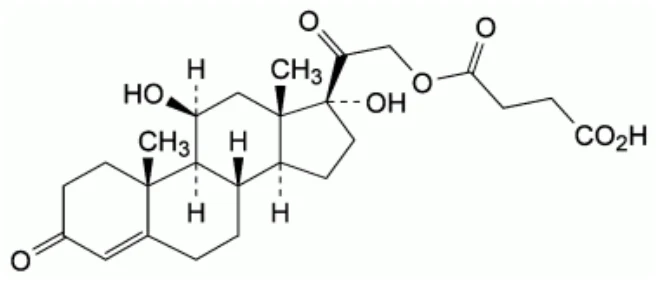
Physicochemical properties: white or nearly white, odorless, hygroscopic amorphous solid
14. Clinical Trials
The clinical trial data on which the original indication was authorized is not available.
15. Microbiology
No microbiological information is required for this drug product.
16. Non-Clinical Toxicology
Carcinogenicity
Hydrocortisone did not increase tumor incidences in male and female rats during a 2-year carcinogenicity study.
Mutagenicity
Corticosteroids, a class of steroid hormones that includes hydrocortisone, are consistently negative in the bacterial mutagenicity assay. Hydrocortisone and dexamethasone induced chromosome aberrations in human lymphocytes in vitro and in mice in vivo. However, the biological relevance of these findings is not clear since hydrocortisone did not increase tumor incidences in male and female rats during a 2-year carcinogenicity study. Fludrocortisone (9α-fluorohydrocortisone, structurally similar to hydrocortisone) was negative in the human lymphocyte chromosome aberration assay.
Reproductive and developmental toxicology
Corticosteroids have been shown to reduce fertility when administered to rats. Male rats were administered corticosterone at doses of 0, 10, and 25 mg/kg/day by subcutaneous injection once daily for 6 weeks and mated with untreated females. The high dose was reduced to 20 mg/kg/day after Day 15. Decreased copulatory plugs were observed, which may have been secondary to decreased accessory organ weight. The numbers of implantations and live fetuses were reduced in untreated females mated with males treated at the administered doses of 10 and 25 mg/kg/day.
Corticosteroids have been shown to be teratogenic in many species when given in doses equivalent to the human dose. In animal reproduction studies, glucocorticoids have been shown to increase the incidence of malformations (cleft palate, skeletal malformations), embryo-fetal lethality (e.g., increase in resorptions), and intra-uterine growth retardation. With hydrocortisone, cleft palate was observed when administered to pregnant mice and hamsters during organogenesis.