


Product Monograph - Apo-Dexamethasone
RECENT MAJOR LABEL CHANGES
| 1 Indications, 1.2 Geriatrics | 03/2022 |
| 7 Warnings and Precautions, 7.1.4 Geriatrics | 03/2022 |
TABLE OF CONTENTS
Sections or subsections that are not applicable at the time of authorization are not listed.
RECENT MAJOR LABEL CHANGES..............................................................................................2
TABLE OF CONTENTS ................................................................................................................2
PART I: HEALTH PROFESSIONAL INFORMATION .......................................................................4
1 INDICATIONS ................................................................................................................4
1.1 Pediatrics ............................................................................................................5
1.2 Geriatrics.............................................................................................................5
2 CONTRAINDICATIONS ...................................................................................................5
4 DOSAGE AND ADMINISTRATION...................................................................................6
4.1 Dosing Considerations .........................................................................................6
4.2 Recommended Dose and Dosage Adjustment.......................................................6
4.4 Administration.....................................................................................................8
4.5 Missed Dose ........................................................................................................8
5 OVERDOSAGE ...............................................................................................................8
6 DOSAGE FORMS, STRENGTHS, COMPOSITION AND PACKAGING ...................................9
7 WARNINGS AND PRECAUTIONS ....................................................................................9
7.1 Special Populations ............................................................................................ 13
7.1.1 Pregnant Women .........................................................................................13
7.1.2 Breast-feeding..............................................................................................13
7.1.3 Pediatrics .....................................................................................................13
7.1.4 Geriatrics .....................................................................................................13
8 ADVERSE REACTIONS .................................................................................................. 14
8.1 Adverse Reaction Overview................................................................................ 14
8.5 Post-Market Adverse Reactions.......................................................................... 15
9 DRUG INTERACTIONS.................................................................................................. 15
9.1 Serious Drug Interactions ................................................................................... 15
9.4 Drug-Drug Interactions ...................................................................................... 15
9.5 Drug-Food Interactions ...................................................................................... 17
9.6 Drug-Herb Interactions ...................................................................................... 17
9.7 Drug-Laboratory Test Interactions ...................................................................... 17
10 CLINICAL PHARMACOLOGY ......................................................................................... 17
10.1 Mechanism of Action.................................................................................... 17
10.2 Pharmacodynamics ...................................................................................... 17
10.3 Pharmacokinetics ......................................................................................... 18
11 STORAGE, STABILITY AND DISPOSAL ........................................................................... 18
12 SPECIAL HANDLING INSTRUCTIONS............................................................................. 18
PART II: SCIENTIFIC INFORMATION ........................................................................................ 19
13 PHARMACEUTICAL INFORMATION.............................................................................. 19
14 CLINICAL TRIALS.......................................................................................................... 19
14.3 Comparative Bioavailability Studies .............................................................. 19
15 MICROBIOLOGY .......................................................................................................... 20
16 NON-CLINICAL TOXICOLOGY ....................................................................................... 20
17 SUPPORTING PRODUCT MONOGRAPHS...................................................................... 21
PATIENT MEDICATION INFORMATION ................................................................................... 22
PART I: HEALTH PROFESSIONAL INFORMATION
1 INDICATIONS
APO-DEXAMETHASONE (dexamethasone) is indicated for:
- Allergic states: Control of severe or incapacitating allergic conditions not responsive to adequate trials of conventional treatment: seasonal or perennial allergic rhinitis, bronchial asthma, contact dermatitis, atopic dermatitis, serum sickness, drug hypersensitivity reactions.
- Rheumatic disorders and collagen diseases: As adjunctive therapy for short-term administration ( for acute episode or exacerbation) in: psoriatic and rheumatoid arthritis including juvenile rheumatoid arthritis (selected cases may require low dose maintenance therapy), ankylosing spondylitis, acute and subacute bursitis, acute non-specific tenosynovitis, acute gouty arthritis, post-traumatic osteoarthritis, synovitis of osteoarthritis, epicondylitis; for exacerbation or maintenance therapy in selected cases of systemic lupus erythematosus, acute rheumatic carditis, systemic dermatomyositis, polymyositis, polymyalgia rheumatica, giant cell arteritis.
- Dermatologic diseases: Pemphigus, bullous dermatitis herpetiformis, severe erythema multiforme (Stevens-Johnson syndrome), exfoliative dermatitis, mycosis fungoids, severe psoriasis, severe seborrheic dermatitis.
- Ophthalmic diseases: Severe acute and chronic allergic and inflammatory processes involving the eye and its adnexa such as allergic conjunctivitis, keratitis, allergic corneal marginal ulcers, herpes zoster ophthalmicus, iritis and iridocyclitis, chorioretinitis, anterior segment inflammation, diffuse posterior uveitis and choroiditis, optic neuritis, sympathetic ophthalmia.
- Endocrine disorders: Primary or secondary adrenocortical insufficiency (hydrocortisone or cortisone is the first choice; synthetic analogs may be used in conjunction with mineralocorticoids where applicable; in infancy, mineralocorticoid supplementation is of particular importance); congenital adrenal hyperplasia; nonsuppurative thyroiditis; hypercalcemia associated with cancer.
- Respiratory diseases: Symptomatic sarcoidosis, Loeffler's syndrome not manageable by other means, berylliosis, fulminating or disseminated pulmonary tuberculosis when concurrently accompanied by appropriate antituberculous chemotherapy, aspiration pneumonitis, pulmonary emphysema where bronchospasm or bronchial edema plays a significant role, diffuse interstitial pulmonary fibrosis (Hamman-Rich syndrome).
- Hematologic disorders: Idiopathic thrombocytopenic purpura in adults, secondary thrombocytopenia in adults, acquired (autoimmune) hemolytic anemia, erythroblastopenia (RBC anemia), congenital (erythroid) hypoplastic anemia.
- Neoplastic diseases: For palliative management of: leukemias and lymphomas in adults, acute leukemia of childhood.
- Edematous states: To induce a diuresis or remission of proteinuria in the nephrotic syndrome without uremia, of the idiopathic type or that due to lupus erythematosus.
- Nervous system: May be used to treat patients with cerebral edema associated with primary or metastatic brain tumors, neurosurgery, head injury, pseudotumor cerebri and cerebral vascular accident (acute stroke) excluding intracerebral hemorrhage. May also be used in the preoperative preparation of patients with increased intracranial pressure secondary to brain tumors or for palliation of patients with inoperable or recurrent brain neoplasms.
- Gastrointestinal diseases: As adjunctive therapy in the treatment of ulcerative colitis and regional enteritis.
- Miscellaneous: Tuberculous meningitis with subarachnoid block or impending block when concurrently accompanied by appropriate antituberculous chemotherapy; trichinosis with neurologic or myocardial involvement; postoperative dental inflammatory reactions. During an exacerbation or as maintenance therapy in selected cases of systemic lupus erythematosus, acute rheumatic carditis. In combination with ondansetron for the management of nausea and vomiting associated with cisplatin and non-cisplatin emetogenic chemotherapy.
APO-DEXAMETHASONE is also used in the diagnostic testing of adrenocortical hyperfunction and antenatal prophylaxis of neonatal respiratory distress.
1.1 Pediatrics
Pediatrics (Infants and Children): Based on the data submitted and reviewed by Health Canada, the safety and efficacy of APO-DEXAMETHASONE in pediatric patients has been established. Therefore, Health Canada has authorized an indication for pediatric use. See 4.1 Dosing Considerations, 7.1.3 Pediatrics, 8.1 Adverse reaction Overview.
1.2 Geriatrics
The therapeutic experience in this population is limited. Therefore, APO-DEXAMETHASONE should be used with caution in geriatric patients.
2 CONTRAINDICATIONS
APO-DEXAMETHASONE is contraindicated in:
- Patients who are hypersensitive to dexamethasone or to any ingredient in the formulation, including any non-medicinal ingredient, or component of the container. For a complete listing, see 6 DOSAGE FORMS, STRENGTHS, COMPOSITION AND PACKAGING.
- Patients with systemic fungal infections. See 7 WARNINGS AND PRECAUTIONS.
- Administration of live virus vaccines in patients receiving immunosuppressive corticosteroid doses. See Infections:
4 DOSAGE AND ADMINISTRATION
4.1 Dosing Considerations
- Corticosteroid therapy is an adjunct to, not a replacement of conventional therapy, which should be instituted as indicated.
- Dosage must be decreased or therapy discontinued gradually when administration has been continued for more than a few days.
- In acute conditions where prompt relief is urgent, large doses are permissible and may be mandatory for a short period. When symptoms have been suppressed adequately, dosage should be maintained at the minimum amount capable of providing sufficient relief without excessive hormonal effects.
- Chronic conditions are subject to periods of spontaneous remission. When such periods occur, corticosteroids should be discontinued gradually.
- Routine laboratory studies such as urinalysis, 2-hour post-prandial blood sugar, determinations of blood pressure and body weight, and a chest x-ray should be carried out at regular intervals during prolonged therapy. Periodic determinations of serum potassium are advisable if large doses are being used.
4.2 Recommended Dose and Dosage Adjustment
Dosage requirements are variable and must be individualized according to the severity of the disease and the response of the patient. The usual initial dosage varies from 0.5 to 15 mg per day depending on the disease being treated. For infants and children, the recommended doses usually will have to be reduced, but dosage should be dictated by the severity of the condition rather than by age or body weight.
Patients may be transferred to dexamethasone from any other glucocorticoid with the proper adjustment in dosage. The following milligram equivalents facilitate changing to dexamethasone from other glucocorticoids.
Milligram for milligram, dexamethasone is approximately equivalent to betamethasone, 4 to 6 times more potent than methylprednisolone and triamcinolone, 6 to 8 times more potent than prednisone and prednisolone, 25 to 30 times more potent than hydrocortisone, and about 35 times more potent than cortisone. At equipotent anti-inflammatory doses, dexamethasone almost completely lacks the sodium-retaining property of hydrocortisone and closely related derivatives of hydrocortisone.
| Dexamethasone tablets milligram (mg) equivalents | |||||||||
| Dexamethasone | Methyl- prednisolone and Triamcinolone | Prednisolone and Prednisone | Hydrocortisone | Cortisone | |||||
| 0.75 mg | 4 mg | 5 mg | 20 mg | 25 mg | |||||
In chronic, usually nonfatal diseases including endocrine and chronic rheumatic disorders, edematous states, respiratory and gastrointestinal diseases, some dermatologic diseases and hematologic disorders, start with a low dose (0.5 to 1 mg a day) and gradually increase dosage to the smallest amount that gives the desired degree of symptomatic relief.
Dosage may be administered 2, 3 or 4 times a day.
In congenital adrenal hyperplasia, the usual daily dose is 0.5 to 1.5 mg.
In acute, nonfatal diseases, including allergic states, ophthalmic diseases, acute and subacute rheumatic disorders, dosage ranges between 2 and 3 mg a day, however, higher doses are necessary in some patients. Since the course of these conditions is self-limited, prolonged maintenance therapy is not usually necessary.
Antiemetic prophylaxis during emetogenic chemotherapy: dexamethasone administered concomitantly with ondansetron has been demonstrated to achieve enhanced efficacy for antiemetic prophylaxis during emetogenic chemotherapy. Various dosing schedules have been used in clinical studies; however, the following is suggested for this combination: 8 to 20 mg of dexamethasone infused over 5 to 15 minutes just prior to chemotherapy, followed by 4 mg of dexamethasone orally every 4 to 6 hours, or by 8 mg orally every 8 hours, and tapered in either strength or frequency of administration over 2 to 3 days. In general the total treatment duration for this indication should not exceed 5 days beyond chemotherapy. Alternatively, injectable dexamethasone can be infused intravenously in lieu of an oral formulation of dexamethasone using various schedules.
In acute, self-limited allergic disorders or acute exacerbations of chronic allergic disorders (e.g., acute allergic rhinitis, acute attacks of seasonal allergic bronchial asthma, urticaria medicamentosa, and contact dermatoses), the following dosage schedule, combining parenteral and oral therapy, is suggested.
| Dosage schedule | ||||||||||
|---|---|---|---|---|---|---|---|---|---|---|
| Total daily dosage | Number of 0.5 mg tablets | |||||||||
| 1st day | 1 or 2 mL, intramuscular dexamethasone phosphate injection (4 mg / mL) | 4 or 8 mg | ||||||||
| 2nd day | 2 tablets dexamethasone (0.5 mg) twice a day | 2 mg | 4 | |||||||
| 3rd day | 2 tablets dexamethasone (0.5 mg) twice a day | 2 mg | 4 | |||||||
| 4th day | 1 tablet dexamethasone (0.5 mg) twice a day | 1 mg | 2 | |||||||
| 5th day | 1 tablet dexamethasone (0.5 mg) twice a day | 1 mg | 2 | |||||||
| 6th day | 1 tablet dexamethasone (0.5 mg) / day | 0.5 mg | 1 | |||||||
| 7th day | 1 tablet dexamethasone (0.5 mg) / day | 0.5 mg | 1 | |||||||
| 8th day | Follow-up visit | |||||||||
In chronic, potentially fatal diseases such as systemic lupus erythematosus, pemphigus, symptomatic sarcoidosis, the recommended initial dosage is 2 to 4.5 mg a day; higher doses may be necessary in some patients.
When the disease is acute and life-threatening (e.g., acute rheumatic carditis, crisis of systemic lupus erythematosus, severe allergic reactions, pemphigus, neoplastic diseases), the initial dosage is between 4 and 10 mg a day, administered in at least 4 divided doses.
Epinephrine is the drug of immediate choice in severe allergic reactions. Dexamethasone is useful either concurrently or as supplementary therapy.
In cerebral edema, when maintenance therapy is required. For palliative management of patients with recurrent or inoperable brain tumors, a dosage of 2 mg, 2 or 3 times a day may be effective. The smallest dosage necessary to control cerebral edema should be utilized.
In the adrenogenital syndrome, daily dosages of 0.5 to 1.5 mg may keep children in remission and prevent the recurrence of abnormal excretion of 17-ketosteroids.
As massive therapy in certain conditions, such as acute leukemia, the nephrotic syndrome, and pemphigus, the recommended dosage is from 10 to 15 mg a day. Patients receiving such a high dosage must be observed very closely for the appearance of severe reactions.
Dexamethasone Suppression Tests
Give 1 mg orally at 11:00 p.m. Blood is drawn for plasma cortisol determination at 8:00 a.m. the following morning. For greater accuracy, give 0.5 mg dexamethasone orally every 6 hours for 48 hours. Twenty-four-hour urine collections are made for determination of 17-hydroxycorticosteroid excretion.
Test to distinguish Cushing's syndrome due to pituitary ACTH excess from Cushing's syndrome due to other causes. Give 2 mg of dexamethasone orally every 6 hours for 48 hours. Twenty-four-hour urine collections are made for determination of 17-hydroxycorticosteroid excretion.
4.4 Administration
No special considerations regarding administration.
4.5 Missed Dose
If the patient misses a dose, instruct the patient to take the dose as soon as they remember. If it is almost time for the next dose, inform the patient to skip the missed dose and continue the regular dosing schedule.
5 OVERDOSAGE
There is no known antidote but gastric lavage should be performed. Acute overdose even after ingestion of large doses is rarely a clinical problem. Continuous overdosage requires careful reduction of dosage in order to prevent the occurrence of acute adrenal insufficiency.
Anaphylactic and hypersensitivity reactions depending on their severity, may be treated with antihistamines with or without epinephrine. General supportive measures should also be employed.
| For management of a suspected drug overdose, contact your regional poison control centre. |
6 DOSAGE FORMS, STRENGTHS, COMPOSITION AND PACKAGING
Table – Dosage Forms, Strengths, Composition and Packaging
APO-DEXAMETHASONE 0.5 mg tablets: Each yellow, pentagonal, flat faced, bevelled-edge tablet, engraved "APO" over ".5” on one side, scored on the other side, contains 0.5 mg dexamethasone. Available in bottles of 100’s.
APO-DEXAMETHASONE 4 mg tablets: Each white, pentagonal, flat, bevelled-edge tablet, engraved "APO" over "4" on one side, scored on the other side, contains 4 mg dexamethasone. Available in bottles of 50’s and 100’s.
7 WARNINGS AND PRECAUTIONS
General
Because complications of treatment with corticosteroids are dependent on the dosage regimen, a risk/benefit decision must be made in each individual case with respect to dose and duration of treatment and whether daily or intermittent therapy should be used. The lowest possible dose of corticosteroid should be used to control the condition under treatment, and when reduction in dosage is possible, the reduction should be gradual.
Cardiovascular
Literature reports suggest an apparent association between use of corticosteroids and left ventricular free wall rupture after a recent myocardial infarction; therefore, therapy with corticosteroids should be used with great caution in these patients.
| Route of Administration | Dosage Form / Strength/Composition | Non-medicinal Ingredients |
|---|---|---|
| Oral | Tablet 0.5 mg, 4 mg of dexamethasone | Anhydrous lactose, corn starch, and magnesium stearate APO-DEXAMETHASONE 0.5 mg tablets also contain the non-medicinal ingredient D & C Yellow #10 Aluminium Lake 14-18 %. |
Endocrine and Metabolism
Adrenal suppression:
Following prolonged therapy, abrupt discontinuation may result in withdrawal syndrome and secondary adrenocortical insufficiency. Symptoms of adrenal insufficiency resulting from rapid withdrawal include: nausea, fatigue, anorexia, dyspnea, hypotension, hypoglycemia, myalgia, fever, malaise, arthralgia, dizziness, desquamation of skin and fainting. This type of relative insufficiency may persist for months after discontinuation of therapy; therefore, in any stressful situation occurring during that period, reinstitute hormone therapy. If the patient is receiving corticosteroids already, the dosage may have to be increased. Since mineralocorticoid secretion may be impaired, salt and/or a mineralocorticoid may need to be used.
Drug-induced secondary adrenocortical insufficiency may result from too rapid withdrawal of corticosteroids and may be minimized by gradual reduction of dosage. This type of relative insufficiency may persist for months after discontinuation of therapy; therefore, in any situation of stress occurring during that period, corticosteroid therapy should be reinstituted or the current dosage may have to be increased. Since mineralocorticoid secretion may be impaired, salt and/or a mineralocorticoid should be administered concurrently. There is an enhanced effect of corticosteroids in patients with hypothyroidism.
Fluid and electrolyte balance:
Average and large doses of hydrocortisone or cortisone can cause elevation of blood pressure, salt and water retention and increased potassium excretion. These effects are less likely to occur with the synthetic derivatives except when used in large doses. Dietary salt restriction and potassium supplementation may be necessary. All corticosteroids increase calcium excretion.
Gastrointestinal
The association between peptic ulceration and corticosteroid therapy remains controversial. However, corticosteroid therapy may mask the symptoms of peptic ulcer. Perforation or hemorrhage may occur without significant pain.
Corticosteroids should be used with caution in patients with diverticulitis, fresh intestinal anastomoses, active or latent peptic ulcer and in nonspecific ulcerative colitis, if there is a probability of impending perforation, abscess or other pyogenic infection.
Corticosteroids may activate latent amebiasis. Therefore, it is recommended that latent or active amebiasis be ruled out before initiating corticosteroid therapy in any patient who has spent time in the tropics or in any patient with unexplained diarrhea.
Steroids should be used with caution in: nonspecific ulcerative colitis if there is a probability of impending perforation, abscess or other pyogenic infection; diverticulitis; fresh intestinal anastomoses; active or latent peptic ulcer, renal insufficiency; hypertension; osteoporosis; and myasthenia gravis. Signs of peritoneal irritation following gastrointestinal perforation in patients receiving large doses of corticosteroids may be minimal or absent. Fat embolism has been reported as a possible complication of hypercortisonism.
There is an enhanced effect of corticosteroids in those with cirrhosis.
Immune
Immunosuppression:
Patients being treated with corticosteroids should not be vaccinated against smallpox. Other immunization procedures should generally not be undertaken in these patients, especially those on high doses, because of possible neurological complications and a lack of antibody response. Immunization procedures may be undertaken in patients who are receiving corticosteroids as replacement therapy. Corticosteroids may suppress reactions to skin tests.
Infections:
In patients on corticosteroid therapy subjected to unusual stress, increased dosage of rapidly acting corticosteroids before, during and after the stressful situation is indicated.
Administration of live virus vaccines is contraindicated in individuals receiving immunosuppressive doses of corticosteroids. If inactivated viral or bacterial vaccines are administered to individuals receiving immunosuppressive doses of corticosteroids, the expected serum antibody response may not be obtained. However, immunization procedures may be undertaken in patients who are receiving corticosteroids as replacement therapy, e.g., for Addison's disease.
The use of dexamethasone in active tuberculosis should be restricted to those cases of fulminating or disseminated tuberculosis in which the corticosteroid is used for the management of the disease in conjunction with an appropriate antituberculous regimen. If corticosteroids are indicated in patients with latent tuberculosis or tuberculin reactivity, close observation is necessary as reactivation of the disease may occur. During prolonged corticosteroid therapy, these patients should receive chemoprophylaxis.
Corticosteroids may mask some signs of infection, and new infections may appear during their use. There may be decreased resistance and inability to localize infection when corticosteroids are used. If corticosteroids have to be used in the presence of bacterial infections, institute appropriate anti-infective therapy. Patients exposed to certain infections (e.g., measles, chickenpox) should seek medical advice. Corticosteroids may exacerbate systemic fungal infections and therefore should not be used in the presence of such infections unless they are needed to control drug reactions due to amphotericin B. Moreover, there have been cases reported in which concomitant use of amphotericin B and hydrocortisone was followed by cardiac enlargement and congestive failure.
Musculoskeletal
Avascular or aseptic necrosis of the femoral head has been associated with long-term corticosteroid treatment; however, it has also occurred in patients receiving high dose, short-term therapy. This adverse effect is more likely to occur in patients with a predisposing illness such as rheumatoid arthritis or systemic lupus erythematosis.
Neurologic
In cerebral malaria, the use of corticosteroids is associated with prolongation of coma and a higher incidence of pneumonia and gastrointestinal bleeding.
When Dexamethasone is used in myasthenia gravis, hospitalization with careful observation is recommended because a transient worsening of symptoms possibly leading to respiratory distress may precede clinical improvement.
Ophthalmologic
Corticosteroids should be used cautiously in patients with ocular herpes simplex because of possible corneal perforation.
Prolonged use of corticosteroids may produce posterior subcapsular cataracts, glaucoma with possible damage to the optic nerves, and may enhance the establishment of secondary ocular infections due to fungi or viruses.
Psychiatric
Psychic derangements may appear when corticosteroids are used, ranging from euphoria, insomnia, mood swings, personality changes and severe depression to frank psychotic manifestations; these reactions are sometimes seen following sharp decreases in corticosteroid dosage or during pulse therapy. Existing emotional instability or psychotic tendencies may be aggravated by corticosteroids.
Renal
Renal function impairment: Edema may occur in the presence of renal disease with a fixed or decreased glomerular filtration rate. A degree of caution is advised when corticosteroids are used in patients with renal insufficiency, acute glomerulonephritis and chronic nephritis.
Reproductive Health: Female and Male Potential
Fertility
Steroids may increase or decrease motility and number of spermatozoa in some patients.
Teratogenic Risk
See 7.1.1 Pregnant Women.
Sensitivity/Resistance
Hypersensitivity:
Rare instances of anaphylactoid reactions have occurred in patients receiving parenteral corticosteroid therapy. Appropriate precautionary measures should be taken prior to administration, especially when the patient has a history of allergy to any drug. Some corticosteroid products contain tartrazine and sodium bisulfite, both of which may cause severe allergic reactions in susceptible individuals.
APO-DEXAMETHASONE contains lactose and caution should be exercised in patients with a known or suspected hypersensitivity to cow’s milk or its components or other dairy products.
7.1 Special Populations
7.1.1 Pregnant Women
Some animal studies have shown that corticosteroids, when administered to the mother at high doses, may cause fetal malformations. Since adequate human reproduction studies have not been done with corticosteroids, the use of these drugs in pregnancy, nursing mothers or women of child-bearing potential requires that the benefits of the drug be carefully weighed against the potential risks to both mother and fetus. Corticosteroids cross the placenta. Infants born of mothers who have received substantial doses of corticosteroids during pregnancy should be carefully observed for signs of hypoadrenalism.
7.1.2 Breast-feeding
Corticosteroids appear in breast milk and could suppress growth, interfere with endogenous corticosteroid production or cause other unwanted effects. Mothers taking pharmacologic doses of corticosteroids should be advised not to nurse.
7.1.3 Pediatrics
Prolonged therapy with corticosteroids in infants and children should be avoided if possible since corticosteroids may suppress growth. If corticosteroid therapy is deemed essential, institute alternate day therapy should be considered to minimize this side effect. Growth and development should be closely monitored.
7.1.4 Geriatrics
The adverse effects of systemic corticosteroids can have serious consequences especially in old age, mainly osteoporosis, hypertension, hypokalemia, diabetes, susceptibility to infection and skin atrophy. Routine screening of geriatric patients, including regular assessments of bone mineral density along with regular review of the dose is recommended.
8 ADVERSE REACTIONS
8.1 Adverse Reaction Overview
Fluid and electrolyte disturbances: sodium retention, fluid retention, congestive heart failure in susceptible patients, potassium loss, hypokalemic alkalosis, hypertension. See 7 WARNINGS AND PRECAUTIONS.
Musculoskeletal: muscle weakness, steroid myopathy, loss of muscle mass, osteoporosis, vertebral compression fractures, aseptic necrosis of femoral and humeral heads, pathologic fracture of long bones, tendon rupture. See 7 WARNINGS AND PRECAUTIONS.
Gastrointestinal: nausea, vomiting, anorexia which may result in weight loss; increased appetite which may result in weight gain; diarrhea or constipation, abdominal distention, pancreatitis, gastric irritation and ulcerative esophagitis; peptic ulcer with possible perforation and hemorrhage; perforation of the small and large bowel particularly in inflammatory bowel diseases. See 7 WARNINGS AND PRECAUTIONS.
Dermatologic: impaired wound healing; thin fragile skin; petechiae and ecchymoses; facial erythema; striae; hirsutism; acneiform eruptions; suppressed reactions to skin tests; hypersensitivity reactions such as allergic dermatitis, urticaria, angioneurotic edema.
Neurologic: seizures; increased intracranial pressure with papilledema (pseudotumor cerebri) in association with withdrawal of corticosteroid therapy; convulsions; vertigo; headache; psychic disturbances; neuritis; paresthesias. See 7 WARNINGS AND PRECAUTIONS.
Endocrine: decreased carbohydrate tolerance; hyperglycemia; glycosuria; increased requirements for oral hypoglycemics or insulin in diabetes; manifestations of latent diabetes mellitus; menstrual irregularities; development of Cushingoid state; suppression of growth in children; secondary adrenocortical and pituitary unresponsiveness, particularly in times of stress, as in trauma, surgery or illness; hirsutism; increased sweating. See 7 WARNINGS AND PRECAUTIONS.
Ophthalmic: increased intraocular pressure; glaucoma; exophthalmos; posterior subcapsular cataracts. See 7 WARNINGS AND PRECAUTIONS.
Metabolic: negative nitrogen balance due to protein catabolism.
Psychologic: hallucinations; psychosis; euphoria; mood changes.
Cardiovascular: thromboembolism; fat embolism; hypercholesterolemia; accelerated atherosclerosis; cardiac arrhythmias or ECG changes due to potassium deficiency; syncope; aggravation of hypertension; myocardial rupture following recent myocardial infarction; reports of cardiac arrhythmias, fatal arrest or circulatory collapse following rapid administration of intravenous methylprednisolone greater than 0.5 g given over a period of less than 10 minutes. See 7 WARNINGS AND PRECAUTIONS.
Hematologic: leukocytosis, thrombocytopenia, lymphopenia.
Others: hypersensitivity; thrombophlebitis; weight gain; increased appetite; nausea; malaise; hiccups; necrotizing angiitis; aggravation or masking of infections; insomnia; anaphylactoid reactions. See 2 CONTRAINDICATIONS.
8.5 Post-Market Adverse Reactions
Information is not available.
9 DRUG INTERACTIONS
9.1 Serious Drug Interactions
Serious Drug Interactions
|
9.4 Drug-Drug Interactions
The drugs listed in this table are based on either drug interaction case reports or studies, or potential interactions due to the expected magnitude and seriousness of the interaction (i.e., those identified as contraindicated).
Table 1 - Established or Potential Drug-Drug Interactions
| Dexamethasone | Source of Evidence | Effect | Clinical comment |
|---|---|---|---|
| Acetylsalicylic acid (ASA) and other NSAIDS (nonsteroidal anti-inflammatory agents) | T | ASA and nonsteroidal anti-inflammatory agents should be used cautiously in conjunction with corticosteroids in patients with hypoprothrombinemia. |
| Dexamethasone | Source of Evidence | Effect | Clinical comment |
|---|---|---|---|
| Phenytoin, phenobarbital, ephedrine and rifampin | T | ↓ corticosteroids | Phenytoin, phenobarbital, ephedrine and rifampin may enhance the metabolic clearance of corticosteroids, resulting in decreased blood levels and lessened physiologic activity, thus requiring adjustment in corticosteroid dosage. These interactions may interfere with dexamethasone suppression tests which should be interpreted with caution during administration of these drugs. |
| Indomethacin | T | False- negative results in the dexamethasone suppression test in patients being treated with indomethacin have been reported. | |
| Coumarin anticoagulants | CT | Studies have shown that the usual effect produced by adding corticosteroids is inhibition of response to coumarins, although there have been some conflicting reports of potentiation not substantiated by studies. | The prothrombin time should be checked frequently in patients who are receiving corticosteroids and coumarin anticoagulants at the same time because of reports that corticosteroids have altered the response to these anticoagulants. |
| Potassium-depleting diuretics | T | When corticosteroids are administered concomitantly with potassium-depleting diuretics, patients should be observed closely for development of hypokalemia. |
| Dexamethasone | Source of Evidence | Effect | Clinical comment |
|---|---|---|---|
| Immunosuppressants | T | ↑infections See 9.1 Serious Drug Interactions. | If exposed to measles, prophylaxis with i.m. pooled immunoglobulin (IG) may be indicated. If exposed to chickenpox, prophylaxis with varicella zoster immune globulin (VZIG) may be indicated (see the respective Product Monographs for VZIG and IG for complete prescribing information). If chickenpox develops, treatment with antiviral agents should be considered. |
Legend: CT = Clinical Trial; T = Theoretical
9.5 Drug-Food Interactions
Interactions with food have not been established.
9.6 Drug-Herb Interactions
Interactions with herbal products have not been established.
9.7 Drug-Laboratory Test Interactions
Corticosteroids may decrease I131 uptake and produce false negative results in the nitroblue tetrazolium test for systemic bacterial infection. These tests should be interpreted with caution during the administration of corticosteroids.
10 CLINICAL PHARMACOLOGY
10.1 Mechanism of Action
Dexamethasone is a highly potent and long-acting glucocorticoid with negligible sodium retaining properties and is therefore, particularly suitable for the use in patients with cardiac failure and hypertension.
Its anti-inflammatory potency is 7 times greater than prednisolone and, like other glucocorticoids, dexamethasone also has anti-allergic, antipyretic and immunosuppressive properties.
Dexamethasone has a biological half-life of 36 - 54 hours and therefore is suitable in conditions where continuous glucocorticoid action is required.
10.2 Pharmacodynamics
Information is not available.
10.3 Pharmacokinetics
Absorption:
Dexamethasone is well absorbed when given by mouth; peak plasma levels are reached between 1 and 2 hours after ingestion and show wide interindividual variations. The mean plasma half-life is 3.6 ± 0.9 h.
Distribution:
Dexamethasone is bound (to about 77%) to plasma proteins, mainly albumins. Percentage protein binding of dexamethasone, unlike that of cortisol, remains practically unchanged with increasing steroid concentrations. Corticosteroids are rapidly distributed to all body tissues. They cross the placenta and may be excreted in small amounts in breast milk.
Metabolism:
Dexamethasone is metabolised mainly in the liver but also in the kidney.
Elimination:
Dexamethasone and its metabolites are excreted in the urine.
Special Populations and Conditions:
Information is not available.
11 STORAGE, STABILITY AND DISPOSAL
Store at 15°C to 30°C.
APO-DEXAMETHASONE should never be disposed of in household trash. Disposal via a pharmacy take back program is recommended.
12 SPECIAL HANDLING INSTRUCTIONS
None
PART II: SCIENTIFIC INFORMATION
13 PHARMACEUTICAL INFORMATION
Drug Substance
Proper name: Dexamethasone
Chemical name: 1) Pregna-1,4-diene-3,20-dione, 9-fluoro-11,17,21-trihydroxy-16-methyl-, (11β, 16α)-
- 2) 9-fluoro-11β,17,21-trihydroxy-16α-methylpregna-1,4-diene- 3,20-dione
Molecular formula and molecular mass: C22H29FO5 and 392.5 g/mol
Structural formula:
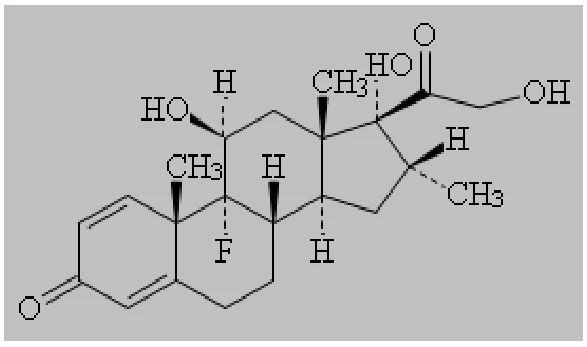
Physicochemical properties: White to practically white, odorless, crystalline powder. Is stable in air. Melts at about 250°, with some decomposition. Practically insoluble in water; sparingly soluble in acetone, in alcohol, in dioxane, and in methanol; slightly soluble in chloroform; very slightly soluble in ether.
14 CLINICAL TRIALS
14.3 Comparative Bioavailability Studies
A comparative bioavailability study was performed using healthy adult volunteers. The rate and extent of absorption of dexamethasone were measured and compared following administration of a 4 mg dose of either Apo-Dexamethasone 4 mg tablets or Decadron® 4 mg tablets under fasting conditions. The results from measured data are summarized as follows:
15 MICROBIOLOGY
No microbiological information is required for this drug product.
16 NON-CLINICAL TOXICOLOGY
General Toxicology: Information is not available.
Carcinogenicity: Information is not available.
Genotoxicity: Information is not available.
Reproductive and Developmental Toxicology: Information is not available.
Special Toxicology: Information is not available.
Juvenile Toxicity: Information is not available.
Dexamethasone (1 x 4 mg) From measured data Geometric Mean Arithmetic Mean (CV %) | |||
| Parameter | Geometric Mean Arithmetic Mean (CV%) | % Ratio of Geometric Means** | |
| Apo-Dexamethasone | Decadron®† | ||
AUCT (ng•hr/mL) | 166 174 (32) | 175 182 (31) | 94.9 |
AUCI (ng•hr/mL) | 169 178 (32) | 178 186 (33) | 94.9 |
Cmax (ng/mL) | 27.2 27.9 (22) | 29.7 30.4 (23) | 91.4 |
| Tmax (hr)* | 1.56 (41) | 1.46 (38) | - |
| t1/2 (hr)* | 4.03 (17) | 4.09 (15) | - |
* Arithmetic means (CV%). ** Based on the least squares estimate. † Decadron® is manufactured by Merck Frosst Canada & Co., and was purchased in Canada. | |||
17 SUPPORTING PRODUCT MONOGRAPHS
1 ratio-DEXAMETHASONE (dexamethasone USP), Tablet, 0.5 mg and 4 mg, Submission Control No: 162516, Product Monograph, Teva Canada Limited. Date of Revision: February 26, 2013.