


Product Monograph - Tequin
INDICATIONS AND CLINICAL USE
TEQUIN (gatifloxacin) is indicated for the treatment of infections caused by susceptible strains of the designated microorganisms in the conditions listed below:
Respiratory Tract Infections
Community-acquired pneumonia caused by Streptococcus pneumoniae, Haemophilus influenzae, Haemophilus parainfluenzae, Moraxella catarrhalis, Staphylococcus aureus, Mycoplasma pneumoniae, Chlamydia pneumoniae, or Legionella pneumophila.
Acute bacterial exacerbation of chronic bronchitis caused by Streptococcus pneumoniae, Haemophilus influenzae, Haemophilus parainfluenzae, Moraxella catarrhalis, or Staphylococcus aureus.
Acute sinusitis caused by Streptococcus pneumoniae, or Haemophilus influenzae.
Urinary Tract Infections
Uncomplicated urinary tract infections (cystitis) caused by Escherichia coli, Klebsiella pneumoniae, or Proteus mirabilis.
Complicated urinary tract infections caused by Escherichia coli, Klebsiella pneumoniae, or Proteus mirabilis (see DOSAGE and ADMINISTRATION - Impaired Renal Function).
Pyelonephritis caused by Escherichia coli.(see DOSAGE and ADMINISTRATION - Impaired Renal Function).
Sexually Transmitted Diseases
Uncomplicated urethral gonorrhea in males, and endocervical and rectal gonorrhea in females, caused by Neisseria gonorrhoeae (See WARNINGS).
CONTRAINDICATIONS
TEQUIN (gatifloxacin) is contraindicated in persons with a history of hypersensitivity to gatifloxacin, any other components of this product or to other quinolone antimicrobial agents (see WARNINGS and ADVERSE REACTIONS).
TEQUIN is contraindicated in patients with diabetes mellitus.
WARNINGS
The safety and efficacy of gatifloxacin in children, pregnant women, and nursing women have not been established (see PRECAUTIONS - Pediatric Use, Pregnancy, and Nursing Mothers subsections).
Changes in Blood Glucose
DISTURBANCES OF BLOOD GLUCOSE, INCLUDING SYMPTOMATIC HYPOGLYCEMIA AND HYPERGLYCEMIA, HAVE BEEN REPORTED WITH TEQUIN, USUALLY IN DIABETIC PATIENTS. HOWEVER, HYPOGLYCEMIA AND PARTICULARLY HYPERGLYCEMIA HAVE OCCURRED IN PATIENTS WITHOUT A HISTORY OF DIABETES. IN ADDITION TO DIABETES, OTHER RISK FACTORS ASSOCIATED WITH DYSGLYCEMIA WHILE TAKING TEQUIN INCLUDE: OLDER AGE ($ 65 YEARS OF AGE) , RENAL INSUFFICIENCY AND CONCOMITANT GLUCOSE-ALTERING MEDICATIONS (PARTICULARLY HYPOGLYCEMIC MEDICATIONS). FOR PATIENTS WITH RENAL INSUFFICIENCY, DOSE ADJUSTMENT IS NECESSARY (SEE DOSAGE AND ADMINISTRATION - RENAL IMPAIRMENT TABLE 3). PATIENTS WITH THESE RISK FACTORS SHOULD BE CLOSELY MONITORED FOR GLUCOSE DISTURBANCES. IF SIGNS AND SYMPTOMS OF EITHER HYPOGLYCEMIA OR HYPERGLYCEMIA OCCUR IN ANY PATIENT BEING TREATED WITH TEQUIN, APPROPRIATE THERAPY MUST BE INITIATED IMMEDIATELY AND TEQUIN SHOULD BE DISCONTINUED.
Disturbances in glucose homeostasis, including an increase in serum insulin and decrease in serum glucose, sometimes associated with severe hypoglycemia and usually within 3 days of initiating therapy, have been reported in patients on TEQUIN. Hyperglycemia, in some cases severe, has also been observed, usually after the third day of TEQUIN administration.
During the postmarketing period, there have been very rare reports of serious disturbances of glucose homeostasis in patients treated with TEQUIN. These include: hyperosmolar non-ketotic hyperglycemic coma, diabetic ketoacidosis, hypoglycemic coma, convulsions and mental status changes (including loss of consciousness). Most of these events were reversible when appropriately managed, although a few resulted in fatal outcome (see CLINICAL PHARMACOLOGY and CONTRAINDICATIONS). Cardiac Effects
Gatifloxacin has the potential to prolong the QTc interval of the electrocardiogram in some patients. Due to limited clinical experience, gatifloxacin should be avoided in the following patient populations: patients with known prolongation of the QTc interval, patients with hypokalemia, and patients receiving class IA (e.g. quinidine, procainamide) or class III (e.g., amiodarone, sotalol) antiarrhythmic agents.
Pharmacokinetic studies between gatifloxacin and drugs that prolong the QTc interval such as cisapride, erythromycin, antipsychotics, and tricyclic antidepressants have not been performed. Gatifloxacin should be used with caution when given concurrently with these drugs. The effect of gatifloxacin has also not been studied in patients with congenital prolongation of the QT interval. It is expected that these individuals may be more susceptible to drug-induced QT prolongation. Due to a lack of clinical experience, gatifloxacin should be used with caution in patients with ongoing proarrhythmic conditions, such as clinically significant bradycardia or acute myocardial ischemia.
The magnitude of QTc prolongation increases with increasing concentrations of the drug; therefore, the recommended dose and the recommended infusion rate should not be exceeded (see DOSAGE AND ADMINISTRATION for dosing recommendations for patients with or without renal impairment). QTc prolongation may lead to an increased risk for ventricular arrhythmias including torsades de pointes (see CLINICAL PHARMACOLOGY - Electrocardiogram).
No cardiovascular morbidity or mortality attributable to QTc prolongation has occurred in over 44,000 patients treated with gatifloxacin in clinical trials. During postmarketing surveillance rare cases of torsades de pointes have been reported in patients taking gatifloxacin. Nearly all of these rare cases were associated with one or more of the following factors: age over 60, female gender, underlying cardiac disease and/or use of multiple medications; the contribution, if any, of gatifloxacin to the development of torsades de pointes in these patients is unknown.
Patients should be instructed to contact their physician if they experience palpitations or fainting spells while taking TEQUIN.
Chondrotoxic Effects
As with other members of the quinolone class, gatifloxacin has caused arthropathy and/or chondrodysplasia in juvenile rats and dogs. The relevance of these findings to the clinical use of gatifloxacin is unknown (see TOXICOLOGY).
CNS and Psychiatric Effects
In patients receiving quinolones, convulsions, increased intracranial pressure and psychosis have been reported. Quinolones may also cause central nervous system (CNS) stimulation, which may lead to tremors, restlessness, lightheadedness, confusion, hallucinations, paranoia, depression, nightmares and insomnia. These reactions may occur following the first dose. If these reactions occur in patients receiving gatifloxacin, the drug should be discontinued and appropriate measures instituted (see ADVERSE REACTIONS).
As with other quinolones, TEQUIN should be used with caution in patients with known or suspected CNS disorders, such as severe cerebral atherosclerosis, epilepsy, and other factors that predispose to seizures.
Hypersensitivity
In patients receiving therapy with quinolones, serious and occasionally fatal hypersensitivity and/or anaphylactic reactions have been reported. These reactions may occur following the first dose. Some reactions have been accompanied by cardiovascular collapse, hypotension/shock, seizure, loss of consciousness, tingling, angioedema (including tongue, laryngeal, throat or facial edema/swelling), airway obstruction (including bronchospasm, shortness of breath and acute respiratory distress), dyspnea, urticaria, itching and other serious skin reactions.
TEQUIN should be discontinued at the first appearance of a skin rash or any other sign of hypersensitivity. Serious acute hypersensitivity reactions may require treatment with epinephrine and other resuscitative measures, including oxygen, intravenous fluids, antihistamines, corticosteroids, pressor amines and airway management, as clinically indicated.
As with all antibiotics, serious and sometimes fatal events, some due to hypersensitivity and some due to uncertain etiology, have been reported in patients receiving quinolone therapy. These events may be severe and generally occur following the administration of multiple doses. Clinical manifestations may include one or more of the following: fever, rash or severe dermatologic reactions (e.g., toxic epidermal necrolysis, Stevens-Johnson syndrome); vasculitis, arthralgia, myalgia, serum sickness; allergic pneumonitis, interstitial nephritis; acute renal insufficiency or failure; hepatitis, jaundice, acute hepatic necrosis or failure; anemia, including hemolytic and aplastic; thrombocytopenia, including thrombotic thrombocytopenic purpura; leukopenia; agranulocytosis; pancytopenia; and/or other hematologic abnormalities.
Pseudomembranous Colitis
Pseudomembranous colitis has been reported with nearly all antibacterial agents, including TEQUIN, and may range in severity from mild to life-threatening. It is important, therefore, to consider this diagnosis in patients who present with diarrhea subsequent to the administration of any antibacterial agent. Treatment with antibacterial agents alters the flora of the colon and may permit overgrowth of clostridia. Studies indicate that a toxin produced by Clostridium difficile is the primary cause of “antibiotic-associated colitis.”
After the diagnosis of pseudomembranous colitis has been established, therapeutic measures should be initiated. Mild cases of pseudomembranous colitis usually respond to drug discontinuation alone. In moderate to severe cases, consideration should be given to management with fluids and electrolytes, protein supplementation, and treatment with an antibacterial drug clinically effective against C. difficile colitis (see ADVERSE REACTIONS).
Musculoskeletal Effects
In patients receiving quinolones, including gatifloxacin, ruptures of the shoulder, hand, and Achilles tendons that required surgical repair or resulted in prolonged disability have been reported. TEQUIN should be discontinued if the patient experiences pain, inflammation or rupture of a tendon. Patients should rest and refrain from exercise until the diagnosis of tendonitis or tendon rupture has been confidently excluded. Tendon rupture can occur during or after therapy with quinolones, including gatifloxacin,.
Sexually Transmitted Diseases (Syphilis)
Gatifloxacin has not been shown to be effective in the treatment of syphilis. Antimicrobial agents used in high doses for short periods of time to treat gonorrhea may mask or delay the symptoms of incubating syphilis. All patients with gonorrhea should have a serologic test for syphilis at the time of diagnosis.
Patients treated with antimicrobial agents with limited or no activity against Treponema pallidum should have a follow up serological test for syphilis 3 months after being treated for gonorrhea.
PRECAUTIONS
General
- Changes in blood glucose (See CONTRAINDICATIONS and WARNINGS).
C Administer gatifloxacin with caution in the presence of renal insufficiency. Careful clinical observation and appropriate laboratory studies should be performed prior to and during therapy since elimination of gatifloxacin may be reduced. In patients with impaired renal function (creatinine clearance <40 mL/min), adjustment of the dosage regimen is necessary to avoid the accumulation of gatifloxacin due to decreased clearance (see ACTIONS AND CLINICAL PHARMACOLOGY, WARNINGS and DOSAGE AND ADMINISTRATION). ③ Precaution should be used when concomitantly administrating gatifloxacin and probenecid as an increase in gatifloxacin AUC may cause glucose homeostasis abnormalities (See CONTRAINDICATIONS, WARNINGS-Changes in Blood Glucose, and DRUG/DRUG INTERACTIONS)
Pregnancy
Because there are no adequate and well-controlled studies in pregnant women, TEQUIN (gatifloxacin) should be used during pregnancy only if the potential benefit outweighs the potential risk to the fetus.
Nursing Mothers
Gatifloxacin is excreted in the breast milk of rats. It is not known whether it is excreted in human milk. Because many drugs are excreted in human milk, caution should be exercised when gatifloxacin is administered to a nursing woman.
Pediatric Use
The safety, effectiveness and pharmacokinetics of gatifloxacin in pediatric populations (< 18 years of age) have not been established. Quinolones, including gatifloxacin, cause arthropathy and osteochondrotoxicity in juvenile animals (rats and dogs) (see WARNINGS, and TOXICOLOGY).
Geriatric Use
In multiple-dose clinical trials of gatifloxacin, 22% of patients were $ 65 years of age and 10% were $ 75 years of age.
Elderly patients are more likely to have decreased renal function and the risk of toxic reactions may be greater, therefore care should be taken in dose selection and it may be useful to monitor renal function. During the postmarketing period, serious disturbances of glucose homeostasis have been reported in elderly patients being treated with TEQUIN. Elderly patients who may have unrecognized diabetes, age-related decrease in renal function, underlying medical problems, and/or are taking concomitant glucose-altering medications may be at particular risk for serious dysglycemia (see CONTRAINDICATIONS, WARNINGS and DOSAGE AND ADMINISTRATION, Impaired Renal Function).
This drug is known to be substantially excreted by the kidney, and the risk of toxic reactions to this drug may be greater in patients with impaired renal function (see CLINICAL PHARMACOLOGY).
Gender
Dosage adjustment of TEQUIN is not necessary based on gender alone. Following a single oral 400 mg dose of gatifloxacin in male and female subjects, there were only modest differences in the pharmacokinetics of gatifloxacin, mainly confined to elderly subjects (see CLINICAL PHARMACOLOGY - Special Populations).
Race
Dosage adjustment of TEQUIN is not necessary based on race. The pharmacokinetics of gatifloxacin were not significantly affected by the race of subjects.
Chronic Hepatic Disease
Dosage adjustment of TEQUIN is not necessary in patients with moderate hepatic impairment (Child Pugh Class B) (see PHARMACOLOGY - Special Populations). The effects of severe hepatic impairment (Child Pugh Class C) on the pharmacokinetics of TEQUIN are not known.
Renal Insufficiency
Clearance of gatifloxacin is reduced and the systemic exposure is increased in patients with renal insufficiency (see CLINICAL PHARMACOLOGY - Special Populations). A reduced dosage of TEQUIN is recommended in patients with creatinine clearance < 40 mL/min, including patients requiring hemodialysis or continuous ambulatory peritoneal dialysis (CAPD) (see WARNINGS -Changes in Blood Glucose and DOSAGE AND ADMINISTRATION - Impaired Renal Function).
Photosensitivity Potential
In a study of the skin response to ultraviolet and visible radiation conducted in 48 healthy, male Caucasian volunteers (12 per group), the minimum erythematous dose was measured for gatifloxacin (400 mg QD), 2 fluoroquinolones and placebo before and after drug administration for 7 days. In this study, gatifloxacin was comparable to placebo at all wavelengths tested and had a lower potential for producing delayed photosensitivity skin reactions than the 2 fluoroquinolones tested.
Effects on Ability to Drive and To Use Machines
The Effects of TEQUIN on a patient’s ability to drive motor vehicles or operate machinery have not been specifically studies. Since dizziness has been reported in approximately 3% of patients receiving TEQUIN in clinical trials (See ADVERSE REACTIONS), alertness could impaired.
Photocarcinogenicity
Some members of the fluoroquinolone class of drugs (of which gatifloxacin is a member) have been shown to produce skin tumors when given to hairless (Skh-1) mice that are concomitantly exposed to daily irradiations of UV-A light for 16 weeks. In the absence of exposure to UVA light, in this model, mice treated with the fluoroquinolone did not develop skin tumors. The clinical significance of these findings, particularly for short term use, is not known. Photocarcinogenicity studies with gatifloxacin have not yet been carried out. In a battery of animal tests and in a single human study, gatifloxacin was neither phototoxic nor a photosensitizer (see Photosensitivity Potential).
During treatment with gatifloxacin and for 24 hours following completion of treatment, exposure to excessive sunlight or artificial ultraviolet light (e.g., sunlamps) should be avoided.
DRUG/DRUG AND FOOD/DRUG INTERACTIONS
Systemic exposure to TEQUIN is increased following concomitant administration of TEQUIN and probenecid, and is reduced by concomitant administration of TEQUIN and ferrous sulfate or antacids containing aluminum or magnesium salts. TEQUIN can be administered 4 hours before the administration of dietary supplements containing zinc, magnesium, or iron (such as multivitamins) (see DOSAGE AND ADMINISTRATION).
Glyburide: Concomitant administration of TEQUIN (once daily oral doses of 400 mg for 10 days) and glyburide (steady-state once daily regimen) in patients with type 2 diabetes mellitus had no significant effects on the disposition of either drug. These results are consistent with the lack of effect of TEQUIN in in vitro studies with the human CYP3A4 isoenzyme. However, pharmacodynamic changes have been seen with concomitant use of glyburide and other hypoglycemic agents (see CLINICAL PHARMACOLOGY, CONTRAINDICATIONS AND WARNINGS).
Probenecid: Concomitant administration of TEQUIN (single oral 200-mg dose) with probenecid (500 mg BID x 1 day) resulted in a 42% increase in AUC and a 44% longer half-life of gatifloxacin.
Iron: When TEQUIN (single oral 400-mg dose) was administered concomitantly with ferrous sulfate (single oral 325-mg dose), bioavailability of gatifloxacin was reduced (54% reduction in mean Cmax and 35% reduction in mean AUC). Administration of TEQUIN (single oral 400-mg dose) 2 hours after or 2 hours before ferrous sulfate (single oral 325-mg dose) did not significantly alter the oral bioavailability of gatifloxacin (see DOSAGE AND ADMINISTRATION.)
Antacids: When TEQUIN (single oral 400-mg dose) was administered 2 hours before, concomitantly, or 2 hours after an aluminum/magnesium-containing antacid (1800 mg of aluminum oxide and 1200 mg of magnesium hydroxide single oral dose), there was a 15%, 69%, and 47% reduction in Cmax and a 17%, 64%, and 40% reduction in AUC of gatifloxacin, respectively. An aluminum/magnesium-containing antacid did not have a clinically significant effect on the pharmacokinetics of gatifloxacin when administered 4 hours after gatifloxacin administration (single oral 400-mg dose) (see DOSAGE AND ADMINISTRATION).
Milk, Calcium, Calcium-containing Antacids, and Dietary Supplements: No significant pharmacokinetic interactions occur when milk or calcium carbonate is administered concomitantly with TEQUIN. Concomitant administration of 200 mL of milk or 1000 mg of calcium carbonate with TEQUIN (200-mg gatifloxacin dose for the milk study and 400-mg gatifloxacin dose for the calcium carbonate study) had no significant effect on the pharmacokinetics of gatifloxacin. TEQUIN can be administered 4 hours before the administration of dietary supplements containing zinc, magnesium, or iron (such as multivitamins) (see DOSAGE AND ADMINISTRATION).
Minor pharmacokinetic interactions occur following concomitant administration of gatifloxacin and digoxin; a priori dosage adjustments of either drug are not warranted.
Digoxin: Overall, only modest increases in Cmax and AUC of digoxin were noted (12% and 19% respectively) in 8 of 11 healthy volunteers who received concomitant administration of TEQUIN (400-mg oral tablet, once daily for 7 days) and digoxin (0.25 mg orally, once daily for 7 days). In 3 of 11 subjects, however, a significant increase in digoxin concentrations was observed. In these 3 subjects, digoxin Cmax increased by 18%, 29%, and 58% while digoxin AUC increased by 66%, 104%, and 79%, and digoxin clearance decreased by 40%, 51%, and 45%. Although dose adjustments for digoxin are not warranted with initiation of gatifloxacin treatment, patients taking digoxin should be monitored for signs and/or symptoms of toxicity. In patients who display signs and/or symptoms of digoxin intoxication, serum digoxin concentrations should be determined, and digoxin dosage should be adjusted as appropriate. The pharmacokinetics of gatifloxacin were not altered by digoxin.
Cimetidine: Administration of TEQUIN (single oral dose of 200 mg) 1 hour after cimetidine (single oral dose of 200 mg) had no significant effect on the pharmacokinetics of gatifloxacin. These results suggest that absorption of gatifloxacin is expected to be unaffected by H2-receptor antagonists like cimetidine.
Omeprazole: Concomitant administration of omeprazole (40 mg once daily for 6 days) and TEQUIN (single oral suspension dose of 400 mg) reduced the Cmax of gatifloxacin by 18% but had no significant effect on gatifloxacin AUC.
Midazolam: TEQUIN administration had no significant effect on the systemic clearance of intravenous midazolam. A single intravenous dose of midazolam (0.0145 mg/kg) had no effect on the steady-state pharmacokinetics of gatifloxacin (once daily oral doses of 400 mg for 5 days). These results are consistent with the lack of effect of TEQUIN in in vitro studies with the human CYP3A4 isoenzyme.
Theophylline: Concomitant administration of TEQUIN (once daily oral doses of 400 mg for 5 days) and theophylline (300 mg BID oral dose for 10 days) had no significant effect on the pharmacokinetics of either drug. These results are consistent with the lack of effect of TEQUIN in in vitro studies with the human CYP1A2 isoenzyme.
Warfarin: Certain quinolones, including gatifloxacin, may enhance the effects of the oral anticoagulant, warfarin or its derivatives. When these products are administered concomitantly, prothrombin time, International Normalized Ration (INR) or other suitable coagulation tests should be monitored closely, especially in elderly patients.
In clinical studies, concomitant administration of TEQUIN (once daily oral doses of 400 mg for 11 days) and warfarin (single oral dose of 25 mg) had no significant effect on the pharmacokinetics of either drug nor was the prothrombin time significantly altered. However, during the post-marketing period, cases of increased INR/Prothrombin Time have been reported in association with the administration of TEQUIN.
Laboratory Test Interactions
There are no reported laboratory test interactions.
ADVERSE REACTIONS
Over 5000 patients have been treated with gatifloxacin in single- and multiple-dose clinical efficacy trials worldwide.
In these gatifloxacin studies, the majority of adverse reactions were described as mild in nature. Gatifloxacin was discontinued for adverse events thought to be related to drug in 2.6% of patients.
Drug-related adverse events (possibly, probably, definitely related) with a frequency of > 1% in patients receiving gatifloxacin tablets in single- and multiple-dose clinical trials (n = 4416) were: nausea, 8%; vaginitis, 5%; diarrhea, 4%; headache, 3%; dizziness, 3%; abdominal pain, 2%; vomiting, 2%.
In patients who were treated with either intravenous gatifloxacin or with intravenous followed by oral therapy, the incidence of adverse events was similar to those who received oral treatment. Local injection site reactions (redness at injection site) were noted in 5% of patients.
Additional drug-related adverse events considered clinically relevant that occurred in less than or equal to 1% (0.1% to # 1%) (uncommon/infrequent adverse events) of patients receiving gatifloxacin in single and multiple-dose clinical trials are as follows:
Body as a Whole: allergic reaction, chills, fever, back pain, chest pain Cardiovascular System: palpitation
Digestive System: constipation, dyspepsia, glossitis, oral moniliasis, stomatitis, mouth ulcer Metabolic/Nutritional
System: peripheral edema, hyperglycemia
Nervous System: abnormal dream, insomnia, paresthesia, tremor, vasodilatation, vertigo Respiratory System: dyspnea, pharyngitis
Skin/Appendages: rash, sweating
Special Senses: abnormal vision, taste perversion, tinnitus
Urogenital System: dysuria.
Additional drug-related adverse events considered clinically relevant that occurred in < 0.1% (rare adverse events) of patients receiving gatifloxacin in single- and multiple-dose clinical trials are as follows: abnormal thinking, agitation, alcohol intolerance, anorexia, anxiety, arthralgia, arthritis, asthenia, asthma (bronchospasm), ataxia, bone pain, bradycardia, breast pain, cheilitis, colitis, confusion, convulsion, cyanosis, depersonalization, depression, diabetes mellitus, dry skin, dysphagia, ear pain, ecchymosis, edema, epistaxis, euphoria, eye pain, eye photosensibility, face edema, flatulence, gastritis, gastrointestinal hemorrhage, generalized edema, gingivitis, halitosis, hallucination, hematemesis, hematuria, hepatitis, hostility, hyperesthesia, hypertension, hypertonia, hyperventilation, hypoglycemia, leg cramp, lymphadenopathy, maculopapular rash, metrorrhagia, migraine, mouth edema, myalgia, myasthenia, neck pain, nervousness, panic attack, paranoia, parosmia, photophobia, pruritus, pseudomembranous colitis, psychosis, ptosis, rectal hemorrhage, somnolence, stress, substernal chest pain, tachycardia, taste loss, thirst, tongue edema, vesiculobullous rash.
Laboratory Changes: Clinically relevant changes in laboratory parameters, without regard to drug relationship, occurred in < 1% of gatifloxacin-treated patients. These included the following: neutropenia, increased ALT or AST levels, alkaline phosphatase, bilirubin, serum amylase and electrolytes abnormalities. It is not known whether these abnormalities were caused by the drug or the underlying condition being treated.
Post-Marketing Adverse Event Reports
During the postmarketing period, there have been reports of serious disturbances of glucose homeostasis in patients treated with TEQUIN (see CONTRAINDICATIONS, WARNINGS and PRECAUTIONS).
Other adverse events reported with TEQUIN during the post-marketing period and not listed above include: acute allergic reaction including anaphylactic reaction and angioneurotic edema; abnormal renal function (including acute renal failure); hypoglycemic coma; hyperosmolar non ketotic hyperglycemic coma, diabetic ketoacidosis, hypotension; pancreatitis; Stevens-Johnson syndrome; syncope; increased International Normalized Ratio (INR)/prothrombin time; myositis; peripheral neuropathy; tendon rupture; tendonitis; torsades de pointes; thrombocytopenia; and ventricular tachycardia.
These reports were extremely rare, and, in some cases, involved patients receiving concomitant medications for other medical conditions. Because these events are reported voluntarily from a population of uncertain size, it is not always possible to reliably estimate their frequency or to establish a causal relationship to drug exposure.
SYMPTOMS AND TREATMENT OF OVERDOSAGE
In the event of acute oral overdose, the stomach should be emptied by inducing vomiting or by gastric lavage. The patient should be carefully observed (including ECG and blood glucose monitoring) and given symptomatic and supportive treatment. Adequate hydration should be maintained. Gatifloxacin is not efficiently removed from the body by hemodialysis or by CAPD (Chronic Ambulatory Peritoneal Dialysis).
DOSAGE AND ADMINISTRATION
DOSAGE
The recommended dosage for TEQUIN (gatifloxacin) Tablets or TEQUIN I.V. is described in table 2 below. Doses of TEQUIN are administered once every 24 hours. These recommendations apply to all patients with a creatinine clearance $ 40 mL/min. In patients with a creatinine clearance < 40 mL/min, see the Impaired Renal Function subsection.
Table 2 - DOSAGE GUIDELINES TABLETS AND I.V.
| INFECTION* | DAILY UNIT DOSE ** | TOTAL DURATION |
| Community-acquired Pneumonia | 400 mg | 7-14 days |
| Acute Bacterial Exacerbation of Chronic Bronchitis | 400 mg | 5 days |
| Acute Sinusitis | 400 mg | 10 days |
| Uncomplicated Urinary Tract Infections (cystitis) | 400 mg or 200 mg | Single dose (400 mg) or 3 days (200 mg) |
| Complicated Urinary Tract Infections | 400 mg | 7-10 days |
| Pyelonephritis | 400 mg | 7-10 days |
| Uncomplicated Urethral Gonorrhea in Males; Endocervical and rectal Gonorrhea in Females | 400 mg | Single dose |
* due to the designated pathogens (see Indications and Clinical Use).
** for either the oral or intravenous routes of administration for TEQUIN
When switching from intravenous to oral dosage administration, no dosage adjustment is necessary. Patients whose therapy is started with TEQUIN I.V. may be switched to TEQUIN Tablets when clinically indicated at the discretion of the physician.
Chronic Hepatic Disease: No adjustment in the dosage of TEQUIN is necessary in patients with moderate hepatic impairment (Child-Pugh Class B). There is no data on the administration of TEQUIN to patients with severe hepatic impairment (Child-Pugh Class C).
Impaired Renal Function: Since gatifloxacin is eliminated primarily by renal excretion, a dosage modification of TEQUIN is recommended for patients with creatinine clearance < 40 mL/min, including patients on hemodialysis and on Chronic Ambulatory Peritoneal Dialysis (CAPD). The recommended dosage of TEQUIN in this population is 400 mg on Day 1, then 200 mg each subsequent day (Table 3).
Dosage adjustment is not necessary in patients with impaired renal function for the treatment of uncomplicated urinary tract infection or gonorrhea with a single dose of 400 mg or uncomplicated urinary tract infection with a 200 mg dose for 3 days.
Table 3 - Recommended Dosage of TEQUIN in Adult Patients with Renal Impairment
| Creatinine Clearance | Initial Dose | Subsequent Dosea |
| $ 40 mL/min | 400 mg | 400 mg every day |
| < 40 mL/min | 400 mg | 200 mg every day |
| Hemodialysis | 400 mg | 200 mg every day |
| Continuous peritoneal dialysis | 400 mg | 200 mg every day |
a Start subsequent dose on Day 2 of dosing.
This proposed dosage schedule is based on pharmacokinetic modelling and not upon results of clinical studies in patients with impaired renal function. The clinical efficacy of this dosage regimen is unknown.
Administer TEQUIN after a dialysis session for patients on hemodialysis.
The following formula may be used to estimate creatinine clearance:
Men: Creatinine Clearance (mL/min) = Weight (kg) X (140-age)
72 X serum creatinine (mg/dL)
Creatinine Clearance (mL/min) = Weight (kg) X (140 - age)
0.817 X serum creatinine (:mol/L)
Women: 0.85 X the value calculated for men.
ADMINISTRATION
TEQUIN can be administered without regard to food, including milk and dietary supplements containing calcium.
Oral doses of TEQUIN should be administered at least 2 hours before or after the administration of ferrous sulfate, and 4 hours before the administration of dietary supplements containing zinc, magnesium or iron (such as multivitamins), aluminum/magnesium containing antacids, or PrVIDEX® (didanosine) buffered tablets, buffered solution or buffered powder for oral suspension.
TEQUIN I.V. should be administered by INTRAVENOUS infusion only. It is not intended for intramuscular, intrathecal, intraperitoneal, or subcutaneous administration.
Single-use vials require dilution prior to administration.
TEQUIN I.V. should be administered by intravenous infusion over a period of 60 minutes. CAUTION: RAPID OR BOLUS INTRAVENOUS INFUSION SHOULD BE AVOIDED.
PREPARATION OF GATIFLOXACIN FOR INTRAVENOUS ADMINISTRATION
TEQUIN I.V. in single-use vials: TEQUIN I.V. is supplied in single-use 20 or 40 mL vials (10 mg/mL) containing a concentrated solution of gatifloxacin in 5% dextrose (D5W) (200 or 400 mg of gatifloxacin, respectively) (see AVAILABILITY OF DOSAGE FORMS). THESE TEQUIN I.V. SINGLE-USE VIALS MUST BE FURTHER DILUTED WITH AN APPROPRIATE SOLUTION PRIOR TO INTRAVENOUS ADMINISTRATION (see Compatible intravenous solutions). The concentration of the resulting diluted solution should be 2 mg/mL prior to administration.
Compatible Intravenous Solutions: Because a hypotonic solution results, Water for Injection should not be used as a diluent when preparing a 2 mg/mL solution from the concentrated solution of gatifloxacin (10mg/mL). Any of the following intravenous solutions may be used to prepare a 2 mg/mL gatifloxacin solution:
5% Dextrose Injection, USP
0.9% Sodium Chloride Injection, USP
5% Dextrose and 0.9% Sodium Chloride Injection, USP
Lactated Ringer’s and 5% Dextrose Injection, USP
5% Sodium Bicarbonate Injection, USP
Plasma-Lyte® 56 and 5% Dextrose Injection
(Multiple Electrolytes and Dextrose Injection, Type 1, USP) (Plasma-Lyte® is a registered trademark of Baxter International, Inc.)
M/6 Sodium Lactate Injection, USP
Directions for preparation of admixtures: To prepare admixtures of TEQUIN I.V. for intravenous administration, 20 mL of the 10 mg/mL product should be added to 80 mL of diluent to yield 100 mL of 2 mg/mL gatifloxacin solution to provide 200 mg of gatifloxacin, or 40 mL of the 10 mg/mL product should be added to 160 mL of diluent to yield 200 mL of 2 mg/mL gatifloxacin solution to provide 400 mg of gatifloxacin.
This intravenous drug product should be inspected visually for particulate matter prior to dilution and administration. Samples containing visible particles should be discarded. Since no preservative or bacteriostatic agent is present in this product, aseptic technique must be used in preparation of the final intravenous solution. Since the vials are for single-use only, any unused portion remaining in the vial should be discarded.
Since only limited data are available on the compatibility of gatifloxacin intravenous injection with other intravenous substances, additives or other medications should not be added to TEQUIN I.V. in single-use vials or infused simultaneously through the same intravenous line.
If the same intravenous line is used for sequential infusion of several different drugs, the line should be flushed before and after infusion of TEQUIN I.V. with an infusion solution compatible with TEQUIN I.V. and with any other drug(s) administered via this common line.
If TEQUIN I.V. is to be given concomitantly with another drug, each drug should be given separately in accordance with the recommended dosage and route of administration for each drug.
TEQUIN I.V. premix in single-use flexible containers: TEQUIN I.V. is also available in ready-to-use 100 and 200 mL flexible bags containing a dilute solution of 200 or 400 mg gatifloxacin in anhydrous dextrose (5%). NO FURTHER DILUTION OF THIS PREPARATION IS NECESSARY.
This intravenous drug product should be inspected visually for particulate matter prior to administration. Samples containing visible particles should be discarded.
Since the premix flexible bags are for single-use only, any unused portion should be discarded.
Since only limited data are available on the compatibility of gatifloxacin intravenous injection with other intravenous substances, additives or other medications should not be added to TEQUIN I.V. in flexible containers or infused simultaneously through the same intravenous line. If the same intravenous line is used for sequential infusion of several different drugs, the line should be flushed before and after infusion of TEQUIN I.V. with an infusion solution compatible with TEQUIN I.V. and with any other drug(s) administered via this common line.
Instructions for the use of TEQUIN I.V. premix in flexible containers
To open:
- 1. Tear outer wrap at the notch and remove solution container.
- 2. Check the container for minute leaks by squeezing the inner bag firmly. If leaks are found, or if the seal is not intact, discard the solution, as the sterility may be compromised. 3. Use only if solution is clear and light yellow to greenish yellow in color. 4. Use sterile equipment.
- 5. WARNING: Do not use flexible containers in series connections. Such use could result in air embolism due to residual air being drawn from the primary container before administration of the fluid from the secondary container is complete.
Preparation for administration:
- 1. Close flow control clamp of administration set.
- 2. Remove cover from port at bottom of container.
- 3. Insert piercing pin of administration set into port with a twisting motion until the pin is firmly seated. NOTE: See full directions on administration set carton.
- 4. Suspend container from hanger.
- 5.
Squeeze and release drip chamber to establish proper fluid level in chamber during infusion of
TEQUIN I.V. premix in flexible containers.
- 6. Open flow control clamp to expel air from set. Close clamp.
- 7. Regulate rate of administration with flow control clamp.
PHARMACEUTICAL INFORMATION
DRUG SUBSTANCE
Proper Name: gatifloxacin
Chemical Name: (±)-1-cyclopropyl-6-fluoro-1,4-dihydro-8-methoxy-7-(3-methyl-1-piperazinyl)-4-oxo-3-quinolinecarboxylic acid sesquihydrate.
Empirical Formula: C19H22FN3O4
.1.5 H2O
Structural Formula: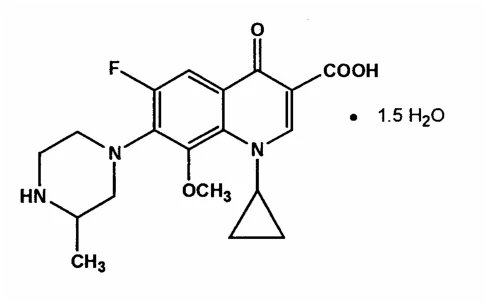
Molecular Weight: 402.42
Description:
Gatifloxacin is a sesquihydrate crystalline powder and is white to pale yellow in color. It exists as a racemate, with no net optical rotation. The solubility of the gatifloxacin in water is pH dependent. It is slightly soluble in ethanol and water and freely soluble in acetic acid. Gatifloxacin melts at approximately 183ºC. Composition
TEQUIN Tablets contain the following inactive ingredients: hydroxypropyl methyl cellulose, magnesium stearate, methylcellulose, microcrystalline cellulose, polyethylene glycol, polysorbate 80, simethicone, sodium starch glycolate, sorbic acid, and titanium dioxide.
TEQUIN I.V. is a sterile, preservative-free aqueous solution of gatifloxacin with pH ranging from 3.5 to 5.5. TEQUIN I.V. contains the following inactive ingredients: anhydrous dextrose (5%) USP, water for injection USP, and sodium hydroxide and/or hydrochloric acid (as required to adjust pH).
Preparation of Gatifloxacin for Intravenous Administration
Compatible Intravenous Solutions: Because a hypotonic solution results, Water for Injection should not be used as a diluent when preparing a 2 mg/mL solution from the concentrated solution of gatifloxacin (10mg/mL). Any of the following intravenous solutions may be used to prepare a 2 mg/mL gatifloxacin solution:
5% Dextrose Injection, USP
0.9% Sodium Chloride Injection, USP
5% Dextrose and 0.9% Sodium Chloride Injection, USP
Lactated Ringer’s and 5% Dextrose Injection, USP
5% Sodium Bicarbonate Injection, USP
Plasma-Lyte® 56 and 5% Dextrose Injection
(Multiple Electrolytes and Dextrose Injection, Type 1, USP) (Plasma-Lyte® is a registered trademark of Baxter International, Inc.)
M/6 Sodium Lactate Injection, USP
Directions for preparation of admixtures: To prepare admixtures of TEQUIN I.V. for intravenous administration, 20 mL of the 10 mg/mL product should be added to 80 mL of diluent to yield 100 mL of 2 mg/mL gatifloxacin solution to provide 200 mg of gatifloxacin, or 40 mL of the 10 mg/mL product should be added to 160 mL of diluent to yield 200 mL of 2 mg/mL gatifloxacin solution to provide 400 mg of gatifloxacin.
As with all parenteral drug products, intravenous admixtures should be inspected visually for clarity, particulate matter, precipitate, discolouration and leakage prior to administration, whenever solution and container permit. Solutions showing haziness, particulate matter, precipitate, discolouration or leakage should not be used. Discard unused portion.
Stability and Storage Recommendations
TEQUIN Tablets: Store at 15°C to 30°C (59° F to 86°F) in tight containers (USP). TEQUIN I.V. Vials (10 mg/mL): Store at 15°C to 30°C (59°F to 86°F).
TEQUIN I.V. Flexible Bag (2 mg/mL): Store at 15°C to 30°C (59°F to 86°F). Do not freeze.
TEQUIN I.V., when diluted in a compatible intravenous fluid to a concentration of 2 mg/mL, is stable for 24 hours when stored between 15°C-30°C or 72 hours when stored under refrigeration between 2°C - 8°C.
AVAILABILITY OF DOSAGE FORMS
Tablets
TEQUIN (gatifloxacin) Tablets are packaged in bottles and unit dose blister strips in the following configurations:
200 mg tablets: white filmcoated, biconvex, debossing: “BMS” on one side and “TEQUIN” and “200” on the other. Bottles of 10 and 30 tablets and unit dose blister strips of 10, 14, and 15 tablets.
400 mg tablets: white filmcoated, biconvex, debossing: “BMS” on one side and “TEQUIN” and “400” on the other. Bottles of 10, 30, 50 and 100 tablets and unit dose blister strips of 1, 5, 7, 10, 14, and 15 tablets.
Intravenous Solution
TEQUIN I.V. is available for intravenous administration in the following configurations:
Single-use vials containing a clear, light yellow to greenish-yellow solution at a concentration of 10 mg/mL gatifloxacin.
10 mg/mL (200 mg), 20 mL vials
10 mg/mL (400 mg), 40 mL vials
TEQUIN I.V. is also available in ready-to-use flexible bags containing a dilute solution of 200 mg or 400 mg of gatifloxacin in anhydrous dextrose (5%).
2 mg/mL (200 mg), 100 mL flexible container
2 mg/mL (400 mg), 200 mL flexible container
INFORMATION FOR THE PATIENT
This section contains important information about TEQUIN (gatifloxacin) that you should read before you begin treatment. This section does not list all the benefits and risks of TEQUIN and does not take the place of discussions with your doctor or healthcare professional about your medical condition or your treatment. If you have questions, talk with your healthcare professional. The medicine described here can only be prescribed by a licensed healthcare professional. Only your healthcare professional can determine if TEQUIN is right for you.
What is TEQUIN?
TEQUIN (pronounced TEK win) is an antibiotic used to treat lung, sinus, or urinary tract infections, and also to treat certain sexually transmitted diseases caused by germs called bacteria. TEQUIN kills many of the kinds of bacteria that can infect the lungs, sinus, and urinary tract and that cause certain sexually transmitted diseases. TEQUIN has been shown in a large number of clinical trials to be effective for the treatment of bacterial infections.
Sometimes viruses, rather than bacteria, may infect the lungs and sinuses (for example, the common cold). TEQUIN, like all other antibiotics, does not kill viruses.
The sexually transmitted disease called gonorrhea is treated by TEQUIN. Other diseases called syphilis or non-gonococcal disease are not treated by TEQUIN.
You should contact your doctor if you think your condition is not improving while taking TEQUIN. TEQUIN Tablets are white and contain either 200 mg or 400 mg of active drug.
How and when should I take TEQUIN?
TEQUIN should be taken once a day for 1 to 14 days depending on your condition. It should be swallowed whole and may be taken with or without food. Try to take the tablet at the same time each day.
You may begin to feel better quickly; however, in order to make sure that all bacteria are killed, you should complete the full course of medication. Do not take more than the prescribed dose of TEQUIN. Try not to miss a dose, but if you do, take it as soon as possible. If it is almost time for the next dose, skip the missed dose and continue your regular dose.
Who should not take TEQUIN?
You should avoid TEQUIN if you have ever had a severe allergic reaction to any medicine in the group of antibiotics known as "quinolones" such as PrCIPRO® (ciprofloxacin) or PrLEVAQUIN® (levofloxacin).
You should not take TEQUIN if you have diabetes
You should not take TEQUIN if you have a rare condition of the heart known as congenital prolongation of the QTc interval. If any of your family members have this condition, you should inform your healthcare professional.
You should avoid TEQUIN if you are being treated for heart rhythm disturbances with certain medicines such as quinidine, procainamide, amiodarone, or sotalol. Inform your healthcare professional if you are taking a heart rhythm drug.
TEQUIN should be avoided in patients with a condition known as hypokalemia (low blood potassium). Hypokalemia may be caused by medicines called diuretics such as furosemide and hydrochlorothiazide. If you are taking a diuretic you should speak with your healthcare professional.
If you are pregnant or planning to become pregnant while taking TEQUIN, talk to your doctor before taking this medication. TEQUIN is not recommended for use during pregnancy or nursing, as the effects on the unborn child or nursing infant are unknown.
TEQUIN is not recommended for children.
What about other medications I am taking?
S It is important to let your healthcare provider know all of the medicines that you are using. S If you have diabetes, it is important to let your healthcare provider know that you have this condition and what medications you are taking for it. Please be sure to read “Who should not take TEQUIN?”.
S The use of TEQUIN with certain medications may cause changes in your blood sugar level.
Please be sure to read “What are the possible side effects of TEQUIN?” to find out about disturbances of blood sugar levels.
S It is important to let your healthcare provider know if you are taking certain medicines that can have an effect on an electrocardiogram test, such as cisapride, erythromycin, some antidepressants, and some antipsychotic drugs.
S You should tell your healthcare professional if you are taking medicines called diuretics (also sometimes called water pills) such as furosemide and hydrochlorothiazide, because diuretics can sometimes cause low potassium.
S Many antacids and multivitamins may interfere with the absorption of TEQUIN and may prevent it from working properly. You should take TEQUIN 4 hours before taking these products.
What are the possible side effects of TEQUIN?
TEQUIN is generally well tolerated. The most common side effects that can occur when taking
TEQUIN are usually mild and include nausea, vomiting, stomach pain, diarrhea, dizziness, and headache. You should not drive or operate machinery until you are sure TEQUIN does not cause dizziness. If you notice any side effects not mentioned in this section or if you have any questions or concerns about the side effects you are experiencing, please discuss them with your healthcare professional.
Disturbances of blood sugar (both high and low) have been reported with TEQUIN, usually in diabetic patients. However, these symptoms have occurred in patients without diabetes. Certain factors, such as older age, kidney problems and the use of certain medicines, may increase your risk of having changes in your blood sugar levels while taking TEQUIN. Therefore, discuss with your healthcare provider if you have kidney problems, are taking any other medication or are an older person (65 years of age or older) . Discuss how to detect changes in your blood sugar with your healthcare provider and the steps you should take if you detect such changes.
In a few people, TEQUIN, like some other antibiotics, may produce a small effect on the heart that is seen on an electrocardiogram test. Although this has not caused any problems in more than 44 000 patients who have taken TEQUIN in clinical trials, in theory, it could result in extremely rare cases of abnormal heartbeat, which may be dangerous. Contact your healthcare professional if you develop heart palpitations (fast beating) or have fainting spells.
Where can I get more information about TEQUIN?
This section is a summary of the most important information about TEQUIN. It does not include everything there is to know about TEQUIN. If you have any questions or problems, you should talk to your doctor or healthcare provider. There is also a leaflet (Product Monograph) written for healthcare professionals that your pharmacist can let you read. You may want to read this information and discuss it with your doctor or other healthcare professional. Remember, no written information can replace careful discussion with your doctor.
Remember:
S Take your dose of TEQUIN once a day.
S Complete the course of medication (take all of the pills) even if you are feeling better. S Do not use TEQUIN for another condition or give it to others.
S Store TEQUIN tablets at room temperature in a tightly sealed container. S Please return all unused medication to the pharmacist for proper disposal. S Keep this and all medications out of reach of children.
MICROBIOLOGY
Gatifloxacin has in vitro activity against a wide range of gram-negative and gram-positive aerobic and anaerobic microorganisms. Gatifloxacin also has activity against clinically important atypical microorganisms. The antibacterial action of gatifloxacin results from inhibition of DNA gyrase and topoisomerase IV. DNA gyrase is an essential enzyme that is involved in the replication, transcription and repair of bacterial DNA. Topoisomerase IV is an enzyme known to play a key role in the partitioning of the chromosomal DNA during bacterial cell division. In vitro studies suggest that the C-8-methoxy moiety may contribute to enhanced activity and lower selection of resistant mutants of gram-positive bacteria compared to the non-methoxy C-8 moiety.
The mechanism of action of fluoroquinolones including gatifloxacin is different from that of penicillins, cephalosporins, aminoglycosides, macrolides and tetracyclines. Therefore, fluoroquinolones may be active against pathogens that are resistant to these antibiotics. Conversely, microorganisms resistant to fluoroquinolones may be susceptible to these other classes of anti-microbial agents. There is no cross-resistance between gatifloxacin and the mentioned classes of antibiotics. From in vitro synergy tests, gatifloxacin as with other fluoroquinolones is antagonistic with rifampicin against enterococci.
Resistance to gatifloxacin in vitro develops slowly via multiple-step mutation. Resistance to gatifloxacin in vitro occurs at a general frequency of between 1 x 10⁻⁷ to 10-10 . Although cross-resistance has been observed between gatifloxacin and some other fluoroquinolones, some microorganisms resistant to other fluoroquinolones may be susceptible to gatifloxacin. Conversely, some microorganisms resistant to gatifloxacin may be susceptible to other fluoroquinolones.
The in vitro activity of gatifloxacin against various bacterial isolates is provided in the following table.
Numbers of Strains Tested per Species and Geometric Mean MIC90 Values for Gatifloxacin
| Bacterial Species | U.S. and Canada | ex-U.S. | ||
| Total no. strains tested | Geometric mean MIC90 (µg/mL) | Total no. strains tested | Geometric mean MIC90 (µg/mL) | |
| AEROBIC GRAM-POSITIVE MICROORGANISMS | ||||
| Enterococcus faecalis | 741 | > 4 | 589 | 6.8 |
| Enterococcus faecium | 268 | > 4 | 219 | > 4 |
| Listeria monocytogenes | 46 | 0.9 | 14 | 0.5 |
Staphylococcus aureus MS MR | 2864 20 58 | 0.12 4 | 3102 1213 829 | 0.25 6.2 |
Staphylococcus epidermidis MS MR | 339 32 35 | 0.12 2 | 298 75 43 | 1.8 1.7 |
Staphyloccus haemolyticus MS MR | 47 11 17 | 0.12 8 | 79 34 20 | 0.5 0.25 |
Numbers of Strains Tested per Species and Geometric Mean MIC90 Values for Gatifloxacin
| Bacterial Species | U.S. and Canada | ex-U.S. | ||
| Total no. strains tested | Geometric mean MIC90 (µg/mL) | Total no. strains tested | Geometric mean MIC90 (µg/mL) | |
Coagulase-negative staphylococci MS MR | 589 0 0 | 709 233 341 | 0.9 > 2 | |
Staphylococcus saprophyticus MS MR | 25 25 0 | 0.25 | 98 20 20 | 0.13 8 |
| Streptococcus agalactiae | 169 | 0.5 | 85 | 0.5 |
| Streptococcus mitis | 48 | 0.5 | 0 | |
Streptococcus pneumoniae Pen-S Pen-I Pen-R | 2536 101 91 65 | 0.5 0.5 0.5 | 643 64 70 33 | 0.7 0.5 0.5 |
| Streptococcus pyogenes | 141 | 0.5 | 202 | 0.6 |
| Streptococcus sanguis | 34 | 0.9 | 0 | |
| Viridans streptococci | 655 | 0.5 | 92 | 0.25 |
| $-streptococci | 148 | 0.5 | 106 | 0.5 |
| Streptococcus groups C,G,F | 82 | 0.5 | 82 | 0.5 |
| AEROBIC GRAM-NEGATIVE MICROORGANISMS | ||||
| Acinetobacter baumannii | 126 | > 4 | 277 | 3.9 |
| Acinetobacter calcoaceticus | 24 | 3.5 | 66 | 0.29 |
| Bordetella spp. | 29 | 0.09 | 11 | 0.008 |
| Campylobacter jejuni | 65 | 0.12 | 39 | 0.24 |
| Citrobacter freundii | 91 | 2.6 | 194 | 1.46 |
| Citrobacter koseri | 67 | 0.11 | 20 | 0.25 |
| Enterobacter aerogenes | 171 | 0.5 | 114 | 0.9 |
| Enterobacter cloacae | 472 | 1.4 | 340 | > 4 |
| Escherichia coli | 2552 | 0.06 | 1801 | 4.4 |
| Haemophilus influenzae | 1422 | # 0.03 | 410 | 0.01 |
| Haemophilus parainfluenzae | 54 | 0.09 | 0 | |
| Klebsiella oxytoca | 156 | 2.2 | 258 | 0.12 |
| Klebsiella pneumoniae | 923 | 0.02 | 731 | 0.06 |
| Moraxella catarrhalis | 679 | < 0.03 | 245 | 0.06 |
| Morganella morganii | 63 | 2.1 | 188 | 0.3 |
| Neisseria gonorrhoeae | 166 | 0.03 | 258 | 0.05 |
Numbers of Strains Tested per Species and Geometric Mean MIC90 Values for Gatifloxacin
| Bacterial Species | U.S. and Canada | ex-U.S. | ||
| Total no. strains tested | Geometric mean MIC90 (µg/mL) | Total no. strains tested | Geometric mean MIC90 (µg/mL) | |
| Neisseria meningitidis | 35 | 0.008 | 10 | 0.008 |
| Pantoea agglomerans | 60 | 0.6 | 19 | 2 |
| Pasteurella multocida | 73 | 0.016 | ||
| Pasteurella spp. | 57 | 0.02 | 7 | |
| Proteus mirabilis | 246 | 1.9 | 285 | 1.1 |
| Pseudomonas aeruginosa | 1257 | > 4 | 1103 | > 4 |
| Pseudomonas stutzeri | 31 | 0.25 | 10 | 0.25 |
| Salmonella spp. | 87 | 0.12 | 284 | 0.07 |
| Serratia marcescens | 227 | 3 | 291 | 10 |
| Stenotrophomonas maltophilia | 282 | > 4 | 168 | 3.8 |
| OTHER MICROORGANISMS | ||||
| Chlamydia pneumoniae | 23 | 0.25 | 31 | 0.13 |
| Legionella pneumophila | 234 | 0.02 | 52 | 0.06 |
| Other Legionella spp. | 44 | 0.03 | 0 | |
| Mycobacterium avium-intracellulare | 55 | 12.5 | 0 | |
| Mycobacterium tuberculosis | 34 | 0.2 | 30 | 0.2 |
| Mycoplasma hominis | 54 | 0.25 | 0 | |
| Mycoplasma pneumoniae | 51 | 0.23 | 38 | 0.06 |
| Ureaplasma urealyticum | 44 | 2.2 | 0 | |
| ANAEROBIC MICROORGANISMS | ||||
| Bacteroides fragilis | 177 | 3.5 | 249 | 4.8 |
| Bacteroides thetaiotaomicron | 68 | 2.9 | 17 | 8 |
| Clostridium difficile | 35 | 1.6 | 67 | 12.6 |
| Clostridium perfringens | 38 | 0.9 | 30 | 0.4 |
| Fusobacterium spp. | 106 | > 8 | 30 | 4.7 |
| Peptostreptococcus spp. | 95 | 0.9 | 132 | 1.1 |
| Prevotella / Porphyromonas spp. | 174 | 5.9 | 125 | 5.3 |
| Propionibacterium acnes | 31 | 0.4 | 27 | 0.2 |
Susceptibility Tests
Dilution techniques: Quantitative methods are used to determine antimicrobial minimum inhibitory concentrations (MICs). These MICs provide estimates of the susceptibility of bacteria to antimicrobial compounds. The MICs should be determined using a standardized procedure. Standardized procedures a
National Committee for Clinical Laboratory Standards, Methods for Dilution Antimicrobial Susceptibility Tests for Bacteria That Grows Aerobically - Fourth Edition; Approved Standard, NCCLS, Wayne, PA, Document M7-A4, Vol. 17, No. 2, NCCLS, January 1997.
b
This interpretive standard is applicable only to broth microdilution susceptibility tests with Haemophilus spp. using Haemophilus Test Medium (HTM).
c
These interpretive standards are applicable only to broth microdilution susceptibility tests using cation-adjusted Mueller-Hinton broth with 2-5% lysed horse blood.
are based on dilution methodsa (broth or agar) or equivalent (e.g., E-test) with standardized inoculum concentrations and standardized concentrations of gatifloxacin powder. The MIC values should be interpreted according to the following criteria:
For testing non-fastidious aerobic organisms:
| MIC (µg/mL) | Interpretation |
| # 2.0 4.0 $ 8.0 | Susceptible (S) Intermediate (I) Resistant (R) |
For testing Haemophilus influenzae and Haemophilus parainfluenzaeb:
| MIC (µg/mL) | Interpretation |
| # 0.5 | Susceptible (S) |
The current absence of data on resistant strains precludes defining any results other than “Susceptible”. Strains yielding MIC results suggestive of a “nonsusceptible” category should be submitted to a reference laboratory for further testing.
For testing Streptococcus spp. including Streptococcus pneumoniae c:
| MIC (µg/mL) | Interpretation |
| # 1.0 2.0 $ 4.0 | Susceptible (S) Intermediate (I) Resistant (R) |
d
These interpretive standards are applicable to agar dilution tests with GC agar base and 1% defined growth supplement.
e
This quality control range is applicable to only H. influenzae ATCC 49247 tested by a microdilution procedure using HTM.
f
This quality control range is applicable to only S. pneumoniae ATCC 49619 tested by a microdilution procedure using cation-adjusted Mueller-Hinton broth with 2-5% lysed horse blood. For testing Neisseria gonorrhoeae d:
| MIC (µg/mL) | Interpretation |
| # 0.125 0.25 $ 0.5 | Susceptible (S) Intermediate (I) Resistant (R) |
A report of “Susceptible” indicates that the pathogen is likely to be inhibited if the antimicrobial compound in the blood reaches the concentration usually achievable. A report of “Intermediate” indicates that the results should be considered equivocal, and if the microorganism is not fully susceptible to alternative, clinically feasible drugs, the test should be repeated. This category implies possible clinical applicability in body sites where the drug is physiologically concentrated or in situations where high dosage of drug can be used. This category also provides a buffer zone which prevents small uncontrolled technical factors from causing major discrepancies in interpretation.
A report of “Resistant” indicates that the pathogen is not likely to be inhibited if the antimicrobial compound in the blood reaches the concentration usually achievable; other therapy should be selected.
Standardized susceptibility test procedures require the use of laboratory control microorganisms to control the technical aspects of the laboratory procedures. Standard gatifloxacin powder should provide the following MIC values:
| Microorganism | MIC Range (µg/mL) |
| Escherichia coli ATCC 25922 | 0.008 - 0.03 |
| Staphylococcus aureus ATCC 29213 | 0.03 - 0.12 |
| Pseudomonas aeruginosa ATCC 27853 | 0.5 - 2 |
| Enterococcus faecalis ATCC 29212 | 0.12 - 1 |
| Haemophilus influenzae ATCC 49247 e | 0.004 - 0.03 |
| Streptococcus pneumoniae ATCC 49619 f | 0.12 - 0.5 |
| Microorganism | MIC Range (µg/mL) |
g
This quality control range is applicable to only N. gonorrhoeae ATCC 49226 tested by an agar dilution procedure using GC agar base with 1% defined growth supplement.
h
These quality control ranges were derived from tests performed in the broth formulation of Wilkins-Chalgren agar.
i
National Committee for Clinical Laboratory Standards, Performance Standards for Antimicrobial Disk Susceptibility Tests - Sixth Edition; Approved Standard, NCCLS, Wayne, PA, Document M2-A6, Vol. 17, No. 1, NCCLS, January 1997.
| Neisseria gonorrhoeae ATCC 49226 g | 0.002 - 0.016 |
Anaerobic Techniques: For anaerobic bacteria, the susceptibility to gatifloxacin as MICs can be determined by standardized or equivalent (e.g., E-test) test methods. The MIC values obtained should be interpreted according to the following criteria:
| MIC (µg/mL) | Interpretation |
| # 2.0 4.0 $ 8.0 | Susceptible (S) Intermediate (I) Resistant (R) |
Interpretation is identical to that stated above for results using dilution techniques.
As with other susceptibility techniques, the use of laboratory control microorganisms is required to control the technical aspects of the laboratory standardized procedures. Standardized gatifloxacin powder should provide the following MIC values:
| Microorganism | MIC Range h |
| Bacteroides fragilis ATCC 25285 | 0.125 - 1 |
| Bacteroides thetaiotaomicron ATCC 29741 | 0.5 - 4 |
| Eubacterium lentum ATCC 43055 | 0.06 - 0.5 |
Diffusion techniques: Quantitative methods that require measurement of zone diameters provide reproducible estimates of the susceptibility of bacteria to antimicrobial compounds. One such standardized procedurei requires the use of standardized inoculum concentrations. This procedure uses paper disks impregnated with 5 :g gatifloxacin to test the susceptibility of microorganisms to gatifloxacin.
Reports from the laboratory providing results of the standard single-disk susceptibility test with a 5 :g j
This zone diameter standards is applicable only to tests with Haemophilus spp. using HTM. k
These zone diameter standards only apply to tests performed using Mueller-Hinton agar supplemented with 5% sheep blood incubated in 5% CO2.
gatifloxacin disk should be interpreted according to the following criteria.
The following zone diameter interpretive criteria should be used for testing non-fastidious aerobic organisms:
| Zone Diameter (mm) | Interpretation |
| $ 18 15 - 17 # 14 | Susceptible (S) Intermediate (I) Resistant (R) |
For testing Haemophilus spp. j:
| Zone Diameter (mm) | Interpretation |
| $ 18 | Susceptible (S) |
The current absence of data on resistant strains precludes defining any results other than “Susceptible”. Strains yielding MIC results suggestive of a “nonsusceptible” category should be submitted to a reference laboratory for further testing.
For testing Streptococcus spp. including Streptococcus pneumoniae k:
| Zone Diameter (mm) | Interpretation |
| $ 18 15 - 17 # 14 | Susceptible (S) Intermediate (I) Resistant (R) |
l
These interpretive standards are applicable to disk diffusion tests with GC agar base and 1% defined growth supplement incubated in 5% CO2. Interpretation involves correlation of the diameter obtained in the disk test with the MIC for gatifloxacin.
m
This quality control limit applies to tests conducted with Haemophilus influencae ATCC 49247 using HTM.
n
This quality control range is applicable only to tests performed by disk diffusion using Mueller-Hinton agar supplemented with 5% defibrinated sheep blood.
o
This quality control range is only applicable to tests performed by disk diffusion using GC agar base and 1% defined growth supplement.
For testing Neisseria gonorrhoeae l:
| Zone Diameter (mm) | Interpretation |
| $ 38 34 - 37 # 33 | Susceptible (S) Intermediate (I) Resistant (R) |
As with standardized dilution techniques, methods require the use of laboratory control microorganisms that are used to control the technical aspects of the laboratory procedures. For the diffusion technique, the 5 :g gatifloxacin disk should provide the following zone diameters in these laboratory quality control strains:
| Microorganism | Zone Diameter Range (mm) |
| Escherichia coli ATCC 25922 | 30 - 37 |
| Staphylococcus aureus ATCC 25923 | 27 - 33 |
| Pseudomonas aeruginosa ATCC 27853 | 20 - 28 |
| Haemophilus influenzae ATCC 49247 m | 33 - 41 |
| Streptococcus pneumoniae ATCC 49619 n | 24 - 31 |
| Neisseria gonorrhoeae ATCC 49226 o | 45 - 56 |
PHARMACOLOGY
Animal Pharmacology
The metabolic fate and disposition of gatifloxacin were investigated in mice, rats, rabbits, dogs, and monkeys either in conjunction with toxicology studies or as separate pharmacokinetic investigations.
Following intravenous administration, the serum T-HALF was 1.1 in mice, and averaged 1.6 in rats, 1.9 h in rabbits, 6.0 h in dogs, and 2.2 h in monkeys. The percentage of the dose recovered as unchanged gatifloxacin in the urine averaged 21.6% for mice, 49.9% for rats, 28.2% for rabbits, 37.0% for dogs, and 54.1% for monkeys following intravenous dosing.
Overall, gatifloxacin undergoes both urinary and fecal excretion with a major fraction of the dose being excreted within 24 h after dosing. The majority of circulating total radioactivity (TRA) in plasma, and TRA excreted in the urine, was unchanged gatifloxacin.
The serum protein binding of gatifloxacin and its purified R- and S-enantiomers is low and ranged from 12 to 20% in mice, 14 to 27% in rats, 10 to 25% in rabbits, 8 to 16% in dogs, and 15 to 19% in monkeys.
Results of tissue distribution studies in mice and rats, using non-labeled and 14C-radiolabeled gatifloxacin, indicate that gatifloxacin is extensively distributed in the body. In almost all of the tissues examined, maximum tissue concentrations of gatifloxacin were achieved within 0.5 to 1 h; the tissue concentrations of gatifloxacin (with the exception of the brain, cerebrospinal fluid, and fat) were generally 1.5 to 5 fold higher than those of serum or blood.
Gatifloxacin was shown to cross the placenta in pregnant rats; fetuses were exposed to drug-related material qualitatively and quantitatively similar to the exposure of the dam. In addition, gatifloxacin was excreted in the milk of nursing dams.
Metabolite profiling was performed on samples of urine, bile (rats only), serum (rats only), and feces in rats, rabbits, and dogs. Four metabolites of gatifloxacin were identified and quantified in rat, rabbit, and dog feces and urine. No marked differences were observed in the metabolite profile in urine among the animal species studied.
The results of the metabolism studies revealed that gatifloxacin is metabolized similarly in the nonclinical species (rats, rabbits, and dogs), and that humans produce small amounts of metabolites M2 and M3 only, whereas the nonclinical species produce mainly the glucuronide metabolite followed by small amounts of M2, M3, and M4. The nonclinical species produce greater amounts of M2 and M3, indicating greater exposure to these metabolites in the nonclinical species compared to humans. The antibacterial activity of M2, M3, and M4 was 4 to 256 times weaker than that of gatifloxacin; therefore, the antibacterial activity of gatifloxacin resides almost exclusively with parent drug.
Toxicokinetics
An assessment of the toxicokinetics of gatifloxacin was performed in the one-week oral study of articular toxicity in juvenile dogs, the 1-month oral dose studies in rats and monkeys, a five-month oral study in monkeys, the six-month oral studies in rats and dogs, and the dietary studies in mice and rats. Overall the toxicokinetic studies showed that the exposure to gatifloxacin increased in relation to dose, as assessed by the maximum plasma concentration (CMAX) and area under the concentration-time curve (AUC). In addition, there were no gender differences detected, and the exposures following multiple dosing were generally similar to those on Day 1, suggesting little accumulation and no time-dependent changes in the pharmacokinetics of gatifloxacin following repeated oral administration. The results of these studies verified the dose-related drug exposure of animals in the toxicologic studies.
Allometric scaling demonstrated that the pharmacokinetics in humans could be accurately predicted based on the pharmacokinetics determined in the mouse, rat, rabbit, dog, and monkey. Since the volume of distribution in the animal species was either the same or somewhat larger than that in man, relative overall exposure in the toxicity studies were estimated by comparing AUC values. The multiples of exposure, relative to humans, observed in the drug safety evaluation studies affirm that adequate doses of gatifloxacin were administered to laboratory animals to discern potential human risk. In addition, gatifloxacin is more highly metabolized in the animal species than in man. This indicates that man would be exposed to lower concentrations of metabolites than the animals used for toxicity testing. In conclusion, the toxicological studies of gatifloxacin in rats and dogs are relevant to safety evaluations in man because exposure to gatifloxacin has been demonstrated after drug administration. Over the duration of a chronic toxicity study, the cumulative exposure to gatifloxacin is substantially greater than in a human subject receiving a standard course of treatment.
Human Pharmacology
Absorption
Oral
Gatifloxacin is well absorbed from the gastrointestinal tract after oral administration and can be given without regard to food. The absolute bioavailability of gatifloxacin is 96%. Peak plasma concentrations of gatifloxacin usually occur 1-2 hours after oral dosing.
Gatifloxacin is administered as a racemate, with the disposition and antibacterial activity of the R- and S-enantiomers virtually identical.
The oral and intravenous routes of administration for TEQUIN (gatifloxacin) can be considered interchangeable, since the pharmacokinetics of gatifloxacin after 1 hour intravenous administration are similar to those observed for orally administered gatifloxacin when equal doses are administered (Figure
1)
Figure 1. Mean Plasma Concentration-Time Profiles of Gatifloxacin Following Intravenous (I.V.) and Oral (PO) Administration of a Single 400 mg Dose to Healthy Subjects.
Pharmacokinetics
The mean (SD) pharmacokinetic parameters of gatifloxacin after single 200 mg oral doses, single and multiple 400 mg oral doses, and single and multiple one hour intravenous infusions of 200 mg and 400 mg are listed in the following table:
Table 4 - Gatifloxacin Pharmacokinetic Parameters Cmax (:g/mL) Tmax
(h)
AUC2
(:gCh/mL)
T½
(h)
VdSS
(L/kg)
Cl (mL/min) ClR
(mL/min)
UR (%) Oral Administration
TEQUIN Tablets 200 mg - Healthy Volunteers
Single dose (n=12) 1.98 ± 0.40 1.00 (0.50, 2.50) 14.2 ± 2.4 ! ! 240.9 ± 39.7 ! 73.8 ± 10.9 TEQUIN Tablets 400 mg - Healthy Volunteers
Single dose (n=202)3 3.79 ± 0.98 1.00 (0.50, 6.00) 33.0 ± 6.2 7.77 ± 1.31 ! 209.8 ± 43.9 151.4 ± 46.3 72.4 ± 18.1 Multiple dose (n=18) 4.23 ± 1.28 1.50 (0.50, 4.00) 34.4 ± 5.7 7.06 ± 0.58 ! 198.5 ± 30.7 158.7 ± 34.4 80.2 ± 12.1 TEQUIN Tablets 400 mg - Patients with Infection
Multiple dose (n =140)4 4.21 ± 1.89 ! 51.3 ± 20.4 ! ! 147.2 ± 47.7 ! ! TEQUIN Tablets 400 mg - Single Dose Subjects with Renal Insufficiency
Clcr 50-89 mL/min (n-8) 4.4 ± 1.1 1.13 (0.75, 2.00) 48.0 ± 12.7 11.2 ± 2.8 ! 148 ± 41 124 ± 38 83.7 ± 7.8 Clcr 30-49 mL/min (n=8) 5.1 ± 1.8 0.75 (0.50, 6.00) 74.9 ± 12.6 17.2 ± 8.5 ! 92 ± 17 67 ± 24 71.1 ± 17.4 Clcr < 30 mL/min (n=8) 4.5 ± 1.2 1.50 (0.50, 6.00) 149.3 ± 35.6 30.7 ± 8.4 ! 48 ± 16 23 ± 13 44.7 ± 13.0 Hemodialysis (n=8) 4.7 ± 1.0 1.50 (1.00, 3.00) 180.3 ± 34.4 35.7 ± 7.0 ! 38 ± 8 ! ! CAPD (n-8) 4.7 ± 1.3 1.75 (0.50, 3.00) 227.0 ± 60.0 40.3 ± 8.3 ! 31 ± 8 ! !
Intravenous Administration
TEQUIN I.V. 200 mg - Healthy Volunteers
Single dose (n=12) 2.18 ± 0.26 1.00 (0.67, 1. 50) 15.9 ± 2.6 11.08 ± 4.06 1.9 ± 0.1 214.4 ± 36.5 154.9 ± 32.0 71.7 ± 6.82 Multiple dose (n=8)5 2.38 ± 0.36 1.00 (0.67, 1.00) 16.8 ± 3.6 12.31 ± 4.55 2.0 ± 0.3 207.0 ± 44.0 154.7 ± 55.1 72.4 ± 16.4 TEQUIN I.V. 400 mg - Healthy Volunteers
Single dose (n=30) 5.52 ± 0.99 1.00 (0.50, 1.00) 35.1 ± 6.7 7.43 ± 1.56 1.5 ± 0.2 196.1 ± 33.4 123.7 ± 40.9 62.3 ± 16.7 Multiple dose (n=5) 4.56 ± 0.61 1.00 (1.00, 1.00) 35.4 ± 4.6 13.90 ± 3.89 1.6 ± 0.5 190.5 ± 24.0 161.0 ± 42.6 83.5 ± 13.8 1 Median (Minimum, Maximum); 2 Single dose: AUC(0-4), Multiple dose: AUC(0-24); 3 n=184 for Cl, n=134 for ClR, and n=132 for UR; 4 Based on the patient population pharmacokinetic modeling, n=103 for Cmax; 5 n=7 for ClR and UR.
Cmax: Maximum plasma concentration; Tmax: Time to Cmax; AUC: Area under concentration versus time curve; T1/2: Plasma half-life; Vdss: Volume of distribution;
Cl: I.V. -Total clearance and PO - Apparent total clearance; ClR: Renal clearance; UR: Urinary recovery.
Gatifloxacin pharmacokinetics are linear and time-independent at doses ranging from 200 to 800 mg administered over a period of up to 14 days. Steady-state concentrations are achieved by the third daily oral or intravenous dose of gatifloxacin. The mean steady-state peak and trough plasma concentrations attained following a dosing regimen of 400 mg once daily are approximately 4.2 µg/mL and 0.4 µg/mL, respectively, for oral administration and 4.6 µg/mL and 0.4 µg/mL, respectively, for intravenous administration.
Metabolism
Gatifloxacin undergoes limited biotransformation in humans with less than 1% of the dose excreted in the urine as ethylenediamine and methylethylenediamine metabolites.
In vitro studies with cytochrome P450 isoenzymes (CYP) indicate that gatifloxacin does not inhibit CYP3A4, CYP2D6, CYP2C9, CYP2C19, or CYP1A2, suggesting that gatifloxacin is unlikely to alter the pharmacokinetics of drugs metabolized by these enzymes (e.g., midazolam, cyclosporine, warfarin, theophylline).
In vivo studies in animals and humans indicate that gatifloxacin is not an enzyme inducer; therefore, gatifloxacin is unlikely to alter the metabolic elimination of itself or other co-administered drugs.
Distribution
Serum protein binding of gatifloxacin is approximately 20% and is concentration independent. The mean volume of distribution of gatifloxacin at steady-state (VdSS) ranged from 1.5 to 2.0 L/kg. Gatifloxacin is widely distributed throughout the body into many tissues and fluids. The distribution of gatifloxacin into tissues results in higher gatifloxacin concentrations in most target tissues than in serum.
| Fluid or Tissue | Tissue-Fluid/Serum Ratio (Range)* |
| Respiratory | |
| Alveolar macrophages | 26.5 (10.9-61.1) |
| Bronchial mucosa | 1.65 (1.12-2.22) |
| Lung epithelial lining fluid | 1.67 (0.81-4.46) |
| Lung parenchyma | 4.09 (0.50-9.22) |
| Sinus mucosa | 1.78 (1.17-2.49) |
| Sputum (Multiple dose) | 1.28 (0.49-2.38) |
| Middle ear mucosa | 4.10 (0.34-4.55) |
| Skin, Musculoskeletal | |
| Skin blister fluid | 1.00 (0.50-1.47) |
| Bone | 0.62 (0.16-1.95) |
| Gastrointestinal | |
| Saliva | 0.88 (0.46-1.57) |
| Bile | 5.34 (0.33-14.0) |
| Fluid or Tissue | Tissue-Fluid/Serum Ratio (Range)* |
| Reproductive | |
| Prostate | 1.88 (1.11-3.28) |
| Prostatic fluid | 1.23 (1.05-1.72) |
| Ejaculate | 1.07 (0.86-1.32) |
| Seminal fluid | 1.01 (0.81-1.21) |
| Vagina | 1.22 (0.57-1.63) |
| Cervix | 1.45 (0.56-2.64) |
| Endometrium | 1.95 (0.77-2.83) |
| Myometrium | 1.63 (0.57-2.20) |
| Oviduct | 1.49 (0.53-2.56) |
| Ovary | 1.80 (0.69-3.07) |
* Mean values over 24 hours following single (100, 150, 200, 300 and 400 mg) and multiple (150 and 200 mg
BID) doses of TEQUIN, except for skin blister fluid and saliva, where mean AUC ratio is presented.
Excretion
Gatifloxacin is excreted as unchanged drug primarily by the kidney. More than 70% of an administered TEQUIN dose was recovered as unchanged drug in the urine within 48 hours following oral and intravenous administration, and 5% was recovered in the feces. Less than 1% of the dose is recovered in the urine as two metabolites. Crystals of gatifloxacin have not been observed in the urine of normal, healthy human subjects following administration of intravenous or oral doses up to 800 mg.
The mean elimination half-life of gatifloxacin ranges from 7 to 14 hours and is independent of dose and route of administration. Renal clearance is independent of dose with mean value ranging from 124 to 161 mL/min. The magnitude of this value, coupled with the significant decrease in the elimination of gatifloxacin seen with concomitant probenecid administration, indicates that gatifloxacin undergoes both glomerular filtration and tubular secretion. Gatifloxacin may also undergo minimal biliary and/or intestinal elimination, since 5% of dose was recovered in the feces as unchanged drug. This finding is supported by the 5-fold higher concentration of gatifloxacin in the bile compared to the plasma (mean bile:plasma ratio [range] 5.34 [0.33 - 14.0]).
Special Populations
Geriatric
Following a single oral 400 mg dose of gatifloxacin in young (18 - 40 years) and elderly ($ 65 years) male and female subjects, there were only modest difference in the pharmacokinetics of gatifloxacin noted in female subjects; elderly females had a 21% increase in Cmax and a 32% increase in AUC(0-4) compared to young females. These differences were mainly due to decreasing renal function with increasing age (see DOSAGE AND ADMINISTRATION- Impaired Renal Function).
Pediatric
The pharmacokinetics of gatifloxacin in pediatric populations (< 18 years of age) have not been established.
Gender
Following a single oral 400-mg dose of gatifloxacin in male and female subjects, there were only modest differences in the pharmacokinetics of gatifloxacin, mainly confined to elderly subjects. Elderly females had a 21% increase in Cmax and a 33% increase in AUC(0-4) compared to elderly males. Both results were accounted for by gender-related differences in body weight.
Chronic Hepatic Disease
Following a single oral 400-mg dose of gatifloxacin in healthy subjects and in subjects with moderate hepatic impairment (Child Pugh B classification of cirrhosis), Cmax and AUC(0-4) values for gatifloxacin were modestly higher (32% and 23% respectively). Dosage adjustment of TEQUIN is not necessary in patients with moderate hepatic impairment. The effect of severe hepatic impairment (Child Pugh Class C) on the pharmacokinetics of TEQUIN is unknown.
Renal Insufficiency
Following administration of a single oral 400-mg dose of gatifloxacin to subjects with varying degrees of renal impairment, apparent total clearance of gatifloxacin (Cl/F) was reduced and systemic exposure (AUC) was increased commensurate with the decrease in renal function (see Table 4). Total gatifloxacin clearance was reduced 57% in moderate renal insufficiency (Clcr 30-49 mL/min) and 77% in severe renal insufficiency (Clcr <40 mL/min). Systemic exposure to gatifloxacin was approximately 2 times higher in moderate renal insufficiency and approximately 4 times higher in severe renal insufficiency, compared to subjects with normal renal function. Mean Cmax values were modestly increased. A reduced dosage of TEQUIN is recommended in patients with creatinine clearance <40 mL/min, including patients requiring hemodialysis or continuous ambulatory peritoneal dialysis (CAPD) (see WARNINGS , PRECAUTIONS and DOSAGE AND ADMINISTRATION - Impaired Renal Function.)
Electrocardiogram
In clinical pharmacology studies, conducted in volunteers, assessing an oral dose of 400 mg and IV doses ranging from 200 to 800 mg, 76 paired valid ECGs (collected pre-dose and 2 hours post-dose following oral administration and 1 hour after the end of a 1 hour infusion for intravenous administration) were evaluated. There were no subjects with abnormal QTc intervals (>450 msec); the mean ± SD change in QTc interval was 2.9 ± 16.5 msec.
There is limited information available on the potential for a pharmacodynamic interaction in humans between gatifloxacin and drugs that prolong the QTc interval such as Class IA and Class III antiarrhythmics, cisapride, erythromycin, antipsychotics, and tricyclic antidepressants (see WARNINGS and PRECAUTIONS).
TOXICOLOGY
The toxicity profile of gatifloxacin has been characterized in an extensive number of in vitro and in vivo studies. Target organs identified in these studies include the liver (hepatocellular lipid droplets) and pancreas (vacuolation of beta cells); these findings were only observed at the higher doses tested and were reversible upon cessation of treatment. Based on the results of the full battery of nonclinical safety studies, gatifloxacin was considered to be well tolerated in animals and to have a safety profile similar to or better than other fluoroquinolones.
Acute Toxicity
In single-dose oral studies, no major adverse effects were seen in rats at doses up to 2000 mg/kg or dogs at a dose of 160 mg/kg. Single intravenous doses up to 120 mg/kg in rats and 15 mg/kg in dogs were well tolerated.
Single-Dose Toxicity Studies
| Species (Strain) | No. per Sex per Group | Dose (mg/kg) (Route) | Observation Period | Max. No-effect Dose (mg/kg) | Min. Lethal Dose (mg/kg) |
| Rat (Wistar) | 5M, 5F | 500, 1000, 2000 (oral, gavage) | 14 days | 1000 (M) 1000 (F) | > 2000 (M) > 2000 (F) |
| Rat (Wistar) | 5M, 5F | M: 100, 120, 144, 173, 207; F: 120, 144, 173, 207, 249 (iv) | 14 days | < 100 (M) < 120 (F) | 144 (M) 173 (F) |
| Dog (Beagle) | 2M | 160, 400, 1000 (oral, gavage) | 14 days | < 160 | > 1000 |
| Dog (Beagle) | 2M | 7.5, 15, 45 (iv) | 14 days | 7.5 | > 45 |
Subacute and Chronic Toxicity
In a series of repeat-dose oral studies, gatifloxacin was given for up to 6 months to rats at doses of 30, 60, 120, and 240 mg/kg/day and dogs at doses of 6, 12, and 24 mg/kg/day. In rats, BMS-206584 was well tolerated for 6 months at a dose of 30 mg/kg daily. At 60 mg/kg/day, hepatocellular lipid droplets were observed microscopically in the liver, while at 120 mg/kg/day and higher, similar liver changes and vacuolation of pancreatic $ cells were seen. In dogs, the drug was well tolerated for 6 months at a dose of 6 mg/kg daily. At 12 mg/kg/day and higher, the primary finding was vacuolation of pancreatic $ cells. In a 5-month oral monkey study (15, 30, and 60 mg/kg), drug-related changes at 15 and 30 mg/kg/day were limited to vacuolation of the pancreatic $ cells (only observed upon ultrastructural examination). At 60 mg/kg, in addition to the pancreatic changes, decreases in body weight and food consumption were noted. The changes observed in all of the oral studies were generally reversible upon cessation of treatment.
In 1-month intravenous studies, gatifloxacin was well tolerated in rats at doses up to 30 mg/kg daily. Doses of 90 mg/kg daily were overtly toxic, resulting in several deaths. In dogs, no drug-related changes were seen after 1 month of intravenous dosing at 7 mg/kg/day. At 15 mg/kg/day, drug-related findings were limited to emesis and salivation. Doses of 30 mg/kg daily produced numerous clinical signs, changes in clinical-pathology parameters, and a decrease in lymphocytes in the cortex of the thymus. With the exception of some minor irritation at the injection sites in rats, all of the changes observed in these studies were reversible upon cessation of treatment.
Reproduction and Teratology
In reproductive toxicity studies, developmental delays in skeletal ossification, including wavy ribs, were observed in rats at gatifloxacin doses that produced maternal toxicity (150 mg/kg orally; 30 mg/kg intravenously). Similar findings have been obtained with other fluoroquinolones. These changes were not seen at lower doses. There were no drug-related adverse effects on fertility, reproduction, or pre- or postnatal development, and no teratogenic effects were observed in any of these studies.
Mutagenicity
In genetic toxicity tests, gatifloxacin was evaluated as positive in three in vitro gene-mutation studies and two in vitro chromosomal-aberration studies. These findings were not unexpected; similar findings have been obtained with other quinolone antibiotics and are considered to be due to the inhibitory effects that high concentrations of these compounds have on eukaryotic cell type II DNA topoisomerase. This enzyme is related to bacterial DNA gyrase, the target at which all quinolones exert their antibiotic activity. Gatifloxacin was negative in five in vivo genotoxicity studies that included oral and intravenous micronucleus tests in mice, an oral cytogenetics test in rats, and oral DNA repair tests in two strains of rats.
Carcinogenicity
Gatifloxacin was not carcinogenic in mice when offered continuously in the diet for 18 months at concentrations that resulted in approximate mean daily doses of 20, 40, and 81 mg/kg in males and 22, 44, and 90 mg/kg in females. In a carcinogencity study in rats, gatifloxacin was offered continuously in the diet for 2 years at concentrations that resulted in mean daily doses of approximately 24, 47, and 100 mg/kg in males and 32, 66, and 139 mg/kg in females. Histopathologic evaluation revealed a statistically significant increase in the incidence of large-granular-lymphocyte (LGL) leukemia in high-dose males (52%) when compared to controls (16%). Although LGL leukemia is commonly seen in the F344 rat, the incidence of this change in high-dose males slightly exceeded the historical control range (5.7 to 40.4%) established for this strain. These findings suggest that gatifloxacin may have exacerbated the onset and development of this commonly occurring neoplasm. The incidence of LGL leukemia in all of the other drug-treated groups was comparable to that in controls. There were no other neoplastic or non-neoplastic lesions observed in the study that were considered directly attributable to treatment with gatifloxacin.
Arthrotoxicity
Gatifloxacin was also evaluated in a series of special toxicity studies. In juvenile rats (doses $ 600 mg/kg) and dogs ($ 10 mg/kg), gatifloxacin produced arthrotoxic and osteotoxic effects similar to those seen with other quinolone antibiotics. On a mg/kg basis, these doses are approximately 100- and 2-fold higher, respectively, than the human therapeutic dose of 400 mg.
Phototoxicity
There was no evidence of phototoxicity and/or photosensitization in numerous studies in mice and guinea pigs.
Other Studies
Nephrotoxicity, ophthalmotoxicity, and pulmonary function studies showed no effects related to treatment. Gatifloxacin was not antigenic in mice or guinea pigs and was not irritating after intramuscular or intravenous administration to rabbits.
In a drug interaction study with the nonsteroidal anti-inflammatory fenbufen, no untoward interactions were noted as have been reported with other quinolones. Gatifloxacin produced reversible changes in glucose tolerance, serum insulin levels, and morphology of pancreatic $ cells when given orally to rats for 7 days at a dose of 810 mg/kg/day, but not at 270 mg/kg/day. Similar changes in $ cells were seen in dogs (6 months at 24 mg/kg/day) and monkeys (5 months at 60 mg/kg/day) given gatifloxacin orally.
In three animal species (rats, beagle dogs, and cynomolgus monkeys) given oral gatifloxacin doses approximately 1.0- to 19-times the approved human dose (based on body surface area) from 1 to 6 months, electron microscopy showed vesiculation of rough endoplasmic reticulum and decreased secretory granules in pancreatic b-cells of all three species. In addition, rats given approximately 19-times the equivalent human dose and dogs given the lowest dose of 1.5-times the equivalent human dose (based on body surface area) showed vacuolation of pancreatic b-cells by light microscopy. The rats given this dose also had increased glucose concentrations and decreased serum insulin levels. The animals showed partial to complete reversibility of these findings during the recovery period of 4 weeks without gatifloxacin.
SELECTED BIBLIOGRAPHY
- 1.
Nakashima M, Uematsu T, Kosuge K, Kusajima H, Ooie T, Masuda Y, Ishida R, Uchida H
Single- and multiple-dose pharmacokinetics of AM-1155, a new 6-fluoro-8-methoxy quinolone, in humans
Antimicrob Agents Chemother 1995 Dec; 39(12): 2635-40
- 2.
Wakabayashi E, Mitsuhashi S
In vitro antibacterial activity of AM-1155, a novel 6-fluoro-8-methoxy quinolone Antimicrob Agents Chemother 1994 Mar; 38(3): 594-601
- 3.
Wise R, Andrews JM
The bactericidal activity of gatifloxacin in plasma and urine
Clinical Microbiology and Infection (United Kingdom) 1998; 4/7: 392-396
- 4.
Blondeau JM, Laskaoski R, Bjarnason J, Stewart C
Comparative in vitro activity of gatifloxacin, grepafloxacin, levofloxacin, moxifloxacin and trovafloxacin against 4151 Gram-negative and Gram-positive organisms
Int J Antimicrob Agents 2000 Feb; 14(1): 45-50
- 5.
Fung-Tomc J, Minassian B, Kolek B, Washo T, Huczko E, Bonner D
In vitro antibacterial spectrum of a new brood-spectrum 8-methoxy fluoroquinolone, gatifloxacin J Antimicrob Chemother 2000 Apr: 45(4): 437-46