


Product Monograph - Teva-Travoprost Z Ophthalmic Solution
SUMMARY PRODUCT INFORMATION
| Route of Administration | Dosage Form / Strength | Non-medicinal Ingredients |
| Ophthalmic | Solution / 0.004% w/v | Polyoxyl 40 hydrogenated castor oil, purified water, boric acid, propylene glycol, sorbitol, zinc chloride, sodium hydroxide and/or hydrochloric acid (to adjust pH). |
INDICATIONS AND CLINICAL USE
Teva-Travoprost Z Ophthalmic Solution is indicated for the reduction of intraocular pressure in patients with open-angle glaucoma or ocular hypertension.
Pediatrics (< 18 years of age):
The safety and effectiveness of Teva-Travoprost Z Ophthalmic Solution have not been established in pediatric patients, and its use is not recommended in these patients.
CONTRAINDICATIONS
Teva-Travoprost Z Ophthalmic Solution is contraindicated in:
- Patients who are hypersensitive to travoprost or to any ingredient in the formulation or component of the container. For a complete listing, see DOSAGE FORMS, COMPOSITION AND PACKAGING.
Teva-Travoprost Z Ophthalmic Solution may interfere with the maintenance of pregnancy and should not be used by women during pregnancy or by women attempting to become pregnant.
WARNINGS AND PRECAUTIONS
General
FOR OPHTHALMIC USE ONLY.
Teva-Travoprost Z Ophthalmic Solution is a benzalkonium chloride-free formulation of Teva-Travoprost Ophthalmic Solution. In phase III clinical trials, Travoprost ophthalmic solution was studied adjunctively with timolol ophthalmic solution. No additional adjunctive studies have been done.
If signs and symptoms of hypersensitivity develop, in particular conjunctivitis and lid reactions, patients should be advised to immediately seek their physician’s advice.
Driving and Using Machinery: Temporary blurred vision or other visual disturbances may affect the ability to drive or use machines. If blurred vision occurs after application of Travoprost Z Ophthalmic Solution, the patient must wait until vision clears before driving or using machinery.
Hepatic/Renal
Travoprost Ophthalmic Solution has been studied in patients with mild to severe hepatic impairment (Childs-Pugh Classification A - C) and also in patients with mild to severe renal impairment (creatinine clearance from as low as 14 mL/min/1.73 m2 to 77 mL/min/1.73 m2). No clinically relevant changes in hematology, blood chemistry, urinalysis laboratory data or plasma concentrations of free acid were observed in patients with impaired (mild, moderate, or severe) hepatic or renal function. No dosage adjustment is necessary in patients with hepatic or renal impairment.
Ophthalmologic
There is no experience of Travoprost Z Ophthalmic Solution in inflammatory ocular conditions; nor in neovascular or angle-closure glaucoma.
Teva-Travoprost Z Ophthalmic Solution should be used with caution in patients with active intraocular inflammation (iritis/uveitis).
Patients should remove contact lenses prior to administration of Travoprost Z Ophthalmic Solution. Lenses may be reinserted 15 minutes following administration of Travoprost Z Ophthalmic Solution.
Macular edema: Macular edema, including cystoid macular edema, has been reported during treatment with prostaglandin F2α analogues. These reports have mainly occurred in aphakic patients, pseudophakic patients with a torn posterior lens capsule, or in patients with known risk factors for macular edema. Travoprost Z Ophthalmic Solution should be used with caution in these patients.
Multi-dose container: There have been reports of bacterial keratitis associated with the use of multiple-dose containers of topical ophthalmic products. These containers had been inadvertently contaminated by patients who, in most cases, had a concurrent corneal disease or a disruption of the epithelial surface.
Patients should be instructed to avoid allowing the tip of the dispensing container to contact the eye or surrounding structures because this could cause the tip to become contaminated by common bacteria known to cause ocular infections. Serious damage to the eye and subsequent loss of vision may result from using contaminated solutions.
Patients also should be advised that if they develop an inter-current ocular condition (e.g., trauma, or infection) or have ocular surgery, they should immediately seek their physician’s advice concerning the continued use of the multi-dose container.
Ocular Effects: Teva-Travoprost Z Ophthalmic Solution may gradually change eye colour, increasing the amount of brown pigmentation in the iris by increasing the number of melanosomes (pigment granules) in melanocytes. The long term effects on the melanocytes and any consequences of potential injury to the melanocytes and/or deposition of pigment granules to other areas of the eye are currently unknown. Typically the brown pigmentation around the pupil spreads concentrically towards the periphery in affected eyes, but the entire iris or parts of it may become more brownish. The change in iris colour occurs slowly and may not be noticeable for months to years. In clinical trials, iris pigmentation was detected as early as 3 months. This change in eye colour has predominantly been seen in patients with mixed coloured irides, i.e., blue-brown, grey-brown, yellow-brown and green-brown; however, it has also been observed in patients with brown eyes. These changes may be permanent. Patients should be informed of the possibility of iris colour change. There are no clinical data on treatment with travoprost beyond five years.
Periorbital and/or eyelid skin darkening has been reported in association with the use of travoprost ophthalmic solution (benzalkonium chloride-free formulation).
Periorbital and lid changes, including deepening of the eyelid sulcus have been observed with prostaglandin analogues.
Teva-Travoprost Z Ophthalmic Solution may gradually change eyelashes in the treated eye; these changes include: increased length, thickness, pigmentation, and/or number of lashes. During long-term clinical trials, eyelash photographs taken periodically during the studies, revealed an overall incidence of eyelash changes of 61%. The overall incidence of patient complaints regarding these changes was 0.8%. Changes in eyelashes may be noticed as early as one and a half months after initiation of treatment. The mechanism of eyelash changes and their long term consequence are currently unknown.
Patients who receive treatment in only one eye may experience increased brown pigmentation of the iris, periorbital and/or eyelid tissue, and eyelashes in the treated eye. They may also experience disparity between the eyes in length, thickness, and/or number of eyelashes. These changes in pigmentation and lash growth may be permanent.
Special Populations
Women of Childbearing Age and Pregnant Women: No adequate and well-controlled studies have been performed in pregnant women. Travoprost, like all FP agonists, may interfere with the maintenance of pregnancy and should not be used by women during pregnancy or by women attempting to become pregnant.
Travoprost was teratogenic in rats. Travoprost administered intravenously to pregnant rats from gestation Days 6-17 at a dose of 10 µg/kg/day, induced a slight increase in the incidence of skeletal malformations such as fused sternebrae, domed head and hydrocephaly. No effect was observed at 3 µg/kg/day (75 times the maximum recommended human dose of 0.04 µg/kg/day). The no effect level for fetal external, visceral or skeletal malformation was observed after 1.0 µg/kg/day subcutaneous administration during gestation days 6-16 to pregnant mice, though post-implantation loss was increased at that dose, but not at 0.3 µg/kg/day.
Since prostaglandins are biologically active and may be absorbed through the skin, women who are pregnant or attempting to become pregnant should exercise appropriate precautions to avoid direct exposure to the contents of the bottle. In case of accidental contact with the contents of the bottle, thoroughly cleanse the exposed area with soap and water immediately.
Nursing Women: A study in lactating rats demonstrated that radiolabeled travoprost and/or its metabolites were excreted in milk. It is not known whether this drug or its metabolites are excreted in human milk. Because many drugs are excreted in human milk, caution should be exercised when Teva-Travoprost Z Ophthalmic Solution is administered to a nursing woman.
Pediatrics (< 18 years of age): Safety and effectiveness in pediatric patients have not been established.
ADVERSE REACTIONS
Clinical Trial Adverse Drug Reactions
Because clinical trials are conducted under very specific conditions the adverse reaction rates observed in the clinical trials may not reflect the rates observed in practice and should not be compared to the rates in the clinical trials of another drug. Adverse drug reaction information from clinical trials is useful for identifying drug-related adverse events and for approximating rates.
Teva-Travoprost Z Ophthalmic Solution is a benzalkonium chloride-free formulation of Teva-Travoprost Ophthalmic Solution. Ocular hyperemia was reported in 40% of all patients receiving travoprost ophthalmic solution containing benzalkonium chloride and travoprost ophthalmic solution (benzalkonium chloride-free formulation). Approximately 80 to 90% of the ocular hyperemia was mild in intensity and subsided over time without treatment. Up to three percent of the patients discontinued therapy due to conjunctival hyperemia. Table 1 summarizes adverse reactions reported with travoprost ophthalmic solution containing benzalkonium chloride.
During clinical studies, there were extremely rare reports of the following: choroidal nevus, retinal detachment, retinal hemorrhage, retinal pigmentation, and vitreous detachment.
Table 1: Overall (Related & Unrelated) Frequency and Incidence of Adverse Events Occurring at an Incidence > 1.0%
| Travoprost ophthalmic solution (0.004%) containing benzalkonium chloride | Travoprost ophthalmic solution (0.004%) containing benzalkonium chloride | |||||||||||
|---|---|---|---|---|---|---|---|---|---|---|---|---|
| + Timolol 0.5% | ||||||||||||
| N=656 | N=145 | |||||||||||
| N | % | N | % | |||||||||
| Ocular | ||||||||||||
| Hyperemia eye | 259 | 39.5 | 52 | 35.9 | ||||||||
| Discomfort eye | 35 | 5.3 | 7 | 4.8 | ||||||||
| Pruritus eye | 48 | 7.3 | 5 | 3.4 | ||||||||
| Visual acuity decrease | 29 | 4.4 | 6 | 4.1 | ||||||||
| Iris discolourationa | 15 | 2.3 | 0 | |||||||||
| Dry eye | 20 | 3.0 | 8 | 5.5 | ||||||||
| Foreign body sensation | 24 | 3.7 | 4 | 2.8 | ||||||||
| Pain eye | 33 | 5.0 | 6 | 4.1 | ||||||||
| Keratitis | 17 | 2.6 | 3 | 2.1 | ||||||||
| Vision blurred | 13 | 2.0 | 3 | 2.1 | ||||||||
| Cataract NOS | 13 | 2.0 | 1 | 0.7 | ||||||||
| Blepharitis | 11 | 1.7 | 2 | 1.4 | ||||||||
| Cells | 7 | 1.1 | 6 | 4.1 | ||||||||
| Hemorrhage subconjunctival | 7 | 1.1 | 0 | |||||||||
| Conjunctivitis | 10 | 1.5 | 2 | 1.4 | ||||||||
| Flare | 7 | 1.1 | 2 | 1.4 | ||||||||
| Photophobia | 8 | 1.2 | 4 | 2.8 | ||||||||
| Tearing | 7 | 1.1 | 3 | 2.1 | ||||||||
| Lid disorder | 1b | 0.2 | 3c | 2.1 | ||||||||
| Eye fatigue | 2 | 0.3 | 2 | 1.4 | ||||||||
| Sticky sensation | 1 | 0.2 | 2 | 1.4 | ||||||||
| Travoprost ophthalmic solution (0.004%) containing benzalkonium chloride | Travoprost ophthalmic solution (0.004%) containing benzalkonium chloride |
|---|
| + Timolol 0.5% |
|---|
| N=656 | N=145 |
|---|
| N | % | N | % | |
|---|---|---|---|---|
| Non-ocular | ||||
| Body as a Whole | ||||
| Surgical/Medical Procedure | 31 | 4.7 | 4 | 2.8 |
| Infection | 24 | 3.7 | 3 | 2.1 |
| Headache | 20 | 3.0 | 2 | 1.4 |
| Pain | 14 | 2.1 | 0 | |
| Injury accidental | 17 | 2.6 | 1 | 0.7 |
| Cold syndrome | 10 | 1.5 | 3 | 2.1 |
| Flu syndrome | 17 | 2.6 | 2 | 1.4 |
| Allergy | 3 | 0.5 | 2 | 1.4 |
| Cardiovascular System | ||||
| Hypertension | 27 | 4.1 | 2 | 1.4 |
| Digestive System | ||||
| GI disorder | 10 | 1.5 | 1 | 0.7 |
| Metabolic and Nutritional | ||||
| Hypercholesteremia | 11 | 1.7 | 0 | |
| Nervous | ||||
| Depression | 9 | 1.4 | 2 | 1.4 |
| Respiratory System | ||||
| Sinusitis | 11 | 1.7 | 3 | 2.1 |
| Bronchitis | 7 | 1.1 | 1 | 0.7 |
| Rhinitis | 7 | 1.1 | 1 | 0.7 |
| Urogenital System | ||||
| Infection urinary tract | 7 | 1.1 | 3 | 2.1 |
| Prostate disorder | 6 | 0.9 | 2 | 1.4 |
a increase in brown pigmentation of the iris
b lid pigment (1)
c prominent vessel (1), sore spot (1), lid lesion (1)
A similar safety profile was observed in a clinical trial of three months duration, comparing therapy with travoprost ophthalmic solution containing benzalkonium chloride (399 patients dosed QD in the evening) to travoprost ophthalmic solution (benzalkonium chloride-free formulation) (400 patients dosed QD in the evening).
Post-Market Adverse Drug Reactions
The following serious, unexpected reactions reported during the post-market use of travoprost ophthalmic solution containing benzalkonium chloride in clinical practice and in the literature have been included based on the frequency of reporting, possible causal connection to travoprost ophthalmic solution containing benzalkonium chloride, or a combination of these factors:
Eye Disorders: corneal edema, macular edema;
Cardiac disorders: bradycardia, tachycardia;
General disorders and administration site conditions: chest discomfort;
Respiratory, thoracic and mediastinal disorders: asthma, dyspnea.
Additional adverse drug reactions reported in subsequent clinical trials with travoprost ophthalmic solution and travoprost Z ophthalmic solution include the following:
Cardiac disorders: heart rate decreased, palpitations;
Eye disorders: anterior chamber inflammation, anterior chamber pigmentation, asthenopia, conjunctival edema, conjunctival follicles, corneal erosion, eczema eyelids, erythema of eyelid, eye allergy, eye discharge, eye inflammation, eyelash hyperpigmentation, eyelash thickening, eyelid irritation, eyelid margin crusting, eyelid pruritis, growth of eyelashes, hypoaesthesia eye, iridocyclitis, ophthalmic herpes simplex, periorbital edema, punctate keratitis, trichiasis;
Gastrointestinal disorders: constipation, dry mouth;
General disorders and administration site conditions: asthenia;
Nervous system disorders: dizziness, dysgeusia;
Musculoskeletal and connective tissue disorders: arthralgia, musculoskeletal pain;
Respiratory, thoracic and mediastinal disorders: cough, dysphonia, nasal discomfort, nasal dryness, oropharyngeal pain;
Skin and subcutaneous tissue disorders: erythema, hair colour changes, hypertrichosis, madarosis, rash, skin discolouration, skin hyperpigmentation;
Vascular disorders: hypotension.
Adverse reactions identified from post-marketing surveillance include the following:
Cardiac disorders: arrhythmia, tachycardia;
Ear and labyrinth disorders: tinnitus;
Eye disorders: sunken eyes;
Gastrointestinal disorders: abdominal pain, diarrhea, nausea, vomiting;
Investigations: prostate specific antigen increased;
Psychiatric disorders: anxiety, insomnia;
Renal and urinary disorders: dysuria, urinary incontinence;
Respiratory, thoracic and mediastinal disorders: epistaxis;
Skin and subcutaneous tissue disorders: pruritis.
A few case reports of iritis/uveitis associated with the use of travoprost have been published.
These cases occurred a few days after travoprost use in patients without a history of iritis/uveitis. All of these cases resolved after stopping travoprost with or without corticosteroid treatment.
DRUG INTERACTIONS
Drug interaction studies have not been performed with travoprost. Drug-drug, drug-food, drug-herb, drug-laboratory and drug-lifestyle interactions have not been established.
DOSAGE AND ADMINISTRATION
Recommended Dose
The recommended dosage is one drop in the affected eye(s) once-daily. Optimal effect is observed with evening dosing. The dosage of Teva-Travoprost Z Ophthalmic Solution should not exceed once-daily since it has been shown that more frequent administration may decrease the intraocular pressure lowering effect.
Reduction of intraocular pressure starts approximately 2 hours after administration and the maximum effect is reached after 12 hours.
Administration
Teva-Travoprost Z Ophthalmic Solution may be used concomitantly with topical ophthalmic beta-blockers to lower intraocular pressure. If more than one topical ophthalmic drug is being used, the drugs should be administered at least five (5) minutes apart.
To avoid contamination, patients should be instructed to avoid allowing the dispenser tip to touch the eye or surrounding areas. Serious damage to the eye and subsequent loss of vision may result from using contamination solutions.
Missed dose
If a dose is missed, treatment should be continued with the next dose as planned. The dose should not exceed one drop in the affected eye(s) daily.
OVERDOSAGE
A single-dose intravenous study in rats was conducted to elucidate maximal acute hazard. The dose employed was 250,000-times the proposed daily clinical exposure and over 5000-times the possible exposure from the entire contents of one product container. No treatment related pharmacotoxic signs were present in the animals receiving travoprost.
If overdosage with Teva-Travoprost Z Ophthalmic Solution occurs, treatment should be symptomatic.
ACTION AND CLINICAL PHARMACOLOGY
Mechanism of Action
Travoprost, an isopropyl ester prodrug, is rapidly hydrolyzed by esterases in the cornea to the biologically active free acid. Travoprost free acid is a highly selective, potent agonist for the FP prostanoid receptor. FP receptor agonists are thought to reduce intraocular pressure (IOP) by increasing the outflow of aqueous humor, primarily by increased uveoscleral outflow.
Pharmacodynamics
Travoprost, when applied topically to the eye, reduces elevated as well as normal IOP, whether or not accompanied by glaucoma. Elevated IOP is a major risk factor in the pathogenesis of glaucomatous visual field loss. The higher the level of IOP, the greater the likelihood of glaucomatous visual field loss and optic nerve damage. The Advanced Glaucoma Intervention Study (AGIS) (1) established elevated IOP as a positive risk factor for glaucomatous visual field loss. Eyes with intraocular pressures below 18 mmHg at all visits were found to have little to no visual field loss during the six-year monitoring period.
Pharmacokinetics
Absorption: Travoprost is absorbed through the cornea. Studies in rabbits have shown peak concentrations in aqueous humor were reached one to two hours following topical administration. In humans, peak plasma concentrations of travoprost free acid were low (25 pg/mL or less) and occurred within 30 minutes following topical ocular administration of one drop of 0.004% travoprost ophthalmic solution.
Distribution: Travoprost free acid is moderately distributed into body tissues with a volume of distribution of 2.6 L/kg in rats. Radioactivity levels in rat tissues following a single subcutaneous dose of 14C-travoprost
| For management of a suspected drug overdose, including oral ingestion, contact your regional Poison Control Centre. |
dropped rapidly during the first 3 hours and by 24 hours were below or near detection limits (<0.2 - 6 ng equiv./g). Binding of travoprost free acid to plasma proteins is moderate at 80% and linear over a 10,000-fold concentration range (0.10 - 100 ng/mL).
Metabolism: Metabolism was studied in rats, dogs and monkeys. Systemically, travoprost free acid is rapidly and extensively metabolized in the kidney, liver and lung to inactive metabolites. Biotransformations include beta-oxidation of the α (carboxylic acid) chain to give the 1, 2-dinor and 1, 2, 3, 4-tetranor analogs, oxidation of the 15-hydroxyl moiety, as well as reduction of the 13, 14 double bond.
Excretion: In rats, 95% of a subcutaneous radiolabeled dose was eliminated within 24 hours.
The major route of elimination was via the bile (61%) with the remainder excreted by the kidneys. In humans, elimination from plasma was rapid resulting in concentrations below the limit of quantitation (< 10 pg/mL) by one hour.
STORAGE AND STABILITY
Teva-Travoprost Z Ophthalmic Solution 0.004% w/v should be stored between 2° and 25°C.
Discard after 28 days of first opening. Keep out of the reach and sight of children.
DOSAGE FORMS, COMPOSITION AND PACKAGING
Teva-Travoprost Z Ophthalmic Solution is supplied as a sterile, buffered aqueous solution of travoprost with a pH of approximately 5.5-6.5 and an osmolality of approximately 260-320 mOsm/kg.
Each mL of Teva-Travoprost Z Ophthalmic Solution 0.004% contains:
Medicinal Ingredient: 40 µg of travoprost.
Non-medicinal ingredients: polyoxyl 40 hydrogenated castor oil, purified water, boric acid, propylene glycol, sorbitol, zinc chloride, sodium hydroxide and/or hydrochloride acid (to adjust pH).
Teva-Travoprost Z Ophthalmic Solution contains preservatives (boric acid and zinc chloride).
Teva-Travoprost Z Ophthalmic Solution does not contain benzalkonium chloride.
Teva-Travoprost Z Ophthalmic Solution is available in a plastic oval-shaped dispenser bottle containing 2.5 ml or 5 mL.
PART II: SCIENTIFIC INFORMATION
PHARMACEUTICAL INFORMATION
Drug Substance
Proper name: Travoprost
Chemical name: [1R-[1α(Z), 2b(1E, 3R), 3α, 5α]]-7-[3,5-Dihydroxy-2-[3-hydroxy-4[3-(trifluoromethyl) phenoxyl]1-butenyl]cyclopentyl]5-heptenoic acid, 1-methylethyl ester
Structural Formula:
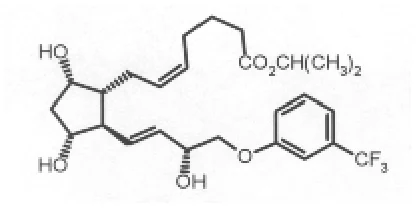
Molecular formula and molecular mass: C26H35F3O6; 500.56 g/mol
Physicochemical properties: Travoprost is a pale yellow to yellow viscous oil; it is freely soluble in acetonitrile, toluene, ethyl acetate and methanol; practically insoluble in hexane and in water.
CLINICAL TRIALS
Teva-Travoprost Z Ophthalmic Solution is a benzalkonium chloride-free formulation of travoprost ophthalmic solution. In three controlled clinical studies, with durations from 6 to 12 months, patients with open-angle glaucoma or ocular hypertension were treated once daily in the evening with travoprost ophthalmic solution (0.004%). Travoprost ophthalmic solution (0.004%) containing benzalkonium chloride reduced IOP 6.7 to 9.0 mmHg. Stable diurnal IOP reductions were achieved as early as 2 weeks after initiation of therapy and were maintained over the 6 to 12 month treatment period.
In a multi-center, randomized, controlled trial, patients with mean baseline IOP of 24-26 mmHg on timolol 0.5% BID, who were treated with travoprost ophthalmic solution (0.004%) containing benzalkonium chloride dosed QD adjunctively to timolol 0.5% BID, demonstrated 6-7 mmHg additional reductions in IOP.
There are no plasma interactions with the concomitant administration of travoprost and timolol.
Table 2: Summary of Patient Demographics for Clinical Trials in Specific Indication
| Study # | Trial Design | Dosage, Route of Administration and duration | Study Subjects | Mean age (Range) | Gender |
|---|---|---|---|---|---|
| C-97-71 | Randomized, triple masked, multicentre, parallel group, active control in patients with open-angle glaucoma or ocular hypertension. | 1 drop QD of placebo (8AM) + 1 drop QD (8PM) travoprost 0.004% or 0.0015%; 1 drop QD of placebo (8AM) + 1 drop QD (8PM) latanoprost 0.005%; or 1 drop BID of timolol 0.5% (8AM and 8PM). 12 months. | 787 | 64.2 years (22 – 94) | 392 M 395 F |
| C-97-72 | Randomized, triple masked, multicentre, parallel group, active control in patients with open-angle glaucoma or ocular hypertension. | 1 drop QD of placebo (8AM) + 1 drop QD (8PM) travoprost 0.004% or 0.0015%; or 1 drop of timolol 0.5% (8AM and 8PM). 6 months. | 594 | 63.7 years (21 – 91) | 293 M 301 F |
| C-97-73 | Randomized, multicentre, triple-masked, vehicle-controlled, parallel group study in patients with open-angle glaucoma or ocular hypertension who were uncontrolled after a 3-week run-in on timolol 0.5% dosed BID. | 1 drop QD (8PM) of travoprost 0.004% or 0.0015% plus 1 drop BID of open-label timolol 0.5% (8AM and 8PM); or 1 drop QD (8PM) of placebo plus 1 drop BID of open-label timolol 0.5% (8AM and 8PM). 6 months. | 410 | 63.7 years (11 – 89) | 180 M 230 F |
| C-97-79 | Randomized, multicenter, triple-masked, active controlled, parallel group study in patients with open-angle glaucoma or ocular hypertension. | 1 drop QD of placebo (9AM) + 1 drop QD (9PM) travoprost 0.004% or 0.0015%; or 1 drop BID of timolol 0.5% (9AM and 9PM). 9 months. | 572 | 63.3 years (31 – 88) | 284 M 288 F |
| C-01-74 | Randomized, double-masked, multicenter, parallel group, active-controlled in patients with open-angle glaucoma or ocular hypertension. | 1 drop QD of placebo (9AM) + 1 drop QD (9PM) travoprost 0.004%; or 1 drop QD of latanoprost/timolol 0.5% (9AM) + 1 drop QD of placebo (9PM). 6 weeks | 106 | 68.0 years (34 – 86) | 46 M 60 F |
Table 3: Mean Baseline IOP and Mean Change from Baseline IOP Measurements
| Study (Duration) | Baseline Mean IOP (mmHg) | Mean IOP Change from Baseline (mmHg) | ||||
|---|---|---|---|---|---|---|
| 8 AM | 10 AM | 4 PM | 8 AM | 10 AM | 4 PM | |
| C-97-71 | ||||||
| Travoprost | 26.8 | 25.2 | 24.6 | -7.6 | -7.4 | -6.9 |
| Timolol | 26.9 | 25.3 | 24.6 | -6.7c | -6.1c | -5.3c |
| Latanoprost | 26.9 | 25.2 | 24.9 | -7.7 | -6.9 | -6.3c |
| C-97-72 | ||||||
| Travoprost | 27.3 | 25.7 | 25.1 | -7.6 | -7.2 | -7.0 |
| Timolol | 27.4 | 25.8 | 25.4 | -6.8c | -6.0c | -5.1c |
| C-97-73 | ||||||
| Travoprost/timolol | 26.0 | 24.5 | 24.6 | -6.8 | -6.4 | -6.0 |
| Timolol | 26.4 | 24.8 | 24.4 | -2.6 c | -1.8c | -1.6c |
| C-97-79a | ||||||
| Travoprost | 27.4 | 26.5 | 25.6 | -8.8 | -8.7 | -8.2 |
| Timolol | 27.0 | 26.2 | 25.1 | -7.7c | -7.5 c | -6.6 c |
| C-01-74b | ||||||
| Travoprost | 25.3 | - | 24.3 | -6.9 | - | -6.8 |
| Latanoprost/timolol | 24.6 | - | 23.9 | -6.4 | - | -6.1 |
a The C-97-79 IOP measurements were taken at AM, 11 AM and 4 PM
b The C-01-74 IOP measurements were taken at 9 AM and 5 PM
c p <0.05 for between group comparisons versus travoprost
A 9-month pivotal clinical study with a 5-year extension phase was conducted to evaluate the long-term safety of once-daily evening dosing of travoprost ophthalmic solution containing benzalkonium chloride. Overall, 196 patients were enrolled into the 5-year extension clinical trial, 67 of which were exposed to travoprost ophthalmic solution containing benzalkonium chloride. Travoprost ophthalmic solution containing benzalkonium chloride maintained clinically relevant long-term IOP control in all patients for nearly 6 years. The overall incidence of iris discolouration in patients treated with travoprost ophthalmic solution containing benzalkonium chloride was 11.9%. The adverse events of iris discolouration were mild and did not interrupt patient continuation in the study. The observation of increased iris discolouration did not affect the incidence, nature or severity of adverse events recorded in the study. IOP reduction was similar regardless of the development of increased iris discolouration.
In a 3 month clinical study, travoprost Z ophthalmic solution (benzalkonium -free) dosed QD in the evening produced equivalent IOP lowering efficacy compared to travoprost ophthalmic solution containing benzalkonium chloride QD. The maximum mean IOP reductions for travoprost Z ophthalmic solution (benzalkonium -free) (8.5 mmHg) and to travoprost ophthalmic solution containing benzalkonium chloride (8.4 mmHg) correspond to approximate 31% IOP reductions in each group. All mean reductions were clinically relevant and statistically significant (p<0.0001).
DETAILED PHARMACOLOGY
Travoprost is a PGF2α analogue. It is the (+) isomer of fluprostenol isopropyl ester and the pro-drug of the active free acid constituent.
In Vitro Studies
Receptor Binding:
Receptor binding affinity was compared for the acid forms of travoprost and latanoprost. The two acid prostaglandin analogues had a high affinity binding for the FP-receptors (bovine corpus
luteum membranes). Receptor interaction appeared to be at a single binding site. There was a low affinity for the other prostaglandin receptors. The parent free acid of travoprost is over 60-fold less potent in binding to other receptors. Travoprost demonstrates higher potency and higher selectivity for the FP receptor compared to latanoprost.
Receptor Affinity Data for Travoprost and Latanoprost Free Acids (Ki, nM)
| DP receptors | EP3 receptors | EP4 receptors | FP receptors | IP receptors | TP receptors | |
| Travoprost free acid | 46000 | 3500 | 12000 | 52 | 90000 | 120000 |
| Latanoprost free acid | 26000 | 7900 | 9000 | 92 | > 90000 | 61000 |
Prostaglandin Functional Assays:
Travoprost free acid was a potent and fully efficacious agonist in stimulating phosphoinositide (PI) turnover in Swiss 3T3 cells expressing a FP receptor. In contrast, latanoprost acid had lower potency than the travoprost free acid and was a partial agonist in this system.
Second Messenger Study: Potency & Efficacy
| FP PI turnover | DP cyclase stim | EP2 cyclase stim | |
| Travoprost free acid | 4 nM (Emax = 100%) | Inactive | Inactive |
| Latanoprost free acid | 27 nM (Emax = 75%) | Inactive | Inactive |
Travoprost acid did not demonstrate affinity for a panel of over 32 different non-prostanoid receptors including muscarinic, alpha-adrenergic, beta-adrenergic, and endothelin receptors at concentrations up to 10 µM.
Animal Pharmacology
In the cynomolgus monkey, instillation of a single dose of travoprost reduced IOP in a dose-related fashion, with a peak reduction of 30% with a 0.3 µg dose. Once daily dosing provided IOP reductions for a 24 hour period.
| Reductions of IOP Following b.i.d. Travoprost (AL-6221) in Laser Cynomolgus Monkeys | ||||||||||||||||||
| Dose (µg) | Baseline IOP | Dose number/hour after dose Percent + SEM (mmHg + SEM) | ||||||||||||||||
| [vehicle1] | (mmHg) | 1/22 | 1/4 | 1/6 | 4/16 | 5/2 | 5/4 | 5/6 | ||||||||||
0.1 [P/P] | 36.8 | 1.8 + 6.4 (1.7 + 2.6) | 7.7 + 6.8 (3.9 + 3.0) | 9.3 + 8.1 (4.8 + 3.8) | 16.94 + 4.3 (6.8 + 1.9) | 22.74 + 5.8 (9.3 + 3.1) | 21.84 + 6.8 (9.2 + 3.5) | 15.3 + 7.6 (6.6 + 3.6) | ||||||||||
| Vehicle | 41.4 | 16.4 + 8.3 (8.4 + 5.1) | 19.0 + 8.4 (10.2 + 2.6) | 20.7 + 7.7 (10.6 + 3.0 | 8.1 + 1.9 (3.8 + 6.1) | 14.7 + 9.8 (8.4 + 3.3) | 16.9 + 8.7 (9.0 + 3.4) | 9.4 + 9.0 (6.4 + 3.0) | ||||||||||
0.3 [T.N.] | 41.6 | 19.03 + 4.1 (8.5 + 1.9) | 15.03 + 2.5 (6.6 + 1.3) | 18.53 + 3.0 (8.2 + 1.5) | 18.43 + 5.9 (8.4 + 2.8) | 31.23 + 3.7 (13.5 + 2.1) | 30.33 + 3.8 (13.2 + 2.0) | 26.63 + 3.6 (11.6 + 1.9) | ||||||||||
| Vehicle | 40.6 | 6.5 + 4.7 (3.2 + 2.5) | 9.2 + 5.7 (4.0 + 3.7) | 1.9 + 4.5 (9.0 + 3.8) | 6.64 + 2.6 (2.6 + 4.3) | 13.34 + 4.8 (5.4 + 4.0) | 16.4 + 4.3 (7.2 + 2.0) | 14.6 + 7.2 (7.0 + 1.6) | ||||||||||
0.3 [P/P] | 36.8 | 19.54 + 3.7 (7.7 + 2.1) | 25.74 + 5.0 (10.8 + 3.4) | 22.14 + 5.9 (9.2 + 3.4) | 29.94 + 3.7 (11.9 + 2.4) | 28.64 + 5.2 (11.9 + 3.2) | 28.14 + 5.7 (11.9 + 3.4) | 20.74 + 5.3 (9.0 + 3.1) | ||||||||||
| Vehicle | 34.7 | 7.2 + 4.8 (3.0 + 4.3) | 6.1 + 7.0 (3.5 + 2.9) | 5.1 + 8.1 (3.5 + 2.4) | 2.6 + 5.6 (1.5+ 4.5) | 1.1 + 6.0 (1.4 + 3.9) | 4.6 + 7.5 (2.7 + 3.7) | +6.8 + 6.7 (+2.7 + 4.2) | ||||||||||
- 1 P/P = phosphate buffered saline with polysorbate 80; T.N. = Tears Naturale
- 2 b.i.d. dosing at 0900 and 1700 hours; Dose number/hour after dose
- 3 p<0.01
- 4 p<0.05
In one cross-over study, the optic nerve head blood flow (ONHBF) was significantly increased
13.4% (± 3.9%) in 15 Dutch-belted rabbits following once-daily topical ocular dosing with travoprost 0.004% for one week. Systemic circulatory parameters were not affected by drug treatment.
Clinical Efficacy
Travoprost ophthalmic solution (0.004%) containing benzalkonium chloride dosed once-daily in patients with open-angle glaucoma or ocular hypertension, having a baseline mean intraocular pressure (IOP) between 25 to 27 mmHg, produced significant reductions in IOP when used either as a single therapy or adjunctively to timolol ophthalmic solution 0.5% BID.
Travoprost ophthalmic solution (0.004%) containing benzalkonium chloride dosed QD in the evening, reduced IOP 6.7 to 9.0 mmHg. Stable 24- hour IOP reductions were achieved as early as 2 weeks after initiation of therapy and were maintained over the 6 to 12 month treatment period in three (3) well-controlled studies. The IOP reductions with travoprost ophthalmic solution (0.004%) containing benzalkonium chloride were superior to those obtained with timolol and equal or better than those obtained with latanoprost ophthalmic solution 0.005% QD. Travoprost ophthalmic solution (0.004%) containing benzalkonium chloride demonstrated an earlier stabilization of IOP reduction and better overall IOP control over 24 hours compared to latanoprost 0.005%. Travoprost ophthalmic solution (0.004%) containing benzalkonium chloride was significantly more effective (up to 1.4 mmHg) than latanoprost 0.005% in reducing IOP in black patients.
A responder analysis (IOP reduction ≥ 30% or mean IOP < 17 mmHg), based on the data from the three pivotal studies, demonstrated that travoprost ophthalmic solution (0.004%) containing benzalkonium chloride had a significantly higher responder rate (56%) compared latanoprost 0.005% (50%) which were both significantly greater than timolol (40%).
Responder Analyses Based on Percent IOP Reduction (>30%) or Mean IOP (<17 mmHg)*
| Study | Duration | Treatment Group | ||
| Travoprost 0.004% | Timolol 0.5% | Latanoprost 0.005% | ||
| Study C-97-71 | 12 months | 54.71,2 | 39 | 49.63 |
| Study C-97-72 | 6 months | 50.51 | 35.4 | Not applicable |
| Study C-97-79 | 9 months | 63.31 | 47.1 | Not applicable |
* Response to therapy was based on IOP reduction > 30% from the corresponding diurnal baseline or a mean IOP < 17 mmHg. The data is combined over visit and time of day and represents the percentage of patients that responded to therapy as defined above. Results are based upon the per protocol data sets.
1 p<0.0001 comparing travoprost ophthalmic solution (0.004%) containing benzalkonium chloride vs. timolol
2 p<0.0163 comparing travoprost ophthalmic solution (0.004%) containing benzalkonium chloride vs. latanoprost
3 p<0.0106 comparing latanoprost vs. timolol
In a 6-month well-controlled study, patients with a mean IOP of 24-26 mmHg on timolol 0.5% BID who were treated with travoprost ophthalmic solution (0.004%) containing benzalkonium chloride dosed QD adjunctively to timolol demonstrated an additional 6-7 mmHg reduction in IOP.8
In a clinical pharmacology study patients were dosed one drop travoprost ophthalmic solution (containing benzalkonium chloride or without benzalkonium chloride) in each study eye at 8PM for two weeks. Travoprost ophthalmic solution containing benzalkonium chloride and travoprost ophthalmic solution (benzalkonium chloride-free formulation) produced statistically significant and clinically relevant mean IOP reductions from baseline for up to 60 hours following the final dose of study drug. Mean IOP reductions, across the 5 post-dosing time points ranged from 4.9 to 8.2 mmHg for travoprost ophthalmic solution (benzalkonium chloride-free formulation) and from 5.2 to 8.6 mmHg for travoprost ophthalmic solution containing benzalkonium chloride. In addition, no safety issues were identified in a population of adult and elderly patients with open-angle glaucoma or ocular hypertension.
Teva-Travoprost Z Ophthalmic Solution is a benzalkonium chloride free formulation and provides patients with open angle glaucoma or ocular hypertension with the additional potential benefit of decreasing their exposure to benzalkonium chloride and provides an alternative IOP-lowering treatment for patients intolerant to benzalkonium chloride.
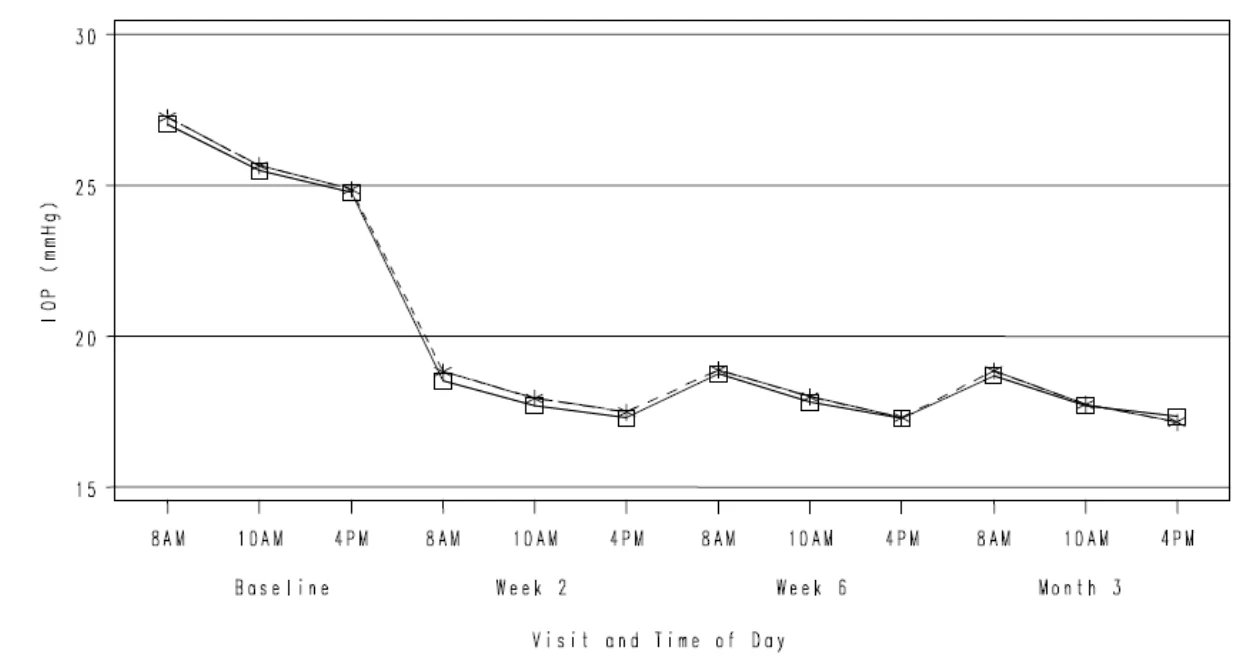
In a 3-month clinical study, travoprost ophthalmic solution (benzalkonium chloride-free formulation), dosed QD in the evening produced statistically equivalent IOP lowering efficacy compared to travoprost ophthalmic solution containing benzalkonium chloride QD. Mean IOP reductions from baseline for travoprost ophthalmic solution (benzalkonium chloride-free formulation) and travoprost ophthalmic solution containing benzalkonium chloride were clinically relevant and statistically significant at all measurement times. Mean IOP reductions in the per protocol and intent-to-treat analyses ranged from 7.3 to 8.5 mmHg for travoprost ophthalmic solution (benzalkonium chloride-free formulation) and from 7.4 to 8.4 mmHg for travoprost ophthalmic solution containing benzalkonium chloride (Figure 1). The maximum mean IOP reductions for travoprost ophthalmic solution (benzalkonium chloride-free formulation) (8.5 mmHg) and travoprost ophthalmic solution containing benzalkonium chloride (8.4 mmHg) correspond to approximate 31% IOP reductions in each group.
Travoprost ophthalmic solution (benzalkonium chloride-free formulation) and travoprost ophthalmic solution containing benzalkonium chloride provide similar IOP control, with up to 54% of patients in the travoprost ophthalmic solution (benzalkonium chloride-free formulation) and up to 58% of patients in the travoprost ophthalmic solution containing benzalkonium chloride group achieving clinically relevant IOP response (IOP<18 mmHg). IOP response to treatment between groups was similar and not statistically significantly different at each study visit and time (p≥0.2198 across both analyses).
Figure 1: Mean IOP (mmHg) for Travoprost Ophthalmic Solution (Benzalkonium Chloride-Free Formulation) and Travoprost Ophthalmic Solution Containing Benzalkonium Chloride

TOXICOLOGY
Acute Toxicity
Travoprost was demonstrated to have a low order of acute toxicity. No mortalities occurred in rats administered travoprost intravenously at a dose of 10 mg/kg (250,000-times the proposed clinical exposure) or in mice given up to 100 mg/kg/day (2,500,000-times the proposed clinical exposure). No significant systemic effects were observed.
Administration of travoprost ophthalmic solution, up to 0.01%, two drops every half-hour for five or six hours, did not result in any significant ocular or systemic effects.
Subchronic, Chronic Toxicity
Topical ocular administration of travoprost ophthalmic solution, 0.01%, three times a day for six months, in rabbits, resulted in no significant ocular or systemic effects. Iris pigmentation and a species specific increase in palpebral fissure and increase in lid retraction was observed in some monkeys receiving 0.0015%, 0.004% or 0.012% travoprost ophthalmic solution for up to one year. No other significant ocular or systemic effects were seen.
Subchronic intravenous administration of travoprost in rats at all doses employed (100 to 1000 micrograms/kg/day) resulted in trace-to-moderate hyperostosis and bone fibrosis. Incidence and severity were dose related, and determined bone to be a target organ of toxicity in rats. Similar studies in mice resulted in no significant systemic effects at doses of up to 1000 µg/kg/day.
Chronic systemic administration (subcutaneous) to rats at doses of 30 and 100 micrograms/kg/day resulted in dose-related hyperostosis and bone fibrosis similar to that observed in the subchronic study. No effect was observed in bone at 10 micrograms/kg/day (250-times the proposed clinical exposure), which was considered the no effect level.
Carcinogenesis
Two year bioassays, in which rats and mice were dosed with travoprost by subcutaneous injection at doses up to 100 micrograms/kg/day (2,500 times the clinical dose), revealed no evidence of carcinogenic effect.
Mutagenesis
Travoprost was not mutagenic in bacteria, in one mouse lymphoma assay, in the mouse micronucleus tests nor in the rat chromosome aberration assay. In another mouse lymphoma assay, higher concentrations of travoprost were slightly mutagenic only in the presence of activation enzymes.
Reproduction & Teratology
Travoprost did not affect mating or fertility indices in male or female rats and mice at subcutaneous doses up to 10 µg/kg/day (250 times the recommended human dose). The mean number of corpora lutea was slightly reduced and an increase in post-implantation loss was detected at that dose, but was not affected at 3 µg/kg/day (75 times the maximum recommended human dose).
In teratology studies conducted in pregnant rats and mice, travoprost reduced fetal viability when administered daily during the period of major organogenesis at doses as low as 1.0 (mice) and 10 (rats) µg/kg/day (25 and 250 times the maximum recommended human dose, respectively) with the lowest no effect level at 0.3 µg/kg/day (7.5 times the maximum recommended human dose). The incidence of skeletal malformations was slightly increased in fetuses of rat dams receiving travoprost by subcutaneous injection at 10 µg/kg/day (250 times the maximum recommended human dose), but not at 3 µg/kg/day (75 times the maximum recommended human dose). No fetal abnormalities were observed in mice at 1.0 µg/kg/day (25 times the maximum recommended human dose).
Pregnant rats dosed subcutaneously with up to 0.72 µg/kg/day from gestation Day 6 through lactation day 20 showed gestation length reduced in a dose related manner and the number of stillborn pups was increased. Surviving pup body weights were reduced. Pup development was affected as demonstrated by delayed static-righting reflex, eye opening and pinna detachment, delayed preputial separation and decrease in motor activity parameters. The no-observed adverse effect level was 0.1 µg/kg/day (2.5 times the human recommended dose).
REFERENCES
- 1 Goldberg I, Cunha-Vaz J, Jakobsen J-E, Nordmann JP, Trost E, Sullivan EK, The International Travoprost Study Group. Comparison of Topical Travoprost eye drops given once daily and timolol 0.5% given twice daily in patients with open-angle glaucoma or ocular hypertension. J Glaucoma 2001; 10: 414-422
- 2 Gross R, Peace JH, Smith SE, Walters TR, DuBiner HB, Weiss MJ, Ochsner KI, Duration of IOP reduction with travoprost BAK-free solution. J Glaucoma 2008; 17(3): 217-222.
- 3 Lewis RA et al. Travoprost 0.004% With and Without Benzalkonium Chloride: A Comparison of Safety and Efficacy. J Glaucoma 2007; 16(1): 98-103.
- 4 Netland PA, Landry T, Sullivan EK, Andrew R, Silver L, Weiner A, Mallick S, Dickerson J, Bergamini MVW, Robertson SM, Davis AA. The Travoprost Study Group. Travoprost compared with latanoprost and timolol in Patients with open-angle glaucoma or ocular hypertension. Am J Ophthalmol 2001; 132: 472-484.
- 5 Orengo-Nania S, Landry T, von Tress M, Silver L, Weiner A, Davis AA, The Travoprost Study Group. Evaluation of Travoprost as adjunctive therapy in patients with uncontrolled intraocular pressure while using timolol 0.5%. Am J Ophthalmol 2001; 132: 860-868.
- 6 Sharif NA, Davis TL, Williams GW. [3H]AL-5848 ([3H] 9β -(+)-Fluprostenol). Carboxylic acid of Travoprost (AL-6221), a novel FP prostaglandin to study the pharmacology and autoradiographic localization of the FP receptor. J Pharm Pharmacol 1999; 51: 685-694.
- 7 Sorbera L, Castaner J (2000). Travoprost. Drugs Future 25 (1): 41-45.
- 8 Konstas AGP, Mikropoulos O, Kaltsos K, Jenkins IN, Stewart WC. 24-hour intraocular pressure control obtained with evening versus morning dosed travoprost in primary open angle glaucoma. Ophthalmology 2006; 113(3): 446-450.
- 9 Fellman RL, Sullivan EK, Ratliff M, Silver LH, Whitson JT, Turner FD, Weiner AL, Davis AA, The Travoprost Study Group. Comparison of Travoprost 0.0015% and 0.004% with Timolol 0.5% in Patients with Elevated Intraocular Pressure – A 6-month, Masked, Multicenter trial. Ophthalmology 2002; 109(5) 998–1008.
- 10 The AGIS Investigators. The Advanced Glaucoma Intervention Study (AGIS): 7. The relationship between control of intraocular pressure and visual field deterioration. Am J Ophthalmol 2000;130(4):429-40.
- 11 Travatan® Z (travoprost) Ophthalmic Solution, 0.004% w/v Product Monograph. Novartis PharmaceuticalsCanada Inc. Control Number 222238, February 27, 2019.