


Product Monograph - Veltassa
RECENT MAJOR LABEL CHANGES
| Error! Reference source not found. Error! Reference source not found., 0 4.1 Dosing Considerations | 09/2023 |
|---|---|
| Error! Reference source not found. Error! Reference source not found., Error! Reference source not found. Error! Reference source not found. | 04/2024 |
| Error! Reference source not found. Error! Reference source not found., 0 4.3 Reconstitution | 09/2023 |
| Error! Reference source not found. Error! Reference source not found., Error! Reference source not found. Error! Reference source not found. | 09/2023 |
| ERROR! REFERENCE SOURCE NOT FOUND. ERROR! REFERENCE SOURCE NOT FOUND., Error! Reference source not found. Error! Reference source not found. | 04/2024 |
TABLE OF CONTENTS
Sections or subsections that are not applicable at the time of authorization are not listed.
RECENT MAJOR LABEL CHANGES ......................................................................................... 2
TABLE OF CONTENTS ............................................................................................................... 2
PART I: HEALTH PROFESSIONAL INFORMATION .................................................................. 4
1 INDICATIONS ................................................................................................................... 4
1.1 Pediatrics ............................................................................................................... 4
1.2 Geriatrics ............................................................................................................... 4
2 CONTRAINDICATIONS ................................................................................................... 4
4 DOSAGE AND ADMINISTRATION .................................................................................. 4
4.1 Dosing Considerations .......................................................................................... 4
4.2 Recommended Dose and Dosage Adjustment ..................................................... 4
4.3 Reconstitution ........................................................................................................ 5
4.4 Administration ........................................................................................................ 5
4.5 Missed Dose .......................................................................................................... 5
5 OVERDOSAGE ................................................................................................................ 5
6 DOSAGE FORMS, STRENGTHS, COMPOSITION AND PACKAGING ......................... 6
7 WARNINGS AND PRECAUTIONS .................................................................................. 6
7.1 Special Populations ............................................................................................... 7
7.1.1 Pregnant Women ............................................................................................... 7
7.1.2 Breast-feeding ................................................................................................... 8
7.1.3 Pediatrics ........................................................................................................... 8
7.1.4 Geriatrics ........................................................................................................... 8
8 ADVERSE REACTIONS ................................................................................................... 8
8.1 Adverse Reaction Overview .................................................................................. 8
8.2 Clinical Trial Adverse Reactions ............................................................................ 8
8.3 Less Common Clinical Trial Adverse Reactions .................................................. 10
8.4 Abnormal Laboratory Findings: Hematologic, Clinical Chemistry and Other Quantitative Data ............................................................................................................ 10
8.5 Post-Market Adverse Reactions .......................................................................... 11
9 DRUG INTERACTIONS .................................................................................................. 11
9.2 Drug Interactions Overview ................................................................................. 11
9.4 Drug-Drug Interactions ........................................................................................ 11
9.5 Drug-Food Interactions ........................................................................................ 15
9.6 Drug-Herb Interactions ........................................................................................ 15
9.7 Drug-Laboratory Test Interactions ....................................................................... 15
10 CLINICAL PHARMACOLOGY ....................................................................................... 15
10.1 Mechanism of Action ........................................................................................... 15
10.2 Pharmacodynamics ............................................................................................. 16
10.3 Pharmacokinetics ................................................................................................ 16
11 STORAGE, STABILITY AND DISPOSAL ...................................................................... 17
12 SPECIAL HANDLING INSTRUCTIONS ......................................................................... 17
PART II: SCIENTIFIC INFORMATION ....................................................................................... 18
13 PHARMACEUTICAL INFORMATION ............................................................................ 18
14 CLINICAL TRIALS ......................................................................................................... 19
14.1 Clinical Trials by Indication .................................................................................. 19
Treatment of Hyperkalemia ............................................................................................. 19
15 MICROBIOLOGY ............................................................................................................ 23
16 NON-CLINICAL TOXICOLOGY ..................................................................................... 23
PATIENT MEDICATION INFORMATION .................................................................................. 25
PART I: HEALTH PROFESSIONAL INFORMATION
1 INDICATIONS
VELTASSA (patiromer as patiromer sorbitex calcium) is indicated for:
- the treatment of hyperkalemia in adults with chronic kidney disease (eGFR ≥15mL/min/1.73m2).
1.1 Pediatrics
Pediatrics (<18 years of age): No data are available to Health Canada; therefore, Health Canada has not authorized an indication for pediatric use.
1.2 Geriatrics
Geriatrics (≥65 years of age): Evidence from clinical studies and experience suggests that use in the geriatric population is not associated with significant differences in safety or efficacy.
2 CONTRAINDICATIONS
VELTASSA is contraindicated in patients who are hypersensitive to this drug or to any ingredient in the formulation, including any non-medicinal ingredient, or component of the container. For a complete listing, see 0
DOSAGE FORMS, STRENGTHS, COMPOSITION AND PACKAGING.
Patients with the rare hereditary condition of fructose intolerance
- Sorbitol: VELTASSA contains approximately 11 g of sorbitol per maximum recommended daily dose.
4 DOSAGE AND ADMINISTRATION
4.1 Dosing Considerations
- The onset of action of VELTASSA occurs 4 to 7 hours after administration. VELTASSA should not replace emergency treatment for life threatening hyperkalemia due to its delayed onset of action.
- In general, administration of VELTASSA should be separated by 3 hours from other oral medicinal products. Separation is not needed for certain medicinal products (see 0 9.4 Drug-Drug Interactions).
- Monitor serum potassium, and adjust the dose of VELTASSA based on the desired target range (see 0 4.2 Recommended Dose and Dosage Adjustment), or after changes are made to medicinal products that affect serum potassium levels (see 7 WARNINGS AND PRECAUTIONS).
- There are limited data on the use of VELTASSA in patients on dialysis. No special dose and administration guidelines were applied to these patients in clinical studies.
4.2 Recommended Dose and Dosage Adjustment
The recommended starting dose of VELTASSA is 8.4 g patiromer once daily.
The daily dose may be adjusted in intervals of one week or longer, based on the serum potassium level and the desired target range. The daily dose may be increased or decreased by 8.4 g as necessary to reach the desired target range, up to a maximum dose of 25.2 g once daily. Multiple sachets may be used to achieve the desired dose. If serum potassium falls below the desired range, the dose should be reduced or discontinued.
Pediatrics (<18 years of age): Health Canada has not authorized an indication for pediatric use. See 7.1.3 Pediatrics.
Geriatrics (≥65 years of age): Geriatric patients should follow the dosage adjustment scheme provided in 0. No additional dosage adjustment considerations are required for geriatric patients. See 7.1.4 Geriatrics.
4.3 Reconstitution
VELTASSA should be mixed with water, and stirred to a suspension of uniform consistency, according to the following steps:
- The complete dose should be poured into a glass containing approximately 40 mL of water, then stirred.
- Another approximately 40 mL of water should be added, and the suspension stirred again thoroughly. The powder will not dissolve.
- More water may be added to the mixture as needed for desired consistency.
- The mixture should be taken within 1 hour of initial suspension.
- If powder remains in the glass after drinking, more water should be added and the suspension stirred and taken immediately. This may be repeated as needed to ensure the entire dose is administered.
The following liquids or soft foods can be used instead of water to prepare the mixture by following the same steps as described above: apple juice, cranberry juice, pineapple juice, orange juice, grape juice, pear juice, apricot nectar, peach nectar, yogurt, milk, thickener (e.g., cornstarch) in liquid or soft food, apple sauce, vanilla and chocolate pudding.
The potassium content of liquids or soft foods as those shown above that are used to prepare the mixture should be considered as part of the dietary recommendations on potassium intake for each individual patient.
4.4 Administration
Oral use. VELTASSA must be suspended in a liquid or soft food prior to administration (see 0 4.3 Reconstitution). VELTASSA may be taken with or without food. It should not be heated (e.g., microwaved) or added to hot foods or liquids. It should not be taken in its dry form.
4.5 Missed Dose
If a dose is missed, the missed dose should be taken as soon as possible on the same day. The missed dose should not be taken with the next dose.
5 OVERDOSAGE
Since excessive doses of VELTASSA may result in hypokalemia, serum potassium levels should be monitored. Patiromer is excreted after approximately 24 to 48 hours, based on average gastrointestinal transit time. If it is determined that medical intervention is required, appropriate measures to restore serum potassium may be considered. Doses of VELTASSA in excess of 50.4 g patiromer per day have not been tested.
| For management of a suspected drug overdose, contact your regional poison control centre. |
|---|
6 DOSAGE FORMS, STRENGTHS, COMPOSITION AND PACKAGING
Table 1 – Dosage Forms, Strengths, Composition and Packaging
VELTASSA includes sorbitol and calcium as part of the drug substance.
VELTASSA 8.4 g powder for oral suspension is supplied in 80 x 130 mm sachets.
VELTASSA 16.8 and 25.2 g powder for oral suspension is supplied in 90 x 165 mm sachets.
VELTASSA is supplied in boxes of 30 sachets. The 8.4 g is also available in boxes of 4 sachets.
7 WARNINGS AND PRECAUTIONS
General
There is limited clinical trial experience in patients with serum potassium concentrations greater than 6.5 mmol/L.
Driving and Operating Machinery
VELTASSA does not impair the ability to drive a motor vehicle or operate machinery.
Gastrointestinal
Patients with a history of bowel obstruction or major gastrointestinal surgery, severe gastrointestinal disorders, or swallowing disorders were not included in clinical studies. Gastrointestinal ischemia, necrosis and/or intestinal perforation have been reported with other potassium binders. The benefits and risks of administering VELTASSA should be carefully evaluated in patients with current or history of severe gastrointestinal disorders, before and during treatment.
Hepatic/Biliary/Pancreatic
No data in patients with hepatic impairment are available.
Monitoring and Laboratory Tests
Serum Potassium Levels and potential for hypokalemia
Serum potassium should be monitored when clinically indicated, including after changes are made to medicinal products that affect the serum potassium concentration (e.g., renin-aldosterone-angiotensin-system inhibitors [RAASi] or diuretics) and after the VELTASSA dose is titrated.
VELTASSA binds to potassium in the gastrointestinal tract, which can lead to hypokalemia. In pooled safety data from four clinical trials, 5% of patients treated with VELTASSA developed a serum potassium value of <3.5 mmol/L (rates were lower in studies that used individualised
| Route of Administration | Dosage Form / Strength / Composition | Non-medicinal Ingredients |
| Oral use | Powder for suspension Sachets containing 8.4 g, 16.8 g, or 25.2 g patiromer (as patiromer sorbitex calcium) | Xanthan gum |
dose titration), with none <3.0 mmol/L. Lower the dose of VELTASSA, or discontinue use, if serum potassium levels decrease below 3.5 mmol/L or the desired target range.
Potential for Hyperkalemia on Discontinuation
When discontinuing VELTASSA, serum potassium levels may rise, especially if renin-angiotensin-aldosterone system inhibitor (RAASi) treatment is continued. Patients should be instructed not to discontinue therapy without consulting their physicians. Increases in serum potassium may occur as early as 2 days after the last VELTASSA dose.
Hypomagnesemia
VELTASSA binds to magnesium in the gastrointestinal tract, which can lead to hypomagnesemia. In pooled safety data from four clinical trials, serum magnesium values <0.58 mmol/L occurred in 9% of patients treated with VELTASSA, with no patients developing a serum magnesium level <0.4 mmol/L. Mean decreases in serum magnesium were 0.070 mmol/L or less. Serum magnesium should be monitored for at least 1 month after initiating treatment, and magnesium supplementation considered in patients who develop low serum magnesium levels.
Calcium levels
VELTASSA contains calcium as part of the counterion complex. Calcium is partially released and some may be absorbed (see 0 10.2 Pharmacodynamics). The benefits and risks of administering VELTASSA should be carefully evaluated in patients at risk of hypercalcaemia. Calcium supplementation is not recommended in patients taking VELTASSA.
Renal
The safety and efficacy of VELTASSA were demonstrated in hyperkalemic patients, 93% of whom had chronic kidney disease (CKD). VELTASSA has been studied in only a limited number of patients with end-stage renal disease (ESRD) with estimated glomerular filtration rate (eGFR) <15 mL/min/1.73 m² and patients receiving dialysis treatment.
Reproductive Health: Female and Male Potential
Fertility
There are no data on the effect of VELTASSA on fertility in humans. Short-term animal studies showed no effects on reproductive function or fertility (see 16 NON-CLINICAL TOXICOLOGY).
7.1 Special Populations
7.1.1 Pregnant Women
There are no adequate and well-controlled studies on the use of patiromer in pregnant women. Although systemic exposure to VELTASSA is negligible, it is unknown whether the drug has potential for indirect harm to the fetus. VELTASSA is known to influence serum levels of electrolytes (e.g. potassium, magnesium, potentially calcium), and may interact with the absorption of vitamins (e.g. thiamine; see 0 9.4 Drug-Drug Interactions). This may impact the development of a fetus. Data obtained from animal studies did not conclusively show the absence of effects on fetal health (see 16 NON-CLINICAL TOXICOLOGY). Hence, the use of VELTASSA during pregnancy is not recommended.
7.1.2 Breast-feeding
There have been no adequate, well-controlled studies in nursing women; however, since the systemic exposure of the breast-feeding woman to patiromer is negligible, excretion of patiromer from VELTASSA in breast milk is unlikely. Nonetheless, as VELTASSA is known to influence serum levels of electrolytes (e.g. potassium, magnesium, potentially calcium) and may interact with the absorption of vitamins (e.g. thiamine) that are important for the developing infant, caution should be exercised if VELTASSA is to be used in nursing women.
7.1.3 Pediatrics
Pediatrics (<18 years of age): No data are available to Health Canada; therefore, Health Canada has not authorized an indication for pediatric use.
7.1.4 Geriatrics
Geriatrics (≥65 years of age): Of the 666 subjects exposed to VELTASSA in clinical studies, 60% were age 65 and over, and 20% were age 75 and over. Evidence from clinical studies and experience suggests that use in the geriatric population is not associated with significant differences in safety or efficacy.
8 ADVERSE REACTIONS
8.1 Adverse Reaction Overview
The majority of the adverse reactions (ARs) reported from trials (based on a pooled safety population of 666 patients) were gastrointestinal disorders and hypomagnesemia. Gastrointestinal disorder reactions were generally mild to moderate in nature, generally resolved spontaneously or with treatment, and none were reported as serious. Hypomagnesemia was mild to moderate, with no patient developing a serum magnesium level <0.4 mmol/L.
8.2 Clinical Trial Adverse Reactions
Clinical trials are conducted under very specific conditions. The adverse reaction rates observed in the clinical trials; therefore, may not reflect the rates observed in practice and should not be compared to the rates in the clinical trials of another drug. Adverse reaction information from clinical trials may be useful in identifying and approximating rates of adverse drug reactions in real-world use.
In the safety and efficacy clinical trials, 666 adult patients received at least one dose of VELTASSA, including 219 exposed for at least 6 months and 149 exposed for at least one year. Table 2 provides a summary of the most common adverse reactions (occurring in ≥ 1% of patients) assessed by investigators as related to VELTASSA in these clinical trials. Most adverse reactions were mild to moderate, and occurred within the first 4 weeks of treatment.
Table 2 – Adverse Reactions Reported in ≥ 1% of Patients, safety population
| System Organ Class | Adverse Reactions | Patients treated with VELTASSA (N=666) |
| Gastrointestinal disorders | Constipation Diarrhea Abdominal pain Flatulence | 6.2% 3.0% 2.9% 1.8% |
| Metabolism and nutrition disorders | Hypomagnesemia | 5.3% |
| Hypokalemia | 1.5% |
In the placebo-controlled study RLY5016-202, the ability of VELTASSA to enable concomitant spironolactone treatment was investigated in a randomized, double-blind, placebo-controlled study in heart failure patients. Patients initiated spironolactone at 25 mg/day at the same time as their randomized treatment (25.2 g patiromer daily as a divided dose or placebo), and spironolactone was up-titrated to 50 mg/day after Day 14 if serum potassium was >3.5 and ≤5.1 mmol/L. VELTASSA dose was not titrated in this study. Table 3 provides a summary of the most common adverse events (occurring in ≥ 1% of patients) described by investigator as related to study treatment (VELTASSA or placebo) in patients in this clinical trial.
Table 3 – Adverse Events Related to Study Treatment in ≥ 1% of Patients, Study RLY5016-202
| System Organ Class | Adverse Reactions | Patients treated with VELTASSA (N=56) | Patients treated with Placebo (N=49) |
| Gastrointestinal disorders | Flatulence | 7.1% | 0 |
| Diarrhea | 5.4% | 2.0% | |
| Constipation | 5.4% | 0 | |
| Vomiting | 3.6% | 0 | |
| Faecal incontinence | 0 | 2.0% | |
| Nausea | 0 | 2.0% | |
| Abdominal discomfort | 1.8% | 0 | |
| Abdominal pain | 1.8% | 0 | |
| Epigastric discomfort | 1.8% | 0 | |
| Frequent bowel movements | 1.8% | 0 | |
| Immune System Disorders | Allergic oedema | 1.8% | 0 |
| System Organ Class |
Adverse Reactions
| Patients treated with VELTASSA (N=56) | Patients treated with Placebo (N=49) | ||
| Investigations | Blood lactate dehydrogenase increased | 0 | 2.0% |
| Metabolism and nutrition disorders | Hypokalemia | 7.1% | 0 |
| Renal and Urinary Disorders | Renal impairment | 0 | 4.1% |
| Renal failure acute | 1.8% | 0 | |
| Skin and Subcutaneous Tissue Disorders | Urticaria | 0 | 2.0% |
8.3 Less Common Clinical Trial Adverse Reactions
Adverse reactions occurring at a frequency of <1% in the pooled safety population of 666 patients are listed below:
Gastrointestinal disorders: Abdominal distension, dry mouth, dyspepsia, epigastric discomfort, gastroesophageal reflux disease, nausea, vomiting
Immune system disorders: Allergic edema, hypersensitivity
Investigations: Blood iron decreased, blood phosphorus decreased, blood pressure decreased
Metabolism and nutrition disorders: Anorexia
Musculoskeletal and connective tissue disorders: Muscle spasms
Nervous system disorders: Dysgeusia
Skin and subcutaneous tissue disorders: Pruritus
8.4 Abnormal Laboratory Findings: Hematologic, Clinical Chemistry and Other Quantitative Data
Table 4 – Abnormal Laboratory Findings: Clinical Chemistry
| Patients treated with VELTASSA (N=666) | ||
| Serum magnesium | Mean change | -0.067 mmol/L (-0.162 mg/dL) |
| Values <0.58 mmol/L (1.4 mg/dL) | 9% | |
| Values <0.4 mmol/L (1.0 mg/dL) | 0% | |
| Serum potassium | Mean change | -0.72 mmol/L |
| Values <3.5 mmol/L | 4.7% |
| Values <3.0 mmol/L | 0% |
For more information on hypokalemia or hypomagnesemia, refer to WARNINGS AND PRECAUTIONS.
8.5 Post-Market Adverse Reactions
No post-marketing experience influencing the ADR profile to date.
9 DRUG INTERACTIONS
9.2 Drug Interactions Overview
Binding of VELTASSA to some other oral medications could decrease their gastrointestinal absorption when taken close to the time of VELTASSA administration. As patiromer is not absorbed or metabolised by the body, there are limited effects on the function of other medicinal products. When taken 3 hours apart, no interaction was observed in drug-drug interaction clinical trials. In general, other oral medications should be administered at least 3 hours before or 3 hours after VELTASSA (see 0 4.1 Dosing Considerations). Separation is not needed for certain medicinal products (see 0 9.4 Drug-Drug Interactions).
9.4 Drug-Drug Interactions
The drugs listed in this table are based on either drug interaction case reports or studies, or potential interactions due to the expected magnitude and seriousness of the interaction (i.e., those identified as contraindicated). For oral medicinal products not listed, administration of patiromer should be separated by at least 3 hours as a precautionary measure.
Table 5 – Established or Potential Drug-Drug Interactions
| Common name | Source of Evidence | Effect | Clinical comment |
| Angiotensin-converting enzyme (ACE) inhibitors | |||
| Benazepril, captopril, enalapril, fosinopril, lisinopril, perindopril, quinapril, ramipril, trandolapril | T | In vitro: no interaction observed | Administration of VELTASSA does not need to be separated from these oral medicinal products |
| Angiotensin II receptor blockers (ARB) | |||
| Telmisartan | T | In vitro studies have shown potential interaction of VELTASSA with telmisartan. Interaction of VELTASSA with telmisartan was not tested in vivo | Administration of VELTASSA should be separated by at least 3 hours from this oral medicinal product |
| Common name | Source of Evidence | Effect | Clinical comment |
| Azilsartan, candesartan, irbesartan, losartan, olmesartan, valsartan | T | In vitro: no interaction observed | Administration of VELTASSA does not need to be separated from these oral medicinal products |
| β-adrenergic blockers (β-blockers) | |||
| Bisoprolol, carvedilol, nebivolol | T | In vitro studies have shown potential interaction of VELTASSA with bisoprolol, carvedilol or nebivolol. Interaction of VELTASSA with these oral medicinal products was not tested in vivo | Administration of VELTASSA should be separated by at least 3 hours from these oral medicinal products |
| Metoprolol | CT | In vivo: no interaction observed | Administration of VELTASSA does not need to be separated from this oral medicinal product |
| Loop diuretics | |||
| Furosemide | CT | In vivo: no interaction observed | Administration of VELTASSA does not need to be separated from this oral medicinal product |
| Bumetanide | T | In vitro: no interaction observed | Administration of VELTASSA does not need to be separated from this oral medicinal product |
| Mineralocorticoid receptor antagonists (MRA) | |||
| Eplerenone, finerenone, spironolactone | T | In vitro: no interaction observed | Administration of VELTASSA does not need to be separated from these oral medicinal products |
| Neprilysin inhibitors | |||
| Sacubitril | T | In vitro: no interaction observed | Administration of VELTASSA does not need to be separated from this oral medicinal product |
| Sodium-glucose cotransporter-2 (SGLT-2) inhibitors | |||
| Common name | Source of Evidence | Effect | Clinical comment |
| Canagliflozin, dapagliflozin, empagliflozin | T | In vitro: no interaction observed | Administration of VELTASSA does not need to be separated from these oral medicinal products |
| Antibiotics | |||
| Ciprofloxacin | CT | VELTASSA decreased the systemic exposure of co-administered ciprofloxacin by 28% based on AUC. However, there was no interaction when taken 3 hours apart. | Administration of VELTASSA should be separated by 3 hours from this oral medicinal product. |
| Trimethoprim | CT | In vivo: no interaction observed | Administration of VELTASSA does not need to be separated from this oral medicinal product |
| Amoxicillin, cephalexin | T | In vitro: no interaction observed | Administration of VELTASSA does not need to be separated from these oral medicinal products |
| Anticoagulants | |||
| Warfarin | CT | In vivo: no interaction observed | Administration of VELTASSA does not need to be separated from this oral medicinal product |
| Apixaban, rivaroxaban | T | In vitro: no interaction observed | Administration of VELTASSA does not need to be separated from these oral medicinal products |
| Anti-Parathyroid Agents and Thyroid Preparations | |||
| Levothyroxine | CT | VELTASSA decreased the systemic exposure of co-administered levothyroxine by 19% based on AUC. However, there was no interaction taken 3 hours apart. | Administration of VELTASSA should be separated by 3 hours from this oral medicinal product. |
| Cinacalcet | CT | In vivo: no interaction observed | Administration of VELTASSA does not need to be separated from this oral medicinal product |
| Antithrombotic Agents | |||
| Common name | Source of Evidence | Effect | Clinical comment |
| Clopidogrel | CT | In vivo: no interaction observed | Administration of VELTASSA does not need to be separated from this oral medicinal product |
| Acetylsalicylic acid | T | In vitro: no interaction observed | Administration of VELTASSA does not need to be separated from this oral medicinal product |
| Blood Glucose Lowering Drugs | |||
| Metformin | CT | VELTASSA decreased the systemic exposure of co-administered metformin by 19% based on AUC. However, there was no interaction when taken 3 hours apart. | Administration of VELTASSA should be separated by 3 hours from this oral medicinal product. |
| Calcium Channel Blockers | |||
| Amlodipine, verapamil | CT | In vivo: no interaction observed | Administration of VELTASSA does not need to be separated from these oral medicinal products |
| Immunosuppressants | |||
| Mycophenolate mofetil | T | In vitro studies have shown potential interaction of VELTASSA with mycophenolate mofetil. Interaction of VELTASSA with this oral medicinal product was not tested in vivo | Administration of VELTASSA should be separated by at least 3 hours from this oral medicinal product |
| Tacrolimus | T | In vitro: no interaction observed | Administration of VELTASSA does not need to be separated from this oral medicinal product |
| Others | |||
| Quinidine | T | In vitro studies have shown potential interaction of VELTASSA with quinidine. Interaction of VELTASSA with this oral medicinal product was not tested in vivo | Administration of VELTASSA should be separated by 3 hours from this oral medicinal product. |
| Common name | Source of Evidence | Effect | Clinical comment |
| Lithium | CT | In vivo: no interaction observed | Administration of VELTASSA does not need to be separated from this oral medicinal product |
| Allopurinol, atorvastatin, digoxin, phenytoin, riboflavin, sevelamer | T | In vitro: no interaction observed | Administration of VELTASSA does not need to be separated from these oral medicinal products |
| Thiamine | T | In vitro studies have shown potential interaction of VELTASSA with thiamine. Interaction of VELTASSA with this oral medicinal product was not tested in vivo | Administration of VELTASSA should be separated by 3 hours from this oral medicinal product. |
Legend: C = Case Study; CT = Clinical Trial; T = Theoretical
9.5 Drug-Food Interactions
Interactions with specific foods have not been established.
In an open-label study, 114 patients with hyperkalemia were treated with VELTASSA (8.4 g/day initiation dose) once daily, and were randomized to receive the treatment with food or without food for 4 weeks. VELTASSA dose was individually titrated. The mean daily dose of VELTASSA, overall safety profile, and mean reduction from baseline in serum potassium were similar whether the patients were taking VELTASSA with food or without food.
9.6 Drug-Herb Interactions
Interactions with herbal products have not been established.
9.7 Drug-Laboratory Test Interactions
Interactions with laboratory tests have not been established.
10 CLINICAL PHARMACOLOGY
10.1 Mechanism of Action
VELTASSA is a non-absorbed, cation exchange polymer that contains a calcium-sorbitol complex as a counterion.
VELTASSA increases fecal potassium excretion through binding of potassium in the lumen of the gastrointestinal tract. Binding of potassium reduces the concentration of free potassium in the gastrointestinal lumen, resulting in a reduction of serum potassium levels.
10.2 Pharmacodynamics
In healthy adult subjects, VELTASSA caused a dose-dependent increase in fecal potassium excretion, and a corresponding decrease in urinary potassium excretion with no change in serum potassium. In a Phase 1, open-label, multiple-dose crossover study in 12 healthy subjects, 25.2 g of patiromer administered once daily for 6 days resulted in a mean increase in fecal potassium excretion of 1283 mg/day, and a mean decrease in urinary potassium excretion of 1438 mg/day. Daily urinary calcium excretion increased from baseline by 53 mg/day.
In an open-label study to assess the time to onset of action, 25 patients with hyperkalemia (mean baseline serum potassium of 5.9 mmol/L) and chronic kidney disease were given 16.8 grams of patiromer daily (as divided doses) with a controlled potassium diet. A statistically significant reduction from baseline in serum potassium (-0.2 mmol/L) was observed at 7 hours after the first dose. Serum potassium levels continued to decline during the 48-hour treatment period (-0.8 mmol/L at 48 hours after the first dose). Following discontinuation of VELTASSA, potassium levels remained stable for 24 hours after the last dose, then rose again during a 4-day observation period.
Electrocardiography
As patiromer is a non-absorbed polymer, no formal clinical studies were performed to assess the drug effect on prolongation of the QT interval corrected for heart rate (QTc).
Small fluctuations around the baseline mean values for heart rate, RR interval, PR interval, QRS interval, QT interval and QTcF interval were observed in pooled safety data for subjects treated with VELTASSA in clinical trials; however, the fluctuations likely reflect the inherent biologic variability in cardiac conduction or repolarization over time in a subject population with a high background rate of cardiac conditions, rather than an association with VELTASSA treatment. No trends were observed and there is no indication of drug-related cardiac conduction or repolarization abnormalities.
In Phase 1 studies in healthy volunteers, no dose-related changes from baseline were observed in mean QT or QT corrected according to the method of Fridericia (QTcF) intervals after single or multiple doses of VELTASSA and no clinically significant changes from baseline were observed in QT or QTcF intervals after once daily (QD), twice daily (BID) or three times daily (TID) dosing.
In a double-blind, placebo-controlled Phase 2 study in subjects with heart failure, no clinically significant changes from baseline in mean RR or QT intervals were observed in the VELTASSA or placebo groups, and the percentage of subjects with QTcF intervals > 470 msec was similar (8.0 and 9.5%, respectively). The proportions of subjects with QTcF intervals > 470 msec and > 500 msec remained the same in both treatment groups at every time point through Day 28 and at the last available on-study measurement.
10.3 Pharmacokinetics
Patiromer works by binding potassium in the gastrointestinal tract and thus the serum concentration is not relevant for its efficacy. Due to the insolubility and non-absorptive characteristics of this medicinal product, many classical pharmacokinetic studies cannot be carried out, e.g., determination of the distribution volume, area under the curve, mean residence time, etc.
Absorption:
In radiolabelled absorption, distribution, metabolism, elimination (ADME) studies in rats and dogs, patiromer was not systemically absorbed.
Distribution:
Quantitative whole-body autoradiography analysis in rats demonstrated that radioactivity was limited to the gastrointestinal tract, with no detectable level of radioactivity in any other tissues or organs.
Metabolism:
Not applicable due to the insolubility and non-absorptive characteristics of patiromer.
Elimination:
In radiolabelled ADME studies in rats and dogs, patiromer was excreted in the feces.
Special Populations and Conditions
No data are available.
11 STORAGE, STABILITY AND DISPOSAL
Store and transport refrigerated (2°C to 8°C).
Store preferably in a refrigerator until expiry date or, if stored at room temperature (15°C to 25°C), for a maximum of 6 months. The healthcare professional should write the discard date (6 months from the date the product was taken out of the refrigerator or the expiry date printed on the carton, whichever comes first) in the space provided on the carton.
Patients should be instructed to use VELTASSA by the discard date.
Avoid exposure to excessive heat above 40°C.
The reconstituted mixture should be kept at room temperature (15°C to 25°C) and taken within 1 hour of initial suspension.
Keep out of reach and sight of children.
12 SPECIAL HANDLING INSTRUCTIONS
Any unused medicinal product or waste material should be disposed of in accordance with local requirements.
PART II: SCIENTIFIC INFORMATION
13 PHARMACEUTICAL INFORMATION
Drug Substance
Proper name: Patiromer sorbitex calcium
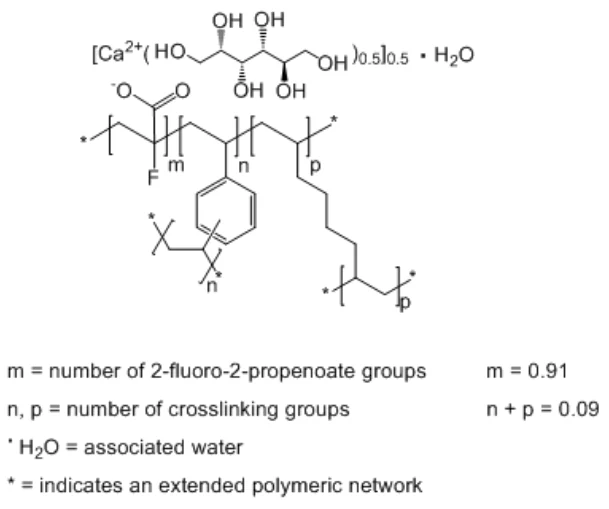
Chemical name: Calcium, hydrolyzed divinylbenzene-Me 2-fluoro-2-propenoate-1,7-octadiene polymer sorbitol complexes
Molecular formula and molecular mass: (Ca2C6H14O6)m(C3H2FO2)4m(C10H10)4n(C8H14)4p
Patiromer sorbitex calcium is a cross-linked polymer and does not have a defined molecular mass. Each polymer bead is one macromolecule that has multiple covalent crosslinks between polymer chains. The molecular weight of a 100 micrometer polymer bead is approximately 5.6 × 10¹⁷ g/mol.
Structural formula:
Physicochemical properties: off-white to light brown powder; insoluble in water, 0.1 M HCl, methanol and n-heptane
The sorbitol content is approximately 4 g (10.4 kcal) per 8.4 g of patiromer.
14 CLINICAL TRIALS
14.1 Clinical Trials by Indication
Treatment of Hyperkalemia
Table 6 – Summary of patient demographics for clinical trials in treatment of hyperkalemia
| Study # | Study design | Dosage, route of administration and duration | Study subjects (n)* | Mean age (Range) * | Sex* |
| RLY5016 -301 | Part A: Single blind, single arm Phase 3 study in subjects with hyperkalemia and CKD on stable doses of at least one RAASi – treatment phase | Group 1 (serum potassium of 5.1 to < 5.5 mmol/L) starting dose: 8.4 g patiromer orally daily (as a divided dose); Group 2 (serum potassium of 5.5 to < 6.5 mmol/L) starting dose: 16.8 g patiromer orally daily (as a divided dose); Doses of both groups were titrated to achieve and maintain serum potassium within a target range of 3.8 to < 5.1 mmol/L. 4 weeks | 243 | 64 years (29 to 80 years) | M: 140 F: 103 |
| Part B: Single blind, randomized, placebo-controlled Phase 3 study in subjects with hyperkalemia and CKD on stable doses of at least one RAASi – withdrawal phase | Eligible subjects from Part A were randomized equally to either: (1) continue patiromer at the same daily dose as administered at the time of the Part A Week 4 visit; or (2) withdraw (i.e., discontinue) patiromer and receive placebo. 8 weeks following completing Part A. | 107 | 65 years (32 to 80 years) | M: 58 F: 49 |
| Study # | Study design | Dosage, route of administration and duration | Study subjects (n)* | Mean age (Range) * | Sex* |
| RLY5016 -205 | Phase 2, multicenter, randomized, open-label, dose-ranging study in treating hyperkalemia in hypertensive subjects with nephropathy due to Type 2 diabetes mellitus (T2DM) receiving ACEI and/or ARB drugs, with or without spironolactone | Starting doses 8.4 to 33.6 g/day patiromer orally. Doses were titrated to achieve and maintain serum potassium within a target range. Stratum 1 (serum potassium of >5.0 to 5.5 mmol/L) starting dose: 8.4 g, 16.8 g, or 25.2 g patiromer orally daily (as a divided dose); Stratum 2 (serum potassium of > 5.5 to < 6.0 mmol/L) starting dose: 16.8 g, 25.2 g, or 33.6 g patiromer orally daily (as a divided dose) Treatment Initiation Period: 8 weeks, followed by a Long-term Maintenance Period for an additional 44 weeks; total of 52 weeks. | 304 | 66 years (37 to 80 years) | M: 192 F: 112 |
RAASi = renin-angiotensin-aldosterone system inhibitor (i.e., angiotensin-converting enzyme inhibitor, angiotensin II receptor blocker, or mineralocorticoid receptor antagonist) * Intent-to-treat (ITT) population
In Part A of the RLY5016-301 study, eligible subjects had CKD (eGFR ≥ 15 mL/min/1.73m2 and < 60 mL/min/1.73m2), were receiving a stable dose of at least one RAASi (angiotensin converting-enzyme inhibitor [ACEI], angiotensin II receptor blocker [ARB] or mineralocorticoid receptor antagonist [MRA]), and had serum potassium levels of 5.1 to < 6.5 mmol/L. 58% of patients were male, and 98% were Caucasian. Approximately 97% had hypertension, 57% had type 2 diabetes, and 42% had heart failure. Fifty-four percent (54%) of patients were aged 65 years and over, and 17% aged 75 years and over.
In Part B of the RLY50 16-301 study, demographics were similar in the placebo and VELTASSA groups. All patients were Caucasian, and approximately 97% had hypertension, 63% had type 2 diabetes, and 46% had heart failure. Fifty-six percent (56%) of patients were aged 65 years and over, and 17% aged 75 years and over in Part B.
In study RLY5016-205, eligible subjects had been diagnosed with Type 2 diabetes mellitus, had CKD (eGFR ≥ 15 mL/min/1.73 m2 and < 60 mL/min/1.73m2), were receiving RAASi (angiotensin converting-enzyme inhibitor [ACEI] and/or angiotensin II receptor blocker [ARB]), and had serum potassium levels of > 5.0 to < 6.0 mmol/L. There were no statistically significant differences in distribution of males and females or mean age between starting dose groups within each stratum. The majority of subjects (60%) were 65 years of age or older, with 20% 75 years of age or older, and all subjects were of Caucasian descent.
Overall, in the clinical studies mentioned above, all patients were receiving RAASi therapy at baseline.
Study RLY5016-301
This study was a two-part, single-blind, randomized, withdrawal study evaluating the effect of VELTASSA in hyperkalemic patients with CKD on stable doses of at least one RAASi (i.e., angiotensin-converting enzyme inhibitor, angiotensin II receptor blocker, or mineralocorticoid receptor antagonist).
Results for the Part A primary endpoint, the change in serum potassium from Baseline to Week 4, are summarized in Table 7. For the Part A secondary endpoint, 76% (95% CI: 70%, 81%) of patients had a serum potassium in the target range of 3.8 mmol/L to < 5.1 mmol/L at Week 4. The mean daily doses of VELTASSA were approximately 13 grams and 21 grams in patients with serum potassium of 5.1 to < 5.5 mmol/L and 5.5 to < 6.5 mmol/L, respectively.
Table 7 – Results of study RLY5016-301 Part A in treatment of hyperkalemia
| Baseline | Week 4 | |||
|---|---|---|---|---|
| Serum potassium stratum | Mean serum potassium* (±SE) | Mean serum potassium† (±SE) | Mean change from baseline [95% CI] | p-value |
| 5.1 to < 5.5 mmol/L (n=90)‡ | 5.32 ± 0.061 | 4.66 ± 0.049 | -0.65 [-0.74; -0.55] | -- |
| 5.5 to < 6.5 mmol/L (n=147)‡ | 5.74 ± 0.032 | 4.51 ± 0.040 | -1.23 [-1.31; -1.16] | -- |
| Overall Population (n=237)* | 5.58 ± 0.033 | 4.57 ± 0.031 | -1.01 [-1.07; -0.95] | < 0.001 |
* Anova model
† Repeated measures model
‡ Subjects enrolled into the Part A Treatment Phase who i) received at least one dose of RLY5016 FOS and ii) had either a central or local laboratory serum potassium result at Part A Baseline and at least one post-baseline weekly visit (i.e., Part A Week 1 or later)
The Part B primary endpoint was the change in serum potassium from Part B baseline to the earliest visit at which the patient’s serum potassium was first outside of the range of 3.8 to < 5.5 mmol/L, or to Part B Week 4 if the patient’s serum potassium remained within the range. In Part B, serum potassium rose by 0.72 mmol/L in patients who were switched to placebo, versus no change in patients who remained on VELTASSA (Table 8). In patients randomized to VELTASSA, the mean daily dose was 21 grams at the start of Part B and during Part B.
Table 8 – Results of study RLY5016-301 Part B in treatment of hyperkalemia
| Primary Endpoints | Placebo (n=52) | VELTASSA (n=55) | Difference |
| Estimate (95% CI) | p-value | ||
| Estimated Median Change in Serum Potassium from Baseline (mmol/L) | 0.72 | 0.00 | |
0.72 (0.46; 0.99) | < 0.001 | ||
More placebo patients (91%, 95% CI: 83%; 99%) developed a serum potassium ≥ 5.1 mmol/L at any time during Part B than VELTASSA patients (43%, 95% CI: 30%; 56%), p < 0.001. More placebo patients (60%, 95% CI: 47%; 74%) developed a serum potassium ≥ 5.5 mmol/L at any time during Part B than VELTASSA patients (15%, 95% CI: 6%; 24%), p < 0.001.
The potential of VELTASSA to enable concomitant RAASi treatment was also assessed in Part B. Fifty-two percent (52%) of subjects receiving placebo discontinued RAASi treatment because of recurrent hyperkalemia compared with 5% of subjects treated with VELTASSA.
Study RLY5016-205
This was an up to 52 week open-label study evaluating the effect of treatment with VELTASSA in 304 hyperkalemic patients with CKD and type 2 diabetes mellitus on stable doses of a RAASi.
The primary efficacy parameter was the change in serum potassium from baseline to week 4 or prior to initiation of dose titration. Results are summarized in Table 9.
Table 9 – Results of study RLY5016-205 in treatment of hyperkalemia
| Baseline | Week 4* | |||
|---|---|---|---|---|
| Serum potassium stratum | Mean serum potassium (±SE) | Mean serum potassium (±SE) | Mean change from baseline [95% CI] | p-value |
| > 5.0 to 5.5 mmol/L (n=220) | 5.15 ± 0.017 | 4.68 ± 0.039 | -0.47 [-0.55; -0.40] | < 0.001 |
| > 5.5 to < 6.0 mmol/L (n=84) | 5.66 ± 0.039 | 4.74 ± 0.073 | -0.92 [-1.07; -0.77] | < 0.001 |
* For subjects who required VELTASSA dose titration before Week 4, the endpoint is the last observed data prior to the first titration. For subjects who prematurely discontinued VELTASSA without dose titration and prior to Week 4, the endpoint was the last observed post-baseline data prior to termination.
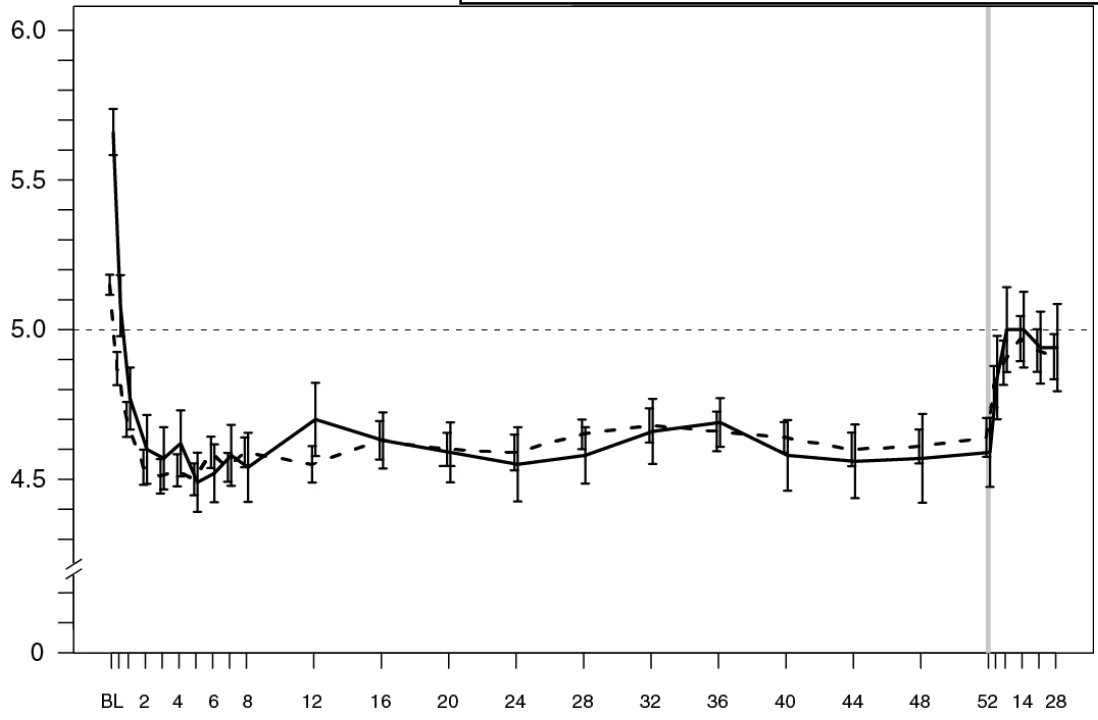
Decreases in serum potassium with VELTASSA treatment were maintained over 1 year of chronic treatment as shown in Figure 1, with a low incidence of hypokalemia (2.3%). A majority of subjects (97.7%) reached the target serum potassium range (4.0–5.0 mmol/L) during the 8-week treatment initiation period and maintained target levels (3.8 to 5.0 mmol/L) during the long-term (up to 44 weeks) maintenance period (overall during maintenance period, serum potassium was within the target range for approximately 80% of the time). In patients with a baseline serum potassium of >5.0 to 5.5 mmol/L who received an initial dose of 8.4 g patiromer per day, the mean daily dose was 14 g; in those with a baseline serum potassium of 5.5 to <6.0 mmol/L who received an initial dose of 16.8 g patiromer per day, the mean daily dose was
20 g during the entire study.
Figure 1 – Mean (95% CI) Serum Potassium Over Time

Study Visit (week) Follow-up
15 MICROBIOLOGY
No microbiological information is required for this drug product.
16 NON-CLINICAL TOXICOLOGY
General Toxicology:
No single-dose toxicity studies were conducted. A 26-week repeat-dose toxicity study in rats showed no dose-dependent clinical signs of toxicity, ophthalmic findings, or effects on mean body weight or body weight changes that could be associated with the drug, at doses ranging from 1 to 5 g/kg/day. The NOAEL of 5 g/kg/day provides a 10-fold safety margin. A 39-week repeat dose toxicity study in beagle dogs with doses ranging from 1 to 3.75 g/kg/day resulted in no drug-related mortalities, ophthalmic or cardiovascular observations, and no adverse effects on body weight, food consumption, or macroscopic or microscopic changes. Certain sex-specific effects observed (such as serum potassium reduction and gastrointestinal events) were difficult to interpret due to limited statistical power, and were not observed subsequently in clinical studies. The NOAEL in this study was 3.75 g/kg/day. This provides a 7-fold safety

| Mean (95% Cl) Ser um Pot as s ium (m mol/ L) |
| Number of Subjects: | (day) | ||||||||||
|---|---|---|---|---|---|---|---|---|---|---|---|
| Lower K+ Stratum: | 218 199 192 | 175 | 168 | 161 | 161 | 163 | 158 | 156 | 151 | 148 | 149 145 131 126 |
| Higher K+ Stratum: | 83 73 70 | 65 | 62 | 62 | 62 | 61 | 53 | 53 | 53 | 52 | 49 49 48 47 |
margin.
In radiolabeled studies in rats and dogs, patiromer was not systemically absorbed and was excreted in the feces. Quantitative whole-body autoradiography analysis in rats demonstrated that radioactivity was limited to the gastrointestinal tract, with no detectable level of radioactivity in any other tissues or organs.
Carcinogenicity:
Carcinogenicity studies have not been performed.
Genotoxicity:
Patiromer was not genotoxic in the reverse mutation test (Ames assay), chromosome aberration or rat micronucleus assays.
Reproductive and Developmental Toxicology:
Animal studies showed no significant effects on reproductive function or fertility at doses up to 1 times the maximum recommended human dose (MRHD). However, mean sperm motility and velocity were lower with higher doses, and levels were at or below historical controls for all tests at the highest drug dose. While this did not lead to significantly reduced fertility rates in rats, similar changes in humans might be associated with reduced fertility. Patiromer also did not statistically significantly affect embryo-fetal development in pregnant rats at dose levels up to 6 g/kg, providing up to a 12-fold margin above the MRHD, and in pregnant rabbits at dose levels up to 3 g/kg, providing up to a 6-fold margin above the MRHD. However, offspring were not followed after birth to confirm whether prenatal exposure had lasting post-natal effects. The evidence provided does not confirm the absence of an indirect effect on offspring health as a result of maternal patiromer exposure.